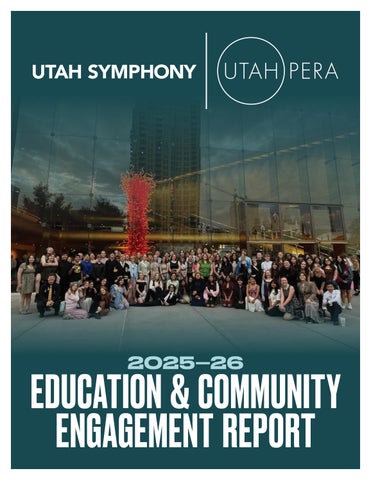
It is my pleasure to share the 2025–26 Education & Community Engagement Annual Report for Utah Symphony | Utah Opera. This past year, our education concerts, programs, and classes reached 107,403 students, teachers, and community members across 31 school districts, delivering 292 services and 11,569 miles of travel in service of a single idea: that every student in Utah, no matter where they live, deserves to experience great live music.
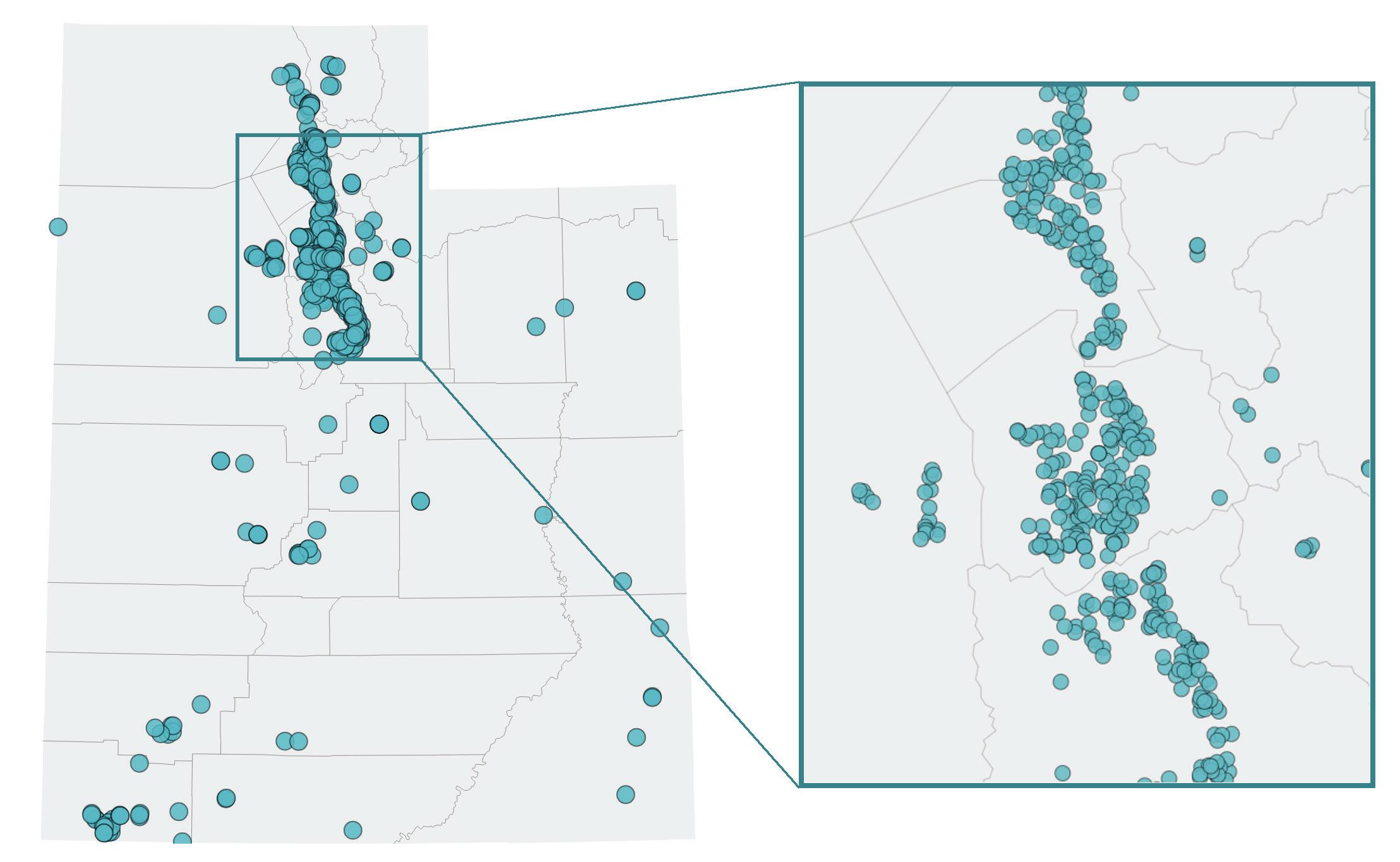
That commitment shapes everything in the pages that follow. Our programs meet students in their own schools and welcome them into Abravanel Hall and the Janet Quinney Lawson Capitol Theatre, and they reach deliberately into Utah’s rural communities. Those communities geographically cover 77% of the state but are home to fewer than one in nine Utahns, and yet they account for more than 20% of the students our education programs serve. That work drew national attention this year, when we hosted a visit from the National Endowment for the Arts and Chairman Mary Anne Carter. Along the way, our programs do three things we care about deeply: they build belonging for students, from a

fifth grader hearing an orchestra for the first time to a classroom writing and performing an opera of their own; they support the music teachers who carry this work every day; and they help fulfill our mission to connect the community through great live music.
None of it is possible without real partnership. This work is shaped alongside educators and community partners statewide and sustained by the Utah State Legislature through the Professional Outreach Program in the Schools (POPS), along with foundations, individual donors, and our generous sponsors. In total, nearly $6 million in support sustains and is motivated by our educational work each year. We are grateful to every partner who makes it possible, and we invite you to explore all that a year of music education in Utah looks like.

With gratitude,
Ben Kipp Vice President of Education & Community Engagement
About POPS — Professional Outreach Program in the Schools (POPS) is sponsored by the Utah State Legislature and managed by the Utah State Board of Education. POPS supports arts education in Utah’s public schools by creating customized and meaningful offerings from professional arts organizations. POPS offerings embody the state’s core learning standards and provides arts education opportunities to all Utah public and charter schools for free.
Each dot represents a school we shared music with during the 2025–26 season.
107,403 People Served 4,368 91,537 7,953 Teachers K-12 Students Others
USUO Education Programs are designed to support Utah Core Standards, particularly in Fine Arts. Below is a list of just some of the standards that are met by various programs. Several standards are supported by more than one program.
In-School Symphony Concerts
5th Grade Concerts
Who Wants to Be an Opera Star?
Music! Words! Opera!
In-School Symphony Concerts
Open Rehearsals
Opera Up Close
Opera 101
Opera-tunities
Conductor in the Classroom
Side-by-Side
Youth Orchestra Festival
Salute to Youth
Mindful Music Moments
Music, Respond: Listen to and interact with a variety of contrasting music (5.M.R.1); Listen for and identify form, meter, rhythm, timbre, mood, tempo, melody, texture, and harmony/tonality (5.M.R.2); Demonstrate audience etiquette appropriate for the context and venue (5.M.R.3); Describe feelings or imagery conveyed by a musical selection (5.M.R.4).
Music, Connect: Deepen understanding of another content area through music (5.M.CO.3); Experience and explore music which connects us to history, culture, heritage, and community (5.M.CO.4); Identify connections between a music genre and cultural or historical contexts (5.M.CO.5 ).
Drama & Music, Create: Students will conceptualize, generate, develop, and organize artistic ideas and work. They will complete and refine drama / musical works (5.T.CR.1-7 and 5.M.CR.1-7 ).
Drama & Music, Perform: Students will … develop techniques and concepts to refine artist work, and express meaning through the presentation of dramatic / musical works (5.T.P.1-9 and 5.M.P.1-11).
Music, Respond: Identify and discuss how musical elements are embedded within a musical work to express possible meaning or composer’s possible intent (7-8.M.R.3); Identify and describe, with guidance, the technical and musical skills evident in a quality performance (7-8.M.R.5 ).
Music, Connect: Experience how music connects us to history, culture, heritage, community, and to other academic subjects (7-8.M.C.3).
Theatre, Respond: Describe and demonstrate audience skills of observing attentively and responding appropriately in classroom presentations, rehearsals, and live performance settings (7-8.T.R.1); Formulate a deeper understanding and appreciation of a drama/ theatre work by considering its specific purpose or intended audience (7-8, T.R.3); Examine a drama/theatre work using supporting evidence and criteria, while considering art forms, history, culture, and other disciplines (7-8.T.R.5 ).
Music, Perform: Demonstrate an understanding of music elements and notational literacy through participation in or observation of a live or recorded performance (7-8.M.P.2); Identify and implement strategies for improving the technical and expressive aspects of works (7-8.M.P.4).
Music, Connect: Examine how music relates to personal development and enjoyment of life (7-8.M.CO.1).
Health, Mental and Emotional Health: Identify how different emotions feel and how the body reacts to those emotions (K.MEH.1); Practice methods to calm down (for example, deep breathing, counting to 10, mindfulness) (K.MEH.2); Practice a variety of stress management techniques (5.MEH.1).
The Fine Arts Standards referenced in this document come from the standards for grade 5 and grades 7–8, but USUO supports similar standards throughout the elementary and secondary core. Full Utah Core Standards for every content area can be found at schools.utah.gov/curr/utahcorestandards
53,551 People Served 1,796 47,171 4,584 Teachers K-12 Students Others
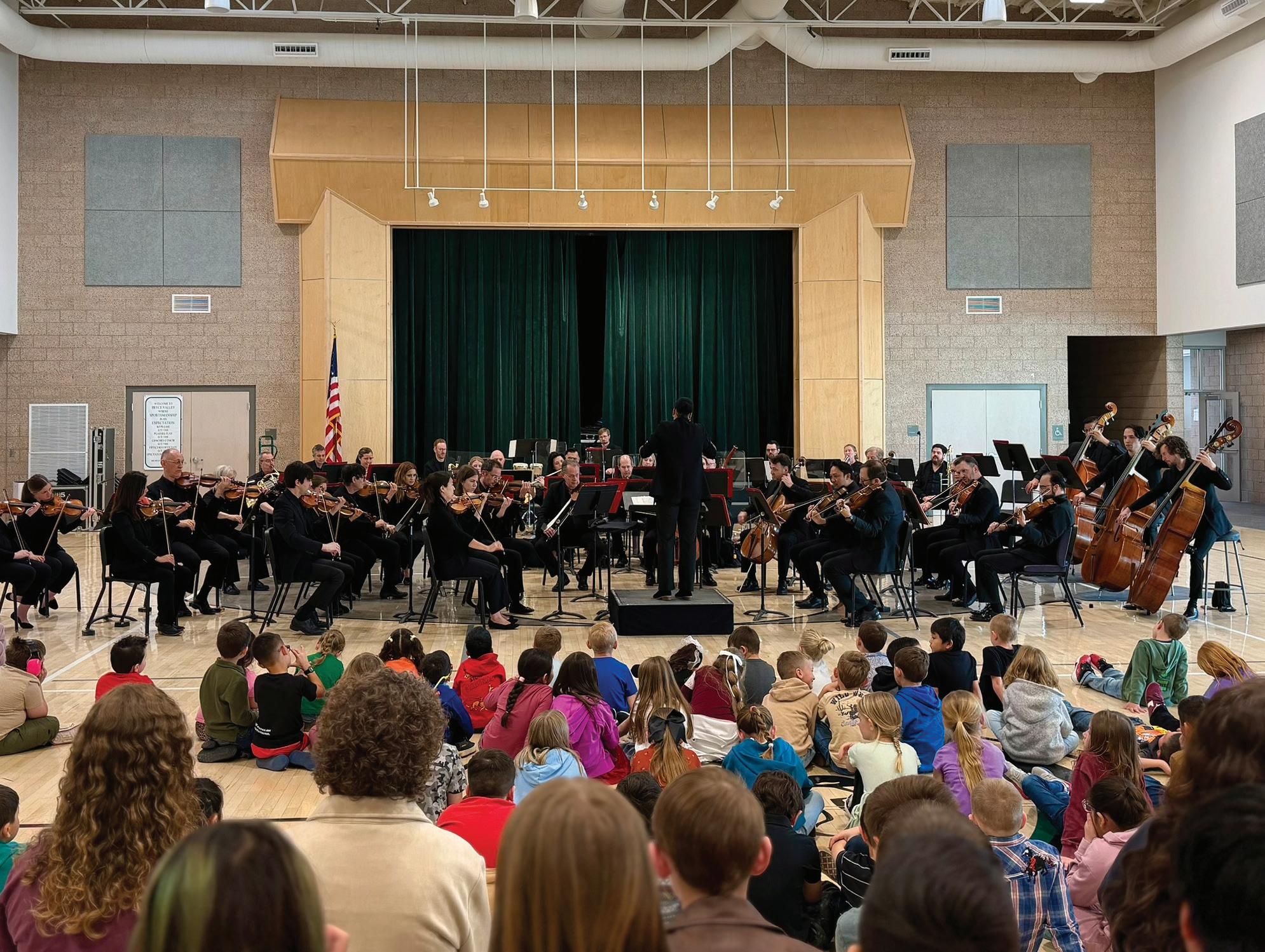
Showing up for teachers and students, regardless of location, is at the heart of our in-school programming. It’s where an ordinary space, the gym, the cafeteria, the auditorium, becomes a performance just for them, and a memory they keep.
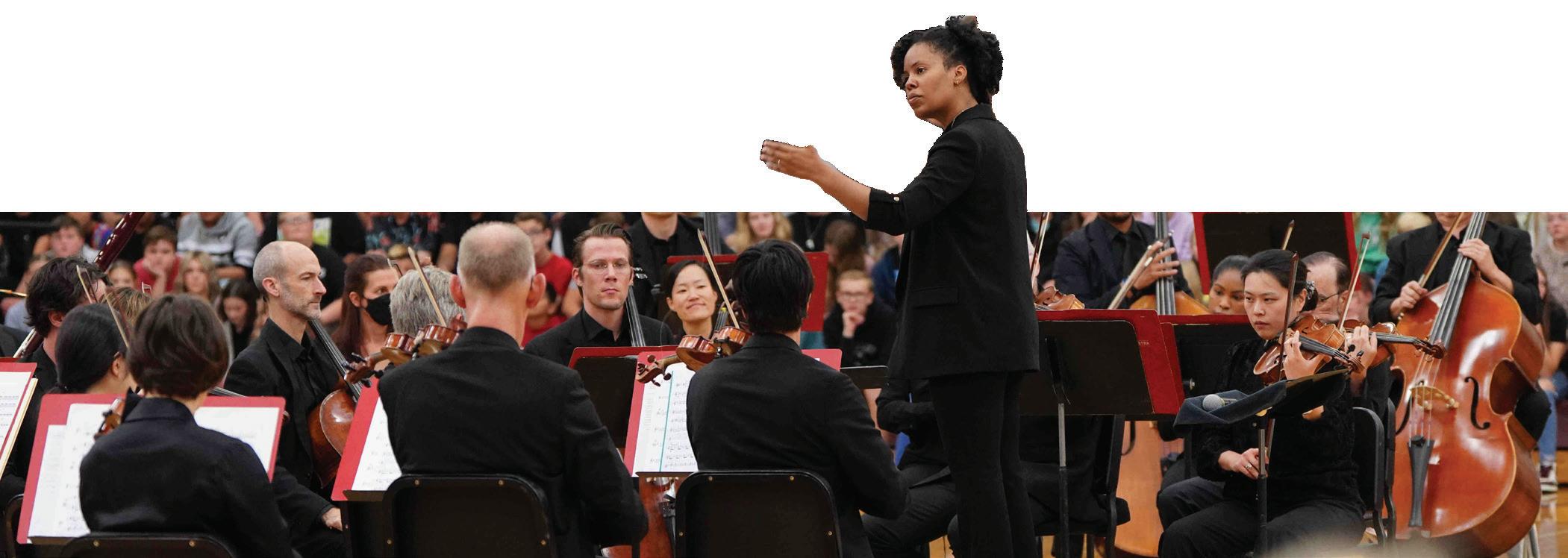
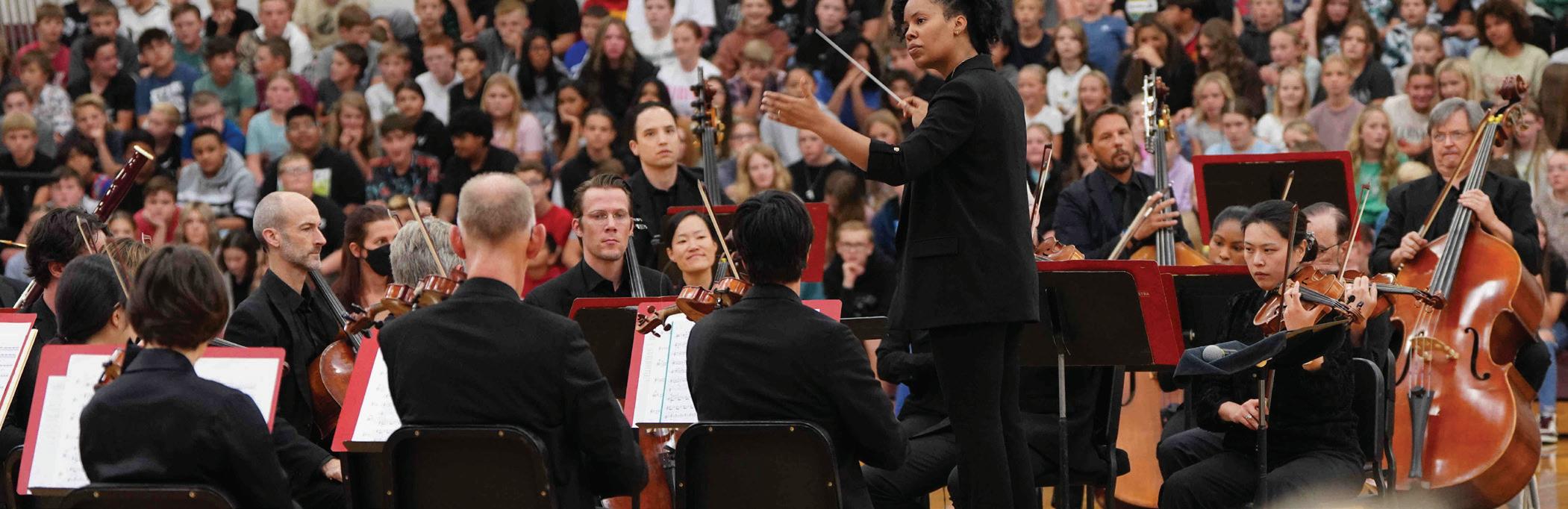
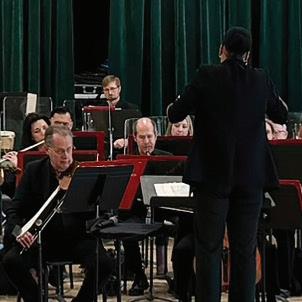
Every year the Utah Symphony builds a brandnew program and carries it into schools across the state: the full orchestra along the Wasatch Front, and a chamber orchestra, pared down to travel farther, reaching the communities farthest from a concert hall. This year the map ran from Logan High School to Bryce Valley Elementary in Garfield County, with dozens of towns in between. In Cedar City, the tour also opened its doors to the wider public with a community concert at the Heritage Center that drew 400 people. For many of these students the orchestra doesn’t come through often, so when it does, it comes to them.
I thought this was amazing! The music wasn’t only incredible, but the students were all engaged and most got to watch something they’d probably never have the opportunity to watch in their lives. I loved that they went over the instrument groups in the orchestra and I even loved how the conductor let a member of the audience to help conduct!”
The programs are built to teach as much as to engage. This year’s full-orchestra program, forty minutes and narrated from the podium, walked students through the instrument families with music from around the world, from Ravel to Clarice Assad to Shostakovich. The chamber program made a journey of it, from Mozart and Beethoven through Respighi’s Italy to the bright Brazilian lilt of Zequinha de Abreu’s “TicoTico no Fubá.” Ahead of every visit, teachers receive pre-concert materials in formats flexible enough for any classroom.
But the visit often means the most to the people already in the room. For a school’s music students, watching professionals at work can be the spark that keeps them going. For a music teacher, it can crystallize everything they’ve been trying to share. And in many rural communities, where the school is the community, the concert becomes something closer to a gathering: not just an orchestra heard, but a day the whole town came together.
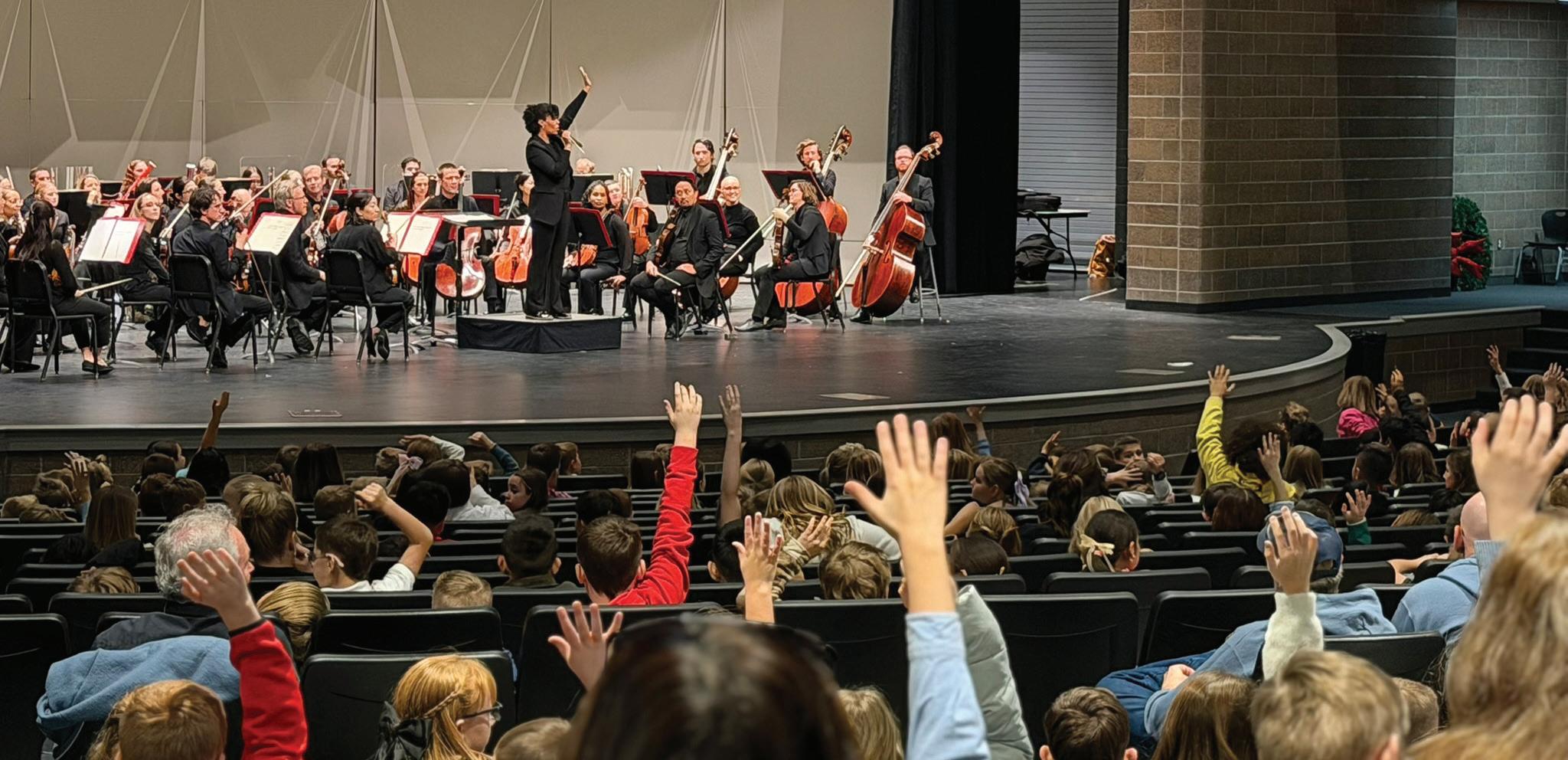
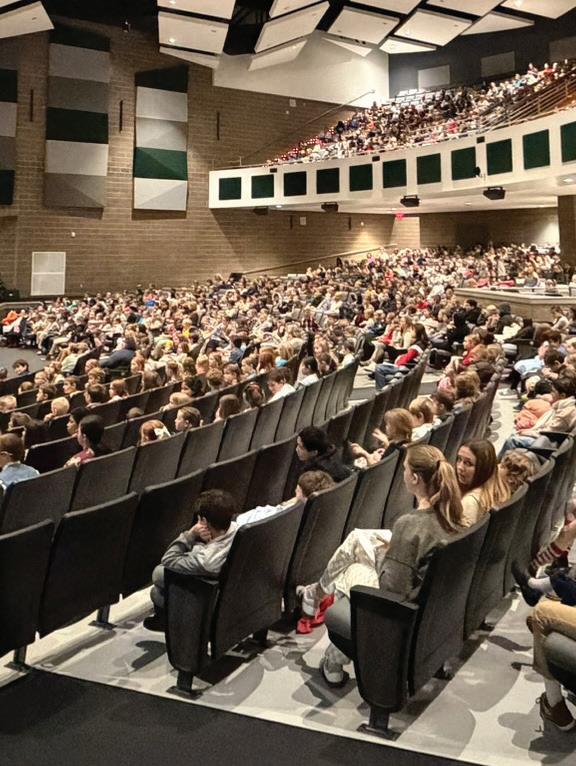
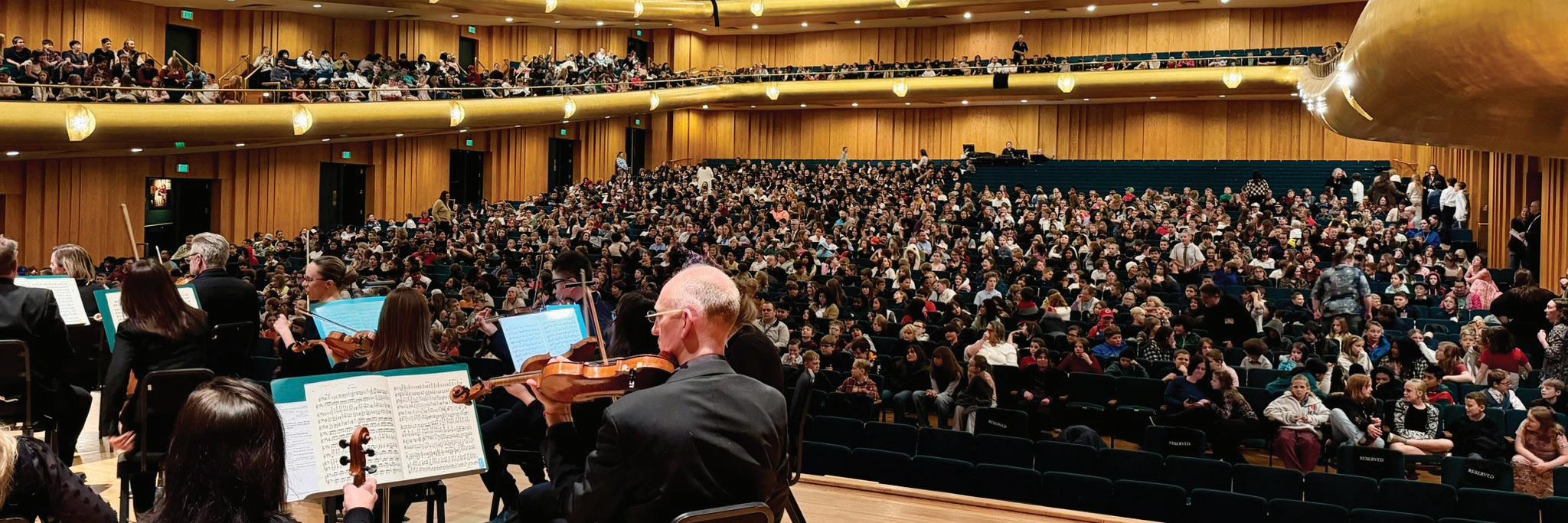
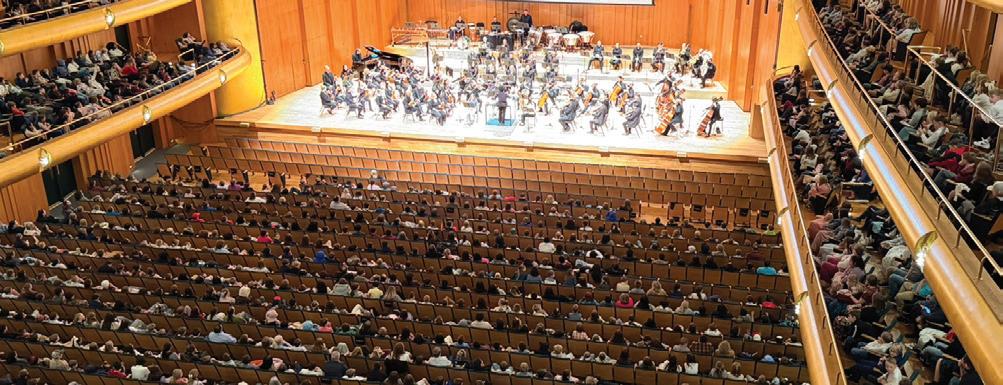
“I remember attending the 5th grade concerts!” We hear that phrase dozens of times a year. For 45 years, the 5th Grade Concerts have welcomed thousands of students to Abravanel Hall. For many, it’s the first time they’ve set foot in a concert hall; for most Utahns, it won’t be the last.
One of the Utah Symphony’s oldest traditions, the concerts are built for this age: live orchestral music paired with narration, characters, and projected visuals. This season marked the final year of “Hey, Bravi!”, which reimagined Abravanel Hall as the world’s first “smart concert hall,” complete with a voice-assistant character who guided students through the music and showed how a story can be told without words. English and Spanish captions ran throughout so more students could follow along.
The concert asks students to do more than listen. Two actresses, playing a teacher and a student, worked through the program alongside the audience, turning the music into the lesson: how tempo, dynamics, and instrumentation carry emotion and character. Students mirrored a waltz and moved in response to what they heard, prepared in advance by materials sent to their teachers weeks ahead.
Sitting in Abravanel Hall, a fifth grader also takes in everything a performance requires: the musicians, the conductor, the actors, and the crew, all working at once.
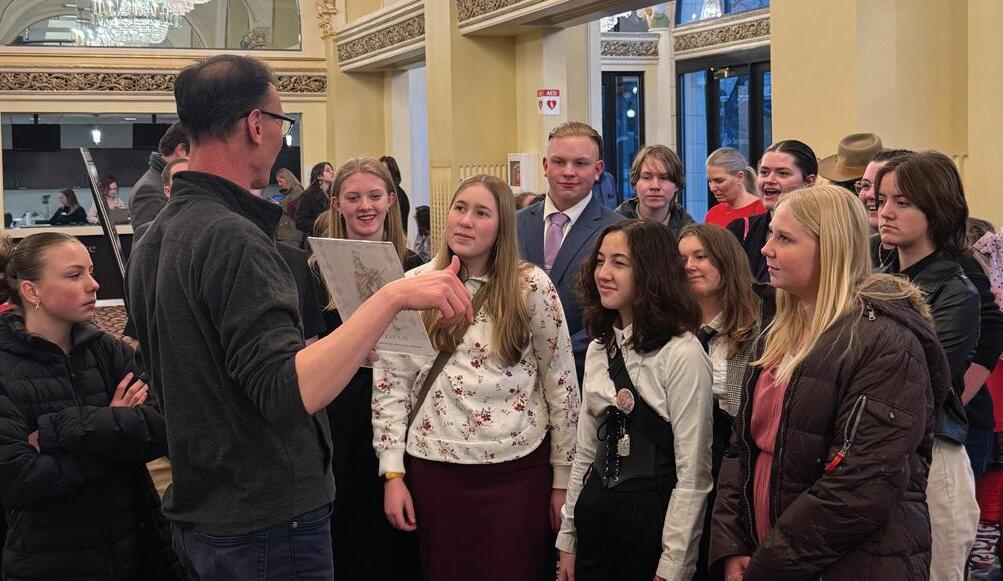
Abravanel Hall Tours take students where audiences never go, walking them through a working performance day with the Utah Symphony. Beginning at the stage door where musicians arrive, the tour moves through the green room and backstage before reaching the stage itself, seen from a performer’s point of view. Along the way, students learn how the hall’s architecture and materials shape its sound, and how musicians prepare for rehearsals, concerts, and auditions.
The tour is also a look at the many careers that make a performance possible: production staff, stage crew, librarians, administrators, conductors, and volunteers. It closes with a question-andanswer session that invites students to connect their own interests to a future in the arts.
I like how much the music calms and relaxed you… If you close your eyes then you can easily feel the vibrations of the instruments. I started playing the piano 1½ year ago and you inspired me to keep playing and play like one of you!”
Eliza, 5th grade student
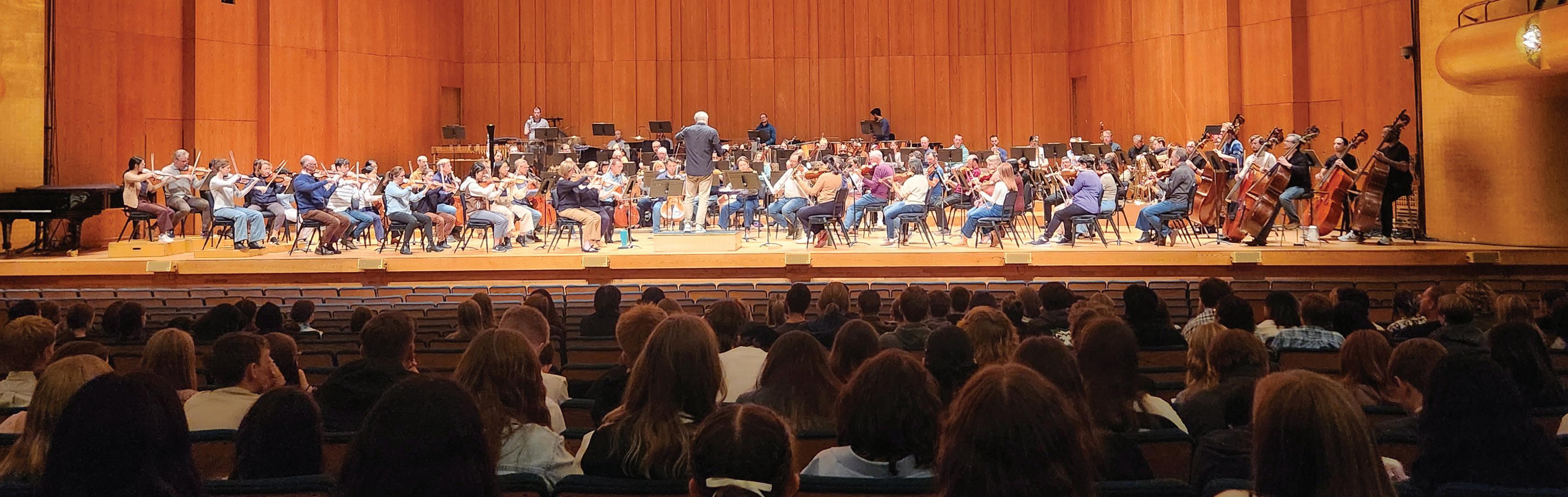
A finished concert hides the work behind it. Open Rehearsals let students into that work, watching the Utah Symphony inside Abravanel Hall as conductors and musicians shape a performance in real time: adjusting balance, phrasing, tempo, and articulation, and communicating across the ensemble to get there. Rather than a polished result, students see the process, and how much listening and teamwork it takes.
This season students observed rehearsals led by Music Director Designate Markus Poschner and guest conductors, spanning repertoire from Mahler’s Symphony No. 1 and Respighi’s Pines of Rome to Saint-Saëns’s The Carnival of the Animals and Debussy’s La mer. Hearing that range in an acoustically remarkable hall, students strengthened their listening and analytical skills while connecting classroom learning to live artistic practice.
Great music education depends on the teachers who deliver it, and Teachers in the House invests directly in them. The program offers Utah educators the opportunity to earn re-licensure credit through the Utah Symphony by attending Masterworks concerts together with the accompanying preconcert lecture. It’s professional development that doubles as an evening inside the concert hall, keeping teachers connected to the living art form they teach.
For this report, only instructional time is counted; concert time covered by tickets teachers purchased is not included in the totals. The result is a program that supports educators on two fronts at once, meeting a practical licensing need while deepening the musical knowledge they carry back to their classrooms.
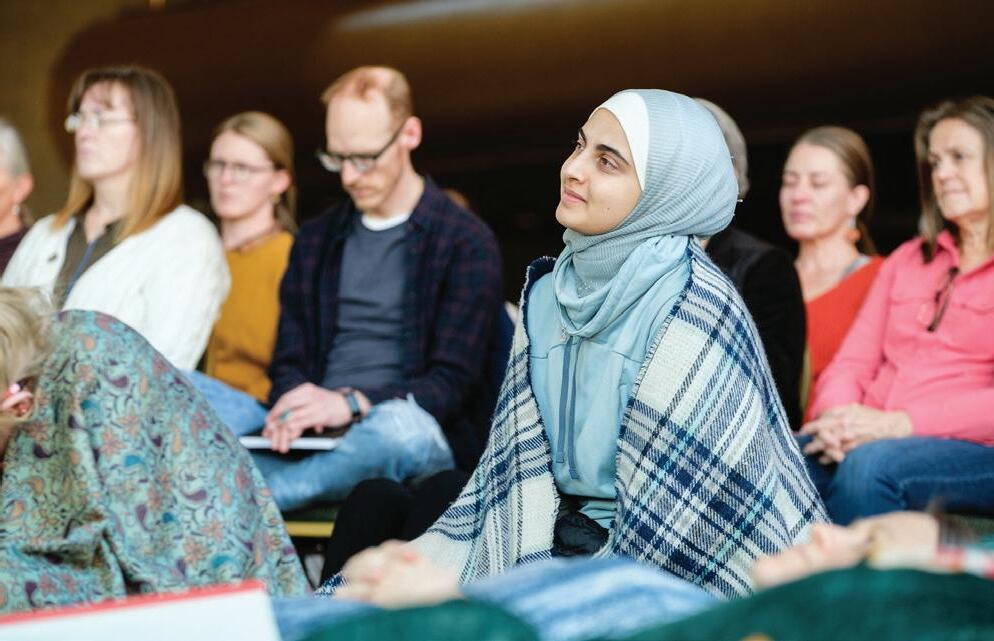
Utah Symphony offered four classes this year through University of Utah’s Osher Lifelong Learning Institute. These classes are held at Abravanel Hall where participants hear a presentation on the composers and background of the pieces being played, and are invited to watch a rehearsal of an upcoming Masterworks concert.
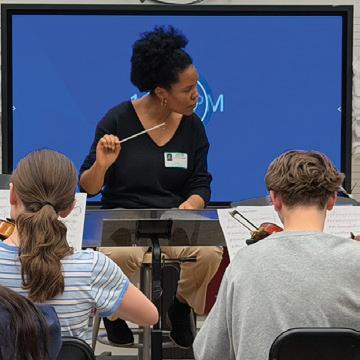
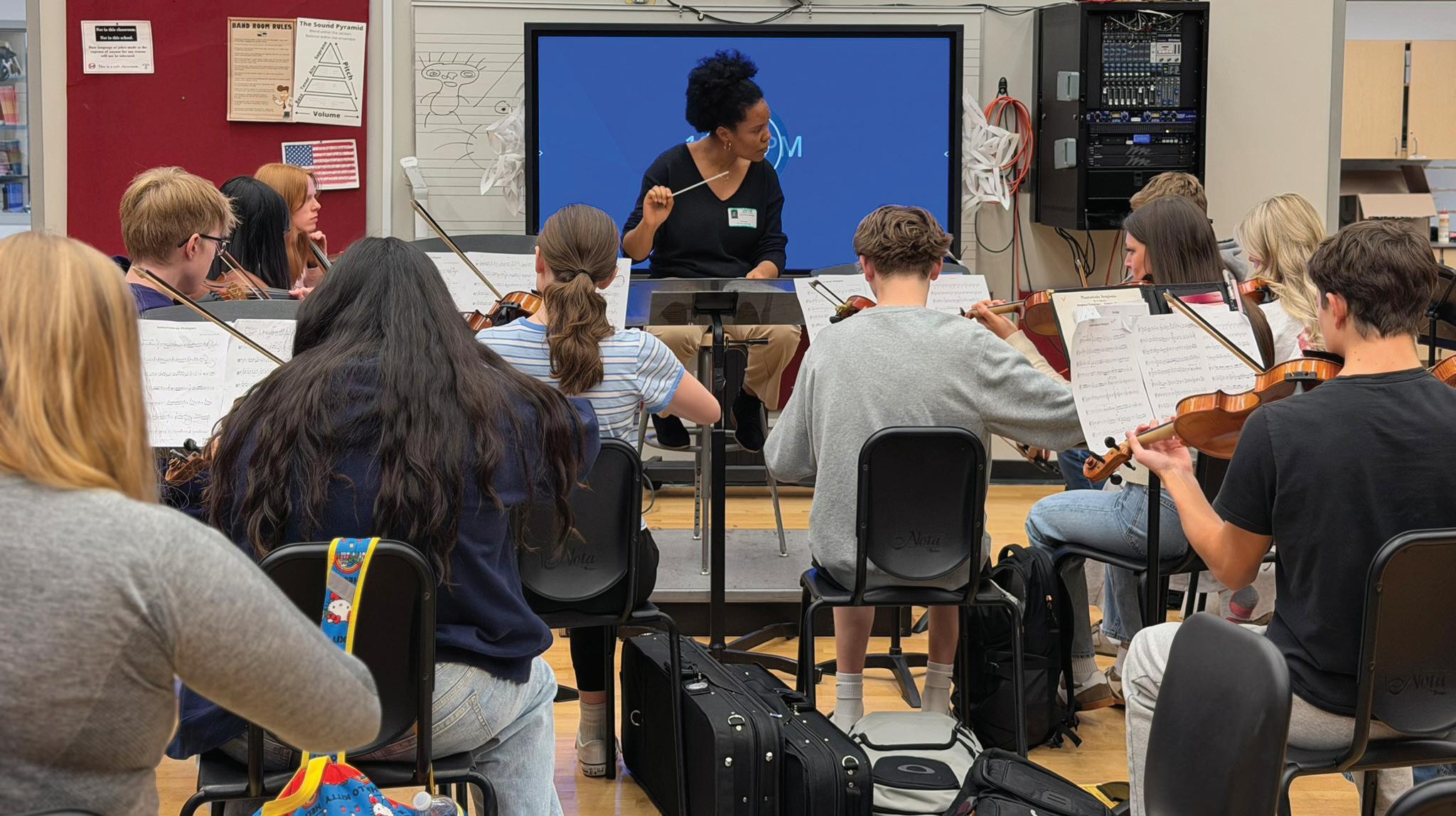
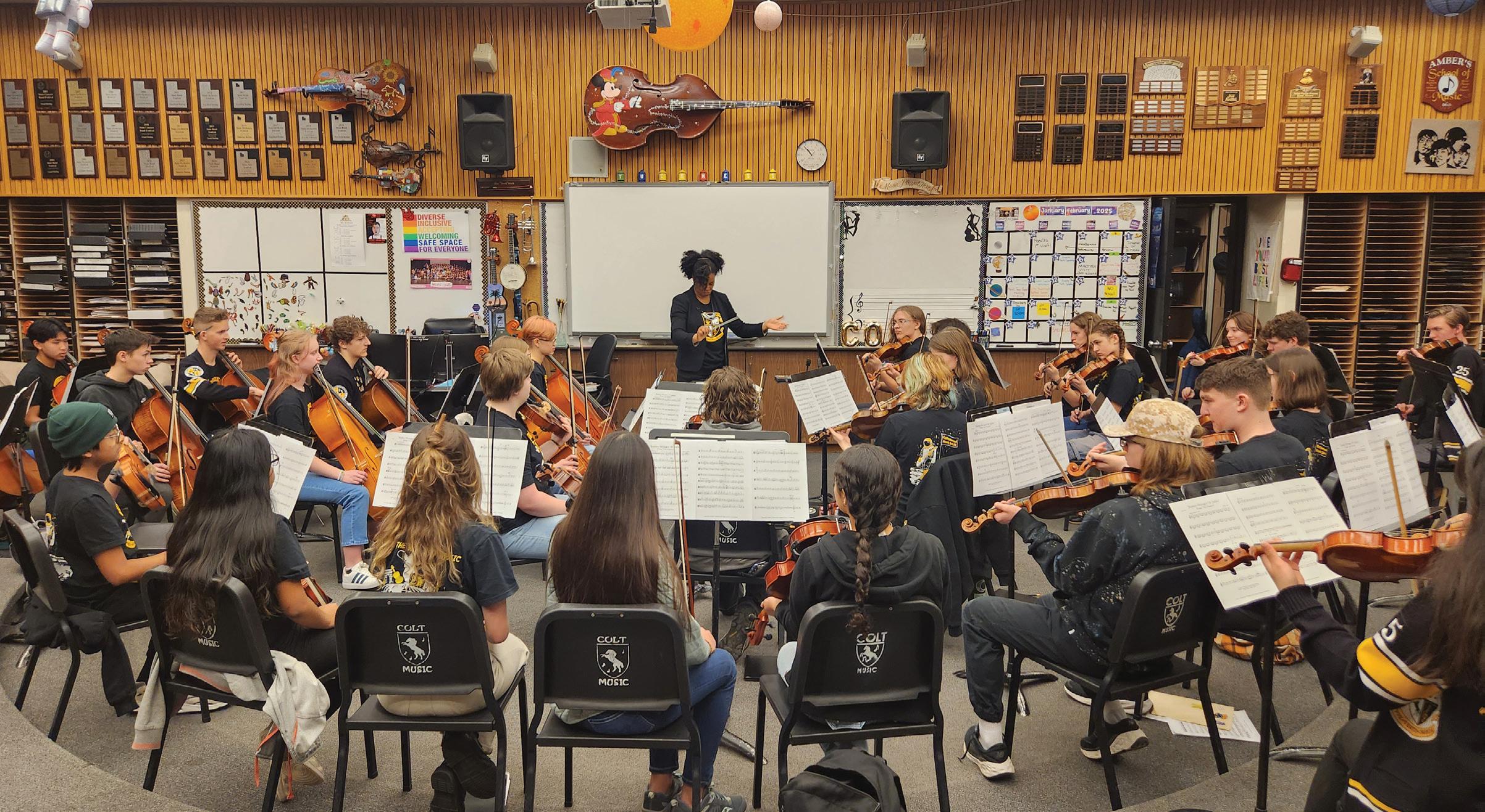
Most students encounter a Utah Symphony conductor only from a distance, at the front of a finished performance. Conductor in the Classroom brings one into their own rehearsal room, over time, as a working collaborator. This season, Assistant Conductor Jessica Rivero Altarriba led a multi-session, two-week residency with the Park City High School Chamber Orchestra, working alongside orchestra director Eva Marble inside the students’ own ensemble. Rather than a single visit, the extended format let a professional conductor become a familiar presence, shaping the group’s sound week over week.
Over the residency, students dug into the craft of playing together: balance, articulation, phrasing, stylistic interpretation, and the rehearsal communication that holds an ensemble in sync. They saw firsthand how a conductor carries musical ideas through gesture, language, and rehearsal strategy, and their own listening and ensemble awareness
grew alongside it. Just as valuable, the residency supported the teacher already in the room, reinforcing the daily work of building a school orchestra.
That work extended well beyond a single ensemble this year. Jessica Rivero Altarriba also led a conducting workshop for music teachers in the Granite School District, investing directly in the educators who lead ensembles every day. In September, four USUO musicians led classes for students at Utah State University. In Cedar City, soprano Amy Owens and conductor Conner Gray Covington each led masterclasses in partnership with the Orchestra of Southern Utah and Southern Utah University, Owens coaching student singers on vocal technique and Covington working with musicians on the podium skills and score reading behind leading an ensemble. And through two career days, at Backman Elementary and Corner Canyon High School, students met the people behind the music and glimpsed the paths that could one day be their own.
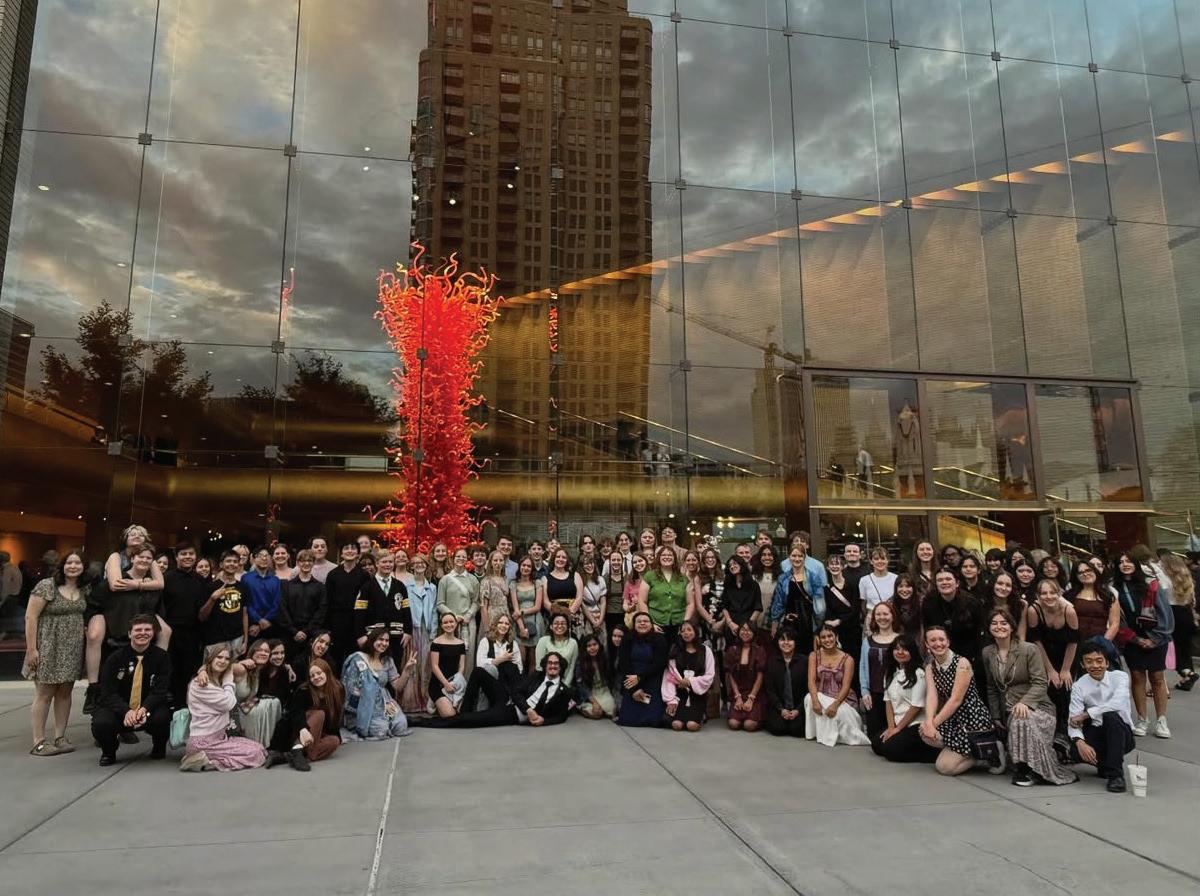
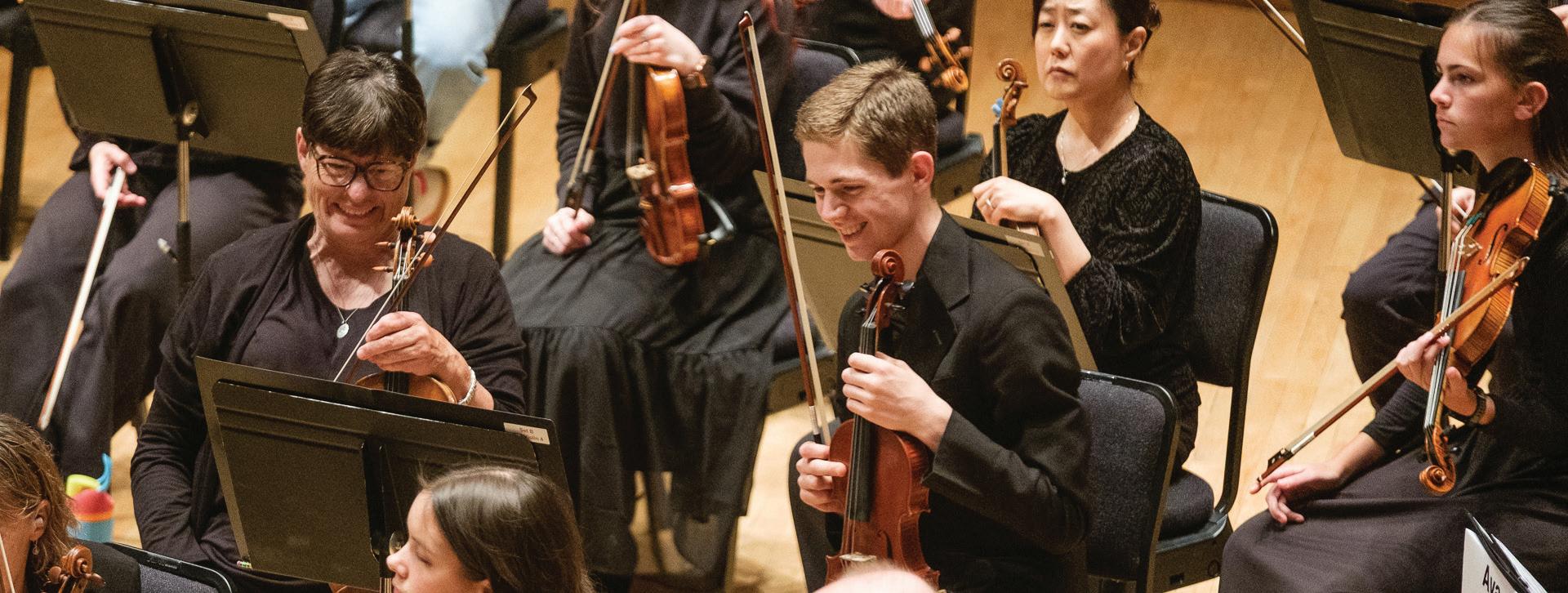
There is no greater learning opportunity than hearing greatness sitting right next to you. The Side-by-Side puts Utah students directly next to the musicians of the Utah Symphony to rehearse and perform as one ensemble. This season the program opened to 10th graders for the first time and drew its largest applicant pool ever: 155 students auditioning from across the state, from Cache Valley to central Utah. Selected through a recorded audition judged by Utah Symphony musicians, they worked through a multi-week process that ended on the Abravanel Hall stage, performing alongside professional musicians in a public concert.
Along the way, students rehearsed with Utah Symphony musicians, Assistant Conductor Jessica Rivero Altarriba, Creative Partner David Robertson, and Music Director Designate Markus Poschner,
and received one-on-one coaching in sectionals. The demanding repertoire featured Sibelius’s Finlandia, “Nimrod” from Elgar’s Enigma Variations, the second movement of Tchaikovsky’s Symphony No. 6, and movements from Dvořák’s Symphony No. 9. But the program is built to do more than teach notes. Students from different schools and regions become, for a few weeks, colleagues in a professional ensemble, and many leave with a sense that they belong in this music.
I want to thank you and all of the Utah Symphony members and staff who have created such a wonderful experience for these students. My daughter, Jessica, absolutely loved participating in side-by-side. Thank you!”
Jennifer Hulse, parent
Each year, the Utah Symphony Youth Orchestra Festival brings student ensembles from across the state to perform on the stage of Abravanel Hall.
In January 2026, fifteen youth orchestras participated in this all-day event—sharing their music, learning from one another, and experiencing what it means to be part of Utah’s vibrant musical community.
The Youth Festival is a highlight every year. Thank you all for everything you do to provide this opportunity for our students and teachers to perform at Abravanel Hall!”
J.P. Kentros, Arts Specialist, Canyons School District
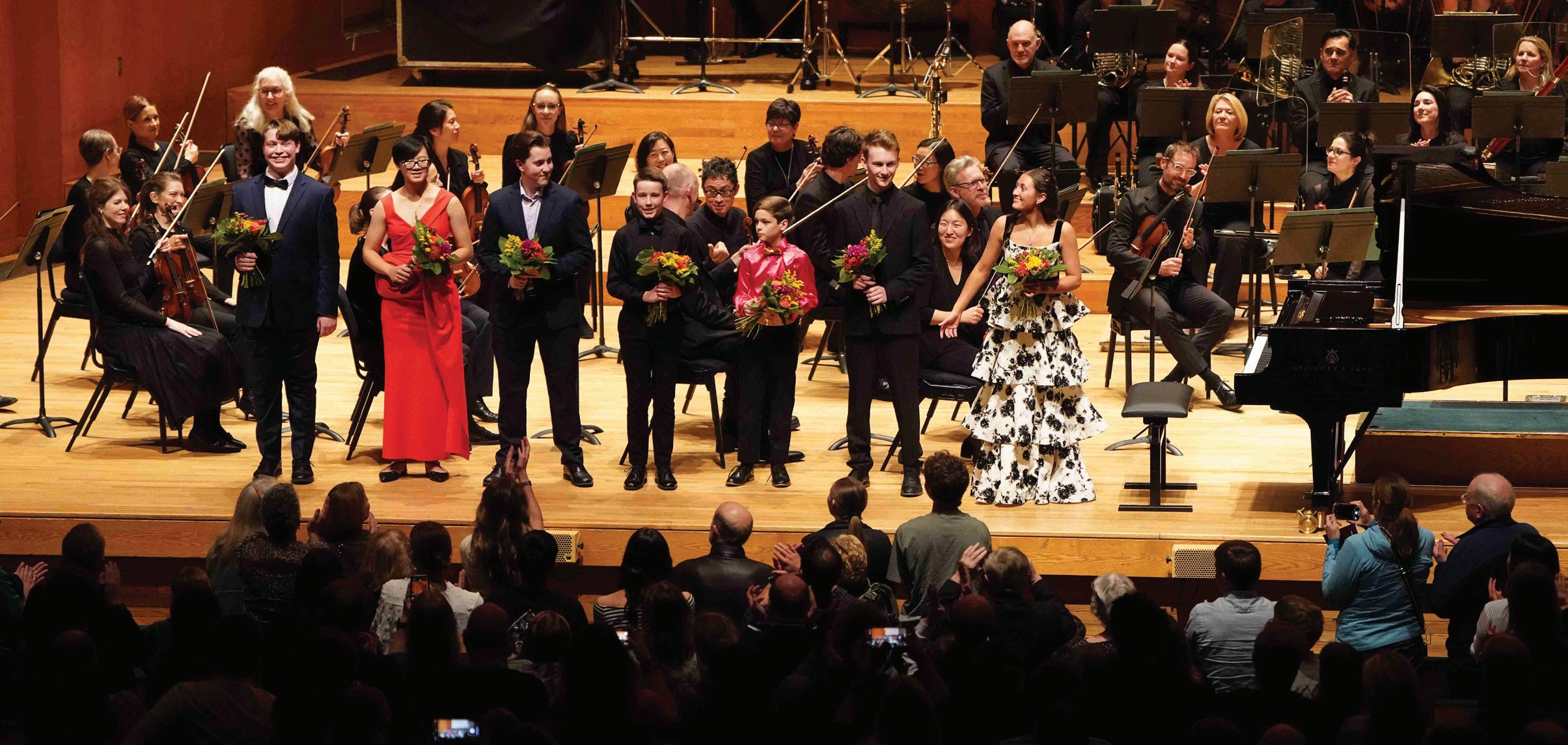
For more than 60 years, Salute to Youth has stood as one of Utah Symphony’s most meaningful and enduring traditions. Each year, this concerto competition gives young musicians from across the state the rare opportunity to perform as soloists with the Utah Symphony on the stage of Abravanel Hall.
Students are selected through a multi-round audition process evaluated by a panel of professional musicians. The finalists distinguished themselves through a combination of technical excellence, musical maturity, and readiness to take on the demands of a professional performance setting. In November 2025, five soloists and one chamber ensemble were selected. Each worked directly with Assistant Conductor Jessica Rivero Altarriba in a one-on-one score-reading session, offering personalized insight into the music and rehearsal process, followed by a full orchestra rehearsal before performing with the ensemble.
This season’s performers ranged in age from 10 to 18 and represented a wide variety of instruments, including classical guitar, violin, cello, oboe, and piano. The program featured a chamber ensemble, highlighting the collaborative artistry that is an important part of music-making. Together, the finalists brought a diverse range of repertoire to the stage, performing with confidence, musicality, and remarkable artistry.
For many participants, Salute to Youth is a defining moment. It affirms years of dedication and shows them what is possible. It helps them see themselves not just as students, but as artists with something meaningful to say—and a stage on which to say it.
• Gabriel Taylor, guitar – Villa-Lobos: Concerto for Guitar and Small Orchestra, III
• Scott Pickett, cello – J. C. Bach: Cello Concerto in C minor, III
• Adrian McGill, oboe – Mozart: Oboe Concerto in C major, K. 314, I
• Shelby Gan, piano – Beethoven: Piano Concerto No. 3 in C minor, Op. 37, I
• Wyatt Christensen, piano –Gershwin: Rhapsody in Blue
• Octavia Gordon & Grant Brady, violin duet –Arnold: Concerto for Two Violins and String Orchestra, Op. 77, I
When I was little, my dad would always take me to go to the symphony right here in this hall, and I’ve always wanted to play on this stage. And so it’s really one of my dreams to be doing this.”
Scott Pickett, Cello (age 13 at time of performance)
40,608
2,191 35,848 2,569
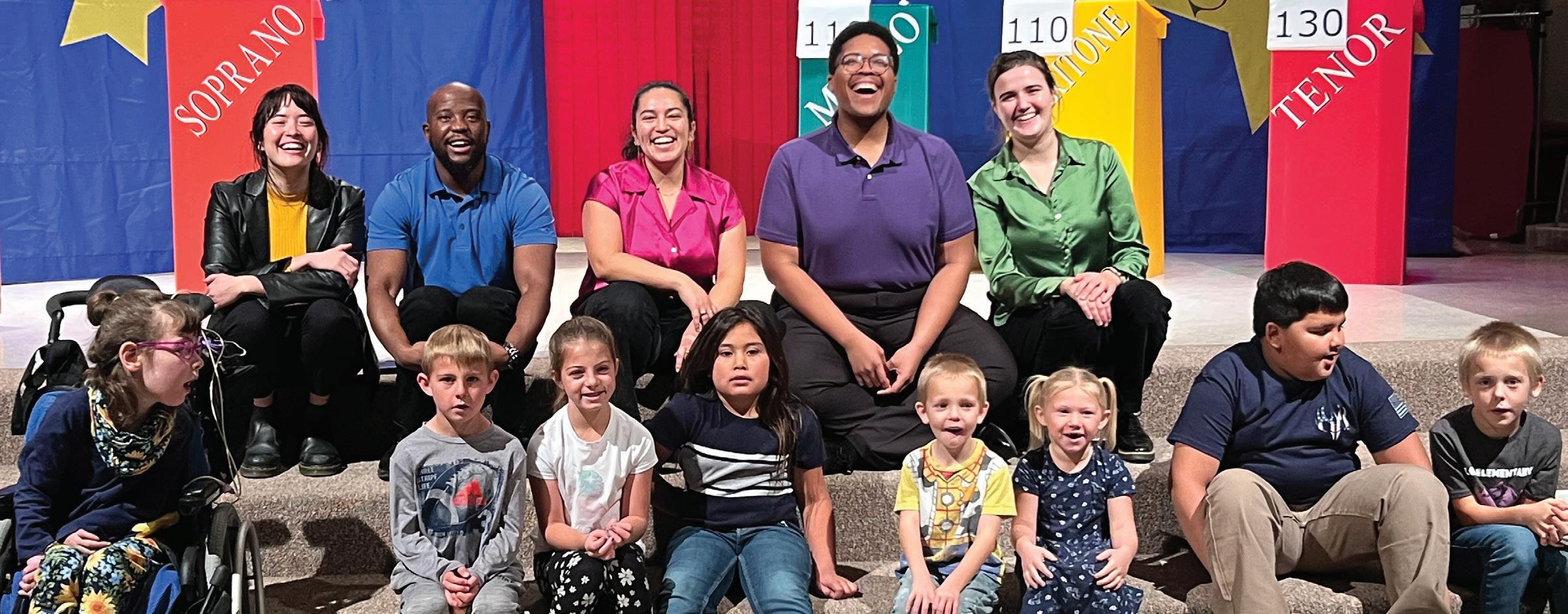
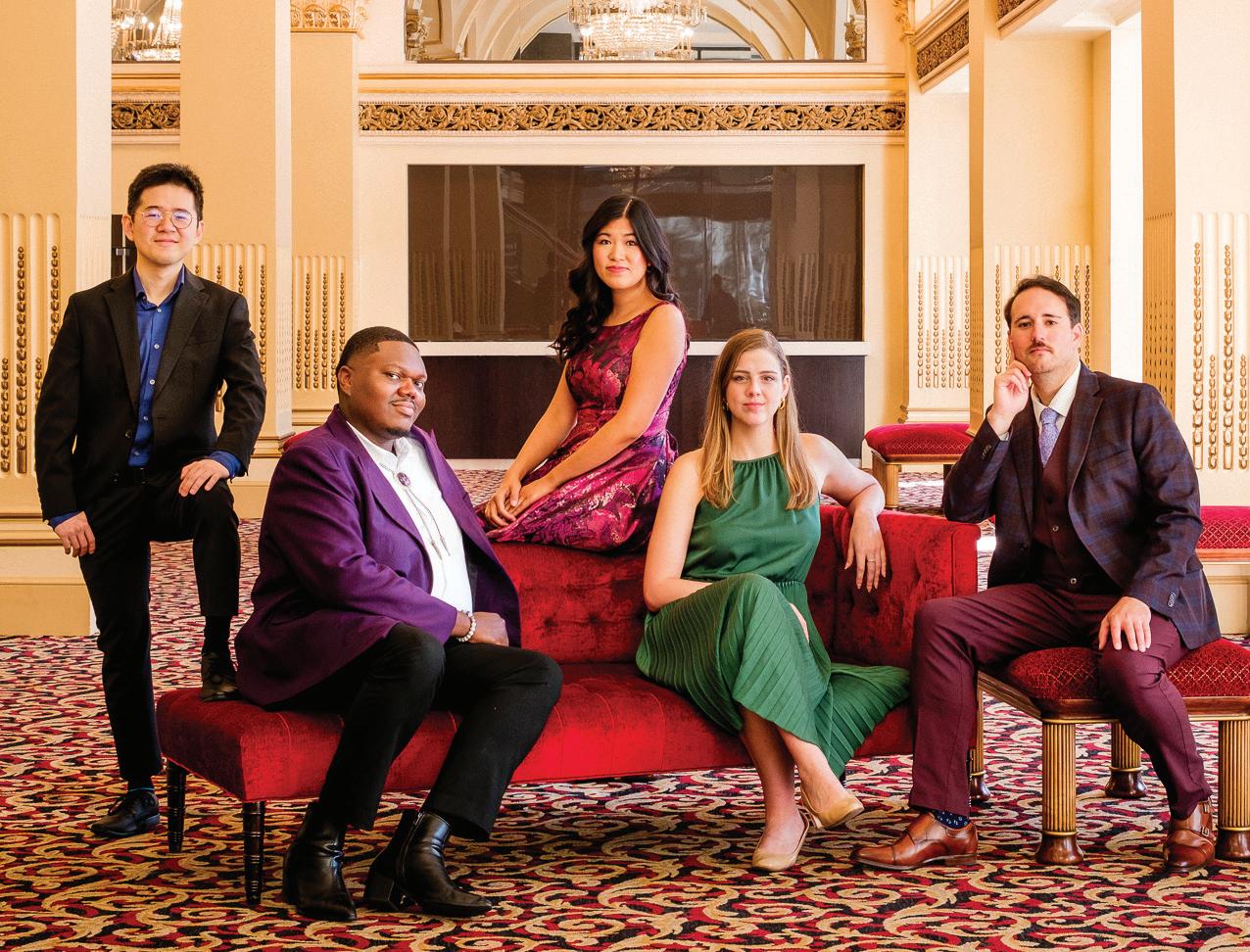
Much of Utah Opera’s work in schools is carried by the Utah Opera Resident Artists, an ensemble of four vocalists and a pianist who spend the year performing and teaching across the state. Their inschool programs are built as a progression, meeting students at their grade level and growing in depth as students are ready for more. Each visit ends with an open Q&A, and each is designed to make a centuries-old art form feel within reach. For many students, these experiences are often their first encounter with opera.
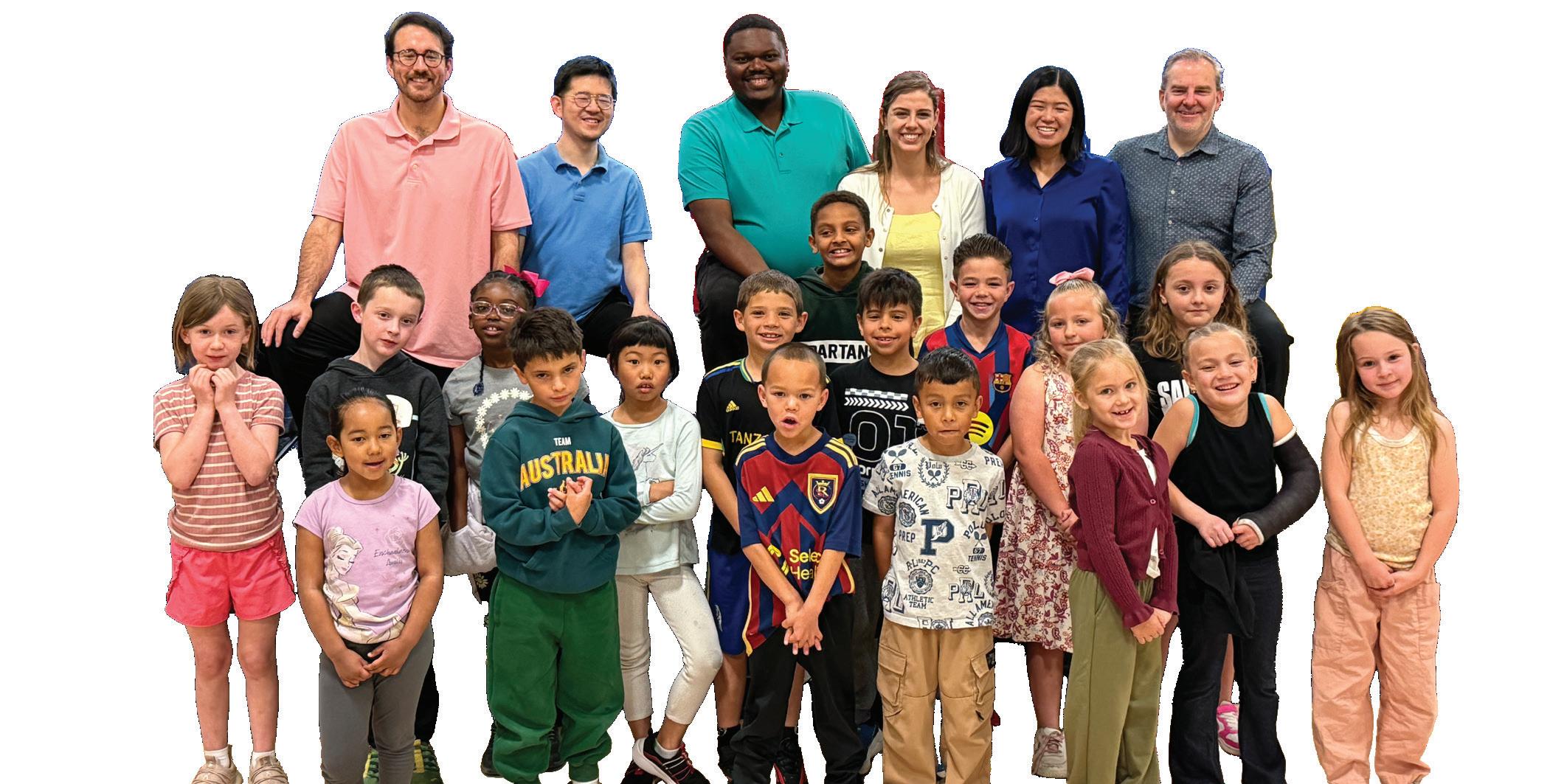
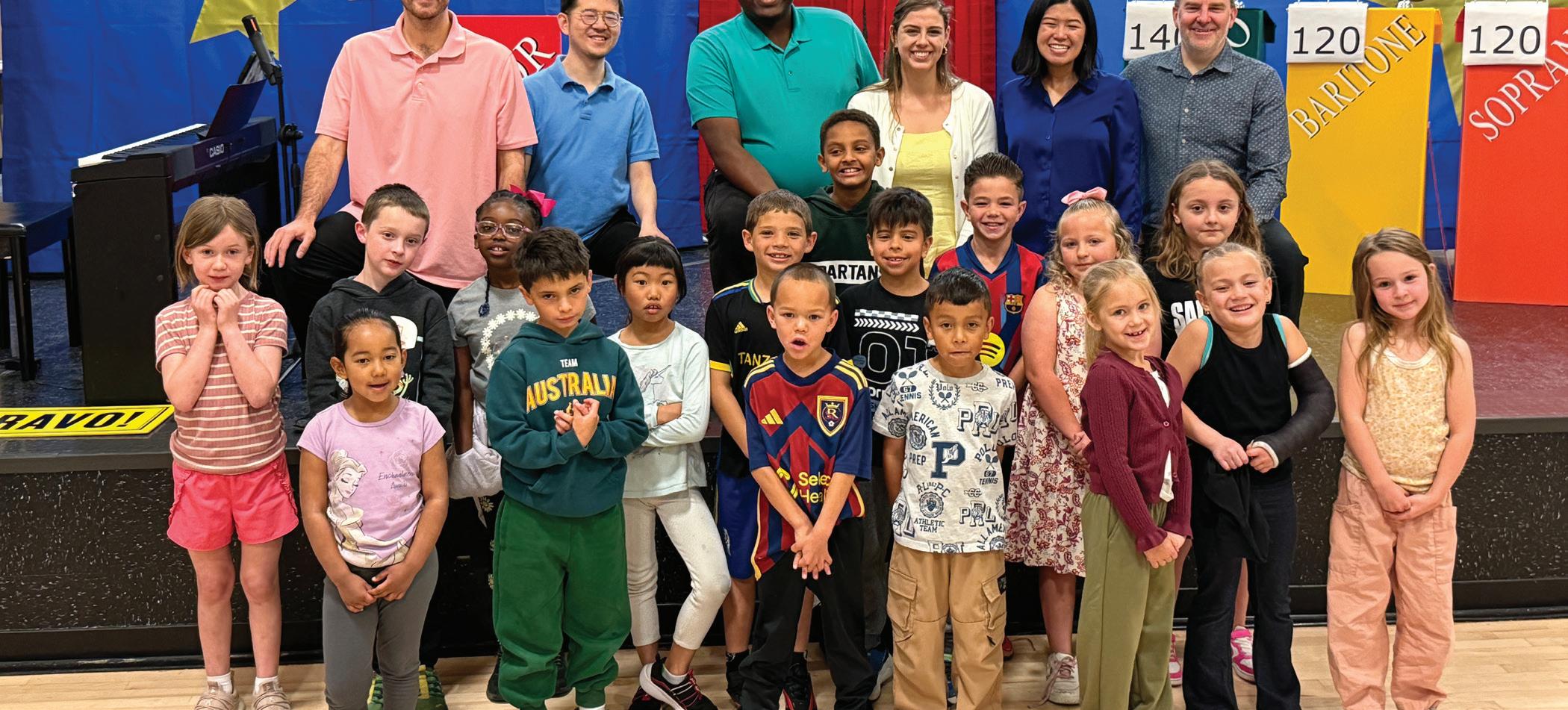
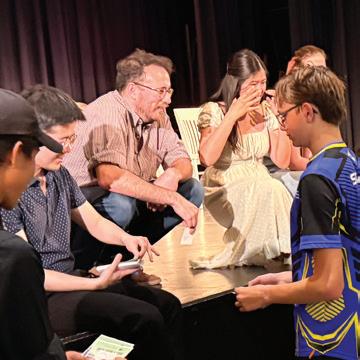
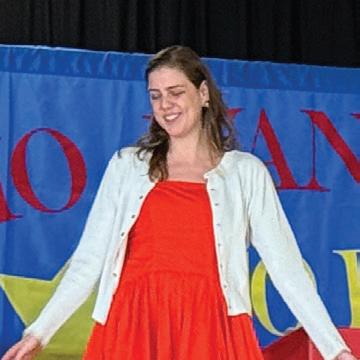
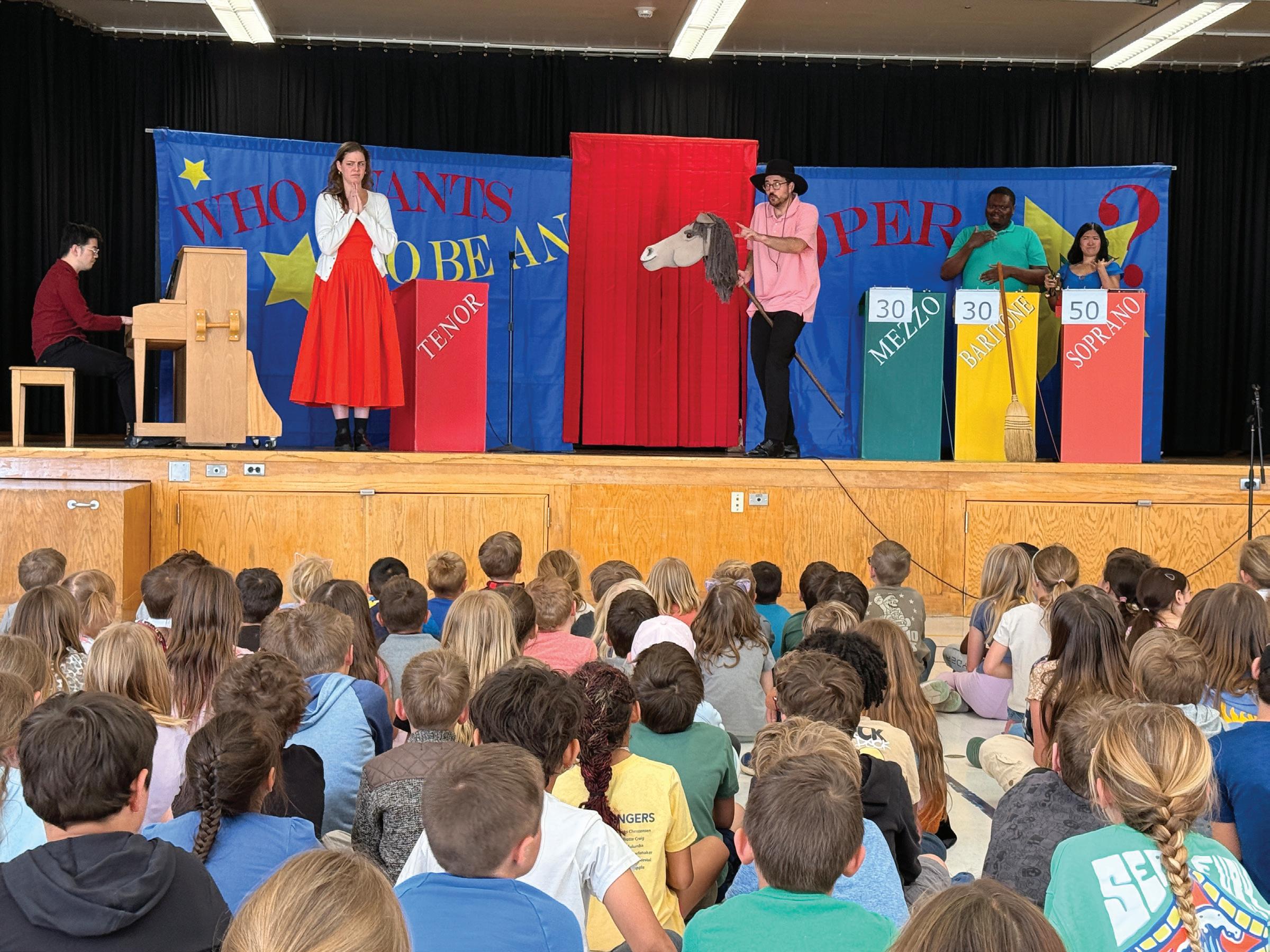
For grades K-6, opera arrives disguised as a game show. This fast, funny, 45-minute assembly slips real learning into a familiar format: students discover voice types, clap back a rhythm, sing a melodic phrase, name the emotion in a piece, and try foreign-language vocabulary out loud. Teachers receive pre- and post-assembly materials and classroom activities to extend the experience. It supports the Respond strand of the Utah Fine Arts Core Standards.
Our students and staff absolutely loved the assembly today. They could be heard singing opera throughout the halls. Thank you for your dedication to education and the arts!”
Alison Newkirk, Willow Elementary, Tooele School District
For junior high and high school students, Opera 101 keeps the substance of the game show and drops the format. Its signature move is comparison: setting opera beside the musical theatre students already know, and using that familiar ground to trace how these art forms developed and how to identify musical elements within a work. It supports the Respond strand.
Students, parents, and teachers enjoyed it and learned a lot. Thank you again for making the drive to Heber. My choir students had listened to a lot of opera clips before the assembly and appreciated what they heard live today.”
Rachel Allred, Rocky Mountain Middle School, Wasatch School District
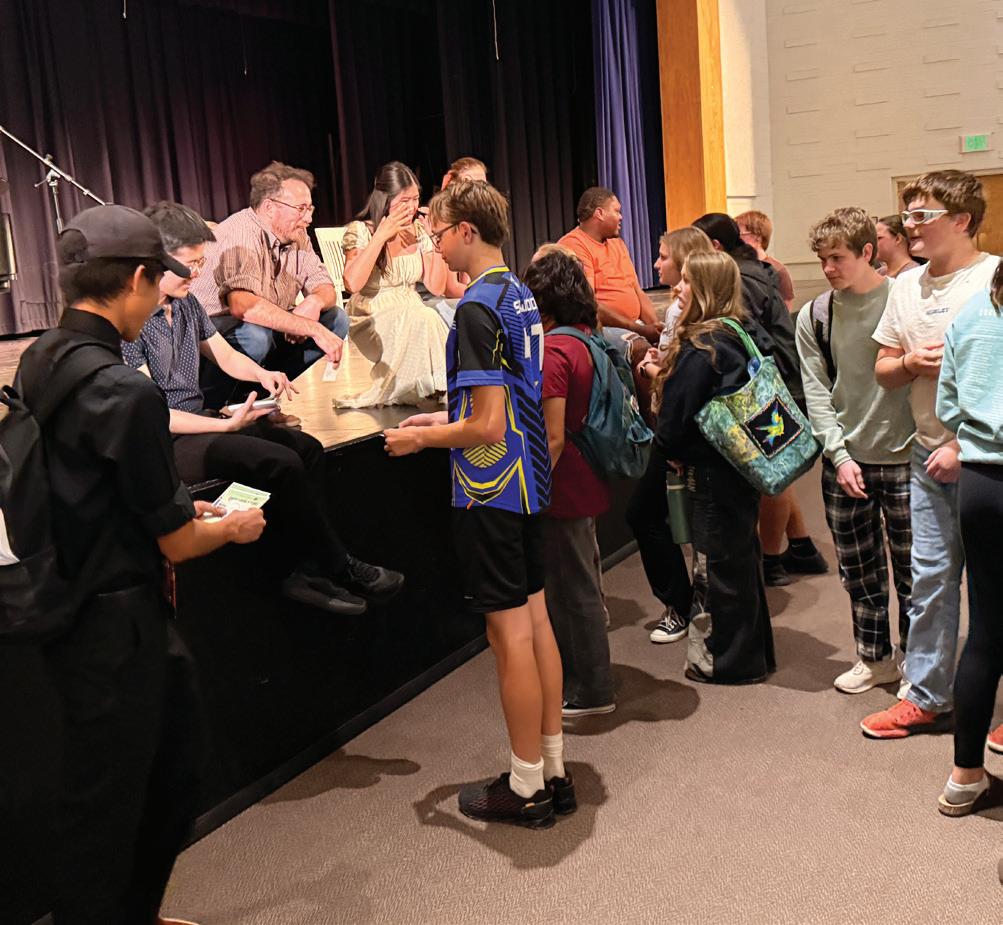
STUDENTS AT SAN JUAN HIGH SCHOOL ask questions and meet the Utah Opera Resident Artists after their performance of
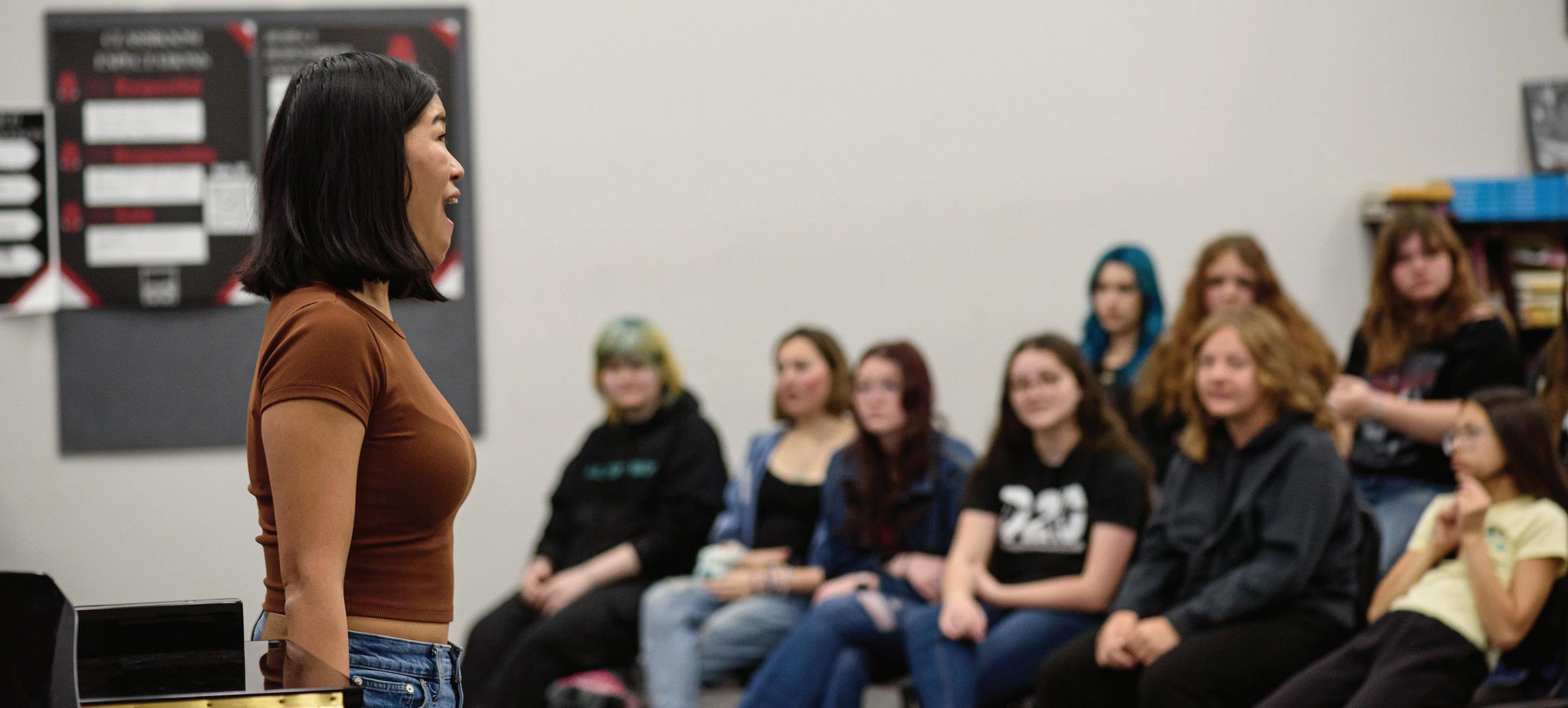
Also for secondary students, and equally suited to a choral classroom, Opera Up Close widens the lens to other music built on the classically trained voice, including art song and musical theatre. Students see voice types demonstrated, watch a mock audition, and learn how many artistic fields it takes to stage a production. By connecting operatic foundations to contemporary musical theatre, it supports the Connect and Respond strands.
Such a great performance, my students had so many questions for me afterwards about vocal technique which I loved! It resonated with a lot of things we talk about in class which I’m so grateful that they got to see all of those concepts in action. Thank you!”
Ana Galbuchi, Alta High School, Canyons School District
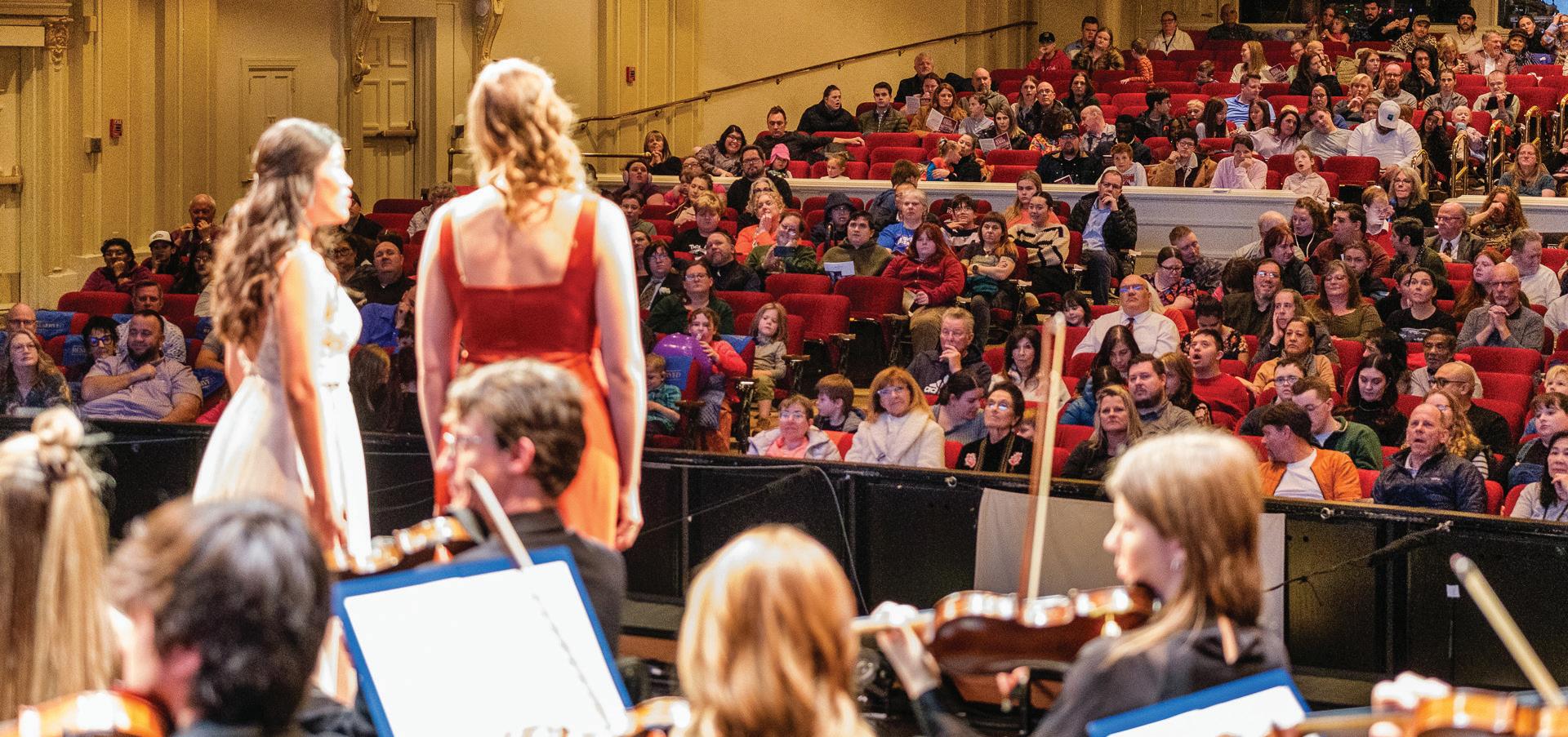
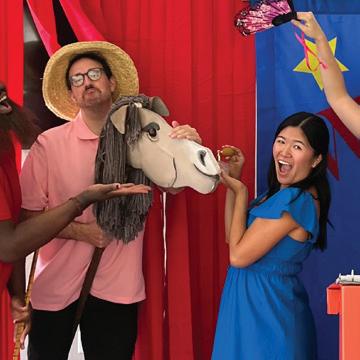
Opera-tunities Nights hand secondary students something audiences rarely get: a seat at the final dress rehearsal of a mainstage Utah Opera production, staged in full at the Janet Quinney Lawson Capitol Theatre with orchestra, sets, lights, costumes, wigs, makeup, and high-caliber singing. This season, students attended The Shining by Paul Moravec and Mark Campbell, Fidelio by Ludwig van Beethoven, The Elixir of Love by Gaetano Donizetti, and La traviata by Giuseppe Verdi.
The rehearsal is only half of it. Before taking their seats, students work through hands-on stations that lift the curtains on the crafts that make opera come to life, and this season those covered props, wig construction, makeup and costume design, scenic construction, and even the International Phonetic Alphabet singers use to perform in other languages. Paired with online study materials written by music scholars for each production, these visits give students real historical and musical context, building the kind of knowledgeable, analytical listening the Utah Fine Arts Core Standards describe.
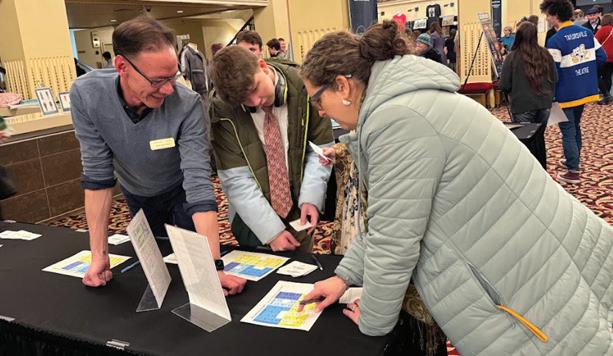
students the characters of commedia dell’arte at the Opera-tunities Night for The Elixir of Love
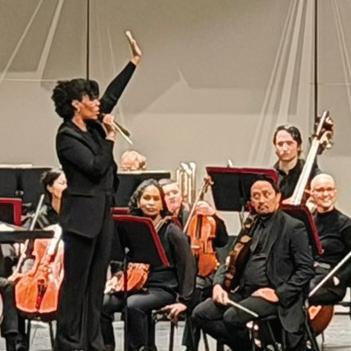
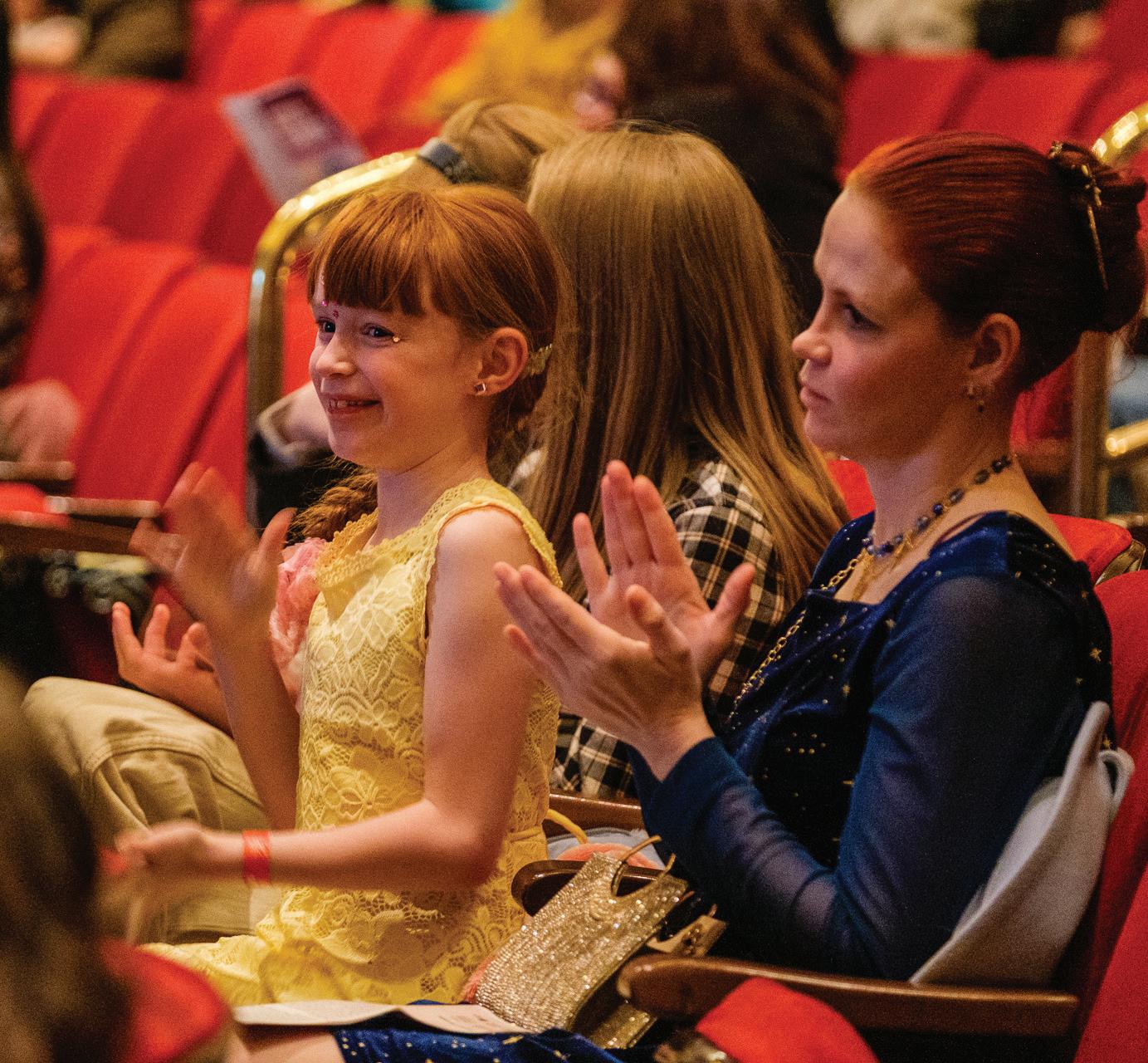
The experience of attending a concert can be a lot for some families. Large audiences and traditional expectations for concert behavior can be a barrier; sometimes sitting quietly is simply not a realistic expectation. Access to Music exists so that, for one night, no one has to. This free annual concert, presented by Utah Symphony | Utah Opera for people with sensory sensitivities or other disabilities and their families, was conducted this year by Jessica Rivero Altarriba at the Janet Quinney Lawson Capitol Theatre and enjoyed by 447 people.
Everything about the performance is built to welcome. The house lights stay up and there is no expectation to stay seated or quiet, so audience members are free to respond to the music however feels natural, with movement, sound, or stillness. Additional accommodations include ASL interpretation, projected English captions for the sung portions, sensory items such as headphones and lap pads available to check out, and a designated quiet space for anyone who desires a calm moment.
What that welcome makes possible is best said by the families themselves. One parent described a son who had been turned away from other performances, and for whom this concert finally meant a place to belong. Another wrote of a daughter who felt, hearing the familiar sounds of the audience around her, that her family fit right in. Access to Music reflects a conviction that runs through all of our education work: professional live music of the highest quality should be within reach for everyone, exactly as they are.
It was absolutely magical. My kids loved the inclusive, understanding and open environment. We felt not just accepted, but wanted and invited. That is a rare feeling for these rare kids. We also found the unexpected and useful opportunity to network with other fellow special needs parents. The refreshments afterwards allowed for and built a strong environment for this interfacing to happen.”
We attended the Access to Music concert. It was phenomenal. We are SO grateful for this opportunity. My son who is on the spectrum was overcome with emotion and in tears because he was so touched by the music. He said, ‘It was so beautiful!’ Thank you! Thank you! Thank you!”
Patron
Utah Opera extends professional development to Utah educators through Teachers in the House, which offers re-licensure points paired with a night at the opera. One hour before every performance of a mainstage production at the Janet Quinney Lawson Capitol Theatre, a lecture keyed to that opera gives teachers the background of the music, history, dramaturgy, and design behind what they’re about to see. Educators then attend the performance with a far richer understanding of the work, knowledge they carry back to their own classrooms.
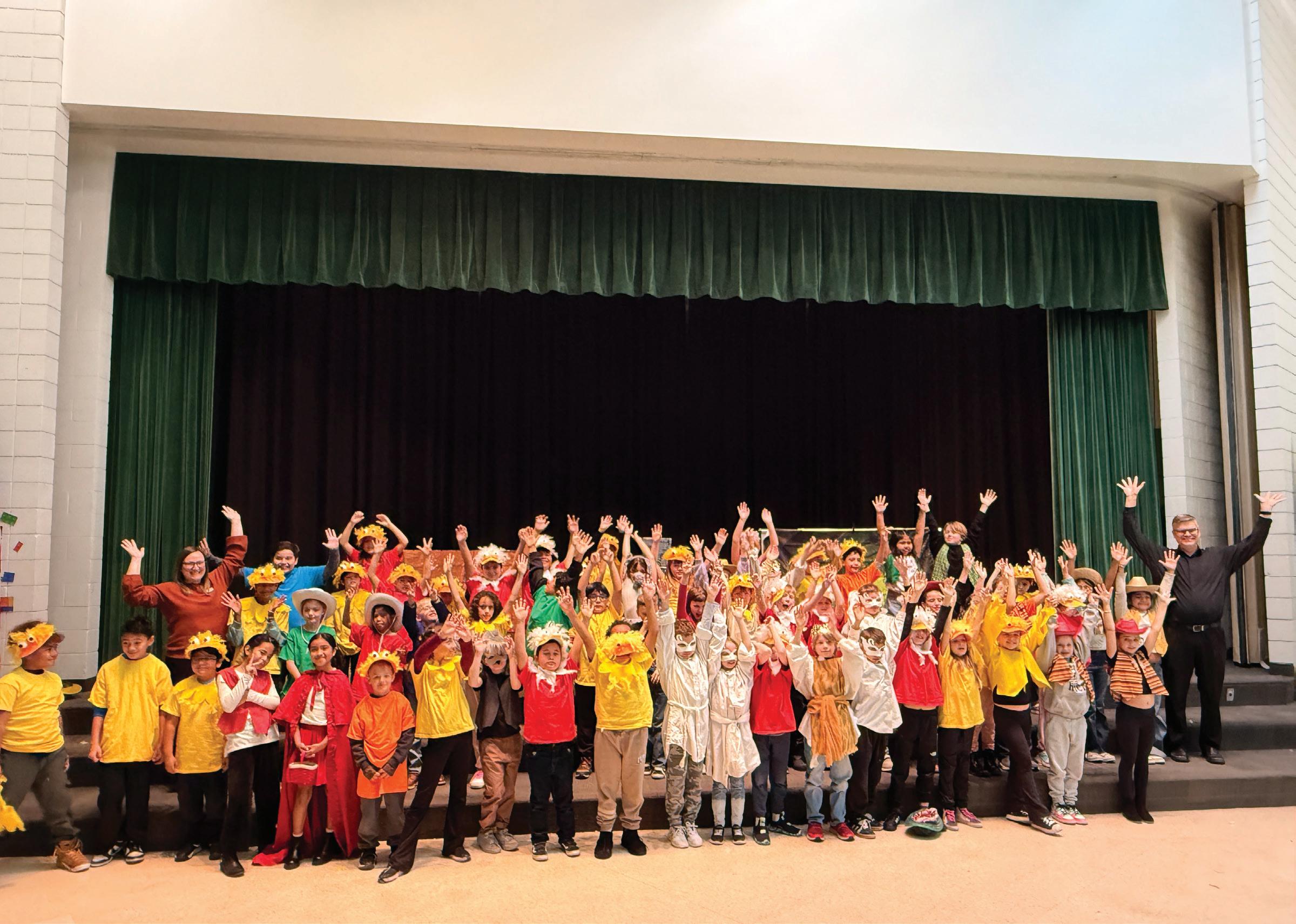
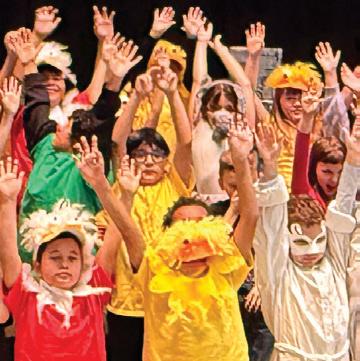
Some students don’t just attend an opera, they build one from nothing. Music! Words! Opera! is a year-long program in which K-6 students create an original opera and carry it all the way to a world premiere. Over the academic year they write the libretto (from an existing story or one of their own), set it to melodies with a professional composer, design and build the sets, costumes, and makeup, rehearse, and finally perform for friends and family. The teachers leading this work are trained through a summer program delivered in partnership with The Madeleine Choir School, where they go through the creative process themselves before guiding students through it in their classroom.
Utah Opera supports each production with a stipend for materials and a professional composer who mentors the musical side, dictating student melodies, scoring, and writing accompaniments. The result reaches every strand of the Music Fine Arts Core Standards (Create, Perform, Respond, and Connect) along with several Drama standards, and it doubles easily as cross-curricular work. One recent student opera, Mouthway Castle, built its story around nutrition and dental health, tying the project to the Health Core Standards while the students were busy writing arias.
BRINGING THE HUMAN VOICE INTO THE HEART OF THE COMMUNITY
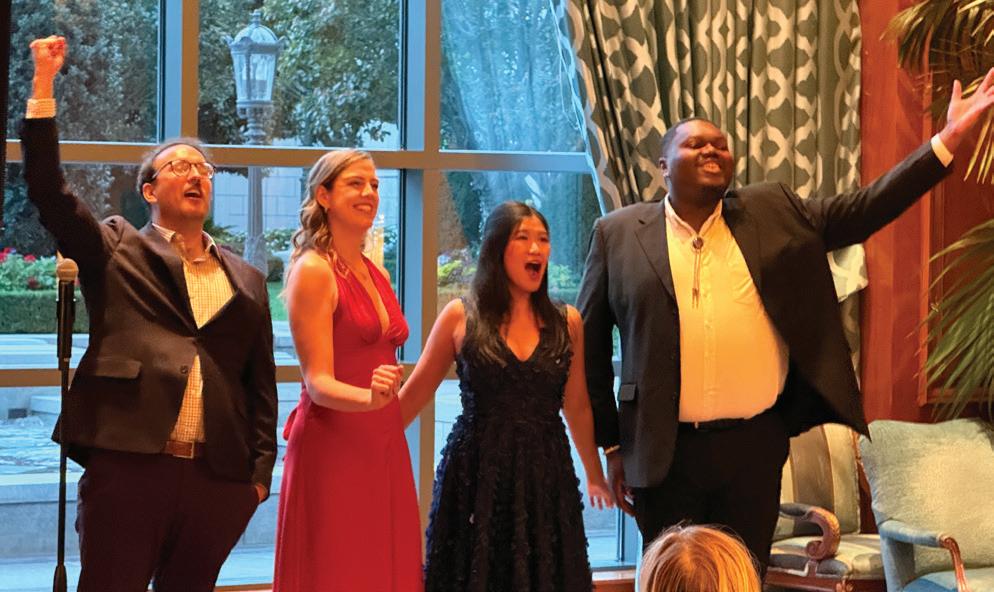
Throughout the season, Utah Opera Resident Artists carried the human voice into spaces across Utah, creating moments of connection, reflection, and shared joy through live performance.
These concerts, featuring a mix of opera, art song, and musical theatre, were presented in venues that reflect the full range of the communities we serve. That included three Random Acts of Opera, presented in partnership with the Salt Lake City Public Library: pop-up concerts that gave people
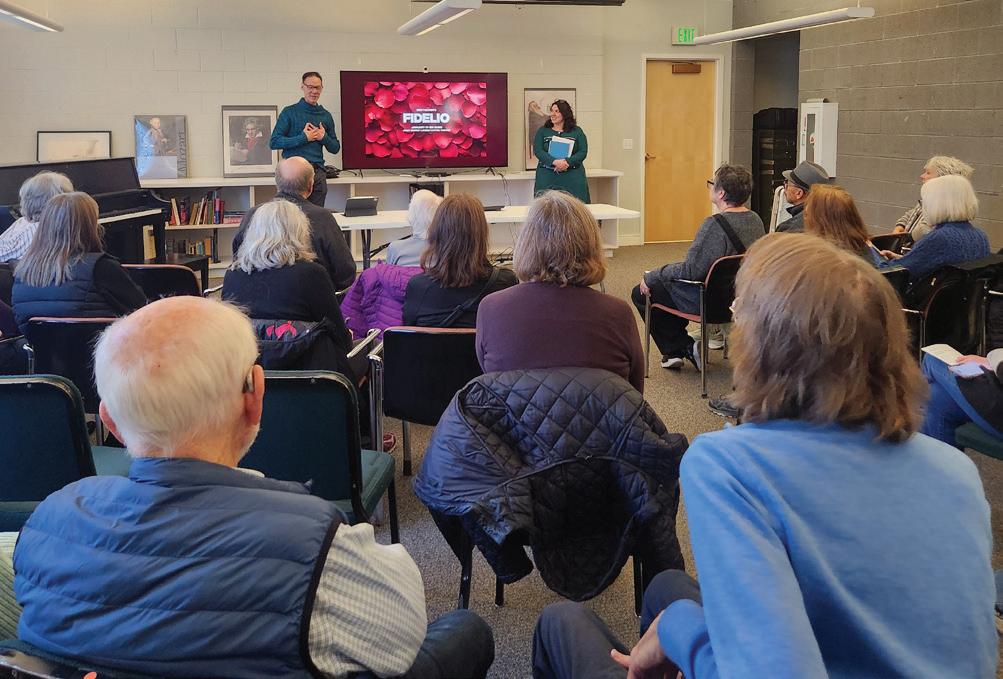
Utah Opera offers classes through University of Utah’s Osher Lifelong Learning Institute, giving members of the community a preview to each mainstage production of the season. Classes are held at the Utah Opera Production Studios where participants learn the history, story, and music of the opera in a presentation by Opera Education Manager and Principal Coach. Participants are then given a rare glimpse into the process of mounting an opera by viewing a staging rehearsal. In 2025–26, a fifth offering invited patrons to a tour of the costume shop and scenic bay to observe the technical aspects of the opera in progress.
an impromptu chance to hear a range of repertoire sung in the open Urban Room in the beautiful downtown branch. Other performances reached the healing environment of Sophie’s Place at Primary Children’s Hospital, the formal settings of Montage Deer Valley and The Grand America, and the openair beauty of Ashton Gardens at Thanksgiving Point. Each performance was shaped by its settings.
These musical encounters are designed to meet people where they are, geographically, emotionally, and culturally. Whether offering comfort to families in a hospital, filling a public garden with song, or bringing professional artistry into a nontraditional venue, the Resident Artists show how accessible classically trained singing is.
Each concert is a living expression of Utah Symphony | Utah Opera’s mission to connect the community through great live music. These performances remove the boundaries between stage and audience, between formality and personal experience. They remind us that opera isn’t confined to the theater. It is a voice shared with others, in the places where people gather, hope, heal, and celebrate.
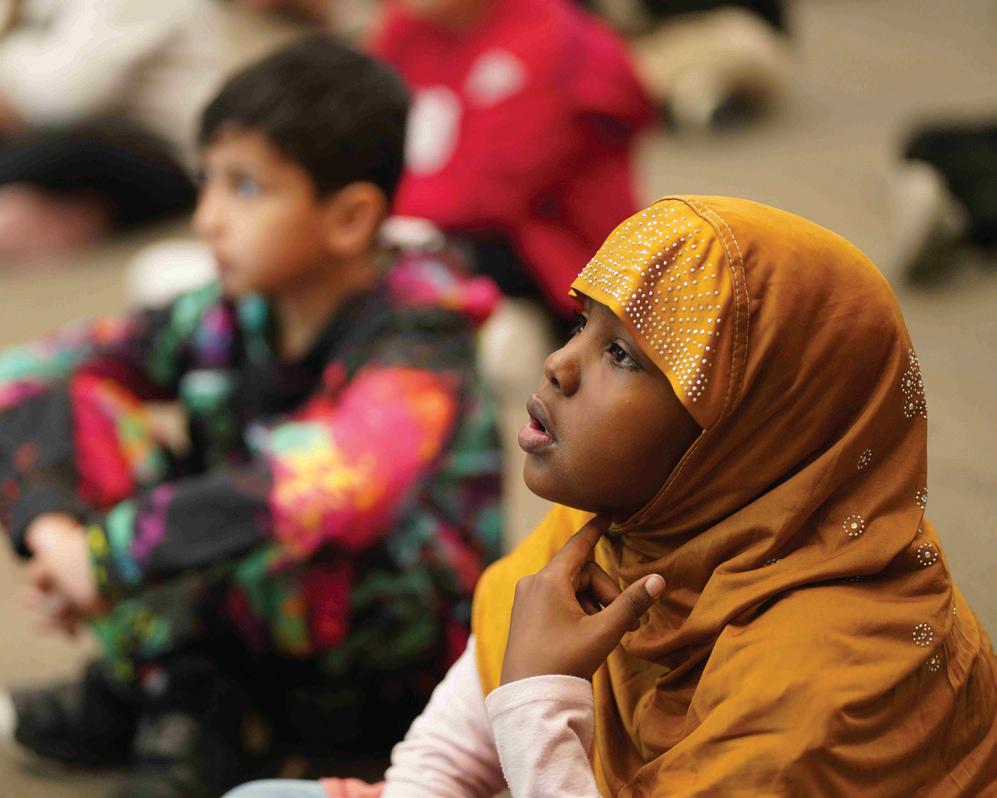
Not every encounter with the USUO happens in a concert hall or theatre. Mindful Music Moments brings a short, guided listening practice into the ordinary school day, delivered digitally so teachers can fold it into morning announcements or a classroom routine with almost no preparation. This year the program reached 13,244 students across 34 schools and 122 sites statewide. Each moment pairs a brief mindfulness prompt with a recorded excerpt of orchestral repertoire, inviting students to pause, notice their breath, attend to the sound, and carry a little calm into whatever comes next.
Because the practice recurs rather than arriving as a one-time event, its effect compounds. Utah schools played 11,116 Mindful Music Moments over the course of the year, and across that repetition students build genuine listening habits and self-regulation skills while growing familiar with the repertoire. The program adapts easily to any setting, from a single classroom to a whole school, spanning early childhood, elementary, and secondary environments. Uniquely among our programs, Mindful Music Moments supports the Utah Core State Standards for Health Education, building the protective factors tied to mental and emotional health.
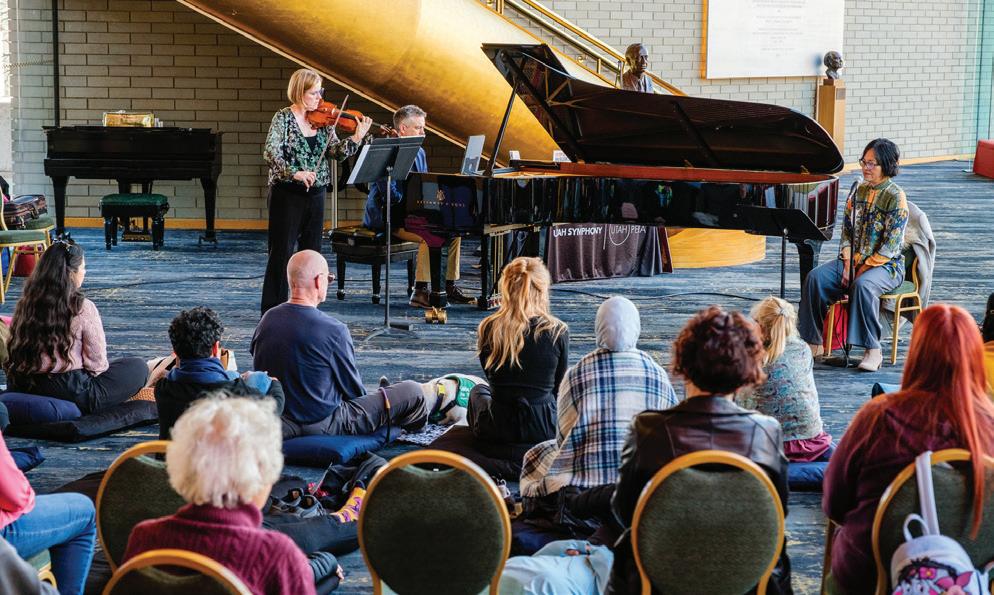
2025–26 saw the inaugural season of our newest program, the Well-Being Concert Series. Designed in partnership with Carnegie Hall, these performances are intentionally built to give people space in a nurturing environment. Across nine performances reaching 952 people, our musicians and hosts paired live performance with guided wellness and mindfulness, creating space for audiences to ground themselves, practice a little self-care, and reconnect, with the music and with each other.
These sessions took two forms, shaped by who was in the room. For the general public, at Abravanel Hall and The Ruth Theatre in Pleasant Grove, the performances offered an accessible invitation to slow down and be present. For healthcare workers and medical trainees, at the University of Utah School of Medicine – Graduate Medical Elective, Intermountain Health’s Well-Being Summits, and other clinical settings, the sessions met an audience that rarely gets to pause at all, offering a genuine break in the middle of demanding, high-stakes work.
What connects them is a simple belief: that live music can do more than entertain. It can settle a racing mind, ease the weight of a hard day, and remind a room full of people, whether a concert audience or a team of clinicians, that they are allowed to rest.
I was uplifted by the music and mindfulness, and I met a new friend with similar interests, and we have started attending other local events together! Thank you for providing this space for community building.”
Steve, patron
The best way to build programs that work in classrooms is to ask the people who teach in them. Our Educator Advisory Committee brings together teachers from across Utah to help shape what we offer and how we offer it, giving us honest, ground-level insight into what students need and what teachers can actually use.
These educators advise on everything from program design to classroom materials, keeping our work relevant, accessible, and genuinely useful in the settings where it lands. Their guidance is a direct extension of one of our core commitments: supporting the music teachers who carry this work forward every day. We are grateful for their time, their candor, and their partnership.
Mitchell Atencio
Corner Canyon High School
Natalia Bellini
Salt Lake City School District
Adam Larson
Skyline High School
Mitch Hall
Davis County School District
Lance Major
Alpine School District
Brek Mangelson
Farmington High School
Kathryn Thompson
American Preparatory Academy
Abbie Trevino
Salt Lake City School District
Amber Tuckness
Cottonwood High School
Michelle Willis
Early Light Academy
Jodi Offret
Our school is a low-income demographic, and it was so wonderful to have them see types of art that they wouldn’t otherwise be exposed to.”
Educator, Fremont Elementary, Granite School District
Syracuse Arts Academy
Hayley Winslow
Snow Canyon Middle School
Eva Marble
Park City High School

Professional Outreach Program in the Schools, sponsored by the Utah State Legislature and managed by the Utah State Board of Education
LAWRENCE T. & JANET T. DEE FOUNDATION
ELIZABETH BROWN DEE FUND FOR MUSIC IN THE SCHOOLS
LARRY H. & GAIL MILLER FAMILY FOUNDATION
ANONYMOUS
SORENSON LEGACY FOUNDATION
HEALTHCARE NIGHT
WHEATLEY FAMILY CHARITABLE FUND
THE HAL R. & NAOMA J. TATE FOUNDATION
CULTURAL VISION 30 YEAR ENDOWMENT FUND
INTERMOUNTAIN COMMUNITY CARE FOUNDATION
SIMMONS FAMILY FOUNDATION
JOAN & TIM FENTON FAMILY FOUNDATION
THE KAHLERT FOUNDATION
McCARTHEY FAMILY FOUNDATION
MR.† & MRS. ALVIN RICHER
NORA ECCLES TREADWELL FOUNDATION
BEESLEY FAMILY FOUNDATION
JOSEPH & KATHLEEN SORENSON LEGACY FOUNDATION
B.W. BASTIAN FOUNDATION
ALTABANK
BERTIN FAMILY FOUNDATION
R. HAROLD BURTON FOUNDATION
THE MILLERBERG FAMILY GIVING FUND
† deceased