



Grab your racquets and paddles, pull up your boots and bring your Texas spirit to Dallas for the 2026 World Racquets Conference, set for Sept. 20–23.
This year’s event is more than a conference – it’s a celebration of excellence, continuous growth and the future of racquet sports. Join industry leaders from across the country to honor one of the game’s most influential leaders while investing in your own professional journey.
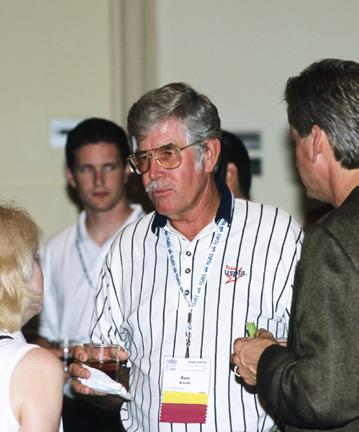
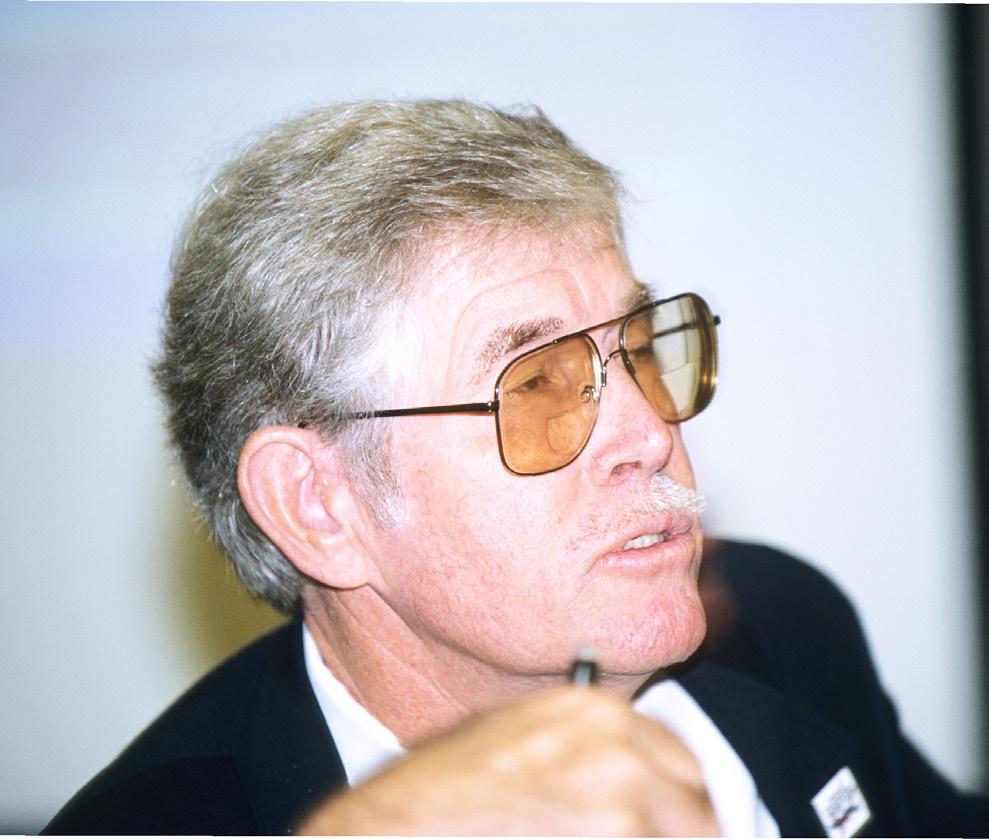
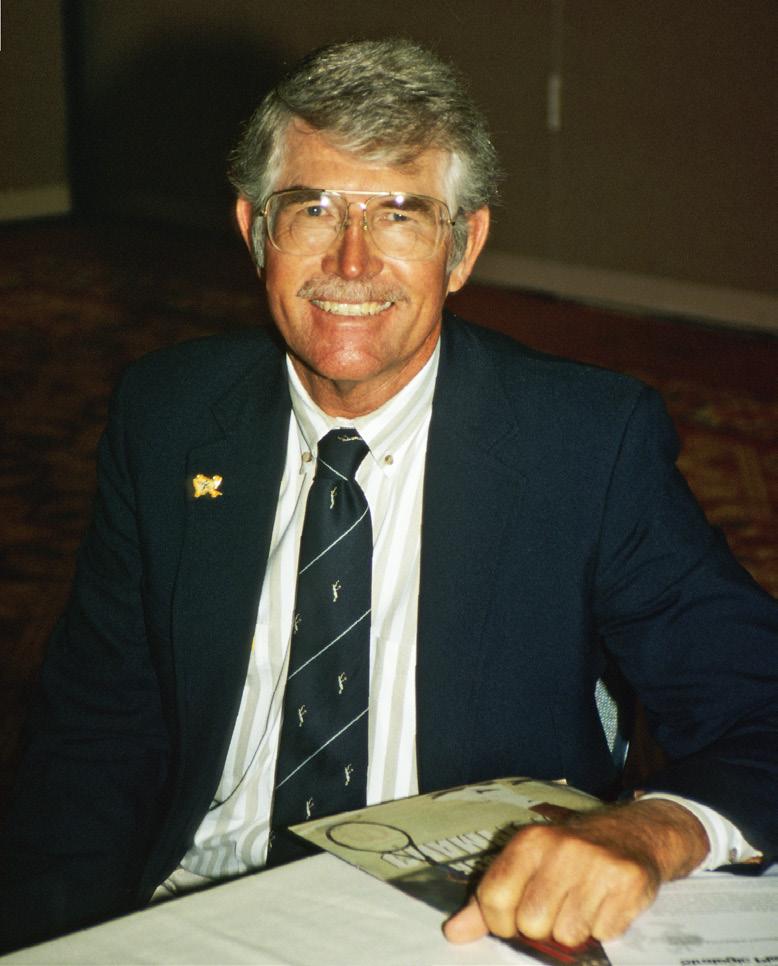
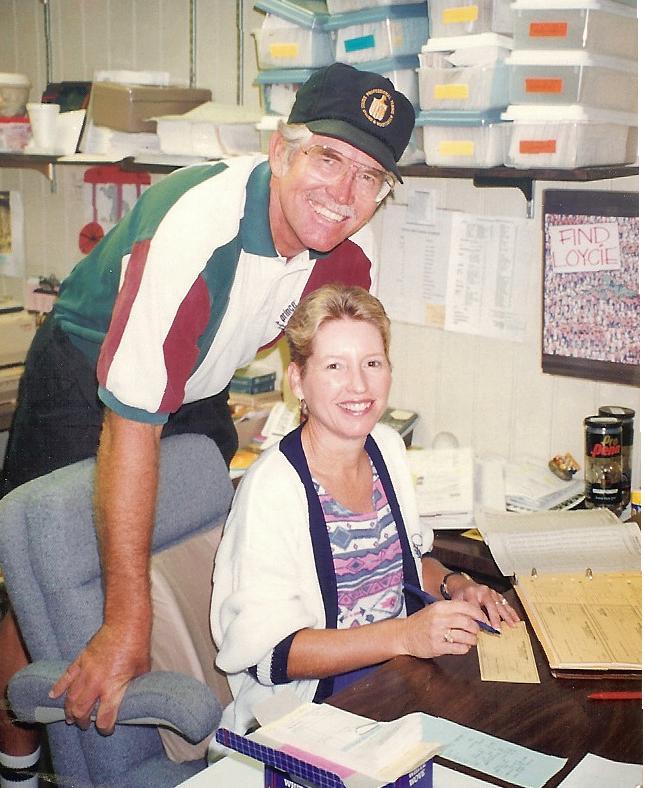
At the heart of this event, we will proudly recognize Ron Woods as the 2026 Hall of Fame Award recipient. As a former RSPA president and Master

Professional, Woods has spent decades mentoring and building a legacy that continues to influence numerous coaches, players and programs nationwide. We encourage everyone to take this opportunity to celebrate his contributions while reflecting on the standards of excellence he helped establish in the profession.
Set against Texas hospitality and a dynamic atmosphere, the conference offers an unmatched environment to sharpen your skills and expand your perspective. Through hands-on learning on and off the court, you will gain practical tools to develop your
coaching skills, strengthen your leadership and adapt to the evolving demands of the industry. Plus, attendees will enjoy a full lineup of events to find new mentors, build meaningful relationships, and exchange ideas on how to grow their programs and uplift fellow professionals.
With multisport education across tennis, pickleball and padel, every session is designed to deliver real-world strategies you can immediately apply - helping you grow your programs, better serve your communities and advance your career.
Join us for the celebration in Dallas and leave with the momentum to drive impact in your community.

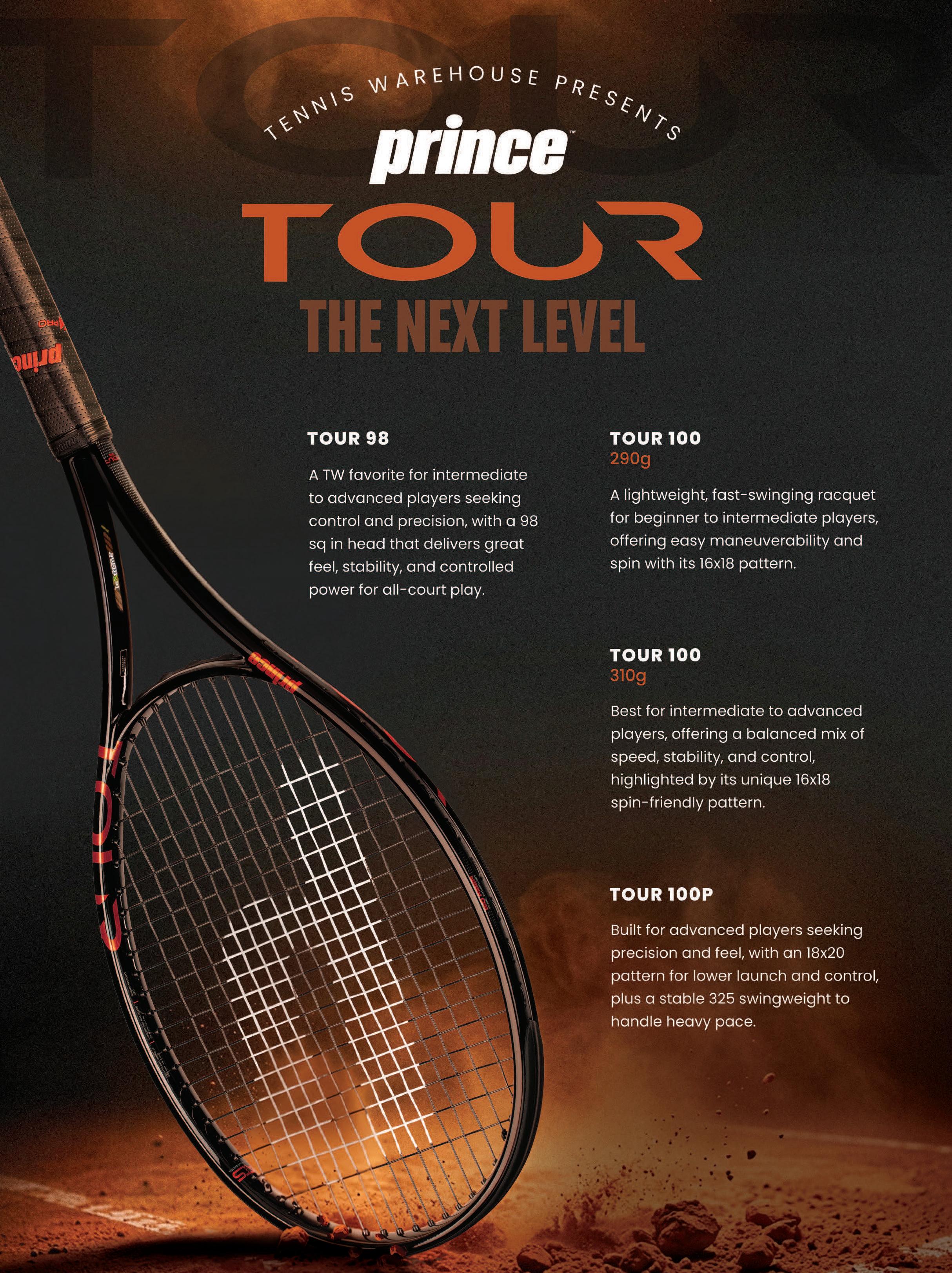


Scott Burton, RSPA Vice President
Iwas 37 years old, standing in the middle of a production nightmare that had already dragged on far too long. That afternoon, I was buried in calculations, trying to trace the source of an error on a project that had become increasingly frustrating. Line by line, number by number, I was attempting to make sense of something that, in the end, wasn’t even mine to begin with.
And that’s when it hit me.
I stopped and had a simple but uncomfortable thought: Do I really want to spend the rest of my career searching for other people’s mistakes—or carrying 100% of the responsibility when things go wrong?
On paper, my role as a manufacturing engineer checked all the right boxes. It was stable, technical and respected. And to be fair, there were parts of it I genuinely enjoyed—especially seeing a product come to life from a concept. There’s something deeply satisfying about watching an idea become reality.
But over time, I realized it wasn’t the work itself that wore me down—it was the environment surrounding it.
There was an ongoing sense that something wasn’t right. No matter what was accomplished, it never quite felt like enough. The energy in the room often leaned more toward frustration than fulfillment. Eventually, I found myself asking a much bigger question: If we only get one shot at this life, why spend most of our waking hours in an environ-
ment that drains us—surrounded by people we never would have chosen to share that time with? That question stayed with me.
Tennis had always been more than a hobby. I was a 4.5 tournament player who was deeply invested in improving—spending countless hours on the practice court, competing, learning and refining my game. Tennis challenged me in a way that felt constructive rather than draining. It demanded focus, discipline and patience, but it also gave something back in return.
Time on the court didn’t drag—it disappeared.
Around that time, one of my coaches said something that stayed with me:“Your people skills are really strong. People like you. Imagine if you could help them improve their tennis game.”
It wasn’t a grand moment, but it planted a seed.
That afternoon on the production floor forced me to connect everything. I realized I was investing most of my energy into an environment that drained me, while the thing that energized me—and now had the potential to positively impact others—was something I was keeping on the sidelines. Still, the doubts were real.
I was 37 years old. Most of the coaches I knew had played college tennis. I hadn’t. They had followed the traditional path; I hadn’t. I
couldn’t help but wonder: Am I already too late? Am I risking my financial future by starting over?
Fortunately, I didn’t make the decision alone. I had two mentors who believed in me—at times, more than I believed in myself. Their confidence gave me just enough courage to move forward.
So I committed.
I gave myself a 12-month window to begin the certification process through the United States Professional Tennis Association, now known as the Racquet Sports Professionals Association. I took a deep breath and went all in.
The transition didn’t happen overnight. For the next 13 years, I balanced two worlds—working my engineering career during the day while steadily building a future in tennis. It required patience, discipline, and persistence, especially during periods when progress felt painfully slow. But over time, something changed.
I wasn’t simply learning how to teach tennis—I was building a life that felt aligned with who I truly was. Working
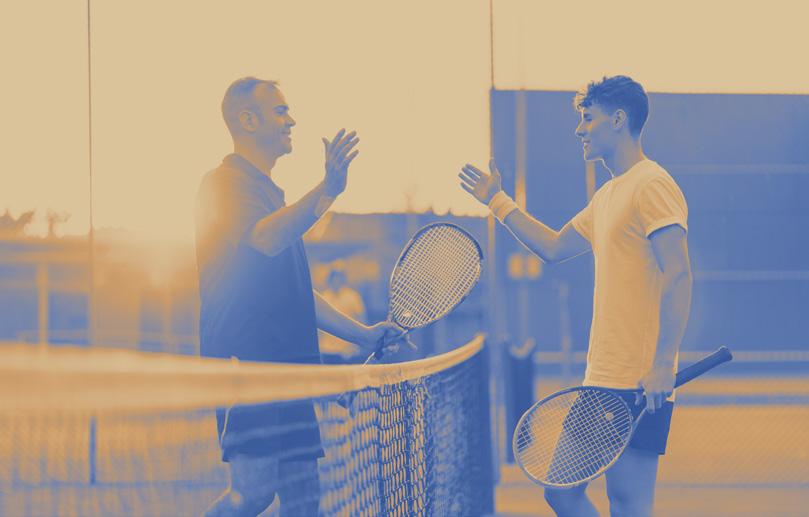
in parks and recreation allowed me to connect with players of all ages and skill levels while becoming part of something larger than myself.
In 2010, I was invited to serve on the Southern California Board of the association. What began as a way to give back evolved into 16 years of service, including my final four years as Southern California Division president. I originally believed that chapter of volunteer leadership would mark the completion of my service to the organization. But once again, another door opened.
Recently, I accepted a position on the organization’s National Board of Directors as vice president. Serving at that level carries both tremendous responsibility and profound meaning. Board leadership helps shape the future and direction of the entire association, and I consider the opportunity one of the highest honors of my professional life. What started as a midlife career pivot has evolved into a journey far greater than I ever imagined when I first stepped onto this path.
I eventually stepped fully into tennis and founded Burton Tennis Company—a decision that was entirely my own. It wasn’t something I was told to do, nor was it part of any traditional roadmap. It was simply a choice I believed in deeply.
Now, as I mentor younger players and share my story, I can honestly say I’m proud of the difficult decisions I made during one of the lowest points in my life—and grateful that I had the courage to act.
What I found wasn’t just a new career. It was a new way of living.
Since committing fully to racquet sports, work no longer feels like work. It feels like a meaningful daily experience—something I care deeply about, something that continues to challenge me, and something that allows me to help others grow.
Over the years, I’ve come to think of life as a long hallway lined with doors. Some stay closed. Some we walk past out of fear or uncertainty. And some
require us to take a deep breath before turning the handle and stepping into the unknown.
Every meaningful chapter of my life came from opening one of those doors. Engineering was one. Tennis was another. Coaching, leadership, mentorship and service all waited behind doors I never originally planned to walk through. But each experience taught me something—not only about success, but about fulfillment, purpose, and who I wanted to become.
This journey has taught me that we rarely discover our purpose all at once. We find it by continuing to move forward, staying curious, and having the courage to explore what might exist on the other side of the next door.
The hallway is long. The possibilities are endless. My coaching tip to you… continue to open doors within the racquet’s profession. Continue to educate and keep energized! That’s what makes the journey worth taking.

Collin Brazan | RSPA Director of Marketing
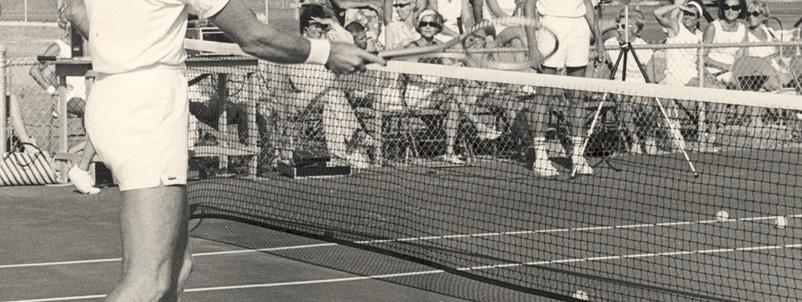
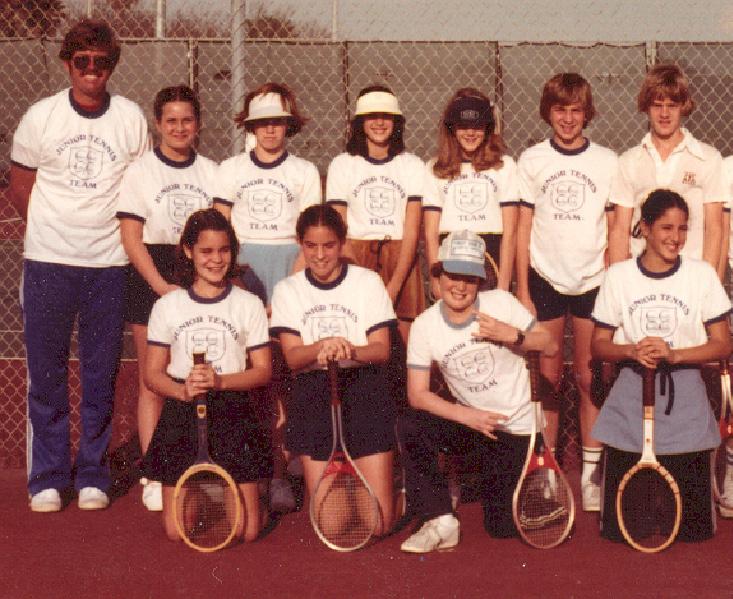
For more than seven decades, Ron Woods has been a steady and influential presence in tennis, earning him induction into the RSPA Hall of Fame. His journey began at age 12 on the courts of Corpus Christi, where early instruction in fundamentals and sportsmanship shaped a lifelong commitment to tennis. From those beginnings, Woods built a career rooted in teaching, service and leadership, impacting tennis at the local, sectional and national levels.
Throughout his career, Woods has served the sport in nearly every capacity imaginable. He has held leadership roles within the RSPA Texas Division, volunteered extensively across the industry and dedicated countless hours to growing programs and facilities for the benefit of the community. Just as important, he has spent decades on court with players of all ages and abilities, from beginners to nationally ranked juniors. His Hall of Fame induction recognizes a career defined by service, mentorship and a genuine love for tennis that brings people together.
Q: What Has Kept You Serving the Tennis Industry for So Long?
A: I want to give back. Even when I was directing programs, one of the things that just pleased me so much was to see people out there having fun. And watching people learn and grow with the game and just experiencing the joy of the game and being able to be involved with a sport that can have people get together, make new friends and socialize. I just love the sport because it has so much to offer.
Q: You’ve spent a lot of your volunteer time working with youth. What’s so special about this group?
A: It’s so gratifying to see them grow. I appreciate just being able to be on the court with them and work with them, as far as trying to develop their game, through their strokes and footwork, and their strategies.
Q: Is there a particular moment in your career where you really felt the impact you have on others?
A: I have so many, whether it be a kid I worked with who won State, or a 3.0 lady or a team I worked with that went to sectionals and did well. There’s no particular moment because I worked with so many people. And it’s not because of me that they achieved, it’s because of them. I was just an avenue for them to achieve more in life through tennis.

Q: How has your time with the RSPA enabled you to shape so many lives?
A: A lot of the programs I ran contained learnings from my peers. The association helped me grow, helped me get ideas to run my programs and educated me on how to do it better.
Q: What is the one takeaway you would like your fellow members to take from your career?
A: Serve with a purpose. When you’re running your programs, keep in mind who you are serving. Every person you run into is going to have a different slant as to how they want to absorb the game. You don’t give your customer what you think they want; you give them what they want. You’re serving them, and when you serve, you want to hit an ace.
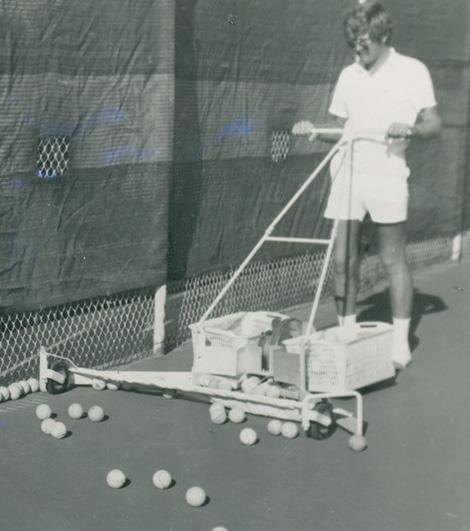
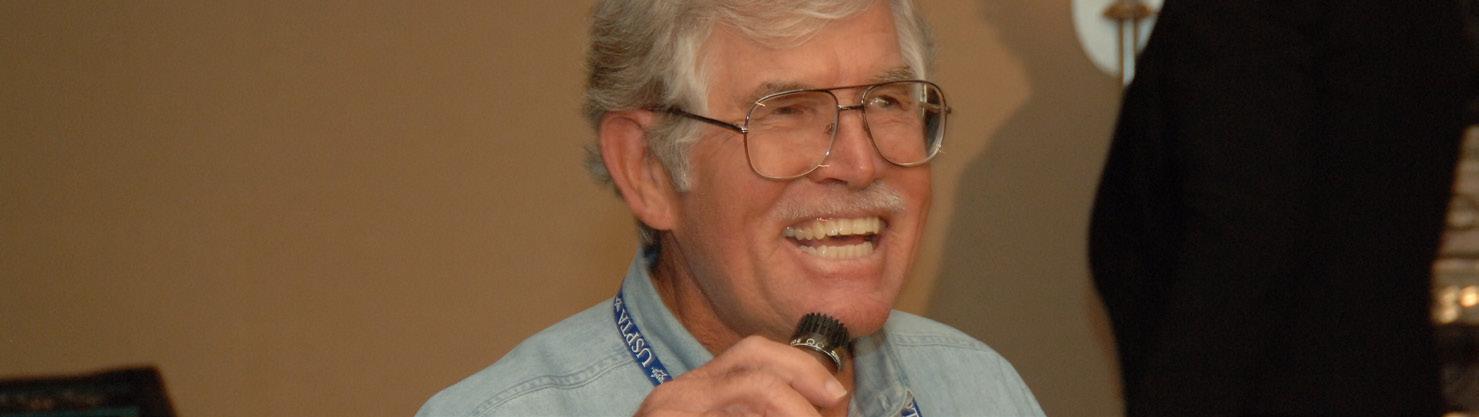
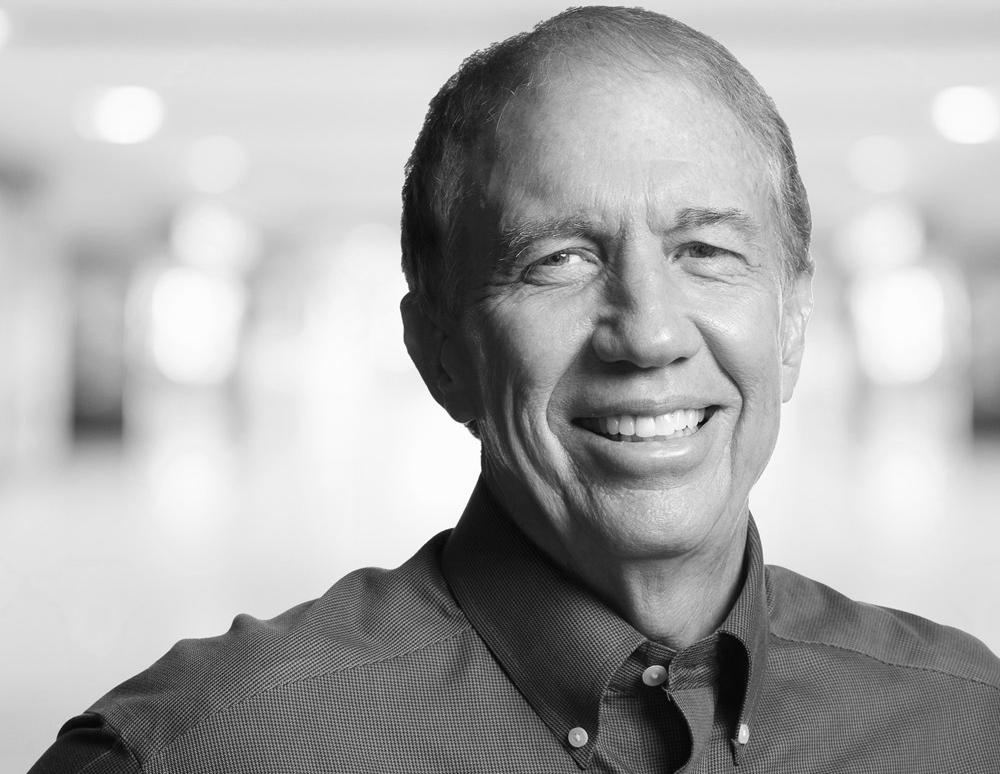
The Racquet Sports Professionals Association extends its deepest condolences on the passing of Dr. Jim Loehr, a world-renowned performance psychologist and a transformative figure in tennis and sport. Dr. Loehr was inducted into the RSPA Hall of Fame in recognition of his extraordinary impact on the game.
Dr. Loehr’s groundbreaking work in mental toughness and energy management shaped generations of coaches, players and leaders. Over more than three decades, his influence reached far beyond the court, impacting athletes across sports as well as professionals in business, medicine and the military.
Dr. Loehr worked with more than 17 number-one-ranked athletes and teams across professional tennis, golf, basketball, football, hockey, boxing, motorsport, and the Olympics. He authored 19 books,
including the co-authored bestseller “The Power of Full Engagement.”
Throughout his career, Dr. Loehr gave tirelessly to this community with his time, energy and innovative insights into mental training. His pioneering work inspired our members to become better coaches and better people. He cared deeply about this community, and in his Hall of Fame acceptance speech, he expressed sincere gratitude to all of you—his peers— for your support throughout his journey.
We extend our heartfelt sympathy to his family and to the many coaches, players and colleagues whose lives he influenced. His legacy will continue to guide our profession for generations to come.


Sportsfield Specialties, Inc. provides confidence and leadership in the manufacturing and sale of sports construction equipment for all levels. Let our sales team and industry partners assist you with the design, engineering, and installation of your next project. Our experience and expertise makes us the leader in sports construction equipment.


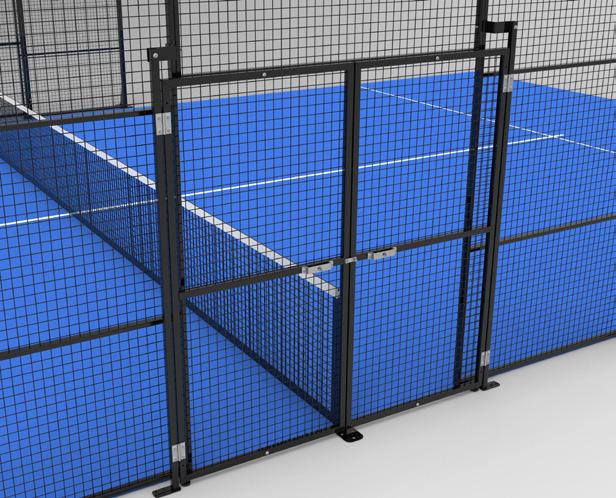
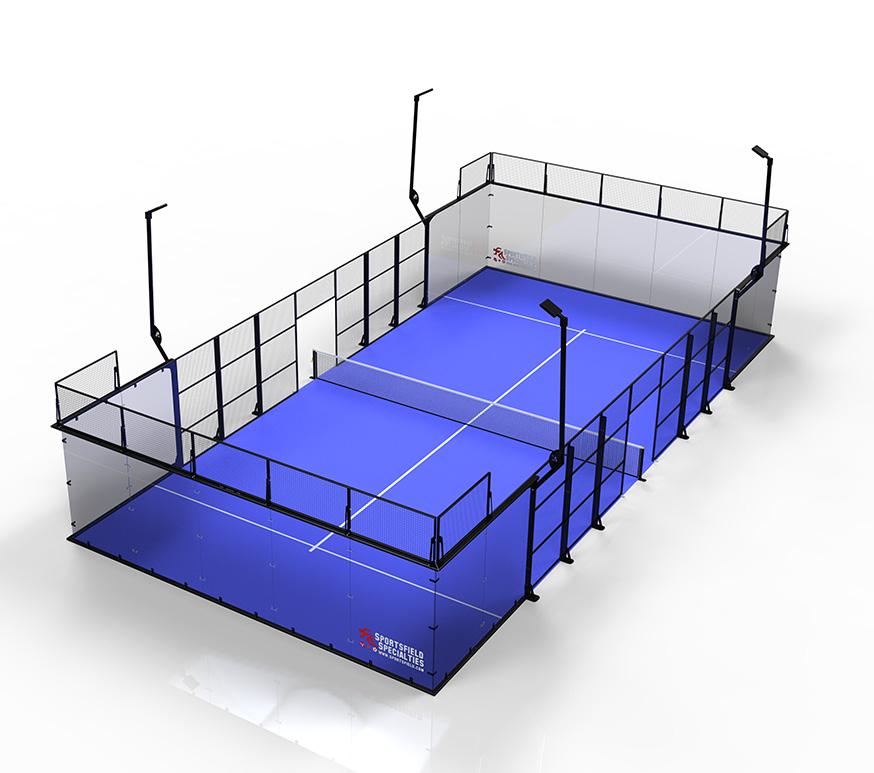
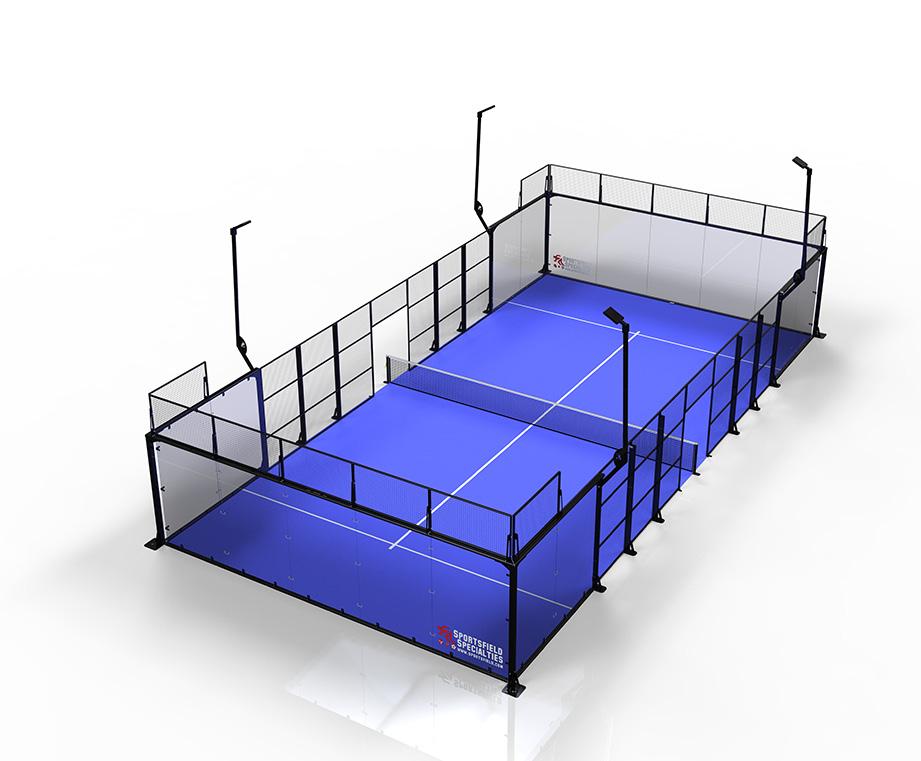
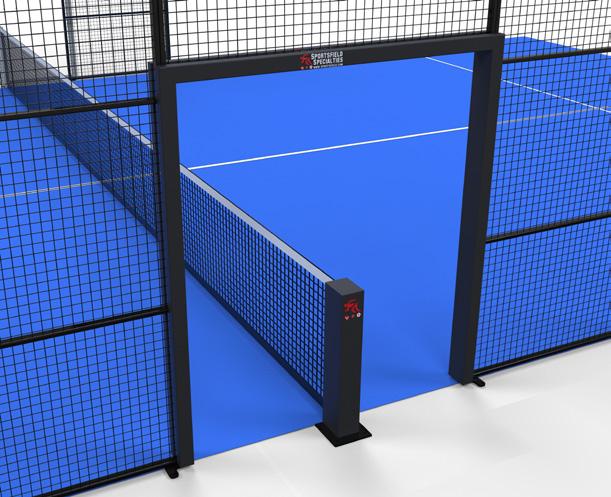
Introducing Sportsfield Specialties new line of PaDelhi™ Outdoor Panoramic & Indoor Full Panoramic Padel Court Systems proudly manufactured in the USA. Our Padel Court Systems feature an engineered design and user-friendly installation comprised of durable raw materials and high-quality manufacturing processes. Sportsfield’s PaDelhi™ Padel Court Systems incorporate everything needed for installation, including the structural posts with welded base plates, wire mesh frames, tempered glass panels, light posts/fixtures, posts/net, synthetic turf surfacing, and sand infill material.
Coming Soon: PaDelhi™ Outdoor & Indoor Base Plate Padel Court Systems

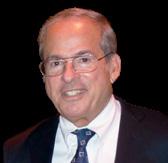
When the 2026 International Tennis Hall of Fame induction ceremony takes place in Newport, Rhode Island on August 29, devotees of the sport will be following the festivities with a sense of awe and reverence that is even more far reaching than usual. Switzerland’s redoubtable Roger Federer—an inimitably elegant craftsman and arguably the most universally popular player tennis has ever known—will cap his incomparable career by adding Hall of Fame membership to the multitude of honors he has already amassed, including 20 major singles crowns, 103 singles titles altogether and a record 237 consecutive weeks spent residing on the top the mountain at No. 1 in the world.
To be sure, Federer will stir a reservoir of emotions among those assembled in Newport—and millions of others all over the planet—when he delivers what will inevitably be a speech observers everywhere remember for the rest of their lives.
But the fact remains that Federer will be joined in Newport by another illustrious individual who is also thoroughly worthy of Hall of Fame status. Moreover, she is one of the few people who could share a stage with the larger than life Federer and not be overwhelmed or obscured. I am referring, of course, to none other than Mary Carillo of the United States. She will be enshrined as a contributor and the way I look at it that label fits her exceedingly well.

I have known Carillo since 1977, the year she claimed her highest honor as a player. She captured the French Open mixed doubles title that spring alongside John McEnroe. The two left-handers had a blast in the process of securing that Grand Slam title in Paris, and the game’s insiders took note of Mary right then and there. She kept distinguishing herself on the court in the ensuing years during a brief career, playing until 1980, rising to a singles peak ranking at No. 33, competing with an exuberance few of her peers could equal. Slender and swashbuckling in such an appealing way, Carillo was an entertaining performer who refused to take herself too seriously yet simultaneously revered the professionalism of the seasoned veterans she was competing against.
Carillo’s brittle knees, however, were the enemies of her aspirations, forcing her to conclude her playing days in her early twenties. But fate intervening in that fashion was the best thing that ever happened to her. Even before she quit competing, Carillo got a taste of how she could flourish as a commentator and it was unmistakably a match made in heaven. Once she devoted herself
wholeheartedly to broadcasting, Carillo swiftly discovered the affinity she had for that forum. Meanwhile, the tennis public found in Carillo a fresh and distinctive voice they had been waiting to hear. She brought supreme originality to her craft, mixing a natural sense of humor with sharp insights, poking fun at herself while painting portraits of the players that were loaded with authenticity and intelligence.
Carillo has long been busy behind the microphone, turning into a superstar in her field. By the middle of the 1980s, her prominence was fully established and her credentials were unassailable. She started her rapid ascent by providing color commentary on women’s tournaments alongside Al Trautwig for USA Network in the early eighties, gaining valuable experience week after week, growing more comfortable with every passing telecast. In decade after decade ever since, from her early twenties into her late sixties, Carillo has made her presence known to the point where she became ubiquitous.
Carillo’s extraordinary wit and wisdom have always been the twin motors of her success, enabling her to make an


impact on a wide range of networks including NBC, HBO, CBS, ESPN, NBC, TNT and Tennis Channel. She has done outstanding commentary at all four major tournaments in the game of tennis and what has strikingly set her apart has been an unwavering commitment to journalism on the air. Carillo is not simply an announcer interpreting why particular players are succeeding or failing, but more so she is a reporter giving the viewers a larger sense of what is happening on the periphery which might later clarify the central course of events on the court. She shows up for her telecasts fully prepared, armed with background material culled on her own which she releases at opportune moments to enlighten the viewers from a unique perspective.
Through the years and over the decades, Carillo has done it all as a tennis broadcaster of the front rank, but her talent as an announcer transcends the sport she loves more than any other. She has covered no fewer than 17 Olympic Games, and has contributed mightily to the highly regarded “Real Sports” on HBO. She has been a popular host and co-host at the Westminster Kennel Club and National Dog Shows, and has even co-authored three books.
The diversity of her endeavors has allowed Carillo to explore the full boundaries of her potential, and it is appropriate that she has been the
recipient of six Emmy and three Peabody awards. To say that she has been prolific would be a serious understatement, but the quantity of her work is considerably less important than the quality. That has been apparent all along her scintillating journey through the broadcasting world. Another strength of Carillo’s is her adaptability. No matter who is sitting alongside her in the booth, she seems to bring out the best in them. Among the many luminaries with whom she has joined forces at major venues is, of course, John McEnroe. By the early 1990s, Carillo had branched out to call men’s matches as well those contested by the women, and her skills have been every bit as impressive in that capacity.

In the mid-1980s, I had the good fortune to work with Carillo and the late Bud Collins as a commentator for Madison Square Garden Network at the Virginia Slims Championships in New York’s fabled Madison Square Garden. She was the ultimate professional, brilliant and buoyant when analyzing the action,


congenial and amusing when she interviewed the players on court afterwards. As a colleague, she made me feel entirely comfortable and at home, teasing me about my photographic memory, always treating me and all of her colleagues as equals. She viewed herself quite simply as one of us.
I am eagerly anticipating going to Newport in late August to witness this singular celebration. Irrefutably, Roger Federer will be embraced affectionately by the fans on that auspicious occasion for a sterling career as a sportsman of the highest order and a shot maker nonpareil. He will be lauded for being a singularly transcendent modern champion who has inspired general sports fans immeasurably and made them appreciate tennis more effusively than they ever could have imagined.
But I am certain that an exhilarated Mary Carillo will stand up on that stage proudly alongside Federer, knowing that she fully deserves her Hall of Fame honor. She has been the most masterful communicator on tennis of her time, and the feeling grows that her speech in Newport will be a character defining moment as well as the capstone of her career. I wouldn’t miss it for the world.


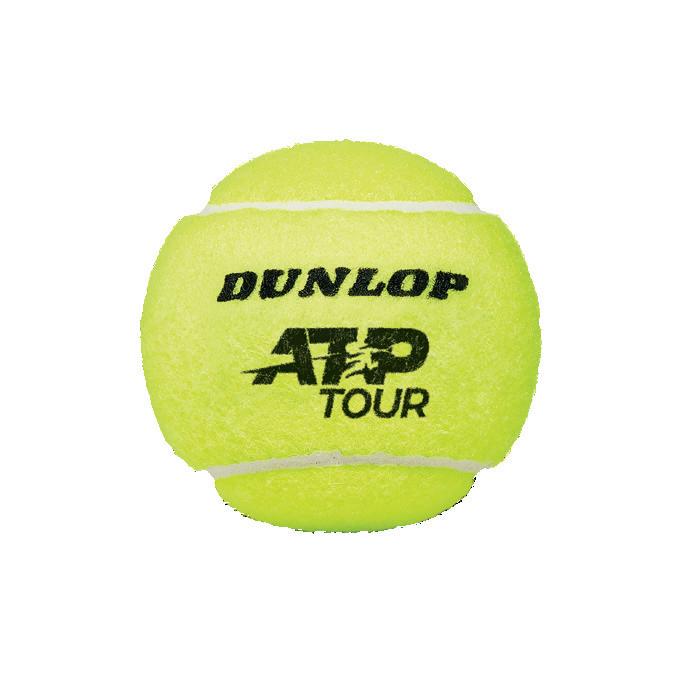


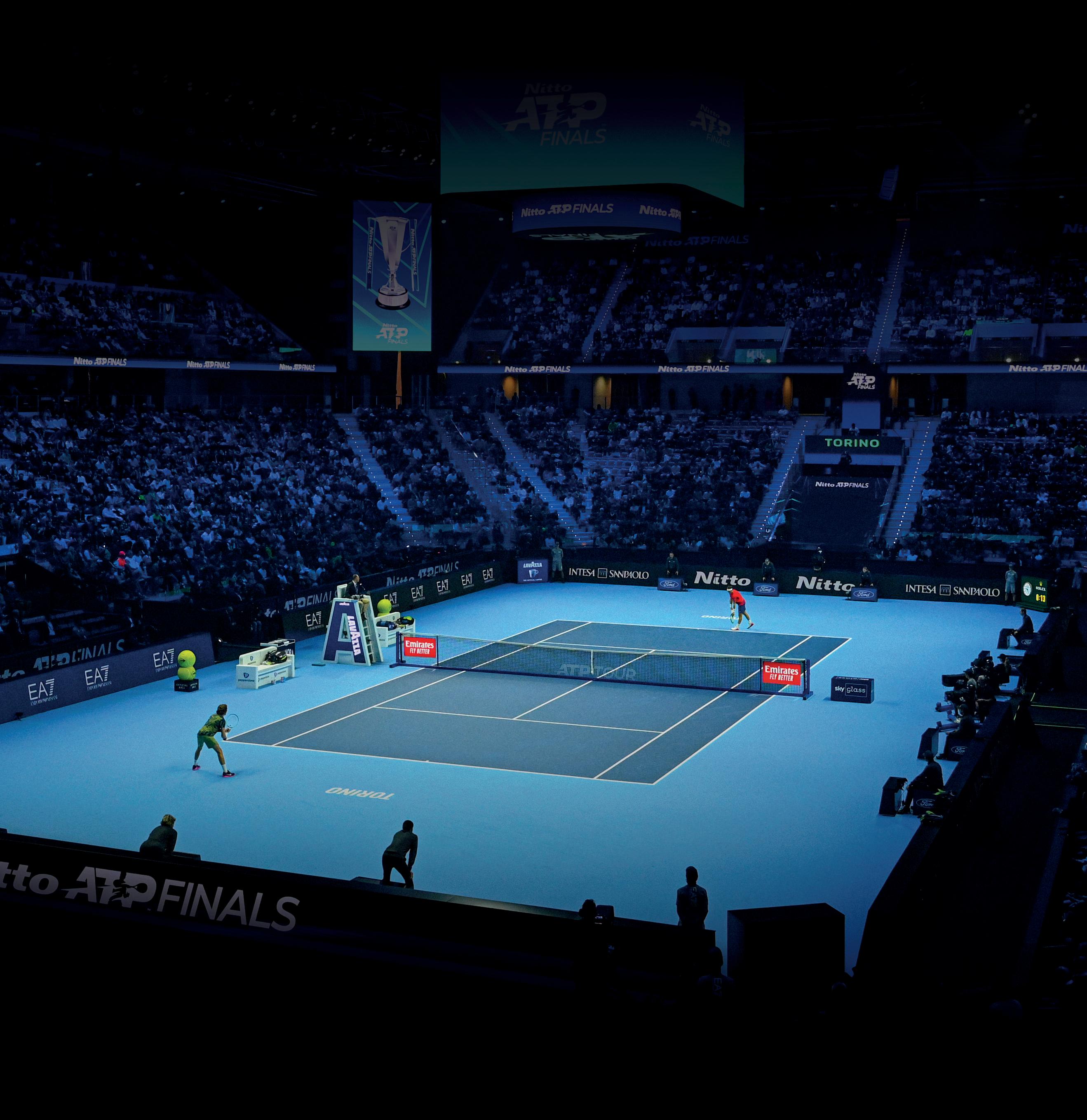
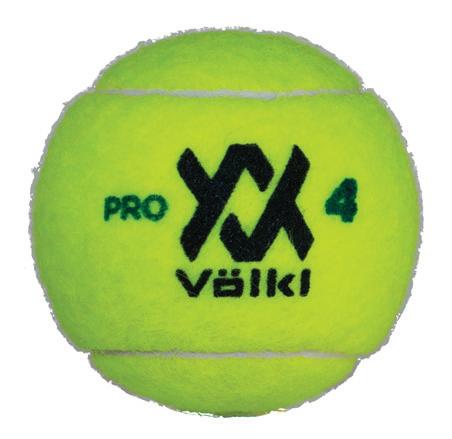
OFFICIAL BALL OF RSPA TENNIS COACHING

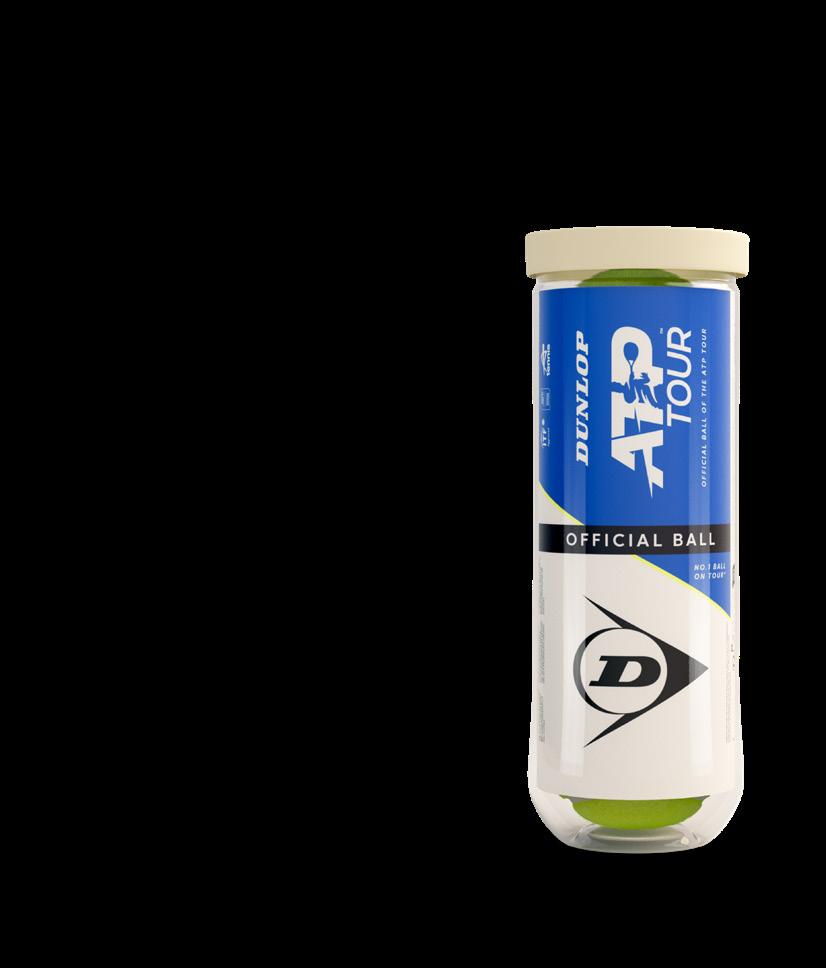

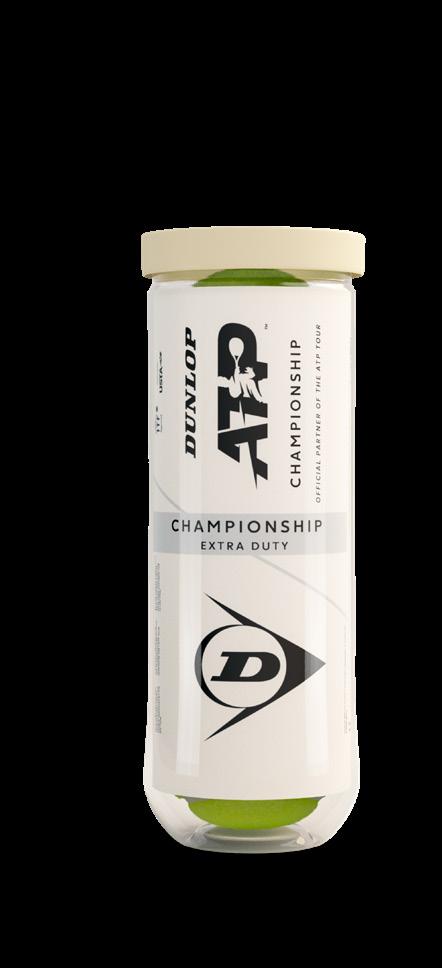
RECYCLABLE PAPER LID MADE FROM 30% RECYCLED PLASTIC
Linda Gordon | RSPA Director of Membership

Racquet sports grow because people invite others in.
A coach encourages an assistant to get certified. A director points a colleague toward professional resources. A facility leader helps a promising instructor find a clear path forward. Careers in this industry rarely start in isolation.
The RSPA’s Refer & Earn program exists to support the reality that many of our careers start with a connection. It gives members a simple, practical way to grow their professional network, strengthen the sport and offset the cost of membership and key resources along the way.
Most racquet sports professionals already refer colleagues informally. You share advice. You answer questions. You point people in the right direction. Refer and Earn simply recognizes that effort and gives it structure.
When you refer a colleague who applies for certification or membership, you receive a $50 credit you can use with the RSPA. That reward can be used to help make membership renewal and other professional resources more affordable.

President. Mark Faber
First Vice President Kevin Theos
Vice Presidents ..Molly Card-Beckmann, Jenny Gray, Milos Vasovic, Mel McRee and Scott Burton
Immediate Past President Trish Faulkner
Interim CEO & Contributing Editor John R. Embree Legal Counsel George Parnell
Referral rewards can be applied toward:
• Membership renewal
• Education and certification resources
• Other key professional tools offered through the RSPA
The program is not a one-time incentive. It is an ongoing way to reduce friction and make long-term participation more sustainable.
At the same time, the colleague you refer gains access to a clear, credible pathway into the profession. They are not guessing where to start but rather stepping into a community.
Strong professional networks are built over time through trust.
Refer & Earn helps you grow your network intentionally by:
• Bringing qualified professionals into your local and national community
• Strengthening the talent pool at facilities and divisions you care about
• Creating more connections across sports, roles and regions
Every referral adds another professional who understands the expectations of the industry and contributes to its credibility. Over time, that strengthens opportunities for everyone.
The quality of the racquet sports experience depends on the people delivering it. Coaches, instructors and directors shape how players learn, how programs operate and how facilities succeed.
By referring colleagues into certification and membership pathways, you help raise the standard of the profession. You help ensure that those entering the field are supported and educated rather than navigating it alone.
Refer & Earn fits naturally into everyday conversations. It does not require sales language or extra effort. You might refer:
• An assistant coach ready to take the next step
• A colleague expanding into a new sport
• A facility staff member looking for formal credentials
• A peer who wants stronger professional support
If you are already having those conversations, you are already doing the work. You should get credit for it! All you have to do is ask the prospective member to list your name when filling out their RSPA application.
Racquet sports have always advanced through people helping people. Referral keeps that tradition alive while supporting modern career paths and your professional needs.
Whether you are early in your career or decades in, your role in shaping the profession matters. The colleagues you bring in today influence the quality, stability and credibility of the industry tomorrow.