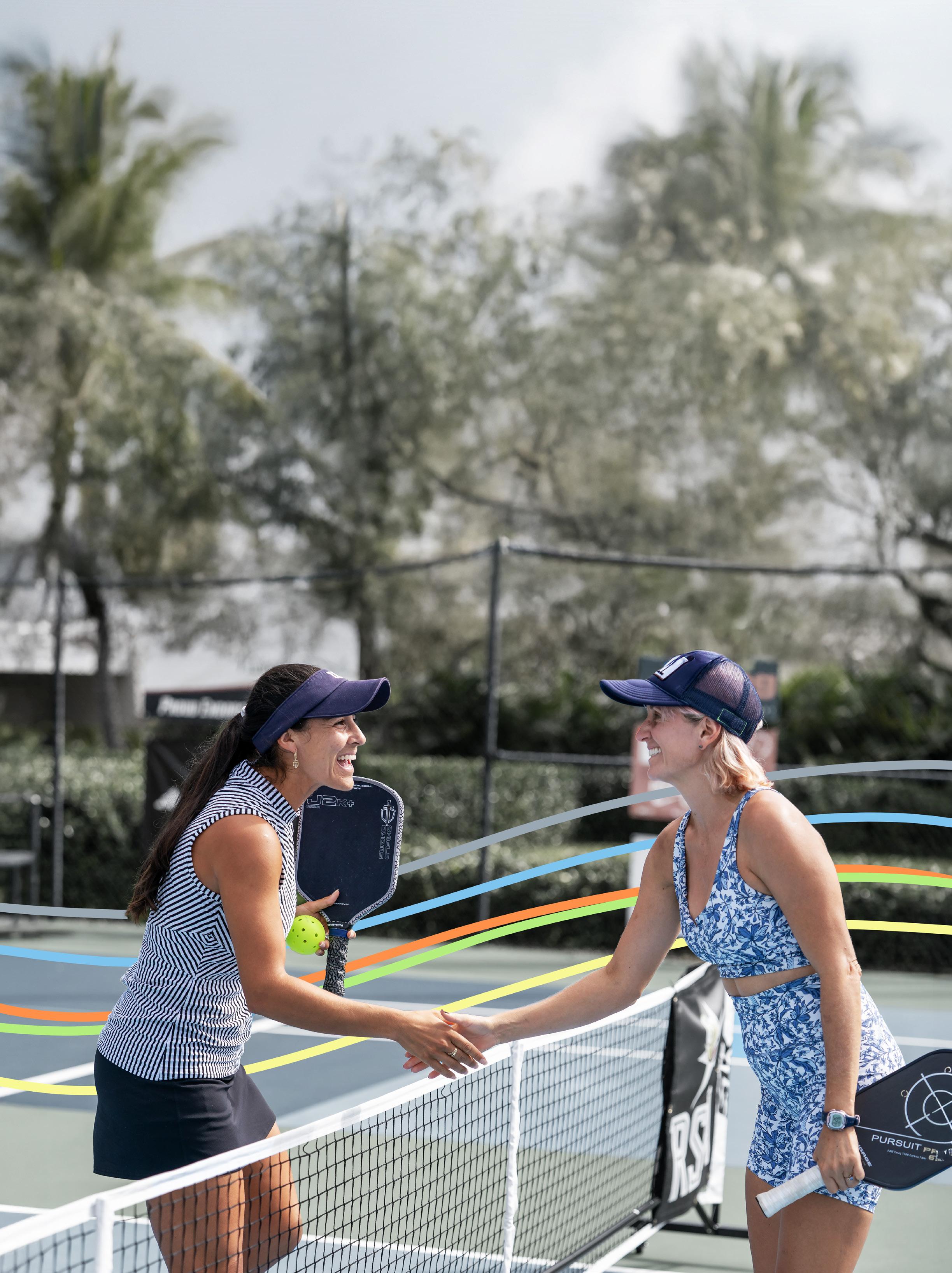



After being around this industry for many years, you know greatness when you see it. You see it in how professionals carry themselves, their eye contact, their energy and the dignity with which they treat everyone around them.
But do we truly know what “great” looks like when we strip away the charisma? Our members serve as directors of racquet sports, head professionals and assistants. Regardless of the title, each possesses varying degrees of greatness. The question is: how do we measure it?
In recent conversations with general managers from both private clubs and public facilities, we explored this very question. Historically, greatness was often defined by technical mastery. Legends like Vic Braden, Dennis Van der Meer, Dr. Jack Groppel, Dr. Jim Loehr and Dr. Dave Porter were technically elite both on and off the court.
Others, like the industry legend Peter Burwash, redefined greatness through hospitality—an effortless, genuine care for the guest experience. While these icons set the bar, greatness today requires a blend of both technical expertise and authentic human connection. We can all spot a phony from a mile away; authenticity remains the industry’s most valuable currency.
Today, we must ask ourselves: are we still striving for greatness or have we settled for okay?
Greatness requires a commitment
that transcends the baseline. It means valuing certification—the cornerstone of the Racquet Sports Professionals Association (RSPA) for nearly a century—and maintaining an insatiable thirst for learning. While there are now lower-priced alternatives and faster “express” certifications, those options rarely foster greatness. They offer a shortcut; we offer a standard.
I recently spoke with a top-tier general manager who was unaware of how RSPA certification directly impacts the member experience. When I explained the rigor of our process and stringent continuing education requirements, his perspective shifted instantly. When I mentioned that every member has a “professional report card” documenting their career investment, his response was immediate: “Tell me more.”
At our annual World Racquets Conference, we celebrate the members
Brian Dillman, RSPA CEO

who treat education as a competitive sport. Last year, our top ten achievers earned a collective 3383.75 hours of continuing education—more than a 330-hour average in an industry where the minimum requirement over a twenty-year career is only 100 hours.
That is the margin of greatness. That is the data point that separates a professional from a hobbyist.
A general manager isn’t just looking for someone to run a drill; they are looking for a professional who is committed to their craft.
Greatness isn’t a destination we reached in 1927; it is a daily choice to exceed the minimum. It is the difference between having a job and having a calling. As we look toward the future of the RSPA, we must continue to ask ourselves: are we content with being “certified” or are we committed to being great?
The industry knows the difference. Your members know the difference. And most importantly, you know the difference.
Brian Dillman RSPA CEO

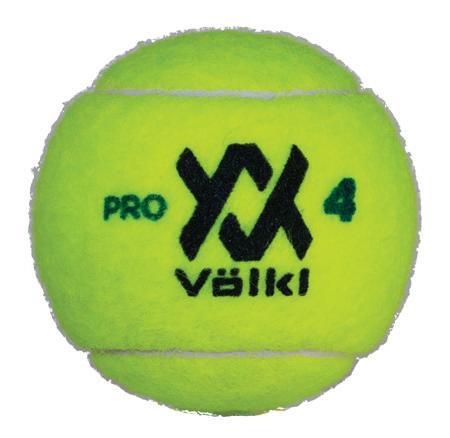
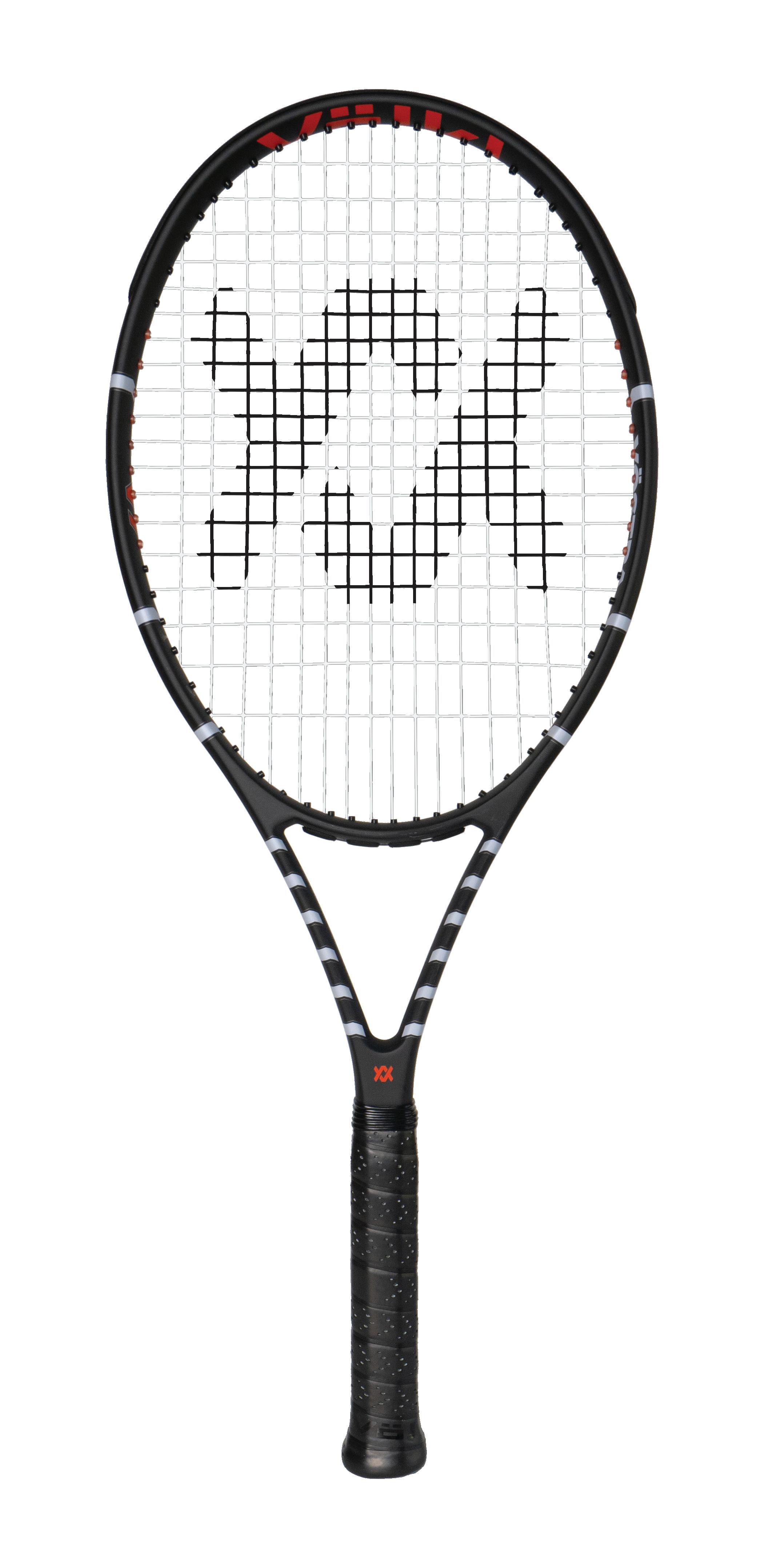
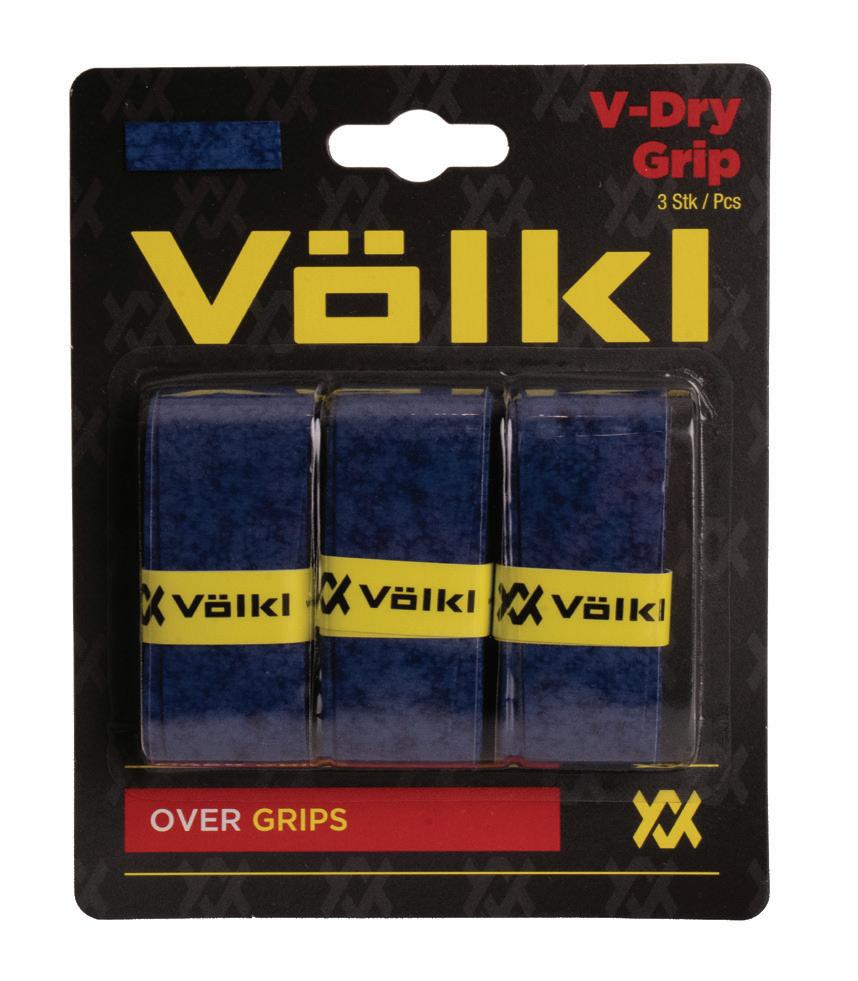


OFFICIAL BALL OF RSPA TENNIS COACHING

RECYCLABLE PAPER LID


MADE FROM 30% RECYCLED PLASTIC

Mel Mcree, RSPA Vice President

n the earliest human societies, survival depended on shared learning. One person discovered how to control fire. Another figured out how to shape stone into tools. Over time, those lessons spread—not through books or screens—but through observation, conversation and repetition within a community.
That’s how progress happened.
From the earliest tools to more advanced civilizations, progress didn’t happen in isolation—it was shared, demonstrated and refined together.
Fast forward to today: while the tools have evolved, the way we learn best remains the same.
This isn’t just a theory; it’s backed by how people actually learn and grow.
Researchers have identified something called tacit knowledge—the kind of knowledge that’s hard to write down or teach in a video. It’s the feel, timing and decision-making that comes from experience.
In our world, that’s the difference between knowing how a drill is supposed to work and knowing how to adjust it when it’s not working. It’s how you handle a difficult member, manage energy in a clinic or make real-time decisions on court.
There’s also the idea of “weak ties,” introduced by Mark Granovetter—the connections you don’t interact with every day, like the pros you meet at conferences and events. These relationships are often the most valuable when it comes to new ideas and solving unfamiliar problems.
And when you build those relationships over time, you’re creating social capital: the value that comes from having a network of people you trust and can rely on.
That’s what allows you to make a phone call when you need help with a
tricky problem, when a member is traveling and needs a warm-up court, or when you’re looking for your next opportunity or your next hire.
When you step back, you start to see how these all work together.
Tacit knowledge is how we refine what we do. Weak ties are how new ideas are introduced. Social capital is what allows those ideas to spread and be applied.
Without those three things working together, it would have been nearly impossible for early innovations—like fire, tools and technology—to spread from one group to another. And the same is true today.
In person, you gain access, trust and perspective. That’s the kind of learning that can only happen in the room, not through the screen.
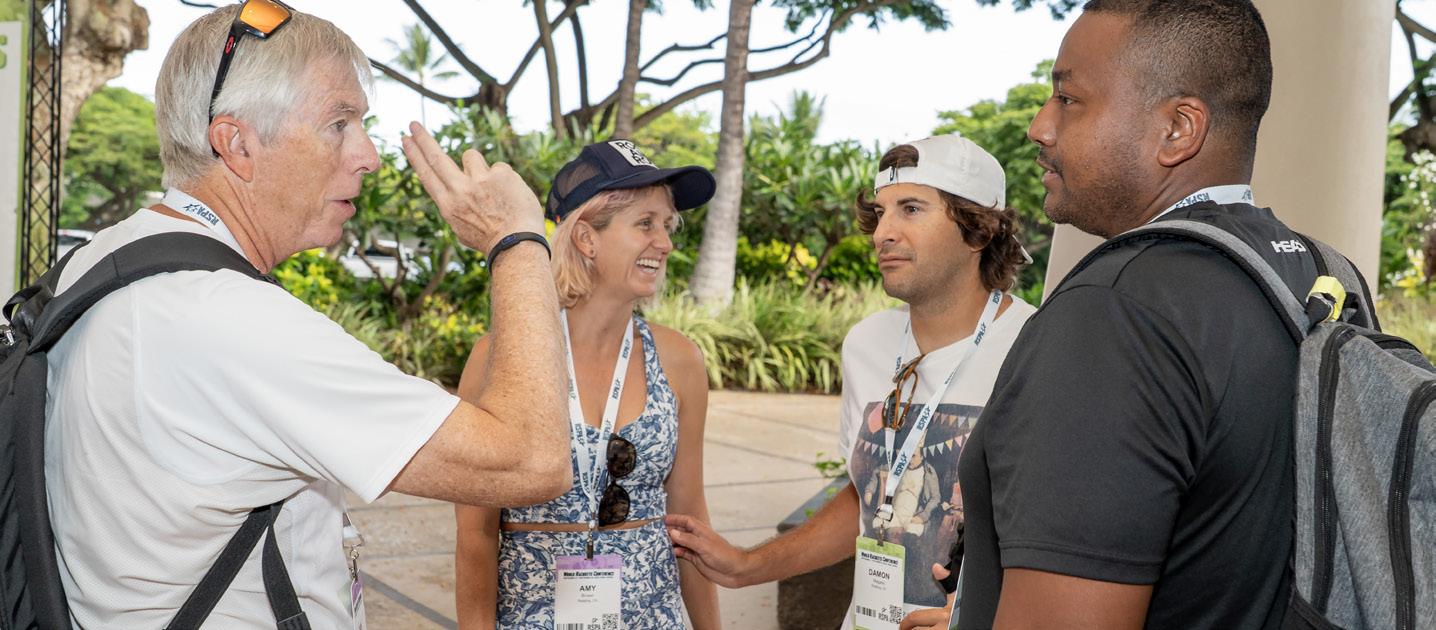
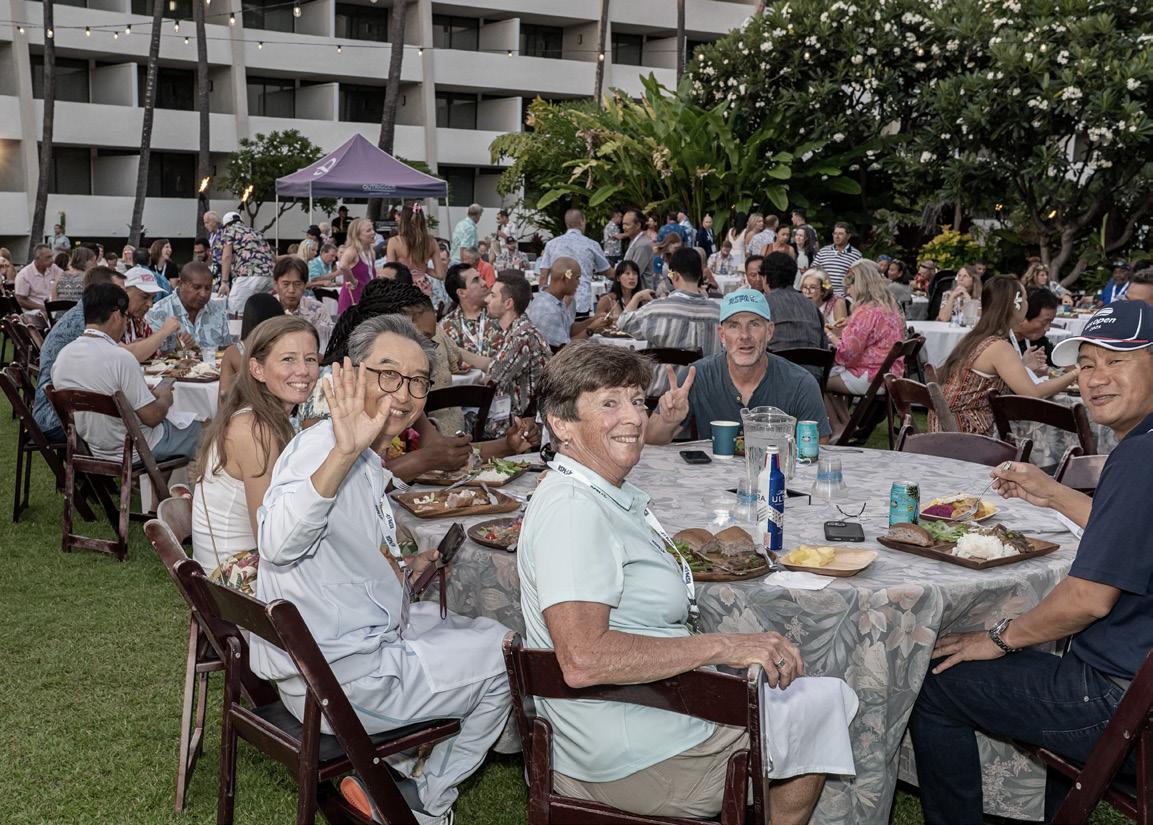
In our profession, that place still exists. It’s the modern-day campfire—the RSPA Division and World Racquet Conferences.
When I first joined the RSPA over 20 years ago, I went to conferences looking for information: better drills, better technique, better ways to teach the game. And I got that, but what I didn’t expect was everything else.
Some of the most valuable lessons didn’t come from a scheduled session. They came from conversations after the day was over, listening to professionals who had been doing it longer and better than I had. I still use information from those conversations today.
Over time, I realized I was developing that tacit knowledge, building weak ties with professionals outside my day-to-
day circle and creating social capital that would become incredibly valuable throughout my career.
Working in West Texas, I don’t have a large network of professionals around me. It’s easy to operate in your own system without ever being exposed to something different. Showing up to conferences changed that.
As I became more involved—attending regularly, volunteering on committees, serving on boards and speaking at conferences—those relationships grew into something much more valuable.
Now, I don’t just have answers. I have people: people I trust, people I can call and people who bring new ideas and different perspectives.
That network has helped me solve problems faster, improve my programming, create better experiences for my members and open doors I wouldn’t have had otherwise—including leadership opportunities at the national level. None of that came from a video.
It came from showing up and sitting around the campfire.
Conferences cost money, and you may lose a weekend of lessons, but you’re not losing; you’re investing in
From my experience, the return on that investment is far greater than anything you give up being there.
You’re gaining real knowledge from experienced professionals, but you’re also gaining what I believe is our greatest asset: the network of the RSPA. That network is built at our conferences, big and small.
COURT BENCHES LED COURT LIGHTING yourself.
Be part of the campfire. Learn from the best, become the best and pass those lessons on to the next generation.
PORTABLE NETS NET POSTS BALL CARTS BACKPACKS
P PADDLE GRIPS
BALL PICK-UPS
COURT LINES
BALL MACHINES
WINDSCREENS
COURT PAINT





Scott Hinkle | RSPA Member
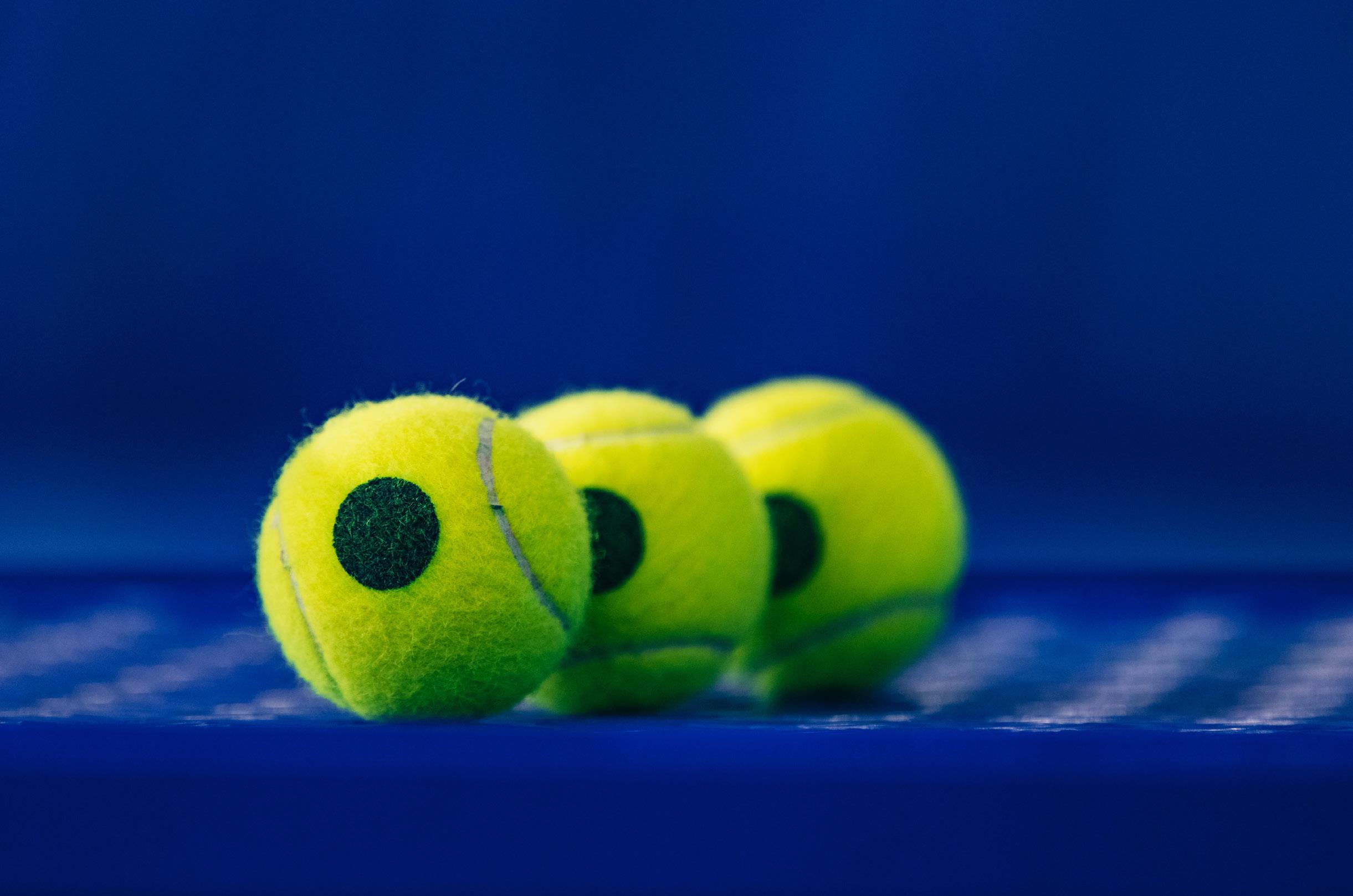
How often do you use green balls with your novice players? We have found that having this in your beginner/novice tennis or platform tennis program at the beginning of a session is very beneficial for multiple reasons. We will cover the benefits of why this is important for your racquets program.

Jeremy Carl | RSPA Member

Before we delve into the benefits of this approach, we would like to point out what studies have shown about the types of sports adults participate in and what they enjoy about the sports learning experience (not just tennis). Also, we will briefly review U.S. tennis participation.
In a survey by Statista Consumer Insights from April 2022-March 2023 of 21,803 U.S. adults (ages 18-64) it found that when asked what sport you occasionally play, tennis or other racquet sports did not make the first eight sports/activities for either men or women. Some of the activities that made the first eight responses for both men and women included hunting, fishing, fitness, aerobic, cardio, and cycling (Zandt, 2023). The top activity for women was fitness, aerobic and cardio and the top activity for men was basketball.
In a study of various peer-reviewed literature that in total included 48,695 predominantly active sport participants by Crossman, it was found that some key facilitators of adult sport involvement included “focus on enjoyment and considering co-designed sport modifications to alleviate perceived constraints.” The published studies reviewed for Crossman, were from 1983-2023 and included individual sports (including tennis) and team sports. Specifically, a study by
Buszard, published in the article “Implementation of a Modified Sport Programme to Increase Participation: Key Stakeholder Perspectives,” found that a modified tennis program for adults—using slower-bouncing balls and emphasizing player skill development—had a positive impact on participation and retention.
From the national coach stakeholders surveyed in Buszard, it found that they viewed modified tennis program practices as “positively associated with increasing talent development and people’s attitude toward tennis.”
While these statistics show a challenge for our industry, it is encouraging to know that according to the 2025 U.S. Tennis Participation Report (based on 2024 data) U.S. tennis participation grew in 2024 by 8%. At the same time, in this same report the only key group that saw a decline was beginning tennis players in 2024, which was down 5% from 2023. We wonder if part of the answer to turning this decline into an increase could be to incorporate green dot balls in your racquet sports beginner classes.
We will now discuss the benefits we see from including green balls in your beginner/ novice adult tennis and platform tennis programs.
in the class due to the greater chance of rally practice, which in turn increases confidence and reduces the fear/constraint of not feeling competent enough to rally points. In the study by Crossman, “social connection” was the leading facilitator to adults’ sport participation under interpersonal factors. We have found this especially apparent when players are doing volley to volley live ball work for tennis. The use of green dot balls gives players a better chance to understand the concept of absorbing, catching or bumping up and hitting the ball back. This helps parents and juniors of the green ball age to feel like they can go out and have rallies with each other and not just have the parent feeding a ball to their child. In the study by Crossman, “inclusion of family in activities” was a leading family facilitator to adults’ sport participation.

As we know, green balls bounce slower and lower. We have found that the ability for beginner adult players to hit the ball in the strike zone sooner increases the social connectedness of all those

Through our shared coaching experiences (combined more than 48 years) and continuing education through the RSPA and our college and university degrees we have learned that being an athlete-centered coach requires an intentional desire to create an environment in the lesson that cultivates empowerment, positivity, and collaboration for and with the players. We have found that this approach fosters much

greater chance to ask questions to students such as “Thoughts on that?” or “How do you process that?” These questions in turn help students feel comfortable giving a well-thought-out answer because the students have more time to process what is happening between shots with green dot balls versus yellow balls.
We have found that students when for example are put in their first rally skills activity of say a certain number of hits in a row inside the orange ball court view their misses as more of part of the process and not as setbacks that will be seen as their skill level plateauing. Dr. Carol Dweck, author of the book Mindset, describes growth mindset as people having the belief that their learning and
persistence can grow their skill set with time and experience. For example, we have started to find that adults that have done our beginner classes for several weeks love the “triples” game with the green ball for the following reasons (1) gives more time to react for player in the “hot seat” at the T, (2) facilities tennis problem solving, (3) creates the start of doubles teamwork and (4) focuses on fun as key aspect of the sports experience, which are all qualities of growth mindset.
We’ve also had great success with using green balls in our beginner platform tennis clinics. It can be very intimidating using paddle balls in the first phase of learning the game. Once a beginner gets hit with the ball, they
tend not to come back on the court. By changing to green balls, those same players continue coming back. On the tennis side, many of our adult beginners that have started out with green balls are finding it much easier to transition into yellow balls. Scott has a group that started with green balls and are now playing with yellow balls after six hours of lessons. These players are now playing yellow balls with friends and are looking to join one of our ladies’ teams.
In conclusion, from our experiences and continuing education we are confident this is a worthwhile approach to try with your beginner players and see if it fits the culture and vision of your program. Now that we’ve had great success with green balls in our smaller beginner groups, we are incorporating this philosophy more into our Adult Tennis Programs.
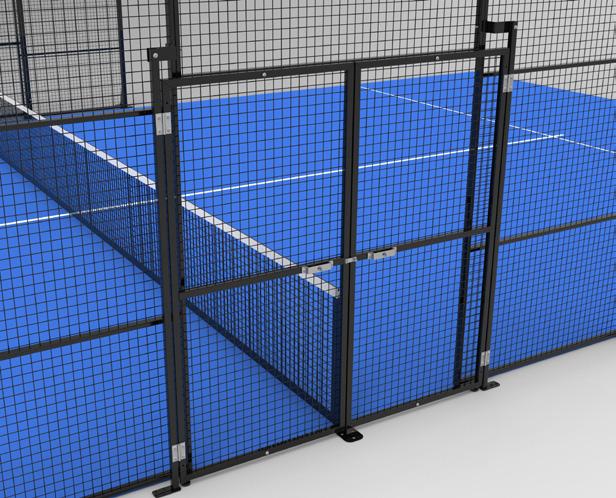
Sportsfield Specialties, Inc. provides confidence and leadership in the manufacturing and sale of sports construction equipment for all levels. Let our sales team and industry partners assist you with the design, engineering, and installation of your next project. Our experience and expertise makes us the leader in sports construction equipment.


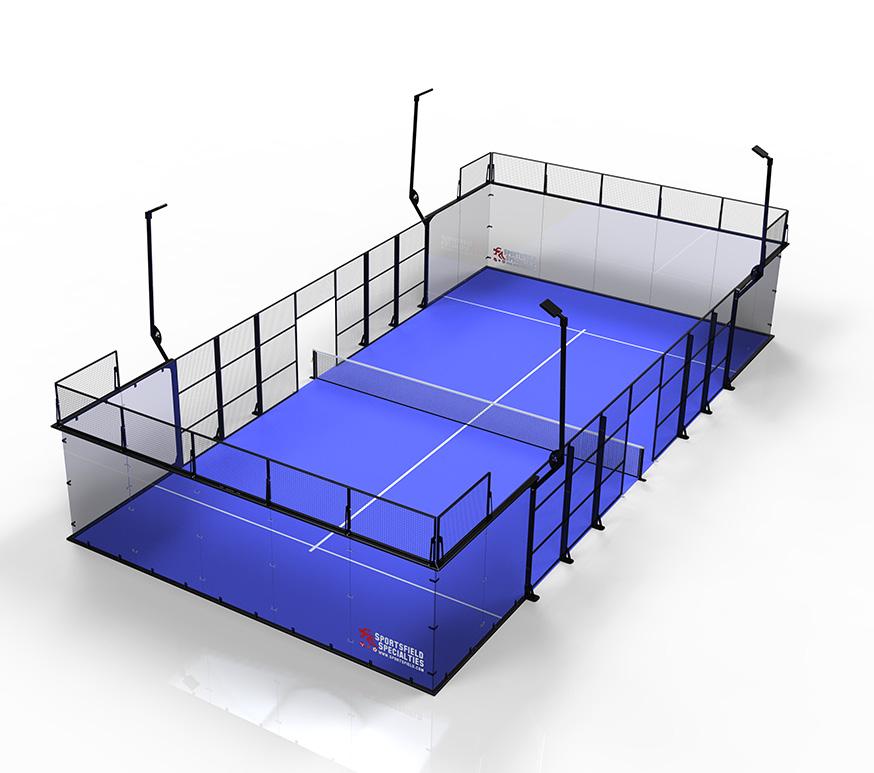
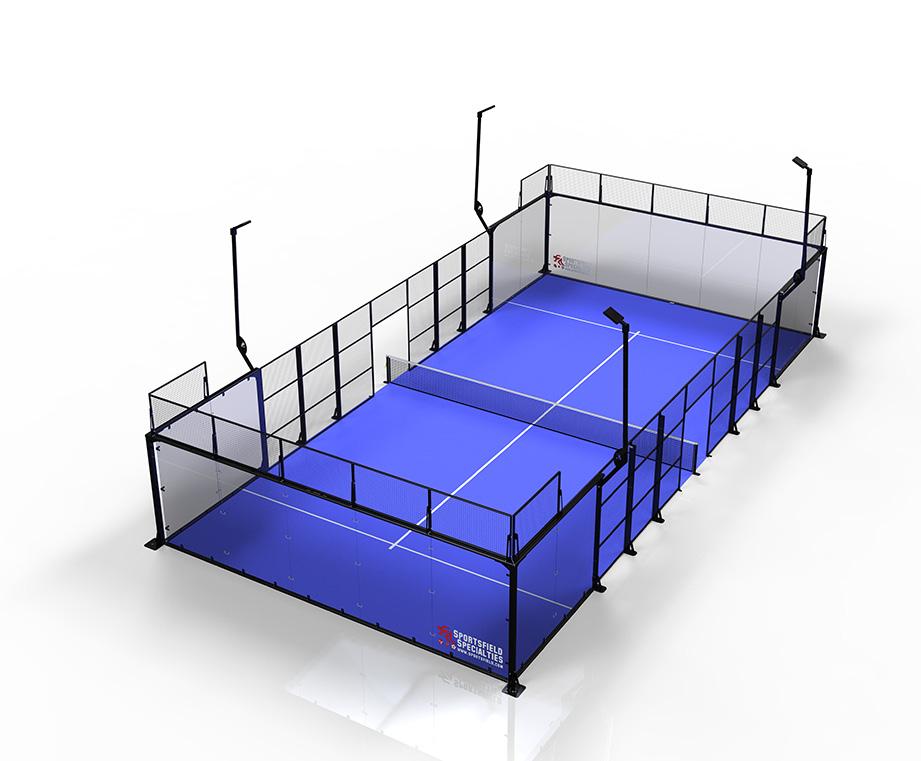
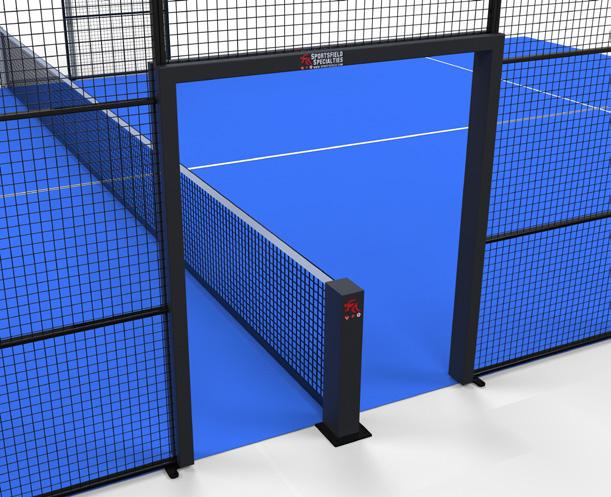
Introducing Sportsfield Specialties new line of PaDelhi™ Outdoor Panoramic & Indoor Full Panoramic Padel Court Systems proudly manufactured in the USA. Our Padel Court Systems feature an engineered design and user-friendly installation comprised of durable raw materials and high-quality manufacturing processes. Sportsfield’s PaDelhi™ Padel Court Systems incorporate everything needed for installation, including the structural posts with welded base plates, wire mesh frames, tempered glass panels, light posts/fixtures, posts/net, synthetic turf surfacing, and sand infill material.


Daryl Fisher | RSPA Member
In February 2024, headlines proclaimed that, for the first time in tennis history, no players using a one-handed backhand (1HBH) appeared in the world’s top ten. The moment was quickly framed as proof that the 1HBH was “dead,” followed by a wave of speculative explanations for its supposed demise. Such conclusions, however, warrant closer examination. Is the 1HBH truly obsolete, or are we mistaking a short-term trend for a permanent verdict?
As professionals in the sport, we have an obligation to approach this question with care and rigor. Our beliefs influence coaching practices, player development pathways and ultimately the future of the game itself. We should therefore resist simplistic narratives, unsupported claims and logical shortcuts. As stewards of tennis, our conclusions must be grounded in evidence, historical perspective and sound reasoning.
Our collective influence on the prevalence of the 1HBH has been—and remains—substantial. As we guide the sport’s evolution, it is essential that we approach both the one- and two-handed backhands with nuance and intellectual honesty. Only then can the future of tennis be shaped by informed judgment rather than headlines or assumptions.
Over the past several decades, the percentage of junior and collegiate players using a 1HBH has been extremely low—nearly zero among female players and well under one percent among males. Given those numbers, it should come as no surprise that few 1HBH players appear at the very top of the professional rankings. Quite simply, there have not been many in the developmental pipeline.
That reality, however, does not imply that the two-handed backhand is inherently superior. At the same moment, there were no 1HBH players in the men’s top ten; there were also no left-handed players in the top ten. Few would argue, based on that fact alone, that right-handed players are superior to left-handed players. Representation, by itself, is not a measure of effectiveness.
If half of junior players were trained with 1HBH and none reached the top 100, we would have legitimate grounds to question the stroke’s viability. Instead, the data suggests the opposite: players who use a 1HBH reach the professional level at rates far exceeding their junior participation.
For context, approximately 10–12 percent of the general population is naturally left-handed and left-handed players are represented in the professional rankings at roughly the same rate. As of May 2024, there were 13 left-handed men in the ATP Top 100 and 11 left-handed women in the WTA Top 100.
If 1HBH players were represented proportionally to the small number of juniors trained with the stroke, we would
To understand the dominance of the 2HBH in junior development, it is important to consider the practical realities coaches face. The 2HBH is generally easier to teach, particularly to young children and beginners. Most elite players begin at a very young age and many who might ultimately thrive with a 1HBH are simply not strong enough to execute it effectively early on.
Novak Djokovic has described initially wanting to hit a 1HBH but realizing that he was too small and weak at the time. This experience is common. For many players, the 2HBH is not a strategic preference but rather a developmental necessity.
Later in a player’s development, transitioning to a 1HBH requires a significant investment of time—often several months or more, even for elite players such as Federer, Sampras and Edberg. That transition period frequently coincides with increased pressure to produce results, secure sponsorships
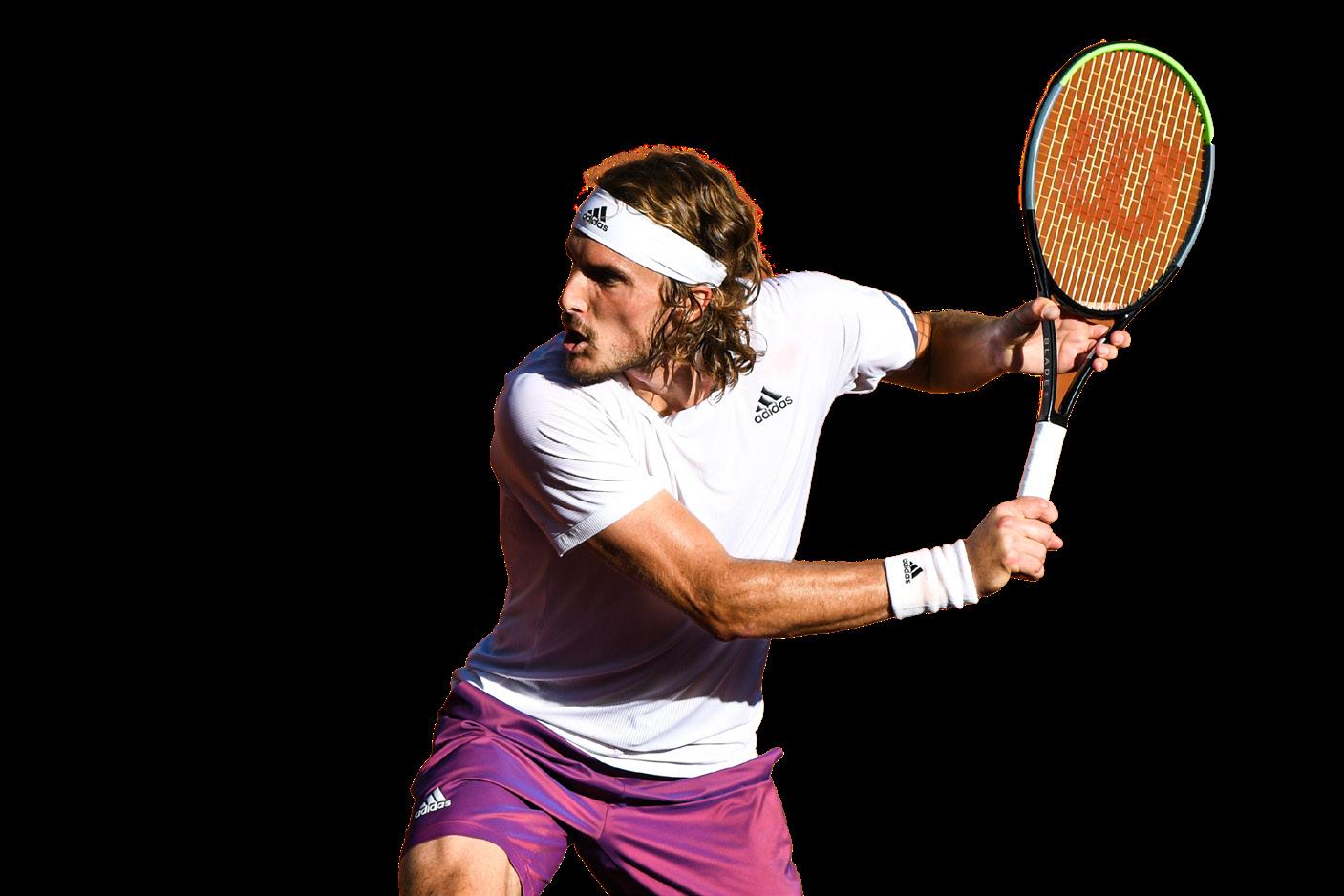
For most players and families, the perceived risksment outweigh the potential long-term
Left-handed players will always emerge naturally, so fluctuations in their representation rarely provoke concern. The number of 1HBH players, by contrast, is largely driven by choice—and choice is shaped by information, belief and prevailing narratives.
When a skill becomes less common, it often attracts simplified or flawed explanations for its decline. Coaches should be especially wary of “common knowledge” arguments. Repetition does not confer accuracy.
Even elite players occasionally repeat assumptions that go unexamined. As teaching professionals, our responsibility is to evaluate claims critically rather than accept them unchallenged.
It is also worth remembering that the 2HBH faced similar skepticism for much of tennis history. When the 1HBH dominated the game, the twohander was widely believed to limit reach, spin, power and net play. Players who succeeded with it were treated as
exceptions. In the 1970s, Björn Borg was even asked whether he intended to switch to a 1HBH—a question that assumed the obvious superiority of the 1HBH. That notion now seems ironic, if not unthinkable.
If the 1HBH is ever truly “dead,” it will not be because it failed com-
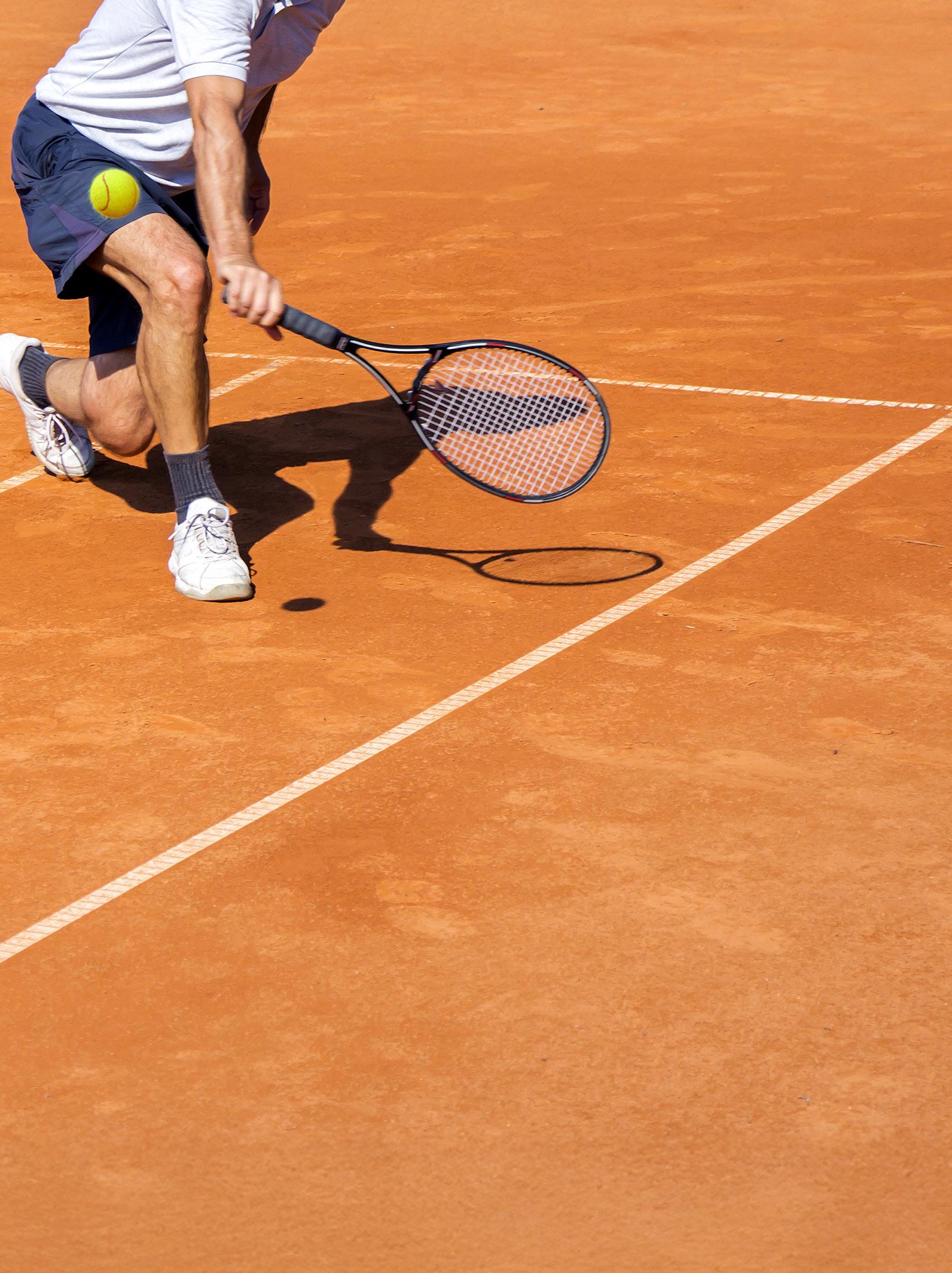
petitively, but because we allowed it to disappear through neglect. There is no credible evidence that one backhand style is categorically superior to the other. Each possesses distinct strengths and limitations, and each deserves careful, individualized consideration. Our responsibility as teachers is not to produce uniformity, but to help players discover the technique that best supports their physical attributes, competitive goals and long-term development.
Yet the decline of the 1HBH has created a self-reinforcing cycle. As fewer players use the stroke, fewer coaches gain experience teaching it; as fewer coaches teach it, even fewer players are exposed to it. Left unaddressed, this cycle risks turning a developmental choice into an unintended mandate. To present the 1HBH fairly, teaching professionals must actively develop and maintain expertise in its instruction.
Although the 1HBH has returned to the ATP top ten, the structural forces that limit its adoption—early physical constraints, entrenched assumptions and performance pressure —remain firmly in place. Vigilance is therefore required. Coaches must be clear-eyed about the stroke’s comparative strengths, confident in how to
teach it, and willing to introduce it as a legitimate option when circumstances allow.
In fact, many players respond positively when given the opportunity to try the 1HBH. While some find it to be more natural, fluid, or free, others value its reach, versatility, or aesthetic appeal. For certain players, particularly those who benefit from additional range or who thrive on timing and extension, the stroke can be transformative.
Going forward, preserving the one-handed backhand is not an act of nostalgia; it is an act of professional integrity. By expanding our own knowledge and presenting players with genuine choices, we serve their individual development—and protect the technical diversity that has always been one of tennis’s greatest strengths.
Present it as an option. Introduce the one-handed backhand as an alternative for players, especially those who show a preference for extended reach.
• Use age-appropriate trials. Allow physically mature juniors and adult players to experiment with the stroke during controlled drilling before making any long-term decisions.
• Evaluate fit, not fashion. Assess what is good for an individual rather than current trends on the professional tour.
• Expect a learning window. If a player explores the 1HBH seriously, plan for a short-term adjustment period and manage competitive expectations accordingly.
• Maintain teaching competence. Even if few players ultimately adopt the 1HBH, retain the ability to teach its fundamental mechanics so players receive informed guidance.
• Revisit the option over time. A player’s physical development, confidence, and tactical needs can change—keep the door open.
Certification Calendars on RSPA.net for the most up-to-date information
Article Provided By MindSpring Padel
Over the past decade, padel has emerged as one of the fastest-growing racquet sports worldwide.
After experiencing rapid expansion across Europe and South America, the sport has begun gaining significant traction in the United States as clubs, developers, and racquet sport facilities introduce padel courts to new audiences. For operators in the racquet sports world, padel is a logical next step one that complements traditional sports while attracting a broader range of players.
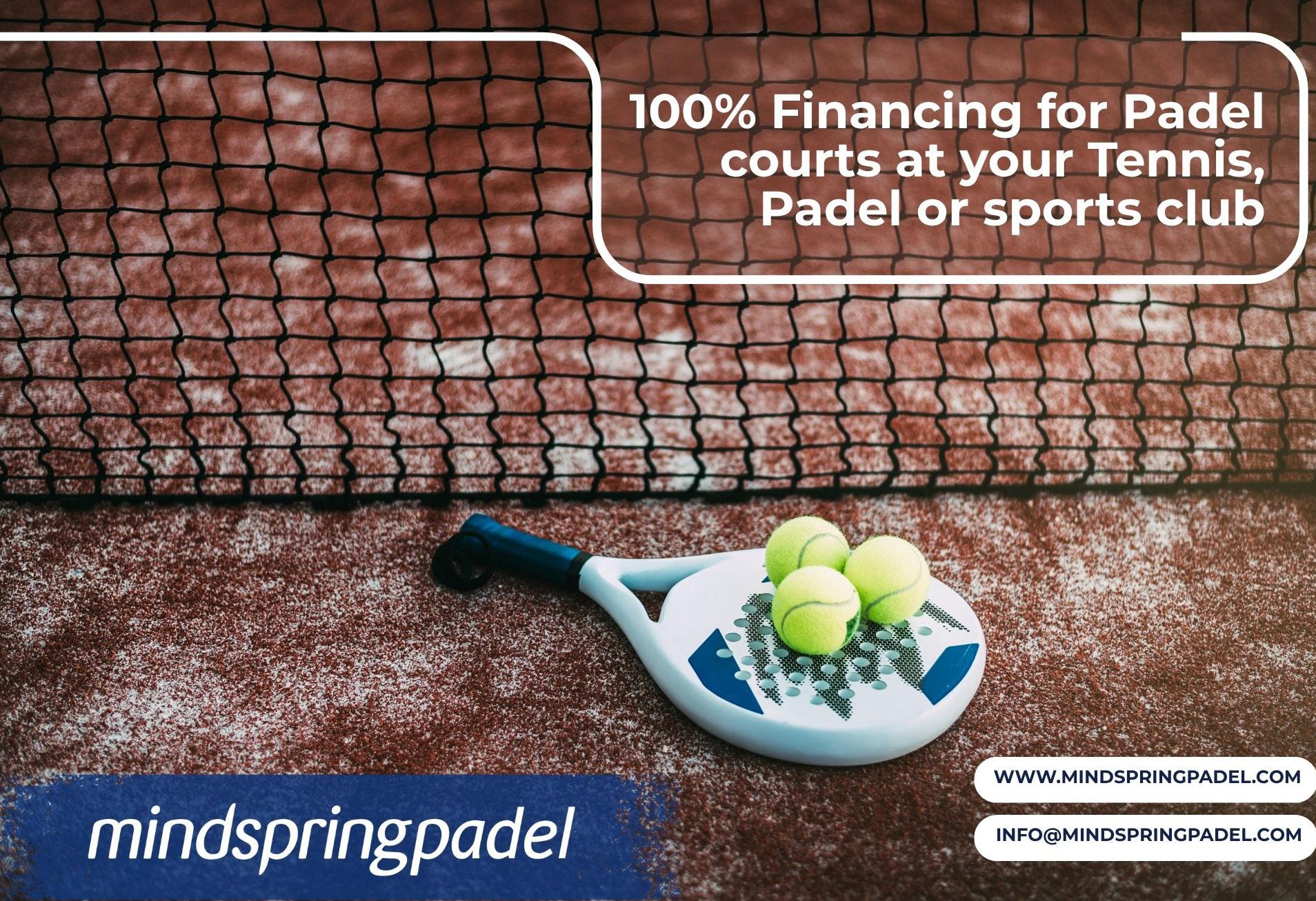
In the rapidly evolving world of athletic amenities, Mindspring Padel stands out as a premier strategic partner dedicated to transforming underutilized spaces into vibrant, revenue-generating hubs. Launched in 2024 by a leadership team with decades of experience across global sports, finance, and facility operations, Mindspring was born from a vision to bridge the gap between traditional capital and the unique needs of modern sports clubs.
Let’s be honest: traditional financing for sports facilities can be a bit of a nightmare. Banks often want your firstborn as collateral, and leasing companies love to send bills even when your courts are empty. Mindspring Padel breaks that mold. They aren’t just a lender; they are an aligned capital partner who shares in both the upside and the operating risk.
Key features of the Mindspring partnership include:
• Total Capital Support: Mindspring covers up to 100% of equipment, installation, and essential club-related upgrades upfront.
• Performance-Aligned Payments: There are no fixed monthly payments or minimum guarantees; you only
share revenue once the courts are actually generating it.
• Zero Equity Requirements: You keep your ownership and independence— no surrendering equity to investors.
• Full Ancillary Benefits: You retain 100% of all secondary revenue, from pro shop sales to the extra postmatch drinks at the café.
While it’s true that padel is the fastest-growing sport in the world, Mindspring’s capabilities extend across the entire racquet and multi-sport spectrum. They understand that a “padel” company needs to speak the language of all club owners. They serve as a comprehensive partner for:
• National Federations: They are the exclusive financing partner for Tennis Australia, Swiss Tennis, and the German Tennis Federation (DTB).
• Multi-Sport Venues: Helping tennis, golf, and pickleball clubs integrate new amenities like simulators or additional courts.
• Industry Leaders: Mindspring is a proud court financing sponsor for the Racquet Sports Players Association (RSPA) and the International Association of Pickleball and Padel Facilities (IAPPF).
Mindspring provides a “thought partnership” that goes far beyond just pouring concrete and stretching nets. Every project benefits from a rigorous diligence process where the team analyzes projected booking rates and cash-flow impact before any capital is de ployed. Partners also gain access to:
• Professional-Grade Infrastructure: Exclusive relationships with certified manufacturers ensure you get the same high-quality courts used by professional clubs.
• Operational Wisdom: With experience from dozens of facility launches, the team helps you navigate member flow, retail opportunities, and common pitfalls.
• Global Momentum: With a goal of supporting over 1,000 courts worldwide by 2027, Mindspring brings the benchmarks of a mature global platform to your local club. Mindspring Padel believes that that underutilized space in your facility shouldn’t be “mocking you” every time you walk past it. By aligning capital with community demand, they empower you to expand your programming and build long-term value without the stress of unnecessary risk.
Ready to Stop Debating and Start Building?
Discover how Mindspring Padel can help you maximize your space and diversify your revenue.
Visit: mindspringpadel.com Contact: Jennifer Hebrock | jh@mindspringpadel. com | +1 (561) 446-1461


Linda Gordon | RSPA Director of Membership
The racquet sports industry generates billions in revenue annually across a variety of avenues: tournaments, equipment, facility operations and lessons. There is an increasing demand for highly qualified professionals who not only have a passion and knowledge of racquet sports and the ability to share their experience and expertise with those interested in learning how to get better at the sport, but also the ability to run programming and facilities at top-class levels. Employment is expected to grow over 6% in 2026, and there are currently more than 20,000 open roles across LinkedIn and Indeed for racquet sports professionals.
As a racquet sports professional certified with the RSPA, the RSPA job board provides an exclusive platform where you are able to find new openings across a variety of positions at different levels, spanning the entire country. Whether you are newly certified, trying to find your first assistant coach or pickleball professional position, or you have 20+ years of experience as a director of racquets moving to a new area looking to maintain the same level of employment, you won’t have a problem finding a future employer that checks all of your boxes. You can submit your application to the hiring committee through our job board, ensuring that they are aware of your qualifications, including the necessary education, certification and continuing education requirements that make you a
President. Mark Faber
worthy employee.
As a general manager, director of racquets or hiring manager at a facility, having a platform where you can post a position and know that only qualified professionals have the ability to apply can provide ease in the hiring process. Sifting through hundreds of resumes only to find a few quality applicants can be frustrating. The RSPA Job Board provides a place where you can list unlimited positions, guaranteeing tens of thousands of impressions every month. There are three different packages that you can choose from: Standard, Enhanced and Premium. The standard package is included with an RSPA membership, and is $149 for non-members. The enhanced package provides 2x as many applicants, with listed positions being included in our job alert emails, posted on the top of the job search page and featured on the RSPA website. This package is $149 for members and $249 for non-members. The premium package results in 4x as many applicants as the standard package, with a 60-day job post length as opposed to a 30-day with other packages. It also designates your company as a featured employer, standing out on the career center homepage along with resume search capability that uses AI-powered matching to proactively match with candidates on our platform.
For those looking to post job openings on our platform, our incredible RSPA Job Board partner, Jack Fardo, is able to assist
First Vice President Kevin Theos
Vice Presidents ..Molly Card-Beckmann, Jenny Gray, Milos Vasovic, Mel McRee and Scott Burton
Immediate Past President Trish Faulkner
CEO & Contributing Editor Brian Dillman
Legal Counsel George Parnell
every step of the way. Any questions that you have on the platform, including what package is recommended for your use, he can provide with his vast experience in this field. To schedule a call with Jack, simply scan the QR code below!
There has never been a better time to be in the racquet sports industry. Whether you have or are looking to turn your passion into your profession and become a racquet sports professional, or if you see the value in building a new racquet facility or expanding your current one with a new set of courts, you want to find quality in either your employer or employee. The RSPA Job Board provides a user-friendly, seamless site to achieve your professional goals. If you want to start with an RSPA certification and get the resources that can help your career blossom, visit www.rspa.net to see the many certification options that we offer and start your career journey today. If you are already certified and are looking to find your next role, or the next director of racquet sports for your club, visit jobs. rspa.net . As always, the RSPA membership team is just a phone call or email away, and we would love to help in any way that we can! Email: Membership@rspa.net or call: 407-634-3050, option 2.
Set up a call with Jack! -->