

BEYOND THE INVOICE: WHY TRUE VALUE CAN’T BE DISCOUNTED STRENGTHENING OUR IMPACT THE SECRET TO BETTER RACQUET/PADDLE TECHNIQUE
DEVELOPING COACHES IS A BUSINESS STRATEGY THEMES OF INDIAN WELLS 2026
BEYOND THE INVOICE: WHY TRUE VALUE CAN’T BE DISCOUNTED STRENGTHENING OUR IMPACT THE SECRET TO BETTER RACQUET/PADDLE TECHNIQUE
DEVELOPING COACHES IS A BUSINESS STRATEGY THEMES OF INDIAN WELLS 2026
Brian Dillman, RSPA CEO

In the racquet sports industry, as in any business, there is a recurring temptation to shop for the lowest price. Competitors often race to the bottom, stripping away services to offer the cheapest possible entry point. But for the modern professional, there is a vital distinction that often gets lost in the fine print:
“Price is what you pay; value is what you keep.”
At the Racquet Sports Professionals Association (RSPA), we don’t compete on price. We compete on the depth of our relationships and the speed of our solutions, thus serving as a trusted partner, not a transaction. To understand the value of membership, you don’t get this from looking at a brochure or webpage; you observe a typical day in our office. While a “budget” association might provide you with a login and an automated FAQ, the RSPA provides a membership services team, a national headquarters, an 800 number, 15 Divisional Executive Directors, an active National Board and thousands of volunteers to provide a personalized approach to each one of our members. On any given Monday, our ecosystem is in constant motion serving our members.

• Career Launching: A 23-year-old aspiring pro from our Southern Division reached out, looking to transition into a fulltime role.
Within hours, she wasn’t just a “lead” in a database; she was personally
introduced to our Membership Director Linda Gordon, the executive director and the president of her division. She didn’t just get a certification; she got a network.
• Job Recommendations: One of our executive directors (ED) wrote two reference letters which led to two professionals in his division getting new roles and opportunities. For one of them, this was the second time this type of recommendation was provided and the second hiring our ED helped to facilitate.
• Instant Infrastructure: A veteran member in the Intermountain Division needed a corrective action plan template for a staff member. He didn’t have to spend hours searching the web or drafting from scratch. We had a professional template in his inbox in under 30 minutes.
• A “Clubhouse” Culture: We don’t just have an office; we have a home for our members. Whether it’s a member from the Northern Division using our Lake Nona office as a workspace for the day, a Chicago-based pro dropping by to discuss insurance for his parks business, or a local pro hosting a district meeting, our doors are open for all members, no matter their needs.
• Access to Expertise: Besides providing the physical space, our office also provides member resources to help with your personal branding. Need a new headshot for your LinkedIn page, or recommendations on your social media strategy? Our staff is here to assist with expert advice and has
you covered with resources to help you advance in your career journey.
• Specialized Advocacy: From helping a member navigate the USTA Foundation to raise funds for Boys and Girls Clubs, to providing data on the emerging padel market and its demographics, we act as the research and development arm for your personal brand. Our Midwest Division held a women’s conference call with over 30 members joining and sharing their experiences and challenges in the industry and ultimately ideating and crafting a plan to get more women into the industry.
• Letters of Endorsement: A member from Texas reached out in need of an endorsement letter as part of their visa application to stay and work in the United States. We gave it to them within the hour.
One of the most frequent requests we receive is for “the paperwork.” This past Monday, a Southern Division member needed a director of racquet sports contract to present to his board. We didn’t just send a generic PDF; we customized it to reflect his specific responsibilities. That is the difference between a transaction and a transformation. A cheap membership gives you a file; a valued membership gives you a personalized, finished product that helps you win with your board or management. We help you sell yourself, in whatever format is required.
If you’re looking for the cheapest option, it’s out there and maybe the RSPA isn’t the place for you. However, if you’re looking for resume advice to break into a new market, a seat at the table in Orlando and a community of peers who answer the phone when you call, you belong here.
• To our current members: We’re here for you. Whether you need a contract, a connection, career advice, new headshot or a place to work for an hour or host a meeting, your membership resources are ready at your disposal.
• To potential members: This is just the tip of the iceberg. We invite you to experience what happens when an association views you as a partner rather than a line item and number. And our powerful network is what our members continue to rave about. It’s often stated that ‘your network is your net worth’ and
this certainly holds true for the RSPA network.
• To our former members: We’ve evolved. The RSPA of today is faster, more agile, ultra connected, and more member-centric than ever before. You can now benefit from five certifications (tennis, pickleball, padel, squash and platform tennis) under one membership. Tennis is our core, and together we’re leading and shaping the fast-evolving racquet sports industry. We’d love to have a conversation about what we’re up to and how we can be of service.
Price is a one-time cost. Value is a lifelong return. Let’s build your career together.
Want to engage in a truly valuable RSPA brand experience?
Join us at the RSPA World Racquets Conference in Dallas, Texas, Sept. 20-23 at the Omni Dallas

Hotel, and experience the RSPA membership value and community. This year’s theme—Reach for the Stars: Shaping Your Professional Journey—invites you to lean into growth, stretch past comfort and elevate your career as a racquet sports professional. Dallas, bold and full of possibilities, provides the perfect backdrop to chart the next phase of your professional journey, where you’ll learn from industry experts on how to elevate your knowledge in coaching, leadership and operations. The World Racquets Conference will be our most immersive experience yet, connecting you with industry experts and equipping you with practical, applicable tools to apply on and off the court. Visit RSPA.net or call 833-OUR-RSPA for more info and to register.
Brian Dillman RSPA CEO


Milos Vasovic, RSPA Vice President
am immensely proud to serve on the Racquet Sports Professionals Association (RSPA) Board of Directors alongside some wonderful and dedicated professionals, led by Mark Faber. He is one of the most dedicated individuals I have ever met and is deeply passionate about the RSPA and its growth. I am honored to play a small part in helping bring his vision to life.
As Mark mentioned in his article earlier this year, over the next two years our association’s goals will be guided by four key questions:
1. Is this good for our membership?
2. Will this help attract and retain members?
3. How does this affect us financially?
4. Does this increase our thumbprint and impact on the racquets sports industry?
I want to focus on question number four—
“How we can continue to expand our influence and strengthen our impact within the industry?” “How we can continue to expand our influence and strengthen our impact within the industry?”
We received outstanding confirmation that our efforts are working during the Club Management Association of America (CMAA) World Conference in Anaheim, where BoardRoom Magazine recognized RSPA as Association of the Year for 2025. This recognition reinforces that we are a viable and respected organization in our industry.
I feel privileged to work in the racquets industry and have experienced tremendous growth across tennis, pickleball and more recently, padel. With this growth comes both opportunity and responsibility — to clearly communicate our importance to club success and to continue developing future leaders.
One of my primary goals as a board member is to strengthen our relationship with the CMAA. Many of our professionals work in the country club sector and
we must become the primary racquets partner to the association that dominates that space. While we already have a meaningful presence, I believe we can — and will — accomplish much more.
In a perfect world, RSPA would represent the racquets industry in the same way the PGA of America represents golf.
It is encouraging to see more racquets professionals becoming involved
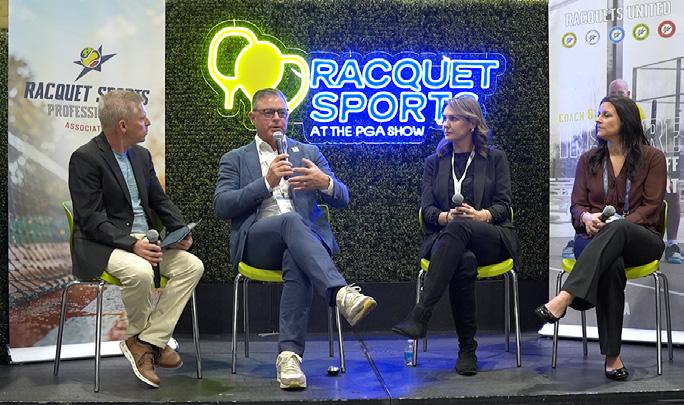
with CMAA and pursuing its education and certification programs. This increases our credibility, expands career pathways and creates opportunities for racquets professionals to move into senior leadership roles — including general manager positions.
We already have strong examples of this progression, such as Brian Thomas, General Manager at Orinda Country Club in California, and Ian Munroe, COO at the Winter Park Racquet Club in Florida.
Racquets professionals and directors possess many of the leadership skills required to be effective club executives. Since COVID, the importance of racquets programming has become even more visible and respected. Many new club members cite the racquets area as the primary reason they join, highlighting the vital role we play in member satisfaction and overall club success.
To successfully manage large club programs, our professionals must develop strong financial acumen,
public speaking ability, leadership skills, HR knowledge, writing proficiency, scheduling expertise, merchandising insight, and event planning and execution skills — all in addition to being exceptional players and teachers. CMAA offers extensive educational resources in all of these areas.
If you are interested in becoming involved with CMAA, I encourage you to start by speaking with your general manager. Expressing a proactive desire to learn and grow will be appreciated by strong leadership. Attending a local CMAA chapter event as a guest is an excellent first step to explore whether deeper involvement is right for you.
Another outstanding opportunity is the CMAA BMI Sports and Recreation Management program held annually in Scottsdale, Arizona—a five-day, 40-hour intensive program designed to explore all aspects of club recreational operations. The RSPA already has a presence there, with our CEO Brian Dillman serving as one of the presenters.
Nothing would make me happier than seeing more racquets professionals serving in prominent leadership roles within our clubs. We have the necessary skills. It is our responsibility to create clear pathways for the next generation and demonstrate that the racquets industry offers a viable, rewarding, and dynamic career — both on and off the court. If that sounds appealing to you and you have any questions, contact me at mvasovic@cherokeetcc.org.
More RSPA professionals in the boardroom means greater credibility, stronger influence and increased viability for our association. That is something we should all strive toward.

Pete Scales | RSPA Member, Ph.D.
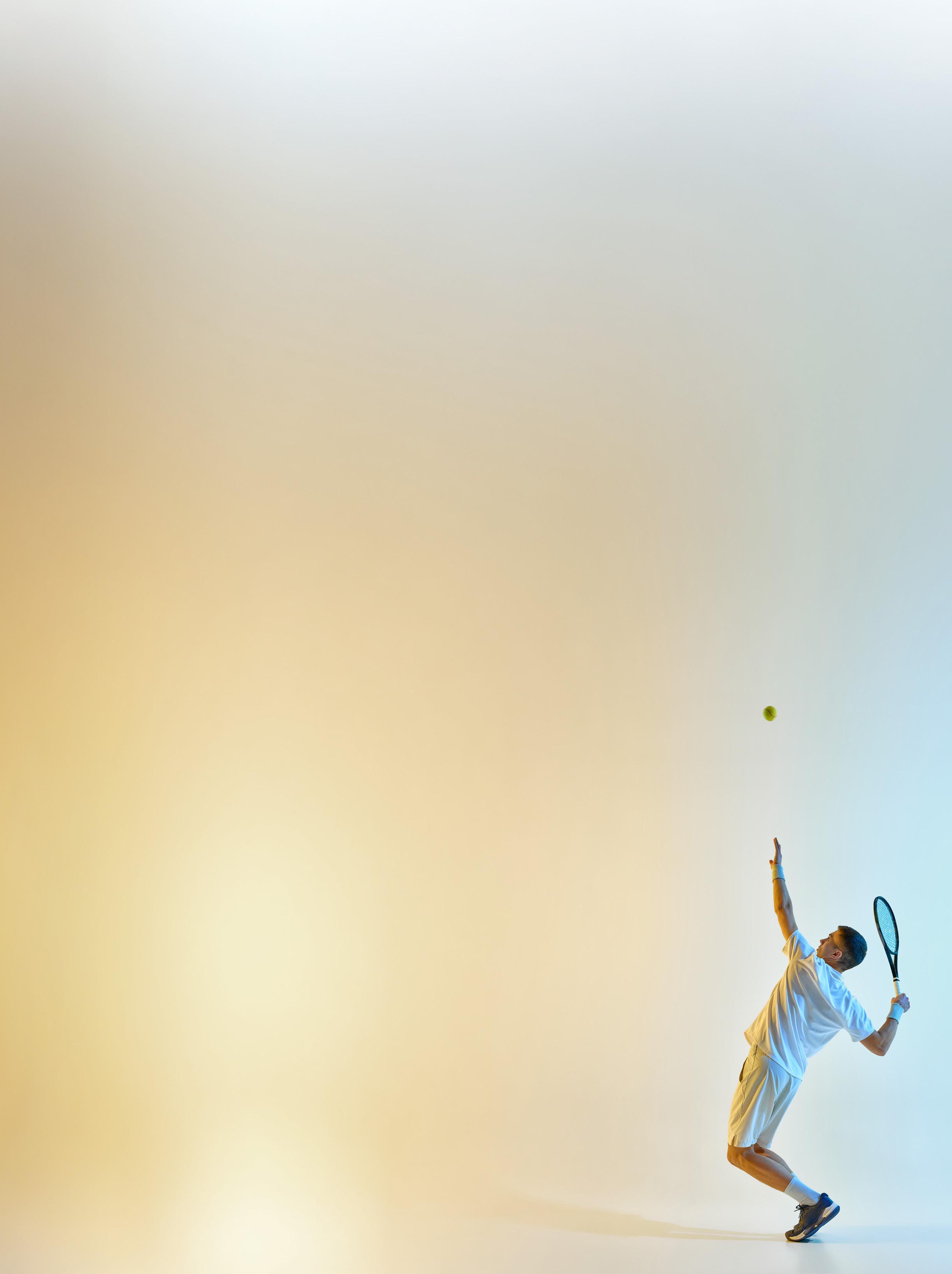
There are a lot of touch points in any racquet or paddle sport that contribute to more effective technique. But one that doesn’t get as much attention as it should—especially among beginning and intermediate players—is the use of the off or non-dominant hand. At whatever level your students are, proper use of the off-hand will dramatically strengthen their stroke production.
On the forehand (FH), assuming a semi-open stance—which is the most common in baseline rallying—using the off-hand (left hand for a righty and right hand for a lefty) to push the racquet or paddle into the slot position at around shoulder height accomplishes three critical objectives: 1) it forces the player’s shoulders and hips to rotate and coil, and helps load weight onto the outside leg, which then adds significant power when the shoulders and hips uncoil as the hitting arm swings into and through the ball, and the loaded leg explodes up and forward; 2) it creates accurate spacing of the racquet/paddle from the body, keeping it far enough away from the body so the swing path forward is far more likely to hit the ball at the correct point of contact, as compared to ending up with a cramped swing when the hitting arm is too close to the body; and 3) it keeps the player balanced during the rotation/ coiling and loading phase, and during the uncoiling and exploding phase, so the correct contact point is reached and the player can also recover more quickly and efficiently.
On the two-handed backhand (BH) everything is just reversed, but the effects are the same. For a righty, the top hand is their left, their off-hand. The left hand
pulls the racquet into the slot position. This achieves the same benefits of rotation of shoulders and hips, and loading of the left leg, and spacing of the racquet/ paddle from the body, as on the FH. Executing all that effectively sets the stage for them exploding up and forward as weight is transferred from the back leg to the front and the off or top hand leads the body to lean into the shot with the weight now on the front leg.
On the one-handed BH, the off-hand plays a critical role in both the slice BH or the drive BH. On the slice, the off-hand and arm go back as the hitting arm goes forward, like a ballet dancer—think Swan Lake. I often say to my students, when I demonstrate this, “I’m a swan!” they laugh and roll their eyes in a “there goes Coach Pete again” look. But they remember it! Doing that “swan” move also helps to both keep them balanced and propel the forward-leaning motion of the hitting arm and body. And on the drive and topspin BH, the off-hand and arm go back but also around the body, helping to puff the chest out and aid in the lift and power of the stroke, as well as keeping the player balanced.
On the one-handed BH volley, the off-hand and arm play the same balancing and forward-propelling role as on the 1h BH slice, and look pretty much the same. On the FH Volley, the off-hand and arm stay on the same plane as the hitting arm and racquet/paddle, as if they were tied together in parallel. The off-hand used in this way helps get the player’s head closer to the ball—which helps with clean contact—and helps with balance, which aids in quicker recovery back to ready position after the volley is hit. That off-hand role also helps control the shape of the dropshot, in all the same ways as the volley or one-handed slice.
Serve and Overhead
Of course, the off-hand and arm are the tossing hand and arm, and in tennis are absolutely critical to a good start to anyone’s serve. But for the tennis serve, properly tucking that tossing arm into the abdomen as the racquet moves from racquet drop upwards toward the ball also helps keep the body from over-rotating, so it adds to clean contact and power. On the overhead, whether in tennis or pickleball, the off-hand and arm are what we use to track the incoming lob, and get into the “power triangle” position, with racquet/paddle above the shoulders as one side of the triangle, and the off-hand and arm on the other side of the head as the second side of the triangle, and our shoulders as the base. Without using the off-hand and arm this way it is a lot harder to keep the hitting arm up and cocked but also steady, all of which adds to a cleaner contact.
The best way to teach all of this is through a lot of shadow swings and really helping students feel what their body feels like when they use the off-hand and arm properly. Then gradually introduce tapping the ball, and then hitting it. But the foundation is shadow swings to get that body awareness. Work this into your lessons and practices, and watch your students’ stroke production get way more effective!

Juan Garcia | RSPA Member
For years, club owners and directors defined their prestige by the number of courts they owned, the caliber of their membership roster, or the trophies won by their high-performance juniors. While these markers remain relevant, they are no longer the primary indicators of a sustainable business.
In today’s environment, the most successful clubs are defined by the quality of their people—specifically, the coaches who represent the brand every single day on the court. Investing in these individuals is not a luxury or an “extra” for the budget; it is a core business strategy.
Clubs that invest intentionally in professional development consistently experience measurable, bottom-line benefits:
• Lower staff turnover and reduced recruitment costs.
• Stronger parent and member trust, leading to higher retention.
• Clearer program identity that differentiates the club from local competitors.
• A healthier internal culture that attracts top-tier talent.
• Consistent delivery across courts, ensuring the “product” is the same at 4 p.m. as it is at 8 a.m.
A developed coach does far more than feed balls or run drills. They act as a brand ambassador, a conflict-resolution specialist, and a culture setter. They reduce friction between stakeholders and multiply leadership across the organization. Yet, despite these clear advantages, many clubs hesitate to invest, often paralyzed by a singular fear.
The most common objection to professional development is a familiar one: “What if we invest in them and they leave?”
It is an understandable concern. Development requires time, emotional energy, and financial resources. No director wants to feel like they are subsidizing the training of a future competitor. However, this fear is fundamentally misplaced.
The greater risk is not that developed coaches leave. The greater risk is that undeveloped coaches stay.
When an organization avoids investing in its people, it doesn’t actually save money—it merely defers the cost. That cost eventually manifests in “silent leaks” within the business: frustrated parents, stalled junior pathways, internal gossip, and leadership burnout. An underdeveloped coach who remains in your system becomes a bottleneck. They slow progress, drain the energy of their peers, and quietly normalize mediocrity.
Professional development sends a psychological signal to your staff: You matter here. We see a future for you. Even when a developed coach eventually moves on—as some inevitably will—they leave behind a vacuum that is easier to fill because they helped build a stronger system and a higher standard of excellence. In this light,
development isn’t just a retention tool; it is quality control.
The
For decades, the tennis industry has operated under the comforting but expensive myth that great players automatically become great coaches. This “playing-to-teaching” pipeline assumes that technical mastery of a forehand somehow translates into the ability to manage a classroom, navigate a difficult conversation with a parent, or align with a club’s strategic vision.
Technical ability may win respect on day one, but it is rarely what keeps a client for year five. When clubs rely solely on playing résumés rather than professional development, the damage shows up in the “soft” areas of the business:
• Communication Gaps: A coach may know why a player is missing a volley but lack the emotional intelligence to explain it to a frustrated teenager or a demanding parent.
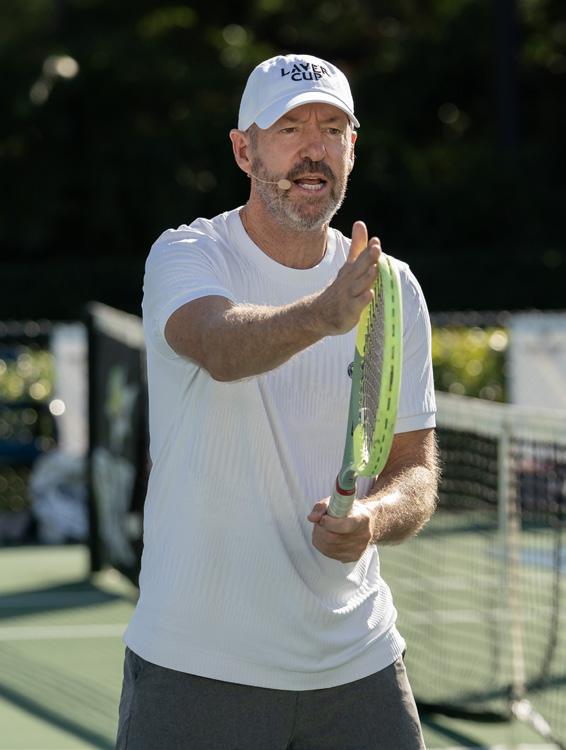
• Alignment Issues: Without development, coaches often become “independent contractors” within a club, teaching their own methodology rather than the club’s unified curriculum.
• Inconsistent Experience: A member’s experience becomes a “coach lottery”—their satisfaction depends entirely on which personality they are assigned, rather than the club’s brand standard.
In the modern club, we are no longer just in the business of sport; we are in the business of relationships. Today’s clients are purchasing more than court time; they are buying clarity, consistency, and a sense of belonging.
In this context, Emotional Intelligence (EQ) is no longer a “soft skill.” It is operational infrastructure. When a coach lacks the professional development to manage their own triggers or read the room, the business suffers. Small misunderstandings escalate into membership cancellations. Staff meetings become battlegrounds of ego rather than centers of innovation. Conversely, clubs that prioritize EQ through mentorship and feedback create an environment where issues are addressed early and trust becomes a competitive advantage.
When faced with an underdeveloped staff, many directors default to microman-
agement—tighter rules, more checkboxes, and constant correction. This is a reactive approach that treats the symptoms rather than the disease.
Micromanagement treats symptoms; mentorship builds capacity.
True development means teaching a coach how to think, not just what to do. It involves creating a “Shared Language” across the staff. When every coach understands the why behind the club’s standards, they stop resisting them. They move from a mindset of compliance to a mindset of ownership.
A coach who feels supported and challenged is a coach who stays. More importantly, they are a coach who represents the club with pride when the director isn’t watching.
The future of the racquet-sports industry will not be decided by who employs the most former professionals or who has the newest court surface. It will
be decided by who develops the most complete professionals.
Technical excellence keeps the lights on, but professional development keeps the organization standing through market shifts and staff transitions. The strongest clubs are those that view their coaches as their most valuable depreciating or appreciating assets. Through intentional investment, they ensure those assets appreciate every single year.
The real cost of inaction is a slow slide into irrelevance. The real opportunity for modern leadership is to build a culture where growth is the standard, and where the development of the human being is just as important as the development of the athlete.

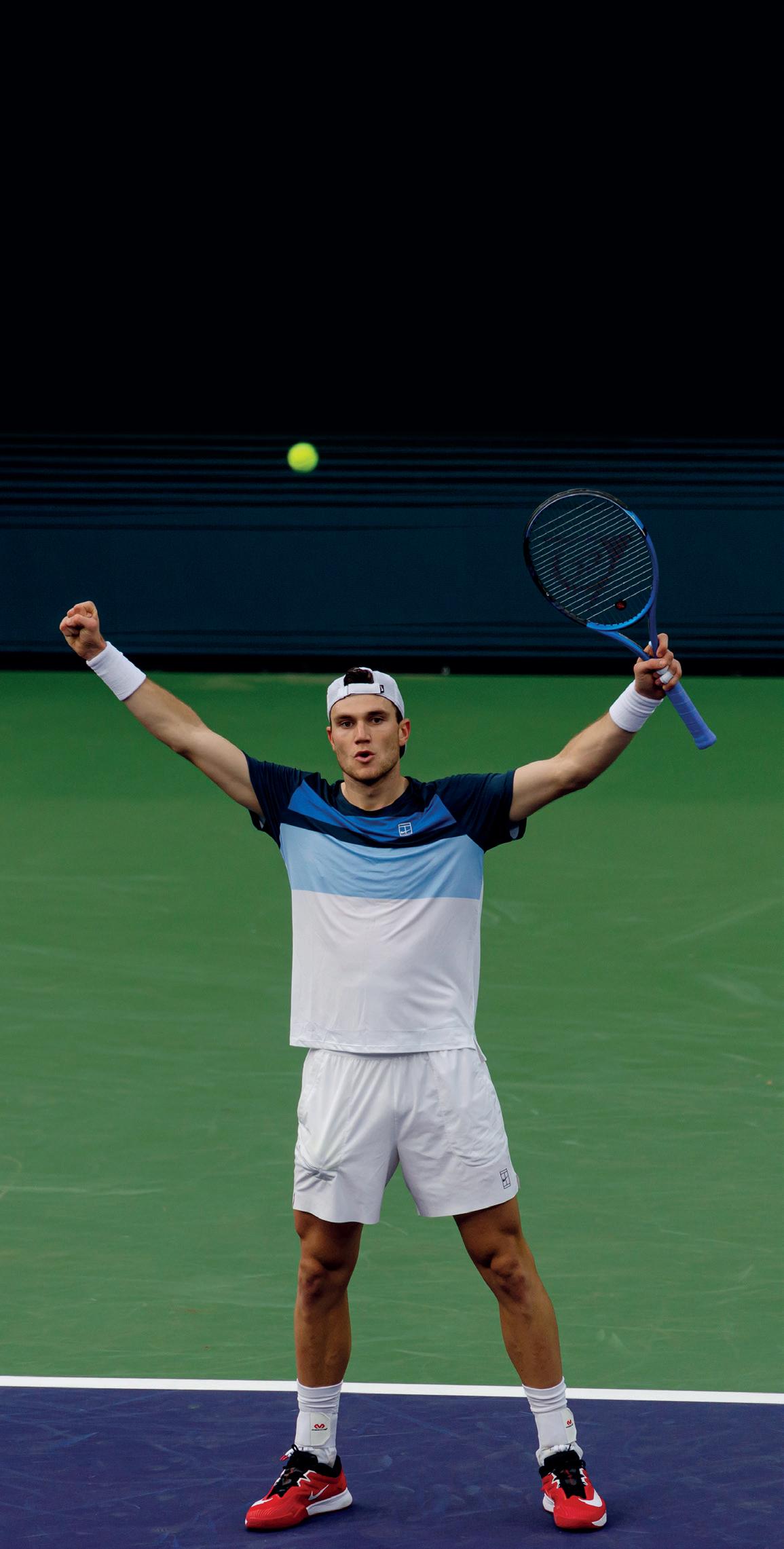
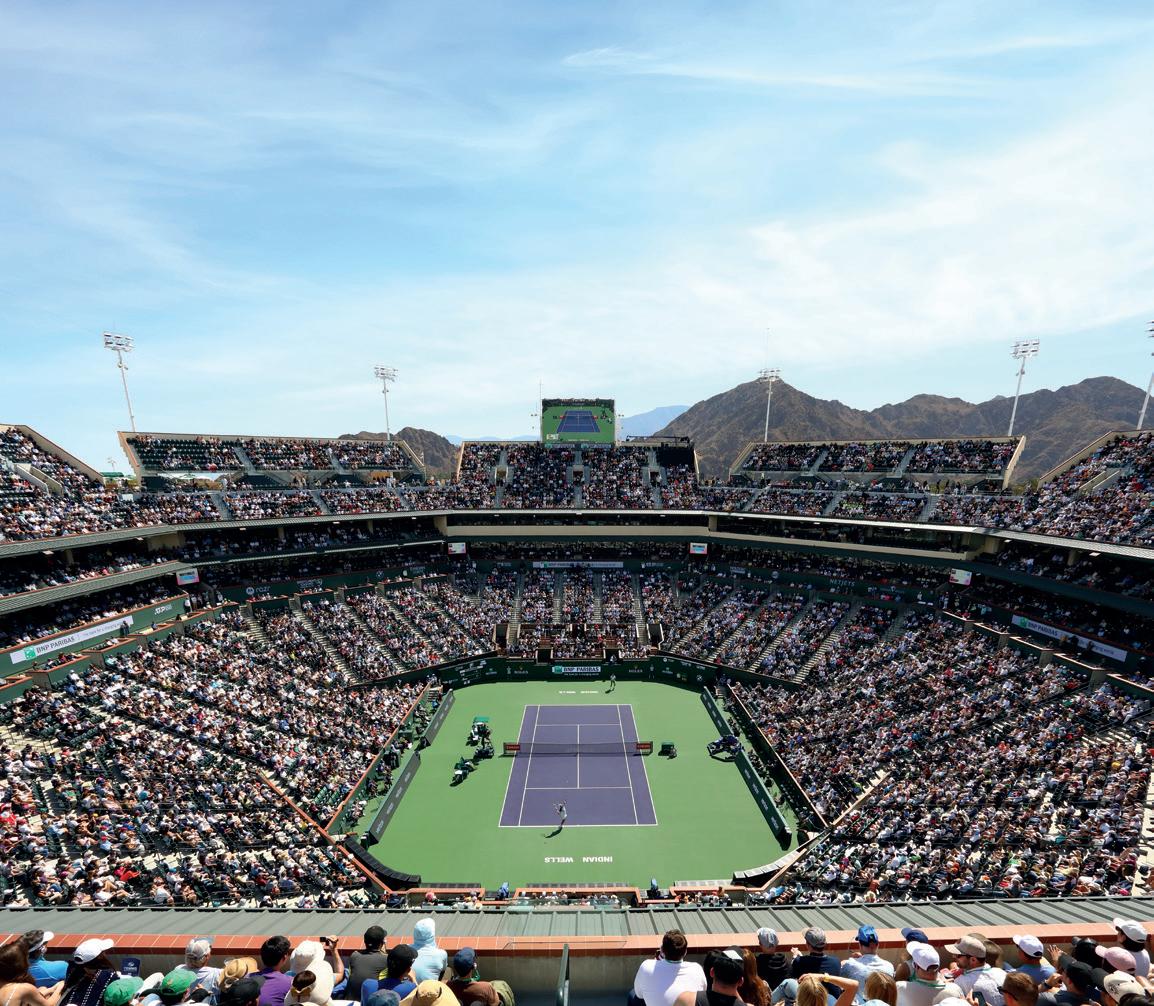
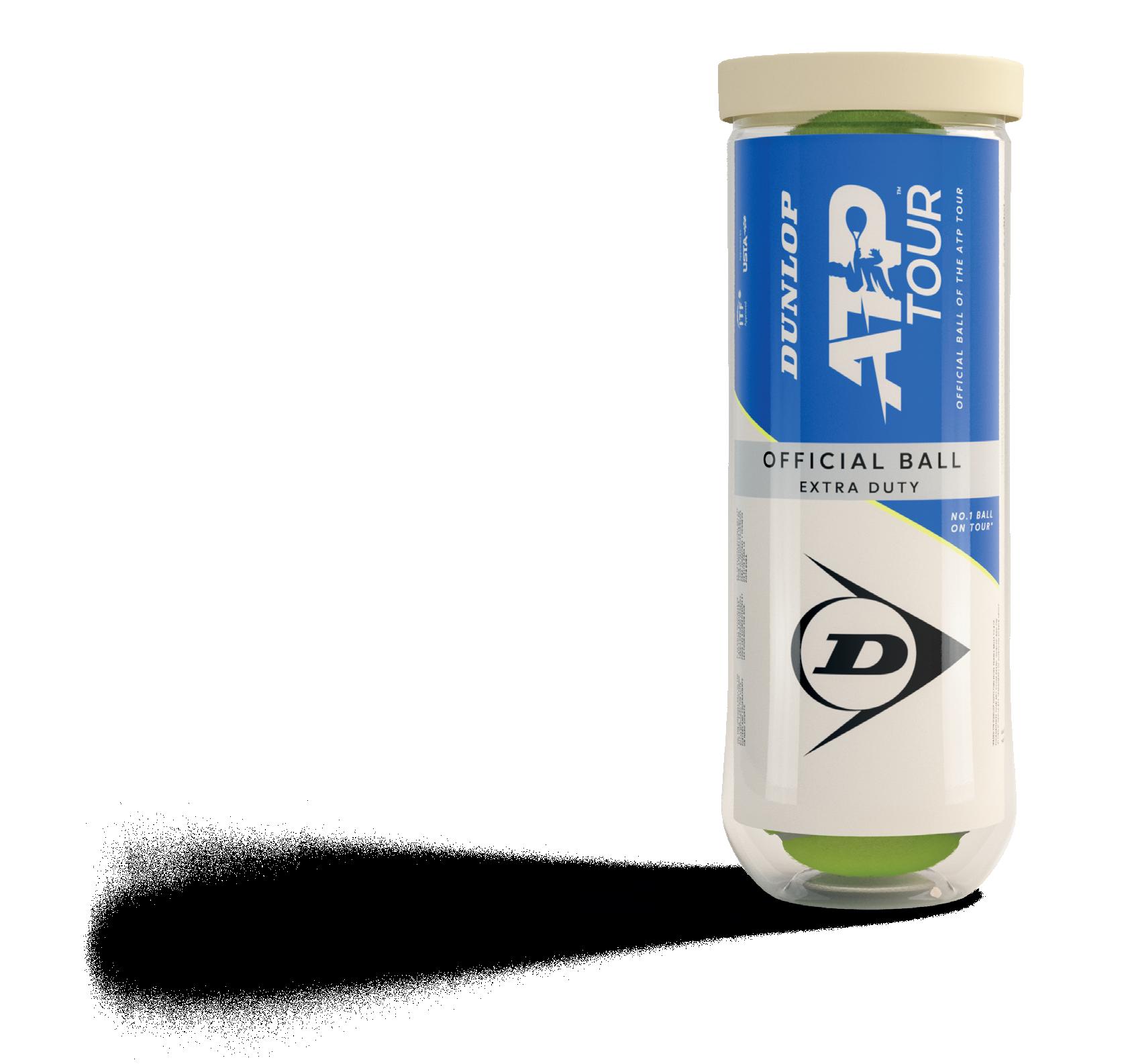
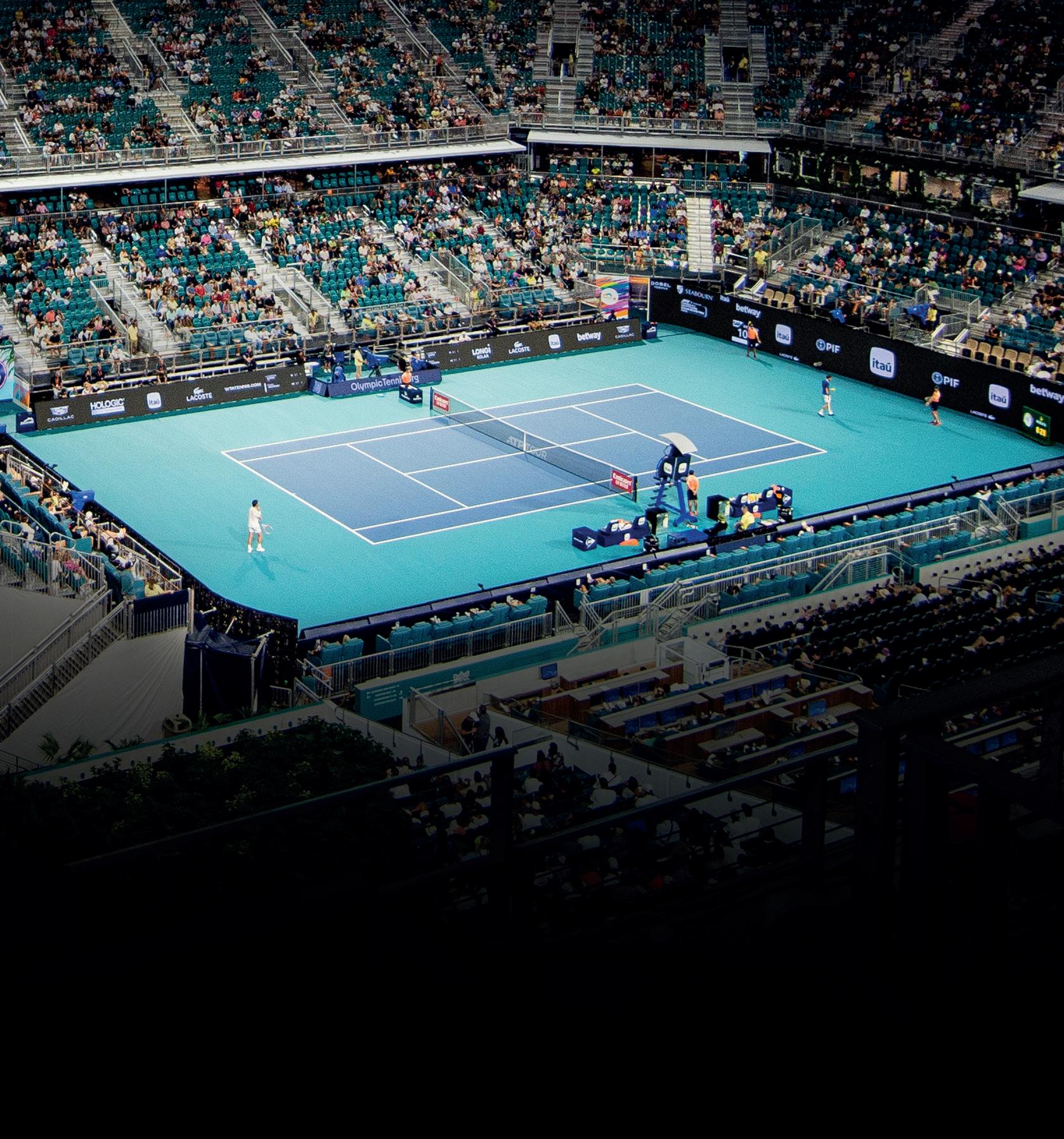

From Indian Wells to Miami and beyond. Dunlop is the ball of choice for the Sunshine Double and No.1 ball used on the ATP Tour.
Steve Flink, International Tennis Hall of Fame
PHOTO CREDIT: Fred Mullane, CameraWorksUSA
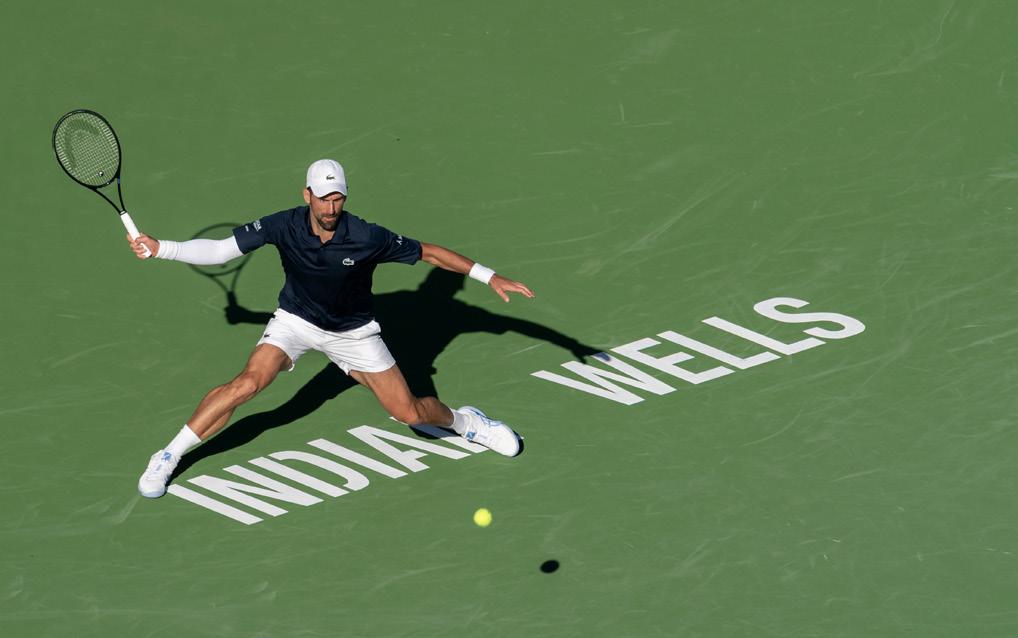
As the first Masters 1000 tournament of the tennis season, the BNP Paribas Open at Indian Wells held on the hard courts of California is often a good barometer of not only the current state of the game but also what might be heading our way in the future. And so it was again this year at a showcase American sporting festival.
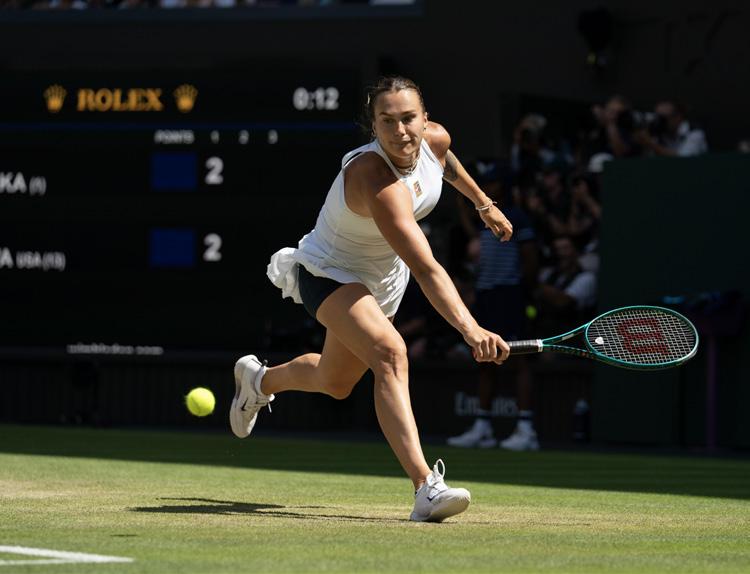
Ultimately, the final round for the men featured a revitalized Daniil Medvedev versus a resolute Jannik Sinner, who was doing all he could to jumpstart his 2026 season. In the women’s title round contest, Aryna Sabalenka stood across the net from a surging Elena Rybakina as their rivalry took on new dimensions and greater prominence.
This was, after all, the third time in a row that these two supreme players met on a very significant occasion over a five-plus month span, with Rybakina striving to repeat her final round triumphs over the world No. 1 at the 2025 WTA Finals and the 2026 Australian Open. Rybakina was determined to maintain her recent mastery of Sabalenka while the woman from Belarus was anxious to turn the tables on her formidable rival. Sabakenka did just that spectacularly.
After serving for the match at 5-4 in the third set but failing to get across the finish line, she eventually achieved victory in a spellbinding tie-break, saving a match point at 5-6 with a brave and brilliant backhand crosscourt winner. Sabalenka prevailed in a classic
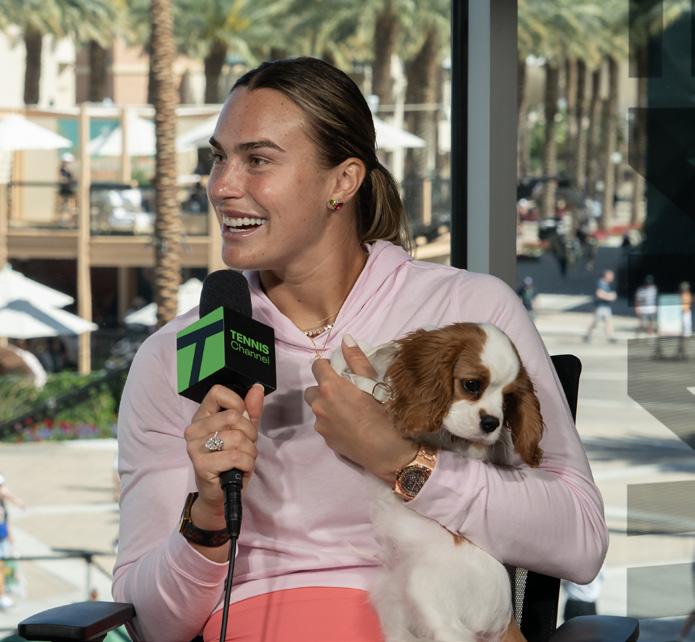
battle 3-6, 6-3, 7-6 (6). Going back to the start of 2025, it was her 27th win in 30 tie-breaks, which is evidence that the world No. 1 is essentially a high stakes poker player on a tennis court.
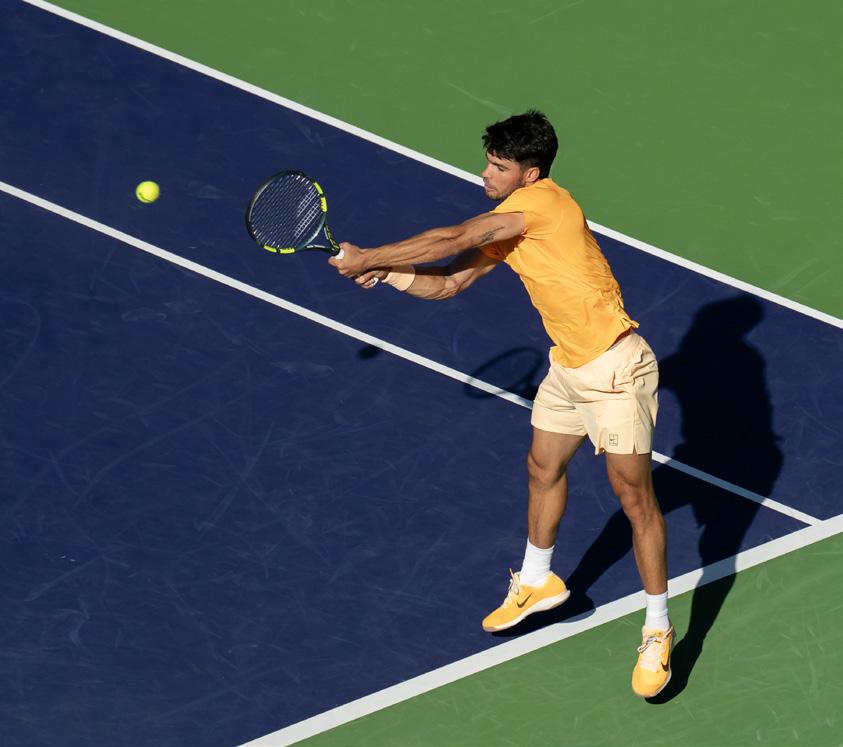
The ramifications surrounding these skirmishes could be resounding. Medvedev had suffered through a couple of difficult seasons since he had last appeared in a Masters 1000 final two years ago at Indian Wells. The 2021 U.S. Open champion and five-time runner-up at the majors seemed to have moved permanently past his prime, going without a singles title of any kind from the spring of 2023 until the autumn of 2025. But he captured two titles prior to Indian Wells this year, and then toppled Carlos Alcaraz for only the third time in nine career meetings in the penultimate round. He had not beaten the Spaniard since the 2023 U.S. Open.
At Indian Wells, Medvedev took apart Alcaraz 6-3, 7-6(3) with the most sustained and potent barrage of firepower from the backcourt that
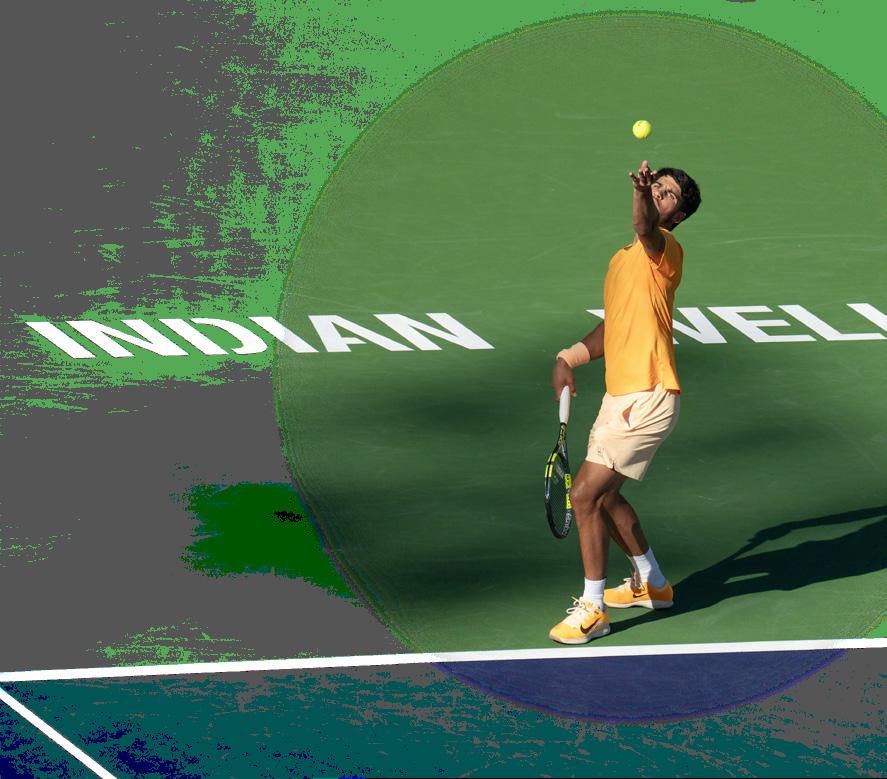
this level consistently for the better part of three years. Sinner, meanwhile, was looking for his first title of 2026 after securing six championships a year ago. Both players wanted to garner the Indian Wells crown very badly, but Sinner deservedly came through 7-6 (6), 7-6 (4) over Medvedev in a hard fought, final round duel. He now joins Roger Federer and Novak Djokovic as the only men ever to claim all six Masters 1000 hard court crowns.
Neither player broke serve in this high quality confrontation. Sinner narrowly succeeded in the first set tie-break and then rescued himself from 0-4 down in the second set tie-break with a scintillating seven consecutive points carrying him to his first Indian Wells title. It was a timely tournament win for the 24-yearold Italian. Sinner will likely experience some fringe benefits from taking this title as he embarks on the clay court season and sets his sights on a breakthrough at Roland Garros— the only major he has not yet conquered. To be sure, the exploits of Sinner and Sabalenka at Indian Wells will have lingering psychic rewards for both players across the rest of 2026. Meanwhile, Rybakina and Medvedev will remain front and center as well in the upcoming months.
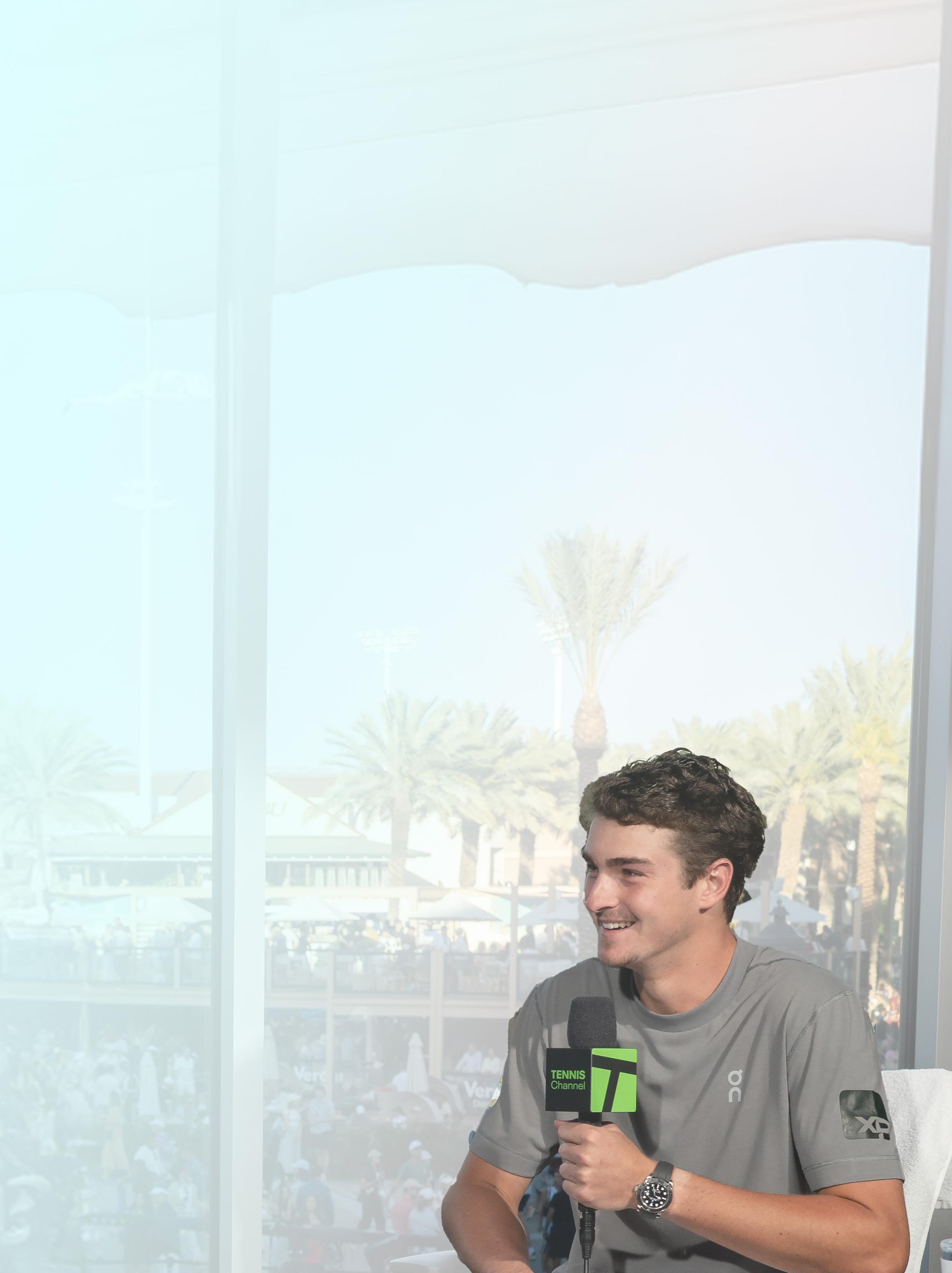
In my view, however, there was an Indian Wells round of 16 match contested between Sinner and a charismatic young Brazilian that could well have long range implications. Joao Fonseca is 19, still growing into his talent, and nowhere near the peak of his powers. Fonseca captured the hearts, minds and imaginations of observers all over the world last year, commencing that campaign with

an exhilarating first round win over No. 9 seed Andrey Rublev at the Australian Open. He took two singles titles on the ATP Tour in 2025, winning 26 of 42 matches, earning new admirers everywhere he went with his swashbuckling style and magnetic court presence.
Too often he has been slowed down by injuries, but the fact remains that Fonseca is unwavering. He has that swagger known only to champions and an unassailable work ethic that can get him anywhere he wants to go in his trade. Others walking in Fonseca’s shoes would have gone on court at Indian Wells against Sinner somewhat intimidated by the stature of an opponent who has already amassed four Grand Slam singles titles.
Fonseca, though, lives to shine in the spotlight. He approached his first ever meeting with Sinner in precisely the right frame of mind, realizing he needed to meet this moment forthrightly. From the outset of a spellbinding encounter, Fonseca was trading punches from the backcourt with his formidable rival surprisingly well. He was going toe to toe with the explosive Sinner, and often outhitting the world No. 2 with an unanswerable brand of firepower. In particular, Fonseca was lacing his forehand with such pace, depth and precision that Sinner was hard pressed to combat it. The tennis was breathtaking on both sides of the net.
Fonseca handsomely passed the pressure test by erasing break points against him at 3-3 and 4-4 in the open-
ing set. He walloped a majestic forehand winner to save the first break point in the seventh game, and released a terrific second serve to wipe away the second one in the ninth game on his way to 6-6. Then the Brazilian surged to a 6-3, triple set point lead in the tie-break. Sinner, however, summoned his extraordinary inner strength and singular poise to capture five points in a row to seal that opening set.
Wells will recollect years from now how stupendously he performed while still in his teens in a character and career defining moment.
Fonseca soon found himself down 5-2 in the second set but refused to surrender, fighting his way into another tiebreak. He established a 4-3 lead in this sequence before Sinner’s savvy and experience enabled him to collect four clutch points in a row to pull off a 7-6 (6), 7-6 (4) victory. And yet, in many ways, Fonseca had triumphed mightily with his inspiring performance in defeat. He was simply not awestruck by facing a great champion. Fonseca signaled to Sinner and the public at large that he relishes every chance he will surely have in the near future to compete against the best players in the world on the premier stages.
The way I see it, Joao Fonseca will get his grounding over the next couple of years and by 2028 will be right up there near the top of the ladder. Many who happily witnessed his stellar performance against Sinner this time around at Indian
RSPA.net for availability
Certification Calendars on RSPA.net for the most up-to-date information

OOver the past decade, padel has emerged as one of the fastest-growing racquet sports worldwide.
After experiencing rapid expansion across Europe and South America, the sport has begun gaining significant traction in the United States as clubs, developers, and racquet sport facilities introduce padel courts to new audiences. For operators in the racquet sports world, padel is a logical next step one that complements traditional sports while attracting a broader range of players.
A major driver behind padel’s momentum is its accessibility to a broad range of players. The sport’s relatively quick learning curve allows beginners to become comfortable and enjoy the game early on, while still offering enough strategy and depth to engage experienced racquet sport athletes. Because padel is most often played in doubles, it naturally encourages social interaction and helps foster strong community engagement within clubs and facilities. For many racquet sports operators, this balance between accessibility and competitive play has helped fuel steady participation growth.
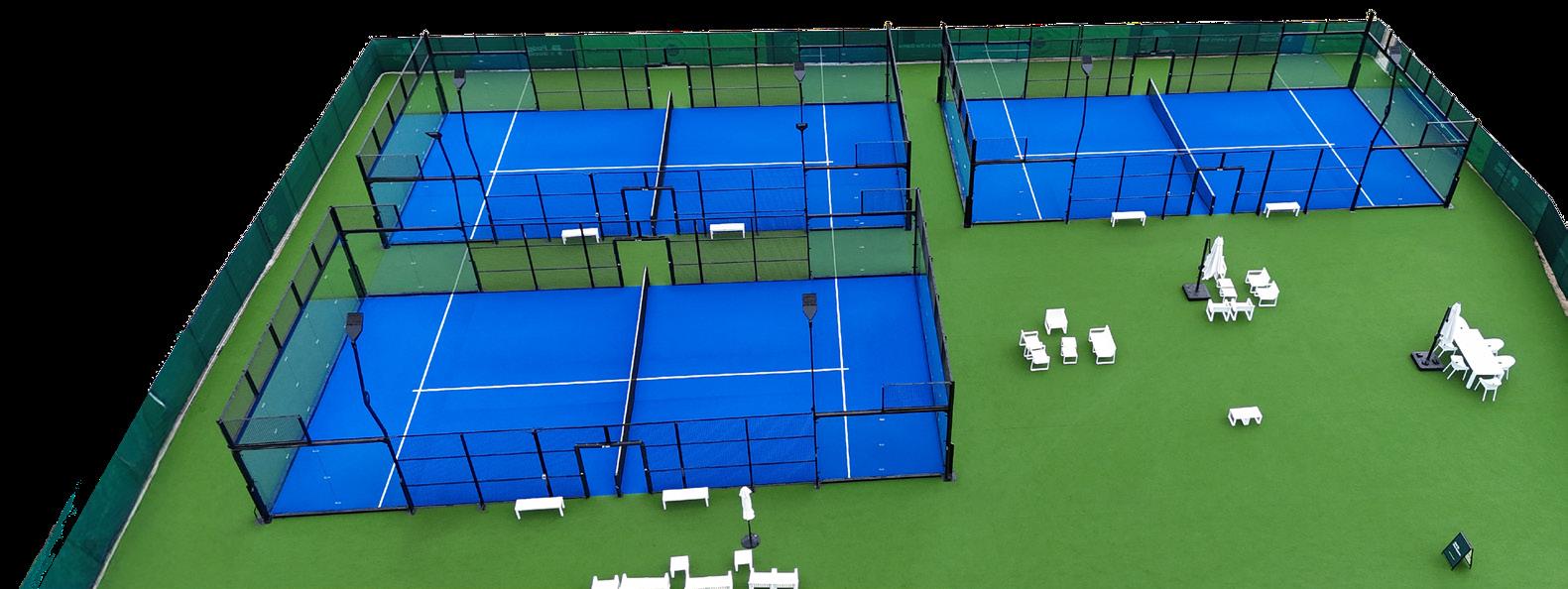
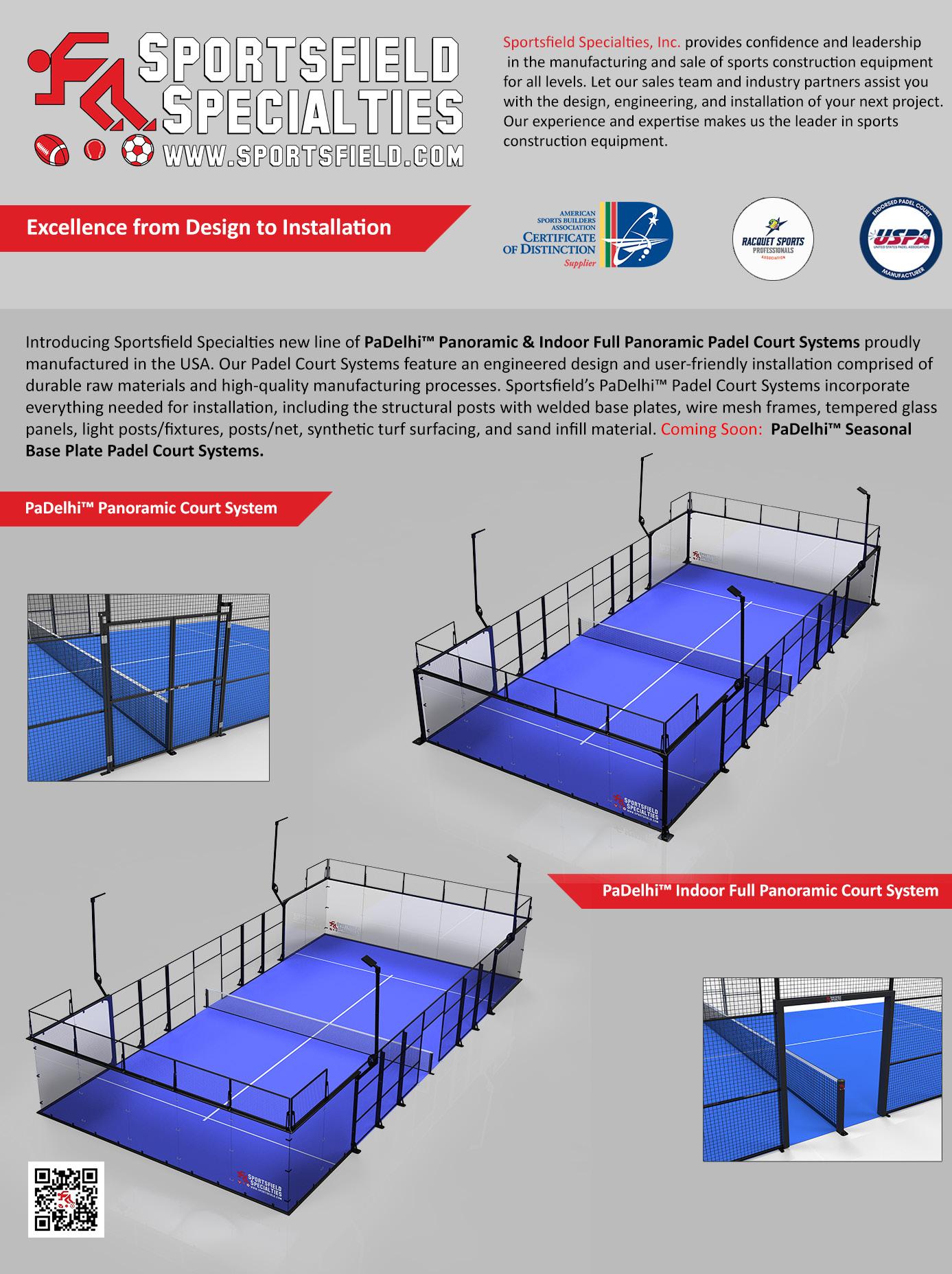
As more organizations introduce padel to their programming, the design and construction of the courts themselves play a critical role in the overall player experience. Unlike many traditional racquet sports, padel is played on an enclosed court that incorporates tempered glass walls and steel framing making structural precision and material quality especially important. Proper site preparation, engineering, and installation all contribute to courts that deliver consistent play, durability, and long-term performance.
Facility developers must also consider factors such as lighting, turf, and
overall court layout to support both player comfort and efficient operations. For venues installing multiple courts, thoughtful planning can enhance the social atmosphere that makes padel so appealing while also allowing facilities to host leagues, clinics, tournaments, and other programming that keep players engaged. For many clubs already operating tennis, pickleball, or other racquet sports programs, integrating padel courts can create new opportunities for member engagement while maximizing the use of available space.
As the number of padel facilities expands across the U.S., the quality of court infrastructure becomes increasingly important. Padel courts are high-use environments, and their enclosed design requires durable materials and precise installation to maintain consistent performance over time. Factors such as proper site preparation, engineering, and building to local codes and wind speeds play an important role in ensuring reliable playability while protecting the long-term investment made by facility operators.
For many organizations entering the padel market, working with experienced sports infrastructure providers can help ensure courts meet professional standards and are built to perform for years to come. Companies like Sportsfield Specialties bring decades of experience in sports construction, manufacturing, and installation to projects across the country. As the first U.S. based manufacturer, Sportsfield designs and produces
Article and Image Provided By
regulations, building codes, and installation requirements. This approach helps streamline communication, maintain quality control, and ensure courts are delivered and installed efficiently.
Beyond construction, successful padel facilities often focus on creating environments that encourage long-term engagement. Programming such as leagues, clinics, tournaments, and social events plays an important role in building communities around the sport. When supported by well-designed infrastructure and reliable court systems, these activities help facilities create experiences that keep players returning and introduce new audiences to the game.
As padel continues to expand across the U.S. thoughtfully designed facilities will play an important role in supporting the sport’s long-term development. New courts are introducing padel to players in a growing number of regions, creating opportunities for clubs, communities, and racquet sport operators alike. With participation steadily increasing, well-built courts and strong facility planning will help ensure the sport continues to grow in a sustainable and engaging way.
For racquet sport operators already looking toward the future of their facilities, padel represents an opportunity to expand programming, attract new players, and create vibrant social environments built around the next generation of racquet sports.
The mission of our organization is to champion the passion for racquet sports by developing professionals who lead with integrity, innovate in coaching and inspire an inclusive racquet sports industry. The RSPA has so much to offer, and it’s our job to make sure that you remain aware of some of our most exciting programs while new benefits, certifications, and partnerships are announced. Our Junior Racquet Sports membership and mentorship program, our Hero’s Discount, the Refer & Earn and the Advancing Development and Diversity (ADD) programs show our commitment to our mission and reflect our commitment to membership development and value enhancement.
The Junior Racquet Sports Apprentice membership was created in 2024 to give those aged 13 - 18 an entry into the racquet sports industry. At just $50, this membership provides access to our Tennis Resources platform, with hundreds of educational videos and webinars, the ability to apply for our mentorship program and discounted pricing to our divisional and national conferences, where they can get a glimpse at the professional development and networking opportunities that come with being a member. The mentorship program, led by our national board vice president Kevin Theos, facilitates mentor-mentee pairings twice a year. It is a wonderful opportunity for these kids to be able to shadow and learn from some of the most passionate members in our association and see what a career in racquet sports
President. Mark Faber
First Vice President Kevin Theos
Vice Presidents ..Molly Card-Beckmann, Jenny Gray, Milos Vasovic, Mel McRee and Scott Burton
Immediate Past President Trish Faulkner
CEO & Contributing Editor Brian Dillman
Legal Counsel George Parnell
entails. Whether it be at an assistant pro level or a director of racquet sports, the mentors provide information about their skills and experiences. And this program is not only for our apprentice membership, but anyone in our organization is also able to take advantage of this opportunity to learn, network and discover all that there is in the career of a racquet sports professional.
For our existing members, a great benefit that we offer to those who promote the association —co-workers, employees, etc.—is the Refer & Earn program. For every new applicant that you refer to the organization (up to 6 in a calendar year), you receive a $50 credit on your account that can be used towards membership renewal, certification workshops, conference registrations and pro shop purchases. Just make sure that the person you have referred puts your name down on the application, and at the beginning of every month, we will send you a letter notifying you of any credits added to your account. This is a wonderful opportunity to get a kickback for your efforts in promoting and growing the organization that you are a part of!
Our Hero’s Discount, which is a 25% membership dues discount to all teacher, first responder and active or retired military, is another offering that we created in an effort to thank those who are at the core of every community. This is applied to annual renewals as a small gesture of gratitude for all that these individuals do for the community. Simply

Linda Gordon | RSPA Director of Membership
email us at membership@rspa.net with a photo of your valid Government ID (active and former military), badge or applicable ID (active first responders) or valid active certificate (active licensed teacher), and we will notate your account and honor the discount moving forward!
The ADD program was started by the RSPA with a goal of providing an opportunity for socioeconomically disadvantaged individuals with a passion for teaching racquet sports to receive free training, certification and initial membership, removing financial barrier to entering the profession. Requirements include meeting a specific socioeconomic criterion, determined via the application questionnaire, along with demonstrating a genuine desire to teach and promote racquet sports. If approved, members receive a free application fee and first year of membership, 50% off membership dues for their second year and 25% off their third year. The ultimate end goal being that this member, using their certification, professional development and network of professionals that they have gained, is able to find a position that is able to support them.
As always, the team here is available for any questions, feedback, or just to chat about what the RSPA can do for you. I want to emphasize that myself and our team, including our board and executive committee, would not be here without our members, and anything we can do to help show you the true value of your membership and advance your career in whichever direction you need, that’s what we are here to do every day! Reach out to membership@rspa.net or call 407-634-3050, option 2.
Brazan Layout/Design
Schetritt Editorial Assistance
Weatherford, Laumaur Lindsay, Ramona Husaru, Ashlynn Webb, Lily Cring Circulation Tim Baum RSPA World Headquarters 11961 Performance Dr. Orlando, FL 32827 407-634-3050 – www.RSPA.net