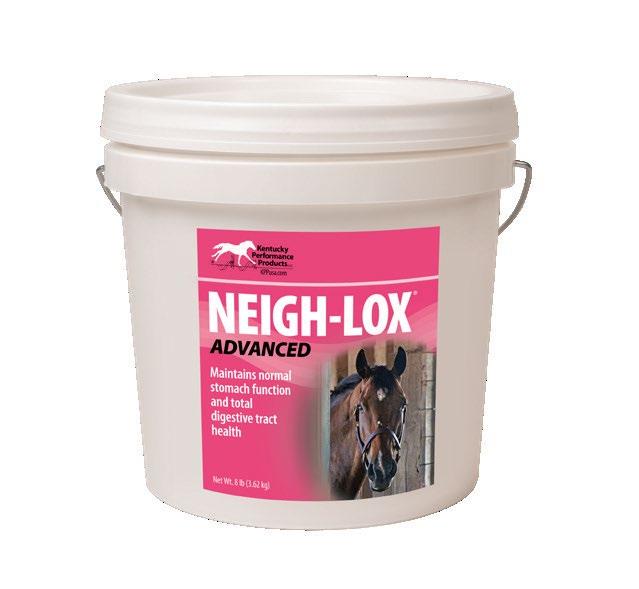
All four wellness formulas provide omega-3 fatty acids, antioxidants, vitamins, trace minerals, amino acids and more to transform horse health at the cellular level — head to hoof, coat to gut. Now, with 1,100 IUs of vitamin E.
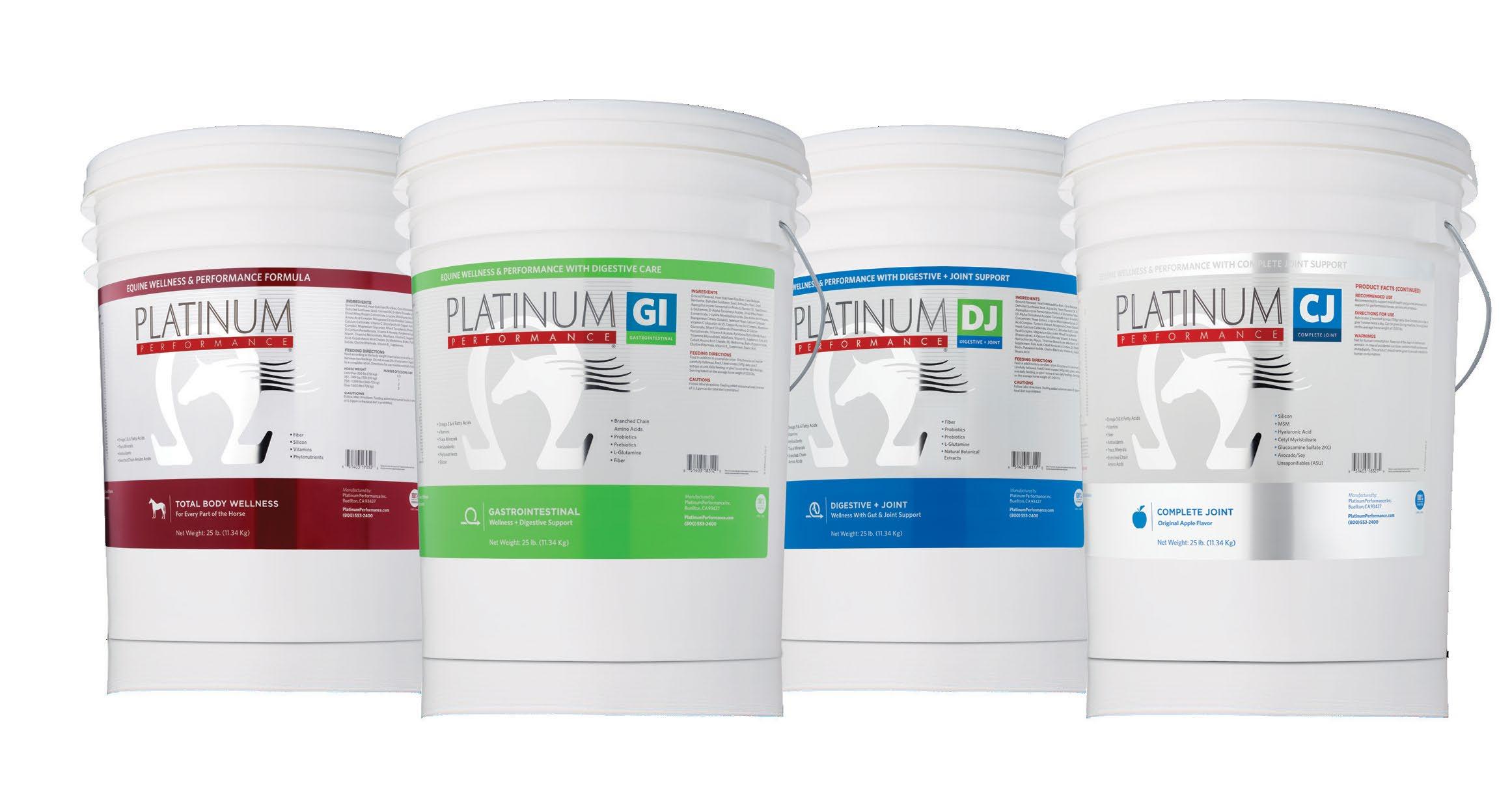
WELLNESS & PERFORMANCE FORMULA
Platinum Performance®
Equine, because of the comprehensive nature, ingredients work synergistically at the cellular level to support every aspect of health and performance.
Recommended for:
• Young horses
• Performance horses
• Senior horses
• All activity levels
WELLNESS & PERFORMANCE + DIGESTIVE CARE
Platinum Performance® GI provides probiotics, prebiotics and additional glutamine for gastrointestinal and immune health in addition to comprehensive wellness support.
Recommended for:
• Digestive health concerns
• Occasional loose stool
• Difficulty maintaining weight
• Travel, training or competition
WELLNESS & PERFORMANCE + DIGESTIVE & JOINT SUPPORT
Platinum Performance® DJ is an innovative one bucket solution, combining advanced support for healthy digestion and joint function with premium wellness ingredients.
Recommended for:
• Performance & senior horses
• Seasonal allergies & respiratory care
• Advanced digestive & joint needs
• Gastric & hindgut maintenance

WELLNESS & PERFORMANCE + COMPLETE JOINT SUPPORT
Platinum Performance® CJ, the only supplement of its kind, combines ASU in addition to other joint supporting ingredients with a whole-horse wellness formula.
Recommended for:
• Advanced joint care needs
• An injury or discomfort
• Intense training or competition
• Adv. tendon & ligament support
President: Deb Kirsch
Executive Director: Teresa Woods
Editor: Sarah Evers Conrad
Graphic Designer: Cindy Kassebaum
DISCOVER USPC, The Official Magazine of The United States Pony Clubs, Inc. is published two to three times a year by The United States Pony Clubs, Inc. and mailed to Pony Club members/families and Corporate Members. Readers are encouraged to submit ideas or articles for publication. Address all correspondence to the Editor at the above address. USPC is not responsible for the opinions and statements in signed articles and paid advertisements. These opinions are not necessarily the opinions of USPC and its staff. Pony Club recognizes that equestrian headgear that does not meet USPC Policy #0810 is not safe, although certain equestrian activities pictured in this magazine may not adhere to these requirements. Change of address must be made six weeks before date of publication for next issue to be delivered to a new address. Address changes can be made to your USPC member profile online or by mail to the address above. POSTMASTER: Send address changes to United States Pony Clubs, 4041 Iron Works Parkway, Lexington, KY 40511-8483.
ABOUT ADVERTISING: Pony Club does not endorse any publication, service, or product, and reserves the right to refuse any advertising not in the best interest of USPC membership. Advertising in DISCOVER USPC, The Official Magazine of The United States Pony Clubs, Inc. does not imply any such endorsement; nor does Pony Club warrant as to the accuracy of any claims made by such advertisements that claim to meet Pony Club needs or requirements. Advertising does not necessarily reflect the standards and practices of Pony Club.
EDITOR’S NOTE: Permission to reproduce an article or other editorial content published in DISCOVER USPC, The Official Magazine of The United States Pony Clubs, Inc. must be requested from the Editor at communications@ponyclub.org and with the condition that credit is given as follows, “Reprinted from (issue date) of Discover USPC, The Official Magazine of The United States Pony Clubs, Inc. Learn more at www.ponyclub.org.” © 2026, The United States Pony Clubs, Inc. All rights reserved.
Reproduction in whole or in part without permission is prohibited. No rights for commercial use or exploitation are given or implied. DISCOVER USPC are trademarks of The United States Pony Clubs, Inc. registered in the U.S. Patent and Trademark Office.


website: ponyclub.org uspc@ponyclub.org communications@ponyclub.org development@ponyclub.org executivedirector@ponyclub.org memberservices@ponyclub.org instruction@ponyclub.org activities@ponyclub.org testing@ponyclub.org advertising@ponyclub.org
ISSN 2767-1860 (Print) ISSN 2767-1887 (Online)




2026 DATE
May 9-10
May 16-17
June 6-7
June 20-21
June 20-21
July 11-12
July 24-26
Aug 1-2
Aug 15-16
Sept 12-13
Sept 26-27
Oct 17-18
Oct 31-Nov 1
NAME & LOCATION
Mid-Atlantic Series 2 Centre Hall, PA
Southern Series One Conyers, GA
Mid-Atlantic Series 3 Adamstown, MD
Doswell Pairs Doswell, VA
Southern Series 2 Aiken, SC
Mid-Atlantic Series 4 Centre Hall, PA
VA Commonwealth Games Pairs Lexington, VA
Mid-Atlantic Series 5 Allentown, NJ
Southern Series Pairs Conyers, GA
Mid-Atlantic Series 6 Leesburg, VA
Southern Series 3 Aiken, GA
Mid-Atlantic Series 7 Adamstown, MD
MGAA Nationals Raeford, NC
Southern Series Finale Conyers, GA
Nov 14-15 www.mountedgames.org
I do so with a deep sense of gratitude and humility. Our organization stands today on the shoulders of visionary leaders, passionate volunteers, dedicated instructors, and thousands of members whose love for horses and commitment to learning have shaped USPC since its earliest days. Their work built the foundation we now inherit—one rich in tradition, purpose, and community. It is an honor to help carry that legacy forward.

At the same time, I am energized by the future that lies ahead. Pony Club has an opportunity to evolve thoughtfully by integrating new ideas, simplifying where possible, modernizing where appropriate, and doing so in a way that honors the history that defines us. Our strength lies not in choosing between progress and tradition, but in weaving the two together so that every member feels anchored to our past and empowered to step into the future.
Some things, of course, will never change. Our shared desire to partner with, and care for, the horse remains the heart of USPC’s mission. That fundamental relationship, which teaches responsibility, compassion, and respect, continues to be the constant thread through every shift in USPC’s methods, technologies, and educational approaches. Yet how we teach, how we learn, and how we prepare USPC members for the world around them does evolve. Embracing that evolution does not diminish our core; it strengthens it.

Looking ahead, one of USPC’s greatest opportunities is to broaden its reach. The knowledge, values, and experiences that Pony Club offers are too important, and too transformative, to youth and adults, to remain limited to only those fortunate enough to already know about the United States Pony Clubs. We have an obligation and an opportunity to expand USPC’s impact, bringing Pony Club and top-notch education to more communities, more families, and more young people, who may not yet realize that Pony Club could be part of their story. Accessibility, visibility, and outreach will be essential as we grow.
What USPC offers is more than horsemanship. Pony Club teaches life skills that reach far beyond any riding arena: empathy, leadership, tact, compromise, resilience, and confidence, to name just a few. It teaches members how to work hard, how to communicate, and how to show up—for themselves, for their teammates, and for their horses. These lessons shape exceptional equestrians, and even more exceptional people.
I say this not only as your new President, but as a Pony Club “lifer.” I was once a horse-crazy kid who was lucky enough to own her first horse, and even luckier to discover USPC. This organization shaped who I am, and it continues to shape who so many become. That is why I believe so deeply in its future, and why I am committed to leading with clarity, curiosity, and respect for all who make Pony Club what it is. Together, let’s honor our past, embrace our future, and continue building the Pony Club that generations to come will be proud to call home.
KERRITS IS A PROUD SPONSOR OF THE UNITED STATES PONY CLUBS
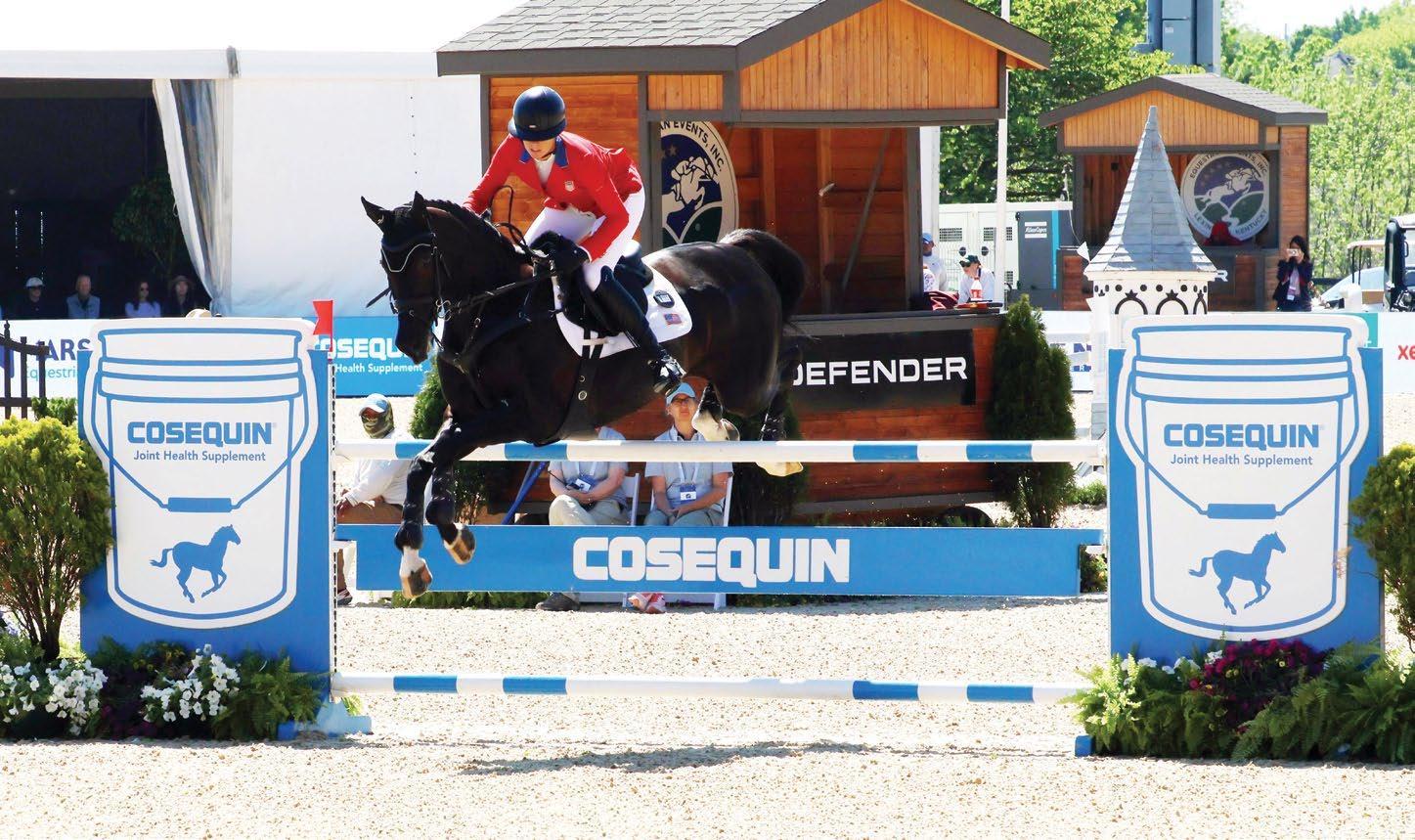
In the final CCI5*-L standings, Pony Club alumni claimed eight spots out of the Top 10, with Caroline Pamukcu as the highest-placed alum in second.
“I really enjoyed the course and learned a lot. Wish it was longer.” student

The United States Pony Clubs (USPC or Pony Club) proudly celebrated the extraordinary impact of Pony Club members and alumni at the 2026 Defender Kentucky Three-Day Event (K3DE). Pony Club alumni made up a commanding portion of the entries in both the CCI5*-L and CCI4*-S divisions, and they delivered outstanding performances at the highest level of the sport, accounting for eight of the top 10 positions on the final leaderboard of the CCI5*-L. In addition, USPC staff engaged young horse lovers and provided educational activities at the Kentucky Kids Club, which was proudly sponsored by the United States Pony Clubs. USPC members also entertained attendees through riding demonstrations, volunteered at the event, and connected with alumni.
“The United States Pony Clubs was thrilled to sponsor the Kentucky Kids Club this year at the Defender Kentucky Three-Day Event and to be able to provide so many other activities and opportunities for attendees,” said Teresa Woods, USPC Executive Director. “In addition, as we watched Pony Club riders excel at every level, it was impossible not to feel immense pride that the event once again proved that Pony Club builds confident horsemen and women prepared for success—whether they are riding their first horse trials or crossing the finish line at a five-star event.”
Pony Club’s influence was unmistakable at the K3DE, which presents the highest level of Eventing competition worldwide. Simply earning a place on the K3DE entry list is a major accomplishment, and Pony Club riders were strongly represented. Of the 24 total CCI5*-L riders, 67% were Pony Club alumni, either in the U.S. or internationally. Among U.S.-born 5* riders, nearly half had roots in USPC—an extraordinary testament to the organization’s long-term impact on elite athlete development.
Out of the riders born outside of the U.S., 91% represented Pony Club
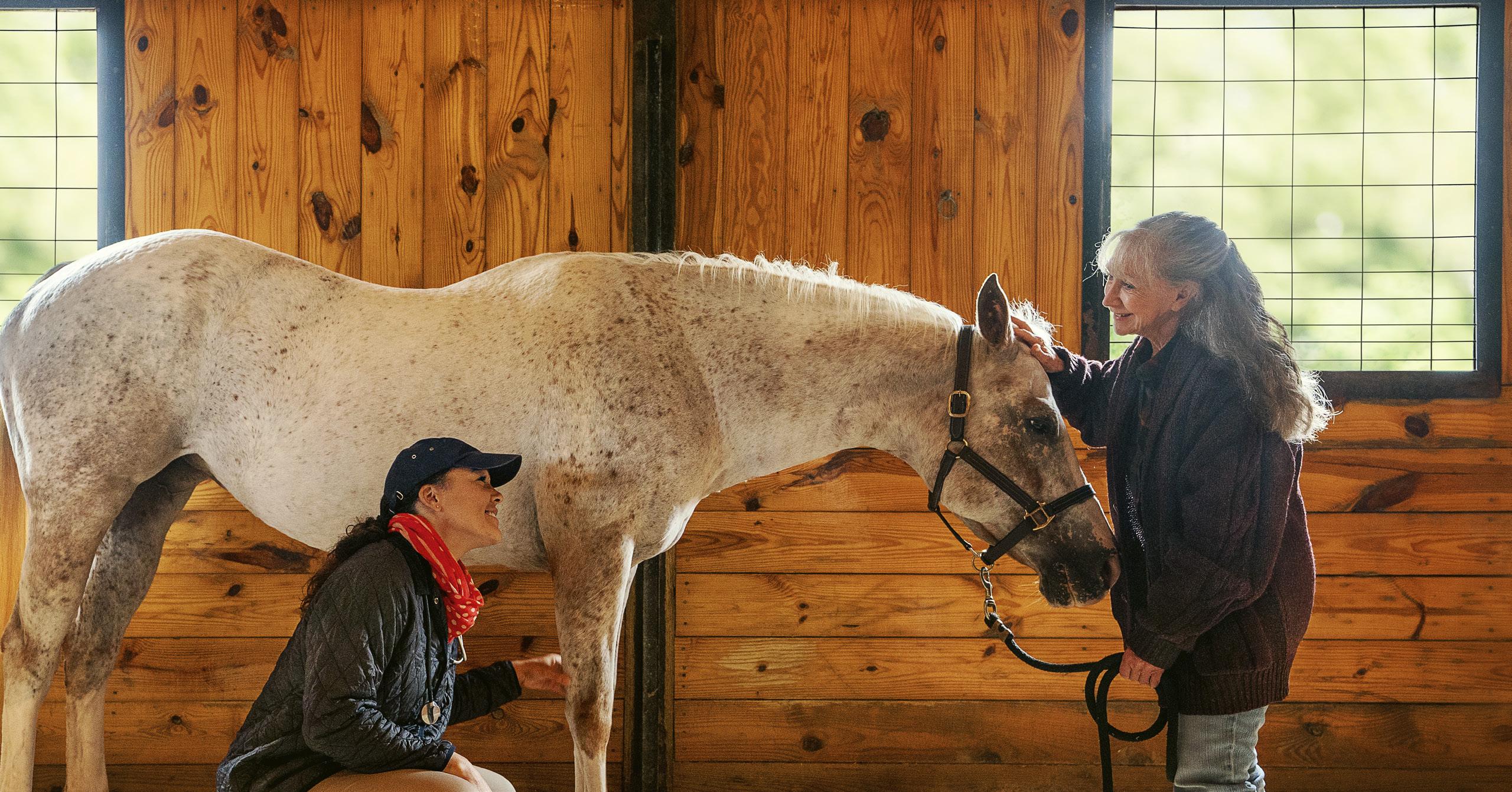
Dormosedan® Gel (detomidine hydrochloride) is the only oral, mild-standing sedative that can be prescribed by your veterinarian and given by you to help facilitate safe experiences for horses and handlers.
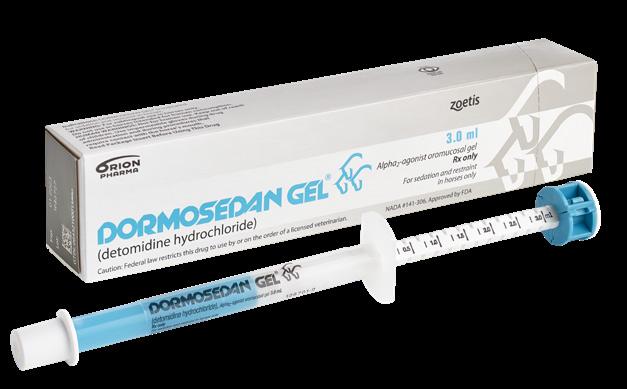
IMPORTANT SAFETY INFORMATION:
Do not use DORMOSEDAN GEL in horses with pre-existing atrioventricular (AV) or sinoatrial (SA) block, with severe coronary insufficiency, cerebrovascular disease, respiratory disease, or chronic renal failure. Do not use in anesthetized or sedated horses, or in conditions of shock, severe debilitation or stress due to extreme heat, cold, fatigue or high altitude. Do not use in horses intended for human consumption. Handle gel-dosing syringes with caution to avoid direct exposure to skin, eyes or mouth. See brief summary of prescribing information below or visit www.DormGel.com/PI.
detomidine hydrochloride)
Alpha2-agonist oromucosal gel
Rx only For Sedation and Restraint in Horses Only
CAUTION:
Federal law restricts this drug to use by or on the order of a licensed veterinarian.
INDICATIONS:
DORMOSEDAN GEL is indicated for sedation and restraint in horses.
DOSAGE AND ADMINISTRATION:
DORMOSEDAN GEL produces sedation when administered sublingually at 0.018 mg/lb (0.040 mg/kg). DORMOSEDAN GEL must be placed beneath the tongue of the horse and is not meant to be swallowed. The dosing syringe delivers the product in 0.25 mL increments. The following dosing table may be used to determine the correct dose of DORMOSEDAN GEL (Table 1).
Table 1: Sublingual dosing of DORMOSEDAN GEL
Approximate Range of Approximate
Use impermeable gloves when handling the product. Remove the syringe from the outer carton. While holding the plunger, turn the ring-stop on the plunger until the ring is able to slide freely up and down the plunger. Position the ring in such a way that the side nearest the barrel is at the desired volume marking. Turn the ring to secure it in place. Make sure that the horse’s mouth contains no feed. Remove the cap from the tip of the syringe and save for cap replacement. Insert the syringe tip into the horse’s mouth from the side of the mouth, placing the syringe tip beneath the tongue at the level of the commisure of the mouth. Depress the plunger until the ring-stop contacts the barrel, depositing the product beneath the tongue. Take the syringe out of the horse’s mouth, recap the syringe and return it to the outer carton for disposal. Remove gloves for disposal.
For the best results, allow adequate time (a minimum of 40 minutes) between administration of DORMOSEDAN GEL and beginning the procedure. In general, horses show sedative effects lasting approximately 90-180 minutes.
Withhold food and water until the sedative effects of the product wear off.
CONTRAINDICATIONS:
DORMOSEDAN GEL is contraindicated in horses with known hypersensitivity to detomidine. Intravenous potentiated sulfonamides should not be used in anesthetized or sedated horses as potentially fatal dysrhythmias may occur.
Do not use DORMOSEDAN GEL in horses with pre-existing atrioventricular (AV) or sino-atrial (SA) blocks, respiratory disease, or chronic renal failure.
WARNINGS: For sublingual use in horses only. Do not use in horses intended for human consumption. HUMAN WARNINGS: Not for human use. Keep out of the reach of children. Use impermeable gloves during drug administration and during procedures that require contact with the horse’s mouth. Following sublingual administration of detomidine oromucosal gel, drug concentrations up to 0.072 mg/mL were measured at 30 minutes post dose in equine saliva, equivalent to less than one percent of the original detomidine concentration in the gel. Mean drug concentrations fall to less than 0.010 mg/mL by 2 hours after drug administration, after which a slow decline occurs for several additional hours.
DORMOSEDAN GEL can be absorbed following direct exposure to skin, eyes, or mouth, and may cause irritation. Skin and mucosal contact with the product should be avoided. Use impermeable gloves at all times.
In case of accidental eye exposure, rinse abundantly with fresh water. In case of accidental skin exposure, wash with soap and water. Remove contaminated clothing. Appropriate precautions should be taken while handling and using gel syringes. Accidental exposure could cause adverse reactions, including sedation, hypotension, and bradycardia. Seek medical attention immediately but do not drive because sedation or changes in blood pressure may occur.
Individuals with cardiovascular disease (for example, hypertension or ischemic heart disease) should take special precautions to avoid exposure to this product.
Caution should be exercised when handling sedated horses. Handling or any other sudden stimuli, including noise, may cause a defense reaction in an animal that appears to be heavily sedated.
Rare cases of human abuse of detomidine products have been reported. DORMOSEDAN GEL should be managed to prevent the risk of diversion, through such measures as restriction of access and the use of drug accountability procedures appropriate to the clinical setting. Note to physician: This product contains an alpha2-adrenoceptor agonist.
PRECAUTIONS:
DORMOSEDAN GEL must be placed beneath the tongue of the horse. Unlike most oral veterinary products, this product is not meant to be swallowed. Swallowing could result in ineffectiveness.
DORMOSEDAN GEL does not provide analgesia. Do not use for painful procedures. Do not use with other sedative drugs because the effects may be additive. Repeat dosing has not been evaluated.
The use of an alpha2-agonist reversal agent with DORMOSEDAN GEL has not been evaluated. Before initiating any procedure, allow sedation to fully develop. Nervous or excited horses with high levels of endogenous catecholamines may exhibit a reduced pharmacological response to alpha2-adrenoceptor agonists like detomidine. In agitated horses, the onset of sedative effects could be slowed, or the depth and duration of effects could be diminished or nonexistent. When the product is administered, the animal should be allowed to rest in a quiet place for a minimum of 40 minutes.
Do not use DORMOSEDAN GEL in horses with cardiovascular disease, respiratory disorders, liver or kidney diseases, or in conditions of shock, severe debilitation, or stress due to extreme heat, cold, fatigue, or high altitude. Protect treated horses from temperature extremes. As with all alpha2-adrenoceptor agonists, the potential for isolated cases of hypersensitivity, including paradoxical response (excitation), exists.
DORMOSEDAN GEL has not been evaluated in ponies, miniature horses, or horses younger than one year of age.
DORMOSEDAN GEL has not been evaluated for use in breeding, pregnant, or lactating horses.
ADVERSE REACTIONS:
Clinical field study:
In a US field study of 270 horses sedated to facilitate completion of
and husbandry procedures, the following adverse reactions were
treated with DORMOSEDAN GEL and 68 horses treated with placebo:
Table 2: Adverse reactions (number of horses) during the clinical field study
Clinical Sign
In a laboratory study, transient erythema of the mucous membranes was seen in 2 (of 8) horses that received the recommended dose of detomidine gel.
Mild ataxia (horse stable but swaying slightly) was observed in 54% of DORMOSEDAN GELtreated horses and in 4% of the placebo-treated horses at 40 minutes post treatment administration. Moderate ataxia was observed in 25% of DORMOSEDAN GEL-treated horses (0% placebo) at 40 minutes post treatment. Moderate to marked ataxia continued to 90 minutes for 5% and to 120 minutes for 4% of DORMOSEDAN GEL-treated horses.
CONTACT INFORMATION: For a copy of the Safety Data Sheet or to report adverse reactions, call Zoetis Inc. at 1-888-963-8471. For additional information about adverse drug experience reporting for animal drugs, contact FDA at 1-888-FDA-VETS or www.fda.gov/reportanimalae.
STORAGE INFORMATION:
Store at controlled room temperature 20-25°C (68-77°F), with excursions permitted to 15-30°C (59-86°F), in the original package.
HOW SUPPLIED: 3.0 mL graduated oral dosing syringe, 7.6 mg/mL detomidine hydrochloride.
DORMOSEDAN® is a trademark of Orion Corporation.
Approved by FDA under NADA # 141-306
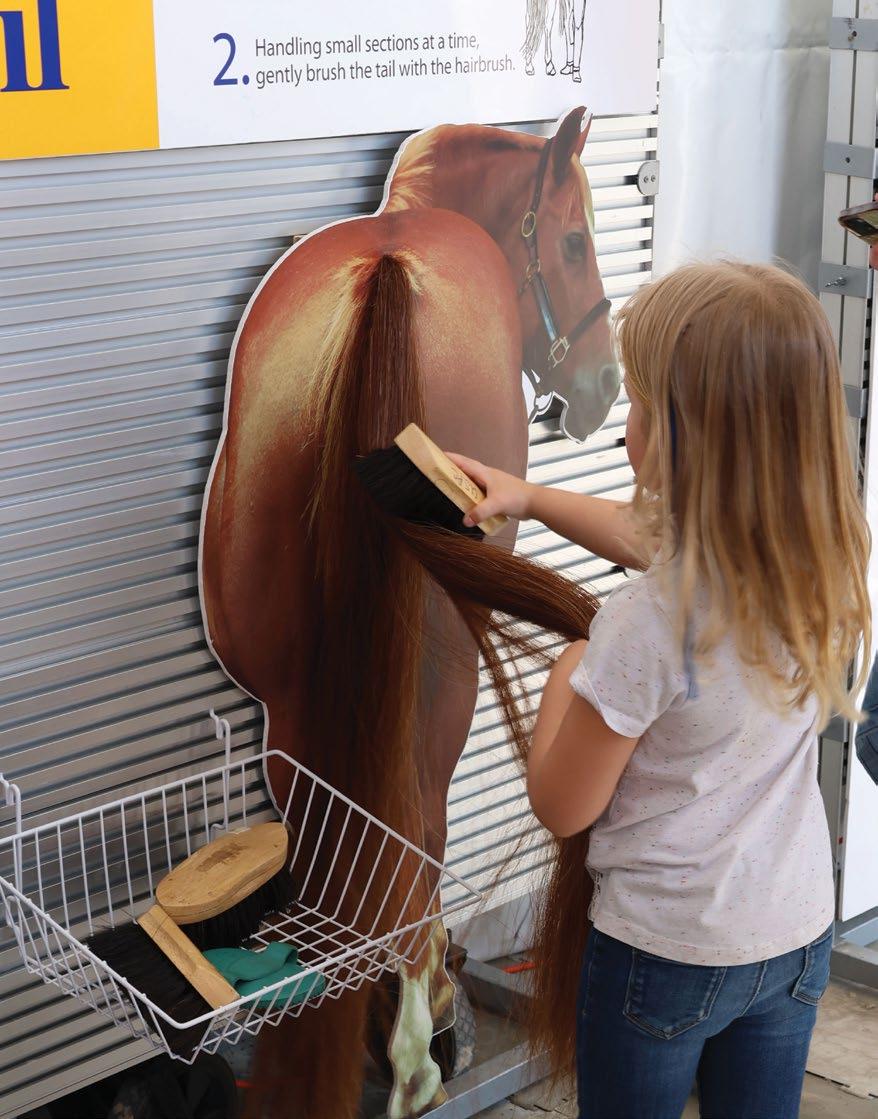
USPC's educational booth had multiple interactive activities to learn all about horses.
organizations from around the world, which underscores the global reach and impact of the Pony Club concept.
The CCI4*-S also showcased Pony Club’s breadth and pipeline of talent.
Nearly half of all four-star riders were Pony Club alumni, and among U.S.born riders, more than half came through USPC. This strong showing reinforces Pony Club’s role in sustaining competitive excellence throughout the upper levels of Eventing.
This year, USPC played a vibrant role in engaging families and future equestrians through the Kentucky Kids Club, which featured USPC’s educational booth along with hands-on activities and crafts.
National Office staff shared information about horses, Pony Club, and Allpony.com. USPC alumni Ema Klugman, Lynn Symansky, and Sydney Elliott also did meet-and-greets throughout the weekend.
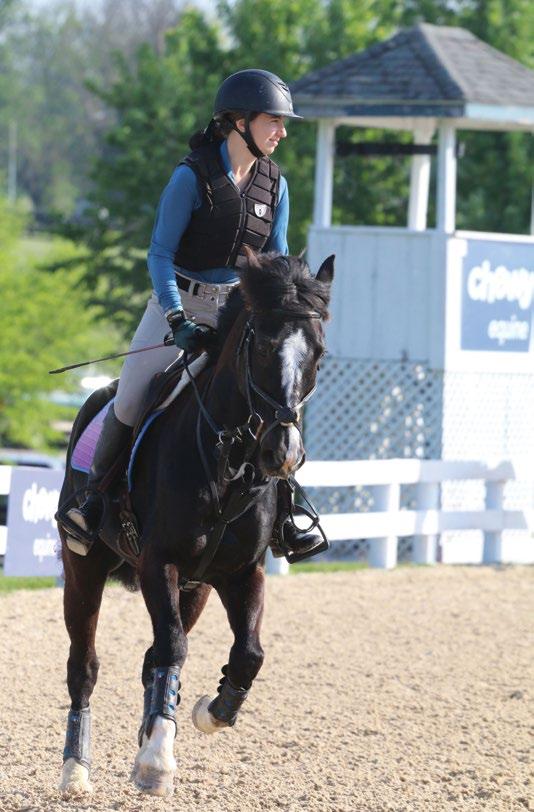
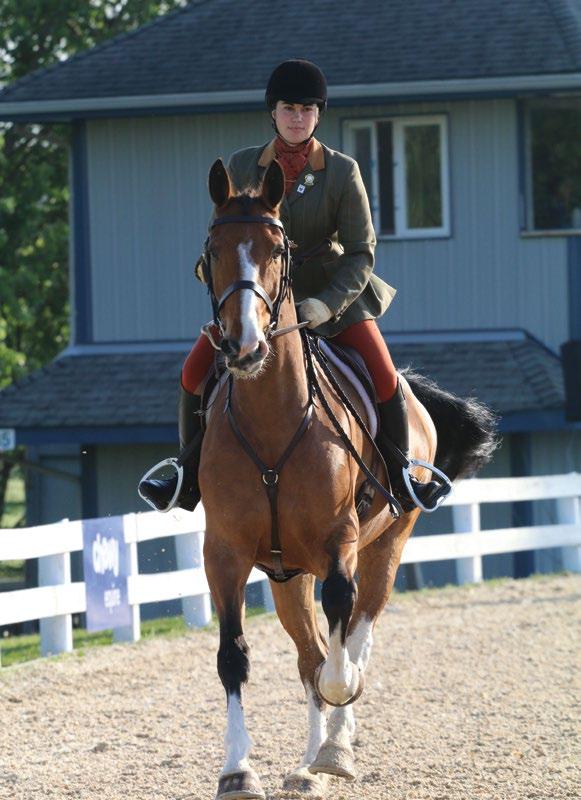
The Upper-Level Member Showcase highlighted current USPC members with national certifications as they demonstrated various disciplines. Riders included:
Kate Wood, Mountain Skyline Pony Club, Old Dominion Region
Anabelle Friend, Bluegrass Pony Club, Midsouth Region
Hannah Fountain, Huron Valley Pony Club, Great Lakes Region
Connor Stegeman, River Riders Pony Club, Deep South Region
Mia Valdez, Mountain Skyline Pony Club, Old Dominion Region
Emily Garside, Bath Pony Club, Tri-State Region
Amira Cooney, Casanova-Warrenton Pony Club, Virginia Region
Jolene Grover, River Bend Pony Club, Virginia Region
Talie Koch, Bath Pony Club, Tri-State Region
Riley Rebholz, Big Bay Pony Club, Lake Shore Region
Pony Club riders also served as flagbearers during opening ceremonies for the Kentucky International CSI5* event, a premier show jumping competition held as part of the Defender Kentucky Three-Day Event. Riders included:
Talie Koch and Emily Garside from the Tri-State Region, Kate Wood from the Old Dominion Region, and Lilli Seto, Ava Nieman, Abby Beckman, Aurea Dove,
Samaya Martz, Isobel Evans, Abby McKinley, Emma Kleintop, and Mayela Salazar from the Midsouth Region.
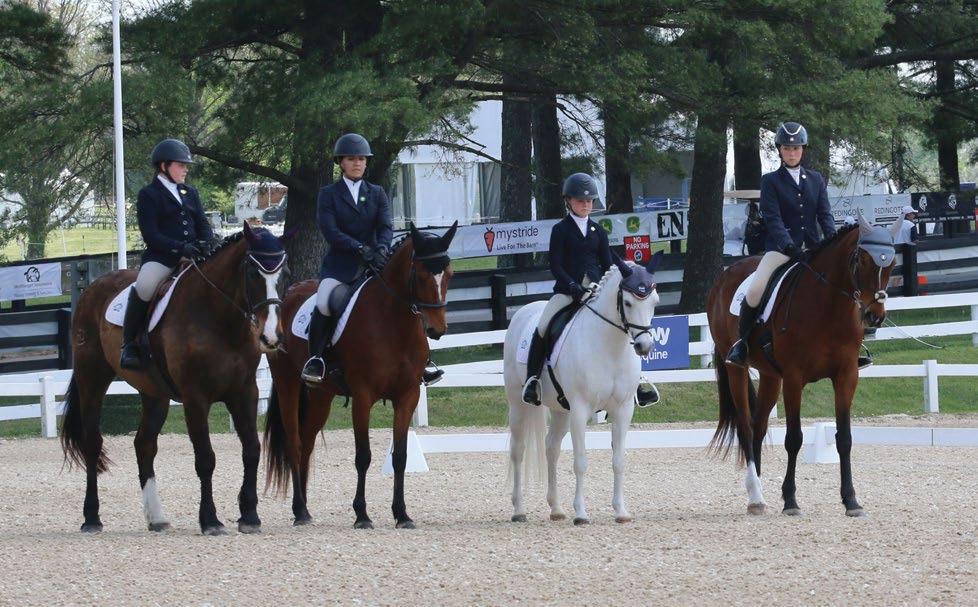
The fan favorite Pony Club Quadrille featured four Midsouth Region riders—Emma Kleintop, Mayela Salazar, and Harper Million of Keeneland Pony Club and Isobel Evans of Bluegrass Pony Club—performing a precision ride that celebrated teamwork, leadership, and horsemanship, which are all USPC core values.
Pony Club members also went for a behind-the-scenes barn tour and meet-and-greet with Klugman, a triple “A” Pony Club alum.
The official media center run by Classic Communications hosted the Ann Haller Media Internship for USPC members, honoring the legacy of late journalist Ann Haller. Haller was a B Eventing Pony Club alum who served as a National Examiner, Chief Horse Management Judge, an instructor, a Board member, and more. Karlie Drinnin of Silver Springs Pony Club in the Midwest Region was selected as the 2026 media intern.
Pony Club volunteers also supported the event in a variety of important roles, including dressage scoring runners, cross-country course assistants, and as representatives in the Kentucky Kids Club.
From top entries at one of the world’s most prestigious fivestar events to kids’ activities that spark first dreams of riding, Pony Club’s presence at the 2026 Defender Kentucky Three-Day Event reflected its unmatched global legacy. Pony Club riders didn’t just compete—they led, inspired, and illustrated why Pony Club remains one of the most influential training grounds in equestrian sport. —Sarah Evers Conrad, Marketing and Communications Director

FACEBOOK: /USPonyClubs
INSTAGRAM: @UnitedStatesPonyClubs
YOUTUBE: /UnitedStatesPonyClubs
TIK TOK: @UnitedStatesPonyClubs
PINTEREST: /USPonyClubs
LINKEDIN: /company/ponyclub

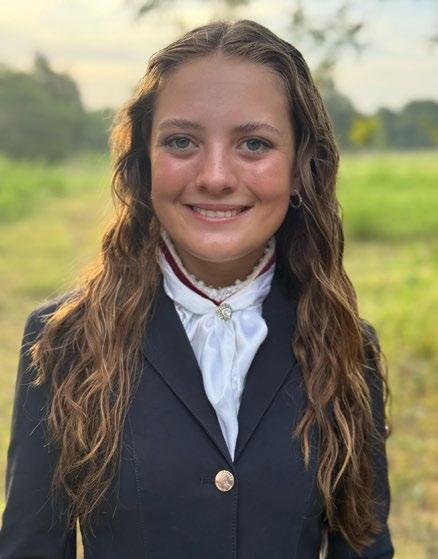
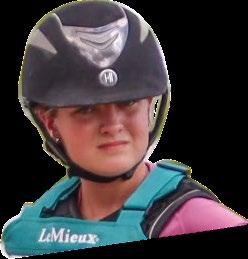
AGE: 18
CLUB/REGION:
TEXAS HEAT PONY CLUB/ RIO GRANDE REGION
YEARS IN PONY CLUB: 10
Current certification:
H-B Horse Management, D-3 Eventing, C-2 Dressage, C-1 Hunter Seat Equitation
What disciplines and/or activities are you involved in?
Eventing, Dressage, Show Jumping, Horse Management, Quiz, and Hunter Seat Equitation
Tell us about your current mount(s) and what you do with them:
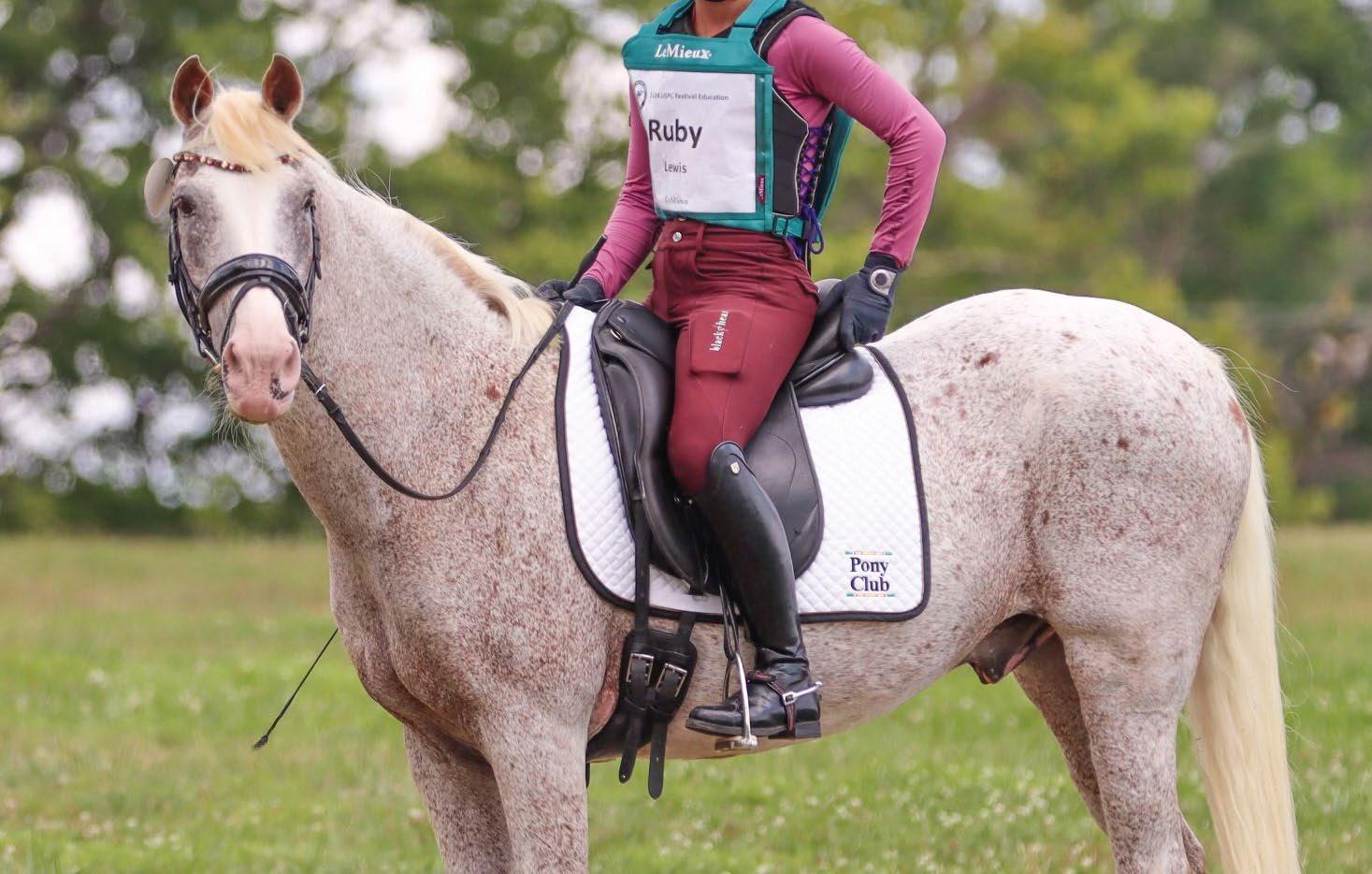
I have two mares named Lil Miss Sunshine (Sunshine) and Frivolous (Lily). Sunshine is a 13-year-old Connemara/Thoroughbredcross. I’ve had her since she was born. My family bred her. My mom/trainer and I have trained her up through Fourth Level, and we are working toward Prix Saint George. Sunshine and I were the Great American Insurance Group (GAIG) Reserve Champions in First Level at the United States Dressage Federation (USDF) Region 9 Championships in 2024. In 2025, we were Southwest Dressage Championships Third Level Champions and GAIG Third Level Reserve Champions at the United States Dressage Federation (USDF) Region 9 Championships.
Lily is a 15-year-old Hanoverian mare, who came to me in December 2024 as a lease horse from the Lendon Gray Dressage4Kids program. I have spent the
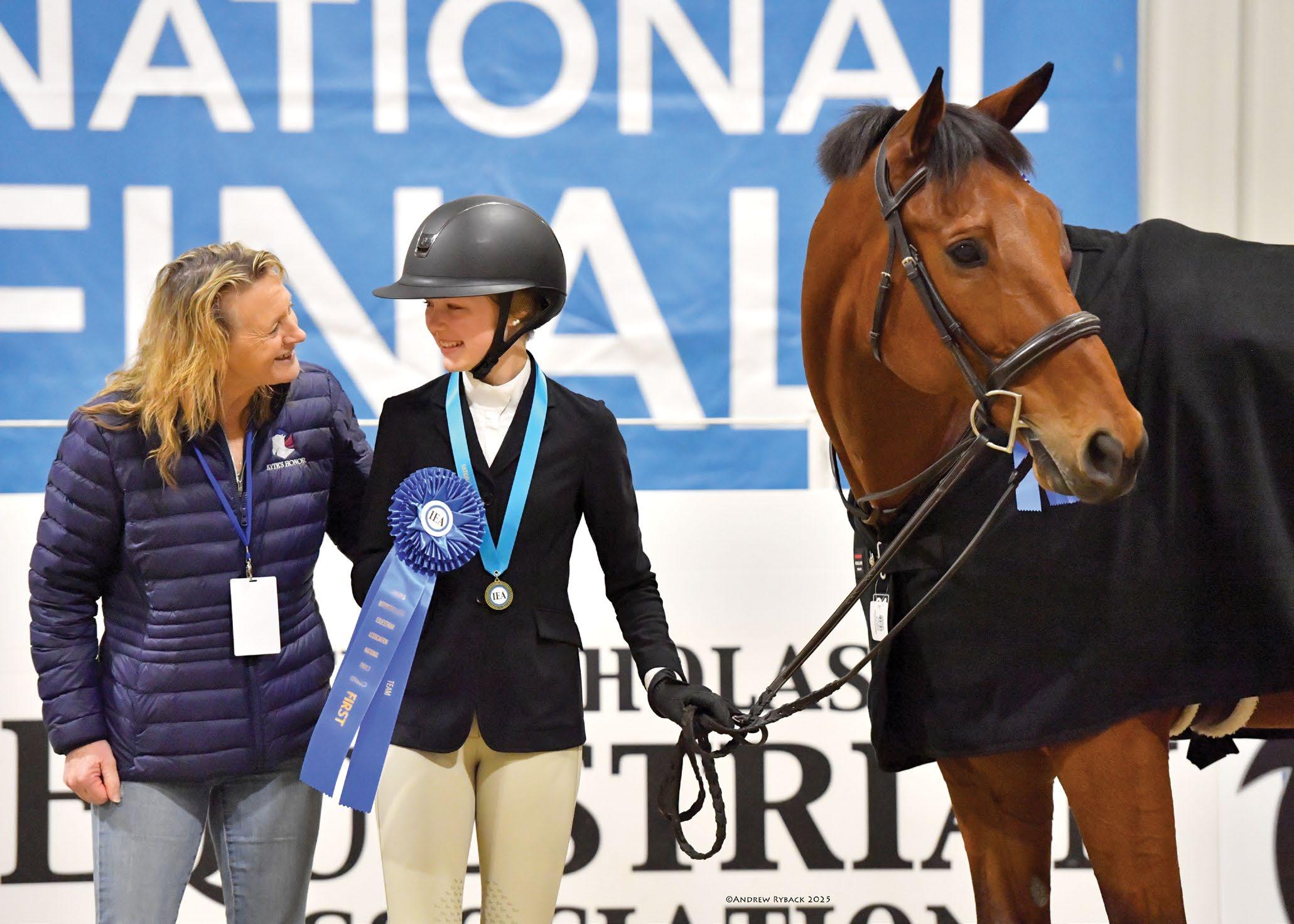
Ruby Lewis has participated in both the 2021 and 2024 USPC Festival Championships, and she currently serves on the USPC National Youth Board.
past year developing a partnership with her, and we are currently working toward Prix Saint George and Young Riders.
Tell us about your goals (with Pony Club, with riding, and life):
My long-term goals within USPC are to continue serving my local club while remaining actively involved at the national level through the National Youth Board. I plan to pursue my “A” certification in Dressage and my H-A in Horse Management, using Pony Club as the foundation for my development as a future equine professional.
My ultimate career goal is to become an FEI-level trainer and coach. I want to bring horses and riders up the levels of Dressage through correct, relaxed, and ethical training that supports each horse’s individual ability. Pony Club has given me the structure, discipline, and horsemanship standards that I intend to carry into my professional life.
Alongside my equestrian career, I also plan to pursue a degree in journalism. I hope to combine my passion for communication with my work in the equine industry, whether through writing, media, education, or advocacy for horse welfare.
What is your favorite thing about Pony Club?
My favorite thing about Pony Club is the way it brings riders together and creates
a true sense of team spirit. Through Pony Club events, I’ve made friends from all across the country, making truly valuable connections. In addition to the team environment, I really value the emphasis on education. Pony Club has deepened my understanding of the horse, both in the saddle and in horsemanship, which is something I appreciate every day.
What is one thing you would tell newer members about joining Pony Club?
One thing I would tell a new member is that Pony Club is an incredibly valuable experience for anyone involved with horses. You not only learn how to care for your horse with confidence, but you also develop the ability to work effectively in a team setting. Pony Club does an exceptional job of shaping riders into knowledgeable future professionals in the equine world.
If you could try out any other discipline or activity, what would it be and why?
If I could try out any other discipline, I would love to try Mounted Games. I think working with a team of riders would be a blast. Learning how to vault on and off a horse while cantering down a Games line looks both challenging and exciting. I admire the teamwork, precision, and strategy required from both horse and rider to become a competitive Games combination.
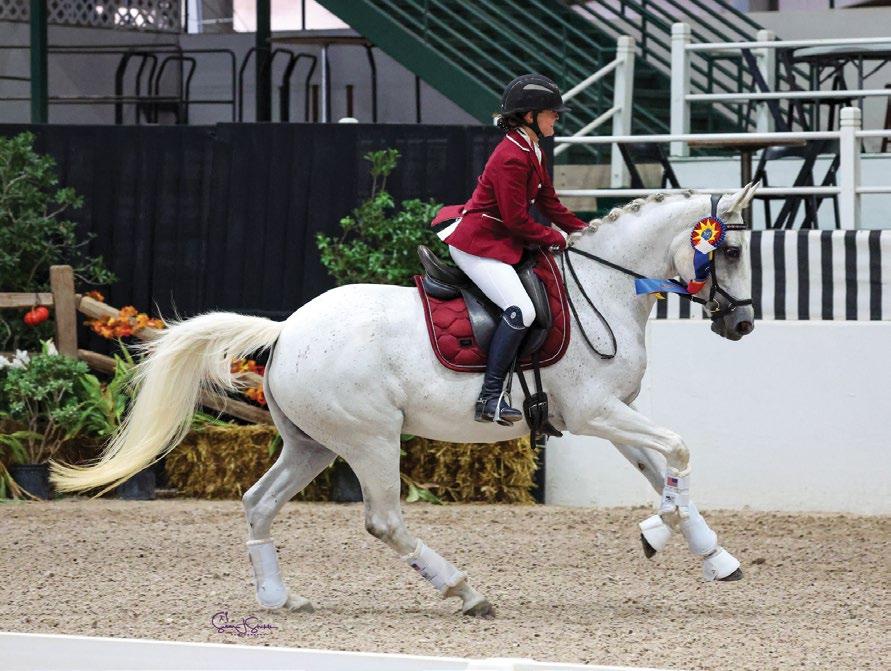
buzzing with excitement, pride, and anticipation. Walking into an arena as a united team made the moment unforgettable.
Have you done any special activities in Pony Club, such as international exchanges, recognition programs, virtual competitions, etc.?

How did you get started with horses? Are you a member of any other equine organizations?
Describe your favorite Pony Club memory:
My favorite Pony Club memory comes from the 2024 USPC Festival Championships in Kentucky. Just before the Parade of Regions, our group from the Rio Grande Region gathered together outside the grand Rolex Arena, waiting for our turn to walk in. I remember standing there surrounded by my friends from my own club, as well as friends from different clubs across the region. The energy was incredible, everyone
I grew up with horses, and my first pony was a little Miniature Horse named Junebug. From the moment I started riding as a toddler, I fell completely in love with horses, and that passion has only grown stronger over the years. Horses have been a constant in my life for as long as I can remember, shaping who I am, both in and out of the saddle.
I’m currently a member of several equine organizations, including USPC, USDF, the United States Equestrian Federation (USEF), the Central Texas Dressage Society (CTDS), and the Houston Dressage Society (HDS). Each one has helped me continue my education, stay connected within the equine community, and pursue my goals as a developing professional.
I’ve had the opportunity to participate in several special activities through Pony Club, including the USPC/USDF Dressage Recognition Program, earning my bronze, silver, and gold in 2023. I also attended the USPC Festival in Kentucky in both 2021 and 2024. Being part of those events was an incredible experience, and they brought riders together from all over the country and gave me the chance to compete, learn, and connect within the larger Pony Club community.
What makes you #PonyClubProud?
I’m proud to be a Pony Club member because of the community that has the best interest in the horse.
Brought

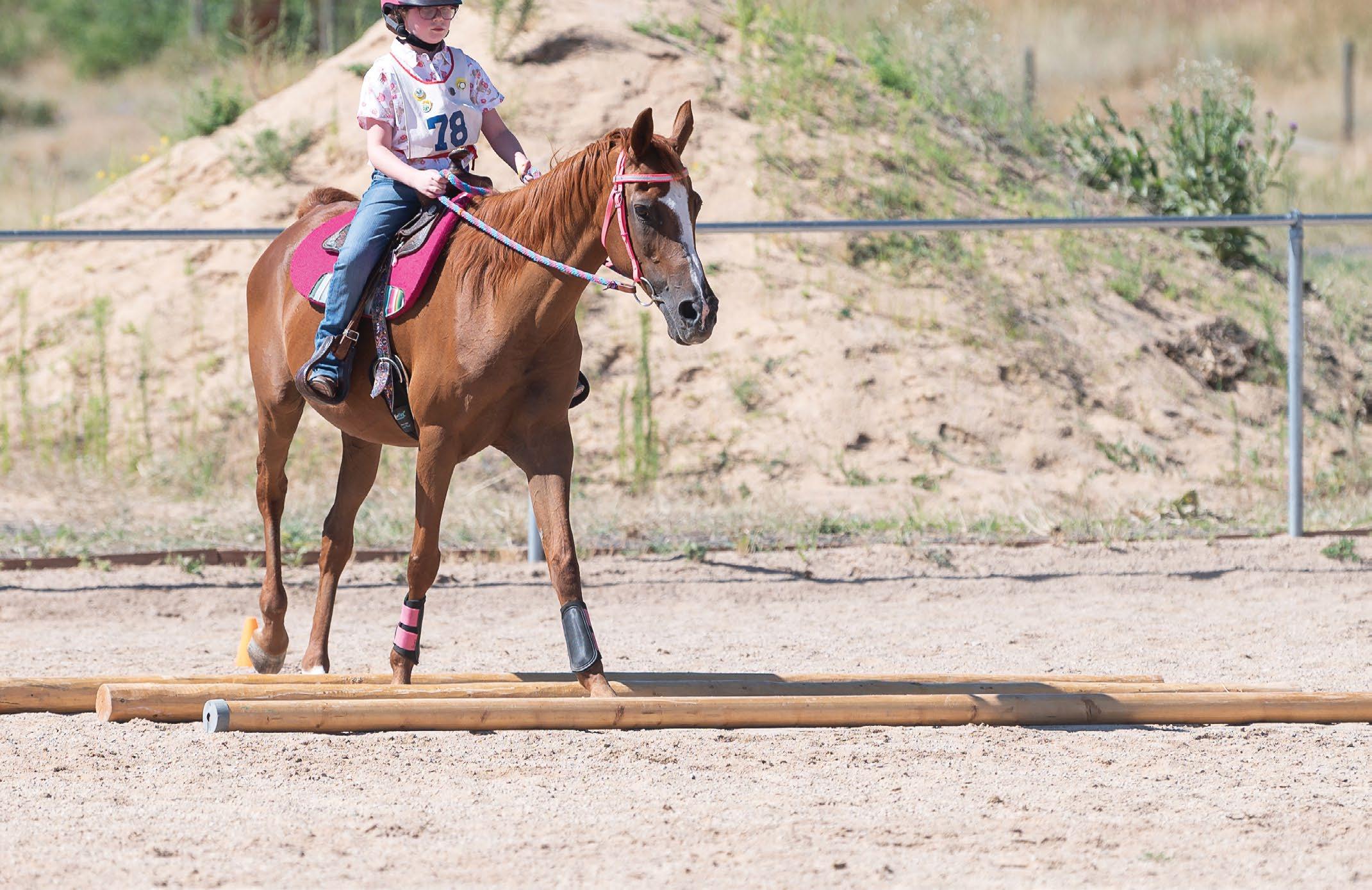
Barns that already have jump poles, preferably ones that don't roll, can also be used for practicing
ABy Ginger Wisseman, Pierport
Commissioner,
dding Western riding to your club/center program can give USPC members a chance to learn a new riding style and the opportunity to earn a USPC Western certification at the local level. After all, Western riding is a massive segment of the equine industry. The foundation taught for Western riding is actually quite similar to English disciplines. By expanding your club/center’s programming to include Western disciplines, you give riders and horses an opportunity to learn and grow in a variety of ways.
Trail in Pony Club can be done in all styles of tack, and while it is often ridden Western, the foundational principles apply regardless of saddle type. The Trail discipline involves riding a pattern of obstacles, which should be fun for both horse and rider and break up the monotony of ring work. Trail is specifically meant to test the communication required in a horse/rider partnership and highlights agility, calmness, and control. Agility obstacles demonstrate athleticism. Calmness obstacles showcase relaxation and confidence. Control obstacles require enhanced communication and an understanding of where the horse needs to place each foot.
Obstacle navigation is great for horses that are rehabbing who need to walk a lot. You can also introduce your horse to obstacles in hand, which is ideal for young horses who are not ready for significant mounted work. Obstacle work can
be a great indoor activity during the extreme temperatures of winter or summer when horses are on lighter work. It’s also wonderful for nervous riders to build confidence.
The types of competition rounds in USPC Trail include:
Classic Trail: Uses man-made or colorfully painted obstacles in an enclosed arena;
Ranch Trail: Uses more natural obstacles like those found in everyday ranch work or on the trail;
In the Open: Involves longer, more widespread courses and obstacles found in either Classic or Ranch rounds arranged along a trail course or in the open; and,
Speed: Tests how quickly a horse and rider can safely navigate a course.
A full set of obstacles, as described in the USPC Trail Rulebook, is not needed to get started. Clubs/centers likely have materials on hand and can do DIY or have a fun day with volunteers or older members helping to build obstacles.
You will need ground poles that do not roll or natural logs. Ground poles can be arranged as a barrier to perform a backing, turning, or a sidepass obstacle. Cones and pylons are useful, and barrels can be made from food-grade barrels filled onequarter full of water or sand for stability. Platforms can be built with really big old tires being discarded by a tire shop, secured with two interior stakes, and filled with compacted dirt. A DIY bridge is a fun obstacle to add. A budget-friendly version of a gate can be created from two sturdy wing standards and a rope. A fancier gate with a more solid swinging door can be built
later and also used for Tetrathlon.
At an unmounted meeting, show YouTube clips of competitions featuring Mountain Trail obstacles, Versatility Ranch, an AQHA Trail Challenge, or Working Equitation. Trail is also very prevalent in 4-H and breed shows. Discuss the difference between how the horses move between obstacles and what types of obstacles may not be allowed per Pony Club rules.
You can try the basics of Western disciplines, such as Western Dressage, in lessons with mixed tack, before investing in all Western tack, but if you compete, all Western tack is required by USPC and other organizations. Check rulebooks for details on approved tack.
At a mounted meeting, introduce obstacles to members without any horses present. Encourage them to consider what might be scary to their horse and what techniques would help them communicate with the horse. Think about the aids they will need to navigate each obstacle. Next, have them introduce a calm horse to the obstacles in hand. Have each member practice. Then let them try with their mount.
Other mounted sessions can involve one horse/rider pair demonstrating an obstacle while the others watch. The instructor should highlight when the rider is using a particular aid and how that impacts where the horse places his feet. This also makes a good chance for members to practice teaching others (see “Learning to Teach is Part of Pony Club” on pg. 14). For more, visit bit.ly/give-uspc-trail-a-try
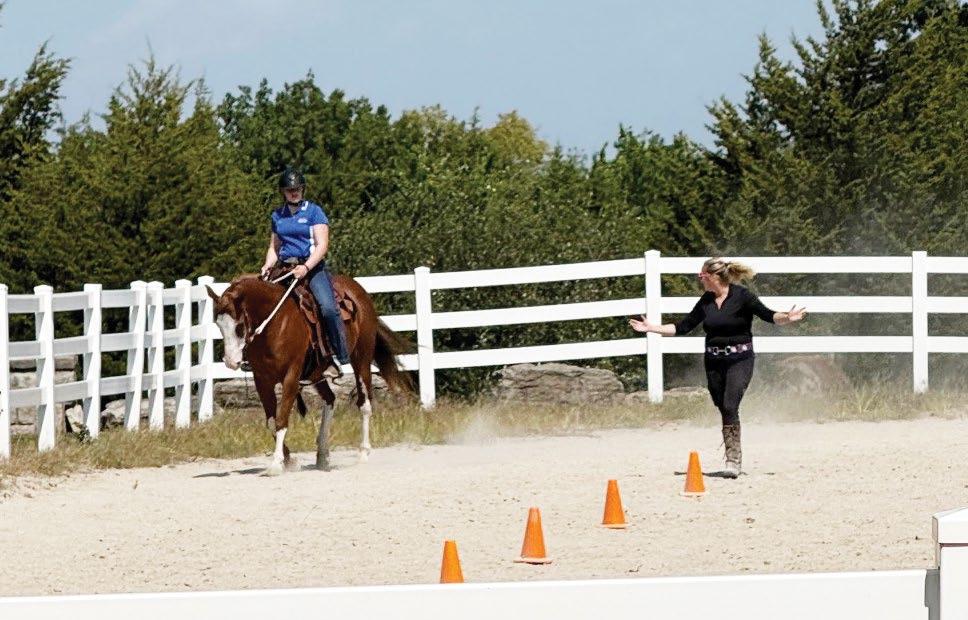
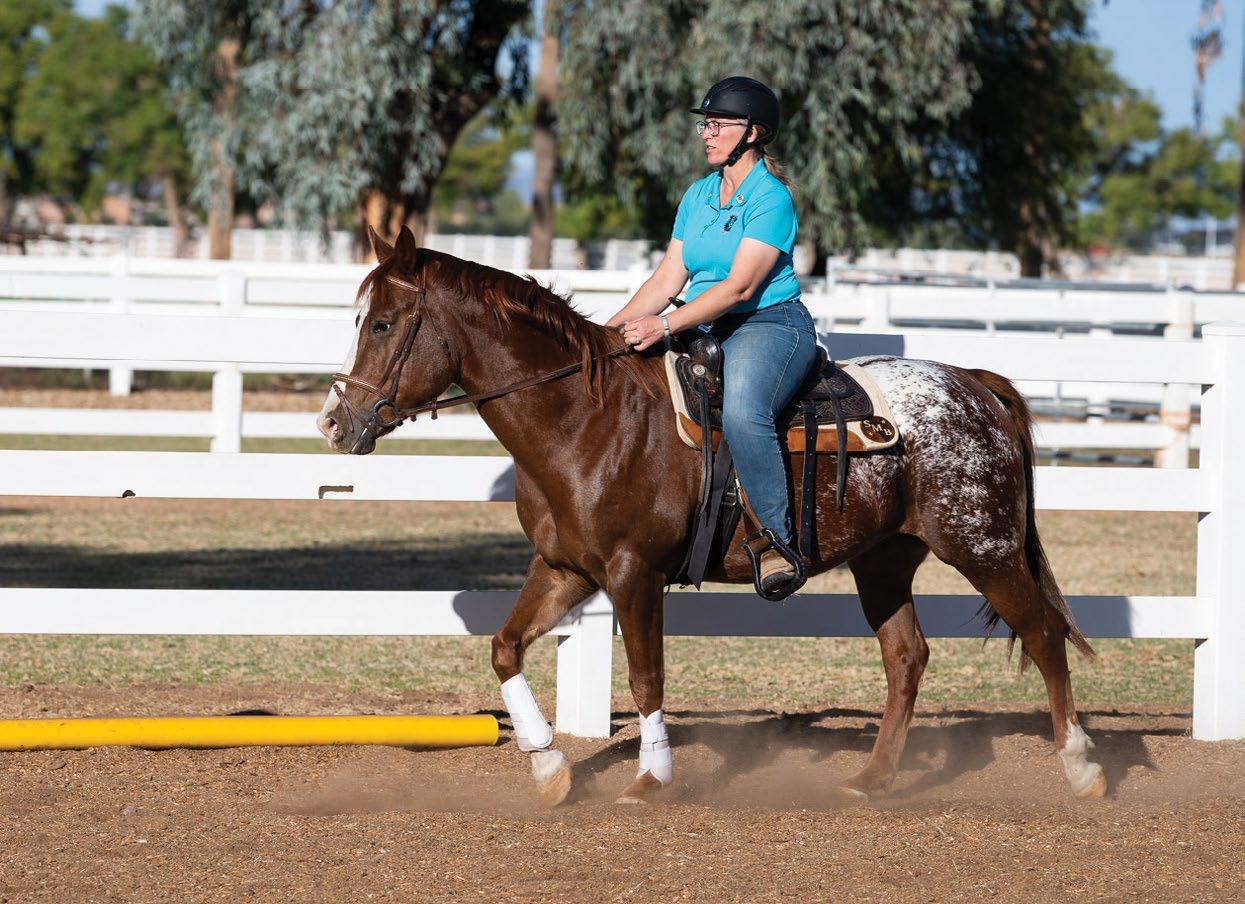
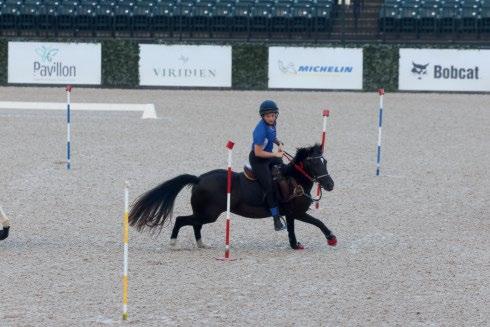
Success in Gymkhana is about accuracy, practice, and control. Gymkhana involves riding a pattern at speed. Barrel racing and pole bending are the most familiar, but many patterns exist using different shapes, a low jump or two, flags, cones, a small ball, buckets, barrels, vertical poles with bases, and/or potatoes. Tack can be either English or Western. Gymkhana is fun for all ages. All the patterns are explained in the USPC Gymkhana Rulebook. Gymkhana is great for thrill seekers whose horse doesn’t like to jump. It can be a substitute for members who love Mounted Games but lack teammates. Members who are at a walk/trot level can still be challenged. In addition, Gymkhana is a wonderful way to bring 4-H and other local riders into Pony Club who are familiar with barrel racing or pole bending in a way that feels inclusive and allows them to display their skills. It’s also fun for horses, especially for those horses that get bored, and is a beneficial way for horse and rider to bond. Introduce the patterns to members unmounted first. You can make a game of it where they run the pattern on foot (or with a hobby horse). Set up a Gymkhana Day for one of your mounted meetings. If you have a
member who is already familiar with a pattern, ask them to teach it to others and show off their skills.
Pick several patterns with easy setup and have members ride at the walk first. Encourage them to think about the aids needed to make efficient turns. Move to trotting and cantering as riders are ready. Also, try from both directions to find a horse’s preferential leads.
Western Dressage, the newest addition to Pony Club’s certification tracks, is the easiest discipline to incorporate into meetings. Western Dressage has a Dressage foundation using Western tack, although there are differences. The tests, available through the Western Dressage Association of America (WDAA) website (www.westerndressageassociation.org), still use the Training Pyramid to build on skills for the horse and rider.
Western Dressage is a true celebration of quality western riding and training and is a way to highlight these using a connection to Dressage, which focuses on the correct training of the horse and rider as they move up the levels, and the belief that all horses benefit from that training.
Gymkhana is a great activity for members who are at the walk/trot level, who don’t want to jump, or who love Mounted Games, but who lack a full team.
To get started, encourage Pony Club members to go to a Western Dressage show and observe the lightness and subtle cues. Compare that to Dressage and think about any similar goals. If you have members that ride in Western tack, introduce them to Western Dressage, and discuss “the why” behind this style of riding and how the training benefits and builds up the horse. Members could also do a research project on the big names in the Western world and why they promote Western Dressage (Lynn Palm, Jec Ballou, Tom and Bill Dorrance, etc.). During a mounted meeting, have members ride a WDAA test at the corresponding level to Dressage that they are riding at already. Then discuss if there are any differences between that test and a more familiar USEF/USDF test. Learn all about Western Dressage at bit.ly/western-dressage-in-pony-club
To get started in any of these disciplines, visit www. ponyclub.org/events/competitions/disciplines for rules and more details.


By Meg Finn, USPC Testing and Instruction Coordinator
Teaching is a skill. It can be instinctual for some and require more practice for others. It’s not just about sharing what you know, but learning about communication, responsibility, leadership, and adaptability—all which are life skills and core values taught by the Pony Club program. At the USPC upper-level certifications, teaching is a section that members often struggle with. So, how do we learn to teach?
First, helping one another is deeply rooted in human nature. It has been proven to boost happiness, confidence, and selfesteem. We experience it as we learn and then as we teach.
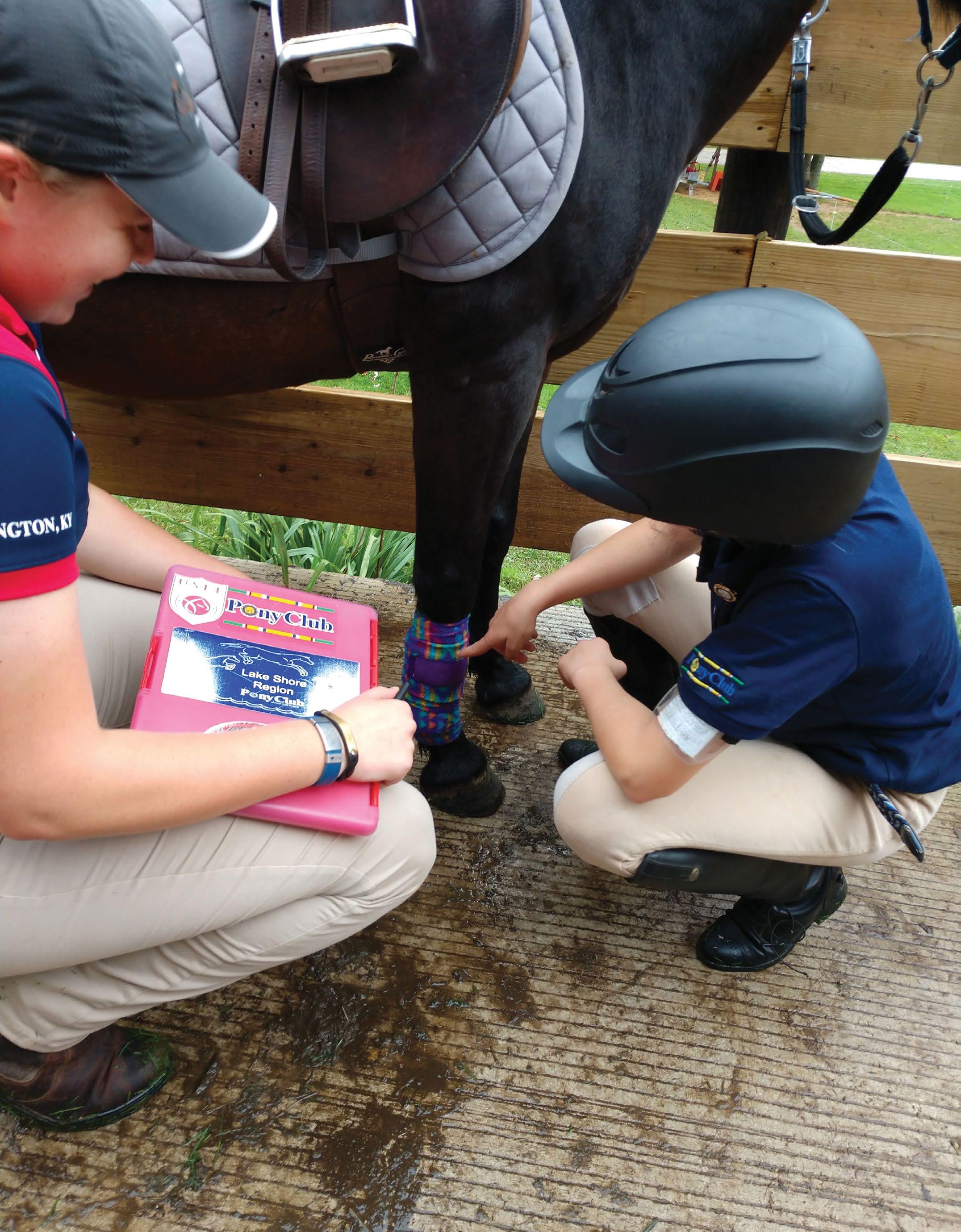
I started riding lessons when I was a kid. I remember learning how to pick out a horse’s hooves. First, someone showed me how to do it, explaining the process as they went. When it was my turn, they helped guide my hand down the leg, showing me where to squeeze and how to follow the grooves of the frog. I remember helping friends clean out hooves packed with dried sand and dirt that felt more like concrete. At times it took two of us, one to hold the hoof, the other to scrape out the dirt.
As I became more confident, I started helping out at the barn’s summer camp. I introduced young riders to grooming, showing them how to pick out the hooves, explaining the process as I went. Helping guide their hands down the leg, showing them where to squeeze, how to follow the grooves of the frog…just as I had been shown. I advanced from the one being helped to the one providing help. Teaching the next generation as someone taught me. This is where it begins.
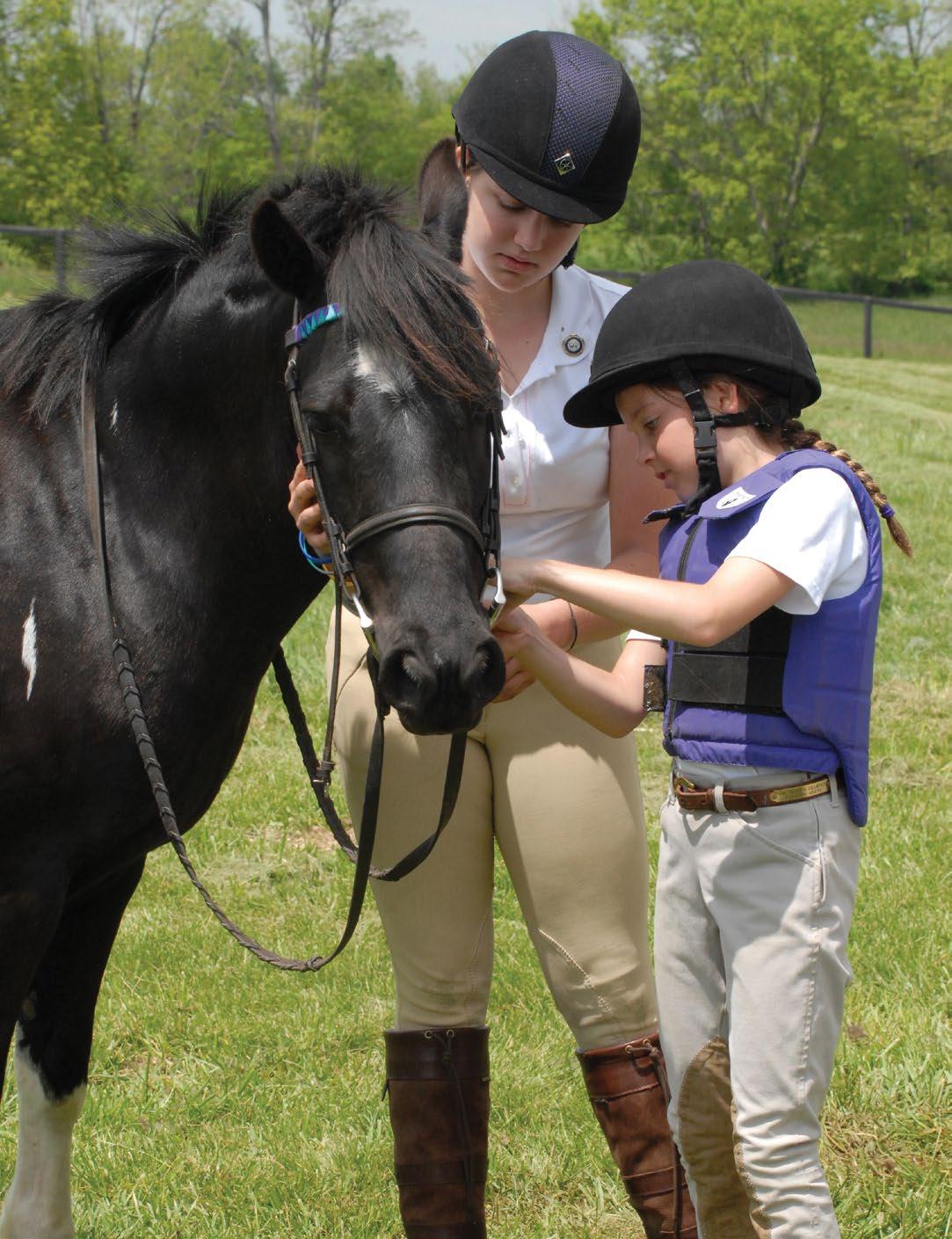
When I was learning how to pick out a horse’s hooves, I watched. When it was my turn, I copied what my instructor had done. I stood as she had, ran my hand down the leg and gave a squeeze. Nothing happened. Had I done it wrong? When you’re learning a new skill, watching isn’t always enough. My instructor stood next to me, put her hand over mine, and together we ran our hands down the horse’s leg and squeezed. The horse picked up his foot. Everyone learns differently. The three primary learning styles are visual, auditory, and tactile. Visual learners process information by seeing it. Auditory learners rely on hearing, and tactile (also called kinesthetic)
prefer physical hands-on instruction. Most people require a combination of these three. Good instructors can recognize the different ways their students learn and are able to explain the same thing in a multitude of ways. My instructor showed me how to pick out the hoof (visual), she explained what she was doing (auditory), and then she did it with me (tactile).
Pony Club is built on good horsemanship, safety, and education. The best instructors embody these principles in everything that they do.
“A good Pony Club instructor is someone who can take their knowledge and ability to connect with students—
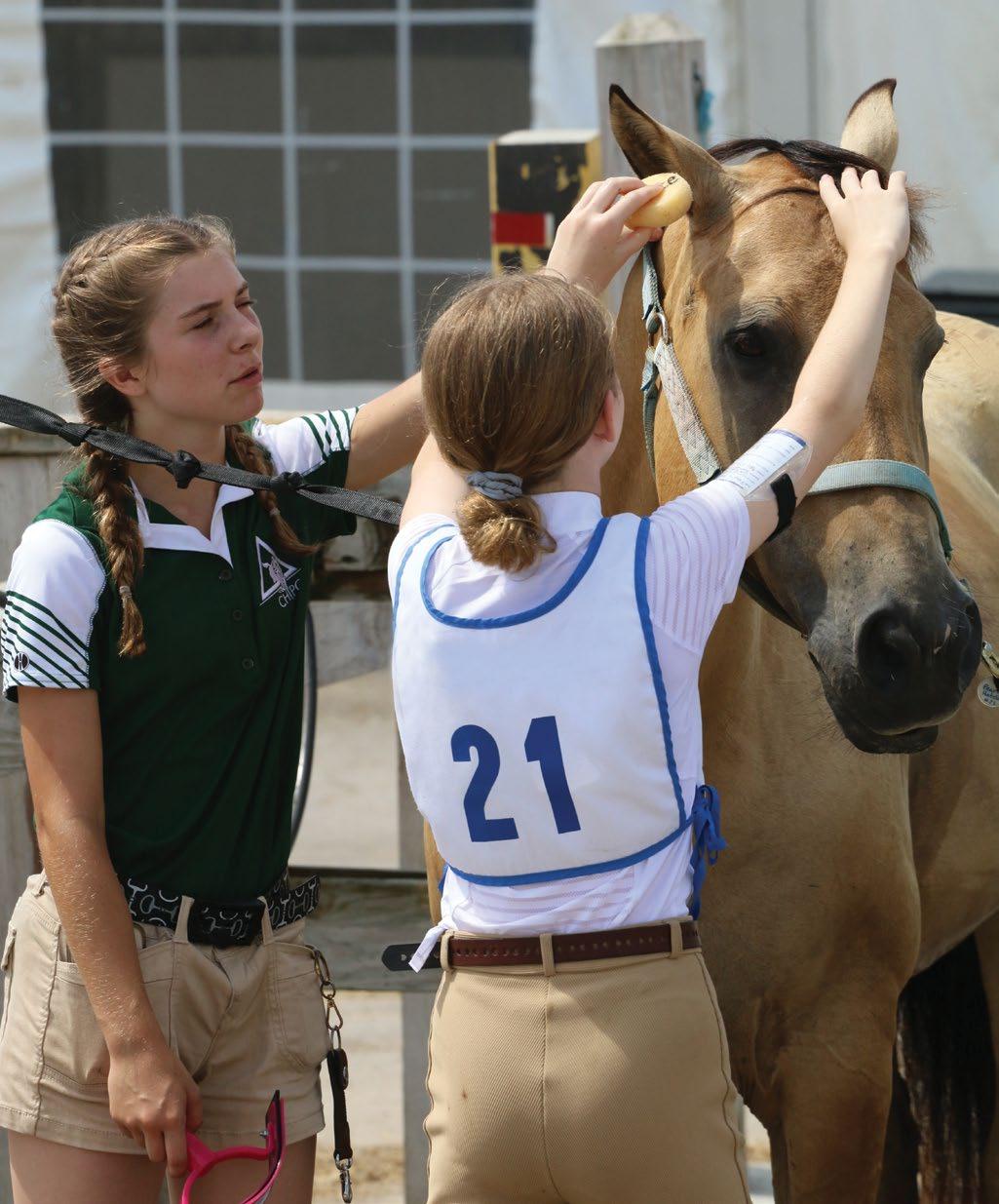
combined with patience, practice, and positivity—to produce a fun and productive learning environment,” shares Jessica Jenkins, an “A” Eventing member of Stones River Pony Club, Joint District Commissioner (JtDC) of Middle Tennessee Pony Club, and a member of the USPC Examiners Committee. “While knowledge of the topic is of course important, the ability to communicate that knowledge is just as crucial. The best instructors have a solid lesson plan ready and can break down topics into manageable pieces.”
In Pony Club, learning how to teach begins at the D level, with members assisting in an unmounted activity as a D-3 certification requirement. This introduction to teaching progresses from assisting to demonstrating, and eventually to teaching both unmounted and mounted lessons at the H-B and H-A certifications. Much of what equestrians learn is by watching and imitating. As you begin your teaching journey, your role as assistant will vary depending on your age, the age of the students, and the topic being covered. Your role could be something as simple as handing out supplies or being part of a demonstration. Helping out is one of the best ways we have to learn how to teach. It offers you a chance to observe both the teacher and all of the students. What phrases does the instructor use as they teach that resonate with you? Do they provide clear steps as they teach a particular topic? Keep in mind that the effectiveness of a teacher can often be measured by how their students react and respond.
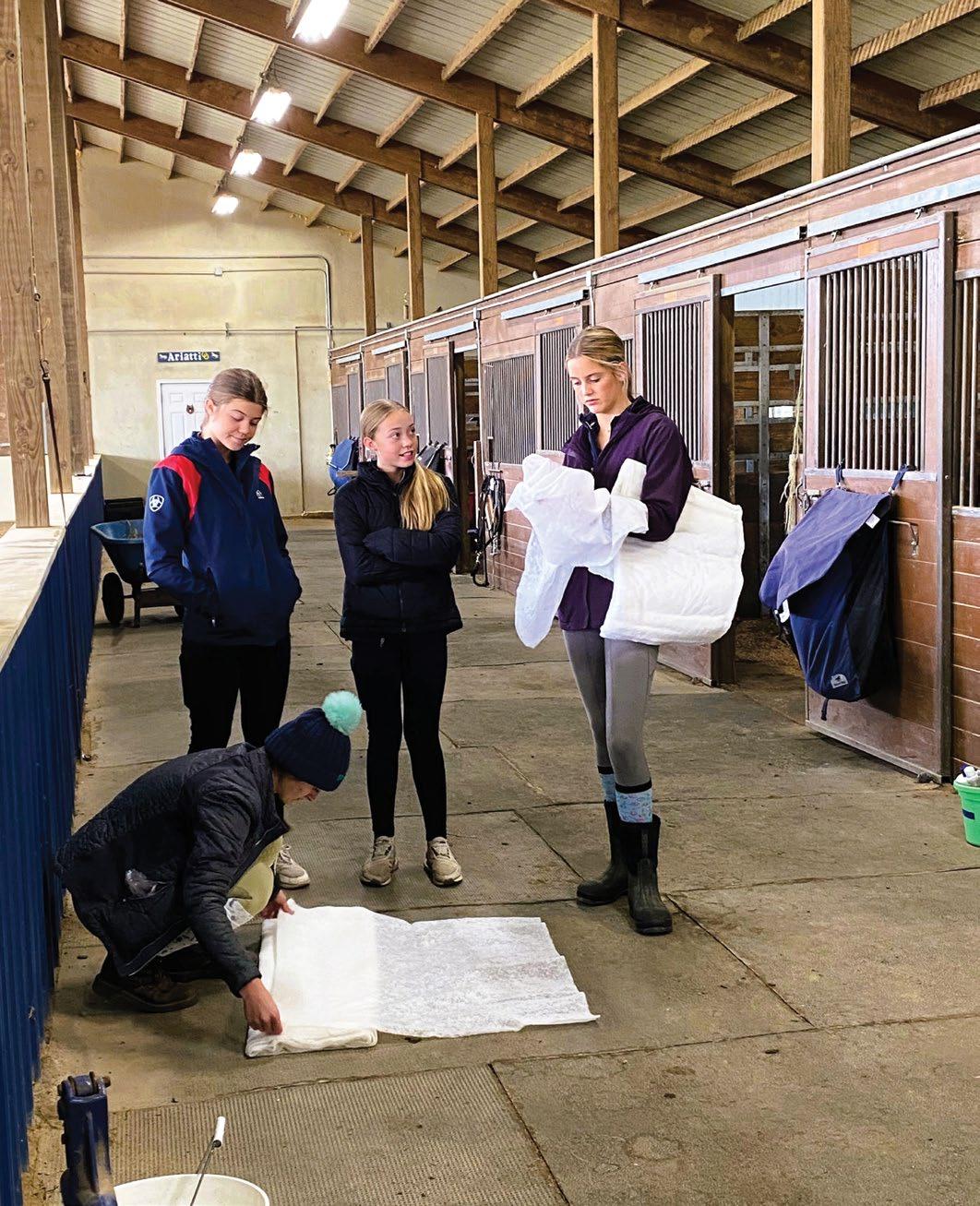


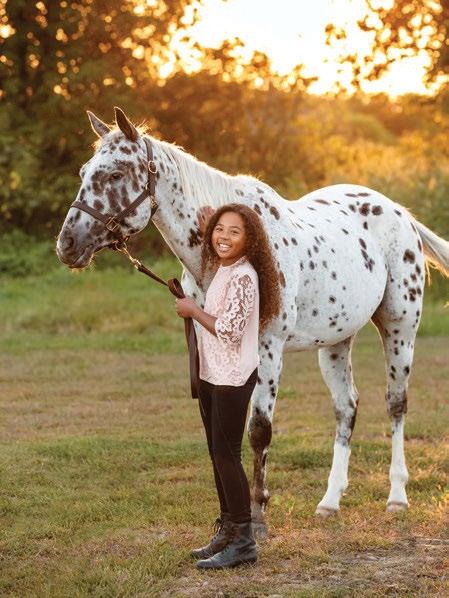
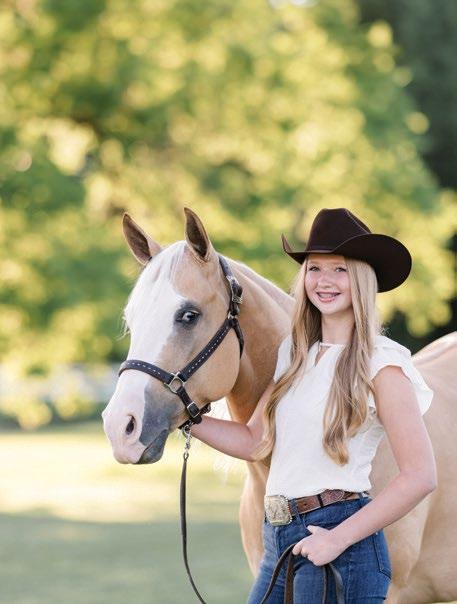


Once you’ve learned a new skill, you need to practice it. When you’re learning to teach, it’s important to pick a topic you know well. Break down what you are trying to teach into steps, simplify, and explain things clearly. As you learn, your instructor is there to observe and guide you. Watching a student teach can help the instructor gauge how much the student knows and allow them to provide safety reminders or guidance, as needed.
There are an unlimited number of topics that can be covered in unmounted lessons. Pick a topic that interests you. Ask your instructor and student(s) for feedback. Ask what you did well and what needs improvement. Things won’t always go according to plan, and that’s okay. Learning how to explain what didn’t go well is also a skill.
Take any and all opportunities to teach. If it’s something like picking a hoof, try teaching the skill to someone older, someone younger, someone with experience, and someone without experience. Try teaching with different horses.
“At the upper levels it is more about being comfortable in a variety of teaching environments,” says Sarah Andres, USPC Vice President of Instruction.
C-2 members will assist with a mounted lesson. At this level, you can ask your instructor if you can help the students run through their warm-up exercises. When I first began teaching, I found it helpful to have a list of exercises. If an exercise didn’t

work for one horse and rider, I could skip to the next. Knowing that I had options helped me relax.
“Confidence comes from experience, and experience comes from confidence,” says National Examiner Mary Schwentker, who is also an “A” Eventing alum of Blue Mountain Pony Club in the Virginia Region.
As a rider, I practiced with my friends. We would take turns creating patterns for each other to run through, offering feedback after each ride. It’s important to watch other riders. Teaching is more than just giving instructions. Practice describing what went well and what can be improved and why it should be improved.
National Examiner Sarah Morgan says that USPC testing candidates often tell the student what they did wrong, but not how to fix it or why it matters. “Does Not Meet Standards (DNMS) often happens when candidates can’t bridge the gap between theory and practical application for the student,” says Morgan. “A lot of the time, this is directly linked to not enough practice teaching, especially in groups.”
A good instructor doesn’t just focus on the exercise but is able to identify an area of weakness and work through the issue with the student. The instructor should break it down into steps. If a rider is stiff in the elbow, why? Are they lacking core stability? Learn to identify the root of the problem. You learn to identify problems by developing your “eye.” Watch as many lessons as possible. Clinics and online videos are also valuable resources, especially for those in more isolated areas.
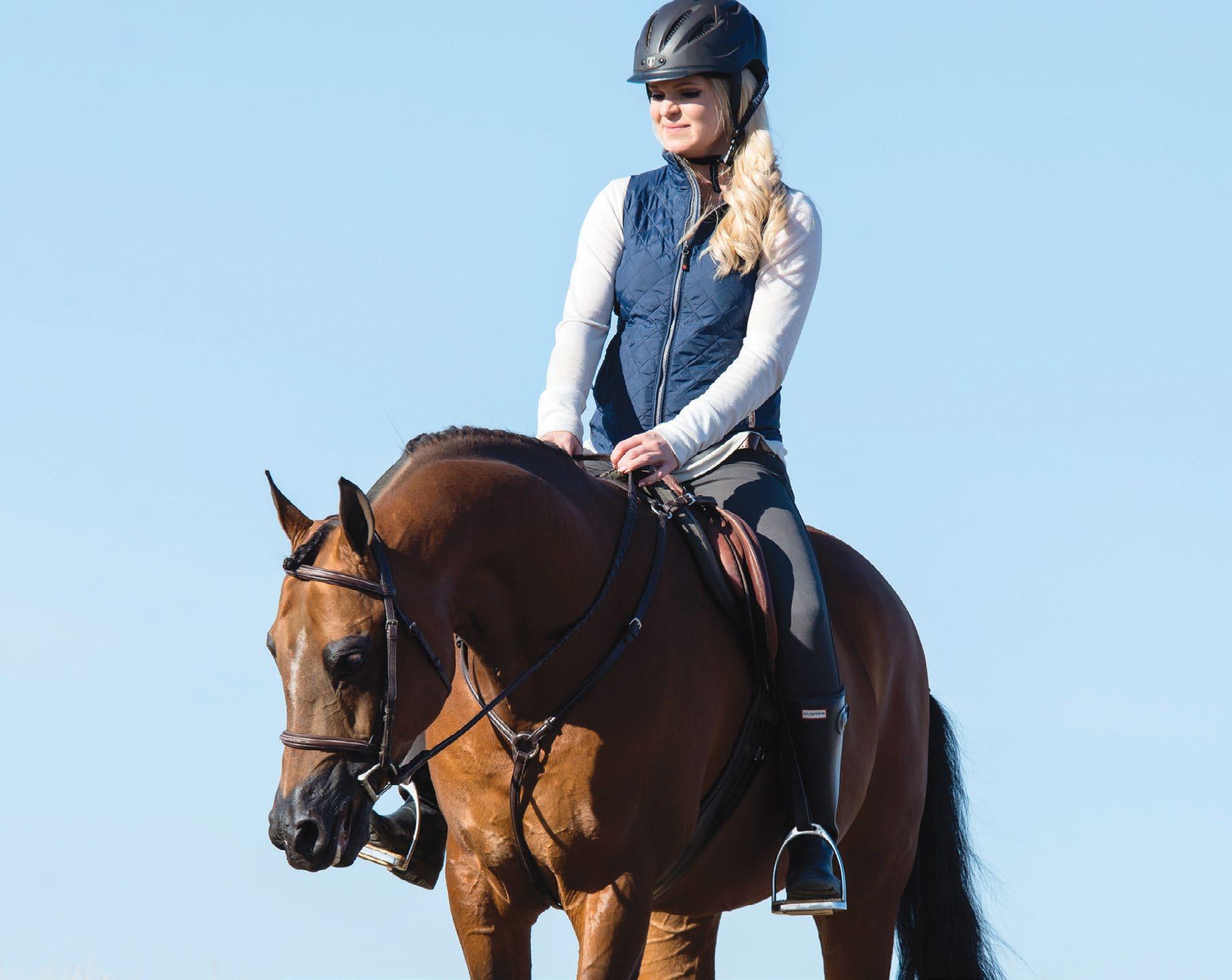

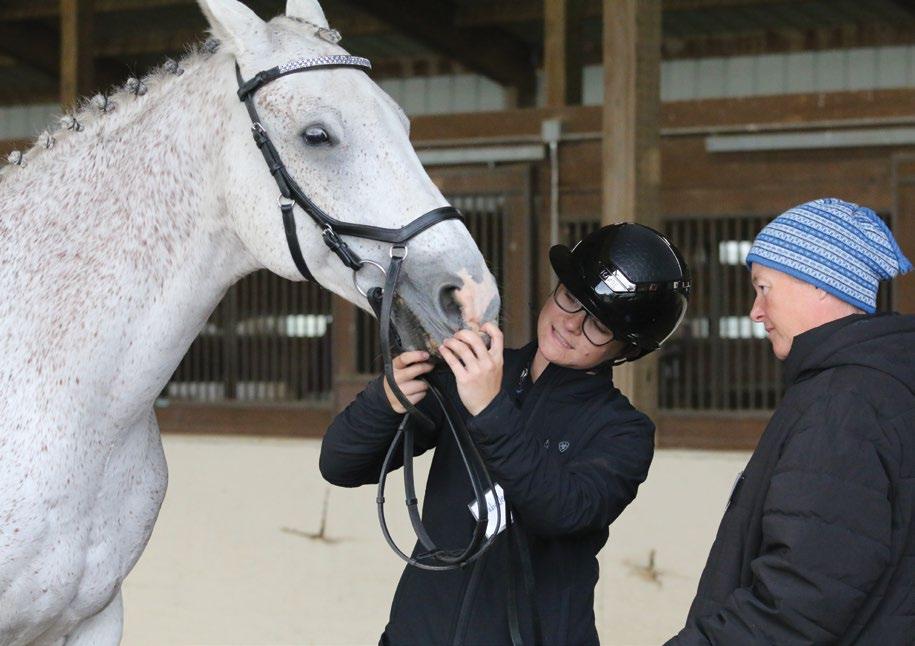
As you learn, your instructor is there to observe and guide you. Watching a student teach can help the instructor gauge how much the student knows.
Regions are required to hold Standards and Certification clinics every two years. These clinics are designed to demonstrate the specific riding and Horse Management skills required to progress through the Pony Club certification levels. These clinics can also be used to introduce local instructors to Pony Club and provide a clear, standardized look at what is expected. Leaders need to support and encourage teaching at the local levels by offering members opportunities to teach.
As an instructor, you can incorporate learning how to teach into your program. When I teach, I often ask students how something feels. This allows them to capture a feeling so it’s easier to recreate for themselves later. Describing what a movement or exercise should feel like allows us to develop the tools we need to communicate and teach others.
If you’re teaching a young group, have the students play follow the leader. Each “leader” can practice giving directions such as 2-point, make a circle, and halt. Allow students to make up pole or jump courses, practice patterns, and even create games on horseback…all are steps in developing leadership.
Pony Club has a variety of sources for teaching. There are sample lesson plans and teaching tools on www.ponyclub.org for members, and candidates at the C-1 level and above can send in lesson plans and videos showcasing a Horse Management skill for review through the USPC Candidate Readiness program.
Another way to practice your teaching skills is to participate in an in-person or virtual H-B/H-A prep clinic. Reach out to your local club leaders and instructors about clinics in your region. Ask if you can observe and offer to teach, when appropriate.
I also recommend that you go to a horse show and hang out at the warm-up arena, one of my favorite places to be at a horse show. I’ve been fortunate to have set fences for some of the best in the world simply by offering to set jumps. By offering to help and volunteering your time, you may be offered opportunities you wouldn’t have had access to otherwise.
When you’re learning to teach, feeling nervous is completely normal, no matter how old you are. Candidates often try to cover too much. Simplify and plan out what you can. “One of the most

common problems in teaching at certifications is organization,” shares Jenkins. “Candidates often know the material well but have difficulty presenting it in a clear, structured way. Without an effective lesson plan, explanations can become scattered and students (and your Examiners) may not understand the main objective of your activity. Not having practiced your lesson before arriving at your test can also be glaringly obvious if you first attempt it with Examiners watching.”
Morgan also emphasizes simplification during any teaching demonstrations and breaking things down into three parts. “Think of the demonstration as having three essential areas to cover: 1.) Traffic control, which includes safety; working the group cohesively; using the area effectively to promote understanding of the concepts and skills being taught; and the choices the teacher makes in terms of their location relative to students, their communication skills, and their ability to involve each student in learning; 2.) The quality of the material being taught, including teaching and reinforcing knowledge of appropriate aids for the level; and checking to make sure students are understanding by asking questions; and 3.) Giving position corrections to improve effectiveness of aids.”
When a USPC member steps forward to teach, it isn’t a sudden shift—it’s the natural result of everything they’ve absorbed along the way. The Standards, the shared responsibility, the quiet moments of figuring things out and helping someone else do the same all add up. Teaching becomes less about having all the answers yourself and more about sharing all the knowledge of those you’ve encountered on your ride through the program.
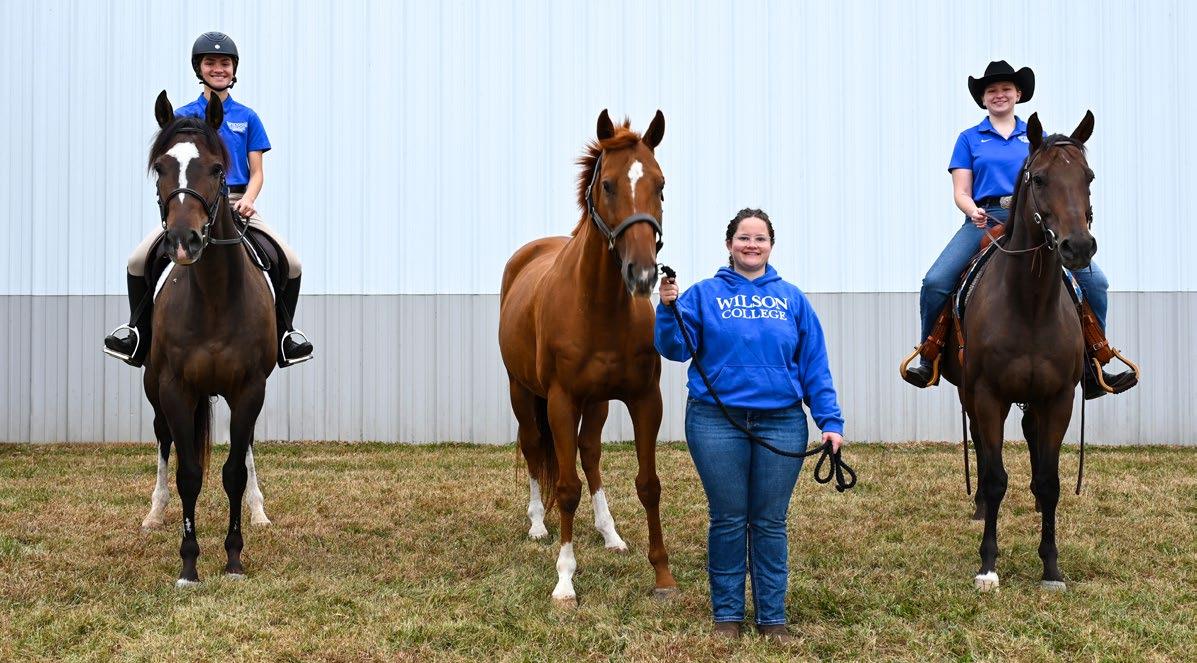
Wilson College’s equine degree program offers three study tracks so you can reach your personal, educational, and employment goals. Get the skills you need to be a confident and well-trained equine professional while learning in the classroom and at our on-campus equestrian center with barn and arena experiences.
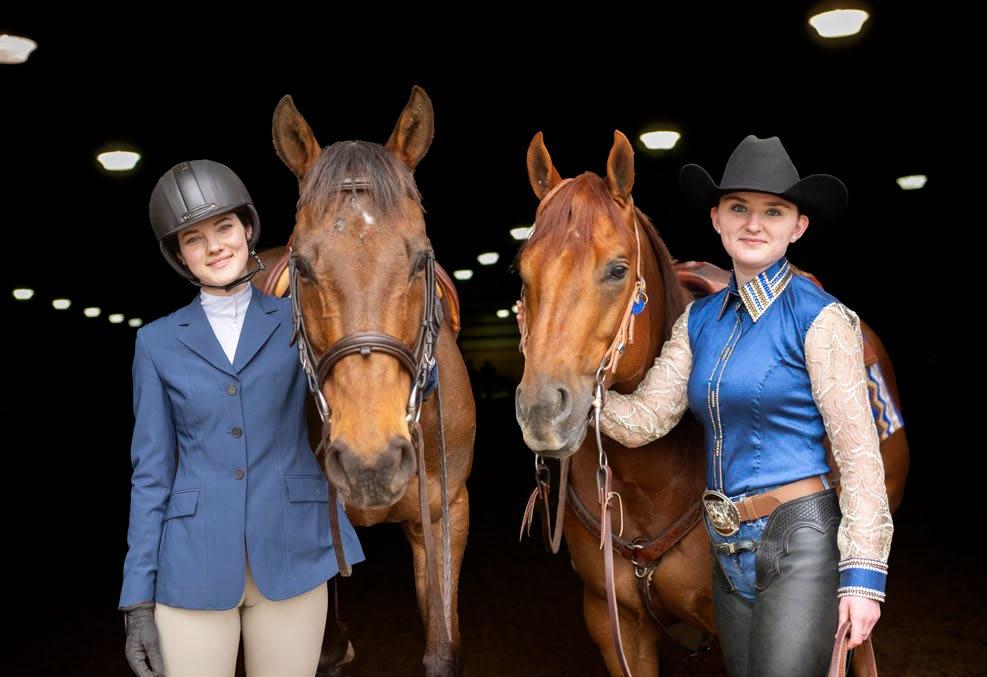
Are you interested in competing?
Wilson’s varsity Hunt Seat and Western teams compete in the IHSA and continue the College’s tradition of excellence for student-athletes both on and off the field.

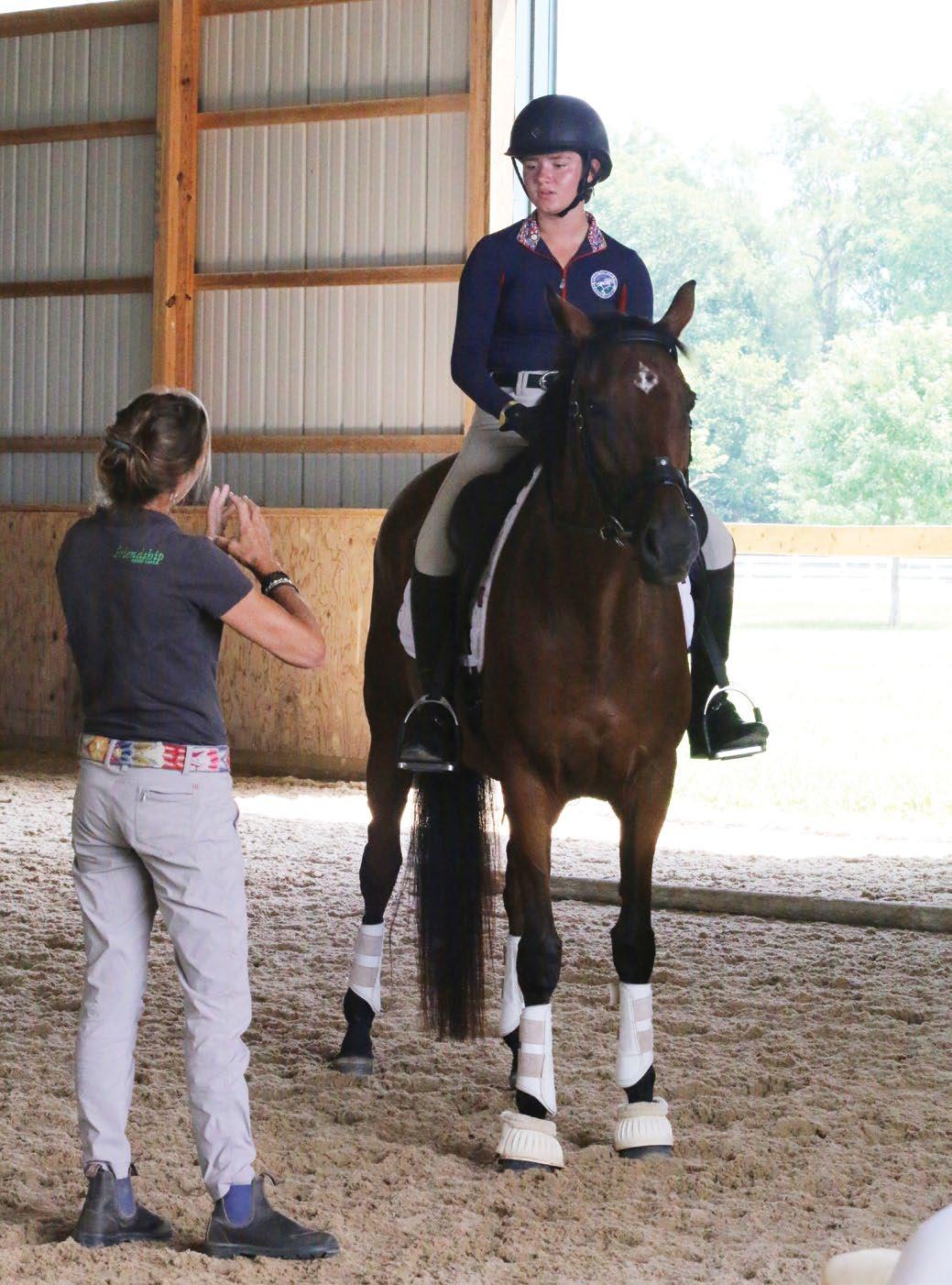
Just like any skill, teaching is something a Pony Club member should learn through guidance provided by experienced instructors and mentors. Learning to help and teach others begins early in USPC. Because there is no beginning age, we have D-1 riders who are 5 or 6 years old on up to adults, so the ability to teach and help others begins at the beginning level. Helping with an unmounted activity begins whenever the member is able to share their experiences and assist others safely, and for many, that typically begins at the D-3 level. Helping teach and sharing knowledge might begin sooner. I get asked all the time, “Is it okay for a D-level member to assist someone or to help teach something to others?” The answer is “Yes. That is what Pony Club is all about.”
We must realize that teaching allows a member to learn problem-solving, social skills, organization, and how to interact with others. These skills and many others are the hidden secrets of why Pony Club members are successful in sharing what they have learned and achieving their goals.
Teaching in Pony Club revolves around the Standards of Proficiency. Each club or center creates a program to fit their size and needs. Members and parents should remember that even when a student instructor who is just learning to teach is teaching a lesson, there is appropriate supervision. This is an intentional part of the educational progression within the USPC program.
We must remember that SAFETY is always FIRST. These important points highlight the Pony Club emphasis on safety.
Safety requires knowledge, experience, planning, and proper procedures.
No child should ever be responsible for another child.
A supervising adult is a requirement for any teaching program to remain as safe as possible.
A safety check must be performed before a member mounts. This is tested at the C-1 level based on the Standards.
Various safety checklists are available in Chapter 11 of the USPC Manual of Horsemanship, C1-C2 Level.
Student instructors should remember that they serve as mentors to young members, and they should set the example for practicing safe habits, correct dress, and how to follow the Standards.
Facilities must always be appropriate and safe for the level of students riding there.
Safety and teaching programs revolve around the USPC Standards. Ensure that teaching materials are correct, and all programming should reflect the Standards.
By Connie Jehlik, Instruction
Services Director; Adapted from Anita Hunter’s “Teaching Pony Clubbers to Teach” from USPC News, 1993
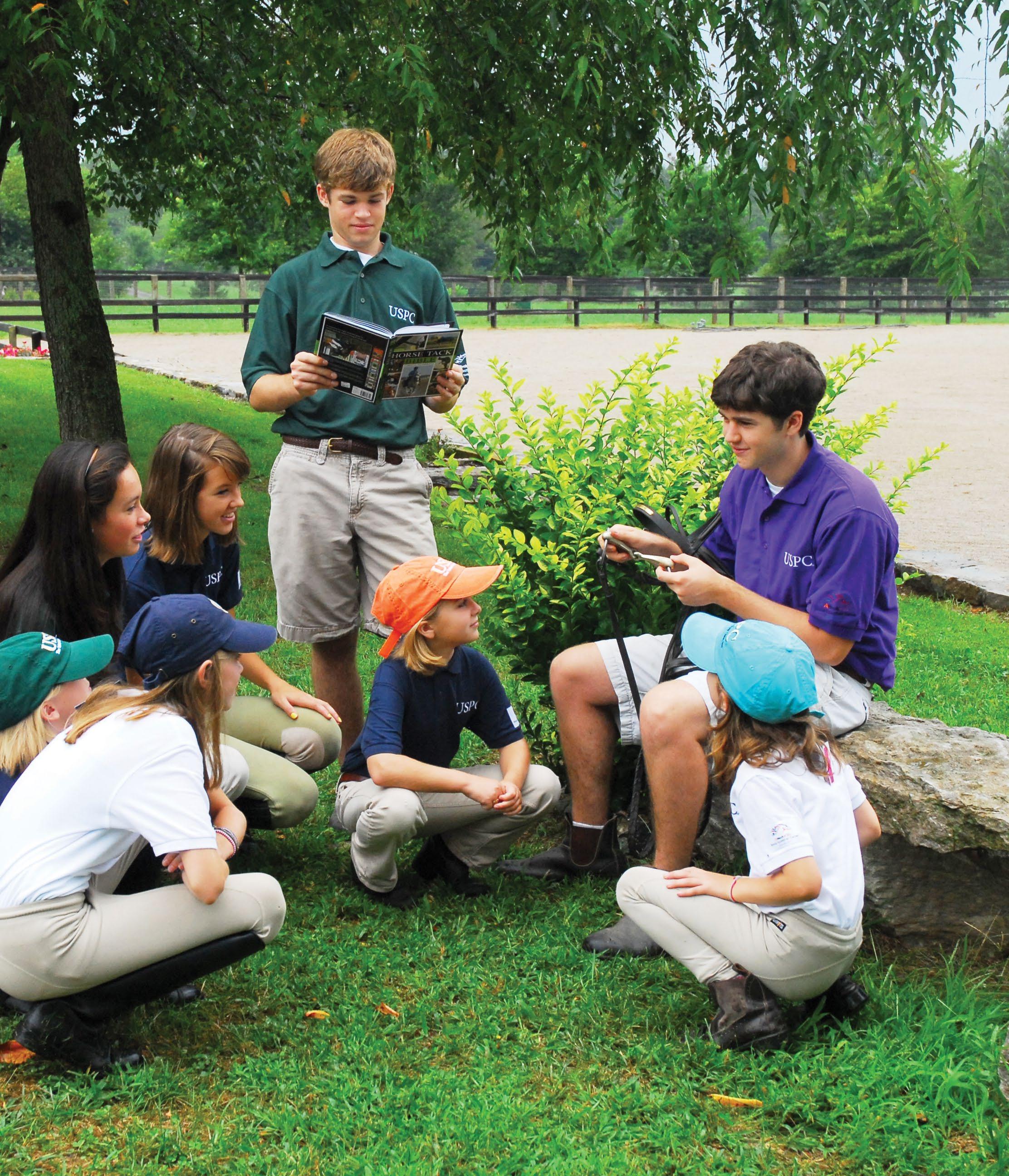
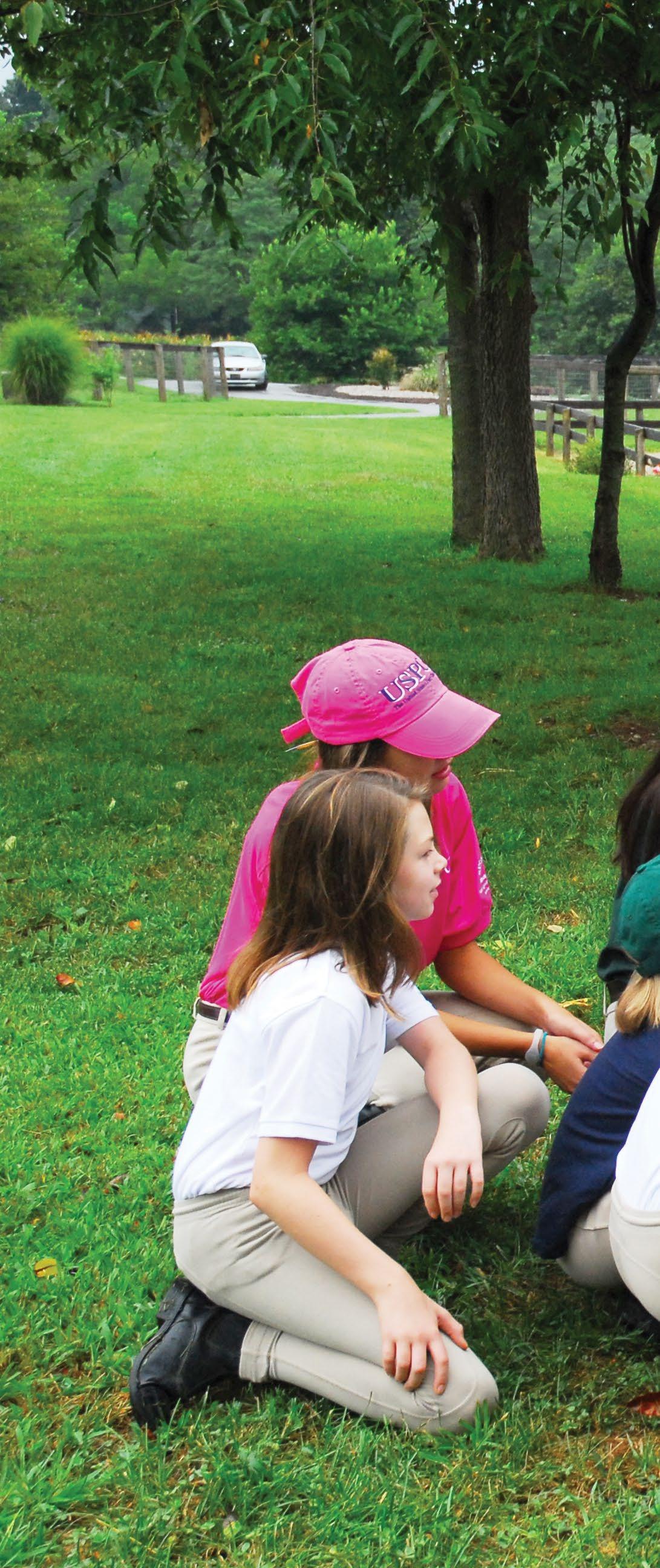
Teaching others allows a member to learn problem-solving, social skills, organization, and how to interact with others.
Team teaching can be used at the D-2/D-3 level for Horse Management unmounted lessons.
C-1 members can teach as a team or solo for unmounted lessons or can assist the lead instructor with mounted lessons.
C-2 members can teach solo for unmounted lessons, assist during mounted instruction, or team teach mounted instruction of one to two students, if they are comfortable and an instructor approves.
H-B members will experience the first time they need to present a lesson plan and will need to teach an unmounted lesson at the H-B certification.
C-3 members can teach solo unmounted lessons or team teach mounted lessons of one to two students with instructor supervision.
B members can teach solo unmounted lessons and solo mounted lessons of two to four students with supervision.
H-A and A members can teach solo unmounted lessons and solo mounted lessons of two to eight students with assistance available, as requested.
Student teachers progress at different speeds and competencies. A lead instructor should always be available for assistance, and there should always be some type of supervision at activities. The instructor, in addition to supervising lessons, should guide the student instructor as they gain experience and improve their understanding of teaching techniques. Learning to teach groups takes time and experience. Student teachers should

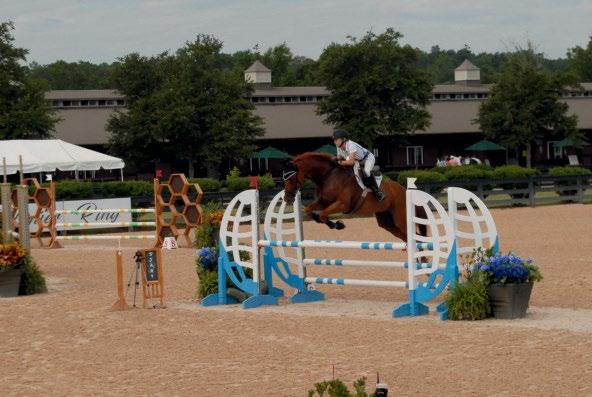
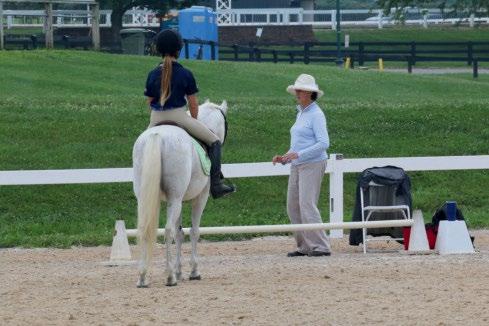
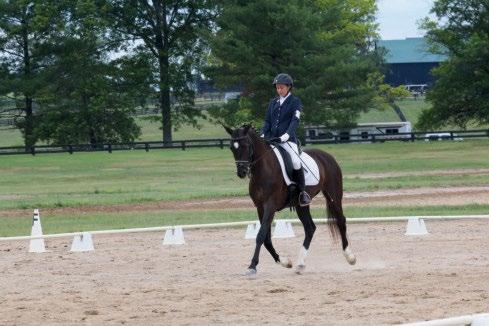
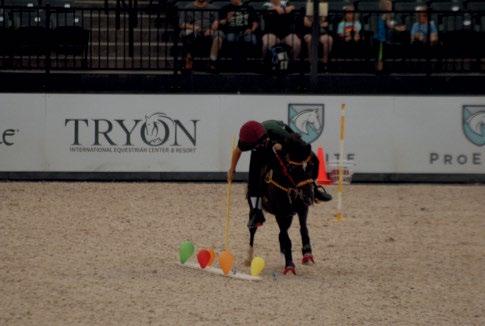
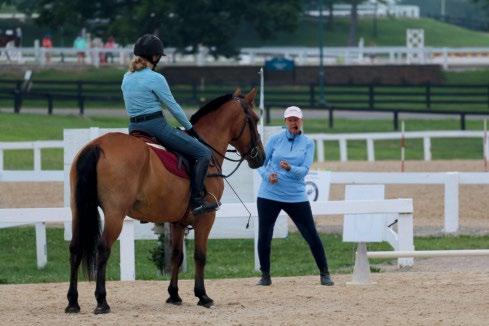
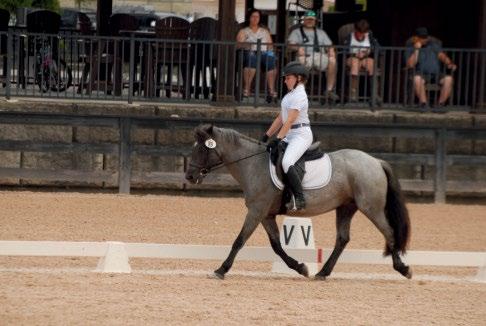
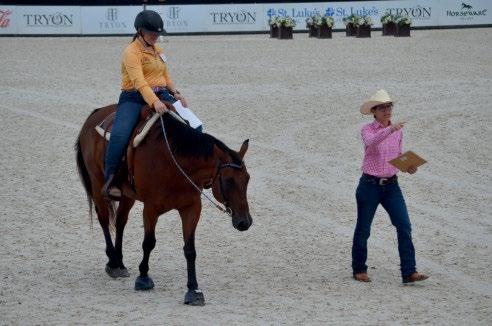

start with one mounted student, and as they acquire skills and feel comfortable, only then should the number of riders increase.
Each region is required to host a Standards and Certification Clinic every two years. A club or center can use this as a starting point to invite nearby riding instructors to learn the Pony Club levels. Instructors that teach for a Pony Club program can have access to the Standards of Proficiency. This helps to ensure that the instructors are using the Standards to help guide their lessons to meet their students’ Pony Club goals.
All members with their C-3, H-B, B, H-A, and A certifications should teach in their clubs. Student instructors use the USPC Manual of Horsemanship: Advanced Horsemanship and the Standards of Proficiency to direct their lessons.
As professional teachers and clinicians share their knowledge, experience, and teaching skills and expose members to different activities, this provides growth opportunities. Sometimes parents and members get caught between Pony Club and the instructor’s way of teaching. There is room for everyone and for different techniques. Provide the Standards to trainers and work with them so they understand each student’s goals in USPC. To augment the lesson program for a club or center, use professionals as clinicians whenever possible.
Many times, upper-level members (C and above) of school age should be encouraged to stay involved to some degree, although because they are busy with school or other activities, their time to participate in Pony Club can be more limited. Remember to offer them teaching opportunities at the local level, as teaching is a skill that requires experience, and this skill begins to be tested at the C-1 level when they perform a pre-ride safety inspection.
Here are a few things to consider:
Support and encourage upper-level members in their teaching. Do not overload them with responsibilities that should belong to a parent or adults.
Acknowledge their help and participation.
Find people willing to assist (e.g., a veterinarian or farrier, who will allow them to ride along for a day, etc.)
College-age and working Pony Club members have limited free time. Use their time wisely, let them know you value them and their time, and keep in touch.
Provide a teaching camp taught by a lead instructor. Offer special outings for upper-level members.
Audit an event from the United States Eventing Association Eventing Coaches Program (ECP) or a United States Dressage Federation Instructor/Trainer Certification Program.
REMEMBER: Each club and center needs to provide regular opportunities for Pony Club members to teach and practice skills.

GBy Liv Gude, Brought to you by Shapley’s, the Official Grooming Product Sponsor of USPC
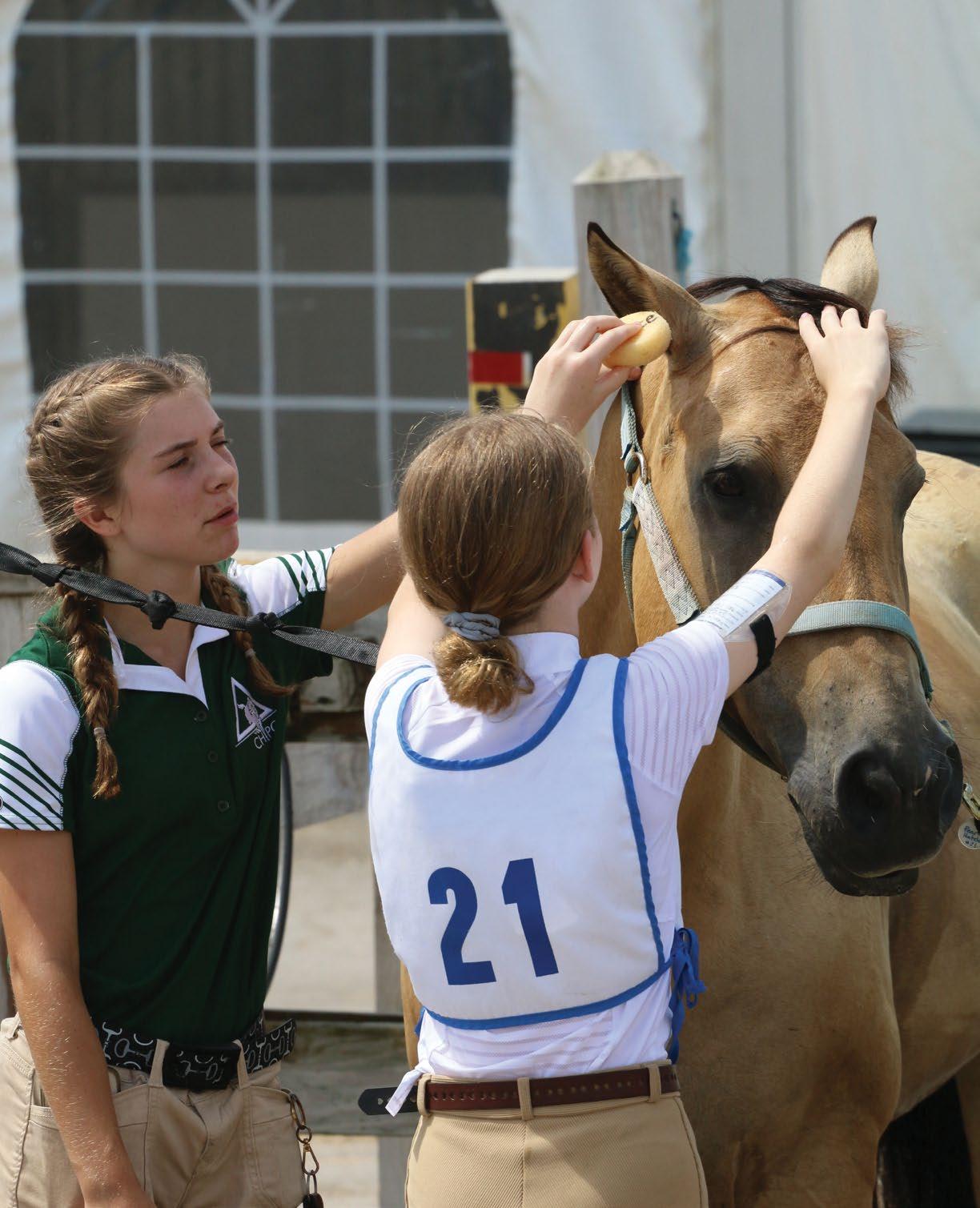
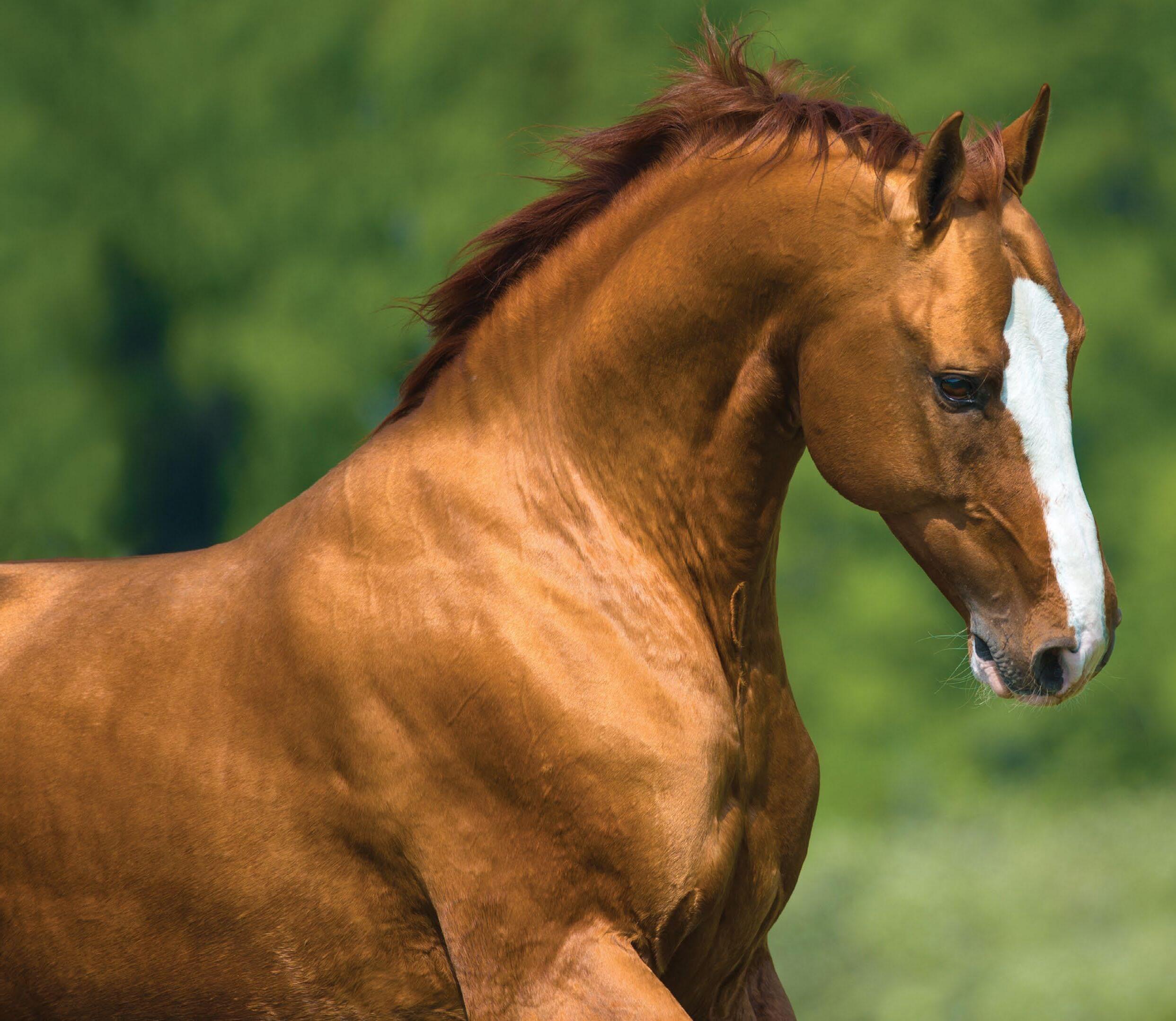
rooming a horse not only gets him clean for a ride, it also strengthens your bond and allows you to monitor the horse’s overall health. As you interact with the horse, you’ll begin to notice his typical behaviors, itchy places, tender spots, and reactions to grooming and handling. Changes to this valuable information will alert you to potential health issues in your horse, often allowing you to get ahead of them.
First, it’s easy to notice pinned ears, swishing tails, stomping, and general irritation in your horse. It’s also easy to see sleepy eyes, a resting hind leg, and leaning into the curry comb or brush. These physical reactions let you know whether your horse appreciates your efforts and relaxes or if the situation is stressful and he has become defensive.
Now consider what may cause these “negative” reactions. Does he object to how and where you are using your grooming tools? Is another horse too close? Is he anxious about missing out on feeding time? Is his negative reaction a result of pain?
When you notice “positive” reactions, learn to identify whether they are associated with your touch, the weather, the immediate physical surroundings, and/or other animals and people in the area. Sometimes you may not be able to tell, but it helps you learn how to help your horse feel safe during your interactions.
This information is helpful in many ways. Reactions can tell you about your horse’s likes, such as a favorite brush or grooming area. Other stress indicators can point to possible injuries, illnesses, or tension.
This allows you to adjust your routine, grooming tools, and environment to reduce stressors. Your horse will also let
you know something is wrong when he responds differently in situations that are typically stress-free.
Grooming sessions are a great time to check vital signs. Your horse’s pulse, respiration rate, and temperature can indicate stress, pain, and possible illness long before behavior and appetite change. It’s critical to know your horse’s normal, resting rates, as they provide a baseline, or history, from which to compare to and note if anything is abnormal. While baseline vital signs can differ slightly from horse to horse, know your horse’s typical resting rates and how to check vital signs.
Temperature: 99°F to 101.5°F; Use a digital thermometer rectally to measure your horse’s temperature.
Heart Rate: 28 to 44 beats per minute; Feel for the digital artery running under the jawbone or use a stethoscope behind the left elbow to count the pulse rate per minute.
Respiratory Rate: 10 to 24 breaths per minute; Watch the ribs or flanks for the rise and fall, or watch the nostrils, to count breaths per minute.
For detailed instructions, visit bit.ly/mag-vital-signs or learn on Allpony at bit.ly/ap-vital-signs (USPC participating members get free access to Allpony.com).
When you check these vitals, also include context, especially if you find values beyond the normal ranges above. For example, if your horse’s pulse and respiratory rate are elevated, it could indicate a breathing issue or it could also mean he just spent 20 minutes running around his paddock.
Also check your horse’s gums. A healthy horse has pale pink, moist, and slippery gums. Discolored gums indicate circulatory or respiratory problems, and dry or sticky gums indicate dehydration. The gums should get lighter for only 1-2 seconds after you press into them before returning back to normal. Pressing into the gums checks the capillary refill time, and if this is prolonged, it could indicate dehydration.
Recheck your horse every 5 minutes or so to see if his vitals change.
In a healthy hoof, blood flow is smooth, and you may barely feel a digital pulse in the blood vessels above the hooves, if at all. However, when trouble brews, you will start to feel the digital pulse strengthen. Feeling all four legs for the digital pulse can help catch abscesses, the beginning of laminitis, or stone bruises.
To check the digital pulse, run your fingers along the tendons of the lower leg until they sweep under the fetlock. You will find a squishy area that feels like guitar strings if you press lightly and move back and forth. Those are the blood vessels. Apply pressure, although not too much, using the index and middle finger (not the thumb) for 5 to 10 seconds until you feel a pulse, and note if it is strong or throbbing. Again, know what is normal for your horse.
As you groom, use your hands, eyes, and nose to monitor your horse’s body and look for injuries. You can:
Press on muscles to check for reactions, which may indicate soreness or injury.
Run your hands down the lower leg to check for cuts and scrapes and feel for swelling and heat in tendons.
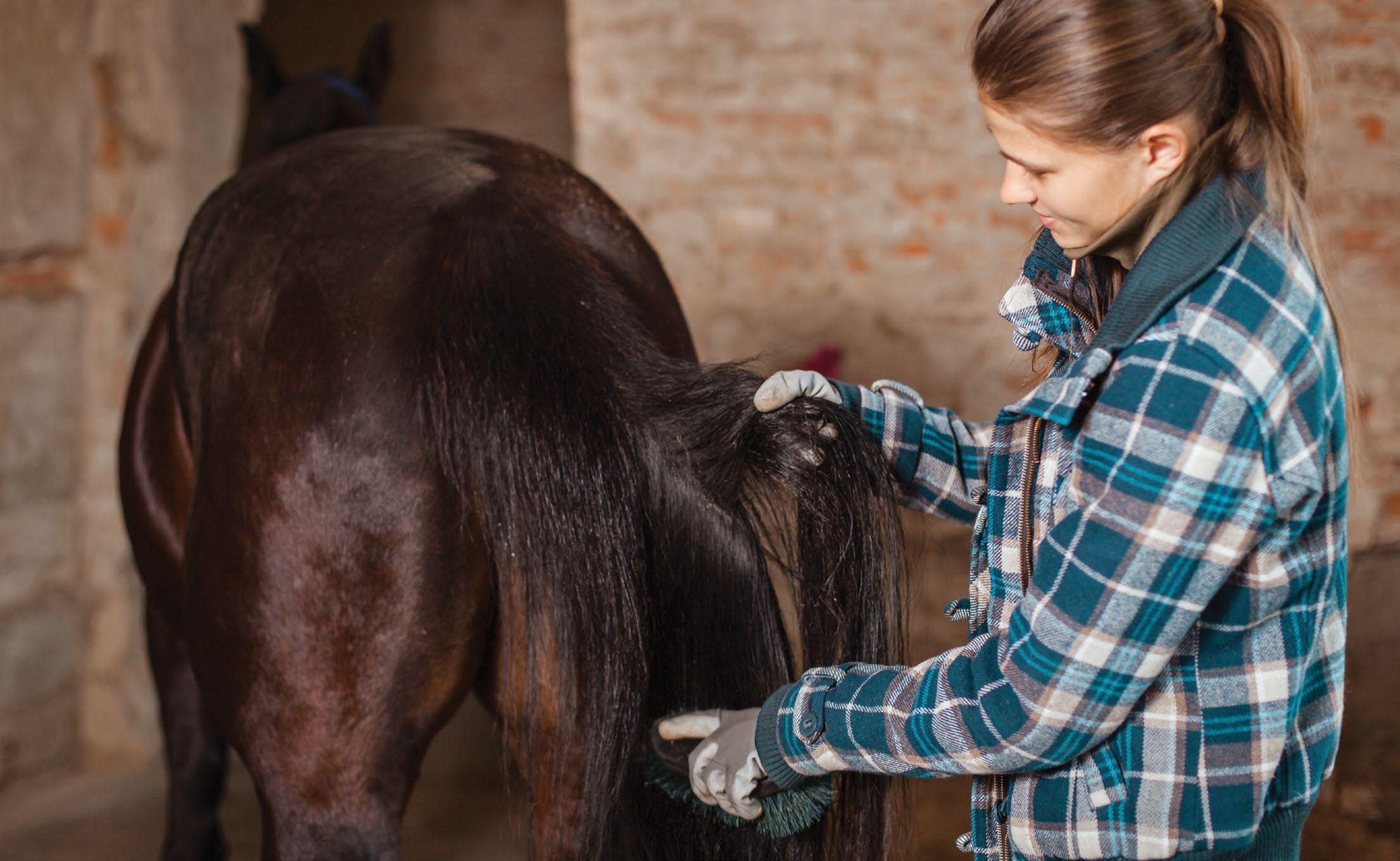
Dig your fingers into fetlocks, tails, and manes to feel for ticks and itchy places.
Feel around sheaths and udders for sores, smegma, and ticks. Smell hooves to check for thrush and his breath to check for dental problems. Infections will have a pungent odor.
Eyes, Ears, and Noses: When examining the head, feel the inside and outside of the ears for ticks and aural plaques and note any odors from the ears. Everything may seem fine, but a flinch or a tail swish may mean it’s time to investigate further. Check eyes and nostrils for discharge, swelling, and eye injuries.
Skin and Hair: Your fingers and eyes will certainly find any abnormalities. You may find hairless patches, scabs, swelling, itchiness, sensitivity, and/or oozing. You may also
find mats, sores, flaky skin, or lumps. You will not see mites, but evidence of them appears as oily, flaky, and sometimes itchy skin. The naked eye can see lice, although they are quite small. You may find ticks or the swollen, oozy remains after a bite.
You will usually feel conditions like rain rot, mud fever, ringworm, and allergic reactions before you see them. Depending on the condition, your horse may react to pain or lean into you to alleviate itchiness.
Manes and Tails: Aside from dirt and dandruff, manes and tails can become home to mites, lice, ticks, mysterious lumps, dandruff, and knots. The mane and tail hide some areas of skin, so using your hands is the best way to find potential problems. This technique also allows you to address wind knots before they get too big. The mane and tail are also common areas for tumors, like melanomas, to appear.
Around Tacked Up Areas: The head and girth area may have bald patches and galls due to tack. As friction from tack causes hair to move back and forth, you may see breakage, bald spots, and eventually sores. In winter, longer hair is often more abrasive and may create more sores than a sleek summer coat. Clipping the area can smooth things over, as can using girth or crownpiece covers, or trying tack with a different shape.
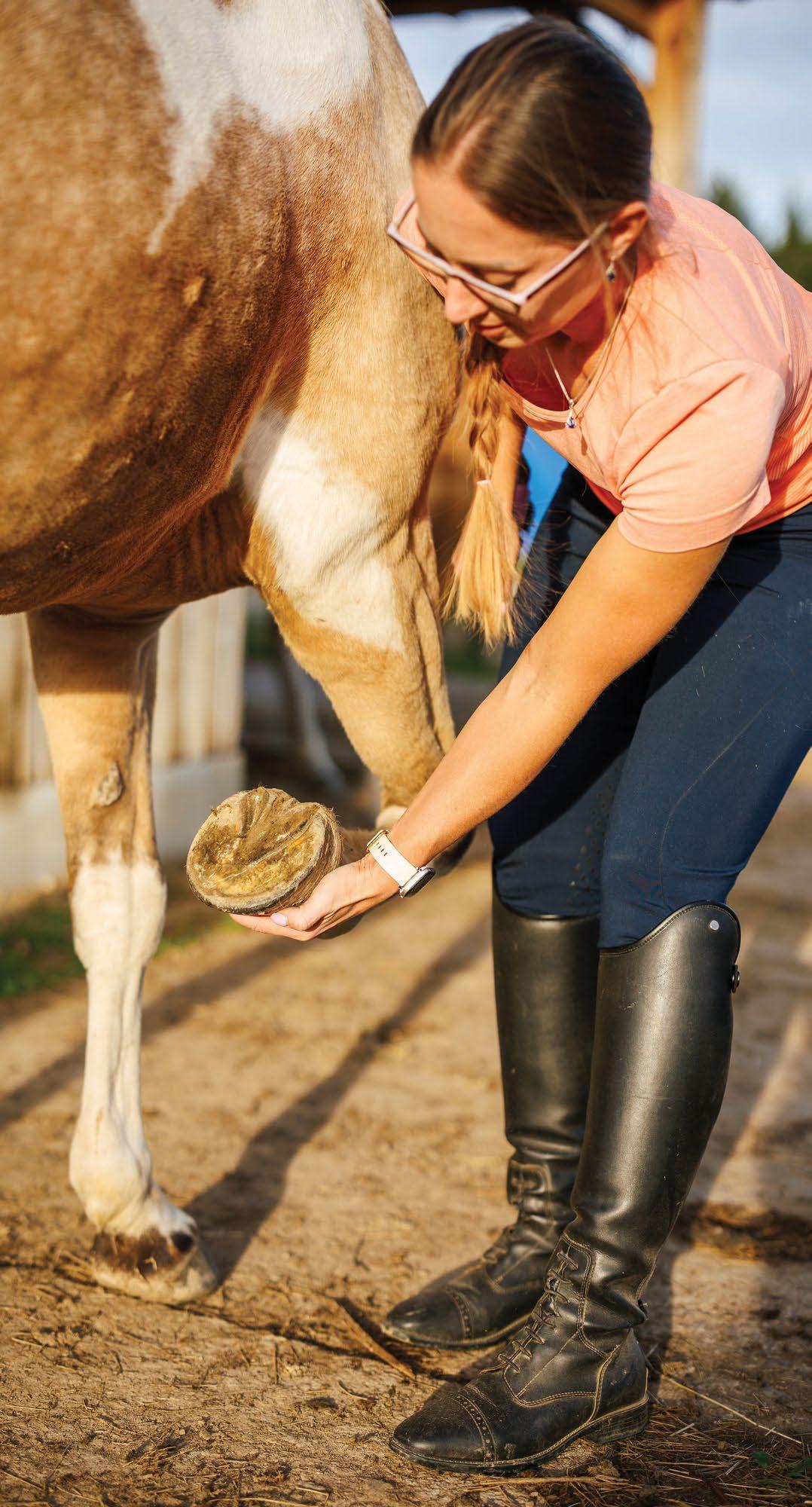
Hooves: The hoof carries the entire weight of your horse in a tiny area, and vigilance is key to keep hooves healthy. As you groom and pick the hooves, look for these things:
Cracks along the hoof wall, which may turn into white line disease.
Wounds or cracks along the coronary band may become quarter cracks or interfere with hoof growth.
Strange black or discolored goo, especially in the grooves, may be thrush. You may smell it, too.
Loose nails or tweaked shoes.
Sores or scabs around the heels and pasterns, which could be accidental or the beginnings of mud fever.
A reluctance to lift a leg may indicate sore joints in that leg or that the standing leg or hoof doesn’t feel good.
When you notice something new or different about your horse, gather more information. If your horse seems sore in the back, could it be the saddle, too much work, or a blanket that doesn’t fit? Do you notice any changes to eating, drinking, urinating, and passing manure? When eating and drinking habits are off, did the barn change the schedule or brand of feed, or is your horse colicky? Any deviation from the norm is a sign that’s up to you and your vet to interpret.
Take photos and use a journal to log vital signs and behaviors, as well as your training plan. These are wonderful references to track health over time. Stay diligent and use your time grooming to understand your horse fully.
This comprehensive grooming routine serves two important facets of horsemanship: preventive health care and desensitizing your horse to handling. If you memorize your horse, you will notice changes quickly. Contact your vet if you are concerned about anything, and you will have plenty of information to help your horse feel his best again.
Brought to you by:
By Jessica Drexler, PAS, for Triple Crown Nutrition, the Official Feed Sponsor of USPC
Whether you are a first-time horse owner or have just acquired a new horse to your herd, one of the things you will have to figure out—along with transitioning him to his new home and getting to know his personality—is what to feed him. Each horse, just like people, can have different caloric needs and rates of metabolism, so it will be your job to decide what to feed him and how much. Let’s learn where to start, and talking to your veterinarian or an equine nutritionist is also a good place to start.
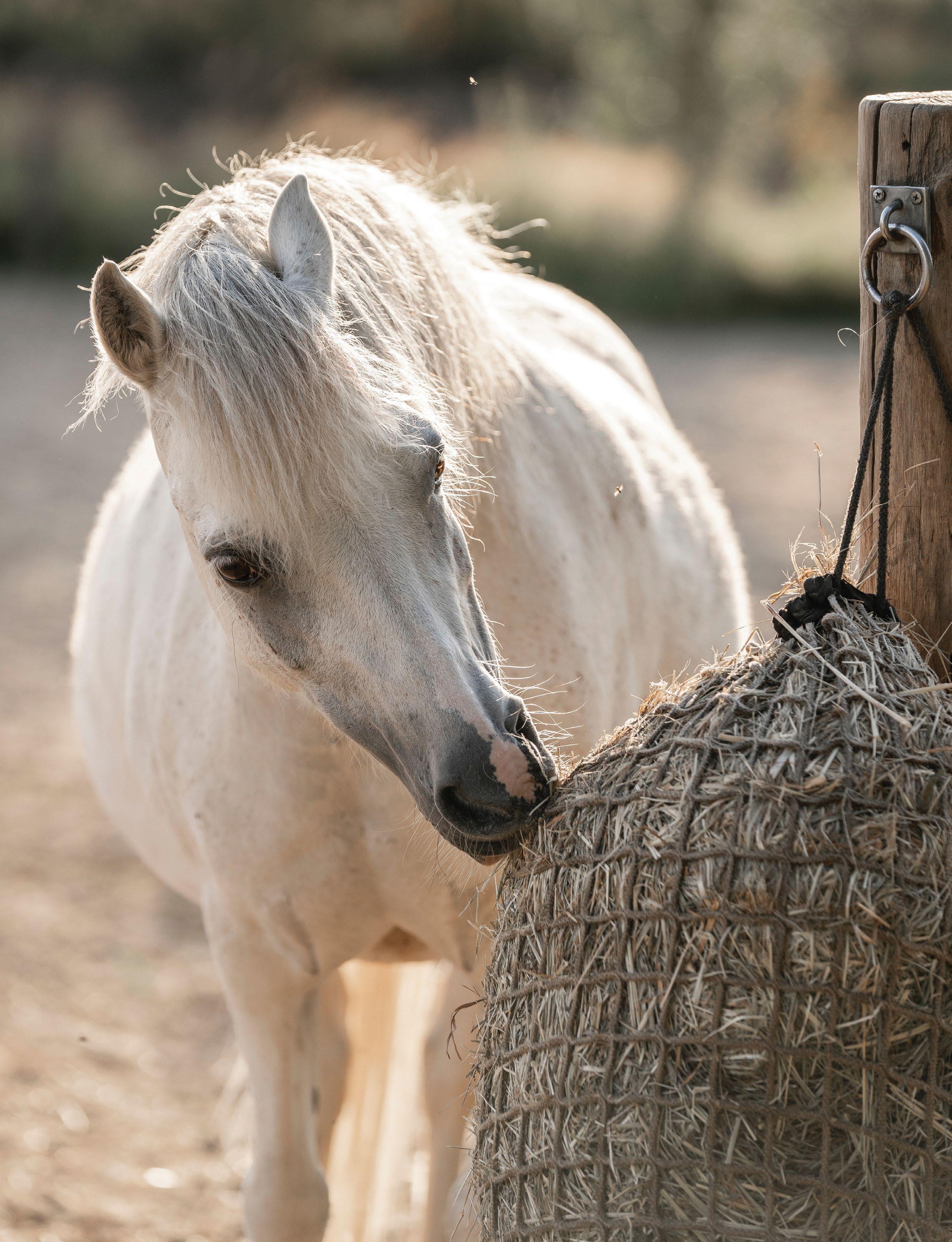
First, you must ensure that your new horse has access to fresh, clean water at all times and ensure he is drinking enough to help with digestion and to ward off gut disturbances and dehydration. Next, we know that the majority of the diet should be a quality forage. You’ll want to help your new horse transition to your hay over a seven- to 12-day period or so. This involves slowly introducing your hay and increasing the amount so that you are feeding around 1.5–2% of his body weight in forage daily (15–20 pounds of hay for the average 1,000-pound horse). If your new horse came from a previous home with a different type of hay, you will spend this transition time slowly taking away some of his current hay each day as he gets increasing amounts of new hay. By the end of the transition period, the horse is completely switched to the new forage.
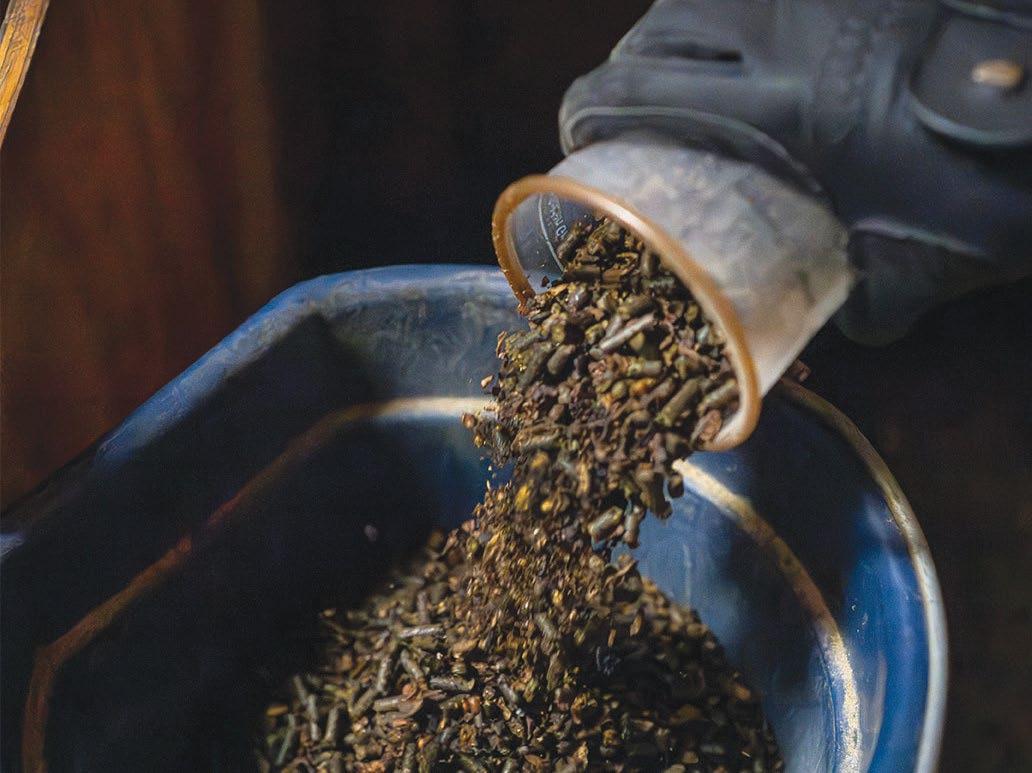
Next, look at feeds and supplements. If you have information on a current diet or even a current feed supply that came with your horse, you may continue to feed him that diet or you may already know that you want to change him to a different type of feed or feed brand. For this change, you will also want to allow a seven- to 12-day transition period as you reduce the current feed and introduce the new one. After this transition period, you may also want to reevaluate the supplements he was getting, determine if they are necessary, and if they can be reduced or even eliminated when the horse moves to your new feeding program.
If you have a horse that will need a different diet or you know nothing about the horse other than what you see in front of you, there are a few questions to address.
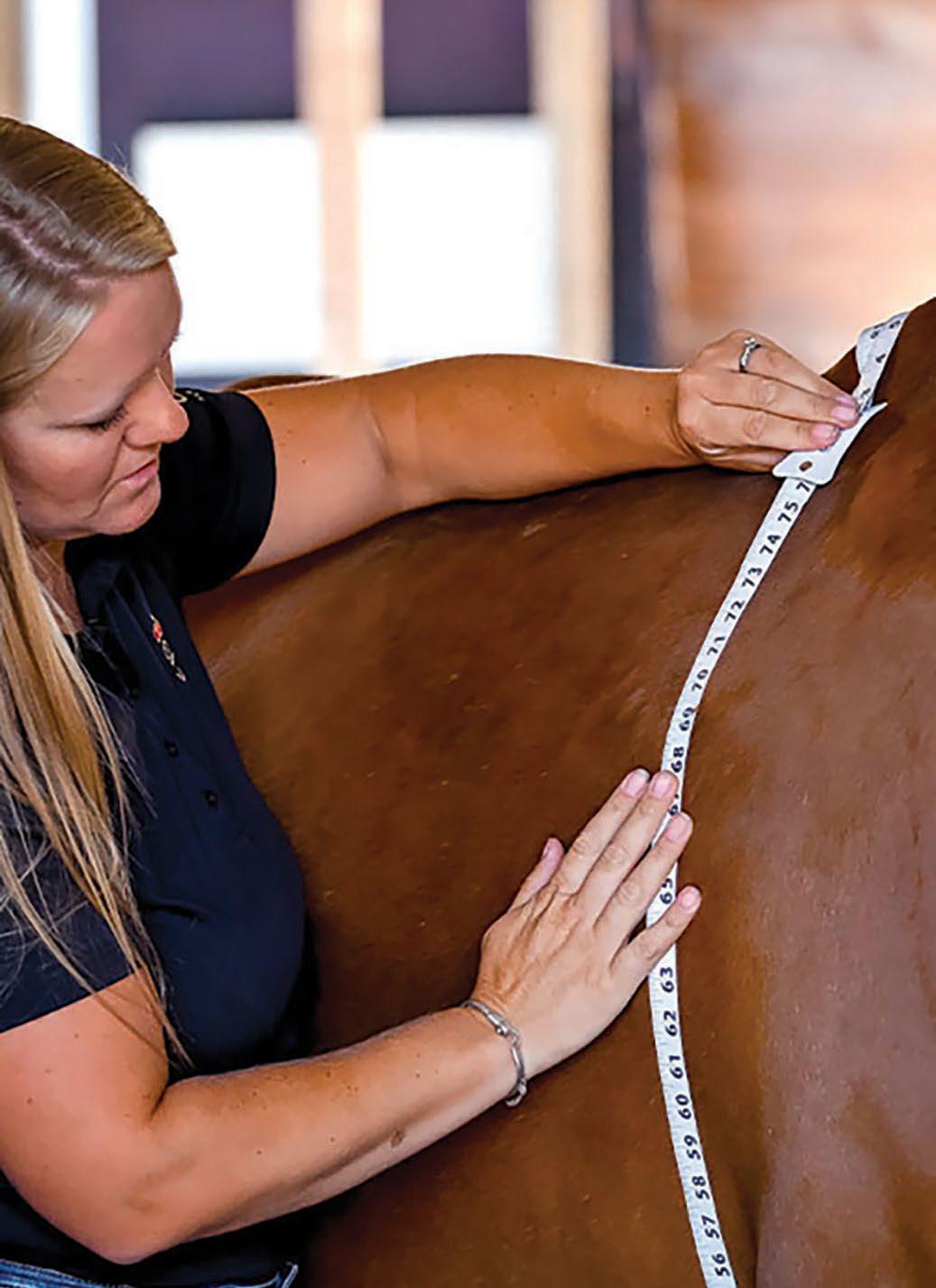
For any new horse to your herd, it's important to estimate his weight using a weight tape and to evaluate his body condition score.
1. What is the body weight of this horse, and what is his current body condition?
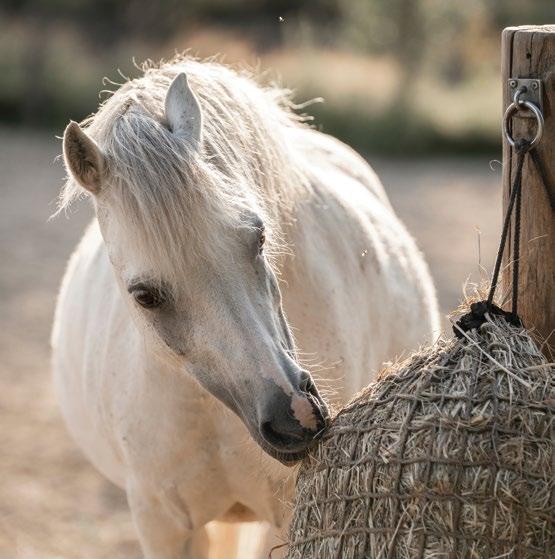
You’ll want to assess the body condition and assign a score to your new horse. If he is overweight, you will want to provide carefully measured hay levels and use a slow feeder to slow down his consumption rate. Next, you should look into ration balancers, which are vitamin- and mineral-dense products fed in small amounts that ensure your easy keeper is meeting his daily nutrient requirements. If your horse is skinny and/or lacking muscle, you may want to look into higher-calorie feeds and expect to feed higher feeding rates.
Note: A typical horse feed has a daily minimum feeding rate of at least 5–7 pounds per day for the average 1,000-pound horse; these rates ensure that the horse consumes adequate vitamins and minerals from the feed. Make sure you follow the feeding directions. If you feed less than the recommended rate, add a ration balancer to the diet to boost fortification.

Any change to forage or a new feed should be done slowly over a seven- to 12-day transition period.
2. Does the horse have any known health issues/concerns?
If you have acquired a horse with a specific health issue, such as polysaccharide storage myopathy (PSSM), pituitary pars intermedia dysfunction (PPID), a past metabolic issue, or even missing teeth, you’ll need to adjust the diet to forages and feeds that suit those concerns. For many of these health issues, this involves testing hay or purchasing hay with lower starch and sugar levels and feeding feeds with less starch and sugar. For a horse with dentition issues, you may have to soak feed, or feed soaked hay pellets, hay cubes, or complete feeds so he is able to chew his feed more easily and get the needed fiber and nutrients. If you do not have any feeding history for your horse, start by addressing these questions and select a feed and forage that addresses your concerns. Diet adjustments may come up based on daily observations and interactions with your new horse. You will also want to have a veterinarian do a thorough evaluation of your new horse and see if there are any potential health issues. This can mean taking blood samples, examining the teeth, and collecting a fecal sample to check for parasites. Many veterinarians can also help you with a feed plan to get started.
3. What will you be doing with this horse? Will he be a beginner’s horse, show horse, or pasture pet?
These plans also determine the direction you may go with your feed selections. You might select a higher-calorie diet for a horse in a more intense exercise or lesson program who is expending significant calories. However, the easy-keeping pasture horse may often do just fine on pasture or hay along with a balancer. You’ll monitor body condition often and may make feed adjustments up or down based on his body weight, body condition, and work load.
When selecting feed brands, you can often get feedback from fellow horse owners, trainers, barn managers, and the employees at feed stores. While advice can be given with good intentions, they often make recommendations based on personal opinion or the information they know.
This is where I’ll warn you about advice off social media forums as you can find hundreds of feeding suggestions, making it even more confusing and difficult to make the right choice. If you have further questions or want to dig a bit deeper, you can contact feed companies who can put you
in touch with feed consultants that can evaluate your entire feeding program before giving product recommendations. Most companies offer free feed consultations and can be great resources for future questions.
In addition, many of these consultants have years of experience, have a thorough knowledge of their product offerings, as well as competitor brands, and receive continuing nutrition education to stay up to date on current nutrition trends and research. They also are often horse owners themselves and passionately want the best for your horse. But…what if you have a really difficult case, or what you’re currently feeding your horse is just not working? This is where a qualified equine nutritionist is super helpful.
If your horse has an issue you are not sure how to address, or you want to simplify your feeding program for multiple horses, then the help of a qualified equine nutritionist might be right for you. Equine nutritionists are specialized in formulating diets, solving problems, and creating customized feeding plans that work for your horse. They have years of education studying equine physiology, the digestive system, feed formulations, and research. Equine nutritionists often have a Masters degree or PhD and have extensive experience working with farms and individuals to create the right feeding program to help you navigate difficult health concerns.
Nutritionists with these qualifications may often be found working for feed companies, and the cost of their services are covered by the feed company. However, independent consultants also exist, but there will typically be a fee to use their services. It is important to understand that there are no regulations that dictate what qualifications someone must have in order to call themselves an equine nutritionist. Some individuals that use this title may have very limited education or experience. Be sure to ask anyone you are considering working with what their credentials and experience actually are, especially if you are paying someone for their advice.
Determining the right diet for your horse doesn’t have to be a solo effort; in fact, utilizing professional resources is often the best way to ensure your horse’s specific needs are being met without the guesswork. Many major feed companies offer free consultations with equine specialists who can review your horse’s current program and recommend tailored products. For more complex cases, hiring an independent equine nutritionist can provide an unbiased, in-depth analysis of your forage quality and nutrient balance while creating a feeding plan that works. By collaborating with these professionals, you gain peace of mind knowing that every flake and scoop is optimized for your horse’s unique needs.
Need more help with your horse’s nutrition? Contact a Triple Crown Feed expert at www.triplecrownfeed.com or call 800-451-9916 for personalized advice.
Brought to you by:


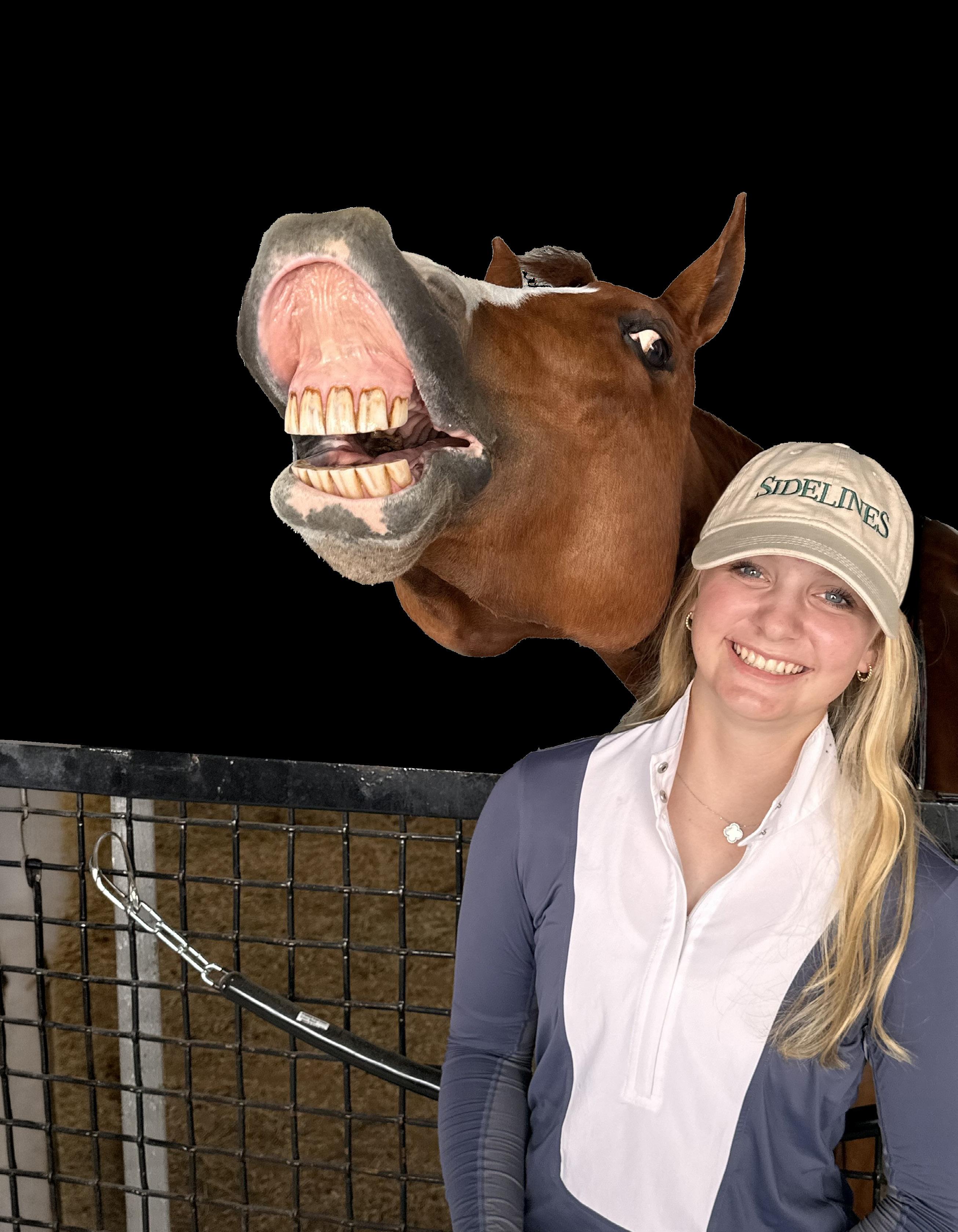
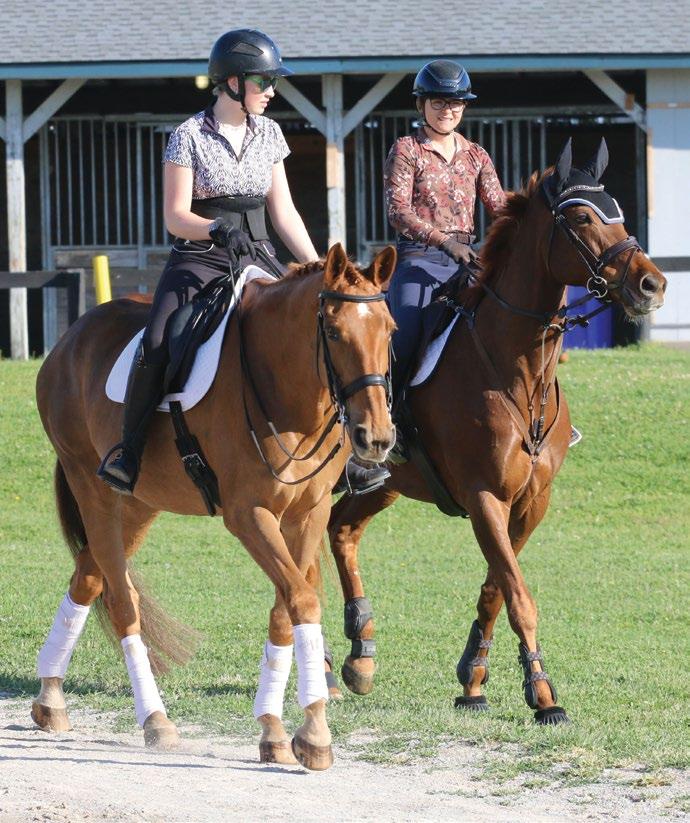
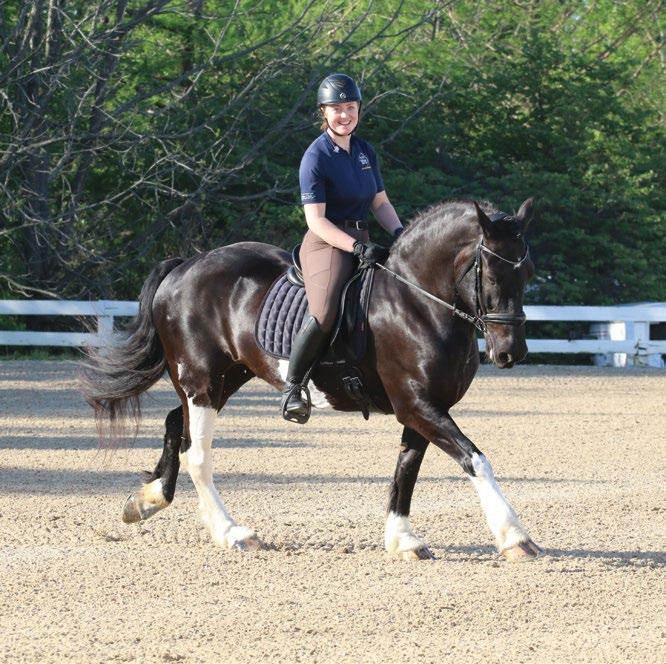
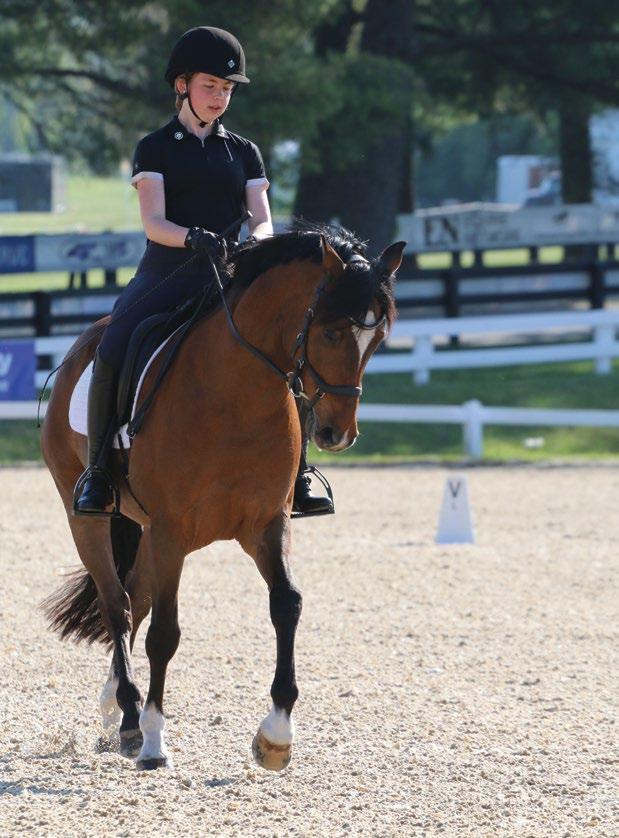
USPC members were highlighted in the Upper-Level Member Showcase and in the Quadrille at the 2026 Defender Kentucky Three-Day Event.
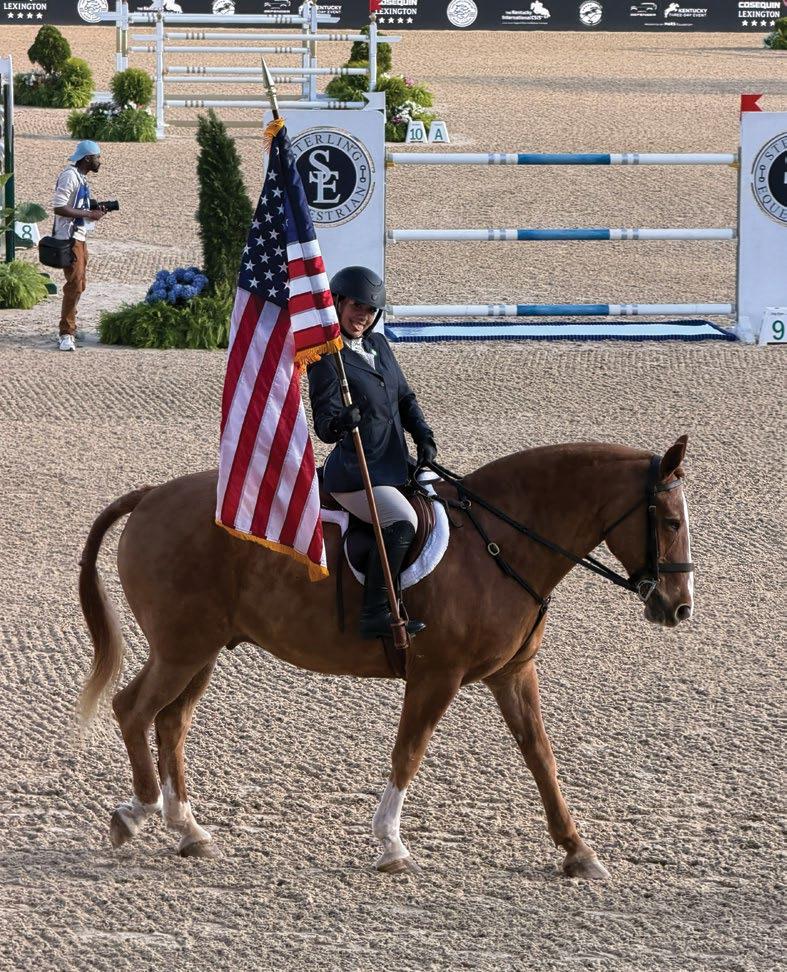
U.S. flagbearer.
To be included, email a high-resolution image to marketing@ponyclub.org with name, Pony Club or Pony Club Riding Center, and name of the horse.


“It
-Isabell Werth