5 minute read
Instructors Forum

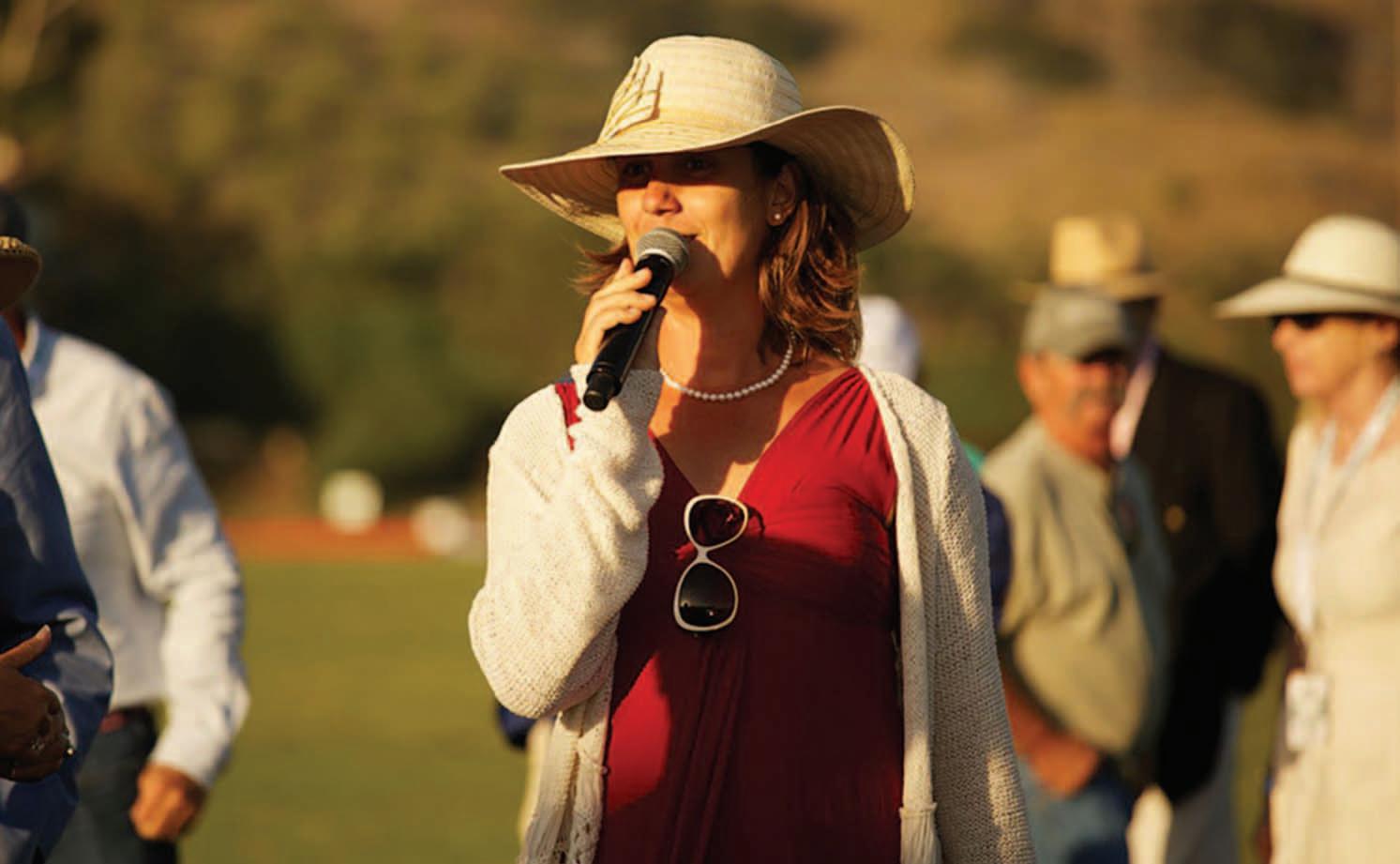
Melanja Jones suggests prospective managers learn everything they can, including communication and accounting.
cating with teams, and have good communication skills. A handful of the players and team managers have thoughts and ideas about ways of doing things and its really good to be open-minded and see if what they suggest is applicable and will work.
How do you recruit and what is your advice to help other clubs improve their efforts?
Melanja: During the winter season our fields are closed, but that’s when we make the magic happen and do all the prep for the next season. Polo people in general tend to thrive a little bit more on informality so I spend a lot of time talking to people during the off season. These past couple of years, I’ve spent a lot of time in the desert and Florida where I can just walk around a polo game and chat with people when they’re in a good mood and it’s not such a high-pressure situation. Polo is a relationship-based business and it takes some time to build relationships. One of the things I’ve learned at Santa Barbara is that if you spend some time getting to know people and learning what they’re interested in, it’s a lot easier to suggest they come to play something specific at your club rather than just telling them about the season and dates.
It’s important to listen to what people want. We started a new spring pro-am league this year and a lot of that grew out of what I learned from people this winter. They were interested in it but we didn’t have it, so we ended up putting the league together and brought in a couple of new clients. Now we are seeing the results of all the work we put in during the winter. The number one thing is if a club wants recruiting to happen in the off season, they should pay someone to do it full time if possible. Of course everyone has their own budget constraints, but that is probably one of the gaps for a lot of clubs.
What advice would you give to someone considering a club management role?
Melanja: Learn how to do everything you can because when you’re a manager, no job is too big or too small. If you’re not doing a job yourself, you want to know that it’s being done right. You want to know the little things like the fields are being done correctly and the goal posts are being put up right. I would also say to learn as much as you can about communication and accounting, because those are two things that are maybe not very glamorous, but they are extremely useful. Nobody wants to make spreadsheets or deliver bad news, so if you can do those things, you’re always going to be employable.
Haley: Definitely work with somebody who has experience if you can. Every day I learn something new from many different polo managers, but I’ve learned the most from Jimmy. Diplomacy takes a while to figure out and Jimmy and I spend a lot of time talking about how things should be worded.
I would suggest picking somebody’s brain who has
LOMINSKA / POLOGRAPHICS .COM DAVID
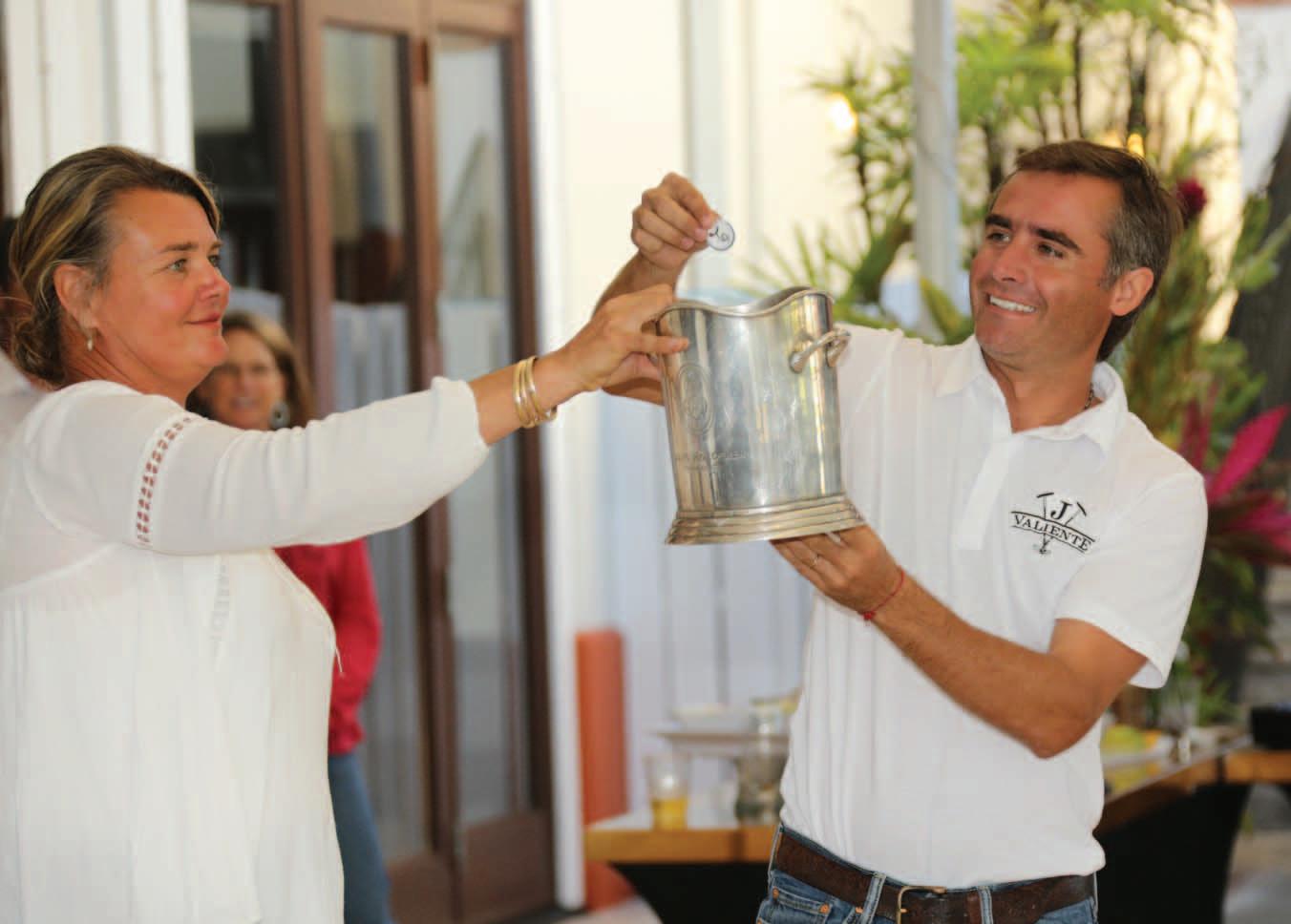
Haley Bryan says to keep an open mind communicating with teams and have good communication skills.
done it before, and don’t be afraid to ask for help. Also, follow the USPA rulebook 100 percent; it’s a resource to back up your decisions when you find a rule that applies to the situation and of course utilize the USPA. Also schedule changes are a huge source of tension anywhere so plan ahead and always have a Tournament Committee.
What do you love most about your job?
Melanja: There’s a lot to love about this job. It’s different day-to-day. I love being around the horses every day and I also really enjoy the fact that it allows me to be really creative. You don’t have to run the same tournaments and programs every year. There’s an opportunity to try something new, like the spring pro-am league we started this year. When I came out to Santa Barbara the programs were really different than they are now, and when I said I wanted to start new programs they allowed me to. There’s a lot of room for innovation and to work with really interesting and fascinating people.
What is the best advice you’ve received from Jimmy Newman?
Haley: Jimmy showed me that it’s really good to listen, gather all the information and work with people to solve problems as opposed to jumping in with both feet and shooting from the hip. There’s a lot to consider so sometimes it takes a while to come to the best decision.
Melanja: First, I have to say Jimmy is an incredible mentor and a very humble person. I can’t say enough about all the years working for him and I can still to this day pick up the phone and call him when I have a question. I’ve learned many things from him but one of the most important is that you treat everyone the same. Everyone is as invested in their polo as they can be, whether they’re playing the coaching league or the 16 goal, and for a sport that has a lot of money, power and prestige, there’s still a lot of value in treating everyone equally from the players to the grooms, umpires and the field crew. I think that’s one reason why Jimmy has had such success for a long time. The other thing is you have to think a little bit about the things that could go wrong. Part of management is going through your checklist to see if you can come up with a Plan A, B and C.
Also, its very important to surround yourself with good people because they are the ones you’re going to be with all day, every day. Even when I was at IPC, I really enjoyed going to the office every day because I liked the people I worked with. It was a very supportive staff and I’ve tried to create the same thing for my staff in Santa Barbara as we deal with all the things that come up together as a team. Look for someone who is flexible, has good communication, is a hard worker and will deal with the chaos with a smile and a good attitude. •


