We are to support our college polo teams for the 7 th year:
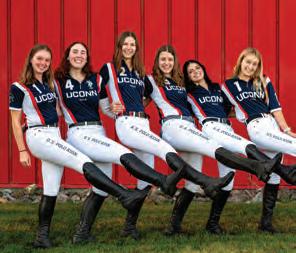
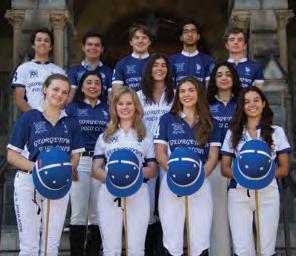
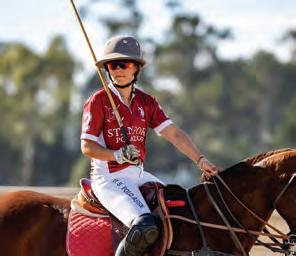

Aggie Polo Club at UC Davis
Babson Polo Club
Brown University Polo Club
Cal Poly Polo Club
Cornell Polo Club
CSU Polo Team
Georgetown University Polo Team
Michigan Intercollegiate Polo Club
Montana State Polo Club
Morehouse College Polo Club
MSU Polo Club
Oklahoma State Polo Club
Oregon State University Polo Club
Polo Club at Virginia Tech
Polo Club of UW-Madison
Skidmore Polo Club
SMU Polo Team
Stanford Polo Club
Texas A&M Polo Club
Texas Tech Polo Club
Trinity University Polo Club
UConn Polo Club
UNH Polo Team
USC Polo Team
University of Idaho Polo Club
University of Kentucky Polo Team
University of Maryland Polo Team
UNT Polo Club
USC Aiken Polo Club
Virginia Polo Team
Yale Polo


To say I love international polo is an understatement. The intensity, camaraderie and people involved in international polo make our small world, just a little bit bigger. Interestingly enough, this edition of the I/I magazine has a very international feel, from coverage of the USA’s recent victory during the II FIP Arena World Polo Championships to the intercollegiate Challenge Cup in England and I/I players competing in Manipur, India.
The I/I staff was given the opportunity to take the lead on organizing the FIP arena event over the last year, and it was one of my greatest moments working for the USPA. The planning began over a year in advance. We were onsite a week prior to the first bowl-in and there well after the final whistle. It was long days, short nights and many trips to Starbucks, but we were proud to be there and even prouder of our I/I alums, Patrick Uretz (Eldorado, Westmont College), Jared Sheldon (Poway, New Mexico State), and Kareem Rosser (Work to Ride, Colorado State), who dug deep, fought hard and brought home the gold.
This edition features the USA intercollegiate team’s victory in England this past summer, as well as several articles from I/I players and alums competing in various events across the globe. I like to think that I/I plays a small role in preparing these players as they travel to and compete at a variety of locations, where they experience new venues, play against different people and ride new horses.
While not every player or team can travel internationally, students can expand their reach through I/I by playing games against as many different teams as they can, both in and outside their region. Experience the excitement of playing in a new arena, on unfamiliar horses and making new friends. Playing against competitive opponents helps push your team to higher levels of play and can expand your polo world little by little every time you go to a new club and meet other players. There are many invitational tournaments geared specifically for I/I teams, and if you want to plan your own event, please let us know how we can help.
As we head into tournament time, I want to wish everyone the best of luck, and even more fun!
See you in the arena!
Amy Fraser Director, I/I Polo
Welcome to the 2025-2026 Intercollegiate and Interscholastic tournament season! It is hard to believe it has been 50 years since the first Women’s National Intercollegiate Championship. That first year included three teams (Yale, Cornell and University of Virginia) and was the brainchild of Danny Wallace, then coach at Yale. From then to now, with 25 women’s collegiate teams and 30 interscholastic girls’ teams, it is amazing to see the growth!
In thinking about highlights from this past year, I would be remiss not to emphasize the intense collaboration with Ali Davidge and Robin Sanchez and the newly formulated Arena Committee. This group is doing exciting things that will benefit all of polo, but particularly arena and I/I. The committee is setting the standard for strategic thinking around investments in polo clubs and members, which we hope to see serving as a model for the USPA at large.
This year’s II FIP Arena World Polo Championships, hosted by Virginia Polo Center and Roseland Polo Club in Virginia, were an incredible display of horsemanship, high quality polo and a whole bunch of I/I alums! Teams from six countries, including I/I alums on the U.S., Pakistan and Guatemalan teams, played some incredible polo, resulting in a USA win.
In addition, I/I players from a number of programs were selected to represent the USA in tournaments in the UK, India, Uruguay and Argentina. These players are growing their skills and networks through USPA, parental and sponsor support.
Several important contributors to I/I polo were recognized at the USPA governors’ meetings in Lexington this fall. The 2025 I/I awards were presented to Mike McCleary (I/I Lifetime Achievement Award), Mark Prinsloo (Service Award) and Morgan McBride (Young Alumni Award).
We appreciate all of the coaches, players, staff, umpires and parents that make I/I polo possible. I/I polo is the gateway to a wonderful world of polo, including local and national tournaments, international opportunities and lifelong friendship building. We appreciate the coaches, parents, USPA staff and sponsors who help make these opportunities available to our young players. Polo really is your passport to the world!

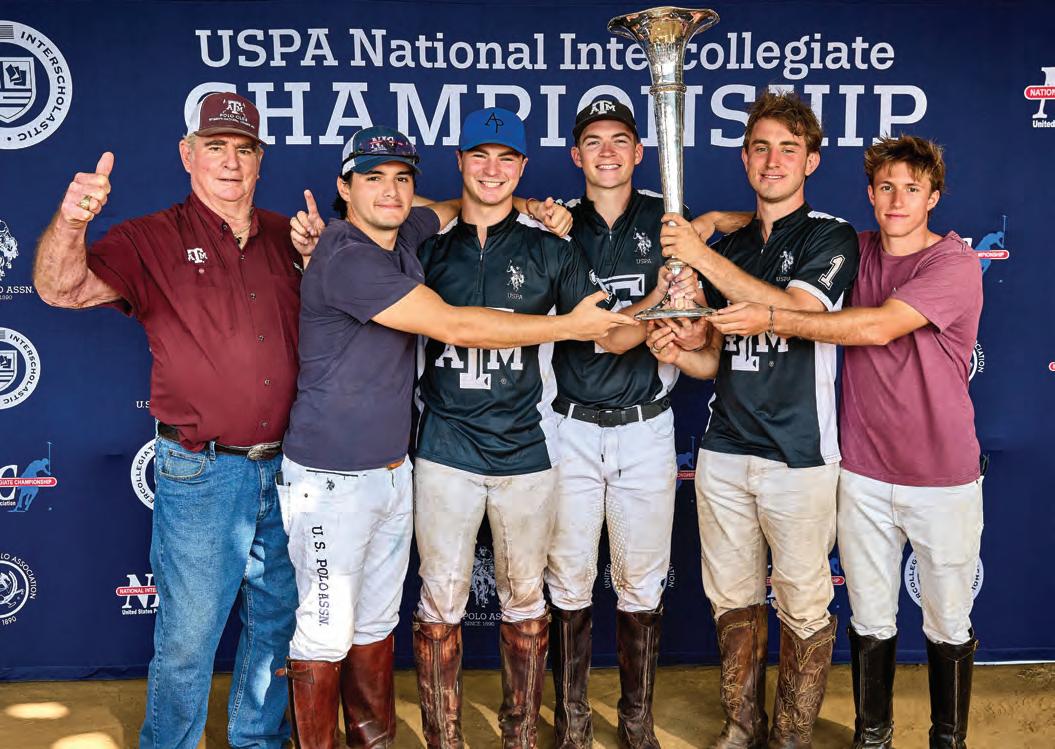
TEXAS
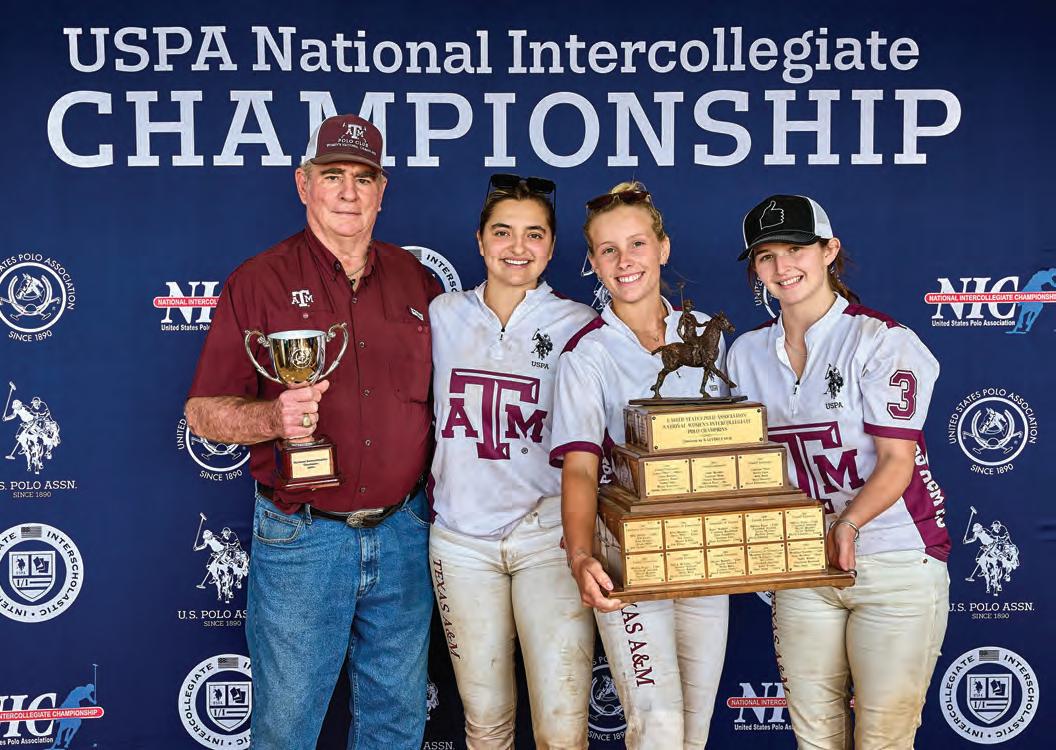
TEXAS A&M UNIVERSITY:
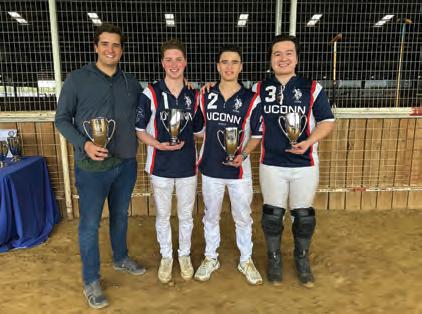
MEN’S
University of Connecticut
Malachi Light, Joaquin Uribe, Winston Painter
Coach: Joaquin Arguello
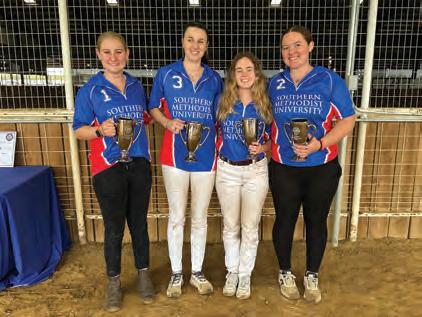
WOMEN’S
Southern Methodist University
Carly Costello, Lindsey Morris, Savannah Coventry, Lulu Moore
Coach: Russell Stimmel

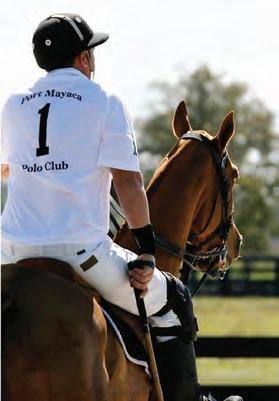
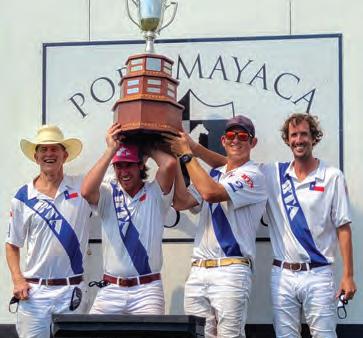
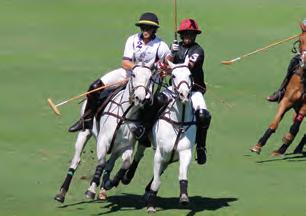
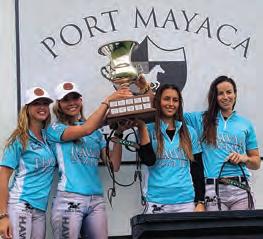
The Port Mayaca Community was founded in the mindset of bringing polo players together to share in the enjoyment and camaraderie of the polo lifestyle.
Traditionally polo players came to the polo clubs of Florida to play on great fields and collaborate with other like-minded polo enthusiasts. In many ways, we feel this concept has been lost over the years, but at Port Mayaca we take this idea to heart and keep it in mind with everything we do. In our club, we strive to promote competition without animosity, quality without pretense, comfort without extravagance, and sportsmanship above all else. We welcome all polo enthusiasts to join us in the community we have built to share in the sport we love.
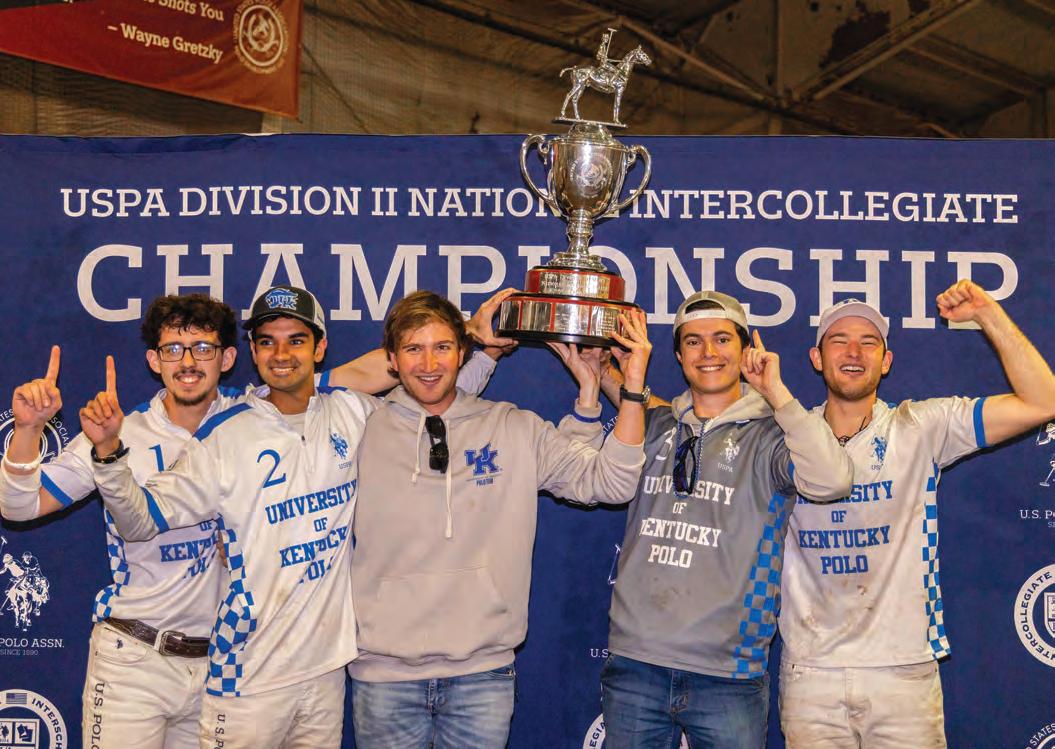
UNIVERSITY OF KENTUCKY: Alaric Renshaw, Rehan Kumble and Alejandro Puyana with coaches Federico Puyana and Nathan Church, center
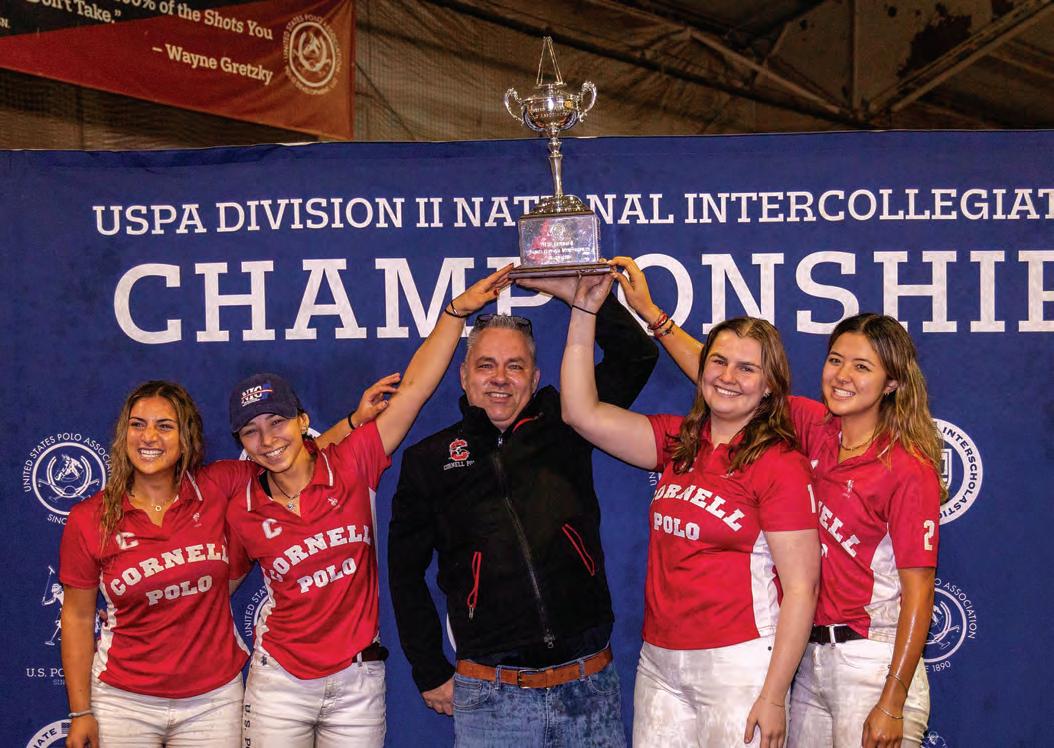
CORNELL UNIVERSITY: Ava Ramachandran, Lara Chong, Isabelle Braden and Naomi Marlough with coach Anthony Condo, center
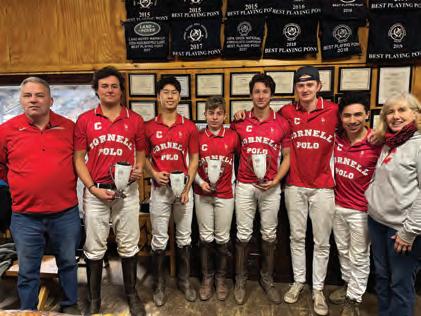
NORTHEASTERN REGION - Men
Cornell University
Benito Jaramillo, Dylan Tung, Max Sponer, Christian Finlay, Fin Maroney, Mihali Pinzon
Coach: Anthony Condo and Lisa Kahle
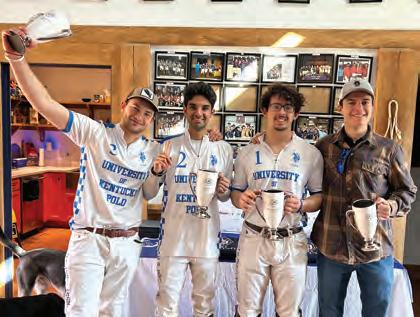
SOUTHEASTERN REGION - Men
University of Kentucky
Alejandro Puyana, Rehan Kumble, Alaric Renshaw
Coach: Nathan Church
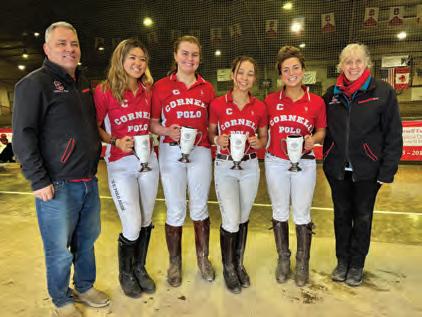
NORTHEASTERN REGION - Women
Cornell University
Naomi Marlough, Isabelle Braden, Lara Chong, Ava Ramachandran
Coach: Anthony Condo & Lisa Kahle
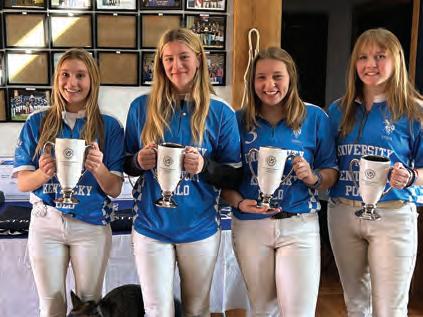
SOUTHEASTERN REGION - Women
University of Kentucky
Mila Slutzky, Ava Nunes, Taylor Nackers, Grace Spellman
Coach: Jorge Vasquez
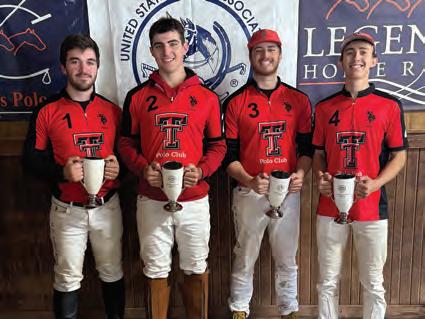
CENTRAL REGION - Men
Texas Tech University
Camden Kolb, Cole Faires, Robert Grayson
Price, Isaiah Andrade
Coach: Ashley Owen
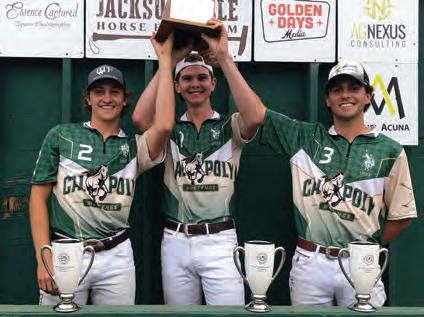
WESTERN REGION - Men
Cal Poly
Graham Weaver, Oliver Helton, Jack Dresick
Coach: Megan Judge
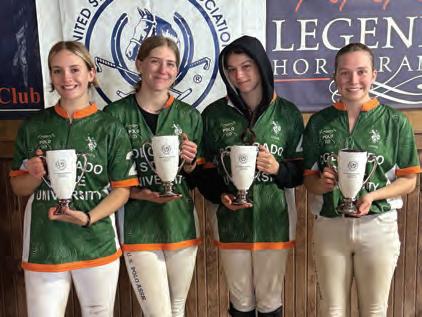
CENTRAL REGION - Women
Colorado State University
Olivia Schmidt, Sara Eggenberger, Josie Goldstein, Willow Longerbeam
Coach: Andrew Wildermuth & Stephen Coleman
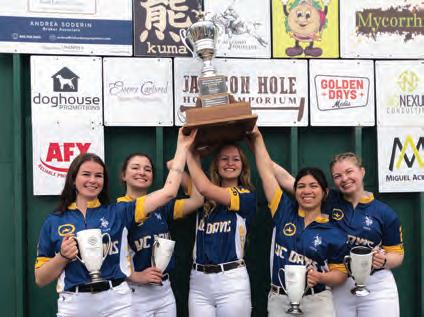
WESTERN REGION - Women
UC Davis
Ashley Simpson, Emilynn Angie- Buss, Elise Pardue, Liliana Gonzalez, Marisa Carelli
Coach: Bonnie Magill
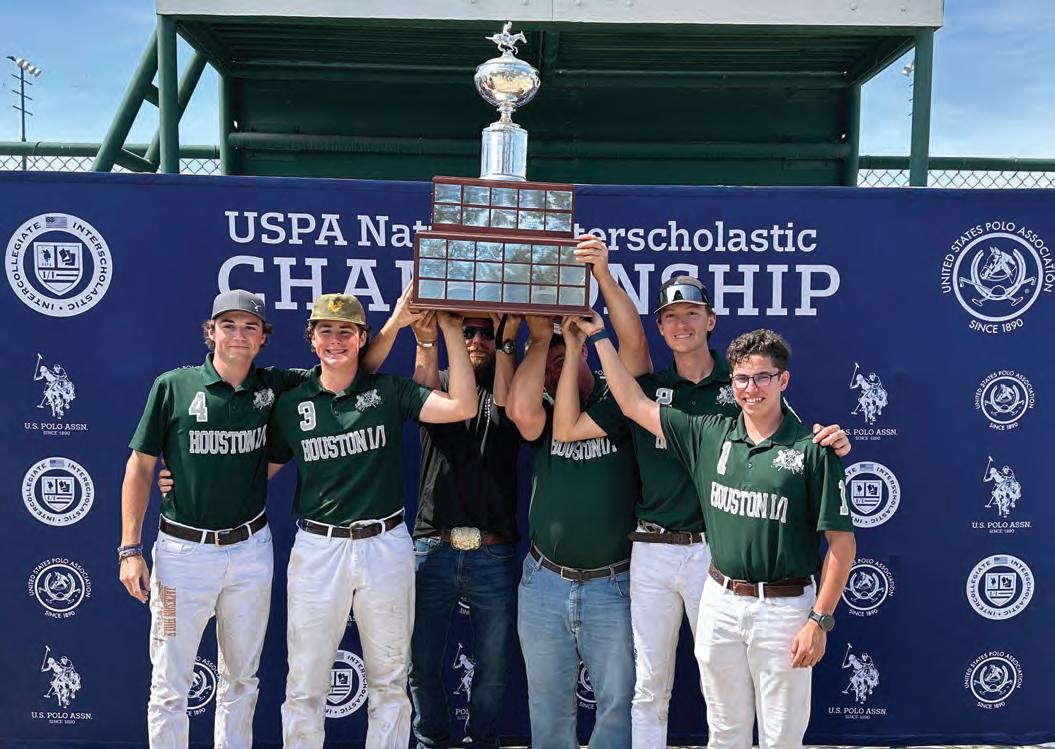
HOUSTON POLO CLUB: Joe Bob Lequerica, Judah Altic, Faris Hanna and Asa Gangjee with coach Mark Prinsloo and assistant coach Shane Rice, center
NORTHEASTERN REGION - Open
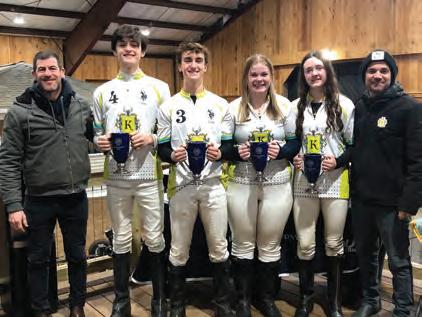
Kingswood Polo Club
Jacques Cauchon, Estanislao Puch, Emerson Bruce, Brynn Whitten
Coach: Federico Wulff & Ernesto Trotz
SOUTHEASTERN REGION - Open
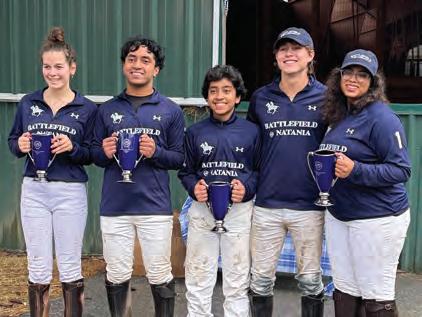
Battlefied Polo Club
Katelyn Pelaia, Aleem Siddiqui, Zaki Siddiqui, William Ballhaus, Anushka Parasram
Coach: Dori Burner
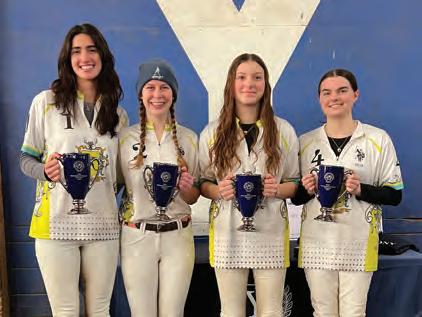
NORTHEASTERN REGION - Girls’ Kingswood Polo Club
Niyati Eva Wali, Finley Guenther, Isabel Poniatowski, Brooke Henehan
Coach: Federico Wulff & Ernesto Trotz
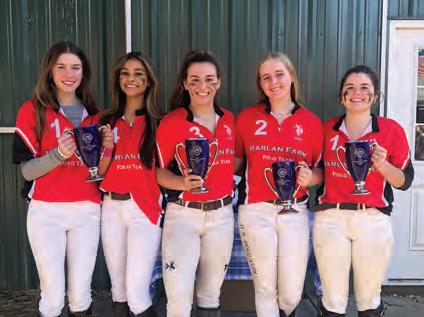
SOUTHEASTERN REGION - Girls’
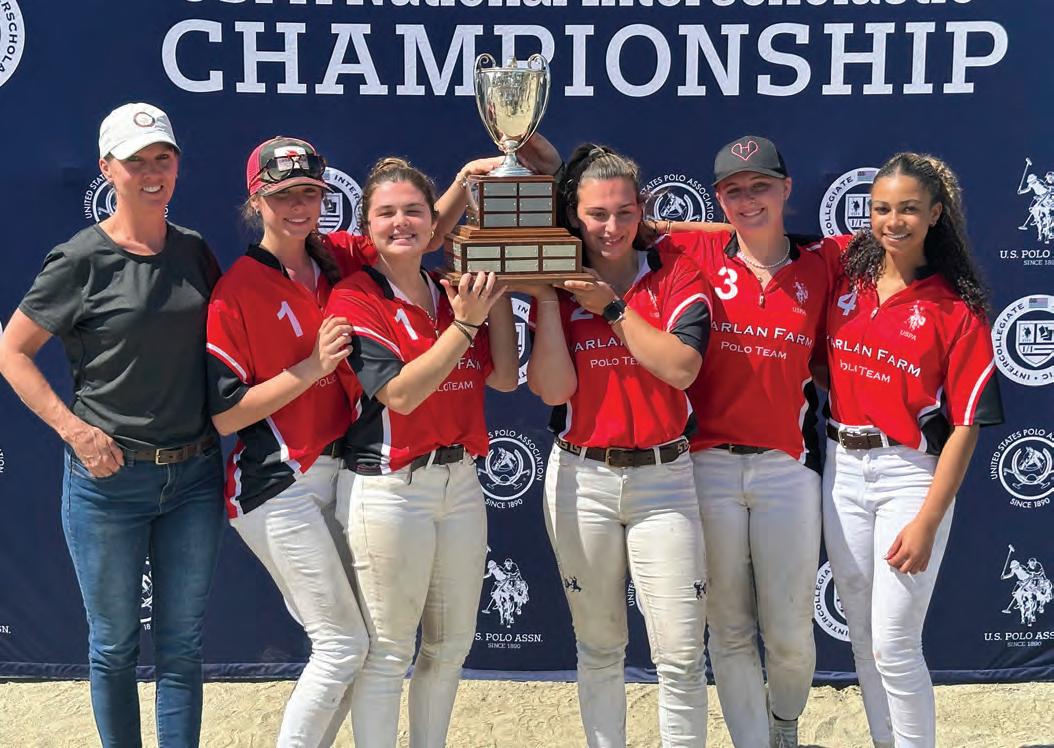
Marlan Farm Polo Club
Ana Grace Karpovich, Maya Quarcoopome, Kylie Beard, Izzy Brockett, Sierra Blevins
Coach: Kelly Wells
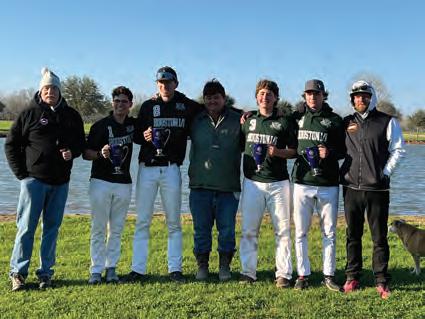
CENTRAL REGION - Open
Houston Polo Club
Asa Gangjee, Faris Hanna, Judah Altic, Joe Bob Lequerica
Coach: Mark Prinsloo
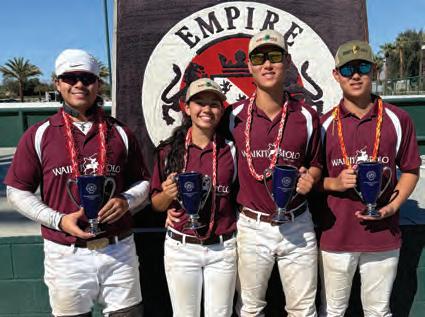
WESTERN REGION - Open
Waiki’i Polo Club
Ethan Matsui, Savannah Matsui, Benjamin Tang, Charles Tang
Coach: Jed Ednie
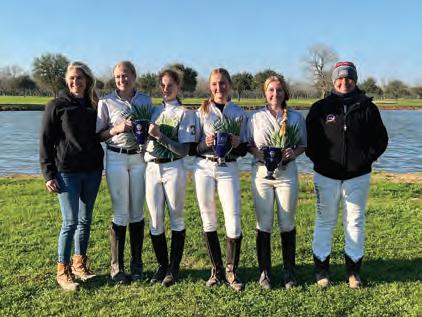
CENTRAL REGION - Girls’
Midland Polo Club
Emrey Owen, Charli Eaton, Ashlyn Whiteley, Kate Bitnerowska
Coach: Ashley Owen
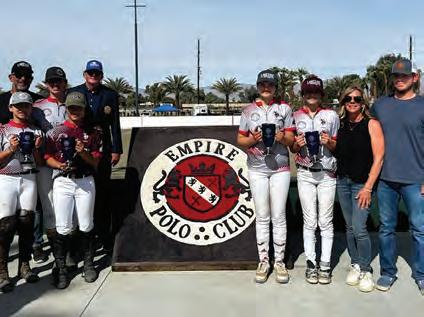
WESTERN REGION - Girls’
Lakeside Polo Club
Emily Cardinale, Shira Engel, Summer Miner, Helena Csiki, Zoey Tornillo
Coach: Nicole and Darin Bankhead
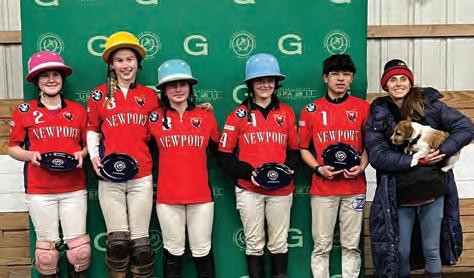
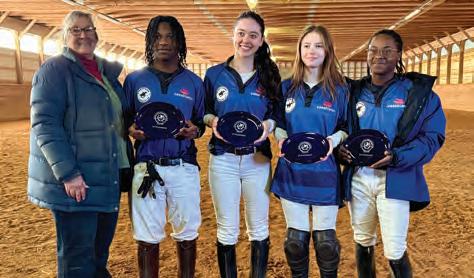
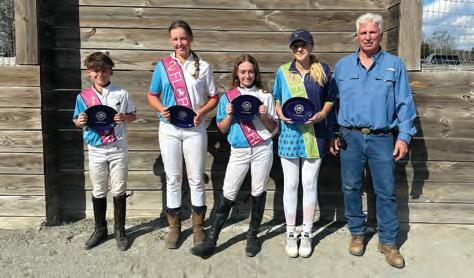
NORTHEASTERN PRELIM - Open
Westchester-Newport Polo Club
Marilyn Bruno, Hanalei Streuli, Ava Richard, Anna Dwyer, Jair Zenteno
Coach: Minnie Keating
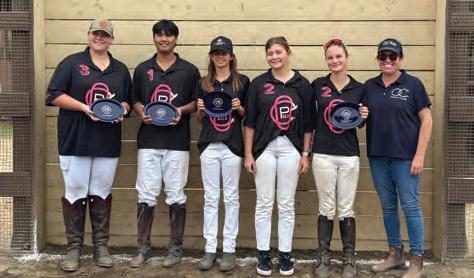
WESTERN PRELIM - Open
OC Polo Club
Penny Steffens, Davesh Nath, Josie Geiler Allen, Sage Slack, Leigh Bertea
Coach: Heather Perkins
SOUTHEASTERN PRELIM I - Open
Work to Ride
Marc Harley, Sage Lax, Laura Casas, Tajee McLaughlin
Coach: Lezlie Hiner
SOUTHEASTERN PRELIM II - Open
Sarasota Polo Club
Gregory Shepard, Jayda Link, Hazel Hill, Ainsley Mulligan
Coach: Stuart Campbell
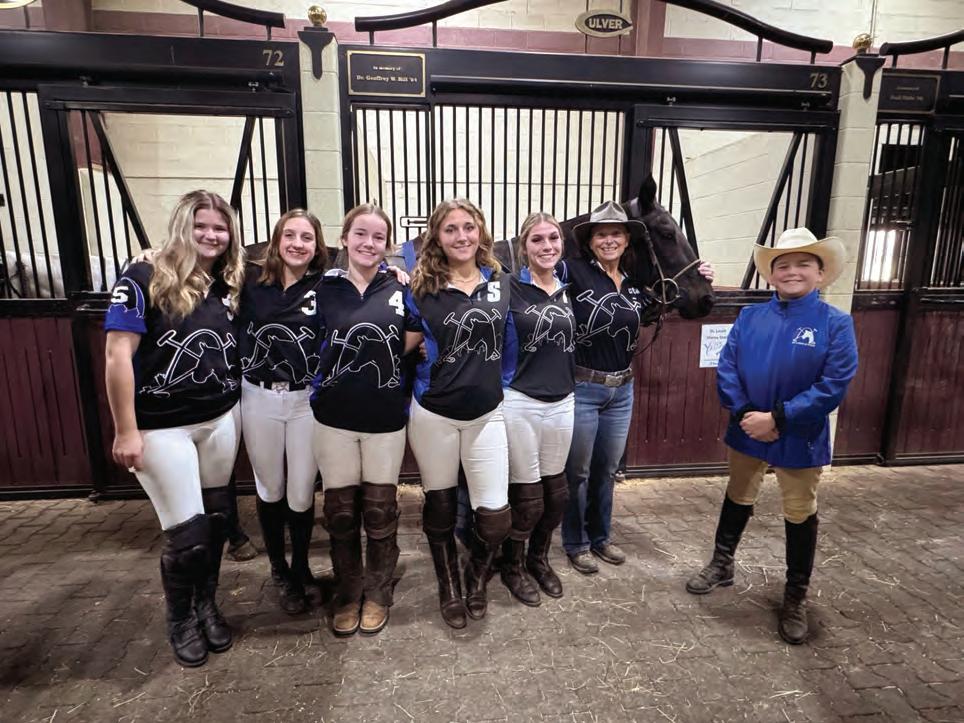
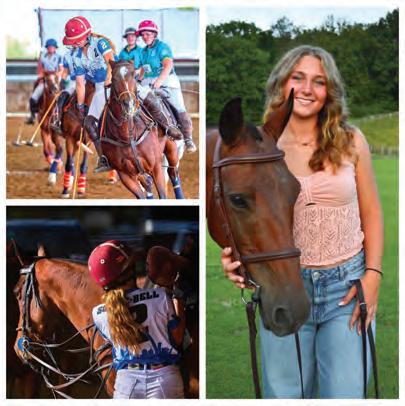
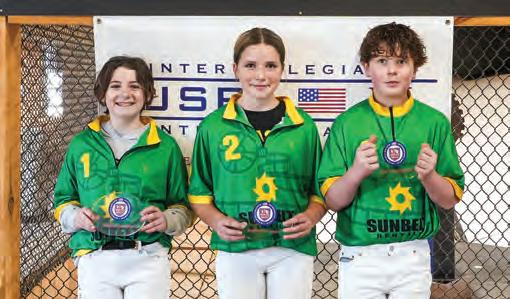
NORTHEASTERN
Yale Polo & Equestrian Center
THE TIGERS: Mara Pierce, Robin Reyes, Alex Rothstein
NORTHEASTERN
Greater Niagara Polo Club - I
SUNBELT RENTALS: Charissa Mulvihill, Paige Zayac, Trenton Alexander
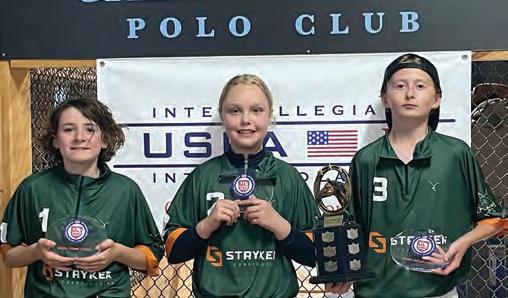
NORTHEASTERN
Greater Niagara Polo Club - II
TEAM STRYKER: Charissa Mulvihill, Mara Pierce, Connor O’Leary
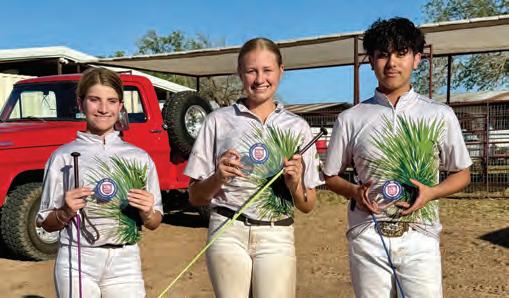
CENTRAL
Midland Polo Club
WINNING WALLABIES: Vivianne Gaynor, Emrey Owen, RJ Ramos
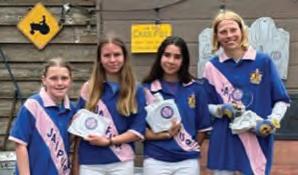
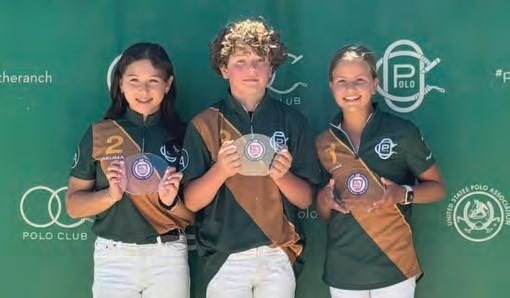
WESTERN
Sutter Buttes Polo Club
SUTTER BUTTES: Claire Abruzinni, Violet Rubin, Willow Strenk, Woody Dunham
WESTERN
OC Polo Club
COAST TO COAST: Summer Miner, Trenton Alexander, Coco Geiler Allen
SOUTHEASTERN
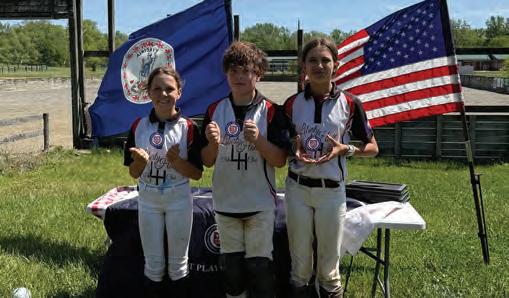
Garrison Forest School
GFS WHITE: Eleanor Ephraim, Lydia Craig, Chelsea Adkinson, Annie Cate Bissonnette
SOUTHEASTERN
Liberty Hall
LIBERTY HALL: Hazel Nash, Trenton Alexander, Simonetta Coleman
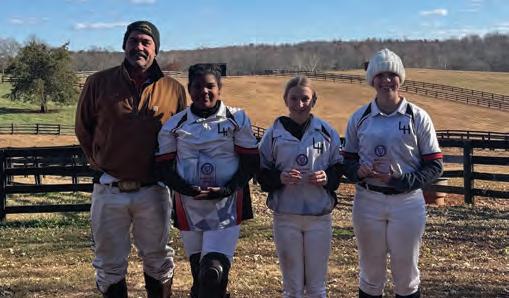
SOUTHEASTERN
Liberty Hall Polo Club
LH WHITE: Izzy Oluyole, Lexi Sheehan, Emma Allen
SOUTHEASTERN Garrison Forest School
GFS WHITE: Paige Zayac, Natalie Kohnle, Payton Williams
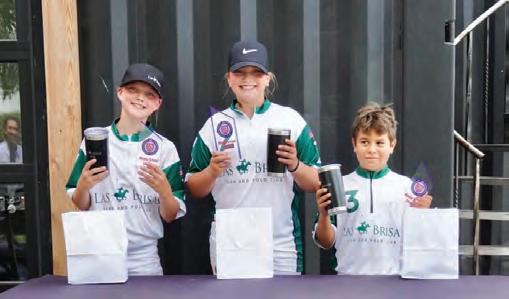
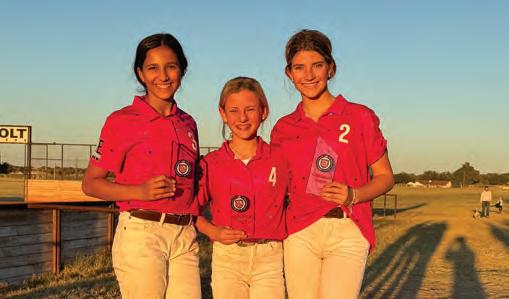
CENTRAL
Las Brisas Polo Club
LAS BRISAS WHITE: Chase Aschebrook, Neve Aschebrook, Francisco Ontiveros
CENTRAL
Midland Polo Club
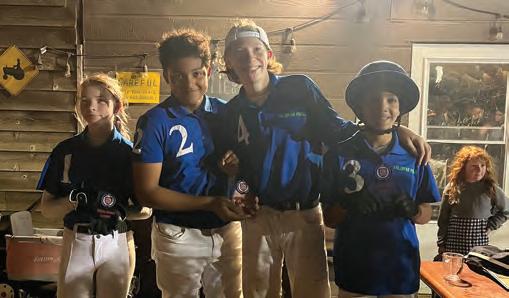
PINK PUMPKINS: Priya Annamalai, Mary Emma Horton, Vivianne Gaynor
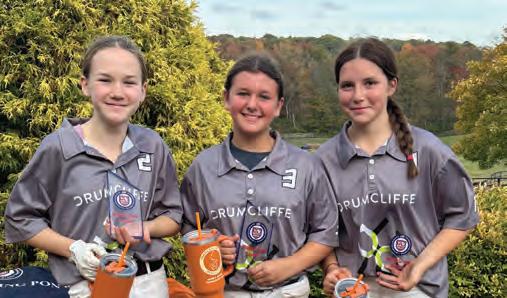
WESTERN
Sutter Buttes Polo Club
SOUTH BAY: Lily Mcintyre, Francis Mtchona, Woody Dunham, Zayd Byrd
SOUTHEASTERN
Roseland Polo Club - I
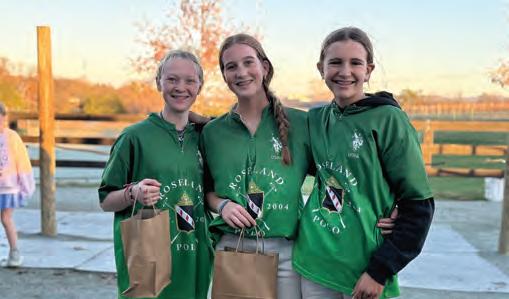
ROSELAND GREEN: Layla Heyworth, Clara Baldwin, Simonetta Coleman
SOUTHEASTERN
Roseland Polo Club - II
ROSELAND GREEN: Beatrice Hilliard, Penelope Pluger, Lily Ellis
SOUTHEASTERN
Marlan Farm Polo Club
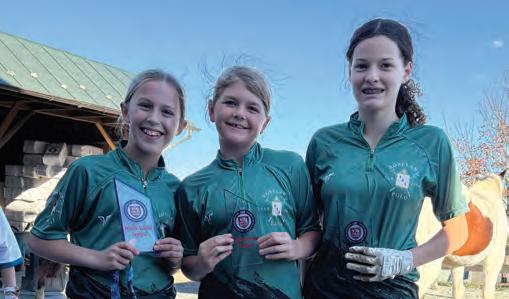
MARLAN GREY: Lydia Craig, Paige Zayac, Maddie Galarraga
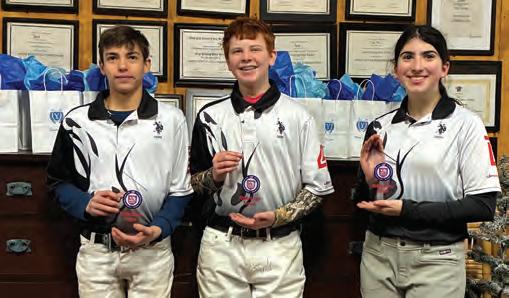
Yale Polo & Equestrian Center
YALE BLACK: Robin Reyes, Angus Mcintyre, Giselle Gordon
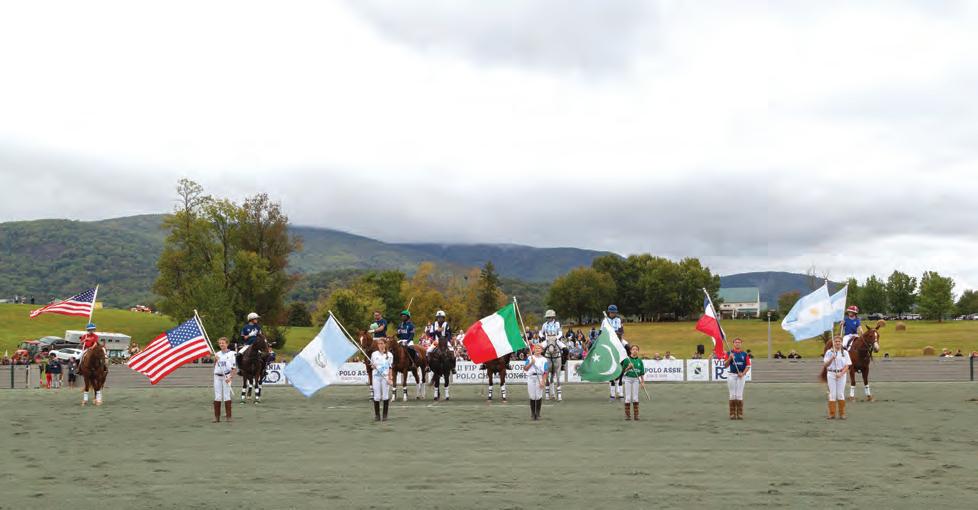
Eight local middle school players represented the I/I program during the II FIP Arena World Polo Championships, serving as flag bearers during the final game. Roseland Polo Club and Virginia Polo Center jointly hosted this international event, which culminated to a final showdown between USA vs Argentina. Thank you to Penelope Pluger (Roseland), Clara Baldwin (Roseland), Beatrice Hilliard (Roseland), Layla Heyworth (Roseland), Maddie Galarraga (Garrison Forest), Olivia Cohen (Garrison Forest), Simonetta Coleman (Liberty Hall) and Mackenzie Clark (Liberty Hall). Additional thanks to Sarah Coleman, who gave the players a speed session in flag bearing!
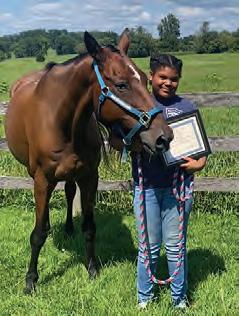
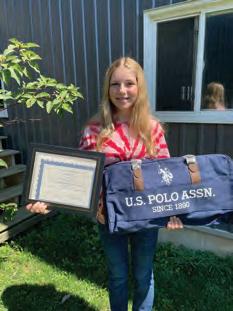
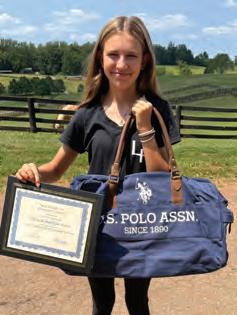
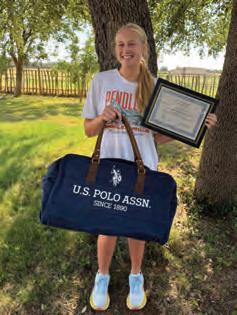
The I/I Middle School League launched a point system for the 2024-2025 middle school season. Players who competed in middle school tournaments earned points for participation, winning a tournament and earning an all-star, sportsmanship or horsemanship award. High Point award winners were named in each grade level and an Overall High Point Award winner was crowned.
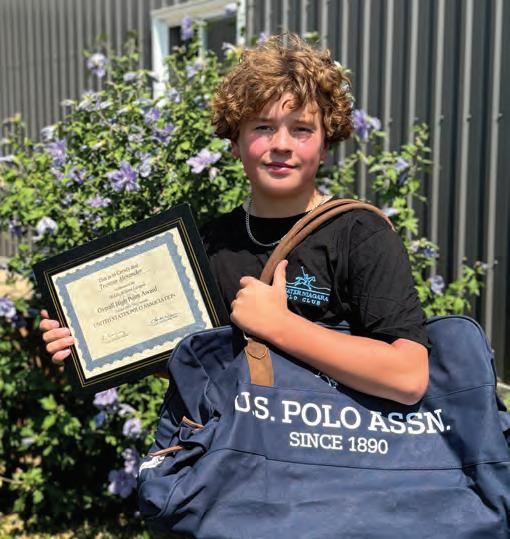
Congratulations to the 2025 Middle School High Point Award winners!
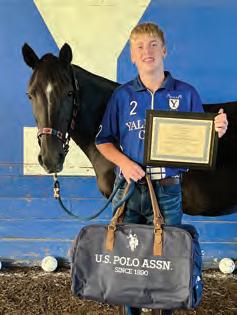
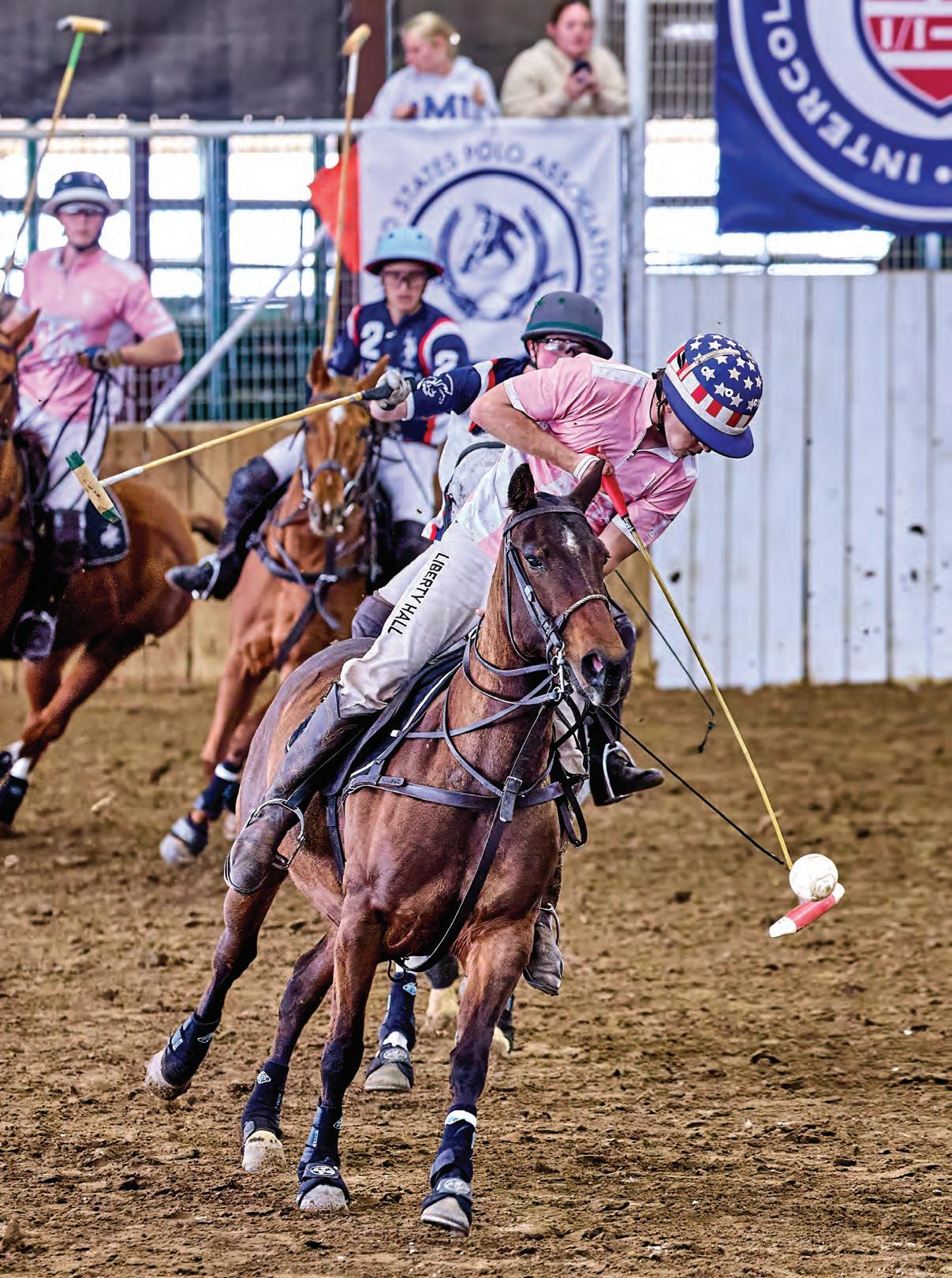
“As for this award, success isn’t the only factor, and I tried to do my best throughout my career to grow the sport of polo at A&M.”
Being named the PTF Stephen A. Orthwein Intercollegiate Player of the Year was the shining moment in my entire polo career, up to this point. I went from being the silly kid who would toss his glove in the air in the outfield in Little League to winning what’s essentially the Heisman Trophy for polo.
I got started in polo in Phoenix, Arizona, by my dad and Jorge Estrada at Polo Azteca. They created a high school team that developed and moved around from Estrada’s Polo Azteca club to our farm in Quemado, New Mexico, with camps run by the legendary Chuck Rodgers, a former 7-goal arena player and grandson of actor Will Rodgers.
My high school team transitioned into Being the Change. We never made it to nationals, but we consistently played in one of the most competitive regions, setting me up for the next stage in my I/I career. It says a lot about my collegiate development that I won a national championship without ever making it past regionals in high school.
That being said, playing at the ranch in New Mexico with kids like Thomas, Savanah, Bryan, Ariana, Rachel, Jason, the Felhabers and all the camp kids were some of the most unforgettable polo memories I will ever have.
In between high school and college, my family moved to Liberty Hall Plantation in Brandy Station, Virginia. Here, my game and my riding transitioned to a higher level, essentially preparing me for playing among adults and at the collegiate level.
I started Texas A&M in spring 2021, at the tail end of COVID. There were no nationals that year, but there were practices Fritz Felhaber and Mariano Silva, members of the 2019 championship team, were in their final semester before graduation. I learned a lot during this semester to develop and prepare before the first year back of competitive play.
The 2021-2022 season was a hard one for me. I learned quickly how to play among a team of people I barely knew, with vastly different personalities, in a foreign program nothing like home. Going into regionals, our record was 0-7. Despite an underwhelming year, we had sheer determination to make it to nationals. At regionals we went 1-1, somehow upsetting Southern Methodist University, only to blow a lead against University of North Texas in the final. We earned a wildcard to nationals, and nearly made it to the final, but blew another lead against UNT, who went on to lose to the very dominant University of Virginia team. While we didn’t win much, this year was probably the most development my team and I have had in a one-year timeframe.
During the 2022-2023 season, we kind of regressed. It was my first year as captain, and while we were performing better and winning some games, I struggled as a leader. I went from a follower among several personalities to a leader of those personalities, and I had no idea what to do. At nationals, while we upset SMU in the first round and gave a valiant first-half effort against UNT, they ultimately blew us out of the water. While very underwhelming for us, I learned more about being a leader than in any other year.
The 2023-2024 season was our second best-performing year of my four years, but it ended as a heartbreaker. We gained an absolute animal in freshman Will Mudra, but we also lost Grayson Price, who was my best friend, to Texas Tech. We also decided to go a different way with the captain, giving it to Aiden Meeker. I had to take a step back and learn from a follower’s perspective again, to see how other people perceived my leadership and how I could do it differently. Meeker did a great job as captain and led us to several wins. A late-season loss to UVA messed up our seeding and forced us to be on the
same side of the bracket as UNT. We beat UVA in the quarterfinals, setting us up to believe that this might be our year. We maintained that momentum for five out of six chukkers against a very dominant UNT team, where we had a three-goal lead late in the fifth chukker. This is where heartbreak happened, as we totally collapsed in the sixth chukker, losing to UNT 15-13. They went on to win the final by 10. One can only imagine what would’ve happened if we beat them. It was then that I really figured out how to win in collegiate polo.
The 2024-2025 season was perfect. We were undefeated in collegiate polo, and we participated in and won some major arena tournaments. I asked Meeker if I could take back the captain position my final year and he honored the request. In the fall, we won the UVA Fall Invitational and the Texas Intercollegiate Tournament and were well on our way to the No. 1 seed.
In the winter, we decided to compete in the U.S. Arena Open, held at Brookshire Polo Club in Brookshire, Texas, with TAMU alum Christian Aycinena. This was a unique decision, as not many collegiate teams have attempted to play in the prestigious 16-goal arena tournament. Being only a 13-goal team, not many expected us to go very far. We won our first two matches against some great teams, with the likes of 7-goal player Nicolai Galindo and former Aggie Steve Kreuger. In the semifinal, we narrowly beat the Azzaro team led by former 10goal player Mike Azzaro. Going into the final, Aycinena had an injury and attempted to make it through as long as he could. In the final, we were up 10-5 at halftime when the injury forced Aycinena to withdrawal from the game. The team ultimately lost in the fourth chukker, but it was a monumental achievement for the Texas A&M organization.
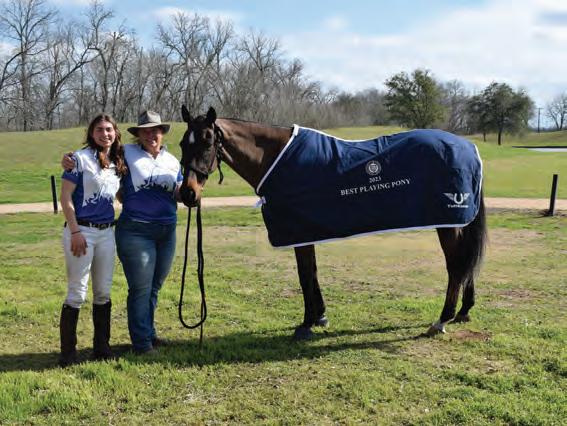
All this success had us well prepared for nationals and gave us the No.1 seed. We received a bye past the new Division I qualifying tournament and went straight to the semifinals. We were a little nervous going in, never approaching nationals from the top seed before. I tried to keep the boys in check as best as I could going into our first game versus the University of Connecticut. We beat them, 19-7, which sent us into the final. We did have quite a bit of confidence going into the final, as we were playing against the same UVA players we beat in the quarterfinals the previous year. This was not the same team. This UVA team had beaten a very difficult UNT team and played us even at 14-14 for six chukkers. I have great respect for Vlad Tarshansky, as he completely turned his team around in just a year to put on such a great performance. After three rounds of a shootout, we ultimately won. Will and I earned all-star awards, and Texas A&M’s pony that I rode, Arananzo, won Best Playing Pony.
That win cemented a perfect year for the Aggies. We couldn’t have done it without our coach Mike McCleary with his simple, but effective advice, unique drills and team-building idioms (There’s no ME in team; Man, Man, Man, Line, Ball; Shark milk; Oreos; and more). He’s given
his whole life to this club, and I’m proud I could add one more win to his stellar resume. I’m biased, but he may be the greatest collegiate polo coach of all time. I also want to thank my teammates Fritz, Mariano, Ian, Joaquin, Chris, Quique, Aiden, Grayson, Will, Tomas, Andres, Mitch and Matthew. These guys know how to make polo fun and enjoyable, even while winning a game every now and then.
My parents were also tremendously involved in my collegiate career. On top of everything else, they mounted the A&M team every time it came to Virginia and essentially made Liberty Hall A&M’s East Coast facility and string. Their support, with boomboxes blasting the Aggie War Hymn, loud cheers and aggressive taunts, created an unforgettable environment that genuinely affected game outcomes for the better, and I’ll always miss that part of I/I polo with them.
In Virginia, for providing so many arena opportunities, I want to thank Chetwood Park and the Seagers; Natania Polo Club with Amir Pirasteh; and Twilight Polo Club. I also want to thank Caroline Brockman, who was my riding coach for the last five years.
In Texas, I want to thank Robin Sanchez and the Texas Arena League, which hosts 3-, 4-, 6-, 9-, and 12-goal tournaments every winter that are great for honing arena skills. Sanchez has also been a great friend of my family and very helpful in my development as a player. Also Victor Aguilar has contributed more money and more horses in support of current and former A&M polo players than all other alumni combined.
I want to thank the PTF and Jennifer McLeavy for honoring me with this prestigious award. Former PTF Executive Director Danny Scheraga has helped me probably the most. Scheraga took me to New Zealand five years ago with the PTF and invited me to the College Fair in New York where I met McLeary. I quite literally may not be where I am without him.
I also want to thank the I/I organization for putting on such quality tournaments, giving great opportunities, and running its program so well. The program routinely produces well brought up, educated and quality polo players.
As for this award, success isn’t the only factor, and I tried to do my best throughout my career to grow the sport of polo at A&M. I taught hundreds of students at A&M, recruited several players and umpired hundreds of chukkers. I developed the A&M facility as best I could to leave a legacy for decades. Through the work of McLeary, Nelson Gunnell, Jim DeAngelis, the PDI program and myself, we revamped the footing and dragging systems of the A&M arena to be worldclass for years to come, with room for more. This project was necessary for maintaining Texas A&M as a Division I school, and I truly believe this is how you honor the objectives of the Polo Training Foundation and the I/I program.
On behalf of the American International Polo Foundation (AIPF), welcome to the 2025–2026 USPA Intercollegiate–Interscholastic program.
As our name suggests, AIPF is dedicated to supporting international polo both in the United States and around the world. I’m writing today to share a few reflections on the profound impact that The International Polo Experience can have on you—not only as a polo player, but as an individual. These opportunities are especially meaningful for high school and collegiate players.
If this isn’t your first experience with I/I, you already understand the rewards of traveling to qualifying games, regional tournaments and hopefully, national championships. Along the way, you meet new people who share your passion for horses and for the sport. Many of these connections become lifelong friendships. Competing in different areas of the country exposes you to new communities while revealing how much we all share, both on and off the field. Playing polo internationally elevates this experience even further.
Representing your country abroad is an honor and an unforgettable thrill. It brings a sense of pride and accomplishment that is uniquely powerful. Unlike a typical vacation, playing polo overseas immerses you in another culture and way of life. The experience deepens your understanding of the world, builds confidence in unfamiliar surroundings and expands your appreciation for the global polo community.
AIPF has traveled to many of the world’s polo-playing regions, including Argentina, Chile, Europe, India, and more. The generosity and hospitality shown by our international hosts are always genuine and deeply meaningful. Throughout your polo journey—whether as a student or an adult—you may have the opportunity to be selected for one of these international exchanges.
Selections are based on more than playing ability. International team members are chosen for their character, sportsmanship and their capacity to serve as ambassadors for AIPF, the USPA, their school or club and, most importantly, themselves.
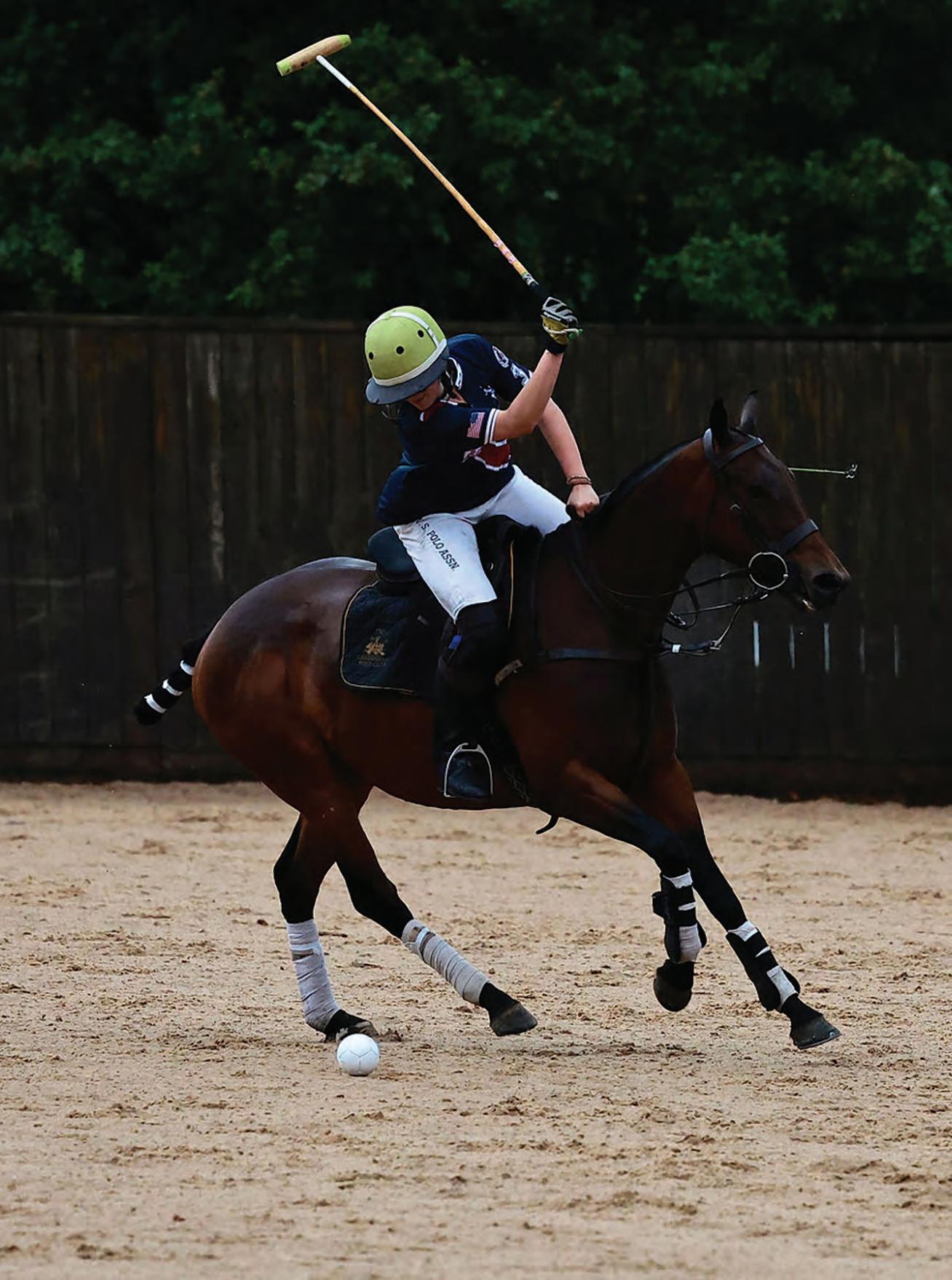
They say polo is a family affair, but for me that was not the case. I did not grow up in a polo family or around horses and farms. If it wasn’t for the USPA interscholastic program I discovered in middle school, I probably never would have known polo and become the person I am today.
Through the years, I have played in countless practices, training camps, NYTS competitions and USPA-organized interscholastic and intercollegiate nationals. Still, my polo travels had never taken me farther than Florida or Texas. So, imagine my excitement when I was one of the players selected by the USPA for an all-expenses-paid trip to England, to be part of the American collegiate team that defends the 2025 International Challenge Cup against the British squad.
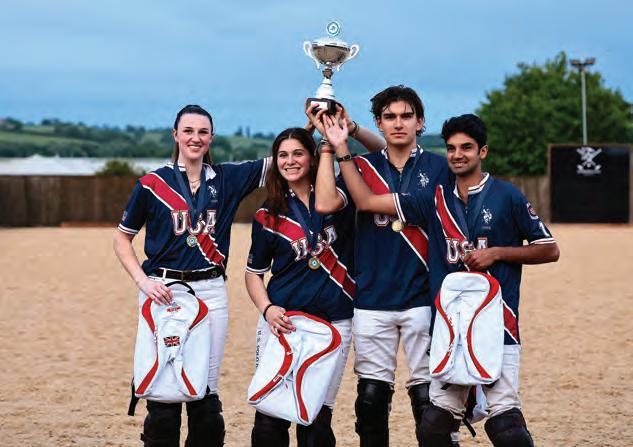
The International Challenge Cup is a longstanding collegiate arena tournament between the U.S. and the U.K., organized by the USPA and the Schools & Universities Polo Association, the two foremost polo player development associations on either side of the pond. The players are picked among many collegiate players who apply, based on skill, horsemanship and sportsmanship. It is an amazing honor and my opportunity, finally, to measure my skills on an international stage.
And not just any stage. This year, the game was held at the Rugby Polo Club, in Rugby, England, one of the oldest polo clubs in the world. Naturally, I was beyond excited.
How much can you possibly fit into a four-day trip? More than you might think, especially when competition is paired with fun. The planning and organization rested on great shoulders, those of Amy Fraser, the USPA I/I director and our amazing leader and coach for our team of four for the trip. Lindsey Morris (SMU), Gaston Gomez (UVA), Rehan Kumble (UK) and I were well prepped in several emails, Zoom calls and game reviews to understand what was expected of us. There was a busy, but fun plan, and we all looked forward to it.
On June 4, the team met up in Atlanta, Georgia, and from there we boarded the evening flight to London. Landing at Heathrow Airport the next morning, five tall adults plus gear squeezed into a European-sized rental SUV barely bigger than two of those iconic, red, British
phone-booths. Driving two and a half hours through rolling hills on the “wrong” side of the road was as daunting as it was thrilling. Once again, Fraser’s focus and skill shone through.
Pressure forges diamonds, and these little hardships helped us start building teamwork. Soon, it became clear that our group could not only maintain our enthusiasm through exhaustion and the unknown, but also possessed great chemistry and camaraderie. These qualities would prove essential for the rest of the trip.
By the time we arrived at the Dun Cow, the cozy inn across from a row of countryside cottages with thatched roofs, everything around us was new, wonderful and reminiscent of postcard English countryside. We were handed our custom USPA gear and, finally looking like a proper, official team, we headed to the Rugby Polo Club.
The Rugby Polo Club facilities and the organization by our hosts were spectacular, but it wasn’t home. The lack of home-court advantage and the dreaded jetlag were weighing heavy on us. Besides, we did not know our adversaries any more than we knew our own capabilities as a team, having never played together before.
USPA and SUPA thoughtfully provided for that, with a practice session prior to the main game. We got to gauge our opponents and the horses and worked out our dynamics and game plan. We also got to practice the slightly different British arena rules and that helped bolster our confidence through the unknown.
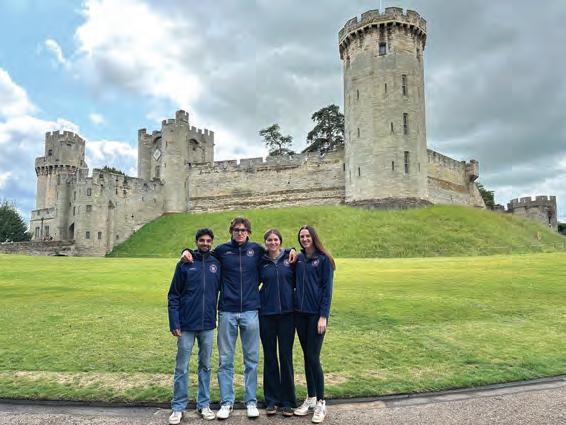
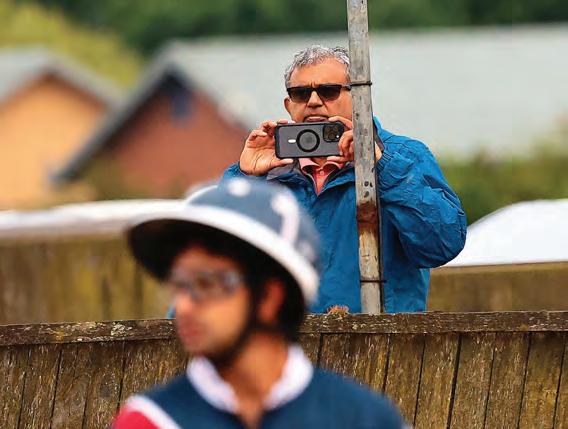
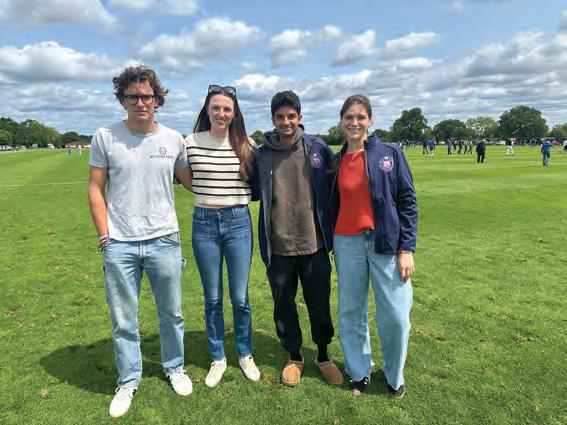
On the day of the game, we were fueled by adrenaline. The Brits—Archie Heseltine, Charles Clamp and Lucy McLaughlin—proved to be great players and good sports, but our preparation and our composure paid off. Gomez, Kumble, Morris and I rotated roles, won bowl-ins and defended well. We worked together, scored big and, in the end, all went swimmingly, as the Brits would say, with the U.S. overcoming the U.K., 13-7.
Our American victory was gratifying, but the real rewards were the camaraderie, the connections and the experience we all shared.
The polo-side of the experience was spectacular, especially when followed by all the festivities and a moving award ceremony. With the stress of competition behind us, we could finally relax and enjoy the players’ party at the club’s outdoor pavilion in the evening. The opportunity to see the quarterfinals of the 2025 Cartier Queen’s Cup, at the famed Guards Polo Club at Windsor Great Park in Surrey, was another highlight and bonding experience for the team.
Our bonding extended well beyond polo. Our group connections were built around meals at picturesque pubs, inns and tea houses and around sightseeing adventures before and after the competition. There was also bonding with my brothers, who live in England and guided us through tube stations,and led us to landmarks and monuments around town. In their eyes, there was respect and admiration for me and my world, giving a special meaning to the trip, and a special kind of appreciation and pride among us siblings.
Pride, it appears, was a constant theme during the trip and it will follow me well beyond my polo adventure in England. The trip was exciting, inspiring and adventurous, but, above all, it was affirming and full of proud moments, and not just because we won the Challenge Cup. I felt proud to play for my country and have the Star-Spangled Banner sound for us, and proud to have a game jersey with my name on it help carry my team and give back to the USPA organization that supported me throughout my polo developing years.
In the larger USPA trajectory, bringing home this year’s International Challenge Cup is just another victory, but, for me, this opportunity was singular. It exemplified the teamwork, camaraderie and sportsmanship that are the essence of collegiate polo for me, with my love of horses and the pride of wearing my country’s colors.
Beyond all that, the experience captured something even more precious. It is a landmark of my polo journey from horse-crazed girl to serious, committed athlete. It is the moment I realized I am a valued and contributing member of the United States Polo Association with recognition beyond my family, my friends and my local polo scene.

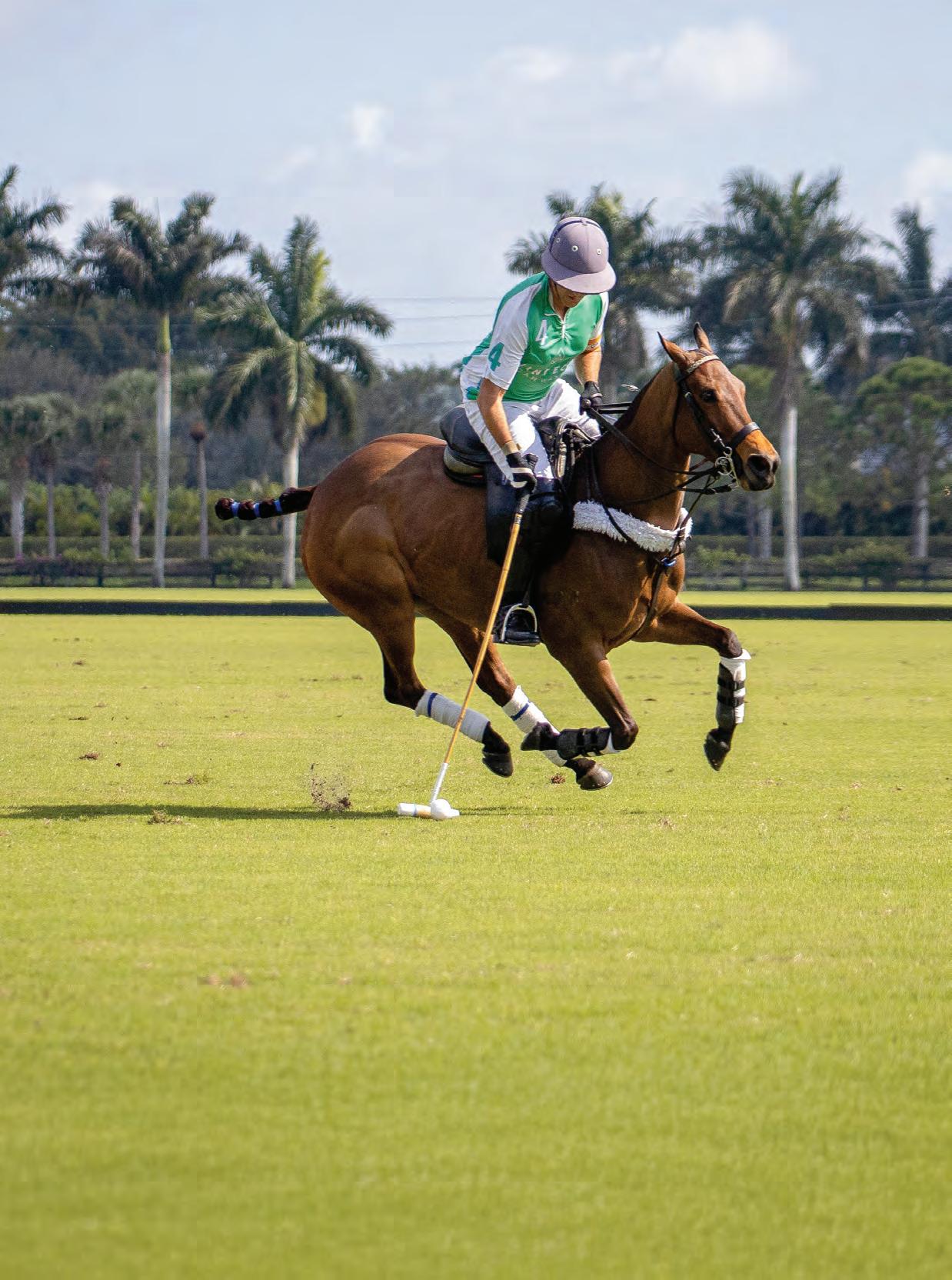


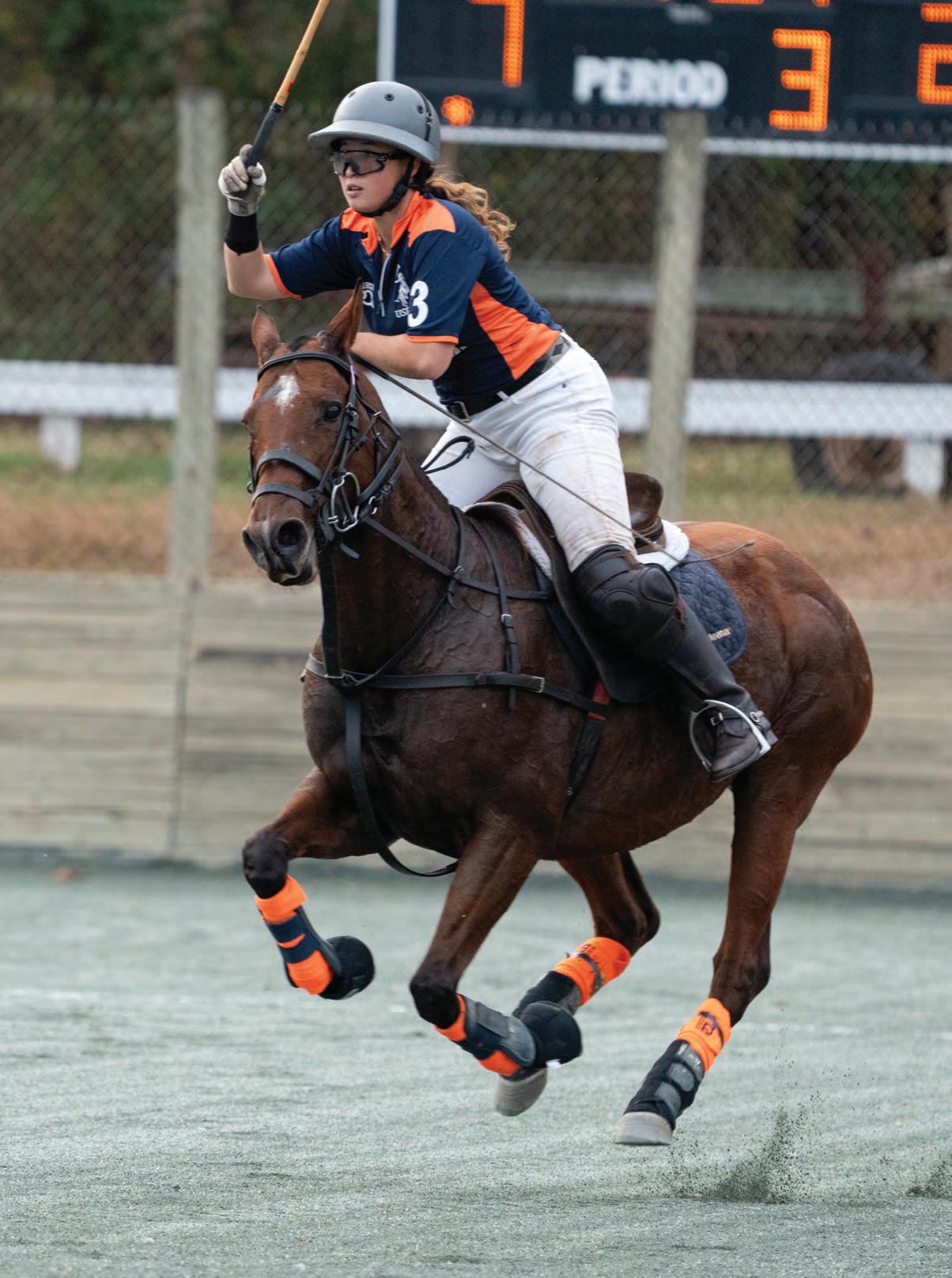
University of Virginia
“In the end, the greatest gift I/I polo has given me isn’t measured in trophies or championships. It’s the friendships and sense of community that will stay with me forever.”
Growing up in Hawaii, horses, especially polo, were difficult to come by. Yet the islands hold rich horse and polo history if you know where to look. I first discovered polo at 14 years old on the slopes of Haleakalā, on the island of Maui. I was fortunate to learn from legends like Herman Louis Decoite, who taught me and many other Maui kids the fundamentals of polo, particularly arena polo. At the time, Maui Polo Club had the only interscholastic program in the islands, and its kids’ program was thriving. I would fly the 40 minutes from Oahu to Maui weekly to practice. Those trips gave me some of my most cherished memories—playing polo, going to the beach, hiking, swimming and spending time with my teammates who would eventually become some of my closest friends.
My love for horses began long before I picked up a mallet, but I was hooked from the moment I tried polo. Still, I didn’t fully understand what it meant to play and compete in I/I polo until I arrived at the University of Virginia. From my first day in Charlottesville, stepping into the Virginia Polo Center, I realized the standard: winning national championships. I also quickly realized the work and dedication that standard demanded. I learned, not only on the field, but also in the barn and alongside my teammates, whether clipping and grooming horses, cleaning tack, watching film or going over strategy. The standards for horsemanship were just as important as
the standards of play, and learning to meet them helped shape me as a player and a person.
During my years at UVA, I had the privilege of riding and caring for incredible horses, learning from outstanding coaches and forming lifelong friendships, all more than 4,700 miles from my island home. I could never have imagined that my time in Virginia would lead to two national titles, and even more importantly, to a place I would call home. I admired my teammates and learned so much from them. From my first to my fourth year, I grew up and matured, deeply appreciating the importance of high standards in horse care, teamwork and leadership.
In the end, the greatest gift I/I polo has given me isn’t measured in trophies or championships. It’s the friendships and sense of community that will stay with me forever. Moving so far from Hawaii to a place so different from where I grew up was daunting, but I was welcomed with open arms and an amazing community. That feeling of belonging and the family you find through polo, is, to me, the lasting impact of the I/I program.
I am very honored and thankful for the PTF Daniel J. Wallace Jr. Intercollegiate Player of the Year award, but it would not have been achievable without all the people who have supported and encouraged me and dedicated their time for my benefit. I would like to thank my teammates over the years, my coaches and, of course, my family, who supported me from afar.
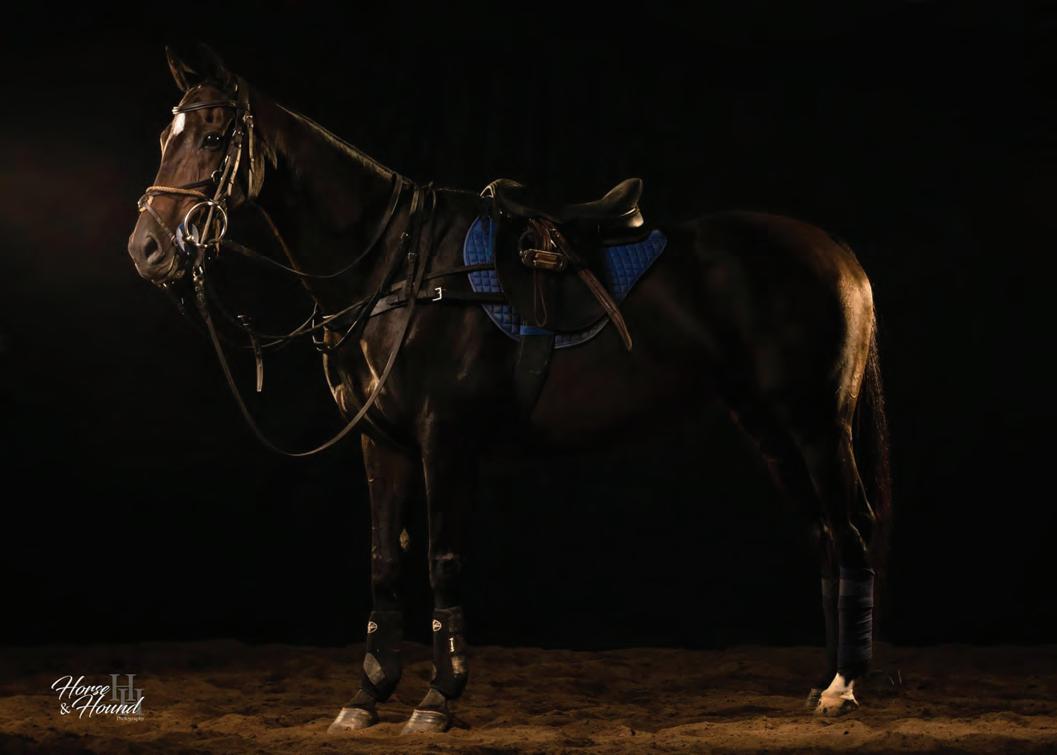
A scrawny little filly with an unusual head beat the odds and went on to become a valued polo pony, winning a best playing pony award at the interscholastic regionals. Recently, she earned a well-deserved retirement.
Born in 2006, at the farm of Adolphus Busch Orthwein Sr. in Cherry Valley, New York, War has a story like no other. Orthwein had retired polo ponies to his isolated summer home for many years where he would turn out his favorite retired mares with an off-the-track Thoroughbred stud. War was born in Orthwein’s twilight years when
Anne Branscum - Cornell ‘86
records of mares and foals were sketchy at best, so her pedigree is unknown. She was born with malformation of her teeth and barely survived after weaning because she had trouble eating grass and was bullied by the bigger, stronger youngsters.
In 2007, War came to the St. Louis polo farm of Orthwein’s son, Stephen Orthwein Sr., onetime 6-goal amateur player and founder of Port Mayaca Polo Club. I was working as his vet and playing his young horses when War arrived in a trailer full of loose, unhandled young
horses. I took one look at the scrawny, beat-up yearling with a weird, misshapen head from the congenital abnormal teeth and said she looked like she had been through a war, and the name stuck.
Stephen Orthwein had trained most of his horses himself over the years, but at that point in his life he had professional players working and playing for him to put the green horse chukkers in the young ones. J.J. Celis and Stephen Orthwein Jr. primarily played War during her early polo career, but her abnormal teeth kept her from utilizing food and she remained very thin. She had trouble keeping condition on the usual diet that the rest of the 60-plus horses in the operation thrived on.
In 2016, she was in such poor condition that I took her to see if I could help her survive at my small farm where she could be fed an individualized, special diet. That fall, I asked Steve Orthwein Jr. to leave her with me instead of sending her to Florida because I was fairly certain she would not survive in the large operation. Her name was on the health certificate headed to Florida, but Steve Orthwein Jr. kindly relented to my pleas and left her in St. Louis.
My daughter Winifred was 11 and not big enough to play polo competitively yet. War had a beautiful, floaty trot, which was not admirable on the polo field, but sure wowed the judges in the dressage phase of eventing. War got a proper show horse name, This Means War, and won the Regional Beginner Novice Eventing Championship the next year. That same year, War and Winnie started playing polo together during the inaugural USPA Middle School tournament season in 2017.
By February 2023, War was an integral part of St. Louis high school team’s string, and under Winnie, she won Best Playing Pony at the interscholastic regionals. After regionals, War traveled to Florida with 17-year-old Winnie, playing in the Sunday feature match at NPC Field One to be part of the winning U.S. Open Women’s Polo Championship team. War would still be competing and winning best playing pony awards today if it was not for a non-polo accident early in 2025 that took one of her eyes. She has a well-deserved retirement from competitive polo at my home in St. Louis where she is my husband’s favorite horse, following him around to supervise fence repairs and odd jobs while demanding hugs and pets.
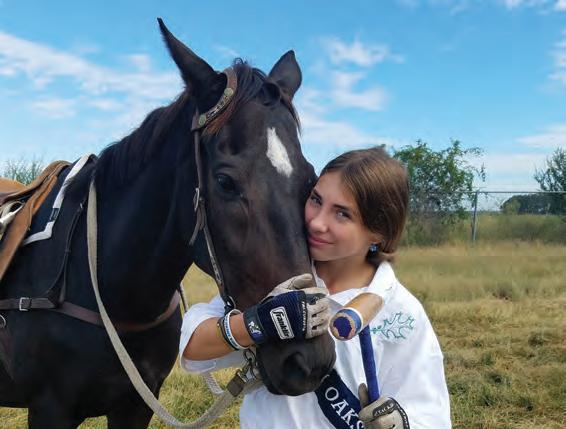
Joaquin Uribe - UCONN ‘26
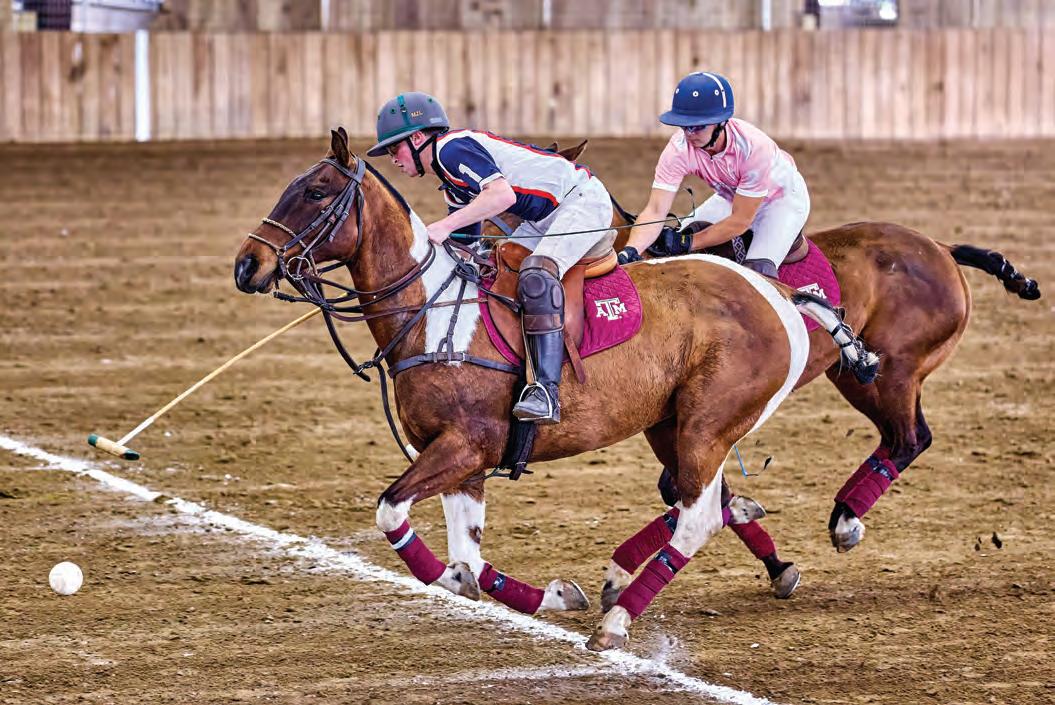
Polo at the University of Connecticut carries a legacy that spans more than five decades. The first UConn men’s polo team was organized in 1969 under Hal Vita, establishing the university as an early force in intercollegiate polo. The men claimed three National Intercollegiate Championships (1972-74), were finalists in 1982 and 1984, and had several final four appearances. The women’s program, which began in 1976, has also had great success, earning seven national titles (1996-98, 2005-08) and, most recently, the Division II title in 2022.
In 2001, the polo program took a significant step forward with the construction of a 120-by-220-foot indoor arena. Built originally to support polo, the facility later became the foundation for other equestrian teams and remains one of the largest collegiate polo arenas in the country. The arena includes a heated lounge, locker rooms and office space. Despite this strong infrastructure, the men’s program
entered a 10-year period of inactivity. That changed when Joaquin Uribe arrived on campus.
A business and management major, Uribe came to UConn determined to revive the men’s polo program. During his sophomore year, with no active men’s roster, he began training alongside the women’s team under head coach Kylie Dalton. With only one teammate, Alexander Brown, at the time, practices were limited and often shared, but the vision remained constant.
Momentum built during Uribe’s junior year through focused recruiting. Bringing significant experience in both arena and outdoor polo, senior Winston Painter joined the team, followed by freshman Malachi Light. With three committed players, the UConn men’s polo team officially returned to intercollegiate competition.
The team immediately faced structural challenges. Training resources were limited to six horses and one practice per
week. Despite these constraints, the group developed chemistry, discipline and competitive confidence. Under the guidance of coach Joaquin Arguello, UConn’s return season exceeded all expectations.
In its first year back, the Huskies qualified as a Division I team and advanced to the semifinals of the USPA National Intercollegiate Championship in Dallas, Texas. During regional play, UConn went undefeated in the Northeast, with wins over Yale, Babson and Cornell.
The momentum carried onto the national stage, where UConn defeated Southern Methodist University in a qualifying match, marking a breakthrough moment for the revived program.
“It has been a tremendous achievement to bring this team back after 10 years and represent the university,” Uribe said. “To qualify as a Division I team in our first season, while remaining undefeated in the Northeast, was something we worked toward every single day.”
The revival extended beyond competition. Uribe also led a branding and storytelling initiative that resulted in a Boston/New England Emmy Award-winning video essay produced, photographed and edited by UConn filmmaker Angelina Reyes. The renewed visibility helped reestablish the team’s identity and supported fundraising efforts that raised more than $6,000 to enable UConn’s participation at the national championship.
The following season brought another transition. Winston Painter graduated, while Malachi Light transferred to Cornell, prompting a new rebuilding phase for the program.
Uribe once again recruited and developed new talent, welcoming three freshmen: Ethan Justin from New York, Gustavo Cintrón from Puerto Rico and Jayson Collins from Connecticut. Cintrón and Collins entered the program with strong show jumping backgrounds, but no prior polo experience. With just one month of preparation before competition, and under the guidance of coach Jenny Sale, the team embraced a steep learning curve. Despite training with only five horses and maintaining a single weekly practice, UConn earned a Division II placement.
“We’re continuing to work hard and gain experience with our newer players,” Uribe said. “Polo is one of the most challenging sports to learn and improve, especially with limited resources, but we’re grateful for the opportunity to compete while pursuing our studies.”
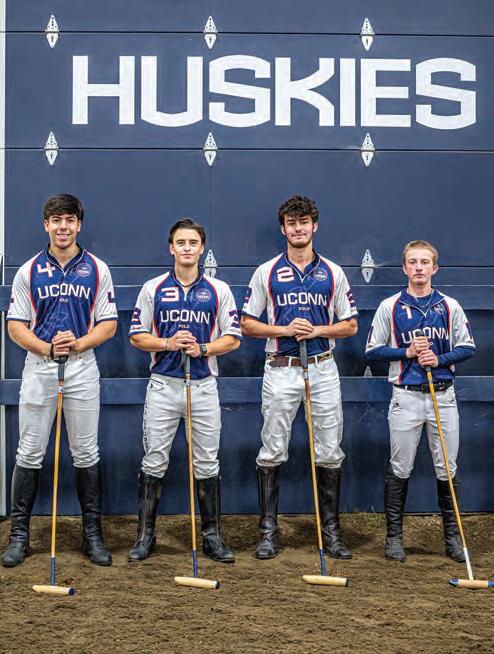
As the Huskies prepare to compete at the Division II Northeastern Regional, the objective is clear: contend for the Division II national title and continue building the program’s future.
Looking ahead, sustainability remains a key concern. Funding and resource allocation are essential to maintaining and growing the polo program. Nevertheless, the commitment from student-athletes and coaches remains unwavering.
The return of UConn men’s polo is more than a revival. It is a testament to leadership, perseverance and respect for tradition. After a decade of inactivity, the Huskies are once again competing on the national stage and shaping the next chapter of a historic program.
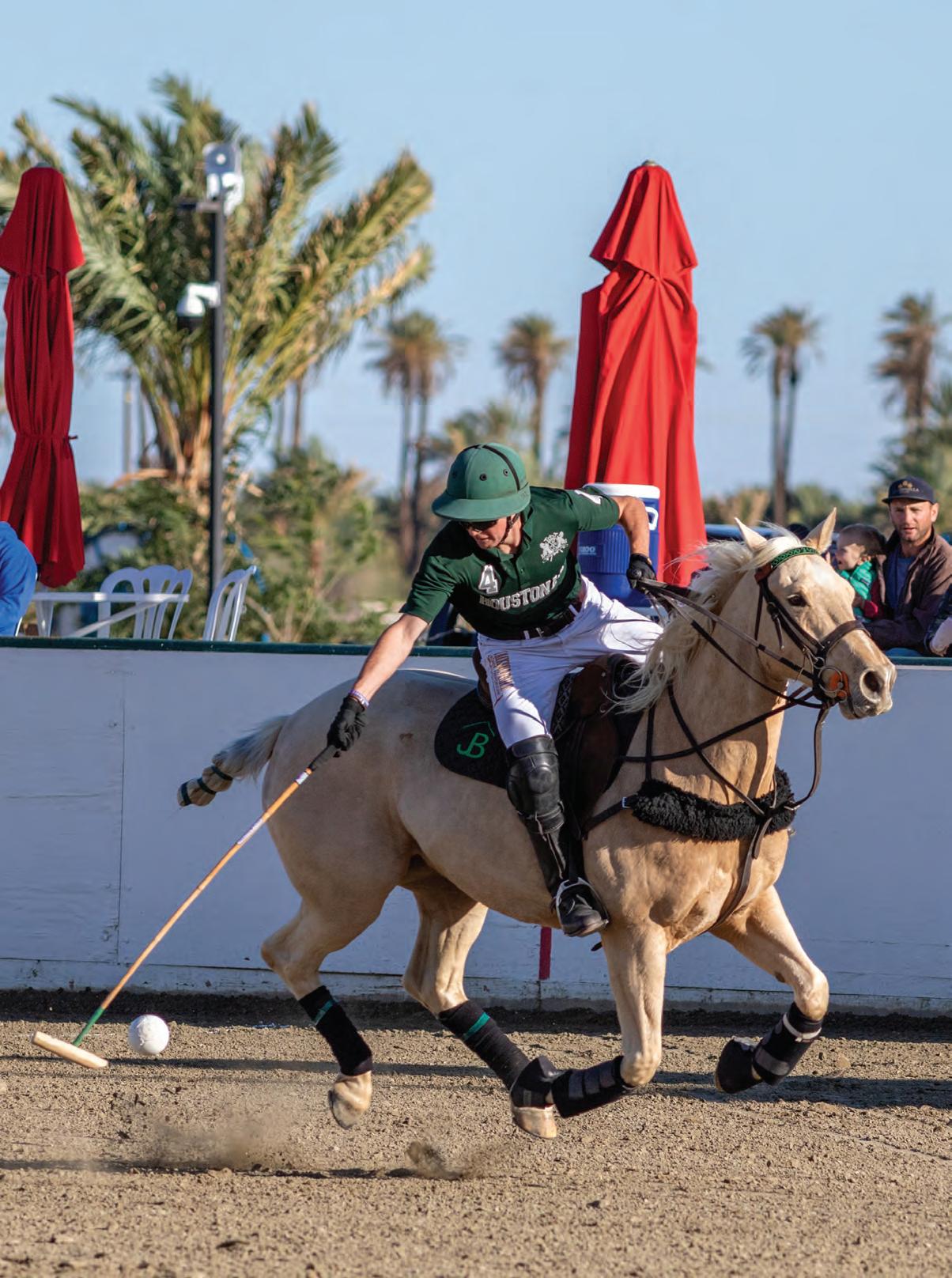
Houston Polo Club
“Polo
has taught me how to
work hard, stay focused and never give up, no matter the challenge.”
For as long as I can remember, horses have been at the center of my life. I didn’t just grow up around the sport of polo, I grew up in it. Both of my parents are polo horse trainers, so I was practically raised in the barn. I learned how to ride almost before I could walk, and I’ve spent more time on horseback than most people spend on bikes or playing video games.
Polo isn’t just a sport to me, it has been my lifestyle, my community and the way I’ve learned almost everything that matters—hard work, patience, discipline, teamwork and resilience. It has shaped me into the person I am today.
Over the years, I’ve been lucky to turn that passion into real success. I’ve won four national championships, and this past year, I was named PTF Russel A. Sheldon Interscholastic Player of the Year—an honor I’m incredibly proud of. Getting to that point took years of early mornings, long practices and sacrifices, but I wouldn’t trade a second of it.
None of this would’ve been possible without the people who have believed in me and pushed me to be better. One of the biggest influences in my journey has been my coach, Mark Prinsloo, who has taught me so much more than just polo. He’s helped me grow as a leader, a teammate and a competitor. He knows how to bring out the best in his players, not by yelling or demanding perfection, but by making sure we understand the game and play it with confidence. He challenges me to think strategically and stay mentally strong, especially in highpressure moments. I wouldn’t be the player I am without his guidance and support.
Another huge part of my development has come from working with Shane Rice, a professional arena polo player who completely changed the way I play indoor polo. Arena polo is fast, intense and super technical, and Shane helped me adjust my game to fit that style. He taught me how to move smarter, anticipate plays and take control of the game even in tight spaces. His attention to detail is amazing, and he pushed me to focus on every part of my riding and my decision-making. Thanks to Shane, I’ve become a much stronger and more confident arena player.
When I was 13, I made my first appearance on the national interscholastic floor. Will Mudra, Lance Stefanakis and I traveled to Virginia to play in the National Interscholastic Championships. After a heartbreaking loss, we came back stronger the next year and finished on top, winning Houston its first national title. Despite my gratitude for such a fortunate outcome to that tournament, it wasn’t my best winning memory. That title belongs to when I won the National Interscholastic Championship with my sister for the first time.
Looking back, polo has given me more than just titles and trophies, it has given me lifelong lessons, unforgettable memories and a deep connection to the people and horses who helped shape who I am. From long days in the barn as a kid to playing in a national final with my sister by my side, every moment has meant something. Polo has taught me how to work hard, stay focused and never give up, no matter the challenge. I’m proud of what I’ve accomplished so far, and I’m even more excited for what is still to come. This sport isn’t just something I do, it’s part of who I am, and always will be.
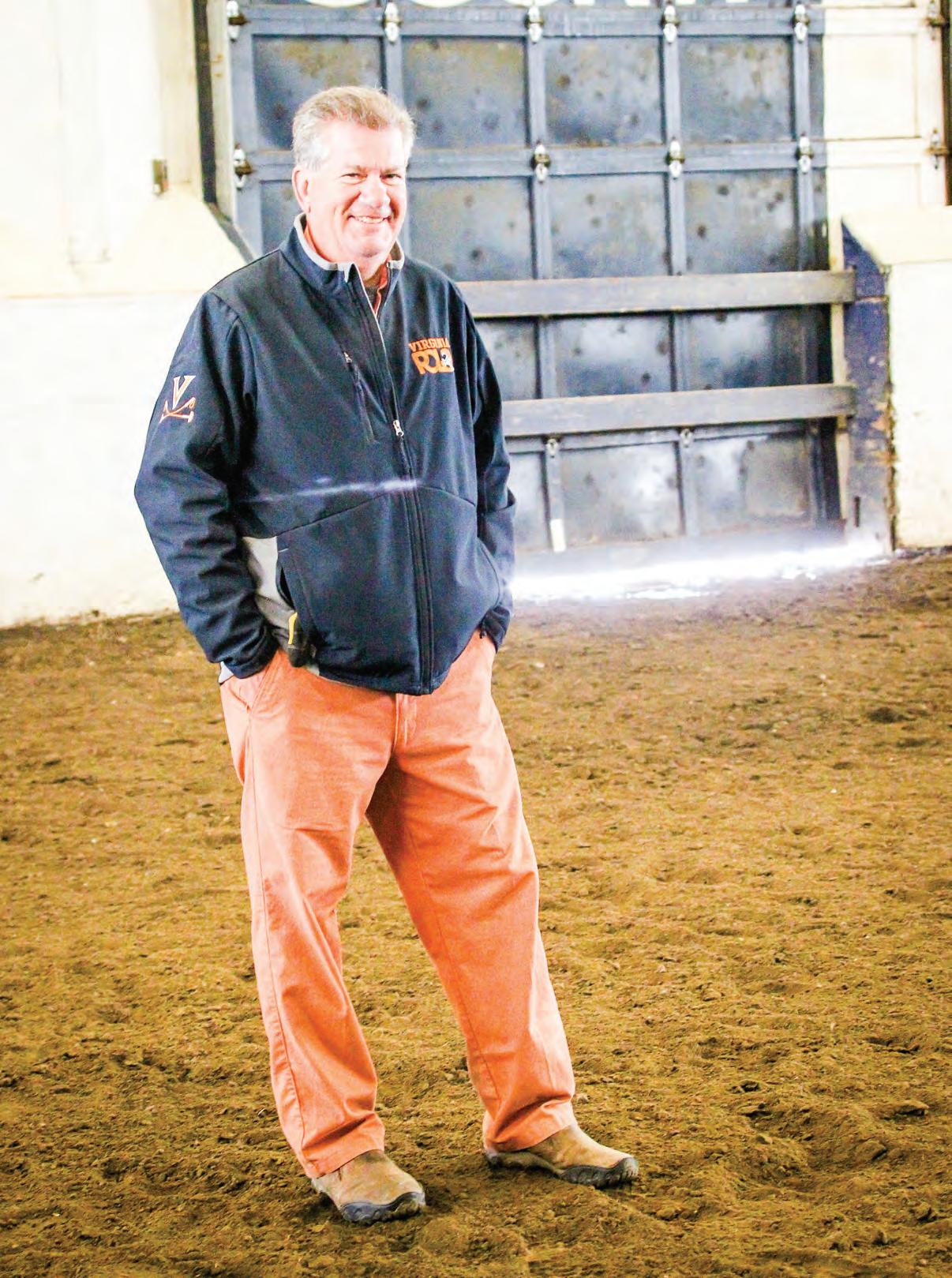
Jenny Germroth - University of Virginia ‘05
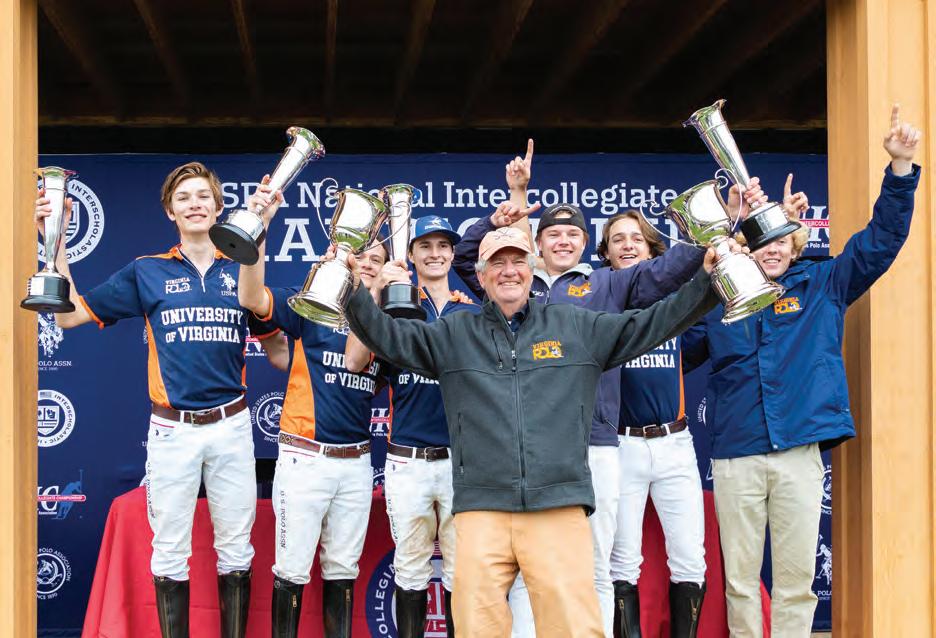
One of intercollegiate polo’s most familiar faces, Lou Lopez, will be retiring at the conclusion of the spring season. The coach and general manager’s name have been synonymous with Virginia Polo, but his impact in intercollegiate polo spans beyond UVA players.
The Polo Training Foundation lit the initial spark for Lopez when he was in high school and discovered polo through a PTF clinic at Meadowbrook Polo Club on Long Island, New York. He went on to play at Colorado State University, where he helped found the school’s polo club. Before joining the Virginia Polo program, Lopez taught high school in Connecticut, coached the Yale University polo team and managed the Yale Polo and Equestrian Center.
Lou’s retirement marks the end of a successful career. Under his leadership, the University of Virginia men’s and women’s polo teams captured 12 national intercollegiate championships, beginning with his first season in 2004.
“There have been so many wonderful moments and milestones over the years, during my career at Virginia Polo,” said Lopez. “What means the most is hearing from
former players, when they call or text just to say hello and share how they are doing. That connection means a great deal to me.”
Legions of I/I players have worked with Lopez at some point in their high school or collegiate polo years through the Virginia Polo summer clinics, Virginia Polo-hosted tournaments or when he volunteered time to help other school’s fledgling programs.
Lopez utilized the Virginia Polo Center to support emerging programs at the University of Richmond, Virginia Tech and Washington and Lee University by providing horses, facilities and instruction to help them grow.
Lou also helped broaden competitive opportunities for developing programs by championing the creation of Division II in collegiate polo, a change that allowed for more teams to compete on a national stage. He also supported the USPA Women’s Arena Open, first held at the Virginia Polo Center in 2016 as the Women’s Arena Challenge Cup, which helped establish women’s arena handicaps, a defining moment in the evolution of women’s polo.
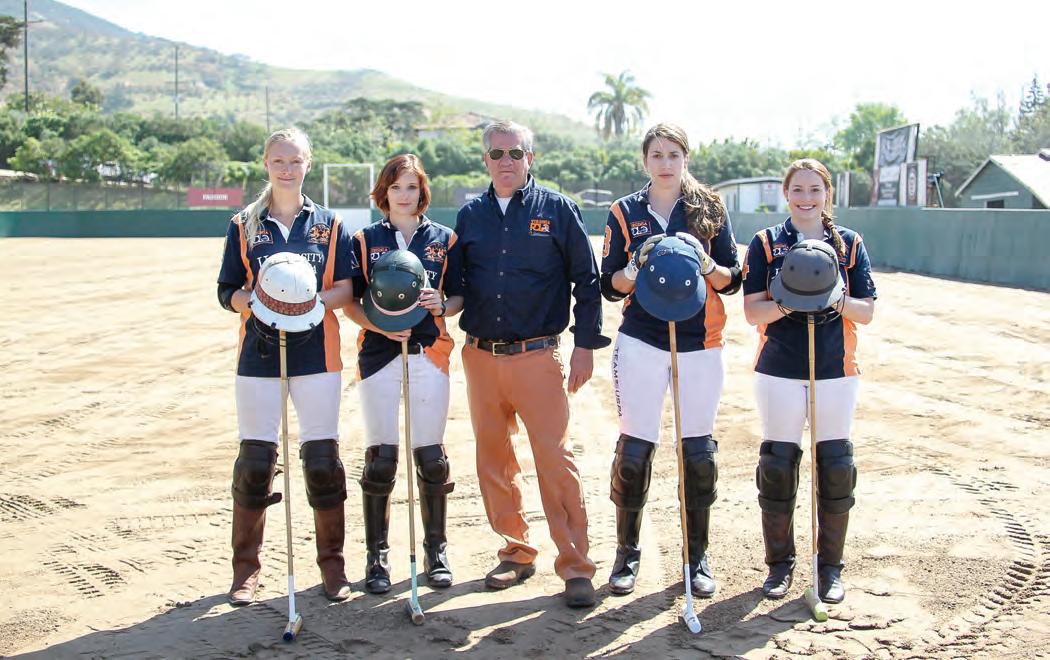
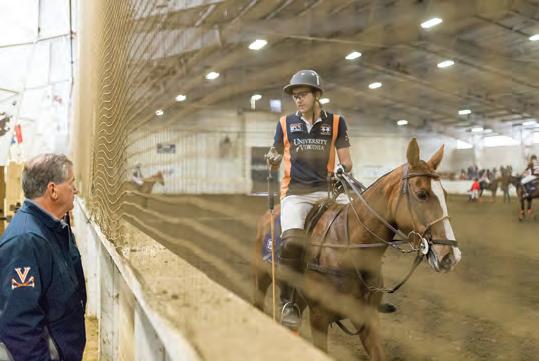
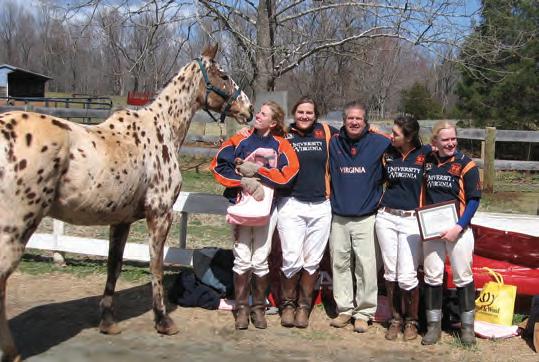
Lopez has received many awards and honors throughout his career, including the United States Polo Association’s Intercollegiate/ Interscholastic Service Award in 2021, which honors members who go above and beyond to support youth polo; the Harriman Cup Award in 2024, presented at the 40th annual Virginia Polo vs. Yale Polo alumni match; and, most recently, the USPA’s Russ Sheldon Award, recognizing outstanding contributions to arena polo.
Lopez will bring his final teams to the Division I National Intercollegiate Championship this March.
Lopez said, “I will certainly miss the daily interaction with such a highly motivated group of young men and women. I’m grateful for the memories and looking forward to spending more time with my family—my wife Ellen, our three children, daughters-in-law and five grandchildren.”
The Holden Arena @ UVA
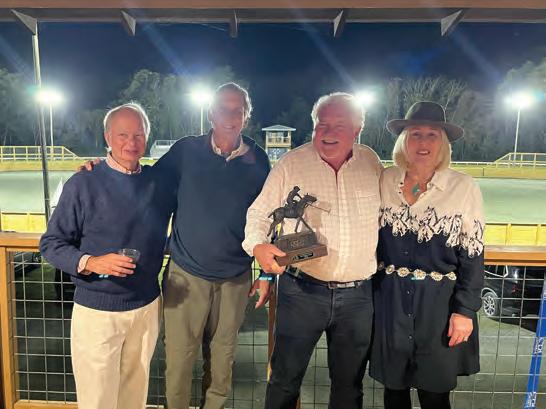
Amidst the thrill and bustle of co-hosting the II FIP Arena World Cup tournament the Virginia Polo Club held an evening event for alumni, students and parents to get together and celebrate the new Holden Outdoor Arena at the Virginia Polo Center.
Guest of honor Jeep Holden cut the ribbon on the new arena. whose generous support made the arena rebuild a reality, Holden’s generous leadership gift made the arena rebuild possible, and support from additional alumni and a PDI Grant helped the club cover the remaining cost of the project.
The evening provided a valuable opportunity for Virginia Polo alumni of all generations to connect and spend time with current students in the program. Students witnessed firsthand the rewards of giving back to the college polo program they love. The lasting friendships among alumni from the 1970s served as a powerful reminder of how meaningful continued involvement can be throughout a player’s life and how the polo club can continue to bring joy to alumni long after graduation.




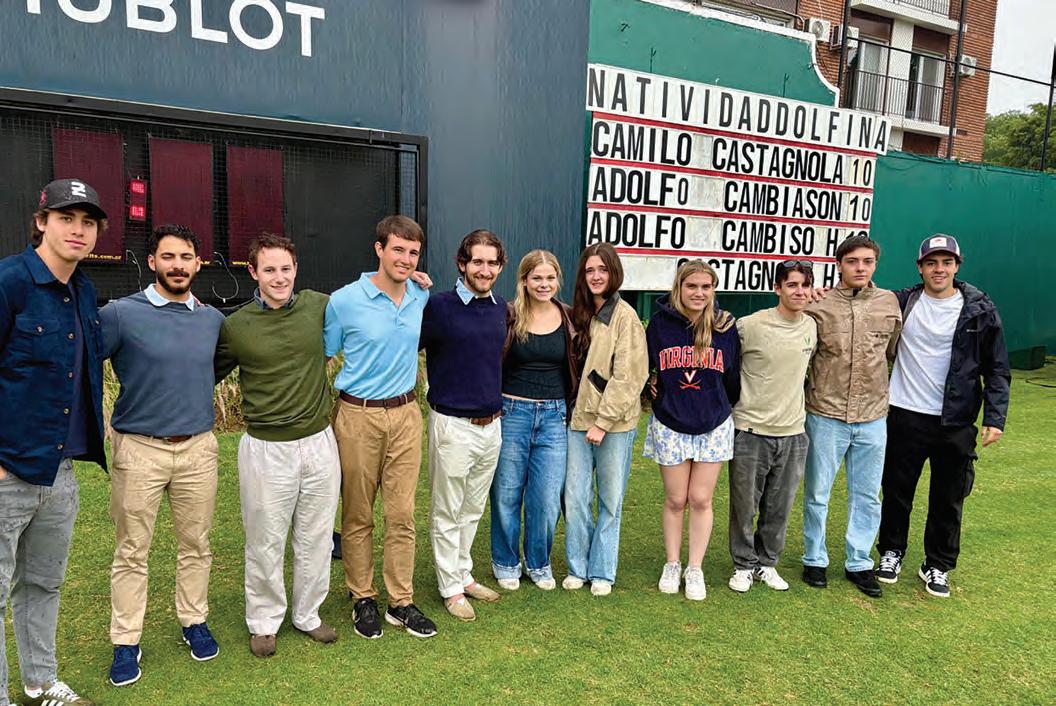
The spirit of adventure and international friendship returned in full stride this season as the College Polo Tour hosted its sixth one-of-a-kind educational and athletic journey that took student-athletes from the U.S. to the shores of Punta del Este, Uruguay, and then to the beating heart of polo in Buenos Aires, Argentina, this past November.
Bringing together collegiate players from American, Cornell, Georgetown and George Washington Universities and the University of Virginia, along with few senior high school players poised to join the collegiate ranks, the trip embodied the next generation of American polo. Each participant came ready to learn, compete and immerse themselves in the traditions of one of the sport’s most storied regions.
The adventure began under the Uruguayan sun in the chic coastal town of Punta del Este, where the players were hosted by Luciano Irrazábal of Iridike Polo at El Rincon Polo Club. Days were filled with clinics, stick-and-
ball sessions, practice chukkers and on-field coaching from top Uruguayan and Argentine professionals. Each rider had equal opportunity to participate, regardless of experience or handicap, a hallmark of the CPT spirit.
When they weren’t in the saddle, the group explored local attractions, including Casapueblo, La Mano and seaside artisan markets. Evenings brought memorable group dinners where players bonded over shared laughs, sunset views and stories from across schools and states. By week’s end, friendships had deepened, skills had sharpened, and the players were ready for the next stage of their journey—crossing the Río de la Plata to Argentina, the world capital of polo.
Arriving in Buenos Aires, the group found themselves immersed in polo’s living history. A private visit to the Palermo polo fields, led by Benjamin Araya, president of the Asociación Argentina de Polo, gave the students rare, behind-the-scenes access to one of the most sacred
venues in the sport. Walking across the same grass where the Argentine Open’s greatest moments have unfolded left every student quietly awed.
From there, the trip continued with VIP experiences hosted by La Martina and Casablanca, two iconic polo brands that opened their doors for private tours through their shops, workshops and exclusive lounges. Students learned about the artistry behind Argentina’s polo fashion and equipment—a blend of tradition, luxury and craftsmanship deeply rooted in the nation’s culture.
If Palermo was the sport’s cathedral, then the highlight of the tour was nothing short of a blessing. The group received an invitation to visit Nacho Figueras’ Cría Yatay Farm in Pilar, where the international polo star greeted the students personally. Figueras shared a heartfelt afternoon showing his horses, walking student’s through his stables and speaking about the lifelong balance between passion and professionalism that defines the sport. His generosity and humility left a lasting impression on every participant.
To cap off an already extraordinary week, the team was invited to attend the Women’s Argentine Open final at Thai Polo Club, celebrating the pinnacle of women’s polo with elite international athletes. The evening concluded with an unforgettable post-match celebration with music, laughter and the collective joy of being part of polo’s global family.
Guided by myself and Argentina liaison Soledad “Sole” Secchi, the CPT successfully fulfilled its core mission: uniting young players across borders via competition, education and mutual passion for the sport. Every participant returned home not only a stronger athlete, but a more complete ambassador of the sport.
One student remarked, “This trip showed us that polo is more than a game, it’s a global community tied together by respect, friendship and love for horses.”
The sixth College Polo Tour reaffirmed that the future of polo is bright, collaborative and deeply international, and its next generation of players is ready to carry that legacy forward. This remarkable trip was made possible thanks to the generous support of our jersey supplier U.S. Polo Assn.
Following the overwhelming success of this tour, the College Polo Tour is already organizing its next international adventure to Sotogrande, Spain, in May. This trip promises another exceptional opportunity for collegiate players to learn, play and experience polo beyond borders. Those interested in joining the journey are encouraged to reach out to CPT for details and registration.

Marlan Farm Polo Club
“To every little girl who doubts her abilities and feels she’s
not trying hard enough, your time will come, maybe not now or tomorrow, but it will come. If you try, are excited to learn at every practice and surround yourself with people who are better than you, you will succeed.
I am deeply honored to receive the PTF Lynn Thompson Player of the Year award. I would like to express my sincere gratitude to everyone who nominated me and for the incredible role models who helped shape me into the person I am today, most importantly, my parents. Every single one of them significantly impacted the trajectory of my polo career and without them, it wouldn’t be possible to be the player I am today.
At the age of 7, I began riding lessons at Marlan Farm, assisted by my future coach, Kelly Wells. I instantly fell in love with horses and decided to attend my first pony camp that summer. It was at that camp that Wells put a foot mallet in my hand for the first time. At that moment, I was hooked on polo and instantly knew that I wanted to become the best polo player I could be. Through polo lessons, I was fortunate enough to grow up with some of the best teammates and lifelong friends I could ever ask for – Rory Knox, Izzy Brocket and Sierra Blevins. These girls are like sisters to me, and I am forever grateful for all the memories and moments we spent together. We’ve had to overcome so much together, and that only made us stronger.
My polo career has had its ups and downs, but I wouldn’t change a thing. Wells’ teaching method is impeccable. She starts with the basics of riding and then goes on to teach polo. She offers kids the opportunity to lease a horse for the entire summer, requiring them to take care of the horse, tack it and bathe it. In return, they can ride every day. Most of her kids are now top-tier riders and polo players.
I wish I could go back and enjoy it more, appreciate it more. She wants the best for everybody, even though she makes it challenging. By doing so, she knows how much easier it will be later. The skills she taught me are still helping me in life, such as being held accountable, maintaining a strong work ethic and appreciating the little things in life. I’m not a detail-oriented person, but Kelly’s attention to detail has rubbed off on me over the years. The little things I have learned from her will enable me to become a better student in college and a more wellrounded individual.
There were times when I wanted to quit, but Wells was always there to lift me up. She reminded me that even though it was hard, it would be worth it, and she was so right. That is something for which I will forever be grateful. Something I learned through my polo career was that every athlete eventually faces a fork in the road. They can either coast, remain stuck at a certain level or take the initiative to improve, but no one can decide for them. No coach or parent can make a kid want it as much as someone else.
The summer before I entered my junior year in high school, I was allowed to intern at the Brandywine Polo Club for the summer. This is where I learned the ins and outs of managing a polo club. Let me tell you, it takes a lot of effort from the owners, managers, grounds crew, umpires and announcers. There is a lot that goes into it that I didn’t know. I was lucky enough to learn invaluable information and advice from Martin Eddy, the club manager, and Elizabeth Hedley, the social media manager.
For the last three years, I’ve gained experience playing
with and against players who are better than I am, including some of the best pros. It was eye-opening to experience fast-paced polo with the great community that Brandywine has built. I learned even more about caring for horses and ensuring they are in top condition.
Last summer, I spent time with Kathy Fowser in Pennsville, New Jersey, learning how to train off-thetrack racehorses to play polo. I was gifted with an offthe-track racehorse that I named Aphrodite. This horse has turned into one of the best things that has ever happened to me. Her training began in June, and I was able to start playing her competitively in November.
Fowser provided me with a lot of different experiences with polo. She played in a 10-goal tournament in Aiken, South Carolina, and has won the Gerald Balding four times at Brandywine, one of the club’s most prestigious 8-goal tournaments. She’s just an incredible woman to be around, and I feel fortunate to have her in my life. I am so grateful for the opportunities she has given me and for teaching me skills I will carry with me for the rest of my life. Every horse that lives on Fowser’s property has the best life. That is where I keep my horses now, and they love it there.
I’m thrilled to begin a new chapter in my life at Texas A&M, where I’ll be part of a new family. To every little girl who doubts her abilities and feels she’s not trying hard enough, your time will come, maybe not now or tomorrow, but it will come. If you try, are excited to learn


at every practice and surround yourself with people who are better than you, you will succeed.
I’ll never forget the lesson that a closed mind is the most significant barrier in sports. For me, it all comes down to this: I would rather pour everything I have into something and have it fail than look back later and wonder if I could have tried harder. There’s no greater regret than knowing you held something back.



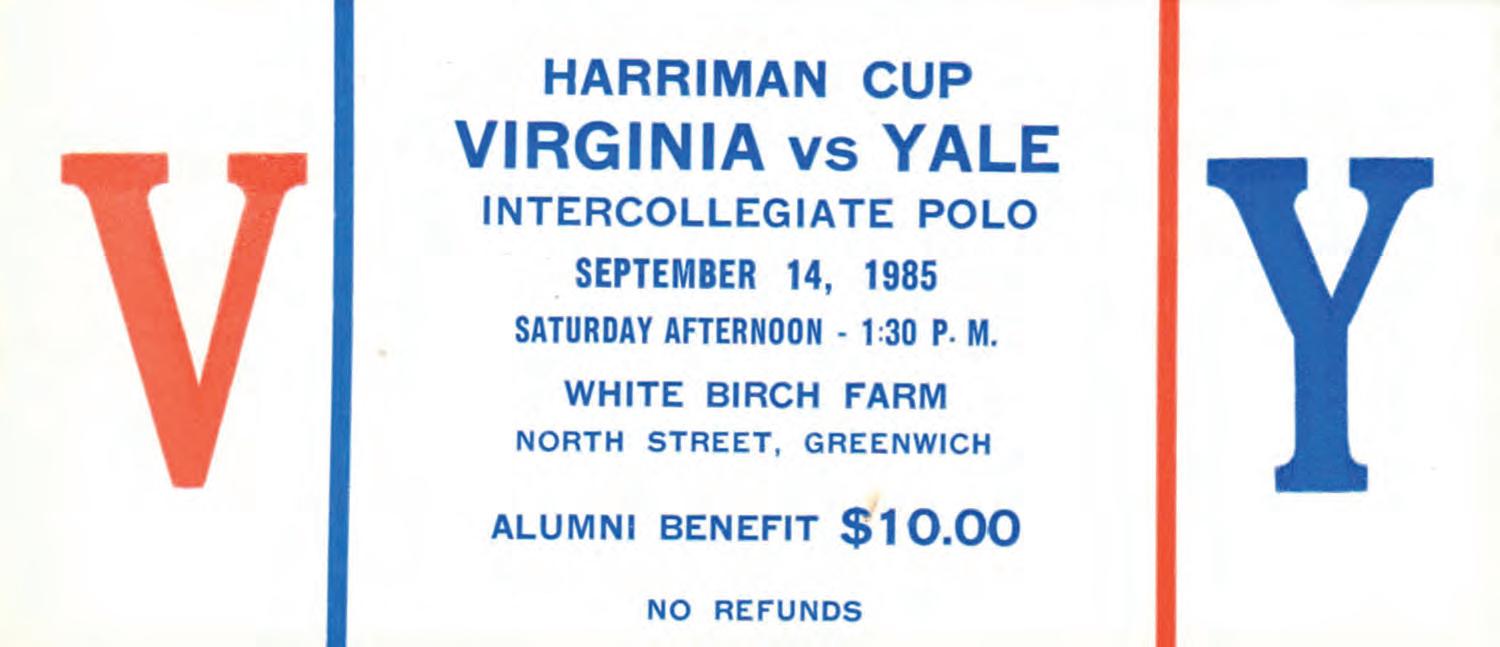
Matt Paco - University of Virginia ‘95
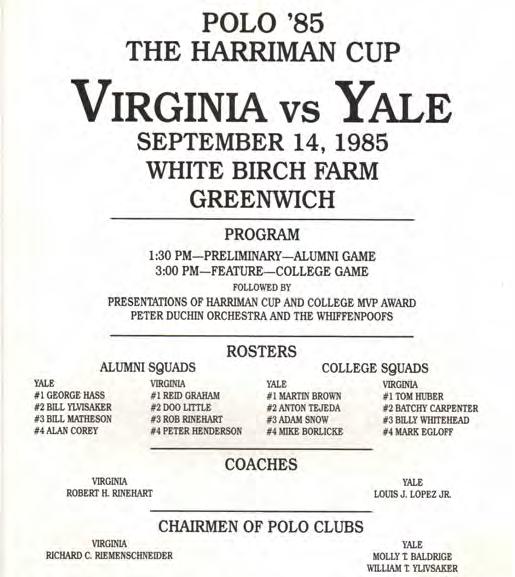
After 41 years, the Harriman Cup, America’s oldest alumni polo tournament, is still going strong, honoring the legacy of diplomat and statesman W. Averell Harriman, a Yale alumnus and former governor of New York. This longstanding fundraiser in Bethpage, New York, for the polo programs at Yale and the University of Virginia is more than just a polo match. It is a day-long event that includes a dance party, VIP buffet lunch and prizes for best dressed attendees.
“I never envisioned the Harriman Cup would last as long as it has,” said UVA head coach Lou Lopez. “There is strong alumni support for both polo programs. I am proud to have been associated with both.”
Back in 1984, Lopez was the head coach for Yale Polo, and it was his job to coordinate the first alumni polo tournament after Tom Shuman, the president of UVA’s New York alumni club, reached out to Yale Polo’s alumni cochairs Bill Ylvisaker and Molly Baldridge to have a joint fundraiser.
As the tournament’s event director, I am proud and amazed by its long-term success. Liz Brayboy, who was a Harriman Cup cochair from 2012 to 2019, is also astonished by its longevity.
“I first got involved in my senior year at Yale,” she said. “So, the fact that it’s continued on is really pretty amazing.” Brayboy is now the chairwoman of the USPA’s Intercollegiate/Interscholastic Program and has helped grow the number of colleges and universities that have polo programs to 29.
After being involved in the Harriman Cup for 20 years, I am surprised that other schools don’t consistently host alumni polo tournaments. Brayboy said, “People call and say, ‘We want to do an event like the Harriman Cup three months from now,’ and I have to break it to them, it takes at least a year to plan out.”
To inspire other colleges, I reached out to my fellow Harriman Cup organizers to compile and share our tips on how to create a successful alumni polo event.
TIP #1: Build an event with schools that have a rivalry or a strong connection.
A great place to start is to plan a match between schools that are rivals. Yale and UVA aren’t necessarily rivals, but what both schools have is a strong alumni connection in New York. UVA’s alumni club in New York City is in residence at Yale’s clubhouse in Midtown Manhattan, which encourages joint events to occur.
TIP #2: Build a strong planning committee composed of alumni with a variety of strengths.
To have a successful event, you need different board members who understand event coordination, marketing, sponsorships and even the law because you will need to draft and sign contracts.
Strong leaders are also needed. Leading our nonprofit organization are two cochairs and two vice-chairs. One of each must be a UVA alum, and the other a Yale graduate.
Another key to success is to get players on the committee. Brayboy said she was committed to the Harriman Cup for 10 years because she played in it.
Nick Barry, who is the UVA cochair for the Harriman Cup, added it’s all about the camaraderie.
“I’ve played with some of my closest friends. I’ve helped organize different teams with people that I’ve known for 20, 30 years, and that’s been incredibly rewarding,” he said.
Vlad Tarashansky, a former men’s captain at UVA, who also played at Yale in high school, noticed something about the event after playing the last two years.
“Once people graduate from your program, they’re always there to help you,” he said. “That’s kind of what I’ve picked up from the Harriman Cup, that alumni always want to give back.”
TIP #3: Cosponsor the event with your local alumni clubs.
Producing a successful alumni polo match with your local alumni clubs is mutually beneficial. As a former president of the UVA Club of New York, I have seen the benefits of the Harriman Cup from both sides.
Local clubs can help to promote the event in their newsletters, on social media and in weekly emails, and are also a great source of volunteers. In turn, the polo match is an excellent recruiting tool for alumni engagement, which can help grow the number of graduates becoming members of the local clubs.
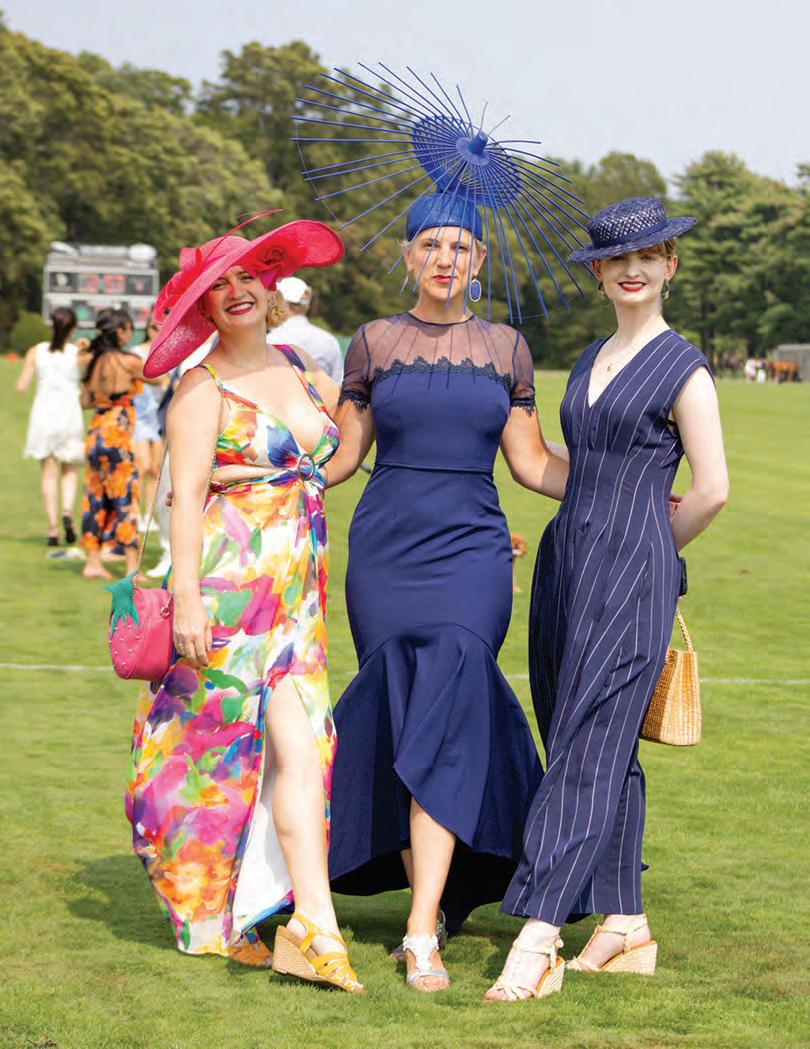
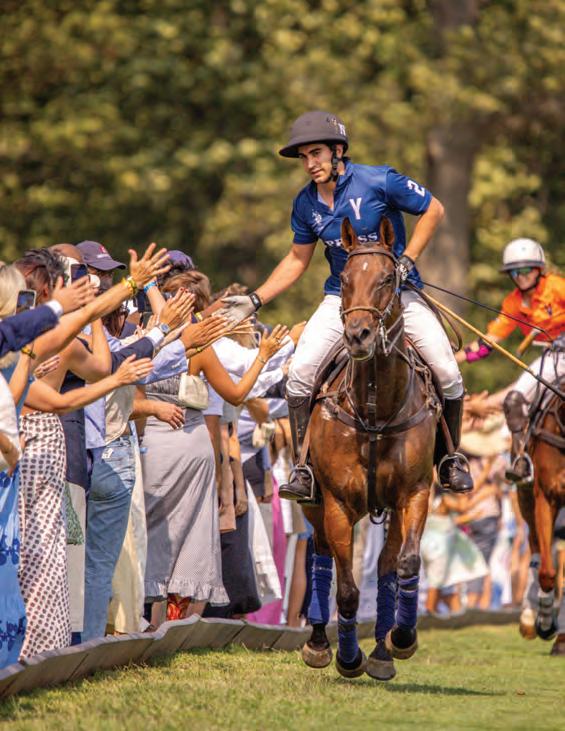
A good example of this was when we cohosted a pre-Harriman Cup reception for Adam Snow, our 2023 Harriman Cup Award recipient, at the Yale clubhouse. Both the UVA and Yale Clubs promoted the event, which attracted Yale and UVA Club members and prospective alumni who were interested in joining the clubs.
TIP #4: Make sure the collegiate polo programs reap the benefits of the event.
According to Matt Baer, the Harriman Cup’s Yale cochair, there are four ways the Harriman Cup benefits the polo clubs—financial support, visibility, branding and alumni engagement.
Beverly Perkins, the captain of Yale’s undergraduate women’s team, and Jenny Germroth, Virginia Polo Club’s director of development and communications, agree.
“Yale Polo is very heavily alumni-subsidized. We receive basically no money from Yale. The Harriman Cup benefits us because the funding goes to taking care of our horses, being able to have lower dues or paying for our coach or our barn manager,” Perkins said. “I also think alumni connections are important. The more that alumni meet the current students, the better clubs or teams function because of mentorship or financial support.”
“Recent alumni want to find a way to stay involved,” explained Germroth. “They want to give back even if they can’t afford to play polo or can’t afford to donate. So, volunteering with the Harriman Cup appeals to them, and a lot of our grads are going up to New York City to work. It’s just a great way to have different generations get to know each other on the basis of the shared experience.”
TIP #5: Find lead sponsors.
Planning a polo tournament is an expensive endeavor, and finding key sponsors is an important way to offset costs and raise more funds for the collegiate polo programs. The benefits, however, go beyond just the money. This past year, two of our key sponsors included J. Press, our title sponsor, and US Polo Assn., our celebration sponsor. Besides a monetary commitment to the event, US Polo Assn. provided custom performance team jerseys for all the players, as well as the Chevy Beh MVP award.
“Having J. Press as our title sponsor gave us the opportunity to be true partners, not just [having] a funder.
It was awesome that J. Press did a [fashion] campaign and created clothing items tied directly to the event,” Baer explained. He was also a model in the campaign. “For me, it was amazing to be a part of that.”
TIP #6: Create an unforgettable festivity that is more than just a polo match.
The Harriman Cup is more than just a game. It’s an all-day party with alumni tailgates, a string of classic cars that attendees can check out and admire, food trucks, a VIP tent serving a buffet lunch and contests for Best Dressed, Best Hat, Best Tailgate and Best Dog. It seems the most popular part of the day for attendees who did not go to either school is winning one of these awards. In 2013, a group of Choate alumni won the Best Tailgate prize when they shipped in hedges, a Persian rug and a full bar with a bartender.
Tarashansky appreciates the sartorial aspect of the event.
“I love the outfits that the crowd wears. Nobody holds back. Everybody puts on their best outfit, flashiest colors, most preppy looks. It’s great!” he said.
Baer said, “There’s something there for everyone. It’s polo, plus the dance party, plus the catered VIP food experience, plus the tailgating experience that you get at a football game. Some people just want to sit and watch who’s scoring what goals, which players are out there, who won the MVP award. Other people love the dance party, and other people love the networking.”
Perkins co-manages the student volunteers at the Harriman Cup, and has a blast every year.
“I got to hang out with the older students and alumni,” she said. “The dance party at the end, when everyone went into the VIP tent to let loose a little, was just really fun.”
This fall, we will host our 42nd annual polo match, and we hope the Harriman Cup will live on for another 42 years and beyond. Why do we continue to do it? For Nick Barry, it’s about leaving a legacy.
“I knew a lot of the founders, from Bill Ylvisaker to Steve Orthwein to Sandy Carden to Lou Lopez to Liz Brayboy to Eileen Bartolini Flint. Obviously, I wasn’t there for the beginning, but because I knew all those people, I’m just happy to help carry the torch,” he said.
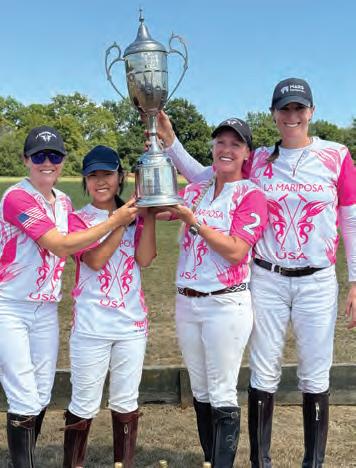
In July, Mayson Kim, part of the Starr Creek Purple Interscholastic team, was able to take advantage of a YPO grant from the USPA to travel to England with her coach Anja Jacobs to play in the Victrix Ludorum Ladies 16 goal at Hurtwood Park Polo Club with 10-goaler Nina Clarkin and 5-goaler Claire Brougham. We asked Mayson about her experience abroad and her advice to other players.
What was different about playing in England versus playing at home in the United States?
Playing at home versus playing in England was a big jump from what I’m used to. The previous game I played before this was my first ever tournament, a 6 goal at home in Atlanta, so going into the 16 goal felt crazy different. The game was much faster and the players were more skilled. Each game I played was very different. One team was very physical and the other passed the ball nonstop. It was a very cool experience, and I’d love to do another tournament like that again.
What was it like to play with the GOAT Nina Clarkin?
It was such a wonderful experience getting to play with Nina. It felt like I was playing with the Michael Jordan of polo on the field! Nina was so encouraging and a great leader and teacher. She always made me feel confident on the field. I learned so much while playing with her and she really made me a better player.
What was the most important or interesting thing you learned during this experience?
Communication. I’m usually a quiet player on the field, but hearing drill sergeant Claire and Nina communicate across the field was definitely a skill I needed to take back to Georgia with me. Getting to play in this tournament is a huge accomplishment on its own, but what did it mean to you to win?
It felt unreal. I’ve worked hard for the past three years, and getting to win something like this was so worth it. I couldn’t have achieved this accomplishment without my amazing teammates Anja, Claire and Nina, along with coach Aaron and the players in Georgia who helped me prepare for this tournament.
What advice would you give other young players?
All the games you play are part of your experience! Play for the love of the game, no matter if you win or lose, but, of course, winning is definitely more fun! Always keep learning, practicing and staying patient!

Supporting The USPA and The Sport of Polo with Trophies & Awards Since 1977







Danny Coleman - Liberty Hall
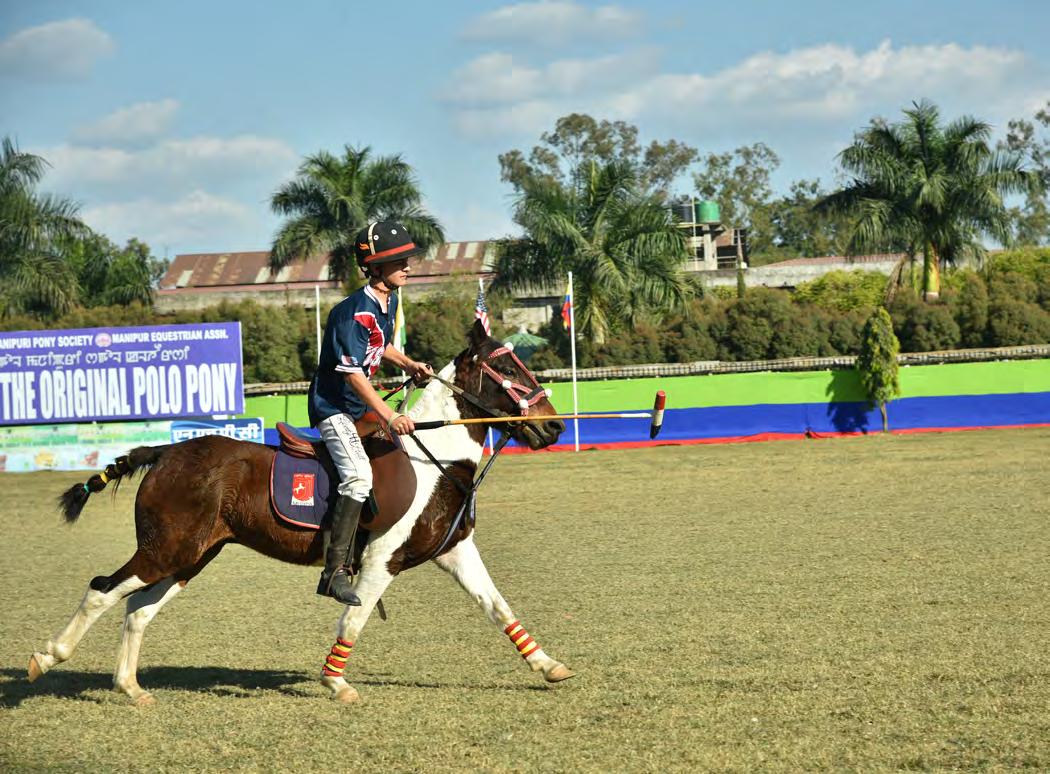
The Manipur International Polo Tournament is an international event held at the oldest polo ground in the world, to preserve the Manipur polo pony and protect polo as a living cultural tradition in Manipur, India. From Nov. 20-30, I was fortunate to be able to represent the United States in the 15th edition of the tournament. At 15 years old, I was also the youngest player in the history of this tournament. Being able to compete with my family is always extraordinary, but representing the United States was an incredible honor.
Here in America, I mainly play arena polo on horses that are 15 to 16 hands. It was a huge change for me when we first practiced in Manipur on the tiny Manipuri ponies, playing with balls made of local wood and their bendy
loaner mallets. The Manipuri ponies are the oldest breed used for polo in the world and only average about 12 hands tall. They are extremely tough and athletic in their dispositions, and with only about 2000 left in the region, several can be found roaming freely in the streets of Imphal, Manipur. Riding these ponies drastically improved my horsemanship, and I was just beginning to realize it at the end of my trip, when the ponies became easier to understand and utilize. The ponies required me to ride quieter, sit lower and further back, and stay connected instead of trying to force a play, and these lessons permanently improved my game. When I returned home, I better understood the value of the experience as I gained much improved control over my own horses.
Even though I have gone through life being complimented for my smooth style of play, especially in comparison to my brother Zak, this style of polo hit me right in the face. I was playing different positions, riding different ponies and competing with different people, and I wasn’t able to use my usual methods to master this style of play until later in the tournament. The ponies demanded more discipline and awareness than I was used to, and once I adjusted, the game slowed down and began to make more sense to me.
By the end of the tournament, in our final two games, each person on our team had figured out their role on the field to maximize success. This included me sitting in the goal and defending on the nearside, which was specifically designed to counter Bonbon, the best player on the Manipur team, and had a major home field advantage on the 200-yard-by100-yard hard grass stadium field. I enjoyed playing that role because it worked well and closely resembled what I do at home with my interscholastic team, allowing me to focus on positioning, timing and staying connected with the pony rather than taking unnecessary risks.
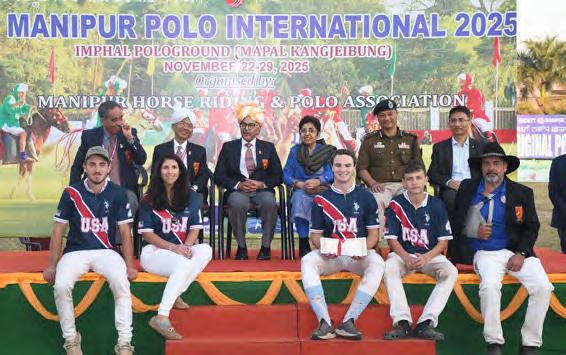
The U.S. team was made up entirely of players connected to the USPA Intercollegiate/Interscholastic (I/I) program, either as current participants, coaches or alumni. The USA team included me; my brother, Zak Coleman, 2025 PTF Collegiate Player of the Year and captain of the Texas A&M Division I National Championship team; Aiden Meeker, Texas A&M Division I National Champion; and Libby Kofmehl, coach at Ople Polo, an interscholastic program in Pittsburgh, all selected by my dad (and my interscholastic team coach), Dan Coleman, and Ed Armstrong to represent the USA in this event. After my dad got hurt, he became the announcer for the entire tournament, helping bring an American perspective to Manipur polo for an average TV audience of nearly 5 million viewers.
In I/I games, the horse strings are designed so that players learn to ride unfamiliar horses and improve horsemanship by riding the other team’s horses in competitive games. This was very similar to my experience in Manipur, because we arrived and rode the Manipur Horse Riding and Polo Association’s ponies while competing against them, and the I/I system clearly prepared me for that challenge.
My experience in Manipur greatly improved my horsemanship, grass
polo and team skills. I am thankful to the Manipur Horse Riding and Polo Association for hosting us and for its dedication to preserving the Manipur polo pony and culture for their people and the world. This tournament reinforced that polo is ultimately about the pony and that the rider’s responsibility is to bring out the best in his mount, both on the field and in training. As the tournament made clear to me, not every horse can be the best, but you can bring out the best in every horse.
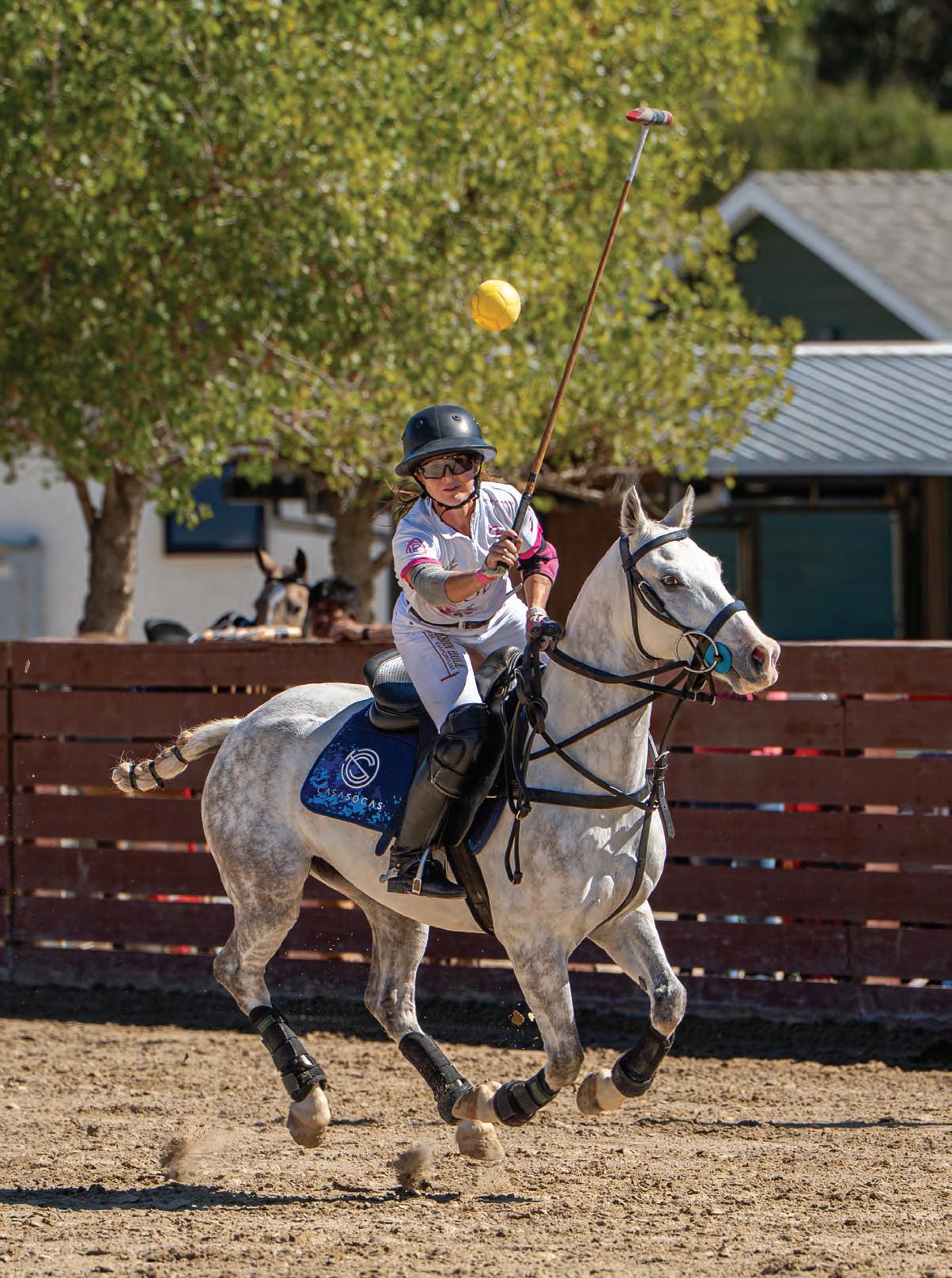
My daughter Marissa Wells realized a childhood dream when it was announced she would be raised to 10 goals in May. Marissa credits her years in the Intercollegiate/Interscholastic program for her success.
Marissa’s story starts as so many polo player’s stories do, with a love of horses. She grew up always knowing there were horses out back on our farm and that her parents played this intriguing sport called polo. She would ride her bouncy horse with a mini foot mallet, whacking a soft ball in the kitchen as a mere 3-year-old. Then came a pony of her own and lots of riding. Marissa loved to be on the back of a horse. Trail riding, bareback riding, jumping and lots of ring work gave her an exceptionally strong seat that she built her polo career on moving forward.
Kelly Wells - Cornell ‘92
In 2009, the then-sixth-grade Marissa got her chance to be on the Maryland girls’ varsity team. The team made it to nationals that year but did not make the final. Though Marissa was tiny, she was always competitive and wanted to win. She made it to the final of the girls’ nationals in eighth grade, only to lose in the final, 15-12. Remarkably, she scored all but one of her team’s goals.
Marissa started attending the Girls’ National Interscholastic Championships at a very young age, as a spectator and my sidekick. I began coaching girls’ high school polo in 1997 and Marissa attended her first girls’ and open nationals in 1998 at just 2 years old. She would stay dedicated to the I/I for the next 20 years.
Believe it or not, Marissa was a timid rider up until about 8 years old. She took her time learning to canter, but once she found the right horse, Rainy, her confidence grew. She would ride and ride and eventually picked up a mallet. The Maryland high school teams trained at our family’s Marlan Farm arena, literally in her backyard, so Marissa observed the older players preparing for their season. From her vantage point, the girls she watched practice were the strongest, most impressive players and she was determined to be like them. Courtney Pelosini (neé Asdourian), Lizzie Wisner and Carly and Audrey Persano stood out as tough, strong players she wanted to emulate.
The next four years saw Maryland again in the girls’ national final, with Marissa continuing to lead the scoring she was known for. She brought home the championship trophies in 2012, 2014 and 2015. In 2014, she was named PTF Interscholastic Player of the Year.
Marissa was by far the most dominant female player in high school at the time and was highly recruited by college coaches. She found her spot at Texas A&M where she helped the team make it to four straight championship final appearances. After leading A&M to back-to-back collegiate titles (2018-19), she was named the 2019 PTF Collegiate Player of the Year.
Since graduating from college, Marissa continues to play professionally. She has had the opportunity to travel and play on a variety of horses on both the East and West Coasts. It is her ability to ride any horse extremely effectively that makes her a tough player to mark or outplay. Most recently, Marissa won her fourth (2018, ‘22, ’23, ’25) USPA Women’s Arena Open, taking MVP honors and seeing her handicap reach the top echelon of
the sport. It has been a goal she never lost sight of and, through dedication and hard work, achieved. Without a doubt, the I/I program and years of games, tournaments, different venues, horses and teammates all contributed to her success. It has been an honor watching
her firsthand grow into a young lady and a competitor. I am the proudest mom out there!
She is the strongest, toughest player and best rider in women’s arena polo. If you ever get to see Marissa play in person, you’ll understand what I am talking about.
What is your advice on how to get to 10 goals?
Ride a lot of horses, practice every day and work really hard! Those things in combination will give you the skills to out-ride, out-think and out-hustle your competition.
What was your motivation to be a great polo player, and when did you first think you’d like to aim for 10 goals?
When I was in seventh grade, I was on a very young team at girls’ nationals, and we had lost early in the tournament. I remember sitting on the sidelines, watching the Persano sisters play the Eldredge sisters in the final and being determined right then and there that I was going to work harder moving forward to get into the final and never be on the sidelines again. It was also around this time I had the chance to meet Sunny Hale, and Adam Snow went to 10 goals on the grass. The thought was planted in my head that I wanted to be like them. I wanted to reach the highest handicap. I wrote to Snow telling him that someday I wanted to reach 10 goals; he wrote me back and I’ve always remembered that.
What have you learned over the years as you’ve improved as a player and reached the 10-goal handicap?
I’ve learned that it is better to hype your teammates up, to get them involved and feeling included in the game than to bring them down or try to do it all myself. Being a strong, positive leader on the field takes maturity, but it is a game-changer for the team dynamic.
What do you attribute your mental toughness and confidence on the field to?
Preparation! Riding a lot of different horses and stick and balling consistently prepares you and you can be mentally strong knowing you are ready. Lately, I have taken up bodybuilding, and it has changed my attitude about fitness and diet. I feel healthier and stronger than ever right now.
Cornell alum, the famed “Buddy” Combs, also reached a 10-goal arena handicap. Wells has strong ties to Cornell, as both her parents, Kelly and Trevor, competed (and won) for the Big Red.
Saturday, March 21, 2026
Join us for a day of alumni celebration including alumni chukkers and an asado during the National Intercollegiate Championships hosted by DFW Polo Association at the Prestonwood Arena.






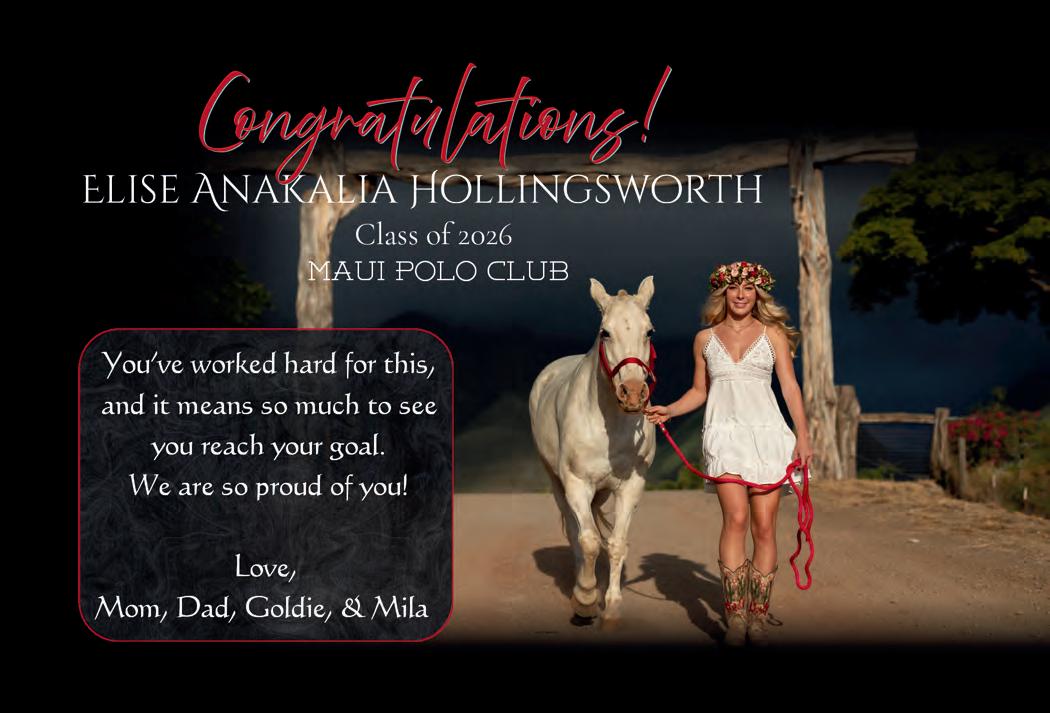
BABSON
Fernando Baldocchi
Joaquin Caicedo
Leonardo Borja
Umar Mukhtar
CAL POLY
Judah Braman
Jack Dresick
Oliver Helton
Graham Weaver
CORNELL
Christian Finlay
Benito Jaramillo
Fin Maroney
Max Sponer
Dylan Tung
MOREHOUSE
Chase DeVaughn
G’Khyri Patterson
Trysten Williams
Loghan Burrell
OKLAHOMA STATE
Grant Halk
Michael Kelly
Jose Tadeo
TEXAS TECH
Camden Kolb
Cole Faires
Grayson Price
Isaiah Andrade
U IDAHO
Sebastian Popoff
TJ Gonzalez
Braydon Drake
Matthieu Sarran
U KENTUCKY
Alejandro Puyana
Rehan Kumble
Alaric Renshaw
SOUTHERN METHODIST
Quinn Kyle
Shane Metternick
Landen Daniels
August Schneekloth
TEXAS A&M
Zackary Coleman
William Mudra
Aiden Meeker
Tomas Tejera
Jose Andres Solis
UCONN
Malachi Light
Winston Painter
Joaquin Uribe
Alexander Brown
U NORTH TEXAS
Niklaus Felhaber
Alec Felhaber
Cole Felhaber
Mosiah Gravesande
Johann Felhaber
CAL POLY
Nicole Bailey
Caroline Mathews
Julia Schaefer
Zoe Sylvester
COLORADO STATE
Sara Eggenberger
Olivia Schmidt
Willow Longerbeam
Josie Goldstein
Grace Unger
CORNELL
Isabelle Braden
Lara Chong
Naomi Marlough
Ava Ramachandran
MICHIGAN STATE
Paige Ackerman
Scarlett Draper
Olivia Griffith
Sydney Moore
Sophia Koukios
OREGON STATE
Brooke Glascock
Sophie Krueger
Josephine Ord
Sara Holland
OKLAHOMA STATE
Emily Andre
Carina Ferretti
Sydney Morris
Sheridan Strong
SKIDMORE
Ella Peterson
Georgia Polk
Nora Jackson
Tamar Azulay
SOUTHERN METHODIST
Lindsey Morris
Lulu Moore
Savannah Coventry
Carly Costello
TEXAS A&M
Francesca Felhaber
Josie Dorsey
Olivia Reynolds
Sophia DeAngelis
Lillian Lequerica
STANFORD
Anastazja Krostenko
Katharine Littleton
Isabella Russo
Isabella Arrigo
TEXAS TECH
Emalynn Horton
Sara Holland
Savanna Dean
TRINITY
Lily Brennan
Landry Houston
Samantha Lichtenstein
Natalia Moriarty
Taylor Romere
U VIRGINIA
Vlad Tarashansky
Gaston Gomez
Makhdum Mourad
Iago Masias
James Grayken
VIRGINIA TECH
Chad Sweeton
Diego Cuadra
Yann Hichwa
YALE
Nico Prescott
Howard Shi
Oliver Galaska
Owen Williams
UCONN
Elizabeth Leudesdorff
Alexa Norquist
Ruby Hughes
Anna Shupenis
Kat McGuire
UC DAVIS
Ashley Simpson
Elise Pardue
Emilynn Angie-Buss
Liliana Gonzalez
Marisa Carelli
U IDAHO
Hope Aasgard
Reagan Bybee
Ally Arnzen
Holland Baum
Payton Poperszky
Delainee Ellsworth
U KENTUCKY
Ava Nunes
Taylor Nackers
Mila Slutzky
Grace Spellman
U MICHIGAN
Claire O’Neill
Adrienne Lincoln
Isabel Porter
Linda Davila
Sarah Bibb
U NEW HAMPSHIRE
Ariadne Dogani
Becca LaFrance
Catherine Ling
Brynn Roberts
U NORTH TEXAS
Julia Breidenbach
Ellie Hetherington
Audrey Keneda
USC-AIKEN
Madison Jordan
Shona Adams
Winnie Branscum
Brianna Jordan
Sydney Shaw
U VIRGINIA
Alana Benz
Mackenzie Craig
Kelsey Bray
Caroline Blang
Eleanor Gaudion
U WISCONSIN
Callie Toms
Helena Bache
Jessica Chudy
Nicola Rikand
VIRGINIA TECH
Cara Elledge
Hannah Jackson
Amelia Safran
Emily Clemens
YALE
Annie Mcdonald
Beverly Perkins
Isa Ramseyer
Mila McKay
Natalia Wyszkowski
Toia Conde Rodrigues da Cunha
CENTRAL COAST
Autumn Judge
Linnea Johnson
Hattie Ward
Kate Soderin
CULVER
Aubrey Gernand
Natasha Kanach
Katherine Laherty
Ainsley Pick
GARDNERTOWN
Lyla Mccoy
Indiana Meyer
Samhita Koltur
Gabriella Munafo
GFS VARSITY
Sophia Chiasera
Drew Mallahan
Charlotte Allen
Emma Paternotte
GFS JV
Izzy Solter
Josie Allen
Brinley Forrester
Annie Cate Bissonnette
GREATER NIAGARA
Paetynn Zayac
Madison Van Tuyl
Sierra Henderson
Sophia McLennon
HARVARD CRIMSON
Jaya Khurana
Finn O’Keeffe
Alessandra O’Keeffe
Alexis Atkinson
Skylar Bell
HILLSIDE
Kendall Nackers
Anna Theis
Scarlett Grevenow
Leilani Biondich
Hayden MacDonald
Emma Lueders
HOUSTON
Uma Villanueva
Christine Agrons
Isabelle Muncey
Olivia Sellers
Daphne Rockecharlie
KINGSWOOD
Niyati Novah Wali
Brooke Henehan
Bridgette Frizzel
Isabel Poniatowski
Finley Guenther
LAKESIDE
Shira Engel
Helena Csiki
Zoey Tornillo
Torrey Stammen
Emily Cardinale
Summer Miner
LANCASTER WTR
Jordyn Floyd
Jordyn Williams
Norah Kinka
LIGONIER
Cailyn Salandro
Brooke Hauer
Madeline Ulery
MAUI
Chloe Fischer
Elise Hollingsworth
Leah Melzer
MARLAN FARM
Kylie Beard
Sierra Blevins
Izzy Brockett
Mya Quarcoopome
Ana Grace Karpovich
MARLAN REBELS
Brianna Williamson
Bella Dowling
Emma Davenport
Phoebe King
MIDLAND
Emrey Owen
Ashlyn Whiteley
Charli Eaton
Kate Bitnerowska
POWAY
Ava Hilinski
Olivia Hilinski
Melia Huntoon
Shelby Kokjohn
SAN ANTONIO
Reagan Drummer
Aimee Shweiki
Avery Sterr
Ruby Bettis
SOUTH BAY
Francisca Lili Busch
Emily Rubin
Fae Krauskopf
ST. LOUIS
Lillian Wardlaw
Lili Goellner
Bryn Swope-Bell
SUTTER BUTTES
Eva Scott
Gianna Pomeroy
Ellie Drucker
Lauren Plumer
WAIKI’I
Carolina Mast
Kayah Lieto
Hannah Elperin
YALE
Abigail Jumper
Zoe Katz
Sophia Lopez
Francesca Ciociola
AIKEN
Hayden Baisch
Amelia Claire Akins
Sullivan Williams
BATTLEFIELD
Wil Ballhaus
Katelyn Pelaia
Anushka Parasram
Alex Henderson
Aleem Siddiqui
Zaki Siddiqui
CULVER
Alex Bashorun
James Dolan
Sami Kettaneh
William Kinsman
Matthew Nendza
Beckett Payne
FLAT OUT
Carter VanDeven
Timothy (Rett) Morris
Aleah Arthur
Caroline Fabus
Amia Morris
Piper Givan
Ethan Harper
GARDNERTOWN
Travis Soto
Zeke Roseman
Yusuf Chaudhry
Daniel Coyle
Adam Wallace
Alexis Palacios-Garcia
GFS CHARM CITY
Justin Pena
Jonah Mendes
Wes Scarbrough
Nicholas Powers
Rohail Khan
GRAND CENTRAL
Birdie Brush
Hudson Long
Matthew Schloemer
Makayla Dilks
Evie Lowry
Maddie Godin
GREATER NIAGARA
Aly Mernagh
Madeline Howard
Jenna Lilley
Ewan Reles
HARVARD CRIMSON
Andrew Carleton
Maverick Ellis
Nicholas Zaragoza
Eric Schurma Vorbrodt
HONOLULU
Owen Williams
Maile Drinen
Cecily Jarrard
Alivia Arivett
HOUSTON
Joe Bob Lequerica
Faris Hanna
Asa Gangjee
Judah Altic
KINGSWOOD
Estanislao Robledo Puch
Brynn Whitten
Jacques Cauchon
Emerson Bruce
LAKESIDE
Luca Abboud
Avalene Abboud
Ruby Miner
Joseph Miner
Denney Lussier
LANCASTER WTR
Marc Harley
Sage Lax
Laura Casas
Tajee McLaughlin
LIBERTY HALL
Daniel Coleman Jr
Simonetta Coleman
Joseph Ferguson
MARLAN FARM
Jonathan Dingus
Russell Calkins
Kylie Williamson
Jolie Zepp
MOUNTAIN VIEW
Willow Lanclos
Hannah White
Tristan Wilson
Luca Plues
OC
Leigh Bertea
Davesh Nath
Sage Slack
Penny Steffens
Josie Geiler Allen
POWAY
Alex Jones
Ellie Waller
Tessa McCready
Bethel Lutz
Jacob Lutz
PRESTONWOOD
Marcus Murphy
James “JB” Long
Ulysses Escapite Jr
ROSE CITY
Linnea Harris
Mia Neff
Wyatt Flock
Maverick Wright
SANTA BARBARA
Lily Bishton-Kraus
Wyatt Goldberg
Olivia DeMeyer
SARASOTA
Ainsley Mulligan
Hazel Hill
Gregory Shepard
Jayda Link
ST. CROIX
Robert Pizarro
Camila Pizarro
Jandro Brugue
Hugo Brugue
Starr Creek
Aiden Lincoln
Megan Fleischhut
Mayson Kim
Christopher Rhudy
STR CRK MT PISGAH
Catherine Farnsworth
Ariyana Rashed
Xianen “Isabella” Li
Skye Hendrix
SOUTH BAY
Morgan Manos
Jens Lermusiaux
Matthew Werner
Woody Dunham
TORONTO I
Troy Ehlert
Elvin Yu
Connor O’Leary
Sophie White
Amelia Massey
TORONTO II
Kimi Ma
Mike Zhang
Liam White
Chris Gjino
Sophia Gjino
UCONN
Sarah Wood
August Shapiro
Alexandra Lenarchyk
VIRGINIA JRs
Kate Reilly
Hazel Conklin
Nora Rosensweig
Clara Baldwin
Grayson Corradino
WAIKI’I
Benjamin Tang
Charles Tang
Ethan Matsui
Savannah Matsui
WSTCHSTR - NEWPORT
Ava Richard
Anna Dwyer
Jair Zenteno
Marilyn Bruno
Hanalei Streuli
YALE VARSITY
Justo Iraola
Michael Joseph
PJ Deangelis
Evan Oppenheim
YALE POLO RANCH
Joseph Marous
Cormick Martin
Alexandra Rothstein
Sarah Hofstatter
Reagan Aronso
Jack Thompson
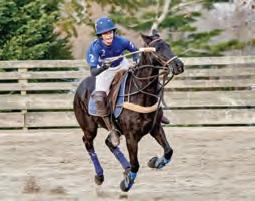
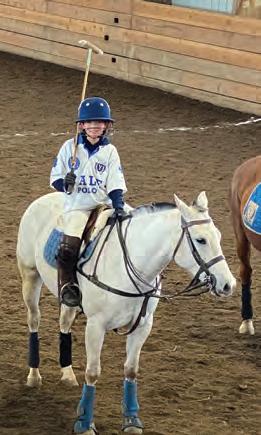
Congratulations to our graduate,
Michael Joseph Yale Polo Club - Varsity Open Team
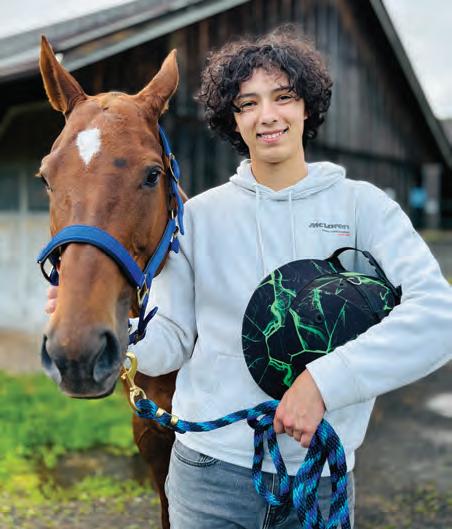
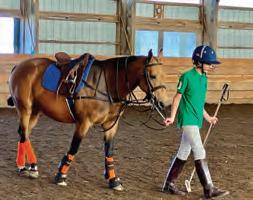
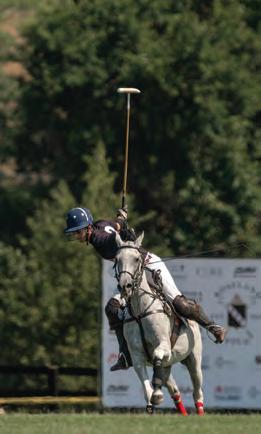
Nine years of swinging mallets, chasing goals, and absolutely horsing around - what an incredible ride! It’s been amazing watching you find your passion and totally live it out in polo. We can’t wait to watch you gallop into the big, wide world and keep riding high!
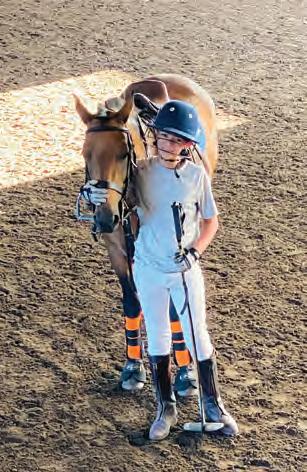
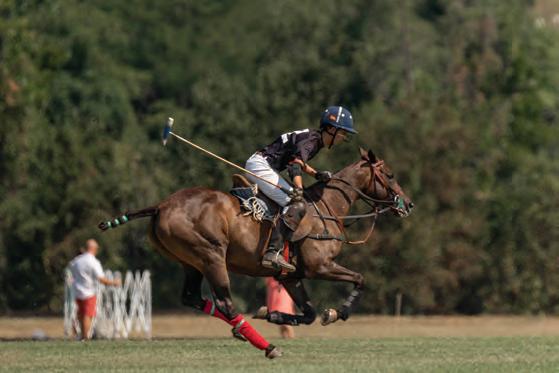
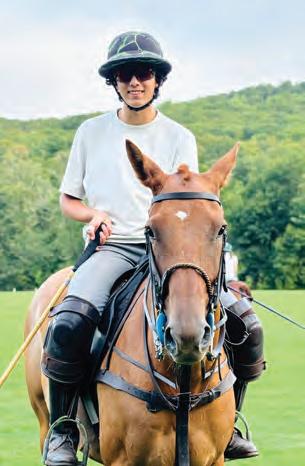
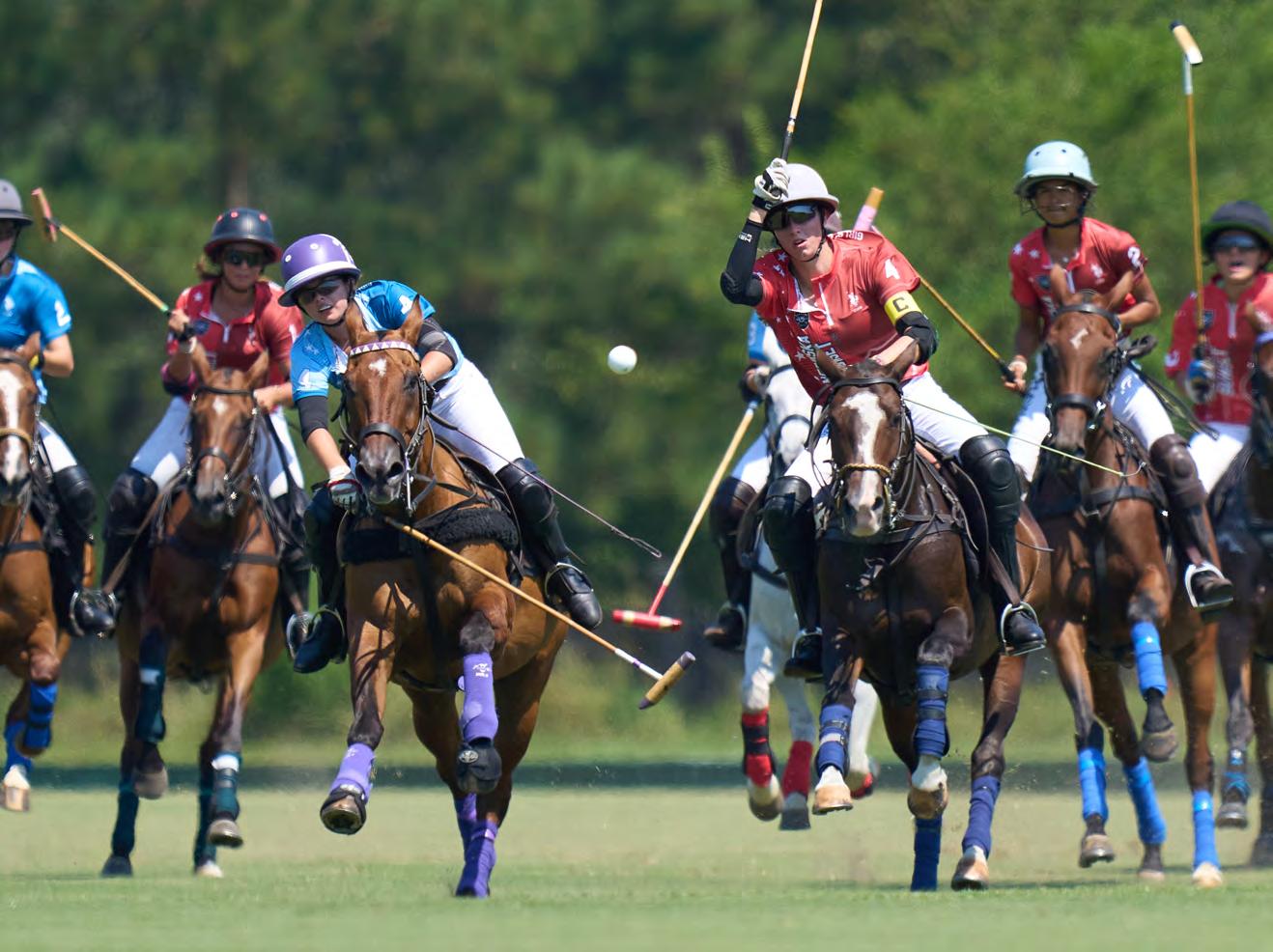
2025
ELECTRIC CHARGE
Drew Mallahan
Brynn Whitten Hanan Fadil
Sierra Blevins
2025
MVP: Joe Bob Lequerica, Sierra Blevins
AIPF Beal Family Sportsmanship Award: Ulysses Escapite, Jordan Fikes
Horsemanship: Antonio Villamil, Marlin Taylor
BPP “Badger” Award: Johnny Cash, Robert Pizarro
BPP “Silverada” Award: Toby, Sierra Blevins
Sawyer Le ngwell