KOINONIA

CORONAVIRUS AND SPIRITUALITY
Seeking God at a time of crisis
COVID - 19 HITS THE BAHAMAS
A testing time after Hurricane Dorian
FAITH, HOPE AND CHARITY
The changing patterns of charitable giving

Seeking God at a time of crisis
A testing time after Hurricane Dorian
The changing patterns of charitable giving
Contributions are welcomed and should be emailed as a Word document to communications@USPG.org.uk
Please attach images (with captions) as high resolution JPEGS.
The views expressed here do not necessarily represent the official views of USPG or any of its employees.
Editor: Linda Mackenzie MBE
Design: USPG
Whilst Koinonia is distributed free of charge, any donations to cover USPG costs of production will be welcomed.
To subscribe to Koinonia free of charge, please email info@uspg.org.uk
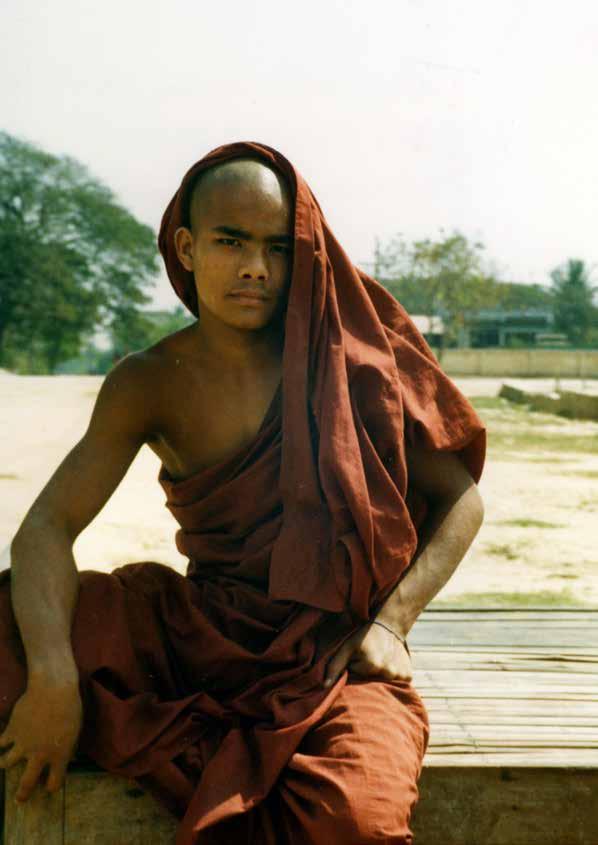
Cover: Man in Myanmar
Photo Credits: USPG/ L Gordon unless otherwise stated.
number: 234518 USPG is the Anglican mission agency that partners churches and communities worldwide in God’s mission to enliven faith, strengthen relationships, unlock potential and champion justice. FOUNDED 1701.
What does it mean to be church in a global pandemic?
This question lies at the heart of this issue of Koinonia, which bears witness to many challenges and much individual suffering. But also to the incredible energy and commitment of the church across the world providing material and spiritual care: feeding people, reaching out to vulnerable groups and raising questions of justice. In short: ‘The church isn’t closed; it’s deployed.’
A great deal from the global church experience resonates powerfully with the experience in Britain and Ireland. Churches across the world have been highly effective in tackling the immediate challenges, bringing food parcels, medical supplies and health education to vulnerable members of communities.
We have reflections from Sri Lanka on how the church is meeting the financial and pastoral needs of its clergy and lay workers, as well as the ‘synagogue experience’ of worship in lockdown. The General Secretary of the Council of Anglican Provinces in Africa provides an account of his thinking as he reflects on the sustainability of ministerial and theological education across Africa in the post-pandemic world.
Sadly, pandemics reveal and often exacerbate inequalities and injustices as the global ‘Black Lives Matter’ movement has shown.
With increased care burdens, higher levels of unemployment and a huge rise in domestic violence, issues of gender justice are also universal.
The Christian Council of Asia has provided an important opportunity for mutual learning to help address these challenges. We also have an account of the work of the Zambian Anglican Council, supported by USPG, as they champion gender justice at this critical time.
In any crisis, the vulnerable are most deeply affected and we see the Anglican Church in the Middle East playing a significant role in reaching out in compassion to asylum seekers, refugees and low-income migrant workers who are among those in greatest need.
The pandemic has also provided cover for an escalation in the existing militarisation and human rights abuses in some countries. Reports from the Philippines are especially disturbing. Here, a violent suppression of civil society is underway. Indigenous groups and those who stand in solidarity with them - notably the churches, have been subject to online vilification, red-tagging, threats and arrests against the backdrop of a new ‘shoot to kill’ policy for those deemed to be breaking the rules on lockdown.
What has this meant for USPG in the past few months?
First, as always: Listening, to our partners and seeking to respond where and how we can. Within days of the lockdown we launched a fundFocus on the Future - to help provide funding for churches responding to the challenges of Covid-19 or adapting their current activities in light of it across the Anglican Communion. Countries we have supported include: Madagascar, Guinea, Cameroon, Sierra Leone, Mozambique, Sri Lanka, Bangladesh, Jamaica, Tanzania and Malawi. Thank you to everyone who felt able to contribute to the fund – we know your generosity has made a real difference to some of the most vulnerable.
We have also brought together speakers to reflect on the situation by offering free webinars open to all. Our first webinar involved stimulating presentations from Bishop Dhiloraj of Colombo in Sri Lanka and the Rev’d Inamar and Bishop Eduardo from Brazil. Then ‘Presence, Provision and Prayer in the Pandemic’ by Dr Anne Richards focussed on her experience in the UK and included a fascinating account of the questions generated by ‘spiritual-seekers’ outside of the churches in recent months. As I write, we look forward to Professor Esther Mombo reflecting on ‘I can’t breathe’ – a perspective on the Black Lives Matter movement from a Kenyan perspective.
As we listen for the whisper of the Spirit in the midst of this crisis in the words and actions of our sisters and brothers, again and again we hear words of hope and what might be called a ‘spirituality of resilience’.
Nowhere is this more evident than in the article by the Rev’d Marie Roach-Hepburn, who provides powerful testimony to the endurance of the church and people of the Bahamas.
Leadership Development of Clergy and Laity in the Diocese of Colombo
Inspirational ‘Journey With Us’ in Lusaka, Zambia
Fallout for Faith Groups Covid-19 and Sri Lanka
The Challenges of Life in the Philippines
50th Anniversary of the Anglican Church of the Province of Myanmar
The Importance of Multilateral Cooperation in an Interconnected World
The Anglican-Episcopal Church in Jerusalem and the Middle East Caring for the Vulnerable
The Christian Conference of Asia Covid -19 Hits the Bahamas after Hurricane Dorian
Coronavirus and Spirituality..............................................
The Highlight of the Hub - Brazil and Life in the Context of Covid -19..............................
Expanding Horizons in Melanesia
The Role of International Chaplaincies
Profile: John Neilson, Chair of USPG’s Board of Trustees
Faith, Hope and Charity
Positioning Theological Institutions for Sustainable Ministerial Formation
By Rev’d S Balasundaram, Mission Secretary, Diocese of Colombo - Church of Ceylon
The cultural idea of a ‘new normal’ in the context of Covid-19 is a global question, even as we reach the middle of 2020. Social institutions use their own ways and means to cope with this situation.
At the time I pen this article in mid-June, the State situation has drastically changed compared to months of the March and April. Several international friends have expressed their gratitude to the President of our nation for the control of Covid-19. The State permitted resuming all religious observations with safety precautions announced by the health department. Amidst this, we as the Church, took all initiatives during lockdown to continue our mission and ministries. Our focus has been in three main areas:
Church and its function in Ministry of Word and Ministry of Sacrament
It is agreed that the ‘new normal’ has led all people to have a ‘synagogue experience’ in their respective homes. Most of the churches started sending liturgies, meditation and complete practice of ministries of the Word and Sacrament via video. Restrictions did not make any difference to liturgical practices, rather it became very practical ecumenically. (People shared everything and everyone received love and care from all.) Worship, chain prayers and presence for one another was felt more than usual.
Functions of the Mission Organisations
During and after lockdown, all our mission organisations (nearly 42 boards, committees, commissions, institutions) continue to function in a commendable manner. Our Church educational institutions have started online classes for students, and the social responsibility carried out during the lockdown period was done in a very effective manner. Most of our other mission stakeholders came up with many creative plans as leadership initiatives. We did not forget to address people’s distress and addictions to pornography. We did create articles on awareness building for both concerns through relevant mission stakeholders.
Function of the Administrative Structure
Both clergy and lay leaders supported the structure of the Diocese. All meetings were held via Zoom, and the clergy, staff and laity were looked after for both their financial and pastoral needs. Those in leadership acted wisely to meet all needs and it is evident by responses that there are no disappointments. Both work from home and emergency presence are exercised by the diocesan staff and clergy alike.
Communities of faith are encouraged to use this checklist to protect the health of their staff and congregations during the Covid -19 pandemic. The Department of Health and Human Services includes recommended preventive practices and FAQs for faith-based and community leaders. This information was widely shared among our group for best practice. Some recommended initiatives are to: Update your emergency operations plan with the help of your local public health department, emergency operations coordinator or planning team, and other relevant partners to include Covid -19 planning. Be sure to include plans on how to protect staff and congregants at higher risk for severe illness from Covid-19.
Designating leaders to be responsible for responding to Covid -19 concerns. Staff and congregations should know who this person is and how to contact them if they become sick or are around others diagnosed with Covid-19. This person should also be aware of state or local regulatory agency policies related to group gatherings and other Sri Lanka is gradually returning to a semblance of normal life
applicable state and local public health guidance and directives.
• Identify space that can be used to separate sick people, if needed, and make plans for safely transporting them to their home or a healthcare facility, notifying the health department, and regular cleaning and disinfecting the facility after they have left.
• Develop an emergency communication plan for distributing timely and accurate information to staff, congregants, and others who use your facility.
• Identify actions to take if you need to temporarily adjust operations and be sure to account for staff and congregants who need extra precautions.
• Promote the practice of everyday preventive actions:
• Plan for staff absences by developing flexible attendance and sick-leave policies, plan for alternative coverage, and monitor and track Covid-19 -related staff absences.
• Offer support to groups of people stigmatised by Covid-19 and speak out against negative behaviours to help counter stigma and discrimination.
While we mourn and pray as the nation and the national church with our sister countries for their struggle and loss, we urge and encourage all stakeholders to adhere to strict guidelines as leadership initiatives to overcome all aspects of Covid -19 challenges. Certain Covid -19 practices can be continued if we feel such practices viable for our mission efforts. While I have focused on the positives, I am conscious of people’s addiction and distress in their isolation. The ‘New Normal’ challenges us to address such concerns as well as the few issues mentioned above.
Lusaka Cathedral is a great place
By Mary Masters
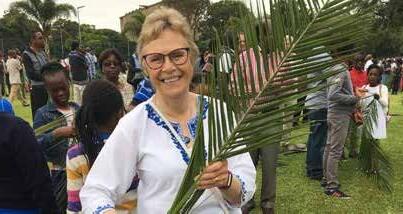
I thought I may be too old to embark on something as adventurous as USPG’s ‘Journey with Us’ but I was accepted. During the discernment process, I discovered I wanted to work with women. A placement was arranged with the Dean of the Anglican Cathedral of the Holy Cross, Lusaka, Zambia.
I participated in USPG’s residential preparation course. My diverse group really gelled. We were challenged and encouraged in equal measure, whilst looking at how we might best be equipped for our time abroad.
Lusaka Cathedral is a great place to worship and experience a mixture of traditional Anglican services combined with the wonderful exuberance of Zambian music and culture. It was such a privilege to worship there and be welcomed as part of the Cathedral family.
I was attached to the Ruth Ministries at the Cathedral. This is a Ministry set up by widows for widows, giving support, fellowship, and hope. It was an illuminating experience. As a widow myself, I felt we had something in common, but my experience of widowhood in England is very different.
I heard first-hand stories of the dreadfully hard and painful way some widows have been treated. One widow was told she could keep the family car, but the house with all of its contents and any money would revert to the husband’s family. She went to court to retain what was rightfully hers. Another told me that when her husband died, she was treated as though she had killed him.
The women I met are intelligent and independent people, but some are still treated as subservient to men.
Whilst there I had a tumble resulting in a back injury. The Ruth Fellowship showed great care for me, taking me to all hospital appointments, demonstrating the Love of God in action. They were the Light of Christ for me. As I reflect now, I am still amazed and humbled by their generosity and love and the friendships I made.
I experienced the faithfulness of God, learning that when I am vulnerable, He works through that vulnerability. I was given the grace to allow others to minister to me and that became a source of strength and support. When I returned home, I had much to reflect on.
‘The Reflections Weekend’ for returnees provided further opportunity to reflect together and explore how the experience had changed us and opened our eyes to new opportunities and challenges.
I share the stories of widowhood of my new friends from the Ruth Ministries at every opportunity. I now notice ways in which we may be blind to inequalities in our own culture. The whole inspirational experience was one of relying on God to use the time for His Glory: He did not disappoint!
By The Rt Rev’d Dhiloraj Ranjit Canagasabey, Former Bishop of Colombo Diocese, the Church of Ceylon
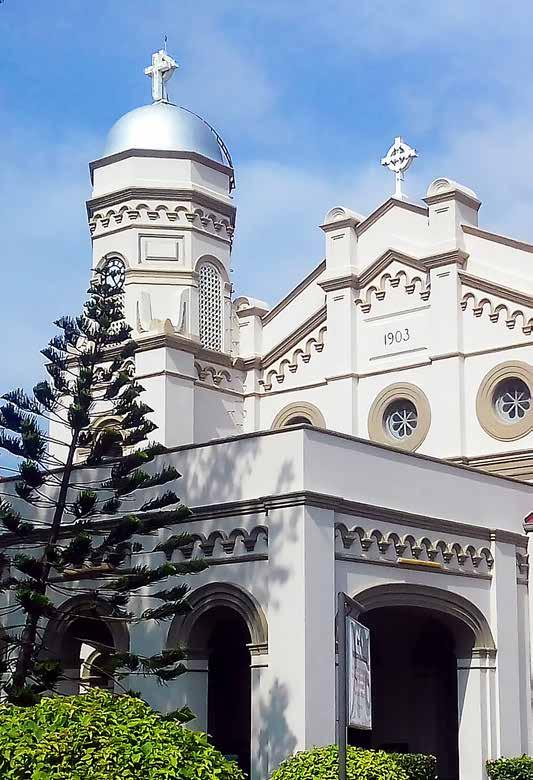
At the time of writing (June), my country Sri Lanka is gradually returning to a semblance of ‘normal’ life after nearly two months of lockdown.
Sri Lanka is a developing, middle-income country with limited emergency healthcare capacities and a lack of protective and other equipment. The lockdown has had a drastic effect on people’s livelihoods and the country’s economy, already under huge strain following the Easter Day terrorist bombings of 2019.
The fallout for faith groups
The ban on gatherings stopped worship services in churches, temples, mosques and kovils since late March. At diocesan level, I asked our clergy to fall in line with government guidelines but to keep church buildings open for individual prayer. Many clergy quickly took advantage of the wide use of smartphones, tablets and so on to record and distribute Sunday Eucharist celebrations, messages, reflections and prayers. Pastoral visits took place via telephone - especially for the elderly who sometimes do not have access to the Internet or smartphones.
Our response
The Board of Social Responsibility (BSR) of the diocese began to assess need and provide relief assistance through its regional structures, mainly through providing grocery packs and other essential household items. To date we have been
able to reach out to about 3,000 families and individuals. The other boards and committees of the Diocese, engaged in outreach ministries such as the Youth Movement, the Mothers’ Union, the Board of Christian Education or prayer ministry while using electronic media for their regular activities, have also either joined the BSR or parishes in reaching out with material assistance to the vulnerable and needy.
As a faith community, is God wanting to tell us something through this tragedy which effectively brought the entire world to a halt? I believe so. The full stop that brought our illusions crashing down has been matched by a flowering and flourishing of nature. We dare not return to our old ways of unlimited greed and the stripping of the earth’s resources for profits for the rich and powerful.
I believe that the Church, as a people of God, needs to ask itself whether we have been faithful to the biblical command to care for our fragile earth or whether we have failed to give it due emphasis. Let us as a community of believers in God the creator and sustainer, be inspired to play a lead role in advocating for a new, more balanced approach to development and the way we interact with our environment in the post-Covid world.
The Covid-19 pandemic has spawned a ‘new lexicon’
By Ruth Mathen Christian Conference of Asia
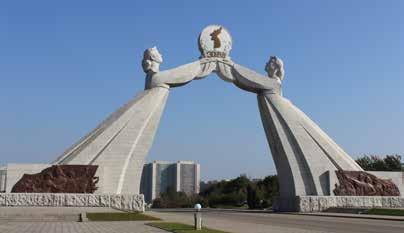
The Christian Conference of Asia (CCA) hosted a virtual conference in May 2020 on the ‘Impact of the Covid -19 Crisis on Women in Asia: Vital Needs and Post-Crisis Recovery’. It affirmed, ‘The Covid-19 pandemic has deeply affected women around the world, and the urgent and pressing needs of women must be addressed not only during the crisis, but should be made part of the post-pandemic crisis recovery. Gender-sensitive policies that recognise and respond to women’s needs will benefit not just women but society at large.’ The crisis has revealed some of the deepest flaws of the structures of Asian society, including gender inequality. Women seem to suffer the brunt of the cumulative direct and indirect effects of the crisis, which has exposed the persistent and institutional nature of gender inequality.
Dr Mathews George Chunakara, the General Secretary of the CCA, facilitated discussions and explained the socioeconomic consequences of the crisis and what it meant for the future of millions of women in Asia. He said, ‘As this unprecedented crisis unfolds across the world today … several impacts of Covid -19 are hitting women in the hardest ways. It was in the light of this awareness that CCA initiated the webinar and brought together leaders in the field of human rights and gender issues to discuss the plight of women amidst the Covid-19 crisis.
Melissa Alvarado, from the UN Women Asia Pacific Office, elaborated on core issues related to the gender impacts of the Covid-19 crisis: In places where military-style lockdown measures were enforced by a predominantly male police force, there were potential risks of misconduct and increased use of violence.
There has also been an increase and gendered expectations in families such as the ‘care burden’. The time constraints due to housework, lack of technological education, and minimal access to devices meant that women could not be ‘more present’ in the workforce.
The Covid -19 crisis has halted the advancement and gains already made in several areas of women’s rights. Alvarado said that gender equality was a priority that was written into all of the UN’s Sustainable Development Goals, and gender sensitisation needs to be deeply integrated into all decisions, security, and design of recovery. ‘Women think differently, they provide unique solutions and innovation.’
Maya Dania, an Indonesian lecturer, spoke on how the Covid-19 pandemic had spawned a ‘new lexicon’ in the description of gender relations for example, ‘Covid-divorce’, caused by boredom and gender stigmatisation under lockdown. She highlighted certain Covid-related sexist cultural
Panellists affirmed the importance of faith leaders
phenomena, where cartoons and memes in softly-spoken advisories were used in Malaysia and Indonesia so that women could model how to ‘prevent’ domestic violence and appease their frustrated partners. Traditional gender roles are being strongly reinforced, said Dania. She mentioned the WHO’s observation that lack of access to contraceptive measures could lead to a spike in unplanned pregnancies. She said an urgent response that included vulnerability assessment and advocacy to stop violence against women, minimise accidental pregnancies, and reduce maternal/infant mortality in Asia was needed.
Srey Sotheavy, the Director of the Alliance for Conflict Transformation, Cambodia, spoke of the widespread human rights abuse occurring under the Covid-19 crisis. She said, the loss of income pushed many families into micro-finance debts and the women of such families were being exploited by private moneylenders, she highlighted. Petitions for the implementation of life-saving measures such as the distribution of medical supplies and the suspension of rent and debt collection had been rejected.
Deekshya Illangasinghe, Director of the South Asians for Human Rights from Sri Lanka, shed light on the conditions of women migrant workers. Covid-19-related issues exacerbate the challenges migrant women workers already face. The UAE government has allowed companies to restructure job contracts to lower salaries, pressure workers into taking unpaid leave, or even terminate employment. It was important to create provisions for the reintegration and rehabilitation of returning migrant women workers.
The Rev’d Kim Kyrie, from the Anglican Church in Korea, shared the initiatives taken by churches and women’s groups and women’s departments of churches during the Covid-19 crisis in the country. ‘Korean churches and organisations are working together and ensuring all women in Korea are exposed to the same information and receive the same care, regardless of nationality, religion, situation, or age’, she said while outlining how
partnerships were forged to provide food, quarantine facilities, and medical and menstrual products for women who needed them.
“It is the role of the Church and Christians to ensure solidarity against the discrimination of those who are socially disadvantaged, those who are vulnerable, and those in the minority – such as women, children, migrant workers, single mothers, abused women, vulnerable women in refugees camps, disabled women, and sexual minorities,” said the Rev’d Kim, hoping that the ‘new normal’ meant abandoning vested interests in favour of ‘Sangseng’, or living together in cooperation, solidarity, and information-sharing.
Basil Fernando, an internationally recognised human rights defender from the Asian Human Rights Commission in Hong Kong, stressed the successes of women leaders of states who had led swift and appropriate government responses against Covid-19. Fernando said that the participation of women in different spheres must be escalated to leadership.
Panellists affirmed the importance of faith leaders in shaping the opinions and attitudes of people. They encouraged male and female faith leaders to speak up on women’s rights. The demand for equality and women’s rights within the church came primarily from women themselves, and so churches needed to be allies for women.
Dr Mathews George Chunakara closed saying that from experience, it was possible to project that the impacts of the Covid-19 crisis, and the imminent global recession, would result in a prolonged dip in women’s job security and income.
‘We share the same future, so all of us must work together to ensure much-needed solidarity and partnership to overcome negative experiences in the ongoing fight against Covid-19,’ he added. ‘Gender-equal societies are more sustainable and prosperous, compared to those where patriarchal practices are still quite deep-seated,’ he said. For more information visit:www.cca.org
I was suddenly deluged with questions about whether the virus marked the end of the world
By Dr Anne Richards, Mission Theologian
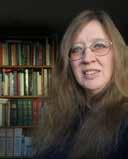
Photo: Anne Richards
Challenging, worrying, confusing. Inspiring, hopeful, God-sent. These are all words which have been used in the flood of enquiries, conversations, stories and testimonies which have come my way since Coronavirus became just about the only thing on people’s minds from lockdown in the UK on 23rd March 2020.
Part of my job as a mission theologian is to interact with spiritual seekers: people who were once Christians, people hovering on the fringes of Christian belief, people dabbling with alternative spiritualities and DIY religious ideas and people with no ideas about who they are spiritually but who are open to anything.
As the pandemic became news, so enquiries from around the world started. At first, they concerned what I call ‘panicbelieving’ as people tried to make sense of what they were being told. Such belief carried dim echoes of biblical plagues and a vengeful God. I was suddenly deluged with questions about whether the virus marked the end of the world, God’s punishment on our wickedness, the beginning of the Rapture, the triumph of Satan, or some sort of weird supernatural plot to turn us into zombies or chase us through the Matrix.
As time wore on, I heard more and more stories of ‘Godinspired’ claims about cures and prophylactics - amulets, charms, potions, rituals, spells and protective enchantments. I had a very bad day answering questions about UV light and disinfectants in the sort of forums (where people believe President Trump is God himself or the agent or mouthpiece of God), trying to dissuade people from taking him literally at his word. I was even asked about the sacrifice of animals in some kind of semi-biblical throwback to putting blood on the lintel so that the Angel of Death would pass over. On the other side of this, people asked me constantly about pastors in some churches claiming immunity through faith, so that no one need take precautions against the virus or against infecting others. Some of those religious groups sadly discovered that they were not immune after all. Then the conspiracy theories started. The powers of darkness, God’s enemies, were at work to control and destroy us, whether that was through Chinese bioweapons, 5G, Bill Gates, nanotechnology in potential vaccines, or secret religious groups or aliens acting behind the scenes to destroy democracy and control the world.
Fear, anxiety and panic were often drivers of a kind of crazy sense-making – why are we in this situation? What is God doing? But more worryingly, as people stayed at home glued to TV and internet, conspiracy started to harden out into blame-believing. Coronavirus had to be someone’s fault. And with blame-believing came the beginnings of attacks against the Chinese, immigrants, people of African and Asian heritage - and far-right groups, sometimes claiming Christian ‘truth’ began
to turn their hateful screws. But once my enquirers and storytellers began to reflect on experience, new and more hopeful things have begun to emerge. People asked, ‘How do I pray?’ and came back to me saying they felt listened to and comforted. People began to find God in loving their neighbour, in volunteering and taking more care of people around them and came to say so. The deprivations of lockdown, for some, made them appreciate God’s creation more, the kindness of strangers more, made people want to look out for and care for those around them. Despite the terrible grief and suffering of those whose loved ones have died, I now hear stories of profound and intense experiences of God, as well as an intensified search to find God in the strangeness and the sadness. For some people that led to a heightened sense of the supernatural world, reporting angels, fragrances, music, voices. Some seekers found online church and have found joy in praying with others, in opening Bibles, in hearing God’s still small voice in their lives for the first time.
It is not over of course. I am still hearing from anti-vaxxers and anti-maskers about how precautions and preventatives are contrary to God’s will. But I am heartened by the testimonies of God working positively in people’s lives. We will have to learn to live with the aftermath of illness, economic deprivation, struggle and change, but I hope that the thousands of people I have been in contact with will find a source of hope and strength to enable us to meet testing times still ahead.
ZAC continues to champion gender justice in Zambia
By Fran Mate and Felicia Zakala
Women are being left disproportionately exposed to the risk of gender-based violence during the Covid-19 pandemic. Women and girls are facing disproportionate economic burdens and violence due to different types of marginalisation: gendered expectations - which lead men and women to resort to violence. The pandemic has compounded the impact of vulnerability due to challenges of food security, livelihoods, social cohesion, and safety. It has affected all segments of the Zambian population and has impacted on families in different ways. Gender-based violence continues to be a big problem in Zambia, especially among women, girls and children. The Zambia Anglican Council (ZAC) is part of the Anglican province of Central Africa. It recognises the importance of empowering women for creating a more just society with equal opportunities. ZAC, through its outreach programme continue to champion gender justice in Zambia.
The story of one family in Luapula diocese brings to the fore the threat of gender-based violence during the Covid-19 pandemic, and shows how the church in Luapula diocese is responding. A couple has lived together for twenty years with four children (3 girls and 1 boy). Through the Gender Justice Programme support, the couple
opened a pub at Maiteneke Market and the wife worked as a house-help. The business met most of their basic needs at home. They were able to provide shelter and education for their children. Covid -19 lockdown measures led to the start of the couple’s problems: The pub was closed and the house-help work ended. They were unable to buy food or pay rent. Because of this, a day never passes without the couple quarrelling or fighting and failing to resolve their problems. To make matters worse, at the time when schools were reopened for pupils in examination classes on 1st June, 2020, it was discovered that their first-born daughter (in her seventh grade) was 2 months pregnant by a neighbour, a 15 year old boy. The husband blamed the wife for their pregnant daughter’s issues. He decided that the girl should be taken to the boy’s home for a forced marriage. Since then, the husband has vowed never to support his family. He arrives home late and drunk and the family has not been at peace.
The Luapula diocesan staff and Gender Action Group members are provide support to the couple as well as including other families going through the same gender-based violence. ZAC has intensified efforts in the struggle against genderbased violence during this Covid-19 pandemic.
The level of threat that comes with speaking out against injustice continues to increase
By Emma Bridger, USPG Research and Learning Manager
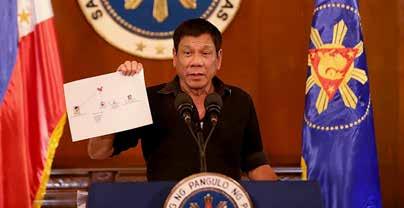
Human rights abuses in the Philippines are an area of increasing international concern. The increase in extra-judicial killings, red-tagging (labelling people as Communist-terrorists regardless of their actual beliefs) and harassment of Indigenous persons, church workers, lawyers and journalists under the Duterte government is well documented in a recent United Nations report. This details both widespread human rights violations and persistent impunity.
Whilst the people of the Philippines struggle to cope with the impacts of Covid-19, the government is using the pandemic as a cover to increase existing militarisation and human rights abuses. This is in an attempt to silence those living in economic poverty, those who speak out against government policy and those who oppose the expansion of the extractives industry, which takes place at the expense of people and planet.
The attitude of the government within this context is best exemplified by the ‘shoot to kill’ order announced by Duterte on the 1 April 2020, encouraging police officers and military personnel to shoot dead so called ‘trouble-makers’ who break the rules of the lockdown.
This has been accompanied by increased violent suppression of civil society from online vilification to red-tagging, threats and arrests. The Government has used the pandemic to advance business interests on ancestral Indigenous land, with those who protest arrested for breaking curfew. For Lumad Indigenous persons in Mindanao, this has resulted in increased mining activity, further school closures, the arrest and
disappearance of parents and students and a lack of safe space and transit for those already displaced.
In addition, there has been little adequate information and poor access to health services and medical infrastructure for indigenous persons throughout the pandemic, with limited access to food or other essential items since travel is restricted and barter markets closed. Church and aid workers who have attempted to work with these communities and to provide basic aid have been harassed, red-tagged and even arrested.
In attempts to ensure their continuing impunity, the Government has also attempted to silence the media reporting on human rights abuses. This includes the shutting down broadcaster ABS-CBN, the largest broadcasting company in the Philippines.
The level of threat that comes with speaking and acting out against injustice continues to increase, with fears that the proposed anti-terror bill will lead to further oppression. The bill is said to violate the Filipino constitution and apparently allows an individual to be held in detention for 14 to 24 days without charges.
Despite this, civil society in the Philippines remains strong and the Indigenous people, churches, and human rights defenders continue to speak out against this State oppression. They resist and continue to raise awareness of the devastating impact of global capitalism on God’s people and planet at an international level.
By Bishop Samuel San Myat Shwe, Assistant Bishop of Yangon Diocese, the Church of Province of Myanmar
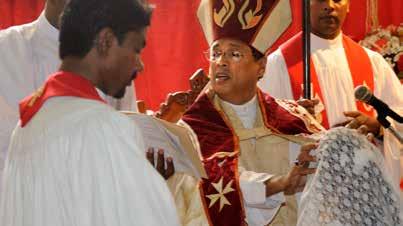
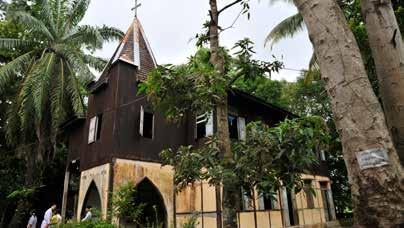
The inception of the Church of the Province of Myanmar (CPM) can be traced back to 1825 with the arrival of the Army chaplains of the East India Company. In 1854, mission initiatives were undertaken by USPG in Burma. The Church’s educational services made a significant contribution to human resources development during the pre-and post-independent period (1948).
During the second world war, despite many hardships and the absence of church leadership, the faith of church members remained strong, resilient and even contributed to USPG amidst the economic and political challenges. This period gave birth to the foundation of a Myanmar Anglican Identity or DNA called ‘Standing with God amidst suffering’. In other words, ‘Be still and know that I am God’ in biblical terms.
The period of the CPM under the early leaders was marked by a self-reliant nature after the 1960s when Burma was self-isolated. The unexpected departure of missionaries and foreign ministers inevitably caused CPM and its native church leaders to be self-reliant and shape their own vision of the Church with limited resources. The Province therefore, was initially constituted in 1970 with four dioceses. It now has six dioceses and two missionary dioceses. It seems that the DNA of CPM made this happen amidst extraordinary challenges.
Lay ministry was consolidated by setting up an Anglican Young People’s Association, a Religious Education Department, a Mothers’ Union and a
Men’s Association. A ‘Three-in-one project’ was also undertaken, proclaiming the Good News and creating pastoral ministry. A summer children’s camp, youth camp and ‘Samuel project’ were significant in nurturing and producing future leaders of CPM. Partnership in Mission and a decade of Evangelism have been launched in coordination with the Anglican Communion. Adopting the ways and means of today’s fast changing world and setting its vision and goal as ‘Thy will be done’ and ‘Thy Kingdom come’, CPM remains faithful to its vision developed by its forefathers by focusing on spiritual development, leadership development, self-reliance, education and religious education, thereby equipping the body of Christ to be proclaimed. Until the Lord’s second coming, CPM will try to be an instrument for extending God’s Kingdom in Myanmar so that the land would be blessed increasingly in quality and quantity.
Along its Golden Jubilee journey, CPM gives thanks to the Lord for being called to be God’s chosen vessel to bless and serve the land of Myanmar and its people. CPM is also playing an active role in cooperation with other Churches in maintaining unity among the Churches and building peace and mutual understanding with other religions.
On this auspicious occasion, CPM would like to thank USPG and all other partners in mission in the Anglican Communion for their support, and hopes to continue this cooperation from this Golden Jubilee onwards.
We may be in the same storm but we are not in the same boat
By Emma Bridger, USPG Research and Learning Manager
The Covid-19 crisis has not taken place in a vacuum. It has exacerbated pre-existing political, social and economic injustices and inequalities including access to healthcare, livelihood, security and safe housing. These inequalities all intersect with gender, race, class and age. In the UK, for example, those infected who are black, Asian or from a minority ethnic group are up to twice as likely to die from Covid-19 as people of white British ethnicity according to the UK’s equality watchdog.
As is increasingly acknowledged, we may be in the same storm, but we are not all in the same boat in the way that we experience crisis. As people of faith, we are called to be bold in naming, raising awareness of and addressing the inequalities in our world. These inequalities are evident at the local, national and international level and responses need to reflect this. The Church is in a unique position to respond.
At a local level, we see churches responding by running online services that provide people with a (virtual) space for community worship and spiritual connectedness. Local churches continue to be socially active, for example by providing food parcels to those who find themselves in need.
At the national level, churches are calling out governments who are using Covid-19 to cover-up increased abuses of human rights, something we see in the Philippines and in Brazil for example.
The Church is also acting at the international level and this pandemic has once again highlighted the importance of multilateral cooperation. The Church can play a key role in linking the local and the global.
It can help to ensure that multinational organisations like the United Nations are hearing from civil society and are empowered with the knowledge and confidence that they need to push states to commit to policy reforms and increased action for a just world for all.
Cooperation is essential for both learning and building the relationships we need to ensure that our collective voices are heard. One initiative that helps to facilitate this is the International Partnership on Religion and Sustainable Development which has been lobbying with the World Bank to address the continual issue of large amounts of money failing to reach those who need it most or could use it most effectively.
International collaboration is also organised to address specific issues, from gender inequality to the ecological crisis, working hard to highlight how these issues intersect with the current Covid-19 pandemic. USPG is working to ensure that these issues are firmly on the agendas of international policy makers.
UN Women (2020) noted that ‘As the Covid-19 pandemic deepens, economic and social stress coupled with restricted movement and social isolation measures, has resulted in gender-based violence increasing exponentially. Many women are being forced to lockdown at home with their abusers whilst services to support survivors are being disrupted or made inaccessible.’
USPG was part of a coalition of faith-based organisations who, with the co-ordination of ‘Side-by-Side’, advocated for the adoption of gender-just policies and funding of Covid-19 response plans. We are calling
for all responses to involve faith groups and ensure coordination and meaningful partnerships between faith, traditional and secular parties.
Churches are also active in highlighting the link between the Covid-19 pandemic and our environmental crisis. As the UNFCCC* states ‘Human activity has altered virtually every corner of our planet, from land to ocean. And as we continue to relentlessly encroach on nature and degrade ecosystems, we endanger human health.’ Faith leaders have been working closely with UNFCCC since before the pandemic and this year used Earth Day to remind international policy makers of the urgent imperative to ensure that economic recovery funding post Covid-19 is not fuelled by exploitation and environmental degradation.
The challenges of this type of cooperation should not be underestimated. A USPG survey conducted in 2017 highlighted a lack of trust and connection between the vast majority of faith leaders and governmental and intergovernmental organisations. However, Covid-19 once again stresses the need to build relationships of mutual trust between different groups, so that we might better work together for peace, planetary justice and global wellbeing.
In imagining a post-Covid-19 world, we are called to learn from each other, acknowledging our respective limitations. We must be mutually inspired to think beyond the current exploitative systems and comfort zones of our world, to imagine what an abundant life for all might truly mean. We must work together with those of all faiths and none, to reimagine a post -Covid-19 world in which there is fullness of life for all of God’s creation.
in any crisis, the vulnerable are most deeply affected
By Rev’d Anne Futcher, Diocese of Cyprus and The Gulf
In any crisis, the vulnerable are most deeply affected. During these uncertain times of Covid-19, asylum seekers, refugees and lowincome migrant workers are among those in greatest need.
Across the Middle East, many of these people live in overcrowded conditions with poor sanitation. Access to information and health care is limited. In parts of the region, their working conditions are often precarious, and many have been unable to work. Some asylum-seekers (e.g. in Cyprus) have been required to move to overcrowded camps where physical distancing is difficult. Further, organisations and agencies on whom they previously relied for support have needed to close their doors, as have churches and other places of worship.
Where those in need have been unable to come to us, Anglican churches across the Province of Jerusalem and the Middle East, while honouring lockdown restrictions, have reached out to those most significantly affected by the pandemic. Over recent months, under the auspices of the Anglican Alliance, I have been privileged to share experiences with church representatives across the Province. I have drawn on this learning here.
Building often on existing relationships and initiatives, the Anglican church across the region has primarily supported the vulnerable by providing essential food gifts. Under the umbrella of the Anglican Church, supermarket vouchers and food parcels are being distributed to migrant workers In Doha and Abu Dhabi and in Nazareth, to vulnerable elderly people. In Cyprus, Anglican churches in Ayia Napa, Larnaca and Nicosia have organised food donations and delivered food parcels and meals to the hungry, collaborating with other churches, faith groups and charities. In Jordan, where many refugees have struggled to eat owing to cessation of day-labour during lockdown, St. Paul’s Church in Amman has provided food gifts.
In Damascus, many of the Anglican congregations are themselves refugees. The combination of the protracted war and Coronavirus has resulted in considerable emotional, as well as economic hardship. Here, the Anglican church has responded by providing counselling and psychological support.
Despite government-sanctioned pay reductions during the crisis, the Diocese of Jerusalem has
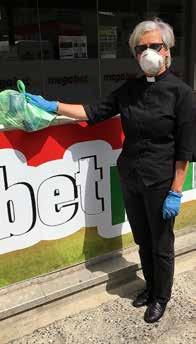
committed to paying full salaries to staff in some thirty diocesan institutions, including hospitals, schools and rehabilitation centres, thereby providing staff and their families with ongoing financial security.
Volunteers who have distributed food gifts have spoken of how privileged they have felt as relationships have deepened with recipients. Amidst expressions of heartfelt thanks, they have received frequent requests for prayer.
Recipients themselves are keen to contribute too. In Cyprus, one member of the Anglican community, needy himself, places portions of cooked pasta outside his accommodation as gifts for needy passers-by. In a UAE migrant camp, one of the ladies continues to forfeit her rest day to collect the donated food vouchers, shop and distribute food to women within her camp, and to those isolated within a Covid-19 quarantine camp.
We would be so grateful for your prayers for all those in our communities who are most affected by Covid-19 and for all who seek to help them.
By The Rev’d Marie Roach-Hepburn Curate, The Pro-Cathedral of Christ the King

My brothers and sisters, whenever you face trials of any kind, consider it nothing but joy, because you know that the testing of your faith produces endurance; and let endurance have its full effect, so that you may be mature and complete, lacking in nothing.
James 1:2-4, NRSV
We knew about the Covid-19 pandemic from the news, but never imagined it would affect us
In September 2019, the northernmost islands in the archipelago of The Commonwealth of The Bahamas, Grand Bahama and Abaco, sat in the fury of Hurricane Dorian, the worst Category 5 Hurricane in our recorded history. Hurricane Dorian made landfall on Abaco with maximum sustained winds of 185 mph with gusts exceeding 200 mph. Hurricane Dorian stalled (0 mph) over east Grand Bahama for approximately 24 hours bringing flood tides never seen before. Villages and towns were completely destroyed by flood waters. The Rand Memorial Hospital, Grand Bahama was severely damaged.
People, homes and businesses disappeared into the sea without a trace. The official death toll is 70 with a reported 282 persons unaccounted for. Many are still emotionally traumatised. For the people of Grand Bahama and Abaco, September and October 2019 are a blur of searching for relatives, recovering from physical and emotional wounds, environmental clean-up and waiting in-line for food, water and petrol. By November and December we were beginning to see the light at the end of the tunnel. Businesses were reopening, the Samaritan’s Purse field hospital was adequately meeting our health needs, schools were reopening, and there was some semblance of normality for some but not all of us. Many are still homeless and are struggling to repair or rebuild their homes and businesses. In January 2020 we saw the return of tourists: tourism is our major industry, employing a large percentage of the population. We had hope.
We are resilient people. We have been through many hurricanes in the past decade, so our faith has been tested and we know that God has never left us nor has He ever forsaken us. We held onto our faith, believing that it will produce endurance, and that endurance will have its full effect. We were hopeful that our economy would rebound and the employment rate increase. We had seen God provide for us in the past and we were trusting in His provision to see us through, and He did not disappoint.
We knew about the Covid -19 pandemic from international news media, but never imagined it would affect us. In March 2020, it became our reality. So soon after reopening the economy and returning to relative normality, our lives were turned upside down again. Once again we turned to God to help us face yet another trial or testing of our faith.
The economy, which was already fragile, once more suffered a devastating blow. It plummeted once more and unemployment is now over 30%. Jobs were lost; families were struggling anew to keep a roof over their heads and food on their tables. Many turned to the churches for assistance and many churches helped as best as they could with the limited resources available to them. Social assistance, through NGOs and The Bahamas government, is at an all-time high. Nationwide lockdowns and curfews were implemented. Again we needed to stand in long lines for food, water and basic essentials. Once again we cried out to the Lord for help. Like the psalmist, we looked for help from others - only to realise that our help can only come from the Lord, the maker of heaven and earth.
During the past three months of curfews and weekend lockdowns, we have had to take a really hard look at what it means to be ‘church’ in the midst of a worldwide pandemic. We were forced to think outside of the four walls of our buildings and our established norms of being/doing ‘church’. We were reminded that the Church is the Body of Christ, not a beautiful building filled with the aroma of incense left over from Sunday worship. Our Diocese - The Diocese of the Bahamas and the Turks and Caicos Islands and its churcheslaunched new initiatives to reach out as the Body of Christ. Many online platforms were used for daily devotions, worship services, bible studies, meetings and other ways to meet the spiritual and emotional needs of not just our congregations, but also to family, friends and colleagues. We were also challenged to return to the basic building-block of the faith which is our personal relationship with God. I believe that this pandemic has been a wake-up call for all of us. I believe that it has forced us to look at our relationship with God and with others.
With two disasters within a ten-month period, the people of Grand Bahama and Abaco have a greater appreciation of life. We know that trials of any kind will not destroy us, knowing that the testing of our faith produces endurance and we will let endurance have its full effect, so that we may be mature and complete, lacking in nothing. We remain patient and hopeful, trusting in God that ‘All shall be well, and all shall be well and all manner of thing shall be well’ (Julian of Norwich).
Please continue to pray for us as we pray for you. Amen.
I end this reflection by asking for your prayers and solidarity
By Paulo Ueti, Anglican Alliance Theological Advisor & Latin American Regional Director
How long, Lord? Will you forget me forever? How long will you hide your face from me? How long must I wrestle with my thoughts and day after day have sorrow in my heart? How long will my enemy triumph over me? (Psalm 13.1-2)
Brazil as a country is living a nightmare and experiencing a complete lack of empathy from Government and most of the economic sector. The numbers of dead and the infection rate seem to have no effect on the (lack) of policies to help the country operate. Since the Covid-19 pandemic was declared (March 2020) Brazil’s president has declared many times that this is a fantasy, or it is ‘not what they are saying it is’. He describes the outbreak of this deadly disease variously as ‘hysteria’, ‘just a flu’, says that fatal cases are rare and that Brazilians are strong and illustrates this by stating that the most vulnerable people play in the sewer and still live. He states, ‘I don’t buy these numbers’ and as Brazil’s death rate reached 5,000 he callously said, ‘Sorry I am not a gravedigger.’ He is quoted as saying, ‘I am a Messiah (his middle name actually) but I do not perform miracles.’ It’s shocking.
And we are living under this shadow. Despite this, some local Governors are trying to stick to World Health Organisation measures to contain the spread of the virus but with little success (as we can see by the numbers in June 2020). Brazil has more than a million infected people already, and according to official figures, almost 60,000 deaths.
The political polarisation we have lived with since 2014 clouds judgment and there is a considerable part of the population driven by hate and denial. Everything against the current government view is ‘Communist’, ‘a plot to take over the government’, a ‘lie’ or ‘the statistics are manipulated by leftists’. And, of course, we hear throughout the media that ‘the earth is flat’ and according to the Brazilian Ministry of Foreign Affairs ‘Covid-19 is a plot born in China to take over the world’. Unfortunately, it is sad to admit that this kind of perspective, behaviour and such political views are very much supported by a great number of Evangelical and Pentecostal churches.
However, this is only part of the context. The pandemic brought up (again) the amazing capacity of humanity to be in solidarity with one another and with nature. The churches and social movements together with individuals involved in educational and awarenessraising programmes have been providing hygiene kits and meals for those in the most vulnerable situations and those at risk such as elderly, children and the homeless. The LGBTQIA+ community, traditional black communities (Quilombolas) and indigenous people have all been assisted by the kindness of others. The Gospel churches are preaching and providing shelter, food, clothes, comfort and
upholding basic human rights in standing up and speaking the truth to the authorities.
The Episcopal Anglican Church of Brazil rapidly established a ‘Crisis Working Group’ to assess and address the most pressing issues to keep the church running in its service to the people, to make God’s mission real and transforming. The churches adapted quickly to the virtual world to keep serving and proclaiming the Good News of the Kingdom of God. The number of online services raised the attendance and different activities on different subjects helped people to cope with the lockdown and quarantine and are helping people to access more reliable information. The Hub Centre organised by Anglican Alliance is also an important instrument to continue Mission: information shared, and Bible Studies are ‘the highlight of the hub’.
The Church also decided to organise a free online health service where different professionals are at the disposal of anyone who needs counsel, information, and psychological support throughout most of the day. It has been particularly important to continue to provide comfort and accompany people during this harsh pandemic that has claimed so many lives.
I end this short reflection asking your prayers and solidarity and with joy because:
“I wait for the Lord, my whole being waits, and in his word I put my hope. I wait for the Lord more than watchmen wait for the morning, more than watchmen wait for the morning. Israel, put your hope in the Lord, for with the Lord is unfailing love and with him is full redemption.He himself will redeem Israel” Psalm 130.5-8a
our Diocese has four social outreach initiatives... two of these are linked to USPG
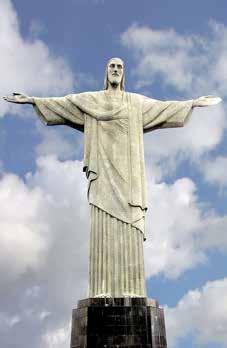
The Rt Rev’d Eduardo Coelho Grillo, Bishop of Rio de Janeiro, and the Rev’d Inamar de Souza
(Excerpts from a presentation given at USPG’s first Partners in Global Mission webinar, which took place on 4 june 2020).
The diocese of Rio de Janeiro is located in the southeast region of Brazil. Some 92 million people live in this region, about 48 percent of Brazil’s population. Many major Brazilian cities are located here, including Rio and Belo Horizonte. The southeast region is considered to be the economic and cultural heart of Brazil.
Covid-19 reached Brazil in the early days of February. We were aware of what was coming, but the official statements from our government were based on denial and an underestimation of the disease. ‘It’s just like a simple cold,’ our president said several times. He also fired two Ministers of Health in two months. The ministerial position is still vacant as I write (early in June). Our healthcare system has collapsed.
Since March, the Church has been trying to respond to the pandemic. Every Wednesday, the House of Bishops
meets for a couple of hours, during which we all share experiences from our nine dioceses. We suspended all services on 17 March, with a view to re-examining the situation on 17 June. Every state has made its own decisions regarding when public spaces should reopen. The Church has been doing more and more of its outreach and ministry work online –mainly via webinars and social media platforms. We created YouTube channels and an online crisis office. Our WhatsApp groups are now active 24 hours a day.
Our diocese has four social outreach initiatives currently in place. Two of those are linked to USPG at Cidade de Deus, where we have been preparing food to distribute to homeless people. Another programme is training young people from the slum areas to become athletes. Many of the other dioceses have also started feeding programmes for destitute people in their areas. Unemployment has risen since the pandemic began, and the need for programmes like these has risen accordingly as more people struggle to feed their families.
In Santo Antônio da Patrulha, Anglican women’s organisations have teamed up with parishioners from St Matthew’s Parish to collect food supplies and purchase fabric rolls to make face masks and lab coats. The parish was invited to join the Local Solidarity Committee, which is composed of municipal bodies, NGOs and private companies. The parish is involved in combating gender-based violence against women, and we have a safe house in the north of Brazil. It is in a secret location and welcomes women fleeing domestic abuse. The parish also supports the Guarani de Maquiné indigenous community. So far, this community has not yet been affected by Covid-19, but food is scarce, so the parish has organised feeding programmes for them too.
During the Covid-19 pandemic, USPG has been offering free access to webinars which have been made available via the USPG website:
www.uspg.org.uk and via our social media platforms.
Do look out for future webinars.
By Sam Rylands
On Holy Saturday I arrived back to a much changed and much quieter London from the one I had left a month before.
An ordinand in the Church of England, I was eager to experience the life of the Anglican Church and the shape of formation in a very different context before being ordained as a deacon and beginning my curacy this summer. I am also currently researching for my PhD thesis exploring how the Church engages faithfully in politics. I found myself drawn to the Melanesian Brotherhood’s recent history, and their pivotal role as peacemakers during ethnic tensions at the turn of the millennium. Particularly striking is the Brothers’ distinctive and committed pattern of prayer and worship. This is not a retreat from the world, but is instead the structure and life-source that enables them to live fully for the world, serving their local communities and wider society so faithfully. The memorial anniversary of the seven martyrs who gave their lives as a witness to Christ’s peace and love in the face of political and social conflict was celebrated recently.
My trip should have included Lent, Holy Week and Easter, with the aim of participating in and learning from the communal life and worship of the Brothers. Immersing myself in the community at Tabalia as much as possible gave me a chance to experience their beautifully simple but varied life together. I loved all of itfrom attending the very early First Office daily (walking to the chapel in the dark, dodging frogs
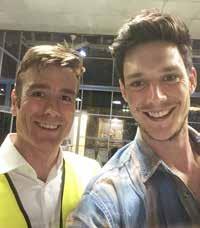
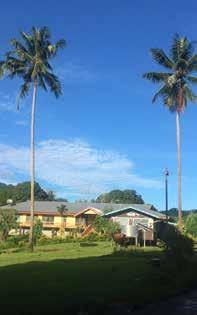
along the way) to eating kasava and kakake (affectionately known as ‘swamp taro’), attempting to fix the water pipe after heavy rain fall as well as several logging trips with the Brothers to collect firewood. It was a real privilege to be welcomed by the Brothers, Novices and Aspirants. I was given the privilege of preaching on Mothering Sunday, where Novice Patterson very kindly helped me to write and deliver sections of the sermon in Pijin, as well as narrating the Passion play on Palm Sunday, which thankfully was in English.
However, during this time with the Brothers, I was also becoming increasingly aware of the spreading pandemic of Covid-19. The rapid speed of change prevented me from changing my flights quickly enough to avoid being stuck in the Solomon’s indefinitely, as Australia and then the Solomon Islands closed their borders.
Being stranded in the Solomon Islands felt very surreal. On the one hand, I was in paradise with beautiful idyllic surroundings, as life continued as normal at Tabalia and across the Islands. Yet every time I visited Kohi to speak with friends and family back home, I would be updated on the worsening spread of this deadly virus. This led to a time of uncertainty for me and for my family as I had three flights cancelled in my attempt to return to the UK.
With things changing hourly, and with no clear indication of how long the lockdown would last, it was unclear just how long I would be stranded
in Tabalia. I was reassured by the Brothers that I was welcome to stay with them for as long as necessary - even if that meant being there at Christmas and being ordained whilst I was out there!
Having been back to Honiara to speak with the British High Commissioner, it was clear that there was little that could be done in terms of arranging travel home other than praying and waiting for things to open up again. It was hard to become overly-anxious about my situation partly because of where I was stranded: I remember one Sunday afternoon messing around in the canoe in the sea with some of the younger boys and one of the brothers, and just thinking how fortunate I was to be doing this whilst everyone back in the UK was stuck inside. The rhythm of prayer and worship at Tabalia really gave me a sense of peace, as well as learning from and being held by the Brothers’ own deep trust and reliance in God that all would be well.
We were all aware of the potential threat and impact of Covid -19 arriving in the Solomon Islands, on the limited health resources with additional social and economic implications. We began to discuss some of the ways the Brothers needed to prepare practically, in modelling good hygiene both for their own sake and also for all the communities across the Islands. Most importantly, the Brothers continued to prepare spiritually, to be there for the people of Melanesia, shining the light of Christ in the
darkness, knowing that whatever comes their way God is with them. Or as the Pijin version of John’s Gospel beautifully puts it; ‘nao matta stay dark… erytime get light.’
I was able to squeeze onto a US repatriation flight as the 200th and final passenger on the plane, which was only confirmed three hours before take-off. I sadly missed Easter weekend at Tabalia and had to say very rushed goodbyes, but perhaps not having long goodbyes was more appropriate as I very much hope to return. The flight itself left Honiara (the first time there had ever been a plane of that size on the runway) to head to San Francisco via Hawaii, before I caught my onward flight to London. By the time I arrived back in the UK I had completed an around the world trip, just not in the circumstances I had quite imagined.
It is very hard to thank the Brotherhood and others properly for their hospitality, generosity and kindness throughout my visit, particularly under such uncertain circumstances. During my stay, I was struck by their warmth but also their sense of fun. Their commitment to God and to one another is dedicated and sincere, yet at the same time full of life and laughter. I have left with much to be thankful for, but also much to learn from them and I am certain that this experience will continue to shape my own faith and ministry for the rest of my life.
I would also like to express my thanks to USPG for their generous financial support in making this trip a possibility. I am extremely grateful. their commitment to God and to one another is dedicated and sincere
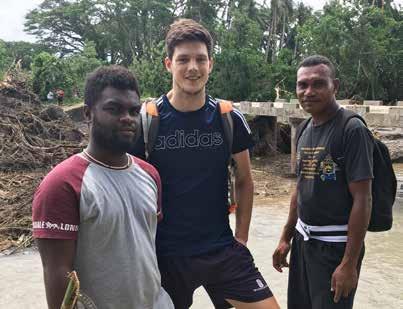
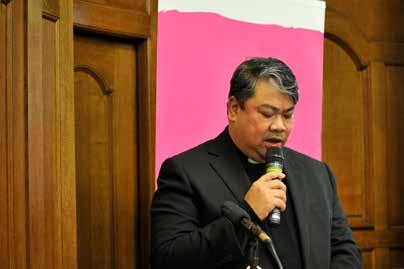
Alongside his role as Vicar of St Saviour’s Church Walthamstow, the Rev’d Fr Salvador Telen is Vicar and Senior Chaplain for the Iglesia Filipina Indipendiente (IFI) in the UK and Europe. In this role, Fr Salvador is tasked with caring for one of the communities that has been hardest hit by the Covid-19 pandemic.
There are 142,000 Filipinos currently living in the UK and about 60 percent of them work in healthcare and essential services. Filipinos make up a disproportionately high percentage of all the tt workers who have died from Covid-19.
‘We’ve had 100 people die from amongst those of our community who are essential workers,’ Fr Salvador says. ‘We are now trying to care for all those bereaved families. As the leader of the group coordinating our response to Covid-19, I’ve found this experience to be both emotional and challenging. Our people came here to cure people; now they’re sacrificing their lives for it. Covid-19 has been devastating to us as a community.’
The role of international chaplaincies such as the one Salvador leads is multi-faceted, offering both spiritual and practical assistance. ‘Our chaplaincy faces a lot of challenges,’ he says. ‘Domestic workers face a lot of abuse: some people may have been trafficked and others will have left family back in the Philippines to find work in Europe. They make a huge sacrifice.
‘We are a link between Filipinos here and their loved ones back home. We have 30,000 undocumented people here who cannot go home. When the pandemic began, we called the IFI’s main office in Manila and asked them to look after the families of those people; to reassure them that their folks in the UK are safe. Where necessary, we arranged with IFI to give them help with food.’
The IFI Chaplaincy team started planning its Covid-19 strategy in March. When the lockdown began, the chaplaincy already had volunteers in place, checking-up on elderly and vulnerable people and delivering food and medicines. It also offered support to frontline workers. ‘Many of them were working long shifts and coming home to empty cupboards, so we arranged food deliveries for them,’ Fr Salvador says.
‘Many Anglican bishops have called and given us their support - both financially and spiritually. The financial help is important because many of our members have lost their jobs since the pandemic began.
‘In all this, our relationship with USPG has been crucial. The link between our chaplaincy and USPG is more than just a financial one; there’s emotional support there too. USPG is a very strong ally to the Filipino Chaplaincy.
As each has received a gift, use it to serve one another as good stewards of God’s varied grace
John
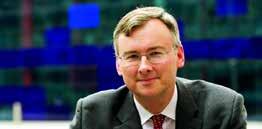
John Neilson joined the USPG Board of Trustees as its Chair in 2018. He is Secretary of Imperial College London and has previously worked in a number of roles in central Government, including as Principal Private Secretary to the Energy Secretary and on the board of the energy regulator Ofgem.
‘I’ve always sought to combine my secular employment with some form of service for the Church,’ John says. ‘That has taken all sorts of different forms. I was on the Audit Committee of the Archbishop’s Council for ten years and, when that came to an end, I looked for opportunities to continue to serve the church nationally. I looked into the opportunity to chair USPG’s trustee board, and it seemed to be a very good fit in terms of what I could offer and what USPG needed.
‘One of the reasons I was asked to become Chair is because my experience and capabilities are quite complementary to those of Duncan Dormor, our General Secretary. With an organisation of the size of USPG, it’s really important that the trustees and the staff team have complementary skills and that we all work to a common purpose using the variety of capabilities which we all have. Part of the Chair’s role is to facilitate that co-operation. One scripture that best encapsulates my rationale for supporting USPG is 1 Peter 4:10, which says: “As each has received a gift, use it to serve one another
as good stewards of God’s varied grace.”’
One key event that was crucial in shaping John’s approach to Christian service was meeting Mother Teresa in 1979. ‘I was a 20-year-old student when I went travelling in India and Nepal,’ he recalls. ‘I stayed at Bishop’s College in Calcutta with some other students. The College staff told us that Mother Teresa often welcomed visitors who were interested in her work whenever she was at home. Three of us went and knocked on the door of her convent, hoping she would be in. We were admitted to a simple room and she came and talked to us for 20 minutes. It was very humbling to be in the presence of someone who had developed such an inspiring ministry. Some of the work she was doing at that time was an early form of hospice care. We’re used to hospices now, but it was pioneering then. Real love was shown to the people who were brought there at the last stages of their lives.’
Since becoming a USPG trustee, John has been reminded of the meeting several times over. ‘I’ve been overwhelmed by the richness of the Christian experience of some of our partner churches,’ he says. ‘In the same way that I was humbled by that meeting with Mother Teresa, I’ve been equally humbled by the amazing faith journeys of some of the people that I’ve had the
privilege to meet through USPG. The priests of the Iglesia Filipina Independiente (IFI) in the Philippines are a shining example. They face many dangers and their lives are often under threat - and yet they demonstrate the Gospel so much in what they do.’
John believes that USPG’s greatest strength is its capacity for collaboration. ‘It’s very important that we use the language of partnership; that we are working as partners together around the world church. This means listening to each other. It means that decisions are not just made in London. We need to support the priorities that the partners want to take forward.
‘We face lots of uncertainty - as does the world, in light of the Covid-19 crisis. One of those challenges is that we may need to find new ways to communicate. Duncan’s recent ‘Zoom Around the World’ was a wonderful concept; it showed us that there are more effective ways of working together, sharing the gospel and listening to and talking to each other through digital means than we had previously realised.
‘The Anglican Communion has proved itself to be stronger than those who regularly predict its demise. I believe that USPG has a great role to play as being part of the glue holding the Communion together. We have a tradition of working together positively and constructively, and recognising that what unites us is more important than anything that people might disagree about. USPG brings a lot in terms of strong relationships, and that has an important part to play in the strengthening of the Anglican Communion worldwide.’
By Rev’d Duncan Dormor, General Secretary, USPG
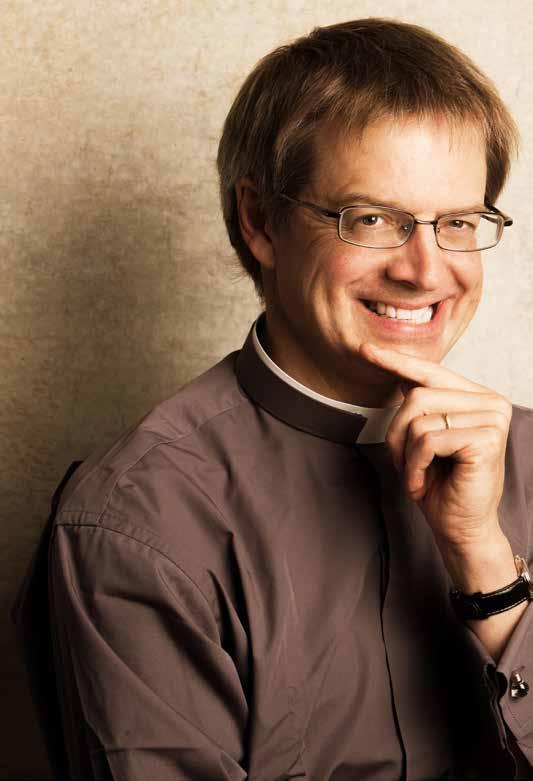
During the UK lockdown, patterns of giving to charities have changed radically. NHS- related charities have received a 2000% increase. There has been good news for food banks during this difficult time with a 3000% increase in donations. Other charities have suffered badly and estimates from the National Council of Voluntary Organisations suggest the sector will have lost £4.3 Billion in the first 12 weeks since lockdown began. The charity sector in the UK is vast and covers an extraordinary range of causes. Even in the early Victorian period, a commission identified 28,000 charities and the establishment of the Charity Commission in 1853 came from the need for oversight. Today’s charity sector is roughly twice the size of the agricultural sector.
It is difficult to find a definition which comes close to capturing all that happens under the umbrella of ‘charity’. Its origins lie clearly with the Church and Christian ideas of mercy and almsgiving, but today, people simply think of charities as ‘doing good’. The oldest charity in the UK, is a school - The King’s School, Canterbury - founded in 597AD by the Archbishop, St Augustine. Education and health have been the focus of significant charitable activity down the centuries and context matters: Whilst both are schools, the King’s School of Anglo-Saxon Britain and (say) modern-day Eton are quite different propositions as charitable enterprises.
Today’s charity sector is roughly twice the size of the agricultural sector
In a fallen and divided world, it is inevitable that questions of equity, power and distributive justice are regularly raised in relation to individual charities and the areas within which charities work. There can also be a yawning gap between good intentions and good outcomes.
The huge expansion in giving to health and basic welfare over the last few weeks has taken us back in time to a place of different prioritiesback to before the Second World War when welfare, health and education lay at the heart of Britain’s charitable sector. The 1940s and the immediate post-war period witnessed one of the biggest shifts in the voluntary sector in UK history since the Reformation. We saw the advent of the Welfare State, the transformation of education, and the arrival of the NHS founded in 1948. This brought together 1,143 charity hospitals into one State service.
This expansion in the expectations of the State completely changed the landscape of civil society and the charity sector. Charities were no-longer seen as the core providers of public services and the nature of charities changed with increased emphasis on advocacy, entrepreneurial approaches and humanitarian activity.
Simultaneously, the existential threat of Nazism and the horrors of World War II prompted a desire to strengthen internationalism. It led to the creation of the United Nations, the Universal Declaration of Human Rights and a whole panoply of related specialist organisations (eg UNICEF and WHO) concerned with promoting humanitarian activity.
The spiritual imperative of that age also led to the birth of
over 200 humanitarian NGOs, alongside these intergovernmental structures. Many were conceived with imagination and vision by Christian individuals and groups, although over time, perhaps inevitably, they became more secular in practice. Amongst them in the UK, Oxfam founded in 1942 and Christian Aid in 1945.
These humanitarian NGOs gained a new focus for their activities amongst the newly independent nation-states as the British Empire gave way. The ‘development’ agenda with its strong moral imperative to help the poor began to supplement the focus on providing support during crises. Thus, rather than ‘beginning at home’, for many ‘charity’ came to be increasingly associated with emergency relief and long term development.
At the time of writing, the British Government announced that the Department for international Development would be subsumed by the Foreign Office and its work re-directed towards serving British interests more directly than alleviating poverty. Outrage was expressed and former Prime Ministers condemned the move. But was it the fate of the poor that concerned them primarily, or the loss of a flexible vehicle for ‘soft power’ in the world?
The ‘development world’ and the ‘aid industry’ is a highly complex place in terms of its ‘drivers’ and outcomes, this is especially true when it is nestled closely into the interests of the State. Like other charitable enterprises, concerns are often raised about whether it fosters dependency or proves more beneficial to the interests of the donor than the beneficiary. Neither of which contribute to the genuine transformation of poverty.
We have also witnessed how questions about the ethics of
fundraising and the representation of people have been repeatedly raised, most prominently in 2019 when David Lammy MP robustly criticised Comic Relief. The scandal associated with Oxfam’s operations in Haiti have further damaged reputations.
The post-1945 liberal humanitarian project and the development sector have thus been eroded from the inside as well as attacked by external critics. In recent years, both Oxfam and Christian Aid have embarked on very significant downsizing operations. They have begun to ‘withdraw’ their organisations from countries where they have been working, in some cases for fifty years.
Emerging from Covid-19, it is likely that these and several other well-established trends, including an increase in nationalism and a retreat from certain forms of international fraternity, will increase.
It is worth taking a step back to the origins of charity, sitting alongside faith and hope, rather than money and power. Real charity - or Christian love, is rooted in mutuality and relationship; solidarity and partnership. In Paul’s famous hymn, ‘charity’ is deeply grounded in humility and self-sacrifice, in a common faith and a shared hope. Gifts of money and support sit firmly in these long-standing relationships, renewed by fellowship and prayer.
The wind of change may well be blowing in a different direction. Wider geopolitical changes and a more general retreat from internationalism could see the cloth that was woven in 1945 unravel and NGOs continuing to ‘retreat’ from a wide range of countries. But with faith, in hope and through charity, the global church remains and USPG will continue to stand in solidarity and kneel in prayer alongside our brothers and sisters.
What has brought us to this point? We have not always been affluent, but we managed in the past with the number of students on roll, and with some support from our partners. But that is not the case now. Enrolment has been dwindling since the last decade and has hit almost rock-bottom with an average of nine students per cohort. Now we have more faculty than we have students to teach! With low enrolment has come low fee income. Dioceses now do not sponsor candidates to attend the Seminary and when they do, the numbers remain in single digits, as if the work of evangelism is finished and labourers are no-longer needed in the vineyard. Partnerships have suffered because of global ‘donor fatigue’ syndrome. Those who have remained faithful have either reduced their funding or have changed from general to specific funding protocols. It’s a real challenge.
But how did we come into this quagmire? What did we fail to anticipate, and therefore fail to forestall? Who do I turn to? What do I do? How do I go about it? My colleague faculty members are running low on morale. Of course, that will happen when payment of salaries are many months in arrears. They have families to cater for and other financial commitments to meet. Meanwhile, their colleagues in the parishes think of them as being ‘better off’ until they tell their stories. With low morale, some of them are taking on other engagements to help take care of their families. We pray, ‘God, please help us out.’
Then there came an invitation to attend a consultation themed ‘Positioning Theological Institutions for sustainable ministerial formation’ held in Lusaka, Zambia in March
Photo: CAPA
Johnson
2020. After three days of engaging with colleagues from other seminaries in the province, it became clear that there are gaps at different levels in the ministerial formation processes and the sustainability of theological institutions. In particular, we identified the need to re-envision theological education to make it contextually relevant and develop products that meet ‘market’ expectations. To achieve this, institution managers and owners must be in concert with what their expectations are in terms of the type and quality of the products from the seminaries. They need to agree on a strategic engagement to ensure the production of what is needed. There could be a mix of methods of production, but each must be appropriate, cost effective, efficient and achieve the expected standards in quality and in quantity.
Coming back to campus and looking back, it all seemed impossible but really it is achievable. As I reflect, I am encouraged that that there is the need to engage various stakeholders strategically, and to undertake an appropriate SWOT analysis. We need to plan based on needs and resources available, and keep in view the vision, mission and expectations of owners, educators and products of theological institutions. With Christ in our vessel, we will certainly smile at the storm.
The consultation brought together four theological institutions from three countries in Anglican Central province: Bishop Gaul Theological Seminary, Zimbabwe, St. John Theological Seminary, Zambia, Leonard Kamungu Theological College, Malawi, Lake Malawi University College, Malawi.
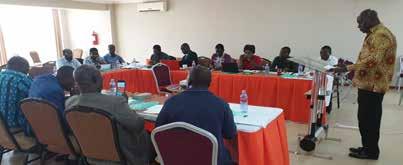
USPG has a special place in Martin Russell’s heart for one particular reason: He met his wife Madeline at USPG’s College of the Ascension in 1970!
Martin is a retired Anglican parish priest who volunteers for USPG as a Bishop’s Nominee. ‘My main role is to report back to our bishops on what USPG is doing, and to affirm the importance of the world church in our life and mission,’ he explains. ‘About two years after I retired, our diocese was enlarged to become the new Diocese of Leeds. So I now report to both the Rt Rev’d Nick Baines, Bishop of Leeds and my local area bishop, the Rt Rev’d Jonathan Gibbs, Bishop of Huddersfield.’
Following those early days at College of the Ascension, Martin spent a year-and-a-half as a volunteer teacher with USPG in the Windward Islands. Later, he spent seven years with USPG in Trinidad: first as a curate at the Parish Church of St Paul in San Fernando, then as a parish priest at St Mark’s Church in Point Fortin.
‘Those years in Trinidad were very happy ones,’ Martin says. ‘They gave me a strong sense of being part of the worldwide church. Just before we left, some of the local clergy said to me, “We’re now sending you back as a missionary to England”. That was relevant because in Trinidad we were all part of the normal culture, whereas I found a much more secular environment when we returned to the UK.’
Back in the UK, Martin was priest-in-charge of two parishes on the outskirts of Huddersfield for 15 years. From there, he went to Halifax where he was vicar of Holy Trinity and St Jude’s until his retirement in 2013.
‘Before I retired, the then Bishop of Wakefield asked me if I would be willing to be a bishop’s nominee for USPG,’ he says. ‘I agreed and went to the USPG Annual Conference. I enjoyed the conference very much; it gave me a renewed sense of being part of the world church. I’ve attended every year since.’
Thanks to his experiences in the Caribbean, Martin is a passionate champion of USPG’s short-term mission programmes and his youngest son recently went to Tanzania on a ‘Journey With Us’ placement.
‘USPG’s approach has changed since my trip,’ says Martin. ‘It’s now more of a mutual support and link, rather than sending long-term mission partners. I would say to anyone who’s considering volunteering for USPG that it’s a very worthwhile thing to do. Volunteering is something that anyone who feels strongly about the world church can do and USPG will give them full support.’
By Elizabeth Quinn
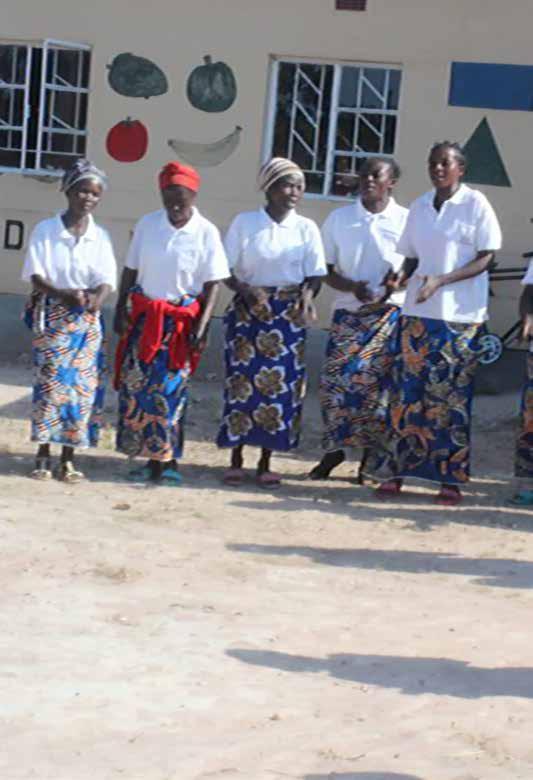
Have you ever felt called to live outside your comfort zone? That’s exactly what happened to me. I am a Reader-in-Training on the Portsmouth Pathway. I became aware of God calling me to do my Church Placement in Ghana. I was aware right from the start that this was about placing myself in God’s hands.
I enrolled on USPG’s ‘Expanding Horizons’ programme for people in ministry. My home parish is St. Peter and St. Paul’s, Hambledon. For my one month placement, I was in the Diocese of Wiawso, which is linked with my deanery, at St. Matthew’s Anglican Church, Awaso, in the Western-North region of Ghana.
After flying to Accra, I travelled to the link diocese of Sekondi. Having spent a few days there as the guest of Bishop Alex Asmah, I was met by the Priest Warden from St Matthew’s. We took an early morning bus to travel north to Awaso. On the journey north the bus travelled through towns, villages and rural areas. At each stop, women with large bowls balanced on their heads would gather around the bus to offer refreshments for sale.
I came to realise the importance of prayer for this community
A cold drink and a bag of plantain crisps was a welcome purchase in the hot sun. As the bus passed through the towns, I was struck by the number of churches and Christian denominations; by shop names referring to Jesus; and by the Jesus slogans and images on the buses.
In the afternoon, we arrived in the small rural town of Awaso. Many people are subsistence farmers growing crops such as cocoa, maize and plantain. Others are employed at the bauxite mine in the forested hills above the town. It’s a very remote area with few overseas visitors. We took a motorbike - taxi up the hill to the church and mission house; a very bumpy ride on the dusty red soil road. I was greeted by Fr Dickson Denteh, priest of St. Matthew’s.
The parish of St. Matthew’s has six outstation churches, one of which is St. Peter’s, Nkstieso, where I received a very warm welcome.
On my first Sunday, Fr Dickson and I travelled to St. Luke’s, Kojina, for the Holy Communion service. The Church tradition is AngloCatholic but in a Ghanaian context. The language spoken is a local dialect. The music is a mix of Church of England hymns sung in English, together with Ghanaian songs and dancing. The Ghanaian music brings a joyful vibrancy to the service. After the service, Fr. Dickson carried out some pastoral care visits. In one home we met an elderly lady. As we prayed together in this humble place, I had a moving sense of God’s presence.
At St. Matthew’s, I came to realise the importance of prayer for this community. Fr Dickson organised a week
of prayer. This included a variety of occasions for prayer including a three hour healing and deliverance service, with plenty of singing and chanted prayers. He wanted to ground his ministry and community in Christ. During this time I began to grasp the importance of recognising and responding to the context of where ministry and mission happens. The balancing and mixing of the Anglo-Catholic and Ghanaian traditions appears to be key to the flourishing of God’s Church in this area.
I took part in funerals and baptisms. Again, the importance of local customs was respected. Family and neighbours would gather to sit with the deceased person. This would be followed later in the day with a Christian funeral service and then burial in the forest.
There were a number of outreach groups at St. Matthew’s including the Society of the Good Shepherd, Mothers’ Union, Women and Men’s Fellowship groups. The members served the community in a variety of ways including visiting the sick and housebound, encouraging people in their faith and caring for and teaching children.
St. Matthew’s has an Anglican school next to the church. The children range in age from two years to 14 years. They then move to a Senior High School. The school buildings are modest and the school has limited resources. Every Wednesday the school community would come to the church for their morning prayer. One Wednesday we used an inflatable globe ball as part of our prayer for children around the world. Two older students led the lively singing and dancing.
Fr Dickson leads the ministry for young people in the diocese of Wiawso. In the summer they had a gathering of several days where they participated in prayer services and workshops. Around one thousand young people attended. I was welcomed to a local revival service and also spent time with the young people at their diocesan committee meeting.
Since my return, I have spent some time reflecting on my time at St. Matthew’s. I went in the spirit of Mark 6:6b-13, where Jesus encourages his disciples to take nothing for the journey. I journeyed simply, in friendship. I experienced my own vulnerability as a guest.
Ghanaian hospitality is very generous. The guest is the most important person in the home. Nothing is too much trouble. I lived with Fr Dickson and his family. He provided all my meals and gave me a comfortable room. He organised for my washing to be done. He went out of his way to give me a rich experience in the church and wider community. His family shared their home with me. They cared for me. The Church community welcomed me. Wherever I went, whether to people’s homes or young people’s groups, I was given an unconditionally warm welcome. There is something about always receiving rather than giving which made me feel vulnerable. This vulnerability alongside the generosity of the community broke down barriers. It opened us up to friendship. It opened us up to Christ’s presence between us. Love was in that vulnerability.
I am overwhelmed by the incredibly rich experience that I have had. It has been, and I am sure will continue to be, a life changing experience, not the least in my future ministry.
Your details:
Title First name(s)
Tel Email
I want to give: £10 £20 £50 Other £................
Payment details: I enclose: a cheque payable to 'USPG' CAF voucher OR please debit my: credit card debit card
My card number is:
Y Y M M
Expiry date: ..... ..... / ..... ..... Security code (last 3 digits on the signature strip)
I’d like to make this gift: monthly quarterly annually and I would like my donation to start during (MONTH) (YEAR)
Direct Debits are collected on 1st or 15th of the month. Please circle your preference.
Instruction to your Bank or Building Society to pay by Direct Debit
Please fill in the whole form using a ball point pen and send to: USPG, 5 Trinity Street, London SE1 1DB
Name and full postal address of your Bank or Building Society
To: The Manager
Address Postcode
Bank/Building Society
Name(s) of Account Holder(s) Service User Number 4 2 8 7 7 8
Bank/Building Society Account No
Branch Sort Code
Banks and Building Societies may not accept Direct Debit instructions for some types of account.
Make your donation go further with Gift Aid:
Reference (to be completed by USPG)
Instruction to your Bank or Building Society: Please pay United Society Direct Debits from the account detailed in this instruction subject to the safeguards assured by the Direct Debit Guarantee. I understand that this instruction may remain with United Society and, if so, details will be passed electronically to my Bank/Building Society.
Signatures(s)
Date (DD/MM/YYYY)
I am a UK tax payer and want all my donations, past, present and future to USPG to be treated as Gift Aid donations. I understand that if I pay less Income Tax and/or Capital Gains Tax than the amount of Gift Aid claimed on all my donations in that tax year, it is my responsibility to pay any difference. I understand that USPG will reclaim 25p of tax on every £1 that I give and that Gift Aid will be used to fund the work of USPG around the world.
Signature Date ( DAY ) (MONTH) (YEAR)
USPG would very much like to keep in touch with you to keep you updated on the work of USPG and our partner churches and communities worldwide. Managing your details well is important to us and we would like to contact you in ways that work for you. Yes, I am happy to be contacted by email
We may contact you by post and telephone. If you do not wish to hear from us, or have a preferred contact method, simply get in touch with us at info@uspg.org.uk When you give us your details, you’ll be added to our secure database so we can communicate with you as you have indicated. You can read our full data privacy notice at www.uspg.org.uk/privacy
Please return to: USPG, 5 Trinity Street, London SE1 1DB Or you can call 020 7921 2200 or visit www.uspg.org.uk/donate
THANK YOU FOR YOUR SUPPORT
Bringing hope for the future to global communities.
We’ve seen the church at home pull together at this difficult time. We’ve seen an encouraging response to our new Focus on the Future fund. We are standing in solidarity with our partner churches across the world who are also acting quickly to respond to great need in their communities.
So far, USPG has been able to offer the following countries extra support thanks to your generosity:
Bangladesh, Cameroon, Guinea, Jamaica, Madagascar, Malawi, Mozambique, Sierra Leone, Sri Lanka, Tanzania
Your gift to Focus on the Future will enable churches around the world to respond to the urgent needs of their communities today. It will help them to provide care and support to some of the most vulnerable during this pandemic and beyond.
Please give what you can.
Visit: uspg.org.uk/donate or call: 0207 921 2200 or text: USPG5 to 70085. Texts cost the donation amount plus one standard rate message.
Thank you