Feature Photography Erich Camping, Jeff Witherow, Matt Wittmeyer
Graphic Design Karen Ver Steeg, Beth Carr
Wilmot Cancer Institute is a component of Strong Memorial Hospital.
Dear friends of Wilmot Cancer Institute,
I am proud to share our first “Impact Report,” a special edition of Dialogue magazine. Since receiving a designation from the National Cancer Institute in 2025, placing us in an elite category of cancer centers nationally, we have not stood still. Our growth and momentum have only accelerated, and it’s exciting for me to see the impact that NCI designation has already had on Wilmot and on our community.
We could not have accomplished NCI designation without community support. In the spirit of accountability, this report provides highlights of what happens every day at Wilmot as we strive to provide extraordinary patient care, impactful research, and education for the next generation.
We are celebrating the recruitment of fantastic scientists, improvements in clinical trials, and a steady growth in research grants despite a challenging environment for federal funding. You will also see our teamwork in action: For example, our clinical trials and pediatric teams moved mountains to help a toddler with leukemia (see Hunter’s story on page 6), and we are expanding our relationship with our neighbor to the west, Roswell Park Comprehensive Cancer Center, to collaborate on research projects where we have complementary strengths.
I encourage you to join us for the annual Wilmot Warrior Weekend event on September 19-20 — a fun and meaningful way to come together as we “leave cancer in the dust.” (See page 22 for more information.)
As a final note, Leslie Orr, editor of Dialogue, is retiring after 26 years working in communications here. Her work on this publication has been extraordinary, winning a nonprofit PRISM award of excellence in 2026 for the magazine from the Public Relations Society of America. We will miss her energy, her talent, and her passion for Wilmot.
With gratitude,
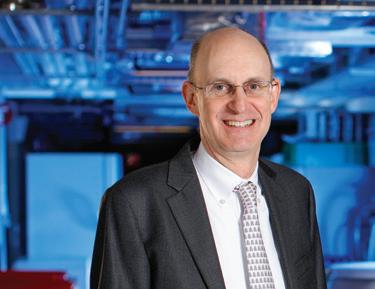
Jonathan Friedberg, MD, MMSc
Wilmot Research
3 Research Programs
• Genetics, Epigenetics and Metabolism
• Cancer Microenvironment
• Cancer Prevention and Control
6 Shared Resources
• Biobank
• Biostatistics and Bioinformatics
• Cytometry
• Genomics
• Human Biophysiology
• Imaging and Radiation
117 Members from 27 departments, across 4 University of Rochester schools
Funding
$34M+ Annual $29M+ Peer-Reviewed
Clinical Trial Accruals
8,212 (2025)
New Cancer Cases
6,081 (2024)
$14M+ NCI
3.2M people
13 care locations
March ‘25 – March ‘26
31% rural
3rd highest cancer rate nationally
46K patients
296K+ appointments across all care locations second opinions 10% patient volume
43,044K in ‘24–’25 increase from ‘24–’25 increase from ‘24–’25
283,058 in ‘24–’25
Surgical Teams Bring Innovative Options to Patients
Histotripsy: Wilmot is a National Leader for the Procedure
In 2023, Wilmot was the first cancer center in the nation to offer histotripsy, a noninvasive procedure that uses high-intensity waves to remove cancerous liver tissue without any incisions. Since then, the treatment has continued to evolve. More than 50 patients at URochester Medicine — from all over New York state and as far away as California and Oregon — have received the procedure to treat primary liver tumors or tumors that have spread to the liver from the colon. The procedure has also been used to treat metastatic renal cell cancer, metastatic neuroendocrine tumor, and metastatic leiomyosarcoma.
Wilmot has also been involved with histotripsy research. In 2025, Wilmot was one of 15 sites nationwide to participate in a clinical trial to understand if histotripsy could help patients with kidney tumors. Wilmot faculty accrued seven patients to the trial, and doctors will follow their progress for the next five years. Study results have not yet been published; the treatment is pending FDA approval based on the trial outcome. If the treatment is approved, it will be the only completely noninvasive therapy for patients with a single kidney tumor that is 3 cm in size or less.
“These surgical efforts further demonstrate Wilmot’s expertise in caring for patients with rare and complex cancers,” says Jonathan W. Friedberg, MD, MMSc, director of Wilmot Cancer Institute. “It remains our vision that patients will never have to leave the region to receive the highest quality, cutting-edge cancer care.”
HAI Pump Attacks Tumors Directly While Minimizing Side Effects
Wilmot is proud to bring advances in care to Rochester, improving the lives of patients like Kelly Colaprete of Victor. She has metastatic colorectal cancer, but a hepatic artery infusion pump — or HAI pump — is helping her enjoy life with her husband and her busy 8-year-old daughter.
Surgeons implant the HAI pump into the abdomen, and it infuses chemotherapy directly into the liver. This “direct access” to the organ is what makes it so effective. Doctors can prescribe a higher dose of chemotherapy than would be possible if it were given through the veins. This procedure has been used mostly for colon cancer that’s spread to the liver and cholangiocarcinoma, a type of primary liver cancer.
The first HAI pump for a Wilmot patient was implanted in December 2025, with seven more to follow. In April 2026, Colaprete was the first to receive the procedure here robotically.
She says that receiving chemotherapy via the HAI pump has been a completely different experience. Side effects are diminished. With traditional chemotherapy, it took a couple of days to recover, and she often stayed home and rested.
“Now, a couple of hours later, I am up and about doing things,” she says. “As an example, I had my pump filled yesterday with chemotherapy and was able to go to my daughter’s soccer game a couple of hours later. It’s just so wonderful to resume whatever you do, to get back to work or to family.”
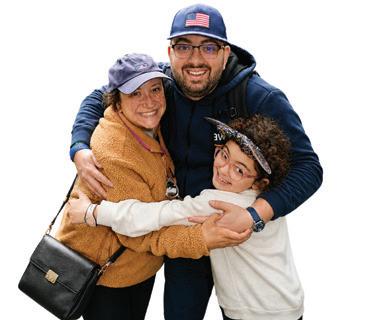
Cancer survivor Kelly Colaprete with her husband and daughter.
HIPEC: Another Technique for Advanced Cancer
This spring, Wilmot also began offering a new-to-Rochester procedure: HIPEC, which stands for hyperthermic intraperitoneal chemotherapy. The procedure involves two steps: first, surgeons remove all visible tumors in the abdomen, referred to as cytoreduction. Next, they pump high doses of heated chemotherapy into the abdominal cavity to remove any residual cancer.
Studies have shown this approach can improve survival.
The opportunity for a better outcome is why Jason Stephens decided to become the first patient to receive the HIPEC procedure at URochester Medicine in April 2026.
Stephens has metastatic appendiceal cancer and says that having the treatment option close to home is huge. He was a little nervous, but his team, including colorectal surgeon Zhaomin Xu, MD, MPH, helped him through it.
“After talking with Dr. Xu, I trusted him,” Stephens said.
Most importantly, having the procedure in Rochester allowed him to remain closer to his family — three daughters and six grandchildren — as he recovered at home in Hilton, 18 miles away.
“This procedure is life-changing for our patients,” says Larissa Temple, MD, chief of the Division of Colorectal Surgery at URochester Medicine. “It can greatly extend survival for many patients, and we are proud to be able to offer it to our community.”
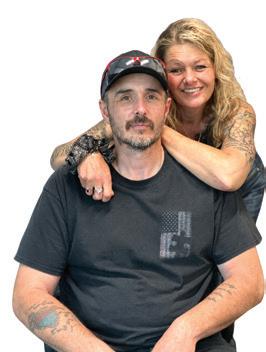
Cancer survivor Jason Stephens and his wife, Mindy.
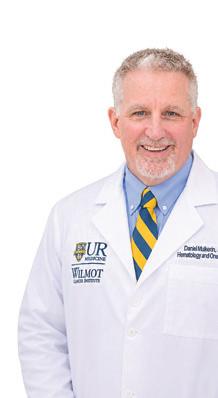
“We are continuously improving our clinical operation to provide the most innovative care to patients, with treatments based on the latest research and technology. We understand our impact on people’s lives throughout upstate New York, and it is a privilege for our teams to serve patients with compassion as we also advance cancer care.”
– Dan Mulkerin, MD, Medical Director, Wilmot Cancer Institute
Hope for Hunter
After a Heart-Wrenching Diagnosis, Parents Choose a Cutting-Edge Clinical Trial and a Wilmot Team
Rallies
to Make it Happen
When Marisa and Terry Kahl found out their eight-month-old son, Hunter, had a white blood cell count 30 times higher than the normal range for most babies his age, Marisa rushed him 75 miles from St. James Hospital in Hornell, up to Golisano Children’s at University of Rochester Medicine.
Within hours, she found out he had B-cell acute lymphoblastic leukemia (B-ALL) with KMT2A rearrangement. Historically, outcomes for this type of leukemia are not great for infants. While 85 to 90 percent of older children never experience a relapse after being treated for this type of leukemia, the rate has been only about 40 percent for infants.
Thankfully, a Children’s Oncology Group (COG) clinical trial hopes to change this statistic for babies like Hunter by studying immunotherapy and another targeted therapy paired with standard chemotherapy.
When Marisa and Terry first heard about the trial, though, it felt too scary. They were thinking of declining, but Hunter’s oncologist, Carol Fries, MD, felt confident the trial would be a great option for the child.
The other problem? The trial wasn’t yet available in Rochester, and it can take weeks or even months to open a new trial. Hunter needed treatment immediately.
Fries didn’t give up. She rallied the Pediatric Hematology/Oncology team, the Wilmot Cancer Institute Clinical Trials Office (CTO), and others throughout University of Rochester Medicine to do whatever was needed to help Hunter have access to the clinical trial he qualified for, without having to travel outside of western New York.
On paper, it seemed like an impossible task to become an enrolling site on a new international clinical trial in just a few days. But under the guidance of Jamie Littleton, MSN, RN, CRN-BC, CCRC, director of Clinical Operations & Research Nursing at Wilmot, the team broke the tasks down step-by-step and worked in high gear. The team quickly built new IT systems within the electronic medical record, made phone calls to the National Cancer Institute to get the trial drugs, and stayed on top of the regulatory process to keep it moving, even during the Juneteenth holiday weekend.
CLINICAL TRIALS
“Everyone was texting, emailing, and talking on the phone. Even after hours and even while driving home through a horrible rainstorm, the team was still working on it, nonstop,” Littleton says. “Everyone understood the impact it could make for this kiddo.”
From Fries’s point of view, seeing the team come together for this one patient was moving.
“Every single person behind the scenes — who didn’t even meet the patient and family face to face — knew in their heart what this was for, and that care came through in every interaction,” Fries says.
As the CTO team worked to get the trial open, Fries and her team talked through the clinical trial with Marisa and Terry. Ultimately, the parents decided that their son would participate, not only because it could benefit Hunter but also because it could help other babies who may be impacted by ALL in the future.
“That’s what helped us decide, ‘yes,’ we want to do this,” Marisa says.
As of June 2026, Hunter was a year out from his diagnosis and doing well. He completed his regimen of the study drugs and now receives maintenance therapy, and his family remains grateful for the care at URochester Medicine. Being as close as possible to their home in Hornell helped to keep life stable during a difficult time.
It meant that while Hunter had access to the most cutting-edge treatment available, he could also enjoy some of life’s greatest treasures — family, home, and time together.
“We don’t take things for granted,” Marisa says. “Family time means everything now.”
Wilmot’s Clinical Trials Extend
Beyond Western New York
Going back five years, more than 4,700 patients have taken part in Wilmot-sponsored clinical trials through the national NCORP program, a research network that includes community cancer clinics.
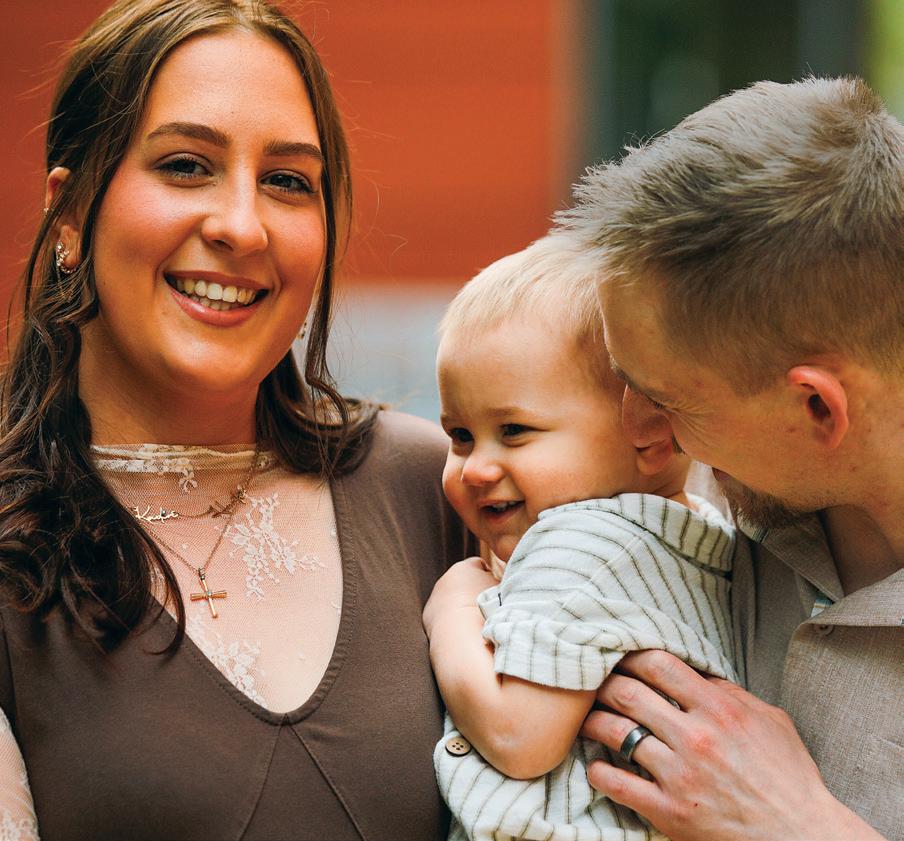
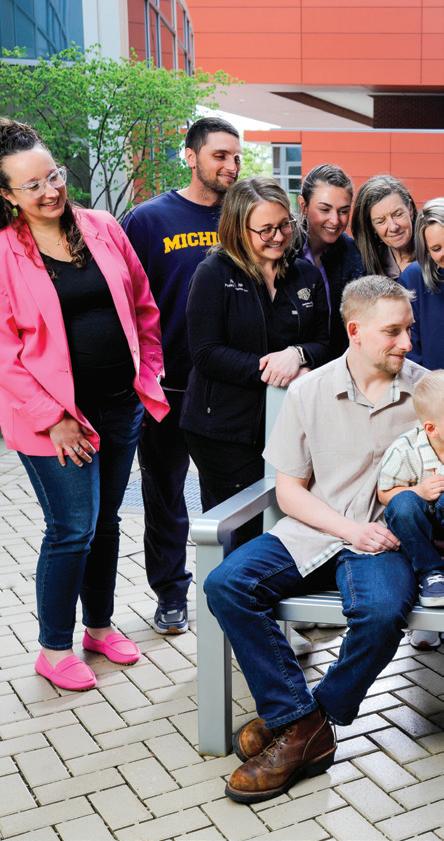
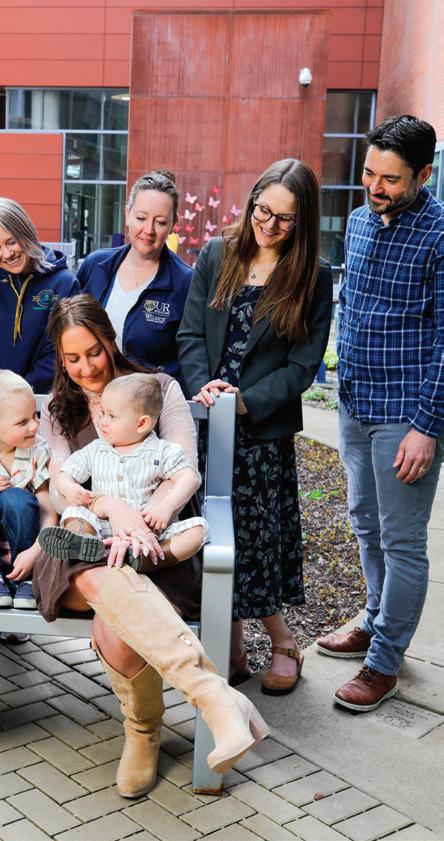
The Kahl family surrounded by Hunter’s clinical trials and care teams.
Thanks to Clinical Trials Leadership, Wilmot Wins $7.7M Award
During the past 10 years, Wilmot Cancer Institute has been the top enrolling site in the U.S. for large, cancerrelated clinical trials through the cooperative group, SWOG. In recognition of this achievement, the National Cancer Institute awarded Wilmot $7.7 million to support those types of groundbreaking studies for the next six years.
Principal investigator Paul Barr, MD, says that cooperative group trials often bring about safer, more effective treatments that change the way oncologists treat cancer.
The NCI grant is called a “lead academic participating site” or LAPS award. Wilmot became part of the LAPSfunded nationwide network in 2019 and has enrolled nearly 900 patients in cooperative group studies, which are only available through top-tier cancer centers.
“This grant and every clinical trial that we offer speaks to a collective effort to bring the best care to patients,” Barr says.
Wilmot’s Investment in Rising Stars
The discoveries that will transform cancer care tomorrow often begin with the bold ideas of early-career researchers today. Wilmot Cancer Institute is committed to investing in the next generation of scientific leaders by providing funding that helps junior faculty launch innovative research, build independent programs, and compete for larger national grants. These early investments accelerate promising ideas, foster collaboration, and strengthen the pipeline of cancer discoveries that will improve prevention, diagnosis, treatment, and survivorship for years to come. The researchers highlighted below represent just a few of Wilmot’s rising stars whose work is helping shape the future of cancer care.
Bassil Botros, MD
Testing a new treatment for hard-to-treat blood cancer
Erika Ramsdale, MD
Using artificial intelligence to identify older cancer patients who need extra support
Cih-Li (Amy) Hong, DVM, MS
Studying how blood stem cells change and lead to blood cancer
Rachel Rodenbach, MD
Helping blood cancer patients make difficult treatment decisions
Kamil Malshy, MD
Finding better bladder cancer treatments that may avoid surgery
Danielle Wallace, MD
Using blood tests to personalize lymphoma treatment for older adults
Nicole Michmerhuizen, PhD
Understanding a genetic change that helps cancer grow
Reza Yousefi-Noorale, MSc, PhD
Working with older adults to create better cancer care and support
Training the Next Generation of Deaf Scientists
Rochester has one of the largest per capita Deaf communities in the country and University of Rochester Medicine likely has the largest concentration of Deaf biomedical professionals in the world. Wilmot leveraged both of those facts to pioneer an innovative education program for Deaf high school students in 2021. What started as a summer internship for students at the Rochester School for the Deaf (RSD) quickly expanded to partner institutions across the country.
The Wilmot Future Deaf Scientists program gives high school students who are Deaf an introduction to the world of science and medicine, with a focus on cancer research. Students meet prominent Deaf medical professionals and scientists and experience a day in the life of oncologists, surgeons, nursing staff, and cancer researchers through shadowing and classroom instruction.
In 2025, the Future Deaf Scientists program began providing afterschool programming for local RSD students at intervals throughout the year and expanded to three other prominent cancer centers with partnering schools for the Deaf:
• Indiana University Simon Comprehensive Cancer Center and Indiana School for the Deaf
• Yale Cancer Center and American School for the Deaf
• University of Kentucky Markey Cancer Center and Kentucky School for the Deaf
“Thanks to funding from the NCI, this program doubled its student enrollment in 2025 and continues to grow,” says Future Deaf Scientists Co-Director Ruth O’Regan, MD, who is also the chair and Charles Ayrault Dewey Professor in the Department of Medicine at URochester Medicine. “We are honored to partner with top-ranked cancer centers across the country who are extending the reach and impact of this program.”
“
We designed the program to create opportunities that do not naturally exist for Deaf students,” says Wyatte Hall, PhD, Future Deaf Scientists co-director and assistant professor of Public Health Sciences at URochester Medicine. “In many ways, I simply tried to create the opportunities I wished I had in high school as a Deaf person.”
Wyatte Hall with Deaf students at URochester Medicine.
Did You Know?
Wilmot Cancer Institute is part of the University of Rochester, which is upstate New York’s largest employer with nearly 30,000 jobs.
A sample of milestone achievements
Preventing Cervical Cancer
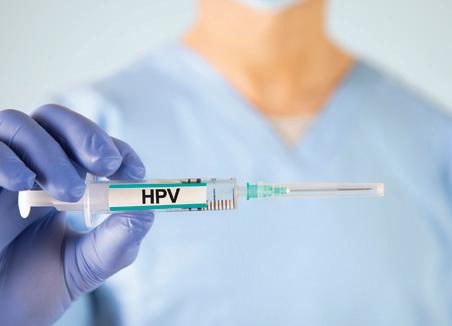
URochester Medicine faculty Richard Reichman, MD, William Bonnez, MD, and Robert Rose, PhD, made key contributions in the 1990s to the development of the HPV vaccine, the world’s first cancer-prevention inoculation. The result: dramatic reduction in precancerous lesions and cancer.
Chemo Tolerability
In the 1980s, Gary Morrow, PhD, saw something that many others did not: Chemotherapy’s harsh side effects were making patients quit treatment, impacting their survival. His groundbreaking research defined nausea and vomiting as a major hurdle and moved symptommanagement and supportive care studies into the spotlight. The work led to antinausea drugs and a new field known as “cancer control”— and for decades since then, Wilmot has been a national and international leader in this research.
Geriatric Oncology
Historically, adults 60 and older were excluded from clinical trials for cancer treatment—despite aging being the single largest risk factor for the disease. This meant that doctors and patients had to make difficult decisions about how older people would likely respond to goldstandard cancer care. Wilmot blazed a trail, led by Supriya Mohile, MD, advocating for more research. A key result: geriatric assessments of the “whole” person, which are now written into national guidelines, to evaluate a patient’s functionality, family support, and other health conditions before cancer treatment begins.
The University has a distinguished history, producing 12 Nobels, 77 Grammys, 13 Pulitzer Prizes — and countless contributions through its renowned health system that make lives better for cancer patients.
Innovative work behind the scenes
Pathology
The adage, “pathologists are the most important doctors who you’ll never see,” rings true: The URochester Medicine pathology team works with Wilmot every day to diagnose and treat cancer patients with accuracy and precision. But most patients don’t know about their excellence. This group ranks in the top 10% nationally for volume and production, examining nearly 500,000 biopsies annually. The system here is a national model for academic centralization.
Pharmacy
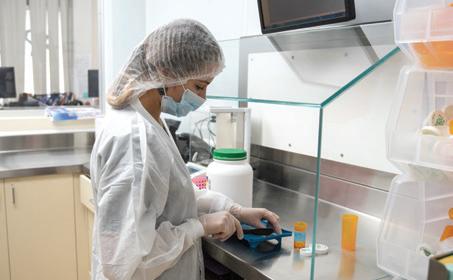
Wilmot’s pharmacy manages a vast distribution system that compounds thousands of cancer medication doses a year. The pharmacy makes multiple courier runs daily and provides on-demand service to the cancer center’s 13 regional sites across upstate New York. Medication waste is consistently kept below 1%, a remarkable achievement in oncology. Other institutions reach out regularly to learn more about Wilmot’s outstanding pharmacy operation.
Regional Offices
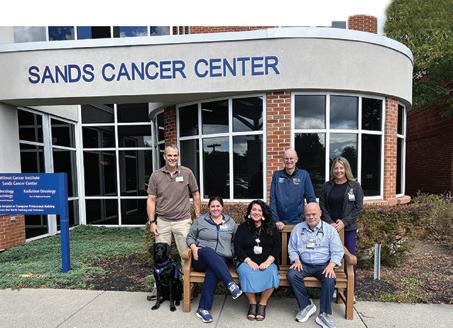
Sands Cancer Center in Canandaigua was Wilmot’s first regional site, established in partnership with Thompson Health in 2002. This office, 30 miles from Rochester, continues to be a busy center for radiation therapy. With a state-of-the-art linear accelerator, Sands serves a diverse mix of patients facing different cancers. Technology upgrades have allowed the Sands team to seamlessly collaborate with radiation oncology experts at URochester Medicine and Wilmot.
Lifelong Smoker Quits as Wilmot Program Reaches 1,000th Milestone
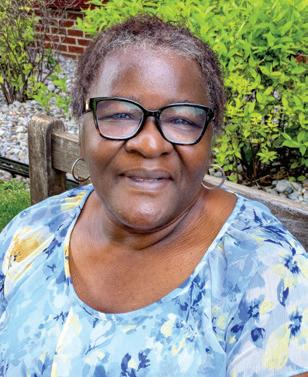
Bernell Jones, 75, was sitting with her brother in a nursing home in Florida last year when she made the profound decision to quit smoking cigarettes.
She and her brother had been lifelong smokers. He was recovering from a stroke.
“I’m looking at him not being able to do anything. It was so sad,” she recalls. “And I see it on his face: He wanted a cigarette.
“I can handle it now,” Jones says — even when life is difficult.
I made up my mind right then and there. He’s not going to smoke, and neither am I.”
Her large family had experienced much loss, and she was ready to make changes to preserve her own health.
After returning home to Rochester from that trip, something else happened that confirmed Jones’ decision. She was working in her yard on a sweltering day and began sweating intensely. It didn’t feel like a normal summer sweat, so she visited her doctor and discovered that her blood pressure was dangerously high. She had been trying to wean herself off cigarettes but had not been entirely successful.
Her physician referred her to Wilmot Cancer Institute’s Tobacco Cessation Program and now she is officially a former smoker — joining more than 1,000 others who have sought help from Wilmot to quit.
“I decided that if I’m going to make it in this world, I’ve got to quit,” Jones says.
She also began walking regularly, and she deposits the money she used to spend on Benson & Hedges into a “piggy jar.”
“I needed to straighten up and do something. Now I sleep better, I feel better, and I smell better,” she says.
It has not been easy to shake a habit that began when she was 17 years old.
A nicotine patch and the counselors at Wilmot helped her to ease the desire to smoke when she felt cravings or was stressed. She slipped twice but regained her strength with prayer and a church friend who helped her to stay accountable.
Information on Smoking Cessation
In February, Wilmot’s Tobacco Cessation Program enrolled its 1,000th patient.
Led by Francisco Cartujano, MD, and founded by him and Paula Cupertino, PhD, the program is vital to reducing the high cancer rates in the 27-county region that Wilmot serves in central and western New York. Lung cancer and other malignancies are closely related to smoking — and upstate New York has higher rates of tobacco usage than state and national averages.
The program is free and open to anyone in Wilmot’s catchment area. It offers up to 10 weeks of nicotine replacement therapy for free, and regular contact via text messages with experts in tobacco treatment.
“We are very proud of reaching a 40% quit rate,” says Cartujano, assistant director of Wilmot’s Office of Community Outreach and Engagement. “It can take people as many as 20 or 30 attempts before they actually quit, so to have helped hundreds in our region stop using tobacco is meaningful.”
While helping 1,000 patients is a worthy achievement, the team is not slowing down.
“To see our program is having a positive impact on our community is wonderful,” says Gabriella Alvarez, tobacco treatment specialist with the program. “The program has seen tremendous growth, and I can’t wait to see how many more people we can support in the years to come.”
Data show that about 40% of people enrolled in Wilmot’s program successfully quit smoking three months later.
Compared with other local and national smoking cessation programs, this metric is significantly higher than trying to quit without any support or medications; in that case, rates for quitting are only about 3% to 5%.
Wilmot’s Community Outreach and Engagement program also offers health assessments and refers smokers and former smokers for free lung cancer screening if they meet eligibility criteria. Last year, more than 11,000 individuals took advantage of the screenings.
To learn more, please call (877) 728.4543.
Wilmot Idea Helps Spark New Alliance of Community Groups
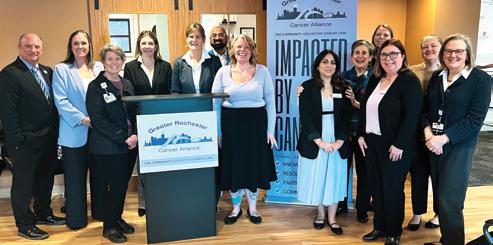
A coalition of community cancer organizations in Rochester aims to streamline services and make it easier for patients to learn about what’s available.
The Rochester region has many organizations dedicated to supporting the social, mental, emotional, and other non-medical needs of individuals facing cancer. However, navigating this, on top of an overwhelming medical diagnosis, can be challenging.
Susan Dent, MD, director of the Judy DiMarzo Cancer Survivorship Program at Wilmot Cancer Institute, noticed this after arriving at the University of Rochester in 2024.
In collaboration with John Mariano, MD, she challenged the groups and asked: Could resources be centralized to make it easier for patients?
Soon after, the Greater Rochester Cancer Alliance (GRCA) was born.
The GRCA consists of five groups: 13thirty Cancer Connect, American Cancer Society Hope Lodge, Camp Good Days, Cancer Support Community at Gilda’s Club Rochester, and C.U.R.E. Childhood Cancer Association.
“This partnership is so important,” Dent says. “Life with cancer can feel overwhelming, and this is one small way we hope to alleviate that by making it easier to learn about resources that are available in our community.”
The GRCA announced the alliance in March 2026, and it has already developed a website with a shared calendar that helps patients view many events throughout the year. The website is available at 13thirty.org/rochestercanceralliance.
Cancer’s “Food Pantry” May Include Popular
Antioxidant Glutathione
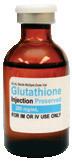
Glutathione is an antioxidant that’s become a darling of social media. People claim it invigorates the immune system, boosts energy, and makes skin glow. But Wilmot Cancer Institute investigators found a dangerous downside — cancer cells appear to devour glutathione as fuel.
Nutrients are scarce in the tissues and cells around tumors, but cancer cells have come up with an effective strategy to feed themselves, involving breaking down glutathione and hijacking it as a food source.
Researchers analyzed breast tumor samples from individuals who had donated tissue to Wilmot’s Biobank. By isolating and examining the fluid inside these tumors, researchers found
abundant storage of glutathione. Using preclinical models of breast cancer, the team also found they could slow tumor growth by blocking the cancer’s ability to use glutathione. The Wilmot study was published this year in the scientific journal Nature.
Lead investigator Isaac Harris, PhD, believes the discovery may apply more broadly to other types of cancer, as preliminary research shows that many tumors consume glutathione.
He adds: Don’t stop eating fruits, veggies, and other antioxidantrich whole foods. It’s only unregulated supplements that are likely to pose a risk and can act as a double-edged sword.
Researchers Reveal New Clues About Pancreatic Cancer
With a five-year survival rate of about 13%, this disease is an urgent problem. One challenge: pancreatic cancer can remain quiet for years, developing undetected before causing symptoms that lead to a diagnosis. Even after a surgeon removes a pancreas tumor, other cells can hide and erupt later.
“T he experience I had when I was at Wilmot, the way I was treated, there was a lot of empathy on all levels.”
– John Gunselman, pancreatic cancer survivor
Wilmot scientists, led by Darren Carpizo, MD, PhD, made an important laboratory discovery about why and how pancreatic cancer evades detection: A gene known as Dec2 plays a key role in helping cells dodge the immune system, which under different circumstances would attack pancreatic tumors.
Their findings might explain why newer immunotherapies typically do not work in pancreatic cancer patients. The goal is to be able to target Dec2 and therefore improve treatment options and outcomes, according to their latest study in the journal Developmental Cell
Other exciting developments in pancreatic cancer treatment are also on the horizon. A recent clinical trial, showcased at the 2026 American Society of Clinical Oncology (ASCO), showed that an experimental therapy, daraxonrasib (a daily pill) can double the survival time for some patients. The drug shuts down a gene (KRAS) that’s present in the majority of pancreas tumors. Although Wilmot did not conduct this study, oncologists at Wilmot and across the U.S. are working through regulatory hurdles to secure the medication for those who are eligible.
Darren Carpizo, MD, PhD
Exercise and Cancer in the Spotlight: Research Supports Staying Healthy with Movement
It can be a struggle to be active during and after cancer treatment, but study after study shows the value of exercise as a means of supportive care for the millions of cancer patients who experience side effects such as brain fog, insomnia, and anxiety. Wilmot investigators are leaders in this research area and encourage clinicians to recommend exercise to patients based on recent findings:
Walking and home-based resistance bands
In a Wilmot clinical trial involving nearly 700 people, an at-home, low-cost exercise “prescription” for daily walking and resistance band training resulted in patients maintaining their walkingstep goals, strength, and staying mentally sharper compared to patients who did not exercise. Patients on a two-week chemotherapy cycle seemed to benefit the most. The Journal of the National Comprehensive Cancer Network published the research, led by Karen Mustian, PhD, and Po-Ju Lin, PhD.
Ibuprofen may enhance exercise
Published this spring in the journal Cancer, this study showed that patients who took 200 mg twice a day of an over-thecounter anti-inflammatory such as ibuprofen while closely following a walking and resistance-bands daily exercise routine, saw improvement in memory, and ability to multitask and pay attention. Even family and friends observed an improvement, the study notes. Researchers believe it’s the first time anyone has studied ibuprofen taken by patients on chemotherapy who complained of cognitive problems. Future clinical trials are planned to look at dosages and longer durations for exercise, because not everyone in this phase 2 clinical trial experienced the same benefits, says research leader Michelle Janelsins, PhD.
Gentle yoga eases common side effects
Researchers say restorative Hatha yoga provides a drug-free, four-bangs-for-your-buck option to reduce mood disturbances, anxiety, fatigue, and insomnia among cancer survivors. Hatha yoga takes a mindfulness approach and uses breathing methods to encourage deep relaxation.
“Exercise is not going away,” Mustian says. “It’s only going to become a more important part of how we treat cancer patients all along the continuum.”
The American Society of Clinical Oncology (ASCO), the largest professional organization for oncologists, highlighted this Wilmot yoga study at a press program for its annual meeting in June, 2026, recognizing outstanding work by the study’s first author, Yuri Choi, PhD, and her mentor and senior investigator Karen Mustian, PhD.
Wilmot patients can take advantage of gentle yoga, nutrition, and other integrative oncology practices, for free, through the Pluta Integrative Oncology and Wellness Center in Henrietta. Call (585) 486-0630.
Wilmot Nurses Shine at National Oncology Meeting
Helping patients with insurance issues.
Reducing medical errors and improving safety.
Making sure no one dies alone.
Empowering nurses to become policy advocates.
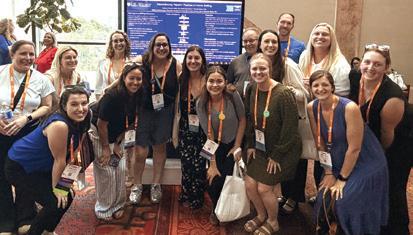
These are serious, thought-provoking topics and challenges that Wilmot Cancer Institute’s nurses face every day. They are finding solutions through on-unit education and quality-improvement research projects — many of which were recently presented at the 2026 Oncology Nursing Society (ONS) annual meeting.
Here are two examples of the important work from Wilmot nurses, who shared 14 poster presentations and two podium talks at ONS:
Financial Barriers
Nearly 40% of Wilmot patients are at high risk for financial toxicity and are not receiving treatment due to financial barriers. Since 2024, an interdisciplinary committee including nursing has assisted more than 150 of these patients in overcoming financial roadblocks. Estimated savings per patient have ranged from $43,000 to $100,000, says Dwight Hettler, DNP, RN, OCN, director of nursing at Wilmot, and Sandra Sabatka, LMSW, social work manager at Wilmot.
Reducing Errors
Concern over making errors often simmers below the surface in a highpressure setting like an in-patient cancer unit and contributes to turnover and burnout. At Wilmot, a team dedicated to reducing errors and boosting nurse confidence produced a targeted, four-hour, Jeopardy-esque session to empower their colleagues on WCC6. As a result of taking the class, 84% of participants reported they felt very or extremely confident applying new concepts they had learned — and the team reported that there was a reduction in medication errors in the year after the session, says Calley Constance, RN, and Haley Swaciak, RN, who led the effort.
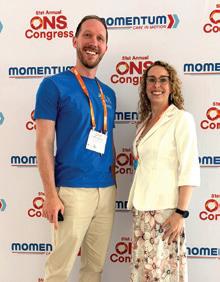
Wilmot nurses Christopher Goschke and Heather Price at the ONS meeting.
Wilmot and Roswell Park Scientists Formalize Research Collaboration
Wilmot Cancer Institute and URochester Medicine researchers have long been known for embracing collaboration. As a newly designated NCI cancer center, Wilmot has new goals involving its neighbor to the west.
Radiotherapy to Enhance Humoral Antitumor Immunity in Kidney Cancer
Scott Gerber (WCI)
Jason Muhitch (RP)
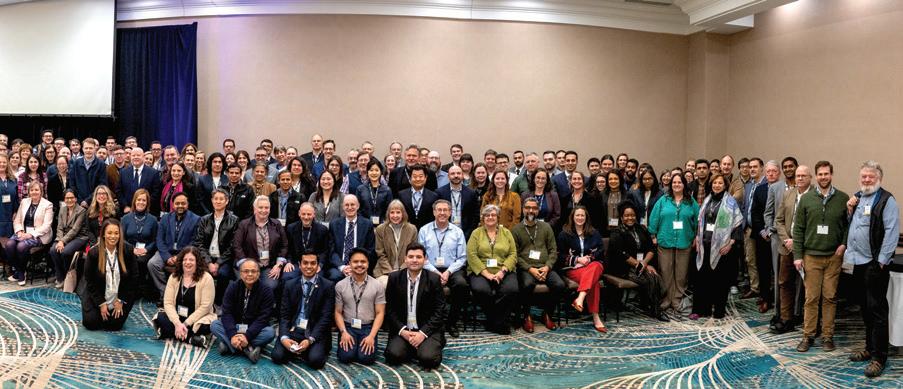
Representatives from Wilmot and Roswell Park Comprehensive Cancer Center in Buffalo organized a weekend retreat, attended by 171 people and fully supported by Wilmot Director Jonathan Friedberg, MD, MMSc, and Roswell Director Candace Johnson, PhD. The two centers have distinct, complementary research expertise and shared resources. They wanted to form a structure that yields more joint scientific projects, models future work, and seeds collaboration on grants, publications, and clinical impact.
Phillip Rappold (WCI)
Anurag Singh (RP)
research that wouldn’t have been possible without collaboration.
The NCI requires researchers to work beyond the walls of their own institution.
This is especially significant in upstate New York, where cancer incidence rates are among the highest in the nation across the western counties served by Wilmot and Roswell, stretching from the Pennsylvania borders and throughout the Finger Lakes region.
Targeting Immune Suppression in MDS
Laura Calvi (WCI)
Mike Nemeth (RP)
Stromal Rewiring of Alternative Polyadenylation in Pancreatic Cancer
Michael Feigin (RP)
Megan Radyk (RP)
Eric Wagner (WCI)
At the March 2026 retreat, the two centers invested thousands of dollars to fund coordinated pilot research projects. Of 21 ideas offered, eight teams were invited to submit full applications — with three WilmotRoswell teams receiving $150,000 each to pursue promising
“Our aspiration is that we will build on this initial retreat and form a strong research alliance that will ultimately benefit patient care — and one that will become a national model for other geographically close cancer centers,” Friedberg says. “Candace and I worked together to make this happen and we are proud of the many researchers who saw this as a great opportunity to meet the unique cancer challenges in western New York.”
Hemn Mohammadpour (RP)
Shu-Chi (Allison) Yeh (WCI)
Children and Young Adult Cancer Survivors Age Faster
The study, published earlier this year in the journal Nature Communications, describes how accelerated aging occurs both at the cellular level and in brain function, such as memory, attention, and ability to process information.
Researchers confirmed that young cancer survivors aged faster no matter what treatment they received as children— even if their treatment was not directed at the brain. Results showed that chemotherapy, which can change DNA structure and broadly damage tissue and cells, speeds up aging fastest.
However, ongoing research at Wilmot holds potentially good news: Young survivors may be able to reverse accelerated aging by quitting smoking, exercising, improving nutrition, and making other healthy lifestyle changes, says Wilmot study leader AnnaLynn Williams, PhD, who collaborated with Kevin Krull, PhD, from St. Jude Children’s Research Hospital.
Gary Morrow, a Pioneer in Cancer Research, Dies After a Long Battle with Cancer
Gary R. Morrow, PhD, MS, a longstanding leader at the URochester Medicine Wilmot Cancer Institute and a visionary credited with building the science around easing cancer symptoms, died on July 7, 2026, at age 82, of pneumonia complications after coping with prostate cancer for 16 years.
A friend and mentor to many at Wilmot and someone who chose not to retire despite living with cancer, Morrow was witty and accomplished and had a deep commitment for “helping good people through lousy times,” as he liked to say.
His groundbreaking research in the 1980s identified anticipatory nausea and nausea and vomiting related to chemotherapy as a barrier for patients to complete their entire treatment regimen, thus limiting their chances for remission or a cure. His work contributed to the need for anti-emetic drugs during chemotherapy — one of the top five most important advances in cancer care during the past 50 years, according to the American Society of Clinical Oncology (ASCO), the leading professional organization for cancer clinicians and scientists.
A clinical psychologist with several other advanced degrees, Morrow moved supportive care and symptom-management research off the sidelines and onto center stage, which was highly significant in a research world consumed with understanding cancer biology and finding new treatments.
His career spanned nearly 50 years at the University of Rochester. He brought in $100 million in funding, published his findings in top medical journals, and mentored dozens of scientists who followed in his footsteps and became outstanding in the “cancer control” field, including Wilmot leaders Michelle Janelsins, PhD, who carved out a niche investigating “chemo brain”; Karen Mustian, PhD, who helped to set national guidelines for exercise and cancer; and Supriya Mohile, PhD, a trailblazer in geriatric oncology.
AnnaLynn Williams, PhD
Morrow also founded a nationwide clinical research base in Rochester, and in 2014, he transitioned that program into the NCI Community Oncology Program (NCORP) — a clinical trials network that leverages community oncology practices in markets across the U.S. to conduct practice-changing studies that directly impact patients in the communities where they receive cancer care. He received countless awards throughout his career. He was a Distinguished Professor at Wilmot, a Dean’s professor of Surgery and of Radiation Oncology at the University of Rochester — and was an integral part of the Wilmot team that worked to achieve NCI designation, which was awarded in 2025 and recognized Wilmot as a top cancer center in the U.S. Known for his pithy phrases and articulate voice, he spent time editing NCI presentations for Wilmot faculty and providing vital feedback on how best to tell the cancer center’s robust story of success.
As his illness progressed, he also benefitted from his own studies and those of his protégés: He stayed physically active, for example, and sought specialized help as a geriatric oncology patient.
Colleagues
offered these thoughts on his passing:
“He spoke truth to power,” says David Linehan, MD, CEO of University of Rochester Medicine and Dean of the School of Medicine and Dentistry. Prior to becoming CEO, Linehan was the Seymour I. Schwartz Professor and Chair of Surgery, which was Morrow’s faculty home. They worked together for years to improve research at Wilmot. “Gary was very demanding in a good sense,” Linehan says. “He was always fighting for what he believed in.”
“F acing up to the fact that medicine doesn’t have all the answers and turning that into an opportunity was very important,” says Hucky Land, PhD, Wilmot deputy director. “Gary has done that against all odds. It is a very rare achievement.”
“G
ary Morrow, trained in clinical psychology, understood the human side of cancer… His insight into human behavior, passion for making rigorous science practical and relatable, and sense of humor all contributed to his knack for designing and conducting symptom management clinical trials in the community setting,” says Lori Minasian, MD, FACP, deputy director for the Division of Cancer Prevention at the National Cancer Institute (NCI).
“G ary’s commitment to supporting the next generation of investigators, what he termed his “grasshoppers,” has resulted in an outstanding legacy,” says Jonathan W. Friedberg, MD, MMSc, Director of Wilmot Cancer Institute.
Wilmot Warrior Weekend on a Growth Spurt
Community
Supporters, Patients, Families, and Wilmot
Faculty and Staff Team Up to “Leave Cancer in the Dust”
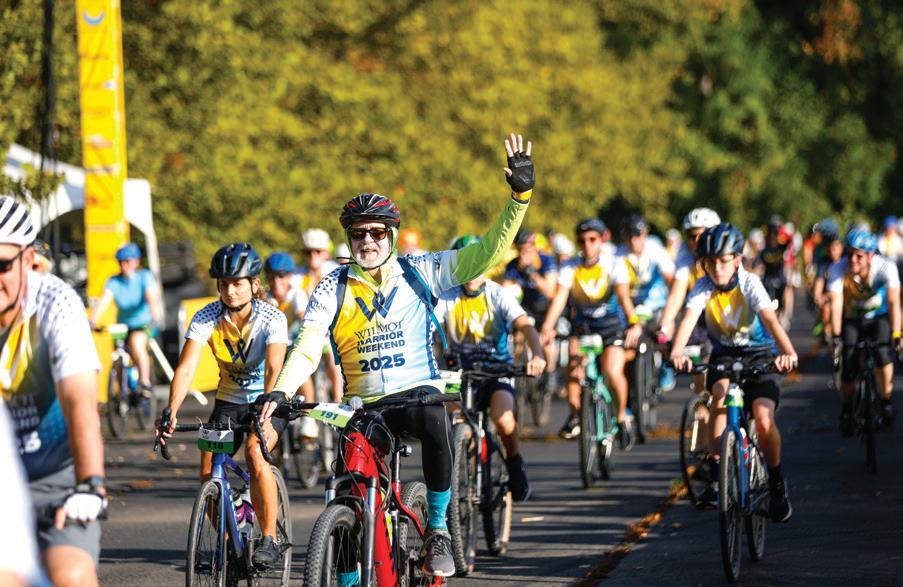
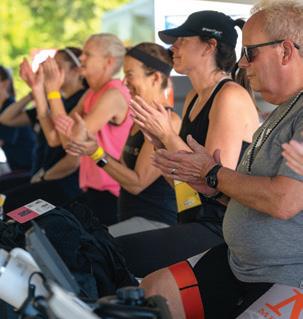
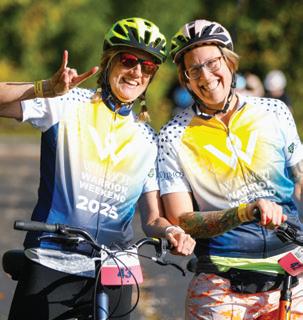
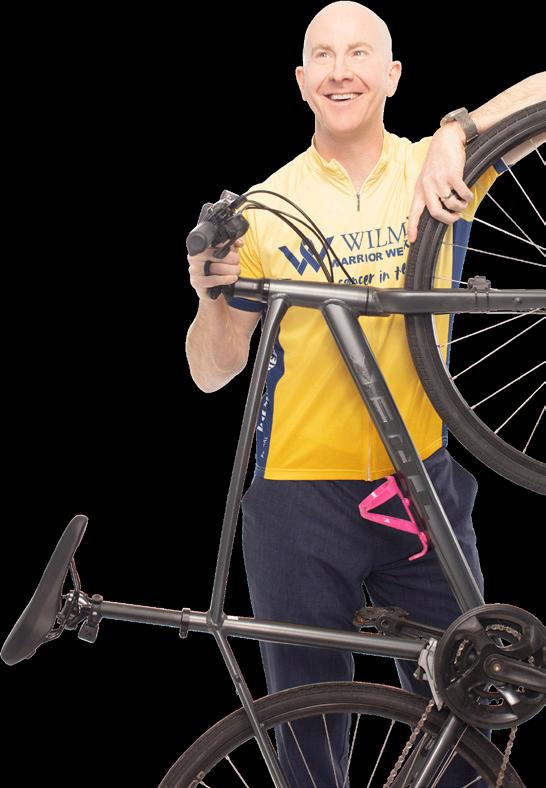
The growth is eye-popping for Wilmot Cancer Institute’s premier annual charity event, taking place this year on September 19 – 20. This year’s event features opportunities to volunteer or take part in cycling, rhythm-based spinning, running, or a walk.
288% Since 2022, overall participation for Wilmot Warrior Weekend has jumped 288%
Where does the money raised during Wilmot Warrior Weekend go?
It stays at Wilmot to seed research projects and clinical trials that have a direct impact on cancer patients.
Some 2025 funds, for example, are supporting an investigatorinitiated clinical trial for leukemia patients. Kah Poh (Melissa) Loh, MD, MS, a geriatric oncologist at Wilmot, studies how older patients with a difficult diagnosis make decisions about treatment.
Age alone rarely tells the whole story about people in their 60s, 70s, 80s, or 90s facing cancer. Some older adults remain highly active and able to tolerate intensive treatment, while others may have other medical conditions, mobility limitations, memory concerns, or reduced support systems that make aggressive therapy difficult. Yet treatment decisions are often made quickly, relying heavily on a person’s age.
Loh’s clinical trial tests a structured evaluation (called a Geriatric Assessment) that looks at physical function, cognition, daily activities, medical conditions, and social support, and can help physicians better match treatment intensity to an older patient’s ability to tolerate therapy.
Since 2023, bike riders are up 150%.
640%
And the biggest rise is in fundraising — with a 640% increase from a net amount of $122,000 raised four years ago to $781,000 in 2025.
$1M
With a $1 million fundraising goal, this year’s event is off to a record start.
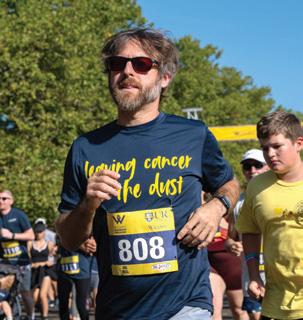
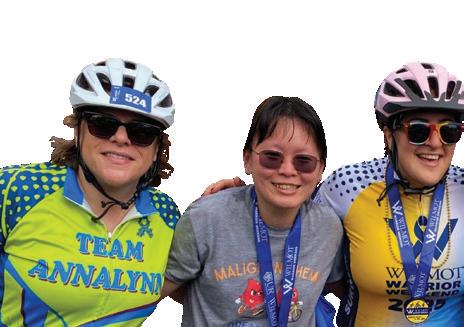
“This is about treating the whole person, not just the leukemia,” says Loh, pictured below in the middle, who participates in Wilmot Warrior Weekend as a runner. “Success isn’t only measured by whether a treatment works against the cancer. It’s also about whether patients can maintain their independence, avoid unnecessary hospitalizations, and preserve quality of life.”
Loh created the study in collaboration with an advisory board consisting of people with leukemia and their caregivers, ensuring that their perspectives informed the trial’s design. In this spirit, vital support for Warrior Weekend brings the community closer to Wilmot for research and patient care.
Discovery Ball 2026
An Evening of Generosity Took Flight as Wilmot Supporters Donated $1M for Cancer Research
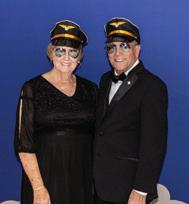
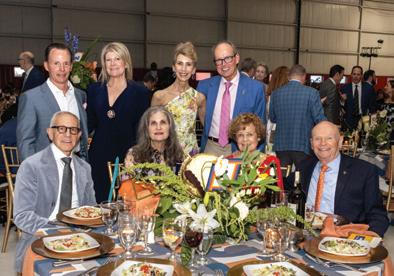
After a one-year hiatus, the Wilmot Cancer Institute Discovery Ball returned on April 17 in a new venue and raised an extraordinary $1,108,526, thanks to steadfast supporters and sponsors.
Net proceeds will help to fund Wilmot’s new Developmental Therapeutics research initiative, which strives to bridge the gap between laboratory work and early-phase clinical trials for patients, and to support the next generation of scientists and advanced cancer care.
The USAirports Hangar was the site of the Ball, providing a first-class space and an exciting new atmosphere. Scott Spezzano and Sandy Waters from 98.9 The Buzz radio served as emcees. Attendees also celebrated the career of Hartmut “Hucky” Land, PhD, deputy director of Wilmot, who plans to step down from his director role in the coming months. They also watched a heartwarming video about three Wilmot patients and families impacted by pancreatic cancer, which helped to spark the paddle call for fundraising.
Special thanks to Discovery Ball Chair Ralph Olney III, who gave a major gift, as well as to the dedicated committee members and Wilmot leadership for their vision, guidance, and partnership in bringing the event to life, and to Wilmot sponsors, donors, and community partners for their remarkable support.
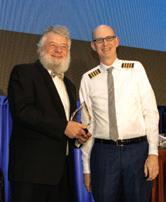
Left: Hucky Land receives the Inspiration Award from Wilmot Director Jonathan Friedberg. Right: Patrick Cunningham, chair of Wilmot’s Advisory Board, raises his paddle and donates $100,000.
Major Wilmot supporter Kathy Landers, center in gold dress, with her table of family and friends.
Wilmot Breakaway Ride Warrior Walk + Run
Wilmot Cancer Institute
601 Elmwood Avenue, Box 704
Rochester, NY 14642
Wilmot Leadership
Jonathan Friedberg, MD MMSc Cancer Center Director
Hartmut “Hucky” Land, PhD Cancer Center Deputy Director
John Ashton, PhD Associate Director, Shared Resources
Ryan Fields, MD Associate Director, Translational Research
Charles Kamen, PhD, MPH Associate Director, Community Outreach and Engagement
Randall Kimple, MD, PHD, FASTRO Associate Director
Brian Martin, MPA
Associate Director, Administration and Finance
Karen Mustian, PhD, MPH Associate Director, Population Science
Ruth O’Regan, MD Associate Director, Career Development and Mentoring Interim Associate Director, Clinical Research
M. Patricia Rivera, MD Associate Director
Paula Vertino, PhD Associate Director, Basic Research