

MENTAL HEALTH & WELLNESS
MENTAL WELLNESS IN OUR COMMUNITY
Mental wellness touches every part of how we live—from how we manage stress to how we show up each day.
Inside, we highlight local professionals and organizations supporting mental health, recovery, and overall wellbeing across our community.
You Don’t Have to Wait for a Crisis to Seek Counseling
Many people assume counseling is only necessary during a major crisis. Anchored Hope Counseling encourages therapy as support that can be helpful long before challenges reach a breaking point. Counseling can provide support, perspective, and practical tools for navigating everyday stress, relationship struggles, or life transitions.
Often, the earliest signs appear gradually. Persistent feelings of sadness, anxiety, irritability, or emotional exhaustion that linger can signal that something deeper may need attention. Others may notice changes in sleep, appetite, or energy levels, or find that normal responsibilities such as work, parenting, or relationships feel consistently overwhelming.
Emotional strain can also show up in more subtle ways. Some people lose interest in activities they once enjoyed, while others find themselves becoming more reactive or frustrated in conversations and relationships. These shifts don’t have to reach a crisis level to deserve care and attention.
One reason people delay counseling is the misconception that therapy is only for serious mental illness, or that seeking help means something is wrong with them. In reality, many people turn to therapy simply to better understand themselves, improve relationships, or learn healthier ways to manage stress and life transitions.
For those considering therapy for the first time, the process is often far less intimidating than expected. The first session typically focuses on getting to know the client, discussing current concerns, and helping the therapist understand what changes or goals someone hopes to achieve.
Reaching out for support can feel uncomfortable at first, but it is often one of the most important steps a person can take for their wellbeing. Talking with a counselor provides a safe space to process challenges, gain perspective, and begin moving forward with confidence, while building healthier ways to navigate life’s everyday challenges.
Anchored Hope Counseling is a safe place for help, hope, and healing. Sometimes in life, it feels like you have nothing to hold on to. You can anchor your hope with us while you weather life’s storms. Our experienced therapists provide counseling for individuals (children, teens, and adults) as well as couples who may be facing obstacles on their journey. Call to start your journey!





EXPERT INSIGHT: Recognizing Mental Health Changes in Older Adults
Mental health challenges in older adults often appear differently than many people expect. According to the team at Baptist Health Senior Care Behavioral Health-Fort Smith, emotional distress in seniors may show up through subtle behavioral or physical changes rather than obvious expressions of sadness or anxiety.
Families are often the first to notice these shifts. Changes in sleep patterns, appetite, or energy levels can signal that something may be wrong. A loved one who once enjoyed hobbies or social gatherings may begin losing interest. Increased irritability, withdrawal from friends and family, or frequent complaints of physical aches and pains without a clear medical cause can be signs of depression or anxiety.
Isolation can play a significant role in these changes. As people age, life transitions such as retirement, health challenges, or the loss of friends and spouses can reduce opportunities for social interaction. Over time, this disconnection may increase the risk of depression, anxiety, and even cognitive decline.
Mental health care is an important part of overall wellbeing for older adults. Emotional health is closely tied to physical health, independence, and quality of life. When concerns such as depression, anxiety, or unresolved trauma are addressed, many seniors experience improvements in daily functioning, relationships, and their ability to stay engaged with family and community.
For families, beginning a conversation about emotional health can feel uncomfortable. The team at Baptist Health encourages approaching these discussions with empathy and curiosity rather than judgment. Expressing concern, listening openly, and reminding loved ones that support is available can help reduce stigma and encourage someone to seek help.
Mental health care for older adults is not only about treating illness, it is about helping individuals continue living meaningful, connected lives, filled with purpose, connection and a renewed sense of hope each day.

If you’ve noticed troubling changes in a parent or loved one, Baptist Health Senior Care Behavioral HealthFort Smith is here to help. In our comfortable, 23-bed inpatient unit, we specialize in the acute care of mental health issues in adults 55 and over.
Our specialists provide diagnoses and customized treatment plans utilizing memory and mental status assessment, medication management, individual and family therapy and education, and other options.
Hearing Health Affects Mental Wellness
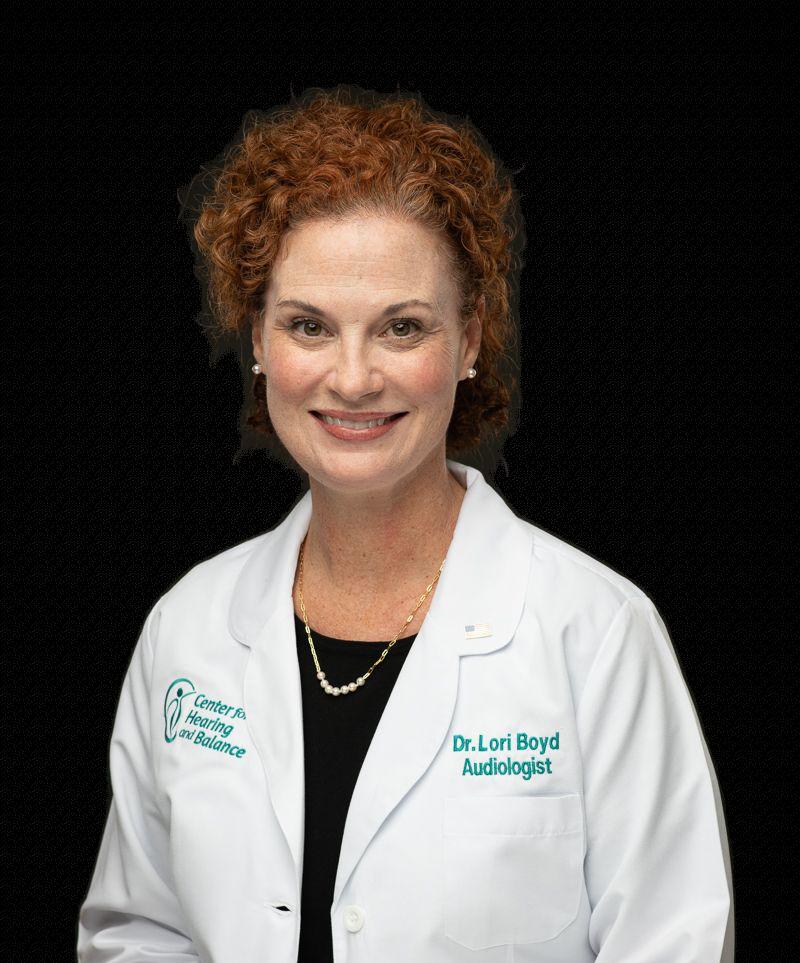
Hearing loss is often thought of as a physical condition, but its effects can extend far beyond the ears. Audiologists at the Center for Hearing & Balance note that hearing is closely tied to how the brain processes sound and that communication challenges can influence memory, concentration, and emotional wellbeing.
When hearing begins to decline—even slightly—the brain must work harder to interpret speech and fill in missing sounds. Instead of recognizing words, the brain is forced to concentrate and compensate for what it cannot clearly hear. Over time, this extra effort can lead to listening fatigue and strain on focus and cognitive processing.
Research has shown untreated hearing loss is associated with a higher risk of cognitive decline. Reduced auditory stimulation and the mental effort required to follow conversations can contribute to the link between hearing and brain health, impacting memory, focus, and overall cognitive function.
The emotional effects can be just as significant. When conversations become difficult to follow, many people withdraw from social settings such as group gatherings, restaurants, or community events. What begins as a communication challenge can gradually lead to isolation, frustration, anxiety, or depression.
Early signs of hearing-related cognitive strain often appear subtly. People may feel unusually tired after conversations, frequently ask others to repeat themselves, or feel overwhelmed in environments with background noise.
Because hearing and brain health are closely connected, some hearing clinics take a more comprehensive approach to evaluation. Tools like the FDA-cleared CogniVue cognitive screening can help assess how hearing and brain processing work together. Addressing hearing concerns early can help reduce cognitive strain and make communication easier again—supporting not only better hearing, but stronger connections, confidence, and overall mental wellbeing.
THE CONNECTION BETWEEN HEARING LOSS & MENTAL HEALTH.


Understanding Addiction and the Path to Recovery
Addiction often develops gradually, and early warning signs may appear long before someone recognizes a serious problem. According to the team at Lumina Behavioral Health, these signs can include using substances more frequently, needing larger amounts to achieve the same effect, withdrawing from family or social activities, changes in mood or sleep patterns, or declining performance at work or school.
Many individuals also begin relying on substances as a way to cope with stress, anxiety, trauma, or depression. Recognizing these signs early can make a meaningful difference. The earlier someone receives support, the greater the opportunity for long-term recovery.
Even when people sense that something isn’t right, seeking help can feel difficult. Feelings of stigma, shame, or embarrassment often prevent individuals from reaching out to family members or professionals.
Some people believe they can handle the situation on their own, while others worry about how treatment might affect their work, finances, or family responsibilities. Addiction itself can also cloud judgment and make it harder for someone to fully acknowledge the severity of the problem.
Over time, addiction can affect nearly every aspect of a person’s wellbeing. Long-term substance use may lead to serious physical health concerns such as heart disease, liver damage, cognitive decline, and weakened immune function. At the same time, addiction frequently worsens mental health challenges including anxiety, depression, trauma, and mood disorders.
Many individuals experience a cycle in which mental health struggles contribute to substance use, while substance use intensifies those emotional challenges.
Because of this connection, effective treatment often addresses both conditions together through what is known as dual-diagnosis care.
Professional treatment can provide the structure, clinical support, and safe environment many individuals need to begin recovery. Treatment programs may include medical care, therapy, peer support, and education about addiction and coping skills. At Lumina Behavioral Health, treatment focuses on helping individuals understand the underlying causes of addiction while building the tools necessary for lasting change.
Recovery itself is not a single event but a step-by-step process. Early stages often focus on stabilization and learning healthier ways to cope with stress and emotional triggers. As recovery progresses, individuals begin identifying triggers, repairing relationships, and developing a plan that supports long-term sobriety and mental wellness.
Family support can also play a powerful role in recovery. Approaching a loved one with compassion rather than judgment can help open the door to meaningful conversations about seeking help. Learning about addiction and encouraging professional support can strengthen the recovery process for everyone involved.
For those who feel stuck in addiction or uncertain whether change is possible, the team at Lumina Behavioral Health emphasizes that recovery is achievable. Many individuals who once felt trapped by addiction have gone on to build healthy and fulfilling lives. Taking the first step toward support can feel overwhelming, but it can also mark the beginning of a completely new chapter.
Recovery is possible – and it often begins with a single conversation.



EXPERT INSIGHT: Recognizing a Mental Health Crisis and Knowing When to Seek Help
Everyone experiences stress, anxiety, and emotional challenges at times. But a mental health crisis often involves a level of distress that feels overwhelming and difficult to manage alone. During these moments, someone may experience intense emotional pain, confusion, or a sense of hopelessness that makes it hard to cope with everyday responsibilities. When someone feels unable to get through the moment safely or feels out of control, it may be a sign that immediate support is needed.
Often, family members and friends are the first to notice when someone is struggling. Sudden changes in behavior, mood, or personality can signal that emotional distress is escalating. A person who once enjoyed social activities may begin withdrawing from loved ones or losing interest in activities they previously enjoyed. Others may experience noticeable shifts in sleep patterns, appetite, or energy levels, or appear overwhelmed by responsibilities that once felt manageable or within reach.
Loved ones may also observe increased anxiety, anger, or irritability, or notice a growing reliance on alcohol or other substances as someone attempts to cope with emotional pain. Expressions of hopelessness, feelings of being a burden to others, or statements about wanting to harm oneself should always be taken seriously and addressed with care and the utmost urgency.
In moments like these, the most important first step is simply being present. Listening with compassion and letting someone know they are not alone can help create a sense of safety during a difficult moment. Encouraging a loved one to speak with a mental health professional or connect with immediate support services can help guide the next steps toward care and stability.
For individuals and families who are unsure where to turn, community mental health centers provide an important
point of access to care. Organizations such as The Guidance Center help connect people with a range of services designed to support individuals at many stages of mental health need.
Services including counseling and therapy, psychiatric care, substance use treatment, case management, and crisis support are available for individuals experiencing severe emotional distress. Many community mental health centers also offer specialized programs such as school-based services for children, mobile crisis response teams that can assist during urgent situations, and long-term support for individuals living with serious mental illness.
Together, the availability of these vital services within the community allows individuals to receive care close to home while maintaining their important connections to family, friends, work, and school.
Early intervention can make a meaningful difference when someone begins struggling with their mental health. When people reach out for support early, they can begin developing healthy coping strategies, strengthening support systems, and addressing challenges before they become overwhelming. Access to compassionate mental health care not only helps individuals stabilize difficult situations, but also strengthens families and communities.
Mental health professionals emphasize that no one should have to face difficult moments alone. Reaching out for help can feel intimidating, but it can also open the door to healing, stability, and renewed hope. When communities invest in accessible mental health care and crisis support, more individuals are able to receive the help they need when it matters most.
In moments of crisis, early support can make all the difference.

The Guidance Center is a Certified Community Behavioral Health Clinic (CCBHC)—one of only five in Arkansas and the only clinic serving western Arkansas. This designation represents a gold standard of integrated behavioral and physical health care, providing coordinated services that support the whole person.
24/7 Crisis Care | Assessment & Diagnosis | Treatment Planning | Outpatient Behavioral Health | Primary Care Monitoring


Mental health crises and addiction don’t keep office hours. Walk in day or night, for immediate support from licensed behavioral health professionals (ages 18+).
3113 S. 70th St., Fort Smith, AR
479.785.9480 I WACGC.ORG
Residential addiction recovery in Booneville, Arkansas, offering counseling, life skills training, and peer support in a safe, structured setting.
398 E. 2nd St., Booneville, AR
479.849.3270 I WACGC.ORG
Quality healthcare involves taking care of both your mind and body. We offer physicals, chronic disease care, women’s health services, and more.
3117 S. 70th St., Fort Smith, AR
479.785.9400 I WACGC.ORG