
For children facing developmental, physical, behavioral, or communication challenges, progress often depends on more than a single therapy session. It takes a team working together toward a common goal. At Allied Pediatric Therapy, that philosophy is woven into every aspect of care.
The multidisciplinary practice provides occupational, physical, speech, feeding, behavioral, and developmental services for children of all ages and abilities. While each discipline offers specialized expertise, the team believes the greatest outcomes happen when therapists, families, healthcare providers, educators, and children themselves work together as partners.
"The concept of being allied is at the heart of everything we do," the team explains. "Rather than viewing therapy as a series of separate services, we approach care as a collaborative partnership where everyone plays an important role in helping a child reach their milestones."
That collaborative model was the driving force behind Allied's creation. Recognizing that many families struggle to coordinate multiple providers and navigate complex systems, the organization was built to offer
comprehensive services in one supportive environment. The goal remains the same today: making high-quality, family-centered care easy to access while helping children receive the integrated support they need.
Parents and caregivers play a vital role in that process. Allied views families as active members of the care team, providing education, resources, encouragement, and practical strategies that extend progress beyond the therapy room.
Some of the most meaningful moments come when a child achieves a goal that once felt out of reach. Whether it's taking independent steps, communicating a need for the first time, or gaining greater confidence and independence, those milestones represent the power of teamwork in action. As Beth Stamp, PT, DPT, PCS, notes, "When communication is open and consistent, children benefit from a team that is working toward the same goals, giving them the best opportunity to thrive."
Today, Allied Pediatric Therapy continues to build on that mission— helping children thrive through compassionate, collaborative care while reminding families they never have to navigate the journey alone.


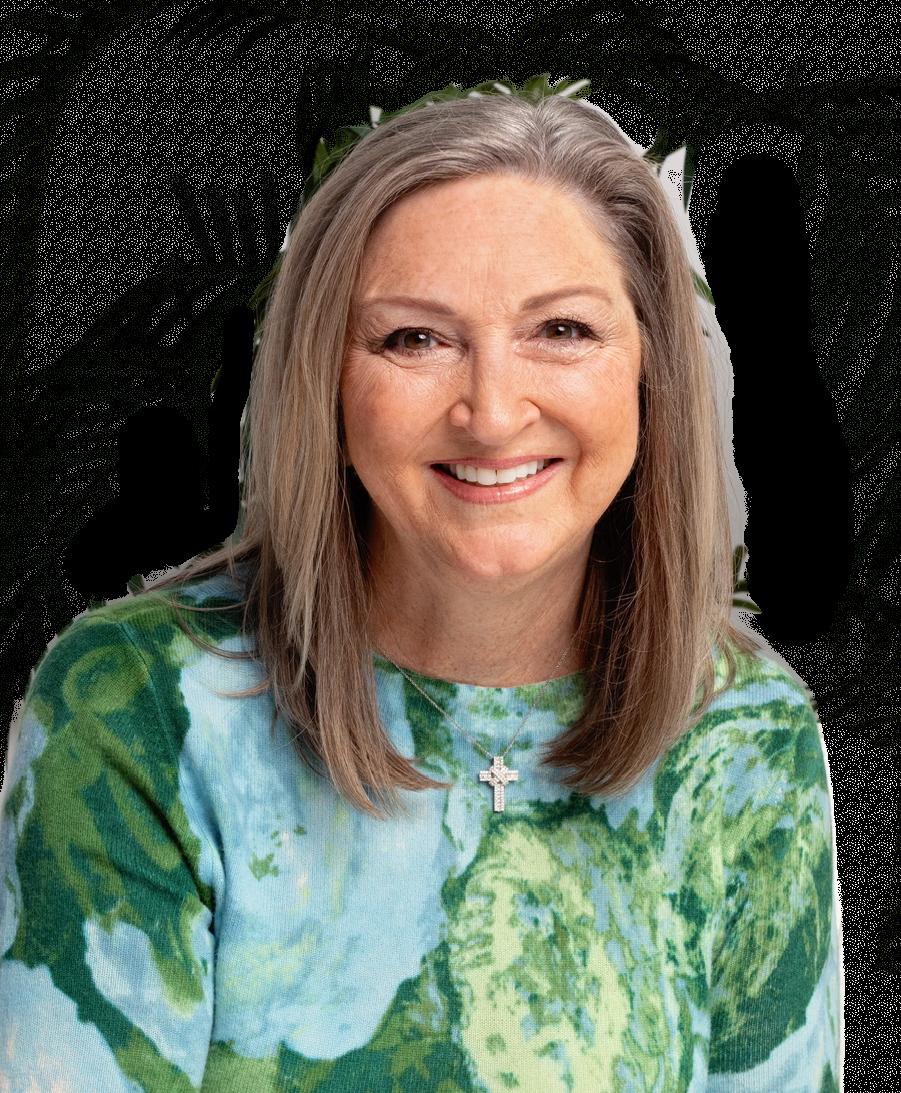
Anchored Hope Counseling welcomes Dr. Barbara Ellington, M.D., to the team. For more than twenty years, Dr. Ellington has dedicated her career to helping children, adolescents, and their families navigate behavioral and emotional challenges with compassion and individualized care. Together with Dr. Deborah Braboy, they bring extensive experience to families throughout the River Valley.
A graduate of the University of Arkansas for Medical Sciences who completed her pediatric residency at Arkansas Children's Hospital, Dr. Ellington specializes in the evaluation, diagnosis, and medication management of a wide range of behavioral health concerns, including anxiety, depression, ADHD, autism spectrum disorder, trauma-related symptoms, emotional dysregulation, and school-related challenges. She also works with children experiencing difficulties with focus, sleep, social functioning, and academic performance.
At Anchored Hope Counseling, Dr. Ellington provides comprehensive screenings, ongoing symptom monitoring, and medication evaluation while collaborating closely with parents, caregivers, therapists, teachers, physicians, and advanced practice providers. She believes successful outcomes are built through communication and partnership, ensuring
every child receives support across the environments that shape their daily lives. By carefully monitoring progress and adjusting treatment plans when needed, she helps families navigate challenges while keeping the focus on long-term growth and success.
Dr. Ellington describes her therapeutic style as compassionate while also being direct and straightforward. She emphasizes the importance of involving young people in their own care, encouraging honesty, personal responsibility, and healthy decision-making throughout the treatment process. By helping children better understand their emotions and behaviors, she works to equip them with skills that extend well beyond the therapy setting and support healthier relationships, stronger coping strategies, and greater confidence in everyday life.
"My goal is to help children and teens improve emotional regulation, functioning, coping skills, relationships, academic success, and overall quality of life," Dr. Ellington says.
Through a combination of clinical expertise, collaboration, and familycentered care, Anchored Hope provides children and families with the support and encouragement to move forward with confidence and hope.



For twenty-five years, Arkansas Pediatric Therapy (APT) has helped children build skills, confidence, and independence while providing families with the support and encouragement needed to navigate their developmental journey. What began as a vision shared by two physical therapists has grown into one of the River Valley's most trusted pediatric therapy providers.
APT was founded by Francee Doolittle and Kim Hunter, both physical therapists who recognized the need for compassionate, highquality pediatric therapy services delivered in a supportive and family-focused environment. Their goal was not only to help children succeed but also to create a workplace where therapists could thrive while providing exceptional care. Over the years, that vision has grown from a team of two therapists to more than forty therapists and support staff serving children throughout the region.
Today, Arkansas Pediatric Therapy provides physical therapy, occupational therapy, speech therapy, and Applied Behavior Analysis (ABA)
services through its Fort Smith and Van Buren locations. By offering multiple disciplines under one roof, the organization is able to provide coordinated care that supports every aspect of a child's development.
Families often come to Arkansas Pediatric Therapy seeking answers and support. Through comprehensive evaluations and individualized treatment plans, therapists help children build skills that support success at home, at school, and in the community.
What makes APT's approach unique is the way therapists collaborate across disciplines. A child receiving speech therapy may also benefit from occupational therapy strategies that support sensory regulation, while physical therapy goals may complement skills being developed through ABA services. By coordinating care and reinforcing goals across settings, therapists create additional opportunities for learning, growth, and long-term success.
Rather than viewing challenges through the lens of a single specialty, APT's therapists work together to understand the whole child. Communication among disciplines allows the team to identify connections among motor skills, communication, sensory processing, behavior, and daily living skills, creating treatment plans that are both comprehensive and individualized.
That partnership is one of the reasons families continue to place their trust in APT. Parents and caregivers are viewed as essential members of the team, providing valuable insight and helping children apply newly learned skills at home, at school, and in the community.
That commitment to partnership has helped Arkansas Pediatric Therapy build lasting relationships throughout the River Valley. Over the years, the organization has served generations of families and earned referrals from former clients, physicians, educators, and community partners.
Throughout the years, the organization has celebrated countless milestones alongside families. Some are major achievements, while others may seem small to outsiders but represent life-changing progress for families. Whether it's learning to use utensils, making a new friend, tolerating a challenging environment, or gaining confidence to participate in school activities, each accomplishment is celebrated as an important step forward.
For Lauren Moore, OT, that philosophy reflects the heart of Arkansas Pediatric Therapy. "At APT, we believe every child deserves to be seen, supported, and celebrated," she says. "We try to focus on the whole child and recognize that progress not only comes through therapy, but through connection, encouragement, and trust."
APT is excited to continue strengthening its multidisciplinary model while expanding opportunities for children and families. As awareness and understanding of neurodiversity continue to grow, APT remains committed to providing evidencebased services that help children thrive while empowering families along the way. After twenty-five years of serving River Valley families, the mission remains unchanged: helping children reach their fullest potential while supporting families every step of the way.
For nearly five decades, The Gregory Kistler Treatment Center has helped children and families across the River Valley build skills, overcome challenges, and access the support they need to thrive. What began as one family's search for care has grown into a lasting legacy of hope, advocacy, and opportunity for individuals with developmental disabilities.
The organization was founded in 1978 by Wayne and Betty Kistler after their son, Gregory, suffered injuries in a car accident and required pediatric therapy services that were not available locally. Determined to ensure other families would not face the same barriers, the Kistlers became advocates and established a therapy center in Fort Smith. What began in a single room at Sparks Hospital has evolved into a comprehensive organization serving hundreds of children, adults, and families throughout the region.
Today, The Kistler Center provides therapy services as well as Community Employment Support (CES) and Autism Waiver programs. Through these services, children and adults receive support designed to build independence,
strengthen life skills, and create opportunities for fuller participation in their communities.
While the organization has grown significantly over the years, its mission remains deeply rooted in meeting families where they are. The team works closely with parents, caregivers, schools, physicians, and community partners to ensure every individual receives coordinated support tailored to their unique needs. Whether assisting with therapy goals, helping families navigate waiver programs, or advocating during educational planning meetings, collaboration is at the heart of the organization's approach.
Advances in medicine, increased awareness of developmental disabilities, and improved screening have helped children receive diagnoses and interventions earlier than in the past. As needs have evolved, The Kistler Center has expanded programs and services while remaining committed to individualized care and family-centered support.
One of the ways The Kistler Center stands apart is its commitment to removing barriers to care.
Through its Charitable Care Program, uninsured and underinsured children can receive therapy and other needed services regardless of a family's financial circumstances. The organization also offers scaled fees and financial assistance for families facing high deductibles or insurance limitations.
Early intervention remains one of the organization's highest priorities. By helping families access services as early as possible, The Kistler Center works to build skills that support learning, communication, independence, and participation in everyday life.
The center is equally committed to overcoming communication barriers. By providing access to interpreters, families are able to communicate openly about concerns, goals, and treatment needs. That commitment recently helped one Spanish-speaking family obtain communication devices for two nonverbal children through a partnership with a local business and support from the Charitable Care Program. The experience is a powerful reminder of how community partnerships can change lives.
For the team, the most meaningful moments are often the simplest: hearing a child's first words, celebrating a new skill, or helping a family realize they are not alone. The organization's culture is built on relationships, open communication, and a shared commitment to supporting both families and one another. As Executive Director Gina Mann explains, "Support is waiting for you. We are here to help you on this journey."
As The Gregory Kistler Treatment Center looks toward the future, its focus remains on expanding awareness, increasing advocacy, supporting families, and promoting early intervention. The organization is particularly excited about upcoming opportunities to provide additional parent education, support groups, educational advocacy, and expanded programming through its waiver services. These efforts are designed to provide families with the knowledge, resources, and support they need throughout their journey.
After nearly fifty years of service, their mission continues to be guided by the people at the center of every success story—those striving each day to become the best version of themselves and live full, productive lives.
479.785.4677
3304 South M Street, Fort Smith kistlercenter.org



Occupational Therapy
Physical Therapy
• Occupational Therapy
• Physical Therapy
Speech Therapy
• Speech Therapy
• Autism Waiver Provider
Autism Waiver Provider
• Community Employment Support (CES) Waiver Provider
Community Employment Support (CES) Waiver Provider SERVICES:
• IEP Support for kids utilizing therapy services at The Kistler Center
IEP Support for kids utilizing therapy services at The Kistler Center
What began in 2015 as a small pediatric therapy practice founded by two therapists with a shared vision has grown into one of the region's leading children's therapy providers. Today, Learn, Play, Grow Children's Therapy Services operates from an 11,000-square-foot facility in Fort Smith, where a team of 22 therapists provides more than 2,000 treatment sessions each month for over 280 children from birth through age 21.
Co-owners Jennifer Marley, OTR/L, and Mandy Chilton, PT, launched the practice in a 900-square-foot office after realizing they shared similar treatment philosophies and a desire to serve families closer to home. As the practice grew, so did the need for additional space, leading to multiple expansions before settling into its current location in 2022.
The organization's name reflects its philosophy. Learn, Play, Grow believes childhood is built on interconnected experiences, and that children learn best when skills are connected to meaningful activities. Through exploration, imagination, creativity, and play, children develop the foundation for future learning, relationships, emotional regulation, and independence.

Those values are displayed throughout the clinic. Specialized environments, including sensory, creative, imaginative play, calming, and infant spaces, allow therapists to tailor sessions to each child's interests and developmental needs. The practice also emphasizes family involvement, encouraging parents and caregivers to actively participate in therapy and become part of the process.
Beyond clinical services, Learn, Play, Grow has built a culture centered on compassion, encouragement, and teamwork. With five Spanish-speaking team members and a commitment to making every family feel welcomed and supported, the organization continues to expand its reach throughout the River Valley.
As co-owner Mandy Chilton explains, "Our goal is to meet each child and each family where they are and take them beyond where they knew they could be." More than a decade after opening its doors, Learn, Play, Grow remains focused on helping children succeed while becoming a trusted part of each family's village.




Sensory Processing Disorder
Genetic Disorders
Feeding Difficulties
Articulation Disorder
Language Delay
Orthopedics & Sports Injuries
Developmental Delay

For children, play is much more than entertainment—it is how they learn, communicate, build relationships, and explore the world around them. At Little Hands at Play Therapy, that understanding shapes everything they do.
The clinic was founded on a simple belief: a child's occupation is play.
Through engaging, play-based therapy experiences, children develop important skills while participating in activities that feel natural, meaningful, and fun. Whether navigating an obstacle course, building with blocks, participating in a turn-taking game, or exploring imaginative play, children are learning while doing what comes most naturally to them.
Little Hands at Play Therapy's child-first approach begins with getting to know each child as an individual. Therapists take time to understand a child's interests, personality, strengths, and challenges, then use those insights to create therapy experiences that encourage participation, confidence, and growth. Families are active partners throughout every stage of the therapy process, receiving guidance and practical strategies that serve to extend learning and progress beyond the clinic walls.
The environment at Little Hands at Play is intentionally designed to be welcoming, engaging, and encouraging. The team believes children make their greatest gains when they feel comfortable enough to explore, try new things, and experience success in their own way and at their own pace.
Ask the Little Hands at Play team what they enjoy most about their work, and the answer comes quickly: the children. Whether it's sharing a laugh, hearing a new word spoken for the first time, or watching a child discover something new, the joy children bring to each day is what fuels the team's passion for helping them succeed.
That philosophy is what makes the work so meaningful. “We have the best jobs a person can have, and we truly mean that. It's because of the kids we get to see each and every day,” the Little Hands at Play team shares.
Serving children from birth through age 18 in Fort Smith, Van Buren, Fayetteville, and Oklahoma, Little Hands at Play Therapy remains committed to helping children build skills, discover strengths, and reach their potential through the power of play.


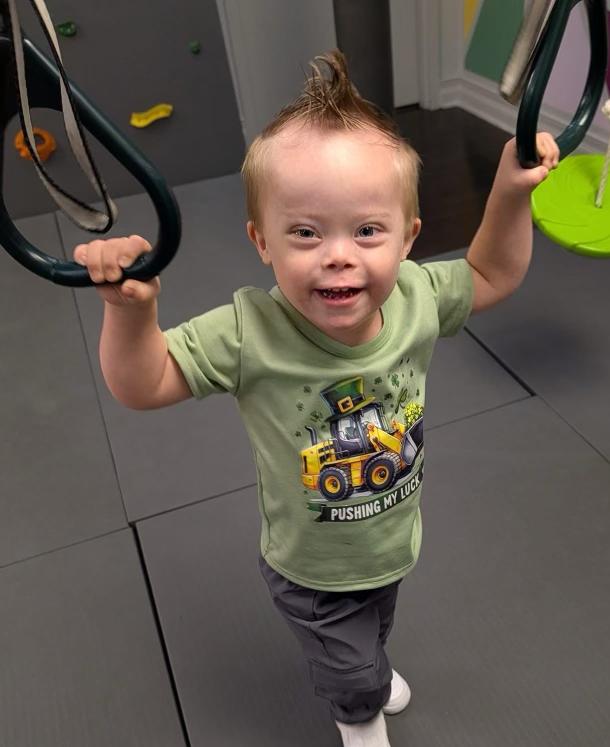
For many families, the search for support begins with uncertainty. Questions about developmental milestones, behavioral concerns, therapy services, and educational needs can feel overwhelming. At Pediatrics Plus, the goal is to ensure families never have to navigate that journey alone.
Serving children through a unique combination of therapy, education, and family support services, Pediatrics Plus focuses on helping children build the skills and confidence needed to thrive in their everyday lives. Through developmental preschool programs, specialized therapies, and individualized care plans, the organization creates opportunities for children to learn, grow, and succeed in ways that are meaningful to them.
Partnership with families is at the heart of that mission. The team works closely with parents and caregivers to develop individualized plans while providing guidance, encouragement, and practical support along the way. Through its dedicated Family Relations Team, Pediatrics Plus also helps families navigate resources, services, Medicaid, and TEFRA, easing some of the burdens that often accompany a child's developmental journey.
The impact of that support can be life changing. One family came to Pediatrics Plus after their child struggled in a traditional preschool setting and was frequently being sent home due to behavioral challenges. Through the organization's developmental preschool and therapy services, the child gained new skills, confidence, and the support needed to thrive, while the family found guidance and encouragement during a difficult season.
The organization believes progress should be measured by growth rather than timelines. Whether it's making eye contact, trying a new food, speaking a first word, or building a new friendship, every milestone matters.
As Miranda Potts explains, "We want families to know that they are not alone. Reaching out for support can feel overwhelming, but from the very first conversation, our goal is to listen, understand and walk alongside them to identify a plan forward." That philosophy reflects the heart of Pediatrics Plus: empowering children to build confidence, celebrate progress, and ultimately conquer their world. If your child could benefit from the services Pediatrics Plus provides, call 479-632-4600.




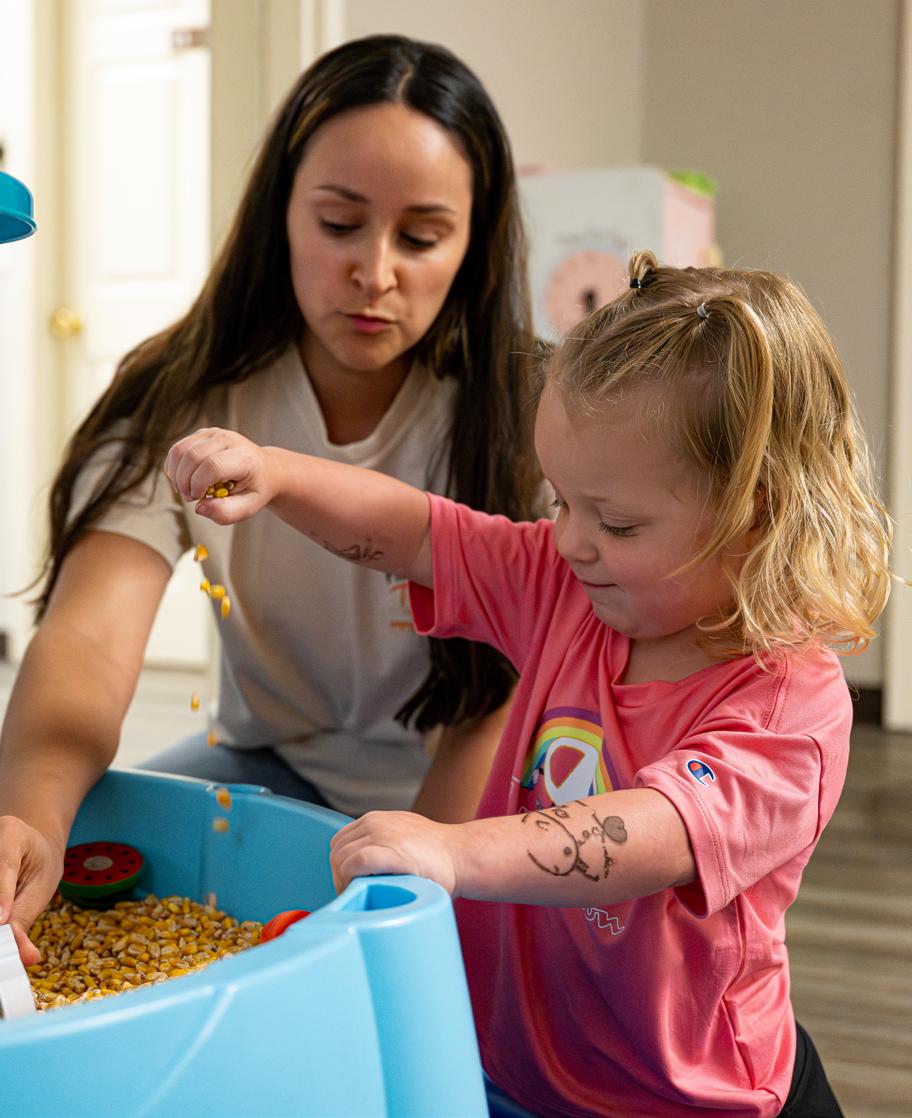
For many families in rural Eastern Oklahoma, accessing pediatric therapy services once meant traveling significant distances to larger communities. Recognizing that challenge, Kelsey Orendorff returned to school in 2015 to earn her master’s degree in occupational therapy with a goal that was deeply personal: bringing high-quality therapy services to the community she calls home.
That vision became Progressive Therapy Solutions, now the only outpatient clinic in Sequoyah County offering occupational, physical, and speech therapy services under one roof. Serving families throughout Roland, Muldrow, Gans, Sallisaw, Vian, and surrounding communities, the clinic was founded on the belief that children deserve access to exceptional care without leaving the communities where they live, learn, and grow.
Born and raised in Arkansas, Kelsey found her home in Sallisaw through her husband's family. There, she quickly recognized a critical shortage of local pediatric therapy services. Starting an interdisciplinary clinic in a rural community came with challenges, but she believed the families of Eastern Oklahoma deserved the same opportunities and resources available in larger cities.
That commitment is reflected in the organization's name. "Perfection is not the objective, progress is always the goal," Kelsey says. For Kelsey's team, success is measured not by comparison to a timeline, but by helping each child move forward in meaningful ways.
Innovation plays an important role in that process. Therapists utilize evidence-based practices alongside emerging tools and technologies that help children communicate, learn, and participate more fully in daily life. Speech-language pathologist Makayla Sizemore points to advances in augmentative and alternative communication (AAC) technology as one of the most transformative developments in pediatric therapy. Today's communication devices provide children with new opportunities to express their thoughts, needs, and ideas while building independence and confidence.
The team has also witnessed a significant shift in how pediatric therapy approaches individual differences. Rather than focusing solely on developmental milestones, today's therapists place greater emphasis on helping children participate successfully in activities that are important to them and their families. Increased understanding of neurodiversity has encouraged more individualized interventions that build on a child's strengths while promoting independence, participation, and quality of life. That philosophy extends into child-led, play-based therapy approaches that use games, exploration, creativity, and everyday activities to make learning engaging.
Creativity is woven throughout the therapy experience at Progressive Therapy Solutions. Therapists often develop activities based on their own interests and the interests of the
children they serve, creating opportunities for learning through hands-on experiences. One recent project allowed children to observe the growth of butterflies before releasing them, combining communication goals, observation skills, and play into a memorable experience that reinforced learning in a meaningful way.
Progressive Therapy Solutions is also a strong advocate for early intervention. The team has witnessed firsthand how early support can change the trajectory of a child's development. One child who began services shortly after the clinic opened arrived with significant communication, sensory, and feeding challenges. Through consistent therapy, strong family involvement, and a personalized plan of care, the child developed the skills needed to successfully begin kindergarten.
Experiences like that reinforce the team's belief in the power of early intervention. Therapists often remind families that seeking support is not an indication that something is wrong. Instead, it provides valuable information, resources, and opportunities during critical periods of growth and development. By addressing concerns early, children can develop skills that support long-term success at home, in school, and throughout their communities.
Progressive Therapy Solutions is focused on being more than a therapy clinic. Guided by a mission to strengthen children, support families, and invest in the future of rural communities, the organization continues to bring opportunity, encouragement, and hope closer to home. As Kelsey explains, "A community is only as strong as the way it cares for its most vulnerable members. When we invest in children who need extra support, we strengthen families, schools and communities." 918.208.3775
210 Creek Street, Sallisaw OK progressivetherapyok.com
Spectrum Connections was founded on a simple but powerful belief: every child deserves to be understood, valued, and recognized for their unique abilities. Through a child-led approach that focuses on sensory and motor development, Spectrum helps neurodivergent children build skills while honoring who they are as individuals.
Founder, Emily Vernon, MS, OTR/L, was inspired to bring a different perspective on autism and neurodiversity to the River Valley after working with a clinic in Oklahoma that emphasized connection, understanding, and respect. This same philosophy continues to guide Spectrum Connections today.
Rather than focusing on compliance, the team focuses on connection. Children's interests are used as a bridge to build trust, relationships, and engagement. "Because we are child-led, we use their interests to foster connection instead of compliance," Emily explains. "With connection, trust and friendship we can build a ladder to reach their long-term goals."
Spectrum Connections also works to challenge common misconceptions about autism. The organization encourages families and communities to view autism as primarily a sensory-motor difference rather than an
intellectual limitation. By operating from a presumption of competence, the team helps children communicate, participate, and demonstrate abilities that may otherwise go unseen.
Families are encouraged to be active participants in the process. Parents often join therapy sessions, learning firsthand how to support independence, strengthen communication, and build upon their child's unique strengths. The team believes even small adjustments in approach can create meaningful opportunities for growth and connection.
Presuming competence is reflected in the clinic's work with Spelling to Communicate (S2C), a method that helps non-speaking and minimally speaking individuals express their thoughts, ideas, and feelings through spelling. Beyond therapy, Spectrum Connections is committed to community education, advocacy, and inclusion through its nonprofit efforts, helping create a more supportive environment for neurodivergent individuals and their families.
At its heart, Spectrum Connections strives to ensure every child and family who walks through its doors feels understood, valued, and capable.
Every child experiences the world in their own way. Spectrum Connections helps children strengthen communication, build confidence, develop social skills, and create meaningful relationships through neurodiversity-affirming support tailored to each child and family.
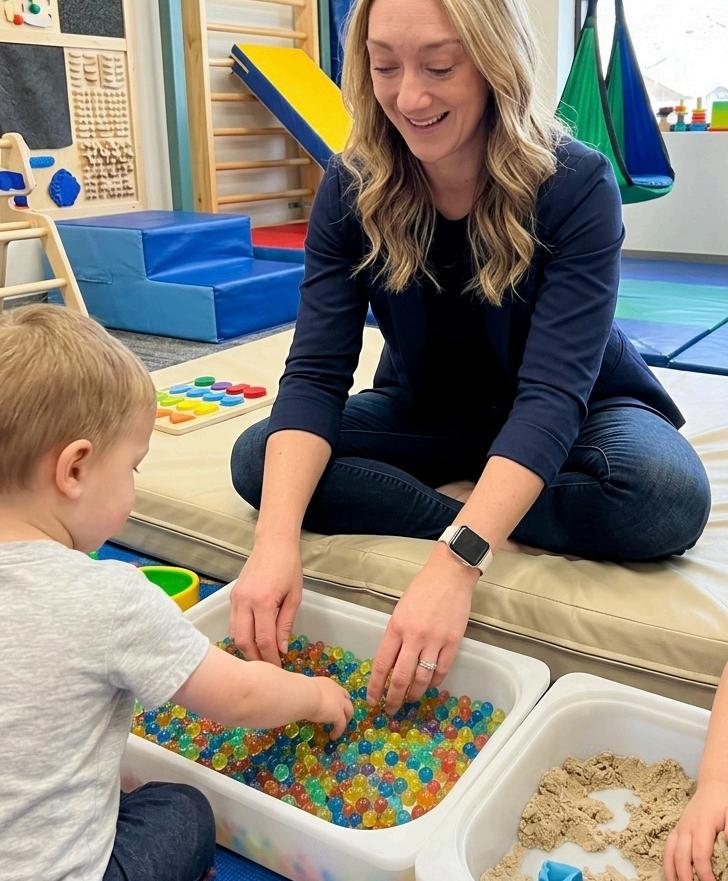

Stepping Stone has been helping children with developmental disabilities and their families access the support, resources, and opportunities they need to thrive for more than 50 years. Founded in 1972 with just two staff members serving six individuals, the organization has grown into a comprehensive service provider that supports children and adults.
For young children, early intervention is at the heart of that mission. Through specialized programs for infants, preschoolers, and children with developmental delays, Stepping Stone provides educational services, therapeutic support, and family-centered care designed to help children build the skills they need for lifelong success.
The organization believes that the earlier developmental challenges are identified, the greater the opportunity for children to make meaningful progress. That philosophy guides every aspect of its children's programs, which focus on creating individualized experiences that support learning, communication, social development, and independence.
Stepping Stone remains committed to serving families who may struggle to find the resources they need elsewhere. Beyond providing direct




services, the Stepping Stone team works to educate, advocate, and create opportunities for children and adults with developmental disabilities throughout the community.
Over the years, Stepping Stone has expanded far beyond its original school model providing vital support for River Valley families. Today, its programs include therapeutic preschool services, infant care, adult developmental programs, vocational training, residential services, and Medicaid Waiver supports. While the organization has grown significantly, its mission remains rooted in helping individuals reach their fullest potential.
"Every child deserves the opportunity to learn, grow, and experience success," says Toni Wilson Ward, Executive Director. "Our role is to provide the support, encouragement, and resources that help families move forward with confidence."
More than five decades after its founding, Stepping Stone continues to serve as a trusted partner for families, creating pathways to growth, independence, and opportunity for generations of River Valley children.