As snow melts and warmer weather returns to Northern Michigan, spring is the perfect time to freshen up your home after a long winter. Months of snow, salt, mud, and closed-up living spaces can leave homes needing deep cleaning. Good spring cleaning not only brightens your space but also helps prepare it for the busy months ahead.
Start by decluttering each room. Sort through items you no longer use and donate, recycle, or toss what you don’t need. Organize closets, cabinets, and storage areas with bins or baskets to make everyday spaces easier to manage.
Next, focus on floors and fabrics. Vacuum carpets and rugs thoroughly, then consider shampooing or steam cleaning to remove dirt, stains, and allergens. Vacuum upholstery and spot clean furniture as needed. Sweep and mop hardwood floors to remove winter dust and grime. Bring in the sunshine by
washing windows inside and out. Clean blinds, curtains, and window treatments to remove dust buildup from the winter months.
In kitchens and bathrooms, wipe countertops, scrub sinks and tubs, clean appliances, and tackle grout lines or soap scum. Replace shower liners, wash mats, and sanitize hightouch surfaces.
Don’t forget outdoor spaces. Sweep patios, clean deck furniture, rake leftover leaves, and prepare flower beds or gardens for planting.
Finally, replace HVAC filters, dust vents, and test smoke and carbon monoxide detector batteries. These small maintenance steps can improve air quality and safety.
With a little effort now, Northern Michigan homeowners can enjoy a cleaner, brighter, and more comfortable home all season long.
Please reach out to one of the vendors in the AuSable Media Spring Home Improvement section to assist with your next project
PAGE 2
Woodhaven
PAGE 3
Worden Building and Masonry
PAGE 4
Wise Heating and Cooling Hull Building Center
Houghton Lake Cabinets
Dave’s Well Drilling
PAGE 5
Luzerne Hardware World of Floors Hall Construction
PAGE 6
Abe’s Concrete Perry Creek Greenhouse
PAGE 7
Roscommon Glass
PAGE 8
Country Feed Supply
GEM Fencing
PAGE 9
Bernard Building Center
PAGE 10
Nature’s Beauty Rustic Furniture
PAGE 11
North Central Area Credit Union
Simmons Well Drilling
PAGE 12
Morse Clark Furniture
Spring painting: How to choose the right pro
A fresh exterior paint job can instantly boost your home’s curb appeal, whether you’re settling in for the long haul or preparing to sell. Hiring the right painter makes all the difference. Here’s how to choose wisely:
• Start by meeting with at least three professional painters. Be present during each visit and pay attention to how thoroughly they inspect your home. A careful evaluation usually leads to a more accurate estimate, quick walkarounds can miss important prep work.
• Always request detailed written estimates. These should break down labor and material costs, specify the number of coats, list paint brands, and outline the prep work involved. Clear details now help avoid surprises later.
• Take time to check references and past projects. Speak with previous clients and, if possible, look at recent work to judge the quality and consistency of the crew.
• Credentials matter, too. While memberships in trade groups aren’t guaranteed, they can signal professionalism. You can also check with organizations like the Better Business Bureau or your state’s licensing board to see if there are any complaints on record.
• Before work begins, make sure
you have a complete contract. It should include contact information, licensing details, and everything outlined in the estimate, plus a clear explanation of what is and isn’t included.
• Don’t forget to ask for proof of insurance, including liability and workers’ compensation coverage. This protects you if anything goes wrong on the job.
• A reputable painter should also offer a workmanship guarantee, covering issues like peeling, blistering, or fading for at least a couple of years. Keep in mind: paint warranties often cover materials only, not labor.
• Finally, be cautious with payments. A 10–15% deposit is typical but avoid large upfront costs. Do a final walk-through before paying the balance and only sign off when you’re fully satisfied with the results.
Choosing carefully upfront can save you time, money, and headaches—and leave your home looking its best for years to come.
Credit: Consumerreports.org/ homeimprovements
When should you turn on your
sprinkler system?
As spring cleanup and planting season begin, it’s tempting to fire up your sprinkler system early, but timing matters, especially in Michigan. Even after the official start of spring in mid-March, freezing temperatures and surprise snowfalls are still common, and cold weather can damage irrigation components and lead to expensive repairs.
For most Michigan homeowners, the safest window to start your sprinkler system is mid- to late May, when the risk of frost has typically passed. Thanks to spring rain, cool evenings, and moisture-rich soil, your lawn usually won’t need regular watering until closer to June anyway.
That said, earlier start-ups can work in certain conditions:
• Mid-April: Possible if your system has insulated valves and proper backflow drainage.
• Late April: Feasible if you closely monitor temperatures and
protect exposed components.
• Early May: Generally safer and still early enough to prepare for the drier months ahead.
Keep in mind, early spring lawns often don’t need extra watering. Brown grass is usually still dormant from winter, while green grass likely has sufficient moisture already.
Get your yard ready first
Before turning on your system, take time to prep your landscape:
• Clear away leaves and winter debris
• Trim plants and dethatch your lawn
• Consider a soil test to guide your watering schedule
If you’re unsure about the right timing, checking with a local irrigation professional can help you avoid costly mistakes and keep your system running smoothly.
Credit: www.watermygrass.com
Beat the heat
As temperatures start to climb, your air conditioner becomes one of the most important systems in your home. The last thing you want is for it to fail during a summer heat wave. A little preparation now can save you from discomfort—and costly repairs— later.
Before the hottest days arrive, take a few simple steps to make sure your AC is ready to perform:
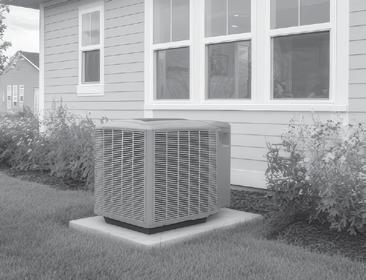
• Inspect the outdoor unit, clear away leaves, dirt, and debris, and look for any signs of leaks or standing water.
• Check your air filter and replace it if it’s dirty to keep airflow strong and efficient.
• Open all air vents throughout your home to ensure proper circulation.
• Double-check your thermostat settings to make sure everything is programmed correctly.
• Run a test cycle now to confirm your system is cooling properly before you really need it.
Taking a few minutes to go through this checklist can help keep your home cool, comfortable, and stress-free all summer long.
Credit: onehourcomfort.com
How to make deck last longer
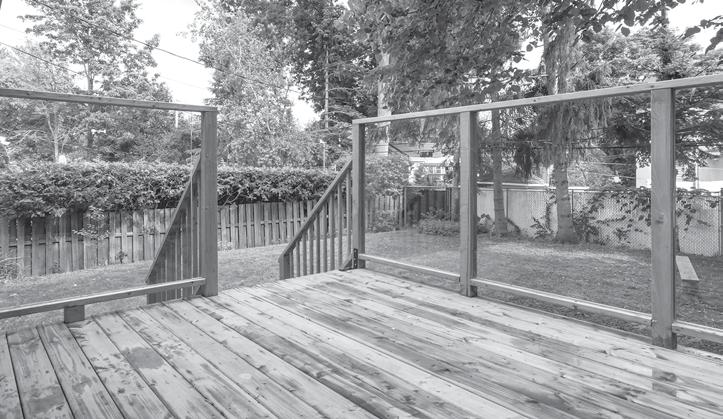
Taking care of your wood or pressure-treated deck is key to enjoying it safely for decades. The North American Deck and Railing Association (NADRA) recommends inspecting your deck at least once a year for signs of wear, decay, or damage.
Start with a thorough inspection of all surfaces, supports, and joists. A simple way to check for rot is by pressing a screwdriver into the wood—if it penetrates easily or feels soft, dry rot could be present.
It’s also important to watch for signs of pests. Tiny holes in the wood may indicate insect activity, including termites or other woodboring insects that can weaken your deck over time.
Routine maintenance goes beyond inspections. Regularly check that nails, screws, and anchors are secure to prevent loose boards or wobbly
railings. Keeping these fasteners tight helps maintain the deck’s overall stability and safety.
Cleaning your deck is just as essential. Even composite decking needs occasional upkeep. Removing dirt, leaves, and debris helps prevent mold and mildew growth, which can lead to rot if ignored.
To protect your deck from the elements, apply a stain or sealer once a year. Sealers create a clear, waterresistant barrier that keeps moisture out, while stains add color and often include protective properties as well. Be sure to choose a product that offers both sealing and protection for the best results.
With regular care and attention, your deck can remain a safe, sturdy, and enjoyable outdoor space for many years.
Credit: decks.com
Don’t forget the attic
depth and condition, look for gaps or settling, inspect for wet spots or staining, and seal leaks around attic hatches, vents, recessed lights, and plumbing openings.
As Michigan homeowners begin spring cleanup projects, experts say one of the most important places to inspect is often overlooked—the attic. After months of snow, freezing temperatures, and heavy furnace use, attic insulation can become compressed, damp, or damaged, reducing its ability to keep a home comfortable and energy efficient.
Spring weather in Michigan brings snowmelt, humidity, and wide temperature swings, all of which can create condensation in attic spaces. If left unchecked, moisture can lead to mold growth, wood rot, and costly structural damage. Poor insulation and air leaks can also cause higher heating and cooling bills year-round.
ENERGY STAR recommends attic insulation levels of R-49 to R-60 for many Michigan homes, though older homes may have much less. Homeowners should check insulation
Blown-in fiberglass or cellulose insulation is a common upgrade option, while spray foam can provide both insulation and air sealing in hard-to-reach areas.
Heating and cooling account for more than half of a typical home’s energy use, according to the U.S. Department of Energy, making attic improvements one of the smartest spring upgrades. If mold, moisture damage, or major insulation issues are found, homeowners should contact a qualified professional for an inspection.
Concrete is a go-to choice for patios, walkways, and driveways thanks to its durability and clean look. When installed correctly, it can last for decades—but even well-done concrete can crack or shift over time, especially in climates like Michigan.
Why concrete fails
The most common culprits are frost heaves and settling. In winter, moisture in the soil freezes, expands, and pushes slabs upward, often leaving cracks when it thaws. Settling happens when the ground beneath isn’t properly compacted or erodes over time, causing slabs to sink and sometimes break. Excess weight beyond design limits can also damage concrete.
Smart repair options
Before replacing a slab, consider these cost-effective fixes:
• Mud-jacking: A cement slurry is pumped beneath the slab to fill voids and lift it back into place.
• Poly-jacking: Expanding foam is injected to stabilize soil and raise concrete. Best for: slabs that have sunk but aren’t heavily cracked.
• If tree roots are the problem,
lifting won’t work. Damaged sections should be removed, roots pruned, and concrete replaced—keeping in mind the long-term health of the tree.
• For worn surfaces, a concrete overlay can refresh appearance, but this requires a skilled contractor to ensure proper bonding.
Preventing future damage
While some cracking is inevitable, you can reduce the risk by:
• Install control joints to direct where cracks form.
• Ensure proper soil compaction and drainage before pouring.
• Add reinforcement like steel or fiberglass mesh for strength. Concrete problems are common, but not always catastrophic. With the right repair method and preventative steps, you can extend the life of your surfaces and avoid costly replacements. When in doubt, consult a reputable concrete professional to evaluate your options and recommend the best long-term solution.
Credit: michiganhomeandlifestyle. com
Spring chimney cleaning: Worth it or not?
Cleaning your chimney isn’t just a fall chore—it’s a smart move in spring, too. Over the winter, soot
buildup happens depends on the type of wood you burn, your burning habits, and the condition of your chimney system.
A regular inspection by a qualified chimney professional is just as important. Certified sweeps can spot early signs of damage, venting problems, or dangerous creosote deposits and recommend the right fix to keep your home safe.
How Chimney Cleaning Works
The process starts by protecting your home with drop cloths. A HEPA vacuum is used alongside a spiral wire brush attached to extendable rods, which is fed up through the flue to scrub away soot and creosote. The brush is rotated to loosen buildup, and once the flue is clean, the damper, smoke shelf, and firebox are brushed and vacuumed as well.
Hiring a professional chimney sweep typically costs between $200 and $350, depending on your system and the level of inspection—but it’s a small price for peace of mind and fire prevention.
Credit: www.priddychimney.com
Simple upgrades for a safer home
When it comes to home security, a little effort now can prevent big problems later. If improving your home’s safety has been on your to-do list, now is the perfect time to make it
upgrade is motion detector lighting. These lights are a strong deterrent for unwanted visitors and can be installed for a relatively low cost. Hard-wired options are budget-
Designing your yard for the first time can feel overwhelming, but it doesn’t have to be. Think of your outdoor space like a room in your home, many of the same design principles apply. With a little planning and patience, you can create a landscape you’ll love.
Know what you want
Start by listing your needs and wishes. Maybe you want a play area for kids, a garden for vegetables, or a cozy patio space. Sketch out simple ideas for where things could go—no need for perfection, just a starting point.
Pay attention to the elements
Observe how sunlight and wind move through your yard. A sunny patio might sound great until it becomes too hot to enjoy, and windy spots can make fire pits or seating areas uncomfortable.
Spend time outside first
Before making big changes, live with your yard for a while. You’ll naturally discover where you like to sit, gather, or relax, insight that can guide your design.
Start small
You don’t need to tackle
everything at once. Begin with a small project, like a flower bed, and build from there. Taking it step by step makes the process more manageable and enjoyable.
Create a focal point
Every great landscape has something that draws the eye—a tree, sculpture, or grouping of plants. This helps anchor your design and gives your yard visual interest.
Balance and repeat
Mix different plant sizes, shapes, and colors, but repeat elements to create a cohesive look. Taller plants should go in the back or along structures, while pathways can guide movement through the space.
Stay flexible
Not everything will work perfectly the first time, and that’s okay. Be open to change and use temporary solutions like mulch or fast-growing plants while you refine your vision.
With a little patience and creativity, your outdoor space can grow into something both beautiful and functional.
Credit: betterhomesandgardens.com
Spring roof check
With spring underway, it’s the perfect time to look beyond yard cleanup and make sure your roof made it through winter in good shape. Snow, ice, and freezing temperatures can take a toll, and even small issues now can turn into costly repairs later.
Start inside by checking your attic. Look for water stains, dark streaks, or mold on the underside of the roof and rafters. Also inspect insulation for signs of mildew—these can all point to a hidden leak.
Next, take a walk around your property and assess nearby trees. Weak or overhanging branches can break during spring storms and damage your roof, so trimming them back now can prevent trouble later.
From the outside, examine your shingles. Watch for any that are
loose, cracked, curling, or missing.
While it’s helpful to spot these issues yourself, repairs are best handled by a professional to avoid further damage.
It’s also important to check vulnerable areas like chimneys, skylights, and plumbing vents. These spots are especially prone to wear and leaks and should be inspected for damaged seals or flashing.
For added peace of mind, consider scheduling a full inspection with an experienced roofer. Catching problems early can save you from expensive repairs down the road. If your roof has been damaged by severe weather, review your homeowner’s insurance policy— repairs may be covered.
Credit: tamko.com
Choosing the right replacement windows
Investing in new windows is a big upgrade for your home, so it pays to understand your options before getting started. From materials to installation, a little knowledge upfront can help you avoid costly mistakes and get the best results.
One of the biggest decisions is whether to tackle the job yourself or hire a professional. Even experienced DIYers can run into hidden issues like rotted framing, missing insulation, or structural damage once old windows are removed.
Professional installers know how to handle these surprises and ensure everything is properly sealed and secure.
home.
Most modern windows come with double-pane glass as a standard, but upgrading to triple-pane glass can improve insulation and reduce outside noise. Keep in mind, though, that triple-pane windows cost more and are heavier, which can affect operation.
Accurate measurements are critical. Even small errors can leave you with windows that don’t fit, leading to delays and added expense. Hiring a pro helps ensure a precise fit from the start.
When choosing your windows, don’t hesitate to ask questions. Consider energy efficiency, safety features, ease of cleaning, color options, and whether a different window style might better suit your
Installation method matters just as much as the window itself. Learn the difference between pocket (insert) installation and fullframe replacement to decide what’s best for your home. Proper sealing—often using closed-cell spray foam—is essential for energy efficiency and long-term performance.
Finally, review the warranty carefully. Coverage can vary widely depending on the manufacturer and materials used, so make sure you understand what’s included and how long you’re protected.
Taking the time to plan ahead ensures your new windows will look great, perform well, and last for years to come.
Kick ants out for good
As warmer weather rolls in, so do the bugs—and ants are often the first to show up. While they may be small, these persistent pests can quickly become a major annoyance in your home.
Most ants nest outdoors but venture inside searching for food. Some, however, settle in and stay. Common indoor troublemakers include pavement ants, carpenter ants, odorous house ants, thief ants, acrobat ants, and pharaoh ants. While many are harmless, certain types can bite or even cause damage to your home.
cleaning combined with ant baits or traps can help eliminate the problem.
To keep ants from coming back, try these simple prevention tips:
• Keep your kitchen clean and free of crumbs
The good news? You don’t have to live with them. A thorough
• Store food in sealed containers
• Repair any leaky pipes
• Seal cracks and entry points around your home
• Check indoor plants for signs of ants
Ants may be persistent, but with a little effort, you can keep them out for good. If the problem continues or feels overwhelming, don’t hesitate to call a professional exterminator.
Credit: prevention.com
Creative vegetable garden ideas for any space
Starting a vegetable garden can feel overwhelming, from choosing what to grow to figuring out where to plant it all. While classic rows and raised beds are always a great option, there are plenty of creative ways to grow fresh food no matter the size of your yard.
• Potager (French-Style) Garden: A potager garden blends beauty and function, using neat beds separated by gravel paths. It keeps things tidy, helps reduce weeds, and adds a decorative touch to your yard.
• Square Foot Gardening: Perfect for small spaces and beginners, this method uses a grid system, usually a 4x4 raised bed divided into onefoot squares, to maximize planting
• Kitchen Garden: Plant herbs, greens, and veggies close to your home for easy access while cooking. Add edible flowers and replant throughout the season for a steady
• Fenced Garden: A fenced garden
protects your crops from animals like rabbits and deer while giving your space a clean, organized look.
• Vertical & Hanging Gardens: Short on space? Grow up instead of out. Trellises and hanging pots are perfect for crops like cucumbers, beans, strawberries, and herbs.
• Raised Beds & Companion Planting: Raised beds improve soil quality and warm up faster in spring. Pair plants strategically, like tomatoes with marigolds, to help deter pests and boost growth.
• Window Boxes & Fabric Grow Bags: Maximize tight spaces with window boxes or fabric grow bags. These options are portable, easy to manage, and ideal for herbs, lettuce, and even potatoes.
No matter what your yard size, there’s a vegetable garden style that can work for you. Start simple, experiment with layouts, and enjoy the process, fresh, homegrown food is always worth it.
Credit: thepioneerwoman.com
Don't skip the simple things: Maintain your gutters
You take care of your home, but gutters are often forgotten. In Michigan’s harsh, ever-changing climate, that oversight can lead to costly damage. Regular gutter cleaning is one of the easiest ways to protect your home and avoid major repairs.
Protect against water damage
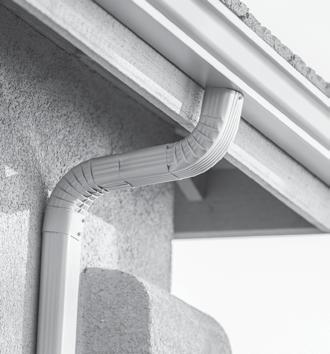
Gutters are designed to move rainwater and melting snow away from your home.
When clogged, water overflows and seeps into your roof, siding, or foundation— leading to rot, mold, and structural issues. Prevent foundation problems
Michigan’s freeze-thaw cycles can turn pooled water into expanding ice, causing cracks and shifting in your foundation. Clean gutters help direct water away, reducing the risk of flooding and costly repairs.
exterior features.
Keep pests away
Debris-filled gutters create standing water and decay—perfect for insects and rodents. Routine cleaning removes these attractants and helps keep pests out of your home.
Save money long-term
From foundation repairs to roof leaks, neglected gutters can lead to expensive fixes. Regular maintenance is a simple, low-cost way to avoid major issues.
A must in Michigan
With snow, spring rains, summer storms, and falling leaves, gutters take a beating year-round. Most homes benefit from cleaning at least twice a year, more if surrounded by trees.
The perfect floor
Whether you’re settling into a new home or planning a renovation, choosing the right flooring can completely transform a space. The best option depends on how you live, where it will be installed, and the look you want to achieve.
Consider the location
Extend roof and siding life
Clogged gutters can lead to ice dams in winter and trapped moisture year-round. This damages shingles and siding over time. Keeping gutters clear helps preserve these key
Gutter cleaning may not be glamorous, but it’s one of the smartest and most cost-effective ways to protect your home.
Different rooms have different needs. Areas with high moisture—like basements and bathrooms—require materials that can handle humidity and temperature changes. Tile and vinyl are great choices for these spaces. In hightraffic areas such as living rooms or hallways, durable options like hardwood, laminate, or porcelain tile hold up well over time. Carpet tiles can also be a practical choice since they’re easy to replace if damaged.
Think about your lifestyle
Your daily life plays a big role in flooring decisions. Homes with kids or pets’ benefit from scratchresistant, easy-to-clean materials like
tile, hardwood, or cork, which also offers sound absorption. If allergies are a concern, hard surfaces such as tile or hardwood are ideal because they don’t trap dust and allergens like carpet can.
Choose a look you love
Flooring sets the tone for your entire space. Light-colored floors can make rooms feel larger and brighter, while darker tones add warmth and richness. Plank size also matters— narrow planks tend to suit traditional designs, while wider planks create a more modern or rustic feel.
Stay in budget
There are plenty of stylish options at every price point. Vinyl and laminate offer affordability without sacrificing appearance, while bamboo provides a cost-effective alternative to traditional hardwood.
With the right balance of function, style, and budget, you can choose flooring that truly fits your home and your life.
Tackle that sink trap
Michigan homeowners who rely on septic systems are being reminded that regular maintenance is the key to protecting their property, health, and the environment. According to Michigan State University Extension, most septic tanks should be pumped every three to five years, depending on household size and usage.
Warning signs of trouble include slow drains, sewage backups, wet
spots in the yard, strong odors, or unusually green grass near the drainfield. Experts also recommend conserving water, avoiding grease, wipes, chemicals, and medications down drains, and keeping vehicles or heavy equipment off the drainfield.
A properly maintained septic system can last 20 to 30 years or more, helping homeowners avoid costly repairs or replacement.
Over time, sink traps in both kitchens and bathrooms can fill with buildup, slowing drainage and causing unpleasant odors. Cleaning out the trap is a simple home maintenance task that can make a big difference.
By taking the trap apart, clearing out the gunk, and putting it back together, you’ll not only improve how your sink drains—you’ll also gain a better understanding of how your plumbing system works.
If your current trap is made of older metal, this is a great opportunity to upgrade to PVC, which is easier to maintain and less
prone to corrosion.
Be prepared: this job can get messy and may not smell great, but it’s a low-cost, low-risk way to learn basic plumbing skills. Just like fixing a faucet, cleaning a drain trap is a practical introduction to how pipes and drainage systems function.
Before you start, make sure you have a pair of channel lock pliers on hand, they’ll make the job much easier.