







Golf Week magazine named The Links at Rolling Hills Casino and Resort as “Best Casino Golf Course” for many reasons. Our unique and scenic linksland course provides a fun challenge for every level of golfer. Don’t have time for a full round of golf? Sharpen your game at our all-natural turf driving range and short game practice facility. Drop by the Golf Shop and meet our friendly pros. Then unwind with a cold drink from our full bar or stay for a delicious lunch overlooking the course. Ready for some “me time?” Then you’re ready for The Links. Call The Links now to book your tee time: 530-528-4600

Summer has a funny way of reminding us to slow down. The days stretch a little longer, the evenings feel a little warmer, and if we let ourselves pause long enough to notice, life seems to offer more chances to breathe deeply, step outside, and appreciate the simple things we sometimes overlook.
That feels especially fitting for this issue, because good health is not something we should only think about when something goes wrong. It is something we build, protect, and prioritize long before we need to. Seeing your doctor regularly, scheduling annual checkups, and listening to your body can make all the difference in living a longer, healthier, and more vibrant life. Preventative care is one of the greatest gifts we can give ourselves and the people who love us. A simple appointment, a routine test, or an honest conversation with a medical provider can catch something early, answer a lingering question, or provide peace of mind.
This issue is filled with thoughtful advice from some of our favorite local healthcare professionals, each offering guidance meant to make caring for yourself feel a little more approachable. From everyday wellness reminders to deeper conversations about prevention, treatment, and long-term health, their insight reflects the incredible knowledge and compassion found right here in our community. We are lucky to have so many dedicated professionals who spend their days helping others live healthier, fuller lives.
Of course, health is not only about lab work, blood pressure, and appointments. It is also about how we care for our minds, our spirits, and our hearts. In this issue, we are honored to share the story of Dolores Mitchell and her upcoming retrospective art exhibition. Dolores’ work is a beautiful reminder that creativity has a way of helping us slow down and reconnect with ourselves. Whether you are painting, writing, gardening, dancing, singing, or simply appreciating the work of someone else, art gives us room to breathe. It allows us to express what words sometimes cannot, and in doing so, it can become its own form of healing.
I hope this issue encourages you to take your health seriously in every sense of the word. Make the appointment. Get the screening. Ask the question. Take the walk. Call the friend. Spend a little time doing something that brings you peace.
Most of all, I hope you revel in the summer ahead. Get outside. Touch grass. Reconnect with nature. Watch a sunset. Take the scenic route. Celebrate the brighter points in life and the many good things happening throughout our community. There is always plenty to stress about, but there is also so much worth noticing, supporting, and being grateful for.
Here’s to a happy, healthy summer.
Aveed Khaki Owner/Publisher
AVEED KHAKI Owner/Publisher
JASON CORONA Sales Director
MICHAELA GULBRANSEN Writer and Account Executive
SHELLY BRANDON Writer
TIM MILHORN Writer
MARK THAU Cover Story Photographer
DOUG LOVE Real Estate
DOLORES MITCHELL Art
ALISA LEROUX Gardening
ALISHA FICKERT Stress and Burnout
DIANE CLIFFORD Mindfulness
DR. J ISAAC BARTHELOW Eye Health
DR. KAFELE HODARI Skin Health
DR. NERISSA PRIETO Pain Pathways
DR. KEVIN SORENSEN Men's Health
ROB GLATTHAAR, P.A. Men's Health
Recommended health screenings can vary by age, family history, and personal risk, but everyone should talk with their doctor about blood pressure, cholesterol, diabetes, skin checks, mental health, and colorectal cancer screening beginning at age 45. Women should also ask about Pap/HPV testing, mammograms beginning at age 40, bone density screening, and reproductive health concerns. Men should discuss prostate cancer screening, testicular changes, abdominal aortic aneurysm screening if they have a smoking history, and heart health. Prevention starts with knowing what to ask.


Culligan of Chico brings clean, fresh, and crisp drinking water to your tap!
Burnout is real and more pervasive than you might realize. Alisha Fickert offers advice for conquering it.



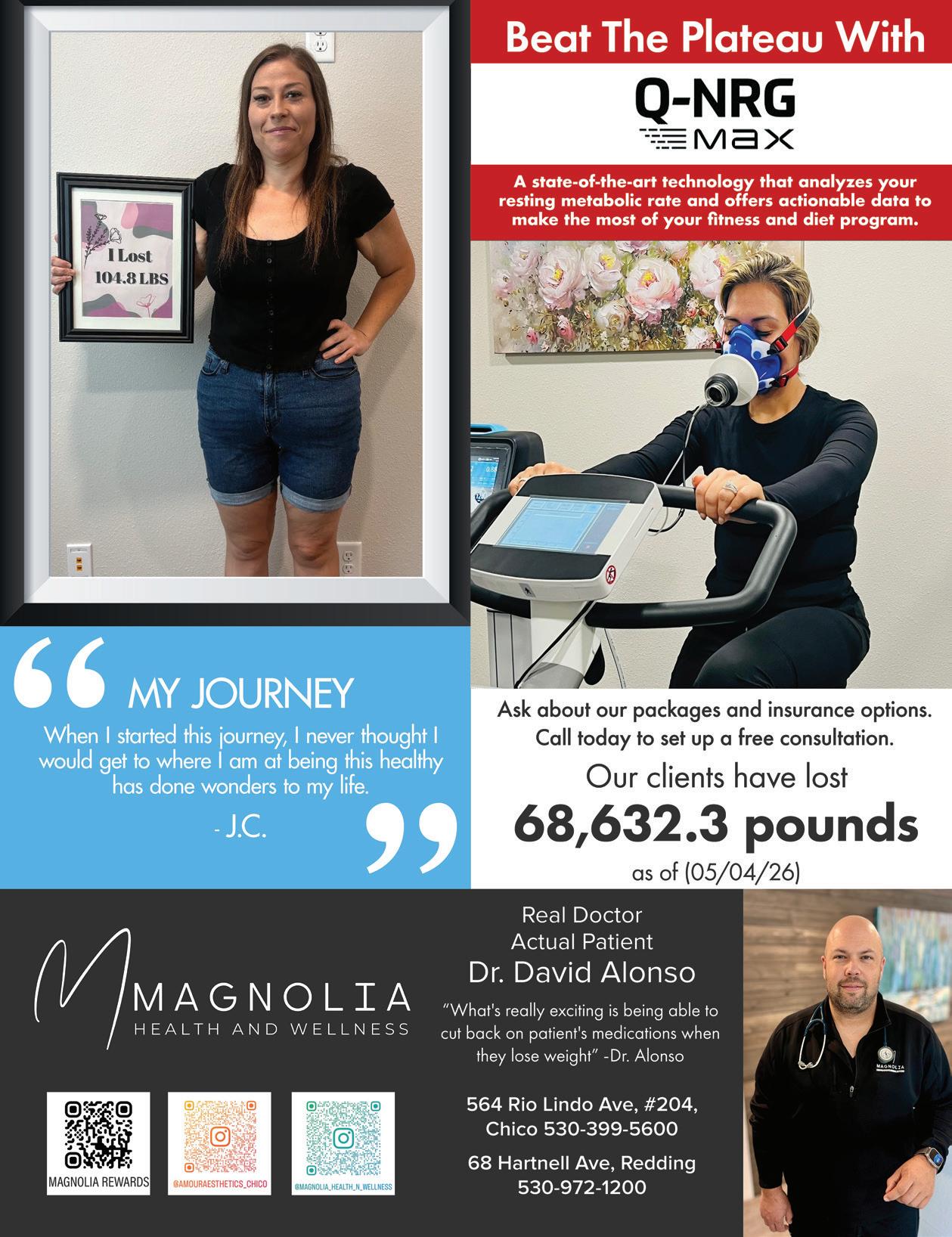
Michael and Priya shed 158 pounds and reclaim their lives with the help of Dr. David Alonso and Magnolia Health.
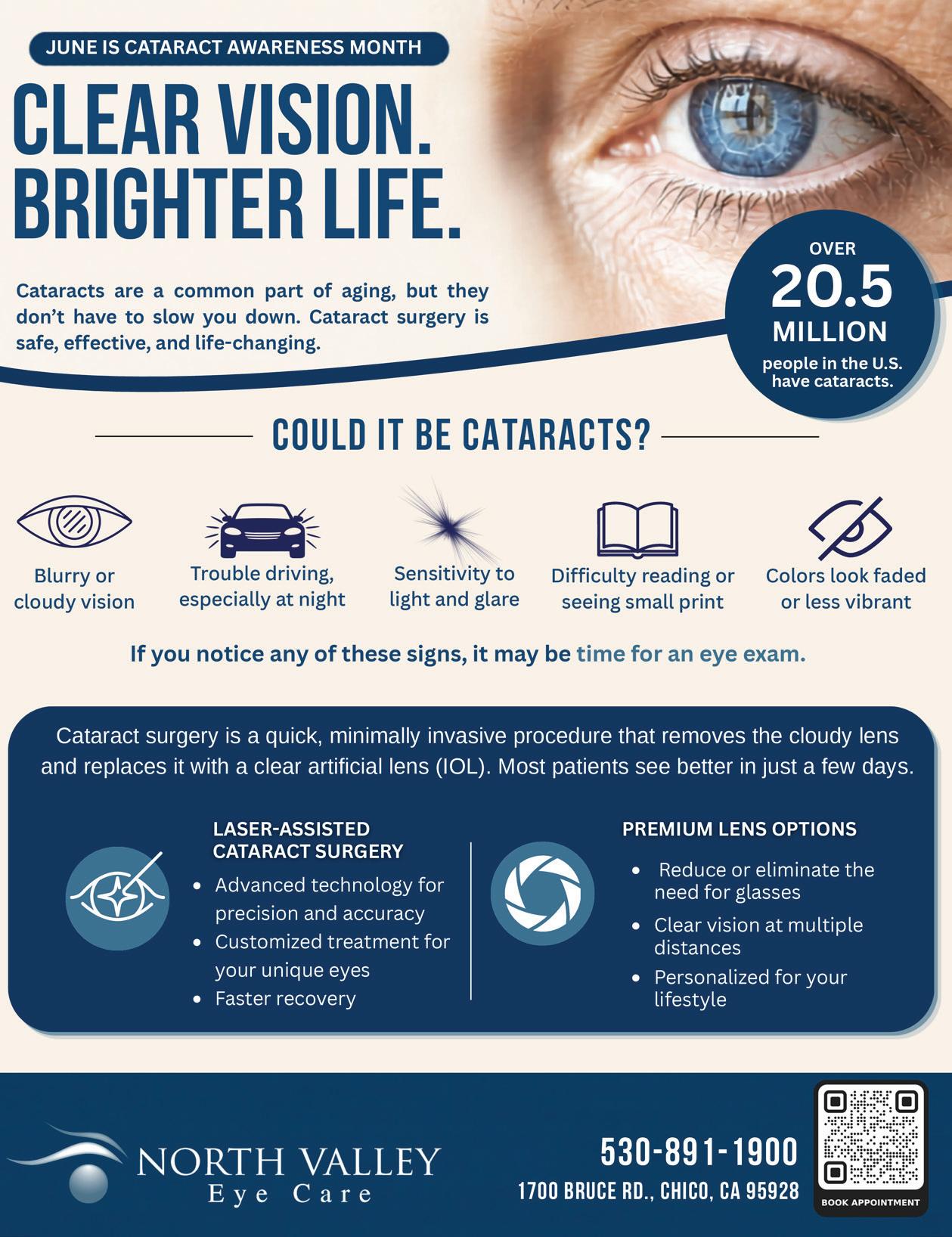
Carrots, bat blood, crocodile dung, hyena bile, and tortoise brain—Dr. Barthelow of North Valley Eye Care illustrates the evolution of eye care.
Rob Glatthaar, P.A. explains what's normal with testosterone, what isn't, and what actually works to set it right.
Dr. Kevin Sorensen shares why men often wait to see their doctor and why it's important not to.
The gut-brain connection is trending and for good reason. Discover how it is affecting your life.
Perimenopause reveals itself in many ways, but it doesn't have to rule your life. Find out more in this article.
Peptides are all the rage, but how much of it is hype? Dr. Kafele Hodari, owner of Rejuvené in Chico, elaborates.
What is pain, what does it mean, and how should you respond? Dr. Nerissa Prieto shares the importance of this sensation.
Walking may seem like basic exercise, but there are few as accessible or beneficial. Diane Clifford explains why it's a major focus of her active life.
Arbor Post Acute offers a warm, welcoming setting for nursing and therapy care to those in need.
Gardening is good for your health in more ways than you might imagine. Find out how it can help you.
Discover the life of Dolores Mitchell as she prepares for her retrospective art exhibition at Chico Art Center.
The members of BCSAR volunteer to rescue those in danger both at home and abroad. Thanks to a grant from Golden Valley Bank, their efforts will soon be amplified.
Feather Falls Casino Resort celebrates 30 years of food, family, and fun in the Northstate.
Butte College celebrates the work and journey of Michelle August.
Doug Love dishes on the importance of health in your home.
Women Veterans Recognition Day leaps into its third anniversary this June with a can't miss event.
Take a cue from nature and let gardening connect you with an old rhythm for health, energy, and peace.
Vibrant, flavorful, and now ready for dine-in, Bacio more than delivers.
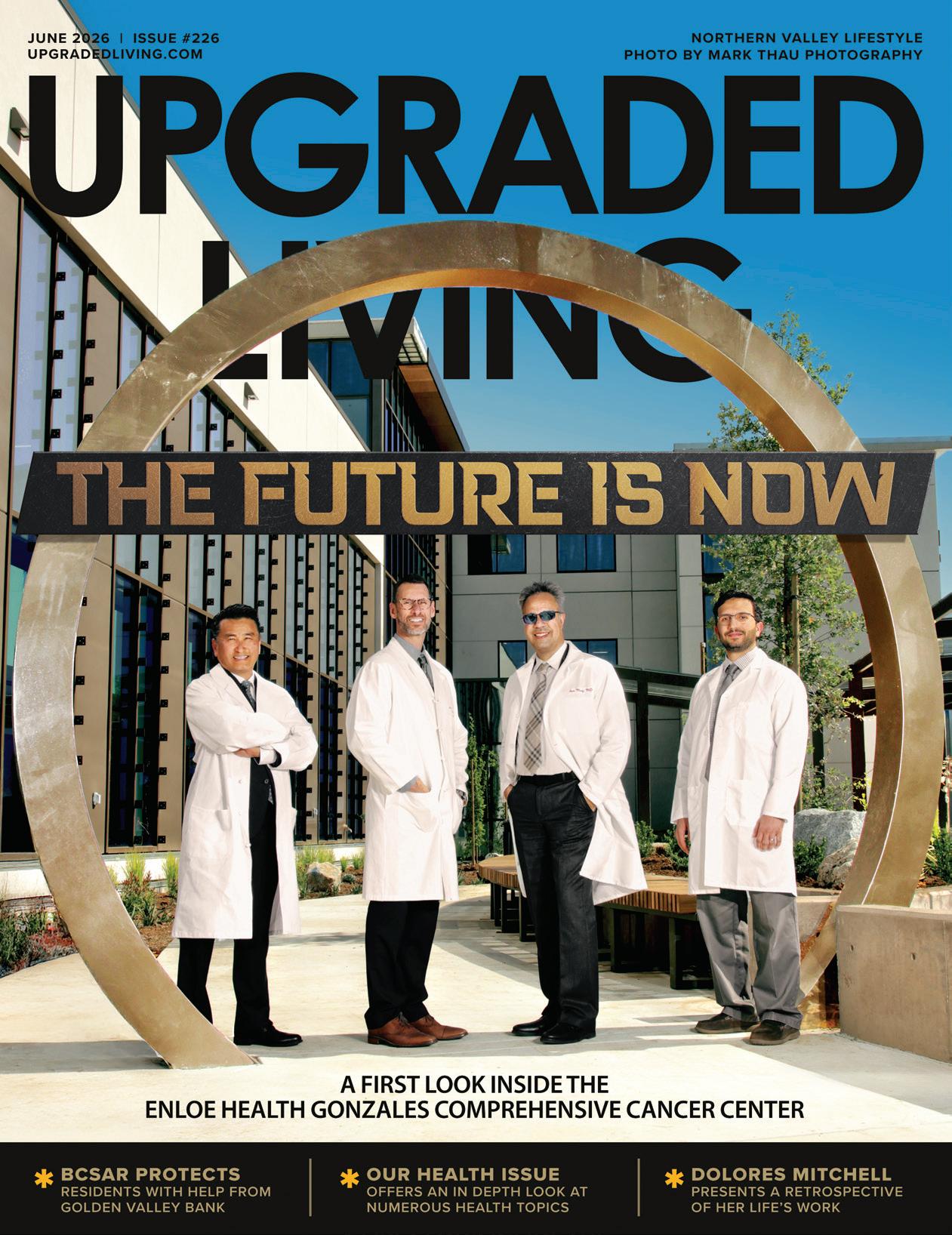
Enloe Health offers a first look at the new Gonzales Comprehensive Cancer Center opening in Chico's Meriam Park this summer.


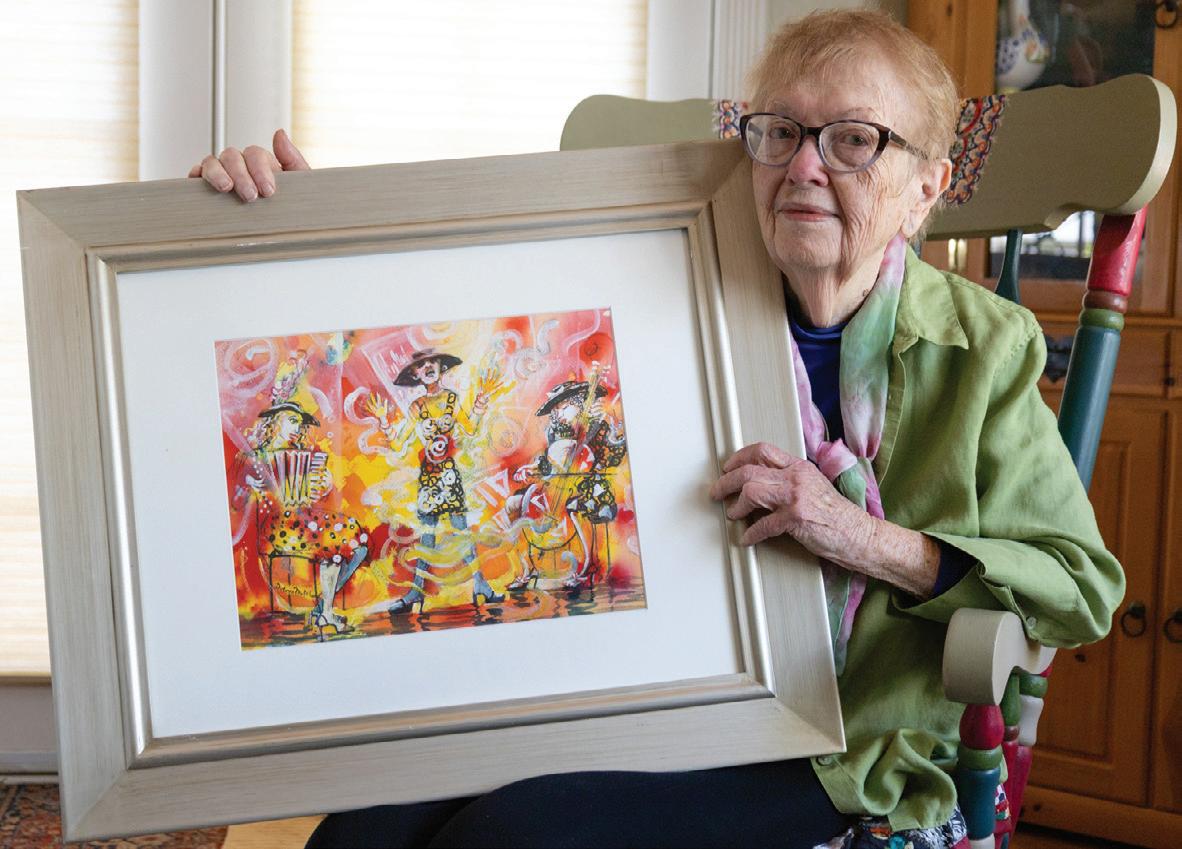
Dolores Mitchell has spent much of her life paying attention. There was the building with peeling paint, and the pair of women glowing in the backlight of a bar. A hillside view of San Francisco broken into fragments by motion and height provided sudden inspiration. She stored the memory of a pair of young colts, bored and curious, nosing toward her straw hat for future use in a painting. A rice field catching the light fascinated her, and familiar Chico landmarks began to seem mythic. For Dolores, these things do not always become paintings right away. Sometimes, they sit quietly for years. A sketch waits. A memory lingers. A visual impression slips into the subconscious and returns unexpectedly.
Looking back now, as she prepares for a retrospective exhibition of her work at the Chico Art Center this June, she sees threads running through much of what she has created. “A lot of it has to do with time and transitions,” she says. That sense of time—how it marks buildings,
seasons, people, places, and memories— has followed Dolores from the beginning.
She was born in Chicago, a city she still calls “the best place to be from.” She grew up in a working-class neighborhood where different ethnic communities met and overlapped. Irish, Polish, Jewish, German, and other cultures existed close together, creating a childhood that felt, to Dolores, far more interesting than it might have been in a more uniform neighborhood.
It was not always easy. Her mother tried to keep her indoors, hoping to protect her from the dangers outside. Dolores remembers violent people in the area, hard winters, and walking eight blocks to school in snow and ice with holes in her shoes.
Still, childhood had its own secret freedoms. Dolores and a friend traveled around Chicago by the “L” (its elevated railway system) without their parents
knowing. They found an abandoned house and turned it into a clubhouse. They explored Garfield Park, where there were hills to climb and roll down, a boat pond, and a magnificent greenhouse whose rooms housed a dozen different climates. It was an adventurous childhood, much of it invisible to the adults around them.
Art entered her life in unexpected ways. Her home was not, as she describes it, a cultured one. There wasn’t any art on the walls, except for a collage of a woman in profile whose dress was made of ribbons. What she saw of art came largely from comic strips and comic books.
When she was confined at home with childhood illnesses—measles, chickenpox, and whooping cough—her mother gave her a huge carton of Crayola crayons to keep her occupied. Dolores gave the crayons personalities; there were wise old men, fierce pirates, and her favorite, Magenta, was a girl detective.

She copied images from comic books, scribbled, invented, and played without direction.
At Christmas time, her father’s cousin might appear unexpectedly—a young man with red cheeks who smelled of whiskey. He came bearing a bag of hard candies and some of the comic strips that he drew for the Chicago Tribune. Dolores’s favorite part of his visit was when he’d show her how to construct a figure from rectangles and circles. Then he’d let her try, leaving his drawings for her to copy.
The first adult to truly recognize her artistic ability was a grammar school art teacher. Dolores had painted a snow scene on a classroom window, and her teacher liked it so much that she enrolled her in a Saturday kids’ class at the Chicago Art Institute. It changed everything.
Just being in Downtown Chicago felt incredible, and the Art Institute, whose entrance was guarded by impressive lions, occupied one of the city’s wealthiest and most beautiful areas. Dolores loved to wander through the museum and along Michigan Boulevard.

At the time, not only art museums—but also the aquarium and planetarium—were free, and Chicago offered curious children like her access to world-class culture without an admission price.
Art was not the only form of enrichment available to her. In high school, she joined both band and orchestra as a clarinet player. She says, “My teachers were symphony-level musicians. I was terrible at my other classes, but I loved art and music and developed lifelong friendships with other students. To this day, I turn on classical music when I paint. I don’t know how I would have gotten through high school without art and music.”
Dolores was also a volunteer usher at downtown performances of ballet, opera, theater, and the symphony. Once the audience was seated and the house lights dimmed, she’d find herself a seat as close to the stage as possible. Culture, in those days, seemed both extraordinary and reachable.
After high school, she decided to major in theater at Northwestern University, long considered one of the best places to study acting. She worked as a waitress to pay for tuition. Once there, she




quickly discovered she was not meant to be an actress and turned towards set design—the constructed world around the performance.
She married in her early twenties and moved to New York, where her husband, Albert Mitchell, a musician, sang in clubs while she worked for Swissair as an advertising assistant. Three years later, they moved to Los Angeles with their twoyear-old daughter and created The Fifth Estate, a counter-culture coffee house on the Sunset Strip.
Shortly after, she enrolled at UCLA as a studio major to pursue her art ambitions. She had expected to study technique and composition, but painting classes, at that time of Abstract Expressionism’s popularity, involved ‘doing your own thing’. Dolores persisted and, after earning her bachelor’s degree in studio art, gravitated towards art history. “There was an incredible group of scholars at UCLA, such as Carlo Pedretti, who specialized in deciphering Leonardo da Vinci’s cryptic writings,” she said.
Art history gave her a way to understand not only images, but the systems around them: how art comes to us, how

environments shape it, how people access it, and what societies decide to value. She went on to pursue graduate study and became particularly interested in the movement to rebuild Britain after World War II. Her PhD thesis focused on public sculpture in postwar Britain.
She entered the academic job market at exactly the right time. Money was being poured into the humanities, and art departments were expanding their art history offerings. Dolores taught at Pomona College for a year, then began sending out letters in search of opportunities. While she was in London, she received interest from colleges in Oregon and two California State University campuses. Chico State hired her sight unseen in 1970.
Chico's art scene was different then than it is today. The arts and humanities received generous financial support, classes were of a more reasonable size, and there was a tangible enthusiasm about art in its many forms. Hand-built, organic work was everywhere, and the atmosphere was experimental, open, and art-friendly. Jobs were readily available, and housing was reasonably priced, allowing students to explore their talents without needing to monetize them quickly.
Her CSUC career took her far beyond Chico. The university offered innovative summer travel-abroad programs, and Dolores taught seven art history classes on-site in Florence, Paris, and London. She also completed a semester teaching exchange in London, where she taught fashion students.
Over time, she came to see Chico itself as an unusual and deeply creative place.

Many of the hippies and other idealistic students from CSUC and Butte College stayed on after graduation, and some opened art-related businesses, she notes. Many volunteered their time to keep the arts alive. She points to the Chico Art Festival, the Chico Art Center, monca, and 1078 Gallery.
That community will have the opportunity to see the long sweep of her own work in Dolores’ retrospective at the Chico Art Center, which runs from June 9 through July 17, with a reception from 5-7 pm on Friday, June 26. Over 40 paintings bring together work from early in her career through the present. While most are on loan from collectors, several recent works will be for sale. Visitors can also look through a catalog of some 100 of her artworks that her daughter Ann Mitchell, a professional photographer, has put together.
The retrospective will include several subjects that Dolores has returned to across her career. Her Chico Icon series and San Francisco Icon series allowed her to combine familiar landmarks and visual fragments into collaged compositions. In San Francisco, she was inspired by the way hills revealed the city in pieces: a bit of cable car, a piece of sky, the edge of a Victorian building. She began looking for similar icons in Chico— Madam Ruby, the Thunderbird, The Senator and El Rey theaters, water towers, Caper Acres—and arranging them in ways that felt both playful and deeply rooted in place.

Her rice field paintings have found a devoted audience as well. She discovered, somewhat to her surprise, that there was a strong local interest in rice scenes, and Bryce Lundberg has purchased many of those pieces. Other works began with moments that seemed almost theatrical. Years ago, while finishing lasagna in an Italian restaurant in New York, Dolores glanced at a niche by the bar and was stunned by what she saw. Two women bartenders surrounded by male customers stood backlit beneath illuminated wine bottles. To Dolores, the women looked like angels engaged in a ritual. Years later, after encountering similar Chico scenes at Nash’s, Christian Michael’s, and Franky’s, she created a series of six bar-scene paintings.
To younger artists, Dolores offers practical advice without romance or illusion. “Get a day job,” she says. Art, she knows, can be as insecure as acting or music. But for someone who loves making it, it is not a hobby. The day job supports the life of art, the work one is truly meant to do.

For Dolores Mitchell, that work has always begun with seeing—really seeing—and trusting that what catches the eye may matter, even if it takes years to understand why.
Mark your calendar to attend Dolores' reception on June 26th from 5-7 pm at the Chico Art Center. Her exhibition runs from June 9 to July 17 and promises to be an event you won't want to miss.
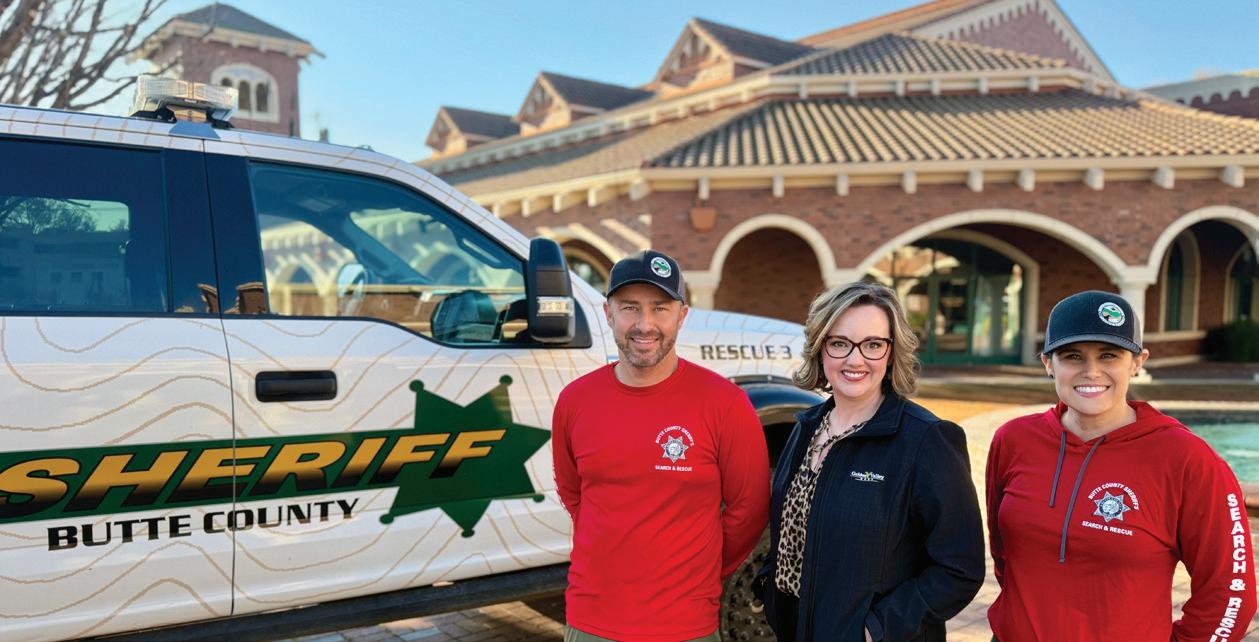
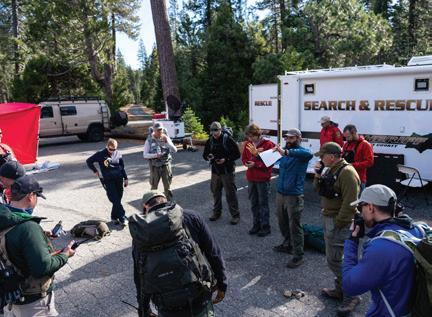
At the end of a long night, Dan Newman arrived for an interview on just one hour of sleep. He had spent the night responding to a search-and-rescue call—another emergency, another family waiting for answers.
“We literally get up in the middle of the night to go help people,” he says. “Usually, it’s somebody’s worst day. When we’re interacting with them, it’s their toughest day—and that means something.”
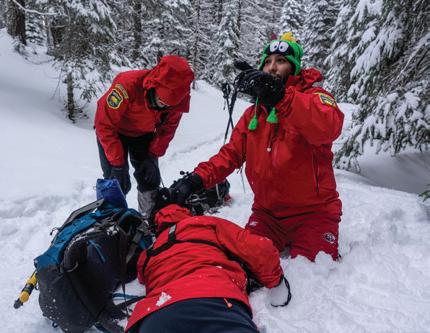
That quiet sense of purpose defines Butte County Sheriff’s Search & Rescue (BCSAR), a 100-percent-volunteer organization that has responded to emergencies across Butte County for more than six decades. From missing hikers and stranded boaters to wildfire evacuations and swift-water rescues, BCSAR exists to help—at no cost—when help is needed most.
The roots of BCSAR trace back to 1960, when a three-year-old child went missing in Cohasset. A call for help went out over AM radio, and hundreds of volunteers showed up. That moment revealed something powerful: when given the opportunity, people will answer the call. In 1961, the search & rescue program
was formally established and has been sustained by volunteers ever since.
Today, BCSAR has 54 active members and averages about 140 calls per year— 170 in 2024 alone. Every response is powered by people who leave their jobs, families, and daily lives behind when the call comes in.
Engineers, teachers, healthcare professionals, tradespeople, retirees, and more make up the team—a true crosssection of the community.
“If not us, then who?” says Christina Skaggs, President of BCSAR. “If not now, when?”
Christina grew up in Redding and graduated from California State University, Chico, in 2008. Her professional background is in medicine, working as a physician assistant in emergency and orthopedic care, including time at Feather River Hospital. Alongside her husband, she also co-founded an animal-disaster nonprofit. (Her husband was the man in the viral photo rescuing Rottweiler puppies during the Park Fire.)
She joined BCSAR in 2018 and became a full member in 2019.
“Even working in the ER, I didn’t get the deep sense of meaning that I do here,” she says. “There’s so much heart. The people who volunteer here couldn’t be more passionate about the work we do.”
Dan’s journey with BCSAR began much earlier. Originally from Paradise, he was rescued by BCSAR himself as a high school student in 2001 after becoming stranded in the snow above Inskip.
The following year, he joined as a probationary member. By 2003, he was a full member. After graduating from Chico State with a degree in electrical engineering, Dan chose to stay local rather than pursue a higher-paying career elsewhere, so he could keep responding when people needed help.
“Bringing someone home alive—or bringing closure to families when you can’t—there’s nothing like it,” he says.
BCSAR receives no direct funding from the Sheriff’s Department. Every vehicle, piece of equipment, training session, and operational cost is funded through local donations and grants. The Sheriff’s Office supports the team in non-cash ways, including providing a 1998 Jeep Cherokee and helicopter access when needed.
Their equipment reflects the terrain
and emergencies they face: snowcats donated by PG&E, jet skis, a jet boat, inflatable rafts, rope-rescue gear, thermalimaging drones, K9 units, dive teams, and data-driven search modeling.
When someone calls 9-1-1 to report a missing or endangered person, dispatch in Oroville contacts BCSAR. The entire team receives an alert. Members leave work or family time, report to headquarters on Morrow Lane in Chico, gear up, and respond together.
Lost hikers, dementia patients, summer rescues on the Sacramento River, wildfire evacuations—BCSAR responds to all of it.
Their wildfire experience is unmatched, forged by events such as the Paradise Camp Fire. Members battled flames while evacuating residents, including a woman who had just undergone a C-section. Dan spent hours out of cell service on Pentz Road, fire on both sides, evacuating patients dependent on oxygen.
That expertise is now recognized statewide. During the Palisades Fire, Los Angeles County specifically requested Butte County Search & Rescue by name. During the Dixie Fire, Plumas County asked BCSAR to replicate months of evacuation planning work in a matter of days.
“Funding simply doesn’t exist for the work we do,” Christina says. “One of our members calculated that we save the county at least four full-time positions. In 2024 alone, we donated over 15,000 hours of service.”
Recently, BCSAR was named a recipient of Golden Valley Bank’s 20 Years of Community, Leadership, & Giving Grant, receiving $20,000 in unrestricted funds. When matched by donors, that support will bring $40,000 directly into the organization—fueling training, safety equipment, and their Operation Rescue Ready capital campaign for a new facility and land to better steward their growing resources.
For Christina, the news came as a complete surprise.
“I’m still shook,” she says, humbly. “They
didn’t tell us they were nominating us. They just did it, and we were so moved to be one of the grant’s recipients.”
BCSAR has banked with Golden Valley for three years, valuing the deeply personal relationship. During the Park Fire, Golden Valley Bank stepped in with emergency grant support. More importantly, they know the BCSAR team by name.
“Our banker, Kelley Dodge, truly cares,” Christina says. “She understands that our funding saves lives.”
For Kelley Dodge, the decision was easy. With a family background in law enforcement and volunteer firefighting, she understands the sacrifice.
“They’re a truly elite search-andrescue team and one hundred percent volunteer,” she says. “ There are no paid positions. When people are that committed, it’s something special. This grant will make a real difference—not just for them, but for the entire community.”
BCSAR isn’t flashy. Members are too busy helping people. They are always training, always fundraising, and always preparing for the next call.
Those interested in volunteering can attend meetings on the second Tuesday of every month at 7 p.m. at BCSAR headquarters on Morrow Lane. The membership academy begins each fall and includes a year of intensive training.
At its core, BCSAR is a reminder of what’s possible when ordinary people commit to extraordinary service.
“When things look down,” Christina says, “look for the people who are helping.”
And when that call comes in—no matter the hour—they will answer.
Learn more about Butte County Sheriff’s Search & Rescue at www.buttesar.org. If you’re looking to work with a communityowned bank that invests in the safety and resilience of its community, look no further than GVB. Visit them online to learn more at www.GoldenValley.bank MEMBER FDIC



The human body is made up of over 60% water, and water is crucial for our survival. We hear how important it is to drink enough water to stay hydrated, support our body's metabolism, keep our joints lubricated and moving smoothly, and even boost our mood and cognition. But when do we ask, “What’s in the water?”
Clay Farrell, co-owner of Culligan of Chico, shares that he had never really thought about it before. He would get a drink from the refrigerator or the water fountain and go about his day. He says, “That was the biggest thing, I think. I never asked. Actually, I never even knew there was a question that was supposed
to be asked.” He imagines that’s the case for many people. You don’t know to ask: “Is my water okay?” It may taste good, but is it healthy?
When he started learning more about water issues and quality, from the effects of chlorine in municipal water to the nitrates and PFAS that can be found in well water, he began paying more attention. Water quality goes well beyond just taste. It goes beyond just bacterial contamination. Clay shares that what concerns him is what happens 10, 20, or 30 years down the road. Some of these contaminants, like PFAS, can become much more dangerous, with carcinogenic
properties. He says, “I’m not just thinking of taste now but thinking of the cleanliness of my future health, looking towards the preventative medicine of healthy water.”
Culligan’s most popular filtration system is the Aquasential Smart Reverse Osmosis system. It fits under the sink and can be connected to the refrigerator's water dispenser. The water filter in your refrigerator, which must be replaced every 3 months, consists only of a carbon filter, designed to improve the water’s taste and odor. The Culligan system goes far beyond that. The water first goes through a sediment filter, then a carbon filter, and finally a purifying membrane that removes everything that is not water. This is followed by remineralization of the water with a proprietary blend of calcium and other minerals that lend it a slightly sweet taste and health benefits.
Since Clay Farrell and William Bocast began running Culligan of Chico, their knowledge of all things water has increased exponentially, and they are always eager to share that with the community. Clay says he has gone from not knowing there was even a question to ask, to now being able to give those answers anytime to anyone who needs help with their water.
Contact Culligan today to find out what’s in your water and how you can make it healthier for you and your family. Call (530) 343-5100, visit them in person at 2377 Ivy St. in Chico, or check out their website www.CulliganOfChico.com for more information.

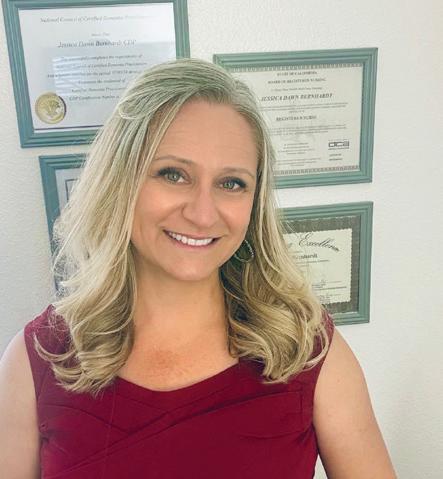


Founded by Certified Dementia Practitioner Jessica Bernhardt, RN, Hope Alzheimer’s & Dementia Care was created from more than a decade of hands-on nursing experience and a heartfelt dedication to families navigating memory loss. Guided by both clinical knowledge and personal experience, Jessica developed an innovative model that replaces routine care with meaningful purpose and genuine compassion. More than a traditional day program, each day is thoughtfully designed to inspire joy, engagement, and fulfillment through enriching real-world experiences. Music, art, and animal therapy are complemented by community outings, nature-inspired activities, and nourishing organic meals in a warm, home-like environment. With only six guests per day, every aspect of care is personalized to each individual. Families also receive valuable respite, education, and ongoing support through a program that truly honors their journey. Schedule a consultation today and experience the HOPE difference, where care feels like family.
HopeDementiaCare@gmail.com www.hopedementiacare.com
Jessica Eddy-Rowe opened Mindful Massage in Chico with a simple goal: to help people feel more connected, relaxed, and restored in their own bodies. Now celebrating two years in business, Mindful Massage has become a welcoming space where health, wellness, and intentional care come together. Massage therapy offers benefits that reach far beyond relaxation, supporting the mind, body, and soul by easing tension, improving circulation, encouraging lymphatic flow, reducing stress, and helping clients reconnect with themselves. Jessica provides deep tissue, myofascial, craniosacral, Swedish, lymphatic drainage, and ashiatsu massage, along with cupping, all in a high-end spa environment designed for comfort and renewal. Her thoughtful approach makes each session feel both therapeutic and deeply personal. With exciting plans to expand in the future, we couldn’t be more thrilled to see what new offerings she’ll have in store. Schedule your appointment online and find zen at Mindful Massage.


Mindful Massage Chico mindfulmassagechico www.Vagaro.com/MindfulMassage5
30 Landing Circle, Suite 200, Chico (530) 965-2130
Women’s health changes with each decade, and age 30 is a good time to become more intentional about prevention. It's important for women in their 30s to keep up with annual wellness visits, blood pressure checks, skin checks, mental health conversations, and cervical cancer screening. From ages 30 to 65, cervical screening may include a Pap test every three years, HPV testing every five years, or a combination of both, depending on your provider’s recommendation.
Your 30s are also an important time to discuss reproductive health, family planning, menstrual changes, thyroid concerns, weight changes, sleep, stress, anxiety, and depression. These conversations are not just about treating illness; they help create a clearer picture of your overall health and establish a baseline for the years ahead.
At age 40, women should talk with their doctor about beginning
1272 Arch Way, Chico 530-592-9083 (Call or text) Mon-Fri 8am-5pm

mammograms, especially if they have a family history of breast cancer or other risk factors. Current guidance generally recommends breast cancer screening every other year from ages 40 to 74, though some women may need earlier or more frequent screening based on personal risk.
At age 45, colorectal cancer screening becomes an important milestone for most adults. As women move into their 50s, 60s, and beyond, conversations should also include menopause symptoms, heart health, cholesterol, diabetes risk, bone density, vision, hearing, and fall prevention. Women should also pay attention to symptoms they may be tempted to dismiss, such as unusual fatigue, changes in bowel habits, abnormal bleeding, chest discomfort, or persistent pain. Screening recommendations are helpful guideposts, but they are not one-size-fits-all. The best plan is the one you build with a trusted healthcare provider.

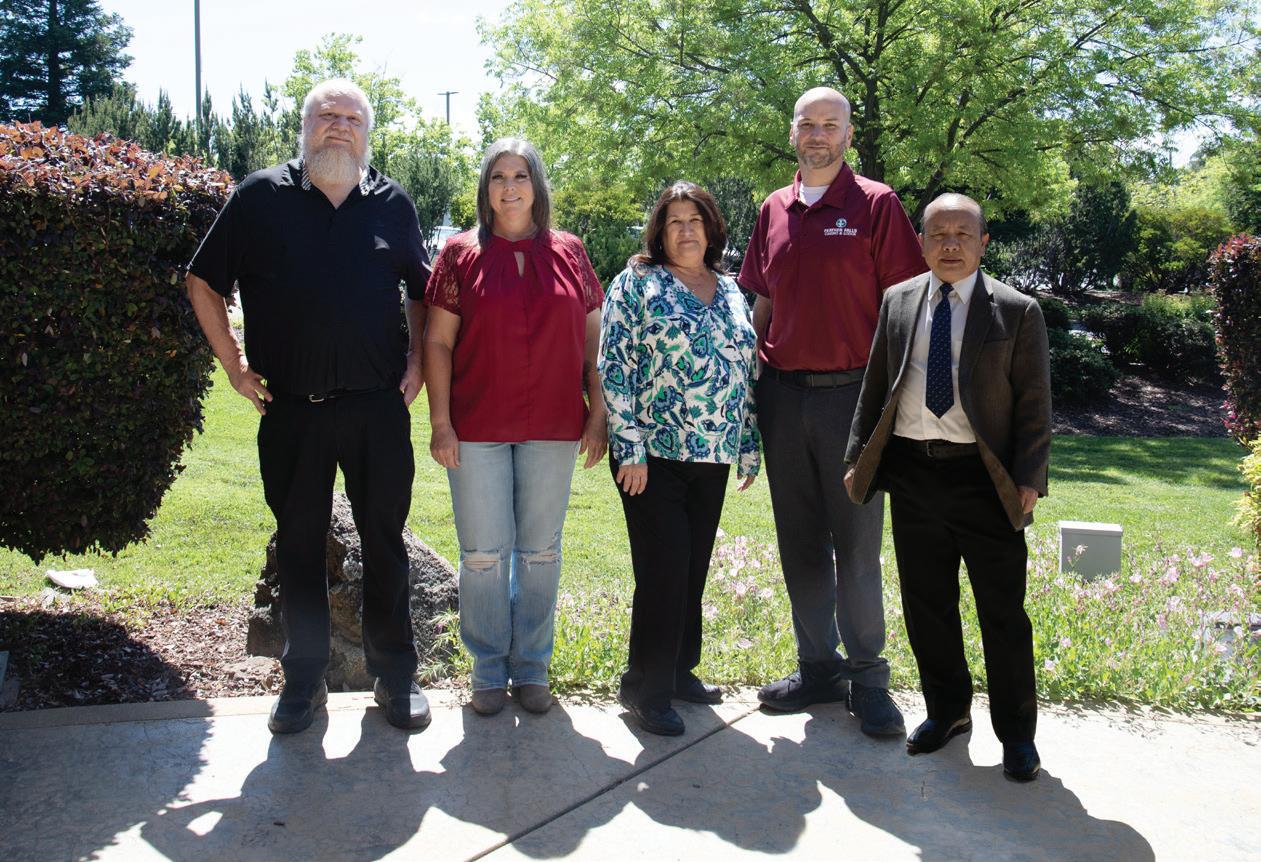
Nestled amidst a backdrop of Northern California greenery lies Feather Falls Casino Resort, a one-stop getaway for premier entertainment and gaming. Now celebrating 30 years of success, the team at Feather Falls is thrilled to continue providing not only the best experiences for its guests but also a deep connection to the community in which it resides.
“Every decision we make starts with our guests—how we elevate their experience, how we make them feel valued the moment they walk through our doors,” says Matthew Mingrone, general manager of Feather Falls Casino Resort. “That same commitment extends to our team members, including those who’ve been with us since day one, helping shape who we are 30 years later. This is their legacy as much as it is ours. This is your casino, Feather Falls Casino—your place to celebrate.”
Opened in 1996, this modular casinoturned-resort stands out within the local community not only for its award-winning dining and lodging, but also for its commitment to its team members.
“What I like about working at Feather Falls is the people, atmosphere, and the benefits,” says Shannon Snowden, who began working at Feather Falls as a frontline cashier in 1996 before working her way up to assistant controller in 2013. “My favorite thing is seeing everyone I’ve been working with who are now family to me.”
This dedication to happy employees is part of what elevates Feather Falls Casino Resort’s guest experience above all the rest. With seven employees who have been at the casino since its first year, each member of the team has contributed to the overall well-being of the resort.
Whether you’re visiting for the best gaming experience in NorCal, a relaxing staycation at the rustically luxurious Lodge and award-winning KOA, or all the exciting entertainment opportunities, this local gem has a little bit of something for everyone to enjoy. Be sure to check out this year’s 30th anniversary celebration featuring Soul Asylum on June 13, a special passport-stamp challenge, a million-dollar giveaway promotion, plus deals and specials across the entire property. Next time you’re in need of an unforgettable night out, visit Feather Falls Casino Resort.
Discover more of what Feather Falls Casino Resort has to offer online at www.FeatherFallsCasino.com


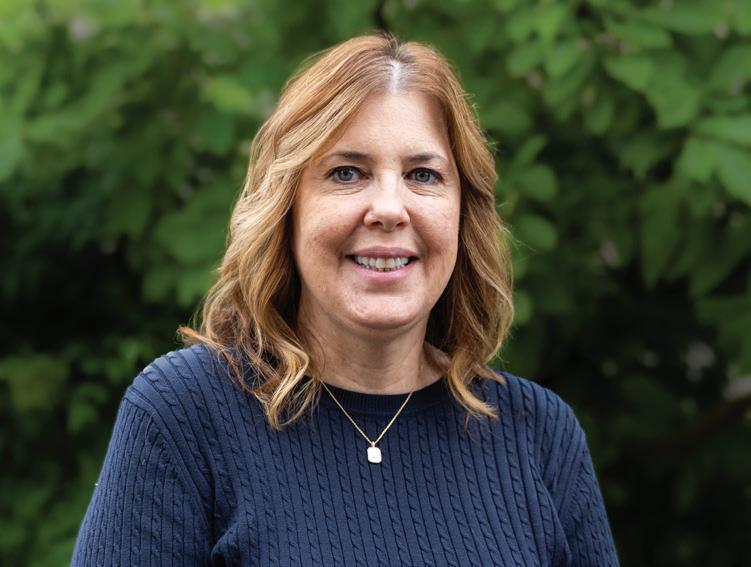
For one Butte College nursing instructor, the path to teaching wasn’t just a career move— it was the fulfillment of a lifelong calling.
Michelle August joined Butte College part-time in 2022. Within a short time, she moved into a full-time role and, by 2026, earned tenure. Before entering the classroom, she spent years working in the medical field at Enloe Medical Center. From a young age, nursing was a path that August knew she wanted to take.
“Growing up, that's all I ever wanted to do,” she said.
That sense of calling stayed with her, even as life presented unexpected challenges. As a teenager, she navigated moving to a new town, starting over in a new high school, and becoming a mother at seventeen. Those challenges could have changed her path entirely. Instead, it strengthened her determination.
She excelled academically, graduating with straight A’s before enrolling at Butte College to complete her prerequisites. She later transferred to Chico State, where she earned her nursing degree. Her transition into teaching came through encouragement from a mentor and a desire to give back. Today, her approach emphasizes both clinical skill and compassion.
“I try to be there for them in their time of need and not put extra stress on top of what they already are facing,” she said.
When students feel overwhelmed, she encourages them to reconnect with their purpose.
“I call it my little bucket of things that I need to continue on. If you can go back to why you're doing what you're doing, you can always pull from that bucket,” she said.
Outside the classroom, August is learning to slow down and set boundaries in a demanding profession. She recharges by spending time with family and friends, including one connection that came full circle. A friend she met at Butte College is now family.
“My daughter and her son got married in 2019,” she said. “So, now we're really family.”
August has remained close with members of her college cohort and encourages students to build and maintain those relationships with peers and mentors.
Today, she continues to shape the next generation of nurses through the Butte College nursing program—guided by the same passion that began in childhood and strengthened through every challenge along the way.




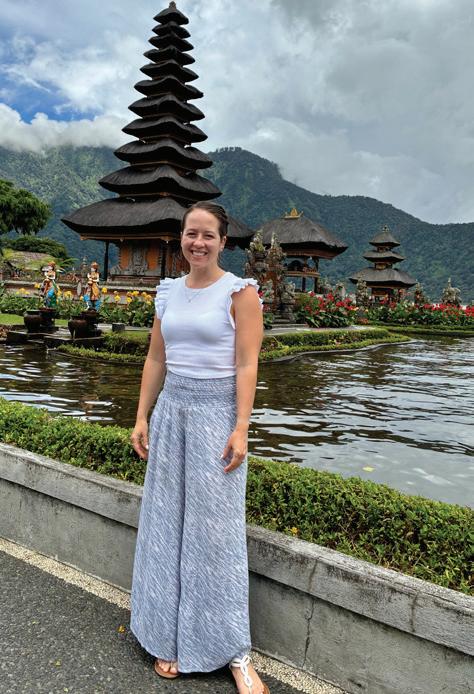
In the first article, we talked about awareness, acceptance, and learning to recognize burnout. But awareness and acceptance alone don’t change anything. Eventually, something has to shift in how you live. For me, that realization came during one of the most chaotic seasons of my life. In November 2018, the Camp Fire burned through my hometown, and 11 members of my family lost their homes. Every home I had ever lived in was gone. The majority of my clients were suddenly displaced, grieving, and trying to figure out where they would live. At the same time, I had a five-year-old and a one-yearold who still needed their mom. My world felt heavy in every direction.
I wasn’t just physically exhausted; I was emotionally carrying the weight of countless stories, losses, and the pressure to help people find stability again while everything around us felt uncertain. I was being pulled a hundred different ways, and somewhere in the middle of caring for everyone else, I stopped caring for myself. I realized I was running myself into the ground. In
March, I made a small but uncomfortable decision: I needed to prioritize myself. The only time it felt like no one needed me was early morning, so I started waking up at 4:00 a.m. to get to the gym by 4:30. It wasn’t glamorous. It wasn’t easy. It was the first time I chose something that restored me instead of something that drained me. Burnout often reveals when our priorities have quietly slipped out of alignment. Many high achievers don’t struggle because they lack discipline; they struggle because they give endlessly. We say yes, carry more, and keep moving the finish line, believing rest is something we earn someday.
Downtime, rest, and self-care get a bad reputation. We treat them as rewards rather than necessities. For driven people, especially, slowing down feels unnatural. Guilt shows up the moment we stop being productive. But I learned something important: rest isn’t the enemy of productivity; guilt is. The truth is, we rarely allow ourselves to feel restored because we believe we should always be doing more. Yet, downtime is what refills the energy we depend on. It’s where clarity returns. It’s where joy reappears. It’s what allows us to keep showing up for work and the people we care about most. Changing my schedule became the first real step in taking care of myself. Those early mornings created space for habits I had been neglecting: drinking water, reading, meditating, and building a steady morning routine. Over time, those small, consistent choices didn’t just change my days; they slowly changed my mindset and helped pull me out of burnout. I stopped seeing rest as weakness and started seeing it as fuel.
Burnout doesn’t mean you’ve chosen the wrong life. Sometimes it simply means you’ve forgotten to include yourself. Recovery begins when you choose what truly matters and give yourself permission to be restored along the way.


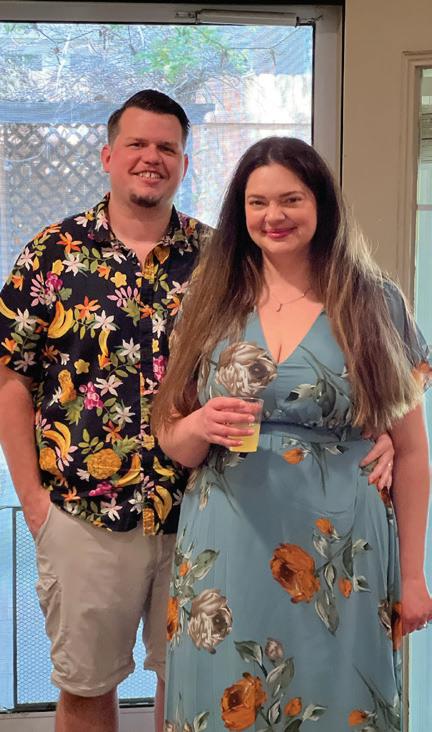
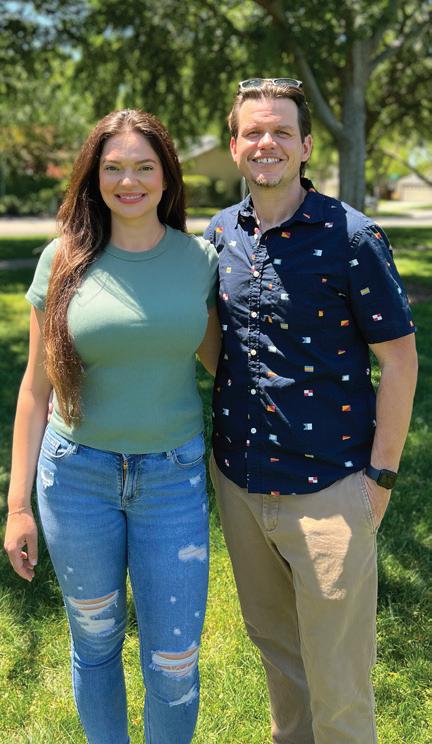
For Michael and Priya, life moves fast Between raising their two toddlers, juggling full-time careers, and teaching in their respective fields, slowing down has never been part of the plan. Michael works demanding night shifts as a nurse at Enloe while also teaching nursing classes at Butte College. Priya balances life as a Realtor® while also serving as a Chico State lecturer in the College of Agriculture.
Like so many busy parents, they had quietly let their own health slip down the priority list.
At his highest weight, Michael weighed 275 pounds. He remembers feeling mentally and physically drained and sluggish every day, “I was exhausted all the time and extremely hard on myself,” he says.
In January 2025, a coworker told him about Dr. Alonso’s weight-loss and wellness program. Skeptical but ready for change, Michael committed to the regimen, and the results began to take shape quickly, inspiring Priya to follow.
Today, Michael weighs 188 pounds—down an incredible 87 pounds.
“It changed my life,” Michael says. “You get one life, and stepping into the real person you’re supposed to be is a huge reason to make it happen for yourself.”
When Michael began the program, Priya was pregnant with their second child. After two C-sections and navigating postpartum, hormonal, and other health challenges, she joined Dr. Alonso’s program in June 2025, ready to focus on herself.
Her transformation has been equally remarkable. Priya has gone from a size 18 to a size 6, and together the couple has lost a combined 158 pounds. More importantly, they’ve gained something far greater: energy, confidence, and a healthier relationship with food and fitness.
Through Dr. Alonso’s comprehensive program, including personalized weight management, bloodwork panels, vitamin balancing, hydration guidance, and electrolyte support, they’ve learned how to fuel their bodies intentionally.
They now prioritize high-protein meals, cooking at home, and simple staples like chicken, rice, and vegetables. Priya says one of the biggest surprises has been how dramatically her cravings have changed.
“I used to crave bread and carbs constantly,” she says. “Now my body craves healthy foods, and I don’t even want to eat out. We feel full faster, we feel better, and the food noise is quieted.”
Fitness has also become family time. Instead of defaulting to screen time or giving in to exhaustion, they work out together, often bringing the kids into their active lifestyle. Their gym sessions have become intentional connection points.
“At the gym, we don’t wear headphones,” Priya says. “We talk. We reconnect. It’s become one of the best things for our marriage.”
Now successfully approaching their goal weights, they will enter a maintenance phase in which they can taper off the medication, which is customized to their body compositions. Michael and Priya hope their story inspires other busy couples to believe that change is possible.
“You can make time,” Priya says. “We’re proof that even with toddlers, careers, and full schedules, taking charge of your health can completely change your life.”
Dr. Alonso’s program didn’t just change their bodies; it changed the trajectory of their lives. It strengthened their health, habits, and bond as a couple, and they hope that you, too, will take a chance and see what’s possible. Visit www.MagnoliaHealthNWellness.com today to get started.

"Effie was with me every step of the way, and I mean every step. She was always just a call away, answering my endless questions with patience and clarity, no matter how small they seemed. Her knowledge of our area? Unmatched. She’s not just an expert—she’s the expert, knowing every nook and cranny of the market like the back of her hand. Thanks to her savvy negotiating, she saved me a fortune. Her integrity, work ethic, and sheer skill put her in the top 0.1% of anyone I’ve ever worked with. She didn’t just help me buy a house—she made me feel like I was her only client, pouring her heart into every detail. I can’t recommend her highly enough, and I wouldn’t dream of working with anyone else."


- Dr. Isaac Barthelow, owner of North Valley Eye Care, Chico






Discover the perfect blend of versatility, comfort, and investment potential with this beautifully maintained ranch-style duplex—an exceptional opportunity for both savvy investors and owner-occupants seeking supplemental income. Ideally situated in a convenient, commuter-friendly location near shopping, dining, and public transit, this property offers approximately 2,130 square feet of thoughtfully designed living space on a raised foundation, enhanced by fresh interior paint and stylish new flooring. Each unit lives like its own private retreat. The larger residence features 3 bedrooms and 2 bathrooms, a spacious and inviting living room, a dining area that flows seamlessly from the kitchen, and the added convenience of an attached 2-car garage. The second unit offers 2 bedrooms and 1 bathroom with a comfortable, well-proportioned living space perfect for tenants or extended family. Both kitchens come fully equipped with stove, oven, dishwasher, garbage disposal, and refrigerator, while each unit enjoys central heating and air conditioning for year-round comfort. Step outside to discover private backyards designed for relaxation and enjoyment, complete with charming outdoor dining patios. The grounds show beautifully, graced with mature trees and lush, established shrubbery that create a serene and welcoming outdoor ambiance. An indoor shared laundry room with washer and dryer adds everyday convenience. Expand your investment portfolio or settle into a home that helps pay for itself! Bed:


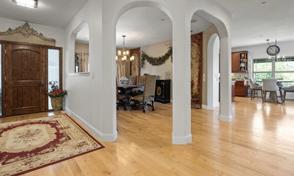





Welcome to this exceptional Tuscan-style residence nestled within the prestigious, gated Canyon Oaks golf course community. Situated on nearly half an acre, this 4-bedroom, 4-bathroom estate offers breathtaking views, timeless elegance, and thoughtfully designed living spaces. Step inside to soaring ceilings and an abundance of natural light streaming through numerous picture windows, creating a bright and airy ambiance throughout. Beautiful laminate wood flooring flows seamlessly across the main living areas. Designed for both luxury and functionality, the home features two spacious primary suites, including a main-floor retreat complete with a jetted tub, separate walk-in shower, and generous walk-in closet. A second primary suite is located on the lower level, offering privacy and flexibility for guests or multi-generational living. The heart of the home is the well-appointed kitchen, showcasing custom self-closing cabinetry and drawers, pots and pans drawers, granite countertops, a large island, top-of-the-line appliances, gas cooktop, trash compactor, and a walk-in pantry. Adjacent to the kitchen, enjoy a charming breakfast nook with picturesque views. Entertain in style in the expansive formal dining room, or relax in the luxurious living room featuring a fireplace and panoramic views that open seamlessly to a massive veranda—perfect for indoor-outdoor living. The veranda overlooks the golf course and includes its own outdoor dining area. Step outside to your personal backyard oasis, complete with a sparkling in-ground heated Pebble Tec pool with cascading waterfall, a second outdoor dining area, and a covered patio wired for TV and spa—perfect for year-round enjoyment. Bed: 4 Bath: 4 SqFt: 4,361 Price: $1,495,000

Today’s modern dietary advice is overwhelming and confusing. There are hundreds of books at Barnes & Noble and thousands of websites, influencers, and biohackers, all preaching different and often contradictory advice. Often these are harmless, but sometimes they are not. Most of this advice is impossible to follow, and I call it “optimization porn.” You know it when you see it!
If you want to spend your life taking a creatine/co-enzyme Q10 cold plunge exactly at 6:13 am—followed by intermittent fasting of kale and peptides, while tracking on your $600 wearable device, go ahead. There are worse ways to get your dopamine.
Today’s dietary myths are nothing new and not even that creative compared to historical dietary advice!
Here are a few examples:
Carrots: Everyone knows carrots are good for your eyesight, but few know that this advice tracks back to British propaganda during World War II, designed to trick the Nazis. The Royal Air Force had developed airborne interceptor radar and needed a cover story to keep it secret. They landed on carrots. Their pilots had superhuman night vision, enabling them to shoot down planes
because of carrot-heavy diets. The British made it a national campaign, and it stuck.
Bat blood was used to cure night blindness caused by demons. The reasoning was solid—bats can see in the dark, so their blood must contain the reason. Makes perfect sense to me—my kids are seven feet tall because they grew up eating giraffe burgers. (P.S. look up the origin of 10,000 steps a day for more sticky medical myths.)
Herophilus the Greek used eye ointments containing crocodile dung and hyena bile for day blindness. Imagine trying to get that through today’s FDA. I guess if you combined it with bat blood for night blindness, you were covered.
Ancient Egyptians used tortoise brain and honey to treat cataracts. No idea on that one.
Today’s dietary advice is as spurious as anytime in the past. So, what to do?
I like to keep it simple, and there is no one diet for everyone. You may have medical conditions, medications, and/or beliefs that make some diets and foods off limits. That is okay—there are many ways to eat, and the human body can survive and thrive on many types of food.
Here are some simple rules to follow:
1. Follow Michael Pollan’s advice and eat real food. If your grandmother wouldn’t recognize what you are putting in your mouth—or its shelf life is longer than the breakup of Pangea—then it’s not food. If it has more than five ingredients, it’s not food. Processed food is not food—it’s something else—and less healthy than properly prepared tortoise brain.
2. For your eyes, think bat blood. Just kidding. Go with green leafy vegetables, healthy fats, and a multivitamin. When it comes to your eyes, lutein and zeaxanthin-containing foods are the best! There is a lot of information online about healthy foods for the eyes. Stick to well-known sources, and you will be fine. My guess is the Mediterranean diet is probably the best for most people.
3. Avoid bad seed oils. There are plenty of healthy fat alternatives, such as olive and avocado oils. Dr. Cate Shanahan coined the term “Hateful Eight” for seed oils: corn, canola, cottonseed, soy, sunflower, safflower, rice bran, and grapeseed. Look at processed foods; they are in almost 100%. How the oils are prepared makes them unhealthy, even if organic. Check the ingredients and toss the item if it contains bad seed oils.
4. Don’t smoke—full stop.
Honestly, if you ate real food, focused on green leafy vegetables, and avoided the Hateful Eight, you would be >90% there on a healthy diet.
In summary, be kind and forgiving to yourself and others, and remember what Oscar Wilde said, “...all things in moderation—including moderation.” It’s okay to have a little fun in your diet sometimes. Not all of life can be optimized.
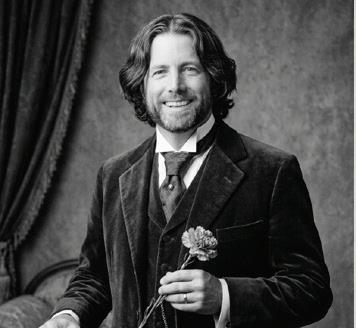
"Effie is by far the best real estate agent I have worked with. I have bought and sold homes with her. In all cases she gets the home sold expediently at a price far above what I have expected. I would not work with anyone else. We will be selling additional property soon with her in the Los Angeles area as well."
- Dr. Erik Simchuk, Chico




Ideally located near vibrant Mariam Park, with its popular restaurants, shopping, and community charm, this beautifully maintained home reflects true pride of ownership. From the moment you step inside, you’ll appreciate the thoughtful architectural details, attractive appointments, and inviting open floor plan enhanced by soaring ceilings and abundant natural light. The spacious living room offers engineered wood flooring and a cozy gas fireplace, creating the perfect setting for both relaxing and entertaining. The dining area flows seamlessly from the living room, while the well-appointed kitchen is designed to impress with a center island, 5-burner gas cooktop, electric oven, microwave, refrigerator, and an abundance of cabinetry. Just off the kitchen, a darling breakfast nook provides the ideal spot for casual dining or morning coffee. The generously sized primary suite is a private retreat featuring an en suite bathroom with dual vanities, a large walk-in closet, soaking tub, privacy door, and separate shower. Down the hall, a charming lighted stained-glass niche leads to two guest bedrooms and a full guest bathroom. Indoor laundry includes washer and dryer for added convenience. Much more to see. Call today! Bed: 3 Bath: 2 SqFt: 1,610 Price: $485,000




Nested in a desirable cul-de-sac location near Bidwell Park, this light-filled home offers the perfect blend of comfort, style, and modern convenience. The open floorplan welcomes you with high ceilings, engineered wood flooring, and a spacious living room highlighted by large windows that invite in abundant natural light. Designed for both everyday living and entertaining, the kitchen opens seamlessly to the dining area and features Corian counters, a breakfast bar, pantry, pots-and-pans drawers, gas appliances and a refrigerator. The adjoining family room with a cozy fireplace creates a warm gathering space for relaxing evenings. The generously sized primary suite offers a spacious bedroom retreat and a well-appointed bathroom with tile counters, a separate soaking tub, walk-in shower, and dual vanities. Step outside to enjoy the private backyard, where a covered dining patio with skylight provides the perfect setting for outdoor meals and year-round entertaining. Additional highlights include a new roof, indoor laundry with washer/dryer, water purifier and softener, Tesla universal charger with two batteries, and a two-car garage, plus potential RV parking along the side yard add extra convenience and flexibility. Bed: 3 Bath: 2 SqFt: 1,853 Price: $529,000




Welcome to this beautifully maintained, nearly new home built in July 2025, located in Paradise, just minutes from Billie Park. Step inside to an inviting open floorplan where the living room seamlessly flows into the dining area and kitchen. The kitchen features granite countertops, an eating bar, pantry, refrigerator, electric stove/oven, and dishwasher—perfect for both everyday living and entertaining. Both bathrooms also showcase matching granite countertops for a cohesive, upscale feel. This home is truly move-in ready, equipped with all-electric appliances, indoor laundry with washer and dryer included, and efficient minisplit systems for heating and cooling. Additional upgrades include fully owned solar, a fire sprinkler system, and a beautifully landscaped yard complete with an automatic sprinkler system on a timer. The property is on Paradise Irrigation District water and is on septic. The property also offers a 2-car garage with automatic opener and convenient RV parking. As a delightful bonus, the owners are occasionally visited by adorable fawns and their parents, adding to the peaceful, natural setting. A wonderful opportunity to own a lightly lived-in, modern home in a serene location—don’t miss it! Bed: 3 Bath: 2 SqFt: 1,368 Price: $379,900

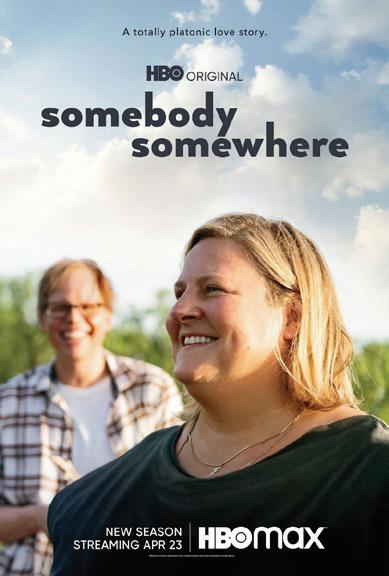

There’s a quiet power behind so many of the spaces we love; storefronts built from scratch, brands nurtured late at night after kids are asleep, communities held together by women who simply refuse to let things fall apart. Last month, we recognized women who have mastered the art of building something out of nothing: businesses, families, movements, and moments that matter. The following are our recommendations to fill your cup with more stories of women doing incredible things.
READ THIS: Women Don’t Owe You Pretty by Florence Given. More than just a book, it’s a cultural statement; challenging the expectations placed on women to be agreeable, accommodating, or “likable” at the expense of their own truth. Florence Given tackles everything from beauty standards to relationships and self-worth with sharp honesty and a voice that feels especially relevant for this generation of women balancing ambition, motherhood, and identity.
What makes it stand out is its clarity: it doesn’t ask women to do more, it gives them permission to do less of what drains them. It’s a reminder that strength isn’t always in sacrifice; sometimes it’s in setting boundaries, taking up space, and redefining success on your own terms.
WATCH THIS: Somebody Somewhere follows Sam, a woman in her 40s who returns to her hometown after the loss of her sister and slowly finds her way back to joy through unexpected friendships and a community of outsiders. Starring Bridget Everett and produced by Duplass Brothers Productions for HBO, the series has been widely praised for its emotional honesty, subtle storytelling, and deeply human performances. It’s a tender, realistic portrayal of grief, self-acceptance,
and reinvention, highlighting the quiet strength it takes to rebuild, reconnect, and redefine your place in the world.
LISTEN TO THIS: The How I Built This podcast, hosted by Guy Raz, dives into the stories behind some of the world’s most successful companies; many founded or led by women who started with an idea and a whole lot of grit. It’s equal parts inspiring and grounding for anyone chasing a dream.
DOWNLOAD THIS: Slack is a realtime messaging hub that keeps teams, projects, and ideas flowing without the chaos of endless emails. Organize conversations by channels, share files instantly, and integrate your favorite tools to stay on track. Why it’s essential: For solo founders or growing teams, Slack centralizes communication, ensures nothing slips through the cracks, and keeps productivity moving when every minute counts.
Experience This: Legacy Stage
Shakespeare in the Park: June 4–14th at Cedar Grove Meadow in Bidwell Park. This unforgettable outdoor production of The Tempest, directed by Erin Horst, blends live theatre with nature for a truly immersive experience under the stars. Performances run Thursday–Sunday, with a pre-show at 7:00 PM and a main show at 8:00 PM. Tickets are available at www.legacystage.org. Bring a blanket, settle into the meadow, and experience Shakespeare in one of Chico’s most magical summer settings.
I hope these suggestions help make the month of June even more entertaining for you. If you have any suggestions for future months, don't hesitate to email them over. You can reach me at michaela@upgradedliving.com
Sherry was spot on every step of the way in purchasing this home for my 81 year old mom. Extremely knowledgeable and professional at every turn. Would recommend her to anybody looking to purchase or sell their home in Butte County.




Welcome to Your Private Lakeside Retreat! Experience the perfect balance of luxury, serenity, and seclusion with this extraordinary estate, just minutes from Chico yet worlds away from the everyday. Centered around a breathtaking 2-acre manmade lake, this one-of-a-kind property offers a truly unforgettable setting. Beyond custom security gates and across your private bridge, a residence of timeless Mediterranean elegance unfolds. Designed to capture the beauty of its surroundings, the home showcases stunning water views from nearly every room and a seamless connection to outdoor living spaces, including a sparkling pool and expansive patios ideal for both relaxation and entertaining. The grand living room features soaring windows that frame the lake, a custom fireplace, and an atmosphere of refined tranquility. The chef’s kitchen offers a cozy dining nook, sitting area with its own fireplace, and an impressive wine cellar—creating a warm and inviting gathering space. An elegant dining room opens to a charming courtyard, perfect for al fresco dining. The flexible layout includes a private office or den overlooking the pool, a nearby full bath, and a secluded downstairs bedroom with its own half bath—ideal for guests or extended living. The luxurious primary suite is a true retreat, featuring dual vanities, dual closets, and a spainspired shower. A private patio with hot tub invites you to unwind beneath the stars. Outdoors, the property shines with its tranquil lake, private dock, resort-style pool, and expansive grounds designed for privacy and beauty. A rare offering where elegance, nature, and privacy come together—your private retreat await.


Tucked at the end of a quiet loop, this home is surrounded by wide streets and mature trees, offering a peaceful neighborhood feel from the moment you arrive. Step inside to vaulted ceilings, fresh interior paint, and laminate flooring throughout, complemented by a charming brick gas fireplace. Designed with entertaining in mind, the layout flows effortlessly from the dining area to the kitchen and breakfast nook. The kitchen features double ovens, a micro-hood, dishwasher, and Corian countertops—perfect for both everyday living and hosting. This home has so much to offer. Call to schedule your private showing today! Bed: 4.0 Bath: 2.0 SqFt: 2,030 Price: $575,000


This stunning 1930s/40s ranch, crafted with timeless elegance, offers a rare blend of comfort, space, and natural beauty. Imagine waking up to breathtaking sunrises and enjoying peaceful evenings on your sprawling 15-acre property, listening to the peaceful sounds of nature. With a remodeled kitchen and all new appliances, two water wells, a large pole barn, a rustic tack barn, and a tool shed, there’s room for all your hobbies and passions. There's also a small smoke house on the property. Discover your own slice of paradise with breathtaking sunsets. Convenient access to amenities, ensures you are never far from everything you need.
: 3.0 Bath: 2.0 SqFt: 2,030 Price: $475,000





When health is the issue, the subject of Real Estate fits right in. Concerns for the health of people buying and living in houses have driven laws and disclosure requirements far and wide.
Federal cases and lawsuits have resulted in the establishment of standards and protections for lead-based paint, asbestos, mold, and innumerable other contaminants found in the homes of otherwise unsuspecting people living their daily lives.
One such case took place in the Northstate, in Chico, in which one of our local Realtors® played a big part.
Here are words from a couple involved in the case, who unwittingly bought a “meth house”:
“We learned, unfortunately, that there were no safeguards or laws in place to protect unsuspecting homeowners and renters, and that anyone could purchase or rent a contaminated home or apartment. We felt strongly that we needed to make something good come out of the bad thing that had happened to us, and we started taking steps to get new laws passed.”
Excerpts from news stories said this:
“It might be the first time the Sierra Club and Assemblyman Rick Keene, R-Chico, are on the same side of a piece of legislation requiring the Department of Toxic Substances Control to come up with
standards for cleaning methamphetamine contamination on private properties and require owners to notify potential buyers or renters of the meth history there.
To get legislation passed, Keene worked for three years on behalf of the Chico residents who bought the house that had been occupied by a meth producer.
After developing chemical burns and respiratory problems, the couple discovered their home’s toxic history. They were forced to rent a temporary home.
Fortunately, their medical problems went away, and they recovered the money they spent on the house when the drug maker’s father purchased it back.”
The couple said this about the Realtor® who sold them the house:
“We were joined from the very beginning by our Realtor, Judy Pepper, who unknowingly sold us the contaminated home. She, like us, was completely unaware of the existing problem and was a driving force for the need for this new law. Judy provided our backbone, our insight, and was our cheerleader when things weren”t going so well. She made us realize that just a few people can make a difference.”
Did you know Judy? She was a longtime great Realtor® and an incredible human being!
Doug Love is sales manager at Century 21 in Chico. Email dougwlove@gmail.com. Call or text 530-680-0817.


For decades, a cancer diagnosis across the North State often came with an added and exhausting reality: pursuing comprehensive, advanced care sometimes meant leaving home. In those cases, patients and their loved ones faced long drives, time away from family, and the emotional, financial, and physical toll of navigating an already overwhelming journey far from the communities that support them.
With the opening of the Enloe Health Gonzales Comprehensive Cancer Center in late August, that reality is changing.
The new center marks a milestone for the region. It brings together advanced technology, multidisciplinary expertise, and compassionate, person-centered care under one roof. More than a new facility, it represents a long-standing vision finally realized: expanding worldclass cancer care close to home.
Sam Mazj, M.D., medical director of the Comprehensive Cancer Center at Enloe Health, has been a hematology and oncology specialist in Butte County for more than 20 years.
“What excites me most is what this means for our patients and their families,” Dr. Mazj said. “I’ve seen firsthand how hard it is when someone has to leave their community to receive care. This center changes that.”

For patients, staying local means remaining close to their support systems during one of the most difficult moments of their lives. For physicians, it opens the door to a new level of coordination and continuity.
“To me, this center represents hope and progress for our entire region,” Dr. Mazj said. “For too long, patients here have faced barriers: distance, access, limited resources. This is a commitment to changing that. It says our community deserves the same level of care as major metropolitan areas, and we are investing in that future.”
Leith Hathout, M.D., Enloe Health’s medical director of radiation oncology, said cancer rates across Northern California remain among the highest in the state, making expanded access to
comprehensive oncology services critical. The Gonzales Comprehensive Cancer Center significantly increases the region’s capacity to meet that need.
“This is a significant step forward for patients across Northern California,” Dr. Hathout said. “It increases access to advanced technology, more services, and a fully integrated model of care.”
From the moment patients enter the building, they’ll be greeted with natural light and thoughtful design. The flow of the building, inspiring artwork, and calming colors are intentional.
“When patients walk through our doors, they’re often facing one of the most
difficult moments of their lives,” Dr. Mazj said. “The environment matters more than people realize.”
The center was designed to feel calm and welcoming, an approach physicians say directly affects how patients cope with treatment.
“Healing isn’t just about medicine,” Dr. Mazj said. “It’s about how people feel while they’re going through it. When people feel more at ease, they’re better able to tolerate treatment and stay engaged in their care.”
That emphasis on environment extends beyond patient rooms. Dedicated family areas, outdoor healing spaces, and intuitive navigation help reduce stress for everyone involved.

“A cancer diagnosis doesn’t just affect the patient; it affects the whole family,” Dr. Hathout said. “On the first floor, patients have access to a family lounge and an outdoor healing garden. Having somewhere to step outside for comfort and peace can make a very real difference during a patient’s and family’s journey.”
Navigating cancer treatment is stressful, which is why reducing stress is a priority.
“A cancer diagnosis is such a stressful event in a person’s life,” said Hyung An, M.D., medical director of symptom management at Enloe Health. “Coming to a place that’s not cramped, that’s calming and inviting, matters.”
Logistics like finding parking, bouncing between various locations, or even crowded spaces can heighten anxiety. With a variety of services located in one spot paired with ample space, the new cancer center aims to mitigate those stressors.
“Imagine already being stressed, then struggling to find parking, and knowing you have an appointment,” Dr. An said. “Cancer and stress don’t go well together. Chronic stress is often discussed as a contributing factor to poor health outcomes.”
Keeping care close to home also significantly reduces physical and emotional fatigue.
“Receiving cancer treatment close to home means less time traveling and more time resting and recovering,” Dr. Hathout said. “It means keeping people connected to their loved ones and support systems throughout treatment.”
By bringing more services to Chico, the new center helps reduce these compounding burdens.
“As we add new services, people in the community won’t have to drive so far for care,” Dr. An said. “People benefit not only from quality medical care, but from an environment that supports healing.”
One of the defining features of the Gonzales Comprehensive Cancer Center is its integrated, multidisciplinary approach. Radiation oncology, medical oncology, surgical oncology, dermatology, nutrition, integrative medicine, clinical trials, symptom management, and patientfamily support services are brought together in one coordinated setting.
“This center allows us to practice medicine the way we’ve always wanted to: collaborative, coordinated, and patient-centered,” Dr. Mazj said.
Physicians say the model reduces fragmentation and allows teams to collaborate in real time.
“As a surgical oncologist, I’m constantly coordinating with multiple specialties,” said Keith Cavaness, D.O., Enloe Health’s
medical director of surgical oncology.
“Historically, that happened across different locations. This center allows those interactions to happen seamlessly.”
For patients, that means fewer delays and clearer communication.
“When services are spread out, it can slow things down and create unnecessary complexity,” Dr. Cavaness said. “Having several services in one place improves decision-making and creates a more streamlined experience.”
It also supports the growing complexity of cancer treatment.
“Cancer care is becoming more and more complex. It’s hard for one doctor to manage everything,” Dr. An said. “That’s why multidisciplinary teams matter.”
Symptom management clinics are common in major cancer centers and play an important role in this structure.
“Patients often open up differently depending on who they’re seeing,” Dr. An said. “When visits are tightly focused on treatment, it’s hard to address everything. Dedicated time for symptom management allows us to address qualityof-life concerns that still matter deeply to patients.”
World-Class Care, Close to Home
Continuing investment in advanced technology allows the center to deliver personalized, targeted treatments with
high precision while minimizing impact on healthy tissue.
“In the most direct sense, investing in state-of-the-art technology allows us to deliver more targeted, personalized radiation treatments with high efficacy and less impact on surrounding healthy parts of the body,” Dr. Hathout said.
The expanded space also allows the center to serve more patients across a wide geographic area — making advanced care accessible without requiring travel to major metropolitan centers.
“This center represents a renewal of dedication to this community,” Dr. Hathout said. “It strengthens our ability to serve patients across Northern California and helps attract top specialists to our region.”
Receiving care locally also improves consistency.
“When patients have to travel long distances, it adds fatigue and logistical strain — not just for the patient, but for their entire support system,” Dr. Cavaness said. “Over time, that can affect outcomes. When care is local, patients are more likely to stay engaged.”
The opening of the Gonzales Comprehensive Cancer Center is also the result of strong community support and partnership. Dan and Dawn Gonzales contributed 13 acres of land in the Meriam Park community for the center.
“This gift was never about having our name on a building. It is about giving back to a community where we raised our four children, built our lives, and found opportunity and support,” Dan Gonzales said.
Dawn Gonzales said her hope is for everyone who enters the new cancer center to find strength, comfort, and hope.
“Like so many others, we have felt the reach of cancer. In those moments, we are all the same — in hope, in fear, and



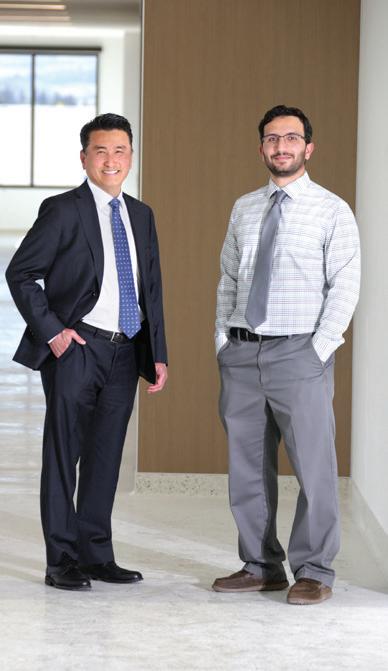
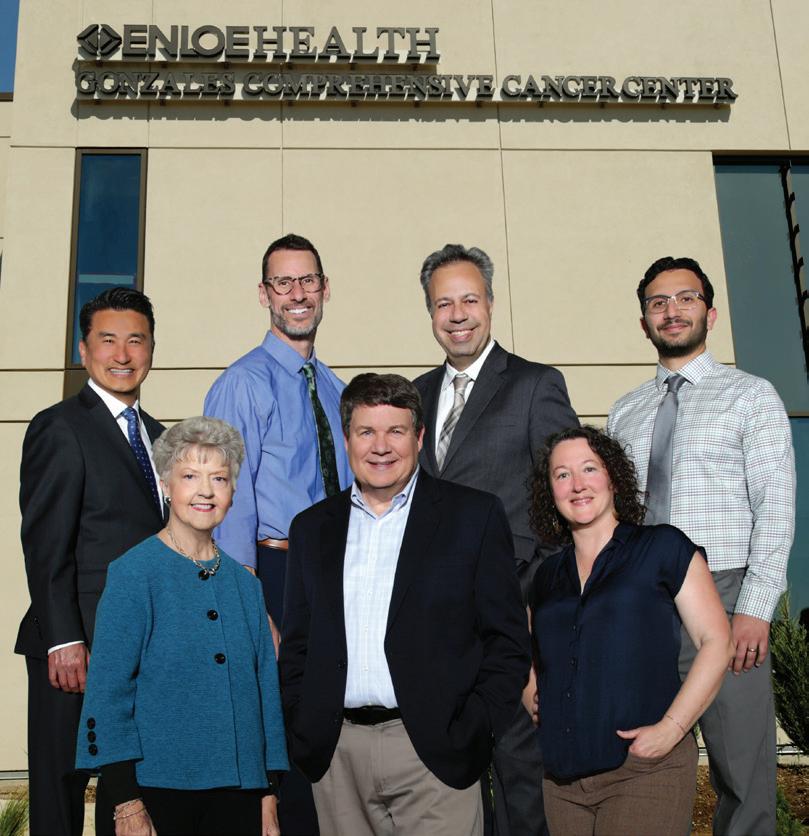
Back row from left to right: Hyung An, M.D., medical director of symptom management, Keith Cavaness, D.O., Enloe Health’s medical director of surgical oncology, Sam Mazj, M.D., medical director of the Comprehensive Cancer Center, and Leith Hathout, M.D., medical director of radiation oncology
Front row from left to right: Judy Sitton, Bill Carriere, and Sierra Grossman, tri-chairs for the Enloe Health Foundation Comprehensive Cancer Campaign
The Enloe Health Gonzales Comprehensive Cancer Center offers approximately 101,000 square feet for care. When it opens, the facility will house:
-18 doctors
-14 advanced practice providers
-51 infusion treatment spaces
-14 consult rooms
-3 linear accelerators
-6 cancer departments
-1 specialty pharmacy
-1 on-site laboratory
-And more
in need of compassionate care. We are grateful to contribute to a place dedicated to healing and possibility,” Dawn Gonzales said.
Judy Sitton, Bill Carriere, and Sierra Grossman served as the tri-chairs for the Enloe Health Foundation Comprehensive Cancer Campaign. In addition to the gift of land, the campaign raised more than $21 million in cash from across the region to support the construction of the new cancer center and the creation of the new Enloe Health Supportive Therapies
Inside, patients can visit the Aaron Rodgers Foundation Supportive Therapies Suite to access a:
- Health & Wellness Resource Center
- Quiet Room
- Patient & Family Lounge
- And more
program, supported by the Aaron Rodgers Foundation.
Seeing the finished center is a full-circle moment for the tri-chairs. This month, a celebration will be held specifically for those who donated to support the project.
“Enloe’s new Comprehensive Cancer Center is a powerful representation of what our community and region can accomplish together,” Sitton said. “It reflects a shared commitment to hope, healing, and excellent care.”
For Carriere, whose family has deep roots in the North State, the center carries personal meaning.
“It means so much to our family, our business, our employees, and our community to have a state-of-the-art cancer center right in our backyard,” he said. “It’s comforting to know patients can receive leading-edge care close to home, surrounded by friends and family.”
Grossman echoed that sentiment.
“I love our community, and it gives me peace knowing we now have the same level of care available as larger cities,” she said. “Cancer impacts us all. This center represents people coming together to support the ones we love.”
“Our campaign leaders and committee volunteers poured their hearts and souls into this effort for more than three years,” said Jolene Francis, Enloe Health’s vice president and chief development officer. “It was an honor to work alongside each of them as we met and ultimately surpassed our fundraising goals. We are forever grateful for their work.”
For physicians who grew up in the region, the center represents both progress and promise.
“I was born at Enloe and grew up in this community,” Dr. Cavaness said. “This isn’t just about today. It’s about building a system that continues to improve cancer care for years to come.”
Leaders expect the center will improve outcomes through earlier detection, coordinated care, and expanded access to evidence-based treatments.
“I truly believe this center will transform cancer care in our region,” Dr. Mazj said. “But beyond the numbers, it’s about something bigger. It’s about giving people more time, more moments with their families, and more reasons to be hopeful.”
The Gonzales Comprehensive Cancer Center’s target opening date is Aug. 24. Visit www.enloe.org/campaign for more information.






Testosterone has become one of the most talked-about and most misunderstood topics in men's health. Between social media ads, online clinics, and conflicting information, many men are left wondering what’s actually normal, whether their symptoms matter, and what treatment truly looks like when done correctly.
The reality is that testosterone naturally declines with age, but low testosterone is not simply about getting older. Today’s men commonly report symptoms like fatigue, brain fog, low motivation, decreased muscle mass, poor recovery, weight gain, irritability, low libido, and difficulty sleeping. While these symptoms can have many causes, testosterone deficiency is often part of the conversation.
One of the biggest misconceptions is that there is one “perfect” testosterone number. In medicine, lab ranges are broad, and “normal” on paper does not always mean optimal for the individual sitting in front of you. Two men with the exact same lab value may feel completely different. That’s why responsible hormone care should never rely on a number
alone; it should consider symptoms, lifestyle, lab work, medical history, sleep quality, stress levels, body composition, and long-term health goals.
Another misconception is that testosterone therapy is only for bodybuilders or men trying to look younger. In reality, properly monitored testosterone replacement therapy is about improving quality of life and overall wellness. When appropriate and carefully managed, treatment may help improve energy, mood, motivation, strength, recovery, sexual health, and metabolic function.
At the same time, testosterone therapy is still a medical treatment, not a supplement, and it should be approached thoughtfully. There are potential risks and side effects that require ongoing monitoring, including elevations in red blood cell count, changes in blood pressure, acne, fertility suppression, worsening untreated sleep apnea, and the possibility of inappropriate dosing when patients are not properly supervised. That’s why individualized care and medical oversight matter.
Hormones are not a “set it and forget it” treatment. Patients should be followed by qualified medical professionals who regularly review labs, symptoms, cardiovascular risk factors, sleep, and overall response to treatment. Good care also includes honest conversations about nutrition, exercise, alcohol intake, stress, and sleep hygiene, because testosterone is only one piece of the health puzzle.
Ultimately, the goal isn’t to chase extreme numbers or internet trends. It’s to help patients feel healthier, function better, and age with strength, confidence, and vitality through safe, evidence-informed medical care.
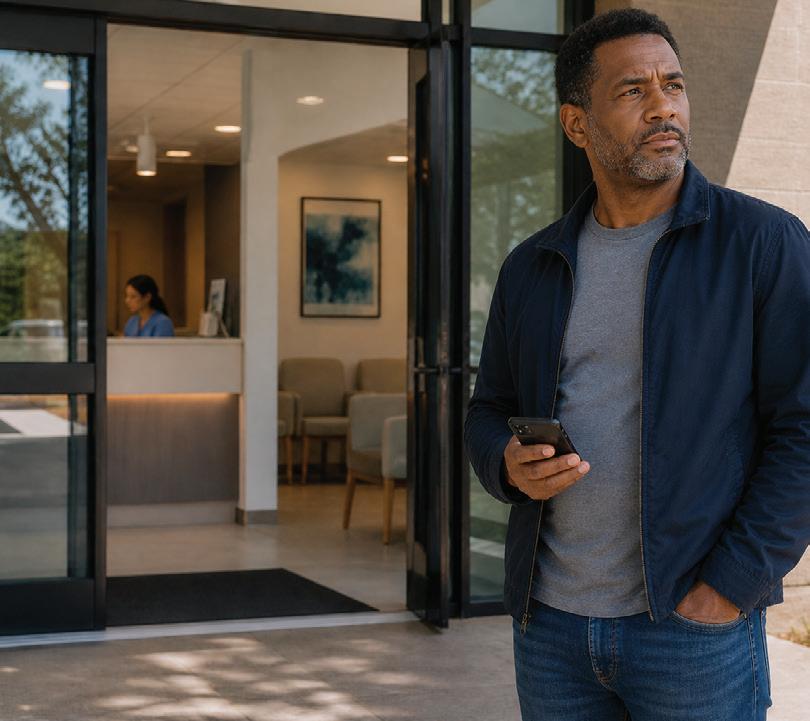
It’s 7:55 a.m., and I’ve just gotten off the phone with the local surgical oncologist. The drowsy patient I’ve just completed a colonoscopy on is in the other room, and I now have the responsibility of telling him he has a mass in his colon that could be cancerous. As I share the news with him and his wife, neither seems surprised.
It’s a situation I’ve found myself in more times than I care to share.
Let’s rewind two months. It’s a new patient visit with a 50-something-year-old man, and his wife is with him. We talk about his family, past, habits, and concerns. He doesn’t know his dad, used to smoke in college, likes a few strong beers on weekends, works too hard, and doesn’t sleep enough, but says he’s “okay.” He doesn’t exercise, but notes that his job is physical.
“For 50, Doc, I think I’m doing alright.”
That’s when his wife clears her throat and gives him a stern nod.
“I’m supposed to tell you about my diarrhea.”
In my brief 10 years as a physician, I’ve observed that when the duty falls on me to deliver a bad diagnosis, the patient has often already suspected something was wrong. Sometimes the clues are obvious. Other times, it’s intuition. But there is almost always some version of, “If only I had done something sooner.”
Before I go further, I want to make it clear that there is a larger public health problem. While this article focuses on men and their reluctance to see a doctor, women are suffering as well. Much of what I reflect on here pertains to both sexes.
So why do men avoid the doctor? Do I have the answer? No. Given my proximity to the situation, I can offer some insight. The problem has many factors: money, masculinity, monopoly, and education.
Given the current economy, look no further than the bank account. I imagine someone in corporate has set a deductible high enough to make people think twice before calling their doctor. If your out-of-pocket cost is $5,000 to $10,000, you may wait to see if that diarrhea goes away.
Toxic masculinity has been tossed around lately. However, now more than ever, men are in touch with their health in many good ways. Sadly, I have watched social media convince men that masculinity is tied to testosterone and six-pack abs. They follow influencers and pushers of fringe medicine, would rather listen to Joe Rogan, and roll the dice with mystery peptides. By the time they get to me, many are convinced I’m “part of the establishment” and less inclined to heed evidence-based medicine.
Monopolies in the health care system can cause further issues. A patient may visit a specialist—GI, ENT, urology, cardiology, or another field—and sometimes things don’t go well. Feelings get hurt, a diagnosis is missed, or personalities clash. The patient wants to see someone else, but there may be no other option.
Finally, education. Our educational system was designed to make a stable, intelligent workforce. I went to public school from 1986 to 1999 and had an excellent education here in Chico and Paradise. We were told smoking was bad and exercise was good. We learned about food groups, puberty, and procreation. But we were never taught the signs and symptoms of depression, cancer, or heart disease.
So, what has been the cost to men’s health? Data from the CDC, National Cancer Institute, and Butte American Lung Association show men in Butte County suffer higher-than-national averages in all-site cancer, prostate cancer, respiratory disease, and suicide. Butte County also holds the record for the most diagnoses per capita of late-stage colorectal cancer in the nation.
All that to say, don't wait. Put aside any past experiences and find the doctor who's right for you. Proper advice, care, and followthrough can make all the difference in leading a longer and healthier life. Do it for yourself and the ones you love most.





It sounds almost unbelievable at first: your gut and your brain are in constant conversation.
Most of us think of the stomach and intestines as a digestive system, full stop—food goes in, nutrients get processed, and waste comes out. But your gut is doing far more than breaking down lunch. It is home to trillions of microorganisms—bacteria, fungi, and other microbes—that make up the gut microbiome. And that microbiome plays a surprisingly powerful role in how you feel.
This connection between the digestive system and the brain is often called the gut-brain axis. It is a two-way communication network linking the brain's emotional and cognitive centers to the workings of the gut. That helps explain
why stress can trigger digestive issues and why digestive problems can affect mood, focus, energy, sleep, and overall well-being.
Ever had “butterflies” before a big event? Lost your appetite when you were anxious? Felt nauseated after receiving bad news? That is the gutbrain connection in action. Your brain can influence your gut in real time. Even more fascinating is that the gut can send messages back.
In fact, a large share of the body’s serotonin—a chemical often associated with mood—is produced in the gut. That does not mean gut health is a cure-all for mental health, nor does it mean probiotics can replace medical care. But it does help explain why researchers are so interested
in the relationship between digestion, inflammation, mood, and the microbiome. The body is not a collection of separate systems quietly minding their own business. It is more like a group chat, and your gut is one of the loudest participants.
This is where everyday habits come in. A diet rich in fiber from fruits, vegetables, legumes, nuts, seeds, and whole grains can help nourish beneficial gut bacteria. Fermented foods like yogurt, kefir, kimchi, miso, and sauerkraut may also support a healthier gut environment. Just as importantly, sleep, exercise, hydration, and stress management all seem to affect gut health too. In other words, caring for your gut does not have to mean chasing every new supplement, cleanse, or wellness trend. Often, it starts with the unglamorous basics: more plants, more movement, more rest, and fewer ultraprocessed foods.
For those who want to learn more, Giulia Enders’ book Gut: The Inside Story of Our Body’s Most Underrated Organ is a funny, accessible, and fascinating place to start. It explains digestion and the microbiome in a way that feels surprisingly entertaining. Dr. Robynne Chutkan’s The Microbiome Solution is another approachable read that focuses on how modern habits, diet, antibiotics, and lifestyle can affect the gut’s internal ecosystem.
On the documentary side, The Gut: Our Second Brain is a worthwhile introduction to the gut-brain connection. Netflix’s Hack Your Health: The Secrets of Your Gut also offers a lighthearted look at the microbiome and why gut diversity, fiber, and food choices matter.
The takeaway is not that every bad mood starts in your belly. It is that the body is more connected than many of us realize. Your digestive system is not operating in isolation, and neither is your brain.
So the next time your stomach feels “off” during a stressful season—or your mood feels harder to manage when your digestion is out of sync—it may not be a coincidence. Your gut and your brain may be having a conversation, and for your health, it is worth listening.

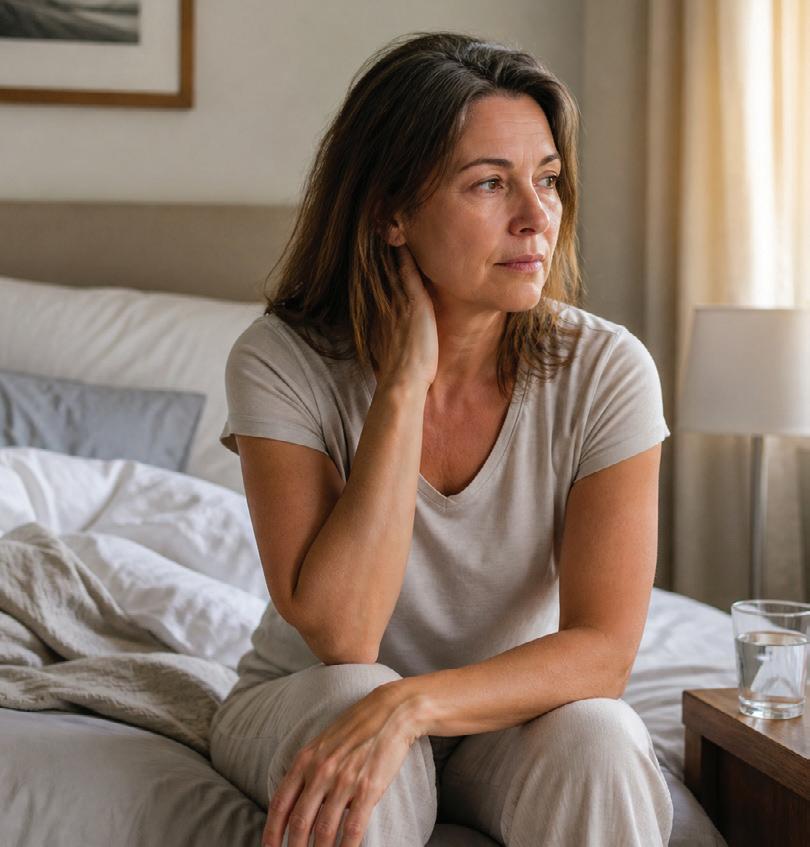
For many women, perimenopause arrives with a question mark. One month, your period is different. Another month, you are waking up at 3 a.m., feeling anxious, forgetting words, or wondering why your body suddenly feels unfamiliar. Because the symptoms can seem disconnected, many women chalk them up to stress, aging, parenting, work, or simply being tired.
Perimenopause is the transition leading up to menopause, and it can last for years. During this time, estrogen and other hormones fluctuate unevenly, affecting the body in ways that extend far beyond the classic hot flash. Menopause itself is reached after 12 straight months without a period.
Hot flashes and night sweats are real, but they are not the whole story. Irregular periods, vaginal dryness, sleep
problems, mood changes, and brain fog are also common during the menopause transition. Periods may become longer, shorter, heavier, lighter, or skipped altogether. Some changes are easier to miss because they do not feel hormonal at first. A woman may notice she is more irritable, less patient, or dealing with anxiety that seems to come out of nowhere. She may feel foggy at work, walk into a room and forget why she went there, or struggle to find the right word.
There can be physical changes too. Some women experience headaches, heart palpitations, dizziness, itchy skin, bloating, breast tenderness, constipation, or muscle and joint aches. These symptoms can have many causes, so they are worth discussing with a healthcare provider rather than assuming they are just hormones.
The most helpful thing a woman can do is start tracking patterns. Write down cycle changes, sleep disruptions, mood shifts, hot flashes, aches, and anything new. A few notes over several months can turn a confusing collection of symptoms into a clearer conversation.
Perimenopause is also a good reminder that women’s health deserves regular attention, not just during crisis moments. Preventive screenings can help catch problems early, establish baselines, and give women a clearer picture of long-term health.
Most adult women should have blood pressure checks and an annual well-woman visit to discuss periods, contraception, fertility, sexual health, mental health, vaccines, family history, and changing risk factors. Cervical cancer screening generally begins at age 21. From ages 21 to 29, many women receive a Pap test every three years. From ages 30 to 65, options may include Pap testing, HPV testing, or both, depending on past results.
Diabetes screening is often recommended beginning at age 35 for adults who are overweight or obese, and earlier for those with risk factors. Mammograms are commonly recommended every other year from ages 40 to 74 for women at average risk. Colorectal cancer screening generally begins at age 45 and continues through age 75. Bone density screening for osteoporosis typically begins at age 65, though women with higher risk may need it sooner.
These ages are starting points, not one-size-fits-all rules. Family history, symptoms, medical history, previous test results, and risk factors can all change what a woman needs and when she needs it.
Perimenopause is not something women need to silently endure. It is a normal life stage, but normal does not mean easy. If symptoms are affecting sleep, relationships, work, intimacy, or peace of mind, it is worth asking for help. Sometimes, simply naming what is happening is the first step toward feeling like yourself again.




If it feels like peptides are suddenly everywhere, you’re not imagining things. They appear in social media skincare routines, wellness clinics, medical journals, pharmaceutical ads, and celebrity beauty cabinets. To many consumers, they sound like the next major breakthrough in antiaging medicine.
But what are peptides, and how much of the excitement is actually backed by science? The answer is nuanced. There is real promise, but there is also pharmaceutical spillover and a lot of marketing noise.
At their core, peptides are short chains of amino acids, the smaller building blocks of proteins. For years, physicians and scientists thought of them mostly in that basic structural sense. Today, medicine understands certain peptides as biological signaling molecules that can interact with pathways involved in inflammation, collagen production, wound healing, pigmentation, and cellular communication.
So why the sudden popularity? Part of it comes from the “GLP-1 effect.” The success of medications like semaglutide and tirzepatide changed public awareness of peptide-based therapies, even though many people do not realize that those medications are peptides. As they delivered results in weight loss and metabolic medicine, they helped create the perception
that peptides represent a new frontier in precision medicine. That excitement quickly spilled over into skincare, wellness, and aesthetics.
At the same time, peptide technology has improved. Earlier peptides were often unstable, degraded quickly, or had trouble penetrating the skin. Over the past decade, advances in formulation chemistry, delivery systems, and peptide engineering have made today’s cosmetic peptides more stable, better absorbed, more targeted, and easier to formulate. That does not make them miracle ingredients, but it does make them more useful than earlier generations.
So what can peptides actually do for skin? Different peptides have different jobs. Some may help stimulate collagen production. Others support barrier repair, improve hydration, or soften the appearance of fine lines. Certain peptides may influence facial muscle communication, which is why some are marketed as “Botox-like,” though that comparison is often exaggerated.
Peptides are best understood as supportive signaling ingredients, not dramatic overnight transformations. They tend to work best as part of a larger skin health plan that may include sunscreen, retinoids, antioxidants, lasers, microneedling, or neuromodulators.
This is where caution matters. Not all
peptides are created equally. Their popularity has led to an explosion of online products, compounded formulations, and “research peptides” marketed directly to consumers, many of which have limited testing or unclear safety data. Some compounds have raised concerns related to purity, quality control, and unknown longterm effects.
While many topical skincare peptides are safe and well-tolerated, consumers should be especially careful with injectable or unregulated peptide products sold online. The word “peptide” has become a powerful buzzword, and some companies use that excitement to promote products without sufficient evidence to back them up.
Despite the hype, peptides have earned legitimate interest in cosmetic dermatology. They may influence skin biology with relatively low irritation compared to stronger treatments, making certain formulations appealing for patients who struggle with aggressive topical products.
One product generating interest is P-TIOX from SkinCeuticals, which combines advanced peptides with ingredients designed to improve the appearance of expression lines, texture, and smoothness. Products like this do not replace neuromodulators or retinoids, but they may complement a broader skin health strategy.
Peptides are not magic, but they are not meaningless hype either. They represent an evolving area of skin science where molecular biology, cosmetic chemistry, and aesthetic medicine meet. As with many skincare trends, the truth sits somewhere in the middle: real science, real progress, exaggerated claims, and aggressive marketing.
Patients should consult a licensed, boardcertified dermatologist before introducing peptide products or treatments, especially when combining them with other procedures. In the right setting, peptides may be a useful tool in the pursuit of healthier, more resilient skin.




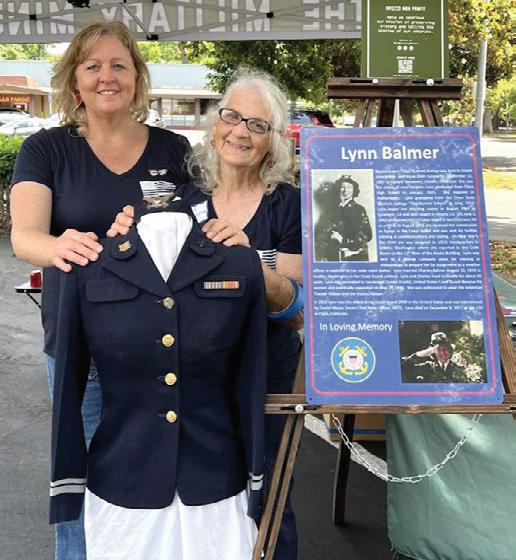
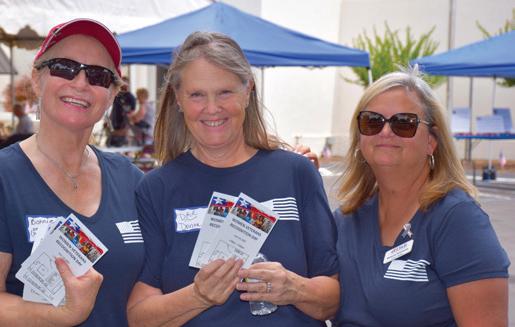
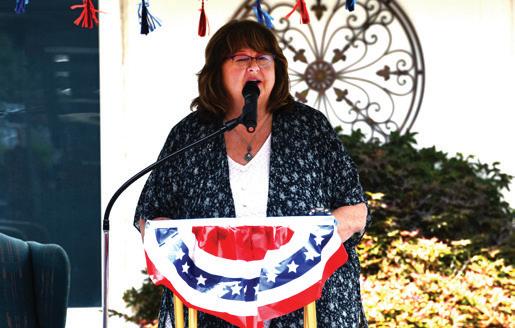
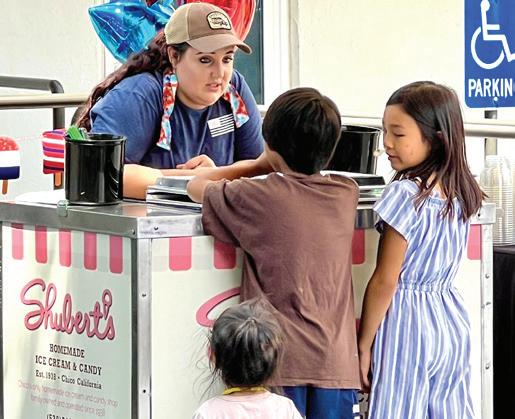
What began as a small post-pandemic effort to reconnect the community and honor veterans has grown into one of Chico’s most meaningful annual gatherings: Women Veterans Recognition Day. Now heading into its third year on June 13, 2026, this event continues to grow in both size and significance, bringing together families, veterans, and community members under one powerful message: “We are mothers, we are daughters, we are neighbors.”
After COVID, many people were still hesitant to gather in large groups. Former Chico Cemetery employee Christina Clerici helped organize a Memorial Day drive-through experience so veterans could still be honored safely while the cemetery was decorated in flags. Veterans were gifted appreciation bags, and families were welcomed with hot dogs and chips as they exited the route.
As the cleanup wrapped up, Christina asked a question that changed everything: “Is there a day specifically dedicated to honoring women veterans?” That moment sparked research by fellow Chicoans Dianne and Ed Wrona, leading to the discovery of the Women’s Armed Services Integration Act. Signed by President Harry S. Truman on June 12, 1948, this act allowed women to serve permanently in the U.S. military for the first time. From that, a local idea grew into a tradition through the committee now known as We Love Veterans.
Today, Women Veterans Recognition Day draws attendees who come not only to honor service but also to learn the often-overlooked history of women in the military, from the nurses of early wars to the Women Air Force Service Pilots of WWII to modern-day combat leaders serving across the globe.
The event also features an extraordinary lineup of community leaders and speakers. Chico Mayor Kasey Reynolds has shared personal reflections on her family’s legacy of service, including stories of her grandmother’s connection to the iconic Rosie the Riveter era. Local media figure Linda Watkins-Bennett has brought grace and storytelling to the stage as emcee, helping weave together history and personal testimony in a way that deeply resonates with attendees.
Adding to the richness of the event, the Daughters of the American Revolution provide dedicated volunteer support, ensuring the day runs smoothly while honoring generations of women who have served in every form of national contribution.
One of the most loved traditions is the free ice cream cart from the iconic Shubert's Ice Cream, which has become a sweet centerpiece of connection for families, veterans, and children alike.
With military displays and historic exhibits, interactive booths, family activities, and inspiring women veteran speakers, it continues to grow into a must-attend event that leaves guests informed, inspired, and deeply moved.
Women Veterans Recognition Day will be held at Newton Bracewell Funeral Home in Chico, California, on June 13, 2026, from 1:00 PM–3:00 PM. The event is completely free and open to the public, welcoming all ages to attend, learn, and participate.
As We Love Veterans committee organizer, Dianne Wrona shared:
“When we take the time to truly see and honor our women veterans, we are not just recognizing history; we are strengthening our entire community.”



Summer in Northern California is glorious. Sweet scents drift through the air from blooms of wild variation while trees unfurl their summer foliage, casting fresh shade across the landscape below. Warm air lingers just long enough to be softened by cool breezes moving effortlessly through open windows and across front porches.
After months spent tucked indoors through winter’s quieter season, people emerge almost instinctively. Families return to parks and sidewalks. Garden centers bustle with eager patrons loading carts with tomato starts, berry bushes, herbs, and flowers they simply could not resist. The hum of lawn mowers returns to neighborhoods while the smell of fresh-cut grass settles gently into the evening air. There is a reason people feel lighter this time of year.
Even those far removed from farming or homesteading still respond to the rhythms of the earth in ways they may not fully recognize. Summer invites participation. It asks us to move again, to breathe deeper, and to reconnect with sunlight, fresh air, and the simple wellness that naturally follows time spent outdoors.
For those of us who work the land closely—whether through a backyard garden, a small flock, or a full homestead—these seasonal rhythms become something deeper than observation. Planting, harvesting, resting, and resetting flow together in a cycle so reliable that eventually it begins to shape the way you think, live, and even heal. Land that is loved and paid attention to teaches lessons modern life often forgets.
For years, I unknowingly carried the belief that health and success meant constant productivity, constant output, and constant blooming. Our world encourages us to override exhaustion, ignore natural rhythms, and treat rest as something earned rather than something necessary. Grocery stores
offer every fruit in every season. Climate-controlled comfort keeps us disconnected from the environments our bodies were designed to understand.
Without realizing it, many of us begin to expect ourselves to function the same way: productive at all times, untouched by seasons of pause. But nature has a way of gently correcting that mindset.
A seed does not panic underground because growth is not yet visible. It waits. It responds to moisture, temperature, sunlight, and season without force or striving. Then, when conditions are right, it breaks open and reaches toward the light. The energy required for that growth was quietly built during the dormant season. Rest was never wasted time. There is something deeply healthy about remembering that.
Summer reminds us that wellness is not only found in diets, routines, or resolutions. Sometimes it begins with sunlight on your skin, bare feet in the grass, a walk at dusk, or digging your hands into soil rich with microbes linked to improved mood and serotonin response. The earth is not separate from us. We are designed to respond to it.
Perhaps that is why summer feels emotional for so many people. It reconnects us not just to movement or motivation, but to something older and quieter within ourselves, a reminder that growth and rest were never meant to exist apart from one another.
So open the windows, plant the flowers, stay outside longer than you planned to, and let yourself enjoy the optimism this season naturally awakens. But do not forget the deeper lesson quietly unfolding beneath it all: nature never hurries itself, yet everything arrives exactly when it is meant to.



On the heels of the women-in-business feature, I made a return trip to Bacio Chico. I’m a sucker for their beet salad, but I wanted to try an assortment of options when Chef/Owner Erica Couturier informed me that they could put some items together for a dine-in meal. And what better way to enjoy this new opportunity than in their recently renovated dining room.
The area is open, warm, modern, and not too busily decorated. Indoor plants and olive branches mingle with the soft white interior. The contemporary addition says, “it’s OK to stay,” and so I opted to sit and compose my notes during lunch. For the photo, however, there is no better choice than their naturally shaded patio with lush greenery.
The refrigerated case beckons with Bacio classics and favorites. On this visit, I chose a serving of polenta lasagna, the trusty beet salad, and their potato salad as well.
The lasagna, a longtime staple, combines polenta, shitake mushrooms, and red bell pepper with pesto, house-made marinara, and Parmesan and mozzarella cheeses. The result is a warm, melty, and blissfully unique
take on a comfort classic. The potato salad blends crunchy and smooth textures with Kewpie mayo, dijon mustard, par-cooked tricolor potatoes, celery, red onion, and pickle. Dare I say, it’s arguably the best in town. Finally, the velvety, earthy beets harmonize with broccolini and roasted carrots, all stirred together with a garlic-shallot balsamic that adds a hint of sweetness and a glistening appearance.
Bacio is known for its fresh ingredients, vibrant colors, and flexibility without sacrificing flavor or creativity. Have a dietary restriction? Find out how they can transform any of your favorites into something you can still enjoy, full of flavor, and without the worry. We had their gluten-free macaroni and cheese for a Thanksgiving potluck and were not disappointed. Under the direction of Chef Couturier, Bacio has more than returned to its former glory.
We invite you to take a brief detour to 1903 Park Avenue in Chico, behind the nearly edible murals, and into their parking area. If you’re in a hurry, take it to-go. If not, sit, relax, and enjoy a thing or three. You won’t be disappointed.
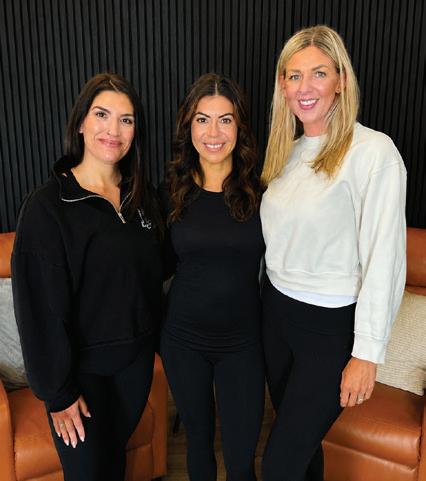


Align Wellness & Aesthetics is a boutique medspa in Oroville focused on longevity, balance, and helping clients feel confident, energized, and revitalized from the inside out. Founded by Salina Webber, a registered nurse since 2007, the practice is built on years of clinical experience and a strong commitment to advanced, longevity-focused care. Their approach blends modern aesthetic treatments with functional wellness to support both inner health and outer beauty. Services include IV therapy, vitamin boosters, peptide therapy, medical weight loss programs, laser hair removal, Hydrafacials, microneedling, NAD+ support, and regenerative skin therapies designed to improve energy, skin quality, and overall vitality. With a team of three nurses and a licensed esthetician, known for their educational and compassionate approach, each client receives thoughtful guidance and personalized treatment. Align Wellness & Aesthetics blends science, experience, and care to support long-term wellness, beauty, and rejuvenation.
alignwellnessandaesthetics
info@alignwellnessaesthetic.com
www.alignwellnessandaesthetics.com
The Lighthouse of Chico is an award-winning assisted living and memory care community providing a welcoming environment designed to feel like home from the moment you arrive. Families trust Lighthouse for exceptional medication management and dignified daily support, all delivered by a highly attentive care team. Residents enjoy chef-prepared, restaurant-style dining, daily activities, transportation, and beautifully remodeled spaces. For those living with Alzheimer’s and other types of dementia, our secure memory care neighborhood provides structure, personalized support, and enhanced safety in a calm, reassuring setting. Short-term respite stays, the only offering of their kind in the area, give families rare flexibility—delivering peace of mind when care is needed and offering a seamless way to experience the facility firsthand. Kristin Carter, a seasoned professional in senior care, notes that Lighthouse stands out for its strong leadership and high level of coordination among staff, calling it one of the best-run communities she has ever encountered. With extremely responsive communication, Lighthouse of Chico continues to set the standard for what senior living should be.
cld@LHchico.com www.lighthouseatchico.com
855 Bruce Road, Chico (530) 566-1823
Serving Chico, Paradise, Durham, Oroville, Butte County & surrounding areas.
Babette Maiss, CMF, CLT, CMT, is a Certified Mastectomy Fitter and Certified Lymphedema Therapist dedicated to supporting individuals through recovery and healing. Serving the Chico community, Babette specializes in helping clients manage lymphedema and navigate life after breast cancer treatment. With nearly 30 years of experience in therapeutic and medical-based bodywork, she has spent more than a decade focusing on advanced lymphatic therapy. Babette provides complete decongestive therapy (CDT), manual lymphatic drainage, compression bandaging, and custom garment fitting to support lymphatic health and improve quality of life. As a Certified Mastectomy Fitter, she also works closely with clients to find comfortable, properly fitted breast forms, bras, and post-surgical garments—helping restore balance, comfort, and confidence during an important stage of recovery.
BabetteMaissCMTCLTCMF www.babettemaissmassagetherapy.com
13Williamsburg Lane, Chico (530) 321-5668

Pain is one of the most universal human experiences, yet one of the least understood. We tend to think of it as a simple alarm: touch a hot stove, feel the burn, and pull away. But pain is far more sophisticated than that—it is the body’s interpretation of a signal, not just the signal itself. That distinction matters more than most people realize.
When tissue is injured, specialized nerve endings called nociceptors detect the threat. These inputs can be heat, pressure, chemical irritation, or inflammation. The nociceptors convert that information into electrical impulses that travel along peripheral nerves to the spinal cord. From there, the signal ascends to the brain, where regions such as the thalamus, somatosensory cortex, and limbic system interpret the sensation. Only at that point does it become pain. This is why two people with identical injuries can have wildly different experiences, and why anxiety, sleep, memory, and mood can amplify or quiet what we feel.
Acute pain is protective. It tells us to rest a sprained ankle, guard a surgical incision, or seek care for an infection. It
is the body doing exactly what evolution designed it to do.
Chronic pain is something else entirely. When pain persists beyond the healing of the original injury, generally past three months, the nervous system itself can change. Nerves become more sensitive, the spinal cord amplifies signals, and the brain is rewired to become hypersensitive. What began as a useful warning becomes a disease in its own right, and we are no longer chasing the original injury. We are treating a nervous system that has learned to hurt.
Pain also has its own language. Sharp, well-localized pain often points to tissue or nerve injury. Dull, aching, poorly localized pain frequently signals deeper visceral or musculoskeletal issues. Burning, electric, or shooting sensations suggest the nerves themselves are involved. Pain that travels—radiating down an arm or leg—often follows a specific nerve root and tells us where to look.
Reading that language requires a careful history and a thorough physical exam. Increasingly, though, insurance-driven
time pressure has shortened patient encounters to the point that the handson exam is skipped in favor of a quick imaging order. Scans have their place, but they only show structure and anatomy, and a finding on an MRI may or may not be the actual source of what a patient is feeling. Without the exam to anchor it, the wrong picture can easily lead to the wrong diagnosis, and this happens frequently.
Listening to pain, rather than simply silencing it, is one of the most important things both patients and clinicians can do. Pain tells a story, and the goal is not always to make it stop immediately, but to understand what it is trying to say.
In my own practice, the patients who do best are those whose pain is heard, diagnosed, and finally treated.




Staying active does not have to mean buying expensive equipment or signing up for a class. In Butte County, some of the best movement is waiting outside your front door.
Start with the basics: stretch in the backyard, do bodyweight exercises at home, or turn household chores into a workout by adding squats, lunges, calf raises, and extra trips up the stairs. Even a few minutes at a time can add up, especially when it becomes part of your daily rhythm. For a change of scenery, head to one of our incredible parks for yoga, tai chi, frisbee, pickleball, or a simple circuit using benches, stairs, and open grass.
Butte County also offers plenty of free ways to make activity feel like an adventure. Bidwell Park’s trails are open to pedestrians, with routes ranging from easy creekside walks to more challenging hikes. In Oroville, the Feather River Bike Trail offers a paved three-mile path along the river, perfect for biking, jogging, or a stroller-friendly outing. For those craving a bigger challenge, the Oroville Dam and nearby trail systems provide space to climb, ride, and explore.
If you prefer something social, invite a neighbor for a regular morning walk, meet a friend for a weekend hike, or take the kids to a playground and actually join in. The key is finding movement you enjoy enough to repeat. Dance in the kitchen, garden, play catch, stretch while watching TV, or take the long way home. Exercise counts when your body moves—and around here, there are plenty of free ways to begin.

I started my morning walks about three years ago during a season of my life that felt a little heavy.
At the time, it felt like I was just stepping away from things, trying to clear my head. But what I didn’t realize then was that I was actually building something I would come to rely on. Now, I can’t imagine my days without it.
Most mornings, I grab a cup of coffee and head out the door before the day really begins. I tend to take the same route—it’s familiar, easy—but every now and then I’ll change it up depending on my mood. No big plan, no pressure—just me, walking.
In a life that can feel full of noise— kids, work, responsibilities, constant notifications—this has become the one place where things quiet down a bit. At least, it’s where I let them.
Some days, my mind runs wild with the todo lists, the ideas, the random thoughts that seem to come out of nowhere. Instead of trying to control it, I just let it happen. What I’ve noticed is that when I give my brain that space, things start to sort themselves out. It’s like a mix between a brain dump and a reset button.
I’ve come up with business ideas on these walks, figured out what I’m making for dinner, and processed emotions I didn’t even realize I was holding onto. Sometimes, I don’t do any of that—I just notice the light, the air, the feeling of being outside and present in my own life.
That’s the part that surprised me the most.
What started as something that felt like an escape became something grounding. It has become a small piece of control in a world where we don’t always get much of it. Now, I can tell the difference on the days I don’t go—I feel it, and I crave it.
In the middle of being a mom, running a business, and showing up for everyone else, these 30–45 minutes have quietly become one of the most important parts of my day. It’s where I come back to myself before the world asks anything of me, because it’s productive, not because it checks a box, but because it’s mine.
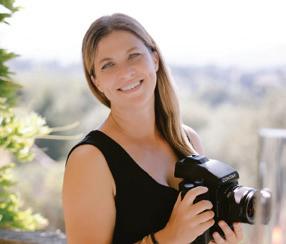
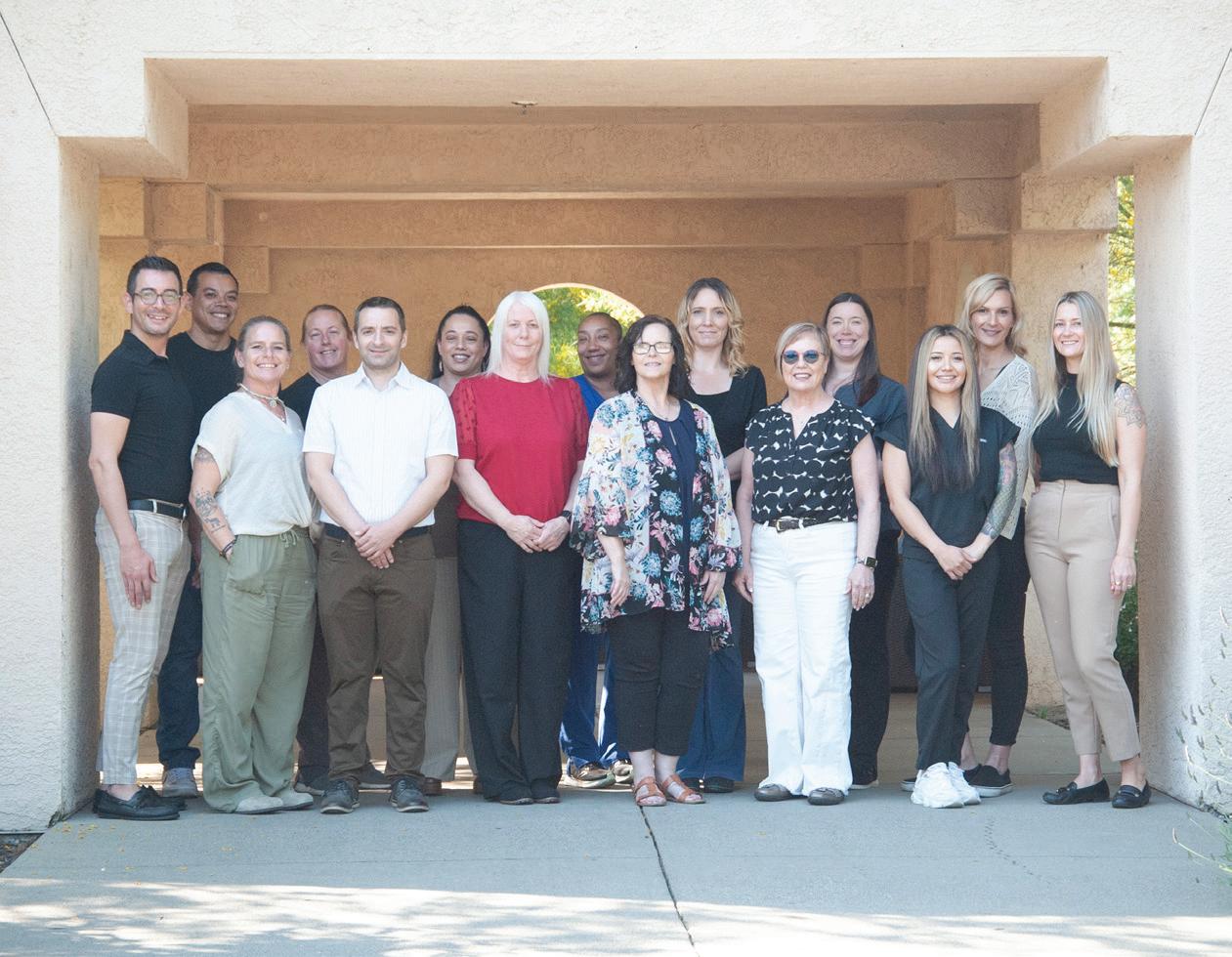
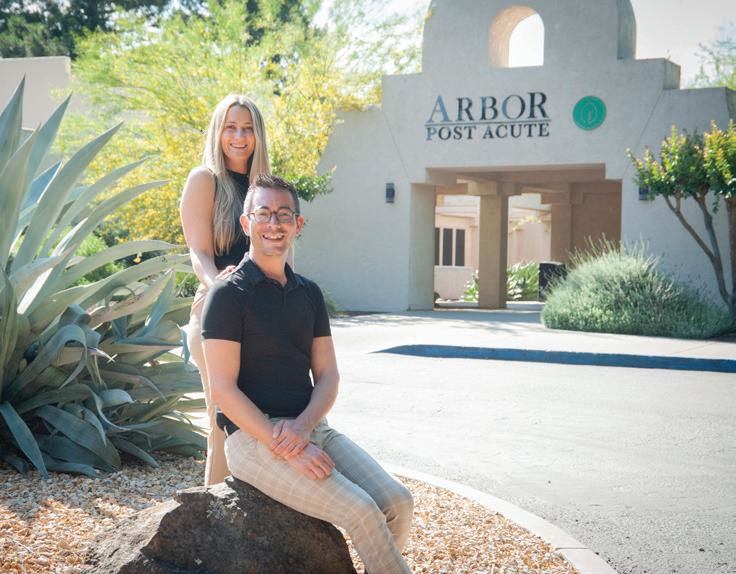
Recovery can be one of life’s most vulnerable seasons, but at Arbor Post Acute in Chico, it’s also an opportunity for hope, healing, and human connection. Far from the cold, clinical image many people associate with skilled nursing facilities, Arbor has created a modern, hospitality-driven environment where compassionate care, teamwork, and exceptional rehabilitation come together to help patients regain their strength, confidence, and independence to get back home safely without losing touch with the outside comforts of everyday life.
“I believe that most people don’t plan on visiting a skilled nursing facility,” says Business Development Director Michael Lunsford. “But when they do need it, our team—Team Arbor—has dedicated itself to providing a patient-centered experience with a modern environment that helps make the experience as positive as it can be.”
BY
Located on Springfield Drive, Arbor Post Acute serves up to 144 patients and is supported by a large staff of more than 300 employees, including nurses, therapists, dietary staff, hospitality teams, social services, housekeeping, activities personnel, billing administration, and case managers. Together, they work collaboratively to provide individualized, rehabilitative care that extends beyond simply treating a condition.
“Our goal hasn’t changed,” Administrator Jessica Johnson explains. “Give great nursing care and provide exceptional therapy. But the method and the pathway have evolved to meet the standards of this time.”
That evolution is visible the moment patients walk through the doors. The facility is light, bright, and welcoming, intentionally designed to feel connected rather than clinical, blending top-notch amenities with an atmosphere of warmth, comfort, and encouragement. From the very first greeting, patients and families are welcomed by name, creating a culture rooted in dignity, compassion, and genuine human connection.
For Lunsford and Johnson, who collectively bring 34 years of healthcare experience to Arbor, culture matters just as much as clinical excellence. Their team focuses heavily on short-term rehabilitation designed to help patients heal and successfully transition back into real life. In addition to accepting and working with many types of health insurance plans, teams collaborate to create a fully integrated recovery plan tailored to each patient’s needs.
Arbor Post Acute offers 24/7 skilled nursing care, two comprehensive rehab gyms, complex wound care services, hospice support, and personalized rehabilitation programs focused on restoring independence as quickly and safely as possible.
Beyond patient care, Team Arbor remains deeply connected to the Chico community through educational panels, community events, and outreach efforts designed to help families understand their healthcare options before they ever need them. They strongly encourage you to tour their facility so you can decide on a plan of action should the need arise, rather than making a split-second, uninformed decision.
“We’re redefining what people expect from a skilled nursing and rehabilitation stay,” says Michael Lunsford. “The culture change for our team has been about combining strong clinical care with genuine hospitality and compassionate service.”
To learn more about Arbor Post Acute, connect with their team, or stay updated on community events and services, visit their website www.arborpa.com or follow them on Facebook at Arbor Post Acute.
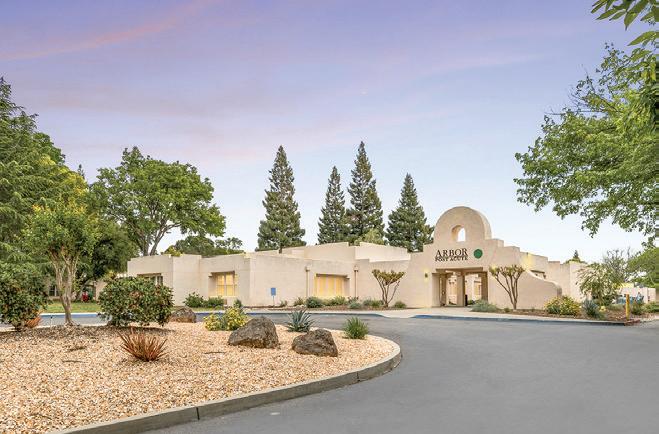

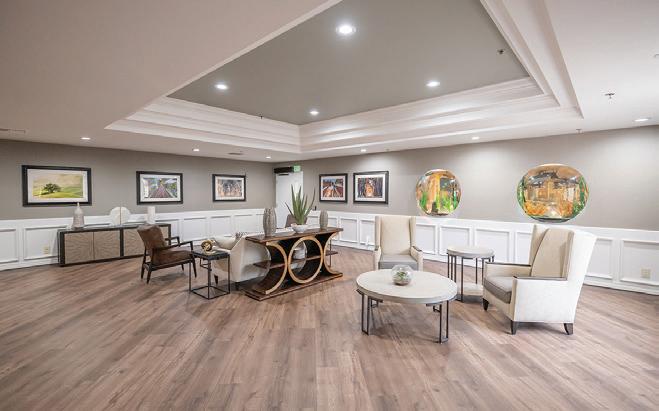
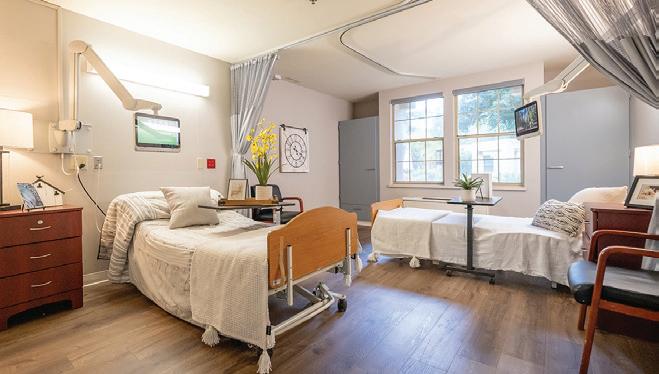

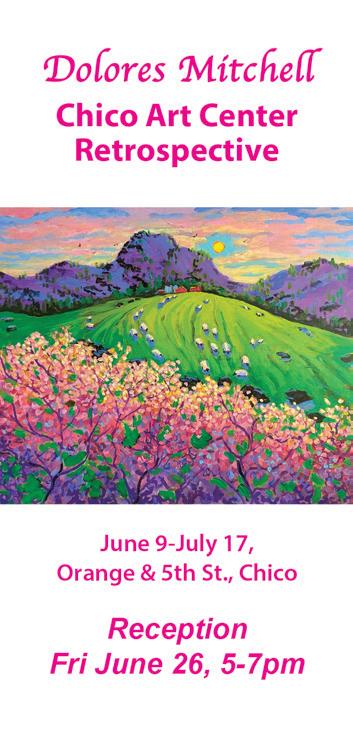
Butte County has an inordinately high number of animals in need of adoption due to a number of factors including wildfires, floods, and irresponsible breeding. Please consider adoption as an option for increasing the love in your own household. These soon-to-be pets can be adopted by calling the Chico Animal Shelter at (530) 894-5630. You can also visit their website at www.chicoanimalshelter.org






Gardening rarely feels like a prescription, but research continues to show it might be one of the most accessible ways to improve overall health—physically, mentally, and even socially.
At its most basic level, gardening gets people moving. Digging, planting, and weeding all count as moderate physical activity, helping improve strength, flexibility, and endurance without the rigidity of a traditional workout. A study published in the Journal of Physical Activity and Health found that gardeners tend to have lower body mass index (BMI) and higher levels of physical activity than non-gardeners, particularly as they age. Over time, these small, consistent movements can support heart health and improve mobility in ways that feel both natural and sustainable.
But the benefits go far beyond movement. Spending time outdoors, especially in green spaces, has been linked to reduced stress, improved mood, and better cognitive function. A widely cited study from the University of Exeter found that people who spent at least two hours a week in nature reported significantly better health and psychological wellbeing than those who did not. Gardening offers a built-in, purposeful way to reach
that threshold while fostering a sense of calm and presence that’s often hard to find in everyday life.
There’s also growing evidence that interacting with soil itself may play a role in mental health. Certain microbes found in soil, including Mycobacterium vaccae, have been shown in research published by Sage Journals to stimulate serotonin production, potentially helping to reduce anxiety and elevate mood. It’s a small but fascinating reminder that gardening engages more than just muscles—it taps into biology in subtle, beneficial ways.
And then there’s the food. Home gardening often leads to increased consumption of fresh fruits and vegetables, supporting better nutrition and long-term health outcomes. When you grow it yourself, you’re far more likely to eat it, share it, and build habits around healthier choices.
In the end, gardening isn’t about perfection or productivity—it’s about connection. To the outdoors, to what we eat, and to a slower, more intentional rhythm. And as it turns out, that connection may be one of the healthiest habits we can cultivate.


Oroville Hospital is open and fully operational.
Our commitment to providing exceptional care for you and your family remains our highest priority. Appointments are being seen. Surgeries are being performed. Babies are being delivered. Lives are being cared for — just as they always have been.
Our medical staff continues to represent some of the most experienced and respected clinicians in the region. Thank you for your continued trust.