VOLUME XVI, issUE 3

VOLUME XVI, issUE 3


SLUONG, SNEHA MADAN & PIXABAY • ILLUSTRATIONS
BY KARA LUAYON

omewhere in between crying over 1-pt-too-small fonts on designs while editing, watching my upperclassmen enact cannibalistic improvs during convention team building and consuming all five main food groups within the three hours of a single production night (a Subway sandwich, bites of three different Crumbl cookies, a banana, pizza, french fries and Cold Stone ice cream), I fell in love with Aquila. And somewhere in the craziness yet pure passion of entrusting fellow teens with the power of the newsroom, I found myself.
For all my years of high school, Aquila has instigated, guided me through and shielded me from my absolute lowest of lows and highest of highs. Through the rare opportunity to speak my voice and receive criticism in the form of thousands of edits on my work, meek freshman me was taught how to flourish and lead in an environment where comfort was challenged.

Since Aquila has made it a habit to question and pursue change, I’m ecstatic to continue doing so next year at USC studying Philosophy, Politics and Law as well as Astronautical engineering. But of course, I can’t move forward without remembering everyone who got me here.
Sneha, you are my rock. Dictionaries in every language of the world can’t describe the pure force you are. Your infinite patience, the safe space our conversations have been and your untameable sense of responsibility have made my year as co-EIC with you as peaceful and sane as can be—and that’s incredible considering the tediously time-consuming work we do. What a mighty time we’ve had and what a legacy we’ve built. Only imagination can portray how much I will cherish these precious four years we’ve had growing together.
And I suppose there’s Lena. Just kidding! It’s been an honor having you as a friend, both in and out of the newsroom, ever since the seventh grade when we barely knew each other’s faces under our masks. Thank you for unquestioningly and earnestly taking on any task we give you; sanity-preservation is obviously a great asset of yours.
Speaking of blasts from the past, I can’t talk about EIC-ing without talking about the inspiration of my life. Angel, you are
a shining star. Your unconditional support, heartwarming smiles and gorgeous soul remind me everyday to be the best version of myself possible. I will look up to you always. And to April, Haylie, Chloe, Kyla and Shayna, I would not be here today without your constant belief that I could achieve anything I wanted if I stepped out of my comfort zone, even as a baby reporter. To all my past returners, from our shared memories of rowdy feedback frenzies and hysterical headline-brainstorming, I carry a piece of you guys everywhere I go.
Ms. Beary, what a year it’s been. Thank you for your endless time and patience—especially since Sneha and I basically live in Howard with you 24/7—and thank you for always going above and beyond to have our back. I hope your classroom can continue to be a haven of comfort for student voices (the way it has been for me) and a beacon of change for our readers long after I’m gone.
Ms. Gong-Guy, you are a rockstar. As Aquila’s advisor for my first two years, you set the tone for the kind of safe, discussionist community I could be a part of and taught me that creative possibilities are truly limitless. You worked magic with us, Ms. GongGuy, and I will forever treasure the rainbow of doors you opened for me.


I wouldn’t feel at peace walking away from Aquila without knowing that it’s in capable hands. CeCe, Juliann and Nitya, you guys have truly shined as leaders in the newsroom this year, and I wholeheartedly, blood-vowingly, full 1000% blast, trust that you guys will continue to build, protect and elevate the passion and community of Aquila that your past leaders have long cultivated. We pass the torch to you.
To our readers, thank you for sticking with us all these years as you unknowingly watched us grow through our content. I hope you will continue to tune into Aquila’s works, and maybe consider joining in on the magic too.
How do you say goodbye to something that’s been there for what feels like your entire life? I’m not so sure. But I do know, formally at least, that I have to sign off of Aquila, so I suppose that’s what this is. Signing off, I present to our dearest readers, the last newsmagazine of the year and my final one with Aquila: Volume XVI, Issue 3.







Four years, twelve newsmagazines, five conventions, one family and hundreds of memories later, I’ve reached the end of the most unexpected yet fulfilling sidequest of my high school experience: being a part of Aquila. Despite being wildly unrelated to my career aspirations, I wouldn’t change being one of Aquila’s Editors-in-Chief for the world.
Looking back, Aquila hasn’t been just something that’s filled a large part of my schedule or my to-do list, it has helped shape who I am today. It’s taught me how to speak up and have difficult conversations, to listen and be curious about even the smallest stories around me and to turn even the most stressful moments into rewarding experiences. Over the last four years, I’ve grown into someone more confident in my ability to foster meaningful change, not just at our school, but across the nation. As I leave Aquila and start my journey at UC Santa Barbara in the fall, majoring in Psychology and Brain Sciences, I know I will always carry the skills and lessons leading a team of incredible journalists for the last two years has given me.
Though there is a long list of people who have made this chapter of my life one beyond my wildest dreams, there are a few extraordinary people I want to thank for standing by my side.
First and foremost, I wouldn’t have made it through my senior year journalism journey without my wonderful co-EIC, Olive. There will never be enough words to describe the beautiful and hardworking soul you are. Every editing session over boba, every text chain of stickers to represent our occasional crashouts and every long shared list of to-do tasks have made this year unforgettable. I’m beyond proud of all you’ve accomplished this year and I’m so grateful to know you in and out of the newsroom. Thank you for being my safe space. I will miss you so much.
decision and convention presentation, truly making history in Aquila last year (with one collective functioning brain, of course). There is no one else I’d rather have gone through this insane rollercoaster ride with.
I would also like to thank Ms. Beary, who I’ve been honored to work with for the last two years in journalism as we both grew into our roles together. Thank you for pushing me to be the strongest role model possible for our newsroom and thank you for always giving me the space to learn, make mistakes and discover my full potential. Though the end of my role as an EIC is here, I can’t wait to see where your journey as an advisor takes you in the future.

This year’s successes, however, would not have been possible without our amazing right-hand woman, Lena. Thank you for blessing us with your beautiful color-coding skills (the rainbow peer-edit chart was immaculate) and for being our third set of eyes when Olive and I needed new insights on articles after reading a particular one too many times. You’ve been such a significant part of my Aquila family and I’m honored to graduate alongside you. I love you so much.
But of course, my EIC journey would never have started if it wasn’t for my former co-EIC and my best friend, Angel. I’m forever grateful that this class brought us together as first-year students in journalism and I will never forget the exact moment at the beginning of my sophomore year when we made it our mission to become EICs the following year. Thank you for always knowing exactly what’s going through my mind (even when I don’t), encouraging me to be the best version of myself and continuing to be my biggest cheerleader this year— even as Find My Friends (and college) have seemingly tried to split us up. We stood side by side through every tough leadership


And to the person who’s believed in me since the beginning of my Aquila adventures, Ms. Gong-Guy. Thank you for helping me discover my love and passion for journalism; I never would have envisioned even applying for this role if it wasn’t for your unwavering support and belief in me. Though you haven’t been a part of our newsroom the last two years, you have continued to be a pivotal part of my journalism and EIC journey. Thank you from the bottom of my heart.
Last, but definitely not least, I want to thank Mr. Porter for being Aquila’s biggest supporter. Your guidance as we developed a policy to ensure our journalistic rights and your excitement to read every newsmagazine have all been deeply appreciated. I will miss our hallway yap sessions, and I hope you enjoy your last signed newsmagazine from me.


I have no doubt that Aquila will continue to flourish under the leadership of CeCe, Juliann and Nitya next year. Thank you for being a part of my Aquila family and I’m fully, wholeheartedly confident that you will build your own beautiful journalism family as you all take on these new roles. To my wonderful editorial board and reporters, I cannot wait to see all you accomplish going forward.
And finally, I sign off, leaving this class with nothing less than a heart full of gratitude. Thank you to all of our dedicated readers and to all of you who’ve joined and journeyed on this sidequest with me for the last four years. It’s a privilege to be able to care so deeply about something.

Without further ado, enjoy our last issue of the year, and my final magazine with Aquila, Volume XVI, Issue 3.





Aquila is a student-produced, student-edited high school newsmagazine. It serves as a designated public forum for student expression. We aim to reflect the diversity of our community and build unity through true and accurate reporting, in hopes that each of our readers will find an article they can connect with.



Broadcast @upa_aquila upaaquila.org

Have a story to share?
Scan the QR Code to submit your suggestions or email us at aquila@upatoday.com.


Podcast upaaquila
The front cover features Fruit Loops falling out of the cereal box, representing a highly favored cereal by many. It was shot and designed by Miles Hines.
Editors-in-Chief Olive Luong & Sneha Madan
Managing Editor Lena Nguyen
Managing Editor Shadow Nitya Swaroop
Web Manager Nirmith Indukuri
Web Manager Shadow Alex Batrez
Co-Multimedia Manager Miles Hines
Co-Multimedia Manager Samira Madden
PR Manager Kara Luayon
PR Manager Shadow Sophia Shaheen
Copy Editor Lead CeCe Le Messurier
Copy Editor Railynn Pearl Anicete
Copy Editor Nikhil Pandey
Copy Editor Advika Singaravelan
Team Editor Lead Nadia Hamilton
Team Editor Haania Anwar
Team Editor Aria Kamdar
Team Editor Addison Nguyen
Team Editor Aashvi Panda
Design Editor Juliann Jaison
Design Editor Anh Thu Emma Vo
Reporter Sofia Alcaraz
Reporter Shaan Benjamin
Reporter Abigail Carpenter
Reporter Liyana Fekade
Reporter Ranveer Singh
Reporter Jayden Tran
Reporter Terry Tran
Reporter Johannes Tsoi
Reporter Victor Valoha
Adviser Kathryn Beary







LiVE tO 100



has disnEy “LEt it gO”?


ARTICLE BY SHAAN BENJAMIN • ILLUSTRATIONS & DESIGN BY NITYA SWAROOP
Over the past seven seasons for the San Francisco 49ers football team, injuries have extensively derailed playoff hopes.
According to Football Outsiders, the 49ers ranked first in the NFL Adjusted
emerged from fans, rooted in growing concerns about the environmental conditions around Levi’s Stadium. Approximately 0.6 miles away from Levi’s Stadium is an electrical substation that supports a popular theory that electromagnetic fields (EMFs) injury reserve during the 2025 season, with 45 running backs on, 17 quarterbacks and 71 wide receivers on the injury reserve. The 49ers also run a rotation of multiple ball carriers within a single game, leading to frequent inside runs, repeated tackles,


BY SOPHIA SHAHEEN & JAYDEN TRAN • PHOTOS COURTESY OF CANVA & PINTEREST • DESIGN BY JULIANN JAISON
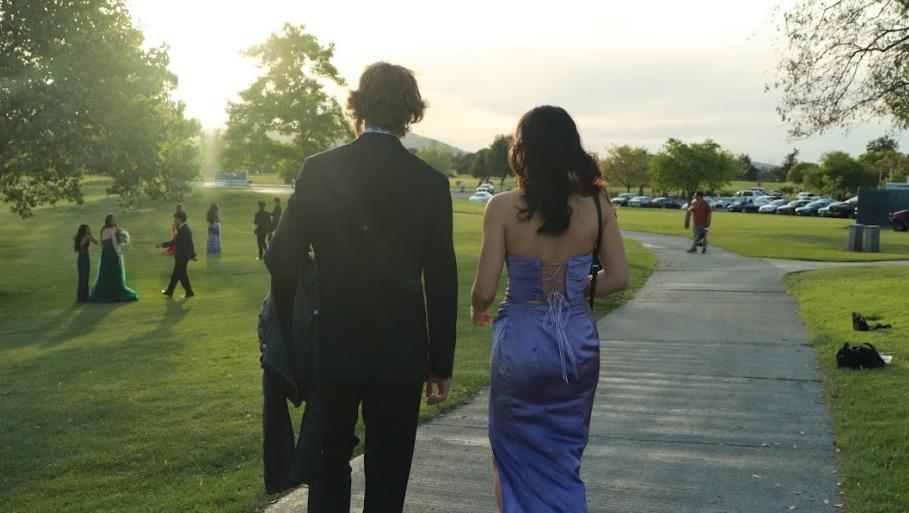
On April 18th, UPA held its annual junior-senior prom, which took place at the Coyote Creek Golf Club in Morgan Hill from 6 p.m. to 10 p.m.. Initially pitched by the Senior Prom Committee and later voted on by the senior class, the theme this year was “Glamour Under the Mask”—a masquerade theme with a color scheme of dark red, silver, black and gold. Prom Committee Lead and Senior Seminar Advisor Ariana Rodriguez enjoys seeing the event come together every year.





“It’s the culmination of all the hard work [of] the students, me and the supporting senior advisors, we get to see the ideas come alive” Rodriguez said.




When students first arrived at the golf club, many took pictures with their friends and dates around the venue. Appetizers and drinks were laid out
throughout the evening, and around 7 p.m. students were provided with dinner and desserts. Food was served in a buffet style, offering caesar salad, seasonal roasted vegetables, rice pilaf, fettuccine alfredo with broccoli and chicken piccata. Beverages were self-serve, and options included lemonade, water and iced tea. The dessert tables contained brownies, lemon squares and mini éclairs as well as small cheesecakes in the flavors of chocolate, strawberry and vanilla. The venue was filled with tables for attendees to sit and eat at, covered in navy blue tablecloths with white chairs and centerpieces of red roses, masquerade masks and gold and red candles. After finishing their meals, many students utilized the photo booth, where various props, hats and glasses were available. The photobooth was a highlight of the event for many students, such as junior Sanvritti Sashidhar
“The photo booth [was my favorite part because] it was fun to take pictures with my friends,” Sashidhar said.

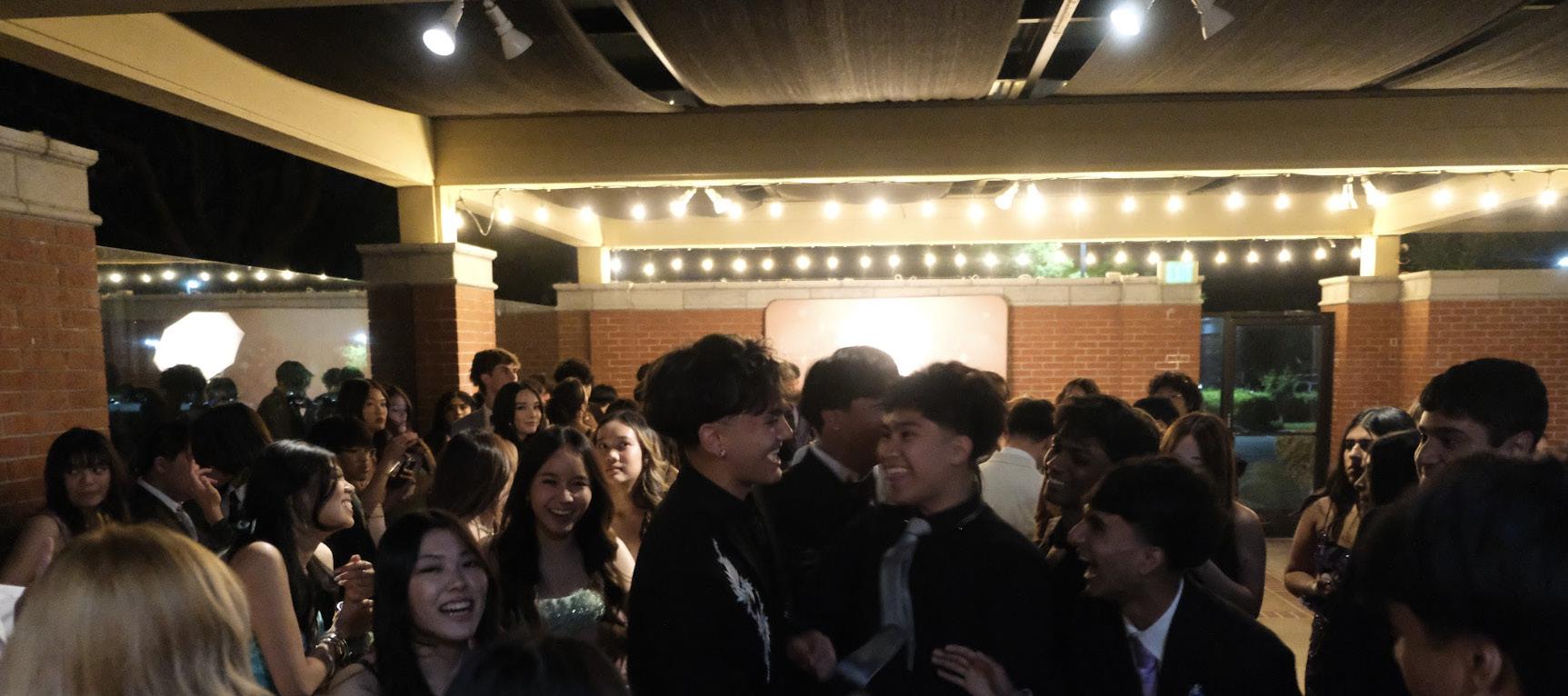
In addition to photos, there was a dance floor for attendees with a DJ who played various types of music, ranging from pop to rap to R&B—including nostalgic songs like “Give Me Everything” and “Beauty and a Beat” throughout the night. At 9 p.m., the many students were on the dance floor, jumping up and down and forming dance circles with friends.





According to junior Iris Vong, student reception of the event was overall positive.
“Everyone came in a really good mood. No one was salty…it was really fun to vibe,” Vong said.
Rodriguez’s goal when setting up prom was to make an enjoyable night for students.

“All that matters is that you’re going to look back on this night and remember all the good things,” Rodriguez said.





















ARTICLE BY DRAVIN KRISHNAPRASAD





From leprechauns to talking tigers: UPA students’ thoughts on what makes a good cereal




is the overall shape, taste and the sor of Experimental Psychology, Charles er healthiness, 23% of survey respondents











an article based on cereal mascots by CBS News, kids are usually more inclined to like a cereal when a mascot was on its
“Usually [cereal brands] make their box colorful and bright, which I feel makes it more eye-catching,” Sunil said. “This makes parents spend more money on buy ing cereal as their child’s demands never
The cost of cereal also influences wheth er a cereal is liked or not. According to an article by FoodEngineering, rising prices in breakfast cereals cause change in demand. If the price of a well-liked cereal goes up, the demand for that cereal would go down. Cereals brands generally attempt to bal ance economic-friendliness and quality in their products. Honey Nut Cheerios costs about 20¢ per ounce while Honey Smacks, similar to Honey Nut Cheerios, costs about 23¢ per ounce. Both cereals are relatively cheap, but Honey Nut Cheeri os are ranked as the number one selling cereal while Honey Smacks is not near the top ten, according to an article from Cereal Secrets.
With all these factors in mind, ac cording to the survey, first place for the most loved cereal goes to Cinnamon Toast Crunch with 35% of the votes. Sec ond place goes to Lucky Charms with 27.5% popularity. Finally, third is a tie between Cocoa Puffs and Cocoa Peb bles with 22.5% of the votes. Cinna mon Toast Crunch won with reasons ranging from the taste to its crunchy texture. The most hated cereal, however, was Raisin Bran with 40% of the votes, followed by plain Cheerios with 22.5% and Froot Loops with 16.25% of the
























ARTICLE BY NIRMITH INDUKURI • ILLUSTRATIONS & DESIGN BY ANH THU EMMA VO
OOne of the first things most people do in the morning is reach for their phones and start scrolling, whether on Instagram, Messages, YouTube or other apps. However, what most people never think about is that every swipe, notification and video recommendation is the result of millions of lines of code running in the background.
Programming languages are tools that developers use to communicate instructions to computers. Popular coding languages including Java, Python and C++ are used to build many of the technologies that are relied on daily, such as social media platforms, video games, streaming services and mobile apps. While each language works differently, software engineers largely agree that they all share one purpose: making the apps and experiences of daily life possible.
Each programming language is designed with specific purposes in mind. According to a blog from Medium, Java prioritizes portability across various devices, Python values readability and simplicity and C++ focuses on direct control and speed over hardware. The differences between these three languages explain why developers choose one over another.
Java, one of the most widely used programming languages, is built around object-oriented programming (OOP). According to CodeMechSolutions, this style of programming divides programs into different reusable pieces, allowing large scale software to be built and maintained easier. Java is also known for its capability to run on almost all devices and operating systems due to the Java Virtual Machine (JVM). The JVM serves as a translator between Java code and the device that is running it, so the same program from a Windows laptop can work on an Apple or Android device without needing any changes.
In a LinkedIn post, Alexandre Zajac, a software development engineer and AI specialist at Amazon, noted this function to be Java’s main strength.
“Java’s ‘Write Once, Run Anywhere’ principle allows developers to create pro-
grams that run on many different operating systems without rewriting the code,” Zajac said.
This cross platform feature is what makes Java vital. From bank transactions to online shopping checkouts to school registration systems, Java handles millions of users at once without the system slowing down or crashing.
Python, another widely used programming language, is known for its neatness. Unlike Java or C++, Python is designed to be read almost like plain English, due to its clean formatting that removes any complexity and confusion. According to JetBrains, both beginners and developers choose it for projects when writing straightforward code matters more than raw speed.
“Python is very beginner-friendly and is often chosen as the first programming language taught in universities and coding bootcamps thanks to its simple syntax and gentle learning curve,” Quoc Viet Ha, a software engineer who specializes in AI, said.
Due to its simplicity, Python is one of the most prevalent coding languages in fields such as machine learning, artificial intelligence, data analysis and automation. ArXiv revealed that almost 70% to 80% of AI systems including ChatGPT and Gemini are written using Python.
Unlike Python, C++ is built for speed, precision and direct control over a computer’s hardware. Taken on by a completely different approach, C++ allows developers to control how much memory or processing power a computer uses, meaning programs that are built in C++ can handle more intense tasks and run faster than most languages.
“C++ gives developers access to low-level hardware control while still supporting high-level programming, making it one of the most powerful languages in software development,” Adobe computer scientist Lakshay Kumar said.
C++ is used in systems where per-
formance is critical. Every time someone types on a keyboard or moves their mouse, C++ is running the software that makes those inputs register instantly. Both operating systems iOS and Android are also built on C++. Actions like unlocking a phone display C++ at work. Modern cars also rely on C++, powering everything from navigation systems to safety features. Beyond these applications, Java and Python rely on code written in C++ to function, making C++ the hidden foundation for most of the technology used by people every day.
Most people will never see the code running behind their favorite apps, but programming languages are present in almost every part of daily life. Together, these three languages are the reason the technology that peo- ple rely on every day works the way it does, whether they realize it or not.




UPA students reflect on what experiences everyone should have before college.

ARTICLE BY SOPHIA SHAHEEN • PHOTOS COURTESY OF THE CLASS OF 2026 • ILLUSTRATIONS
Seniors Marley




Seniors Beza Mitachew and Hanane Yimer (left to right) in front of the senior banner at the Hoco rally.
“[Attend] rallies and dances…these events shape our community.” - Jasmine Hamoud (9)

Swann-Tarrant and LJ Cerrato (left to right) take a picture at Senior Sunrise.

s time continues to pass faster and faster, high school students’ childhoods slowly come to an end. Before the next chapter in their life, UPA students shared what experiences they believe everyone should have before leaving for
“Learn about other people’s culture, especially if your friends are different from you. It’s nice to be able to connect and learn about the differences between you and your friends.” - Ben Bernardino (11)
“Find a good group of friends...you can be who you are, truly and authentically around them.” - Maya Hines (12)
“Learn how to respond versus react to certain things, rather than letting your emotions take over you.” - Charlie Dizon (10)
“Do as many extracurriculars as you can.” - Venkat Krishnan (9)
“Picnics…it’s essential for highschoolers so they can live their last days [in their youth] being outside with their friends, being young, wild and free.”
- Galai Ceesay (11)
“Get your license as soon as possible and then go on trips with your friends as much as possible. You only have four years, so make the most of your time.” - Lorenzo Almario (12)
“Have a big party…you’ll make memories that you won’t forget.”
- Christopher Ninh (11)
“Go to all the events, like games and club functions…it’s better with your friends.” - Soham Bhatia (12)
“Have at least one experience that shows [you] independence. The first time I did something all by myself…it showed me how I am as a person and how I want to be when I go to college.” - Annica Seril (11)
“You should go to at least one concert, they’re really fun. It’s a unique experience too. You get to see your [favorite] artists perform live.”
- Jaydan Haddad (12)


“Have experience in community service; it helps put things in perspective and gives more general experience on the way other people live their life.” - Yasmeen Sultan (11)
“You should have a friend breakup…if you don’t experience it in high school, you’ll experience it in college and it’s gonna hit you way worse.”
- Lynette Tran (12)
“Have some type of real life work experience. It doesn’t have to be paid work…just some sort of experience where [you] are getting responsibility, and having deadlines.” - Axel Lehtinen (11)
“Get a job…do things on your own.” - Mika Chen (12)
“Hang out with your friends outside of school as much as you can. That’s where you make the best memories.” Neha Jral (11)
“Say yes to every hangout and social event you can go to because it’s important to have more social experiences before you graduate.” - Carmella Weber (11)
“Join whatever clubs you’re interested in…bond with new people.” - Dennis Nguyen (12)
“Do sports…it sets you apart from people.” - Shelby Byrd (11)







Seniors Avanthiga Vijay,





ARTICLE, ILLUSTRATIONS & DESIGN BY HAANIA ANWAR • PHOTOS COURTESY OF CANVA PEXELS, UNSPLASH, NBC NEWS, NHL & MIKE HAMTON ART
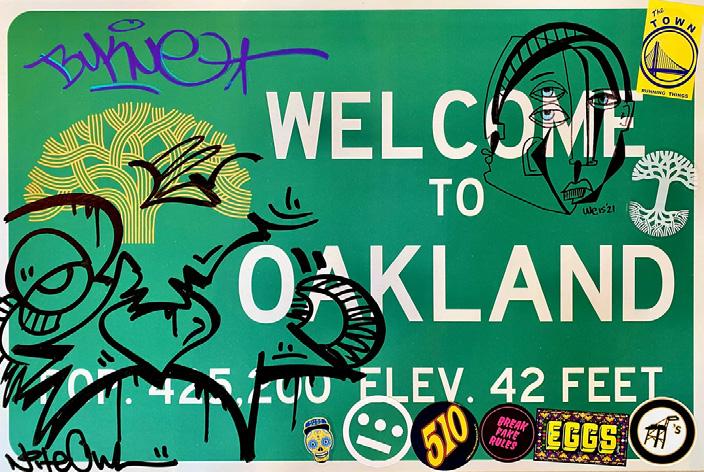
I’ve lived in the Bay Area all my life. Through my time, I’ve realized that it is more than a place on a map—it’s a mindset, movement and mosaic of identities shaped by innovation, diversity and social consciousness. People come not only to dream big, but to build boldly, crafting new futures while preserving deep cultural roots.
According to a KQED report, Hayward, San José, Richmond, Santa Clara and Stockton are among the top 10 cities with the most ethno-racial and linguistic diversity in the United States. Due to its job abundance, weather and more, a variety of immigrants and people of color have arrived to settle in the Bay.
Senior Lindsey Nguyen perceives deep rooted diversity around her and believes that there is something for everyone here.
“California is pretty diverse, but in other states there aren’t as many minorities in one area,” Nguyen said. “It’s kind of like a culture shock [to outsiders], but [in the
Bay Area] you can always find a group of people you can see yourself in.”
Diversity isn’t a tagline in the Bay Area, it’s the heartbeat. History teacher Pablo Lopez, who has also been raised in the Bay Area, agrees with this idea.
“The Bay Area is one of the most diverse areas on planet Earth, even just for the people who live here,” Lopez said. “[Everyone] just embraces different cultures, so it’s a melting pot now.”
That sense of cultural layering becomes even clearer when observing the Bay Area’s neighborhoods. The fusion of intercultural harmony shows up in food, music, fashion, technology and activism.
“You’re exposed to different people and especially with TikTok, people are always sharing their experiences and their culture,” Nguyen said. “It helps encourage people to participate in that [diversity].”
This sharing of diversity has also allowed others to gain insight on various issues around the world. For years, the Bay Area has been a hub for activism. From the Black Panther Party to the farmworkers’ rights movement, this legacy of social justice continues today. In the Bay, diversity is both a strength and a shared responsibility, reminding everyone that identity is richer when it’s woven together.
The variation extends beyond culture and into spirituality as well. Walk a few blocks and you might pass a Christian church, an Islamic mosque, a Sikh gurdwara or a Buddhist temple. Each of these places offer not only worship, but community support, festivals,
classes and gatherings that help maintain cultural identity.
“It was Lunar New Year week, and it was one of the busiest [weeks] I’ve ever seen Chinatown,” Lopez said. “It’s not only Chinese people there. It’s everyone coming out to celebrate and become a part of that.”
Also contributing to the diversity of the Bay Area are our fashion, slang and famous places. Bay Area fashion trends can be characterized by a few main aspects: minimalism, comfort and style. In my opinion, one of the main fashion trends is the use of athleisure clothing paired with more professional outfits, forming a unique blend of business casual fashion. Styles outside of the professional world worn in the Bay Area include baggy jeans, hoodies with shorts in cold weather and much more. The rest of the world sees this as something distinctive to this region, which I’ve also seen my entire life. These clothing trends have become widely displayed on social media, helping to make the area known to other regions across the world.


On social media, the Bay Area has also been known for having a unique speaking style, otherwise known as the “California accent”. Believe it or not, slang words like “hella”, “slaps”, “function”, “smackin”, “yee” and “tryna” have specifically been popularized by Bay Area hip-hop heroes. Oftentimes because of this influence, people from the Bay Area blend their words together and add “-na” to the end of every word. Similarly, the California “Valley Girl accent” has also become popularized, known for its distinctive uptalk, where the speaker raises their intonation at the end of sentences and makes statements sound like questions.
“Everybody says ‘hella’ now, but it originated here,” Lopez said. “And I got the greatest compliment the other day, because somebody was like, ‘Oh where are you from?’ and I

was like, ‘I’m from San José,’ and he said he could tell.”
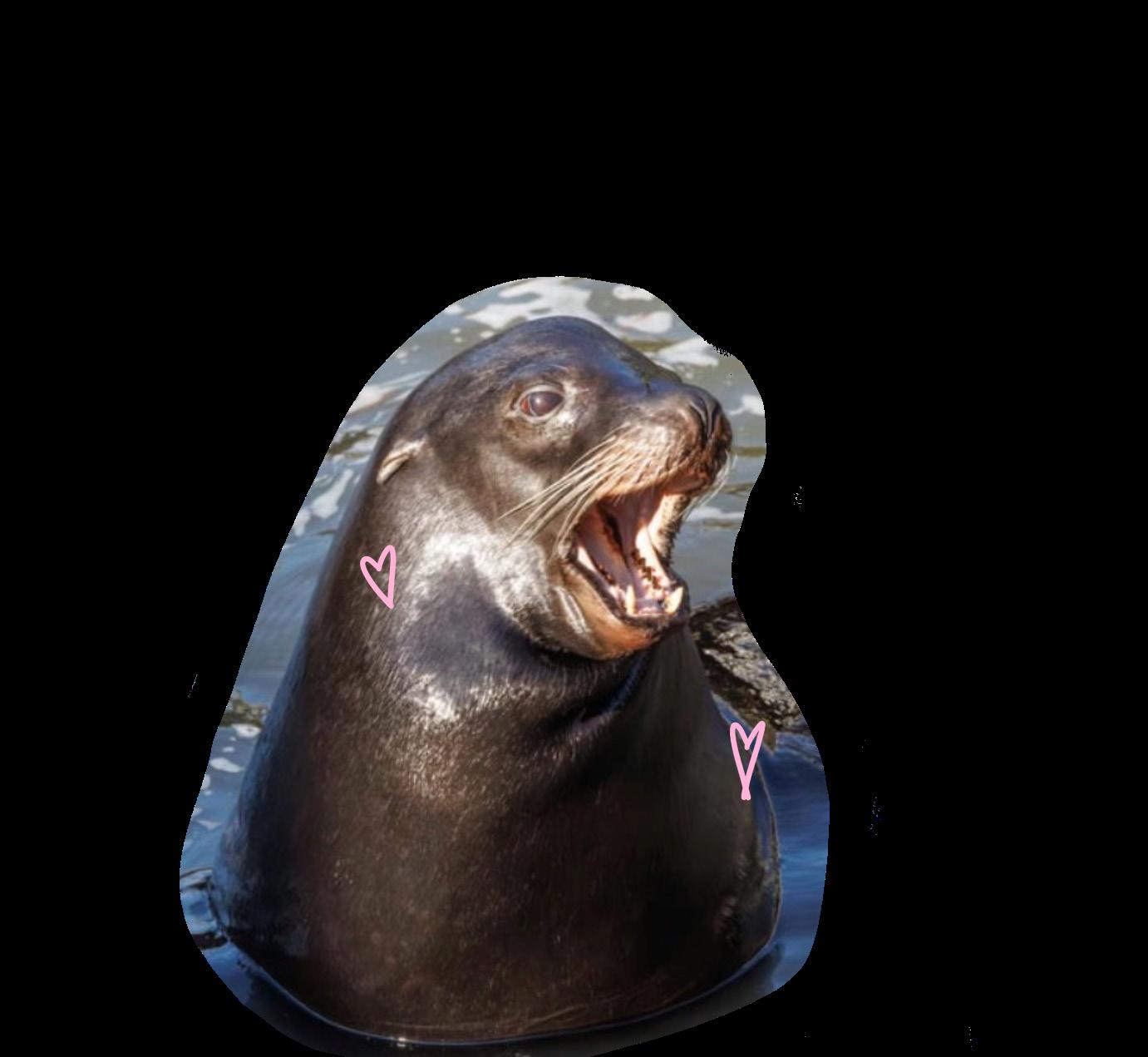
Just like how the, originally, “Bay Area slang” has spread through social media, many iconic locations in the Bay Area have gained attention from non-locals. Landmarks reflecting culture, diversity and history like San Francisco’s Pier 39 attract both locals and tourists with waterfront views, street performers and famous sea lions. The city is also known for its historic cable cars, colorful neighborhoods and influence on music, art and activism, all of which have helped shape the identity of the Bay Area over time.
Coastal areas like Pacifica provide a more relaxed environment, known for scenic beaches, cliffs and ocean views. Many people visit Pacifica to surf, hike or simply enjoy the natural beauty away from the busier cities.
The Bay Area’s variety extends beyond the calm coastal towns and busy urban cities to the Bay’s workforce. Regions like Silicon Valley are home to both long standing working-class families and booming tech excess, creating a landscape of economic contrasts that shape conversations around housing, equity and belonging. Within Bay Area communities, you can see tech and artificial intelligence (AI) integrated into daily life everywhere. There are Waymos (self-driving cars), robot pets, AI coffee machines and chatbots within the workforce and so much more.
With major tech companies like Apple, Google, Deloitte, Meta and Nvidia populating the area, the pressure to succeed is held to high value. According to the San Francisco Chronicle, Bay Area “work culture” is characterized by its fast-paced competitive nature. Unlike other cities where the requirement is strictly a nine-to-five job, the Bay Area re- quires long hours and a strong
work ethic. I’ve perceived that compared to other cities, the region’s foundation of work culture is heavily built upon networking and building relationships.
However, the work culture isn’t only shaped by the influence of tech. Lopez believes that you can see the same vigorous work ethic in other fields as well.

“Here, [the work ethic] comes with whatever walk of life you come from,” Lopez said.
“Whether it’s the person selling hot dogs on the street for all the drunk people in downtown who don’t even speak English, the food vendors, the people who run restaurants, the musicians, they are all some of the hardest workers, putting time into their craft.”

According to a study from CoworkingCafe, Sunnyvale, San Francisco and San José fall into the top 20 hardest working cities in America. These statistics just add to the idea of how challenging it can be to manage your time well while living within the region. But, one of the biggest factors for those in the Bay Area working so tirelessly is because the cost of living is simply much higher compared to other regions.
The San Francisco Standard reports that San José is the second most expensive city in the U.S., and San Francisco is the sixth. To live comfortably in San José—meaning being able to afford housing, food, transportation, healthcare, and other everyday necessities without financial





straina single adult would need to have an annual income of $150,000 per year, and for an average family of four, the price would increase to at least $400,000-$500,000 per year.

For Lopez, as much as he would love to live in the Bay Area and will try to for as long as he possibly can, the inflation and high cost of living costs are making it difficult for not only him,





but also many others around him to stay long-term. The Bay Area remains a place of unmatched opportunity and innovation, but its future will depend on whether it can create a more sustainable and inclusive environment for the people who call it home.
Just like the adults in the Bay Area, the younger generation often gains that trait of working intensely hard, too. From Fremont to Cupertino, the “Bay Area’s Highschool Pressure Cooker” is probably what the region is best known for.
In American movies, high school is often depicted as a time for football games with cheerleaders, friends, romance and a whole lot of attitude. However, in environments promoting college and career-oriented education, I find that students feel impeding pressure to excel at school, closing the doors of fun and opening the doors of SAT practice sites, laboratories and tutoring centers.
“When you’re in Silicon Valley, which is really tech-based, we really value our academics,” Nguyen said. “Compared to other regions, it’s a lot more competitive and I know a lot of horror stories [of Bay Area schools].”
I’ve seen classmates sacrifice sleep, social lives and their mental health just to keep up with the intense academic expectations that seem almost unavoidable in this region. And although this can help students achieve great successes and increase their involvement in extracurriculars and leadership, students often feel burnt out and seem to lose all motivation because of the environment around them. At what point, is the line between being human and merely a workaholic?

Area. Personally, I’ve also felt this intense pressure to constantly succeed, whether through grades, extracurriculars or planning for the future. At times, it felt like slowing down or making mistakes wasn’t an option because everyone around me seemed to be achieving so much. This kind of environment can make it easy to tie selfworth to accomplishments, which can be overwhelming and exhausting.
“[Bay Area schools] can definitely be toxic because you have a bunch of kids competing to get into these good schools and doing all these crazy things,” Nguyen said.
It is important to note that between all the chaos and stress, there are resources around you to help. The majority of schools have counselors and mental health support centers. You don’t have to force yourself to do everything, even if at times it seems impossible to take yourself out of the loophole. Why add more pressure to yourself when you could use that same energy to do something you truly love and are passionate about? Oftentimes, that sets you apart and leads you to greater successes.
I also do believe though, that the wide range of mental health services and programs can only go so far. To truly address the issue, we must look at its root: a culture defined by expectations so extreme that perfection is no longer an aspiration; it is the baseline.
According to Teens of The Bay Area, mental health diagnoses among youth here include 26% with depression, 25% with anxiety disorders and 26% with trauma and stress-related conditions.
In fact, according to Archbishop Mitty High School’s student news, “The Monarch”, the frequency of suicide clusters (three or more suicides in close succession in the same area) in the Bay Area has increased over the last two decades. For example, the city of Palo Alto had five consecutive suicides in 2015 and experiences a teen suicide rate five times that of the national average.
While several factors contribute to this statistic—many extending beyond academics—I believe that the intense focus on academic achievement is a major factor fueling the mental health crisis in the Bay

All of these factors have led to the question people are asking: would you send your kids to Bay Area schools? From my experience, if the Bay Area’s mentality towards productivity culture does not change, I wouldn’t recommend sending someone to a school in this region because of the intense burnout, isolation and stress that can be experienced. I think that being motivated to achieve more is great, but when it starts to affect one’s mental and physical health, it is a concern.
I believe that people’s life goals should not be solely centered around academics— there is more to life.
You can aspire to be successful, but you can also take the time to merely enjoy the beautiful scenery of the Bay Area, eat food you’ve never tried and talk with the people that you love and appreciate at the same time. Everyday, I’m surrounded by people who are motivated, creative and constantly striving to improve themselves, which pushes me to do the same. Although the atmosphere can feel grueling at times, the diversity of cultures, ideas and lifestyles has helped me become more open-minded and aware of the world around me. In the end, growing up here has shaped who I am today, and no matter where I go, I’ll always carry a piece of the Bay Area with me.










How to talk yourself out of negative self-talk
ARTICLE, ILLUSTRATIONS & DESIGN BY KARA LUAYON

YOU’Re NOT WORTH LOVING IT’SYOURFAULT
you will never be good enough








“Are you satisfied with yourself?”
If you had asked me that question even a year ago I would have flat out said “no”. Despite there being no obvious reason or explanation as to why I felt that way, I persuaded myself it was the only way I could be. It didn’t matter the number of people who were telling me that I was smart or that I could succeed, the devil on my shoulder was taking megaphones and blasting images of the opposite into my mind.
Self-talk is the product of our inner voice. According to Health Direct, it helps facilitate everyday functions like decision making, processing experiences and asking questions. Upper Eastside Psychology says there are four types of self-talk: motivational, interrogational, informational and negative. Motivational selftalk uses phrases like “keep going” or “you got this” to motivate us to complete or reach a goal. Interrogational self-talk is when you ask yourself counterintuitive questions to make conscious decisions, often activated when needing to make tough decisions or solve a problem. Informational self-talk is your brain working very practically, often used when you are learning something new or organizing parts of your day. Lastly, negative self-talk is the opposite of motivational, often characterized by using phrases such as “I’m not good enough” or “I can’t do this”.
blaming yourself for situations that are beyond your control.
Negative self-talk often starts for a multitude of reasons. I believe that one of the largest ones is comparison to others, which can come from what we see around us.
My journey with negative self-talk started around seventh grade. For the first time, I was compared to others by a number that was presented in the gradebook. Everyone’s priorities shifted from getting to be picked as “it” during a recess tag game to getting the highest grade possible in every class. I be- came harshly
The environment we are brought up in also often affects the way we talk to ourselves. The way we hear others talk about us and their opinion about our lives can shape the unrealistic expectations we hold ourselves to. Growing up, my looks were constantly being commented upon by my family. It made me feel like if there was a part of me that didn’t align with their ideal, I would lose value as a person.


A person using either more positive or negative self-talk can typically box themselves into the labels of being an optimist or a pessimist. However, pessimism goes much deeper. According to Integris Health, negative self-talk can present itself in four different ways: self-criticism, catastrophizing, perfectionism and personalization. Negative self-talk can be jumping to the worst possible outcome of a situation with statements like “my life is over”, holding yourself to extremely high standards and

“LISTEN TO THE PEOPLE AROUND YOU AND Let your praise and admiration for them be louder than the voice in their head”
On top of that, whenever my older sister offered to help me with homework, I would automatically turn to self-deprecation, which would always lead to an argument on how my self-hatred wasn’t beneficial. When I talk to her now that I have altered my perspective, I’ve noticed that she is much more inclined to help. She’s even mentioned that when I would not move on from talking so negatively about myself, she felt like no amount of help she could have given me would have worked, and that it was generally easier to remove herself from the negative environment in order to not get trapped herself.
Amongst teens, we are also often told what is and isn’t “cool”. On social media, these standards skew our view of ourselves and our perception of what we define as “perfect”.

critical of myself because, to me, it seemed like I didn’t measure up to others. I remember lying in bed every night and recalling every time I did something wrong that day, like getting an answer wrong in class or not understanding a concept. To relieve that feeling, I began to project what I was thinking into actual words, often causing my interactions with others to be filled with self-deprecation. Rather than making me feel better, it solidified my thoughts. Even when I succeeded, I immediately diminished myself by finding a time I didn’t.



I thought using phrases like “I suck” was going to motivate me to work harder. I mistook negative self-talk as motivational, then questioned myself when it didn’t work. Instead of feeling more motivated, I felt more exhausted.

In person, the way others talk about themselves can influence our own self-talk. I saw other people deal with the stress of assignments and quizzes by talking badly about themselves. It felt normal to put myself down when I got a “bad” grade. Even in passing I would always hear people say their future was “doomed” because they had a B in a class. I learned to adopt these unrealistic standards, feeling like a linear path was outlined for my success and any deviation from it would lead to instant failure. I was conditioned to believe that the skills I was better at, which didn’t include being book smart, weren’t the “right” way to go about life.
The act of negative self-talk has become so normalized in our society that I’ve realized people fail to even recognize that they are doing it. The motivation to get ahead of others’ criticism and make a joke out of your own sadness, or the idea that their self-deprecation is them being “humble”, is starting to feel like a trend that people compete at. I find it odd that people are trying to

would be abnormal, but long-term stress, even chronic stress, isn’t good for the body. I found myself feeling way more exhaust ed when I was constantly stressing about the things I had to do than when I was not. I viewed the work I was doing more as a chore and less as a gateway to an oppor
things I was convincing myself I was. I realized how unproductive telling myself “You suck” or “I can’t do anything” was. It was not making me a nicer person to my self or those around me. Besides, if those statements were true and supposed to mo tivate me to improve, then, at this point, I should have taken action to change. My “change” came in the form of slightly ad justing the phrases I used or spoke to my self. I switched out phrases like “I’m horri ble at x, y and z” to “ I’m not the best at x, y and z” and found that being able to admit my faults without diminishing all skill felt



I’m proud of you everyone makes mistakes it’s okay to take a break










ARTICLE BY EDITORIAL BOARD • PHOTOS BY ADDISON NGUYEN & COURTESY OF PINTEREST • ILLUSTRATIONS & DESIGN BY ADDISON NGUYEN









These chairs offer nearly the perfect amount of resistance, allowing you to lean back without the fear of falling backwards. The seat itself is flat and wide, which is a plus if you like to sit with your legs criss-crossed during a long lesson. While it can get slightly uncomfortable after a very long period, it is durable, stays clean and rarely shows damage.









If you have long hair, you probably already have a personal vengeance against this chair. The metal screws on the backrest are notorious for ripping out strands of hair whenever you move your head. Even though it is light and easy to move, the seat is too solid and the stiff backrest has no flexibility, leaving the comfort level basically




hether you’re locked in for a 90 minute lecture or just trying to survive a lab without sliding off your stool, the chair you’re stuck with defines your entire class period. We’ve all been there: the sudden snag of your hair on a screw, the fear of falling backwards or the sudden pinch from a cracked seat. To settle this debate once and for all, we’ve ranked each chair to see which ones claim the throne and which ones fall flat.





For anyone wearing skirts or shorts, these chairs are a nightmare, often pinching your exposed skin. The plastic of the chairs consistently crack, creating tiny gaps that slowly grow to split all the way down the chair and render them unusable. Aside from being uncomfortable, these chairs are also surprisingly heavy, making them a struggle to move around. The frame does stay cold for long durations, which is a small perk for those who like the refreshing chill. However, the awkward back support with the small gap and small seat area generally leads to a sore back by the time class ends.









Found in classrooms like Cal Poly, the new black box (a second variant of the original box chairs) is like a sturdier version of the flimsy blue and black box chairs. It features a large seat that allows for flexible sitting positions and a frame that does not rock or bend, which helps with stay ing focused. However, it is very bulky and can be hard to push in when you are trying to tidy up your desk area. It also sits a bit too low to the ground for some of the taller tables on campus, which might leave you feeling a bit mismatched with your workspace.



Sitting in these chairs feels more like a rollercoaster than seats to do work. The backrest is so loose that even a small lean backwards creates a phantom feel ing of falling, which can be pretty alarming while studying. It also takes up a lot of space as the base is so wide that it barely fits under the desks, usually causing a mess between desks. On the bright side, the seat has a massive surface area and is very light de spite its size, making it decent for intentional reclining if you don’t mind the wobbliness.


















Similar to the other new model, this chair is a rare find and appears in only a few classrooms. It features some unnecessary holes in the back and a seat curve that does not seem to fit the av erage human body correctly. It is not the stiffest chair, but it certainly isn’t the most comfortable either. It’s the kind of chair you sit in once and then spend the rest of the period wondering why the design is so complicated for something that is just supposed to be a seat.

The short height allows you to sit at the table without having to lean down too much, but they leave your back aching because of their lack of back support. They are relatively easy to move out of the way for labs, but the cork tops are often chipped and can sometimes snag on your clothes while the bottom rings have a tendency to break very easily. Though they definitely look the part for a science room, they are not the most comfort



These chairs provide a false sense of security because of their padded legs. In reality, they are fragile and prone to collapsing under even the slightest pressure. They often slip and slide on the Julliard floor, and the folding mechanism makes them a hassle to stack and organize at the end of class.




While it makes you feel tall, some vari ants of these stools cause your legs to get squished against the bottom of the tables. Since there is no back support, you are forced into some pretty uncomfortable pos tures if you are trying to take notes or lean on the table. They are sturdy, but leave you feeling like you have been hunched over a laptop for twelve hours.
When first sitting on them, these stools are nice and cold. On the flip side, they make a high pitched screeching sound when dragged against the floor, which is always a bit embarrassing. The metal seat is also very slippery, so you feel like you are sliding off if you do not sit perfectly straight. They are strangely heavy, mak ing them a pain to carry around during lab transitions. Between the hard metal and the lack of stability, these are easily the most frustrating seats in the science wing.













Unlike the other stools on campus, these ones actually have a backrest, which makes a massive difference when you are stuck in a long period. It is sturdy, stays silent when you move it around and is high enough for the tall art tables. However, it can be too tall if you’re on the shorter side, making your feet hang when you sit. The seat has a slight curve that actually feels ergonomic, with the colorful look being a nice change from the usual boring furniture. It is the only stool that does not leave you feeling like a hunchback at the end of the day.












How maximalist and minimalist fashion preferences emerge in younger generations in different subcultures


ARTICLE & DESIGN BY JULIANN JAISON • PHOTOS COURTESY OF CANVA, TIKTOK & PINTEREST
In a world of both bold layers and neutral basics, fashion has become a spectrum of different styles, aesthetics and subcultures.

According to a survey conducted by Smart Buy Glasses, 70% of individuals stated that their fashion choices reflect who they are. Whether it be goth, alternative, coquette or decora, different styles can be seen all around the globe. However, the rise of these subcultures, which can be widely categorized as minimalist or maximalist, are caused by a plethora of factors.
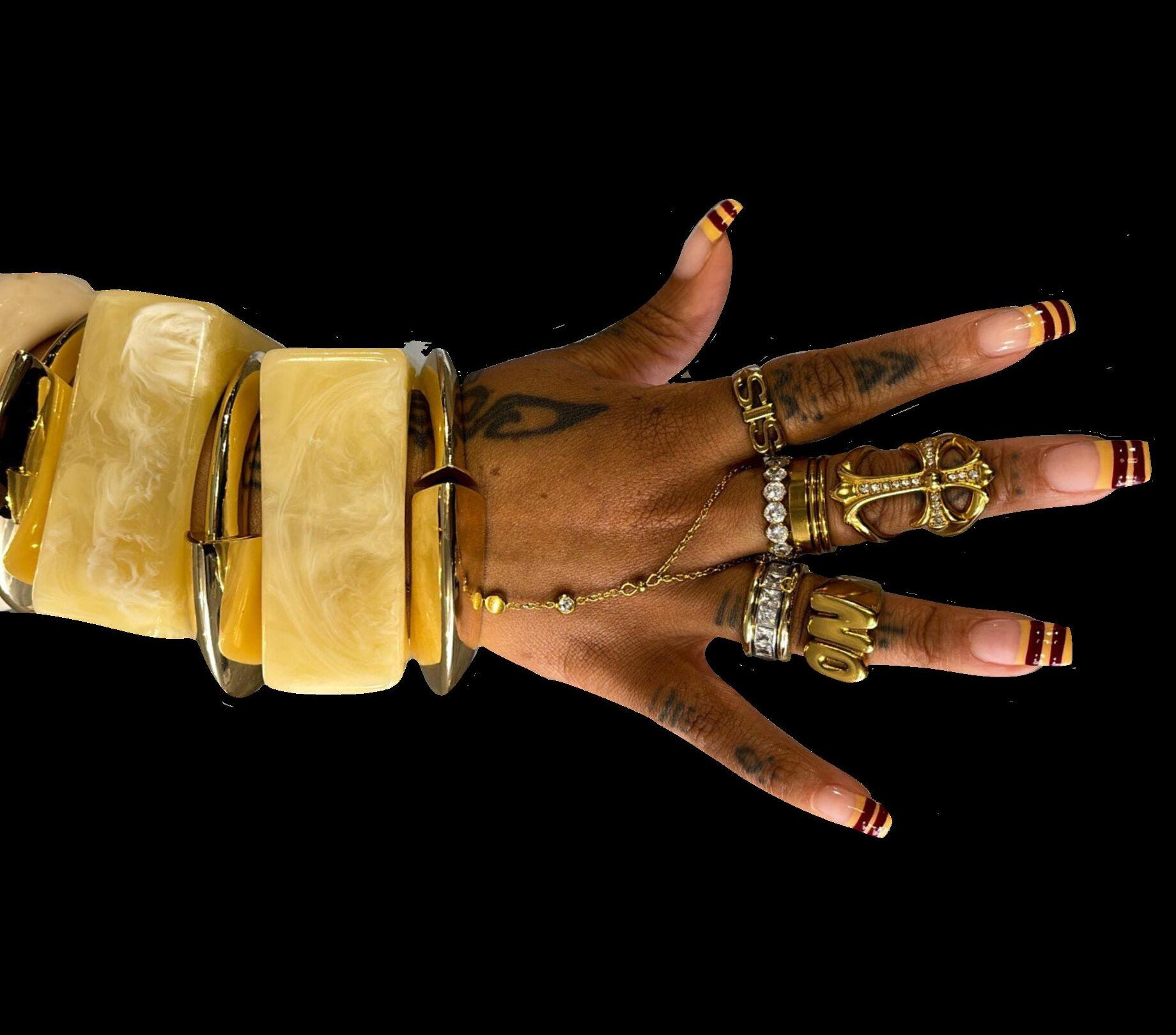
In an article by Aesthetic of Design, maximalism is defined as the aesthetic of excess. In fashion, maximalism utilizes bold colors, layered patterns, rich textures and emotions in an outfit.

“When I think of maximalism,” junior Vidhur Handragal said. “[I think of] trying to make your outfits as intricate as possible and having the details stand out.”

and often layers his clothing.
“I think dressing in this way allows me to be more loud. People always tell me, ‘Oh, I hear your keys before I hear you’, and it really resonates with me,” Handragal said.
For many individuals, fashion reflects their personality and how they want others to perceive them. Finesse the Finishing School, a fashion website, states that people who prefer bold colors and more experimental fashion are often seen as more extroverted and expressive. In contrast, those who favor neutral tones and more minimalistic outfits may be recognized as intentional and mature. Colors, textures and patterns on attire can play a large role in how people are seen by others.
“For me, [maximalism] allows me to express myself to my fullest potential,” senior Abigail Hagos said.
Handragal describes his own style as maximalist. He enjoys incorporating jewelry such as chains, lanyards and rings into his daily outfits




From a young age, Hagos has enjoyed experimenting with her fashion and mixing a variety of genres to create pieces she loves. Although she doesn't identify herself as a member of a specific style, her outfits draw a lot of inspiration from the alternative, emo and goth subcultures.
Minimalism is the opposite of maximalism and emphasizes the use of neutral, functional and timeless pieces.
“Minimalism is fashion that is less going all out and more keeping it simple and direct,” junior Riya Chahal said.


Chahal defines herself as a minimalist. She feels that this style makes her appear clean and feels practical for her lifestyle. Common staples of her minimalist style include simple jewelry—like thin chains, necklaces and thin hoops—in addition to plain shirts and pants. Over the course of one’s life, many outside influences affect one’s perception of fashion and one's personal preferences. For Chahal, starting high school majorly impacted her fashion choices, particularly in the clothes she was drawn to, her friends influencing her style the most.
According to The Standard, with social media becoming an integral part of daily life, users
are also now seeing unique fashion styles that they usually would not encounter on the daily. This exposure, combined with the penchant to draw inspiration from creators, offers many people the opportunity to explore different fashion styles—both minimalist and maximalist.
“I think social media adds a lot of trends nowadays,” Handragal said. “There are a bunch of very accessible influencers who are trying to push the agenda to care about your clothes more.”
Influencers from Wisdom Kaye to Hudson Stuffy, both known for their maximalist and minimalist styles respectively have exposed thousands around the world to different fashion styles. They’ve also shared how to source clothes in different ways, particularly with maximalism.
According to Skillshare, “Generally speaking, maximalism isn't nearly as wasteful as other design trends. That's because thrift culture has become a cornerstone of maximalism on social media…thrifted maximalism promotes sustainability while also giving new life to forgotten treasures.”
Although fashion is subjective and based on personal taste, many people associate styles outside of the norm as “weird”. This fear of judgement causes many individuals to choose more generic styles over those that may be seen as unconventional, leading to many individuals interested in maximalism to be nervous of truly embracing the style because they are less socially “acceptable”.
Moreover, fashion can also indicate one’s financial status and wealth, a factor that may impact the choices individuals make when styling.
Based on an article by Lifehack, “Highend brands and couture fashion have established themselves as symbols of prestige, allowing individuals to showcase their wealth and elevate their social status. The allure of owning expensive and rare fashion items has become a marker of distinction and exclusivity.”
Both minimalism and maximalism can subjectively convey different facets of financial status.
As the “old money aesthetic”, a genre of fashion that portrays affluence and wealth, continues to exemplify the effortlessness of minimalism, minimalism may be connotated with quiet luxury and wealth. This means that those with a minimalistic style could be perceived as more well-off than those who dress maximalist.
While minimalism is associated with luxury and wealth, maximalism may re-
flect a desire to showcase value and identity through quantity and visible expression. As a result, maximalist styles can be perceived as less affluent despite fashion choices carrying personal and cultural significance other than simply reflecting social status.
Amongst these various factors impacting a person’s fashion tastes, Chahal believes that personality is a significant one that leads to maximalism currently being preferred amongst younger audiences.
“I think people in high school tend to lean towards maximalism because they have stronger personalities and are less afraid to speak out about what they believe in,” Chahal said.
Others believe that minimalistic styles resonate with youth more.
“I think a lot of people nowadays lean towards minimalism...[they] just want to have simple fits. Like quarter zips, sweats, [Adidas] sambas,” Handragal said.
Whether an individual is a minimalist or maximalist, personal style remains as a way for individuals to control how they present themselves to the world.
“Stay true to who you really are. Don’t let outside influences get to you because I know it’s hard to express yourself in a way that’s different from what most people do. But I think that if you’re staying true to yourself and you’re dressing how you want, that’s the most important part,” Hagos said.









The influence of mass media on the growing divide between political ideologies
ILLUSTRATIONS & DESIGN
BY LENA NGUYEN • PHOTOS COURTESY OF CANVA
formation is so much easier to access and algorithms influence what you watch, it kind of boxes you in,” Damji said. “I don’t know what people thought 50 years ago, but I’m sure they weren’t being polarized
Algorithms are meant to feed off of engagement—whether that be watching a video until the end, commenting, liking or sharing. People are more likely to engage with content that they believe and agree with, making opposing views rare or caricatured. This creates what is known as an echo chamber: digital and social environments where users encounter only information and opinions that reinforce their existing beliefs, filtering out opposition,
tions—most notably FOX News and MSNBC—have gained notoriety for their increasingly specialized political coverage, with FOX News leaning right (conservative) and MSNBC leaning left (liberal).
The media is one of the greatest sources of information to the general population, so when stations frequently push out polarizing news in ways that fit one side of the political spectrum, it can widen the ideological gap between consumers and create a cycle of political polarization.
“I don’t really see many moderate views anywhere. Everything has polarization to it and basically only the extreme views of any topic are said,” Damji said. “So now you kind of have to box yourself into one

It is also human nature to continuously consume biased media. According to Britannica, this human tendency is known as confirmation bias, where people search for, interpret, favor and thus recall information that confirms one’s preexisting beliefs, disregarding contradicting evidence. Confirmation bias makes the opposing view feel illegitimate or like an attack on oneself.
“It’s so much easier to fall into boxes than to actually create your own opinion,”
Among many deliberate actions, biased media outlets can frame one singular event in many ways like omitting facts and underplaying or overplaying the significance
Rodriguez points towards the different ways various institutions refer to the Department of Defense. The Trump administration calls it the Department of War, while those leaning more liberal continue to call it the Department of Defense. For those that try to remain more neutral, it’s
“Certain words will try to paint one side in a more negative way,” Rodriguez said. “Or, they might add adjectives when they


are describing somebody.”
When people come across such actions and shape their opinions accordingly, confirmation bias comes into play by creating a loop where one only engages with and remembers the facts that support their opinions, unconsciously closing their mind to the opposing side.
Over time, being fed polarized content builds a future generation more likely to be unwilling to accept opposing views. For junior Iris Vong, her political exposure can heavily depend on the people around her and their views. Surrounding people, especially family, are often the starting point of the development of political views, according to the Kenan Institute for Ethics at Duke University.
“At home, based on what your parents tell you, you’re more likely to follow that belief too,” Vong said.
Although the media and surrounding influences allow for political division to take root within minds, it is often the people who push forward that division into reality. Both primary political parties—Democrat and Republican—often form an “us v.s. them” mentality, reinforcing group identity by distancing themselves from the other side.
EBSCO describes the “us v.s. them” mentality as a sociological concept called ingroups and outgroups. Ingroups, those that one would identify with and feel an emotional attachment to, are often opposed by outgroups, those with resisting viewpoints. When a person favors their ingroup, it is often followed by feelings of moral superiority, fear and distrust of outgroups and social comparison.
The result is two different sides that find it difficult to coexist without conflict. Survey data by the Pew Research Center indicates that members of opposing political parties are less willing than in previous decades to form close relationships, such as that of marriage.
“It’s not even about Democrat or Republican,” Vong said. “It’s about personal beliefs, and can be part of their character and morals.”
Vong finds that, in modern times, polarization has gotten to such an extent in daily life that people of opposing views will automatically assume the other is on the extreme side of the political spectrum. According to a study by the UPenn Annenberg School of Communication, when participants were instructed to intuit how those from the opposing political party
would stand on historically polarizing top ics (abortion, etc.), results proved that each side would always heavily underestimate how diverse the views of the other party can be.
“If, say, someone from California meets someone from Texas, either side might have a prejudice against the other and im mediately assume one person is super lib eral and the other person is super MAGA,” Vong said.
While both Damji and Rodriguez are open to maintaining relationships with those who hold opposing political views, the two also believe that it is dependent on whether the people involved are able to keep their relationship and political views separate and approach any political topics with the intention of understanding and coexistence.
“Just know that there are cer tain things that you just don’t dis cuss when you get together,” Ro driguez said. “Or if you do [talk about politics], have discussions where you’re not trying to one-up each other, it’s more like you’re trying to un derstand each other.”
However, in many cases, spaces meant for discussion and understanding can be turned into argument grounds solely for the purpose of proving the correctness of one side. On platforms such as Instagram, TikTok and YouTube, it has become in creasingly common to see political debates, either in forms of a podcast or open mic conversations in public.
“That’s where I think you see people are not wanting to actually debate,” Rodriguez said. “They’re kind of wanting to dominate and prove why their side is better.”
Group identity can also be dangerous be cause the automatic distrust of individuals outside of one’s group allows for purpose ful manipulation by those within the group, especially political leaders. Governmental institutions such as Congress, the Supreme Court and the President are deeply rooted within political factions. When identity becomes a part of those institutions, supporters of a party may automatically delegate trust without knowing the facts because they believe that their side is right.

aware of what they share and what they’re viewing, watching out for opinionated commentary, name-calling or words with specific connotations that can indicate bias. She also heavily advises them to always fact check their sources.
“I know a lot of Republicans are also Christians, and I think that the government right now does feed into that Christian mentality,” Vong said. “I think that can also cause their supporters to think twice before not supporting them because it makes them feel guilty that they’re not following Chris-
“If everyone tries to keep an open mind and listens to other people’s perspectives, I think we’d all work together better as an American society,” Damji said. “But as long as we keep villainizing each other, we’re never going to be able to actually agree.”



In modern day, audiences have access to a vast scope of representation on screen. Whether it be the lived experiences of people from different races, religions, socioeconomic classes or sexual orientations, today’s films and television shows offer substantial diversity. From the conception of film itself, queer characters have been portrayed on the screen, but not without resistance and restriction. However, what used to be looked down upon when shown in film is now favored by many viewers.
English teacher Angela Pasquinelli’s preference for queer rom-coms stems from her dislike of the typical portrayal of women in male-female romance stories.
“Either [women] are too weak, submissive, whiny for my liking, or they’re too far in the other direction. Too controlling, authoritative, bossy,” Pasquinelli said. “I feel like in queer stories, the power dynamic is more even most of the time.”


ARTICLE, ILLUSTRATIONS & DESIGN BY NADIA HAMILTON • PHOTOS COURTESY OF IMDB
are the film “Red, White & Royal Blue” and the TV show “Heated Rivalry”. Both adapted from novels, she enjoys the drama and eventual happy ending that both couples receive.
“Currently, there’s enough bad things happening in the world,” Pasquinelli said. “The media I consume, I want it to have a happy ending.”
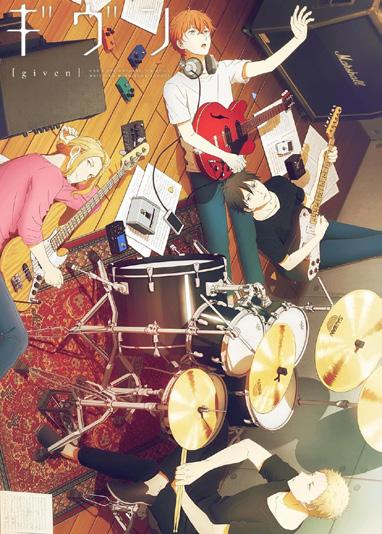
Another TV show with a happy ending, “Yuri on Ice”, is junior Ethan Ng’s favorite queer anime because of its slow burn trope and wholesome story. He prefers it to the other LGBTQ+ romance animes he has watched as the characters in those shows have more toxic relationships.
“[Toxic tropes in anime] are just stereotypical that all gay relationships are toxic and they won’t work out compared to straight relationships,” Ng said.

Recently, Pasquinelli’s favorite queer romances
Ng has noticed that the main characters in many queer romance animes face obstacles relating to their sexual identity and internal and external homophobia. He contributes this to the stereotypical views of the show’s writers and producers, as well as society in general. However, starting in the late 2010s, Ng has noticed a shift in depictions of the LGBTQ+ community in anime, allowing these characters to have more optimistic stories.
Like Ng, sophomore TJ Sarmiento has also noticed changes from how the queer

community was represented in the late ‘90s and early 2000s to present day. He believes “Heated Rivalry”, for example, only presents one side of how queer men are perceived. The main characters of the story are both “DL” (down-low), meaning they are queer men who present themselves as heterosexual or more masculine. Sarmiento believes this kind of character is used to make LGBTQ+ representation more palatable to a wider audience, contrasting depictions of queer men from the late ‘90s and early 2000s when these characters were sassier and feistier.
“[Queer films] went from the c*nty gay best friend to the straight passing, DL, willghost-you-after-you-hook-up type of guy,” Sarmiento said.
Although he finds the older portrayals of queer men in movies and TV shows to be more entertaining, he believes that neither old nor current depictions are truly realistic. Most queer people he has seen online or met in-person are somewhere in between sassy and DL, personality-wise. Despite the inaccuracy in the personalities, Sarmiento still turns to them when he wants to watch something relatable, similar to senior Abigail Hagos
Hagos’ favorite pieces of queer media are the film “Mysterious Skin” and the TV show “Genera+ion.” She likes that the story of “Mysterious Skin”, rather than fo-



cusing on the queerness of the characters themselves, focuses on their experiences. As for “Genera+ion”, Hagos sees it as a very accurate depiction of what it’s like to be queer in high school. The writer of the show, Zelda Barnz, is a young queer woman herself, which Hagos believes is reflected in the storyline and characters’ actions.
“I think there should be more queer people involved in the process of showing these stories,” Hagos said.

“I don’t think it should be

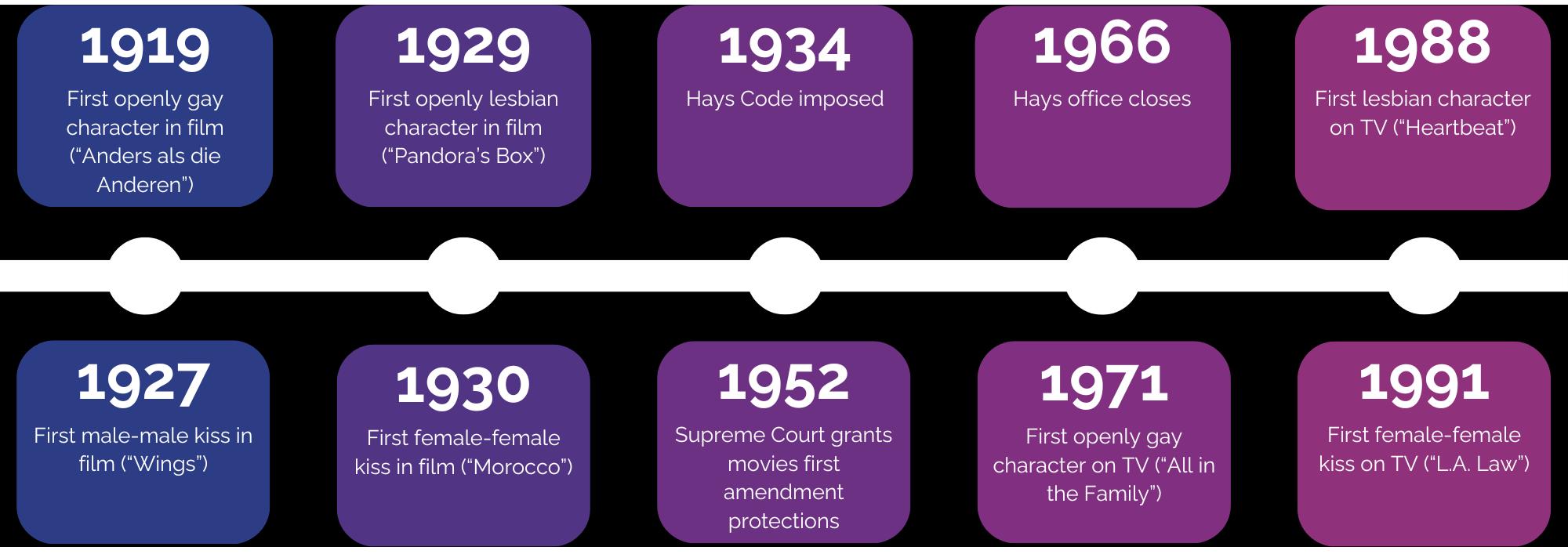
1919.

However in 1934, fearing government intervention and censorship, Hollywood created their own rules for what was permitted to be shown in films, known as the Hays Code. The code prohibited depictions of what was deemed “wrong” or “sinful”, such as crime, nudity, sex and romance between members of the same sex; if depicted in films, the perpetrator of these prohibited actions would have to face consequences by the end of the film.
“If there was a gay character, they had to be very hidden,” Moore said. “That’s not to say that there weren’t movies that maybe hinted that a character was gay, but it could not be out in the open, so it would depend on audiences to be able to intuit.”
Even though queer characters are allowed to be portrayed in a positive light in the present day, many films still include these harmful tropes.
“With queer media, I think a lot of the time it’s very sad, like the kill-your-gays trope, where queer characters are not allowed to have happy endings,” Hagos said.

in the ‘90s, she also finds the light-hearted romantic comedies of the present day to be a step in the right direction. She prefers romance stories that seem authentic, many of which are queer romances.
“For the most part, films about gay romances tend to be more authentic because they are already living outside societal expectations,” Moore said. “I think a lot of heterosexual romances can be very cliché or surface level because they are more aligned with societal expectations, and if you’re performing societal expectations, you are not being authentic to yourself.”
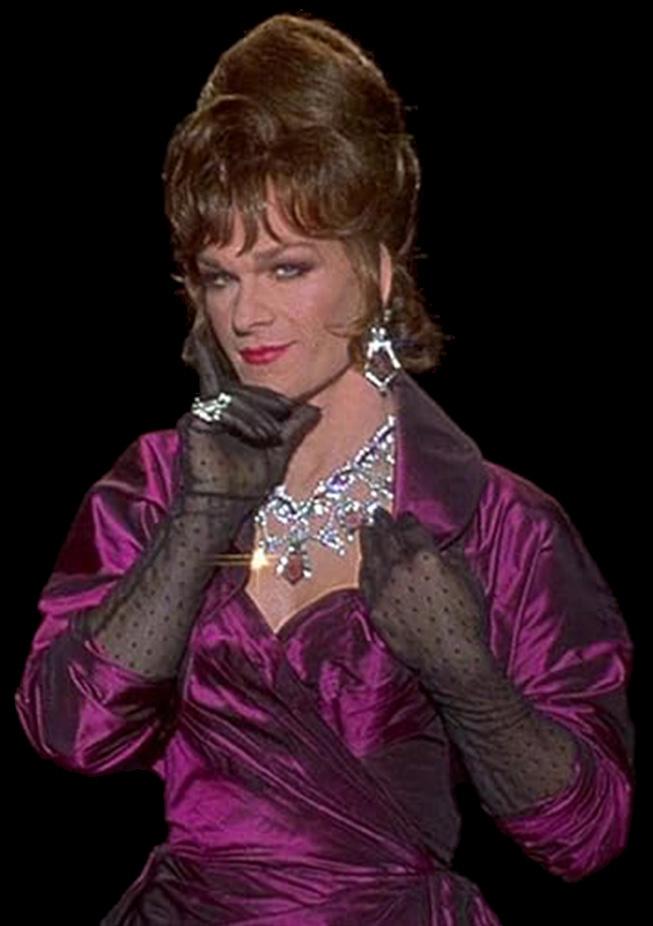
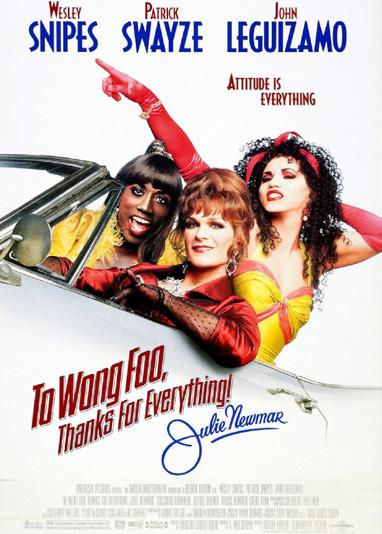
Since the ‘90s, Hagos has noticed a change in how queer films use language. For example, the term “transsexual” is rarely used present-day, but was more popular in the ‘90s like in one of Hagos’ favorite films, “To Wong Foo”.
the responsibility of cisgender, heterosexual people because I don’t think they’ll be able to fully represent the experience.”
Like in “Mysterious Skin”, English teacher Kristin Moore finds that there are an increasing number of movies and shows that include gay characters, but do not focus on their queerness outright. This normalization and variety of depictions of queer characters is something she sees as a positive.
“I just feel like there are more gay characters in general,” Moore said. “But that doesn’t mean that we need to decide that representation is not something that we need to make sure is still happening in cinema…we especially need more queer characters of color.”
According to an article by Acadia Bost in The Science Survey, the first known film to portray a gay protagonist in a positive way was the German film “Anders als die Anderen” or “Different from the Others” in
After the Supreme Court granted movies first amendment protections in 1952, the power of the Hays Code declined, ultimately leading to the Hays office’s closure in 1966.
From the ‘70s onward, LGBTQ+ representation advanced greatly.
“Movies in the ‘80s and ‘90s tended to be more dramatic,” Moore said. “I wonder if it’s just because at that time, studios felt like they needed to appeal to everyone… if it was dramatic, then somehow that made it more acceptable to a wider audience.”
As opposed to the more serious films featuring queer characters
“The word queer that we’re using now was a very derogatory term in the ‘80s,” Hagos said. “It was used to call someone strange or other, but now it’s a term that’s been reclaimed…I think it’s a very broad and welcoming term to use, and I’m glad that it’s changed
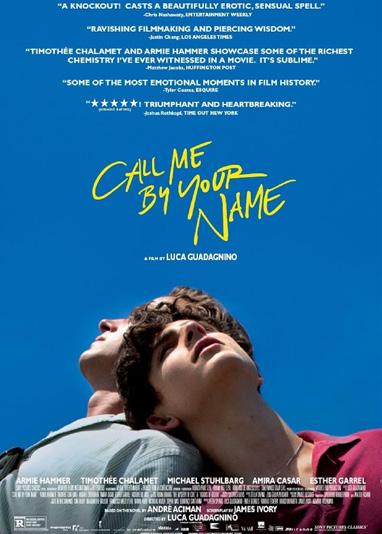
“[call me by your name] captures the feeling of falling in love for the first time so accurately. the vulnerability in it, the magic of it.” -Kristin Moore



from what it used to be.”
Though LGBTQ+ representation bloomed in the film industry throughout the late 20th century, Moore notes that network television was slower to the trend.

“
Since the success of these shows
was surprised that her father enjoyed it so much.
They had a little rude awakening that they’re both gay.” - ethan NG
was dependent on viewership and appealing to a wide audience, broadcast networks like NBC, and CBS avoided potentially controversial portrayals of queer characters.
“Now when I go back and watch things from the ‘90s like my favorite show ‘Friends,’ there’s so much cringey content and [homophobic] jokes,” Pasquinelli said. “If ‘Friends’ were made today, there would absolutely be a queer character there, but in the ‘90s, they were six straight, white people living in New York.”
Pasquinelli believes the amount of queer representation in movies and TV shows nowadays is wonderful, recalling a conversation she had with her father about the show “Schitt’s Creek”. After finding out about the queer storyline in the show, she

“The fact that he loved that show made me really happy because it was exposing him to something that he would not have sought out on his own,” Pasquinelli said. “It kind of shed light on queer relationships in a way that I would not have expected him to be so accepting of.”
Moore believes that the rise of Netflix and other streaming services has allowed the creation of more diverse TV shows about queer characters because they face less pressure to appeal to a wide audience for viewership. As opposed to the scheduled programming of television networks, the on-demand access viewers have allows for more niche content that appeals to narrower, deeper fanbases.
“I think [present-day queer representation in the media] is a step in the right direction,” Sarmiento said. “I believe everybody should have rep- resentation. Just because it isn’t the societal norm, doesn’t mean it’s bad.”
In recent years, Ng has also noticed an increase in the amount of romance animes centered around queer characters.
“In the early 2000s and 2010s, there

weren’t many actual animes based on gay relationships. The gay relationship would be a side [plot], and there would be a straight relationship or a different main plot in the anime,” Ng said. “But after 2016 until now…[queer characters] started getting their own full animes based on their relationships.”
Though much progress has been made since the intolerance of the ‘30s, Pasquinelli, Ng, Sarmiento, Hagos and Moore all agree that LGBTQ+ representation in movies and TV shows can still be expanded beyond its current scope.
“It’s a very nuanced topic. You need to handle it with sensitivity,” Hagos said. “Just be careful and mindful when consuming queer media. It’s a very beautiful thing. It’s something that’s been overlooked for a long time, and I hope that more queer people get to express their ideas.”














“yEstErday Was My 13th Birthday, and thEn tOday I WOkE UP and I’M this, and yOU, I MEan— yOU’rE that!”

“...MOstLy i hatE thE Way i dOn’t hatE yOU”





“can
I haVE OnE Last first kiss?”
Finding connection in iconic 2000s love stories


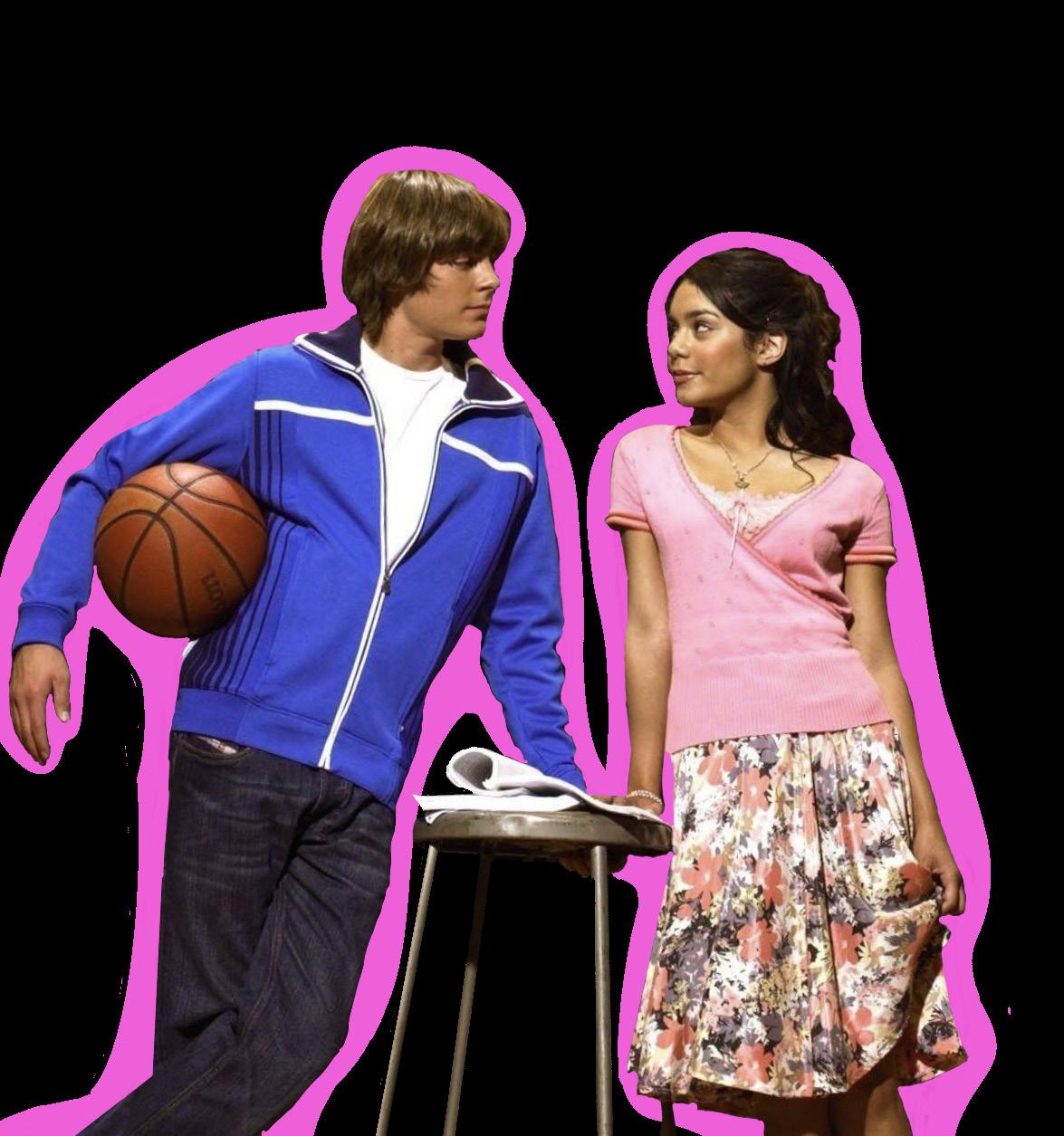
Low rise jeans, skyscrapers and corny pick-up lines all represent the 2000s, a decade that even late Gen Z-ers find a connection to. This decade occupies a sweet spot in time, occurring after the angst of the ‘90s but before the immense rise of social media in our society today. Many iconic films graced the screens during this time, with their heavy focus on cheesiness and young love, leaving a lasting impression and high standard for future rom-coms. I’ve chosen five of these films to highlight both individually and collectively, to see how they have truly influenced the way people view romance on the screens today.
“10
The film “10 Things I Hate About You” follows Kat (Julia Stiles), a teenager known
Shakespeare’s “Taming of the Shrew”, “10 Things I Hate About You” had a re freshing level of depth that had yet to be seen in teenage romcoms of both that time as well as today. It had some very juicy themes of societal pressure through the lens of feminism, whether that’s with Kat reject ing the traditional ideas of popularity by conforming for a guy, or through Bianca eventually choosing an authentic relation ship over being popular. I think it was a unique take, especially being made during a time where films like “High School Musical” emphasize the stereotypical high school cliques where everyone has to fit into a specific box. The central message of “10 Things I Hate About You” is surrounding the authenticity and independence of

ing a balance between tradition, family and individuality. This gives the film homey and comforting vibes while also giving hope that it’s possible to diverge from standards that you don’t necessarily support, something that is so heartwarming to watch.
“How to Lose a Guy in 10 Days” Matthew McConaughey and Kate Hudsen star in this “battle of the sexes” 2003 rom-com that had me laughing for pretty much the entire duration of the film. This plot revolves around advertising executive Benjamin Barry, who made a bet saying that he can make a woman fall in love with him in 10 days, and journalist Andie Anderson, who made a basically opposite bet saying that she can make a man fall out of love with her in 10 days. Think romcom but make it high stakes; what if the other found out about their motive? These themes of fake intimacy created an awkward but unbelievably comedic dynamic that was so entertaining to watch. I like how this film is also different from the others I’ve reviewed because it has much more 2000s chic and luxury Manhattan vibes compared to the daily high school trope. Beyond the humor of this film is the transition from fake love to real love that is subtle yet meaningful, whether that’s Ben’s iconic “she loves me” moment or seeing them run back to each other even despite everything. The emotions that this movie made me feel skyrocketed it to one of my top movies of all time (and I’ve seen a lot of movies). The resolution and Andie’s line “Sometimes the best way to lose someone is to let them find you again” shows the capability of recollection and forgiveness in
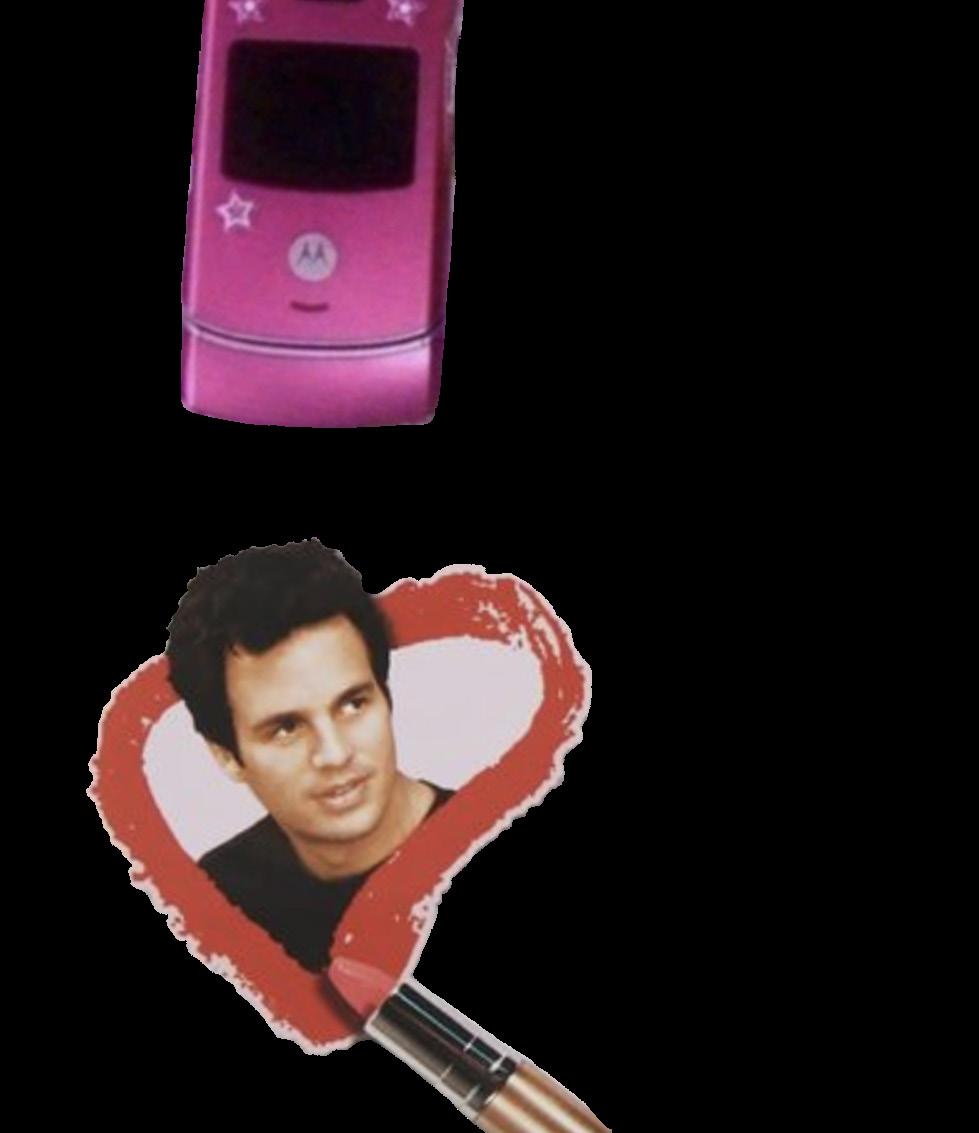


“50 First Dates” came out in 2004 and brought its audience an Adam Sandler and Drew Barrymore classic. The film revolved around Henry, a man who had always struggled with commitment, falling for Lucy, who has a type of amnesia that makes her forget everything each day. This

causes her to constantly relive the same day over and over again until Henry is able to break her out of that cycle. Out of this list, “50 First Dates” has to be one of the strongest contenders for my favorite movie. It’s a comedy that comes with a script filled with lighthearted humor paired with a tragic premise, and it had me on a rollercoaster of emotions for all 99 min utes. This film emphasizes the importance of commitment and dedication required to maintain a relationship and the idea that true love comes with work, not just magic. I think that this film is so much more than just the stereotypical “2000s classic romcom”. The way Henry made a film about their life together to remind Lucy of what she forgot brings me such sadness knowing the growth they’re missing while also see ing how meaningful the amount of effort he puts into it is. The bittersweet ending that involves Lucy’s condition not being fixed but Henry learning to work with it lets the audience know that even despite challenges that may not be fixable, rela tionships can still lead to a happy ending.
“13 Going on 30”
The 2004 film “13 Going on 30” starred Jennifer Garner in a coming-of-age romcom revolving around Jenna, a 13 yearold girl who transforms into a 30 year-old woman overnight, having to learn to nav igate adulthood without the maturity that comes with growing up. Although the film is heavily centered on Jenna’s coming-ofage, in my opinion, the friends-to-lovers subplot definitely lets “13 Going on 30” qualify as a “rom-com”. This film is very diverse in that it is a bridge between gen erations; it could resonate with people in their thirties who have come home to see their old room turned into a storage room, a common story of adulthood, while also connecting with teenagers transitioning into adulthood. I first watched it when I was seven years old, fascinated by the magic of adulthood and saddened at the overall mel ancholic messaging of missing one’s child hood, even when I was still a child myself. Getting older and rewatching this makes me feel nostalgic for my childhood even though it isn’t technically over yet. The movie teaches people to embrace their au thentic self and the importance of bringing out one’s “inner child” in adulthood while also highlighting the anxieties that come with adulthood, like the social pressure to have it all figured out and possible lone-
liness. I really love this film’s portrayal of the friends-to-lovers trope, Matt (Mark Ruf falo) and Jenna’s romance stemming from their shared history and them finding their way back to each other even after many




in love or still searching for your purpose, sometimes a dive into the past can evoke memories that the






How the growing popularity of F1 is contributing to general car culture in the media
What’s with everyone’s newest Formula 1 (F1) obsession?

The recent car craze among teenagers and young adults is centered on the popular racing championship that lasts from March to Dec. every year.
According to F1, each F1 season features 24 races across 21 different countries, with around 11 teams and two drivers competing for each team.
F1 weekends span across three days: Friday and
In Luftgekühlt Tokyo, Porsche’s lined up on the KK Line in Ginzam Japan.
BY RAILYNN PEARL ANICETE • PHOTOS COURTESY OF @THE_JERMS
Saturday for practice and qualifying — which determines the starting grid — and Sunday for the main race, the Grand Prix, where teams compete for the top three spots on the podium.
F1 fans are often not just interested in championship results, but also the cars themselves. According to Medium, F1 cars are single seated, open-wheeled and contain turbo-hybrid engines, making them amongst the highest-performance vehicles in the world.
According to F1 photographer Kym Illman, The Fedération Internationale de l’Automobile (FIA) is the nonprofit organization that created the F1 championship. F1 states that the championship was in the making around the 1930s, but was put on hold due to World War II. Due to the set of rules that racers and cars had to obey, “formula” was chosen to be part of the championship’s name. On May 13, 1950, F1 launched their first worldwide championship in Silverstone, England. Early cars were front-
engined and heavy, which limited maneuverability. This led engineers to shift to a rear-engined style, and materials like carbon fiber were eventually introduced to make cars lighter.
As noted by Matt Somerfield, the Lotus 88, designed by Colin Chapman, included better traction and flow through the incorporation of sliding skirts. Such components resulted in more downforce and allowing F1 cars to move so fast that the design became prohibited in 1981. The Brabham BT46B, known as the “fan car,” also eventually led to tighter aerodynamic regulations.
“[F1 has] a lot to do with mechanical engineering, of how the cars are built,” academic counselor and avid F1 fan Kathryn Gong-Guy said. One of these recent regulations reduced the maximum car weight from 800 kilograms to 768 kilograms, with the 2026 cars having an overall smaller build than previous years.
Every season, since most fans prefer drivers that have won a past championship, there are varying levels of popularity across teams. F1 highlights that McLaren


leads fan votes at 29.5%, followed by Red Bull at 19.8%, Ferrari at 17.9% and Mercedes at 11.9%. Constructor titles are awarded to teams that accumulate the most points in a season, with drivers earning points by placing in the top 10—10th place receives one point and first place receives 25.
“Lewis Hamilton…made a big move to Ferrari last year, which was a pretty big upturn in the F1 world,” Gong-Guy said. “And…Max Verstappen, he has won a lot in the past couple years.”
In the F1 media world, social media can be utilized to easily spread information on the teams.
“The media helped in popularizing F1 because on social media, there’s lots of videos made about F1,” sophomore and F1 enthusiast Harshad Vaidhyanathan said. “[I was] first introduced to Formula 1 through Tiktok and around 2023, I started to watch F1.”
Many F1 teams post content to engage fans— on Feb. 4, 2026, Redbull Racing posted a reel measuring the different drivers’ reaction time that received 163 million views as of March 2026. The main F1 Instagram account has 42.1 million followers as of March 2026, and car culture figures like photographer Larry Chen have grown alongside it.
Events like Cars and Coffee and Sonoma Raceway have grown in popularity. On March 14, 2026, Tokyo’s Luftgekühlt event drew 11,600 people to see 220 Porsches, according to news editor Pablo Salapanton. Red Bull Racing followed with their Red Bull Tokyo Drift event on March 21, 2026,
Movies like “Fast & Furious” and “Cars” intrigued people to research more about different types of car pop culture. “The Fast and The Furious: Tokyo Drift” gave fans insight on what underground car meets can look like, leading people to become fascinated with the idea of going to more car events and looking them up on social media.
F1 used a survey to show that 36% of respondents came from newer audiences.
“I think what I appreciate about Formula 1 is that there wasn’t a very high barrier to entry,” Gong-Guy said. “...the races are all over the world, so they’re not

Four popular race cars in the Porsche community are placed on a highway for Luftgekühlt at Tokyo, Japan.






“Vie”. It was also influenced by the Roman numeral “V” to represent her 5th album. Released on Sep. 26, 2025, the album blooms with retro synth-funk textures and themes of self-love and vulnerability. I chose to review the top eight songs that I believe have the strongest lyrics relating to topics of vulnerability and self-protec tion.
“Cards” uses the metaphor of playing a card game and the chance of winning. In this case, the card game would be building a deeper connection with a new person. The song feels like someone tentatively taking the first steps into a relationship, with Doja Cat referencing a “stranger” in her rap.

video. When she sings “When my eyes are green, I’m ugly” and “Which one is leading me to hell or paradise/Baby I can’t hurt you, sure/But I’m the jealous type”, she admits to her want for “ownership” over another person, but understands that she cannot have them all to herself.
In “Couples Therapy”, Doja Cat sings about the pushing and



Doja Cat’s insights on romance, confidence and self image as depicted in her album, “Vie”
habits and be a better per son for them to rely on— but admits that she can’t.
“Gorgeous” seems like it touches on the most vulnerable
herself and her relationship with her past self and current partner. The introduction to this song is set in an intimate, unguarded space where she feels safe enough to exist without performing. The rest of the song sounds like a conversation with someone else, potentially her younger self, referencing her own experiences she’s had with body image and getting work done on herself. In the lyrics “It’s alright to be honest/You gettin’ showered in compliments, huh/You feel empowered but not within”, it sounds like she’s standing face to face with a younger version of herself. In the following lyrics, “I mean, I only got myself to appeal to”, it sounds like this is her present self, a grown and more mature Doja Cat that feels empowered on the
In this song, both Doja Cat and SZA encapsulate the radiance of an exciting and expressive relationship. If “Couples Therapy” discusses the more serious bumps in a relationship, then “Take Me Dancing (Ft. SZA)” focuses on the highs and fun times. She utilizes the metaphor of “dancing” to talk about physical intimacy, passion

“Would it mean that I found my person, oh, oh/When the language is acts of service, oh, oh (oh)” sums up her general story of the song, a question to herself asking if this lov er is her forever person because of the un wavering kind of love she feels from them.
In “One More Time”, Doja Cat sings about the emotional perseverance, messiness and risk of pain in order to try again for potential reconnec tion. She’s trying to break the toxic cycles of one of her past relation ships to have another chance at it. With the lyrics, “You’re the truth that I’m facing”, she’s saying that she has to come face to face with the problems; no more running, hiding or temporary fixes, which I thought connected this song back to “Couples Therapy”. They’re both “unlearning” bad habits to make sure both of them feel loved, and are “willingly uncomfortable”, putting themselves in an uneasy position just to try to love again.


she feels and convince her heart that she care about them moving on. The “She’s in our bed/I bought the sheets”, later on in the song further cements the sense of betrayal and jealousy.
Although not stated by Doja Cat, I find that the ordering of the songs intentionally takes listeners through the ups and downs or stages of a relationship.
The song “Happy” unfolds the complexities of her pain from a bittersweet breakup. She repeats the line, “Brise mon cœur
The climax of the relationship seems to be “Take Me Dancing (Ft. SZA)”, “Lipstain” and “Silly! Fun!” She and SZA are singing about going out, having a fun time and just dancing through life with one another in “Take Me Dancing”. “Lipstain” talks about marking her partner as hers, and how they’re someone she wants everyone to know is hers. The vibes of “Silly! Fun!” are exactly like the title, where she sings about how it would be fun to get married in Vegas, going to parties and clubs together and the possibilities of their future in a casual, laidback way. “Acts of Service” feels like the deepest point of connection in their relationship, maybe not the funnest, but the point where they seemed most aligned and emotionally honest. Nearing the end of the album, songs “Make It Up”, “Happy”, “One More Time” and “Come Back” connect with bittersweet themes of the end of
the album discuss es, love spotlights our vulnera bility and need for self-protection. “Vie” shows us the wounds and bandages of Doja Cat’s experiences with a partner, as well as the love she grew for herself along the way. I interpreted this album as a reflection of the role that love, not just in the form of romance, plays in our lives.


“Vie” is strikingly different from the styles of Doja Cat’s previous albums, “Planet Her” and “Hot Pink”, switching from her usual pop-rap sound to an 80s-inspired album that is more focused and div-



ARTICLE BY JOHANNES TSOI • ILLUSTRATIONS & DESIGN BY ANH THU EMMA VO
Craving a fun, hands-on meal with a bubbling pot of soup sitting at the center of the table and everyone cooking their own food? Then hotpot is the meal for you!
According to Cenhot Catering Development, the concept of communal cook ing around a burning pot with soup can be traced back to ancient China during the Tang Dynasty from 618-907 C.E. Some his torians connect it to even ear lier periods in northern China, where people used metal pots over open fires to cook thin slices of meat during the winter. It was originally enjoyed by only the elite class to display their wealth and status, since access to quality meats and spices was limited. As trade expanded with ingredients becoming more accessi ble, hotpot slowly spread beyond the upper class and grew in popularity among the common citizens. Each region adapted the dish based on the local climate and ingredients. For example, colder areas preferred richer broths, while southern areas developed lighter and more delicate flavors.
same time.
Hong Kong (Cantonese) hotpot is known for its lighter and cleaner broths, such as chicken, mushroom or tomato, which bring out the natural flavors of the ingredients. Common staple ingredients
and friends together. Whether enjoyed at home or at a restaurant, it symbolizes unity and warmth, making it a meaningful part of Chinese culture.
To better understand this experience, I visited three different hotpot restaurants and evaluated each of them based on service, taste and price.

Boiling Point, on Hostetter Road in San José, is a Taiwanese hotpot restaurant known for its individual pots, rich broths and quick and convenient service. Many people recommend it for its consistency and variety of options, especially for those who want a personalized experience while being able to socialize with others. Boiling Point stands out because instead of a fully DIY hotpot, it offers a pre-set menu with carefully curated individual pots, allowing for various choices across the table without sharing.

Over time, hotpot slowly spread across different cultures, intertwining with food styles in Guangdong, Hong Kong and Taiwan. In recent decades, various local restaurants have even combined hotpot with Korean BBQ, allowing customers to enjoy both cooking styles at the
Hotpot restaurants often vary quite a bit in price and pricing style. All-youcan-eat style hotpot restaurants typically charge a flat rate per person, usually ranging from about $25 to $40 depending on the quality of meat, seafood and add ons. Other hotpot spots use a set-menu or an à la carte system, where customers either choose a pre-designed pot or pay for individual ingredients, which can make the total cost lower or higher depending on what is ordered.
With all these styles of enjoying this special dish, hotpot is not only a meal, but also a social gathering that brings families
However, I found that the check-in system was not very user-friendly since there wasn’t a way to see how many people were ahead of you on the waitlist. Despite this, the wait time was fairly short for a Saturday afternoon; only being about 15 minutes before I was seated.
There were a good number of servers working, making the service efficient. Since the ingredients are served boiling, the food arrived in less than 10 minutes. The waiter who tended to us, however, was not particularly friendly. He took the order but did not engage in much conversation. While this level of interac tion can be nor mal for serv ers at other places, I ex




and engaging.
The dish I ordered was the Beef Soup hotpot. The broth itself was savory but somewhat watery and not that flavorful. The beef was easy to chew, but it did not have much flavor on its own. The garlic sauce was very strong, leaving a slight tingling sensation in the throat. When combined with the beef, it added a lot of flavor and made the meat melt in the mouth.
For the side items, the hotpot came with green tea, kamaboko, vermicelli and Satsuma-age. The green tea was light and mild, which was refreshing between the bites of hotpot. The kamaboko, which is a Japanese fish cake made from surimi (a paste of ground fish and a mix of egg whites, salt and sugar), had a classic taste—mildly sweet, slightly salty, with a smooth yet bouncy texture. I personally enjoyed this flavor because it paired easily with the broth, but those looking for something more unique may find it a bit plain. The vermicelli was smooth and easy to slurp, and the Satsuma-age, another type of deepfried fish cake made from seasoned ground fish paste, was soft and subtly sweet, providing a contrast to the savory broth without overpowering it. The side items over-
feel thirsty afterward. The only downside was that they had run out of udon, which I was looking forward to trying.
Boiling Point’s à la carte system result ed in it costing $26.33 per person, which felt fair for the quality and variety offered. Considering that each person gets an indi vidual pot, a wide selection of ingredients and flavorful broths, I find that the price is reasonable compared to other hotpot restaurants. While it’s not super cheap, the convenience and quick service make it worthwhile.

The second restaurant I tried was Mumu, a newly opened hotpot restau rant located in Oakridge Mall in San José that specializes in Hong Kong hotpot, which I visited on another Saturday afternoon. Since it’s a newer ad dition to the area, I had heard a lot of buzz online about its fla vorful broths and fresh ingredients and was excited to see if it lived up to the hype.
Mumu offers a variety of combos designed for parties of one or two. I ordered the Classic Combo for two, which included three choices of meat, two choices of rice or noodles and three sides. The restaurant also provides a self-serve sauce bar with many options, way more than Boil ing Point. I tried the most classic sauc es: plain soy sauce, soy sauce with garlic and sweet soy sauce. The plain soy sauce was very salty, and a little dip made the meat way saltier. The garlic soy sauce, on the other hand, was extremely strong, which overpowered the natural flavor of the beef, even in small amounts. The sweet soy sauce was milder, but the saltiness of the soup and other ingredi ents dominated, so it didn’t stand out as much.

For the base, I picked the miso broth, a classic choice for Can tonese hotpot. The meat I se lected was overall enjoyable. The

The price for the meal at Mumu was $75 for two people, which is slightly more expensive than some other hotpot restaurants in the Bay. But, considering the individual pots, fresh ingredients, flavorful broths and variety of meats and sides included in the Classic Combo, the cost feels reasonable. Compared to Boiling Point, which averages $26 per person and focuses on quick, pre-set individual pots, Mumu offers a more premium and customizable dining experience, making it a worthwhile choice for looking for a satisfactory Hong Kong hotpot.
The third restaurant I visited was Seapot in Sunnyvale, an all-you-can-eat restaurant known for its wide selection of meats, broths and rotating sides. All-you-can-eat hotpot spots like Seapot are popular because they allow diners to try a variety of ingredients, making the meal both interactive and customizable. I went for dinner, arriving around 7:50 p.m. and was seated by 8:10 p.m., which was pretty quick for a full restaurant on a Satur-
set combinations, diners can continuously order from a wide range of meats, seafood, vegetables and sides, often including rotat ing or seasonal items, allowing for more experimentation and variety within a sin gle meal, rather than committing to one curated pot.
For the soup, I had the Tonkatsu broth, which was rich and savory, providing a flavorful yet light base that complemented the meats and sides well. The sauce bar offered a variety of options, giving din ers the chance to customize each bite. I found the plain soy sauce to be mild and balanced, enhancing the flavors without overwhelming them, while the soy sauce with garlic was extremely strong and over powered the natural flavors of the ingre dients. I appreciated having the option to mix and match sauces, but I prefer to keep it simple by letting the broth and fresh in gredients shine.
For my choice of meats, I tried the Natural Pork Belly, Beef Toro and Australian Wagyu.


see if we wanted more meat, water or broth throughout the meal. What makes Seapot’s selection different from other places with set-menu hotpot like Boiling Point is the wide variety of choices. Instead of pre-

The Natural Pork Belly had a nice bal ance of lean meat and fat, which made it tender and flavorful when cooked in the broth and added an additional richness without being greasy. The Beef Toro was soft and easy to chew, absorbing the broth well. Even though it was tender, the nat ural beef flavor was mild, so it benefited from a light dip in soy sauce. The standout of the round, however, was the Australian Wagyu. It had excellent marbling that made it tender and juicy. Each bite melted in the mouth, soaking up the flavor of the broth and the sauce perfectly, providing a rich and satisfying taste. The egg noodles were slightly firmer with a springy texture, cooking well in the broth and providing a contrast to the softer noodles.



range of ingredients and broths throughout the meal. It offered a more expansive and customizable dining experience compared to the simpler, individual-pot format at the other places I visited.
For the sides, Seapot offers a revolving bar including a wide variety of sides. The fish tofu expanded nicely in the broth, staying soft and flavorful with a pleasant texture. The dumplings only contained a small amount of meat, but they were still tasty. The udon noodles were soft, warm and easy to slurp. Even though the portion was only
If you’re looking for something quick and convenient, with individual pots that allow for a more personalized experience, definitely try Boiling Point. On the other hand, for a more traditional Hong Kong hotpot with a wider variety of sauces, broths and meats, go to Mumu. If you want the most variety and the interactive experience of trying multiple meats and sides at your pace, try Seapot with its all-you-caneat dining experience.












1. How would friends describe you?
A. Resilient
B. Genuine

C. Resourceful
D. Whimsical
3. Which element do you resonate with the most?
A. Fire
B. Air
C. Water
D. Earth
5. Where would you want to live as a mythical creature?
A. A high, sunny perch
B. A solitary cave
C. In a body of water
D. An enchanted meadow
7. Why would someone want to slay you?
A. I like their shiny things too much
B. I accidentally burned their house down
C. I annoy them by hiding from them
D. I am easy for them to use for something else
2. What would your diet consist of?
A. Herbs
B. Whatever stumbles into me
C. Fish
D. Grass
4. What would be the sharpest thing about you?
A. My claws
B. My teeth
C. My wit
D. My horn
6. How would you like to get around?
A. Flying
B. Lurking silently
C. Swimming

D. Frolicking

If you got mostly A’s, you are a Phoenix. A Phoenix, originally from Egyptian mythology, is an immortal bird that bursts into flames and is reborn from its ashes. With their resilience and fiery nature, Phoenixes are commonly perceived negatively by those who may not understand their often noble and selfless intentions of defending those they care about. They are often hunted for their magical feathers or burned alive by people trying to obtain them, and with certain magical flames, they can be permanently exterminated. In spite of these attempts at snuffing them out, they are able to manage to come back smarter and stronger than ever before.
If you got mostly B’s, you are a Dragon. A Dragon is a serpent-like creature that can fly using their large wings and is able to breathe fire at will. Many cultures across the globe have different variations of Dragons along with multiple “sub-species” in each variation. Dragons may seem scaly on the outside, but often have good intentions. They are known for hoarding treasures within their caves, and (often unintentionally) burning down villages. With their physical strength and sometimes stubborn behavior, they may settle for being solitary rather than being in a group setting.
If you got mostly C’s, you are a Loch Ness Monster. The Loch Ness monster is an aquatic, prehistoric-like creature that originates from Scottish folklore and allegedly lives in Loch Ness Lake in the Scottish Highlands. A Loch Ness Monster is resourceful, using what is around them to be able to stay hidden for hundreds of years while placing decoys to not get caught. They may seem like a threat at first, but they wouldn’t hurt a fly. If you get too close, they may disappear from your view and your reach.
If you got mostly D’s, you are an Alicorn. Alicorns are a cross hybrid between a Unicorn and Pegasus, having both a horn with magical powers and wings. These creatures are most commonly known from European folklore. Alicorns’ magical powers include, but are not limited to, remedying poison, purifying magically polluted water and healing physical ailments. They typically roam in beautiful mountain glades and may be underestimated due to their seemingly lighthearted and whimsical nature. Just because Alicorns are beautiful, does not mean they are helpless.