GLOBAL MATTERS
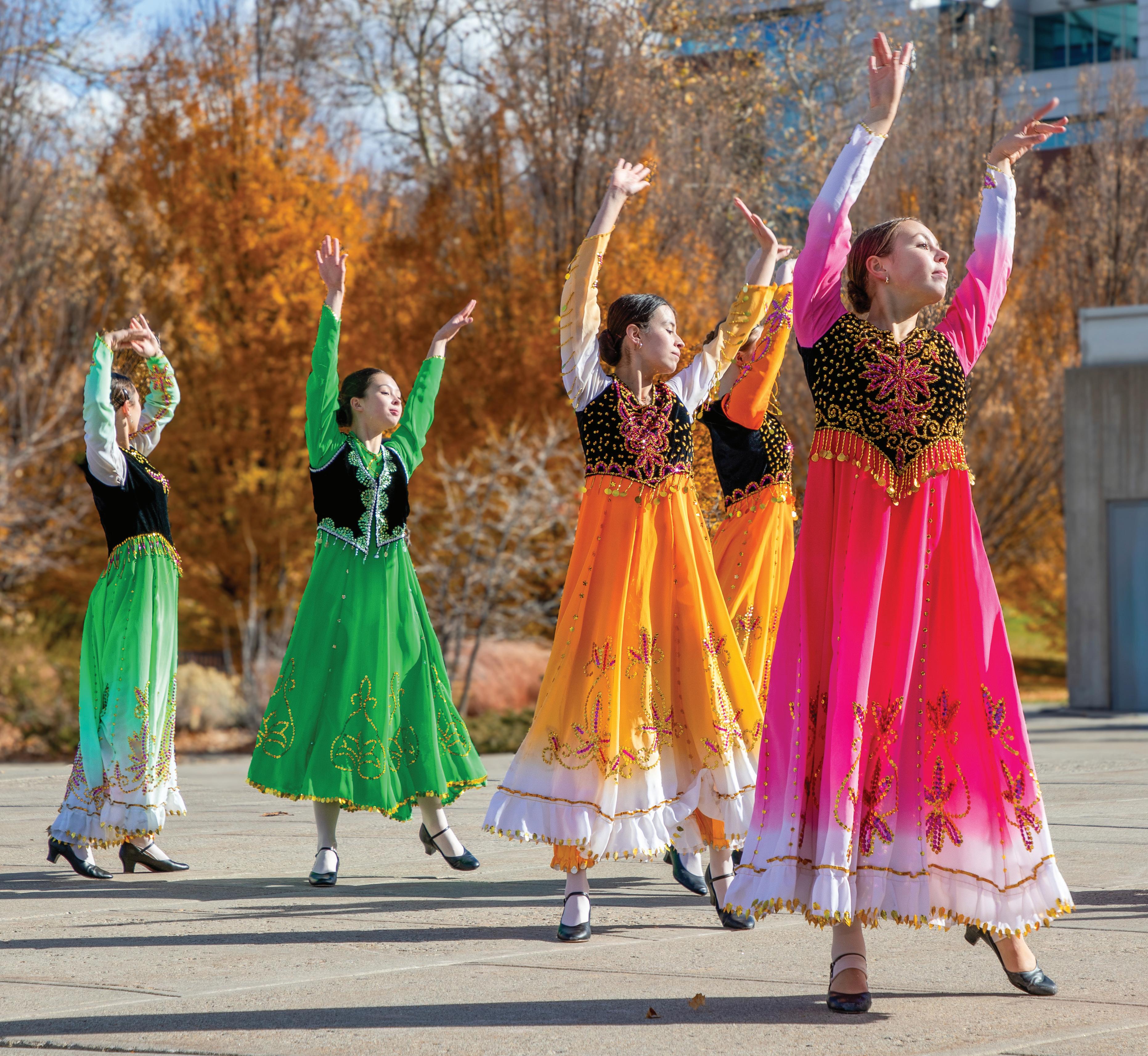
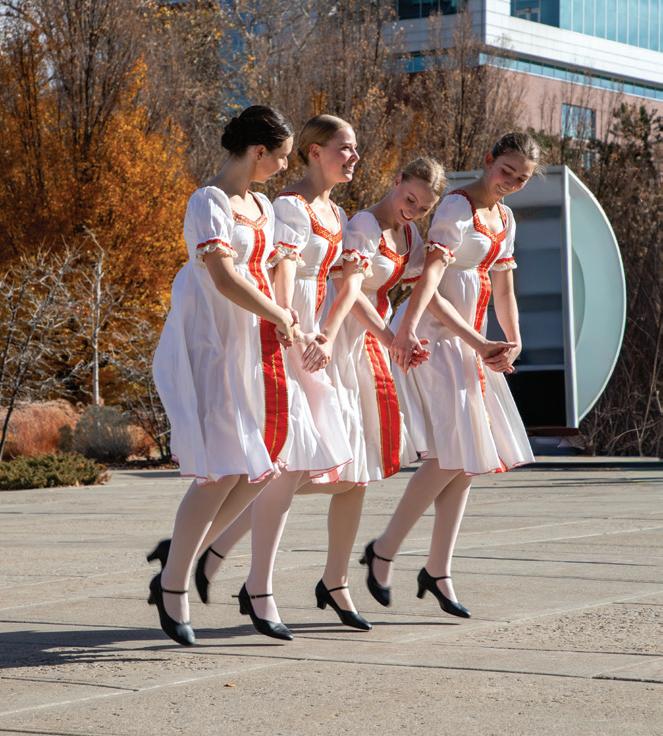
Cover | Character Dance Ensemble performs at International Education Week 2025

“The Office for Global Engagement strives to connect and elevate the University of Utah to the global stage. Our efforts at expanding cross-cultural experiences and partnerships allow our students and scholars to become leaders and global citizens. This is at the core of our vision for delivering unsurpassed societal impact.”
Taylor Randall, University of Utah President
This page | Istanbul, Turkey by Carson Suttle


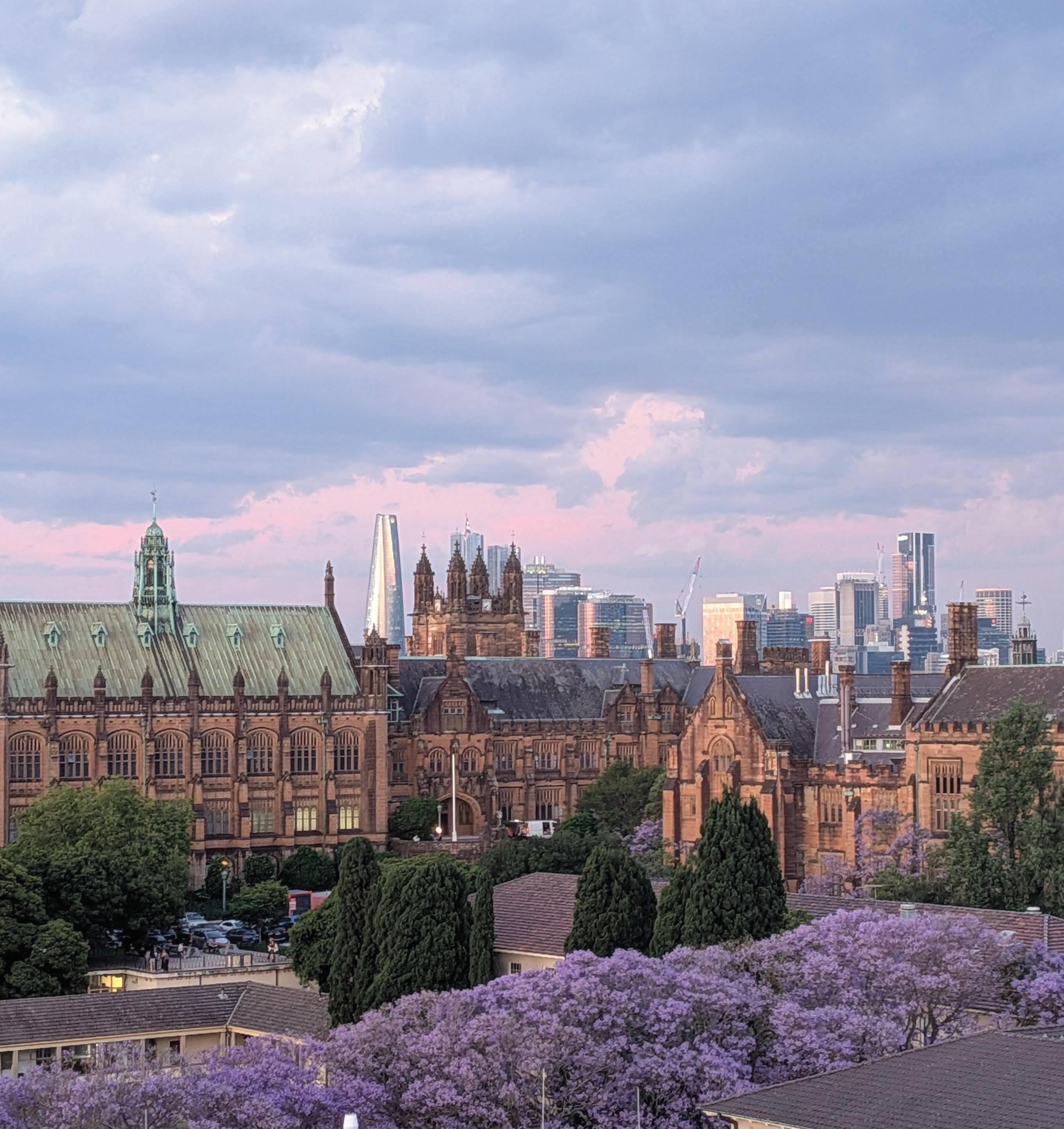
University of Sydney campus view by Tanya Yu

Dear Colleagues and Partners,
Thank you for your continued support of global engagement at the University of Utah. Your commitment plays a vital role in advancing our shared mission and strengthening the university’s global impact.
In a world shaped by rapid change, complex challenges, and deep interconnectedness, international competencies and partnerships are essential to the success of our students, faculty, and institution.
Across teaching, research, and service, the University of Utah continues to demonstrate the many ways that global engagement enriches learning, drives innovation, and fosters meaningful collaboration. I invite you to explore these efforts through the pages of this report and be inspired by the variety of ways we are creating international impact as a community.
As we review our 2025 achievements, we also look forward with a clear-eyed understanding of the challenges we will face, and a strong sense of optimism about what is possible. By expanding global learning opportunities for students, strengthening international research and scholarship networks, building capacity across borders, and fostering cultural understanding, we contribute to more resilient, informed, and compassionate global communities.
This work is impactful and enduring, and it would not be possible without your advocacy and partnership.
Thank you for your continued dedication and support in the years ahead. ■

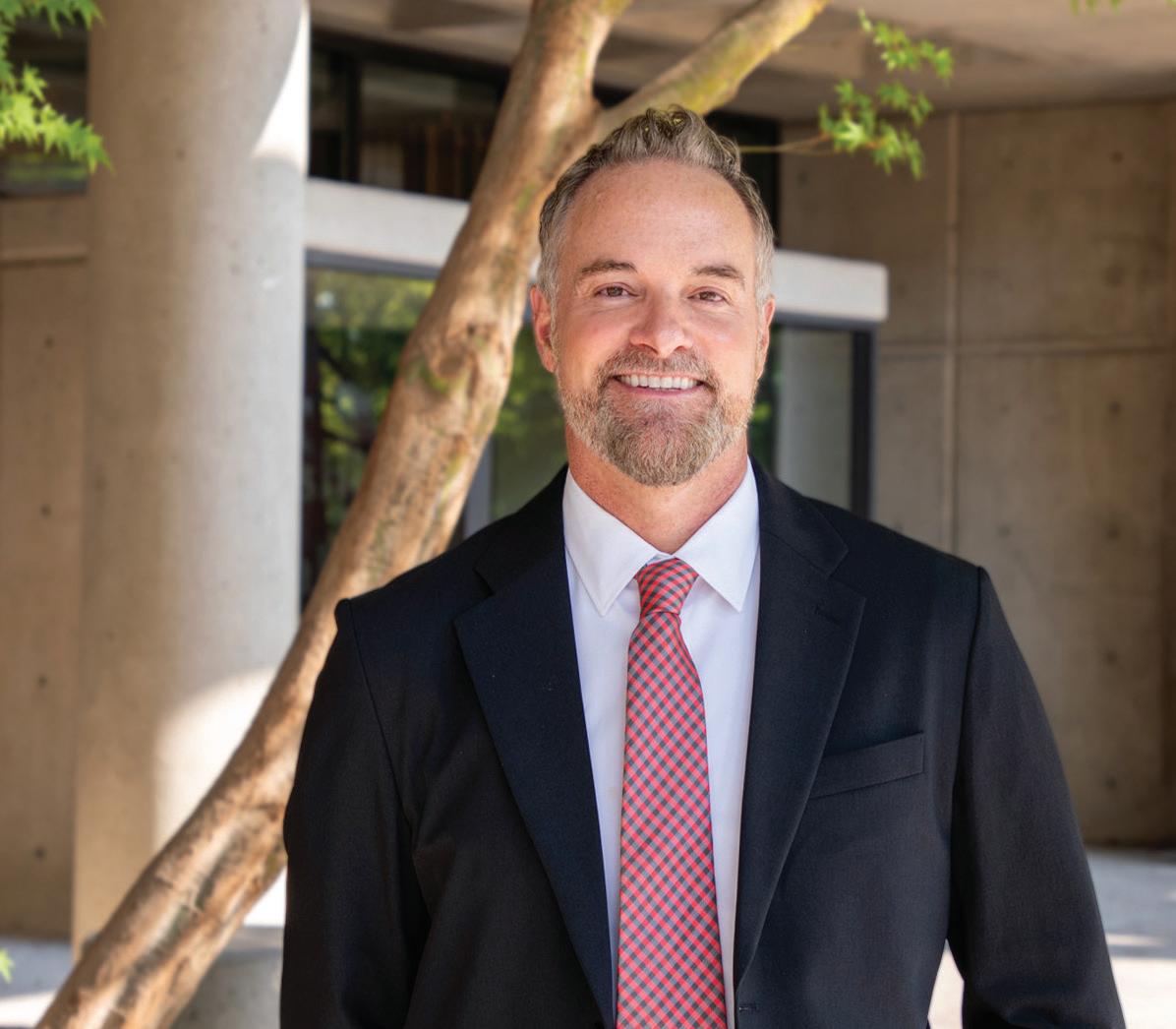
Randy McCrillis, Ph.D.
Interim Associate Vice President, University Connected Learning Senior International Officer

Salt Lake City, Utah

Utah Impact
THE CRITICAL ROLE OF GLOBAL ENGAGEMENT
Utah is frequently cited as a top U.S. state for doing business, and global engagement remains a cornerstone of the state’s economic success and future prosperity. Utah’s businesses are expanding beyond state lines into international markets, building partnerships across continents, and successfully competing on the global stage.
International trade is a powerful part of that economic resiliency—driving exports, drawing foreign investment, and creating high-wage opportunities across sectors from advanced manufacturing and technology to agriculture and outdoor industries.
As the state’s flagship research institution, the University of Utah plays a vital role in these global connections, driving international education and research initiatives that enrich Utah’s economy and communities.
International students contribute significantly through tuition, living expenses, and invaluable cultural exchange with their estimated economic impacts alone in the hundreds of millions annually. These students are also helping cultivate a globally literate and competitive future workforce.
Meanwhile, learning abroad experiences prepare students to thrive in a global economy by bolstering their resumes with real-world cultural competency.
As a major research university with tens of thousands of students and substantial research expenditures, the U enhances local economic growth by developing talent, attracting research funding, and fostering international collaboration.
The U’s global engagement efforts are more important than ever, driving relevancy for our state in conversations that transcend borders. ■

The Office for Global Engagement supports the international mission of the University of Utah through four pillars. In this report you will find stories demonstrating the impact of our efforts and data that showcases our continued committment to driving internationalization at the U.
Student Mobility
Dismantling barriers and establishing robust support mechanisms to facilitate seamless international student engagement.
Curriculum & Learning
Harnessing the power of international education to enhance student retention and graduation rates.
International Ecosystem
Designing and cultivating a thriving international ecosystem that enriches the entire university community.
International Research
Amplifying Utah’s world-class research achievements in support of institutional reputation, partnerships, and recruitment.
Flashing the U in Switzerland by Carson Suttle


The Resolve & Resilience of
International Students & Scholars
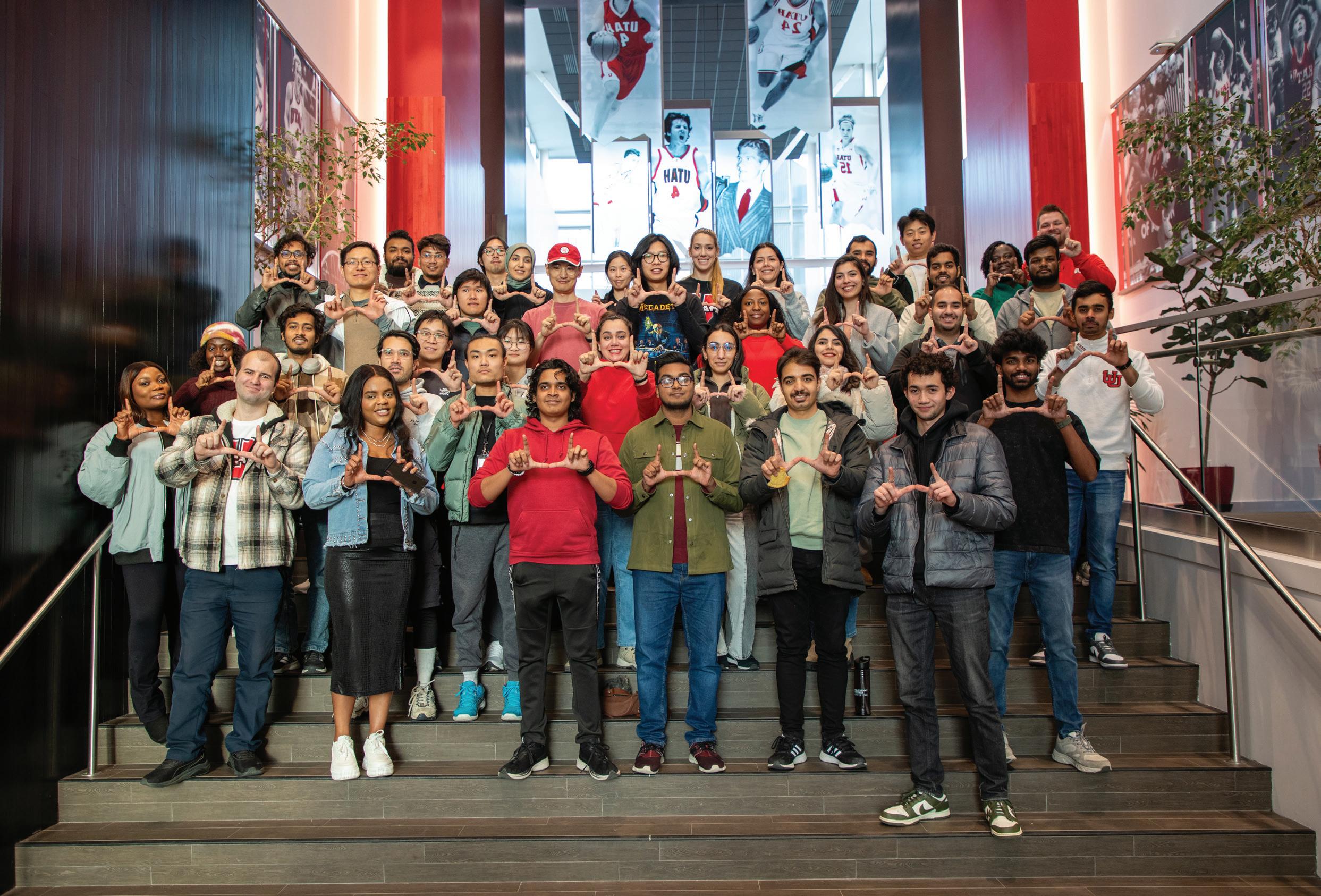
The Fall 2025 orientation for international students and scholars kicked off with a game...
“Raise your hand if you traveled over 10 hours to get here today,” said the moderator. The majority of hands in the room shot up proudly. “15 hours? 20?” A few hands dropped.
“Over 24? More than 36? 48?” Knowing nods, laughs, and a few gasps echoed around the room as several students proudly kept their hands in the air.
Though the resilience exemplified by a two-day journey may gain you some
street cred, the reality is that the travel itself—however long, uncomfortable, and sleepless—is one of the more manageable aspects of pursuing a degree abroad. It’s a journey rife with uncertainty, paperwork, monitoring of legalities, and financial challenges, making the degree at the end all the more meaningful.
The year brought new speedbumps due to visa application delays and denials, ever-changing U.S. travel restrictions, and fresh concerns for many about feeling unwelcome in the United States.
The staff members in International Student and Scholar Support Services, many of whom were once students studying far from
home themselves, were ready to offer guidance on maintaining legal status and comprehensive advising sessions. Here are four ways the office offered compassionate support during a tumultuous year for our international community:
Made Guidance Available
As compliance regulations began to change daily in Spring 2025, the ISSS team identified a need to compile government guidance in a central location with high visibility. They worked quickly to launch a webpage, accessible through the ISSS homepage, that compiled new federal policies, immigration regulations, and executive orders that
may affect our international student and scholar populations. By addressing the most frequentlly asked questions, staff time then went to supporting individuals with concerns that required more one-on-one support.
Opened a New, Welcoming Space
In February 2025, International Student & Scholar Services moved into a new office suite combined with the Office of Learning Abroad.
Historically, ISSS was located in two different office spaces with staff being split between Union 410 and Building 124. The transition to a single office space has provided international students a more seamless and supportive experience.
Opposite | International students gather for a photo at a holiday break dinner hosted by Utah Athletics before enjoying a mens basketball game.

The new office suite, located in Union 159, was completely renovated to create a new and welcoming space for international students oncampus and those seeking to go abroad. The new space features a welcome-reception area and dedicated meeting rooms for one-on-one advising. The bright open space helps to foster a sense of belonging and community, both of which are key values for ISSS, Learning Abroad, and the Office of Global Engagement.
Offered Admission to Utah Asia Campus
Due to sudden restrictions or outright bans on travel to the U.S. from nearly 40 countries, several admitted students were unable to come to Utah as they had
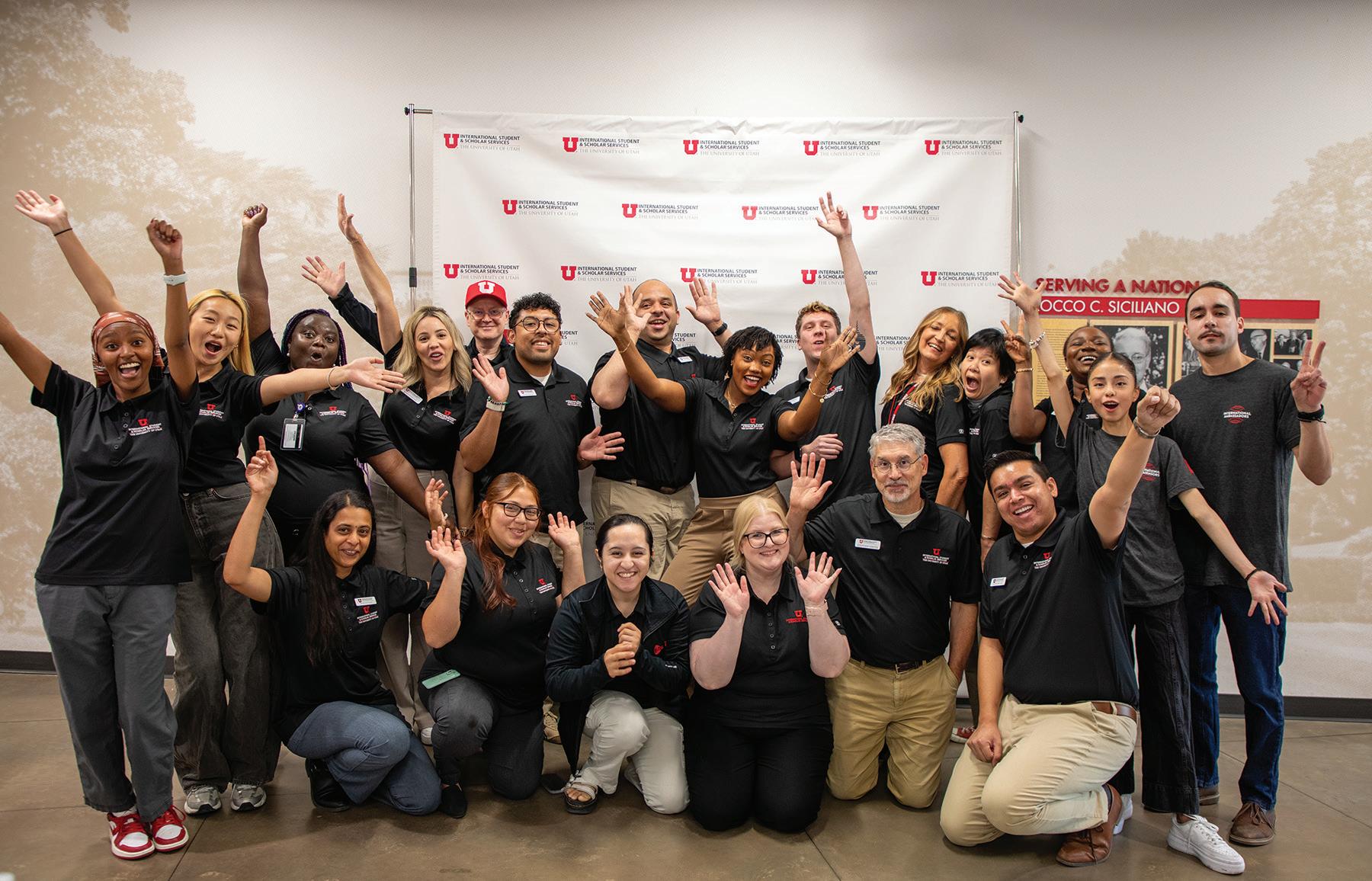
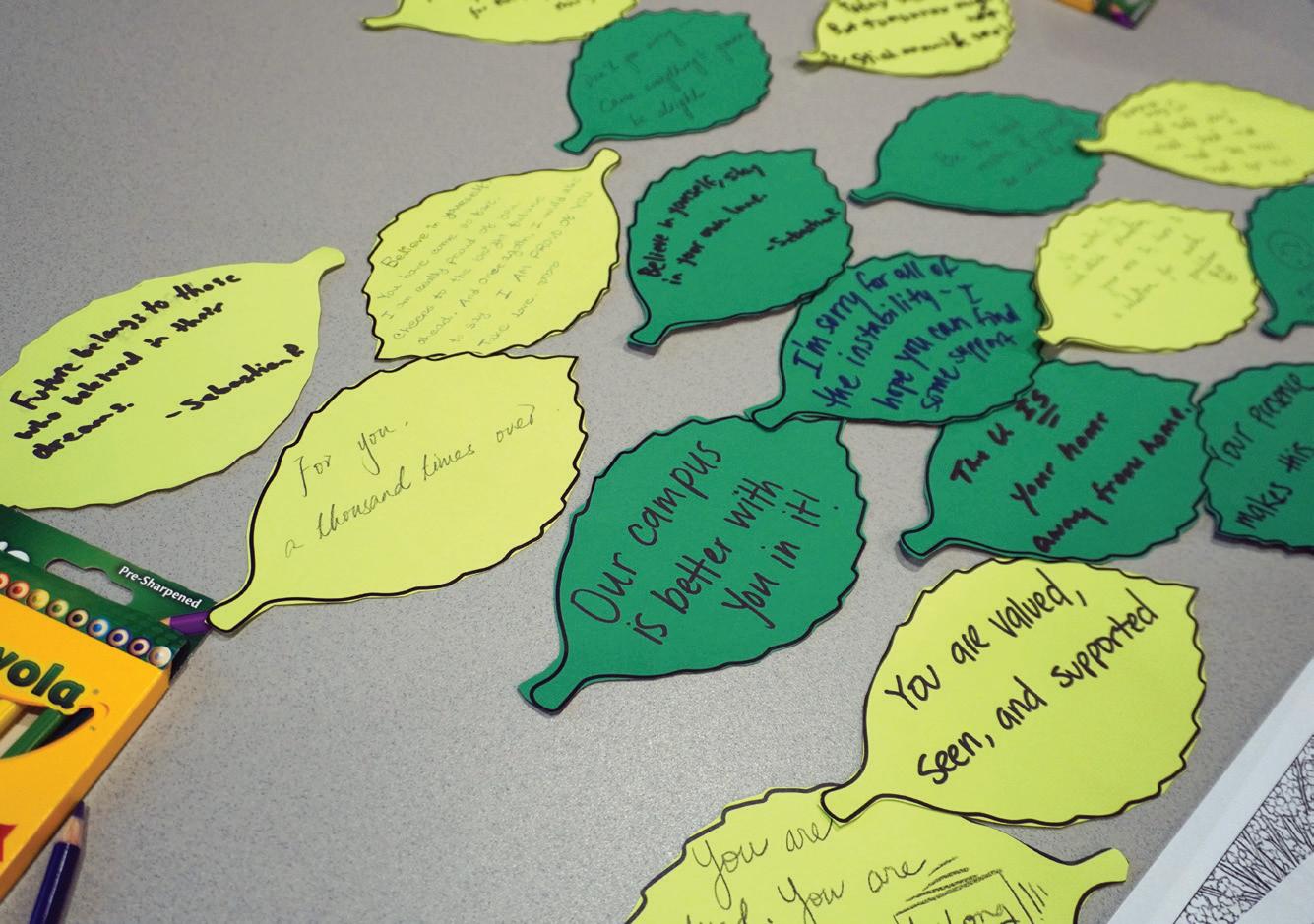
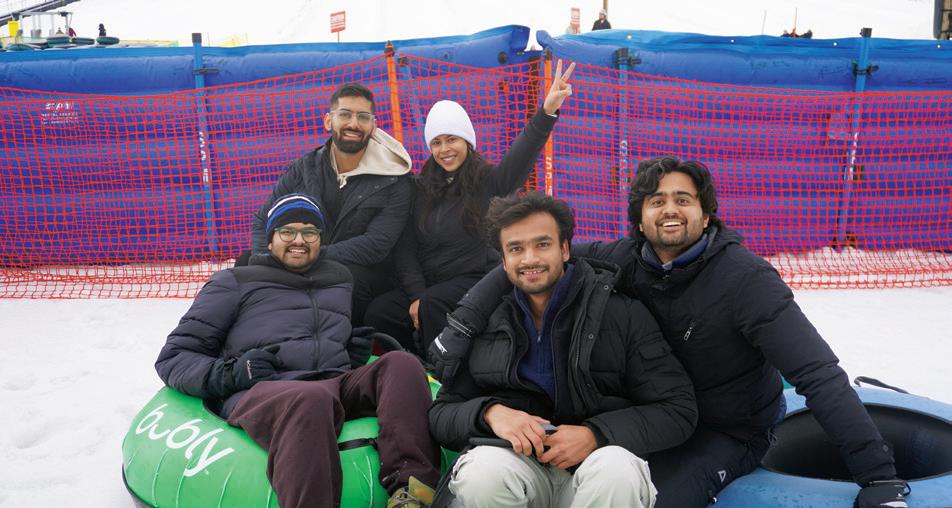
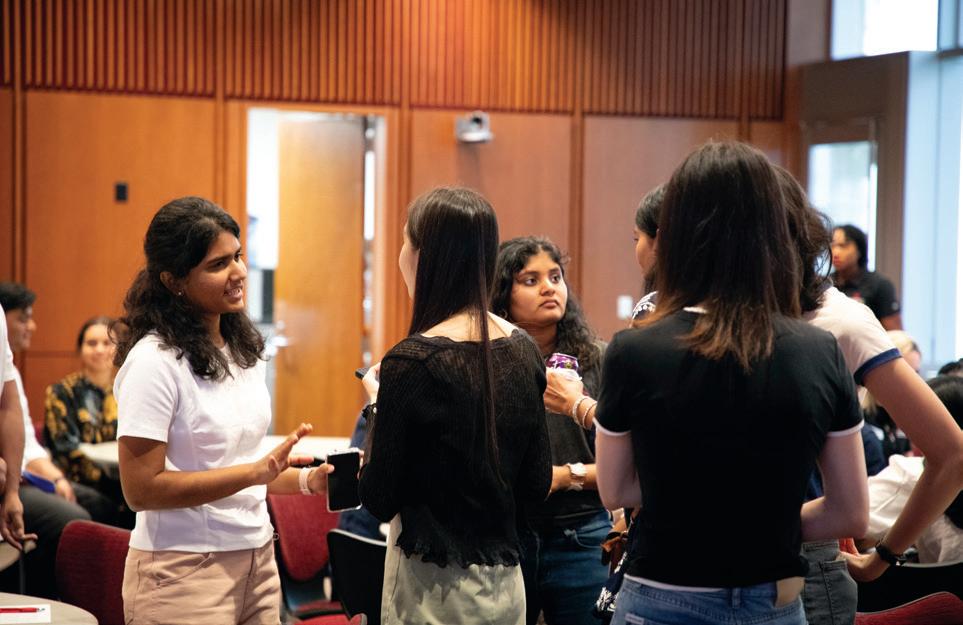
Clockwise from top | Students enjoy snow tubing during an ISSS social; “speed friending” at a welcome week event; messages from campus to our international student community; the ISSS staff poses before orientation.
WATCH THE TREE OF KINDNESS COME TO LIFE
intended. The team mobilized quickly in partnership with Admissions and the Utah Asia Campus, opening a pathway for students to become University of Utah students by starting their studies in Incheon, South Korea, where visa rules are more favorable.
Made Care Visible
When students began voicing new fears about being welcome in Utah, the ISSS staff responded by asking the entire U community to join them in reminding these students that “U Belong.” A paper tree sprouted overnight on the windows of the office in the Union and leaves unfurled over the week with messages from faculty, staff, and fellow students. ■
One International Student’s Experience at the U Finding Belonging Across Borders
RG Simbiak’s academic journey reflects both thoughtful decision-making and a deep commitment to personal growth, shaped by curiosity, resilience, and an openness to new experiences.
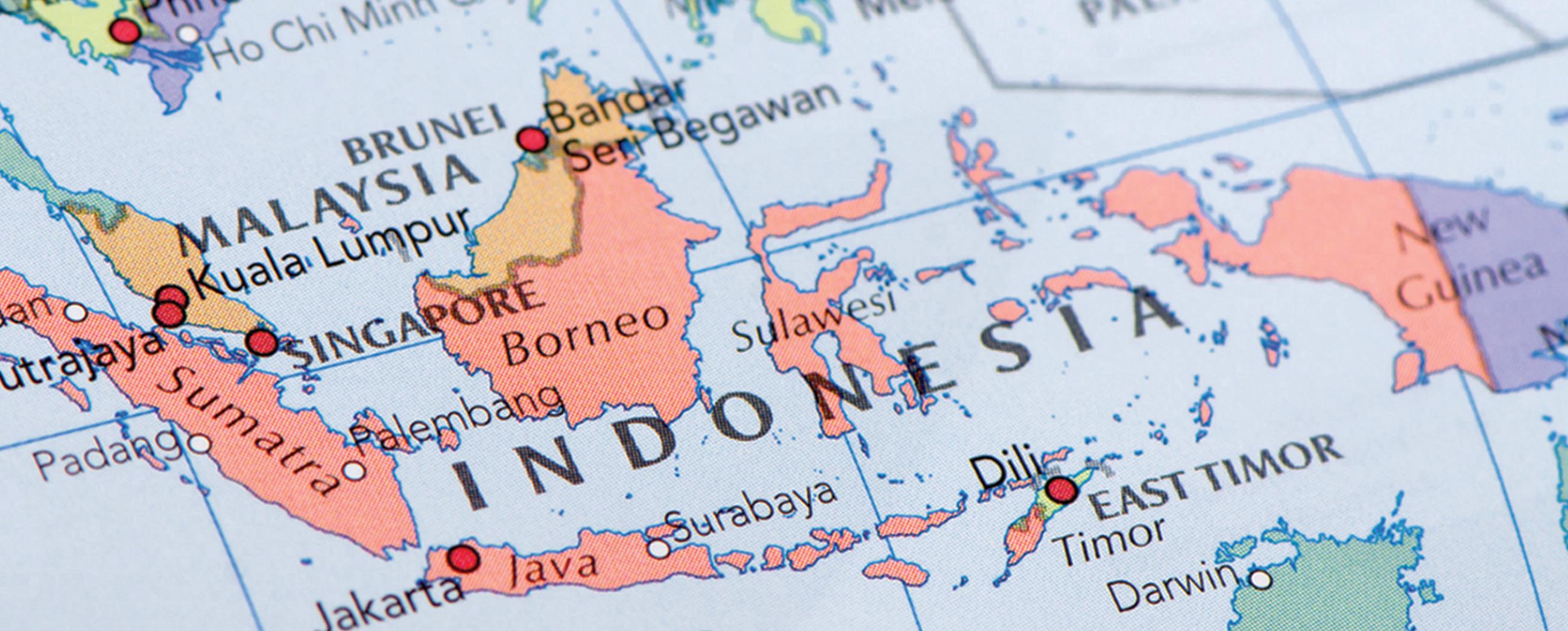
She left her native Papua, Indonesia, to head all the way to the University of Utah at the encouragement of her peers from Jakarta International College who had transferred to Utah and shared positive experiences about the campus community.
From Island to Inland
The U’s academic reputation in both of her chosen fields (Health, Society, & Policy and Strategic Communication) gave her confidence that the leap would be worth the distance.
“What finalized my decision was seeing that the U doesn’t
only focus on academics, but also cares about students’ personal and professional growth. You can really see that from all the resources available across campus such as the Career Success Center, the Wellness Center, International Students and Scholar Services and many more,” said Simbiak.
Still, studying at the U introduced new dynamics, particularly the discussioncentered learning style. Simbiak quickly noticed how approachable professors were and how actively students were encouraged to participate. During her first year in 2023, this presented a challenge. Having grown up in an education system where speaking up in class was less common—and while still developing English proficiency—Simbiak initially found participation intimidating.
Through persistence, careful listening, and gradual practice, she grew more confident and adapted successfully to the classroom environment.
Mountains & Mindset
Outside of academics, Simbiak’s first impression of

Utah was one of excitement and awe, especially inspired by the surrounding mountains. Although the cultural transition was significant, she said she embraced it with an open mindset. By attending campus events, engaging with diverse communities, and staying curious, Simbiak gradually learned how to navigate cultural differences both inside and outside the classroom.
Rather than a single defining moment, Simbiak described feeling welcomed from the very beginning—by professors, classmates, and the broader community—often met with genuine interest and enthusiasm when sharing her Indonesian background.
U Belong
Building connections took time, especially with initial language and cultural barriers, but Simbiak became actively involved through student organizations, campus jobs, volunteering, and service projects. Events like International Education Week and organizations such as the Asian American Student Association, Pacific Islander Student
Association, and Indonesian Student Association played a key role in helping Simbiak feel a strong sense of belonging.
Studying in Utah has profoundly shaped her perspective. Education now feels empowering and accessible; cultural differences are seen as something to celebrate; and personal growth has come through increased independence, confidence, and problem-solving skills.
Critical Support
ISSS, in particular, has been a constant source of support, fostering connection through monthly events and a welcoming community.
“ISSS events have helped me connect with people from different countries, learn about each other’s cultures, and feel supported,” she said.
She’s now paying that support forward, serving as an ambassador and offering tips to others via social media (@rgsimbiak, @ergesimbiak).
Simbiak’s advice to future international students is simple and heartfelt: trust the process, embrace the journey, and be ready for an unforgettable experience. ■

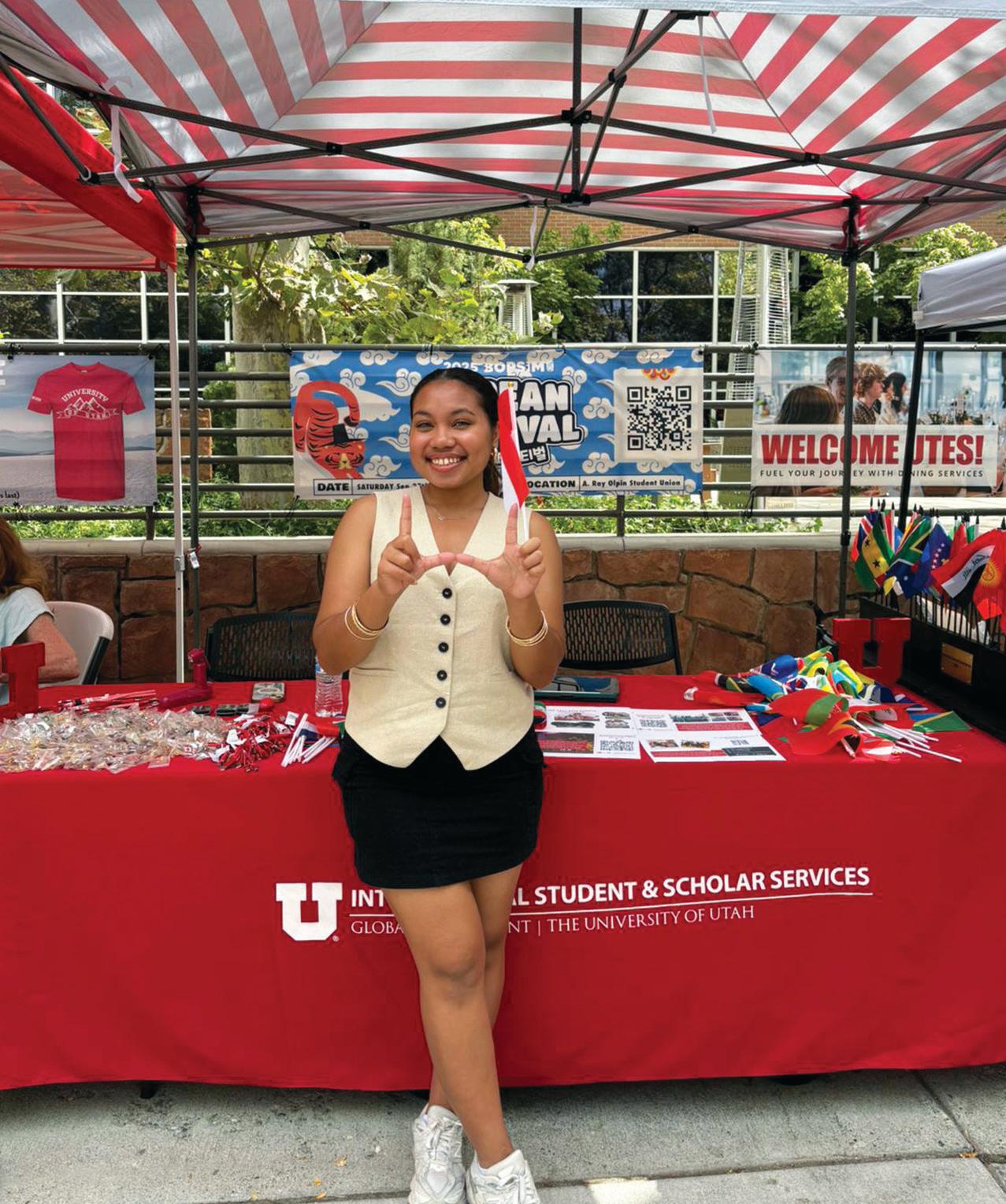
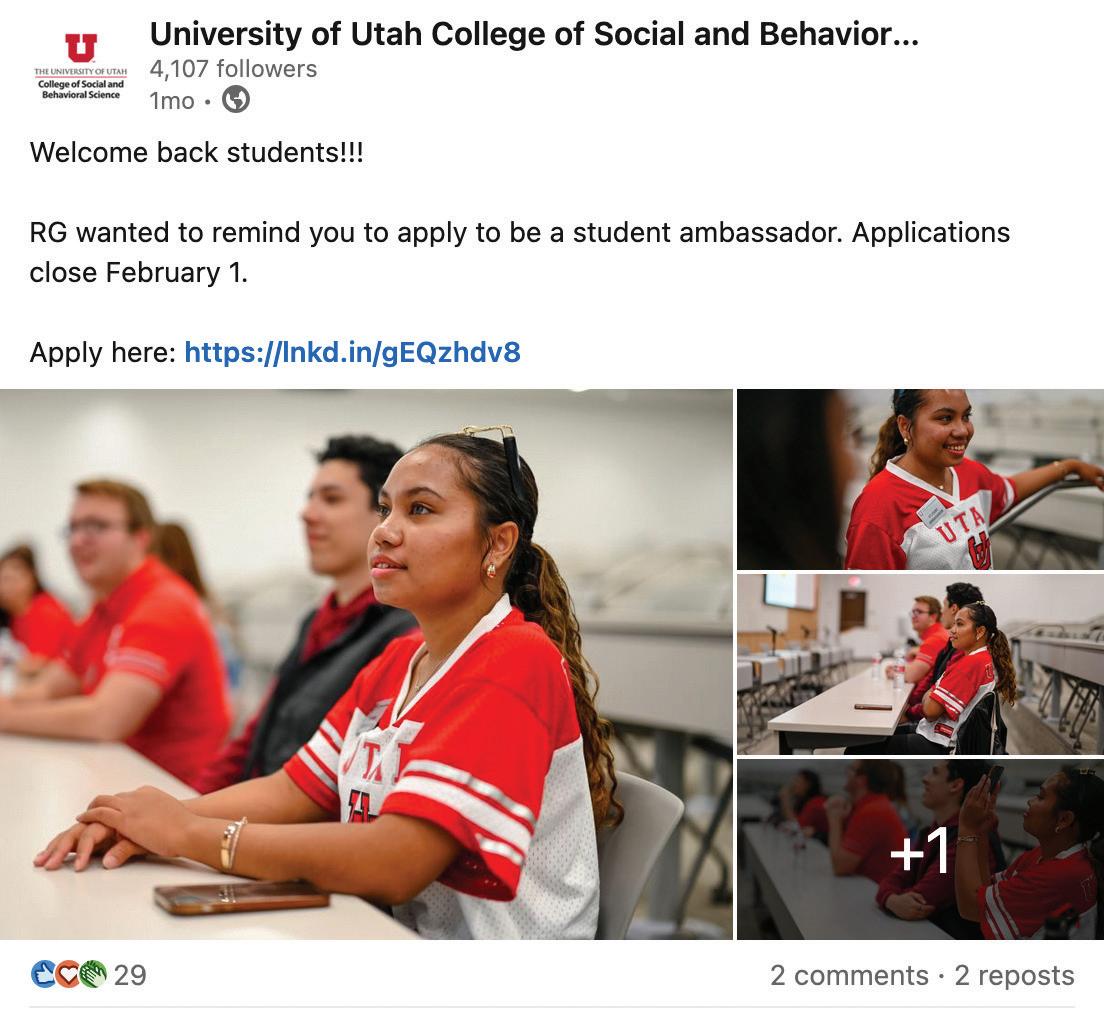
orientation leader to student ambassador, RG
has found that serving in student leadership positions has helped her make friends and complements her time in the classroom. She encourages other students to do the same so they can make the most of their time at the U.
From
Simbiak
International Students & Scholars by the Numbers
2024–25 Academic Year
International Students (F1) Enrolled
4,354
2,582 Undergraduate
1,772 Graduate
130+
Countries Represented
Top Countries of Origin
China (1,001)
South Korea (736)
India (487)
Iran (105)
Vietnam (104)
International Enrollment Over Time
Top 10 Programs of Study
Computer Science (1,063)
Information Systems (804)
Pre-Business (694)
Pre-Computer Science (568)
Games (487)
Pre-Games (473)
Business Administration (456)
Communication (434)
Finance (415)
Film & Media Arts (392)
Optional & Curricular Practical Training Programs
OPT and CPT are work authorization programs available to F-1 international students in the United States, allowing them to gain practical work experience after graduation.
1,147
Students on Optional Practical Training for 2024–25
90
Students on Curricular Practical Training for 2024–25
Designed for individuals participating in educational and cultural exchange programs.
197
Active J1 Records in the last 12 months
Top 10 OPT Employers
1 2
3 4 5 6 7 8 9 10 J1 Program

April 2025.
50+
$158,340
Scholarships awarded to International Students for support in 2024–25
19
Number of communitybuilding events hosted by ISSS in 2024–25
500+ International Night Attendees

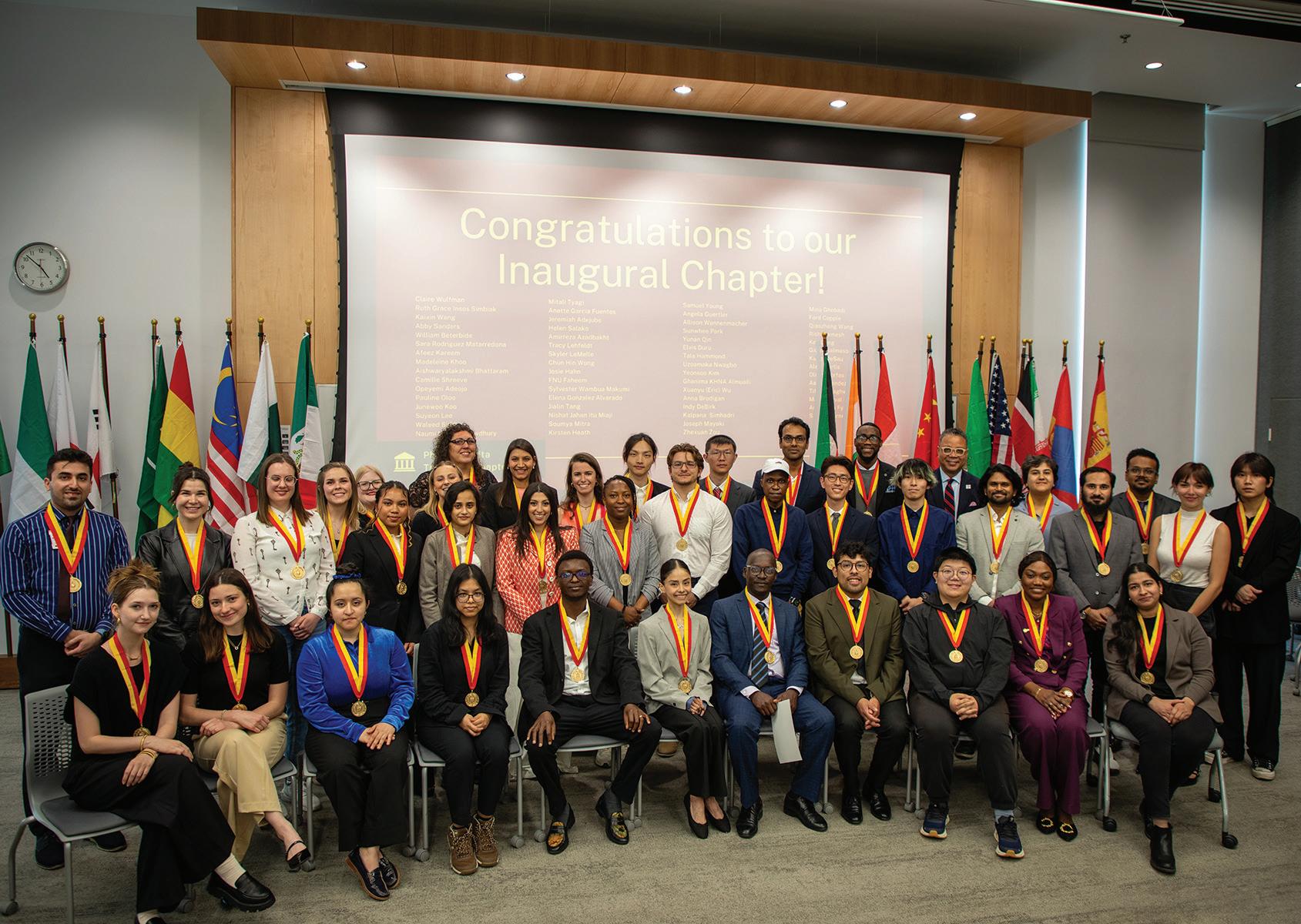
Inaugural International Honor Society Members
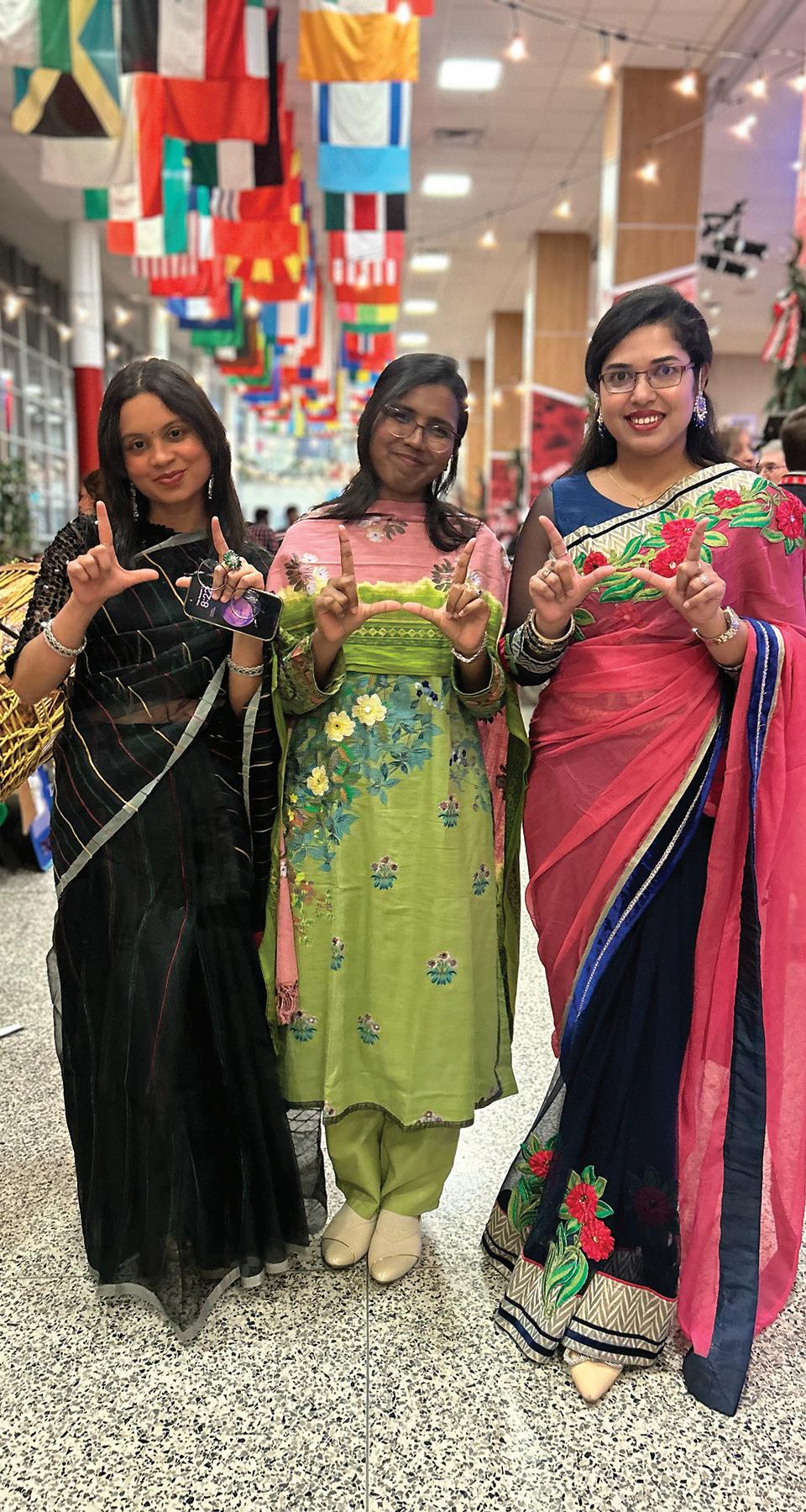
The inaugural chapter of the Theta Rho chapter of Phi Beta Delta International Honors Society poses for a photo in
How One U Student Planned Three International Experiences in STEM Designing a Global Education
by Cecily Sakrison, Marketing Manager
An Honors Intro to Learning Abroad
Sitting quietly in meditation in a South Korean monastery at 5 a.m., Tanya Yu encountered an experience that reshaped how she approached learning abroad.
“I had never pictured myself even getting an opportunity like that, but being there with all of the other students in my program... that singular moment was so beautiful. I realized that we were all having this new experience together. It was very powerful,” said Yu, who will complete a bachelor’s degree in Data Science with Honors in Fall 2026.
That Buddhist temple stay, organized as a cultural excursion for the Honors freshman cohort she had applied for at the last minute, compelled Yu to see what other experiences she might pursue around the globe as a University of Utah student. “I realized at that point that I wanted to continue exploring,” she said.
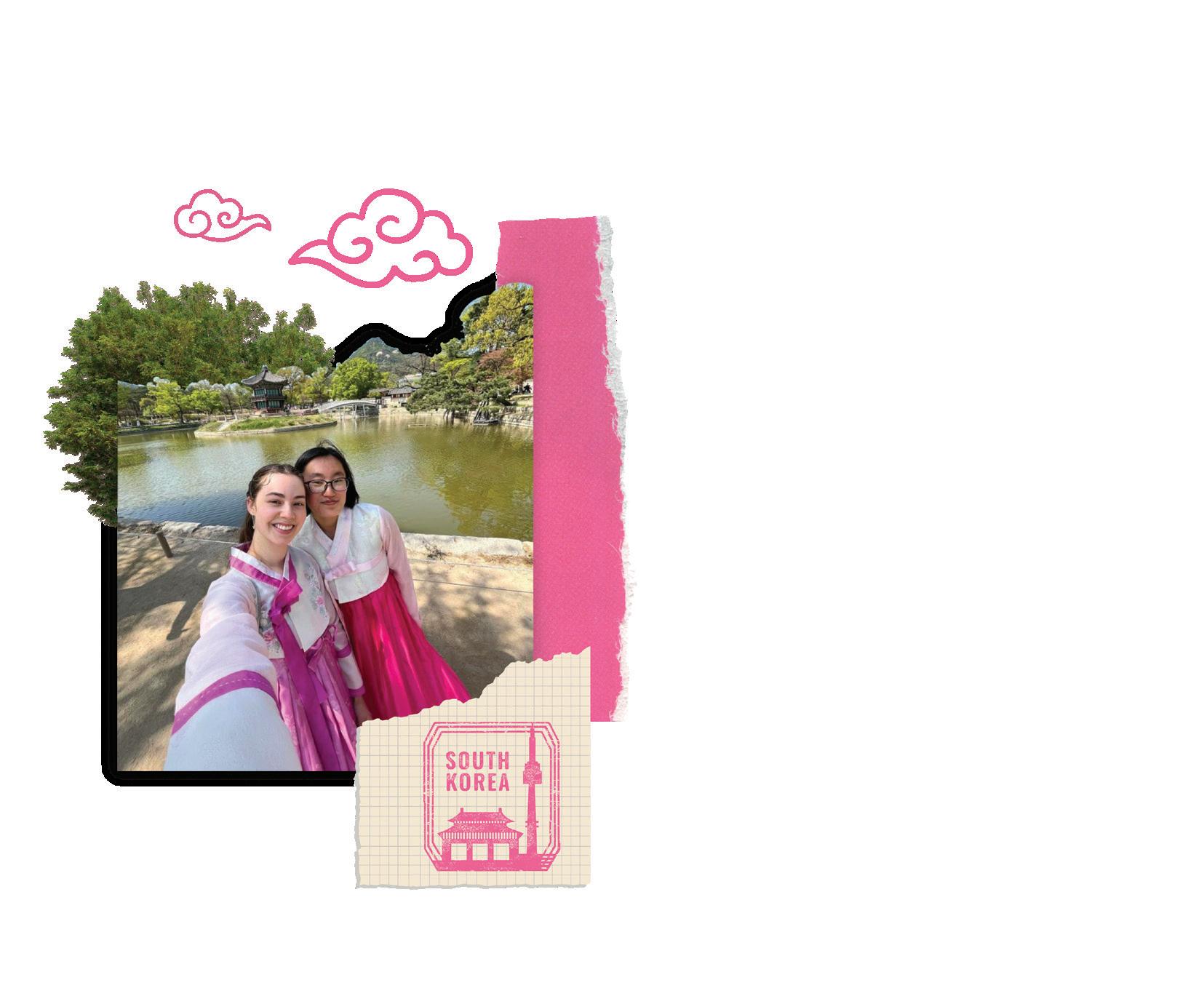
From top | Wearing hanboks (Korean traditional dress) with a friend at Gyeongbokgung Palace in Seoul; Learning about the tea making process in Taiwan.
Next Stop: Exchange in Taiwan
For Yu, learning abroad was not spontaneous. It required careful coordination of scholarships, transferable coursework, and degree requirements. Fresh off the confidence boost of her first learning abroad program, Yu began looking for a contrast to the experience of traveling with classmates. “That first trip was really well-supported and gave me the belief that I could push myself even more out of my comfort zone,” said Yu.
After identifying the experiences she could fund with scholarships, Yu spent some time considering which programs could best support her personal and academic goals.

“I come from a Chinesespeaking household and wanted to improve my language skills with an immersion experience,” she said.
As a STEM student, Yu also worked closely with advisors to ensure major coursework would apply toward her degree.
An Exchange program, where Yu could custom-select classes, live more independently, and enjoy support from the Exchange university, all while practicing Chinese, fit the bill. She went on to spend a semester at National Taiwan University.
Now on her own and “living more like a local,” she navigated

at first. It feels hard to be away from home, but to make more out of the experience, you must push through that and be intentional about saying ‘yes’ to the opportunities around you,” she reflected.
Off to an Internship Down Under
Back from Taiwan and ready to take on a new challenge, Yu looked at internship opportunities in data science and soon found herself boarding a plane to Australia. She spent the next semester attending classes on a study abroad program at the University of Sydney and interning for Impact Business School—a start-up company developing business leadership products.
In Australia, Yu learned to navigate different workplace cultures and how to balance professional demands with the rest of her life. “There are subtle but important cultural differences, especially around how direct you should be when communicating, and I think understanding that first-hand will ultimately help me when it’s time to enter the working world,” said Yu.
Through her travels and internship, Yu has broadened her expectations around what a career path might look like.
“My studies and experiences in Korea, Taiwan, and Australia have deepened my belief that data is more than numbers— it’s a tool for storytelling, connection, and justice,” she said. Her sights are now set on an interdisciplinary career leveraging data for social good.

Planning for Success
Yu is proof that with proper planning, students can stay on track while incorporating
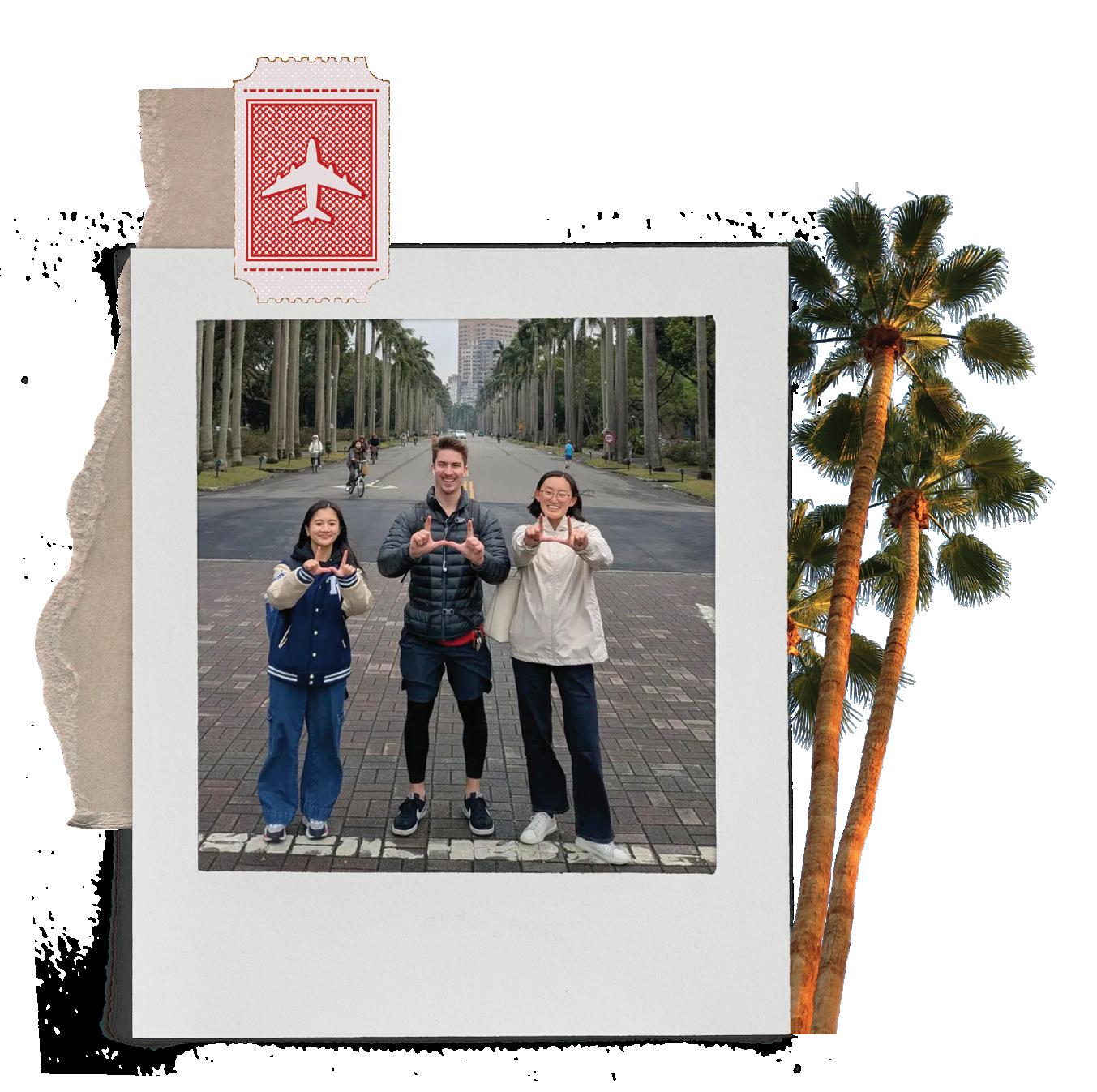
This page | Flashing the U at National Taiwan University; University of Sydney campus view; Meeting a kangaroo in Australia.
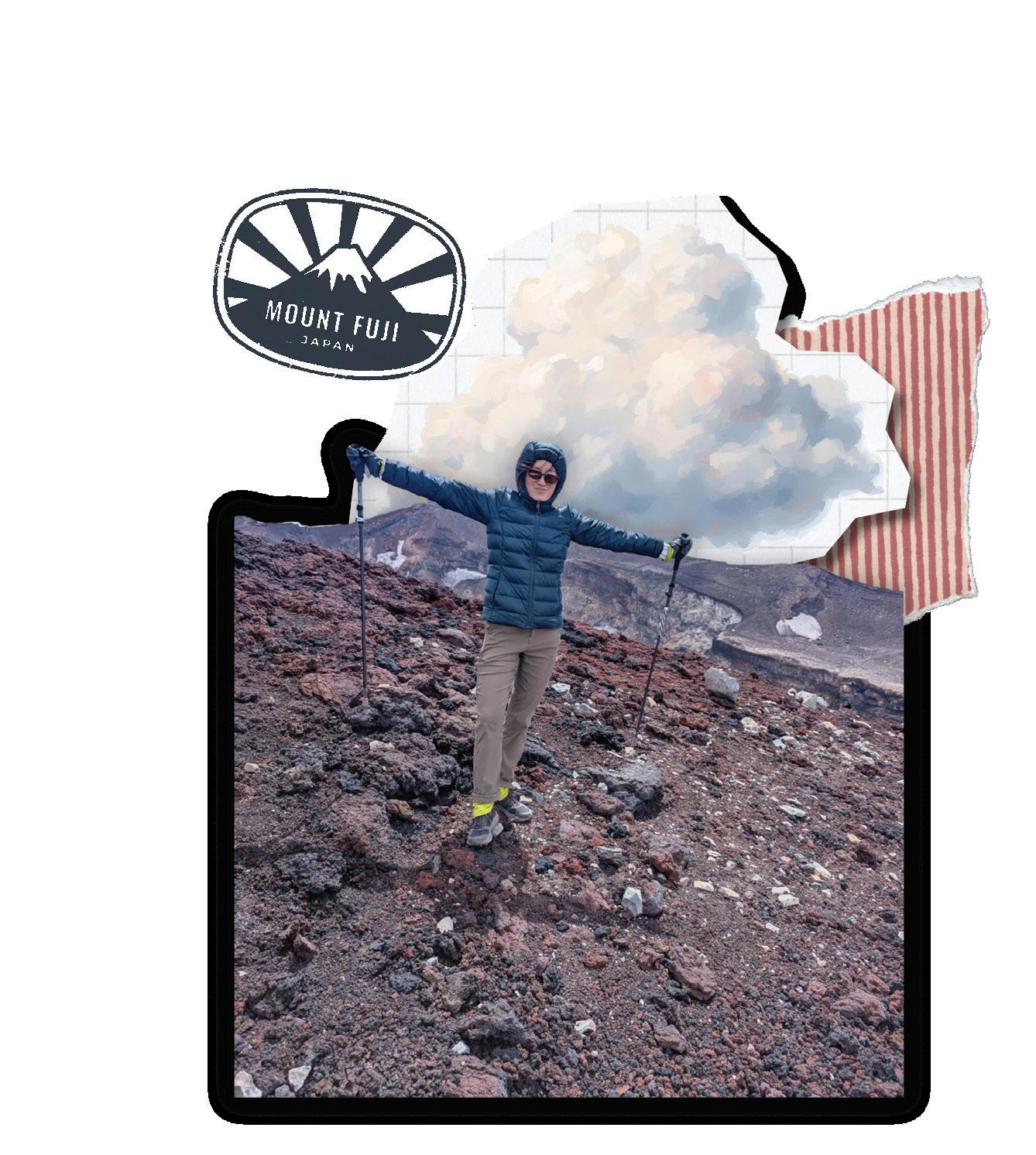
From top | Tanya hiked Mt. Fuji during the summer between her Taiwan and Australia semesters; The view at the top of Xiangshan (Elephant Mountain) in Taipei.
Lessons Learned Abroad Come Home
Now a junior majoring in data science and in the Honors College, Yu has completed three distinct international experiences and is looking ahead to her final year and a Fall 2026 graduation.
learning abroad, even in programs with a more prescriptive course plan.
These programs enhance a student’s resume with valuable experiences, language skills, networks, and cultural competence in the global job market.
A 2025 report by The Forum on Education Abroad showed that “more than 90% of education abroad alumni say that education abroad helped them build job skills.”
The University of Utah offers more than 500 programs in over 50 countries each year. With durations spanning one week to multiple semesters and over $400,000 in scholarship funding available, the options abound for students to integrate a highimpact experience abroad into their time as a U student.
“I think there’s always so much to grow and learn from while in university, but if you’re able to be in a different country at the same time, it helps you develop in a whole other way,” said Yu.
While she’s created some incredible opportunities for herself outside of Utah—and shared them generously with other students looking to do the same via her Instagram channel (@tanya.s.yu)— Yu is excited to be based in Salt Lake City for her final year of college.
“There’s so much that the U offers. I want to experience it all, so I’m really excited to be back in Salt Lake and taking advantage of all the on-campus activities. Everywhere you travel becomes part of you, but Utah will always be home,” she said. ■

Tanya’s top five tips for students who want to learn abroad:
1
Start planning early
Start looking at learning abroad programs as a freshman, even if you don’t plan to go abroad until later. Planning around STEM degrees can be tricky, but it’s doable with good preparation and support. Remember: You can always defer, but you can’t go back in time.


3
2

Ask for help
Reach out to advisors as early as possible. Stay in regular communication with the faculty and staff who are trying to help you succeed.
Be flexible
Look at different program types, lengths, and destinations to see what programs allow you to meet your financial, academic, and personal requirements. Say “yes” to opportunities

4

5

Your experience abroad will directly reflect what you put into it. Actively look for ways to connect with locals, go to community events, be the first to say “hello” to a new friend. Put yourself out there even though it may seem scary.


Share what you learn
There are a lot of people who helped you make your experience a success. Now, it’s your turn to share with the next batch of students who will follow in your footsteps. Be generous with your knowledge.


INTERNATIONAL EXPERIENCES
Early Experiences Abroad Offer a Jumpstart on Student Success
by Emma Campbell, Communications Specialist
Many students choose to study abroad simply because they want to travel more, but the benefits of an international education go far beyond getting to see the sights in a foreign city.
Travel itself is transformative—intellectually, socially, politically and emotionally—and participating in the varied global opportunities the University of Utah offers can change a student’s life. Especially for freshmen, the chance to learn abroad can shape their entire university experience and the rest of their lives after graduation.
Learning abroad participants create lasting friendships, make meaningful connections with their professors, and peers and engage with campus programs and resources. All those benefits can help a student feel more confident in their chosen major and career path.

The U offers over 500 programs abroad—including study, research and internship opportunities—to students of all majors and academic paths. Historically, few of those offerings have been open to first-year students. That’s changing. The U now offers several pathways for students to go abroad within their first year of attendance. Still, extra considerations remain when extending these programs to first-year students.
“We know early international experiences lead to better outcomes, but we also need to meet students where they are. First-year students are often navigating an independence gap—they’re
still figuring out how to live on their own. Many are also adjusting to disrupted social circles and support systems, and they don’t yet have college transcripts to show they can handle the academic expectations of higher ed. Because of that, first-year experiences should include extra support to help these students set themselves up for success,” said Randy McCrillis, Senior International Officer.
Three cohort-based programs do exactly that, sending students abroad with a group of U peers under the guidance of a U faculty member. These programs model what an expanded menu of learning abroad options for first-year students could look like. ■
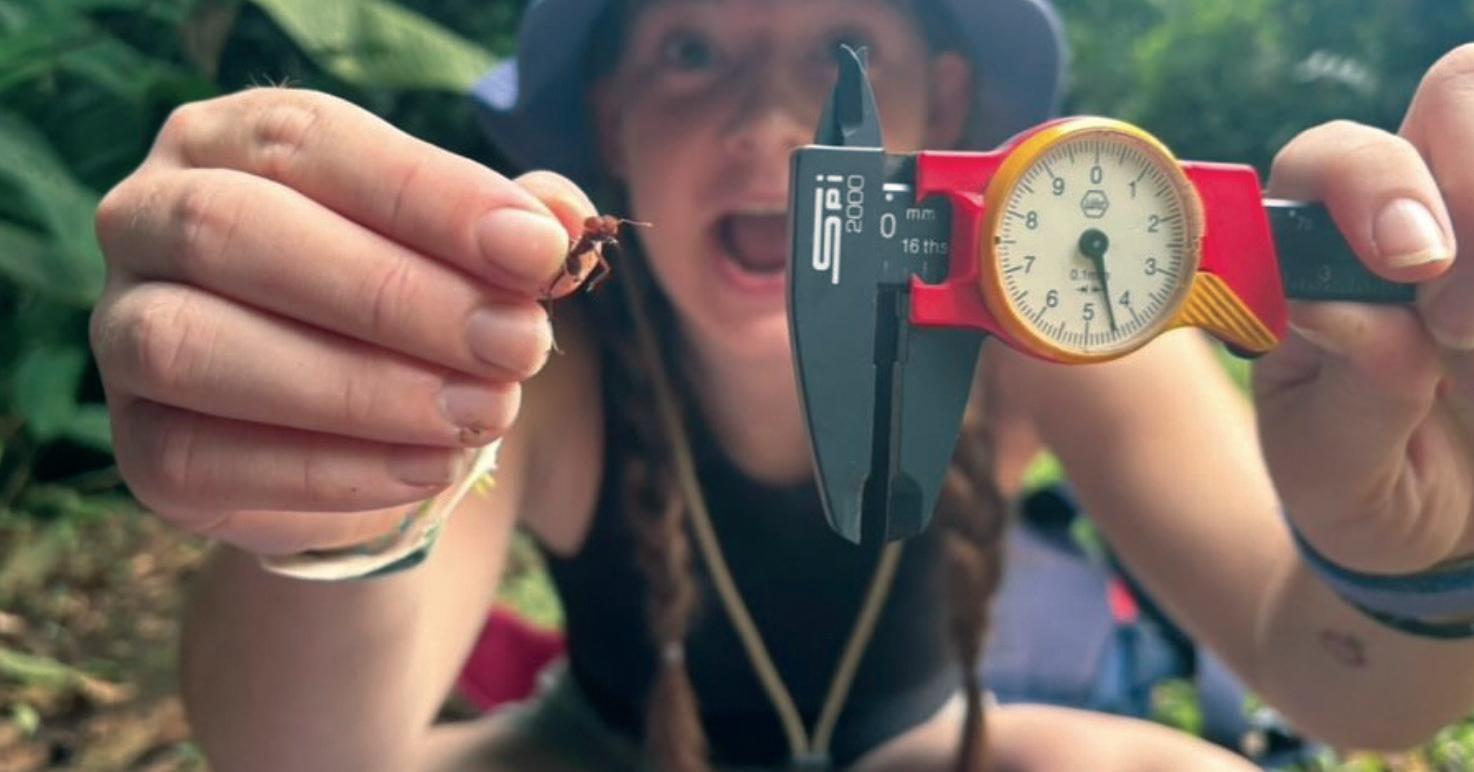
Honors students hiked in the rainforest (and met ants!) in Costa Rica during an Integrated Minors trip.
Honors Outbound: A Learning Community Going Global
Honors Outbound students participate in a preparation course at the Salt Lake City campus during the fall before spending their spring semester at the Utah Asia Campus in Incheon, Korea. While there, they take at least one Honors course with their full cohort.
The automatic social network has proven invaluable for freshmen who are trying to navigate both college and a new country for the first time.
“Students in these cohorts become future roommates and friends,” said Assistant Dean of Honors Aaron Reynolds. “They get to know each other well since Utah Asia Campus is such a small environment. And [it] naturally happens because you have a group of peers who have a common interest.”
The program not only helps freshmen find their place socially, but academically as well. Because the U Asia Campus is an extension of the Salt Lake Campus, completed coursework automatically reports to the students’ transcripts and fulfills their general education or major requirements. Additionally, students can take several Honors course options and maintain access to the U’s resources and faculty members. Students can immerse themselves in this transformative experience without skipping a beat in their academic journey.
Another option for Honors freshmen is the Honors Integrated Minor program. Students can pick between three minors (Ecology and Legacy, Health, and Human Rights and Resources) and four locations (Costa Rica, South Africa, Mexico and East Asia). Each program has slightly different credit requirements, but all offer a cohort-based learning experience where students take courses together during fall and spring semesters before traveling abroad for the summer.
While all honors students can participate in the programs, Associate Director of Special Programs Dominic Pecoraro says freshmen
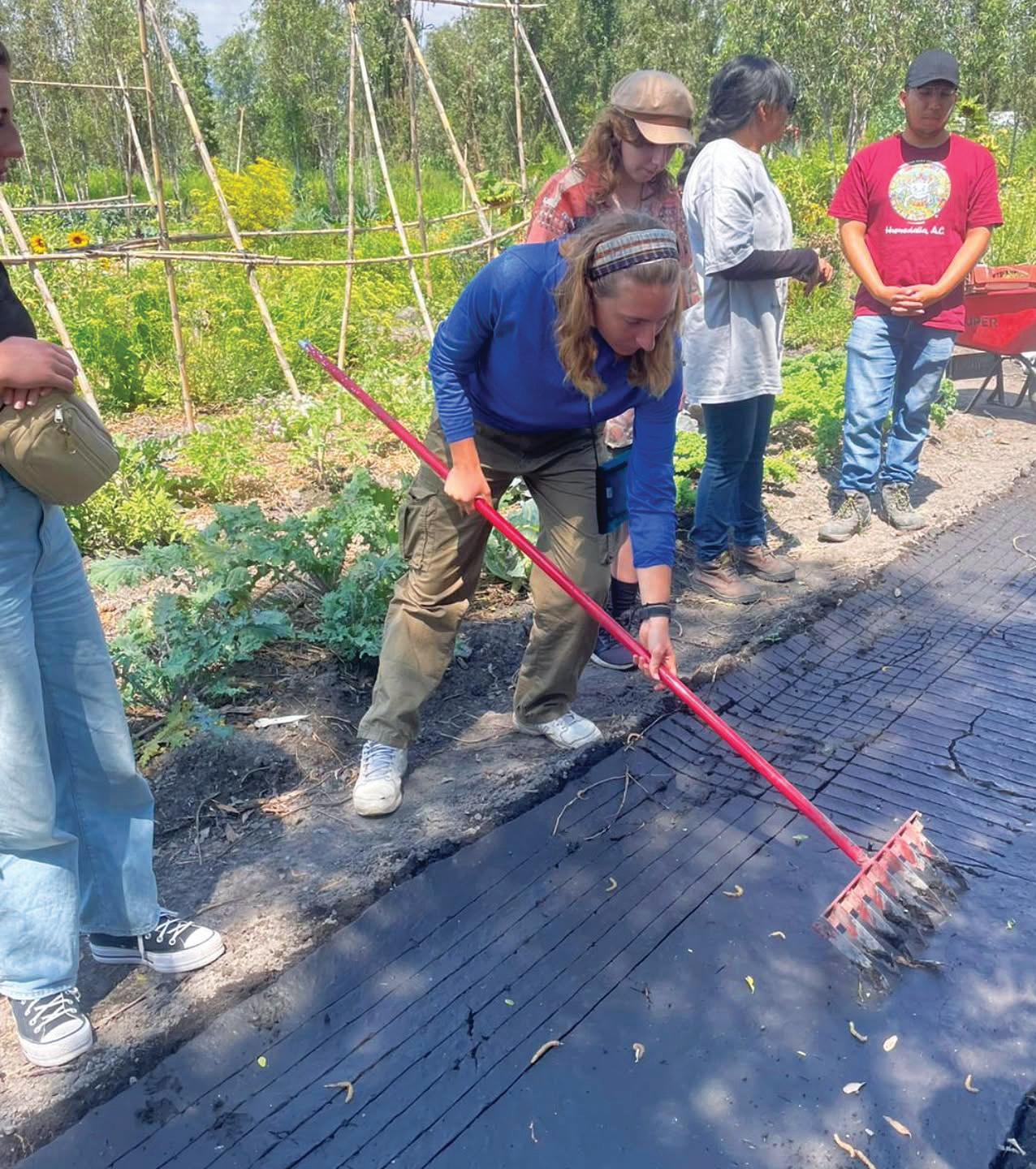
At right | Students learn a method for cultivating crops in a traditional, sustainable way while visiting Oaxaca, Mexico during an Honors Integrated Minors trip.

are particularly drawn to them because “it’s a faculty-led program for students who want structure. Other students may want to organize their own trip themselves, but first-year students may not have thought of learning abroad, so it’s nice to provide them with structure because they can learn abroad in a way that is comfortable.”
While helping students progress academically and acquire new knowledge is gratifying, Pecoraro believes the best part of the program is helping students become more settled and confident.
“What I really enjoy is getting to meet them as a prospective student and seeing the actualization of the experience they wanted to have,” Pecoraro said. “You see them mature both as students and as individuals. Doing the program helps these students really come into their own and find agency and ownership as first-year undergraduate students.” ■



Global Quest: Ethics & Action Abroad
Global Quest, open to all incoming first-year students, is a two-semester cohort program where freshmen take a preparation course in their fall semester before attending an international location in spring. Launched at the Utah Asia Campus



“Global Quest has become a way for students to engage in ways to challenge insights and question, ‘How do I belong, not just at the U, but in the local and global community?’,” said Ahram Park, Assistant Professor at the Utah Asia Campus.


in 2020, the program will expand in Spring 2027 to include options in Europe and Costa Rica.
The experience is a pathway within a larger campus program, called Quest, which offers smallsized academic seminar courses that challenge students to consider the ethical dimensions of problem solving and action. Participants are also introduced to university resources that will guide them as they make decisions around majors and career pathways.
Students are encouraged to consider this question in class discussions as well as cohort social and service activities that bring them closer together and into the community, both abroad and on campus.
The Quest course exposes students to many different majors and urges them to explore what they are really interested in pursuing, while also discovering more about campus support systems.
When Eliza Coe, a Global Quest alumna, reflected on her experience, she
said, “Not only did it help me to decide my major as communication, but it also set me up well for jobs and opportunities when I came back.”
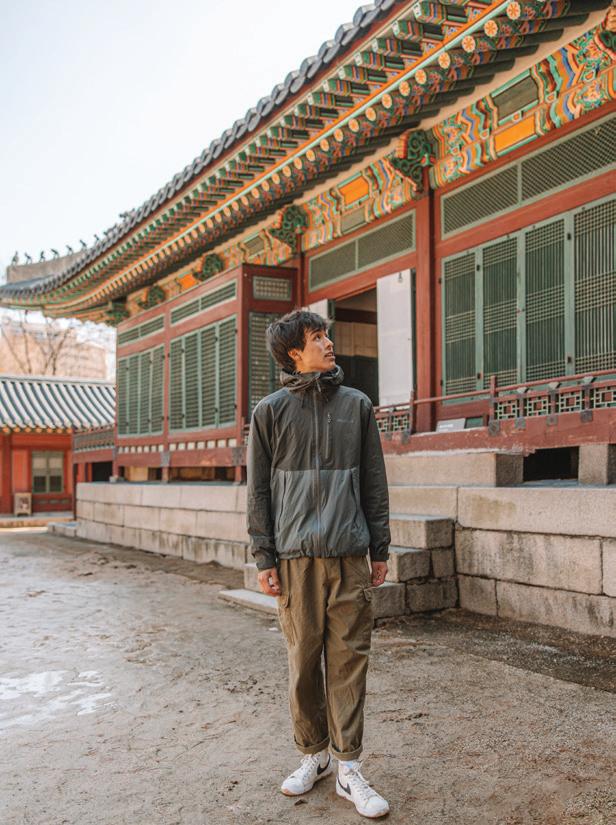
Carson Suttle, another alumnus, also determined his future career path while abroad at Utah Asia Campus. He was undecided on his major when he started, but while in a general political science course in Korea, his professor shared a PowerPoint slide about international business that captured his attention. “Because of that one slide the professor shared, I declared a major in marketing with an international focus,” said Suttle. “I might pick up an international minor because, being abroad, I enjoyed working with other cultures.”
The skills students gain through these experiences ultimately extend to the rest of their lives. Assistant Professor Rochelle Cassells, faculty lead of the Salt Lake Global Quest classes, said, “International experiences offer the opportunity for students to stretch and expand what is considered ‘normal’ to them. Afterwards, they can communicate easily with others because they have developed interpersonal skills and are flexible to more ways of being and doing.” ■
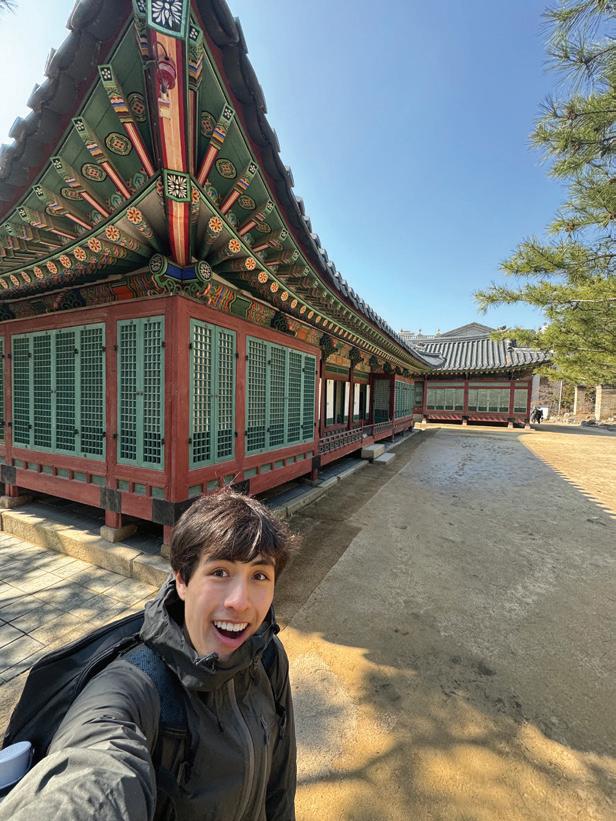
Global Quest student Carson Suttle checks out traditional Korean architecture in Seoul.
Eccles Global: Big Business in Small Group Settings
For students in the David Eccles School of Business, the Eccles Global program offers an affordable opportunity for students to earn credits—or even a minor—while traveling abroad for as little as a week or as long as a semester. While not exclusively offered to freshmen, first-year students can participate in the programs if they complete any necessary prerequisites.
Eccles Global offers numerous learning abroad opportunities in many different countries that all immerse students in an international setting and use the city as the classroom.
While many of these courses are also available at the Salt Lake City campus, Program Manager Noah Bodnar explained that “there’s only so much you can learn in the classroom. When you go abroad, it’s probably the best way you can grow. Employers appreciate and value students who take the time to go to different places and learn and grow because it gives them a wider view.”
Going abroad also helps students feel more connected to their college. Programs are limited to between 20 and 25 students, which means everyone can connect and build strong friendships—a tougher task on campus, as most business classes have closer to 100 students. The smaller class sizes allow students to associate directly with their professors too.
“The experience builds a community within that

group, but also builds a bridge between student and professor,” said Bodnar.
Gabrielle Wiecek, who completed the entrepreneurship minor in Nice, France, said, “I would say my favorite part was the close-knit group. I made so many lasting friendships and was able to connect with professors in a way that wouldn’t be possible in a lecture hall.”
Many students even become more involved in the business school when they return home. Anthony Laciura completed the entrepreneurship minor in Nice, France, in 2024.
“It led me to become highly involved with Eccles Global, eventually working for the office these past two school years.” He decided to do a second study abroad program his sophomore year because of how much he got out of the program the first time around. Thanks to that experience, he ended up discovering the career path he wants to pursue.


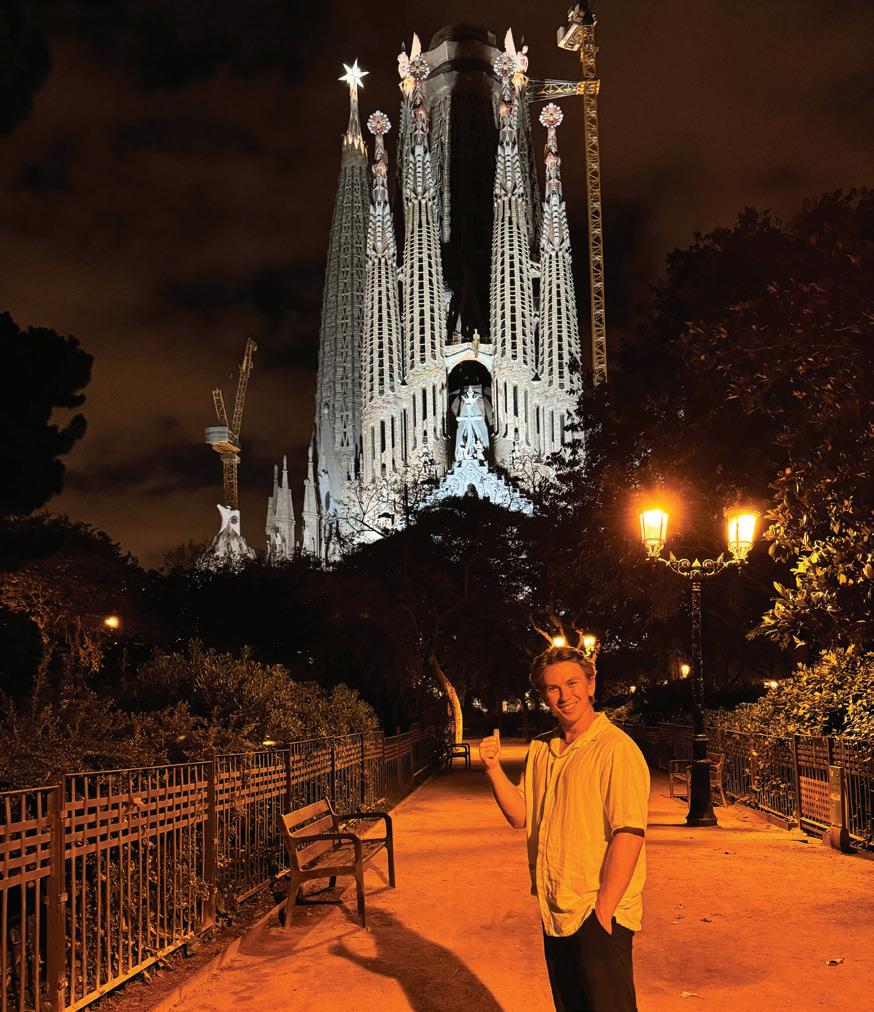
“Studying abroad my freshman year was one of the best decisions I made in college,” said Laciura. “It opened doors, helped me grow personally and inspired me to get more involved on campus. The experience made college feel bigger, and it gave me a clearer sense of direction for what I wanted out of my time at the University of Utah.” ■
Eccles Global student Anthony Laciura marvels at the Sagrada Familia in Barcelona, Spain.
Elevating Student Voices
In 2025, over 30 students shared their time abroad in 18 countries through the @utahabroad Instagram channel, taking viewers along for the ride and inspiring them to launch their own research, internship, or study abroad experiences.

VIEW MORE STUDENT STORIES VIA LEARNING ABROAD’S INSTAGRAM

Viviana Olvera Physical Therapy Rehabilitation in Morocco (FACULTY-LED)
Curriculum & Learning
The students leading takeovers answered specific questions through “ask me anything” posts, shared their meals, took viewers to class with them, and gave tours of their towns. The results were high-engagement, studentcentered content that demystified the Learning Abroad journey and helped prospective students envision their own pathways. Here are a few of the most-watched takeovers of 2025. ■
As-salaam Alaykum! My name is Viviana Olvera, and I’m a Doctor of Physical Therapy student in my final year at the University of Utah. I’m completing a week-long Learning Abroad internship in Marrakech, Morocco, focused on physical therapy rehabilitation with an emphasis on neurological conditions—particularly within the pediatric population. It’s my first time on this side of the world, and it’s been a dream come true to learn, explore, and experience all the beauty Morocco has to offer.
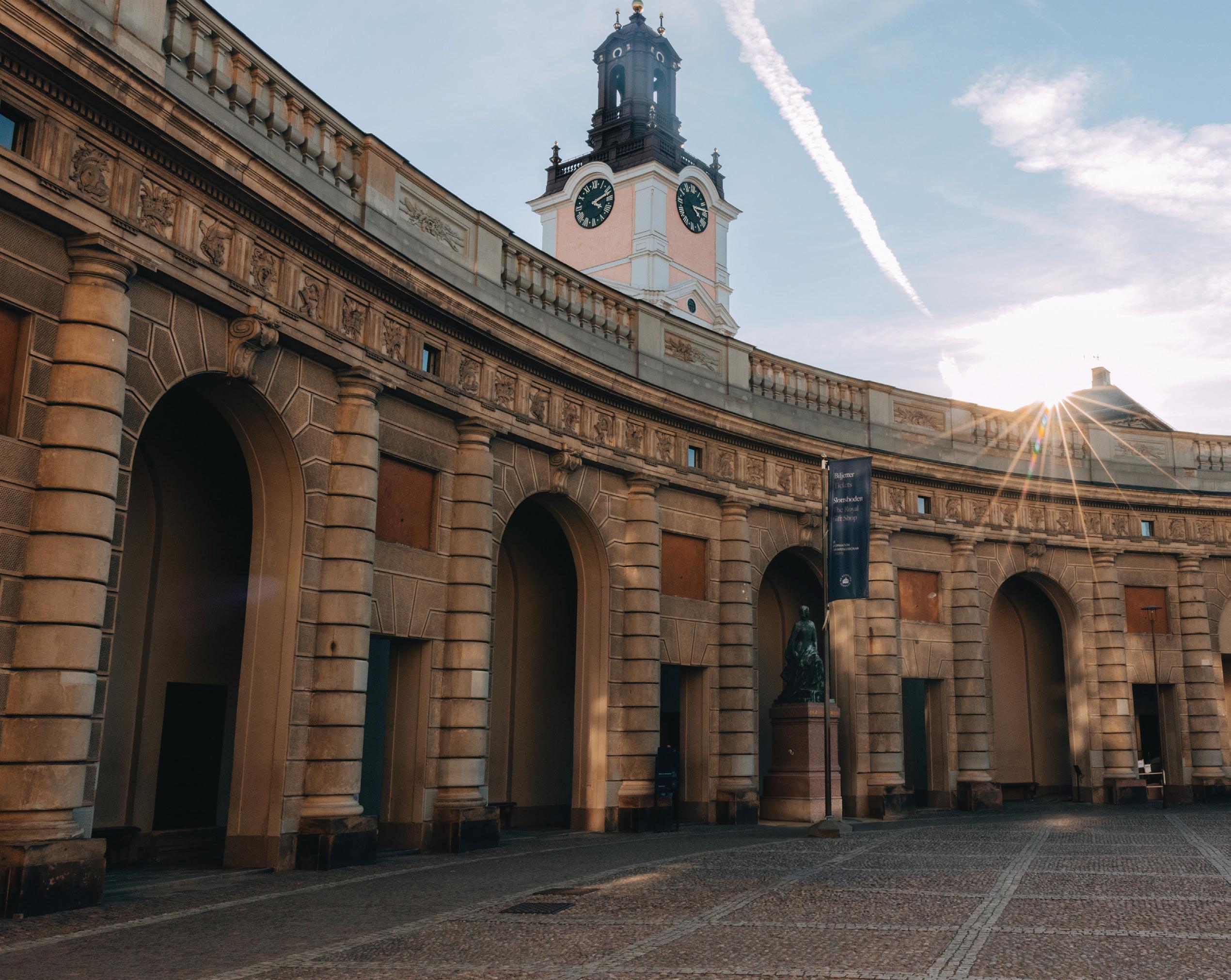
Stockholm, Sweden by Carson Suttle
Emma Hartline
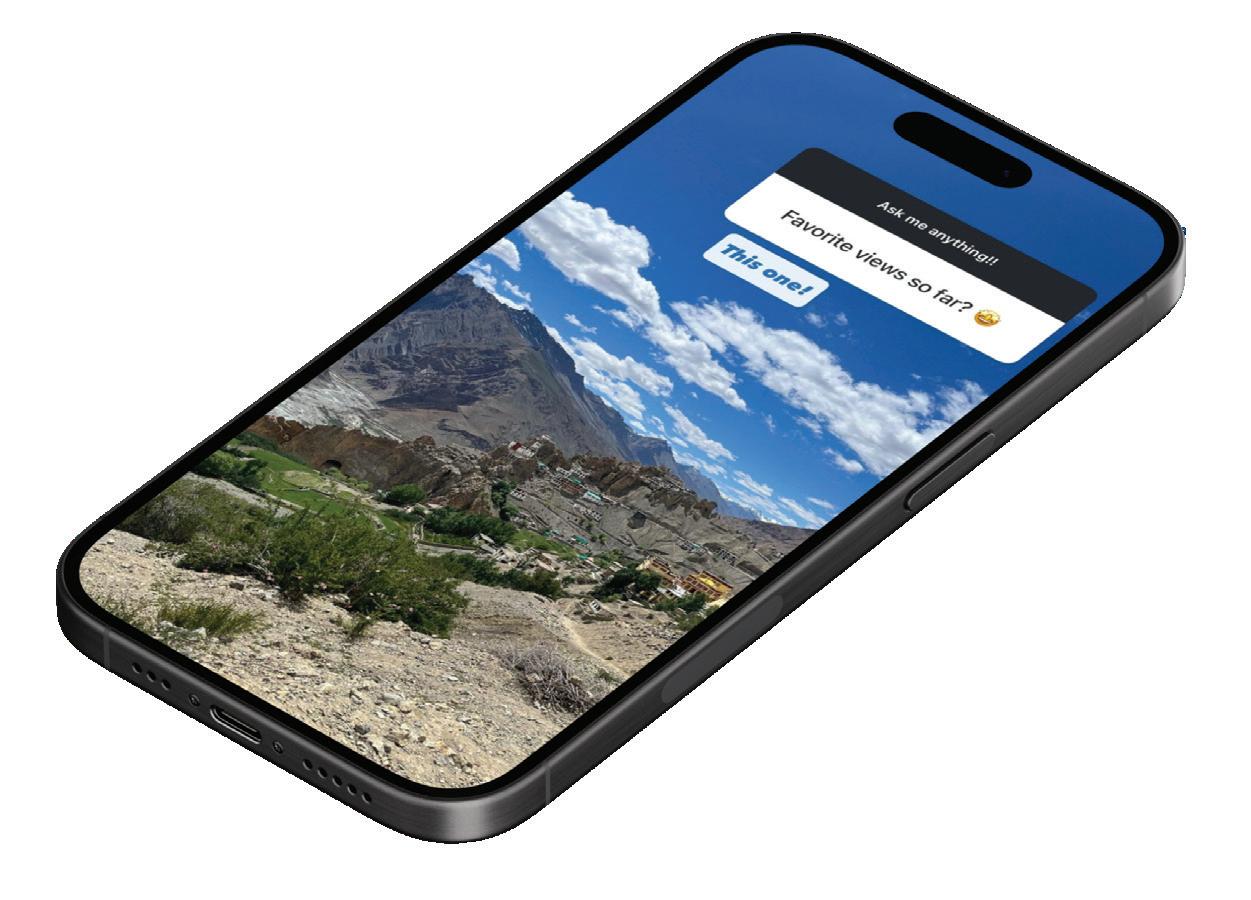
Global Public Health in the Himalayas (FACULTY-LED)
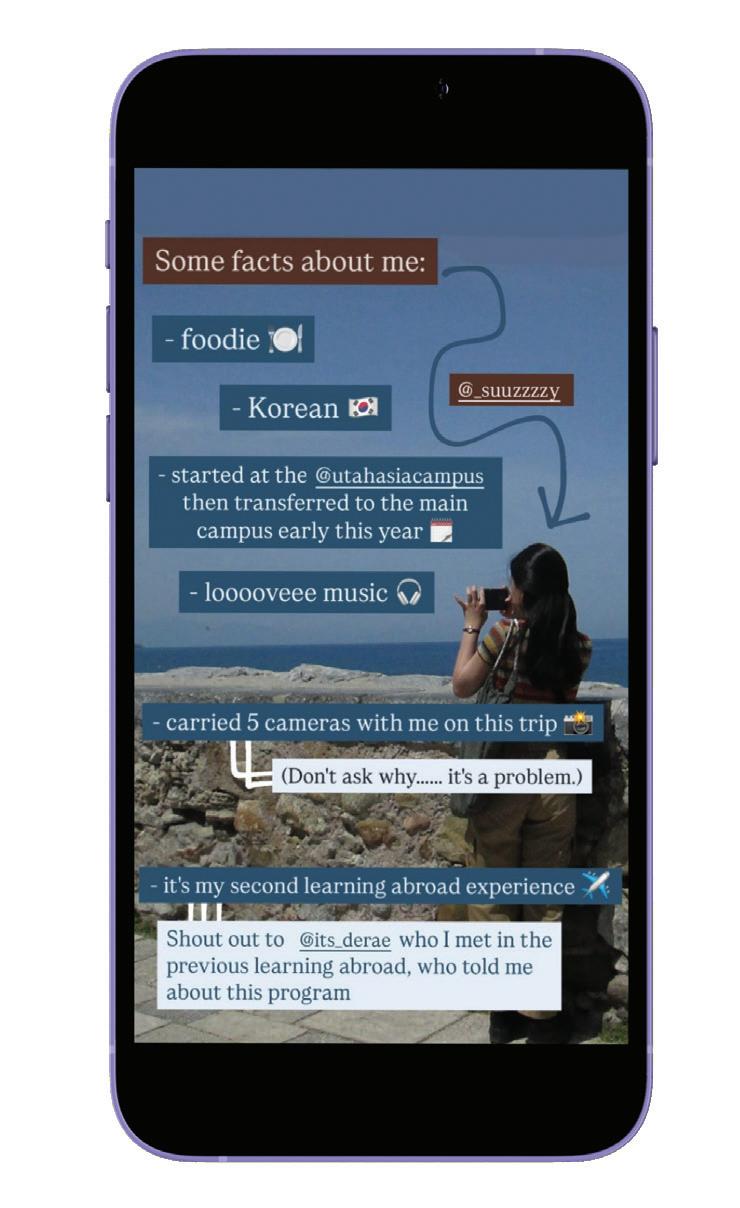
Susie Park
Film and Media Arts in Cefalù, Sicily (FACULTY-LED)
Hey! I’m Susie, about to go into my senior year studying Film and Media Arts at the U. This summer I will be studying in Cefalù, Sicily for a month for the film program. I am excited to make friends, memories, and a film!
Olivia Stoffel
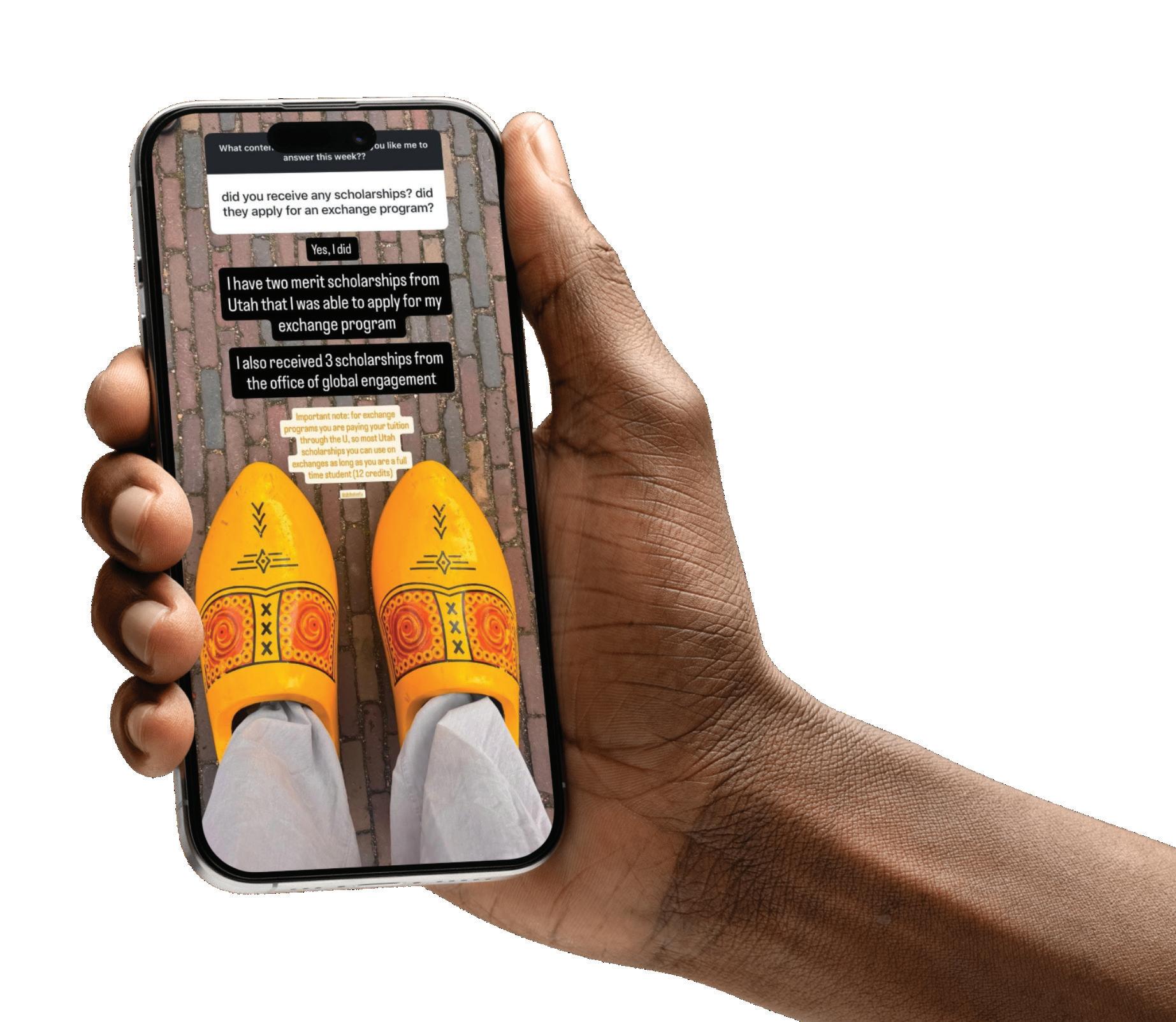
VU University Amsterdam (EXCHANGE)
Hi, my name is Olivia Stoffel, and I’m a third-year student studying Atmospheric Sciences with an emphasis in professional meteorology. I am participating in an Exchange program this fall in Amsterdam, Netherlands. I am so excited to immerse myself in a different culture and travel around Europe. I’m super excited for this opportunity, and I can’t wait to share it with y’all!
Hello! My name is Emma! I am currently a World Languages and Cultures major with an emphasis on cultural studies. I am also working on a pre-nursing major and I am excited to apply to the program! This summer I will be studying global health in Kaza, India. I am so excited to be working with the local health department to help the people we visit! I can’t wait to share my experience!
Jayson Martinez
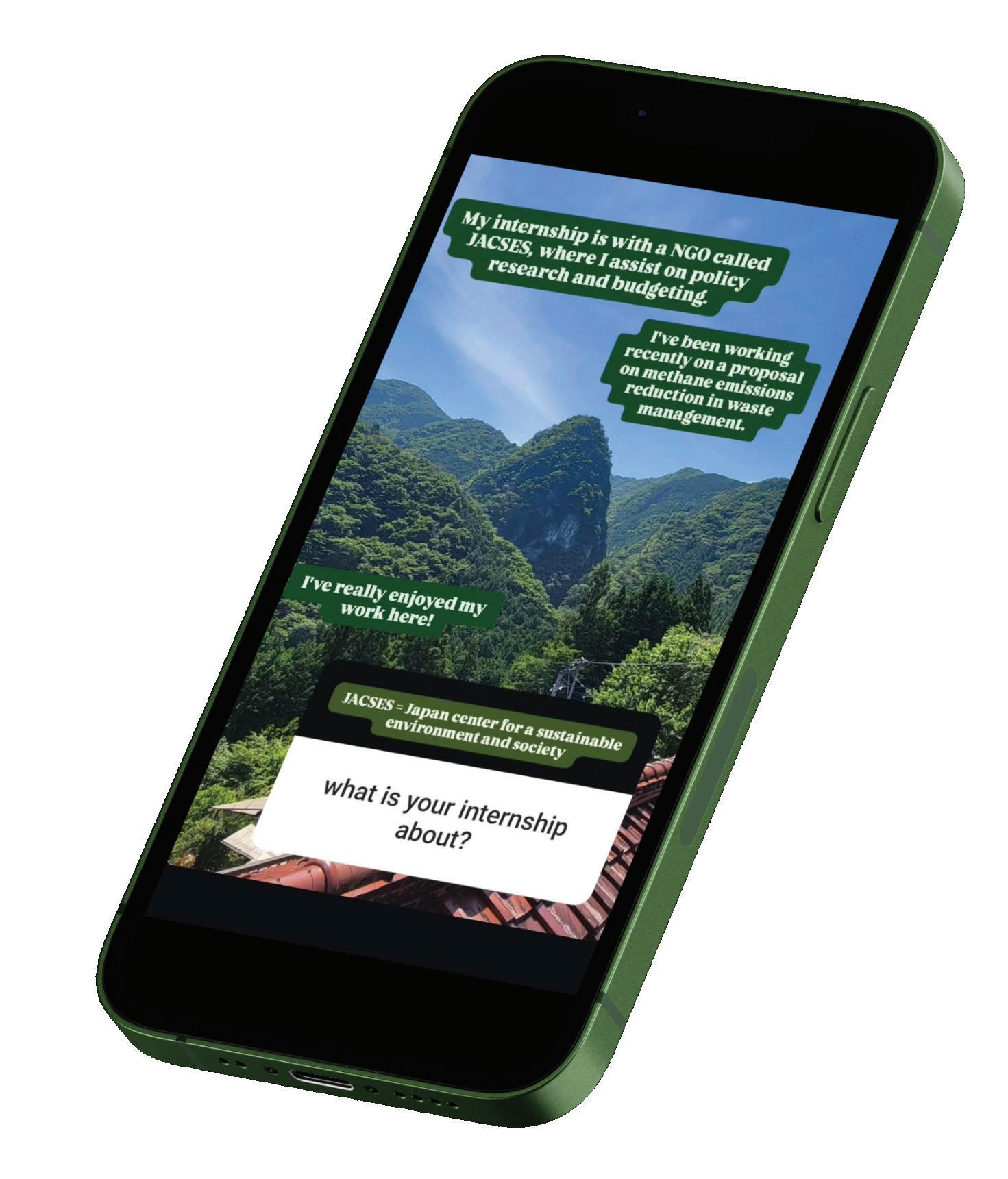
WorldStrides Internship in Tokyo, Japan (AFFILIATE)
My name is Jayson (JC) Martinez, and I am a junior working on a B.S. in Economics with a minor in Political Science, all in pursuit of Law School. This summer, I have been given the opportunity to be an Intern at the Japan Center for Sustainable Environment and Society, or JACSES, in Tokyo.
& Learning
Learning Abroad by the Numbers
2024–25 Academic Year
1,040
Students Abroad
Total U students who participated in study, internships, or research abroad in 2024-2025.
Learning Abroad 785
Hinckley Internships 58
Eccles Global 197

4 New faculty-led programs launched in 2025!
READ MORE ABOUT NEW & RETURNING LEARNING ABROAD PATHWAYS
When Students Go Abroad
$400,000
Scholarships awarded to support international experiences +
Type of Experience
Most students (737) chose to spend a summer semester abroad.


500+ Programs 50+ Countries
EXPLORE THE FULL LEARNING ABROAD PROGRAM CATALOG
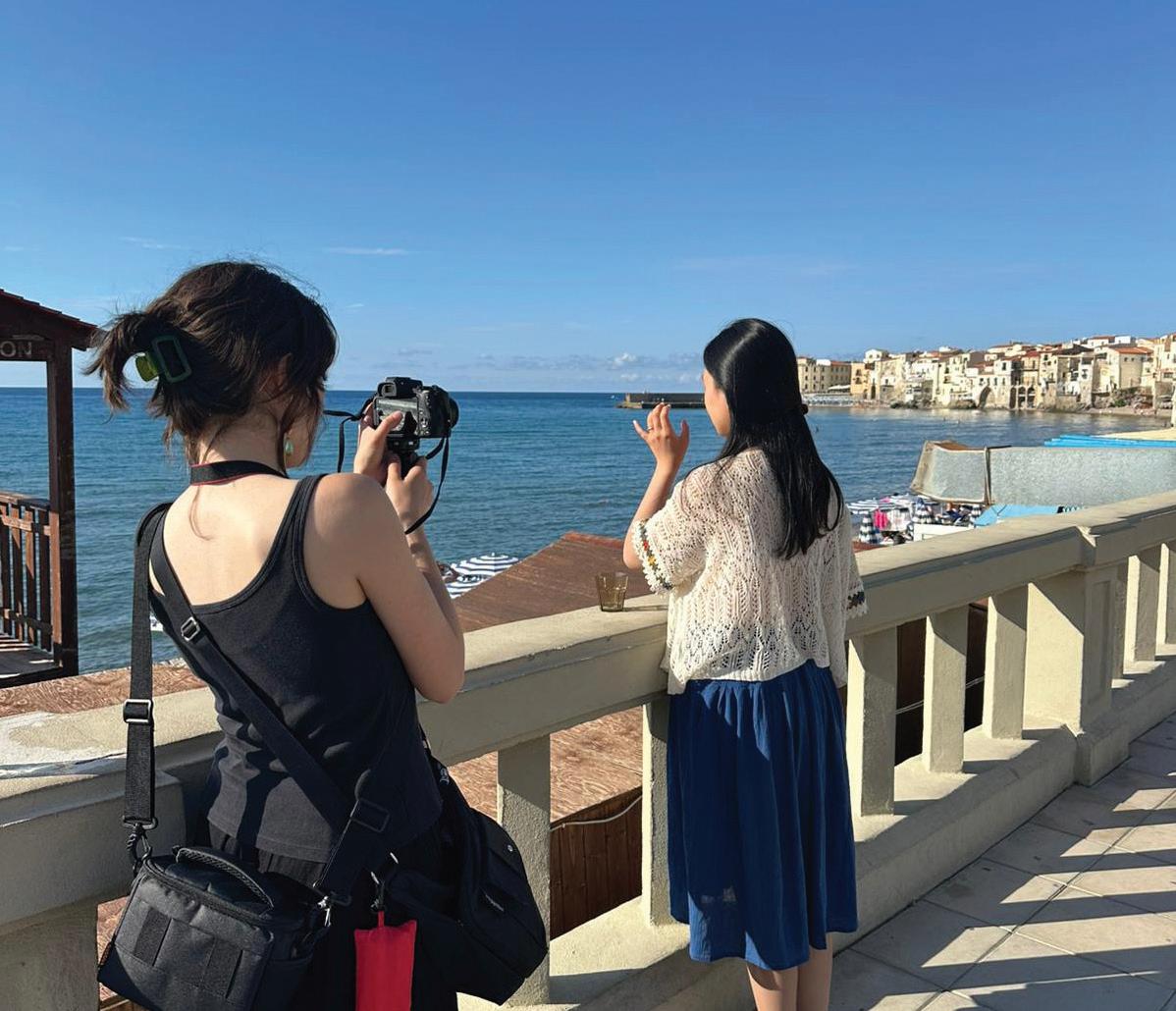
Film students in Italy

Participant Year of Study
Freshman (14)
Sophomore(104)
Junior (244)
Top 20 Destinations
Fifth Year Senior (7)
Masters (62)
Graduate Nondegree (2)
Law Second Year (2)
Doctorate (8)
Utah Research Has Global Impact
by Emma Campbell, Communications Specialist

Research performed at higher education institutions is essential for stimulating economies, generating technological advancement, improving national security, and generally enhancing the quality of life for people everywhere.
Researchers at the University of Utah have contributed to inventions and discoveries— from creating the first artificial heart transplant to identifying the BRCA1 cancer gene
And while Utah is known for being home to some of the most innovative people, lasting impact comes from reaching outside Utah borders and collaborating with partners around the world.
Global partnerships allow researchers access to a wider array of resources, including the perspectives of other cultures. The impact of this research is felt beyond our borders while also improving the lives of local Utahns.
Below is a small sampling of international research
currently being performed on the University of Utah campus. Though by no means comprehensive, it shines a light on the varied and essential ways U researchers are contributing to improving the world at large.
Connections between the Middle East and Utah
Dr. Michael Christopher Low, assistant professor in the History Department, researches Middle Eastern history, and his focus is thinking about the Middle East as it relates to other parts of the world. His research— and the way he presents information to audiences in the U.S.—has largely been shaped by the events of 9/11,

which brought the Islamic world to the forefront of American minds. He explains that he seeks to “tell the story of the Islamic world that’s not pictured on the American television screen.”

Dr. Michael Christopher Low, Department of History
This means giving a more grounded reality of what the region looks like and pointing out similarities between Middle Eastern countries and other areas around the world. Despite common misconceptions, the
interests of the Middle East and United States are often connected. For instance, those living in the arid Southwest region of the United States must find solutions to water scarcity as do those living in the arid Middle East.
As a leading expert in the area, Low has been called on to speak with local media about crises that arise in the Middle East, and he believes that he has a responsibility to educate and inform the local population by offering a grounded perspective as someone who has worked extensively in the region.
Studying Utah Rainfall in Tropical Cyclones
The Wilkes Center for Climate Science and Policy leads and supports projects designed to tackle climate change around the world. One such project,
completed by undergrad Christopher Johanson and advised by Assistant Professor and Wilkes Climate Science Fellow Alyssa Stansfield, is seeking to better understand rainfall trends in tropical cyclones (TCs) and determine whether recent variations are due to inconsistencies in measurements.
Since rainfall is the deadliest hazard associated with TCs, understanding changes in rainfall patterns

Christopher Johanson, BS ‘26, Atmospheric & Environmental Science

is essential for protecting communities in the path of a TC. However, measuring TC rainfall is tricky because these storms spend most of their lifetime over the open ocean, where there are no weather stations to directly measure rainfall. Scientists instead rely on satellites, which are not nearly as accurate. This can result in inconsistencies when looking at long-term trends in TC rainfall.

Recently, other researchers have found that rainfall seems to be decreasing in the inner core and increasing in the outer rainbands of TCs, which contradicts most common assumptions that cyclone rainfall will increase with climate change. Stansfield and Johanson decided to test this finding by analyzing data collected from many different satellites and controlling for certain variables to eliminate many potential causes for inconsistencies.
Though Utah doesn’t experience TC landfalls, Stansfield pointed out that “rainfall patterns are changing due to climate change pretty much everywhere on Earth, so a better understanding of why rainfall is changing in one region or one storm type can
give us insights into why it is changing in other regions or storm types.” She continued, “Much of Utah’s summer rainfall comes from tropical-like systems, so learning about TC rainfall trends can help inform predictions of summertime Utah rainfall trends.”
Healing Mongolia and Rural Utah
University of Utah’s Spencer Fox Eccles School of Medicine houses the Center for Global Surgery, a network of medical providers and professionals whose mission is to address problems in global health. Across the world, many people are forced to live with debilitating pain or use unsafe practices to combat
diseases because they do not have access to medical care. The Center for Global Surgery works to change that reality for people everywhere—even right here in Utah.
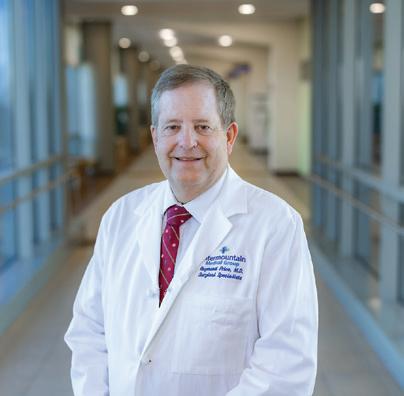
Before the Center was created, Dr. Raymond Price partnered with the Dr. W.C. Swanson Foundation to help build better healthcare infrastructure in Mongolia. He traveled to Ulaanbaatar and quickly discovered how much suffering the lack of modern surgery
techniques, training, and tools created. Over time, more doctors from Utah traveled to Mongolia to help introduce laparoscopic gallbladder surgery, breast cancer care, anesthesia, and pre- and postoperative practices, among other treatments. Additionally, teams provided training to over 400 Mongolian doctors, empowering the community to thrive even without Utah volunteers.
When the Center for Global Surgery launched in 2011, it expanded these efforts from Mongolia into countries such as Ethiopia, Ghana, and Cambodia. These partnerships have also transformed healthcare in Utah, as many of the challenges faced by remote global populations mirror those in rural areas of the state. When the University of Utah invests in one project, the ripple effects serve the entire population.
Powering Utah
Dr. Masood Parvania, associate professor of Electrical and Computer Engineering at the University of Utah, is establishing and coleading the U.S.-Canada Center on Climate-Resilient Western Interconnected Grid. In partnership with the University of Calgary, this center brings together leading experts in power engineering, climate, policy, social sciences, and more to help strengthen the Western Interconnected Power Grid against extreme weather events.
Dr. Raymond Price, MD Department of Surgery
Dr. Alyssa Stansfield, Department of Atmospheric Sciences

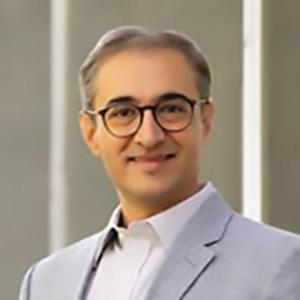
Dr. Masood Parvania, Electrical and Computer Engineering
This power grid, commonly known as the Western Interconnection, provides power to roughly 80 million people in both Canada and the United States. As one of the two major interconnected power grids in North America, the Western Interconnection is the foundation of our functioning society and powers our economy.
At this critical time of climate change, extreme weather events such as fires, heatwaves, drought, and flooding threaten the Western Interconnection’s ability to supply power to its vast network. The center—along with 35 partners across academia, industry, government, and communities—will develop models to better understand risk factors and forecast extreme weather events.
They also plan to build a cyberinfrastructure that collects and shares data about the climate and the grid, enhancing collaboration with stakeholders. Their efforts will ensure that communities across North America can have reliable access to power.
Justice in India
Dr. Nitin Bakshi, chair and professor in the Department of Operations and Information Systems at the University of Utah, partnered with researchers from the University of Korea and the University of Southern California, Los Angeles, to better understand the operations of the Indian judicial system.
India currently has a backlog of nearly 41 million cases, many of which take more than five years to process. This congestion creates financial and social hardship for those waiting for their case to be reviewed. Creating a more functional
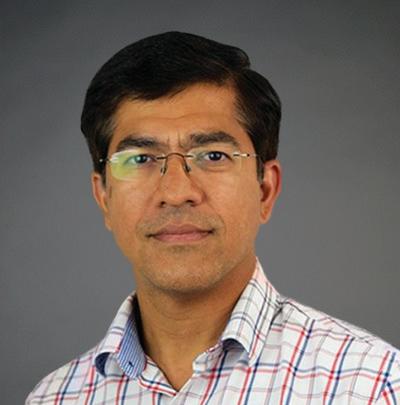
Dr. Nitin Bakshi, Department of Operations and Information Systems
system would alleviate suffering for many individuals and improve outcomes for cases.
Bakshi and his collaborators analyzed the Indian judicial system to identify operational flaws that contribute to bottlenecks. They designed potential modifications to better understand how to improve the system. Ultimately, their research uncovered methods for rebalancing judges’ time and hearing schedules that could decrease the average delay by as much as 65%.
This research not only has impacts for those struggling with the Indian judicial system—it demonstrates how operational improvements driven by data can make meaningful changes in any system or business around the world. ■
Many more research projects are taking place across campus— and around the world.
To learn more, visit research.utah.edu

How Utah and Incheon, South Korea Are Shaping a New Kind of Global Campus
When students from the University of Utah Asia Campus (UAC) stepped into Cottonwood Heights City Hall this fall, they were not just presenting a park design—they were helping shape a growing partnership between two communities separated by more than 9,000 kilometers. And in many ways, their work reflects the rapid evolution of UAC itself.
Now in its 11th year, the Incheon-based campus is becoming a vital connector between Korea and the Mountain West—linking cities, cultures, and industries in ways that are drawing national attention in Korea.
Students at the Center of a New Model for City Diplomacy
This year, UAC’s Department of Urban Ecology took a leading role in the Korea–U.S. Sister Park Project, a collaborative effort between Incheon’s Yeonsu District and Cottonwood Heights, Utah. Guided by Dr. Idil Ayral, students designed a public park that merges Korean traditional aesthetics with modern, sustainable planning principles.
Their first design review, held in April on the Incheon campus, brought Yeonsu District officials to UAC to provide
feedback and cultural insights. By October, the students were in Utah—standing before the mayor, city council, and planning staff to present their finalized design.
Local leaders described the proposal as “creative, balanced, and deeply thoughtful about community needs.”
Planned for a 45,000-squaremeter site in the heart of Cottonwood Heights, the park will incorporate motifs from Gwanghwamun Square and Changdeokgung’s Secret Garden, blending seamlessly with the Wasatch Mountains. Construction is expected to be completed in 2027.
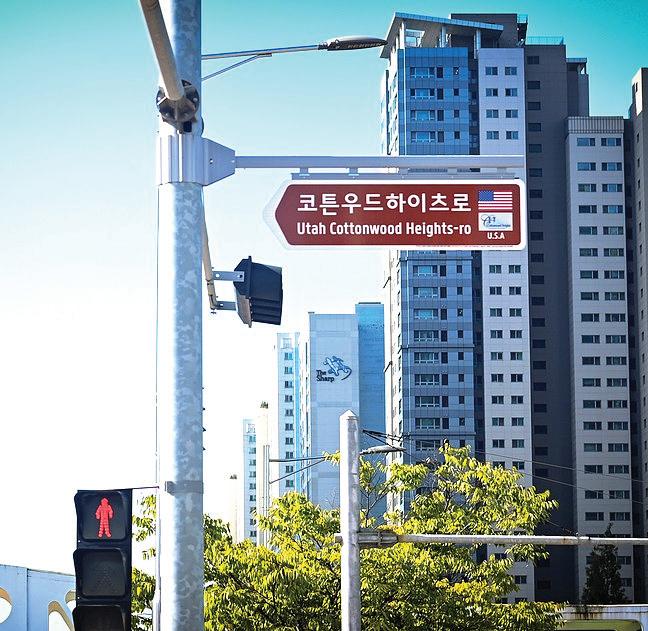
To honor the partnership, Incheon recently named the road in front of the Incheon Global Campus “Utah Cottonwood Heightsro,” symbolizing a growing friendship between the two cities.
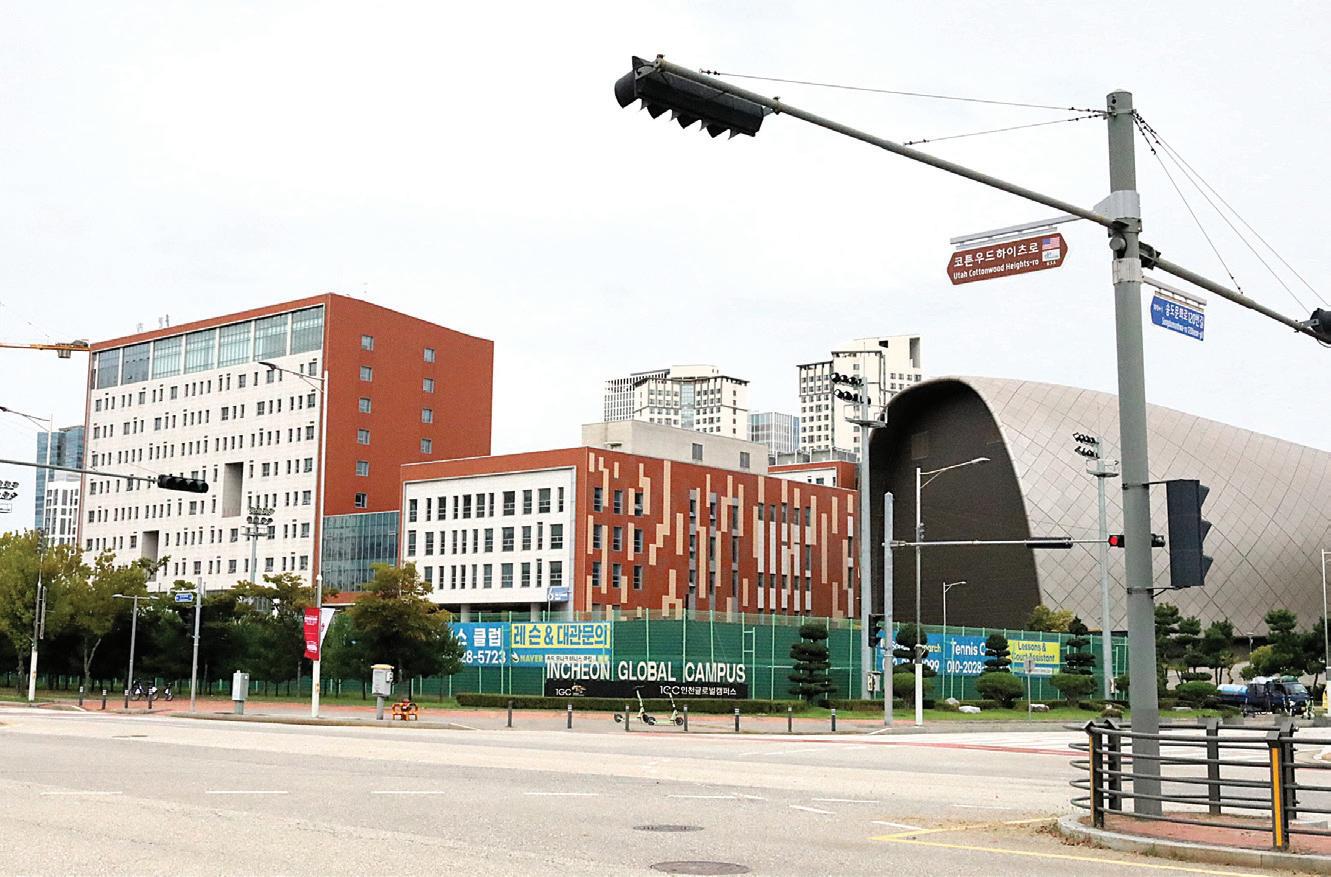
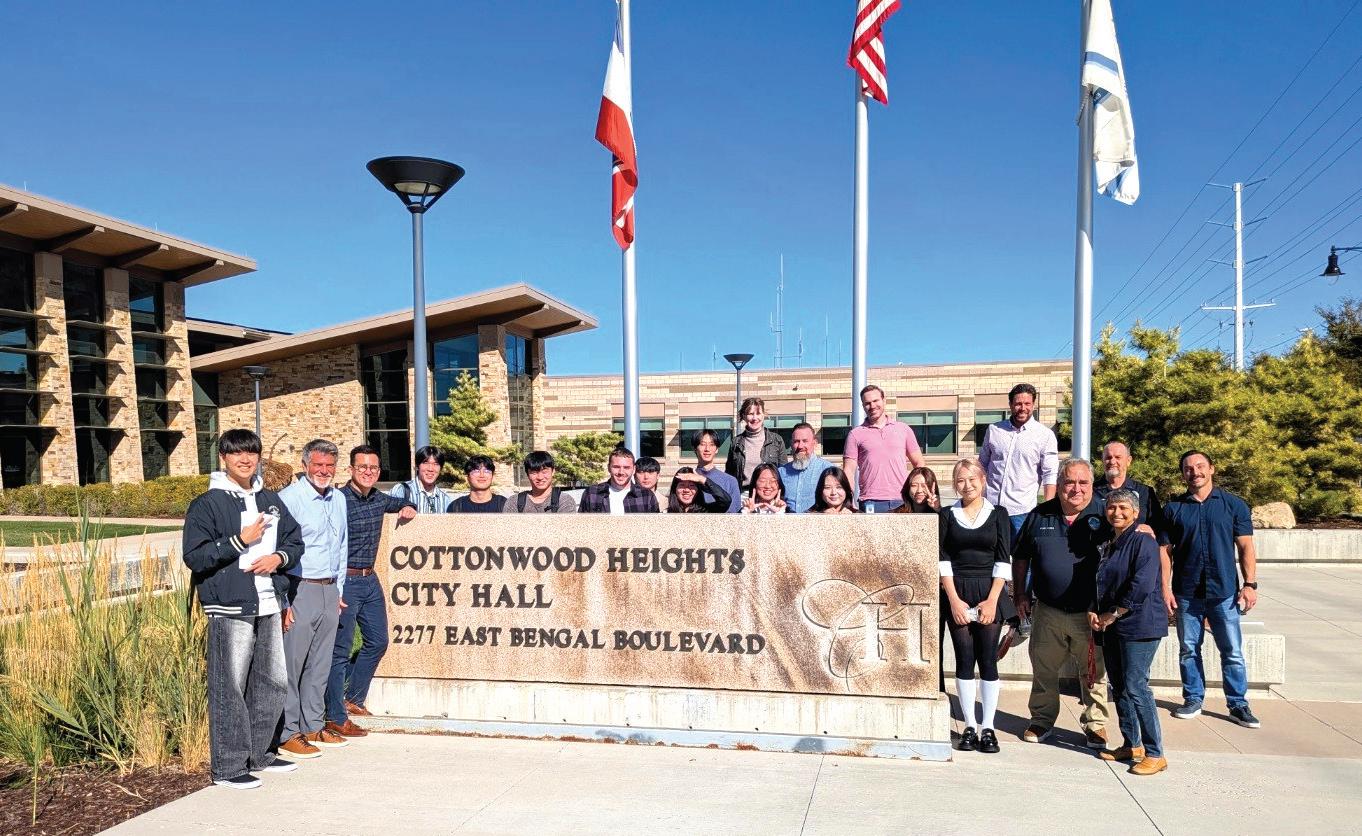
“Our students are learning what global public diplomacy looks like in real time. It’s an experience that goes far beyond the classroom,” said Dr. Reazul Ahsan, program lead for the Urban Ecology program.
Korean Culture Takes Center Stage in Utah
The collaboration doesn’t stop with urban planning. In September, more than 10,000 people gathered on the Salt Lake City campus for the 2025 Bopsim Korean Festival— one of the largest Korean cultural events ever held in Utah.
Hosted by the University of Utah, the Korean Cultural Center in LA, the Bopsim Cultural Foundation, and Cupbop—with support from UAC and more than 20 organizations—the festival offered everything from traditional performances and taekwondo demonstrations to Korean food, fashion, and calligraphy.
UAC hosted an information booth throughout the event, drawing interest from local families and
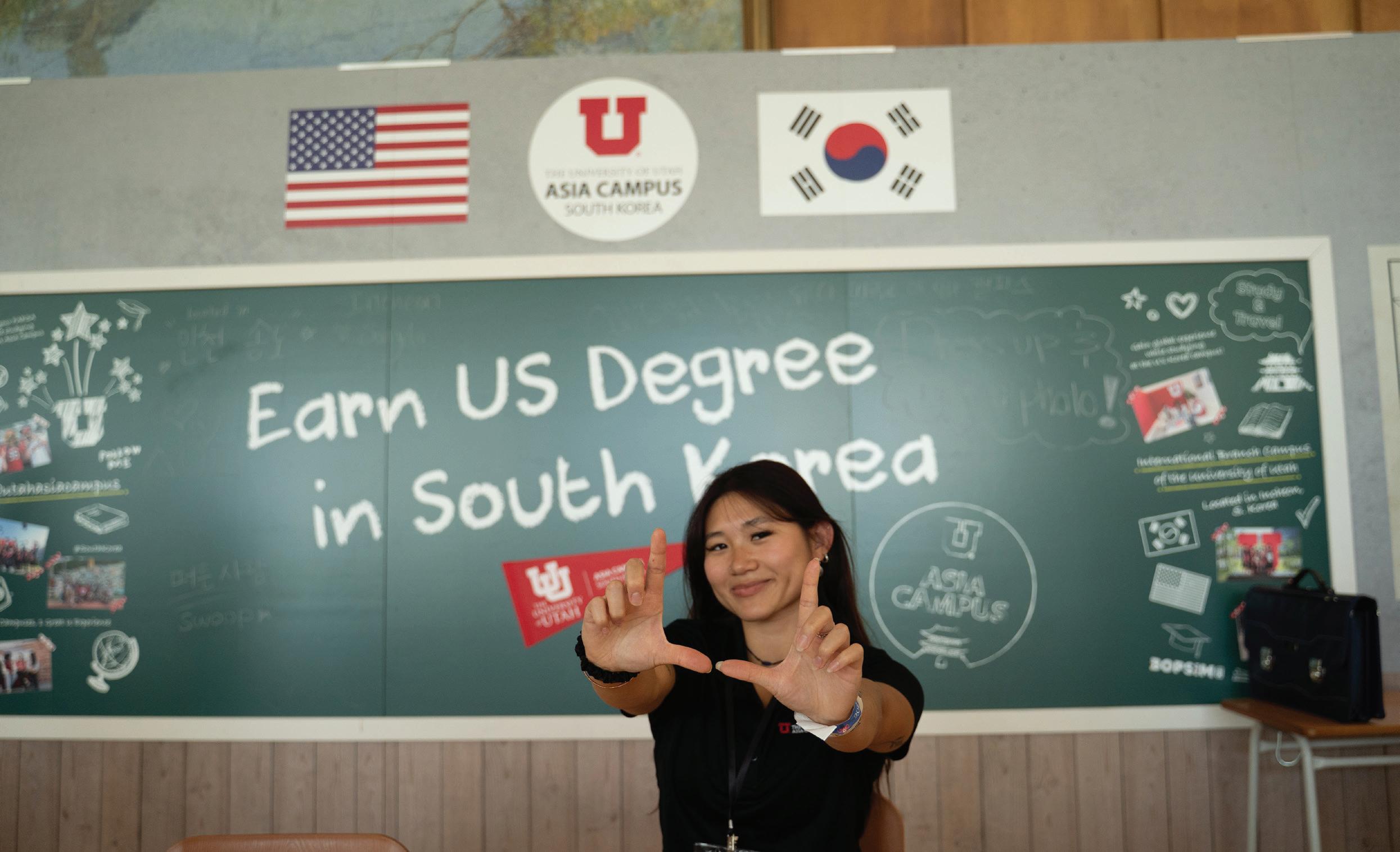
Opposite | UAC Student Ambassador Jenny Byun at the October 2025 Bopsim Festival.
This page | Yeonsu-District, Incheon recently named the road in front of the Incheon Global Campus “Utah Cottonwood Heights-ro,” symbolizing a growing friendship between the two cities.
prospective students. Many attendees were surprised to learn that they could earn a University of Utah degree while studying in Korea.
“For many students, this was their first introduction to UAC. Seeing people connect with Korean culture and then discover the Songdo campus felt really special,” said Eliza Coe, a former exchange student who volunteered at the festival.
Growing Momentum for Industry and Technology Partnerships
UAC is also becoming a platform for innovation. Marking the fifth anniversary of its Electrical and Computer Engineering program, the campus hosted the first-ever Utah–Korea Global Innovation Forum in Songdo. More than 80 organizations—from the U’s College of Engineering to Samsung SDI and emerging tech startups— participated in networking sessions, one-on-one business
meetings, and discussions on the future of global collaboration.
The new Delta Air Lines direct route between Incheon and Salt Lake City is already making academic and industry exchanges easier and accelerating collaboration.
“By linking the strengths of Utah and Incheon, we’re expanding what international partnership can look like. UAC is becoming a launchpad for research, innovation, and entrepreneurship,” said Gregory Hill, Chief Administrative Officer of the Utah Asia Campus.
A Campus Connecting Local Communities to the Global Stage
With initiatives spanning city diplomacy, cultural exchange, and industry partnership, Utah Asia Campus is redefining what a global campus can be. As the university celebrates its 11th year in Korea, it continues to strengthen its role as a bridge—from Incheon to Salt Lake City, and from local communities to the world. ■
Utah Asia Campus by the Numbers
Student Enrollment 19% from outside Korea Utah Asia Campus Students Transitioning to SLC Campus
153 New students in FY25
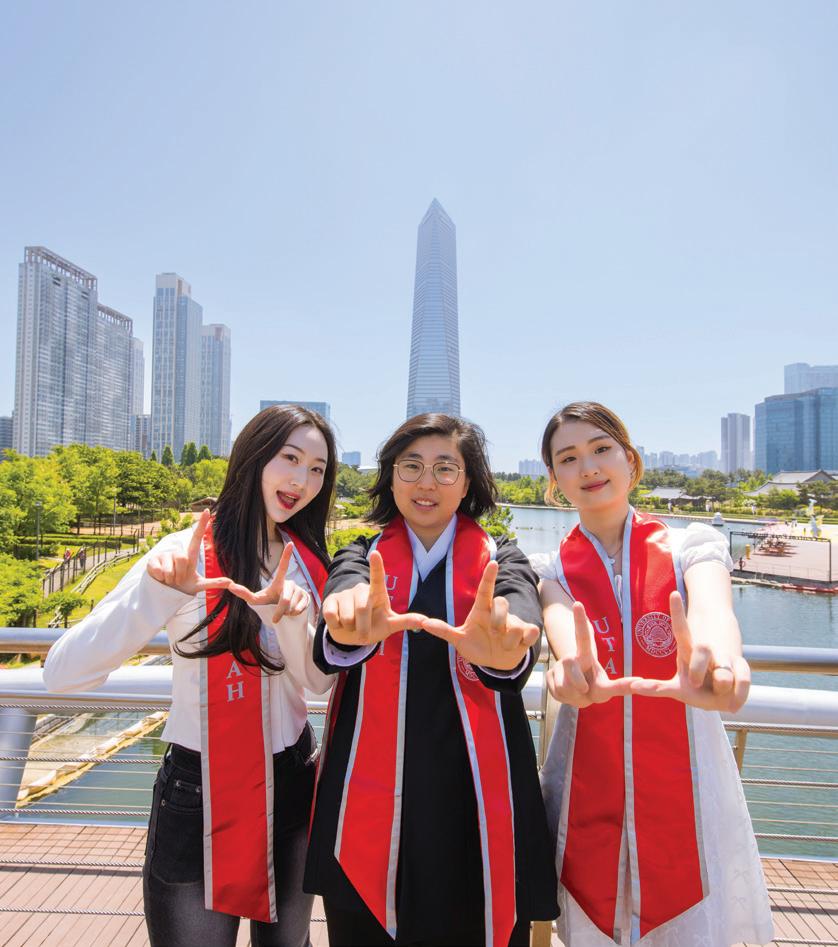
Academic Year Above | Students “flast the U” in Incheon, South Korea’s Central Park.
Top Countries of Origin
Korea
SLC Campus Students Transitioning to Utah Asia Campus
$189,000 53
The Utah Asia Campus launched its first Capital Campaign in late 2024. By the end of 2025, contributions totalled over 378% of the initial target goal.
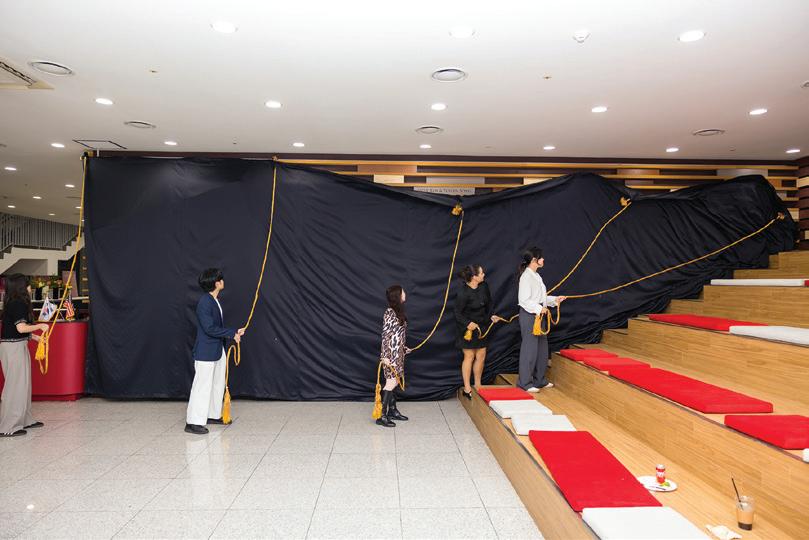
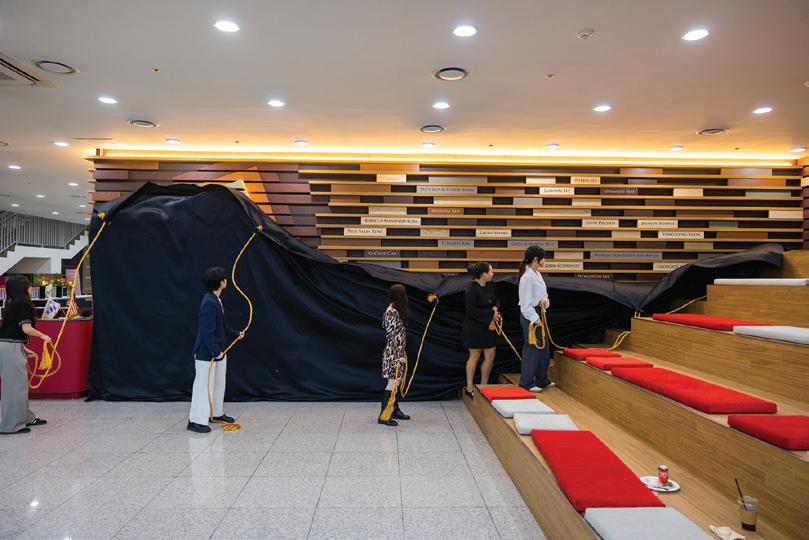
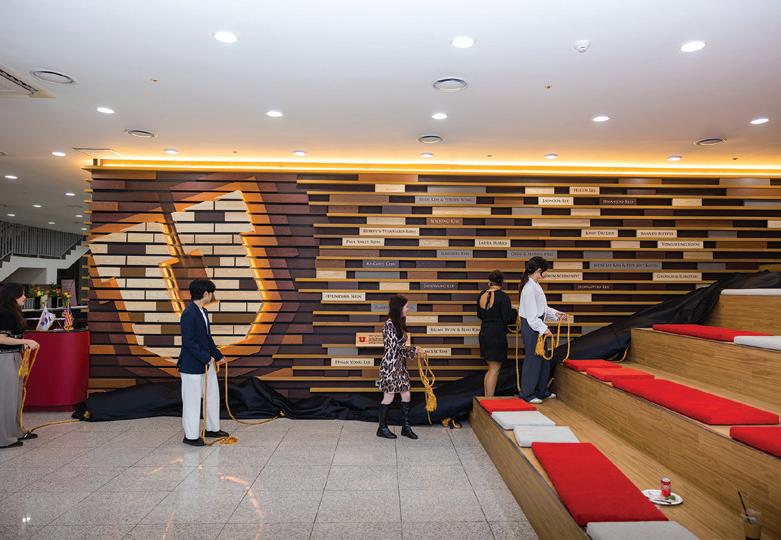
Below | Students unveil the new donor wall at the Utah Asia Campus.
150
13 18
9
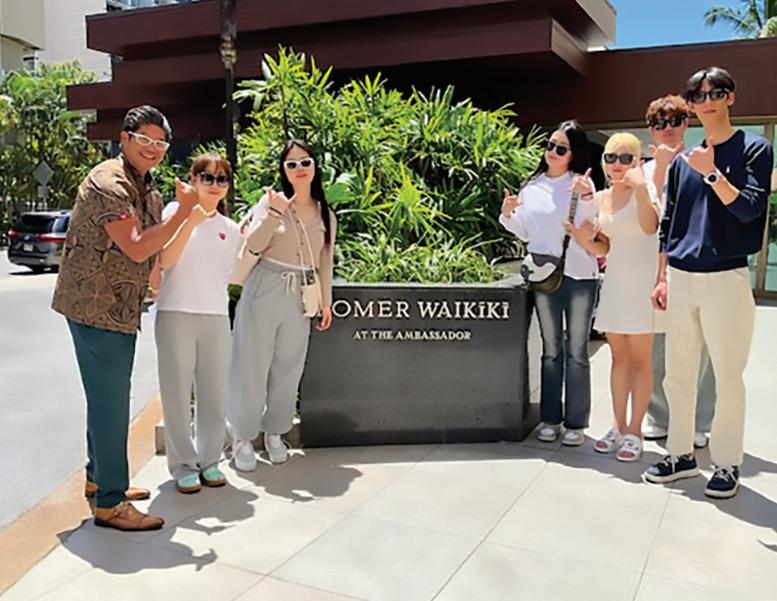
players battled in Super Smash Bros. Ultimate at Farrington High School in Honolulu, Hawai'i. Nine Utah Asia Campus Games students also took part in the competition. The event is part of a larger admissions collaboration with Honolulu aimed at encouraging high school students to consider the Utah Asia Campus.
Below | Students pose with tournament director Harris Nakamoto in Waikiki.
Trade missions hosted
MOUs Signed
Investment projects facilitated between partners in U.S. and Korea
9
Majors Offered
Accounting
Communication
Computer Engineering
Electrical Engineering
Film & Media Arts
Games
Information Systems
Psychology
Urban Ecology
1
Graduate Program
Communication
Minors Offered
Animation
Accounting
Documentary Studies
Games
Information Systems
Psychology
Strategic Communication
Urban Ecology
Writing & Rhetoric
Global Career Accelerator Leverages International Connections
Delivering High-impact Internship Experiences for U Students
In 2025, the University of Utah partnered with Podium Education to launch the Global Career Accelerator, a credit-bearing, onesemester field experience designed to help undergraduates gain realworld skills and career clarity.
Delivered entirely online and open to students of all majors, the Global Career Accelerator gives participants the opportunity to work on hands-on projects for real companies like Intel, L’Oréal, OpenAI, Publicis Sapient, and The GRAMMYs, while earning academic credit and industryrecognized certifications.
The program proved wildly popular from launch, with more than 90 students enrolling (three times the number anticipated), and
participation forecasts for 2026 indicating that over 300 students will take the course per semester.
“This program is innovative in that it allows students to gain international experience without leaving Utah. It provides exposure to the tools, technologies, and current challenges that global organizations are working with—bridging classroom learning with real-world application,” said Randy McCrillis, Interim Associate Vice President for University Connected Learning and Senior International Officer at the U.
Real-World Experience + Certifications
Students who participate in the Global Career Accelerator complete collaborative, real-world assignments that simulate the work of early-career professionals. Every student finishes the program with:

• Hands-on experience with global companies
• A portfolio of completed projects
• Verified certifications in areas such as UX/ UI design, data visualization, and AI tools
• Digital badges to showcase on LinkedIn and resumes
• A certificate of completion
The program also includes soft skills training in communication, teamwork, conflict resolution, and intercultural collaboration.
Global Learning Meets Career Preparation
Through a blend of asynchronous content and weekly live sessions— called Global LiveLabs— enrolled students work with peers from more than 70 institutions around the world. This includes teams from

95%
84% 70% say it boosted the value of their degree of GCA alumni say it helped their career
felt more competitive for jobs + internships
Source | Podium Education
Harvard, Georgetown, UT Austin, and other leading universities.
Participants also gain access to an exclusive network of career tools and paid opportunities, including a project partnership with Upwork designed to connect students directly with employers seeking early-career talent.
The program is already a success story, garnering substantial interest from students. “We announced the opportunity just one week before the start of the fall term and received more than 300 inquiries. Final enrollment was just over 100 students,” said U assistant professor
Rochelle Cassells, who oversees the program.
“My instructor has been amazing, and I enjoy collaborating with my peers and learning from everyone’s perspectives. The live labs, milestone projects, and guided SkillBuilder modules make learning both engaging and structured. I have developed strong Tableau and Excel skills and learned how to apply data insights to real-world scenarios,” said Prachi Aswani, a Data Science and Information Systems major who joined the first cohort of Global Career Accelerator at the U. ■
From Flag Parade to International Night IEW 2025 Highlights the Power of Global Learning at the U
International Education Week (IEW) 2025 took place November 17–21 and offered the University of Utah a wide range of activities celebrating the importance of global engagement in higher education.
Each year, the Office for Global Engagement (OGE) partners with more than 20 offices across the Salt Lake City and Asia campuses to produce this week-long celebration. IEW is a national initiative of the U.S. Departments of State and Education that encourages institutions to highlight international programs that prepare students for a global future.
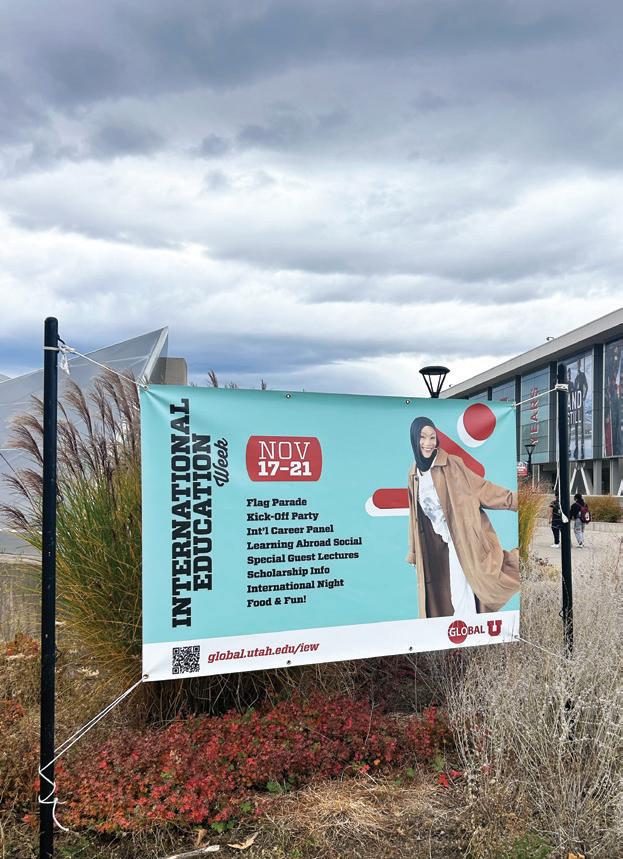
New highlights this year included an updated visual identity for marketing materials and two faculty-focused workshops that expanded the event’s audience. One workshop supported faculty interested in developing new Learning Abroad programs, while the other provided strategies for better supporting international students.


In addition, the campus community was invited to celebrate global engagement throughout the month with a thoughtfully curated international music playlist created by Elisa Alfonso, Ethnomusicology Postdoctoral Fellow in the Department of Music.
More than 20 events were offered during the week, including:
• Flag Parade and Kick-off Party
• Program and scholarship information sessions
• Dance performances
• Film screenings
• Global career panels
• Special guest lectures and discussions
The week concluded with International Night, a well-attended and festive campus favorite celebrating the university’s diverse student population. Participants shared their cultural heritage through song, dance, and other artistic expressions.

To view the full event lineup, visit global.utah.edu/iew. ■
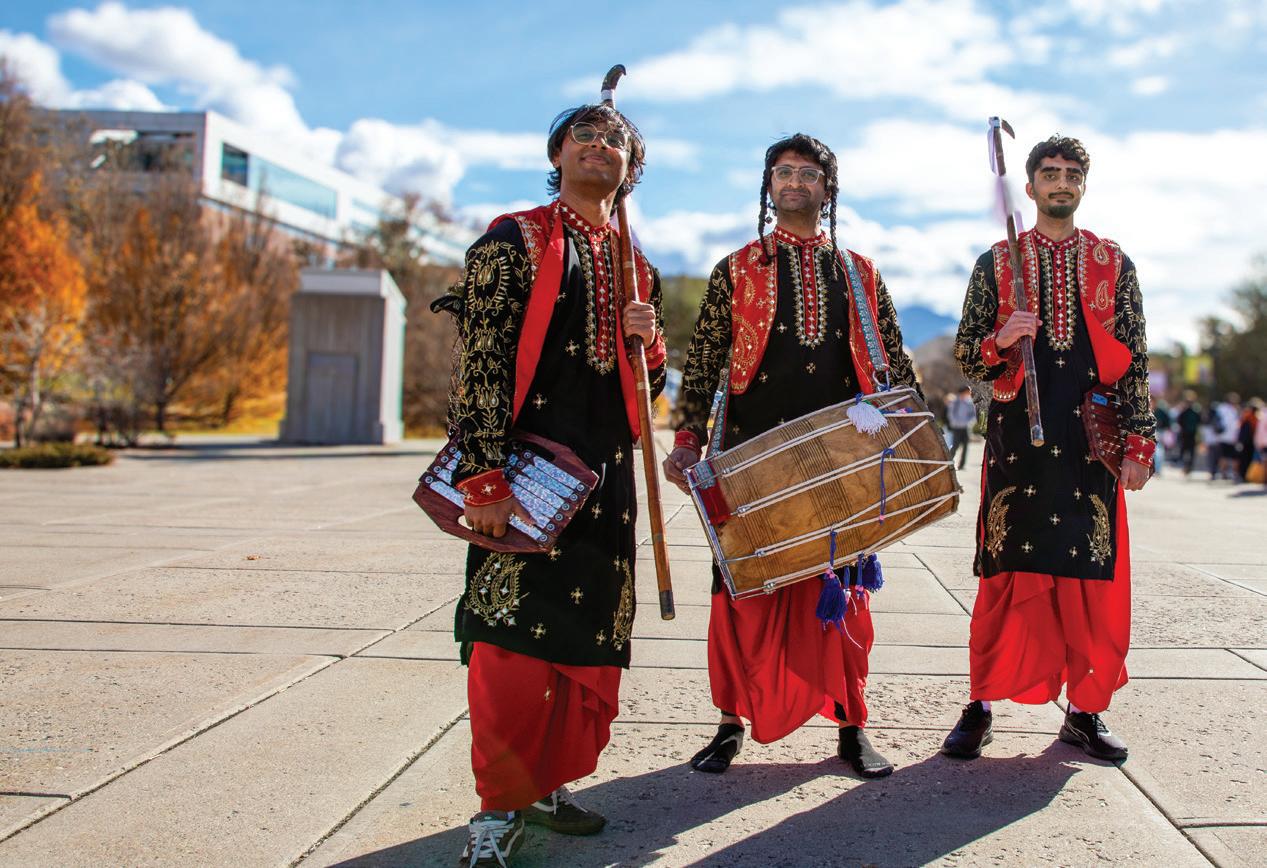

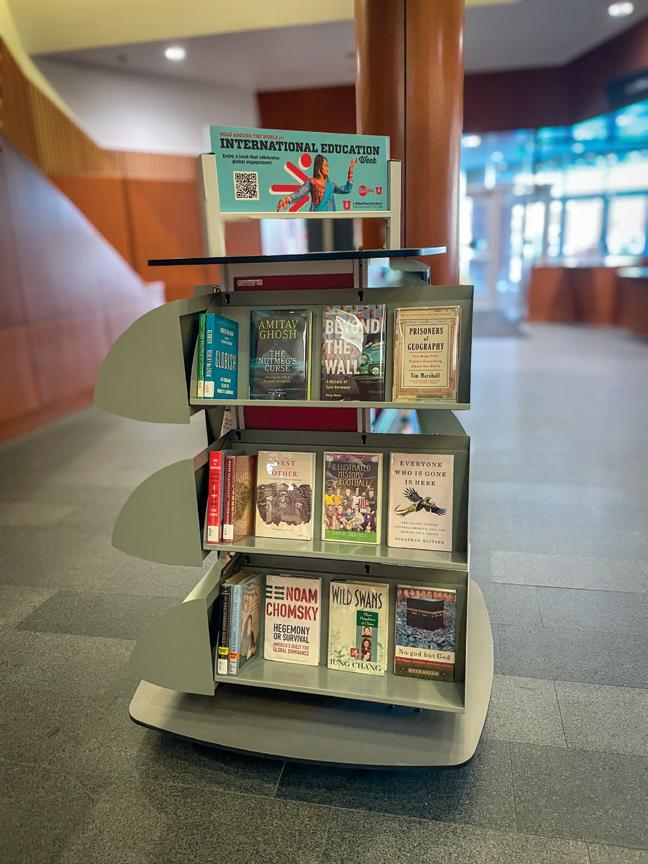
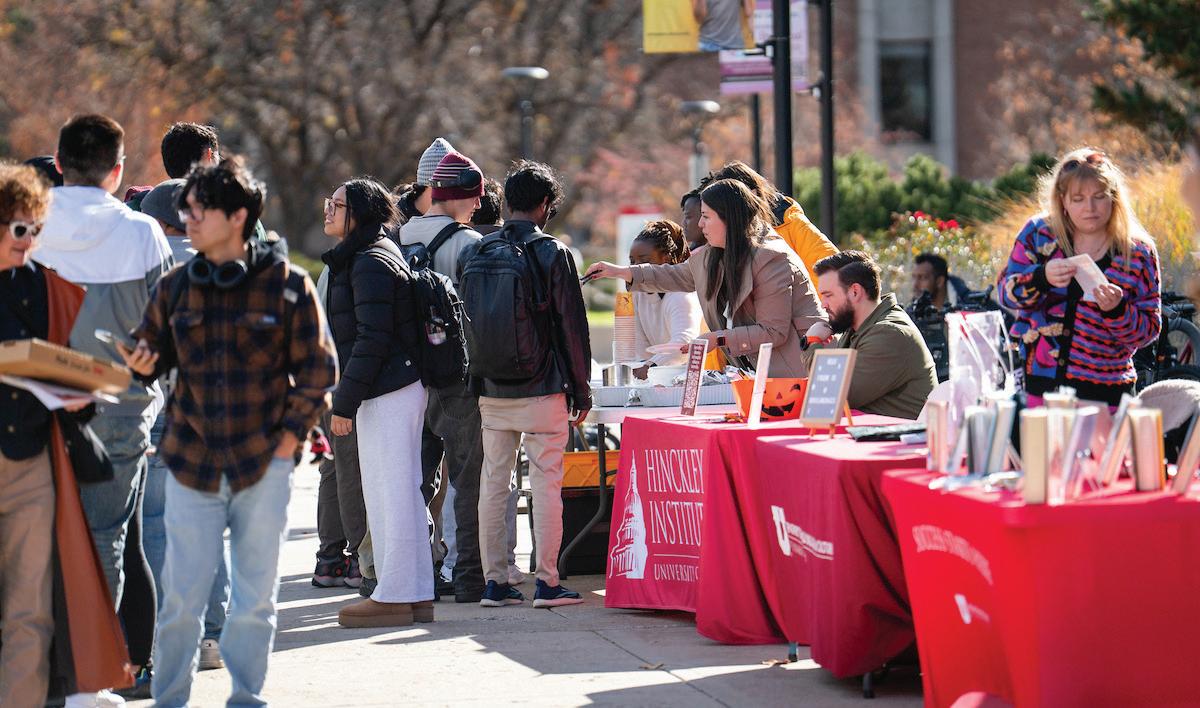
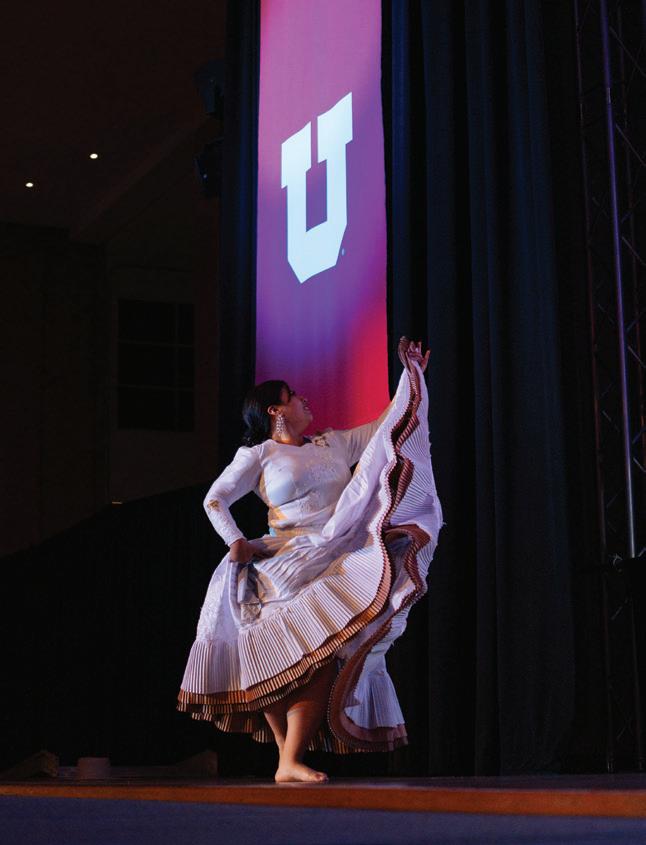
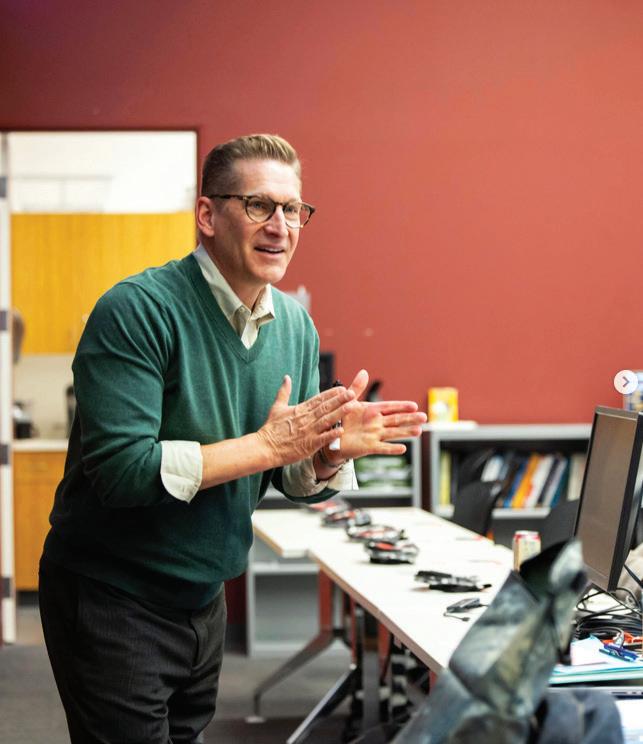
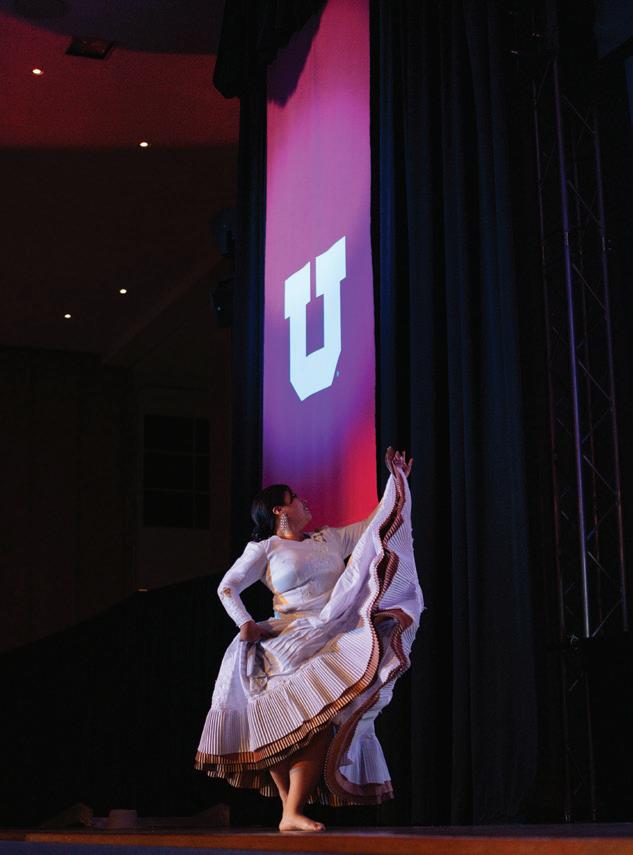
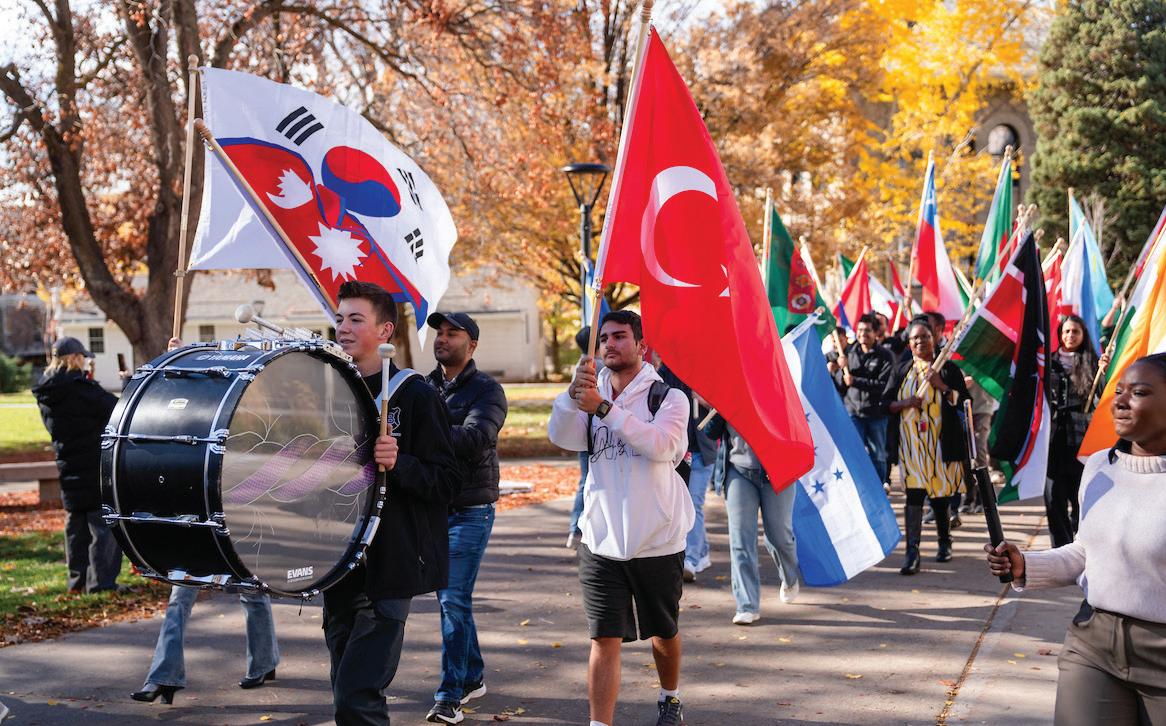
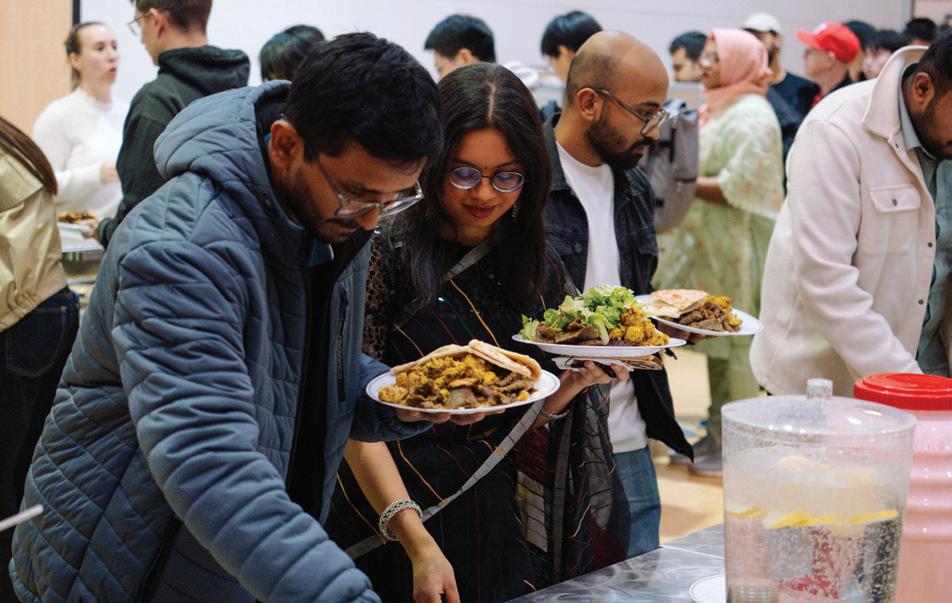
Left to right, from top | Nachde Utah prepares to perform at the Kick-off Party; the Marriott Library displayed over 40 internationally-themed titles for check-out during November; Viva Peru performs at International Night; offices from across campus table at the Kick-Off Party; Grant Barth, founder and president of Smart Logic, speaks about his career as a global brand strategist; Character Dance Ensemble performs; participants enjoy dinner at International Night; students carry country flags representing the international student population at the U at the ISSS Flag Parade; banner on the Library Plaza showcases new IEW branding; friends pose for a photo at International Night.
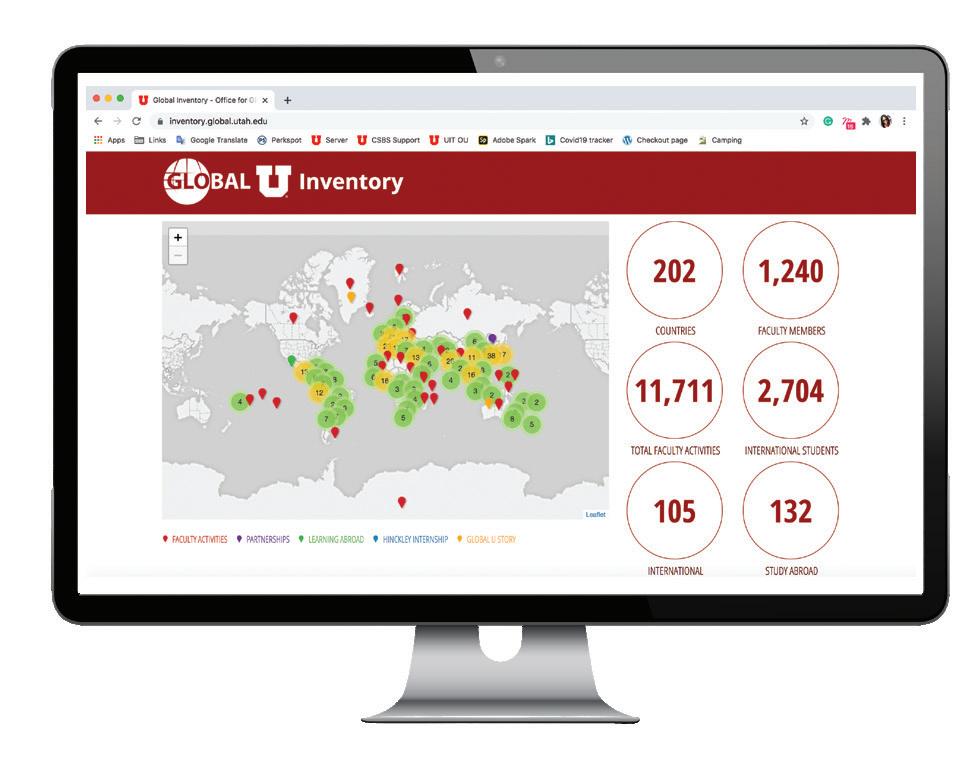
Mapping Our Global Reach
The Global U Inventory is a searchable database of the U’s international activity. The database identifies faculty activities, partnerships, learning abroad opportunities, global internships, community demographics, and Global U stories.

inventory.global.utah.edu
VISIT THE GLOBAL U INVENTORY
Represent your work in the Global U Inventory
Update your Elements/MBM/ U-CV profile and encourage others to do the same.
For each activity that is international, users should use the “Global” checkbox and select the country/countries that are applicable to the activity.
Let us know if your department/ office offers global programs that are yet to be listed in the inventory.
195
Countries with U activity
10,654
Faculty Activities
143
International Partnerships
28
New agreements signed in 2025 with organizations around the world
Sharing the Global U Story
3 ways to help amplify the international impact of our U community.
1
Submit a Global U Story
global.utah.edu/stories
Reach out to collaborate on writing, or send a link to your published story.
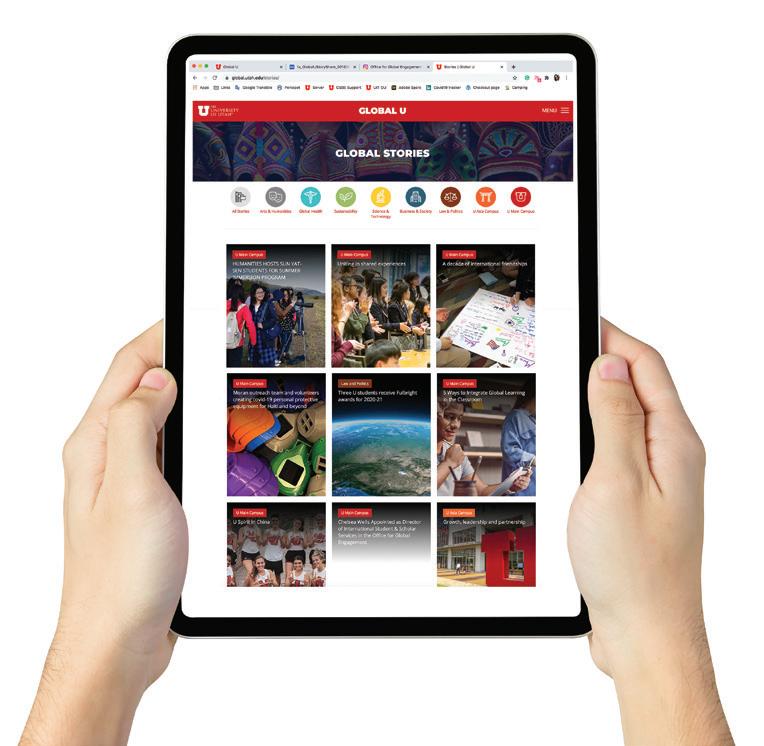
49

READ MORE GLOBAL U STORIES
2

Global U Stories Published in 2025
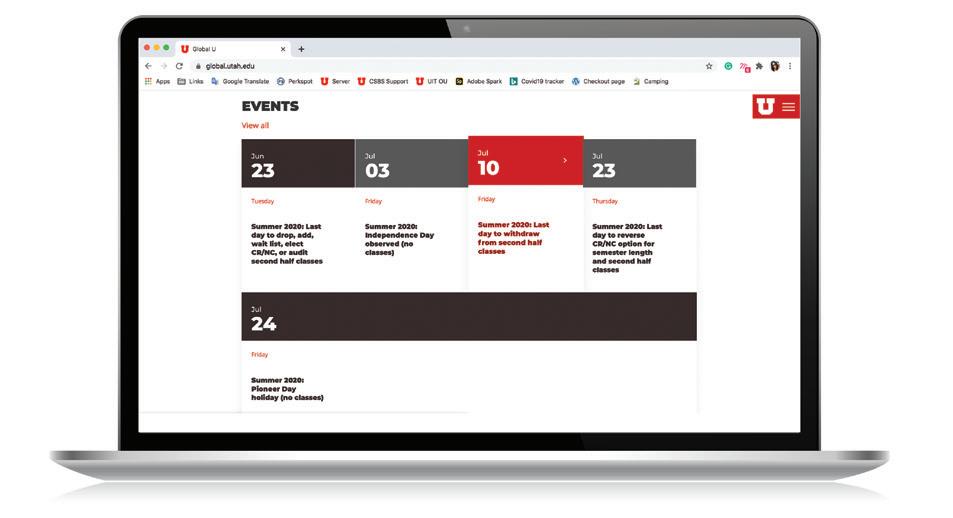
3
List your Event
Tag your campus event to appear on the “Office for Global Engagement” events calendar.
Share Social Media Content
The Office for Global Engagement manages Facebook, Instagram, and LinkedIn channels. Learning Abroad, ISSS, and the U Asia Campus also manage several social accounts, including Instagram, YouTube, Naver, and TikTok.
Email or DM your message and graphics, or tag us in your post.
Instagram Followers as of February 2026
@globaluofu 1,746
@utahabroad 5,031
@internationaluofu 3,028
@utahasiacampus 5,329
@applyuac 529
NEW! @uactoslc 37
Campus Partner Spotlight
Numerous offices across campus are advancing the University of Utah’s international impact. We invite you to follow and support their important work.
Department of World Languages & Cultures
The Department of World Languages & Cultures is the largest and most diverse in the College of Humanities, culturally and programmatically. Our programs and courses offer multiple opportunities for undergraduate and graduate study in language, literature, culture, and language education. All foreign languages and their respective literatures at the University of Utah are taught in the department, which provides students with a forum for research and education in more than 20 linguistic and literary traditions. languages.utah.edu
English Language Institute
The English Language Institute (ELI) is committed to furthering the internationalization goals of the University of Utah by delivering a quality preparatory intensive English language program. ELI provides an academic curriculum and cultural experience for international students, visitors, and members of the local community.
eli.utah.edu
Global Public Health
The Division of Public Health has a 20-year history of global health scholarship founded on principles of community engagement and Community Based Participatory Research. We cultivate long-term global partnerships that provide a strong foundation for global health education, research, and innovation. Our students can study at our U.S. campus and participate in faculty-led global health learning abroad programs in Ghana, India, Peru, Bhutan and South Korea. medicine.utah.edu/dfpm/public-health/global
Hinckley Institute
Hinckley Institute Global Internships provide students with full-time, global work, cultural immersion, and career development. The Global Intern Program is available to all students every semester and maintains connections with host offices around the world while offering students substantial financial aid and scholarships. The Hinckley Institute sends students to various nonprofits, businesses, governments, think tanks, and NGOs across the globe.
hinckley.utah.edu/global





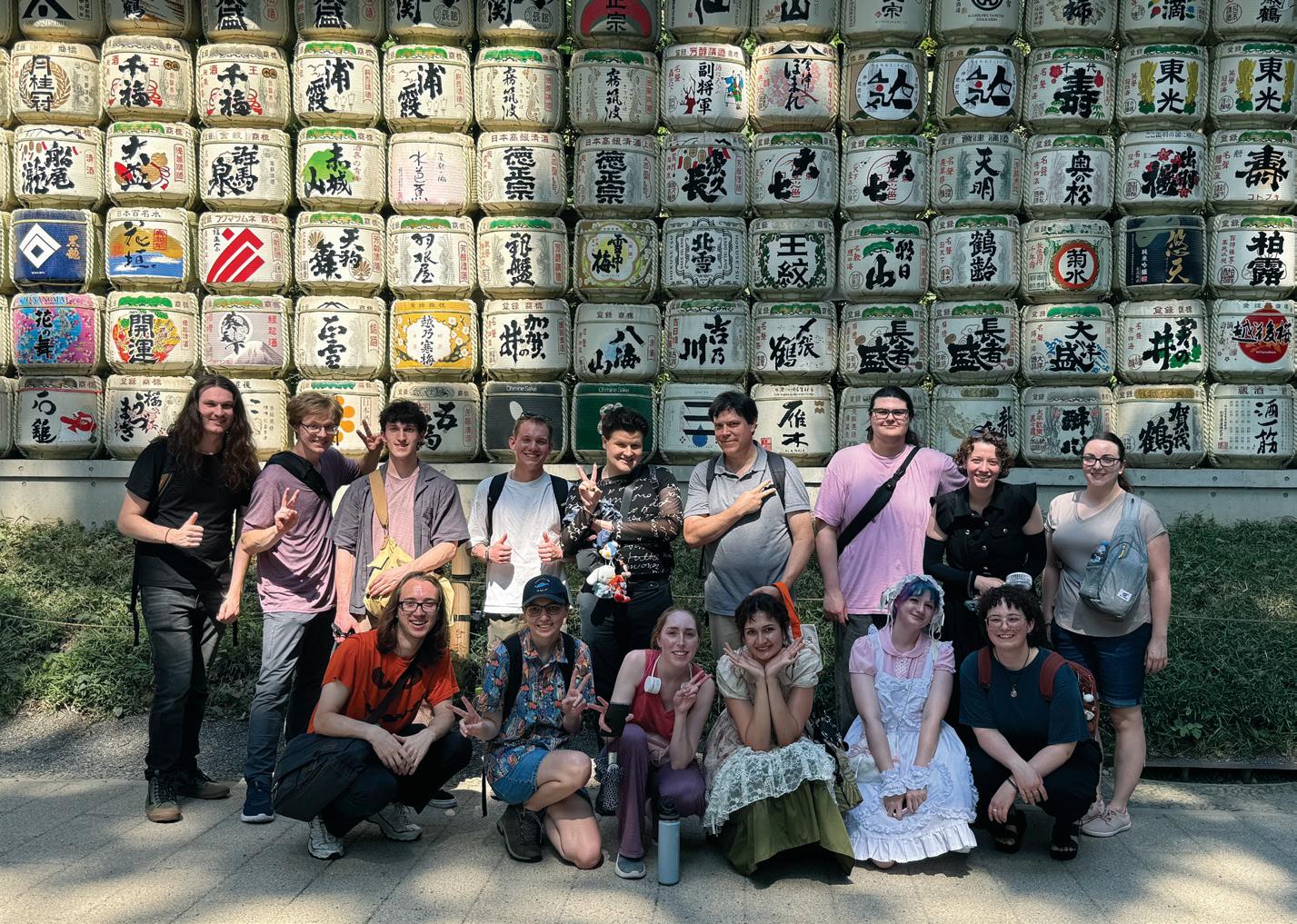
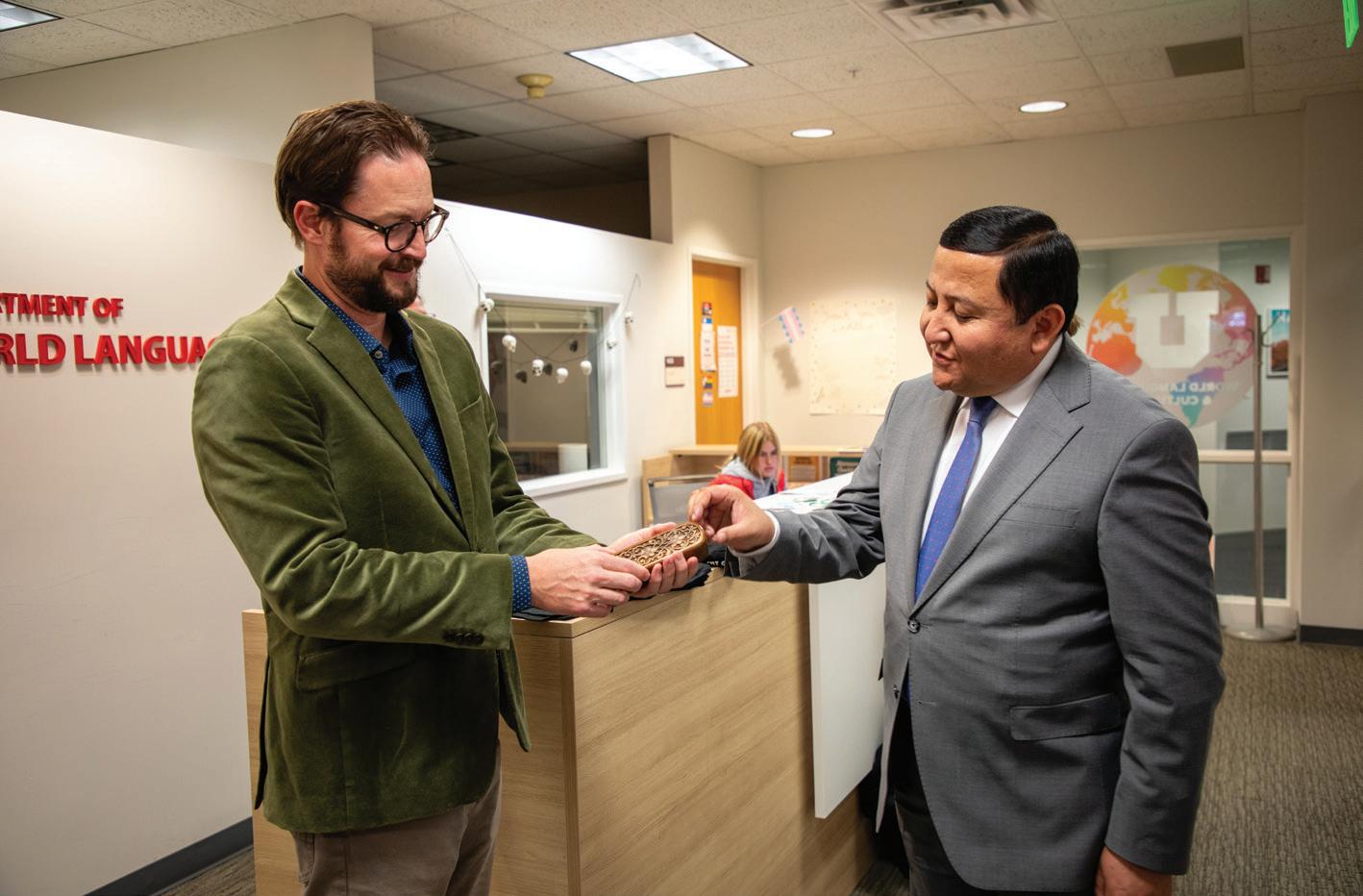
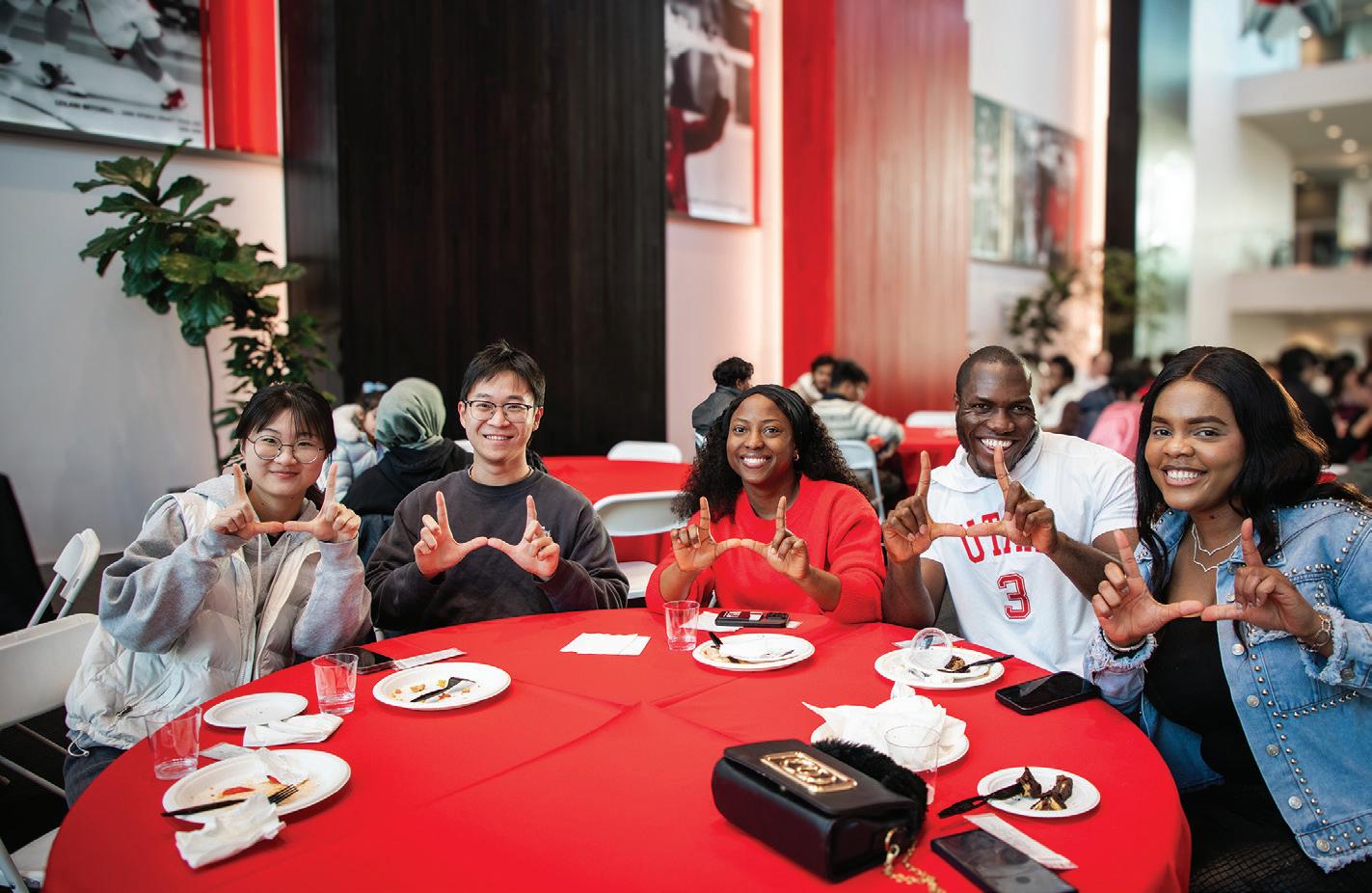
From Top | Students pose for a group photo as part of the new “Intensive Japanese Culture in Tokyo” course, led by Dr. Cindi Textor; Christopher Lewis, chair of the Department of World Languages and Cultures, receives a gift from the Rector of the Samarkand State Institute of Foreign Languages, Bahodir Khalikov; international students gather for a holiday dinner and basketball game hosted by Utah Athletics.
5 Ways Faculty Can Engage Globally
Lead a Learning Abroad Experience
Faculty play a vital role in offering University of Utah students diverse, high-quality Learning Abroad programs. As a Learning Abroad Faculty Director, you have the opportunity to influence students’ intercultural competence and worldview, and we are excited to partner with you in your efforts. Reach out to propose a new program!
Teach Abroad
Faculty can spend time teaching or researching at other institutions (faculty exchange), including the Utah Asia Campus. You can then enrich your teaching by incorporating global insights into your curriculum.
Research Abroad
International research infuses your work with diverse perspectives, knowledge, and research methodologies.
Host Visitors
Faculty, administrators, and staff all play key roles in showcasing the best of the U on the global stage. The Office for Global Engagement coordinates with campus partners to help host delegations, international researchers, and international students. Do you have a corner of campus that may interest these groups? Please let us know!
Share Your Connections
We are always on the lookout for opportunities to connect with institutions that support our internationalization goals.
Do you have contacts at universities or organizations around the globe that would be excellent partners for the U? Get in touch at oge@utah.edu or 801-587-8888.
OUR TEAM
LEADERSHIP
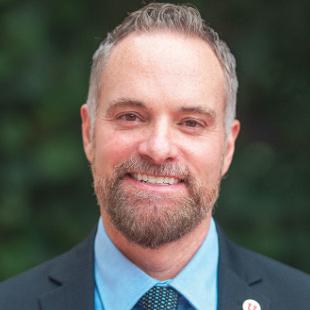
Randy McCrillis, Ph.D.
Senior International Officer Office for Global Engagement
Our team is comprised of the Office for Global Engagement, Learning Abroad, International Student & Scholar Services, Utah Global, and the U Asia Campus.
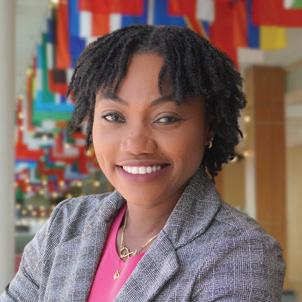
Anastasia Fynn Director International Student & Scholar Services
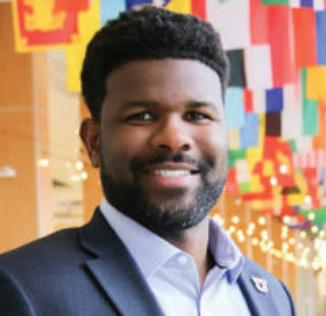
Everton Araujo Managing Director Utah Global
OPERATIONS
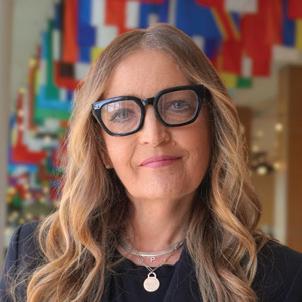
Sylvia Christensen
Administrative Manager International Student & Scholar Services
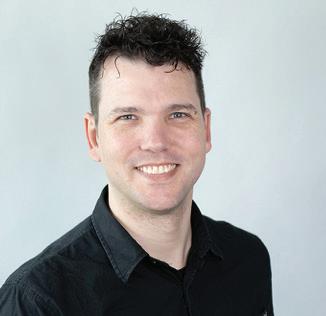
Jon Hughes
Technology Specialist and Database Administrator, OGE Office for Global Engagement

Sovanna Behrmann
Administrative Manager Office for Global Engagement

Bia Goncalves Finance Manager Learning Abroad
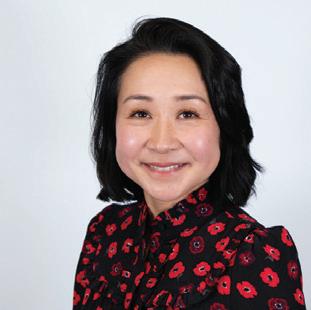
Nobuko Song
Administrative Coordinator Office for Global Engagement
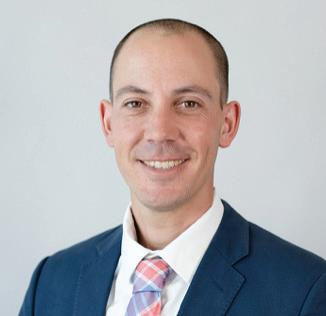
Rick Batchelor Director Learning Abroad
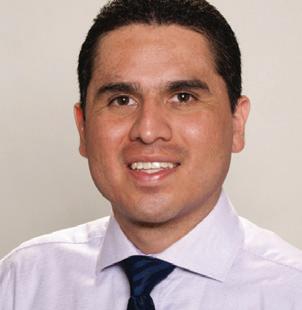
Diego Zambrano Financial Coordinator Utah Global

Bianca Soriano
Marketplace Product Coordinator Utah Global
MARKETING & RECRUITMENT

Cecily Sakrison Marketing Manager Office for Global Engagement
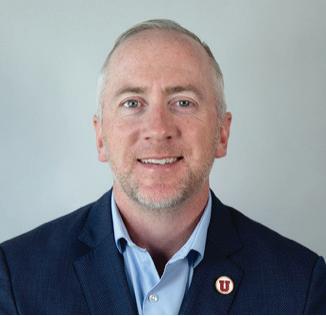
Ben Voegele Assistant Director Utah Asia Campus
EXPERIENCES ABROAD
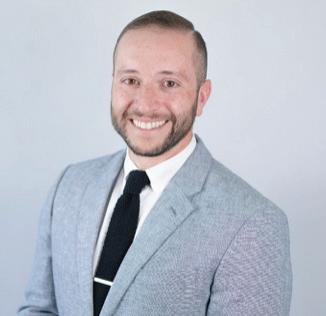
Eric Boscan Associate Director Learning Abroad
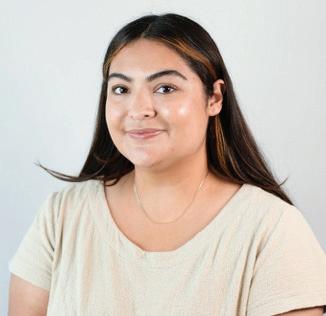
Jordan Lopez Faculty-Led Coordinator Learning Abroad

Claudia Diaz Web Manager Office for Global Engagement

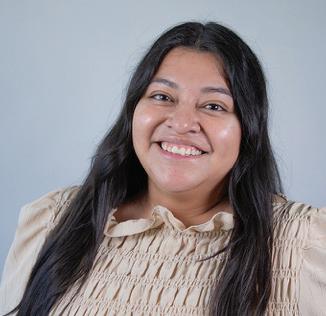
Kassandra Cruz Events, Marketing & Recruitment Coordinator Learning Abroad
Alex Leger International Faculty and Staff Liaison Office for Global Engagement
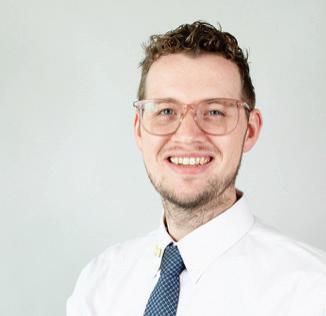
Max Courval Faculty-Led Coordinator Learning Abroad
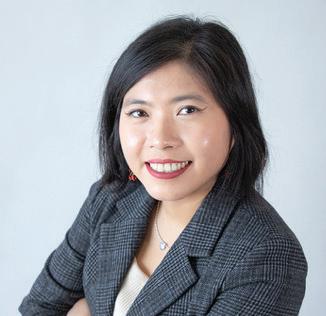
Anh Nguyen Affiliate Coordinator Learning Abroad
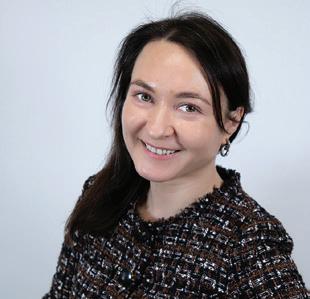
Anna Cushing Exchange Coordinator Learning Abroad

Sarah Nguyen Program Coordinator Utah Asia Campus
OUR TEAM
INCOMING INTERNATIONAL STUDENTS & SCHOLARS
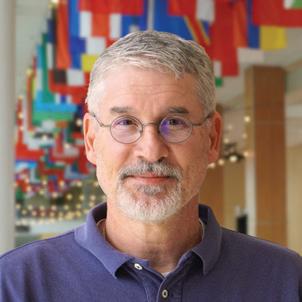
Stephen Smith
Associate Director, J-1 Exchange
International Student & Scholar Services
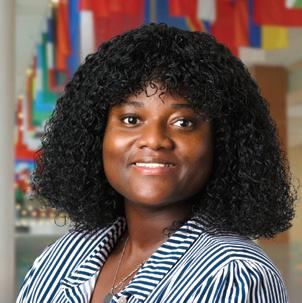
Elizabeth Hammond
Associate Director, International Student Experience & Engagement
International Student & Scholar Services CONTINUED
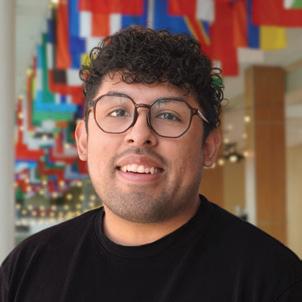
Aaron Mendez
International Student Advisor
International Student & Scholar Services
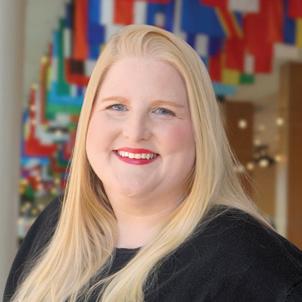
Katie DeSau Case Manager
International Student & Scholar Services
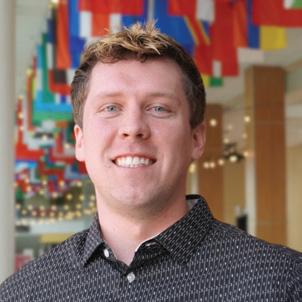
Alex Curtis
Associate Director, Immigration & Policy
International Student & Scholar Services
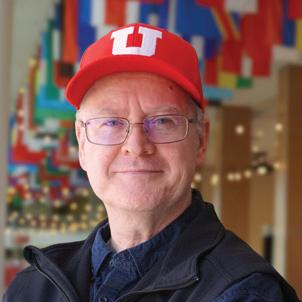
Steven Burnett J-1 Program Coordinator
International Student & Scholar Services
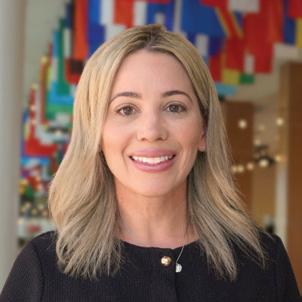
Karen Silva
International Student Advisor
International Student & Scholar Services
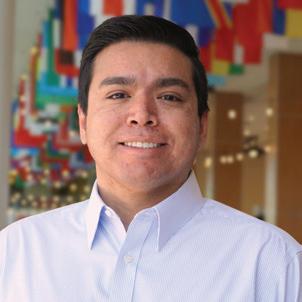
Shawn Prathan
International Student Advisor, DSO
International Student & Scholar Services
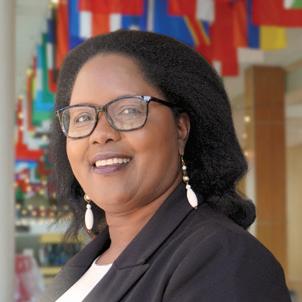
Mary Kavila
Associate Director, International Student Services and Mobility
International Student & Scholar Services
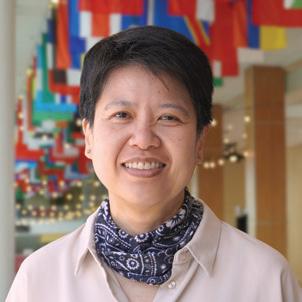
Suchavadee Ampaichitt
Senior International Student Advisor
International Student & Scholar Services
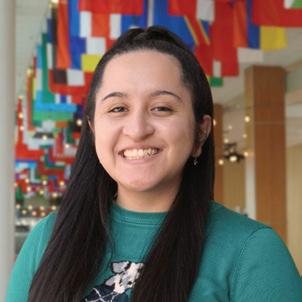
Tiffany Taghvaiee
International Student Advisor
International Student & Scholar Services
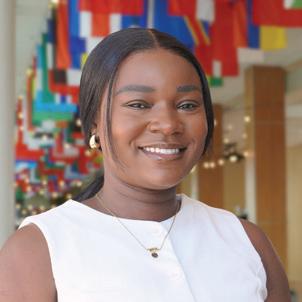
Linda Etornam Botsyoe
Student Experience and Engagement Coordinator
International Student & Scholar Services
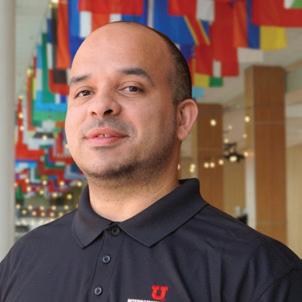
Robert Franklin
International Student Advisor
International Student & Scholar Services

Deborah Marzano Student Services Director
Utah Global
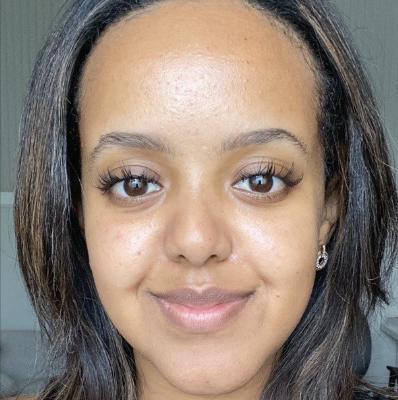
Hebist Agnelo
Enrollment Management Coordinator
Utah Global
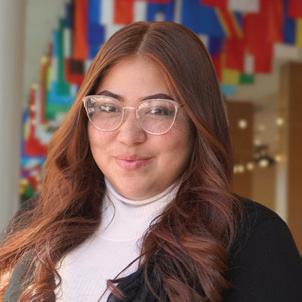
Brandi Yanagui SEVIS Specialist
International Student & Scholar Services
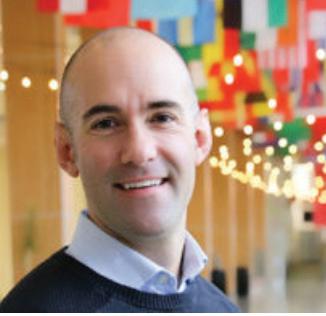
Scott Frank Academic Director Utah Global
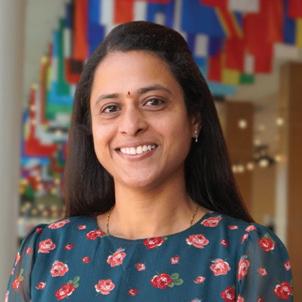
Divya Pathuru SEVIS Specialist
International Student & Scholar Services
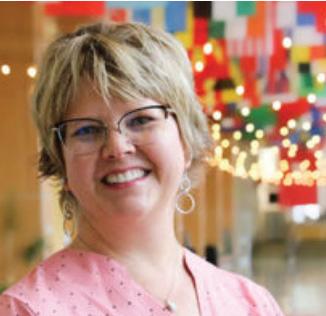
Mary Porter
Academic Coordinator
Utah Global
With gratitude to all of our student colleagues—peer advisors, interns, and graduate assistants—who contribute to our international efforts each semester. Thank you for sharing your time, expertise, experiences, and making us a more Global U.