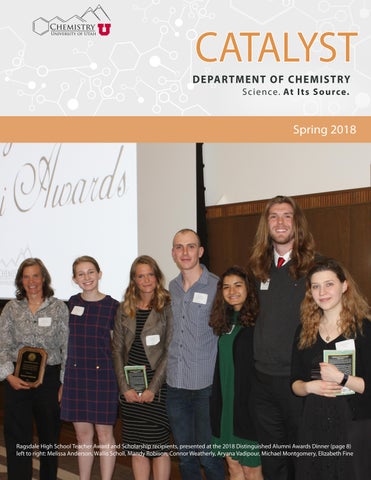
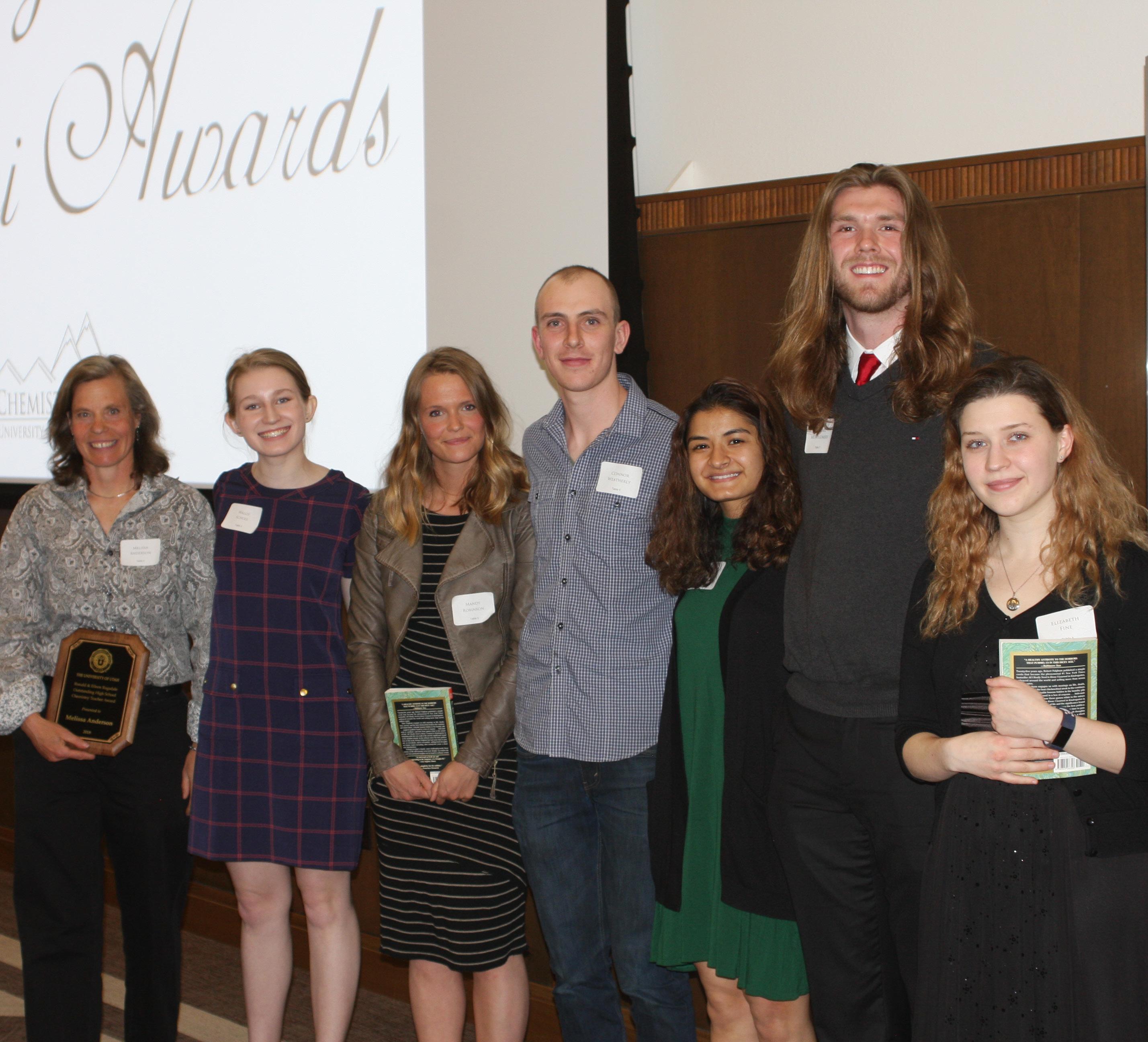
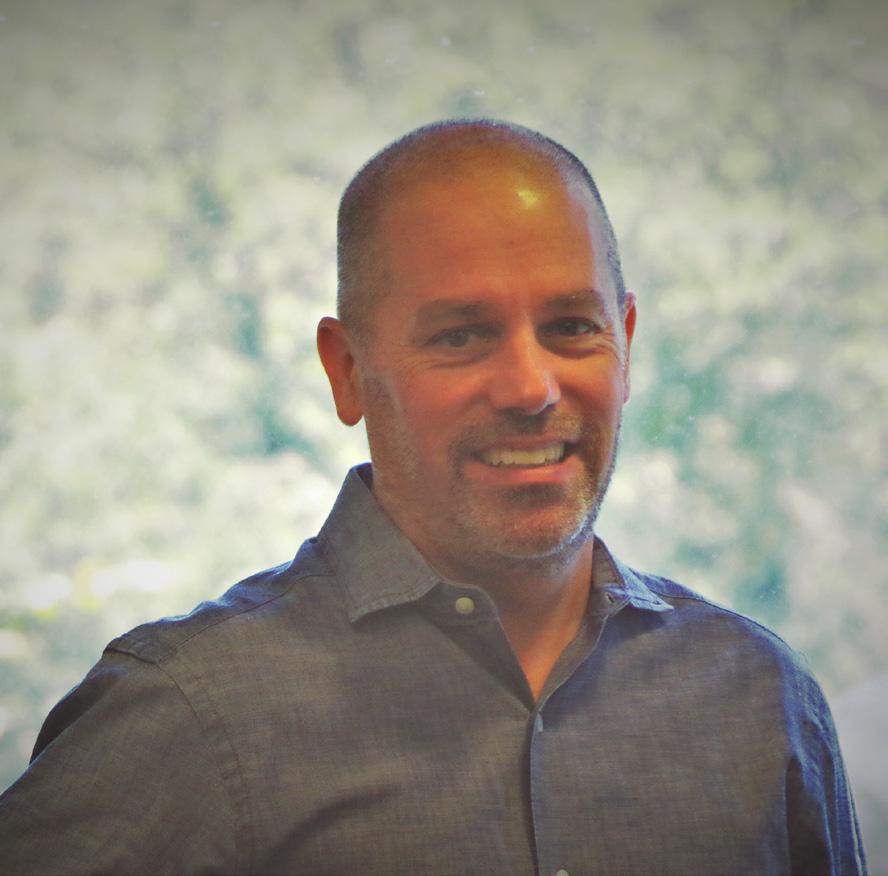
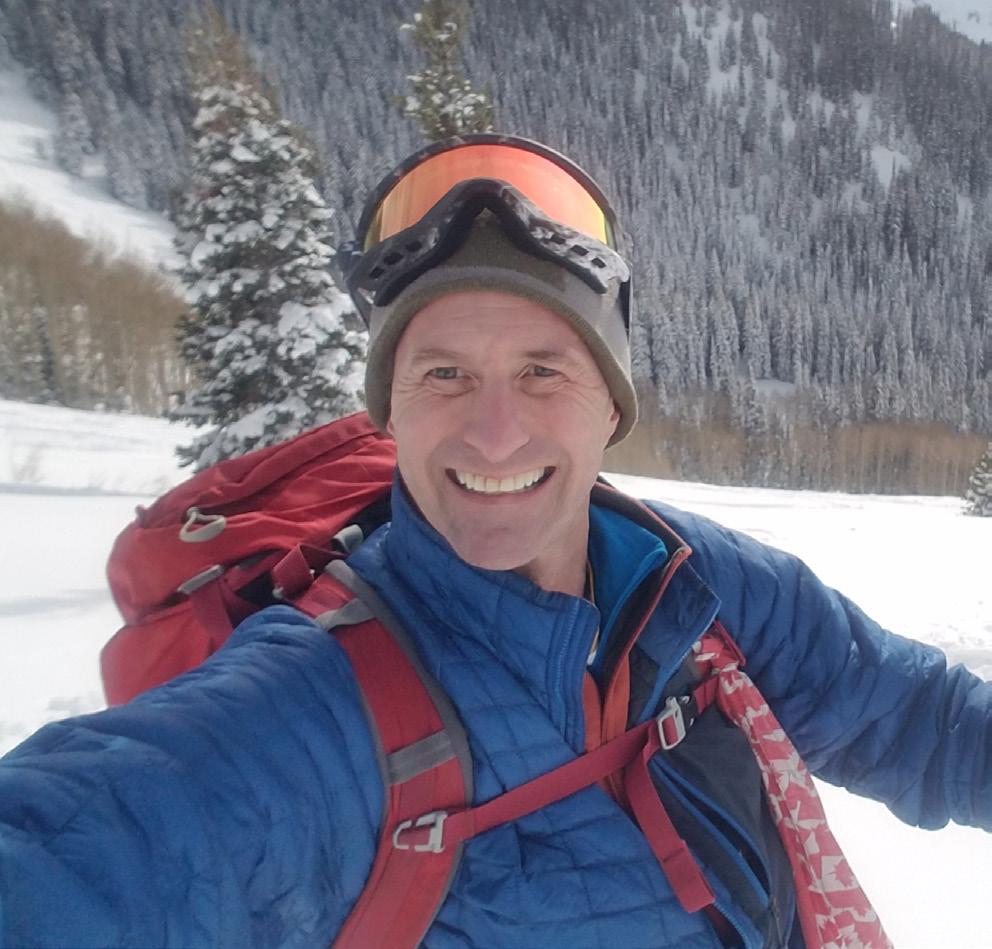
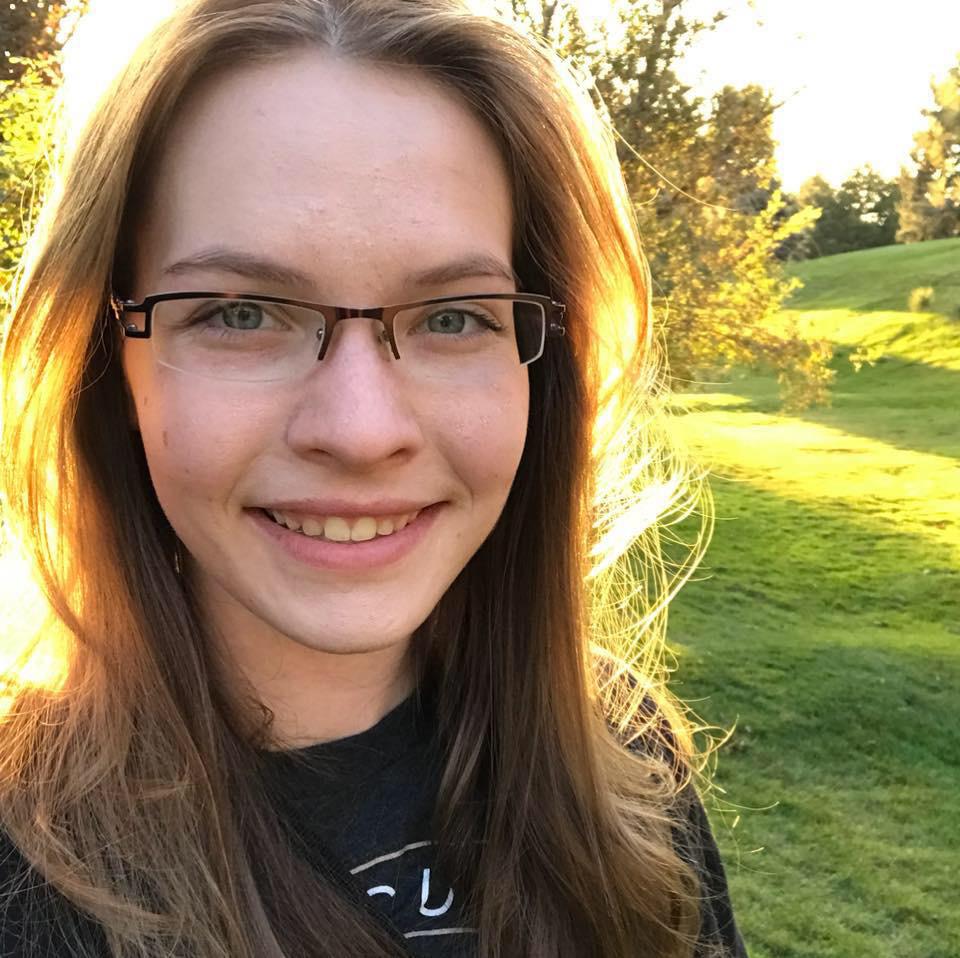
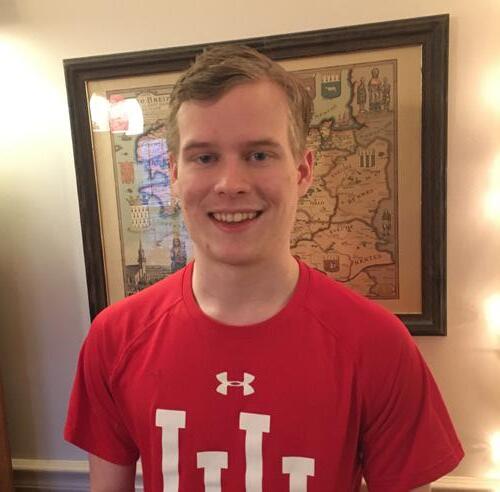
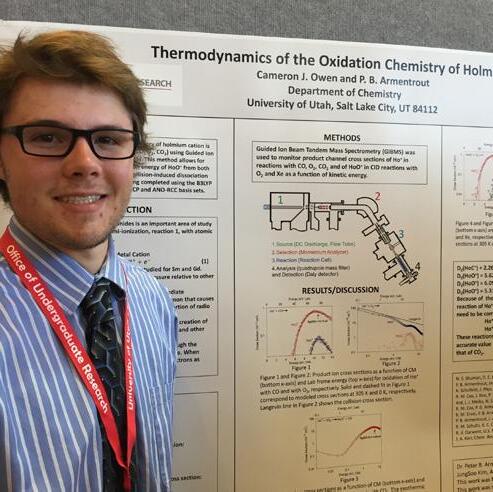
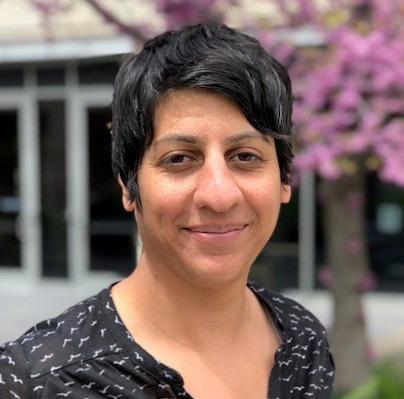
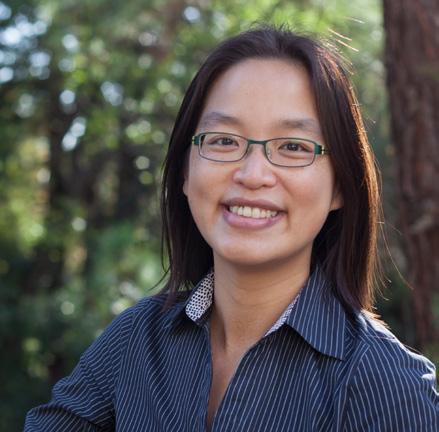
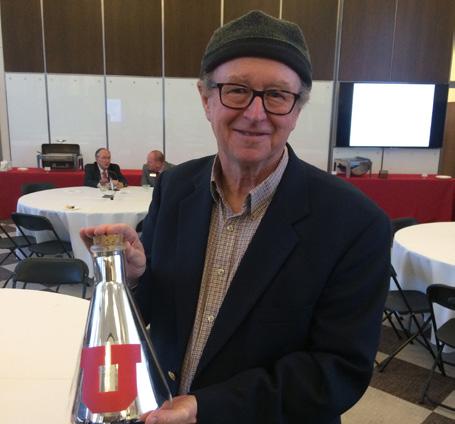
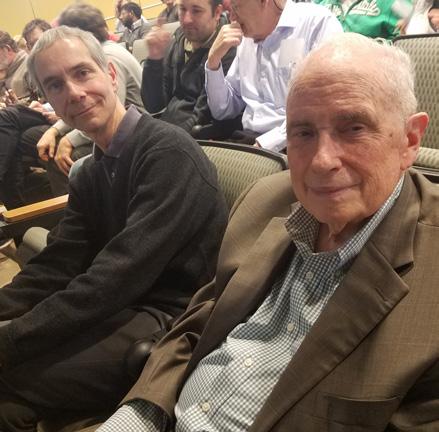
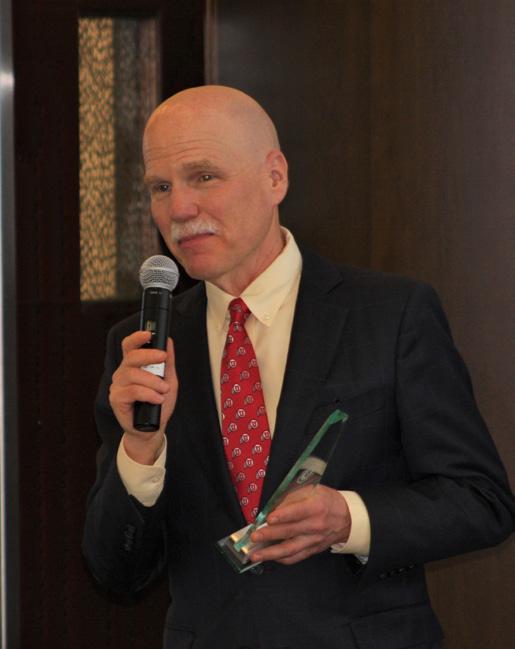
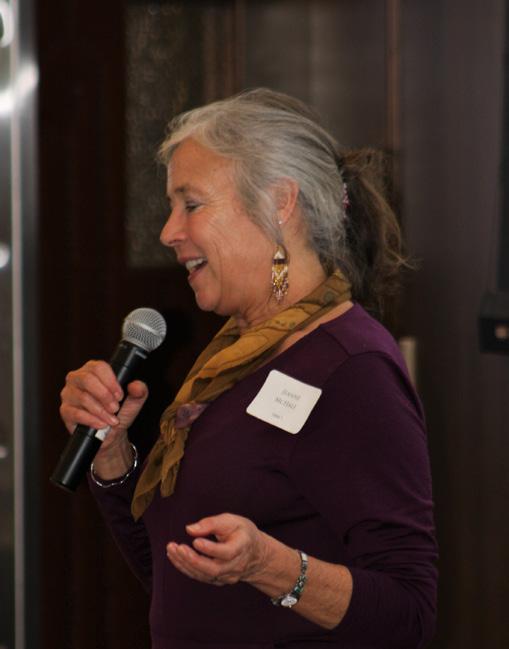
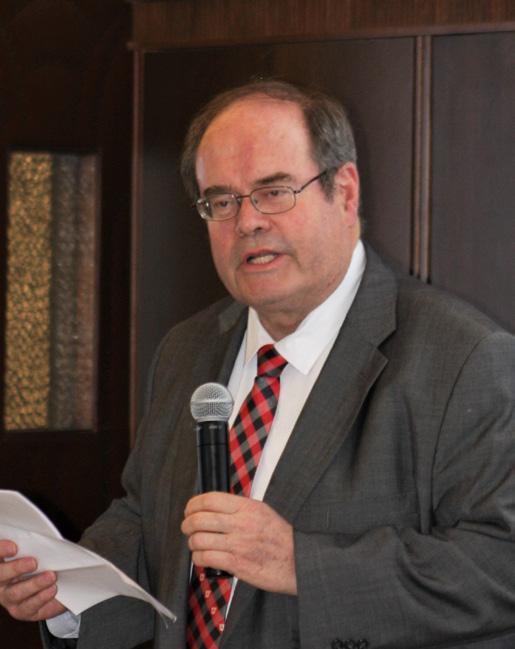
Ragsdale High School Teacher Award and Scholarship recipients, presented at the 2018 Distinguished Alumni Awards Dinner (page 8)
left to right: Melissa Anderson, Wallis Scholl, Mandy Robison, Connor Weatherly, Aryana Vadipour, Michael Montgomery, Elizabeth Fine
Want to be part of something great?
You can donate to the Department of Chemistry and leave your own legacy that will impact hundreds of current and future chemists every day! Contact Heather Burkhart at (801) 585-7896 or heather.burkhart@utah. edu to find out how you can make a positive change at the University of Utah.
You can also make a donation on our website at chem.utah.edu/community/donate.php
LETTER FROM THE CHAIR
Dear Chemistry Alumni and Friends,
We pride ourselves with a tradition of excellence in Chemistry at the U. This year we are graduating more chemistry majors (75) than ever, more majors with Honors (9), and more PhD (36) and MS (19) degrees. Our alumni are moving on to high-level entry positions in graduate schools, industries, and professional programs in medicine and pharmacy. Graduating senior Hodan Abdi was perhaps the first ever chemistry undergraduate to address the audience of >10,000 people at commencement exercises. The U grows in stature as our faculty, staff and students receive ever more awards and recognition for their efforts in research, education and innovation. We also continue to attract the best and brightest to the U; Professor Ming Hammond will join our faculty on July 1st as Associate Professor with tenure, and we have also captured both of the Goldwater Scholarships awarded in the state of Utah—Phillipe David and Cameron Owen are both Chem majors at the U! To cap that, undergraduate advisor Tascha Knowlton will receive a national award for innovations in advising next fall.
In this issue of The Catalyst, read Hodan’s moving speech about her journey from Somalia to the U, peruse the news of faculty arrivals and as well as those moving on, read faculty, student, and alumni spotlights that highlight the accomplishments of chemists in our extended family, and celebrate with us the international recognition of our research and education programs.
Thanks to everyone who donates time, efforts and funds to keep us climbing to new heights!
Best wishes,
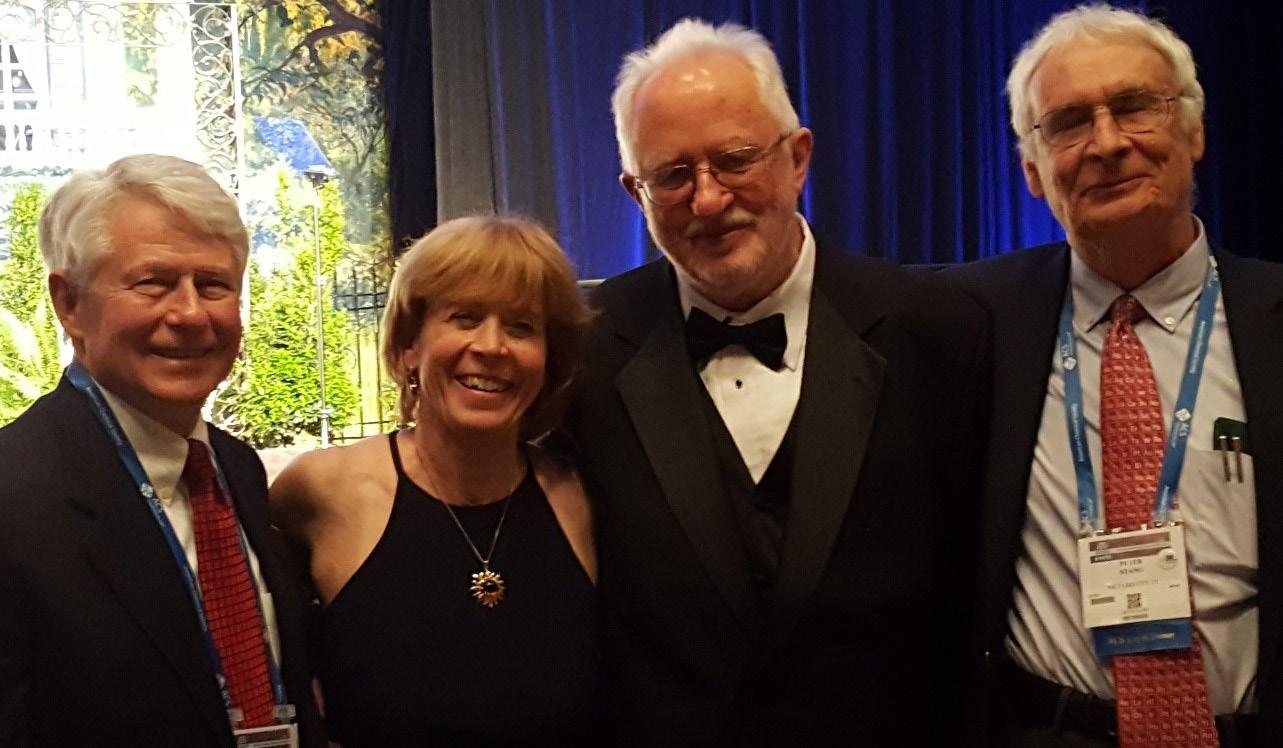
Awardees past and present of the James Flack Norris Award in Physical Organic Chemistry celebrated at the ACS Awards Banquet in New Orleans in March. Left to right: Dale Poulter (2004), Cynthia Burrows (2018), Josef Michl (2001) and Peter Stang (1998). The late Cheves Walling was also a U of U winner of this award (1971).
FACULTY RESEARCH PROFILE
In Professor John Conboy’s lab, his research efforts encompass two areas: the development of techniques for the label-free detection of small-molecules and proteins, and the biophysics of lipid flip-flop in phospholipid membranes. “We continue to make significant progress in implementing the nonlinear technique of second harmonic generation (SHG) for the direct detection of small-molecules in a primary immunoassay.” Says Conboy. “We have also investigated small-molecule and protein interactions with membranes.” In addition to these studies, the Conboy group has adopted an exciting new research direction that includes the development of methods that enhance the capabilities of SHG. The group has created nonlinear optical nanoparticle films for SHG signal enhancement and utilized these materials as a novel optical-based humidity sensor. According to Conboy, “We are exploring further uses of these materials in gas and biosensing applications.”
The group’s research of lipid flip-flop in biological membranes includes the novel usage of sum-frequency vibrational spectroscopy (SFVS). Through this technique, they were the first to report that lipid flip-flop (translocation) is a fast process (millisecond time scale) under physiological conditions. This observation was in stark contrast to previous experiments using lipid-probes which reported time scales on the order of hours to days. “This extremely controversial topic is still being actively debated, with new researchers using x-ray, neutron scattering, and NMR reporting slow time scales.” Says Conboy. “However, we recently showed that the use of lanthanides by these groups to monitor lipid flip-flop results in a major perturbation and slowdown of lipid dynamics.” Professor Conboy is looking forward to the coming challenges. “As with all good science, the debate still rages and drives our research forward.” In particular, he states that the implication for rapid lipid flip-flop also has important ramifications for the current membrane model, particularly with regards to the lipid compositional asymmetry found in most cells.
John Conboy
physics of organic semiconductor thin films using near field scanning optical microscopy. He obtained his Ph.D. with Prof. Geraldine Richmond at the University of Oregon (recipient of the 2018 Priestly Medal from the ACS),where he pioneered the use of second harmonic and sum-frequency vibrational spectroscopy for the study of liquid/liquid (i.e. oil/water) interfaces. Professor Conboy received his B.S. in chemistry from the University of California, Davis as a transfer student from Chabot College in Hayward California.
He wasn’t interested in studying chemistry, in fact, Professor Conboy began his undergraduate studies in biology with the goal of becoming a botanist or marine biologist. He had already taken general chemistry and organic chemistry when he took his first biology course and his world changed. “I remember being in lecture and the biology professor was drawing amino acid structures and put five chemical bonds on a nitrogen atom. I vividly remember asking the instructor if that was correct, as it seems to break the octet rule, and was summarily dismissed. I remember thinking ‘If you don’t understand the basic chemical makeup of proteins, how can you possibly understand the grand complexities of a living organism?’ I guess you could say that it was the arrogance of my youth that lead to the moment of my conversion to a chemist. That moment would shape the rest of my academic studies and eventual career. Looking back, that moment taught me two very important lessons: one, having the right instructor can change the course of your life; and two, biologists and chemists look at the world on two very different length scales and that by combining these perspectives great things could be discovered.”
Prior to becoming a professor at the U, Conboy was a National Institutes of Health postdoctoral researcher at the University of Arizona with Prof. Scott Saavedra studying polymerizable lipid membranes as platforms for biological sensors and the role of HIV capsid proteins on membrane association. Before working with Dr. Saavedra, he was a postdoc with the late Prof. Paul Barbara at the University of Minnesota where he studied the photo-
Professor Conboy takes this to heart as he works every day to be ‘the right instructor’ for the members of his research group. According to him, graduate students are key to not only the research done in his lab, but to the entire research enterprise; not only because they are the ones performing the research, but because the nature of being an instructor like Conboy is to shape the next generation of scientists. “As society is changing so do students, in terms of their backgrounds, needs and desires, and these factors in turn shape the nature of the research we pursue. It is the invigorating back and forth with students which drives my interest in research and seeing the evolution of the next generation of scientists.”
DEPARTMENT NEWS
Here's what we've been up to...
CYNTHIA BURROWS
JEFF STATLER RYAN STEELE
LUISA WHITTAKER -BROOKS
SHELLEY MINTEER
PETER ARMENTROUT
Cindy Burrows has been selected as the recipient of the 2018 Willard Gibbs Medal of the Chicago Section of the American Chemical Society. This is one of the most prestigious honors in chemistry, its purpose "To publicly recognize eminent chemists who, through years of application and devotion, have brought to the world developments that enable everyone to live more comfortably and to understand this world better." This award has been given since 1911, and only one previous Utah chemist (Henry Eyring, 1968) has received it.
A photo taken by Ryan Steele was chosen as the cover art for the Journal of Chemical Education in January 2018. The photo showcases liquid oxygen gathered during a simple and inexpensive process developed by Jeff Statler, which uses a megnetic field to extract pure liquid oxygen through condensation; his demonstration published in the same issue.
Luisa Whittaker-Brooks has been named one of 2018's Cottrell Scholars, an award given by the Research Corporation for Scientific Advancement to 24 early career academic scientists in the areas of chemistry, physics and astronomy. The program is designed to foster synergy among faculty at major American research universities and undergraduate institutions.
Shelley Minteer has been awarded the 2018 ACS Division of Analytical Chemistry Award in Electrochemistry, which will be given in August at the ACS meeting in Boston. She is the third professor from the University of Utah Department of Chemistry to receive this award, Henry White receiving it in 2004 and Debra Rolison in 2014.
Peter Armentrout has been awarded the 2018 Ron Hites Award, given by the American Society of Mass Spectrometry, for his contribution “How Hot Are Your Ions Really? A Threshold Collision-Induced Dissociation Study of Substituted Benzylpyridinium “Thermometer” Ions.”
Marc Porter has been awarded the University of Utah Distinguished Scholarly and Creative Research Award for 2018 in recognition of his important contributions to research and scholarship in the field of analytical chemistry and biosensors. Porter will receive special recognition and a dinner in his honor in conjunction with this year's commencement.
PETER FLYNN
The Career and Professional Development Center at the University of Utah has recognized Peter Flynn as an outstanding faculty member as part of their Faculty Recognition Program. The program celebrates student-nominated faculty who have done an exceptional job of mentoring students and facilitating their professional growth.
ALUMNI UPDATES
DAVID HAMILTON, SR.
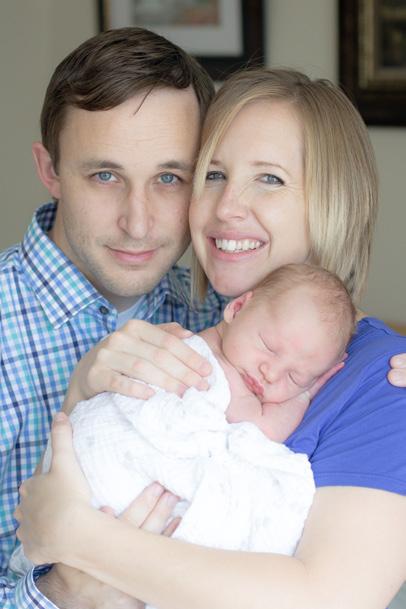
After graduating from the department in 2011, David Hamilton Sr. went on to medical school at the University of Utah. Following that time, he's been working as a resident physician at Loma Linda University in California. In July 2018, he will start work and further training as a cardiology fellow physician at the University of Arizona in Tucson. He and his wife also recently had a baby on December 16, 2017, naming him David Spencer Hamilton Jr.
JONATHAN (J. D.) HERR
Jonathan defended in December 2016, officially graduating in May 2017, working under Dr. Ryan Steele while pursuing a PhD in theoretical and computational chemistry. He landed a full-time position at Enterra Solutions in Newtown Pennsylvania as a data scientist on February 1st, 2018. Before obtaining this position, he worked as a contract data scientist consultant and a boxing instructor while job searching.
RAY HOFF
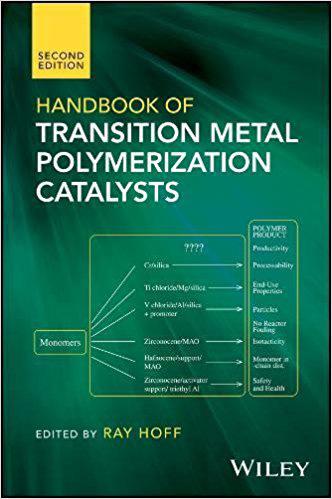
In 1964 Ray was awarded a PhD in Organic Chemistry from the University of Utah, with James Sugihara as his advisor. He is the editor of Handbook of Transition Metal Polymerization Catalysts, 2nd Edition, and was co-editor for the 1st edition. Ray has had a meaningful 27-year career in research of transition metal polymerization catalysis.
helping his students use their chemistry skills to get into multiple and diverse fields and careers, a quality Chad greatly admires and respects.
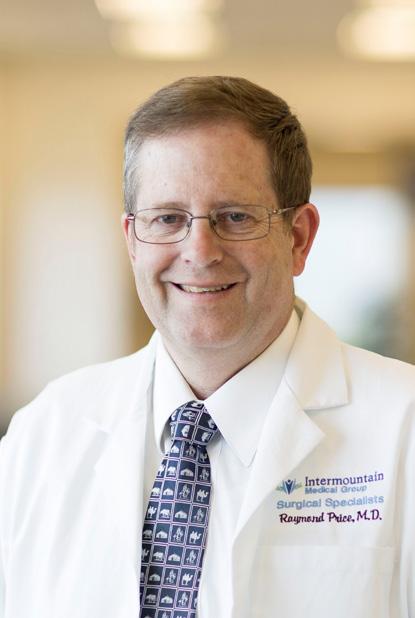
RAY PRICE
Dr. Price Graduated from the University of Utah Magnum Cum Laude in 1983. After graduating from Harvard Medical School and completing a surgical residency at the Brigham and Women’s Hospital in Boston, he returned to Salt Lake City at the Salt Lake Clinic and Intermountain Healthcare. Since 1993 until the present, Dr. Price co-directed or directed the graduate surgical education program at LDS Hospital and Intermountain Medical Center for hundreds of surgical residents, and medical and physician assistant students.
Chad earned his PhD in 2003 and, after working as a senior scientist and scientific advisor, now manages an auto body shop. Chad worked with Gary Keck and remembers with fondness how he was always enthusiastic about
Dr. Price is a Clinical Professor in the Department of Surgery and an Adjunct Associate Professor in the Department of Family and Preventive Medicine, Division of Public Health. He co-organized the country’s first course on Global Surgery and Public Health which led to co-authoring the seminal book “Global Surgery and Public Health: a New Paradigm” that is now being used in many universities worldwide. Dr. Price helped co-found the University of Utah’s Center for Global Surgery, the first academic Center for Global Surgery in the United States guiding research and education programs worldwide. He is the author of numerous peer-reviewed articles, book chapters, and books.
He served and currently serves in many leadership positions on many national and international committees including the World Health Organization Global Initiative for Emergency and Essential Surgical Care, the Society of American and Gastrointestinal and Endoscopic Surgeons (SAGES), the American College of Surgeons, the International Surgical Society (ISS), and an advisor to the Lancet Commission on Global Surgery. He is the recipient of many honors and awards; however his greatest work is with his wonderful wife Anne and their 7 daughters and one son who also volunteer internationally and at home.
CHAD KNUTSON
ALUMNI FEATURE Ziggy Uibel
Rory (Ziggy) Uibel, PhD 2003, was not interested in chemistry when he first started college. He was studying to be an aeronautical engineer at the University of Washington when the opportunity arose in his freshman year to work with Dr. Martin Gouterman, the professor of his general chemistry class. Gouterman was working on utilizing porhyrin molecules in order to develop pressuresensitive paint for wind tunnel simulations, and Uibel was interested in expanding his contacts with Boeing and NASA, a perfect combination. His interests shifted over time, however, and Uibel decided to change his focus to the development, characterization and use of pressuresensitive paints as a result. “Basically after learning the many different diverse aspects of Chemistry,” he says, “I was hooked for life.”
While at the University of Washington, Uibel continued to work on his own research with porhyrin molecules and pressure-sensitive paint for use in wind tunnels. “The main advantages of this paint compared to conventional measurements was that it did not disturb the air flow by the required holes in wings for pressure gauges, and was a lot more cost effective.” he explains. “It worked by exciting a painted wing with a UV light, where the porhyrinemitted phosphorescence could then be quenched by oxygen. An increased surface air pressure contained a greater oxygen concentration and would result in a dimmer red-shifted phosphorescence. The Stern-Volmer relationship used wind off/wind on image comparisons to directly determine the observed surface pressure from the paint’s intensity.” Uibel wanted to continue his studies in spectroscopy for this purpose, and after asking around, discovered that Joel Harris’s name was at the top of everyone’s list. He decided that the University of Utah would be the ideal location for his graduate career, and could not have been happier with his choice. “I can easily say that
coming to the U of U was one of the best decisions of my life.”
The branches of chemistry are often integrated, and at times it takes a team of diverse scientists to complete a project. This was one of Uibel’s favorite aspects of the Department, calling it the highlight of his graduate career. “I was in the analytical chemistry program and always had assistance from professors/staff/students within other divisions detailing aspects that were not my strong suit.” Uibel says. And not only did the integration prove to be a valuable asset to his research, but it made him feel like he was part of a bigger family within chemistry. “The assistance I received in synthesis, manufacturing, modeling, etc. showed me that I was not just part of the analytical division but of a much larger entire Chemistry department who cared about my success.” During his time at the U, Uibel also received the U of U Chemistry Department TA of the year award in May 1996, a recognition in which he still delights. Uibel has always enjoyed teaching and states that he would have become a university professor had the fun and flexibility of a small company like Process Instruments not lured him into industry.
After Uibel graduated in 2003, he started working with a small, 7-person local instrument company called Process Instruments Inc., and has been there ever since. Process Instruments manufactures Raman instruments for use in online process monitoring, with most of their business being with petroleum refineries, where they provide realtime updates of desired stream parameters. “We think of ourselves as more of an information company than an instrument company.” says Uibel. “A refinery with our realtime information will be able to optimize stream blends and reduce giveaway of more expensive (example octane) components. Most clients see a ROI (return on investment) within 2-4 months.” Since Uibel joined Process Instruments they have grown to 16 employees and are currently in 20% of all US refineries and 6% of the worldwide market. “We are working on reaching approximately 60% total penetration with many of the individual refineries having multiple (5-10) instruments. The demand for instrumentation within the refinery markets has kept us quite busy and with the limited spare time we do have we continue to work on additional applications for our Raman instruments.”
When Uibel isn’t developing new applications for work, he enjoys participating in many diverse outdoor activities, such as running, hiking, biking or climbing in the Wasatch Mountains. During the weekends he can be found in more extreme environments such as sleeping on the side of Angels Landing in Zion National Park, backcountry skiing in remote Wasatch canyons, and slithering through slot canyons in southern Utah.
STUDENT SPOTLIGHT
Rachel Cantrell
Rachel Cantrell, member of the Ryan Looper Lab, is not only a gifted chemistry student, but a skilled sharpshooter, and has been competing in Olympic-style pistol competitions for over 7 years. “I decided to continue marksmanship during college because it serves as a way to ground myself.” She says. “While I love to study and learn, marksmanship helps me take a step back from school and clear my mind. At the level I compete at, marksmanship revolves around the mental game. Essentially, I have my best matches when I enter an almost meditative state and focus solely on the present moment. It really helps me relax while also helping me develop stress management techniques that I can then apply to school and life.”
Cantrell is also president of the U of U Marksmanship Club and member of the University Pistol Team, and recently achieved the title of National Junior Champion in the Winter Airgun Championships, one of the main national competitions for Olympic Air Pistol. Competitors can win quotas for Olympic Team bids and, before Olympic years, this competition serves as a selection match for the Olympics. “This was my last year competing in this event as a Junior.” Says Cantrell. “After placing second on Day One, I was able to pull out a victory on Day Two and become the overall Junior Champion. I shot one of the best finals of my marksmanship career. I also had the opportunity to participate in a brand new team event, and I had an overall great time at the competition.”
Aside from training her mind to focus on the target at the range, Cantrell trains her mind in the study of organic chemistry in the lab. Her favorite subject so far, she values being able to connect the concepts she learns in class to the work she does in the lab. “As far as research goes, the
majority of my work has been in antibiotic isolation, either of specific organic molecules or of novel compounds. I am also starting an organic synthesis project, and I can already tell that I am going to really enjoy synthesis.”
Cantrell enjoys the variety of activities available throughout campus, such as farmer’s markets and guest speakers at the Union Ballroom, but also likes to attend events specific to science, such as seminars and Frontiers of Science lectures. “There’s always something to do.” She says. “It’s fascinating to hear about research projects from around the world, and I would highly encourage other undergraduate students to attend the seminars.”
Cantrell writes fiction novels in her spare time, particularly sci-fi and fantasy, and hopes to publish one day. She also enjoys drawing and photography, and is a big fan of Star Wars, Star Trek, and Marvel. Her interest in science has always existed, and an education in chemistry seemed to fall naturally into place. “The more I study chemistry the more fascinating it becomes. I especially enjoy the puzzle solving nature of organic chemistry, with the chess-like aspect of anticipating future ‘moves’ in order to arrive at the desired product. I want a career that will be both challenging and interesting, and I believe a career in chemistry will do just that for me.”
Goldwater Scholars
The prestigious Barry Goldwater Scholarship for the 20182019 academic year has been awarded to two students in the state of Utah, both of whom are chemistry majors at the U!
Philippe David is currently doing undergraduate research in the Grunwald group and plans to pursue a PhD in theoretical chemistry and develop new models and simulation methods to study nanomaterials. He plans to become a professor at a research university.
Cameron Owen's undergraduate research with Peter Armentrout has already resulted in several publication and he hopes to study the chemical properties of materials in the search of new catalytic devices. He plans to earn a PhD in analytical and physical chemistry.
Sushma L. Saraf
As Assistant Professor-Lecturer and General Chemistry Laboratory Coordinator, Sushma is responsible for the overall management of the General Chemistry Laboratory classes, and training and management of the teaching assistants. Her PhD research was at the interface of organic and inorganic chemistry involving photochemical evaluation of organometallic complexes and mechanistic investigations of Copper(II) complexes for dioxygenase reactivity. Sushma's prior teaching experience includes university level general and organic chemistry at Westminster College in Salt Lake City, UT.
Professor Charles (Butch) Atwood Retires
Butch Atwood let out a mighty sigh as he graded his last final exam! During 7 years at the University of Utah, Butch has taught thousands of students from freshmen to seniors in general chemistry and in radiochemistry, mentored graduate students in chemical education, and impacted hundreds of high school students and teachers per year through summer outreach and academic-year AP laboratory courses. Atwood retires from his position of Professor of Chemistry at the U and as the inaugural holder of the Ronald and Eileen Ragsdale Chair in Chemical Education. When he joined the U, moving from the University of Georgia in 2011, he transformed the general chemistry laboratory and lecture courses into more efficient and more effective learning experiences, increasing the success rate of students from highly diverse high school backgrounds. He also hosted weekend sessions for a cadre of high school teachers who have benefitted as a cohort working to improve chemical literacy and STEM teaching techniques in the Salt Lake Valley. His research in item-response theory helped us understand how students learn. All of these contributions aligned perfectly with the University’s overall mission and present goals of increasing student success and improving the undergraduate experience. Butch and his wife Judy are moving to a home on a lake in Virginia where Butch will next take on the task of teaching fish how to bite!
New Faculty
Ming Hammond
The Department of Chemistry welcomes Associate Professor Ming Hammond and her research group who will join us in July. Prof. Hammond comes to the University of Utah from the University of California, Berkeley, and will be a tenured faculty member in Chemistry with an appointment and lab space in the Henry Eyring Center for Cell and Genome Science in the new Crocker Science Center. Her research program was recently highlighted in the “Future of Biochemistry” issue of the ACS journal Biochemistry, and focuses on the chemistry and biology of cell signaling and gene regulation.
Edward M. Eyring
Inaugural Lectureship
On March 1, 2018, The Department of Chemistry hosted the inaugural Edward M. Eyring Lecture by Martin Gruebele, University of Illinois at Urbana Champaign. Gruebele is the James R. Eiszner Professor of Chemistry, Professor of Physics, Professor of Biophysics and Computational Biology and Professor in the Center for Advanced Study. He is a Fellow of the American Academy of Arts and Sciences, the ACS, APS and Biophysical Society, and a member of the German and the U.S. National Academies of Sciences. His research includes protein and RNA folding, fast dynamics in live cells, vibrational energy flow in molecules, quantum computing and quantum control, optically assisted STM, glass dynamics, and vertebrate swimming behavior. His talk was titled "Simple dynamics of complex chemical systems: from nanoparticles to proteins in the cell"
2018 DISTINGUISHED ALUMNI
Joseph R. Madsen
Joseph Madsen received his undergraduate degree from the University of Utah in 1976, from which he went on to earn an MD from Harvard Medical School in 1981. Between the years 1981 and 1983, he completed an internship followed by a research fellowship with Beth Israel Deaconess Medical Center in Boston, then completed his residency in 1989 with Massachusetts General Hospital. He has certifications with the American Board of Neurological Surgery and the American Board of Psychiatry and Neurology in Child Neurology. He has developed new techniques for monitoring shunt flow in patients with hydrocephalus, as well as predicting seizures using intracranial data gathered from implanted electrodes. Aside from practicing pediatric neurosurgery at Boston Children’s Hospital, Madsen is an adjunct professor in functional neurosurgery at Xanwu Hospital, associated with Capitol Medical University, Beijing Institute of Functional Neurosurgery. He hopes to improve pediatric neurosurgery and epilepsy surgery abroad, especially in China, and has been working on a mechanism to review surgical cases in real time with colleagues at Beijing’s Children’s Hospital.
Jeanne L. McHale
After earning a BS in Chemistry from Wright State University in 1975, Jeanne McHale attended the University of Utah for her PhD, which she received in 1979 with Jack Simons, followed by postdoctoral research with Jim Wang. Jeanne was a member of the chemistry faculty at the University of Idaho from 1980 until 2004, which is when she joined the chemistry faculty at Washington State University, where she is currently a Professor Emerita. She is a fellow in the American Association for the Advancement of Science and author of Molecular Spectroscopy (Prentice-Hall, 1999). She also edited the recently published Handbook of Luminescent Semiconductor Materials (Taylor & Francis, 2011) with co-editor Leah Bergman. The McHale lab specializes in the use of resonance Raman and photoluminescence spectroscopy for study of molecules and nanomaterials with interesting optical and electronic properties. Fundamental quantum mechanical aspects of electron transfer in solution and in interfacial systems are a major focus of their experiments. McHale’s group pioneered the use of resonance Raman spectroscopy to study solvent dynamics in electron-transfer reactions.
Craig N. Thatcher
Craig Thatcher earned a BA in Chemistry from the University of Utah in 1974, a natural course for him since his grandfather was a chemistry teacher and founder of Wasatch Chemical Company, and his father a chemical engineer and founder of Thatcher Chemical Company. After receiving his undergraduate degree, Thatcher attended graduate school at Northwestern University in Evanston, Illinois where he earned an MBA in Marketing in 1976. He and his wife Connie spent their first year of marriage in Centerville, Utah where he began his full-time career at Thatcher Chemical Company, a company for which he still dedicates his time and energy as president. The Thatcher Chemical Company has grown from humble beginnings with two employees and no facilities, to a company of over 500 employees in 11 U.S. locations with customers throughout the world. The company is currently debt-free and has experienced rapid growth in recent years. Craig Thatcher is always looking to improve himself and assist in helping others, and is actively involved in community service and charity work, as well as endeavors to build the Thatcher Chemical Company in an effort to achieve these goals.
FROM REFUGEE CAMP TO COMMENCEMENT
By Hodan Abdi, 2018 Commencement student speaker
"Good evening, President Watkins, distinguished guests, dear faculty, graduates, family, and friends. I am very delighted to be here on this special occasion. Congratulations to us, the graduating class of 2018!
It has been a long journey for me to be with you here tonight. At the age of 13, I fled Somalia with my family to an Ethiopian refugee camp to escape a brutal, seemingly endless civil war. Due to the ongoing conflict in my country, I did not get the chance to go to school until I arrived at the refugee camp. When I arrived, I was placed in the sixth grade. It was intimidating for me at first, but I managed to thrive and finish middle school with top scores. My time in the refugee camp was one of the most challenging periods of my life, but I really liked going to school and learning new things every day.
When I was in the 10th grade, we got an opportunity to move to the United States, although we left everything behind. Since I was already 18, I was told that I could not attend high school, and I had to start working. So, I began working as a custodian for the University of Utah to support my family. While working, I took the GED test and earned a high school diploma. I started college eager to take my first premed chemistry class, but first I had to take introductory reading and writing classes. I did so poorly on my first reading test that I was worried about whether I could handle college-level coursework. But, I made sure I attended office hours and got all the help I could. With the support of my mother, who struggled along with me and who always encouraged me to persevere, I was able to continue working toward my goal of becoming a doctor.
And with the help of Martha Archuleta, Holly Sebahar, Michael Morse and other amazing professors at the U, I was able to continue to work toward my dreams.
University of Utah has been my home for the last few years; it gave me friends who became family and professors who became mentors, and an education that I will carry with me in everything I do. This is where my dreams, and my family’s dreams, came true, and I will always be grateful for all the people who helped me, and the others whose actions have impacted me indirectly. Because of the support I got, I was able to get accepted to my top-choice medical school. This fall, I will begin medical school at the University of Minnesota.
Growing up in a homogenous country did not give me a lot of opportunities to interact with diverse people. At the University of Utah, I found diversity, and it can be challenging as well as rewarding. When I came to the United States, I wanted to assimilate into this new culture. I wanted to fit in and not stand out. Yet, I realized that total assimilation is not the goal of a diverse society, where melding cultures still retain their core attributes. In this process, I learned never to judge people and to always communicate and connect with others with an open mind. As a result, I met many friends from all over the world. Together, this story — my story — and the story each of you brought here today has been woven together as we have become a community over the last four years. Tomorrow, as each of us start a new chapter, I hope we remember what our time here has given us and what it requires from us. Our time here was not only about getting a degree but about having the chance to think big and to find ways to make our world a better place by using the skills and the lessons we have learned while we were here. As students of the University of Utah, we are global citizens, and each one of us has the talents and the skills to make a big impact in our communities and for our planet. Class of 2018: Congratulations on all the hard work and incredible achievements that brought you here today! I wish you all the best in your future and look forward to hearing about your future explorations and accomplishments!"
315 South 1400 East
Salt Lake City, UT 84112-0850
Address Service Requested
CLASS OF 2018
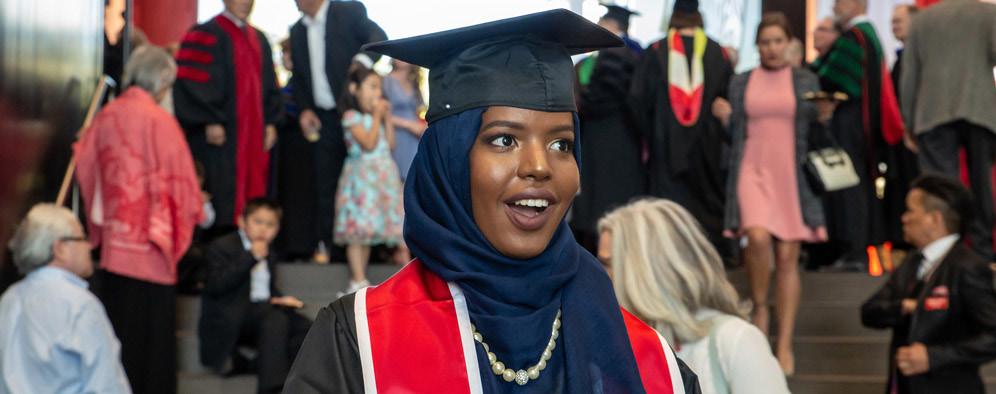
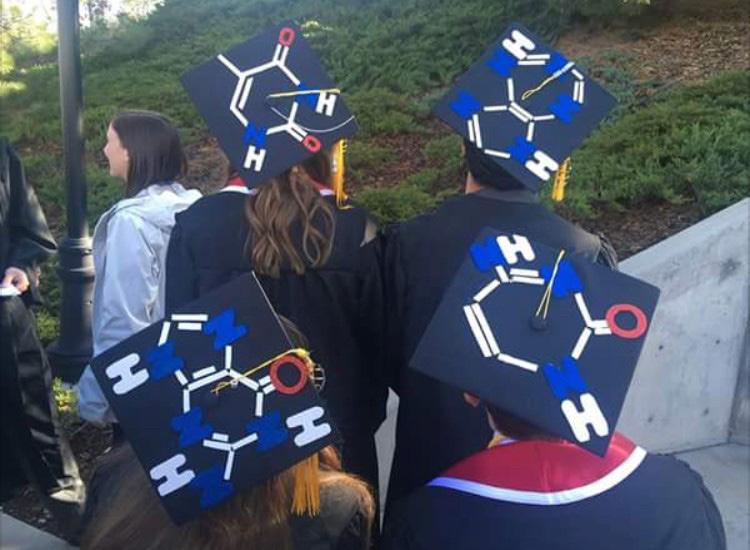
Graduates at the College of Science convocation held on May 3 show off their chemistry pride. Congratulations class of 2018!
Nonprofit Organization U.S. Postage PAID
Salt Lake City, Utah Permit Number 1529
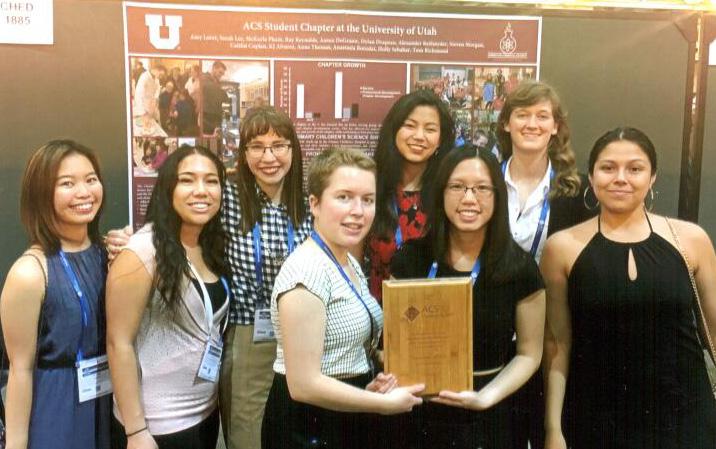
ACS ATTENDEES
Funds from our Curie Club donors sent eight women to the 255th ACS National Meeting & Exposition in New Orleans, LA in 2018.