Fax: (012) 362 6216 Email: frans.haupt@up.ac.za www.up.ac.za


“If we do not maintain justice, justice will not maintain us.”
- Francis Bacon



Fax: (012) 362 6216 Email: frans.haupt@up.ac.za www.up.ac.za
“If we do not maintain justice, justice will not maintain us.”
- Francis Bacon
The University of Pretoria Law Clinic strives to be a world class law clinic in Africa and to contribute to the Faculty of Law achieving its goals
This year, the University of Pretoria Law Clinic celebrates its 35th anniversary. Over the past three and a half decades, the Law Clinic has taken pride in developing the knowledge, skills and values of fnal year UP law students through clinical legal education while providing access to justice to thousands of South Africans who would otherwise have been excluded from the legal system. This is certainly a legacy worth celebrating.
The Law Clinic had its humble beginning in 1980 when thirteen idealistic law students decided to provide free legal assistance to the poor and disenfranchised, without any compensation, academic credit or funding. It is from this passionate commitment that the Law Clinic was born.
Today, the UP Law Clinic is arguably one of the fnest law clinics in the world; stafed by dedicated attorneys, candidate attorneys, support staf and fnal year law students. Through the Law Clinic, nearby communities receive much-needed legal aid in both civil and criminal matters. The Law Clinic is also a forerunner in research relating to credit law - often infuencing government policy and industry practices.
The Law Clinic is a product of the passion, dedication and eforts of all those who, over the past 35 years, have contributed to its growth in their own special way. It is to them that this journal is dedicated: to the University of Pretoria and the legal fraternity, fellow clinicians and academics across South Africa and abroad; to the governmental and nongovernmental supporters, funders and collaborators; and fnally to our dedicated clinic staf and students, past and present. Thank you. Dankie. Kea leboha.
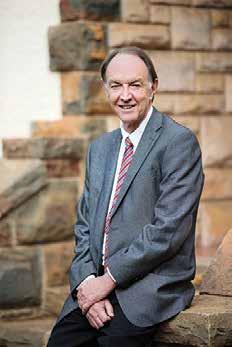
Franciscus Haupt Director: UP Law Clinic
Today, the UP Law Clinic is arguably one of the finest law clinics in the world


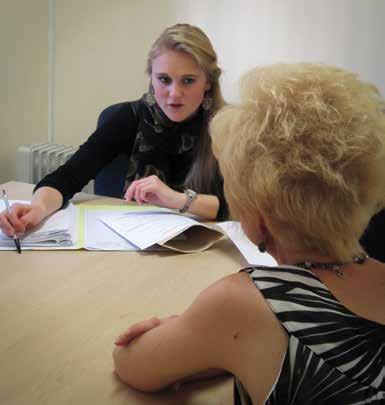



Society can only benefit as a whole when legal aid is provided to the neediest individuals - and that is exactly what the Law Clinic has been doing
‘I am what I am because of who we all are - The Law Clinic, as an institute of excellence, enshrines the principle of ubuntu (humanity to others / medemenslikheid) and, as such, accentuates the core values of the Faculty of Law and the University of Pretoria. Society can only beneft as a whole when legal aid is provided to the neediest and most vulnerable individuals in the society – and that is exactly what the Law Clinic has been doing over the past 35 years.

The Clinic, geographically situated on the Hatfeld, Hammanskraal and Mamelodi Campuses of the University of Pretoria, represents our commitment to humanity as it performs an important public service function by assisting indigent people who would otherwise not have access to justice. Therefore, staf and students at the Clinic have, over the last 35 years, served tirelessly to ensure that thousands of people who could not aford legal services obtained the required assistance.
The Clinic not only serves as a fagship for the community service which the University of Pretoria is involved in, but also contributes greatly to the clinical legal education of law students and candidate attorneys, instilling the need for access to justice for all. Whilst students and candidate attorneys gain unsurpassed learning-by-doing skills, they also dramatically improve the lives of those they serve, afrming the dignity of every client seeking legal expertise and compassion.
I have seen the Clinic grow steadily over the last 30 years and rapidly since the permanent appointment of Director Frans Haupt in 2000 - not only in terms of quantity, but also in terms of stature, confdence and impact.
To all the staf and students who have left and continue to leave clinician footprints in our society - we pay tribute to you and wish you all the best for the future… with much more history to be written.
We want to congratulate and pay tribute to every individual who over the last 35 years has assisted in establishing and building the #UPclinic to what it is today!
André Boraine Dean: Faculty of Law
From small beginnings in 1980, when the University of Pretoria Law Clinic was founded by thirteen law students as a voluntary service providing legal advice two nights per week to the indigent, disenfranchised people of Eersterust, the Clinic has grown into one of the fagships of the University’s Law Faculty over 35 years.
Employing between around 40 attorneys and candidate attorneys assisted by administrative staf and UP law students, the Clinic of today is an established organisation providing quality legal services to the indigent in the form of legal advice as well as assistance with litigation. Servicing more than four thousand clients per year from their ofces in Hatfeld, Mamelodi and Hammanskraal, all of whom would otherwise have been denied access to justice, the Clinic forms an important part of the University’s community engagement activities.
The Clinic also provides quality clinical legal education to fnal-year law students enrolled for the elective fnal year LLB subject Practical Law, ofers opportunities for graduates to serve articles of clerkship at the clinic, and is increasingly involved in research and lobbying, infuencing and informing government policy and private sector conduct.
Through their involvement in the delivery of legal services to the indigent, students enrolled for Practical Law and volunteers working at the Clinic gain valuable practical legal skills. Alumni testify that their experience at the Clinic enhances their employability and own work experiences once they enter the workforce. Importantly, students’ involvement in the Clinic also helps develop a sense of civic duty, fostering commitment to build a society based on democratic values, social justice and fundamental human rights. Simultaneously, it enhances the university’s engagement in the socioeconomic upliftment of the members of the community by providing access to justice.
The milestones that the Law Clinic has achieved over 35 years have made signifcant contributions towards the advancement of knowledge production and dissemination, not only for the beneft of our communities and students, but also to serve as an example for other institutions.
On behalf of the University of Pretoria’s Law Clinic and the Law Faculty, I wish to express our sincere appreciation to all the funders, benefactors and supporters of the Clinic, among them Legal Aid South Africa, the Law Society of SA, the Attorney’s Fidelity Fund, ABSA, the members of the profession who give freely of their time and expertise and the various government departments and agencies with whom the Clinic collaborates from time to time. We would not have been able to achieve any of our goals without your unstinting and unwavering support over the years.
Professor Cheryl de la Rey Vice-Chancellor and Principal
Students’ involvement in the Clinic also helps develop a sense of civic duty, fostering commitment to build a society based on democratic values
1980
Gys Rautenbach, a final year law student, starts an informal legal aid clinic in Eersterus. The Law Clinic is recognised by the University of Pretoria Law Faculty.
1981
The Law Clinic is formalised and a constitution is adopted. Prof Henning Viljoen acts as director.
1984
The Law Clinic is incorporated into the department of Procedural Law with Prof Dirk Kotze acting as director.
1986
1987
JP van Niekerk (aka Oom Paai), a retired attorney, is appointed as full-time director.
Practical Law is introduced as a final year subject bearing academic credit. 1991 -
1992
2001
UP Law Clinic Hammanskraal Campus is opened.
2003
2005
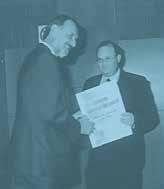
The Law Clinic receives an award for Educational Innovation.

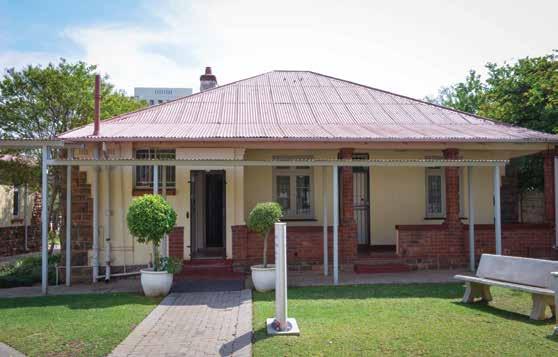
The Law Clinic moves into its own building, bordering the new Law Faculty building.
2006
The Law Clinic partners with the National Credit Regulator to develop the debt counselling process.
2008
2009
UP Law Clinic Mamelodi Campus is opened.
With over 3 612 cases attended to in 2009, the UP Law Clinic becomes the largest law clinic in South Africa.
2010
The Law Clinic Hatfield Campus relocates to its own premises.
The Law Clinic hosts an international conference on consumer credit law.
2010

The Law Clinic employs its first candidate attorneys. 1995
The Law Clinic joins hands with the Legal Aid Board. 2000
The University of Pretoria creates a permanent, full-time position for director of the Law Clinic; Franciscus Haupt is appointed.

2011
2012
2012
2014
2015
20112015
UP Law Clinic Hammanskraal Campus celebrates 10 years of service.
The Law Clinic receives its second Education Innovation Award.
The Law Clinic is awarded a tender to draft a consumer credit policy document for the Department of Trade and Industry, which is later approved by cabinet.
The Law Clinic has dealt with over 4 000 cases, a new record.
UP Law Clinic celebrates its 35th anniversary.

In 1980, the Law Clinic was formed by a group of student volunteers to assist those who could not aford professional legal advice. From these humble beginnings, the Clinic grew to what it is today; a valued part of the Faculty of Law that provides quality legal services to the indigent and clinical legal education to fnal year law students.
Across its three campuses - in Hatfeld, Hammanskraal and Mamelodi - the Law Clinic attends to over 4 000 cases per year. These cases represent families and individuals who would otherwise have been excluded from equitable justice.
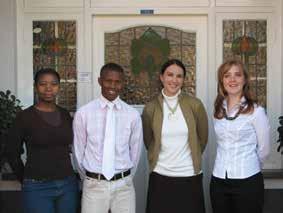
Through the clinic, fnal year law students and candidate attorneys are also ofered a unique opportunity to practice law while being mentored by experienced clinical lawyers.
The Law Clinic deals with a wide range of legal matters through its four departments: civil law; criminal law; research and short courses; and practical law.
The work done by the Clinic would not be possible without the dedication of staf, students and supportive faculty members.


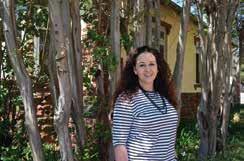
What types of cases does the civil law section usually deal with?
The Law Clinic deals with a number of civil disputes, such as divorce, maintenance, domestic violence, labour disputes and delictual claims. Some clients come in just to get legal advice and be pointed in the right direction.
What services do you provide to the community?
The Law Clinic provides pro bono legal service to people who cannot aford private legal representation. In this way, the Clinic plays its part in bringing equal access to justice for all.
The civil section also assists students in complex matters referred to us by magistrates and judges across Pretoria. We take our job very seriously. Fortunately, we have access to great legal minds in the law faculty that are as passionate about helping the less fortunate as we are.

What role does the Research and Short Courses section play at the Law Clinic?
The section is responsible for conducting relevant, market related legal research. Signifcantly, this includes income-generating research that contributes to the fnancial viability of the clinic. The section also presents NCR-accredited debt counsellor training courses and drafts the monthly national exam, both of which are income-generating projects.
What type of research does the Law Clinic do?
Through its involvement with the National Credit Act, the clinic has built an expert reputation in the feld of credit law. The clinic also conducted a number of research projects relating to garnishee orders (emoluments attachment orders), an area of the law where consumers are often exploited.
Mildre Viljoen
What challenges do you face?
We realise that when people approach the Law Clinic, we are usually their last resort. There is a desperate need for efective legal aid in South Africa. Unfortunately, we do not have enough resources to assist everyone that comes through our doors.
What advice would you give to final year law students?
The legal profession should not be about making money, but about helping people in need. When you have passion for what you do, money follows. Always be professional and ethical. Be proud of your profession and adhere to the rules - it will make life so much easier. And never lose your compassion for people.




Garnishee deductions have become a very hot topic in the media lately –what role did the Law Clinic play in highlighting this issue?
The Law Clinic, in partnership with GTZ, reported on this subject extensively in 2008. Recommendations for reform were made but sadly never acted on. In 2013 the Law Clinic and GTZ conducted a follow up report. One of the aims of this report was to estimate how many employees in the formal sector in South Africa had emolument attachment orders against their salaries.
What advice would you give to final year law students?
Strive for a work/life balance. The “balance” will probably fuctuate daily, but creative outlets, exercise and hobbies make you a more valuable (and saner) employee!




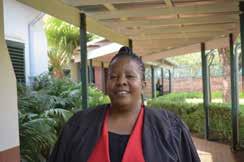
Edna Pitsi




How important is the Law Clinic’s role in providing access to justice in the criminal courts?
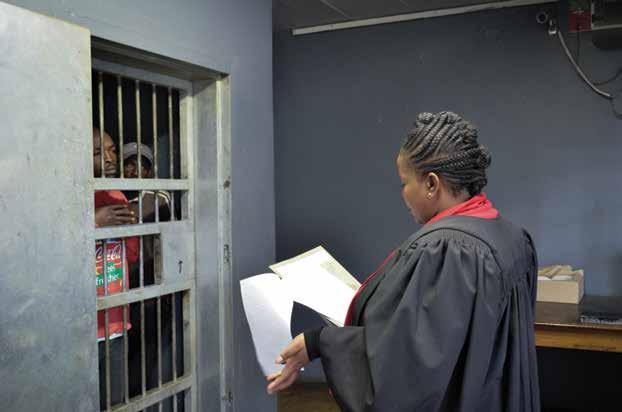
The Law Clinic represents the majority of the indigent accused in need of legal aid at the Hatfeld Criminal Court. We deal with an average of 900 cases per year. The section plays a signifcant role in providing access to justice and assists the court in ensuring that matters are dealt with smoothly and professionally. Without the Law Clinic’s presence in these courts, many of the accused would not have an opportunity to defend their case fairly.
What is the hardest part of defending clients in the criminal courts?
We face many challenges in providing someone with the right to defend their case while still upholding the sanctity of the law. It is important to put forward a proper defence, but you should never hoodwink the court. One of the hardest parts for me is going into trial when the accused pleads not guilty without giving a real defence. In some cases,

the accused does not provide me with any reason other than I didn’t do it.’
What does a regular day at the criminal law section look like?
In the mornings, we attend to the court roll, frst dealing with postponed matters and then sitting in for frst appearances. If any of the accused are in need of legal aid, we open a fle and consult with them.
If both parties are ready to present their case in trial, the case is usually held over until after 11am. We usually get out of court between 1pm and 2pm, then head back to the ofce to prepare for any upcoming trials, compile necessary documents and research current case law.
What advice would you give to final year law students?
Make sure that you get exposed to as many diferent felds of law as possible during your articles, and get practical, hands-on experience.







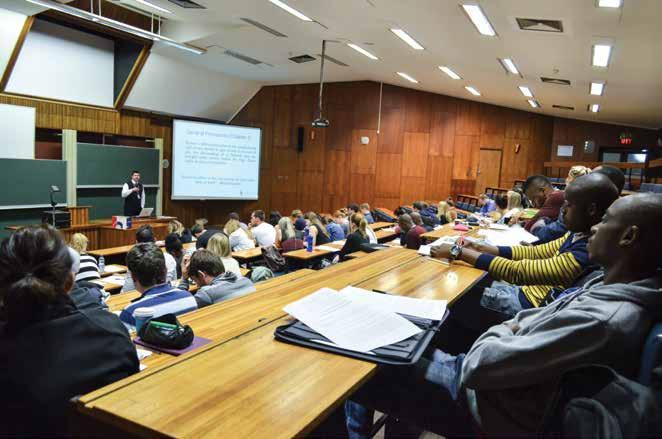
Practical Law is simply the study of what lawyers do in practice. Final year law students are given the opportunity to engage with real clients and work in teams to fnd solutions to real legal problems.
The aim is to integrate theory and practice by allowing students to provide
under the supervision of qualifed legal practitioners.
Practical Law takes legal practice to the next level by providing a secure environment for learning by doing with the added beneft of helping those in need.

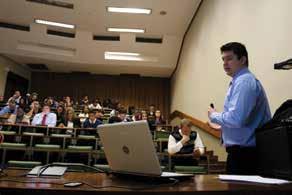

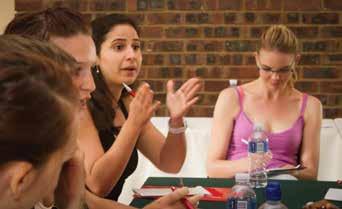


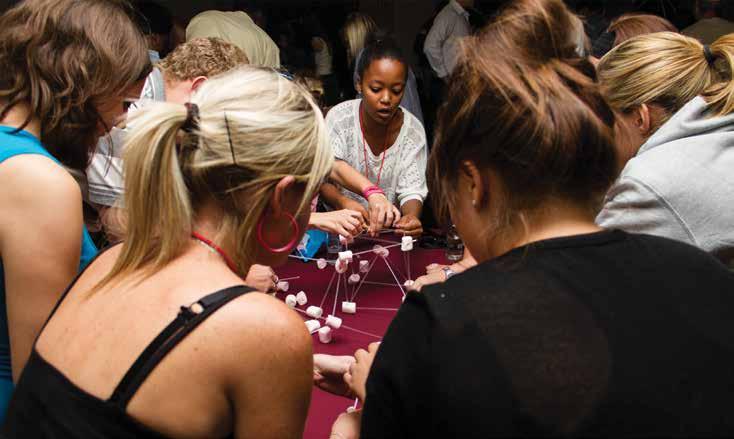

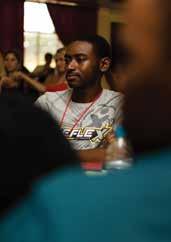
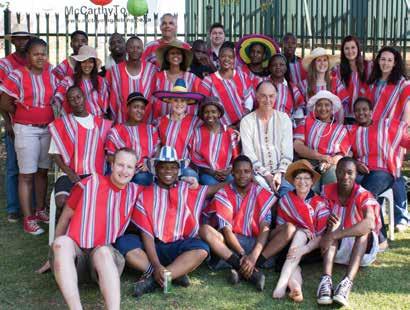
As part of their practical legal training, PRR 400 (Practical Law) students attend a two-day, of-campus workshop where they participate in simulated consultations, interview mock clients, practice their negotiation skills (often resulting in heated debates) and discuss issues of equality and diversity. At night, they bond over a good braai and team building exercises.
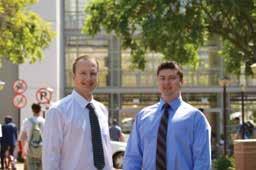
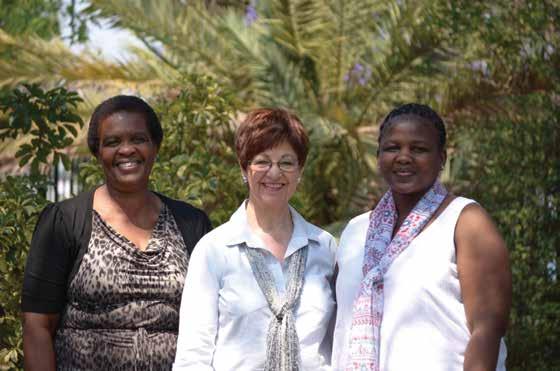
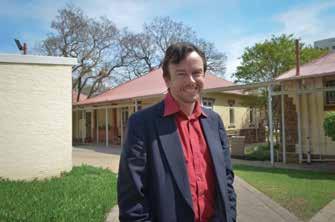
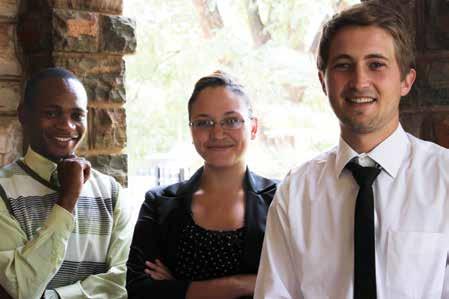
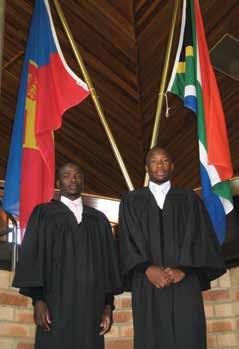
This dynamic duo heads up the Practical Law division of the Law Clinic. Together, they teach, mentor, supervise and inspire fnal year law students enrolled in PRR 400.
Their job involves supervising studentclient consultations, providing guidance in the resolution of legal matters, quality checking student fles, evaluating student performance and ensuring that all administrative duties remain up-to-date.
“These two guys are leaders and they, in turn, have taught us how to lead.” - Cliford
Both Frik and Christo started as PRR 400 students themselves, and have worked at the Law Clinic since 2009 and 2013, respectively
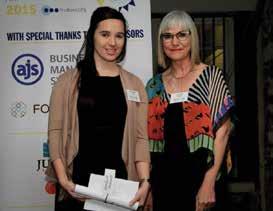
Danelle Prinsloo, a fnal year UP law student in 2014, was nominated by Christo and Frik for ProBono.org’s Pro Bono Award for best student at a law clinic in South Africa.
The ProBono.org’s annual award ceremony was held in September 2015, and Danelle walked away with the award for the law student who has shown exceptional dedication and commitment to her work.
Well done, Danelle!
What the students have to say


“Being a part of Practical Law was amazing. It is an invaluable experience and I think everyone should do it. You grow both academically and personally. It really helped me grow personally and it made me a better lawyer at the end of the day.”
- Goitseone

“I took Practical Law in order to bridge the gap between University and the workplace - between academics and practice. Doing work at the Law Clinic helped me understand the practical side of law. With the added beneft of helping people in the community.”
- Graeme
“Practical Law helped me realise that it’s not just about me, it’s not just about my marks or how good I am - it’s about taking the responsibility of really helping someone. Their case is dependant on me. You can’t just study the day before - you have to give it your all, all the time.”
- Natalie

“I am a man of few words so the Law Clinic challenged me quite a bit. Getting used to really listening to people and getting involved in their lives, helping them solve their problems - it was a quite a challenge, but I enjoyed it. I enjoy solving problems so that motivated me to engage with the client and focus on the solution rather than on my own comfort.”
- Kameel

“I notice that for myself and the other people in my group, our reason for studying law changed. We saw the impact we had on people’s lives and realised that it’s not always just about money. Now my reason for studying law includes helping people and making a real difference.”
- Eloise

“Half of the things I know now I didn’t know before Practical Law. I’ve seen this in class with my fellow classmates who did not take Practical Law - when we are asked to draft things in Civil Procedure, I have to show them how it is done. I have also seen the impact that law has on people’s lives. Being able to help your client makes you appreciate the law a whole lot more.”
- Cliford
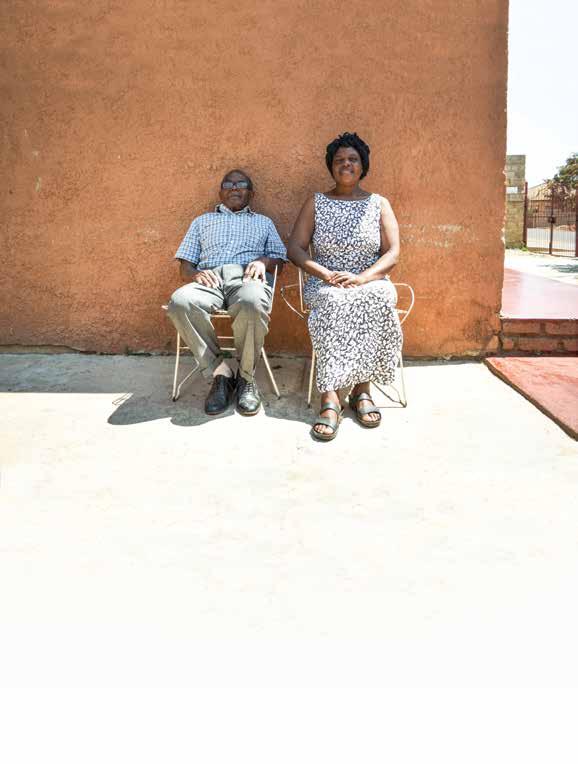
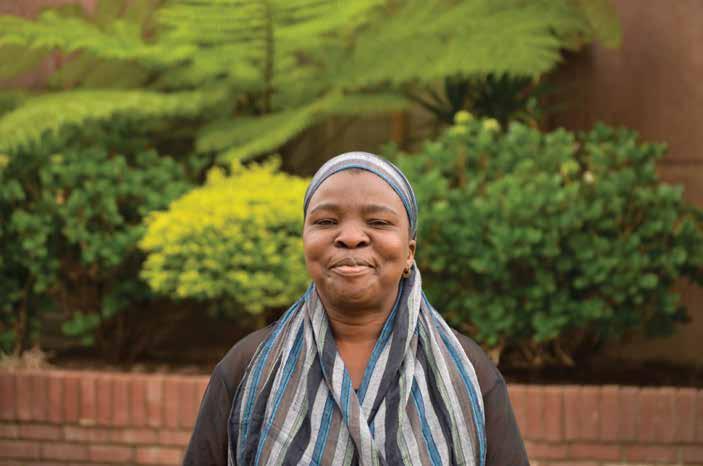
Maria Mokhabela is the sole caregiver and breadwinner for her elderly father, two children and grandson, all living together in a home in Soshanguve. Professionally, Maria is also a caregiver; providing home care for those who are not able to take care of themselves. In 2010, Maria was told by her employer, a prominent international humanitarian organisation, not to return to work. Despite a number of requests, Maria was not given a reason for her dismissal.

employer. The CCMA accordingly made an award in terms of which the employer was to pay a sum of money to Maria as compensation for her unfair dismissal. The award alone, however, did not guarantee payment.
“The CCMA said I must go to the Labour Court... then I asked Mr Krige, what must I do? Then he advised me to go to the Law Clinic.”
Maria approached the UP Law Clinic, who advised her that the CCMA award must be made an order by the Johannesburg Labour Court.
Once the order was made by the Labour Court, the Law Clinic was able to place pressure on the employer but, despite letters of demand referring to the order, the employer still refused to make payment.
It was only when the Law Clinic appointed a sherif to attach the employer’s property that they received a response. With a warrant of execution looming over their heads, the employer fnally signed an acknowledgement of debt and agreed to pay Maria the R50 000 awarded to her by the CCMA.
Without the Law Clinic’s help, Maria would have been left without legal recourse, forced to face the employer
giant alone. Sadly, access to justice is a right deserved by all, but enjoyed by only a few. The Law Clinic plays a vital part in reducing the vast number of cases left without a just outcome.
“The Law Clinic has done a lot for me. If it wasn’t for the Law Clinic I don’t know what would have happened to me and my family.”



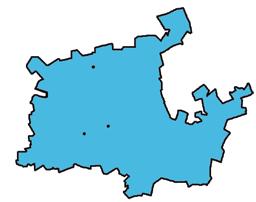
In 1994, a Legal Advice ofce was established by the Centre for Human Rights of the University of Pretoria. This ofce gave legal advice to marginalised communities in rural and semi-rural areas around Pretoria. In 2001, this ofce became the Hammanskraal branch of the UP Law Clinic, which currently handles 1 698 cases per year.
The Mamelodi branch of the Law Clinic was originally established as far back as 1981. Due to political unrest in the township at the time, however, the clinic was closed.
In 1993, Vista University established a law clinic in the area, but it too was closed due to insufcient capacity and lack of funding. In 2008, the UP Law Clinic Mamelodi campus was fnally re-opened to serve the community.
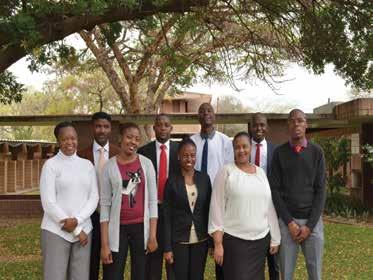




Unlike the Hatfeld campus, the Hammanskraal and Mamelodi campuses do not provide practical legal education for students, but are able to provide opportunities to candidate attorneys, particularly those from historically disadvantaged backgrounds.
The pressing need for free legal services in these districts prompted the Legal Aid Board of South Africa to join hands with the University in the operation of these Clinics.
The Hammanskraal and Mamelodi campus Law Clinics focus on providing free legal services in civil disputes to their communities and training candidate attorneys from historically disadvantaged backgrounds.





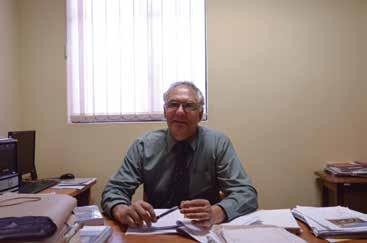
What has been your experience as principal attorney working with communities in rural and semi-rural areas?
Members of the community face challenges like unemployment, poverty, lack of housing and improper infrastructure as well as occasional xenophobia. There is a clear and continued need to render legal assistance to the community with a focus on indigent and disadvantaged people of all ages.
What challenges do you face?
It remains a challenge to render legal service of high quality with limited staf and resources and we are grateful for the fnancial assistance received from especially Legal Aid South Africa to operate on the Hammanskraal campus. The work we do is vital in providing access to justice to those in the poorer communities, and although we face daily challenges, the impact we have makes it all worth it. Staf of the Law Clinic is indeed in privileged to be able to assist their fellow man.
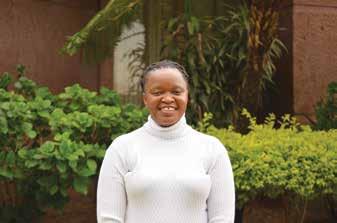
You supervise the candidate attorneys at the Hammanskraal Law Clinic. What impact does the Law Clinic have on training these young minds in becoming practicing attorneys?
I currently supervise six candidate attorneys. It can be challenging, but I am honoured to share my experiences with them.
The candidate attorneys enter through our doors knowing very little about practicing law. The Law Clinic provides them with a great opportunity to learn through hands-on experience with a wide array of civil matters. We don’t have secretaries drafting our court documents, as is common practice in private law frms, so our candidate attorneys get plenty of frst-hand drafting experience. They also have to make court appearances so, by the end of their articles, are comfortable appearing in the regional courts.
Being part of the Law Clinic and helping the indigent members of our community also provides the candidate attorneys with a sense of pride. The work they do really matters and can become very complex at times.
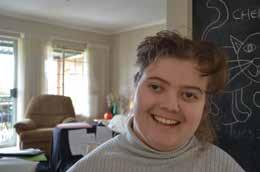
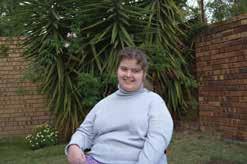
A single parent in custody of a minor child can legally claim maintenance from the other parent. Once a child turns 18, however, the child becomes an adult and must bring their own maintenance claims. This is not an obstacle for most children, but when a child does not have the legal capacity to act on their own behalf, it can be a major hurdle. This is what happened to Chelsea Faul.
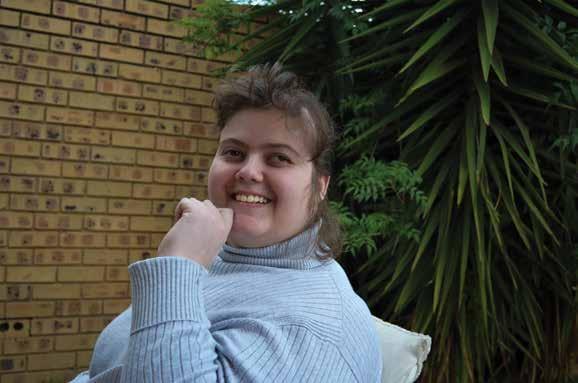
Chelsea is a young woman of 23. She lives in Pretoria with her mother, who is her main caregiver, as Chelsea is a paraplegic with cerebral palsy. In order to cover their household and medical costs, Chelsea needed to bring a claim for maintenance against her father. Her medical condition, however, made it impossible for her to do so. A court-appointed curator would have to act on her behalf.
Appointing a curator can be both costly and time consuming - in Chelsea’s case, medical experts would have to examine her and attest to the severity of her condition. Since limited fnancial means were the reason Chelsea needed to apply for maintenance in the frst place, paying for consultations with medical experts was not an option.

Nearly at the end of her rope, Chelsea approached the UP Law Clinic for assistance in April 2014. She and her mother consulted with a frm of fnal year law students under supervision of Frik Grobler. Despite their initial concerns as to the competence of the young students, they decided to trust the Law Clinic to take care of their case. They were not disappointed.
Through some proactive thinking and networking, the students were able to appoint two medical experts who were willing to consult with Chelsea for free. Additionally, with the help of a curator bonis Chelsea’s mother could be appointed as her legal curator and can now bring claims on Chelsea’s behalf.
It is stories like this that remind us why the Law Clinic is so crucial. Not only were fnal year law students given the opportunity to gain hands-on experience in a complex case, but the lives of a remarkable young woman and her mother were made signifcantly easier.









When I was asked to compile the commemorative journal for the UP Law Clinic’s 35th anniversary, I was both nervous and excited. I have been part of the Law Clinic in many capacities since my fnal year of LLB in 2006. I carry such wonderful memories of my time at the Clinic and, with this journal, wish to share some of the amazing work the Clinic does and celebrate those who have loved and supported it since its humble beginnings.
As a fnal year Practical Law student, being exposed to real clients with real needs gave me a much-needed reality check about the harsh realities many South Africans face; some harsher than others. When a client places their trust in you, it gives you a great sense of responsibility that forces you to respect the legal knowledge you possess and the impact it allows you to have. This is a lesson that has stayed with me throughout my career.
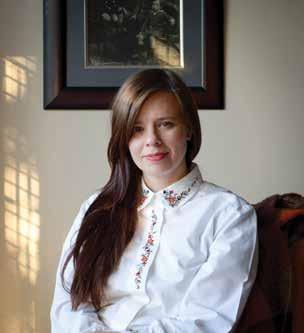
After my studies, I was fortunate enough to be appointed as a candidate attorney, and then an attorney, at the Clinic and was given hands-on experience with a wide range of cases. Providing legal advice and support to those who need it most remains some of the most rewarding work I’ve done.
My time at the Law Clinic is something I will carry with me for the rest of my life. The work I got to do, the people I got to work with and the opportunities I had were unparallelled. Too often, I believe the Clinic is undervalued by those who do not realise the extent and impact of its work or the passion and dedication of its people. The Clinic turns students into more compassionate lawyers and candidate attorneys into well rounded attorneys, all while giving hope and help to those in need. That is truly something worth celebrating.
I applaud the Law Clinic on its 35th anniversary and trust that the future holds even greater scope and opportunity.
Mareesa Kreuser Editor