
Faculty of Engineering, Built Environment and Information Technology





Fakulteit Ingenieurswese, Bou-omgewing en Inligtingtegnologie / Lefapha la Boetšenere, Tikologo ya Kago le Theknolotši ya Tshedimošo


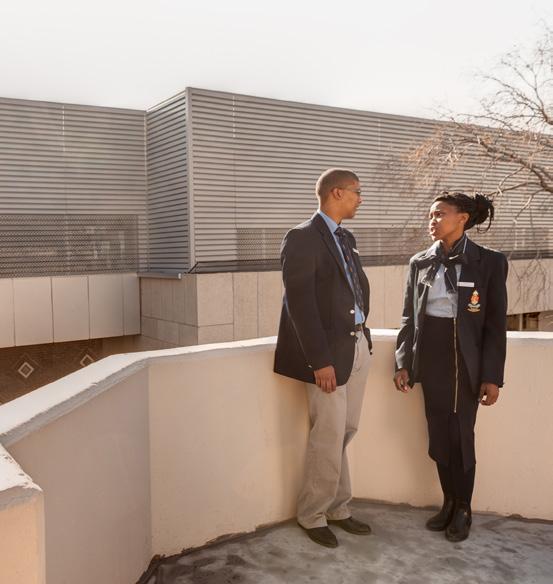
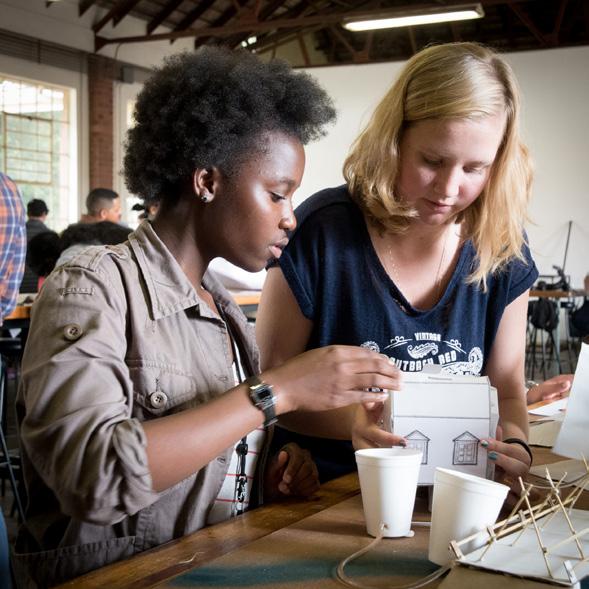

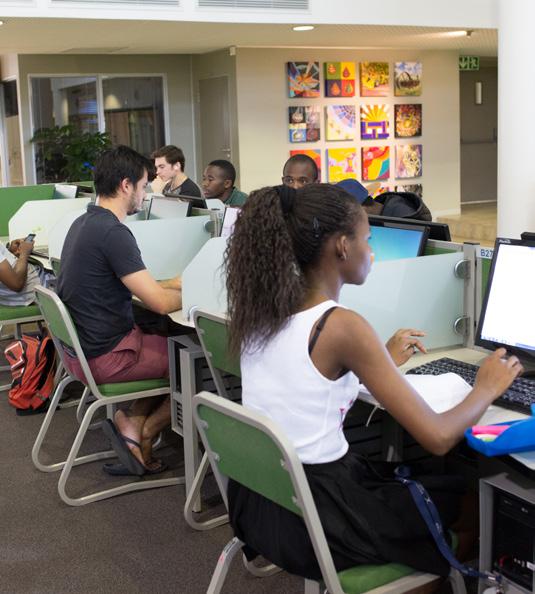

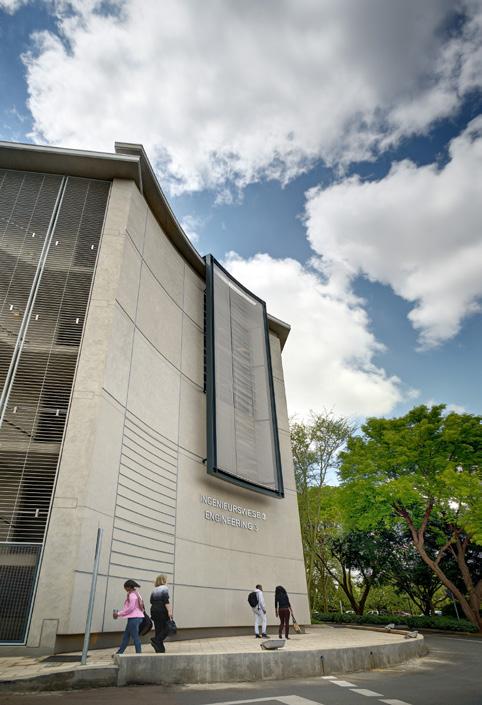

The Faculty of Engineering, Built Environment and Information Technology (EBIT) at the University of Pretoria (UP) is a leading presenter of locally relevant and internationally competitive programmes in engineering, the built environment and information technology, as well as engineering and technology innovation management, at both undergraduate and postgraduate level.

It attracts high-quality students and staff, and offers extended programmes to facilitate inclusiveness. Through stakeholder involvement, the Faculty is well equipped in terms of research and teaching activities, and houses several leading research centres and institutes.
The close links maintained with industry support both the teaching and research programmes, and the Faculty’s multidisciplinary nature facilitates interaction across disciplines in its teaching, as well as its research activities.
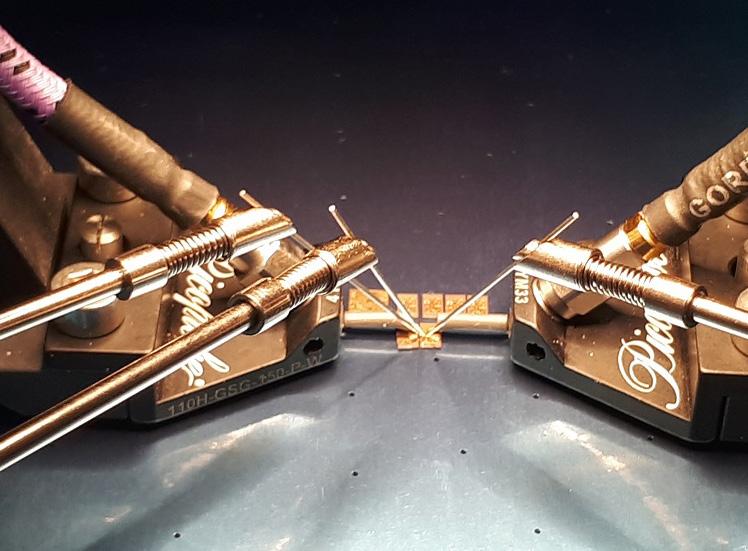
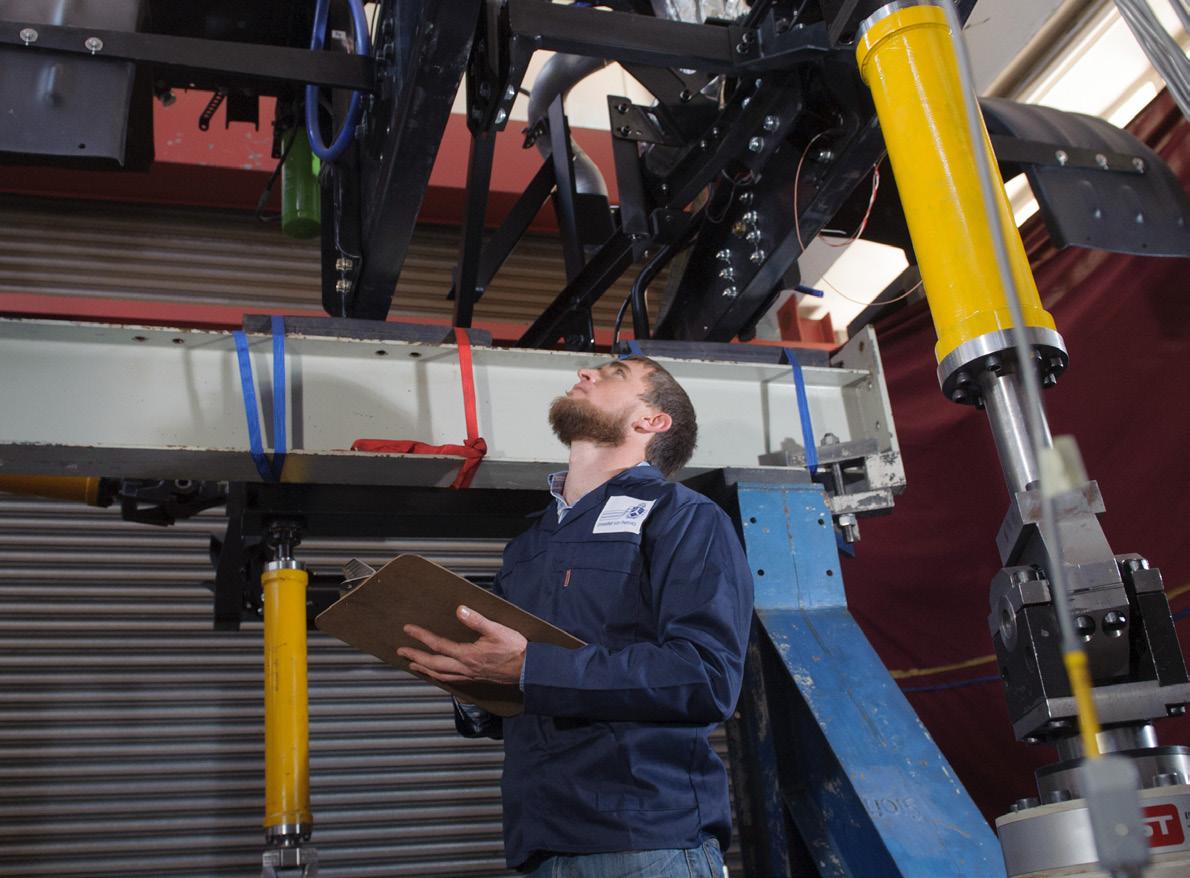
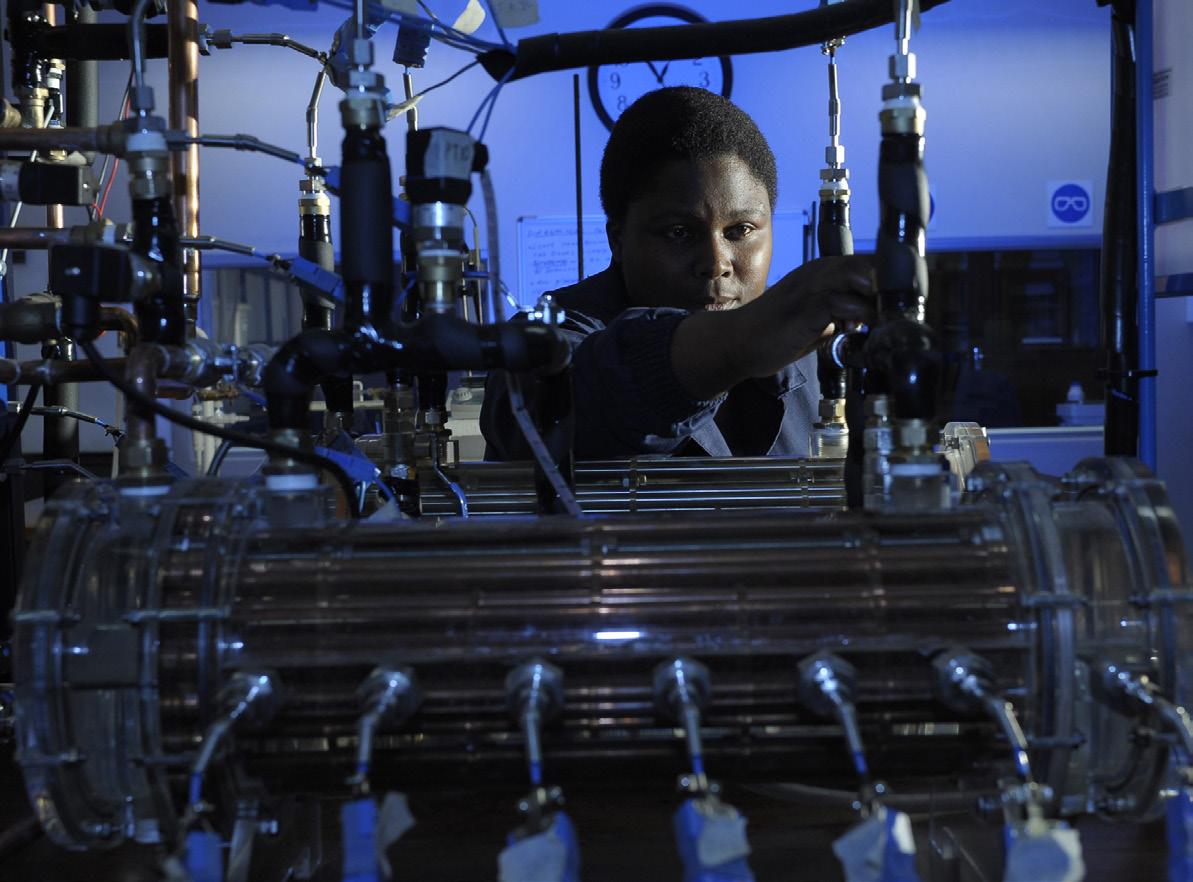
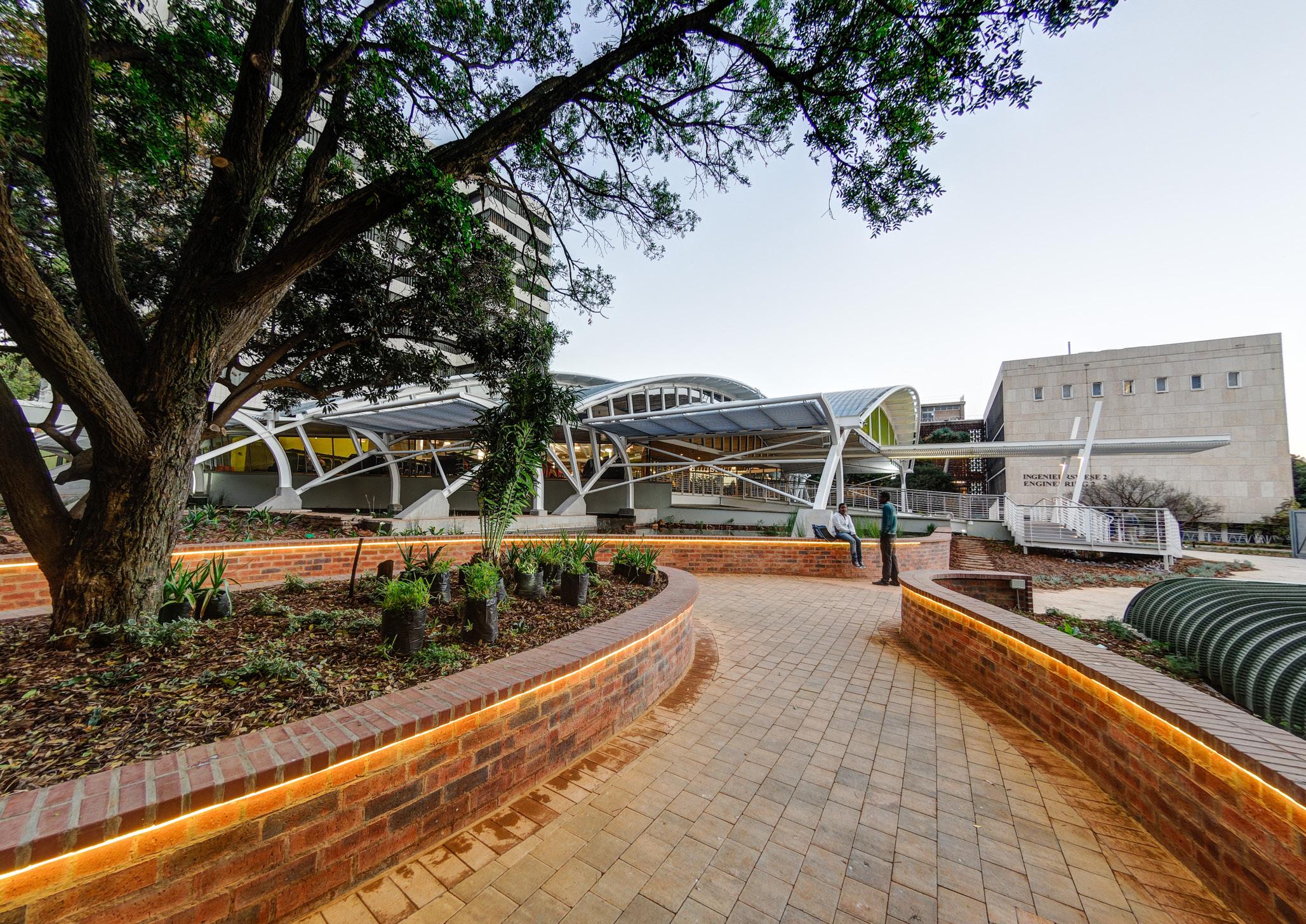
Extensive and cutting-edge teaching, learning and laboratory facilities are integrated into the excellent campus-wide suite of facilities and services offered by the University. The Faculty is currently upscaling its existing laboratory and research testing facilities with the addition of the new Engineering 4.0 Facility on the University’s Hillcrest Campus, which encompasses the Experimental Farm adjacent to the N1 highway. This has been made possible through the support of the South African National Roads Agency Limited (SANRAL). This facility will enable multidisciplinary research related to smart cities and transportation, and will include national certification, reference, training and research laboratories, as
well as Africa’s first Accelerated and Smart Pavement Testing (ASPT) facility.
According to the latest QS rankings of universities worldwide, UP is one of only two universities in South Africa, and one of only five universities in Africa to be ranked in the Top 400 universities globally for engineering and technology. In 2017, it appeared in five QS World University Rankings by Subject for architecture and the built environment, chemical engineering, computer science and information systems, electrical and electronic engineering, and mechanical, aeronautical
EBIT is home to a generation of leaders and innovators who are dedicated to improving their lives, the lives of their families, their country and the world.
and manufacturing engineering. The Web of Science ISI Essential Science Indicators for citations also ranked EBIT’s School of Engineering in the Top 0.5% of engineering schools in the world in 2018.
The South African Department of Higher Education and Training has determined in 2017 that almost 25% of all professional engineering graduates at South African universities graduate from UP. Through its premier standing both nationally and internationally, it is understandable that the Faculty’s graduates are in high demand.
Prof Sunil Maharaj Dean: Faculty of Engineering, Built Environment and Information Technology
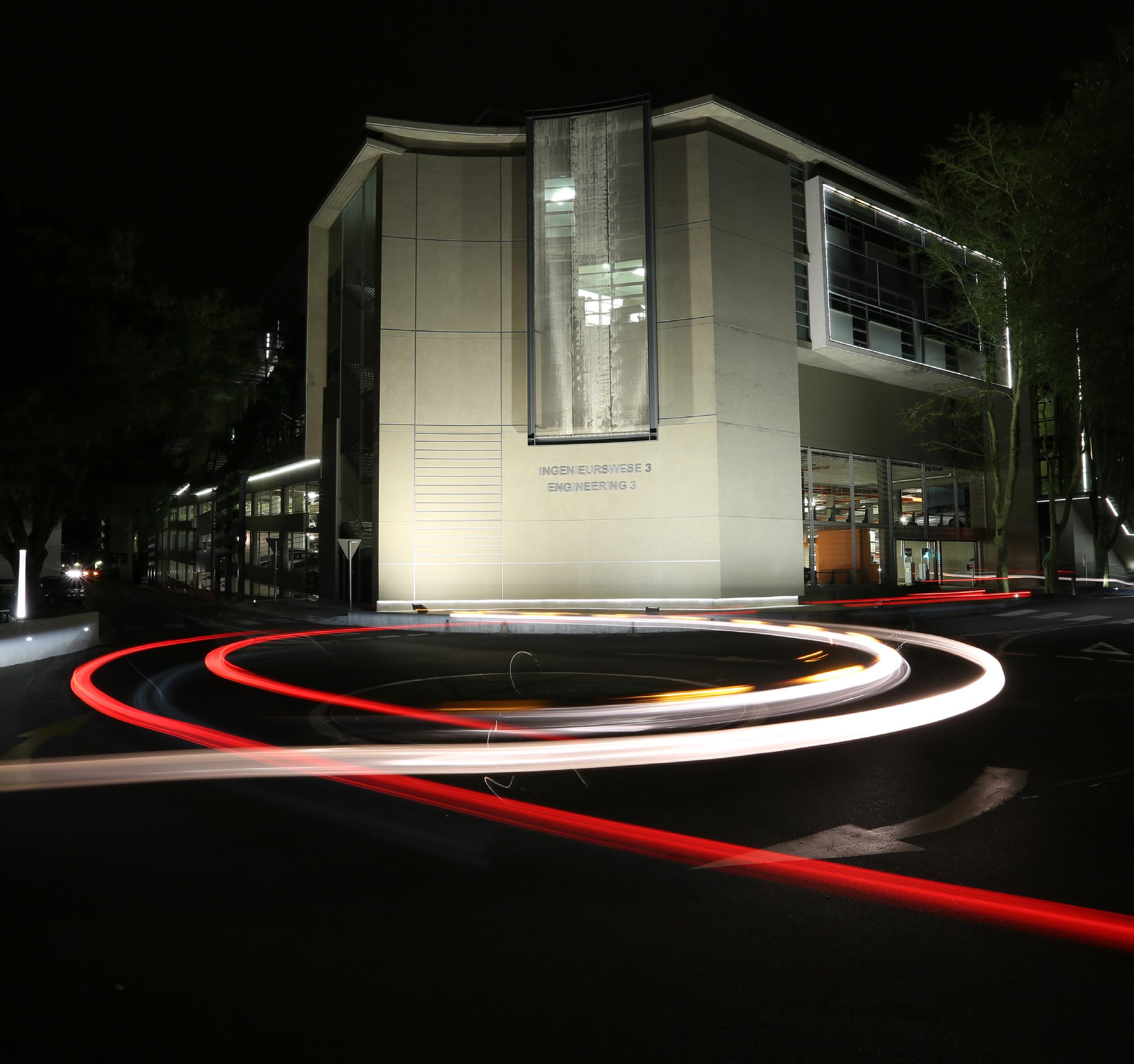
Faculty of Engineering, Built Environment and Information Technology at the University of Pretoria
GLOBAL UNIVERSITIES RANKED IN ENGINEERING AND TECHNOLOGY
IN 2018 QS RANKINGS
The University of Pretoria was established in 1908 and currently has more than 50 000 students. It has become one of the leading higher education institutions in Africa and the world. Its vision is to be a leading researchintensive university in Africa, recognised internationally for its quality, relevance and impact, developing people, creating knowledge and making a difference locally and globally. UP considers itself a values-based institution and prides itself on producing well-rounded and creative graduates, responsible and productive citizens, and future leaders.
EBIT is a source of locally relevant and internationally competitive programmes at both undergraduate and postgraduate levels. It is also home to some of the University’s exceptional researchers. The Faculty hosts three of UP’s National Research Foundation (NRF) A-rated researchers, Prof Andries Engelbrecht, who specialises in artificial intelligence, Prof Josua Meyer, who specialises in thermodynamics and clean energy research, and Prof Xiaohua Xia, who specialises in energy systems.
The Faculty is organised into four schools, each with a range of industry-relevant degrees. Where
applicable and available, study programmes are accredited by statutory and professional bodies at national and international level. These schools are the School of Engineering, the School for the Built Environment, the School of Information Technology and the Graduate School of Technology Management.
EBIT contributes to the delivery of professionals and the creation of knowledge in a wide range of industries through its diverse academic fields, organised through 14 specialised academic departments.
School of Engineering
• Department of Chemical Engineering
• Department of Civil Engineering
• Department of Electrical, Electronic and Computer Engineering
• Department of Industrial and Systems Engineering
• Department of Materials Science and Metallurgical Engineering
• Department of Mechanical and Aeronautical Engineering
• Department of Mining Engineering
Graduate School of Technology Management
• Department of Engineering and Technology Management
School for the Built Environment
• Department of Architecture
• Department of Construction Economics
• Department of Town and Regional Planning
School of Information Technology
• Department of Informatics
• Department of Information Science
• Department of Computer Science
The School of Engineering is the largest school of its kind in South Africa in terms of student numbers, graduates and research contributions. Programmes in all the major engineering disciplines are presented, with many specialisations offered at undergraduate and postgraduate level. According to the ISI Essential Science Indicators for citations, the School of Engineering is ranked in the Top 0.5% of engineering schools in the world, according to the 2018 rankings. All the undergraduate programmes offered by the School of Engineering are accredited by the Engineering Council of South Africa (ECSA).
The School for the Built Environment is the largest school of its kind in South Africa in terms of student numbers and graduates. The School offers the entire spectrum of programmes in the built environment, including architecture, landscape architecture, interior architecture, quantity surveying, construction management, real estate, and town and regional planning. Architecture and the Built Environment is rated among the Top 200 in this field in the QS World University Rankings by Subject according to the 2018 rankings. The School also prioritises close ties and alignment with the building industry.

The School of Information Technology is a unique institution for tertiary education in the field of information technology, and one of the forerunners in South Africa. The School comprises the Department of Informatics, the Department of Information Science and the Department of Computer Science. This integration has brought considerable advantages for the academic programmes offered. Students and researchers benefit from an integrated approach to information technology, and are supported with modern laboratories.

The Graduate School of Technology Management houses internationally recognised development programmes for postgraduate students. These programmes address different needs in the fields of technology management, project management, engineering management, innovation management and asset management. It offers the only Master’s Programme in Project Management in Africa to be accredited by the Global Accreditation Centre for Project Management Education Programs (GAC) of the Project Management Institute, USA.
UNDERGRADUATE STUDENTS
REGISTERED IN 2017
POSTGRADUATE STUDENTS REGISTERED IN 2017
STUDENT DEMOGRAPHICS 2017
ACADEMIC STAFF MEMBERS IN 2018
STAFF MEMBERS IN 2018

EBIT hopes to attract a diverse range of dynamic students to join the ranks of the EBIT Generation. The Faculty expects total commitment from its students with regard to individual and group work to shape them as future leaders. In order to connect with potential students who share this vision of excellence, EBIT engages in a range of pre-university initiatives like the Eskom Expo for Young Scientists and EBIT Week. EBIT also engages in incentive initiatives to motivate top learners to consider joining the Faculty.
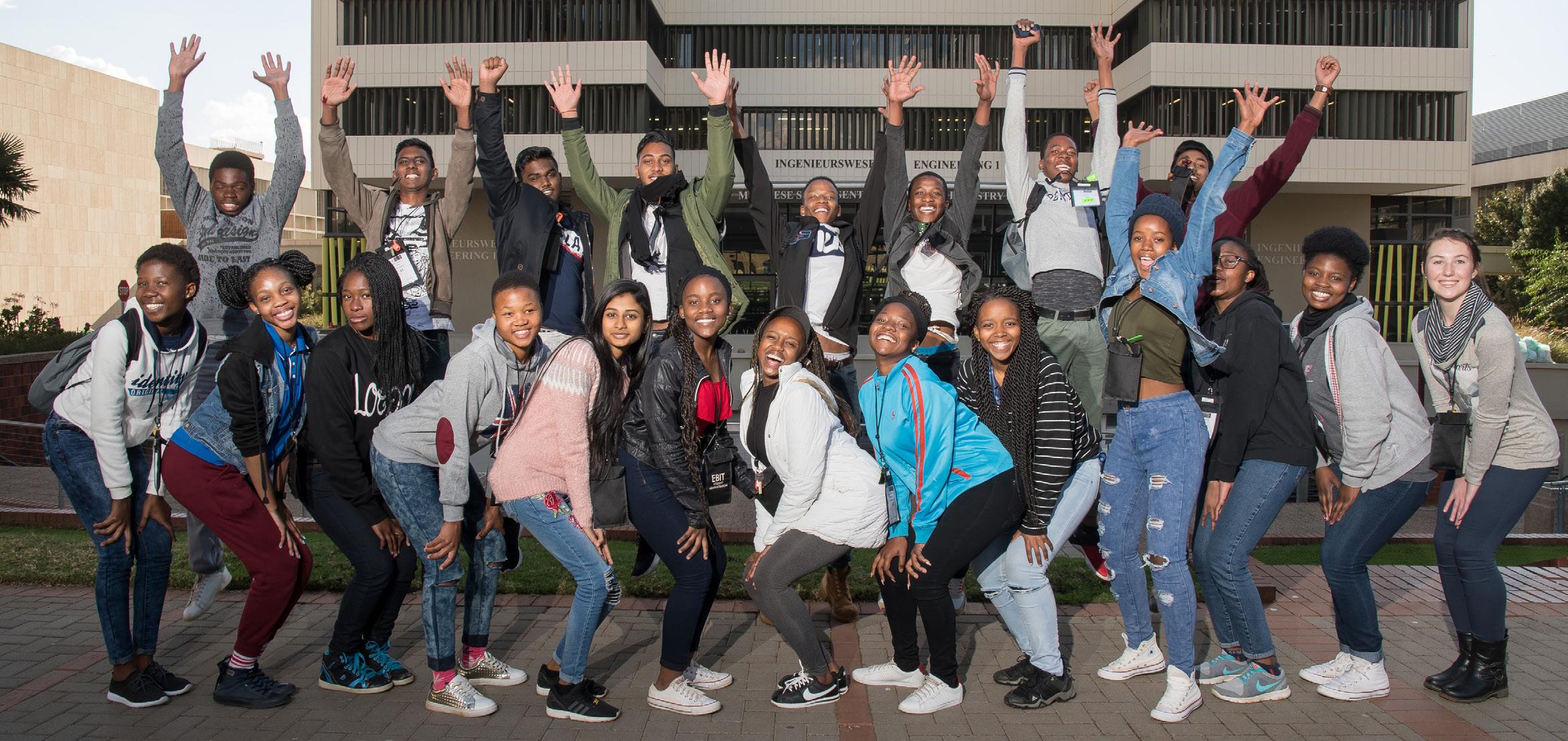
EBIT Week is a four-day holiday programme held twice a year for learners in Grade 10, Grade 11 and Grade 12. During the week, prospective students are given a broad view of the departments in the the School of Engineering, the School for the Built Environment and the School of Information Technology.
During this hands-on event, learners are introduced to the practical, as well as the theoretical aspects of the study programmes offered by EBIT to help them make sound career choices.
As part of the programmes, learners obtain industry exposure, in addition to being introduced to all EBIT’s on-campus facilities.
To learn more about EBIT Week, please visit www.up.ac.za/ebitweek.
Facebook:
University of Pretoria EBIT weeks www.facebook.com/UP.EBIT
Upcoming EBIT Weeks:
24–27 March 2019
30 June–3 July 2019
The University has a long and proud tradition of being one of the sponsors of the Eskom Expo for Young Scientists. EBIT, along with the Faculty of Natural and Agricultural Sciences, awarded five bursaries to the value of R78 000 to five learners in Grade 11 and Grade 12 at the 2017 Expo. The Expo, initiated by Dr Derek Gray 37 years ago and launched at UP, continues to grow. It is supported and endorsed by the Department of Public Enterprises, the Department of Science and Technology and the Department of Basic Education.

Each year, learners from Grade 7 to Grade 12 showcase their science projects in many different categories. Parents and other interested parties have the opportunity to view the projects, and staff members from the University can interact with educators, parents and learners to inform them of the different degree programmes offered in both faculties. EBIT awarded three bursaries of R10 000 in two categories. In the category Computer Science and Information Technology, Abelwe Ndiki from Umtata High School in Mthatha received a bursary for developing an app to gather useful information required for higher education called Guide Me. Two bursaries were awarded in the category Energy Efficiency and Conservation to Ndiwandeme Radzilai from St Augustine Residential in Vhembe for his project on energy conservation using lights, and Shaquel Tontpal from Dundee High School in KwaZulu-Natal for his project on producing more efficient electricity from acid mine drainage. Shaquel joined the ranks of the EBIT Generation in 2018.
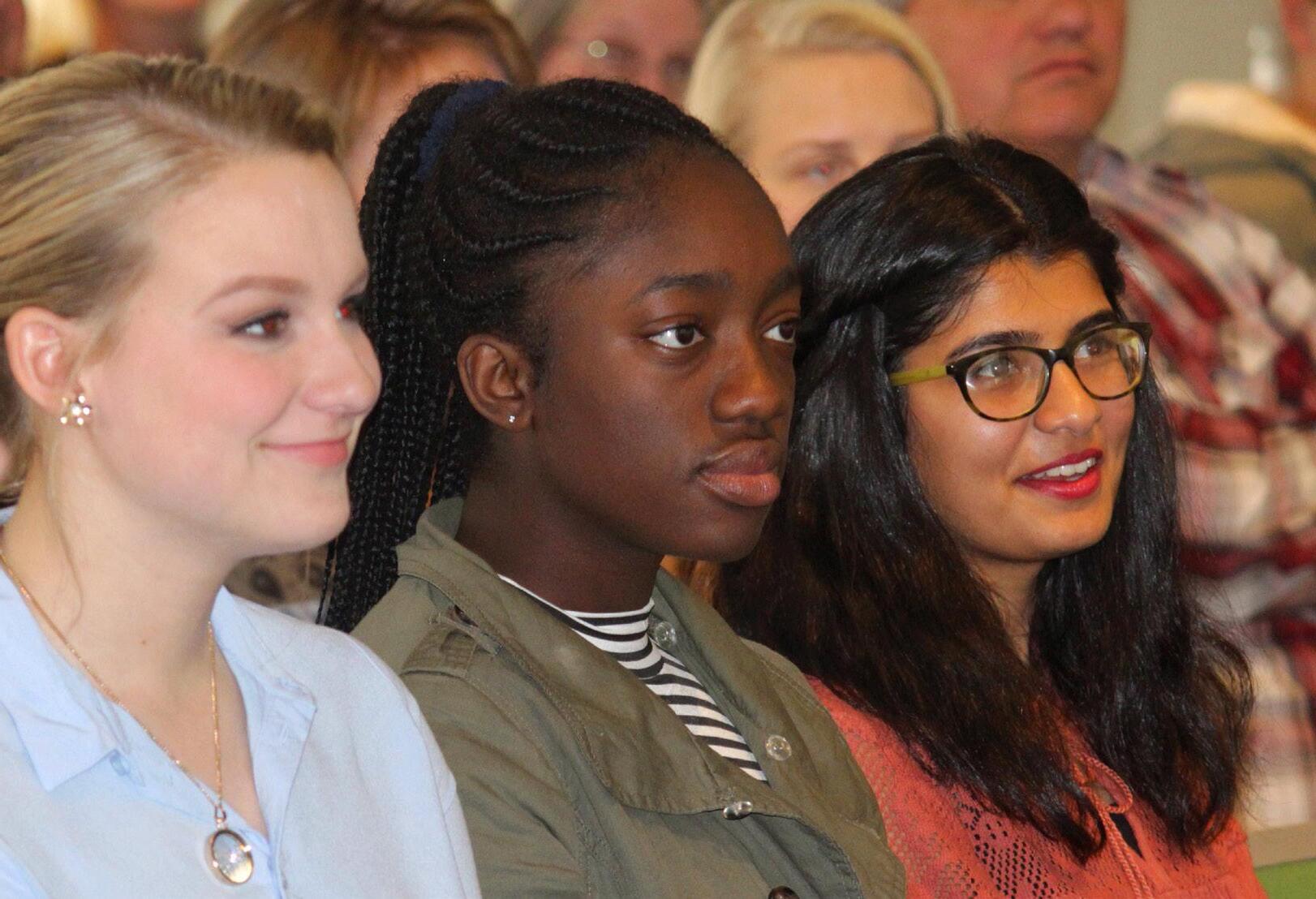
In August 2017, EBIT presented its first bursary event for young Women in Engineering (WIE). The event honoured the Top 100 Grade 12 women who applied to study engineering at UP, and who were admitted to EBIT study programmes for the 2018 academic year. The Dean of the Faculty, Prof Sunil Maharaj, welcomed the prospective students and their parents to the EBIT Generation. Ms Shireen Chengadu from the Department of University Relations appeared as guest speaker, where she emphasised the need for women to aspire to realise their dreams, regardless of their backgrounds. To encourage women to take up their place at EBIT, the Dean offered each of the 100 invited learners a registration incentive for their first year of study at the University.
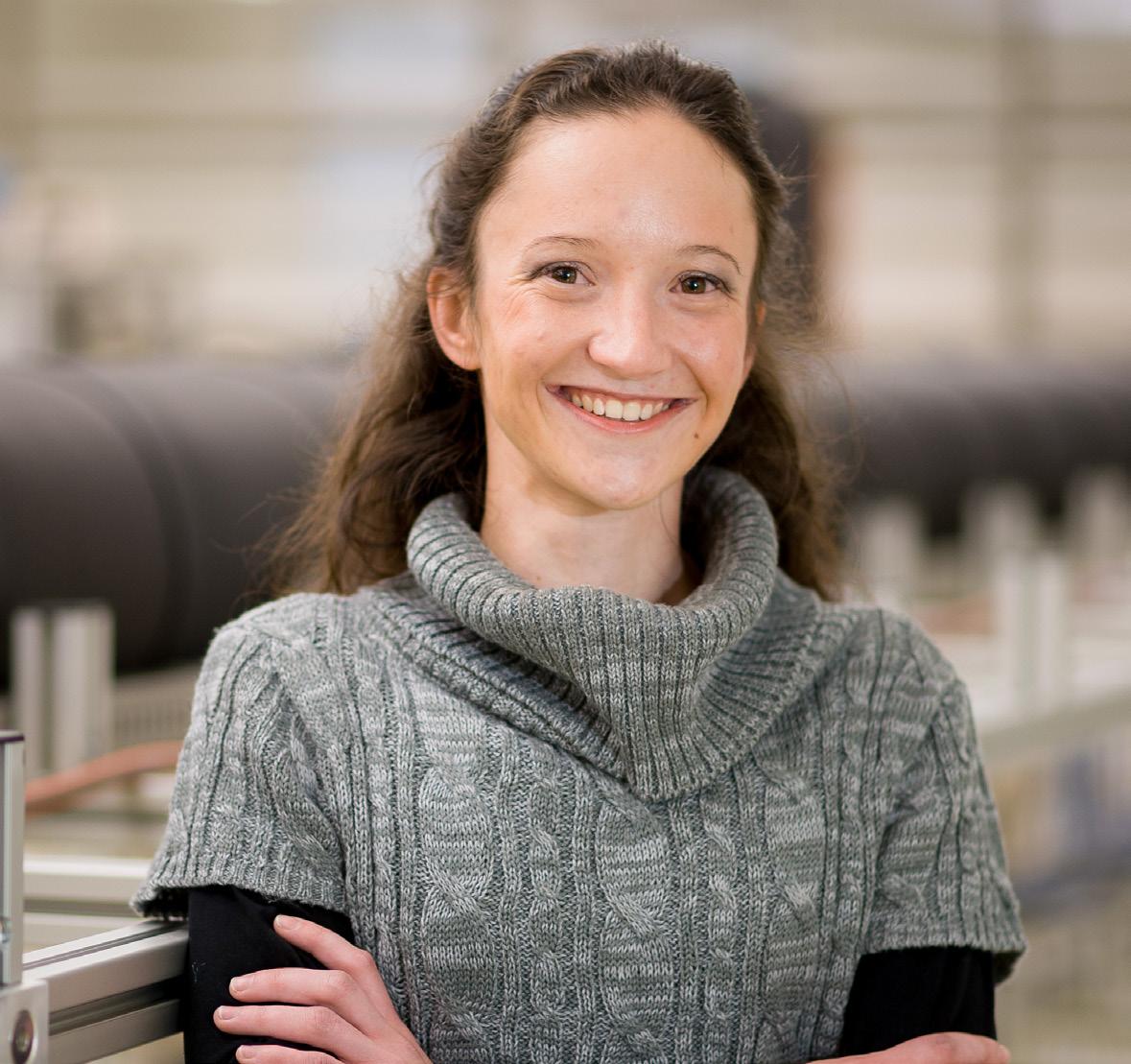
Marilize Everts is a PhD student in EBIT’s Department of Mechanical and Aeronautical Engineering. In 2017, she was honoured at the Women in Science Awards for the second year in a row. She was awarded the TATA Africa Scholarship for Women in Science, Engineering and Technology in recognition of her outstanding academic and research performance. She also received this award in 2015. Marilize was the top student in the whole School of Engineering and graduated in April 2018.
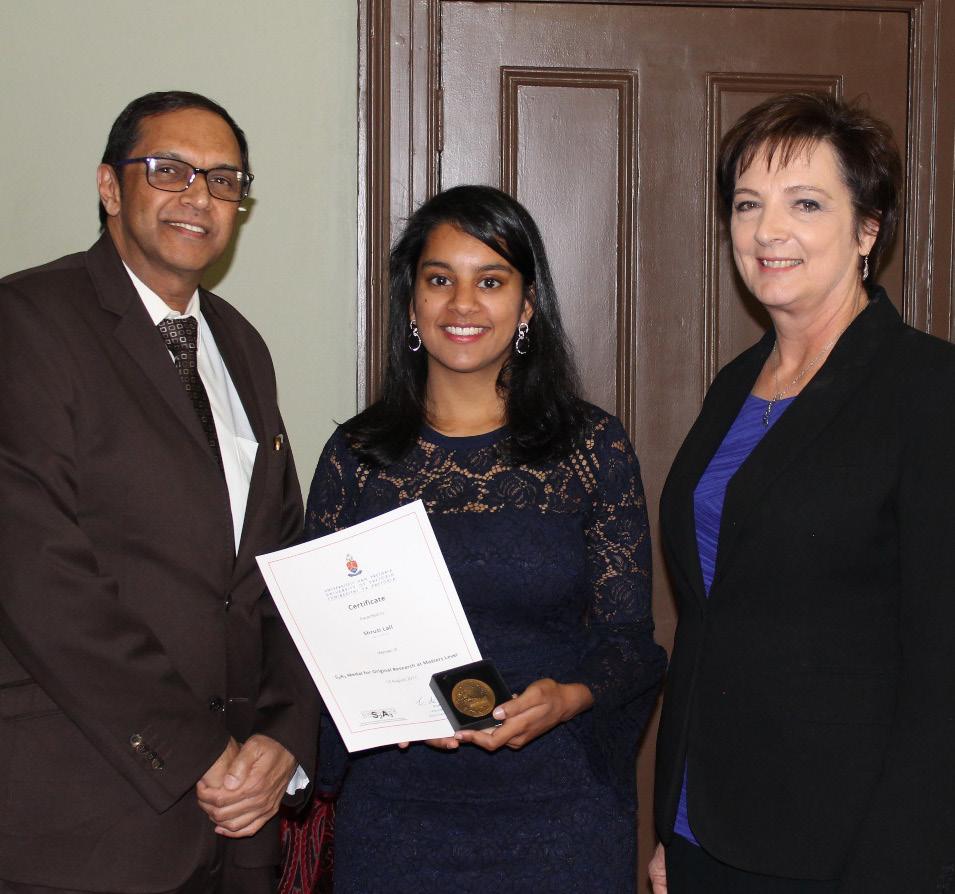
Shruti Lall, EBIT graduate with a master’s degree in electronic engineering, received the Bronze Medal of the Southern Africa Association for the Advancement of Science (S2A3) in 2017. The S2A3 Bronze Medal is awarded annually to the most outstanding research student in a scientific subject graduating at master’s level at each South African university or university of technology. This award is particularly special, considering that Shruti’s mother, Prof Namrita Lall, a professor in UP’s Faculty of Natural and Agricultural Sciences, had received the same award.

Akani Simbine, a 2016 Rio Olympics finalist in the 100 m event, the South African record holder in the 100 m sprint, and Diamond League gold medalist, graduated with a Bachelor of Information Science in 2017.
The proud EBIT alumnus describes his experience at the University as “amazing”. He says that the facilities and support from UP have been great, and equipped him to study and progress as an athlete at the same time. “This degree has provided me with a pathway outside of the sports arena, and this is something that I encourage all professional sportspeople to consider,” he says.
EBIT’s strategy for teaching and learning aims to sustain its progress within the context of the current South African higher education landscape by enhancing access and successful student learning. This includes increasing overall module success rates, increasing minimum-time completion rates, facilitating transformation and improving the hybrid teaching model. Some of the initiatives that have proven to be successful include the Faculty Student Advisor Hub, the hybrid teaching model and the Foundation Programmes.
A number of modules in the Faculty have been identified as high-impact modules, where student numbers are high and throughput is low. Student success matters in EBIT, hence one of the interventions that has been implemented to support the students who experience problems academically is the EBIT Faculty Student Advisor Hub, where Faculty Student Advisors (FSAs) provide ongoing assistance with study and examination skills, time management and other co-curricular issues. The academic support rendered at this dedicated facility aims to equip EBIT students to make the correct career choices, handle academic stress better and be ready to succeed academically through its open-door policy. The aim of the EBIT FSA Hub is to empower students by teaching them life skills through powerful interventions that develop them holistically and empower them to be successful, well-rounded individuals, employers or employees, and responsible citizens. The FSAs guide students through various challenges and show them how these influence their academic performance. They also have professional qualifications in counselling, which means that they can identify issues and refer students to the correct support structures.
A hybrid teaching model includes face-toface teaching, learning and assessment in a blended mode, traditional distance education and online programmes. EBIT, in accordance with the system-wide implementation of the hybrid delivery model at UP, is dedicated to using this method to improve its teaching. By systematically monitoring and implementing the hybrid model, and by providing support where needed, EBIT can help to improve student success.
EBIT is one of the faculties at UP that facilitates inclusiveness through the University’s Foundation Programmes. These programmes focus on providing educational pathways into science, technology, engineering and mathematics (STEM) fields. Qualifying students complete their first year through the Foundation Programmes before entering a mainstream programme.
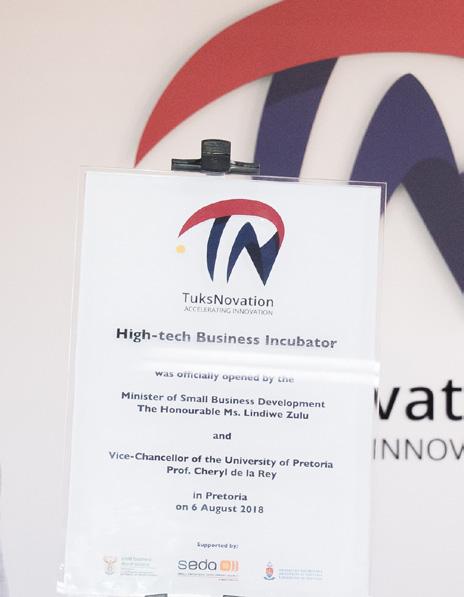
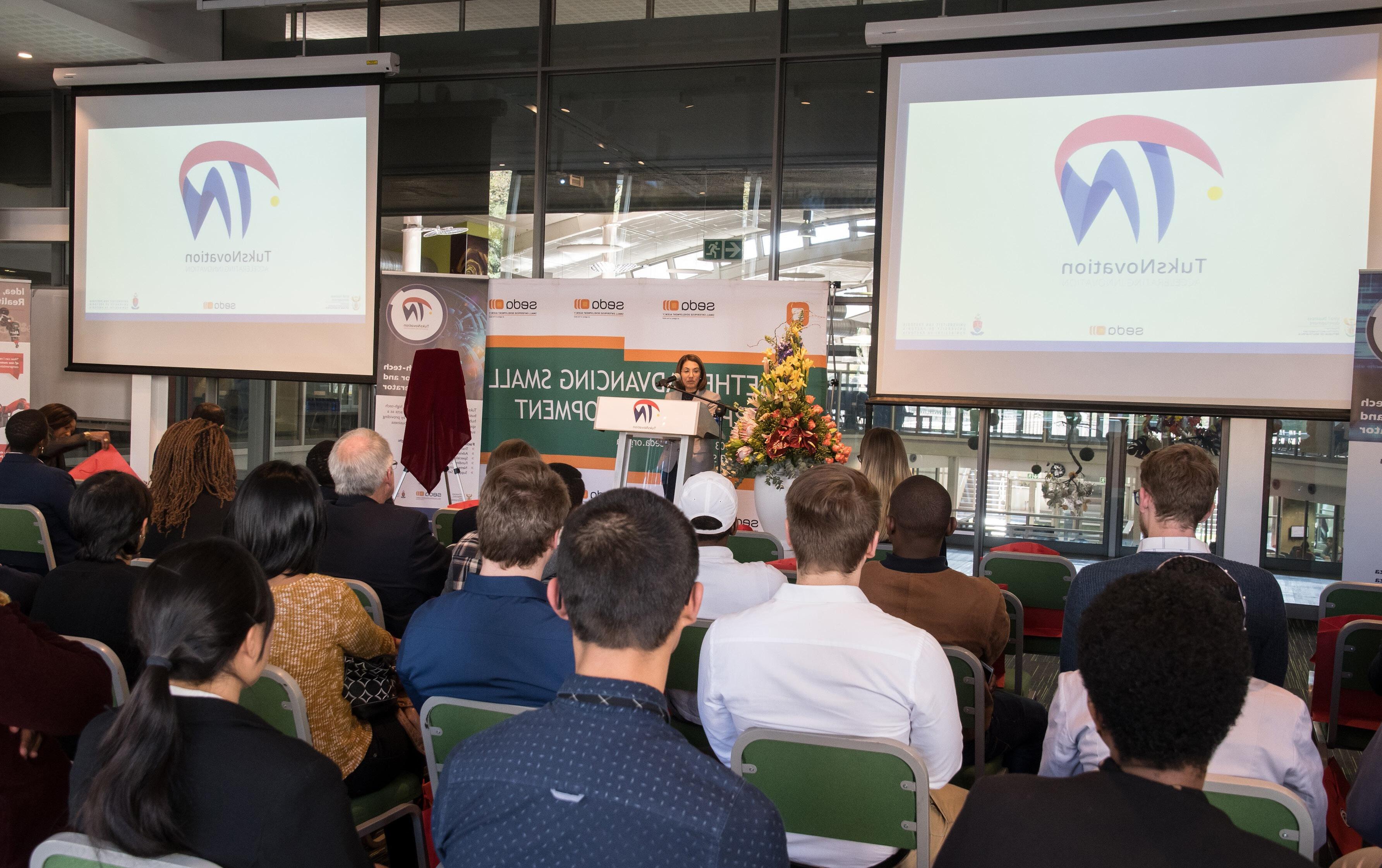
TuksNovation is the University’s high-tech business incubator. Its goal is to act as a catalyst for the development of industrial clusters to positively impact on the Tshwane region. It has been strategically placed within EBIT with the aim of supporting postgraduate students within the different faculties involved in science and technology, as well as industry, so that cutting-edge business enterprises and employment opportunities are created. TuksNovation was launched on 6 August 2018 by the Minister of Small Business Development, Lindiwe Zulu.
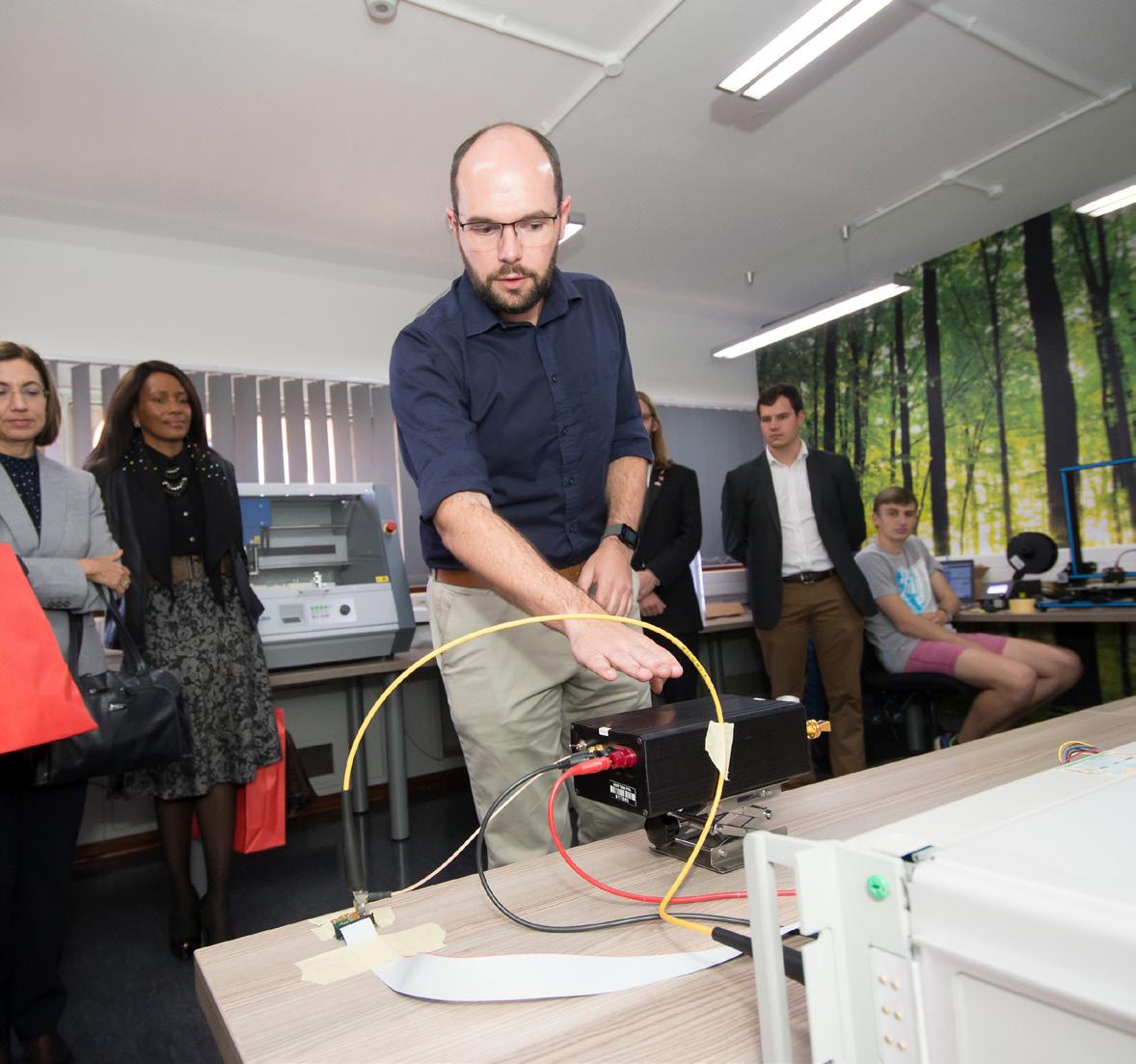
In a knowledge-driven economy, universities play a major role in regional socio-economic development. Innovations arising from a university’s intellectual capital can stimulate economies through new product development. Universities are thus highly valued in terms of economic potential. Although the creation of spin-offs is one of the key mechanisms that universities can leverage to promote socio-economic development, few universities in South Africa have done so, and the impact has been very modest.
TuksNovation was established through a partnership between the Small Enterprise Development Agency (Seda), the Department of Small Business Development and the Department of Trade and Industry. It offers world-class technology development and commercial support through the technology and business development life cycles. It provides technology development and entrepreneurship support from prototype to commercialisation growth stages, to ensure that the technology is fully developed and addresses a relevant market need. A virtual incubation programme focuses on technology and techno-entrepreneurship skills, while an acceleration programme focuses on commercialisation and business growth.
“TuksNovation will provide a
service to develop and commercialise the University’s technology into new and sustainable enterprises that will have a social and economic impact in the country.”
–
Minister of Small Business Development, Lindiwe Zulu
“South Africa is facing many challenges that require technological and digital intervention, and in the process, create sustainable enterprises skilled to tackle the high unemployment rate. The Department of Small Business Development has prioritised research and development in this.”
– Seda CEO, Mandisa Tshikwatamba
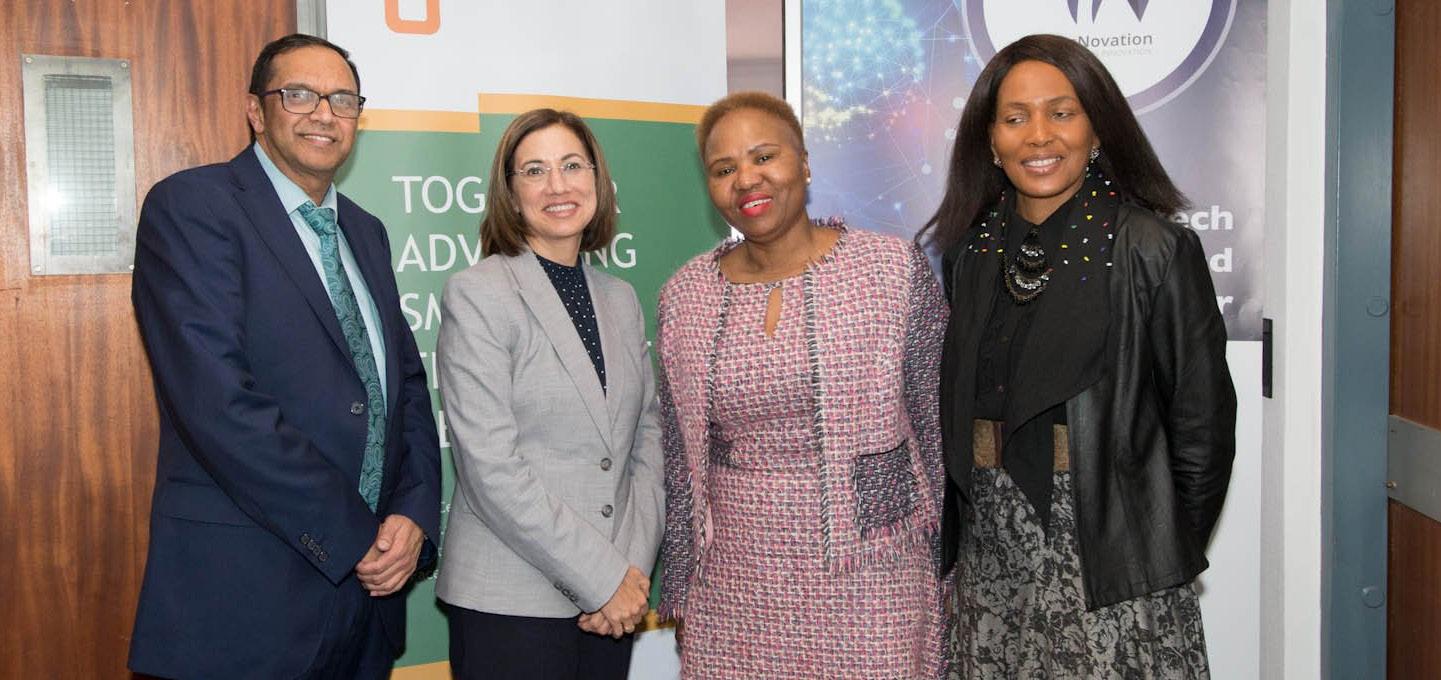
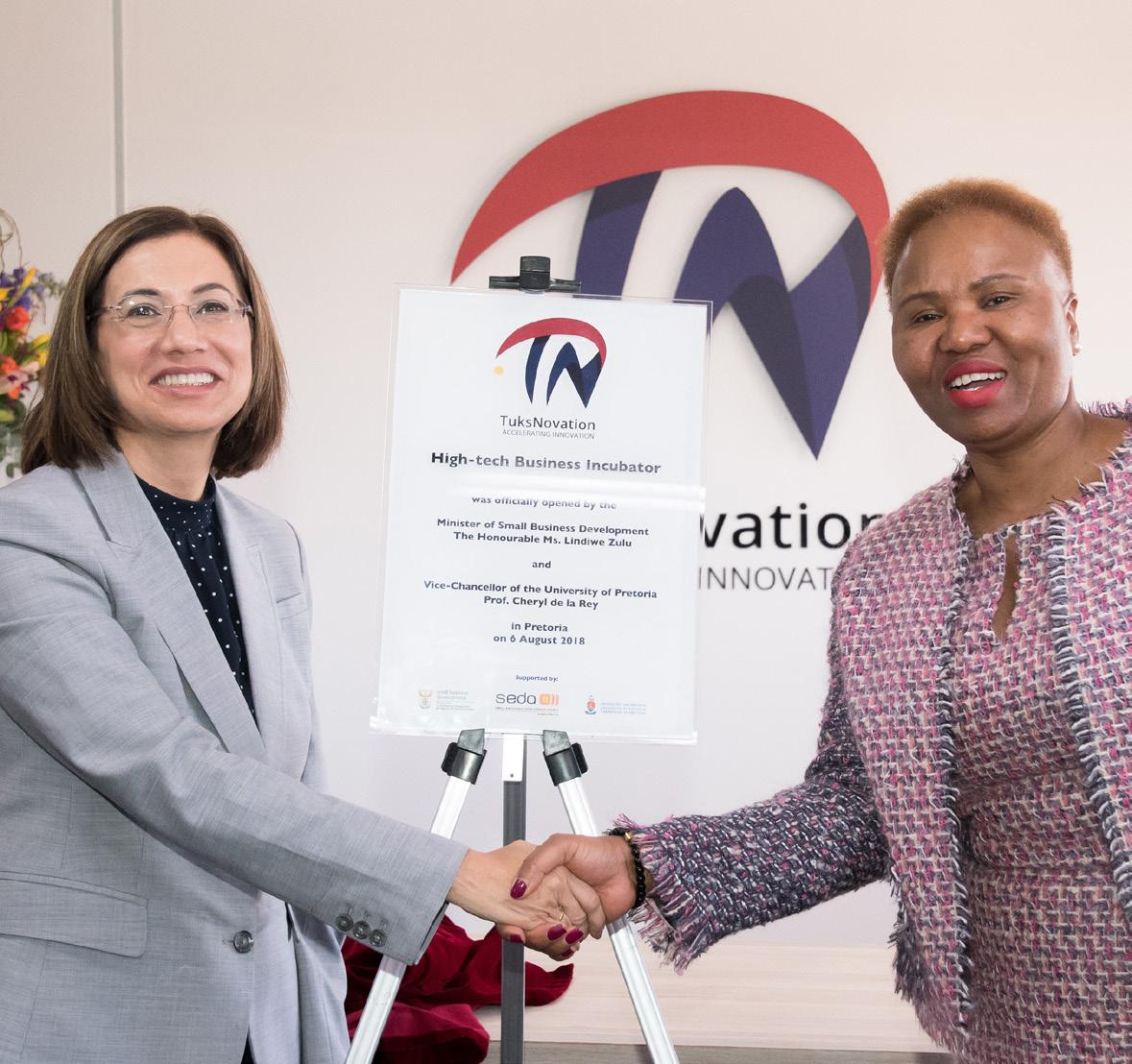
“We have ramped up our efforts to implement innovative strategies to leverage and commercialise home-grown technologies in order to create sustainable new enterprises and subsequently job opportunities.”
– Vice-Chancellor and Principal of UP, Prof Cheryl de la Rey
EBIT is home to world-class experts who engage in multidisciplinary research and innovation. The Faculty’s research strategy encourages research and innovation that is not only restricted to finding solutions to challenges within particular disciplines, but rather to developing initiatives that will have an impact locally, regionally and across the globe. EBIT is responsible for the second-highest overall number of research outputs per faculty in the University.

The Faculty has crafted a progressive research strategy to exploit the research of its world-class experts, who engage in multidisciplinary research and innovation. This strategy has enabled the development of five core research focus areas. These, in turn, have enabled the deployment of several highly visible research and innovation projects. The research focus areas were determined by identifying existing pockets of research excellence, and function in synergy across the Faculty’s departments and among researchers worldwide.

Minerals
Materials
Beneficiation


Environmental Engineering



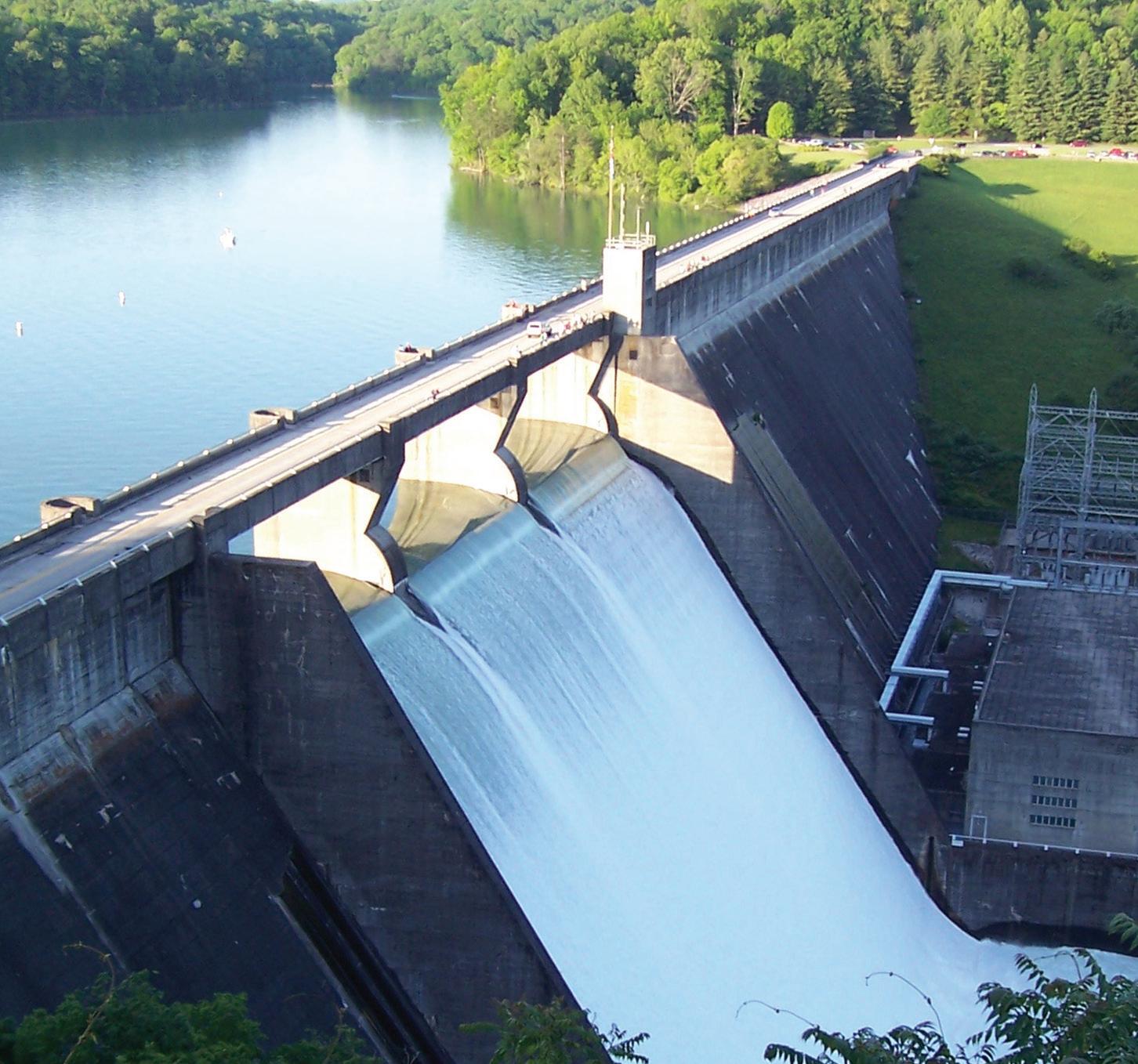
EBIT’s research strategy encourages interdisciplinary research and innovation that has the potential to address challenges locally, regionally and across the globe.
Industry chairs
• Absa Chair in Data Science
• AEL Mining Service Chair in Innovative Rockbreaking Technology
• Anglo-American Chair in Pyrometallurgy
• Chair in Maintenance Engineering
• Chair in Nuclear Safety and Security
• Eskom Chair in Plant Asset Management
• Exxaro Chair in Energy Efficiency
• Glencore Chair in Pyrometallurgical Modelling
• Harmony Chair in Rock Engineering and Numerical Modelling
• Rand Water Chair in Civil Engineering
• Rand Water Chair in Mechanical Engineering
• Sedibeng Water Chair in Water Utilisation Engineering
• Sentech Chair in Broadband Wireless Multimedia Communication
• South African Council of Shopping Centres Chair
• Transnet Freight Rail Chair in Railway Engineering
• Weir Minerals and Exxaro Chair in Maintenance Engineering
• MultiChoice Chair of Machine Learning
Research entities
• African Centre of Excellence in Information Ethics
• Carl and Emily Fuchs Institute for Micro-electronics
• Centre for Asset Integrity Management
• Centre for Connected Intelligence
• Centre for Electromagnetism
• Centre for New Energy Systems
• Centre for Nuclear Safety and Security
• Centre for Pyrometallurgy
• Centre for Transport Development
• Chair for Fluoromaterials Science and Process Integration
• Industrial Metals and Minerals Research Institute
• Institute for Big Data and Data Science
• Institute for Technological Innovation
• Mining Resilience Research Centre
SARChI chairs
The South African Research Chairs Initiative (SARChI) was established by the Department of Science and Technology and the National Research Foundation to attract and retain excellence in research and innovation at South African public universities through long-term investment. EBIT currently holds two SARChI chairs.
• SARChI Chair in Advanced Sensor Networks
• SARChI Chair in Artificial Intelligence
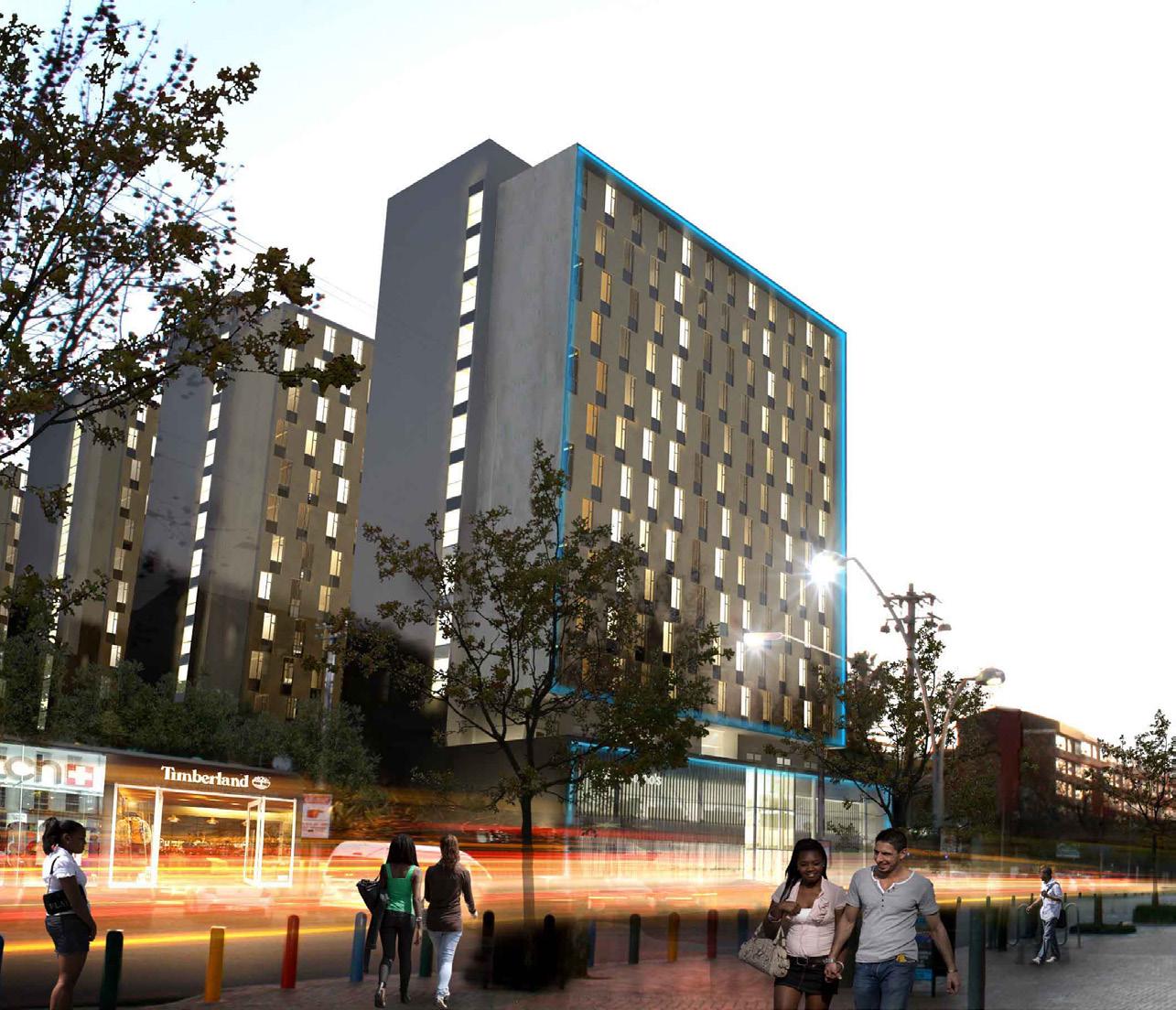
The area around the University’s Hatfield Campus had started to face social decay in recent years. In accordance with the University’s anchor institution strategy to lead urban renewal and social transformation projects around Hatfield, EBIT researchers have contributed to the development of a precinct plan, implementation strategy and action plan for the newly defined Hatfield Campus Village and City Improvement District (CID) in its mission to uplift local communities. The project was named Gold winner in the prestigious 2018 Gauteng Premier’s Service Excellence Awards in the subcategory “Building Safe Communities”.
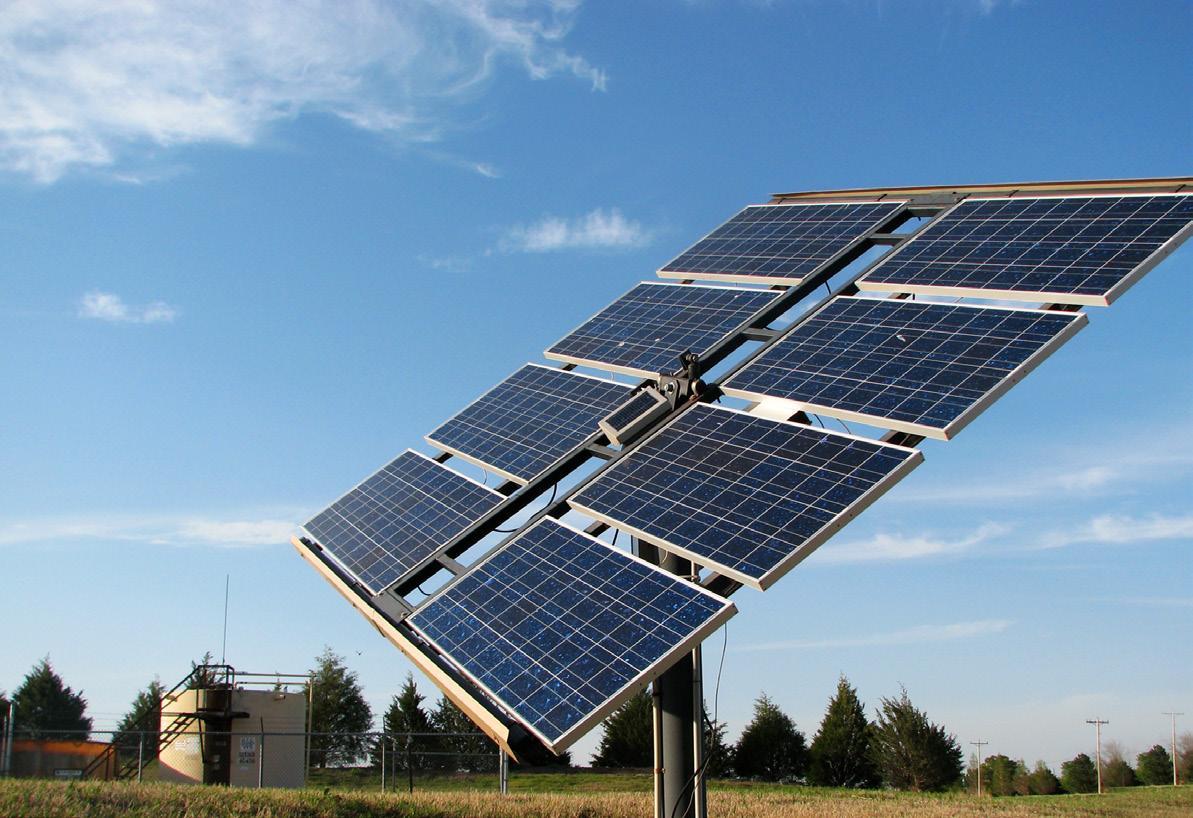
Through this project, EBIT researchers are in the process of assisting the Joe Gqabi District Municipality (JGDM) with its supply of potable water to the town of Aliwal North from the Orange River through its water treatment works (WTW). A direct need for electricity exists for the WTW and pump station. To address this challenge, the project facilitated the development of mirco hydropower, alleviating the electricity burden in operating the WTW. After various issues relating to aspects such as flooding, silt content and drought periods were taken into account, two modified kinetic-type turbines were installed. Although these types of turbines are normally placed in a canal or attached to floats in a river, the project team placed them into pipe sections and attached these to the scour outlet gates adjacent to the measuring weir. This design allows for easy removal for maintenance. The generator and turbine are also completely submerged, so that they need not be removed during a flood. In addition, the roof of the pump station will be utilised through the addition of 10 kW of solar panels, which will be linked into the system using the same hydropower inverters that have been oversized to accommodate this additional energy source. This proves to be a cost-effective, practical and implementable solution.
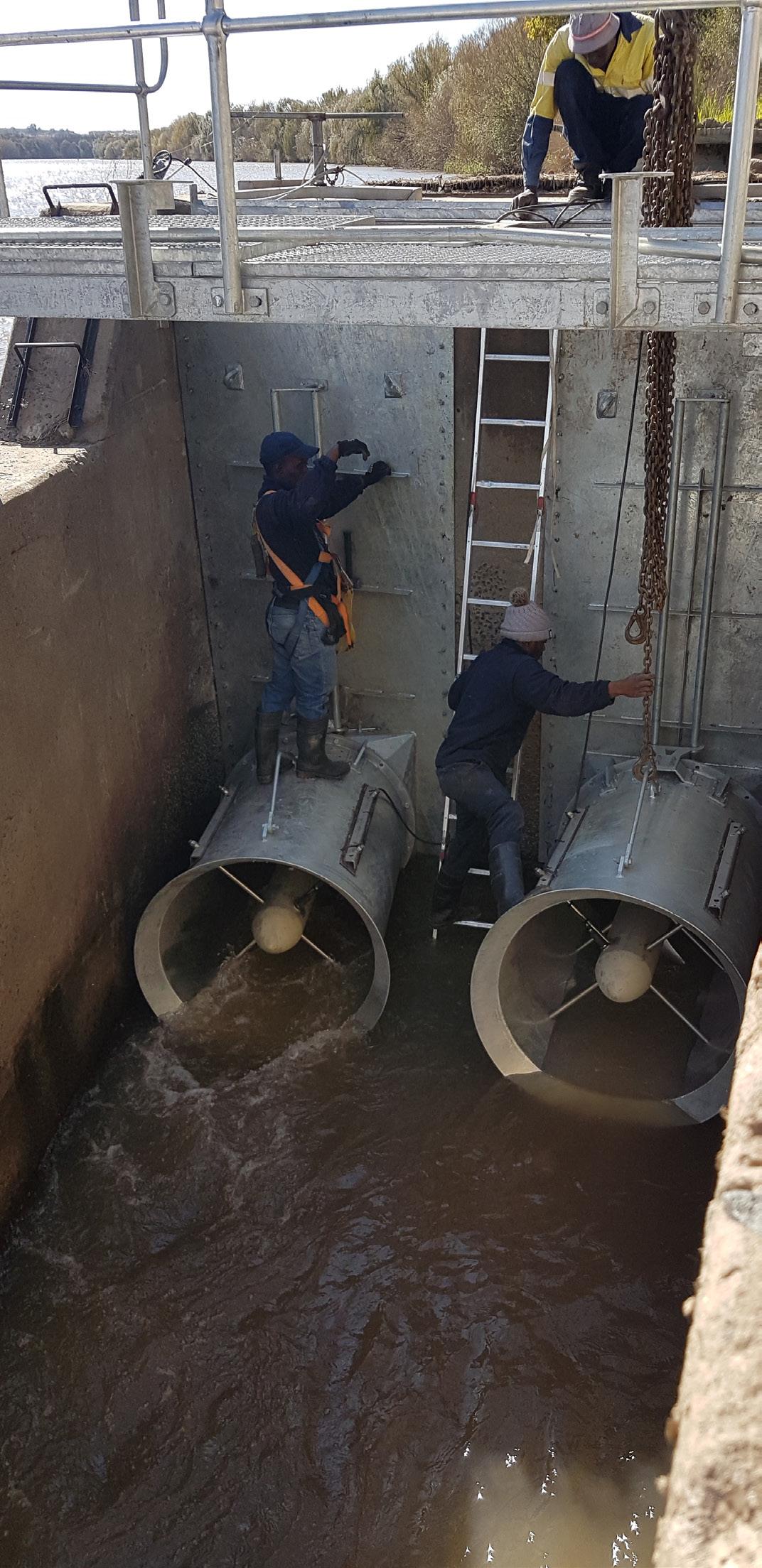
This project is administered by the Water Research Commission, and is funded by the Department of Science and Technology under the Innovation Partnership for Rural Development Programme 2 (IPRDP).
University of Pretoria – Faculty of Engineering, Built
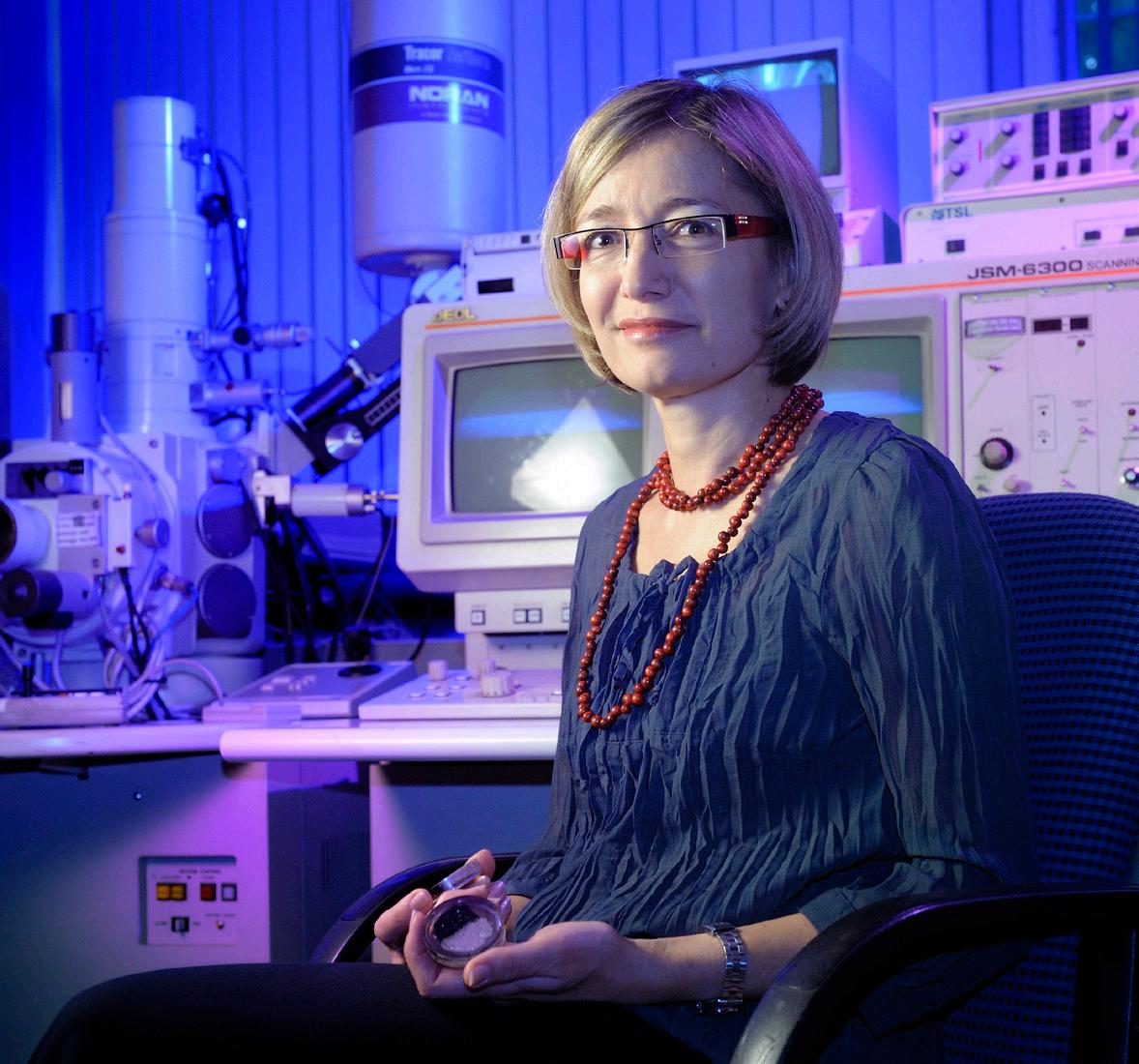
Prof Andrie Garbers-Craig heads the Centre for Pyrometallurgy. Her research improves extraction processes for platinum group metals, and investigates refractory materials used in smelters and iron ore agglomerations. Through her work, she focuses on ways to make the extraction of metals more cost effective and reduce the environmental impact.
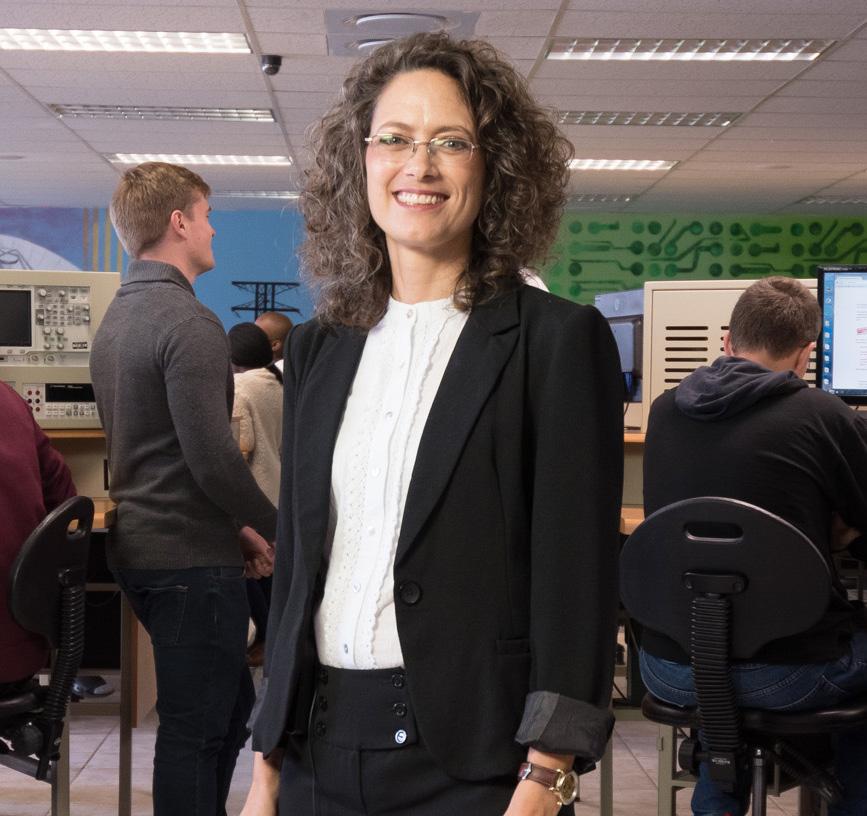
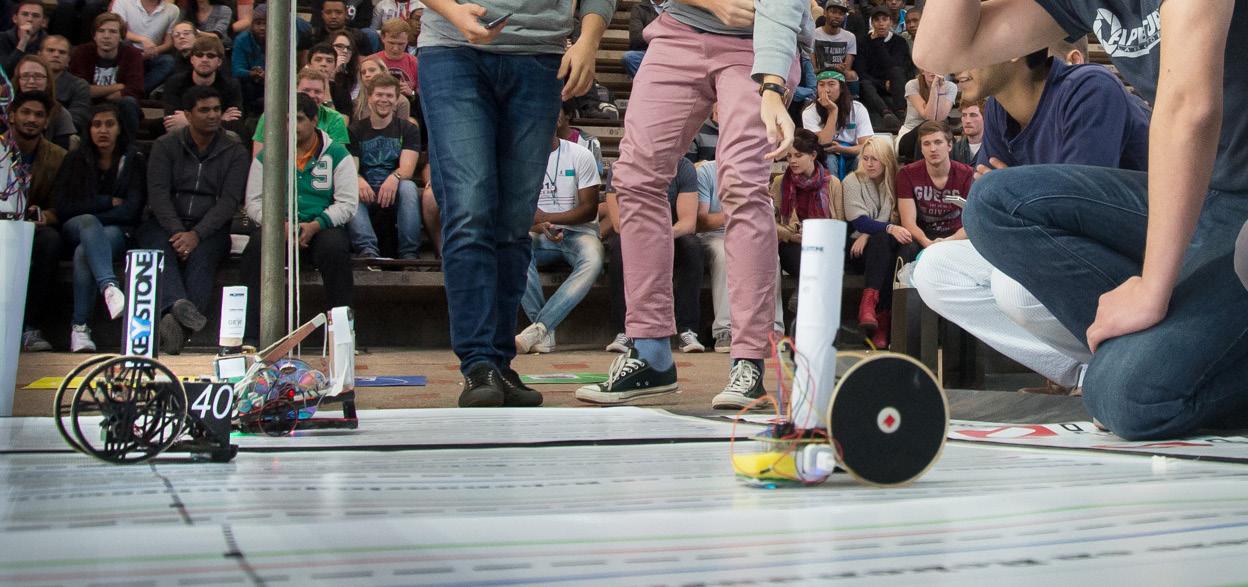
Prof Tania Hanekom conducts bioengineering research into cochlear implants in the Department of Electrical, Electronic and Computer Engineering. Her research uses engineering instruments to investigate the functioning of cochlear implants in order to improve their functioning. She is also responsible for the development and implementation of an award-winning teaching and learning model that includes the annual Robot Race Day, where students in the third-year Microcontrollers module showcase their innovative autonomous robot vehicles.
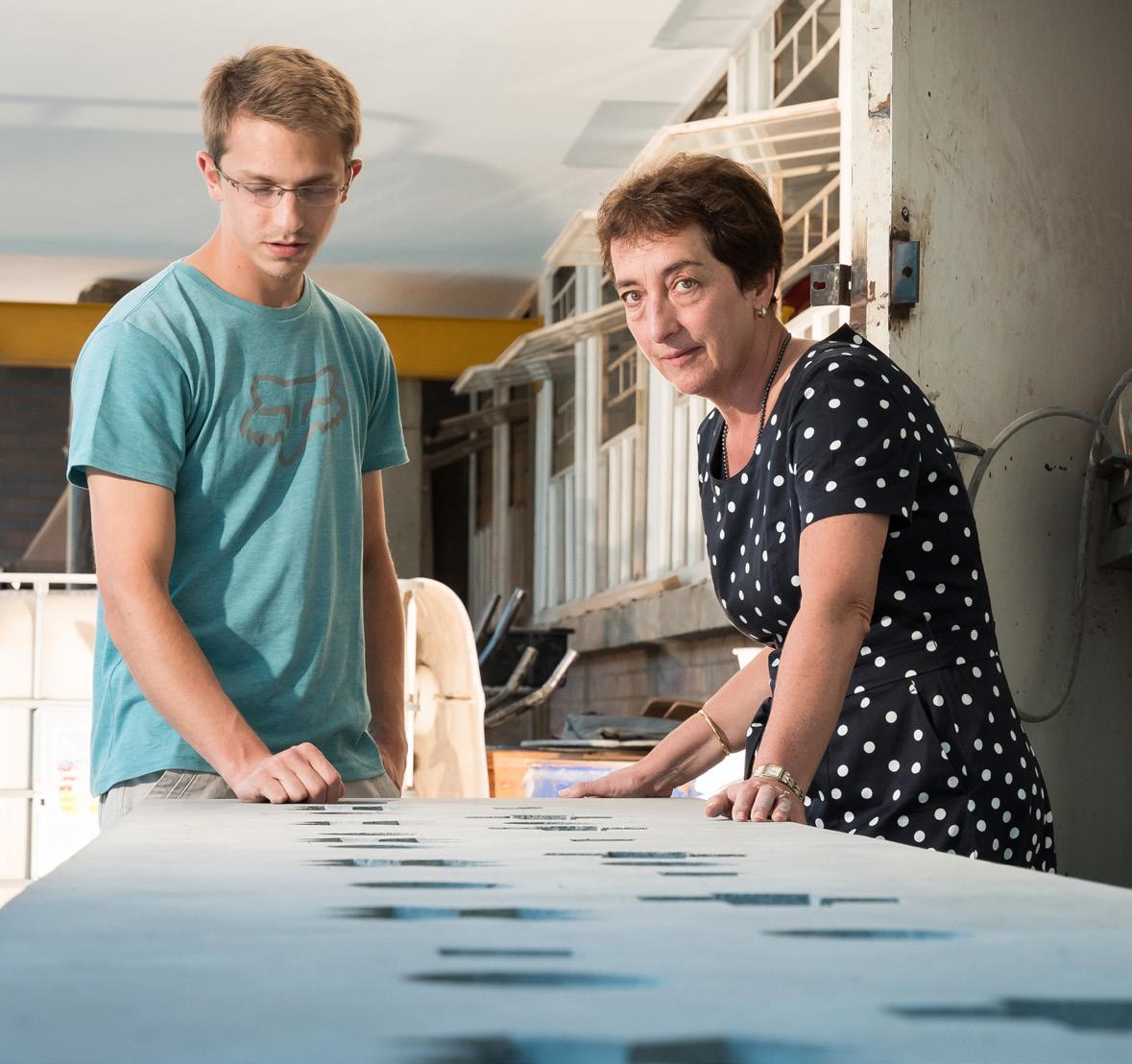
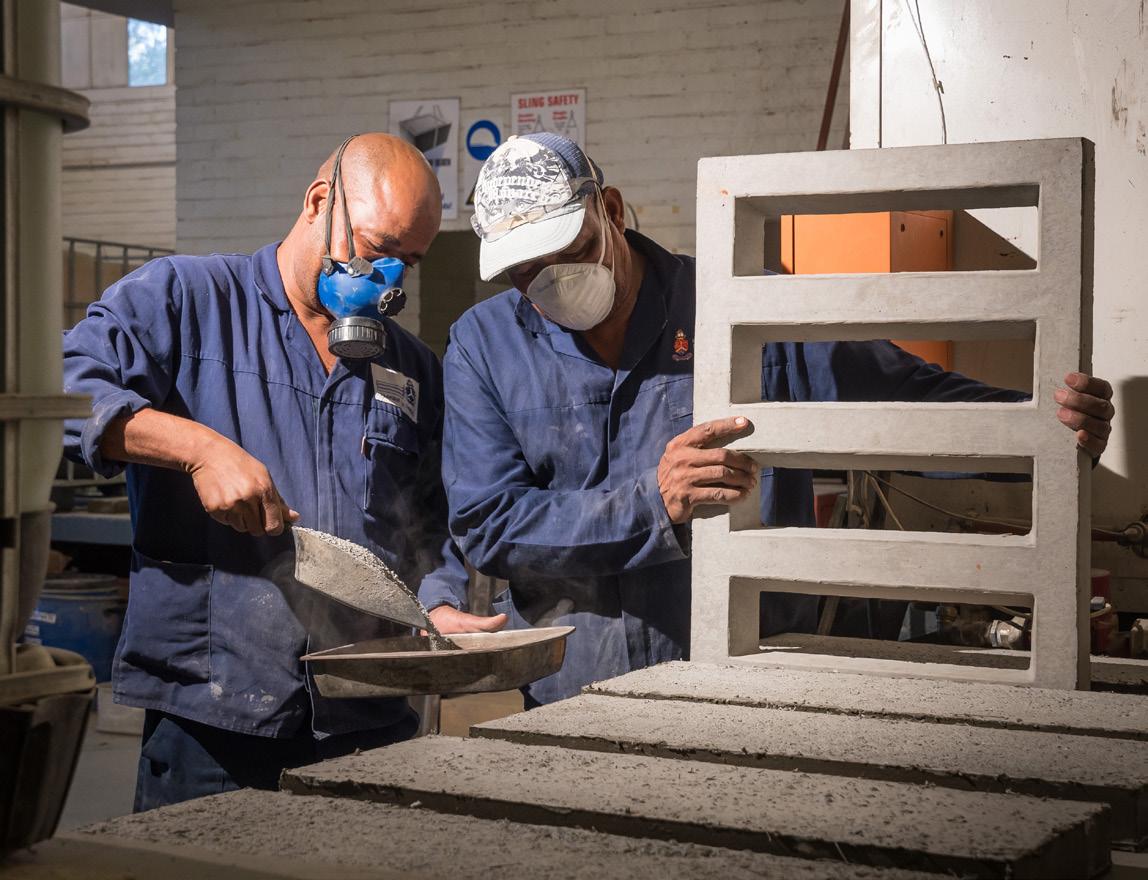
Prof Elsabé Kearsley is the former Head of the Department of Civil Engineering. Her research focuses on ways to reduce the environmental impact of cement and concrete used in the building and engineering sectors. This involves developing processes to reduce the raw materials used and increase the re-use and recycling of waste materials. Given the recent emphasis on improving South Africa’s ageing infrastructure, Prof Kearsley expects significant increases in the supply of recycled concrete and the demand for better and less resource-intensive concrete as a major pathway to progress.
EBIT believes in continuing the relationship that has been formed with its students even after they graduate. The fact that many of its alumni occupy leading positions in industry is testimony to the high value of a qualification from UP, as well as the important contribution its alumni have made to the economic development of the country.
Since the first programmes in engineering were presented in 1956, the Faculty has continued to celebrate the legacy that was established when the first intake of 64 engineering students laid the foundation for the world-class Faculty of Engineering, Built Environment and Information Technology that is in existence today. Since then, thousands of alumni have continued to build on this firm foundation, giving back to their alma mater by reinforcing its reputation of excellence.
Many of the departments in the Faculty recognise the value of their alumni by establishing alumni societies to enable their former students to maintain contact with the University. Alumni support the Faculty by raising sponsorships and ensuring that high skills and educational standards are maintained. They make their services available as external examiners, and are available for industry discussions and to offer guidance. They are also willing to mentor and support students by means of bursaries and internship opportunities so that newly qualified graduates can make a difference when they enter industry. The Faculty also benefits from the expertise of its alumni by inviting them to serve on its Faculty Advisory Board, as well as its various departmental advisory boards. In this way, it has succeeded in establishing a strong partnership with the industries it supports.
“The delicate balance of mentoring someone is not creating them in your own image, but giving them the opportunity to create themselves.”
– Steven Spielberg

Dr Pulane Molokwane, an EBIT graduate, was appointed Non-executive Director on the Board of Eskom in 2018. Eskom is the largest state-owned company in South Africa. Dr Molokwane graduated with a PhD from EBIT’s Department of Chemical Engineering in September 2010. She conducted her research with the Environmental Engineering Group, and her expertise lies in ground water remediation, nuclear waste, and process and solid waste strategies, solutions and technology intelligence. She is also registered with the Scientific Profession Council of South Africa as a professional natural scientist.
Corné van Biljon is the Chief Executive of the Gendac Group, which includes Gendac Software Engineering and Sefeko Guard Monitoring, both leading technology companies. He serves on the Advisory Board of the Department of Electrical, Electronic and Computer Engineering and is actively involved in supporting undergraduate engineers.
Van Biljon is passionate about innovation initiatives that ensure sustainable progress in a fast-paced technology environment. In support of this, he believes in building the engineering talent pool and mentoring young engineers. Having realised that young talent, correctly applied, develops into passion, Gendac scouts for its personnel at student level. Three-quarters of its talent pool comprises engineers who graduated from EBIT.
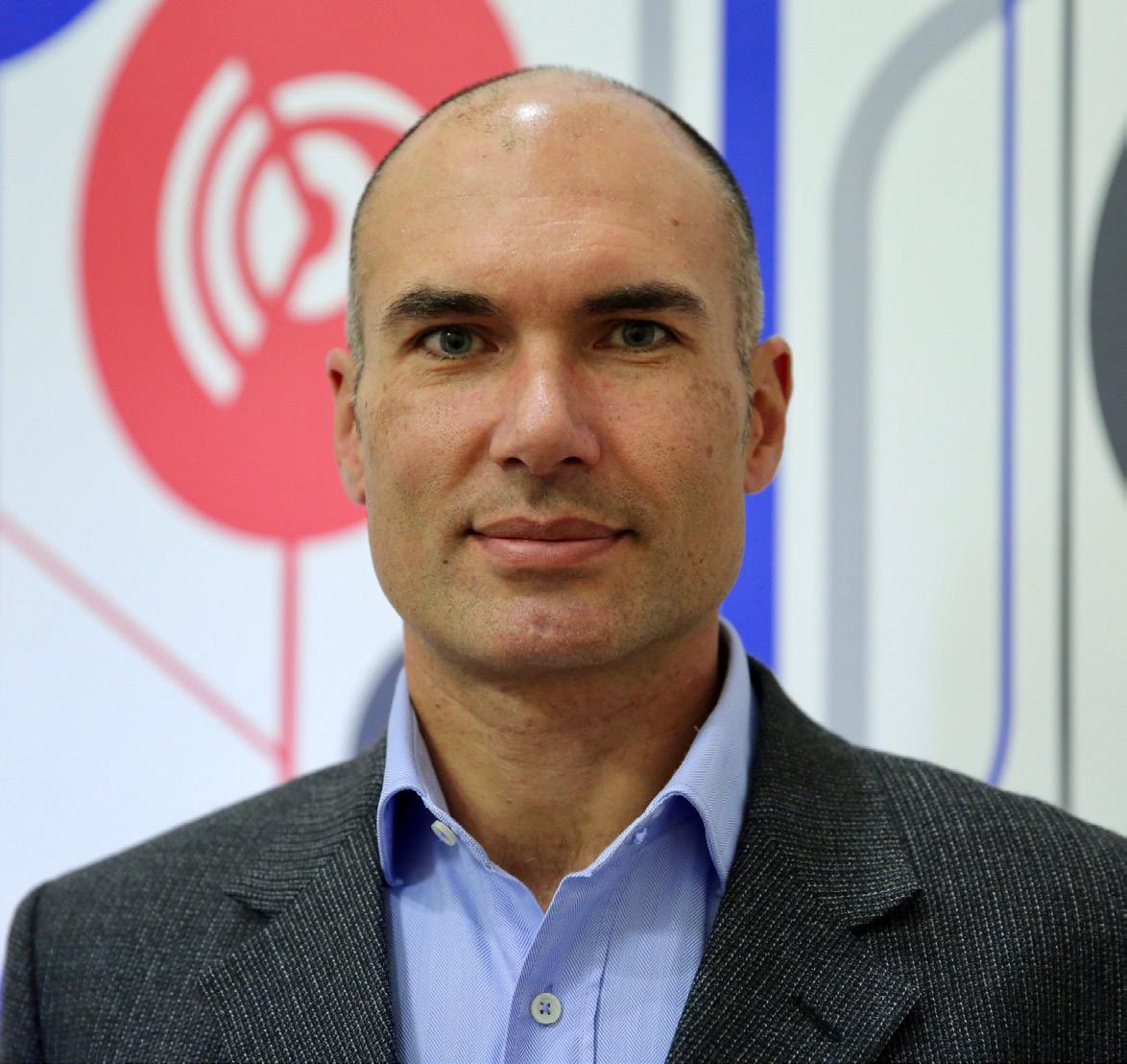

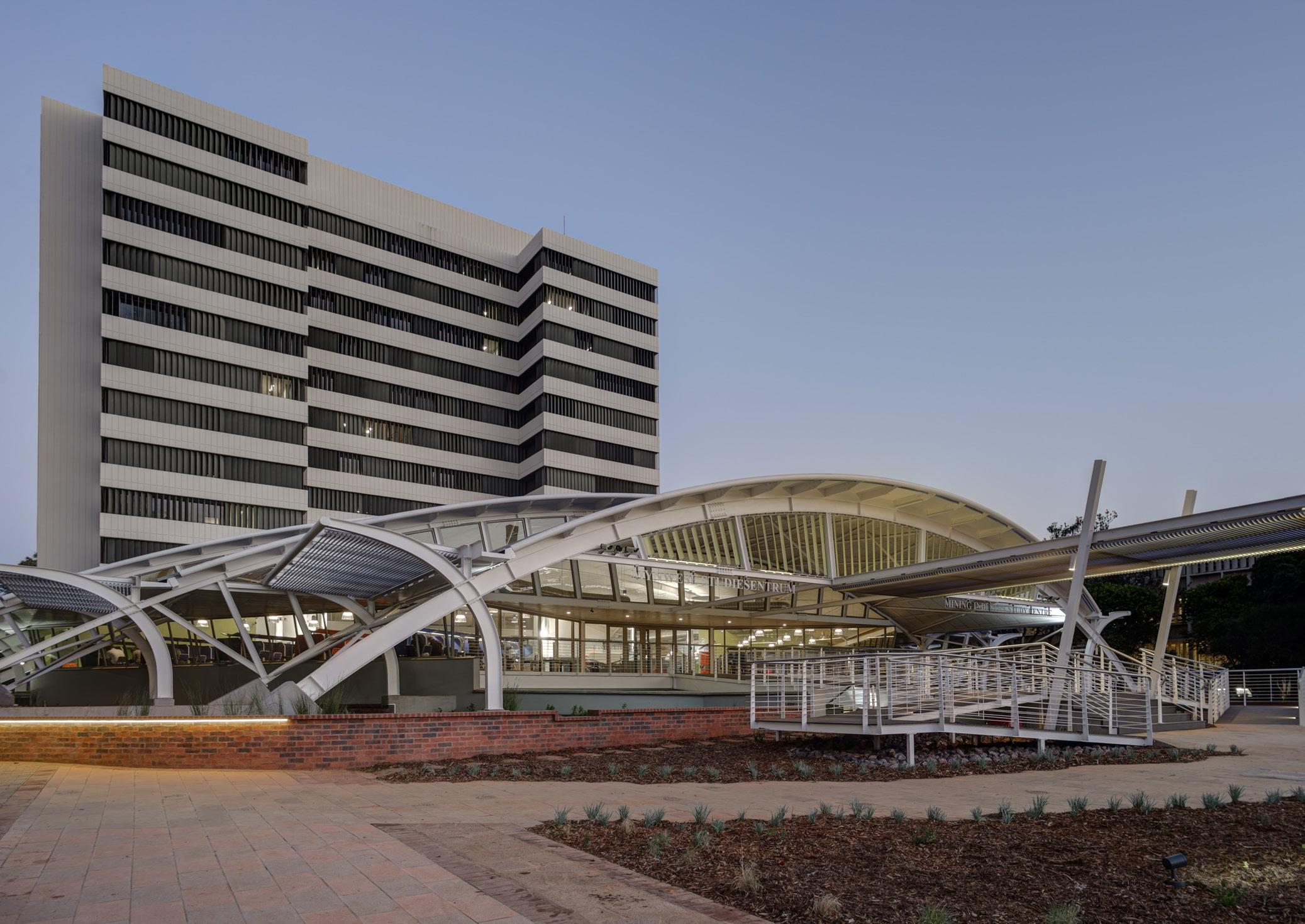
Dr Con Fauconnier is the former CEO of Exxaro Resources Limited and Kumba Resources Limited, and is an alumnus of and honorary professor in the Department of Mining Engineering. He is also a fellow of the South African Institute of Mining and Metallurgy, the Mine Ventilation Society of South Africa, the Institute of Directors and the South African Academy of Engineering. Dr Fauconnier has been instrumental in initiatives like fundraising to establish the Mining industry Study Centre. He serves on the advisory boards of both the Department of Mining Engineering and the EBIT Faculty.
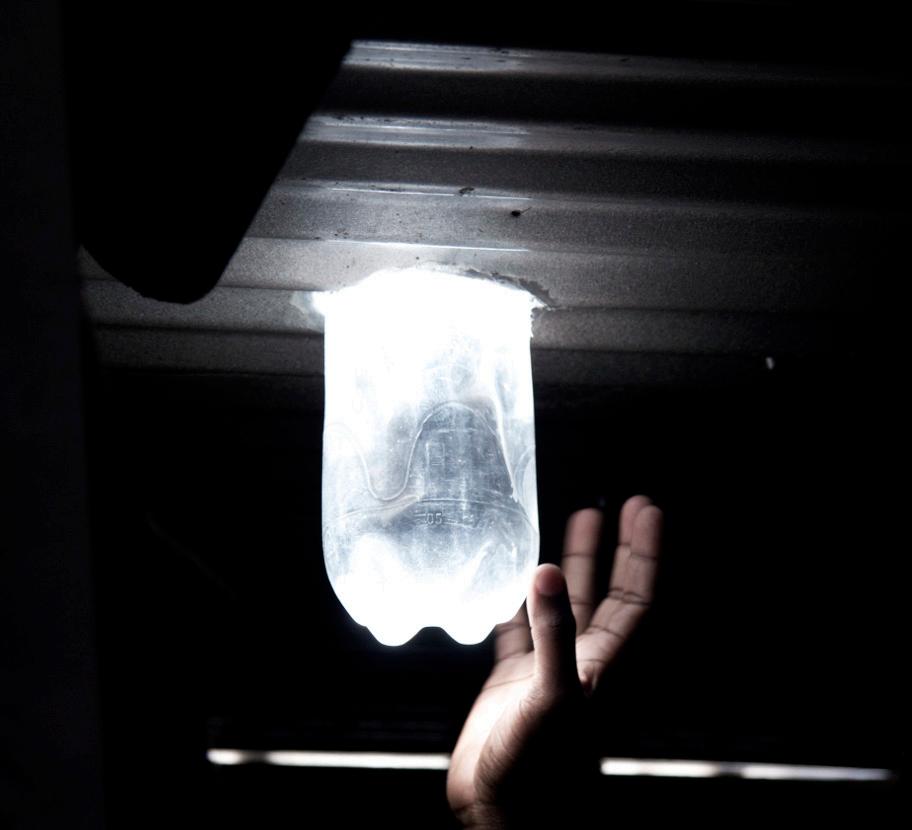
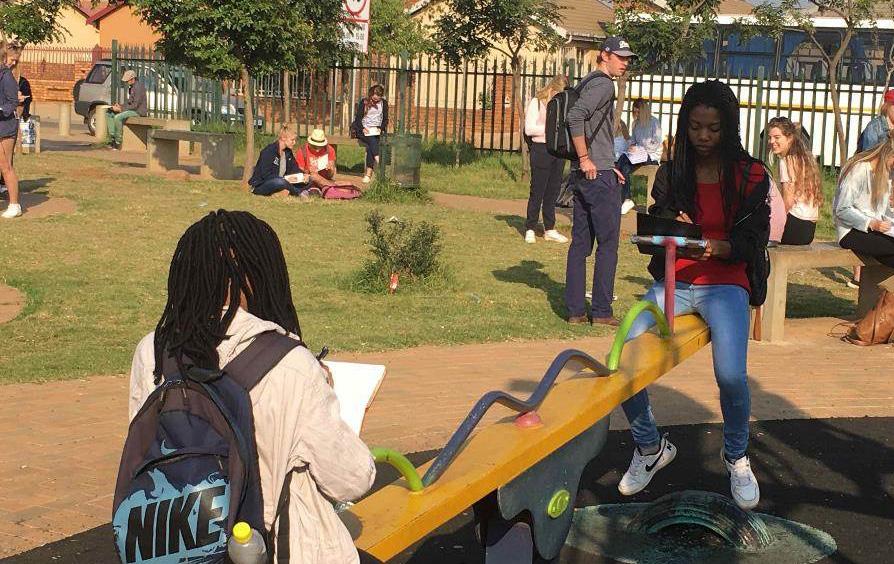
The ability of EBIT students to operate in a complex and multicultural environment is strengthened by their participation in the compulsory undergraduate Community-based Project Module (JCP). The establishment of this module in February 2005 was a milestone for the Faculty. The aim of the module is to initiate community projects that make a positive impact on society.

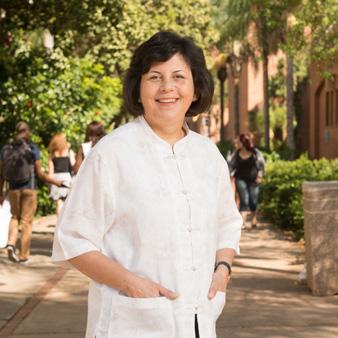
The JCP module is an essential part of the curriculum of all undergraduate programmes in the Faculty, as it accommodates the need for community service and service-learning projects in a higher education environment. Through this module, students engage with a section of society that is different from their own social backgrounds. The goal is for students to develop an awareness of personal, social and cultural values, as well as multidisciplinary and life skills, like communication, interpersonal and leadership skills. The module requires students to dedicate 40 hours of their time to a project that they plan and execute, after which they make a YouTube video of the project. JCP students and alumni also collaborate with the UP Chapter of Engineers Without Boarders (EWB-UP) on a range of community projects. The JCP module is headed by Dr Martina Jordaan, and has won numerous awards for excellence in service learning.
EBIT STUDENTS SINCE 2005

PROJECTS SINCE 2005
SERVICE HOURS SINCE 2005
DR MARTINA JORDAAN
In 2017, EBIT’s Department of Architecture managed to align all year groups to an investigation into a group of early childhood development centres in Mamelodi, in collaboration with students involved in the Foundation Programme on UP’s Mamelodi Campus. This inter-faculty collaboration supports the ethos of urban citizenship in both EBIT students and the communities they serve. The Department has proposed the establishment of a Unit for Urban Citizenship as a vehicle through which collaborative community engagement work can be developed and researched.
EBIT is led by a group of passionate individuals, each of whom are also acclaimed researchers in their respective fields. The Dean is supported by two deputy deans in the portfolios of teaching and learning, and of research and postgraduate studies. To ensure the relevance of teaching, learning and research activities in each of the Faculty’s four schools: the School of Engineering, the School for the Built Environment, the School of Information Technology and the Graduate School of Technology Management (GSTM). Each school is represented by a school chair.
HEADS OF DEPARTMENTS: SCHOOL OF ENGINEERING
DEPARTMENT OF CHEMICAL ENGINEERING
DEPARTMENT OF CIVIL ENGINEERING
DEPARTMENT OF ELECTRICAL, ELECTRONIC AND COMPUTER ENGINEERING
WJVDM STEYN
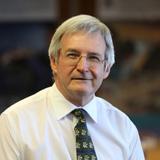

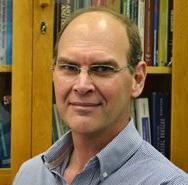
HEADS OF DEPARTMENTS: SCHOOL FOR THE BUILT
CHAIR: SCHOOL FOR THE BUILT ENVIRONMENT DEPARTMENT OF ARCHITECTURE
C DU PLESSIS

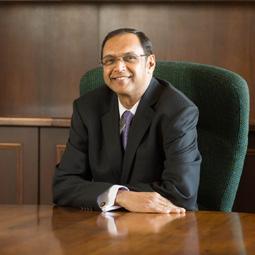
DEPUTY DEAN: TEACHING AND LEARNING
DEPUTY DEAN: RESEARCH AND POSTGRADUATE STUDIES

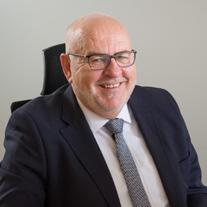
DEPARTMENT OF INDUSTRIAL AND SYSTEMS ENGINEERING
DEPARTMENT OF MATERIALS SCIENCE AND METALLURGICAL ENGINEERING


DEPARTMENT OF CONSTRUCTION ECONOMICS
B ZULCH

DEPARTMENT OF TOWN AND
DEPARTMENT OF COMPUTER SCIENCE
M ORANJE (ACTING)
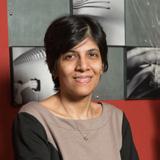
DEPARTMENT OF INFORMATICS
C DE VILLIERS

CHAIR: SCHOOL OF INFORMATION TECHNOLOGY DEPARTMENT OF INFORMATION SCIENCE PROF AL DICK

Each of EBIT’s 14 departments presents specialised undergraduate and postgraduate degree programmes. The departments are supported by excellent academic and support staff. In addition, the departments’ commitment to academic and research excellence is backed by facilities and equipment of the highest quality.
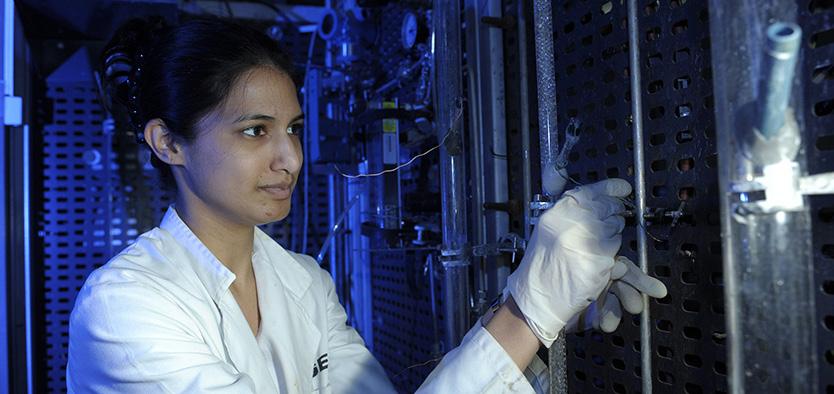
The Department aims to produce graduates who are capable of making a contribution to the growth of the country, and who are well equipped to apply their understanding of chemical engineering principles to the many challenges and opportunities locally, but who can also make significant contributions in the international arena. The Department’s research focus areas are mutually supportive of one another, address the cutting-edge research questions of the day, and emphasise issues related to energy, biotechnology and the environment.
Head of Department: Prof PL de Vaal
Degree programmes:
• BEng (Chemical Engineering)
• BEngHons with various specialisations
• BScHons with various specialisations
• MEng with various specialisations
• MSc with various specialisations
• PhD Chemical Engineering
• PhD Chemical Technology
More information: www.up.ac.za/chemical-engineering
Research focus:
• Applied materials
• Fluoro-materials science and process integration
• Carbon technology and materials
• Water utilisation engineering
• Waste water management
• Tribology and lubricant performance analysis
• Environmental engineering
• Bioreaction engineering
• Process modeling and control
• Bioprocess engineering
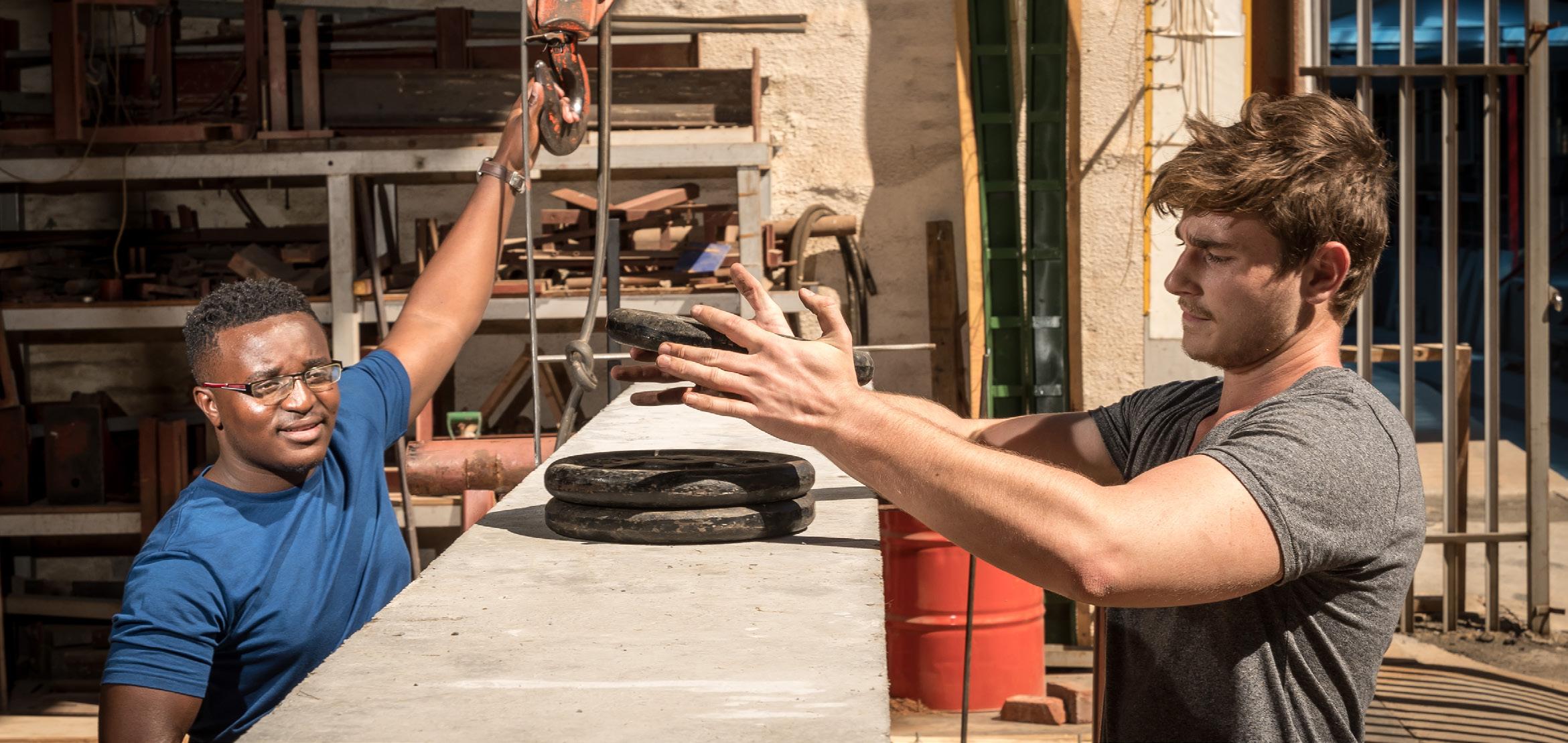
The Department has established a reputation for both the training of engineers and the advancement of knowledge through its research. In this way, it contributes to the development and maintenance of civil infrastructure in South Africa and across the globe. The Department’s current research impacts on the delivery of services to the public through the development of optimal road maintenance and water reticulation networks. This, combined with improved geotechnical analysis techniques, materials improvements and structure analyses, impacts directly on the quality of life of the public.
Head of Department: Prof
WJvdM Steyn
Degree programmes:
• BEng (Civil Engineering)
• BEngHons with various specialisations
• BScHons with various specialisations
• MEng with various specialisations
• MSc with various specialisations
• PhD Civil
• PhD Civil Engineering
More information: www.up.ac.za/civil-engineering
Research focus:
• Pavement engineering
• Smart cities and transportation
• Railway engineering
• Railway safety
• Transport development
• Pipelines
• Conduit hydropower
• Centrifuge and geotechnical engineering
• Concrete
• Structural testing
The Department produces world-class engineers in electrical, electronic and computer engineering. Many of its graduates are leaders in engineering and also top inventors and entrepreneurs in the world, and many of its lecturers are world-class researchers. Close contact with industry, government and other institutions through contract research and consultation activities add value to a postgraduate degree in any of these three disciplines.
Head of Department: Prof J Joubert
Degree programmes:
• BEng (Electrical Engineering)
• BEng (Electronic Engineering)
• BEng (Computer Engineering)
• BEngHons with various specialisations
• MEng with various specialisations
• MSc Applied Science Electrical, Electronic and Computer Engineering
• PhD with various specialisations
More information: www.up.ac.za/eece
Research focus:
• Advanced sensor networks
• Microelectronics and power electronics
• Broadband wireless multimedia communication
• Microwave and mm-Wave microelectronics
• Electromagnetism
• Telecommunications and signal processing
• Intelligent and Robotics systems
• Energy efficiency and demand-side management
• New energy systems and smart grid research
• Electronic defence
• Bioengineering and biomedical engineering
• Power electronics and renewables
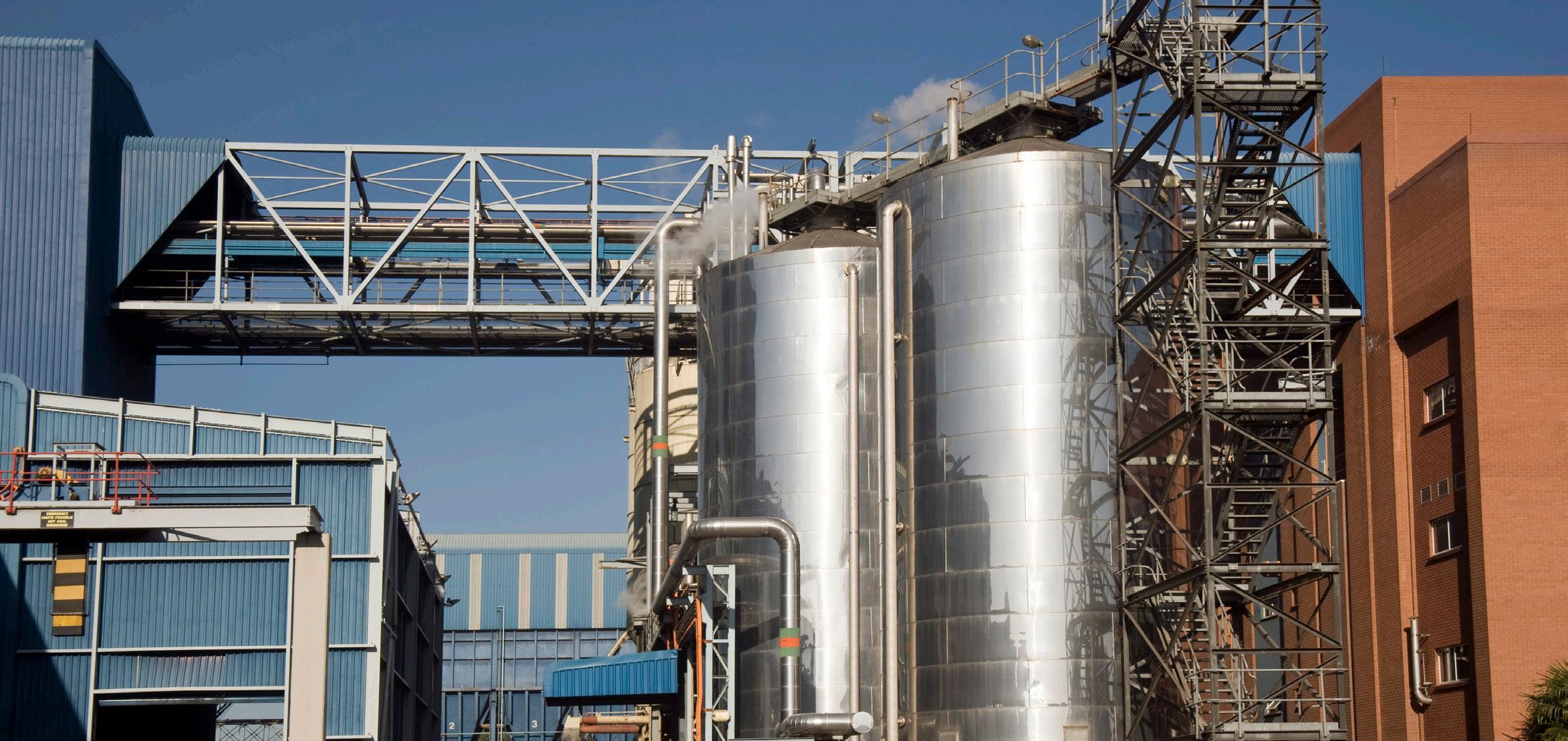
Industrial engineering is an extensive field of study since it consists of many diverse scientific disciplines with interfaces to various fields of study, from the sciences to engineering and management. It is able to integrate the contributions of all the other engineering disciplines into a final, functional and marketable product, at the lowest possible cost, by using system knowledge and understanding. Postgraduate research topics include supply chain engineering, enterprise engineering and optimisation.
Head of Department: Prof VS Yadavalli
Degree programmes:
• BEng (Industrial Engineering)
• BEngHons Industrial Engineering
• BScHons Applied Science Industrial Engineering
• MEng Industrial Engineering
• PhD Industrial Engineering
• PhD Industrial Systems
More information: www.up.ac.za/industrial-and-systemsengineering
Research focus:
• Supply chain design, modelling and optimisation
• Intelligent logistics
• Humanitarian logistics
• Reverse supply chains
• Enterprise engineering
• Transport development
• Large-scale, agent-based transport modelling
• Commercial vehicle behaviour and driver behaviour
• Waste collection optimisation
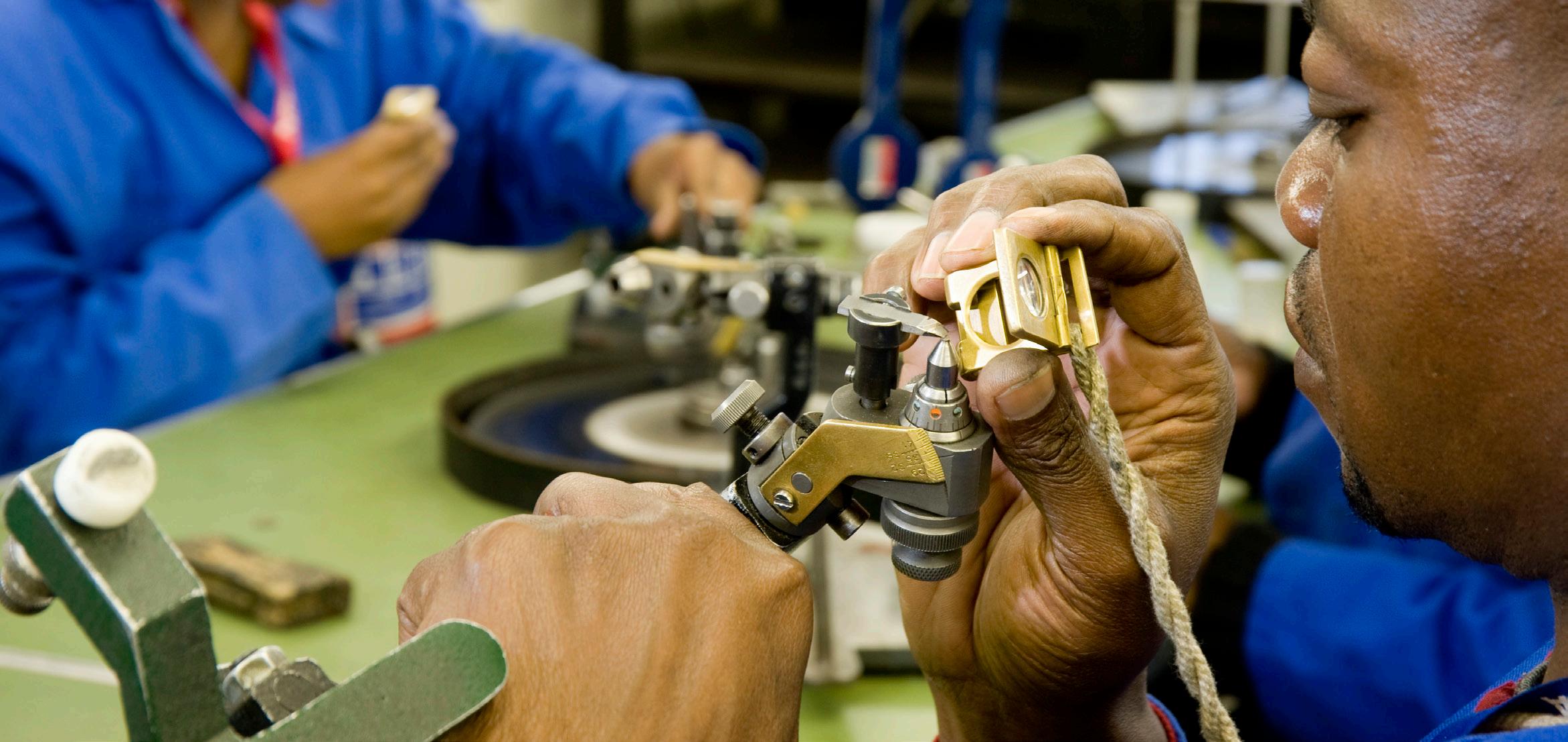
The Department is currently the only fully integrated metallurgical engineering department at tertiary level in South Africa. It exposes future professional metallurgical engineers to the full scope of the minerals/metals discipline, ranging from minerals processing, through pyro- and hydroextractive metallurgy, to physical metallurgy, and welding and corrosion metallurgy. It prepares graduates for industry collaboration between all the sectors of the minerals- and metals-related disciplines.
Head of Department: Prof RJ Mostert
Degree programmes:
• BEng (Metallurgical Engineering)
• BEngHons with specialisation in metallurgical or welding engineering
• BScHons Applied Science with specialisation in metallurgy or welding technology
• MEng Metallurgical Engineering
• MSc Applied Science Metallurgy
• PhD Metallurgical Engineering
• PhD Metallurgy
More information:
www.up.ac.za/materials-science-andmetallurgical-engineering
Research focus:
• Industrial minerals and metals research
• Minerals processing
• Pyrometallurgical modelling
• Pyrometallurgy
• Hydrometallurgy
• Physical metallurgy and corrosion
• Welding engineering
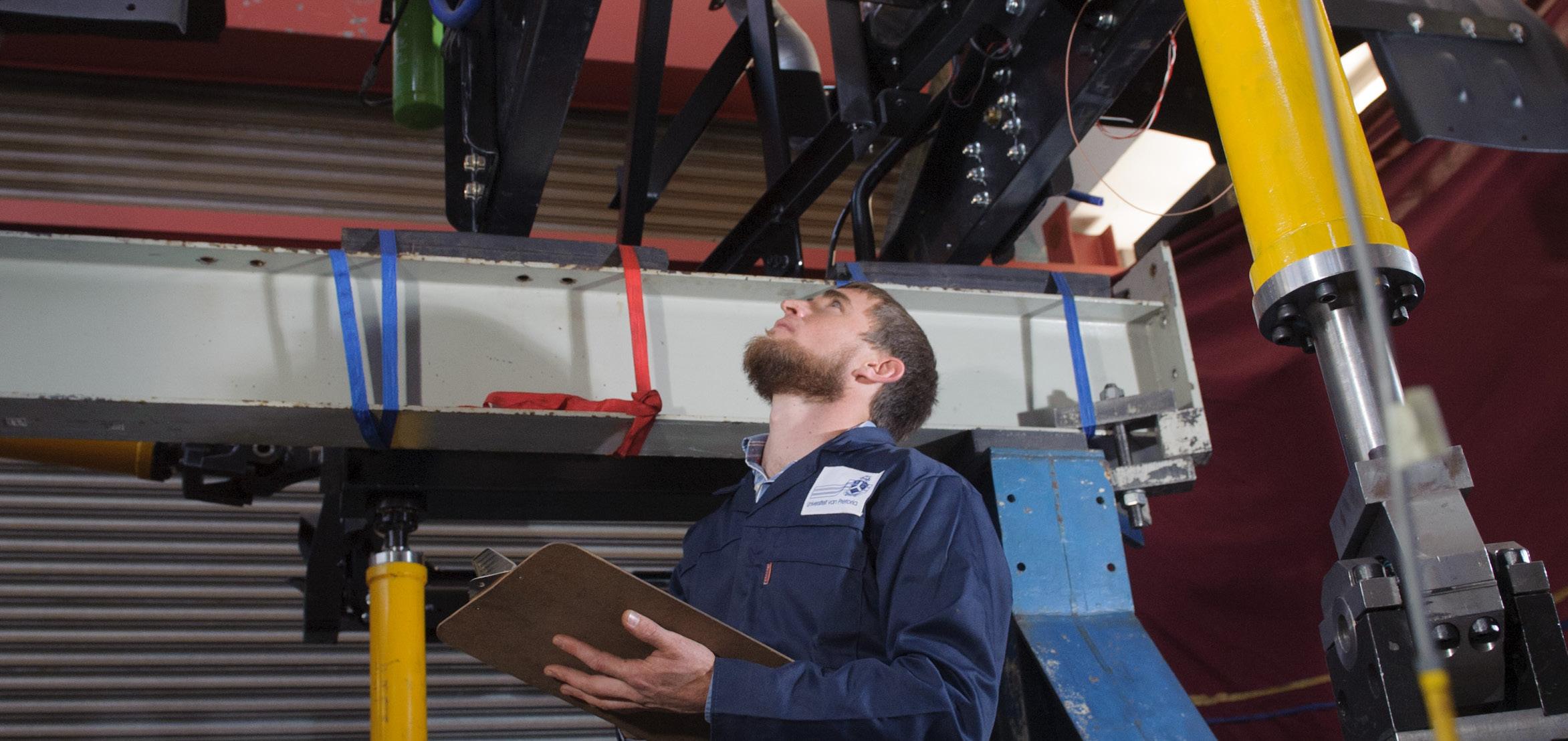
The Department is the largest department of its kind in South Africa. Its students are trained to become top-quality engineers, owing to the Department’s internationally recognised programmes. Its excellent staff and facilities have enabled it to establish various internationally renowned centres of excellence. Research is conducted in the broad fields of asset integrity management, clean energy and vehicle engineering. It conducts collaborative research projects with a number of leading international universities.
Head of Department: Prof JP Meyer
Degree programmes:
• BEng (Mechanical Engineering)
• BEngHons Mechanial Engineering
• BScHons Applied Science with specialisation in mechanics or physical asset management
• MEng Mechanical Engineering
• MSc Applied Science Mechanics
• PhD Mechanical Engineering
• PhD Mechanics
More information:
www.up.ac.za/mechanical-and-aeronauticalengineering
Research focus:
• Asset integrity management
• Pipe integrity
• Plant asset management
• Maintenance engineering
• Aeronautics
• Nuclear and radiation safety
• Clean energy
• Vehicle dynamics
• Thermodynamics
• Mechatronics
• Autonomous aerial vehicles
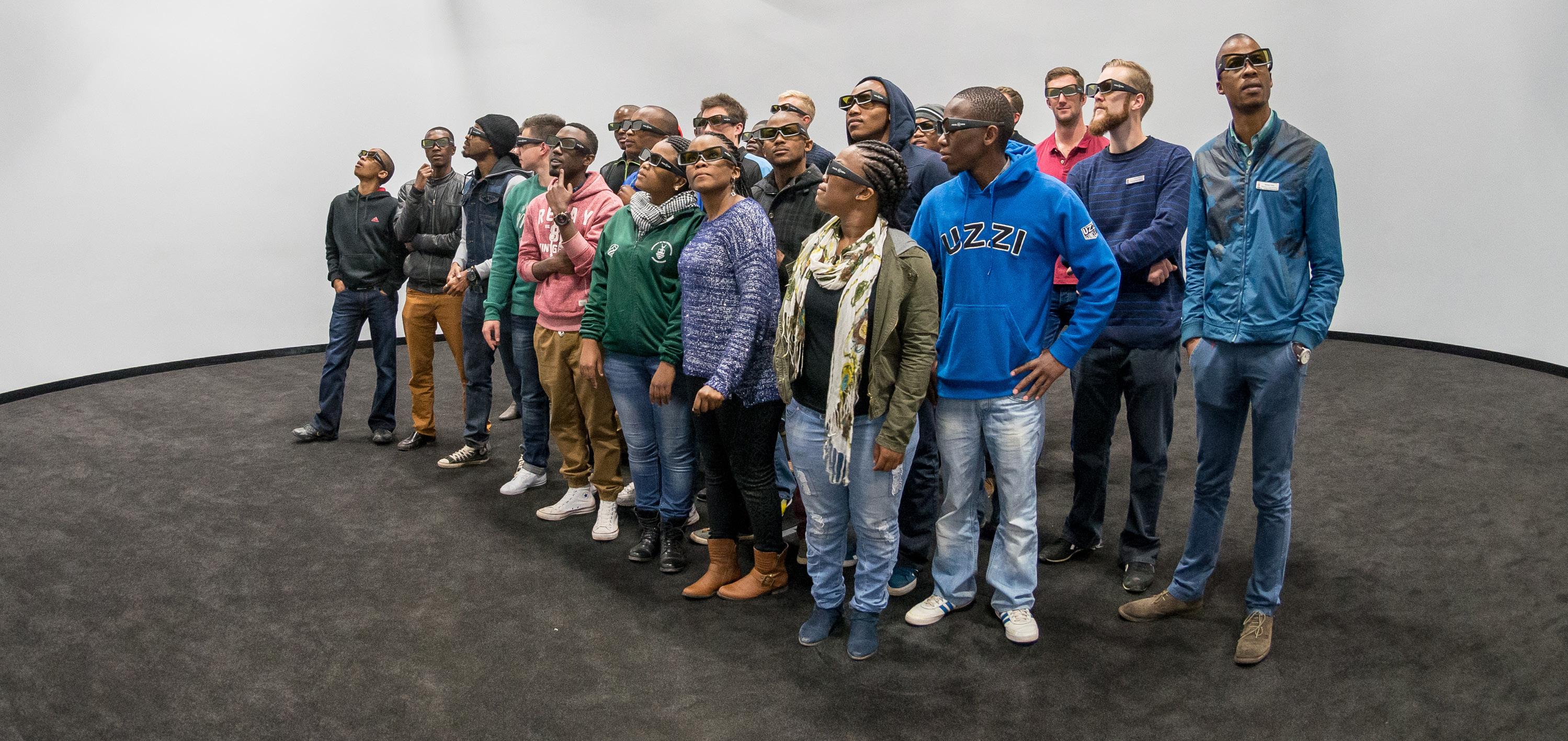
The Department has contributed greatly to the mining industry by providing it with world-class mining engineering leaders. As the mining industry is so diverse, the specialist fields within the mining sphere are numerous. The Department has organised its teaching and research into the following groups: numerical modelling and rock engineering, rock breaking, underground mine design, environmental management, environmental health and safety, mineral economics, and mining management and leadership.
Head of Department: Prof RCW Webber-Youngman
Degree programmes:
• BEng (Mining Engineering)
• BEngHons Mining Engineering
• BScHons Applied Science Mining
• MEng Mining Engineering
• MSc Applied Science Mining
• PhD Mining
• PhD Mining Engineering
More information: www.up.ac.za/mining-engineering
Research focus:
• Safety, health and the environment in the mining industry
• Rock engineering and numerical modelling
• Rock-breaking technology
• Mining resilience
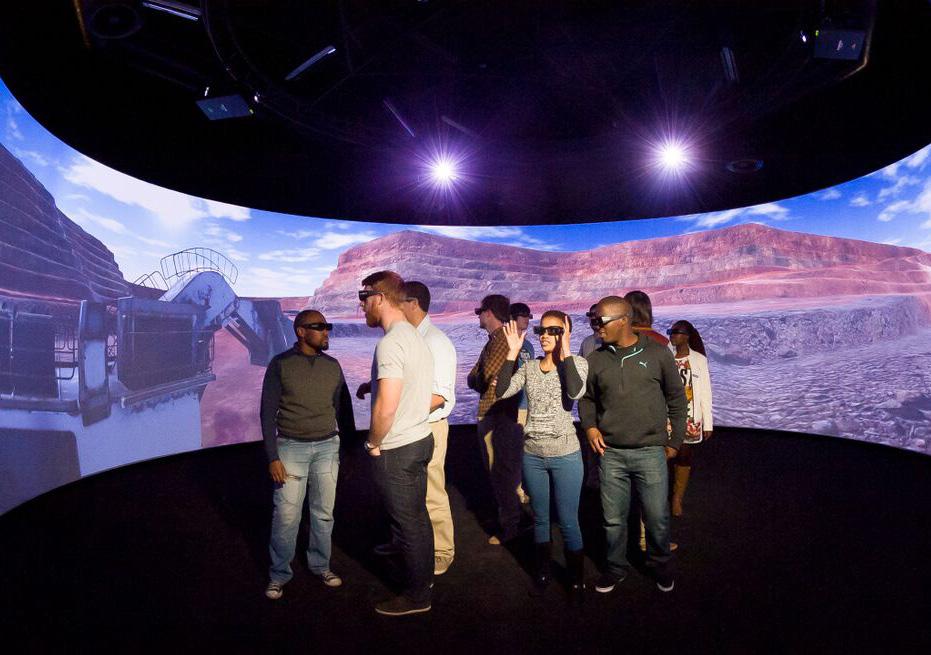
• Virtual reality in the mining industry
Engineering and technology management is a globally evolving discipline. The increasing complexity of engineering systems and activities, the scope and sophistication of resources, as well as advances in technology have all been driving forces in the evolution of this field. The Department of Engineering and Technology Management is a postgraduate department that offers internationally recognised development programmes to address different needs in the fields of technology and innovation management, project management, engineering management and asset management.

Head of Department: Prof E van der Lingen
Degree programmes:
• BEngHons Engineering and Technology Management
• BScHons Engineering and Technology Management
• MEng with various specialisations
• MSc with various specialisations
• PhD with various specialisations
More information: www.up.ac.za/graduate-school-of-technologymanagement
Research focus:
• Technology and innovation management
• Project management
• Engineering management
• Asset management
• Energy management
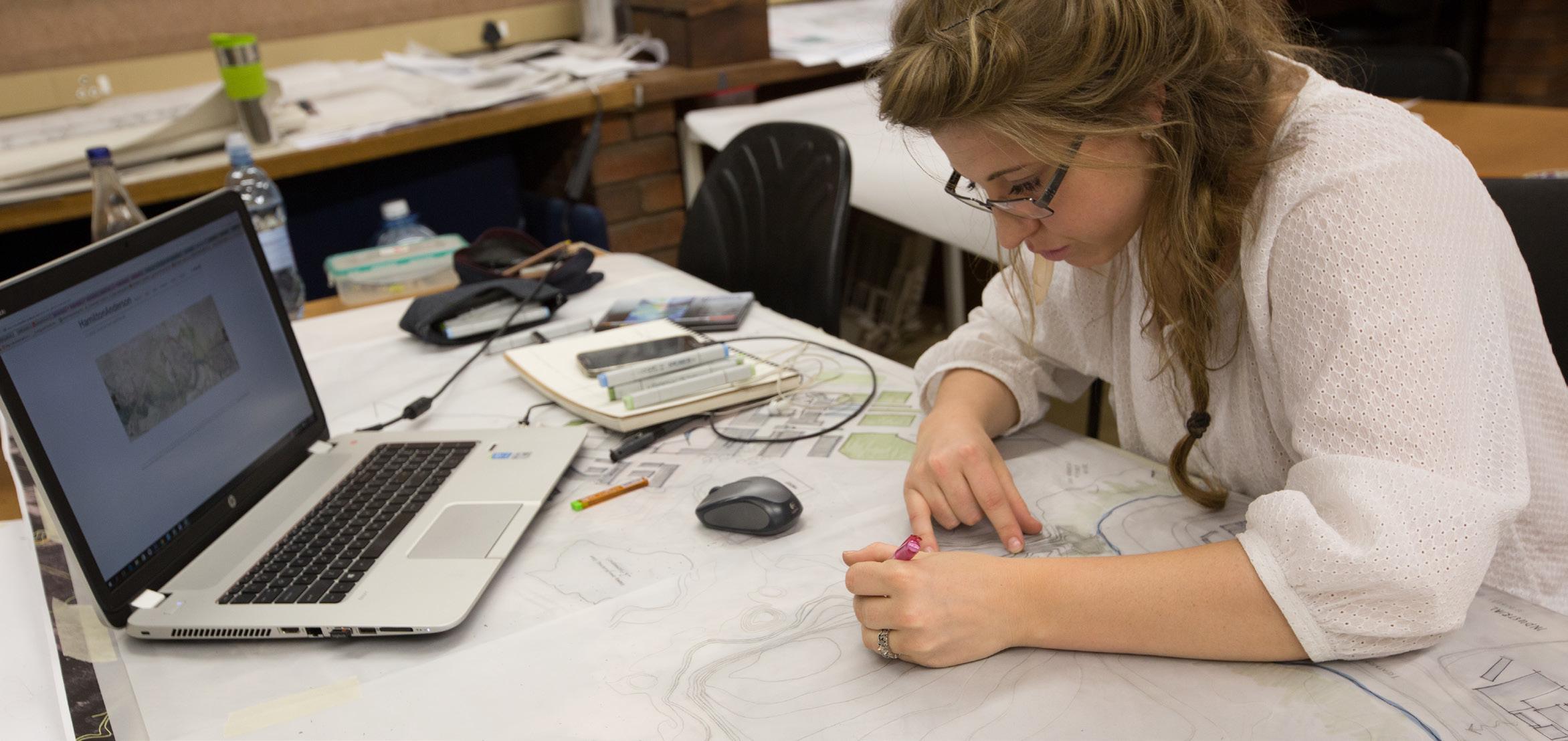
The Department focuses on the design and realisation of meaningful environments for users across varying scales. Programmes are presented in architecture, interior architecture and landscape architecture. These fields of study complement and support each other. The character of the professional degree programmes is derived from the unique synergy of the three fields, and an ecosystemic design approach based on respect for the landscape and cultural context.
Head of Department: Prof C du Plessis
Degree programmes:
• BSc with specialisation in any of the Department’s three fields
• BArchHons with specialisation in any of the Department’s three fields
• BScHons Applied Science Architecture
• Master’s or Professional Master’s degree with specialisation in any of the Department’s three fields
• MSc Applied Science Architecture
• PhD with specialisation in any of the Department’s three fields
More information: www.up.ac.za/architecture
Research focus:
• Environmental potential
• Heritage and cultural landscapes
• Human settlements and urbanism
The Department is a leader in the provision of well-prepared practitioners in the fields of construction and property development, and maintains strong ties with industry-relevant professional associations. It offers programmes in construction management, quantity surveying and real estate. Some of the Department’s most prominent projects relate to building cost indices and whole-life costing in the built environment, and the establishment of a cost model to improve the accuracy of sums insured for residential properties. It also conducts ongoing research related to shopping centres.

Head of Department: Prof B Zulch
Degree programmes:
• BSc with specialisation in any of the Department’s three fields
• BScHons with specialisation in any of the Department’s three fields
• MSc with specialisation in any of the Department’s three fields
• PhD with specialisation in any of the Department’s three fields
More information: www.up.ac.za/construction-economics
Research focus:
• Project, facilities and financial management
• Construction cost databases, escalation and indices, life-cycle costing, and standard documentation in construction
• Property valuation, property economics and property investment
• Construction delay claims
• Green buildings
• Short-term building insurance and building cost modelling
• Contracts and property law
• Construction innovation and procurement
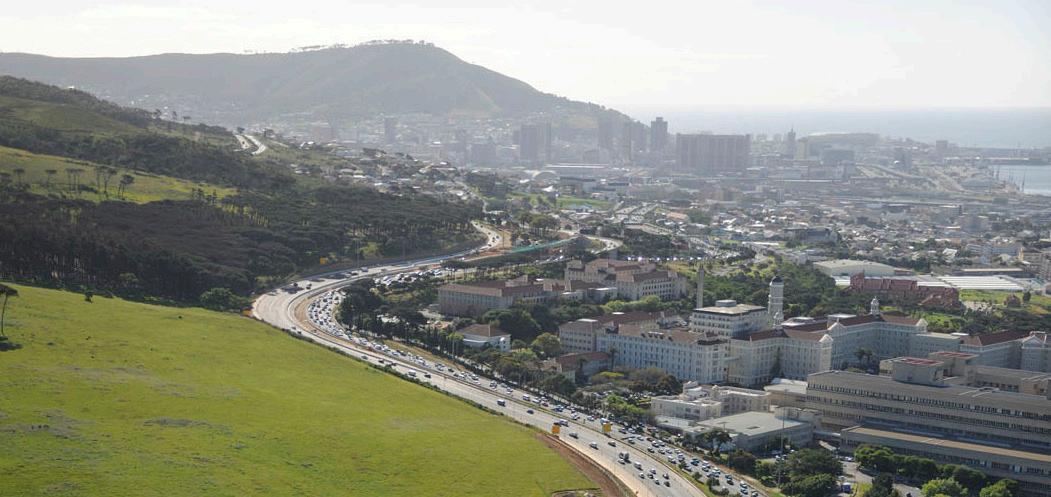
The Department is focused on contributing to the crucially important pursuit of spatial transformation and inclusive economic growth in both urban and rural South Africa. It is a research-driven consulting partner of a wide range of state and non-state entities. These range from The Presidency to provincial governments, research councils and municipalities. This research has contributed to legal and policy preparation and review processes.
Head of Department: Prof M Oranje (Acting)
Degree programmes:
• BTRP – Bachelor of Town and Regional Planning
• MTRP (Research)
• MTRP (Coursework)
• PhD Town and Regional Planning
More information:
www.up.ac.za/town-and-regional-planning
Research focus:
• Environment behaviour studies
• Planning methods and techniques
• Safe and sustainable housing and urban spaces
• Strategic development planning
The Department explores and researches the scientific basis of new technologies, and promotes the proliferation of reliable, robust and innovative computing and information technologies into the IT industry in South Africa. Excellence in computer science education, the development of internationally and nationally recognised research initiatives and strong industry collaboration are the driving factors that underpin the success of the Department. It has made an impact in the areas of artificial intelligence, cybersecurity, digital forensics, computer science education didactics, formal methods and, more recently, data science.

Degree programmes:
• BSc (Computer Science)
• BScHons Computer Science
• MIT Big Data Science
• MSc Computer Science
• PhD Computer Science
More information: www.up.ac.za/computer-science
Research focus:
• Artificial intelligence
• Computer and information security
• Digital forensics
• Computer science education didactics and applications
• System specifications and formal methods
• Software engineering and software architecture
• Data science Head of Department: Prof N Pillay
Informatics is a multidisciplinary subject, where information, information systems and their integration into the organisation are studied for the benefit of the entire system (individual, organisation and community). The Department focuses on contributing to research on the data-driven, user-centred design, development and use of information systems in organisations, education and developing contexts.

Head of Department: Prof C de Villiers
Degree programmes:
• BComHons (Informatics)
• BIT – Bachelor of Information Technology
• BITHons in Information Systems
• Postgraduate Diploma in Digital Innovation
• MCom in Informatics
• MIT in Information Systems
• MIT in Information Communication Technology Management
• PhD in Informatics, Information Systems or Information Technology
More information: www.up.ac.za/informatic
Research focus:
• Information technology management
• Information systems in education
• Information and communication technologies for development (ICT4D)
• Human-computer interaction
• Data science management and applied data science
• Network architecture
Information Science is the study of information – how it is generated, organised, circulated and used in society. In today’s knowledge economy, information is a currency that is shared in written, audio and visual form, and in print and digital formats. The programmes of the Department are unique in South Africa, both in terms of the innovative and up-to-date content, and the combinations with other subjects. The Department offers programmes in information science, multimedia and publishing studies.

Head of Department: Prof AL Dick
Degree programmes:
• BIS with specialisation in any of the Department’s three fields
• BISHons with specialisation in any of the Department’s three fields, including Library Science
• PhD in Information Science, Library Science or Publishing
More information: www.up.ac.za/information-science
Research focus:
• Knowledge management and competitive intelligence
• Information processes
• Meta-context of information
• Book and multimedia publishing studies
• Information ethics
• Virtual reality and user interaction