
2025 SENATE CONFERENCE
Future Africa | 20 & 21 February 2025
RESEARCH FUTURES: IN PURSUIT OF TRANSFORMATIVE IMPACT
PROGRAMME BOOKLET SENATE CONFERENCE
Future Africa
20 & 21 February 2025
RESEARCH FUTURES: IN PURSUIT OF TRANSFORMATIVE IMPACT
The University of Pretoria (UP) seeks to be a leading research-intensive university that contributes meaningfully to transformative societal impact for a shared future. This future is characterised by:
• an environment that enables growth and development, and gives expression to humanity;
• inclusive growth and development with environmental protection and renewal; and
• adaptive systems and resilient ecosystems that enable us to thrive despite shocks and disruptions.
Our national, continental and global landscapes are characterised by complexity. Seeking to make an impact in the face of countless challenges requires us to be in touch with societal and planetary dynamics, and to mobilise coherent actions that create leverage for the required transformational change.
To this end, UP has developed an Integrated Academic Framework to enable the core functions of teaching, learning, research, and engagement to shape the work we do in an institutionally consistent way, while enabling locally relevant translation at faculty and discipline levels.
The 2025 Senate Conference, which focuses on the institutional research function, will serve as a strategic convening of University leadership and as a platform to advance UP’s research framework to develop tangible actions for accelerated and amplified impact.
The conference comprises three components: thought leadership keynotes and talks to set the scene; panel discussions to mobilise interest and enthusiasm in order to push boundaries; and action-orientated strategic conversations that will turn ideas into reality.
THOUGHT LEADERSHIP KEYNOTES AND TALKS
To set the scene for the conference, external and institutional thought leaders will provide a provocative framing of key issues related to the conference theme. These inputs will provoke critical thought and frame strategic conversations. The keynotes and talks will cover the following topics:
• research to advance development in Africa;
• connecting research to funding opportunities;
• research and transformative impact: an ethical perspective; and
• the role of artificial intelligence (AI) in transformative research.
PANEL DISCUSSIONS
Linked to the keynotes and talks, two panel discussions will focus on:
• research for high impact and sustainable funding; and
• transformative research for impact and resilience.
Panellists are drawn from a wide variety of subject fields to bring multiple perspectives to the discussions. The panel discussions are designed to enable broader engagement with conference participants.
STRATEGIC CONVERSATIONS
Strategic breakaway conversations will be held around six key topics that are intended to stimulate thinking and develop tangible recommendations to take forward beyond the conference. The desired outcomes of these conversations are a limited number of concrete and implementable recommendations to address some of the critical institutional challenges that we face in pursuit of transformative impact. The discussions will focus on the following:
• Inspiring young academics to become researchers
• Ensuring that our research has the biggest impact
• Undertaking research to address complex challenges
• Institutional themes to advance UP’s research
• Ensuring the continuity, progressive elaboration and sustainability of our research
• Setting up high-impact strategic partnerships
Delegates will participate in the strategic conversations in groups of about 30. Members will be assigned to the six thematic groups before the conference.
The conversations will be facilitated by two co-leads, who will also be the rapporteurs. To allow for deep engagement, a full hour has been allocated to the strategic conversations.
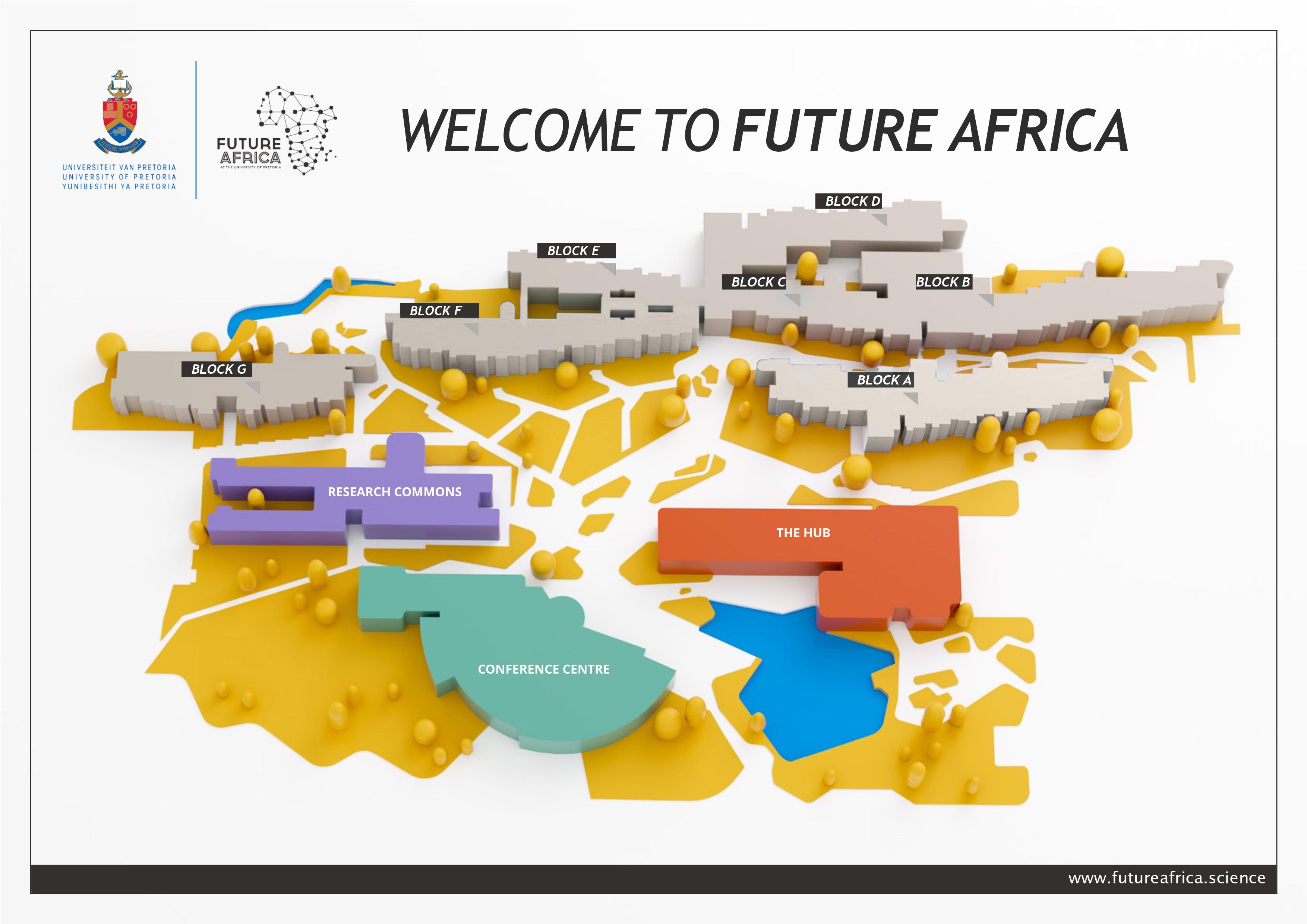
Day 1: 20 February 2025 (12:00 – 18:00, followed by a cocktail function)
Time
12:00 – 13:00 Arrival and registration
13:00 – 13:15 Welcome and introduction
13:15 – 13:25 Overview of the Senate Conference 2025
13:25 – 13:55 Research to advance development in Africa
13:55 – 14:00 Introduction of panel speaker
14:00 – 14:30 Connecting research to funding opportunities
Light buffet lunch is served in the restaurant and attendees register
Opening remarks
Setting the context; keynote speaker introduced
Keynote address
Short introduction
Lead address for panel discussion
14:30 – 15:30 Research for high-impact and sustainable funding
Panel discussion
Panel lead: Dr Marinda Visser, IA@UP
Not applicable The Hub restaurant
Prof Francis Petersen, Vice-Chancellor and Principal Auditorium
Prof Sunil Maharaj, Vice-Principal
Prof Ernest Aryeetey, Founding Secretary-General, ARUA
Prof Loretta Feris, Vice-Principal
Ms Eudy Mabuza, senior science and innovation representative, Brussels
Department of Science and Innovation Auditorium
Prof De Wet Swanepoel, Humanities
Prof Ericka Noelle L’Abbé, Health Sciences
Prof Wanda Markotter, Future Africa Institute
Prof Roula Inglesi-Lotz, EMS
Prof Nathaniel Boso, GIBS
15:30 – 16:00 Tea break Refreshments served Outside the auditorium
16:00 – 16:05 Introduction of panel speaker
16:05 – 16:35 Research and transformative impact: an ethical perspective
16:35 – 17:35 Transformative research for impact and resilience
Short introduction
Lead address for panel discussion
Panel discussion
Panel lead: Prof Innocent Pikirayi, Humanities
17:35 – 18:00 Reflections on the day Open discussion
18:00 – 19:30 Closing, followed by a cocktail function
Cocktail function
Prof Themba Mosia, Vice-Principal Auditorium
Judge President Dunstan Mlambo, Judge President of the Gauteng Division of the High Court
Prof Mike Sathekge, Health Sciences
Prof Bernard Slippers, FABI
Prof Liesel Ebersöhn, Education
Prof Helena Barnard, GIBS Auditorium
Prof Brenda Wingfield, NAS Auditorium
Prof Francis Petersen The Hub restaurant
Day 2: 21 February 2025 (08:00 – 13:00)
08:00 – 08:30 Arrival and registration Attendees to register; refreshments served Not applicable
08:30 – 08:40 Welcome and introduction Welcome remarks; keynote speaker introduced
08:40 – 09:20 The role of AI in transformative research
09:20 – 09:25 Setting the context for breakaway sessions
Keynote address
09:25 – 09:40 Participants relocate to breakaway venues for sessions (as specified below) Relocate to venues
Francis Petersen
Prof Graham Kendall, Deputy Vice-Chancellor of Research & Enterprises, MILA University, Malaysia
09:40 – 10:40 Inspiring young academics to become researchers
09:40 - 10:40 Ensuring that our research has the biggest impact
09:40 – 10:40 Undertaking research to address complex challenges
09:40 – 10:40 Institutional themes to advance UP’s research
09:40 – 10:40 Ensuring the continuity, progressive elaboration and sustainability of our research
09:40 – 10:40 Setting up high-impact strategic partnerships
10:40 – 10:50
interactive conversations
Margaret Chitiga-Mabugu Prof Tiaan de Jager
Morris Mthombeni
MEET THE SPEAKERS
UP EXECUTIVE
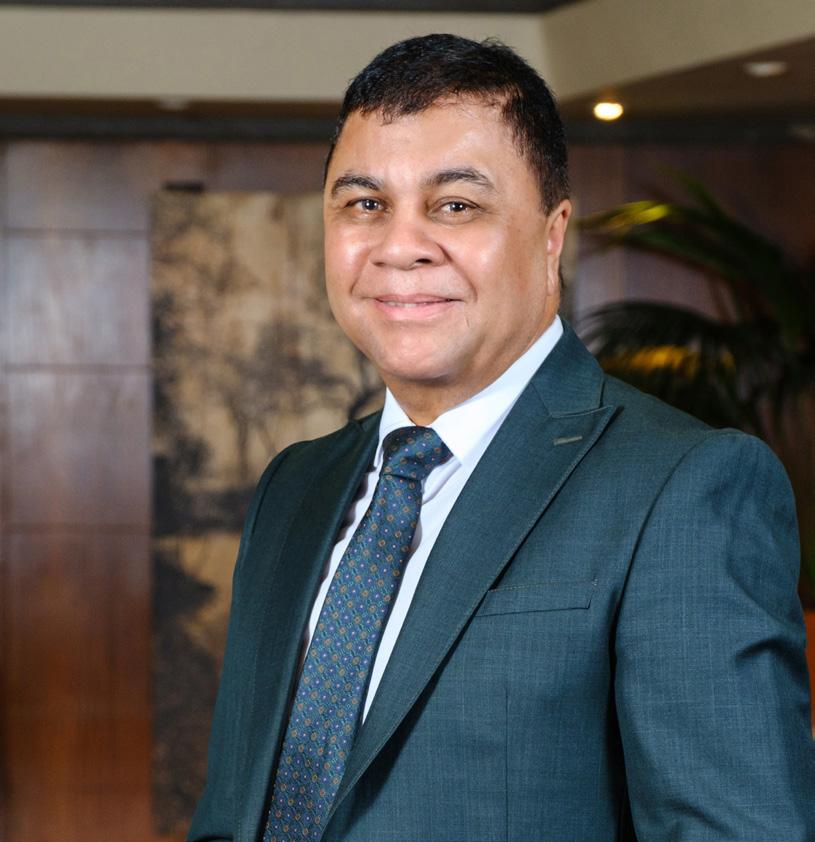
PROF FRANCIS PETERSEN
Prof Francis W Petersen is the Vice-Chancellor and Principal of UP, and a visionary leader in the South African higher education sector. He has held prominent positions as Vice-Chancellor and Principal of the University of the Free State and Deputy Vice-Chancellor of the University of Cape Town. Prof Petersen holds a PhD in Engineering from Stellenbosch University. His international speaking engagements include international conferences, where he has contributed to the global discourse on higher education and research. He is Chairperson of the Board of Directors of Universities South Africa.
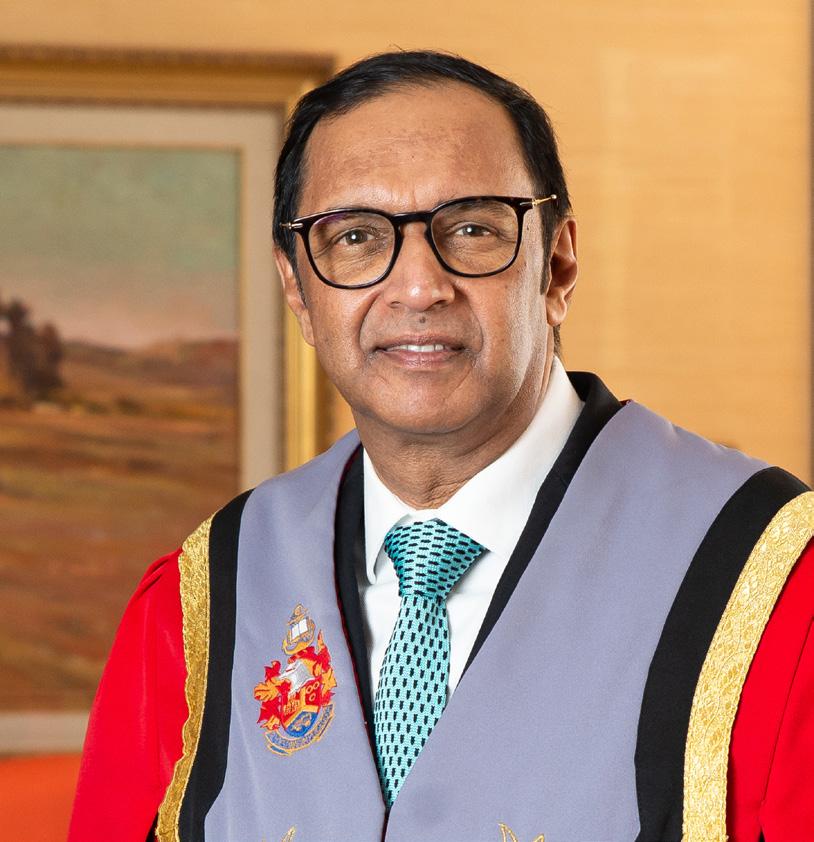
PROF SUNIL MAHARAJ
Prof Sunil Maharaj has served as the Vice-Principal for Research, Innovation and Postgraduate Education at UP since August 2022. He was Dean of the Faculty of Engineering, Built Environment and Information Technology from 2014 to 2022. Prof Maharaj is a registered professional engineer with the Engineering Council of South Africa, and has more than 33 years of experience spanning industry, academia and consulting. He is a Fellow of several prestigious institutions, including the South African Academy of Engineering. In 2021, he was elected as Chair of the Global Engineering Deans Council, becoming the first African to hold this position.
Prof Maharaj’s research expertise lies in 5G cognitive radio sensor networks, OFDM-MIMO systems and edge computing. His contributions to rural broadband and fifth-generation communication technologies earned him the distinction of being the first African to receive an honorary Doctorate of Philosophy from Malmö University in Sweden. This honour recognises his groundbreaking work on reliable communication technologies for underserved, remote regions in sub-Saharan Africa.
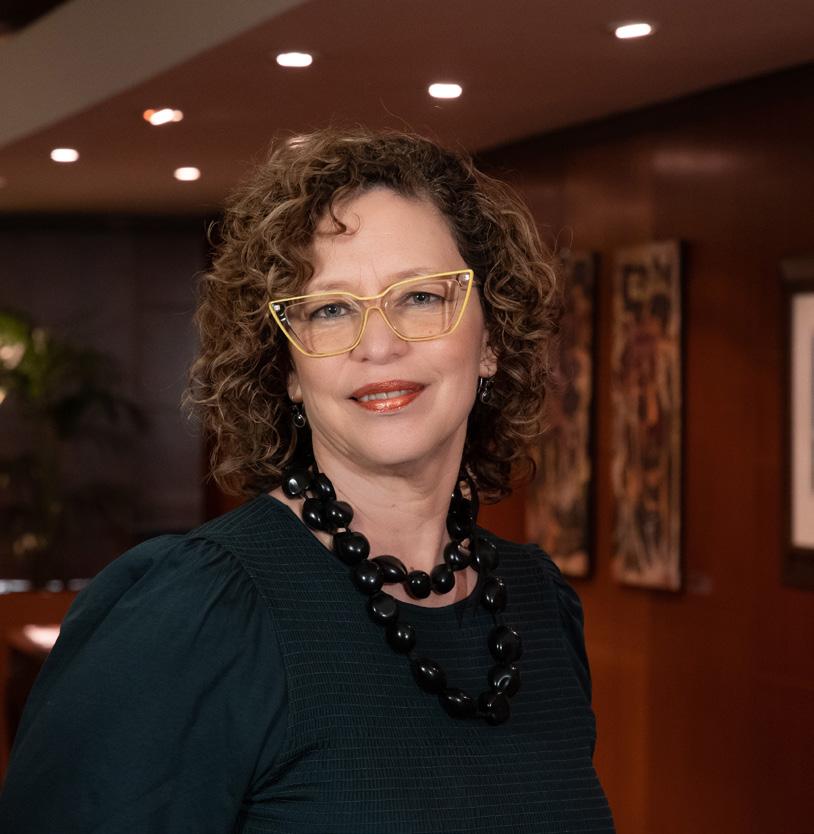
PROF LORETTA FERIS
Prof Loretta Feris is the Vice-Principal: Academic at UP, with responsibility for all nine faculties, UP’s Gordon Institute of Business Science as well as the University’s Mamelodi campus. She holds the portfolios for undergraduate teaching and learning, comprehensive online education (undergraduate and postgraduate) and quality assurance. Before joining UP, Prof Feris was Deputy Vice-Chancellor for Transformation, Student Affairs and Social Responsiveness at the University of Cape Town from 2017 to 2021. She briefly joined UP’s Faculty of Law in 2022 as a professor of environmental law, where she established the Centre for Environmental Justice in Africa.
Prof Feris holds BA (Law), LLB and LLD degrees from Stellenbosch University and an LLM from Georgetown University in the US.
She is an inter-and transdisciplinary scholar, and has published widely in environmental law, environmental justice, environmental human rights and indigenous knowledge systems. She is the executive producer of the film Vroedvrou, which shines a spotlight on traditional midwives in the Northern Cape. Prof Feris has also taught and published in the area of trade and environmental law, and has delivered several keynote presentations at both international and national conferences. She is a regular contributor in popular media.
Prof Feris is a council member of the Academy of Science of South Africa and serves on the Steering Committee of the University Social Responsibility Network; is a Law Commissioner of the World Conservation Union; and a member of the International Union for Conservation of Nature’s Academy of Environmental Law, where she served on the teaching and capacity-building committee for three years. Additionally, she was co-Chair of the International Association of Research Universities Gender Group (2018 to 2021), and served on the board of the South African Maritime Safety Authority between 2010 and 2013. Prof Feris has collaborated with international institutions such as the United Nations Environmental Programme, BRICS and the World Bank, and has acted as an advisor for government, corporations and non-profit organisations.
She has always maintained a strong relationship with civil society. She is Chair of the board of Natural Justice, a non-profit organisation that focuses on social and environmental justice in Africa, and is a board member of Biowatch, a non-profit that works with small-scale farmers to promote agroecology.
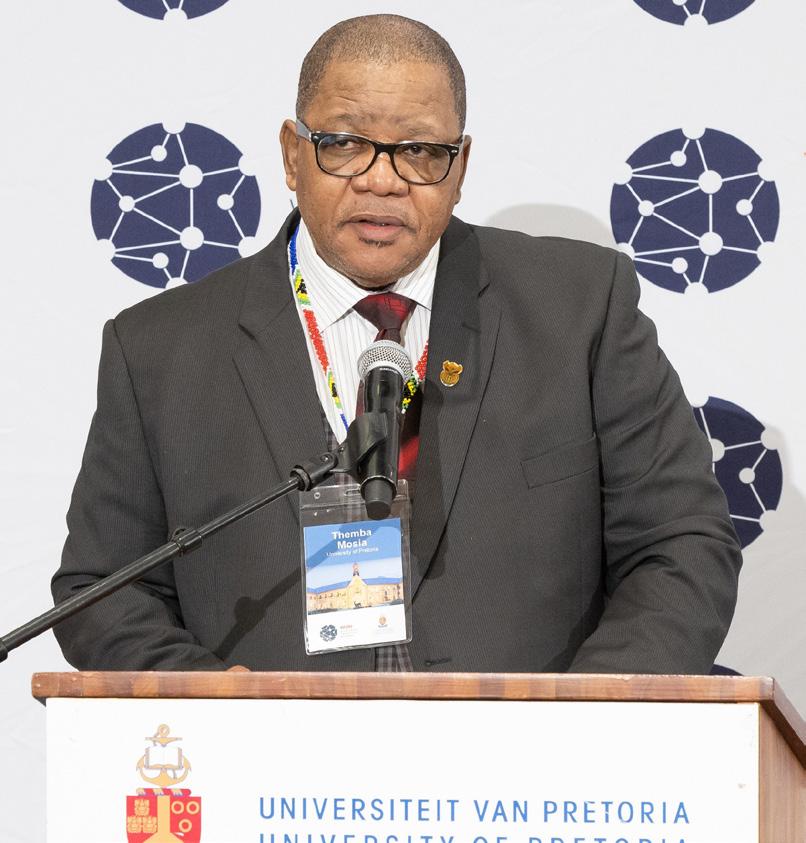
PROF THEMBA MOSIA
Prof Themba Mosia is the Vice-Principal of UP; he was also the most recent Interim Vice-Chancellor and Principal of the University. He holds a PhD in Policy Studies, specialising in Governance, and obtained his university qualifications both in South Africa and the US.
Prof Mosia has served the academic enterprise in several capacities over more than four decades, including in teaching/ lecturing and international relations; as a head of department, a registrar at various universities, a dean, a deputy vicechancellor/vice-principal; as General Manager of the Health Professions Council of South Africa; and as Interim Chair of the National Student Financial Aid Scheme. He also served as an administrator and as Vice-Chancellor of one of South Africa’s largest universities.
Prof Mosia has presented workshops for university councils, having collaborated with the Department of Higher Education and Training for Chairs and deputy Chairs of councils; he continues to perform this function. He is among five authors of the Guidelines for Good Governance Practice and Governance Indicators for Councils of South African Public Higher Education Institutions.
Prof Mosia’s academic expertise is in quality assurance, governance and health sciences education, and he has performed institutional assessments, audits and accreditation in several countries. He was appointed as an Expert Advisor to the Commission of Inquiry into the Feasibility of Fee-Free Higher Education in South Africa. He served as Chairperson of the Council on Higher Education for two terms, and for various other international networks.
Prof Mosia frequently speaks at national and international conferences and meetings, and is fulfilled by the leadership training of students.
KEYNOTE SPEAKERS
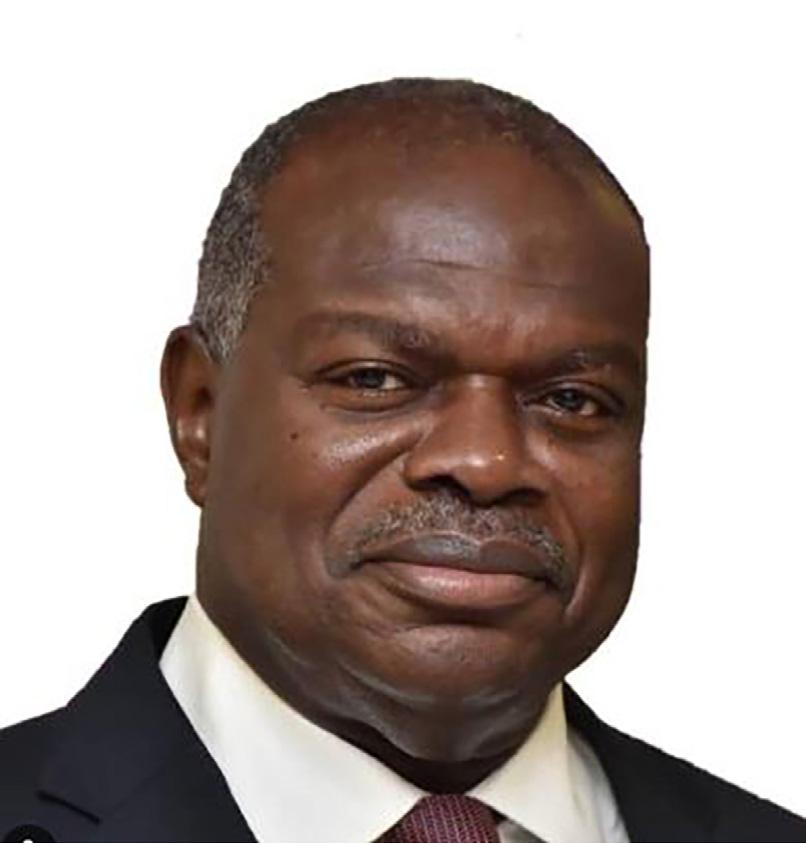
PROF ERNEST ARYEETEY
Prof Ernest Aryeetey is the former Secretary-General of the African Research Universities Alliance (ARUA), a network of 16 flagship universities in Africa. He is a professor of economics and former Vice-Chancellor of the University of Ghana (2010 to 2016). He was also Director of the Institute of Statistical, Social and Economic Research at the University of Ghana and the first Director of the Brookings Institution’s Africa Growth Initiative in Washington, D.C. Prof Aryeetey is a recipient of two honorary degrees, from the University of Sussex (2017) and Lund University (2020).
One of his strategic priorities as Vice-Chancellor of the University of Ghana was to develop the university into a researchintensive institution that supports structural transformation in Ghana and Africa. He led his colleagues to engage in building many new research and graduate programmes that aim to advance knowledge and promote scientific and national development.
Prof Aryeetey’s research focuses on the economics of development, with an interest in institutions and their role in development, regional integration, economic reforms and financial systems in support of development and small-enterprise development. He is widely known for his work on informal finance and microfinance in Africa. Among his many publications are Financial Integration and Development in Sub-Saharan Africa (Routledge, 1998) and Economic Reforms in Ghana: The Miracle and the Mirage (James Currey, 2000). His publication with Ravi Kanbur, The Economy of Ghana Sixty Years after Independence (Oxford University Press, 2017), is one of his best-known works.
Prof Aryeetey has held academic appointments at the School of Oriental and African Studies in London, and at Yale University and Swarthmore College in the US. He was a member of the Governing Council of the United Nations University (UNU) from 2016 to 2019, and was Chair of the governing board of the UNU World Institute for Development Economics Research in Helsinki, Finland. He was also a member of the governing board of the Centre for Development Research at the University of Bonn in Germany until September 2020. Prof Aryeetey served as a Resource Person and a member of the Programme Committee of the African Economic Research Consortium (AERC) in Nairobi for many years. He serves as board Chair of AERC, and is a member of the board of trustees of the Institute of Development Studies in Sussex and of the SCOR Board of the UK Collaborative on Development Research. Until December 2021, he was board Chair of Stanbic Bank Ghana Limited.
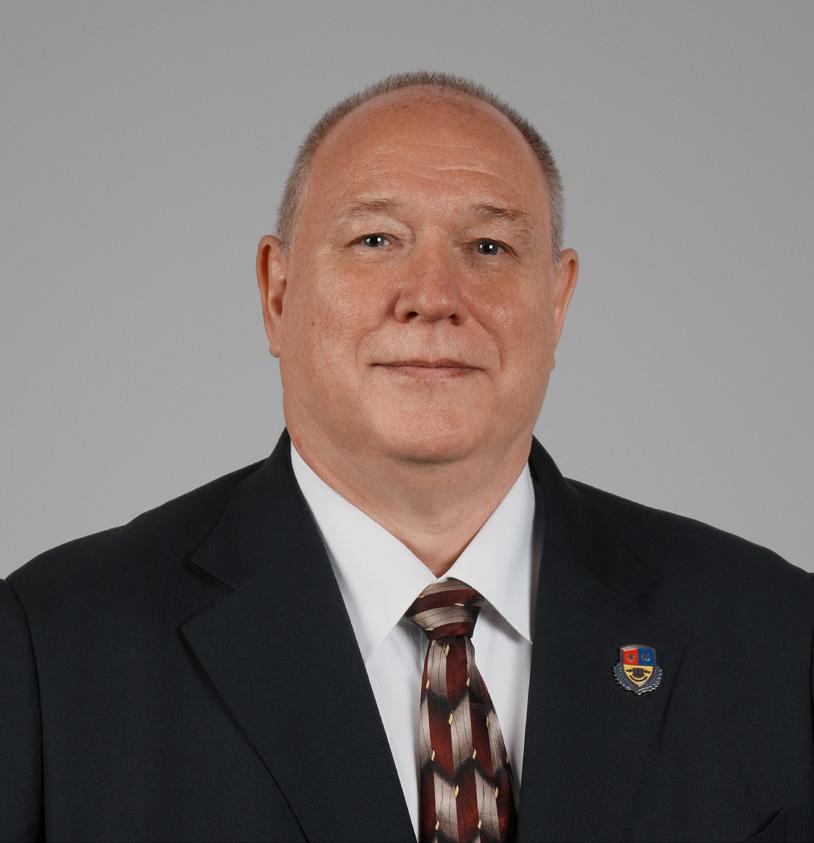
PROF GRAHAM KENDALL
Prof Graham Kendall is Deputy Vice-Chancellor of Research and Enterprise at MILA University in Malaysia. He was ViceProvost for Research and Knowledge Exchange at the University of Nottingham Malaysia from 2011 to 2016, and headed the campus as Provost/CEO (2016 to 2021). He was also a Pro-Vice-Chancellor of the (global) University of Nottingham. When he left the university in 2021, he was made an emeritus professor. Before moving to Malaysia in 2011, Prof Kendall was a professor of computer science at the University of Nottingham. He completed his PhD at Nottingham (1997 to 2000) and took on an academic role partway through his PhD. He worked for the University of Nottingham for over 20 years, splitting his time almost equally between the UK and Malaysia.
He has a first-class degree in Computation from the University of Manchester’s Institute of Science and Technology (1994 to 1997). Prof Kendall began his career as a computer operator, before going on to hold senior positions in the information technology sector and going to university as a mature student in 1994. He’s been a Fellow of both the British Computer Society and the Operational Research Society. He holds honorary and distinguished professorial positions at universities in Hong Kong and India. His research is focused on solving real-world problems through the use of operations research, and utilising artificial intelligence methods that are based on Charles Darwin’s principles of natural evolution.
Prof Kendall has written about 300 peer-reviewed papers and served on several editorial boards. He has been the editor-in-chief of IEEE Transactions of Computational Intelligence and AI in Games and an associate editor of the Journal of the Operational Research Society. He recently developed an interest in publication ethics and bibliometrics, including predatory publishing.
PANEL LEAD SPEAKERS
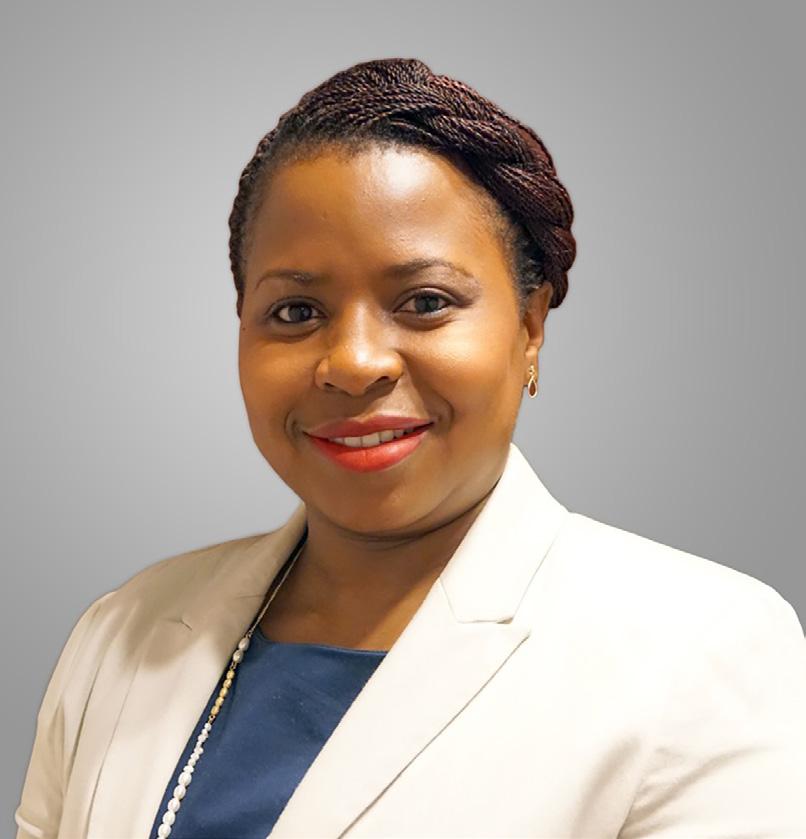
MS EUDY MABUZA
Ms Eudy Mabuza has almost 20 years of experience in the public sector, engaging and negotiating with international agencies to increase bilateral science, technology and innovation (STI) investments in the South African science system, and marketing the country as a preferred science destination. She deals with a wide range of policy issues related to science and innovation, as well as specific innovative initiatives.
Ms Mabuza serves as Minister Counsellor: Science & Innovation at the South African Mission in Brussels, where she’s been seconded to by the Department of Science and Innovation. She is responsible for managing and strengthening STI collaboration between South Africa and the European Union and its member states at a bilateral level. Ms Mabuza served as the Chief of Staff to the Minister of Higher Education, Science and Innovation, and as Minister Counsellor: Science & Technology for five and a half years in Japan.
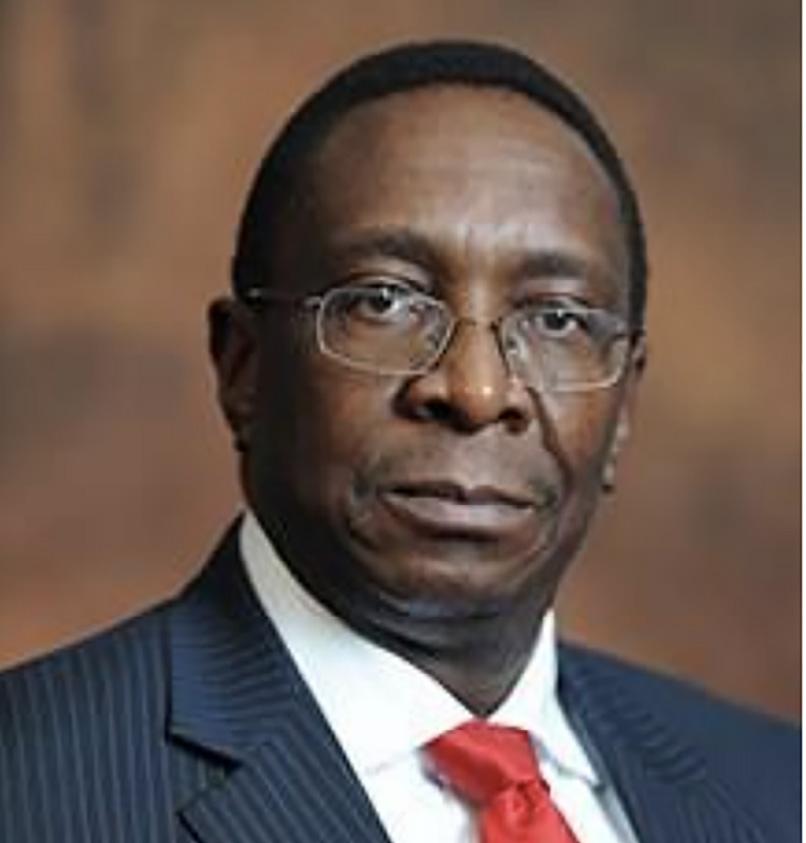
JUDGE PRESIDENT DUNSTAN MLAMBO
Judge President Dunstan Mlambo leads the Gauteng High Court in Johannesburg and Pretoria, managing South Africa’s largest and busiest high court system. He began his legal career as a public interest and trade union attorney, later joining Bowman Gilfillan, and ultimately founding his own firm, Mlambo & Modise Attorneys. Judge Mlambo’s judicial career advanced from the labour court to the Gauteng High Court and the Supreme Court of Appeal. He’s known for his leadership, particularly during the COVID-19 pandemic, when he introduced directives that maintained court operations effectively.
His innovative measures include implementing digital case management systems Caselines and CourtOnline, and revitalising the commercial court in Johannesburg. Judge Mlambo’s judicial contributions are notable, with significant rulings in highprofile cases. In addition to his extensive experience and leadership, he has presided over several matters that involve the interpretation of the Constitution, in the high court and in the Labour Appeal Court. He also served as Justice of the Constitutional Court in 2022.
PANEL 1 DISCUSSANTS
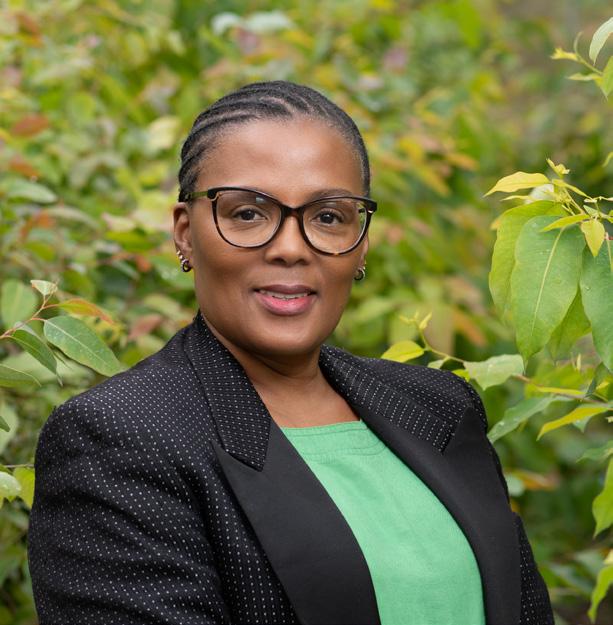
DR MARINDA VISSER
Dr Marinda Visser is Director of Strategic Projects and Partnerships in Agriculture at Innovation Africa@UP. She also manages the National Biosecurity Hub on behalf of the national Department of Agriculture. She began her career as a senior plant pathologist at the Agricultural Research Council, and has held the roles of Chief Director of Plant Production and Health, and Director of Plant Health at the Department of Agriculture. Her more than 20 years of experience in the agricultural industry included 13 years at a senior leadership level, during which time, she gained extensive knowledge in the fields of agricultural research and policy.
Dr Visser headed the Grain SA Research and Policy Unit, where her responsibilities included research and development, conservation agriculture, and all regulatory and policy aspects for the South African grain industry. She led the development of significant national research networks and platforms that connect universities, industries and government departments. She also launched a capacity-building initiative for black South Africans who are furthering their studies in agricultural research.
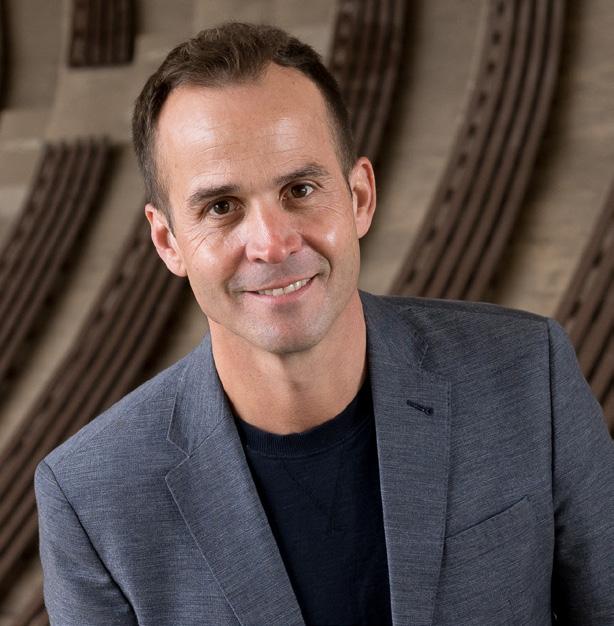
PROF DE WET SWANEPOEL
Prof De Wet Swanepoel is a professor of Audiology at UP and adjunct professor in otolaryngology-head and neck surgery at the University of Colorado’s School of Medicine in the US. His research capitalises on digital technologies to explore, develop and evaluate innovative solutions and service-delivery models for access to ear and hearing care.
Prof Swanepoel has published more than 300 peer-reviewed articles, as well as books and book chapters. His research is funded by the National Institutes of Health, the UK Academy of Medical Sciences and industry. He is editor-in-chief of the International Journal of Audiology, and founder of digital health company hearX group.
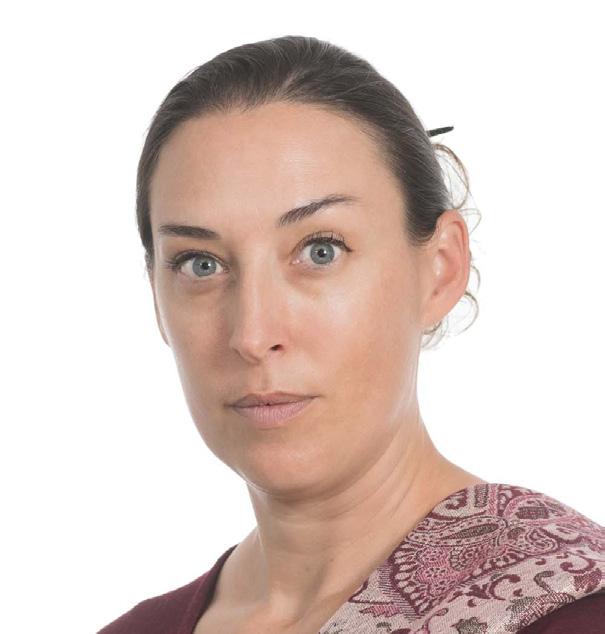
PROF ERICKA NOELLE L’ABBÉ
Prof Ericka Noelle L’Abbé is a biological/forensic anthropologist in the Department of Anatomy at UP and Director of the Forensic Anthropology Research Centre. She teaches courses in human osteology, human evolution and forensic anthropology, and mentors several MSc and PhD students. She has more than 65 publications in ISI-indexed journals and edited a book on forensic taphonomy.
Her research focuses on bone trauma and the biological profile, and she regularly consults on forensic anthropology cases for the South African Police Services. Over the past six years, Prof L’Abbé has coordinated two Erasmus+ capacitybuilding projects, marking the first time that UP has served as the project coordinator of a European Union grant. Her team developed Africa’s first digital repository of human skeletal remains and 3D-printed the continent’s first complete human skeleton for educational use.
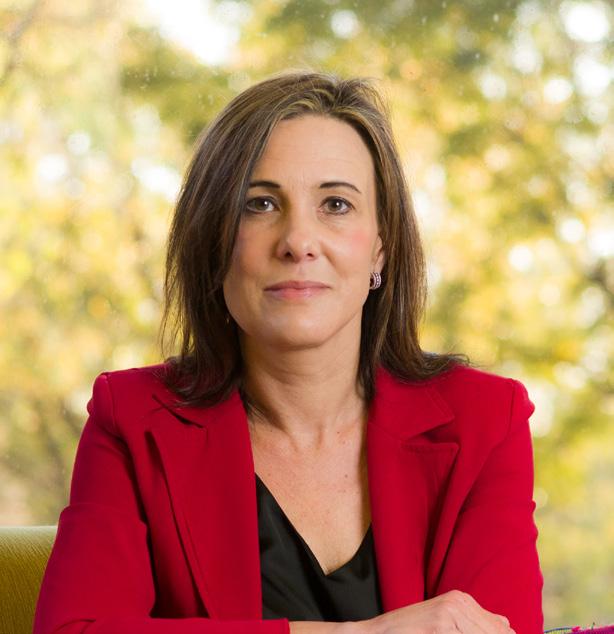
PROF WANDA MARKOTTER
Prof Wanda Markotter holds a PhD in Virology, and her research focuses on the prevention of spillover of bat pathogens in Africa. She is Director of the Centre for Viral Zoonoses in UP’s Department of Medical Virology in the Faculty of Health Sciences. Since January 2016, she has been the Department of Science and Innovation-National Research Foundation South African Research Chair in Infectious Diseases of Animals (Zoonoses), and in 2021, she was appointed as a Research Chair in People, Health and Places (One Health) at UP’s Future Africa Institute, where she is also Interim Director.
Additionally, Prof Markotter is co-Chair of the One Health High-Level Expert Panel, which advises the World Health Organization, World Organisation for Animal Health, Food and Agriculture Organisation of the United Nations, and the United Nations Environment Programme. She was recently awarded a National Research Foundation B1 rating.

PROF ROULA INGLESI-LOTZ
Prof Roula Inglesi-Lotz of the Faculty of Economic and Management Sciences (EMS) at UP specialises in energy economics, energy policy and the socio-economic impacts of energy systems. Her research focuses on the just energy transition, energy poverty and policy design. She has an extensive publication record in leading academic journals and has contributed significantly to advancing energy economics from editorial positions in top journals.
In 2024, she won the HERS-SA Higher Education Women Leaders Award in the Women in Humanities and Social Science category and the South African National Energy Association’s Upliftment through Education Award. She has a C1 rating from the National Research Foundation, and is Vice-President of Membership and Affiliate Affairs at the International Association for Energy Economics. She is also the EMS Energy Economics Research Unit co-leader, and was co-Chair of the South African Young Academy of Science (2020) and Global Young Academy (2021 and 2022).
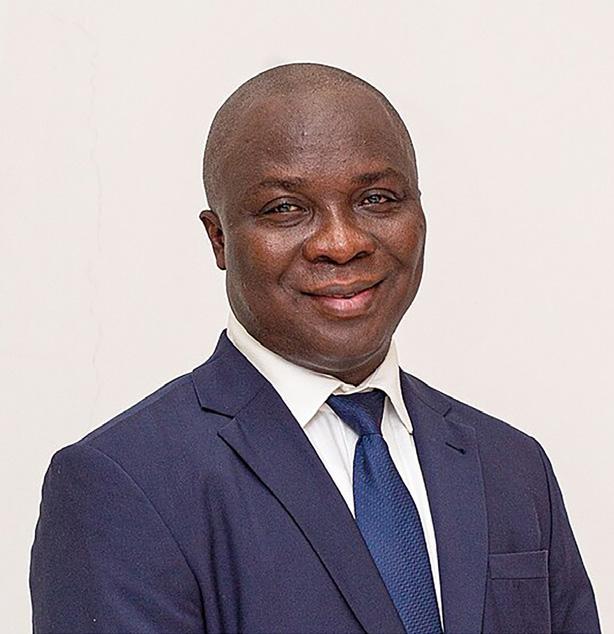
PROF NATHANIEL BOSO
Prof Nathaniel Boso is Director of Research at UP’s Gordon Institute of Business Science (GIBS). Prior to joining GIBS, he served as Dean at Kwame Nkrumah University of Science and Technology and the School of Business in Ghana, and as an associate professor at the University of Leeds in the UK. He holds a Bachelor of Science in Business Administration from the University of Ghana, a Master of Science in Industrial Marketing from Umea University in Sweden, and a PhD in Entrepreneurship and Industrial Marketing from Loughborough University in the UK.
Prof Boso is a consulting editor for the Journal of International Business Studies, a senior editor at the International Business Review and an associate editor at the International Marketing Review and African Journal of Management
PANEL 2 DISCUSSANTS
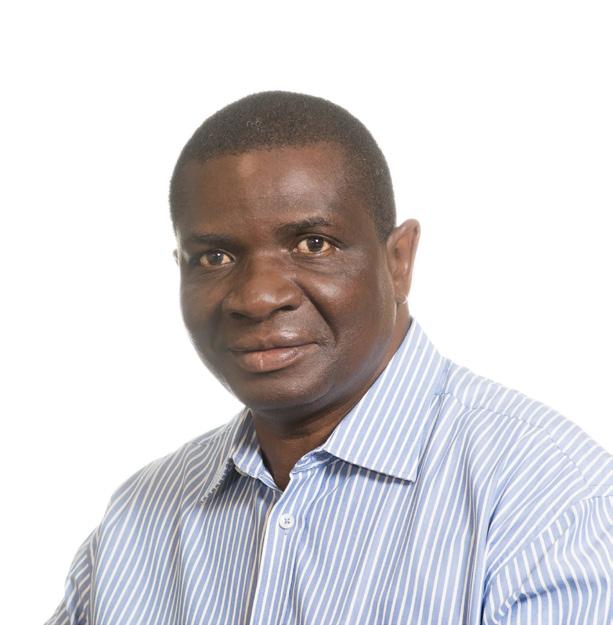
PROF INNOCENT PIKIRAYI
Prof Innocent Pikirayi is a professor of archaeology and the Deputy Dean for Research and Postgraduate Studies in UP’s Faculty of Humanities. He is an honorary research associate of the McDonald Institute and a Dunbarney Visiting Fellow at Magdalene College, University of Cambridge. His research focuses on the development of complex societies in Southern Africa since 1000 AD. He is conducting geoarchaeological investigations of Great Zimbabwe to document the city’s water resources and to understand the role of water in the development of African civilisations. He uses historic ecology to engage with human-environmental relations in parts of sub-Saharan Africa such as Mount Kilimanjaro to understand the present human condition better.
Since 2017, Prof Pikirayi has been an ambassador for Antiquity: A Review of Archaeology, developing locally relevant strategies to mentor early-career researchers in Africa. He is a member of the World Archaeological Congress, the Shanghai Archaeological Forum, and the Integrated History and Future of People on Earth. In 2020, he was admitted to the Royal Society of South Africa and the Academy of Science South Africa. Prof Pikirayi has a B1 rating from the National Research Foundation.
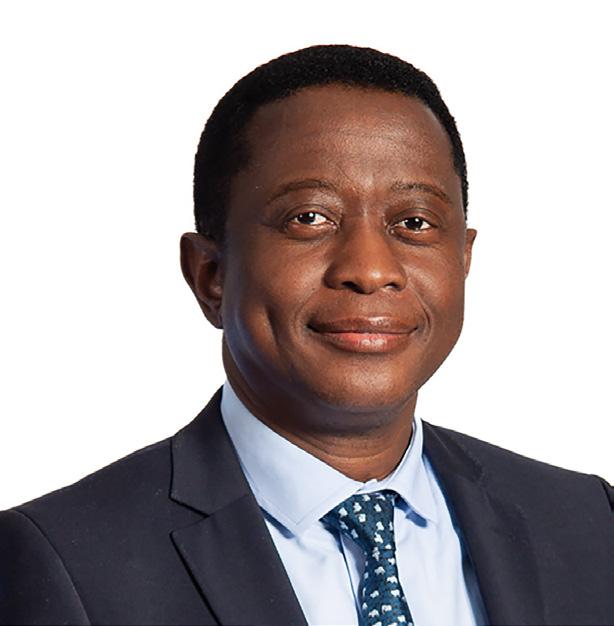
PROF MIKE SATHEKGE
Prof Mike Sathekge is Head of Nuclear Medicine at UP and Steve Biko Academic Hospital. He is also President and CEO of the Nuclear Medicine Research Infrastructure facility in South Africa. Prof Sathekge has published more than 290 peer-reviewed articles, excluding abstracts and book chapters. He is a global leader in targeted alpha therapy of prostate cancer and heads the International Atomic Energy Agency’s anchor centre for cancer care initiative Rays of Hope. He is the editor-in-chief of Seminars in Nuclear Medicine and Chair of the Africa Health Research Institute. Prof Sathekge has received several scientific honours and awards
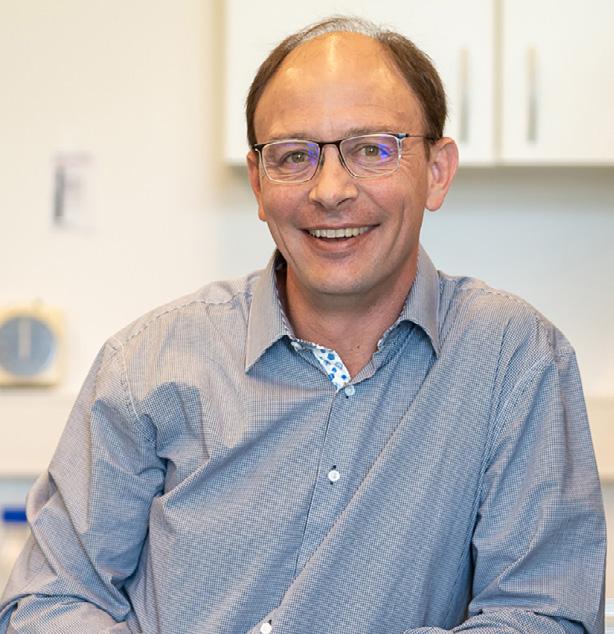
PROF BERNARD SLIPPERS
Prof Bernard Slippers is the Director of the Forestry and Agricultural Biotechnology Institute, and a professor in the Department of Biochemistry, Genetics and Microbiology at UP. He studies the interactions between organisms that affect plant health in a changing global context, and uses molecular, chemical and sensor technologies to develop precision pest management tools. Prof Slippers has published more than 350 papers, books and book chapters, and has trained more than 100 PhD and MSc candidates and postdoctoral fellows.
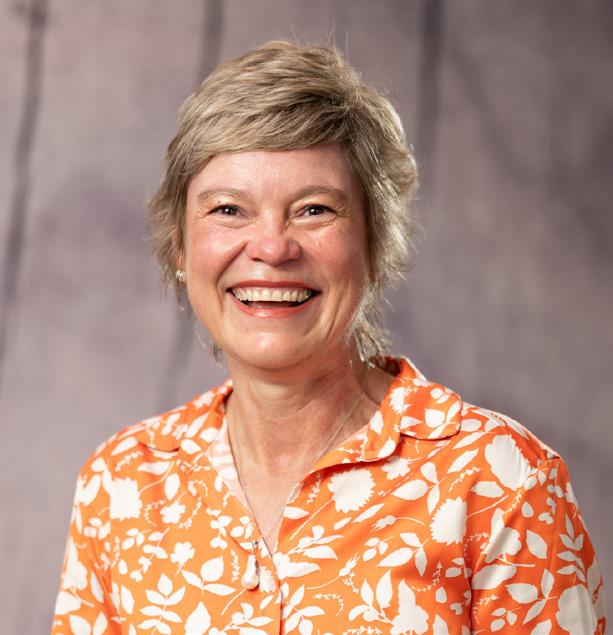
PROF LIESEL EBERSÖHN
Prof Liesel Ebersöhn is Director of the Centre for the Study of Resilience in the Department of Educational Psychology at UP. She is a registered educational psychologist and an expert on the social dimensions of resilience. She is President of the World Education Research Association. Prof Ebersöhn draws on evidence in sub-Saharan Africa to better understand, from an Afrocentric perspective, resilience-enabling responses that promote collective well-being given collective distress. Her scientific contributions are widely recognised and include a generative theory – Relationship-Resourced Resilience – which describes social-resilience responses to counter chronic adversity.
Prof Ebersöhn is influential around the world in education development circles to inform policy, training and practice for sustainable transformation in the Global South through engagement in global education and well-being think tanks, panels, boards and more. She has disseminated about 100 peer-reviewed articles, together with monographs, edited and co-authored books and book chapters. She’s committed to research capacity development, having mentored 100 postgraduate students, including 33 doctoral students, postdoctoral fellows, and early-career scholars.
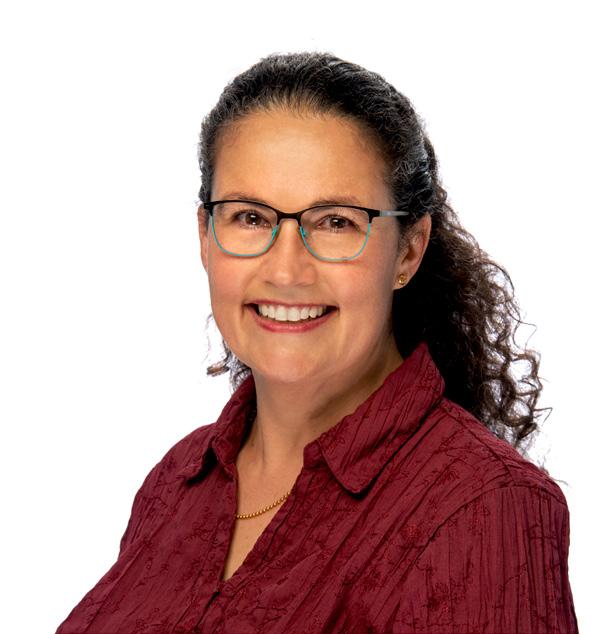
PROF HELENA BARNARD
Prof Helena Barnard is interested in how knowledge – and with it, technology, organisational practices and innovation –moves between more and less developed countries, particularly in Africa. Her research has been published in journals like the Journal of Management, the Journal of International Business Studies, Research Policy and the Journal of World Business (which presented her and Prof Anastacia Mamabolo with the 2023 Best Paper Award).
Prof Barnard is the founding Chair of the Emerging Markets Shared Interest Group of the Academy of International Business, having been its Vice-President (Administration) between 2017 and 2020. She serves as area editor at Academy of Management Perspectives and the Journal of International Business Policy
STRATEGIC CONVERSATIONS: CO-LEADS OF BREAKAWAY SESSIONS
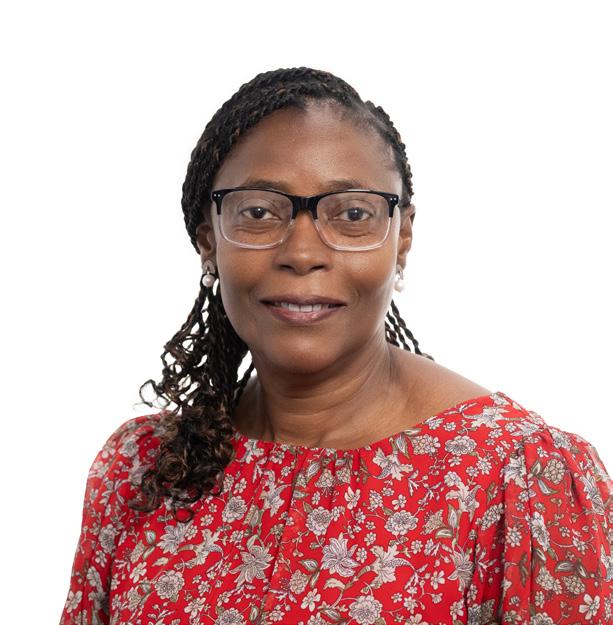
PROF MARGARET CHITIGA-MABUGU
Prof Margaret Chitiga-Mabugu is an economist and Dean of the Faculty of Economic and Management Sciences at UP. Her research focuses on analysing the impact of policies on society and the economy using economy-wide models. She serves on several advisory councils and networks, including the Stockholm Environment Institute’s Science Advisory Council, the Academy of Science of South Africa, the Southern Africa – Towards Inclusive Economic Development programme, and the Partnership for Economic Policy network.
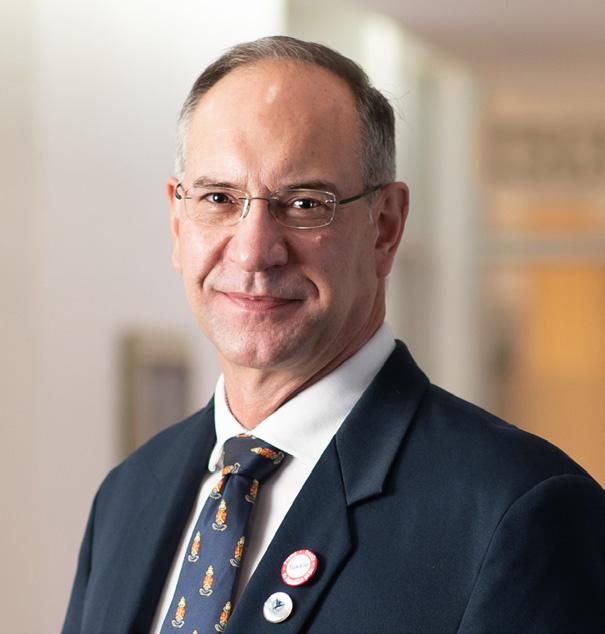
PROF TIAAN DE JAGER
Prof Tiaan de Jager is Dean of the Faculty of Health Sciences and Director of the University of Pretoria Institute for Sustainable Malaria Control. His PhD was in Reproductive Biology (Urology) and his postdoctoral thesis focused on reproductive toxicology. He is a professor of environmental health at UP’s School of Health Systems and Public Health, is a member of the Academy of Science of South Africa and a C1 National Research Foundation-rated scientist.
Prof De Jager has an extensive track record of knowledge dissemination, student supervision and project management. His various research projects focus on reproductive toxicology, malaria and environmental health, including leadership capacity building.
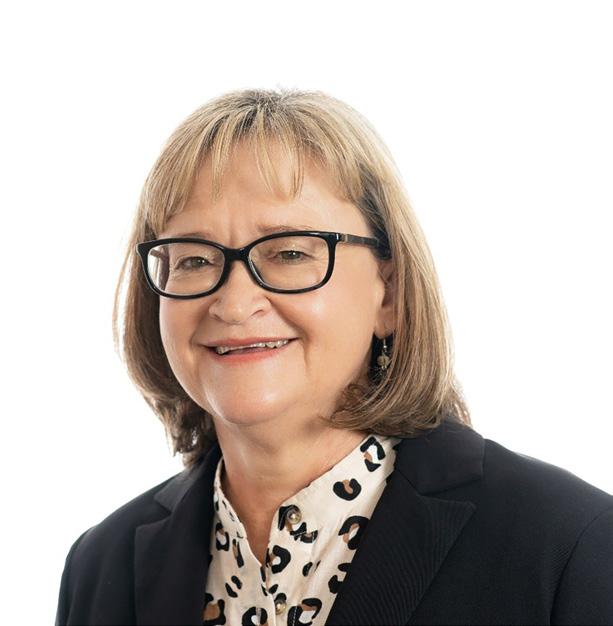
PROF ELSABE SCHOEMAN
Prof Elsabe Schoeman [BLC (UP) LLB LLD (Unisa)] is Dean of UP’s Faculty of Law, and former Deputy Dean of the University of Auckland’s Law School. She specialises in private international law. Apart from scholarly publications and contributions to international legal encyclopaedias, she has made submissions to law commissions (South Africa and Trans-Tasman) and advised law firms in South Africa, New Zealand, Australia, the UK, the US and Germany on transnational commercial litigation. She holds an Alexander von Humboldt Fellowship, is an elected associate member of the International Academy of Comparative Law, and a judge of the Expert Committee of the St Petersburg International Legal Forum.
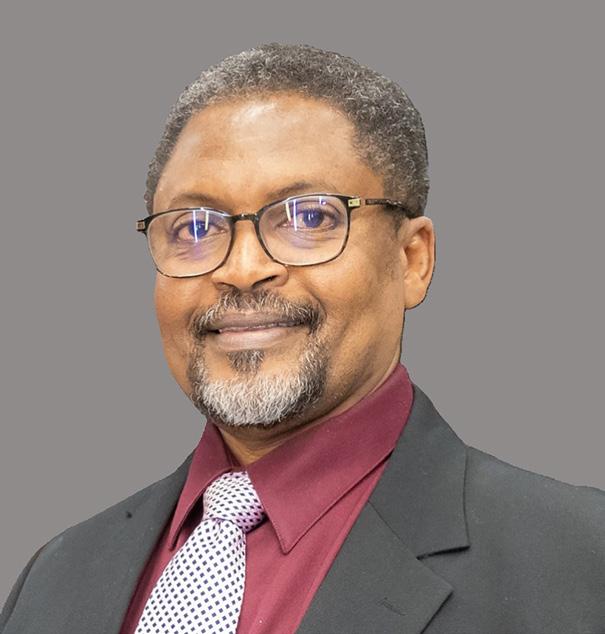
PROF JAMES MAINA
Prof James Maina is a registered civil engineer and Deputy Dean for Research in the Faculty of Engineering, Built Environment and Information Technology at UP. With over 30 years of experience in academia, research, consulting and construction of transport infrastructure, his research focuses on pavement design, materials and sustainability. He has led groundbreaking projects in South Africa, Japan and Qatar; this has included developing quality assurance/quality control systems for road construction projects in Qatar in preparation for the 2022 FIFA World Cup finals.
Prof Maina’s work has been recognised with several awards, including the Council for Scientific and Industrial Research’s Presidential Excellence Award, the National Science and Technological Forum-BHP Billiton Award, and UP’s Exceptional Academic Achievers Award. He serves on various international committees, and has published extensively in leading journals and conference proceedings, with more than 150 technical reports and articles to his name.

PROF FLAVIA SENKUBUGE
Prof Flavia Senkubuge is Deputy Dean for Stakeholders Relations in UP’s Faculty of Health Sciences. She is a medical doctor and a specialist in public health medicine. Dr Senkubuge holds a PhD in Public Health and an MBA from the Edinburgh Business School in the UK. She is the 20th President of the Colleges of Medicine South Africa.
Dr Senkubuge also chairs the World Health Organization/Afro region African Advisory Council on Research and Development, and is Interim Vice-President of the East Central and Southern African College of Public Health Medicine. Harvard Public Health recognised her as one of the 25 standout voices in African public health.
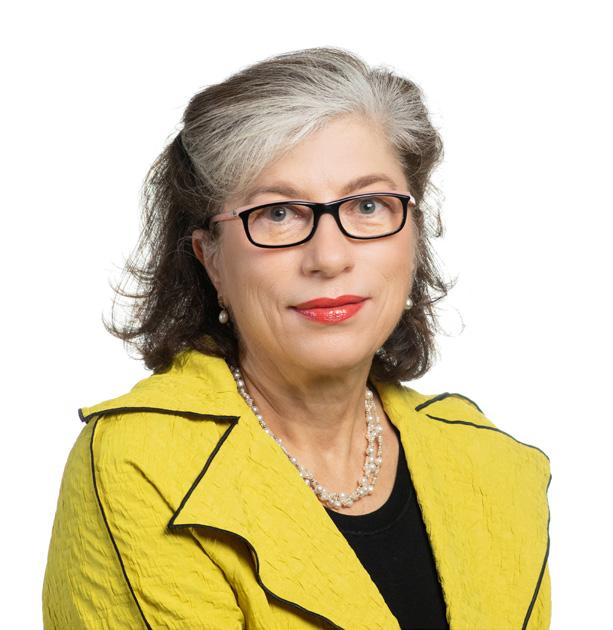
PROF KARIN BARAC
Prof Karin Barac is Deputy Dean for Research and Postgraduate Studies in the Faculty of Economic and Management Sciences at UP, and has been in academia since 1987. Her research focus is on the audit profession, development of relevant competencies and practice. She is a C2 National Research Foundation-rated researcher, publishes in high-quality international journals and has led several research teams in South Africa and elsewhere.
Locally, her research had a marked impact on the external audit profession when she led the CA2025 research team to develop competency frameworks for the South African Institute of Chartered Accountants and the Independent Regulatory Board for Auditors. She has served as a non-executive director for a listed company and as a member of audit committees.
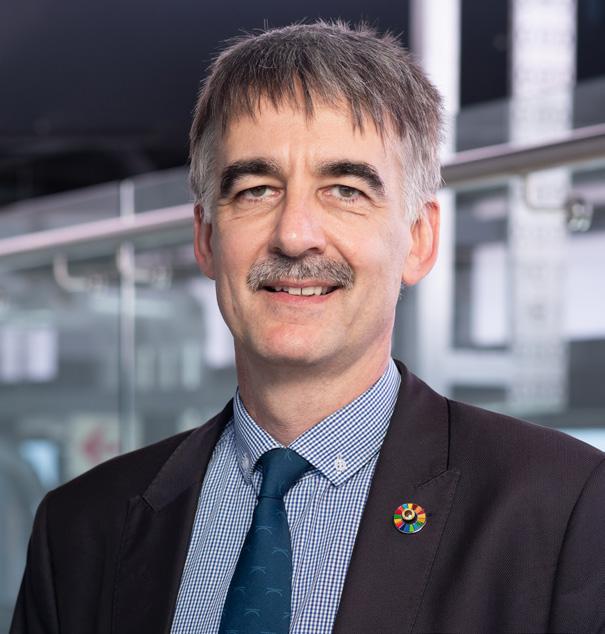
PROF WYNAND STEYN
Prof Wynand Steyn is Dean of the Faculty of Engineering, Built Environment and Information Technology at UP. He is a professionally registered pavement engineer with a research interest in vehicle-pavement interaction, accelerated pavement testing, pavement engineering and materials, civiltronics and instrumentation. He completed his undergraduate and graduate studies at UP.
Prof Steyn has authored, co-authored and edited 60 journal papers, 23 book chapters (as author/co-author/editor) and 117 conference papers, and is an associate editor of the International Journal for Pavement Engineering. He has a B3 National Research Foundation rating, and is a Fellow of the South African Institution of Civil Engineers and of the South African Academy of Engineering.
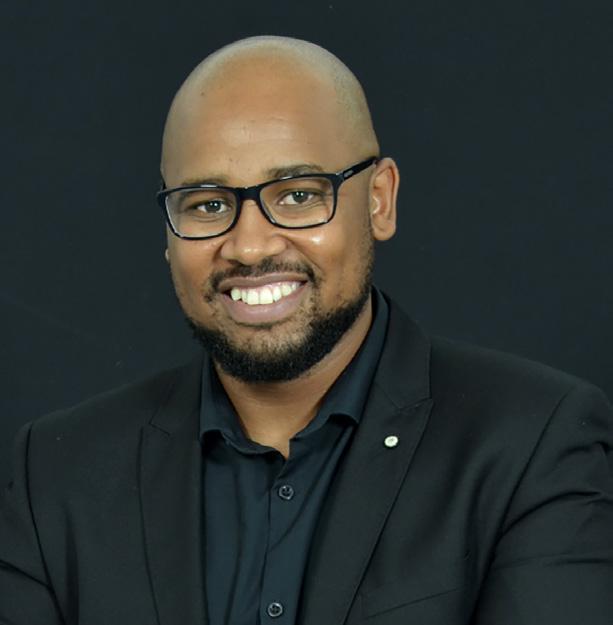
PROF LINDELANI MNGUNI
Prof Lindelani Mnguni is a National Research Foundation-rated researcher (C2) and Dean of the Faculty of Education at UP. He served as Deputy Dean in the Faculty of Health Sciences at the University of the Witwatersrand and Director of the School of Teacher Education at Unisa, where he was awarded the Principal’s Award for Excellence in Research. Prof Mnguni holds a PhD in Curriculum and Instructional Design from UP, an MSc, a BSc (Hons) and a BSc in Biochemistry and Genetics from the University of KwaZulu-Natal.
With more than 15 years of experience in higher education, Prof Mnguni has cultivated extensive expertise in teaching and supervision, serving in various academic roles across multiple institutions. His research focuses on bridging the gap between scientific knowledge and its practical application in everyday life, with specific focus on instructional design and health education. This includes investigating strategies to effectively integrate AI tools and visual models into science education, enhancing students’ understanding of scientific knowledge. Additionally, his work explores the pivotal role of teachers in promoting the application of scientific knowledge, particularly in areas such as HIV prevention and COVID-19 vaccine acceptance among students. His contributions have a profound impact on improving the quality, relevance and accessibility of education, equipping educators to better meet contemporary challenges in these fields.
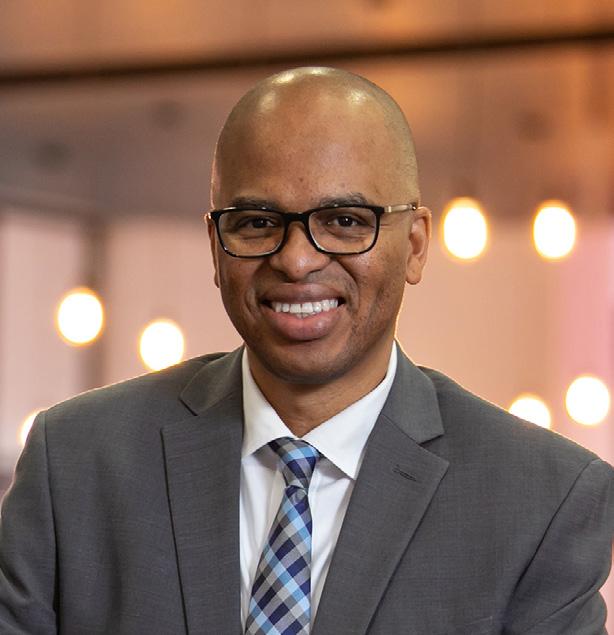
PROF MORRIS MTHOMBENI
Prof Morris Mthombeni is Dean of the Gordon Institute of Business Science (GIBS) and previously held the position of Executive Director of Faculty at GIBS. With more than 30 years of experience in financial services, he specialises in corporate strategy and governance. He lectures on GIBS’s Global Executive Development Programme and the Harvard Business School’s Senior Executive Programme – Africa.
Prof Mthombeni is a non-executive director at Investec Bank, Lombard Insurance, King Price and UN Global Compact Local Network South Africa. He co-founded the Business School for Climate Leadership Africa and supports African business education through his contributions to the United Nations Global Compact’s Principles of Responsible Management Education, and major international accreditation bodies.
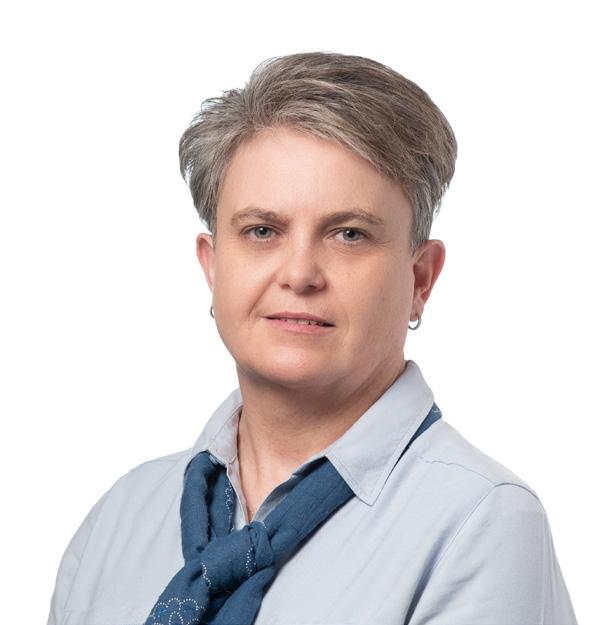
PROF MARINDA OOSTHUIZEN
Prof Marinda Oosthuizen is Deputy Dean for Research and Postgraduate Studies in the Faculty of Veterinary Science at UP and a full professor of veterinary molecular parasitology in the faculty’s Department of Veterinary Tropical Diseases. Her research focuses on tick-borne pathogen discovery; identification and molecular characterisation of novel tick-transmitted, blood-borne parasites in domestic and wild animals; and molecular diagnostic assay development. She is leading a project, funded by the National Institutes of Health, with Washington State University that is investigating tick-borne zoonotic infections at the human/livestock/wildlife interface and their role in acute febrile illness in rural South Africa. With a strong focus on public health, her work integrates advanced molecular technologies and applied research.
Prof Oosthuizen is passionate about postgraduate supervision and mentorship. She believes the postgraduate experience should go beyond graduation, and focuses on helping students to develop skills in problem-solving, research and academic writing. Her goal is to inspire a passion for learning and research among students, guide them in reaching their full potential, help them build valuable professional networks, instil a strong understanding of academic integrity and professional standards, and equip them for meaningful and impactful careers.
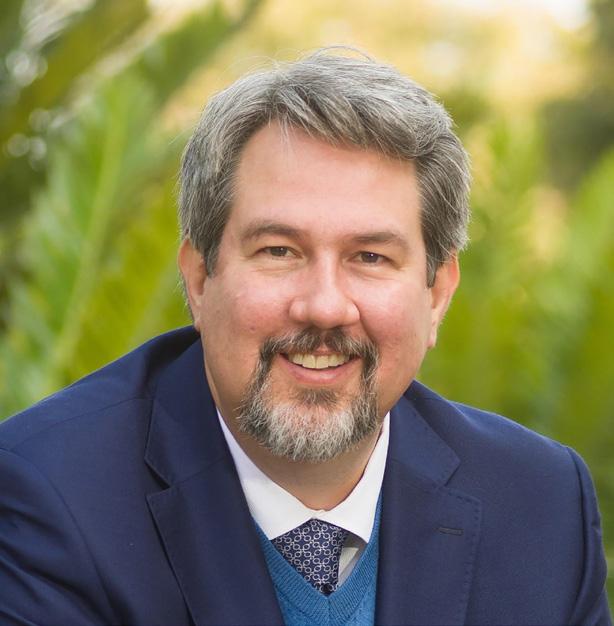
PROF BAREND ERASMUS
Prof Barend Erasmus is an ecologist with broad experience in climate change adaptation. He is Dean of the Faculty of Natural and Agricultural Sciences at UP, a position that provides a powerful platform from which to explore partnerships for sustainability transitions. He was Director of the Global Change Institute at the University of the Witwatersrand, where he also held an industry-sponsored research Chair in Global Change and Sustainability. He remains active in several industry forums, where he specialises in interpreting primary climate science for industry leaders and governments in support of long-term climate risk strategy.
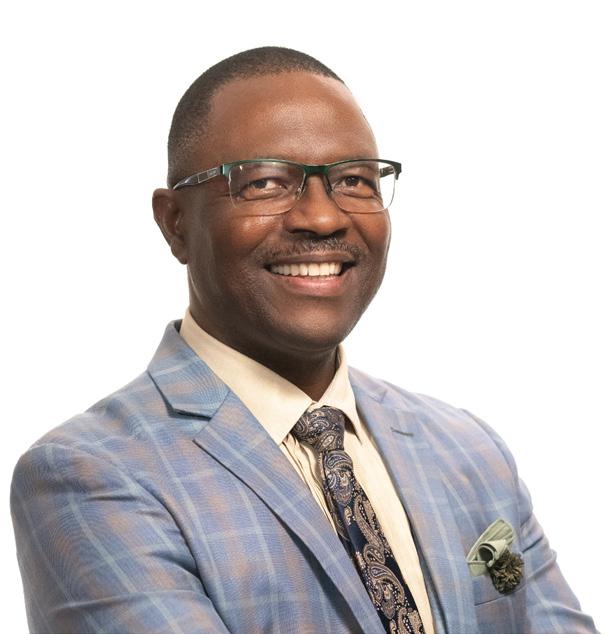
PROF RANTOA LETŠOSA
Prof Rantoa Letšosa is Dean of the Faculty of Theology and Religion at UP. He holds a PhD in Practical Theology in Liturgics, an MA in Greek and three bachelor degrees. Throughout his academic career, he has served in several leadership roles, including as Vice-Rector of the Theological School in Potchefstroom; Director of the School for Ecclesiastical Studies in the Faculty of Theology at North-West University (NWU); Vice-Rector of Teaching-Learning at NWU (Potchefstroom campus); and, following the restructuring of NWU, as Acting Dean of the Faculty of Theology. Prior to joining UP, he was Dean of the Faculty of Theology and Religion at the University of the Free State.
Prof Letšosa is a recipient of the Higher Education Leadership Management Award, and has served as a director on several boards and professional bodies. He has also been involved in church work from a young age. He is an ordained minister in the Reformed Church Boskop and the Reformed Church Tlokwe-Botshabela, and played a pivotal role in establishing the Kokosi congregation as a fully functioning church, subsequently serving all three congregations. Prof Letšosa is involved in nonprofessional organisations, and is Chairman of the board of directors of the Bible Society of South Africa. As an academic, he still finds joy in church planting (establishing new congregations).
ORGANISING COMMITTEE
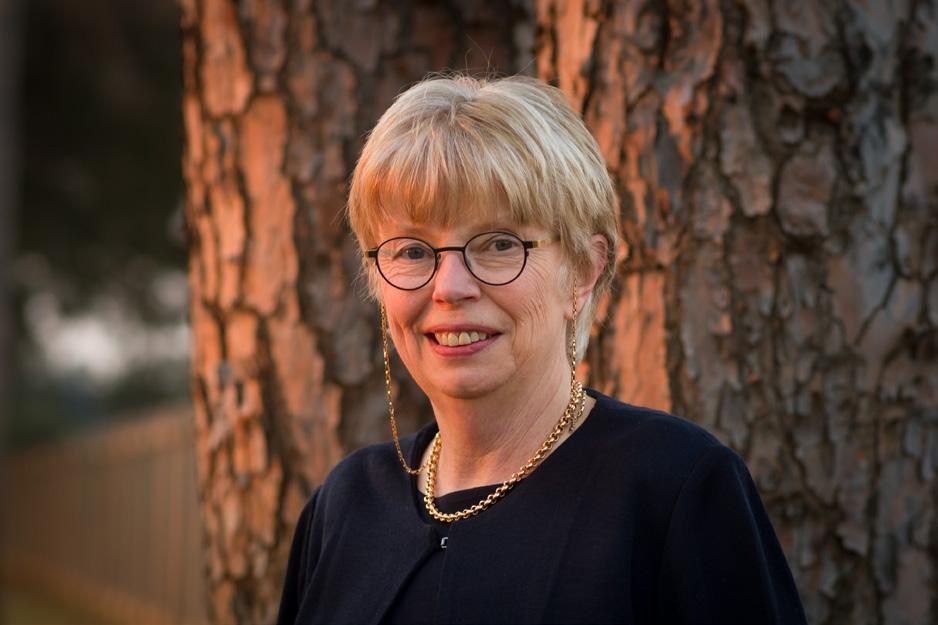
PROF BRENDA WINGFIELD
Prof Brenda Wingfield is a leading NRF A-rated researcher in fungal genomics and tree pathogen evolution. She holds the Department of Science and Technology (DST)-National Research Foundation SARChI Research Chair in Fungal Geonomics at UP, and has significantly advanced fungal taxonomy and phylogeny in South Africa. She pioneered DNA-based research tools and led the sequencing of Africa’s first fungal genome.
Prof Wingfield was instrumental in establishing the Tree Health Biotechnology Centre of Excellence and co-founded the Forestry and Agricultural Biotechnology Institute. She has supervised over 100 postgraduate students and published more than 480 peer-reviewed papers. Her contributions have earned her numerous awards, including the DST Distinguished Women in Science Award, the African Union Regional Award for Women in Science, and the American Phytopathological Society Fellow Award. She has served as Vice-President of the Academy of Science of South Africa and Secretary-General of the International Society of Plant Pathology.
Prof Sunil Maharaj
Prof Innocent Pikirayi
Prof Karin Barac
Ms Neo Maseko
Mr Sashlin Girraj
Prof Steve Cornelius
Prof Tivani Mashamba-Thompson
Dr Carol Nonkwelo
Ms Sithembinkosi Tlale
Prof Lise Korsten
Prof Marinda Oosthuizen
Prof Nelishia Pillay
Dr Rakeshnie Ramoutar-Prieschl
Ms Tersea Dalporto
Dr Desirée Tesner-Smith
Dr Brian Chicksen