GUJOURNAL
NEWS
Top scientists omitted from the list
REPORT
Exploring boundaries of human language
DEBATE
No plan for Tjärnö Marine Laboratory
NEWS
Top scientists omitted from the list
REPORT
Exploring boundaries of human language
DEBATE
No plan for Tjärnö Marine Laboratory
Lina Bergman looks for better treatments during pregnancy
Alternative religions.
The GU Journal has a free and independent position, is made according to journalistic principles.
Editor-in-chief:
Eva Lundgren
Phone: 070-969 10 14, e-mail: eva.lundgren@gu.se
Editor: Allan Eriksson
Phone: 070–8729142
e-mail: allan.eriksson@gu.se
Photographer: Johan Wingborg
Phone: 070–595 38 01, e-mail: johan.wingborg@gu.se
Layout: Anders Eurén
Phone: 073-257 62 40, e-mail: anders.euren@gu.se
Address: GU Journal, University of Gothenburg, Box 100, 405 30 Gothenburg , Sweden.
E-mail: gu-journalen@gu.se
ISSN: 1402-9626
Translation: Språkservice
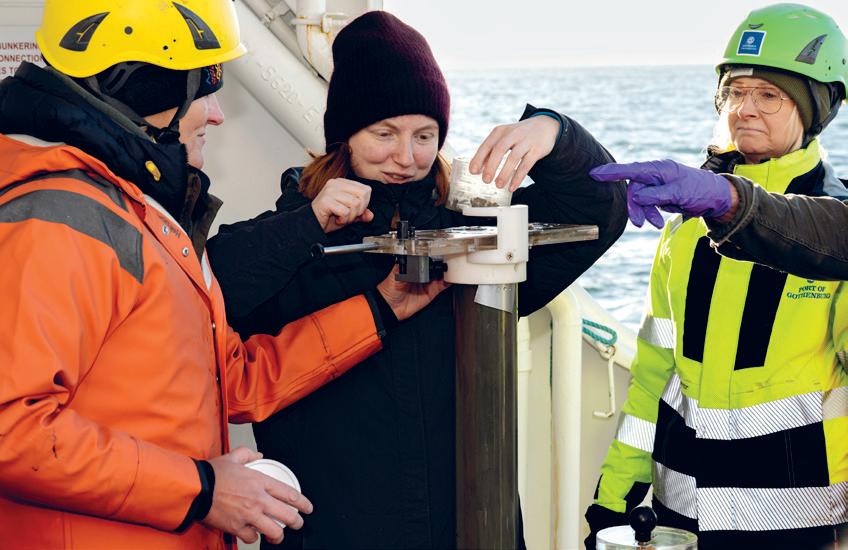
Expedition with Skagerak.
Contents
News 04–11
04 The HCR-list has lost its significance, says Lars Kullman.
06 Working towards a better life for people with dementia.
10 Facilitating return to work.
11 Major investment in teacher training.
Profile 12–15
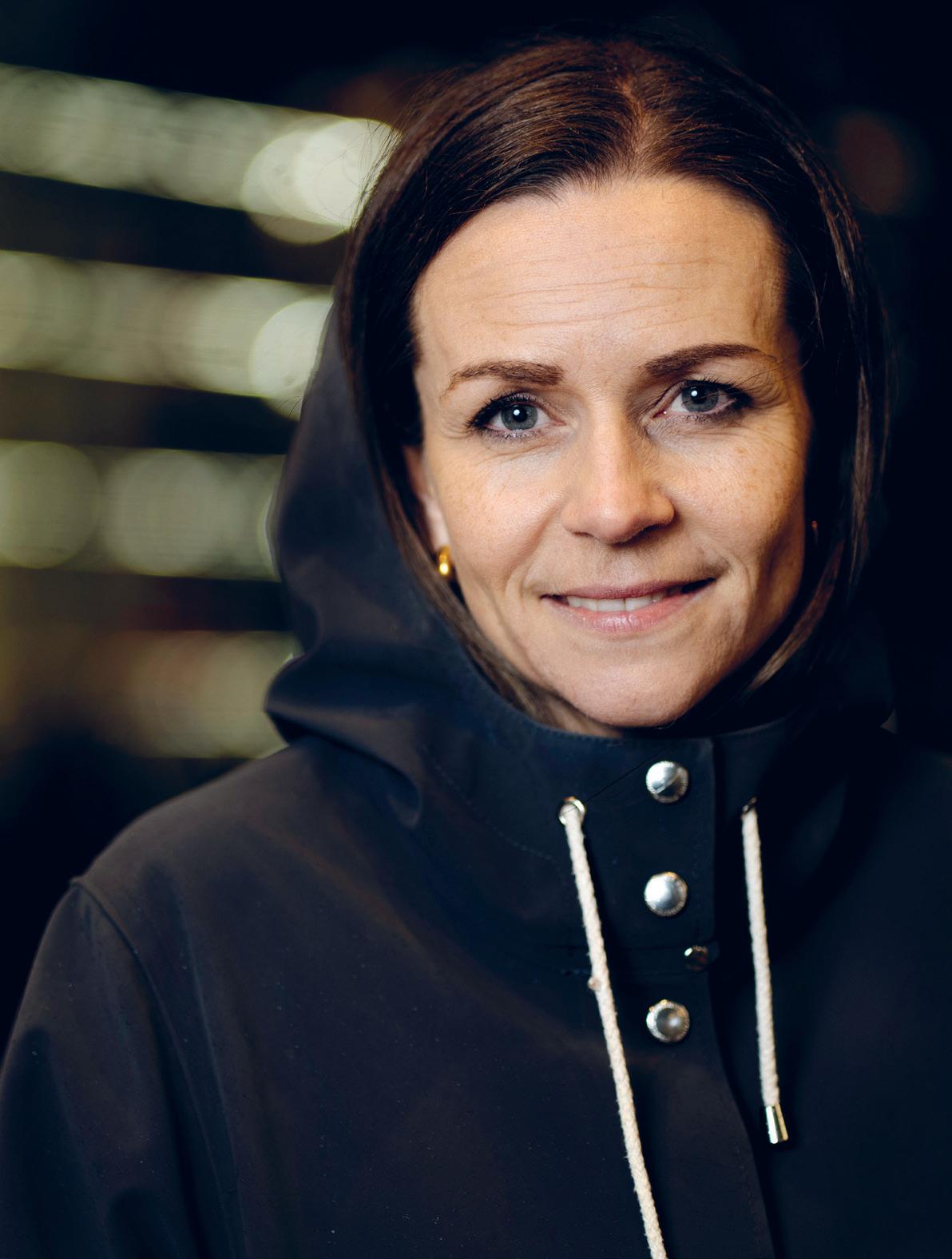
22 Lina Bergman is doing research on preeclampsia.
Report 16–17
26 Searching for the limits of human language.
People 18–21
18 A day at R/V Skagerak.
20 On the importance of alternative religions.
Debate 22–24
22 What is the plan for Tjärnö?
s the year draws to a close, it becomes natural to pause and reflect. In doing so, we more easily see the great in the small – how modest ideas, brief encounters, and unexpected collaborations can grow into something that touches many. In Gothenburg, we have unique conditions for this. Distances are short here, both geographically and between people. Politics, business, culture, the public sector, and academia meet frequently and openly, creating a culture of collaboration that makes it possible to achieve truly significant results.
Over the past year, the University of Gothenburg, together with our partners, has taken several important steps forward. In collaboration with the city, the business community, and regional actors, we have, among other things, applied to become Student City of the Year and established new professorships, initiatives that strengthen research, education, and our role in the region’s development. We are an important partner in regional flagships such as Universeum and GoCo, and we are building the life-science cluster together with the region, industry, and Chalmers. We take a natural place at major arenas like the International Science Festival and the Gothenburg Book Fair, and we collaborate with arts and culture institutions. All
of this shows what is possible when we are united for a common purpose.
That shared purpose and the vision of a better world are especially important in our time, marked by rapid and profound change, where anti-democratic forces are gaining ground, mistrust spreads easily, and both politicians and researchers often pay a high price for their engagement. Let us not take democratic society and academic freedom for granted, but reflect on how we, as a university, can contribute to a better future built on knowledge and cooperation.
As Vice Chancellor, I am immensely proud of the work carried out at the University of Gothenburg. Our vision – to be a university for the world – is rooted in being deeply embedded in our region. Through collaboration, openness, and close relationships, we have unique opportunities to contribute to world-leading innovation and research at a time when we stand before some of the greatest developmental leaps in modern history.
Christmas is a time for care and reflection, and I want to highlight the power of small actions, ideas, and relationships, both in our professional lives and in our private ones. I extend my warmest thanks to all our employees, and also to students, partners, and friends, who every day help make the University of Gothenburg the force for knowledge, democracy, and societal development that it is meant to be. May we continue to cherish the small things that grow into something great.
Merry Christmas and a Happy New Year!
Rektor MALIN BROBERG

mong the more enjoyable parts of working with GU Journal is joining occasions when the University of Gothenburg showcases its activities or collaborates with the surrounding community. On an unusually beautiful November day, we had the chance to experience just that, as representatives from the plastics industry, the Port of Gothenburg, and the Swedish Agency for Marine and Water Management joined R/V Skagerak on a short research expedition. The goal was to investigate the presence of microplastics outside Gothenburg using water and sediment samples. For us, it felt like a privilege to witness real research in action.
For 2026, the budget for GU Journal has been cut by one third. At present, this means the number of issues per year will decrease from six to only four. The editorial team deeply regrets this. For us, it will be a major challenge to manage such a significant reduction.
The first issue of the GU Journal was published in the autumn of 1997; since then, 183 issues have come out. Over the years, several changes have taken place, both in appearance and format. Since the start, graphic designer Anders Eurén has designed the journal; he has not only created a very attractive publication but has also pointed out when texts needed shortening, a news column would be useful, or an illustration would lighten the layout.
Now Anders is retiring. We who work on the journal — Allan Eriksson, Johan Wingborg, and Eva Lundgren — will miss his important contributions and our shared discussions and exchanges of ideas. At the same time, we naturally wish Anders all the best for the future!
We also wish all our readers a Merry Christmas and a Happy New Year!
The list of the most cited researchers (Highly Cited Researchers, HCR) has long been a prestigious index that universities love to bring up. But changes to the method will have considerable consequences and will not match how modern research is actually conducted. This is argued by bibliometrician Lars Kullman at the UB digital services.
– The HCR list has more or less had its day, he says.
THIS YEAR’S RANKING is based on publications between 2014 and 2024 and highlights around 7,000 researchers globally whose articles have been indexed in the Web of Science database. Over the past few years, Clarivate, who manages the list, has introduced a series of rules to prevent manipulation of the results: articled with more than 30 authors are excluded, as well as consortium authorships and researchers who publish “inordinate amounts”. The effect has been dramatic: In 2025 as many as 2,400 researchers were excluded, compared to 500 in 2022.
The aim is to stop cheating: purchased partnerships, exaggerated self-referencing and articles produced at an industrial scale, such as in countries like India and Saudi Arabia. But in practice, the method will also impact perfectly legitimate research settings, Lars Kullman concludes.
– This does not correspond to reality. Within natural sciences and medicine, major international partnerships and large infrastructures are often necessary
for conducting research. So it is unavoidable that articles have several authors. With a limit a 30 authors, major parts of those subjects will become more or less invisible.
THE CONSEQUENCES are already noticeable. When articles on subjects such as genetics, particle physics and climate modelling almost always have more than 30 authors, some of the most cited researchers in the world are excluded, regardless of their scientific impact.
At the University of Gothenburg for example, the internationally renowned research on Alzheimer’s disease is removed from the list.
Henrik Zetterberg, Professor of Neurochemistry and one of those probably excluded from this year’s list, still plays down the importance for his own part.
– For myself, the list does not really matter, since I am already an established researcher, but of course it may be unfortunate if you are excluded when you are new in a field and actually producing excellent and highly cited research. And naturally, it will be less interesting to be on the list if the best researchers are excluded, he says.
AND THE CLIMATE research conducted by Deliang Chen and his colleagues is no longer visible either.
– So you are penalising skilled and serious researchers. Everyone working in these types of partnerships contribute in different ways. It would be misleading if you were to highlight individual “star researchers” as if they worked in a vacuum. That is not how modern research works.
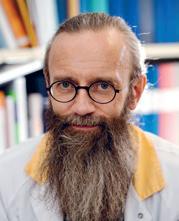
»And naturally, it will be less interesting to be on the list if the best researchers are excluded.«
Henrik Zetterberg
An additional problem is the lack of transparency. Clarivate does not present enough data for external stakeholders to repeat the calculations.
– It is simply not possible to replicate the results. This is a problem for anyone wishing to understand how the list was created. The methodology is hidden, says Lars Kullman.
This also makes the list difficult to use over time. Each year, there are changes to the methodology, which makes comparisons more or less impossible.
EVEN THOUGH THE HCR list is often dwarfed by rankings such as Shanghai, THE and QS, it sometimes gains disproportional symbolic value. But its significance in academia is limited.
– Bibliometricians almost never talk about the HCR list. It does not play a significant role in our work and I do not think that Swedish universities use it as a strategic goal. Perhaps it is of more importance to foreign universities that use rankings to attract students and researchers.
The fact that the list is also primarily a commercial product also plays a role.
– It is a way for Clarivate to market their peripheral services. We need to be aware of that.
One problem is that a majority of highly cited researchers are based in a small number of countries; 86 percent in the 10 largest countries, which may lead to researchers in less research-heavy countries or in less cited languages being disadvantaged, Lars Kullman argues.
At the same time, the research community is growing ever more global and more driven by partnerships. Chinese resear-
chers are now publishing more articles than American ones – in 2024 Chinese researchers had 26 percent more articles in the Web of Science compared to their American equivalents. In addition, large infrastructures such as CERN, international biobanks and climate models are crucial for scientific breakthroughs.
In light of all this, a fixation on highly cited individual researchers appears more and more antiquated.
– At heart, citations are about finding research that has an impact. But the structure of the HCR list is not able to reflect the partnerships and publication patterns of current research. And that makes it somewhat irrelevant, says Lars Kullman.
Does the list still have some value?
– For researchers included in the list it is of course nice to get attention for doing something well. And the list is used by the Shanghai ranking for example, so it does play a role in that sense.
But Lars Kullman would argue that the HCR list is a fairly blunt instrument for understanding the quality of an individual university.
–And when the method changes like this, it makes it even more difficult to interpret.
Text: Allan Eriksson
Photo: Johan Wingborg
Karolinska Institute: 22
Lund University: 19
Stockholm University: 9
University of Gothenburg 8
Uppsala University: 3
Number at the University of Gothenburg over the past few years
2021: 9
2022: 14
2023: 14
2024: 16
Petia Kovatcheva-Datchary and Johan Bengtsson-Palme have
– There are many prejudices against people with dementia, says Hanna Falk-Erhag and Helle Wijk.
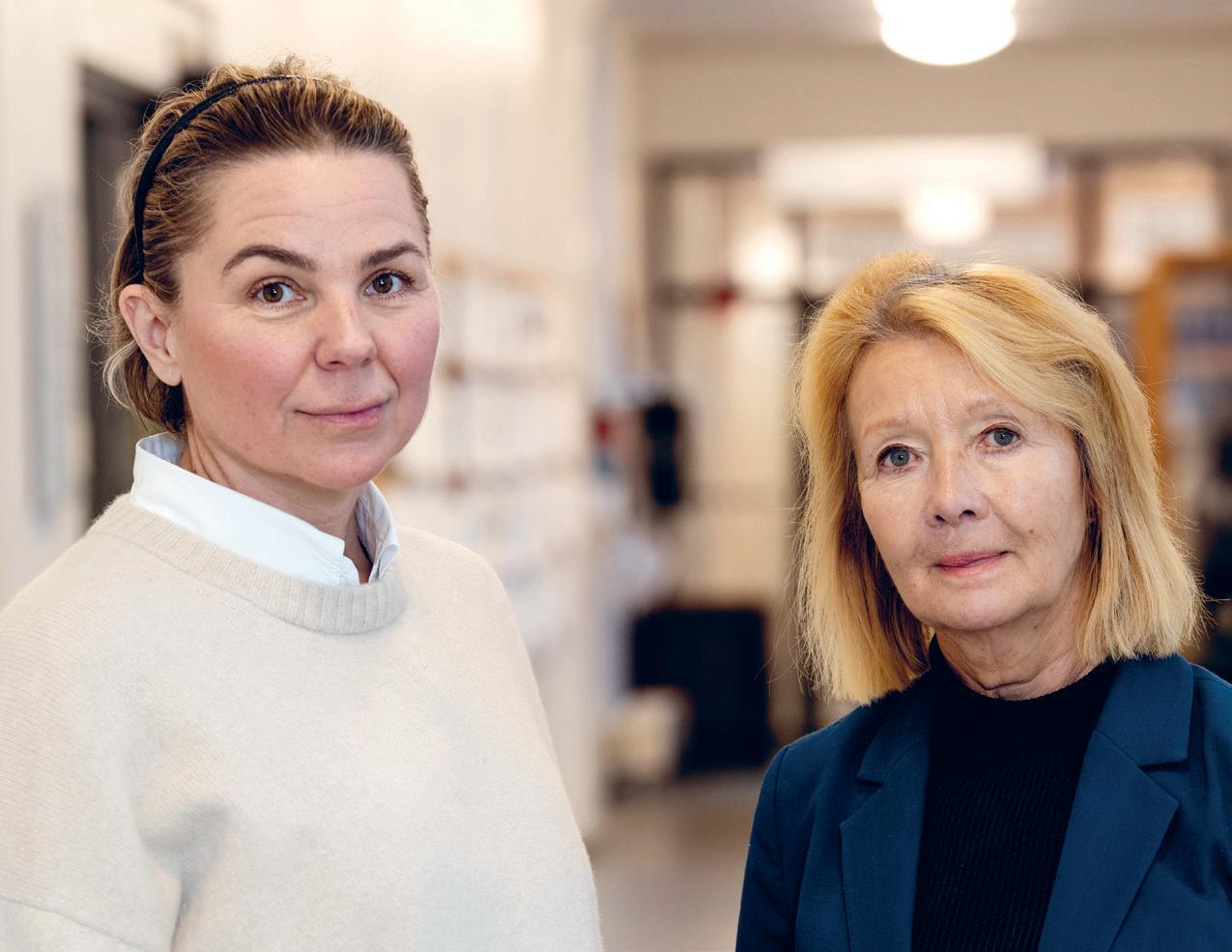
The Institute of Health and Care Sciences has received 60 million krona from Forte to start the research centre Person-Centred, Dementia-Friendly Society (DEMSAM). It is a very wide-ranging collaboration, both with various scientific disciplines as well as with municipalities and the Västra Götaland Region.
– We are building a house out of bricks from a range of fields, says Professor Helle Wijk and Associate Professor Hanna Falk-Erhag who jointly will be heading the centre.
FORTE’S CALL FOR contributions to research centres was announced on May 27 and applications needed to be submitted by September 2, says Helle Wijk, Professor of Nursing and centre director.
– It meant an intense period of work for employees that were already busy or on vacation. But at the same time, the short lead time meant that the team we created was very strong – we gathered the true enthusiasts who really want to make a difference.
The aim of DEMSAM is to contribute scientific knowledge concerning support for people with dementia and their families, as well as developing new methods of working for care providers once the illness is a fact. The centre will also be part-
»People with dementia are frequently seen as legally incompetent, unable to make their own decisions.«
Hanna Falk-Erhag
nering with the H70 study, the Centre for Patient-Centred Care (GPCC), Odontology and the Gothenburg Living and Policy Lab for Patient-Centred Care, all of them at the University of Gothenburg, as well as the Department of Architecture and Civil Engineering at Chalmers. It concerns collaboration between the care sciences, neuroscience, odontology, social work, physiology and architecture. But the Centre for Geriatric Dentistry at the Public Dental Service as well as the SVEDEM, Senior Alert and BPSD registers are also part of the collaboration, says Helle Wijk.
– IN THE APPLICATION , we also included 42 letters of intent, that is supporting letters from stakeholders willing to work with

the centre. This partnership was highlighted by the international assessment team as crucial to the goal of the centre, and was an important reason why Forte decided to invest in dementia research here in Gothenburg.
DEMSAM’S PROFILE also fits in well with the government’s national dementia strategy, Varje dag räknas (Every Day Counts). They stress that care should be patient-centred and evidence-based, be based on collaboration between healthcare and social services, and that the person with dementia and their family should be involved in decisions concerning the care provided. Participation and self-determination are crucial concepts to DEMSAM, explains Hanna
Falk-Erhag, Associate Professor of Health and Care Sciences and Assistant Director of the centre.
– People with dementia are frequently seen as legally incompetent, unable to make their own decisions. And research shows that there is a strong correlation between public stigma and low levels of knowledge about dementia. We wish to change that and at the same time contribute to a society that works well and supports people with cognitive disabilities. We require evidence-based and culturally competent interventions in order to change the public opinion on dementia.
THE ACCESSIBILITY and participation in day-to-day life for people with dementia could be improved by making it easier to go shopping or take the bus. Other areas include ensuring access to a dental hygienist or dentist at homes for the elderly, something that is often lacking. New technology can be both an asset and a problem, says Hanna Falk-Erhag.
– Not having BankID will make all contact with authorities and welfare services more difficult today, and an inability to search for information online creates a sense of alienation that should be preventable. There are already several initiatives aiming to include groups where internet use is very low, for example. At the same time technical aids can also be very helpful, for example enabling people to remain in their own home for longer.
DEMSAM will employ four doctoral students and four post-docs. They have already appointed a committee with representatives from academia, the municipality and the region, but also with a representative for the elderly.
Another centre within dementia care has received support from Forte: TraCeDem at the Karolinska Institute, says Helle Wijk.
– We think it was smart by Forte to invest in both centres. KI will focus on prevention while we will concentrate on what to do when the illness has
already been diagnosed. So we complement one another and have already been in touch over collaboration.
So far, dementia is incurable and frequently progresses slowly. For someone who suffers Alzheimer’s disease, which is the most common dementia diagnosis, the time you live with the diagnosis can last from 10–15 years, says Hanna Falk-Erhag.
»But at the same time, the short lead time meant that the team we created was very strong – we gathered the true enthusiasts who really want to make a difference.«
Helle Wijk
– The increase in dementia prevalence is of course due to the fact that more people live to a ripe old age. But not only older people get the disease, Alzheimer’s disease for example can occur in people as young as 50. Dementia will affect several people, both those with the disease, their relatives and healthcare staff. For this reason, we will take care to involve the public in our research, such as through seminars, workshops and conferences.
About the centre: The research centre Person-Centred, Dementia-Friendly Society (DEMSAM), the Institute of Health and Care Sciences, is funded by 60 million krona from Forte over a period of six years with a possible fouryear extension.
The centre will be run in collaboration with several departments at the university as well as with municipal and regional bodies. The director is Helle Wijk, Professor of Nursing, nad assistant director is Hanna Falk-Erhag, Associate Professor of Health and Care Sciences.
Text: Eva Lundgren
Photo: Johan Wingborg
→ Facts: : The research centre Person-Centred, Dementia-Friendly Society (DEMSAM), the Institute of Health and Care Sciences, is funded by 60 million krona from Forte over a period of six years with a possible four-year extension.
The centre will be run in collaboration with several departments at the university as well as with municipal and regional bodies. The director is Helle Wijk, Professor of Nursing, nad assistant director is Hanna Falk-Erhag, Associate Professor of Health and Care Sciences.
Around 70 percent of all long-term sick leave is due to either mental ill health, such as depression, anxiety, problems relating to stress and adapting, or pain conditions. However, there are currently no successful methods for facilitating the return to work.
Now, Forte is investing 50 million krona in Primary-Care-Based Research on Return to Work, (UGOTReWork) which will partner widely in order to find new solutions to returning to work following sick leave.
UGOT-REWORK is a cross-disciplinary partnership between researchers in medicine, political science, humanities and technology, says Maria Åberg, Professor of Primary Care Medicine, consultant and Centre Director.
– We will also be collaborating with primary-care providers, authorities, corporate healthcare providers and patient organisations. This way, we hope to develop new initiatives, identify early risk factors and highlight the structural and institutional factors that affect the return to work. The goal is to find sustainable methods for preventing patients from ending up in recurring long-term sick leave, which is often the case.
The methods currently available for treating long-term sick leave are not particularly successful, explains Elisabeth Björk Brämberg, Associate Professor of Occupational Medicine and Assistant Director.
– On the one hand it can concern collaboration between healthcare providers, Försäkringskassan, the employer and
the patient, on the other about behavioural change among patients. Aside from the fact that the methods are less than effective in providing support for returning to work, they also take time, which may lead to additional sick leave for the individual.
WHAT THE RESEARCHERS at UGOT-ReWork would like to do is to take a broad, long-term and novel approach, Maria Åberg explains.
– We will be looking into factors that impact the individual, such as socioeconomics, work life, the social insurance system as well as the healthcare system. For example, it may be that a patient is highly motivated to return to work but that the different systems makes it more difficult rather than facilitating matters. We will also be looking at a database of medical certificates in order to investigate different medical conclusions. For example, why would doctors’ assessments be so different after the first appointment? In what way is the employer providing support and how does Försäkringskassan manage their responsibility with regard to rehabilitation? In addition, the individual may have family and friends who provide more or less support.
WHEN IT COMES TO long-term sick leave for mental ill health, highly educated women are over-represented. For this reason, the project will have a gender perspective, says Maria Åberg.
– One explanation may be that men suffering from mental ill health seek help to a lesser extent. That has been shown to be true in another research project that I am involved in, which is
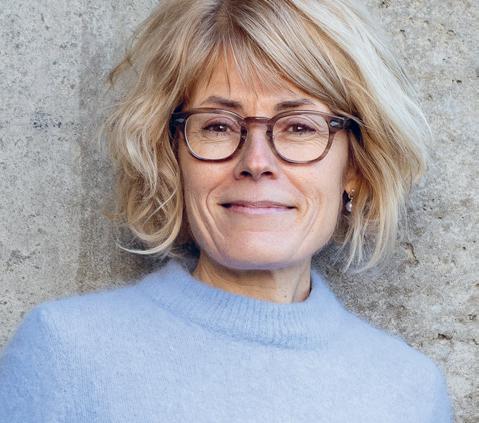
»The long-term support will also provide greater opportunities for international collaboration.«
Elisabeth Björk Brämberg
about the health of construction workers.
The research at UGOT-ReWork will comprise classic epidemiological studies, from investigations into Försäkringskassan’s diagnosis and sick-leave records to randomised controlled trials. But new methods will also be tried, says Elisabeth Björk Brämberg.
– It will be done in five different work packages. One is about organisational challenges, another about digital support measures, that may be positive but perhaps also a problem for patients who are already under a lot of stress.
RESEARCH PROJECTS rarely receive funding for more than three years. UGOT-ReWork has now been granted six years of support with the option of extending it for another four years, Maria Åberg explains.
– This means that we can conduct follow-ups after a prolonged period of time and really invest in doctoral students and
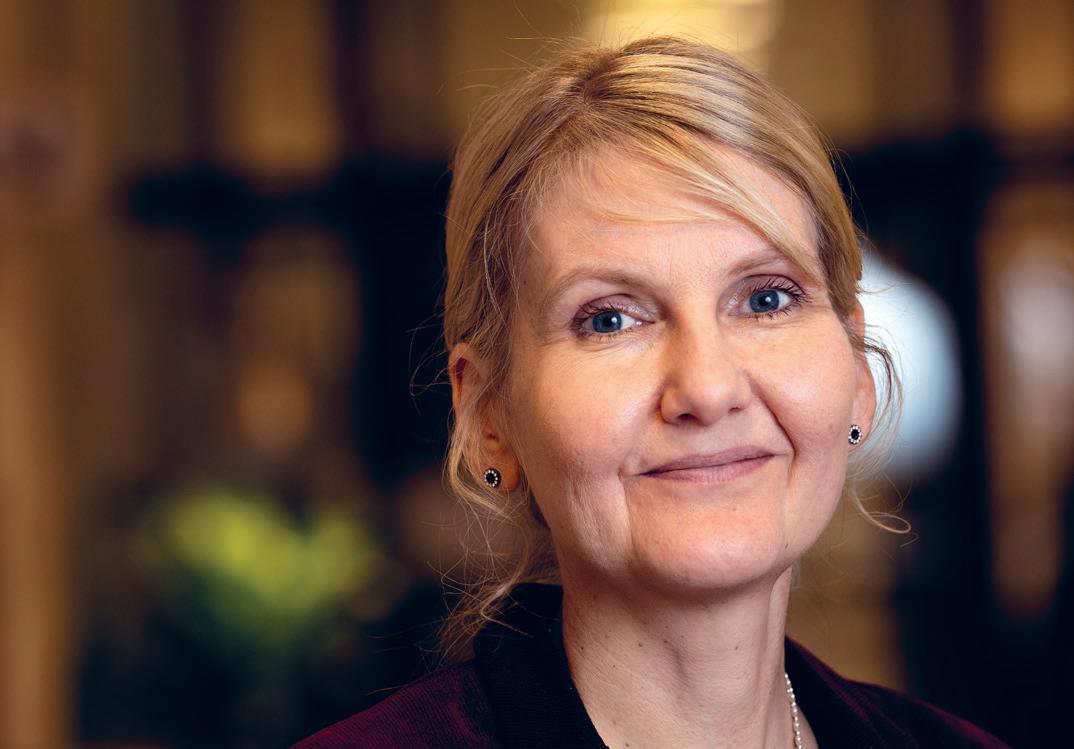
post-docs. Among other things, we will be creating a greenhouse for our younger colleagues, giving them an opportunity to collaborate.
THE LONG-TERM support will also provide greater opportunities for international collaboration, says Elisabeth Björk Brämberg.
– We have an advisory board with members from Sweden, Germany, the Netherlands and the U.S., which will facilitate additional collaboration with various countries.
About UGOT-ReWork: Primary-Care-Based Research on Return to Work (UGOT-ReWork) has been granted 50 million krona by Forte for a period of six years, with an option to continue for another four years. The centre is cross-disciplinary and involves collaboration with primary-care providers, Försäkringskassan, the Gender Equality Agency, occupational healthcare, the social partners and patient organisations.
»The goal is to find sustainable methods for preventing patients from ending up in recurring long-term sick leave, which is often the case.«
Maria Åberg
The work is organised into five work packages: developing interventions in primary care, decision-making support, analysis of early risk indicators, studies of organisational circumstances and policy development. The director is Maria Åberg, Professor of Primary Care Medicine, the assistant director is Elisabeth Björk Brämberg, Associate Professor of i Occupational Medicine.
All in all, Forte invests in eleven research centres within fields that are important to the future of Sweden. Two of these can be found at the University of Gothenburg: DEMSAM and UGOT-ReWork.
Text: Eva Lundgren
→ Facts: (Primary-Care-Based Research on Return to Work (UGOTReWork) has been granted 50 million krona by Forte for a period of six years, with an option to continue for another four years. The centre is cross-disciplinary and involves collaboration with primary-care providers, Försäkringskassan, the Gender Equality Agency, occupational healthcare, the social partners and patient organisations.
The work is organised into five work packages: developing interventions in primary care, decision-making support, analysis of early risk indicators, studies of organisational circumstances and policy development. The director is Maria Åberg, Professor of Primary Care Medicine, the assistant director is Elisabeth Björk Brämberg, Associate Professor of i Occupational Medicine.
All in all, Forte invests in eleven research centres within fields that are important to the future of Sweden. Two of these can be found at the University of Gothenburg: DEMSAM and UGOT-ReWork.
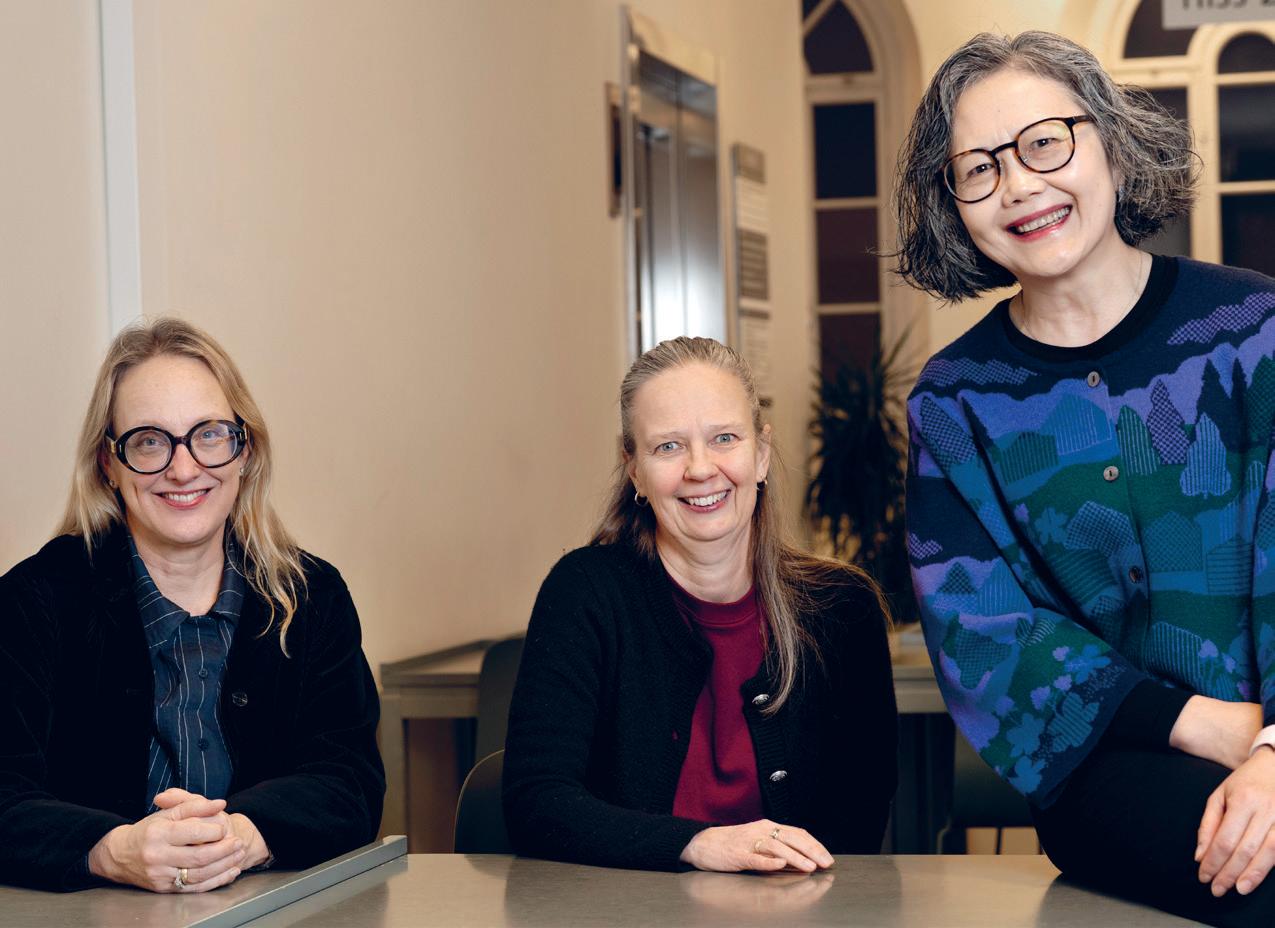
Three out of the twelve research academies for teacher trainers that the Research Council decided to fund are led by researchers from the University of Gothenburg. I concerns assessment and measuring of knowledge, language, the teaching of reading and writing as well as providing equal opportunities for all pupils. All of which are hot topics to which the university is now gaining an opportunity to contribute new doctoral students and current research.
THE FACT THAT THE Research Council is investing in teacher trainers is wonderful, argues Alli Klapp, Associate Professor of Pedagogy and head of the Research Academy, Kunskapsmätningar inom utbildningssystem (Assessment of Knowledge in Educational Systems).
– Teacher training is crucial to societal development and investments in future teachers will have a considerable impact
on our future. We will now have new doctoral students who will be training hundreds of new teachers, who in turn will pass on that knowledge to thousands of pupils. So this is indeed a truly relevant investment in our society.
SCHOOL IS A determining factor for children’s future, both in the short and the long term, says Kajsa Yang Hansen, Professor of Pedagogy, and director of the research academy Stärka lärarutbildningen för likvärdig praktik i svenska skolan (Strengthening Teacher Training for Equal Practice in Swedish Schools) or STEPS.
– Sweden used to be a relatively equal welfare state with a school system providing education on fairly equal terms for all. Today, society is segregated with massive differences between people in the same city. There are many things we cannot change, such as a child’s gender, ethnicity, social belonging or family situation. But by strengthening teachers’ knowledge we can improve equality and compensate for unfair conditions. And this is where the research academies will be significant.
Åsa Wengelin, Professor of Swedish, heads the research academy Kognition i klassrummet (Cognition in the Classroom).
– We are a small number of people in Sweden who are involved in applied science regarding cognition and language, that is how the brain perceives, processes, produces and learns language –including reading and writing. Understanding this is important, not least in order to support pupils with some form of linguistic vulnerability such as language disorders or dyslexia. One thing that we wish to invest in regarding the research academy is small-scale, classroom-proximate experimental studies.
Each research academy will employ nine doctoral students, Åsa Wengelin explains.
– As the research academies will entail partnerships with other universities, these doctoral students will receive a very particular education with supervisors from more than one university. For example, the research academy that I am heading collaborates with the Linnaeus University and Kristianstad University.
The projects that the doctoral students can get involved with include everything from pre-school to upper secondary school and perhaps also adult education, says Kajsa Yang Hansen.
– The STEPS research academy, which involves partnering with the universities of Stockholm and Uppsala, is closely linked to an eight-year project for which I previously received financing from the Riksbanken Jubileumsfond. In it, we look at how segregation affects children and adolescents, from parents’ choice of pre-school to young people’s venture into third-level education or into working life. How we connect the initiatives will of course depend on the interests of the doctoral students.
AMONG THE MANY surveys that will be relevant to the research academies we find Utvärdering genom uppföljning (Evaluation Through Follow-up) or UGU, Sweden’s largest study on schooling, which started in 1961. Currently, the study is headed by Alli Klapp.
– We will be using results from UGU but also continue the partnerships we have with the Universities of Stockholm and Umeå who will be participating in the research academy. Many believe that assessing and measuring knowledge is something
»Teacher training is crucial to societal development and investments in future teachers will have a considerable impact on our future.«
Alli Klapp
that anyone can do, but the field is very complex. Thanks to the high-quality data on tests and knowledge assessments available in Sweden it is possible to understand differences between pupils, schools and municipalities. Knowledge assessment is a very important field, not least when it comes to creating equality in schooling.
The research academies will be running for five years. All in all, the Science Council will invest close to half a billion in PhD courses for teacher trainers.
Text: Eva Lundgren Photo: Johan Wingborg
From 2025–2030 the Science Council will fund 12 research academies for teacher trainers to the amount of 494 million krona. Three of the projects, receiving 42 million krona each, are located at the University of Gothenburg:
Alli Klapp, Associate Professor at the Department of Education and Special Education: Assessment of knowledge in educational systems – Research Academy for Teacher Trainers III
Åsa Wengelin, Professor at the Department of Swedish, Multilingualism, Language Technology: Cognition in the Classroom – Integrating Cognitive Perspectives in Teaching Language, Reading and Writing from Pre-School to Upper Secondary School
Kajsa Yang Hansen, Professor at the Department of Education and Special Education: Strengthening Teacher Training for Equal Practice in Swedish Schools (STEPS).

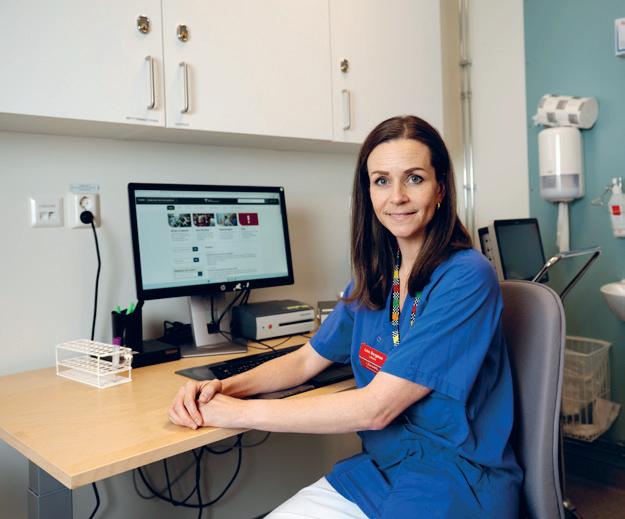
In January, Lina Bergman will be travelling to Cape Town in South-Africa for the tenth year running. It concerns her research into pre-eclampsia for which she is conducting parallel trials at the Stellenbosch University and the University of Gothenburg.
– Even though I had done research into pre-eclampsia for several years, it was only when I arrived in South-Africa that I really understood how serious the disease can be, says Lina Bergman. →
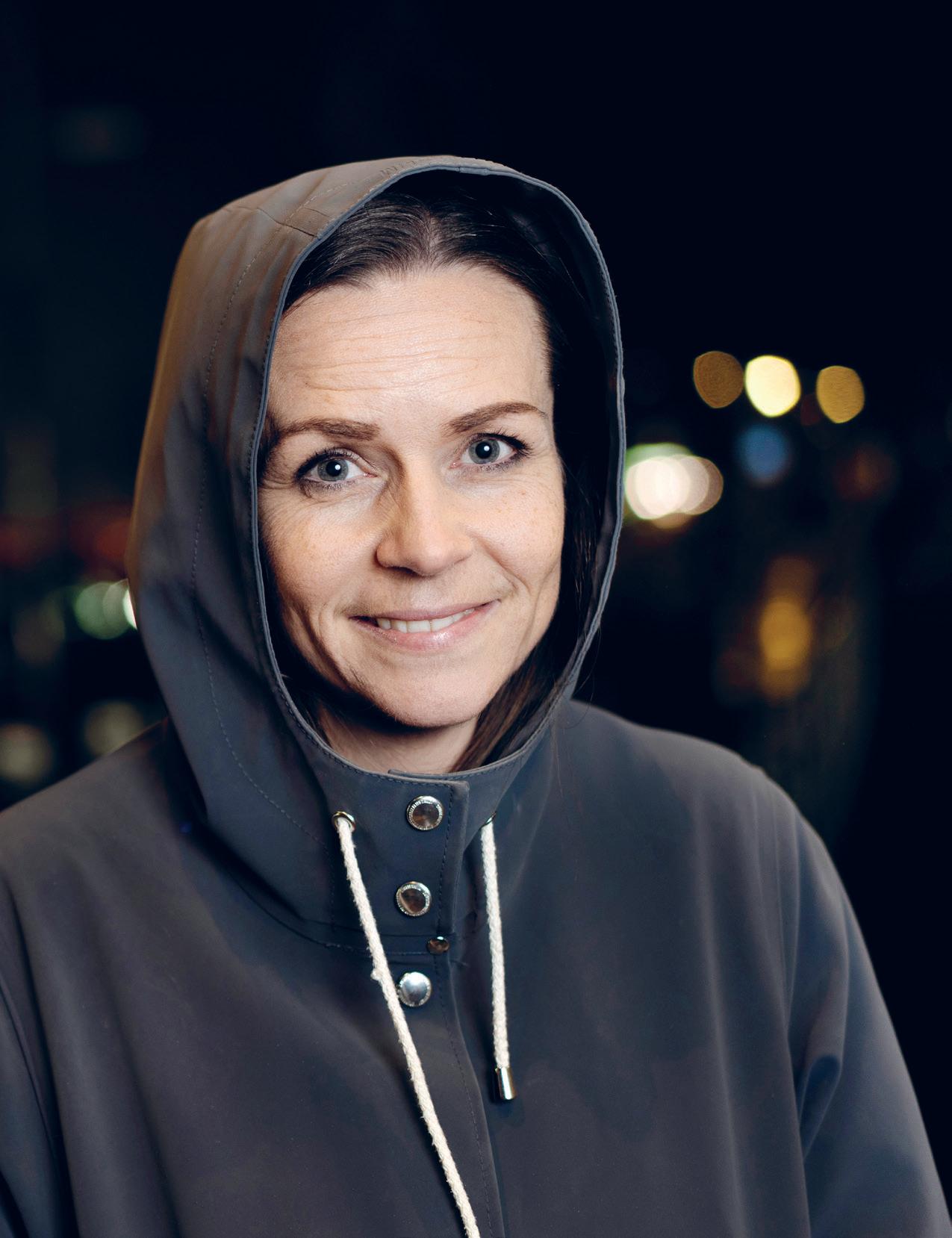
t was August 2016, when Lina Bergman was still a consultant-in-training that she travelled, with her husband and their three-year-old twins, to Cape Town for the first time.
– I was there to do clinical work for a year as an obstetrician at Tygerberg Hospital at the Stellenbosch University. I was at the end of my time as a doctoral student at Uppsala University Where I was doing research into biomarkers to reflect effects on the brain in pregnant women with pre-eclampsia. But what I encountered in South-Africa was something completely different from what I was used to; there was a large number of expecting mothers with eclampsia, meaning they were suffering from general cramps as a complication of pre-eclampsia, a very serious condition. I had never seen pre-eclampsia that had progressed that far in Sweden, which made me realise that I needed to do my research in South-Africa.
Lina Bergman tried to discuss a research partnership with some professors at the hospital but there was little interest.
– By accident I came across another doctoral student, Catherine Cluver, who was working at Tygerberg hospital but who was on parental leave at the time. It turned out that Cathy also studied pre-eclampsia for her doctoral thesis and that we had very similar interests in our research. Before I returned home, we decided to apply for grants for a joint biobank and database for pre-eclampsia with women suffering from severe complications. It was approved by the Stellenbosch University Ethical Review Board six months later and we were funded by a number of private foundations. This was enough to get started and our project now includes more than 3,000 women.
Around 3–5 percent of pregnant women will suffer from pre-eclampsia. The risk increases if the woman is having her first baby, if she has chronic hypertension, diabetes or is overweight. And age plays a role as well: both very young and very old pregnant women has an increased risk of getting it.
– The cause is not known but one hypothesis is that it is connected to the placenta suffering from a lack of oxygen. This may be due to it not fully attaching itself to the uterine wall or due to a lack of oxygen later in the pregnancy. It leads to stress signals and inflammation that damages the inner layer of blood vessels causing them to leak and form small thromboses. Complications may be severe, such as renal failure, pulmonary oedema and liver damage. If there is damage to the blood-brain barrier, which protects the brain from substances in the blood, life-threatening conditions may arise, says Lina Bergman.
– Swedish maternity care started in the 1950s precisely in order to identify pregnant women with pre-eclampsia. For this reason, as in other high-income countries, serious complications are rare. But in low-income countries they are so common that I was initially met by scepticism when I told South-African colleagues
that there are almost no attacks of cramp among pregnant women in Sweden.
The only current cure is giving birth. As the illness frequently arise late in the pregnancy inducing labour is not normally a problem.
– But around 0.4 percent of all pregnant women get pre-eclampsia before week 34, a period during which the child is better served by staying in the mother’s womb. So for the sake of the child, you then try to prolong pregnancy. But there is no treatment that will slow the process, we can only monitor and try to time delivery before the mother gets too sick.
Having knowledge about a specific disease can be both an advantage and a disadvantage when you suffer it yourself. The fact that Lina Bergman had already spent a few years researching pre-eclampsia when she gave birth in 2013 meant that she was not overly concerned when she was diagnosed with the condition toward the end of her pregnancy.
– I was expecting twins and pre-eclampsia is quite common in those situations. So, inducing labour a little early was not particularly dramatic for me.
But what happened after delivery was a more difficult experience.
– I suffered very sever hypertension and neurological symptoms that scared me a lot, as I knew that there was a risk of acute brain complications such as brain haemorrhage. Fortunately it all went well, but my experience probably makes it easier for me to empathise with my patients’ situation. Those who have had the illness also runs a higher risk of getting cardio-vascular diseases later in life; but when it comes to twin pregnancies there does not appear to be a increase in correlation, which of course is a relief for me.
Pre-eclampsia may lead to hypertension even long after delivery, says Lina Bergman.
– So the healthcare system should be better at following up pregnant women who had pre-eclampsia to check that they are fine even several years after giving birth. Studies have shown that it seems to work best when the women themselves take control of their blood pressure check-ups. Our research team is currently running a couple of studies within this field.
In 2019, Lina Bergman became a senior lecturer at the University of Gothenburg and shortly thereafter, she received a four-year starting grant from the Science Council.
– This enabled me to continue the collaboration with Cathy in South-Africa and the biobank we had built. We are now working together running a Swedish South-African research team. In South-Africa we have five midwives and two doctoral students and in Sweden we have four research assistants, five doctoral students, two post-docs and one research coordinator.
One interesting trial is about investigating whether the diabetes drug metformin may help extend pregnancy in cases of early-onset pre-eclampsia. A pilot study
in South-Africa in 2021, run by Catherine Cluver, indicated that the drug could delay delivery by about a week.
– With support from the Science Council we started trials in Sweden in February last year which involve a collaboration between nine maternity clinics in five regions. So far, it includes a little over 90 women, but our target is 294 participants. At the beginning of next year we will expand the trial in Sweden, but also in Norway and Finland. At the same time, there is a larger trial with metformin being conducted by our research team in South-Africa and there is also a similar trial about to start in the Netherlands. The idea is to eventually compare outcomes. Because even if the drug will only delay delivery by a few days, it may be crucial for foetuses before week 34.
The reason it is possible to conduct research on metformin is that it is an old tried and tested medicine. Otherwise, pharmaceutical trials on pregnant women are very uncommon, says Lina Bergman.
– This is of course an issue as pregnant women must also have access to good medication. But since there are terrible examples of drugs that have harmed foetuses, the American FDA banned pharmaceutical trials on pregnant women in the 1970s. So developments have stagnated and we have not seen much improvement in pregnancy-specific diseases. But today, we have new in-vitro models and I myself have set up a model using rats. Otherwise, pre-eclampsia is a disease specific to humans and does not generally arise in animals.
Spending the first three months of the year in Cape Town with the children worked just fine earlier.
– South-Africa has a school system with four semesters which means that our children attended their first semester in South-Africa and the rest of the school year in Sweden. But the last time we applied at the Education Agency in Gothenburg for letting the children study in South-Africa we were denied it; according to their new interpretation of the law the children are not deemed to benefit from accompanying parents that work abroad. So after New Year, my husband and I will take turns travelling to Cape Town. We have appealed the decision; if we are not permitted to travel it is unclear how my research can continue into the future which would have major consequences for me but also for my research team.
Even if her work and her family takes up most of Lina Bergman’s time, she does have some space for a hobby that she has enjoyed from the age of seven.
– I love horseback riding and one of the joys of the week is when my group and I gather on Saturday mornings to ride and hang out at Göteborgs Fältrittklubb. We also have a small dog, a Bernese mountain dog, that I will happily bring with me into the outdoors. Otherwise, I spend some time driving the girls to their cheerleading practice; they are very acrobatic, while I can barely do a forward roll.
Current job: Associate Professor at the University of Gothenburg and Stellenbosch University, as well as consultant in obstetrics and gynaecology at Sahlgrenska University Hospital.
Current project: Research lead for the group Translationell Preeklampsi (translational pre-eclampsia) with research operations in Sweden and South-Africa. A current important trial is the pharmaceutical trial Preeklampsi interventionsstudie 4 being financed by the Science Council.
Family: Husband Karl Bergman and the twins Alice and Agnes, 12 years of age.
She lives in: Örgryte, Sweden, and Cape Town, South-Africa.
Latest book: My sisters manuscript for her first novel which will be published in 2026!
Latest film: That Christmas with the kids.
Hobbies: Aside from work and family, horseback riding and being outdoors with the dog.
The project Unexplored Language Phenomena has been granted 48 million krona by the Riksbanken Jubileumsfond, which makes it the largest linguistic project in Sweden ever.
It concerns a partnership between four universities and the aim is nothing less than investigating the outer limits of human linguistic ability Three of six lead researchers come from the University of Gothenburg: Henrik Bergqvist, Eva-Marie Bloom Ström and Malin Petzell.
More than half of the world’s 6,000–7,000 languages will disappear over the next 75 years, according to a Unesco study. Many of these are not documented and thus risk being lost without a trace. When a language disappears a way of relating to the world also dies, which is one reason why the UN launched the International Decade of Indigenous Languages from 2022–2032. Eva-Marie Bloom Ström, Associate Professor of African Languages, explains.
– We wish to map some of those threatened languages, but in a different manner. Normally, linguists examine what is shared between different languages. What makes this project special is that we are instead trying to find what is unique, and which therefore may have been missed by science.
The project is a partnership between the universities in Uppsala, Stockholm, Lund and Gothenburg. The project lead, Harald Hammarström, works in Uppsala, says Malin Petzell, Professor of African Languages.
– During phase one, we intend to study
20 languages. But as we start collaborating with other research teams we are hoping to expand that number. We will be focusing on four themes: how the languages describe personal perspectives, counting and measuring, spatiality, as well as time and movement. For example, languages are affected in various ways by the base on which the counting system is constructed. If the language you speak has base 12 you may say “around four dozen” when we would say “around 50”. And spatial relations can also be expressed differently; some languages use cardinal points to
»If linguistics had instead been based on, say Swahili, English would have been considered as deviating.«
MALIN PETZELL
point to things that are close by, where we would choose right or left.
– We will try to describe the languages in as much detail as possible, while at the same time heeding practical aspects. One example is an African language that we studied where it was not possible to ascertain whether a word was a noun or an adjective. Creating a separate category for that one word we decided was unnecessary.
The research will be conducted through interviews with people who speak the languages that are under threat, says Henrik Bergqvist, Associate Professor of Linguistics, who researches languages in Latin America.
– We will be producing questionnaires
and templates to ensure that we work in the same manner with different languages. Two post-docs will be helping us with documentation. Aside from audio and video recordings we will also be using body cams to document the language during everyday activities, such as river fishing. It will involve a lot of field work but the major work will come afterwards, when we translate the transcribed material. And in that we also need the help of the interviewees who are partners in the project.
The work will be carried out in five main areas: South America, East Africa, South-East Asia, Papua New Guinea and Northern Pakistan. But languages in other regions will also be included, such as Southern Sámi.
Linguistics is a science whose terms stem from studies of western languages, primarily English, says Malin Petzell.
– It is an important reminder. If linguistics had instead been based on, say Swahili, English would have been considered as deviating.
There are also differences between how languages are usually documented, Henrik Bergqvist tells us.
– In the literature of African languages for example, there are almost no examples of grammaticalized systems that express evidential contrasts, i.e. how you cite a source for your statement, which means that African languages are excluded in the literature on such systems. Of course, this does not mean that African languages are unable to signal such contrasts, but for historical reasons they are not included in the literature.
When you study peculiarities in other languages, it may set you thinking about your own native tongue. Because Swedish is also quite peculiar, says Eva-Marie Bloom Ström.
– Anyone learning Swedish learn that
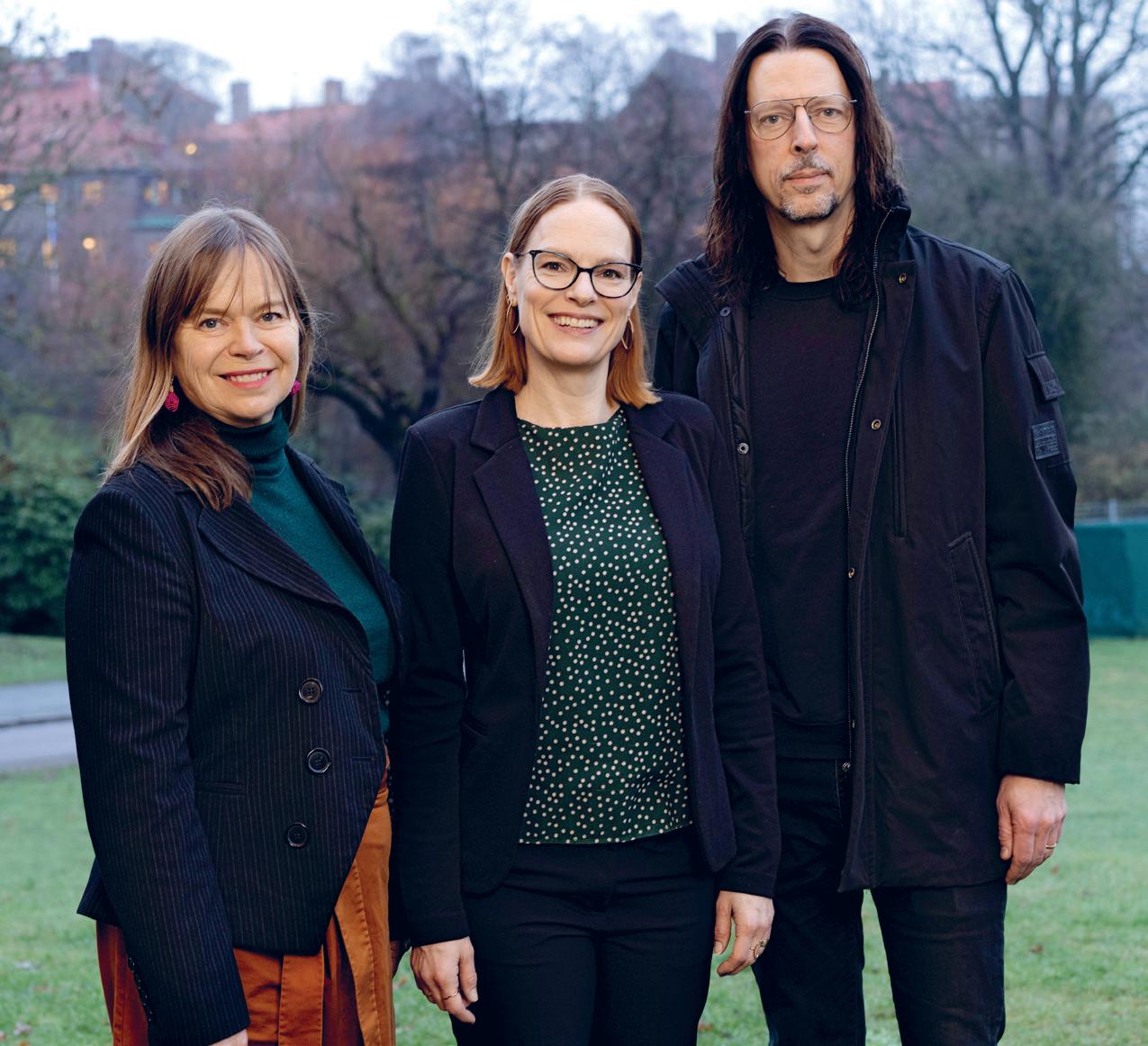
Eva-Marie Bloom Ström, Malin Petzell and Henrik Bergqvist.
we have nine vowels that may be long or short. But this is not true; a short a and a long a are entirely different vowel sounds. So Swedish has 18 vowel sounds, which is a lot.
The Swedish language also has very long composite words, Henrik Bergqvist explains
– What is also special is some particle verbs that may have many different meanings, such as “hoppa på” (jump on). You can jump on a trampoline, jump on the bus, jump someone... Linguistic studies of course has a value
in and of itself. But the research may also be of interest to completely different fields, Malin Petzell suggests.
– The available studies of how linguistic ability is affected by various forms of brain damage are often conducted in the West. But would someone who speaks a completely different language be affected differently? This would be interesting to investigate I think.
Text: Eva Lundgren
Facts: The six-year research project Outforskade språkfenomen: kartläggning och dokumentation av den mänskliga språkförmågans utmarker (Unexplored language phenomena (UNLAP): Identifying, documenting, and explaining the outer reaches of human expressive capacity) was recently granted 48 million krona by the Riksbanken Jubileumsfond which makes the project the largest investment in language research in Sweden ever. The project is a partnership between the universities in Uppsala, Stockholm, Lund and Göteborg and is headed by Harald Hammarström, Professor of Linguistics at Uppsala University. Three of the six project leads are working at the University of Gothenburg: Henrik Bergqvist, Associate Professor of Linguistics, Eva-Marie Bloom Ström, Associate Professor of African Languages, and Malin Petzell, Professor of African Languages. A post-doc from the university will also participate..
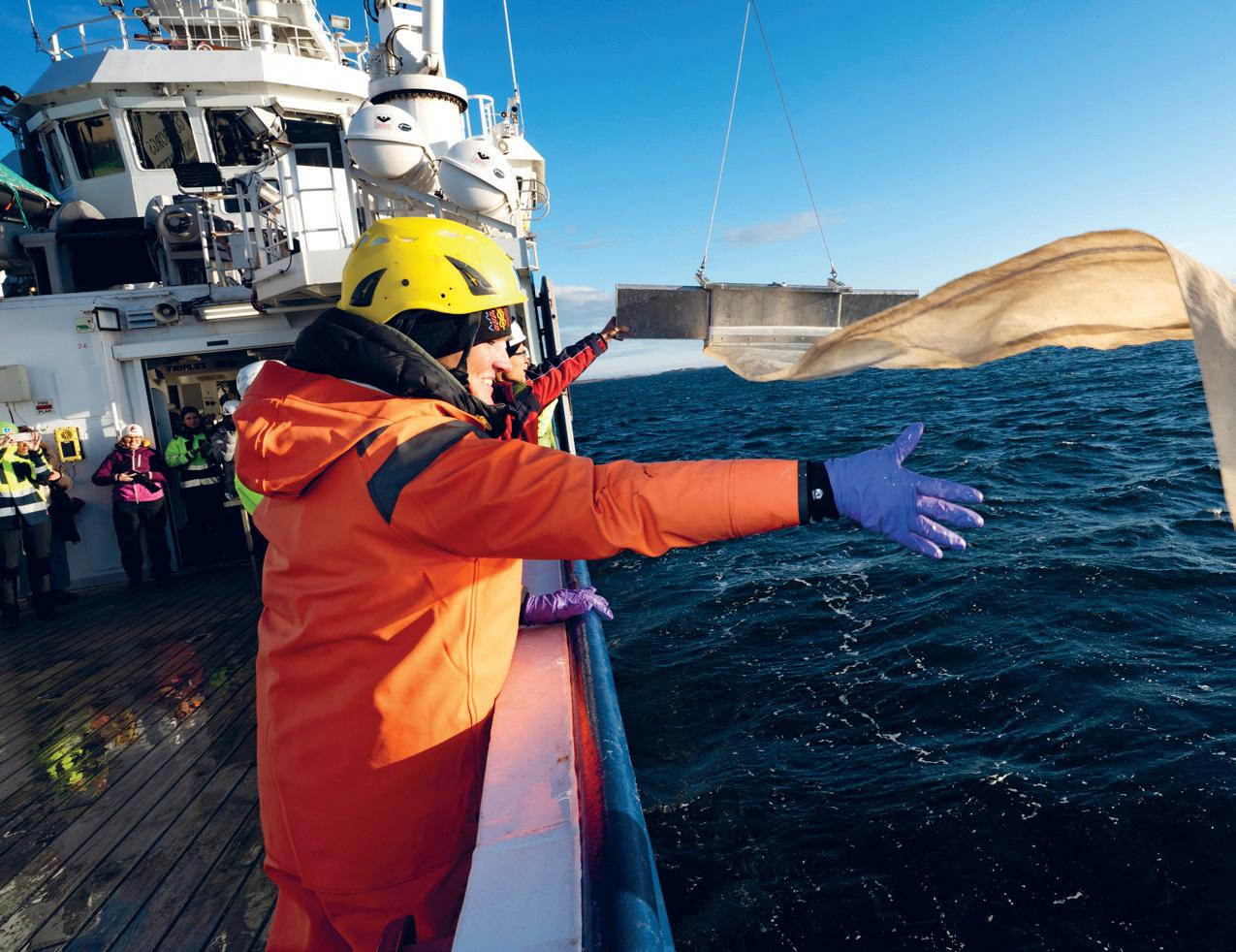
Is there microplastic pollution in the sea outside Gothenburg?
On an unusually beautiful November day, the research vessel Skagerak set out to investigate exactly that. Among the researchers on board were also several representatives from the plastics industry.
Today, microplastics are found almost everywhere, both on land and in the sea. To what extent these plastics affect health and the environment is still unclear, but the fact that particles that do not belong in nature find their way into all kinds of places is, of course, concerning.
Addressing the problem requires collaboration. This was the starting point when the Faculty of Science and Technology organized the GUIDE Days: Microplastics and Marine Health – Challenges and Solutions. On the first day, November
25, the participants took a trip with R/V Skagerak from Nya Varvet to Vinga. On board were researchers from the University of Gothenburg, representatives from the Port of Gothenburg, and members of the plastics industry.
Louise Newman, manager of the Skagerak Facility, guided visitors from the aft deck – equipped with large winches and ample space for containers and sampling – up to the bridge, where they met Captain Richard Olsson.
– The vessel runs on both electricity and diesel, which results in low emissions. It is also coated with a special material to minimize underwater noise, he explained.
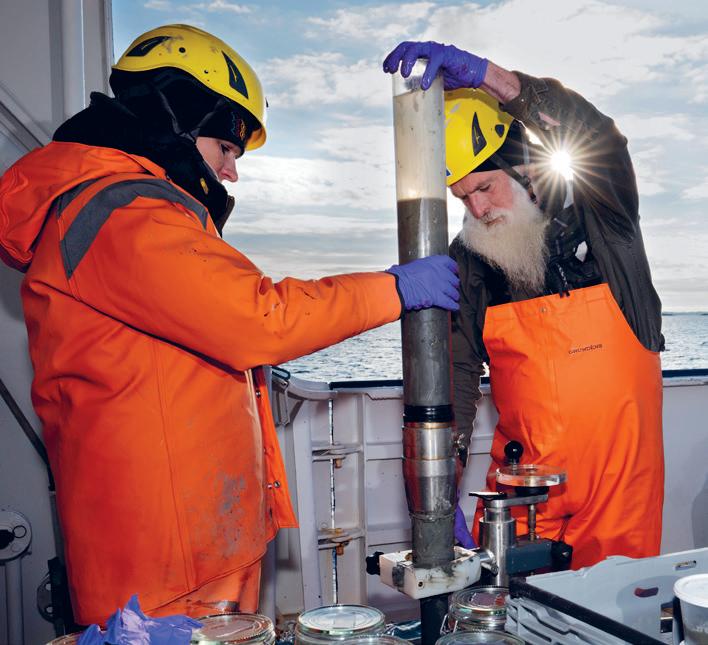
Irina Polovodova Asteman, Senior Lecturer in Marine Geology, and Karin Mattsson, researcher in Marine Sciences, demonstrated how they retrieve sediment samples from the seafloor and then slice them for further analysis.
Martin Hassellöv, Professor of Analytical Environmental Chemistry, explained how the ship’s CTD works, which can collect water samples at various depths. He also described the vessel’s ferrybox.
– It’s a system that continuously measures the properties of the sea while the vessel is underway. The name comes from the fact that the instrument was originally used on ferries that travel the same route daily and can therefore collect data over long time periods.
Frida Rehnberg from Hexpol TPE found the excursion educational.
– For us in the plastics industry, it’s important to understand the problems related to littering. We, of course, also want the cleanest waters possible.
Actively taking part in collecting water and sediment samples was appreciated by many, including master’s student Finnja Simon.
– Events like this complement theoreti-

cal teaching, deepen our understanding of practical research work, and provide strong motivation for future projects. For me, it was also valuable to listen to people with very different backgrounds and discuss the topic from multiple perspectives.
The boat trip was followed the next day by further exchange of experiences at the Dockyard Hotel.
It is still too early to present any results, says Karin Mattsson.
– But we collected many good sediment cores that we have begun processing for dating. If the dating works well, we will look for anthropogenic particles in the samples, but that won’t happen until next year. We also collected surface sediments from all stations; these are not dependent on dating, but we will not process the samples this year.
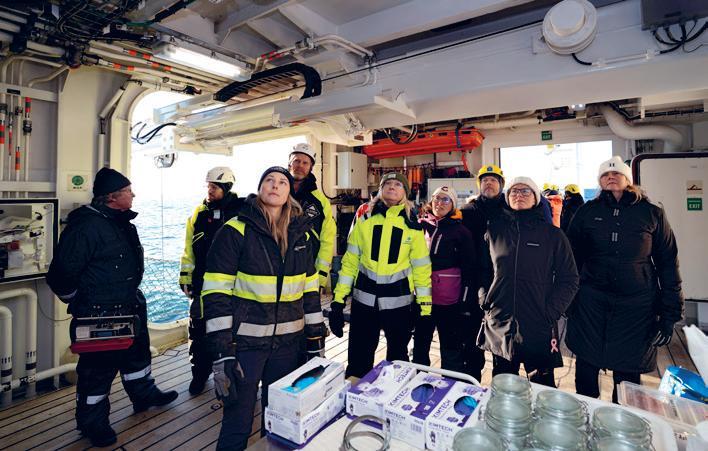
Facts: The GUIDE Days: Microplastics and Marine Health – Challenges and Solutions included a trip with R/V Skagerak to Vinga on November 25 and a follow-up half-day at Nya Varvet.
Participants included researchers in marine chemistry, geology, and ecotoxicology; representatives from the School of Business, Economics and Law and the Centre
for Future Chemical Risk Assessment and Management (FRAM); the Swedish Agency for Marine and Water Management; Zephyr; Chalmers; the Port of Gothenburg; and the following plastics producers: Borealis, Inovyn (INEOS), and Hexpol TPE AB.
The GUIDE Days were organized by Agnes Faxén, Communications Officer at the marine infrastructure Skagerak Facility, Department of Marine Sciences.
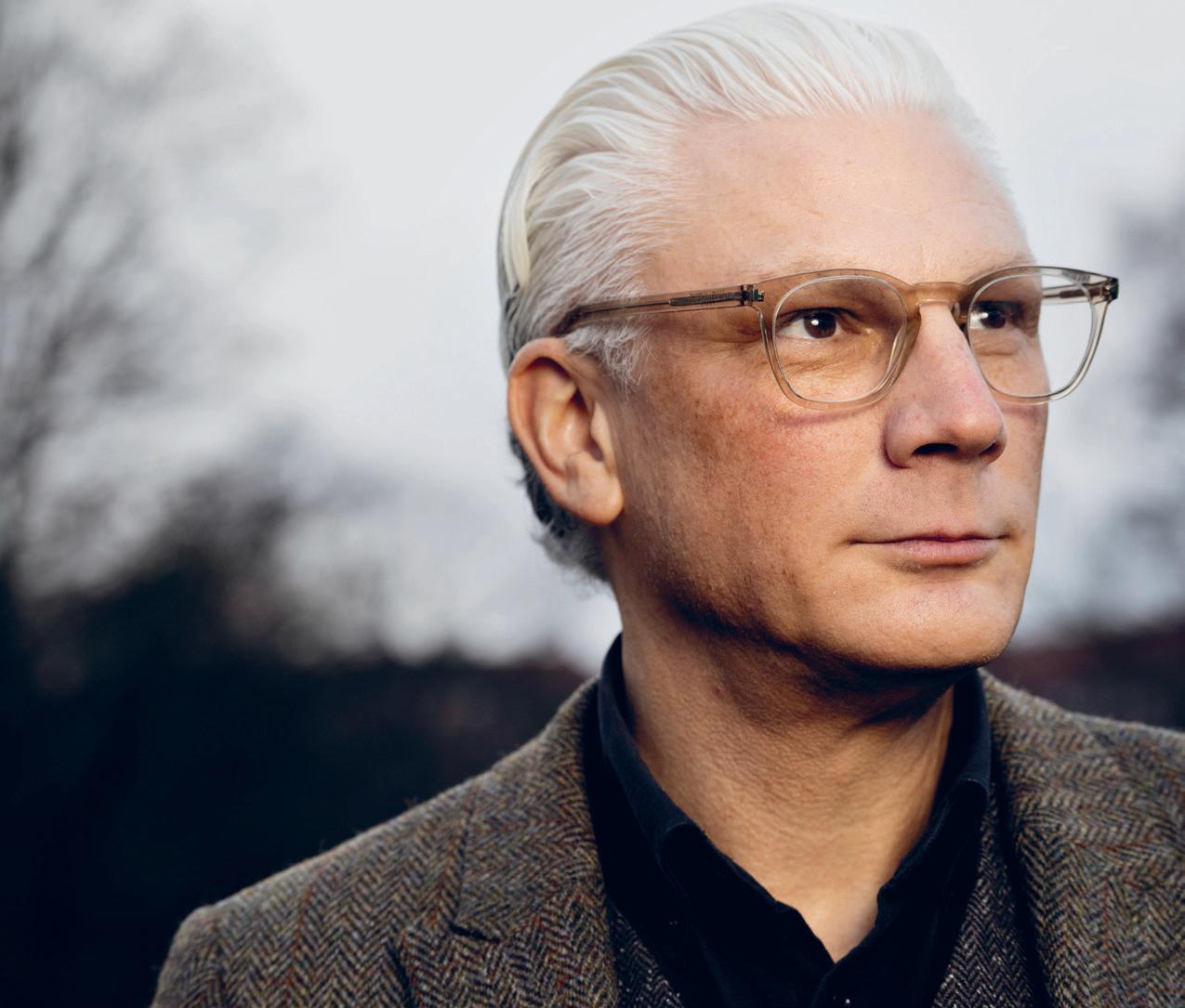
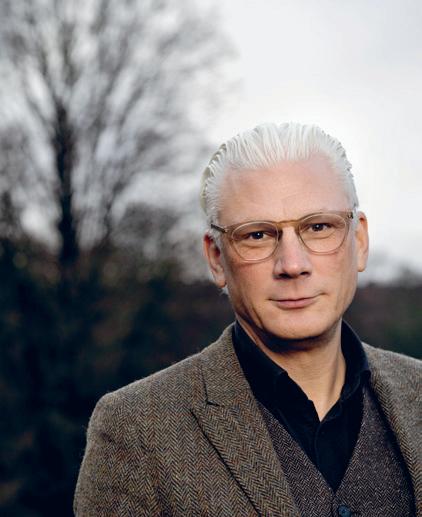
Henrik Bogdan conducts research on alternative religious traditions such as occultism, Freemasonry, esotericism, closed orders, and magic; movements long dismissed as heresies or pseudoscience, but which have had an enormous impact on our culture. In his latest book project, he gives a voice to Leah Hirsig, a female leader within occultism in a male-dominated world.
As a professor of religious studies, Henrik Bogdan works partly in the borderland between religion and science. He has a particular interest in alternative religious currents such as esotericism, new religious movements, and closed societies and orders.
– There have always been practices and traditions that challenge the religious or scientific norm. But not many have looked closely at these movements, since they have often been regarded as heresies, pseudoscience, or superstition. It is exciting to examine traditions and interests that previously received little attention.
Esotericism is an umbrella term for a wide range of currents that Bogdan
studies, with alchemy, astrology, New Age, occultism, and modern witchcraft being just a few examples. These are very different types of spiritual practices, all involving elements of self-development, and they have influenced society more than many realize.
– Many of these currents were prominent and influential and made an impact in a wide range of fields. For example, Theosophy, which in the 19th century had great influence in intellectual circles and the spiritual landscape of Europe, the U.S., and even India. These movements were not reactions against modern society but rather part of it, as they were often shaped by ideals linked to democra-

cy, human rights, or women’s suffrage. If we hold too simplified a view of these movements, we risk missing important insights, Bogdan argues. He explains that there are strong connections between Western esotericism and many influential cultural figures of the 19th and 20th centuries.
– August Strindberg and William Butler Yeats were deeply involved in occult currents. If we ignore that, we miss much of the symbolism expressed in their literature. Another example is the artist Hilma af Klint, who had a strong interest in spiritual and occult movements, something clearly reflected in her paintings. Hilma af Klint is now part of our cultural canon. This shows that
what was once criticized, mistrusted, and dismissed has today even become part of our cultural heritage.
Bogdan’s latest book project focuses on Leah Hirsig, who in the early 20th century was a central figure in the controversial religion Thelema. Together with Manon Hedenborg White at Malmö University, Bogdan has produced an annotated edition of Hirsig’s diaries and selected letters, offering a multifaceted portrait of one of the few female leadership figures within occultism.
Leah Hirsig had a relationship with the poet and occultist Aleister Crowley, who saw himself as the prophet of the new religion, and together they founded a monastery in Sicily. She lived an unusually independent life, especially for a woman of her time. Yet until now, accounts of her life have been overshadowed by Crowley’s story.
– We wanted to let Leah Hirsig’s voice be heard, to highlight the importance of her spiritual leadership in a male-dominated world. She was active at a time when new ideals of ‘the new woman’ were emerging, and she asserted the right to her own sexuality, practiced yoga and meditation, used drugs, and created various rituals, entirely on her own terms.
But her life was not easy: as a woman who challenged social norms, she was highly vulnerable, and she and Crowley often struggled financially. At times, desperation shines through in her diary entries, including when she plans for her own death, which she is convinced will come soon.
– As long as Crowley was interested in her, she was elevated. But when he met another woman, she was replaced overnight. Hirsig eventually broke with Crowley and left the occult milieu, but her importance to the movement was immense and deserves recognition.
In addition to his research, Henrik Bogdan devotes much time to working as editor for two international academic book series, which have grown steadily in recent years: Oxford Studies in Western Esotericism (Oxford University Press) and Palgrave Studies in New Religions and Alternative Spiritualities (Palgrave Macmil-
lan). This role gives him insight into the forefront of research in these fields but also influences how they develop.
– It’s important for Swedish scholars to be visible in international research environments, even though such work takes time and is not directly rewarded within academia.
Selecting among the many strong book manuscripts is no easy task, especially since interesting research alone is not enough; there must also be a market for the book.
– At first, I thought most manuscripts were good and should be published, but I’ve learned to look more at what the content contributes in a broader perspective. I think, in general, researchers need to get better at conveying the relevance of their research. That is one of many things I’ve learned from being an editor, he says.

Henrik Bogdan is co-author with Manon Hedenborg White of The Magical Diaries of Leah Hirsig, 1923–25: Aleister Crowley, Magick, and the New Occult Woman, published by Oxford University Press.
GIn the wake of previous strategic decisions, the University of Gothenburg marine infrastructure has suffered financially. For this reason, the vice-chancellor decided in 2023 to commission an inquiry to look into how to best phase out operations at one of the university’s marine research stations. The investigator proposed that the university retains and develops operations at Tjärnö, and steps back as the principal of operations at Kristineberg. Fortunately, the Swedish Polar Research Secretariat will take over operations at Kristineberg, supported by the Västra Götaland Region, the Sjöberg Foundation and the government. At the same time, Tjärnö’s finances is aggravated by new impositions but without additional funding, and desperate decisions now risk leading to a financial melt-down. Was this the plan?!
For decades, the University of Gothenburg has had a more or less pronounced marine profile, and part of the Faculty of Science’s grants stem from historical investments into marine centres that would guarantee a marine infrastructure around the coast of Sweden. In light of this, the vice-chancellors of the university over the years have taken a number of strategic decisions that has involved longterm obligations for maintaining a comprehensive infra-structure. In addition to the Tjärnö Marine Laboratory, which has belonged to the University of Gothenburg since 1964, in 2008 they took over the Kristineberg Centre for Marine Research and Innovation from the Royal Swedish Academy of Sciences and in 2012, the university placed an order on a larger
research vessel (Skagerak).
At universities around the world, the fiscal responsibility for similar marine infrastructures is laid on the level of the vice-chancellor or at least the faculty level. Instead, the University of Gothenburg has chosen to place the overarching decisions on the vice-chancellor but to place the responsibility of operations and finances on a head of department, at one single department. One sole individual (and not a board) makes decisions concerning priorities, staff and budget. A close to impossible challenge for a head of department with little opportunity to make any necessary provisions when such are required. No analyses were made, neither when taking over Kristineberg nor when the ship was commissioned, of what the considerable operating costs would entail and who would bear them. A few years later, the university finds that it no longer can afford to operate three major infrastructures (Kristineberg, Tjärnö and Skagerak) and the vice-chancellor tasks the faculty with appointing an external investigator who summarises their assignment as follows:
“One of the bases for the assignment is that the university’s responsibility for maintaining and funding two research stations need to end in order to ensure long-term and good operating conditions for the research vessel (R/V Skagerak) and one research station.”
The investigator presents their conclusions in January 2024 and the main message is that the University of Gothenburg should retain Tjärnö and divest the Kristineberg operations. One important reason is that Tjärnö is the larger station in terms of operations and is able to house the full needs of the university. The
investigator proposes a speedy process for adapting operations at Tjärnö for this purpose.
Subsequently, the following has happened
With the Swedish Polar Research Secretariat taking over Kristineberg from January 1, 2026, there is a requirement for the University of Gothenburg to continue financing Kristineberg with 12.5 million per year, which corresponds to the annual support provided by the faculty to Kristineberg. However, the faculty’s support will be phased out over a three-year period and is therefore reduced by 7 million for 2026. This loss will then be set off by the two departments with permanent researchers at Kristineberg each contributing 3.5 million for 2026. One of these will be the Department of Marine Sciences (MV), whose finances are in free-fall. Therefore, MV will therefore refrain from increasing their support to Tjärnö in 2026, despite critical needs. As a result, an absurd asymmetry of resources will arise. For the small number of 4 employees (2 researchers, 2 doctoral students) who work at Kristineberg, MV will be paying almost as much as they pay for the infrastructure at Tjärnö, housing 29 researchers and 9 doctoral students. While a research position at Tjärnö costs the same as a research position at Natrium (around 140,000 krona for 2026), the department pays 1 million krona per person at Kristineberg for 2026. And what will happen from 2027 onward, when the faculty’s grants to Kristineberg are reduced even further, is still wrapped in mystery.
Since 2022 the University of Gothenburg has had a strange agreement with the other parties to the Kristineberg Centre (Chalmers, IVL, RISE and KTH) where the university has agreed to cover the
entire budget deficit. At Tjärnö the faculty funding has instead been frozen at the 2018 level with no compensation for increased costs. In addition to “normal” rental, operating and payroll expenses, another several million in increased costs beyond the control of the station management have been added. Increased rental costs as a consequence of new premises in Gothenburg, new overheads for technical staff that are no longer considered to be support staff according to the SUHF model. On top of this, Tjärnö will have to pay separately for cleaning, water and sewerage and postal services that are included in the rent in Gothenburg, as well as paying considerable maintenance costs for the saltwater plant owned by Akademiska Hus. But Tjärnö’s cries for help have been dismissed – “we need to resolve the issues at Kristineberg first.”
The past few years have been tough on the technical staff at Tjärnö who, with twice the workload of Kristineberg, have had to service an average of 80 researchers and students per day across every workday of the year (including over the summer months with no temps).
And contrary to what formed the basis of the investigation, we are shocked to hear the faculty announcing that they do NOT intend to increase the grant to Tjärnö as they scale back the funding to from 2026. And in a desperate attempt to try to save Tjärnö’s budget for 2026, the head of department decides that the fees for external users will increase by 100 percent! Stockholm and Halmstad Universities, and the universities of Plymouth and Gent, as well as a large number of upper secondary schools that have courses at and field visits to Tjärnö during days when the University of Gothenburg does not avail of the resource will most probably refrain from using it in the future. The consequence is that Tjärnö will lose an additional 7 million krona from an already disastrously underfunded budget.
Tjärnö is one of the largest marine research stations in Europe, attracting students and researchers from across the
globe. The university should be proud of owning and administrating Tjärnö, but the future is presently looking quite bleak. And among staff, researchers and students there is palpable concern. Tjärnö has long been considered one of the university’s best functioning sites with very good results in workplace surveys. But currently, everyone is suffering from a lack of understanding and support, as well as from a strong sense of managers at various levels not caring or not understanding what is about to happen. We ask ourselves what does the university management, the Faculty of Science and the department hosting it wish to do about Tjärnö?
Continuing to erode the financial conditions is a disaster for an already anorectic financial situation (as the investigator cites), and a threat to the research station that the university has decided to keep. This also means that large parts of the university’s marine operations are threatened, not least the opportunity to attract marine students to the Faculty of Science at the University of Gothenburg. Is this the plan? Management is now being held accountable, instead of a continued bickering between the dean and the head of department.
What will now need to happen before Tjärnö’s finances implode is the following:
(1) Reinforcing funding for 2026 by the 7 million that the faculty saved on reducing the annual support to Kristineberg.
(2) Letting the station’s management and steering committee discuss potential increases to external fees in 2026 that will not lead to clients disappearing.
(3) Moving the marine infrastructure to the faculty in 2027, and delegate to the directors (at Tjärnö and Skagerak) the corresponding HR and financial responsibility held by heads of departments for their operations.
Kerstin Johannesson, senior researcher, Tjärnö; Ahmed Alrifaiy, lab engineer ,Tjärnö; Alexandra Kinnby, researcher, Tjärnö; Ann Larsson, Professor, Tjärnö; Arne Nygren, researcher, Tjärnö; Becky Cramer, postdoc, Tjärnö; Bo Johannesson, research engineer, Tjärnö; Cruise Speck, doctoral student, Tjärnö; Diego Moreno Moran, doctoral student, Tjärnö; Elisabeth Brock, alumnus, Tjärnö; Erica Leder, Professor, Tjärnö; Gabriella Malmqvist, doctoral student, Tjärnö; Gunilla Johansson, receptionist, Tjärnö; Gunnar Brock, former chairman of the Tjärnö Board; Gunnar Cervin, research engineer, Tjärnö; Helen Veerman, infrastructure coordinator, Tjärnö; Henrik Pavia, Professor, Tjärnö; Joel White, ROV pilot and technician, Tjärnö; Jon Havenhand, Professor Emeritus, Tjärnö; Kristoffer Stedt, researcher, Tjärnö; Lara Beckman, doctoral student, Tjärnö; Linus Andersson, captain, Tjärnö; Mael Grosse, post-doc, Tjärnö; Maria Bodin, project coordinator, Tjärnö; Maria Gomez, doctoral student, Tjärnö; Marlene Jahnke, researcher and associate professor, Tjärnö; Martin Larsvik, communications officer, Tjärnö; Mats Lindegarth, Professor, Tjärnö; Milad Hosseini, visiting lecturer, Tjärnö; Olga Ortega-Martinez, researcher Tjärnö and AMO; Per Jonsson Professor Emeritus, Tjärnö; Peter Nilsson, captain, Tjärnö; Pierre de Wit, associate professor, Tjärnö; Robin Svensson, researcher, Tjärnö; Roger Butlin, Professor Emeritus, Tjärnö; Samuel Morbach, doctoral student, Tjärnö; Simon Henriksson, doctoral student, Tjärnö; Sophie Steinhagen, researcher and associate professor, Tjärnö; Stefanie Ries, new doctor, Tjärnö; Susanne Lindegarth, project coordinator, Tjärnö; Swantje Enge, researcher, Tjärnö; Teresia Martinsson, cleaner Tjärnö, AMO; Youk Greeve, post-doc, Tjärnö; Susanna Strömberg, researcher, Tjärnö, Luisa Kumpitsch, doctoral student, Tjärnö, Carl André, professor, Tjärnö.
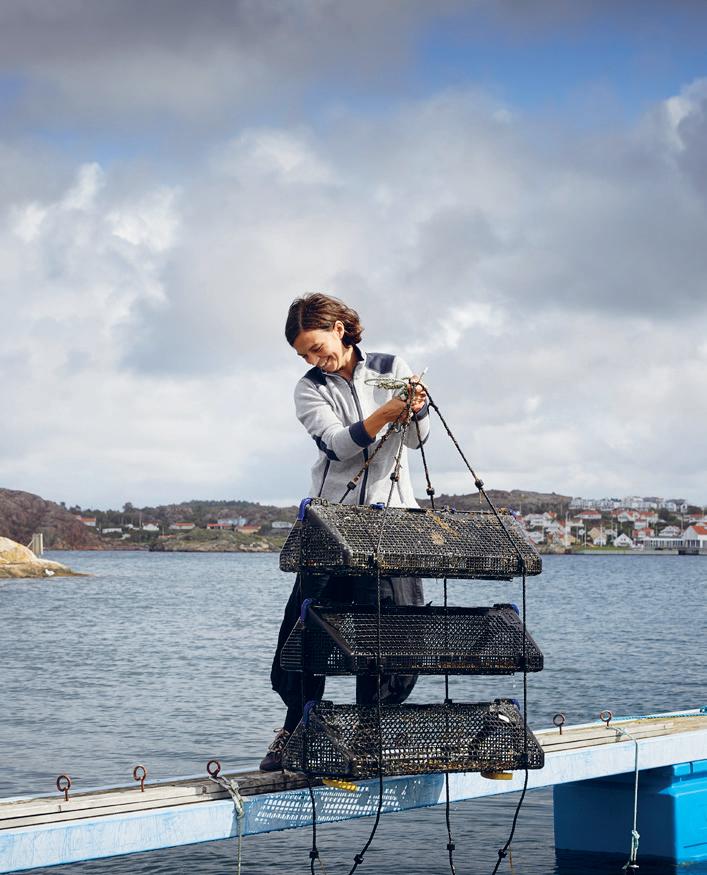
Thank you for your open letter and for your strong commitment to the marine activities at the University of Gothenburg.
The university is currently in a financially strained situation. This means that all levels – the university, the faculties, and the departments – must take clear financial responsibility for their operations. This also applies to strategically important infrastructures such as Tjärnö. The fundamental principle is that we cannot run activities that, over time, do not cover their own costs or lack sustainable funding. The university is already making significant allocations to the marine field. The activities at Tjärnö, like other parts of the university, need to be adapted to the financial framework. This may mean that fee levels and revenue models must be reviewed in ways that safeguard financial stability. It also requires making necessary priorities.
Tjärnö is an important part of the University of Gothenburg’s marine operations and an environment we value highly. At the same time, the finances must be balanced, and this responsibility is shared by the faculty, the department, and the station management.
Carina Mallard Pro-Vice Chancellor for Research
We thank the University of Gothenburg’s leadership through the Pro-Vice-Chancellor, for a courteous response, but we are at the same time deeply disappointed that the Pro-Vice-Chancellor avoids addressing the challenges we have highlighted – challenges that were already evident in the external review commissioned by the Vice-Chancellor (Ingrid Pettersson’s report Organisation and Governance of the Marine Research Stations). The reviewer wrote: “In recent years, the basic funding for the research stations has remained unchanged or even decreased slightly, while costs for staff, rents, energy, and more have increased … The marine infrastructures also appear to
face difficulties in achieving a balanced budget going forward.”
The proposals we presented in our letter were an attempt to advance towards solutions to the problems identified by the reviewer. And this is not about asking for more money, but about:
(i) a reorganisation and a reasonable distribution of responsibility between department and faculty,
(ii) a stronger mandate for the director and steering group at Tjärnö – highly competent individuals with deep insight into the very complex operations, and
(iii) ensuring that the savings made within the marine operations through the Polar Secretariat’s takeover of Kristineberg truly benefit Tjärnö – something that was the key conclusion in both Ingrid
Pettersson’s review and earlier ones (by Axel Wenblad and Jens Odderhed). Pettersson wrote: “The research stations have very limited opportunities to make investments for the future and can be described as economically anorexic.”
Handing over Kristineberg to the Swedish Polar Research Secretariat is a good solution, but if Tjärnö is to remain a functioning infrastructure for successful research, education, and collaboration, more is required than frozen allocations at 2018 levels.
It appears that the University of Gothenburg wants to have the cake and eat it too.
Kerstin Johannesson