G E N E S I S
G E N E S I S
Grace O'Shea
Genesis comes from the ancient Greek word génesis, meaning “birth,” “origin,” or “creation,” derived from gignesthai, “to be born, to become” It signifies not only the moment a concept, object or individual comes into existence, but also the process through which it continues to evolve.
In every story, behind every object, and within every person, there is an origin Each beginning carries its own weight, as it may be the single biggest factor in determining the future, or just the trigger for what is to follow. Have you considered that a beginning is never a fixed point? Most things in life do not stay stagnant, especially during youth, when we are constantly growing and shifting in both our presence and identity The nature of genesis unfolds over time
True to its name, the Genesis edition marks a new era for Universal magazine. Whilst new names and styles take the place of past contributors, what remains unchanged is the passion and structure that continue to shape the publication
We encourage you to stick around as we explore new areas of interest and experiment with fresh design concepts. Remember: lean into learning new things, and never shy away from beginnings by focusing too hard on the end point because anything worth admiring is bound to start somewhere!
Thank you for joining us in reading this edition online, and we hope you enjoy what’s inside
Until next time,
Interested in joining the team?
The City of Kingston proudly acknowledges the Bunurong People of the Kulin Nation as the Traditional Owners and Custodians of this land, and we pay our respect to their Elders, past and present
Council acknowledges the Bunurong’s continuing relationship to the land and waterways and respects that their connection and spiritual identity are maintained through ancient ceremonies, songlines, dance, art and living culture.
Council pays tribute to the invaluable contributions of the Bunurong and other Aboriginal and Torres Strait Islander elders who have guided and continue to guide the work we do
Cover Design by Terry Loxou Or looking to submit some work?
Please contact Kingston Youth Services on P: 1300 369 436 E: youth.services@kingston.vic.gov.au Info: kingstonyouthorgau/universal
Read previous editions:
Availablefor your reading pleasure at any time! Read online at: issuu.com/universal kingston
The views and opinions expressed in these articles are those of the authors and do not necessarily reflect or represent the views, values and official position of the City of Kingston or any of its officials, representatives or employees
Hidden in Printed Silks
Words by Harini Santhanam
Kingston Youth Services 10 19 15 20 22
Women's Fashion History
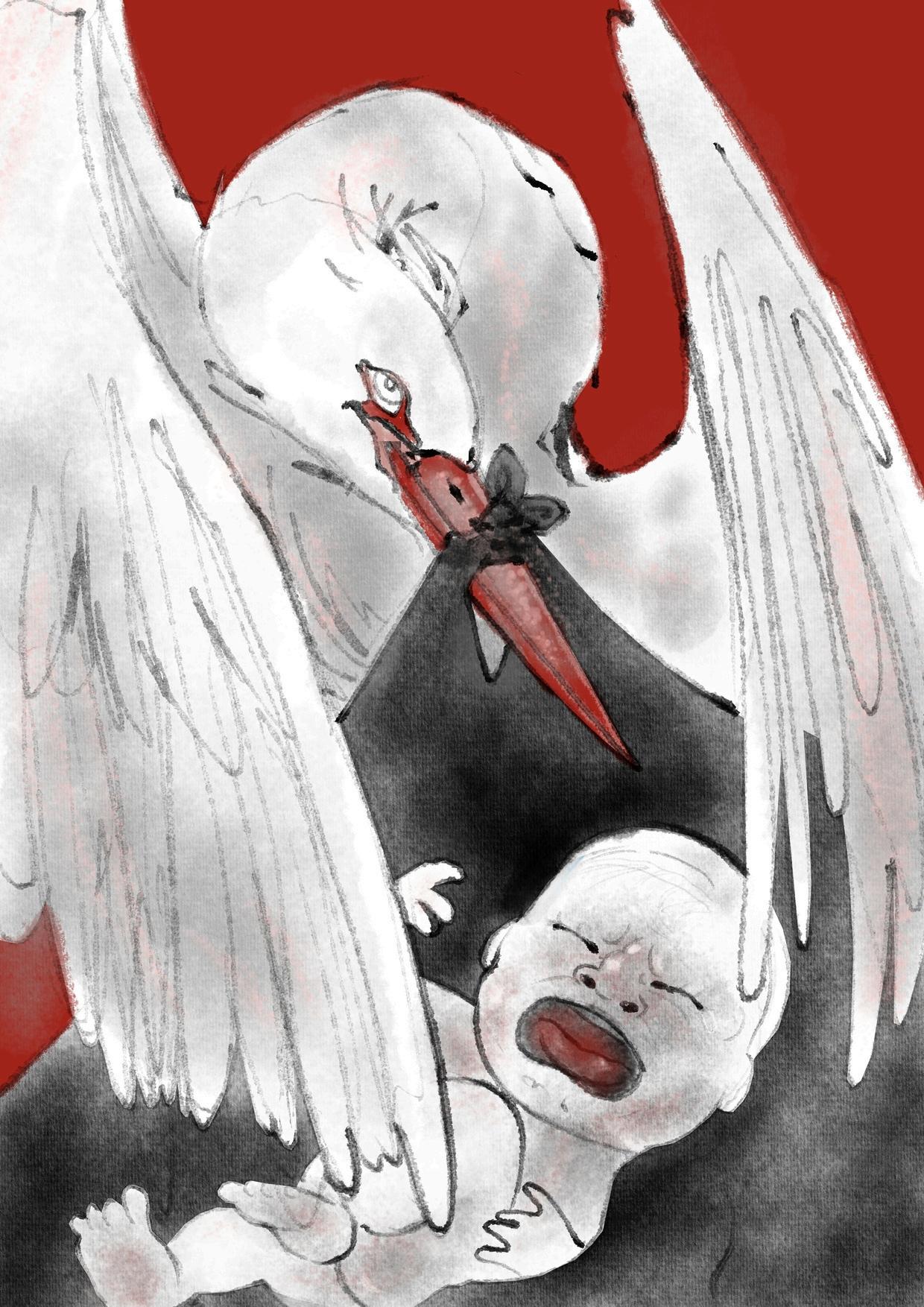
Words by Elliana Wearing 'Stork'
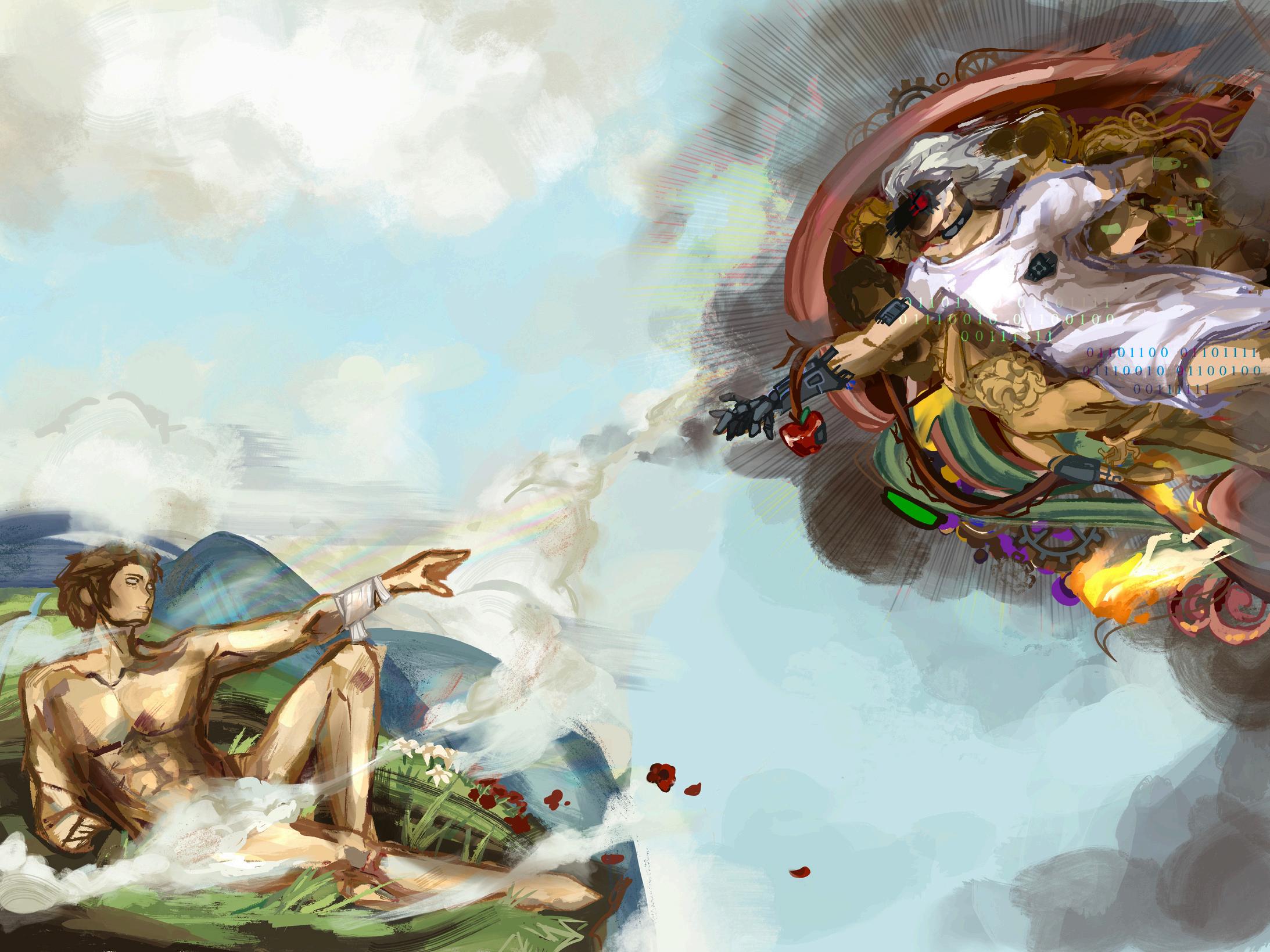
The Creation of Automation
Illustration by Caleb Chu
Words and illustration by Trinity Brincat 3 17 21 6 14 It pours
When It Rains
Words by Terry Loxou and Grace O'Shea
Illustration by Terry Loxou
From Chaos to Cosmos
Genesis on Screen
Words by Lihn Nguyen
Universal: Read Online!
Kingston Youth Services
Universal: Join The Team!
The couture framing India has been under employment for millennia, first recorded in the Indus Valley civilisation around 5,000 years ago. Traditional South Indian garments made efficacious use of its surroundings, spinning fabric from the agrarian region’s abundant natural resources. The practicality lay in their adaptability; a single piece of cloth could be draped in multiple ways, adjusted for comfort or mobility during work, and easily washed and reused Without the need for tailoring, they accommodated a diverse range of body types, honouring their sustainability. The style combatted the sweltering South Asian heat with its breathable fabric and flowy drapes, allowing for airflow and, likewise, insulation during cooler temperatures.
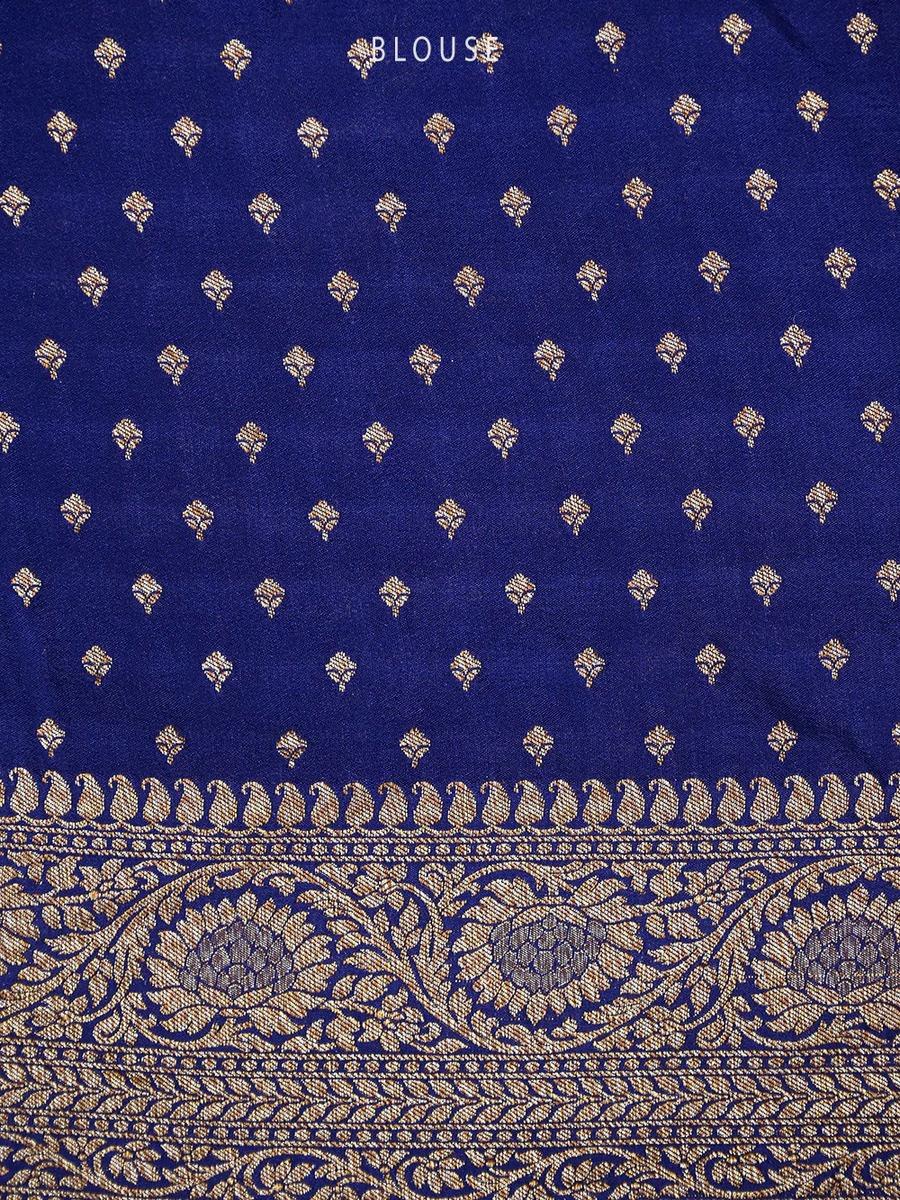
Clothing was typically made from locally woven cotton (as India was a founder of cotton-weaved fabric), or translucent muslin which was breathable, lightweight, and well-suited to the region’s hot and humid climate. In cooler or more ceremonial contexts, silk was on brand, with each region across India featuring over hundreds of unique patterns associated with their respective symbolisms.

Silk obtained from mulberries, grand temple borders woven with gold or silver

Luxuriously smooth texture, durable mulberry silk with minimal patterns and intricate zari borders
Pochampally
Vibrant geometric handlooms (featuring abstract diamonds or zigzags), often produced with silk-cotton blends
Or, periodically speaking corner-of-hut staples. The most fundamental garments in Southern India were the sari for women and the veshti (or dhoti) for men, both consisting of long, unstitched lengths of fabric that were wrapped around the body, similar to a Greek toga The quality and craftsmanship of one’s attire depended on their status, hence their occupation; noble families lived in ornate silks, whilst farmers and housemaids optimised thin, widely available cotton to suit their working conditions, preserving valuable fabrics for ceremonies and heirlooms. Women sported excess sari fabric as protective veils during the day For the upper body, they wrapped a secure fabric band around their bust, or simply did not wear any top coverings. India did not integrate the addition of stitched blouses until the mid 19th century, largely due to Western pressure Travellers and settlers thought the bare sari was immodest and provocative. As a result of this colonial influence, the quality and craftsmanship of one’s attire depended on their status, impacted by their occupation; noble families lived in ornate silks, whilst farmers and housemaids optimised thin, widely available cotton to suit their working conditions, preserving valuable fabrics for ceremonies and heirlooms.
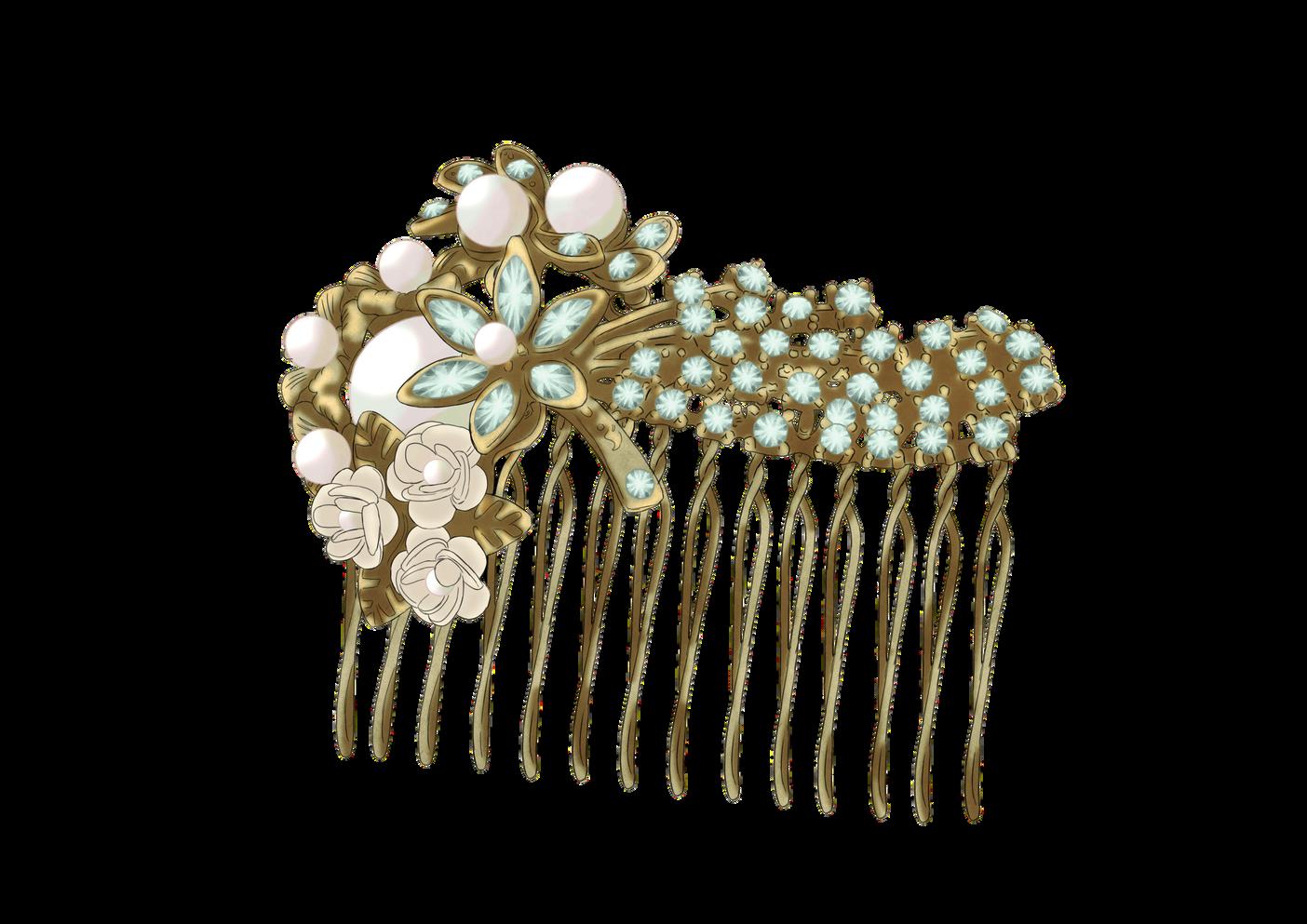
Personal decor of the era ranged from delicate strands of jasmine to vicious golden serpents, worn to establish eloquence and a sense of stability among one’s peers. Jewellery was integrated into daily wear rather than reserved for special occasions, making accessorising an essential and functional aspect of pre-colonial South Indian dress. Regardless of social standing, the vast majority of South India held some cultural tie to the precious Au (gold), Hindu belief stating that wearing the metal was a means of connecting to the divine They adorned themselves with intricate ornaments crafted from gold, silver, pearls and precious stones, often sourced through long-standing trade networks across the Indian Ocean; with women in particular wearing elaborate gold pieces, like necklaces, anklets, earrings, nose rings, and hair embellishments, as expressions of cultural femininity and grace, many of which were gifted to brides as heirlooms. Indian men were equally, if not more, dripped out in metal and jewel accessories, which covered their neck, biceps and head. These augmented authority and strength, signifying a man’s adequacy to protect. Additionally, these adornments visually estimated one’s caste and religion, popularising pendants of Hindu deities, while also serving as portable assets in time of need
I’ve always been fascinated by the history of fashion, and how it’s cyclical That’s what brought me to write about fashion for this edition! Enjoy as we unravel into the designs and styles of the past, from the 1900’s to 2000’s Perhaps, you’ll find some trends that fit your personal style in this generation, and you’ll bring back a little craze yourself
The 1900’s featured large, sumptuous hats towering with flowers and decorations, corsets, and long floorlength skirts
Fashion
Women previously had two different types of clothing: evening and day wear
Evening wear was fancier. Females would wear supper dresses, with more decoration, and that revealed more skin Their dresses would show the chest area, and sleeves were thin like the straps, which sometimes slipped, going off the shoulder
On the other hand, day wear showed little skin, covering their necks, and skirts reached the floor The two common outfits in the 1900s consisted of blouses with skirts, and dresses
Girls commonly sported corsets as an undergarment, to shape their bodies into an ‘ideal’ silhouette Corsets were extremely tight and uncomfortable, but it was seen as improper for a woman to not wear one
Accessories
The accessories that they paired with their outfits included parasols (fancy and colourful umbrellas), fans, and handbags
Girls wore their hair held up, into big updos, usually buns. They would use hat pins to keep it in place.
Shoes
Different types of shoes included Mary Janes, and boots Oxford shoes were used for day activity They looked like modern day school shoes!
1920s
The 1920’s fashion was incredibly simple due to the end of World War I. Coco Chanel and Jeanne Lavin were popular designers, and sportswear for women was a popular, yet new fashion aspect.
Fashion
In 1920, a new dress trend arose It was called, ‘the Flapper’, which was tube shaped, with either short or long sleeves It was very comfy To spruce it up, there were some added effects to make it look more fancy, such as tassels at the ends This dress was very different from the ones from the last decade
Another trendy dress in this era was made by Jeanne Lavin. It had a long skirt, and layers of fabric. It had a robe de style, which was a look that was seen as romantic and elegant
A lot of Jeanne Lavin’s designs were formal, meaning they were perfect for dinner occasions!
At this time, sportswear was new for women Uniforms included sweaters, and skirts Tennis was favoured, which brought in the tennis dresses
In the evening, details like beadwork and sequins were at play, but all in moderation the simplicity lay in the details
Accessories
A popular hat was a toque hat, and a bell shaped one, made of cloth They were worn with ‘the Flapper’
In the 1940s, World War II was just beginning This meant that styles were plain However, it differed slightly from the 1920s
Fashion
In France, Christian Dior’s brand had a major influence on the regulation and structure of French fashion, at a time when European and Allied nations were still rationing. His revolutionary collection, ‘New Look’ introduced new silhouettes and rejected the minimalist, boxy ‘utility’ clothing styles. Dior used many yards of fabric for his designs up to 15-20 which was seen as bold and allowed women to feel feminine again after years of restrictions. Utility clothing was bought using ration tokens, 16 of which were given to each household every month, to be used for necessities, like food.
Heath dresses covered in sparkly sequins, sundresses, as well as cherie dresses were other popular designs
American fashion designer, Claire McCardell was similarly admired Her extensive use of denim, seersucker, and jersey fabrics combined with her comfortable yet stylish aesthetic appealed to the average woman seeking practicality without sacrificing elegance One example of this is her tent dress
Accessories
Some of the accessories flaunted during the 40s were belts, gloves with vintage patterns, and scarves, which were wrapped around the hair or neck
The 1970s had a wide variety of trends and styles, such as disco core, and punk fashion ABBA, and Blondie were big bands at the time This is one of my most favourite eras!
Fashion
Fashion in the 1970s was bold, with hippie chic being a big factor
Disco style was very popular,, with pant suits, shiny outfits, patchwork, and crochet Handmade crafts shined through this decade! Glitter was always a go-to for disco events!
Examples of things worn by women in this decade are crepe dresses, bell bottoms, skirts, jeans, fur jackets, ponchos, jumpsuits, and vintage clothing
Patterns, and prints are well known from this era. Symbols such as the sun or flowers were imprinted on everything. Patterns such as lines and grids were as well. Colours were bold. Earthy colours, including mustard yellow, ochre, and browns, bright and neon tones also worked.
Accessories
In this decade, accessories were incorporated a lot. Beaded jewelry, headbands, scarves, ginormous hoop earrings, necklaces, clutch bags, and big sunglasses.
Hair was put into afros, or styled into curls
Shoes
Knee high boots, strapped sandals, and vintage heels were all very fashionable for daily wear
The 1980’s was full of bold colours, and the era’s focus famously centered on sportswear
Fashion
Clothing was stretchy and snug, for fitness use Gym clothing was worn for exercise, such as yoga pants and tops Jersey was one of the fabrics used to make the items
Other types of clothing were designer, like power suits and leather jackets, sweaters, and wide skirts
Fitness clothing could be found in a whole range of bright colours that popped, such as pinks and purples Other clothes were lighter, with beiges and creams
Shoes
Leather ankle boots and sneakers were worn
Roller skates were also worn for sport purposes, and street skating was popular!
High tops also jumped out in this era!
This era’s fashion influenced several shows, such as Hannah Montana, and Gilmore Girls The 2000’s still has some very popular designs that are resurfacing today!
Y2K, a famous trend that originated around the early 2000s, existed approximately from 1997 to 2004 It was heavily influenced by the media of the time, becoming a direct reflection of rising celebrity and internet culture The style was inspired by MTV, music videos and fashion magazines
Graphic tees, mini skirts, bucket hats, low rise jeans, fur coats, caps, crop tops, and dresses over trousers were all popular pieces of clothing
Second-hand vintage items, sourced from thrift stores, were also trendy
Some popular colours were shades of silver, black, brown and hot pink
Shoes
Trainers and platform shoes dominated wardrobes, with the latter preferred for going-out occasions.
So, that’s a wrap! I wonder what the future of fashion will bring Will we see a resurgence of fashion from past eras, or will we adopt something entirely different? I would love for roller skates and blades to be worn in town, and for vintage to be more common!
Now, I dare to question you, what is your most favourite era?
Written & Illustrated By Trinity Brincat
Creation myths differ dramatically in imagery and tone, yet when placed side by side, clear thematic patterns emerge Rather than existing as isolated tales bound to a single culture, they form a kind of global dialogue about origins, order, and meaning These narratives, passed down through generations, do more than explain how the world began, they reveal how societies understand power, nature, and humanity’s place within the cosmos. By comparing them, we begin to see not only their differences, but also the shared questions that unite human thought across time and geography
One of the most striking contrasts is between creation from preexisting chaos and creation from nothing In many ancient traditions, the universe begins not with emptiness, but with a kind of formless potential The Babylonian Enuma Elish and early Greek cosmology both describe a primordial state, whether chaotic waters or an undefined void, from which divine beings emerge and impose structure Norse mythology follows a similar pattern: the vast, icy emptiness of Ginnungagap exists before the shaping of the world from the body of the giant Ymir. In each of these traditions, matter is not created but reorganised; the cosmos is an act of transformation rather than absolute origin.
By contrast, the Book of Genesis presents a more radical and abstract claim: a single, omnipotent deity brings the universe into being through speech alone “Let there be light” signals not just the creation of light, but the emergence of order through language and will. This shift, from shaping preexisting chaos to creating ex nihilo (out of nothing), marks a profound theological development. It moves away from mythic imagery rooted in physical struggle and toward a more philosophical conception of divine power, one that emphasises transcendence and absolute authority.
A related distinction appears in how order itself is achieved, through violence or through deliberate craftsmanship. In the Enuma Elish, the god Marduk slays the chaos monster Tiamat and fashions the universe from her divided body, turning destruction into creation Norse mythology mirrors this motif in the dismemberment of Ymir, whose bones become mountains and whose blood becomes the seas. These stories suggest that order is not easily attained; it must be carved out of chaos through force, sacrifice, and conflict.
Yet other traditions offer a gentler vision of creation. In Egyptian theology, the god Ptah brings the world into existence through thought and speech, emphasising intellect and intention over violence. Similarly, in Yoruba tradition, Obatala carefully moulds human beings from clay, shaping them with patience and care. These narratives frame creation as an act of artistry rather than conquest, suggesting that the universe is not the result of struggle, but of design The contrast between these approaches reveals deeper assumptions about the nature of order itself, whether it must be wrested violently from disorder or can emerge through wisdom, planning, and creativity.
Another recurring pattern is the idea of creation through a cosmic body In Chinese mythology, the giant Pangu transforms into the natural world upon his death, his breath becoming the wind, his voice the thunder, and his body the land itself Norse mythology again offers a parallel in Ymir, whose physical form becomes the substance of the earth. These stories blur the boundary between the divine and the natural world, suggesting that the environment is not separate from sacred power but is, in fact, its direct manifestation
The Mayan Popol Vuh offers a compelling variation on this theme. Rather than the world being formed from a divine body, humanity itself is crafted from maize dough after several failed attempts with other materials. Maize, as the staple crop of Mayan civilisation, becomes the substance of human life This reflects a deeply agricultural worldview in which sustenance and identity are intertwined. In both cases, whether through cosmic bodies or sacred crops, the materials of creation are not arbitrary. They reflect what each culture perceives as essential, life-giving, and worthy of reverence
Water, too, appears with remarkable consistency as the starting point of existence Across cultures, it symbolises both chaos and potential, an undifferentiated state from which life can emerge. In Iroquois tradition, Sky Woman falls from the heavens onto a vast watery expanse, where animals dive to retrieve mud from the depths and form the first land. In Hindu cosmology, the Rigveda describes a golden embryo floating upon primordial waters, from which creation unfolds. Japanese Shinto myth tells of Izanagi and Izanami stirring the ocean with a jewelled spear, causing droplets to fall and solidify into the first island.
Despite their differences, these stories share a common imagery: water as the origin of all things. It is both formless and generative, a medium of transformation that precedes stability and structure Whether through divine action, animal cooperation, or cosmic emergence, land and life arise from this watery beginning, reinforcing the idea that creation is a gradual process of differentiation
Some traditions even move beyond narrative certainty toward philosophical reflection A hymn in the Rigveda famously questions whether anyone truly knows how creation occurred, suggesting that even the gods may not possess the answer
This introduction of doubt is striking, especially when compared to the confident, orderly account of Genesis or the vivid, dramatic battles of Mesopotamian myth. It represents an early recognition of the limits of human knowledge and the possibility that the origins of existence may remain ultimately unknowable.
This spectrum, from confident proclamation to open-ended questioning, highlights another function of creation myths They are not just explanations, but expressions of a culture’s relationship to authority, truth, and mystery. Some traditions assert a clear, divinely sanctioned account of origins, reinforcing religious and social structures. Others leave room for ambiguity, encouraging contemplation and humility in the face of the unknown
Taken together, these myths demonstrate that while their symbols differ, chaos monsters, cosmic giants, sacred speech, fertile earth, their underlying concerns are remarkably consistent Every culture grapples with fundamental questions: How does order arise from disorder? What is the relationship between humans and the natural world? Is creation an act of violence, artistry, sacrifice, or mystery? And perhaps most importantly, what does it mean to exist within a universe that had a beginning?
In this way, creation myths are not merely relics of ancient belief systems. They are enduring reflections of human curiosity and imagination. The imagery may be culturally specific, shaped by environment and tradition, but the impulse to narrate the beginning of everything, to make sense of existence itself, is profoundly and universally human
I cannot believe that this f ilm isn't talked about enough The Prince of Egypt is not only a blessing to the eyes, it presents more diff icult and real-world issues in way that even kids can engage with meaningfully, especially the themes of brotherhood, oppression, and the retelling of Moses’ story One of the darkest G-rated f ilms of its time, but also one of the most important f ilms I’ve seen
Genesis is all around us - even if the word itself sounds poignant, I think there’s nothing better suited to the idea of it than this ‘singing, dancing fashion star’ that you raise f rom birth to adulthood. What’s more is that My Talking Angela marks the beginning of an era of the internet plagued by nonsensical memes.


This Oscar sweep both pokes fun at and interrogates the idea of beginnings, from the concept of our ancestors having sausage fingers to the intergenerational trauma that is ingrained in Asian families. More than that, it’s also sad and ridiculous and full of joy and warmth. Ke Huy Quan’s character, Raymond is one of my favourite characters in film ever and contributes to much of this. I only wish that I was in the universe where I could watch him in more films…
Planet Earth is widely acclaimed, yet I think it’s still so underrated. Nature documentaries are becoming a lost art - I think that it’s important for more people to be sitting down and watching longform content about the lives of animals who are distanced from the limit. I watch it like sport, because it kind of is when you root for a bear to catch a fish (or for a fish to escape the bear, depending on the perspective David takes).

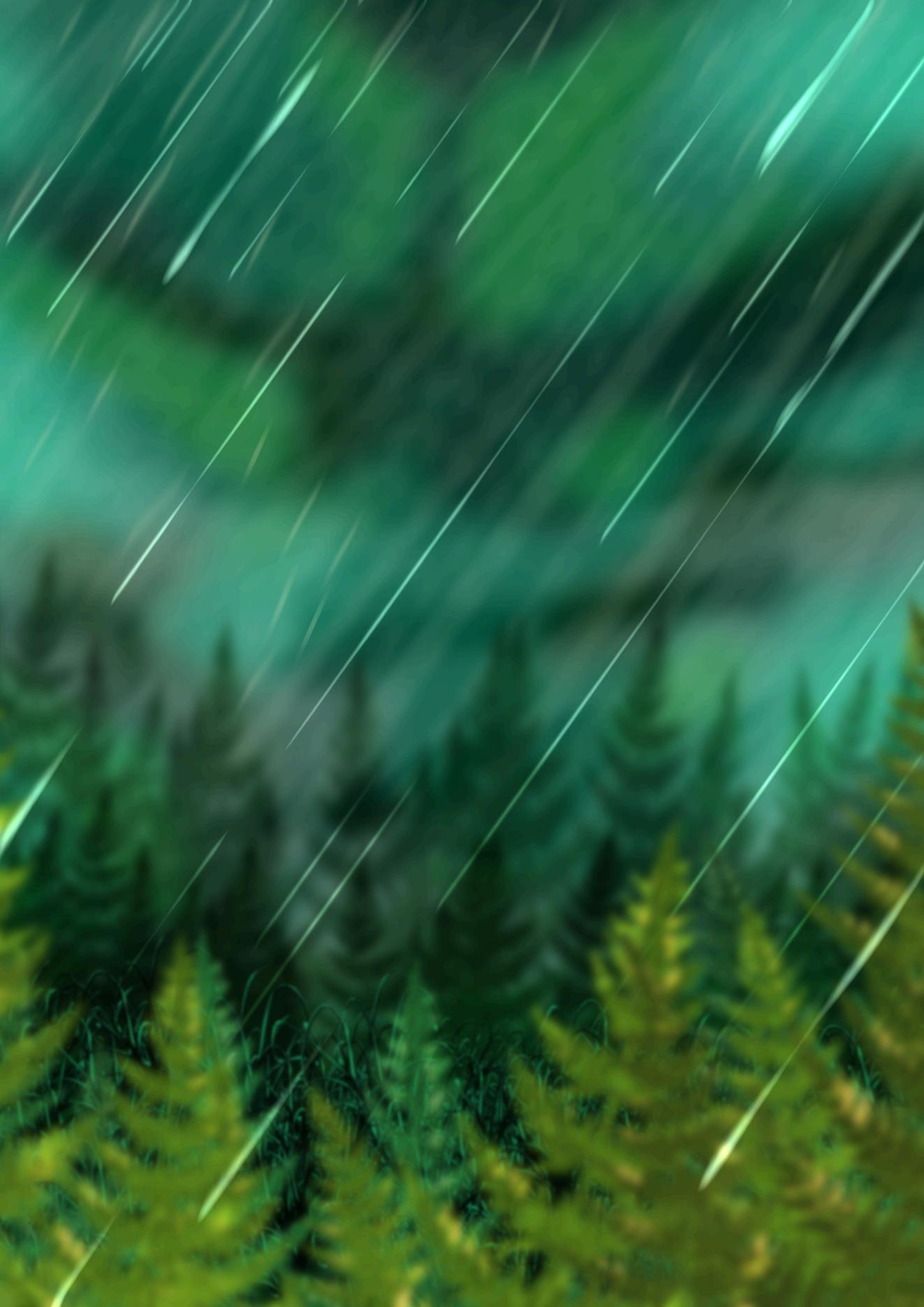
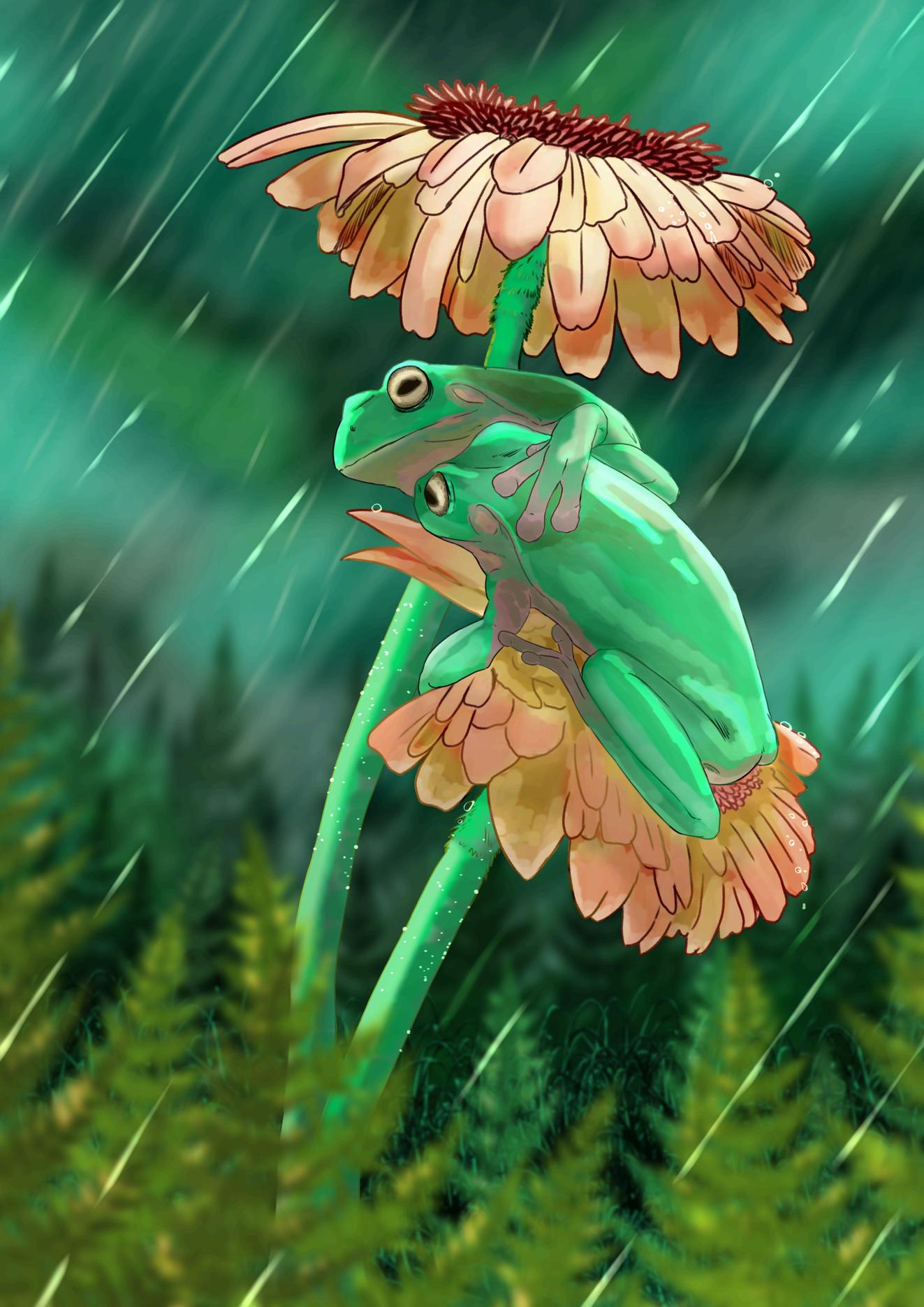
After a fire, when it rains, The soil will weep as it drains, Accumulated ash and grime away.
Deep inside the pine woods it falls for kilometres, Soaking the tall green grass, showering the lilies, In its initial atmospheric cleanse.
Beyond the steady pitter-patters a tiny being croaks and hollers,
To announce a pair of companions coming through,
For within such tall green grass lies a frog with its buddy who follows.
Together in the rain they breathe the petrichor air, And croak in joy at the shower they share, Rehydrating after an extended hibernation.
So when it rains, join the frogs on your porch with a cup of brew, Allow a fresh start for yourself, Begin the day anew.

We need artists, writers, photographers, editors and graphic designers! If you're interested in joining the team, or would just like to submit some of your work, contact us for info on how to apply! More info: kingstonyouthorg au/universal