Balkan Beats 51- " I hope this magazine finds you well..."P.S. you've got this!
Balkan Beats
“I hope this magazine finds you well…” P.S. you’ve got this!
Dear readers,
“I hope this magazine finds you well...”
P.S.You’ve got this!
We hope that the 51st edition of our magazine finds you well, because it definitely found us in a state of self-discovery.
The path towards understanding our inner world, and its functioning is, indeed, a steep and long one. The steps one has to take to reach its fulfillment, however, are not forcefully individual. This magazine shares the struggles, the doubts and the emotions of whoever may be in need of being heard. Our ears are there to listen to you; you just need to look beyond the words.
If you choose to invest your time on this, as we did, we want to welcome you in our world. Travel with us through arts, nature and personal stories, and be sure to keep an open mind. Also, don’t forget to be kind to yourself, if you discover some secret parts of your mind.
issue 51 EDITORIAL
Daria Bondarenko Kaiti
Leivaditi
Mariami Gatenashvili
Mirko
Tarena
Xanthippi
Giotopoulou
TIMELESS WISDOM
How Ancient Greek Philosophy Can Rock Your Modern World
by Daria Bondarenko
Dive into ancient Greek philosophy and see how it can totally change the way we tackle today’s challenges.
Imagine having a secret guidebook filled with advice that has been helping people for thousands of years. Sounds cool, right? That’s exactly what ancient Greek philosophy is! These ideas, crafted by legendary thinkers like Soc-
rates, Plato, and Aristotle, are still super useful today. Whether you’re figuring out what to do after school, dealing with stress, or trying to make the world a better place, Greek philosophy has something to offer.
In this article, written by someone who loves philosophy but isn’t Greek, we’ll explore how these ancient ideas can help us navigate modern life. We’ll also hear from some awesome modern philosophers and scholars who make these old concepts come alive. So, get ready to dive into a world of wisdom that’s just as relevant today as it was centuries ago. Let’s see how ancient Greek philosophy can rock your world!
Ancient Greek Philosophy: Why Should You Care?
G reek philosophy isn’t just about old, dusty books. It’s like a hidden treasure chest full of practical advice that can help you live a better life, make smarter decisions, and find true happiness. Imagine having a toolkit designed by the greatest minds in history, ready to help you tackle everyday problems. Whether you’re dealing with school stress, friendship drama, or figuring out your future, these ancient ideas can guide you. They teach you how to think deeply, act wisely, and live a more balanced life. So, why should you care
Opening Act A Different Healing Process
about Greek philosophy? Because it’s like having a wise mentor by your side, helping you navigate the twists and turns of modern life with timeless wisdom.
Ethics and Personal Growth
S ocratic Method: Your Secret Weapon for Smarter Thinking
Imagine having a superpower that helps you make better decisions. The Socratic Method, developed by Socrates, does just that by encouraging you to ask questions and think deeply. In today’s world, where we’re bombarded with information (and misinformation), this method is more valuable than ever. It helps you clarify your thoughts, challenge assumptions, and evaluate the validity of information. Teachers still use this technique to help students think critically and arrive at their own conclusions. It’s like having a personal mental coach who pushes you to think deeper and smarter.
Philosopher and educator John M. Cooper explains, “The Socratic Method isn’t just about finding answers; it’s about understanding why you think the way you do and questioning the very foundations of your beliefs.”
Aristotelian Virtue Ethics: Building a Better You
Aristotle, another legendary philosopher, believed that true happiness, or “eudaimonia,”
comes from living a balanced life and developing good habits. This approach, known as virtue ethics, is all about becoming the best version of yourself. According to Aristotle, being virtuous means developing qualities like courage, honesty, and kindness.
Imagine you’re at the gym, but instead of lifting weights, you’re working on your character. The more you practice these virtues, the stronger and happier you become. It’s like a workout for your soul! For example, being brave doesn’t mean you have to do something dangerous; it could be as simple as standing up for a friend. Honesty isn’t just about telling the truth; it’s about being true to yourself and others. Kindness is more than just being nice; it’s about caring for others and making their day a little brighter.
Philosopher Martha Nussbaum says, “Aristotle’s idea of practicing virtues is like creating a beautiful work of art. It’s about crafting your character through deliberate and thoughtful actions every day.”
T hink about it: if you make a habit of being kind every day, you’ll spread positivity and make people around you happier. And guess what? You’ll feel great too! Acts of kindness release feel-good chemicals in your brain, making you feel more content and connected to others. So, by practicing these virtues regularly, you’re not just helping others; you’re also building a happier, healthier you.
A Different Healing Process Opening
Politics and Social Issues
Platonic Justice
P lato, a student of Socrates, had big ideas about justice and society. He dreamed of a fair and just society where everyone had a role and worked together for the common good. Imagine a world where everyone, no matter who they are, has equal opportunities. That’s Plato’s vision. Today, his ideas can inspire us to fight for equality and justice. Think about movements like Black Lives Matter or climate activism; these are modern ways we can work towards a fairer society, just as Plato envisioned.
Scholar Rebecca Newberger Goldstein points out, “Plato’s vision of a just society still resonates today because it challenges us to think about the kind of world we want to live in and the values we hold dear.”
Aristotle’s Politics: Everyone’s Voice Matters
Aristotle, one of the greatest minds of ancient Greece, had some seriously cool ideas about politics. He believed that communities should work together and that everyone should have a say in making decisions. Picture your school or local community where everyone’s opinion counts, and you’re not just a bystander but an active participant. That’s Aristotle’s vision!
Aristotle’s thoughts on politics help us understand how democracy works. He believed that for a society to thrive, every person needs to be involved. This means speaking up, sharing your ideas, and working together to solve problems. When you join a student council, participate in a community project, or even vote in elections, you’re practicing Aristotle’s political philosophy.
Think about it: if you see something at school that could be better, like starting a recycling program or organizing a charity event, Aristotle would say, “Go for it!” He believed that real change happens when everyone gets involved and takes responsibility for their community.
P hilosopher Alasdair MacIntyre notes, “Aristotle teaches us that being an active citizen isn’t just about the big things; it’s about the everyday actions that contribute to the well-being of our community.”
Mental Health and Happiness
Stoicism: Your Guide to Emotional Superpowers
Ever feel like life is just too stressful? Modern-day fans of Stoicism, like best-selling author Ryan Holiday, swear by the ancient wisdom of philosophers like Seneca and Marcus Aurelius. They teach us to focus on what we can control and let go of what we can’t. Imagine you’re stuck in traffic. Instead of getting mad, you could practice deep breathing or lis-
Opening Act A Different Healing Process
ten to your favorite podcast. This shift in thinking not only helps reduce stress but also builds emotional resilience, helping you stay cool and collected no matter what life throws at you.
H oliday explains, “Stoicism isn’t about suppressing emotions; it’s about channeling them in a way that serves us better. It’s like having a mental toolkit for dealing with whatever comes your way.”
Stoicism teaches us that while we can’t control everything that happens to us, we can control how we react. This idea is a total game-changer for dealing with stress, anxiety, and the pressures of modern life. For example, facing a tough exam or a big presentation can be overwhelming. Stoicism teaches us to focus on what we can control, like our preparation and effort, and let go of what we can’t, like the outcome or the opinions of others. This mindset helps reduce stress and keeps us calm and collected.
E pictetus believed that our thoughts shape our reality. By changing how we think about situations, we can change how we feel and act. This is super useful in today’s world, where we’re constantly bombarded with challenges and pressures. Learning to manage our reactions not only improves our mental health but also makes us stronger and more resilient.
Another cool Stoic trick is the practice of gratitude. Even when things aren’t perfect, finding
something to be thankful for can boost your mood and keep you positive. So, next time you’re feeling down, try thinking about something good in your life, no matter how small. It’s a great way to shift your perspective and feel better instantly.
By using these Stoic techniques, you can handle life’s ups and downs more effectively. It’s like having a mental toolkit that helps you stay calm, focused, and happy, no matter what comes your way. So, give Stoicism a try and see how it can transform your mental health and happiness.
Why It Matters
By tapping into this ancient wisdom, we can enrich our lives in so many ways. We can become more thoughtful and intentional, make better decisions, and find deeper meaning and happiness. Ancient Greek philosophy isn’t just for the classroom—it’s a practical guide for living a better life. So, why not give it a try? Embrace these timeless teachings and see how they can transform your world. Whether you’re facing personal dilemmas, fighting for social justice, or seeking inner peace, these ancient ideas can be your compass, guiding you toward a brighter, more fulfilling future.
CREATIVE THERAPIES
A way of maintaining creatively our mental health
by Xanthippi Giotopoulou
Staying healthy in every aspect of our lives is crucial to the quality of life in the long term. People are taking into consideration their health and they are trying to have a healthier lifestyle. They go to the gym, eat less junk food, drink less alcohol and have fixed their sleep schedule. Yet, apart from the health of the body, we also have the health of the mind. For the body to function properly, the mind has to be in good condition as well. We need to take care of our minds and our souls to be able to give our best. Nowadays, mental health is as important as body health. People are starting to prioritise their mental health and well-being, recognising their importance to their everyday life.
For someone to nourish and heal their mind and soul, they choose to take psychotherapy sessions with a licenced psychologist or psychotherapist. However, talking sessions are not the only ones used as therapy.
Alternative forms of therapy are gaining more and more fans and followers. People want to explore more ways to maintain their mental health. The protagonists of those alternative forms of therapy are creative therapies.
What are creative therapies?
C reative therapies combine talking therapy along with expressive, art-based activities to treat psychological disorders and improve
mental health, and there are a lot of forms of creative therapies. The most common is art therapy, but there is also drama therapy, dance therapy, creative writing therapy and music therapy. Practically, most forms of art can also be used as means for a creative therapy.
A common question is: Do I have to be a skilled artist to be part of a creative therapy session?
Opening Act A Different Healing Process
T he answer is: No; you don’t have to be any kind of artist to join a creative therapy session. You don’t have to worry about a beautiful result in any form of art. The point of every creative therapy is not to produce art for an art gallery, a theatre or a dance show, but to express yourself through it. It’s not about what you are able to create but the process of creating it.
Arts are something personal and, because of that, each person can experience a creative therapy session differently. However, all creative therapies have the same goals. Creative therapies are all about non-verbal communication. You don’t have to speak, since they teach you how to express your feelings and thoughts that are difficult to put into words, in another way. Moreover, they help you make
sense of things and understand your inner self better. For example, in art therapy, they use different art techniques, music therapy uses rhythms, sounds and music, and dance therapy is all about body movement.
However, it’s how a therapy session is formed and how safe someone feels in it. A session has to provide a safe space and time with a person who will not judge. To access our deeper parts and to let it all out, we have to feel safe enough to do it first. The more relaxed you are, the better it works, and the more empowered you feel.
At an atomic level, an individual learns new ways of approaching and treating problems and difficult situations. Creative therapies help with talking about feelings, which are compli-
cated and experiences that are hard. Solving conflicts and distress in a way that can be used by the individual in the future.
The sessions aim for the individual to improve their cognitive and sensorimotor functions, as well as their self-esteem and self-awareness. During the therapeutic procedures, another aim is to build emotional strength.
Yet, sometimes, a person isn’t conscious about what the problem is or what will help and that works better since creative therapies work at a subconscious level.
They can act as a distraction from pain and illnesses, too.
In group sessions, a person has a chance to socialize and connect with other people. At a group level, there is the dynamic and the chemistry of the team that can play a major role during therapy. Let’s not forget that people see things differently and it’s useful
to know another’s opinion and thoughts on a problem you may face.
O verall, creative therapy is an alternative way of regaining and maintaining our mental health. Art forms are used to teach people how to express themselves through them, especially while not using verbal communication. Moreover, apart from self-expression comes the discovery and the understatement of the inner self, and how to deal better with problems. In group sessions, people socialize and get to hear different opinions and voices, creating bonds along with creating art.
“A common question is: Do I have to be a skilled artist to be part of a creative therapy session?”
Art has many forms and so do we. Using them to express, feel, and define what is inside us to maintain it and evolve should be a creative and learning process.
COLORS: THEIR IMPACT ON HUMAN PSYCHOLOGY
Is there a link between colors and our personality? Are they really able to influence our mood? A brief insight into color therapy
by Kaiti Leivaditi
History and definition of Color Therapy: Is it really valid?
Colors were first linked to mental health thousands of years ago: various ancient civilizations, such as the Greeks and the Egyptians, related each color to a specific emotion, but also used them to influence people’s mental states: Traditionally, lighter colors were used to create a calm and stress-free environment, while darker colors enhanced more intense feelings. Over the years, the belief that different colors trigger another emotion gradually took the form of a science.
Color Therapy or Chromotherapy is the idea that each color emits a unique vibration, that can affect a person’s mood through different waves of energy. Some supporters extended the effects of color therapy even more, claiming that it can affect several health issues. However, those claims are not yet scientifical-
ly proven, and many experts, like doctors, psychologists and psychiatrists consider Chromotherapy as a pseudoscience.
Color Therapy into action: LED therapy and its benefits
However, in some cases, a form of color therapy does seem to affect several parts of the human body. In the field of medical care, LED (light-emitting diode) or, simply, light therapy, is known for its therapeutic properties. It is a non-invasive treatment used by the majority of dermatologists and estheticians, which enters the layers of the skin and contributes to the treatment of various skin conditions. Indicatively, light therapy is used to treat skin conditions such as eczema, psoriasis, rosacea, while it can also be effective in the elimination of hair loss, the removal of wrinkles, treatment of sun damage and moderate acne. Furthermore, NASA recently started researching how LED therapy can contribute in the healing of the astronaut’s wounds.
L ED therapy contains a variety of different light colors, each with a distinct property, and also a different level of penetration at the skin levels. Specifically, blue light is used for the uppermost skin layer, yellow and red lights penetrate deeper into the skin, and near-infrared light affects the deepest skin layers. Each color has a different usage, as blue LED light is able to destroy some bacteria that can cause
acne, while red LED light is increases collagen production, making the skin look younger.
Color therapy and mentality: Each color, different properties
Color therapy is also proven to affect mental health, to some extent, as well. Based on surveys and experiments applied to large scales of people, each color tends to provoke different emotions, while it can also reveal, on a general, surface level, different aspects of their personalities.
More specifically, red is perfect for alerting intense emotions and boosting someone’s energy. Red can effectively stimulate alertness, but also romantic love, passion and sexual desire. Also, it is claimed that red increases circulation and generally activates the mind and body functions. Additionally, it is claimed to increase appetite. Because of its vivid nature, red is not the best choice for creating a calming environment, as it activates strong emotions and triggers anxiety. Buying red items indicates that
a person wants to promote an image of confidence, power, and determination.
Blue is considered the color of calmness, relaxation, and reduction of stress. Some experts claim that blue can effectively lower blood pressure and heart rate, which makes it the perfect choice for places where tranquility is needed, such as bedrooms and waiting rooms. It is also proven that spending time close to the sea, lakes and rivers can reduce anxiety, provoke positive feelings like calmness and can also help a person clear their head and be more optimistic. In terms of purchase preferences, people who tend to buy more blue items or decorate their personal spaces with blue tones are considered stable, trustworthy and calm personalities. Furthermore, studies revealed that people who purchase blue cars are considered as safe and serious drivers.
Yellow is associated with joy, happiness and excitement. Some shades of yellow are thought to increase concentration, while others are considered to cause anxiety and overstimulation. The purchase of yellow items and choosing yellow for the interior design reveals an energetic, optimistic personality, eager to take more risks than an average person. Similar to red, yellow is also considered to increase appetite. On the other hand, yellow can also indicate danger, and it is sometimes
linked to anger and aggression. In some ancient cultures, yellow indicated hate and envy.
Orange has very similar properties to yellow, as it is also linked to happiness and kindness, it can stimulate energy and optimism, and it reveals a pleasant, positive personality. Similar to both red and yellow, it can increase appetite, and for that reason it is chosen by many fastfood chains for their interior designs.
Green, the color of nature, can activate a feeling of harmony, freshness, and also relaxation. Exposure to green color is proven to promote calmness, the elimination of anxiety, and also cause a feeling of renewal and youth to a person. Furthermore, it enhances decisiveness. It is generally suggested that people should spend time in nature, taking walks in parks or forests, visiting landscapes, or simply have a few houseplants, in order to maintain their well-being, and reduce stress.
Purple is the color of creativity. Combining the tenderness of red and the calmness of blue, purple is the perfect color for a space that is used for creative processes, as it enhances feelings like ingenuity and productivity. In addition, purple is also the color of spirituality, because it emits a vibe of mystery and introspection. Pink is linked to a range of similar emotions that includes empathy, nutrition, and care. It evokes positive, calming vibes and it is perfect for spaces where an atmosphere of warmth and relaxation is needed.
B lack is associated with formality, luxury, and sophistication. Furthermore, black is also linked to sexuality, but also to sadness. Spaces where black is the dominant color are proven to cause feelings of sadness and pessimism, so it is suggested not to spend too much time in such environments. On the other hand, white is a color associated with relief, purity and cleanliness. White environments are considered to promote mental clarity, while they also emit a sense of modernity. In addition, white is also linked to fertility as well. On the other hand, exposure to a white environment for too long can provoke a feeling of emptiness, loneliness, and desperation.
It is important to note that, even though those specific traits of each color came as conclusions from several surveys, questioners and experiments, the way each one of us perceives every color is highly subjective, and it is also related to our cultural backgrounds, as many colors have different, sometimes contradictive interpretations between cultures. For example, even though white is considered a positive, joyful color and is the preeminent color of wedding dresses in Western cultures, it is the color of grief in many Eastern cultures. For those reasons, color therapy is not a reliable science with completely valid results, but more of a way to express ourselves or affect our mood on a quite superficial level.
THE IMPACT OF MUSIC ON MENTAL HEALTH: A MELODY OF HEALING
Music has been an integral part of human culture for centuries, serving as a source of entertainment, expression, and connection. Beyond its cultural significance, music has profound effects on mental health.
by Kenyau Gonzalez
From lifting spirits to easing anxiety, the power of music to influence our emotional and psychological well-being is both fascinating and well-documented.
The Emotional Resonance of Music
M usic’s ability to evoke emotions is unparalleled. Whether it’s the joy of an upbeat tune or the melancholy of a sad song, music can mirror and amplify our feelings. Listening to music that resonates with our current emotional state can be incredibly validating, pro-
viding a sense of understanding and connection. Conversely, uplifting music can help shift our mood, providing a much-needed escape from stress or sadness.
M
usic
as a Stress Reliever
O ne of the most notable benefits of music is its capacity to reduce stress. Listening to soothing music can lower cortisol levels, the body’s primary stress hormone, promoting relaxation. Classical music, in particular, has been shown to have a calming effect, slowing heart rates and decreasing anxiety. This makes music an effective tool for stress management and relaxation.
Enhancing Cognitive Function
Music also plays a significant role in enhancing cognitive function. Engaging with music, whether by listening, singing, or playing an instrument, stimulates various parts of the brain, improving memory, attention, and problem-solving skills. For individuals with neuro-
Opening Act A Different Healing Process
logical conditions such as Alzheimer’s or dementia, music therapy can provide cognitive stimulation and improve quality of life.
Music Therapy: A Path to Healing
Music therapy is an established field that harnesses the therapeutic potential of music to address mental health issues. Certified music therapists use music interventions to help clients achieve specific goals, such as reducing anxiety, improving mood, and enhancing social interactions. Music therapy has been particularly effective in treating conditions like depression, PTSD, and autism spectrum disorders.
Boosting Physical Health
T he benefits of music extend beyond mental health to physical well-being. Engaging with music can lead to increased physical activity, such as dancing or playing an instrument, which can improve overall health. Additionally, music has been found to reduce pain perception, making it a valuable complementary treatment for chronic pain conditions.
Fostering Social Connections
M usic has a unique ability to bring people together, fostering social connections
and a sense of community. Group activities like choir singing, band performances, and music festivals create opportunities for social interaction and collective joy, which are vital for mental health.
Personalizing Your Playlist
To harness the benefits of music for mental health, it’s important to personalize your listening experience. Create playlists that cater to your emotional needs, whether you need to relax, energize, or process your feelings. Experiment with different genres and find what resonates with you personally.
The impact of music on mental health is profound and multifaceted. From reducing stress and enhancing cognitive function to fostering social connections and providing therapeutic benefits, music is a powerful tool for promoting mental well-being. By integrating music into your daily life, you can enjoy its many benefits and improve your overall mental health.
Conclusion
UNDERSTANDING THE HIDDEN EFFECTS OF PSYCHOSOMATIC ILLNESSES
The Mind’s Secret Toll.
by Daria Bondarenko
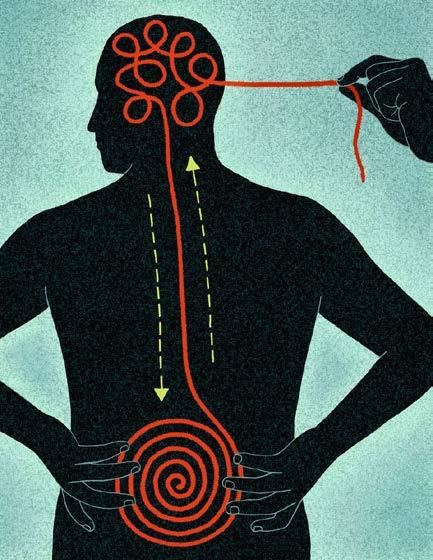
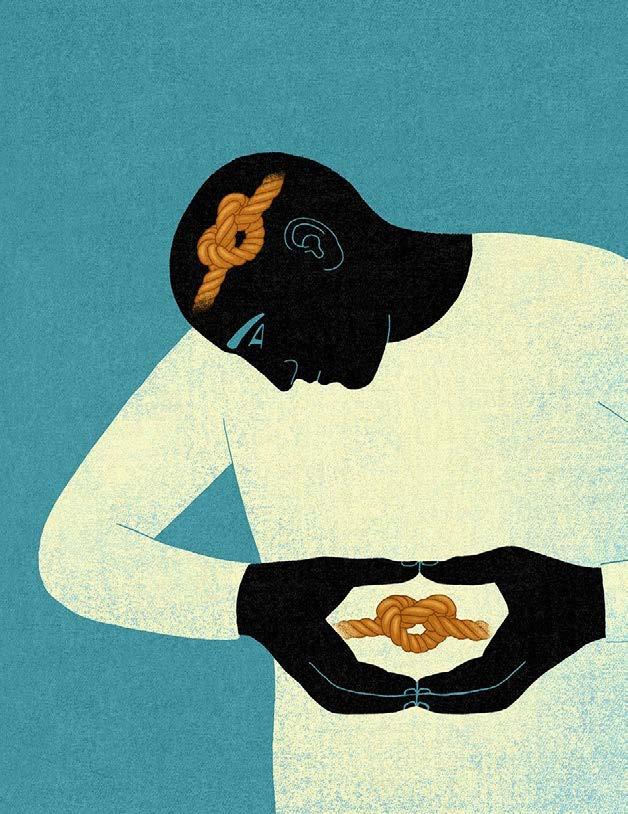
W hen we think about health, we often separate the body and mind. But the field of psychosomatic medicine shows how our mental state and physical health are connected. This relationship can explain how unexpected, dramatic, and isolating events can cause illnesses. Let’s explore how these elements work together and affect our health.
According to Ryke Geerd Hamer, three main things often cause psychosomatic disorders:
unexpectedness, tragic or dramatic events, and isolation. These things can greatly impact one’s health. For example, losing a job suddenly can be unexpected, emotionally heavy and isolating.
One common disorder linked to stress is irritable bowel syndrome (IBS). Imagine feeling constant anxiety about finding a new job. This ongoing stress can cause the body to react, leading to issues like IBS. When people find a new job and feel stable again, their bodies often recover, showing how stress affects our health. Today, the World Health Organization says that 38-42% of patients visiting general doctors have psychosomatic conditions.
Psychosomatic medicine combines medicine, physiology, psychology, and therapy to understand and treat illnesses affected by emotions and thoughts. This approach focuses on the patient’s overall life situation. Stress researcher Hans Selye defined stress as the body’s response to any demand. This response includes physical demands, like running up stairs, and psychological stress. Stress triggers the “fight-or-flight” response, releasing adrenaline, which prepares the body to confront or escape danger. Long-term stress can overwhelm the body’s ability to cope, leading to a third state—”freeze.”
Opening Act Mental Patterns
Think about someone facing long-term financial problems. Some people might actively search for new opportunities (“fight”), some might feel stuck (“freeze”), and some might try to escape the stress temporarily (“flight”). This shows how stress affects both our minds and bodies. Stress during pregnancy can also affect both the mother and the developing baby. The mother’s health and emotions directly influence the baby through the mother-placenta-baby system. Negative experiences can disrupt normal development, leading to lifelong health issues. Emotional support and a stable environment are crucial for minimizing these risks.
T he mind-body connection has always interested thinkers and doctors. Hippocrates and Aristotle were early thinkers in this area. But it was not until the 19th and 20th centuries that this idea became scientifically important. German doctor Johann Christian Heinroth first used the term “psychosomatic therapy” in 1818. Later, Viennese psychoanalyst Felix Deutsch advanced in this field. His research made “psychosomatic medicine” a well-known term and led to many studies on how emotions and thoughts affect the body. Today, psychosomatic medicine is a recognized field that combines medicine, psychology, physiology, and therapy. It focuses on how emotions and thoughts can influence physical health, especially for chronic illnesses. The World Health Organization reports that many patients visiting general doctors have psychosomatic symptoms, showing the importance of this approach.
T he link between emotional and physical health works both ways. Just as stress can cause physical symptoms, physical illnesses can affect emotional well-being. For example, chronic diseases like arthritis or diabetes can cause emotional stress, leading to anxiety and depression. Conversely, improving emotional health can often reduce physical symptoms. Coping mechanisms are cru-
cial in how we handle stress and illness. Good coping strategies can lessen the impact of stress on physical health, while poor coping can worsen symptoms and lead to chronic issues. Developing healthy coping strategies is essential for managing both emotional and physical health.
A s we learn more about the mind-body connection, the field of psychosomatic medicine is set to grow. Integrating its principles into regular medical practice can lead to better treatments and outcomes. This holistic approach recognizes the complex interactions between emotions and physical health, offering a more complete understanding of illness and wellness.
GAMBLING ADDICTION AMONG YOUTH
How technology is changing the relationship between young people and gambling
by Emanuela Loperte
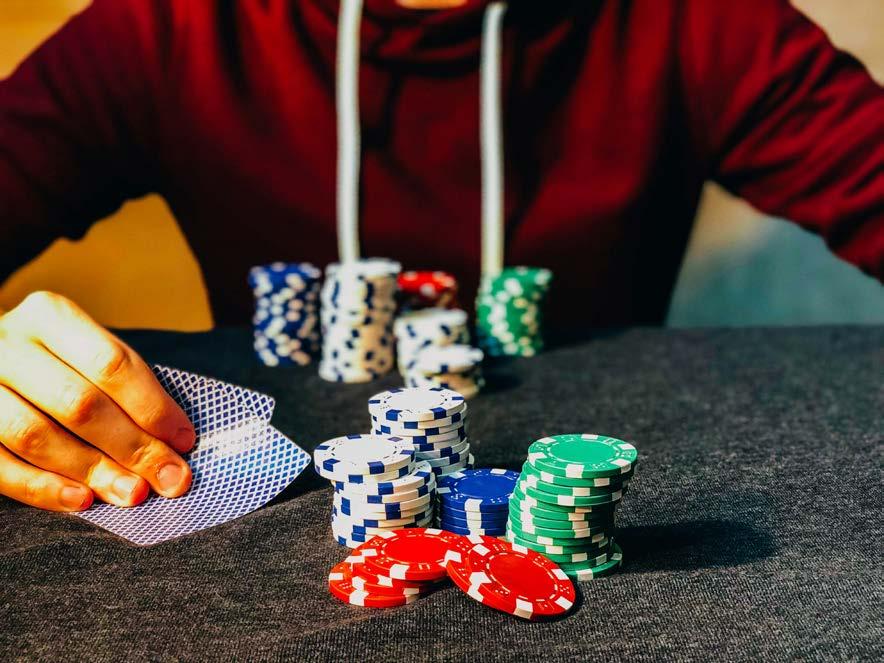
Did you know that the percentage of young people who have their first experience with gambling before the age of 18 is on the rise?
Gambling addiction is characterized by a persistent, recurrent, and maladaptive gambling behavior that disrupts personal, family, or work activities. In 1994, pathological gambling (GAP) was classified in the DSM-IV (Diagnostic and Statistical Manual of Mental Disorder) as an “impulsive control disorder”.
In recent years, the social phenomenon of this addiction has evolved and become an increasingly concerning issue among younger populations, particularly in the 14-17 age group. While gambling was traditionally confined to “Accessibility”
Opening Act Mental Patterns
specific physical locations that people had to visit, today, with the advent of digital technology, it has become more accessible than ever. Website, apps, and targeted advertisements make gambling easily accessible to young people, exposing them to significant risks.
Research conducted in Canada has shown that adolescent problem gambling is associated with various other mental health outcomes, including higher rates of depressive symptoms, an increased risk of alcohol and substance abuse disorders, a higher risk of suicidal thoughts and attempts, greater anxiety, and poor general health. Additionally, these adolescents are at a higher risk of delinquency and crime, disrupted familial and peer relationships, and poor academic performance compared to their peers. The consequences faced by youth experiencing gambling-related problems are severe and can have devastating effects on the adolescents, their peers, and their families.
T he expansion of gambling and the rising number of youth with gambling problems need to be viewed as a community/social issue, not merely the problem of individuals with an illness.
Main Causes of Gambling Addiction Among Youth
S everal factors can be identified as causes of the increasing gambling addiction among youth:
1. Accessibility: The presence of online platforms has made gambling available 24/7. This means that young people can gamble at any time of the day, increasing the risk of developing an addiction.
2. Targeted Advertising: Advertising on social media and other digital platforms often targets young people with enticing promo -
tions and initial bonuses, creating an illusion of easy money.
3. Social Influence: Peer pressure and social influence can play a significant role. If a young person sees friends or celebrities engaging in gambling, they might feel compelled to do the same. Additionally, an increasing number of online influencers promote this type of activity by gambling live on platforms like Twitch.
O ver the past decade, online gambling has surged globally. There’s increasing concern about the merging of online gaming and gambling, as gaming platforms increasingly incorporate gambling-like elements. For example, many games now feature loot boxes—virtual items or “skins” with randomized rewards and unclear odds, which resemble gambling. Although gaming itself rarely leads to negative consequences, it normalizes elements like prize wheels that can become problematic. This “gamification” of gambling and the introduction of such elements into video games might not only pose direct risks, such as financial harm from compulsive in-game purchases, but could also serve as a gateway to gambling addiction, particularly among young men
It is important to note that youth gambling has significantly increased, particularly during the COVID-19 pandemic. Additionally, policies should be established to regulate access to gambling websites. However, these sites often fail to enforce stringent controls to maximize profits, exacerbating the issue.
Gambling in young men
A recent study using the ALSPAC cohort reveals that over half of young adults (17-24 years old) engage in gambling, with a notable
Mental Patterns Opening Act
gender bias towards males. The rise of online gambling has made it more accessible, leading to a higher prevalence among young men, where it often starts recreationally but can become a compulsive addiction. Sports betting’s popularity among young men may be linked to social norms about masculinity, competition, and risk-taking. Additionally, social and financial pressures like peer influence and unemployment might increase their vulnerability to gambling-related harms.
C linically, diagnosing gambling disorder in young men requires a thorough assessment to identify common comorbidities such as substance use disorders, ADHD, or OCD, and to differentiate it from other conditions like bipolar disorder, substance use, or drug side effects. This understanding is essential for creating effective and personalized interventions.
- Spending excessive amounts of time gambling.
- Neglecting responsibilities and daily activities due to gambling.
- Lying to family and friends about the extent of gambling.
- Borrowing money or selling possessions to fund gambling.
- Chasing losses by continuing to gamble in an attempt to win back money.
- Experiencing mood swings, anxiety, or irritability related to gambling activities.
- Prioritizing gambling over important relationships and social activities.
T here are numerous red flags that can make us suspect a gambling addiction in ourselves or in someone close to us. Among these, the main ones we can consider are:
Opening Act Mental Patterns
- Showing withdrawal symptoms when not gambling.
- Increasing bets to experience the same level of excitement.
- Using gambling as an escape from problems or to relieve stress.
It is important, however, to understand how addiction develops, as it often follows specific phases. Identifying these phases could allow one to recognize the problem in time and intervene.
T he initial factors that can influence the development of addiction are risk factors. Family history, genetics, psychological factors, social environment, personality, past experiences, and financial resources are all elements that can impact the dynamics of how one approaches gambling.
personal integrity, leading to an emotional and economic rock bottom.
Conclusion
L ike any other addiction, gambling often serves as an escape from reality, offering a temporary reprieve from life’s challenges but ultimately leading to deeper problems. While it may begin as a harmless activity, it can rapidly spiral into a serious addiction with far-reaching consequences, especially among young people. The ease of access to online gambling platforms, coupled with targeted advertising and social influences, has made youth particularly vulnerable. The severe mental health, social, and financial impacts of gambling addiction underscore the importance of early intervention. Recognizing the warning signs and understanding the stages of addiction are crucial steps in preventing long-term damage.
We can identify four stages of gambling addiction development: Initially, during the winning phase, gambling feels exciting and fun, with small wins leading to bigger bets in pursuit of more profits. As the addiction progresses into the losing phase, losses become more frequent, causing bets to rise in an attempt to recoup the money, and the gambler starts hiding and lying about their activities. In the desperation phase, savings are depleted, and the individual may resort to borrowing or begging for money to continue gambling, making very reckless bets driven by an uncontrollable urge. Finally, in the hopeless phase, the person realizes that gambling has devastated their finances, relationships, and
WHAT IS REALLY HAPPENING IN GREECE WITH THE “COMPLETION OF PSYCHIATRIC REFORM”?
Interview with Giouzepas Stylianos, a clinical psychologist and scientific director of the ARGO program
by Mariami Gatenashvili
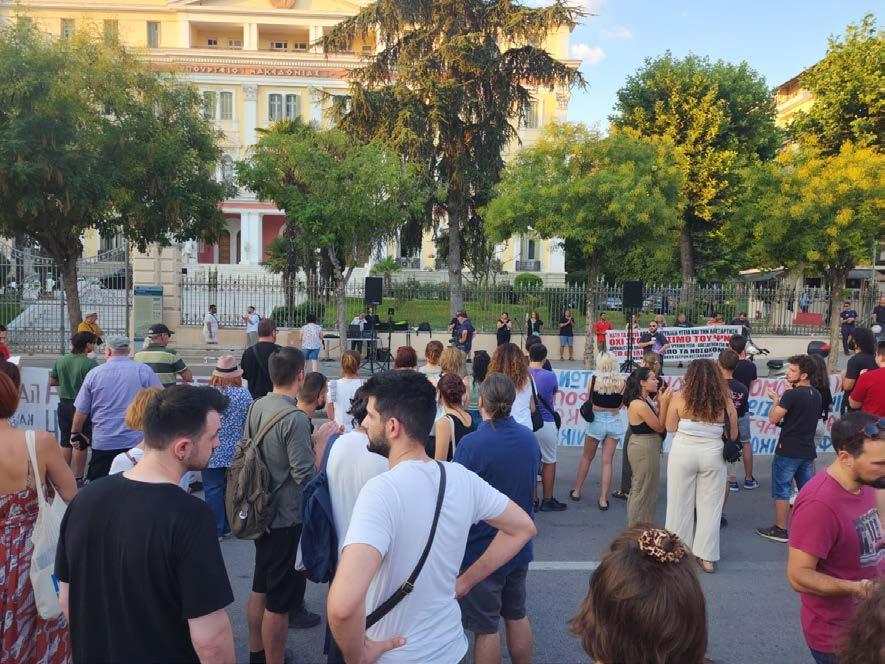
In the summer of 2024, mental health centres faced a bill that resulted in radical changes to their operation. The bill, titled “Completion of Psychiatric Reform,” received much criticism as it promotes the privatisation of mental health services.
To better understand the situation in Greece, we interviewed Giouzepas Stylianos, a clinical psychologist and scientific director of the ARGO program, to explain the situation.
What is the difference in how things operated before and after the bill was passed?
Before the bill was passed, there were 36 sectors across Greece concerning mental health, and within these sectors, mental health services were required to be organised, including primary, secondary, and tertiary services, such as prevention centres, community mental health centres, and hospitals.
T he entire psychiatric reform in Greece began from the negative image of the hospitals in Leros, Petra Olympou, and Tripoli in the 1980s. This led to a series of obligations towards the European Union, with funding for the creation of community mental health services. Unfortunately, the financial crises from 2010 onwards meant that many of these services were never completed.
Regarding addiction treatment over the last 40 years, various initiatives have established a wide range of addiction treatment services in Greece, covering all approaches from strictly structured hierarchical communities and therapeutic communities to substitution programs. These operated mainly in urban centres, and 75 prevention centres were established across Greece.
The bill passed on Tuesday, July 30, changes the entire field of mental health. Instead of 36 sectors, there are now 9 health regions, ex-
panding the area of responsibility and essentially abolishing the 2 main central psychiatric hospitals in Thessaloniki and Attica without detailing what new community mental health services will be created in local communities. This leaves the situation incomplete and problematic, enlarging the area of responsibility and increasing the problems and difficulties for people with mental health issues to access the national health system.
I n mental health, we see a shrinking of the public sector, which is left understaffed since there have been no hires since 2010, with poor facilities collapsing and all funding diverted to the private sector. Services that people received for free and with quality will, in the coming years, be paid for by insurance and out-of-pocket.
Who will fund addiction services with these changes?
Initially, users will receive funding from the state. This funding will be minimal for shortterm interventions, but for long-term interventions, which mental health and addiction treatment require, they will have to pay themselves.
In addiction treatment, it gets worse; all existing organisations, such as the Center for the Treatment of Dependent Individuals, the Organization Against Drugs, and the ARGO program, are abolished and merged under a new organisation that only discusses its administration and not what will happen going forward.
What negative impacts do you see in the mental health and addiction sectors?
In mental health, there will be a shift to the private sector and its growth, while in addiction treatment, we have no clear picture of which existing services will continue after the bill’s implementation, both theoretically and practically. All addiction services are abolished from the date of the bill’s application, and a scientific and administrative council appointed by the minister will evaluate and decide what will exist in the field.
This is problematic because there are various addiction treatment approaches in Greece, and users could choose which suited them. This reform attempts to erase this diversity, leaving only dry treatment and a substitution unit, homogenising all dry therapeutic programs.
How will this change affect individuals with dependencies?
T here is already insecurity among people currently in services about what will happen, especially for those starting their recovery. There’s uncertainty about which services will remain. This causes significant distress among those who have taken their first steps towards recovery, and we cannot answer what will happen in the future.
Gradually, with the bill’s implementation, there will be short-term addiction initiatives, as seen in Germany. They will be funded by insurance, mainly private, and if one does not
Local Life Greece’s Mental Health System
succeed in 3-6 months, state funding will end, and the user will have to pay out of pocket.
Such practices seen abroad contradict scientific beliefs that longer and more prolonged involvement in addiction services leads to more successful and lasting recovery.
Looking at a five or ten-year horizon, I fear the number of addicted individuals unable to access addiction services will increase, and new substances and addictive behaviours will worsen the situation.
Does this model seem to work in Germany?
We collaborate with programs in Germany and communicate with them. People working there describe how difficult this system makes it for an addicted person because, in 3 or 6 months, they would have to stop treatment if they couldn’t pay the insurance or out of pocket. Unfortunately, this logic is coming here, and I
fear the system will worsen because the number of addicted individuals will increase along with the substances.
What reactions have there been in the scientific community regarding this reform?
The bill, passed in July, has been known since early November 2023. We requested discussions with the relevant deputy minister many times; some meetings occurred, but there was no substantial dialogue. The bill remained 95% the same, except for prevention, which, due to its relation with the Ministry of Interior, was entirely removed from the bill. So, in essence, no dialogue occurred with field workers, employees, and scientific bodies.
Reactions are multi-level. The bill abolishes a 40-year network that worked and was built from the work of field people and public funds, providing detoxified users and meeting local community needs.
T he bill’s logic is the opposite. The Ministry decides what will happen in each area, contrary to scientific community logic.
A ll modern health organisations talk about the participation of health service recipients, their families, and the local community in decision-making. Here, we have a bill with the exact opposite logic, with the minister appointing the 9-member administrative council overseeing all addiction services in Greece.
How does this practically affect ARGO’s work?
National Organization for the Prevention and Treatment of Addictions, which is private.
Many colleagues trained, experienced, and passionate about addiction will abandon it due to this difficult change, remaining in mental health. This leads to significant understaffing of existing mental health and addiction services and a wave of resignations in other organisations.
What do you think would be the ideal reform to help mental health and addiction centres?
“ All addiction services are abolished from the date of the bill’s application, and a scientific and administrative council appointed by the minister will evaluate and decide what will exist in the field. ”
Everyone at ARGO, from colleagues, and members to parents, doesn’t know where we will end up, what ARGO’s future is, and if it will even exist. The implementation date of the bill moved from September 1, 2024, to January 1, 2025. By January 1, 2025, ARGO might not exist, replaced by something different. This means that ARGO’s philosophy, methodology, and organisational structure, the relationships it built with the local community, and its profile, which attracted dependent individuals seeking recovery, may disappear.
Regarding employees, we face another issue. We, the employees of ARGO and similar addiction programs in Greece’s psychiatric hospitals, will have to choose within a month of the bill’s implementation whether to move to mental health, staying in the public sector, or to the
Changes in the field are necessary as mental health and addiction are evolving phenomena. Addiction today differs from the 80s and 90s. The profile of users has changed, with new psychoactive substances emerging, and heroin is no longer dominant. Younger people are more dependent on cannabis and screens.
T he ideal reform should strengthen existing community interventions and services, allowing them the freedom to develop local interventions to meet their needs through systematic dialogue with other agencies. Wherever this model was applied, it was highly successful. Conversely, central decision-making and ideas were unsuccessful.
T herefore, meaningful dialogue, strengthening local community initiatives and existing services, and cooperation among existing services are crucial.
In 2019 and 2022, those working in addiction presented a national action plan to the Prime Minister with agreements for all services and steps needed. This plan outlines what should be done, but the government has a different idea, which I fear serves private interests and opens the field of addiction to private initiatives.
MISCONCEPTIONS ON NATURAL FEELINGS
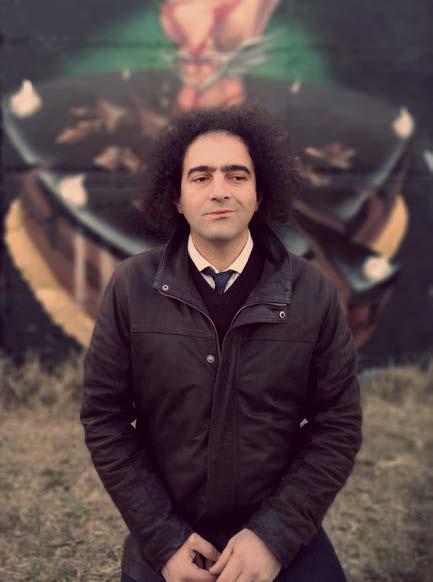
Talking Mental Health with Poet Dionysis Dissò
by Mirko Tarena
First things first, let’s talk about the place where your poetry stems from. What sparked your journey into writing? Was it something specific, or did you feel a physical or spiritual pull to start putting words on paper?
My need to write began very early, during my childhood, although it peaked at a much older age. What’s important is that I have written several works in both poetry and novels, which, after being completed, I read one by one… only to get rid of them eventually.
Did the reason that made you start writing originate from a need to solve a problem that seemed unsolvable, or was it more about expressing yourself through words?
For me poetry is a form of communication of the author with the author himself, which he simply wants to record through words. Regardless of whether people will eventually show their production, I understand this need to write as a mental or spiritual urgency that calls for a way out. The greatest freedom a person can experience in relation to his own inner dialogue is to accept changes and be free to reconsider what was once thought wrong as positive, and vice versa. For too many years, this communication with myself was confined to writing small, private texts. Later on, the time came for this conversation with myself to manifest as a book.
In what way does this conversation with yourself serve as a mirror to your inner emotional landscape, especially when it comes to your mental health journey?
Poetry became another deeper form of communication translated into art, compared to other disciplines such as painting or sculpture, each one having their own interpretations and levels of reading. Poetry goes a step further, essentially making its words reborn within the reader. Through a poem, what I’m trying to do is make the reader feel and picture the state of mind when I was writing it. For instance, in a text I can describe the 10-second moment of the sun hit-
Personal Narrative Individual Experiences
ting a flower, a moment so trivial that its duration is not what matters. What concerns the reader is actually how the author experienced this brief instant and how the same writer, the plant and the sun cooperated for a little time. These same three characters worked together: a huge celestial body identified with an earthly plant and with a member of the animal species. I usually prefer the geometry of curves to that of alignments, but in this case we are talking about an alignment of three elements into one sensitive contact.
When you’re writing, where does your mind go? Do you retreat into your own head, or is there room for connecting with the outside world?
Personally, when I write I sink very deep into myself to the point where I often wonder if I will be able to resurface. So, to sum it up, I guess writing is a game of life; a game that cherishes life, collecting all one has been through, the present moment and the hopes for tomorrow.
Mental health is often a tricky and abstract topic. How do you use symbolism and imagery in your poetry to make these complex ideas more accessible, more relatable for readers?
In one poem, I write about a group of birds who find their place in the heavenly watercolor canvas of the world alongside their friends until, led by passion, they are brought to their death. I think this impulse towards self-destruction is a characteristic element of society. We are influenced by our own passions, inebriating us so strongly with euphoria that we fail to recognize their dangers. Images like this are what translate my inner faith, my inner mind into concrete pictures. Images that come from reality, from your life, the plants, the animals carry something deep and personal, something tied both to the image and to my inner thought. At this moment I cannot define whether this communication with nature is a reality or my imagination. The reality
of each of us is in the mind of each of us and nowhere else. For this reason, the world inside your head is a reality of its own.
How would you compare your relationship with poetry to your relationship with nature? Do you think feeling disconnected from nature ties into the sense of loss you talk about in your book?
In everything we do, we gain something that we later lose. What we lose, we usually later miss. But difficult discoveries can have already been lost, although we have not discovered them. People ravage time, trying to rush everything to catch up with a future they’ve lost before reaching it. We’re all running for something, amid the hustle and bustle, moving in every direction. Of course, in this journey you gain something too, depositing memories that make us feel the passing of time. We try to live much longer, in a more beautiful way, in a much happier, much more, and more, and more way, whatever that is, only to realize at a certain point the need to stop, take stock, and reflect on what was lost along the way. So loss is a very basic element. The whole line of modern psychology pushes you to forget the basic identity of who you really are, so that you can morph into an improved and perfected self. At all levels society tries to make you feel guilty for your experiences, offering you a hasty and – one could say – violent way to erase and substitute your soul. We are burying our memories on an empty ground. Without memories, though, what are we? We cannot ignore the same life we have been living and dealing with since day one; for better or worse.
In your poetry, for instance, you talk of the delicate feeling of being small, almost insignificant in the face of massive climate changes caused by human activity. How does your coexistence with nature influence your mental state?
This is where vanity comes in. We assume that our entire planet is in danger, and consider hu-
Personal Narrative Individual Experiences
man beings as the main cause of this damage. The planet, though, works on an endless and constant evolution, on a scale where we are merely dust upon the dust of previous generations. No matter what we do, we can’t prevent the planet from growing. With a puff of wind it can wipe us out. Under the guise of saving the planet, we’re really trying to save our own species, fearing that we won’t survive the conditions we ourselves have created. So vanity is the feeling that comes to me when thinking of the current state of the world, and this perception influences me deeply.
Given this awareness, can you describe how the process of creating poetry functions as a therapeutic tool in your mental health practice? How does it help navigate complex emotions?
Since the question is personal, I will answer with a personal response in return. We all get lost in thoughts and inner struggles. To deal with them, we all have our moments and some people get lost in their heads for a very long time. Yet those who can’t manage to get out of that state dwell in a seemingly endless state of melancholic depression. I have personally wallowed many times and for too long in this melancholic, depressive state, and so has my poetry. But through the act of writing, I have found my own path to rise to the surface. If someone hasn’t found a way to rise to the surface, offer them a hand to do so. This is the
difference in poetry that I was talking about. While a psychiatric or psychological essay assumes you are doing something wrong and claims to have the right way to pull you out of the depths you are in, poetry reaches out to you from those same chasms. Essentially, the main factor that allows this contact is respect for what you are experiencing. Otherwise, the writer is just a columnist, a journalist, a psychologist, maybe a yoga teacher. Poetry does not promise you to solve anything, but it vows to stay beside you.
What advice would you give to someone who’s struggling with mental health and might be hesitant to try poetry as an outlet? How did you get past the initial hurdles of opening up through writing?
As for now, I could not give advice to anyone, not even to myself, since it implies following a precise instruction. I don’t think I can give advice, but I’m not sure if any human being can either. So I believe that my second book, which will be out in the next few months, could shed more light on this topic. I will deal exclusively with the feeling of pain: how a person experiences it and the extreme mental state it can create. Something has to be the generator of this congestion in you, this suffocation, the uncontrollable melancholy or depression that makes it too hard to be released into words. What I can say is that the correct thing to do when dealing with this condition is to first respect your own pain, in order to find the reason why it has come to be so. A situation cannot easily be brought out into full and comfortable communication, if the person experiencing it refuses a thought or a feeling of theirs as dumb, unnatural or pointless. All they’re going to do is make themselves feel worse, bringing themselves down because they’ll think that, seeing everybody around them happier, something must be wrong with them. We have to respect emotions in this sense. Touch your pain, approach it, embrace it, without necessarily justifying it in order to go further and further on your journey toward healing.
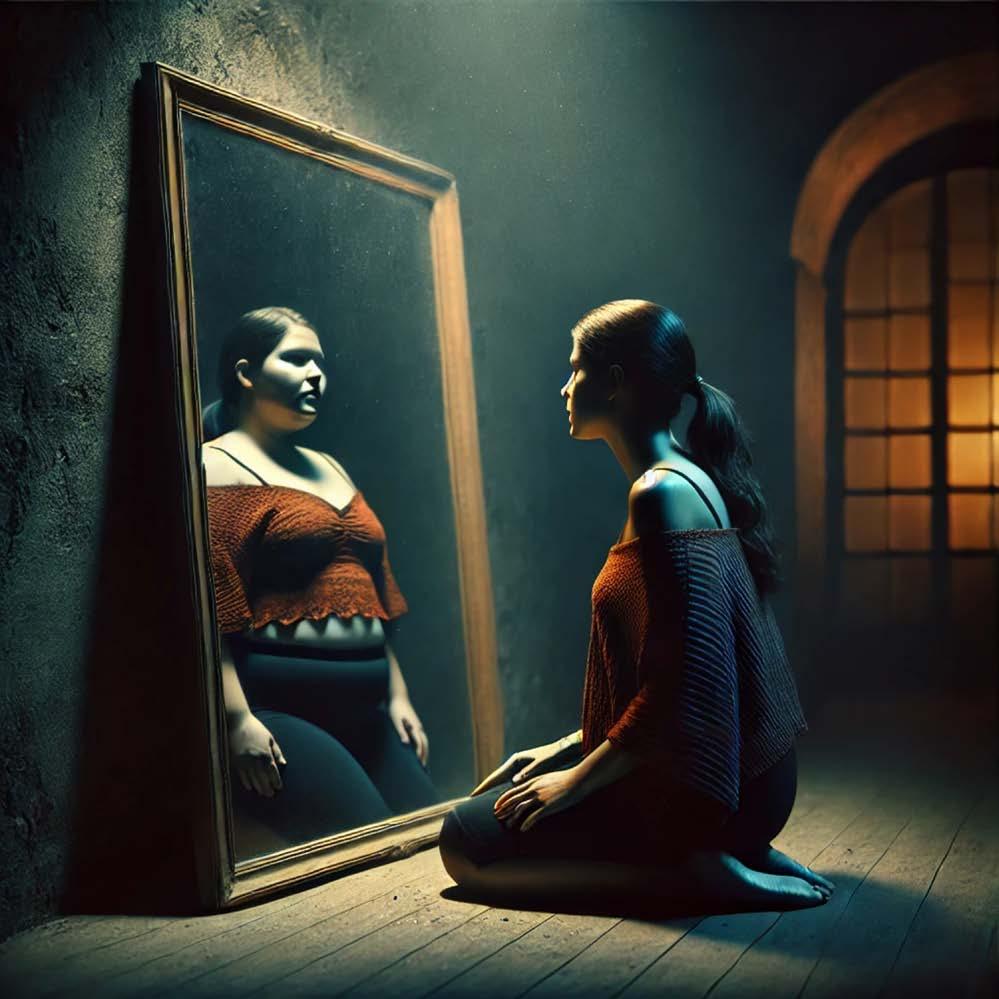
BODY DYSMORPHIA DISORDER: THE ILLUSION OF THE MIRROR?
The Mental Struggles Behind the Flawed Reflection
by İlgi Beste Katı
Personal Narrative Individual Experiences
Body Dysmorphic Disorder (BDD), commonly referred to as body dysmorphia, is a mental health condition characterized by an obsessive preoccupation with perceived flaws in one’s appearance. A form of brain illusion, individuals with BDD often find body parts that other people don’t even notice to be terrifying and develop feelings of self-hatred.
The Nature of Body Dysmorphia
At the core of body dysmorphia is an intense preoccupation with one or more perceived defects or flaws in physical appearance. These concerns are often disproportionate to reality, with individuals typically focusing on areas such as the skin, hair, nose, or other specific body parts. Unlike general dissatisfaction with common appearance, subjects having to deal with BDD experience these thoughts as intrusive and debilitating. They may engage in repetitive behaviors such as mirror checking, excessive grooming, or seeking reassurance, which alleviates their distress only temporarily .
A t the same time, the perceived flaws they see can vary. One day they may wake up and see themselves with a beautiful body; the next day, however, they may find themselves unrecognisably unattractive. The severity of this can fluctuate, depending on factors such as poor mental state, menstruation, illness, or any other condition.
The Social Media Impact
I n today’s social media landscape, many models, influencers, and celebrities share themselves at their most beautiful and flawless appearance. Perfectly curated photos and lifestyles dominate these platforms. With edited photos, the best angles, and cosmetic procedures rarely being discussed, it is becoming increasingly unlikely for a 14-yearold adolescent to see these images and to not be influenced, leading them to question themselves as social media becomes more widespread. In other words, as the age at which children own smartphones decreases, the prevalence of body dysmorphic disorder increases accordingly.
I n the field of cosmetics, new products designed to deceive people have started to emerge. For example, skin whitening and bronzing products, unhealthy weight-loss pills and products that alter the skin in a harmful way have become quite common. These trends, along with influencers fearlessly sharing and recommending them to everyone, can also be linked to body dysmorphic disorder (BDD).
What Causes BDD
Aside from the influence of social media, there are many other factors that can contribute to the development of BDD. It is quite likely that being part of minority communities can con-
Personal Narrative Individual Experiences
tribute to the development of BDD, considering subjects who may face bullying in schools and progressively losing their confidence due to the derision of any of their personal traits. For example, racism, especially when it starts harshly in childhood, can lead a child to become aware of being treated differently because of their skin color. LGBTQIA+ individuals might feel marginalized and, in a similar way, women might experience being diminished in society. A lack of confidence resulting from the differential portrayal of male and female bodies can also contribute to the development of BDD.
The Intersection of Body Dysmorphia and Eating Disorders
Eating disorders, such as anorexia nervosa, bulimia nervosa and binge-eating disorder frequently co-occur with body dysmorphia. Individuals with BDD often have a distorted view of their bodies, which can lead to extreme dieting, excessive exercise, or unhealthy behaviors in order to achieve a perceived ideal body image. This relentless pursuit of an unrealistic body standard can create a vicious cycle where the person never feels satisfied with their appearance, despite their efforts.
The impacts of body dysmorphia and eating disorders are not limited to physical health; they also severely affect mental well-being, leading to depression, anxiety, and in some cases, self-harm or suicidal tendencies. As society becomes increasingly aware of these conditions, conversations are typically centered on how they affect young women. While this focus is important, it often overlooks the fact that young men also experience body dysmorphia and its associated risks
E xpanding the Conversation Beyond the Female Perspective
Societal discussions about body dysmorphia, eating disorders and cosmetic surgery of -
ten emphasize the female experience, largely due to the higher prevalence of these issues among women and the historical focus on female beauty standards. However, men are not immune to these pressures. Young men as well experience body dysmorphia, often manifesting as an obsession with muscle size and definition, sometimes leading to dangerous behaviors such as steroid use or extreme dieting. The underrepresentation of male experiences in these conversations can contribute to stigma and a lack of awareness, making it harder for men to seek help.
A s a society, it is crucial to broaden our understanding and discourse around body dysmorphia and its related issues. This includes acknowledging that any gender can be affected, understanding the unique ways in which body image issues manifest across genders, and recognizing the broader societal and cultural influences that contribute to these problems.
The Impact on the LGBTQ+ Community
LGBTQ+ individuals, particularly transgender and non-binary people, are at a higher risk for experiencing both body dysmorphia and body dysphoria. This is due in part to societal pressures, discrimination, and a lack of representation, which can exacerbate feelings of inadequacy or discomfort with one’s body. The impact of these conditions within the LGBTQ+ community result in profound eating disorders as coping mechanisms to manage body dysmorphia or to achieve a body shape that aligns more closely with their gender identity. For instance, some transgender men might develop restrictive eating patterns to reduce body fat and achieve a more traditionally masculine appearance. Similarly, some gay men may feel pressure to conform to idealized body standards within their community, which can lead to body dysmorphia and disordered eating.
Personal Narrative Individual Experiences
An Interview on Living with Body Dysmorphic Disorder (BDD)
Can you describe your experience with Body Dysmorphic Disorder and how it affects your daily life?
B ody Dysmorphic Disorder affects my daily life a lot. For example, you plan to wear an outfit you really like, but suddenly it makes you feel extremely ugly, and you end up trying on a hundred different clothes, none of which feel right. You don’t want to go out, or a makeup look that you thought looked great yesterday makes you feel horrible the next day, and you start crying out of nowhere. Shopping for clothes is a separate issue; you try everything on in the fitting room and feel like nothing suits you, which ruins your mood.
What aspects of your appearance are you most concerned about?
It changes day by day; there’s no fixed thing. Sometimes it’s my face, sometimes my legs, my stomach, or the circles under my eyes.
How long have these concerns been present, and how have they changed over time?
T hese concerns started towards the end of middle school.
What situations or triggers make your symptoms worse?
Seeing people with great bodies makes me feel really bad. An outfit I love looks amazing on someone with a good physique, but when I wear it, it doesn’t suit me at all. Sometimes it gets triggered when I see someone eating a small portion, and I eat a lot.
What strategies or techniques do you use to manage your BDD symptoms?
I don’t really have a strategy; I’m still not very good at dealing with it. Recently, I’ve been eat-
ing a little less. Avoiding social media posts about weight loss or body shaping makes me feel better.
How do you cope when your concerns about your appearance increase?
I can’t say I handle it well. I usually share these feelings with my close ones; otherwise, I’d just keep crying. My loved ones help, but I think therapy would be the most sensible option.
Do you have a support system in place? How do people like family, friends, or mental health professionals assist you?
Yes, I have a support system. My friends, boyfriend, and family help me feel better by talking to me and supporting me.
Is there anything else you would like to share about your experience with BDD?
I would like to emphasize how isolating BDD can feel. Even though I have a support system, I often struggle with my feelings on my own, which can be overwhelming. It’s important for people to understand that BDD is more than just being unhappy with how you look, it’s a constant battle with your mind that affects your emotional well-being and day-to-day life.
HOW AGRICULTURE AS AN ALTERNATIVE WAY OF THERAPY CAN CONTRIBUTE TO MENTAL HEALTH?
An interview with Nikos
by Paolina Elezi
D uring “100 VOLTS Supporting ARGO” volunteering teams, I had the opportunity to talk with Nikos and learn about his experience being a member of the social enterprise against drug addiction. I learned things about him, how he got here, how he feels about his par-
ticipation in the program in general and specifically how agriculture has contributed to his mental health.
I would like to thank him for opening and sharing his thoughts with me.
Personal Narrative Interrelational Experiences
P: Can you tell us a few words about you and ARGO?
N: I’m Nikos, I’ve been a member of the ARGO therapeutic community since March. I have been in another department, which is the first stage of ARGO, since January. Here, our duty is to change behaviors that involve drug use. You see why you behaved like this and you correct your behavior, you recognize what makes it difficult for you in your daily life and you try to correct it (the behavior) and move on.
P: How did you get here?
N : I came by myself. There are people who came because of the prosecutor’s order, people who would live on the street, so they came because they had no other choice. I felt that my pleasure was manipulating me, that I lived to drink. So, I decided on my own to stop and come.
P: How has the work you do here, especially the agricultural work, contributed to your mental health so far?
N: It helps me because, when I often grab the hoe and dig to let the plant breathe, I release my anger, my negative energy. It also brings back memories from the past, when I used to do things like this with my grandmother on the farm. In general, it is a relief and it brings me a sweet tiredness, calmness.
P: How do you feel when you are on the farm?
N: I express my feelings through physical exercise. I can tell when to dig hard, when to dig because I’m nervous, when to dig carefully so I don’t hurt the plant. I know that if I dig when I’m angry I’ve damaged the plant or my hands have been hurt.
P: So, is it also a way to release other emotions, like anxiety or sadness?
N: Yes. For example, when I came after a surgery I could not lift a single kilo. The first three weeks they didn’t let me work on the farm, but I had to be here. This was incredibly annoying to me, because I wanted to be creative and productive. I can’t just watch others do things and not participate. They let me take the hose and water the tomatoes that weren’t planted yet. After a month I saw the plant becoming an actual tomato. You see your work and it brings you joy and fulfillment.
P: Getting in touch with nature has also changed your perception of life?
N: It changed a little, not too much. It’s a small step, but it’s a step. I wouldn’t do that before. Now this has changed not only through the farm but also through the work I have done here for 4 months now.
Personal Narrative Interrelational Experiences
P: When you are on the farm do you think more or less about the rehab process or about your past?
N: I don’t think that much. I’ ve got flashbacks, but I don’t think about them, they just pass that time and help me bring them here later.
P: Is working with other people positive or negative? For example, can you be influenced by someone’s experience or is it positive because you are moving forward together? How do you get along with others?
N : Certainly, some things you hear in the groups are harsh. This is a piece we all have to work on. The first two months, I couldn’t sleep from what I heard, because I was thinking that I did this too, but I didn’t. I took them (the stories) with me and made them mine. There are some mental blocks that you have to put in and say “No, you have to leave this here”. It’s a difficulty we all have. You are definitely happy when time goes by and you see the other person changing as well, you know that you have contributed to it too. We mirror each other, we all move forward together. They are individual matters, but we all have more or less the same behaviors and it doesn’t matter what each person’s usage (of drug) was.
P: You said that you made the decision to come yourself. Is it generally difficult to motivate someone to come and attend such a program? How can you motivate someone, if they can be motivated?
N: You can motivate someone. If they don’t want to quit, they’ll leave, because it’s a difficult program. When I go forward and see a barrier, I give up and start all over again. And it’s something I want to work on. It’s also one of the reasons why I am a part of the project (with the volunteers).
A s for ARGO it is a difficult community, but a special one. You are with different people, different experiences, different thoughts, different beliefs. As for motivating someone to come here, I had my friends telling me for a whole year that I have a problem and I need to quit. If you don’t feel like you’re a slave to the drug, you can’t come easily. That’s how I felt about coming.
P: While you’re here, have you thought about quitting? And if so, what’s holding you back?
N: Yes, many times. The habit holds me back a bit. Also, the fact that I think that I have many people around me telling me that I’ ve changed and that I look better, I think to myself that someone has to be right.
P: Have you developed any skills through therapy that you think you will use elsewhere?
N: I have learned to understand the other person’s reaction when I ask them something and to understand if the question went deep or not. I have learned to be patient and to move on gradually and to wait. I have also learned that everything will happen on time.
GROWING UP IN A FAMILY WITH ADDICTIONS
*This article came from an interview with an X member of the ARGO therapeutic community. The parts that are in the first person are parts from the interview that were extracted authentical from our recorded conversation (with his permission).
This article is from the perspective of a child that has had addictions in his childhood, teenage and grown up life. It feels like it’s “normal” and every family has it but they don’t actually. Not the same kind of addictions at least as he is, there are so many types of addictions nowadays but people don’t believe they are real. Gambling is one of the most growing addictions, since betting companies started advertising on television. More common addictions such as alcohol, internet, porn and cigarettes that are harder to quit because they are legal substances or not.But in the case of this article the addiction involves drugs, smoking, gambling and alcohol.
Growing up inside addictions, you naturally adopt addictive behaviors without being an addict yourself. That happens because you mimic the way your parents act so you adopt the behaviors of those who are already addicts, creating a vicious circle of behaviors. These behaviors are, not saying your opinion, being pessimistic, not believing your opinion matters, not being able to communicate feelings such as anger, happiness, sadness and romantic feelings. Also, having bursts of anger for the wrong reasons with the result of losing your justice because of overreacting to insignificant things that made you get over the top of your head, since they were the tip of the iceberg.
Inside a family with addictions there is a lot of codependency in between the family members and influence in between the family members on the mood shifts that are momentarily due to the characters of the addicted. These mood shifts happen oftenly and for insignificant things such as who will have the control of the television remote, who will take the kids to their after school activities and whether they attend or not social gatherings. Creating such dynamics that the kids won’t want to express what they wanna do but sit quietly and allow themselves to act as their parents would wish them to act, in order to get the much needed affection that a kid needs.
This also can continue to not express their reality in school, such as bullying just because they will be afraid that will get their parents out of their comfort zone and they might have to act out of their character or out of their “everyday normality” to defend them. The kids also bring these behaviors with them outside their house, with the result of trying to make friends but be afraid to ask their friends to hang out at their place because they are afraid of their parents’ reactions. Other kids take advantage of these behaviors and put them in roles that they don’t want to be, but because they don’t know how to react correctly to get out of these roles they sit in them and be unhappy and depressed. They do favors to classmates, “friends” just because they feel that they will be more accepted, but don’t understand they are being used. All these things are so easy to make a young person, teenager, become depressed and start acting out with heavy alcohol drinking to escape reality and furthermore drug use.
Personal Narrative Interrelational Experiences
Continuing, the children that have addictions inside the house feel comfortable around them so when the time comes to go to parties they feel at home. So they join in and find people that use drugs, because that comes naturally. When the time comes and they are being asked whether they wanna do drugs themselves, they think that since their parents use them they can’t be so bad, even if they are being told to be careful and never do drugs. But the problem starts if the drugs make you feel more comfortable and happy at the situation you currently find yourself in. In that case, you search for the drugs and hold on to the people that allow you to use them freely without thinking about the psychological or money cost of them.
When the costs are becoming high or finding them becomes more difficult the teenager or young person might turn to the user parent(s) and ask them how to find and whether they can use them together. When that happens the children of addicts might get confidence because they start connecting with their parents in a different way and having more common ground and feel more comfortable expressing themselves near them. But it is a terrible cycle because on the parents’ side you have three options. In the first option you can start using with your kid and embrace the fact that he or she has the same addictions as you, but make sure about what they are using so they don’t get hurt. Second option, is to tell them no and risk pushing your child even more away and become even more distant, with the quite real possibility of them searching for the drugs in the street. Third option is to quit using as a parent and take yourself and your child to a rehabilitation center to talk about the issue with people that already have some knowledge about dealing with this kind of situation. These options of course exist if you already think that there is an addiction and you are willing to do something about it.
In this case, addictions in the family are many as previously mentioned, but the problem is that not all parties involved are recognizing the problem of addictions. Currently “I am a member at the ther-
apeutic community of ARGO but unfortunately I might get support out of most of the addicted members of the family but not all of them”. “In my family I have several different addictions and quite different perspectives from different family members”. Currently “I have gotten away with just one addiction which is a single drug that is not legal, but it is getting legalized pretty soon or at least the authorities are in the process of legalizing it”. “For me, removing these addictive behaviors is so difficult because I didn’t even realize I had them, until people started pointing them out to me since I joined ARGO”. “The hardest part though is the removal of childhood friends from my life” because inside the rules of rehabilitation is to stop having any kind of communication with any person that is using any kind of drugs even if you learned and hung out with them before you started doing drugs with them. Imagine how difficult it is to stop seeing your parents because they are drug users, while you are trying to quit, and that they don’t believe the drug you and them are addicted to is a drug or that it is addictive!
So growing up in a family that has members that have addictions, is difficult to avoid becoming a drug user yourself. Also it is difficult to go unaffected by the various mood swings that different family members show. It is also quite common to have more than the normal fights in a family when inside the family there are addictions. Which results in the children inside these families to try to avoid conflicts at all costs in order to avoid bringing back repressed memories. Those memories though are being remembered from the moment they start to get clean and come to haunt him. It is important though to remember that if you don’t face them and don’t work them you will never get over them. At the same time you need to know that you can’t change your past but you need to move on without being afraid of it, in order to be able to live a healthy life in the future. Because you can’t let your past define you, but you can decide your future despite your past and that the true meaning of healing through trauma and getting over addictions.
REACTIONS OF PEOPLE IN STRESSFUL SITUATIONS (VERY BIG)
The Example of War big
by Yana Hordiienko
In today’s world, stress has become an integral part of our lives. We encounter it in daily activities, through social media, and in more traumatic situations that impact our psyche. Stress is a nonspecific reaction of the body to a strong stimulus that exceeds normal limits. Whether a person has been in a car accident, participated in combat, or encountered a bear in the woods, the stress response is similar. The difference lies in the severity of the event.
S tressful situations, such as war, present people with unprecedented challenges. Responses to stress can vary widely, depending on individual characteristics, previous experiences, and the type of threat. Despite the intensity and suddenness of such events, these reactions are normal responses to abnormal circumstances.
T his raises the question: Do people’s reactions differ based on social roles and experiences, or are our reactions solely driven by
Alexandra 17 years Old , youth Kherson, Ukraine
Personal Narrative Interrelational Experiences
instincts? In this article, we will explore what one needs to know about stress responses and how to prepare for them. We will also discuss strategies to help ourselves exit traumatic situations in a way that is healthy for both body and mind.
To answer these questions, I looked at the experiences of three individuals who went through the same event but experienced it differently: a psychologist (Tatiana), a mother (Inna), and a teenager (Alexandra).
Initial Reactions big
A ll three individuals experienced a similar initial reaction. The psyche, trying to protect itself, falls into a state of shock. Just as a person in physical shock may not feel pain immediately, during a traumatic event, one may not fully comprehend what is happening. Alexandra mentioned that she couldn’t fully grasp the reality of the war’s onset: “There was a physical response, but my mind shielded me from full awareness for a few days.” Inna and Tatiana hoped that the situation wasn’t serious and would end quickly, as if it were merely a “political game.” None of them could believe it was truly war.
Fight, Flight, Freeze Responses big
Flight: semi big
T he “flight” response manifests as an attempt to avoid danger by leaving the dangerous place or situation. Teenager Alexandra described her actions: “I got up and started packing... my first reaction was to gather my things and leave.” Despite having a flat tire, her first thought was to escape the situation.
Freeze: semi big
T he “freeze” response involves physical and psychological immobilization, where a person loses the ability to act. This reaction can occur in situations of extreme fear or shock, where one +feels powerless or unable to control the situation. Psychologist Tatiana stayed home, maintaining her emotional stability: “I essentially stood still. My first concern was my sick child with a fever. The second was my belief that it would end quickly. I stopped, focused on relaxation techniques, grounding exercises, and began reflecting.”
Fight: semi big
T he “fight” response involves a readiness to confront or actively defend against the
Inna Mother of 8 children, 45 years old Kherson Ukraine)
Personal Narrative Interrelational Experiences
threat. Mother Inna, who had eight children, immediately took steps to protect her family: “Ensuring the safety of my children, stocking up on food and medicine, preparing for any possible developments.”
Stages of Stress Response big
Alarm Stage: semi big
A ll three interviewees reported feeling shocked and incredulous at the beginning of the crisis. This is also a highly active period, as the fight, flight, or freeze response kicks in.
Resistance Stage: semi big
During this stage, people adapt to stress, increasing their resilience and ability to withstand the stimuli. One might think, “Okay, I’m handling this.” However, this is a dangerous period because prolonged stress can lead to burnout.
E xhaustion Stage: semi big
If a person cannot eliminate the stressor, they may “burn out.” Alexandra described how she merely survived without considering her well-being: “In essence, you ignore your physical state; all that matters is surviving. That feeling of survival becomes more important than your own thoughts or self-improvement—at some point, you stop caring about those things.”
Coping with Stress big
To turn stress into a strength-building experience, we must learn to manage it. We are not powerless against stress; in fact, we can sig-
nificantly improve our situation. Here are a few strategies to cope with traumatic events and protect ourselves from the consequences:
1. Support from Loved Ones: semi big
Having support from close ones can be a haven of safety. Supporting others can also provide comfort. Despite the immense responsibility placed on the mother, she found peace in this way: “Conversations with loved ones, talks with my husband... He is my island of security; he can protect, advise, and influence decisions. Praying and trusting in God gave hope that God would protect us and never abandon us.”
“We tried to keep the kids’ nerves calm, saying, ‘It’s not coming our way; it’s okay!’ We tried to make sure that we and the kids wouldn’t have to deal with long-term psychological effects.”
Tatiana, A psychologist with over 10 years of experience, specializing in CBT (5 years), coach-lecturer. Kyiv , Ukraine
Personal Narrative Interrelational Experiences
2. Self-Care: semi bid
It’s crucial to prioritize and ensure one’s own safety and stability. For example, Tatiana, as a psychologist, prioritized her well-being to be able to help herself and effectively perform her job: “Initially, I assessed the current situation. Then came first aid: I took care of myself and my safety first. Only when I was able to support myself could I support others. I secured emotional stability, practiced relaxation and grounding techniques, and only on the second day did I begin consultations.”
3. Information Control: semi big
It’s important to be careful about sources of information and one’s readiness to process news: “It depends on a person’s psychological readiness. If someone is anxious and can’t regulate their emotions, seeing negative information can throw them into a panic. If you’re better at controlling this, it might help, as it sometimes gives a sense of control over the situation.”
4. Professional Help: semi bid
Seeking help from a psychologist or participating in support groups can assist in dealing with the effects of stress. Various calming practices and self-reflection can also be helpful.
5. Future Planning: semi big
Even in difficult circumstances, it’s essential to dream and plan for the future: “My parents said everything would be fine: ‘We’ll save up money; we’ll start building plans.’ Despite
knowing that the house was gone, these hopeful thoughts helped.”
Conclusion - big
By delving into the experiences of people with entirely different lives and roles, we can understand that each person reacts to stress differently. While reactions may be similar, each individual’s experience and circumstances are unique. Understanding and accepting these reactions help us better prepare for stressful situations and find ways to support ourselves and those around us. Despite the complexity and challenges that stress brings, it is crucial to find the strength and resources to overcome these trials.
AUGUST
by Xanthippi Giotopoulou
The falling stars are drifting apart
And the lovers trying to kiss in the dark
On a summer night full of sand,
At the beach where they met
Two children with ice cream in hand
L aughing loudly for others to hear,
W hile the sun was shining and the moon was hiding,
In a mystic cave, which
T he lovers are eager to explore and to find the secrets it holds
The lagoon is inviting them to dive in
To feel its water to their core
And heal their soul in a way they can only understand Holding their hands tight and looking at each other, deciding the fate of their intertwined lives the children take the risk since it’s not a dream but a reality with a lot to take in they need to believe
OVERTHINKING
by Xanthippi Giotopoulou
My thoughts feel like multiple threads with no ends, and with knots twisted over and over and getting tangled up
My thoughts feel like a messy bun with hair all over a little bit tangled no comb being able to brush it properly reminding me of straw or a bird’s nest
My thoughts feel like a net thrown at the sea by a fisherman but instead of fish, it’s full of trash and rocks. There are no seashells for me to collect.
My thoughts feel like a heavy bag, a bag containing a lot of things some of them are useful, while others are not some of them are light, while others are heavy
My thoughts feel like a road with traffic, with no traffic lights that work many cars are stuck in it some drivers are mad some others are bored
My anxiety rises like my chest is rising for a breath like something vital for the self to function, like something effortless for my head to feel
ARGO TEAM MEMBERS
“100VOLTS-Supporting ARGO” is a 2-month European Solidarity Corps volunteering team, hosted by the NGO United Societies of Balkans. During the program, 18 young people from Europe gathered in Thessaloniki, Greece, in order to support the social Enterprise ARGO through gardening and agricultural activities, but also through social media and the organization of various events. Here are the faces of the people behind the project!
BALKAN HOTSPOT TEAM
United Societies of Balkans is a Non Governmental Organization, founded in Thessaloniki in 2008, by a team of active young people. The organization was created as a response to the pressure of constant changes in the Balkan and Eastern European region and under the need for the creation of a better social environment. Key areas of the organization’s activities concern the defense of human rights, the organization of youth exchanges and training courses, which will bring young people from Balkans and Europe together, the organization of local educational seminars and multimedia production (webradio, videos, documentaries).
Main goals of the organization
To promote the values of non formal le- aring,volunteering, active citizenship and democracy for the creation of a better future for European youth.
To promote human rights, solidarity and respect for diversity.
To build healthy cooperation bridges between countries of the Balkan area and that of Eastern Europe with the rest of Europe.
To locate and multiply the special cultural attributes of our societies.
The break down of prejudices and stereo- types between Balkan countries.
Property of Balkan Beats
The United Societies of Balkans, NGO, does not necessarily share the opinions expressed in Balkan Beats. It is illegal to reproduce any part of this publication without referring to the source.
Balkan Beats, a part of Balkan Hotspot
Balkan Hotspot is the ESC (European Solidarity Corps) project of “United Societies of Balkans”, a NGO founded in Thessaloniki in 2008 by a team of active young people.
The Balkans and Eastern Europe are geographical regions with many cultural features which offer a broad spectrum of actions and youth involvement initiatives. The organiza -
tion was created as a response to the pressure of constant changes in the Balkan and Eastern European region and under the need for the creation of a better social environment.
Key areas of the organization’s activities concern the defense of human rights, the organization of youth exchanges and training courses, which will bring young people from Balkans and Europe together, the organization of local educational seminars and multimedia production.
The volunteers responsible for this publication are hosted in Greece in the framework of the European Solidarity Corps. This project has been funded with support from the European Commission. This publication [communication] reflects the views only of the authors, and the Commission can not be held responsible for any use which may be made of the information contained therein.
This magazine is distributed free of charge.
General Directors: Aristodimos Paraschou | Christian Cibba