not how much you do, but how much love you put into the doing.” - Mother Teresa
In a world where healthcare is rapidly evolving with cutting-edge technology and advanced medical science, the true strength of medicine still lies in the dedication, precision, and compassion of the doctors who stand at its forefront.
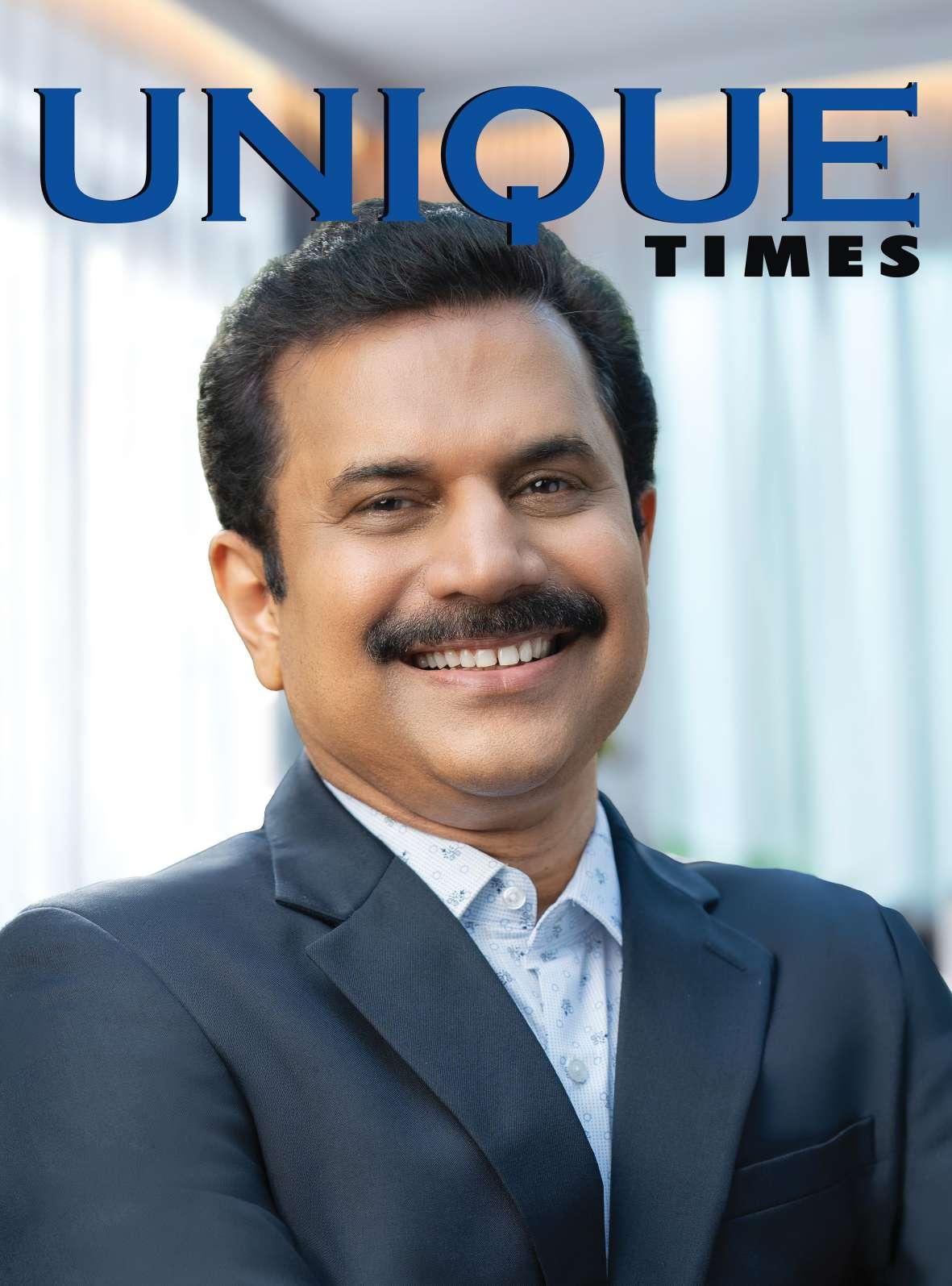
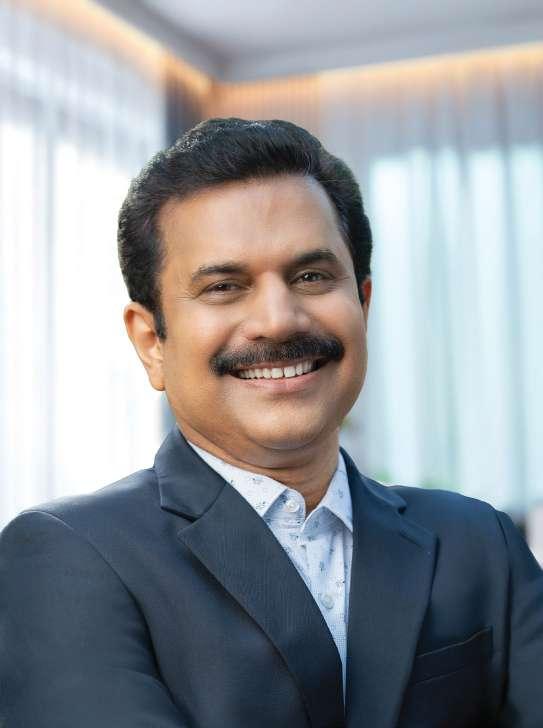
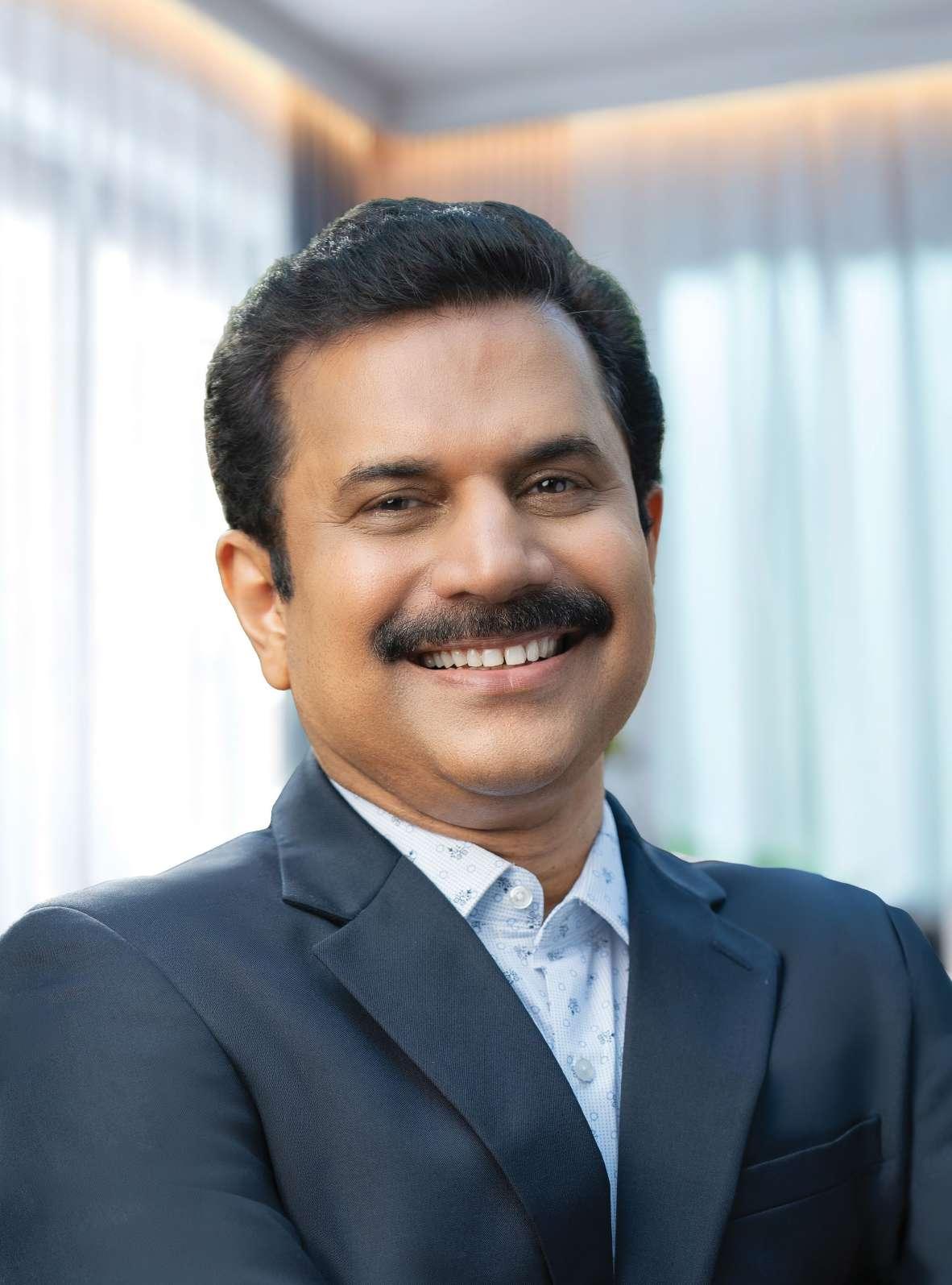
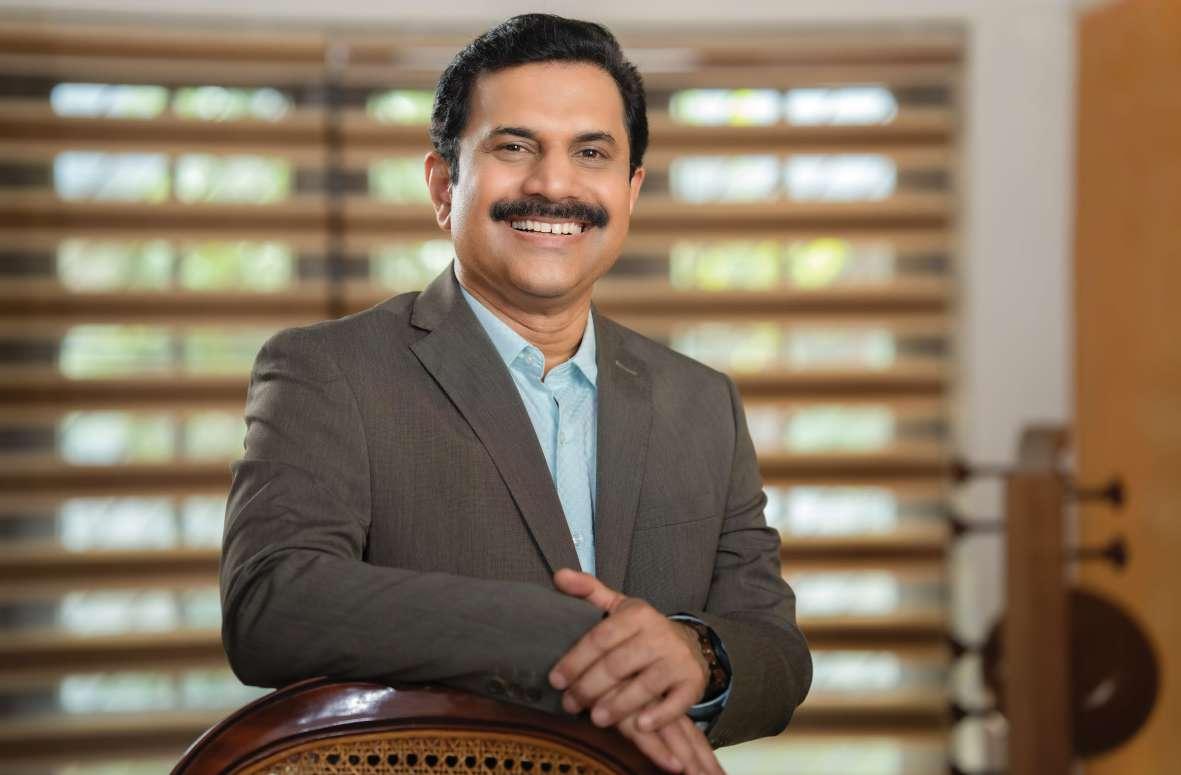
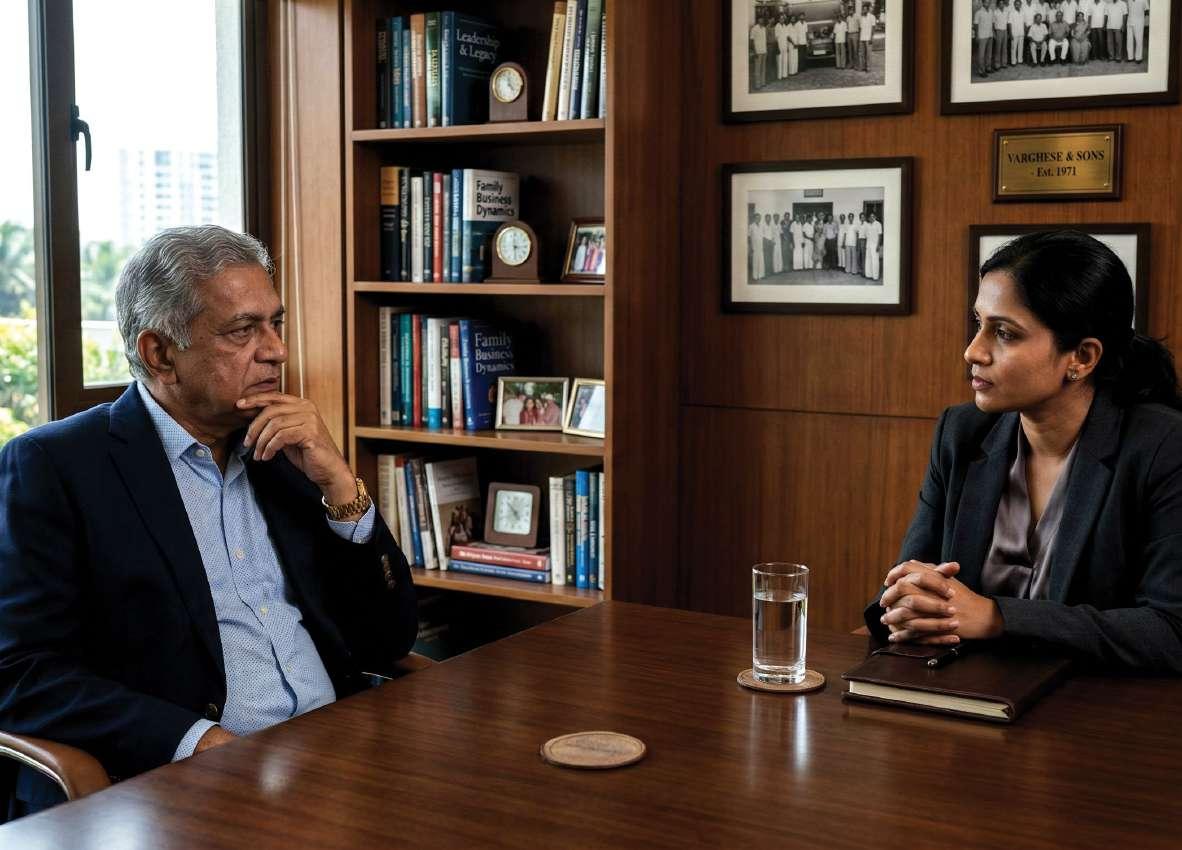
Beyond diagnoses, procedures, and hospital walls, physicians carry the responsibility of restoring hope, rebuilding confidence, and guiding patients toward healthier, fuller lives. Modern medicine demands far more than technical expertise — it calls for continuous learning, adaptability, empathy, and a deep commitment to patient wellbeing. Among the professionals shaping this evolving landscape is Dr. Vijaya Mohan, a distinguished orthopaedic surgeon known for his expertise in joint reconstruction and advanced surgical techniques. This month’s cover story explores the journey, insights, and experiences of Dr. Vijaya Mohan.
This month’s edition features expert insights from V.P. Nandakumar, Chairman & MD of Manappuram Finance Limited, on “The 8.9% Sprint: Why NBFCs Are the Engines of India’s 2047 Dream.”
This issue also features all your favourite sections — from sports highlights and tourism and travel features to finance-related insights and a carefully curated selection of inspiring business-related articles.
“If you don’t like to read, you haven’t found the right book.” - J.K. Rowling Happy Reading!
Cover Photograph
DR. VIJAYA MOHAN, Consultant Orthopaedic Surgeon at the Centre of Excellence in Orthopaedics, Aster Medcity
India Joins Pax Silica Alliance To Boost Semiconductor And AI Supply Chains
India has formally joined the US-led Pax Silica alliance at the India AI Impact Summit in Delhi, signaling a major step in securing global supply chains for critical minerals and AI technologies. The alliance, which includes Australia, Japan, Singapore, the UAE, and the UK, aims to ensure reliable access to resources, enhance technology collaboration, and build a resilient framework for AI-driven growth and manufacturing. Union Electronics and IT Minister Ashwini Vaishnaw said membership would accelerate India’s electronics and semiconductor ecosystem, noting that multiple semiconductor plants are under development and the country’s first facility is nearing commercial production. He added that Indian engineers are already working on advanced two-nanometer chips, and Pax Silica would further support innovation, talent development, and India’s ambitions to become a global semiconductor leader. US Ambassador Sergio Gor called India’s entry “strategic and essential,” highlighting its engineering talent and critical mineral capabilities. The move aligns with broader efforts to deepen trade and technology cooperation.
Mukesh Ambani Pledges Rs 10 Lakh Crore AI Investment, Vows To Cut Cost Of Intelligence
“Motivation is the catalysing ingredient for every successful innovation.”
Clayton Christensen
At the India AI Impact Summit 2026, Mukesh Ambani, Chairman and MD of Reliance Industries Limited, announced that Reliance Jio will sharply reduce AI costs in India, similar to its historic cuts in mobile data. He emphasized the importance of self-reliant AI access, saying, “India cannot afford to rent intelligence,” and outlined Jio’s vision to connect the country to the “intelligence era” across sectors, government services, and social development. Ambani unveiled a Rs 10 lakh crore, seven-year investment plan to boost AI development, including building India’s sovereign compute infrastructure. Multi-gigawatt AI-ready data centres are under construction in Jamnagar, with over 120 megawatts expected by H2 2026, progressing toward gigawatt-scale AI training and inference. The initiative is built on three pillars: large-scale data centres, a green energy backbone powered by solar projects in Kutch and Andhra Pradesh, and a nationwide edge computing network integrated with Jio’s telecom infrastructure. Ambani predicted that India will become a global AI leader, leveraging its digital infrastructure, demographic advantage, and vast data generation.
Gokaldas Exports Sees Margin Recovery After India–US Trade Deal
Gokaldas Exports, a Bengaluru-based apparel manufacturer, expects operating margins to recover in fiscal 2027 following lower U.S. tariffs under the India–U.S. trade agreement. Managing Director Sivaramakrishnan Ganapathi said quarterly core profit margins could rise to early double digits, up from 9.7% in Q3 of fiscal 2026, though benefits are expected only after Q2 of fiscal 2027. The company earns nearly 75% of its standalone revenue from the U.S., supplying global retailers including Walmart, Gap, and JCPenney. Margins had been pressured by higher U.S. tariffs, forcing discounts and cost absorption to maintain client relationships, as India faced steeper rates than Bangladesh and Vietnam. The new deal reduces U.S. tariffs on Indian textile exports to 18% from 50%, providing relief to the $38 billion sector. Gokaldas, producing about 90 million garments annually, reported `38.64 billion in revenue in fiscal 2025, with exports to the U.S., Canada, the UK, and France forming the majority of its sales.
Aramco Sells First Jafurah Condensate Cargoes
“There is no force more powerful than a woman determined to rise.”
Bosa Sebele
Saudi Aramco has sold its first shipments of ultra-light condensate from the $100 billion Jafurah gas project to major buyers in the U.S. and India, including Chevron, Exxon Mobil, and Indian Oil Corporation. The cargoes, set for late February loading, were priced at $2–$3 per barrel above Dubai benchmarks on a free-on-board basis. The Jafurah field, among the world’s largest shale gas projects outside the U.S., holds an estimated 229 trillion cubic feet of raw gas and 75 billion barrels of condensate. The project is central to Aramco’s strategy to increase gas output and expand its portfolio of lighter crude grades, aiming for sustainable production of 2 billion cubic feet per day by 2030. Chevron’s first cargo may be shipped to South Korea via GS Caltex, with another potentially heading to Thailand. Aramco is ramping up production in line with approved development plans, while buyers and the company declined to comment on specific commercial arrangements.
LTIMindtree Secures $100 Million Seven-Year Deal With European MedTech Firm
Indian IT services firm LTIMindtree has secured a $100 million seven-year contract with a Europe-based medical technology company specialising in hearing solutions, though the client’s identity was not disclosed. The deal highlights LTIMindtree’s expanding presence in the global healthcare technology sector. Under the agreement, the company will develop and support the client’s flagship and private-label hearing aid products, including core wearable devices and a mobile app to enhance user experience, marking a comprehensive digital and product engineering partnership. The announcement follows broader strategic moves: LTIMindtree’s board recently approved a proposal to rename the company LTM Limited, pending shareholder and regulatory approvals. Additionally, the firm reported record quarterly order bookings of $1.69 billion for the quarter ending December 31, reflecting strong demand for its IT and engineering services.
Tesla Expands India Footprint With AI Hardware Hiring in Bengaluru
“In the business world, the rearview mirror is always clearer than the windshield.”
Warren Buffett
Tesla has started recruiting AI Hardware Engineers in Bengaluru, indicating a potential expansion of its advanced technology operations in India. The roles, part of Tesla’s AI & Robotics division under Engineering and R&D, focus on developing hardware for neural-network-driven systems, including Full Self-Driving (FSD) and the Optimus humanoid robot program. The AI Hardware team will design custom silicon and computer architectures to accelerate machine-learning performance, develop and test hardware components, collaborate with software teams, build prototypes, and use data analysis to guide engineering decisions. Candidates should have backgrounds in computer or electrical engineering, with experience in AI accelerators, microarchitecture, RTL, physical design, DFT, and verification, along with proficiency in EDA tools and programming languages like C++, Python, and MATLAB. The move signals Tesla’s intent to integrate Indian engineering talent into its global AI hardware roadmap, highlighting the strategic importance of custom chips and vertically integrated computer systems for its autonomy and robotics ambitions.
Soaring Cucumber Prices Stir Discontent in Russia Amid Wartime Inflation
In Russia, cucumbers have become a symbol of rising living costs, with prices doubling since December to over 300 roubles per kilogram, and some stores charging even higher mark-ups, particularly in cities like Omsk. The surge comes amid broader inflation and economic strain linked to the prolonged war in Ukraine. Shoppers’ frustration has drawn scrutiny from the anti-monopoly regulator, while politicians, including members of the ruling United Russia party, have voiced concern ahead of parliamentary elections. Sergei Mironov of A Just Russia criticised claims that seasonality was to blame, comparing it to last year’s spike in potato prices and questioning how citizens can afford basic foods. With cucumbers sometimes costing more than imported fruit like bananas, some Siberian supermarkets have imposed purchase limits, and one newspaper even distributed seeds to encourage home cultivation. While authorities have managed similar spikes before and widespread unrest is absent, the episode highlights growing public anxiety over household expenses during a difficult economic period.
Germany’s Business Activity Climbs to Four-Month High in February
Germany’s private sector grew at its fastest pace in four months in February, signalling renewed momentum in Europe’s largest economy. The HCOB Flash Germany Composite PMI, compiled by S&P Global, rose to 53.1 from 52.1 in January, exceeding analysts’ expectations and indicating stronger overall business activity. Services remained the main driver, with its PMI climbing to 53.4 from 52.4, while manufacturing returned to growth for the first time since June 2022, rising to 50.7 from 49.1, marking a significant rebound after over three years of contraction. Economists noted that the data supports broader recovery trends, following a surprise surge in German industrial orders in December, the largest in two years. Employment continued to decline, though at a slower pace, suggesting stabilization. Analysts expect Germany’s GDP to show visible growth in Q1 2026, provided no major disruptions occur in March, reflecting optimism for the country’s economic trajectory.
Nvidia Earnings Take Spotlight as Markets Brace for AI, Geopolitical and Policy Signals
Nvidia is set to report its quarterly earnings next week, a closely watched event as investors gauge the impact of AI-driven growth on global markets. The chipmaker, currently the world’s most valuable company, has seen shares surge with the AI boom, though momentum slowed in 2026 amid concerns over returns on large AI investments. Results from software giants like Salesforce and Intuit will also be monitored as AI continues to reshape the technology sector. Geopolitical tensions are adding to market volatility, with the fourth anniversary of Russia’s invasion of Ukraine approaching, ongoing conflict, Iran-related risks, and uncertainty over ceasefires affecting oil, defence stocks, and gold. Investors are also tracking key economic and political developments worldwide. Inflation data from Australia and Tokyo may influence interest rate decisions, while leadership uncertainty at the European Central Bank and political pressures on UK Prime Minister Keir Starmer could impact bonds and currencies. Corporate earnings, economic indicators, and geopolitics are expected to drive markets in the coming weeks.
Starlink Cut to Russian Forces Boosts Ukraine’s Battlefield Advantage
SpaceX’s decision to block Russian access to its Starlink satellite internet service has reportedly disrupted Moscow’s frontline operations in Ukraine. Acting on a request from Ukraine’s Defence Minister Mykhailo Fedorov, the shutdown—effective from 1 February—has restricted Russian troops’ ability to coordinate drone strikes and battlefield communications. Ukrainian forces report fewer assaults and a weakened Russian offensive, particularly in the southern and eastern fronts. Starlink, previously used by both sides for secure communications and real-time drone guidance, now operates only on terminals approved by Kyiv. Ukrainian volunteer group InformNapalm identified over 2,400 Russian-linked terminals via phishing, with several targeted near the front lines. Ukraine’s Security Service (SBU) warned citizens against illegal registrations, citing high treason. While some Ukrainian troops note minimal immediate change, others report improved opportunities to intercept communications and push back Russian forces, especially near Pokrovsk. Analysts suggest the disruption could limit long-range drone strikes, giving Kyiv a tactical advantage before Russian forces adapt.
COMMITMENT IN EVERY INCISION: DR. VIJAYA MOHAN’S SURGICAL JOURNEY
Doctors are often the quiet pillars of society — professionals who shoulder immense responsibility, make critical decisions under pressure, and devote their lives to healing others. Beyond prescriptions and procedures, they offer reassurance in moments of fear, clarity amid uncertainty, and hope when patients need it most. Their work extends far beyond hospital walls, shaping healthier families and stronger communities through dedication, skill, and compassion.
In this exclusive interview with Unique Times, we bring you the perspectives of one such accomplished medical professional whose career reflects excellence, commitment, and a passion for patient care — Dr. Vijaya Mohan, Consultant Orthopaedic Surgeon at the Centre of Excellence in Orthopaedics, Aster Medcity. You’ve trained and worked across different countries and cultures. Was there a moment early in your career that truly shaped the kind of doctor you wanted to become?
I studied in a village school and grew up in a family of teachers. In that environment, the medical profession was regarded as one of the most respected careers. As a school topper, many of my teachers and family members encouraged me to
pursue medicine—although a few also suggested civil services. Very early in my childhood, becoming a doctor was instilled in me almost as a romantic dream.
I still remember the mark scam that occurred in Kerala when I was in high school. Soon after that, the entrance examination system was introduced, which made the dream of becoming a doctor feel like a real and attainable possibility.
During my time at Thiruvananthapuram Medical College, I was actively involved in student union activities and served as the college union chairman. This role gave me the opportunity to interact closely with eminent doctors such as Dr. Joy Philip, Dr. Akber, Dr. Soman, Dr. Sivasankarapillai, Dr. Elikkutty, and many others. These personalities shaped not only my outlook towards medicine, but also my perspective on life itself.
Later, stalwarts in surgery—Dr. Haridas in Thiruvananthapuram, Dr. Mohan in Kollam, and Dr. Bhaskaran in Ernakulam—guided me deeply in the art of surgery and helped mould me into the surgeon I am today.
However, I strongly believe that the values I absorbed from my childhood in a pure village atmosphere— human relationships, simplicity, and empathy—have had the greatest influence on how I view the world and my fellow human beings. And
undoubtedly, my alma mater, Thiruvananthapuram Medical College, played a crucial role in shaping my character as a doctor serving society. Joint replacement surgery often gives people their mobility—and confidence— back. Is there a patient story that has stayed with you over the years?
There are many such stories, but a few stand out deeply.
During one of our SSLC batch reunions, we learned that a classmate had been bedridden for nearly two years. When we visited her, I realised she was suffering from rheumatoid arthritis and was undergoing treatment through local traditional medicine. After a proper evaluation, we started her on appropriate medical treatment. Collectively, our batch arranged financial support, and I performed a bilateral total knee replacement for her. Today, she has returned to an active life and is living happily.
Another case involved a 40-yearold man who had suffered a severe motorcycle accident involving a pickup van. He sustained fractures in almost all his bones. Through multiple surgeries, we were able to achieve fracture union, and with a primary knee replacement, he regained mobility. Many who witnessed the accident were certain he would not survive.
Today, he is running a success-
The greatest reward in medicine is not money or fame, but the profound impact we can have on human lives.
ful business, and his two daughters have completed higher education and are practising professionals. We remain in close contact.
There was also a 45-year-old woman who was found almost on her deathbed by a social worker. Her husband had deserted her, and she was suffering from untreated rheumatoid arthritis. She was brought to me from Thiruvananthapuram in an autorickshaw because she could not afford proper travel. I admitted her immediately, arranged financial support with the help of the hospital, initiated appropriate treatment, and performed a bilateral total knee replacement. She, too, returned to an active and happy life.
Another memorable case was a woman from Idukki with congenital deformities of both lower limbs. She had been bedridden or crawling for years. After a complex bilateral total hip replacement, she was able to stand and walk again.
Similarly, a man suffering from ankylosing spondylitis with both hips and spine completely stiff had lost his wife to cancer and had no one to care for him. After bilateral total hip replacement surgery, he regained his independence, remarried, and is now living a fulfilled life.
These experiences remind me that the greatest reward in medicine is not money or fame, but the profound impact we can have on human lives.
Robotic and computer-assisted surgeries sound very high-tech. How do you explain these advancements to patients who may feel anxious or overwhelmed?
Joint replacement surgery is essentially a combination of medical science, material science, physics, and mathematics. The artificial joints must be aligned accurately along the mechanical axis of the body and properly balanced for longterm success.
Robotics and machine learning
are relatively new tools that help calculate and execute these alignment principles with greater precision, reducing human error. Innovations such as augmented reality, artificial intelligence, and machine learning are gradually being integrated into orthopedic surgery.
At present, these technologies are still in their early stages, but over the next decade, I believe they will significantly enhance surgical accuracy and patient outcomes.
Revision surgeries are often more complex and emotionally challenging for patients. How do you approach these cases, both surgically and emotionally?
Revision surgeries are usually required due to infection or aseptic loosening of previously implanted joints. These situations are extremely distressing—both physically and mentally—for patients. Apart from financial concerns, patients often
struggle with morale and trust issues due to their prior experiences.
It is crucial to spend adequate time with such patients, patiently explaining the reasons for failure and the corrective measures available, while restoring their confidence.
From a surgical perspective, revision surgery is not equivalent to a second primary surgery. Outcomes depend greatly on the surgeon’s experience and expertise. Only surgeons with adequate exposure to these complex procedures should undertake them.
You’ve worked in both public hospitals and worldclass private institutions. What differences stood out to you, and what lessons did each environment teach you?
They are two very different worlds, yet in a country like ours, both must coexist in a complementary manner.
In public hospitals, quality often gets compromised due to overwhelming patient volumes, and the functioning of these institutions is heavily influenced by the geopolitical and financial status of the state. On the other hand, top-tier private institutions are able to deliver the latest advancements in modern medicine to the populations they serve.
This is a vast subject, but I strongly believe that a cohesive approach—possibly through publicprivate partnerships or cooperative sector models—can help ensure that the benefits of both systems reach the wider public.
Teaching and mentoring seem to be close to your heart. What do you enjoy most about training young surgeons?
I strongly believe that a good doctor must also be a good teacher. A doctor’s role extends beyond treating disease; it includes guiding and edu-
Dr. Vijaya Mohan with his wife
cating the public towards a healthier life.
When training juniors, we must pass on the guidance and values that our own mentors imparted to us. The best teacher, in any field, is one who produces capable and ethical students. If young doctors trained under us feel inspired and see us as role models, then I believe we have succeeded both as doctors and as teachers.
Surgery is a high-pressure profession. How do you personally handle stress and stay focused in the operating theatre?
I respectfully differ from the notion that surgery must be inherently stressful. When one chooses a profession with passion and dedication, stress transforms into engagement and fulfilment.
This applies to any profession. To reach the highest levels, hard work and perseverance are essential. Complaining about stress during
this process, in my view, reflects a mismatch between expectations and commitment.
In surgery, proper training and a supportive institutional environment with adequate facilities and manpower are crucial for maintaining balance. When compromises are made—whether in passion, work ethic, environment, or intent—stress inevitably follows.
Stress is a part of life. Accepting it, and even learning to enjoy it, is the best way to overcome it. Outside the hospital, how do you unwind and recharge after long or demanding days?
I enjoy travelling, reading, and listening to music. Travelling broadens one’s perspective and shapes personality. Long drives accompanied by soft music are particularly refreshing for me.
My reading interests include human evolution, history, Indian culture and civilisation, sociology, and
human psychology. You’re often invited to speak and perform live surgeries internationally. Do you still feel nervous before these sessions, and how do you prepare?
Live surgeries are inherently stressful, regardless of experience. One feels as though they are standing in an open arena under constant observation.
I appreciate the recent move by medical councils to ban live surgery conferences, as each patient presents unique challenges. Deviations from a pre-planned course can increase stress and potentially affect performance, which may have consequences for patient safety.
When I do agree to live or deferred-live surgeries, I ensure that I perform procedures I am routinely comfortable with. I avoid demonstrating new techniques or unfamiliar technologies in such settings. Medicine is evolving rap-
idly with technology. What excites you the most about the future of orthopaedics?
Orthopaedics is a skill-intensive specialty that integrates engineering principles, metallurgy, and biomechanics. Advancements in these fields naturally influence orthopedic treatment.
Emerging developments such as artificial tissues, bone substitutes, stem cell therapies, computer navigation, robotics, augmented reality, and machine learning are reshaping the field. While we have solutions for most musculoskeletal conditions today, not all are 100% successful.
Future innovations will likely improve success rates and patient experience. The ultimate goal is faster personal, social, and vocational rehabilitation, enabling individuals to regain quality of life as
early as possible. I believe we are moving in the right direction. Looking back, were there any setbacks or difficult phases that played a crucial role in shaping your career?
Yes, definitely. Without naming individuals, I faced serious professional setbacks and opposition, often stemming from jealousy or insecurity in others. Early in my career, these experiences affected me emotionally.
However, as stated in the Bhagavad Gita, every experience serves a purpose. In hindsight, I realise that these challenges shaped my personality and resilience. Today, I am grateful for those experiences, as they contributed to the fulfilment and balance I now enjoy in life. If you weren’t a surgeon, what other path do you
think you might have chosen—and why?
I might have ventured into politics or the film industry. I enjoy scripting, directing, and acting in short plays, which I continue to do during hospital and professional association events. It serves as a creative outlet and stress reliever.
Politics also interests me deeply. I believe many of our political challenges stem from an education system that channels academically strong students exclusively into professional careers, while leadership and governance often fall to those without adequate preparation. However, I am encouraged by recent changes in Indian society, where more professionals and intellectuals are entering politics. I am confident this shift will contribute to India reclaiming its rightful global standing
Increasing GNI requires more than just making things at home; it requires Indian entities to own assets and earn profits globally. However, a country cannot export its way to high-income status without a robust domestic credit engine. NBFCs act as a catalyst for this wealth creation phase. By financing the expansion of service-sector startups and specialized manufacturing units, they empower Indian companies to scale.
The 8.9% Sprint: Why NBFCs are the Engines of India’s 2047 Dream
As the sun sets on India’s status as a "lower-middleincome" nation, a new, more ambitious horizon is being painted by economists: Viksit Bharat 2047. According to a recent landmark report by the State Bank of India, the mathematics for joining the high-income club is as daunting as it is exhilarating. If the global bar for "high income" rises to $18,000 per capita, India must sustain a compounded annual growth rate (CAGR) of 8.9% for the next 23 years. This isn't just a growth target; it is an economic marathon run at a sprinter’s pace.
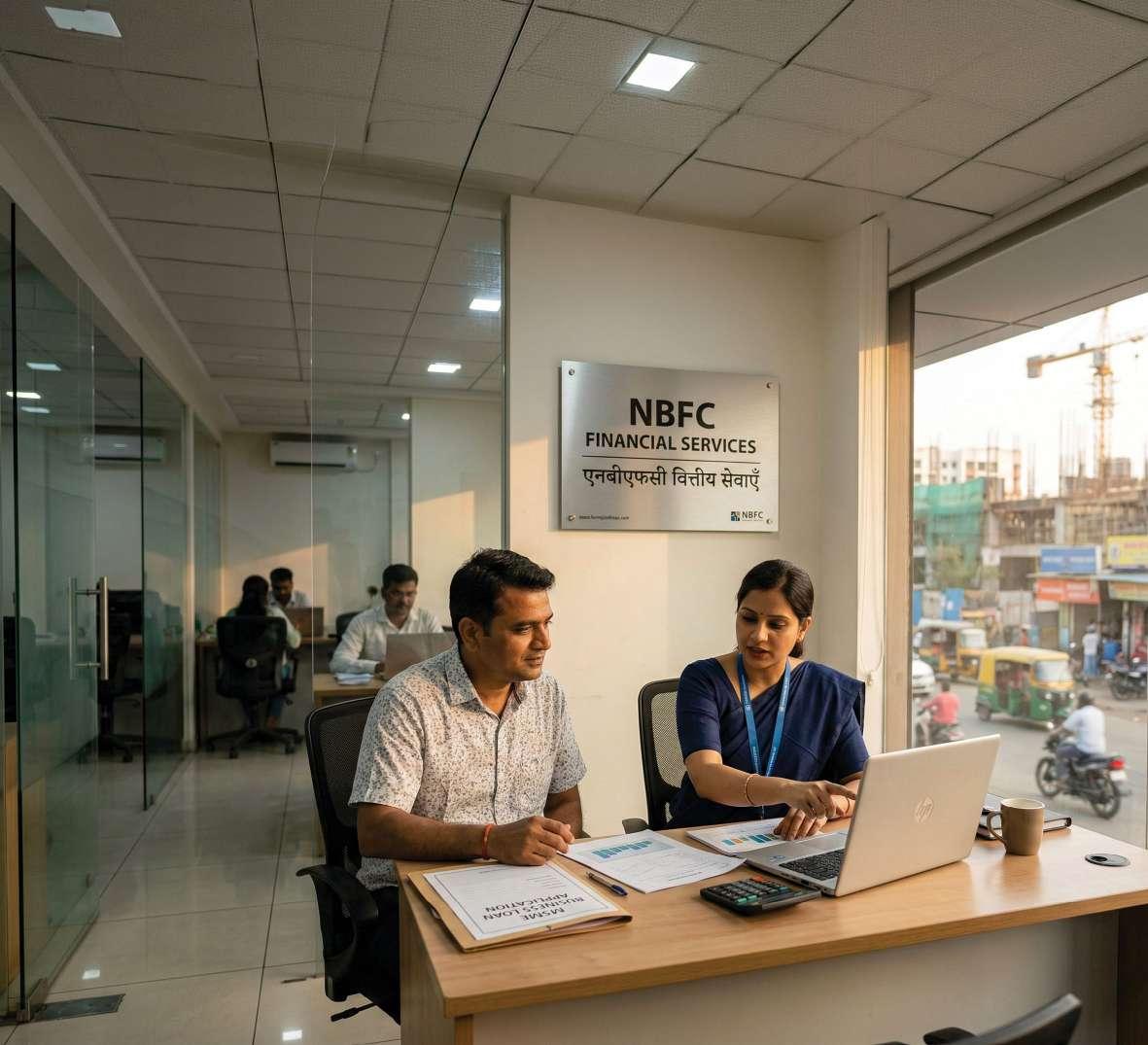
To achieve this, India must solve a classic structural riddle: how to fuel growth in a massive, informal economy where traditional banks often fear to tread. The answer
lies in the agility and depth of the Non-Banking Financial Company (NBFC) sector. Beyond the Bank: The NBFC Edge
While the "Big Banks" provide the stability for heavy industry and infrastructure, they are often constrained by rigid credit-score models and high operational costs in rural areas. This creates a bottleneck for the "Missing Middle"—the MSMEs (Micro, Small, and Medium Enterprises) that contribute nearly 30% to India’s GDP. Despite their importance, these businesses face a persistent credit gap because they lack the "hard collateral," such as land or machinery, that traditional banks require.
NBFCs have turned this obstacle into an opportunity by pioneer-
ing a high-tech, high-touch model. Rather than waiting for a borrower to produce a decade of audited balance sheets, NBFCs can leverage alternative data. By analyzing realtime cash flows, GST filings, and digital transaction footprints, they can assess the creditworthiness of a small-town entrepreneur in hours rather than weeks. This digital-first approach is bringing millions of previously "invisible" businesses into the formal financial fold, directly boosting Gross National Income (GNI).
The GNI Multiplier: From Domestic to Global
Increasing GNI requires more than just making things at home; it requires Indian entities to own assets and earn profits globally. However, a country cannot export its way to high-income status without a ro-
bust domestic credit engine. NBFCs act as a catalyst for this wealth creation phase. By financing the expansion of service-sector startups and specialized manufacturing units, they empower Indian companies to scale.
Furthermore, the gold loan and microfinance businesses of NBFCs are essential for mobilizing domestic savings. India has a massive, unproductive stock of household gold. By converting this dormant capital into productive credit, NBFCs increase
the velocity of money. When a rural farmer uses a gold loan to buy a tractor or a cold-storage unit, it isn't just a loan; it’s an investment that increases the national yield and, by extension, the per capita income.
Conclusion: The Collaborative Marathon
The journey from a $4 trillion economy today to a high-income superpower by 2047 is the greatest economic challenge of the 21st century. It requires a synergy where banks provide the volume and NB -
FCs provide the reach.
If India hits that 8.9% CAGR, it won't just be because of the giants in Mumbai or Delhi. It will be because a small business owner in a Tier3 city had access to a fast, digital loan from an NBFC to hire ten more people. In the grand ledger of GNI, every small success counts toward the national dream. The NBFC sector is no longer just a "shadow" to the banks; it is the flashlight leading India toward its $18,000-per-capita future
Rajesh Nair Partner, Ernst & Young LLP
Generative AI, predictive analytics, and machine learning systems are no longer confined to pilots; they are increasingly embedded in core business functions—from finance and marketing to talent management and operations.
Becoming the AI Augmented Leader: Integrating Artificial Intelligence into Managerial Decision Making
The defining question confronting contemporary leadership is no longer whether artificial intelligence (AI) will influence the future of management, but rather how effectively today’s leaders can harness its power to elevate judgment, sharpen strategy, and enhance organisational performance. In an era marked by accelerating complexity, volatile markets, and unprecedented data abundance, leadership intuition alone—however seasoned—can no longer suffice. What is emerging instead is a new paradigm: the AI augmented leader, who combines human discernment with machine intelligence to make faster, more informed, and more resilient decisions.
This article explores the contours of a “human plus AI” leadership model, drawing on observations from consulting practice and global executive trends. Rather than treating AI as a fashionable buzzword or a distant technological abstraction,
the focus here is on AI as a practical, everyday force multiplier—one that enables leaders to automate routine cognitive work, anticipate emerging patterns, personalise strategic responses, and ultimately reclaim time for what matters most: vision, judgment, ethics, and people leadership. AI at an Inflection Point in Leadership Practice
The conversation around AI has matured rapidly. What began as isolated experimentation in data science teams has now reached a decisive inflection point at the top of organisations. Generative AI, predictive analytics, and machine learning systems are no longer confined to pilots; they are increasingly embedded in core business functions—from finance and marketing to talent management and operations. The scale of adoption is striking. Nearly nine in ten organisations globally now report regular use of AI in at least one business function, underscoring that AI has crossed from novelty into normalcy.
More telling, however, is the mindset shift among senior leaders. Surveys indicate that 71% of global CEOs and 78% of senior executives believe AI will enhance their role and value within the next three years. Far from perceiving AI as a threat to authority or relevance, most leaders now see it as an enabler—one that amplifies their capacity to sense, analyse, and respond to complexity. Indeed, 2026 is widely viewed as a tipping point, marking the transition from experimentation to enterprise wide AI deployment, with 58% of CEOs expecting AI to become a major engine of growth within the next two years.
Yet beneath this optimism lies a sobering reality. While adoption is widespread, value capture remains uneven. Only 39% of organisations report seeing a significant bottom line impact from AI initiatives thus far. This persistent gap between promise and performance raises a critical leadership question: what separates AI winners from laggards?
From Technology Adoption to Leadership Capability
The answer, increasingly, lies less in technology itself and more in leadership capability. AI success is not determined by algorithms alone, but by the quality of decisions surrounding their use—what problems are chosen, how insights are interpreted, and how outputs are integrated into human judgment. Many organisations falter because AI initiatives are pursued in isolation, disconnected from strategic priorities or constrained by limited data literacy at the top.
For the modern executive, data literacy is no longer optional. Leaders need not become data scientists, but they must be sufficiently fluent to ask the right questions, challenge assumptions, and distinguish insight from noise. The most effective AI augmented leaders cultivate a working understanding of analytics, probabilistic thinking, and model limitations, enabling them to engage productively with technical teams while retaining ownership of strategic decisions.
Equally critical is strategic alignment. AI initiatives deliver value only when they are anchored to
clear business objectives—whether improving customer experience, optimising cost structures, accelerating innovation, or enhancing workforce productivity. Organisations that treat AI as a collection of disconnected tools often struggle to scale. By contrast, those that embed AI within their strategic narrative—supported by governance, ethical frameworks, and change management—are far more likely to realise sustained impact.
The Organisation as a Technology Enterprise
A striking feature of the current moment is the growing recognition that every firm is now, by definition, a technology firm. Regardless of industry, organisations are investing heavily in AI capability building—not merely in systems, but in people. Large scale investments in AI and data upskilling have become commonplace, with companies committing significant resources to train entire workforces and deploy AI powered assistants across functions. These investments reflect more than competitive anxiety; they signal a profound shift in how leaders conceive organisational capability. The goal is no longer to create
a small cadre of AI experts, but to democratise intelligence across the enterprise. When frontline managers, functional heads, and executives alike can access predictive dashboards, scenario models, and intelligent assistants, decision making becomes both faster and more consistent. This, in turn, enables organisations to move with greater coherence in turbulent environments.
At the same time, there is an unmistakable undercurrent of FOMO—fear of missing out—driving AI adoption. Leaders are acutely aware that failure to engage with AI today risks strategic irrelevance tomorrow. Yet the most thoughtful executives resist the temptation to adopt AI indiscriminately. Instead, they focus on building foundational capabilities—high quality data, robust governance, ethical safeguards, and a learning culture—without which even the most advanced tools will underperform.
The Human–AI Synthesis
Perhaps the most important insight for leaders is that AI’s true value lies not in replacing human judgment, but in augmenting it. The successful AI augmented leader does not abdicate responsibility
to algorithms; rather, they use AI to expand their cognitive bandwidth. Predictive analytics can surface weak signals before they become crises. Intelligent assistants can synthesise vast amounts of information in seconds. Scenario models can test strategic options under varying assumptions. Together, these tools enable leaders to make faster, evidence based decisions, even under conditions of uncertainty.
Crucially, this augmentation frees leaders to focus on domains where humans remain unmatched. Judgment, ethics, empathy, and meaning making cannot be automated. Decisions involving values trade offs, cultural nuance, and long term societal impact still demand human wisdom. AI can inform these decisions, but it cannot legitimise them. In this sense, AI does not diminish leadership; it raises the bar for what leadership entails.
Implications for Tomorrow’s Leaders
For today’s executives—and those aspiring to leadership roles— the implications are clear. The future belongs neither to technocrats who over rely on algorithms, nor to traditionalists who dismiss AI as a passing trend. It belongs to leaders who can integrate human experience with machine intelligence, using each to compensate for the other’s limitations.
This integration requires deliberate effort. Leaders must invest in their own learning, foster cross functional collaboration between business and technology teams, and model curiosity rather than defensiveness in the face of AI driven insights. They must also take responsibility for ethical stewardship, ensuring that AI systems are deployed transparently, fairly, and in alignment with organisational values.
Tomorrow’s Leadership Reimagined
In conclusion, the rise of AI marks not the end of human leadership, but its redefinition. The most effective leaders of the coming decade will be those who recognise AI as an augmentation tool—one that enhances, rather than replaces, human capability. By blending experience based intuition with AI driven insight, leaders can navigate complexity with greater confidence, make better decisions at speed, and devote more energy to vision, people development, and long term value creation.
The winning formula, ultimately, is not artificial intelligence alone, but intelligent leadership— leadership that understands where machines excel, where humans remain indispensable, and how the two can work together to shape resilient, ethical, and high performing organisations for the future
Dr Arun Oommen MBBS, MS (General surgery), Mch (Neurosurgery, MRCS Ed (UK), MBA (Hospital administration). D Litt(h), DSc(h), PhD(h), ENLS. DMS
Senior Consultant Neurosurgeon VPS Lakeshore
Hospital. Kochi
State Secretary. Neurological society of IndiaKerala Chapter www.arunoommen.com
Good mental health does not mean feeling happy all the time. It means being able to manage life’s ups and downs in a balanced way.
THE IMPORTANCE OF MAINTAINING PROPER MENTAL HEALTH IN THE MODERN ERA
In today’s fast-moving world, we talk a lot about physical fitness—healthy eating, gym workouts, medical checkups— but often forget something just as important: mental health. In the modern era, maintaining proper mental health is not a luxury. It is a necessity and its importance will increase exponentially in the coming years.
From work stress and financial pressure to social media overload and global uncertainties, modern life places heavy demands on our minds. While technology has made life easier in many ways, it has also introduced new challenges that affect how we think, feel, and cope. Why mental health matters more than ever today, how it affects every part of life, and what we can do to protect it.
What Is Mental Health?
Mental health refers to our emotional, psychological, and social wellbeing.
It affects how we think, feel, and act, how we manage stress, how we relate to others, and how we make decisions.
Good mental health does not mean feeling happy all the time. It means being able to manage life’s ups and downs in a balanced way.
Just as the body can fall sick, the mind can also struggle. Conditions like anxiety, depression, and stress disorders are real health issues—not signs of weakness.
Why
Mental Health Is More Important Today Than Ever Before
1. The Fast Pace of Modern Life
Modern life moves quickly. Deadlines, traffic, constant emails, and
endless responsibilities can make people feel overwhelmed. In earlier times, life may have been physically harder, but today it is often mentally demanding. Many people feel pressure to perform, achieve, and compete constantly. Without good mental health, this pressure can lead to burnout, irritability, and emotional exhaustion.
2. Technology and Social Media
Smartphones, social media, and 24-hour news cycles keep us constantly connected—but also constantly stimulated. While technology helps us stay informed and connected, it also brings:
Comparison with others’ “perfect” lives, fear of missing out (FOMO Phenomenon) cyberbullying, information overload, reduced face-to-face interaction.
Scrolling for hours can increase
anxiety and reduce real human connection. The brain needs quiet time, but modern technology rarely allows it.
3. Work and Financial Pressure
Job insecurity, rising living costs, and performance expectations create ongoing stress for many people. Long working hours, lack of work-life balance, and constant multitasking affect sleep and emotional stability.
Chronic stress does not just affect the mind—it also affects the body, increasing the risk of:
• High blood pressure
• Heart disease
• Weakened immunity
• Digestive problems
Mental health and physical health are closely connected.
4. Social Isolation
Ironically, even though we are more connected digitally, many people feel lonelier than ever.
Urban living, busy schedules, and remote work can reduce mean-
ingful social interaction. Humans are social beings. Without real connection, emotional health suffers.
Loneliness has been linked to depression, anxiety, and even early death.
5. Global Uncertainty
Events such as pandemics, economic crises, climate concerns, and political instability create widespread anxiety.
When the future feels uncertain, people may experience:
• Fear
• Helplessness
• Anger
• Emotional fatigue
Maintaining mental health helps people cope with uncertainty without becoming overwhelmed.
How Mental Health Affects Everyday Life
Mental health influences nearly every area of life.
1. Relationships
When someone is mentally
healthy, they are better able to Communicate clearly, Listen patiently, Handle conflicts calmly and Show empathy. Poor mental health can lead to misunderstandings, anger, withdrawal, and strained relationships.
Healthy minds build healthy families.
2. Work and Productivity
Good mental health improves concentration, creativity, decisionmaking and problem-solving.
When the mind is stressed or anxious productivity drops, mistakes increase and motivation goes down.
Companies today are beginning to recognize that employee mental health directly affects performance.
3. Physical Health
The mind and body are deeply connected.
Chronic stress increases levels of stress hormones like cortisol, which can disrupt sleep, increase blood sugar, raise blood pressure, and
weaken the immune system.
On the other hand, a calm and balanced mind supports better overall health.
4. Children and Young Adults
In the modern era, young people face unique pressures including academic competition, social media influence, body image concerns and peer pressure.
Good mental health during childhood and adolescence builds resilience for adulthood.
Parents and teachers play a key role in creating supportive environments where children can express emotions openly.
The
Stigma Around Mental Health
Despite progress, many people still hesitate to talk about mental health.
Some believe:
“It’s just in your head.”
“Be strong.”
“Others have it worse.”
These beliefs prevent people from seeking help.
Mental health problems are medical conditions—just like diabetes or asthma. There is no shame in seeking treatment. Open conversations reduce stigma and encourage early intervention.
Common Mental Health Challenges in Modern Times
1. Anxiety
Anxiety involves excessive worry, fear, or nervousness. Occasional anxiety is normal. But when it interferes with daily life, it may require attention.
Symptoms include:
• Restlessness
• Racing thoughts
• Sweating
• Difficulty sleeping
2. Depression
Depression is more than sadness. It may include:
• Loss of interest
• Low energy
• Changes in appetite
• Feelings of hopelessness
It affects millions of people worldwide.
3. Burnout
Burnout is emotional and physical exhaustion caused by prolonged stress, especially at work.
Signs include:
• Feeling drained
• Lack of motivation
• Cynicism
• Reduced performance
Burnout has become increasingly common in modern workplaces. The Benefits of Maintaining Good Mental Health
Maintaining mental health brings many benefits:
• Greater emotional stability
• Better stress management
• Improved relationships
• Higher productivity
• Stronger immune system
• Greater life satisfaction
Most importantly, good mental health allows people to enjoy life— not just survive it.
Practical Ways to Maintain Mental Health
The good news is that mental health can be strengthened, just like physical health.
1. Prioritise Sleep
Adults need 7–9 hours of sleep per night. Lack of sleep increases irritability, anxiety, and poor concentration.
Create a bedtime routine and limit screen use before sleep.
Even a 30-minute walk daily can reduce stress and improve mood.
3. Limit Social Media
Set time boundaries for screen use. Take digital breaks. Avoid comparing yourself to others online.
Remember that social media often shows edited versions of reality.
4. Build Strong Relationships
Spend quality time with family and friends. Real conversations strengthen emotional bonds.
A strong support system acts as a buffer during difficult times.
5. Practice Mindfulness or Med-
itation
Mindfulness means focusing on the present moment. Simple practices include:
• Deep breathing
• Guided meditation
• Journaling
• Prayer or quiet reflection
These activities calm the nervous system.
6. Seek Professional Help When Needed
If symptoms of anxiety or depression persist, consult a:
• Psychologist
• Psychiatrist
• Counselor
Therapy provides tools to manage emotions and change harmful thinking patterns.
Seeking help is a sign of strength—not weakness.
Mental Health in the Workplace
Modern organizations are increasingly recognising the importance of employee well-being.
Healthy workplaces offer:
• Flexible work arrangements
• Mental health days
• Counselling services
• Open communication
When companies invest in mental health, they see lower absenteeism and higher morale.
The Role of Families and Communities
Mental health is not only an individual responsibility—it is a
collective one. Families can:
• Encourage open discussions
• Avoid judgment
• Teach coping skills
• Communities can:
• Promote awareness
• Offer support groups
• Provide accessible services
When society treats mental health seriously, everyone benefits.
The Economic and Social Impact
Poor mental health affects productivity and healthcare systems worldwide.
Untreated mental illness can lead to:
• Lost workdays
• Increased medical costs
• Substance abuse
• Homelessness
• Suicide
Investing in mental health saves lives and resources.
Breaking the Silence
One of the most powerful steps in modern times is simply talking openly about mental health.
Celebrities, athletes, and public figures sharing their struggles have helped normalise the conversation.
When people speak honestly about their experiences, others feel less alone. Mental Health Is a Lifelong Journey. Mental health is not something you achieve once and forget. It requires ongoing care. Just as we brush our teeth daily
for dental health, we must practice habits that protect our mental well-being. There will always be stressful moments. The goal is not to eliminate stress—but to build resilience. Resilience is the ability to recover from setbacks and adapt to change.
A Modern Necessity, Not a Luxury
In the modern era, maintaining proper mental health is essential for survival and success.
The world may be faster, louder, and more demanding—but our minds still need rest, balance, and care.
Good mental health:
• Strengthens relationships
• Improves physical health
• Enhances productivity
• Increases happiness
• Builds resilience
Ignoring mental health does not make problems disappear—it allows them to grow.
By prioritising sleep, relationships, physical activity, mindful living, and professional support when needed, we can build stronger minds capable of facing modern challenges. Mental health is not just about avoiding illness. It is about living fully, thinking clearly, loving deeply, and handling life’s storms with strength. In today’s world, taking care of your mind is one of the most important investments you can make
Adv Sherry Samuel Oommen: This article is authored by Adv Sherry Samuel Oommen. He specialises in the Constitution, tax and corporate laws and has also cleared the final exams of the Institute of Chartered Accountants of India, the Institute of Cost Accountants of India and the Institute of Company Secretaries of India. He has also completed his Masters's Degree in Commerce, apart from obtaining a Post Graduate Diploma in Business and Corporate Laws from Symbiosis, Pune. The views expressly are personal and should not be construed as a legal opinion. sherryoommen@nashcp.com.
A New Era for India's Workforce: Unpacking the Comprehensive Labour Codes of 2025
For over a century, India's labour landscape was a complex mosaic of fragmented laws, often criticized for their ambiguity and redundancy.
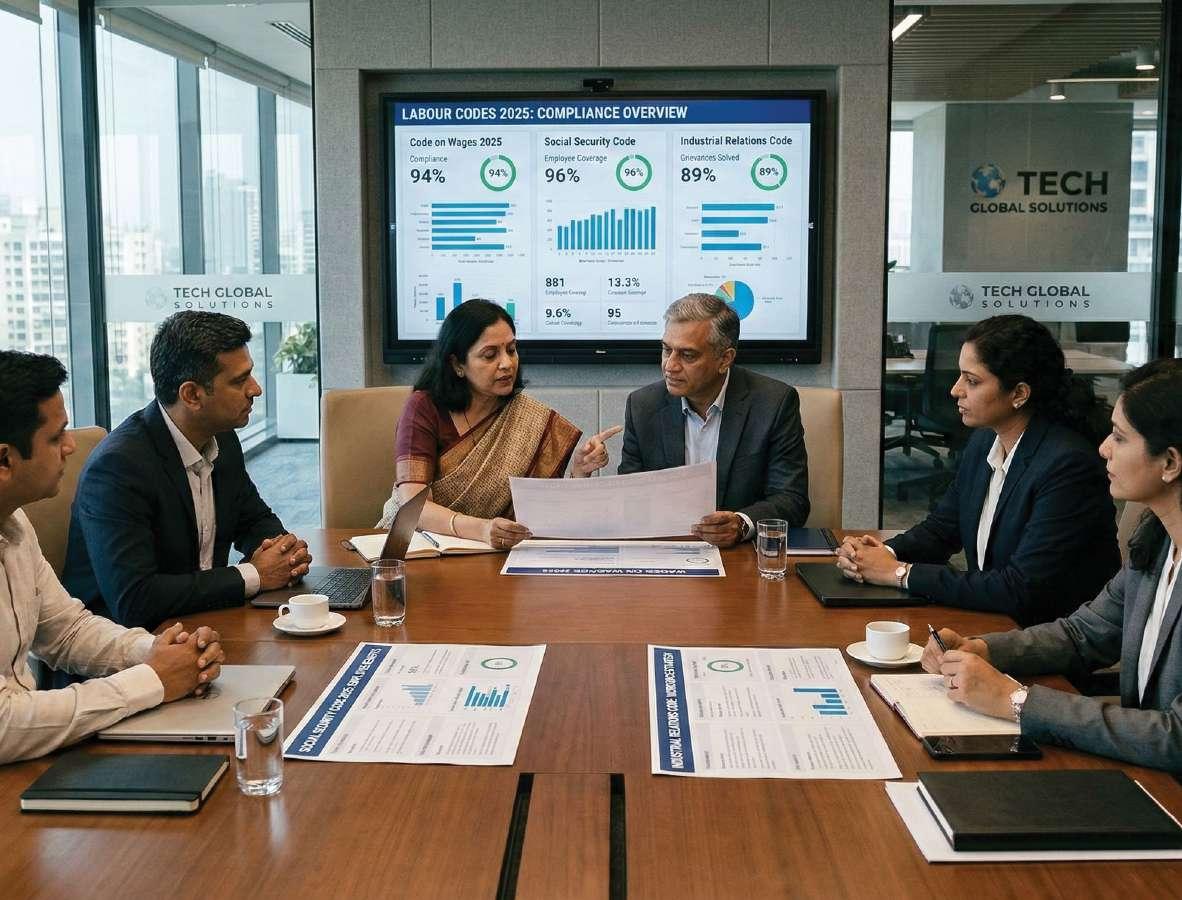
On November 21, 2025, this framework underwent its most radical transformation since Independence. The Central Government brought into effect four Labour Codes, consolidating multiple erstwhile central laws into a single, modernized legal architecture. This landmark reform, years in the making, aims to redefine the relationship between employer and employee, balancing the twin goals of enhancing "Ease of Doing Business" and bolstering worker welfare and social security.
As India steps into 2026, the initial shockwaves of this change are being felt across boardrooms and factory
floors, prompting a necessary recalibration of business models and employment practices. This article delves into the details of these new codes, exploring their advantages, disadvantages, key changes, and the profound impact they are having on the Indian economy.
The
Four Pillars of Reform: An Introduction to the New Labour Codes
The government's reform exercise was monumental: 29 central laws were subsumed into four comprehensive codes. This consolidation was not merely an act of simplification but a complete overhaul of definitions, compliance mechanisms, and worker entitlements. The four codes are:
1. The Code on Wages, 2019: This code universalizes the provi-
sion of minimum wages and timely payment of wages to all workers, regardless of the sector or wage ceiling. Its most significant feature is the introduction of a uniform definition of "wages," which has far-reaching implications for calculating provident fund (PF), gratuity, and bonus payments.
2.The Industrial Relations Code, 2020: By amalgamating laws on trade unions, industrial employment, and disputes, this code seeks to streamline the process of hiring, retrenchment, and dispute resolution. It introduces fixed-term employment as a formal category and raises the threshold for government permission in layoffs and closures.
3. The Code on Social Security, 2020: This is a groundbreaking piece of legislation that aims to uni-
By amalgamating laws on trade unions, industrial employment, and disputes, this code seeks to streamline the process of hiring, retrenchment, and dispute resolution. It introduces fixed-term employment as a formal category and raises the threshold for government permission in layoffs and closures.
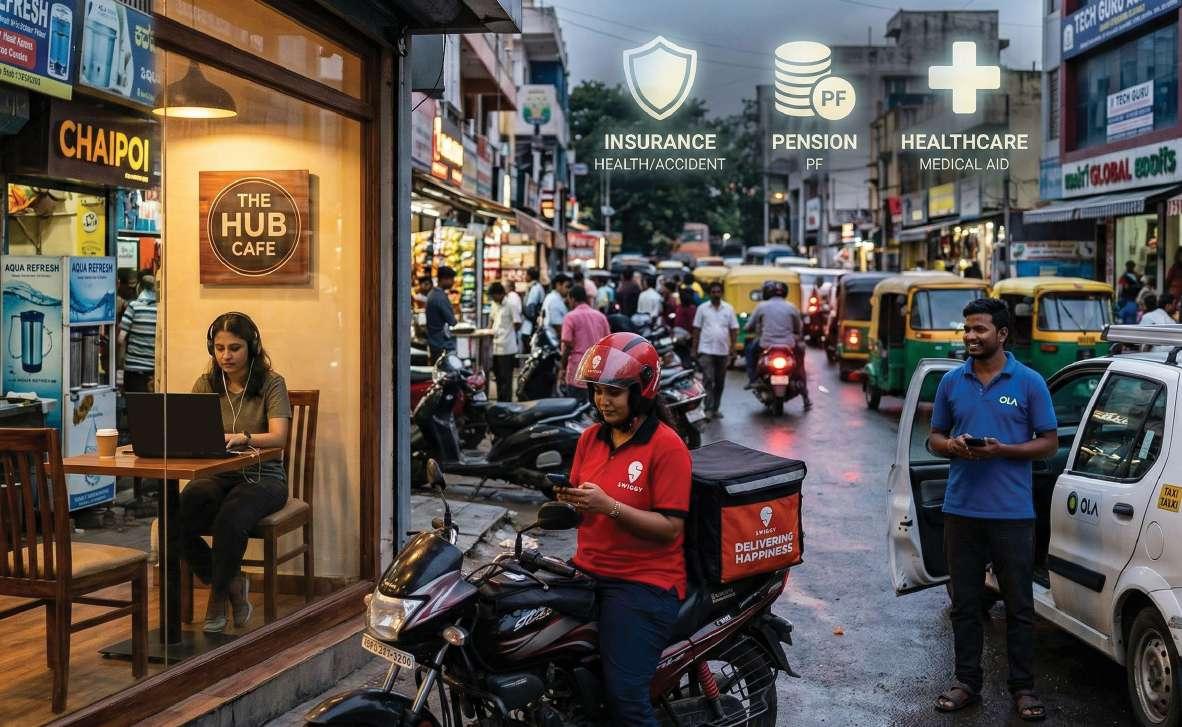
versalize social security. For the first time, it extends coverage to workers in the unorganized sector, including gig workers and platform workers (like those in quick-commerce and ride-hailing services).
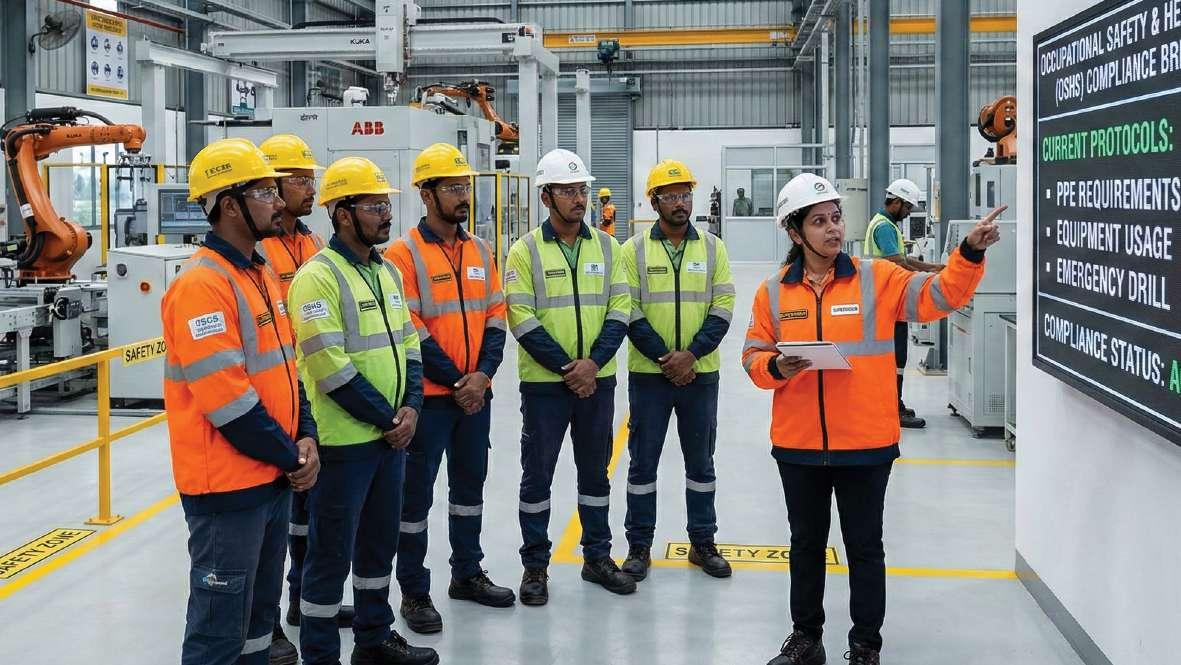
4. The Occupational Safety, Health and Working Conditions (OSH) Code, 2020: This code sets uniform standards for safety, health, and working conditions across all establishments. It introduces provisions for annual health check-ups, mandatory appointment letters, and the expansion of what constitutes an inter-state migrant worker.
The Winds of Change: Key Transformations in the Labour Ecosystem
The new codes have brought about several pivotal changes that are reshaping the employer-employ-
ee dynamic.
1. The Redefinition of "Wages"
The most disruptive and widely discussed change is the standardization of the term "wages." The new rule mandates that basic pay, dearness allowance (DA), and retaining allowance must constitute at least 50% of an employee's Cost to Company (CTC). Previously, companies often structured salaries with a low basic pay and high allowances to keep statutory contributions (PF, gratuity) low. Now, if allowances exceed 50% of the CTC, the excess is added back to "wages" for the purpose of calculating these benefits. This has led to a significant increase in the base on which PF and gratuity are calculated.
2. Universal Social Security and Recognition of Gig Workers
In a historic move, the codes bring gig and platform workers under the social security net. The government is mandated to set up Social Security Funds to formulate schemes for these workers, funded through contributions from aggregators (platforms), which may be up to 1-2% of their turnover. This extends benefits like PF, ESI, and gratuity to a previously unprotected, rapidly growing segment of the workforce.
3. Enhanced Worker Protections and Rights
The codes strengthen worker protections in multiple ways. The definition of an inter-state migrant worker has been expanded to include those who migrate on their own, entitling them to benefits like an annual travel allowance. Women are now permitted to work in all
establishments and during night shifts, provided they consent and adequate safety measures are in place. Furthermore, the timeline for final settlement of dues for a resigned or retrenched employee has been drastically reduced to just two working days, a move designed to ensure worker liquidity.
4. Increased Thresholds for Layoffs and Closures
To provide operational flexibility to businesses, the Industrial Relations Code has increased the threshold for prior government permission for layoffs, retrenchment, and closures in industrial establishments. The threshold has been raised from establishments employing 100 workers to those with 300 workers. This allows companies with fewer than 300 employees to manage their workforce in response to market conditions without seeking state approval.
Striking a Balance: The Advantages of the New Framework
The new Labour Codes are designed with a dual objective: fostering industrial growth and ensuring
worker dignity.
For Workers: A New Deal
• Expanded Coverage: The most significant victory for workers is the universalization of social security. For the first time, India's vast unorganized sector, including the millions in the gig economy, has a legal claim to benefits like PF and health insurance.
• Dignity and Transparency: The mandatory issuance of appointment letters, provision for annual health check-ups, and parity for fixed-term employees are steps toward formalizing employment and ensuring basic dignity for all workers.
• Enhanced Benefits: The new wage definition, while initially impacting take-home pay, ensures a higher corpus for retirement savings (PF) and a larger gratuity payout upon leaving service, securing the long-term financial future of employees.
For Employers and the Economy: A Push for Growth
• Ease of Doing Business: By distilling 29 laws into four codes and streamlining over 1,400 compliances
into about 400, the new framework drastically reduces the regulatory burden. The introduction of a single online registration and license further simplifies administrative process.
• Operational Flexibility: The ability to hire fixed-term employees for project-based work and the increased threshold for government permission in layoffs give businesses, particularly in manufacturing, the flexibility to align their workforce with market demands and global competition.
The Growing Pains: Disad-
vantages
and Challenges In The Transition
Despite its progressive intent, the implementation of the codes has not been without its challenges and criticisms.
Pressure on Employee TakeHome Pay
To comply with the 50% wage rule without increasing their overall CTC, many companies have commenced the process of restructuring salaries. This could result in a direct consequence for employees owing to a reduction in monthly in-hand sal-
ary, as a larger portion is now diverted to long-term savings like PF.
The "Hire and Fire" Debate
Trade unions have vociferously opposed the provisions related to fixed-term employment and the increased threshold for layoffs. Critics argue that the formalization of Fixed Term Employment (“FTE”) allows employers to bypass permanent hiring, creating a class of perpetual temporary workers who can be "hired and fired" with ease. They fear that raising the layoff threshold to 300 workers removes a crucial safety net for employees in medium-sized industries, potentially leading to job losses without adequate government scrutiny.
State-Level Disparity
Labour is a concurrent subject, meaning both the central and state governments can make rules. While the central codes provide a uniform framework, the final rules are being notified by states. There is a growing demand from industry for uniformity across states to en-
sure ease of compliance for multistate operators. A lack of harmony could recreate the very complexity the codes sought to eliminate.
A Step Towards the Future
The implementation of India's new Labour Codes marks a watershed moment in the country's economic history. It represents a bold and necessary shift from a protectionist, complex, and often opaque labour regime to one that is simpler, more transparent, and designed for the demands of a 21stcentury economy.
The initial phase has undoubtedly been painful, with corporate India grappling with transitional costs and employees adjusting to new salary structures. The concerns raised by trade unions regarding job security and the challenges faced by MSMEs are legitimate and require ongoing dialogue and perhaps fine-tuning of the rules. The need for uniform state rules remains a critical piece of unfinished business to ensure
the reform delivers on its full promise.
Yet, to view these codes only through the lens of short-term cost is to miss the bigger picture. The architects of this reform have attempted to build a framework that balances the fluidity required by modern businesses with the bedrock of security required by the modern worker. By extending a social safety net to millions of Gig and unorganized workers, it transforms the very definition of the Indian worker. By simplifying compliance, it frees up entrepreneurial energy. For India to truly become a global economic powerhouse, it needed a labour law that was an enabler, not an impediment. These new codes, for all their current challenges, are a decisive step in that direction. As the ecosystem stabilizes and the teething troubles subside, the foundation being laid today promises a more equitable, productive, and prosperous future for both India's workforce and its businesses
CA Sreejith Kuniyil Founder, PravasiTax & True Legacy
In India, where family structures are evolving, planning for a child with special needs is no longer optional. It is an essential act of responsible parenthood.
Succession Planning for Children with Special Needs
A Responsibility that Cannot be Deferred
For most parents, estate planning is about passing on wealth smoothly. For parents of children with special needs, it is about ensuring your child is cared for with love, treated with dignity, and protected for life.
The question is not merely who will inherit. It is, Who will stand by my child? Who will make decisions? Who will manage their finances? Who will protect them when I am no longer there?
In India, where family structures are evolving, planning for a child with special needs is no longer optional. It is an essential act of responsible parenthood. Why this Conversation Cannot Wait
Parents often assume that “family will take care of everything.” While well-intentioned, this assumption frequently collapses under legal and practical realities.
Once a child with cognitive or developmental disability attains majority, he or she legally becomes an adult. Without formal legal authority:
• No one automatically has the right to operate their bank accounts or manage their property.
• Medical decisions may require a legally appointed guardian.
• Accessing funds meant for their care can involve court procedures.
• Disputes among relatives can delay care.
Courts usually step in only when families have not planned in advance.
Courts have consistently made it clear that guardianship for minors and persons with disabilities must follow the formal framework laid down under the Guardians and Wards Act, 1890 and the Rights of Persons with Disabilities Act, 2016.
While parents are the natural guardians of a child until the age of 18 years, once the individual attains majority, a legal guardian can be appointed only by a competent court.
In the absence of advance planning, families of minor children are often compelled to invoke the court’s parens patriae jurisdiction - the inherent power of a court to act as guardian and protect the interests of persons who are unable to care for themselves, resulting in avoidable delay, procedural scrutiny, and emotional strain.
Proactive succession planning reduces this dependency on reactive judicial intervention. The legal system does provide remedies, but litigation is not a succession strategy.
The Legal Reality in India
When planning for a child with special needs, it is important to understand the legal framework that governs their protection and
decision-making in India. The key statutes are:
• The Guardians and Wards Act, 1890 – governs guardianship of minors including minors with disabilities.
• Rights of Persons with Disabilities Act, 2016 – introduces the concept of limited guardianship, emphasizing supported decisionmaking applicable to persons with disabilities, particularly upon attaining majority.
• National Trust Act, 1999 –provides for appointment of legal guardians for persons with specified disabilities such as autism, cerebral palsy, intellectual disability, and multiple disabilities, through designated authorities.
These laws create a structured decision-making framework and ensure that vulnerable individuals are legally protected. But they do not automatically create financial security.
Financial continuity must be structured separately through carefully designed testamentary and trust mechanisms.
The Risks of “Simple Wills”
Many parents execute a basic Will leaving all assets to the child. While emotionally understandable, this approach raises serious concerns:
• Who will manage the inheritance?
• What if the child lacks capacity to administer assets?
• What if a relative mismanages funds?
• What safeguards prevent depletion of lifetime resources?
A direct inheritance without structure can unintentionally expose the child to financial vulnerability.
Succession planning, especially for a child with special needs, must go beyond who benefits. It must clearly define how the assets will be
managed, when they will be used, and under whose supervision.
The Power of Structured Planning
A well-designed succession plan for a child with special needs typically integrates:
1. Appointment of Guardians Guardianship planning should address:
• Primary and alternate guardians.
• Whether the guardian should have full decision-making authority or only limited powers in specific areas.
• Compatibility of the proposed guardian with the child’s personality and needs.
• Geographic feasibility (especially if children reside abroad).
It is also wise to document a Guardianship Letter, a non-binding but detailed document outlining routines, medical history, behavioural
triggers, preferences, therapists, etc. This becomes an invaluable guidance for future caregivers.
2. Creation of a Special Needs Trust
Instead of leaving assets directly to the child, many families create a private trust (under the Indian Trusts framework). A well-structured trust can:
• Ring-fence assets exclusively for the child.
• Appoint independent or professional trustees alongside family members.
• Clearly define how funds may be used - medical care, therapies, housing, attendants, education, recreation.
• Prevent misuse or premature depletion of corpus.
• Ensure continuity even if one trustee becomes unable to act.
3. A Carefully Drafted Will Not merely distributing assets, but:
• Estimating lifetime care costs based on inflation and longevity assumptions.
• Allocating specific assets to the trust.
• Aligning nominations in bank accounts, insurance policies, and investments with the broader succession plan.
• Ensuring liquidity and not just asset value. Real estate without cash flow may not meet ongoing care expenses.
• Separate succession planning for other children with transparent reasoning that reduces future resentment.
A Responsible Step Forward
Without structured planning, families may find themselves approaching the court to obtain necessary authority. During this time, bank accounts or investments can become temporarily inaccessible. Differences of opinion within the family may intensify, and important medical or care-related deci-
sions may be delayed when timely action is most needed. In contrast, thoughtful and structured planning creates stability. The transition of authority happens smoothly and without disruption. Funds remain accessible for ongoing care and expenses. Roles and responsibilities are clearly defined, reducing the scope for conflict. Most importantly, medical and personal care decisions can be taken promptly and within a clear legal framework.
Planning for a child with special needs is not about drafting a single standalone document, but creating an integrated legal structure designed to preserve assets, ensure proper administration, safeguard dignity, minimize disputes, and guarantee continuity of care.
The purpose is straightforward: to ensure that the child’s security and standard of care are never left to contingency.
Succession planning is not merely a response to risk; it is a commitment to certainty, for when a child’s future depends on you, clarity is no longer optional, but a responsibility
Rajiv Ambat is a well-known speaker and the author of the best-selling book ‘The Midriff Crisis’. As a lifestyle expert, Rajiv leads the team at SOLVEMyHealth, which includes experienced dieticians, exercise specialists, and medical doctors. Together, they help clients manage a wide range of health concerns through structured, scientific, and personalised lifestyle interventions. The team specialises in treating and managing lifestyle-related conditions such as obesity, diabetes, high cholesterol, fatty liver, and PCOS through customised diet and exercise plans tailored to each individual’s needs.
MUSCLES: YOUR BODY’S NATURAL PHARMACY
Arecent study on population-based data from the ICMR (Indian Council of Medical Research) and India Diabetes Council, reported that Kerala ranks first in India in abdominal obesity, with 58.2% of adults having excess belly fat, far above the national average of about 39.5%. Abdominal obesity is far more than just a cosmetic issue; this visceral fat reflects a host of metabolic disorders, insulin resistance, higher risk of diabetes, heart disease, fatty liver, sleep disorders, and early mortality. Many people in Kerala appear “normal weight” by BMI but have central obesity - the classic thin-fat Indian pattern! This is, in fact a condition called ‘Metabolically Obese Normal Weight’ (MONW).
Low muscle mass along with high body fat worsens insulin sensitivity, and accelerates lifestyle diseases. At SOLVEMyHealth, we often tell our clients and patients - muscle is not just for strength, it is a metabolic organ! When muscle mass improves, blood sugar control improves, blood pressure comes down, inflammation reduces, sleep improves, and overall vitality increases. In many cases,
your muscles act as your body’s natural pharmacy!
Muscle as a Metabolic Organ
Insulin Sensitivity and Blood Sugar Control: Skeletal muscle is the largest insulin-sensitive tissue in the body and plays a central role in controlling blood sugar after meals. When muscle mass is adequate and regularly used, glucose is transported into muscle cells and stored as glycogen; they hold anywhere between 300 - 600 grams of glucose. This keeps post-meal blood sugar levels stable and reduces the risk of damage on organs due to consistently high blood glucose levels. When muscle mass is low or inactive, glucose remains longer in the bloodstream, insulin levels rise, and excess energy is stored as visceral fat. Over time, this leads to insulin resistance, fatty liver, and type-2 diabetes. In simple terms, stronger muscles improve glucose utilisation of the body and reduce metabolic disease risk of diabetes, PCOS and other lifestyle diseases including fatty liver.
Fat Metabolism and Cholesterol: Muscle tissue also regulates
fat metabolism and cardiovascular health. Active muscle increases fatty-acid oxidation, which helps lower triglycerides and improves HDL cholesterol.
Blood Pressure Management: Regular strength training makes your blood vessels more flexible and improves their ability to widen when blood flows through them (endothelial function of blood vessels) and thereby manage the pressure of the blood inside the blood vessels. It increases nitric oxide, a natural chemical that relaxes vessel walls and improves circulation. Over time, this reduces strain on the heart and helps bring down resting blood pressure. Regular exercise also improves heart health, as it improves the efficiency of the heart to pump blood (stroke volume).
Higher Metabolic Rate: Muscle tissue is metabolically more active than fat. At rest, 1 kg of muscle burns roughly 3.5 times more energy than 1 kg of fat. So when muscle mass increases, the body uses more calories even while sitting or sleeping. This higher baseline energy use helps to keep weight in check, reduce belly fat, improves cholesterol
patterns, and lowers the risk of hypertension and heart disease.
Muscle as a Hormonal Organ
Skeletal muscle acts like an endocrine organ. When muscles contract during exercise, they release signalling proteins called myokines, such as IL-6, irisin, and myostatin regulators. These molecules travel through the bloodstream and act on organs like the liver, fat tissue, pancreas, and blood vessels. They improve insulin sensitivity, increase fat burning, and reduce chronic lowgrade inflammation. This biochemical signalling explains why strength training sometimes helps control diabetes, fatty liver, and cardiovascular risk even without major weight loss.
Testosterone and Vitality:
Muscle health is closely linked with hormonal balance, especially in men after 30 years. It is closely linked to the sexual health and libido in men.
Resistance training stimulates the production of male sex hormone testosterone. It also improves receptor sensitivity in muscle cells and
facilitates further muscle growth. At the same time, reducing visceral fat lowers the activity of enzymes, which converts testosterone into the female sex hormone - estrogen. Adequate muscle mass also improves mitochondrial function and cellular energy production. The result is better strength, endurance, recovery, improved sexual health and overall vitality.
Inflammation Control: Low muscle mass is associated with higher levels of inflammatory markers such as CRP and TNF-alpha. Regular strength training reduces these markers through myokine signalling and improved fat metabolism. Lower in fl ammation contributes to improved vascular health, liver function, joint health, and immune response. This is why muscle building is now considered an important part of medical prevention strategies for diabetes, heart disease, and other lifestyle disorders.
Muscle and Cognitive Health
Brain Signalling: When mus-
cles contract during strength training, the body releases growth factors such as BDNF (brain-derived neurotrophic factor) and IGF-1. BDNF is often called a “brain fertilizer” because it supports the growth, repair, and survival of nerve cells and improves communication between them. Regular resistance training also increases blood flow to the brain, improving oxygen and nutrient delivery. These changes support memory, concentration, and mental clarity as we age.
Mood and Stress Regulation: Strength training improves mental health by influencing neurotransmitters such as serotonin, dopamine, and endorphins - the body’s natural “feel-good” chemicals. Regular exercise lowers chronic cortisol levels, which helps reduce anxiety and improves emotional stability. It also improves sleep quality by regulating the circadian rhythm and reducing physical restlessness. Better sleep, better mood regulation, and improved stress tolerance together lead to better daily mental performance
Research
has shown that simple measures of muscle strength predict longevity and health outcomes. Large population studies have found that grip strength is strongly associ ated with survival, cardiovascular risk, and overall mortality.
and resilience.
Confidence and Psychological Well-being: Improving muscle mass changes body composition, posture, and physical capability. People feel stronger, move better, and often look younger and healthier. This improves self-confidence, body image, and motivation to maintain healthy habits. From a behavioural medicine perspective, these psychological benefits are important because confidence and positive selfimage create lasting improvements in both mental and physical health.
Muscle and Healthy Ageing
After the age of 30, people naturally lose muscle mass and strengtha process called sarcopenia. This loss speeds up with inactivity, low protein intake, illness, and poor sleep. Reduced muscle weakens joints, reduc-
es bone density, slows reaction time, and affects balance. As a result, the risk of falls, fractures, and loss of mobility increases. Many common problems in older adults such as difficulty climbing stairs, getting up from a chair, or walking steadily are often due more to muscle loss than ageing itself.
Research has shown that simple measures of muscle strength predict longevity and health outcomes. Large population studies have found that grip strength is strongly associated with survival, cardiovascular risk, and overall mortality.
A similar activity tested the ability of a person to sit down and stand up from a chair or the floor using only one leg, and without support! People who could do this easily without support were found to have bet-
ter longevity.
In practical terms, preserving muscle through regular strength training and proper nutrition is one of the most effective ways to maintain independence, prevent falls, and age with better health and confidence.
How to Build Muscle Safely
Muscle growth requires three basic inputs: adequate protein, progressive strength training, and recovery. Most adults need about 0.8 to 2 grams of protein per kilogram of body weight per day, depending on age, activity level, and medical conditions. Sedentary adults may do well around 0.8 to 1 grams of protein per kg, while older adults, people those doing regular strength training may benefit from 1.2 to 1.6 g/kg or slightly higher under guid-
ance. People with kidney disease, liver disease, or other medical conditions should individualise protein intake with their doctor. If your current protein intake is very low, do not suddenly double it; gradually increase over 2 - 3 weeks to avoid digestive discomfort such as bloating or acidity.
The second requirement is progressive strength training, which is essential for muscle hypertrophy. Muscles grow when they are challenged with resistance slightly above their usual level. Exercises using body weight, resistance bands, or weights create small, controlled stress on muscle fibres, which then repair and grow stronger. Training 2 - 3 times per week with proper technique is enough for most people. Heavy weights are not necessary at the start; correct form, gradual progression, and supervision especially for beginners or people with medical issues are more important.
Finally, muscle growth depends on balanced nutrition, sleep, and consistency. Along with protein,
the body needs adequate calories, vitamins, minerals, and hydration. Poor sleep reduces growth hormone release and recovery, slowing muscle repair. Stress and irregular routines also affect results. Consistent moderate training, good food habits, and 7 - 8 hours of sleep are more effective and safer than short bursts of very intense exercise. Muscle building is a long-term health investment, not a quick program.
How Much Muscle Can You Gain in a Month?
Muscle growth happens slowly and depends on age, training level, nutrition, sleep, and hormones. In beginners who start proper strength training with adequate protein intake, muscle gain is usually about 0.5 to 1 kg per month in the early months. People who already train regularly may gain only 0.2 to 0.4 kg per month, because progress slows as the body adapts. Older adults can still gain muscle, but the rate is slower - often 0.1 to 0.3 kg per month, and requires more attention to protein intake,
sleep, and consistency.
Activity level also matters. Someone doing structured resistance training 3 times per week with adequate protein and calories will gain more muscle than someone doing only walking or cardio. People recovering from illness or with very low muscle mass may initially gain faster because they are correcting a deficiency. However, muscle growth is never unlimited; genetics, hormones, and age set natural limits. It is important to note that using anabolic steroids or extreme diets to accelerate muscle gain carries very serious health risks and is not at all recommended.
For most people, a realistic goal is 3 - 5 kg of muscle gain in a year with consistent training, good nutrition, and sleep. This may not look dramatic on the weighing scale, but even small increases in muscle mass significantly improve insulin sensitivity, strength, balance, and long-term health. The focus should be on steady progress, proper technique, and lifestyle habits instead of rapid changes
Ravi Saini Associate Editor, Unique Times & CEO, RSW (Resetting Sustainable Wealth) Group
Today, there is a compelling need for a bold national policy — Road Accident Insurance as Social Security for All Vehicle Owners — backed not merely by executive action, but by an Act of Parliament passed by both Houses, giving it the legal force and institutional permanence it deserves.
Road Accident Insurance as Social Security for All Vehicle Owners
Why a National Insurance Mandate Will Transform India’s Roads, Safety Culture and Economic Competitiveness
India stands at the crossroads of rapid motorisation and the urgent need for a safer, more accountable transport ecosystem. With over 300 million registered vehicles and road traffic injuries constituting a leading cause of death and disability, the cost of inaction is measured in human lives, lifelong disabilities and economic losses. Today, there is a compelling need for a bold national policy — Road Accident Insurance as Social Security for All Vehicle Owners — backed not merely by executive action, but by an Act of Parliament passed by both Houses, giving it the legal force and institutional permanence it deserves.
The Current Reality: Roads Without Social Safety Nets
Every year, thousands of Indians lose their lives in road accidents, and many more are left with permanent disabilities. Families slip into fi -
nancial distress overnight. Existing motor insurance frameworks focus largely on third-party liability, leaving vehicle owners and their dependents inadequately protected.
The burden of accidents falls disproportionately on individuals, while the systemic contributors — road design, maintenance standards, toll operations, and regulatory oversight — remain weakly linked to consequences.
The Proposal: Mandatory Road Accident Insurance as Social Security
This article proposes a universal, mandatory Road Accident Insurance framework that:
1. Covers every registered vehicle in India.
2. Is financed collectively by NHAI, State Governments, and GST allocations.
3. Remains valid for the entire registration life of the vehicle.
4. Extends benefits to the legal heirs of vehicle owners in case of death.
5. Provides structured compensation for death, disability and medical expenses.
Most importantly, this framework should be introduced as a Bill in the Indian Parliament and passed by both the Lok Sabha and the Rajya Sabha, making it a statutory right for every vehicle owner and citizen. Who Pays: Shared Responsibility and Accountability
A national insurance pool can be funded without burdening individual motorists through:
• NHAI: A percentage of toll revenue dedicated to the fund.
• State Legislative Assemblies: Budgetary allocations linked to transport and road safety.
• GST: A small earmarked portion from GST collected on automobiles, fuel, and related services.
This shared model ensures sustainability and aligns financial responsibility with institutional roles in road creation and maintenance.
Legal Heirs Inclusion: True Social Security
In case of the vehicle owner’s demise in an accident, legal heirs become automatic beneficiaries.
Compensation covers immediate expenses and long-term financial support based on actuarial standards.
This converts road insurance from a legal formality into a genuine family protection mechanism.
A Road Accident Social Security Act would be one of the most progressive citizen-protection laws in India’s transport history.
Addressing Concerns
Cost: Distributed across institutions and GST inflows, avoiding heavy premiums on citizens.
Administration: Integrated with existing vehicle registration and digital systems.
Fraud Prevention: Technology-led claim verification and centralised monitoring.
A Safer, Fairer, ForwardLooking India
Road Accident Insurance as Social Security is not merely an insurance reform. It is a national statement that human life, family dignity, and infrastructure accountability matter. By placing this proposal before both Houses of the Indian Parliament, India can pioneer a model where roads are not only pathways for growth but also frameworks of protection.
This is the moment for India to lead — not react
Anup V Menon Sports Analyst and Knowledge Partner
The group stages produced their share of surprises, yet the pre-tournament favourites largely held their nerve to reach the knockouts. Australia, Pakistan and Sri Lanka were the main casualties, undone by inconsistent and below-par performances.
From Fireworks to Final Fights: The World Cup Reaches Its Boiling Point
By the time you read this article, one of the four teams that qualified for the semifinals will have lifted the coveted T20 World Cup trophy. The four most deserving sides have made it to the final four, with the first semifinal underway even as I pen this piece. India, England, New Zealand and South Africa are set to give it their all, with South Africa perhaps looking the strongest of the quartet.
This World Cup has been a compelling mix. The group stages produced their share of surprises, yet the pre-tournament favourites largely held their nerve to reach the knockouts. Australia, Pakistan and Sri Lanka were the main casualties, undone by inconsistent and below-par performances.
Zimbabwe impressed in the early half of the tournament with gritty displays under the leader-
ship of Sikandar Raza, but they couldn’t sustain momentum when it mattered most. Italy emerged as the standout associate nation, a team with the promise to grow into a serious contender in the years ahead.
The much-anticipated India vs Pakistan clash failed to live up to its billing. Instead, it turned into a clinical display from India. Pakistan arrived with plans to counter Abhishek’s aggression but were unprepared for Ishan Kishan’s brilliance on the day. In recent ICC events, the script has been familiar. Pakistan begins with confidence but leaves with lessons to reflect upon. The rivalry, while historic, has felt onesided in recent years.
That said, India hasn’t been flawless. Abhishek has yet to produce his defining innings, and Varun’s mystery hasn’t quite baffled batters the way it can. What has stood out, however, is India’s
collective resilience. Someone or other has stepped up whenever the team has needed it the most.
Despite the setback against South Africa, India remains strong contenders. Even with Abhishek quiet so far, the batting unit looks settled, particularly with a rejuvenated Sanju Samson at the top. Staying true to his immense potential, Sanju delivered a masterclass in what was effectively a virtual quarterfinal against the West Indies.
Gambhir and Suryakumar Yadav would make me mighty pleased with what Sanju is dishing out now. It was not in their menu at the start of the tournament. Sanju, however, pulled a rabbit out of the hat. It wasn’t just about the runs that he scored on that day against the Windies. It was about control. No undue risks. No frantic strokes. Just clarity, composure and calculated aggression. He
handled both pace and spin with elan, and the closing phase of his innings felt meticulously scripted long before it unfolded. For lovers of the game and Sanju’s countless supporters, this was the innings they had long waited for. For it to arrive on the world’s biggest stage made it all the more special.
If he continues in that vein, India’s title defence gathers serious momentum. Abhishek feels due for a big knock, and on the bowling front, India will hope Varun and Arshdeep rediscover their sharpness. For now, the attack leans heavily on Bumrah and as we enter the business end, collective contribution will be cru-
cial.
South Africa, meanwhile, is on a roll and it will take some exceptional effort from someone to stop their juggernaut. Unbeaten and uncompromising, they have covered every base with ruthless efficiency. With bat and ball, they’ve operated close to perfection. Markram has led from the front, marshalling his troops with calm authority.
Knockouts, of course, are a different battlefield. Pressure has undone even the strongest sides in the past. But if South Africa replicate their group stage and Super 8 performances, they could find themselves lifting the trophy on March 8
in Ahmedabad.
India, on the other hand, have another gear to shift into. If they can up the ante and string together a near-perfect performance, there’s no reason why we cannot witness an India–South Africa final which will be a fitting climax to a fiercely contested tournament.
But then again, cricket remains gloriously unpredictable. Neither New Zealand nor England are mere pushovers. It is this uncertainty, the beautiful refusal to follow script that keeps us all hooked.
All roads now lead to Ahmedabad on March 8.
Until next time, Ciao
M R Rajeshkumar Lead - Partner, GatewaysGlobal Family Business Advisory. www.gatewaysglobal.com
Founders and senior family leaders often carry decades of responsibility. Their authority may be unquestioned, yet leadership at this level can be isolating. In many cases, they are unaccustomed to spaces where they can openly explore uncertainty.
Executive Coaching In Family Businesses
Family businesses contribute significantly to global economies, often prioritizing legacy and continuity over shortterm performance. Yet despite their scale and impact, they remain a relatively underserved segment within the professional coaching space.
For coaches, working with family enterprises presents both opportunity and complexity.
Unlike many corporate environments, family businesses operate within deeply intertwined systems - family relationships, ownership structures, and operational leadership. Decisions are rarely purely strategic; they are influenced by history, hierarchy, loyalty, and identity. To coach effectively in such contexts requires heightened systemic awareness.
Understanding the Visible and Invisible Organization
Family enterprises often function at two levels. The visible structure resembles any professional organization - formal titles, reporting lines, governance frameworks. Beneath this, however, exists an invisible layer shaped by informal hierarchies, long-standing relationships, and
emotional dynamics.
Real decision-making may not always occur where the organizational chart suggests.
For coaches, recognizing this dual structure is essential. Approaching the system with curiosity rather than assumption allows deeper listening. A learner’s mindset becomes foundational. What has sustained this organization? Which practices are negotiable, and which are tied to identity and legacy?
Trust begins here.
Supporting Founders Through Reflection Rather Than Direction
Founders and senior family leaders often carry decades of responsibility. Their authority may be unquestioned, yet leadership at this level can be isolating. In many cases, they are unaccustomed to spaces where they can openly explore uncertainty.
Coaching in this context is not about advising on governance or succession design. It is about creating a confidential environment where assumptions can be examined and legacy considerations surfaced. Through presence, active lis -
tening, and powerful questioning, coaches invite leaders to shift from immediate operational control toward broader continuity thinking. The transformation does not arise from instruction, but from increased awareness.
Navigating Role Fluidity and Systemic Tension
Family business leaders frequently move between roles - parent, sibling, shareholder, executive - sometimes within the same conversation. Much conflict stems not from disagreement, but from unexamined role transitions.
Coaches must remain attentive to these shifts without taking sides. Maintaining neutrality is critical. The temptation to align with a single narrative can be strong, especially when relational tensions surface.
Serving the whole system requires holding multiple perspectives simultaneously. Supervision, reflective practice, or working alongside experienced systemic coaches can support this balanced stance.
Developing Next-Generation Leadership Identity
Succession in family enterprises is both structural and psychological.
Emerging leaders may possess capability and education, yet still wrestle with identity and legitimacy within established hierarchies.
Coaching supports this developmental journey by strengthening self-awareness, clarifying values, and building internal confidence. The focus remains on evoking insight rather than accelerating authority transfer. Readiness emerges from clarity, not pressure.
Balancing Power and Relationship
In family enterprises, the interplay between authority and relational closeness is constant. Decisions may be softened to preserve harmony, or authority may override dialogue to ensure control.
Coaches working in these systems benefit from exploring how leaders perceive and balance power with relational responsibility. Rather than prescribing solutions, the coaching partnership invites reflec-
tion on how leadership choices impact both performance and family cohesion.
Honouring Legacy While Enabling Growth
Many family businesses are sustained by long-standing employees who embody the organization’s history and values. Change initiatives can be experienced as threats to identity.
Coaches who acknowledge and respect this legacy build credibility. Recognizing the contributions of the “old guard” while supporting leaders in navigating growth tensions strengthens trust across the system.
Ethical
Boundaries and Professional Presence
Working within family systems may involve multiple stakeholders with differing agendas. Clear contracting, confidentiality agreements, and alignment of expectations are essential. Coaches must remain vigilant in upholding ethical standards
and avoiding dual roles that may compromise neutrality.
The coaching space must remain psychologically safe and firmly within professional boundaries.
An Opportunity for Con-
scious
Leadership
Family businesses present a meaningful opportunity for professional coaching. Their long- term orientation, relational depth, and legacy focus create fertile ground for awareness-based leadership development.
Coaching in these contexts does not resolve structural complexities or replace advisory expertise. Instead, it strengthens leaders’ capacity to think systemically, act intentionally, and navigate relational dynamics with maturity.
Where legacy and leadership are deeply intertwined, expanding awareness can shape not only organizational outcomes - but generational continuity
Dolly Neena
FOUNDER - GROUND DHARMA
Inner coherence does not arise from outer fortification. In fact, the more elaborate the visible empire becomes, the more fragile the unseen citadel often grows.
WHEN OUTER EMPIRES STAND AND INNER CITADELS COLLAPSE
There is a dangerous superstition in the modern world that security accumulates. That once a man has gathered enough wealth, insulation, influence, and spectacle, the interior of his life will naturally settle into peace. This belief survives because it is convenient, not because it is true. Inner coherence does not arise from outer fortification. In fact, the more elaborate the visible empire becomes, the more fragile the unseen citadel often grows. When such a structure collapses, society reacts with disbelief, not because the event is inexplicable, but because we have been trained to read stability from the wrong indicators.
Money reassures cognition, but it does not speak the language of the nervous system. Assets calm the intellect, not the body. A system trained for decades in vigilance,
speed, dominance, and control does not learn safety by looking at balance sheets. It continues to scan for threats even when danger has long passed. Many entrepreneurs live in a perpetual state of physiological siege, long after they have won the war they were fighting. They are safe by every external metric, yet internally mobilized as if collapse is imminent. A body that never receives the signal to stand down eventually breaks its own command center.
Collapse is rarely caused by a single event. It is almost always the consequence of unprocessed accumulation. Fear deferred, exhaustion postponed, grief disallowed, meaning delayed, identity questions ignored. Success becomes a postponement strategy, a way to outrun the reckoning by staying in motion. But the psyche is an accountant that never forgets. When the internal ledger
reaches a threshold of imbalance, collapse does not wait for circumstances to justify it. It arrives because the system can no longer sustain the load under its current architecture.
One of the most lethal dynamics in high-performance lives is identity fusion. The entrepreneur does not merely run a company; the company becomes the primary location of selfhood. Worth, legitimacy, relevance, and existence fuse into a single role. This fusion generates extraordinary output, but it eliminates refuge. When the role is threatened, even symbolically, the person does not experience risk as situational. They experience it as existential erasure. In such a state, the mind is not evaluating options. It is defending being itself.
Power without witnessed interiority is unstable. Many success-
ful individuals are surrounded by affirmation rather than reflection, dependency rather than truth, admiration rather than mirroring. Their doubts have no safe landing place. Their fatigue has no permission to surface. Their interior life becomes unwitnessed, and what is unwitnessed begins to distort. Pressure that cannot be spoken does not dissolve; it crystallises. When it finally breaks, it does so abruptly, not gradually.
Cultural myths compound this danger. Certain archetypes sanctify endurance and demonize vulnerability. Strength becomes synonymous with silence. Control becomes virtue. Emotional articulation becomes a liability. But biology is indifferent to mythology. A nervous system denied discharge, rest, and truth-telling does not become strong. It becomes brittle. Brittle systems do not bend. They shatter. Another invisible corrosive is emergency-based cognition. Many entrepreneurs live as if every moment is a crisis, even in the absence of an actual threat. Time collapses into immediacy. Decisions are made reactively, not reflectively. Long arcs dissolve into short-term survival maneuvers. Emergency thinking is adaptive in fire. Lived continuously, it erodes wisdom. When everything is urgent, nothing is meaningful. When every moment
is existential, perspective disappears. Control is often mistaken for safety. Vigilance feels stabilising until it becomes exhausting. When leaders believe that constant oversight is the only thing preventing collapse, rest feels irresponsible and delegation feels dangerous. Trust becomes a liability rather than a resource. Eventually, the nervous system seeks relief by any means available. Not because the individual wants to disappear, but because the system cannot tolerate perpetual vigilance. Luxury, contrary to popular fantasy, often amplifies isolation. When one’s life becomes unrelatable, suffering becomes unspeakable. Pain feels illegitimate. Gratitude turns into a gag order. The unspoken thought — “I should not feel this way” — traps distress in silence. Suppressed suffering does not vanish. It deepens, untended and unnamed. Collapse, then, is not a moral failure. It is a biological boundary enforced when psychological insight has not arrived in time. It is the body asserting limits the mind refused to honor. Seen this way, collapse is not evidence of weakness, but of prolonged misalignment between capacity and demand. What interrupts this trajectory is not more success, more wealth, or more recognition. It is coherence. Regulated nervous systems. Identities larger than roles.
Rhythms that include rest and integration. Truth spaces where disintegration does not threaten status. Time horizons are wide enough to metabolise fear.
From a Ground Dharma perspective, these events are not scandals or aberrations. They are symptoms of misaligned power. In older traditions, such an imbalance would have been met with initiation, retreat, guidance, and containment. In modern culture, it is met with applause until it is too late. The most important question for founders is not how far they have come, but whether their inner systems are compatible with the lives they are building. If the answer is no, collapse is not a possibility. It is a trajectory already in motion. Leadership is not the domination of systems. It is the stewardship of coherence. When inner life is neglected, outer structures eventually turn hostile, not out of cruelty, but out of necessity. Imbalance demands correction.
We do not lose powerful people because they are weak. We lose them because they were strong without regulation, successful without integration, admired without being seen. Until coherence is valued as deeply as achievement, such losses will continue — quietly, shockingly, and repeatedly — not as mysteries, but as mirrors
Water-Rich Fruits and Vegetables for Natural Hydration
Hydration is essential for every function of the human body - from regulating temperature and maintaining energy levels to supporting digestion, circulation, and skin health. While drinking enough water is crucial, many people overlook an equally effective source of hydration: water-rich fruits and vegetables. In fact, nearly 20–30% of our daily fluid
intake can come from foods. These natural sources not only replenish fluids but also provide electrolytes, fiber, vitamins, and antioxidants that plain water alone cannot supply.
Why Food-Based Hydration
Matters
Unlike sugary beverages or processed drinks, hydrating produce delivers water in its most bioavailable form, packaged with nutrients that
help the body absorb and retain fluids more efficiently. These foods are particularly beneficial for children, older adults, athletes, and individuals who struggle to drink adequate water throughout the day. They also support weight management because they are low in calories but high in volume, promoting a feeling of fullness.
Top Water-Rich Fruits
Watermelon (about 92% water)
True to its name, watermelon is one of the most hydrating foods available. It contains potassium, magnesium, and lycopene — an antioxidant linked to heart health and skin protection. Its natural sugars provide quick energy without causing dehydration.
Strawberries (about 91% water)
These vibrant berries are rich in vitamin C, manganese, and antioxidants that support immunity and collagen production. Their high water and fiber content make them excellent for digestion and skin health.
Oranges and citrus fruits (about 86–88% water)
Citrus fruits not only hydrate but also replenish electrolytes like potassium. Their vitamin C content helps combat fatigue and supports immune function.
Top Water-Rich Vegetables
Cucumber (about 95% water)
One of the most hydrating vegetables, cucumbers are low in calories and rich in silica, which supports skin elasticity and joint health. They also have mild diuretic properties that help flush toxins.
Lettuce (about 95% water)
Leafy varieties like iceberg and romaine are excellent fluid sources. They provide folate, vitamin K, and fiber, contributing to bone health and digestion.
Celery (about 95% water)
Celery contains sodium, potassium, and natural electrolytes that help maintain fluid balance. Its crunchy texture also encourages mindful eating.
Tomatoes (about 94% water)
Tomatoes provide hydration along with vitamin C, potassium, and lycopene. They support heart health and protect against oxidative stress.
Beyond Hydration: Additional Health Benefits
Water-rich produce contributes to detoxification by supporting kidney function and waste elimination. The fiber content improves gut health, while antioxidants reduce inflammation and cellular damage. These foods also help regulate appetite, making them valuable for maintaining a healthy weight.
Simple Ways to Increase Intake
Incorporating hydrating foods into daily meals is easy. Fresh fruit bowls, vegetable salads, smoothies, chilled soups, and infused water are practical options. Pairing fruits with yogurt or nuts can create balanced snacks, while adding vegetables to sandwiches, wraps, and main dishes boosts hydration effortlessly.
A Natural Approach to Staying Refreshed
Relying solely on beverages for hydration can be limiting, especially when many drinks contain added sugars or artificial ingredients. Water-rich fruits and vegetables offer a wholesome alternative that nourishes the body on multiple levels. By consciously including these foods in everyday meals, individuals can support optimal hydration, improve overall health, and enjoy nature’s most refreshing gifts — all in one bite.
In essence, true hydration is not just about how much you drink, but also about what you eat
Dr Jolly Antony
Founder
CEO,
The surge in bleisure travel didn’t happen overnight. Several lifestyle and workplace shifts have quietly paved the way.
Bleisure Travel: When Business Trips Turn into Mini Vacations
Imagine closing a high-stakes meeting in Singapore on Friday afternoon and spending the weekend exploring vibrant street markets, rooftop cafés, and waterfront skylines before flying home on Sunday. Or attending a conference in Dubai and squeezing in a desert safari before returning to routine office life. Welcome to the world of bleisure travel— where business meets pleasure, and work trips transform into memorable getaways.
Once considered a luxury reserved for top executives, bleisure travel has now become a mainstream global trend. Professionals across industries are increasingly extending business trips by a few days to explore destinations, unwind, and recharge. In today’s fast-paced world, where burnout is common and time is precious,
this hybrid form of travel offers the best of both worlds.
Why Bleisure Is Booming
The surge in bleisure travel didn’t happen overnight. Several lifestyle and workplace shifts have quietly paved the way.
The biggest catalyst has been the rise of remote and hybrid work. With laptops replacing cubicles and video calls replacing conference rooms, professionals can now work from almost anywhere. This flexibility makes it easy to stay an extra weekend in a destination without missing deadlines or meetings.
Another key factor is a generational shift in priorities. Millennials and Gen Z professionals value experiences over material possessions. For them, travel is not just leisure—it is personal growth, cultural exposure, and mental re-
juvenation rolled into one. Turning a mandatory work trip into an enriching life experience feels like a smart use of time.
Companies, too, are warming up to the idea. Many organisations recognise that happy employees are productive employees. Allowing staff to enjoy destinations they travel to can boost morale, loyalty, and overall job satisfaction without significantly increasing corporate costs.
A Win for Travelers
For employees, bleisure travel offers benefits that go far beyond sightseeing. First, it reduces travel fatigue. Long flights, jet lag, and packed schedules can leave travellers exhausted. Adding a few leisure days allows time to recover physically while enjoying the surroundings rather than rushing back home.
&
Al Safina Travel, Vibe Munnar, Fog Resort Spa & Zeus Resort
Second, it enhances mental wellbeing. Exploring a new city, tasting unfamiliar cuisine, or simply relaxing by a beach can reset the mind. These micro-breaks often spark creativity, reduce stress, and improve focus once work resumes.
There is also a financial upside. Since companies typically cover airfare and part of the accommodation, travellers only pay for extra nights and personal activities. This makes visiting expensive international destinations far more affordable than planning a separate vacation.
And let’s not forget the joy factor. Business travel no longer has to mean airport lounges, taxis, and hotel rooms. It can include museums, local culture, shopping streets, nature trails, and culinary adventures. Good News for Employers
Too While some companies initially
worried about productivity losses, many now see bleisure as a strategic advantage.
Employees who combine work with leisure often return refreshed, motivated, and more engaged. The opportunity to explore can also make business travel assignments more appealing, especially for younger professionals who might otherwise hesitate.
Bleisure policies can also strengthen employer branding. In competitive industries, offering flexibility signals a progressive, people-centric workplace culture. It communicates trust—and trust is a powerful motivator.
Interestingly, bleisure can even strengthen business relationships. Informal interactions outside the boardroom—such as shared dinners or cultural outings—can build deeper connections with clients and
partners.
How the Travel Industry Is Adapting
Hotels, airlines, and tourism boards are quickly responding to this evolving traveller.
Modern hotels now design spaces that seamlessly blend productivity and relaxation: high-speed Wi-Fi, co-working lounges, wellness spas, fitness centres, and curated local experiences. Some even offer “workcation” packages tailored specifically for bleisure guests.
Airlines are introducing flexible ticket options, recognising that travellers may want to adjust return dates. Meanwhile, cities traditionally known for business—financial hubs and tech capitals—are investing heavily in cultural attractions, nightlife, and entertainment to encourage extended stays.
Bleisure travellers tend to spend
more than typical business visitors, benefiting local economies through dining, shopping, and tourism activities.
Not Without Challenges
Of course, bleisure travel comes with its own set of considerations. Companies must clearly define policies regarding expenses, insurance coverage, and liability during personal time. Travelers, too, need to balance work commitments with relaxation to avoid blurring boundaries.
There can also be subtle pressure to remain “always available,” especially in high-responsibility roles. Without mindful planning, a bleisure trip could turn into working remotely in a different location
rather than truly unwinding.
Safety and compliance issues—particularly during international travel—must also be taken seriously.
The Future: Work and Life, Seamlessly Integrated
Bleisure travel is more than a passing trend; it reflects a fundamental shift in how people view work and life. The rigid separation between the two is fading, replaced by a more fluid approach that prioritises fulfillment alongside productivity.
As digital nomad lifestyles gain popularity and companies embrace flexibility, bleisure is likely to evolve into longer “work-from-anywhere”
stays. Sustainability trends may also encourage fewer but longer trips—perfectly aligned with this model.
Ultimately, bleisure travel represents a modern aspiration: achieving professional success without sacrificing personal enrichment. It transforms obligatory journeys into opportunities for discovery, turning airport itineraries into life experiences.
For today’s professionals, the question is no longer “Do I have time to travel?” but rather “How can I make every trip count?”
And in that sense, bleisure travel isn’t just changing how we travel—it’s redefining how we live, work, and explore the world
How to Stay Healthy at the Workplace
Are you a working professional who is worried about the number of sick leaves every month? Then, it is time to make some changes to your working style and habits. Only by staying healthy can one contribute to productivity and creativity and go up the ladder in the organisation. So, here are some tips to stay in good shape and keep pills and doctor’s appointments at bay.
Stay hydrated
One of the basic steps to good health is to stay hydrated. Please make sure that a water bottle is your constant companion in your office. Rather than keeping it as a memento on the table, keep it filled daily and take occasional sips to ensure that your toxins are flushed out and cells stay hydrated. Whenever you feel the craving to go for a carbonated drink or coffee, reach for the water bottle and take a swig before you continue with your work. This will reduce the caffeine and sugar intake, which are central to staying healthy. If you are using a reusable bottle, use a marker
to set a deadline to finish a particular quantity of water. Reminders can be set on the smartphone to drink a certain quantity of water before and after lunch.
Pack a Lunch for the Workplace
There is nothing more harmful to the body than skipping meals or supplementing normal food with junk food. Wake up a little early and prepare something that is healthy and balanced to be eaten during lunchtime. If you hate waking up early, prepare it the night before and keep it in your lunchbox. You can go for healthy fats, lean proteins, salads, tuna, and fruit. Healthy and wacky recipes are dime a dozen on the Net, and you can try them out to ensure that your lunchbox contents are different each day. In this way, you can stave off the boredom of having pretty much the same stuff every afternoon.
Snack
in a Healthy Manner
When it’s snack time, try skipping the usual oil-guzzling fries, samosas, and vadas. Instead, store
some granola bars, dry fruits, or sugar-free wheat cookies in your work station. Munch on them when you feel like having a bite. Doing so lends a feeling of satiation, keeps the stomach from overworking, and prevents heartburn, reflux, and bloating. Also, be strong enough to resist the temptation of reaching out for a fistful of chips from a packet offered by a co-worker.
Cut the Number of Cuppas
Many professionals become coffee addicts as they believe the brew is the shortcut to suppress hunger pangs and to be alert, firing on all cylinders. But the romance with the beans can be dangerous in the long run. Studies show that coffee suppresses appetite, and skipping food guarantees acidity, reflux, and irritable bowel syndrome as time progresses. Also, doctors say that an overdose of coffee causes restlessness, irregular bowel movements, and dizziness, wrecking workplace performance. If you are a coffee addict, try reducing the number of cups slowly. There are decaffeinated
Whenever you feel the craving to go for a carbonated drink or coffee, reach for the water bottle and take a swig before you continue with your work.
options in the market that you can try out.
Watch your Posture
Make sure that your office chair is an ergonomic model that supports your back and neck. Your head should be aligned with the top one-third of the computer monitor. Ignoring these seemingly trivial suggestions will invite an unwanted guest to your neck-a cervical collar. Sitting long hours
in front of the screen is also not advisable. Take short breaks in between and do some stretching. While sitting, make sure that your feet are flat on the ground and your wrist and forearms are straight on the desk. Also, make sure to glance at some point on the wall in between and open and shut your eyes a few times to avoid ocular fatigue. Are you bothered by frequent calls? Use Bluetooth headsets. Keep the Virus Away
Offices and other spaces where people congregate are happy hunting grounds for various types of viruses. In case you happen to spot someone feeling unwell or continuously sneezing or coughing, maintain social distancing and use a surgical mask. Also, use the sanitiser each time you touch common surfaces or use the washroom
Nut Oils for Nourishment: Argan, Almond & Macadamia
Nature has long provided some of the most effective beauty solutions, and nut oils are among its most luxurious gifts. Rich, golden, and deeply nourishing, oils extracted from nuts have been used for centuries across cultures to protect skin, strengthen hair, and restore natural radiance. Today, science confirms what tradition always knew — oils like argan, almond, and macadamia are packed with essential fatty acids, vitamins, and antioxidants that support healthy, glowing skin from head to toe.
Argan Oil: Morocco’s Liquid Gold
Often called “liquid gold,” argan oil comes from the kernels of the argan tree native to Morocco. It is exceptionally rich in vitamin E, omega fatty acids, and antioxidants,
making it a powerful multitasker for both skin and hair.
Argan oil absorbs quickly without leaving a greasy residue, which makes it suitable even for combination or oily skin types. It helps repair the skin barrier, reduce dryness, and soften fine lines. For hair, it tames frizz, boosts shine, and protects against heat damage. Many people also use it to strengthen brittle nails and soothe rough cuticles.
Because of its lightweight texture and restorative properties, argan oil is often found in premium serums, hair masks, and anti-aging products.
Almond Oil: Gentle Care for Sensitive Skin
Sweet almond oil is one of the most versatile and gentle oils in natural beauty. Extracted from edible almonds, it contains vitamins A, E, and D, along with zinc and healthy
fats that deeply moisturize without irritation.
Its soothing nature makes it ideal for sensitive skin, babies, and those prone to redness or dryness. Almond oil is widely used to reduce dark circles, soften rough patches, and improve overall skin texture. When applied to hair, it nourishes the scalp, reduces dandruff, and adds silky smoothness to dull strands.
Because it is mild and non-comedogenic for most people, almond oil also works beautifully as a cleansing oil or massage oil. Its subtle, comforting aroma adds to the sense of relaxation and self-care.
Macadamia Oil: The SkinMimicking Moisturizer
Macadamia oil may be less famous, but it is a hidden gem in skincare. What makes it special is its high content of oleic acid and pal-
Dr. Elizabath Chacko, MD-Kalpana International
mitoleic acid, fatty acids that closely resemble the skin’s own natural oils. This allows it to penetrate deeply and restore moisture without clogging pores.
As we age, our natural levels of palmitoleic acid decline, leading to dryness and loss of elasticity. Macadamia oil helps replenish this deficit, making it particularly beneficial for mature or dehydrated skin. It leaves the skin soft, supple, and plump while supporting the repair of damaged barriers.
For hair, macadamia oil strengthens strands, reduces breakage, and enhances shine — especially for
coarse or chemically treated hair. Choosing the Right Oil for You
While all three oils are nourishing, choosing the right one depends on your needs:
• For lightweight hydration and anti-aging: Argan oil
• For gentle, everyday moisture: Almond oil
• For deep repair and mature skin: Macadamia oil
Look for cold-pressed, unrefined oils, which retain the highest levels of nutrients. A few drops are usually enough — natural oils are potent, not meant to be used excessively.
The Natural Path to Radiance
In a beauty world overflowing with complex formulations, nut oils offer something refreshingly simple: pure nourishment. Whether you’re smoothing a drop onto damp hair, massaging it into dry skin, or adding it to your nightly routine, these oils deliver time-tested benefits backed by modern science.
Argan, almond, and macadamia oils remind us that sometimes the most effective beauty secrets don’t come from laboratories but from nature itself — rich, wholesome, and beautifully uncomplicated
Feature Writer | Travel, Food & Lifestyle
The city has a style of its own - partly to Italian baroque and partly to Art Nouveau. This style was maintained after the earthquake of 1895. In the first half of the 20th century, modern Ljubljana was shaped by the strong personal style of Jože Plečnik, a great European architect and a local of Ljubljana.
Aruna Rathod
Slow & Lovely Slovenia
Ljubljana,
the capital of Slovenia is a great destination for a slow holiday that will leave you refreshed
If you are looking for a slowpaced holiday, then Slovenia is the place to go. The capital Ljubljana is quiet, peaceful and a gourmet paradise with a maximum number of Michelin restaurants. The city Centre offers a peep into the history of the city and can be easily covered on foot.
The capital is connected very well by road, air and train from other parts of Europe. Just a word here if you are on a shoe-string budget, flying into Ljubljana may cost you a bit more as the airport is almost 35 kms outside the city.
Within the city, if you buy the Ljubljana card, you can get free transportation on buses and trams, on the funicular to the castle and a boat ride that explores the city on water.
The city has a style of its ownpartly to Italian baroque and partly to Art Nouveau. This style was main-
tained after the earthquake of 1895. In the first half of the 20th century, modern Ljubljana was shaped by the strong personal style of Jože Plečnik, a great European architect and a local of Ljubljana.
City Centre – The Heart of Ljubljana
Ljubljana is a city of culture. It is home to numerous theatres, museums and galleries, and boasts one of the oldest philharmonic orchestras in the world.
The best way to begin is in the historical city centre, around which all the main buildings are located.
The Franciscan Monastery and the Church of the Annunciation are the two buildings contributing most significantly to the appearance of the Prešernov trg square, the central square in Ljubljana. Until the end of the 18th century, the monastery was the home of Augustine monks.
The Church of the Annunciation
was built between 1646 and 1660. Its façade, completed around 1700, rebuilt in the 19th century and renovated in 1993, is adorned with a copper statue of St. Mary, Ljubljana's largest Madonna statue.
From the Prešernov trg square is the Triple Bridge that makes for a good photo. Two pedestrian walkways are full of interesting buildings and stores. The Plečnik's Market is a great place to relax and have a coffee or snack before heading to the Dragon Bridge – the history of Slovenia is dominated by the dragon story.
Walk into the St Nikolas Cathedral to admire the classic interiors, continue to the Town Hall and the Robba Fountain, cross the Cobblers' Bridge, pass the National and University Library to reach the Križanke Summer Theatre, and continue to the Kongresni trg square. The Town Hall, the museum, theatres are all beautiful structures and if you are
interested you could watch a show or two.
Shopping for Eats
The Central Market is open every day except Sundays and offers fresh meat, fish and you can just sit and relax outside the stores. The open-air market is a great place to try out the local specialities – dumplings, meat and soups and wash it down with coffee and pastries.
In the next neighbouring square called the Pogačarjev trg you can check out the stalls selling everything from foraged wild mushrooms and forest berries to honey and homemade cheeses.
A Castle With a View
The Ljubljana Castle is one of
the best places to visit during the day. You can hike up the hill, or take the funicular. You can spend an entire day or a few hours at the castle, exploring the beautiful vantage points, castle cellars and storerooms. The castle halls are full of paintings made by the best artists of their time.
The funicular allows for fantastic view of the city as it goes up and there are a couple of viewing galleries at the castle too.
A Modern and Lively City
The first impression a visitor gets of Ljubljana is that it is an exceptionally young city. It is home to over 50,000 students, who give it a special vibe. There are plenty of places to cater to the students so
snacks are galore in the city. Wellpriced cevapi (kebabs); pastas, pizzas, dumplings are easily available.
Retail Therapy
If you are looking for some retail therapy, visit BTC centre that will take care of shopping, leisure and fine meals. BTC is one of the largest European shopping, leisure, recreation, culture and business centres awaits you with its 450 stores and 70 bars and restaurants. The produce market and outdoor culinary park cater for all tastes and the numerous possibilities for leisure and sports activities, along with the always refreshing Atlantis water park with its 17 pools, 15 saunas and exciting adrenalin park mean you will always be spoiled for choice
TSHIRT
The Astral Library
Author : Kate Quinn
Price : `1,974 (Hardcover)
Kate Quinn’s The Astral Library is a tender, imaginative escape that celebrates the healing power of stories. Alix’s journey from a lonely foster care childhood to discovering a hidden realm within the Boston Public Library is both heart-breaking and hopeful, making her instantly sympathetic and easy to root for. The concept of stepping into beloved books to begin a new life feels magical yet deeply emotional, especially as Alix forms a warm bond with the enigmatic Librarian. Quinn’s prose is gentle but vivid, wrapping readers in a comforting atmosphere while quietly building suspense as danger approaches. The looming threat adds just enough tension to balance the wonder. Ultimately, this novel feels like a love letter to readers everywhere—uplifting, immersive, and full of quiet courage, leaving you believing that stories can truly save us.
Author : Tayari Jones
Price : `3,227 (Hardcover)
Kin by Tayari Jones is a deeply moving exploration of friendship, identity, and the enduring pull of the past. Through Vernice and Annie—two motherless girls whose lives diverge yet remain spiritually entwined—Jones crafts a story rich in emotional nuance and social insight. Vernice’s ascent into the polished world of Spelman College and powerful Black sisterhood contrasts beautifully with Annie’s restless, perilous search for the mother who left her behind. The novel captures both the comfort of chosen family and the ache of unresolved longing with remarkable tenderness. Jones’s prose is luminous and precise, bringing Louisiana’s textures and the women’s inner lives vividly to life. Ultimately, Kin is a poignant testament to resilience, love, and the complicated bonds that shape who we become, leaving readers reflective and deeply satisfied.
This is Not About Us
Author : Allegra Goodman
Price : `2,929 (Paperback)
Allegra Goodman’s This Is Not About Us is a beautifully observed portrait of family, grief, and the fragile ties that both bind and divide us. Beginning with the death of a beloved sister and an argument over something as ordinary as apple cake, the novel unfolds into a poignant, decades-long estrangement between Sylvia and Helen Rubenstein. Goodman excels at revealing how small wounds can deepen over time, shaping not only the sisters’ lives but also those of their children and grandchildren. Her prose is warm, perceptive, and quietly powerful, capturing the rhythms of a Jewish family navigating loss, pride, and the longing for reconciliation. Despite the conflict, the story is suffused with empathy and humanity, ultimately offering a moving meditation on forgiveness, memory, and the enduring possibility of connection across generations.
Author : Taylor Adams
Her Last Breath
Price : `2,460 (Hardcover)
Taylor Adams’s Her Last Breath is a gripping, pulse-pounding thriller that plunges readers into darkness—both literal and psychological—from the very first pages. The claustrophobic cave setting heightens every moment of tension as Tess faces a terrifying fight for survival after a seemingly simple trip spirals into danger. Adams skillfully balances action with mystery, using Tess’s interview with a detective to unravel shocking truths about her fractured friendship with Allie. The gradual revelation that the encounter underground may not have been random adds layers of intrigue and emotional depth. Tess is a compelling, resilient protagonist whose fear and determination feel vividly real. Fast-paced yet thoughtful, the novel keeps readers guessing until the end, delivering a chilling, satisfying story about trust, deception, and the strength it takes to endure the unimaginable.