5 minute read
Working (Out) From Home

By Camilla McLaughlin
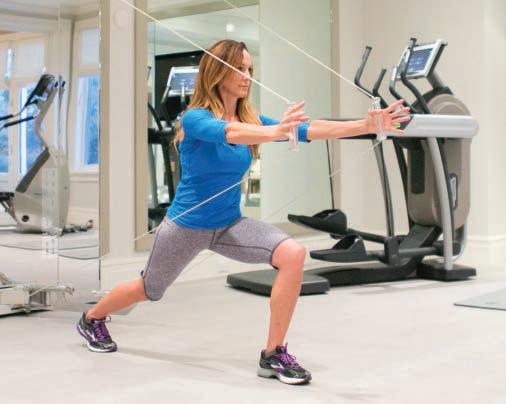
Awell-appointed place to work out has always been a must-have for the most luxurious homes. Today, a home gym is no longer a rarity reserved for the very affluent. Instead of a nice-to-have supplement to the club, gym, or studio, it is now considered essential for many, whether the desire is prime conditioning or functional fitness.
“The fast-rising demand for a wellnessbased lifestyle often includes a near-daily commitment to fitness. As such, convenience is a major factor in driving the explosion of home gym integrations,” says Bryan Green, founder of Fitness Design Group, a specialized gym design and wellness consultancy.
In the U.S., the home fitness equipment market is projected to grow from $4.81 billion in 2022 to $7.8 billion in 2029. Adding to demand are new modalities that combine interactive training, even one-on-one coaching, with multifaceted equipment that occupies a small footprint.
Under the Wellness Umbrella
Fitness at home can imply anything from an extensive area devoted to wellness, to space carved out of an office or bedroom. The most elaborate can be an indulgent refuge incorporating multiple modalities for working out as well as studios for yoga or Pilates, meditation areas (inside and out), and massage rooms.
Designers of fitness spaces say demand for home gyms rivals commercial projects. “Families are increasingly taking a holistic approach toward creating permanent wellness space within the home. Many projects initiate as a transformation of basements, extra bedrooms, lofts, and bonus rooms into energizing workout havens. For clients building new homes, it’s now increasingly rare that a generous gym space is not included in the plans,” says Green.
Plan Before Purchase
Equipment creates pizzazz, but designers say function is the first step to good design. “Before any fitness equipment is selected, understanding the in-use space requirement is critical,” advises Green.
Consider how you want to exercise now and in the future. An ideal space should adapt as needs and interests evolve over time. It’s also important to envision who will be using the space. Ultimate gyms ideally accommodate functional exercise along with cardio and any special passions, including child-specific sports training.
No longer are gyms gritty utilitarian realms. Dedicated spaces to move that include natural light, entertainment integration, and functional floor coverings are a few of the fundamental keys to success, says Green.
Aesthetics are important. Lighting, air quality, hues, entertainment, and even placement of equipment all play into the appeal. “A welldesigned gym will serve as an extension of the home itself, not a departure or sacrifice in comfort,” says Green.
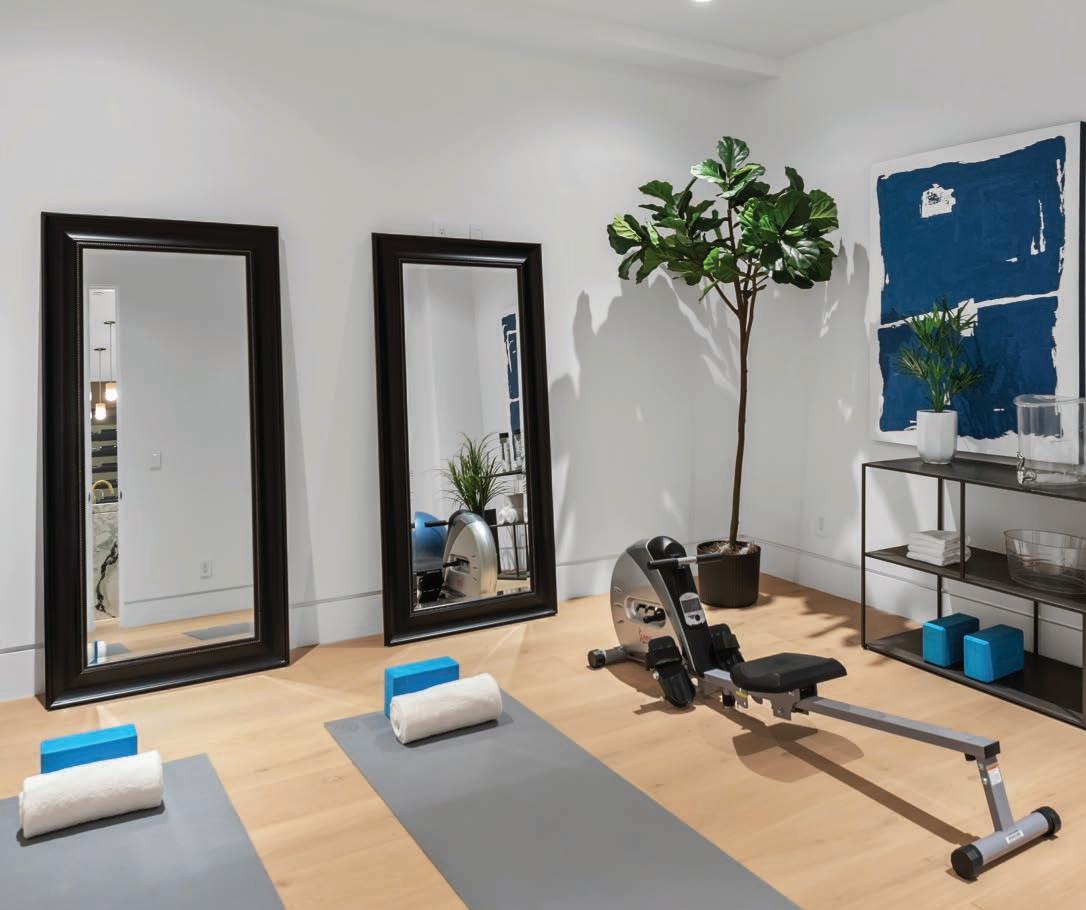
Noelle Isbell, founder of Noelle Interiors, uses a recent design for a room intended for working out as well as a Zen refuge. Using elements in a typical gym setting, she says, “we took a more luxurious and design-forward approach by substituting floor-to-ceiling mirrors with stylish black frames.” Equipment and accessories followed a similar color palette. The yoga component included a lightwell with natural plants and a water feature.
Flooring is another essential. “Durability is ideal, given the moisture and protection needed in a functional home gym. Rubber and vinyl flooring are top options as they come in versatile colors and they prevent scuffs and scratches,” says Isbell. For workout spaces carved out of another room, a foam mat or tiles can supplement flooring.
“Just because it’s a home gym, it doesn’t mean accessories can’t be stylish,” she says. “Be strategic when placing mats and machines next to each other. Do your best to create a machine section and a floor section with any necessary accessories or free weights to divide the space.” Floor-to-ceiling mirrors will make the room feel larger.
A common misconception is that a home workout won’t be as good as in a commercial facility due to access to a limited amount of equipment. “With careful design, you don’t need much space or equipment to get a quality workout. In fact, you can create a space in the same footprint as a treadmill that allows you to complete an endless array of workouts,” Green explains.
A yoga mat, hand weights and additions such as a Bosu work for the smallest spaces, as do expansion bands or systems such as the TRX. Here too luxury equipment such as Pent’s suite of fitness accessories elevates any space.
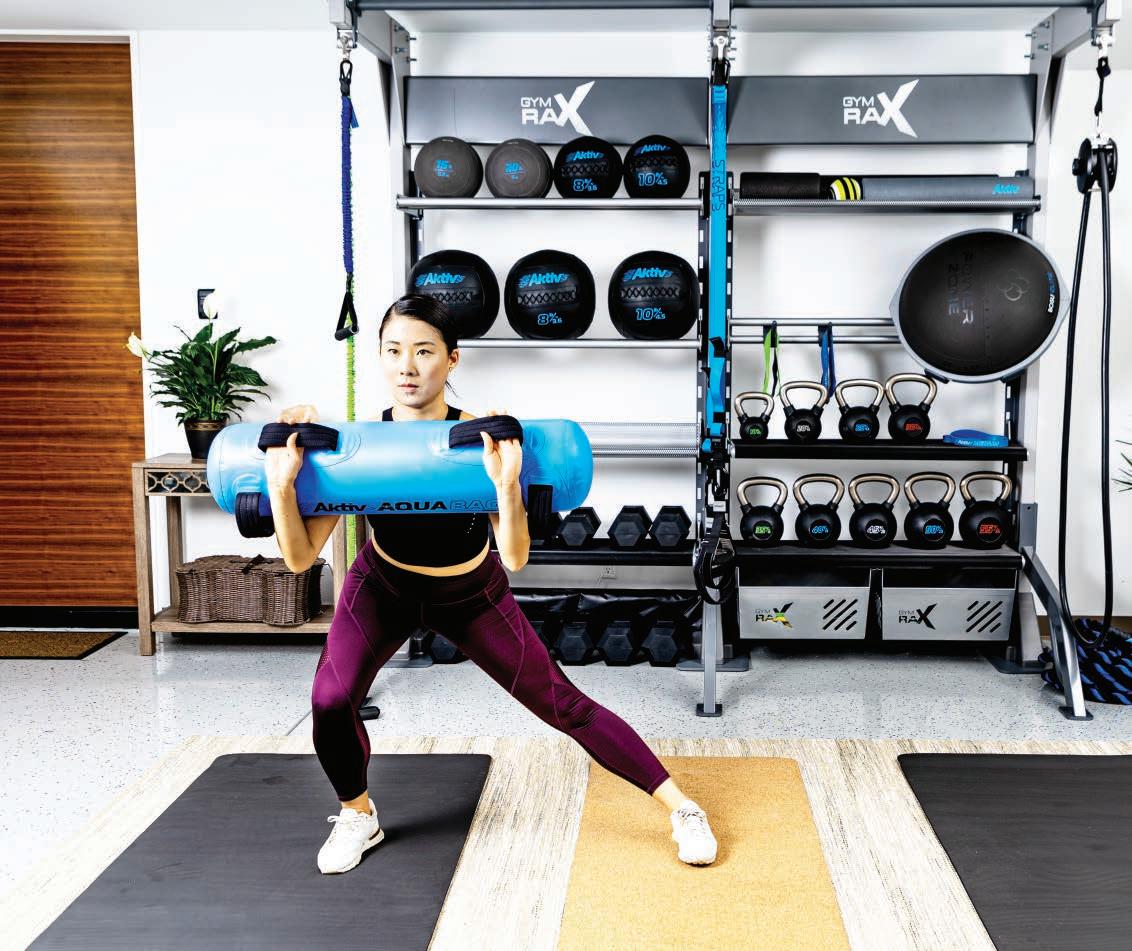
For larger areas, modular systems such as Gym Rax, which combines a small footprint with the ability to adjust modes, are a versatile option. It also incorporates storage spaces and options, including a punching bag.
Fitness Tech
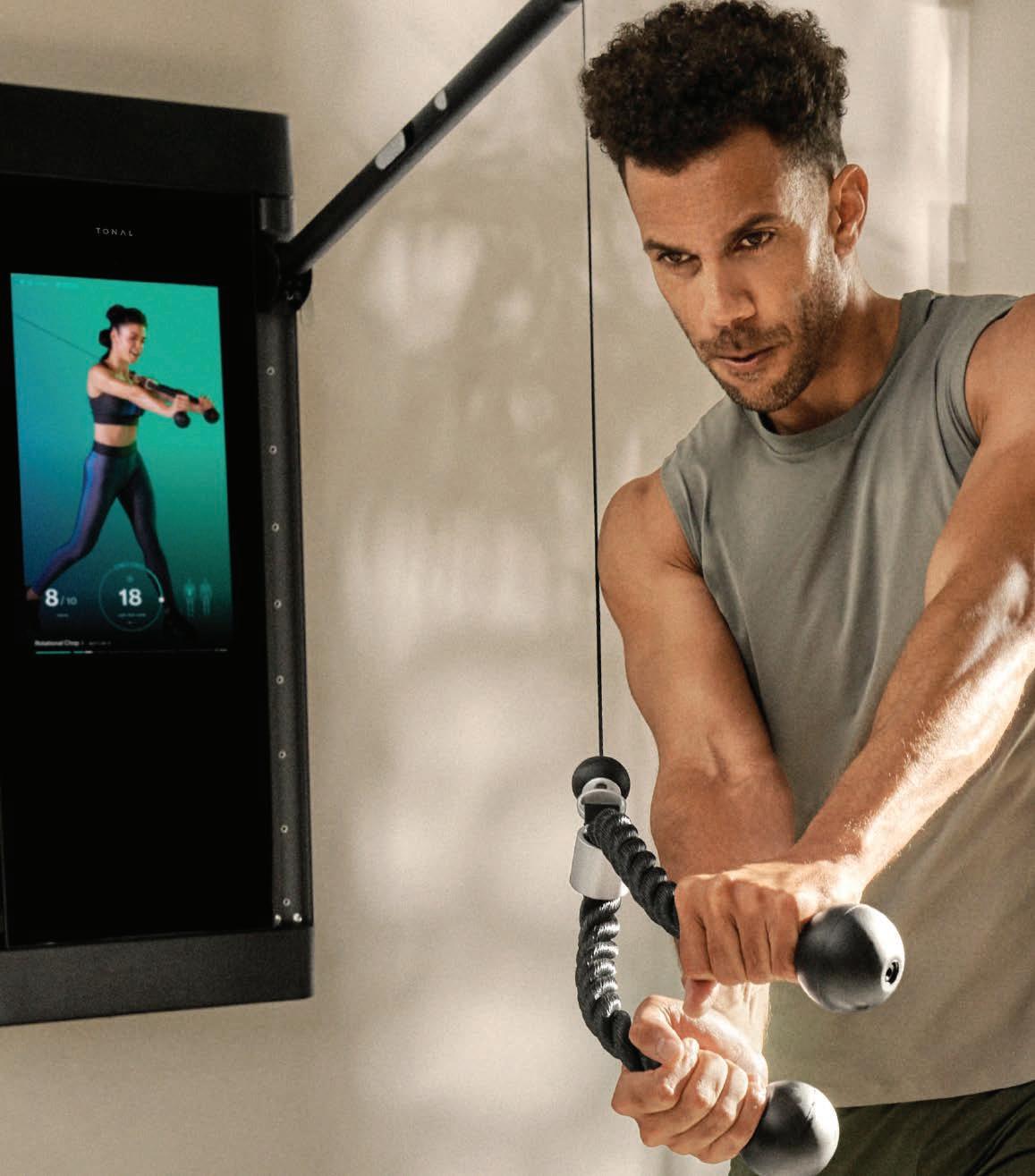
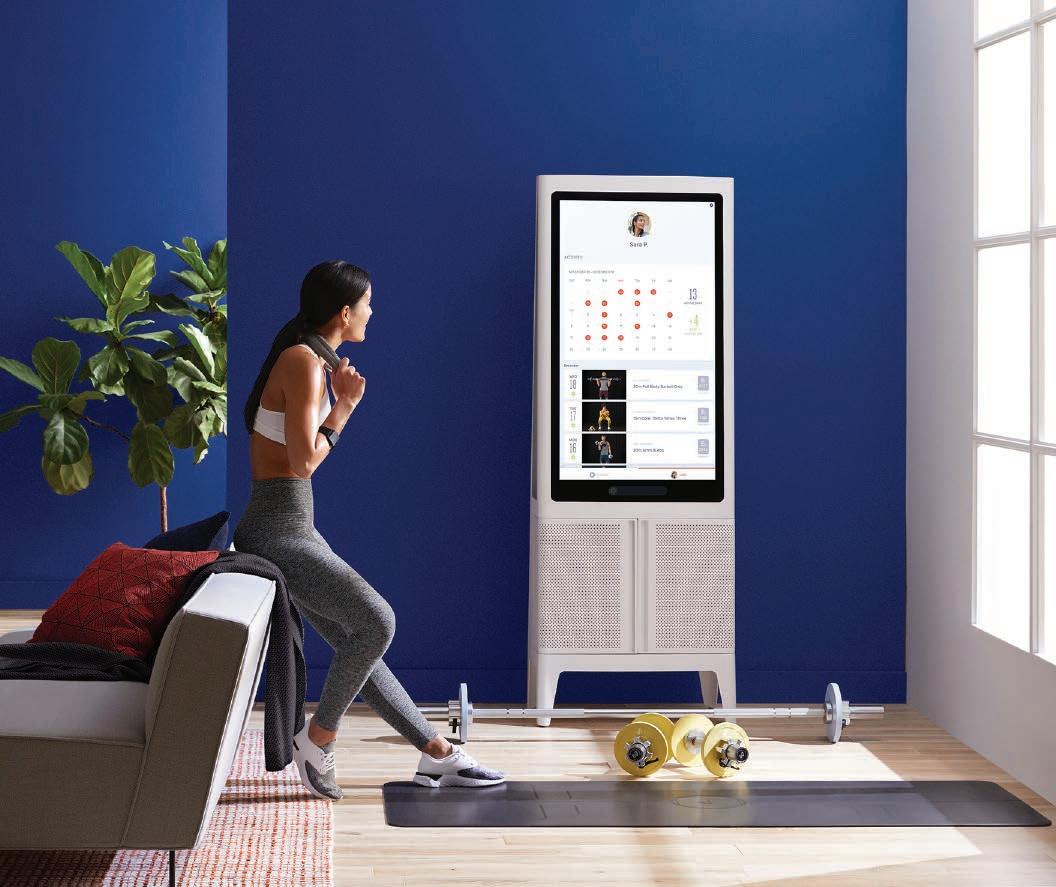
What has really revolutionized small space training are interactive modalities. Extra-large highdefinition screens that appear as mirrors offer personalized training, even interactive, one-onone coaching, along with access to dozens if not hundreds of training videos.
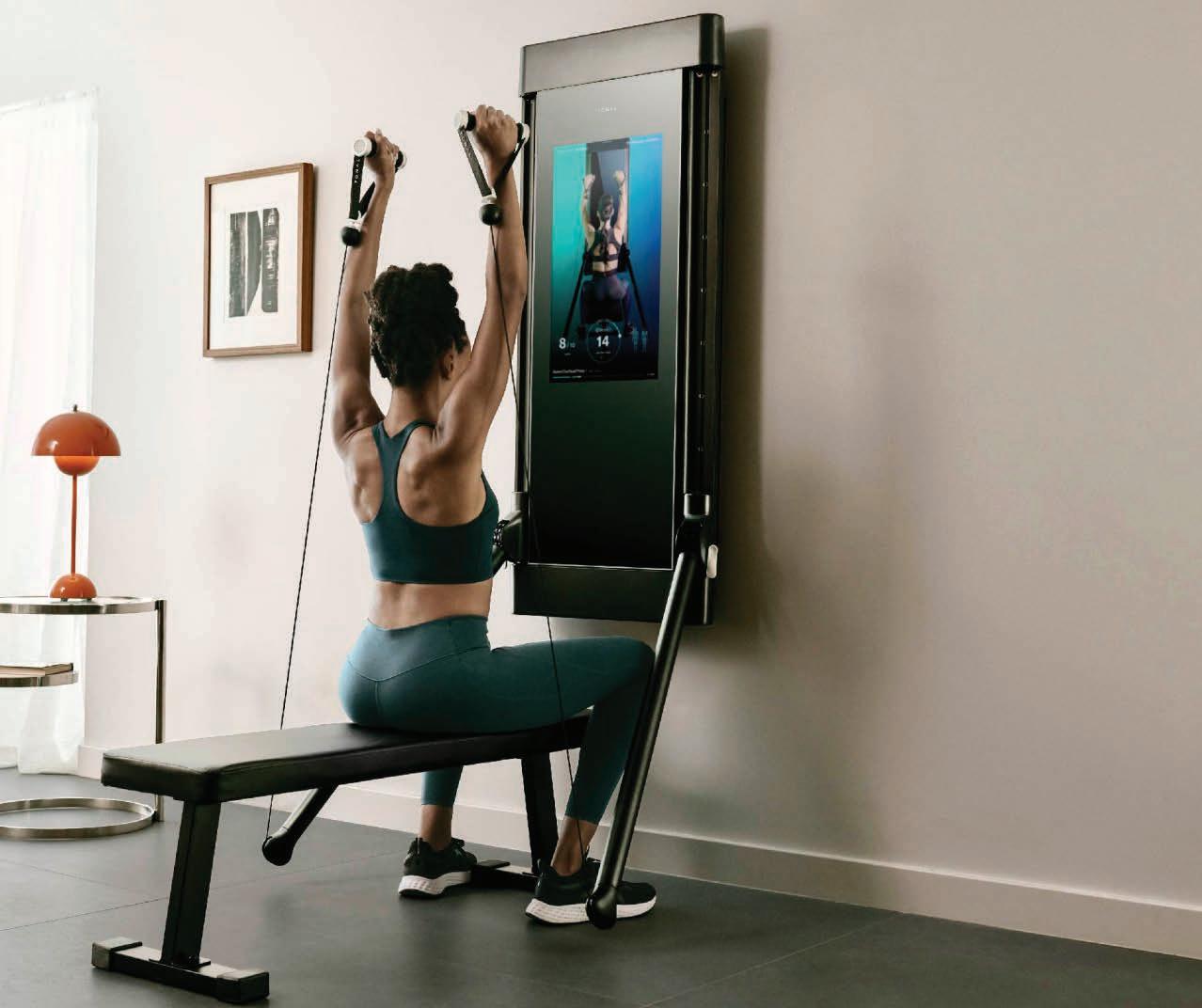
The best, according to the Good Housekeeping Institute, is Tonal, a wall-mounted platform with both a 24-inch screen and electromagnetic resistance equipment. Offering a tremendous variety of classes, Lululemon Studio Mirror provides more than 10,000 classes and, for an additional fee, personalized training. A number of other companies offer similar products.
All open the door to new training opportunities, ushering in an entirely new concept of a home gym.
930 Ponte Vedra Boulevard
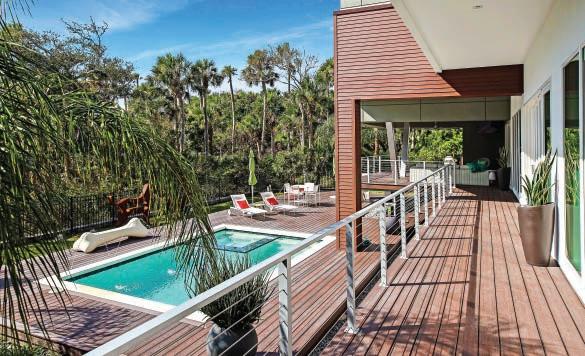
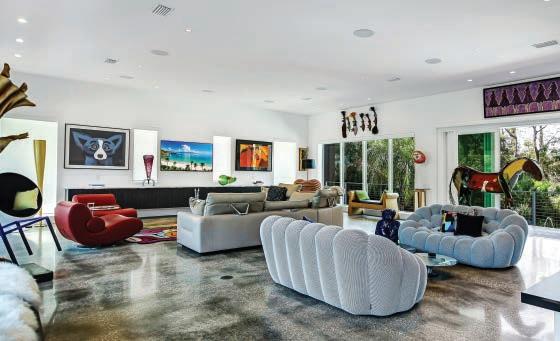
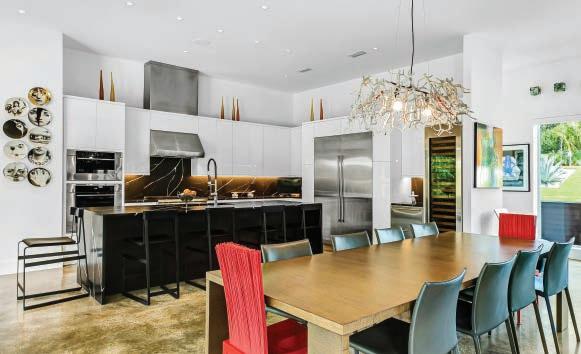
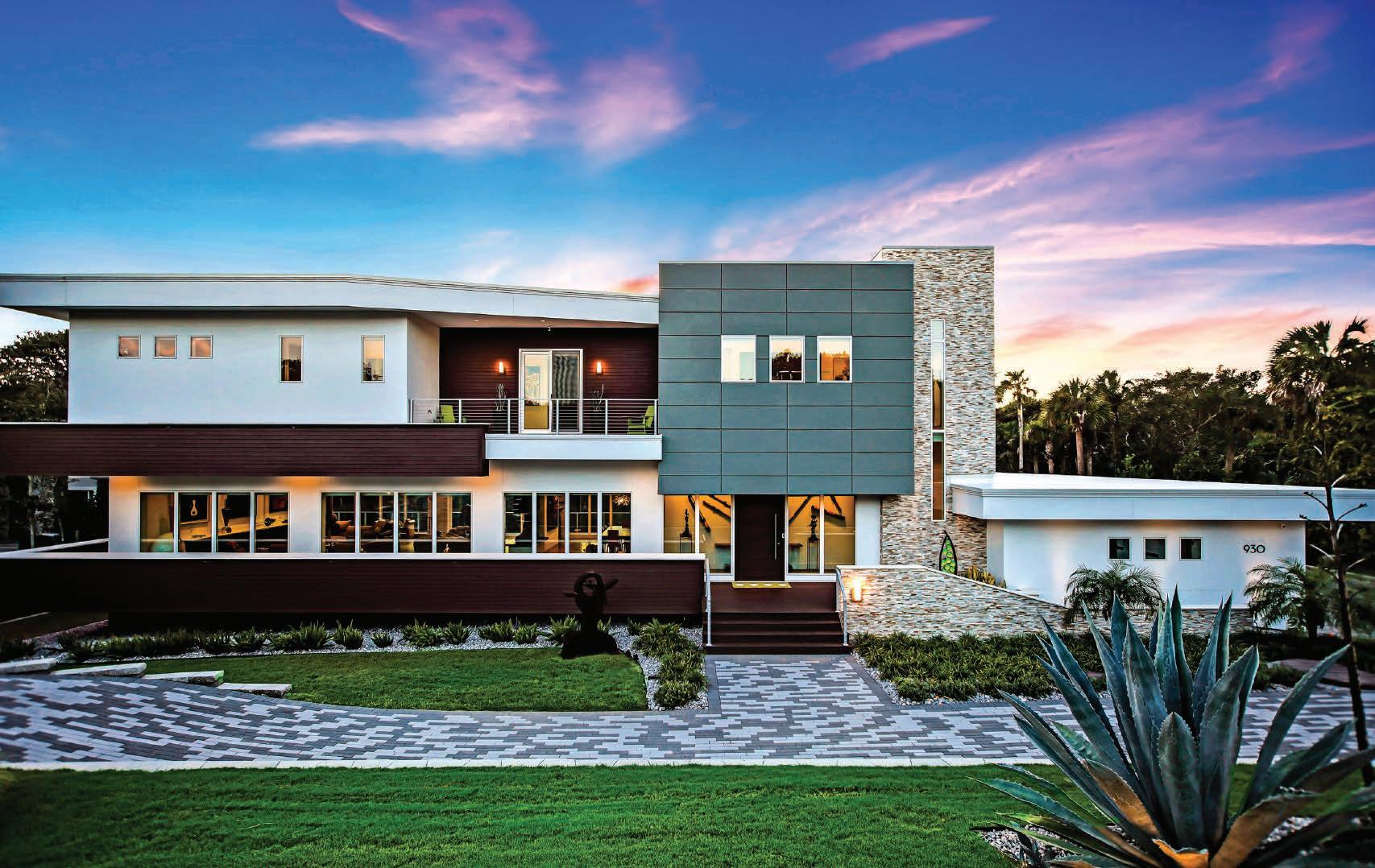
PONTE VEDRA BEACH This stunning, contemporary home is truly a masterpiece! Created by local architect, Mark Macco, the interior and exterior spaces offer stunning natural views through the walls of windows. The polished concrete floors create a contemporary feel while still retaining character and warmth — this is a happy house! The gourmet kitchen offers the high-end appliances you’d expect from a home of this quality, and the kitchen’s waterfall quartz island is a piece of art. All 4 bedrooms feature en suite baths. The luxurious owner’s suite includes a big balcony overlooking the pool and marsh. The resort-style heated pool and spa are just lovely, especially in the evenings with the custom lighting.
$4,250,000
1329 Ponte Vedra Boulevard
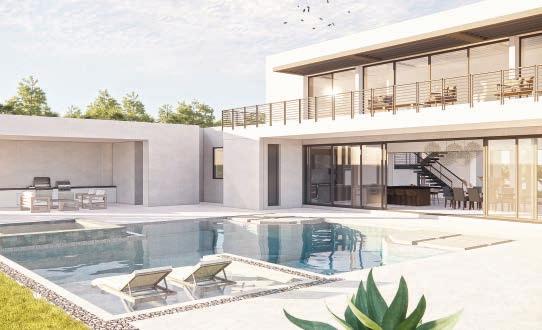

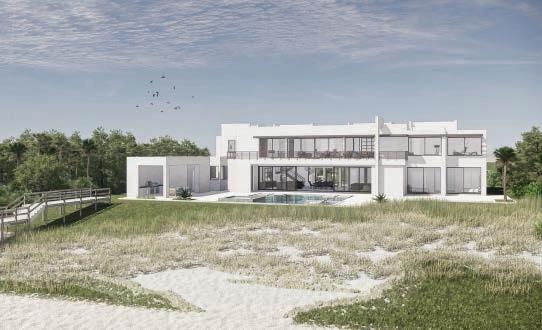
PONTE VEDRA BEACH A brand new, sleek, Miami-style oceanfront home in a relaxed beach town outside of Jacksonville. No expense was spared, from the structure to the finishing details. This ultra-luxury modern estate, designed to emphasize the ocean views from 150 feet of oceanfront footage along the Atlantic Ocean, is scheduled to be completed in Spring 2023. Joan Roca, master pool designer for celebrities like Gisele Bundchen, sculpted the outdoor space with a 1,000-square-foot pool and spa. The kitchen is outfitted with the appliances and features you’d expect. Two guest suites downstairs with the owner’s suite, 2 additional guest suites, a media room, office and dedicated spa-like wellness area upstairs. Every vendor was explicitly selected for their quality and craftsmanship.

2485 Eagle Run Drive
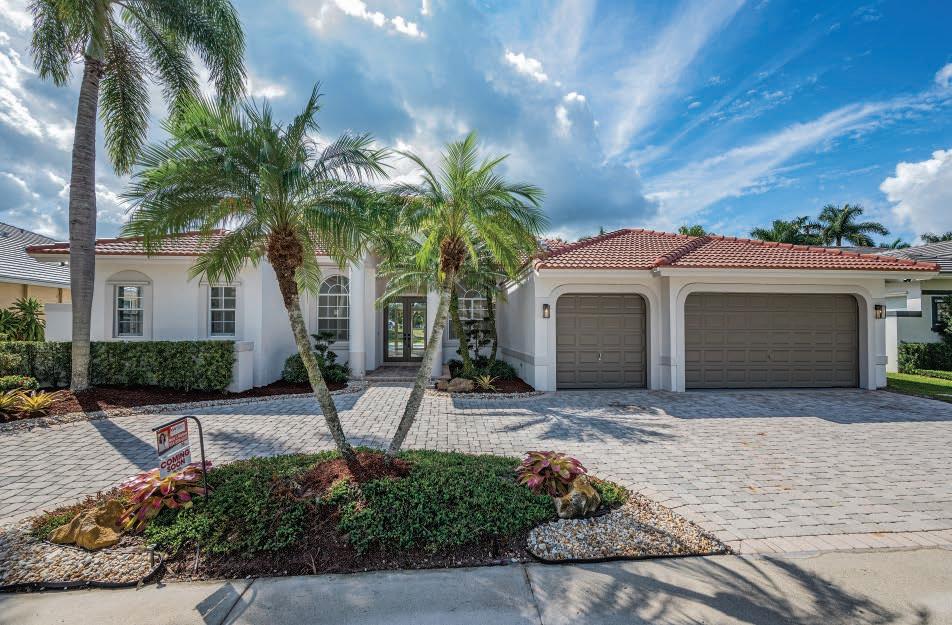
WESTON Stunning golf-view home in the Weston Hills Country Club offering 5 bedrooms, a den, 3.5 baths, a 3-car garage and circular driveway. Upgrades include the roof, kitchen, baths, floors, and more. Centric city location with access to top-rated schools. $1,639,000
MARIA CORINA MARTINEZ
550 Stonemont Drive
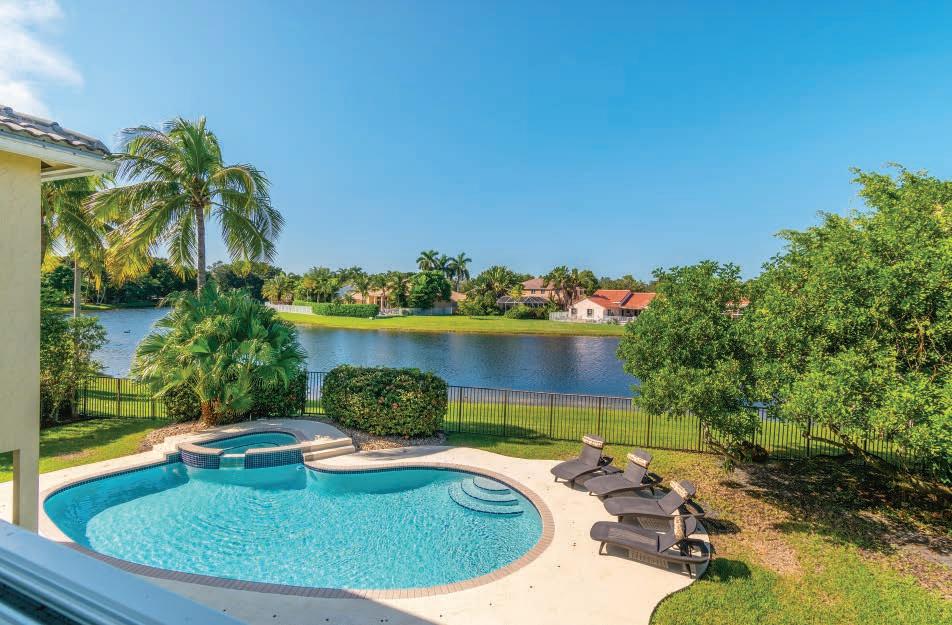
WESTON Beautifully upgraded 2-story home with peaceful lake views, located on a large cul-de-sac lot featuring 5 bedrooms and 3 baths, an open floor plan, granite countertops and stainless steel appliances. Extended covered patio. Accordion shutters and more. $1,195,000
MC Group, Keller Williams Legacy www.mcgroup.kw.com • mcgroup.here4u@gmail.com mmcorina@cs.com • O. 954.358.6010 • C. 954.224.9748