
Business Profiler Malta
TRADEMARK REGISTER YOUR & DESIGN BEFORE YOU MAKE IT PUBLIC





Business Profiler Malta
The role of business leaders has always been complex and demanding. It is a blend of strategic foresight, operational discipline, people leadership and stakeholder diplomacy.
The challenges they face today are multifaceted—from rapid technological transformation and heightened cybersecurity risks to shifting workforce expectations and unpredictable global economic forces.
Insight from multiple leadership surveys and expert commentary highlights a striking truth: business leaders no longer just manage companies; they navigate uncertainty itself. Truly so, because in this dynamic environment, traditional leadership approaches no longer suffice. Instead, visionary business leaders must harness datadriven insights, adapt to emerging regulatory pressures, and build resilient, future-proof organizations.
Publishing Editor Omar Vella
Design Joellson Bezzina
Printing & Publishing Union Print Co. Ltd. www.unionprint.com.mt
Proof Reading Ramona Vella Cini
Issue 1
Disclaimer:
A business leader’s success relies on those who can assess exposure to risk, adapt operations and culture with agility, and act with purpose and resilience. In a nutshell, it relies on those who are able to make good use of a microscope and a telescope — managing near-term threats while spotting long-term opportunity.
The first edition of Malta Business Profiler touches on the role of leadership and its critical role for the local business industry to thrive in a constantly evolving international business environment.
Population Malta's

574,250

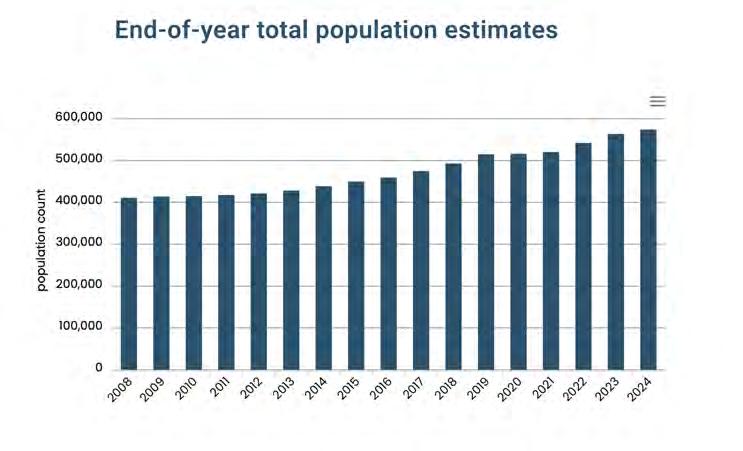
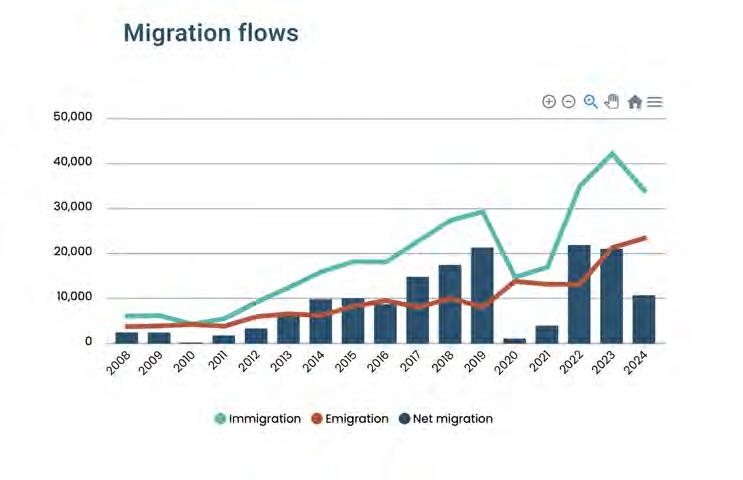
The estimated total population of Malta and Gozo at the end of 2024 stood at 574,250, up by 1.9 per cent when compared to the previous year. Male accounted for 53.1 per cent of the population). The population increase in 2024 was mainly dependent on the total net migration (immigration less emigration) of 10,614 persons. The net of non-EU citizens made up 76.6 per cent of the total net migrants in 2024. Males accounted for 57.7 per cent of the total net migration. While net migration decreased by nearly half when compared to 2023 (49.4 per cent), emigration increased whereas immigration decreased in 2024.

Malta's Economic Outlook
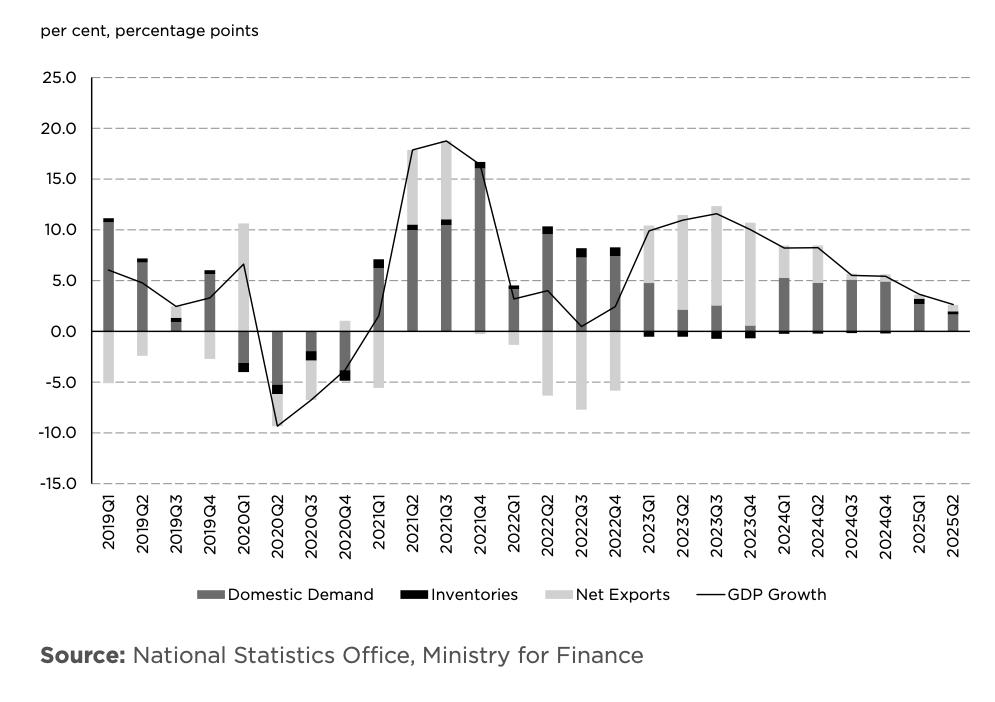
During 2024, the Maltese economy continued to perform strongly during the first half of 2025, with nominal growth of 5.6 per cent and real growth of 3.1 per cent, outpacing the EU average. Growth was primarily driven by domestic demand, supported by a robust labour market and tourism, while net exports also contributed positively despite broader external slowdowns.
Private consumption grew by 2.8 per cent in real terms, aided by recovering household purchasing power, while public consumption rose by 5.9 per cent. Gross Fixed Capital Formation (GFCF) declined slightly, mainly due to changes in intellectual property and housing investment.
Export activity remained resilient, growing by 5.2 per cent, while imports increased by 5.7 per cent, reflecting strong domestic demand. Malta’s nominal Gross Value Added (GVA) grew by 6.0 per cent in the first half of 2025, reaching €11.0 billion.
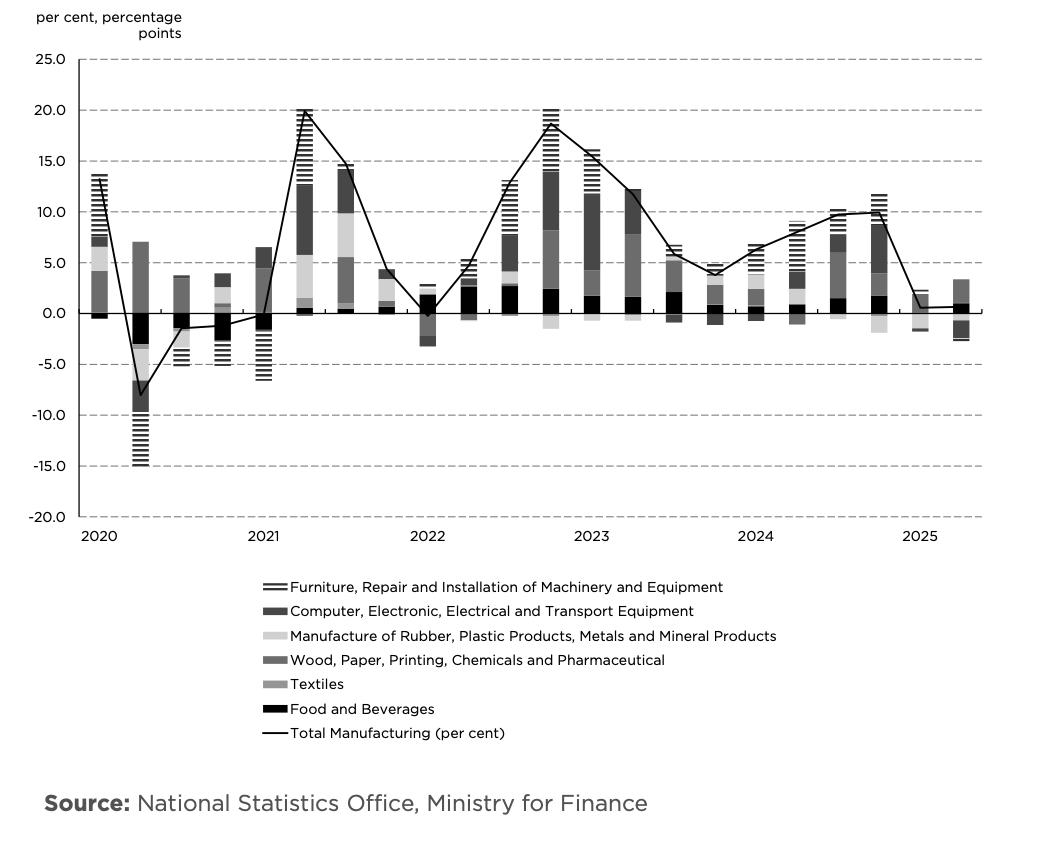
The Manufacturing sector showed resilience despite global challenges, with growth driven by China, Europe and North America, supported by increased defence spending. However, Malta’s export-oriented manufacturing was negatively affected by the contraction in the global automotive industry and US tariffs.

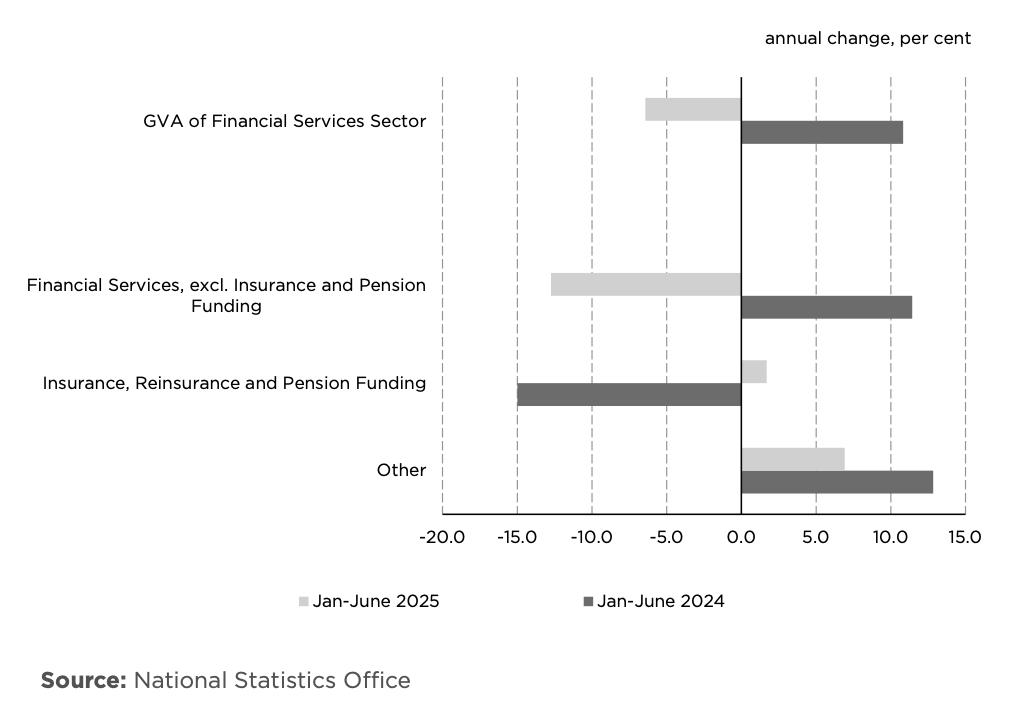
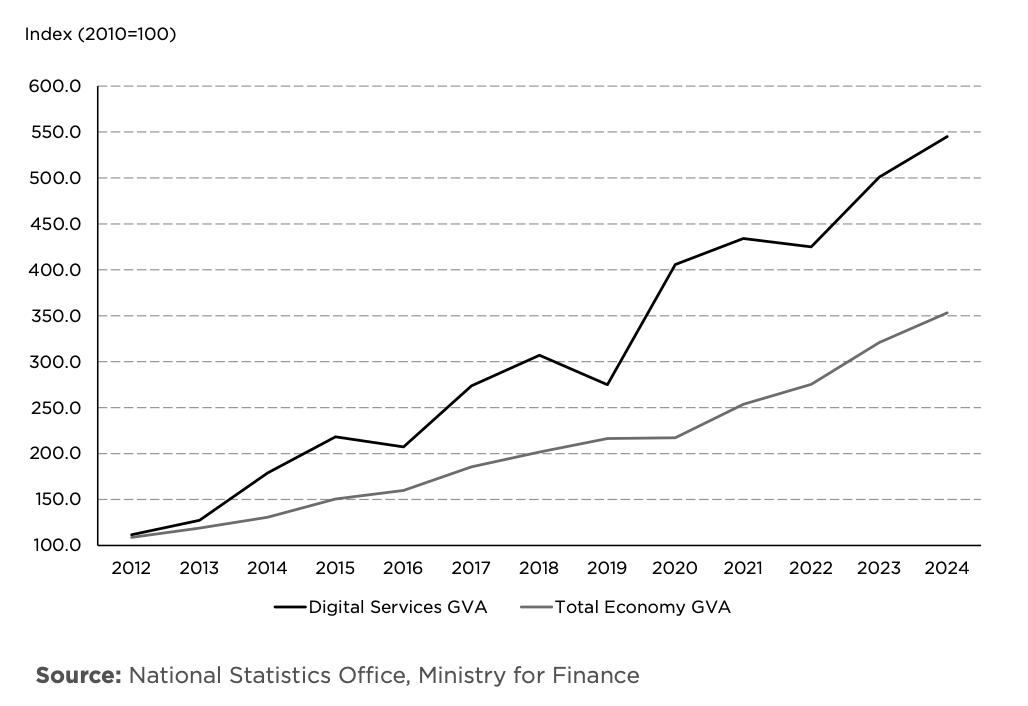
The Financial services sector, typically a major contributor to Malta’s GVA, contracted by 6.4 per cent, although its insurance subsector rebounded. Digital services continued to be a key growth driver, with strong performance in gambling and betting services and ongoing improvements in connectivity and AI adoption.
Gross National Income (GNI) grew by 7.7 per cent in the first half of 2025, narrowing its gap with the Gross Domestic Product (GDP) as net property income paid abroad declined.
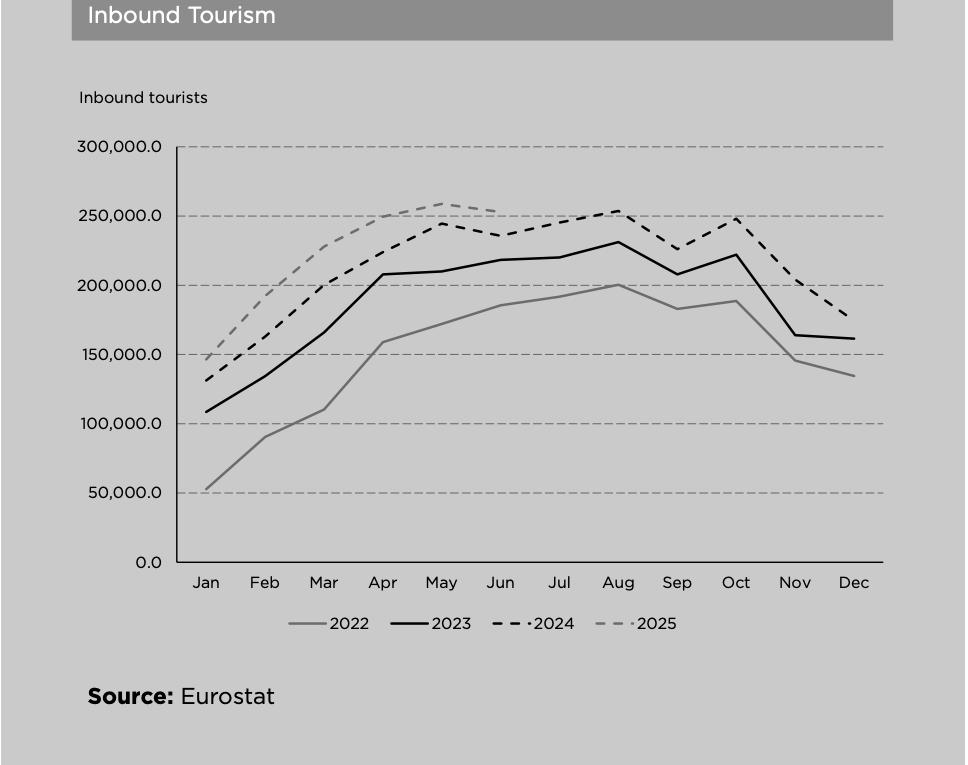
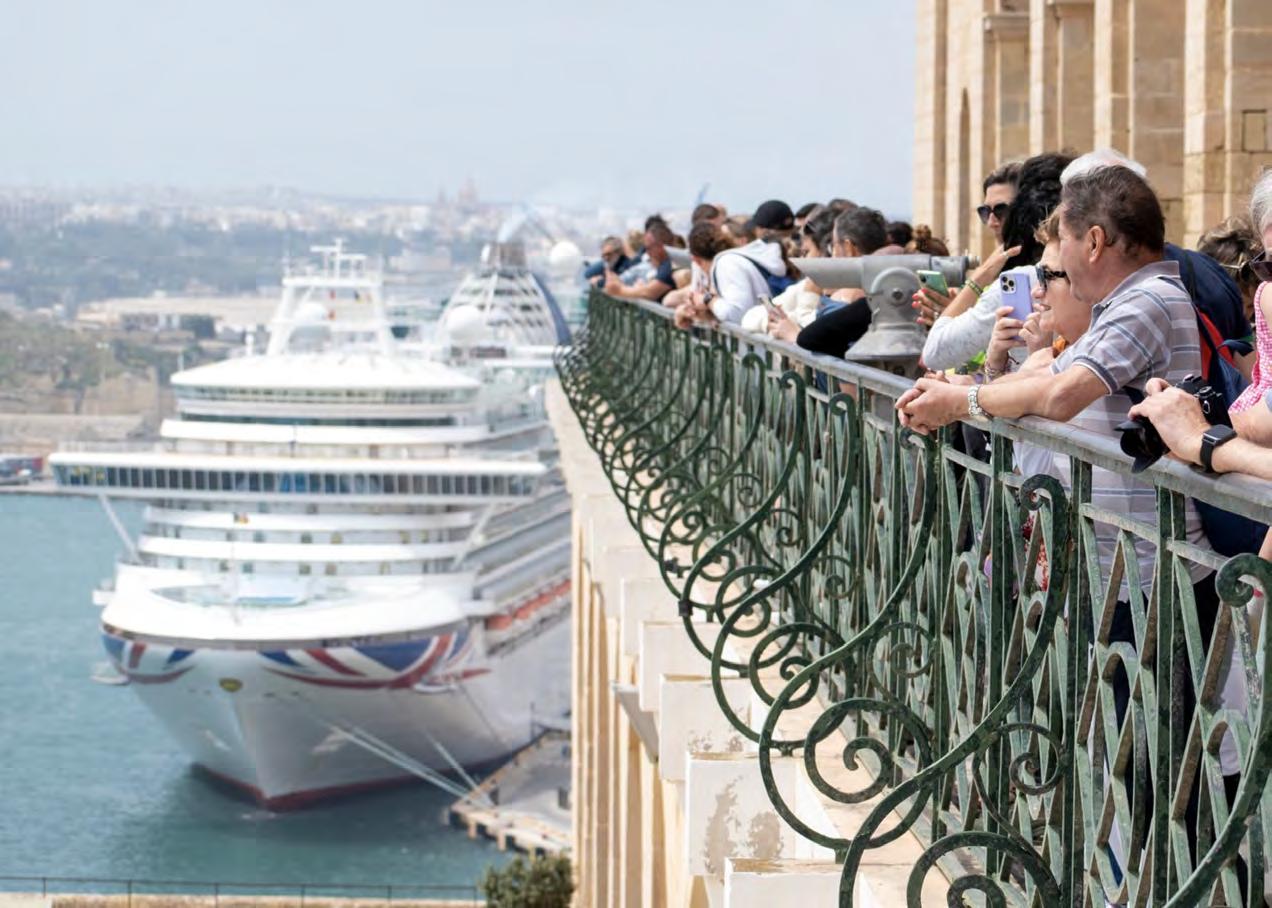
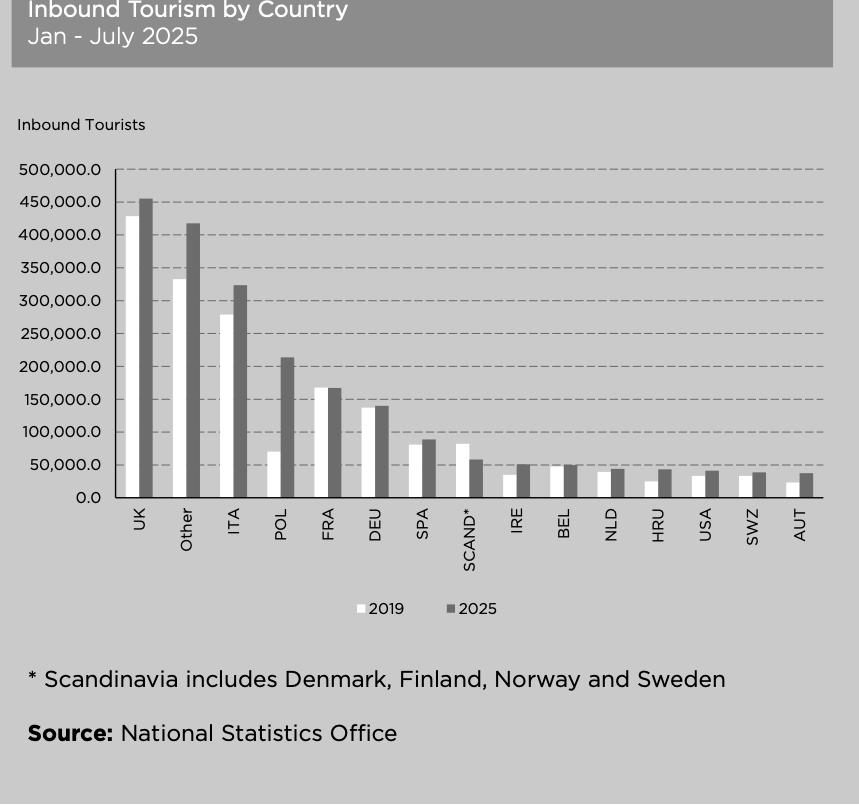
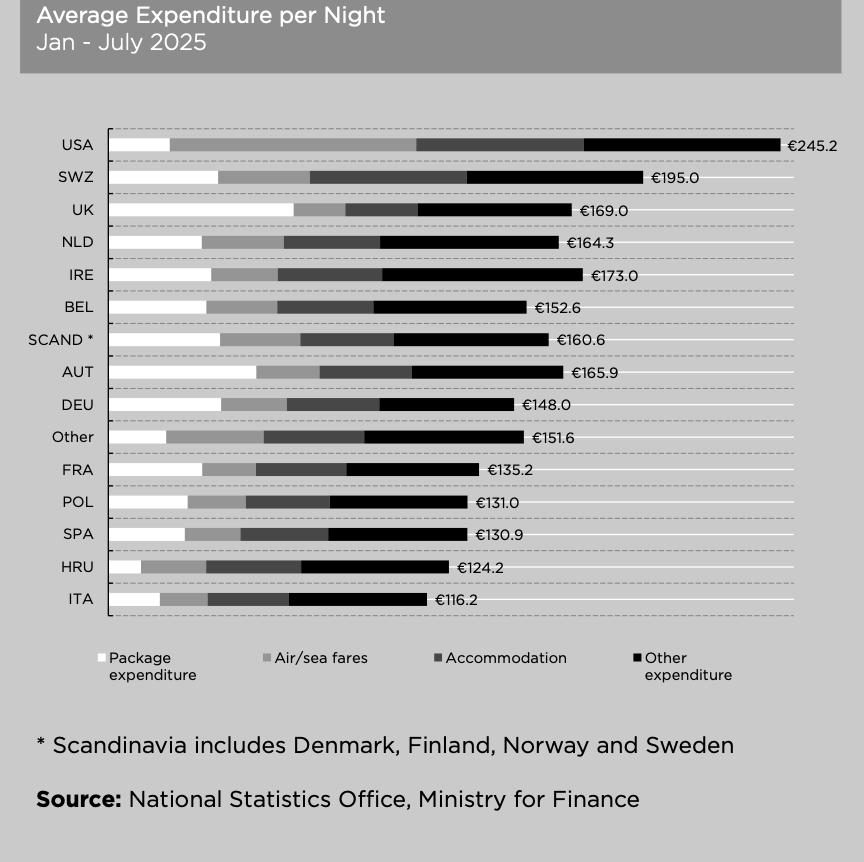
Tourism in Malta saw robust growth in 2025, with inbound visitors rising by 12.9 per cent over 2024 and expenditure reaching €2.0 billion between January and July 2025. The United Kingdom (UK) remained Malta’s top market, followed by Italy and Germany, with notable increases from Poland and Spain. In terms of competitiveness, real unit labour cost increased, although other productivity and price level indicators remained relatively strong.
Inflation in Malta reached 2.7 per cent in August 2025, driven mainly by services and food prices, with the Retail Price Index (RPI) showing an upward trend.
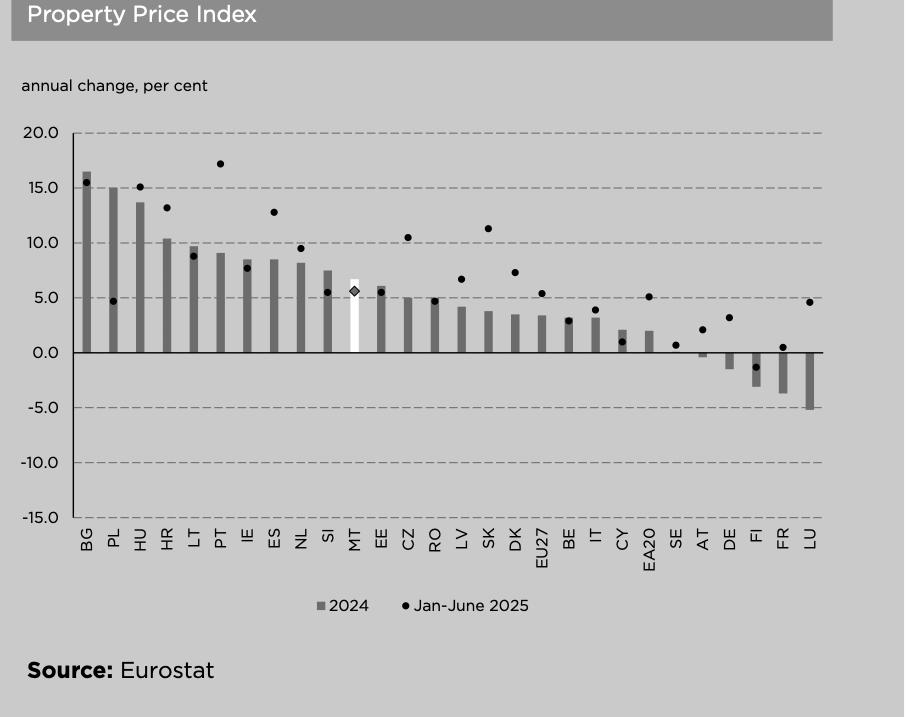
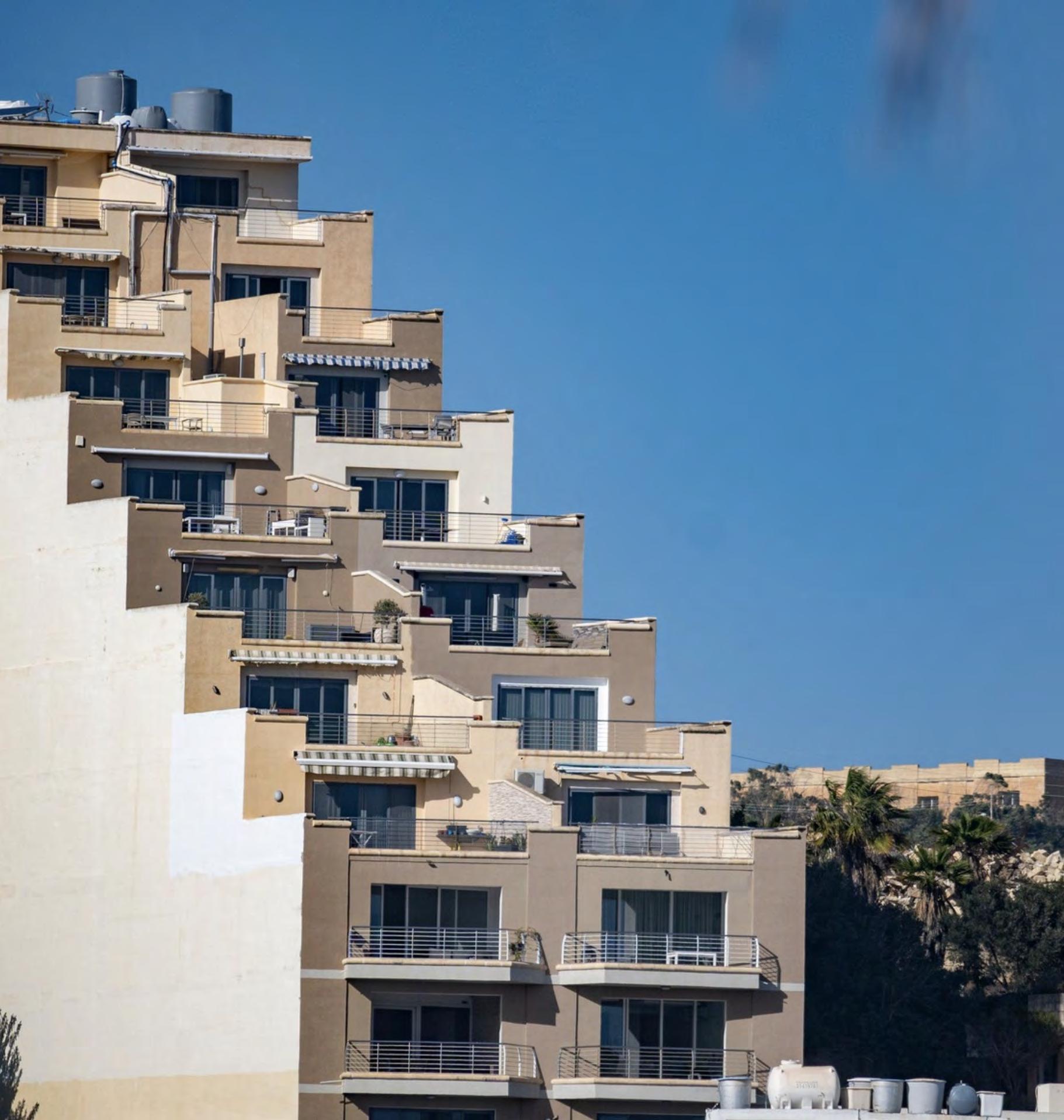
Residential property prices continued to rise, outpacing the EU average. At the end of 2024, the Maltese population stood at 574,250 individuals, representing a 1.9 per cent increase compared to 2023.
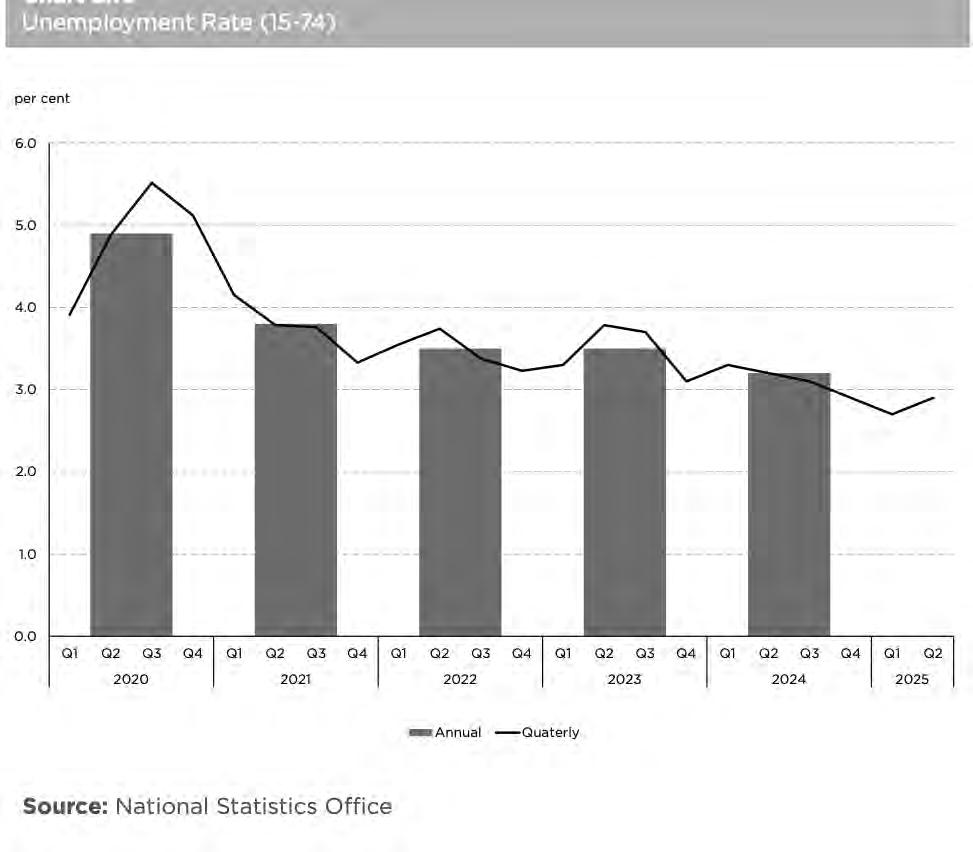
Unemployment remained at historically low levels, at 2.9 per cent, around half the EU average.
Employment in the private sector increased by 3.7 per cent in the twelve-month period ending April 2025.

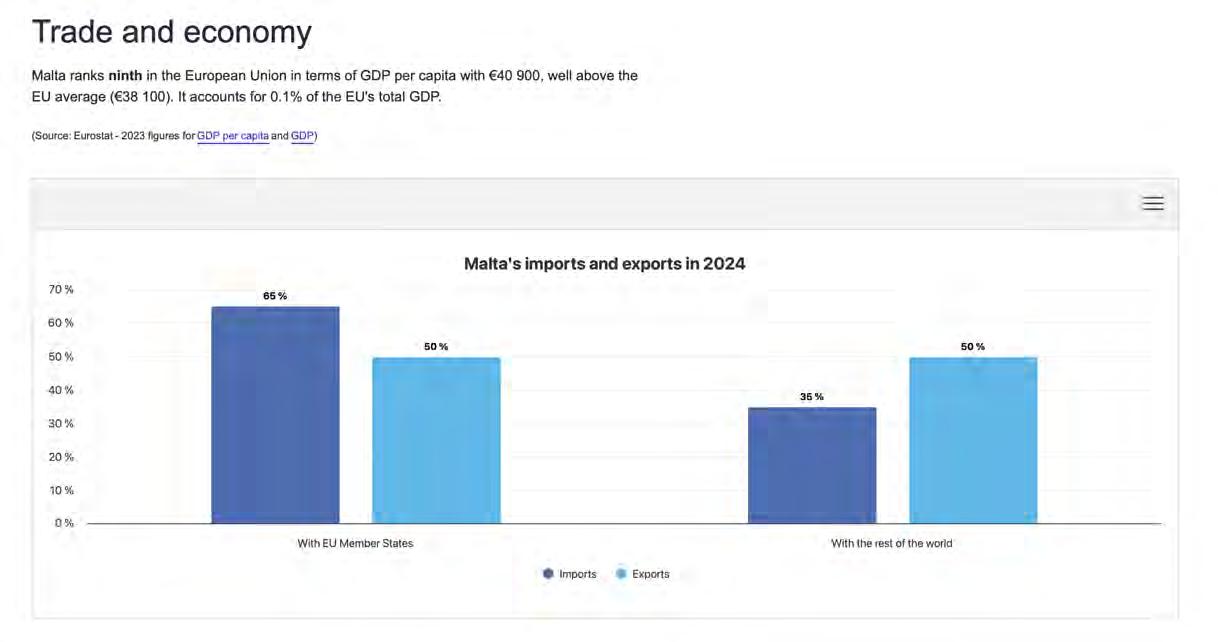
Trade and economy
Malta ranks ninth in the European Union in terms of GDP per capita with €40 900, well above the EU average (€38 100). It accounts for 0.1% of the EU's total GDP.


Business Demography: 2024
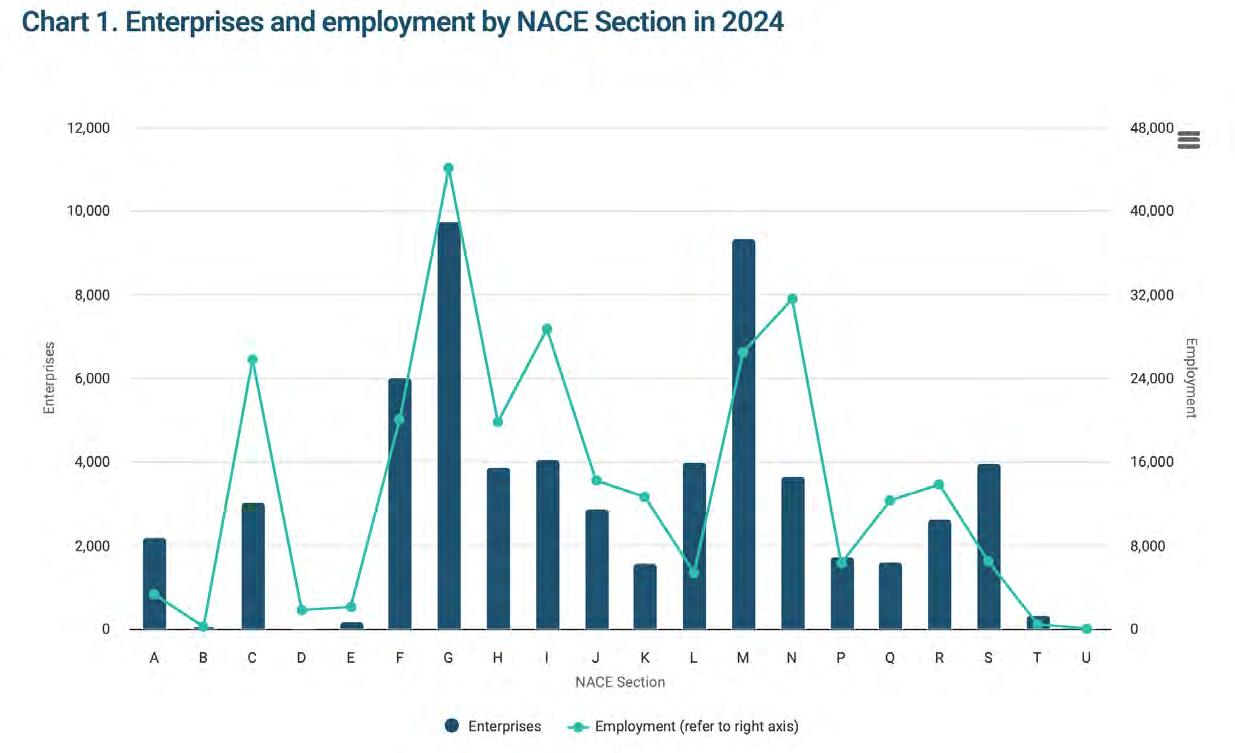
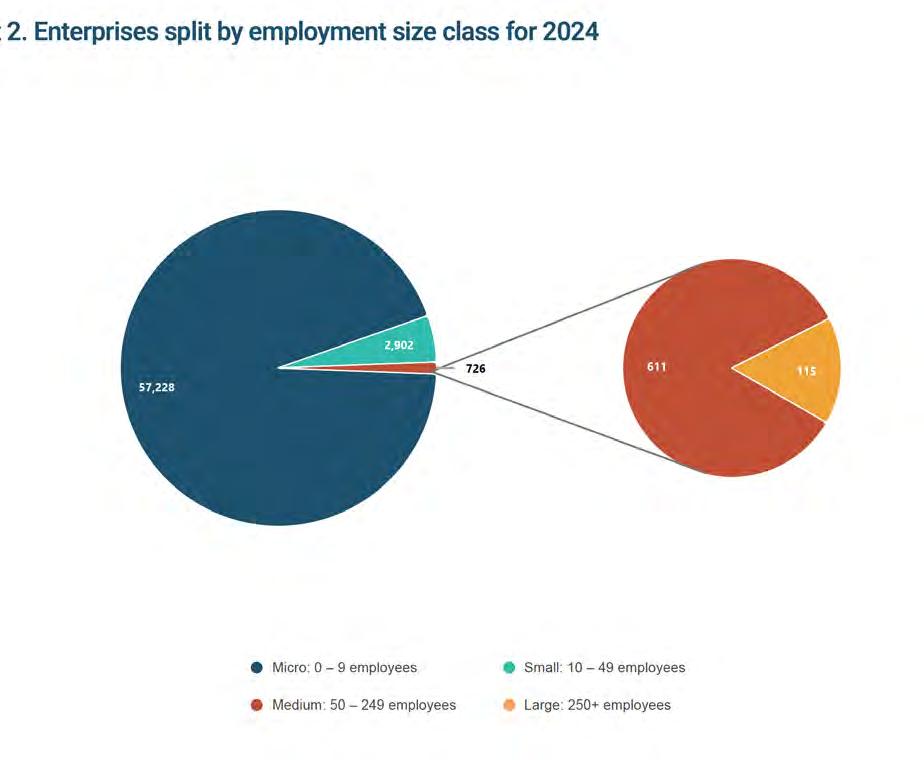
Provisional figures for 2024 indicate that there were 60,856 active enterprises in Malta, supporting an employment of 275,357 persons.
This news release is compiled using the statistical unit ‘enterprise’. An enterprise may consist of one or more legal business units, producing goods or services, which has a certain degree of autonomy in decision making. Provisional figures for 2024 show that there were 60,856 active enterprises in Malta, an increase of 3.1 per cent, or 1,843 active enterprises, over 2023.
The Wholesale and Retail trade accounted for 16.0 per cent of the active enterprises. Professional, Scientific and Technical activities accounted for 15.3 per cent, while Construction accounted for 9.9 per cent.
Compared to the situation a year earlier, microenterprises employing between 0 and 9 persons increased by 2.9 per cent, while small enterprises employing between 10 and 49 persons, increased by 7.3 per cent. Medium-sized enterprises employing between 50 and 249 persons increased by 9.7 per cent. Enterprises employing more than 250 persons decreased by 2.5 per cent.
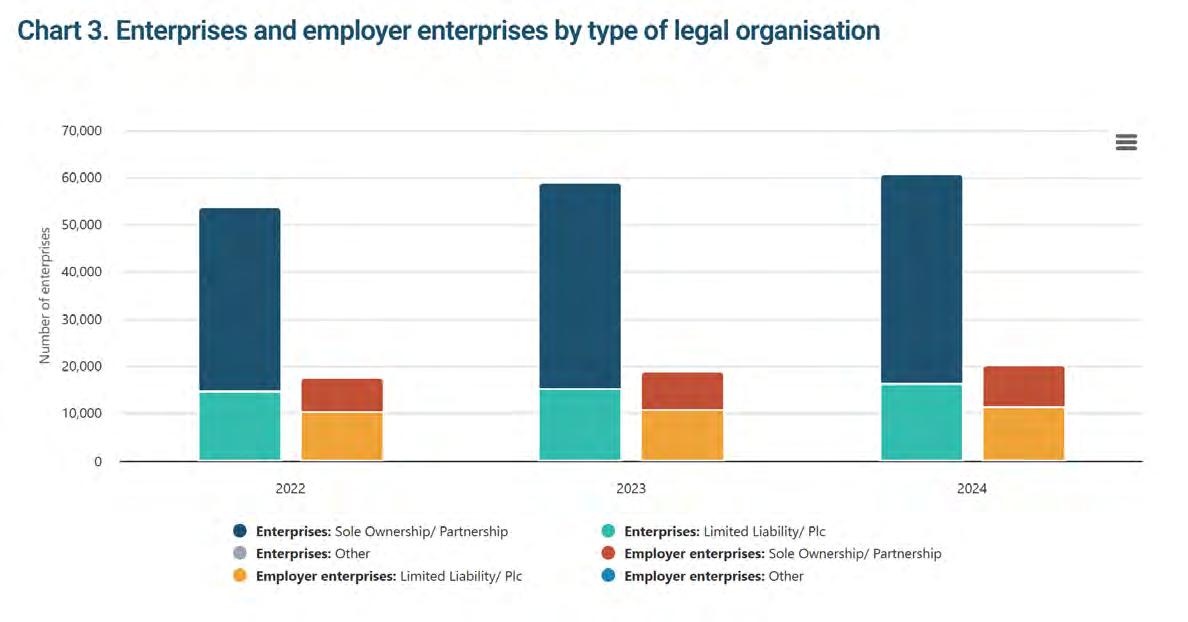
In 2024, 73.2 per cent of the enterprises were sole proprietors and partnerships, 26.4 per cent were limited liability companies or public limited liability companies, while 0.4 per cent were cooperatives, corporations, branches or joint ventures.
Provisional figures indicate that there were 20,152 employer enterprises in Malta in 2024, an increase of 6.3 per cent, over the previous year (Tables 3 and 4). In 2024, 56.1 per cent of the employer enterprises were limited liability companies or public limited liability companies, while 43.1 per cent were sole proprietors and partnerships. In 2024, Wholesale and Retail trade accounted for 16.0 per cent of employment in Malta, Administrative and Support Services accounted for 11.5 per cent, and Accommodation and Food Services accounted for 10.4 per cent.
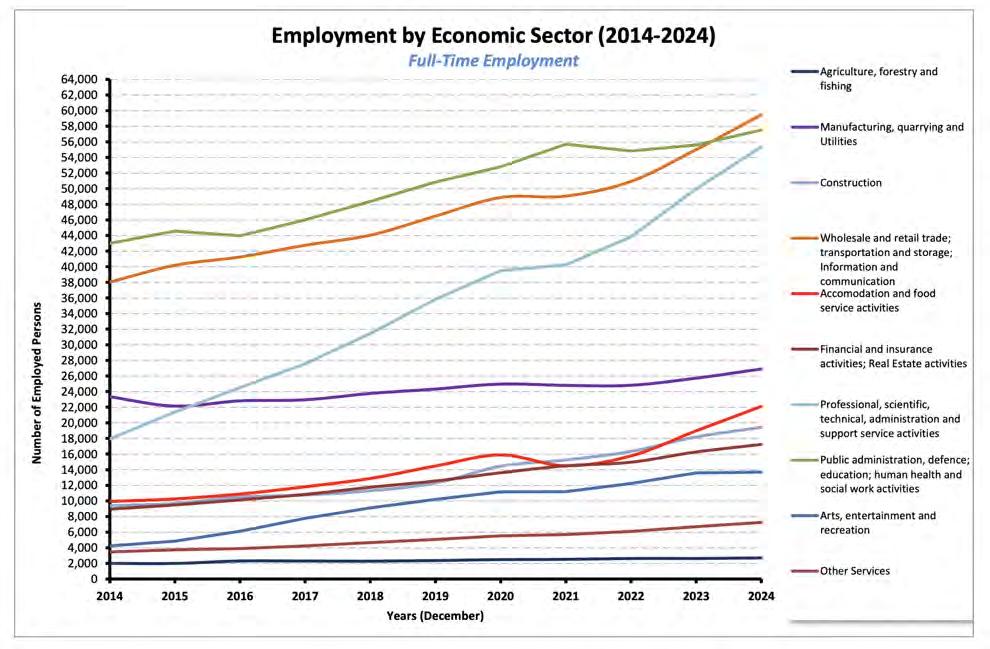
Full-Time Employment
Full-time Employment by Economic Sector (2014-2024)
The Gainfully Occupied Population (full-time employment) increased by 73% over the period under review. The percentage change increase was mostly in these sectors: Arts, Entertainment and Recreation sector, Professional, scientific, technical, administration and support service activities, Accommodation and food service activities, Other Services and in the Construction industry. The other Economic Sectors also registered an increase.
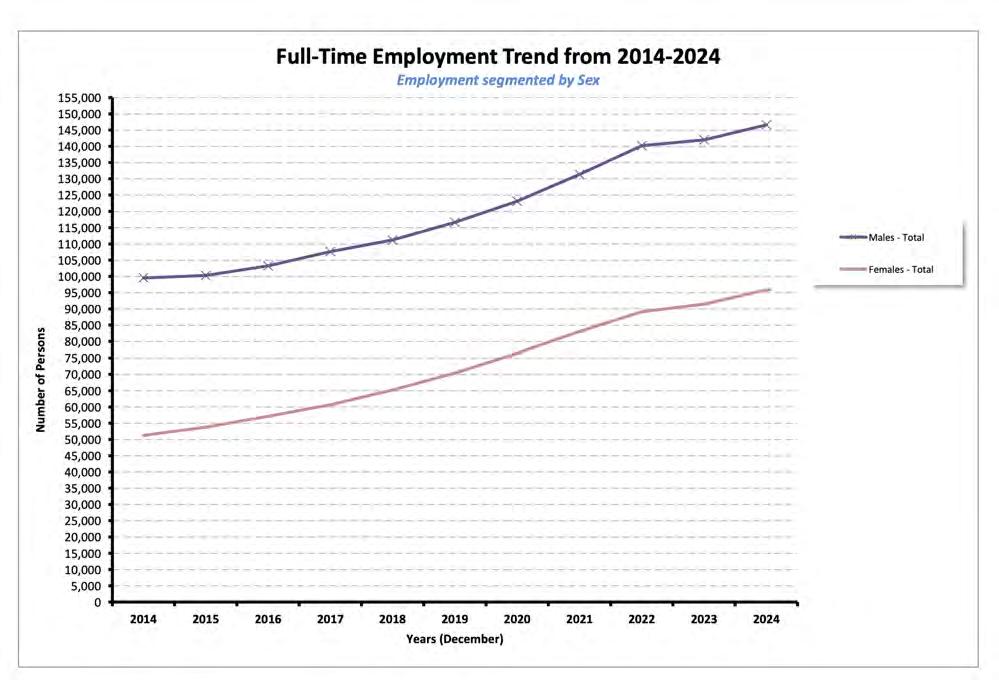
Full-time Employment segmented by Gender Malta & Gozo (2014-2024)
Over the period under review, the full-time employment share of males decreased from 64% to 60%, whilst that of females increased from 36% to 40%.
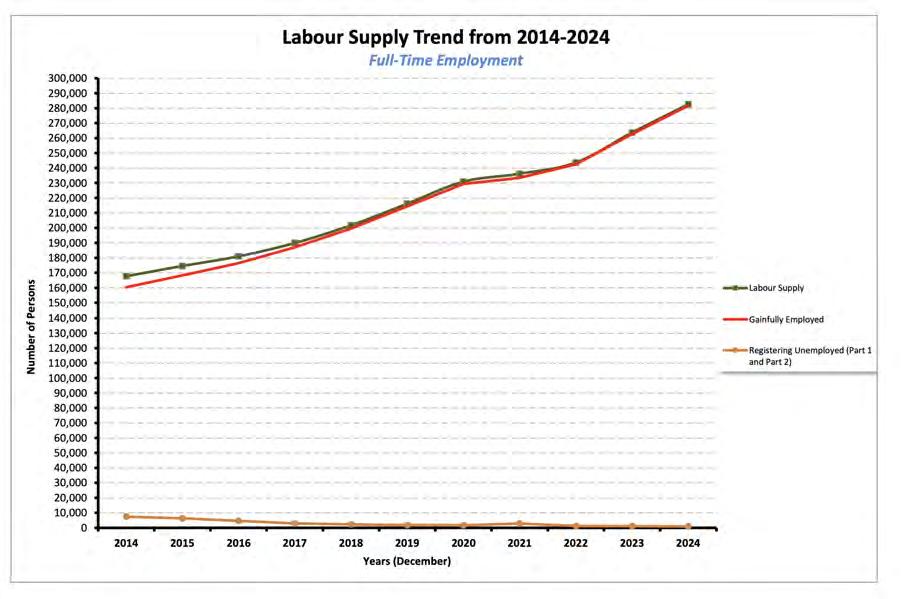
Labour Supply Trend
Malta & Gozo (2014-2024)
Full-time employment increased by 73% over the period under review, whilst jobseekers registered with Jobsplus decreased by 82%. Hence the overall labour supply increased by 68%.

Labour supply trend in Gozo
(2014-2024)
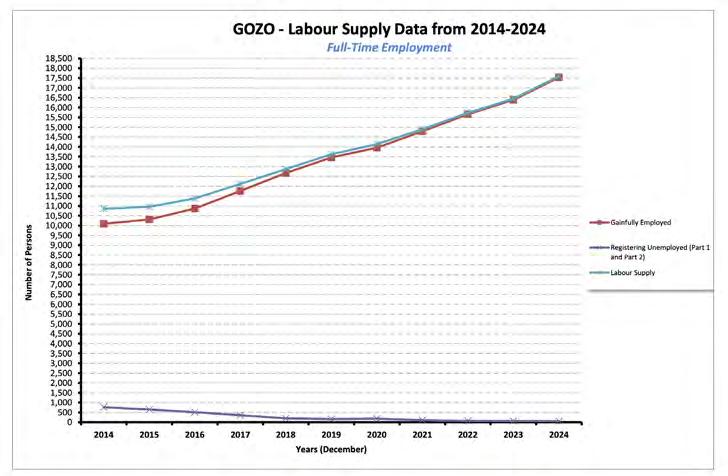
Full-time employment increased by 74% over the period under review, whilst jobseekers registered with Jobsplus decreased by 92%. Hence the overall labour supply increased by 62%.
Full-time Employment in Gozo by Gender (2014-2024)
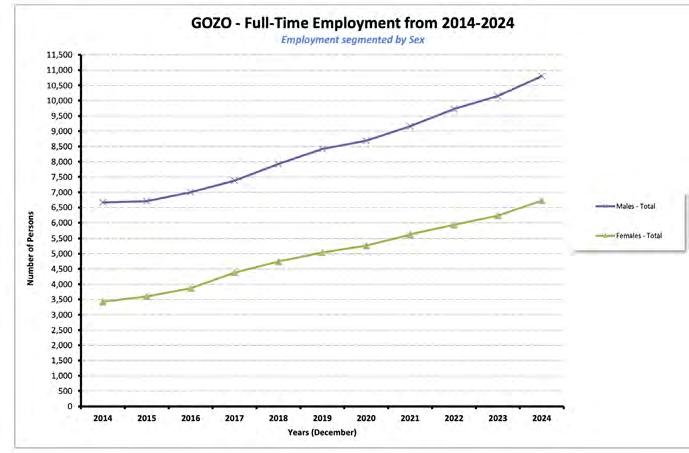
Over the period under review, the full-time employment share of males decreased from 66% to 62%, whilst that of females increased from 34% to 38%.
Full-Time Employment by Gender and Age Cohorts
(2014-2024)
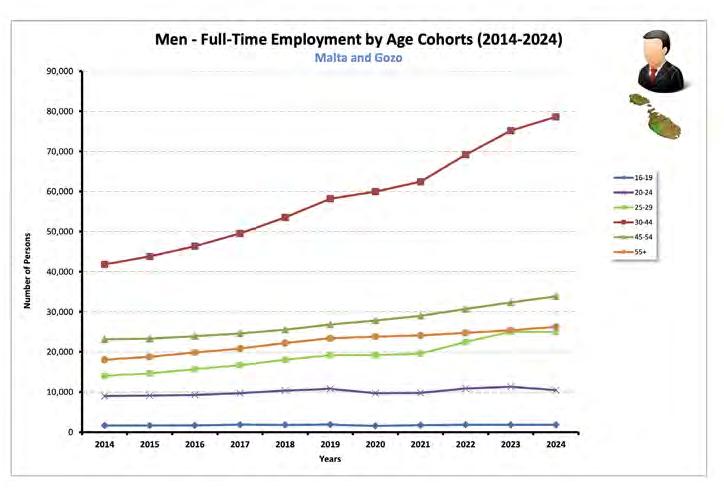
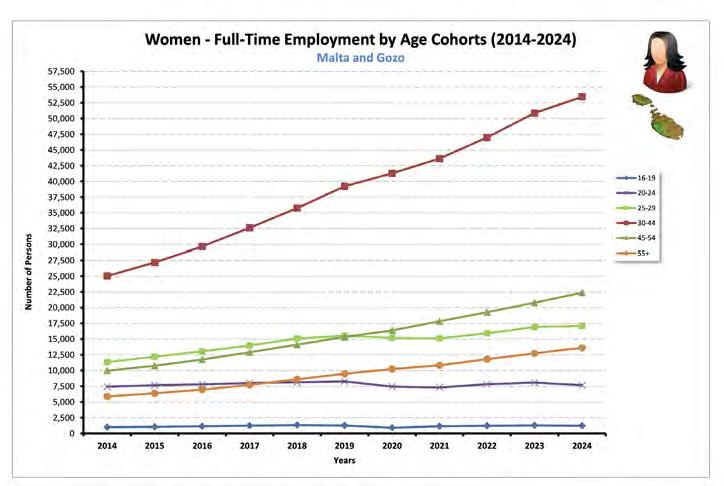
When observing the data for full-time employment by gender and age cohorts, one can notice that the largest change was experienced with the female population, in particular having more an increase in those women aged 55 years and over, those aged 45-54 years and then those aged 30-44 years. With regard to the male population, the largest increase was registered in those aged 30-44 years and 25-29 years.
Full-Time Employment as at end November 2025
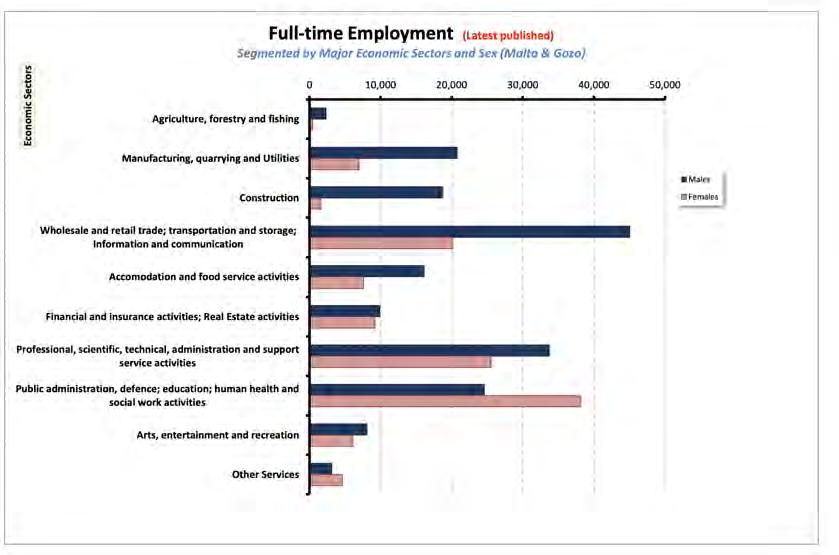
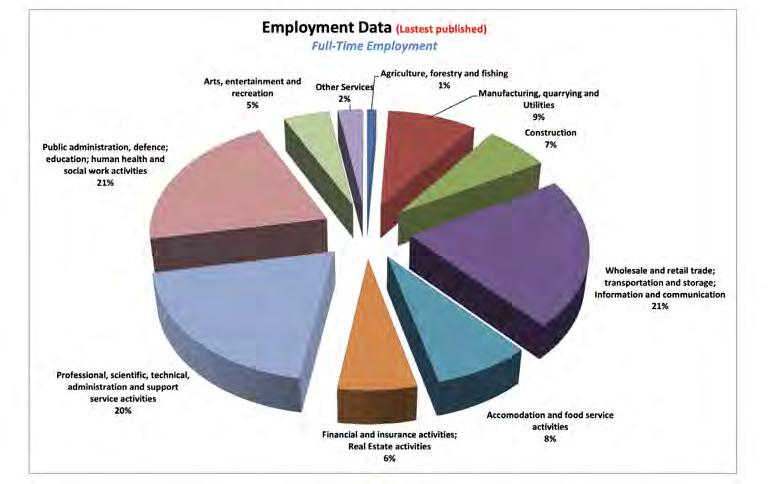
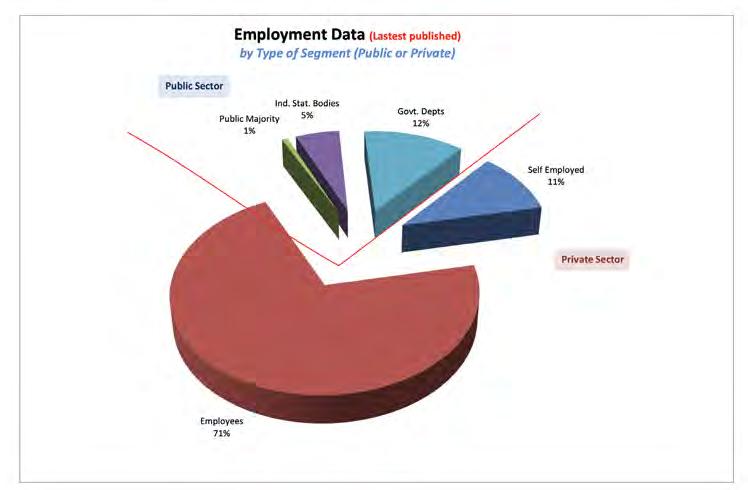
Full-time employment as at end November 2025 stood at 303,070 persons - 284,724 employed in Malta and 18,346 employed in Gozo. 82% of full employment is recruited by the Private sector while the remaining 18% are recruited in the Public Sector. The total number of self-employed persons have an 10.6% share of full-time employment. The largest share of employment (21.5%) is recruited within the Wholesale and Retail; transportation and storage; information and Communication, followed closely by the Public Administration, Defence; Education; Human Health and Social Work activities sector at 20.7% and by the Professional, scientific, technical, administration and support service activities sector at 20%.


Part-Time Employment
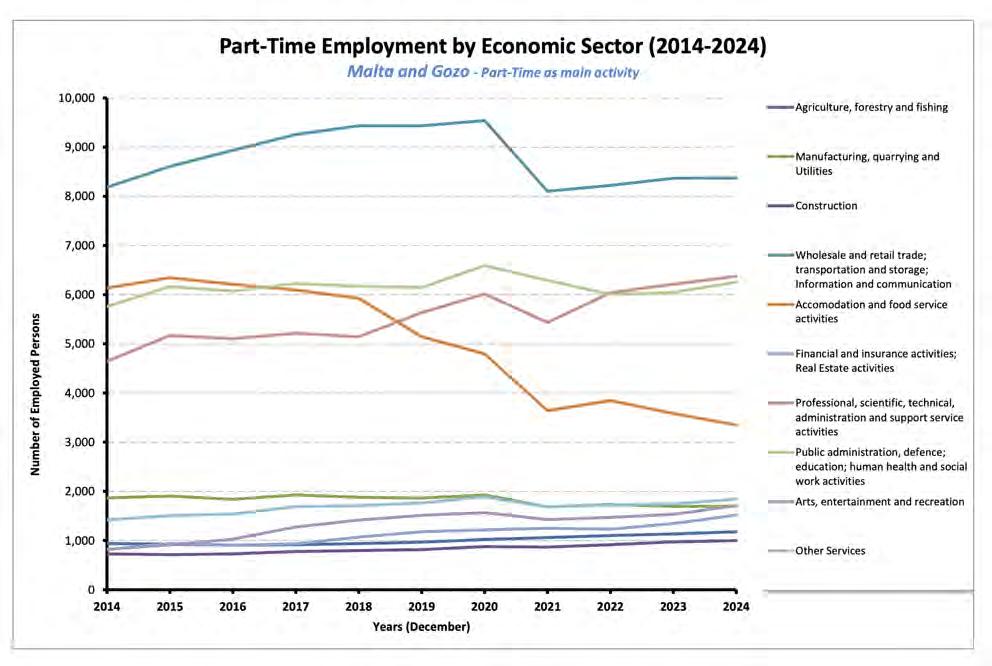
Part-time Employment by Economic Sector (2014-2024)
Part-Time employment increased by 6% over the period under review. The percentage change increase was mostly in the following sectors: Arts, Entertainment and Recreation sector, followed by the Financial and Insurance activities and Real Estate activities sector. There was a decrease in the Accommodation and food services activities sector.

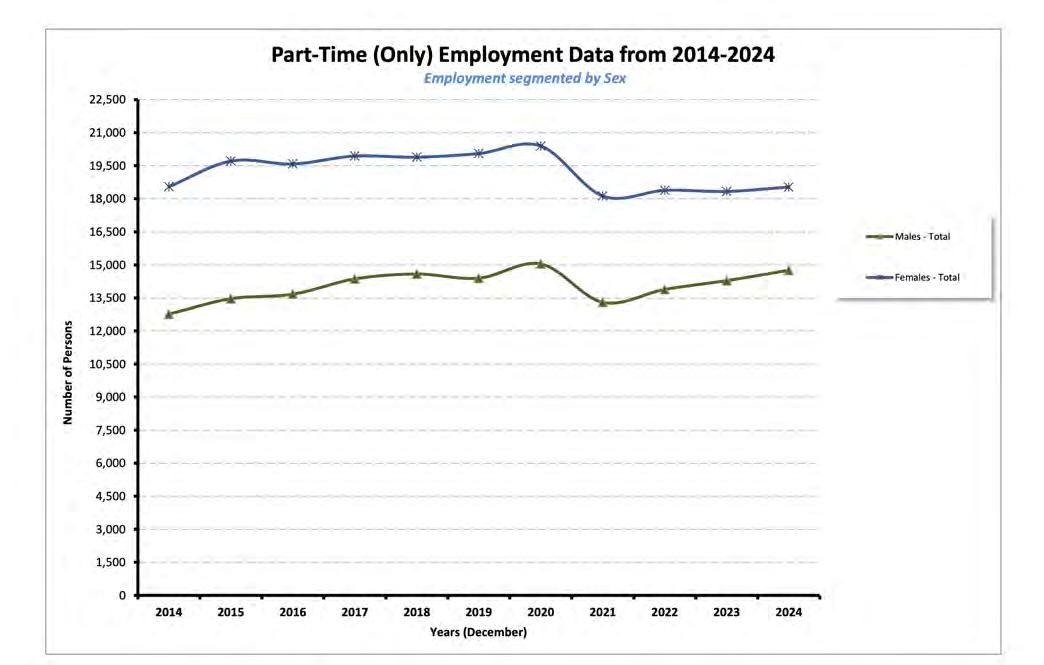
Part-time segmentedEmployment by Gender
(2014-2024)
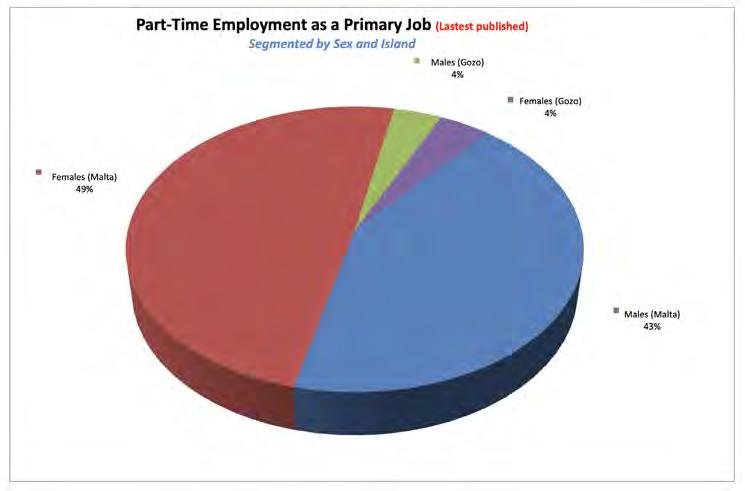
Over the period under review, part-time employment share of males increased from 41% to 45%, whilst that of females decreased from 59% to 55%.
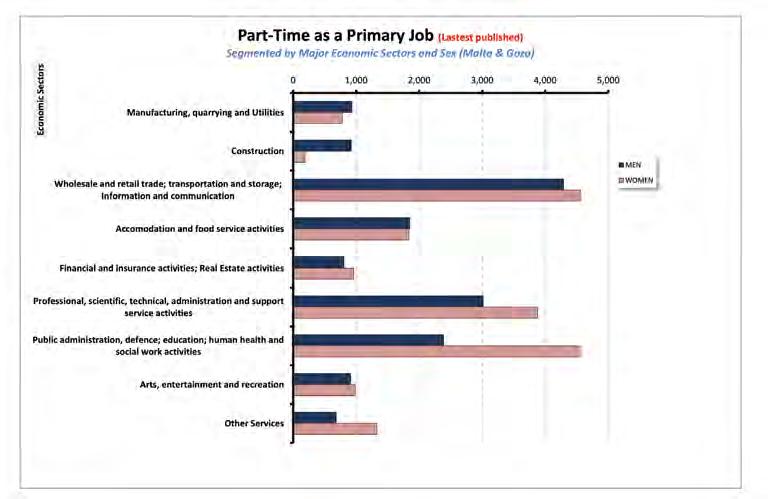
Part-Time Employment (as a primary job) as at end November 2025
Part-time employment (as a primary job) as at end November 2025 stood at 36,162 persons – 33,280 employed in Malta and 2,882 employed in Gozo. The largest share of part-time employment (24.5%) is recruited within the Wholesale and Retail; Transportation and Storage; followed by 19.2% recruited in the Public administration, defence; education; human health and social work activities sector and by Professional, scientific, technical, administration and support service activities by 19.1%.
Total Employment in Malta & Gozo
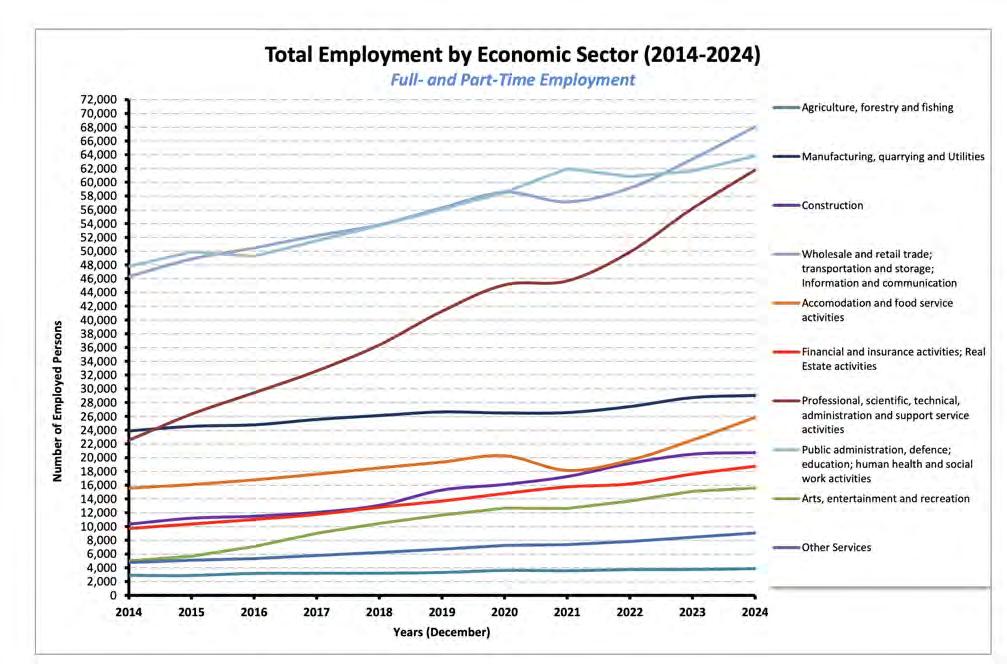
Total Employment by Economic Sector (2014-2024)
Total employment (full- and part-time) increased by 63.8% over the period under review. The percentage change increase under review was in these sectors: Arts, entertainment and recreation, followed by the Professional, scientific, technical, administration and support service activities sector and Construction.
A Snapshot of Malta's CEOs Confidence Local CEOs remain confident as geopolitical tensions take centre stage
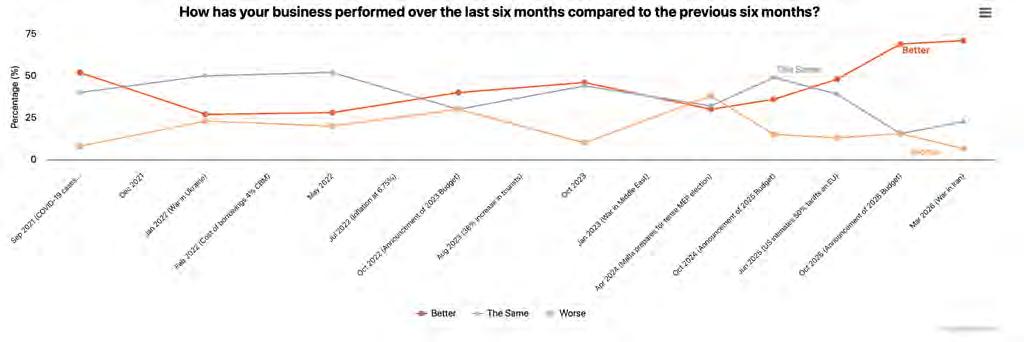
The latest PricewaterhouseCoopers (PwC) CEO Confidence Tracker results reveal a strengthening business performance. 71% of CEOs reported improved performance over the past six months compared to the previous period, while 22.6% experienced stable results and only 6.5% noted a decline. The PwC CEO Confidence Tracker, featuring responses from over 30 CEOs, provides a snapshot of how Malta's business leaders perceive recent performance, their outlook, and the potential impact of the escalating Middle East conflict on their operations. This continues, and slightly improves upon, the results from the previous edition (November 2025), where 69% reported better performance. Notably, the share of CEOs reporting a decline has more than halved, dropping from 15% in November to just 6.5% now. This suggests that the economic resilience observed across key sectors is not only holding but broadening, with fewer businesses experiencing downturns.
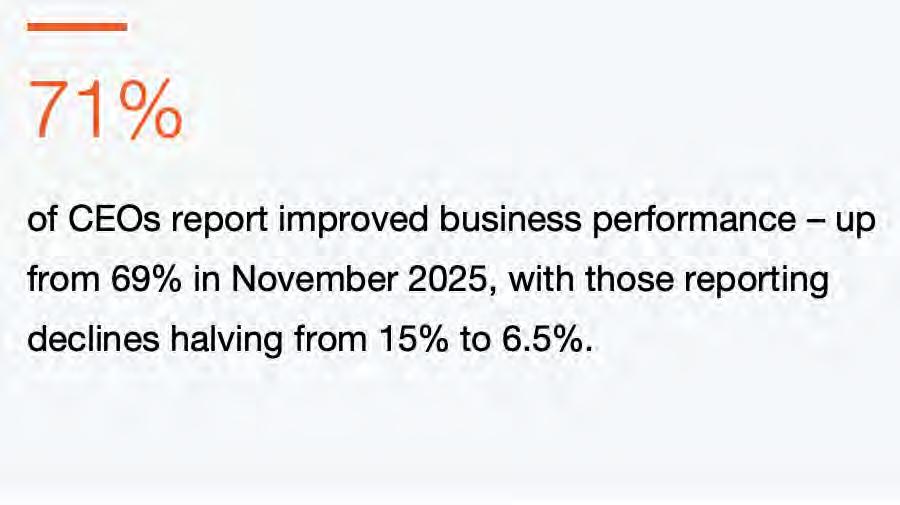
Our latest tracker results reveal a strengthening business performance. 71% of CEOs reported improved performance over the past six months compared to the previous period, while 22.6% experienced stable results and only 6.5% noted a decline. This continues, and slightly improves upon, the results from the previous edition (November 2025), where 69% reported better performance. Notably, the share of CEOs reporting a decline has more than halved, dropping from 15% in November to just 6.5% now. This suggests that the economic resilience observed across key sectors is not only holding but broadening, with fewer businesses experiencing downturns.
Business performance

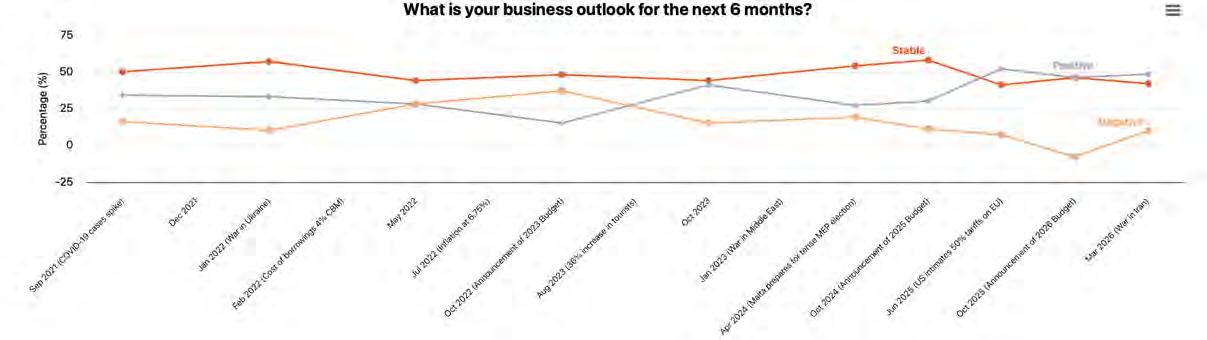
Looking ahead, business leaders remain cautiously optimistic.
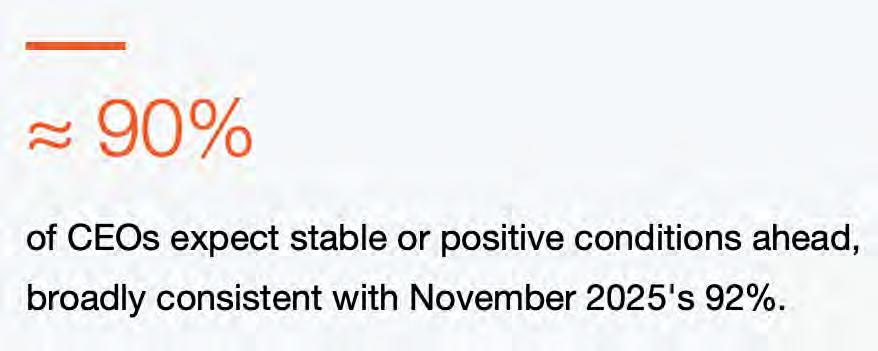
48.4% of CEOs expect conditions to be positive over the next six months, while 41.9% anticipate stability. This means that approximately 90% of CEOs expect conditions to at least hold steady. Only 9.7% foresee a negative outlook.
This aligns broadly with the November 2025 results, where 92% of CEOs expected stable or improving conditions. The slight dip in combined optimism (from 92% to ~90%) is marginal and likely reflects a natural recalibration as CEOs consider evolving geopolitical developments and global trade uncertainty, including ongoing tariff tensions and supply chain pressures, rather than any fundamental shift in domestic confidence.
An outlook on the economy

The impact of the Middle East conflict
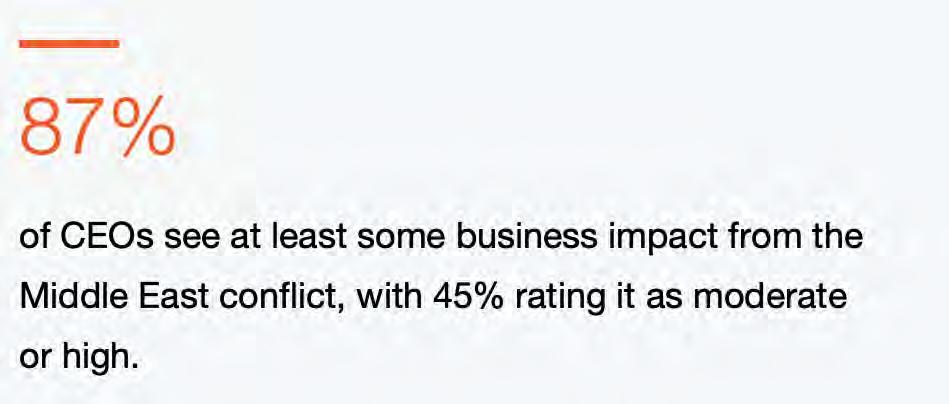
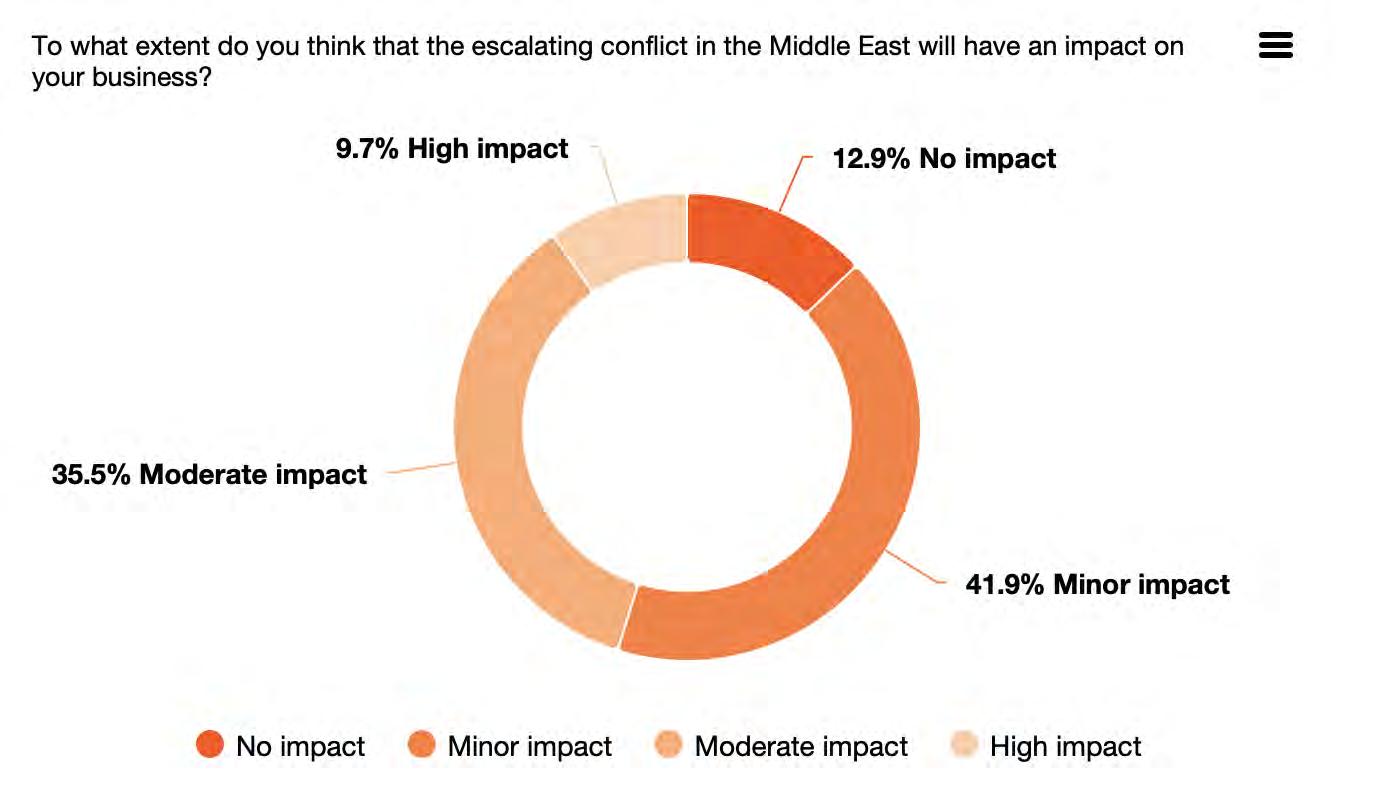
In this edition, CEOs were asked about the extent to which the escalating conflict in the Middle East could impact their business. The results reveal a measured but notable level of concern.
87.1% of CEOs believe the Middle East conflict will have at least some effect on their business. This is a significant figure that underscores the interconnected nature of Malta's economy with global trade routes, energy markets, and supply chains.

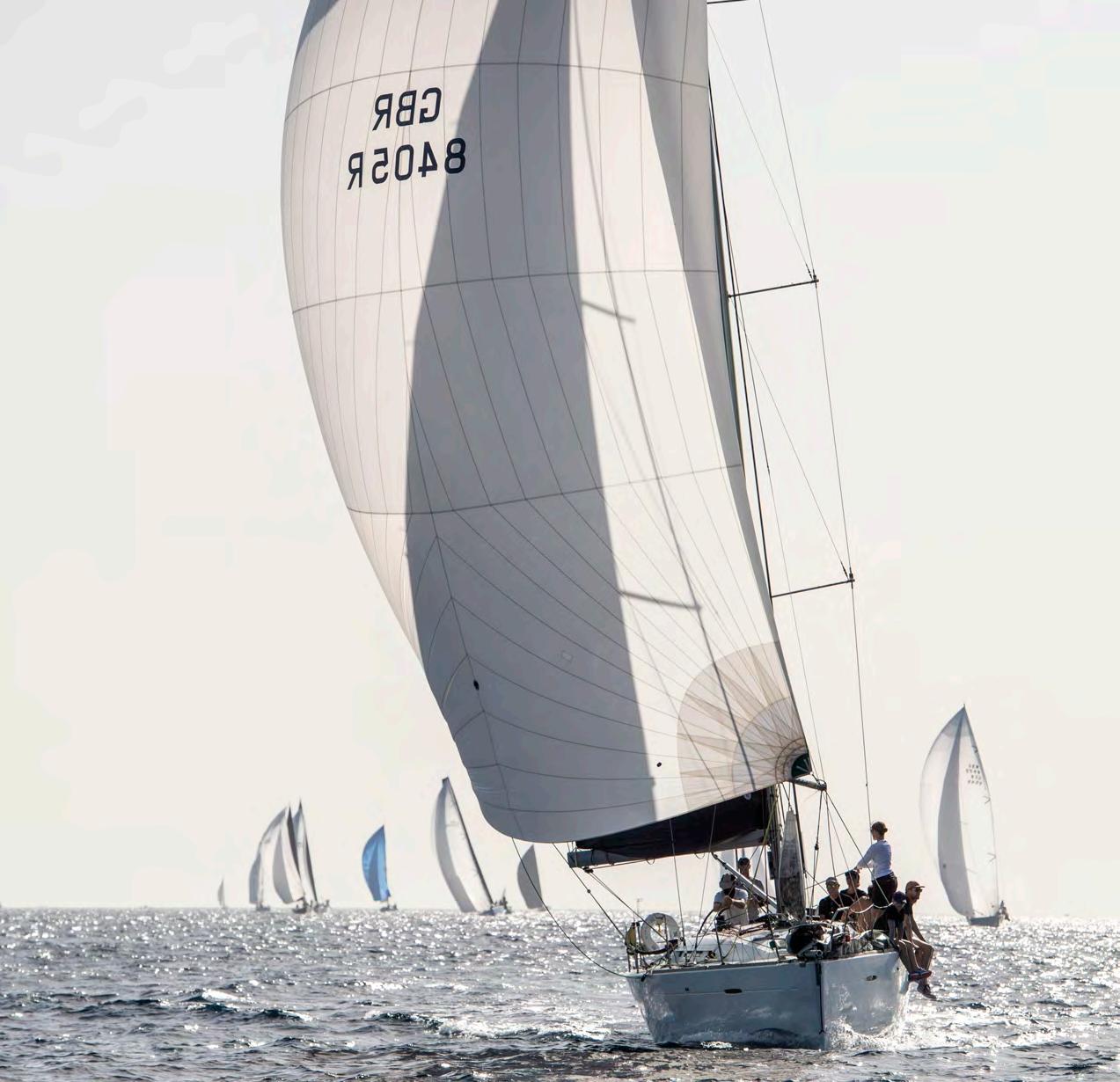
Yachting Malta Profile
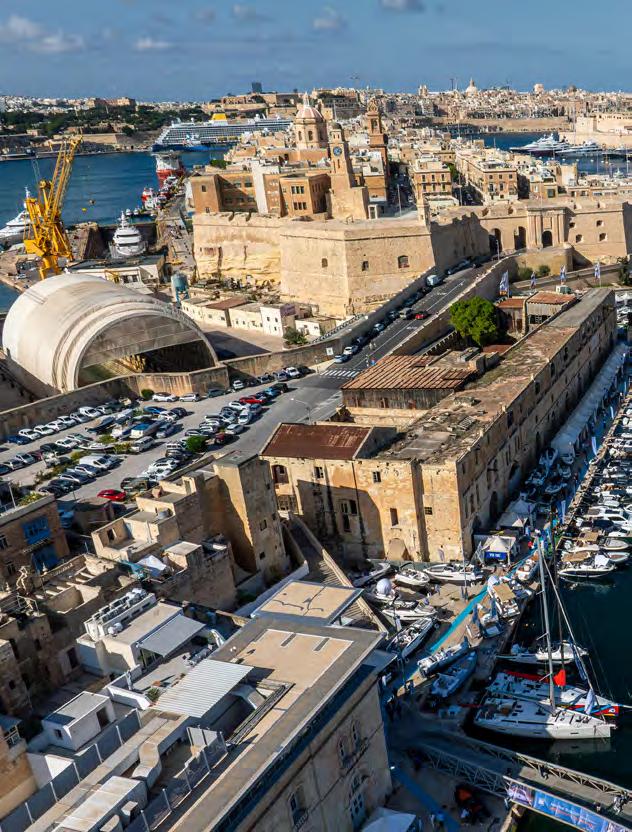
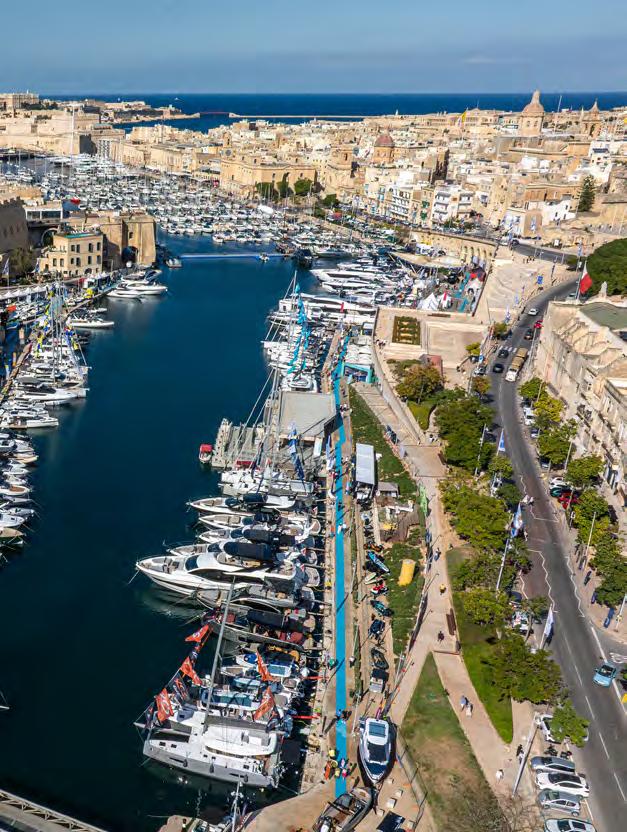
Established in 2015, Yachting Malta is a public–private partnership between the Government of Malta and the Royal Malta Yacht Club, dedicated to advancing Malta's position as a leading Mediterranean yachting hub. Officially the smallest government entity in Malta, the organisation operates with a lean, agile structure that allows it to punch well above its weight— delivering an outsized impact relative to its size. It promotes Malta's global visibility through a consistent presence at major international boat shows and by attracting and delivering highprofile sailing and yachting events, including the Malta Boat Show, launched in 2024. Working closely with stakeholders across tourism, maritime services, education and the private sector, Yachting Malta fosters a cohesive, sustainable and internationally competitive yachting ecosystem that spans sailing, leisure boating, superyachts and associated marine services. In line with national strategies focused on quality tourism and the blue economy, the organisation supports initiatives that strengthen infrastructure, service standards, skills development and youth participation in sailing— reinforcing Malta's reputation as a safe, reliable and attractive yachting destination. For further information please visit - www.yachtingmalta.org
Above the Waves
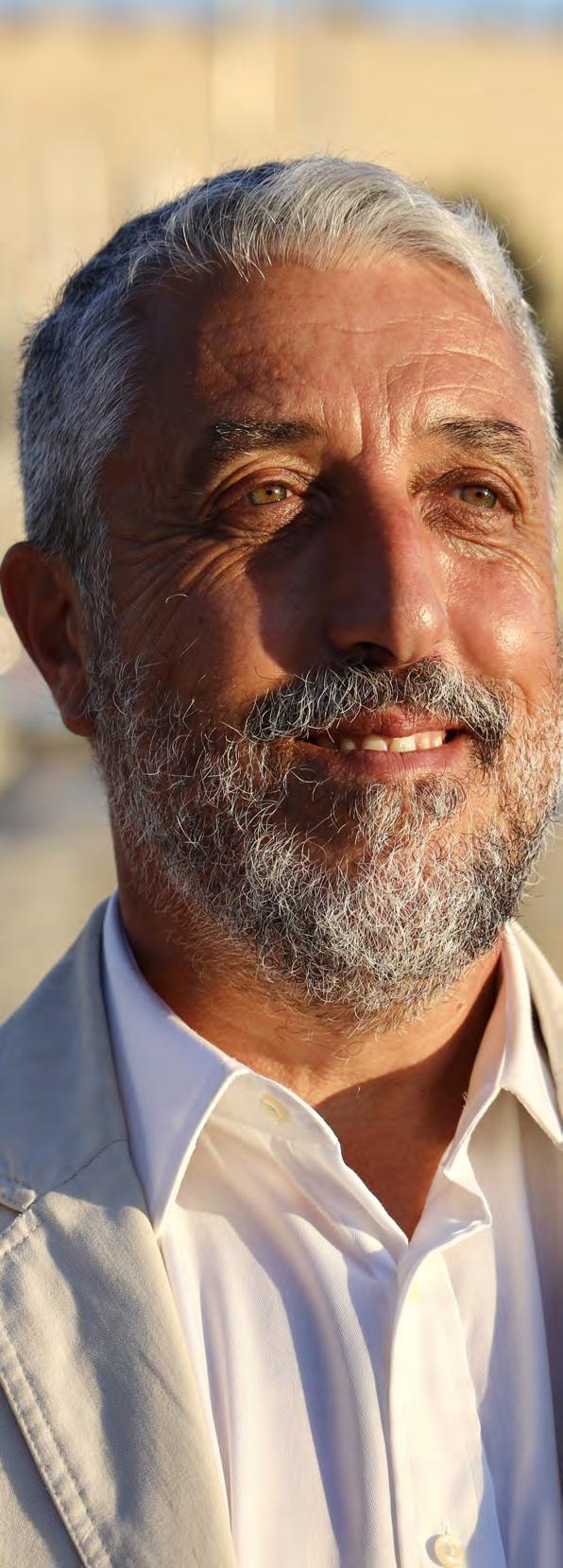
Interview with MICHAEL MIFSUDChief Executive Officer at Yachting Malta Ltd
Michael Mifsud is CEO of Yachting Malta Ltd and President of the Malta Sailing Federation. A lifelong sailor — converted to the sport after a first trial sail at the Vikings Sailing Club in 1988 — he competed through the dinghy ranks before moving on to keelboats and offshore racing, and bought his first keelboat in 2002. He served for many years as Honorary Secretary of the Malta Cruising Club. In 2013 he was elected a director of Creek Developments PLC, operators of Malta's largest yacht marina, and in 2017 was appointed board secretary to Malta Marittima. He was elected President of the Malta Sailing Federation in 2018 and appointed CEO of Yachting Malta in 2019. Yachting Malta, a joint venture between the Government of Malta and the Royal Malta Yacht Club, is the national entity responsible for promoting Malta as an international yachting and sport-sailing destination.
Internationally, Mifsud sits on the International Regulations Commission of World Sailing and represents World Sailing at IMO meetings of the Maritime Safety Committee and the Sub-Committee on Navigation, Communications and Search & Rescue. In 2025 he was elected Vice President of Eurosaf. He was most recently a consultative voice in the drafting of Malta's New Superyacht Policy.
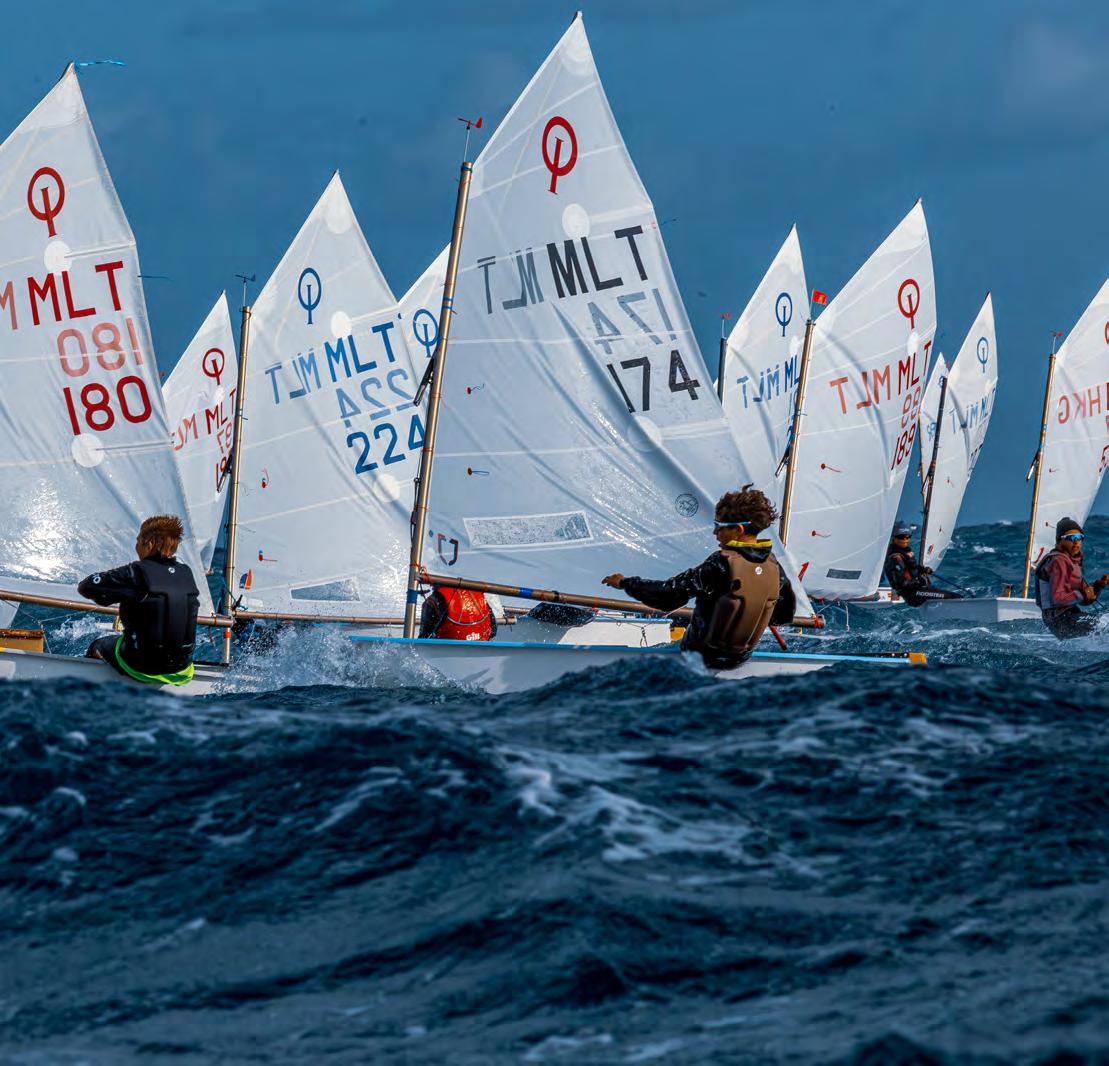
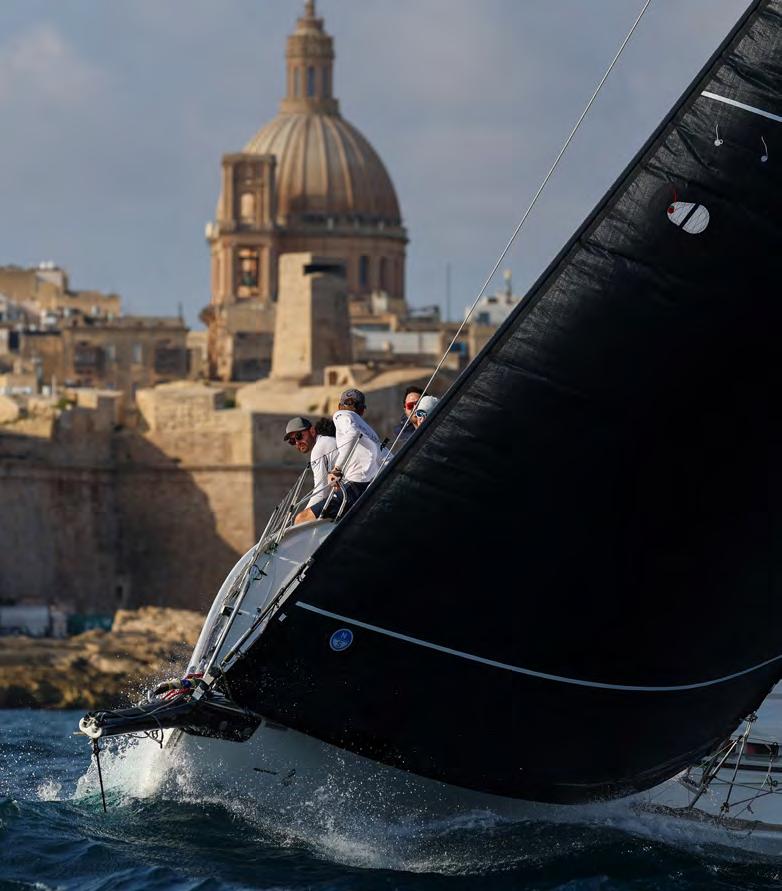

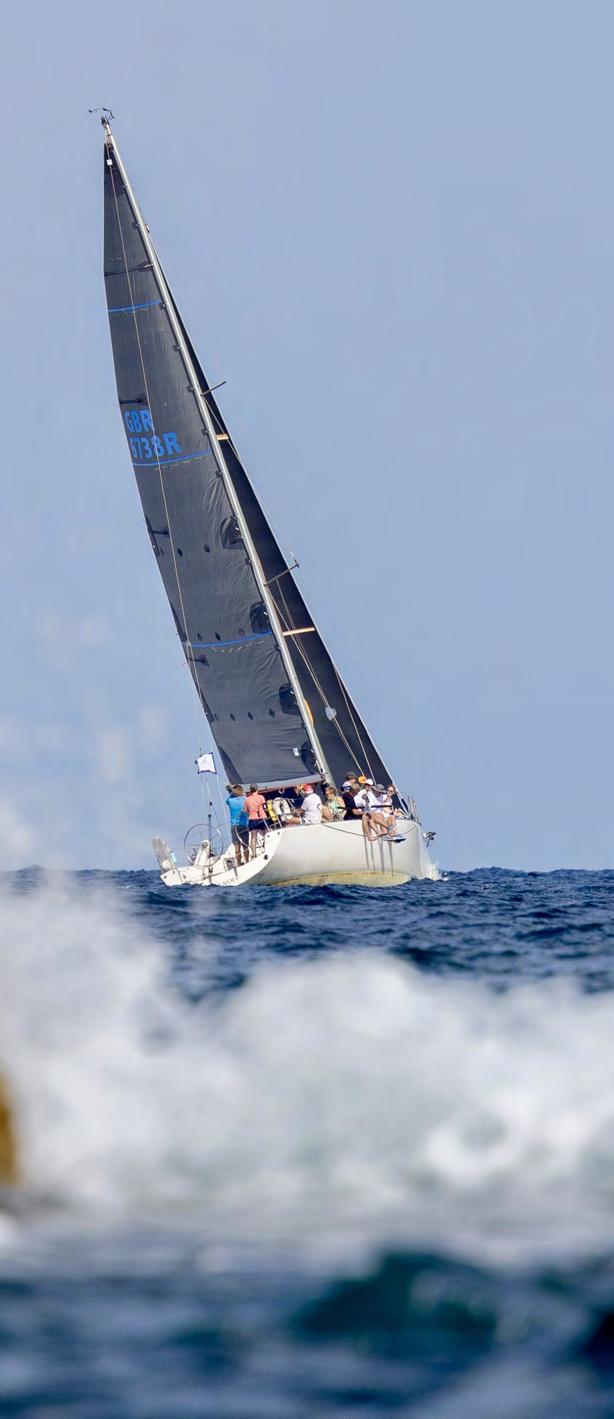
Since its inception, Yachting Malta has become a force to be reckoned with. It has, in a relatively short period of time, fostered stronger relationships with its stakeholders and established the island as a destination of excellence for Yachting not only from a destination perspective but also as an enabler and facilitator for local industry to internationalise.
Michael Mifsud gives us insight into the role of Yachting Malta and how it evolved over the years.
Can you explain to us the role of Yachting Malta with regards to the industry?
Yachting Malta plays a strategic role in promoting and supporting the development of Malta’s yachting industry locally and internationally.
Established as a public–private partnership between the Government of Malta and the Royal Malta Yacht Club, it works to position Malta as a Mediterranean yachting hub. Its role includes attracting international sailing and maritime events, promoting Malta at major industry boat shows, and fostering collaboration among key stakeholders across tourism, maritime services, and the yachting sector.
How has Yachting Malta’s role evolved since its inception? Since its establishment in 2015, Yachting Malta has expanded its role alongside the growth of the local yachting sector.
Initially focused on attracting international sailing events by leveraging Malta’s strategic location and favourable sailing conditions, the organisation successfully brought prestigious competitions such as the RC44 Valletta Cup, the ORC European Championships, the EurILCA Europa Cup and the EurILCA Masters Series to the islands, while also hosting the Yacht Racing Forum.
Over time, its remit broadened. Today the organisation plays a wider strategic role, strengthening relationships across the industry and bringing stakeholders together to promote a coordinated and holistic approach to the development of yachting in Malta.
Is it fair to say that Yachting Malta is punching above its weight?
Yes — particularly when considering Malta’s size. Through the work of Yachting Malta, Malta has secured a strong presence on the international sailing calendar, hosting respected events such as the RC44 Valletta Cup, the ORC European Championships and the EurILCA Europa Cup, as well as industry gatherings like the Yacht Racing Forum.
Malta’s compact geography, excellent sailing conditions and strong collaboration between public and private
stakeholders allow the country to deliver high-quality events and services efficiently. This coordinated approach has enabled Malta to establish itself as a respected player within the Mediterranean yachting landscape.
What are Yachting Malta’s efforts to continue promoting Malta as a yachting destination?
Yachting Malta continues to strengthen Malta’s international visibility through strategic outreach and partnerships.
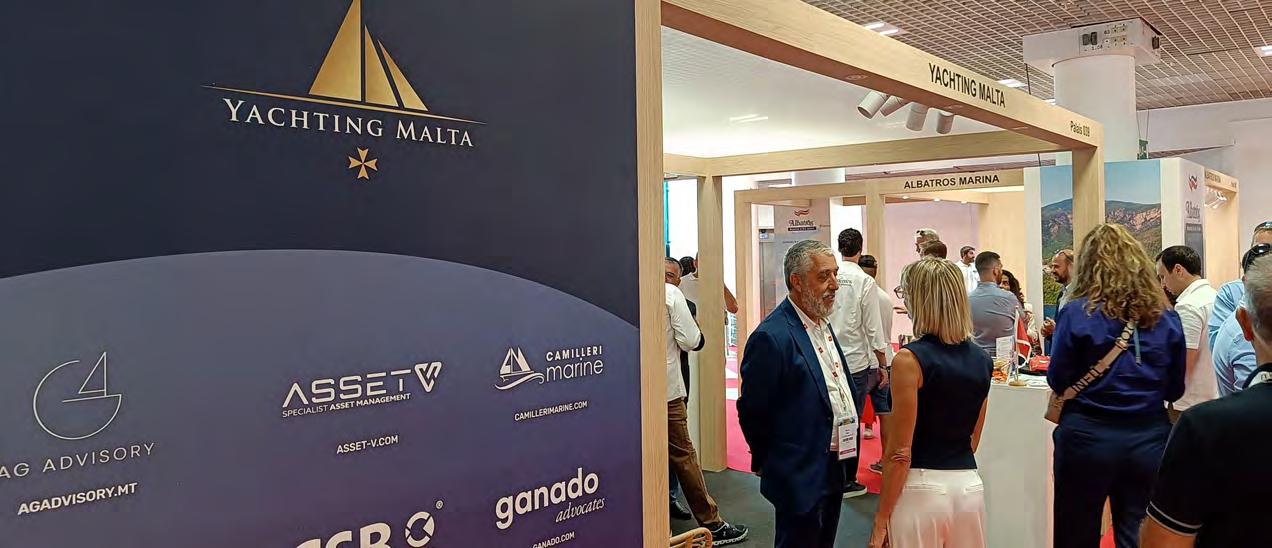
The organisation maintains a consistent presence at major international boat shows including the Boot Düsseldorf, the Palma International Boat Show, the Cannes Yachting Festival, the Monaco Yacht Show and the Dubai International Boat Show.
At these events, Malta is promoted through a collaborative approach involving stakeholders such as Visit Malta, Transport Malta, the Malta Superyacht Industry Network and the Malta Ship Registry, presenting a comprehensive offering covering tourism, infrastructure, and maritime services.
At the same time, international exposure generated through events such as the Rolex Middle Sea Race and the continued development of the Malta Boat Show further strengthen Malta’s profile within the global yachting community.
It has often been noted that yachting and luxury travel go hand in hand. How can yachting be one of the primary industries focusing on luxury tourism in Malta?
Yachting Malta recognises the strong link between yachting and luxury travel and works to strengthen Malta’s position within this sector.
In collaboration with the Malta Superyacht Industry Network, efforts focus on promoting a comprehensive superyacht offering that includes quality marinas, reliable winter berthing, well-equipped chandleries and shipyards with skilled personnel.
Partnerships with institutions such as MaritimeMT and MCAST also support education and training pathways, helping ensure that Malta continues to provide the expertise required by the luxury yachting sector.
What do you feel are the biggest challenges for the industry in the coming months?
One of the key challenges facing the yachting industry is the current geopolitical uncertainty in parts of the wider Mediterranean region. Tensions in the Middle East can influence travel patterns, insurance considerations and routing decisions for yachts.
At the same time, this highlights Malta’s strengths as a stable and reliable maritime jurisdiction. The islands continue to be recognised as a safe and neutral harbour, positioning Malta as a dependable service hub for yachts operating in the Mediterranean.
For Yachting Malta and the wider industry, the
focus remains on maintaining strong international engagement, high service standards and continued investment in skills and infrastructure to remain competitive.
Malta Tourism Strategy 2021 - 2030 as well as Vision 2050 stress on the need to focus on quality tourism. What actions is Yachting Malta taking to ensure Yachting Malta can play a key role in reaching the government’s vision and the tourism strategy’s objectives?
Both documents emphasise the importance of shifting towards higher-value, quality tourism, focusing on sustainability, visitor experience and stronger economic returns.
Yachting Malta contributes to this vision by promoting Malta as a premium maritime and yachting destination, attracting international sailing events and visitors who generate significant tourism value and which help position Malta on the global sailing calendar while bringing athletes, teams and visitors to the islands.
At the same time, the organisation promotes Malta internationally through its presence at major boat shows and through collaboration with industry stakeholders to support Malta’s strategy of developing a sustainable, high-quality tourism sector centred on the blue economy and maritime activities.
What’s next for Yachting Malta?
Yachting Malta will continue to work towards strengthening the collaboration with local industry stakeholders while increasing Malta’s international visibility as a yachting destination.
A key focus will also be the continued growth and international promotion of the Malta Boat Show, with the aim of attracting more international exhibitors and further establishing the event within the Mediterranean boating calendar.
MDIA Profile
The MDIA’s mission is to regulate and enable secure digital innovation through a proactive, trustworthy and strategically guided approach. The Authority works to foster trust and to enable the uptake of innovative technologies. It is the main regulator for artificial intelligence, data and cybersecurity aspects of products with digital elements. The MDIA is Malta’s National Cybersecurity Certification Authority and spearheads the National AI Strategy and Vision and Malta’s competence centre for high performance computing. The Authority operates an AI Factory Antenna and Malta’s only publicly funded one stop shop for digitalisation, DiHubMT, which is part of the official network of European Digital Innovation Hub.
The MDIA delivers national digital skills initiatives such as the National AI literacy Programme and structured bootcamps and summer schools across Malta and Gozo, positioning Malta as the leading EU Member State for youth digital skills.
A Mission to ACCOMPLISH
Interview with Kenneth Brincat, CEO, Malta Digital & Innovation Authority
Kenneth Brincat, CEO of the Malta Digital Innovation Authority, leverages 25 years of leadership to transform Malta’s digital economy. Spearheading "MDIA 2.0," he has repositioned the Authority as a proactive catalyst for technological excellence. His leadership encompasses serving as a lead tech regulator, an enabler of digital innovation, and a national policy maker. Furthermore, Kenneth is a primary advocate for digital literacy, ensuring human-centric development that harmonizes industrial growth with societal education. By bridging the gap between policymakers, academia, and the private sector, he fosters a collaborative ecosystem that enhances national competitiveness while safeguarding Malta's digital interests.
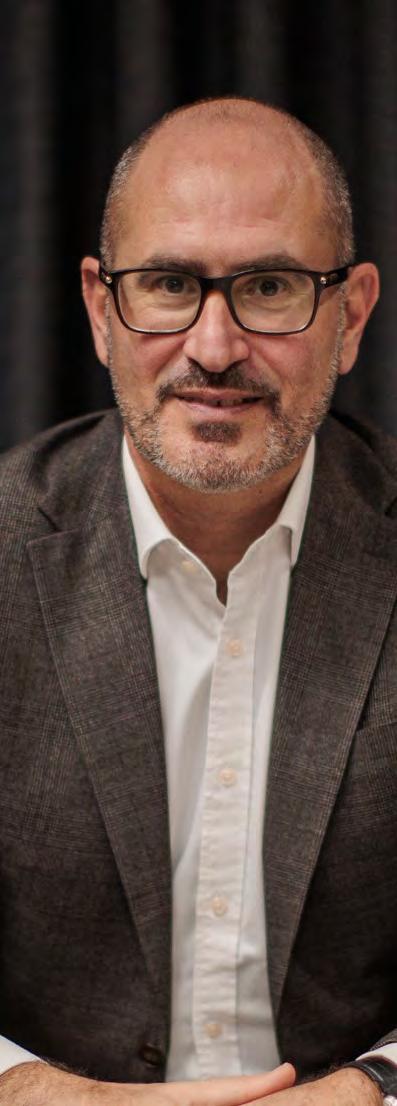
When Kenneth Brincat took the helm at Malta’s main strategic entity on technology, the Malta Digital Innovation Authority (MDIA), the digital world was entering a new era driven by the COVID-19 pandemic. A historical event which sped up digital transformation, increasing the need for tech assurance. The shift to a new sector and the challenges it brought to the table did not deter Kenneth from implementing the necessary decisions to build upon the significant success the MDIA had already achieved.
After five years at the helm, Kenneth Brincat gives us insight into his role as CEO of the Malta Digital Innovation Authority, his vision and what’s next for MDIA.
You were appointed as CEO back in 2021 and have since successfully led MDIA toward taking more action and having more impact on the country’s economy. What are your priorities as CEO of the MDIA, and what kind of vision do you have for Malta’s tech industry in the next five to ten years?
Since my appointment in 2021, my focus has been on transitioning MDIA from a purely voluntary certification authority to a fully-fledged regulator and an active enabler of economic growth. In fact, my consistent portrayal of the MDIA has been as a "bridge" between regulation and economic vitality, and therefore my priority remains transforming the MDIA into a proactive enabler that fosters trust in innovation. My vision for Malta’s tech industry for the next decade is the transition from adopting tools to building a "Digital State by Design," as outlined in Malta Vision 2050, where technology is built into the country's DNA to improve the quality of life for every citizen.
What is digital innovation?
Digital innovation is the use of technology to create new or improved services, products, and ways of working that deliver real value to people and businesses. It is not just about adopting technology, but about rethinking how problems are solved and how services are delivered. Importantly, digital innovation is not just a technological shift but also an organisational and cultural transformation. Successful digital innovators adopt new processes, encourage experimentation, and build ecosystems that connect industry, government, research, and society.
To give a practical example of digital innovation, is the use of AI in healthcare to assist doctors in diagnosing diseases earlier and improving patient outcomes. By combining data, computing power, and human expertise, digital innovation can transform how services are delivered while making them more personalised, efficient, and accessible.
What context does the MDIA operate in? Why is Malta an attractive place for a strong tech industry and what
specific sectors is it cultivating?
The MDIA operates within a highly dynamic and increasingly complex European regulatory environment. As digital technologies evolve, we have transitioned from a specialised focus on Distributed Ledger Technologies to a much broader remit that encompasses trust and promotion of emerging digital technologies more generally. Our work is now defined by pivotal EU-wide frameworks such as the AI Act, the Data Act, the Data Governance Act, the Cybersecurity Act, the Cyber Resilience Act, and eIDAS 2.0. In this context, the MDIA serves a multidimensional role: acting as a bridge between government policy and industry, a technical advisor, and a regulator that ensures user protection without stifling the creative pulse of innovation.
Malta is an exceptionally attractive jurisdiction for the tech industry due to our "Digital State by Design" approach. We offer a unique combination of European Union market access and an agile, pro-business regulatory environment that provides the "peace of mind" investors require. Furthermore, Malta's attractiveness as a global tech hub is evidenced by a significant surge in investor confidence and leading digital performance benchmarks. According to the 2025 EY Attractiveness Survey, investor confidence has seen a remarkable rebound, with 79% of foreign investors now viewing Malta as an attractive destination. This sentiment is further validated by the 2025 Digital Decade Country Report, which ranks Malta first in the EU for youth digital proficiency at 96%. Enterprise modernisation is equally robust; Eurostat and Digital Decade data confirm that 81.3% of local businesses have reached basic digital adoption, while 74.87% utilise paid cloud services, positioning Malta as a standout leader in cloud integration.
Leveraging this strong foundation, the Authority is actively cultivating specific sectors, such as Data, Cybersecurity and AI. To support this, we have established specialised regulatory units within the MDIA to ensure oversight and trust for these three sectors, complemented by DiHubMT, which serves as a onestop-shop providing startups with technical resources and high-performance computing. Furthermore, we are expanding our horizons into Quantum Technology, with a dedicated new unit set to be established within the Authority in the coming months to drive this emerging sector forward.
In a recent interview, you noted: “to attract investment, every country wants to be the ‘first’ – however, being the first does not make you the best.” How has Malta through its diligent and robust regulatory framework stood out in such a busy crowd?
While I maintain that being the "best" is our ultimate target, I also recognize that being the "first" provides a unique leverage and a distinct competitive advantage.
Malta capitalised on this early by becoming a pioneer in the regulatory aspect, when in 2018 established a dedicated technology regulator through the MDIA and introduced the Virtual Financial Assets (VFA) framework. We continued this momentum by being the first to publish the legal provisions of the EU AI Act in our national laws and by introducing a versatile Technology Sandbox for both AI and Blockchain. In these instances, being first placed us in a position to lead the conversation and refine our policies and strategies. However, the true objective is to translate that initial advantage into long-term excellence. Malta stands out with an agile approach based on being "reliable" and "knowledgeable". The goal is not just to lead for a moment, but to maintain that momentum to ensure Malta is viewed globally as a high-reputation, secure jurisdiction for investment. That is our primary target: building a legacy of trust that makes Malta the natural choice for quality-driven innovators.
Innovation is a crucial part of the Authority’s remit. What are the main new trends and phenomena in innovative development that are best suited to Malta?
Innovation at the MDIA is not about adopting the newest gadgets, but it is about identifying specific technological phenomena where Malta’s unique agility and regulatory foresight can provide a global edge. We are currently focusing on trends that demand highlevel technological assurance and ethical oversight, such as Trustworthy AI, which ensures that systems are secure, transparent, and human-centric. Malta Vision 2050 identifies Trustworthy AI as a critical accelerator for the nation’s long-term prosperity, transitioning us toward a "Digital State by Design" where technology serves to enhance societal well-being and inclusive growth.
Beyond AI, we are heavily investing in HighPerformance Computing through DiHubMT to support data-heavy innovation in fields like transport, health and FinTech, while actively exploring the frontiers of Quantum Technology. A key milestone in this journey is our participation in the AI Factory Antenna, Calypso, which further strengthens our infrastructure and positions Malta as a specialised hub for high-end computational research. Our approach centres on "human-centered innovation," where progress is measured by its impact on societal wellbeing and digital ethics, ensuring that our technological leaps contribute directly to the quality of life for all residents
What benefits can prospective investors in the innovation space expect when setting up in Malta?
Prospective investors entering Malta’s innovation space can expect a comprehensive and mature ecosystem designed to de-risk high-tech ventures while accelerating market entry. At the heart of this support

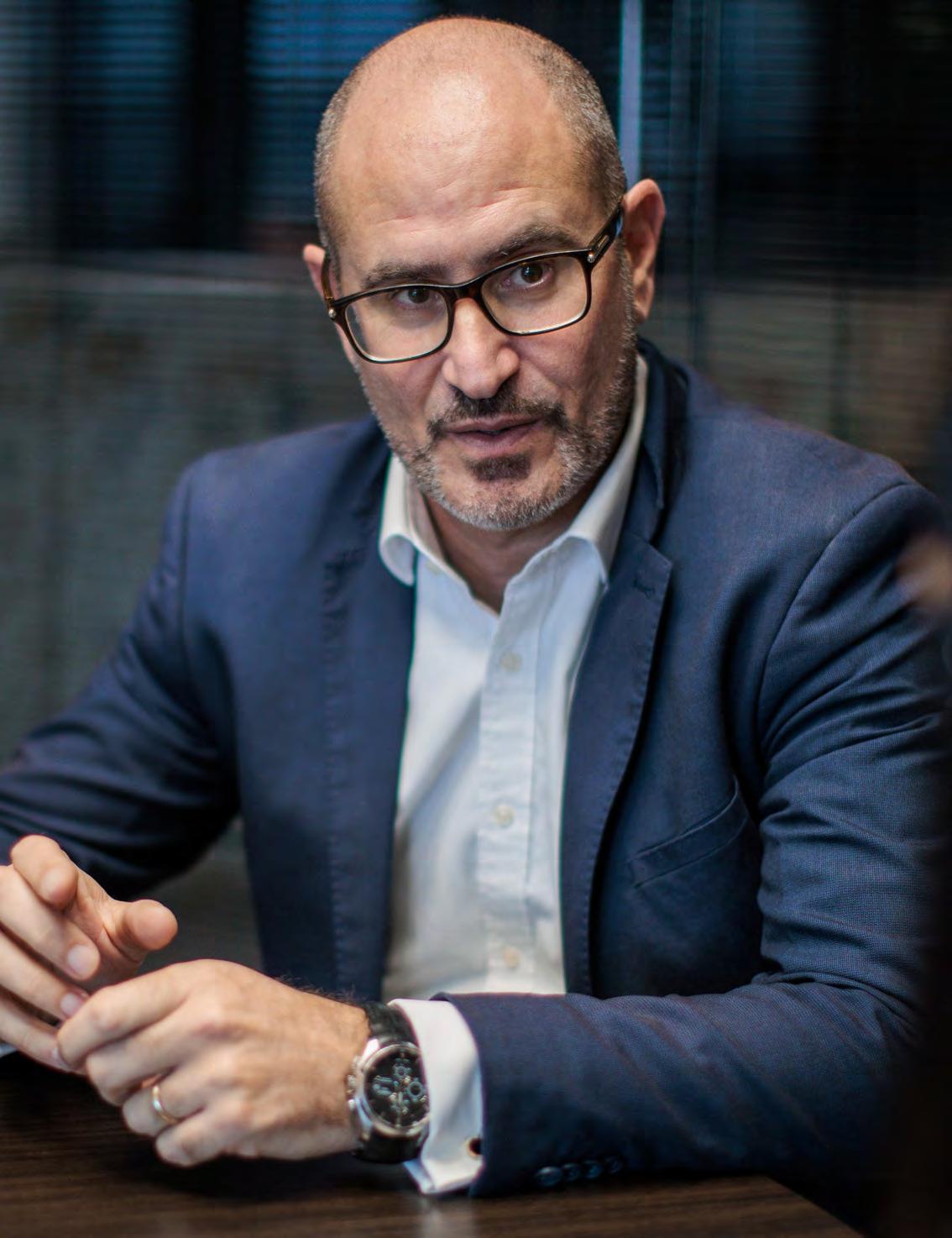
structure is DiHubMT, which serves as a specialised one-stop-shop providing startups with direct access to critical technical resources, specialised training, and the computational power necessary to scale complex solutions. This is further strengthened by our Sandbox, which offers a safe environment for innovators to test and refine their products under the expert guidance of the Authority and recognised experts. This collaborative oversight ensures that emerging technologies meet rigorous standards before full-scale deployment. Beyond technical and regulatory support, setting up in Malta provides investors with unparalleled global connectivity. By joining our ecosystem, stakeholders are seamlessly integrated into international networks that bridge the gap between local talent and EU-level resources.
Malta Vision 2050 positions AI as a driver of sustainable growth and societal progress for our country. What additional roles and responsibilities does such a vision assign to MDIA?
Malta Vision 2050 positions artificial intelligence not only as a technological opportunity but as a strategic driver of sustainable economic growth and societal progress. Within this context, the role of the Malta Digital Innovation Authority becomes even more central.
Beyond its existing regulatory and assurance functions, MDIA is expected to act as a national enabler of trustworthy innovation. This means ensuring that AI systems deployed in Malta are reliable, ethical, and aligned with the established standards, while at the same time supporting organisations in adopting advanced technologies responsibly.
Vision 2050 also places greater emphasis on ecosystem building. MDIA therefore has an important role in helping Malta strengthen its capabilities in areas such as AI, high-performance computing, and emerging technologies by fostering collaboration between government, industry, academia, and startups. Ultimately, MDIA’s responsibility is to help ensure that technological progress translates into tangible benefits for citizens and businesses, by supporting better public services, stronger competitiveness, and a digital economy that contributes to a higher quality of life for the country.
What’s next for MDIA?
Looking ahead, the MDIA will focus on strengthening Malta’s position as a trusted and forward-looking regulator and enabler for digital innovation, translating the ambitions of Malta’s long-term vision into concrete initiatives.
From a regulatory perspective, MDIA will play a key role in supporting the national implementation of major European frameworks such as the Artificial Intelligence Act and the Cyber Resilience Act, ensuring that AI systems and digital products placed on the market are secure, trustworthy, and compliant with European standards.
At the same time, MDIA continues to act as an innovation enabler. Projects such as the establishment of the Calypso AI Antenna Factory and the next phase of the European Digital Innovation Hub (EDIH 2.0) will support businesses, startups, and public entities in experimenting with and adopting advanced technologies.
MDIA is also contributing to national digital public services initiatives, including the implementation of the European Digital Identity Wallet, which will enable citizens to access services securely and seamlessly across Europe.
Strategically, the Authority is working on the realignment and implementation of Malta’s National AI Strategy, ensuring that policy, investment, and talent development remain aligned with emerging technological trends and national priorities.
Finally, a key pillar of MDIA’s work is digital literacy whereby AI literacy is our focus. Through initiatives such as the AI for All programme, the Authority aims to strengthen AI awareness and digital skills across society, ensuring that people of all ages can confidently participate in Malta’s digital future.
Together, these initiatives reflect MDIA’s evolving role, not only as a regulator, but as a catalyst for responsible innovation that delivers real economic and societal value for Malta.
Disclosure: The responses provided are my own views and reflections. Generative AI tools were used solely to assist with drafting and language refinement. All ideas, interpretations, and the final content remain my responsibility.

Tech.mt Profile
Tech.mt, established by the Government of Malta in collaboration with the Malta Chamber of Commerce, serves as a key national entity driving the country’s vision for a strong and innovative digital economy. It was created to promote and support the National Strategy on Innovative Technology by fostering a thriving tech ecosystem built on business growth, internationalisation, talent development, and strategic industry support.
Today, Tech.mt actively empowers Malta’s technology sector by turning ambition into opportunity. It has supported over 350 businesses locally, built a network of more than 480 members, and helped more than 50 startups grow and scale. The organisation also works closely with 49 industry partners to strengthen collaboration across the ecosystem.
On an international level, Tech.mt helps position Maltese innovation on the global stage, having supported 130 businesses in expanding into six key international markets.
Malta’s Tech Ecosystem A Forward Look at
Interview with Wayne GrixtiChief Executive Officer at Tech.mt
Wayne Grixti is the Chief Executive Officer of Tech.mt, where he leads Malta’s national drive to strengthen and expand the digital and innovation ecosystem. He is responsible for steering the organisation’s strategic vision, supporting the growth of local tech businesses, and accelerating Malta’s position as a competitive hub for innovative technology.
Under his leadership, Tech.mt continues to build strong bridges between industry, government, and the startup community, fostering collaboration and enabling Maltese companies to scale internationally. His focus on business development, internationalisation, and talent growth plays a central role in shaping a more connected and globally competitive tech sector for Malta.
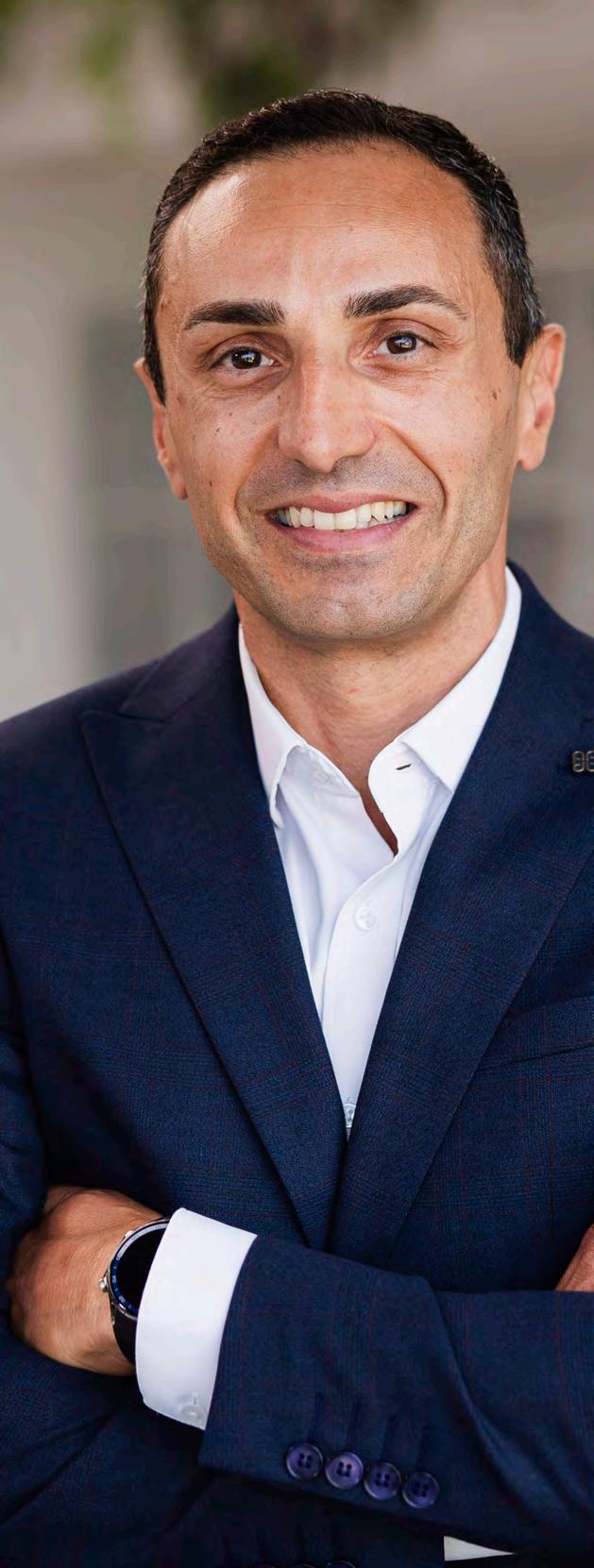
Malta’s technology industry has been steadily gaining a foothold in the international arena. Under the direction of Wayne Grixti, Tech.mt, a public-private entity provides resources, enables networking opportunities and implements initiatives to create tangible, measurable progress for Malta’s tech community.
Wayne shared with the Malta Business Profiler the remit of the foundation, its priorities and what makes the country attractive to foreign investors in such a cutthroat industry
What are your priorities for Tech.mt?
At Tech.mt, our priority is to strengthen Malta’s digital ecosystem and position the island as a leading hub for technology and innovation. This means enabling local startups and scale-ups to grow and thrive, connecting talent with opportunity, and attracting international investment that drives economic growth and job creation. In the context of Vision 2050, this priority

takes on added significance, not just in supporting growth, but in asking how Malta can translate ambition in measurable long-term impact. We focus on fostering collaboration across industry, academia, and Government to ensure that Malta’s tech sector remains agile, forward-looking, and equipped to respond to emerging trends.
You have recently noted: “Our goal was always to embrace innovation.” How has Tech.mt prioritised innovation over the past years since its inception?
Innovation has been at the heart of Tech.mt’s mission from the start. We support businesses through mentorship, strategic guidance, and access to funding, enabling them to pursue opportunities, reach new markets, and deliver tangible growth. Looking ahead, the focus is not only on supporting innovation, but on scaling it, ensuring that ideas developed in Malta can compete and lead internationally.
Through creating a culture where experimentation, collaboration, and strategic risk-taking are embraced, Tech.mt ensures that innovation is not just a concept, but a practical, results-driven force, shaping Malta’s technology ecosystem.
How is Tech.mt supporting local businesses, developing talent, and increasing Malta’s role as a connected and innovative technology hub?
Tech.mt actively supports local businesses by providing advisory services, resources, and access to networks that accelerate growth and international expansion. Through curated connections with investors, industry leaders, and global technology partners, companies gain opportunities to scale and compete on the world stage. At the same time, Tech.mt drives workforce readiness by designing programmes, initiatives, and partnerships that align education, training, and industry needs. We work to create learning environments and industry collaborations that mirror the workplaces of the future, exposing talent to AI, robotics, and collaborative digital platforms.
By connecting businesses, talent, and international networks, Tech.mt strengthens Malta’s position as a dynamic, innovation-driven technology hub. The opportunity ahead is to further deepen these connections, ensuring that Malta not only participates in global value chains, but shapes them in targeted areas of strength.
How would you measure Malta’s success over the years in the industry?
Malta’s success in the technology sector can be measured both by tangible metrics and by the vibrancy of its ecosystem. However, in the context of Vision 2050, success must also be measured by how effectively Malta converts growth into long-term strategic positioning, building sectors where it can lead, not just compete. Equally important is the health of the ecosystem itself, how local entrepreneurs thrive, talent develops, and innovation translates into solutions that drive business outcomes and societal progress.
A key example is Tech.mt’s internationalisation strategy. Between 2023 and 2025, we supported 130 local businesses and achieved a 400% increase in participation. The initiative’s success is evident in the number of returning participants to our business missions, rising investor interest, and new international collaborations. Through these efforts, Malta has generated measurable value, enhanced its global visibility, and contributed directly to innovation-driven economic growth and international competitiveness.
What makes our country attractive to foreign investors in such a cut-throat industry?
Malta’s appeal to foreign investors lies in its strategic approach to showcasing a unified, innovation-driven
ecosystem. A landmark example is the inMalta initiative, launched by Tech.mt in 2023. Before inMalta, Malta’s tech sector operated through fragmented efforts, which often limited visibility for local startups and SMEs seeking international growth. Recognising this, Tech.mt created a consolidated national platform to position Malta as a competitive, forward-looking tech destination while actively enabling local businesses to expand globally.
Through targeted international delegations, B2B matchmaking, and global exposure, we help companies establish partnerships, enhance brand recognition, and achieve measurable growth. By uniting Malta’s national strengths under a single platform, Tech.mt ensures the country remains competitive, globally connected, and well-positioned for long-term success. At the same time, the ongoing discussion is how Malta can balance attracting international investment with scaling its own homegrown innovation into global success stories.
You also recently noted: “You need to keep advancing as yesterday's innovation could already be outdated.” What needs to be done to ensure Malta’s attractiveness on the international plane?
To remain attractive internationally, Malta must continuously invest in emerging technologies and talent. The real opportunity is not only to remain competitive, but to position Malta as a focused leader in selected technology domains, where it can move faster and act more decisively than larger economies.
Malta Vision 2050 positions AI as a driver of sustainable growth and societal progress for our country. What role does Tech.mt play to fulfil the vision’s goal?
Tech.mt supports this vision by guiding AI adoption across sectors with a focus on responsible and ethical implementation. Vision 2050 positions AI not just as a tool, but as a strategic driver of national competitiveness. We ensure that local talent is prepared to excel in AIrelated fields, while encouraging startups and businesses to develop solutions that address real challenges. The opportunity lies in translating this ambition into leadership, developing niche areas where Malta can excel and contribute globally. Through partnerships and policy advocacy, Tech.mt ensures that AI contributes positively to Malta’s economy, governance, and social development.
Our mission is to create an AI-enabled ecosystem where innovative ideas deliver tangible impact, local AI solutions scale globally, and international collaboration drives responsible growth. Vision 2050 provides the direction; our role is to help accelerate its delivery.
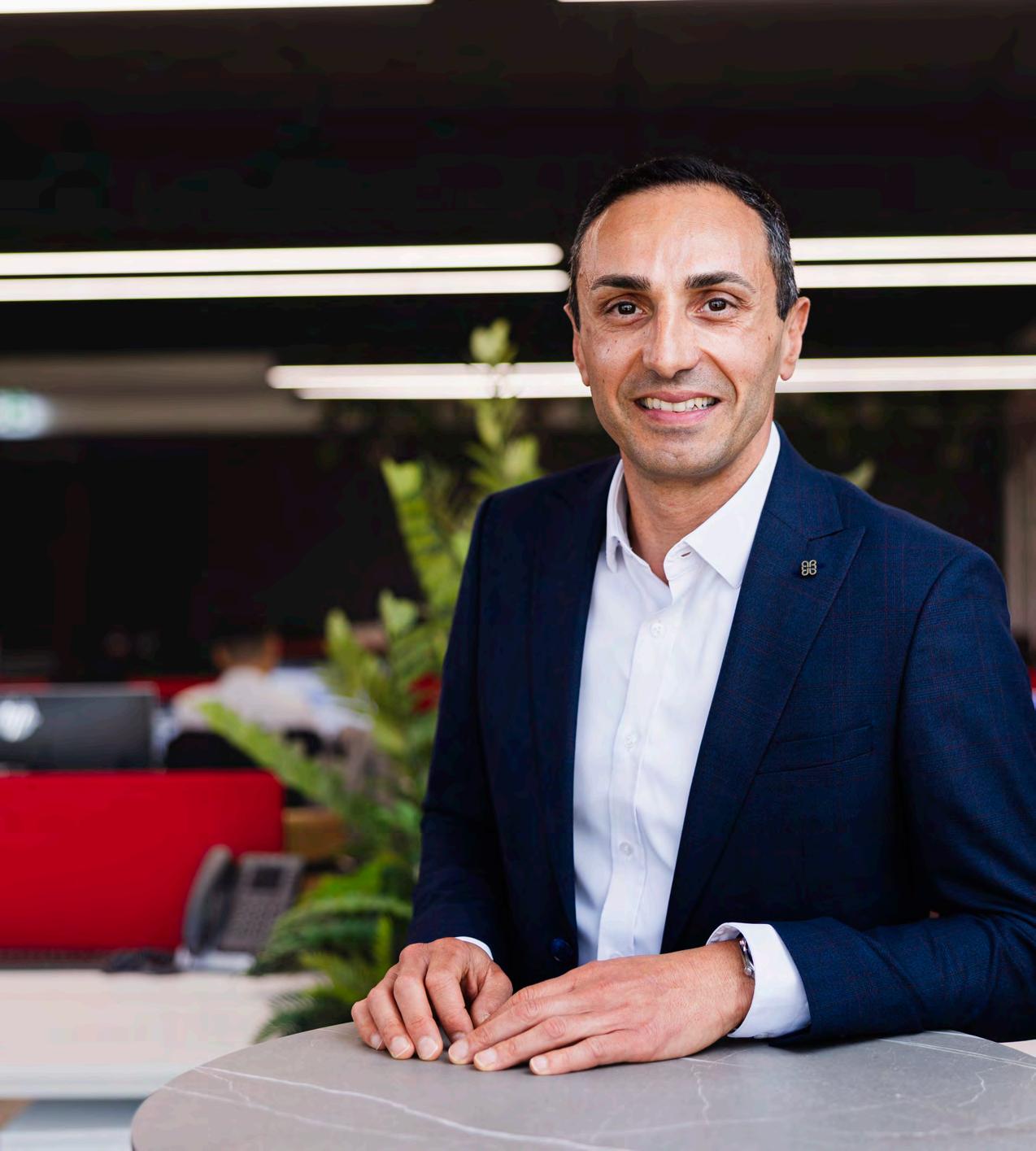

What’s next for Tech.mt?
Malta faces a pivotal moment in its economic and technological development. Vision 2050 provides a strong and ambitious framework for shaping the nation’s future. The focus is now on execution, how Malta can translate this vision into measurable outcomes and sustained global positioning. Success will not come from meeting targets alone, but from addressing the forces that determine whether Malta can build resilient businesses, develop futureready talent, and engage meaningfully in global markets.
In this context, Tech.mt serves as the primary bridge between strategy and action. Looking ahead, our role is to accelerate momentum, ensuring that Malta not only adapts to change, but leads in areas where it has a clear strategic advantage. By strengthening collaboration across Government, industry and academia, we aim to position Malta as a globally connected, innovationdriven economy ready to deliver on Vision 2050.
Bank of Valletta Profile
For over 50 years, Bank of Valletta has been a cornerstone of Malta's economic landscape, enjoying a strong, sustainable market position as Malta’s leading financial services institution. The Bank provides retail and business clients with a suite of services, offered through a network of branches, business and investment centres, financial well-being centres, 24x7 services and corporate and wealth management arms. Bank of Valletta is an institution trusted across generations, leading by example in sustainability and active in its support to the various stakeholders and communities that it serves, living up to its promise of being Malta’s Bank of Choice.
https://www.bov.com
A CustomerCentric Vision
Interview with Simon Grech, Chief Commercial
Officer
BOV
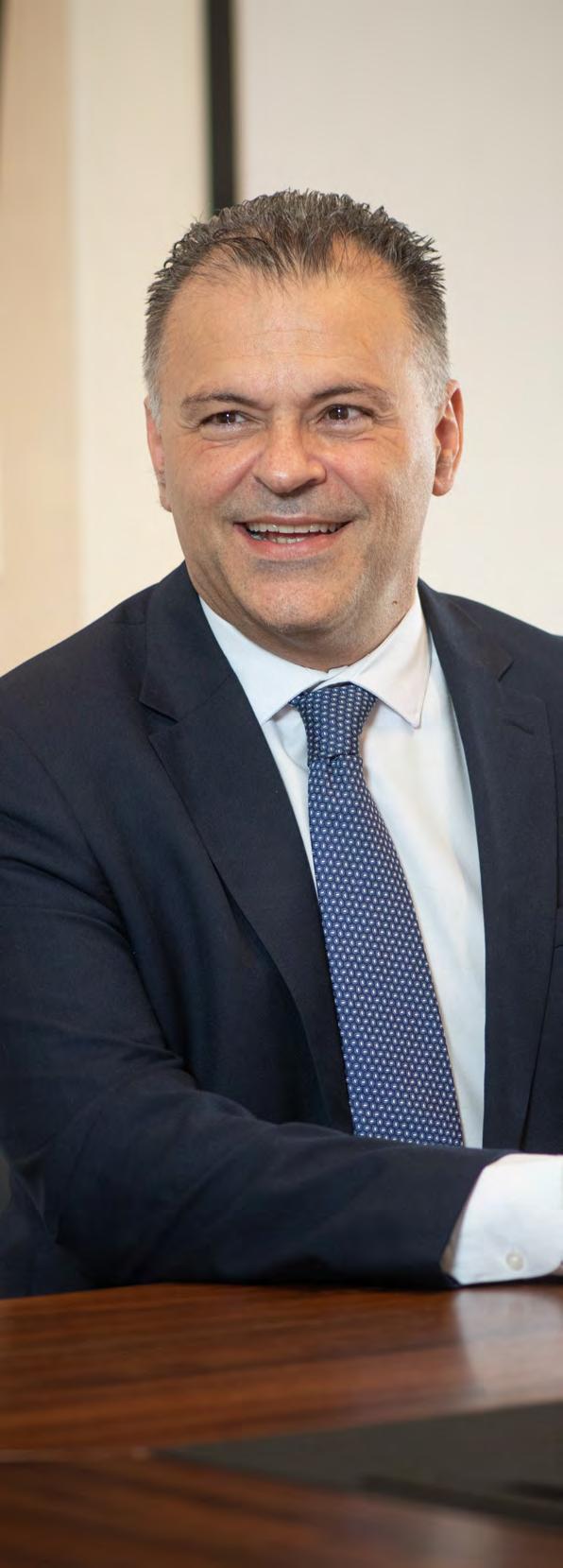
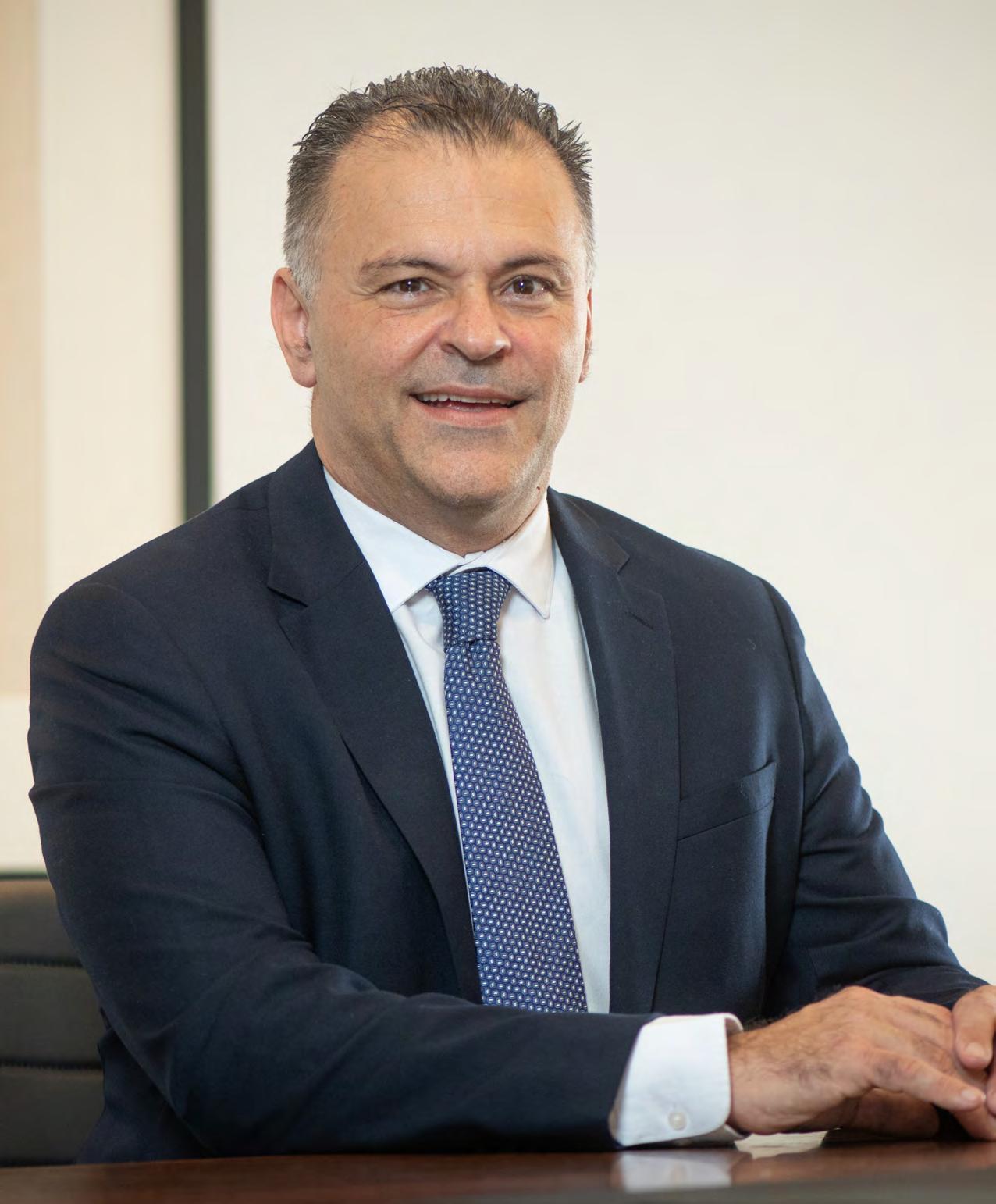
Mr Simon Grech was appointed Chief Commercial Officer at Bank of Valletta in December 2023 and sits on the Bank’s Executive Committee.
Mr Grech has been employed within the local financial services industry since 1985. During his years in the industry, he has served in various areas, primarily retail banking, corporate and business finance, risk management and financial crime compliance. Mr Grech has occupied various senior positions and leading roles in the aforementioned areas over the past two decades.
He was also president of the local Institute of Financial Services between 2012 and 2015. Since October 2020, Mr Grech has been heading the Bank’s SME Finance area, supporting small and mediumsized enterprises with their banking and financing needs, through a number of specialised offices across Malta and Gozo.
Mr Grech holds a Master’s in Business Administration from the University of Bangor (Wales) and a Bachelor of Science (Hons.) in Financial Services from the University of Manchester. He is also a fellow of the London Institute of Banking and Finance as well as an accredited trainer for the same institute.
Why do you feel BOV is the bank of choice in Malta?
With almost half of the market share across customer deposits, business lending, personal lending and mortgages, numbers show that BOV is the go-to bank in Malta for a wide range of services. This position reflects both the breath of our offering and a tailored approach to how we serve our customers, alongside the Bank’s systemic importance to the local economy. That said, scale brings responsibility, including stricter regulatory expectations, strong governance, and leadership by example. Striking the right balance between being agile and responsive, while remaining fully compliant is critical.
New digital technologies such as AI, big data and FinTech have changed the game for financial services. What kind of key technologies is the bank implementing to improve its services?
At Bank of Valletta, our approach to technology is very much focused on building strong foundations that enable us to deliver simpler, more personalised and more responsive services to our customers.
One of our key priorities is the development of an enhanced digital banking platform, which is being rolled out with new functionality. This includes features that allow customers to self-serve more easily, such as managing card settings, adjusting transaction limits, and accessing services securely through biometric authentication. This is only the first phase, with further enhancements planned to continuously improve the experience.
Another focus is our omni-channel strategy, seamlessly connecting our physical and digital touchpoints. Whether customers engage with us through branches, digital channels, or contact centres, we aim to ensure a consistent, integrated experience across all channels.
In parallel, we are embracing artificial intelligence tools to support our teams in automating routine tasks, improving productivity, and enhancing customer interactions. This is being done under robust governance frameworks to ensure responsible and secure use of AI.
Finally, we are evolving how we deliver technology by moving towards more agile ways of working, allowing us to respond more quickly to customer needs and deliver improvements at pace.
Overall, our focus is not just on deploying new technologies, but on embedding innovation into how we work, so we remain relevant and truly customer-centric in a rapidly changing financial landscape.
How would you assess the implementation of the bank’s 2024–2026 strategy?
The implementation of our 2024–2026 strategy is
progressing well and is delivering tangible results across our Commercial Banking priorities. We have focused on strengthening our commercial model, broadening our financing offering, increasing customer outreach, and enhancing the overall customer experience.
This is reflected in a number of key initiatives. We have continued to support larger and more complex corporate and syndicated lending transactions, while also expanding our working capital solutions through bills and invoice discounting facilities to help businesses manage liquidity and growth more effectively.
We have also continued to grow our green lending offering and to invest in risk-sharing instruments in collaboration with partners such as the EIB, EIF and Malta Development Bank. These arrangements are important in supporting start-ups and established businesses with strong ideas and growth potential, even where capital strength or collateral may be more limited.
Another important step has been the relocation of most Commercial Banking units to The Quad, which has created a more integrated operating model and a stronger platform for customer outreach, market engagement and closer collaboration across teams.
Taken together, these initiatives show clear progress in the delivery of the strategy and reinforce our ambition to be a stronger, more responsive and more solutions-led banking partner for Maltese businesses.
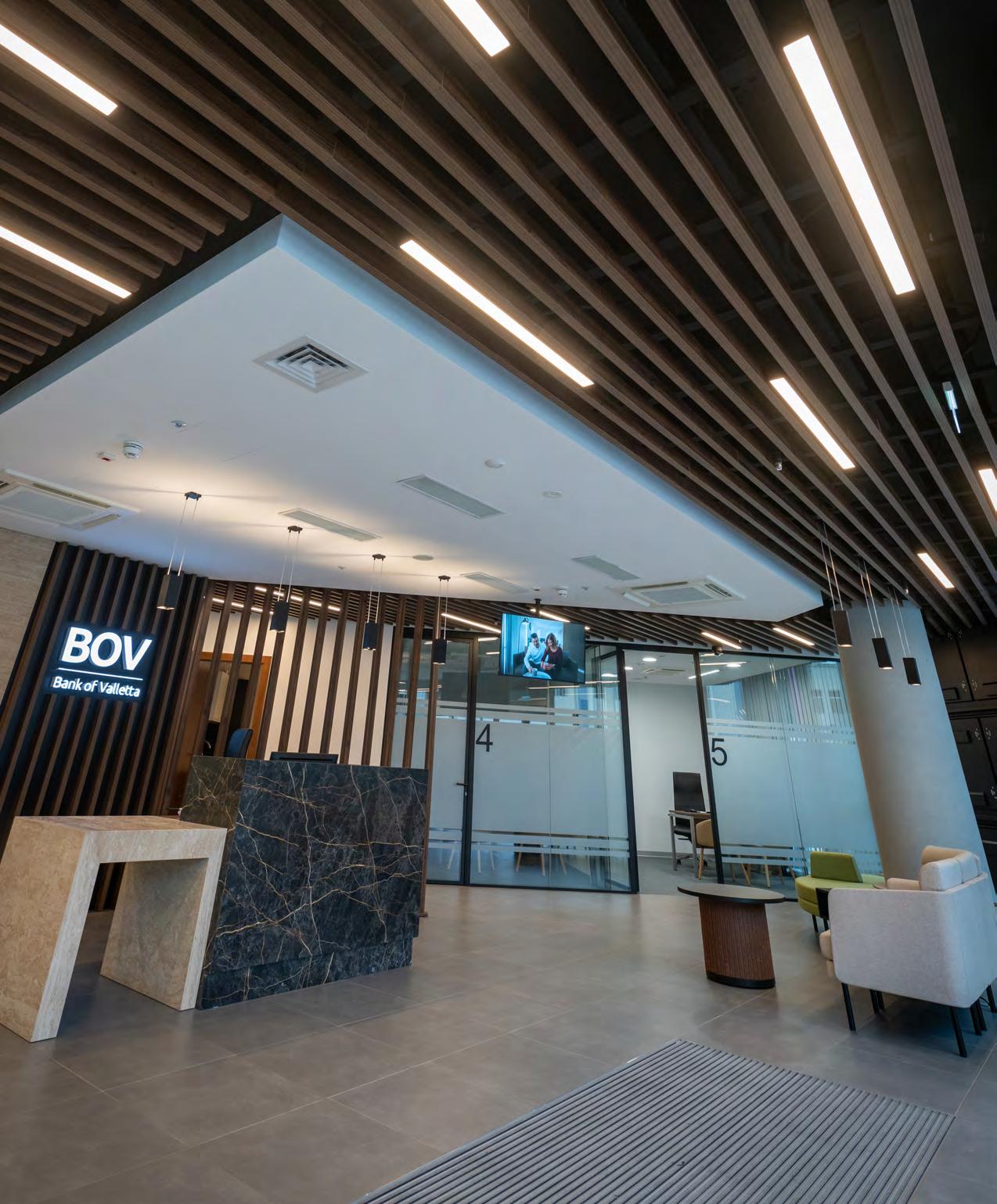
The Bank has recently opened its fully-integrated business hub at The Quad Central. How will the new business hub enhance accessibility and simplify the banking journey for commercial clients?
The new hub enhances accessibility by bringing key business banking services together in one location, making it easier for commercial clients to access the right support without unnecessary fragmentation or delays. For many businesses that operate across different localities, this offers a more practical and efficient service model built around convenience, coordination and access to expertise.
The addition of a dedicated Business Branch, the consolidation of customer-facing units such as the Trade Finance Centre, and the support of a new Middle Office function have further strengthened service delivery. At the same time, the hub provides a stronger platform for proactive outreach, knowledge-sharing and engagement with the business community through targeted events and collaborations.
You have recently noted that the hub also brings BOV’s own people closer to each other. Can you elaborate on that?
Around 250 employees across the commercial arm now operate from the same location, including teams from business centres, corporate and syndicate finance, trade finance, onboarding and the international clients’ unit. This proximity improves collaboration, supports knowledge-sharing, and strengthens teamwork across specialisation. It also enables a more effective expertise-led approach. Clients can be matched to the right capability rather than being limited by postcode. For example, a business seeking financing for a green investment can be supported by colleagues with deep knowledge in that space, ensuring more relevant advice aligned to specific needs.
Looking ahead, where do you see the biggest opportunities and challenges for BOV?
The strongest opportunities lie in deepening support for SMEs and corporate clients and reinforcing our role as a longterm partner to Malta’s business community.
By combining relationship-led banking with continued investment in digital and operational capabilities, we are well placed to help businesses invest, grow, and navigate increasing complexity.
The integration of business services into a single, coordinated model strengthens access to expertise, speeds up decision-making, and enhances the overall client experience, while sector-specific knowledge and tailored solutions remain central to serving diverse business needs.
At the same time, the operating environment is becoming more demanding. Competition is intensifying, client expectations are rising, and regulatory requirements continue to evolve. Meeting these dynamics requires a careful balance between growth, resilience, and disciplined risk management.
At BOV, we see these challenges as a catalyst to keep raising standards; leveraging technology where it adds value, while preserving the human judgment and trust that are essential in commercial banking.
Overall, the outlook is confidently optimistic. With a strong market position, an integrated business banking platform, and a clear focus on relationships, BOV is well positioned to capture opportunities, support sustainable economic development, and remain the partner of choice for Maltese businesses in the years ahead.
Bank of Valletta p.l.c. is a public limited company regulated by the MFSA and is licensed to carry out the business of banking and investment services in terms of the Banking Act (Cap. 371 of the Laws of Malta) and the Investment Services Act (Cap. 370 of the Laws of Malta).

MCCAA Profile
The Malta Competition and Consumer Affairs Authority (MCCAA) is the national authority responsible for promoting fair competition, safeguarding consumer rights, and ensuring market surveillance in Malta. It works to create a level playing field for businesses while protecting consumers from unfair commercial practices, unsafe products, and misleading information. Through regulation, enforcement, advocacy, and public information, the MCCAA supports a transparent and competitive market environment that contributes to economic growth, consumer confidence, and overall public trust.
Building Trust in the Marketplace
Interview with Carmen Ciantar, Executive Chairperson of the Malta Competition and Consumer Affairs Authority (MCCAA)
Carmen Ciantar is one of Malta’s most recognisable figures in public administration, with a career spanning leadership roles across some of the country’s most strategic state entities. Currently heading the Malta Competition and Consumer Affairs Authority (MCCAA), she brings with her a wealth of experience in governance, operations, and large-scale national projects.


The marketplace today is more interconnected, multifaceted, varied and dynamic thus calling on the Malta Competition and Consumer Affairs Authority to play a more central role to educate and most of all regulate. Carmen Ciantar, Executive Chairperson of MCCAA shared with the Malta Business Profiler the authority’s role to ensure a market where fair trading prevails and consumer welfare is enhanced.

What is MCCAA’s remit?
The remit of the Malta Competition and Consumer Affairs Authority is essentially to ensure that markets work fairly for both businesses and consumers. We promote healthy competition, safeguard consumers from unfair practices, and ensure that products placed on the market meet established safety and regulatory standards. In practice, this means investigating anticompetitive behaviour, handling consumer complaints, conducting market surveillance, supporting businesses in aligning with regulatory requirements, and maintaining standards and measurement systems that guarantee a level playing field. Ultimately, our role is about building trust and ensuring that consumers feel protected and businesses can compete fairly.
You’ve highlighted the risks of weak regulation and enforcement. How does MCCAA address this?
Our approach is built on two pillars: education and enforcement. We invest significantly in raising awareness among both consumers and traders. Consumers need to understand their rights to make informed decisions, while traders must be clear on their obligations to avoid breaches intentional or otherwise. However, awareness alone is not enough. Effective enforcement is essential. We actively monitor compliance, investigate breaches, and take action where necessary. This combination ensures that regulations are not only understood but respected, creating a fairer and more transparent marketplace.
With digitalisation and globalisation increasing risks, how is MCCAA responding?
While digitalisation has created opportunities, it has also introduced risks such as online scams, misleading advertising, and cross-border challenges. We address these through a combination of legislation, monitoring, and education. Businesses operating in Malta must comply with both national and EU consumer protection laws, particularly in areas such as e-commerce and digital services. At the same time, we empower consumers through targeted campaigns and practical guidance, ranging from safe online shopping tips to clear pathways for redress. A key role is played by our Digital Investigations Unit, which monitors online platforms, investigates complaints, and acts swiftly against noncompliance, even in complex cross-border cases.
What can consumers expect from the upcoming Right to Repair regulations?
The forthcoming Right to Repair Directive represents a major step forward for both consumer rights and sustainability. Consumers will have clearer and more enforceable rights to repair products, even beyond the standard guarantee period. Importantly, if a product is repaired within the legal guarantee period, that guarantee will be extended by an additional 12 months. Manufacturers will also be required to offer repairs at reasonable prices and within reasonable timeframes. In addition, a Europe-wide platform will help consumers easily find repair providers, making the process more accessible. At MCCAA, our focus will be on ensuring both consumers and businesses are fully informed and prepared for these changes.

How important is stakeholder engagement to MCCAA’s work?
It is fundamental. We actively collaborate with business associations, public entities, and consumer groups to ensure open dialogue and informed compliance. Our outreach extends across Malta and Gozo, where we maintain a strong regional presence through direct engagement and information sessions. We also organise sector-specific training, technical seminars, and conferences addressing key regulatory developments. Recent initiatives have included sessions on EU chemicals regulations and a high-level conference on the EU Ecolabel. This collaborative approach allows us to remain responsive, accessible, and aligned with the needs of both consumers and industry.
What role does MCCAA play at EU level?
MCCAA is actively involved throughout the lifecycle of EU consumer policy. We contribute at the early stages through participation in the Consumer Policy Network, providing technical input and helping shape Malta’s position during EU discussions. Once legislation is adopted, we oversee its transposition into national law and ensure its effective implementation. As regulator, we are responsible for enforcement, stakeholder guidance, and safeguarding consumer rights within the Maltese context.
What’s next on MCCAA’s agenda?
Our focus remains on strengthening consumer protection while supporting businesses in an evolving regulatory landscape. We will continue expanding our outreach through training, awareness campaigns, and stakeholder engagement, while reinforcing key functions such as consumer redress, market surveillance, and education. At the same time, we are investing in digital transformation to enhance efficiency, improve enforcement, and reduce administrative burden. Our objective is clear: to remain a proactive, accessible authority that effectively supports consumers, businesses, and the wider economy.
FSWS Profile
The Foundation of FSWS was established by means of a Public Notarial Deed made by Prime Minister Dr Alfred Sant, on February 27, 1998.
The Foundation is made up of a Board of Directors which include a President and at least four members who are responsible for the general policy and activities of the Foundation.
Through the services it offers the Foundation is statutorily bound:
• To provide social welfare services, in particularn those in relation to alcohol and substance abuse and in relation to other social welfare problems prevalent in the country, especially those related to family welfare;
• To further and promote social and related studies and scholarship, through research, publications and education;
• To collaborate with other similar entities, especially, though not exclusively, on a regional and international basis.
The everyday work of the Foundation is carried out by the Chief Executive Officer, the Senior Management Team, and through the 1000 employees of the foundation, 78% of whom are professionals doing direct face to face client work.
These professionals are grouped into three agencies and three directorates, as follows:
• Agency APPOGG
• Agency SEDQA
• Agency for Community and Therapeutic Services (ACTS)
• Gozo Branch Services Directorate
• Directorate for the Protection of Minors (CPS)
• Directorate for Alternative Care (DAC)
Ensuring a Just Society
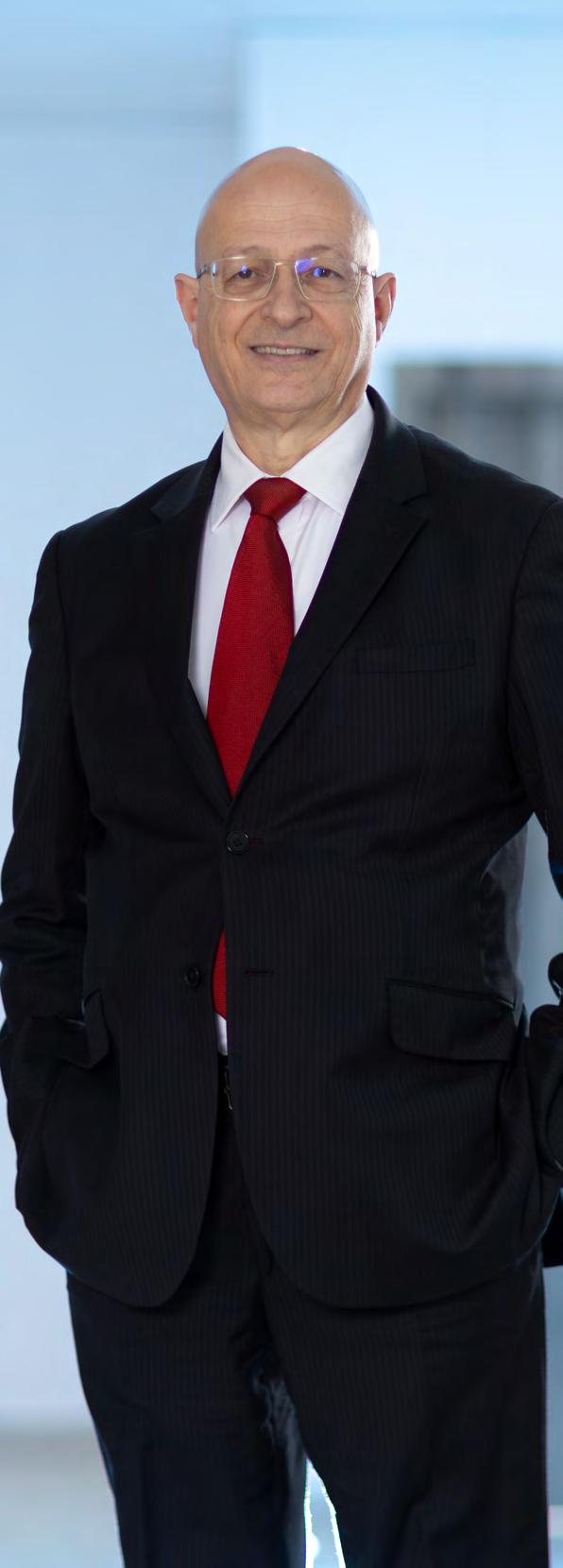
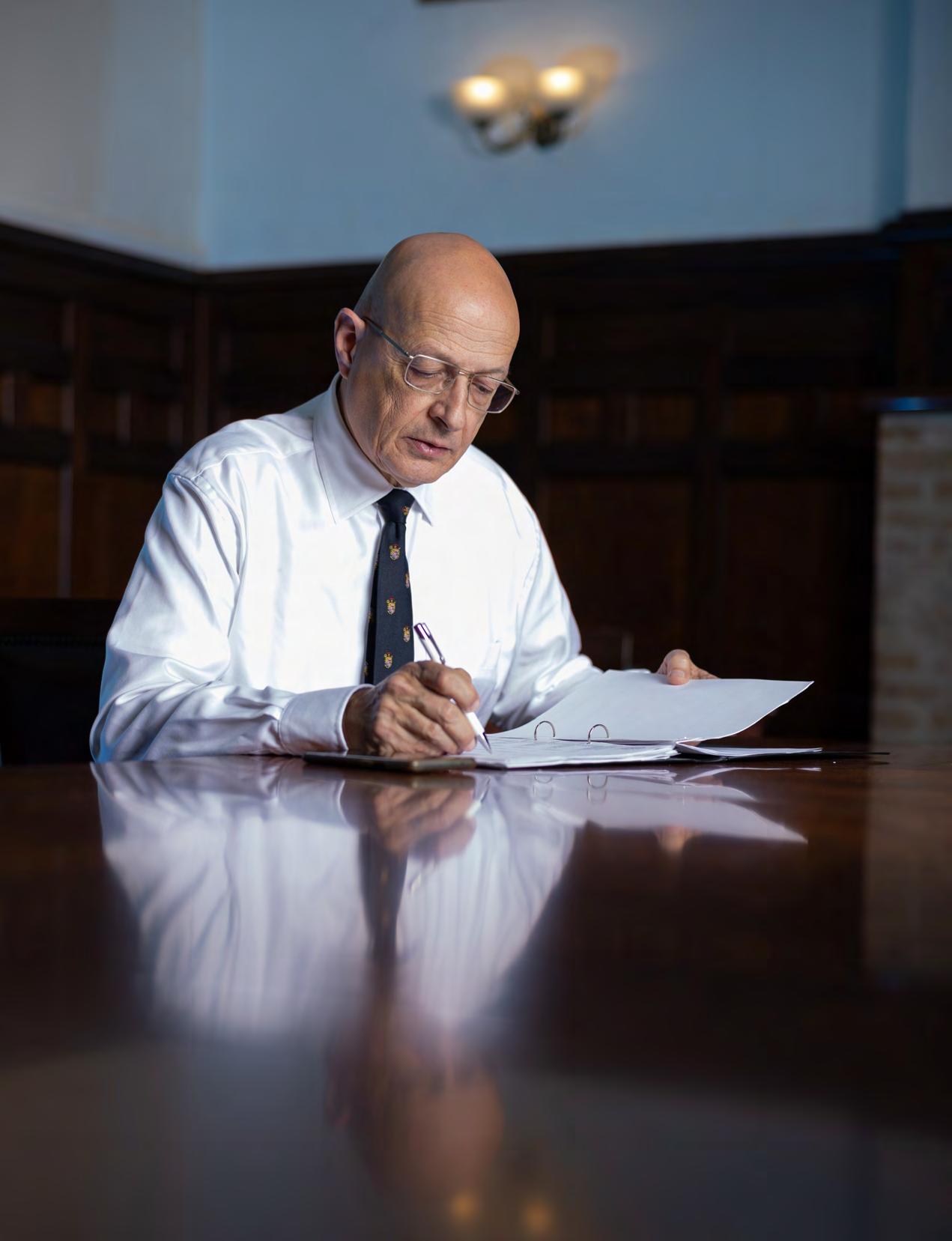
Interview with ALFRED GRIXTI,Chief Executive Officer at FSWS
A graduate in management of St Peter’s College, Oxford, CEO Alfred GRIXTI has presided over the biggest period of continuous expansion in the 28-year history of the Foundation. Indeed, when he was entrusted to lead the FSWS in 2014 it had a budget of only € 10.4 million which increased more than four-fold to € 44.364 million for 2026. This money has been invested in more human resources to offer new and improved services by the Foundation. The FSWS now employs 1023 employees as against 375 in 2013. More importantly, 80% of these employees are fully qualified professionals who do direct face-to-face work with the Foundation’s 25,800 service users.
An educator by profession, Alfred GRIXTI was an educational leader in the state school sector and also served as the Labour Mayor of Ħaż-Żebbuġ (Citta’ Rohan) between 2009 and 2015. He is passionate about ensuring that no one is left behind and that the wealth created by Malta’s growing economy is used to help the most vulnerable in society. Thus, on his watch, the FSWS introduced the Home-Based Family Therapy Service, new Community Services in Qormi, Rabat, Victoria (Gozo), Marsalforn, Marsaskala, Kirkop, Msida, Mosta and Fgura. The Foundation also employed Risk-Assessors for domestic violence victims, the 179 responders, fulltimers for the Supervised Access Visits service and also established services in Gozo as well as the Homelessness Service and the Human Trafficking Service in order to better address the ever-changing social needs of Maltese and Gozitan families.

How can social justice continue to be guaranteed by the state?
While today governments in any country are not all powerful and omnipresent as they used to be in the past, it is still a fact that any government is the largest single actor which can greatly influence the course of events in any country, not to say even beyond its borders if one sees what is happening around us at the moment. Thus, if you have a government which does not even believe in social justice then this will not be achieved. If you have a government which is ideologically committed to extreme free market capitalism, then social justice will not be achieved. Thus the first pre-requisite for achieving social justice is to have a government which believes in it. Then, that government must be smart enough to have sound economic policy which delivers results and economic growth so that part of the fruit of this growing economy is re-distributed to the people most in need.
This then creates a virtuous circle the more you help such people the more they will be able to stand on their own two feet and start contributing to the economy. Thus, increasing pensions for old-aged people means that they have more money in their pocket and they can spend more and so also contribute more to the economy. The same applies for schemes such as free child care or active labour market policies like tapering of benefits and in-work benefits. In a nutshell, you need to get the fundamentals of the economy right and the you have to have an ideological commitment in favour of social justice.
You once stated: “social work comes at a hefty price.” Why? By that I meant that, while the services we deliver to our service users are free at the point of delivery, they do cost money. Over the last twelve years since I have been leading the FSWS our budget has increased from €7,735,000 in 2012 to € 44,364,000 this year – a 5.7 times or a 573.54 % increase. Just to give you an example. A child in care “costs” at least €130 a week if they are in foster care and an average of €130 per day if they are in full-time residential care.
We do not, however, look at this as a cost. We consider this as an investment in our country’s human capital. And we can prove it. There is what is known as: “the cost of doing nothing”. Last year I asked my in-house economist to calculate what is the long term rate of return on investment for the money we are investing in our social services. The concluding paragraph of this cost benefit analysis said the following:
“The study clearly showed the economic value of having social services provided by the Government through FSWS with a benefit cost ratio of 4.01, meaning that for every €1 the Government is spending, it is getting a return of €4.01. The study also showed that if there was no funding to FSWS, the impact on Government’s finances would still be 64% of its current spending, in
increased health care spending, reduction in tax revenue, increased justice costs, and increased expenditure on social security benefits.”
In simple lay person’s language this means that for every €1 (one Euro) which the government gives us, the country is saving €4 (four Euros). Furthermore, if the FSWS did not exist, the other national organisations which would have to somehow provide the services which are provided by the FSWS would still cost the government the equivalent of 64% of our budget. In 2024 this would mean that it would still spend €23,411,200 without having the assurance of getting the same value for money as it gets from FSWS.
In a recent interview, you noted that FSWS faces a geographical dispersion challenge, as the foundation's services are found all over the country. Can you elaborate on that?
Yes indeed, we began with three emergency / crisis services … Child Protection, Domestic Violence and substance misuse … over time these have remained and the agencies around them grew … so now we are operating out of a head office for Appoġġ, another for SEDQA, then one for child protection and another for alternative care … this is neither cost effective nor efficient. Since 2020 we have been telling the powers that the leases on the properties that we lease to host these services will run out by end 2027 and beginning 2028 and so that we have to look for new premises. Apart from that, all these buildings, bar the one for alternative care, are old and not fit for purpose in this day and age. Basically we need 10,000 sq m of custom designed office space to gather all our services under one roof and thus have our employees working out of a single building which is effectively a one-stop-shop for our service users. Of course our community services and certain specialised services like DETOX, our residential rehab facility at Ħal-Farruġ and our children’s homes in the community would not be part of this new onestop-shop facility. We are now in discussions with the Government to achieve this goal and have begun working on a draft for a tender to kick start this process. It is a fact that FSWS would not fulfil its role without a very dedicated team of professionals yet human resources remains a challenge for the foundation. How is FSWS working around the problem of human resource shortage?
To begin with, this issue and this challenge is not limited to Malta. It is a challenge all over the world and not in Europe only where there are shortages of social workers, other social welfare professionals like youth and community workers, carers, teachers and nurses. However, we have to address the problem here.
So what have we done? We have worked very hard and will continue to work very hard to improve the salary package of our employees. The two collective agreements I concluded with the UĦM which has

the sole recognition in FSWS are testament to this. I am proud to say that one Permanent Secretary at the Ministry of Finance had told me; “Alfred remember that you are on the management side, not the union side.” My reply was; “I am always on the side of the workers!” Apart from this, we try to be as flexible as possible in our working practices with our employees but this is a huge challenge because our service users expect us to be available for them 24 X 7.
Apart from this, specifically where social workers are concerned, we have persuaded the Government to amend the law so that the social work course is offered also at MCAST. The MCAST course is identical to the Unione, except for the fact that it is centred on a worked-based-learning methodology and so we have just welcomed the second year MCAST student cohort who have joined us as “apprentices” and will be with us for the coming months. This means that in two years’ time, instead of the circa 15- 20 students graduating from University only we will also have 15 graduating from MCAST. I believe we should do the same for Youth and Community Studies course where we also need more graduates. However, once more, not enough are graduating from University with a degree in Youth and Community Studies and so we should also consider offering such a course at MCAST as well. We are also working with the Institute for Education where the training of psychologists is concerned because even here the demand is higher, much higher, than the numbers graduating.
You were the one that stopped the first draft of the law on risk assessment on victims from being adopted in its entirety. Why?
I think you have mixed up the issue here. What I “stopped” was the first draft which said that the Risk Assessors had to be social workers. I told the committee meeting at OPM that this could not happen because there simply aren’t enough social workers as I have outlined in the previous question. When I gave them the numbers, they agreed that the law should not specifically require social workers to do the risk assessment and instead we have other graduates generally people with a first degree in psychology or criminology or the like who are trained in the use of our risk assessment tool and who are supported by the domestic violence social work team. If you allow me, I will say something about the risk assessment tool we now have. It is called the Danger Assessment tool and it was developed in the USA. It has been tried and tested outside the US and takes into account even certain cultural aspects. This tool has been validated by Prof. Dr Clarissa SAMMUT SCERRI and has also been translated into Maltese by University academics. I am saying this because the defence lawyers try to knock it all the time when it does not go the way of their clients but we are committed to continue using it because we are obliged to use it under the terms of the Council of Europe Convention against Gender and Domestic Based Violence, commonly called the Istanbul Convention.
You have often stressed that mental health has to be dealt with where it matters most: at community level. Can you elaborate?
I am not the only one saying that. The last two policy documents about mental health issued by the Ministry for Health also state this. However, the reality is that it is the mental health specialists who have desisted from going in this direction. When Mr FEARNE first published the national mental health strategy, only one consultant from Mount Carmel got in touch with us and invited us to work with him. He has since retired and, thankfully, his clinics / sessions are still being held at our Qawra Community service. However, no one has stepped forward to do the same since the latest mental health policy has been launched by the present Minister, Dr JoEtienne ABELA. The reality is that for far too many years the mental health specialists have resisted the move to the community under every government. We have been involved since the beginning. The first attempts were made way back in 2002/2004 with the setting up of community mental health services in Qormi and Cospicua. These are success stories. In Qormi, for example, the clinic is made up of three psychiatrists, three psychiatric nurses and three social workers who support a cohort of around 500 patients from that catchment area. At Qawra we are doing the same. It’s not impossible. If we planned better we could
roll out such services to other health centres. We would have a challenge to find social workers but that’s a nice challenge to have and we will somehow manage our way around it.
You recently warned that the mandatory reporting system is being abused, particularly by couples involved in disputes and seeking separation. What measures are being taken by FSWS to control such abuse?
This is true and it’s proof of how here in Malta people abuse all kinds of services. On our side we are simply telling people who come and make reports that we only act on the instructions of the family court because we will not do a report for one side to use against the other side. Apart from that the amendments to the family court have now come into effect and these should also contribute to separating couples to adopt a positive approach rather than a confrontational one. These amendments, for example, introduce the concept of coparenting and we have long had a specifically designed course on co-parenting or parenting when separated.
What’s next for FSWS?
We will continue with the implementation of our strategic plan. Coupled with this, we have embarked on an independent external review of our services by an excellent team of top experts with over 30 years’ of experience in the field and we are drawing up a plan to implement their recommendations. This also includes specialised training for our services managers and service area leaders. We are also investing in training in AI. We have already had initial training for myself and the directors and the plan is also to cascade this training downwards. Over and above all this, when we have enough people graduating in all disciplines in the social care sector we want to open more community services because when we are present in the community we are closer to the people and we are able to help them better because we can nip problems and challenges in the bud.

Infrastructure Malta Profile
Infrastructure Malta is the national agency responsible for the development, maintenance, and upgrading of roads and public infrastructure across the Maltese Islands. Its work spans from major investments in arterial road networks to the reconstruction and upkeep of residential streets and key structures, including maritime facilities.
Guided by a mission to continuously optimise infrastructure, Infrastructure Malta plans and delivers projects that support the country’s economic growth, environmental sustainability, and social wellbeing— both now and in the future.
A People-Centred Vision for SAFER, Smarter MOBILITY Vjal Kulħadd:
Infrastructure Malta continues to prioritise infrastructure that serves people first, creating spaces that are safer, more accessible, and better aligned with modern mobility needs. Vjal Kulħadd stands as a strong example of this vision in action: a project designed not only to improve traffic flow, but to actively encourage walking and cycling as viable, everyday modes of transport.

A Shift Towards Active Mobility
Vjal Kulħadd was developed with a clear objective: to rebalance how road space is used. By introducing dedicated infrastructure for pedestrians and cyclists, the project moves beyond traditional road design and embraces a more inclusive approach that caters to all users.
Central to this transformation is the introduction of a segregated active mobility lane, offering cyclists a safer, clearly defined route that is physically separated from vehicular traffic. Enhanced pedestrian walkways further support accessibility, ensuring a more comfortable and secure experience for those on foot.
Backed by Data: Real Usage Insights
To better understand how the space is being used in practice, Infrastructure Malta conducted a detailed monitoring study between 20 February and 21 April
in the first Vjal Kulhadd project delivered in Triq ĦażŻabbar, Iż-Żejtun, capturing movement data around the clock.
The findings provide strong validation of the project’s impact:
• Over 1,400 cyclists used Vjal Kulħadd during the monitoring period
• More than 21,000 pedestrians walked along the route
A deeper analysis of cyclist behaviour shows a clear preference for safer infrastructure:
• 857 cyclists used the segregated active mobility lane
• This represents 61% of all cyclists, highlighting strong uptake and trust in the dedicated facility
These figures demonstrate that when safe and welldesigned infrastructure is provided, people are willing to shift towards more sustainable modes of transport.

Enhancing Accuracy Through Smart Monitoring
To ensure reliable and comprehensive data collection, two cameras were installed facing opposite directions. This approach allowed Infrastructure Malta to capture movement from both sides of the road, with results aggregated to provide a more accurate overall picture. Additionally, pedestrian movement was analysed through a heatmap representing an average week, offering valuable insights into peak usage times and patterns. This level of detail supports more informed decision-making for future improvements and planning.
Beyond Infrastructure: Creating Livable Spaces
Vjal Kulħadd is more than a transport corridor, it is a step towards creating more liveable urban environments. By encouraging walking and cycling, the project contributes to reduced congestion, improved air quality, and healthier lifestyles. It also reinforces the importance of designing streets as shared public spaces, where mobility, safety, and community coexist.
Looking Ahead
The success of Vjal Kulħadd provides a strong foundation for future projects across Malta. Infrastructure Malta remains committed to investing in solutions that respond to real user behaviour, backed by data and driven by long-term sustainability goals. Further projects are already in the pipeline and will soon be inaugurated, including initiatives in Gudja, Luqa, Naxxar, Siggiewi, Tarxien, Rabat and Attard, continuing the agency’s mission to create safer, more accessible, and people-centred spaces.
As the country continues to evolve, initiatives like Vjal Kulħadd highlight the role infrastructure plays, not just in connecting places, but in improving everyday quality of life.

Malta’s economy at the edge of a new transition
Only a few weeks ago, the conversation around Malta’s economy was one of transformation and strength. The tourism sector had not only recovered from the pandemic but had reconfigured itself, expanding capacity, attracting demand, and redefining its value proposition. It was a clear example of how an economy can absorb shock and emerge stronger. Yet today, a different narrative is beginning to take shape, one that forces us to confront a deeper reality about the structure of our economic model.
What we are witnessing is not simply the emergence of another external shock. It is the exposure of a system that has transitioned from resilience to a more subtle form of fragility, one that is embedded in how the economy is designed and how it interacts with the outside world.
As highlighted in recent analyses published by the Central Bank of Malta, Malta has already moved through a critical phase of adjustment.
The immediate crisis period, driven by pandemic disruption and global inflationary pressures, has passed. In its place, a new equilibrium has emerged, characterised not by instability but by persistence. Costs have stabilised, but at a higher level. Growth has continued, but within a more complex and demanding environment. What was once temporary has, in many respects, become structural.
This is an important starting point because it changes how we interpret current developments. The economy is no longer in recovery mode. It is operating within a new baseline, one that is inherently more exposed to external dynamics.
The unfolding situation in global energy markets, particularly the disruptions linked to geopolitical tensions in the Middle East, illustrates this exposure with striking clarity. Aviation fuel, a critical yet often invisible input into the tourism system, has suddenly become a focal
point. Not because it was absent before, but because its availability was always assumed.
This is where the concept of fragility becomes particularly useful. As Nassim Taleb argues, fragile systems are not those that fail immediately, but those that appear stable until a specific stress reveals their underlying dependencies. Malta’s economy, and indeed much of Europe, has been built on a model that prioritises efficiency, integration, and openness. These are strengths, but they also create points of vulnerability when the system is tested.
The current pressures on aviation fuel are not yet a crisis, but they are signals. Signals that supply chains can tighten quickly. Signals that prices can adjust rapidly. Signals that connectivity, which is the lifeblood of an island economy, is more conditional than it appears.
For Malta, this matters profoundly.
Tourism is not just another sector. It is a system built on flows, of people, of capital, and of connectivity. It depends on the seamless functioning of global aviation networks, energy supply chains, and geopolitical stability. The postCOVID recovery demonstrated how adaptive this system can be. Airlines rebuilt routes, demand rebounded, and the ecosystem rebalanced itself in ways that were both rapid and effective .
But that same system remains anchored to external variables it does not control.
When fuel supply tightens or becomes more expensive, airlines begin to make choices. Capacity is allocated more selectively. Marginal routes come under pressure. Prices adjust. For a destination like Malta, which has no alternative transport corridors, these adjustments translate directly into economic outcomes.
JP Fabri Economist
This is where the narrative must shift from short-term impact to structural understanding. The immediate effects are relatively clear. We may see pressure on flight availability, particularly on less profitable routes.
We may see increases in airfares, which will influence demand patterns and potentially reshape the composition of tourists. These are important considerations, but they are not the most significant part of the story.
The deeper insight lies in what these developments reveal about Malta’s economic structure.
Malta is a small, open, and highly connected economy that has built its growth model on external integration. This has delivered strong outcomes, from employment growth to rising incomes and expanding sectors. But it also means that external events do not remain external for long. They are transmitted quickly and often amplified within the domestic system.
We have seen this before, in different forms. Energy shocks have translated into fiscal pressures through subsidies. Global inflation has filtered into local prices, particularly in food. Supply chain disruptions have affected costs across sectors. Each time, the economy has adapted. Each time, it has demonstrated resilience. But adaptation should not be confused with immunity.
The current moment highlights the limits of a model that relies heavily on external stability. It raises questions about how much control the economy truly has over its critical inputs and how prepared it is to operate in an environment where disruptions are not exceptions but recurring features.
This is not an argument for retreating from openness. Malta’s success is deeply rooted in its ability to connect, to integrate, and to position itself within global networks. The challenge is to complement this openness with a stronger foundation of resilience.
Part of this lies in recognising that fragility is often a by-product of optimisation. Systems that are designed to be efficient, lean, and cost-effective tend to minimise redundancy. They function exceptionally well under stable conditions but have limited capacity to absorb shocks. Europe, as a whole, reflects this pattern, having prioritised efficiency over agency in areas such as energy and supply chains.
Malta operates within this broader European framework, and therefore inherits many of its strengths and vulnerabilities.
At the same time, Malta has certain characteristics that can be leveraged differently. Its scale allows for agility. Its neutrality provides flexibility in how it engages with different regions. Its strategic positioning offers opportunities to rethink how it connects, not just physically but also digitally and economically .
But leveraging these advantages requires a more deliberate approach.
It requires moving beyond reactive adaptation towards a more structured understanding of risk. The reality is that Malta already operates in a highly complex risk environment, shaped by geopolitical tensions, energy dependencies, digital vulnerabilities, and climate pressures. What is often missing is a coherent framework that brings these elements together and allows for more coordinated decision-making .
In this sense, the current situation should be seen as a moment of reflection rather than alarm.
It is a reminder that growth, while essential, is not sufficient on its own. It must be accompanied by systems that can sustain it under different conditions. It is a reminder that resilience is not about avoiding shocks, but about designing systems that can absorb them without losing functionality.
Malta’s economy has already demonstrated its capacity to evolve. The transition from crisis to persistence is evidence of that. The transformation of tourism is another example, showing how quickly systems can reconfigure when needed.
The question now is whether this adaptability can be translated into a more intentional form of resilience.
Because the world Malta operates in is changing. It is becoming more fragmented, more volatile, and more interconnected at the same time. In such a world, the distinction between external and internal risks becomes increasingly blurred.
The unfolding developments in energy and aviation are not isolated events. They are part of a broader pattern, one that will continue to shape economic outcomes in the years ahead.
Malta stands at an important juncture. It can continue to rely on a model that has delivered growth but remains exposed to external shocks. Or it can begin to evolve that model, embedding resilience more deeply into its structure while preserving the openness that defines it.
Awareness First: How OHSA is Changing Malta's Safety Culture
An OHSA perspective on prevention, education and the measurable results of a more
proactive Authority

The most important moment in workplace safety is not the moment an inspector arrives. It is the moment, hours or days earlier, when a worker decides – alone and unobserved - whether to take a shortcut, speak up, or put on the harness. That decision is shaped by what they know, what they value, and what they believe is expected of them. In
other words, it is shaped, by awareness. And it is where the real work of safety begins. This is the conviction at the heart of how the Occupational Health and Safety Authority (OHSA) approaches its mandate.
Enforcement of Chapter 646 of the Laws of Malta remains essential - but enforcement, on its own, has never built a safety culture. Punitive actions can correct what an inspector sees but they cannot reach the moments no inspector ever will: the rushed decision at the end of a long shift, the silence when something feels wrong, the assumption that nothing will happen this time. Reaching those moments takes awareness.
And so awareness has been placed at the foundation of how the Authority works, not bolted on at the end.
Every proactive inspection by an OHSA Officer is, first and foremost, an opportunity to educate. Officers explain the legal duty, walk through the practical risks, and help employers and workers understand what compliance looks like in their environment. Enforcement follows only when education and guidance have not been enough.
OHSA says this philosophy is intentional rather than incidental. "This sequenceawareness, education, then enforcement - is deliberate. It reflects a belief that workers and employers, when properly informed, will overwhelmingly choose to do the right thing, and the figures show the approach is working," said Dr Josianne Cutajar, OHSA's Chief Executive Officer.
Indeed, the figures are striking. OHSA's Annual Report for 2025 records 23,711 inspections in a single year - a national record and almost ten times the figure
recorded in 2023 - and far above the historical average of around 4,000. More than eight in ten inspections were proactive, initiated by the Authority rather than triggered by an accident or complaint.
To sustain this expansion, OHSA increased its Technical Section by 58 per cent, opened a permanent office in Gozo, and inaugurated the OHSA Training Centre.
And the workplaces are responding. National Statistics Office figures for 2025 show non-fatal accidents at work falling from 2,139 in 2024 to 2,114 in 2025 - a decrease made more meaningful by the fact that Malta's workforce grew by around four per cent over the same period. On a per-worker basis, the incidence of non-fatal accidents continues to decline.
Yet behind every accident and every fatality is a person, a family, a workplace altered forever - and it is precisely because each one matters absolutely that the case for awareness becomes stronger.
Awareness also means being reachable. The 138 Helpline recorded a 188 per cent increase in calls in 2025, and Customer Care
Awareness, Education, Enforcement. This sequence is deliberate, and the figures show that it is working.
- Dr Josianne Cutajar, CEO, OHSA
Services handled more than 3,400 cases. These are not merely numbers about complaints. They reflect growing trust in the system itself. More workers are coming forward, more employers are asking, and more people are realising that asking a question early is far less costly than discovering a problem after an accident.
These are not merely numbers about complaints. They reflect growing trust in the system itself. More workers are coming forward, more employers are asking, and more people are realising that asking a question early is far less costly than discovering a problem after an accident.
Then there is training - the second pillar of the awareness mission. OHSA provides free courses on occupational health and safety, covering sector-specific risks and general workplace duties.
In 2026, the Authority broadened this offer to include mental health at work, recognising that psychological wellbeing is inseparable from physical safety. Stress, fatigue, and psychosocial pressure are workplace risks, and now part of the conversation OHSA is having with Maltese employers and workers. Making this training free is deliberate. Knowledge that protects lives should never sit behind a paywall.
The deeper ambition behind all of this is cultural. By placing awareness at the centre of inspections, making training accessible, extending its reach into mental health, and allowing enforcement to follow rather than lead, OHSA is doing something more ambitious than reducing accident statistics. It is reshaping the way Malta thinks about work itself - as something that should never cost a person their health, dignity, or life.
Because every workplace accident begins long before the accident itself. And preventing it begins long before enforcement - with awareness.
Malta's designated competent authority for the EU's carbon compliance frameworks.
CARBON BORDER ADJUSTMENT MECHANISM
Support for importers navigating CBAM declarations and embedded emissions requirements.
cbam.caa@climateaction.gov.mt
Guidance and oversight for operators managing carbon allowances and emission reporting obligations.
ets.caa@climateaction.gov.mt
For enquiries, contact the relevant teams above.