A resilient economy

PUBLISHING EDITOR
Andrea Trapani atrapani@executivefbo.com
Omar Vella marketing@executivefbo.com
ADVERTISING EXECUTIVE
Rebecca Pace adverts@unionprint.com.mt
DESIGN
Joellson Bezzina
PRINTING
Union Print Co. Ltd. www.unionprint.com.mt
PUBLISHER
Executive Aviation Malta Ltd
CONTRIBUTORS
Special thanks for the production of this edition goes to LUXPRO 360 as the main contributor and sponsor, as well as all other contributor and sponsor, as well as all other contributors for their time and images. We also thank all advertisers for their support to ensure the constant growth of the magazine.
ADVERTISING
For advertising in our next issue, please send an email to Ms Rebecca Pace on marketing@aviapros.com or call +356 9944 1432, +356 7909 8198.
SUBSCRIPTION
Executive Traveller Magazine is distributed for free to top hotels and venues, and is available at local and international business aviation conventions. The publication is also available online at: www.aviapros.com/ETM
Disclaimer: Particular attention has been given to ensure that all the content of this magazine is correct and up to date as on date as issue. The views expressed in the articles and technical papers are those of the authors and are not neccessarily endorsed by the publisher. While every care has been taking during production, the publisher does not accept any liability for errors that may have occurred. Copyright © 2022.
Over the past decade, Malta has achieved remarkable economic growth, even as the global economy faced significant headwinds and uncertainty. And whilst the government is spelling out its vision for the next twenty-five years, it is called to weather the impact of the escalating conflict involving Iran, the US and Israel. A conflict which economists caution could trigger a broad inflationary cycle, potentially more severe than the shocks of the 1970s or the postUkraine invasion surge of 2022.
It is called to do so because in an interconnected global economy, even distant wars have local consequences. Truly so, because Malta, despite its geographic distance, cannot remain insulated. The island’s structural dependence on imported energy, food and fertilisers means that external shocks could be transmitted rapidly into the domestic economy. While government assurances aim to maintain stability, the scale and duration of the conflict will determine how long Malta can remain shielded.
Malta’s €250 million fiscal buffer, in addition to the €150 million already allocated to energy and fuel subsidies is certainly an important short- and medium-term protection. Yet the country can’t only bank on that. It has to pre-empt; it has to act and has to adapt. For small states like Malta, this reality demands a different mindset. Security is about economic resilience, fiscal sustainability, energy independence and institutional strength. Malta has understood this lesson before. Throughout its history, the island has repeatedly shown an extraordinary ability to adapt in the face of external shocks.
Yet action in challenging times is not only about shielding but also about reaping the seeds of opportunity and growth. Yet for our nation to benefit from such opportunities the goal of Malta Vision 2050, cannot simply be about economic expansion. It must also be about resilience. Resilience means reducing vulnerabilities before they become crises. It means diversifying energy sources and accelerating the transition toward cleaner, more stable systems. It means strengthening fiscal buffers so that the country has the capacity to respond when shocks arrive. It means investing in education, innovation and productivity so that the economy can adapt quickly when global conditions change.
As a small island economy dependent on global trade and energy imports, external shocks will always be part of our reality. We cannot control global conflicts or energy markets. But we can control how prepared we are when they occur. Truly so because wars, crises and geopolitical tensions will come and go. What matters is how prepared a nation is when they arrive.
Omar Vella Editor / Andrea Trapani Editor and Publisher
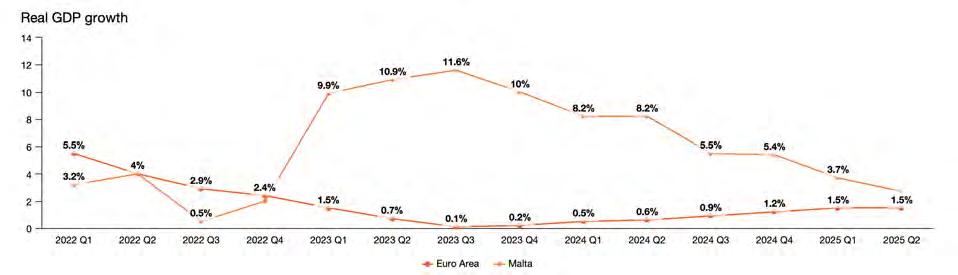
Malta’s economic growth has stayed ahead of the euro area,
but the pace is starting to show signs of slowing, with Q1 and Q2 at 3.7% and 2.7% respectively
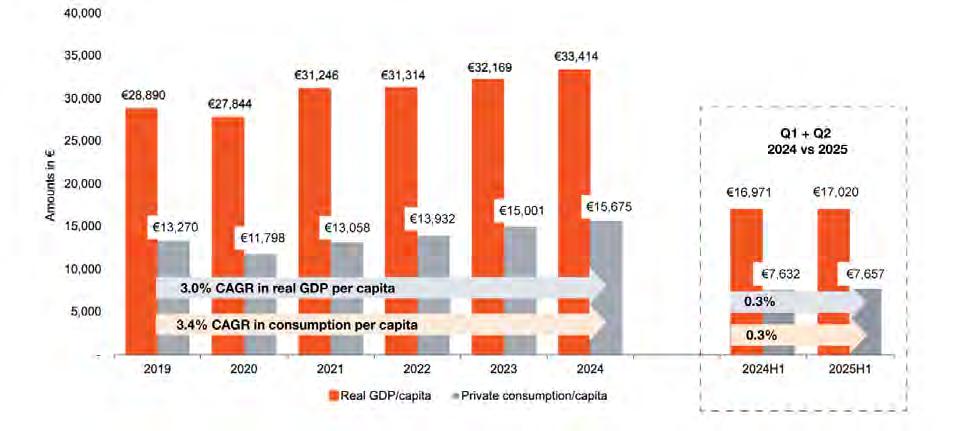
Real GDP & Private Consumption per Capita
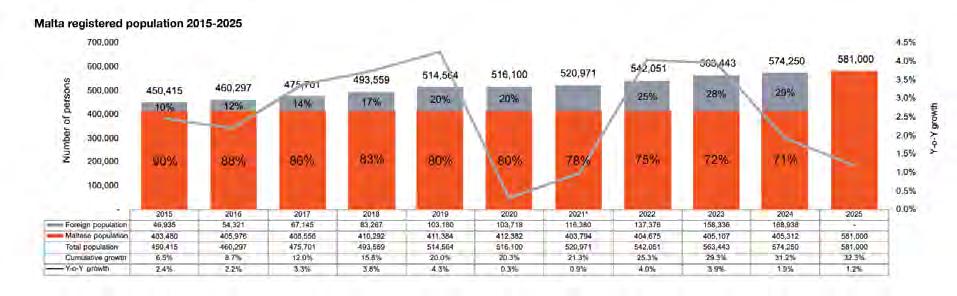
Malta’s population 2015 - 2025


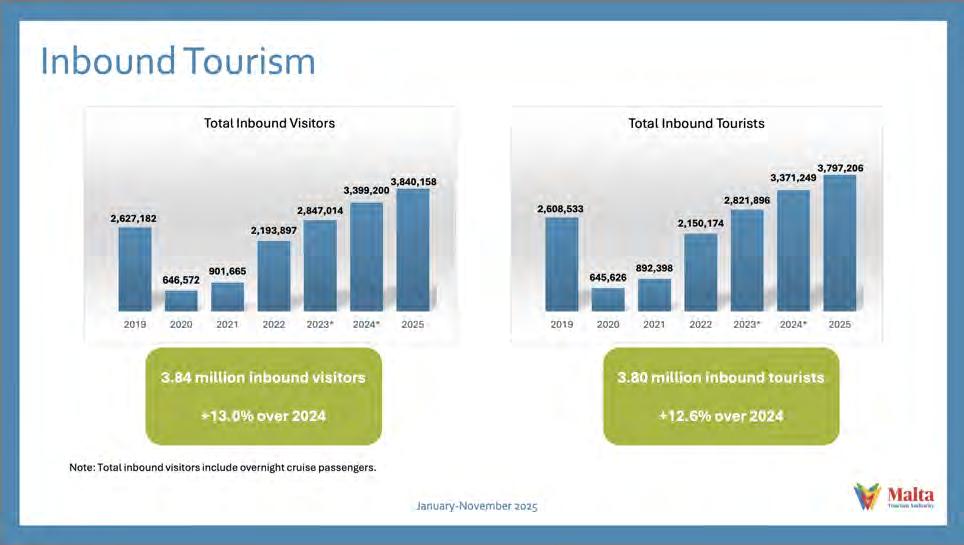
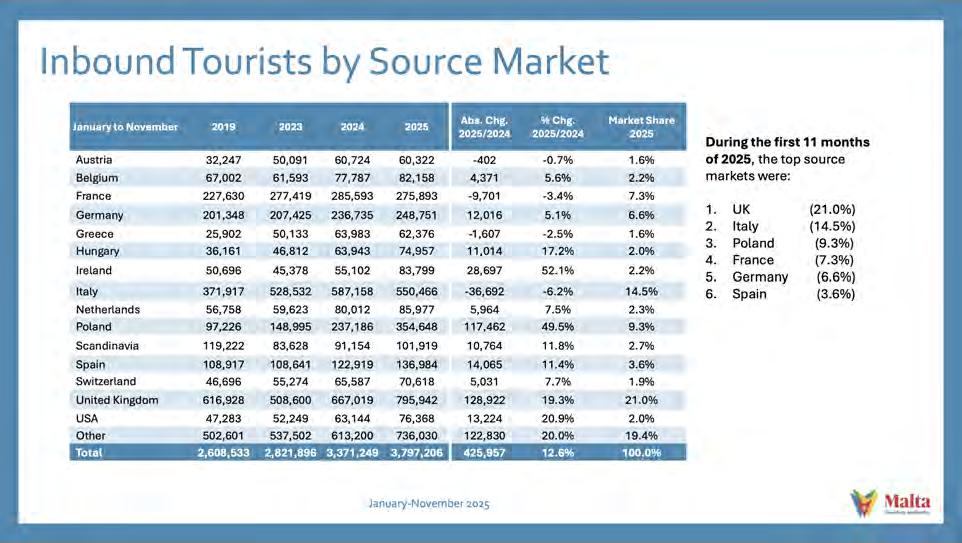
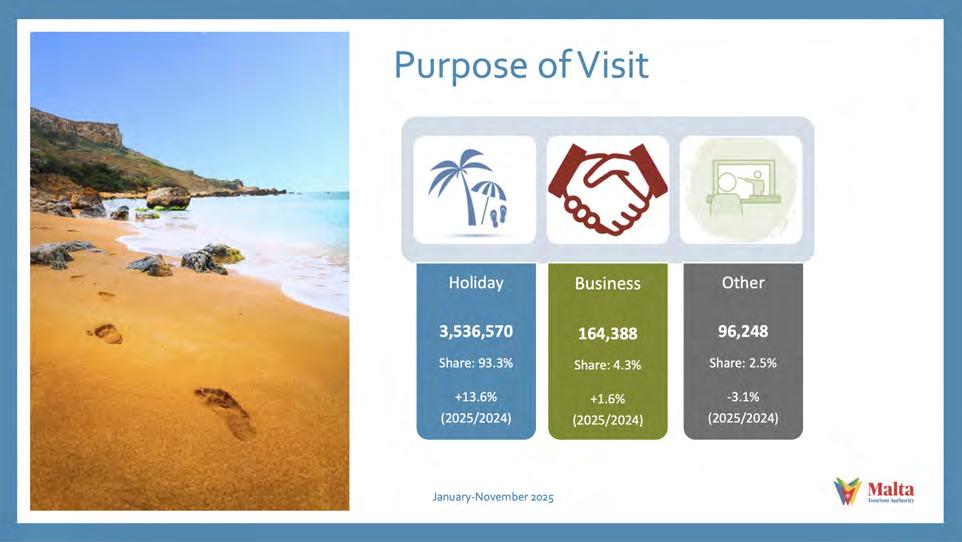
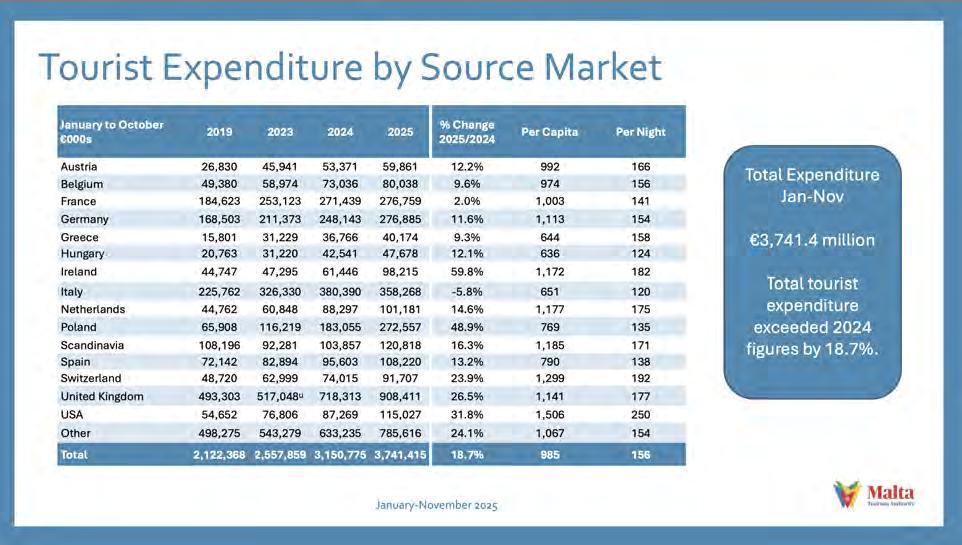
Malta's Tourism Sector

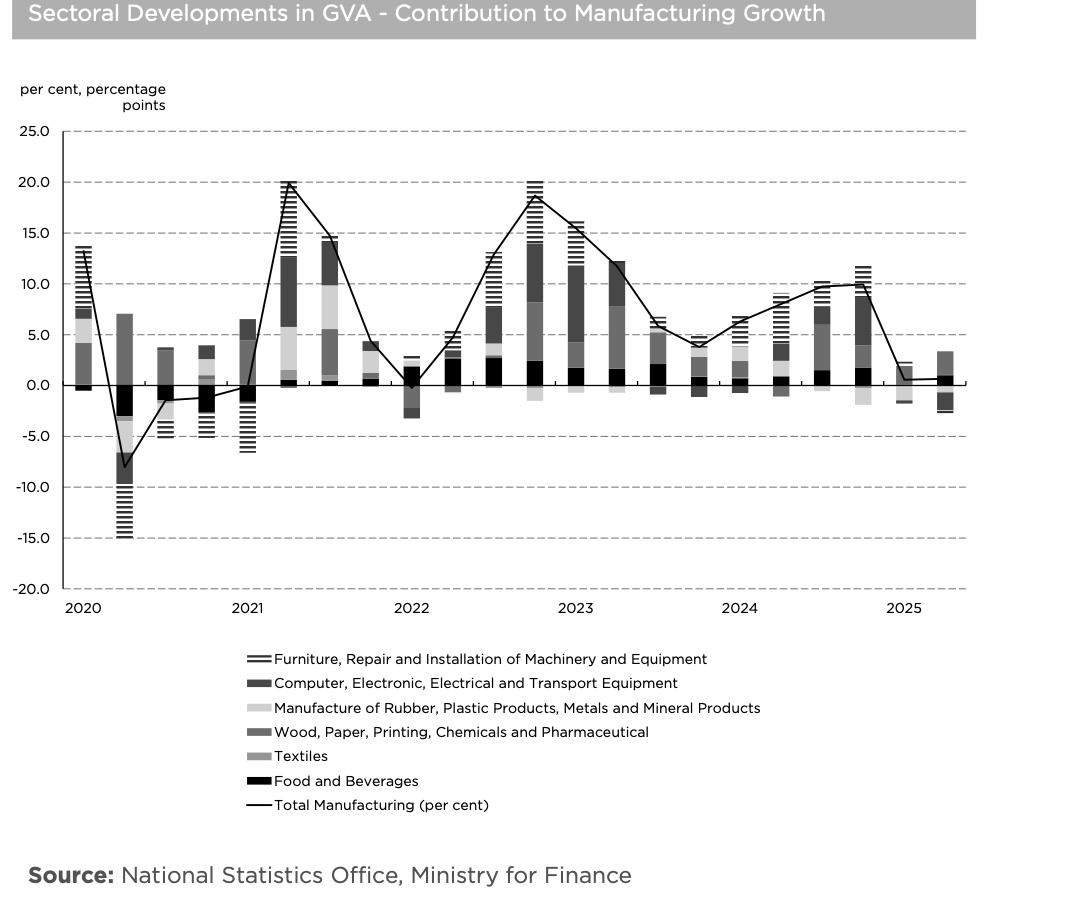
Malta's Manufacturing
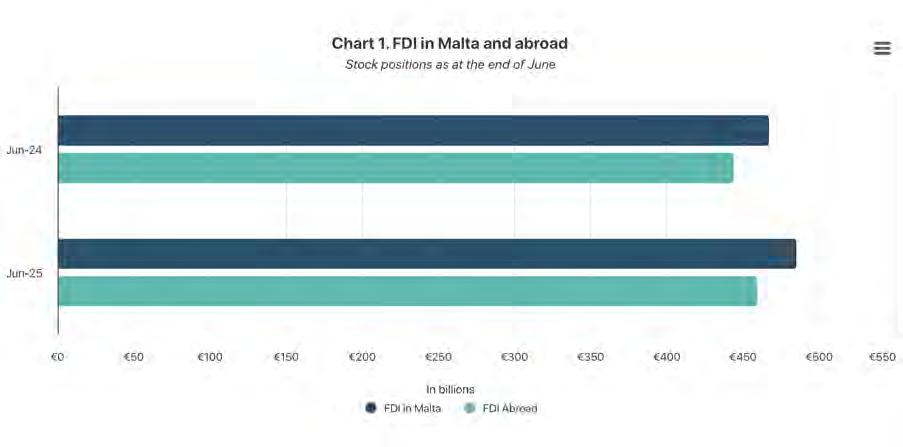
Direct Investment in Malta and Abroad: January-June 2025
At the end of June 2025, the stock position of Foreign Direct Investment in Malta stood at €485.1 billion, while Direct Investment abroad amounted to €459.2 billion.
During the first six months of 2025, FDI flows in Malta increased by €5.6 billion (Table 1). The main contributors to total FDI flows were financial and insurance activities, with most transactions conducted with EU partners.
In June 2025, the FDI position stood at €485.1 billion, marking a rise of €18.9 billion compared with the same period a year earlier. Financial and insurance activities accounted for 98.4 per cent of the total FDI position.
Direct Investment abroad
During the first half of 2025, direct investment flows abroad amounted to €6.1 billion, mainly in the form of equity and investment fund shares/ units.
Direct investment position abroad reached €459.2 billion in June 2025, an increase of €13.2 billion compared with 2024. Financial and insurance activities accounted for 99.5 per cent of the total outward FDI, with most investment directed towards EU partners.
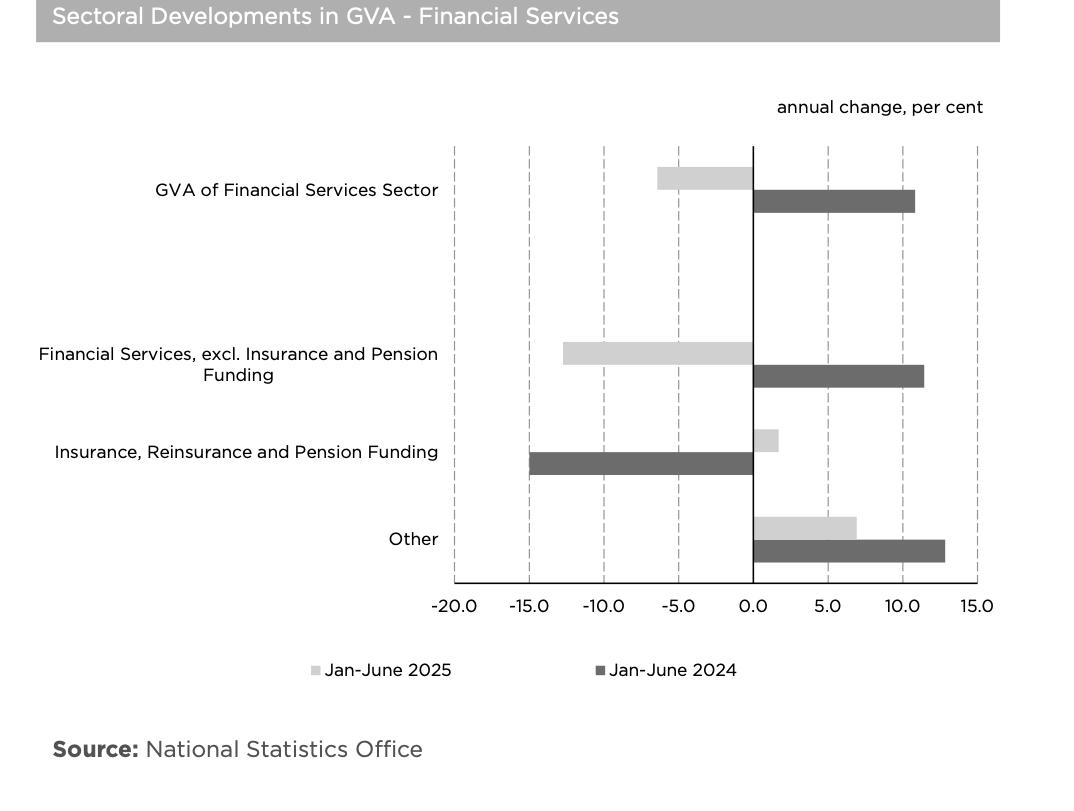
Malta's Financial Services

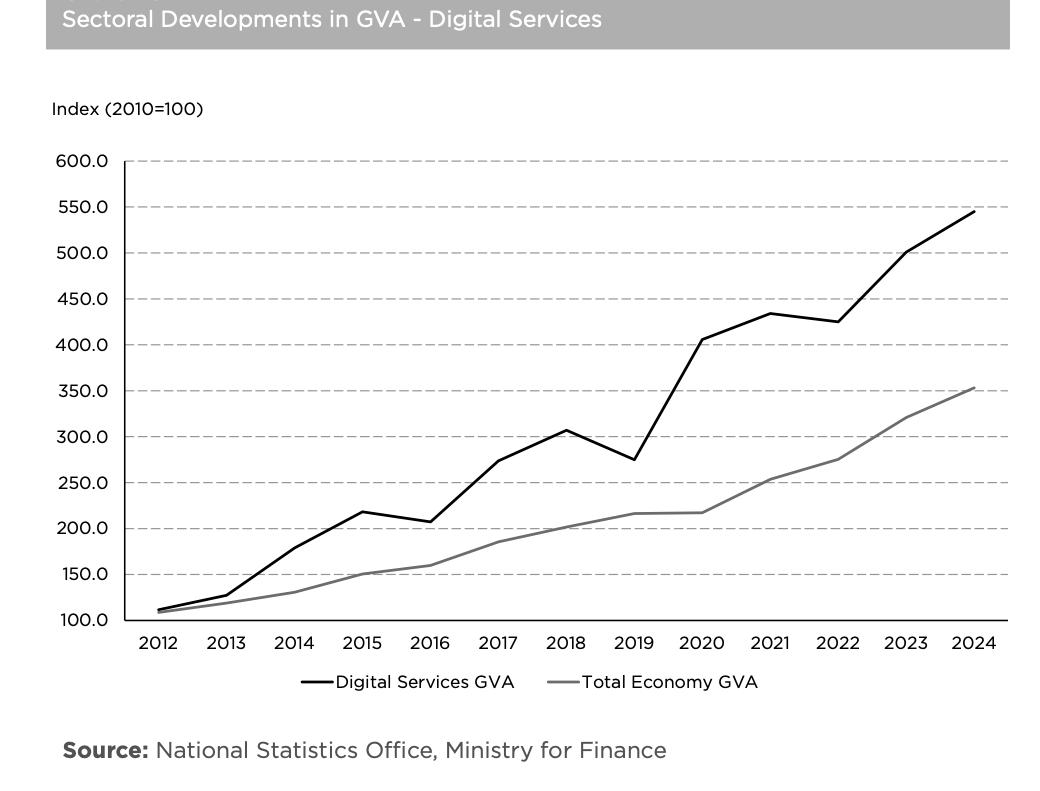
Malta's Digital Services

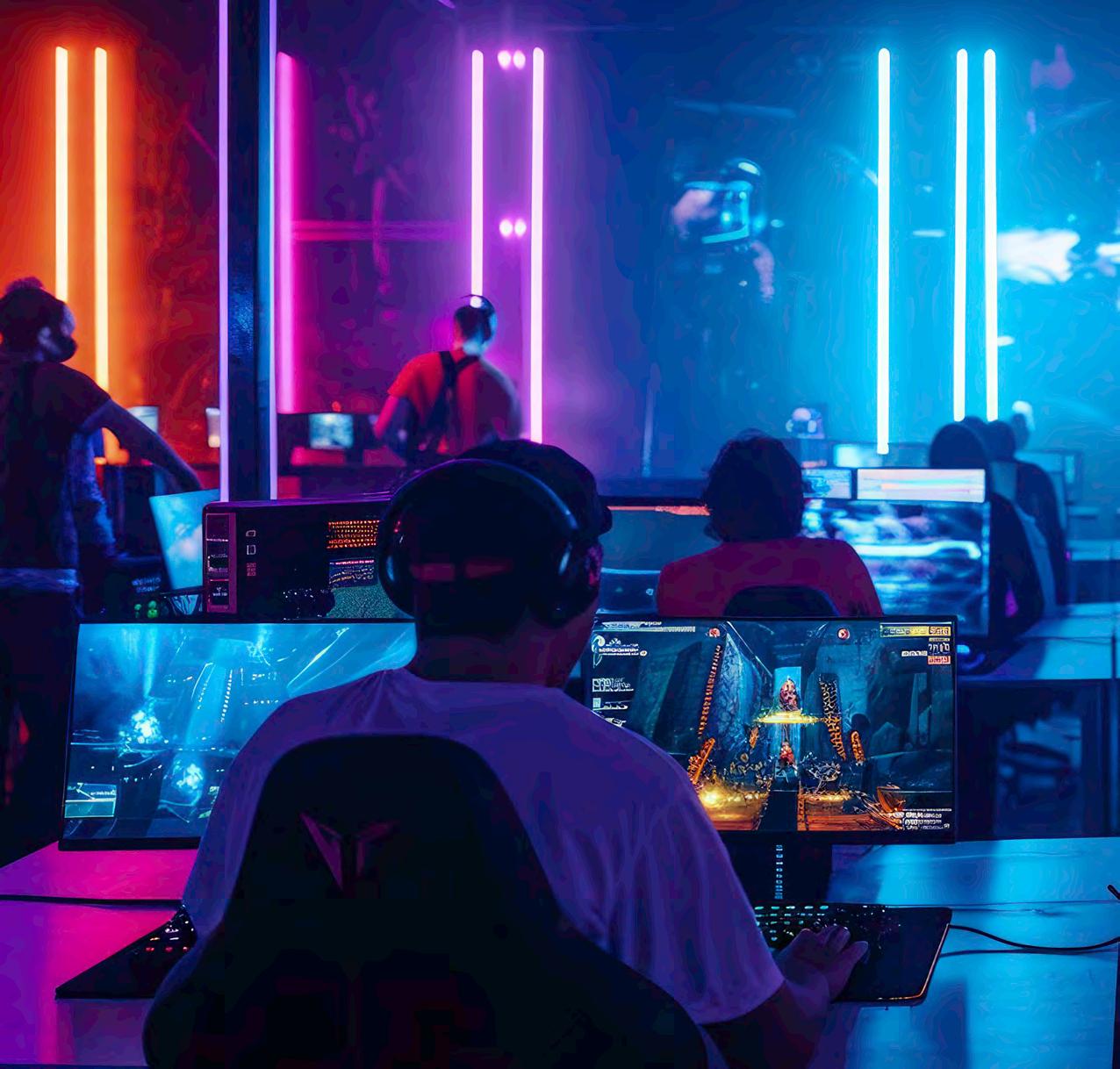
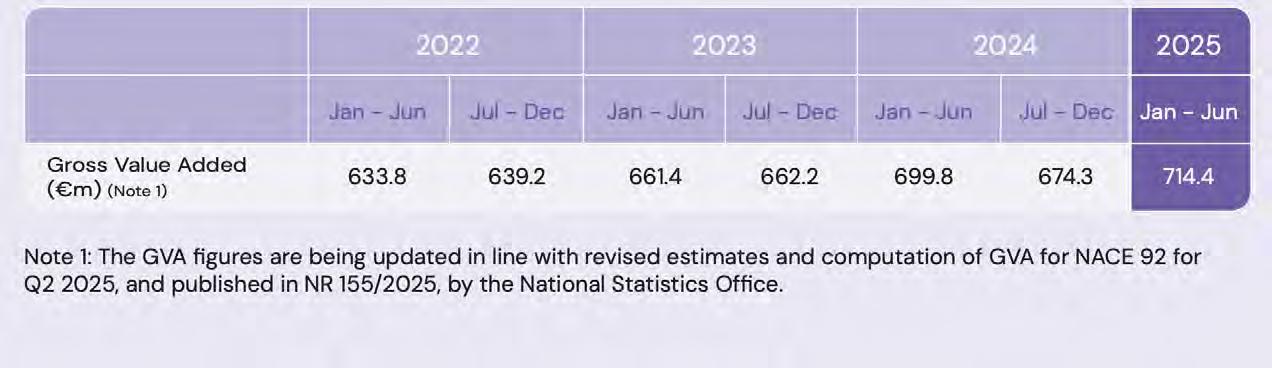
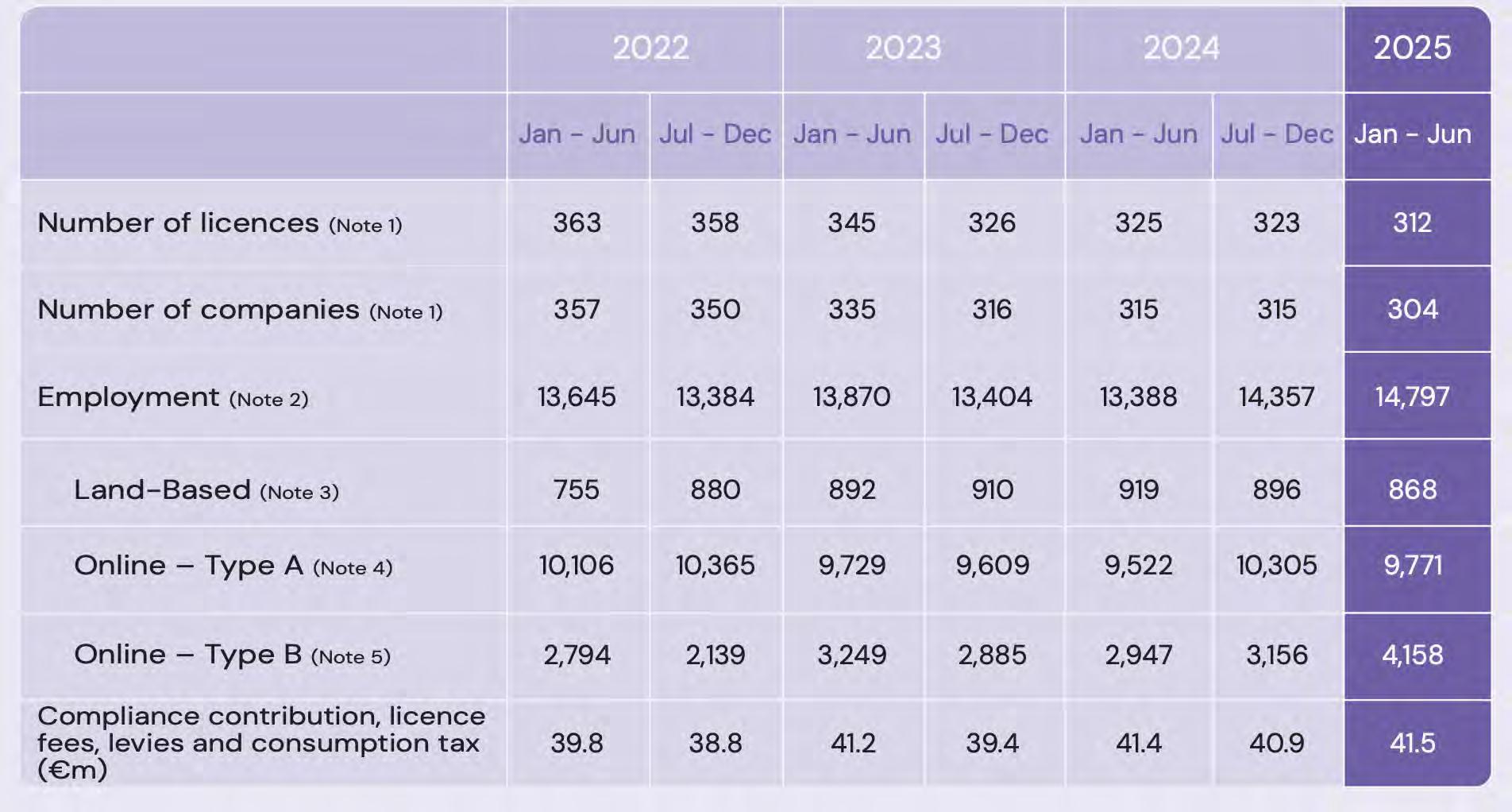
Malta's Gaming Industry

Malta's Film Industry
Malta's Aviation Sector
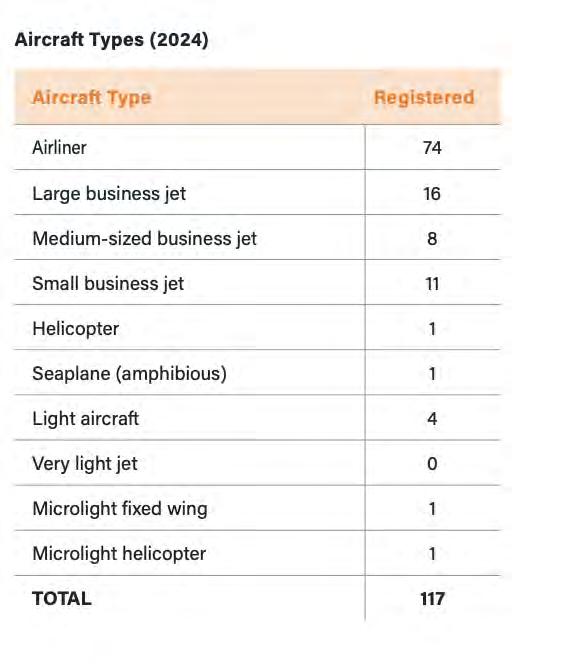
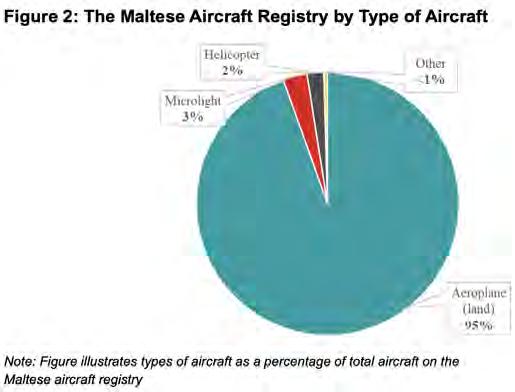
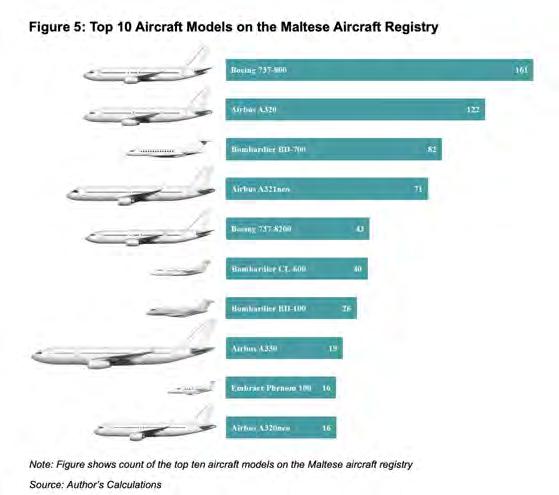
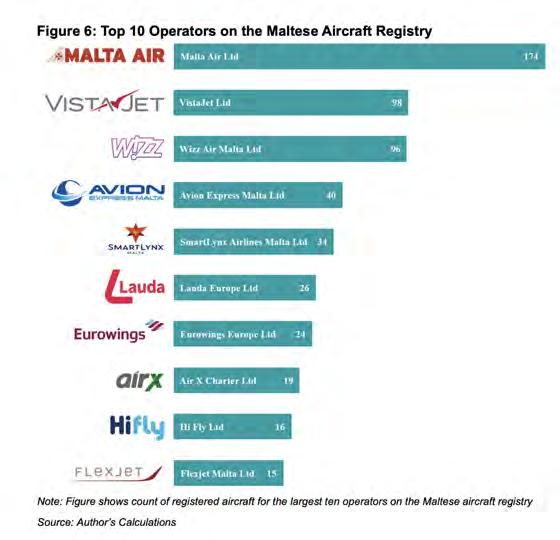
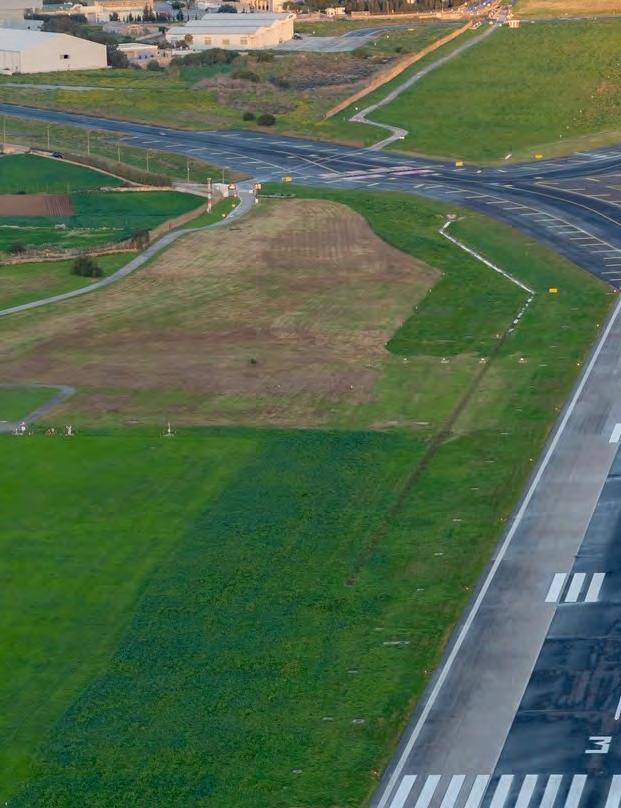
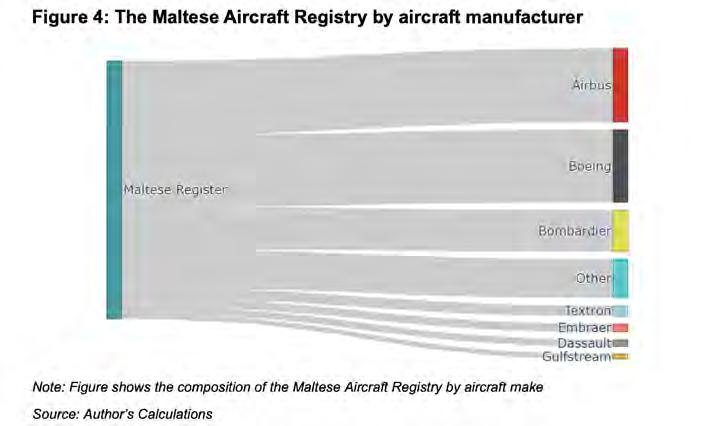
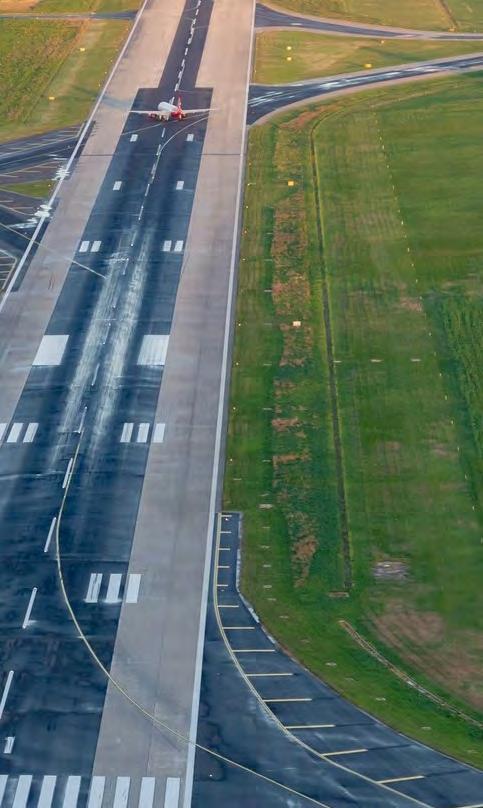
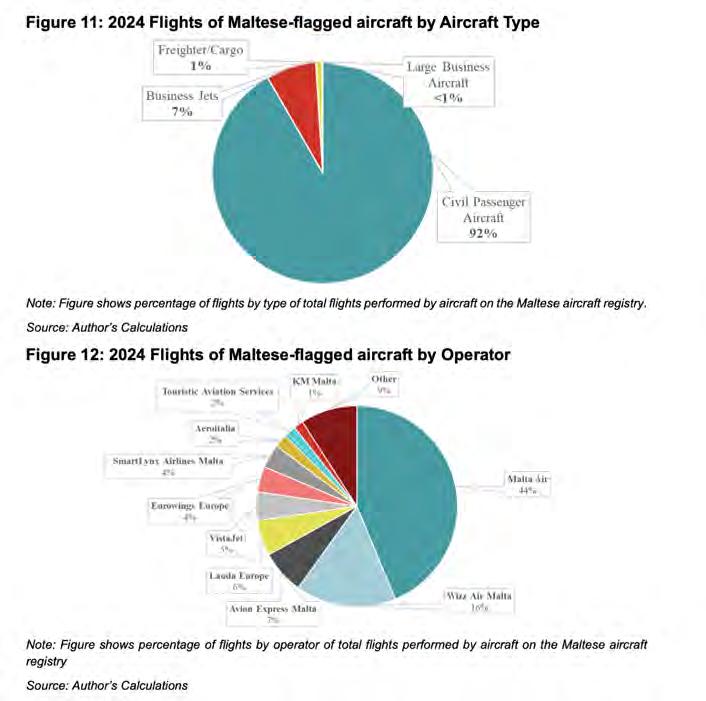
Malta's Maritime Industry
MFSA Executes MoU with FSA Seychelles
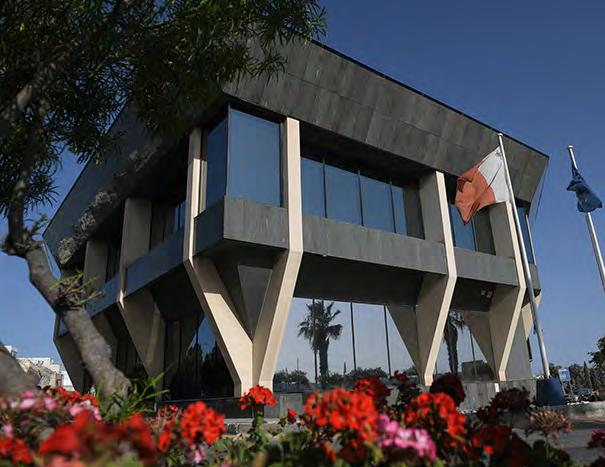
The Malta Financial Services Authority (MFSA) and Seychelles Financial Services Authority (FSA) have entered a Memorandum of Understanding (MoU) to formalise regulatory cooperation in identified areas of mutual interest. FSA is Seychelles’ regulator responsible to license, regulate, enforce regulatory and compliance requirements, monitor and supervise the conduct of business in the non-bank financial services sector in Seychelles.
The MoU was signed by Mr Pascal Morin, Chief Executive
Officer of FSA and Mr Kenneth Farrugia, Chief Executive Officer of the MFSA, on the March 18 and February 12, 2026, respectively. The objective of the MoU is to facilitate the sharing of information and best practices related to financial market development, regulatory frameworks and business structures in the respective jurisdictions. It also seeks to promote the fitness and properness of licensed or registered persons, promote high standards of fair dealing and integrity and strengthen enforcement efforts within the respective jurisdictions.

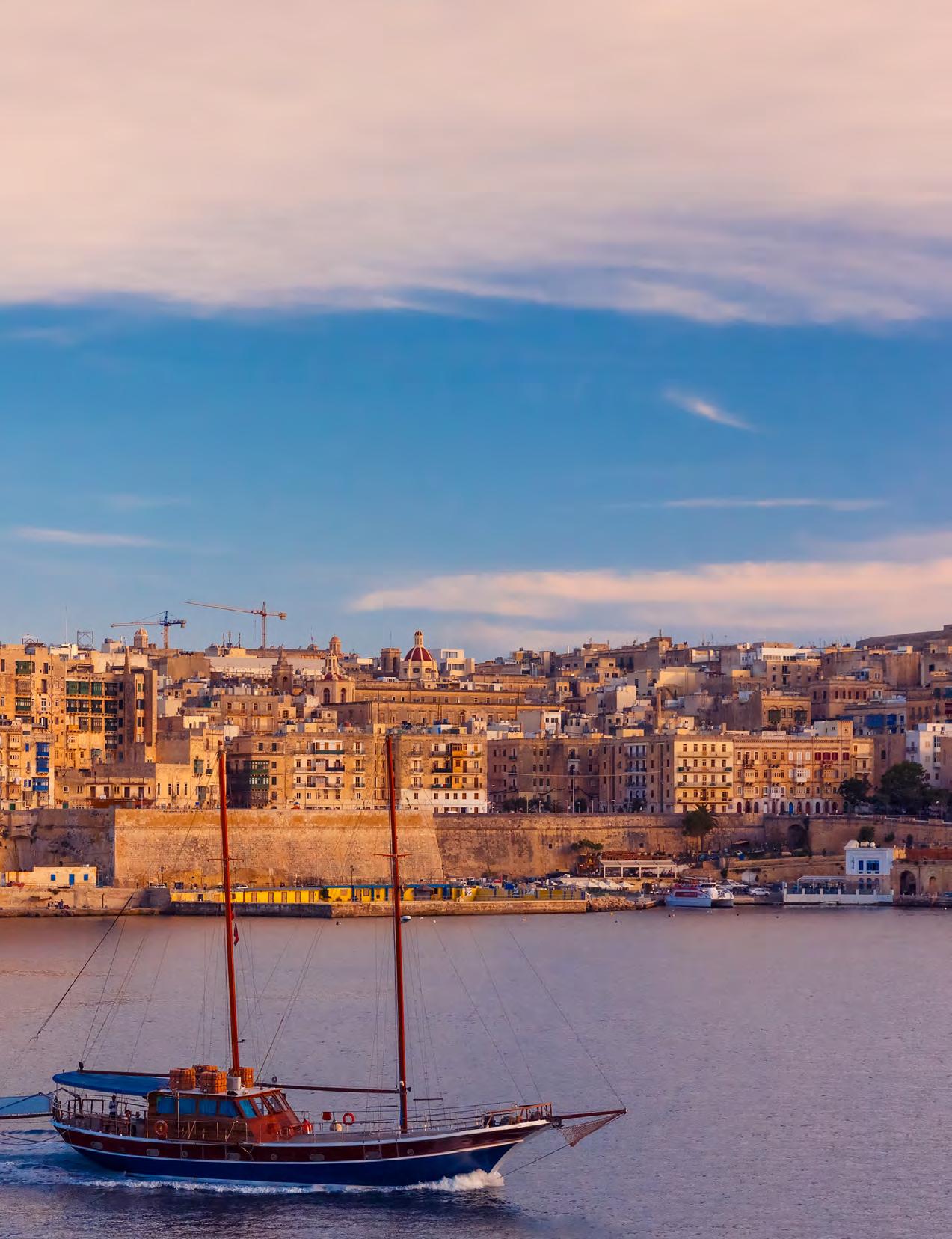
MALTA
Malta’s Tomorrow Economy The Role of Vision 2050 in

For any serious investor or business leader, a stable environment is essential. While short-term stability is important, true economic leadership means planning years ahead. Malta is intentionally moving away from short-termism by launching Malta Vision 2050, a strategic shift toward a sustainable, long-term trajectory that ensures the prosperity of future generations. Through Malta Vision 2050, we are aligning today’s economic decisions with where we want Malta to be in the decades ahead, ensuring continuity, clarity, and confidence for investors and businesses alike. For international investors, this translates into a stable and transparent framework for long-term decisionmaking in an uncertain global environment. We have the capacity to make these ambitious plans today solely because of the robust economic stability we have built over the last ten years.
Building a Resilient Economy
To understand Malta’s future objectives, we must look at where we started. A little over a decade ago, in 2013, our economy was struggling: high unemployment, and a lack of foreign direct investment. Our initial strategic phase focused on systemic recovery and fiscal discipline. By executing targeted interventions, we closed the gap and positioned Malta as a leading performer in the Eurozone. This gave us the vital fiscal “breathing room” to shift our national strategy away from quantity, toward quality. Today, this shift places Malta in a stronger position to compete internationally, focusing on sustainable growth and higher value creation.
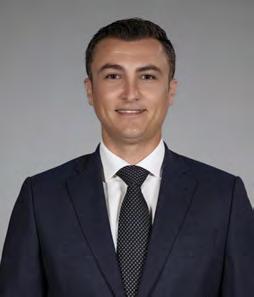
SILVIO Schembri Minister for the Economy, Enterprise and Strategic Projects
Economic Resilience in Crises
This economic resilience was our greatest defence during the global pandemic. We moved with agility, protecting public health while keeping the private sector alive through wage supplements, tax postponements, vouchers and subsidies. Because of this, Malta experienced one of Europe’s fastest economic recoveries, holding our momentum despite the global chaos. This demonstrated Malta’s ability to act decisively in times of crisis, which is an important consideration for businesses operating across borders.
Attracting Diversified and High-Value Industries
Over the last five years, our focus has intensified on highvalue, niche ecosystems. We have successfully integrated sectors such as Fintech & Blockchain, Digital Gaming & Esports, Advanced Manufacturing, Aviation and Maritime amongst others.
The continued expansion of global industry leaders like STMicroelectronics, Baxter, and Trelleborg serves
as a powerful endorsement of our sound economic policies and economic stability. Furthermore, one of the largest MedTech Foreign Direct Investment will soon be launched in our shores. Here we aren't just filling jobs; we are cultivating high-impact, long-term careers that will sustain our workforce for decades.
One Synchronised Roadmap
While our sectoral policies have been successful, the next stage of our development requires total synchronization. In collaboration with experts in the field, we conducted a rigorous audit of our existing frameworks. The findings were clear: while our individual ministry strategies were excellent, the nation required a single, cohesive governance umbrella.
Malta Vision 2050 is the culmination of that insight. It acts as the operating system for tomorrow's economy, a datadriven roadmap forged through extensive consultation with social partners and industry stakeholders. We have around 1,800 actions which we grouped into
100 actionable macro-measures. To ensure accountability, a dedicated department within the Civil Service has been mandated with the execution of this vision. And for the first time in our country's history, key performance indicators for these measures will be made public. Journalists, stakeholders, and the public will be able to analyse our progress. This coordinated approach ensures that all areas of policy, move in the same strategic direction.
The Ultimate Metric for Tomorrow
Ultimately, Malta has outgrown the phase where success is measured by Gross Domestic Product alone. A truly modern economy recognises that economic growth is meaningless if it doesn't translate into a better quality of life for the citizens and a premium environment for the businesses operating here.
Going forward, our success will be judged by new metrics, on the UN Human Development Report, where Malta currently sits in 25th place. Our target is to reach the top 20 by 2035, and the top 10 by 2050. We are aiming for median disposable income to hit 115% by 2035. And on the overall life experience index, where we are currently ranked 12th, our goal is to be 10th place by 2035 and be with the top 5 by 2050. These targets reflect a broader shift toward an economy that balances economic ambition with social progress and environmental responsibility.
Vision 2050 isn't just an economic policy; it is our blueprint for making Malta one of the best places in the world to live, work, and invest. It gives investors the long-term certainty and strategic direction needed to grow with confidence, positioning Malta as a reliable and forward-looking partner in the global economy.
THE BUSINESS AVIATION landscape
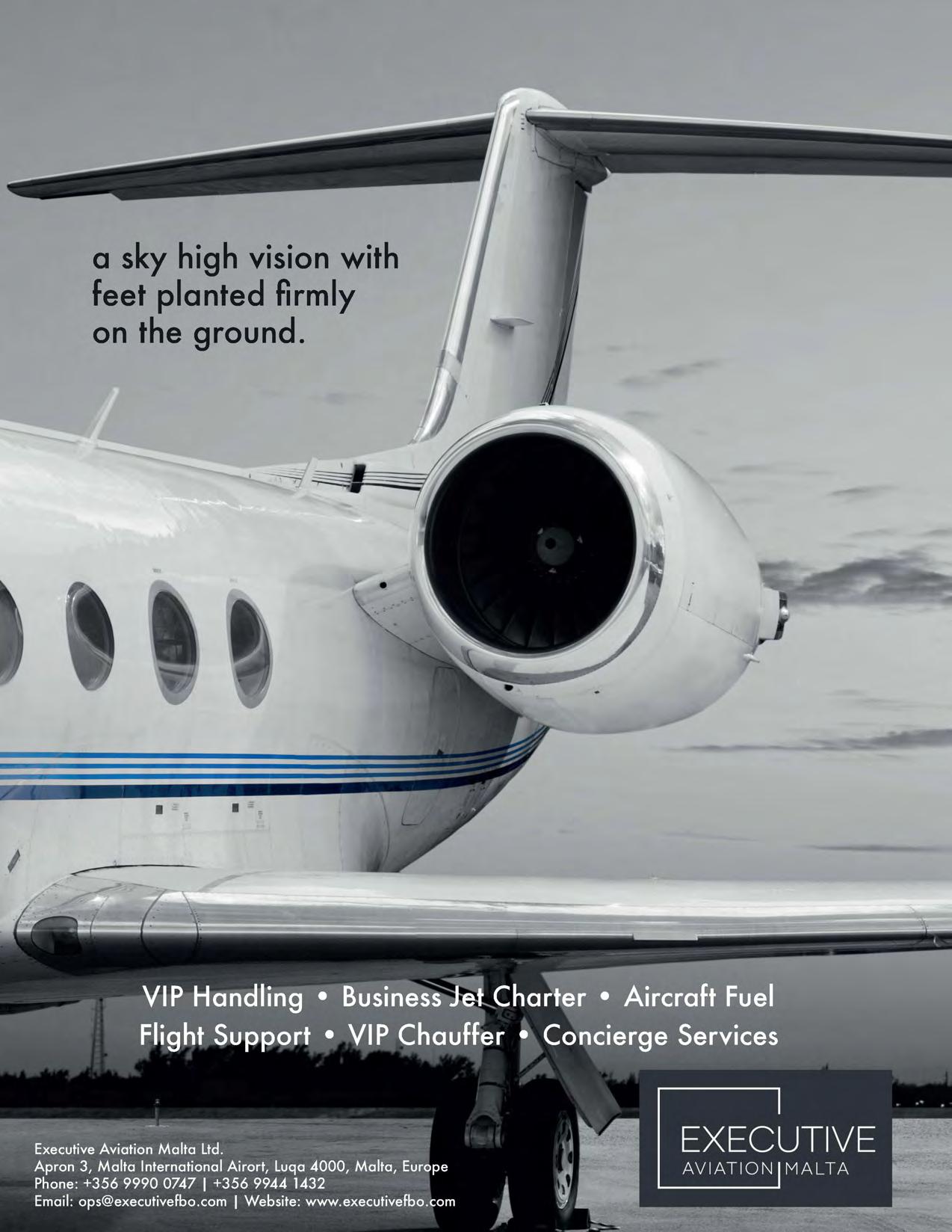
From my perspective as CEO of Executive Aviation Malta, the current business aviation landscape is defined by both pressing concerns and encouraging momentum. Writing for Executive Traveller Magazine, I see an industry that is not only resilient, but increasingly vital to how modern executives navigate a complex global environment.
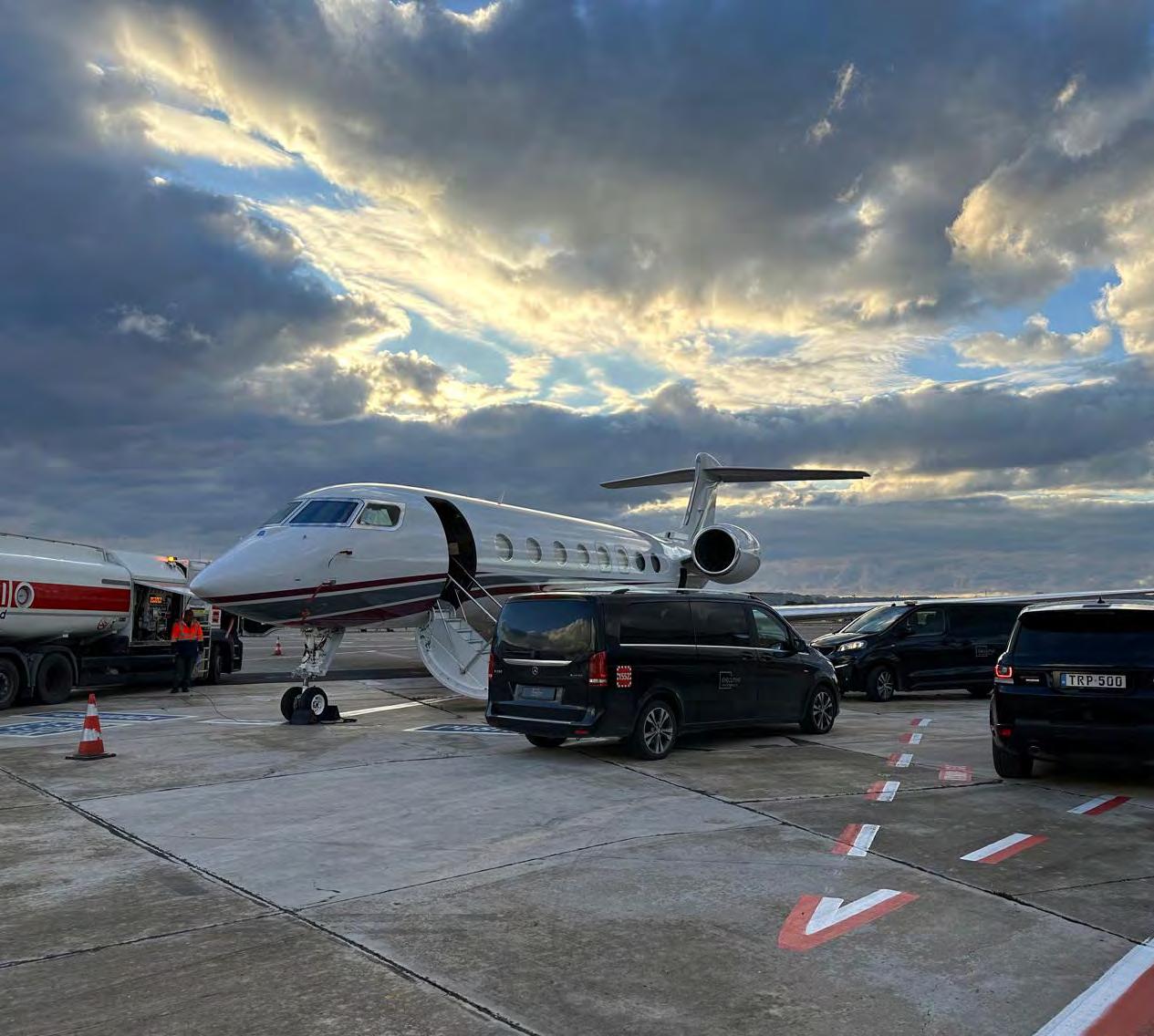
At a local level, operating from Malta gives me a unique vantage point. Island economies depend heavily on connectivity, and business aviation has become an indispensable link where commercial networks fall short. I continue to see strong demand for short-notice charters, particularly from clients who value time efficiency and discretion.
The ability to connect Malta seamlessly with key European and North African business centres is no longer viewed as a luxury — it is a necessity. This shift reinforces our role as enablers of economic activity, supporting sectors from finance to iGaming and beyond.
Internationally, the picture is equally dynamic. Demand for long-range travel remains robust, especially among multinational executives who prioritize reliability and privacy. However, I would be remiss not to highlight my current concerns. Rising operational costs — particularly fuel and maintenance — are placing pressure on operators. At the same time, regulatory complexity across jurisdictions continues to create inefficiencies that can hinder growth. Layered onto this is the increasing scrutiny around environmental impact, which is reshaping how the industry must think and act.
Sustainability is no longer a future ambition; it is an immediate responsibility. From my standpoint, the adoption of sustainable aviation fuel (SAF), investment in more efficient aircraft, and the normalization of
carbon offsetting are essential steps. Yet, these solutions come with cost implications, and the challenge lies in balancing environmental accountability with commercial viability. It is a delicate equation, but one we must solve collectively as an industry.
Despite these challenges, I remain optimistic. One of the most encouraging developments I see is the pace of technological advancement. Digital platforms are transforming how clients access and manage private travel, while improvements in aircraft design and inflight connectivity are enhancing both efficiency and experience. For today’s executive traveller, the aircraft has evolved into a fully functional workspace—secure, connected, and tailored to their needs.
Looking ahead, I believe business aviation will continue to strengthen its position as a strategic asset rather than a discretionary service. The key will be adaptability— embracing innovation, addressing sustainability headon, and navigating regulatory landscapes with agility.
From where I stand, the future of business aviation is not without its challenges, but it is undoubtedly full of opportunity. As an industry, we are being pushed to evolve, and that pressure, I believe, will ultimately make us stronger, more responsible, and better aligned with the expectations of the global executive traveller.
ANDREAFounderTrapani and CEO at Executive Aviation Malta
The ability to connect Malta seamlessly with key European and North African business centres is no longer viewed as a luxury — it is a necessity
ENSURING A COMPETITIVE MALTA Skills, tech and talent:
As Malta prepares to identify the course it wants to take in the years and decades ahead, it is worth stepping back from the political noise and assessing where the country truly stands. The past years have brought achievements that merit recognition: robust headline growth, resilient core sectors and a workforce that has demonstrated adaptability despite economic uncertainty.
Yet among larger businesses, smaller firms and families, a growing concern is emerging. Malta’s economic model is showing signs of strain. Acknowledging the positive while being honest about the challenges is essential if we are to chart a sustainable and competitive path forward.
The economy has continued to expand at a pace that outperforms the EU average. Tourism, financial services, digital gaming and advanced manufacturing remain resilient pillars. These sectors did not grow by coincidence; they stem from long-term strategies pursued across legislatures, built on a shared belief that Malta must compete globally through specialised, high value niches. The Nationalist Party is proud to have contributed to shaping these sectors, and we also acknowledge the government’s efforts to sustain them.
But no business leader defines success solely through GDP. Persistent inflation is eroding consumer confidence and compressing business margins. The government’s own Economic Survey confirms inflation remains above the EU average, with food prices a major driver.

JEROME
Caruana Cilia
PN MP and Shadow Minister for the Economy and Enterprise
At the same time, businesses are struggling with daily productivity obstacles that cut across sectors: delays caused by congestion, slow or inconsistent administrative processes, difficulty finding skilled staff and rising operating costs tied to infrastructure strain. These issues reduce efficiency on the ground, making it harder for firms to plan, serve customers and scale. For many businesses, the challenge is no longer growth potential, but the growing time and resources wasted on avoidable bottlenecks.
Labour market dynamics point to notable challenges. Unemployment remains low at around 3%, yet approximately 10,000 individuals are registered as jobseekers. At the same time, employers face acute skills shortages, prompting growing reliance on nonEU labour. Skills mismatches weigh heavily on Maltese businesses. This is no longer a sectoral issue. It is a systemic one, affecting productivity, service quality and Malta’s long-term competitiveness.
Raising productivity must therefore be a central national priority. While Malta has registered impressive headline growth, the underlying engines that sustain long-term competitiveness are not keeping pace.
Productivity gains across key sectors have slowed, weighed down by skills gaps, infrastructure bottlenecks and an economic model that increasingly depends on expanding the labour force rather than improving efficiency and value creation. If Malta is to remain competitive, it must transition toward an economy fuelled by innovation, higher skill intensity and smarter use of technology - not volume alone.
Achieving this requires coordinated reform. Businesses need a regulatory environment that rewards innovation and reduces administrative burdens, while workers need access to continuous upskilling pathways that match emerging sectoral demands. By aligning education, workforce policy and enterprise support, Malta can unlock the next wave of productivity growth, one that strengthens competitiveness and raises living standards for families while enabling firms to scale sustainably.
Competitiveness indicators reflect this reality. EY’s Attractiveness Survey offers a mixed bag: it highlights strong taxation and digital infrastructure, yet investors repeatedly flag weaknesses in skills availability, infrastructure capacity, governance and strategic planning. These are not abstract concerns. They shape investment decisions, operational costs and relocation strategies. Businesses demand clarity, predictability and efficiency, qualities that Malta has not consistently delivered in recent years.
The labour market, for instance, needs urgent intervention: targeted education reforms, sector specific upskilling and a strategic approach to talent attraction. Infrastructure development, from transport to digital government, must match our aspirations. Reputational concerns remain an economic vulnerability, directly affecting foreign investment, market access and sectoral growth.
As an Opposition, our role is to be constructive. Where the government takes steps in the right direction, we support it. Where policies fail to address longterm challenges, we speak plainly. My party believes that Malta’s economic model can and should evolve toward one that emphasises value over volume, skills over sheer numbers, and investing more in research, development and innovation. The PN has already put forward practical proposals to ease pressures on households and businesses: making the COLA nontaxable, supporting employers through tax credits so that wage adjustments do not translate into price hikes and establishing a national fund to cushion importand export-dependent industries from global shocks that feed inflation.
But beyond immediate measures, Malta must think long term and act accordingly. Economic visions and strategies mean little unless backed by implementation, transparency and measurable targets. Our ambition should be to build an economy that attracts talent not only because of tax incentives but because it offers a high quality of life, a green and modern infrastructure, and a labour market built on skills, fairness and productivity.
However, a vision on its own, just like the budget, changes nothing. Implementation determines credibility. Malta cannot afford another strategy that gathers dust while immediate economic pressures intensify. Cost of living pressures, overstretched infrastructure, bureaucratic bottlenecks, never-ending traffic jams and institutional weakness cannot be deferred to 2030 or 2040. They require decisive action now. Moreover, alignment is fundamental, we do not afford spending years where stakeholders are not in sync.
Maltese families and businesses do not expect miracles. They expect seriousness, competence and clarity. They expect a vision that retains what works but has the courage to change what does not. The PN stands ready to play its part: to safeguard our strongest sectors, to modernise the foundations of competitiveness and to ensure that economic growth is not only sustained but shared. This should not be a partisan ambition. It is a national one and it is the standard our country deserves.

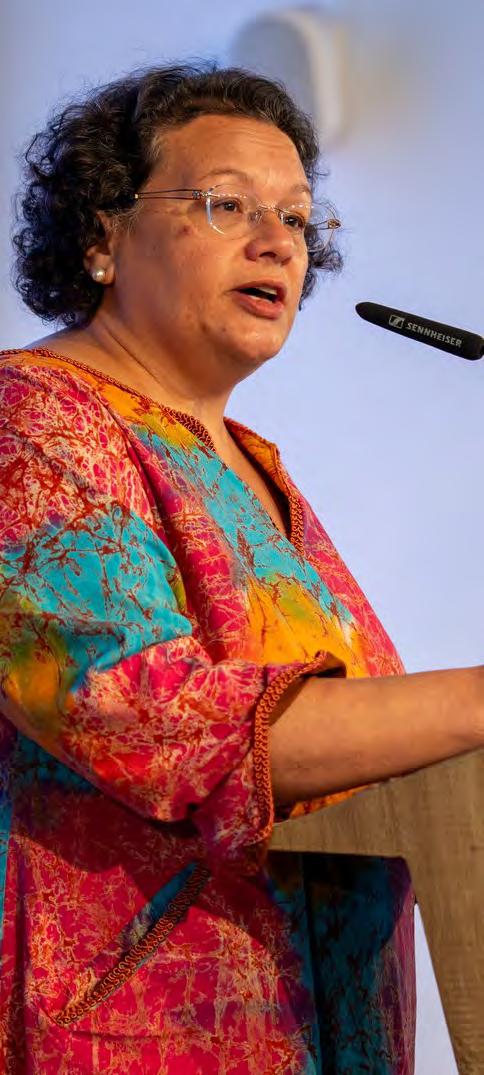
"As an Opposition, our role is to be constructive. Where the government takes steps in the right direction, we support it. Where policies fail to address long-term challenges, we speak plainly."
Esplora Launches its 2026 Programme With New Exhibitions, National STEAM Leadership, and a Strong Focus on Biodiversity
Esplora has officially launched its Programme for 2026, unveiling a comprehensive and forward-looking agenda that not only marks ten years since the centre’s inception, but also sets out an ambitious vision for the future. The programme strengthens STEAM education, promotes biodiversity awareness, and reinforces inclusive learning across Maltese society.
The programme introduces five new immersive exhibitions: Science on a Sphere, the Rube Goldberg Machine, Air Fountain, a live bee colony focusing on biodiversity, and the interactive gallery Musicon. These exhibitions are designed to make complex scientific concepts more accessible through hands-on, creative, and engaging experiences. In parallel, Esplora will lead the development of Malta’s first National STEAM Strategy, supported by a newly established national taskforce.
Esplora’s Senior Director, Mary Ann Cauchi, explained that the programme reflects the centre’s evolution towards interdisciplinarity. “The Programme for 2026 reflects Esplora’s shift from STEM to STEAM, where science and technology are enriched through creativity, design, and storytelling. By incorporating transversal skills, we are empowering learners of all ages to think critically and collaborate effectively,” she said.
Another key initiative is the launch of a national research project for youths aged 13 to 17, offering funding and mentorship for supervised research projects. At the same time, Esplora will continue to strengthen its commitment to inclusion through multi-sensory initiatives and tailored sessions for neurodiverse visitors, ensuring the centre remains accessible and welcoming to all.
Throughout the year, the public will benefit from a diverse calendar of activities, including monthly Open Days, XjenzaAnzjan sessions, and specialised educational programmes for schools. With this programme, Esplora looks ahead to the coming decade with a clear and purposeful direction—placing sustainability, scientific literacy, and community engagement at its core.
As Esplora celebrates its tenth anniversary, this milestone year serves not merely as a retrospective celebration but as a launchpad for renewed ambition, reinforcing Explora’s role as a national leader in STEAM education, biodiversity awareness, and inclusive learning, while laying a strong foundation for the decade ahead. Discover more https://esplora.org.mt/
Local Leadership Is No Longer Optional:
Europe’s Future Begins in Its Municipalities
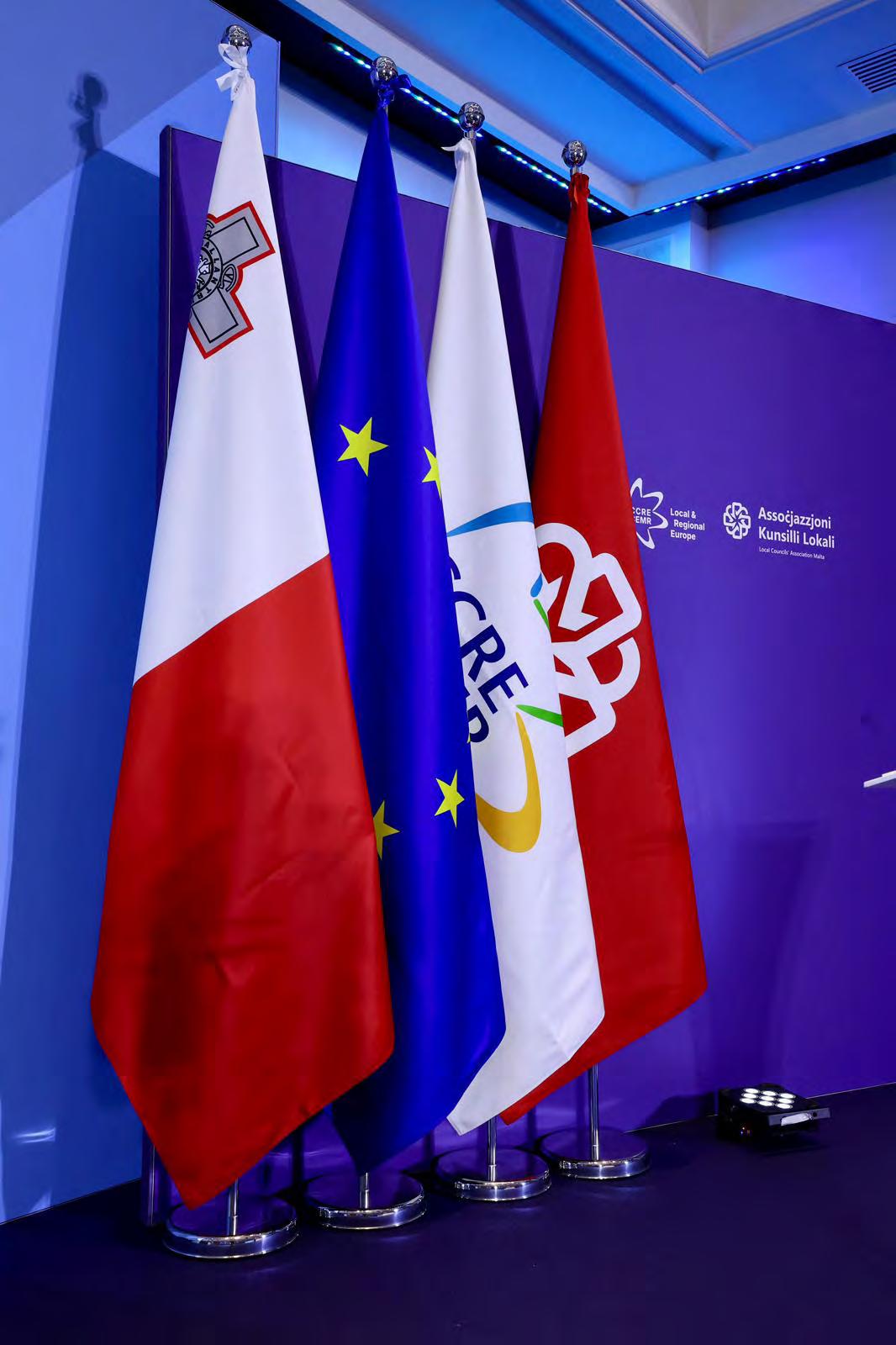
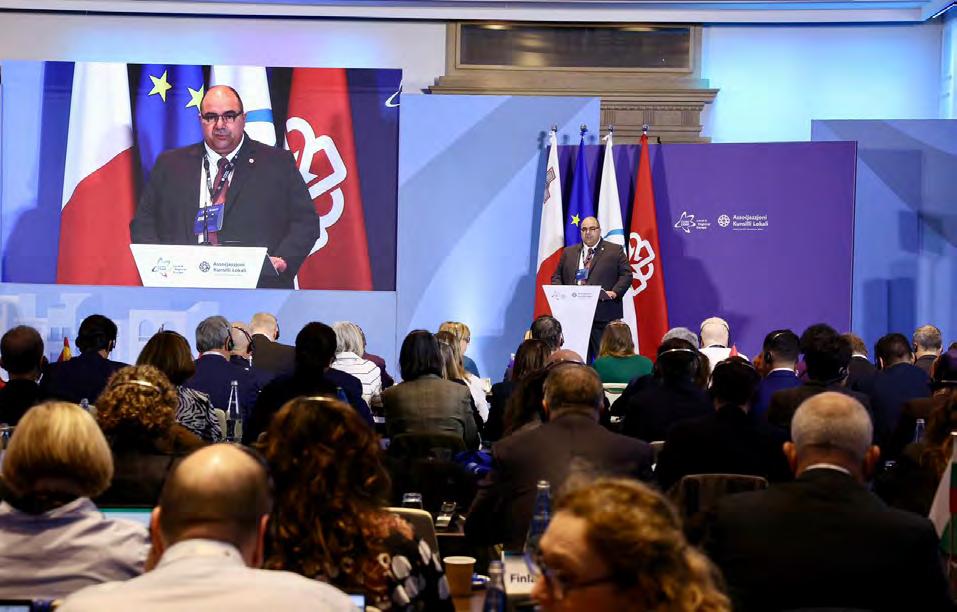
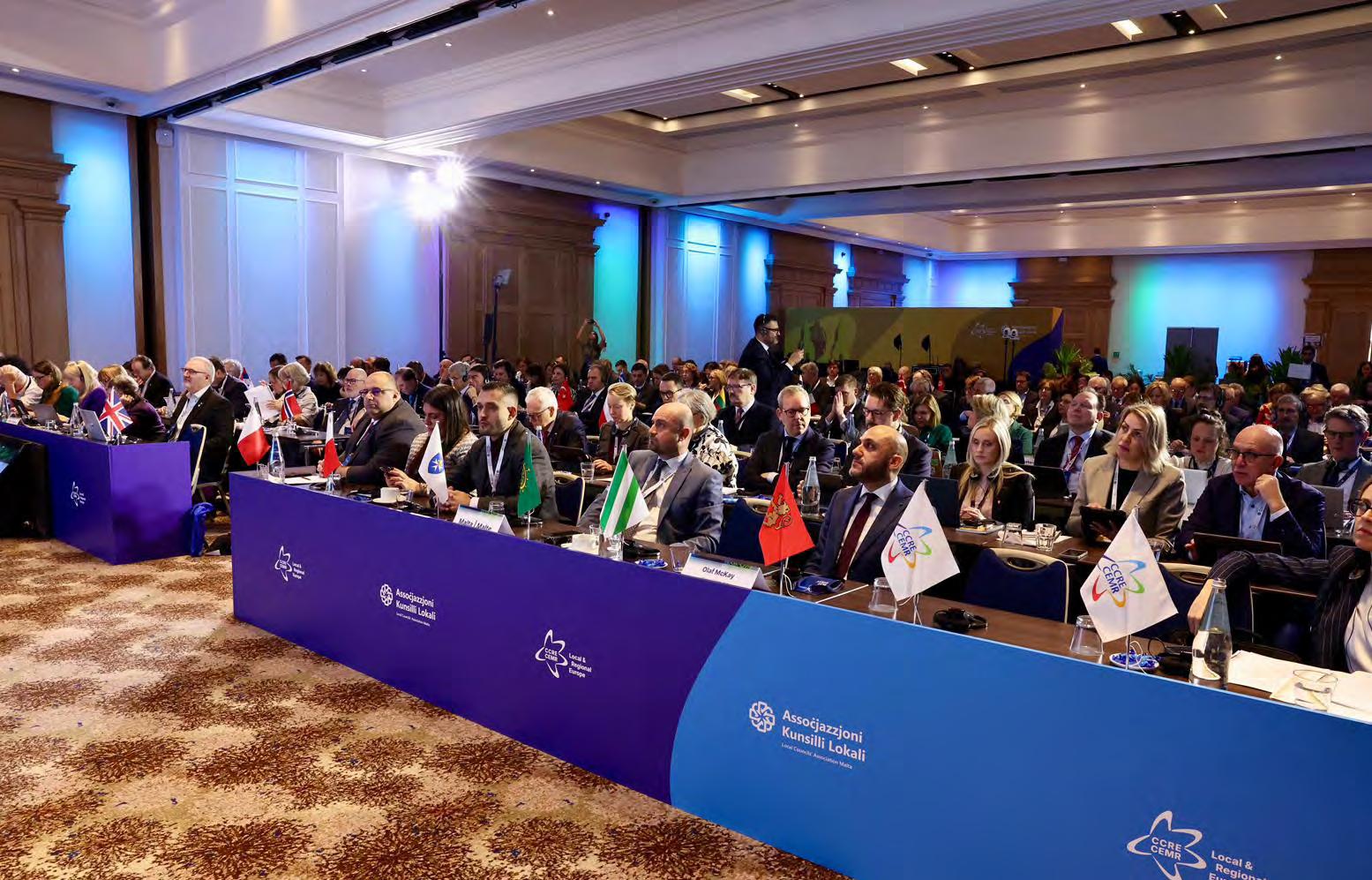
As Malta hosted the 2025 CEMR Leaders’ Summit, it did so with a clear and unmistakable message: local and regional governments can no longer be treated as secondary players in Europe’s political architecture. The discussions taking place at this summit affirm a fundamental truth, a truth that demands political clarity and courage today:
• Europe cannot succeed unless its local governments are finally recognised as strategic actors, not mere implementers.
Across the continent, demographic shifts, territorial disparities, geopolitical instability, and shifting EU investment priorities are reshaping the daily rhythm of European life. These challenges do not arrive abstractly in Brussels; they are felt immediately and concretely in towns, neighbourhoods, and communities across Europe. And in every case, it is local leaders who bear the responsibility of turning political ambition into tangible action.
While national governments debate strategies, it is local authorities who respond first and most intensely — to ageing populations, infrastructure demands, social pressures, migration realities, climate impacts, and citizens’ expectations. Yet despite this, they are still too often treated as managers rather than the democratically legitimate leaders they are. This imbalance weakens Europe’s governance and limits its capacity to act.
Reclaiming Local Power in the Multiannual Financial Framework
As work intensifies on the 2028–2034 Multiannual Financial Framework (MFF), the stakes for local and regional authorities could not be higher. The MFF is not just a financial plan; it is a political blueprint that will determine whether Europe chooses cohesion or fragmentation, balanced development or the concentration of power.
The next MFF is shaped by competing pressures — increased defence spending, industrial competitiveness, the green and digital transitions, and growing territorial inequalities. Amid these challenges, one principle must remain firm:
• Local governments must be embedded formally and structurally into EU policymaking.
Consultation alone is no longer sufficient. Local authorities cannot be invited into the discussion only after major political decisions have already been formed. Europe’s governance model must evolve. Institutions closest to the citizen must participate from the very beginning of the policymaking cycle, defining priorities, shaping instruments, and influencing strategic investment.
Local and regional authorities manage more than half of public investment in the EU and implement 70% of European legislation. Their exclusion from strategic decision-making is illogical, inefficient, and politically unsustainable.Local Europe is not subordinate Europe; Local Europe is strategic Europe.
Cohesion Policy: A Foundation That Must Be Defended
There is increasing concern that Europe’s renewed focus on defence, competitiveness, and industrial capacity may overshadow its long-standing commitment to cohesion. Such a shift would risk not only economic imbalance but also political fragmentation.
Cohesion policy is more than a funding tool; it is the moral and political foundation of the European project. Weakening it deepens territorial divides, fuels distrust, and undermines Europe’s unity.
Local authorities know that when cohesion weakens,
MARIO Fava President Local Council Association
inequality widens, social tensions rise, and political trust erodes. A competitive Europe cannot be built while leaving significant parts of the continent behind. Balanced territorial development is not merely a value, it is a political necessity.
Democracy Must Be Defended Where It Is Lived
As Europe confronts growing democratic challenges, one truth becomes increasingly clear: democracy is defended not in distant institutions but where people live their daily lives, in local councils, neighbourhoods, and communities. Local leaders are the first line of democratic credibility. When local democracy is strong, trust in national and European institutions grows. When it is weak, the democratic system becomes fragile.
For this reason, the next MFF must include direct investment in local democracy: public participation processes, youth engagement initiatives, independent local media, transparent governance tools, and digital platforms that strengthen accountability.
Democracy thrives where people are closest to power, and that means locally.
A More Assertive Local Europe Is Emerging
The 2025 CEMR Leaders’ Summit marks a moment of political consolidation. With a renewed Policy Committee and strengthened leadership, Europe’s local authorities now embrace their role not merely as partners but as a collective political force capable of influencing legislation, shaping EU debates, and defending the interests of
Europe’s territories.
The introduction of the Impact Lab underscores this shift. It demonstrates that innovation, resilience, and practical solutions emerge from the lived realities of communities, not from distant bureaucratic abstractions. Local governments have long served as the testing ground for policies that later become European standards, encompassing climate adaptation, mobility reform, social inclusion, digital transformation, and urban regeneration.
Europe is beginning to recognise that local leaders are not administrators; they are political actors with legitimacy rooted in daily interaction with citizens.
Towards a
Europe That Begins Locally
Europe’s future begins locally, not as an aspiration, but as a political fact that is growing clearer every day. This is not a slogan; it is the foundation of a more resilient, cohesive, and democratic Union. And it rests on three essential truths:
Europe needs courage.
It needs the courage to rethink long-standing power structures, decentralise authority, and trust the institutions closest to the people. Local governments show this courage daily, by innovating under pressure, by managing crises with limited resources, and by maintaining public trust when higher institutions struggle to do the same. The courage Europe seeks at the Union level already exists in its municipalities.
Europe needs clarity.
Clarity that cohesion is a non-negotiable pillar of the European project. Clarity that the success of the green and digital transitions depends entirely on local implementation. Clarity that Europe’s identity is defined not by treaties or directives, but by the quality of life in towns, villages, and cities. Citizens experience Europe through local services, mobility, safety, public spaces, and infrastructure, and this is where the Union either earns or loses legitimacy.
Europe needs leadership rooted in community.
Leadership that understands the lived realities of Europeans. Leadership is shaped by daily contact with residents, businesses, NGOs, and local stakeholders.
Local leaders embody this leadership, bridging European ambitions with local expectations. Their work ensures that Europe’s grand visions translate into results people can see, feel, and trust.
Because of these truths, a Europe that seeks to be competitive, resilient, and secure must also be cohesive, democratic, and territorially balanced. These values are not abstract principles; they are built and defended every day by local governments.
Europe’s future begins locally — in its councils, communities, and the democratic institutions closest to its people. And it is only by embracing this reality that Europe can move forward with purpose, unity, and credibility.
A KShaped future would be far harder to escape!
I hadn’t planned to write about the Middle East conflict, but the situation has become too serious to ignore.
The Strait of Hormuz, one of the world’s most critical economic arteries, is now at the centre of a geopolitical storm that is spilling into every corner of global stability. As developments intensified, I came across economic data and projections that were, frankly, worrying. Everything was revised downwards, including global growth, as the conflict deepened market uncertainty. The United States and Iran eventually agreed to a ceasefire brokered by Pakistan, but even this temporary pause excludes Lebanon, and Israel continues its military operations. The region remains volatile, and volatility is the enemy of economic recovery.
This instability is hitting at a moment when the world’s recovery is already split along K-shaped lines. Europe is still recovering from the pandemic and the invasion of Ukraine—two shocks that have created uneven progress among sectors and citizens. The EU has already signalled the possibility of rationing fuel, encouraging carpooling, reducing air travel, and lowering speed limits to curb diesel consumption. Even if oil and LNG shipments resume during the ceasefire, and now the blockade by the USA, the insurance problem remains unresolved, and risk premia will stay high. These headwinds disproportionately hit those already on the downward path of the K-shaped recovery. Markets know this, and households will feel it soon enough. Inflation is expected to pick up again, and as I wrote elsewhere, if we continue on this path, next month may be crucial in determining how severe the price spike becomes.
What concerns me most is that this new shock risks deepening the structural inequalities that have already emerged in recent years. The concept of a Kshaped recovery - where some sectors and income groups rebound quickly while others fall further behindhas become a defining feature of the postpandemic world. During COVID19, technology companies, digital services, and investors recovered rapidly, while hospitality, tourism, retail, and lowwage workers suffered prolonged setbacks. The invasion of Ukraine added another layer of difficulty, pushing Europe into a harsher inflationary cycle than the United States. Economists even described the US recovery as Wshaped, while Europe struggled with a more uneven trajectory.

The danger now is that the Middle East conflict triggers yet another divergence. Energyintensive industries will face higher costs, supply chains will be disrupted, and households already hit by inflation will feel the squeeze again. Meanwhile, those with assets - especially property and financial investments - may weather the storm more easily, just as they did during the pandemic. This is how a Kshaped recovery entrenches itself, with the upward line rising faster, the downward line sinking deeper, and the gap between them becomes harder to bridge.
Malta is not immune to these dynamics. Yes, our GDP has grown significantly since 2013 - three times as much, in fact - and this has allowed us to cushion shocks and sustain social measures such as free childcare, increased pensions, and publicsector wages. But even here, recovery has not been equal for everyone. Property owners and investors bounced back faster, helped by rental income and favourable tax structures, while low and middleincome households faced slower progress. The surge in real estate investment and luxury developments has created opportunities for some but widened gaps for others. And as new supermarkets and large retailers expand, smaller local businesses face increasing pressure.
CLINT Azzopardi Flores Economist
Across Europe, the situation is even more fragile. Neither consumers nor producers received substantial support with utility bills, leaving the market to adjust on its own, as we economists know it, laissez-faire economics. Rising defence spending and high public debt are squeezing welfare budgets, and pressure from international partners to increase military expenditure risks further cuts to social programmes. If the EU does not intervene strategically, the next phase of recovery could be even more uneven, deepening social tensions and undermining political stability. At least we saw the EU Commission exempting debt relating to energy subsidies over for the energy shocks, emanating from the war in Iran.
This is why urgent recovery matters. When inequality widens, reversing it becomes exponentially harder. A Kshaped recovery is not merely economic - it is a social and political fault line that fuels frustration, polarisation, and instability. The EU must act decisively, replacing rigid bureaucracy with targeted, flexible interventions that protect households and vulnerable sectors. Malta must also strengthen support for those most exposed to rising prices and accelerate efforts to promote equity, especially through affordable and social housing.
Malta’s economy at
the edge of a new transition

Only a few weeks ago, the conversation around Malta’s economy was one of transformation and strength. The tourism sector had not only recovered from the pandemic but had reconfigured itself, expanding capacity, attracting demand, and redefining its value proposition. It was a clear example of how an economy can absorb shock and emerge stronger. Yet today, a different narrative is beginning to take shape, one that forces us to confront a deeper reality about the structure of our economic model.
What we are witnessing is not simply the emergence of another external shock. It is the exposure of a system that has transitioned from resilience to a more subtle form of fragility, one that is embedded in how the economy is designed and how it interacts with the outside world.
As highlighted in recent analyses published by the Central Bank of Malta, Malta has already moved through a critical phase of adjustment.
The immediate crisis period, driven by pandemic disruption and global inflationary pressures, has passed. In its place, a new equilibrium has emerged, characterised not by instability but by persistence. Costs have stabilised,
but at a higher level. Growth has continued, but within a more complex and demanding environment. What was once temporary has, in many respects, become structural.
This is an important starting point because it changes how we interpret current developments. The economy is no longer in recovery mode. It is operating within a new baseline, one that is inherently more exposed to external dynamics.
The unfolding situation in global energy markets, particularly the disruptions linked to geopolitical tensions in the Middle East, illustrates this exposure with striking clarity. Aviation fuel, a critical yet often invisible input into the tourism system, has suddenly become a focal point. Not because it was absent before, but because its availability was always assumed.
This is where the concept of fragility becomes particularly useful. As Nassim Taleb argues, fragile systems are not those that fail immediately, but those that appear stable until a specific stress reveals their underlying dependencies. Malta’s economy, and indeed much of Europe, has been built on a model that prioritises efficiency, integration,
JP Fabri Economist
and openness. These are strengths, but they also create points of vulnerability when the system is tested.
The current pressures on aviation fuel are not yet a crisis, but they are signals. Signals that supply chains can tighten quickly. Signals that prices can adjust rapidly. Signals that connectivity, which is the lifeblood of an island economy, is more conditional than it appears.
For Malta, this matters profoundly.
Tourism is not just another sector. It is a system built on flows, of people, of capital, and of connectivity. It depends on the seamless functioning of global aviation networks, energy supply chains, and geopolitical stability. The postCOVID recovery demonstrated how adaptive this system can be. Airlines rebuilt routes, demand rebounded, and the ecosystem rebalanced itself in ways that were both rapid and effective .
But that same system remains anchored to external variables it does not control.
When fuel supply tightens or becomes more expensive,
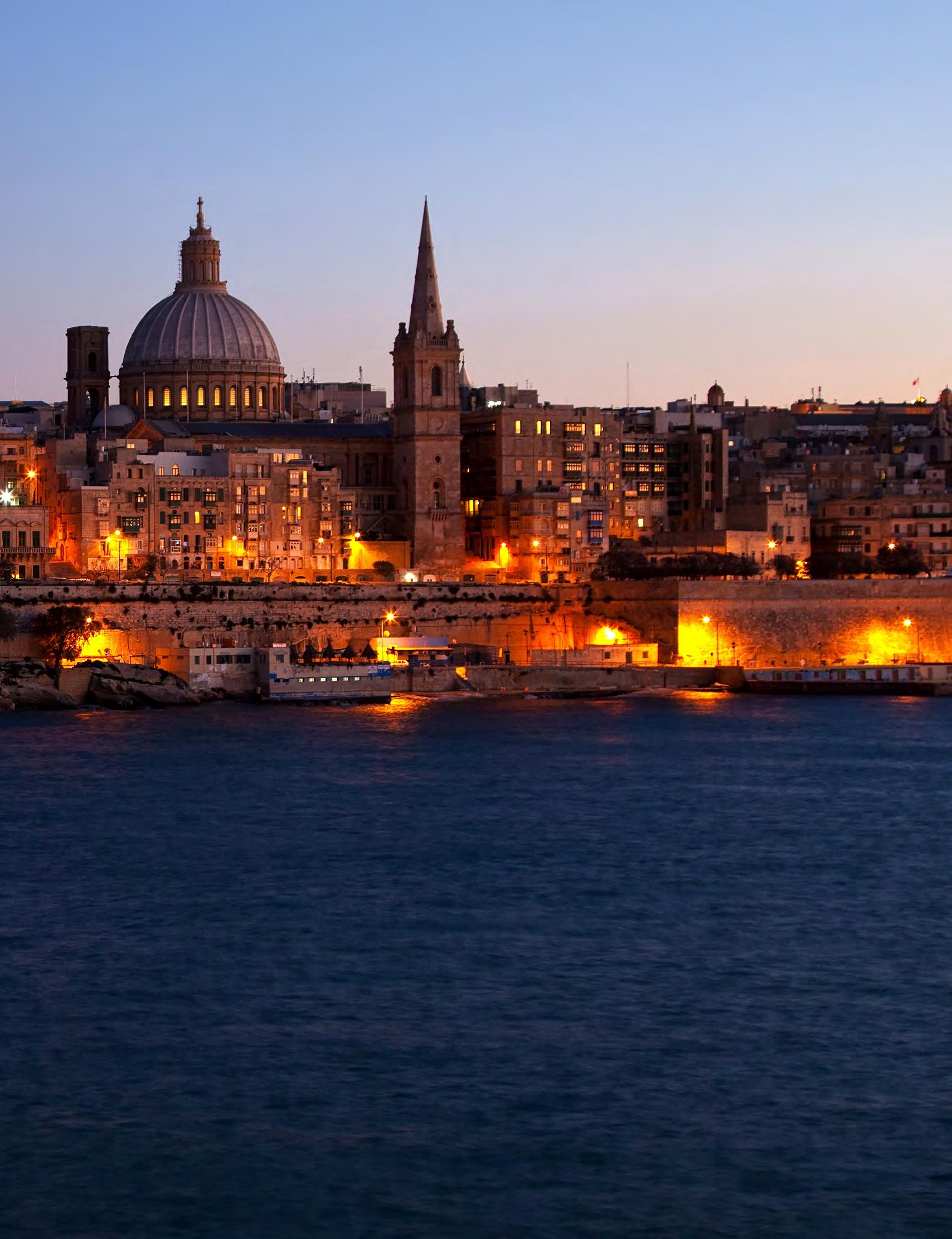
airlines begin to make choices. Capacity is allocated more selectively. Marginal routes come under pressure. Prices adjust. For a destination like Malta, which has no alternative transport corridors, these adjustments translate directly into economic outcomes.
This is where the narrative must shift from short-term impact to structural understanding. The immediate effects are relatively clear. We may see pressure on flight availability, particularly on less profitable routes.
We may see increases in airfares, which will influence demand patterns and potentially reshape the composition of tourists. These are important considerations, but they are not the most significant part of the story.
The deeper insight lies in what these developments reveal about Malta’s economic structure.
Malta is a small, open, and highly connected economy that has built its growth model on external integration. This has delivered strong outcomes, from employment growth to rising incomes and expanding sectors. But it
Part of this lies in recognising that fragility is often a by-product of optimisation. Systems that are designed to be efficient, lean, and cost-effective tend to minimise redundancy. They function exceptionally well under stable conditions but have limited capacity to absorb shocks. Europe, as a whole, reflects this pattern, having prioritised efficiency over agency in areas such as energy and supply chains.
Malta operates within this broader European framework, and therefore inherits many of its strengths and vulnerabilities.
At the same time, Malta has certain characteristics that can be leveraged differently. Its scale allows for agility. Its neutrality provides flexibility in how it engages with different regions. Its strategic positioning offers opportunities to rethink how it connects, not just physically but also digitally and economically .
But leveraging these advantages requires a more deliberate approach.
It requires moving beyond reactive adaptation towards a more structured understanding of risk. The reality is that Malta already operates in a highly complex risk environment, shaped by geopolitical tensions, energy dependencies, digital vulnerabilities, and climate pressures. What is often missing is a coherent framework that brings these elements together and allows for more coordinated decision-making .
In this sense, the current situation should be seen as a moment of reflection rather than alarm.
It is a reminder that growth, while essential, is not sufficient on its own. It must be accompanied by systems that can sustain it under different conditions. It is a reminder that resilience is not about avoiding shocks, but about designing systems that can absorb them without losing functionality.
Malta’s economy has already demonstrated its capacity to evolve. The transition from crisis to persistence is evidence of that. The transformation of tourism is another example, showing how quickly systems can reconfigure when needed.
The question now is whether this adaptability can be translated into a more intentional form of resilience.
Because the world Malta operates in is changing. It is becoming more fragmented, more volatile, and more interconnected at the same time. In such a world, the distinction between external and internal risks becomes increasingly blurred.
The unfolding developments in energy and aviation are not isolated events. They are part of a broader pattern, one that will continue to shape economic outcomes in the years ahead.
Malta stands at an important juncture. It can continue to rely on a model that has delivered growth but remains exposed to external shocks. Or it can begin to evolve that model, embedding resilience more deeply into its structure while preserving the openness that defines it.

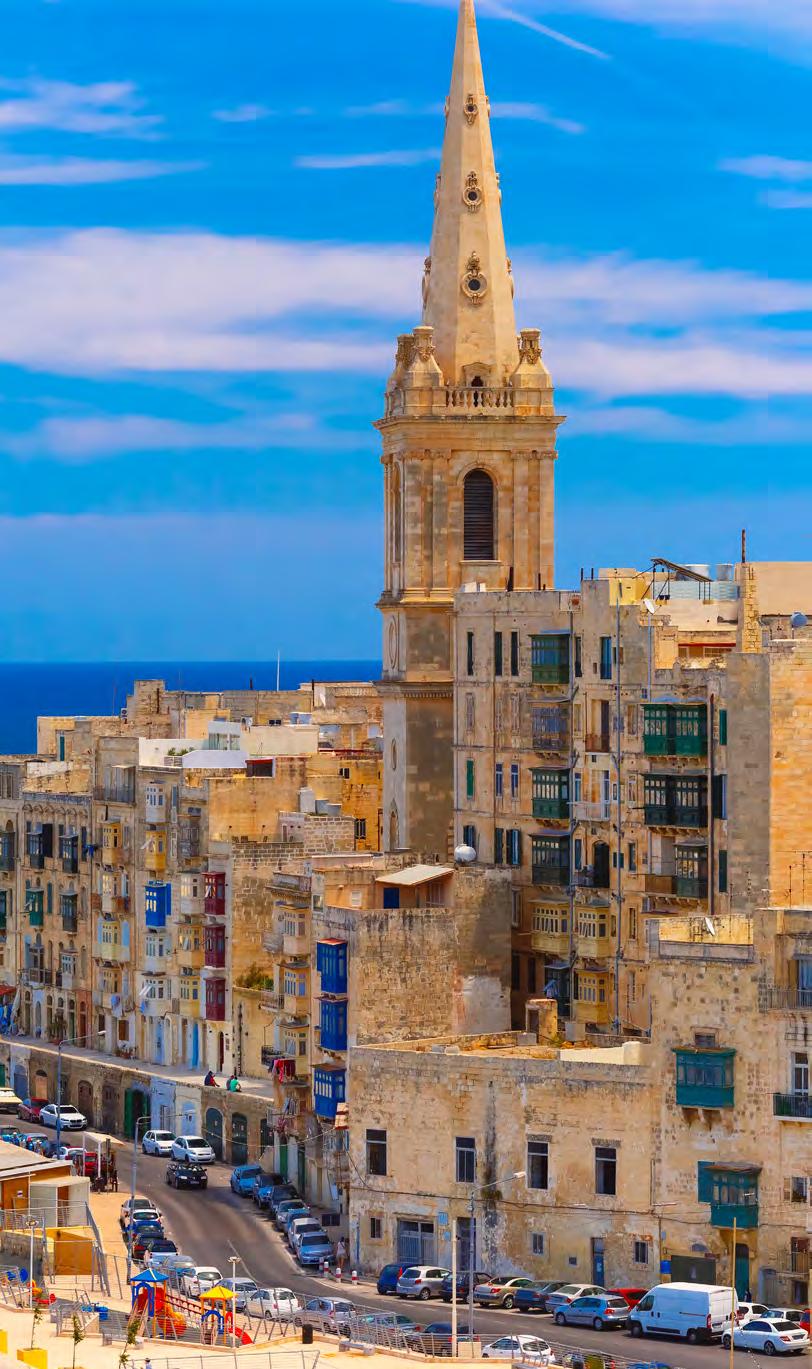
And in that transition lies the real opportunity.
North of Italy –Destination Turin and Aosta Valley
From Alpine Trails to Grand Boulevards
Nearest airport: Turin - offering car rental services.
Days: 6 full days in total.
Visited time of the year: Early July
Our trip began high in the Val d’Aosta, where jagged peaks rise like sentinels above a ribbon of green valley. Courmayeur was our first stop, a lively alpine town at the foot of Mont Blanc, where shop windows displayed sleek ski gear alongside shelves of local honey and cheese. The town itself is charming, with narrow streets lined with cafés and artisan shops and the atmosphere is a blend of alpine coziness and energetic tourism.
Following the valley east, we lingered in Cogne, a serene gateway to the Gran Paradiso National Park where savour the best scenic views. Wildflower meadows and larch forests frame quiet paths and the nearby Parc Animalier d’Introd offers a close-up view of ibex, chamois and marmots in their natural setting. It’s the perfect warm-up for exploring the park’s wilder reaches.
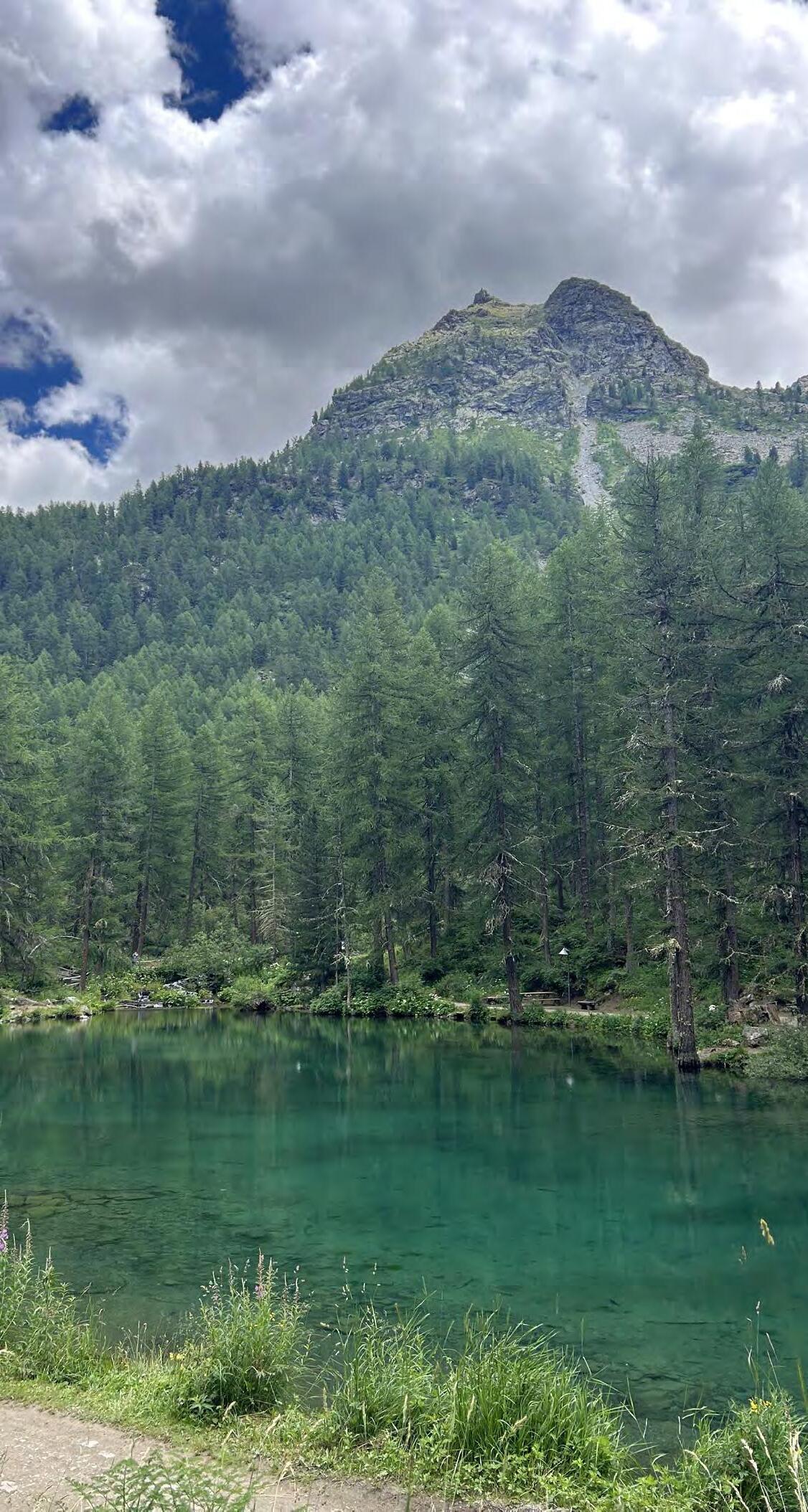
On another day we went to Pelago Lake (Lago di Pellaud) in Rhêmes-Notre-Dame with its glassy surface mirroring pines and mountaintops. The only sounds were the rustle of wind in the branches and the soft clang of cowbells drifting from the pastures. Not that popular but magnificently beautiful.
Before leaving the mountains, we spent time in the town of Aosta, the valley’s small but storied capital with medieval lanes lined with cafés and shops selling the region’s famed Fontina cheese. The pace here is unhurried and the surrounding mountains feel close enough to touch.
Descending into the plains brought a shift in atmosphere as we arrived in Turin by car. We wandered leisurely along the city’s cobbled streets, admiring the architectural grandeur, elegant façades, ornate balconies and the graceful sweep of arcaded streets. A peaceful walk along the lake added another layer of calm, the water reflecting the soft light of the setting sun. On the outskirts of the city, the Turin Outlet Village offered a lively contrast with a mix of high-end shops and charming open-air promenades perfect for browsing and finding local deals.
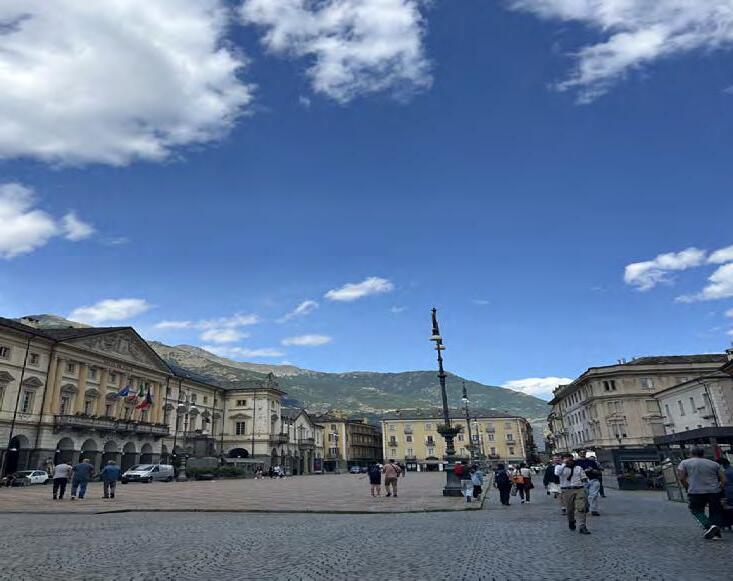
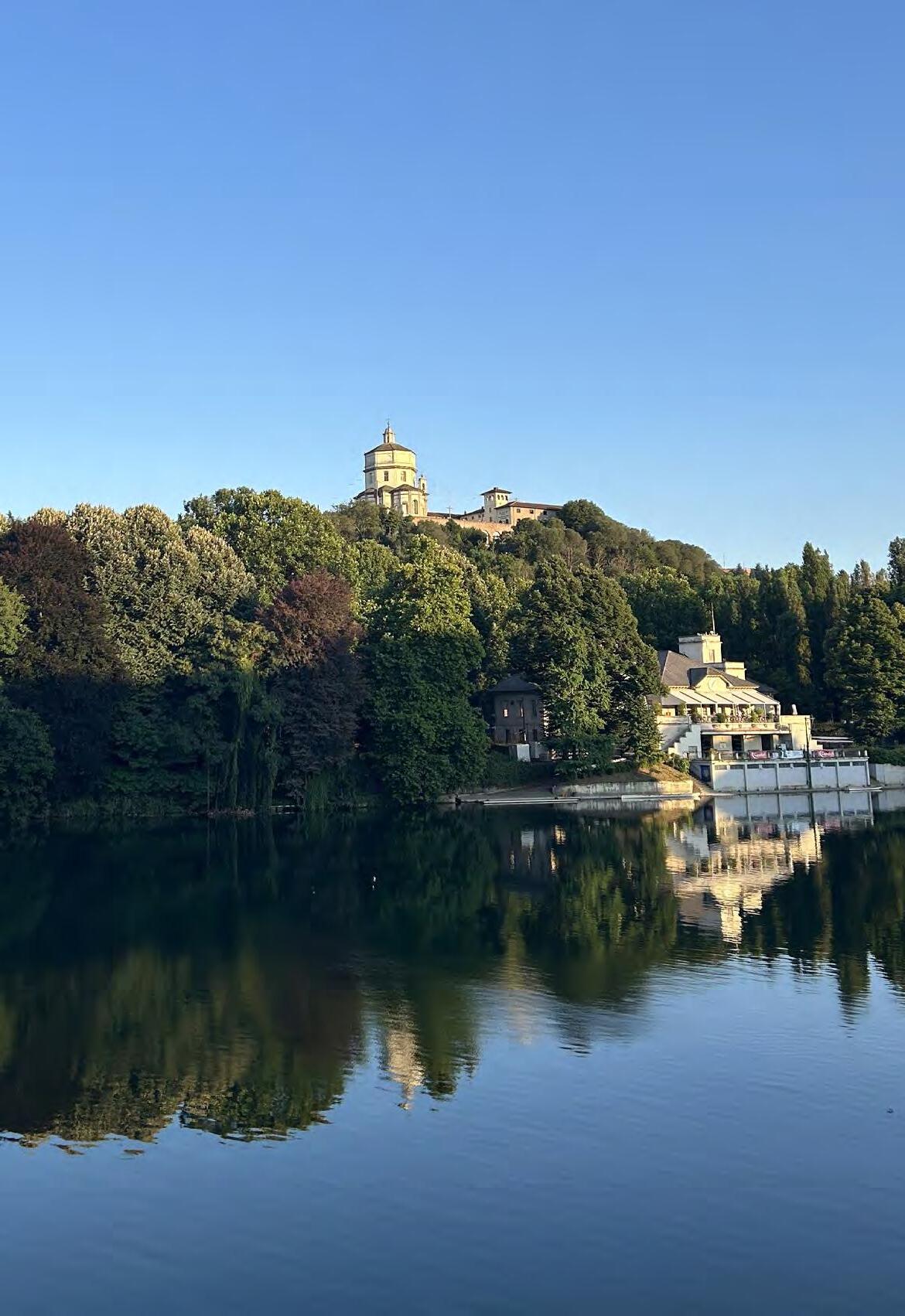
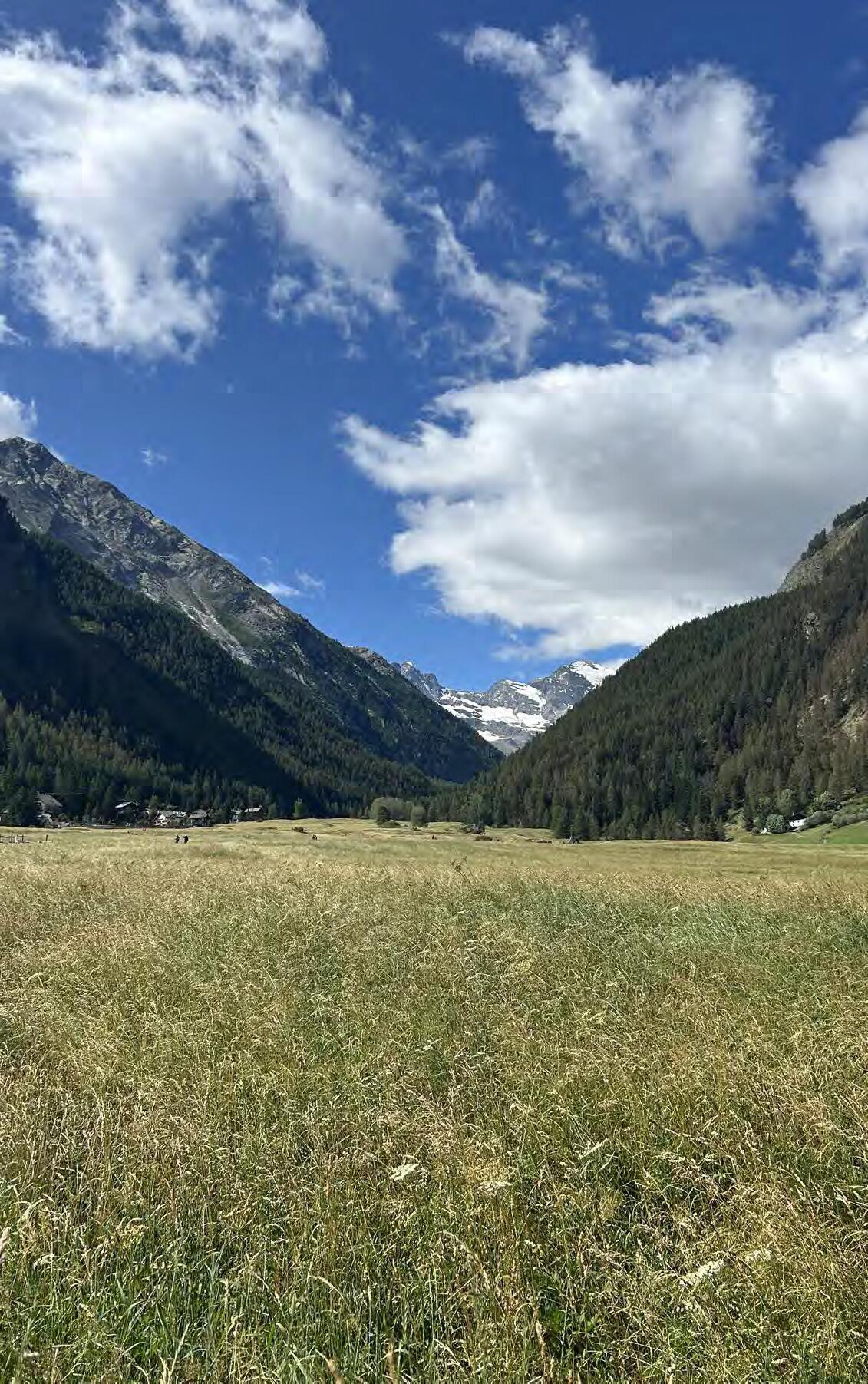
Evenings were made special by a visit to Adelaide! Bottega Bar, a cosy restaurant where local flavours came alive in every bite, was the perfect way to end days spent soaking in the city’s charm. Book ahead of time! Two days passed in this easy rhythm, moving from one stunning building to another, then winding down by the water and savoring Turin’s culinary warmth.
In the end, the journey felt like two halves of a perfect whole with the quiet majesty of alpine landscapes paired with the refined charm of an Italian city built on art and architecture. From the mirrored waters of Pelago Lake to the elegant streets, cobbled alleys and lakeside paths of Turin, each moment added its own layer to an unforgettable and most affordable experience.
Malta’s Economy in a Fragmenting World: Resilience, Risks, and the Road Ahead
Malta entered 2026 navigating an increasingly complex geopolitical landscape shaped by prolonged conflict in Ukraine, instability in the Middle East, and a broader shift toward global economic fragmentation. For a small, highly open economy, such developments would ordinarily pose significant risks. Yet Malta continues to demonstrate notable resilience, underpinned by strong domestic demand, a diversified services sector, and proactive government intervention. The question, however, is not whether Malta is affected—but to what extent, and under which scenarios those effects may intensify.
At present, Malta remains one of the fastest-growing economies in Europe. Growth is projected at approximately 3.7–3.9% in 2026, significantly outpacing the euro area average. Inflation has moderated to around 2%, while unemployment remains near historic lows below 3%. These figures suggest stability and continued expansion. However, they also mask a subtle but important shift: growth has slowed from the exceptional post-pandemic rebound years, reflecting the early impact of external pressures.
To understand Malta’s outlook, it would be helpful to frame the future across three scenarios: a base case of contained disruption, a downside scenario of prolonged instability, and an upside scenario of easing geopolitical tensions.
Base Case: Controlled Headwinds
In the most likely scenario, geopolitical tensions will persist but do not escalate dramatically. In this case, energy markets ae expected to remain volatile but manageable, and global trade continues to function despite inefficiencies.
Under these conditions, Malta sustains moderate growth close to current forecasts. The government’s energy subsidy policy plays a critical role in insulating households and businesses from price shocks, keeping inflation relatively contained. Domestic consumption will be expected to remain strong, supported by wage growth and continued employment expansion.
DAVID Xuereb
Past President of the Malta Chamber of Commerce and Former Chair of MCESD
Tourism, a cornerstone of the Maltese economy, will be expected to perform steadily, although with some sensitivity to consumer sentiment and travel costs. Meanwhile, sectors such as financial services, online gaming, and professional services will be expected to provide stability due to their lower dependence on physical trade routes.
Even in this relatively benign scenario, there is a measurable economic cost. Growth is estimated to be approximately 0.5 to 1 percentage point lower than it would have been in a more stable global environment. Investment growth also softens, reflecting increased caution among businesses facing uncertainty.
Downside Scenario: Prolonged and Escalating Instability
A more adverse scenario emerges if geopolitical tensions intensify—particularly if conflicts disrupt energy supply routes or trigger a broader slowdown in Europe.
In such a case, Malta would face more pronounced challenges. Energy prices could rise significantly, increasing the fiscal burden of maintaining subsidies. Government finances, already stretched by support measures, would come under pressure, potentially pushing deficits higher.
Tourism would represent the most immediate vulnerability. A decline in European consumer confidence or disruptions in air travel could lead to a noticeable drop in visitor numbers. Even a modest contraction in tourism flows could translate into a reduction of up to one percentage point in GDP growth, given the sector’s importance.
At the same time, external demand for services may weaken as key European partners experience slower growth. Investment activity could stall further, with businesses delaying expansion plans amid heightened uncertainty. Labour market dynamics would also become more complex. Malta’s reliance on foreign workers means that tighter migration flows— whether due to policy shifts or geopolitical constraints—could exacerbate labour shortages, pushing up wages and reducing competitiveness.
Under this downside scenario, Malta’s growth could fall below 3%, while inflation may reaccelerate above 3%, eroding purchasing power and business margins.
Upside Scenario: Stabilisation and Renewed Confidence
Conversely, a more optimistic outlook would materialise if geopolitical tensions ease, leading to stabilisation in energy markets and improved global confidence.
In this environment, Malta could regain stronger growth momentum, potentially exceeding 4% annually. Lower energy costs would reduce the need for government subsidies, improving fiscal balances and allowing for more targeted investment in infrastructure and productivity-enhancing initiatives.
Tourism could experience renewed expansion, benefiting from pent-up demand and increased travel confidence. Investment activity would likely rebound, particularly in construction and business services, as uncertainty diminishes.
Such a scenario would also support stronger labour market conditions, enabling Malta to better manage its workforce needs without excessive wage pressures.
Structural Strengths and Strategic Risks
Across all scenarios, Malta’s resilience is anchored in several structural strengths. Its service-oriented economy reduces exposure to global supply chain disruptions, while euro area membership provides monetary stability. Additionally, government intervention—particularly in energy markets— has proven effective in cushioning external shocks.
However, these strengths are accompanied by strategic risks. Continued reliance on energy subsidies raises questions about fiscal sustainability. Dependence on tourism and foreign labour introduces vulnerabilities that may become more pronounced in a fragmented world. Furthermore, slower investment growth could limit Malta’s long-term potential if not addressed.
In Conclusion
Malta’s economic outlook remains positive but increasingly nuanced. The country is not immune to global turmoil, but neither is it disproportionately exposed. Instead, it occupies a middle ground—resilient yet sensitive to specific external shocks.
In the short term, the most likely outcome is continued growth with moderate headwinds. Over the medium term, however, the trajectory will depend heavily on external developments and Malta’s ability to adapt. Strengthening productivity (an absolute must in Malta’s national objectives), diversifying economic drivers, and gradually reducing fiscal vulnerabilities will be key to sustaining growth in an uncertain world.
For policymakers and investors alike, the message is clear: Malta’s fundamentals remain strong, but vigilance and strategic planning are essential as the global landscape continues to evolve.
The Potential Impacts of the
Iran War on the Malta Tourism Industry
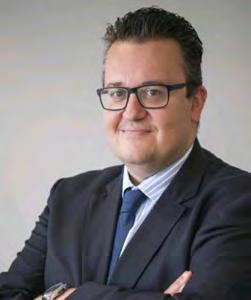
The geopolitical landscape of early 2026 has been fundamentally reshaped by the escalating conflict involving Iran, creating a ripple effect that touches even the most serene corners of the Mediterranean. For Malta, the war presents a volatile mixture of tactical opportunity and existential threats. While the nation is geographically distant from the direct location of war, the modern tourism industry functions as a global nervous system. Obviously, what is happening in the Middle East region is very volatile, so things can change from one moment to another.
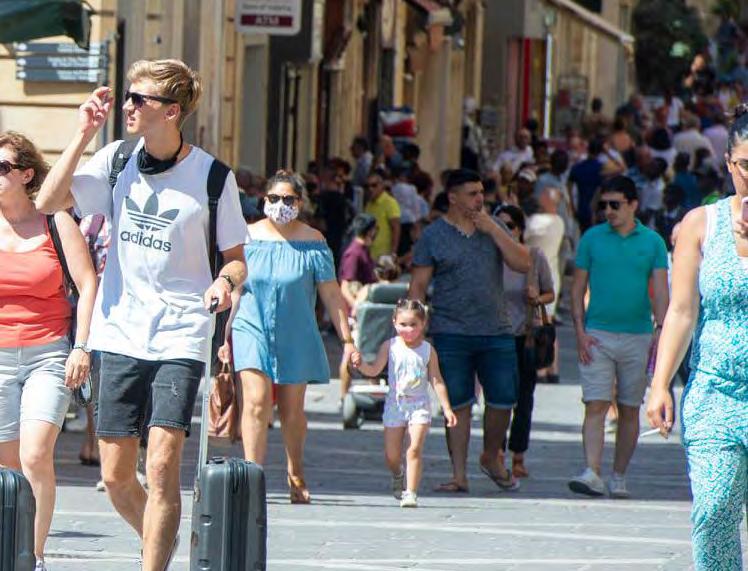
The most immediate and visible impact is the dramatic shift in regional travel patterns. Traditional holiday heavyweights like Egypt, Cyprus, Jordan, and the United Arab Emirates face double-digit declines in arrivals due to their proximity to the conflict or the closure of their respective airspaces, Malta could emerge as a beneficiary of diverted traffic. European travellers, particularly from the UK, Germany, and Italy, are not necessarily cancelling their vacations but are instead seeking safer alternatives. This could lead to a surge in demand for accommodation services in Malta & Gozo.
SILVAN Mifsud Financial Consultant
However, this influx of displaced tourists is shadowed by a severe crisis in the aviation sector. Malta’s status as an island nation makes it uniquely vulnerable to the skyrocketing operational costs currently plaguing airlines. The conflict has severely disrupted global oil markets, and with the Strait of Hormuz facing intermittent blockades, the price of jet fuel has reached historic highs. These costs are being aggressively passed on to the consumer, threatening to price out the middle-class demographic that forms the backbone of Malta’s tourism sector.
Compounding this financial strain is the unprecedented implementation of jet fuel rationing across European aviation hubs. As supply chains from the Middle East are throttled and strategic reserves are diverted for military or essential domestic use, major European airports have begun enforcing strict fuel quotas on commercial carriers.
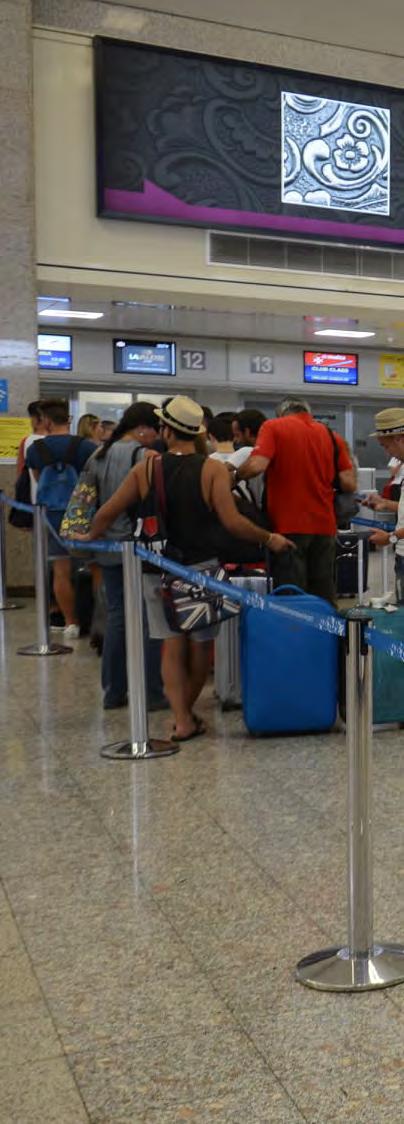
For an island nation like Malta, which is entirely dependent on the "air bridge" for its survival, this is a worrying development. Airlines are being forced to prioritise high-yield routes, leading to the cancellation of secondary connections and a reduction in flight frequencies from key northern European markets. Rationing also means that planes can no longer "tanker" fuel—the practice of carrying extra fuel from cheaper locations—forcing them to refuel at their arrival airport where jet fuel prices are likely subject to volatility. This logistical bottleneck not only drives ticket prices even higher but also introduces a layer of unpredictability that deters the risk-averse tourists as the fear of being stranded due to fuel shortages becomes a legitimate concern for those planning a holiday.
Beyond the logistical hurdles, the war is exerting profound inflationary pressure on the Maltese hospitality product itself. Malta imports a vast majority of its food and beverage supplies, and the disruption of global shipping routes—compounded by increased insurance premiums for Mediterranean freight—will likely sent the cost of operating a restaurant or hotel upwards. This creates a precarious situation for local business owners who must decide whether to absorb these costs or raise prices at a time when the global cost-of-living crisis is already stretching tourist budgets.
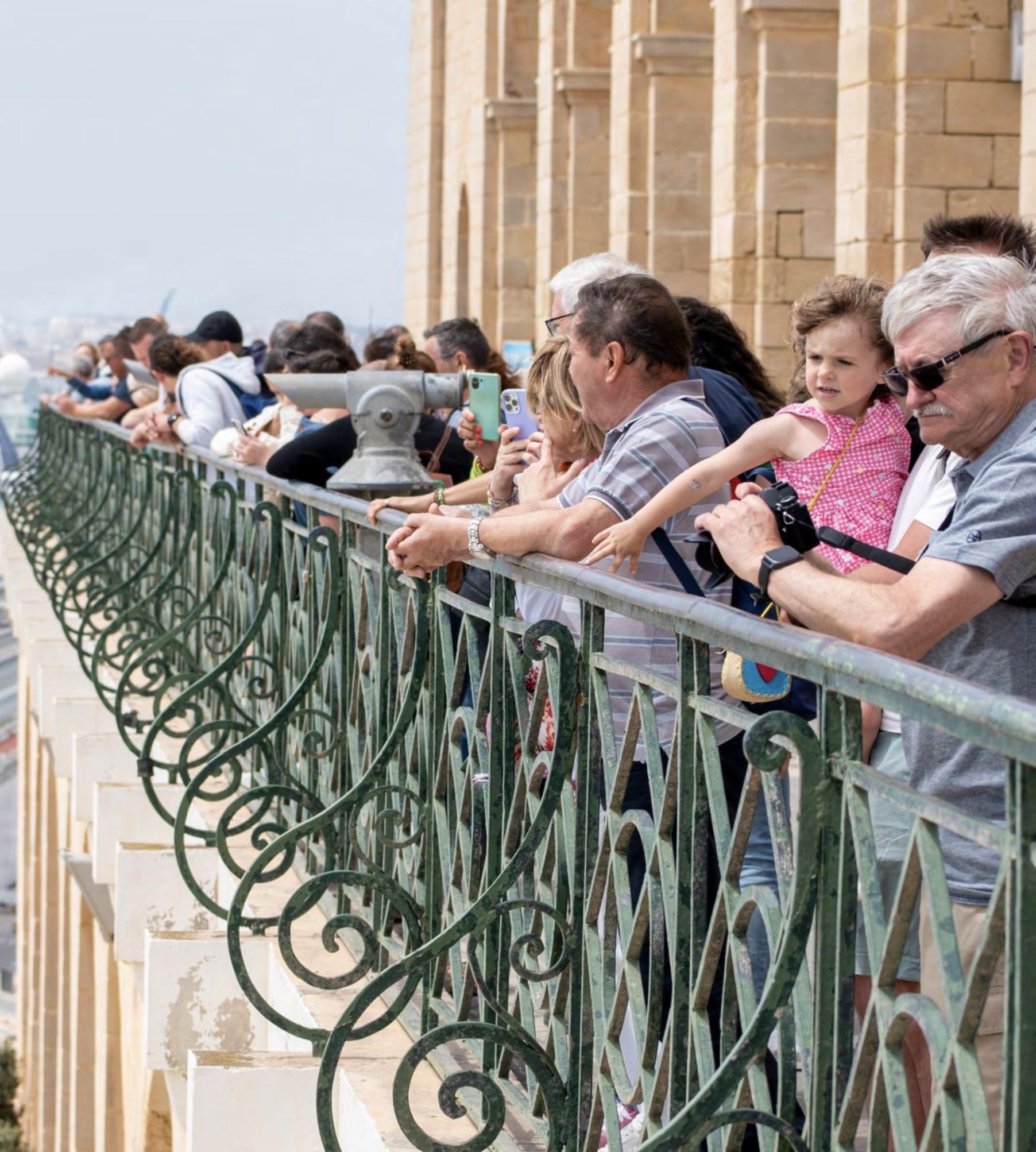
There is a tangible risk that while occupancy rates might remain high, the actual profitability of the sector could stagnate or even decline as margins are eaten away by supply chain cost increases. As previously mentioned, as the war drives global energy prices to historic peaks, the "wallet effect" will likely affect the spending power of tourists visiting Malta. Tourists who previously might have budgeted for high-end dining in Valletta or private yacht charters around Comino could now facing a reality where a significant portion of their holiday fund is consumed by mandatory surcharges at home and hyper-inflated airfares, meaning that the secondary spend in local retail, traditional crafts, and independent eateries could experience a sharp contraction
This systemic shock is happening as the Maltese tourism strategy is trying to undergo a necessary evolution. The focus is shifting rapidly away from mass-market volume and toward a "quality-first" resilience model. By doubling down on niche segments such as high-end cultural heritage experiences, Malta stands a better chance of insulating itself more against the volatility of the cheap flight era type of tourist. A tourism strategy that emphasises longer stays and higher per-capita spending, is also useful in these troubling times at it aims to ensure that every visitor who makes it to Malta contributes more to the GDP to offset the rising costs of bringing them to Malta. Ultimately, Malta finds itself in a period of high-stakes transition; it can currently be perceived as a safe option for wary traveller, but its long-term success depends on its ability to navigate a world where the price of stability is becoming increasingly expensive.
Thriving
FINTECH Industry Malta’s
FinTech has become an essential part of our lives. It is shaping the future of technology and revolutionising industries. A digital transformation that is constantly changing the way we think, the way act, the we interact, and above all, the way we live our daily business activity. A transformation in which none of us can afford to stay behind. No matter how hesitant we might be. No matter how sceptic or afraid we might be.
Dan Schulman, President of PayPal once noted, “You have to, to serve these markets, re-imagine how money can be managed and moved because there’s going to be more change in the next five years in financial services than happened in the past 30.”
Truly so, because it is impressive the fast paced manner with which technological progress and innovation have catapulted the FinTech sector from the fringes to the forefront of financial services over the past decade. And the growth has been fast and furious, buoyed by the robust growth of the banking sector, rapid digitization, changing customer preferences, and increasing support of investors and regulators. The COVID-19 pandemic also served as an unprecedented accelerator, and the industry’s momentum has proven consistent ever since.
During this decade, FinTechs have profoundly reshaped certain areas of financial services with their innovative, differentiated, and customer-centric value propositions, collaborative business models, and cross-skilled and agile teams. Today the global FinTech market is estimated to be worth USD 394.88 billion and is expected to reach USD 1,126.64 billion by 2032. A constant growth notwithstanding geopolitical tensions, the cost of capital and other headwinds thanks to a number of sectors that continued to attract significant interest, including digital assets and blockchain, AI and InsurTech. A resilience also driven by innovation which stems as the lifeblood of the FinTech industry.
The growth of FinTech can also be noted at a European level where The FinTech sector has seen a remarkable influx of investment in recent years, attracting the biggest share of all venture-capital investment in Europe over the last five years, worth around US$85 billion and accounting for over 135,000 jobs in Europe in 2022.
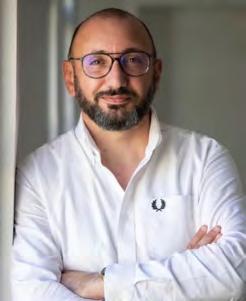

OMAR Vella President of the Malta Institute of Management
From a local point of view, Malta has carved out a strong reputation within Europe’s rapidly evolving FinTech landscape. Testament to the country’s growth in the field of FinTech is the recognition of Malta as one of the most advanced and sophisticated European jurisdictions for FinTech, as shown by results from a research study issued by McKinsey & Company in 2023. A recognition which affirms the fact that while traditionally recognised for other sectors, such as hospitality and tourism, financial services and gaming sectors, Malta’s strong blend of financial and tech expertise has established it as a prime hub for a rapidly growing FinTech sector, driven by local innovation that addresses industryspecific needs. Malta is now also positioning itself as a serious contender in the FinTech space, having already granted licenses to some of the leading players in the sector. Moreover, as highlighted by the analysis delivered by McKinsey & Company, the Maltese jurisdiction stands out in three key aspects of Europe’s FinTech sector: founding, funding, and scaling. Beyond crypto-assets, Malta is also becoming increasingly popular for e-money institutions and payment service providers. These businesses, which underpin much of the digital economy by facilitating seamless and secure transactions, are increasingly choosing Malta as their European base.
Today, the FinTech sector in Malta comprises 339 companies, including 32 funded companies having collectively raised $2.26B in venture capital money and private equity. Out of these, 10 are Series A+ funded, and 1 has achieved unicorn status.
Looking ahead, Malta’s FinTech sector’s role in the government’s economic vision will become more central based on the Jamie Dimon’s premise that “FinTech is not a threat, it’s an opportunity.” It will become more central for the government given what it seeks to achieve in its Vision 2050 and in the light of the country’s goal to consolidate it’s foothold in the gaming industry and its drive to delve into new nice sectors including Islamic Finance.
Yet, Malta’s FinTech ambitions are not without challenges. Continued vigilance around financial crime, enhanced digital infrastructure, and competitive tax policies will be essential to sustain momentum. With all this in mind, Malta continues its digital journey striving to develop into a centre of excellence in the digital world. The potential is there. The tools are there. The will is there. It is now up to the government together with the industry and all relevant players including the Malta Institute of Management to keep working closely to see that Malta will keep on leaving its mark in the FinTech sector.

Lucas Museum of Narrative Art
Today, the Lucas Museum of Narrative Art, co-founded by George Lucas and Mellody Hobson, announced it will open to the public on September 22, 2026.
This new cultural institution—architected by Ma Yansong of MAD, with gardens designed by Mia Lehrer of Studio-MLA— is in Los Angeles’s Exposition Park. The Lucas Museum seeks to explore how stories connect people and capture the human experience.
“Stories are mythology, and when illustrated, they help humans understand the mysteries of life,” said George Lucas, co-founder of the museum. The museum was built on the belief that illustrated storytelling is a universal language.
“This is a museum of the people’s art—the images are illustrations of beliefs we live with every day. For that reason, this art belongs to everyone,” said Lucas Museum co-founder Mellody Hobson. “Our hope is that as people move through the galleries, they will see themselves, and their humanity, reflected back.”
The Lucas Museum’s permanent collection holds more than 40,000 works representing one of the most significant collections of narrative art. The building’s thirty-five galleries occupy 100,000 square feet.
Galleries are named to reflect the human experience—love, family, community, play, work, sports, childhood, adventure, and more. They will display familiar pieces by beloved illustrators; mural paintings of the 20th and 21st centuries; comic art, of which the museum has deep and extensive
holdings; children’s book illustrations; science fiction illustrations; and the fantastic visions captured in 20th-century culture.
The museum will also display cinematic artifacts including movie posters and show documentaries featuring artists and filmmakers.
About the Lucas Museum
Opening in September 2026, the Lucas Museum of Narrative Art is dedicated to illustrated storytelling. Founded by George Lucas and Mellody Hobson, the museum’s collection features works by artists including Norman Rockwell, Kadir Nelson, Jessie Willcox Smith, N. C. Wyeth, Beatrix Potter, Judy Baca, Frida Kahlo, and Maxfield Parrish; as well as comic art legends such as Winsor McCay, Jack Kirby, Frank Frazetta, Alison Bechdel, Chris Ware, and R. Crumb; and photographers Gordon Parks, Henri Cartier-Bresson, and Dorothea Lange.
The museum also houses the Lucas Archives, containing models, props, concept art, and costumes from Lucas’s filmmaking career.

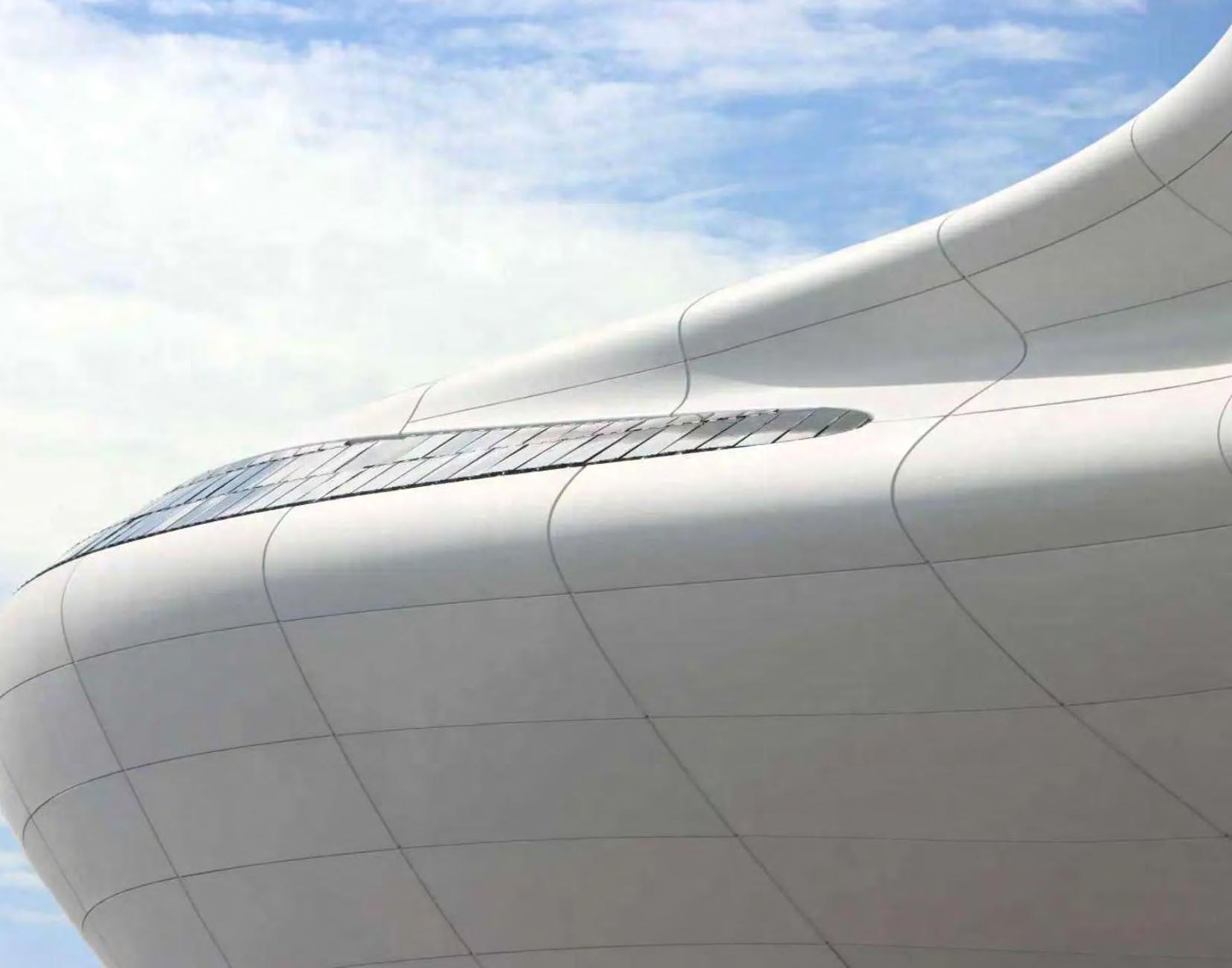
Designed by Ma Yansong of MAD with a landscape by Mia Lehrer of Studio-MLA and Stantec as executive architect, the museum is in Exposition Park, Los Angeles, on an 11-acre campus that includes new green space and a 300,000-squarefoot building with galleries, two theaters, a library, restaurant, café, retail store, and community spaces.

A DIGITAL FIRST FOR MALTA
AS HERITAGE MALTA UNVEILS eMUSEUM
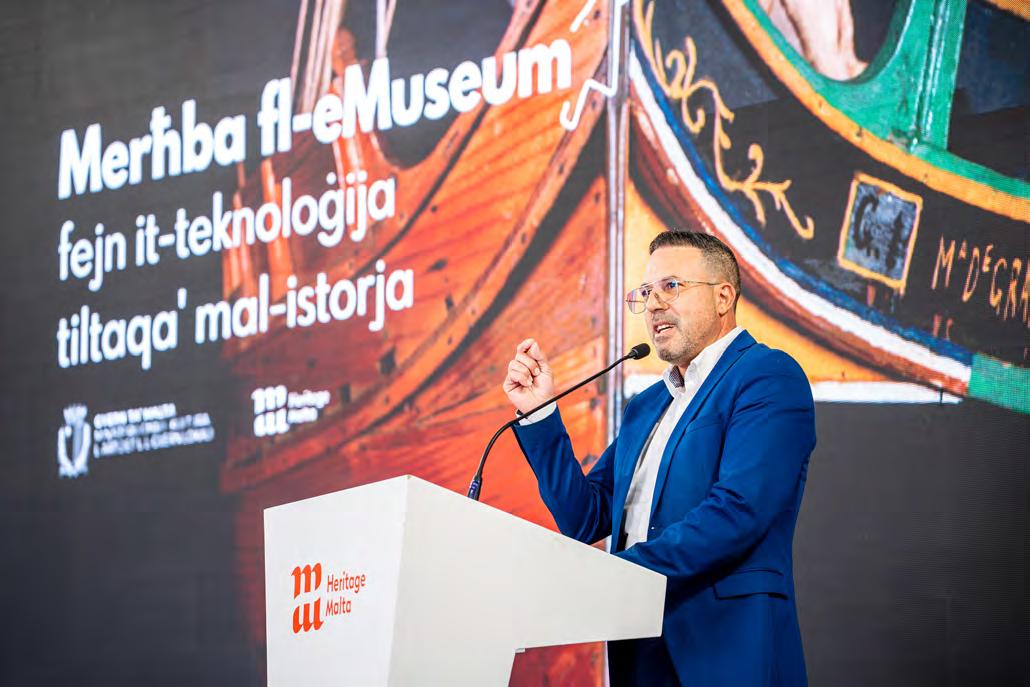
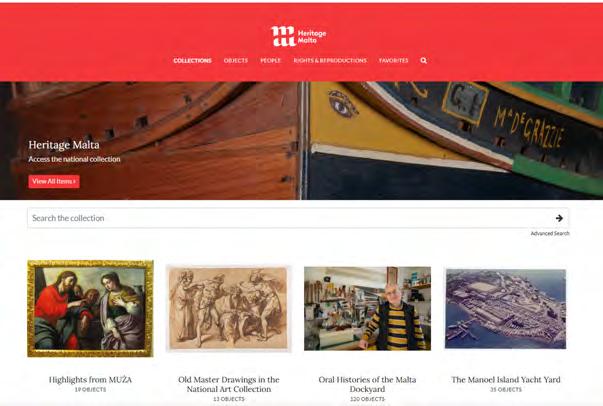
Heritage Malta has launched eMuseum, a new online platform granting unprecedented public access to Malta’s national collection.
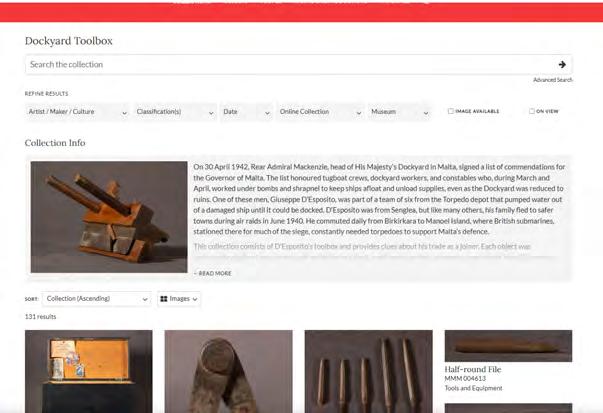
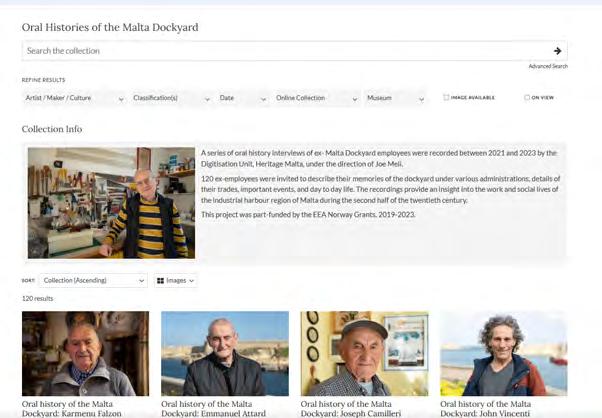
After four years of dedicated work by curators, conservators, and digitisation specialists, eMuseum now makes nearly 3,000 artefacts from Heritage Malta’s museums and reserve collections accessible online, with more being added regularly. The collection features items from MUŻA – The National Community Art Museum, the Malta Maritime Museum, and the Gozo Museum of Archaeology, among others. Users can browse by title, date, exhibition history, or museum location, and curate their own personal collections of favourite items. Beyond simple access, the platform – accessible on emuseum.heritagemalta.mt – is designed as a dynamic environment for exploration and learning. Developed
in line with Europeana – the European Union’s digital cultural heritage platform for which Heritage Malta is the certified National Aggregator – and international digitisation standards, eMuseum enables virtual exhibitions, immersive storytelling, and future integration of virtual and augmented reality experiences.
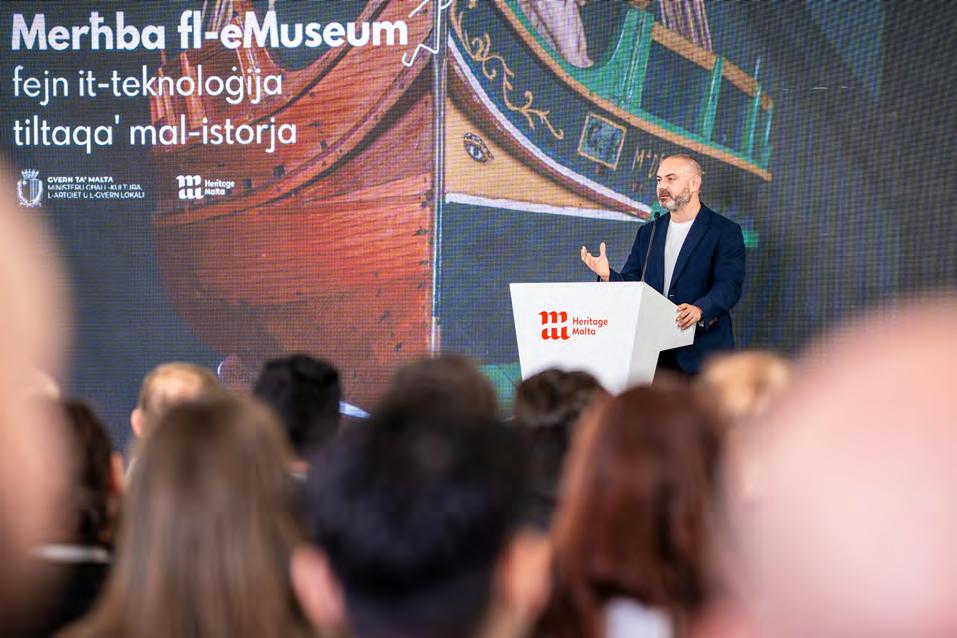
During the launch at the agency’s headquarters in Bighi, Kalkara, Dr Owen Bonnici, Minister for Culture, Lands and Local Government, commented that: “This initiative represents another important step in the digitisation of our cultural heritage, putting Malta in the forefront of this sector.” He also stated that: “through eMuseum, the public will not only be able to appreciate better the national collection, but also have the opportunity to explore, study and interact with it in an innovative way, from anywhere in the world.”
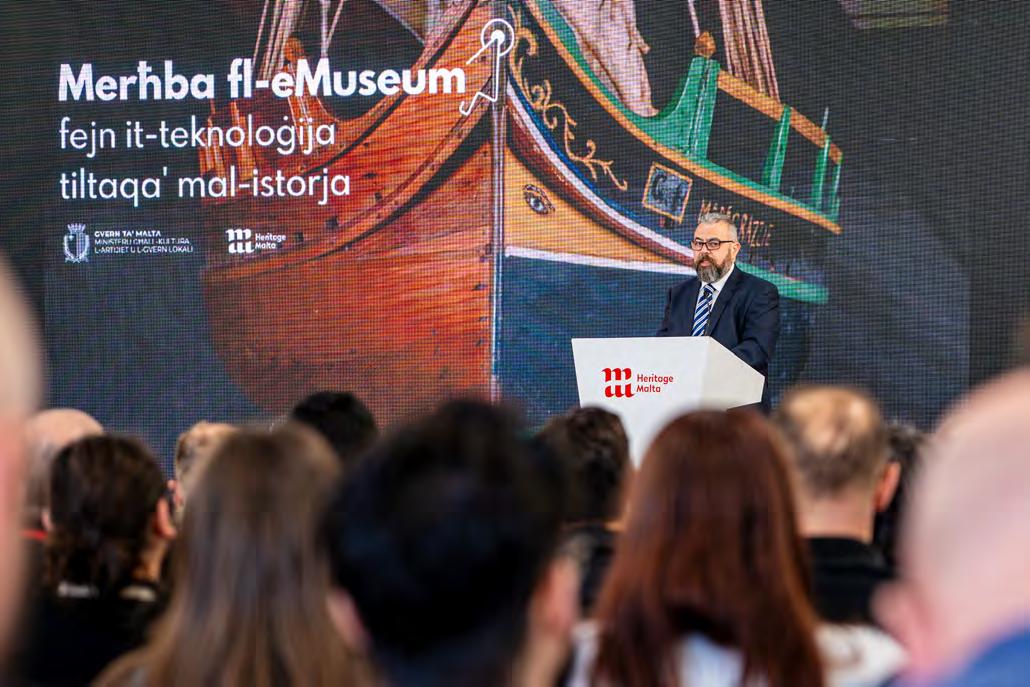
Noel Zammit, Heritage Malta’s Chief Executive Officer, remarked: “This initiative further strengthens Heritage Malta’s standing as a forward-looking agency, that anticipates future changes, embraces and employs them. The portal opens the doors wide open for education, new partnerships that transcend borders and new cultural diplomacy opportunities, and more transparency in how Heritage Malta safeguards and interprets our country’s cultural assets. This launch is not the end of the road, but the start of new and exciting journeys in Heritage Malta’s adventure in the digitisation sector.”
Whilst thanking heartily the staff of the Technology and Experience Development (TED) Unit for their work, dedication and professionalism, Anthony Cassar, who heads the Unit, commented that: “The eMuseum platform is a promise that we will continue to preserve, share and promote our cultural heritage in an inclusive, innovative and sustainable way. This forms part of a larger chain of initiatives, including the Memory Twin concept, a more advanced method of digitising than the Digital Twin, being developed in unison with the UNESCO Chair for Digital Cultural Heritage, which ensures that what we digitally collect represents our cultural heritage fully, not only its visual form.”
From clattering hooves to diesel engines:
TRACING 160 YEARS of public transport in Malta
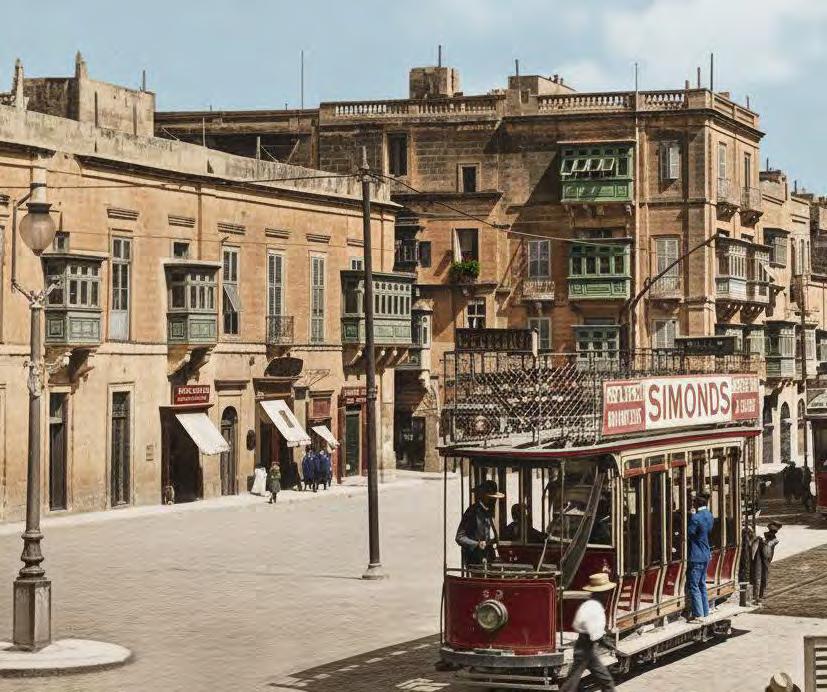
Public transport is more than a way of getting from one place to another. In Malta, it is a story of resilience, ingenuity, and constant reinvention – a story that mirrors the islands’ own evolution. Heritage Malta’s latest publication, MillOmnibus sa TalLinja: It-Trasport Pubbliku f’Malta 1856–2015, written by historian Edward Attard, offers a comprehensive account of how the Maltese have travelled together over the past 160 years. Richly researched and vividly narrated, the book charts the journey from horsedrawn omnibuses to the iconic Maltese buses, weaving through trains, trams, ferries, and the early Gozo crossings that shaped daily life long before modern mobility arrived.
Attard’s work opens in 1856, when Malta’s first omnibus service began operating between Valletta and Lija. Imported from England through the initiative of Vincenzo Attard of Lija, these fourwheeled vehicles – affectionately nicknamed nemnebus by locals –could carry sixteen passengers on two long benches. They represented a new kind of shared mobility, one that connected communities in ways previously unimaginable. As the book recounts, the service soon expanded, with new models arriving from France and the Malta Omnibus Company extending routes to Żebbuġ, Rabat, Sliema, St Paul’s Bay, and eventually Marfa. A journey from Valletta to Marfa took over three hours, with stops along the way to rest the horses – a reminder of the slower-paced way of life of our ancestors.
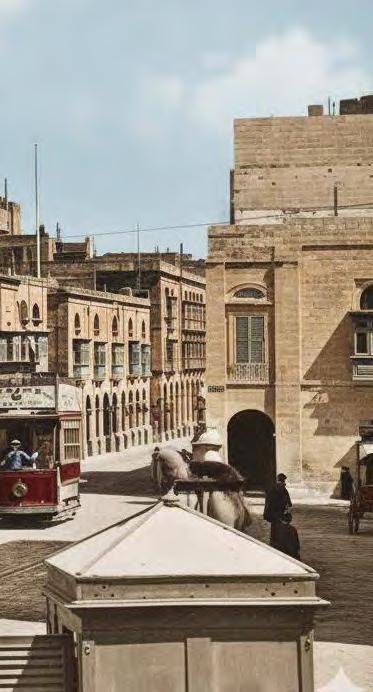
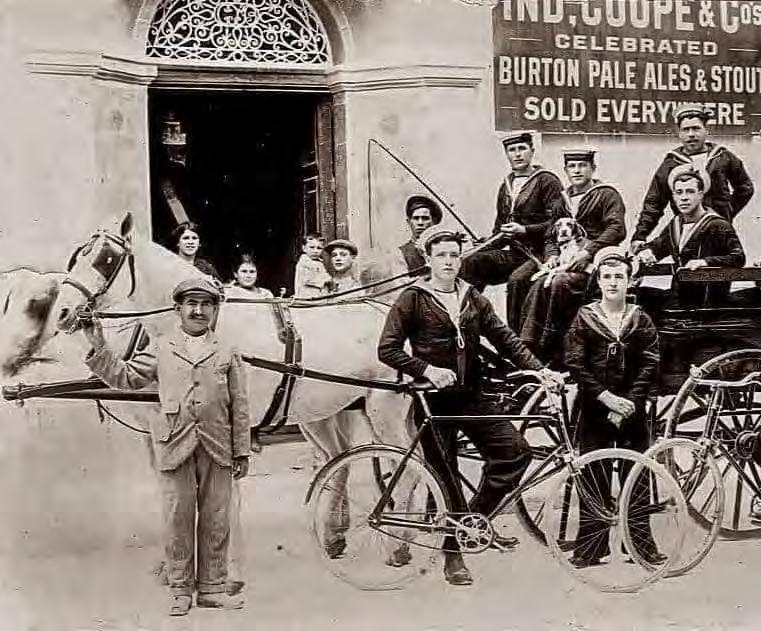
Running parallel to the omnibus era was the rise of the karozzin. Though smaller and more intimate, the horsedrawn carriage offered flexibility the omnibus could not: no fixed routes, no fixed schedules, and a level of comfort that appealed to both locals and British servicemen stationed on the island. But as motorised transport began to take hold, the karozzin trade faced existential pressure. By 1921, around 1,800 coachmen were still active, yet within a decade their numbers had begun to fall sharply. Strikes, protests, and attempts to protect their livelihood marked this turbulent transition – a human story that Attard captures with sensitivity. Many coachmen eventually adapted, becoming bus drivers or conductors, while others left the trade altogether. The karozzin would later find a second life in tourism, though not without controversy in recent years.
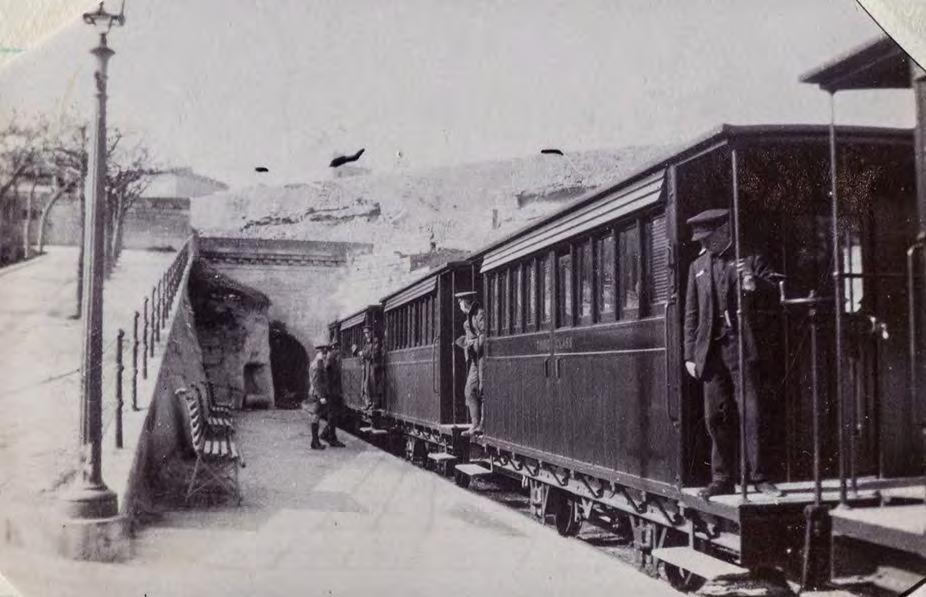
One of the most fascinating chapters in the book explores Malta’s shortlived but memorable railway. Conceived in the 1870s as a solution to the limitations of horsedrawn transport, the Malta Railway opened in 1883, linking Valletta to Rabat with stops in Ħamrun and Birkirkara. The journey took just 25 minutes – a remarkable improvement for the time. Yet despite early success, financial difficulties, competition from emerging bus services, and a series of operational challenges led to the railway’s closure in 1931. Attard recounts not only the technical and economic aspects of the railway, but also the human stories: the rules governing passengers, the occasional incidents, and the sense of novelty that the train brought to Maltese life.
Equally evocative is the story of the tram, introduced in 1905. Powered by electricity generated at a purposebuilt power station in Marsa, the tram network extended to Bormla, Ħamrun, Qormi, and Żebbuġ. It was modern, efficient, and transformative, yet it too faced difficulties. The book details the tragic accidents that marked its early years, including brake failures and collisions, as well as the financial pressures that ultimately led to the tram’s closure in 1929. Still, for nearly a quarter of a century, the tram reshaped urban mobility and left an imprint on Malta’s transport heritage.
Finally, the publication reaches the arrival of the first motor buses in the early 20th century. Inspired by European models displayed at international exhibitions, Maltese entrepreneurs such as Wiġi Apap imported the earliest vehicles and launched the first motoromnibus services. These buses would eventually become a national icon – brightly coloured, individually customised, and deeply woven into Malta’s cultural identity. Attard’s narrative leads up to 2015, capturing the many transformations, challenges, and milestones that shaped the bus system over more than a century.
Attard also dedicates significant attention to maritime transport – both the dgħajjes tal-pass and laneċ operating in the harbours as well as the ferries connecting Malta and Gozo.
Mill-Omnibus sa Tal-Linja is more than a historical record. It is a tribute to the people who built, operated, and relied on these services; to the communities connected by them, and to the evolving landscape of Maltese life. Through meticulous research and engaging storytelling, Edward Attard offers readers a journey through time – one that reveals how public transport has shaped Malta’s social, economic, and cultural fabric. Heritage Malta’s newest publication stands as an essential resource for anyone interested in the islands’ history, mobility, or collective memory. It reminds us that transport is not merely infrastructure but a living thread that binds generations, places, and stories together.
The book may be purchased online here: https://heritagemalta.mt/store/
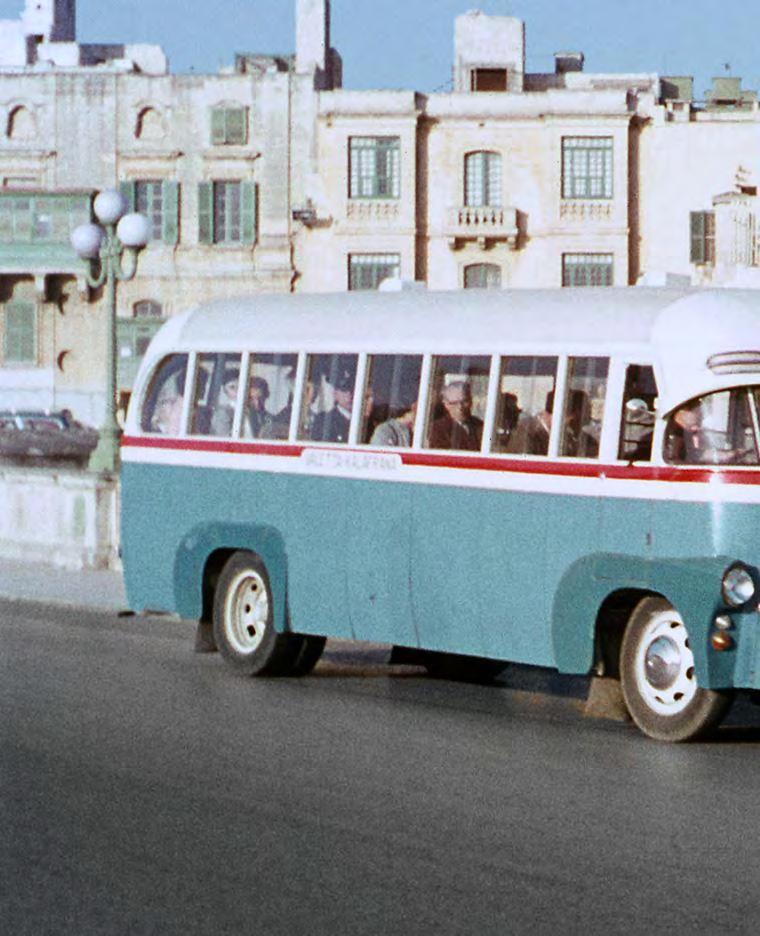
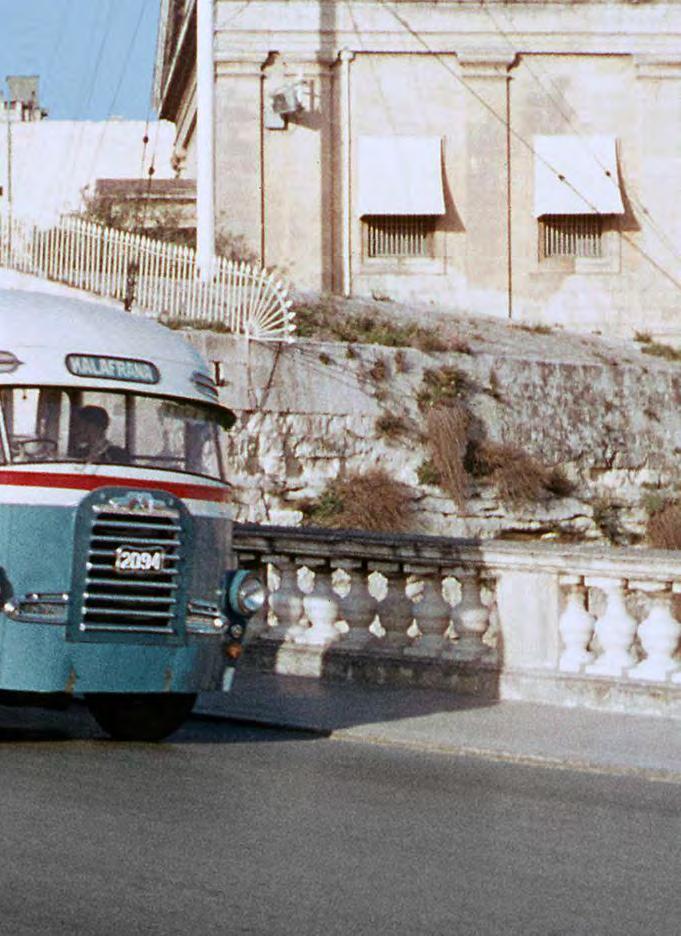
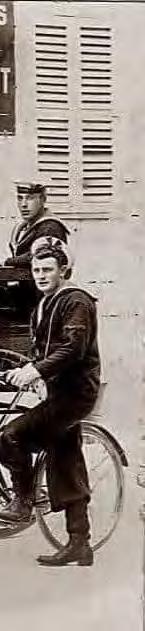
For nearly a quarter of a century, the tram reshaped urban mobility and left an imprint on Malta’s transport heritage.
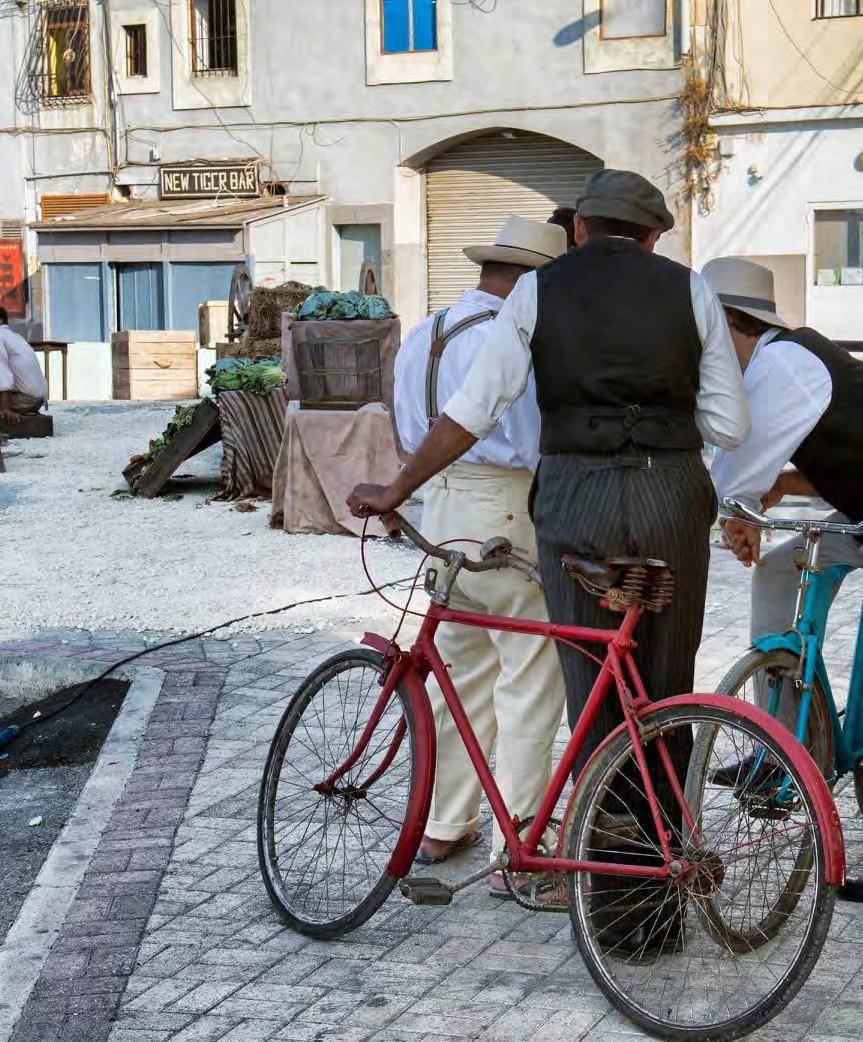
THE FILM INDUSTRY’S CONTRIBUTION TO THE ECONOMY EXCEEDS €1.2 BILLION
The Malta Film Commission Publishes An Independent Economic Report
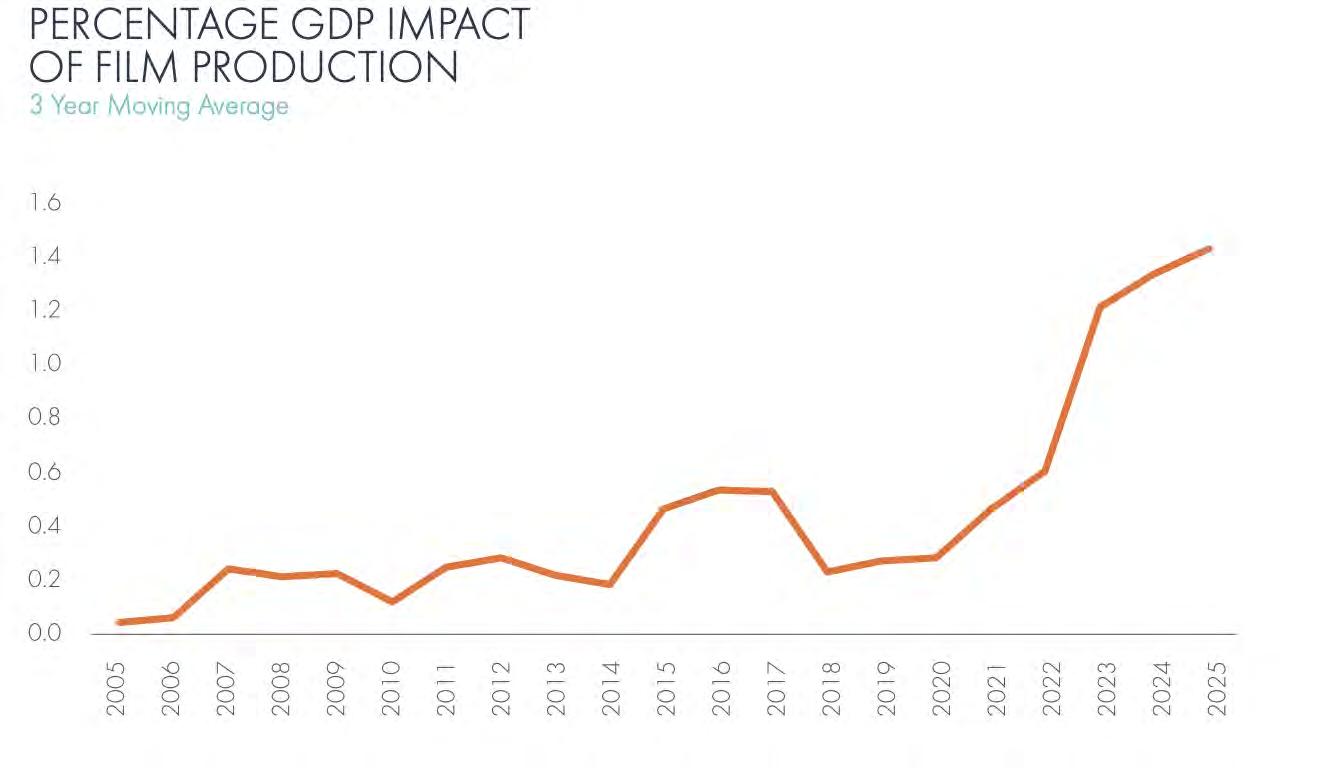
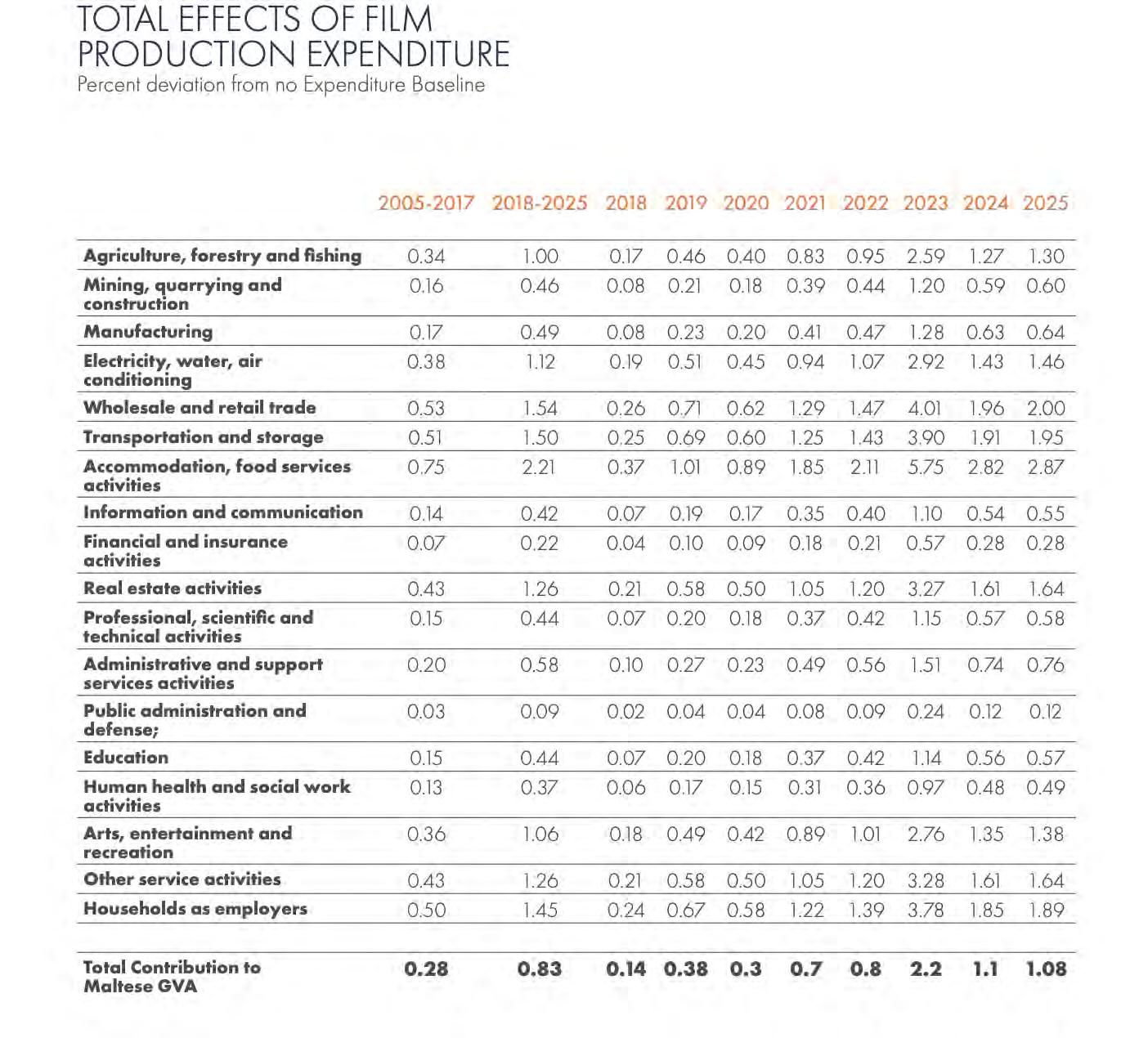
In recent years, our country’s film industry has significantly boosted its contribution to the Maltese economy, and employment within the sector has increased. While the financial incentives were substantial, the returns on these were significantly higher, resulting in a positive economic balance for the country. This conclusion is based on an economic report being published with this press release, which analysed the impact of the film industry from 2018 to 2025. It shows that the total contribution to Malta’s Gross Domestic Product (GDP) during this period was €1,208 million. Compared with the period from 2005 to 2017, this figure is six times larger, indicating strong industry growth.
Besides, whereas prior to 2018 the industry was very seasonal, in recent years it has shown consistent expansion, a trend that has spurred investment and led many to acquire the skills required for a career in this industry.
In fact, where employment is concerned, the results are five times better, to an increase of 2,500 people, evidence that quality jobs are being created.
The economic report, which analysed data from the Malta Film Commission using advanced methodologies, also examined the fiscal impact of financial incentives. It shows that Government revenue generated by film activity consistently exceeded the cost of the cash rebate. As a result, between 2018 and 2025, the positive balance was €12 million per year, four times that of the period between 2005 and 2017, when it stood at €3 million annually.
Finally, this study confirms that the growth of the film industry has benefitted several other economic sectors. The most directly and positively affected sectors are accommodation, food services, travel and transportrelated services, and sectors linked to arts and entertainment.
The economic report describes film industry funding as a direct injection of foreign capital that adds value to the Maltese economy. Although this expenditure is only one aspect of the film industry's positive impact, as the published report attests.

NUMBERS DON’T LIE

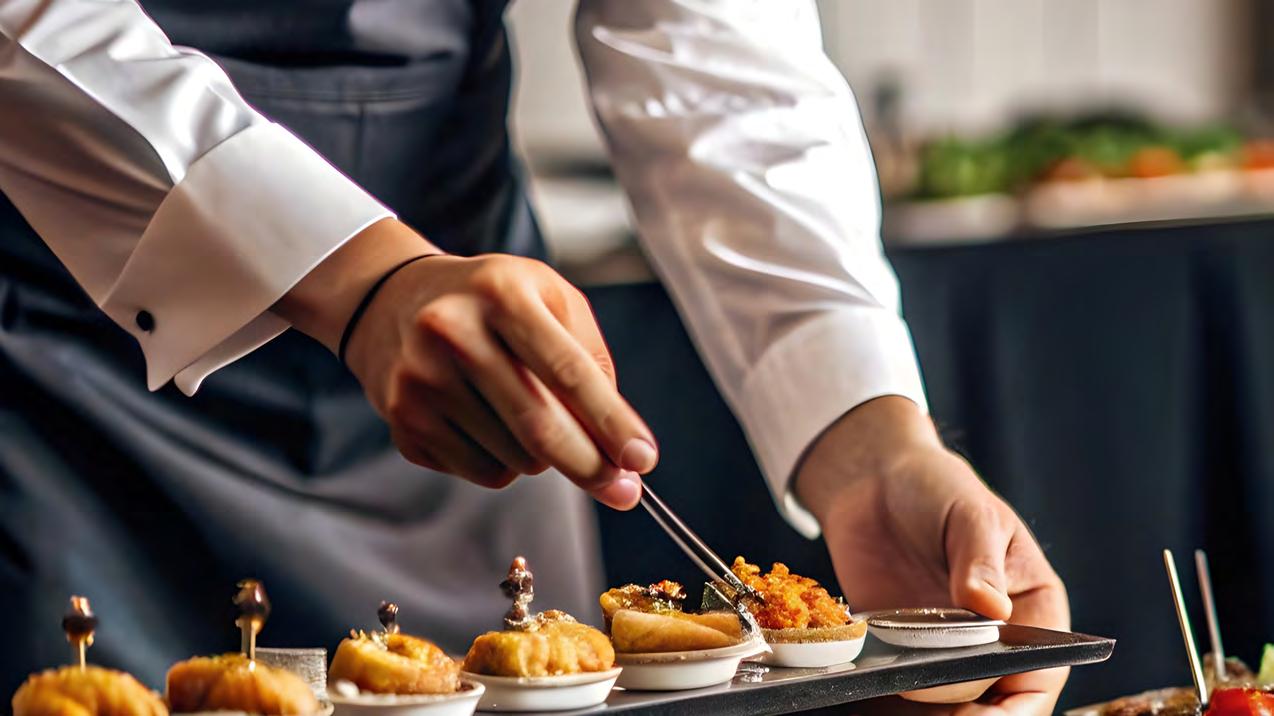
To date the catering industry employs no less than 30,000 staff members, which amount to 10.2% of Malta’s aggregate employment total of 291,000.
MICHELLE Muscat ACE President
It is said that numbers don’t lie. Truly so, because the industry’s figures speak for themselves. There are approximately 3800 catering establishments on the island with a further 450 applications submitted to operate in a sector where it is often said that it is reaching enormous oversaturation.
To date the catering industry employs no less than 30,000 staff members, which amount to 10.2% of Malta’s aggregate employment total of 291,000.
Moreover, according to MALTA LABOUR MIGRATION POLICY Consultation Document, the wholesale, retail, transport, accommodation, and food sector has registered the largest increase in TCN employment, with 24,570 additional jobs filled by these workers between 2013 and 2023. This accounts for 33.9 per cent of all TCN employment in 2023.
Figures that speak for themselves why the local catering industry is often coined as a vibrant sector of the country’s economy. Figures though which also speak volumes on the constant struggle to identify and more importantly, retain human talent. And whilst there is consensus among all players in the industry that local talent should be given priority yet as said earlier, numbers don’t lie and when one keeps in mind that 2,751 Maltese workers left the wholesale, retail, and hospitality over a decade and that last year alone three hundred students graduated from the Institute for Tourism Studies at different levels, the highest being Masters there is a reality check we all need to undertake on local human talent expectations.
A challenge which is further amplified by a negative perception of long hours and low pay.
TCNs are here to stay. It is a reality we all have to come to terms with in the context of a fast paced and constantly evolving local catering industry. Emphasis now should be more on a migration policy which should regulate TCNs but at the same time, be realistic, practical and fair with the industry. The emphasis should be on a VISA processing which is diligent yet at the same time, which does not hinder the industry.
The emphasis should be a skills pass which ensures the right human talent is integrated within the local catering industry yet which is fair, practical, non-discriminatory and which does not create an unfair playing field for the catering industry.
Numbers do not lie also on other recurrent issues including increases in raw material costs, the rise of food
delivery services, the unfair anti-restaurant 1992 WRO as well as the compliance with legal obligations including waste management.
Numbers which also highlight the industry’s cry for a VAT reduction to alleviate the daily financial pressure catering establishments are currently experiencing. A proposal not new to the international catering industry. A reality which has successfully been introduced in foreign counterparts including Ireland and Germany. Numbers though that also spell out the fact that the industry would be in much a worse situation without government subsidies on electricity and petrol prices. A state of fact which is often disregarded or taken for granted.
But numbers don’t lie on the need for the local catering industry to pull up its socks. It needs to in the light of ACE’s July survey where local customers do not consider dining out as value for money. A clear message to all of us that we are somehow not ticking all the boxes of clients’ expectations. A clear message to all or many of us on the way we operate, on the product we offer and on the service we deliver.
Yet the July survey is also an opportunity for the industry to listen, to understand, to act, adapt and change.
We must change our word mindset, challenge the fear of the unknown and act because the greatest threat to the restaurant industry is to rely on how it’s always been done. The basis for tomorrow’s catering industry are there.
The various MICHELIN star restaurants across the island as well as the inclusion of local restaurants in Forbes Travel Guide’s Rating and in the MICHELIN Guide list are testament of the islands excellence in such a cutthroat industry. Achievements which surely offer a good value proposition to the government in its drive to attract quality tourism. Especially in view of direct flights from New York to Malta in June 2026 and the government’s reach-out in new markets such as South America.
In this process, a collective effort today is essential for a better and stronger tomorrow. And in this context, the Deputy Prime Minister’s recent call for unity to improve the hospitality sector is timely and opportune in order to implement long-discussed reforms and ultimately ensure a sustainable and forward looking industry. Indeed, the decisions ahead will require the government’s input but most of all, collective courage and unity, where we as operators need to understand that we all need to do our part.
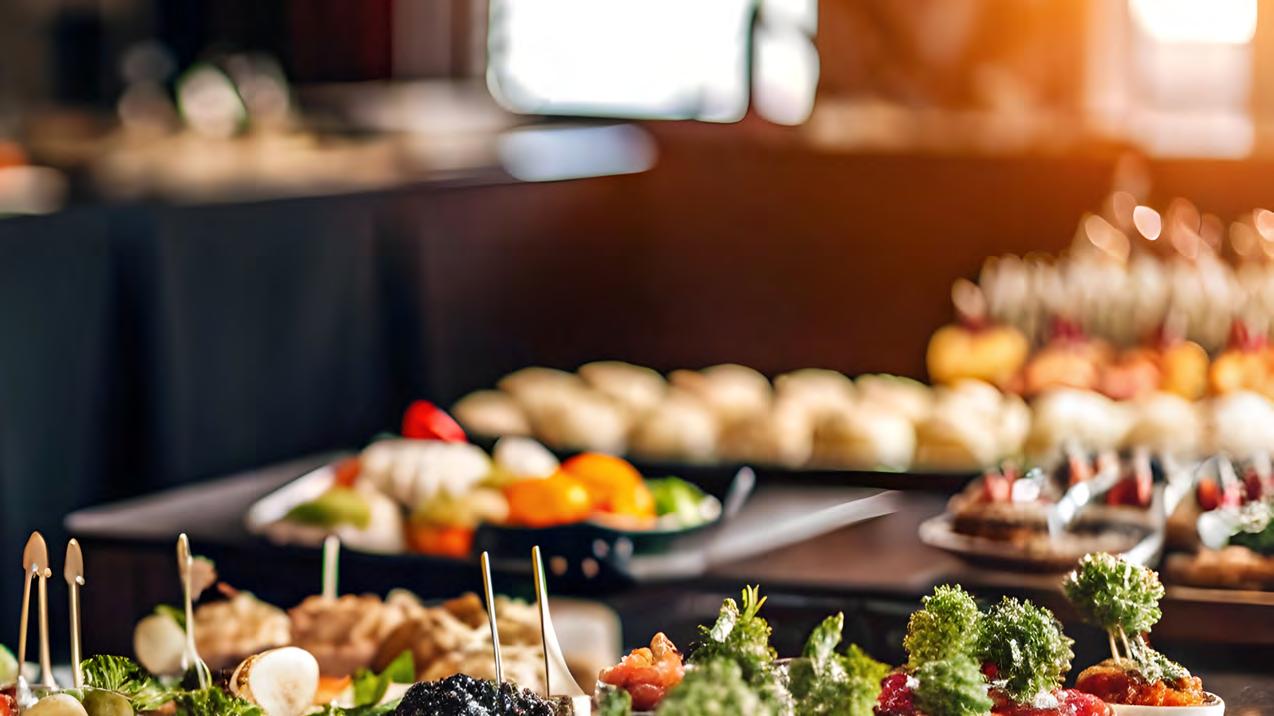
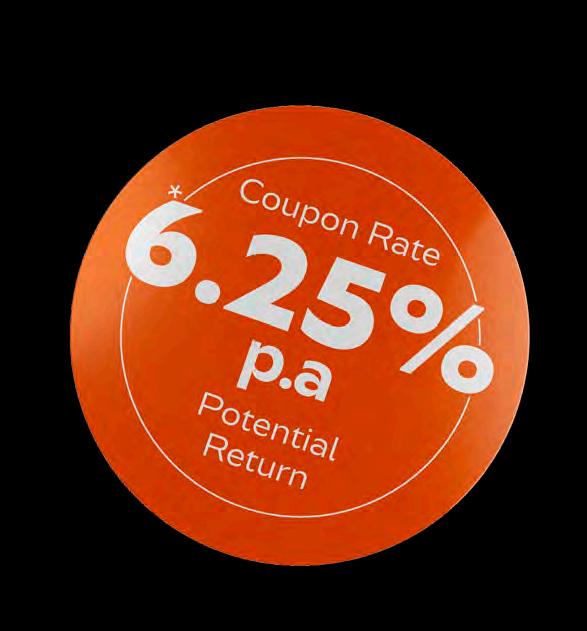

Learn more and apply by scanning QR code


The MySkills Scheme supports lifelong learning by subsidising training for individuals seeking to upskill and reskill. Learners may recover eligible training costs up to €5,000 upon successful completion. By funding accredited and priority-sector courses, the scheme strengthens employabilitiy and career growth.
e: myskills.jobsplus@gov.mt t: (+356) 2220 1610