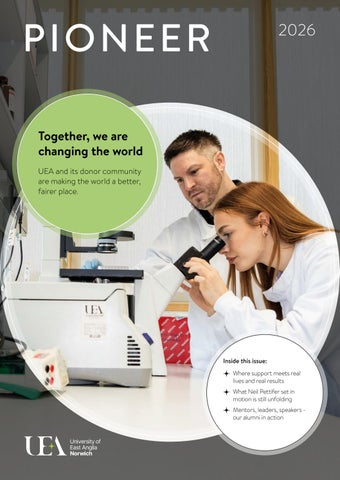
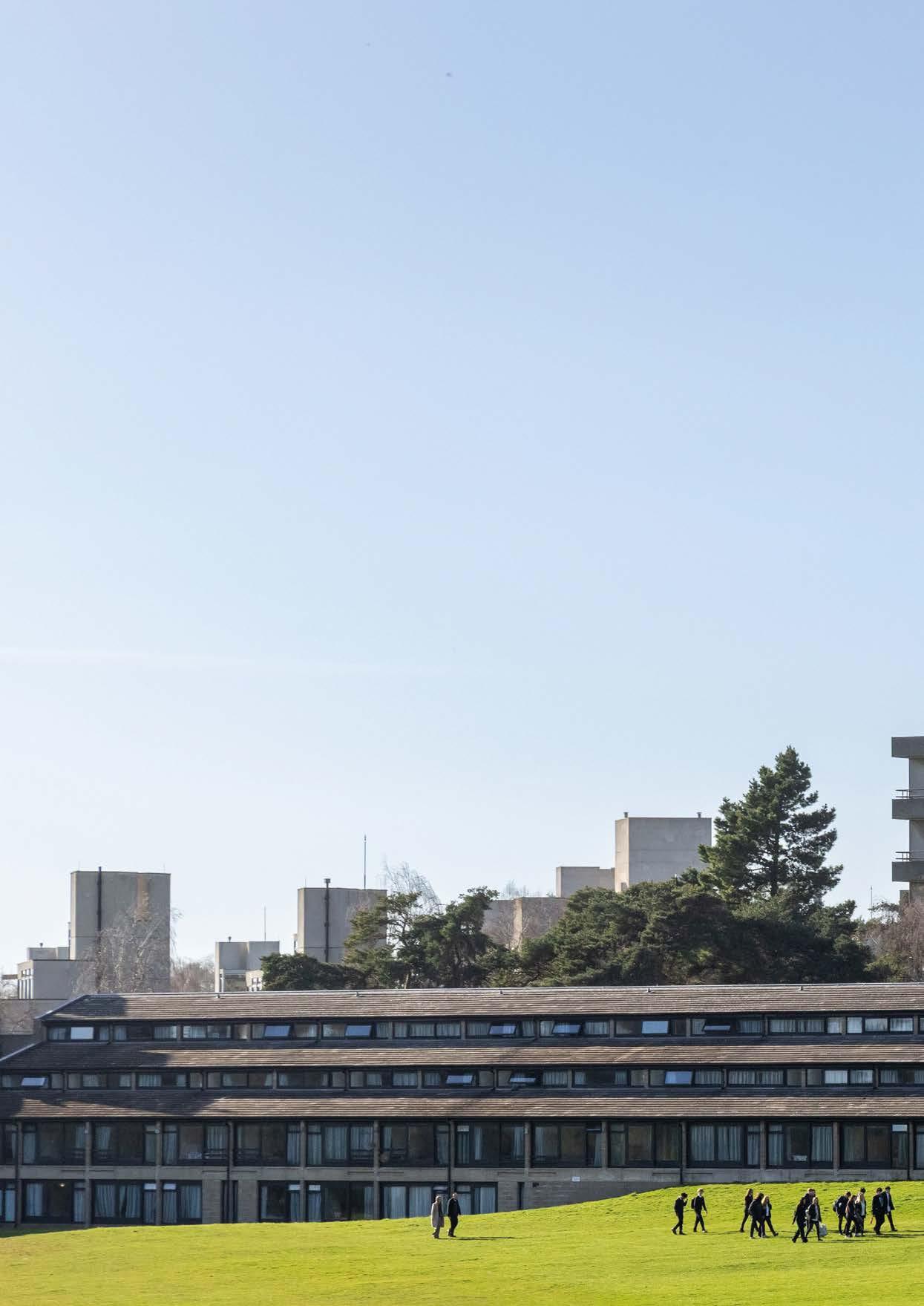
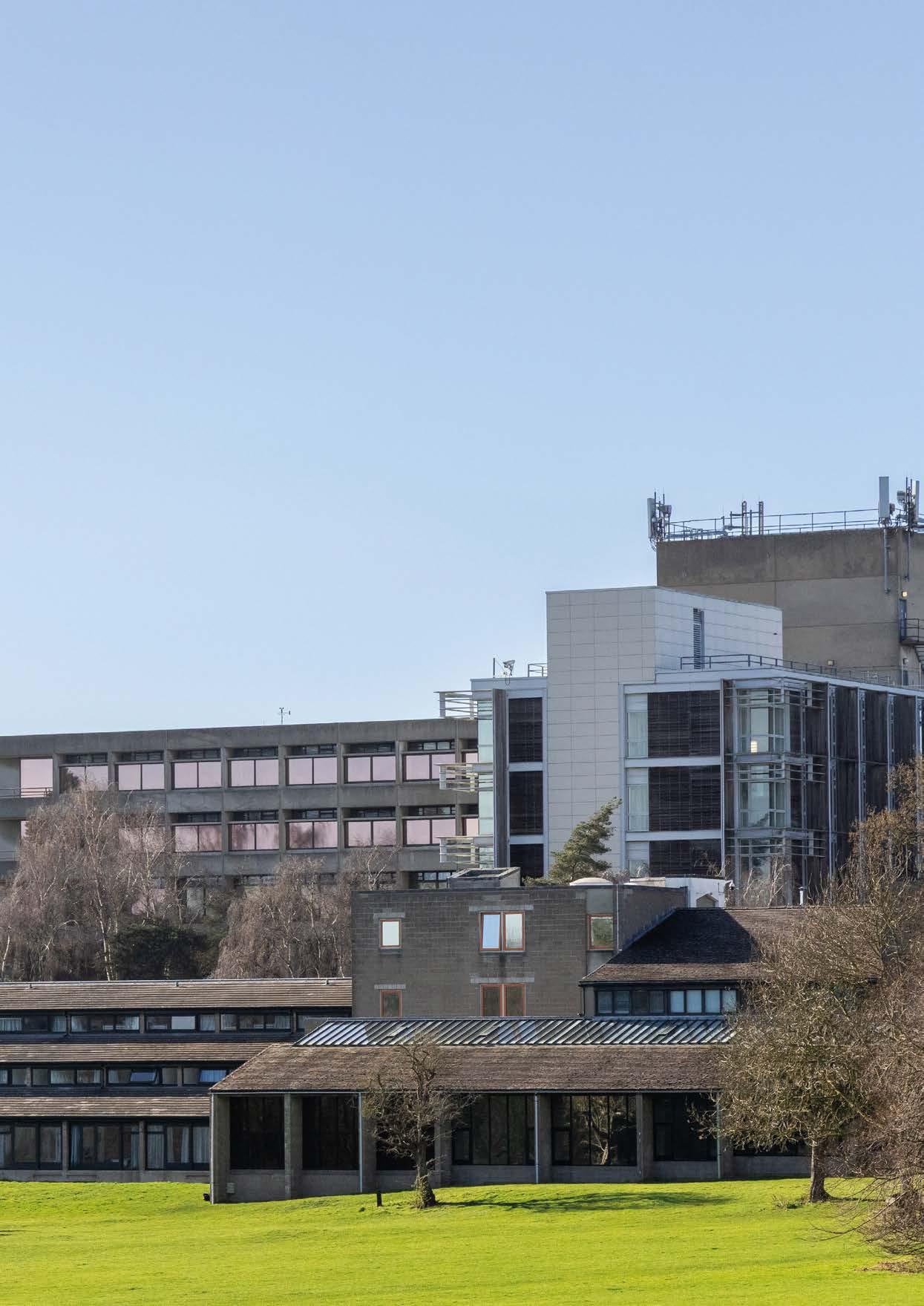
UEA and its donor community are making the world a better, fairer place.
Inside this issue:
Where support meets real lives and real results
What Neil Pettifer set in motion is still unfolding
Mentors, leaders, speakersour alumni in action
Daring to do different, every day.
Welcome to this year’s edition of Pioneer. And what a year it’s been…
...That’s why the process of putting together and sharing this edition of Pioneer feels especially welcome. After a year of solid progress we have so much positive information to share with you.
First, the fact that we have made good progress on our financial plan and on securing the University’s sustainability. The University is in good shape to deliver on the commitments we made in October 2024 when we kicked off our Dare to Do Different fundraising campaign.
You’ll remember that the campaign focuses on using our leadership in four key areas to play our part in making the world a better, fairer and more sustainable place for all.
Already, the funds are hard at work. From restoring a much-loved community asset to developing new treatments for paediatric cancers, and from finding ways to research under polar icesheets to building our new Clinical Anatomy Suite – you can read these stories and more in this issue.
Creativity is a thread that runs through all these projects. I think it is also what drives the generosity of charities and trusts that give to our research. Creative thinking allows us all to share the vision of what it will mean for families if we can get kinder drugs into our hospitals, and what inspires individuals to tell us their ideas so we can create local amenities that meet local need. Creativity motivates alumni to find practical ways to support our mission.
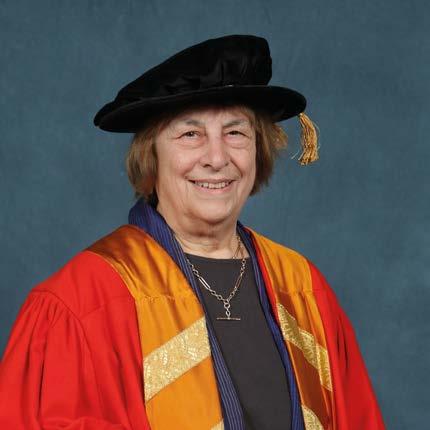
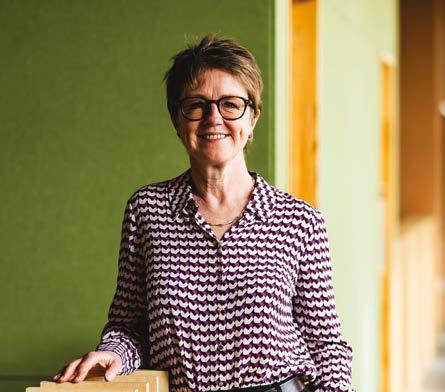
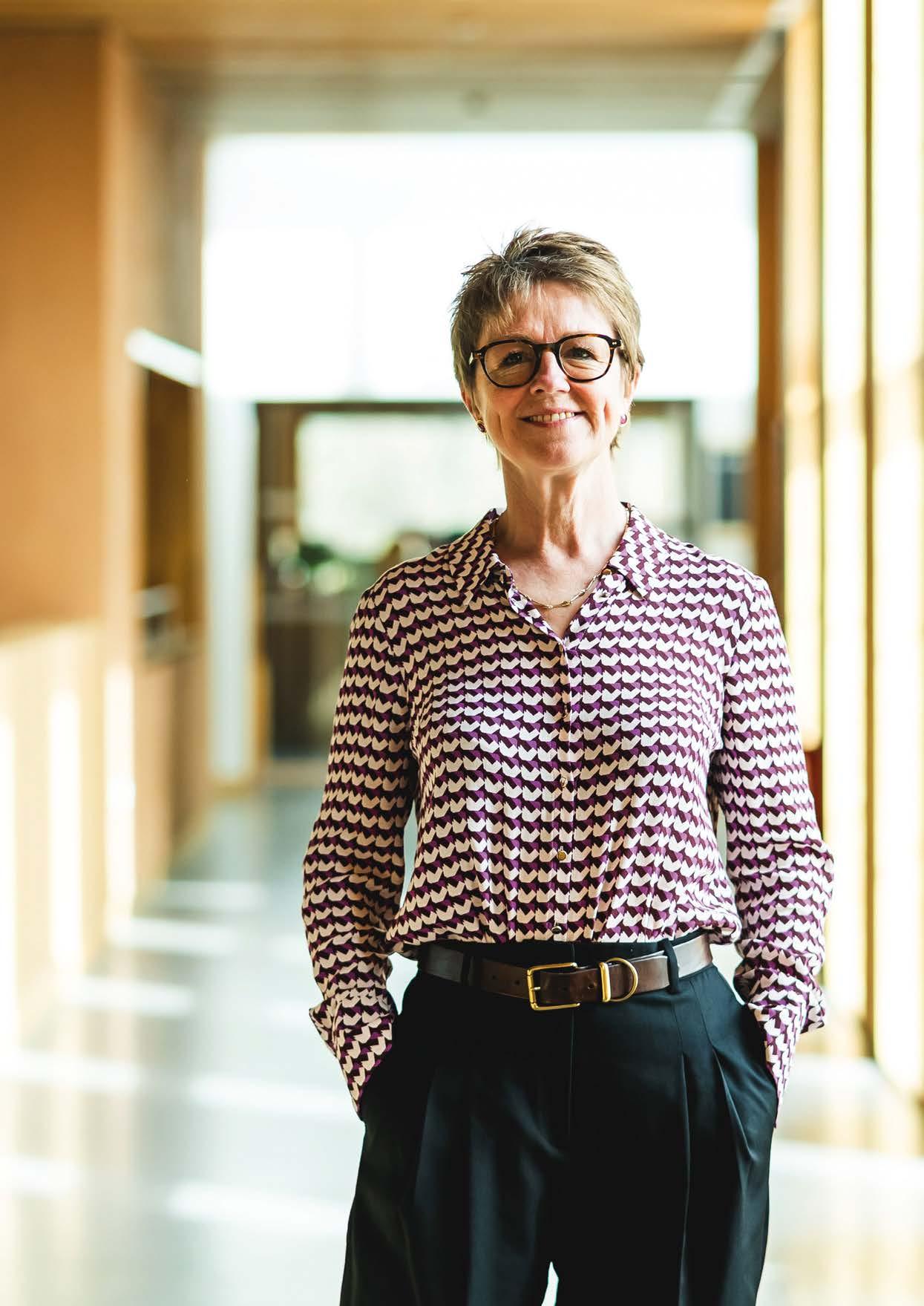
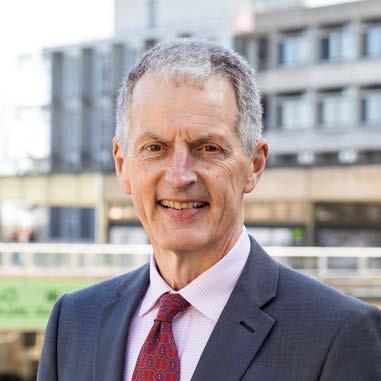
DAME JENNY ABRAMSKY GBE (EAS65)
CHANCELLOR, UEA
In
these straitened times all this support is essential, and I thank all of you for taking Dare to Do Different to your hearts. We’ll make every penny – and every interaction – count.
CLIMATE
Our researchers are digging into masses of new data they’ve collected, and will continue to explore further and deeper to unlock more secrets of climate change and find ways to tackle it.
HEALTH
UEA’s ongoing research into some of the biggest health challenges of our time is bringing better treatments within reach. Dare to Do Different is accelerating progress.
CREATIVE
The University’s long-standing commitment to nurturing creativity has fostered many careers and enriched lives around the world.
Now, we’re embedding creative approaches into every aspect of campus life and exploring ways to build dynamic creative collaborations with industry and organisations across our region, to co-develop new ideas and innovate for lasting impact.
CAMPUS
On our unique Norwich campus, learning and exploration come to life and friendships and collaborations flourish. We are creating innovative, sustainable infrastructure to support new ways of learning, and enriching the unique spaces enjoyed by students, staff and the wider community.
06
Honours and distinctions
15 UEA alumni and honorary graduates have received honours in 2025 - 2026.
08 Climate: Partnership in action
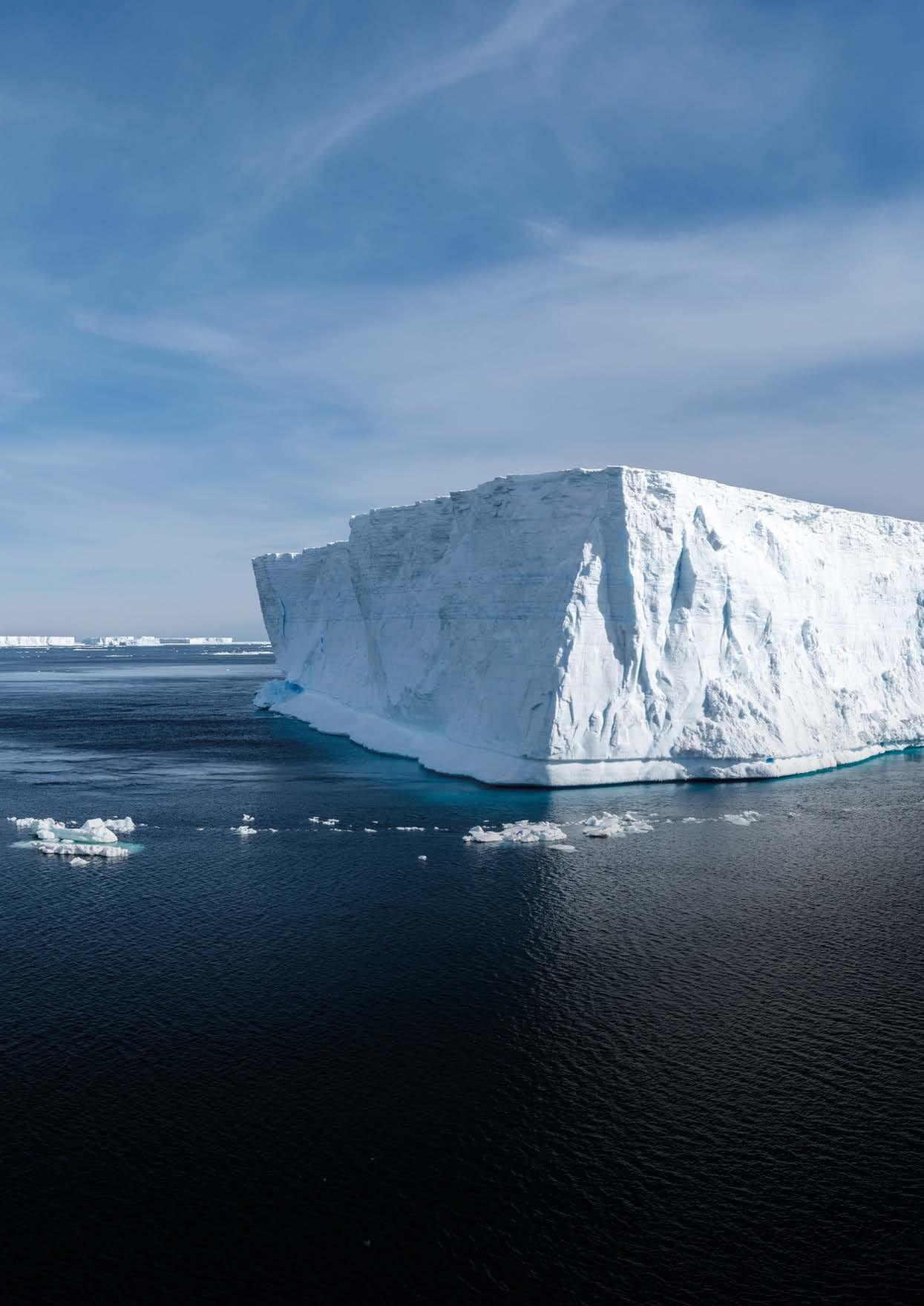
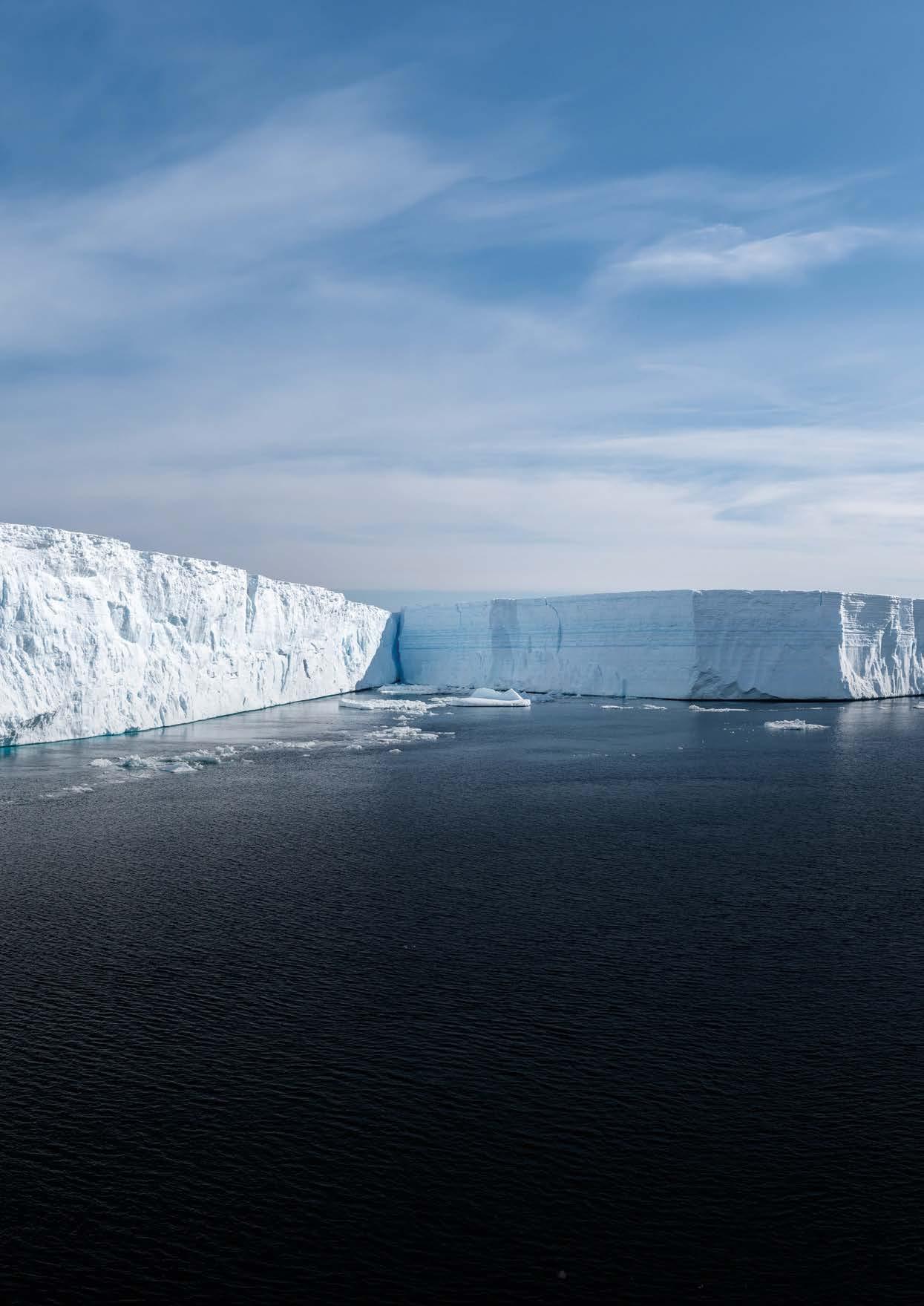
The Larsen C ice shelf holds back enough water to cause global sea levels to rise by a centimetre or more. But for how much longer?
14 Health: Backing brave breakthroughs
The Sir William Coxen Trust Fund and The Azaylia Foundation are accelerating paediatric cancer research at UEA.
20 Creative: Getting creative
Professor Catherine Richardson on the opportunities ahead for UEA and the region.
24
Campus: Making connections
Our new Centre of Advanced Environmental Microbiology (CAEM) is taking shape on the campus; and the Boardwalk is coming back!
30 A lasting legacy
Neil Pettifer (EUR75) chose to support UEA through one of the most meaningful forms of philanthropy: a gift in his will.
32 Alumni in action
The many ways UEA alumni are staying connected, opening doors and sharing what they’ve learned.
36 Enterprise in action: Coral Eyewear
Founder and Alumnus George Bailey (ECO12) on Coral Eyewear’s impact on the market.
38 Making a difference together
A message from Vice-Chancellor and President, Professor David Maguire.
Photo by Povl Abrahamsen
The Lasdun Lectures UEA’s global alumni community return to the stage to spark ideas and conversations.
BOB GOODSON (EAS99)
15 UEA ALUMNI AND HONORARY GRADUATES HAVE RECEIVED HONOURS IN 2025 - 2026
With honour and distinction
COMPANION OF HONOUR (CH)
DAME JOCELYN BELL BURNELL (HONORARY GRADUATE)
DAME COMMANDER OF THE ORDER OF THE BRITISH EMPIRE (DBE)
DAME ELAINE PAIGE (HONORARY GRADUATE)
COMMANDER OF THE ORDER OF THE BRITISH EMPIRE (CBE)
DAME CAROL HOMDEN (EAS78)
DAVID BOLT (EUR72)
THE LATE JANE LAPOTAIRE (HONORARY GRADUATE)
OFFICER OF THE ORDER OF THE BRITISH EMPIRE (OBE)
PROFESSOR JO BLANDEN (SOC95)
PAUL FREESTON (SOC78)
STEPHEN LAMBERT (SOC78)
PROFESSOR TIMOTHY LENTON (ENV94)
DR ROBIN MILTON (DEV92)
JOANNE QUINTON-TULLOCH (BIO85)
HELEN TWIST (PSI05)
MEMBER OF THE ORDER OF THE BRITISH EMPIRE (MBE)
PHILIP ANDREWS (ENV72)
CATHERINE BURKE (OPT95)
BRITISH EMPIRE MEDAL (BEM)
MAUREEN LEVETON (EDU84)
CLIMATE
Partnership in action
THE LARSEN C ICE SHELF HOLDS BACK ENOUGH WATER TO CAUSE GLOBAL SEA LEVELS TO RISE BY A CENTIMETRE OR MORE.
BUT FOR HOW MUCH LONGER?
The last three years were the hottest since records began. Warming is changing the climate and the environment in ways that we can all see, every day; it is creating an existential crisis for the world, everyone and every living thing in it. So how could finding ways to tackle warming – and its effects – not be a focus for Dare to Do Different, UEA’s boldest-ever fundraising campaign?
IN JULY 2017, A 5,800 KM² ICEBERG (DESIGNATED A-68) BROKE OFF, REDUCING THE TOTAL AREA OF THE LARSEN C ICE SHELF
BY MORE THAN 12%.
UEA’s Polar Initiative is at the forefront of global efforts to uncover the oceans’ deepest secrets. The information is crucial as we work to understand how the natural world is responding to warming.
That’s because oceans are one of the Earth’s biggest carbon sinks. We know they absorb and store vast amounts of carbon but not nearly enough about how they do it. So far, oceans have been helping to save humanity from its own mistakes, but we don’t know how long they can keep doing it or what will happen when they stop.
Working on policy…
At policy level, UEA’s research is contributing to literature that informs policy worldwide. Recently, our researchers worked with international colleagues to produce UNESCO’s ‘Integrated Ocean Carbon Research’ report; it will influence global efforts to improve ocean-climate strategies.
…and out in the harshest environments
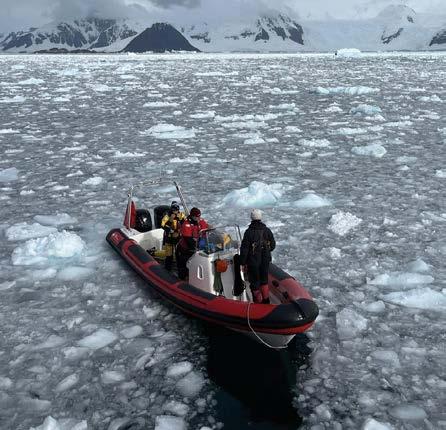
Their knowledge is being won the hard way. They have been out in the world’s most inaccessible regions doing the groundbreaking work that fills understanding gaps.
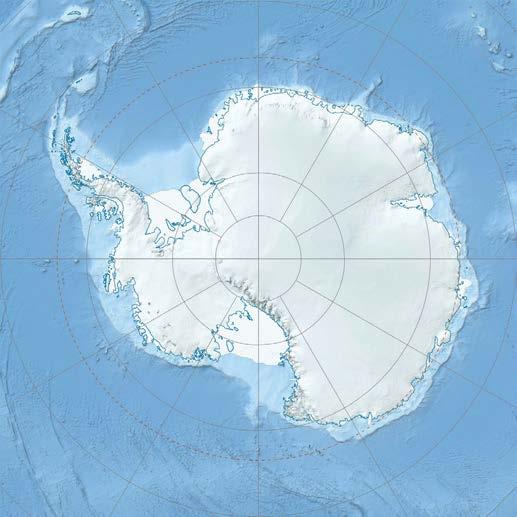
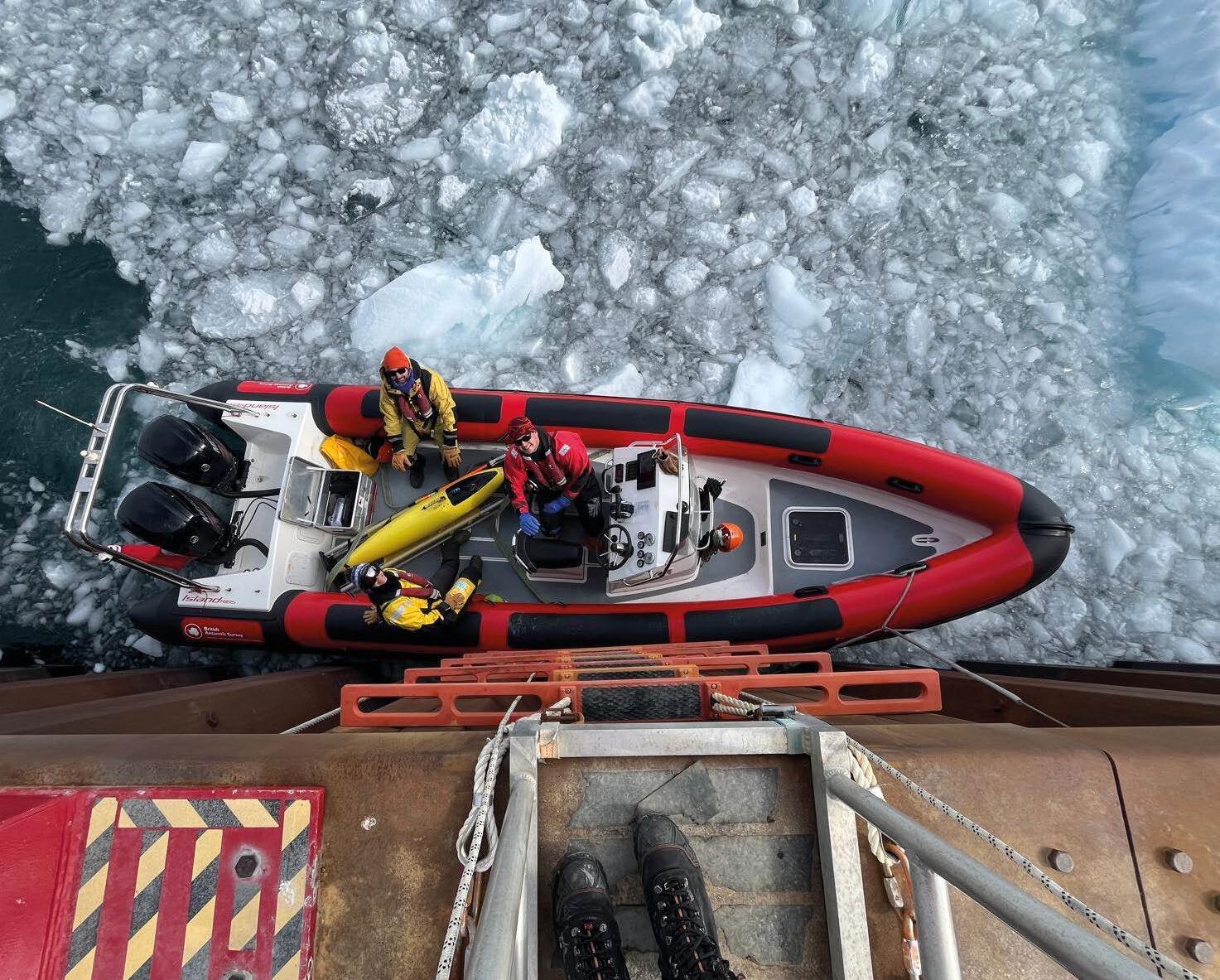
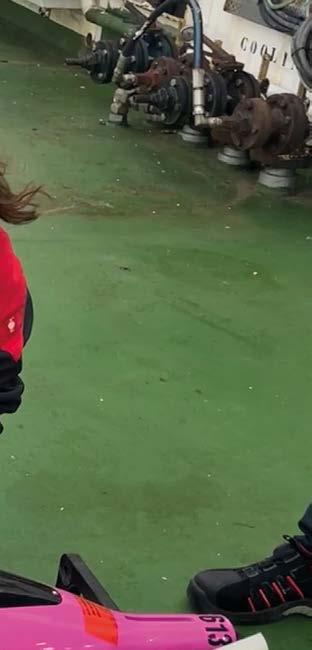
In 2024 Professor Karen Heywood led the twomonth PICCOLO (Processes Influencing Carbon Cycling: Observations of the Lower limb of the Antarctic O verturning) research cruise to the most remote parts of the Southern Ocean, gathering a staggering amount of fresh data around the Larsen C ice shelf. Larsen C holds back enough water to cause sea levels to rise around the world by a centimetre – but for how much longer? The Larsen A and B ice shelves have broken up already, and about 12% of Larsen C broke off nearly a decade ago.
Now, Professor Heywood, donor-funded PhD student Viktoria Nikolaus and a highly specialist team are extracting insights from all that PICCOLO data. What they discover will advance global
PROFESSOR KAREN HEYWOOD OBE FRS SCHOOL OF ENVIRONMENTAL SCIENCES
The Southern Ocean might be a long way away, but it impacts sea level, people’s
lives and livelihoods, all over the world.
Our research is exploring how the ocean provides heat to melt Antarctic ice shelves, leading to additional sea-level rise. What happens to the meltwater from Antarctica, and what are the ocean impacts? What is the Antarctic Ocean like in winter under the sea ice? What processes enable carbon to get from the atmosphere into the deep ocean?
Now we’re deep into looking at data we collected on the PICCOLO expedition, and Viktoria is a key member of the team. Most recently she’s been studying a dataset collected for a whole year, including underneath the winter sea ice. This dataset brings together physics, chemistry and biology, so she’s been doing a super job bringing these specialisms together. We are intrigued by the different tides her work has revealed. You would think that we’ve understood tides for centuries, but the ocean can still surprise us!
Philanthropic funding is making an enormous difference. Viktoria’s PhD is allowing us to go much further in exploring the PICCOLO data. The work she’s been doing on the impact of the Larsen ice shelf, and the tides, just wouldn’t have taken place without her. That data would be sitting on a computer, but the insights wouldn’t have been gained, and the science wouldn’t have progressed.
Photo by Povl Abrahamsen
New discoveries are emerging:
Frozen seawater acts like a blanket preventing the ocean from losing any more heat to the air above, and stopping the strong Antarctic winds from mixing the water up.
Meltwater coming off the Larsen C ice shelf is difficult to monitor, but the available observations show that conditions change over time, helping us understand how the ice shelf is evolving.
Ocean tides are stronger when there’s less sea ice around. Useful to know, because plankton relies on ocean currents to transport nutrients – the more food there is, the more plankton can grow and support the global ecosystem.
Sir David Attenborough at 100
David
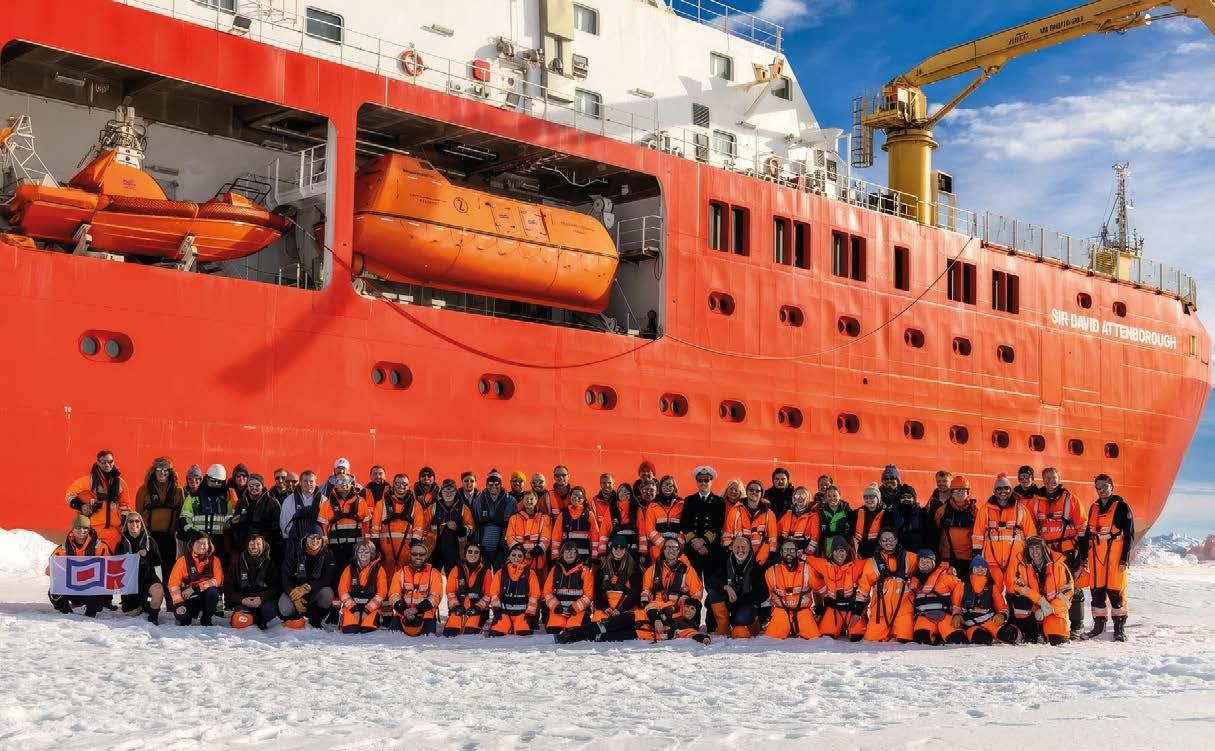
Attenborough’s lifelong passion for wildlife, his skill at storytelling and his indefatigable spirit have made him much more than an advocate for the natural world. He is a cultural icon. Here at UEA we add our voice to all those who are celebrating his centenary and his impact on the world.
He has encouraged millions to see the wonder in the world and he has inspired generations of researchers to dedicate their lives to studying the planet, its complex systems and its inhabitants. It’s a fair bet that some of the researchers on board the research vessel ‘Sir David Attenborough’ found their career paths after watching his TV programmes in their early years. Last word to our own Ben Garrod, Professor of Evolutionary Biology and Science Engagement, who has presented on TV with Sir David:
“Attenborough’s legacy is surely inseparable from the natural environmental challenges we now face. He helped society understand not only how life evolved but, more importantly, why it matters that we protect it now.”
Photo by Lewis Bumstead
VIKTORIA NIKOLAUS
PHD STUDENT IN THE CENTRE FOR OCEAN AND ATMOSPHERIC SCIENCES
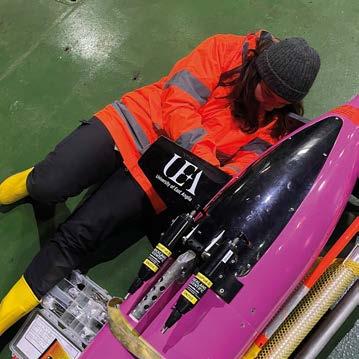
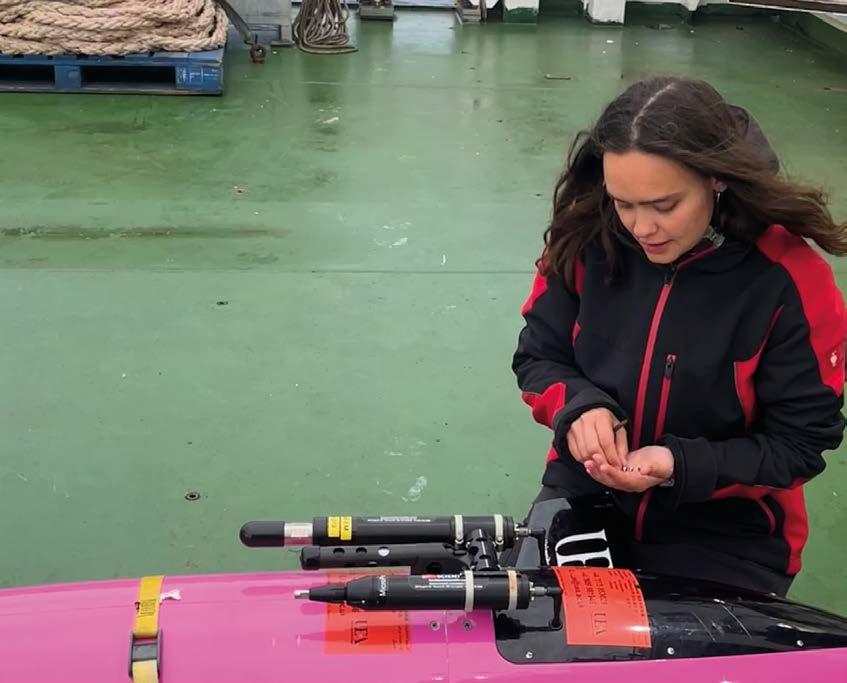
I’m working with Professor Heywood to study the Southern Ocean using autonomous underwater vehicles – Seagliders – to understand how this region influences the global climate.
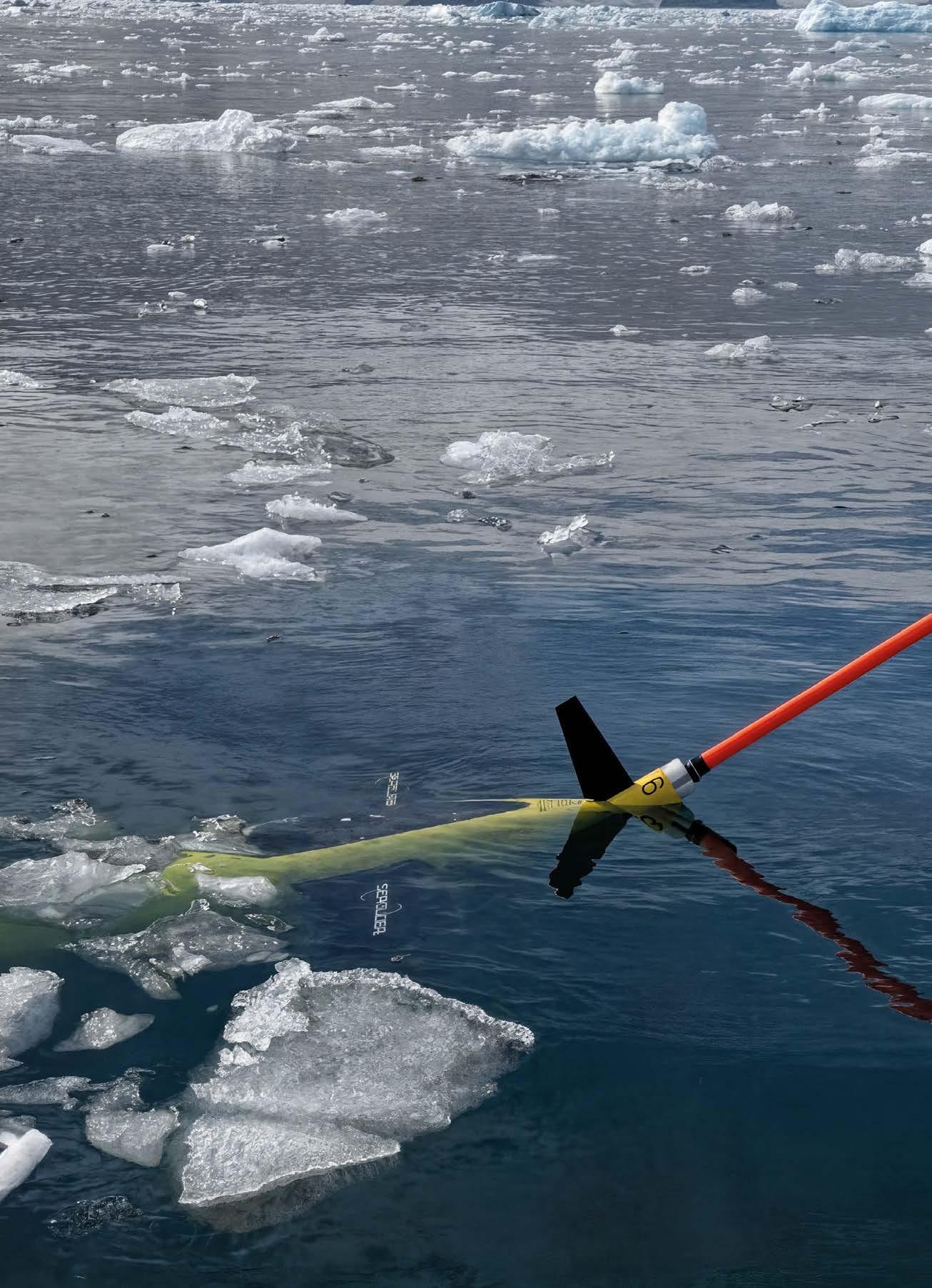
What I find most exciting is the opportunity to use technology to gather data in areas that are not wellstudied. For years we’ve operated Seagliders (most recently for PICCOLO and the PISCES (Processes drIving Submarine Canyon fluxES) expedition) in places that ships usually can’t reach, piloting them remotely to operate autonomously for months at a time, and send us data each time they surface.
They are gathering reliable, long-term information on things like temperature, salinity, oxygen and chlorophyll, and by feeding this data into climate models we are improving climate predictions.
I’m looking forward to digging deeper into the data and seeing what new insights emerge. Even small discoveries along the way are exciting and keep the work moving forward.
It will take years to dig into all the data we now have, but early indications are that sea ice may influence how water circulates across the shelf, shaping both tidal motion and background currents.
The generous support from The Amar-Franses and Foster-Jenkins Trust has made it possible for me to do this work. It covers my personal and academic costs so I can focus full time on the research.
For early-career researchers, having support like this makes a real difference. It allows us to focus on learning, exploring and making discoveries that wouldn’t be possible without it.
We all know what the drivers of global temperature rise are, and what has to be done to arrest the increase.
Without continued research we might not be able to detect the incremental changes in the reversal of global temperature rise which started with the Industrial Revolution. We target Trust funding at centres of excellence in both arts and sciences. We decided to fund scholarships for PhD research students, and we are pleased to be able to do so for Viktoria Nikolaus.
By the time you’ve completed your first degree then Master’s, and finally PhD, you most likely have significant debt and are understandably tempted by a career in the commercial sector. Anyone who wishes to pursue an academic career in pure research needs as much support as possible, since without them there will be a diminished advancement in knowledge and understanding.
Viktoria’s PhD research project contributes to modelling the forces driving the melting of the Antarctic ice shelf. We intend her scholarship to help her concentrate fully on her academic research on climate.
RICHARD JENKINS
THE AMAR-FRANSES & FOSTER-JENKINS TRUST
No time to waste
In the last few decades Antarctic sea-ice cover in summer has shrunk alarmingly. UEA’s climate research can’t slow down. The Seagliders are out under the ice again, and it’s not always plain sailing, says Professor Heywood:
Our current glider deployments in the Bellingshausen Sea are aimed at understanding what happens to the meltwater from the George VI ice shelf. We had some scary moments recently when the glider didn’t come to the surface to call home for many hours. When it did, we found that it had been underneath an iceberg! This data is really fascinating, revealing the characteristics of the iceberg even if it was unintentional. Glider campaigns in this challenging environment are always risky, so we have to be prepared to lose them occasionally to deliver precious and unique ocean data.
Photo by Lewis Drysdale
HOW THE SIR WILLIAM COXEN TRUST FUND
AND THE AZAYLIA FOUNDATION
ARE ACCELERATING PAEDIATRIC
CANCER RESEARCH AT UEA
Backing brave breakthroughs
Across
the world, treatments for paediatric sarcomas have barely changed since the 1970s. For families, that can mean a punishing regimen of chemotherapy, major surgery (sometimes involving amputation), and then more chemotherapy, with survival odds that remain painfully uncertain.
AtUEA’s Norwich Medical School, Dr Darrell Green (BIO06) and his team are working to shift what standard treatment can look like for children and young people facing these aggressive cancers. Their aim is simple to state and hard to deliver: treatments that are kinder, and more effective.
This sits at the heart of why Health is a priority for Dare to Do Different. In areas like paediatric cancer research, where funding is often scarce and progress can be slow, philanthropy can be the catalyst that helps move work forward, step by step, towards more treatment choices, and more reason for hope.
Dr Green’s programme brings together discovery science and the practical work required to move a potential treatment closer to use in patients. Over the past few years, the team has discovered that some cancer cells can create new genes from DNA once thought to be “silent”, revealing new biology and potential drug targets. More recently, they identified that one of these genes is targeted by treatments which are already being tested in human clinical trials. UEA’s data is now being reviewed for potential inclusion of patients with Ewing sarcoma, which could bring a new option closer, sooner.
One promising output of the programme’s translational work is Bensofib (also known as UEA522), a drug candidate designed to target cancer cells without harming healthy tissue. Preclinical work has shown significant reductions in tumour growth and spread without the need for conventional chemotherapy, and with no visible side effects in tested models.
But “promising” is not the same as “ready”. To move from preclinical results towards future clinical trials, every new medicine must pass a rigorous set of toxicity tests. These legally required stages establish safety and how a drug behaves inside the body, and they are expensive. This is the high-stakes stretch of the pathway where philanthropic support can be pivotal, because medical research charities do not tend to fund the toxicity phase.
The Sir William Coxen Trust Fund: backing the essential, higher-risk steps
The Sir William Coxen Trust Fund has been a longterm supporter of Dr Green’s work, backing both the research and the people who make it possible. That includes major investment in toxicity testing to help move Bensofib through the next stages of regulatory development, and support for Dr Emma Bull (BIO21), initially through her PhD and now as a postdoctoral researcher.
Alderman Bronek Masojada explains that the Trust historically gave smaller grants aligned to Sir William Coxen’s bequest, aiming specifically to help orthopaedic conditions in children. More recently, it shifted strategy to seek “moonshot” projects: high risk, but potentially transformational at scale. Thanks to the work of the Trust’s Medical Adviser, Nicholas Goddard, representatives were introduced to Dr Green’s research. “The project fitted our ambition,” says Alderman Masojada, “and so the decision was taken to support it.”
He also explains why they chose to fund early-stage testing. “The early stage of drug or compound testing is the most difficult to justify commercially,” he says. “As a charity we were more inclined to take a risk,” given the potential to address childhood bone cancers and fulfil the objectives of Sir William Coxen’s bequest. So far, one sign of progress is that toxicity tests to date suggest the compound could be suitable for use in people. “We now need to step up the toxicology tests,” he adds, “in anticipation that the model results can be replicated.”
He is also clear that people and continuity matter. “All progress depends on the hard work of a dedicated team of researchers,” he says. The Trust funded Dr Bull’s PhD and then her current postdoctoral role, so knowledge and momentum were not lost. Alderman Masojada’s message to other trusts and foundations is simple: it is worth focusing some resources on risky activities that might have a big impact, because charities can take “bets” that a commercial organisation cannot.
Early-stage drug or compound testing is the most difficult to justify commercially. As a charity we were more inclined to take a risk.
Alderman Bronek Masojada, The Sir William Coxen Trust Fund
Photo by Mark Witter
DR EMMA BULL (BIO21) DONOR-FUNDED RESEARCHER PAEDIATRIC CANCER
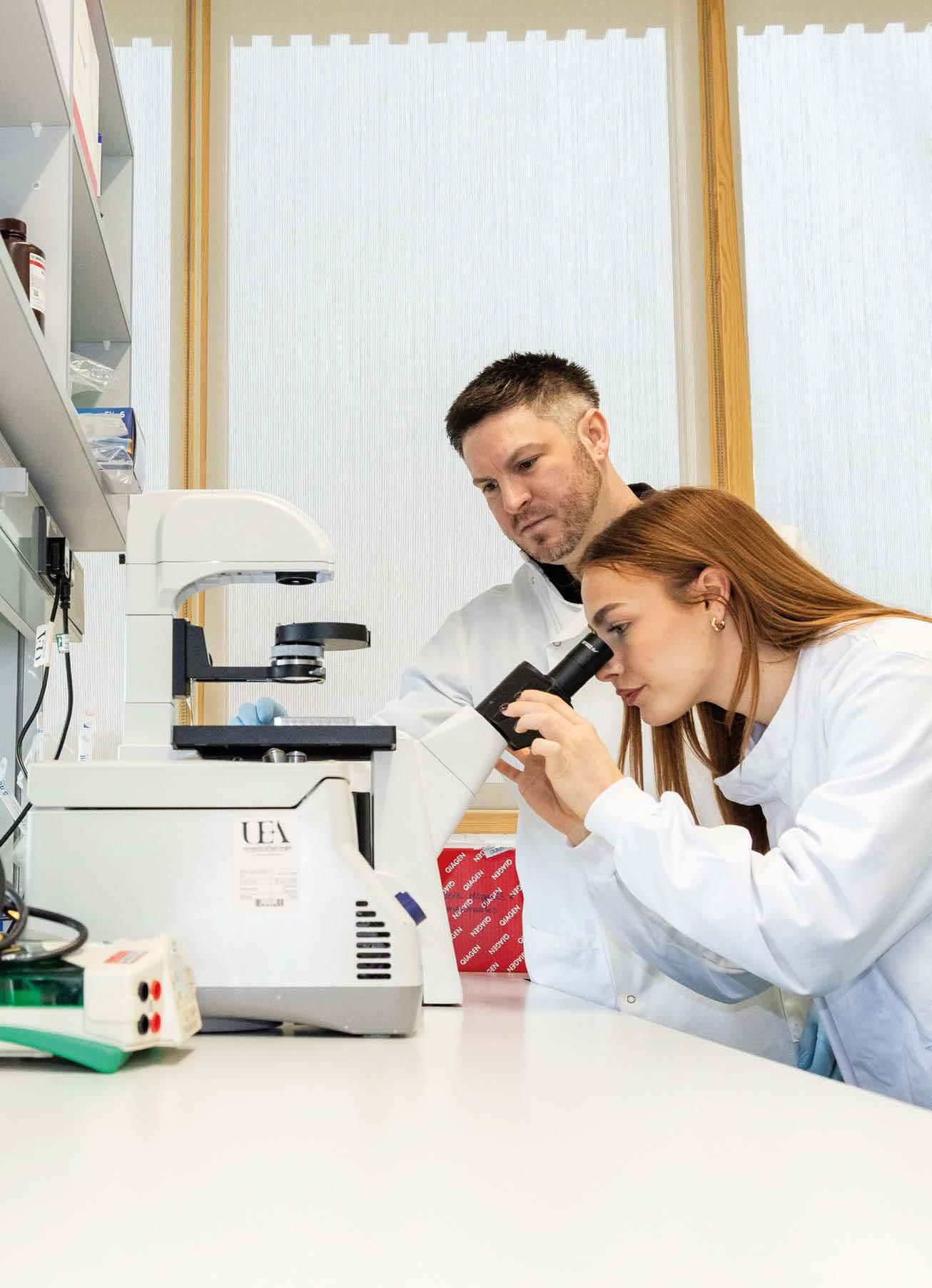
Dr Bull’s work focuses on how cancer spreads around the body (metastasis), a major driver of poor outcomes. She studies circulating tumour cells (CTCs), rare cells in the bloodstream that enable cancer to travel and form secondary tumours. Extracting usable genetic material from these cells is extremely difficult, but her work is opening up new possibilities for understanding, and ultimately interrupting, this process.
During her PhD, she identified a gene called MERT1 in circulating tumour cells from osteosarcoma and Ewing sarcoma and has since shown that reducing its expression can slow, and in some cases stop, the spread of cancer cells. This is helping build a clearer picture of how these cancers spread, and where future treatments might intervene.
Philanthropy is the only reason that we have been able to find and investigate completely new RNA molecules that help childhood bone cancers to spread around the body.
The Azaylia Foundation: investing in talent and the wider programme
Founded in memory of Azaylia Diamond Cain, The Azaylia Foundation supports children and families affected by cancer, while also investing in progress towards earlier diagnosis and better treatments. CEO Dominik Byrne says the Foundation aims to be a major supporter of developing, and improving access to, treatments for children with cancer in the UK.
Alongside The Coxen Trust Fund’s support for the translational pathway, the Azaylia Foundation is strengthening Dr Green’s programme through a funded PhD post, backing the specialist talent that keeps research moving forward over the long term. Dominik says the Foundation funds work with a clear “why”, a credible route to impact, and strong
leadership behind it. He was also drawn to the wider programme around the PhD, and the way a funded researcher can contribute towards accelerating progress in childhood cancer research.
Now that the project is underway, Dominik says the Foundation is “extremely excited” to see the growth and development of Evgenia Kovalova, their funded PhD scholar, and the contribution she is making to the future of Dr Green’s research programme at UEA. Looking ahead, he describes success as developing PhDs into long-term career researchers and continuing to support the programme’s growth so progress can keep moving.
We fund work with a clear ‘why’ and a clear route to impact.
Dominik Byrne, CEO, The Azaylia Foundation
EVGENIA KOVALOVA DONOR-FUNDED RESEARCHER PAEDIATRIC CANCER
For PhD researcher Evgenia Kovalova, that support provides stability and the space to focus. Having moved from clinical oncology into research, she is driven by the questions she carried with her from the clinic: why similar cases can respond differently, and what is happening behind the scenes at a molecular level.
Her approach is careful and deliberate. “My key learning so far has been not to rush to conclusions,” she says. “Start with a precise question and the right approach, and only then interpret the biology, not the other way around.”
A community of support
Groundbreaking research is never funded by one gift alone. It is built through a community of donors, trusts and foundations, researchers, students, and supporters who understand that progress often depends on backing the steps that make everything else possible. Across drug development and research into how these cancers spread, that support is helping open up new possibilities for future treatment.
With thanks to the trusts and supporters who have helped make this work possible, including:
The Azaylia Foundation
• John Jarrold Trust
• Norfolk Community Foundation through Sophie’s Sparkle Fund
• The Orthopaedics Charitable Trust Fund
• The Paul Bassham Charitable Trust
• The Peter Stebbings Memorial Charity
• The Richard Jenner Memorial Trust
• The Sir William Coxen Trust Fund
The funding has let me focus on what I genuinely enjoy: to keep learning, think deeply, and hopefully come up with something useful.
And the many individual donors and supporters who have played such an important part in progressing this research.
Find out more
Scan the QR code or visit our website uea.ac.uk/about/ giving-to-uea/our-causes/ paediatric-cancer-research
CREATIVE
PROFESSOR CATHERINE RICHARDSON
PRO-VICE-CHANCELLOR
ARTS AND HUMANITIES
There’s a place for you in the next chapter we’re writing now.
Getting creative
Professor Catherine Richardson, UEA’s Pro-Vice-Chancellor for Arts and Humanities, on creativity, partnership and the opportunities ahead for UEA and the region.
Alongside our exceptional MA in Creative Writing, there are many other significant teaching programmes and exciting cultural offers at UEA, and I am enjoying bringing these to the fore.
A core part of my role is overseeing priorities for our teaching, research and the work we do in our communities. I sit on the Executive Team of the University, helping feed our work into UEA strategy and policymaking, but a good deal of my work also takes place off campus, working with partners to identify shared priorities that can grow the profile, culture and economy of our region.
One of the biggest opportunities is the chance to build more dynamic collaborations across sectors. Norfolk has an increasingly important creative industries cluster, alongside strengths in health, climate, food, clean energy and advanced manufacturing. Creative and cultural expertise can help develop new ideas, products and services, and drive innovation with lasting impact.
UEA has an incredibly strong and distinctive international reputation, which I had been aware of for a long time, so the opportunity to lead an ambitious Faculty of excellent colleagues was not to be missed.
That ambition sits at the heart of Creativity in Action, our new Cultural Strategy. It is about embedding creativity across the whole campus; physically in our spaces, and through enterprise, teaching and learning, research, and partnerships. Our students should notice the difference from their very first weeks at UEA, onwards into fulfilling careers, through more interdisciplinary learning, more work with external partners, and more opportunities to engage with new technologies and real-world challenges.
Partnerships are central to that work. Arts Council England (ACE) and UEA share a belief in the importance of creativity and culture in place-making, particularly in areas facing historic underfunding, rural isolation and socioeconomic hardship. Together, we are exploring how cultural partnerships can support communities most vulnerable to climate change and public health challenges, creating new community-led programmes that tackle inequalities.
Philanthropy has an essential role to play. It allows innovation and new initiatives to be tested before other forms of funding have caught up and can have a transformative effect on people’s daily lives and life chances.
Creativity was fundamental to UEA’s origins and continues to shape every area of University life. Whether we are addressing climate change, health or our campus, it underpins our success and is vital to UEA’s future.
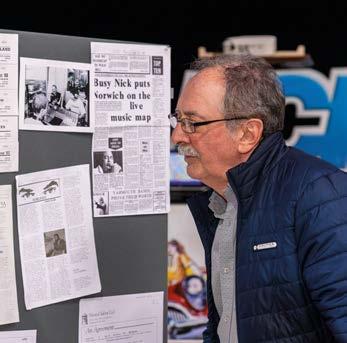
Community curating
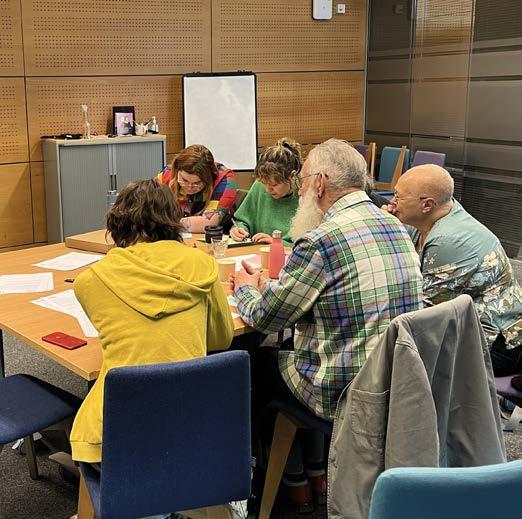
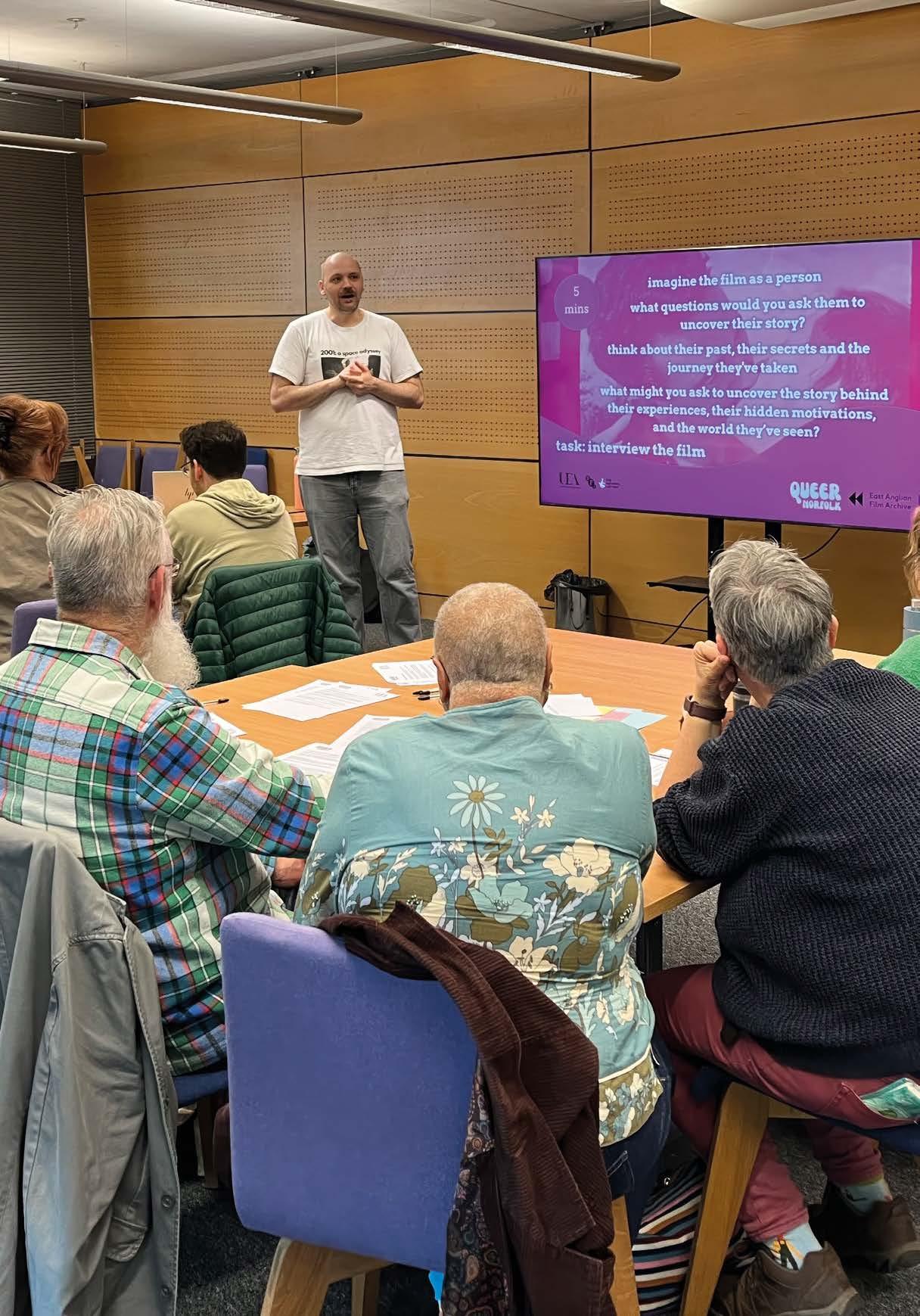
One example of this work in practice is the Community Curating project. It is a partnership between the East Anglian Film Archive (EAFA) at UEA and volunteerled archiving charity, Queer Norfolk, with the support of the British Film Institute (BFI) Screen Heritage Fund, awarding National Lottery funding. Community Curating is a new approach for the archive and invites communities to play an active role in preserving their heritage for the future. Working with local LGBTQ+ stakeholders, the project team led by Dr Nick Warr (EAFA’s Academic Director), has developed public guidance on looking after moving image material and recording its story. Find out more Scan the QR code or visit our website uea.ac.uk/creative/ creativity-in-action
CAMPUS
Making connections
ONLY CONNECT: COMMUNITIES COMING TOGETHER
UEA’s Norwich campus is a place for everyone, from bright students, researchers and teaching staff to visitors who want to share in our cultural riches and green spaces. They’re all welcome. That’s why we always plan our infrastructure projects to support rich learning experiences and to bring the ‘wow!’ moments that enrich everyday life.
Through the power of philanthropy and the generosity of countless local people we have the funds – and the insight – to develop our campus in ways that keep on meeting the needs of all our communities.
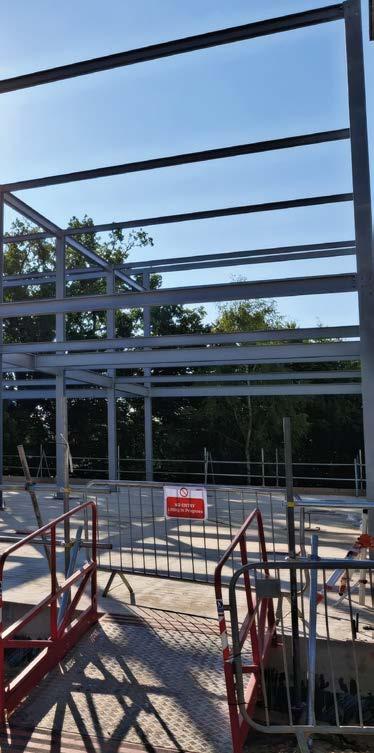
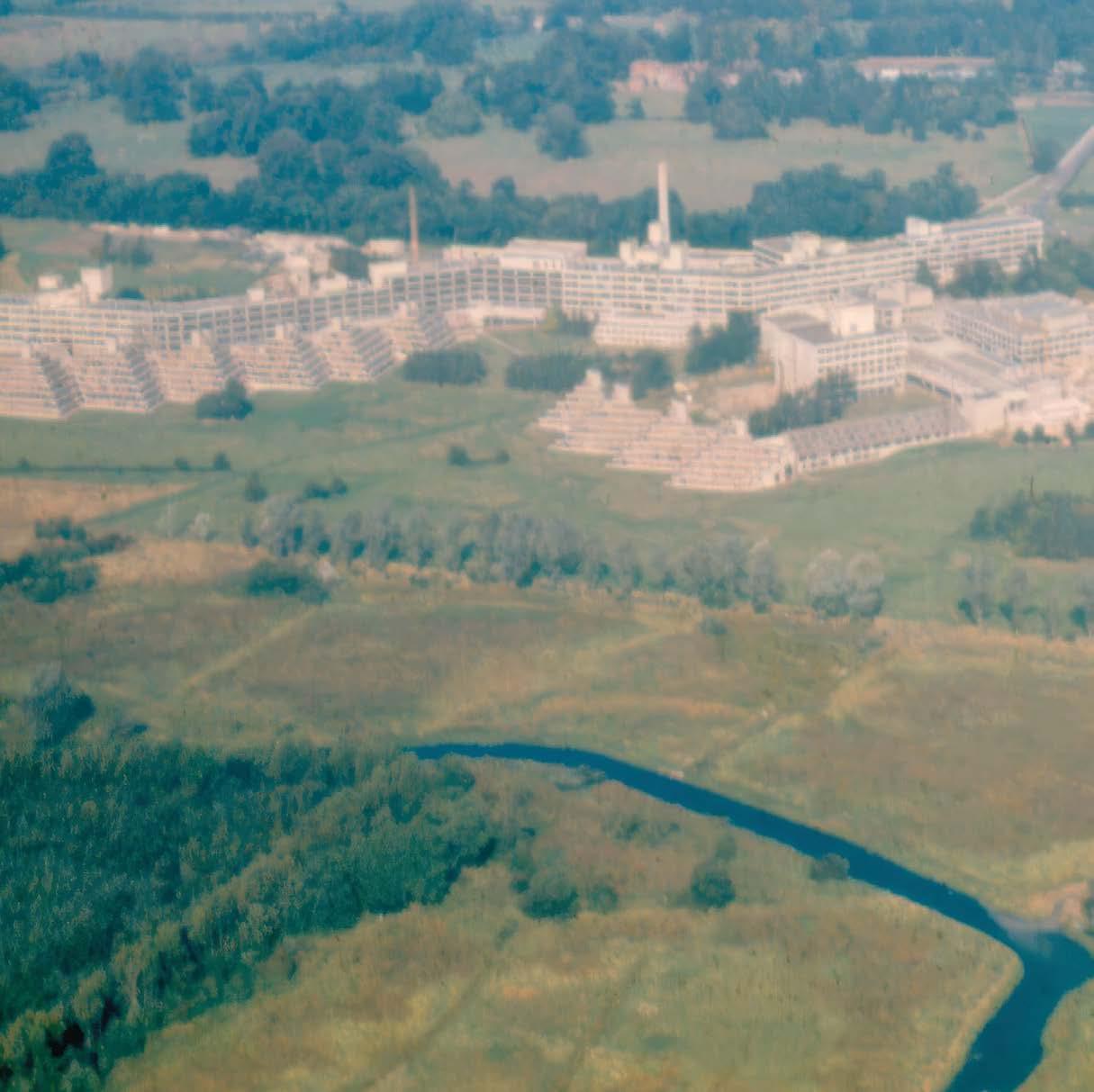
Up on the Norwich campus’s iconic Lasdun Wall our new Centre of Advanced Environmental Microbiology (CAEM) is taking shape. It’s a purpose-built space where our brilliant researchers will pioneer ways to combat climate change and biodiversity loss across the globe. And meanwhile, down at the UEA Broad we’re getting our hands dirty protecting, enhancing and celebrating biodiversity in our own backyard, in the place our students call home.
The Boardwalk – a precious and rare thing
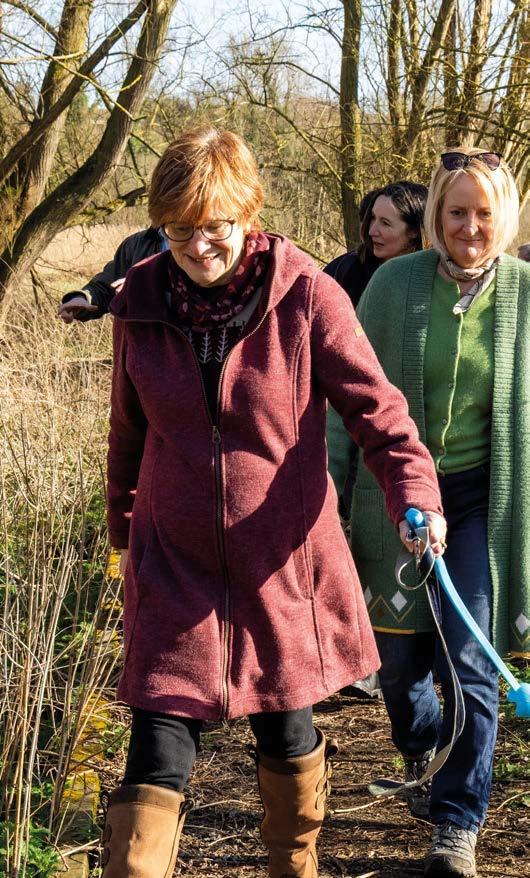
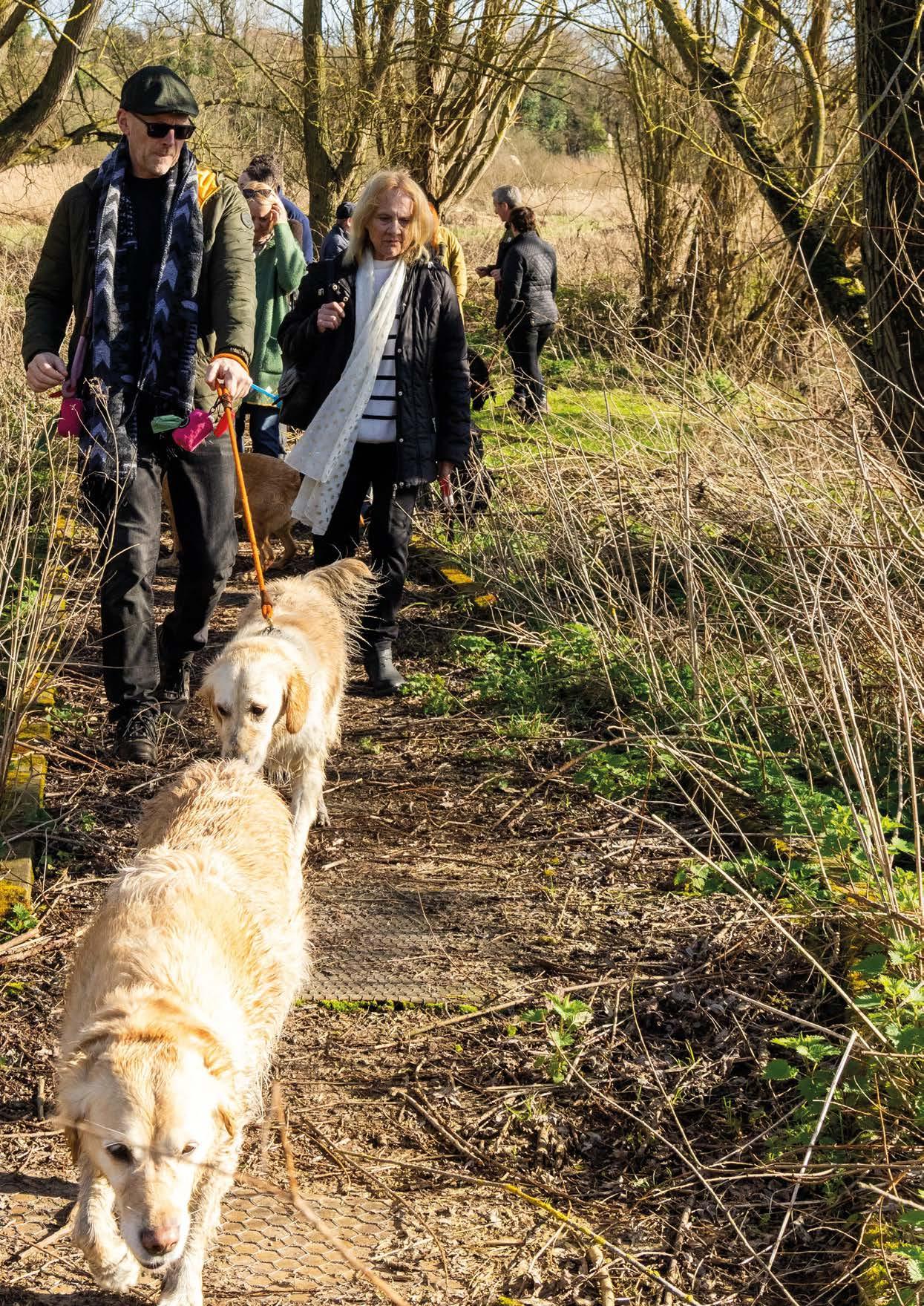
It may only be 400 metres long and currently one metre wide but the Boardwalk, on the south side of the campus, is a much-loved stretch of the 9.5 km Yare Valley Walk. Sadly, since early 2024 it has also been a much-missed piece of the Walk, as we had to close it when heavy footfall degraded the ageing wooden structure. But now the Boardwalk is coming back!
The Yare Valley Walk meanders to take in stretches of river, broad, woodland and marsh and allows people of all ages to immerse themselves in a fenland landscape that’s becoming increasingly scarce. It links villages, Sites of Special Scientific Interest (SSSIs) and nature reserves, connecting Cringleford and Eaton with the University campus so local people can enjoy the woodland trails and other amenities here. On the Boardwalk everyone is welcome to pause, connect with the natural world and look for rare plant, bird and insect life. If they’re still and quiet they might even glimpse otters, water voles, deer, hares and more.
Boardwalk 2.0: the sustainable version
Replacing the Boardwalk has given us the opportunity to reimagine it and make it even better. More inclusive, more enjoyable and nurturing for people, place and the wider planet.
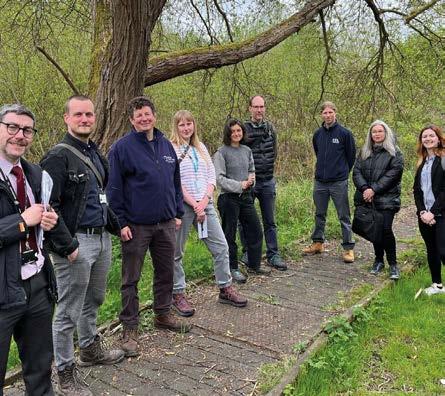
All in all – a big responsibility. But it’s one that local groups have been keen to share and they’ve contributed to the plan at our community meetings, in correspondence and in the media. With their help we’ve come up with a plan.
The new Boardwalk at a glance:
A new 400-metre path made from recycled composite plastic. It will have a lifespan of 20-25 years and needs almost no maintenance.
Widened to 1.5m wherever possible, for better wheelchair and pushchair access.
Passing places
Recycled composite plastic benches so people can rest and think.
Enhanced signage and interpretation boards.
Improved, safe access to learning spaces like the dipping pond.
We’ll be doing the work with advice from the Environment Agency and local Wildlife Trusts, timing it to create minimal disturbance for species that are already present, and reshaping the pond and the river/pond connection to create a variety of water levels that will attract new species.
The new Boardwalk will need minimal maintenance compared with a like-for-like replacement. That makes it a greener, more cost-effective choice and means we’ll need to make fewer interventions that might impact local ecosystems. At the same time, the new design makes it easier for us to do conservation work that will have a positive impact, and offers University students and researchers – as well as local schoolchildren and pond-dippers of any age – better, safer ways to explore what’s in and around the water.
Community voices
Before its closure, the Boardwalk was a cherished place to so many…it was a joy to stroll along the riverbank and feel in touch with nature – each season bringing different delights.
(Eaton Village Residents’ Association)
Life has been the poorer since its closure… It was a place to linger, rest, learn and marvel. Its closure devastated me so much I did something I rarely do – I gave a small donation in hope of it reopening.
(Cringleford resident)
I was personally impressed by the thoughts and enthusiasm shared at one of the community events. That spirit of shared purpose was inspiring.
(Friends of Eaton Park)
At the Society’s recent public AGM members and non-members were keen to be updated on progress and how they might assist or give financial support… In ecological terms the Boardwalk will help to reduce human impact on the fragile ecosystem of the marshy environment and allow flora and fauna to thrive.
(Yare Valley Society)
Walking the (Board)walk
Local people and organisations didn’t just talk about backing the project, they gave generously to make it happen. Alongside funding from the Greater Norwich Growth Board Infrastructure Investment Fund (GNGB-IIF) we raised matchfunding of £7,000 from individuals and local organisations, including Eaton Village Residents’ Association. We hit that target early this spring. Warm thanks to everyone – and a special mention to our lead partner, the Yare Valley Society.
We are hugely grateful to the Greater Norwich Growth Board for the core funding of £260,899, and to Norwich City Council for sponsoring our application. We can’t wait to reopen the Boardwalk for you all.
Sarah Ashurst, Head of Planning and Regulatory Services, Norwich City Council, and member of the Infrastructure Delivery Board (GNGB) said:
The Greater Norwich Growth Board is proud to support investment that strengthens connections, improves access to nature, and is shaped by the people who use it.
Find out more
Scan the QR code or visit our website uea.ac.uk/about/giving-to-uea/blogs/ uea-boardwalk-project
This project is funded by the Greater Norwich Growth Board through the Infrastructure Investment Fund.
Still doing different
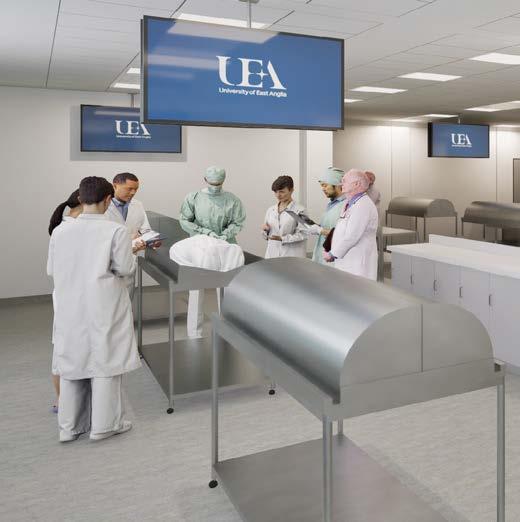
At a time when many of the UK’s medical schools are closing their clinical anatomy facilities, UEA is bucking the trend and building a new one. The first phase of our bigger, better Clinical Anatomy Suite opens to students this autumn.
No shortcuts to excellence
We believe there’s no substitute for hands-on experience, and no shortcuts either, when you’re training the next generation of doctors, surgeons and therapists to shine. Most institutions would agree. But cadavers are preserved in large quantities of formaldehyde, which is injurious to health, and retrofitting old buildings to comply with new World Health Organization (WHO) guidelines on formaldehyde can be very expensive.
So instead, we are building the new Clinical Anatomy Suite in the Edith Cavell Building on the Norwich Research Park, with grants from The Pat Green Charitable Trust, the Office for Students (OfS) and many other generous donors who believe in the importance of creating a centre of excellence to train health professionals for the NHS here at UEA. It will be among the first facilities in the UK to be fully compliant with the WHO guidelines. It will use a new, eco-friendly embalming fluid to protect users’ health and reduce the need for resource-hungry ventilation systems. Crucially, it will be big enough for every student to get hands-on experience, and adaptive for new technologies in a way that our older buildings simply can’t.
It couldn’t be more needed. While the UK has fewer doctors per 1,000 people than the EU average (3.2 compared with 3.9) the difference is even starker in the East Anglian community, which has only 2.5 per 1,000. It means patients wait longer for treatment. The new Clinical Anatomy Suite is an essential part of the University’s plan to resolve the shortage of healthcare professionals and support the NHS Long Term Workforce Plan.
The new Clinical Anatomy Suite will be a world-class facility for UEA, giving our students the hands-on experience, confidence and clinical understanding they need to become the next generation of doctors, surgeons and healthcare professionals. With specialist teaching spaces, including a robotic surgical suite, it will also support advanced training for clinicians across the region and beyond, helping establish UEA as a major hub for healthcare education and innovation.
Professor Philip Baker, UEA’s Pro-Vice-Chancellor for Medicine and Health Sciences
A lasting legacy
LEAVING A GIFT IN YOUR WILL SUPPORTS
OUR UEA COMMUNITY YEAR AFTER YEAR
Neil Pettifer (EUR75) chose to support UEA through one of the most meaningful forms of philanthropy: a gift in his will. He remained connected to UEA long after his student days, and in 2019 he left a legacy gift to UEA’s Pioneer Fund.
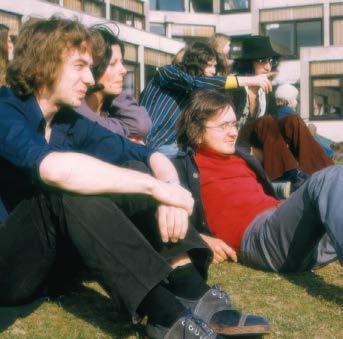
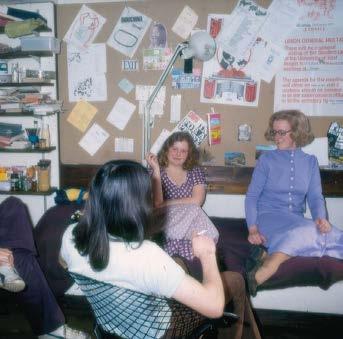
Neilwas part of the UEA community in the 1970s where he was drawn to a European Studies degree, a subject that gave him the freedom to explore across disciplines, combining literature with art history and social history. Those who taught him remembered him as diligent and thoughtful, and he immersed himself in campus life. For Neil, UEA was not simply a place to study. It was a place to belong, to take part, and to grow.
That sense of growth stayed with him. Part of Neil’s student experience was shaped by time abroad, including a year in Strasbourg that he later described as one of the best years of his life. In his own words, Neil shared a simple motivation for his legacy gift: he wanted to leave something “memorable”, and to give others “a chance to grow”, just like he had experienced during his time at UEA. It is a generous sentiment, and one that echoes the role education can play in opening doors.
Neil was also a dedicated member of UEA’s global alumni community. He lived and worked in Spain for many years, where he ran his own property business, and he helped organise regular UEA reunions. His legacy reflects that same commitment to staying connected, and to supporting the University he valued so dearly.
Rather than supporting one specific project, Neil’s gift was made to the Pioneer Fund, UEA’s endowment. Endowments are designed to have long-term impact. Gifts are invested, and the returns help support the University year after year, giving UEA the flexibility to respond where the need is greatest. Supporters can also choose, if they wish, to direct their giving to particular areas of interest, such as scholarships or research.
A legacy can be any size, and it can be shaped around what feels right for you and your family. There can also be financial benefits. Gifts to charity in a will may reduce the inheritance tax due on your estate, depending on your circumstances.
Find out more
If you would like information about leaving a gift to UEA in your will, please contact the Development, Alumni and Campaigns Office by scanning the QR code, or visit our website uea.ac.uk/ about/giving-to-uea/gifts-in-wills
I want this legacy to be able to give people a memorable experience and a chance to grow.
The late Neil Pettifer (EUR75), in his letter of wishes.
Alumni in action
UEA ALUMNI ARE STAYING CONNECTED, OPENING DOORS AND SHARING WHAT THEY’VE LEARNED
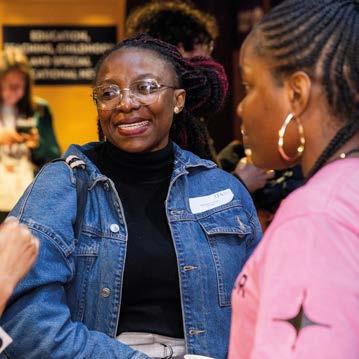
UEA’s global alumni community continues to give back in many meaningful ways: sharing career insight with students, volunteering time and expertise, and returning to the Lasdun Lecture stage to spark ideas and conversation.
Alumni mentors: lighting the way
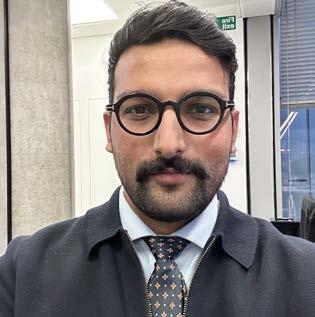
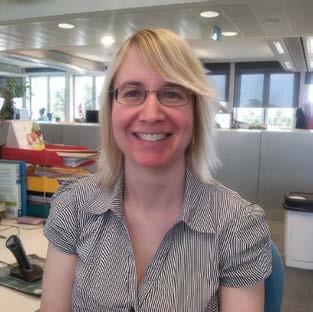
PRABIN MOHANTY (NBS14) ALUMNI MENTOR
“My principle is to be the kind of mentor I wished I had.”
Prabin’s first years after graduation taught him how bumpy a career can be, and why guidance matters. He broke into finance with Société Générale, only to learn in his second year that his department was closing. The experience, he says, was unsettling as a young graduate, but it also showed him the value of honesty, strong relationships and steady work ethic.
That’s the mindset he now shares with UEA students. Prabin mentors with relatability at the centre: the nerves of job applications, the juggle of internships and deadlines, and the reality that rejection is normal.
His “yes” moment came after a donation to UEA research into paediatric cancer when he asked, simply, “Can I be a UEA careers mentor?” Four years and 13 mentees later, he’s still giving back with time, perspective and reassurance.
“Mentoring can provide reassurance, perspective, and encouragement.”
Jackie remembers the pressure of final year: trying to choose a path, without a clear map. After graduating, she worked in London before returning to Norwich, where she built a long career at Aviva.
When she saw a call-out for alumni to join a mentoring pilot, she said yes straightaway. For her, mentoring is about reassurance and perspective: helping students feel supported when everything can feel overwhelming and reminding them there isn’t one “right” route after university. What’s surprised her most is how open and reflective students are, and how mentoring becomes a twoway process. “It’s easy to forget your own path,” she says, “until you start to share it with someone else.”
JACKIE SCOTT (HIS96) ALUMNI MENTOR
1,000
Mentoring connections since 2023
Hours of mentoring time given by alumni since 2020
683
Mentoring is just one way to stay connected. Thousands of alumni have attended social and networking events all over the world since 2020.
Whether through a mentoring chat that helps shape a student’s next steps, or a lecture that brings our community together, it all comes back to the same impulse: staying connected to UEA and paying it forward.
Many alumni also choose to give their time by sharing career insight through case studies, speaking to students, supporting alumni events, or helping to bring alumni together locally through Global Gatherings. If you can open doors through introductions in your sector, that support can help create new opportunities for students and strengthen links with employers.
465
Mentors engaged since 2023
Find out how you can get involved: uea.ac.uk/about/ alumni-and-supporters/ volunteer-at-uea
Alumni take to the Lasdun Lecture stage
UEA’s Lasdun Lectures bring together alumni, supporters, students, staff and members of the local community to explore the most pressing ideas shaping our world. Featuring leading voices from within UEA and beyond, the series also often welcomes alumni speakers to share the questions, insights and experiences that have shaped their careers. Here are a few recent highlights.
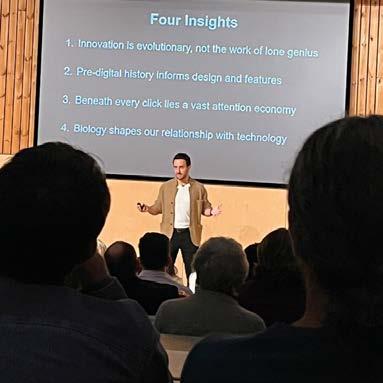
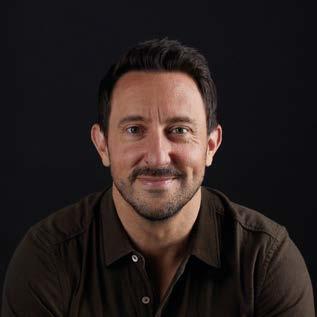
“Are you using the device, or is the device using you?”
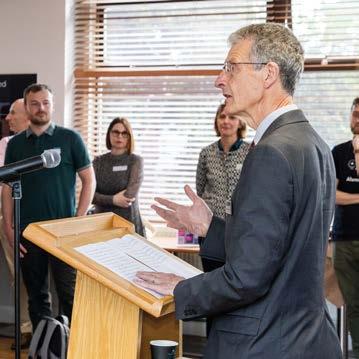
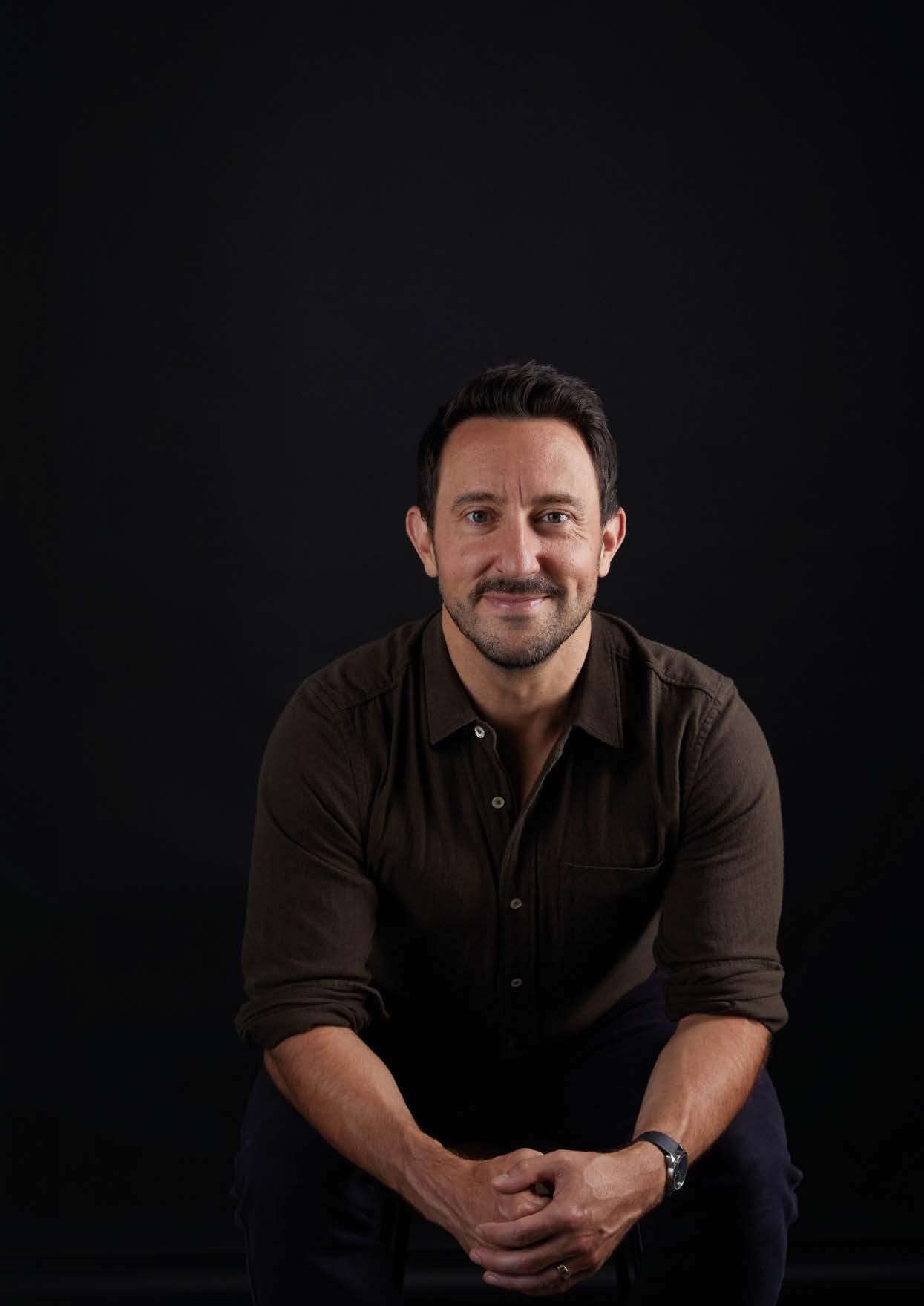
In November, entrepreneur and co-author Bob Goodson returned to UEA for his first speaking appearance at the University since graduating more than two decades ago. His talk blended insight, humour and nostalgia, exploring how technology shapes our attention and behaviour, and what we trade away when we scroll without thinking.
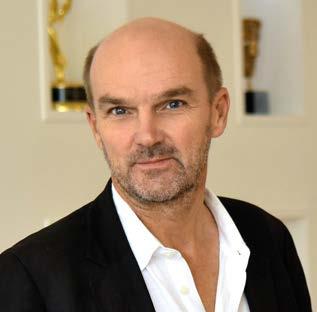
“This university helped give me the foundation to better understand the power of storytelling, and it’s exciting to come back and reflect on how those early ideas have shaped my career in television.”
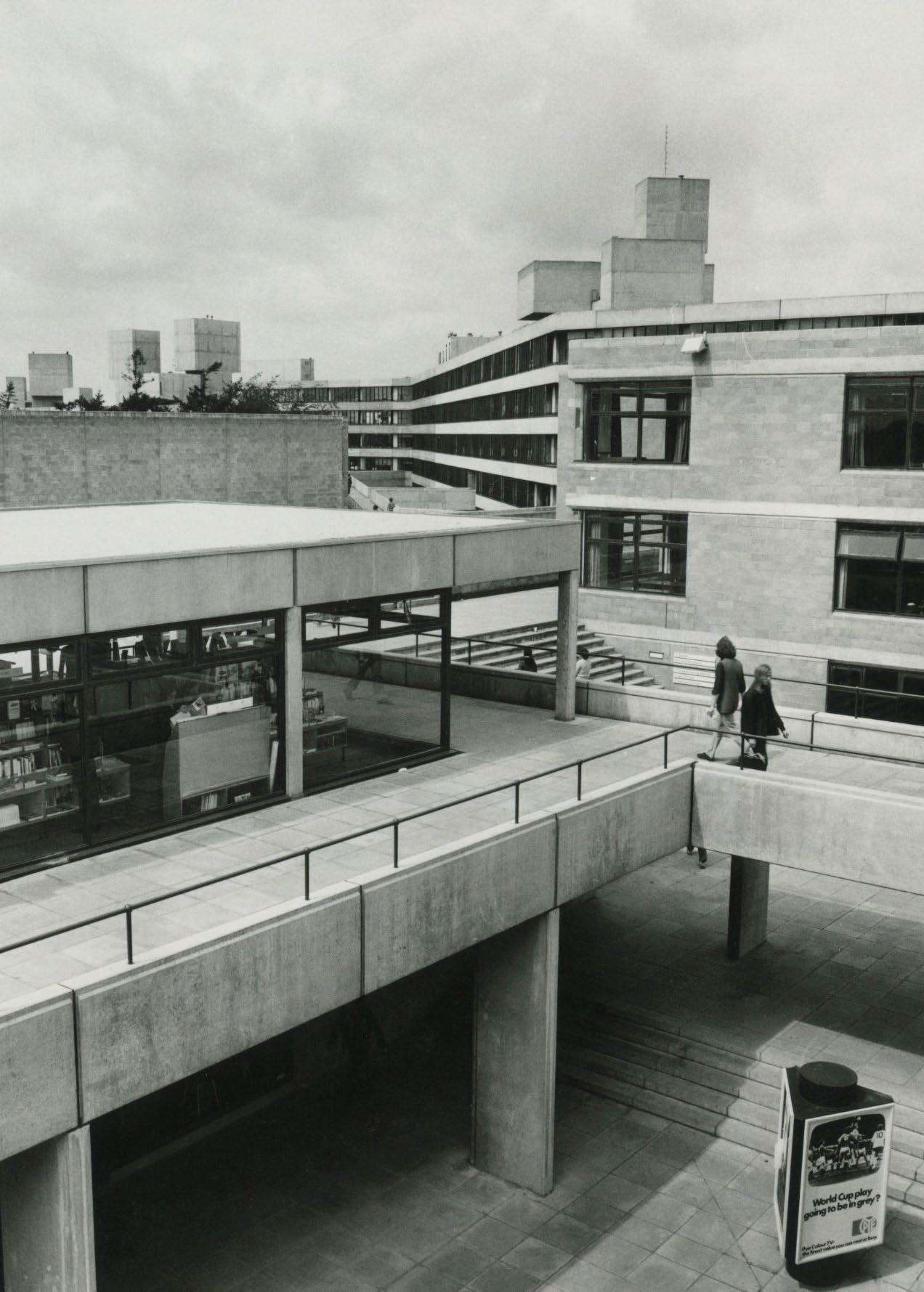
In March, television producer Stephen Lambert, of hugely popular ‘The Traitors’ fame, returned to UEA to explore why reality and competition formats grip audiences, and what great storytelling reveals about us. Opening the lecture, Stephen reflected on arriving at UEA in 1978 and how Lasdun’s architecture shaped the feel of campus life and community. He described the lecture as a full-circle moment, returning to the place that helped set his direction in life.
“ Without having the teaching I got at UEA for three years, I would not be where I am now.”
In May, Nobel Prize winner Professor Sir Michael Houghton delivered an online Lasdun Lecture, sharing insights from a career dedicated to researching diseases with unmet medical need and the drive to turn discovery into improved healthcare.
Register for future Lasdun Lectures on our UEA events page uea.ac.uk/search/events
Past speakers include Nobel Prize winner Professor Sir Paul Nurse (BIO70) and author Professor Christie Watson (LIT07), just a small snapshot of the breadth of voices in UEA’s flagship lecture series.
BOB GOODSON (EAS99) NOVEMBER 2025
STEPHEN LAMBERT OBE
(SOC78) MARCH 2026
PROFESSOR SIR MICHAEL HOUGHTON (BIO69) MAY 2026
Sustainable style
George Bailey, a recipient of a UEA Enterprise Fund grant, discusses Coral Eyewear’s impact
Whilst your donation might be to the Enterprise Fund, the businesses the Fund is able to support create impact globally.
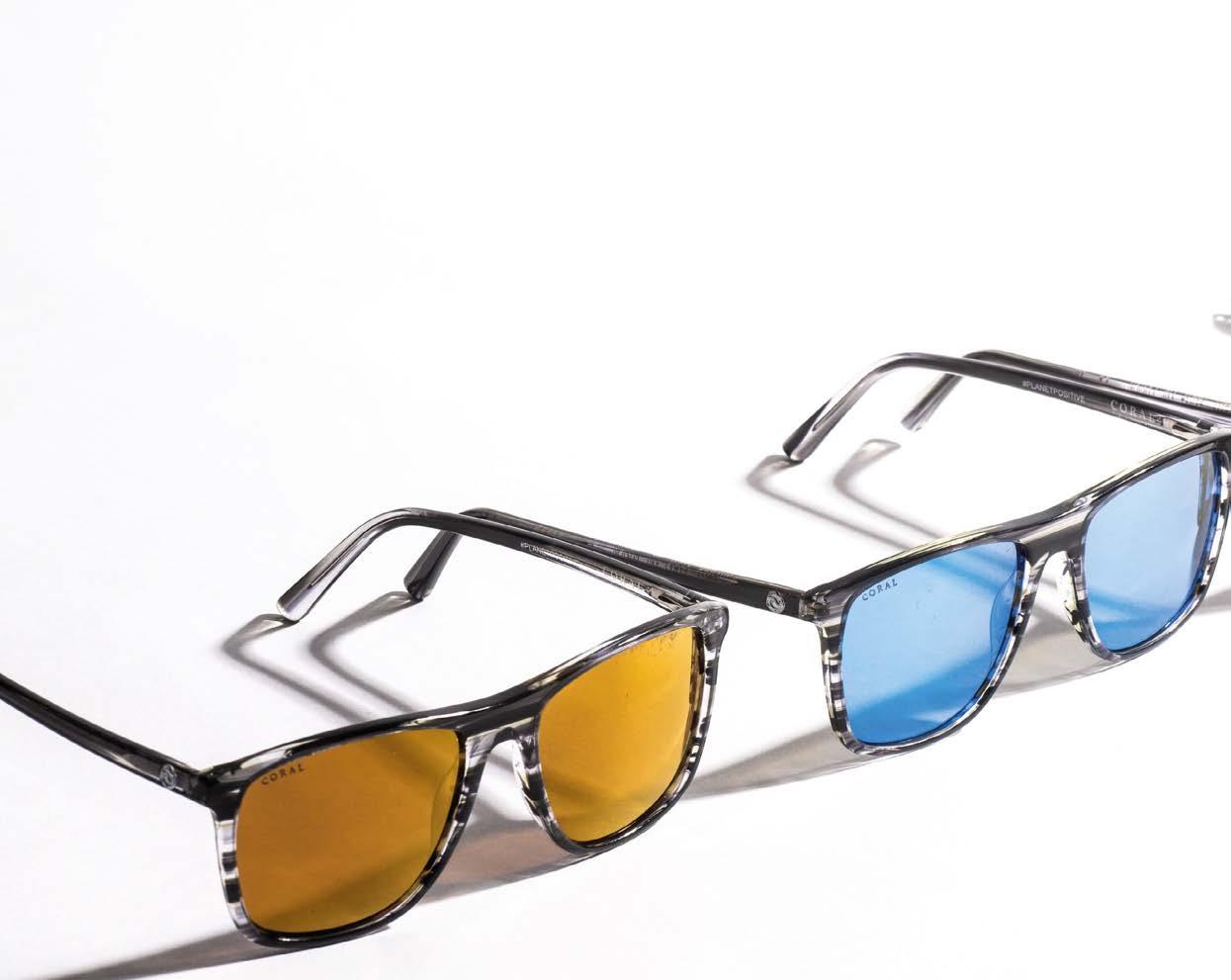
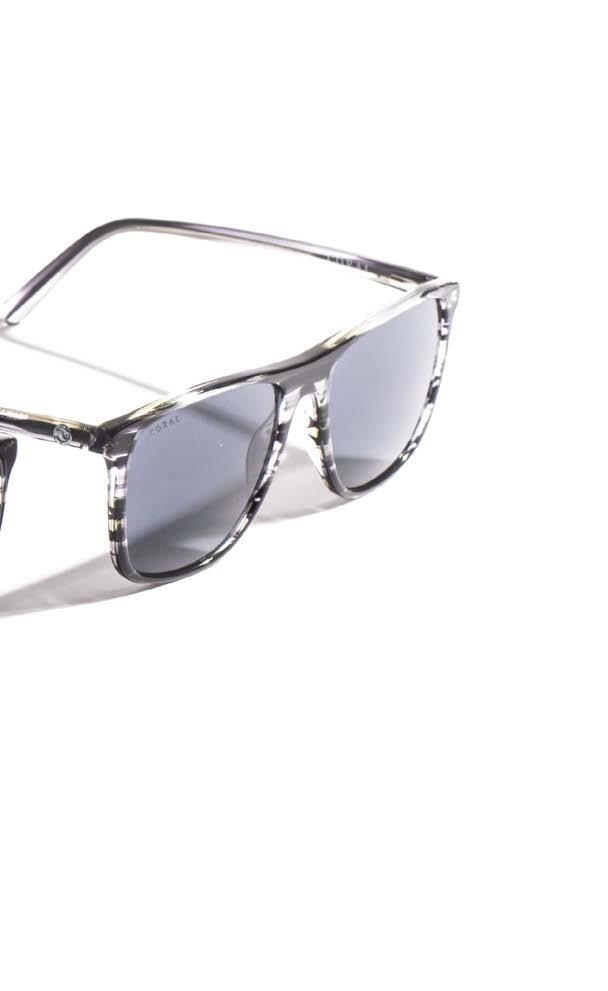
Coral Eyewear is proving that great design and sustainability can go hand in hand, creating stylish glasses and sunglasses from recycled and bio-based materials, and helping partners make the switch too. We caught up with founder George Bailey (ECO12) to hear how the UEA Enterprise Fund helped bring Coral to market, and what’s next.
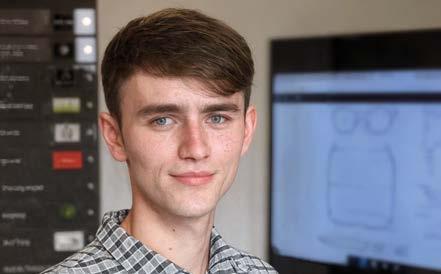
GEORGE BAILEY (ECO12) FOUNDER OF CORAL EYEWEAR
What need does Coral Eyewear meet?
Coral Eyewear crafts stylish eyewear using recycled materials. Over half of the UK population have a prescription for their vision, and we’re keen to make sustainable glasses and sunglasses available to as much of the population as possible. We’ve collaborated with brands across sport, fashion and travel retail to create designs that suit individual passions.
When we spoke in 2020, you were readying for launch. How has Coral Eyewear grown since then?
Our glasses and sunglasses are now stocked in hundreds of opticians across the UK, and we’ve launched a store on board Virgin Voyages cruises. We’ve collaborated with various international sports teams and are the official eyewear supplier to the Great Britain Cycling Team.
What impact is Coral Eyewear making?
We provide high-quality products for tens of thousands of people every year with recycled and bio-based materials. We’ve been approached to create sunglasses with recycled materials for the likes of Umbro, so we’re supporting major brands in making that switch.
How did the funding you received help your business?
The funds supported early research and development and got our first product to market. UEA backing our business through one of the most challenging business environments in history, the Covid pandemic, shows they’re genuinely committed to giving students and graduates the support we need.
What’s next for Coral Eyewear?
Coral Eyewear has some big collaborations coming this year, partnering with some of the UK’s biggest fashion brands. We’ll also be building on our licensing programme, and we’ve recently launched a children’s collection of glasses with Paddington.
How can a UEA entrepreneur make the most of the Enterprise Team and Enterprise Fund support?
Engage with the student Enterprise Team as early as possible. Even if you just have an idea, they’ll support you in shaping the foundations of your business and introduce you to advisors across product, finance, design and industry-specific mentors.
What would you say to donors who support the Enterprise Fund?
Thank you. Whilst your donation might be to the Enterprise Fund, the businesses the Fund is able to support create impact globally.
Find out more
George Bailey was a recipient of a UEA Enterprise Fund
£50,000 Scale It investment (June 2019) and £20,000 COVID-19 grant (June 2020). The UEA Enterprise Fund is open to all students during their course and up to three years after graduation. Founded in partnership with UEA alumni, it has awarded 102 grants and investments worth £1.66m since launch.
Scan the QR code to find out more about the Enterprise Fund and how your support helps UEA entrepreneurs turn ideas into impact. uea.ac.uk/about/giving-to-uea/ourcauses/uea-enterprise-fund
Making a difference together
In a world that’s changing fast – and often in unpredictable ways –everyone is having to get used to ‘doing different’ every day, in countless small ways as well as in very big ones.
PROFESSOR DAVID MAGUIRE VICE-CHANCELLOR & PRESIDENT
Here at UEA doing different is in our institution’s DNA, and in these pages we’ve celebrated a few of the ways in which willingness to think, be and do different is enabling life-changing things. It is a real pleasure to share these stories with you.
I hope we’ve shown how much we value the support we get from our wonderful community of donors, alumni and local people, and the sense of responsibility and purpose that we all share.
With all that goodwill behind us our Dare to Do Different campaign has got off to a flying start, with philanthropic gifts and donations from more than 1,600 supporters taking the total pledged so far to more than £38.5m. With it, we are pushing forward with pioneering work in the four key areas of Climate, Health, Creative and Campus.
Meanwhile UEA alumni are giving time and expertise generously at Global Gatherings, by giving Lasdun Lectures and by providing career opportunities and mentoring for students. Our strong alumni community is something to be proud of and we’re keen to keep
growing it, so if you’re an alum keen to get involved please get in touch. As one of our alumna mentors reminded us, benefits flow in both directions:
“It’s easy to forget your own path until you start to share it with someone else.”
I’m excited about UEA’s next chapter. If you’d like to know more about what that looks like, and how you can play a part, visit the website or get in touch with the Development, Alumni and Campaigns Office.
Thank you for being in our corner as we work towards realising the ambitions set out in the UEA Strategy 2030.
Find out more about the Development, Alumni and Campaigns Office
uea.ac.uk/about/ giving-to-uea
Now more than ever, we dare to do different.
Will you join us?
Your support is driving success across our four key areas of excellence: Climate, Health, Creative and Campus. Together we can make sure there’s a home for progressive, bold thinking about the things that society needs most.
Contact us or visit our website to find out more about the people and projects your generosity is helping to support.
T. +44 (0)7990 438106
E. giving@uea.ac.uk uea.ac.uk/dare-to-do-different
Development, Alumni and Campaigns Office
University of East Anglia Norwich Research Park Norwich NR4 7TJ
UEA is an exempt charity: HMRC reference number XN423.