

Table of Contents

5
03 AFTER THE BOXES ARE GONE
The move may be over, but the emotional process of settling in is just beginning.
05 HELPING KIDS MAKE FRIENDS AFTER A SUMMER MOVE
Without the built-in structure of school, making friends takes more time, patience and the right kind of support.
08 ASK BETSEY
From misplaced screws to missing remotes, the smallest details can create the biggest frustrations if you don’t plan for them.
SPRING/SUMMER 2026

11
09 SEASONAL RESET: PARING DOWN BEFORE A BIG MOVE
A move has a way of forcing clarity, making it easier to see what still belongs in your life and what doesn’t.
10 WHAT VETERAN MOVING CUSTOMERS DO DIFFERENTLY
People who have moved before approach the process with a different mindset, one that prioritizes timing, focus and fewer last-minute decisions.

19
11 THE POWER OF A WELLTIMED RELOCATION
When you move can shape everything from cost to stress, often determining how smooth the entire experience feels.

9
13
CUSTOMIZING AND FINANCING YOUR MOVE
The right combination of services and payment options can turn a complex move into something far more manageable.
14
WHERE OPPORTUNITY IS TAKING PEOPLE NEXT
Today’s moves are driven less by necessity and more by intention, reflecting a shift in how people define opportunity.
17 THE LATEST MOVERS STUDY: WHAT IT REVEALS
New data offers a clearer picture of how and why Americans are moving.
19 THE FIRST 60 DAYS AFTER A MOVE
What happens in the first weeks after a move often determines how quickly a new place begins to feel like home.

LETTER FROM THE EDITOR
Your Move, on Your Terms

Schools let out. Calendars open up. Possibility feels closer to the surface. For many families, that sense of movement becomes literal — a new address, a new neighborhood, a new chapter beginning.
At United Van Lines, we understand that moving is never just about changing locations. It is about navigating transition — often at moments that already hold a lot of change. That is why this issue focuses not only on where you are going, but on how you arrive.
For nearly a century, United has helped people move through important moments in their lives. We have seen firsthand that confidence rarely comes from knowing every answer in advance. It comes from having the right support while you figure things out.
That is the role we strive to play: A guiding hand when decisions feel unfamiliar, timelines feel tight or the emotional side of relocation deserves just as much attention as the logistics.
In this issue, you will find practical insight designed to meet you where you are. Whether you are planning a move around school schedules, helping children settle in socially or simply learning how timing can shape the entire experience, our goal is to make the process feel more manageable — and more human.
A well-timed move is not only about efficiency. It is about creating space. Space to breathe before routines restart. Space to get oriented. Space for connections to take root naturally, without pressure.
That belief shows up in how we serve our customers every day. From move coordinators who anticipate challenges before they surface to local agents who understand the nuances of neighborhoods and seasons, our network is built to guide — not rush — the experience.
You will notice that much of what we share in this issue emphasizes progress over perfection. Familiarity over speed. Confidence built step by step. These principles matter because moves rarely unfold exactly as planned. What matters is having a partner who knows how to adapt with you.
To a Successful Move,
Jennifer Olvera Editor-in-Chief and Senior Content Strategist
PRO TIP
To get past transition mode, add something (like a plant, artwork or curtains) that “belongs” only to your new place.

AFTER THE BOXES ARE GONE
Navigating the emotional side of a move
The physical part of a move has a clear rhythm. Boxes are packed. Trucks arrive. Keys are handed over. Then, suddenly, it’s quiet.
What often catches people off guard is not the logistics — it is what comes after. The days when the move is technically complete, but life has not quite settled into place. That emotional aftermath looks different for everyone. For first-time movers, it can feel like standing on new ground without a familiar map. For couples, it may mean recalibrating routines that once
felt automatic. For empty nesters or long-time homeowners, a move can bring a surprising sense of loss alongside excitement.
All of this is normal.
A move reshapes more than geography. It changes daily patterns, social touchpoints and subtle cues that make a place feel like home.
GIVE YOURSELF PERMISSION TO FEEL UNSETTLED
There is often an unspoken expectation that relief should arrive as soon as the last box is unpacked. In reality, adjustment takes time. Feeling disoriented, reflective or
even slightly detached does not mean something is wrong. It means you are in transition. Recognizing that can relieve the pressure to “bounce back” quickly and allow space for emotions to surface naturally.
REBUILD FAMILIARITY BEFORE CHASING COMFORT
Comfort does not come all at once. It builds through repetition. Returning to the same coffee shop. Walking the same route. Establishing small rituals at home, even before everything is perfectly arranged. These moments reintroduce
predictability, which is often what people miss most after a move. Familiarity lays the groundwork for connection — both with a place and with others.
STAY CONNECTED TO WHAT ANCHORS YOU
A move changes your surroundings, not your history.
Maintaining routines that travel well — regular calls with friends, weekend habits, favorite meals — can create continuity during a period of change. These anchors provide steadiness while new rhythms take shape.
At the same time, allow room for new routines to develop organically, without forcing them into place too quickly.
LET CONNECTION HAPPEN GRADUALLY
Whether building a community, reestablishing a sense of belonging or simply learning how a new space fits your life, connection grows over time.
Some people embrace a fresh start immediately. Others need distance before they feel ready to engage. Neither approach is right or wrong.
Progress often shows up quietly — feeling less like a visitor, knowing where you are going without checking directions, recognizing your environment as yours.
TRUST THE TRANSITION
Moving marks an ending, but it’s also an opening. The emotional side of relocation does not follow a checklist or a timeline. With patience, consistency and support, the unfamiliar becomes familiar, and new ground begins to feel steady.
United Van Lines has guided people through these moments for generations. Not just through the miles, but through the inbetween — when settling in is less about unpacking and more about finding your footing again.
Because a successful move is not only measured by arrival. It’s measured by how life feels once you’re there.
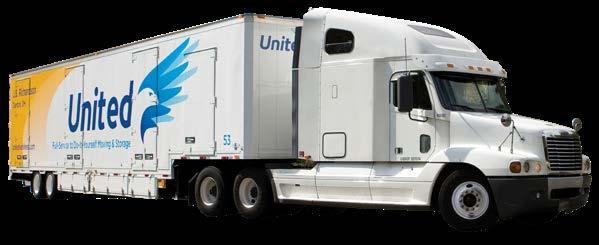
Why Professional Moving Support Matters More Than Ever
Moving today looks different than it did even a few years ago.
Supply chains remain unpredictable. Peak seasons are tighter. Schedules are less forgiving, and many moves now happen alongside job changes, life transitions or tight timelines. What used to feel manageable can quickly become overwhelming without the right support.
Professional movers bring more than muscle to the process — they bring margin. Margin for the unexpected. Margin for decision-making. Margin for peace of mind when details start stacking up.
A trusted moving partner helps navigate timing, coordination and logistics before small issues become larger disruptions. From planning around peak demand to protecting belongings in transit and adjusting when plans shift, experience matters most when conditions are less certain.
It also matters emotionally.
When the complexity of the move is handled by professionals, individuals and families are free to focus on what comes next — settling in, reconnecting and establishing a sense of normalcy sooner.
With almost 100 years of moving expertise, United Van Lines knows moving is more than a transaction. It’s a transition. And in moments of change, having experienced guidance is not just helpful — it’s essential.
MOVING IN SUMMER
Helping Kids Make Friends After a Spring or Summer Move
A spring or summer move comes with a gift many families don’t get during the school year: Time. There’s space to unpack. Time to explore the neighborhood. A chance to settle in before the first school bell rings. But when school is out, one thing can feel uncertain — how kids will make new friends without a built-in routine. The good news? Connection still happens. It just takes a different shape.
START WITH PLACES THAT FEEL FAMILIAR AND LOW-PRESSURE
There is no need to create a full social calendar right away. Begin with spaces that invite easy participation. Neighborhood parks. Libraries. Community pools. Playgrounds or walking trails near home.
These environments let kids observe before engaging, which is an important part of acclimating. At first, they might not interact much at all — and that is OK.
Returning to the same places consistently is what matters most.
Over time, the space becomes familiar. Faces start to repeat. Small moments of recognition begin to build comfort and confidence.

USE ACTIVITIES TO CREATE OPPORTUNITY — NOT OBLIGATION
Structured activities can make meeting kids easier because there is a shared focus.
Sports teams, art classes, music lessons and local camps all provide natural ways to interact without requiring kids to initiate conversation on their own.
THE KEY IS CONSISTENCY, NOT VOLUME
One or two ongoing activities are usually enough to create momentum. Overloading the schedule can add pressure and fatigue, which works against natural connection.
The goal is not to fill the calendar. It is to create reliable opportunities for interaction.


REMEMBER EVERY CHILD’S TIMELINE IS DIFFERENT
Some kids make friends quickly. Others need more time to warm up.
You may see immediate excitement — or very little outward change at all in the first few weeks. Both are normal.
Progress often looks subtle at first. Wanting to return to a park. Recognizing another child by name. Feeling comfortable enough to stay a little longer. What matters most is steady exposure, not instant results.
KEEP THE FOCUS ON EXPERIENCE, NOT OUTCOMES
Kids are sensitive to pressure, even when it is unspoken.
When the emphasis is on “Did you make a friend?” connection can turn into a performance. That urgency can make kids retreat rather than engage. Instead, ask open-ended questions. How did something
feel? What did they notice? Was there a part they liked or didn’t like?
Celebrate small shifts. Comfort is a strong foundation for friendship, even before relationships fully form.
LET SUMMER FAMILIARITY EASE THE TRANSITION INTO SCHOOL
By the time school begins, even modest familiarity can make a meaningful difference.
Knowing the neighborhood. Recognizing a couple of faces. Feeling oriented in a new place. Those early touchpoints help reduce first-day anxiety and make it easier for kids to engage once school routines take over.
From there, friendships tend to develop more naturally through classrooms, activities and shared experiences.
Like most parts of moving, this process is gradual. But with time, consistency and the right environment, kids almost always find their footing — often sooner than it feels in the moment.
And having the space to do that? That is one of the quiet advantages of a well-timed move.
Ask Betsey
ADVICE FROM UNITED’S OFFICIAL MOVING MAVEN

I’m taking apart furniture and packing up electronics. How do I keep track of screws, bolts, cords and remotes?
— FEELING CONQUERED IN CONCORD
Dear Conquered,
Great question, and one that can save you a lot of time (and confusion) on move-in day.
The simplest solution for conquering your dilemma is a dedicated “parts box.” Think of it as your command center for all the small but essential parts of your furniture and electronics that tend to scatter. This way, you won’t wind up misplacing the smaller stuff that holds all the bigger stuff together.
As you disassemble furniture, place screws, bolts and fasteners into small plastic bags and label them clearly (for example: “Bed frame – primary bedroom”).
Next, round up your remotes. Keep TV and entertainment remotes in labeled bags so they don’t disappear into random boxes.
When it comes to electronics, mark your power cords and label your cables. A tag identifying which cord belongs to which device, especially HDMI, coaxial and AV cables, will save you from a potentially tangled-up mess.
Don’t forget your tools! Include Allen wrenches or any specialty tools needed for reassembly. You’ll want them handy, not packed away somewhere unreachable.
Keep an inventory sheet inside the box listing what’s included. Always have a marker, tape or label maker on hand for last-minute additions and snap a few pictures, too.
One last tip: Make sure your parts box travels with you or is clearly marked “load last.” That way, it’s the first thing you find when it’s time to put everything back together. You’ll thank yourself later.
Best, Betsey
Betsey Malone is the granddaughter of “Bette Malone,” United Van Lines’ official “Moving Consultant” from 1957 through the 1970’s. Got a question? Reach out to Betsey at housekey@unitedvanlines.com and you may see the answer in an upcoming issue.
Seasonal Reset: Paring Down Before a Big Move

Clarity Now Prevents Friction Later
Every item you bring becomes a decision on the other side of the move — where it goes, whether it fits and whether it still belongs in your life.
Paring down before you pack reduces those decisions. Instead of unpacking uncertainty, you’re unpacking things you’ve already chosen with intention. An added bonus is pre-move purging can cut moving costs, too.
Need more help?
Visit our site for additional resources.
How to plan a yard sale
Charities that offer donation pickup
Moving has a way of forcing clarity. With everything you own laid out in front of you, one question comes into focus quickly: What’s coming with you — and what isn’t?
The simplest answer: Let go of what you’ve been holding onto without a clear purpose.
While it’s tempting to rush through that process, slowing down to make thoughtful decisions now can save time, money and stress later.

Volume Is Easy to Underestimate
Most moves aren’t only weighed down by sofas or dining tables — they’re burdened by accumulation. Closets that became overfilled one season at a time. Kitchen drawers that quietly expanded. Items that once made sense but haven’t been used in years.
When you step back and look at everything together, the question shifts. It’s no longer, “Can I move this?” It’s, “Should I?”

Avoid the LastMinute Purge
When time runs short, judgment follows. Items you meant to donate end up packed, while others are tossed in haste.
Starting earlier gives you space to decide without pressure. Thoughtful choices lead to better outcomes — and fewer regrets once the boxes are opened.

Leave Room for What’s Next
A move isn’t only about transporting your current life. It’s an opportunity to create room for what comes next.
That may mean a new layout, a different routine or a fresh way of using your space. Leaving a few things behind makes space for those changes — and for a home that fits the life you’re stepping into.

What Veteran Moving Customers Do Differently
Experienced movers don’t just start early — they start strategically. They give themselves more time than they think they need, not to do everything at once, but to make better decisions without pressure. That extra margin allows room to adapt when plans shift, timelines change or priorities evolve.
What really sets veteran movers apart is their judgment. They understand which decisions matter most — timing, volume and coordination — and which ones can wait. Instead of reacting to every task at once, they focus first on the choices that will have the greatest downstream impact. Where it counts, they invest in the right support and let go of the rest.
That might mean packing some items themselves while leaving others to professionals. It could involve storing part or all of their belongings temporarily, coordinating specialty services or arranging to ship a vehicle rather than adding days on the road driving it themselves. These options aren’t about convenience alone — they’re about reducing complexity at critical moments and protecting time and energy when both are limited.
A full-service mover like United Van Lines provides access to that kind of experienced support — the kind that influences outcomes, not just checklists. That’s why you have a dedicated move coordinator to assist and problem-solve throughout the journey. With specialists handling packing, logistics and coordination every day, you’re not relying
on guesswork or last-minute problem-solving. You’re benefiting from people who know where moves tend to go sideways and how to prevent small issues from becoming major disruptions.
Imagine having the high impact decisions handled for you, while staying focused on what truly needs your attention. Instead of being pulled into every detail, you retain a sense of control — because the right things are being managed by the right hands.
In a process where small decisions compound quickly, experienced movers seek access where it makes the biggest difference. That clarity — paired with the right support — is what turns a complex relocation into one that feels clear, controlled and, ultimately, manageable.

Pack like a pro — or let a pro pack for you.
Instead of boxing up everything by room, think about when you’ll need items after the move. Create
“Open First” boxes with essentials like coffee gear, chargers, toiletries and a change of clothes.
See more packing tips
The Power of a Well-Timed Relocation
Timing may not seem like the most important part of a move — until it is.

PRO TIP
If your lease or closing dates are tight, consider short-term storage-intransit to bridge the gap.
Most people focus on where they’re going and the logistics required to get there. Timing often sits in the background, treated as a detail that can shift if needed. But in reality, timing influences every part of the moving experience, from availability and cost to stress and control.
That’s where experience matters. With more than 95 years of relocation expertise, United Van Lines understands how timing shapes a successful move — and how to help customers navigate it with confidence.

Peak Season Changes
Everything
During peak moving season, demand rises quickly. Crews book earlier. Schedules tighten. Small delays become harder to absorb. Outside those high-traffic windows, there’s simply more breathing room — more flexibility, more options and more opportunities to adjust without causing a ripple effect.
The difference isn’t always obvious during planning. It shows up once the move is underway — in how smoothly it unfolds and how supported you feel along the way. United’s nationwide network and locally owned agents provide the scale and flexibility to adapt, even when timing is tight.
Pricing Follows Timing, but Control Matters More
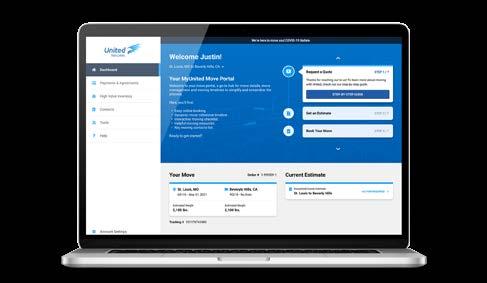
Yes, moving during off-peak times can help manage costs. But the bigger advantage is what comes with it: More predictable scheduling. Control is the real benefit. And with United, you also gain access to move coordinators, customizable services and real-time support designed to keep plans on track — regardless of timing.
School Transitions Carry Weight
For families, timing can carry added importance. A midyear move can work, but it often asks more of everyone involved as routines need to reset quickly and social transitions happen under pressure. On the plus side, moving during the school year will help your kids make friends faster as they jump into activities and classes.
A summer move, by comparison, creates space — time to settle in, prepare for the school year and establish a sense of normalcy before expectations restart. While there’s no universally perfect window, moves that align with natural transitions tend to feel smoother overall. United’s experienced crews understand these dynamics and help families plan with care and foresight.
Stress Is Often a Timing Issue
Compressed timelines can lead to faster decisions, fewer choices and greater reliance on everything going exactly as planned. Fortunately, United helps ensure a seamless relocation even when time is tight. When timing is intentional, the pace changes. There’s room to think ahead, adjust as needed and absorb small changes without letting them turn into larger problems. That’s where a trusted moving partner makes the difference.
Timing doesn’t just affect the plan — it shapes how the move feels. And with United Van Lines, that feeling is one of confidence, clarity and control from start to finish.
Customizing and Financing Your Move
Planning a move? You have plenty of decisions to make, but how to pay for it shouldn’t be one of them. At United, our options are designed to give you clarity and control, whether you prefer to pay for your move all at once or spread out payments over time with Acorn Finance.
Bound Estimates
The first question on most people’s minds is probably “What exactly am I paying for?” A bound estimate move has all the details up front. It’s based on a detailed survey, usually completed in-home or virtually. You receive a set price that covers the agreed-upon services and shipment weight. That means fewer surprises on moving day and a clearer understanding of your total investment. It’s a huge benefit if you value predictability and want to plan your moving budget accurately.
Flexible Choices
Every move is different and that’s why customizable options are a popular choice. You choose only the services you need, whether that’s packing, storage or specialty handling for high-value items. This approach gives you more control over costs and lets you prioritize what matters most to you. It’s especially helpful if you’re trying to balance timelines, budgets or have unique moving circumstances.
Financing Your Move
Even a well-planned and organized move represents a significant expense — and you may not want to put the cost on a credit card. To help make full-service moves more accessible, United Van Lines has partnered with Acorn Finance, an independent financing provider, to connect our customers with loan options. You can explore financing through Acorn Finance which lets you pay for your move over time. Please note, United Van Lines does not provide loans directly; all financing is managed by Acorn Finance.
Flexibility: The Real Advantage
What ties all these options together is flexibility. Combine the cost certainty of a binding estimate with the convenience of value-added services — plus the option to pay for your move over time — and your move will be seamless and customtailored to your exact needs. Bottom line? A successful move isn’t just about getting from point A to point B. It’s about doing it in a way that feels manageable, transparent and tailored to you.
Where Opportunity Is Taking People Next
It isn’t just about where people are moving, it’s why . While overall mobility has slowed nationwide, the motivations behind moves have become more intentional, shaped by career advancement, lifestyle flexibility and long-term financial opportunity.
Even so, Americans are still on the move in meaningful numbers. The U.S. Census Bureau’s American Community Survey found nearly 12% of Americans moved in 2024. That’s tens of millions of people making decisions tied closely to work and quality of life. And increasingly, those moves are strategic.

CAREER GROWTH
FOCUSED ON NEW HORIZONS
Opportunity is a strong motivator for relocation and our recent Annual National Movers Study revealed Oregon, West Virginia and Delaware have emerged as top inbound destinations. Even more surprising, a 2026 survey by Market Biz found 44% of companies are considering relocating, signaling the nation’s job market is becoming more geographically flexible.
This shift is reshaping traditional career paths. Instead of moving to traditional job hubs like the New York City and San Francisco metro areas, workers are following emerging economies, often in midsize cities. Our Movers Study found the top destination metros now include Eugene-Springfield, Oregon (85%), Wilmington, North Carolina (83%) and Dover, Delaware (79%), where industries are growing and competition is less intense.
LIFESTYLE CHOICES ARE REDEFINING “BEST PLACE TO LIVE”
Over the last several years, the flexibility of remote and hybrid work has been a gamechanger. That flexibility is fueling migration away from high-cost urban centers toward suburban and secondary markets. Overall, there’s a strong pull toward places offering more space, lower housing costs and access to outdoor living. The result: A steady push towards midsize cities and regional hubs that balance livability with opportunity.


LONG-TERM BENEFITS
SHAPE DESTINATION DECISIONS
Living well doesn’t automatically mean living expensively. For many people, affordability isn’t just a shortterm concern; it’s part of a longterm strategy. It also means a surge of inbound migration towards the Southeast and Sun Belt, where lower costs of living, favorable tax structures and job growth create a solid foundation for financial stability.
At the same time, emerging markets in the Midwest and smaller metros nationwide are gaining attention as people look beyond traditional (and expensive) “hotspots” for more sustainable growth and a chance to be part of smaller, close-knit communities.
A MORE INTENTIONAL APPROACH
Today’s moves are less reactive and more purposeful. Whether it’s advancing a career, gaining flexibility or building long-term stability, movers are choosing destinations that align with their future.
It’s all about opportunity, however you define it.

Life is complex. Choosing the right way to move makes everything easier.
WHEN TIME MATTERS MOST
Full-Service Moving
When you’re balancing work, family and deadlines, full-service moving offers the highest level of support — and the least amount of disruption.
Professional crews handle packing, loading, transportation and coordination from start to finish.
That consistency reduces delays, minimizes risk and ensures every detail moves on schedule.
The real advantage isn’t just convenience. It’s confidence — knowing experienced professionals are managing the entire move, so nothing falls through the cracks.
WHEN TIMING DOESN’T LINE UP
StorageInclusive Moves
Move-out and move-in dates don’t always align. Sometimes plans are still taking shape.
Storage-inclusive moves provide flexibility without slowing momentum. Your belongings are packed and moved once, then stored securely until you’re ready — reducing extra handling and unnecessary decisions.
It’s not just about where things go. It’s about creating breathing room when timing is uncertain.
WHEN PLANS ARE STILL EVOLVING
Flexible Solutions
Some moves are works in progress. Career changes, temporary housing or phased relocations often require a more adaptable approach. We’ve got you. Throughout your move, you benefit from a dedicated move coordinator, who can help as plans and needs change.
For nearly 100 years, United Van Lines has specialized in full-service moves — while tailoring each move to fit individual needs, timelines and budgets. Whether you want comprehensive support, added storage or a combination that meets you where you are, we’ll build a move that works for you. You choose the destination. We’ll take care of the rest.
What the Latest Movers Study Reveals About Moving Trends
Once, moving felt like a straightforward decision, usually centered on relocating for a job or promotion. That’s no longer the case. According to the latest National Movers Study from United Van Lines, today’s relocation story is more layered, more personal and in many ways, more revealing of how Americans want to live.
It all comes down to people. The study found that the top reason Americans are moving is to be closer to family (29%), followed by new jobs or company transfers (26%), and retirement (14%). That says a lot about today’s mindset. Even in a competitive job market, personal connections are edging out professional ambitions as the number-one driver. It’s no longer about the commute, it’s about being close to the people who matter most.
SHIFTING PRIORITIES ARE SHIFTING MOVE PATTERNS
While migration to southern and western states remains strong, there’s a new pattern taking shape. Americans are choosing smaller cities and towns over major metros. Affordability is certainly a top consideration, but it’s not the whole story. Many are seeking a better quality of life: Less congestion, more space and a sense of community that can be lacking in major metro areas.
In many ways, this reflects a post-pandemic view of the world. Remote and hybrid work have given people more flexibility around where they live, and rising housing costs in major cities have pushed them to consider alternatives. The result is a broader geographic spread of opportunity, where smaller and mid-sized markets are gaining traction.
THE 2025 NATIONAL MOVERS STUDY
THE RIGHT MIX FOR TODAY’S MOVE MENTALITY
Based on findings from our study, Oregon led the nation in inbound migration in 2025, with 65% of moves heading into the state. Cities like Eugene-Springfield are drawing newcomers with a mix of job opportunities (particularly in tech and healthcare) and relatively lower living costs. For many, this is the best of both worlds: Access to career growth without the financial strain of a major metro. Other states are seeing similar momentum. Across the South and parts of the Midwest, smaller cities are emerging as compelling destinations, combining affordability with access to jobs, outdoor space and a more relaxed pace of life.
On the flip side, states like New York, California and New Jersey continue to see more outbound moves, but even this story isn’t one-dimensional. While retirees and those seeking affordability are moving out, younger generations are moving in. In fact, a notable share of inbound moves to New Jersey comes from adults aged 18–34, who view the state as a launch pad for careers and future growth.
SO, WHAT’S THE UPSHOT?
A major takeaway from our study is the same state can represent a steppingstone for one group and a departure point for another. Migration patterns are no longer uniform or even predictable. They’re increasingly shaped by life stage, financial realities and personal goals.
Ultimately, the study paints a picture of relocation as a deeply personal equation. Economic and career factors still matter, but they’re now weighed alongside lifestyle preferences, family ties and long-term goals. In short, moving today is a balancing act between competing priorities.
For anyone planning a move, that’s both a challenge and an opportunity. With more variables in play, there’s also more freedom to define what “the right place” really means. Whether it’s a smaller city with room to grow, a state that supports career ambitions or a community closer to loved ones, today’s movers are making move decisions that reflect the full picture of their lives.
Highest Inbound and Outbound Moves

The first few weeks after a move are about getting through the day. By week three or four, something else starts to matter. You’re no longer just settling in. You’re starting to build something that lasts.
The first 60 days is where that shift happens.

WEEKS 1–2
Get to Functional, Then Pause
At the beginning, it’s about coverage. Utilities are working. Key rooms are unpacked. You know where things are, even if they’re not in their final place. There’s a temptation to keep pushing — to finish everything quickly and move on. This is usually where people start to feel worn down. Instead of giving up, give yourself a short pause once the essentials are in place. Let the space breathe a little before making more decisions.
WEEKS 3–4
Start Refining How You Live in the Space
This is when your new place begins to respond to you. You notice what works and what doesn’t work. A room that looks right but doesn’t feel right. A setup that made sense at first but slows you down now.
Make adjustments early. Rearrange furniture. Shift how
you’re using a space. Let your daily habits guide those decisions instead of sticking with the original plan. At the same time, this is when your external routines start to take shape.
You have a go-to grocery store. A reliable route. A short list of places that already feel familiar. That combination — inside and outside the home — is what starts to create stability.

WEEKS 5–8
Build Consistency
By this point, most of the visible work is done. What remains is less obvious but more important: Consistency. When your mornings feel predictable, evenings have a rhythm and you’re not thinking about where things are or what comes next, confidence returns.
You’re no longer adjusting to the space — you’re using it without effort. Remember that stability isn’t a finish line, and it doesn’t arrive all at once. It builds through repetition, small adjustments and time.
Most people reach a point, somewhere in that second month, where the move stops feeling like something recent and becomes where and how they live.

Turn Up the Volume on Your Move
Whether you’re on the road, settling into your new home, decorating or marking milestones like your first anniversary in a new place, United Van Lines has the perfect playlist for the moment. Need motivation to hit the gym, focus during the workday or simply unwind? Our curated Spotify channel has you covered — with playlists to energize, inspire, and relax. No matter where you are in your move or your day, we’ve got the perfect soundtrack for your life.


You
can throw together a move and hope everything works out.
Or you can choose United®.
With simple booking, professional drivers, a dedicated move coordinator and transparent pricing, every detail is handled. You’ll worry less and skip the mess.
From local moves to cross-country journeys, move with confidence. Go United.