BUILDING THE DATA CASE: INSIGHTS FROM FIRSTHAND REPORTS REVEAL
BUILDING THE DATA CASE: INSIGHTS FROM FIRSTHAND REPORTS REVEAL
There is a compelling moral and societal case for impact investors and social enterprises seeking to alleviate poverty to center children in their investment and business decision-making. However, their ability to act is constrained by a lack of data that dimensions the scale, nature and magnitude of impact that various investable interventions have in children’s lives.
UNICEF USA’s Impact Fund for Children and Global Partnerships sought to help fill this gap. In 2025, the two organizations collaborated with 60 Decibels, a third-party impact measurement company, and VisionFund International, a global microfinance network, to develop and pilot a child-lens impact assessment approach.
This case study highlights initial findings of the approach applied to housing finance and key implications for social enterprise investees, impact fund managers and investors.
Applying a child lens can reveal new data to dimension impact, which can improve the way social enterprises, fund managers and investors communicate outcomes and allocate capital.
Access to housing finance led to household outcomes that went beyond the improvement of safety and security. Housing finance enabled higher levels of financial resilience and quality of life, especially for households with children.
Applying a child lens and segmenting data at the product and service level can reveal nuances in how different demographics and product types contribute to impact outcomes.
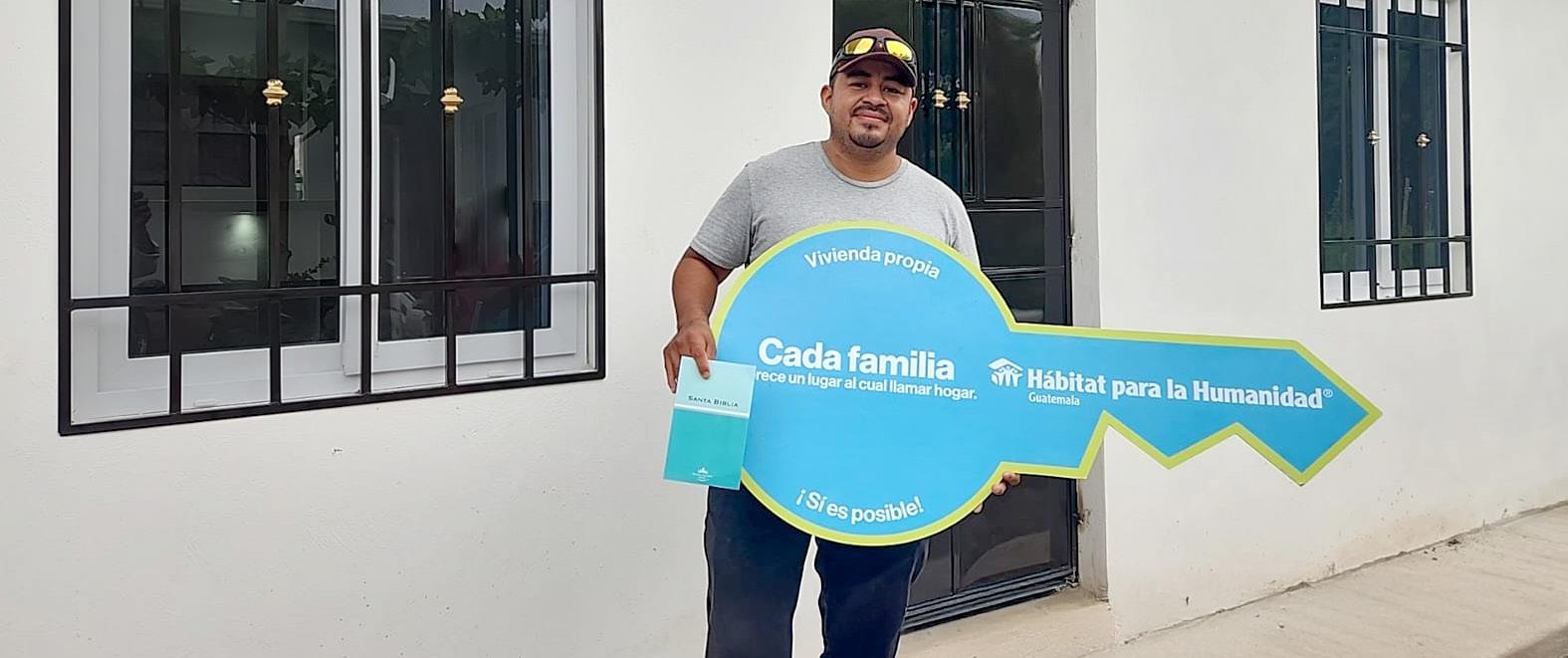
Decent housing is a dimension of poverty that significantly affects children’s well-being, leading Global Partnerships to pilot the child-lens assessment with investees offering microloans for home construction and improvement, including Habitat for Humanity Guatemala.
Children and youth are disproportionately affected by poverty: they are more likely than adults to live on dollars a day,1 and the multifaceted deprivations of poverty often cause more significant and longer-lasting negative effects on children and youth, particularly girls.
Global Partnerships is a nonprofit impact-first fund manager focused on expanding opportunity for people living in poverty. It chose to pilot the child-lens assessment approach with investees tackling inadequate housing because of the magnitude of the problem and evidence pointing to its consequential impact on children and youth. Housing finance constitutes approximately 15 percent of Global Partnerships’ portfolio.2
Globally, 1.6 billion people lack access to adequate shelter.3 Evidence indicates that children’s cognitive development, health and education are significantly affected by the quality of their housing. For the families that Global Partnerships aims to serve (i.e., those living below the $6.85/person per day poverty line), overcrowding, unsafe structures, poor ventilation, dampness and exposure to dust, pests, sewage and extreme heat or rain increase the prevalence of preventable illness and injury. These issues drive missed school days and higher out-ofpocket health costs that further strain household finances. And they are compounded for girls, who often spend more time in the home than boys.4 Nevertheless, there remains persistent underinvestment in decent housing for low-income communities.5
Global Partnerships addresses this challenge through its Home Improvement Finance investment initiative, which has a research-informed thesis that microloans for home improvement and construction6 can improve health, security and sense of well-being for the households it aims to serve. Based on this thesis, Global Partnerships directs investments to microfinance institutions that provide loans and supporting services, such as budgeting and technical assistance from housing engineers, designed to enable families to pursue incremental home improvement or build new homes.
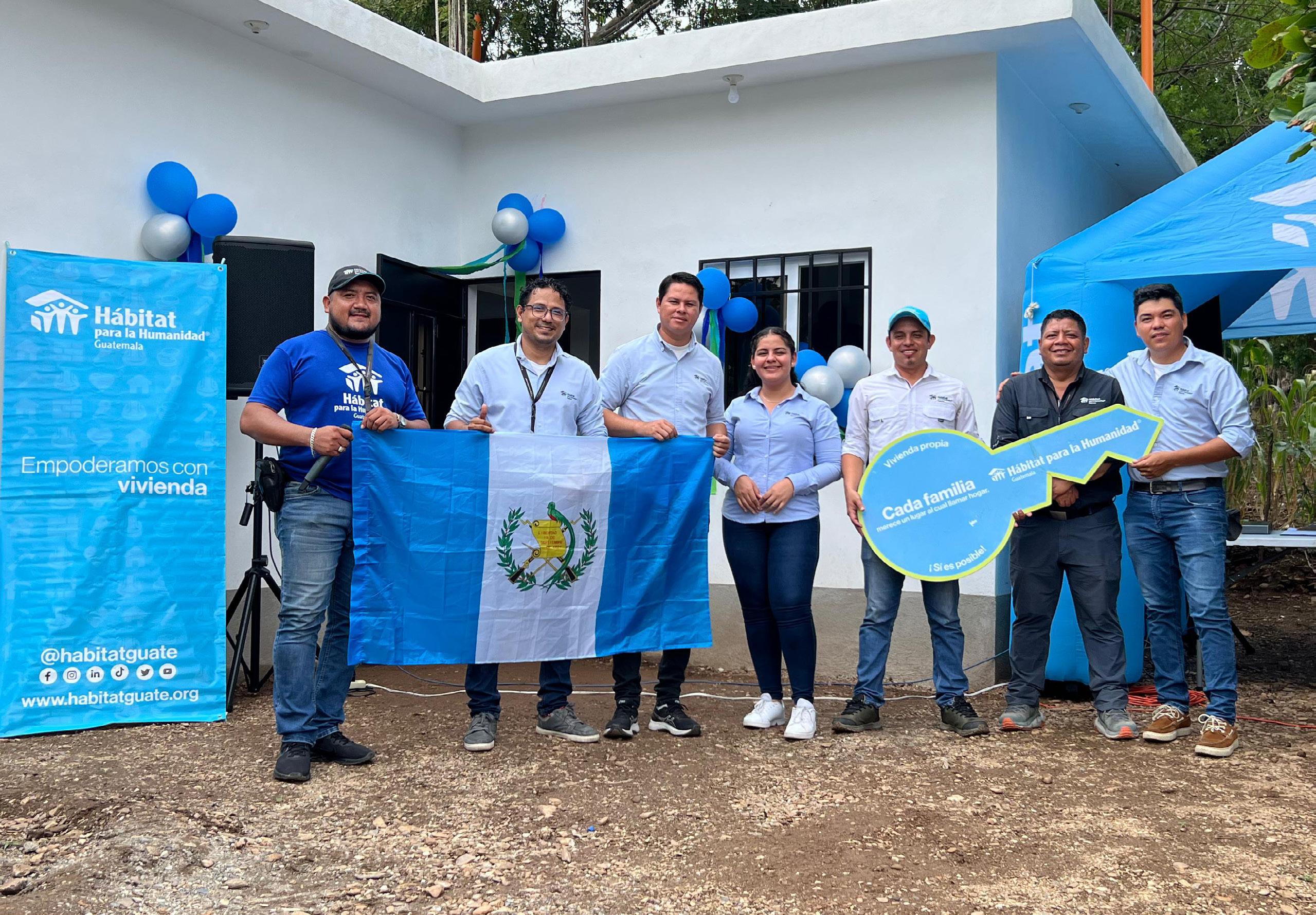
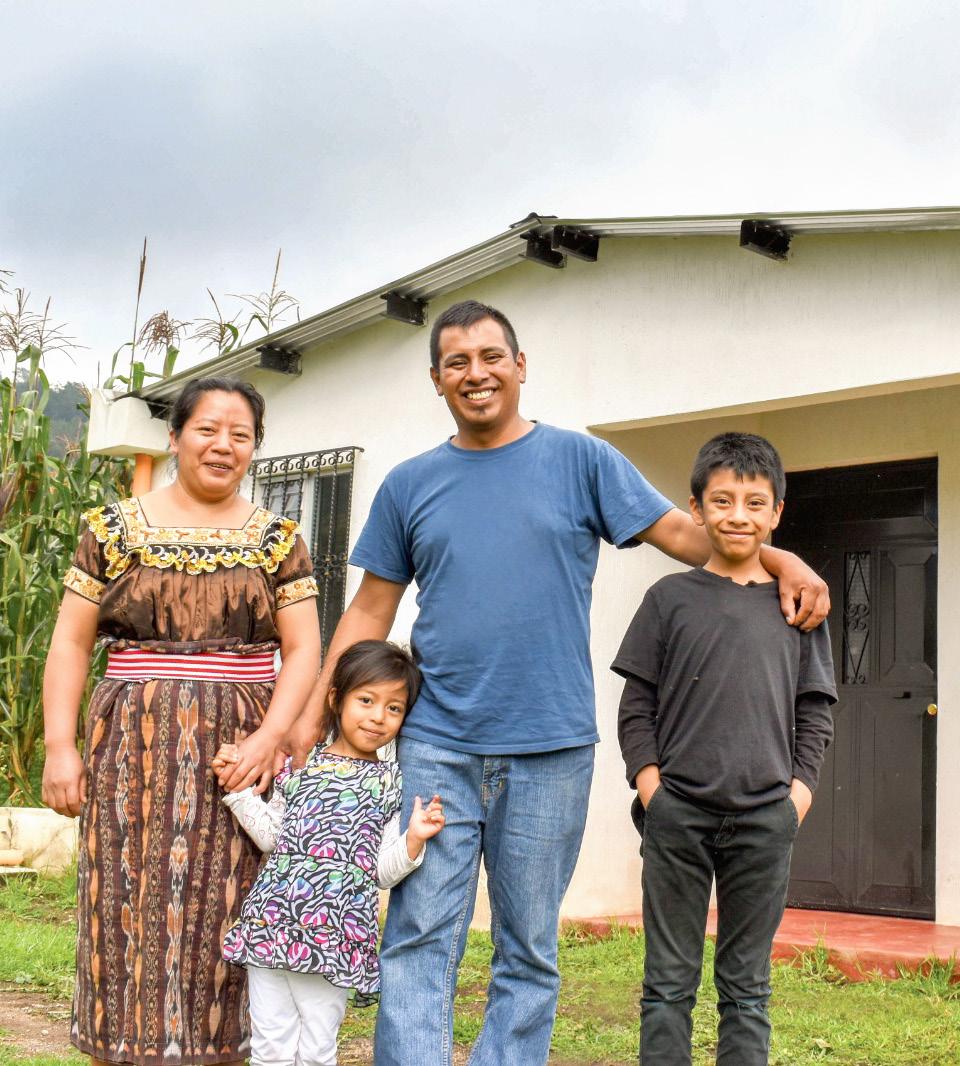
Habitat for Humanity Guatemala has been a Global Partnerships investee since 2024.7 It is a nonprofit organization dedicated to providing access to safe, affordable housing for low-income families. Habitat Guatemala currently serves more than 15,300 clients across all 22 departments of Guatemala, 54 percent of whom are female and 67 percent of whom live in rural areas.8 It provides affordable loans for new home construction and incremental home improvements, such as expansions like adding rooms or study spaces, roof and floor upgrades, installation of basic services like water and sanitation, and safety and structural improvements including reinforcing walls and improving windows.
Loans are accompanied by technical assistance from construction specialists for project budgeting, building plans and quality control. Habitat Guatemala also connects clients to vetted construction materials. These wraparound services help ensure financed projects result in quality, lasting housing.
UNICEF USA’s Impact Fund for Children, Global Partnerships and collaborators designed the child-lens impact assessment to leverage data reported by clients of microfinance organizations on child outcomes, which social enterprise investees, impact fund managers and investors can use to understand, optimize and scale their impact.
The impact assessment included:
1. A housing finance survey module, which included five questions related to the enablement and nature of home improvements and perceived changes in household safety, health and climate resilience.
2. A new child-lens survey module, which included four questions9 related to changes in household physical living conditions and children’s well-being.
3. Disaggregation of 60 Decibels 2025 Microfinance (MFI) Index survey results, by households with children and those without, relevant to understanding impact on children, such as health care access, food security and nutrition.
With funding from UNICEF USA, Global Partnerships helped develop and integrate the housing finance and child-lens modules into Habitat Guatemala’s 2025 MFI Index survey to deepen understanding of outcomes enabled for clients and their families. Global Partnerships also worked with Habitat Guatemala post-assessment to interpret findings and identify actionable insights.
Habitat Guatemala’s assessment was based on responses from 27710 of its clients, collected through a mobile, voice-based survey conducted in 2025 by 60 Decibels. Several measures were taken to reduce response bias. Respondents were informed at the outset that the survey was anonymous and conducted by 60 Decibels, an independent research firm, on behalf of their financial service provider. In addition, survey questions were designed to avoid leading or suggestive phrasing. For a more detailed discussion of potential sources of bias and the steps taken to mitigate them, please refer to page 12 of the 60 Decibels 2025 MFI Index Report
As a social enterprise entirely dedicated to housing, Habitat Guatemala saw this survey as a valuable opportunity to capture client-level data to demonstrate and compare the impact of its two core offerings — loans for new home construction and incremental home improvement. The inclusion of a child lens increased its interest further, as Habitat Guatemala believed this data would offer a clearer and more comprehensive perspective on the positive impacts of housing finance.
The findings presented in this case study should be interpreted as directional insights derived from client survey data. Caregiver and non-caregiver households differ across demographic dimensions beyond the presence of children — most notably, age — and this should be kept in mind when interpreting comparisons between the two groups. Given that applying a child lens is an emerging practice, even modest differences in outcomes across client groups can provide valuable insights, which are intended to inform and guide decision-making, rather than establish definitive causal relationships.
Together, Global Partnerships and Habitat Guatemala identified key insights to strengthen and scale impact for children through housing finance. These insights improve decision-making and lay the groundwork for more targeted, evidence-based impact measurement and management.
A child lens reveals new data to dimension impact, which can inspire more evidence-driven ways to communicate outcomes and allocate capital.
The assessment found that Habitat Guatemala’s loans for both new home construction and incremental home improvements provide material benefit for children and contribute to multidimensional benefits in their well-being.
Most of Habitat Guatemala’s clients across the two loan products had children in the home (Fig. 1): 83 percent of new construction loan clients and 71 percent of home improvement clients. Ninety-four percent of clients with children in the home (“caregivers”) reported improved well-being of their children because of their engagement with Habitat Guatemala (Fig. 2).
Fig. 1. Percentage of clients reporting children in the home by loan product type. Source: 60 Decibels 2025 MFI Index survey for Habitat Guatemala.
Fig. 2. Percentage of clients with children in the home reporting improved child well-being by loan product type.
Source: 60 Decibels 2025 MFI Index survey for Habitat Guatemala.
When asked about the most significant changes observed in children’s lives, clients across both loan types most often mentioned improved living conditions, happiness, security and safety, and emotional stability.
I think my children are safer now since nobody else has access to our house, contrary to when we rented a place. Now they have their own personal space.
”
ANONYMOUS HOUSING FINANCE CLIENT OF HABITAT GUATEMALA
Habitat Guatemala and other social enterprises can use this data to communicate impact on children and pursue additional or more attractive impact-aligned capital to scale housing finance products to families with children in poverty.
Global Partnerships and other impact fund managers can use this data as affirmation that both home improvement and construction finance products can contribute to meaningful child-lens outcomes, when designed and delivered effectively.
Investors can use this data to make informed decisions about allocating capital to housing finance products as a pathway for impact on children in poverty.
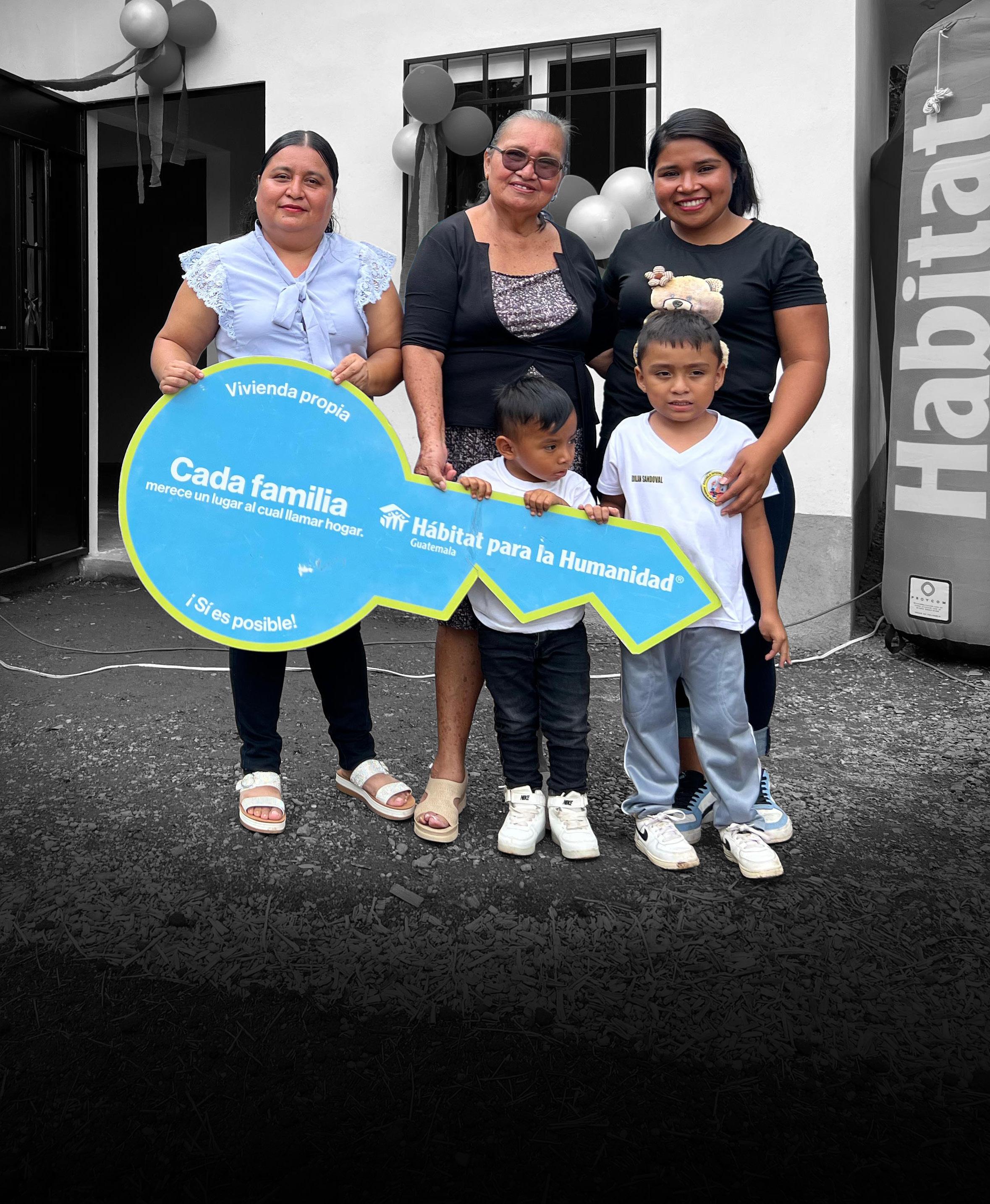
“This data confirmed our investment thesis that well-designed home improvement and construction loans can enhance the health, safety and sense of well-being for families living below the $6.85 per person per day poverty line, with greater visibility into what that means for children.”
Tara Murphy Forde, Chief Capital and Impact Officer, Global Partnerships
Access to housing finance can lead to household outcomes beyond the improvement of safety and security. Housing finance enabled higher levels of resilience and quality of life, especially for households with children.
Across all outcome areas captured in the survey, caregivers reported improvements at equal or higher rates compared to non-caregivers (Fig. 3), including in areas such as quality of life, ability to withstand climate shocks, perceived safety and ability to access health care. While some differences appeared modest, the consistency of this pattern across multiple outcomes was directionally meaningful.
Fig. 3. Percentage of caregivers and non-caregivers reporting improvements in key outcomes.
Source: 60 Decibels 2025 MFI Index survey for Habitat Guatemala.
Qualitative insights from the study also pointed to additional factors that often affect households with children for whom housing finance can have outsized impact, including families that rent and thus are more likely to face housing instability, families that live far from schools and health clinics, families living in communities at higher risk of violence or climate shocks and families lacking access to formal financial services.
This emerging evidence affirms the relevance of using a child lens to both better understand and enhance impact performance.
Habitat Guatemala and other social enterprises can use this data to shape strategy around target client profiles, prioritizing households with children to deepen impact.
Global Partnerships and other impact fund managers can use this data to make the case for scaling impact capital allocation to client-centered housing finance solutions that deliver impact for children in poverty.
Investors can use this data to inform their strategies for addressing and improving specific aspects of poverty and household life and can invest in solutions that maximize impact on families and their children.
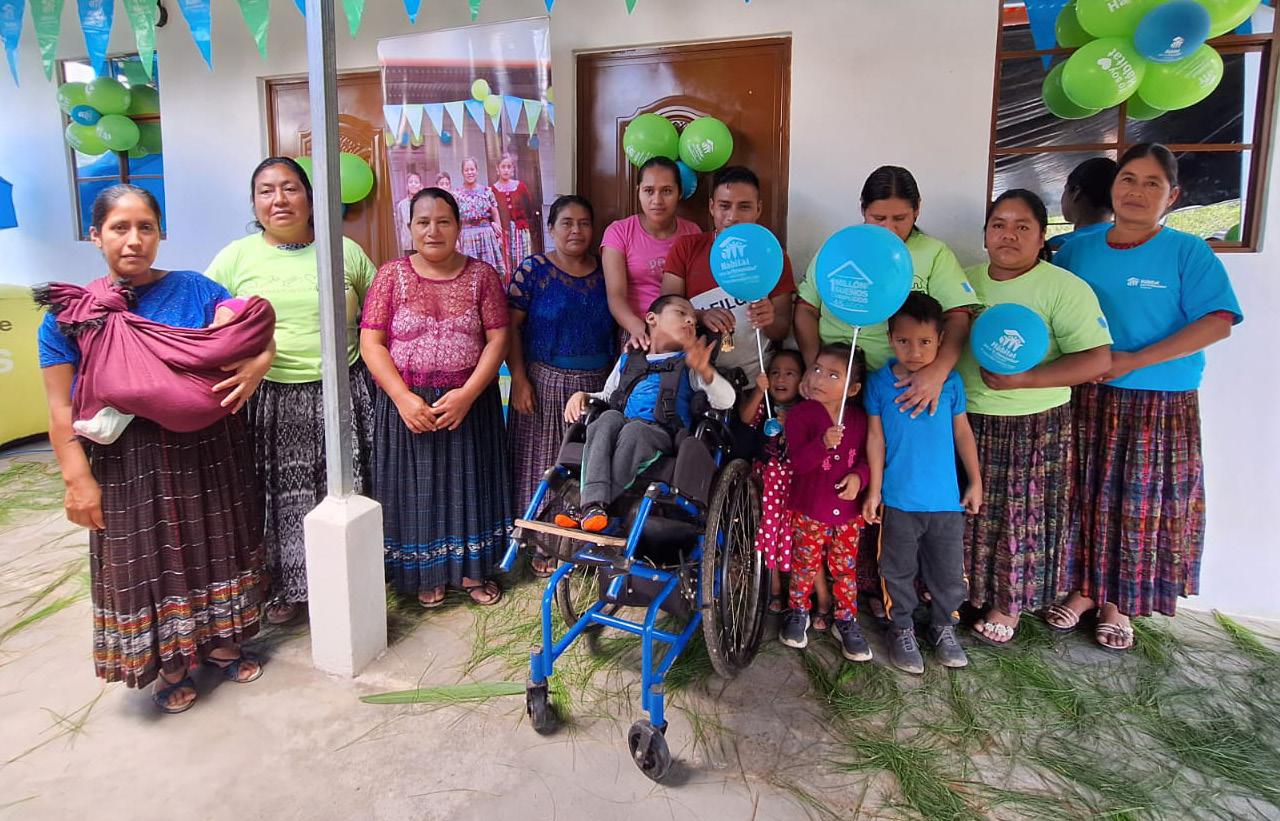
Applying a child lens and segmenting data and analysis at the product and service level can reveal nuances in how different demographics and product types contribute to impact outcomes.
Different loan products, even when offered by the same enterprise, can serve different segments and enable different outcomes. Similarly, men and women may experience outcomes differently by product. This is why it’s important to capture client-reported outcomes, including those related to their children, at the product and service level, not just enterprise-wide — and why segmenting results by gender is valuable. It allows for more precise analysis of which offers are delivering value for the families using them, for whom and in what ways. Product-level sampling and segmented analysis make it possible to link specific child outcomes to the specific product received.
For example, segmented analysis by product revealed nuance in the impact in children’s lives:
Clients borrowing for new home construction were more likely to report significant improvements in physical housing conditions and household security, as well as children’s increased sense of pride in their home and ability to welcome friends into a safe and peaceful environment.
Whereas clients borrowing for incremental home improvements were more likely to report enhanced comfort, increased privacy and better environments supporting children’s education and health, such as dedicated study space.
I have noticed that my children can now enjoy their house. They are more comfortable when studying and each one of them has their own space and privacy.
Segmented analysis — with gender and child lenses applied — also revealed nuance in how men and women perceive and prioritize various benefits for children:
Female clients more often highlighted improvements related to children’s health and overall well-being and educational benefits, such as improved concentration and the ability to study in private.
Male clients more often emphasized increased household security, the pride of homeownership and a more peaceful, private environment for their children, often referencing emotional and social benefits such as children feeling proud of their home or being able to invite friends over.
Fig. 4. Percentage of caregivers reporting improved child well-being, disaggregated by gender of the client surveyed. Source: 60 Decibels 2025 MFI Index survey for Habitat Guatemala.
These patterns suggest that women may be more attuned to internal or developmental outcomes, while men may observe external markers of stability and status. Women were also more likely than men to report improvements specifically in children’s well-being (beyond a general reporting of quality-of-life improvements), a nuance that only shows up when applying a child lens to the data.
Habitat Guatemala and other social enterprises can use this data to inspire product-specific marketing and sales approaches as well as client-centered product design, enhancing capabilities to scale outreach to households in poverty with children.
Global Partnerships and other fund managers can use this data to motivate investees to continue to capture and use child-lens outcomes data as business intelligence to optimize for poverty impact as well as scale.
Investors can use this data, including product-specific nuances, to help aim and sharpen child-lens investment strategies in the housing sector.
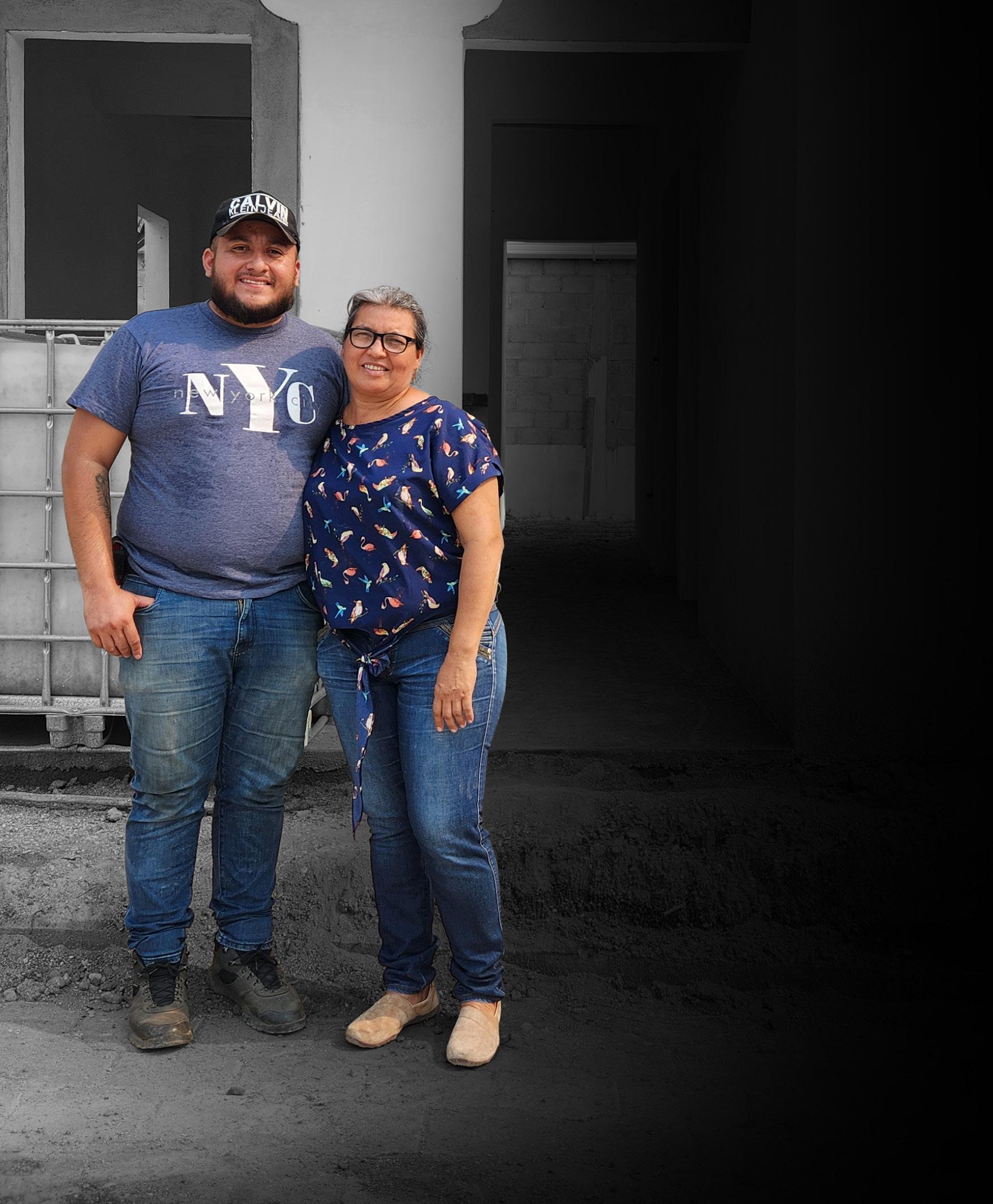
“The study provided us with clear, product-level insights that we’re now using to refine how we engage with clients and communicate the value of our housing solutions. By understanding how different types of loans impact families with children, we can tailor frontline messaging to better reflect the lived experience of clients. These findings are helping us strengthen our marketing, support more informed client decision-making and expand outreach.”
Delorean Randich, National
Director,
Habitat for Humanity Guatemala
“Splitting the sample by product helped us deepen our understanding of who is served and the types of outcomes enabled by different types of housing finance projects, allowing us to expand our thesis to include new construction loans explicitly designed to serve poorer segments of the market.”
Tara Murphy Forde, Chief Capital and Impact Officer, Global Partnerships
Many impact investors are already interested or involved in sectors that materially affect children, such as housing and financial inclusion. But the question remains: What are the right strategies for getting the most impact for children, particularly those living in poverty? And, once investments are made: How can we be sure they are working?
Capturing and analyzing data through a child lens helps answer these questions. It can identify where incremental capital may produce outsized, multigenerational impact. It can help structure capital according to the lived realities and needs of families with children and the enterprises that serve them. And it adds specificity and precision to impact measurement and management to understand what outcomes are being enabled by which products and for whom.
A child-lens impact assessment approach, piloted with Habitat Guatemala, is an example of how this works and turns child-lens data into timely and actionable business intelligence, not just another set of metrics to report.
Habitat Guatemala can use the data for product design, marketing and outreach to better serve clients in poverty. Impact fund managers like Global Partnerships can use the data to make informed decisions about investments and advisory support. And impact fund managers and investors alike can use the data to target their investment strategies.
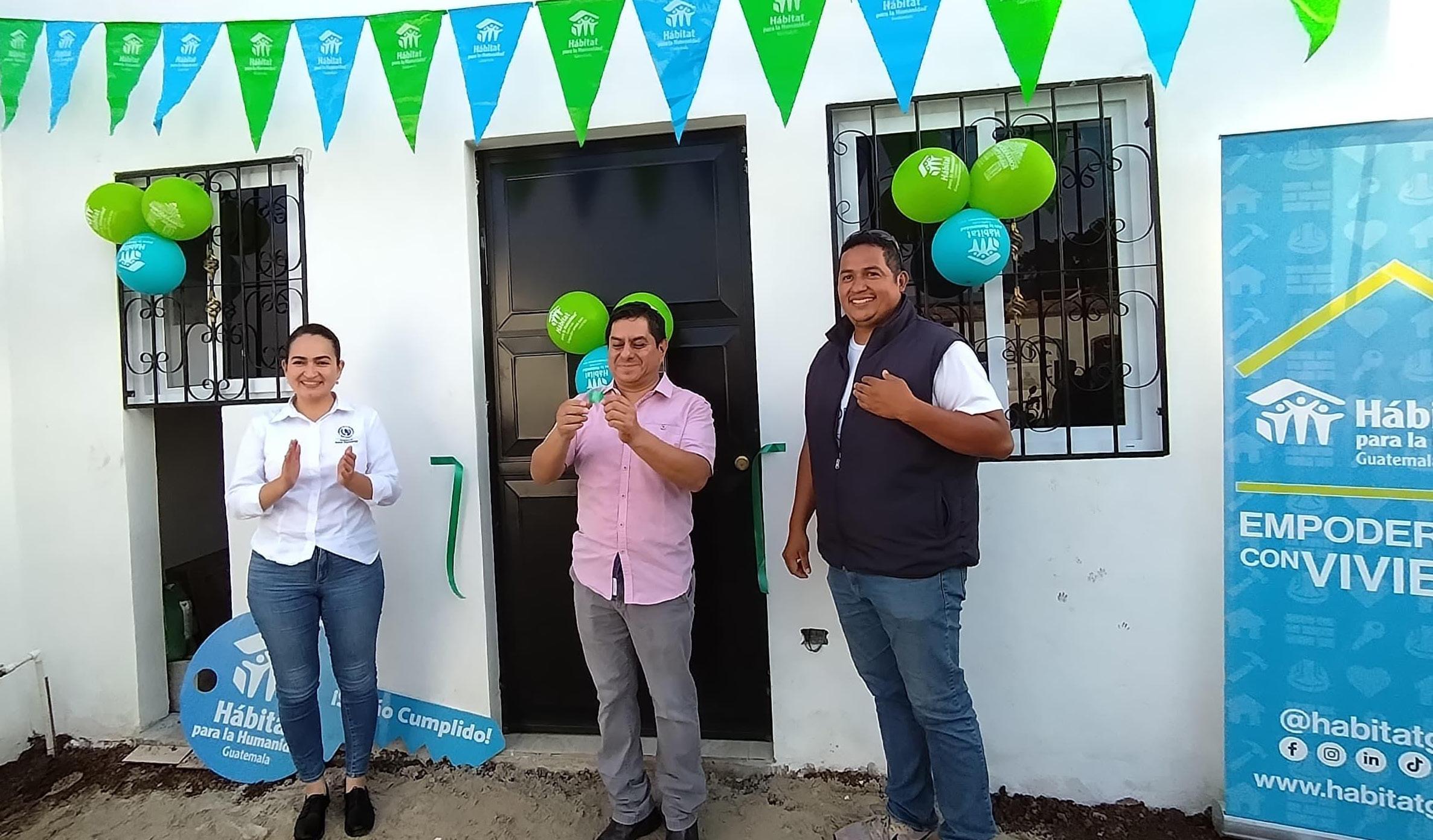
The child-lens impact investment approach is new, and Global Partnerships is piloting it with additional social enterprises in housing finance. It’s also important to recognize that poverty is multidimensional and impacts children in varying ways. Global Partnerships used this opportunity to layer both child and gender lenses into data analysis to enable more intersectional insight and action. This is an area that warrants further research and study. To this end, Global Partnerships is applying the child-lens impact assessment approach with additional social enterprise investees that provide working capital loans and education to female microentrepreneurs living in poverty. Learnings will be shared through additional case studies. The housing finance and child-lens modules are also being offered by 60 Decibels as add-ons to future MFI Index surveys.
This is one of two case studies developed by UNICEF USA and Global Partnerships.
The Impact Fund for Children (IF4C) is the impact investing arm of UNICEF USA, providing innovative opportunities for donors and social impact investors seeking to help solve the biggest challenges for children around the world. In 2023, UNICEF and UNICEF USA’s Impact Fund for Children, with support from the Government of Finland and Tideline, launched the Child-Lens Investment Framework as a roadmap for investors to frame strategies, develop investment processes and direct capital toward advancing child outcomes and minimizing child harm.

Global Partnerships (GP) is a nonprofit impact-first fund manager dedicated to expanding opportunity for people living in poverty. GP and its affiliated funds provide capital, analytics and impact advisory support to social enterprises that deliver market-based products and services that empower people to earn a living and improve their lives. Each investment it makes starts with the end client and what they need.

60 Decibels is the world’s leading customer insights company for social impact. With a network of more than 1,700 researchers across 110+ countries, they bring reach, speed and repeatability to social performance measurement. Using advanced data collection techniques and AI analytics, 60 Decibels measures and benchmarks impact performance, helping its clients — investors, Fortune 500 companies, and NGOs — make informed, data-driven decisions.
Financed by UNICEF USA’s Impact Fund for Children, this case study involved collaboration across the Impact Fund for Children, UNICEF’s Innovative Finance Hub, Global Partnerships and 60 Decibels. Analysis by Global Partnerships led by Tara Murphy Forde, Meghan Flaherty, Paola Centeno Duque and Carolina Hernández Cardona.
1. https://blogs.worldbank.org/en/opendata/the-demographic-profile-of-the-global-poor--who-are-the-poor-and
2. Based on data from Global Partnerships as of December 31, 2025.
3. https://unhabitat.org/up-for-slum-dwellers-transforming-a-billion-lives-campaign-unveiled-in-europe
4. https://unhabitat.org/sites/default/files/2022/08/children-cities-and-housing-rights-and-priorities.pdf
5. https://www.ifc.org/content/dam/ifc/doc/2023-delta/factsheet-green-resilient-and-inclusive-housing-finance.pdf
6. Home improvement refers to smaller interventions such as adding floors, improving roofs or adding bathroom facilities. Construction projects refer to the construction of new homes.
7. Habitat for Humanity Guatemala was a current borrower of Global Partnerships Impact-First Fund 9, LLC and Global Partnerships Impact-First Fund 10, LLC, as of December 31, 2025.
8. Data as of December 31, 2025, as reported by Habitat for Humanity Guatemala.
9. At the time of Habitat Guatemala’s study, the full child-lens module comprised five questions. The survey omitted the fifth question on school attendance as it was not expected to be an outcome of a housing finance loan product.
10. This sample was randomly selected from the relevant client segment and enabled a 90 percent confidence level with a 5 percent margin of error.