





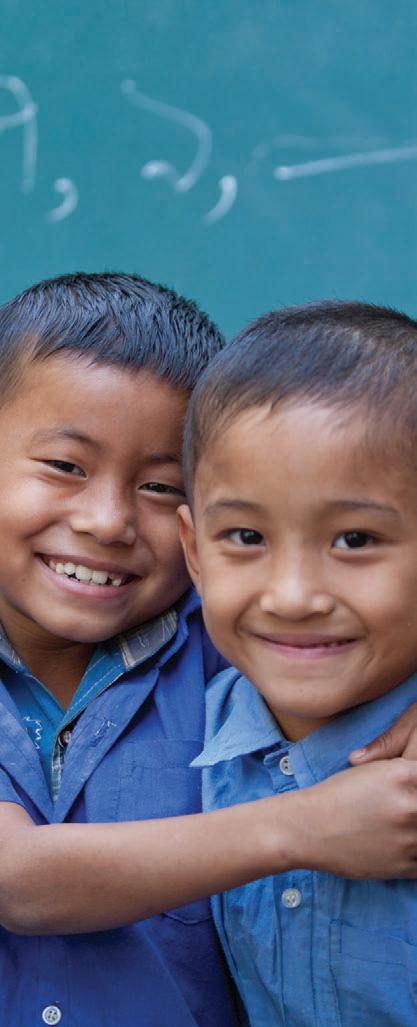


UNICEF is the United Nations Children’s Fund. It works in 190 countries and territories with a focus on the lives of the most disadvantaged and excluded children.
In 2014, UNICEF celebrated the 25th anniversary of the United Nation’s commitment to child rights and the global achievements for children over this time.
Under the Convention on the Rights of the Child, (CRC) every girl and boy has the right to survive and be healthy. Today, far fewer children die before their fifth birthday than 25 years ago.
The Convention guarantees every child’s right to an education. Today, more children go to school than when the Convention was adopted.
A child’s right to an adequate standard of living was also affirmed in the Convention. The proportion of people living in extreme poverty has fallen and billions more have access to improved drinking water sources and sanitation facilities.
However, while the progress is remarkable, the world needs new ideas and approaches to ensure the Convention becomes a reality for every child, everywhere.
It is UNICEF Australia’s mission to advance the rights of all children, to raise resources for the organisation’s work and increase awareness of what UNICEF does.
In Australia, UNICEF works with government and advocate partners to defend children’s rights and support international development programs.
UNICEF is funded entirely by the voluntary contributions of individuals, businesses, foundations and governments.
For children impacted by conflict in the Middle East –in Syria, Iraq and Gaza – and the African nations of South Sudan, Nigeria, and the Central African Republic, 2014 was a tragedy. Ebola too has claimed and changed the lives of children in West Africa and created an enormous challenge for affected nations and the global effort to restore good health.
To each and every one of these emergencies UNICEF responded, despite the unprecedented call on resources created. UNICEF Australia supported our colleagues in the field by responding to the extraordinary funding needs, while further building the foundations for growth which will see significant increases in pledge donors, corporate partnerships and major donors.
Our Young Ambassador program reached a new level with publication of the collated views of more than 1,500 of Australia’s children and young people. On the 25th anniversary of the Convention on the Rights of the Child we considered there was nothing more important than to give Australia’s youth an opportunity to be heard.
During the year UNICEF Australia was instrumental in bringing together heads of Australia’s child rights and humanitarian organisations to strengthen and unify the sector’s response to Children in Immigration Detention. This is an issue of extreme concern, and although we
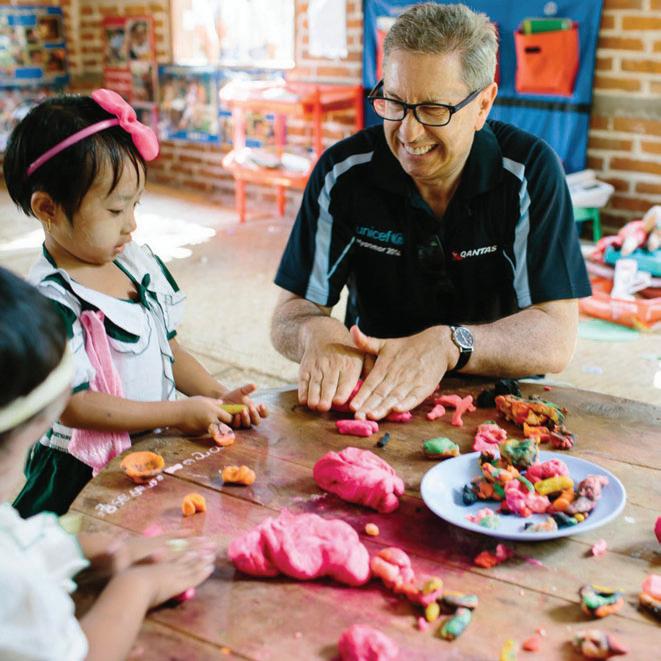
© UNICEF Australia/Adam Liaw | UNICEF Australia Chief Executive Norman Gillespie enjoys a play session with children at an early childhood care and development centre in Thet Ke Kan village, in the Mandalay Region of Myanmar.
should acknowledge that hundreds of children were released from formal detention into the community, this group continues to advocate for an end to the current mandatory and indefinite detention of children and families on and off-shore.
The unheralded and disproportionate cuts to Australia’s Foreign Aid programs in 2014 have had, and will continue to have, major adverse repercussions. The positive momentum achieved over the past decades in reducing child mortality and supporting the welfare and eduction of millions of children is at risk of slowing. Consequently it makes the work of UNICEF through National Committees, with our direct engagement with public and corporate partnerships, more critical than ever.
The extraordinary collective efforts of the UNICEF Australia team, supported by our dedicated Board of Directors, continues to inspire me and the Executive Management, as we strive to realise the rights of every child, everywhere, especially the most disadvantaged.
Dr Norman Gillespie UNICEF
Australia
Chief Executive
A baby born in 2014 has a dramatically improved chance of living to see its fifth birthday and, overall, children born in 2014 will be more likely to survive and thrive than those of past decades.
With that positive outlook, UNICEF Australia moved into 2014 with ambitious plans to celebrate the 25th anniversary of the United Nations Convention on the Rights of the Child. UNICEF Australia’s Young Ambassadors asked Australian children and young people what was important to them and fed more than 1,500 responses to the United Nations Committee on the Rights of the Child and National Children’s Commissioner Megan Mitchell.
Our Young Ambassadors are one example of the people who volunteer their time, energy and expertise to UNICEF Australia. Our National Ambassadors; the workplace ambassadors at Qantas, Starwood and IKEA; our Change for Good volunteers at the Qantas Jet Base; and the many skilled interns who supplement our day-to-day operations are vital to us meeting our aims and deserve our great thanks.
Both I and my fellow Board directors consider it a privilege to work with a dedicated senior management team. They, in turn, are supported by equally dedicated staff members that understand the importance of giving children the best possible start in life.
On behalf of the Board I wish to thank Chief Executive Officer Norman Gillespie and his staff for their commitment to UNICEF.
Thanks also goes to my fellow Board members who so generously volunteer their time and expertise to ensure UNICEF Australia meets its objectives. My peers help ensure Australia is playing its proper role in helping the world’s most disadvantaged children.
And finally, thanks goes to the many Australians and Australian businesses who give life to the work we do to uphold children’s rights around the world. With the same optimism that we started 2014, these individuals, families and workforces have driven our success, and it’s their continuing support we will need over the ensuing years.
John Stewart
UNICEF Australia President
The world made a promise to children when it adopted the Convention on the Rights of the Child: an internationally understood commitment for the human rights of all children.
For the past 25 years, the Convention on the Rights of the Child has driven extraordinary outcomes for children, the majority of them focussed on health and survival, protection and education and equality.
UNICEF Australia believes Australia’s children are well protected under the Convention, but holds concerns for Indigenous children, children in detention – both immigration detention and juvenile detention – and for children who are living in out-of-home care, or where provisions for care at home or with their family fail to protect them.
Children have the right to be shown, share and shape ideas and information, as long as it causes no harm.
UNICEF Australia has been active in putting children at the forefront of its advocacy for children globally, in our region and here at home.
In marking the 25th anniversary of the Convention on the Rights of the Child, UNICEF Australia asked Aussie children and young people about the world they lived in, what was important to them, what made them feel safe, what they worried about, who they worried about and whether they felt included in decisions affecting them.
Their answers made up the Things That Matter report, shared by UNICEF Australia with the United Nations Committee on the Rights of the Child, in Geneva, and government leaders protecting the rights of children in Australia.
Download the Things That Matter report at www.unicef.org.au/thingsthatmatter
You can view the video at www.unicef.org.au/everychild CRC@25
In every region of the world, the CRC has inspired changes in laws to better protect children, altered the way international organisations see their work for children and transformed the way children are able to take an active role and participate in their communities and societies.
To celebrate 25 years of a global Convention to protect the rights of every child, actor and UNICEF Australia National Ambassador Callan McAuliffe travelled to youth music festival Splendour in the Grass and asked festival-goers, along with other Aussie kids and young people, to join with UNICEF and make a video celebrating the rights of Australia’s children and young people.
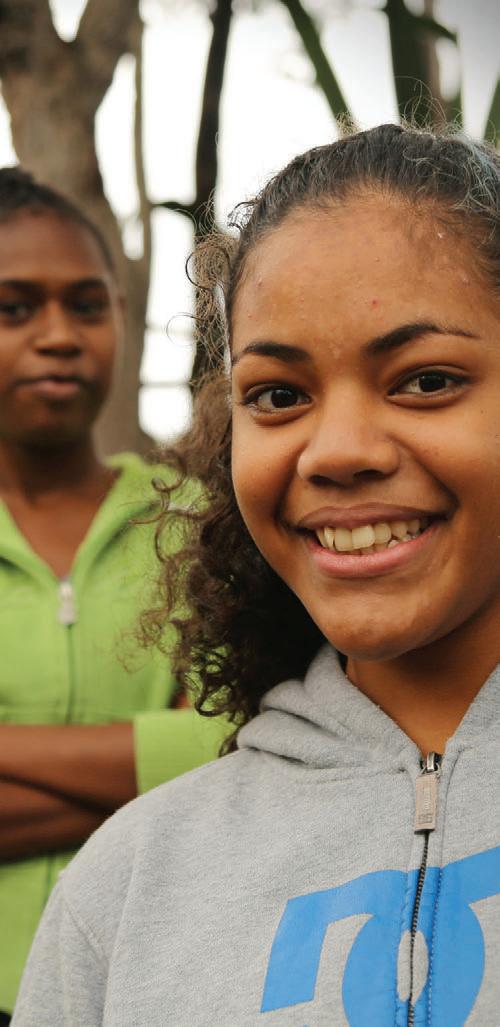
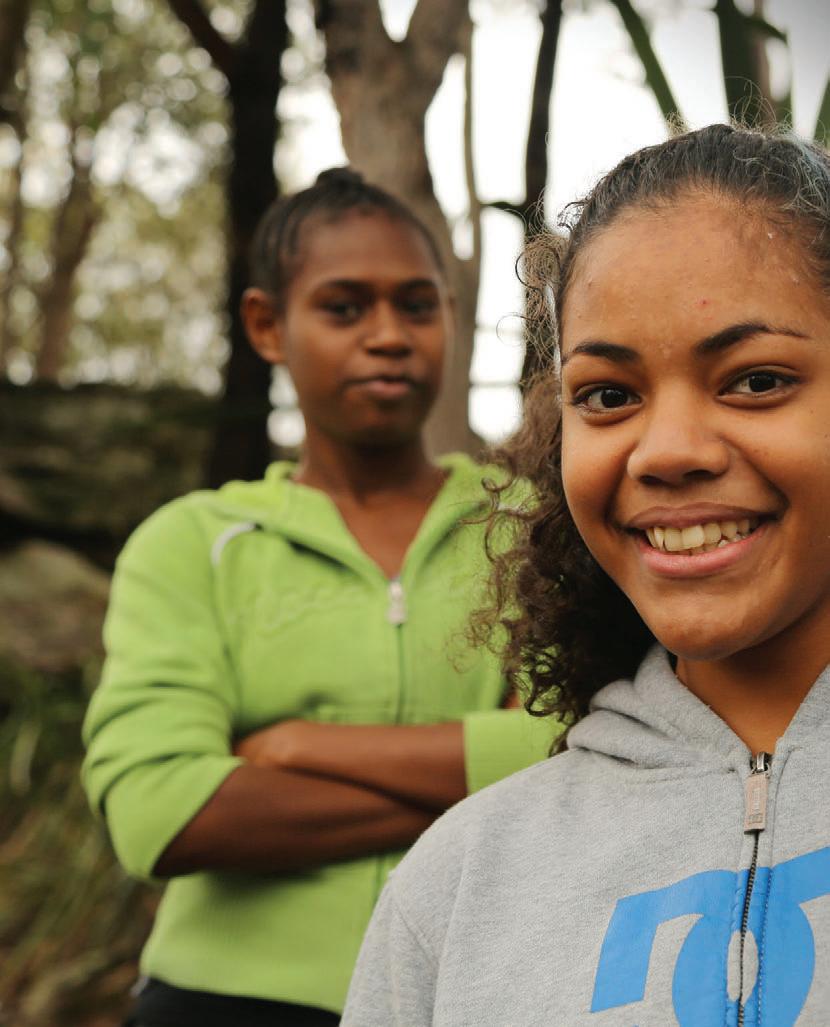
Young Indigenous teenagers were brought together by community artists Desert Pea Media and UNICEF Australia to produce a uniquely Australian interpretation of the United Nations Declaration on the Rights of Indigenous Peoples.
Taking a complex legal document, the teens reimagined the wording and brought power, passion and rhythm to a creative and cultural demonstration of their rights for themselves and their peers.
A song and video produced during a week of creative workshops, filming and production featured in educational tools for primary and secondary teachers and community youth workers.
The project was made possible by funding from Australia Post and can be viewed at www.unicef.org.au/undrip

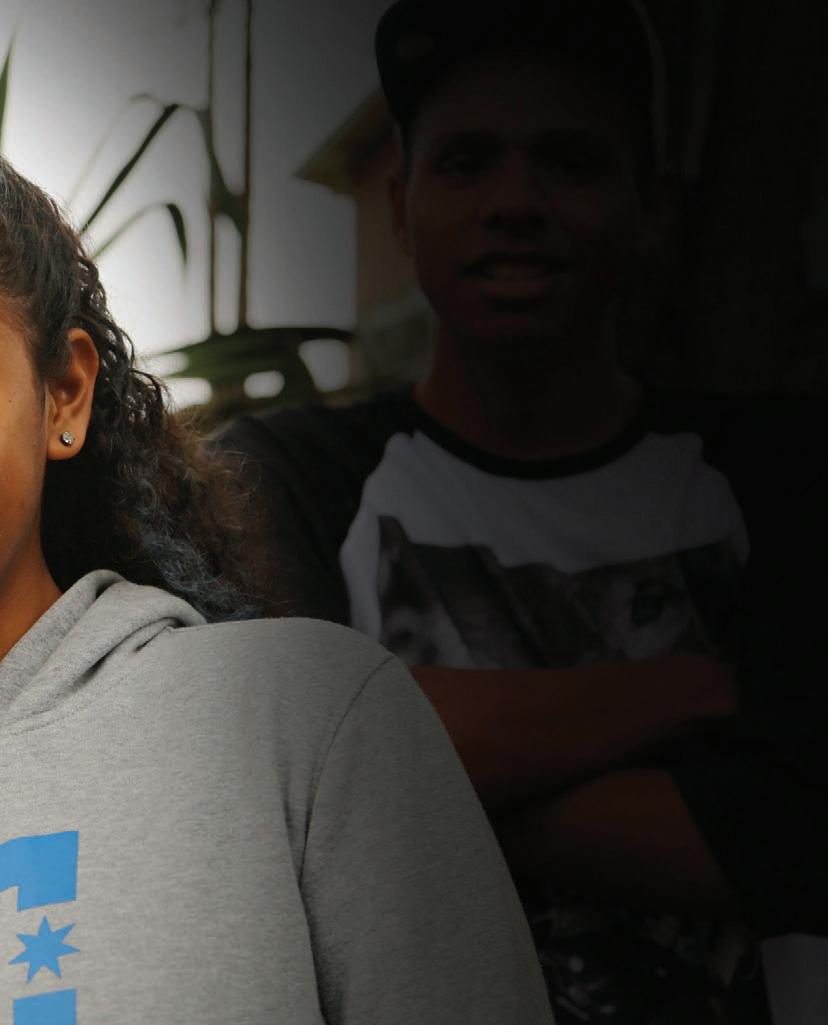
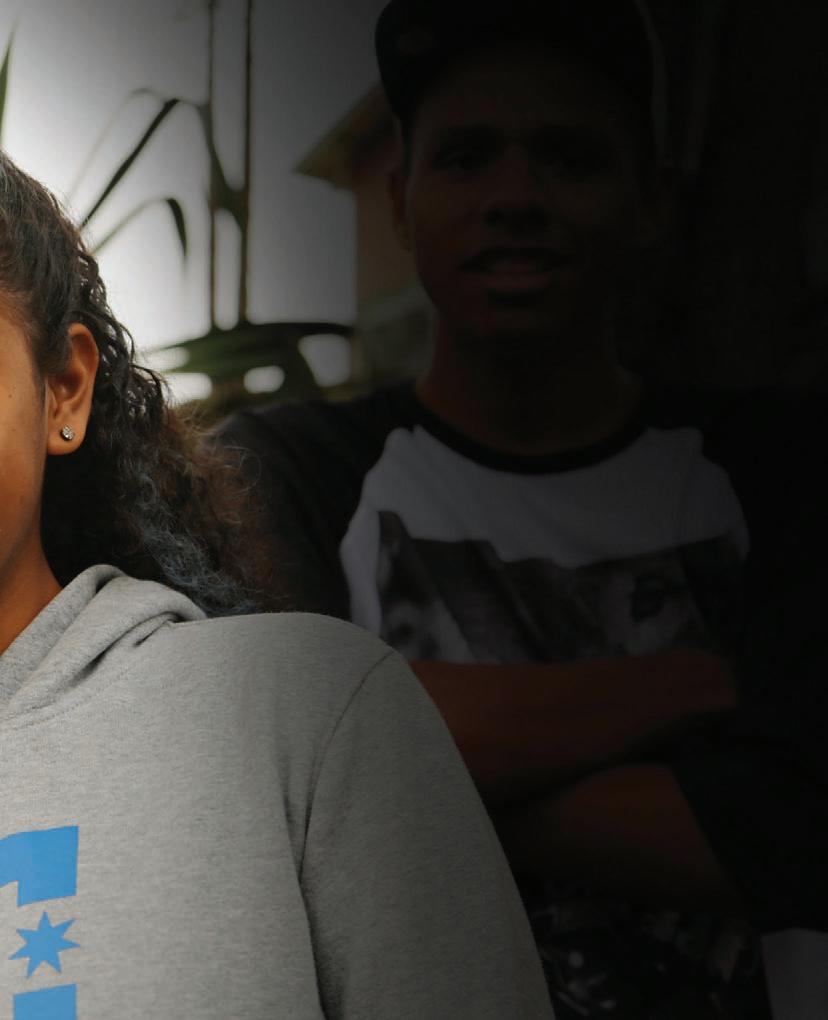





For Pele, 15, a trip to Sydney from her Torres Strait home is not an everyday occurrence, though her natural talent for singing has brought her to the big smoke before. In January of 2014, Pele joined Indigenous young people from across the country to learn more about her rights and record a hip hop song about them. “I didn’t really know anything about rights before we started talking about that,” Pele said. Having learned about them, she and her peers set about writing the lyrics and recording the song in Sydney’s acclaimed 301 Studios. “It was mad to record in a studio, that was the best experience,” she told ABC Radio National’s Awaye program.
Throughout 2014, UNICEF Australia voiced its concerns for the harm Australia’s immigration policies were doing, particularly where they related to the mandatory and indefinite detention of children.
The United Nations Convention on the Rights of the Child states children should only be detained as a last resort. However, Australia – a signatory to the convention –detains asylum-seeking children and their families while determining their refugee status, and as a deterrent to sea voyages that have, in the past, claimed lives.
UNICEF Australia led sector co-ordination to advocate for the removal of children from immigration detention and introduce pathways to regional co-operation to put the needs of asylum-seeking children at the forefront of political and policy decisions.
UNICEF Australia’s advocacy team supported measures to review immigration policy and build a system to protect refugee children who found themselves in Australia’s care.
With leading children’s, international development, human rights and refugee organisations from Australia and across the Asia-Pacific, UNICEF Australia called for the Government to invest in humane and affordable alternatives to detention for refugee children.
“No child should be detained. This is an obligation our Government committed to meet when it signed the United Nations Convention on the Rights of the Child.”
UNICEF Australia Chief Executive Norman Gillespie
© Behind The News, ABC3 Television

UNICEF Australia Young Ambassador Josh Goddard, 15, of South Australia is one of the 2014 program’s youngest inductees and has been a regular face for UNICEF on ABC3 Television’s current affairs program for children, Behind the News. “Growing up in South Africa I saw a lot and experienced a lot. When I was driving to school in the morning I would drive past other kids on the side of the road. It was not their fault but due to their family circumstances they had to give up an education and beg for money just to stay alive. I believe it’s my obligation and duty to give back to these kids,” Josh said. “As long as I change one life, it will prove this whole experience worthwhile.”
UNICEF Australia’s Young Ambassadors represent and advocate for Australia’s children and young people. They are trained in youth engagement and participation to understand their rights and how they can encourage their peers to exercise their rights and responsibilities.
In 2014, UNICEF Australia’s Young Ambassadors spoke to more than 1,500 children and young people to develop the Things That Matter report highlighting the issues concerning Australia’s children. Young Ambassadors appointed in 2014:
Hiba Abd El Hamed, Victoria Jeffrey Effendi, WA
Ho Yin William Chan, NSW Jay Gajera, Victoria
Sophie Nichols, NSW Josh Goddard, SA
Brianna Partington, SA Catherine Yen, ACT
Kate Row, Queensland
Rahila Haidary, WA
© Stefan Postles, of Chalk Studio

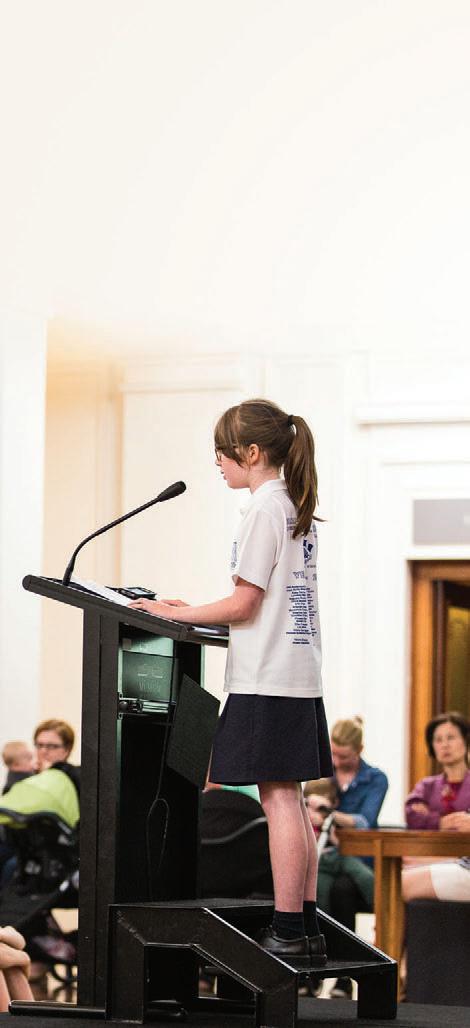
Adele, 12, is a Year 6 pupil of Telopea Park School, in Canberra. With her school, Adele visited the Museum of Australian Democracy, housed in Old Parliament House, Canberra, and learned about children’s rights as part of a project on Australian civics and citizenship. Adele was so inspired by what she learned, she was motivated to educate others about Article 31, the right to play, and spoke at an official reception to launch the museum’s 2014 exhibition on the Convention on the Rights of the Child. “Even though sometimes our parents and teachers tell us to stop playing they should remember play develops important skills - things like co-operating and getting on with each other. Thinking creatively and using your imagination can be some of the best forms of play,” Adele said.
Children took over the Museum of Australian Democracy at Old Parliament House, Canberra, thanks to an inspired exhibition exploring children’s rights and turning the traditional idea of what goes on in a museum on its head.
Play Up, with content and resources from UNICEF Australia, explored the United Nations Convention on the Rights of the Child (CRC) - particularly Article 31, a child’s right to play and rest - and placed children’s voices at the heart of the interactive museum experience.

“I want you to imagine a world without play. What would it
be like?
Forget
about all those soccer games at lunch time. No more skipping ropes, no more running races. No more play. What if it did happen to you?”


Adele, Year 6, Telopea Park School, at the launch of Play Up, at the Museum of Democracy, Canberra
ARTICLE 01
If you’re under 18, you are a child, and you have rights.
ARTICLE 02
No matter the race, religion, ability, family unit, or the things they think and say, a child has rights under the Convention.
ARTICLE 03
Everyone must work toward what is best for a child.
ARTICLE 04
Governments must help children realise their rights.
ARTICLE 05
Families must help protect children’s rights and be guided by Government to do so.
ARTICLE 06
Children should enjoy good health.
ARTICLE 07
A name and place to call home is every child’s right.
ARTICLE 08
A child must have an identity and an official record of it.
ARTICLE 09
A child must have an identity and an official record of it.
ARTICLE 10
A child should be where its family is – all together.
ARTICLE 11
No one can take a child illegally.
ARTICLE 12
Children can give an opinion and expect it to be heard.
ARTICLE 13
Children have the right to be shown, share and shape ideas and information, as long as it causes no harm.
ARTICLE 14
Children can choose what to believe in, with guidance from their family about what’s right and wrong.
ARTICLE 15
Children can join groups and make friends of their choosing.
ARTICLE 16
Children have a right to privacy.
ARTICLE 17
The mass media has a responsibility to provide information children understand and protect them from information they don’t.
ARTICLE 18
Parents must share the responsibility of raising their children and be supported by society to do so.
ARTICLE 19
Laws must protect children from being hurt or mistreated.
ARTICLE 20
Respect for a child’s heritage must be considered if they can’t be cared for by their family.
ARTICLE 21
If adopted by another family, all interests of the child are the first consideration.
ARTICLE 22
If a refugee, a child should be protected by its host country.
ARTICLE 23
If a child lives with disability, they need care and support to live a full life.
ARTICLE 24
Good health, clean water and nutritious food are a child’s right.
ARTICLE 25
Living arrangements for children in State care must be regularly reviewed.
ARTICLE 26
Governments must help children who go without.
ARTICLE 27
All children must have their basic needs met, no matter how disadvantaged or marginalised.
ARTICLE 28
All children have the right to a free and fair education.
ARTICLE 29
Education should develop a child to participate fully in their community.
ARTICLE 30
It’s a child’s right to speak their language and practice their own culture.
ARTICLE 31
Children have the right to play and rest.
ARTICLE 32
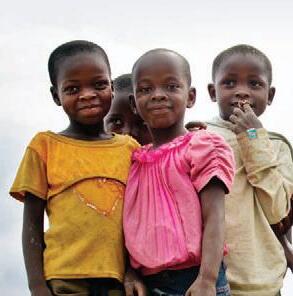
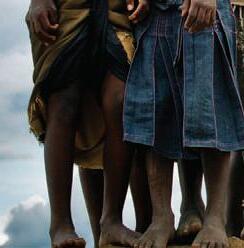
Children must be safe from work that harms them or threatens their education.
ARTICLE 33
Children must be made safe from dangerous drugs.
ARTICLE 34
Children should be safe from sexual abuse.
ARTICLE 35
Children should be safe from being abducted or sold.
ARTICLE 36
Children should be safe from exploitation.
ARTICLE 37
Children must be safe from being cruelly punished.
ARTICLE 38
Children should be protected from war. Those 15 years and younger must not serve in armed forces.
ARTICLE 39
Children should be protected from war. Those 15 years and younger must not serve in armed forces.
ARTICLE 40
Children who break the law must be given fair treatment and jailed only as a last resort for the most serious of offences.
ARTICLE 41
If a country’s laws better protect a child’s rights, it should take precedence to the Convention.
ARTICLE 42
Children must know and have access to their rights.
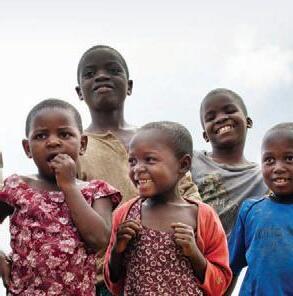
ARTICLE 43-45
These articles set out how society works to protect children’s rights.

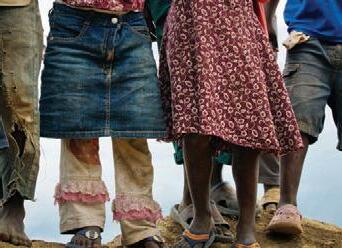

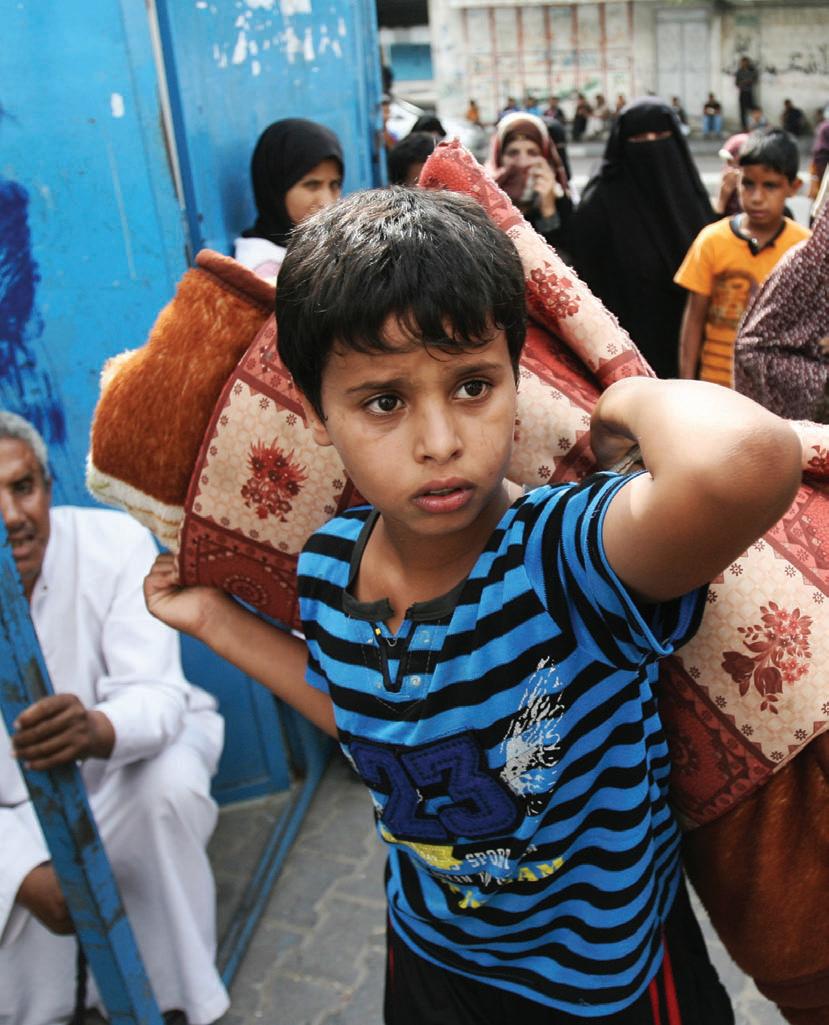
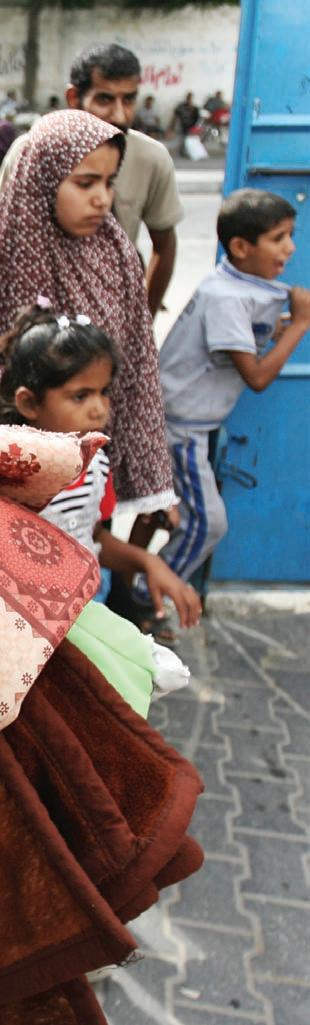
Through war and disaster, children are the most vulnerable to the breakdown of their communities and most at risk of rights violations.
Where children have the right to be safe, healthy and living with their families, war puts them in danger of being displaced, of confronting extreme violence and of being forced into situations where violence against them continues well after they’re clear of the immediate danger that threatened their life.
In Syria, girls are marrying early to secure family safety. In Central African Republic and South Sudan, children are being recruited into armed forces. In Iraq, Pakistan and Nigeria, children have repeatedly been the target when schools and religious minorities are targeted.
Disaster too has a devastating impact on children. The grip of Ebola on West Africa, in particular Guinea, Liberia and Sierra Leone, closed schools, ended routine and preventative health care for infants and young children and left many without the care and love of a parent.
2014 marked the 25th anniversary of the United Nations Convention on the Rights of the Child and the irony was not lost on UNICEF that it experienced a heightened demand in responding to the humanitarian needs of children.
Children should be protected from war. Those 15 years and younger must not serve in armed forces.
UNITED NATIONS CONVENTION ON THE RIGHTS OF THE CHILD
Total affected population: 18.7 million*
Total affected children: 9.8 million* including 2.9 million children under 5
© UNICEF/NYHQ2014-3390/Nesbitt
Sanfa, 14, was at school in Sierra Leone when he showed signs of having Ebola. He was taken away for treatment and news soon told of Sanfa’s death. A funeral was organised, mourners cooked and shared a meal and food was set aside to feed Sanfa’s spirit on its journey to the next life. But Sanfa hadn’t died. He survived the Ebola virus and with UNICEF’s help, Sanfa was reunited with his family and welcomed back by his village. When he returned home, Sanfa shared his story of survival. “When you feel the first symptoms, go to the hospital.”
Amid world strife and a year of reporting on both the atrocities and attacks on children, a new threat emerged.
The Ebola outbreak reared its ugly head in communities illequipped to cope with the contagion. Children, 9.8 million of them, were estimated by UNICEF to be living in the worstaffected countries of Guinea, Sierra Leone and Liberia. Here disease transmission was widespread and intense.
UNICEF’s response for children was swift. With its partners, UNICEF-trained volunteers took to the streets on foot, on motorbike and from the back of lorries to share factual information about how individuals, families and the wider community could manage their health and hygiene to stop the spread of Ebola.
UNICEF’s goals throughout the emergency were to prepare communities and neighbouring countries for outbreaks and improve primary health care and other social systems to curb or stop the rate of Ebola infection.
At the same time, UNICEF worked with governments and communities to support children orphaned by Ebola deaths, reopen Ebola-safe schools and maintain health services to ensure children and expectant mothers were safe to resume routine and preventative health care, like childhood immunisations and pre-natal support.
In 2014, Australians donated $1,270,573 to support UNICEF’s Ebola emergency work and Ebola preparedness in countries neighbouring Sierra Leone, Liberia and Guinea.
Make your donation at www.unicef.org.au/ebola
* In Guinea, Liberia and Sierra Leone
Total affected population: 10.8 million
Total affected children: 5.08 million
© UNICEF/NYHQ2014-0236/Rashidi
Hussein, 3, sleeps under blankets he and his family were given after being evacuated to a shelter in the Syrian city of Homs following a 600-day siege. Movements were restricted and food and other supplies could not get through to the city’s population. Hussein’s father and elder brother were cleared to leave the shelter, but the family, with nowhere else to go decided to stay. UNICEF provided warm clothing and blankets to families seeking shelter through the bitterly cold winter months, and play things for children bored and with little to do.
Four years of unrelenting conflict in Syria have had a devastating impact on millions of children.
Violence, grave child rights violations, massive population displacement and damage to infrastructure and essential services has left 10.8 million people in need of essential humanitarian support. Of these, 5 million are children.
An estimated 3 million children are displaced, one million children are out of school, and another million are at risk of dropping out due to insecurity.
A lack of access to clean water, hygiene and sanitation coupled with the deteriorating food security situation is raising serious concerns about the nutritional status of children, while the collapsing health care and water systems are exposing children to infectious diseases.
UNICEF’s work in Syria and the neighbouring refugee communities continues despite a massive pull on resources. It focuses on primary health care, the prevention of disease and the provision of safe, clean water for drinking and hygiene purposes. UNICEF is supporting children who have been exposed to ongoing and extreme violence and child rights abuses and is investing in returning children to school after many months, even years, without access to education.
In 2014, Australians donated $580,962 to support UNICEF’s emergency response in Syria and neighbouring countries.
Make your donation at www.unicef.org.au/syria
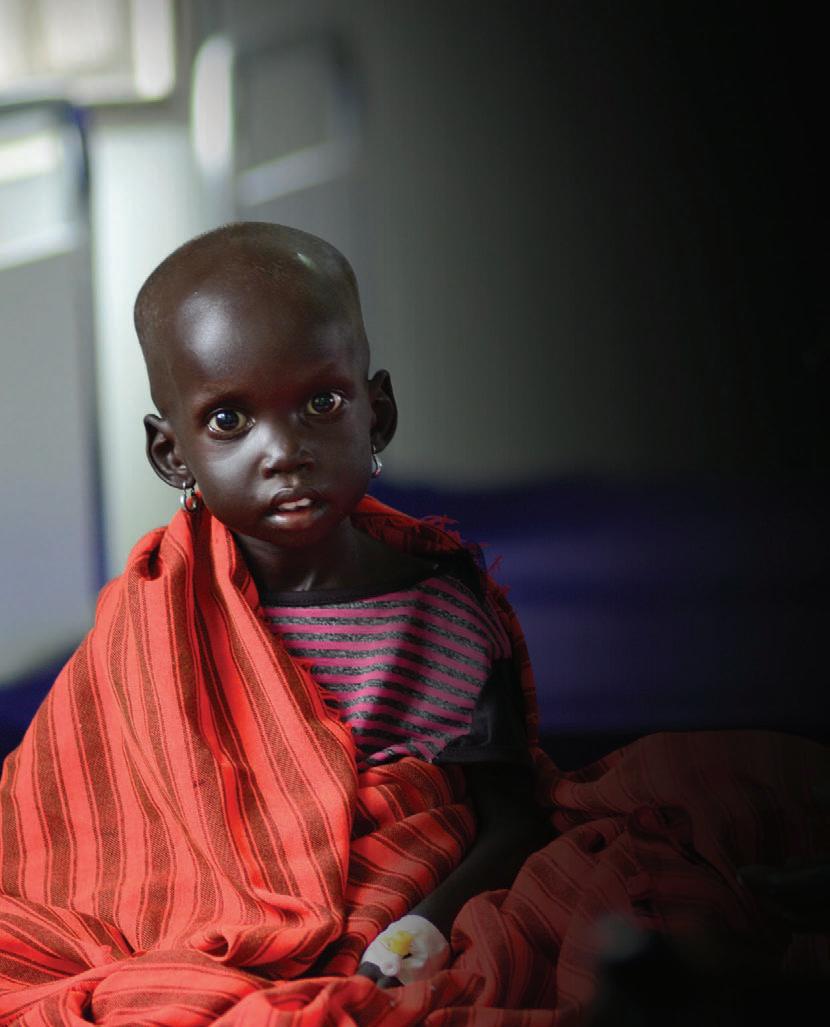
Total affected population: 6.4 million
Total affected children: 3.4 million
Nyanwot, 2, has already lived through more than most. Her home in South Sudan was destroyed by war and, with her mother, she escaped violence to a makeshift camp in bushland. With little food, Nyanwot became sick and malnourished. She was hospitalised and with UNICEF-supplied nutritional supplements made a rapid improvement. Without therapeutic milk every two hours for her malnutrition, as well as antibiotics to treat her diarrhoea and vomiting, Nyanwot could have been a casualty of the war and food insecurity that has destabilised one of our newest nations and created an emergency risking the lives of more than 50,000 children.
In late 2014, the world’s newest nation, South Sudan, faced a catastrophic food crisis. Escalating violence forced more than 1.9 million people to flee their homes for fear of the fighting and with farming land left behind or occupied by armed forces, food crops were not sown for the coming season. Where crops were planted, many were left unattended to wither and die, resulting in a serious food crisis affecting millions.
UNICEF data pointed to children being the most at risk, with 50,000 children expected to die before the year’s end through severe and acute malnutrition. Hunger on such a grand scale most threatened children under the age of five.
UNICEF is working in South Sudan for the complex and immediate needs of children. Through UNICEF, children have been vaccinated, provided with safe water and safe sanitation. They have been re-enrolled in schools, or temporary learning spaces. Critical child protection services are reaching children and UNICEF is supporting the South Sudanese Government’s efforts to end the recruitment of children to armed forces.
In 2014, Australians donated $838,670 to support UNICEF’s response to the children’s food emergency and ongoing conflict in South Sudan.
Make your donation at www.unicef.org.au/southsudan
Healthy children grow into healthy adults, with opportunities to work, contribute to their communities and, in turn, raise healthy families. Good health is a child’s right and UNICEF works, at scale, across the world, to take simple interventions and tested solutions to improve child health and child survival rates.
Clean water to drink and bathe in, improved sanitation, routine childhood immunisation and good, nutritious food are all simple solutions to realising a child’s right to good health.
Since UNICEF’s founding, our expert teams across more than 190 countries have built an extensive global health presence and work daily to bring practical solutions to the women and children at greatest risk.
Good health, clean water and nutritious food are a child’s right. ARTICLE 23
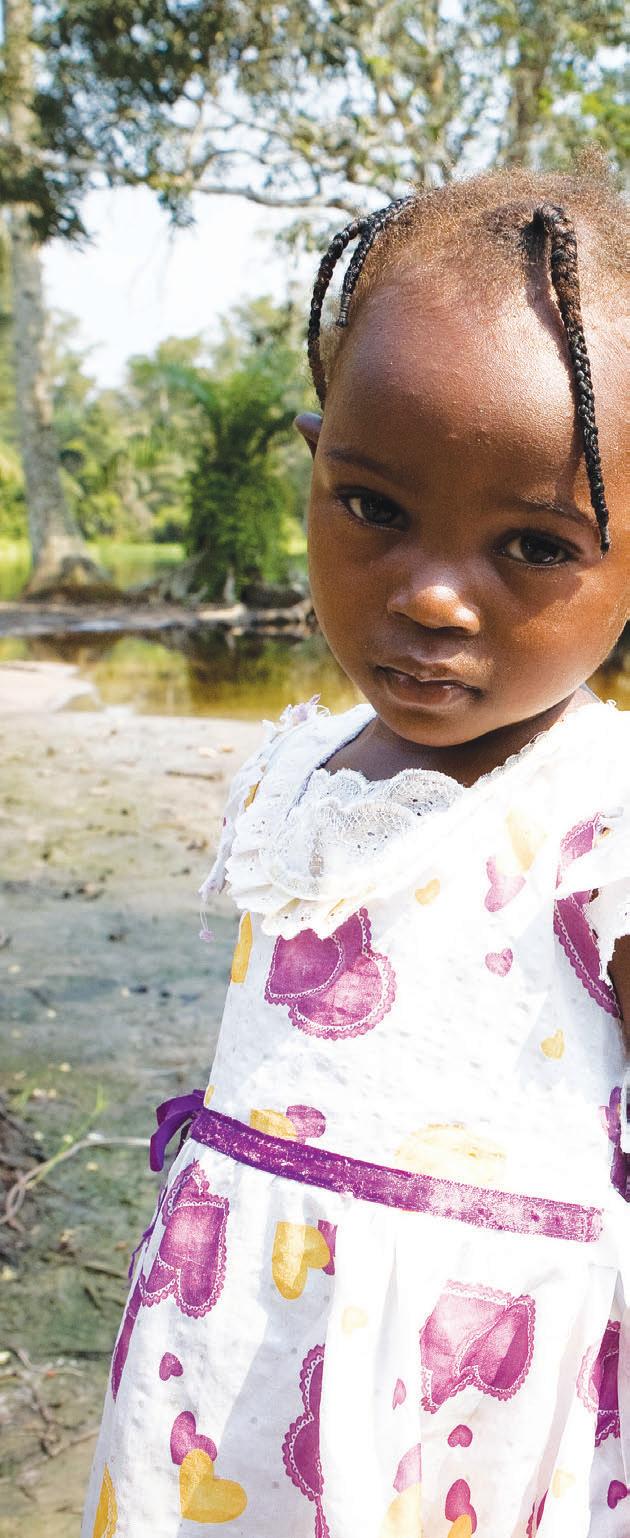
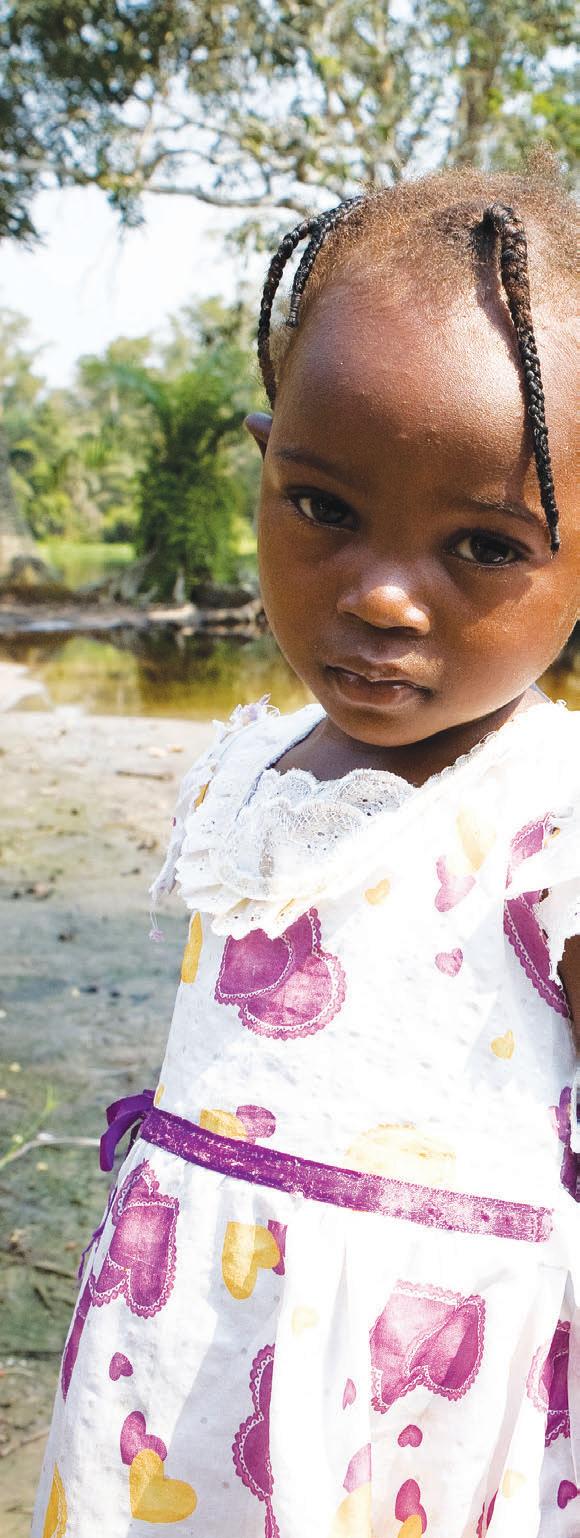

Today, 4,000 children will die of vaccine-preventable diseases
One in five children do not have access to routine childhood immunisation
Immunisation saves children’s lives. Preventative and routine immunisation have been credited with dramatically reducing the number of children who die each year from diseases that could have been prevented easily and cheaply.
UNICEF works to bring cost-effective preventative healthcare to every child and manages a huge network of routes along which vaccines pass before reaching the children who need them.
Through the support of partner agencies, government and the donations of UNICEF supporters, one third of the world’s children have been vaccinated against polio, measles, neo-natal tetanus and other common childhood illnesses –many of them deadly to the weakest and most at risk children.
Three days might seem like an outrageous amount of time to travel to a health centre, but for many children living in rural and remote communities around the world, it’s a reality. For Deborah, 3, it wasn’t an 88 kilometre river journey through the jungles of the Democratic Republic of Congo that almost killed her; it was a fever from a bout of measles, a disease she could have been shielded from. A routine injection protects a child for life, but where health care is far away or difficult to access or poverty prevents families seeking help, children die from measles. Deborah is now immunised, thanks to the work of UNICEF and its global partners.
In 2014, Australians donated $697,613 to keep this important life-saving work going in a range of UNICEF Australia supported programs.
More than 68,000 children under two years screened for malnutrition by October, 2014
Almost 1,200 children treated for malnutrition in a UNICEF-supported hospital, and a further 1,400 treated as outpatients
©UNICEF Cambodia/2014/LaillouArnaud
Sophy, 10-months, lives in a makeshift house with his brothers, mother and grandmother in a settlement of Cambodia’s capital, Phnom Penh. During a UNICEFsupported nutrition screening, Sophy was found to be malnourished. His mother works collecting rubbish for between $3 and $5 a day and her meagre earnings are not enough to properly feed the family. With UNICEF’s help, Sophy was treated for malnutrition and his mother, Sam, shown how to prepare nutritional supplements for her son. “After a few days, he was eager to eat and now he looks healthier and his skin is brighter.” she said.
Cambodia has successfully lowered infant mortality rates but is still one of the world’s poorest performing countries when it comes to improving rates of child malnutrition. Malnutrition is attributable to more than 6,400 child deaths in Cambodia annually.
UNICEF has been working to improve children’s nutrition throughout Cambodia, focusing on interventions like fortifying common foods and adding nutritional supplements to the diets of infants. These interventions, along with public health messages, education programs targeted at the mothers of young children and improved health screening are not only saving children’s lives but supporting a strong, healthy generation for the future.
In 2014, UNICEF Australia contributed $200,000 to improve child nutrition in Cambodia.
Poor nutrition contributes to more than a third of child deaths globally
©UNICEF Laos
Kieng’s bright smile paints a positive picture for her children’s future. “My biggest wish for my children is that they are healthy and go to school,” the mother of three said. “I enjoy seeing my children play and learn new things.” Kieng is among Lao mothers who have received SuperKid nutritional supplements to support the diets of her youngest children, Nangnoi, 2, and Boi, 3. She’s also received advice on how to prepare nutritious meals with locally available foods that can be mixed easily with the SuperKid supplements.
A poor diet can stunt a child and lead to permanent brain and cognitive incapacity. It can trap children in a lifetime cycle of illness, poverty and inequity.
With mining interests in Laos, MMG Limited noted high rates of malnutrition among children in the community and worked with UNICEF, the Laos Ministry of Health and Population Services International to give Laos’ children the nutrition needed for healthy bodies and minds.
High levels of under nutrition remain one of the biggest challenges facing Laos.
Enter the 1000 Day Project. The partnership brings together government officials, health professionals, civil society organisations, volunteers and pharmacists to distribute sachets of SuperKid supplements for children in remote and disadvantaged regions. Where supplements are distributed, free clinics promote good feeding and hygiene practices for mothers of children up to 59 months – the first 1000 days of life.
In 2014, UNICEF Australia received $536,171 through a multi-sector partnership with mining firm MMG to distribute nutritional supplements in Laos and offer diet and nutrition advice to mothers of young children.
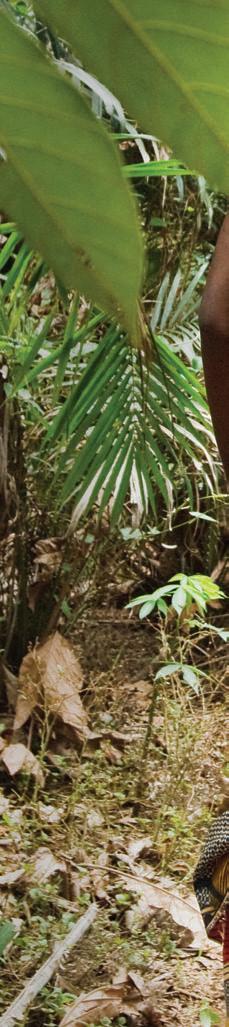
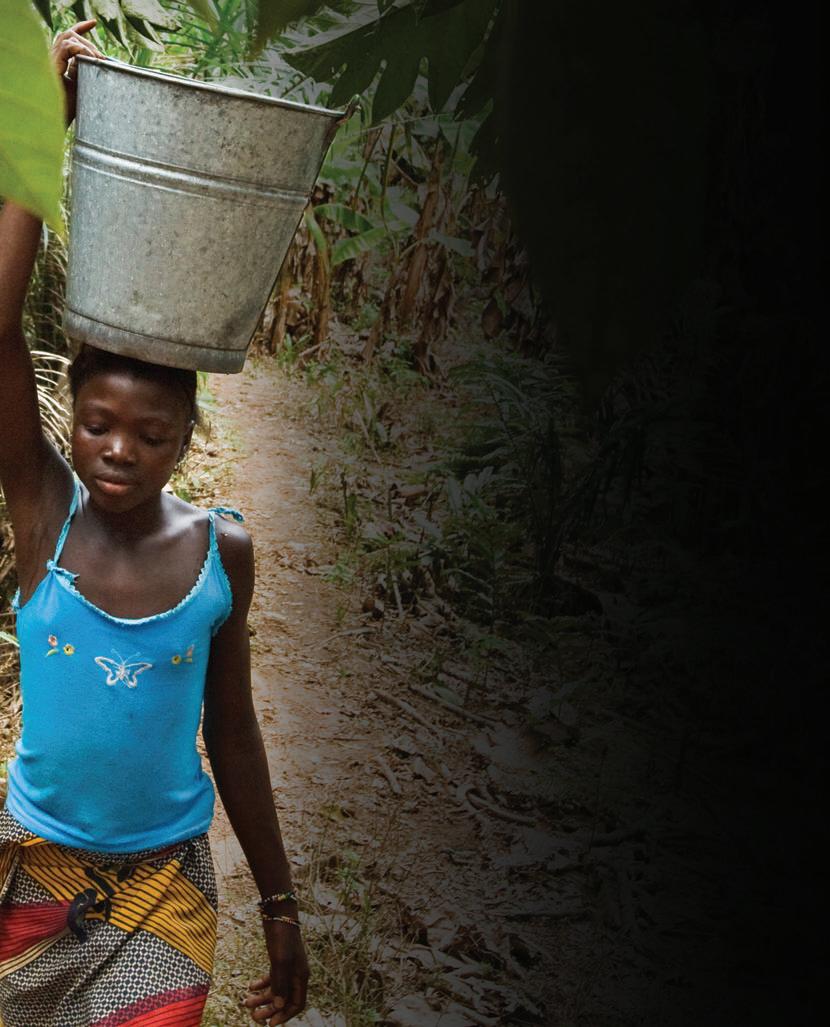
768 million people drink daily from unsafe water sources
36 per cent of the world’s population lack improved sanitation facilities 36
Ami, 12, lives in the African nation of Sierra Leone. Every day she collects from a local pond for her family. The water is muddy and tastes awful. With every sip she could be drinking millions of viruses and bacteria – any of which could lead to a fatal illness. Ami knows this water can make her sick but it’s the only source of water near to her home. She has no choice but to drink, cook and wash using this water and the effort to collect it means she has no time for school and to learn for a better, brighter future.
Water is something most of us take for granted. If we’re thirsty we turn a tap or open a bottle. We wash and flush and bathe and clean without thinking anything of it.
But for millions of children around the world, water causes illness, exhaustion – even death. Many have no choice but to drink dirty water – and tragically, children die from easily preventable waterborne diseases.
UNICEF’s water, sanitation and hygiene programs offer simple solutions on a large scale to reach children with improved drinking water and sanitation facilities, improve their health and lower the risk of preventable disease. In emergencies, UNICEF provides urgent relief to communities and nations threatened by disrupted and damaged water supplies.
In 2014, Australians donated $341,693 to keep this important life-saving work going in a range of UNICEF Australia supported programs.
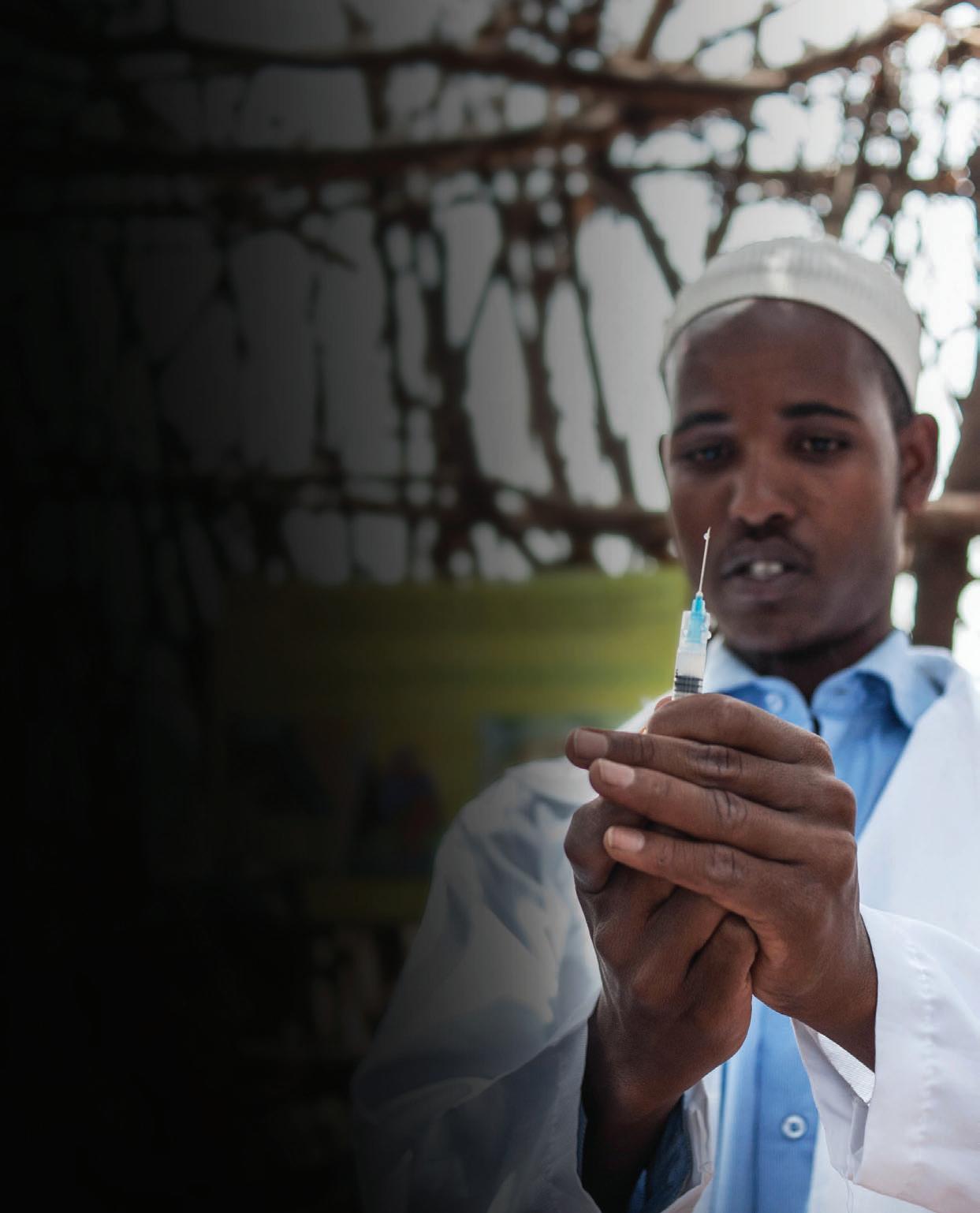
In 1990, Ethiopia’s under-5 mortality rate was one of the highest in the world at 204 deaths for every 1,000 live births. By 2012, it had fallen to 68 deaths for every 1,000 live births.
Mobile health and nutrition team leader, Kalid Ibrahim Abdirkadir, 22, has been trained to conduct malnutrition screenings. These screenings, like the ones he does in Ethiopia’s Somali region, can be the difference between life and death for so many children. Kalid travels harsh terrain to reach the children he meets in his clinics and has been trained to use simple tools to diagnose malnutrition and advise mothers on the care and health of their children. He also gives children routine vaccinations to help prevent common childhood illnesses that, far from medical help, can be a life sentence for these children.
Strong health systems are important to the health and development of strong children, but when medical care is far away and only accessible by donkey or camel, even the strongest of health systems are of little use.
In Ethiopia, a UNICEF project supported by the Australian Government and Australian community is making sure health care is accessible to the most remote of families. Mobile Health and Nutrition Teams manage and treat common illnesses and combat malnutrition, focusing on the care of mothers and children as a priority. More complicated or critical cases are referred to a health facility, with early diagnosis saving lives.
In distant parts of Ethiopia, UNICEF is working with local health officers and committed health workers to reach mothers and children with lifesaving and preventative health care.
In 2014, UNICEF Australia contributed $296,866 to reach mothers and children living in Ethiopia’s most remote and hardest to reach regions.
In a world with heightened conflict and more frequent disasters, where mobility and migration are on the increase and where technology can strip away privacy if used incorrectly or inappropriately, children are at risk.
UNICEF works to protect children from exploitation, abuse and violence, especially children made vulnerable because of their gender, race or socio-economic status.
UNICEF knows Indigenous children, children living with a disability and children without the care and protection of their family are at greater risk.
Exploitation, abuse and violence against children includes sexual abuse, armed violence, trafficking, child labour, genderbased violence, bullying, cyber-bullying, gang violence, female genital mutilation or cutting, child marriage and physically or emotionally violent child discipline.
UNICEF works to end violence against children, support children at risk and assist children who have been subjected to violence to reconnect with their families, community and rebuild their future.
Children should be safe from exploitation ARTICLE 36
Poverty, family breakdown, migration, substance abuse and a lack of employment have exposed Lao youth to an increased risk of coming into contact with the law. Laos does not have a dedicated child justice system and as such fails to account for the needs of children.
Punishment and a deprivation of liberty are often the response for children, with limited solutions to promote social reintegration. Likewise, children who are victims or witnesses are not always protected and measures to promote their physical and psychological recovery are not applied.
UNICEF Laos is working with the Laos national government to build a child sensitive justice system through policy development, training of key justice staff and offering social and legal assistance to children in contact with the law.
In 2014, UNICEF Australia contributed $196,610 to juvenile justice programs in Laos.
45 per cent of the world’s children, five and under, do not possess a birth certificate Asia is home to about half of the world’s unrecorded births
Where the births of children go unrecorded, it’s harder for them to gain access to health care, education and the other protections that are their right.
One of Australian’s nearest neighbours, Indonesia, has one of the lowest rates of birth registration in the world. Without it children can miss out on social services, health care and education and be exposed to child labour, early marriage, conscription or the risk of being treated as an adult by justice systems.
A UNICEF Australia-funded program is targeting Indonesia’s poorest and most vulnerable families to register their children at birth. By linking hospitals and maternity clinics to online registration systems, merging the process for registering marriages and births, and introducing welfare incentives to families, UNICEF is seeing a rise in the number of births registered and realising children’s legal rights.
In 2014, UNICEF Australia contributed $128,390 to support the registration of children’s births in Indonesia.
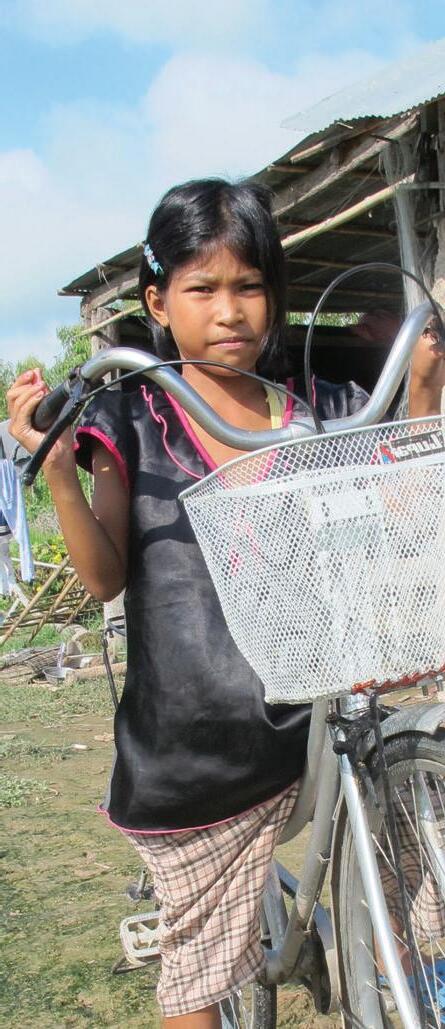
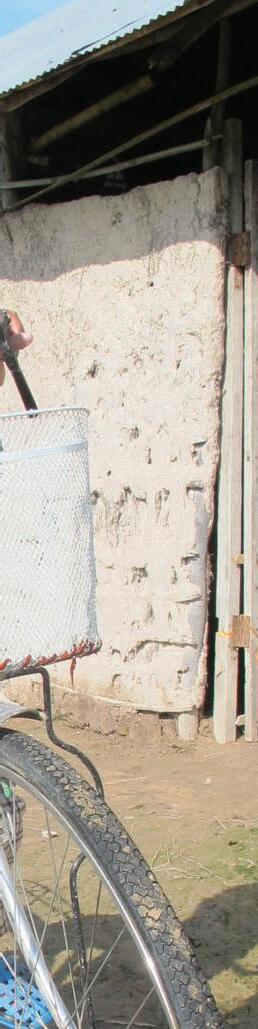
Only about 23 per cent of children in orphanages in Cambodia are actual orphans (2009)
Number of NGO-run orphanages in Cambodia: 225 (compared to 154 in 2005)
Institutionalised care has become an alternative and accessible solution for Cambodian families hoping for a better life for their children. Rather than an option of last resort, in Cambodia institutions have become a desirable – though ill-informed – choice for families living in poverty.
A lack of support and protection for children in these institutions has proved a greater danger than many families would wish for. This, coupled with a volunteer tourist market unwittingly offering temporary help, has created a market for these institutions to thrive.
UNICEF has been working with the Cambodian Government and other organisations to stop the reliance on institutionalised care among families and discourage volunteer tourists from lending financial and physical support to institutions.
UNICEF’s focus has been to educate and train communities on the importance of keeping families together and support the appropriate care, welfare and community development to sustain vulnerable families.
In addition, UNICEF works to support reintegration and deinstitutionalisation of children into family and community-based care.
Sreynich, 11, wants to be a doctor when she grows up. She’ll have to study hard. Her mother, Kheum, 33, wants the very best for her too, and when ill health forced her to stop the work she was doing in a Cambodian garment factory she worried how she could afford her daughter’s schooling. A single mum, Kheum considered placing her daughter in institutionalised care. However, with the support of a UNICEF Australia-funded program, Kheum was able to provide her daughter with books to attend school, along with the nutritious food and access to clean water she’ll need to stay strong and healthy to learn. Sreynich, loves maths and is one of the top three students in her class.
In 2014, UNICEF Australia contributed $157,055 to help keep Cambodian families together.
In 2014, war and conflict set back global progress on children’s access to education. Of the 58 million primary-aged children who are not in school, half are from countries facing war and conflict.
Girls face significant barriers to learning as do children whose families live in poverty, are from rural or hard to reach areas or who are of an ethnic or linguistic minority. Children with disabilities, or children who have to work to help their families make ends meet are also blocked from the basic skills that could lift them from a lifetime of poverty and hardship.
Yet, the greatest challenges are faced by children with multiple disadvantages: the girls from poor rural areas, ethnic minority children with disabilities and refugee children who have left behind classrooms to escape danger and violence. These are the children least likely to realise their right to an education.
Across the globe, UNICEF is committed to free access to education for every child, every girl and boy.
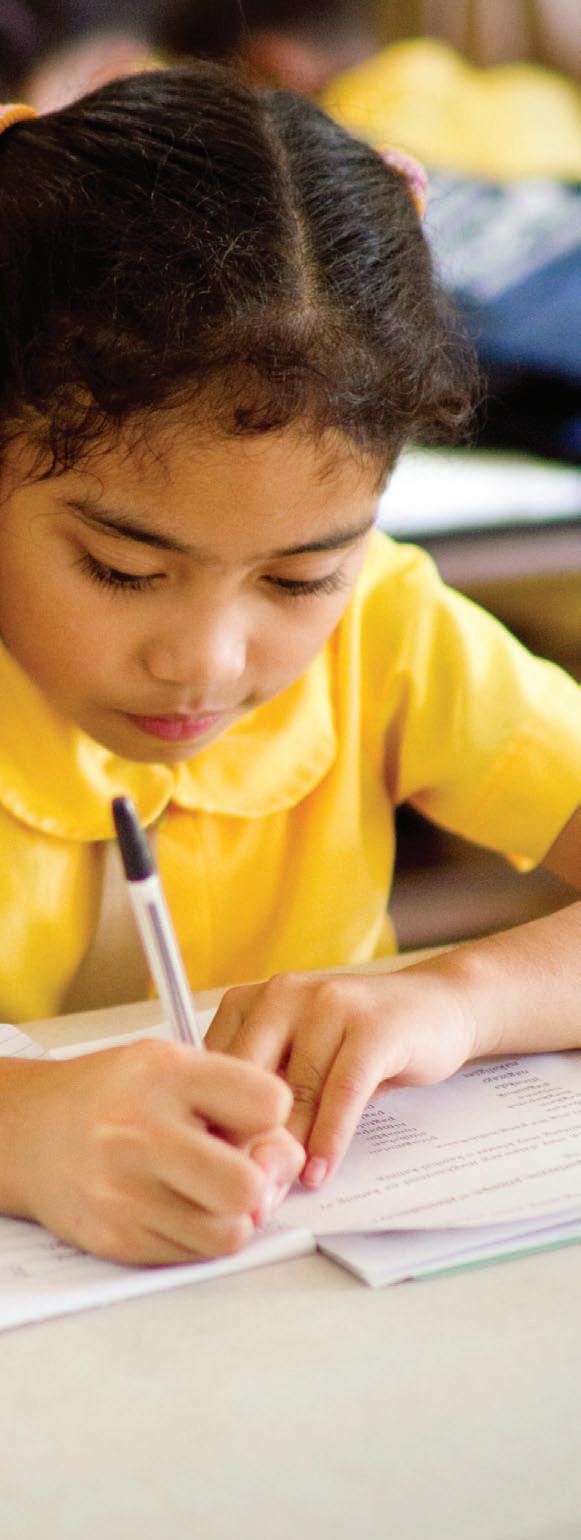
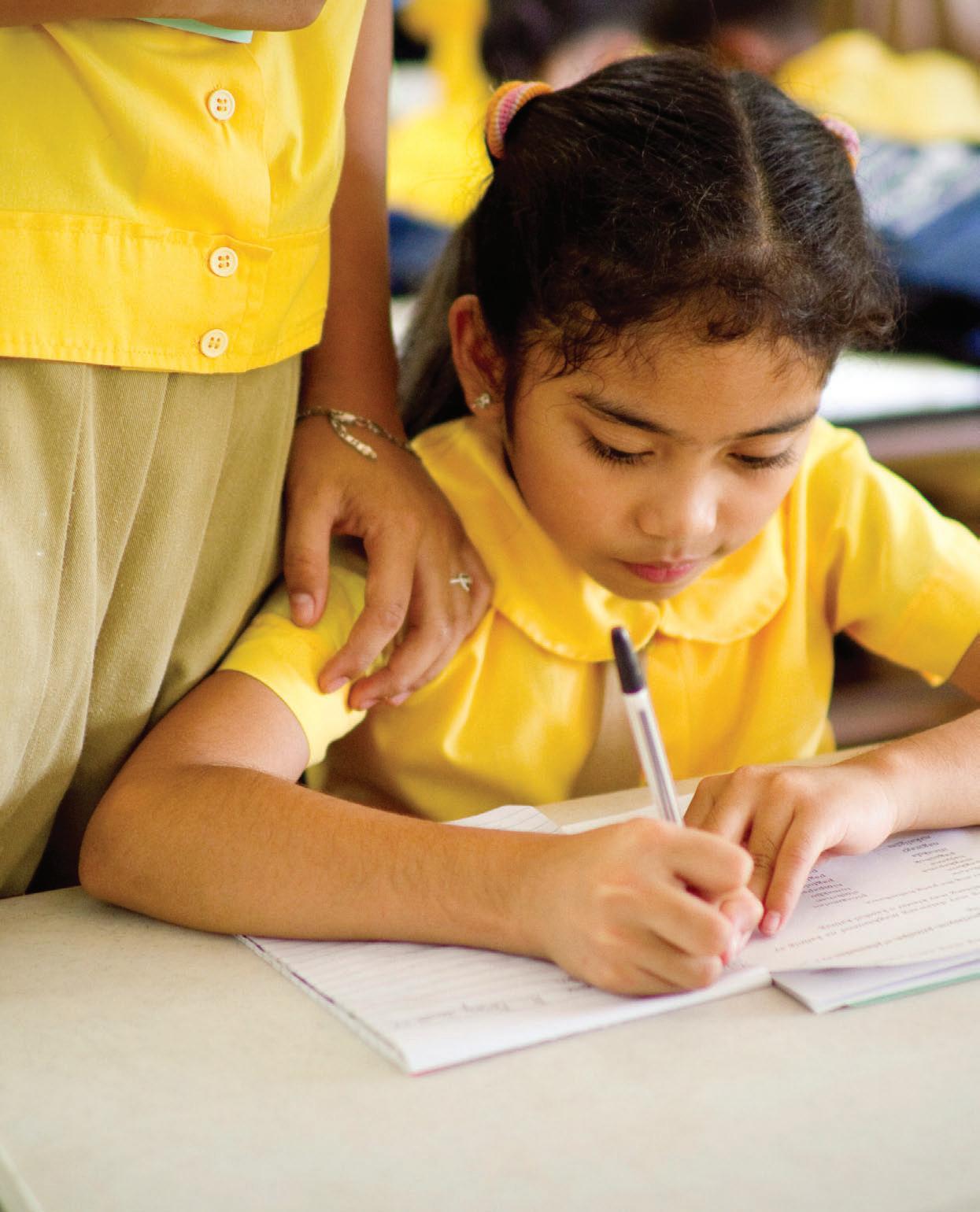

One extra year at primary school can boost a girl’s wages by 10 to 20 per cent.
© UNICEF/ Kelley Lynch
Geyah, 9, lives in a village on the island of Mindanao in the Philippines. When Geyah grows up she wants to be a teacher just like her Grade Four teacher, Mr Flores. “I want to be a teacher because I want to help children how to read, write and count and to be good children. If there are no teachers, there are no professionals.”
Geyah goes to a UNICEF-supported school where specialised teacher and student training ensures every child can be reached with an education. Geyah is a peer group leader in her school and helps teach younger students.
In 2014, Australians donated $19,609 to purchase more than 500,000 pencils and stock UNICEF-supported schools globally.
36 per cent of the world’s population lack improved sanitation facilities
©UNICEF 2014/ Richard Nyamanhindi
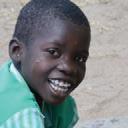
Access to a toilet is something we take for granted, but for young girls across rural Zimbabwe, the lack of a school bathroom has the potential to end their studies.
In Zimbabwe, girls like Tambudzai*, 12, have a difficult choice to make when they start menstruating. Without proper bathrooms at school, Tambudzai and her peers have no privacy so choose to stay at home. With every lesson they miss they fall behind in their studies. UNICEF has built 270 toilets in schools across rural Zimbabwe. “Before the toilets were built at our school there was no water for the toilets and it was so difficult to go with my periods,” Tambudzai said. “Sometimes I had to miss school.” With the new toilets in place, Tambudzai is attending all her classes and keeping up with her studies.
* Name changed to protect personal dignity
In 2014, UNICEF Australia contributed $190,593 to water and sanitation programs in Zimbabwe’s schools.


In working and volunteering to bring to life the United Nations Convention on the Rights of the Child, UNICEF Australia’s staff, Board, National Ambassadors, youth spokespersons and volunteers found ingenious ways to drive the UNICEF vision further afield in the Convention’s 25th year.
Their personal and collective commitment underpins UNICEF’s work for children.
UNICEF Australia National Ambassador for Nutrition
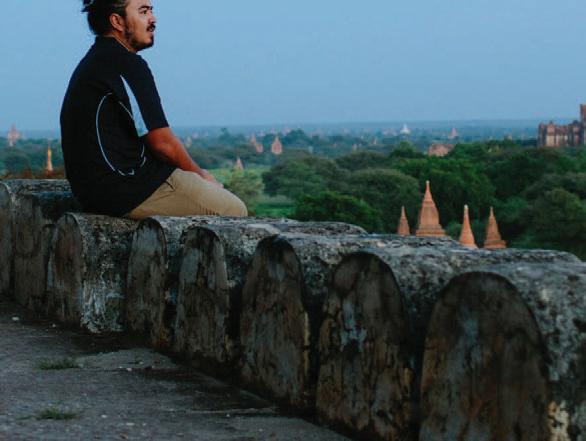
Adam Liaw at Myanmar’s Mingalazedi Pagoda, in Bagan during a field trip with UNICEF Australia and Qantas to learn the impact of Change for Good donations.





UNICEF Australia’s National Ambassadors provided their expertise and profile to focus attention on equity for all children.
UNICEF Australia Ambassador for Child Survival, Tara Moss, was recognised for the writing she did to question Australia’s immigration policies and the offshore detention of asylum-seeking children.
Former Australian of the Year, actor and National Ambassador Geoffrey Rush filmed a television commercial supporting the South Sudan children’s emergency.
All UNICEF Australia’s National Ambassadors give of their time freely. None were paid for their work on UNICEF Australia’s behalf.
UNICEF Australia’s thanks goes to:
UNICEF Australia National Ambassador for Immunisation Jimmy Barnes
UNICEF Australia National Ambassador for Maternal Health Carrie Bickmore
UNICEF Australia National Ambassador for Nutrition Adam Liaw
UNICEF Australia National Ambassador for Child Survival Tara Moss
Erica Packer
Roy and HG (aka Greig Pickhaver and John Doyle)
Ken Done Morris Gleitzman
Callan McAuliffeGeoffrey Rush
Steven SolomonProf Fiona Stanley
The Wiggles Tim Cahill
UNICEF Australia’s Sydney-based team of 43 is made up of 34 fulltime and 9 part-time employees. Of those, 72 per cent are women and 52 per cent are aged between 20 and 35 years of age.
UNICEF Australia’s performance management system measures staff achievement and sets new key performance indicators for all staff members through to the Chief Executive, whose performance is evaluated by the UNICEF Australia Board Chairman.
The formal process requires bi-annual reviews and the gathering of stakeholder feedback on individual staff. The process also identifies individual career development goals and development actions to achieve career goals.
In September, UNICEF Australia conducted its annual staff survey with a 100 per cent response rate. The survey sought feedback on staff engagement, career development, performance assessment, organisational leadership and employee benefits.
Survey results indicated 96 per cent of employees were proud to work for UNICEF Australia and 85 per cent would recommend UNICEF Australia as a place to work. Staff members also said they were empowered to do their job and understood how their role played a part in the overall goals of UNICEF Australia.
Following the survey, UNICEF Australia developed working groups to drive ongoing improvement in the areas of career development; workplace diversity; flexible work arrangements; health and safety; and, process.
Staff turnover in 2014 was 20 per cent, up slightly from 18 per cent in the previous year. The longest serving staff member has more than eight years of service and 40 per cent of staff members have tenure of more than three years.
UNICEF Australia recruited for 18 positions in 2014. The top recruitment source was the organisation’s own network and referrals. 90 per cent of roles were recruited directly and kept recruitment costs down.
UNICEF Australia takes seriously its commitment to Equal Employment Opportunity, attracting a diverse array of staff members with great strengths, expertise and new ideas to help UNICEF Australia build on its achievements.
UNICEF Australia’s policy ensures employment priorities are free from any kind of bias, including race, gender, nationality, mental state, sexual preference, age, disability, pregnancy, family responsibilities and religious or political connection.
UNICEF Australia is committed to the provision of a safe and healthy workplace for its staff, volunteers and contractors. UNICEF Australia complies with current work, health and safety regulations and no work cover claims were submitted by staff in 2014.
As part of UNICEF Australia’s ongoing commitment to the wellbeing of its staff, employees were asked in the 2014 staff survey about stress levels at work. The Work, Health and Safety committee started work on staff wellbeing to ensure practices and policies promote optimum staff health and safety at work. In 2014, employees continued to access flexible working arrangements including flexible hours, work from home and a condensed working week.
UNICEF Australia’s code of conduct requires all employees and board members to maintain the highest standards of integrity and conduct consistent with UNICEF Australia’s core values.
Those core values are:
• Respect for the rights of all children and the tenets of the United Nations Convention on the Rights of the Child.
• Respect and care for our supporters and beneficiaries.
• Respect for others.
• Collaboration first.
• Being transparent and honest in all communication.
• Making our vision a reality.
UNICEF Australia is a member of the Australian Council for International Development (ACFID) and a signatory to the ACFID Code of Conduct. ACFID is the peak council for Australian not-for-profit aid and development organisations. The ACFID Code of Conduct is a voluntary, self-regulatory sector code of good practice. UNICEF Australia is committed to conducting its work with transparency, accountability and integrity.
The full ACFID Code of Conduct can be found at www.acfid.asn.au
UNICEF Australia is a signatory to the Australian Direct Marketing Association and is compliant with its selfregulatory Code governing all aspects of direct and data driven marketing.
UNICEF Australia has a sought-after internship program offering opportunities for industry skill development to students and recent graduates to work alongside professionals in their field. The communications team offers four media internships each year. The advocacy team offers internships driven by the scope of its campaigns and offers a diversity of skill development programs for working in human rights practice, youth engagement and international development. Additional internships are offered in marketing.
UNICEF Australia’s staff welcomed 11 volunteers to the office in 2014. These volunteers provided valuable assistance to the administration, supporter relations, advocacy, communications and fundraising teams in roles ranging from general administrative work and customer service, to policy research and analysis. UNICEF Australia acknowledges the contribution of office volunteers who continue to generously donate their time and skills to support UNICEF’s work for children.
Volunteers are a key part of the Change for Good partnership with Qantas, counting foreign currency at the Mascot offices of the program.
In 2014 UNICEF Australia said farewell to two long-serving and dedicated volunteers, David Paterson and Audrey Jenson. Together they dedicated 43 years of service to the Change for Good Program. UNICEF Australia thanks them for their contribution and commitment.
UNICEF Australia also farewelled retiring Change for Good manager Peter Nolan. Peter has been a member of the UNICEF Australia family for the past 17 years. In that time, Peter made a tremendous impact on the success of the Change for Good program and made a positive and significant impact on the lives of children. We thank Peter for his contribution and long standing commitment.
Workplace volunteers from UNICEF Australia’s corporate partners, in particular, IKEA and Qantas, enthusiastically encourage others to understand UNICEF’s commitment to children, calling on colleagues and customers to join them. Workplace volunteer programs at IKEA and Qantas drive regular giving and a broader understanding of the direct impact corporate engagement has on the children UNICEF programs support.


John Stewart
President (2014)
Chartered Accountant and Managing Director of SEMA Holdings
Elected April, 2005
Attendance at Board meetings: 6/6
Lesley Grant
Deputy President (2014)
Chief Executive Officer, Qantas Loyalty
Elected May, 2006
Attendance at Board meetings: 5/6
Michael Gill
Counsellor at Dragoman
Elected May, 1998
Attendance at Board meetings: 1/1
Resigned February 2014
Fiona Sinclair King
Barrister-at-Law, Queens Square
Chambers, Sydney
Elected November, 2002
Attendance at Board meetings: 5/5
Resigned October 2014
Michael Batchelor
Chartered Accountant and Consultant to Deloitte Touche Tohmatsu
Elected October, 2005
Attendance at Board meetings: 2/2
Resigned April 2014
Deeta Colvin
Consultant to Consolidated Press
Holdings and Director Colvin
Communications Pty Ltd
Elected May, 2009
Attendance at Board meetings: 5/6
Christine Christian
Investor and Independent
Non-executive Director, Chief Executive Women
Elected April, 2011
Attendance at Board meetings: 6/6


Rohan Lund
Chief Operating Officer, Foxtel
Elected April, 2011
Attendance at Board meetings: 5/6
Megan Quinn
Managing Director, Q&CO Consulting and Specialty Fashion Group
Elected May, 2013
Attendance at Board meetings: 6/6
Nadika Garber
Managing Director, Hinkler Books Pty Ltd
Elected May, 2013
Attendance at Board meetings: 6/6
Robin Davies
Associate Director, Development Policy Centre, Crawford School of Public Policy, Australian National University
Elected: September, 2013
Attendance at Board meetings: 6/6
Stephanie Copus-Campbell
Executive Director, Harold Mitchell Foundation and international advisor to Harold Mitchell
Elected September, 2013
Attendance at Board meetings: 5/6
Paul Fisher
Managing Director, Media, South East Asia, North Asia, Pacific (SEANAP), Nielsen
Elected October, 2014
Attendance at Board meetings: 1/1
All sectors of our community have a responsibility to uphold children’s rights and, increasingly, corporations are forming innovative and creative partnerships to recognise the interactions they have with children – directly and indirectly.
The business sector understands children, and their parents, are consumers of both products and services and that business operations impact on communities working to raise healthy, happy and safe children.
UNICEF Australia has enjoyed rich and deep partnerships with established and new business partners in 2014, each offering diverse and powerful ways to deliver for children.
In 2012, MMG Limited and UNICEF partnered with the Laos Ministry of Health, Laos Women’s Union and Population Services International to launch the 1,000 Day Project: a dedicated program to reduce stunting among children in southern Laos.
Passengers on Qantas flights have donated close to $30 million for UNICEF’s work for children and their communities around the world by placing foreign and local change inside in-flight Change for Good envelopes.
A measure of the success of UNICEF Australia’s 24-year partnership with Qantas is the enthusiasm of its most visible staff members, its cabin crew. In 2014, six Qantas cabin crew volunteers promoting the UNICEF and Qantas Change for Good program travelled to Myanmar to see how international currency and spare change donated to Change for Good funds family support and educational programs for vulnerable children.
Starwood Hotels and Resorts customers have contributed to Checkout for Children since 1996. The program supports UNICEF programs in the Asia Pacific region and has helped build and improve school facilities, provide teacher training, equip classrooms with learning resources and help children return to schools after emergencies.
Loose change becomes positive change with the Commonwealth Bank and UNICEF’s Coins for Kids program. The Commonwealth Bank collects foreign change to support UNICEF’s health, protection and education programs for children worldwide.
Whether it be rupees, rand or rubles, Bankwest joined UNICEF Australia in 2014 and, like other business partners the Commonwealth Bank and Qantas, has inspired customers to donate spare foreign currency to make a difference for children around the world.
Every two years 3P Learning hosts the World Education Games, a free online quiz for pupils from across the globe to unite and answer maths, spelling and science questions in a multiplayer game environment.
Since 2010, 3P Learning and World Education Games have helped UNICEF reach thousands of children with learning resources and teaching aids.
IKEA opened its doors, literally, to UNICEF Australia in 2014, hosting information bays promoting UNICEF’s global work and offering customers a chance to experience UNICEF’s child rights and country program work through children’s storytelling, photo exhibitions and interactive displays about UNICEF’s water, sanitation and hygiene programs.
The Global Corporate Challenge improves the health of registered participants, but since 2013, has also improved the health of children by partnering with UNICEF to support water, sanitation and hygiene programs.
Human Group and mytraining.net support teacher training across 17 schools in Timor-Leste, reaching more than 6,000 children who did not previously have access to their right to a basic education.
H&M
H&M has been a global partner of UNICEF since 2004, donating 25 per cent of its All for Children range to girls’ education, HIV/AIDS prevention, water and sanitation and child protection in Bangladesh, Cambodia, China, India, Madagascar and Uzbekistan. In 2014, the annual release of the All for Children collection launched in Australia’s Melbourne and Sydney stores.
Kiwanis
The third and final year of UNICEF Australia’s partnership with Kiwanis International, aimed at the global eradication of deadly maternal and neonatal tetanus (MNT), saw Madagascar named as the 35th country since 1999, to eliminate MNT. Maternal and neonatal tetanus remains a health threat in 24 countries. The partnership immunises mothers and protects newborns from tetanus bacteria and trains birth attendants and midwives to encourage clean and safe birthing practices.
UNICEF Australia is grateful for the pro bono support offered by: Aegis Media Australia, Cisco Systems Australia Pty Limited, Clayton Utz, DLA Piper, Eden Corporate Travel, IKEA, JC Decaux, Kish+Co illustrator Cara Tune, Mitchell and Partners, mX, Network 10, SEMA Group, SMSA (Sydney Mechanics School of Arts), Seven Network, Splendour in the Grass, Qantas Airways Limited, St George Bank and The Dragon Lounge.
In 2014 UNICEF Australia received support from a number of major donors, charitable trusts, foundations and grantmaking bodies. UNICEF Australia is sincerely grateful for the loyal support and generosity of these individuals and organisations in helping the world’s most disadvantaged children.
Pratt Foundation for a Polio-free India
In 1988, India was the epicentre of the world’s polio transmission. Of an estimated 350,000 children paralysed or killed by polio across the globe each year, just under half were from India. Today, due to one of the greatest public health campaigns ever implemented, India has not suffered a case of polio since 2011. However, India faces an ongoing battle to maintain high levels of childhood immunity against the virus until the disease is eradicated globally. UNICEF Australia’s partnership with the Pratt Foundation supports Indian communities most at risk.
The Twice The Doctor Foundation is run by medical professionals for medical professionals. In May 2014, the foundation’s signature event was a day of “virtual volunteering”. Australian medical professionals were called on to donate a day’s salary to support UNICEF’s lifesaving health programs in Sierra Leone. Toward the end of 2014, Sierra Leone was in the grip of an Ebola crisis, and the foundation organised an additional day of giving for UNICEF’s emergency Ebola appeal.
Global Parents have a commitment to UNICEF’s child survival work and believe in the right of every child, no matter their circumstances, to have a good start in life.
Global Parents make a very real impact on the likelihood of survival during the first 1,000 days of a child’s life: a critical time for growth and development. Global Parents know and trust in UNICEF to set the foundation for a child’s life. Global Parents understand survival beyond the first 1,000 days is a struggle for many children around the world and have dedicated themselves to ending that struggle and creating change to give children a positive and powerful future.
Australia’s network of passionate and generous Global Parents reach deep into the places UNICEF is unafraid to go, to give a child a life, a chance, a choice.
www.unicef.org.au/globalparent
UNICEF Australia is deeply grateful to the supporters and families of supporters who left a legacy for the world’s most disadvantaged and marginalised children through gifts in their wills in 2014. UNICEF Australia would also like to thank the individuals who committed to leaving a legacy to UNICEF’s work for children.
To learn more about leaving a legacy for the world’s children, phone UNICEF Australia on 1300 884 233.
UNICEF Australia Champions for Children are small and medium-size businesses committed to making a positive change in the lives of children.
Platinum Champions for Children donate $1,000 a month. They are: Elk Accessories, Fire Corp, Essential Mall, Interactive Freight Systems, Moraitis, RCR International Pty Ltd, Universal Trading Strategies.
Gold Champions for Children donate $500 a month. They are: Bio Dental Care, Salt 66 (GE Beard Holdings), OBI Holdings, Think Forex (TF Global Markets (Aust) Pty Ltd).
Silver Champions for Children donate $250 a month. They are: ABG Pages, Academia International (Australian Academy Of Vocational Education And Trades Pty Ltd), Apprentices Plus, Australian All Star Cheerleading Association, Australian College of Applied Psychology, Barstudio, Camalee Pty Ltd, Cleanway Environmental Services Pty Ltd, Commvault Systems Pty Ltd, DCS Internet, Enrich Property Group, Favco Pty Ltd, First Agency Business Solutions, International Interior Images, Itchy Foot Pty Ltd (babysittersnow.com.au), Jinky Art Retreat, Molonglo Group, Narellan Veterinary Hospital, Noja Power Switchgear, Ojas Group Pty Ltd, Toodyay Hardware, Toshiba, Travel Health Fremantle, Web Profits, Wellbeing Pharmacy, Westernex Supply Pty Ltd.
To include your business among UNICEF Australia’s Champions for Children, phone UNICEF Australia on 1300 884 233.
The most oft-heard question asked of UNICEF Australia staff is “what more can we do”, and it’s the inspiring actions of UNICEF Australia’s community fundraisers who offer up the best answer, motivating with their fun runs, charity swims, school talks and movie nights.
Among our many fundraisers this year was Melbourne father of two, John Pillay. John ran 50 half marathons in 2014 to raise almost $5,000 for UNICEF’s life-saving work for children.
John set himself the challenge after seeing a charity stall at his work late in 2013. “I thought it was about time I started to do my bit,” he told his local newspaper, the Progress Leader.
Husband and wife duo, Andrew and Karen Gee, joined UNICEF Australia on one of two promoted charity runs, both in Sydney.
The Gees together raised almost $10,000 for their Sydney Morning Herald Half-Marathon bid and were among 29 runners who joined UNICEF Australia in this physical and fundraising challenge.
More than 50 also completed the Sun Herald City2Surf and together with UNICEF Australia community fundraisers collected a total of $30,323 for UNICEF’s global work for children.
In November, three guys sat themselves down in front of an array of game stations and turned the attention of the world’s gamers to the lamest games ever made. For 24 hours, the three played and live streamed their attempts, thanks to Swinburne University in Melbourne, to conquer new heights and new game levels across titles recommended to them as the worst gaming experiences known to players.
In 24 hours the Lame Game Marathon raised $8,092 through viewer donations for UNICEF, echoing the Lame Gamer’s cry to “Play It Forward”.
UNICEF Australia’s supporters love to travel and when we put forward the idea they could travel to countries UNICEF worked in and take on a charity challenge, aided by the generous donations of friends and family, there was a hugely positive response.
In 2014, 50 UNICEF Australia supporters climbed Mount Kilimanjaro on a trip developed and guided by adventure travel specialists Inspired Adventures.
Funds raised in 2014 aided UNICEF in Ethiopia to reach mothers and their babies in remote regions with basic health care and nutritional support.
Three Climb for Kids teams, all of them travelling to Mount Kilimanjaro in 2014, raised $170,070 for mobile health teams in Ethiopia.
“Participating in the UNICEF Kilimanjaro Climb for Kids was one of the most rewarding and life changing experiences I have ever undertaken.”
2014 Climb for Kids participant Danny Vedova
FOR THE YEAR ENDED 31 DECEMBER 2014
STATEMENT OF COMPREHENSIVE INCOME FOR THE YEAR ENDED 31 DECEMBER
STATEMENT OF FINANCIAL POSITION AS AT 31 DECEMBER 2014
At the end of the year the company had no balances in the following categories:
Current Assets - Inventories
Non - Current Assets - Trade and other receivables, other financial assets, investment property, intangibles or other non-current assets
Current Liabilities - Borrowings, current tax liabilities, other financial liabilities or other Non - Current Liabilities - Borrowings, other financial liabilities, Other
Equity - Retained earnings
Grants - DFAT
Grants - Other Australian
1. UNICEF Australia has no International Political or Religious Proselytisation Programs. 2. For a copy of the full financial report for the year ending 31 December 2014 please contact us directly on telephone (02) 9261 2811; or email unicef@unicef.org.au 3. UNICEF Australia has a process for handling any complaints. Please direct your complaint to us directly on (02) 9261 2811 or unicef@unicef.org.au 4. The Summary Financial Reports have been prepared in accordance with the requirements set out in the ACFID Code of Conduct. For further information on the Code please refer to the ACFID Code of Conduct Guidance Documents available at www.acfid.asn.au
Community Support Income includes donations and gifts from the Australian public and corporations, both monetary and non-monetary, as well as income from legacies and bequests.
Grants (DFAT) includes grants received from the Australian Government’s overseas aid program.
Grants (Overseas UNICEF Geneva) represents investment grants from UNICEF Geneva to undertake new fundraising initiatives.
Other Income includes investment income and revenue generated from the sale of cards and Inspired Gifts.
Total revenue in 2014 of $26.0m (2013: $27.0m) reflects the continued generosity of the Australian public. In 2014, UNICEF Australia responded to the Ebola emergency ($1.27m), South Sudan nutrition emergency ($0.84m), Syrian crisis ($0.58m) and Typhoon Haiyan ($0.24m).
UNICEF Australia continues to invest in its Global Parent pledge program. This investment has been funded through utilisation of UNICEF Australia’s own resources as well as grants received from UNICEF Geneva.
The projected long term benefits of this investment strategy continue to generate healthy returns which will increase our impact and ensure more children not only survive but thrive.
Programs Expenditure includes humanitarian development and emergency response work across international and domestic programs, as well as activity to inform and educate Australians on development and humanitarian issues.
As part of this, $3.6million was directly allocated and managed by UNICEF Australia in line with our international programs strategy and with contribution to program design, monitoring and technical support.
Fundraising Costs - public - develop and retain donors to fund programs for children and community education work. Costs are funded from UNICEF Australia’s own resources.
Fundraising Costs - funded by UNICEF Geneva - are channelled to developing the organisation’s Global Parent pledge program, which funds UNICEF’s global programs. Investment grants from UNICEF Geneva fund pledge program development, with a strict return on investment protocol.
Accountability and administration costs are costs required to efficiently run the organisation. It includes such items as staff costs for finance, human resources and administration as well as audit fees, insurance and office maintenance costs.
Reserves are maintained by UNICEF Australia to meet its commitments, obligations and other contingencies, and deliver on its objectives in the unanticipated event of significant financial difficulties.
At the end of the financial year UNICEF Australia reserves were $3.47 million.
In 2014, $8,490,540 was dedicated to UNICEF’s core programs focusing on education, child survival, HIV/ AIDS, child protection and responding to more than 200 emergencies worldwide.
These funds were distributed as a response to where the need for children is greatest. For more detailed information refer to UNICEF’s Report on Regular Resources available at www.unicef.org/publications
of the independent auditor on the summary financial statements to the members of Australian Committee for UNICEF Limited
The accompanying summary financial statements, which comprises the summary statement of financial position as at 31 December 2014, the summary statement of comprehensive income and summary statement of changes in equity for the year then ended, are derived from the audited financial report of Australian Committee for UNICEF Australia for the year ended 31 December 2014. We expressed an unmodified auditor’s opinion on that financial report in our report dated 28 April 2015.
The summary financial statements do not contain all the disclosures required by Australian Accounting Standards – Reduced Disclosure Requirements applied in the preparation of the audited financial report of Australian Committee for UNICEF Limited. Reading the summary financial statements, therefore, is not a substitute for reading the audited financial report of Australian Committee for UNICEF Limited.
The directors are responsible for the preparation of a summary of the audited financial report on the basis described in Note 4.
Our responsibility is to express an opinion on the summary financial statements derived from the audited financial report of Australian Committee for UNICEF Limited based on our procedures, which were conducted in accordance with Auditing Standard ASA 810 Engagements to Report on Summary Financial Statements.
In our opinion, the summary financial statements derived from the audited financial report of Australian Committee for UNICEF Limited for the year ended 31 December 2014 are a fair summary, in all material respects, of that audited financial report, on the basis described in Note 4.
Without modifying our opinion, we draw attention to Note 4 to the summary financial statements, which describe the basis of accounting. The summary financial statements have been prepared to assist Australian Committee for UNICEF Limited to meet the requirements of Australian Council for International Development Code of Conduct. As a result, the summary financial statements may not be suitable for another purpose.
KPMG Sydney, 28 April 2015
Stephen Isaac Partner
KPMG, an Australian partnership and a member firm of the KPMG network of independent member firms affiliated with KPMG International, a Swiss cooperative. Liability limited by a scheme approved under Professional Standards Legislation.
Australian Committee for UNICEF Limited is committed to achieving best practice in corporate governance for not-for-profit organisations.
Although not a listed company, in developing and continuously improving its corporate governance policies and practices, the company has applied, where relevant, the best practice corporate governance principles laid down by the ASX for limited companies. The company’s Audit and Risk Committee and its Board regularly review the corporate governance framework to ensure continued best practice.
The company’s directors are committed to adding value to the organisation by bringing to the Board their broad range of skills and experience. Brief details on each of the directors are included on Page 25 of this report.
Australian Committee for UNICEF Limited is a public company limited by guarantee and established under the corporations Act 2001. The company has Deductible Gift Recipient and income tax exempt charity status with the Australian Taxation Office and is registered in each State under applicable charitable collections legislation. The company is also a registered charity with the Australian Charities and Not-for-profits Commission (ACNC).
The company is a member of the Australian Council for International Development (ACFID) and has applied the principles of the ACFID Code of Conduct for NonGovernment Development Organisations, which sets minimum standards of governance, management and accountability for member agencies. Adherence to the code is monitored by an independent Code of Conduct Committee.
Complaints relating to a breach of the ACFID Code of Conduct by an ACFID code member can be made to the ACFID Code of Conduct Committee (www.acfid.asn.au/code-of-conduct/complaints).
The company is one of 34 UNICEF National Committees around the world. Each National Committee operates under a formal Cooperation Agreement and an individually agreed Joint Strategic Plan with UNICEF.
The company operates under a Constitution. The current Constitution was formally adopted by the Members at a Special General Meeting held on December 15, 2001. The Constitution provides for a voluntary and independent Board of Directors to be responsible for the company’s overall management and specifies, inter alia, the Board’s powers and responsibilities and how directors are elected and re-elected by the members.
The Board has adopted a formal Board charter, which articulates the role of the Board; the matters the Board has reserved to itself; Board composition; how Board meetings are conducted; and directors’ ethical standards and leadership. The Board has established risk identification and management and corporate compliance protocols which are incorporated into the Policies and Procedures Manual.
Except for those matters which the Board has reserved to itself, it has delegated to the chief executive responsibility and authority for managing day-to-day operations but subject to the Board’s overall direction and control and full reporting to each Board meeting, which takes place every two months.
The Board regularly reviews the company’s financial performance and ensures the risk management and corporate compliance protocols it has approved are being followed. The Audit and Risk committee and the Board receive detailed budget and financial performance reports at each of their meetings.
The Board conducts a board and director performance assessment on an annual basis. This assessment covers the following broad areas:
• The adequacy of the processes and protocols that govern and manage Board performance.
• The performance and engagement of key office holders on the Board.
• The performance and engagement of individual Board members as well as the Board committees.
Any recommendations following the assessment are then referred to the Chairman of the Board for dissemination and action. The company’s audited financial statements are forwarded to its members each year for consideration at the Annual General Meeting and are reported to ASIC, ACFID, ACNC and State Government departments responsible for State charitable collections legislation. An abridged version, which complies with ACFID code of conduct requirements, is included in this published Annual Report.
Copies of the full audited financial statements are available upon request.
For further information about the company’s corporate governance framework, please see the company’s website at www.unicef.org.au
UNICEF Australia considers risk management an integral part of its organisational culture and an essential component of its strategic planning and decision making. Its risk management policy identifies those risks facing the organisation, assigns responsibility to managing these risks and how these should be monitored and reported on an ongoing basis.
Effective risk management may only occur through involvement of all members of the organisation. Whilst management maintain the responsibility for responding to risks, all staff are required to assist in identifying risks in the first instance. Consideration of risk is key whenever there is a significant change in circumstances such as the introduction of new processes, or implementation of new programmes.
An organic risk register is maintained which is then updated on a regular basis by all departments within the organisation. Risks are categorised under the following headings and ranked based upon likelihood and severity:
Strategic – Evaluation of risks relating to an organisation’s mission and strategic objectives.
Regulatory – Evaluation of risks relating to compliance obligations, considering laws & regulations, ethics and business conduct standards, contractual obligations and best practices to which the organisation has committed.
Operational – Evaluation of the risks associated with failed internal processes, systems or external events.
Fraud – Evaluation of the potential for fraud and its impact on organisation’s ethics, compliance standards and integrity.
Information technology – Evaluation of risks relating to technology system failures and data security.
Financial statement – Evaluation of risks relating to material misstatement of the financial statements.
Reputational – Evaluation of risks relating to the organisation’s wider reputation.
Higher ranked risks are summarised and shared with the audit and risk committee and board meetings twice a year.

Australian Committee for UNICEF Limited
ABN 35 060 581 437
PO Box 488 Queen Victoria Building NSW 1230
Registered Office: Level 4, 280 Pitt St, Sydney, NSW, 2000
For general enquiries and donations: Phone: 1300 884 233 | Fax: 1300 780 522
Email: unicef@unicef.org.au | www.unicef.org.au
UNICEF Australia Annual Report 2014
First Published April 2015. All graphs and data correct as at April 2015. © UNICEF Australia
UNICEF Australia is a member of the Australian Council for International Development (ACFID) and complies with the principles of the ACFID Code of Conduct for Non-Government Development Organisations.