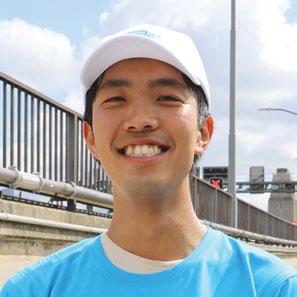
Our supporter’s 4,000km trek to fundraise for children
TOMOYA’S JOURNEY
Before we reflect on the extraordinary impact we’ve achieved for children over the past six months, I want to begin with a heartfelt thank you. Your unwavering support has enabled UNICEF to reach children in urgent need around the world. At a time when many families are feeling the pressure of rising living costs, your continued commitment means more than ever.
The challenges facing children today are immense and growing. UNICEF estimates that more than 200 million children across 133 countries will need humanitarian assistance in 2026. Children’s lives are being shattered by ongoing conflict in places like Gaza, Sudan, and Ukraine, as well as the recent escalation of violence in the Middle East. Climate shocks are disrupting lives and futures, while political instability is making it harder for organisations like UNICEF to reach millions of children in desperate need.
Here in Australia, the appalling attack in Bondi at the end of 2025 deeply affected us all. Moments like these can shake our sense of safety and certainty, and they can be especially difficult for children. As we move forward together, we must choose kindness, look out for one another, and help young people feel safe, supported and heard. UNICEF will always advocate for children’s rights to safety and wellbeing in every aspect of their lives, including through our work on the recent social media ban and its impact on young Australians.
With children’s needs greater than ever, your ongoing support is truly lifesaving. In this issue, you’ll find inspiring stories of children whose lives are changing for the better thanks to the generosity of people like you.
Thank you again for standing with us. I look forward to continuing our important work together in 2026.
Warm regards,
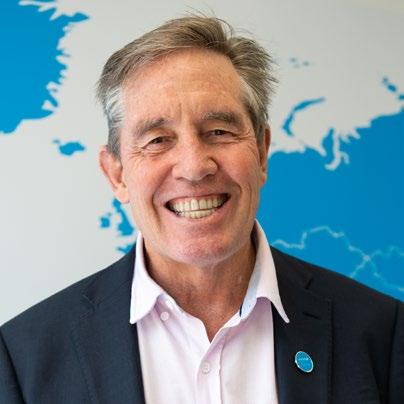
Tony Stuart Chief Executive Officer, UNICEF Australia
BUSTING 3 MYTHS ABOUT UNICEF
There are many myths and misconceptions about UNICEF and how we work around the world. Let’s set the record straight to see how your support helps create a brighter future for every child.
1
MYTH
My money just disappears into overheads.
REALITY
On average, 78 cents of every dollar donated to UNICEF Australia goes directly to children’s programs and emergency response.
As with all organisations, there are administrative costs involved, but they’re not wasted – they fund the essential infrastructure that makes delivering life-changing support possible, including audits, privacy and safeguarding, and monitoring and evaluation.
We’re proud to be fully accredited by the Australian Government through DFAT’s Australian NGO Cooperation Program (ANCP), which involves regular, rigorous assessments of our governance, impact, and transparency. This is just one way we uphold transparency, accountability, and trust in delivering real results for children.
2
MYTH
UNICEF doesn’t adapt to local needs.
REALITY
Every program we run is co-designed with partners on the ground and aligned to national systems.
Lasting change can only happen when solutions are owned by the communities they serve. We combine local insights with global expertise to develop programs that are relevant, effective and sustainable. Every solution we deliver is grounded in local contexts, not a one-size-fits-all template.
3
MYTH
UNICEF is funded by the United Nations.
REALITY
UNICEF is 100 per cent donor funded.
People often think UNICEF is funded by the United Nations – but we’re not. UNICEF is an independent organisation, and all of our work is funded by the voluntary generosity of individuals, corporates, foundations or governments. Every vaccine delivered and classroom built happens because of the generosity of people like you.
YOUR SUPPORT IN ACTION
UNICEF works in over 190 countries and territories around the world to protect and advocate for children and young people. Meet three children whose lives have changed thanks to the unwavering generosity of supporters like you.
80k
Children received malnutrition treatment in Gaza in 2025.*
13.4m
311k
Children in Ukraine accessed formal or non-formal education, including early learning, in 2025.
People in Sudan were provided with safe drinking water in 2025.* *According to the latest available data from 30 November 2025.
MEET MOATAZ
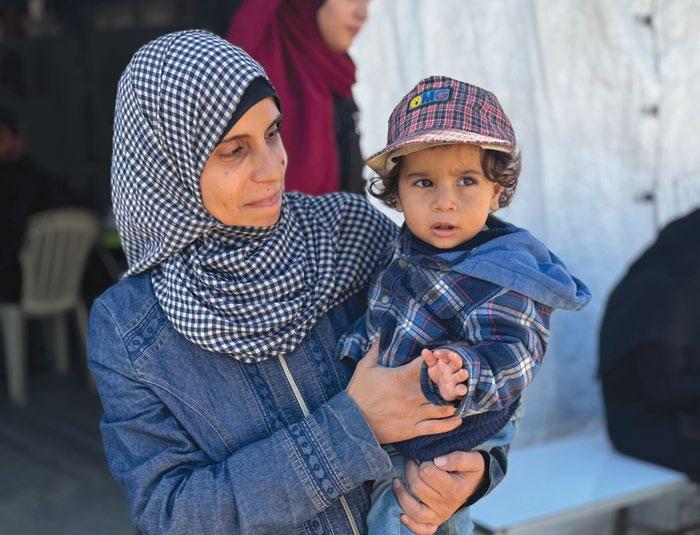
Over the past two years, children in Gaza have endured unimaginable horrors. Despite the ceasefire, more than 120 children – at least one child each day – have been killed, and the needs remain immense. Many families face extreme hardship due to repeated displacement, lack of nutritious food, clean water and healthcare, and the widespread destruction of homes and vital infrastructure.
But thanks to your generosity, UNICEF is providing lifesaving assistance to children like one-year-old Moataz, one of 1,400 children under five treated for severe malnutrition since the ceasefire. Once so weak he couldn’t sit upright, Moataz is back to his happy self after receiving treatment at a UNICEF-supported nutrition point. But life remains difficult for him and his family, who are enduring the harsh winter living in a small tent. Your support is helping children like Moataz survive and recover.
UKRAINE
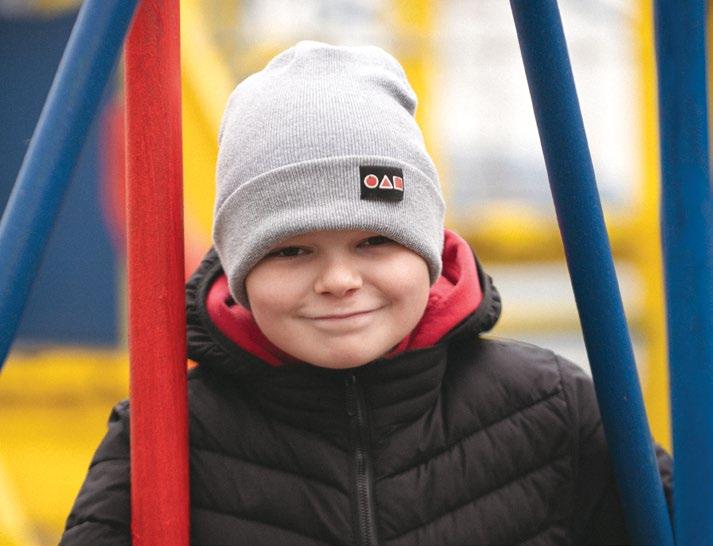
MEET DAVYD
Now in its fifth year, the war in Ukraine continues to endanger children’s lives, destroy essential infrastructure and disrupt services they rely on. In 2026, 10.8 million Ukrainians – including 2.2 million children – will need humanitarian assistance.
Nine-year-old Davyd lives in a frontline city plagued by regular blackouts that leave families without electricity, heating or water and make learning almost impossible. He is one of more than 1 million Ukrainian children who have been forced to study online during the ongoing hostilities, but constant power outages and aging laptop mean he often can’t complete his lessons. “You can’t see anything. It’s impossible to write,” Davyd says. Thanks to the support of people like you, UNICEF is providing cash assistance to help families like Davyd’s afford food, heating and essential learning items such as laptops –helping children stay safe, warm and connected this winter.
SUDAN
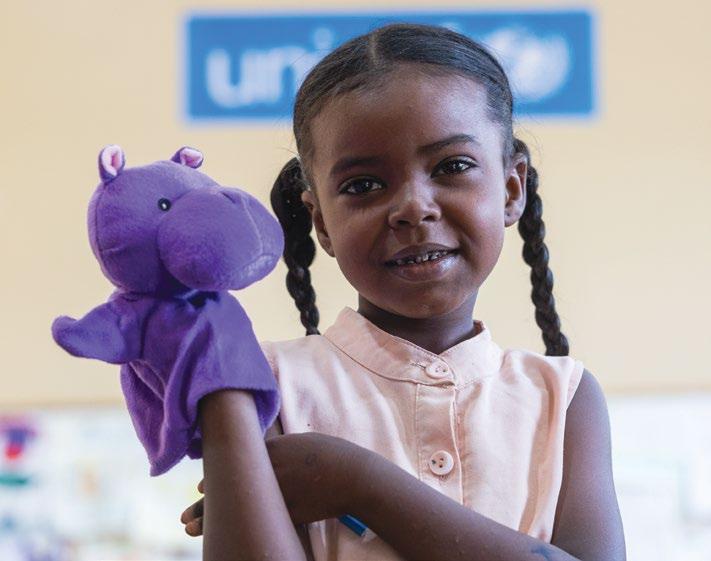
MEET RABAB
An entire generation is under threat in Sudan, which is enduring one of the world’s worst humanitarian crises. Three years into a devastating war, conflict has displaced 9.5 million people, shattered essential services and pushed over 21 million into severe food insecurity, with famine declared in some areas.
Even as the crisis deepens, your support helps UNICEF deliver clean water, healthcare, nutrition, and psychosocial support to millions of children. We’ve created child-friendly spaces where children like five-year-old Rabab can learn, play and receive specialised care. It’s a small refuge where she can forget her worries for a while. Thanks to your support, children like Rabab are finding safety, stability, and hope amid the conflict.
All around the world, children in crisis need your support. Please donate today.
GAZA
NO CHILD LEFT BEHIND
In Papua New Guinea, UNICEF is going the distance to deliver lifesaving polio vaccines to every child.
In 2025, UNICEF teams travelled through some of the most challenging terrain in the world to reach children with lifesaving vaccines – from conflict-ravaged Gaza to remote villages in Papua New Guinea (PNG), where polio re-emerged last year.
Polio is a highly contagious viral disease that mostly affects children under five. The virus can invade the nervous system and cause paralysis, and in the most severe cases, death. Sadly, there is no cure; polio can only be prevented through vaccination. Thanks to decades of coordinated global efforts, polio has almost been eradicated. But in places where routine vaccination coverage is low – often in remote areas or conflict-affected regions – the virus can still find its way back.
It’s not only about stopping polio now – it’s about building a stronger health system so that no preventable disease can take hold again.
- Bethany Stirling Senior International Programs Manager, UNICEF Australia
After 25 years of being polio-free, PNG confirmed two new cases of the poliovirus in early 2025. Low routine immunisation coverage had left many children vulnerable, triggering a national emergency response to protect every child across the country.
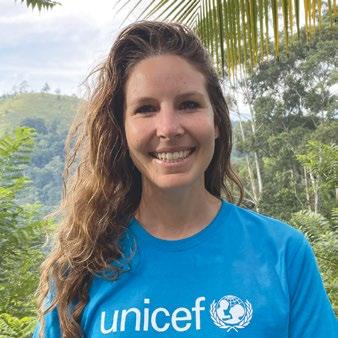
UNICEF Australia’s Senior International Programs Manager Bethany Stirling travelled to PNG to assist with the first phase of the national polio campaign. Her role was to monitor the rollout across several provinces, supporting local health teams who went from house to house checking that every child had been vaccinated.
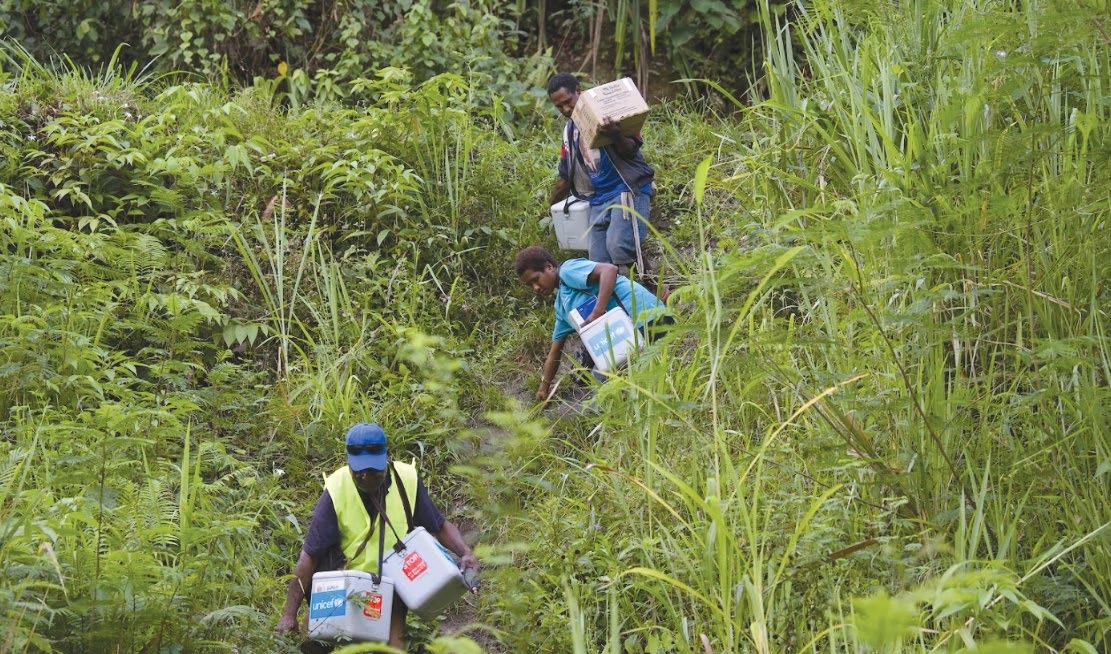
To undertake this enormous effort, UNICEF worked alongside a broad network of partners, including the World Health Organisation (WHO), PNG health authorities, local health workers, schools, churches, community leaders, and local media. UNICEF also supported health workers with essential training, equipment and logistics to ensure vaccines made their way across the country’s many islands, rivers and mountain ranges.
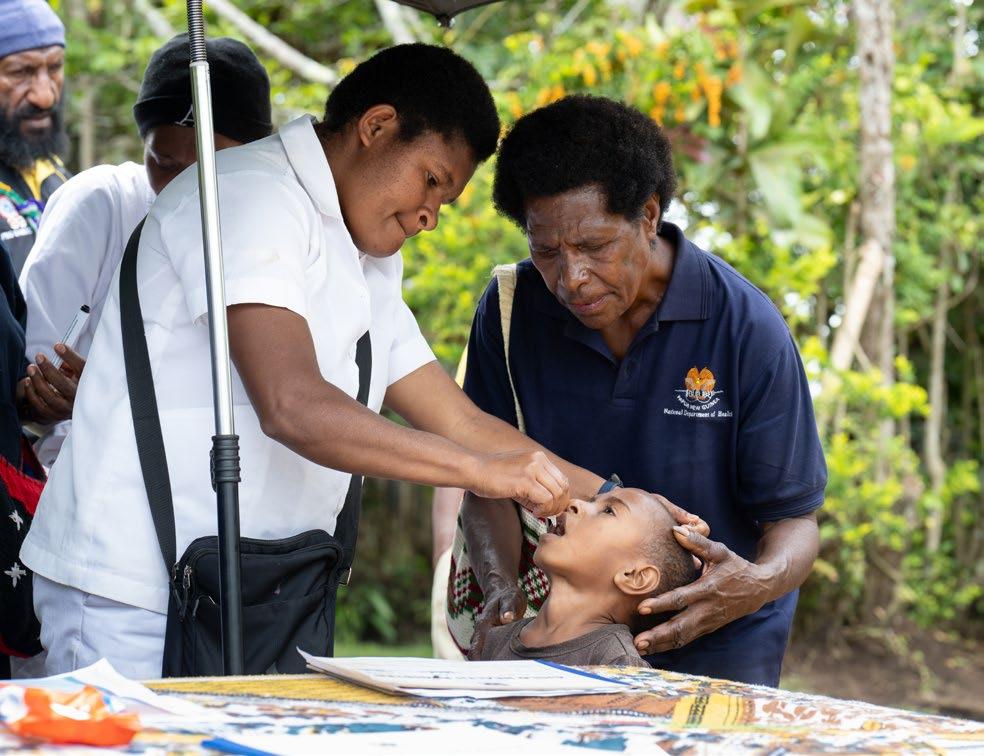
Following two phases of the vaccine rollout, UNICEF and its partners reached more than 2 million children in PNG with lifesaving polio vaccines in 2025 – achieving a coverage of more than 80% nationally.
But the campaign didn’t stop at polio. Health workers also used the opportunity to provide children with any missed routine immunisations,
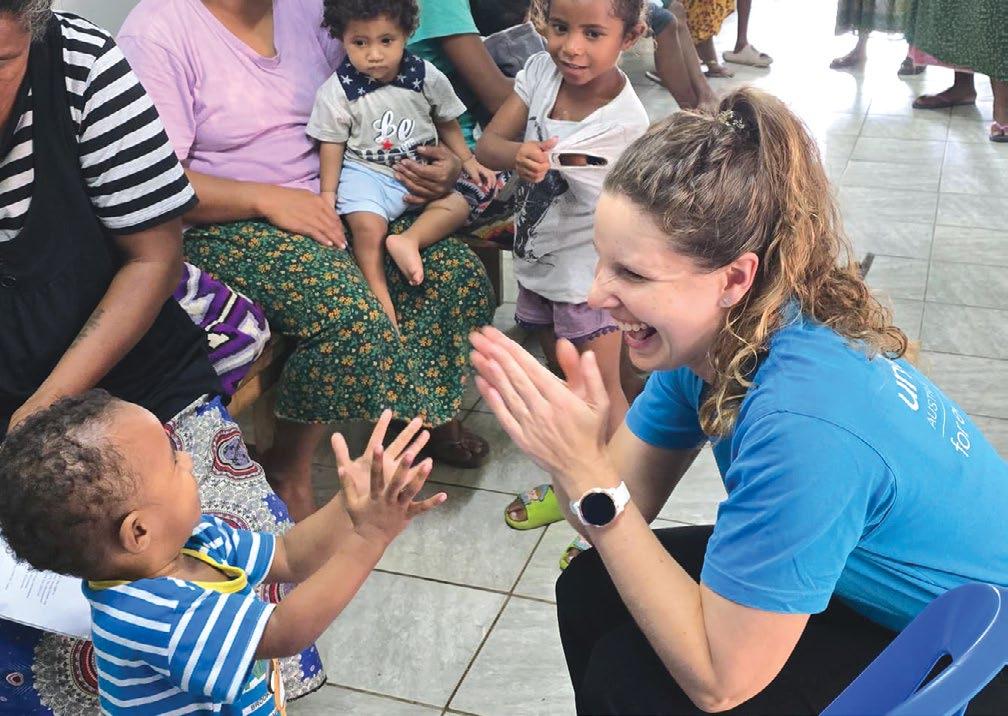
ABOVE UNICEF Australia Senior International Programs Manager, Bethany Stirling, plays with children waiting to get their vaccinations at a healthcare centre in PNG.
I saw UNICEF colleagues arranging the safe and timely delivery of vaccines by boat, helicopter, or truck to every province. In some areas, it can take days of travel to reach a single community, but the teams were determined to get there.
- Bethany Stirling Senior International Programs Manager, UNICEF Australia
a crucial step in strengthening overall child health and preventing future outbreaks.
“Parents and carers were incredibly keen to get their children vaccinated,” Bethany said. “I met a mother named Deborah with her newborn baby, Geua – just four days old – who proudly told me that Geua had received her very first polio vaccine. At another clinic, nine-month-old Roku was vaccinated for both polio and measles, catching up on doses he’d missed.”
UNICEF is working alongside the Government of PNG and local partners to stop polio in its tracks and ensure children are protected. Thanks to the generosity of supporters like you, we are reaching children in PNG and beyond with lifesaving vaccines, protecting their futures against preventable diseases like polio.
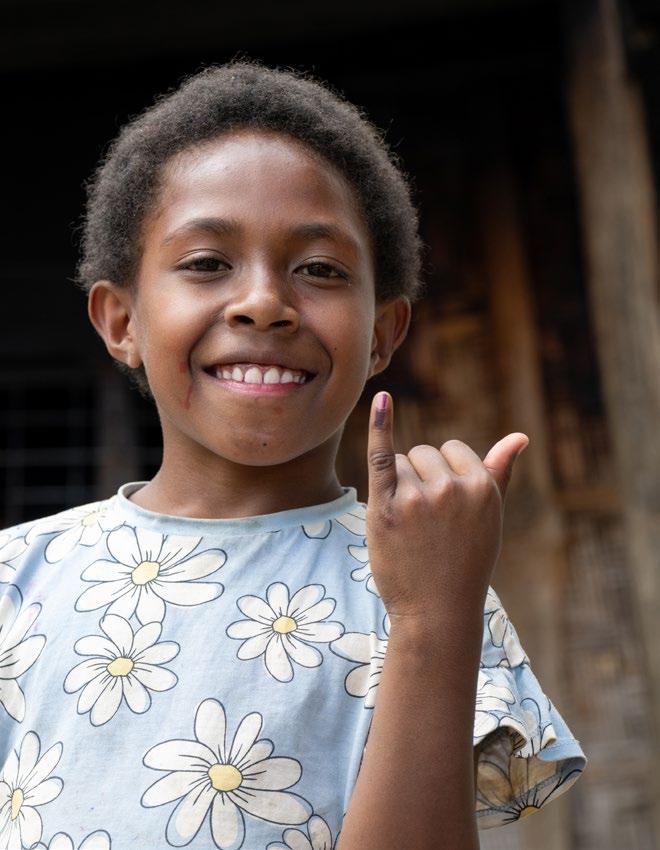
Eight-year-old Naomi proudly shows her marked finger – a sign that she received her polio vaccine.
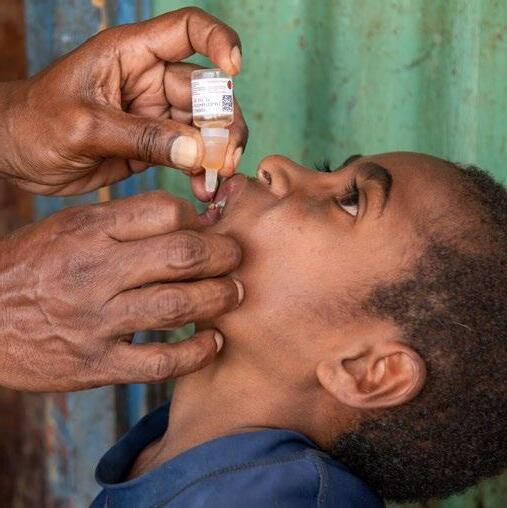
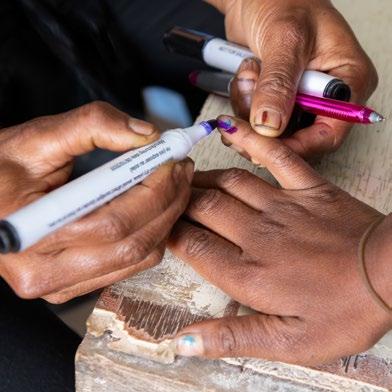
ABOVE A child receives the polio drop from a health worker.
In Papua New Guinea, UNICEF teams travelled through mountain ranges, dense rainforest and rivers to reach children with vaccines.
Courtney’s beanies
In response to the crisis in Gaza, Courtney launched a fundraiser for UNICEF Australia – and added her own creative touch. To encourage donations, Courtney made a crochet beanie for anyone who donated $40 or more.
Courtney’s generosity shows how you can combine creativity with compassion to make a powerful impact for children in Gaza and beyond.
“Doing something, no matter how small, is better than doing nothing,” Courtney said.
Raised: $1,781
OUR FUNDRAISING SUPERSTARS
The inspiring individuals helping us go further, together.
IN MEMORY OF THAI DANG
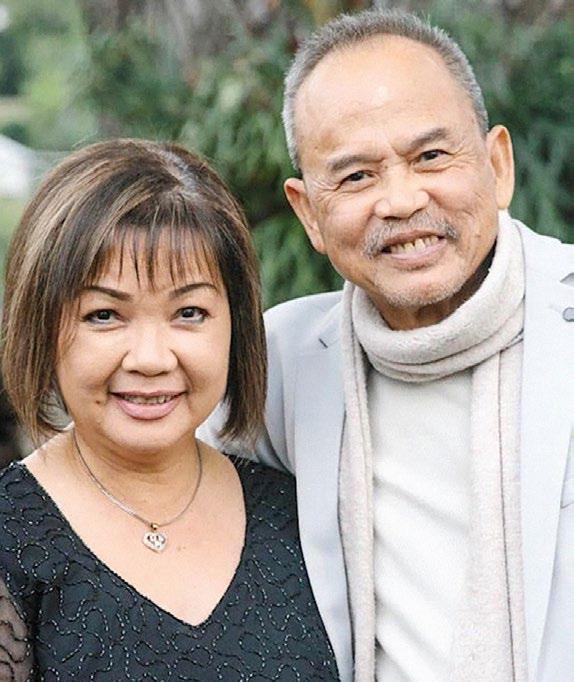
We’re deeply saddened to share the passing of our long-term supporter and advocate, Thai Dang.
Thai grew up in a remote village in South Vietnam, where there was no running water, electricity or access to health facilities. At 13 years old, UNICEF provided him with lifesaving medicine after he came down with a severe case of malaria. Later, after finishing high school, he received funding towards his tertiary education – both experiences which shaped his lifelong connection to UNICEF. After escaping Vietnam by boat during the war, he resettled in the US, working as an engineer and having three children before eventually moving to Australia with his wife, Diamond. Thai dedicated his life to giving back, becoming one of UNICEF’s greatest champions and ensuring other children could have the same chance at a brighter future through his generous support of UNICEF’s appeals and his extraordinary decision to leave a gift in his Will.
We’re deeply grateful for Thai’s generosity, compassion and unwavering support over many years. His story is a powerful reminder of the lasting impact UNICEF’s work can have – and of the extraordinary people who make our work possible.
Veda’s first birthday
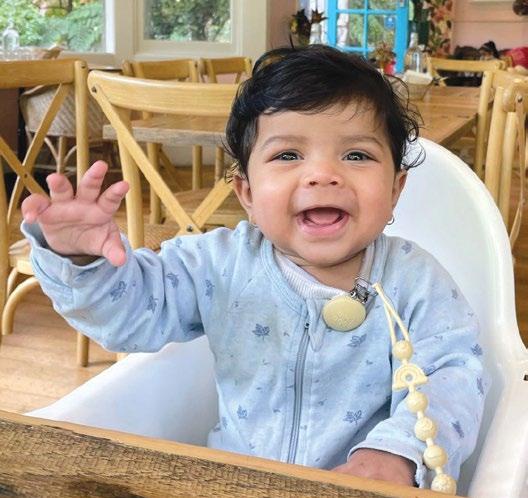
For Veda’s first birthday, friends and family skipped the gifts and instead launched a special fundraiser supporting UNICEF’s work for children in Gaza. Their goal is to inspire a tradition of giving and awareness, inviting friends and family to contribute each year to causes that matter.
Raised: $350
The life and education I have had… I give all the credit to UNICEF.”
– Thai Dang, UNICEF supporter
If you want to leave a legacy for future generations, please get in touch with our friendly team at giftsinwills@unicef.org.au or on 1300 884 233.
OUR SUPPORTERS IN MOTION
From marathons to long-distance walks, over 2,000 supporters took on physical challenges to raise vital funds for UNICEF Australia in 2025.
I want as many children as possible to live today. – Tomoya, UNICEF Australia supporter
Tomoya’s epic journey
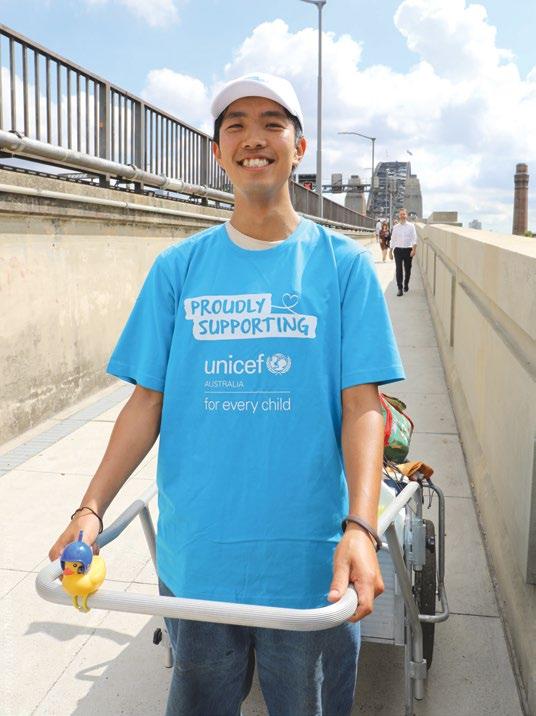
Tomoya, a childcare worker from Japan, walked an incredible 4,000km from Cairns to Melbourne over 199 days, raising over $66,000 for UNICEF Australia to help children around the world. “The most difficult part of the trip was the 300 kilometres between towns where there were no supermarkets,” he said. Before he even reached the halfway point, he had run out of food and had to ask strangers for help. “It was really hard to walk all day on an empty stomach,” he said. “However, there are many children around the world who die every day because they cannot secure food or water. Travelling by foot has taught me the importance of having food and drink.”
Rally your friends, family, and colleagues to support you. Pick your fitness challenge – the sky is the limit! 1 Create your fundraising page at fundraise.unicef.org.au 2 3 How you can start your own fitness fundraiser for UNICEF Australia: Every kilometre counts. Every dollar changes lives. Start your own fitness challenge today to give every child the chance to thrive.
Raised $3,100+ Tomoya – raised $66,000+
Phoebe’s run
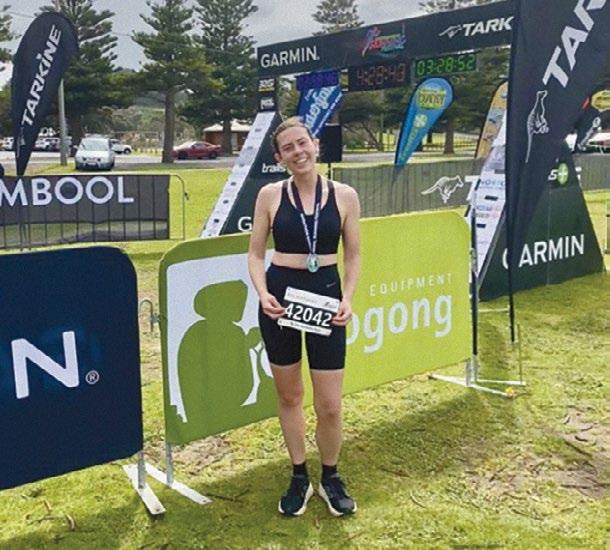
New mum and first-time marathoner Phoebe ran the Warrnambool Running Festival last year, raising funds for children in Gaza. She dedicated her run to the strength of mothers raising babies in the most fragile of circumstances. “This is not a political issue – it’s a matter of human rights for children,” she said.
SYDNEY
MELBOURNE
CAIRNS
THE STATE OF AUSSIE KIDS
Four things Aussie kids told us about how they’re faring in different parts of their lives.
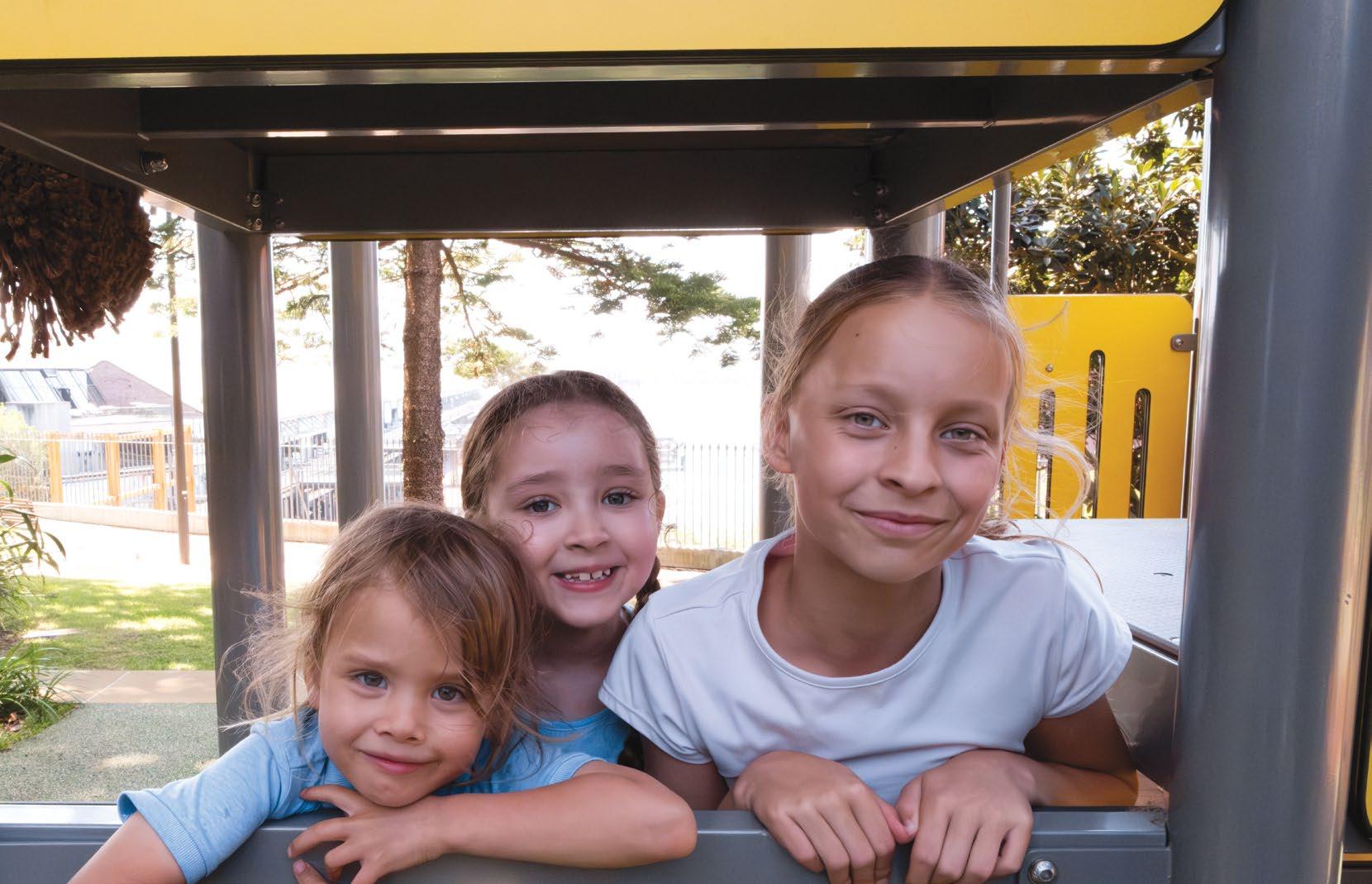
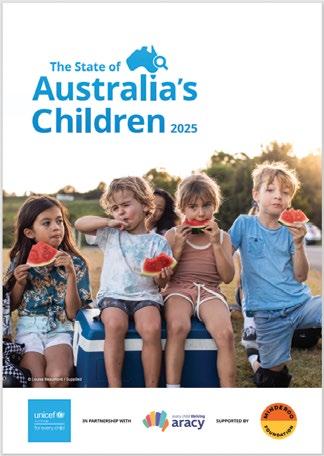
Every child deserves the chance to thrive, yet many young Australians are falling behind. The State of Australia’s Children report was developed by UNICEF Australia in partnership with the Australian Research Alliance for Children and Youth (ARACY) and supported by the Minderoo Foundation. It offers the most comprehensive snapshot to date of the wellbeing of the nation’s children and young people, combining data from publicly available and commissioned sources with the firsthand perspectives we received from children and young people.
Family and friends matter most – but kids are reaching out less for help
Strong relationships are at the heart of kids’ wellbeing. When children feel loved, supported and listened to by the people in their lives, it helps them feel safe, valued and more able to handle life’s ups and downs.
Kids of all ages told us that parents, carers, and friends are who they go to first when they have a problem or have good news to share. Other relatives like siblings or grandparents, teachers, and mental health professionals also play
an important role in their lives. However, not every child seeks support in the same way, with boys less likely than girls to turn to friends or teachers for help. The research also shows that since 2020, there’s been a 10 per cent drop in young people turning to friends and a five per cent drop in those turning to parents for help, growing to 17 and 11 per cent respectively for Aboriginal and Torres Strait Islander youth.
Kids like me worry about big, big feelings...
If you have a worry, you talk to your mum, and your worry gets smaller and smaller and smaller.
– Child aged 3–4 years, The State of Australia’s Children workshop participant
2
They’re more worried about the future
When young people think about the future, they’re likely to have mixed feelings about it. One in three young people we surveyed said they feel excited and hopeful about the next five years and look forward to growing up and gaining independence. But more than half told us they feel unsure or worried about the big issues they see around them.
Financial security, housing, mental health, online safety and the pace of digital change were the biggest challenges they think their generation will face as they grow up, and climate change was the number one area young people hope will shift in the future. Younger children said their main hopes for the future were a healthier planet, stronger support for children and families, and world peace.
4
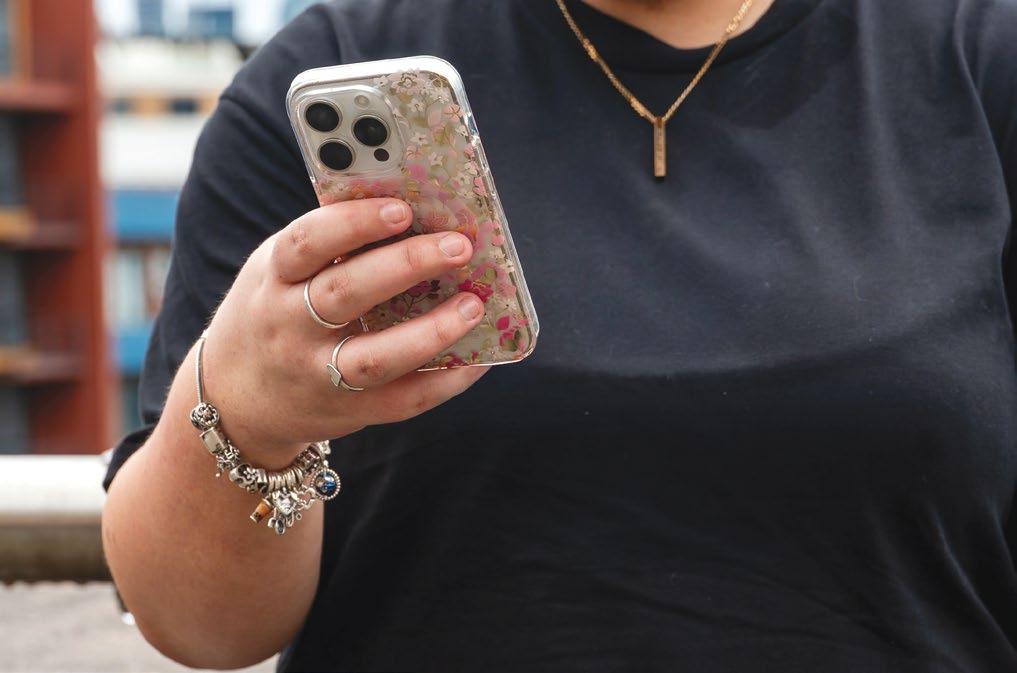
Most have had a negative experience online
Kids and teens spend a big part of their lives online – whether they’re learning, playing, or connecting with their friends. But the online world also poses serious risks.
53% of 10–ß17-year-olds in Australia have experienced cyberbullying
74% of them have encountered harmful content
3
School isn’t a happy place for everyone
For many children and young people, school and learning can be a big source of unhappiness. More than a third of survey respondents said they wished adults understood just how tiring and stressful school can be.
Bullying is also still a big issue – more than half of the young people we surveyed said they’ve experienced it in the past 12 months, especially those with disabilities. The most common types of bullying children and young people reported were verbal bullying and being deliberately excluded from friendship groups.
Young people say they’re worried about not knowing what is real online, relying too much on technology, and feeling more isolated offline.
Young people said they want more support to navigate all this – especially better mental health resources, clearer education about how technology works, and more chances to build digital skills they can use in the future.
And if they were in charge of Australia? More than a quarter said they would make technology and social media safer for kids. But even with its challenges, young people told us social media plays an important role in their sense of connection, identity, and mental wellbeing.
Click to find out more about the key findings of the report and the five policy recommendations we’re asking governments to make to help create a brighter future for Aussie kids.
Read the full report here:
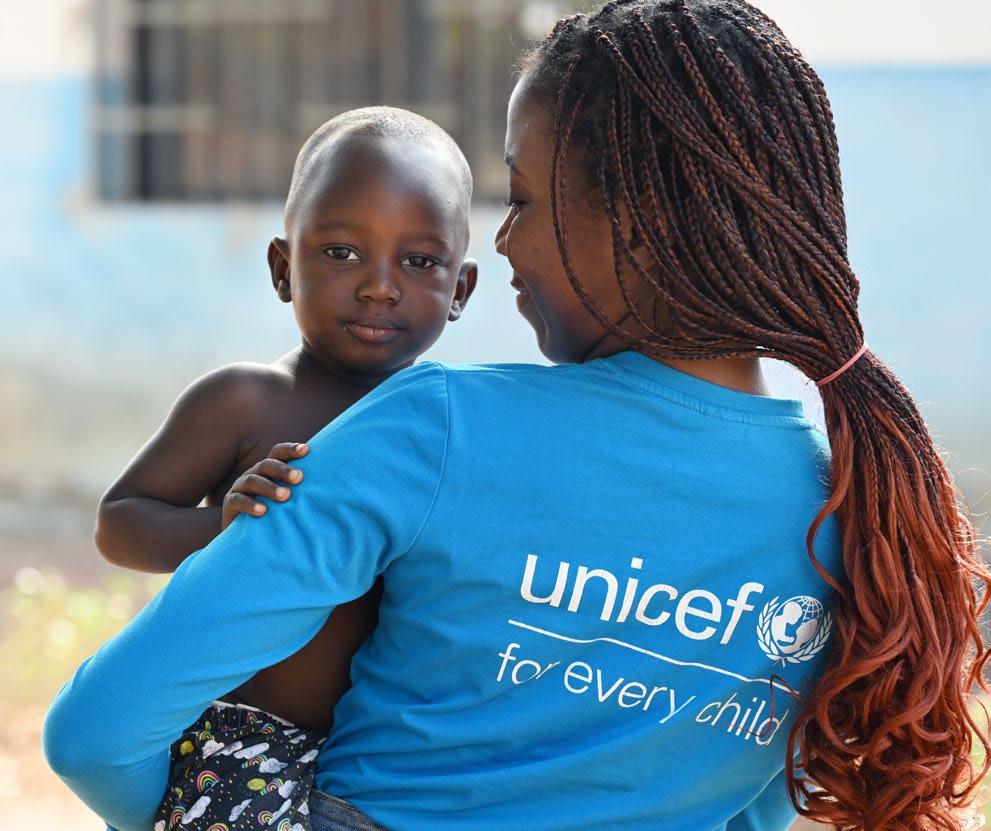
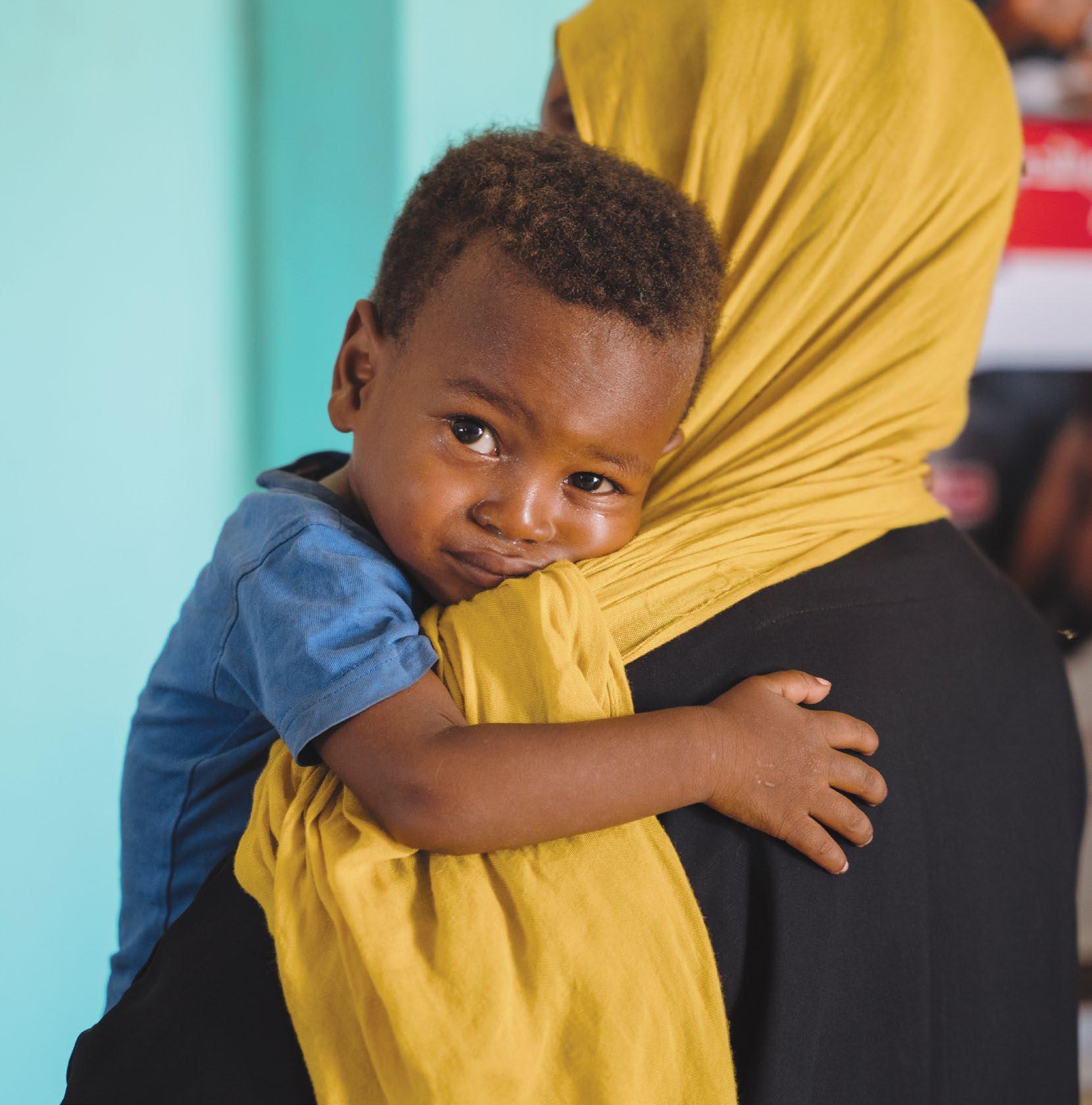
A young boy rests on his mother’s shoulder while waiting for care at a UNICEF-supported health facility in Sudan. These centres help prevent illness, detect malnutrition early, and connect children and caregivers to lifesaving care.