
Sustainability Statement

OUR FORMULA FOR A BETTER FUTURE

We consider ESG — Environment + Social + Governance — to be a part of our winning formula for ongoing success.
That’s why our ESG efforts are at the heart of our corporate strategy. Our responsibility is clear, and we work hard to make a difference, keeping our eyes on the horizon as we navigate towards a better tomorrow. It’s our most important voyage yet.
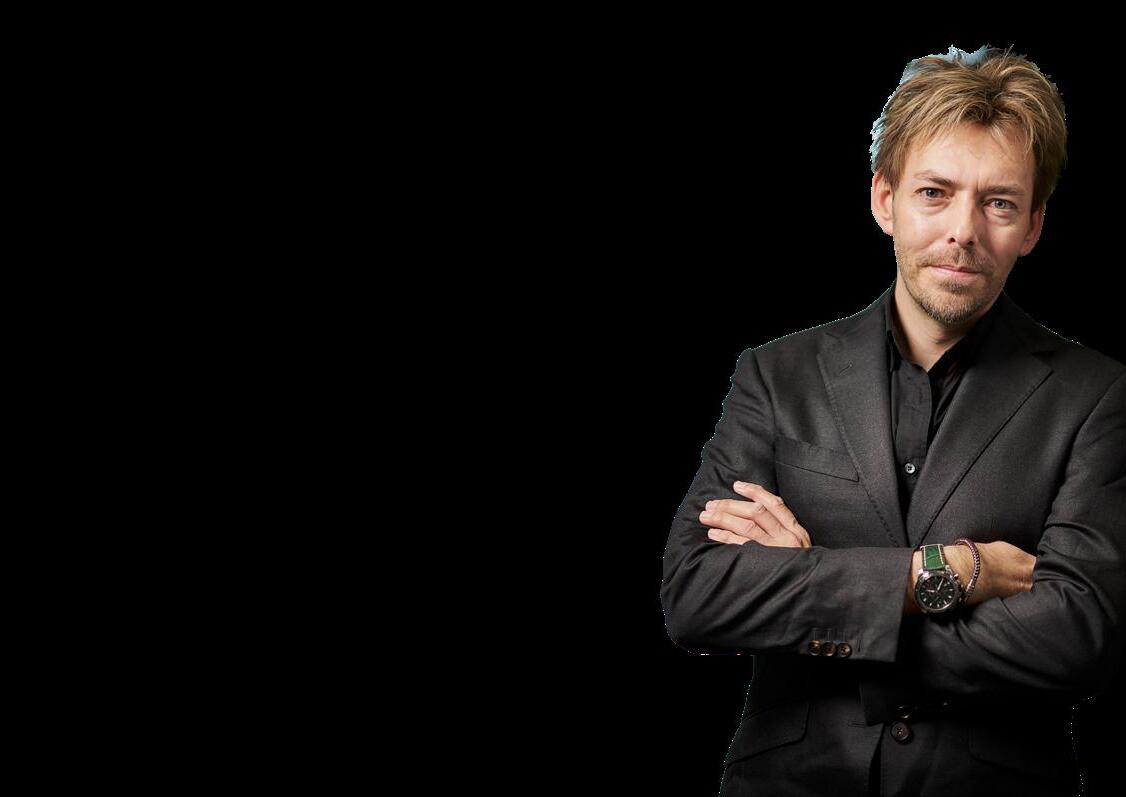
PER EKMANN, CEO

Welcome to Uni-Tankers’ Sustainability Statements for 2025/26.
This Sustainability Statement forms part of Uni-Tankers’ Annual Report and Management’s Review and is available as a stand-alone document. It has been prepared taking inspiration from the European Sustainability Reporting Standards (ESRS) as we progress towards the Corporate Sustainability Reporting Directive (CSRD).
At Uni-Tankers, ESG considerations are integrated into selected governance processes and operational decision-making. It guides how we understand and manage impacts, risks, and opportunities across our operations and relevant parts of our value chain. As a provider of transportation services for liquid cargo in a complex and highly regulated environment, we rely on environmental, social, and governance (ESG) practices to support safe operations and sound risk management.
During the reporting period, we continued to strengthen our ESG framework, with a clear focus on improving data quality and coverage. This includes further progress towards alignment with ESRS requirements and continued development based on our Double Materiality Assessment (DMA), reassessed in 2025.
Advancing our climate transition efforts remains a key priority. We further developed our Climate Transition Plan, integrated into strategic decision-making. We are taking steps to reduce emissions (see E1 – Climate Change) through operational improvements and the testing of new technologies; at the same time, progress depends on broader industry developments, including the availability of alternative fuels and the supporting infrastructure needed to scale them.
We maintained a strong focus on social and governance topics, including employee wellbeing, safety, and compliance. These efforts support a safe and inclusive workplace and ensure that we meet evolving regulatory requirements. As our ESG reporting continues to mature, certain disclosures reflect developing data quality and methodologies.
This report provides a structured overview of our ESG performance, priorities, and developments. It reflects our continued commitment to transparency and our ongoing efforts to strengthen our data processes and align with regulatory requirements as they evolve.
For definitions and accounting principles that inform this report, please refer to Definitions & Principles. CSR data required under Sections 99B and 99D of the Danish Financial Statements Act is incorporated into this report, with disclosures related to Section 99D on data ethics presented in the Governance section under Cybersecurity.
Middelfart, 22 June 2026
Executive
Management
Per Ekmann CEO
Thomas Thomsen CFO
General Information
ESRS 2 - General Disclosures
BP-1 – Basis for Preparation
This Sustainability Statement is prepared on a consolidated basis for the Uni-Tankers Group and follows the same reporting boundary as the financial statements, including Uni-Tankers A/S and subsidiaries controlled directly and indirectly by the Group. Disclosures cover material impacts, risks, and opportunities across our own operations and relevant upstream and downstream activities (see Value Chain)
Uni-Tankers is not yet required to report under the Corporate Sustainability Reporting Directive (CSRD). Relevant ESRS provisions are applied to support structured sustainability reporting and preparation for future regulatory requirements. No information has been omitted on the grounds of intellectual property, innovation results, or ongoing negotiations.
GOV-1 – Management Responsibilities & Oversight of Sustainability-Related Impacts, Risks, and Opportunities
At Uni-Tankers, sustainability considerations form part of governance processes and operational decision-making. Governance responsibilities are anchored with the Board of Directors and the Executive Management, ensuring that sustainability considerations are aligned with business direction and operational decisions. Responsibility for managing sustainability related impacts, risks, and opportunities (IROs) is assigned to designated topic owners across relevant functions, supported by a Sustainability Controller who facilitates coordination and related activities.
Employee representation is ensured through regular meetings and consultations, supporting a flat organizational structure. ESG oversight is anchored with Executive Management, with a designated Board member responsible for ESG strategy implementation. Sustainability matters are regularly reported to both the Board of Directors and Executive Management as part of management follow-up.
The Board of Directors’ gender diversity is 33.3% female representation, and all members are independent, non-executive directors. Sustainability related impacts, risks, and opportunities are considered in relation to Uni-Tankers’ strategy, major transactions, and risk-management processes.
Further details on the composition of the Board of Directors and member experience are provided in the Board of Directors section of the Annual Report.
ENVIRONMENTAL
Governance Chart
BOARD OF DIRECTORS
Endorses the ESG strategy
Regular ad hoc meetings with Executive Management, Topic owners, Head of Strategy, and Sustainability Controller to track progress.
EXECUTIVE MANAGEMENT
Defines ESG strategy and oversees implementation
HEAD OF STRATEGY
Facilitates ESG strategy and enables Topic owners
SUSTAINABILITY CONTROLLER
Supports ESG aspects
SOCIAL
HR Business Partner + Crew Manager
Category-specific Governance
GOVERNANCE
Group Finance Manager + IT Manager
GOV-2 – Sustainability Matters Addressed by Management
Sustainability-related matters are addressed through regular involvement of Executive Management and oversight by the Board of Directors as part of its ongoing governance activities.
This includes:
Aligning ESG targets with the overall business strategy and integrating sustainability considerations into commercial and operational decision-making.
Addressing regulatory developments, including FuelEU Maritime and the EU Emissions Trading System (EU ETS), supported by the introduction of dedicated internal resources and processes.
Supporting ongoing efforts to improve operational efficiency, contributing to energy efficiency and optimized operations.
Reviewing and approving Uni-Tankers’ Climate Transition Plan (CTP), including both the process and its outcomes.
Sustainability considerations are integrated into day-to-day operational planning and internal controls, supported by cross-functional collaboration and regular follow-up by designated topic owners and the Sustainability Controller.
GOV-5 – Sustainability Reporting Risk Management
PROCESSES AND ROLES
Uni-Tankers has implemented a structured governance approach to sustainability reporting, with clear roles across Executive Management, Finance, and topic owners. The Sustainability Controller supports coordination and internal data quality efforts.
ESG-related topics are coordinated through regular meetings and integrated into our broader strategic and operational processes. A DMA forms the basis for defining the scope and prioritization of sustainability-related disclosures.
DATA SOURCES AND METHODOLOGIES
Sustainability data is collected from internal systems, operational records, and inputs from designated topic owners across relevant functions. Greenhouse gas emissions are calculated using recognized methodologies and emission factors (see Definitions & Principles)
In certain areas, data is based on estimates or proxy methodologies, such as spend-based calculations, where primary data is not yet available at the desired level of granularity or accuracy. Methodologies and assumptions are documented and subject to internal review to support consistency and comparability over time.
RISKS AND UNCERTAINTIES
Key risks related to sustainability reporting include reliance on manual data collection processes and variations in data quality across different sustainability topics. In addition, evolving regulatory requirements and the ongoing development of internal processes introduce a level of uncertainty in the completeness and consistency of sustainability reporting.
To mitigate these risks, Uni-Tankers has established basic internal controls, including defined data ownership, structured reporting cycles, and internal review procedures. Controls and documentation mature as part of the CSRD implementation process, with a focus on data traceability, completeness, and review procedures.
For the fiscal year 2025/26, an Independent Practitioner’s Report has been issued on our greenhouse gas inventory.
SBM-1 – Strategy, Business Model, and Value Chain
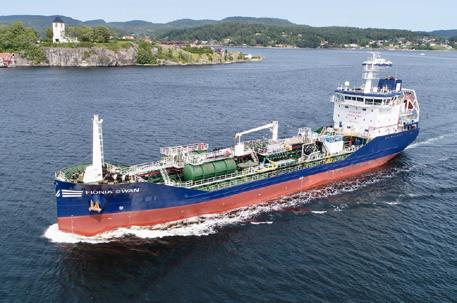
Uni-Tankers A/S specializes in the transportation of liquid cargo, including chemicals and oil. We provide shipping services and solutions to customers and shipowners, including chartering and commercial, and operational vessel management.
With a global market reach and local presence, Uni-Tankers operates seven offices in six countries - Denmark, Türkiye, France, Spain, Singapore, and the USA, employing 483 full-time staff across offshore and shore-based roles.
Our fleet of owned and time-chartered vessels ranges from 3,400 to 20,000 DWT. Revenue is generated across key trading areas, including the USA, Europe/Middle East, and Asia Pacific, and is primarily derived from the commercial chartering and operational management of vessels, supported by related shipping services. Our business model relies on efficient fleet utilization, strong customer relationships, and specialized expertise in handling hazardous cargo.
We comply with applicable laws and maintain sanctions screening processes to ensure we do not operate in markets where products or services are restricted or banned.
STRATEGIC ESG FOCUS
Our corporate strategy is described in Management’s Review of the annual report. UniTankers’ ESG priorities are defined by the material topics identified through the double materiality assessment. These topics reflect the most significant impacts, risks, and opportunities across our operations and value chain and form the basis for our actions, targets, and disclosures in this Sustainability Statement.
Inputs:
Uni-Tankers’ primary inputs include vessels, fuel, spare parts, and skilled personnel. We ensure quality and reliability by adhering to established procurement standards and maintaining strong relationships with reputable suppliers. We also invest in training and development programs for our staff to ensure high levels of expertise and safety.
Outputs:
Our main outputs are the safe and efficient transportation of liquid cargo, including chemicals and oil. For customers, this means reliable and timely delivery of goods. For investors, this translates to stable returns and growth potential.
Upstream:
Our upstream value chain includes the extraction and production of raw materials, suppliers of vessels, fuel, spare parts, and market analysis. We work with these suppliers to ensure the quality of our inputs.
Downstream:
Our downstream value chain involves cargo receiving and handling, along with the transportation of liquid cargo to various ports worldwide. Key players include major oil companies, port authorities, service providers, and end-users. Activities include documentation, regulatory compliance, and coordination to ensure safe and efficient delivery.
Position:
Uni-Tankers is positioned as a critical link in the value chain, ensuring the safe and efficient transportation of hazardous goods. We maintain strong relationships with both upstream and downstream suppliers, and downstream customers to ensure seamless operations.

SBM-2 – Interests and Views of Stakeholders
KEY STAKEHOLDERS
DESCRIPTION — PURPOSE OF ENGAGEMENT
Customers
Suppliers
Institutional bodies
Maritime associations and educational institutions
Engaging with customers ensures satisfaction and loyalty, supporting Uni-Tankers’ commitment to delivering high-quality and reliable shipping services. This collaboration helps understand customer needs and enhance service offerings.
Engaging with our suppliers is essential to ensure a reliable and efficient supply chain. This engagement aims to build strong, long-term relationships. Uni-Tankers has no direct ownership or operational control over suppliers.
Engaging with institutional bodies ensures compliance with industry standards and enhances operational safety and reliability. This collaboration supports Uni-Tankers’ commitment to high-quality and safe shipping practices.
Engagement ensures compliance with industry standards, promotes best practices, and fosters knowledge exchange. This collaboration supports Uni-Tankers’ commitment to safe, efficient, and innovative shipping.
Banks Engaging with banks ensures financial stability, supports growth, and addresses sustainability topics. This collaboration helps secure funding, manage financial risks, and optimize cash flow.
Employees We encourage open and honest dialogue with employees to ensure a motivated and skilled workforce, supporting operational excellence and innovation. This fosters a positive work environment and continuous professional development.
ENGAGEMENT CHANNELS — ORGANIZATION OF ENGAGEMENT
Engagement is organized through regular communication, feedback, and personalized support involving customer service, account managers, and technical staff. These interactions occur at various customer locations globally.
Dialogue with suppliers is organized through regular communication and meetings, involving the procurement team and operations managers. Interactions occur with various supplier locations globally.
Engagement is organized through audits, inspections, and meetings involving compliance officers, safety managers, and technical staff. These interactions occur at various operational sites globally.
Engagement is organized through meetings, conferences, workshops, partnerships, and joint research projects.
Engagement is organized through meetings, financial reviews, and strategic planning sessions involving banking representatives, CFO, and finance manager.
Engagement is organized through regular training sessions, performance reviews, and team-building activities involving all staff levels.
SBM-3 – Double Materiality Assessment Results
ESG CATEGORY
Climate Change
Environmental practices
Working conditions
Equal treatment and opportunities for all
MATERIAL ISSUES
Climate change adaptation
Climate change mitigation
Energy
Pollution of air
Business conduct
Entity specific
Health and safety
Gender equality and equal pay for work of equal value
Training and skills development
Diversity and inclusion
Management of relationships with suppliers
Corruption and bribery
Payment practices
Cybersecurity
IMPACT DESCRIPTION
Our business activities’ exposure to climate-related physical risks, such as severe weather disruptions to shipping routes and port operations
Impacts related to GHG emissions across our value chain
Impacts related to GHG emissions across our energy usage in daily operations, primarily from fossil fuels
Pollution of air from our operations and particulate matter, potentially contributing to air quality issues
Impacts and risks of work-related injuries or exposure to hazardous materials across the value chain
Business activities focused on fair treatment across gender, enhancing workforce morale
Ability to attract and scale the right talents and continous development
Potential discrimination based on e g ethnicity, gender, and nationality in our global workforce
Impacts related to unreliable or unethical suppliers, and correspondingly compromising safety and reputation
Impacts and risks of corruption and bribery across our value chain
Impacts related to payment practices, especially related to late payments
Risks related to cybersecurity breaches
The DMA is conducted according to the double materiality criteria defined in ESRS 1 and Implementation guidance from the European Financial Reporting Advisory Group (EFRAG).
MATERIALITY MATRIX
This matrix shows results from the company’s DMA under the CSRD. “E”, “S”, and “G” refer to Environmental, Social, and Governance topics. Each topic is assessed for financial materiality, impact materiality, or both. Topics, not currently material but on our watchlist, are placed here for ongoing monitoring. For an overview of the ESRS topics (e.g. E1, S1, G1), see the official EFRAG Digital ESRS
MATERIALITY
E1 Climate change adaption
E1 Climate change mitigation
S1 & S2 Health and safety
G1 Corruption and bribery
E4 Biodiversity and ecosystems
E2 Pollution of water
E1 Energy
E2 Pollution of air
S1 Gender equality and equal pay
S1 Diversity and Inclusion
S1 Training and skills development
G1 Management of relationships with suppliers & payment practices
IRO-1 – Double Materiality Assessment Process
In 2024, Uni-Tankers conducted a DMA in line with ESRS 1 and EFRAG guidance and retains full responsibility for the assessment and its ongoing relevance.
In 2025, the DMA was reassessed and the material topics and IROs were confirmed unchanged. The DMA is reviewed annually and will be revisited if significant structural geographic or operational changes occur that could affect the company’s risk and impact profile.
IDENTIFICATION OF IMPACTS, RISKS, AND OPPORTUNITIES (IROS)
IROs are identified across the value chain using stakeholder inputs and recognized references (e.g., sector standards and peer benchmarking). Internal policies and risk documentation are reviewed to confirm relevance and alignment.
SCOPE AND VALUE CHAIN BOUNDARIES
The DMA covers Uni-Tankers’ own operations and relevant upstream and downstream activities within the Uni-Tankers Group. As part of the identification phase, value-chain boundaries were defined to determine which levels were relevant to include. Based on traceability and degree of influence, Uni-Tankers excluded the following activities from the assessment scope:
Upstream: Raw material extraction and production; supply chain and logistics.
Downstream: Distribution and further processing, marketing and sales of end products, end-user consumption and services.
The process of identifying, assessing, and managing opportunities is integrated into Uni-Tankers’ broader management processes, including strategic planning and decisionmaking. The assessment covers both short-term and long-term timeframes.
MATERIALITY SCORING APPROACH
Impact materiality: The methodology considers scale, scope, irremediability, and likelihood. Threshold values are applied to determine material impacts. In line with EU guidelines, the severity of negative human rights impacts is prioritized over likelihood.
Financial materiality: The methodology evaluates risks and opportunities based on potential financial effect, likelihood, and reputational damage. Threshold values determine material risks and opportunities, with severity prioritized over likelihood.
OUTCOME AND WATCH LIST
The materiality assessment identified six ESG topics as material (see DMA results). Other topics, including biodiversity and water pollution, were assessed as immaterial at this stage but remain on our watch list and will be reassessed as methodologies, data availability, and regulatory expectations evolve.
While these topics are relevant, we currently prioritize actions where our impacts are most significant, particularly emissions. Progress on biodiversity and water pollution also depends on industry-wide developments. We comply with applicable international regulations, including MARPOL and the Ballast Water Management Convention, and continue to monitor developments.
Biodiversity & Ecosystems
Our operational impact on biodiversity primarily relates to interactions with marine ecosystems, including ballast water discharge, underwater noise, and air emissions. Biodiversity loss remains a complex systemic challenge that cannot be addressed through compliance alone. Methods for monitoring and managing biodiversity impacts in shipping are still evolving, and consistently measurable outcomes remain limited. As a result, biodiversity is not currently assessed as material but remains on our watch list.
Pollution of Water
Water pollution risks may arise from operational discharges such as ballast water, bilge water, and cargo-related activities. These risks are managed through established operational controls, including treatment systems, regular maintenance, audits, and crew training. Based on current controls and low incident frequency, water pollution is not assessed as material but remains on our watch list.
E1 – Climate Change
E1-1 – Climate Transition Plan
Uni-Tankers’ climate transition plan focuses on greenhouse gas emissions from vessel operations, which account for approximately 95% of total emissions and therefore represent the most material source of impact and the area with the greatest reduction potential.
Absolute GHG emissions are projected to increase from 439,548 in the base year 2024/25 to 484,454 in 2030/31, corresponding to a 10.2% increase, primarily driven by an expected growth in deadweight tonnage (DWT). This increase is partially offset by reductions from energy efficiency improvements, operational measures, and the uptake of alternative fuels, as illustrated in the waterfall chart.
*GHG intensity, measured as CO2 e per transport work, is projected to decrease from 29.72 in 2024/25 to 27.68 in 2030/31, corresponding to a 6.9% improvement. Transport work is defined as the sum of deadweight tonnage (DWT) multiplied by distance sailed, adjusted by the applied load factor to reflect utilised cargo capacity. This demonstrates that while overall capacity increases, emissions per transport unit are reduced.
This GHG intensity metric is an internally developed metric and is not an industrystandard measure. It is used by Uni-Tankers to track and assess performance over time based on our specific operational context.
Assumptions, based on our fleet renewal strategy: We assume transport work (adjusted by load factor) to increase by 18.3%.
Uni-Tankers’ climate strategy is to integrate decarbonization into core strategic and operational decision-making. The climate transition plan operationalizes this strategy by guiding decarbonization decisions across key levers, including operational efficiency, fleet renewal, and the evaluation of available technologies and fuels. This supports informed, risk-aware prioritization of initiatives while responding to evolving regulatory, market, and stakeholder requirements and maintaining operational performance and long-term resilience.
The outlook is based on Uni-Tankers’ fleet composition in the 2024/25 base year and reflects a projected increase in transport work in line with the fleet renewal strategy. It presents a forward-looking projection of emissions towards 2030/31, based on a defined set of assumptions and identified decarbonization levers.
Uni-Tankers aims to achieve a 50% reduction in carbon intensity by 2030 compared to the 2008 baseline, reflecting our current performance and continued alignment with the IMO’s GHG reduction ambitions. Given the evolving regulatory landscape and ongoing industry developments, Uni-Tankers has not set a 2030 target for absolute emissions.
Uni-Tankers has a long-term ambition to achieve net-zero emissions by 2050; however, due to uncertainties related to market conditions, technology availability, and regulatory developments, projections are presently limited to 2030.
The transition plan includes several operational and technological decarbonization levers expected to reduce fuel consumption and emissions:
Energy efficiency, such as propeller and hull cleaning, improved hull coating, engine and pitch optimization, and vessel trimming. Wind-assisted propulsion technologies are also included under this lever, reflecting recent implementation and ongoing evaluation of operational performance.
Operational improvements, such as vessel performance monitoring systems, weather routing, and voyage optimization, to support more informed and consistent decisions.
Alternative fuels, including the use of biofuels where available, supporting compliance with regulatory requirements such as FuelEU Maritime and enabling the gradual integration of lower-emission fuels into our operations.
KEY ASSUMPTIONS
The projections in the transition plan rely on several assumptions:
Energy efficiency and Operational Improvements: Industry developments, political momentum, and technological progress follow a business-as-usual pathway.
Alternative fuels: Biofuel availability remains at current expected levels.
Fleet-renewal strategy: Our fleet-renewal strategy is expected to improve overall efficiency by transitioning towards fewer but larger and more fuel- efficient vessels. Although the total number of vessels is anticipated to decrease, the increased capacity per vessel is expected to increase transport work and generate efficiency gains compared to the base-year average.
CARBON INTENSITY CONSIDERATIONS
Uni-Tankers has established a carbon intensity reduction target of 50% by 2030 (see E1-6) While this target is not directly embedded in the transition plan projections, the GHG Intensity forecast indicates declining carbon intensity. The carbon intensity metric applied in the transition plan differs from the metric underlying the IMO target, as it reflects UniTankers’ internal measure of emissions per transport work (as defined above), thereby capturing emissions relative to operational activity.
INVESTMENTS, IMPLEMENTATION, AND TRANSITION RISKS
Climate-related initiatives are integrated into Uni-Tankers’ broader operational and fleet investments. These investments support improved fuel efficiency, operational optimization, and enhanced emissions reporting. Uni-Tankers does not currently quantify a specific amount of Capex exclusively dedicated to climate transition initiatives, as many investments serve multiple purposes, including operational efficiency, financial performance, and sustainability objectives. Many initiatives in the transition plan reflect activities already underway as part of normal operational and strategic processes.
A significant share of Uni-Tankers’ emissions arise from fuel consumption in vessels with long operational lifetimes. This may result in locked-in emissions when vessels operate on conventional fossil fuels. Uni-Tankers seeks to mitigate this risk through efficiency and operational improvements, the use of biofuels, and ongoing monitoring of alternative fuels and decarbonization technologies.
GOVERNANCE, MONITORING, AND LIMITATIONS
The climate transition plan has been reviewed and approved by Uni-Tankers’ Executive Management, ensuring alignment with the company’s governance framework and strategic priorities.
The transition plan is based on forward-looking assumptions and is not a formal emissionstarget trajectory. Uni-Tankers operates in a dynamic environment in which assumptions and strategic priorities may be revised as market conditions, regulations, technology, and geopolitical developments evolve, including changes to trade routes and sailing distances that can influence fuel consumption and emissions.
Reported greenhouse gas emissions and energy consumption are based on available data and methodologies where limitations exist. Figures may be updated as calculations, rounding, or underlying inputs are refined.
The emissions pathway will be formally reviewed every two years until 2030 and will be continuously monitored and tracked. Updates will include reassessment of key assumptions and methodologies. In the event of material changes to Uni-Tankers’ DMA, the relevance and alignment of the transition plan will also be reassessed.
E1.IRO-1, SBM-3 – Environmental IROs & Climate Related Risks
We acknowledge the urgent reality of climate-related risks affecting society, including extreme weather events and rising temperatures. In our DMA and related analyses, we have assessed the identified IROs, including potential climate-related risks and hazards relevant to Uni-Tankers’ operations.
Physical and transition climate risks are not currently assessed as top drivers in our materiality matrix, and we have not yet conducted a dedicated climate resilience or scenario analysis. Consequently, these risks are not yet systematically monitored or managed. However, as a tanker shipping company transporting hazardous goods, we recognize that our operations may be affected by physical climate risks, such as extreme weather conditions that can disrupt voyage planning, port calls, and cargo operations.
MATERIAL
E1-2 – Policies
Policy
Establish Uni-Tankers’ environmental commitments and targets, with a focus on reducing greenhouse gas emissions from fleet operations, aligned with relevant IMO and EU frameworks .
Outlines principles and requirements for the responsible recycling of vessels, aligned with the Hong Kong Convention for safe and environmentally sound ship recycling
All policies are approved by Executive Management and are available to employees via the corporate intranet.
Uni-Tankers has adopted an Environmental Policy outlining commitments to managing environmental impacts across its operations. The policy applies to all operations at sea and onshore and covers employees, management, and relevant third parties. It supports the integration of environmental considerations into business decisions and day-to-day operations and is complemented by defined targets and actions.
Uni-Tankers’ environmental approach is informed by relevant international and EU frameworks, including the IMO GHG Strategy, FuelEU Maritime, and the EU Emissions Trading System (EU ETS).
Implementation is supported through operational measures such as vessel efficiency improvements, fuel optimization, and compliance with regulatory requirements. Progress is monitored internally. The Environmental Policy is endorsed by Executive Management and is subject to periodic review by the Sustainability Controller.
Applies to Uni-Tankers’ operations at sea and onshore, with primary focus on fleet operations
Applies group-wide to all employees and management Executive Management
E1-3 – Actions
During the reporting period, Uni-Tankers implemented decarbonization actions under a Climate Transition Plan, which replaces the previously defined decarbonization roadmap. The plan consolidates the roadmap’s key elements and integrates them into ongoing initiatives such as energy efficiency measures and fleet development as part of the overall strategy.
Progress against previously defined targets is reflected in this transition. The focus on energy-saving devices (ESDs) remains embedded in ongoing technical and operational initiatives, with continuous evaluation and implementation aligned with fleet development. Similarly, biofuel trials have moved into practical application, as initial trials demonstrated operational feasibility, reducing the need for further testing.
Ship Recycling Policy
CLEANSHIP – WIND-ASSISTED PROPULSION SYSTEM
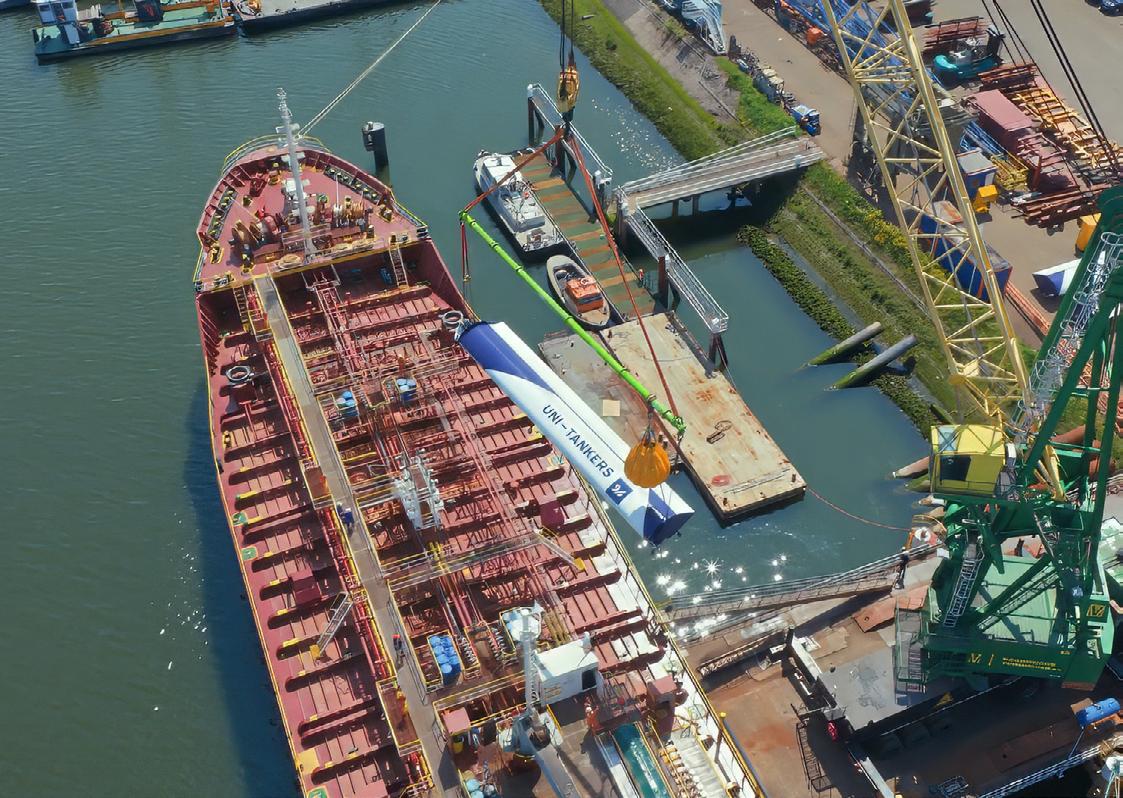
Throughout the financial year, Uni-Tankers supported industry decarbonization and regulatory development by continuing real-world testing of emissions-reduction technologies as part of Project CleanShip.
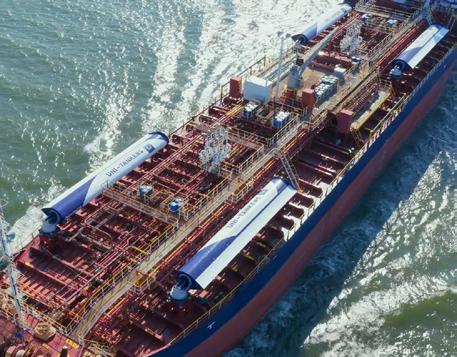
Four wind-assisted propulsion units were installed on M/T Jutlandia Swan in mid2025 and commissioned in late 2025. The vessel is currently conducting operational sea trials to assess their performance and potential for reducing fuel consumption and emissions. The evaluation is ongoing and will provide insights into their effectiveness under real-world commercial conditions, including variations across routes, weather, and operating profiles.
BUILDING STRATEGIC PARTNERSHIPS
Uni-Tankers actively engages in strategic partnerships across the maritime industry, including collaboration with industry associations, research initiatives, and educational institutions. We engage through meetings, conferences, workshops, and joint initiatives, aimed at supporting knowledge sharing and developing sustainable solutions.
Recognizing that meaningful progress requires coordinated action, Uni-Tankers contributes to cross-industry collaboration to support the transition to lowcarbon shipping solutions. Through participation in industry forums, technical and innovation committees, and regional industry networks, such as Danish Shipping and Blue Tech Center, and through technical discussions with the ABS Sustainability Center, we have shared operational insights, gained knowledge, and supported the development of practical emission-reduction approaches.
In addition, Uni-Tankers collaborates with selected external partners to share insights and help develop practical emission-reduction approaches. Through participation in industry associations, we advocate for robust and ambitious regulatory frameworks to drive sector-wide decarbonization.
STRENGTHENING REGULATORY EXECUTION
During the financial year 2025/26, Uni-Tankers implemented the requirements of the Emissions Trading System (ETS) and FuelEU Maritime as these regulations moved into full effect.
With ETS fully effective from 1 January 2026, we adapted our fleet and commercial setup to address European Union Allowance (EUA) exposure and ensure compliance. This includes monitoring emissions and applying settlement mechanisms with tonnage providers, reducing administrative effort and ensuring stable processes.
The first full reporting year under FuelEU Maritime was completed, with compliance achieved using biofuels and available regulatory mechanisms such as pooling and banking. These measures contributed to reducing expected compliance costs compared to non-compliance penalties.
We continue to adapt our processes to ensure efficient, compliant implementation as regulatory requirements evolve.
ENERGY SAVING DEVICES
Uni-Tankers implements technical and operational measures to improve energy efficiency and reduce fuel consumption across the fleet. These include the use of frequency-controlled pumps and fans on selected vessels, enabling energy use to be adjusted based on operational needs rather than running at full capacity.
We have implemented LED lighting across the existing fleet and continue to apply this standard to new vessels, supported by an onboard lighting strategy. Hull maintenance remains a key focus area, with regular hull cleaning carried out during scheduled dockings, as well as additional in-water cleaning between dockings. These measures go beyond minimum compliance requirements and are aimed at minimizing biofouling and maintaining optimal vessel performance. Hull coating practices are also maintained as part of regular maintenance cycles to support fuel efficiency and vessel performance.
In addition, Uni-Tankers continuously works with propulsion and fuel optimization, including adjustment of propulsion curves, speed, and engine settings to align with operating conditions and improve efficiency.
OPERATIONAL IMPROVEMENTS
Uni-Tankers has strengthened its approach to voyage optimization through the evaluation and implementation of a digital decision-support tool across selected vessels. The solution has been tested through pilot activities covering a broad range of voyages, demonstrating its applicability in daily operations. The system supports route planning and operational decision-making by providing structured data and insights before and during voyages.
This contributes to improved situational awareness, supporting both safe navigation and more efficient operations. The implementation is expected to support reduced fuel consumption and associated emissions, while strengthening consistency in decision-making across the fleet. In addition, the tool enhances transparency through improved performance monitoring and supports closer coordination between onboard and onshore functions.
Looking ahead, Uni-Tankers will continue to integrate this solution into operational processes, including voyage planning and performance follow-up, while exploring further opportunities to support ongoing efficiency and decarbonization initiatives.
E1-4 – Targets
Climate Transition Plan
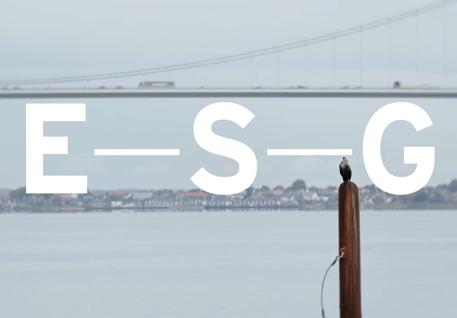
As regulatory requirements and stakeholder expectations continue to evolve, Uni-Tankers has taken a structured step forward by developing a Climate Transition Plan.
The plan serves as a strategic roadmap that clarifies how emissions, investments, and operational priorities are assessed and managed — ensuring that decarbonization is approached as an integrated part of both financial and strategic decision-making.
A Strategic Framework for Uni-Tankers
Embedded in Uni-Tankers’ strategic framework, the Climate Transition Plan ensures that decarbonization is approached through a clear and transparent framework aligned with Uni-Tankers’ strategic direction and long-term ambitions.
“The Climate Transition Plan provides a more structured and transparent basis for understanding how our emissions and business decisions are connected. It allows us to assess different options and establish a clear foundation for how we prioritize decisions as we move forward,” Lisa Clement Jensen, Head of Strategy, explains.
Approximately 95% of Uni-Tankers’ CO 2 emissions originate from fuel consumption in the fleet, underlining the importance of strategic planning and targeted investments in this area.
“With the Climate Transition Plan, we have developed an outlook that enables us to assess how different pathways — including fuel choices, energy-saving devices, and fleet renewal — impact our emissions and overall development. This is essential to achieving our long-term sustainability ambitions while ensuring the resilience of our business,” Nanna de la Motte, Sustainability Controller, adds.
Business Value and Stakeholder Expectations
Uni-Tankers’ work with the Climate Transition Plan also responds to increasing expectations from external stakeholders, including customers, banks, and investors. As the regulatory landscape continues to evolve and transparency requirements increase, there is a growing need for a more structured approach to how emissions, investments, and transition-related risks are assessed and managed.
“The Climate Transition Plan strengthens how we work with decarbonization across our business and supports a more transparent and proactive dialogue with both customers and financial stakeholders,” says Lisa Clement Jensen.
From Operational Data to Informed Decisions
At the core of the Climate Transition Plan is a model-based approach that enables continuous monitoring and forward-looking projection of emissions. It provides a clear roadmap for how fleet strategy, operational levers, fuel choices, and energy-saving technologies impact emissions, as well as what is required to remain compliant with current and future regulations.
This equips Uni-Tankers with a robust basis for informed decision-making throughout its decarbonization journey. “We are working towards a more structured understanding of how different pathways lead to different outcomes. This strengthens the foundation for decision-making and ensures that it reflects both operational realities and our long-term direction,” says Nanna de la Motte.
Based on fleet-wide monitoring, fuel management, and vessel performance data, the underlying model can generate a range of scenarios showing how emissions may evolve under different operational conditions. The Climate Transition Plan leverages these insights to set a clear strategic direction and support decision-making on emissions reduction.
Decarbonization as a Strategic Business Priority
At Uni-Tankers, decarbonization is not approached as a separate discipline, but as an integrated part of how the business is operated and developed. The Climate Transition Plan reflects a broader commitment to understanding environmental impact, managing risk, and identifying commercial opportunities.
“The Climate Transition Plan gives us a clearer understanding of where real impact can be made and how different decisions influence emissions. It strengthens our ability to navigate regulatory requirements and fuel uncertainty, while identifying cost-effective pathways to optimize the fleet and reduce emissions,” concludes Nanna de la Motte.
With a stronger framework for assessing pathways and understanding trade-offs, the Climate Transition Plan strengthens both transparency and decision-making. Supported by a structured approach and a continued focus on decarbonization, Uni-Tankers is well prepared to navigate the challenges and opportunities ahead.
“Decarbonization is not a linear process. Emissions may increase during periods of higher fleet activity, longer voyages, or changes in trade patterns. With this roadmap, we gain a structured framework that supports more detailed planning, and a better understanding of how these factors may affect our emissions.”
NANNA DE LA MOTTE SUSTAINABILITY CONTROLLER


E1-5 – Energy Consumption and Mix
Our energy consumption mainly consists of mobile combustion from fossil fuels used in vessel operations. A smaller portion comes from heating, cooling, and electricity. We are working to shift our energy mix from non-renewable energy to more renewable energy sources – such as biofuels and Guarantees of Origin certificates for office electricity consumption, which increase the reported share of renewable electricity.
We maintain our target to reduce reported Scope 2 emissions (market-based) from office operations by 50% by 2030 compared to the 2024/25 baseline. While a reduction of 49.8% has been achieved in 2025/26, the target has not been revised at this stage. This reflects ongoing changes in office footprint, where the impact on future electricity consumption remains subject to development, particularly in newly established and larger office spaces.
The share of renewable energy consumption has increased from 0.13% in 2024/25 to 1.28% in 2025/26, primarily driven by increased intake of biofuel.
The share of renewable sources in electricity consumption has also increased from 0% to 40.88%, following the purchase of Guarantees of Origin (GOs), which enable a portion of purchased electricity to be reported as renewable.
E1-6 – Carbon Accounting
GHG EMISSIONS
CARBON ACCOUNTING – TCO2E
DEVELOPMENT IN GHG EMISSIONS
Overall, total GHG emissions remained relatively stable compared to the previous financial year, with a slight decrease of approximately 0.5%. The development is based on a comparison of full financial year 2025/26 against 2024/25 and should be seen in the context of increased operational activity during the period.
The fleet has expanded in terms of number of vessels and total deadweight tonnage (DWT), with DWT increasing by approximately 11.6% and voyage days by approximately 4.9% compared to last year. Under comparable operational conditions, this increase in activity would be expected to result in higher emissions. Despite this, absolute emissions have slightly decreased. Emissions per DWT have decreased by approximately 13%, while emissions per day have decreased by around 7.4%, suggesting improved operational efficiency. This trend is also reflected in Uni-Tankers’ GHG intensity metric from the climate transition plan.
This development is mainly influenced by increased use of biofuels and fleet renewal, including the introduction of newer vessels and the sale of older vessels. Overall, the reduction in emissions despite increased activity levels indicates that the fleet operates more efficiently on a per-activity basis compared to the previous year.
IMO-ALIGNED GHG EMISSIONS TRAJECTORY (TTW)
By the end of 2025, Uni-Tankers achieved an 18.7% reduction in Tank-to-Wake (TTW) annual GHG emissions from fleet activity, compared to the 2008 baseline. This exceeds the required minimum reduction of 15% but remains below the IMO’s striving target of 23%. The trajectory illustrated in the following section reflects both the IMO targets and Uni-Tankers’ achieved performance.
This assessment is based on the fleet as of 31 December 2025 and is calculated using verified vessel activity data, including fuel consumption, distance sailed, and operational hours. The calculation has been independently verified by the American Bureau of Shipping (ABS). The metric reflects emissions from fleet operations only and does not include the full scope of Uni-Tankers’ carbon accounting. As such, it should be interpreted as an operational performance indicator aligned with IMO methodology rather than a complete representation of the company’s total GHG emissions.
Based on current performance, the fleet is operating at a higher emissions level than required by the trajectory but below the IMO’s aspirational pathway for emissions reductions.
CARBON INTENSITY
By the end of 2025, Uni-Tankers’ carbon intensity (AER) was 49.5% below the baseline, compared with a required reduction of 31%, calculated on a tank-to-wake (TTW) basis. The result was independently verified by the American Bureau of Shipping (ABS).
Carbon intensity remains a key metric in our decarbonization strategy. Uni-Tankers’ original target was a 40% reduction by 2030 compared to the 2008 baseline, aligned with the IMO’s GHG reduction ambition. Following an achieved reduction of 43.1% in 2024, Uni-Tankers increased the target to a 45% reduction by 2030. With current performance reaching 49.5%, we are ahead of target and have therefore set a new ambition of a 50% reduction by 2030.
Key drivers behind this progress include the integration of newer, more efficient vessels, the installation of energy-saving devices (ESDs), and enhanced monitoring of vessel performance data.
Carbon Intensity Indicator (CII) – Own Fleet
CII is based on the Annual Emission Ratio (AER), adjusted for vessel-specific and operational factors. While the IMO’s 2030 target is based on a 2008 baseline, 2019 is used as a practical reference year, with a required reduction of approximately 21% by 2030.
Uni-Tankers applies the CII framework across its owned fleet, including vessels below 5,000 GT. One vessel is excluded, as it was added to the fleet in late 2025. In addition, the carbon intensity for 2024 has been recalculated due to a data correction.
Uni-Tankers’ Current Progress:
CII baseline and attained CII fluctuate with fleet composition, which is to be considered when assessing development.
Carbon intensity for reporting year 2025 is 16.1% below reference line.
Carbon intensity for reporting year 2024 is 15.3% below reference line.
Carbon intensity for reporting year 2023 is 15% below reference line.
E2 – Pollution
We acknowledge our responsibility to minimize pollution-related environmental impacts from our activities as a global shipping company.
E2 – IROs
Air pollution from vessel operations has been identified as our most material pollutionrelated impact based on the Double Materiality Assessment, and includes NOx, SOx, particulate matter and NMVOC.
Pollution of air
Air emissions (e g . sulphur oxides, nitrogen oxides, and particulate matter) from operations contribute to reduced air quality and associated health impacts Actual negative impact
E2-1, E2-2, E2-3 – Policies, Actions, and Targets
Pollution-related management is addressed through our Environmental Policy and relevant operational controls. End-of-life vessel management is addressed under our Ship Recycling Policy (see E1-2).
Uni-Tankers addresses pollution-related impacts through a combination of operational practices and targeted initiatives embedded in daily vessel operations. As part of this approach, actions and priorities are regularly reviewed to ensure alignment with operational relevance and environmental impact.
CLEANSHIP – BLACK CARBON
M/T Falstria Swan has played a key role in advancing Uni-Tankers’ black carbon research by enabling measurement and analysis of emissions under real operating conditions. A two-day trial using B100 biofuel indicated a reduction of 82% in black carbon emissions and around 70% in particulate matter compared to conventional marine gas oil, based on measurements from this limited-duration trial on a single vessel.
These findings contribute to establishing a baseline for black carbon emissions, supporting the development of future regulatory frameworks and best-practice recommendations for shipowners, operators, and authorities. The results have been consolidated in a white paper submitted to the IMO, helping to inform and shape emerging industry standards.
PREVENTING SPILLS
During the financial year 2025/26, Uni-Tankers recorded zero oil spills across the fleet, reflecting a strong focus on prevention and operational control. Spill prevention is supported by structured onboard training programs and regular drills under the Shipboard Marine Pollution Emergency Plan (SMPEP). These include both theoretical and hands-on exercises, where crews are trained in the use of relevant equipment and response procedures.
Ongoing drills and contingency training reinforce preparedness and best practices across our fleet. These efforts are further supported by maintaining robust HSQE and Safety Management System (SMS) standards, ensuring alignment with regulatory requirements and any updates or revisions.
IMPROVING DATA QUALITY
We are strengthening the data foundation for air emissions reporting (NOx, SOx, PM and BC) through the implementation of structured methodologies and improved data collection processes. This includes establishing consistent calculation approaches and enhancing data availability across operations.
As this represents the first year of reporting air emissions in this format, current efforts are focused on building reliable and scalable processes to support monitoring. Data quality and coverage will improve over time as reporting processes mature and data availability and methodologies develop.
Water management supports daily vessel operations, particularly for crew consumption and cleaning. Most fresh water is produced on board, supplemented by shore-based sources when needed.
As water is not currently considered material, last year’s planned digital logbooks have been scaled back to onboard testing to assess value and inform any future implementation. Relevant initiatives will be assessed in line with operational needs and environmental priorities.
E2-4 – Air Pollution Metrics


S1 – Own Workforce
S1.SBM-3 – Own Workforce IROs
Uni-Tankers is committed to providing a safe, inclusive, and supportive working environment across onshore and offshore operations. In a high-risk maritime context, health and safety, employee wellbeing, and fair working conditions are critical to business performance. The DMA identifies key impacts, risks, and opportunities within health and safety, diversity and equal treatment, training and skills development, and employee wellbeing, aligned with our ambition to attract, develop, and retain a competent workforce.
The following sections outline how we address these topics through our policies, actions, and targets.
S1-1 – Policies
Our workforce policies are designed to ensure equal and fair treatment while preventing, identifying, and mitigating potential workplace risks. These policies clearly outline our commitments, guiding principles, and the responsibilities expected from our workforce. All policies are approved by Executive Management and made available to all employees through the corporate intranet.
These policies are supported by operational frameworks and procedures, including the Safety Management System (SMS), Stop Work authority, and HSQE principles, which guide the implementation of health, safety, and responsible workplace practices throughout the organization.
Code of Conduct
Human Rights Policy
Gender Balance Policy
Screening Policy
Training, Course and Education Policy
Establishes the core principles and values guiding responsible business conduct, including corporate responsibility, ethical behavior, and employee conduct
Establishes Uni-Tankers’ commitment to respecting human rights The policy follow the principles of internationally recognized standards, including the UN Global Compact and ILO conventions
Outlines Uni-Tankers’ commitment to diversity, equity, and inclusion, with a focus on promoting gender balance across the organization
Outlines the criteria and process for conducting enhanced screening of new hires, including when additional due diligence is required
Establishes Uni-Tankers’ approach to employee training and development, ensuring that learning activities are aligned with business needs, conducted in a structured and consistent manner, and subject to defined approval and documentation processes
S1-2 – Engaging with Our People
At Uni-Tankers, our employees are key to delivering our strategy and maintaining a strong culture. We foster an inclusive and engaging work environment where people feel supported, heard, and empowered to contribute to continuous improvement. Through structured engagement, dialogue, and ongoing initiatives, employee perspectives are considered in decision-making processes. Executive Management reviews feedback and considers all contributions to guide organizational priorities, leadership focus areas, and workplace initiatives.
LEAP 2025: STRENGTHENING ENGAGEMENT AND WORKPLACE CULTURE
Our annual employee engagement survey, LEAP (Listen, Engage, Act, Participate), is a key
Applies group-wide to all employees and management Executive Management
Applies group-wide to all employees and management
Applies to the Board of Directors, Executive Management, and managers reporting directly to Executive Management in Denmark
Applies to all new hires across Uni-Tankers
Sustainability Controller
Applies to all employees and management across Uni-Tankers
HR Business Partner
HR Business Partner
HR Business Partner
tool for assessing the overall workplace experience and engagement across Uni-Tankers.
In 2025, the engagement score was 8.7 out of 10, maintaining the high level achieved last year. The continued strong result reflects sustained efforts to support workplace culture, leadership quality, and employee development. Moving forward, our ambition is to maintain an engagement score above 8.
All departments completed LEAP follow-up workshops and agreed on improvement actions to strengthen collaboration and performance. Key focus areas covered clearer goal setting, improved coordination, structured development dialogues, and more effective use of competencies. Executive Management supported the follow-up process by reinforcing clear priorities and organizational focus.
Concrete actions implemented include strengthened goal alignment, clearer expectations, and enhanced cross-functional collaboration, which contribute to consistent execution and organizational resilience.
OTHER ENGAGEMENT ACTIVITIES
Strong collaboration across the organization is supported through ongoing employee engagement initiatives. To reinforce this, dedicated senior officers’ conferences were held, bringing together office staff and seafarers to strengthen alignment between onshore and offshore operations. These conferences focused on key topics such as safety, leadership, and maintenance, while providing a platform for knowledge sharing, discussing operational challenges, and reinforcing common standards across the organization.
In addition, the biannual Tanker Get-Together connects colleagues across locations and functions, supporting engagement through knowledge sharing, cross-organizational dialogue, and strengthened collaboration across the Group.
S1-3 – Processes to Remediate Impacts and Channels to Raise Concerns
Open communication and a culture where employees and stakeholders feel safe to raise concerns are fundamental to how we identify and address potential impacts. Our reporting channels support early detection, investigation, and remediation of legal and ethical issues and are a key part of our governance framework. Where adverse impacts are identified, Uni-Tankers seeks to provide or contribute to remedy through corrective actions and follow-up.
WHISTLEBLOWER SYSTEM
Uni-Tankers promotes open dialogue and responsible conduct and provides safe channels for employees to raise concerns or report suspected misconduct. Employees are encouraged to speak up and can report concerns through Uni-Tankers’ whistleblower program.
The program is also available to external stakeholders, including suppliers and their staff, and is referred to in our Supplier Code of Conduct. Reports can be submitted confidentially and, where permitted, anonymously, and Uni-Tankers prohibits retaliation against individuals who raise concerns in good faith.
All reports are handled in accordance with defined procedures and applicable laws to ensure fair, independent, and unbiased review, including respect for the rights of all parties and the right to a fair hearing. Cases are investigated, documented, and, where appropriate, escalated to Executive Management and/or relevant authorities. If breaches are confirmed, Uni-Tankers seeks to remediate impacts through corrective actions and follow-up with the relevant parties to ensure improvements and prevent recurrence.
HEALTH AND SAFETY REPORTING
Uni-Tankers maintains a health and safety (HSQE) reporting system across its fleet, enabling crew members to report incidents and concerns directly from onboard operations. The system covers safety, environmental, and operational events.
All crew members can access the system and are encouraged to report concerns, supporting a proactive safety culture. The onshore marine department handles reported cases in accordance with defined procedures. Incidents are reviewed, investigated where relevant, and followed up with corrective actions focused on root causes and preventing recurrence.
In line with the ISM Code, Uni-Tankers has appointed a Designated Person Ashore (DPA), supported by a Deputy DPA, both accessible to all crew members. This provides a direct and independent channel to raise and escalate safety concerns when necessary.
S1-4 – Actions
The following actions support Uni-Tankers’ approach to managing impacts on its employees, focusing on health, safety, development, and responsible workplace practices.
Uni-Tankers has reassessed last year’s targets for inclusive leadership training and gender representation in management and has discontinued both. This reflects a shift toward more flexible and targeted talent development, including programs for emerging leaders and specialists, mentorship, and efforts to support gender diversity through targeted recruitment, development initiatives, and inclusive workplace practices.
AWARENESS TRAINING
A key initiative is our ESG awareness program for onshore employees, launched in 2025/26, with training modules on health and safety, diversity and inclusion, anti-harassment, and responsible workplace behavior. The program strengthens awareness and supports the integration of these principles into daily work practices across the organization (see S1-13).
BIAS AWARENESS TRAINING IN RECRUITMENT
In 2025/26, Uni-Tankers introduced bias awareness training for employees involved in recruitment. The training focuses on structured interviews and objective candidate evaluation to reduce unconscious bias in hiring decisions. This supports more consistent and transparent recruitment practices and contributes to promoting diversity, fairness, and equal opportunity (see S1-9)
HEALTH, SAFETY AND WELL-BEING
We continue to implement initiatives that support employee health, safety, and wellbeing across our operations, including well-being programs, mental health support, safety culture initiatives, improved onboard connectivity, and expanded healthcare coverage for seafarers (including family members).
We strengthen health and safety through audits and inspections under our Safety Management System (SMS) and HSQE framework to identify and mitigate risks and ensure regulatory compliance (see S1-14). Additional measures include onsite presence of our technical superintendents during dockings, access to psychological support for seafarers, and onboard training equipment to promote physical wellbeing.
ENHANCING SHIP–SHORE COLLABORATION AND FAMILIARIZATION
To strengthen ship-to-shore collaboration, Uni-Tankers conducts regular vessel visits across management and operational functions, including HSQE, Nautical, Technical, and Supercargo. Senior officers also participate in office familiarization programs to enhance mutual understanding of operational and organizational processes. Together, these initiatives support knowledge sharing, alignment, and a strong safety and performance culture across the organization. Ship & shore relations
MENTORSHIP
PROGRAMS
We support employee development through mentorship programs across the organization, including onshore employees and cadets. These programs facilitate knowledge sharing, career development, and cross-organizational collaboration through experienced mentors and ongoing dialogue between participants (see S1-13)
Vessel visits – other (HSQE, Nautical, Technical & Supercargo)
officer office familiarization (for
S1-5 – Targets
S1-6 – Employee Characteristics
*For seafarers, employees are grouped by region based on citizenship to ensure a clear and proportionate presentation of the workforce, as seafarers operate globally and do not have a fixed country of work.
EMPLOYEE RETENTION RATE
To support employee retention, we offer our people a clear path for growth and development within the organization. We actively promote individual initiative and encourage employees to establish their own development goals. By establishing clear targets and offering opportunities for skill enhancement, we sustain long-term motivation, enhance morale, and reinforce commitment across our workforce. Our investment in professional development strengthens individual career paths and enhances engagement and loyalty, contributing to a strong, dedicated workforce that grows with Uni-Tankers.
*Retention rates are calculated according to Intertanko guidelines.

S1-9 – Diversity
FAIR RECRUITMENT PRACTICES AND BIAS AWARENESS
Uni-Tankers is committed to fair, objective, and inclusive recruitment processes, ensuring equal opportunities for all candidates. Hiring decisions are based on consistent criteria, focusing on skills, experience, and potential.
Building on previous efforts to reduce bias, Uni-Tankers introduced bias awareness training for employees involved in recruitment in 2025/26, focusing on structured interviews and objective candidate evaluation. This supports transparent and consistent hiring processes and mitigates unconscious bias. Uni-Tankers continues to strengthen awareness and capabilities among hiring managers as part of broader efforts to foster an inclusive work environment.
We promote an inclusive workplace culture and uphold diversity, fairness, and equal opportunity through awareness initiatives such as ESG training on diversity and antiharassment (see S1-13). Recruitment practices are regularly updated to align with evolving best practices.
GENDER EQUALITY AND REPRESENTATION
At Uni-Tankers, we are committed to ensuring gender equality and strengthening representation across all levels of our company. Through a structured and long-term approach, we aim to improve gender balance across the organization.
Representation of the underrepresented gender in management has increased from 16.7% in 2024/25 to 23% in 2025/26, reflecting positive progress. While this marks a step forward, further improvement is needed to achieve a more balanced gender distribution.
Across our workforce, the offshore segment remains predominantly male, reflecting industry-wide challenges, while onshore representation is more balanced. We continue to monitor developments and identify opportunities to improve diversity.
We recognize that improving gender diversity requires sustained efforts over time. Our approach focuses on ensuring equal opportunities, reducing structural barriers, and supporting a workplace culture where diverse perspectives are valued. We continue to monitor progress and evaluate initiatives that support a more balanced and inclusive workforce.
referring directly to the Executive Management and with employee responsibility.
S1-13 – Training and Skills Development
We strengthen engagement through our enhanced Development Conversation process, which has been digitized to improve accessibility for both employees and managers. This digitized system facilitates regular career dialogues, progress tracking, and real-time feedback, creating a structured, responsive approach to professional growth. By focusing on individual aspirations and development plans, we help our employees feel supported in their career journeys while remaining closely connected to the organization.
Encouraging employees to take ownership of their development boosts motivation and strengthens commitment and fosters a culture of continuous learning and improvement. This approach is supported by our Training, Course and Education Policy, ensuring that training is aligned with business needs and prioritized based on role relevance and regulatory requirements. Employees and managers identify development needs, with HR supporting consistency and follow-up.
TRAINING AND DEVELOPMENT INITIATIVES
Our managers and employees benefit from a variety of training programs that support professional growth, including both individual and cross-departmental coaching, as well as our Core Leadership Program. We also offer mentorship opportunities, as detailed below:
Individual coaching provides tailored guidance to help managers address specific challenges, enhance their leadership skills, and develop effective team strategies.
Cross-departmental coaching fosters collaboration and knowledge sharing across departments, promoting cohesion and mutual support.
ESG awareness training supports the practical integration into daily work practices.
The Core Leadership Program equips managers with practical tools, leadership models, and peer sparring. Participants engage in improvement exercises and selfreflection, enhancing confidence, impact, and critical awareness.
2025/26
Training hours include completed, structured internal and external training activities onshore during the reporting period, including mandatory safety training, professional development courses and digital learning modules. Conference participation is included only where it constitutes structured professional training. The difference in average training hours by gender reflects differences in roles and training requirements, including mandatory education and school-based training for apprentices. Data is based on available records but involves a degree of estimation due to limitations in the consistent classification of training activities.
2025/26
*Average training hours were calculated as total completed training hours divided by employee headcount as of 30 April 2025/26.
A gender-specific breakdown for offshore is currently not available based on the underlying data structure. Training hours include structured external online training activities completed during the reporting period, including maritime safety, operational, compliance, security, health and wellbeing, and environmental training.
ESG AWARENESS TRAINING
We provide mandatory ESG awareness training to all onshore employees, covering key environmental, social, and governance topics, including climate action, resource use, health and safety, responsible workplace behavior, diversity, and anti-harassment.
The training is delivered through structured modules and quizzes designed to support the practical integration into daily work practices. The program will be reviewed and updated regularly to reflect relevant topics and organizational priorities. Completion is monitored on an ongoing basis (see S1-5 for target and status)
Onshore
Offshore
Fostering a Proactive Safety Culture through Collaboration
Fostering a strong and proactive safety culture remains a key priority at Uni-Tankers. Vessel operations involve complex and high-risk tasks such as cargo handling and maintenance, where a consistently high safety standard is essential. Safe operations therefore depend not only on clearly defined procedures, but also on how these are understood, applied, and navigated in everyday work on board.
For this reason, Uni-Tankers’ safety approach places an increasing focus on the realities of daily operations and on the human factors that influence behavior, communication, and decision-making on board. By strengthening awareness of these factors, Uni-Tankers aims to support safer operations and a more resilient safety environment across the fleet.
Understanding Safety in Practice
Audits and inspections continue to play an important role in maintaining safety, both at sea and onshore. Besides verifying compliance, they provide a structured basis for identifying opportunities to strengthen procedures, communication, and day-to-day operational practices.
By observing how tasks are performed, how crews communicate, and how decisions are made in real operational situations, Uni-Tankers gains insight into how procedures function in practice and which behavioral patterns may influence safety outcomes.
“Safe operations depend on more than procedures alone. We need to understand how our crews act in different situations, communicate, and make decisions on board to continuously strengthen the culture on board our vessels,” says Chris Helweg Ludwigsen, Head of Marine.
This approach is aligned with the implementation of SIRE 2.0, which places increased emphasis on human factors, including situational awareness, communication, and decision-making in operational contexts.
Strengthening Our Safety Approach
A proactive safety culture also depends on learning from daily operations. Near misses, unsafe acts, and unsafe conditions are therefore reported and followed up as part of the ongoing safety work. This approach makes it possible to identify underlying factors related to routines, communication, or ways of working at an early stage, supporting targeted improvements and reducing the risk of similar situations occurring again.
“Rather than focusing only on the action itself, we also focus on understanding the context. This provides a better basis for identifying patterns, improving procedures, and reducing the risk of similar situations,” says Chris Helweg Ludwigsen.
Fostering Dialogue and Safety Awareness on Board
One of the key observations from the ongoing safety work has been the importance of clear communication on board. How observations are shared, how concerns are raised, and how dialogue takes place in daily operations all have a direct impact on safety outcomes.
This is supported by the introduction of safety and technical campaigns that create a structured focus on key risk areas. These initiatives play an important role in strengthening our safety practices by encouraging dialogue among crews through targeted activities and shared learnings.


A Safety Culture Shaped by People
Uni-Tankers’ safety approach emphasizes the critical role of human factors in daily operations. Crews undertake complex tasks and make decisions in real time, often under challenging conditions.
Recognizing these factors, continuous development initiatives are implemented to strengthen decision-making, enhance operational awareness, and foster open communication on board. By creating an environment where dialogue is encouraged and potential issues can be raised early, Uni-Tankers enables proactive risk management, strengthens communication, and builds the resilience needed to ensure safe and reliable operations across the fleet.
“Clear communication is one of the strongest safety barriers we have. When people share what they see and speak up in time, we are in a much better position to prevent incidents and strengthen the safety culture on board.”
CHRIS HELWEG LUDWIGSEN HEAD OF MARINE
MENTORSHIP PROGRAM
Over the past year, our mentorship program has continued to support employee development, knowledge sharing, and cross-organizational collaboration. The program includes participants from multiple business units and affiliated companies, supporting knowledge exchange and networking.
The program remains active, and no major structural changes were introduced during the financial year. In 2025/26, two employees participated, with mentorship provided both internally and through cross-company engagement.
The program focuses on professional growth, career development, and strengthening connections across business units and locations. Our current group of participants remain engaged, and experienced mentors provide direct access to management, ensuring relevant guidance and strategic perspectives. Looking ahead, the program is regularly evaluated and adjusted based on participant feedback and organizational priorities to ensure continued relevance.
MENTORING AT SEA
Mentoring at sea remains an integrated part of our Cadet Strategy, supporting the development of future officers and their transition from education to onboard operations.
Cadets are supported through structured mentorship from onshore personnel, enabling knowledge sharing and strengthening early engagement with the organization. The program has continued to expand in line with cadet intake and offers consistent one-toone support for both professional and personal development. Mentoring at sea remains a key element in developing a competent and committed future workforce.

S1-14 – Health and Safety
HEALTH, SAFETY, AND SECURITY
The health, safety, and security of our employees remain a central focus. Vessel operations are complex and often challenging, making it essential to maintain high safety standards for cargo handling, maintenance, and operations in remote maritime regions. Geopolitical developments, including regional instability, evolving sanctions regimes, and shifting trade patterns, continue to influence our operating environment. Uni-Tankers maintains established security measures and operational protocols to support the safety of our crews and operations in affected regions.
Safety in shipping is governed by stringent industry regulations, and we operate under established safety management systems aligned with key international maritime safety and security requirements, including the ISM Code.
Audits and inspections remain a key element of our safety management approach. We conduct inspections in line with the SIRE 2.0 framework, which has been integrated into our operations. In line with industry expectations, we conduct regular SIRE inspections across our fleet and ensure additional CDI (Chemical Distribution Institute) inspections for relevant vessels. These activities support continuous improvement and confirm the robustness of our Safety Management System.
Our approach to health and safety is supported by employee awareness initiatives covering safe working practices, health and safety responsibilities, and responsible workplace behavior. These activities strengthen a proactive safety culture and help prevent incidents across our operations (see S1-13)
EMPLOYEE WELL-BEING AND PREVENTIVE HEALTH
Through our company-wide initiative, Re:Fresh, a mental health platform, we monitor and support the well-being of our seafarers.
As part of this initiative, an annual well-being survey is conducted among our seafarers, assessing factors such as job satisfaction, stress, and overall mental health. The survey provides insight into employee well-being and supports the identification of potential areas for improvement. As the initiative is still relatively new, we will track results over time to identify trends and define relevant actions.
We have improved onboard conditions by enhancing internet connectivity across our fleet, enabling seafarers to maintain regular contact with family and social networks. Our health care coverage has been expanded to include broader access to medical and dental care, including coverage for family members of non-Danish crew.
UNSAFE ACTS, NEAR MISS, & LTIF PERFORMANCE
Near misses and unsafe acts/conditions are observations that could have developed into incidents but were prevented through timely intervention. Near misses and unsafe acts/ conditions are reported through our stop card system, and all incidents are investigated to prevent recurrence. Through our extensive safety procedures, we aim to maintain a low lost time incident frequency (LTIF) rate and continuously improve safety performance (see Definitions & Principles for LTIF calculation methodology)
The ISM Code, established by the IMO, mandates the reporting of near misses to enhance safety awareness. These reports detail incidents, their causes, and the preventive measures taken, and are used to identify trends, prioritize preventive actions, and strengthen our safety culture.
This reporting culture supports the crew’s efforts to identify hazards, refine safety measures, and prevent incidents.
S1-17 – Incidents, Complaints, and Human Rights Impacts
Incidents and complaints are handled through our whistleblower system (see S1-3). No fines or penalties related to discrimination or harassment were registered during financial year 2025/26.
Uni-Tankers has strict zero tolerance policy regarding discrimination and human rights violations, which is supported by our Human Rights Policy and Code of Conduct. To foster a culture of respect and accountability, we have implemented ongoing awareness initiatives to prevent violations and encourage reporting (see S1-13)
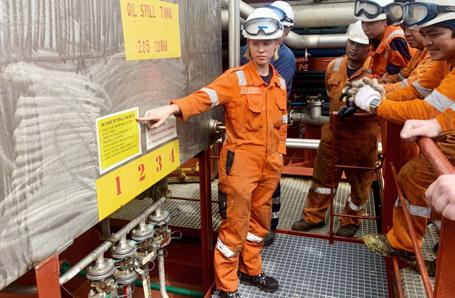
S2 – Workers in The Value Chain
S2.SBM-3
Uni-Tankers works with suppliers and contractors across the maritime value chain, particularly during dry- docking and maintenance. The following sections describe our policies, engagement, and targets.
S2-1 – Policies
All policies are approved by Executive Management and are available to the employees through the corporate intranet.
Whistleblower
Applies
to
management Chairman of the Board / CFO
S2-2 – Engaging with People in Our Value Chain
ENGAGEMENT WITH VALUE CHAIN WORKERS
In 2025, Uni-Tankers introduced a yard screening process as part of ESG due diligence for repair and docking activities. Shipyard workers represent a key group of value chain workers due to the potential occupational health, safety, and environmental risks associated with docking activities. The yard screening process consists of a two-stage assessment:
(i) a remote documentation-based assessment conducted prior to planned dockings, and
(ii) an on-site verification carried out during the docking period.
The pre - docking review covers key areas such as working conditions, occupational health and safety, incident reporting, environmental management, and relevant certifications. During docking, the Technical Superintendent performs an on- site visit to validate information and discuss standards and practices with shipyard management.
In 2025, screenings were completed at two shipyards, and the process will continue for future dockings.
ENGAGEMENT WITH SUPPLIERS
Engagement with suppliers is supported through structured communication, targeted assessments, and the implementation of our Supplier Code of Conduct (see G1-2). In 2025/26, the Code of Conduct was distributed to suppliers and business partners, and supplier audits were initiated to assess alignment with sustainability and governance requirements.
S2-5 – Targets
EFFECTIVENESS OF ENGAGEMENT ACTIVITIES
The effectiveness of our engagement activities is assessed through the completion of planned audits and screenings, the number and severity of findings identified, and the implementation of corrective follow-up measures. As our program is still maturing, UniTankers will continue to strengthen documentation and follow-up processes to improve consistency and coverage across suppliers and business partners.
S2-3, S2-4 – Managing Impacts and Raising Concerns in The Value Chain
Uni-Tankers manages potential impacts on people in the value chain through policies, contractual requirements, and due diligence activities, including supplier assessments (see G1-2). All workers in our value chain can raise concerns, including human rightsrelated grievances, through our Whistleblower program (see S1-3). Current activities are focused on the most material and operationally relevant parts of the value chain.

Complete shipyard screening for all scheduled dockings by 2026/27, with exemptions for repeat dockings Ensure responsible working conditions in shipyards Number of shipyard screenings
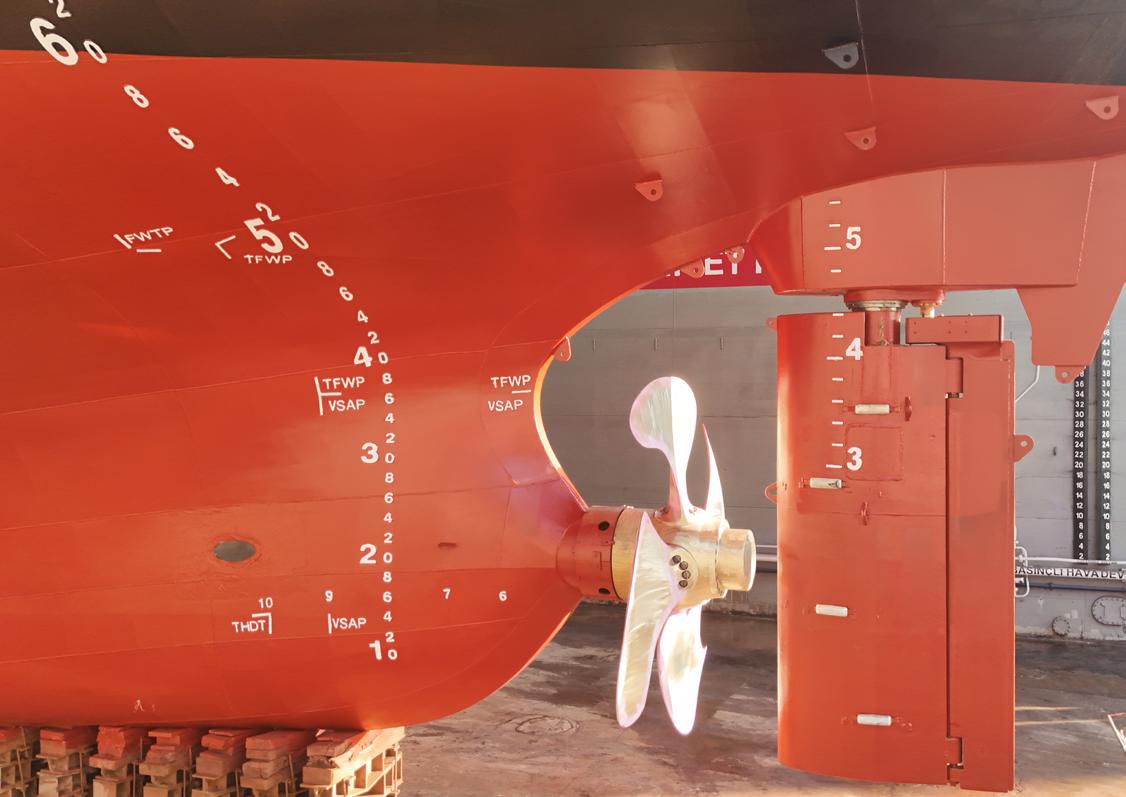
G1 – Business Conduct
Cybersecurity
Supplier relationship management
Corruption and bribery
Cybersecurity threats may disrupt operations and compromise data, leading to regulatory, legal, and reputational impacts
Weak supplier relationship management (including payment practices and conduct expectations) may increase costs, create operational inefficiencies, and harm trust and reputation
Corruption and bribery risks may lead to legal non-compliance, fines, delays and reputational harm
negative impact

G1-1 – Policies and Corporate Culture
Uni-Tankers’ governance framework supports responsible business conduct, including anti- corruption, tax, cybersecurity, and transparency. It is implemented through policies, procedures, systems and training, with defined responsibilities and regular management follow-up.
All policies are approved by Executive Management and are available to employees via the corporate intranet.
TAX AND FLAGGING POLICY
At the USTC Group and across the subsidiaries, we are fully committed to acting as responsible corporate citizens. As part of this commitment, we will do our utmost to comply with local and international tax legislation and pay applicable taxes accurately in a timely manner. This is a fundamental element of how we do business within the Group. As part of our committed responsible approach to tax affairs, we fully support the United Nations 17 Sustainable Development Goals (SDGs) and through our commitments, we directly and indirectly contribute towards the societies in which we operate. This includes promoting the rule of law and not contributing towards corruption and bribery in any form (SDG 16).
Transparency and Engagement with Tax Authorities
We value constructive relationships with local and international tax authorities, grounded in openness, transparency, and honesty. In line with this approach, all legal entities in the USTC Group will promptly disclose all information required by law to relevant tax authorities. However, while we do not participate in any formalized partnership programs with tax authorities, we maintain an open dialogue, which we believe effectively supports mutual understanding and trust. If tax implications of an operational setup are assessed as uncertain, we will seek advice from external tax advisors. Where appropriate and possible, we will pursue a dialogue with the tax authorities if significant tax uncertainties are defined.
Our approach with an open and transparent dialogue extends to all public authorities and government bodies.
Commitment to Compliance and Social Responsibility
As part of our broader commitment to social responsibility, we do not tolerate tax evasion, whether direct or indirect. It is particularly important for USTC and the group of companies to be aware of and comply with tax compliance matters and industry practices, including legislative developments, in the jurisdictions where we operate. If assessed relevant, we will engage in a constructive dialogue with governments, business groups, and civil society to support the development of effective tax systems, legislation, and administration.
Tax Risk Management and Use of Structures
The USTC Group adopts a prudent approach to tax risk, and we are committed to mitigating tax risks whenever possible. We do not apply artificial or tax-driven structures.
All organizational and transactional structures are based on genuine commercial rationale and requirements.
Where we have operations in jurisdictions included on the EU list of non-cooperative tax jurisdictions, such presence is strictly based on the substantive commercial operations and not for the purpose of tax evasion. The Group has commercial operations on a global scale. Countries where the Group has legal entities are listed in the group’s annual reports. We apply the arm’s length principle in all intercompany transactions in line with applicable guidelines and regulations.
The Right Balance
As part of our daily operations, tax expenses are seen as an operational cost. A cost which should be optimized through effective tax management and planning within the framework of relevant tax legislation. We will manage our tax position within the limits of the tax legislation and strive to avoid double taxation to the extent possible. This includes the use of tax incentives and subsidies, provided such benefits are generally available to a broad group of taxpayers and are commercially relevant for the USTC Group. As an example, Tonnage taxation is applied in Uni-Tankers. Where tax regulations allow for different interpretations or choices, we will adopt a tax position which will be justifiable and defendable.
Governance and Oversight
The CFO of Selfinvest ApS has the overall responsibility for the Group’s approach to taxrelated matters, including tax risk management, supported by the Group Head of Tax. Based on this Group Tax Policy, the CFOs of USTC’s subsidiary companies are accountable for the day-to-day tax management in their respective companies. The Board of Directors reviews the Tax Policy annually, where Group tax risks are also reviewed and addressed. The Tax Policy is aligned with the Group’s Code of Conduct and is applicable across the entire USTC Group. The Code of Conduct is further facilitated by our Whistleblower setup.
Responsible Flagging
At the end of the financial year, 86.7% of owned vessels operated under EU flags. M/T Falstria Swan and M/T Unitar are the only non-EU flagged vessels.
G1-2, G1-6 – Supplier Relationships and Responsible Business Practices
Responsible behavior is central to how we work with suppliers, and our supply chain is an integral part of our operations. We promote responsible business practices by encouraging suppliers to align with our expectations for responsible conduct, as outlined in our Supplier Code of Conduct.
We expect suppliers to meet the requirements of our Supplier Code of Conduct, covering key human rights, labor, environmental, safety, anti-corruption, and quality standards.
We are currently assessing our key suppliers, with the ambition to cover our largest suppliers, representing around 75% of total procurement spend, before the financial year 2026/27. In the financial year 2025/26, the assessment covers 65.3% of total procurement spend, corresponding to 78 suppliers. Suppliers are expected to acknowledge and adhere to our Supplier Code of Conduct and may be subject to audits. Identified supplier risks may result in corrective actions, dialogue, or adjusted cooperation where necessary.
As part of our supplier relationships, we also promote fair and transparent payment practices. Payment terms are agreed individually with suppliers, and in alignment with industry norms. Uni-Tankers does not impose unilateral payment terms, supporting fairness, transparency, and mutual respect throughout our supplier relationships.
G1-3, G1-4 – Anti-Bribery and Anti-Corruption
Anti- corruption is a key focus due to exposure in certain operating regions. To ensure clear and consistent standards, we have a dedicated Anti-Bribery & Anti-Corruption Policy, which outlines our commitment to preventing bribery, fraud, and other corrupt practices across our operations. The policy is publicly available on our website.
Our Uni-Tankers Code of Conduct ensures that we adhere to ethical business practices and comply with competition and anti-corruption laws.
Our dedicated Supplier Code of Conduct outlines our expectations for ethical behavior and responsible business practices in our supplier relationships (see G1-2)
Sanctions compliance has matured, supported by a fully integrated, automated system
that is now part of our daily chartering and operations. All voyages are screened and documented consistently, ensuring robust control while reducing manual effort for our commercial teams. The chartering team remains responsible for enforcing integrity measures, conducting Know-Your-Counterparty (KYC) assessments, and ensuring compliance with sanctions policies.
Training is ongoing, with refresher courses conducted once or twice per year to reinforce best practices. With increased awareness and ongoing training, we are better equipped to identify, prevent, and mitigate risks effectively.
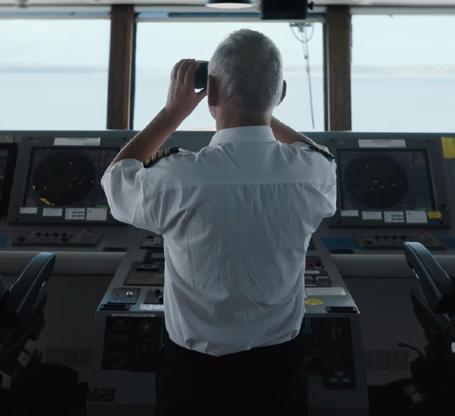
MARITIME ANTI-CORRUPTION NETWORK (MACN)
Uni-Tankers is a member of the Maritime Anti-Corruption Network (MACN), a global collective action initiative working to tackle corruption in the maritime industry. This reflects a shared industry commitment to integrity and fair business practices.
We actively participate in MACN meetings and industry collaboration on anticorruption. Our Safety Management System (SMS) defines procedures for suspected or actual corruption incidents. Employees in Chartering and Operations receive training and report concerns through established channels. Relevant cases are reported to MACN.
A dedicated project team supports monitoring and continuous improvement of our anti- corruption controls. The team defines our strategic direction, including the development and implementation of an internal system to measure effectiveness, and ensures continuous monitoring and improvement of our anti-corruption practices.
CORRUPTION AND BRIBERY
Uni-Tankers has not had any reported incidents, convictions, or fines concerning breaches of anti-corruption and anti-bribery laws, nor any violations of associated procedures and standards during 2025/26.
Uni-Tankers has not been subject to any legal proceedings involving allegations of corruption or bribery against the company or its employees.
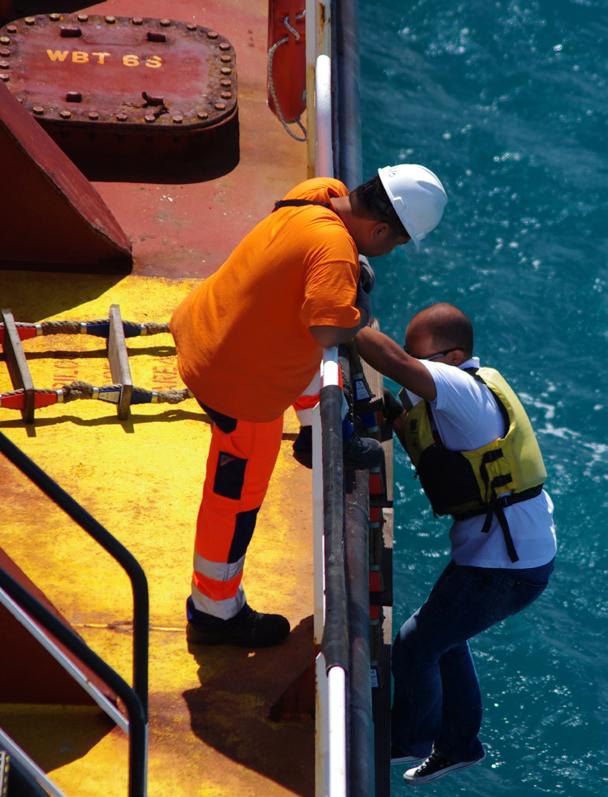
Strengthening Governance through Data Trust and Transparency
At Uni-Tankers, data is playing an increasingly important role in strengthening governance across the business. Through the development of a central data platform and a more structured approach to data governance, Uni-Tankers has established a clearer and more reliable basis for how information is managed and applied across functions.
This work goes beyond technical improvements. It also supports a more transparent, consistent, and scalable way of working with data — strengthening both reporting and decision-making across the organization.
From Fragmented Reporting to a Stronger Foundation
A more structured data foundation helps reduce fragmentation in business-critical information, improves consistency in reporting, and strengthens the basis for management follow-up. In practice, this means that more employees across Uni-Tankers are increasingly able to work from the same data, supported by clearer ownership. This provides a stronger basis for decision-making, as the numbers are becoming more consistent and trustworthy.
“A strong data foundation improves transparency, strengthens trust in reporting, and gives us a more controlled basis for how we develop and apply digital capabilities across Uni-Tankers,” says Lasse Ankerstjerne, Business Intelligence Controller.
From a governance perspective, this has contributed to more coherent reporting structures, improved visibility across business and project areas. Together, these improvements provide a clearer basis for follow-up and support more aligned discussions around performance and priorities.
Better Governance in Day-To-Day Operations
Improved data governance is not only about management reporting. It also strengthens the day-to-day operations by making reporting and follow-up more reliable and effective.
“Better governance around data improves both compliance and day-to-day effectiveness. When data is structured, trusted, and easier to manage across systems, it strengthens reporting quality and allows the business to act with greater confidence,” says Lasse Ankerstjerne.
As the data foundation becomes more structured, less time is spent validating inputs and reconciling differences. Instead, more time can be dedicated to applying data that support the business. In that sense, stronger data governance also translates practical efficiency gains and in turn a more controlled setup where data quality, access, and reporting logic are easier to maintain over time.
A Foundation for Responsible Digital Development
The continued development of data governance supports Uni-Tankers’ broader governance agenda by strengthening data trust, improving transparency, and creating a more robust basis for internal control and decision-making.
At the same time, it prepares the company for the next phase of digital development. As initiatives related to realizing the benefits of AI, system integration, and automation mature, strong data governance will be essential to ensuring that these technologies are implemented in a controlled and credible way.

“Our digital strategy does not stop with this year’s initiatives. It is a multi-year vision and investment, anchored from Management to key stakeholders and primary users across Uni-Tankers.
That anchoring is essential if digital development is to create real business value and strengthen governance over time.”
CONTROLLER


LASSE ANKERSTJERNE BUSINESS INTELLIGENCE
Cybersecurity
Our cybersecurity policies establish requirements for secure access, responsible use of IT systems, incident preparedness, and operational resilience. The list is not exhaustive; additional IT, security, and data governance policies are implemented across the organization. All policies have been approved by Executive Management and are available to all employees on our corporate intranet.
Information Security Policy
Prepping Policy
Password Policy
Acceptable Use Policy
Access Control Policy
Back up Policy
Establishes the framework for information security management, including defined roles, responsibilities, and internal controls to safeguard information assets
Outlines Uni-Tankers’ preparedness for and response to critical infrastructure incidents
Sets requirements for secure password management to protect access to systems and information, supporting a robust security environment
Defines principles for the appropriate use of IT resources, including systems, networks, and data, across office and remote working environments
Establishes principles for user access management, including account lifecycle, privilege allocation, and control of internal and external access to systems
Outlines requirements for data backup and recovery processes to ensure the availability and integrity of information assets
Supplier Security Policy
Vulnerability Management Policy
Defines requirements for managing information security risks related to third parties, including risk assessments and supplier due diligence
Determines principles for identifying, assessing, and managing vulnerabilities across systems and devices to maintain a secure IT environment
Applies group-wide to all employees and management
Executive Management
Applies to all onshore personnel across Uni-Tankers IT Manager
Applies group-wide to all employees and management, including relevant external users with system access
Applies to all users with access to UniTankers’ IT systems, networks, and data, including third parties
Applies group-wide to all employees and management
Applies to all information assets, including outsourced and managed services
Applies to all suppliers, contractors, and third parties providing goods or services
Applies to all IT systems and information assets under Uni-Tankers’ control
Head of Cyber Security
Executive Management
Executive Management
Head of Cyber Security
Executive Management
Executive Management
DATA PRIVACY AND SECURITY
Information and cybersecurity remain a top priority at Uni-Tankers, supporting the protection of company data and compliance with evolving regulatory requirements.
During the year, we implemented an Information Security Management System (ISMS) aligned with ISO 27001 principles to standardize information-security practices across the organization. As part of this implementation, a revised set of information security policies and internal controls has been established to support regulatory compliance and align security practices with business objectives. The ISMS provides governance, risk visibility, and clear processes for how information is handled across Uni-Tankers. Ongoing training reinforces best practices and embeds data protection as a shared responsibility within our quality mindset.
Our cybersecurity maturity score remains at 3.5. During the financial year, the assessment methodology transitioned from an internal evaluation to an externally supported assessment, providing a more objective and robust measure of maturity.
We continue to conduct awareness and training initiatives to strengthen employee resilience against cyber threats such as phishing and ransomware. Our phishing-prone score is 8.1%, within our risk threshold (<10%).
DIGITALIZATION AND AI
During the year, Uni-Tankers continued to strengthen its digital foundation across sea and shore, advancing automation and data-driven initiatives while improving accessibility and use of operational data.
Enhanced workflows and digital solutions have increased transparency in handling voyage and vessel data, reducing manual processes and enabling more efficient and informed decision-making. In parallel, data analytics and AI-supported tools provided deeper insights into routing, speed optimization, and vessel performance, supporting stronger operational and fuel-related decisions.
While exploring the potential of artificial intelligence, Uni-Tankers has adopted a cautious, controlled approach. The use of AI is currently limited to company-approved models aligned with our internal AI policy and GDPR requirements, ensuring responsible and secure deployment of emerging technologies. To strengthen data security and longterm control, we are developing in-house AI-based solutions deployed within our own IT
environment. This approach helps protect sensitive data while enabling tailored digital capabilities aligned with our operational needs.
In response to the growing use of automation and AI-driven processes, we are developing a structured risk management framework to support the use of agents and agentic workflows. This includes ensuring appropriate governance, oversight, and risk mitigation as these technologies become integrated into our operations.
Looking ahead, we will scale our digital and AI solutions by building on established standardized data structures, and embed automation and AI capabilities into core operational systems to support efficiency, transparency, and informed decision-making.
REPORTING AND HANDLING OF MISCONDUCT
Uni-Tankers maintains its whistleblower program introduced in 2025, providing a confidential and secure channel for reporting misconduct (see S1-3).
No cases of misconduct involving IT incidents, data breaches, or system misuse were reported during the current reporting period.
TRANSPARENCY AND REPORTING
Transparency is a key element of Uni-Tankers’ ESG approach. We continue to strengthen our data collection processes to support consistent monitoring and reporting. Updates to ESG strategy and initiatives are communicated through relevant corporate channels, reinforced through ongoing stakeholder engagement to ensure alignment with expectations.
These efforts are supported by improvements to internal systems, including the implementation of a Customer Relationship Management (CRM) system. This consolidates relevant information in one platform, enabling a more structured approach to stakeholder engagement and reporting.
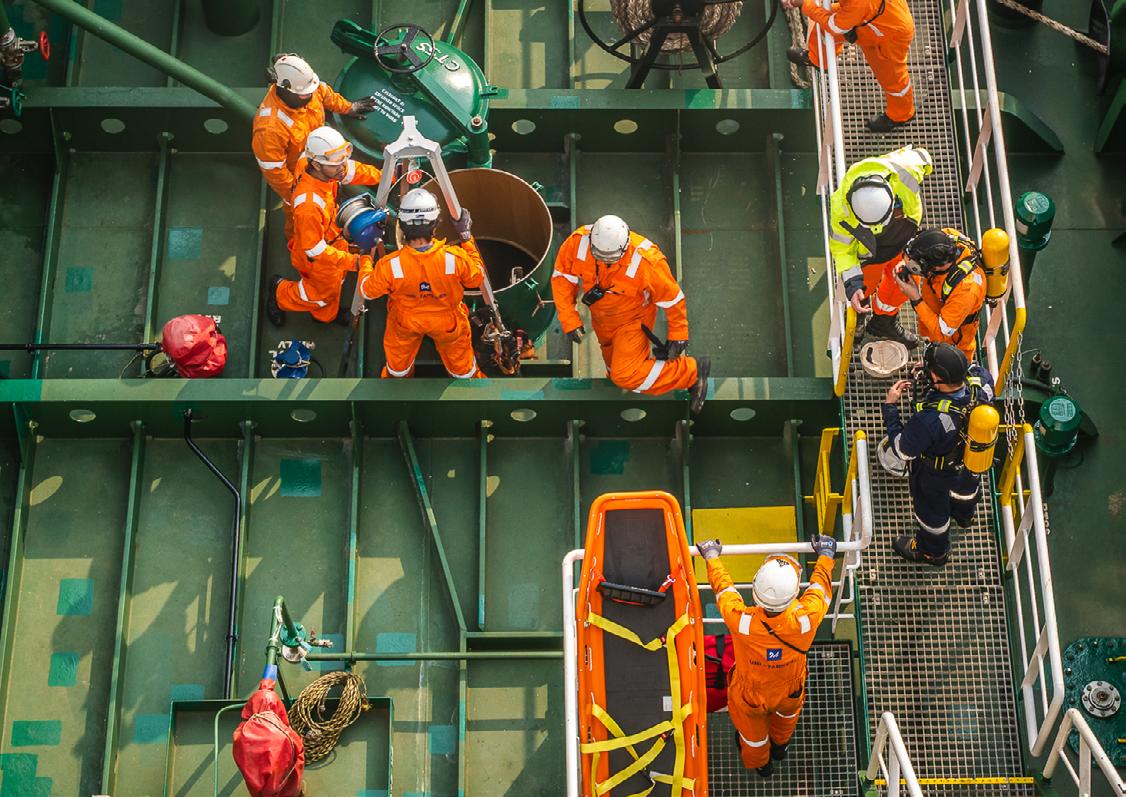
Definitions & Principles
GHG Accounting Principles
CHANGE OF ACCOUNTING MANUAL
To determine which emissions are categorized in each Scope, Uni-Tankers has consolidated its emissions following the operational control approach. “Under the operational control approach, a company accounts for 100 percent of the GHG emissions over which it has operational control.” According to the GHG Protocol, “the company has operational control if itself or one of its subsidiaries has the full authority to introduce and implement operating policies.” It does not account for GHG emissions from operations in which it owns an interest but does not have operational control.
CHANGES IN METHODOLOGY
For Scope 2 emissions, historical figures have been recalculated to align with the financial year reporting period. Previously, Scope 2 emissions were reported based on calendar year data. The change has been applied retrospectively to all relevant reporting periods to ensure comparability. In addition, the market-based methodology has been updated to reflect the use of Guarantees of Origin (GOs), where applicable, with residual electricity consumption calculated using residual mix emission factors.
BUNKER FUEL COMBUSTED BY OWNED AND TIME-CHARTERED VESSELS (SCOPE 1)
GHG emissions related to the combustion of MGO, VLSFO, and biofuel (B30 and B100 biodiesel) used for the main and auxiliary engines in the owned and time-chartered fleet. The GHG emissions are calculated based on the annual consumption of these bunker fuels and the most recent emission factors. The emission factors for MGO and VLSFO are sourced from the UK Government’s official greenhouse gas reporting conversion factors (DEFRA), published by the Department for Energy Security and Net Zero.
FUEL COMBUSTION BY COMPANY CARS (SCOPE 1)
GHG emissions related to the combustion of petrol and diesel used in company cars owned or controlled by the applicable Uni-Tankers entities. The GHG emissions are calculated based on the annual consumption of these fuels and the most recent emission factor published by the UK Government’s official greenhouse gas reporting conversion factors (DEFRA), published by the Department for Energy Security and Net Zero.
STATIONARY COMBUSTION (SCOPE 1)
GHG emissions related to the combustion of natural gas used for the heating of offices. The GHG emissions are calculated based on the annual consumption of natural gas and the most recent emission factor published by the UK Government’s official greenhouse gas reporting conversion factors (DEFRA), published by the Department for Energy Security and Net Zero.
PURCHASED ELECTRICITY (SCOPE 2)
GHG emissions related to purchased electricity at all Uni-Tankers offices are calculated using both the location-based and market-based approaches. Emission factors are country-specific and sourced from publicly available sources. Market-based GHG emissions reflect the impact of contractual instruments such as Guarantees of Origin (GOs), where applicable. Electricity consumption not covered by GOs is calculated using residual mix emission factors. Location-based GHG emissions are calculated based on the annual electricity consumption and the average grid GHG emission factor published by national sources.
PURCHASED HEATING (SCOPE 2)
GHG emissions related to purchased district heating at Uni-Tankers’ office in Türkiye. The GHG emissions are calculated based on annual heating consumption and the country’s average grid GHG emission factor published by the Turkish National Greenhouse Gas Emissions Inventory (Annex 1), published by the Ministry of Energy and Natural Resources.
PURCHASED GOODS AND SERVICES (SCOPE 3, CATEGORY 1)
Upstream GHG emissions related to purchased goods and services for all Uni-Tankers’ owned vessels, and limited services paid for and controlled by Uni-Tankers for timechartered vessels. GHG emissions are calculated based on spend data across goods and service categories and product category emission factors published by the World InputOutput Database (WIOD).
PURCHASED CAPITAL GOODS (SCOPE 3, CATEGORY 2)
Upstream GHG emissions related to purchased capital goods by all applicable UniTankers entities. GHG emissions are calculated based on spend data across capital goods categories and product category emission factors published by the World Input-Output Database (WIOD).
FUEL AND ENERGY-RELATED ACTIVITIES (SCOPE 3, CATEGORY 3)
Upstream GHG emissions related to purchased fuels and energy by all Uni-Tankers’ offices and owned vessels. This includes all fuels covered in Scope 1 and all energy (electricity, heating, and cooling) reported in Scope 2. The GHG emissions are calculated based on consumption data for fuel and energy and the relevant upstream emission factors published by the UK Government’s official greenhouse gas reporting conversion factors (DEFRA) and the International Energy Agency (IEA).
UPSTREAM TRANSPORTATION AND DISTRIBUTION (SCOPE 3, CATEGORY 4)
Lifecycle GHG emissions related to transportation and distribution of purchased products from tier-one suppliers in vehicles not owned or operated by Uni-Tankers, as well as third-party transportation and distribution services purchased by Uni-Tankers. This includes third-party logistics and transportation services by road, sea, or air to transport purchased products to Uni-Tankers’ owned vessels. Emission factors are published by the UK Government’s official greenhouse gas reporting conversion factors (DEFRA).
BUSINESS TRAVEL (SCOPE 3, CATEGORY 6)
GHG emissions related to business travel for all applicable Uni-Tankers employees. GHG emissions are calculated based on purchased flights and emission factors published by the UK Government’s official greenhouse gas reporting conversion factors (DEFRA).
UPSTREAM LEASED ASSETS (SCOPE 3, CATEGORY 8)
GHG emissions related to the operation of assets leased by Uni-Tankers during the reporting year. GHG emissions are calculated based on annual consumption of Marine Gas Oil (MGO) and Low Sulphur Fuel (LSF) as well as the respective emission factors published by the UK Government’s official greenhouse gas reporting conversion factors (DEFRA). All owned vessels and all time-chartered vessels are considered under Uni-Tankers’ operational control and therefore included in Scope 1.
OUTSIDE OF SCOPE (BIOGENIC EMISSIONS)
Biogenic emissions refer to the release of greenhouse gases into the atmosphere from natural biological processes. At Uni-Tankers, these emissions come from renewable fuels reported under Scope 1 and Scope 3.
Air Pollution Accounting Policy
Air pollution represents the amount of air pollutants emitted from vessel operations, excluding greenhouse gas emissions. The air pollutants included are nitrogen oxides (NOx), sulphur oxides (SOx), particulate matter (PM10 and PM2.5), nonmethane volatile organic compounds (NMVOC), and black carbon (BC).
Air pollution emissions are reported for owned vessels and timechartered vessels, applying the same operational control boundary as for GHG Scope 1 emissions. Emissions are calculated on a global basis.
Air pollutant emissions are prepared using methodologies and emission factors from the Fourth IMO Greenhouse Gas Study. Depending on pollutant characteristics and data availability, emissions are calculated using vessel-based, energy-based, fuel-based, or hybrid fuel-to-energy approaches. Energy-based methods are applied where pollutants are linked to engine power and operating profiles, while fuel-based methods are applied where emissions are primarily determined by fuel consumption and composition.
PM2.5 emissions are reported as a fraction of total particulate matter (PM10), and results are aggregated and disclosed at company level in tonnes per pollutant.
Other Definitions
CSRD – Corporate Sustainability Reporting Directive.
ESRS – European Sustainability Reporting Standards.
DMA – Double Materiality Assessment.
IRO – Impacts, Risks, and Opportunities.
GHG – Greenhouse gases.
AER – Annual Efficiency Ratio, expressed as grams CO2 per deadweight-ton-nautical mile.
LTIF – Lost Time Injury Frequency, measured as lost time injuries per one million exposure hours, in accordance with the OCIMF Marine Injury Reporting Guidelines.
IMO – International Maritime Organization.
EU ETS – European Union Emissions Trading System.
CII – Carbon Intensity Indicator.
WTW / TTW – Well-to-Wake / Tank-to-Wake.
DWT – Deadweight tonnage.
OCIMF – Oil Companies International Marine Forum.
HSQE – Health, Safety, Quality, and Environment.
SMS – Safety Management System.
ISM – International Safety Management.
DPA – Designated Person Ashore.
ISMS – Information Security Management System.
GDPR – General Data Protection Regulation.
KYC – Know Your Counterparty.
MACN – Maritime Anti-Corruption Network.
GOs – Guarantees of Origin.
Statement
By The Executive Management of Uni-Tankers A/S
Regarding The Greenhouse Gas Inventory 2025/26.
Executive Management has today considered and approved the Greenhouse Gas Inventory 2025/26.
The Greenhouse Gas Inventory for 2025/26 has been prepared in accordance with The Greenhouse Gas Protocol — A Corporate Accounting and Reporting Standard (revised edition).
The Greenhouse Gas Statement comprises the Scope 1—3 emissions inventory of UniTankers A/S, Uni-Tankers France SarL, Uni-Tankers Denizcilik ve Tic. Ltd. Sti, Uni-Tankers USA LLC, Uni-Tankers Spain S.L., Uni-Tankers Singapore PTE. LTD. owned vessels and timechartered vessels, as defined by Executive Management’s Accounting Principles for its Greenhouse Gas Inventory.
In our opinion, the Greenhouse Gas Inventory 2025/26 is in accordance with The Greenhouse Gas Protocol and Executive Management’s Accounting Principles for its Greenhouse Gas Inventory, and is free from material misstatement and omissions, whether due to fraud or error, including the accuracy and completeness of the data, sources, and assumptions used.
Middelfart, 22 June 2026
Executive Management
Per Ekmann CEO
Thomas Thomsen CFO
Independent Practitioner’s Report
Independent auditor’s report on the agreed-upon procedures concerning Greenhouse Gas Inventory in Uni-Tankers A/S for 2025/26.
To The Management of Uni-Tankers A/S
PURPOSE OF THIS AGREED-UPON PROCEDURES REPORT AND RESTRICTIONS ON USE AND DISTRIBUTION
Our report is solely for the purpose of assisting the management of Uni-Tankers A/S in assessing the reliability of the Greenhouse Gas Inventory of Uni-Tankers A/S stated in the Sustainability Report 2025/26 and may not be suitable for another purpose. The Greenhouse Gas Inventory comprises scope 1-3 emissions Inventory.
MANAGEMENT’S RESPONSIBILITIES
The Management of Uni-Tankers A/S has acknowledged that the agreed-upon procedures are appropriate for the purpose of the engagement. Management is responsible for the disclosures provided.
AUDITOR’S RESPONSIBILITIES FOR THE ASSURANCE ENGAGEMENT
We have conducted the agreed-upon procedures engagement in accordance with the International Standard on Related Services (ISRS) 4400 (Revised), Agreed-Upon Procedures Engagements. An agreed-upon procedures engagement involves our performing the procedures that have been agreed with Management, and reporting the findings, which are the factual results of the agreed upon procedures performed. We make no representation regarding the appropriateness of the agreed-upon procedures. This agreed-upon procedures engagement is not an assurance engagement. Accordingly, we do not express an opinion or an assurance conclusion. Had we performed additional procedures, other matters might have come to our attention that would have been reported.
PROFESSIONAL ETHICS AND QUALITY MANAGEMENT
We have complied with the relevant provisions of the Danish Act on Approved Auditors and Audit Firms and the International Ethics Standards Board for Accountants’ International Code of Ethics for Professional Accountants (IESBA Code), including the principles of integrity, objectivity, professional competence and due care. We have also complied with the independence requirements of Part 4B of the IESBA Code. Our firm applies International Standard on Quality Management 1, which requires the firm to design, implement and operate a system of quality management including policies or procedures regarding compliance with ethical requirements, professional standards and applicable legal and regulatory requirements.
WORK PERFORMED
The procedures were performed exclusively for the purpose of assisting the management of Uni-Tankers in assessing the reliability of the Greenhouse Gas Inventory of Uni-Tankers A/S stated in the Sustainability Report 2025/26. Our procedures can be summarised as follows:
We have assessed whether the costs related to the number of bunkers used in the Scope 1 emissions calculation appear probable when compared to the bunker costs being part of total costs stated in the Uni-Tankers Annual Report 2025/26,
We have assessed whether the emission factors used when calculating Scope 1 and Scope 2 emissions are derived from documented and verifiable sources,
Based upon Uni-Tankers’ initial mapping of its Scope 3 emissions, we have assessed whether all Scope 3 emissions categories deemed material are included in the consolidated Scope 3 emissions of the Company’s activities for 2025/26.
RESULTS FROM WORK PERFORMED
Based on our work, we have identified that:
Based on our work, we have identified that: The cost of USD 73,260,290 related to the amount of bunker used in the Scope 1 emissions calculation appear probable when compared to the bunker costs being part of total costs stated in the Uni-Tankers Annual Report 2025/26.
The emission factors used when calculating Scope 1 and Scope 2 emissions are derived from documented and verifiable sources.
Based upon Uni-Tankers’ initial mapping of its Scope 3 emissions, all Scope 3 emissions categories deemed material are included in the consolidated Scope 3 emissions calculation of the Company’s activities for 2025/26.
Trekantomraadet, 22 June 2026
PricewaterhouseCoopers
Statsautoriseret Revisionspartnerselskab
CVR No 33 77 12 31
Henrik Kragh
State Authorised Public Accountant mne26783
Henrik Forthoft Lind
State Authorised Public Accountant mne34169