How AI and Extended Reality Are Transforming Frontline
Workplaces
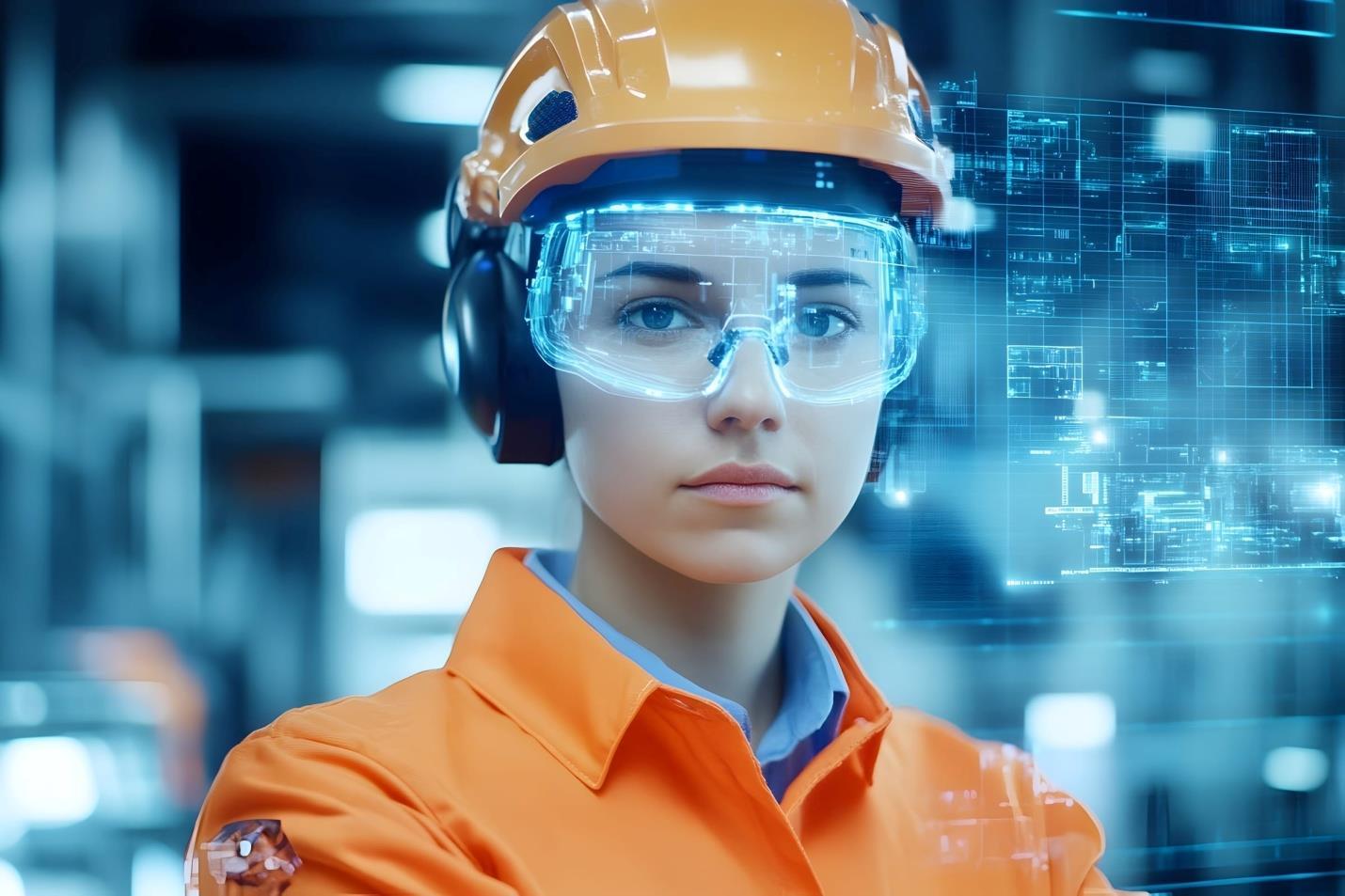

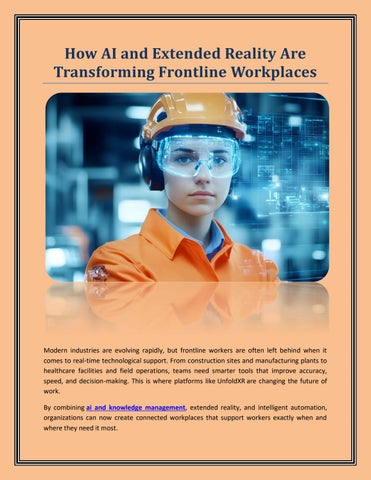
Modern industries are evolving rapidly, but frontline workers are often left behind when it comes to real-time technological support. From construction sites and manufacturing plants to healthcare facilities and field operations, teams need smarter tools that improve accuracy, speed, and decision-making. This is where platforms like UnfoldXR are changing the future of work.
By combining ai and knowledge management, extended reality, and intelligent automation, organizations can now create connected workplaces that support workers exactly when and where they need it most.
The Growing Need for Smart Workforce Solutions
Traditional systems often rely on manuals, delayed reporting, and disconnected communication channels. These outdated methods reduce productivity and increase the chances of operational errors.
Today, businesses are shifting toward smart workforce solutions that provide:
Real-time guidance
Instant collaboration
Automated documentation
Predictive diagnostics
Faster training and onboarding
With millions of deskless workers operating in high-pressure environments, companies are investing in technologies that improve operational performance without adding unnecessary complexity.
AI and Knowledge Management in Real-Time Operations
One of the biggest challenges for enterprises is making critical knowledge accessible during live operations. Workers often lose valuable time searching for information or waiting for expert assistance.
Advanced platforms using Generative AI for Knowledge Management solve this issue by delivering contextual information directly into workflows. Instead of searching through multiple systems, workers receive relevant instructions, visual guidance, and troubleshooting support instantly.
This modern approach to ai and knowledge management helps organizations:
Reduce downtime
Improve decision-making
Preserve institutional knowledge
Enhance worker confidence
Increase operational efficiency
Knowledge becomes available at the exact moment it is required, creating a more intelligent and responsive work environment.

The Rise of AI Workflow Automation
Businesses are also adopting ai workflow automation to streamline repetitive tasks and improve productivity. Automation is no longer limited to office environments. It is now becoming essential for field operations, maintenance teams, logistics, and industrial sectors.
AI-powered workflow systems can automatically:
Generate reports
Capture operational data
Track performance metrics
Trigger alerts and diagnostics
Support remote collaboration
This reduces administrative workload and allows employees to focus on higher-value tasks that require human expertise and judgment.
How Augmented Reality Is Reshaping Industries
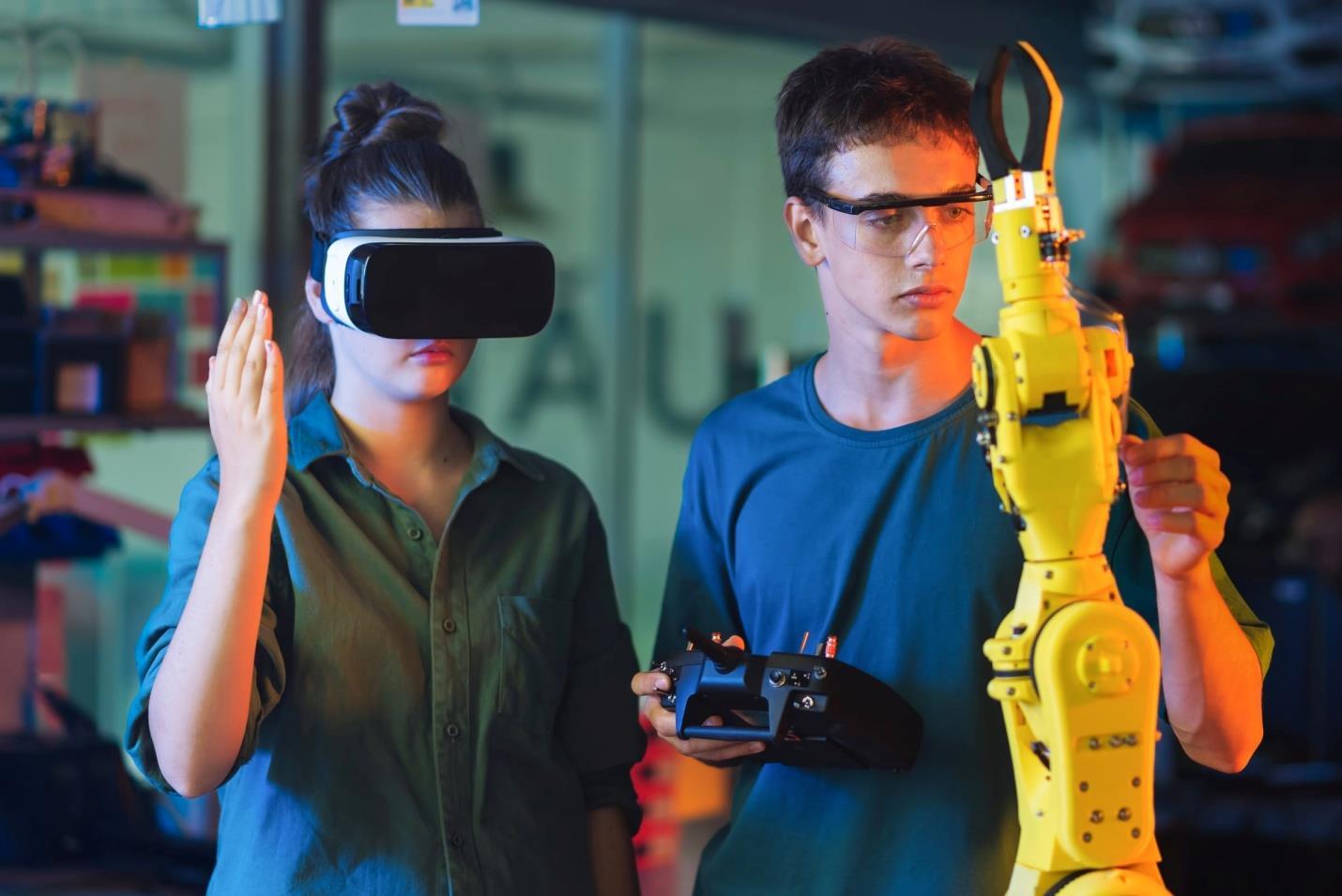
The adoption of software augmented reality is accelerating across multiple industries because it creates immersive and practical work experiences.
Augmented Reality in Automobile Industry
The use of augmented reality in automobile manufacturing and servicing is improving precision and efficiency. Technicians can access digital overlays, step-by-step repair instructions, and realtime diagnostics while working on vehicles.
Benefits include:
Faster maintenance processes
Reduced human errors
Improved technician training
Enhanced safety standards
Automotive companies are increasingly using AR tools to optimize assembly lines and support complex repair operations.
Augmented Reality Construction Solutions
Similarly, augmented reality construction technologies are helping teams visualize project plans directly on-site. Construction workers can compare digital models with physical environments in real time, improving project accuracy and reducing costly mistakes.
AR-driven construction solutions support:
Better project coordination
Faster inspections
Real-time collaboration
Improved safety management
Reduced material waste
As infrastructure projects become more complex, augmented reality is becoming an essential tool for modern construction operations.

Enterprise AI Platform for the Future Workforce
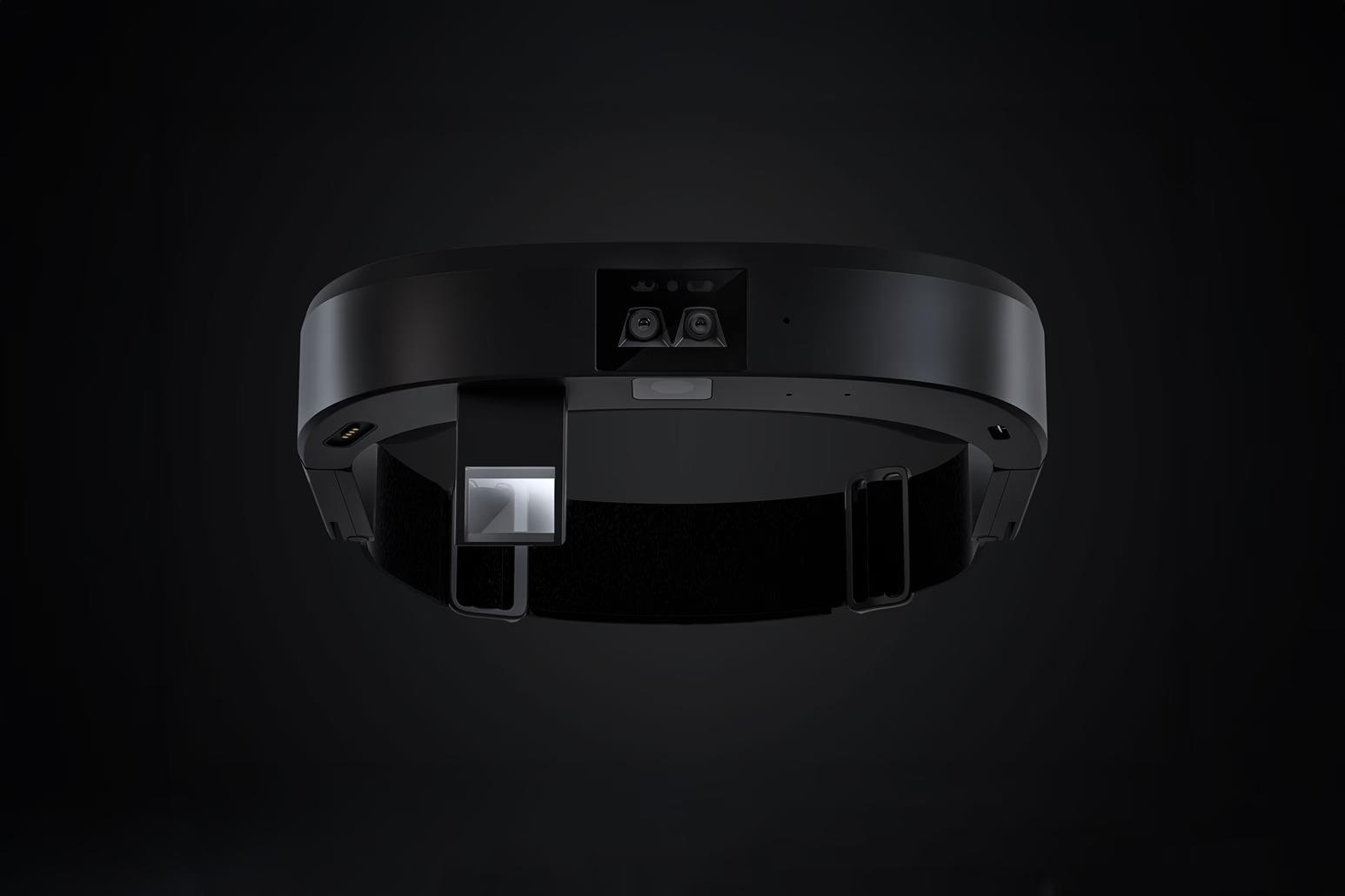
An effective enterprise ai platform must do more than collect data. It should enhance human capability and support workers during critical moments of execution.
UnfoldXR focuses on creating intelligent workspaces where AI and extended reality function as practical productivity tools rather than experimental technologies. The platform supports frontline teams before, during, and after tasks, enabling seamless collaboration and continuous operational improvement.
By integrating AI, AR, and automation into daily workflows, businesses can accelerate enterprise digital transformation software initiatives while maintaining a human-first approach.
Digital Assistants Are Becoming Essential
The modern digital assistant is no longer limited to scheduling meetings or answering basic questions. In industrial and frontline environments, digital assistants now provide:
Real-time operational support
Instant troubleshooting guidance
Smart documentation
Context-aware recommendations
Interactive training assistance
These capabilities improve both productivity and employee confidence, especially in fast-paced operational settings.
Final Thoughts
The future of frontline work depends on intelligent systems that enhance human performance rather than replace it. Technologies such as ai workflow automation, software augmented reality, and Generative AI for Knowledge Management are helping businesses create more connected, productive, and efficient workplaces.
As organizations continue investing in enterprise digital transformation software, platforms like UnfoldXR are leading the way by bringing AI and extended reality directly into real-world operations where they create measurable impact.
FAQs
1. What is AI and knowledge management?
AI and knowledge management refers to using artificial intelligence to organize, deliver, and optimize information access for employees in real-time operational environments.
2. How does augmented reality help construction companies?
Augmented reality construction solutions improve project visualization, reduce errors, enhance collaboration, and increase safety on construction sites.
3. Why is AI workflow automation important for enterprises?
AI workflow automation helps businesses reduce manual tasks, improve efficiency, automate reporting, and support faster decision-making across operations.