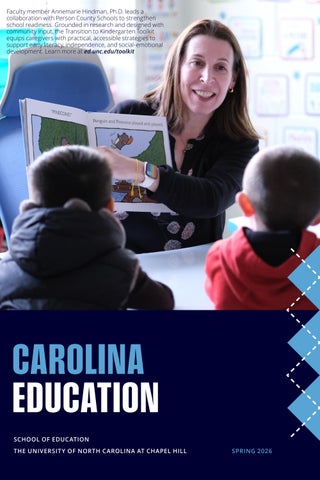
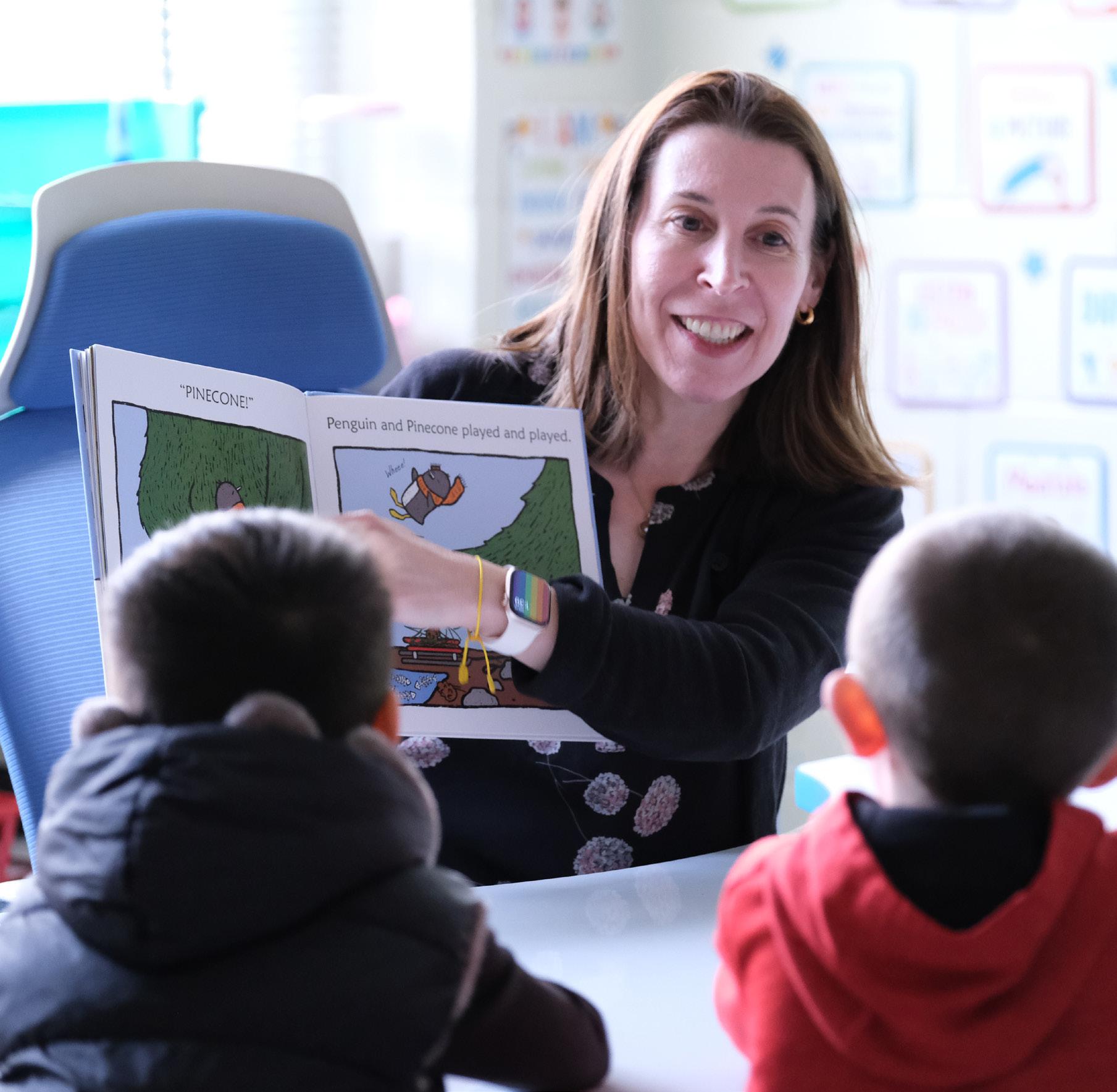
Faculty member Annemarie Hindman, Ph.D. leads a collaboration with Person County Schools to strengthen school readiness. Grounded in research and designed with community input, the Transition to Kindergarten Toolkit equips caregivers with practical, accessible strategies to support early literacy, independence, and social-emotional development. Learn more at ed.unc.edu/toolkit
CAROLINA EDUCATION
A MESSAGE FROM THE DEAN
Greetings Tar Heels,
After a meaningful year of serving as dean, I’m excited for you to receive this latest edition of Carolina Education. As always, there’s much to share. Perhaps our biggest news is that we’ve relaunched our undergraduate elementary education program. I’ve said this often, but it remains true: This forward-looking program, which draws upon our faculty strengths, addresses North Carolina student needs, and acknowledges the power of data and technology, is what a flagship university’s elementary education program should look like. Of course, these future teachers will also be ready to deliver excellent math, reading, social studies, and science instruction. I invite you to read more inside this edition and at ed.unc.edu/elementary
At the School, we have long known that for people to learn and to realize their maximum potential, we must also tend to their well-being and, critically, their mental health needs. Our faculty, students, and alumni seek to ensure this well-being through exceptional scholarship, educator preparation, and service. A recent grant will study two school-based interventions meant to curb adolescent suicide-related risk and bring much needed mental health professionals to North Carolina. Our researchers are also working to understand the biological responses to the constant social comparison that comes with social media — and then put that evidence to use for the well-being of young people. You’ll see this leading work and more in the following pages.
In this issue, you will also meet Rich Gilliam, an innovator and entrepreneur focused on expanding opportunities for students to see themselves as future STEM professionals. This spring, Rich walked across the stage as a member of the tenth graduating class of the Master of Arts in Educational Innovation, Technology, and Entrepreneurship program and credits the program for advancing his social impact venture well before he turned his tassel.
Speaking of graduation, we were honored to welcome alumnus Karl Rectanus back to campus to deliver our 2026 graduation address. Since leaving Carolina in 1998, he’s created his own unique career path guided by education and the potential it holds for good. Like Karl, our alumni are doing important work on behalf of students, schools, and communities. I invite you to read exciting career updates from some of our alumni, and please don’t forget to share your own updates with us!
Thank you for everything you do in support of education and happy reading.
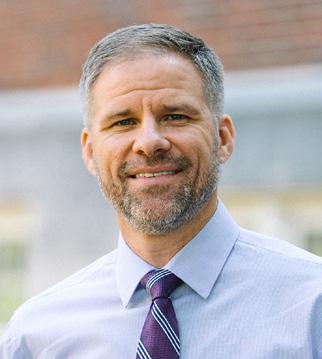
Jill V. Hamm Dean and William C. Friday Distinguished Professor of Education
The UNC School of Education has relaunched the B.A.Ed. in Elementary Education program, which will offer its first classes in fall 2026. The program — developed by top researchers and practitioners and with the diverse needs of North Carolina students in mind — will prepare highly effective teachers to create impact in today’s and tomorrow’s classrooms.
The program is one of few, if not the only, in the state to require dual licensure in Elementary Education and in either Special Education – General Curriculum or English as a Second Language. With 300+ languages spoken in North Carolina homes and nearly 15% of the state’s public school students receiving special education services, the program’s dual licensure requirement ensures graduates are prepared to effectively respond to student needs.
In addition to providing research-based methods in reading, mathematics, social studies, and science instruction, the program will also provide its students with coursework in data literacy and educational technology. Graduates will leave Carolina with skills to make data actionable for instructional decision-making and effective student learning.
“North Carolina schools need beginning teachers who are ready to lead from day one,” said Jill V. Hamm, dean of the School.
“This program is what a flagship teacher preparation program should look like — one that recognizes the increasingly diverse needs of today’s students and a technology-driven culture that provides us all with data that can improve our world. Our graduates will be ready for day one, but they will also be equipped with knowledge and experiences to transform their students’ lives throughout their careers.”
Learn more at ed.unc.edu/elementary
Redefining science education, bringing real‑world issues into the classroom
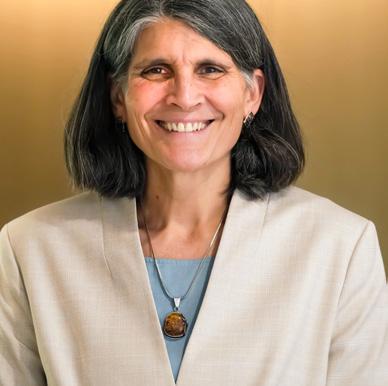
For more than two decades, Troy Sadler, Ph.D., the Thomas James Distinguished Professor of Experiential Education has sought to reshape how science is taught and learned. During that time, he’s been at the forefront of research focused on socio-scientific issues — real-world scientific challenges like bioethics, climate science, and viral spread that carry social, political, and ethical implications – and how they can bolster students’ scientific reasoning and how teachers can bring those lessons into their classrooms. For his work, Sadler received the National Association for Research in Science Teaching’s 2026 Distinguished Contributions to Science Education through Research Award.
Smith named next president of N.C. Association of Colleges for Teacher Education
Brad Smith (’08 M.A.T.), Ed.D., clinical assistant professor in the School’s doctoral and undergraduate leadership programs, became president of the North Carolina Association of Colleges for Teacher Education effective July 1.
NCACTE is the leading advocacy group for policy issues regarding teacher preparation in North Carolina, and its membership includes private and public educator preparation programs across the state. Smith’s term ends in 2029.
Brad Smith
Troy Sadler
Writing the future of the next generation of STEM professionals “
During the 2025-26 academic year, the Master of Arts in Educational Innovation, Technology, and Entrepreneurship (MEITE) program celebrates 10 years of preparing graduates to shape the future of learning for the social good — blending technology, research, and design thinking to deliver solutions across schools, startups, nonprofits, and beyond.
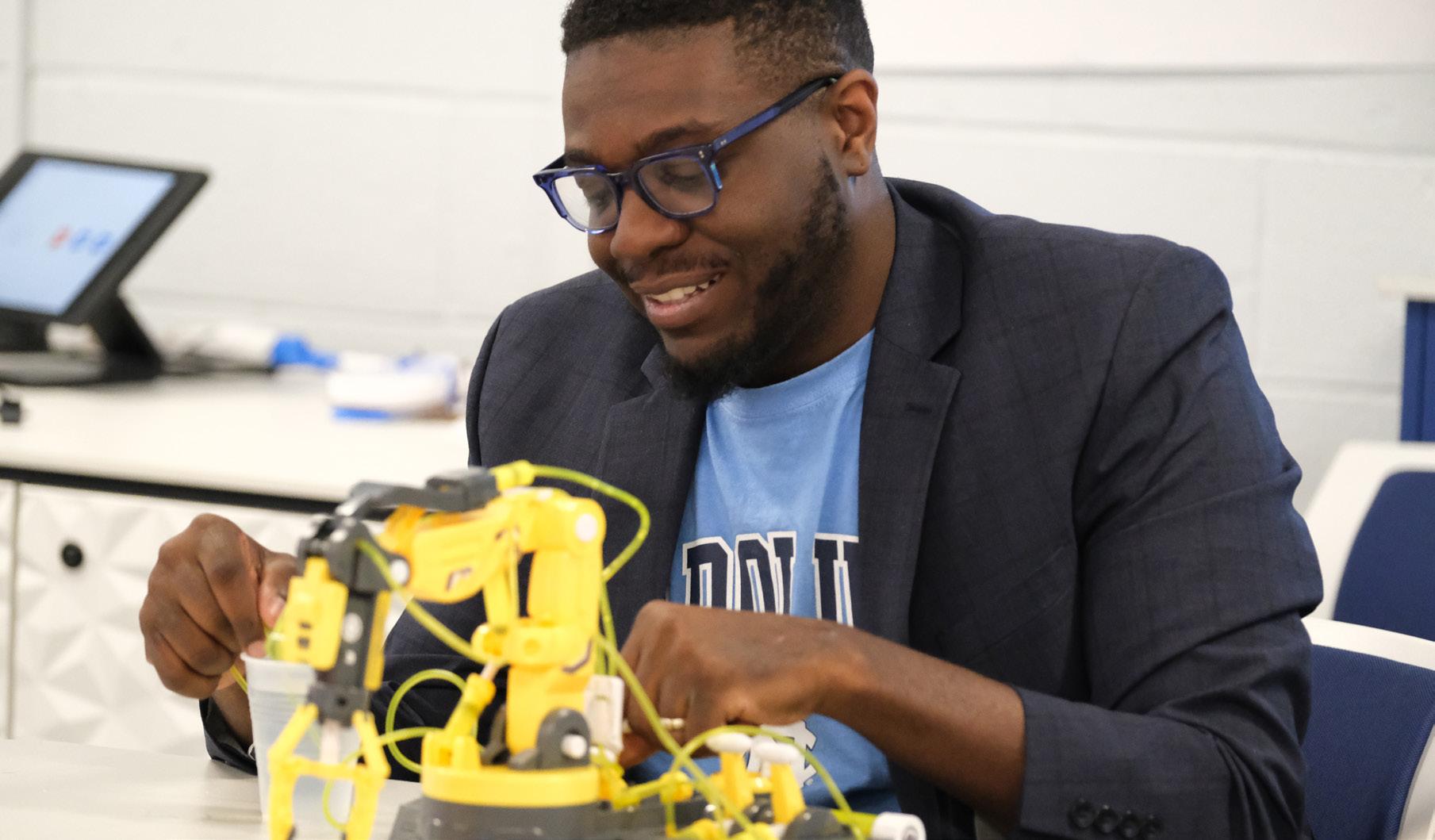
Rich Gilliam’s (’26 M.A.) STEM PLUG — a social impact venture that builds STEM identity and confidence among K-12 students and educators — began with a single children’s book.
Published in 2022, “Diverse in STEM” introduced characters designed to help young learners see themselves in science, technology, engineering, and mathematics. For Gilliam, founder of STEM PLUG and a 2026 graduate of the UNC School of Education’s Master of Arts in Educational Innovation, Technology, and Entrepreneurship program, the book was the first offering of an organization that has expanded to include more children’s books, robotics kits, and educator development.
Gilliam said his work to help young learners see themselves in STEM is rooted in his own journey — one that began with a high school project inspired by watching his aunt navigate kidney disease.
“That project showed me how science really correlates to my everyday life,” Gilliam said.
After college, he built a career in science and engineering, working in neuroscience research and laboratory engineering roles that gave him the technical foundation and professional experience that would inform STEM PLUG and his work as an education entrepreneur.
Helping kids within STEM is not just a nice‑to‑have; it’s a need‑to‑have.
As the venture grew, Gilliam searched for a graduate program that could help him connect his technical background with educational standards, learning design, and entrepreneurship.
“My interest in the MEITE program came from wanting to bridge my technical experience with educational standards and really understand the education realm more deeply within technology,” Gilliam said. “It’s been a structure that has pushed STEM PLUG not only financially, but strategically.”
Through the MEITE program, Gilliam said he has been able to apply course concepts, mentorship, and faculty guidance directly to STEM PLUG.
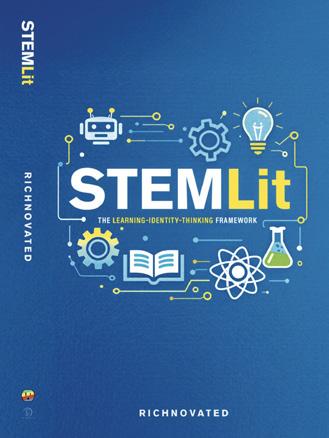
Gilliam said new projects include educator professional development offerings, a framework book titled “STEM Lit,” and exploratory work toward an AI-supported learning tool connected to STEM PLUG’s characters. He sees those efforts as part of a broader ecosystem designed to help students — especially ones who may not encounter STEM early or often.
“Helping kids within STEM is not just a nice-to-have; it’s a need-to-have,” Gilliam said.
RESEARCH, PREPARATION, AND PARTNERSHIP TO SUPPORT STUDENT WELL-BEING
Across North Carolina and the nation, schools face a growing and complex challenge: supporting the mental health and well-being of students in addition to ensuring students meet academic goals. Rising levels of anxiety, depression, and social stressors among children and adolescents have positioned schools on the front lines of care. At the UNC School of Education, meeting this moment means action. At Carolina, we seek to lead the research conversation, prepare the most effective educators, and reshape how we best serve communities through education.
Committed to educating the whole child, the School is advancing a comprehensive approach that recognizes learning and well-being, including the mental health of students, as inextricably connected. Our faculty, students, and alumni work together to ensure that North Carolina’s schools are equipped with the knowledge, tools, and professionals needed to support student well-being.
A nationwide effort to eliminate adolescent suicide‑related risk
Faculty research is central to the School’s impact, translating evidence into practice.
Dorothy Espelage, Ph.D., William C. Friday Distinguished Professor of Education, and Marisa E. Marraccini, Ph.D., Donald & Justeen Tarbet Faculty Scholar in Education, are leading North Carolina efforts in a $16 million multistate study funded by the Patient-Centered Outcomes Research Institute (PCORI) focused on reducing adolescent suicide-related risk through school-based prevention programs. The study, Building Resilience in Teens through Education, compares widely used interventions and examines how they function across different school contexts, generating practical insights for educators and policymakers. It also supports the placement of trained mental health interventionists in communities, strengthening local capacity and expanding access to evidencebased care for students.
Leading the conversation: School re‑entry guidelines
A Marraccini-led team, including doctoral students and Cari Pittleman (’23 Ph.D.), a UNC assistant professor in psychiatry, developed School Re-Entry Guidelines: Recommendations for Hospitals, Schools, and Families in Supporting Youth Following Psychiatric Hospitalization for Suicide-Related Crises. Research-based and shaped by youth, families, and practitioners, the guidelines — funded by the American Foundation for Suicide Prevention — provide a roadmap for collaboration between schools, hospitals, and communities during a critical period of recovery.
Dorothy Espelage Marisa Marraccini
“We are seeing a rise in mental health challenges affecting both students and educators. These challenges are preventable, and the best way to prevent them is to build school communities that foster protective factors, strengthen relationships, and help students and educators develop skills to manage stress.”
— Dorothy Espelage William C. Friday Distinguished Professor of Education
Preparing professionals for communities that need them most
The School’s impact is also reflected in the students it prepares and the communities they serve. The Fellows for Inclusive Excellence program removes financial barriers to support our future teachers and school counselors serving in rural districts. School counseling graduate Jared Thomas (’26 M.Ed.) was one of those educators working in a rural district: “We’re not just studying mental health — we’re encountering it daily, processing it with professors and peers, and learning how to respond effectively and ethically. The School Counseling program doesn’t run from asking the difficult questions — it challenges us to be better.”
Learn more about our work to improve student well being
EDUCATING THE WHOLE
The stress of social media
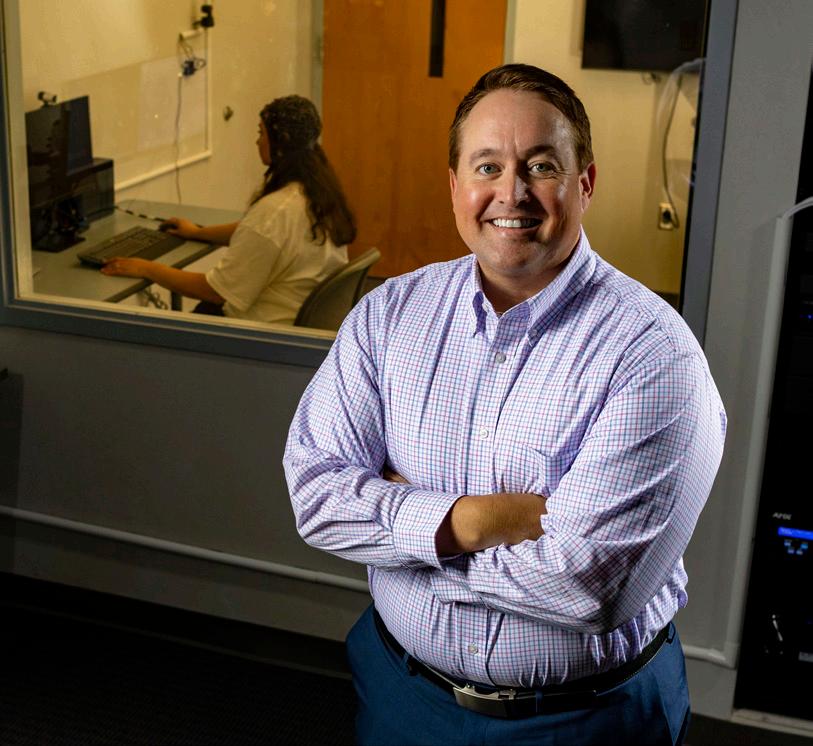
Social media, which brings constant opportunities for social feedback and comparison, can make the transition into adolescence difficult, adding stress and an increased risk for anxiety and depression. Assistant Professor Casey Calhoun, Ph.D., says we don’t know enough about the psychological and neurobiological mechanisms underlying that impact. His latest research aims to change that — while also translating findings into accessible, evidence-based tools that help young people navigate digital spaces in healthier, more intentional ways.
Photo by Megan Mendenhall/UNC Research
At the UNC School of Education, we recognize that learning is dependent on the well-being of children, their families, and their communities. With a focus on underprivileged and underserved communities, we collaborate with educators, parents, schools, communities, and more — in partnership with other schools and units at Carolina — to empower learners and communities to thrive.
ALUMNI NEWS
Barbara D. Day Lecture brings leading cognitive psychologist to campus
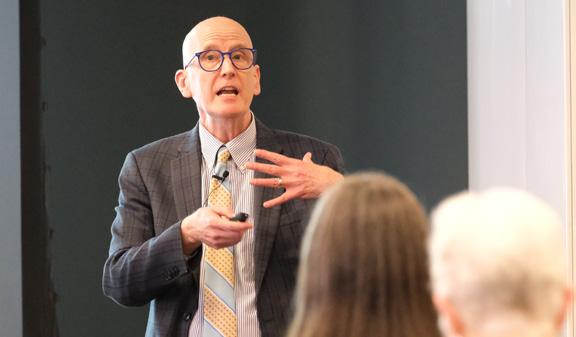
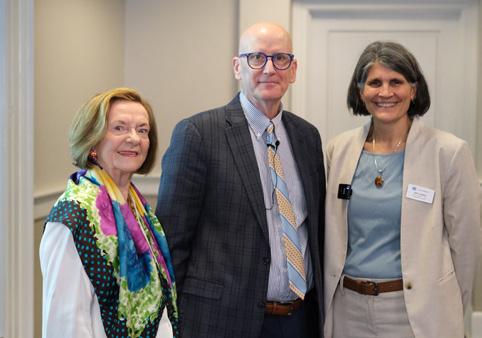
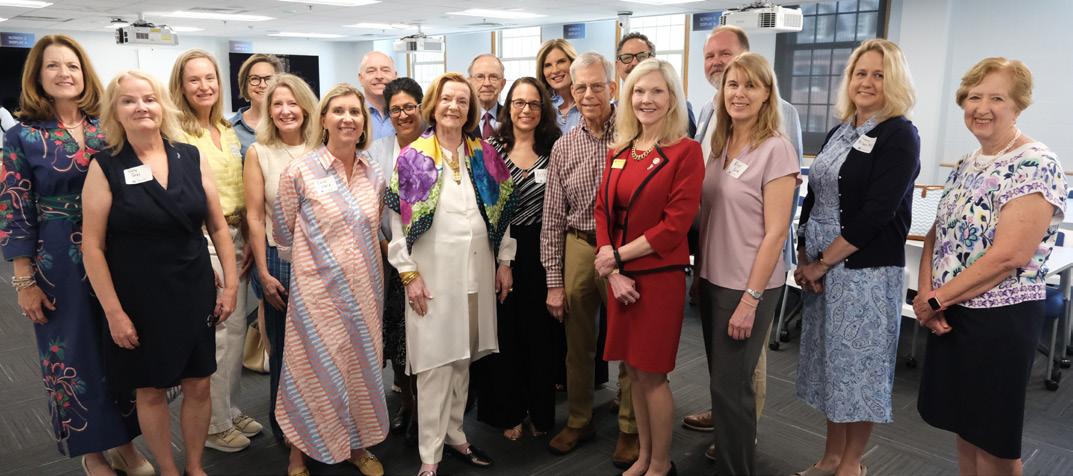
The inaugural Barbara D. Day Lecture welcomed cognitive psychology researcher and University of Virginia faculty member Daniel Willingham to campus on March 27 for the talk “Improving the Use of Psychological Science in K-12 Education.” Made possible with funding from Faculty Emerita Barbara D. Day (pictured below with former students, above right with Willingham and Dean Jill Hamm), the lecture aims to bridge educational research and exemplary practice and engage the School and campus communities in dialogue and innovation around education.
Since the last Carolina Education, we have received the following good news.
Brittany Acevedo Posadas (’23 B.A., ’24 M.A.T.), Selah Bekele Piper (’24 B.A.Ed., ’25 M.A.T.), Jenny Lee (’22 B.A., ’24 M.A.T.), and Sabrina Shisbey (’24 M.A.T.) named 2025-26 school-level Beginning Teachers of the Year in Durham Public Schools
LaChelle Allen (’24 M.Ed.) named an Educator Fellow in the Center for Racial Equity in Education’s 2025-26 North Carolina Equity Fellows Program
Faye Freeman Crawford (’11 M.Ed.) retired after 32+ years as an elementary educator and has since published two books
Addie Griffin (’26 M.A.) accepted an instructional designer role at The Center for Leadership Studies
Hope Heverly (‘26 M.S.A.) named assistant principal of Carolina Community Academy
Kirtisha Jones (‘19 M.S.A., ‘26 Ed.D.) named Chapel Hill-Carrboro City Schools 2026 Principal of the Year
Slki Narae Lim (’24 Ph.D.) received the 2026 Early Career Computational Thinking SIG Outstanding Paper Award from the Society for Information Technology and Teacher Education
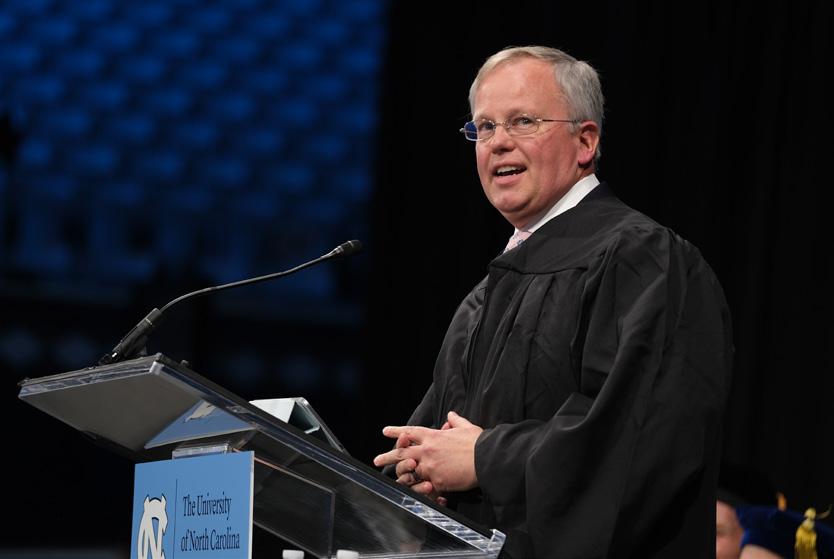
Karl Rectanus (’98 A.B.Ed.) delivers 2026 graduation address
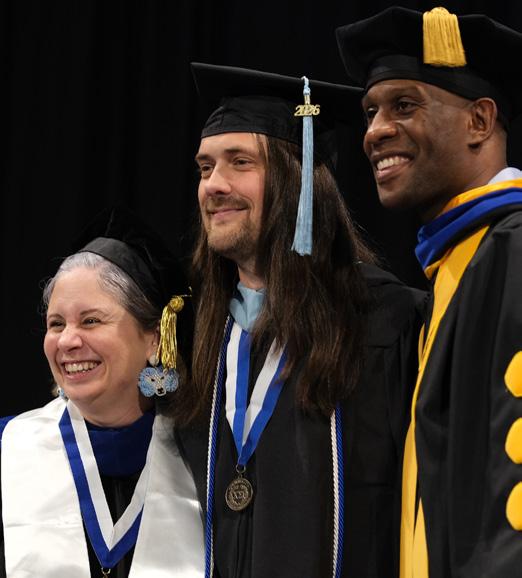
Karl Rectanus (’98 A.B.Ed.), entrepreneur, advisor, and chief executive officer of Really Great Reading, delivered the School’s graduation address on May 9 in Carmichael Arena. Rectanus co-founded and led LearnPlatform, the first rapid-cycle evaluation education technology firm, before its acquisition in 2022. His address encouraged students to learn from three of his best teachers: experience, relationships, and failure.
Jeffery McClure (’24 B.A., ’25 M.A.T.) named Beginning Teacher of Excellence at Person High School
Maisy Morse (‘25 B.A.Ed.) named Rookie Teacher of the Year for Brunswick County Schools
Alexandria Organ (’20 B.A.Ed.) recognized as E.D. Walker Middle School’s Campus Teacher of the Year in the Dallas Independent School District
Amber Washington (’25 M.A.) joined the UNC Career Center as Heels Engage coordinator
Tracy Weston (’07 M.A., ’11 Ph.D.) promoted to full professor, becoming the first-ever full professor of Education Studies at Middlebury College
Grace Whittemore (’24 B.A.Ed.) elected editorin-chief for Volume 49 of the Campbell University Law Review
Do you have news to share?
Changed jobs? Won an award? Moved? Scan the QR code and let us know.
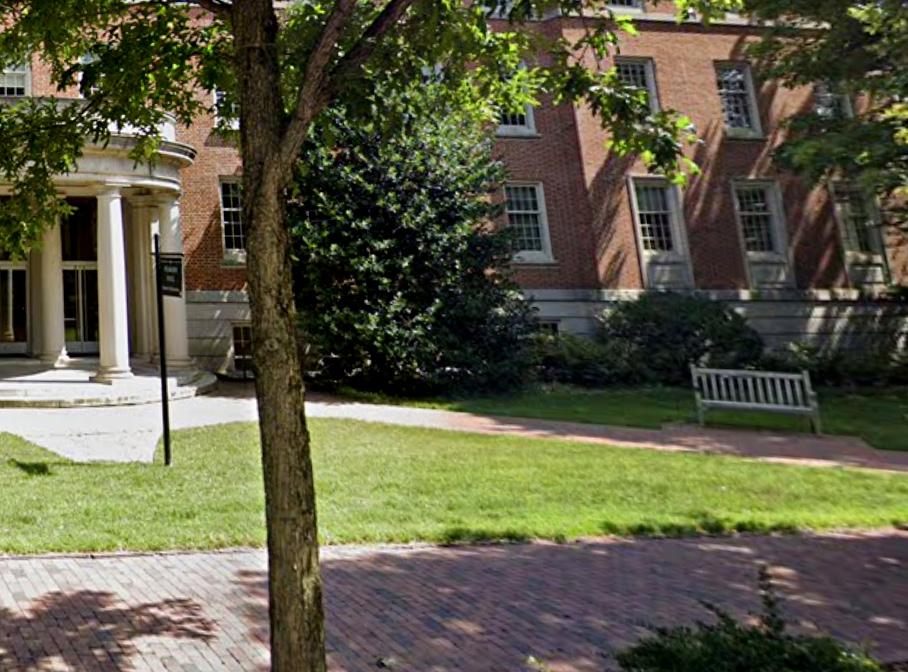
The University of North Carolina at Chapel Hill Campus Box 3500, Peabody Hall Chapel Hill, NC 27599-3500
CAROLINA EDUCATION
SERVING THE MOUNTAINS TO THE COAST AND BEYOND Your support builds learning and research opportunities that strengthen our state and extend education’s impact to schools, students, and communities nationwide.
Alena Brown alena.brown@unc.edu (919) 962-5816
Get an exclusive Carolina Education landscape sticker when you set up a monthly gift of $5 or more, or make a one-time gift of at least $35. Stick it on your laptop, water bottle, phone, or car and show off your Carolina pride wherever you go.