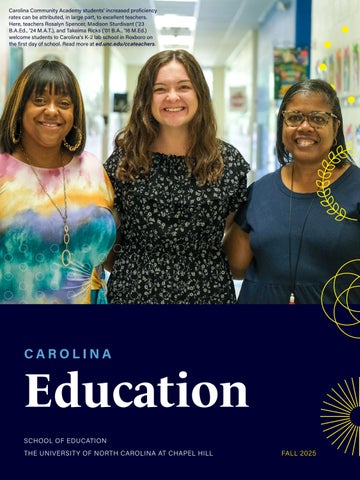
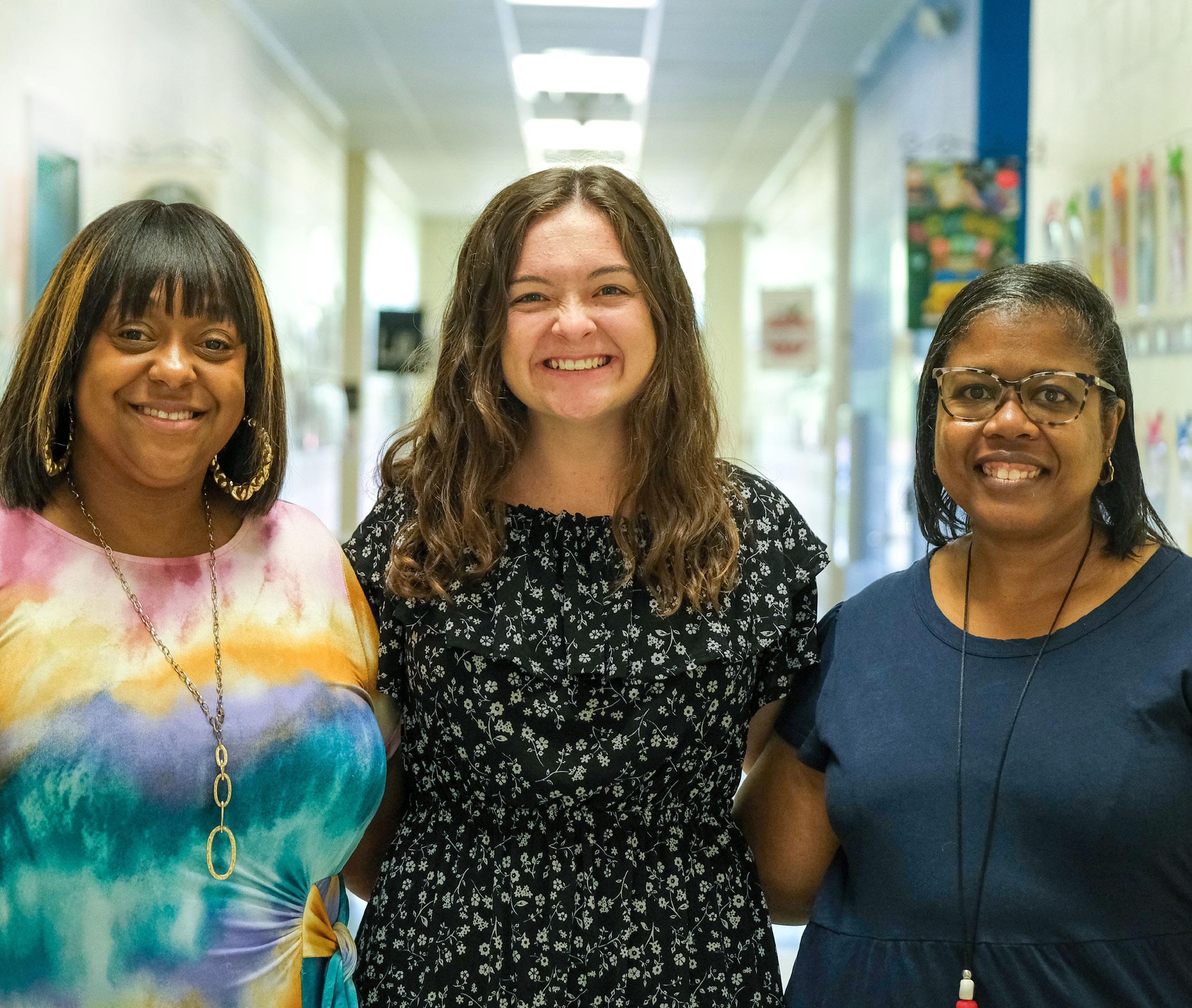
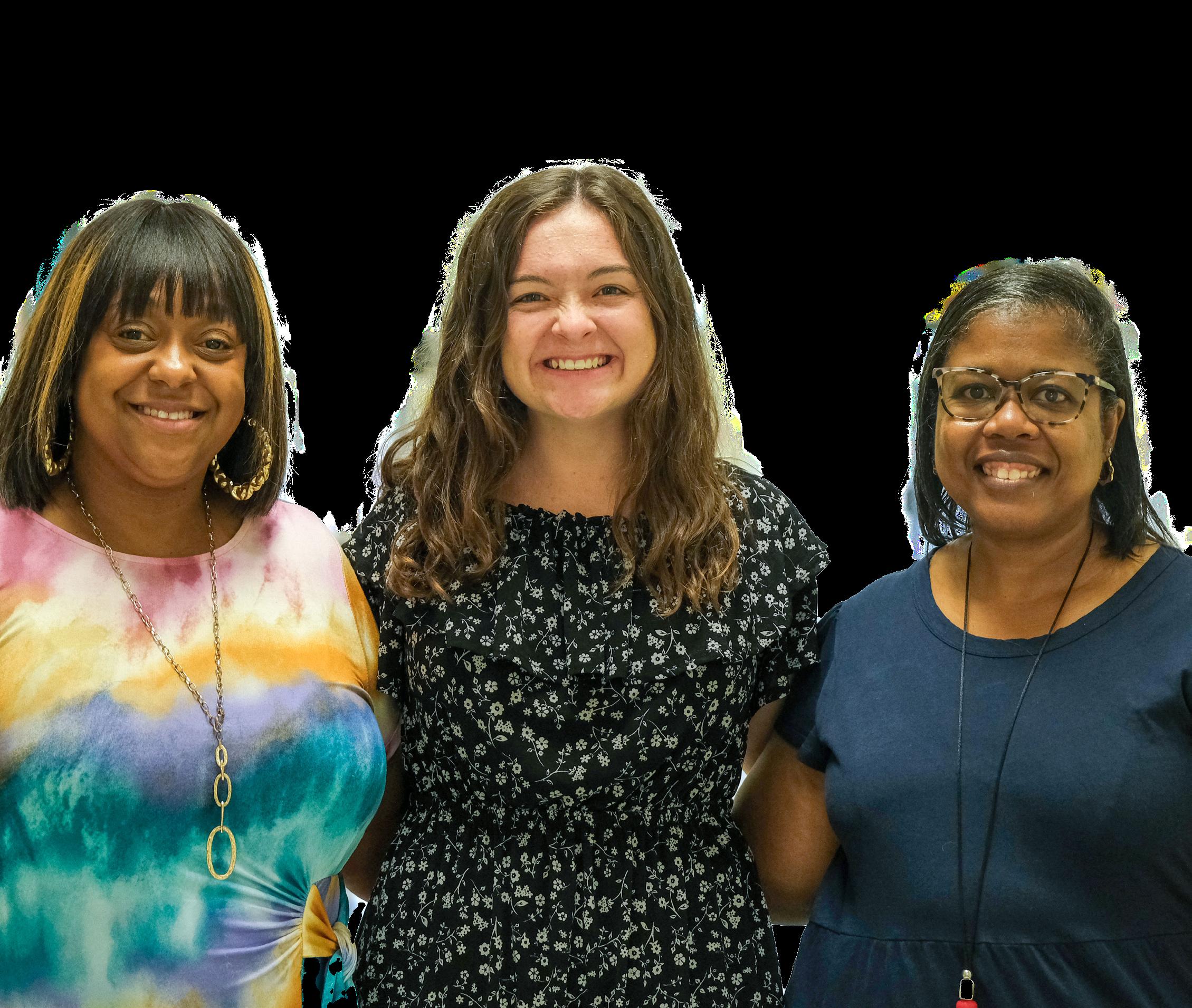
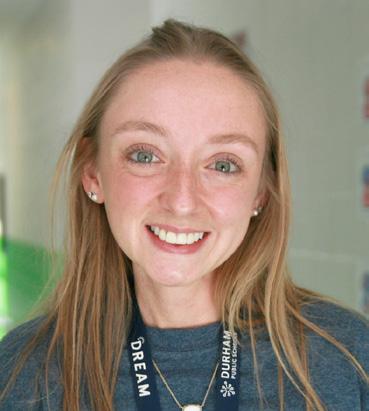
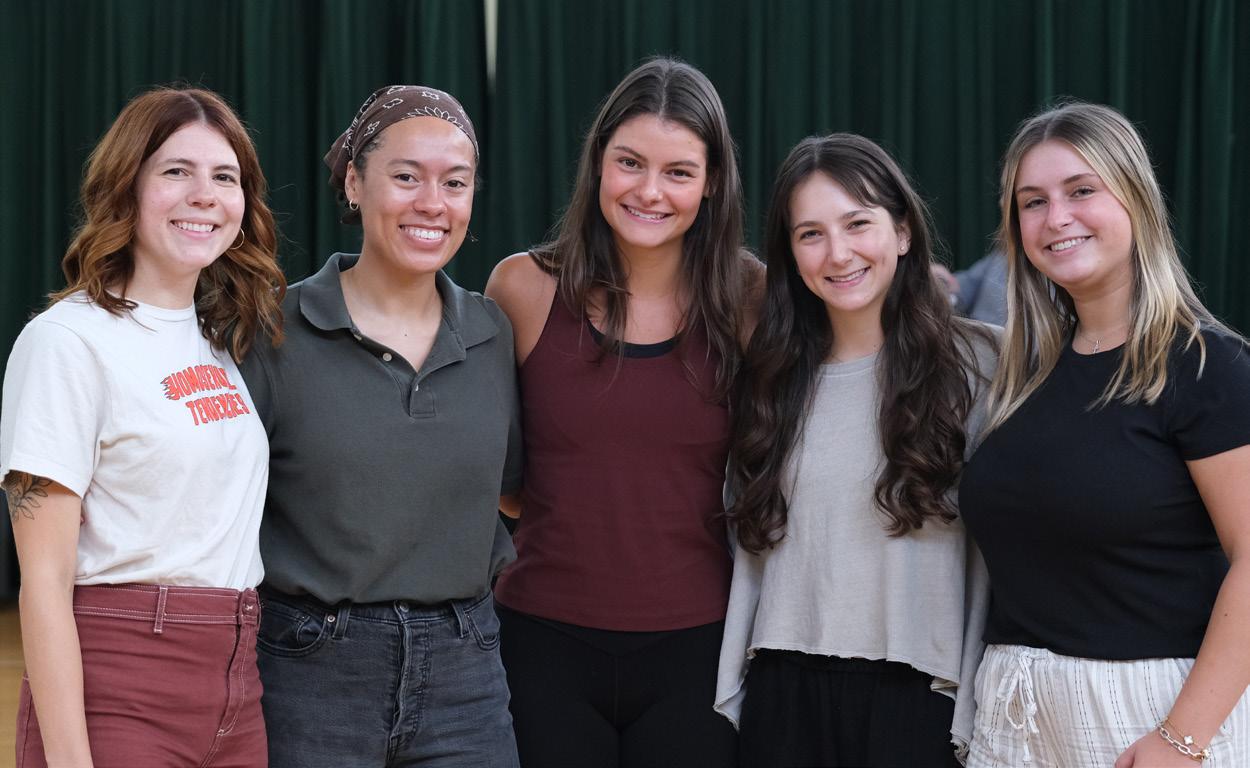
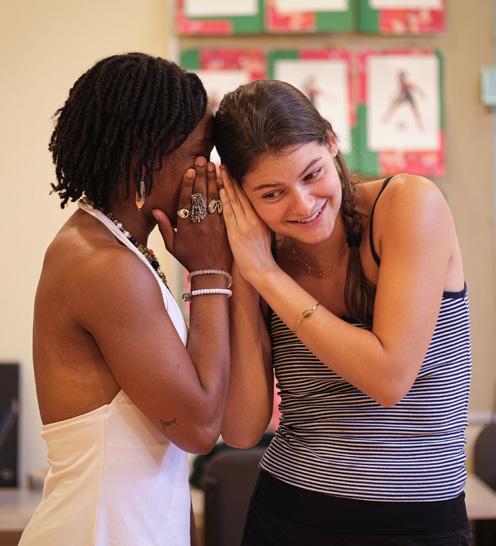
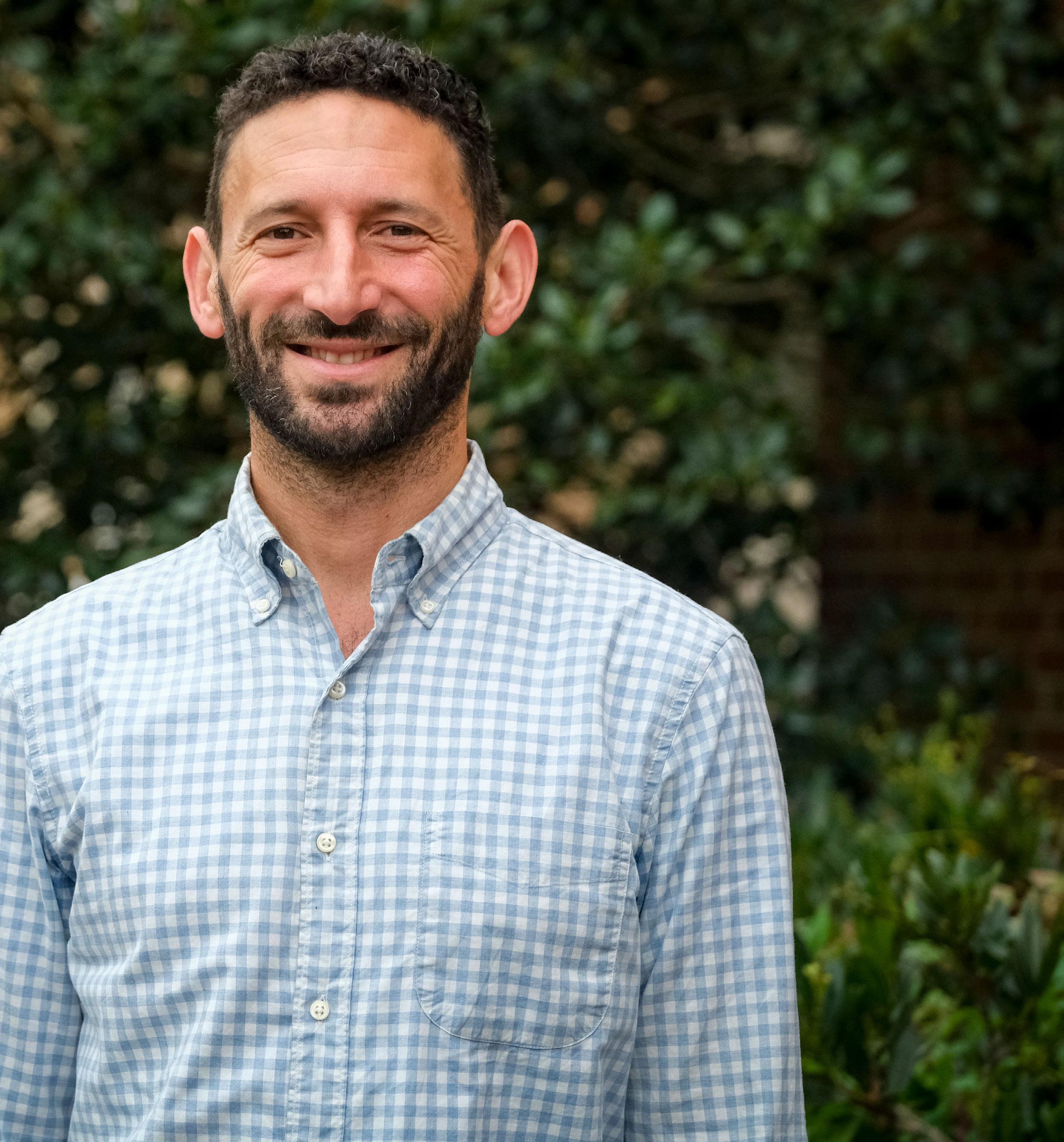
Carolina Community Academy students’ increased proficiency rates can be attributed, in large part, to excellent teachers. Here, teachers Rosalyn Spencer, Madison Sturdivant (’23 B.A.Ed., ’24 M.A.T.), and Takeima Ricks (’01 B.A., ’16 M.Ed.) welcome students to Carolina’s K-2 lab school in Roxboro on the first day of school. Read more at ed.unc.edu/ccateachers .
Education CAROLINA
MEITE partners with Intuit to develop financial literacy game for college students
In spring 2025, students in the School’s Master of Arts in Educational Innovation, Technology, and Entrepreneurship (MEITE) program partnered with Intuit for Education to design a game prototype that helps college seniors navigate financial decisions as they transition into the workforce. The collaboration, which applied students’ coursework and designthinking expertise to a real-world challenge — bridging education, technology, and social impact — was featured in the International Centre for EdTech Impact’s case study publication, “Celebrating Academia–Industry Collaborations in EdTech.”
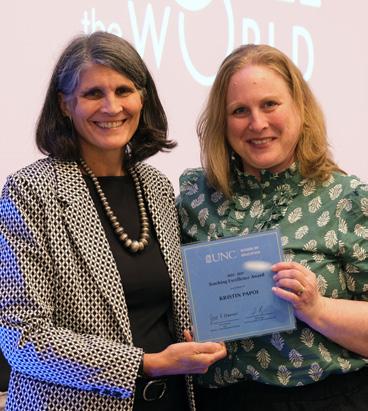
Faculty members Ethan Hutt, Ph.D., and Kristin Papoi, Ph.D., were named as recipients of the School’s Teaching Excellence Awards for their outstanding teaching and mentorship. Hutt was recognized for designing courses that connect complex ideas to real-world applications, providing thoughtful feedback, and mentoring students toward their academic and professional goals. Papoi was celebrated for cultivating welcoming learning environments that encourage active participation and help students feel valued, respected, and confident in sharing their perspectives.
The School of Education’s Master of Arts in Teaching program prepares educators to step into classrooms ready to lead. Alumnae Lauren Oliver (’23 M.A.T.), a language arts teacher at Culbreth Middle in Chapel Hill, and Megan Cannady (’22 B.A.Ed., ’23 M.A.T.), a special education teacher at Y.E. Smith Elementary in Durham, are just two who recently have been named Beginning Teacher of the Year. Their success reflects a broader trend: Carolina-prepared beginning teachers foster strong student growth and earn top marks from their principals. Read more about the impact our beginning teachers bring to North Carolina classrooms at ed.unc.edu/bt-impact
Lys appointed to AACTE Board of Directors
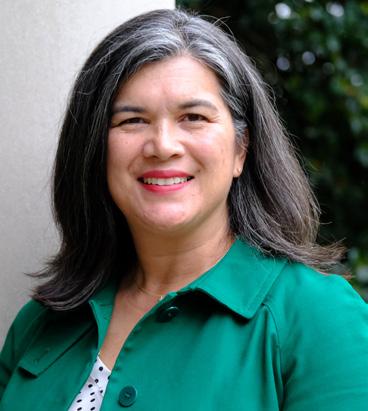
Diana Lys (’94 B.A., ’97 M.A.T., ’07 Ed.D.), the School’s assistant dean for educator preparation and accreditation, was appointed to the Board of Directors of the American Association of Colleges for Teacher Education. Her 3-year term begins March 2026. AACTE is a leading national organization dedicated to advancing educator preparation and promoting evidence-based practices in teaching and learning. As a board member, Lys joins a distinguished group of national education leaders to help shape the strategic direction of AACTE.
Diana Lys
Lauren Oliver
Kristin Papoi (right) with Dean Jill V. Hamm
Megan Cannady
Carolina connects theater and school counseling for ‘The Wolves’
In October, school counseling students collaborated with PlayMakers Repertory Company on the UNC-Chapel Hill campus to provide cast members with a research-informed approach to character development for “The Wolves” — a production focused on nine female teens on a soccer team and the challenges that arise when competition, perfectionism, and power dynamics come into play. Students in class with clinical assistant professor Megan Hyland Tajlili, Ph.D., presented to the cast and crew about the adolescent brain and shared tools counselors use to map relationships and social dynamics within a group.
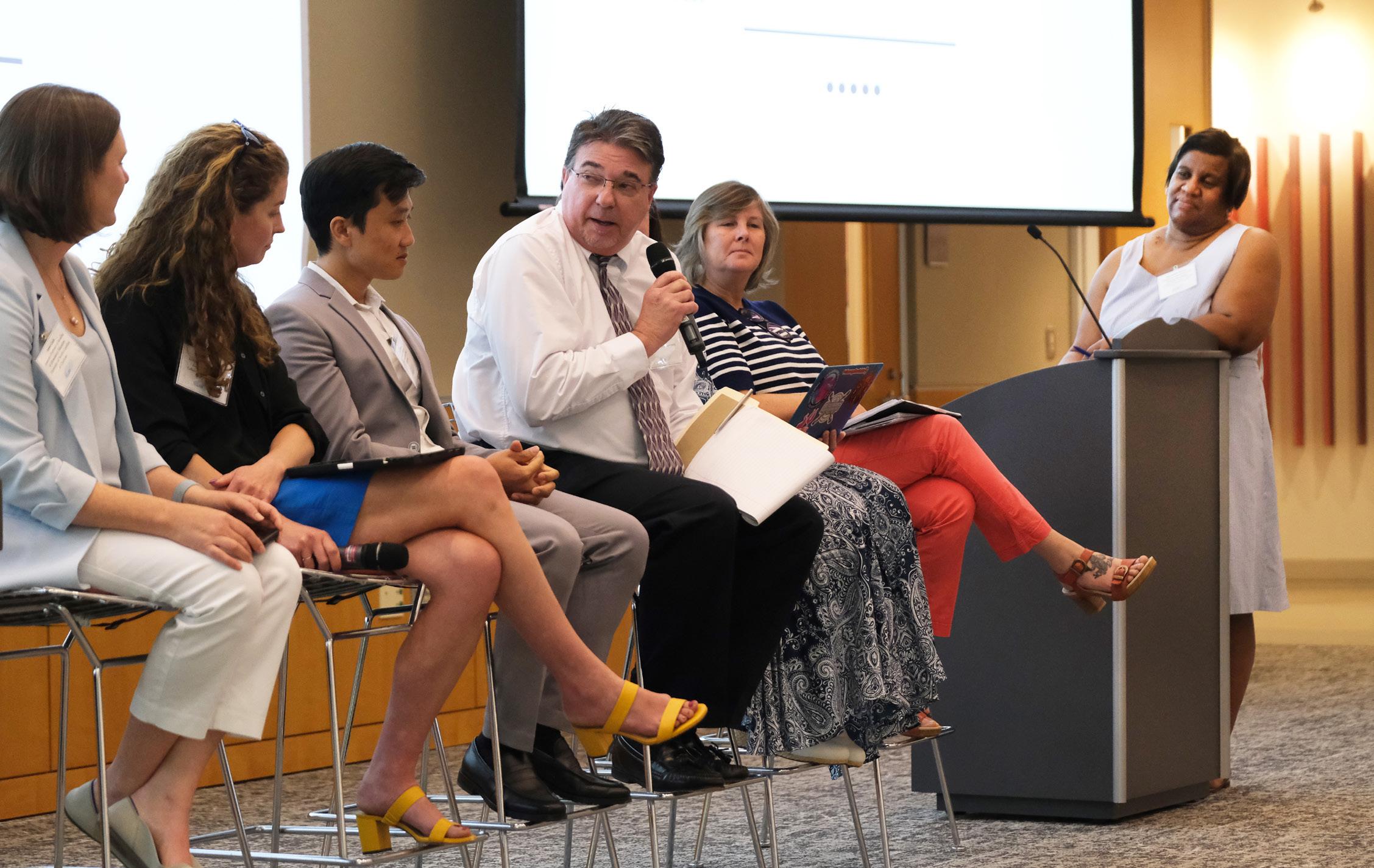
The North Carolina Learning Research Network — a collaboration between the School, the Department of Public Instruction, and the North Carolina Collaboratory — hosted its third annual convening in June, bringing together researchers, practitioners, and policymakers to explore how practice-informed research can strengthen K–12 and postsecondary education. The event highlighted 20 university-district research projects addressing ongoing educational challenges that emerged during the pandemic and featured a panel discussion — moderated by faculty member Martinette Horner, Ed.D., above right — on advancing research-practice partnerships to serve the state’s schools.
During the 2025-26 academic year, the Master of Arts in Educational Innovation, Technology, and Entrepreneurship (MEITE) program celebrates 10 years of preparing graduates to shape the future of learning for the social good — blending technology, research, and design thinking to deliver impactful solutions across schools, startups, nonprofits, and beyond.
Thinking like a maker “
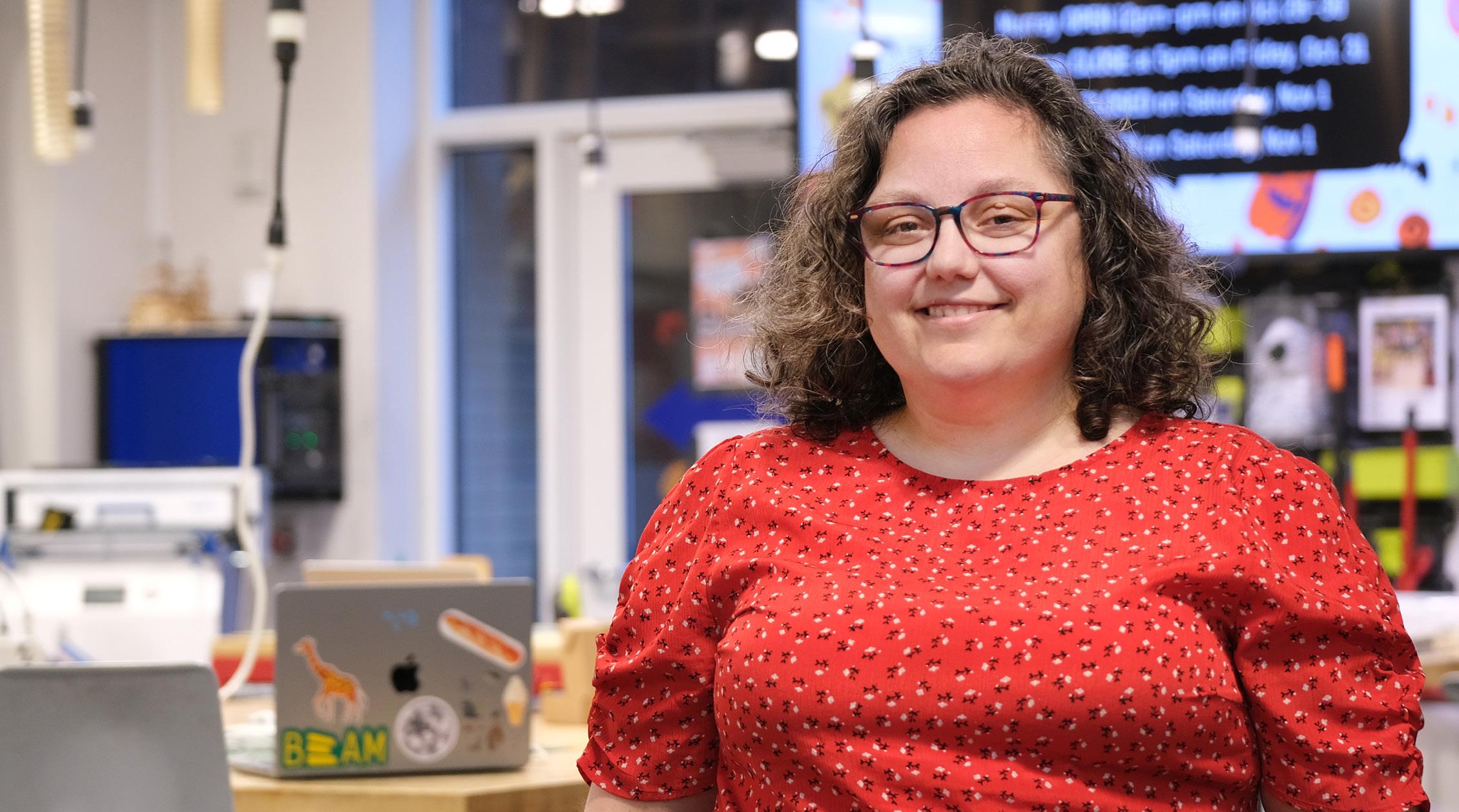
Anna Engelke (’17 M.A.), a graduate of the inaugural cohort of the MEITE program, is transforming how people experience design and technology on the University of North Carolina at Chapel Hill campus.
Before joining Carolina’s BeAM makerspaces, a network of open-access creative spaces with tools like 3D printers and laser cutters, as an education program manager, Engelke spent years tinkering, guiding hands-on learning, and developing programs for learners of all ages at the Museum of Life and Science in Durham.
When she enrolled in MEITE, she says the program gave her language and theory for what she already knew intuitively — that curiosity, collaboration, and iteration are core to how people learn.
Through coursework that spanned business, computer science, and education, she found herself connecting threads she hadn’t known existed, building an interdisciplinary skill set that gave her the foundation to thrive in a space where disciplines intersect every day.
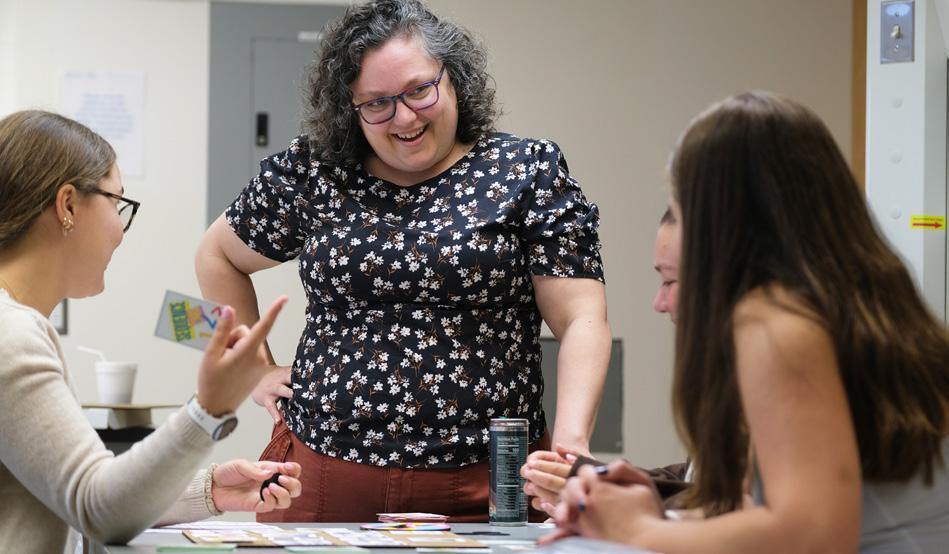
One of Engelke’s most rewarding projects was partnering with her former MEITE mentor and School of Education faculty member Keith Sawyer, Ph.D., the Morgan Distinguished Professor of Educational Innovations, in fall 2025 to bring to life EDUC 571: “The Maker Movement and Education,” a course that challenges students to incorporate making into any field. In the course, students put their skills to the test designing original tabletop games and programmable robots.
My hope is that MEITE will keep empowering students to innovate, connect disciplines, and make a lasting impact — just as it did for me.
As MEITE celebrates its 10th anniversary, Engelke finds herself reflecting not only on the program’s growth, but also on what the next decade could look like.
“My hope is that MEITE will keep adapting to the changing landscape of education, empowering students to innovate, connect disciplines, and make a lasting impact wherever they go — just as it did for me,” she said.
Engelke with students playing the tabletop games they created in Sawyer’s EDUC 571.
ENGAGED RESEARCH FOR
Hutt joins leading researchers to reverse chronic absenteeism
As schools across the U.S. continue to rebound from pandemic-era disruptions, a new analysis reveals a concerning trend: chronic absenteeism — defined as missing 10% of days or more in a school year — has remained high and is undermining student achievement.
In a report published by the American Enterprise Institute, faculty member Ethan Hutt, Ph.D., and a group of researchers from across the U.S. found that 15% of North Carolina students missed 18 or more days in 2018 and 28% in 2022. The rate decreased to 23% in 2024. Findings also show that 10 absences reduced elementary and middle school math scores by about 6% of a test-score standard deviation and that absenteeism affects disadvantaged students disproportionately. Hutt is now examining data to best understand absenteeism in rural North Carolina.
With a working group of state education leaders, Hutt is also collaborating to create solutions, asking questions that include: What patterns and types of absences make students more likely to be chronically absent? Can we identify early indicators for chronic absenteeism? How can we make the most of the information we collect so we can intervene sooner and more effectively?
“If absenteeism persists, we could face a compounding problem that negatively affects graduation rates, college and workforce readiness,” Hutt said. “Reversing absenteeism trends to at least pre-pandemic levels will be tough, but there are many people — researchers, educators, and more — committed to doing that.”
Collaborating for the Greater Good
At the UNC School of Education, we value and foster productive and meaningful partnerships across disciplinary and institutional boundaries, working with stakeholders within and beyond formal institutions of education. A well-educated, diverse, and empowered public is critical to addressing social disparities and injustices, promoting and supporting the health and well-being of all, and ensuring the competitiveness and prosperity of our state and nation.
NORTH CAROLINA AND BEYOND
Alumni News
Since the last issue of Carolina Education , the School has received the following good news from our alumni community.
Jessica Amsbary (’19 Ph.D.) received the 2025 Abecedarian Award from the UNC Frank Porter Graham Child Development Institute.
Sonja Brown (’11 Ed.D.), recently retired education program director at the North Carolina Department of Public Instruction, received the Order of the Long Leaf Pine, conferred by Gov. Josh Stein.
Beth Hatt (’04 Ph.D.) joined the Indiana University Bloomington School of Education as a visiting lecturer.
Dwayne Johnson (’20 M.S.A.), principal of Woodlawn Elementary, was named Person County Schools 2025-26 principal of the year.
Colin Richardson (’10 B.A., ’11 M.A.T.) was named North Carolina History Teacher of the Year and recognized as a winner of the inaugural Building Better Citizens Lesson Plan Contest, both awarded by the Gilder Lehrman Institute of American History.
School recognizes three distinguished alumni
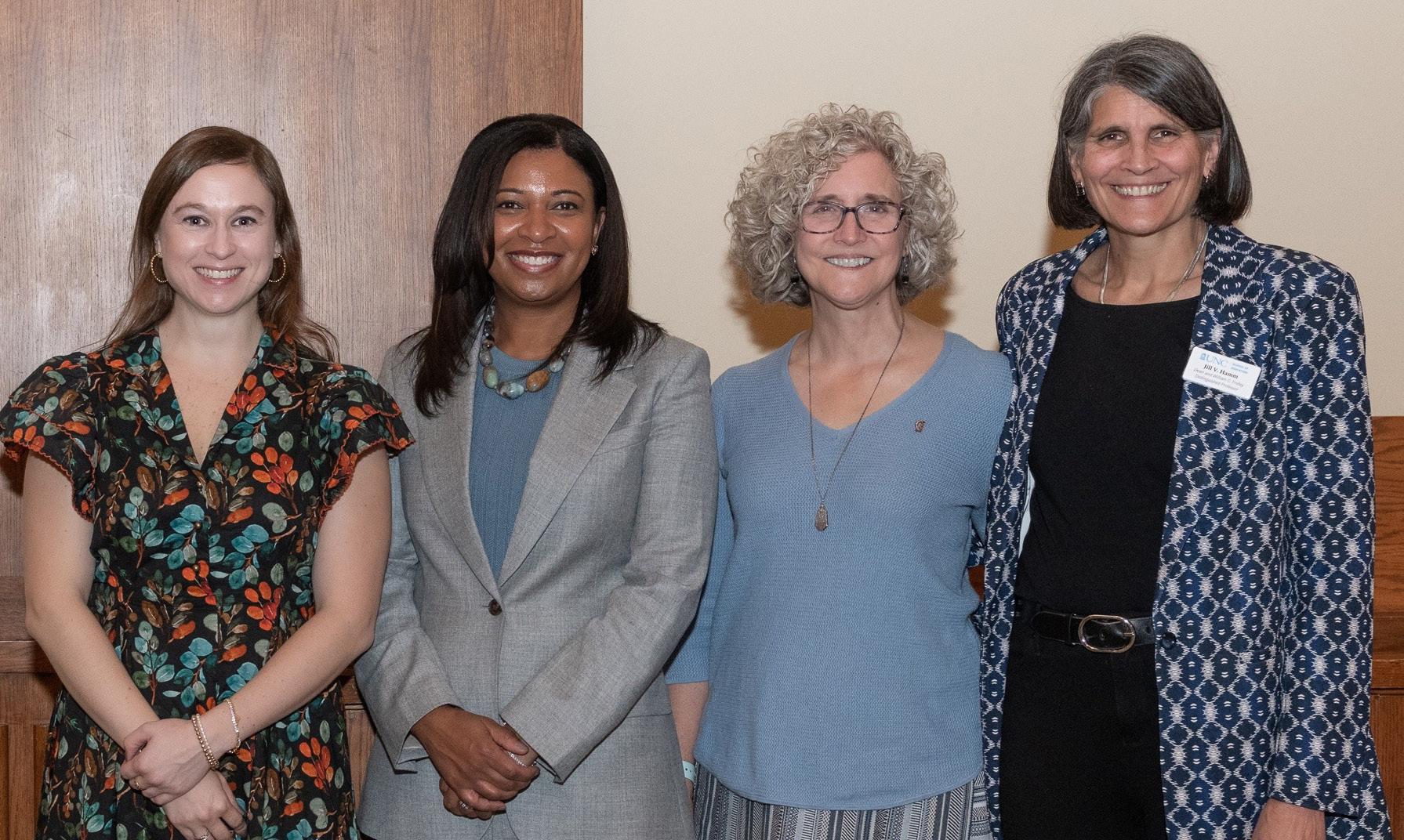
The School’s Alumni Council recognized three exceptional alumni at the annual Distinguished Alumni Awards ceremony on Oct. 18. Kathlene Holmes Campbell (’99 A.B.Ed., ’04 M.Ed.), CEO of the National Center for Teacher Residencies, received the Distinguished Leadership Award. Annie Goldberg (’16 B.A., ’17 M.Ed.), a school counselor in Burlington, North Carolina, was honored with the Young Alumna Award. Willis Padgett Whichard (’62 B.A., ’65 LL.B., J.D.), former North Carolina Supreme Court Justice, state legislator, and lawyer, received the Peabody Award; his daughter, Jennifer Ritz, accepted the award on his behalf. Pictured, left to right: Goldberg, Campbell, Ritz, and Dean Jill V. Hamm. Credit: Rob Taylor
Raymond Robinson III (’18 M.S.A.) was named principal at Southern Middle School in Person County Schools.
Rodney Trice (’06 Ed.D.) was named Superintendent of Chapel Hill-Carrboro City Schools and received the North Carolina School Superintendents’ Association’s 2025 Dr. Samuel Houston Jr. Leadership Award.
Darren Williams (’21 M.S.A., ’25 Ed.D.) was named principal of Raleigh’s Ligon Magnet Middle School, part of the Wake County Public School System.
Do you have news to share?
Changed jobs? Won an award? Moved? Scan the QR code and let us know.
In the aftermath of Hurricane Helene, MSA alumna Amber Young led in her community
When Hurricane Helene hit Mitchell County in September 2024, principal Amber Young (’21 M.S.A.) immediately went into action to protect her school. She and her parents put down sandbags at each entrance to stop water from coming into Gouge Primary School. They saved teachers’ lesson plans, materials, decor, and furniture. When she regained cell service, she reached out to students to see what they needed.
Though Gouge Primary has only 145 students and 17 staff members, the building quickly became a hub for community relief and recovery. Young led the transformation of her school into a distribution site where residents could access food, water, hygiene products, clothing, and more. “This experience shows that good can come out of disaster,” Young said. “I think people now understand why Mitchell County is so special. These kids who love and care about this community now know they are loved and cared for, too.”
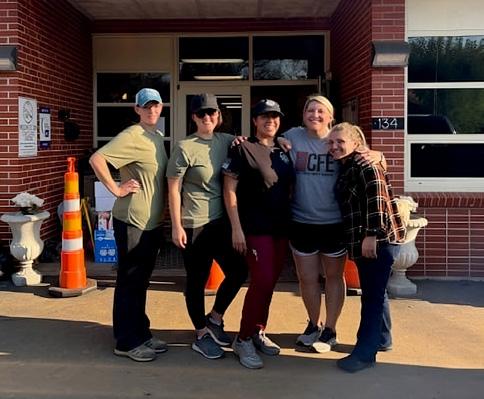
Amber Young, second from right, is pictured with volunteers outside of her school. Photo courtesy of: Amber Young
The University of North Carolina at Chapel Hill Campus Box 3500, Peabody Hall Chapel Hill, NC 27599-3500
Your gift advances education in North Carolina — by supporting the preparation of highly effective educators, making possible invaluable learning experiences for our students and the PK-12 students they serve, enabling the implementation of our research-based solutions in schools, and more. A gift of any size can create immediate impact for students, educators, and communities.