Transforming Lives. Opening Worlds.





MESSAGE FROM THE DEAN

In 2017, the University of Miami embarked on an ambitious strategic plan, the Roadmap to Our New Century, a set of strategies that is guiding the University to our centennial in 2025. In 2018, the University of Miami Libraries (UML) adopted a plan supporting the University’s strategies.
Our plan, Transforming Lives; Opening Worlds, establishes five high-level goals and transformative initiatives that will ensure the Libraries’ stature as a leading, essential platform for learning, research, and community engagement at UM. These goals are: to be recognized as the heart of learning; to serve as a resource for global knowledge; to support and accelerate research; to become a place for dialogue; and to enable the evolving library workforce
This progress report describes these goals and key initiatives in terms of strategies and tactics as we approach our centennial. Specific strategies and tactics will inevitably evolve and new ones will inevitably emerge, but the dramatic early success of initiatives such as the Learning Commons, Digital Scholarship Program, and the Kislak Center at the University of Miami affirm that we are headed in the right direction.
As we move forward and our early initiatives mature, we look forward to a virtuous cycle in which UML’s support for the Roadmap, strategic collaborations with partners across the University, and ongoing assessment and alignment with current trends in research and educational innovation ensure that UML leads not only at The U but well beyond.
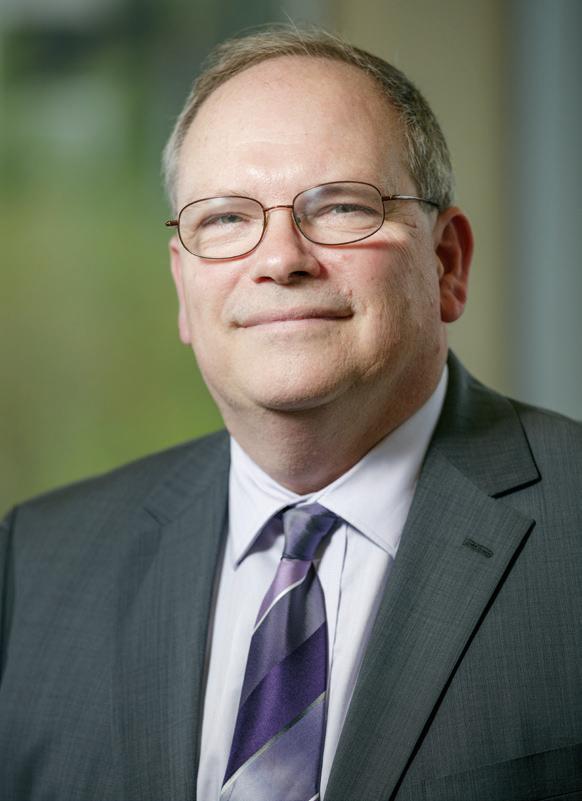
Charles D. Eckman, Ph.D. Dean and University Librarian
“Our plan… establishes five high-level goals and transformative initiatives…”
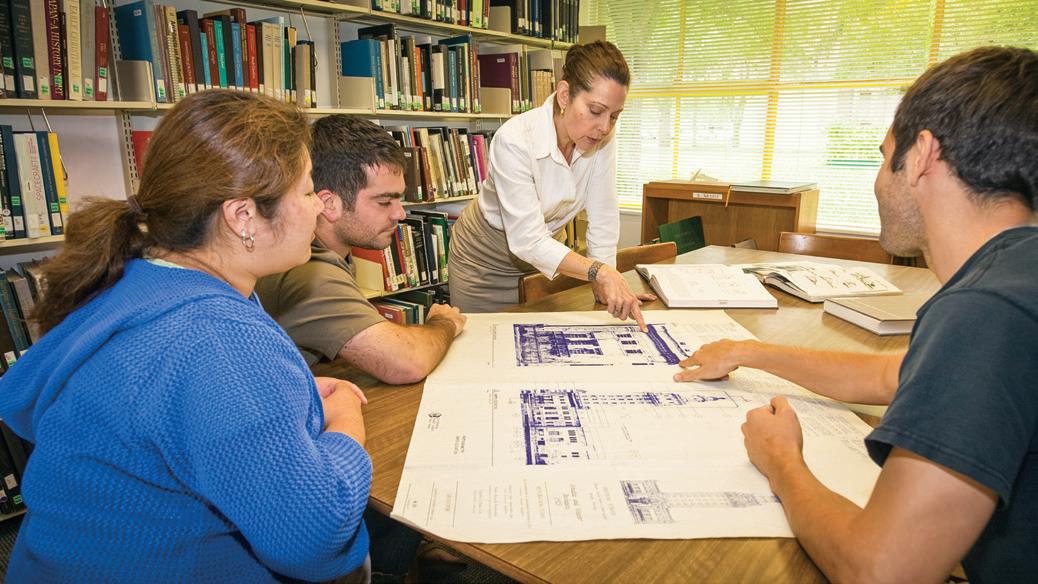
The University of Miami Libraries undertook a participatory planning process during the 2016-2017 academic year to align the Libraries’ vision, mission, and strategic priorities with the University’s Roadmap to Our New Century, as well as relevant trends in the higher education and research library environments. Four principles guided the process:
1. Focus on broad participation and engagement
2. Build a culture that embraces change and fosters achievement
3. Deepen organizational capacity
4. Rely upon shared leadership
As a result, UML has adopted a new vision, mission, and values statement, in addition to five strategic directions to observe during the coming five years with a set of 20 closely aligned goals. During the 2017-2018 academic year, the Libraries will focus on a set of 32 initiatives, representing activity streams that are associated with every goal.
Transforming lives. Opening worlds.
The University of Miami Libraries provide faculty, students, researchers, and staff with the highest quality access to collections, information services, learning support, and digital expertise in support of the University’s mission to transform lives. The Libraries welcome and incorporate advances and innovations in information technology and scholarly communication to ensure that our users can locate and use global information resources in all formats.

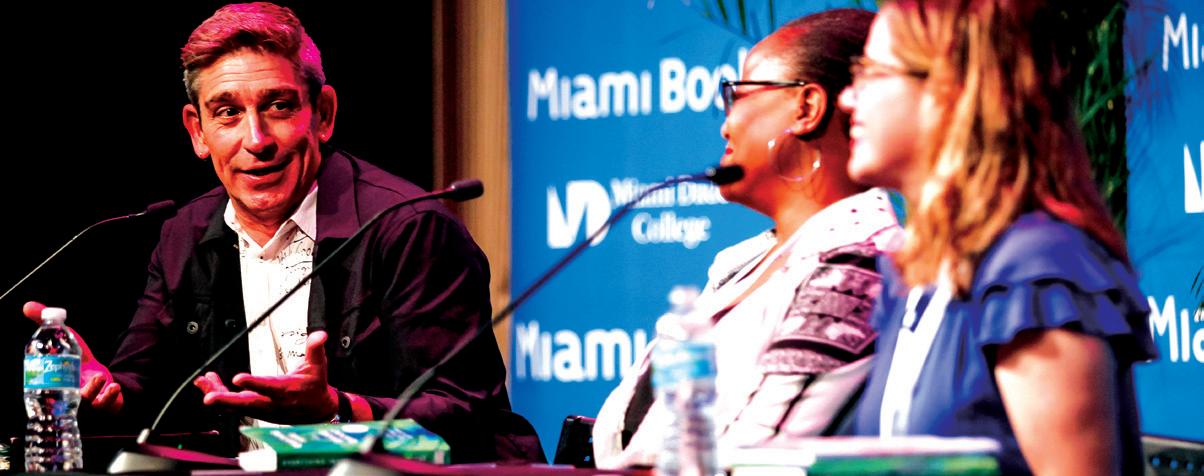
This is your library—the heart of learning and research at the University of Miami. Incorporating the values of librarianship and the University, we embrace the following institutional, professional, and personal values as key to fostering a welcoming and resource-rich environment conducive to learning, research, creativity, and innovation.
OPENNESS
Creating a welcoming and communicative environment supporting collaboration, intellectual freedom, and access to scholarship
COMPASSION
Behaving in a caring, humane, and empathic way
CREATIVITY
Embracing innovation, flexibility, and originality in the pursuit of our vision and mission
DIVERSITY
Valuing and including people from all cultures and backgrounds in the pursuit of our common goals
EXCELLENCE
Striving to accomplish our goals with quality, rigor, passion, and distinction
INTEGRITY
Demonstrating honesty and fairness in our words and actions
RESPONSIBILITY
Exhibiting pride and accountability in the performance of duties and ensuring the long-term success of our University
TEAMWORK
Engaging and working well together to achieve optimal results


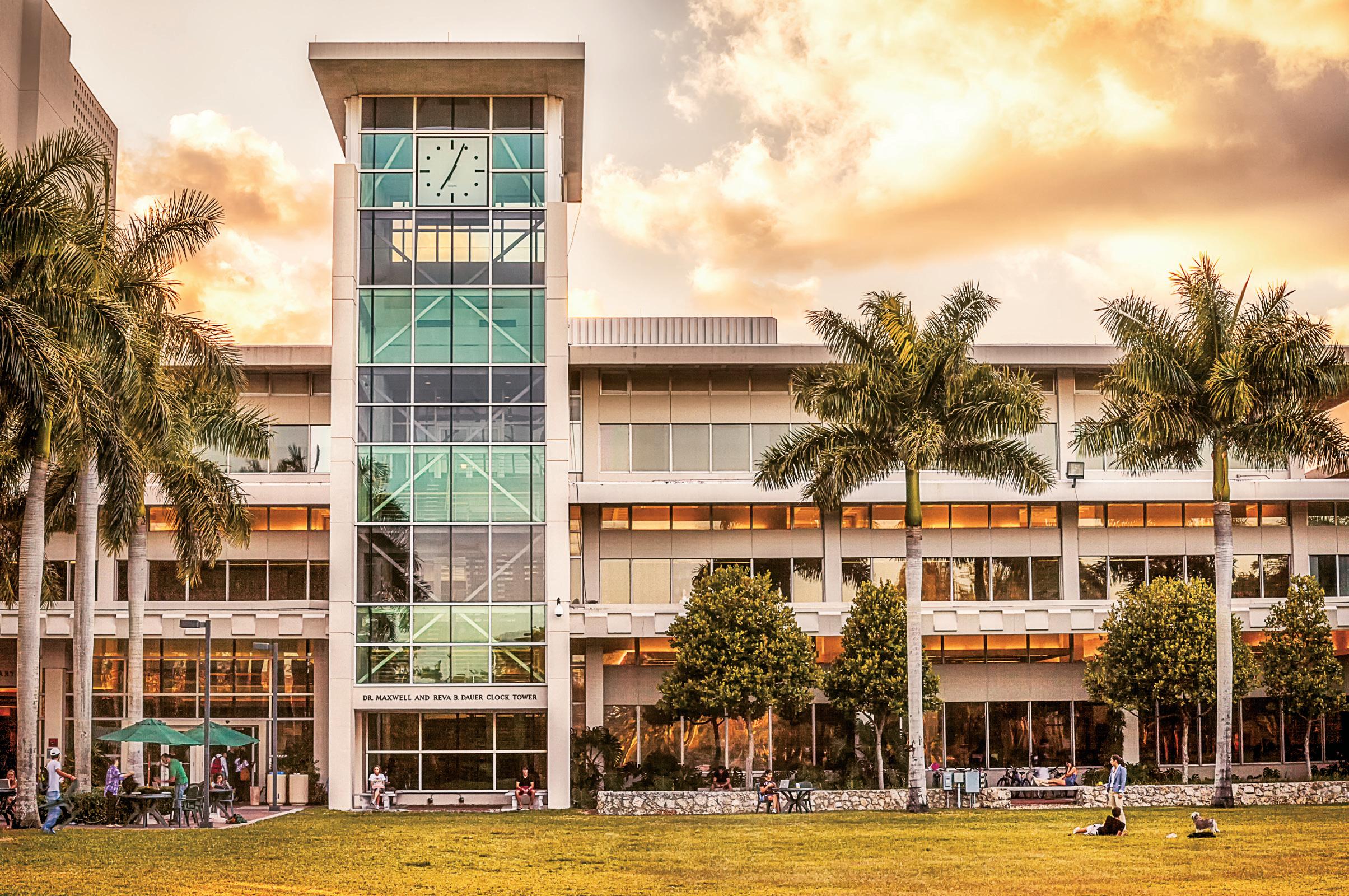
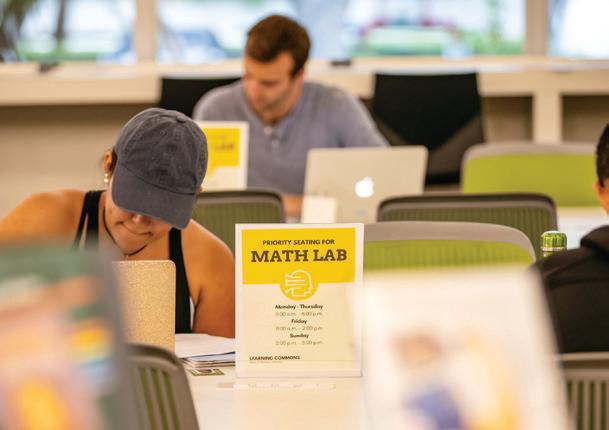
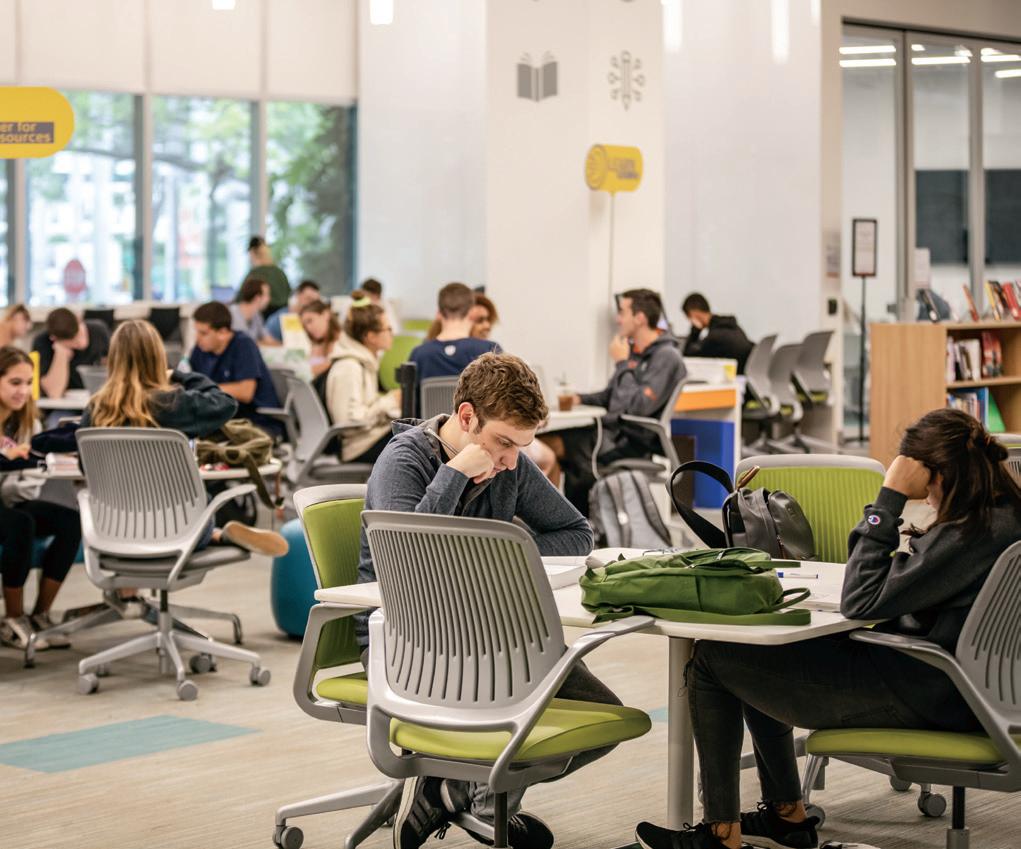
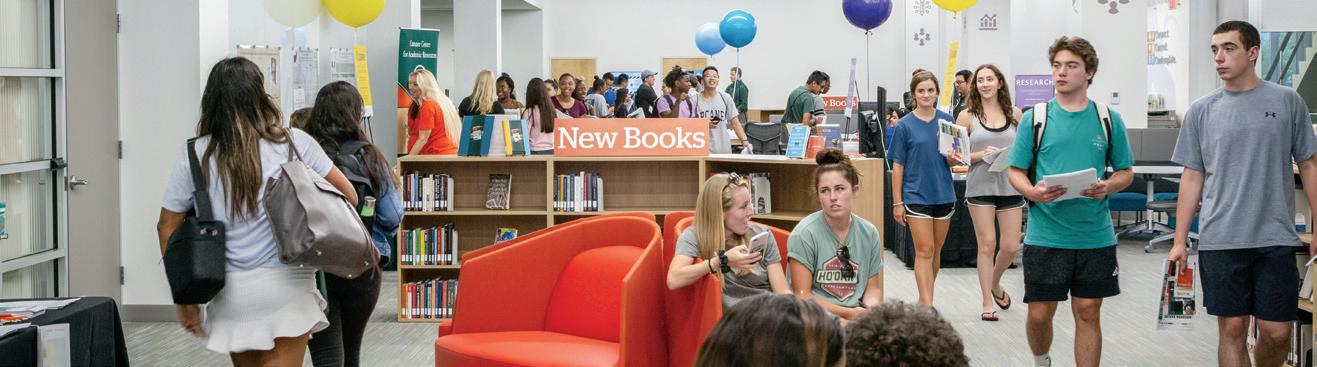
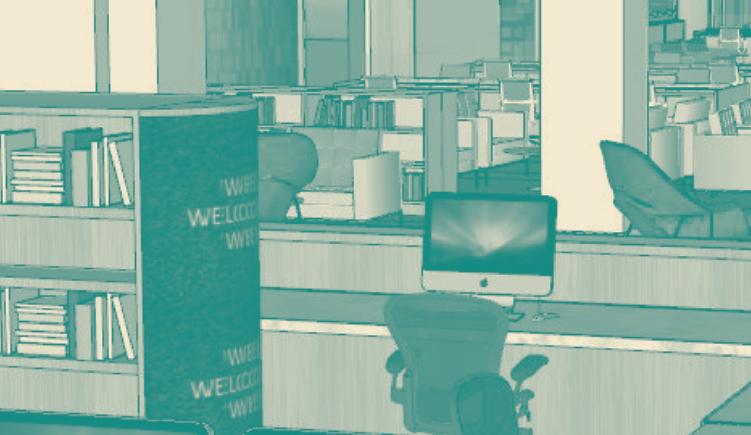
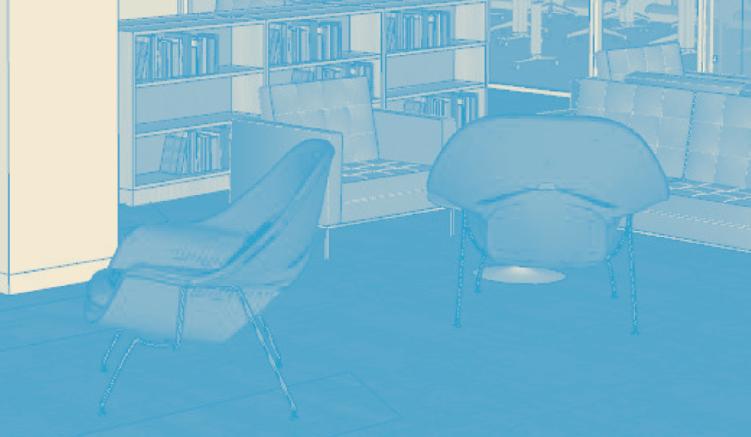
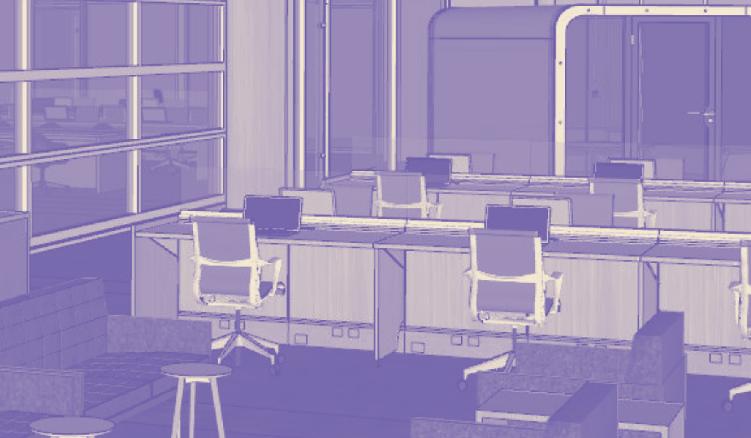
A portion of the first floor of the Otto G. Richter Library was renovated in 2018, transforming this once traditional library space into the Learning Commons—an inviting, collaborative learning environment that is symbolic of the University’s common purpose: to transform lives through teaching, research, and service.
STRATEGY:
Create new modes of support for teaching, learning, student achievement, and patient-centered care through innovative leadership, transformation of spaces, reinvention of services, and collaboration with relevant University programs.
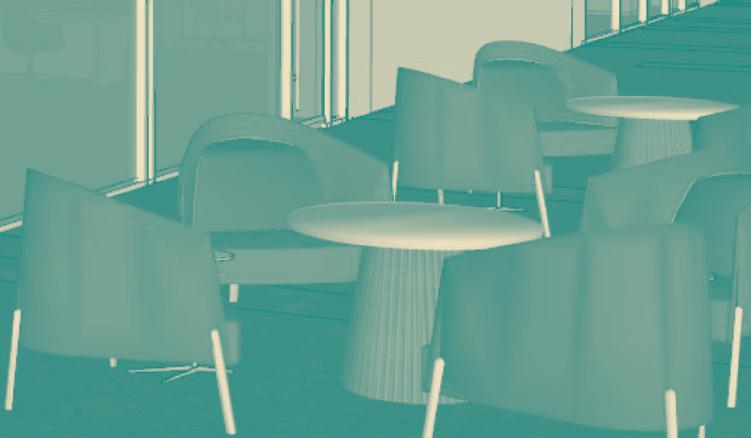
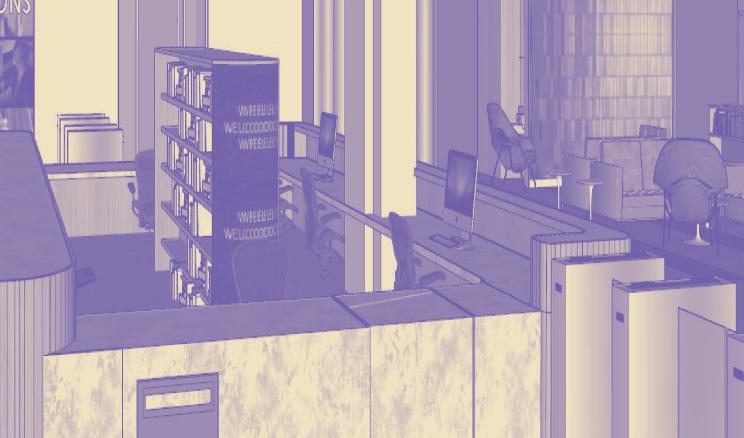
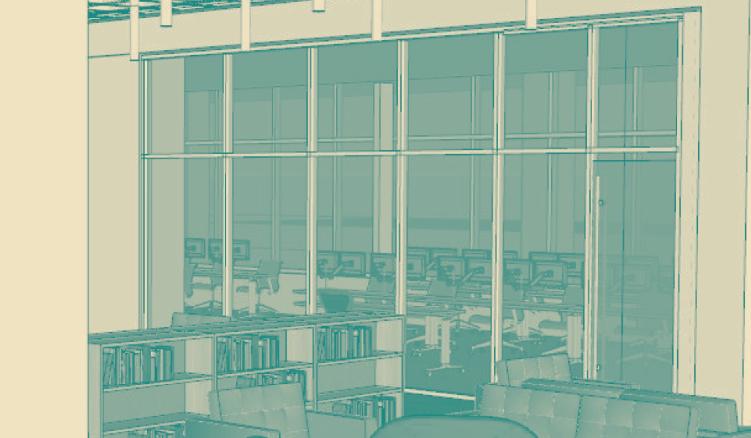
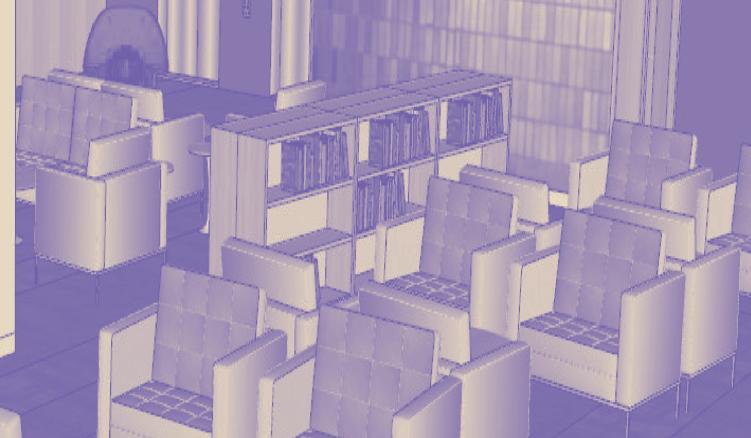
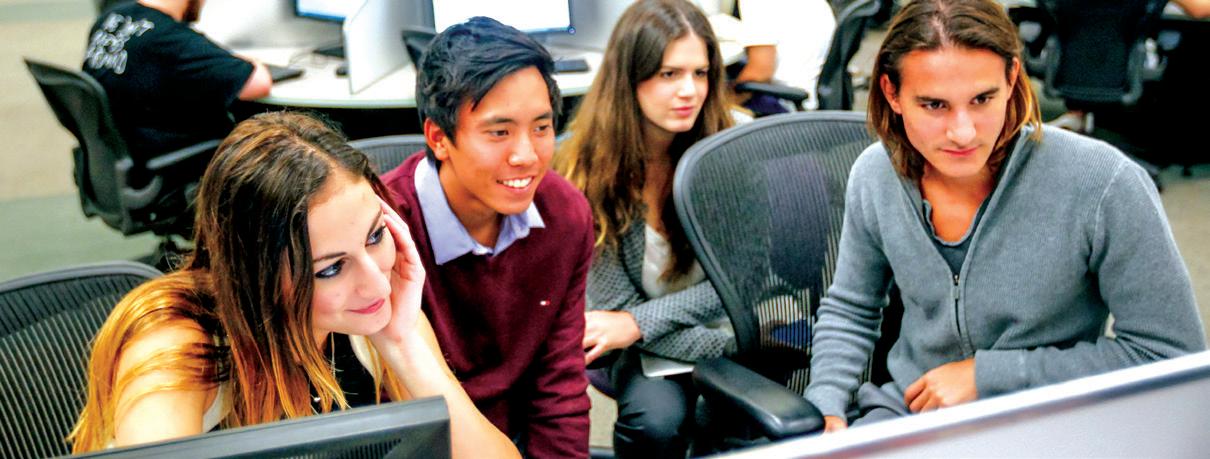
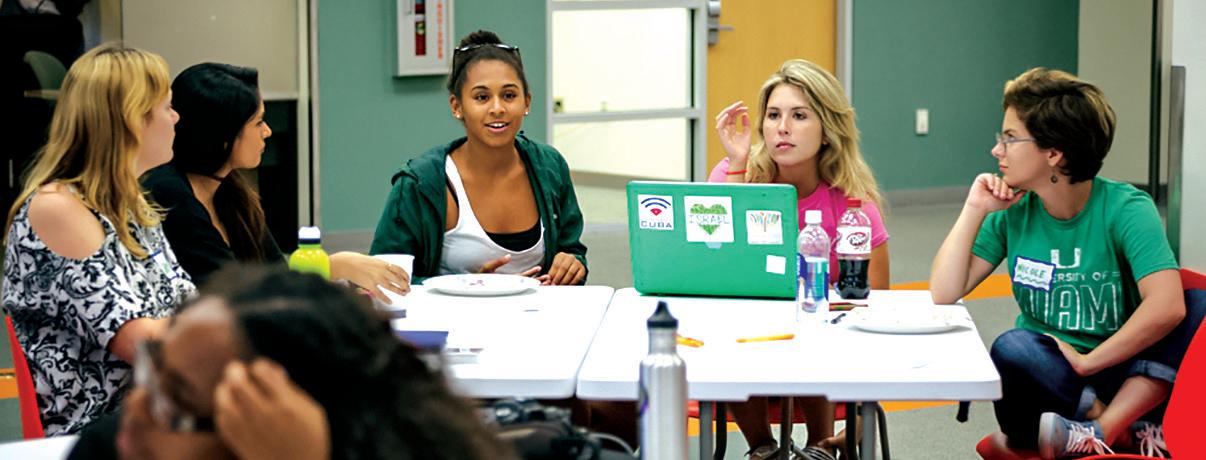
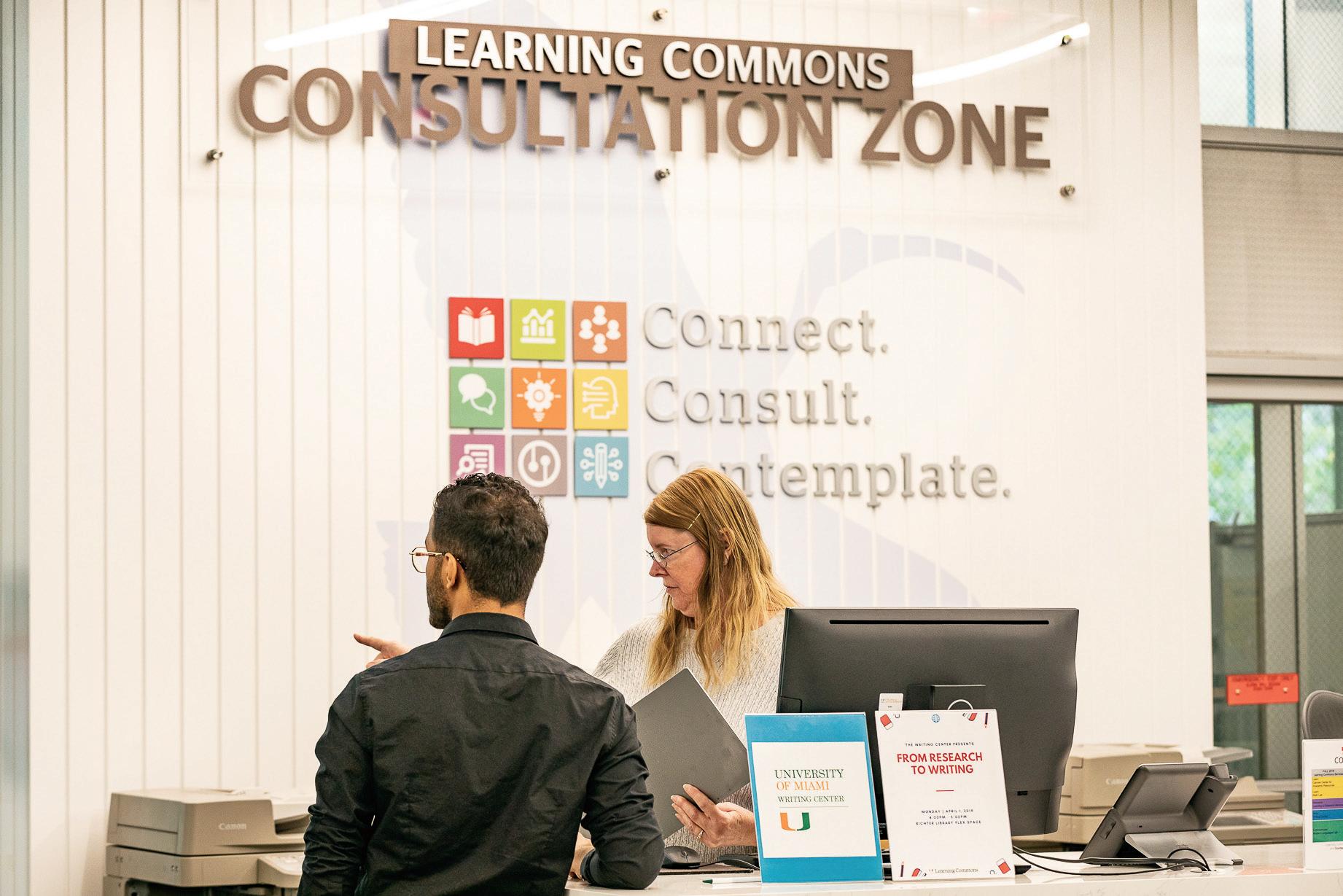
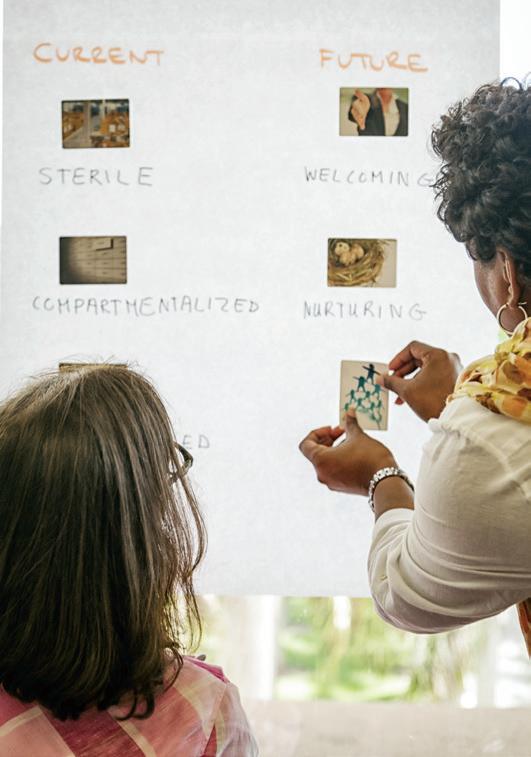
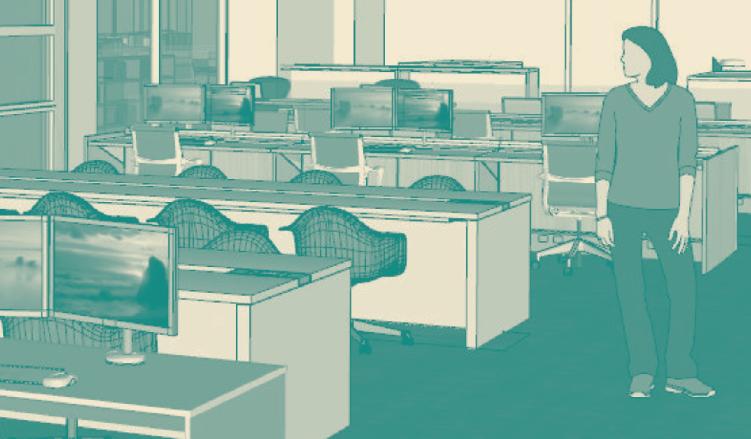
The Learning Commons complements the classroom experience by offering students opportunities to learn from peers and experts, discover and explore resources and ideas, and create and experiment. The renovated space includes a Consultation Zone with 24 consultation stations, two glass-enclosed Flexible Learning Spaces for workshops and events, open user seating, writable surfaces and mobile boards, and shelving featuring new books.
To improve students’ overall experience with the library’s academic services—and to amplify the Learning Commons’ impact throughout the libraries and other University settings—new partners have been integrated into the Learning Commons to provide services that range from introductory-level course consultations to sophisticated research data analysis. Students are benefiting from convenient
2017 GOAL 1 GOAL 2 GOAL 3 GOAL 4 GOAL 5 JANUARY
LANDMARK GIFT FOR KISLAK COLLECTION IS ANNOUNCED
MAY–AUGUST
access to the Modern Languages Lab and Technology Assistance Program. All the services offered in the Learning Commons are witnessing growth in usage.
Planning for Phase 2 of the Learning Commons is underway. The next renovation will complete the renewal of the floor and include a new welcome experience, renovated Digital Scholarship Lab and Creative Studio, and refreshed collaboration and study space.
FIRST GRANT CYCLE FOR THE ANDREW W. MELLON CREATE GRANT PROGRAM
SEPTEMBER–NOVEMBER
THREE DIGITAL COLLECTION MANAGEMENT SYSTEMS ARE TESTED
JUNE–AUGUST
FIRST PRESENTATION ABOUT THE LEARNING COMMONS MAY PEER RESEARCH CONSULTANTS PROGRAM LAUNCHES TO ENHANCE PEER-TO-PEER LEARNING

2018-2019 Learning Commons Key Usage Statistics
939,606 RICHTER LIBRARY VISITS
95,587
PHYSICAL ITEMS BORROWED
800
HOURS OF LANGUAGE SUPPORT OFFERED BY THE MODERN LANGUAGES LAB
3,084 PARTICIPANTS IN 170
GROUP PRESENTATIONS
1,853
INDIVIDUAL GIS AND DATA CONSULATIONS IN-PERSON AND ONLINE
394 PARTICIPANTS IN 22 CREATIVE STUDIO WORKSHOPS
42% WORK IN GROUPS
6,877 HOURS RESERVED IN RICHTER STUDY ROOMS
4,066 PEER TUTORING SESSIONS
2,300
HOURS OFFERED BY MATH LAB
NOVEMBER
DPLA SOUTH FLORIDA SERVICE HUB GOES LIVE
330 1ST FLOOR HELP DESK CASES
3,681 3RD FLOOR HELP DESK CASES
JANUARY–DECEMBER
PILOT PHASE OF THE LEARNING COMMONS BEGINS
4,835 WRITING CENTER CONSULATATIONS
2,919 NEW REGISTRATIONS
The Learning Commons is a collaboration with campus partners including the Camner Center for Academic Resources, Learning Innovation and Faculty Engagement, Math Lab, Modern Languages Lab, Office of Academic Enhancement, Student Technology Help Desk, Technology Assistance Program, Toppel Career Center, and Writing Center.
JANUARY–DECEMBER
FACULTY AND STAFF ENGAGEMENT IS INCREASED THROUGH USE OF GALLUP SURVEY RESULTS
JANUARY–DECEMBER
THE CONVERSATION PROJECT IMPLEMENTION ADVANCES; PLANNING STARTS FOR U-LINK PARTNERSHIP WITH OFFICE OF RESEARCH
“I love this space, I feel like I can focus.”
STUDENT SURVEY RESPONSES
Providing increased access to emerging technologies is fundamental to student learning, especially in our increasingly digital world. Now students, faculty, and staff have the ability to borrow an array of advanced multimedia equipment from any one of the three Creative Studio locations within the Libraries.
Through a new online equipment reservation system, patrons can access Canon digital still and video cameras, GoPro video cameras, audio kits and midi keyboards, lighting, and green screen kits by using an easy-to-use dropdown menu from their computer or smartphone.
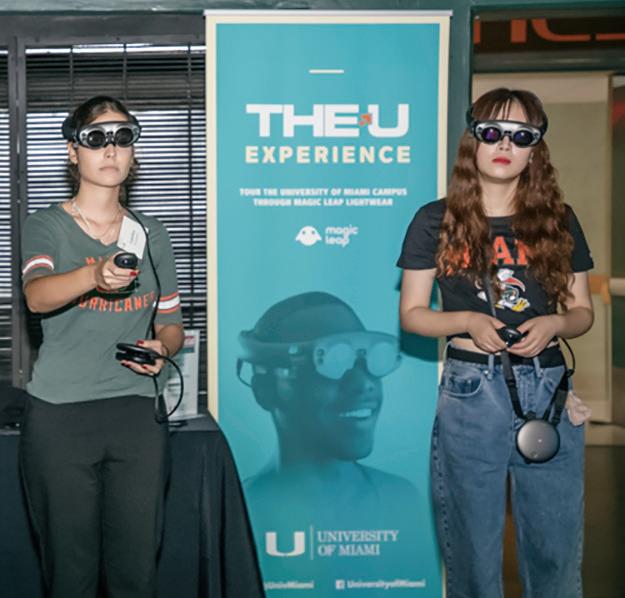
The Libraries also act as a service hub for Magic Leap equipment and other Extended Reality (XR) technologies, allowing students to try out this futuristic technology. Magic Leap is a leading-edge spatial computing
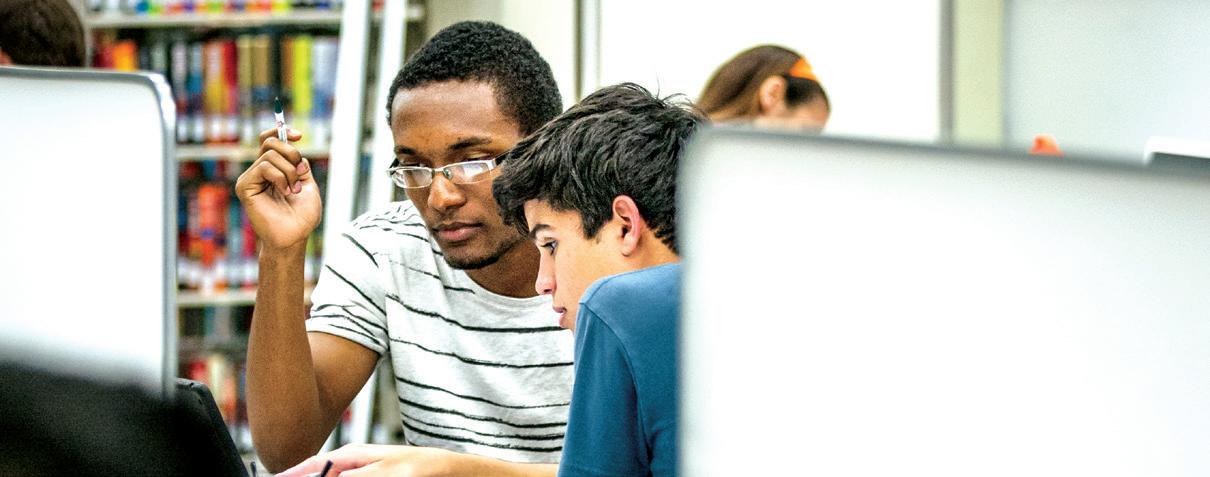
Students now have more opportunities to conduct independent research and creative projects that are not part of the traditional curriculum through two innovative programs—the Library Research Scholars Program and the Adobe Scholars Program. Mentored by librarians, students choose their own topics and develop their ideas in conversation with experts and peers.
The Textbook Affordability Pilot, in partnership with the Camner Center for Academic Resources and the UM Campus Store (formerly UM Bookstore), is already providing students with enhanced access to textbooks at a reduced cost, and helping to ease students’ financial burden.
technology that offers a mixed reality headset and a variety of spatial computing services designed to help corporations collaborate in virtual spaces.
JANUARY
GIS/DATA SPECIALIST IS HIRED
MARCH
MARCH
FIRST PHASE OF RICHTER LIBRARY’S LEARNING COMMONS IS COMPLETED
KISLAK CENTER AT THE UNIVERSITY OF MIAMI OPENS
MAY–AUGUST
SEPTEMBER–NOVEMBER
ADOBE SCHOLARS PROGRAM IS LAUNCHED
OCLC RECLAMATION FOR LIBRARY COLLECTIONS IS INITIATED; ACCURATE REPRESENTATION OF UM HOLDINGS IN WORLDCAT DATABASE IS CONFIRMED
STRATEGY: Focus our collection strategies to enrich and demonstrate the relevance of the Libraries’ print and digital collections.
Imagine having online access to a museum’s rich and diverse art collection, allowing users the ability to browse historic paintings, rare artifacts, and unique antiquities as easily as conducting an online search for a library book.
Thanks to a partnership between the Lowe Art Museum and UML, the Lowe Art Museum’s digital collection is now a part of the University of Miami Libraries’ uSearch interface, allowing library patrons to discover the Lowe’s holdings alongside library materials.
Descriptions of the Lowe’s materials, thumbnail images, and links to the museum’s frontend collections interface, eMuseum, are now included in Primo, the discovery system that powers uSearch.
enriched UML’s discovery system by including a rich new source of material that complements the Libraries’ collections.
The project also aligns with a separate project to add Lowe materials (catalogs and other published materials) to the Scholarly Repository, which will be discoverable in uSearch. In fact, one phase of this project is now complete, with 25 Lowe exhibition catalogs included in the Scholarly Repository and the Esploro Research Repository and also discoverable in uSearch.

The project aims to increase both the accessibility and discovery of the Lowe’s holdings by providing another access point for the museum. It also has
Several more library repositories are now part of the uSearch interface. These include CONTENTdm, a digital collection management system, and Digital Commons, a hosted solution to openly publish, manage, and showcase the complete spectrum of an institution’s research and scholarship. uSearch also includes the School of Law’s Digital Commons repository, which primarily includes law reviews and two journals that publish on the Ubiquity platform.
SEPTEMBER–NOVEMBER
NEW AUDIO PRODUCTION BOOTH AND EQUIPMENT BORROWING SERVICES IN THE MUSIC LIBRARY’S CREATIVE STUDIO LAUNCH
MAY–AUGUST
SECOND GRANT CYCLE FOR THE ANDREW W. MELLON CREATE GRANT PROGRAM
SEPTEMBER–NOVEMBER
NOVEMBER
PAN AM PERIODICALS DATASET BECOMES AVAILABLE
MODERN LANGUAGES LAB AND TECHNOLOGY ASSISTANCE PROGRAM BECOME NEW PARTNERS IN LEARNING COMMONS

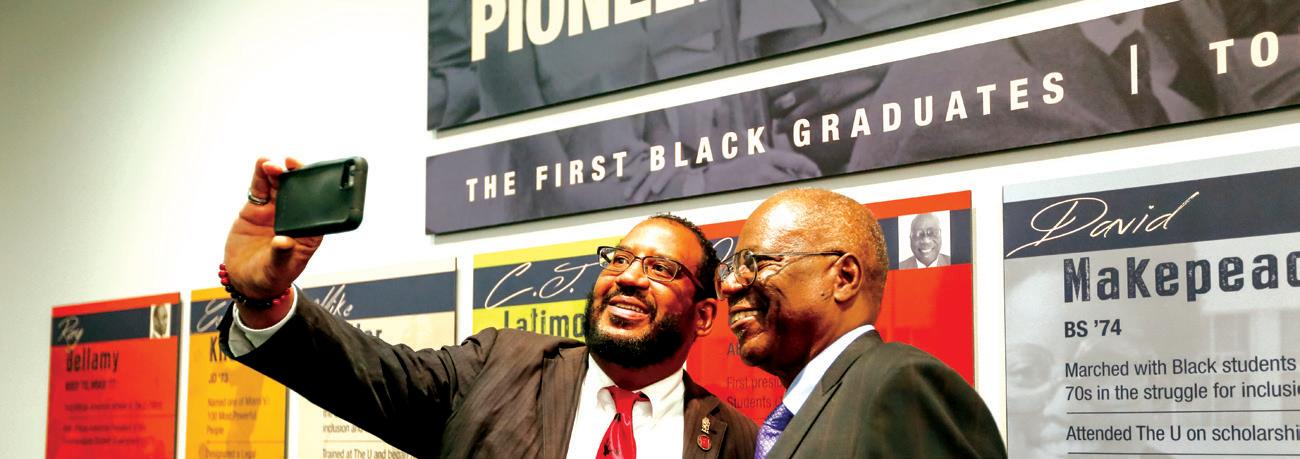
…A multipurpose, state-of-the-art facility…
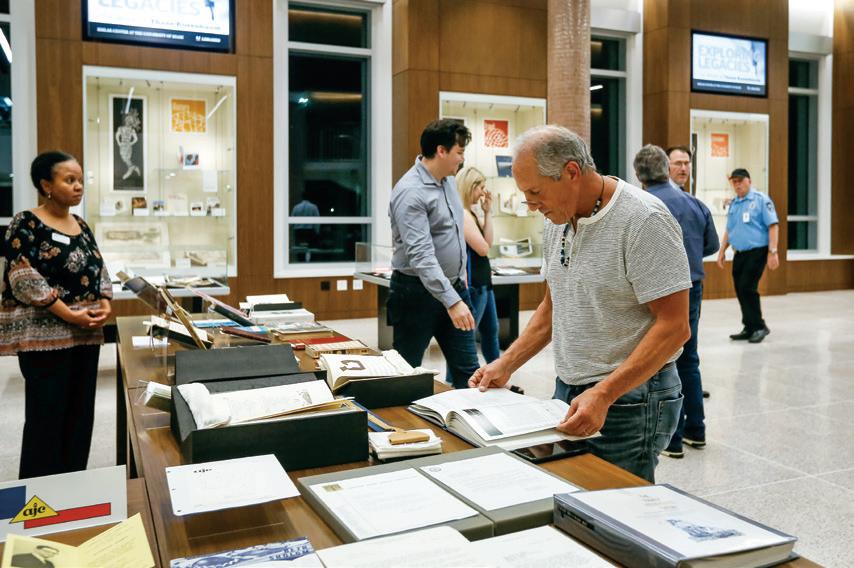
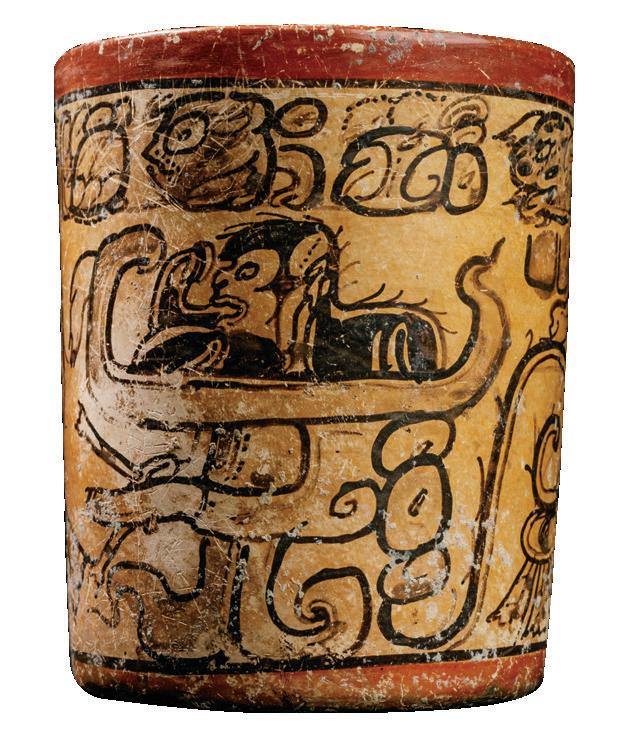
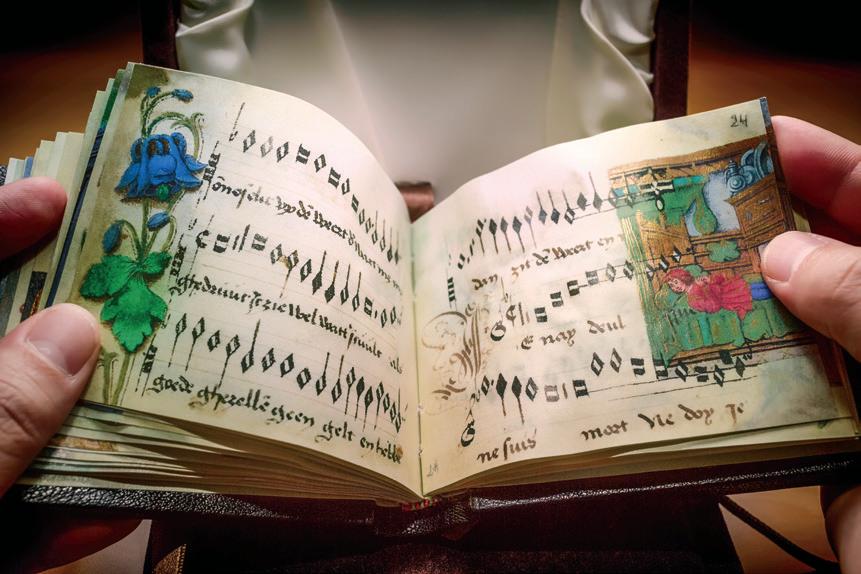
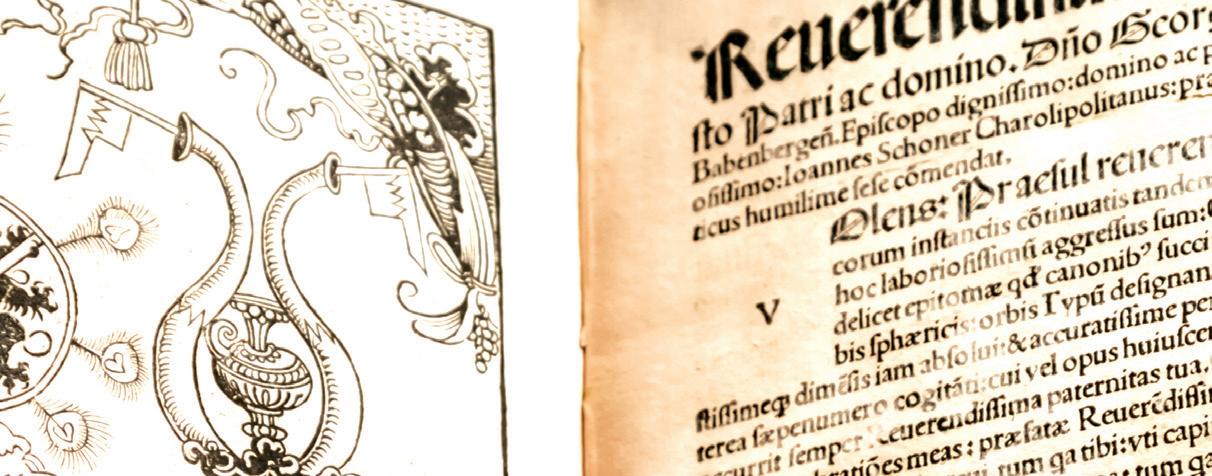
When the Jay I. Kislak Foundation chose the University of Miami as one of only two academic institutions in South Florida to house part of this impressive collection, UML quickly executed a plan to process the incoming Jay I. Kislak Collection of the Early Americas, Exploration and Navigation.
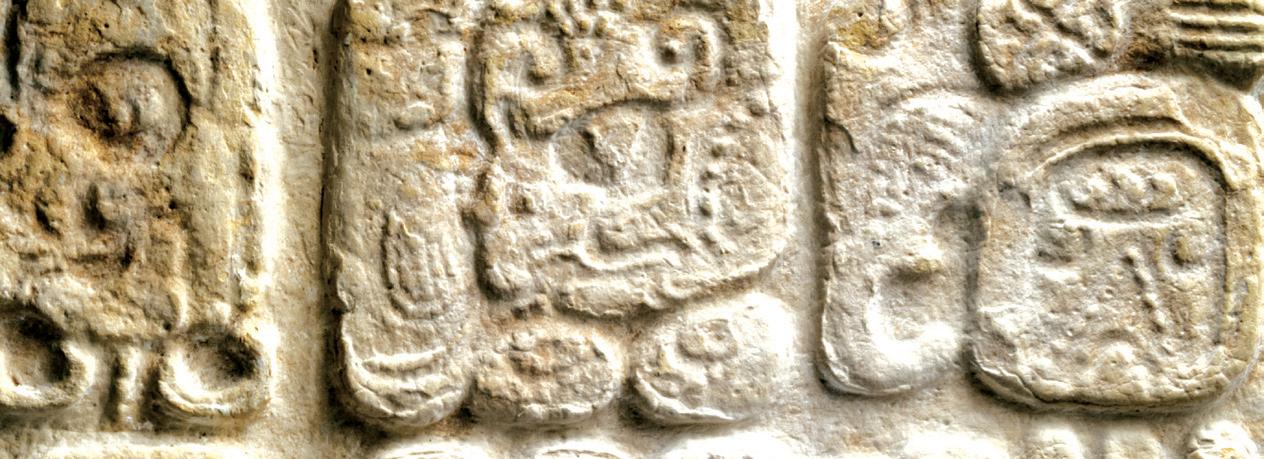
The landmark gift to the University of Miami also fueled the creation of a magnificent historic community space—the Kislak Center at the University of Miami—a multipurpose, state-of-the-art facility, which now houses the collection. Dedicated in March 2018, the Center is located within the nexus of the Libraries and the Learning Commons and also serves as a hub for academic and cultural exchange, providing access to a wealth of resources.
UML is now in the process of developing a systematic collections assessment and management strategy, including usage analysis, to support future collection development, management, and digitization decisions.
Thanks to the generosity of the Andrew W. Mellon Foundation, the University of Miami Libraries and Lowe Art Museum have embarked on a four-year collaborative project called CREATE, which is designed to encourage faculty and student engagement with the University’s collections while also increasing object-based outreach and educational opportunities for our many constituencies. This multi-faceted undertaking features two new faculty fellowships and a new fund to incentivize UM faculty to incorporate the University’s cultural assets into their curricula. CREATE will distribute a limited number of competitive grants to be awarded between June 2017 and June 2021.
JANUARY–MARCH
PLANNING FOR A FACULTY RESEARCH COMMONS BEGINS WITH ENGAGING BRIGHTSPOT STRATEGY TO CREATE A SERVICE AND SPACE STRATEGY
MARCH–JUNE
MAGIC LEAP EQUIPMENT IS MADE AVAILABLE IN MULTIPLE LIBRARIES
MARCH–JUNE
MAGIC LEAP BECOMES A UML SERVICE HUB
MAY THE GALLERY AT THE KISLAK CENTER OPENS
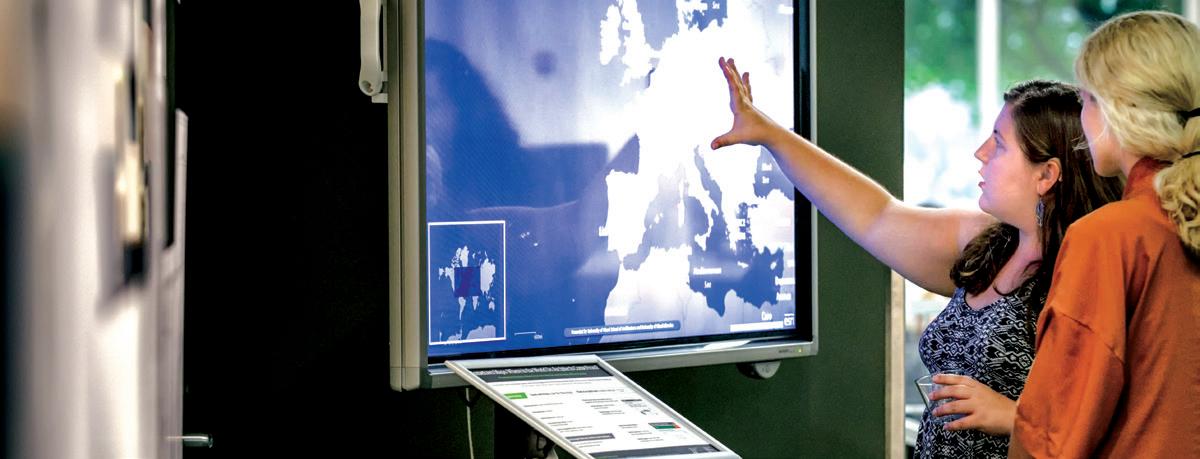
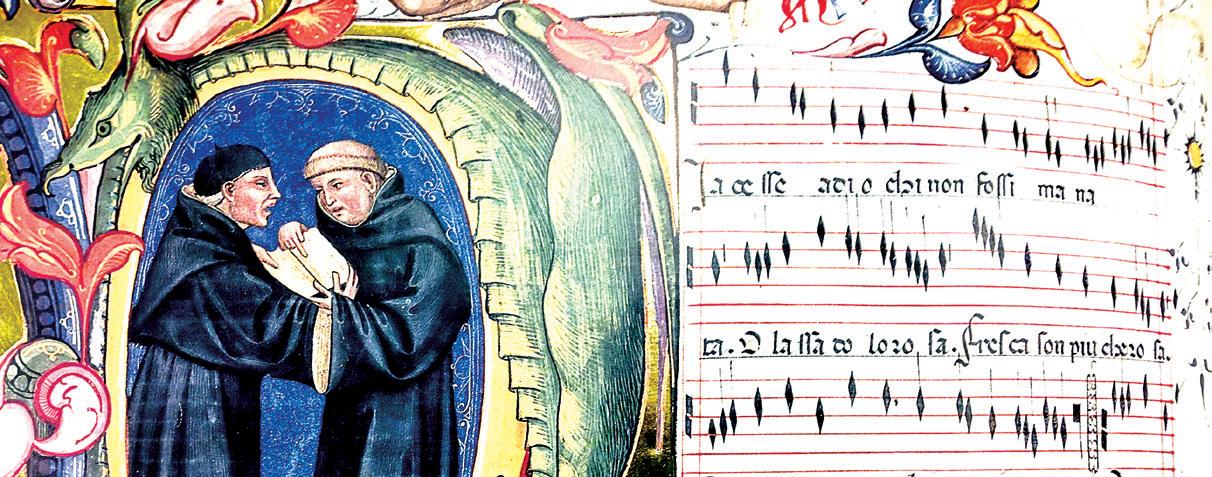
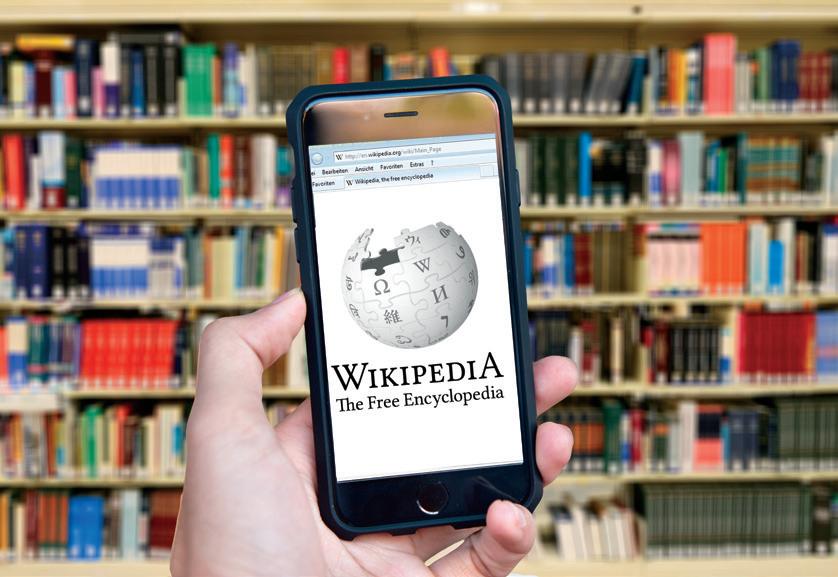
UML is currently exploring and adopting software, along with various processing workflows, that once implemented, will help expose distinctive collections to Wikipedia and the Social Networks and Archival Context, allowing for more users to potentially discover and access these unique items.
The Digital Public Library of America (DPLA) Hubs Model is establishing a national network of digital libraries in the United States. Part of that growing network is the Sunshine State Digital Network (SSDN), which acts as a “service hub” for the state of Florida. Within SSDN, UML and Florida International University libraries make up the South Florida sub-hub. UML, which is one of the hub’s founding members, is charged with building relationships with South Florida cultural heritage institutions, harvesting digital content from those institutions, and passing that content to the SSDN hub at Florida State University for upload to DPLA.
MAY–AUGUST
THIRD GRANT CYCLE FOR THE ANDREW W. MELLON CREATE GRANT PROGRAM
JUNE–AUGUST
COHESIVE DIGITAL SCHOLARSHIP UNIT IS FORMED
JUNE
LOWE ART MUSEUM COLLECTIONS ARE INCLUDED IN USEARCH INTERFACE
SEPTEMBER–NOVEMBER
INITIAL PROCESSING OF KISLAK COLLECTION IS COMPLETED
SEPTEMBER–NOVEMBER
MAGIC LEAP LAB OPENS IN RICHTER LIBRARY
STRATEGIC GOAL 3
STRATEGY: Build new services and infrastructure to support and accelerate research.
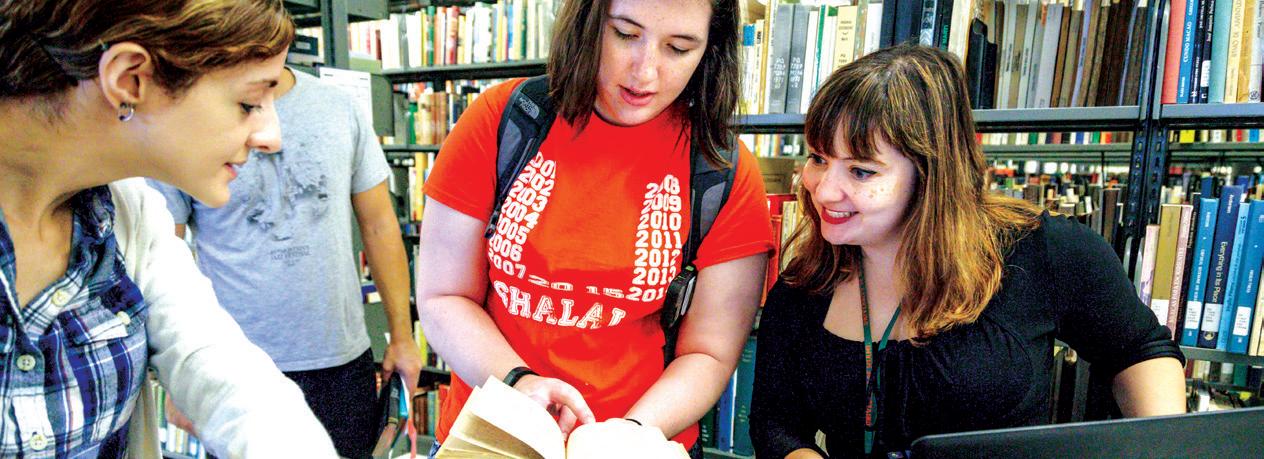
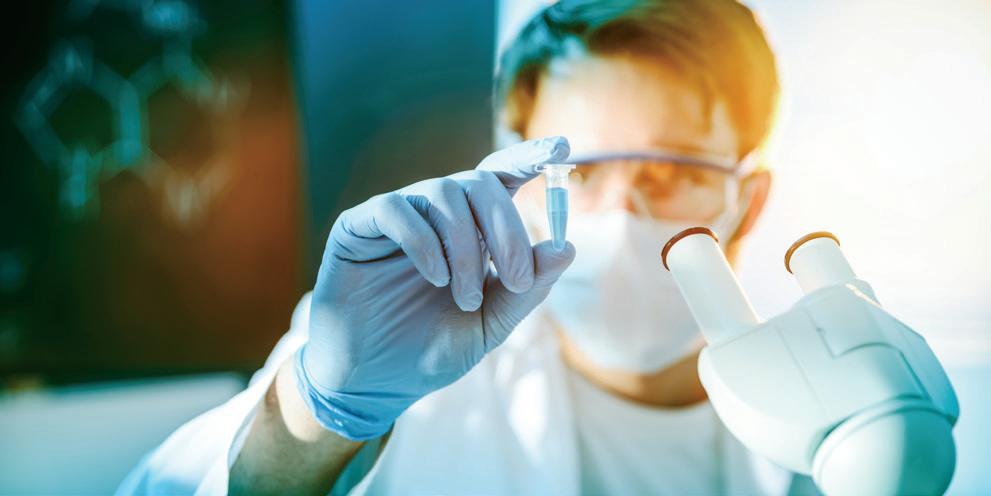
Data experts in the Digital Scholars’ Lab provide one-on-one consultations, seminars, and workshops that are designed to equip students with research and data management skills across many topic areas, including Working with Data, Research Data Management, Geographic Information Systems, and Software Carpentry. Additionally, Data Services and Data Science specialists provide a higher level of assistance with data management, data analysis, data sharing, and GIS services for research projects and University initiatives, including those of U-LINK. Future growth of Data Services will include the addition of a Biomedical Data Librarian, who will play a central role in developing data services for the UM medical campus.
JANUARY
NEW CHECK-OUT EQUIPMENT SERVICES LAUNCH IN MUSIC LIBRARY’S CREATIVE STUDIO
UML, in collaboration with the Office of Research, is in partnership with the library software company, Ex Libris, to develop a nextgeneration research services platform,
thereby facilitating the collecting and archiving of research output from UM’s scholars and maximizing the impact of UM’s research to the world. In FY19, UML invested 2.8% of its overall budget in Digital Scholarly Communications, surpassing the 2.5% investment challenge made to all academic libraries. The investment includes resources such as a digital repository to showcase faculty and student scholarship and data sets, publishing platforms, technical infrastructure, communication tools, membership fees, and staff resources.
MAY
END OF THE SECOND YEAR OF THE TEXTBOOK AFFORDABILITY PROJECT IN PARTNERSHIP WITH THE CAMNER ACADEMIC RESOURCE CENTER AND THE UM CAMPUS STORE
MARCH–APRIL
NEW DIGITAL COLLECTION MANAGEMENT SYSTEM MIGRATION TAKES PLACE
“These initiatives foster faculty engagement, interdisciplinary collaboration, and innovative scholarship.”
GLEN WILEY, STRATEGIC PLAN COORDINATOR AND ASSOCIATE DEAN FOR ACCESS & DISCOVERY SERVICES
To strategically engage with faculty members to better support their research initiatives, UML is developing the Faculty Research Commons, a catalyst and home for innovative, interdisciplinary, and collaborative research projects, including the U-LINK program. The Faculty Research Commons will be housed on the third floor of Richter Library.
Thanks to a collaboration with the Office of Research and the University of Miami’s Laboratory for Integrated Knowledge (U-LINK), librarians at UML have joined grant-funded interdisciplinary research teams working on societal problems. The collaboration began with U-LINK’s launch in 2018 and continues today. Each U-LINK librarian tailors their roles and activities to the needs of the team and the particular sets of expertise and experience they bring. Librarians contribute by providing information access and management,
connections to experts, spaces to collaborate, and advice on communication strategies.
The Conversation Project is an effort by University of Miami librarians to engage proactively with teaching and research faculty through one-on-one, in-person conversations to better understand their needs and the ways that libraries can adapt services, resources, and spaces in response. The Project complements other assessment efforts, such as online surveys, that UML deploys to gather faculty feedback. It has inspired other research libraries to adopt similar initiatives with their faculty.
JUNE–AUGUST
SOCIAL NETWORKS AND ARCHIVAL CONTEXT SOFTWARE AND PROCESSING WORKFLOWS ARE ADOPTED, LINKING DISTINCTIVE COLLECTIONS TO FREE ONLINE RESEARCH TOOLS
JUNE
PHASE 2 OF LEARNING COMMONS CONSTRUCTION BEGINS
SEPTEMBER–NOVEMBER
PHASE 2 OF THE THE CONVERSATION PROJECT BEGINS
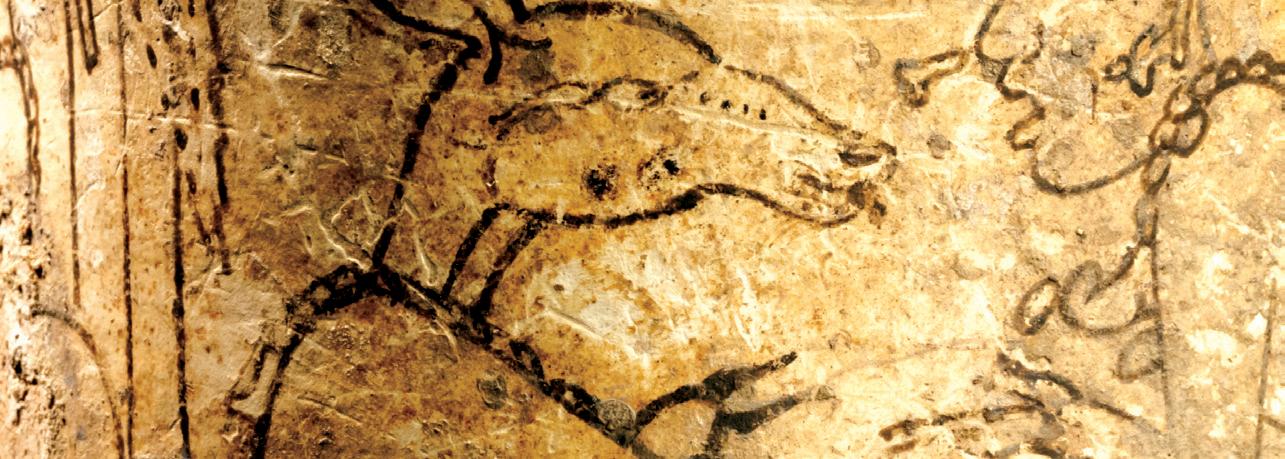
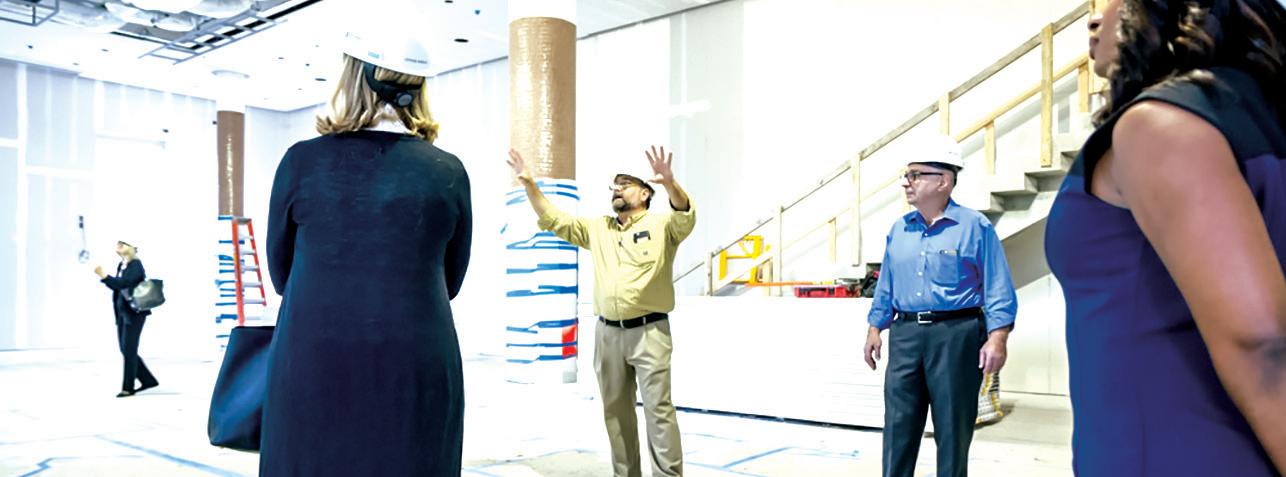
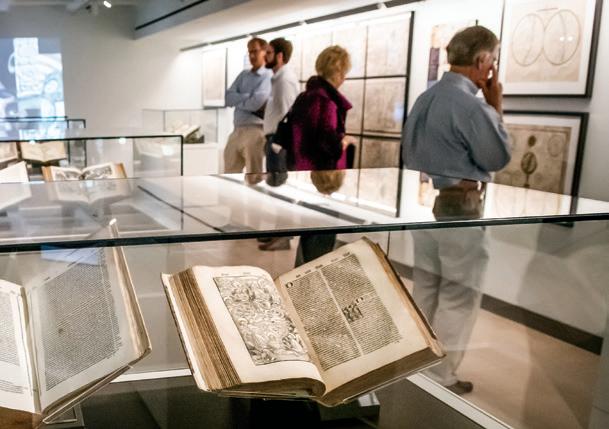
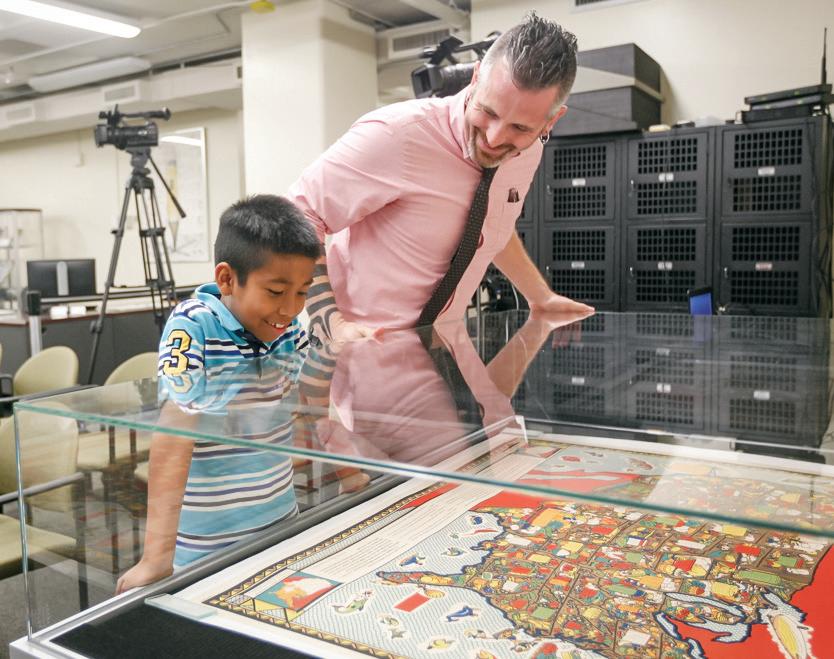
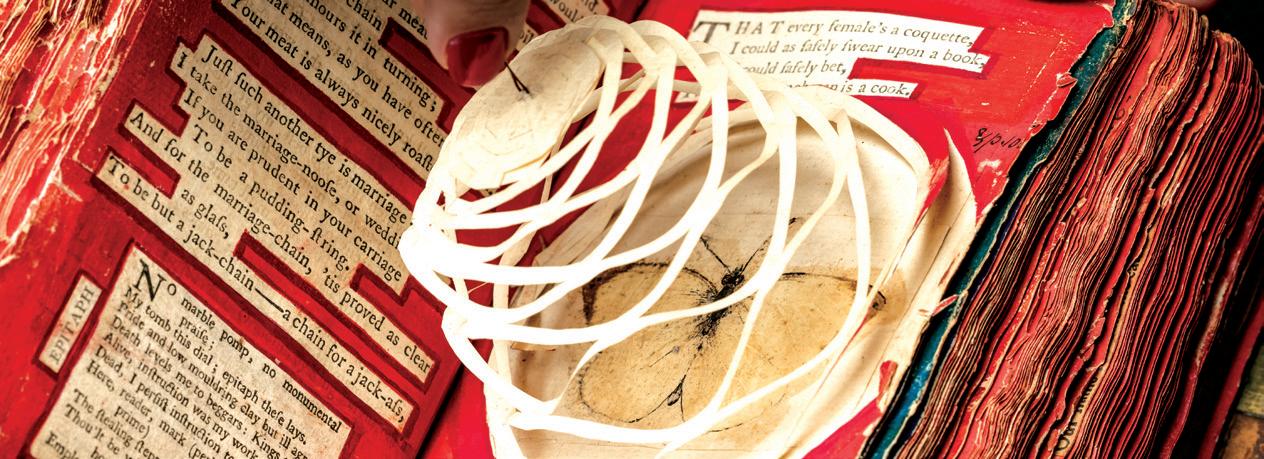
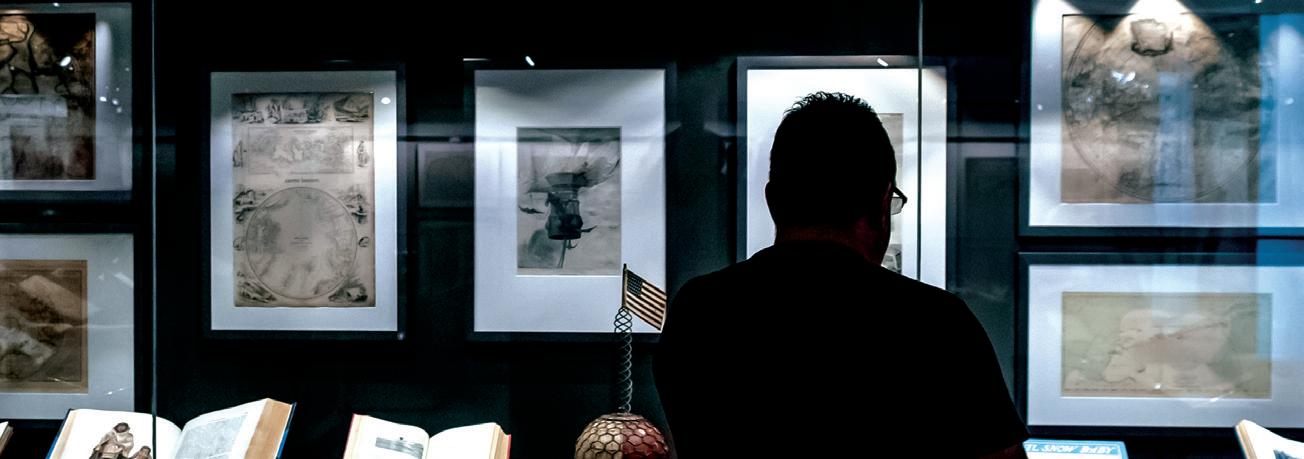
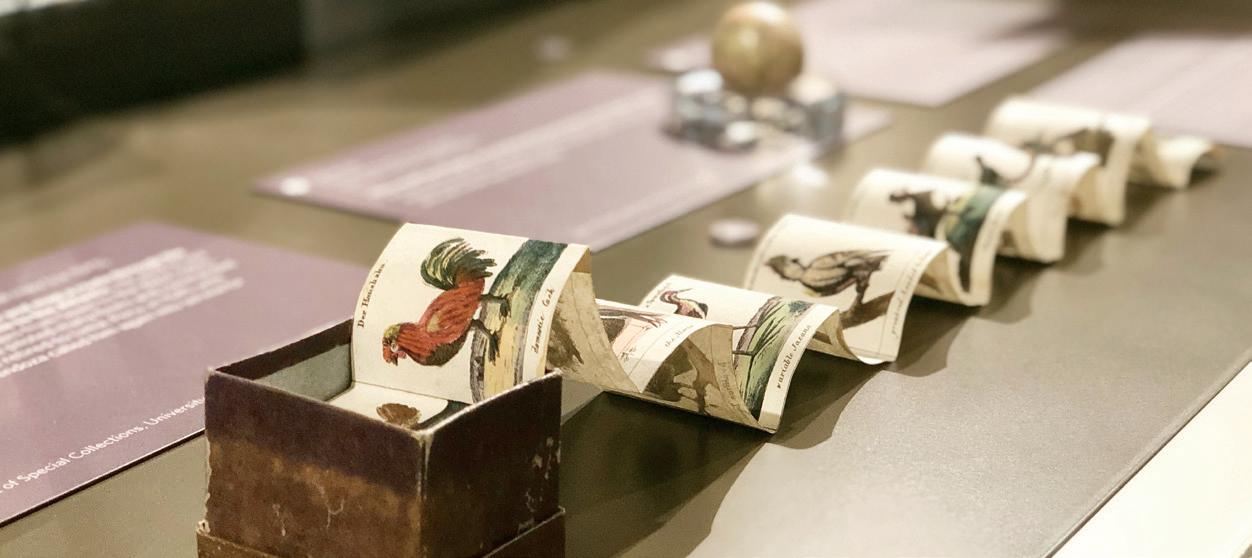
The Gallery at the Kislak Center, which currently showcases rare books, manuscripts, maps, photographs, and artifacts of the early history of the Americas and its indigenous cultures, was completed in May 2019. University Facilities was an essential partner in the on-time completion of the Gallery for the dedication ceremony, which was attended by more than 100 members of the UM community.
STRATEGY: Foster understanding by serving as a trusted and inspirational venue conducive to the conduct of civil discourse and debate.
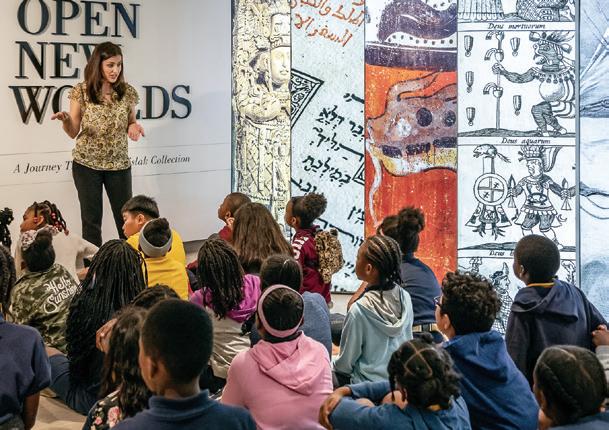
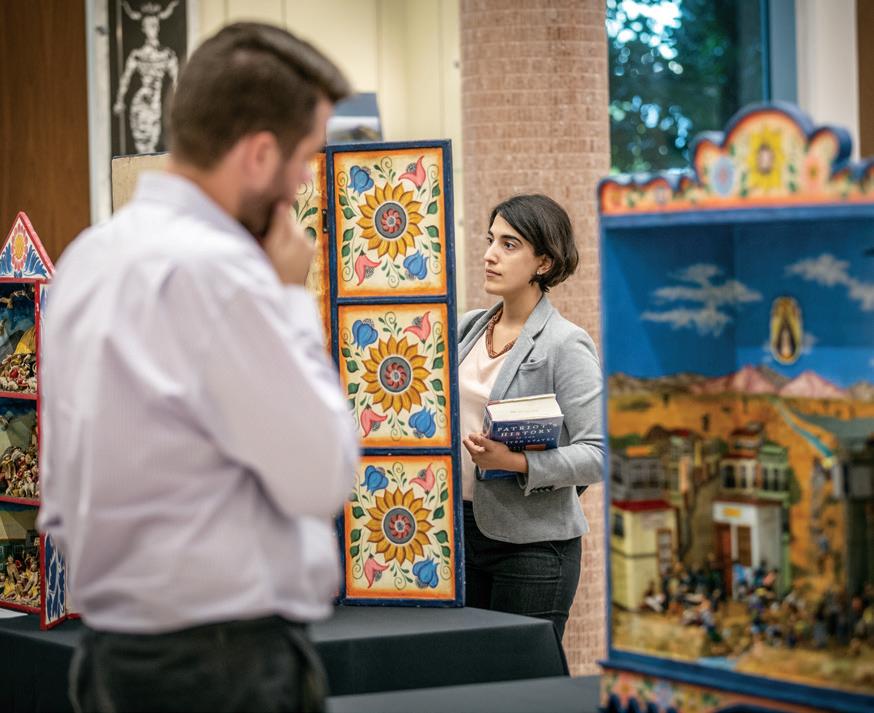
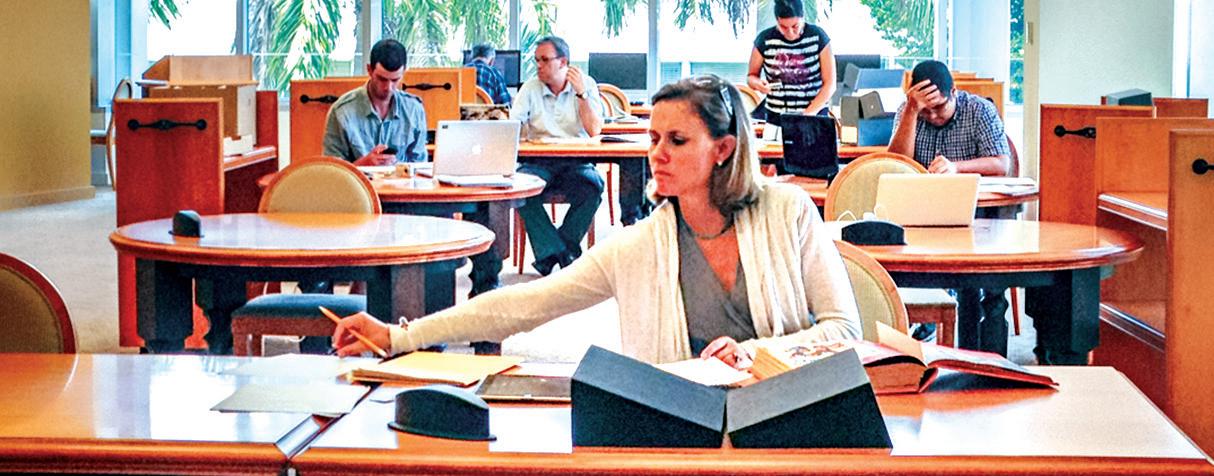
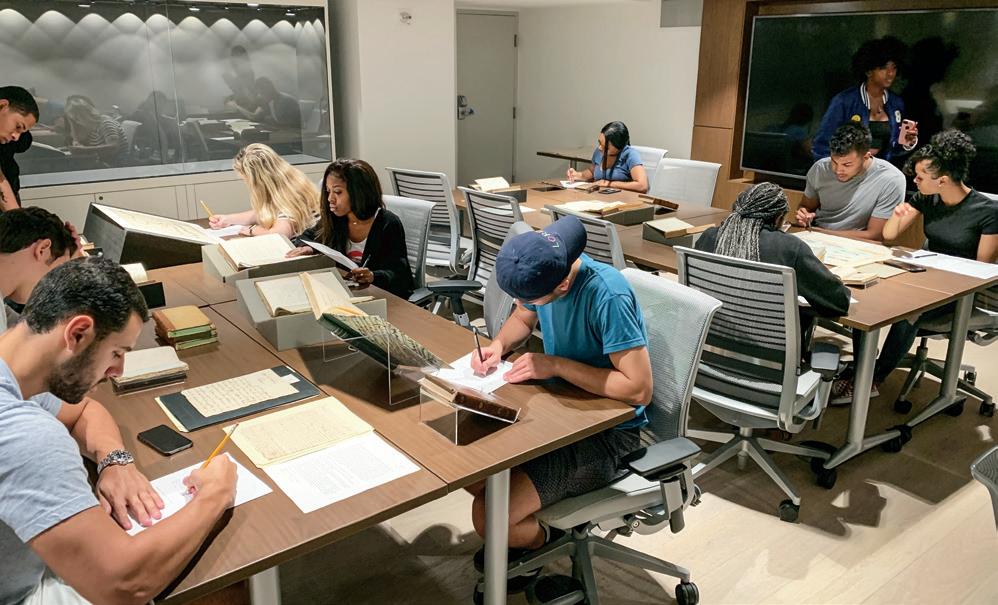
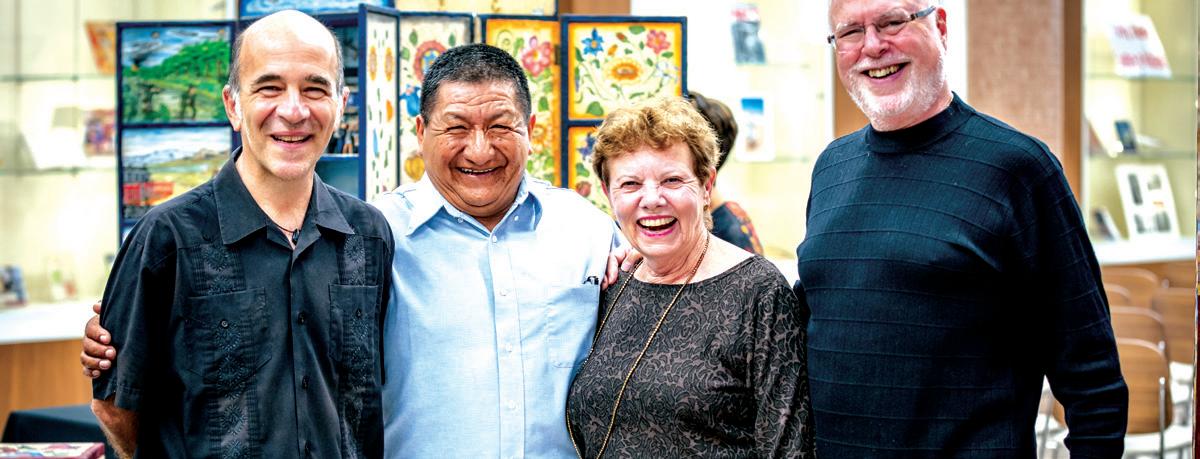
The Kislak Center at the University of Miami and the Gallery at the Kislak Center are widely promoted to faculty and community members as a research venue, exhibition space, and event space, both of which are now available for rental. Rotating exhibits are on view in the Reading Room and the Gallery, showcasing the extensive holdings of Special Collections and University Archives. Promotion of this unique resource to UM and the general public will continue, attracting a variety of international researchers, local community members, and educational groups to the space.
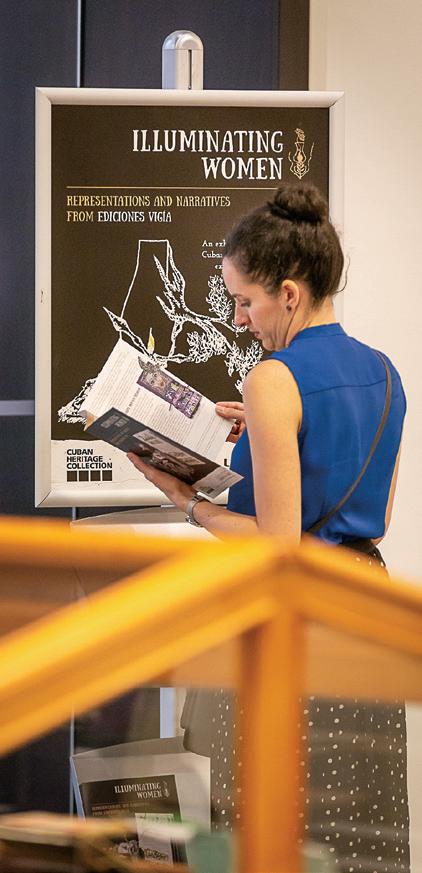
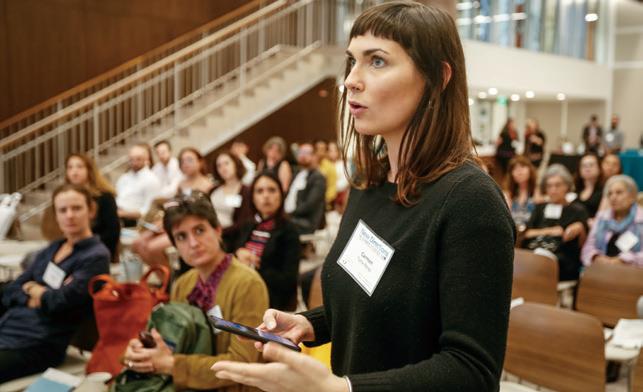
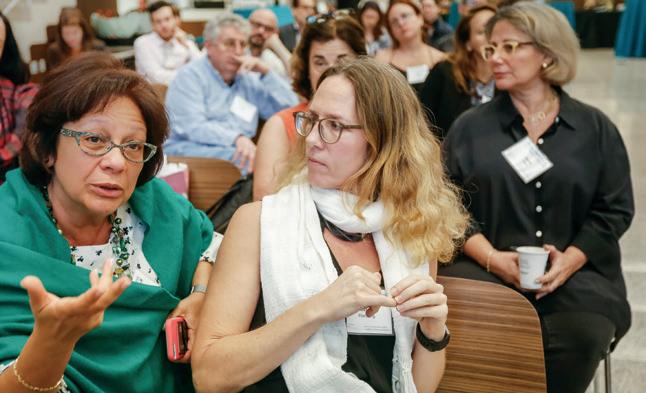
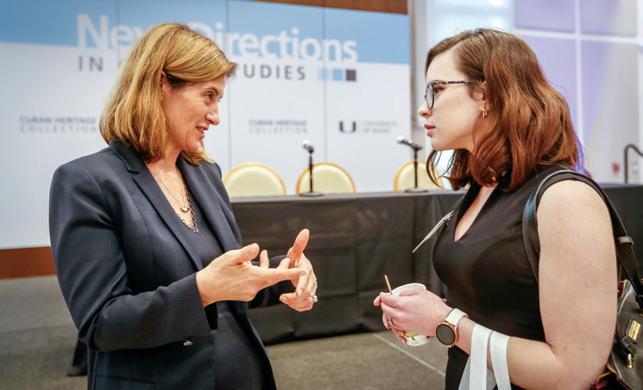
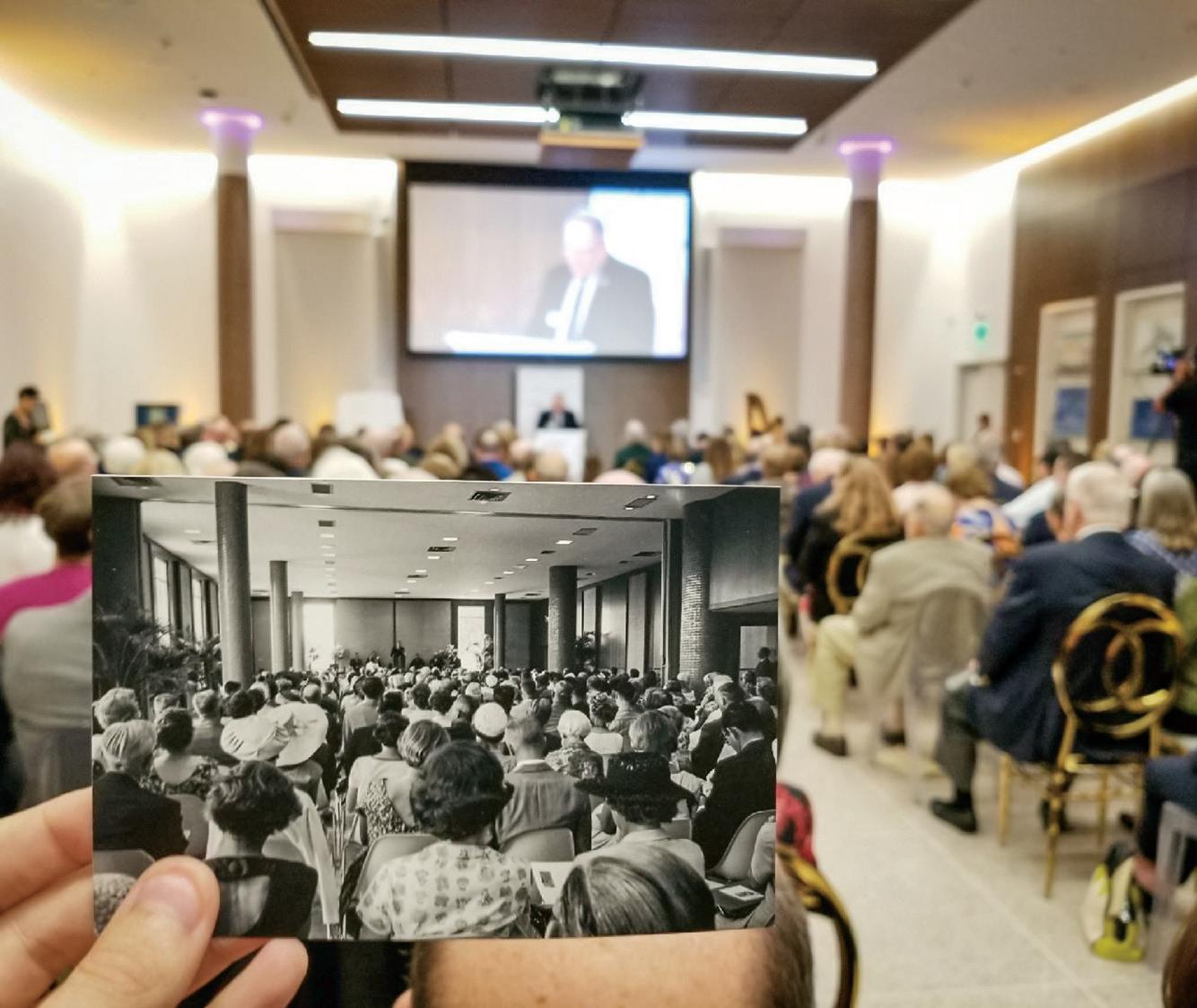
Since its opening in 2018, the Center has hosted nearly 80 events, many developed by UML, such as the Cuban Heritage Collection’s New Directions in
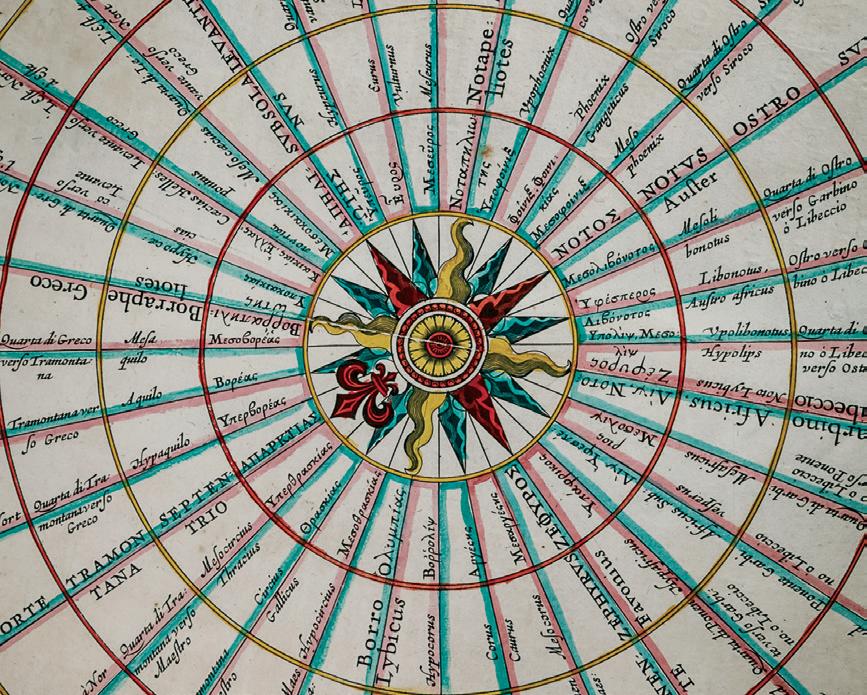
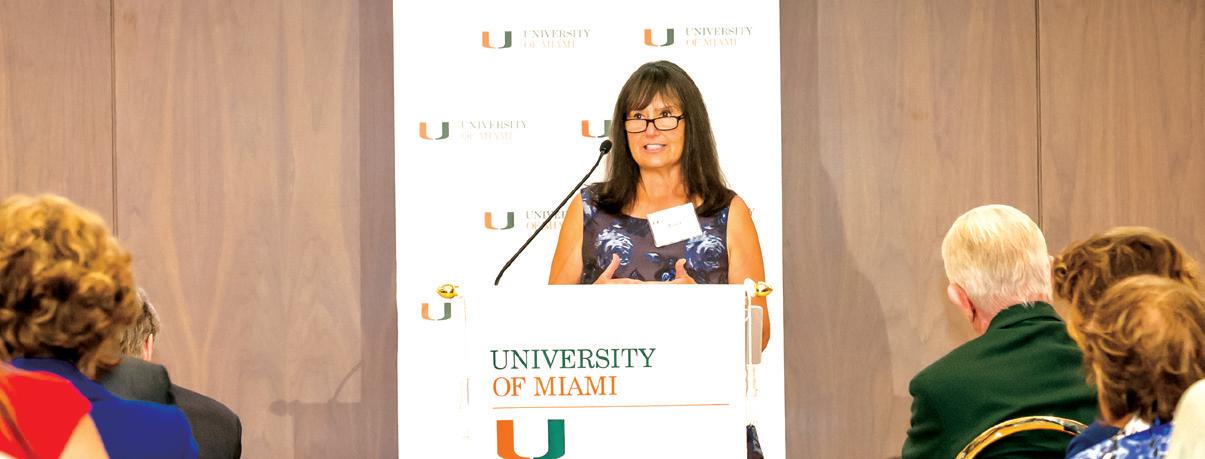
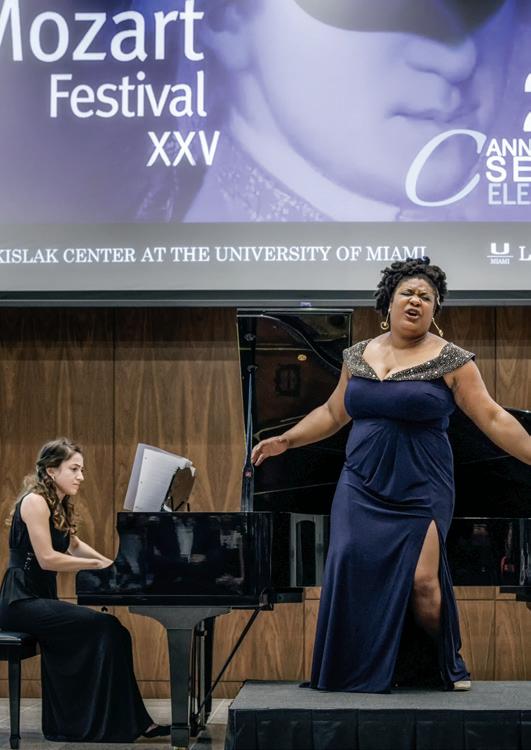
Cuban Studies biannual conference, talks, and film screenings. Other UM schools and colleges also utilize the Center, including special performances by the Frost School of Music, expert panels from the School of Law, and it is the regular venue for the College of Arts and Sciences Center for the Humanities’ Henry King Stanford Lecture Series, to name a few. The Center has even allowed new partnerships to flourish with the South Florida community, as it is now the home of the Mainly Mozart chamber music festival series. All in all, the Kislak Center has already made it possible for nearly 7,200 individuals to participate in engaging, cultural programming while having exposure to the Libraries’ many treasures and other holdings.
CLIR DIGITIZING HIDDEN SPECIAL COLLECTIONS AND ARCHIVES GRANT CONCLUDES RELEASING 135,500 DIGITAL IMAGES AND ASSOCIATED OPEN DATA SETS
JUNE–AUGUST
HOST IATUL 2021 ANNUAL MEETING AND REGIONAL SUMMITS
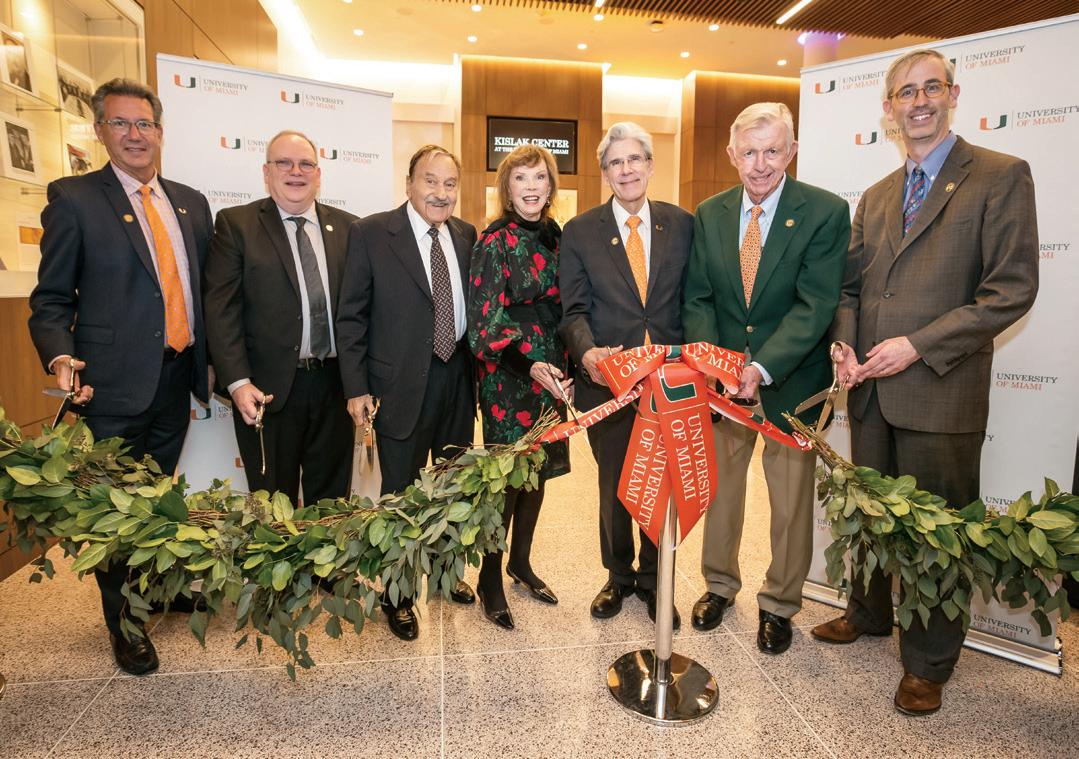
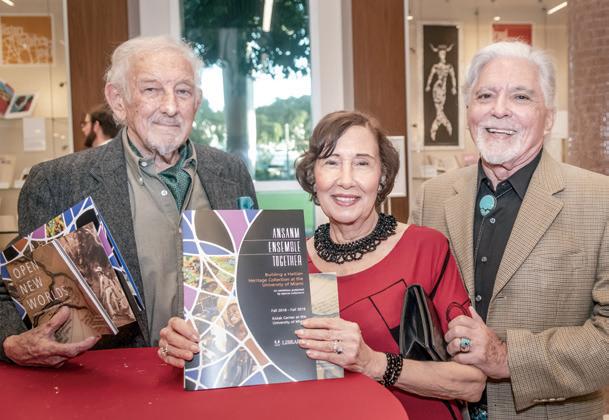
Left to right: Executive Vice President for Academic Affairs and Provost Jeffrey Duerk; Dean and University Librarian Charles Eckman; Honoree the late Jay I. Kislak; Honoree Jean Kislak; President Julio Frenk; Board of Trustees Senior Member Charles E. Cobb, Jr.; and Senior Vice President for Development and Alumni Relations Joshua Friedman.
JUNE–AUGUST
DEVELOP A GAP ANALYSIS REGARDING THE SKILLS AND TOOLS NEEDED BY LIBRARY PERSONNEL
DECEMBER
COMPLETE CONSTRUCTION OF THE SECOND PHASE TRANSFORMATION OF RICHTER LIBRARY’S FIRST FLOOR INTO A LEARNING COMMONS

STRATEGY:
Prepare library faculty and staff for achieving excellence in new and emerging roles.
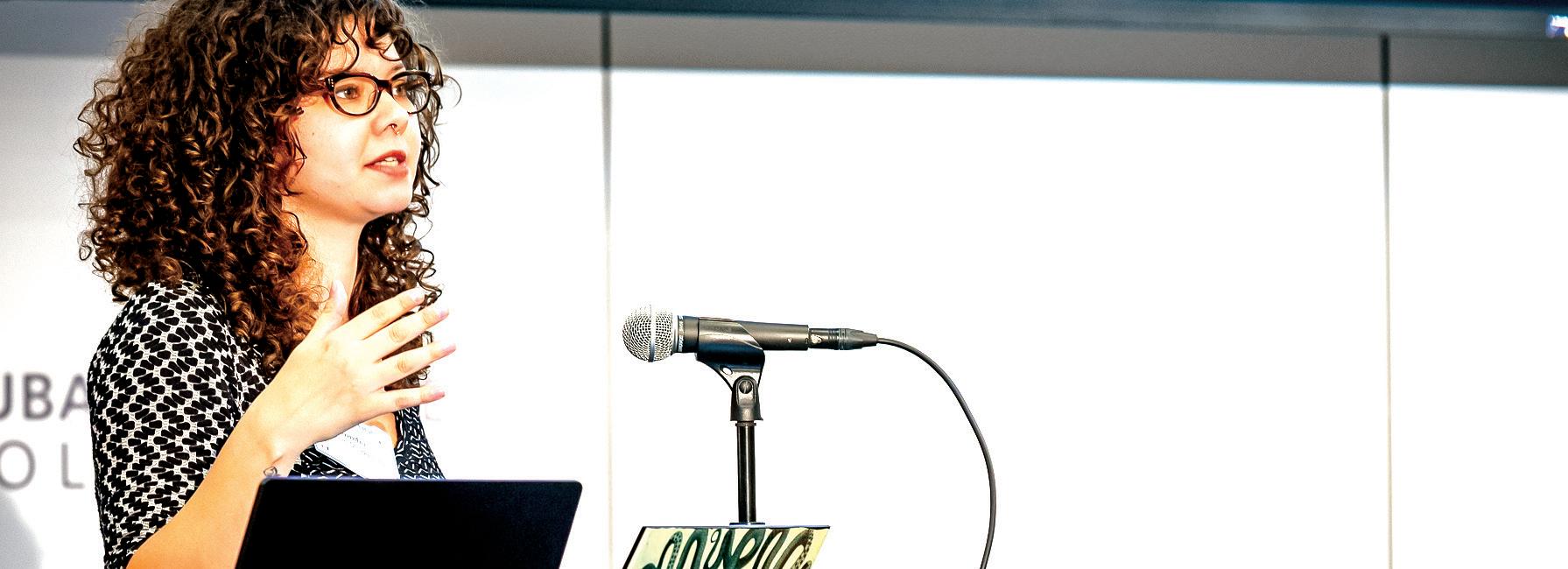
Each division of UML analyzed the results of the Gallup Survey in 2017 and developed its own shortlist of action items in accordance with survey findings. Since the original survey and subsequent analysis, specific action areas were identified for improvement, including collegiality, accountability, mentorship, and opportunities for growth. Since the unveiling of results, steps have been taken to increase faculty and staff engagement across UML. To foster collegiality and engagement in the Libraries, crosscampus community service projects and intra-team committees have been developed. There also has been a greater emphasis on communication and feedback among individuals and teams, which has helped to bolster individual and team performance, create a sense of accountability, and foster pathways for career development among library staff.
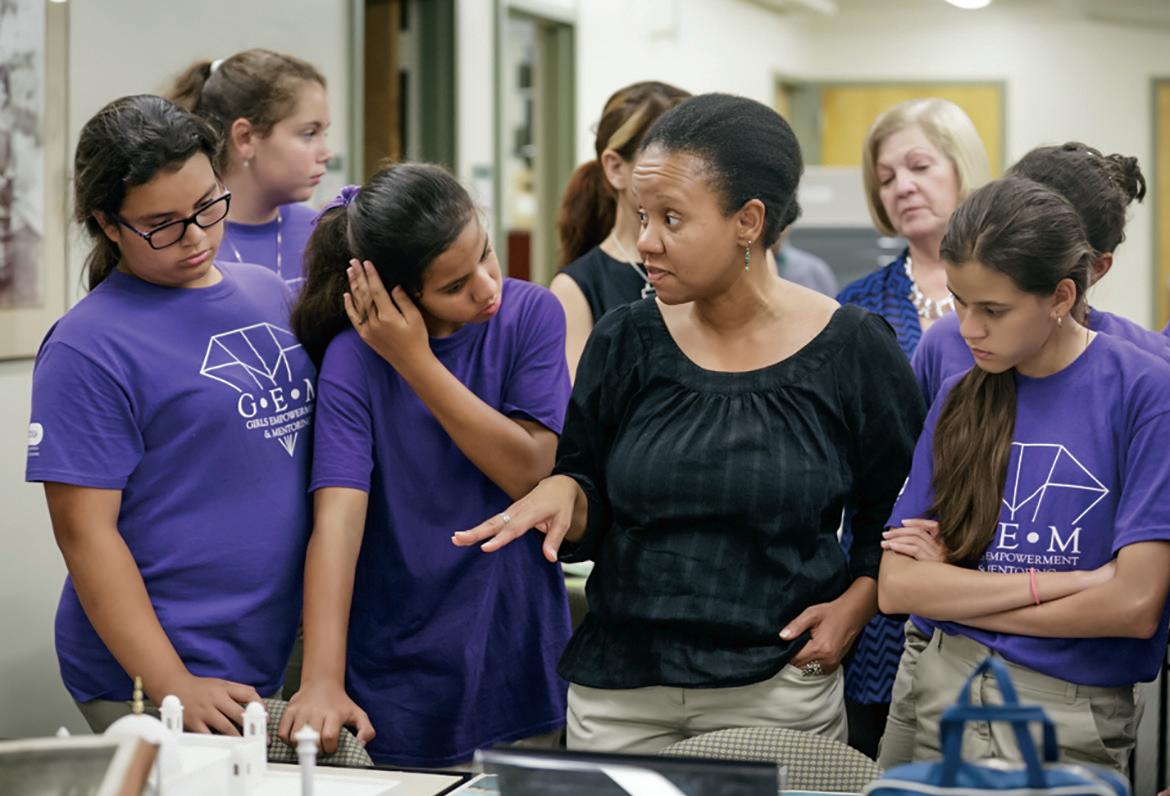
As new campus partnerships are created, information resulting from the growth of partnerships is being shared with department heads, who can best assess how to engage partners to boost engagement with UML. As a result, UML is optimistic about continued growth in this area.
In an effort to increase employee awareness and increased support of professional development opportunities, an intranet page was created and launched, which lists professional development opportunities provided by membership organizations. Additionally, UML has increased funding by making investments in professional development funding for employees, which enables exempt staff members to access annual funds for professional development opportunities. Nonexempt staff can access professional development opportunities through the pool of administrative funds, whose funding access is managed by the associate deans.
STRATEGY 1.1: Collaborate with University partners to offer a seamless array of learning and research services.
• TACTIC 1.1.1: Complete the first phase transformation of the first floor of Richter Library into a Learning Commons, a collaborative service and learning space for the Library and library’s partners.
• TACTIC 1.1.2: Complete planning of the second phase transformation of the first floor of Richter Library into a Learning Commons, an innovative learning space for learning and collaboration.
• TACTIC 1.1.3: Improve student experience of academic services by integrating new partners into the Learning Commons as needed.
• TACTIC 1.1.4: Amplify the Learning Commons’ impact throughout the Libraries and in other settings when possible.
• TACTIC 1.1.5: Raise the visibility of the Learning Commons nationally and internationally by presenting at national conferences and venues about the work of the Learning Commons.
STRATEGY 1.2: Promote peer-to-peer learning.
• TACTIC 1.2.1: Provide increased access to emerging technologies and equipment for check-out in Creative Studio in multiple locations in the University libraries.
• TACTIC 1.2.2: Serve as a service hub for Magic Leap equipment and other artificial intelligence technologies.
• TACTIC 1.2.3: Develop Library Research Scholars Program and Adobe Scholars Program to give students more opportunities to develop international research and creative projects that are outside of the traditional curriculum.
• TACTIC 1.2.4: Launch Peer Research Consultants program to deliver peer-to-peer research services for undergraduates in the Learning Commons’ Consultation Zone.
STRATEGY 1.3: Strengthen and promote the Libraries’ teaching role.
• TACTIC 1.3.1: Leverage the Liaison Librarian Council to develop a coordinated strategy across the Libraries to promote the expertise of librarians and the suite of services they offer: personalized consultations, customized workshops, and on-demand instructional sessions.
• TACTIC 1.3.2: Develop methods and processes for evaluating the qualitative impact of librarians’ teaching efforts on learning.
• TACTIC 1.3.3: Revise core job description for liaison librarian work to align with findings of The Conversation Project, a qualitative assessment of faculty research and teaching needs.
STRATEGY 1.4: Become a cross-disciplinary hub across the University and on each campus for fostering learning, creating, and health, and well-being.
• TACTIC 1.4.1: Integrate librarians and align library liaison work with the University’s Roadmap to Our New Century interdisciplinary initiatives (like U-LINK teams) through engagement with key leadership in Office of Research.
STRATEGY 1.5: Deliver services at point of need.
• TACTIC 1.5.1: Offer library-to-library delivery services (instead of USPS or UM mail) to all three campuses.
• TACTIC 1.5.2: Implement the Textbook Affordability pilot in partnership with the Camner Academic Resource Center and the UM Campus Store (formerly UM Bookstore).
• TACTIC 1.5.3: Build and deploy redesigned library websites based on UX best practices to improve discovery, access, and utilization of library services, collections, and programs.
STRATEGY 1.6: Optimize use of library spaces for learning.
• TACTIC 1.6.1: Refresh furniture and technology to ensure spaces are commodious and flexible.
• TACTIC 1.6.2: Develop a master plan for the Richter Library and collection storage supporting all University libraries.
STRATEGY 2.1: Build collections and conduct digitization initiatives with global, hemispheric and local partners to meet the teaching, learning, research, and clinical care needs of the University community.
• TACTIC 2.1.1: Plan for and begin processing the Kislak Collection of the Early Americas, Exploration and Navigation prior to its arrival at UM.
• TACTIC 2.1.2: Develop a systematic collections assessment and management strategy, including usage analysis, to support collection development, management, and digitization decisions.
STRATEGY 2.2: Facilitate seamless discovery of and access to University cultural property, library collections and institutional repository content.
• TACTIC 2.2.1: Include Lowe Art Museum collections in the uSearch interface.
• TACTIC 2.2.2: Include library repositories (AToM, CONTENTdm, Digital Commons) in the uSearch interface.
• TACTIC 2.2.3: Test and pilot digital collection management systems to replace CONTENTdm.
• TACTIC 2.2.4: Go live as a DPLA South Florida service hub.
• TACTIC 2.2.5: Initiate OCLC Reclamation for library collections to ensure accurate representation of UM holdings in the WorldCat database, facilitating interlibrary loan and discovery services.
• TACTIC 2.2.6: Explore and adopt software (e.g., SNAC) and processing workflows that when implemented will routinely expose special collections to Wikipedia and other search engines.
STRATEGY 2.3: Enable and lead the transformative use of print and digital collections.
• TACTIC 2.3.1: Implement the Mellon-Funded project “CREATE: Leveraging Cultural Resources through Intra-Institutional Collaboration.”
• TACTIC 2.3.2: Assess and potentially expand our effort to make digital collections more available for computational uses (such as the La Gaceta project).
STRATEGY 2.4: Ensure the long-term preservation of print and digital collections.
• TACTIC 2.4.1: Ensure all appropriate digital collections are preserved in the APTrust.
• TACTIC 2.4.2: Test and document current local digital preservation infrastructure.
STRATEGY 2.5: Increase international engagement at both organizational and individual levels.
• TACTIC 2.5.1: Host IATUL (Int’l Association of University Libraries) 2021 annual meeting and regional summits.
• TACTIC 2.5.2: Enhance faculty awareness of international professional development opportunities and review travel funding support.
GOAL 3 FACILITATE RESEARCH AND SCHOLARSHIP
STRATEGY 3.1: Support digital scholarship.
• TACTIC 3.1.1: Transform the GIS Lab into a lab that supports a range of digital scholarship activities.
• TACTIC 3.1.2: Form a cohesive Digital Scholarship unit under the umbrella of Digital Strategies.
STRATEGY 3.2: Support curation and discovery of University faculty scholarship.
• TACTIC 3.2.1: Further develop Research Data Services in the UM Libraries.
• TACTIC 3.2.2: Partner with relevant University units to ensure that the libraries provide a comprehensive record of UM faculty scholarship.
STRATEGY 3.3: Support openness in scholarly communication.
• TACTIC 3.3.2: Develop policies and guidelines for direct repository deposit and for journal publishing.
STRATEGY 3.4: Facilitate collaboration and interdisciplinary research partnerships.
• TACTIC 3.4.1: Implement The Conversation Project, an initiative to engage faculty in conversation about their current and future research and teaching.
• TACTIC 3.4.2: Develop a Faculty Commons on the third floor of Richter Library that can facilitate interdisciplinary faculty collaboration, serve as event space, and connect to related third floor services (active learning spaces, conference room, digital scholarship and research librarians).
STRATEGY 4.1: Engage with UM and community partners.
• TACTIC 4.1.1: Work with regional memory organizations to include content in the Digital Public Library of America (DPLA) Florida Network.
STRATEGY 4.2: Host public lectures, colloquia, and dialogs on issues of importance.
• TACTIC 4.2.1: Work with Facilities to ensure timely completion of the Kislak Center and promote the facility as a welcoming venue for UM School, College, Center, and Institute community outreach programs.
STRATEGY 4.3: Optimize use of library spaces for research and creativity.
• TACTIC 4.3.1: Host programs in new (enclosed) Flexible Learning Environment in the Learning Commons (completed portion), including student-driven programs.
STRATEGY 5.1: Develop knowledge base of employee capabilities and professional achievements.
• TACTIC 5.1.1: Develop a personnel “skills map” or expertise database for the Libraries.
STRATEGY 5.2: Increase employee awareness and support of Libraries service programs.
• TACTIC 5.2.1: Increase faculty and staff engagement through appropriate action steps based upon areas identified in the Gallup Survey results.
STRATEGY 5.3: Ensure that employees have the tools and skills necessary to provide excellent service.
• TACTIC 5.3.1: Develop a gap analysis regarding the skills and tools needed by library personnel.
STRATEGY 5.4: Increase employee awareness of professional development opportunities.
• TACTIC 5.4.1: Create an intranet page with links to existing opportunities provided by our membership organizations.
• TACTIC 5.4.2: Increase funding for professional development opportunities.
STRATEGY 5.5: Promote an equitable, diverse, and inclusive workplace.
• TACTIC 5.5.1: Establish a council that raises Diversity, Equity, and Inclusion issues and makes recommendations.
• TACTIC 5.5.2: Provide tangible support to staff pursuing professional library and information science degrees.
• TACTIC 5.5.3: Ensure personnel search and hire processes help to recruit and support a diverse workforce.





Individuals can support the University of Miami Libraries strategic priorities as we move toward the University’s centennial to further enrich the lives of our students and the communities we serve. We are happy to speak with you about your interests and potential contributions.
Please visit our Support the Libraries page at: https://www.library.miami.edu/about/support-the-libraries
Or contact Philanthropy Officer Caitlin Weber at cweber@miami.edu to explore further options.
Libraries
INTERDISCIPLINARY LIBRARY
Otto G. Richter Library library.miami.edu/richter
SUBJECT SPECIALTY LIBRARIES
SCHOOL OF ARCHITECTURE Architecture Research Center library.miami.edu/architecture
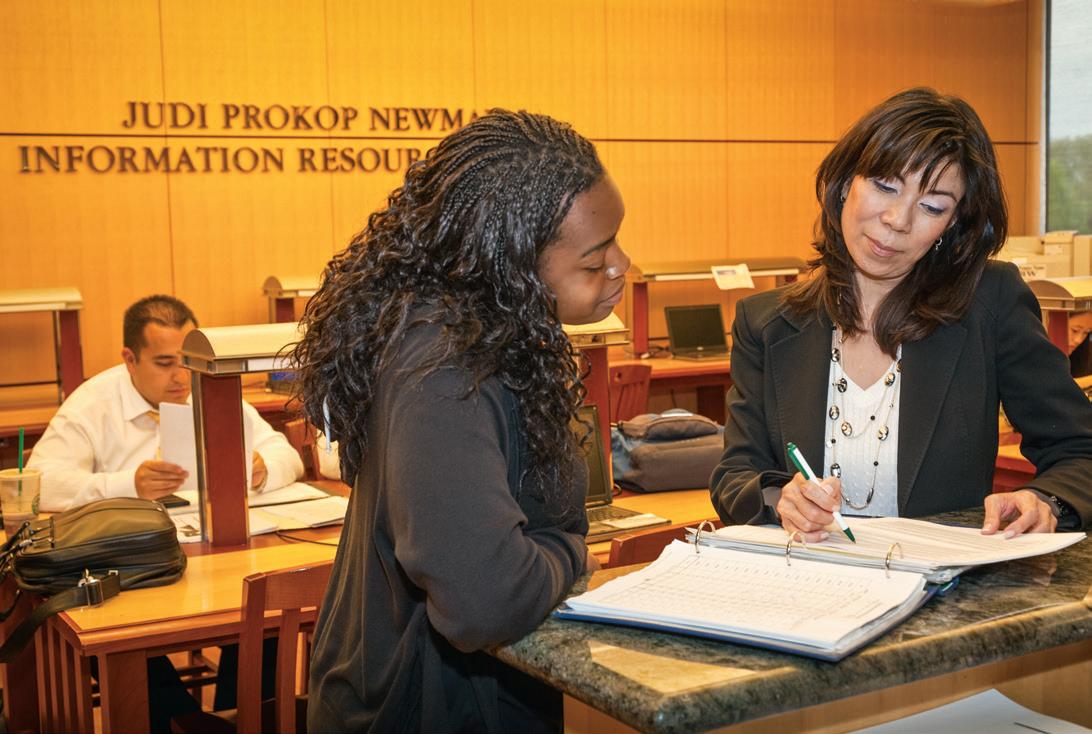
MIAMI HERBERT BUSINESS SCHOOL Judi Prokop Newman Information Resource Center library.miami.edu/business
ROSENSTIEL SCHOOL OF MARINE AND ATMOSPHERIC SCIENCE Rosenstiel Library library.miami.edu/rsmaslib
MILLER SCHOOL OF MEDICINE Louis Calder Memorial Library calder.med.miami.edu
FROST SCHOOL OF MUSIC
Marta and Austin Weeks Music Library and Technology Center library.miami.edu/musiclib
INDEPENDENT LIBRARY
SCHOOL OF LAW Law Library law.miami.edu/iml/library
Collections
Cuban Heritage Collection library.miami.edu/chc
Digital Collections merrick.library.miami.edu
Scholarly Repository scholarlyrepository.miami.edu
Special Collections library.miami.edu/specialcollections
University Archives library.miami.edu/universityarchives/
Office of the Dean and University Librarian
Otto G. Richter Library 1300 Memorial Drive, Suite 333 Coral Gables, Florida 33146 305-284-3551