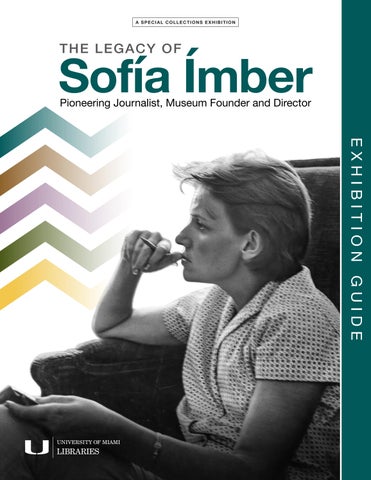
Sofía Ímber
Pioneering Journalist, Museum Founder and Director
Pioneering Journalist, Museum Founder and Director
Fall 2024-Spring 2026
Kislak Center at the University of Miami Otto G. Richter Library Coral Gables, Florida
LEARN MORE ABOUT THIS EXHIBITION AT library.miami.edu/exhibitions/sofia-imber
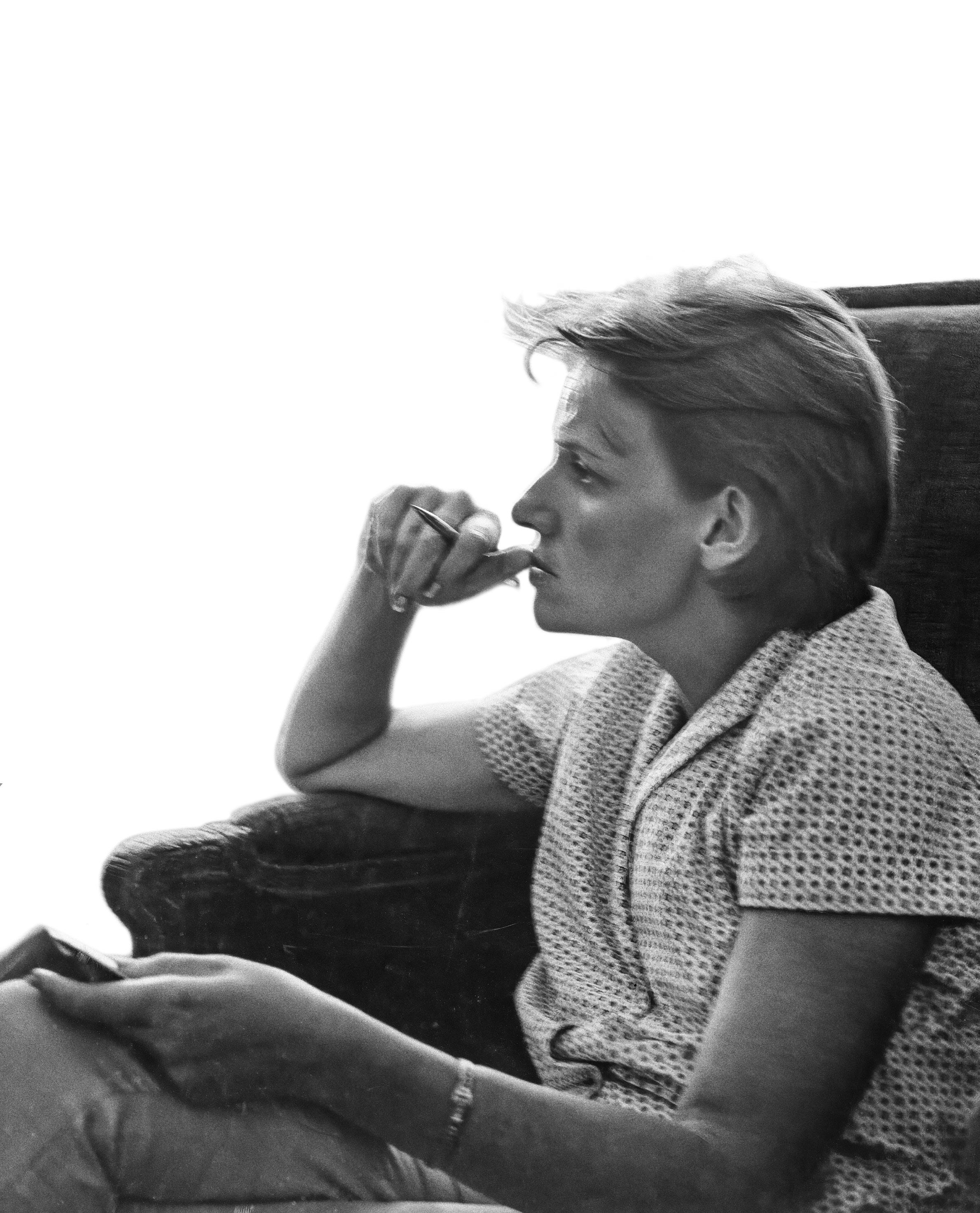
Sofía Ímber was the first woman ever nominated for the National Journalism Prize of Venezuela and subsequently won other international awards, including the French Légion d’honneur, the Argentinian Orden de Mayo, and the Picasso Medal from the United Nations Educational, Scientific and Cultural Organization.
One of Ímber’s greatest contributions to Venezuelan history was the 1972 founding and nearly 30 years of leadership of the Museo de Arte Contemporáneo de Caracas, one of the most important collections of modern art in a Latin American public institution. Her pioneering efforts at the museum—where she spearheaded the creation of an engaging, inclusive community space that brought art buses into neighborhoods, published accessible art catalogs for the visually impaired, and included a free art library—all coalesced in bringing diverse culture to Venezuelan society. Throughout her life, her work functioned as a cultural bridge between Europe and Latin America, which is evidenced by her enduring career in journalism and television. In 2022, her family donated her collection to Special Collections at the University of Miami Libraries.
Through personal photographs, correspondence, newspaper articles, and art materials that capture her extensive career, “The Legacy of Sofía Ímber: Pioneering Journalist, Museum Founder and Director” commemorates the 100th anniversary of her birth in 1924 and showcases her accomplishments in journalism and the promotion of art. This exhibition was curated by Béatrice Colastin Skokan, head of Manuscripts and Archives Management, with assistance from Juan A. Villanueva, Cuban heritage and Spanish language collections archivist.
EARLY LIFE AND FAMILY
Sofía Ímber (1924-2017) was an influential Venezuelan journalist, cultural critic, and the founder of the Museo de Arte Contemporáneo de Caracas in Venezuela. She was the first woman ever nominated for the National Journalism Prize of Venezuela and subsequently won other international awards, including the French Légion d’Honneur, the Argentinian Orden de Mayo, and the Picasso Medal from the United Nations Educational, Scientific and Cultural Organization.
One of Ímber’s greatest contributions to Venezuelan history was the 1972 founding and nearly 30 years of leadership of the Museo de Arte Contemporáneo de Caracas, one of the most important collections of modern art in a Latin American public institution. Throughout her life, her work functioned as a cultural bridge between Europe and Latin America, which is evidenced by her enduring career in journalism and television.
Bessarabia, the Ethnographical Map
American Relief Administration Associated Name & Kaba. J.C., 1919
Library of Congress
Sofía Ímber as a Young Woman
Photographs
Sofía Ímber Collection, Special Collections, University of Miami Libraries
[Spanish to English translation of newspaper clipping]
“Sofía Ímber, completed her baccalaureate studies at the ‘Liceo Fermín Tora’ until 1941. She is a blonde, petite, and smiling young woman, who has a great ability to capture journalistic interviews. She studied psychiatry in School Hygiene from 1942 to 1944, and is working on the novel, ‘Leni Remembers’ a ‘hit’ title. Sofía began journalism by writing for the magazines, ‘Elite’ and ‘El Tiempo’ from Bogotá, from where she will soon return after engaging in famous debates with prominent figures within the Bogota newspaper’s column. In the former magazine ‘Epoca’ of this capital city, she oversaw a section entitled, ‘Zócalo,’ tackling social criticism in a manner distinct from customary journalistic sections. We asked Sofía what has been, so far, her greatest accomplishment, and she quickly answered,—Mi daughter. Sofía as you know is the wife of Guillermo Meneses, and the mother of a beautiful baby.”
Hemerografia / Press Clippings
Sofía Ímber Collection, Special Collections, University of Miami Libraries
La Señora Ímber: Genio y Figura
“Nació en Soroca, Besarabia, en 1924. Llegó a Venezuela en 1930. A partir de 1944, cuando se inició como reportera de la revista Élite, en Caracas, construyó una carrera periodística que fue siempre en ascenso. En periódicos, revistas, radio y televisión dejó el sello de su incombustible temperamento y capacidad de trabajo. Fundó el Museo de Arte Contemporáneo, uno de los más importantes de Venezuela y del continente americano, labor para la que recorrió el mundo en procura de obras con peso específico para la colección. Su imprenta ya es historia.
“Tres años estuvieron hablando. Ella, en el sillón reclinable; él, a su izquierda … Ella, Sofía Ímber; él, Diego Arroyo Gil: cintos de conversaciones después, eran una misma voz. Narrado en primera persona. ‘La señora Ímber. Genio y figura,’ es el testimonio de una provocadora de 91 años de edad que dice que quiere aprender a creer en Dios.
“Su infancia en Rusia y luego en Venezuela, la vida en París con Guillermo Meneses, su primer marido; la amistad con Picasso y con Neruda, el matrimonio con Carlos Rangel, e nacimiento del Museo de Arte Contemporáneo … son algunas de las muchas historias de este libro.”
—From La señora Ímber: genio y figura (D. Arroyo Gil), Editorial Planeta Venezolana
“She was born in Soroca, Bessarabia, in 1924. She arrived in Venezuela in 1930. From 1944, when she began her journalism career with the magazine Élite in Caracas, she built a journalism career that was always on the rise. In newspapers, magazines, radio, and television, she left the seal of her incombustible temperament and her capacity for work. She founded the Museum of Contemporary Art, one of the most important in Venezuela and the American continent, a labor for which she traveled the world in search of works with specific weight for the collection. Her imprint is already part of history.
“They spoke for three years. Her, in her reclining chair, him by her left side … Her, Sofía Ímber; him, Diego Arroyo Gil: tapes of conversations later, they were the same voice. Narrated in the first person, ‘The Lady Ímber: Genius and Figure’ is the testimony of a 91-year-old provocateur who says she wants to learn to believe in God.
“Her childhood in Russia and later in Venezuela, life in Paris with Guillermo Meneses, her first husband, the friendship with Picasso and Neruda, the marriage to Carlos Rangel, and the birth of the Museum of Contemporary Art … are some of the many stories of this book.”
—From La señora Ímber: genio y figura (D. Arroyo Gil),
Editorial Planeta Venezolana
Sofía Ímber Collection, Special Collections, University of Miami Libraries
Grandmother Ana Barú [Sofía’s Mother], Surrounded by the Meneses Ímber Family
Barú holds her great grandson, Guillermo, in her arms.
Photographs
Sofía Ímber Collection, Special Collections, University of Miami Libraries
Sofía, Her Daughters Adriana, Sara, and Her First Husband Guillermo Meneses, Writer, Journalist, and Venezuelan Cultural Attaché
Photographs
Sofía Ímber Collection, Special Collections, University of Miami Libraries
Frantz Guijalba (Editor-in-Chief of the Newspaper, Ultimas Noticias), with Journalist Sofía Ímber, and Writer Guillermo Meneses [in] Caracas, 1948
Photographs
Sofía Ímber Collection, Special Collections, University of Miami Libraries
Sofía and Her Four Children: (left to right) Sara, Daniela, Pedro, and Adriana
Photographs
Sofía Ímber Collection, Special Collections, University of Miami Libraries
Sofía and Her Sister Lya Ímber (left) in Paris
Lya Ímber became the first woman to be awarded a medical degree in Venezuela.
Photographs
PRINT JOURNALISM
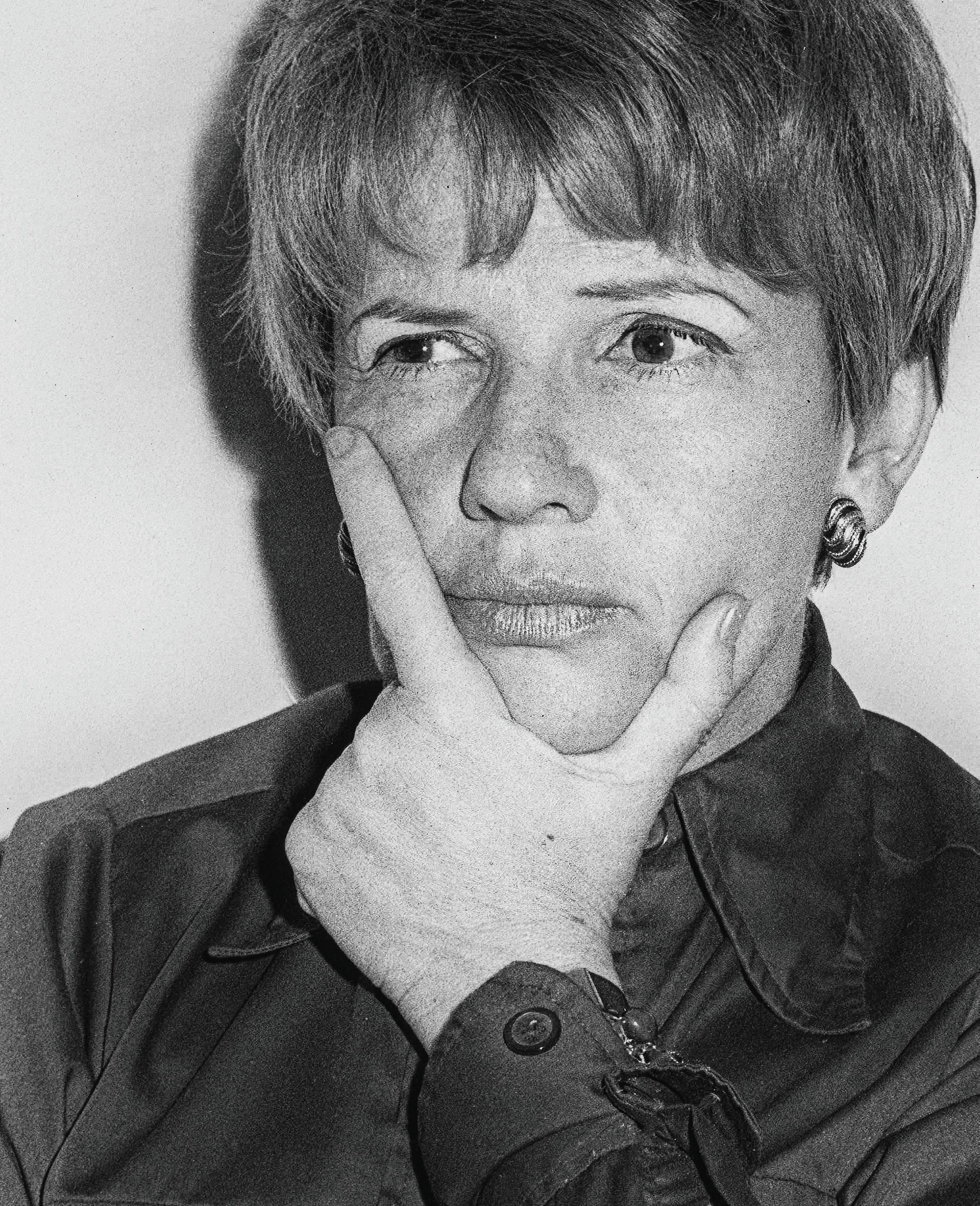
Guillermo Meneses and Sofía Ímber moved to Colombia shortly after getting married in 1944 and worked on the staff of the nation’s newspapers, writing for the Colombian weekly newspaper Sábado, where Guillermo worked as the editor, while Sofía wrote under the pen name “SIM” for “Escucha y Comenta” and “Decimos Hoy.”
Colombia and Venezuela Map
Rand McNally & Co: Chicago, Illinois, 1898 Library of Congress
To Rediscover America
“Guillermo Meneses and Sofía Ímber are leaving. They will work in Bogotá for the newspaper, Sábado.
“As always, Guillermo Meneses and Sofía Ímber walked in the editorial office. Him with his leisurely walk of the intellectual and her attached to his arm like the day they were married. But Guillermo had on a hat, a magnificent gray Stetson thrown back against his neck …
‘We are leaving. We have a one-way passage.’
‘For where?’
‘For Bogotá’
“Guillermo, with his deep voice, explains with more details:
‘We have both received advantageous propositions from Sábado. We accepted them because of our old plans for leaving Venezuela. To look a little at the roads of America.’
“Sofía, third in the conversation:
‘But it is not about the propositions; it is mostly the desire to leave and see the world, more than receiving opportunities. The truth is we are leaving for a little adventure.’
‘Will they remain in Bogotá?’
‘We don’t know’—they answer in duo.
‘Probably, we will reach Ecuador, maybe Perú. What is certain is that we are not yet thinking of coming back.’
“Guillermo explains this last affirmation from his wife:
‘This does not mean that we will lose contact with Venezuela. By whatever means possible—radio, cable, newspapers—we will follow, step by step her democratic march, her progress, her changes. It is not possible, to have felt so deeply for her, to be separate from her, even amidst the anxiety of the trip. We carry Venezuela in our hearts.’
“Sofía agrees with lively movements of her head. Looking at them, we think that there is no less
conventional couple than ‘Guillo’ and Sofía. They met one morning at the bowling alley. Guillermo, with an impetus unlike his calm temperament, offered marriage the next day. Sofía accepted the request, and they got married two weeks later without notice, without special outfits, surprising even their own families. Since then, they have lived a honeymoon uninterrupted by any chance unpleasantness. A stream of months brightens their life. This does not hinder their plans. They will leave on the plane, on their way to adventure toward the ‘rediscovery of America.’”
Hemerografia / Press Clippings
Sofía Ímber Collection, Special Collections, University of Miami Libraries
Sofía Ímber With Her First Husband, Venezuelan Writer Guillermo Meneses, Walking on the Streets of Bogotá, Colombia, Circa 1945
Photographs
Sofía Ímber Collection, Special Collections, University of Miami Libraries
To Live in Venezuela: The Notable Novelist Guillermo Meneses and His Wife, Sofía Ímber Have Arrived (Circa 1946)
“The renowned Venezuelan novelist Guillermo Meneses and his wife Sofía Ímber have arrived.
“As jovial as ever and as much or more in love than before, Guillermo and Sofía Meneses have arrived in Caracas. In the photo, they are seen making statements about the year of intimate and warm living they experienced in the neighboring country of Colombia.
‘It’s nice to return to Venezuela after a year of absence,’ they tell us. ‘We are sweating … ’” —Sofía Ímber
Hemerografia / Press Clippings
Sofía Ímber Collection, Special Collections, University of Miami Libraries
Today We Say ... Bogotá
“We are here in our small Bogotá apartment. Through the window, we witness a slow nightfall. Lights turn on in the other apartments. People walk quickly through the streets. Couples in love stroll by sharing the adventures of the day and planning wonderful projects for the next. The accountant walks home quickly to rest from the numbers.
“Bogotá is a hometown. Bogotá is introverted. Her traditions, her climate, everything compels us to stay home long enough de remember ourselves as individuals. We think of our self and the relations of this self with everything else that surrounds us.
“We come from a land where there is an exuberance of green, of a blue sky. Our imagination overflows. There is an internal commotion. A thousand cravings, desires, projects. We fail to channel a series of aspects of our lives. We arrived in Bogotá. Bogotá is serious, serene. The change is abrupt and throws us out of control. But, little by little, the Columbian capital is going to communicate her serious influence on those who dwell within her. One feels deeply that force, that sedative action.
“A few days after setting foot on Bogotá land, it becomes essential to cast a self-reflective gaze and do a serious and fair critic of this ‘self’ to think, ‘What have I done?,’ ‘What should I do?’
“We do not know if our splendid land makes us feel a little like axes and centers of a world created by us—a world at the margin of the real world. To stop being the center and to become a small rotating atom of a big system is something that can be terribly unpleasant but can also be necessary. In Bogotá the return to our privacy sometimes favors union with universal human tendencies.
“Upon arriving in Bogotá, we ask ourselves the reason for the great enthusiasm for the essays and essayists produced here. Today, we understand it perfectly. Bogotá forces one to think, string together, and untangle ideas. Often, without meaning to, the cold invites you to do so. The Bogotá fog inclines one to seek seclusion. Seclusion makes meditation easy. But one does not only reflect. It is also about affirming solidarity, communicating, and commenting on what is thought. To confess a little. There is here, the success of the café, which is a broad gathering where people talk about the presidential candidate, of the last contest, the most recent exhibition, the edition that has just arrived and is displayed in the bookstore windows. The people of Bogotá bring their sincere impressions on life, art, and politics to the café. There one tells of the small and large successes of one’s life, one’s loves, one’s maneuvering, the complications of work, the concerns from home.
“Bogotá, serious, foggy with her Monserrate chapel suspended above us in the night air, is a good companion to solitude and adds to the most intimate company the feeling of help and understanding.”
—Sofía Ímber
Hemerografia / Press Clippings
Sofía Ímber Collection, Special Collections, University of Miami Libraries
Guillermo, Sofía, and Their First Child, Sara, in Bogotá, Columbia
Photographs
Sofía Ímber Collection, Special Collections, University of Miami Libraries
Venezuelan Journalist Sofía Ímber’s Typewriter
On loan from the Meneses Ímber Family Collection
Today We Say ... Feminine Mistakes
“We said the other day that it was a fundamental mistake to educate a woman for a man instead of preparing her for life. It saddens us to see the marriages of newlyweds formed by beings who are annoyed with each other. This depends mainly on the fact that the woman feels inferior and apart from the husband, so that he believes himself to be a very important individual for whom the woman is just a pleasant circumstance of life. In our environment—on the contrary—when a boy is born, he is destined for a doctorate, for universities, for the courts and we talk of the ‘sacred duties of his sex’ (which serve as support for the brilliant virile destinies); if it is a girl that produces ‘the cry that brightens the home’ one assumes that one does not need to press her to study, and that if she spends two years in the same grade, this is of no importance. Since she is a woman, she will have the time to learn how to mend stockings or make a flan!
“According to some parents, it is not necessary that the girl masters any musical instrument or simply understands or knows how to listen to good music. They are happy that she plays piano, with a melancholic face, some romantic waltz that will make the future spouse sentimental. To understand painting, to study. What for? The girl needs to know how to paint delicate things, screens and flowers and aquarelles to adorn the home. We confuse the stupid with the delicate, mental debility with good education. Growing up we teach her to manage the household to receive the boyfriend or the husband, clean, perfumed, and painted.
“Without a doubt many women no longer identify with the type that we have just described; they have taken steps to advance, work, study. Despite these advances in the daily interactions with men, within the customary relations between husband and wife, between man and woman, there is little interest in the partner’s problems. We can affirm that very few intervene in the man’s life. We know of an infinity of marriages in which the wife does not know what the husband does. She has a vague idea of the building where his office is located and has the phone number written down in some scented notebook. Sometimes, one hears him speak with her friends about the price of coffee, of the last operation done, of the arguments he will make in favor of his clients, of his readings or the latest concert he heard. If ‘he’ is listening to the transmission of some wonderful Beethoven concert, she changes the station to listen to the last bolero from Pedro Vargas, while she romantically closes her groomed eyelids.
“If both go to a party, she goes her way and talks to the other ladies about cooking, the last skin bought by the female neighbor across her from her house, of asthma—yes, asthma is the illness in fashion—or the suspicious conduct of lady X; while in the other corner, the husband comments on Turbay’s candidacy, Ospina Pérez Gaitán, the north American storytellers or he listens or tells rude stories amidst the clinking of the whiskey glass.
“And to finish, let us not forget the meals for men alone and the teas accompanied by rummy, bridge, or continental organized by the married women while the husband chats at the club.
“The woman cannot and should not remain at the margins of her husband’s activities. She should intervene in his life and help him otherwise she will be more or less a doll, pretty but never the companion and the husband will seek masculine or feminine friendship that will help him resolve the problems that should have been resolved within the loving understanding of the marriage.
“It is necessary for the marriage to be more than the union of two individuals who have breakfast and dinner together and have a child at determined intervals. It is necessary for women and men to be companions, to be interested in each other’s work, to struggle together.
“To be a companion is the opposite of the common female error that pretends to live for the husband and educate the daughters for the future husband.”
—Sofía Ímber
Hemerografia / Press Clippings
Sofía Ímber Collection, Special Collections, University of Miami Libraries
Today We Say … My Friend Germán Pardo Garcia Today We Say … Civil Matrimony and Civil Divorce
“My
Friend Germán Pardo García
“I’m not going to refer in this brief note to the prodigious poetry of Germán Pardo, nor will I analyze the profound work of this brilliant Colombian. These words are simply to say goodbye and wish my friend ‘El Pirruco’ Pardo—a name he likes to call himself—a wonderful journey, as he takes flight to Mexico, where he will stay for a while and prepare a new poetry collection, no doubt a marvelous one, like all his poetry.
“One day, Germán Pardo came to, SÁBADO’s offices and said, ‘El Pirruco is leaving.’
“The poet’s decision caused me much sadness. I had grown accustomed to coming to work and finding, behind his desk, ‘Merján Prado García’ (another name the poet gives himself, as one of his hobbies is to rearrange the letters of words to create the most extravagant nicknames). The poet would sprinkle his conversations with new inventions and anagrams. In his phrases, our dear boss Dr. Mendoza Neira becomes ‘Niplio’—instead of Pilnio (Pilny)—; the word ‘señorita’ turns into ‘retoñiza;’ the poet Vicente Gerbasi becomes ‘Gerente Vacío’ (Empty Manager); Caupolicán is the admirable poet and ambassador of Chile in this country, Julio Barrenechea; our comrade Sanclemente is called—without us knowing why—‘el cholo Paria;’ Guillermo Meneses and I are ‘los pirrucos;’ Carnevali is the other poet-ambassador, the Venezuelan Gonzalo Carnevail; ‘gruesas’ are mothers-in-law; Morrocota is the nickname for a particular young poet whom he does not hold in high esteem; and ‘Pompadour’ is the office messenger.
“The poet greatly enjoys these childish games. In fact, my dear friend Germán Pardo García is delightfully naive in almost all aspects of his life. Let me give you some examples.
“We were recently at the racetrack. While everyone was preoccupied with their bets, the combinations, and the dividends, Germán Pardo García found delight in the complex task of adorning a dog’s tail with lovely paper decorations.
“The poet Merján is meticulous to a fault: the ashes of cigarettes, a small piece of paper on the floor—these things deeply bother him. To rid himself of such annoyances, he keeps a duster in his desk. Upon arriving at the office, he dusts everything: the desk, the chairs, and even his shiny shoes. He then picks up scraps of paper, expels any sign of disorder from the room, and can finally work calmly and efficiently.
“Pardo García is also exceedingly elegant. He has a fondness for hats with fine folded brims and beautiful silk ties. When he wears a new piece of clothing, he shows it off proudly.
“In the central drawer of his desk are all his belongings. One day, he showed them to me: a small folder with his personal papers, a ruler, and a pair of scissors, all neatly arranged. No original manuscripts, no copies of his books, no reviews of his work. He told me: ‘This is all I have. When I want to review something I’ve written, I have to go to the bookstores.’
“This is my esteemed friend Germán Pardo García.
“I’ve written this because tomorrow this extraordinary Colombian poet and true friend takes flight to Mexico. I’ve written these words as my farewell to the traveler. With fondness, I bid this farewell to the good ‘Pirruco’ Germán Pardo.”
“Civil Marriage and Divorce
“Recently, Colombian newspapers have prominently published a decree from the Archbishop of Bogotá, which states that all Catholics who enter into civil marriages are considered excommunicated.
“We do not intend to argue or refute the content of this decree but rather to express our opinion on the subject of civil marriages.
“In many countries in the Americas, the act that legalizes the union of a couple is a civil marriage. This means that the union between husband and wife is made official before civil magistrates, unrelated to any religion that the parties may practice. In those countries—if the couple belongs to a certain religion—they may receive a religious blessing after having fulfilled the legal act. But this blessing does not legitimize the union between the spouses; it is simply a religious ceremony with no legal value. People who marry exclusively through the rites of one religion or another are not considered married. The formalities required by the laws of these countries to enter into marriage place the issue of marriage outside the reach of any religious belief.
“Without a doubt, one of the main reasons civil marriages are opposed is because it can be dissolved, unlike religious marriage, which is considered indissoluble by most faiths.
“In reality, nothing seems more immoral to us than forcing two people to live together without a genuine desire to be together. Some might say, ‘But what about the children?’—which actually supports our argument. The greatest harm that can be done to a child is the constant display of parents who are not getting along (a deeply damaging situation that is hard to heal, as it becomes ingrained in the child’s mind). Nothing impacts a child’s sensitivity as harshly as growing up in a home devoid of affection.
“Moreover, we believe it is inhumane—and needlessly cruel—to impose rigid rules in matters that are so closely tied to personal happiness. Why should a woman, whose husband no longer behaves in a satisfactory manner, be forced to continue living with him? With what right can the lives of two people who made a mistake in marrying be cut short? Why are they denied the chance to reorganize their lives happily? It is possible they will find new affections, or perhaps they won’t; but in any case, they can live outside the mistaken marital bond, in a beautiful, conscious freedom.
“Civil marriages and divorce protect the dignity and well-being of men and women in countries where such norms prevail. Through civil marriages and divorce, millions of men and women feel like masters of their own destinies.
“We do not claim that these ideas are valid for people whose religious beliefs imply the exclusive validity of an indissoluble marriage performed before the ministers of their faith. However, for many others—whether they have weak religious beliefs or belong to religions that do not impose lifelong marriage—civil marriage and divorce are, as we said, the most effective defense of their own lives and their right to be happy.”
—Sofía Ímber
Hemerografía / Press Clippings
Sofía Ímber Collection, Special Collections, University of Miami Libraries
Today We Say ... They Are Artists ...
“They walked around with a beard of three weeks or three months. But they had the right to do so ... they were artists.
“Their shoes showed layers and layers of dust. But they had the right to that ... they were artists.
“Their clothes were torn and hadn’t been washed in a long time. But they had the right to that ... they were artists.
“They considered themselves on the margins of society. Their sensitivity was so fine—so very fine!—that they could not share their existence with the rest of the inhabitants of this earth. Nor could they carry out the daily work of any regular citizen; that would drain the vitality and strength from their artistic creation. They couldn’t bother themselves with earning money for their needs—that was dishonorable. It was enough for them to say they were artists, and that society did not respond with generosity or understand their sensitive and pained spirits. They didn’t belong to any association, any party, or group. That hurt their individuality and personal freedom. Let’s not forget they were artists.
“Today—fortunately—this conception of art and artists is absurd. The art worker in our time is not considered, nor does he consider himself, an exceptional being. Artistic activity is a noble one, intimately linked to life, comparable to any other work among the many jobs humans perform on this earth. The artistic profession is most noble, as necessary as that of the laborer or mason. The artist’s work is beautiful and magnificent, and indispensable, but so is the work of the athlete. The role of art is very beautiful, but so is the role of the scientist who researches in the lab.
“This importance of the artist, this extraordinary profession of art, does not grant exceptional rights in life, nor in hygiene, nor in politics.
“Beards can be romantic, they can give a man the appearance of Christ, but they also signify a lack of care to others. The dramatic phrases of the misunderstood or the embittered can make a great impression on adolescents dreaming of rebellions not fully understood, but for the normal person, they usually signify arrogance and a desire to appear interesting. The spectacle of anxious, refined, and extraordinary sensitivity may draw the attention of some more or less neurotic young woman, but it is more important that this sensitivity is ready to produce effective work.
“Poverty, torn suits, and dirty shoes may reflect a painful reality or a melodramatic comedy, but they may also reveal an inability to work or an invincible laziness.
“Today’s artist is a free, active, hardworking individual, conscious that their own complexes are insignificant compared to the serious social problems around them. They are an individual who lives life and knows that their art and existence are both a reflection and a product of it. Neither art nor the artist can be strangers to normal life. There are no special rules for artists, neither in terms of hygiene, psychology, nor work.
“Art is as respectable as the other noble activities of mankind.
“Like all other human beings, the artist demands today and always one indispensable condition for their human dignity and work: freedom.”
—Sofía Ímber
Hemerografia / Press Clippings
Sofía Ímber Collection, Special Collections, University of Miami Libraries
Today We Say ... Carola to Have Fun, Rebeca to Get Married
“Among the letters that have arrived at SÁBADO for the weekly contest ‘the best declaration of love’ a letter addressed to Rebeca and signed with the pseudonym Luis caught our attention with the following paragraph: ‘your always clear intelligence would have understood that we like Carolas but we marry girls like you.’
“It is hard for us to believe that in the fullness of our time, in which the different aspects of life are simplified and made sincere; when the world’s attention is focused on events of universal importance (the atomic bomb, the organization of the United Nations), when the generalized rules of conduct, unrelated to the peculiarities of certain groups, become evident; when relations between man and woman become natural every day and brought to levels of mutual respect; it seems impossible—we repeat—to have found a love letter with an explanation such as the one that we have reproduced below. With great amazement we have realized that there are still men for whom there is a woman made for fun and another made especially for marriage.
“What is certain is that the Luis who signed this letter is not the only one who thinks in such a way; others might conceive of two totally different types of women: one shy, soft, neither too brutish nor too intelligent, a good housewife, economical, helpful, pretty, comfortable, respectable and another called Carola by the SÁBADO contestant and classified by him within the phrase ‘we like the Carolas.’
“Carola is probably a woman who acts effectively in life, who surely works or studies, self-possessed, with her own opinions and concepts, who has fun when she wants, who dances, laughs and talks as much as she wants and when she feels like it.
“We understand perfectly that these two types of women exist; what we do not understand is the male criterion that does not want the woman he likes for marriage, as if he believed that marital union must take place in a serious, annoying atmosphere. A woman her husband likes has a better chance of being an excellent wife than the one who is distantly respected.
“If the SÁBADO contestant likes Carola but marries Rebeca it is almost certain, that once married, he will look for Carola, since single or married, we do not like to live eternally annoyed. It makes more sense to marry Carola and to continue to respect Rebeca from afar.
“Now, if marriage for Luis is not the realization of his intimate desires and of his tastes but the possibility of having a warm meal within a fixed schedule, clean and comfortable rooms, it could be better for him to have the respected, helpful, honest Rebeca as a wife but perhaps it would be less complicated and more economical to have a good housekeeper or rent a room in a hotel.
“What Luis seems to be referring to, through his love letter to Rebeca, is that in Carola’s life there are certain circumstances that remind us of the well-known poem by Alfonsina Storni: ‘You want me pure, you want me made of sea-foam, you want me made of mother-of-pearl ... ’ Luis probably finds Carola’s freedom, intelligence, and joy incompatible with the character of ‘wife.’ It is a shame that those same conditions are not required for a future husband and it is also a shame that Julio and those who think like him do not marry the women they like.
“Despite all the blessings and the marriage ceremonies, one must assume that they will continue looking for fun Carolas next to their permanent Rebeca.”
—Sofía Ímber
Hemerografia / Press Clippings
Sofía Ímber Collection, Special Collections, University of Miami Libraries
Today We Say... The Woman as a Collaborator
“We were chatting in a tearoom. In the afternoons in Bogota, when the cold is felt more intensely, and the fog settles over the city, it’s pleasant to retreat to one of those little salons, and, somewhat comforted by a hot cup of tea, it’s lovely to chat.
“Our companion today is Josefina Marpons, an intelligent writer and quick-witted Argentinian journalist who is also a magnificent conversationalist.
“We were talking about Perón and Tamborini, the price of nylon stockings, the remarkable effects that pancake makeup produces from a distance, the impression this makeup makes on men, the role women play in various South American countries, working women, professional women, and that amorphous, lackluster figure known as ‘the collaborator.’
“Many times, we have heard people say, ‘Carmen is a wonderful collaborator.’ This word, so fashionable during the complications of the last war, is taking on a genuinely derogatory meaning for women. To say ‘Carmen is a collaborator’ means that if she works in a laboratory, she’s a wonderful person who washes test tubes very well, labels bottles of acids and salts, and keeps everything in order. If her field of work is in a clinic, she performs the duties of a nursemaid, tidies up sheets and pillows, disinfects the instruments, and helps the doctor with his lab coat. If she works in an office, she’s a stenographer, types very neatly, and transcribes her boss’s ideas in clean, tidy lines. The collaborator always serves to assist the man and to make the man’s work commendable.
“In reality, we believe that today’s woman can be more than just a collaborator in men’s work. We believe she can act independently with her work and knowledge. We believe she can be—just like a man—a laboratory scientist and not a lab assistant, a doctor and not a doctor’s assistant, the head of an office and not simply a secretary.
“We find it wonderful that, for sentimental or emotional reasons, women work alongside their partners in all the tasks they perform. But it seems absurd to us that, by default, she should always be the secretary.
“Collaborating means passive work. Accepting ‘collaborator’ as the only profession for women is to accept that women can only serve in subordinate roles. It is to say that they cannot create. It is to say that they have no capacity for creative work. It is to admit that they must be directed and cannot lead any activity.
“Educating women to ‘collaborate’ is to insist on the inequality between men and women. Collaboration is not a woman’s obligation. It is, exceptionally, an act of kindness, affection, and a willingness to stand by the man, just as a man may wish to stand by a woman.
“We discussed all these things one afternoon in a Bogota tearoom with Josefina Marpons, an admirable Argentinian woman who had spent a few days in the fog of Santa Fe de Bogotá.”
—Sofía Ímber
Hemerografia / Press Clippings
Sofía Ímber Collection, Special Collections, University of Miami Libraries
CULTURAL DIPLOMACY
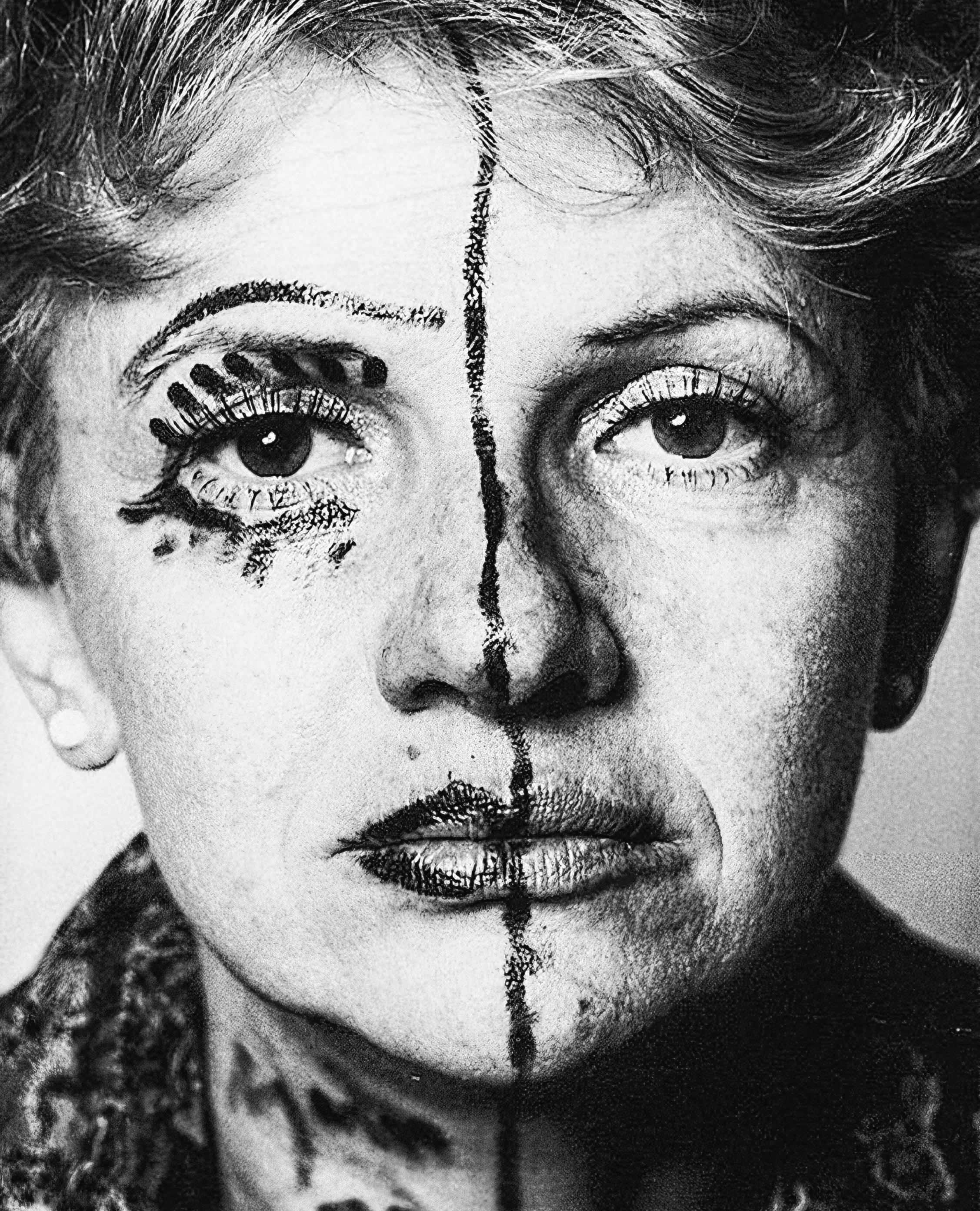
During their time in France and Belgium, Guillermo Meneses and Sofía Ímber were engaged with the intellectual currents of their time. They continued to write and, as creative individuals, were part of the Parisian artistic circles of the 1950s. The archival photographs from the collection capture some of the historical moments of visiting neighbors who would later be awarded Nobel Prizes, traveling to meet Picasso during his years in Vallauris in the South of France, and meeting Fernand Léger in his workshop. It is here that Sofía begins to establish the connections with artists that will, two decades later, be featured in the new museum in Caracas, Venezuela.
Air France Travel to Latin America Enlarged Postcard Art by French Artist Victor
Vasarely, 1946
Postcard Collection, Special Collections, University of Miami Libraries
Guillermo Meneses, Secretary of Our Embassy in France
“The Venezuelan writer, Dr. Guillermo Meneses, has just been appointed by order of the Military Government as the Second Secretary of the Venezuelan Embassy in the Republic of France. This appointment has had a positive impact on the various intellectual circles of the country, as he is a writer widely known for his notable work in the fields of novels and short stories, genres in which he stands out due to his true talent and unwavering literary vocation. Indeed, Guillermo Meneses, with a clear understanding of issues and a sharp insight into things, approaches the subjects of his novels and stories with flexible and agile prose.
“Guillermo Meneses is one of those writers who works with genuine passion, demonstrating admirable dedication to his craft. Proof of this is in his novels ‘Campeones,’ ‘El mestizo José Vargas,’ ‘Canción de negros,’ and his remarkable short novel ‘La balandra “Isabel” llegó esta tarde.’ Among his short stories, ‘Tres cuentos venezolanos’ and his latest work ‘La mujer, el as de oros y la luna’ stand out for their high quality.
“Now, Guillermo Meneses joins the country’s diplomatic service. In these new activities, the Republic expects fruitful and useful work, as demanded by his talent, his dedication to the task at hand, and his seriousness in addressing important issues, among other things.
“EL HERALDO, which counts Guillermo Meneses as one of its best friends and an excellent collaborator, is pleased to announce his appointment as the Second Secretary of our Embassy in France.”
Scrapbooks
Sofía Ímber collection, Special Collections, University of Miami Libraries
Venezuelan Diplomat Guillermo Meneses and His Wife Sofía Ímber in Europe in the 1950s (third and second from right)
Photographs
Sofía Ímber Collection, Special Collections, University of Miami Libraries
Sofía, Guillermo, and Their Daughter Sara (right) With Their Neighbor, Chilean Poet and Diplomat, Pablo Neruda, in Paris, France in the 1950s
[Neruda would later be awarded the Nobel Prize in Literature in 1971]
Photographs
Sofía Ímber Collection, Special Collections, University of Miami Libraries
Guillermo and Sofía in Vallauris in the Southeast of France with Pablo Picasso and the French poet and screenwriter, Jacques Prévert, 1951 (left to right)
Photographs
Sofía Ímber Collection, Special Collections, University of Miami Libraries
Venezuelan Artist and a Founding Member of “The Dissidents,” Alejandro Otero Rodriguez, Welcomes the Meneses Ímber Family in Paris When They Arrive in 1949
[Sofía, Guillermo, and Sara resided in the Rue Saint Anne]
Photographs
Sofía Ímber Collection, Special Collections, University of Miami Libraries
“La Psychanalyse” by Daniel Lagache, Professor at the Sorbonne and Former President of the French Psychoanalytic Society
In Paris, Sofía Ímber became Dr. Daniel Lagache’s patient. Even after Guillermo Meneses’ new diplomatic assignment moved the family to Belgium, Sofía continued therapy with Lagache, traveling by train from France to Belgium three times a week to receive a treatment she deemed necessary for her well-being. Guillermo and Sofía started an ongoing correspondence during her travels, the letters becoming part of a cherished family archive. The end of the treatment was followed by the welcome birth of her three other children Adriana, Daniela, and Pedro.
Sofía Ímber Collection, Special Collections, University of Miami Libraries
French Painter and Sculptor Fernand Léger, Sofía Ímber, and Guillermo Meneses in the Artist’s Workshop in Paris
Photographs
Sofía Ímber Collection, Special Collections, University of Miami Libraries
French Painter and Sculptor Fernand Léger and Sofía Ímber in his Workshop in Paris
Sofía Ímber was immersed in the circles of various artists during her time in Europe and promoted their work. Some pieces, such as Léger’s “Acrobats and Musicians,” would later become part of the Museo de Arte Contemporáneo de Caracas.
Sofía Ímber Collection, Special Collections, University of Miami Libraries
“The Dissidents,” the Very First Manifesto From the Venezuelan Artistic Movement, Issued in 1950 in Paris, France
Photographs
Sofía Ímber Collection, Special Collections, University of Miami Libraries
Herbin Exhibition Catalog, 1978
“Un día de 1949, en París, Alejandro Otero me aseguró que en el fondo de un patio, en el número 32 bis de la rue Falguiére, vivía y pintaba virtualmente ignorado uno de los grandes creadores de nuestra época. Era ese un tiempo de descubrimientos y deslumbramientos. De manera igualmente imprevista se nos habían revelado Vasarely, Schóffer, Poliakoff, Agam, Mortensen, Jacobsen. Fui con Otero a ver a Herbin, y tuve una revelación posiblemente mayor todavía. Además, no se trataba de un joven, sino de un hombre cercano a los setenta años, de quien supe en seguida que en una época ya lejana había tenido amplio reconocimiento como uno de los mejores cubistas. El descuido en que la crítica y el mercado de la pintura lo habían tenido luego, por años, se debía al giro insólito de su pintura hacia un abstraccionismo geométrico riguroso, totalmente reñido con el gusto impuesto por sus contemporáneos Picasso, Matisse, Braque, Léger.”
—Introducción por Sofía Ímber
“One day in 1949, in Paris, Alejandro Otero assured me that at the back of a patio, at number 32 bis of Falguiére street, one of the greatest creators of our time, lived and painted, virtually ignored. This was a time of discovery and dazzle. Vasarely, Schóffer, Poliakoff, Agam, Mortensen, Jacobsen had
revealed themselves to us in an equally unexpected way. I went with Otero to see Herbin, and I had possibly an even greater revelation. Furthermore, he was not a young man, but one close to seventy years old, who, I learned immediately, had been widely recognized as one of the best cubists. The neglect that critics and the painting market had shown him for years was due to the unusual turn of his painting towards a rigorous geometric abstractionism, totally at odds with the taste imposed by his contemporaries, Picasso, Matisse, Braque, Léger.”
—Introduction by Sofía Ímber
Sofía Ímber Collection, Special Collections, University of Miami Libraries
Postcard Correspondence From French Painter Auguste Herbin to Mrs. Sophia de Meneses Residing in Brussels, Belgium, 1957
“Chère amie,
Je serai à l’atelier vendredi 17 après-midi. A bientôt et très affectueusement votre A Herbin”
“Dear friend,
I will be at the workshop Friday the 17th in the afternoon. See you soon and with great affection, yours A Herbin”
Sofía and Herbin became good friends in Europe and continued to collaborate on art projects, culminating in an exhibition and published catalog of his work at the Museo de Arte Contemporáneo de Caracas, where Sofía Ímber served as founder and director for 30 years.
Correspondence
Sofía Ímber Collection, Special Collections, University of Miami Libraries
Note From French Artist Auguste Herbin to Sofía Ímber [French transcription of cursive note]
“4-11
Chère Sophia,
Je pars samedi prochain à 7 heures le matin pour Bales et ensuite pour Fribourg. Vernissage le dimanche 9—Retour à Paris lundi soir ou mardi matin—Bond est toujours à l’état d’ébauche en train de bien sécher. Tout va bien et je vous embrasse
A Herbin”
“4-11
Dear Sophia,
I leave next Saturday at 7 in the morning for Bales than for Fribourg. Vernissage Sunday the 9th— Return to Paris Monday night or Tuesday morning—Bond is still in a draft state drying well. All is well and I kiss you
A Herbin”
Correspondence
Sofía Ímber Collection, Special Collections, University of Miami Libraries
Note From French Artist Auguste Herbin to Sofía Ímber About the Artwork
“Vendredi,” Circa 1950 [French transcription of cursive note]
“Soyez tranquille, chère Sofía, pardon Sophia, ‘Vendredi’ est réparé - il faut maintenant laisser sécher et vernir—c’est de tout cœur que je caresse ‘vendredi’, je veux qu’il soit aussi bien que possible— apportez ‘ville’ quand vous voudrez—je voudrai voir!
Je ne veux pas vous savoir en désolation!
Votre A Herbin”
“Rest easy, dear Sofía, sorry Sophia, ‘Vendredi’ is repaired—it is now necessary to let it dry and varnish—I cherish ‘vendredi’ with all my heart, I want it to be as well as possible—bring ‘ville’ when you want—I want to see it!
I do not want you to be in desolation!
Yours A Herbin”
Correspondence
Sofía Ímber Collection, Special Collections, University of Miami Libraries
Musée Des Arts Décoratifs Color Film Announcement Titled, “La Vie et L’Oeuvre d’Herbin, 1905 à 1959” or “Herbin’s Life and Work, 1905-1959”
Auguste Herbin was a French painter and friend of Sofía Ímber. She also became his art broker during her time in France. His work would later become part of the Museo de Arte Contemporáneo de Caracas
Sofía Ímber Collection, Special Collections, University of Miami Libraries
OPINION TELEVISION JOURNALISM
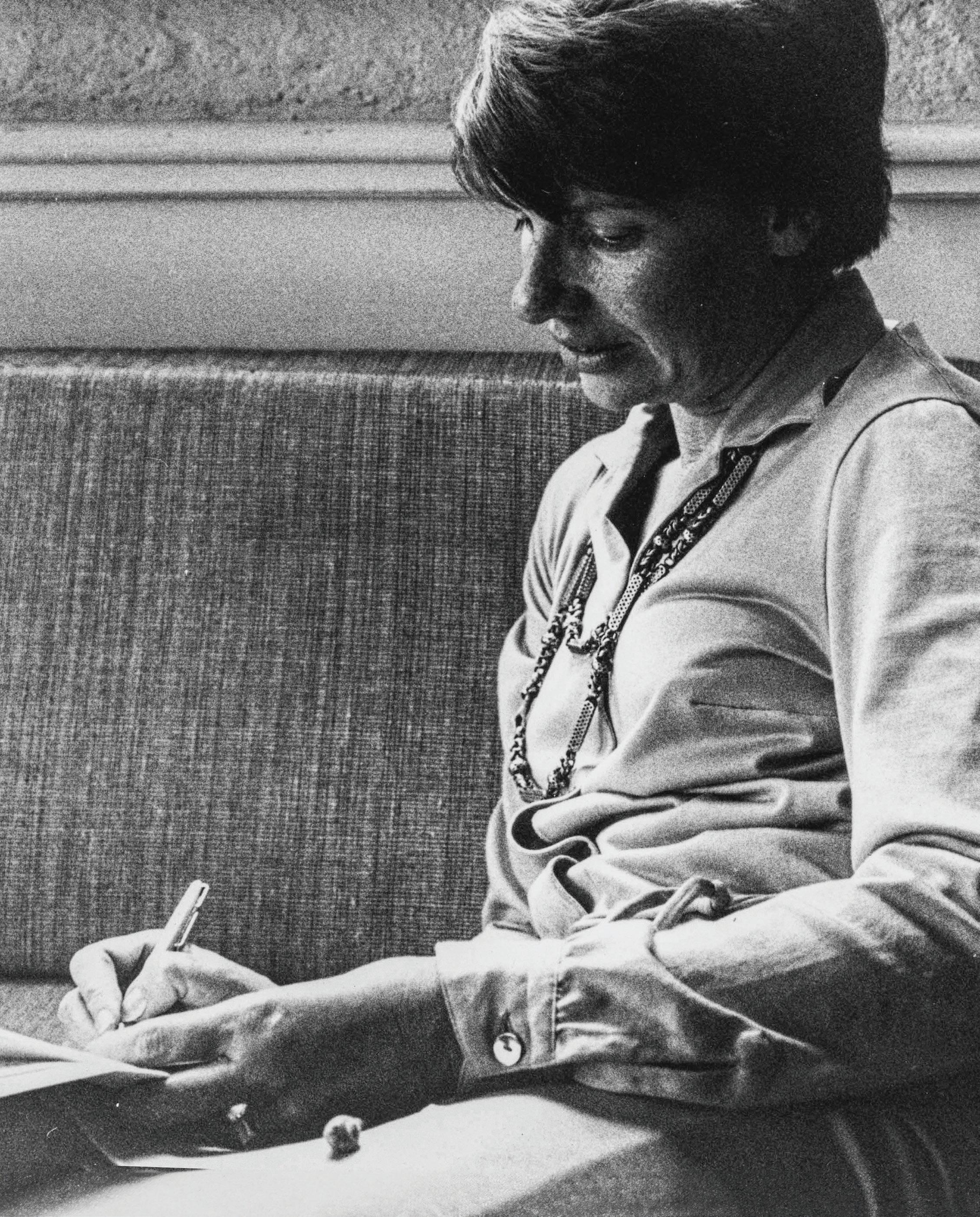
Upon her return to Venezuela, Sofía Ímber expanded her reporting career through the new medium of opinion television journalism, hosting shows like “Sólo con Sofía” and “Buenos Días” starting in 1963 with Carlos Rangel Guevara, also a diplomat and writer, who would later become her second husband in 1968. “Buenos Días,” a daily morning show that aired on Venevisión, was seen as an innovation with an international dimension, bringing in guests from all over the world and from all walks of life to discuss current artistic, literary, political, and various social issues for a Venezuelan audience. For over 20 years, the couple conducted thousands of interviews.
Mon Adresse: Vasarely: Gordes-Vaucluse, C’est Tout! or My Address: Vasarely: Gordes-Vaucluse, That’s It!
Hand-drawn directions and map to Vasarely’s house in Gordes-Vaucluse in Southeast France.
Correspondence
Sofía Ímber Collection, Special Collections, University of Miami Libraries
Sofía Ímber Hosting the Television News Show, “Solo con Sofía”
Photograph
Sofía Ímber Collection, Special Collections, University of Miami Libraries
Sofía Ímber on the Set of “Solo con Sofía”
Photograph
Sofía Ímber Collection, Special Collections, University of Miami Libraries
“Buenos Días: 21 Años, 65,532 Entrevistas” or “Buenos Días: 21 Years, 65,532 Interviews”
Photograph of Sofía Ímber in her office with an anniversary newspaper issue for the daily Venezuelan television show, “Buenos Días.”
Photographs
Sofía Ímber Collection, Special Collections, University of Miami Libraries
Sofía Ímber—Host of the Venezuelan Television Show “Buenos Días”
Photographs
Sofía Ímber Collection, Special Collections, University of Miami Libraries
Sofía Ímber and Renny Ottolina in Conversation
Photographs
Sofía Ímber Collection, Special Collections, University of Miami Libraries
Sofía Ímber and Her Second Husband Carlos Rangel (1929-1988) on the Set of the Television Show [Rangel was a Venezuelan writer, journalist, and diplomat]
Photographs
Sofía Ímber Collection, Special Collections, University of Miami Libraries
Lech Walęsa, Polish Activist, Leader of the Solidarity Movement, and Nobel Peace Prize Recipient, Being Interviewed by Sofía Ímber
Photographs
Sofía Ímber Collection, Special Collections, University of Miami Libraries
Simone Veil, Former French Health Minister and President of the European Parliament, With Sofía Ímber and Carlos Rangel After an Interview
Photographs
Sofía Ímber Collection, Special Collections, University of Miami Libraries
United States President Jimmy Carter on the “Buenos Días” Television Show in Caracas, Venezuela, Being Interviewed by Sofía Ímber and Her co-host, Journalist, and Second Husband, Carlos Rangel
Photographs
Sofía Ímber Collection, Special Collections, University of Miami Libraries
and Carlos
Photographs Sofía Ímber Collection, Special Collections, University of Miami Libraries
Sofía Ímber Interviewing the 14th Dalai Lama, Tenzin Gyatso on Her Television Show, “Buenos Días”
Photographs
Sofía Ímber Collection, Special Collections, University of Miami Libraries
Soledad Bravo, Venezuelan Singer, Performing With Her Guitar on the Television Show Hosted by Sofía Ímber and Carlos Rangel
Photographs
Sofía Ímber Collection, Special Collections, University of Miami Libraries
Jorge Luis Borges, Argentine Writer, Being Interviewed by Sofía Ímber and Carlos Rangel
Photographs
Sofía Ímber
MUSEUM FOUNDER AND DIRECTOR
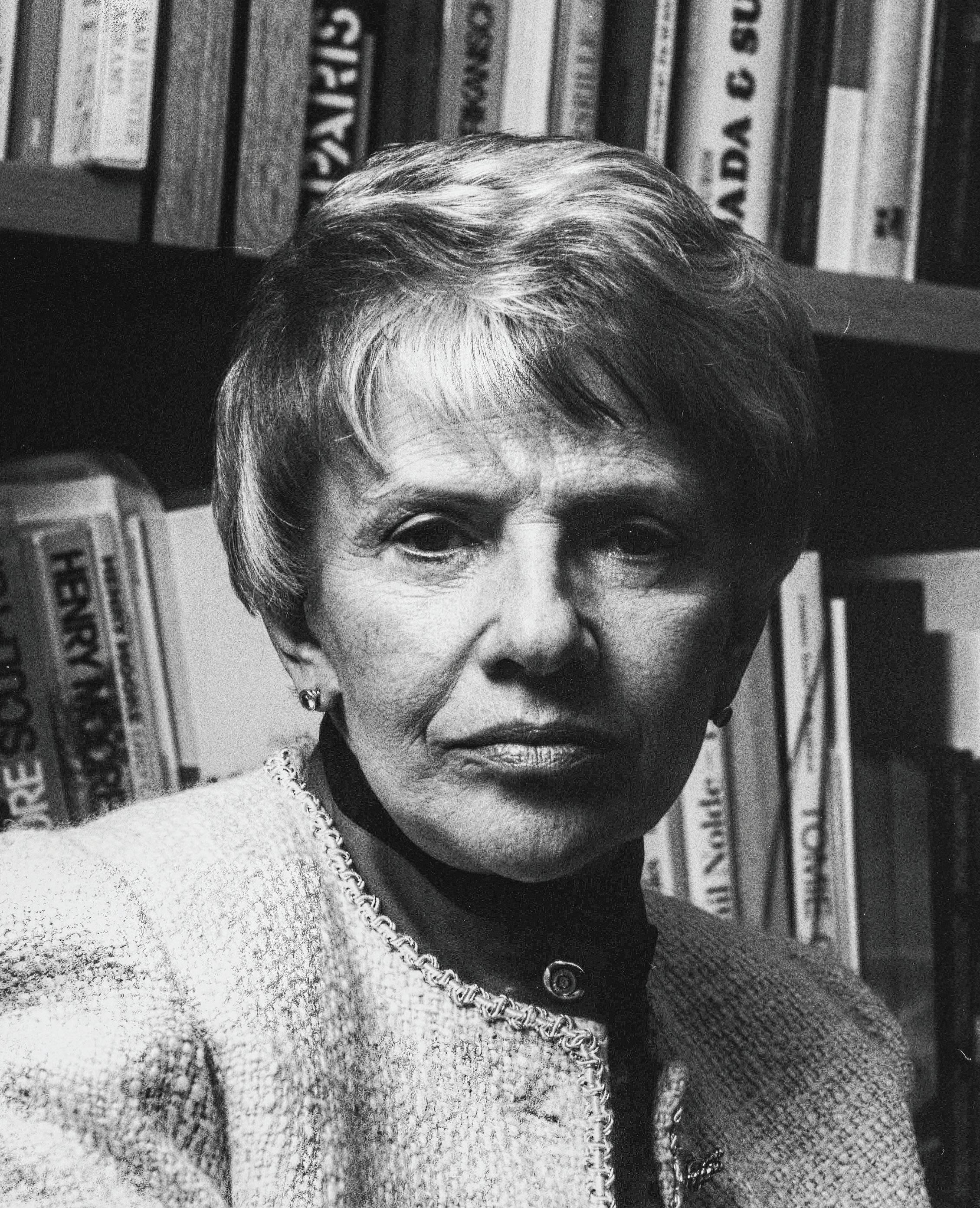
Sofía Ímber founded the Museo de Arte Contemporáneo de Caracas in Venezuela, one of the most important collections of modern art in a Latin American public institution in the early 1970s, and she remained its director for 30 years. Her pioneering efforts at the museum—where she spearheaded the creation of an engaging, inclusive community space that brought art buses into neighborhoods, published accessible art catalogs for the visually impaired, and included a free art library—all coalesced in bringing diverse culture to Venezuelan society.
“The activities carried out and the services offered by the Sofía Ímber Contemporary Art Museum of Caracas [known by its Spanish acronym as MACCSI] are aimed at both promoting culture and stimulating the individual’s artistic sensibility, an effort that has built a bridge between the individual and the different manifestations of art. In this respect, the Museum counts as the best permanent exhibit in Latin America, one whose rigorous selection criteria and quality, in terms of the works depicted, have been widely recognized. The Museum exhibits paintings, drawings, sculptures, and engraved works by such internationally renowned contemporary artists as: Matisse, Herbin, Adami, Arp, Miró, Braque, Léger, Chagall, Rivers, Gargallo, Couturier, Moore, Soto, Vasarely, Dubuffetj Poliakoff, Cruz-Diez, Marisol, Segal, Richard Smith, Lindner, John Davies, Tadini, Télémaque, and Tàpies, [among] many others. It also has its own Picasso Collection that comprises oil paintings, drawings, and graphics by the Spanish artist and includes his famous “Suite Vollard” … there are weekly shows at the Plaza Contemporánea of MACCSI and in the exhibition halls, which include concerts of classical, modern, and folkloric music, and theater and dance performances. Admission is free.”
—Brochure for the Museo de Arte Contemporáneo de Caracas Sofía Ímber, circa 1989
“Los Comisarios,” or “The Three Commissaires,” 1942, by Venezuelan Painter Héctor Poleo
[Poleo is known for his social realism portraiture]
“Doce años en la vida de nuestro país equivalen por lo menos a una generación completa en naciones con pirámides poblacionales menos anchas en la base. Más de la mitad de los venezolanos o no habían nacido o no tenían la edad de la conciencia cuando en 1974 el Museo de Bellas Artes reunió una gran exposición retrospectiva de Héctor Poleo (1918-1989). Desde entonces el artista ha realizado además una importante evolución adicional. En la selección de esa totalidad, depurada y decantada por Alfredo Boulton, que ahora presenta el Museo de Arte Contemporáneo de Caracas en homenaje a Héctor Poleo, quienes recuerdan la exposición precedente verán algunas de las mismas obras, las indiscutiblemente clásicas, en un contexto totalmente nuevo. Y un enorme
número de jóvenes conocerán por primera vez, en su desarrollo definitivo, una obra que es uno de los capítulos esenciales de la pintura venezolana.”
—Sofía Ímber de Rangel, director, Museo de Arte Contemporáneo de Caracas
Sofía Ímber Collection, Special Collections, University of Miami Libraries
Sofía Ímber (wearing red, first step) and the Museum Staff at the Entrance of the Museo de Arte Contemporáneo de Caracas
Photographs
Sofía Ímber Collection, Special Collections, University of Miami Libraries
Sofía in Her Office at the Museum
Photographs
Sofía Ímber Collection, Special Collections, University of Miami Libraries
Museum of Contemporary Art of Caracas Under Construction, Circa 1970s
Photographs
Sofía Ímber Collection, Special Collections, University of Miami Libraries
Catalog for the Museo de Arte Contemporáneo de Caracas Sofía Ímber
Exhibition Catalogs
Sofía Ímber Collection, Special Collections, University of Miami Libraries
“Le Carnaval Nocturne” or “El Carnaval Nocturno” or “Nocturnal Carnival” by Marc Chagall
Exhibition Catalogs
Sofía Ímber Collection, Special Collections, University of Miami Libraries
Handwritten Correspondence From the Hungarian-French Painter and Print Maker, Victor Vasarely, to Sofía Ímber
In the letter, Vasarely updates Sofía about his activities, such as a future vernissage at the Palais de Bruxelles, along with news about various mutual friends. The Sofía Ímber Collection includes over 100 letters from Vasarely to Sofía, sometimes Guillermo or the Meneses family. Vasarely is considered one of the leaders in the Op Art or Optical Art movement characterized by geometric forms, lines and patterns producing optical effects or illusions.
Sofía Ímber Collection, Special Collections, University of Miami Libraries
“Victor Vasarely: Museo de Arte Contemporáneo de Caracas,” Exposición 27, Catálogo 27, Noviembre 1977
In the introduction to his work published in the 1977 catalog published by the museum, Sofía Ímber wrote:
“A Víctor Vasarely le conviene perfectamente lo que escribió Paul Valéry con el pretexto de Leonardo. Muchos errores o apreciaciones falsas sobre las obras del hombre se deben a una negligencia deliberada o inconsciente sobre el proceso de la generación de esas obras. Pocos artistas, agrega Valéry, tienen el valor de explicar cómo crearon su obra. La mayoría probablemente ni siquiera se arriesgaría a reflexionar sobre ello. Es mucho más agradable ofrecer, y ofrecerse el artista, la apariencia de una perfección predestinada y por lo mismo sobrehumana. Una obra como la de Vasarely se prestaría especialmente bien a ese simulacro, por su originalidad, por su inventiva, por su perfección, semejante a los mejores logros de las matemáticas. Pero ejemplarmente este hombre, que es uno de los más prodigiosos creadores de formas en toda la historia de la pintura, se ha empeñado siempre en dejar rastro de todos sus tanteos, en voluminosos cuadernos (uno Leonardo) en un minucioso archivo. Vasarely no sólo ha dado una obra que ha modificado las coordenadas de las artes plásticas, sino que con su vida y sus métodos de trabajo propone una manera distinta de ser artista. Como el Leonardo de Valéry, ha buscado (ha encontrado) “la actitud central a partir de la cuai todas las empresas del conocimiento y todas las operaciones del arte, son igualmente posibles.”
—Sofía Ímber
“What Paul Valéry wrote in his study of Leonardo suits Victor Vasarely perfectly. Many errors or false assessments about the works of a man are due to deliberate or unconscious negligence in the process of generating those works. Few artists, Valéry adds, have the courage to explain how they created their work. Most would probably not even risk reflecting on it. It is much more pleasant to offer, and the artist to offer himself, the appearance of a predestined and therefore superhuman perfection. A work like Vasarely’s would lend itself especially well to this simulation, due to its originality, its inventiveness, its perfection, similar to the best achievements of mathematics. But exemplary, is this man, who is one of the most prodigious creators of forms in the entire history of painting, and has always insisted on leaving a trace of all his experiments, in voluminous notebooks (one Leonardo) in a meticulous archive. Vasarely has not only given a work that has modified the coordinates of the plastic arts, but with his life and his work methods he proposes a different way of being an artist. Like Valéry’s Leonardo, he has sought (has found) ‘the central attitude from which all the enterprises of knowledge and all the operations of art are equally possible.’”
—Sofía Ímber
Exhibition Posters
Sofía Ímber Collection, Special Collections, University of Miami Libraries
Art Catalog for Guías de Estudio / Sistema Braille MACCSI
“Special services for the disabled. Different activities carried out in favor of the disabled deserve a special mention. To this end, there are special programs for the blind, based on specific displays, guided tours, and educational guides prepared in Braille. So far, the MACCSI has printed titles in this specific language. This makes it a pioneer in Venezuela in the diffusion and formation of a special artistic awareness in the blind and the handicapped in general.”
Exhibition Catalogs
Sofía Ímber Collection, Special Collections, University of Miami Libraries
“Visita de Niños” or “Children’s Visit” by Fernando Botero, Donation From the Artist
“Hoy, gracias a su generosidad sin límites, recibimos en donación quince esculturas de reciente realización. En el momento en el cual nos informó sus intenciones, confieso que casi no lo creíamos. Parecía imposible que en una circunstancia como la actual en Venezuela, pudiésemos incorporar un conjunto tan significativo dentro de nuestra Colección. Unos días más tarde, realicé en París una entrevista a Fernando para la televisión y repitió sus intenciones con respecto a la donación: nuevamente se me hacía difícil pensar que podría llegar suceder. Aún con las esculturas en Venezuela, en nuestras bóvedas, resultaba increíble para todos. Hoy presentamos esta extraordinaria donación a Venezuela, y, con seguridad, a muchos les parecerá imposible. Acompañamos la muestra con veinte dibujos sobre tela, que componen la cuarta exposición que el MACCSI organiza con amor y agradecimiento a esta figura talentosa, generosa y tan insólitamente especial en la creación del siglo XX.”
Sofía Ímber Collection, Special Collections, University of Miami Libraries
Catálogo de Láminas de Obras de Picasso y Otros Artistas Contemporáneos Españoles Representados en la Colección MACCSI or Catalog of Prints of Works by Picasso and Other Contemporary Spanish Artists Represented in the MACCSI Collection
“La célebre sentencia de Gertrude Stein con respecto a que “la pintura del siglo XX fue hecha en Francia, pero por los españoles”, adquiere aquí una justa validez e imponderable dimensión, ya que las características propias de la vida cotidiana, la arquitectura y la naturaleza españolas (7) -emparentadas con una contundente manifestación expresiva de lo material, así como la singular voluntad de manejar la imaginación como un elemento del campo de lo real-, autorizan la activación de un modelo “español” inherente a la escisión que produjo el Cubismo en el campo de las artes. Comencemos con Pablo Picasso, magníficamente representado en el Museo de Arte Contemporáneo de Caracas Sofía Ímber y eje articulador de las lecturas de su Colección. Cuando Guillaume Apollinaire, en 1913 (8), aborda el análisis de los postulados,
efectos y desarrollo de la pintura cubista, afirma que “Picasso, casi solo, había realizado la gran revolución”. No parece haber razones para estimar lo contrario, pues en verdad, Picasso concentró, sintetizó y desplegó los atisbos clave proporcionados por Cézanne (9) para romper la visión, abrir un nuevo reino a la visualidad e ingresar en la modernidad. Pero seguidamente, Apollinaire propone una idea capital: ... ”su arte (el de Picasso) venía de muy lejos, de aquellas riquezas de composición y decoración brutal de los españoles del siglo XVII” (10), articulando así su interpretación en claro acuerdo con Gertrude Stein, en su afirmación de que el justiciero de tales cambios “inevitablemente tenía que ser un español.”
“One of MACCSI’s top attractions, a legitimate pride for the Institution, is the extraordinary Picasso Collection, which is made up of five oil paintings, three drawings, and more than one hundred graphics, including the one hundred etchings of the Suite Vollard Collection. This Collection is on permanent exhibition in a special room, the Picasso Room. This room has been specially designed, remodeled, and fitted thanks to the Polar Foundation sponsorship, making use of a large task force of specialists and advisors who worked together in order to create the necessary conditions for the adequate conservation of these delicate masterpieces to be exhibited. This Collection has enabled the MACCSI to be the first Latin American museum to own a significant number of works by Picasso.”
Exhibition Catalogs
Sofía Ímber Collection, Special Collections, University of Miami Libraries
Visit of Queen Beatrix of the Netherlands to the Museum
Photographs
Sofía Ímber Collection, Special Collections, University of Miami Libraries
Museum Director Sofía Ímber Stands Next to “Mi Mamá y Yo” by Venezuelan American Sculptor Marisol Escobar
Photographs
Sofía Ímber Collection, Special Collections, University of Miami Libraries
Visit of the First Lady, Blanca Rodriguez de Perez, to the Museum
Photographs
Sofía Ímber Collection, Special Collections, University of Miami Libraries
VITRINE EXHIBITION TABLE CASES
Awards Received by Sofía Ímber
Courtesy of Meneses Ímber Family Archives
Artists Renderings & Gifts to Sofía Ímber: Pedro León Zapata, Rayma, Adrian Pujol, Victor Vasarely, Jean Dewasne
Courtesy of Meneses Ímber Family Archives
Cristóbal Toral, February-March 1997
Museo de Arte Contemporáneo de Caracas
Exhibition Posters
Sofía Ímber Collection, Special Collections, University of Miami Libraries
Acrobatas y Músicos by Fernand Léger, 1982
Museo de Arte Contemporáneo de Caracas
Exhibition Posters
Sofía Ímber Collection, Special Collections, University of Miami Libraries
Marisol, 1983
Museo de Arte Contemporáneo de Caracas
Exhibition Posters
Sofía Ímber Collection,
of Miami Libraries
Yo no creo en carreras para hombres y carreras para mujeres.”
“I
don't believe in careers for men and careers for women.
—Sofía Ímber Últimas Noticias, 1947
Special Collections at the University of Miami Libraries houses a wide array of rare books, manuscripts, archival collections, photographs, audiovisual items, maps, architectural drawings, artists’ books, zines, and other research materials that document the history of Florida, the Caribbean, Central and South America, and beyond.
All materials in Special Collections, from 15thcentury books to 21st-century restaurant menus, are accessible for use by the University of Miami community and the public. Special Collections is dedicated to supporting research and teaching through its collections and actively acquires new materials to create a fuller historical record.
Special Collections is home to the Jay I. Kislak Collection of the Early Americas, Exploration and Navigation, a renowned gathering of maps, books, artifacts, artwork, and ephemera documenting the history of the Western Hemisphere, including the North and South Poles.
Learn more about exhibitions at the University Libraries: library.miami.edu/exhibitions
Special Collections
Kislak Center at the University of Miami Otto G. Richter Library 1300 Memorial Drive Coral Gables, Florida 33146 library.miami.edu/specialcollections
Connect with us
@umspeccoll and @um_spec_coll | @umiamilibraries