
The University of Melbourne Islamic Society acknowledges the rightful
Custodians of the land on which this magazine was created: the Wurundjeri Woi
Wurrung people of the Kulin Nation. We pay our deepest respects to their
Elders, Knowledge Keepers and Mentors past, present, and emerging We
extend our respects to the Boonwurrung, Yorta Yorta, and Dja Dja Wurrung peoples – on whose lands the University also stands – and to all Indigenous
peoples
Aboriginal sovereignty was never ceded Always was, always will be
This magazine is in recognition of the lands and peoples whose voices are persecuted and silenced Through art, we reclaim the right to tell our stories Art becomes resilience and struggle. Art is how we are heard in a world that too often turns away
In the same breath, we stand in solidarity with the peoples of Palestine, Sudan, Yemen, Kashmir, Somalia, and many other suffering communities around the world whose dignity is tested. Whose lands are occupied. Whose justice is denied We must not distance their struggles; they are tied to ours Their resistance is our resistance, their hopes are our hopes, and their freedom is our freedom
We dedicate this as a reminder that liberation is not the story of one people –but of all peoples Through art we are able to communicate in a medium where we dictate our story.
يروٱوۭأوضرٱى۟اوٱيٱىنأيو
‘But it was Our Will to favour those who were oppressed in the land, making them models of faith as well as successors ’
- Al-Qasas 28:5
02 Editorial Team & Acknowledgements
03 Editor’s Letter
WRITING
9, 10 Architects of Alhambra
Zara Taqvi
18, 19 Apocalypse Later
Maham Mannan
23 A Message to the Ummah
Khadra Elhawli
27 Between Banyan and Winter
Sarah Shakeel
29 Homegrown
Sohaila Elnahrawy
32, 33 Where Dust Knows My Name
Safreen Khan
36, 37 The Threads of a Past
Farha Fahim @itsfarhafahim
38 Tawakkul: The Path I Tread
Sumayyah Bint Mohamed
42 The Echo Within
Aisha Mughal
48, 49 Love and its Source
Shindi Regitasyali
51 Road to Repentance
Badis Sai
53 Embrace
Anonymous
54, 55 Bread For All: Community
Prosperity in Islam and Economics
Raed Iqbal @breaedonomics
56-59 Why is Islamophobia Most
Widespread in the West?
Sabah Zaheer
60-65 Negotiated Visibility: Muslim
Women Navigating Beauty Culture and Algorithmic Visibility on TikTok
Hanane Seid
SPONSORS
67 Print Logistics @printlogisticsau
68 Laila Reception @lailareceptionmelbourne
69 Human Appeal @humanappealaus
70 Donatellos @donatelllos
70 Fajr Noor @fajrnoor au
71 AydnCo @aydn co
71 TEK Foods @teksuperstore
72, 73 Bronze Sponsors
16 Peace
Osama Jamil @rightbrain creatives
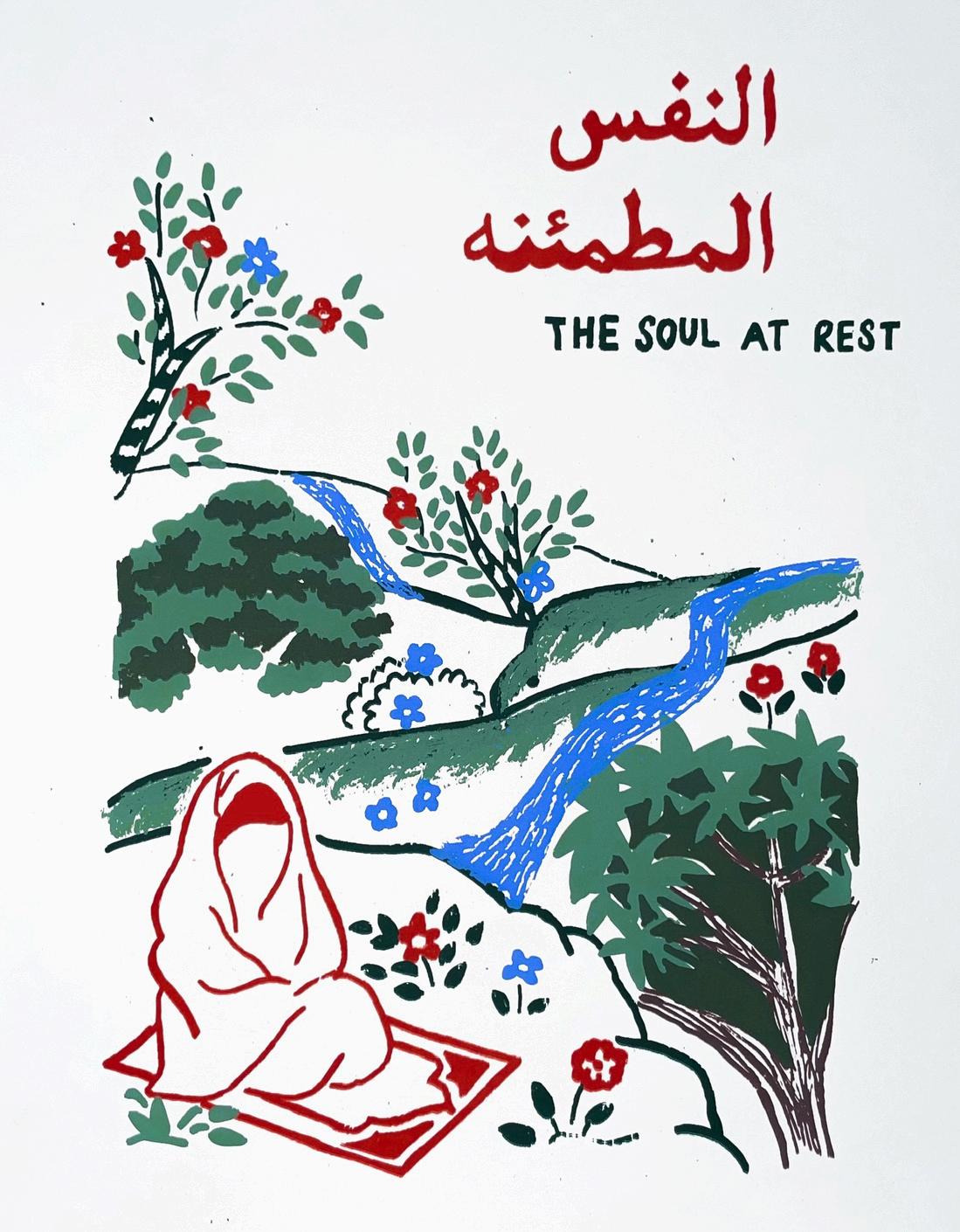
17 The Soul at Rest
Samiha Haider @euroclydonworkshop
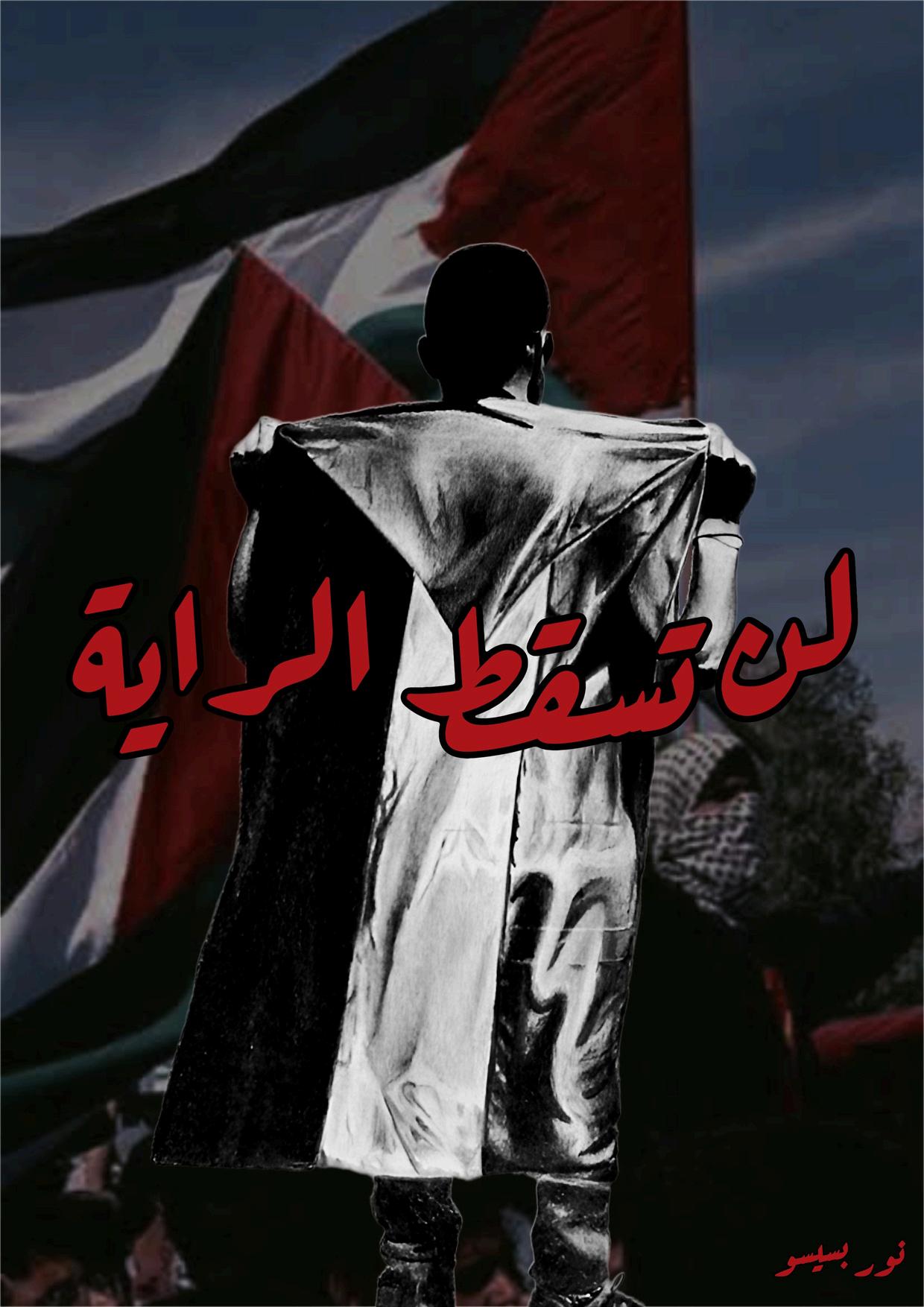
22 The Flag Will Not Fall
Noor Besisou @palixnoor
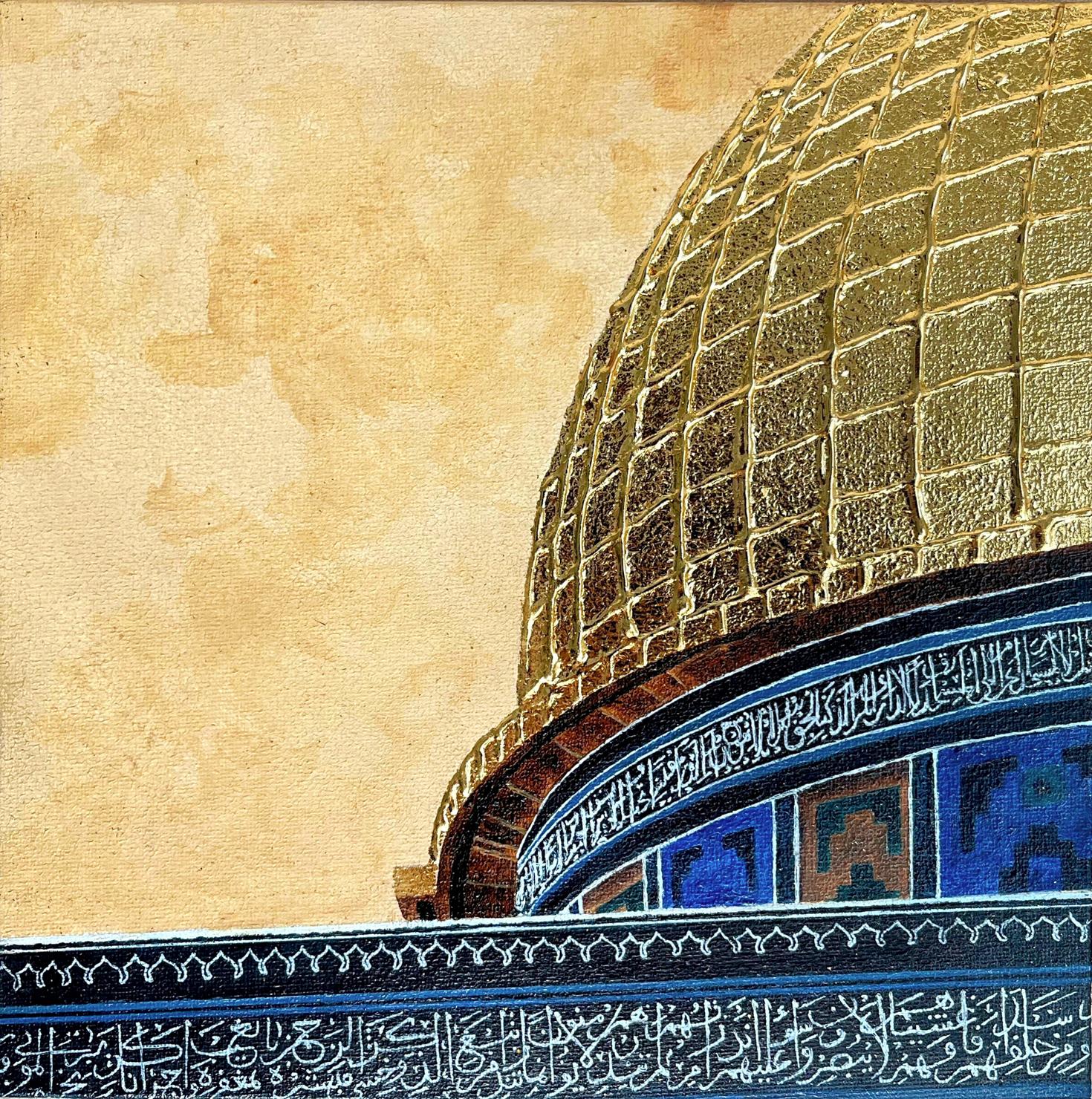
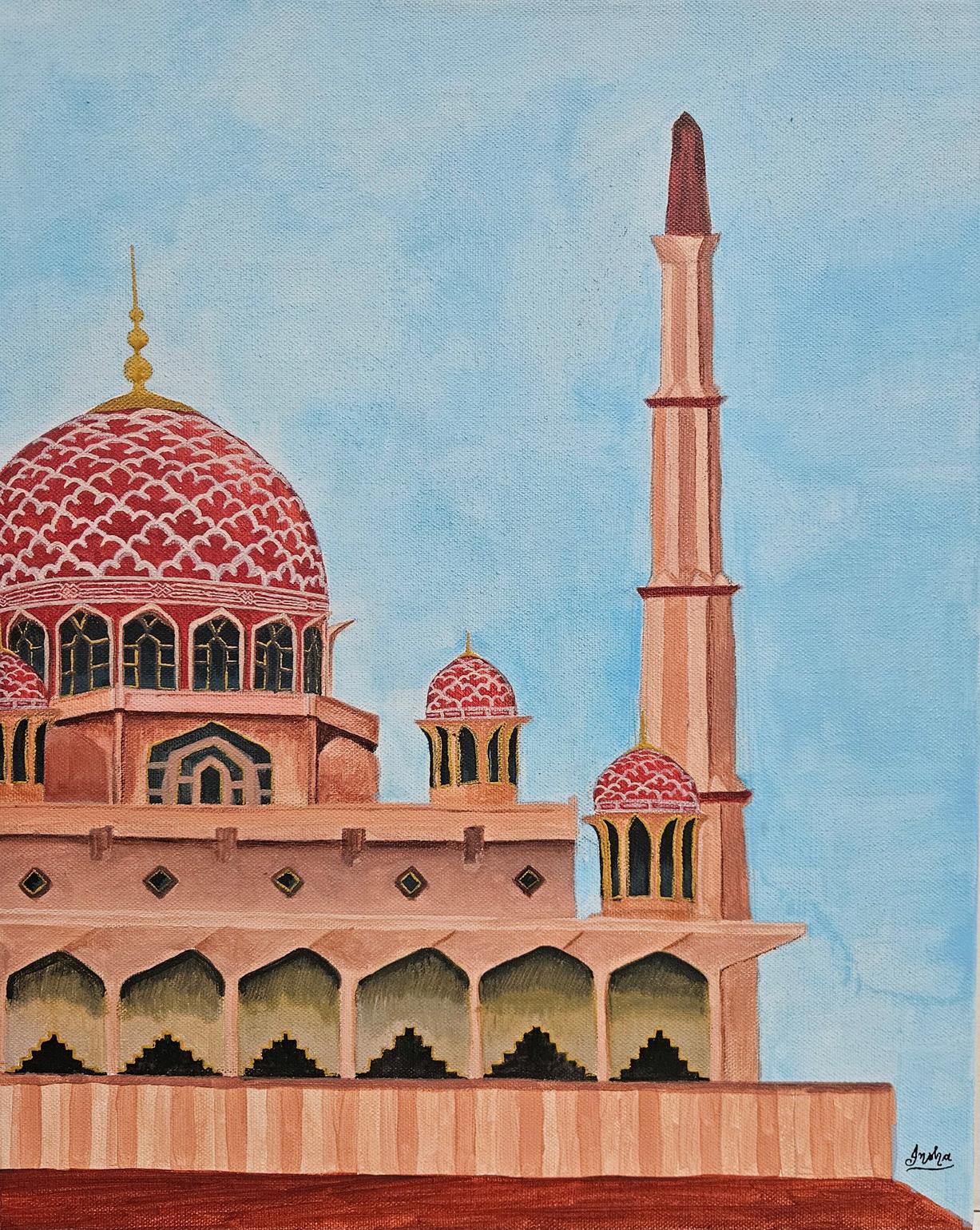
26 Putra Mosque
Insha Mawiyah
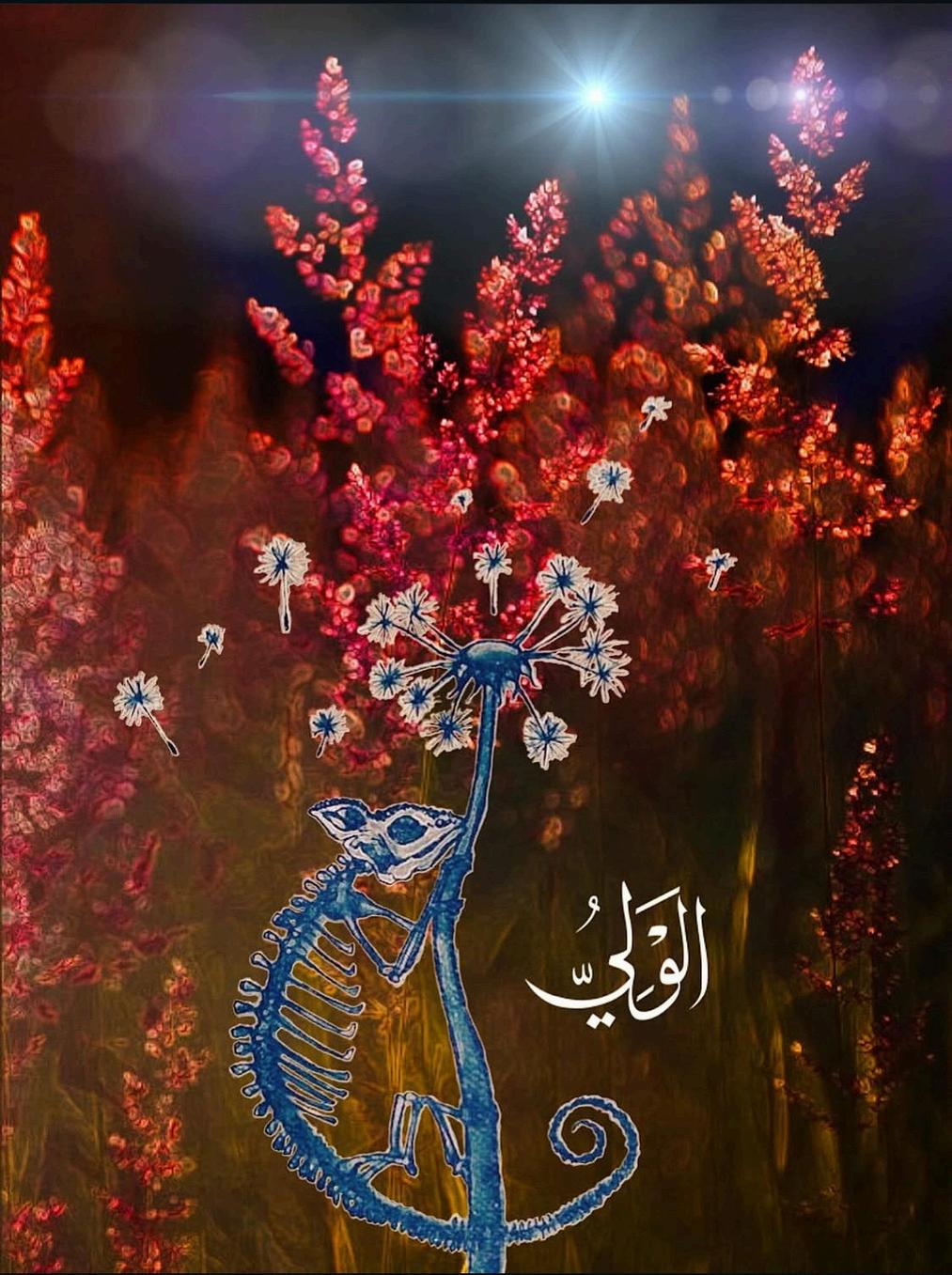
40 Al Wadud
Faseeha Hasmi @midnightstrikesbabe
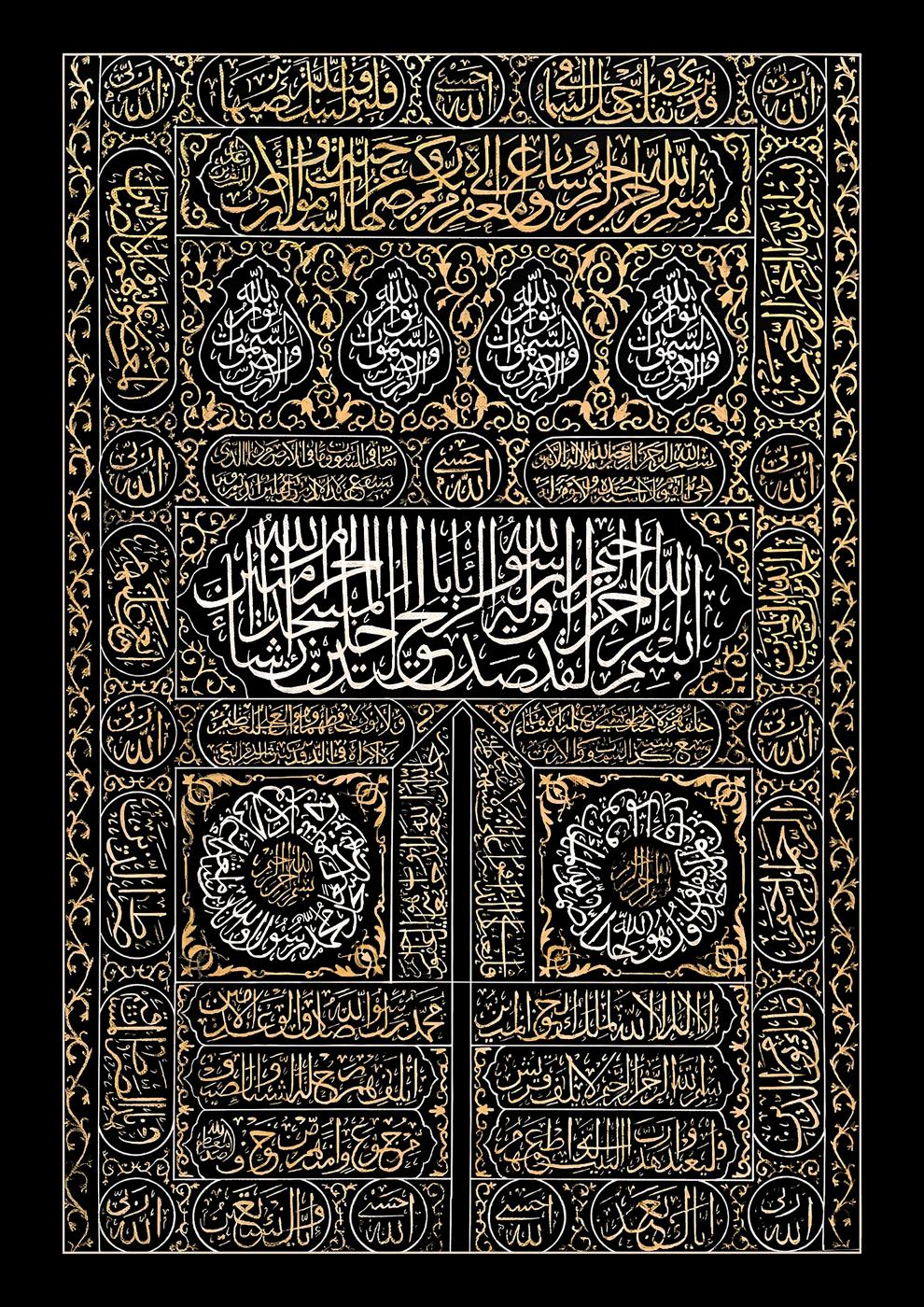
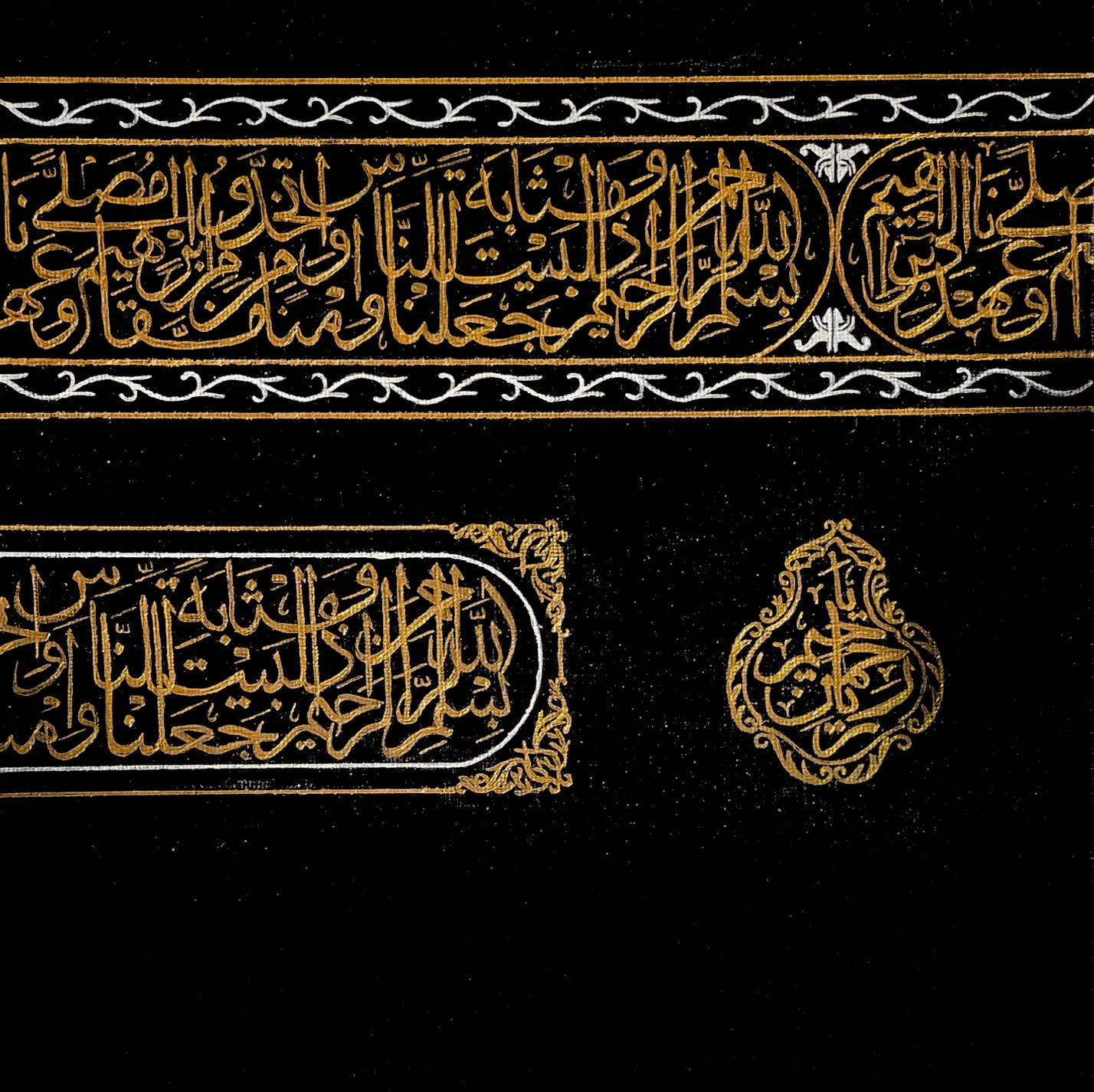
46 Kiswah
Leyaan Kapisiz @leyaansartwork
47 Qiswa’
Osama Jamil @rightbrain creatives
PHOTOGRAPHY
04, 06, 07 Untitled
Osman Cerrah
05 The Umayyad Mosque
Kinda Lutfi
06, 11-13 Untitled
Kareem Zaghlool
14, 15 Blue Mosque, Untitled
Johar Malik
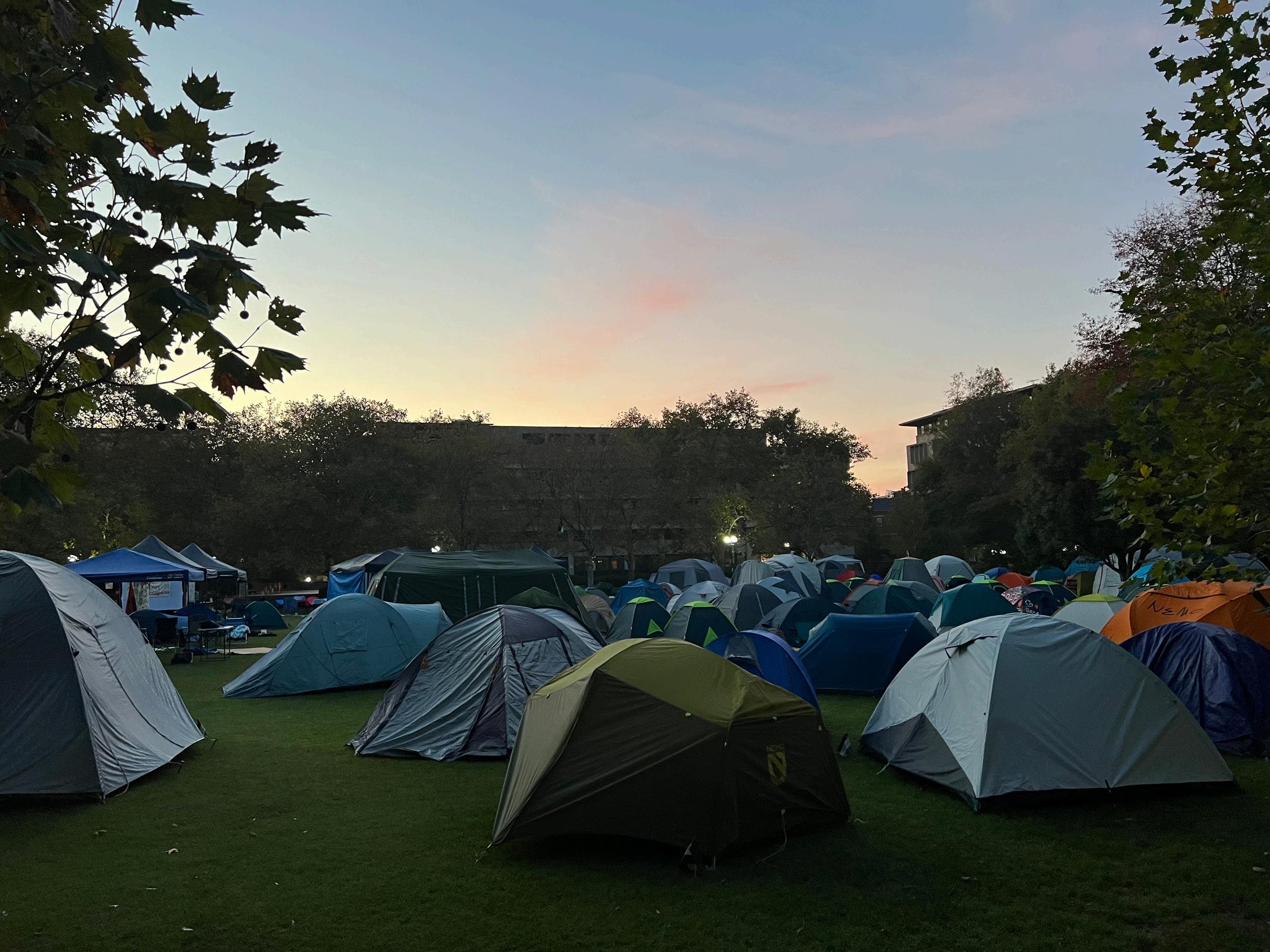
18, 19 Encampment
Ameer Alameh
20, 21 To Resist
Hafsa Mohamed @xalim png
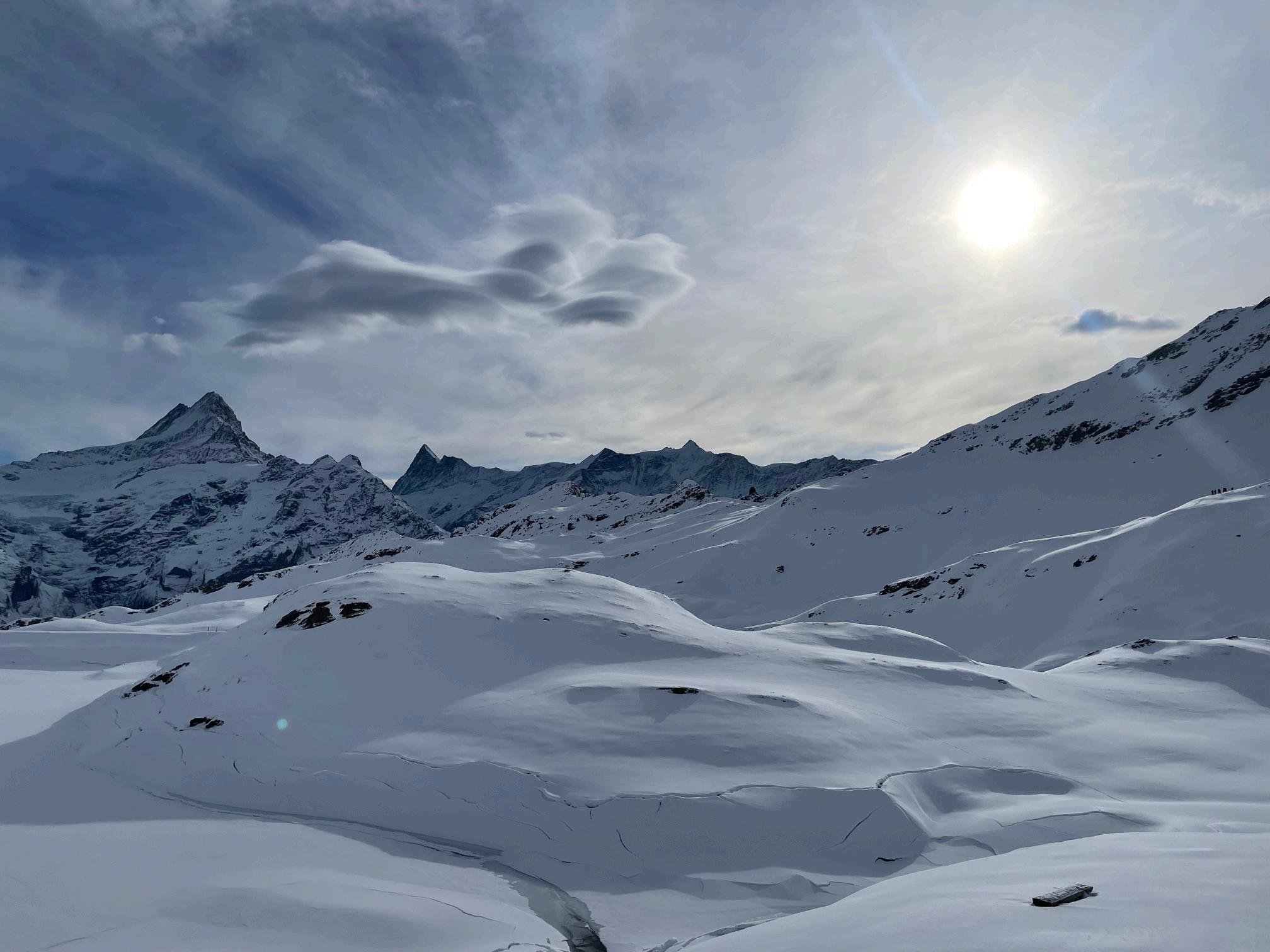
24, 25 White Snow
Sameer Mohammad Khan @sameer gamsat
28 Tawakkul: Trusting the Nest of His Mercy
Yousuf Ilyas Khan
30, 31 Burkina Faso
Kamerayci @kamerayci
34, 35 Bloom’s Balloons
Sameer Mohammad Khan @sameer gamsat
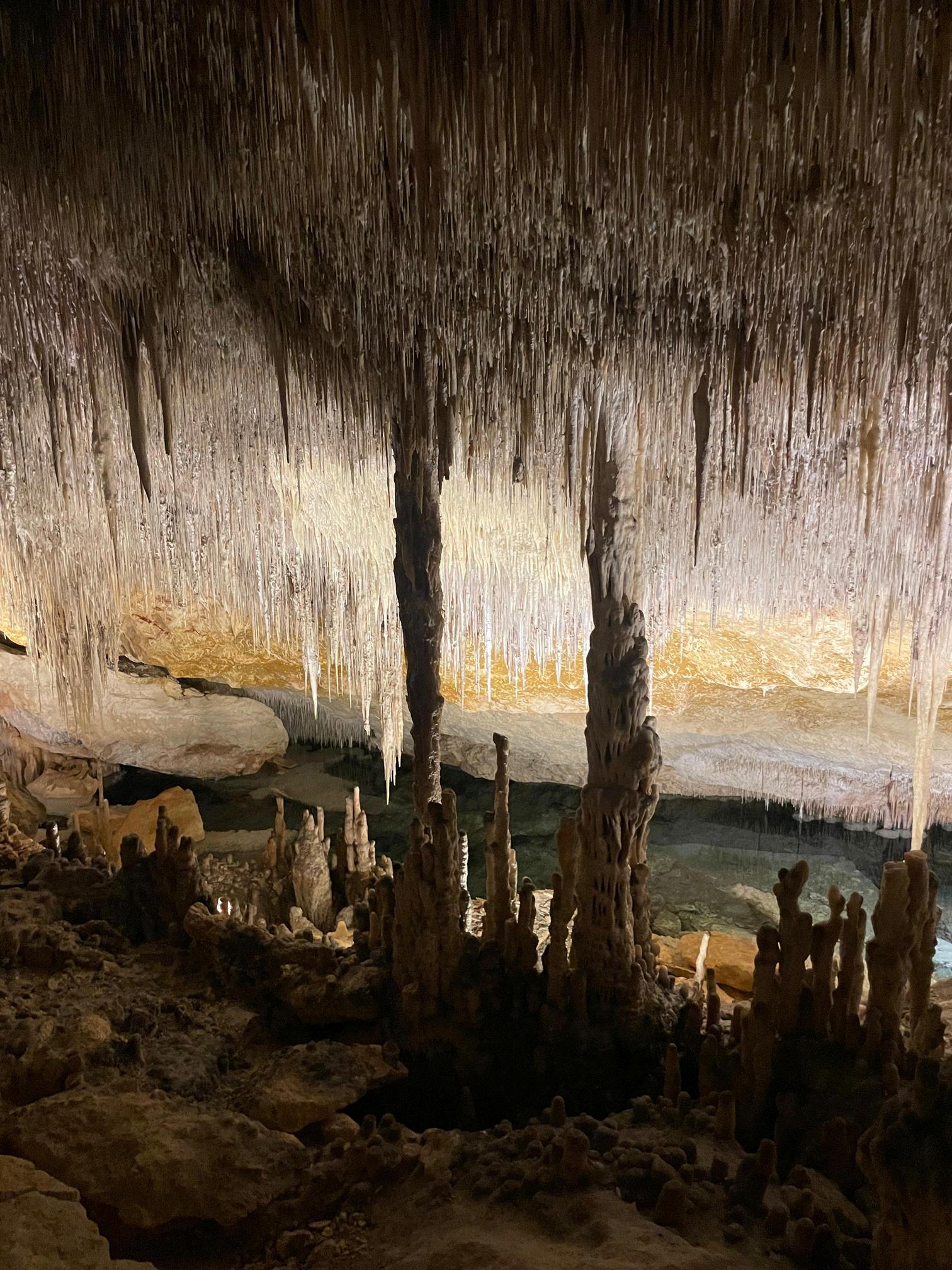
39 Caves of Drach
Farah Elmalik
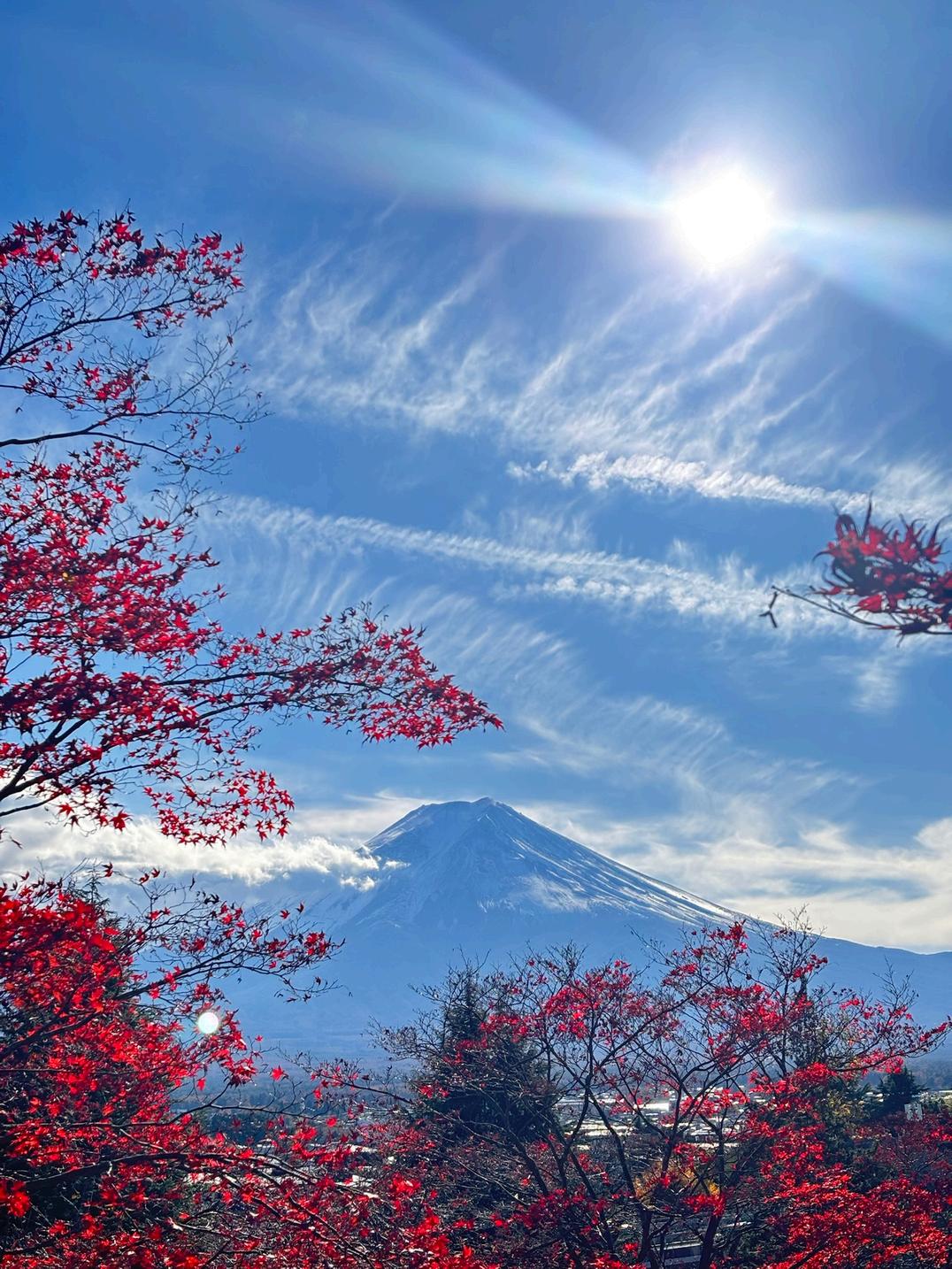
41 Signs of the Horizon
Zaynah Rana
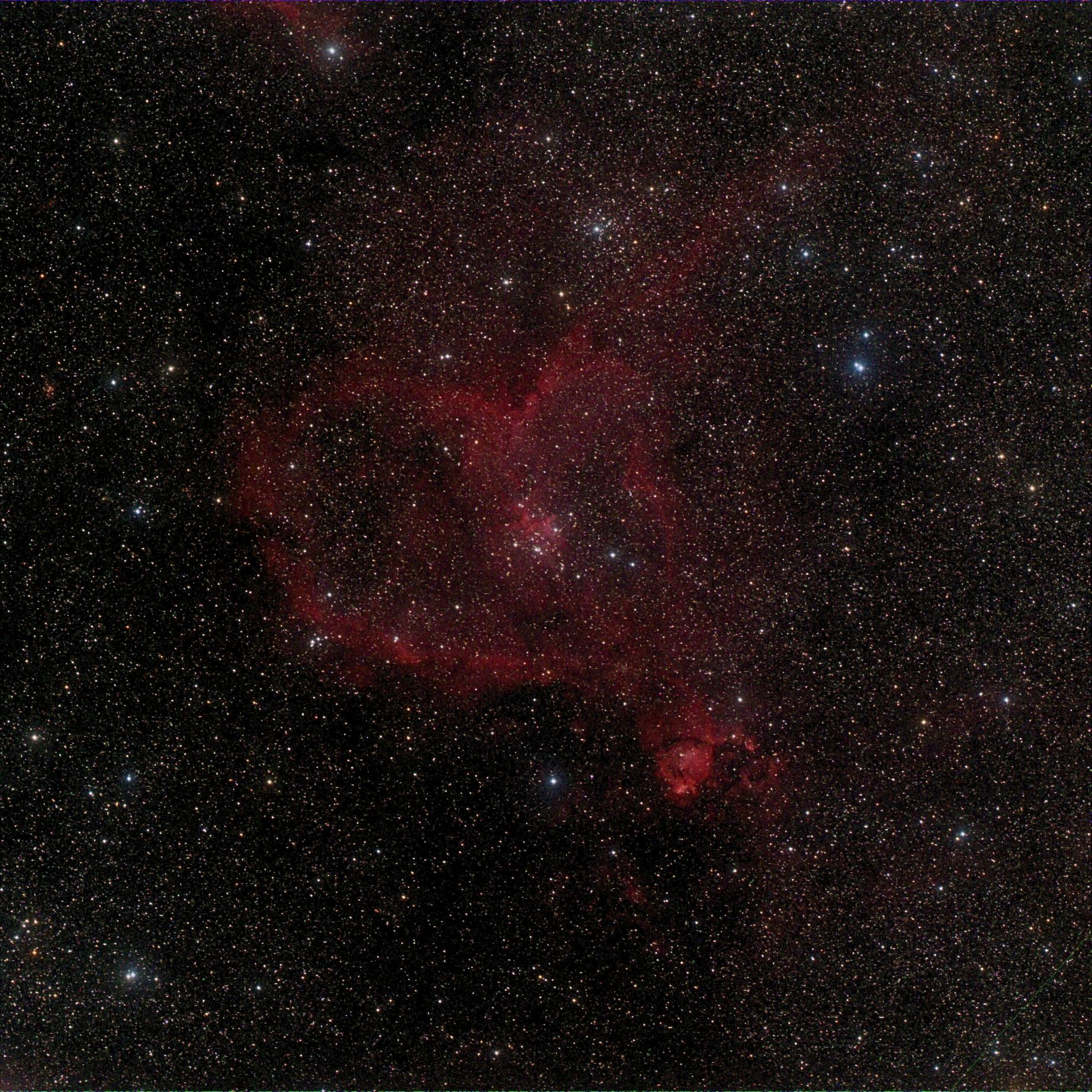
42, 43 Soul Nebula
Farha Fahim @itsfarhafahim
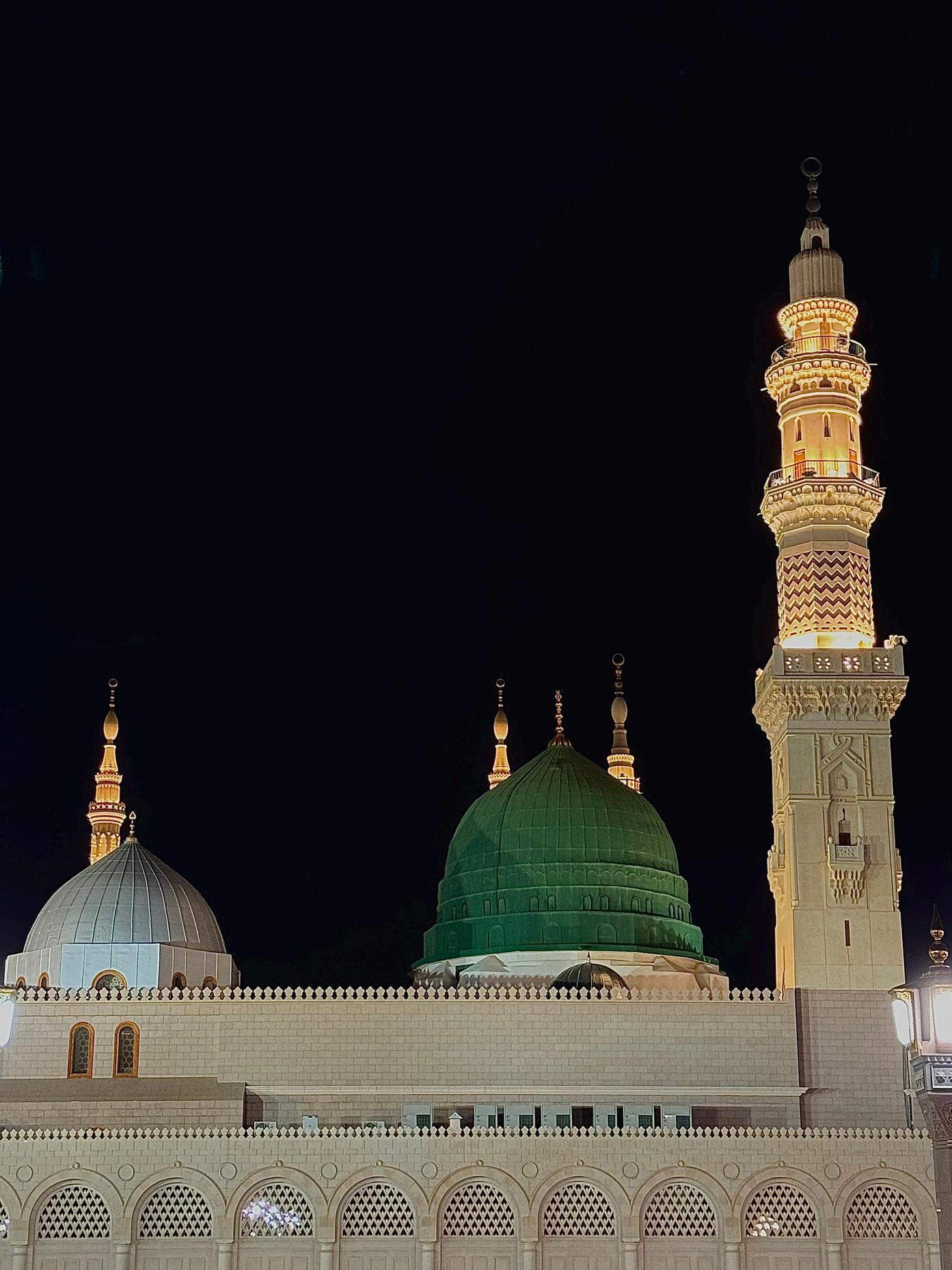
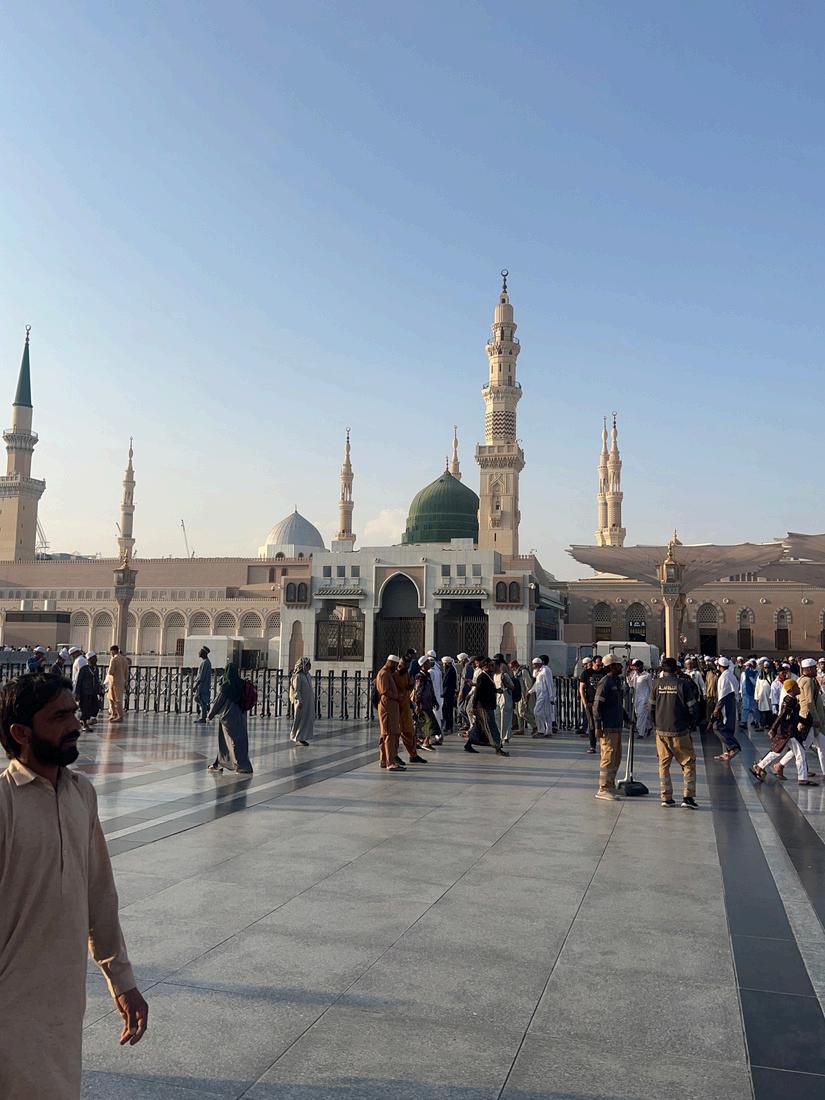
44 Masjid al-Nabawi
Maryam Tahir
45, 50 Makkah, Madinah
Hajrah Sajid
52 Untitled
Amirah Yusuf
53 Untitled
Farah Elmalik
Editorial Team
Leyaan Kapisiz
Zoha Shahzad
Hanane Seid
Noor Besisou
Hajrah Sajid
Maryam Al-Mahdi
Raquel Hasna
Nauris Rofaudin
Zaynah Rana
UMIS 24/25
Executive Committee
Maher Shah
Farah Elmalik
Mobeen Mougadam
Leyaan Kapisiz
Razan Al-Saraji
Noah Ryan
Johar Malik
Dear Readers,
Assalamu ʿalaykum wa-rahmatullahi wa-barakatuh
I pray this reaches you all in the best of health and imaan.
Following on from the success of the first
edition published in 2024, the UMIS
Magazine was established to give a
platform to Muslim creatives in our
community. To share talent, values, and make space for Muslims in a society
where we are often under-represented and under-appreciated
Time and time again, I have been
reminded of how powerful art can be. I’ve
witnessed the doors it opens, by the will of Allah, and the way it serves our community Not only as something to admire, but as a means of advocacy, charity, and connection When done with the right intention, for the sake of Allah, these become acts of service
For me, art is a representation of my values. What I choose to create, display, and share, are all representative of my identity as a Muslim; and I know this to be
true for many other Muslim creatives
Sometimes we have words that we
cannot speak, only show, and in those moments, our art becomes our voice.
While compiling this magazine, I have been honoured to see so many talented and sincere creatives who put love and dedication into their work. Creativity is
unique to each individual which makes it
so special to witness. I pray that this edition is able to share the beauty of their passion and faith.
Thank you to everyone who has
contributed, shared our cause, and to the UMIS 2025 Executives and Committee for their support and dedication.
May Allah accept from us, and from every
person who has poured their time and creativity into this magazine. May it be a
means of goodness, connection, and reward for us all in this dunya and akhira.
With love,
Leyaan Kapisiz
Editor-in-Chief
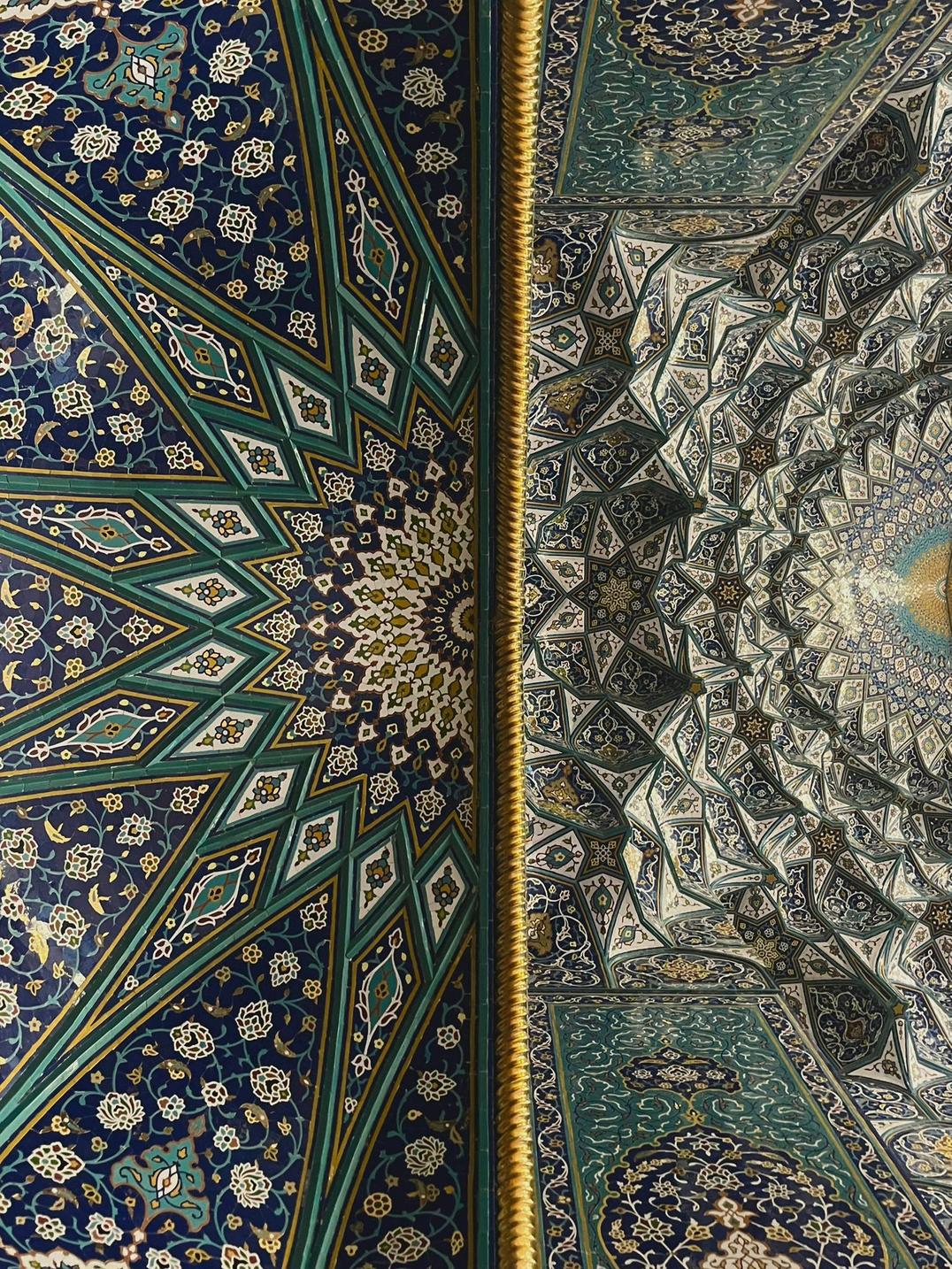
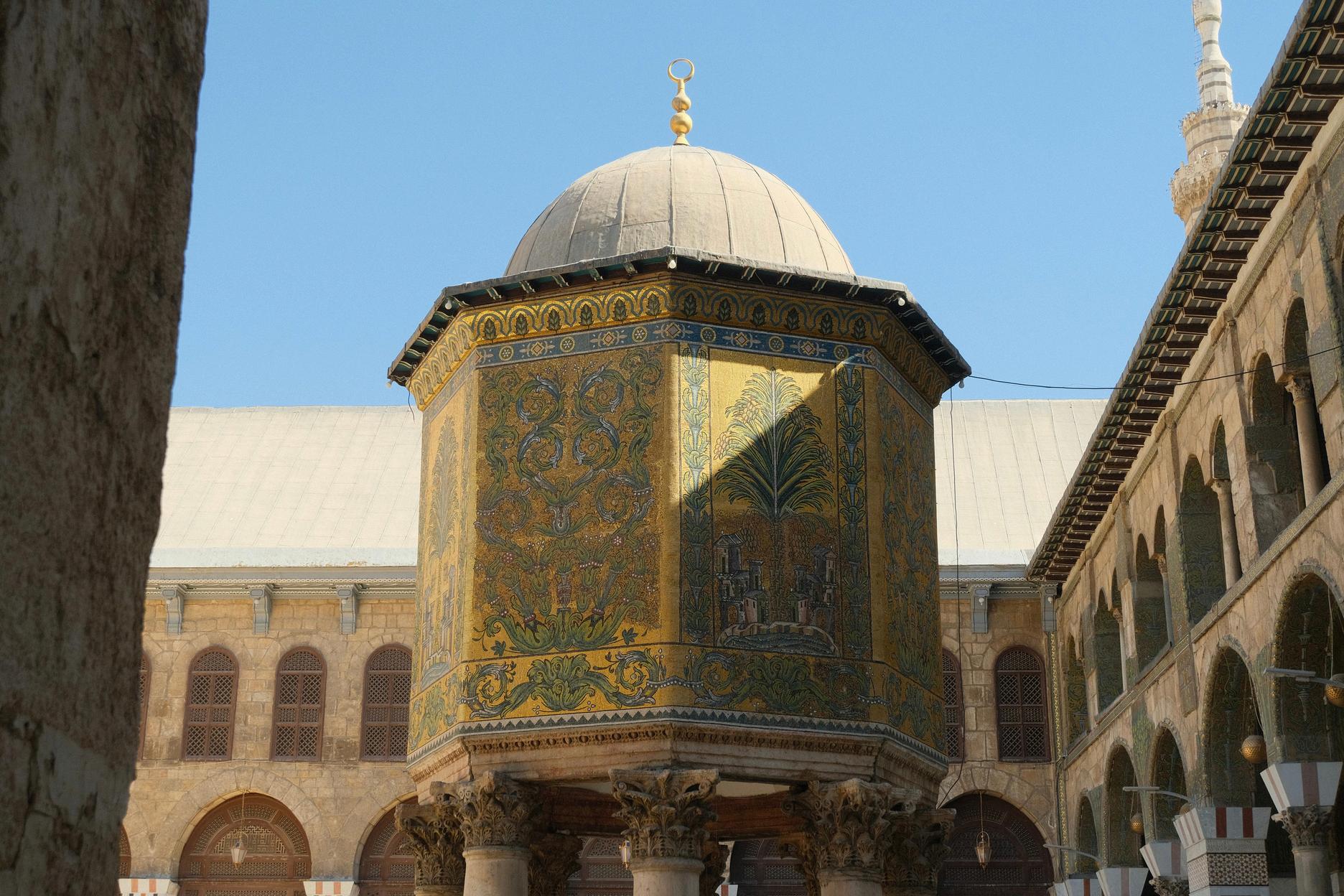
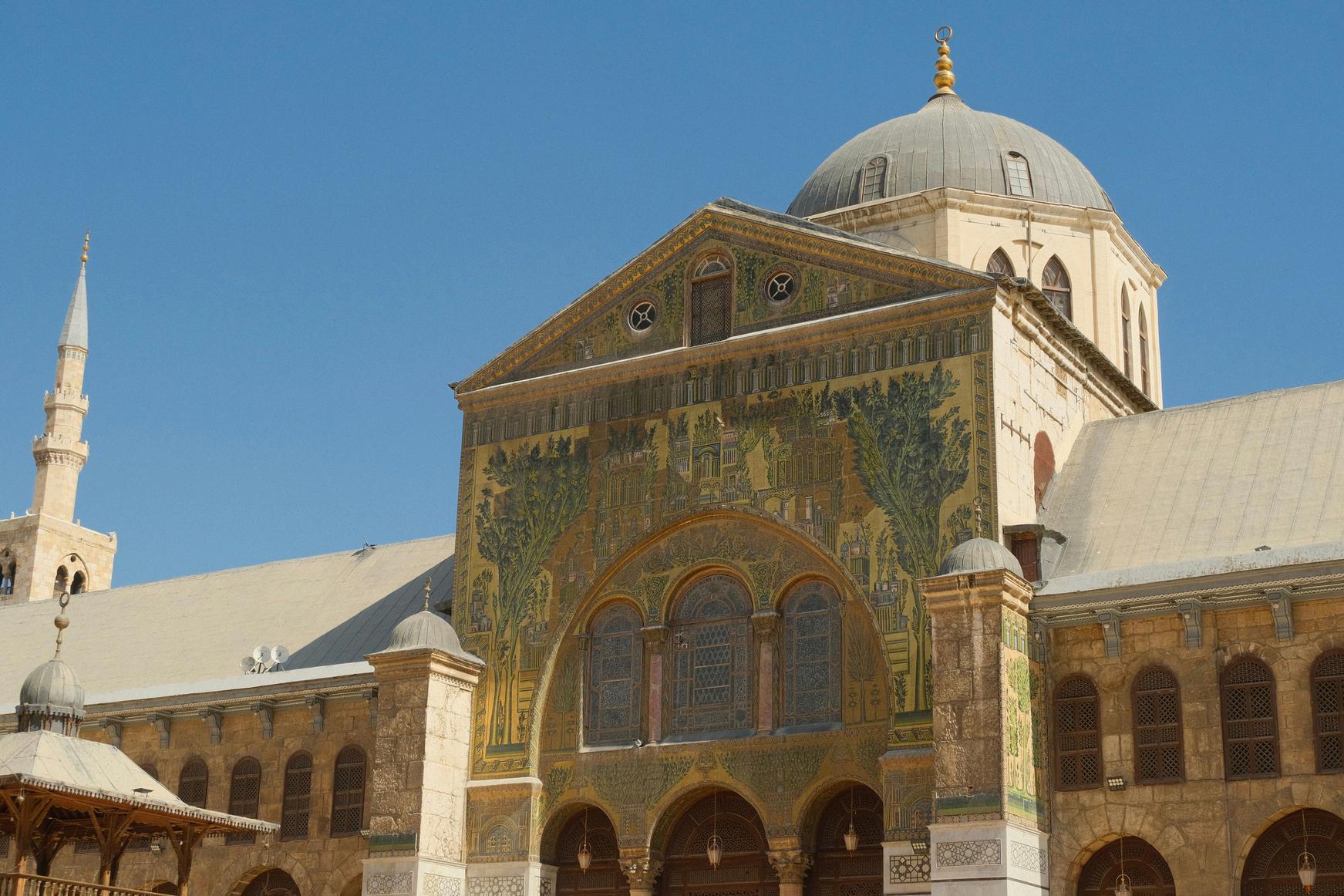
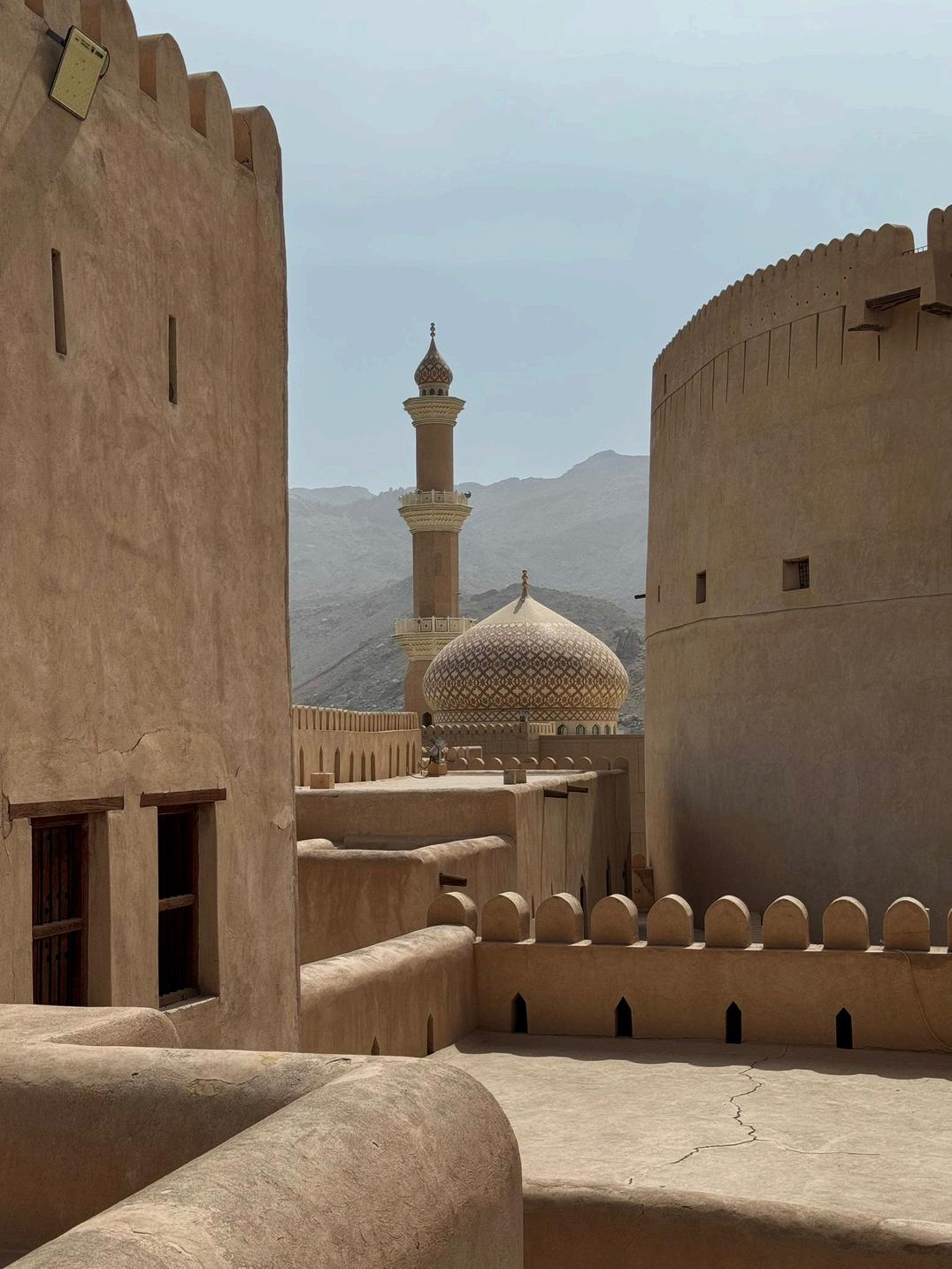
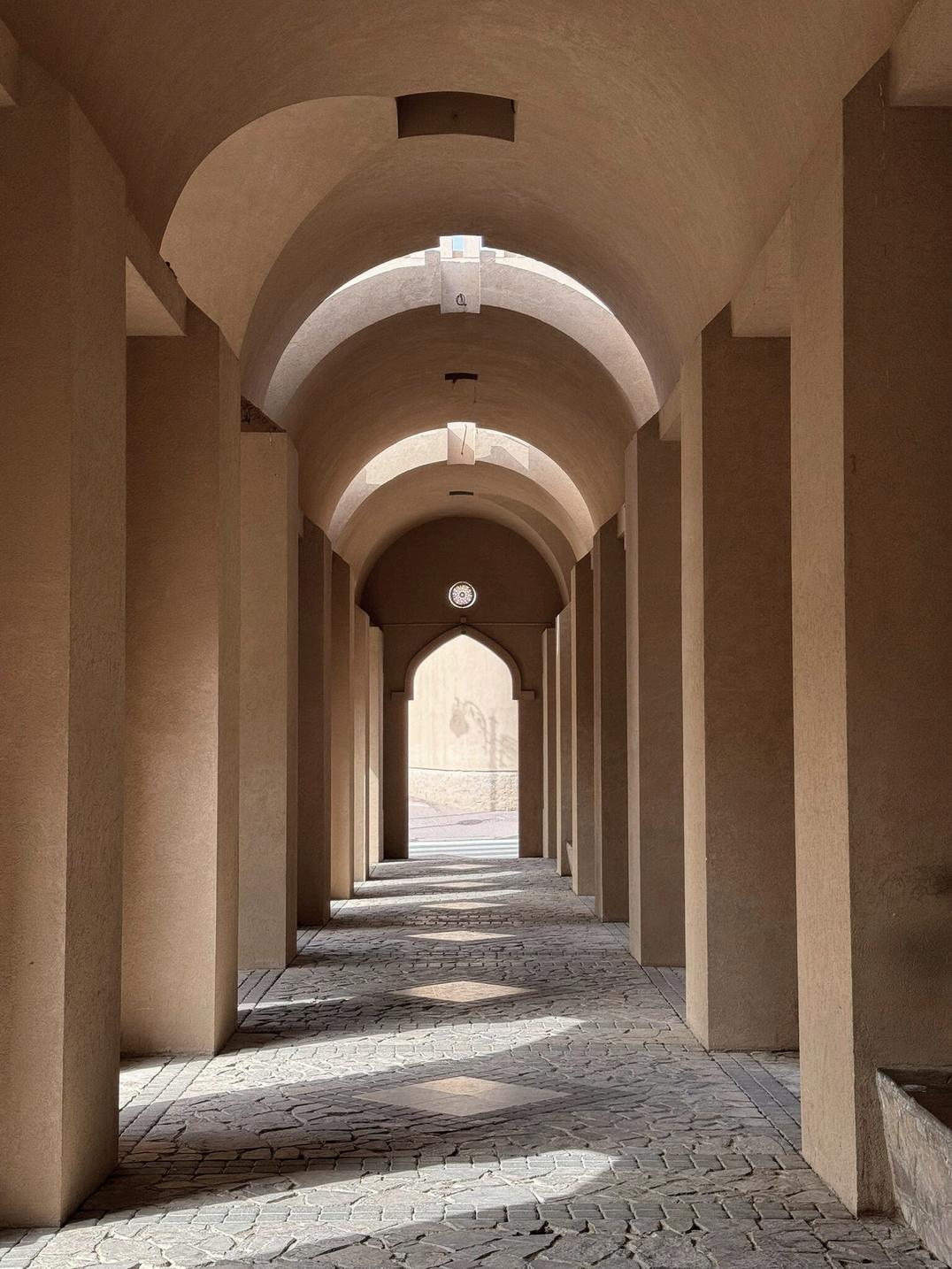
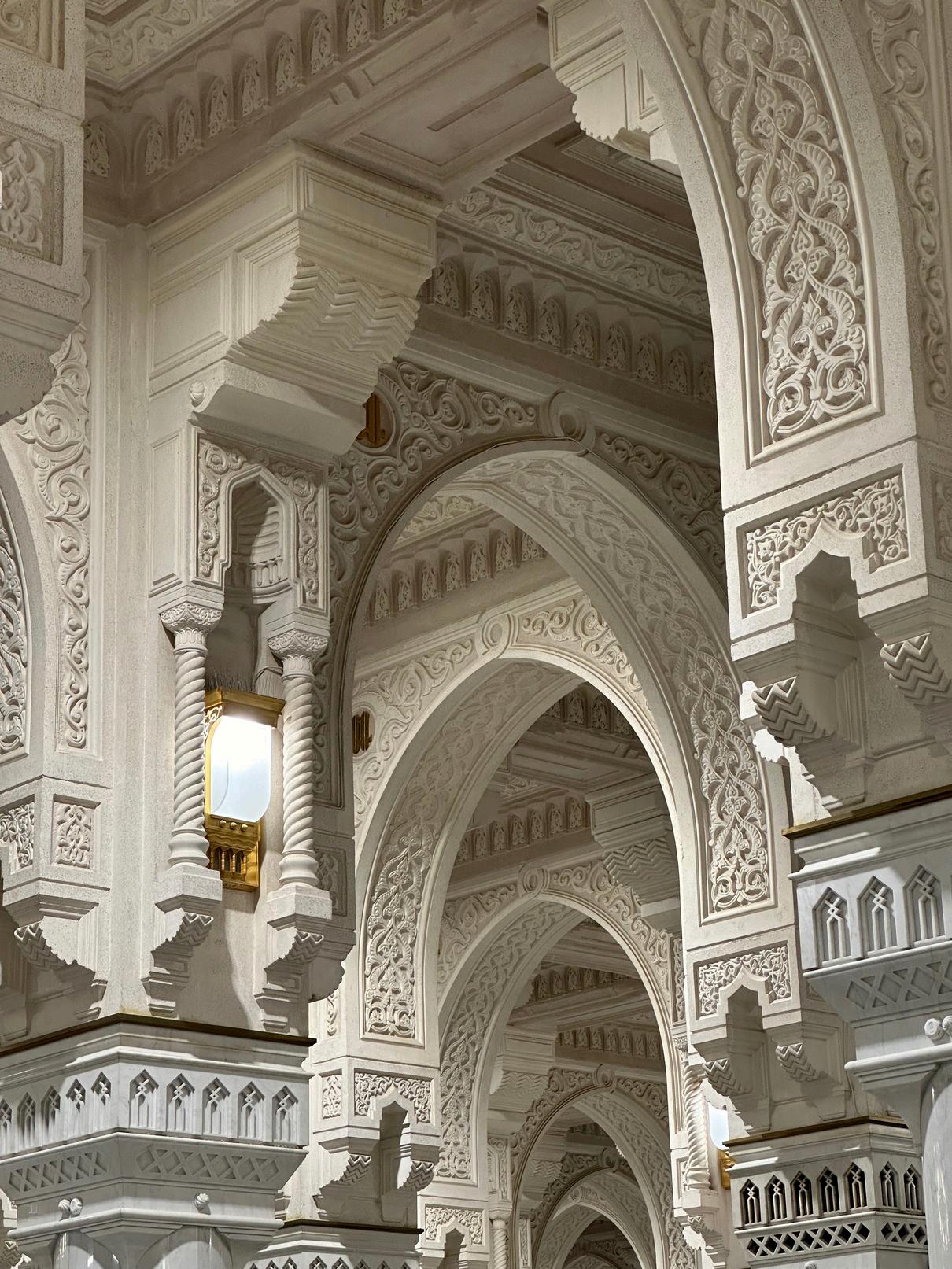
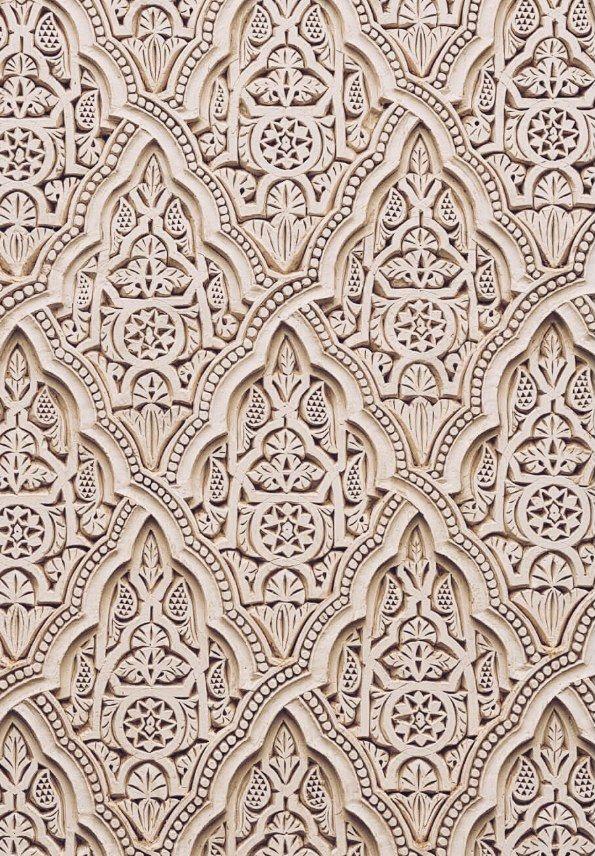
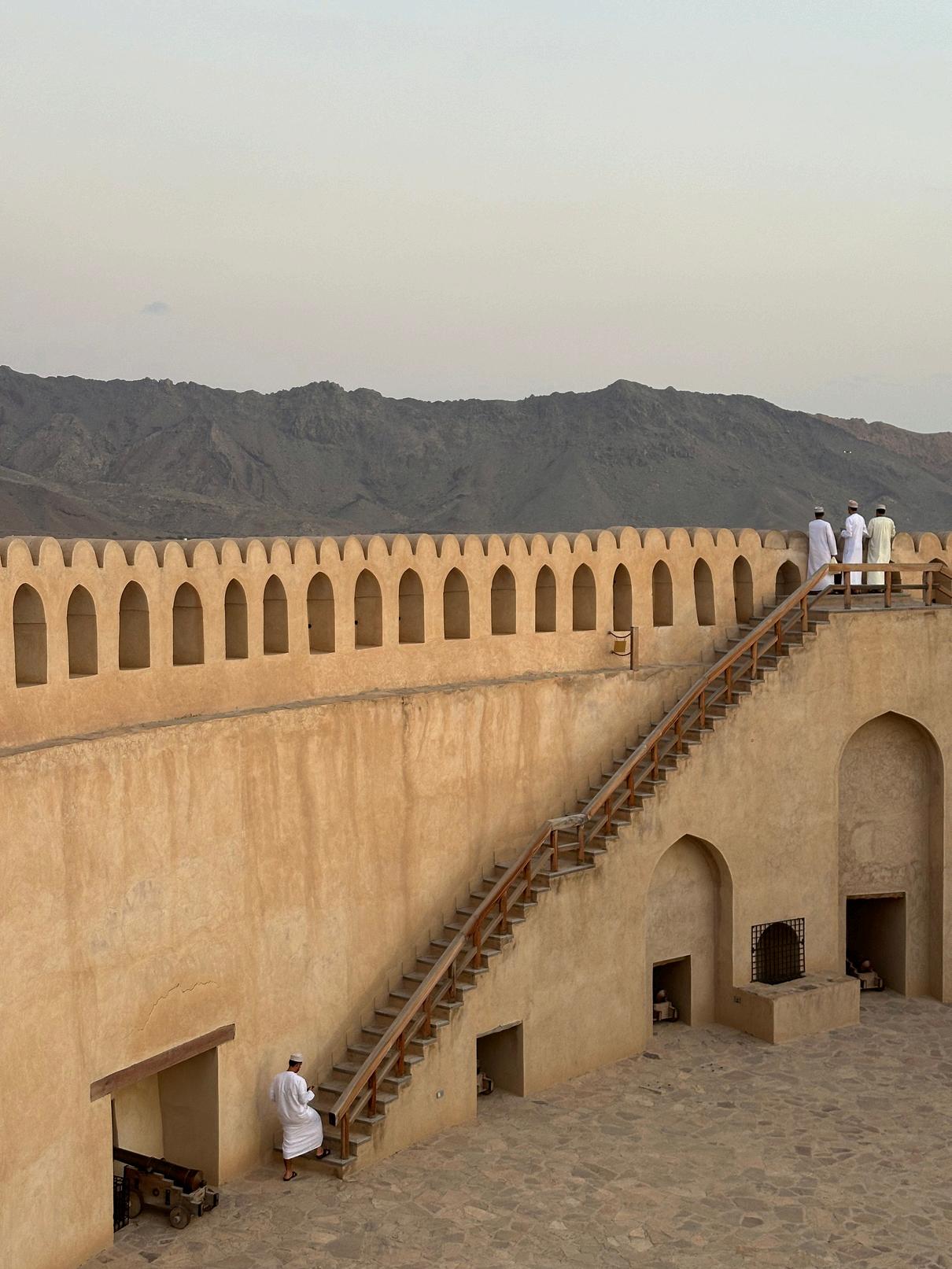
Ambersparksoffsharpeningswords lightingclaysculptedtowers. Castingeyestovast,manyplanes.
Astonesteppingonanothertoriseto zenithheights,foreyestowitnessgreatersights afterheartshealfromgreaterfrights, boulderingfaithandfireand armouringourpeoplealight.
—alcazaba,howgrandisitsharbouredmight.
In spite, did we let it fall to rub on aching knees? What once was held, on soldier’s steady feet.
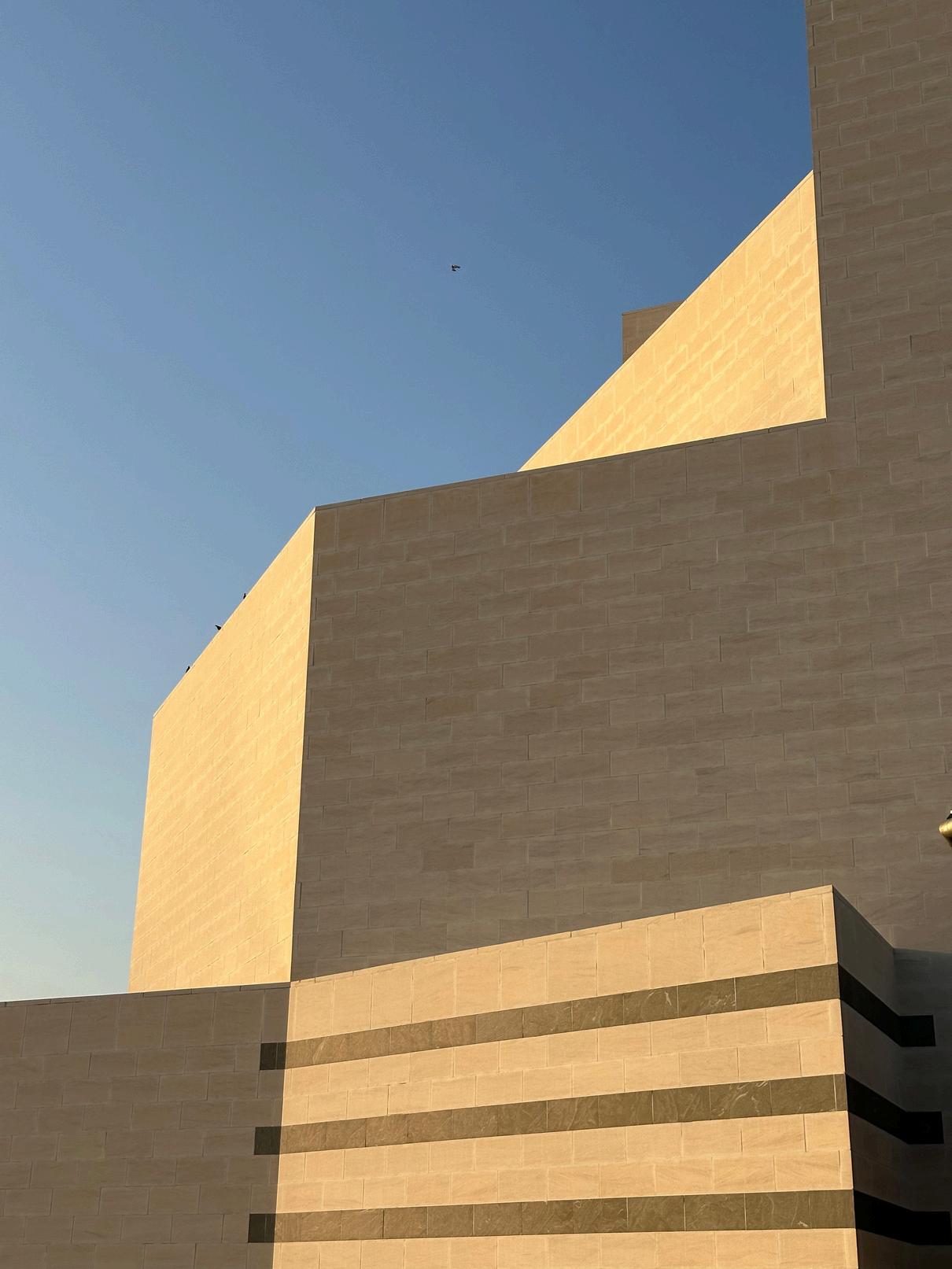
Waterrushesintimewithfootsteps, wherereflectionsoflustre,smile,andcolouredtile danceandspinintheveinsofourpeople; heretheyhostandheretheytoast overshimmeringglintsofcradledwavesandmyrtlebushes, welcomingneighboursthrougharchesinplaceofdoors.
Askycouldnotbeleftfromtheintricacyofitscraftsmanship. Lambentglowsthemuqarnasthatdomesitshalls, quietlyetchinginscriptionsonthewallsdetailinginitspraise: agreaterbeauty,greaterblessing,greaterbeing, singingexaltationsofthetruesculptorandHisgreatercreations: ranksabovethelikesofman.
— al-Qasr, how bright is its inner mould.
How must those hands have trembled, for fear of errant line, How must they tremble now with rage at a stranger’s sign.
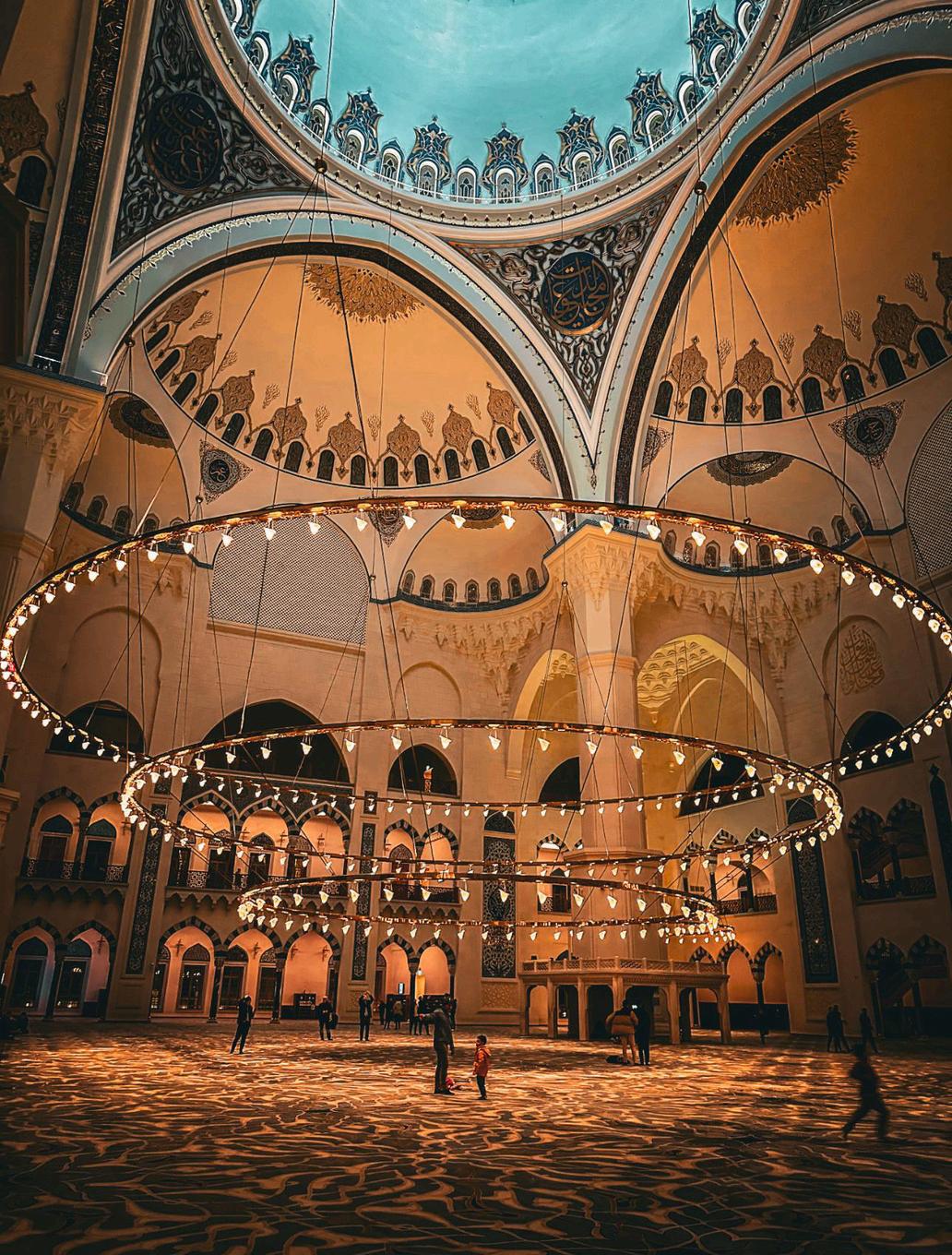
Andifyourearsdotireoftitteringsweetlaughter, letthemlistentorustlingleaves, andthesugarysymphonyofswallowsperchedontrees, rootssucklingatflowingstreams.
Inawe,letthescentoforangeclutchthehandofroses, followingthesouldownthepathserenitytreads.
—Jannatal-‘Arīf,howexaltedisitslife.
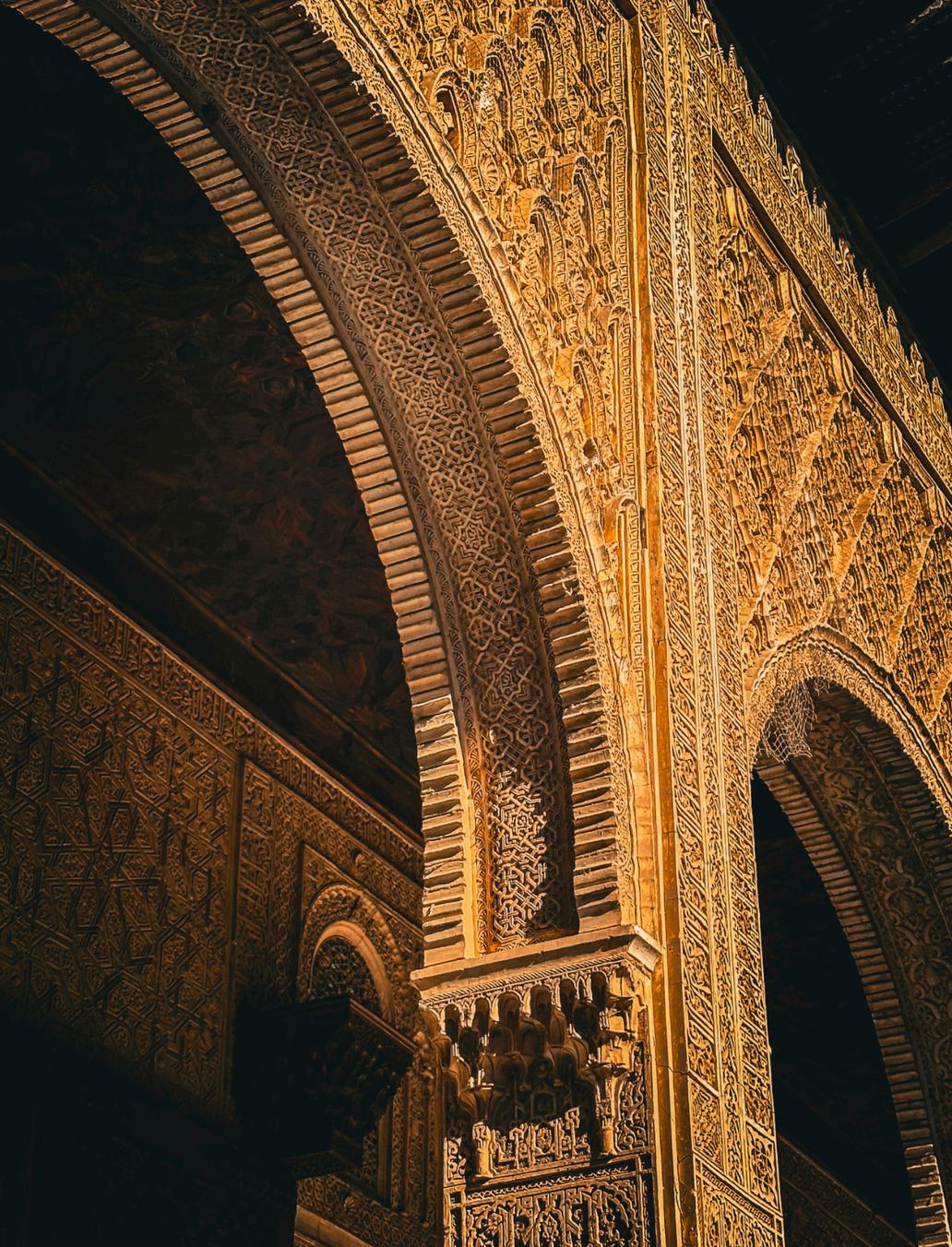
Whatstrifedidhitthepeopleofthishome thattheonlysheltertheycouldfind wasthearmsusedtocutthem.
—PalaciodeCarlosV,howdareitsghoulstandinMoorishland.
Were we not rewarded once with nectar and with peerage, that today we must drink from their wine and their pillage.
Where are the architects of Alhambra?
Where could we be?
Where should we be?
Where will we be.
By Maham Mannan


Don’t press the big red apocalypse button yet
The reaping has not begun and I’m dressed in colour
I think there’s still time until the zombies arrive
So put the dead children back into your pocket
But please wash your hands of their blood
And be careful around the alabaster walls
The paint is still wet
Don’t concern yourself with the thought of burnt flesh
And blue hands crushed beneath rubble
Of emaciated bodies
Of unworn baby shoes and spoiled flour
So put the extinguisher away and quell the alarm
The smoke has just faintly bleached our skies
There’s still time until it crawls beneath our doors
The ground is melting and the trees with it too,
Down with the Baobab and the Wollemi Pine
Down with the Purple Wattle and the bamboo
If I’d had known the bees were ephemera
And that the orange-bellied parrot was leaving soon
I would have spent my time differently
I would have stayed amongst the petrichor
Though, don’t blow the horn now
There are forests to clear and gas projects to build
Olive groves to burn and rockets to fire
Quick, pull the trigger
Before the water reaches our knees
We have a few days before the poison finds our livers
Will we watch it travel through our veins
And be known by the soil for our acquiescence,
Or will we fight for the antidote?
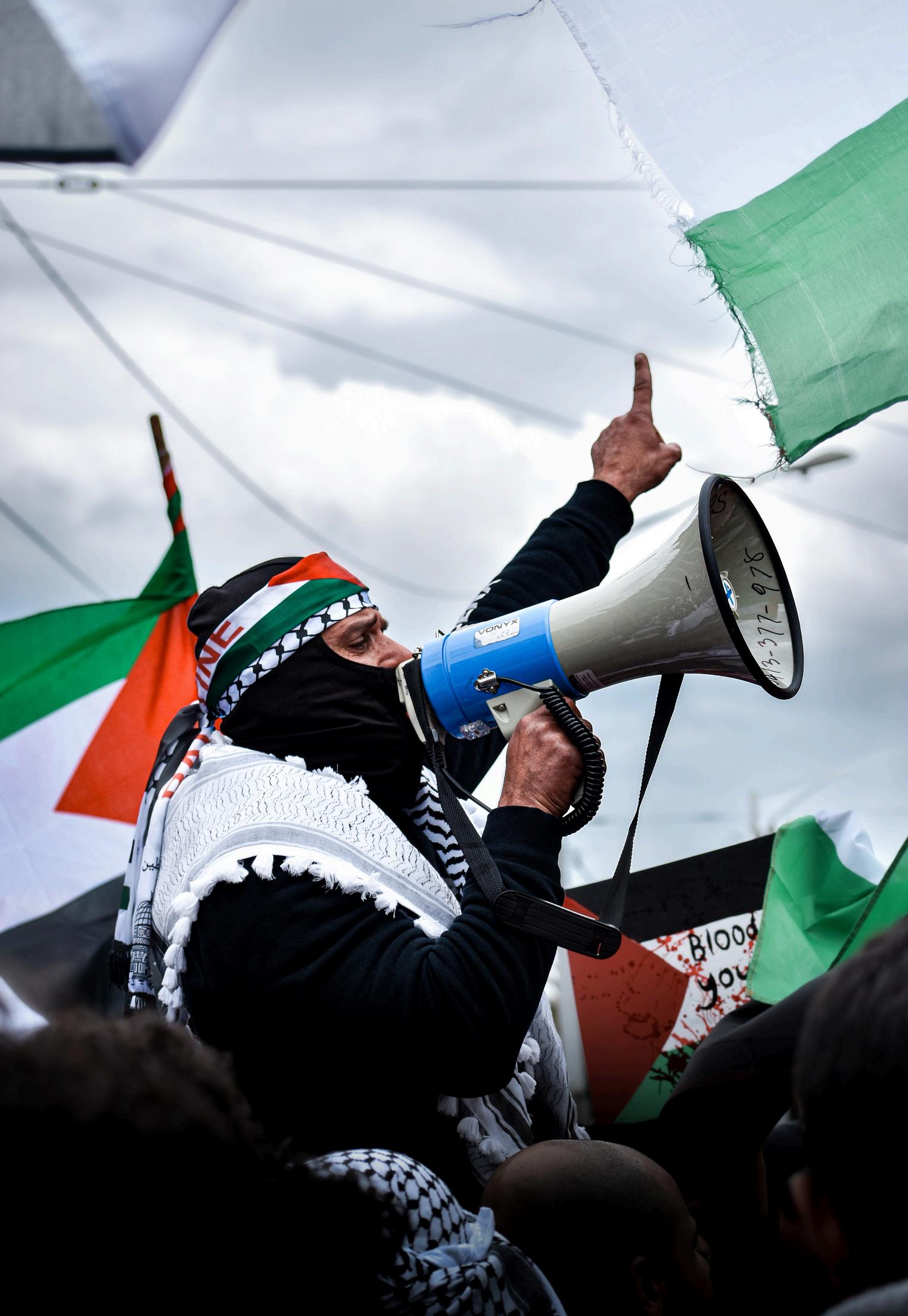
The Palestinian genocide, the Sudan famine, where are the Muslims? Why are we “so weak”?
With the recent harsh bombardment of the state of Palestine, we have been exposed to the harsh reality of the world. As the youth of the Ummah, we have not really seen this type of hypocrisy before, we all believed in the ideas of justice and the policies in place to protect us, but have now been used against us
In the current times today, having strong, united muslims is pivotal. This idea of the ummah is weak is just the agenda of those outside of the Muslim community The reality is that the Muslim ummah is growing and at a rapid pace too, look around you , we have Muslims in every discipline from doctors to lawyers to political analysts to the wellbeing and the tech industry, the list is endless To top that off, within these industries we have Muslim organisations trying to build a solid foundation for Muslims in that field This network of Muslims in the same field gives
options to those in the field, leaving Muslims to be not in need of the large corporations, which threatens their domination over the industry. Yes, you joining Muslim organisations within your industry can threaten large corporations.
Although, on the other hand, some of our industries might be missing Muslim associations. It can be hard to begin these ventures but we need to have long term visions, that will ultimately make our own lives easier as well as support the ummah However, the only way to tackle dependence on western institutions is to not only keep increasing our presence but to support one another while doing so. Supporting each other does not just refer to the support of those in your own field but to support all of the ummah Let us take a closer look.
Knowledge of the current events happening. You
might think that things that are happening on the
other side of the world do not deserve your
interest, that you are here to go to university, get a job, and look after your family Well yes, that is a
part of it but we must stay aware of events
around the world, especially those hurting our
brothers and sisters The Prophet Muhammad ﷺ
says in a famous hadith: "Whoever does not
show importance to the affairs of the Muslims,
then they are not one of them. " (Shu’abul Iman: 10102)
At the root of unity is knowledge. The advice of political analyst Sami Hamdi rings in my head, in summary he says, You having knowledge of what is happening in Kashmir or in Sudan, despite not being from there ,allows you to connect with those from those affected parts of the world and care for what is going on Imagine an Ummah that actually cared for one another, the amount of drive it would give each individual to push for change
The Prophet Muhammad ﷺ says in another famous hadith, "The ummah is like a single body, if one part is sick, then the rest of the body will feel it" (Sahih Al-Bukhari (6011) The biggest example of unity in our time is the ongoing genocide is Palestine and the worlds response McDonald’s and Starbucks losing billions of dollars, western countries acknowledging the state of Palestine, global mass protests, right wing politicians coming out in support of Palestine, people giving up 70-80% of their salaries to leave genocide supporting corporations and work with Muslim businesses This all came from people like you and I, your boycotting, your reposts, your attendance at protests It is mind boggling that we have the ability to do much for the ummah and sit back and think that others are none of our concern
But, before we go and blame others, we must look at ourselves first and take these initiatives on board for ourselves first
JazakumAllahu khairan
When I first left home I imagined myself a kite, overwhelmed with colour, desperate for the new to swallow me awake.
But solace arrived in memories of a forgotten land, haunting, overlooked. The grain of my mother’s voice, against brick walls a Banyan tree leaning into winter light, two hands folded in henna swirls, the rub of Nana’s sweater against the bend of my wrist.
Tender, light as breath, in the place I first learnt vowels, gone before I could mouth her.
By Sarah Shakeel
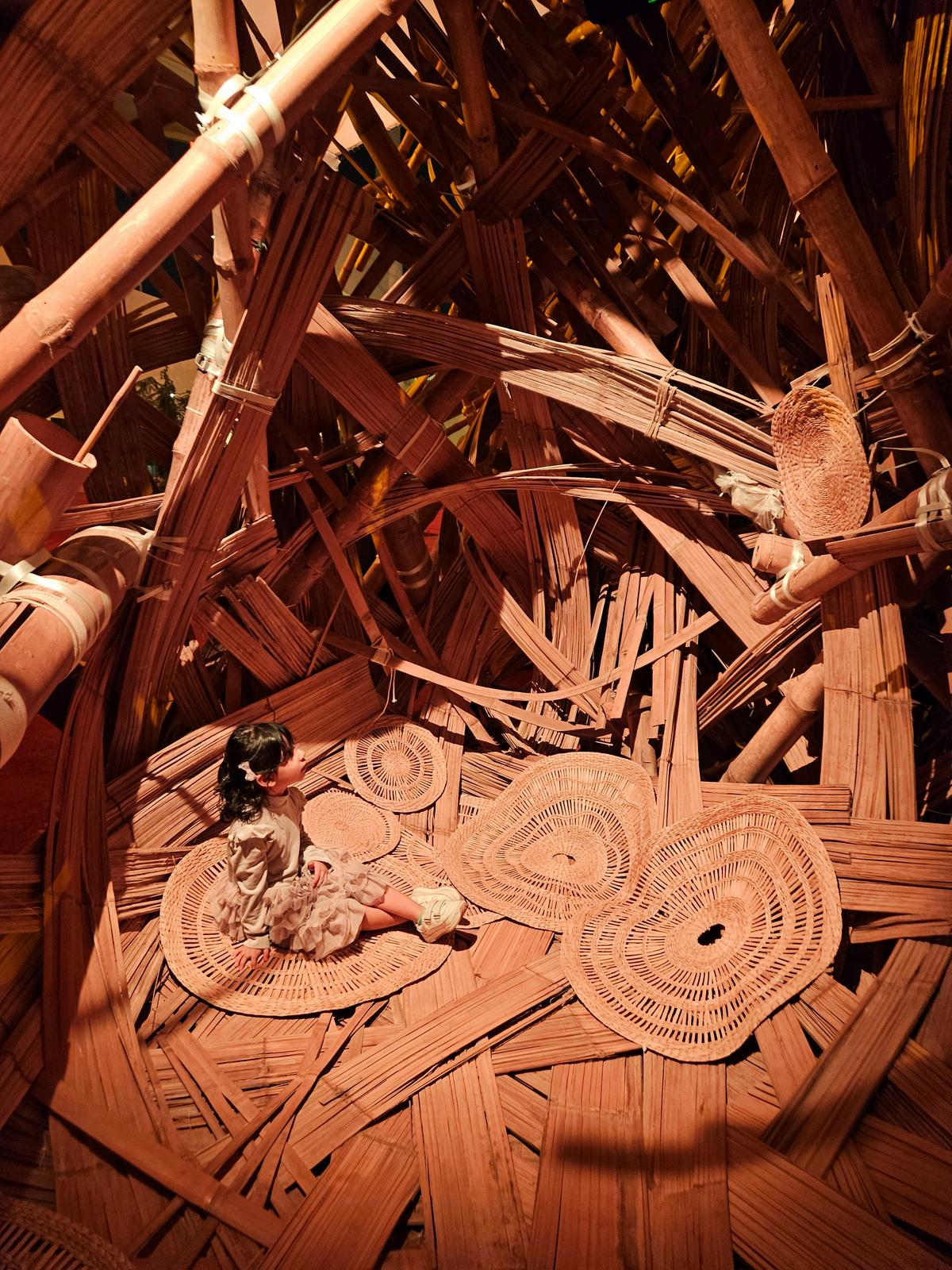
Itwasalwaysbathedinsunlighteveninthedeadofnight, awarmglow,afamiliarhue.
Hisface,nolongerawarmglow,afamiliarhue.
Everyonewasthere,everyoneIlovedfromthisfamilytree.
Everyonewasoncethere,everyoneIoncelovedfromthisfamilytree.
Alwaysastrayantbut,here,nooneminds. Toomanyantsbut,here,noonelefttomind. Itsmelledofhomegrowntomatoesandfreshlywashedlinens. Memoriesofhomegrowntomatoesandfreshlywashedlinens.
Soundsoflaughterandreminiscencedriftingthroughthewalls. Echoesoflaughterandreminiscenceclingingtothewalls. IdreamofthefamilyIcansomedayhave.
IdreamofthefamilyIoncehad. Neveragainbathedinsunlightevenattheheightofday.
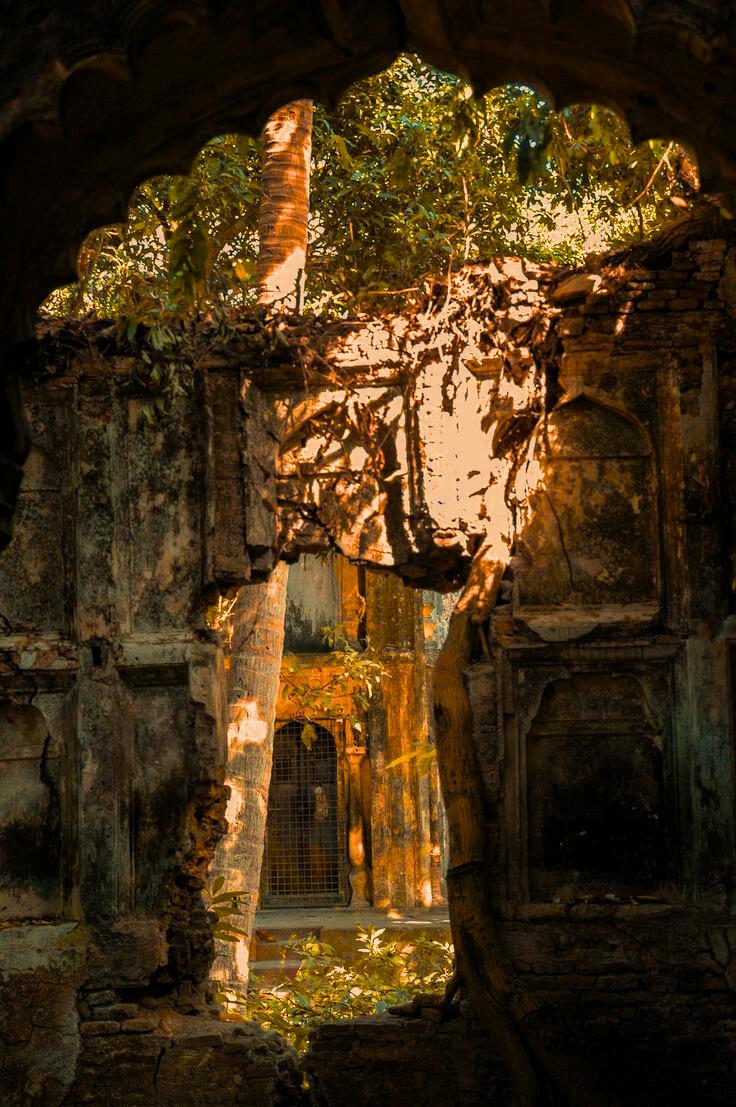
By Sohaila Elnahrawy
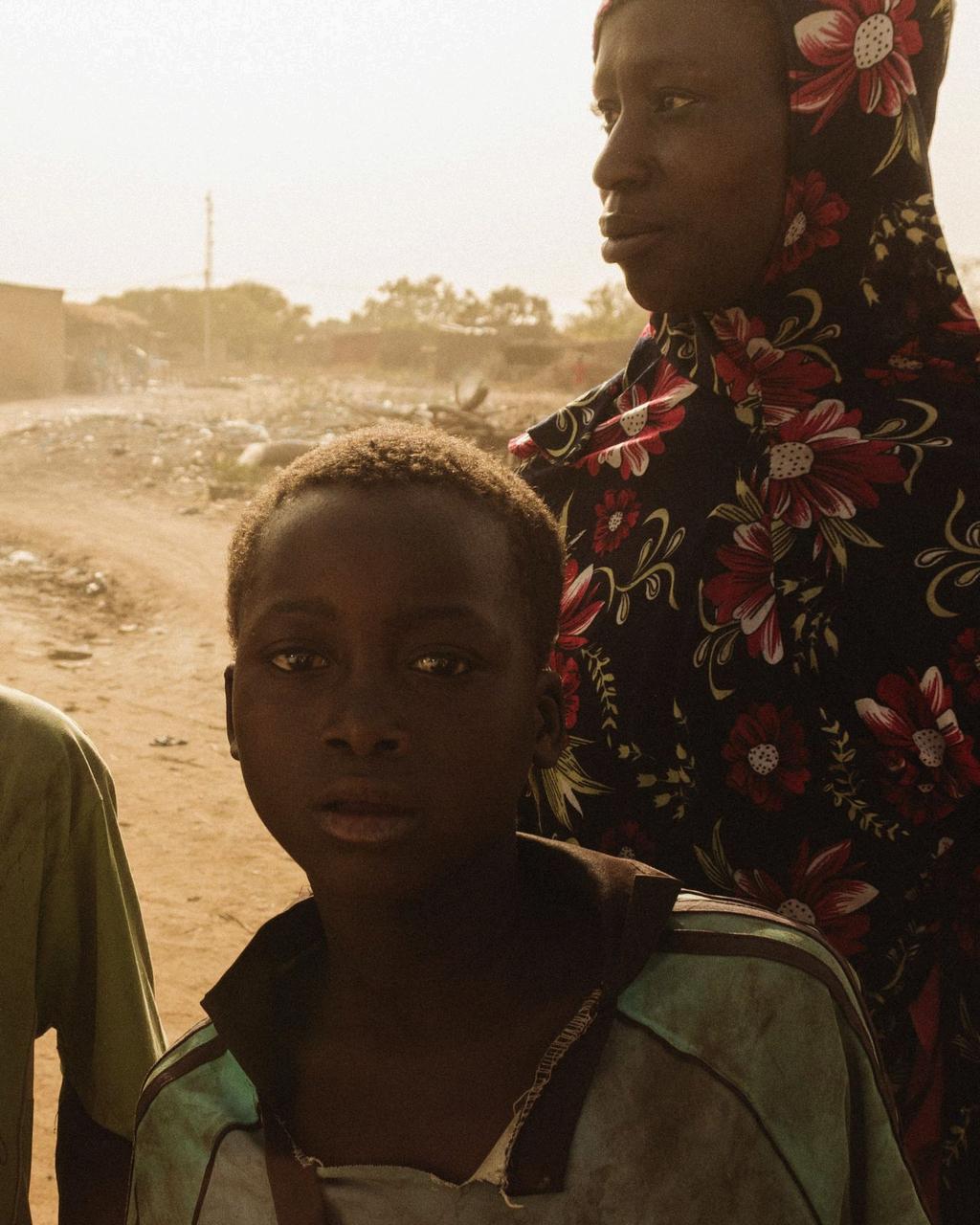
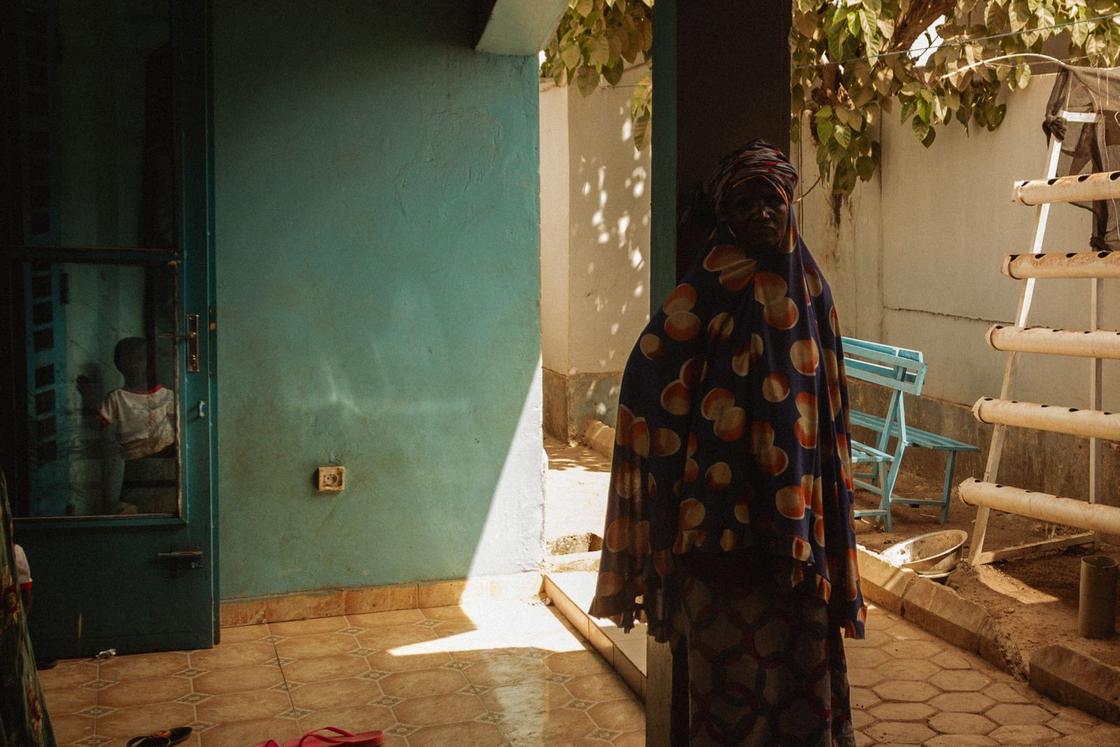
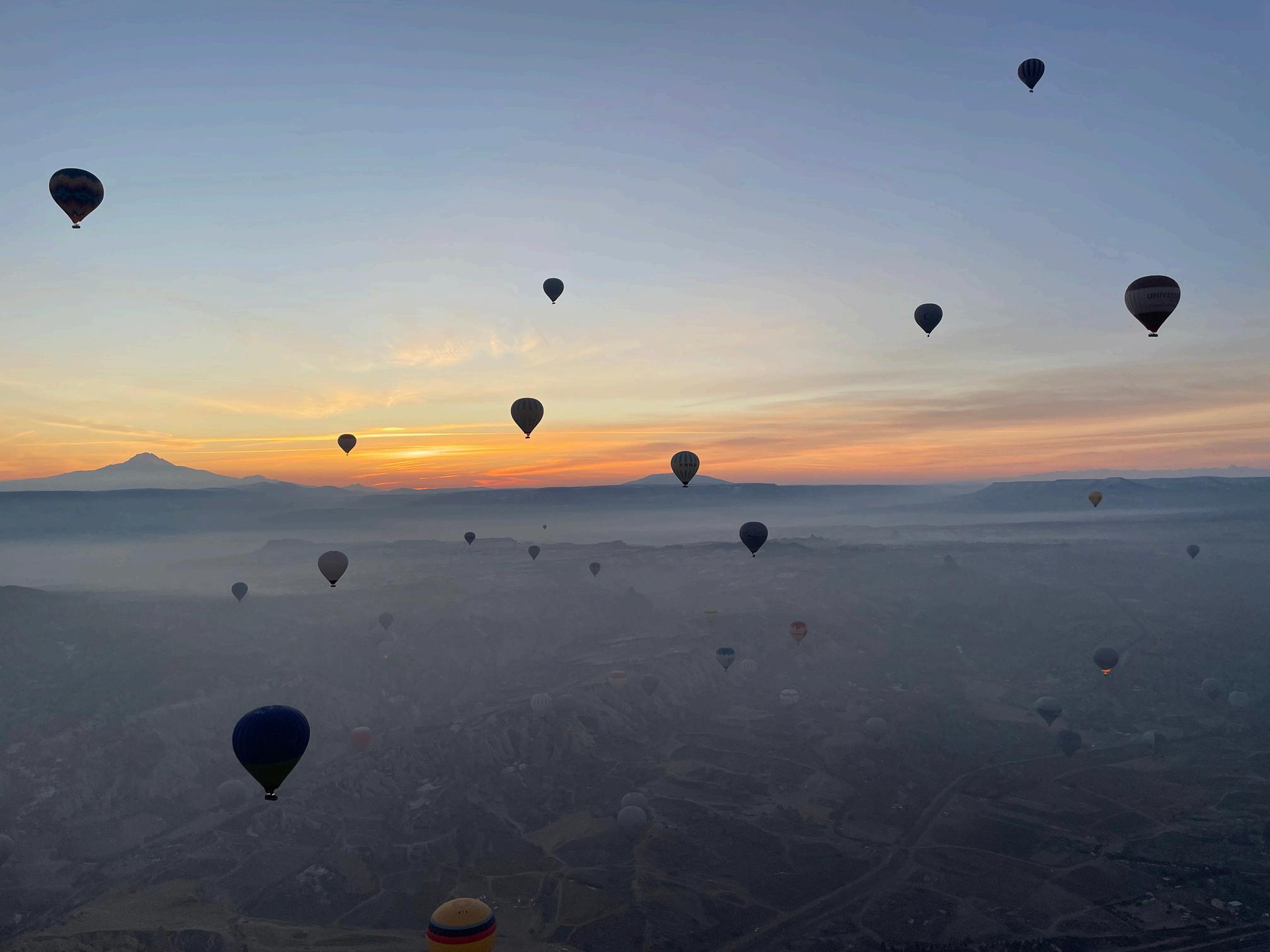
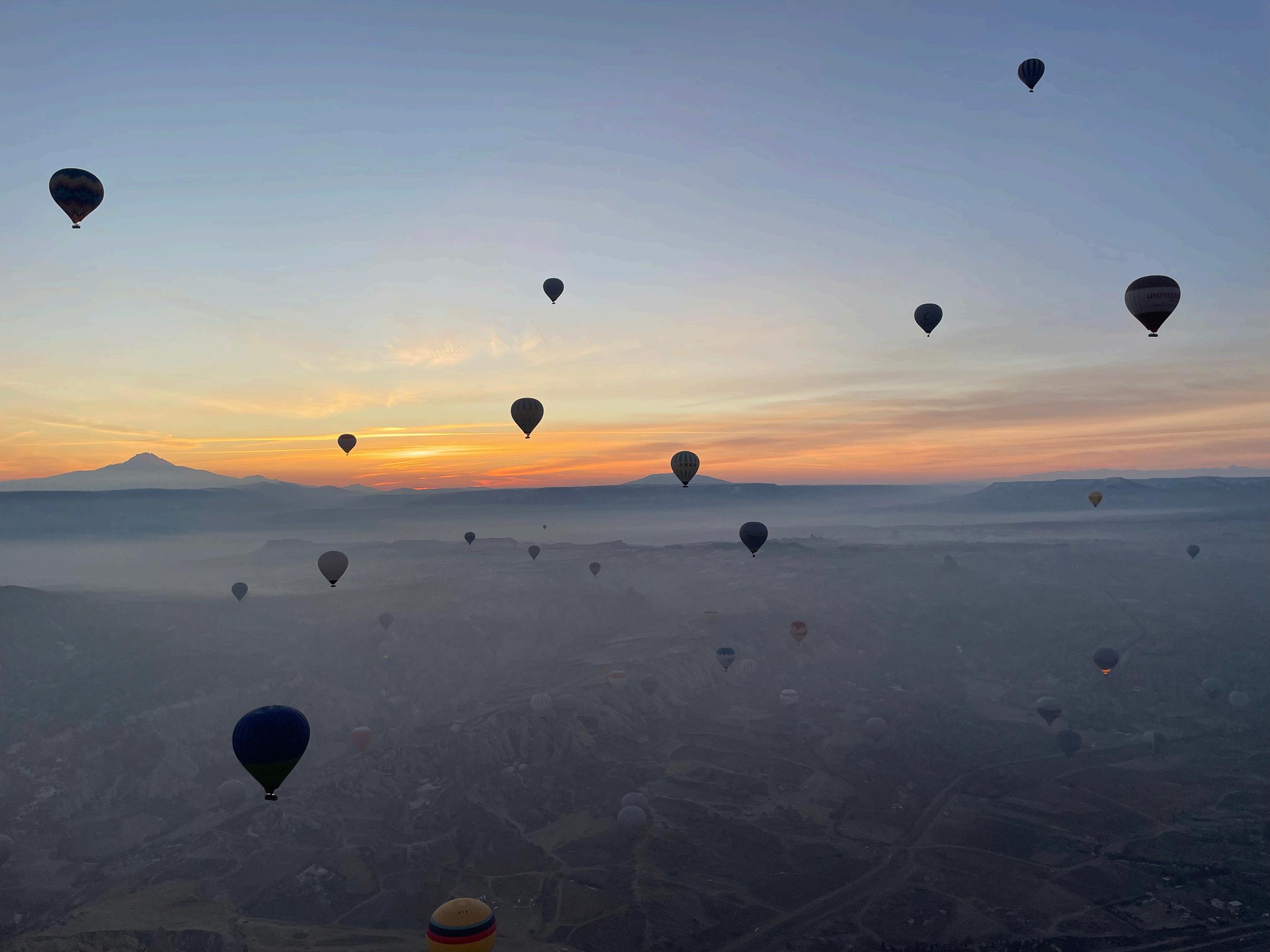
We all have a journey ahead of us Allah created us from clay and water, from the very essence of this dunya. We are witnesses to this dunya, its creation and its teasers for the akhirah.
Through photography, we make sure to uphold the promises we made to Allah. It can either bring us closer to Him, or if used wrong, further away from Him Through Gaza, we have learned how important it is to remember history, how to make memories and how become a witness on the Day of Judgement Our photography is wha
toget
and connect on the same cause. It is to s
r
memor
s and experiences, to show what life we could have ahead of us. The visions and frames in my head are w
increase my taqwa and strengthen my belief Going on a journey, we leave by the permission of Allah and return back home, only through His guidance We find ourselves in a constant state of dhikr.
To be thankful and content.
- Kamerayci


I am the daughter of three windsdesert heat and monsoon spins, the morning mist that softly clings, a child of echoes and ancient things.
They ask me, "Where are you from?" As if it’s something small and neat. And I smile with a pauseNot because I don’t know, but because the answer breaks all laws.
In the shade of acacia trees, where cattle songs ride every breeze, I didn’t just learn to walk - I learned to stay rooted in rhythm, shaped by clay.
“Ana min al-bilād kamā anna al-bilād minnī" (I am from the land as much as the land is from me) said Darwish - and his words took root in me, like footprints pressed in red earth, deep, a vow I carry when I sleep.

Across oceans, wide, in foreign lands, I cup my tea in trembling hands. And in its steam, memories riseof masala, maize, and violet skies.
Nusrat sang:
"Mast nazar, qaraar-e-dil, jaane tamanna ban gaye," (Intoxicated gaze, comfort of the heart, the soul of longing you became)
And I too became something in-betweennot lost, not found, but always seen.
My name, mispronounced in lecture halls, but ﻪﻠﻟﺪﻤﺤﻟٱ still a hymn in Dadi’s calls. And when I kneel to pray on a woven mat, the soil beneath me remembers that.

I belong like rain belongs— not fenced, but held in open palms. A rhythm in the southern African air, half a prayer, half a dare.
Ethnically Indian, yes—my roots run deep. But I dream in Setswana, and I dance in my sleep to rhythms born of Kgalagadi skies, to stories sung where my future lies.
I wear Botswana like perfume on my soul, where the Okavango whispers and the floodwaters roll.
"Motho ke motho ka batho," I am because we are—and so I stitch my people in my skin, a woven story held within.
I did not arrive empty-handed. I brought mangoes in memory, prayers in rhythm, and a laugh that sounds like home even in a foreign room.
I belong to the soil that raised me kind, To the cities that tried to redefine what it means to be whole. To be Muslim, Motswana, woman, soul.
I am not half of anything— I am all of everything. My belonging cannot be mapped or measured, It’s the duaa in the dark, the wounds I’ve treasured.
It’s the Urdu ghazals and Setswana songs, It’s knowing that in two places—I fully belong.
So let the dust recall my name. I’ve bowed to Mecca, cried in trains, and traced my home through windowpanes. A thousand roots, yet still the same.

So when they ask, “But where’s your place?” I’ll meet their gaze with quiet grace: “I’m from the wind, the dust, the rain— from tea leaves whispering my pain, from prayers on mats and songs unsung, from the in-between of every tongue. I’m from the dust that knows my name— and it calls me home like moth to flame.”
Migration taught me how to bend— to cross the world and start again. In Melbourne, where the lights are cold, and tramlines hum like secrets told, I searched for God in quiet streets, in lonely rooms, on campus seats.
But in every Bismillah I recite, I find myself held firm and right. The Qibla shifts my heart to see— that even here, He’s guiding me.


she was born with the Kandyan drum pulse and sun-tanned veins that bled mango syrup silk sticky as the bare summer soles on veranda floors graceful peafowls swayed with the jingle of bangles cradled under vibrant cardamom-kissed dawn
her honour unfurled with the jasmine aloe flavours her kindness basked in the claypot curries cream her patience strolled the lemon milk sand ambience her courage caught the turquoise railroad songs a child with ties of kindred clay
there in her grandparents’ estate symphony of mangosteen melodies and porcel h the tea-laced rain caressed mossy r a fine monsoon mist from the cosm echoed of myna lullabies within jun embraced by her sweet tropical ram and primate playdates to rendezvou under cheeky palm fronds in saffro wrapped in her grandmother’s silky threads spun beneath the Lankan s
her world small her heart wild her fears none her eyes wide
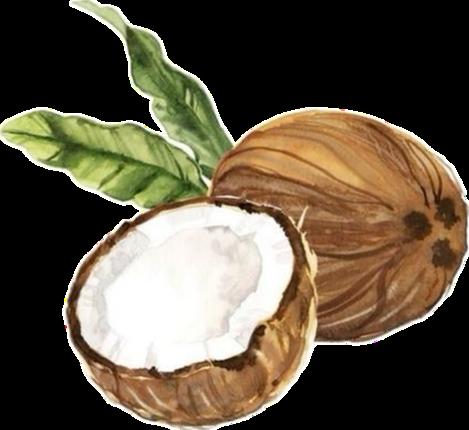
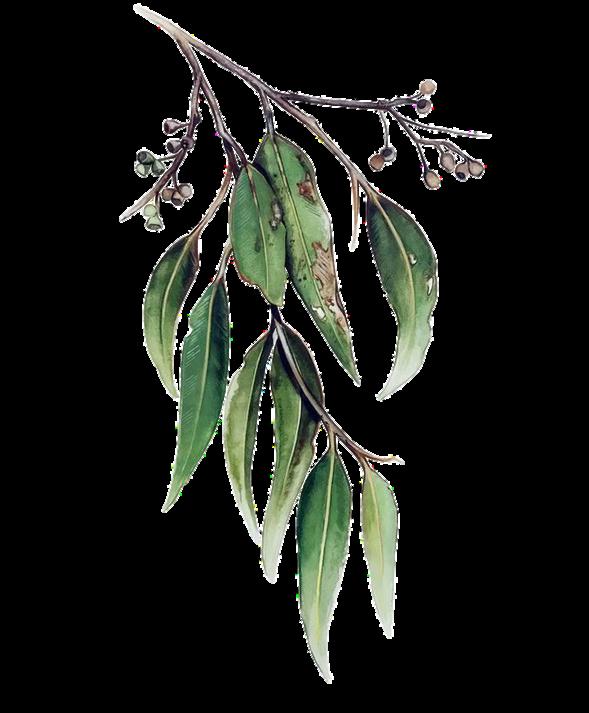
then drifted the distant siren whispers ashore for a journey chiselled into fate’s stone sparked coconut coasts slipped into eucalyptus streets her cold feet swallowed between bitumen cracks as she was flung into a numb September’s breath
heavy clouds were washed into skies ashen crowing roosters were mourned into dawns silent emerald paddies were bleached into fences grey sizzling spices were stilled into breezes empty ties of kindred clay crumbled in hands dry
a silent death of memories reeked from amongst the looming concrete towers she walked beside a decaying fragrance lost to the dampening cyclone of foreign tongues and sneering classroom strangers blurred within schools of monochrome mackerel
her world wide her heart walled her fears many her eyes small
from the tears surfaced the sunken rupees of dream embers of soulful flames rekindled by worlds beyond stars of passion under a smouldering galaxy gaze the weight of will on cinnamon-stained armour a sword of Lankan legacy in hands heavy
while her memories may be fragmented and caught between two crossing tides she stands on this lingering bridge with a bittersweet longing spice for the threads of a past left behind
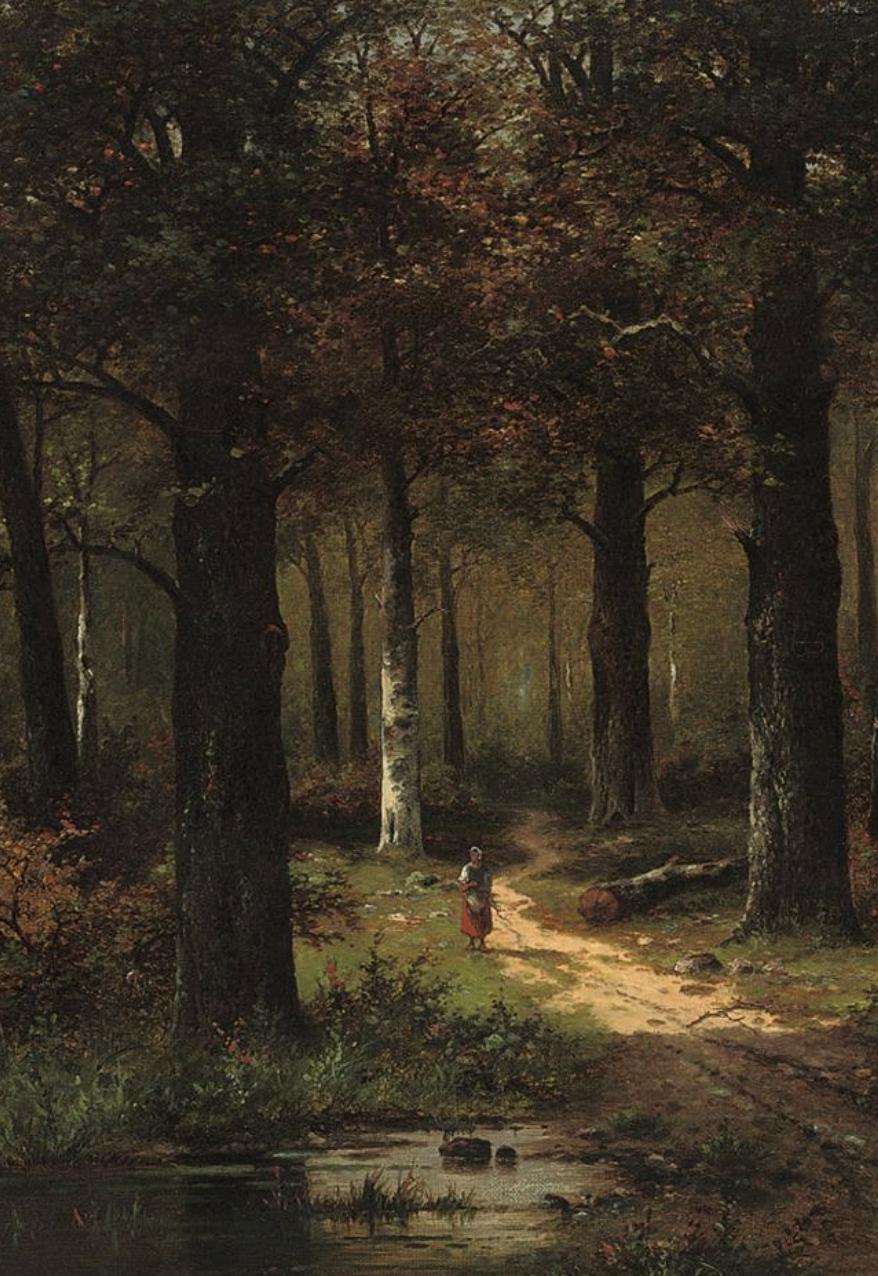
‘Allah is the best of planners’ So, I trust the unseen
Tawakkul: The Path I Tread Tawakkul: The Path I Tread
The Echo Within
In silent depths where shadows dwell,
A whisper stirs, a silent spell.
Not outward look, but inward see,
The truth of you, the mystery.
Beyond the stars, beyond the sky,
Your purpose calls, your spirits fly
In every fall, in every climb,
Lies strength to forge your own sublime
A spark inside, eternal flame, Reminds us all, we’re not the same,
Yet bound b
The echo within, where courage led.
By Aisha Mughal



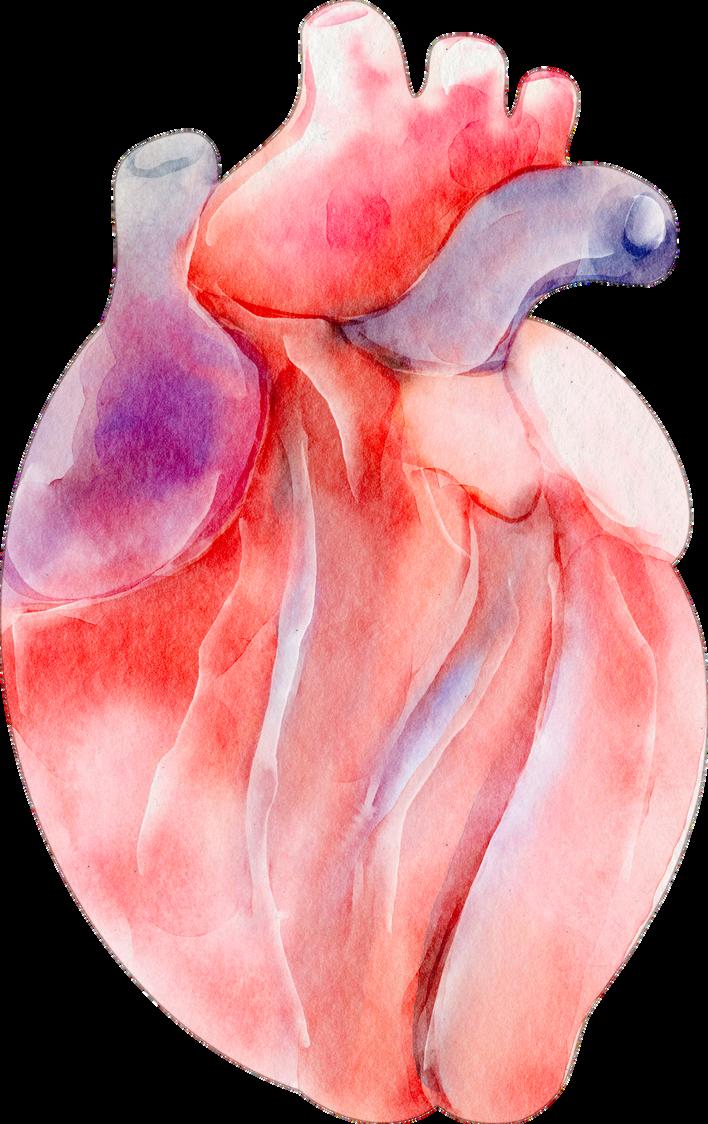
The opening of the second stanza was intentionally ended with “teach me how to love You,” without adding any other explanation such as “more than I love myself.” For when we truly love Allah, this thing that we call “ourselves” vanishes. All that’s left in our mind’s eyes is His Face.
And the so-called self-love, if we are being truthful about it, is entirely and fundamentally dependent upon His rahmah toward us. In the end, we only see His Love.
What’s interesting is that He knows this. He knows how desperately we need love.
Why, it’s no surprise. He created us in His image, and He Himself is the Source of Love (Bismillaahir Rahmaanir Rahiim literally means In The Name of Allah, The Most Gracious, The Most Merciful). Allah wants us to love Him, because He loves us more than we could ever love ourselves.
Logically, if we love Him, that automatically equals us loving ourselves in The Way He knows is The Best.
And what is The Way? If not Allah?
What is The Destination? If not Allah?
Who is The Best? If not Allah?
Consider two points:
1. Allah is the most powerful Being in the universe. He is beyond comprehension, but not out of reach from the heart. Why? Read point #2
2. Imagine you are the most powerful Being in the universe and its rightful Owner and Ruler at that, wouldn’t the next most loving thing for you to do is to create life? It would also go hand in hand with the next most logical thing for you to do, which is to have subordinates. Your creations would exist and be under your command. It would make sense that you would have authority over them and their lives. Because you are the most loving Being in all of existence, you would want your creations to thrive and live based on Love. Pure, sincere, and truthful Love.
So you create. You create beings whom, even though are lesser than you, you have instilled the pull towards and ability to love within their own consciousness. You create them with their strengths and weaknesses, so they could learn to love each other. So they would feel united with one another, because they will have the ability to fill each other's cups. You will teach them that to love is to support. To love is to provide. To love is to help. To love is to see His Face.
So when they ask you why they need you (why do we need God?), you would reply with "to ensure that love gets spread out in the universe in the most just and rightful manner. "
“I will never fall in love unless it’s You I fall into.” hits different now. For true love seeks Beauty alone. And He is The Most Beautiful Entity there will ever be.
By Shindi Regitasyali
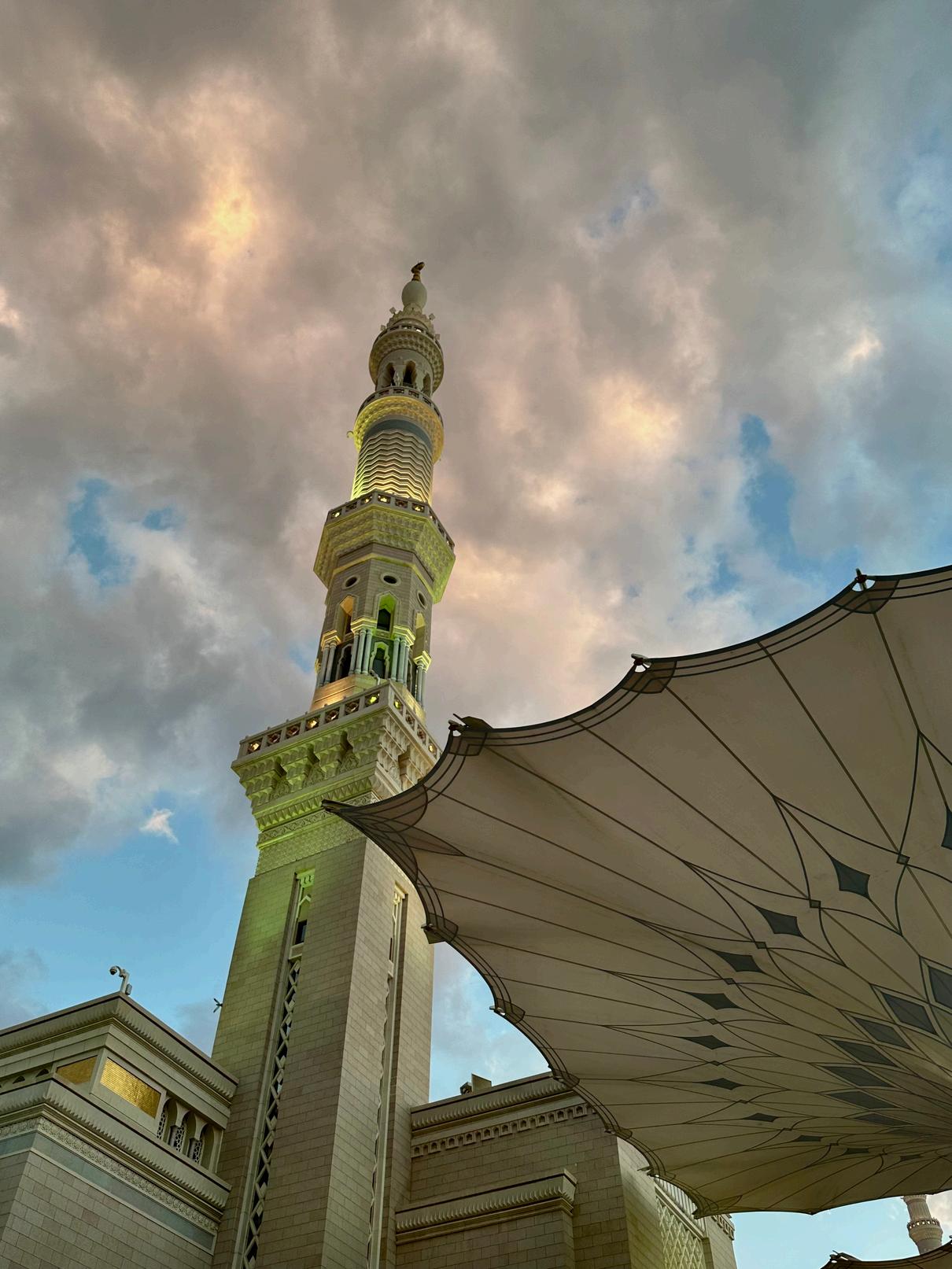
My heart didn’t know how to feel
But my brain knew the deal
Walking in the city of the best of man, the real deal (ﷺ)
What if I came here on a whim, and sins have my heart sealed
I’m walking down the Road to Repentance
I never thought I’d say that sentence
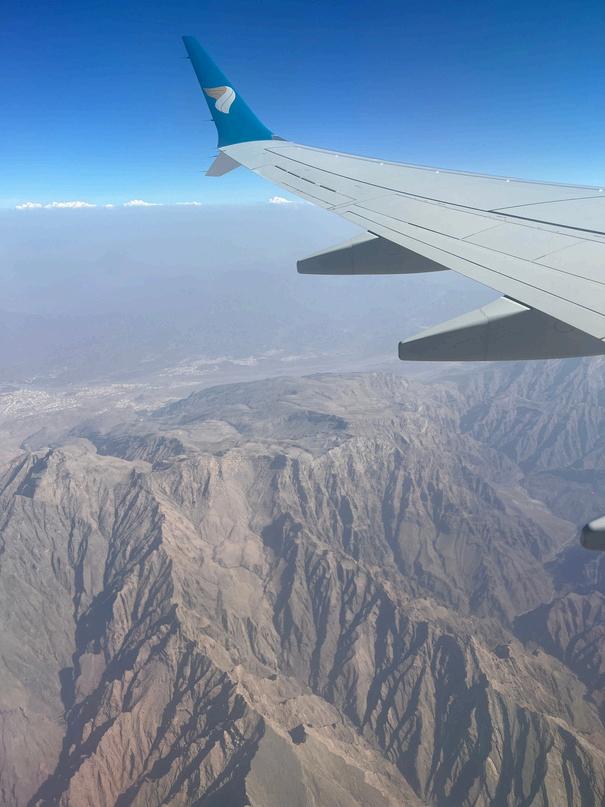
Paid for the plane ticket in an instant
My heart clouded, only Allah knows if I meant it
A guest in the city of the Prophet (ﷺ)
Sohaib sacrificed it all to be here, a most blessed profit
But my heart strolled in here cluelessly, and I lost it
Why don’t I feel the presence of the greatest Prophet (ﷺ)
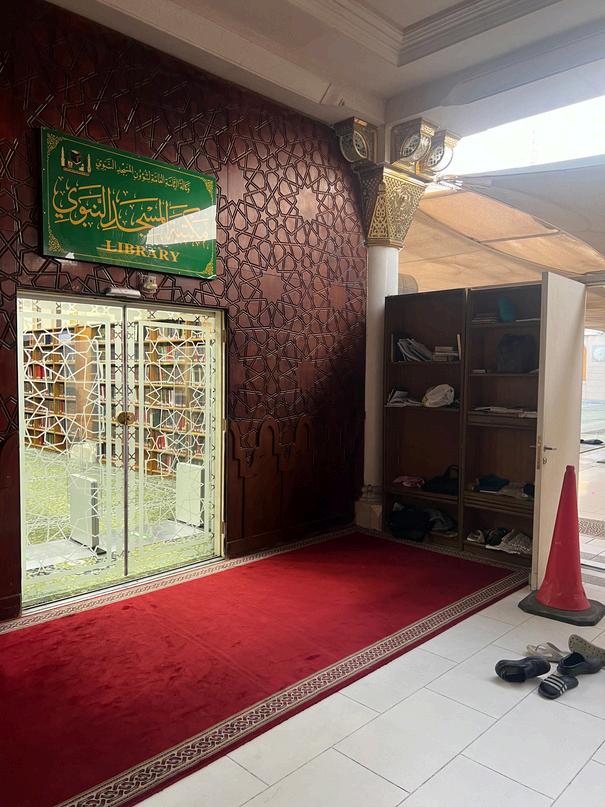
A silent corner on the rooftop
Pin-drop silence, a 1400+ year tradition yet to be topped
Names on the shelves without introduction, founders of schools, the top
Libraries like this were burned down and pillaged, yet this Ummah could not be stopped
We were told to not look up at all
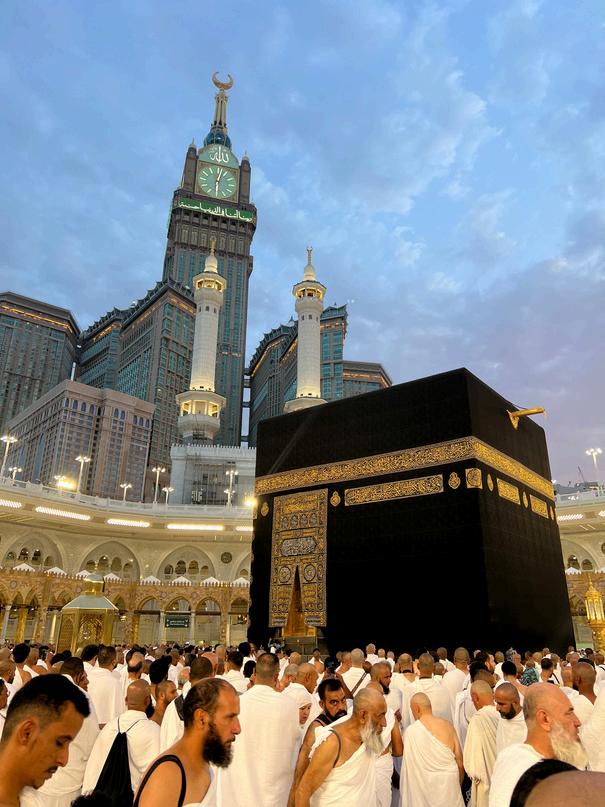
In an ocean of cloths of white
At the place we all pray towards
It met my eyes and I was in awe of the sight
A heart grown weary of its aimless wandering,
Whispers weathering the purity of its lacquer,
Abstinence becomes means of sanctuary,
But in solitude, it yearns for a source of solace
I draw nearer to Him in prayer,
The nearest is my head against the carpet,
There is a warmth there,
Though the floor is cold.
I set to visit my Lord on a quiet night,
And watched as they closed the doors;
Through tears and open palms,
Praying that my Lord never closes His
O, My fellow traveller,
Do not forgo the love of your Lord,
For there is nothing in this fleeting world,
And their promises of bliss come rotten lies
O, My beloved stranger,
Do not forget the love of your Lord,
For neither age nor fatigue touch Him,
And in His refuge you will find embrace
He, who lovingly guided a lost heart
Anonymous
ByRaedHayatIqbal
In both Islam and economics, a common principle is prosperity is not meaningful if it is not shared. A loaf of bread is unavailing if kept hidden in a cupboard, slowly going stale. Its true purpose is realised only when it nourishes others. Wealth works the same way. When it circulates through society through feeding families, funding businesses, and supporting those in need, it fuels collective growth When it is hoarded, it starves communities of opportunity.
The Qur’an warns against wealth pooling in only a few hands:
”…so that wealth may not merely circulate among your rich.” (Qur’an 59:7)
Modern economics echoes this by highlighting how inequality leads to inefficiencies: lower demand, underutilised resources, and slower growth. Economics coin this as economic welfare, ensuring resources are distributed in ways that benefit society broadly. Islam practices this through instruments like Zakat, a mandatory levy on wealth every year, and Sadaqah, voluntary giving. In practice, the former resembles a form of the progressive taxation system which many governments have adopted, i.e. the more wealth one has, the more one gives, ensuring redistribution is built into the economy - a common macroeconomic goal.
The Prophet ﷺ reinforced this ethic, saying:
“He is not a believer whose stomach is filled while his neighbour goes hungry.” (Al-AdabAl-Mufrad112)
Here, poverty is framed not as an individual misfortune but as a collective responsibility people have to prevent it.
Economists also talk about market failures, i.e. the pursuit of individual profit or benefit harms society, and thus the overall welfare of the economy. This includes monopolies, exploitation, tragedy of the commons and wasteful speculation. Islam anticipates these failures Hoarding, price manipulation, and unjust contracts are explicitly condemned, with the The Prophet ﷺ saying: “Whoever hoards food away from the Muslims, Allah will afflict him with leprosy and poverty.” (Sunan Ibn Mājah 2155)
This prohibition mirrors the modern idea that markets need regulatory measures to prevent abuse. By forbidding riba (usury), gharar (excessive uncertainty), and hoarding, Islam ensures that economic activity remains tied to real assets and fair exchange, preventing the destabilising bubbles and crashes seen in today’s markets.
A common misconception is that Islam denies profit, trade and entrepreneurship. This, however, is false. The first woman to accept Islam, Khadijah (ﺎﻬﻨﻋ
ﻲﺿر), was among the most successful merchants of her time. But her success was marked by fairness, trust, and ethical dealings. Profit in Islam is advocated for but inseparable from accountability: wealth is an amanah (trust) from Allah ﷻ, not an absolute possession
In modern terms, this reflects the idea that a private gain must also contribute to a public good. An economy flourishes not when wealth is locked up, but when it circulates in the form of supporting jobs, businesses, and welfare, just as yeast lifts the whole loaf rather than leaving partsflat.
During the Islamic Golden Age, there were moments when redistribution was so effective that it became difficult to find people eligible for Zakat. This demonstrates how a welldesigned redistribution system can eliminate poverty rather than just manage it, and is the ideal both Islam and economics envision: a society where welfare is maximised, inequality minimised, and prosperity is widely shared.
So, when we think of bread - the staple symbol of sustenance then and now - it becomes a lesson in prosperity A loaf meant only for oneself can quickly turn stale. A loaf shared strengthens bonds, uplifts neighbors, and ensures that no one is left behind. It increases welfare across the economy and lays the foundation for future progress.
Wealth achieves its purpose only when it serves others; Islamic economics teaches that prosperity and justice are inseparable, and societies flourish when resources circulate fairly. Applying these principles today could help build societies that are prosperous, resilient, and just, where no one is left behind
Then, you will surely be asked.....
By Sabah Zaheer
People around the world face phobias like a fear of heights, spiders, or even big words. But a common phobia reemerging in the modern world is a phobia of Islam, more specifically Muslims. While Islamophobia is an old phenomenon in the West, it was aggravated after 9/11. According to Merriam Webster, Islamophobia is an “irrational fear of, aversion to, or discrimination against Islam or people who practice.” Some view it as a catch-all phrase for racism, xenophobia, and religious disagreements, while others define it as “a fear, prejudice and hatred of Muslims, motivated by institutional, ideological, political and religious hostility that transcends into structural and cultural racism” (Conway & Runnymede Trust, 1997).Unlike innate fears, Islamophobia is cultivated into minds, whether intentionally or not. The research question I will investigate is: Why is Islamophobia most widespread in the West?
Islam is the second largest religion, with an estimated 2.03 billion people following it, and the fastest growing worldwide (World Population Review, 2024). This means a significant share of the global population faces discrimination ranging from hostile comments to deadly violence.
After 9/11, hate crimes in the US rose from 28 in 200 to 481 in 2001 (Pandith, 2021),
Since October 7, 2023, a sixyear-old Palestinian and three college students have been killed in anti-Muslim violence.
Such instances highlight the urgency of addressing Western Islamophobia.
Gallup surveys (2011) across the U.S., Canada, France, Britain, and Germany revealed that:
16 to 21% of Europeans would not want Muslim Neighbours
Perceptions of Muslim support of Al - Qaeda reached 23% in Germany, 25% in France, 34% in Britain
52% of Arab Americans reported discrimination, higher then Hispanics and African Americans groups
While surveys are imperfect, these findings reflect Islamophobia’s prevalence in Western societies (Ciftci, 2012).
History is an important factor that mobilises and addresses the centuries-long prejudice and hate one group has over another. This could be explained through religious history, battles, or impactful historical events that shaped perceptions of outgroups. A well-known theory used to explain prejudice toward religion is Huntington’s (1998) ‘Clash of Civilizations Model’. Shaver et al. (2017) notes that this model argues that conflict between Muslims and Christians has deep historical roots tied to wars, disagreements, and history as a whole. The theory describes sectarian conflicts as centuries of religious struggles and perpetuates the idea of ‘sectarianisation’, meaning political figures mobilising sectarianism for political goals.
An example is the long opposition between the Ottoman empire and European empires. Despite the Ottoman empire’s peaceful diversity, the West portrayed it—and Muslims—as the enemy. McNeill (1974) explains that fear of Muslim advances created horror in Christian minds, while Huntington (1998) argues civilisational differences in history, language, religion, and culture are deeply ingrained and harder to reverse than political or economic divides. Viorst (2003) and Armstrong (1994) indirectly agree, suggesting religious wars and history leave little hope of reconciliation between Islam and the West. Viorst links this to Israel-Palestine, while Armstrong ties historic conflict among Christians, Jews, and Muslims to ongoing tensions between the West and the Middle East.
Another critique is that the model ignores regional variations. Doebler (2014) shows, using European Values Survey data, that anti-Muslim prejudice differs across forty-seven countries. She finds non-fundamentalist beliefs in a higher power correlate with lower intolerance, suggesting regional context matters. Thus:
Historic and religious contexts remain interlinked with the formation of modern Western societies and their prejudices, with socio-political contexts reflecting how historicaleventsshapebeliefsandphenomenalikeIslamophobia. 1621%
Unlike the Clash of Civilisations theory, the Evolutionary Lag Theory of Prejudice and Tolerance accounts for regional variations in religion and prejudice. It acknowledges inconsistencies between instincts and modern demands. Shavel et al. (2016) apply it to Western Islamophobia, noting religion is not fixed in intergroup behaviour but shaped by social and geopolitical environments. Religions adapt, showing either in-group solidarity or harmony. A study on:
44 found belief in God or a higher power correlated with Western Countries less anti-Muslim prejudice.
Thus, in peaceful settings, strong religious commitment links to tolerance toward outgroups like Muslims. The theory implies that socio-political factors heavily influence views, and religious diversity can increase tolerance, countering the relief that non-religious individuals are more tolerant.
Linking to the theory of representation of Muslims in media and movies helps explain Islamophobia in the West. Westerners often conflate and interchangeably represent Islam, Arabs and other cultures, creating broad generalizations and false stereotypes. Anti-Arab and anti-Muslim prejudices are almost always linked, perhaps due to similarities or ignorance.
While the clash of civilisations theory explored historical events shaping Islamophobia, it failed to explain why peaceful regions like Sweden, Ireland and Switzerland also foster fear of Muslims. The conflation of Arabs and Muslims may explain this unexplainable hate.
According to Doebler (2014), “a comparative assessment in New Zealand of prejudice showed both Arabs and Muslims are the recipients of less warmth than immigrants”, suggesting intolerance toward both groups and a correlation in Western minds. This stems from misinformation of Islam and Arabs.
Grosfoguel (2012) critiques the West’s claimed socio-political superiority, citing Bush’s use of women’s rights violations to justify invading Afghanistan while opposing women’s rights domestically. He contends Western epistemologies are framed as the only valid systems of democracy, justice, and knowledge. In “What is racism?” (2016), he identifies racial privilege imbedded in global hierarchies maintained by colonial, capitalist, and patriarchal systems. He stresses:
Islamophobia is not only social but rooted in global power structures. Orientalist narratives, colonial systems, and stereotypes such as conflating Islam with Arab culture reinforce Islamophobia.
Esposito & İbrahim Kalın (2011) give the example of cartoonist Paul Conrad’s 2007 image depicting a man in a ghutra holding a poppy while saying “Allahu Akbar.” This stems from misinformation of Islam and Arabs. Esposito & İbrahim Kalın (2011) give the example of cartoonist Paul Conrad’s 2007 image depicting a man in a ghutra holding a poppy while saying “Allahu Akbar.” Conrad confused Afghans with Arabs and implied Islamic justification for opium cultivation. This showed how Islamophobia reduces over a billion Muslims into one stereotype associated with Arabs, the Middle East and threats to the West.
The consequence of this conflation increases Islamophobia. This fuels stereotypes, demonisation and rhetoric built on misinformation. Islamophobic responses are less from first-hand experience than from lack of knowledge and fear of the unknown. This special apprehension toward Muslims links back to media portrayals. Western films often cast Arabs or Middle Easterners as Muslims, reinforcing the idea that both groups are the same.
Many Westerners are uninformed about Islam and Muslims, either due to little personal interaction or lack of knowledge. The little information they receive often comes from news or movies. Journalism is defined as unbiased facts and events in the form of news, but in recent years, journalists have begun pushing agendas by “selecting, highlighting, framing, shading and shaping” (Green, 2019). This framing portrays false agendas and becomes a political tool. Cross-sectional data collected in 2012 showed that:
Representations of Muslims are largely negative, linked to terrorism, extremism and violence. Since 9/11, coverage has reinforced the link between Islam and violence. A study of British press (2000–2008) found that “two-thirds of stories about British Muslims invoked one of three angles: terrorism, controversial religious issues or Muslim extremism” (Green, 2019). Islamophobia existed before 9/11 but spread widely after. Giroux (2004) coined the term public pedagogy to explain how media teaches people what to think. Said (1994) argued media plays a part in reporting state policies and identifying the enemy. A study commissioned by the London mayor found:
People in New Zealand “who were exposed more to the news” had “greater anger towards Muslims and lower warmth towards Muslims” (Shaver et al., 2017). of British media articles in one week were negative about Muslims (The Guardian, 2007).
News has long fuelled Islamophobic rhetoric, worsened after 9/11. Abid et al. (2021) observed that encountering Islamophobic discourses caused psychological distress among Muslims. This stems from labels like “Islamic terrorists” or “Sunni bomber” (Shahwar, 2014). Such framing ingrains stereotypes in the public mind. Yu and Riffe (2007) argue US media aligns with foreign policy and omits conflicting information. This supports Said’s point that Western media villainises Muslims to serve propaganda.
Hollywood has rarely portrayed Muslims positively. Often labelled as fanatics, extremists or oppressed, prejudice appears through subtler adjustments like desert settings, yellow filters or Arabic music. Ameli et al. (2007) found these details influence society’s view of Muslims. Itaoui et al. (2018) explain that 9/11 amplified preexisting prejudices. An example is American Sniper, which degraded Muslims and Iraqis as savages while glorifying Americans. BBC (2015) reported a rise in anti-Muslim threats after its release.
Research on Islamophobia in the West has grown, but gaps remain. Most studies focus on post-9/11 events, highlighting the need for more longitudinal research to trace its progression. Interviews, focus groups, and surveys are also needed to capture diverse perspectives. Much of the literature centres on media and political agendas, with limited focus on economic, social, educational, or workplace disparities. Research is also largely U.S. focused, neglecting Eastern Europe and non-Western regions. Finally, the role of social media in spreading Islamophobia through cyberbullying, hate speech, and misinformation remains under-explored. In conclusion, the literature shows how historical conflicts justify fear of Muslims and how socio-political agendas use them as tools of opposition. Misinformation worsens Islamophobia instead of spreading awareness of Muslims’ peaceful nature. Movies and news reinforce stereotypes, dehumanising Muslims and enabling governments and media to justify injustices. As a result, Western societies remain rife with fear and hatred, fuelled by misconceptions of a faith called peace.
By Hanane Seid
Thisstudyinvestigateshowthesocial media platform TikTok’s dominant beauty culture and platform structures shape the selfpresentation of visibly Muslim women, and whether these conditions contribute to forms of policing that constrains their authentic representation. While TikTok is widely acknowledged as a space for creativity and diverse identity expression, the platform simultaneously reinforces normative beauty ideals and algorithmic expectations that marginalised creators must navigate to remain visible. For visibly Muslim women, this creates a tension of needing to align with TikTok’s aesthetic trends while upholding cultural and religious expectations, leaving them particularly vulnerable to heightened scrutiny, modesty policing and moral surveillance.
This project draws on a growing body of literature exploring how minoritised users engage with digital platforms. Research from El Sayed and Hotait (2024) has highlighted how Muslim women use TikTok to challenge stereotypes and assert identity, while others highlight how algorithmic curation and platform beauty norms suppressnon-conforming content and exacerbate inequalities in visibility (Amarikwa, 2023). Building on these insights, this study applies Elias et al. (2017) concept of aesthetic labour, Campbell’s (2013) framework of digital religion, and Duffy and Hund’s (2019) theory of negotiated authenticity to understand how Muslim women creators balance personal expression with communal expectations andplatformdemands.

This study employs a four-week digital ethnography,combiningadigital walkthrough with participant observation of five visibly Muslim TikTok creators. The findings suggest that aligning with platform beauty culture often enhances visibility but simultaneously increasesvulnerabilityto bothexternalandinternalregulation. Creators who adopt popular styles of beauty content experience greater reach, but this heightened visibility often attracts moral critique and modestypolicingfrom audiences.These dynamics highlight a system of surveillance, where both algorithmic and community logics shape the boundaries of acceptable selfpresentation.
Thisstudyfocusesontheexperiencesof visiblyMuslimwomencontentcreators operating within Western digital environments, where Islamic expression is often politicised or misrepresented. Muslim women particularly those who may wear visible markers like the hijab, are often portrayed as oppressed and are framed through a lens that excludes their agency. TikTok offers a crucial space for counter narratives, as expressed through representation in modestfashion,beautyandlifestyle content. However, the platform’s algorithmic design, trend-driven aesthetics, and commercial pressures reshape how authentic visibility is achieved and regulated. This study investigates two key concepts: beauty cultureandalgorithmicvisibility.
asetof‘practicesandideals’ thatstructurefemininity,social valueandbelonging(Gill, 2007).
OnTikTok,beautycultureis expressedthroughcurated self-presentationand dominantaestheticsthat reinforcenormativestandards ofdesirability.
The first key theory that guides my study is aesthetic labour (Elias et al., 2017), which refers to the strategic, emotional and bodily work involved in curating a desirable self-image in neoliberal contexts. This concept emphasises the conflicting demands and scrutiny women face in presenting the ‘right kind’ of feminine self-presentations, intensified by aesthetic demands and beauty norms on social media. However, it'soverlooked how aesthetic labour intersects with religious identity, particularly with Muslim women processing visible signifiers of their faith. My study hopes to critically engage with aesthetic labour to analyse how Muslim women express themselves online as they navigate, resist and reshape dominant beauty norms.
Second, Campbell’s (2013) digital religion framework examines how technological affordances shape religious expression online. On TikTok, markers like the hijab may become commodified, functioning as aesthetic cues rather than spiritual signifiers. Particularly within the beauty space, the intersection between religious symbols like the hijab with fashion or makeup trends may cause in community tensions. This aligns with critiques from previous literature, Hasan’s (2022) identifies that religious identity is often flattened into visually digestible tropes.
Another key framework is negotiated authenticity (Duffy & Hund, 2019), which explains how creators navigate pressures to appear both sincere and marketable. For visibly Muslim women, authenticity entails appearing modest and religiously grounded while staying visually engaging and algorithmically relevant. This is further complicated by community surveillance. Mahmudova and Evolvi (2021) show how modesty norms are enforced through public critique and “exposure accounts.” While their research focused on Instagram, similar pressures operate on TikTok.
HowTikTok’splatform recommendationsystems privilegecontentthataligns withitsnormativestandards (oftencommercial, Westernisedandhyperfeminine)whilethelimiting visibilityofcreatorswho divergefromthem(Amarikwa, 2023).
Building on past literature, the present study investigates how TikTok’s beauty culture shapes Muslim women’s selfpresentation and contributes to understanding policing they encounter on the platform. This investigation is guided by two key research questions:
How does TikTok’s dominant beauty culture shape the way visibly Muslim women self-present through content creation and aestheticchoices? What forms of external and internal pressures/regulations are observable in these self-presentation practices, and how do they shape identity expression?
A four-week digital ethnography was conducted , including a digital walkthrough and participant observation (Hine & Christine, 2017). The walkthrough method was used to understand TikTok’s interface, particularly features that shape visibility such as the “For You Page”, trending sounds, filters, hashtags and aesthetics. This was crucial in understanding the dominant beauty culture and how the app’s design encourages certain types of aesthetic self-presentation.
Participant observation involved following the five creators over four weeks and taking fieldnotes content style (e.g., use of trending audio, modesty discourse), aesthetic markers (e.g., hijab styling, makeup use, lighting), engagement (e.g., comments, likes, publicfeedback) and instances of religious or community-based critique (e.g., modesty policing).
The analysis is organised into four interrelated themes: (1) participation in platform beauty norms, (2) commercialised visibility, (3) religious and cultural policing, and (4) internalised regulation and self-surveillance.
Participation in platform beauty norms
The digital walkthrough of TikTok, highlighted the platform’s faced paced, trend driven, and algorithmically curated environment. Increased diversity and authentic representations were visible through certain trends However, there remained dominant beauty trends such as highdefinition lighting, soft glam makeup, transition effects and rending audio. Under hashtags like #beauty, curated self-presentation reflected Gill’s (2007) description of a beauty culture which reflected more than just an appearance, but a set of practices that structure social value and femininity.
All five creators adopted dominant platform aesthetics to varying degrees, participating in trending audios, GRWM videos, transition effects and platform-favoured styles. Hashtags such as #beauty and #fashion, were also used as mechanisms aimed at increasing algorithmic visibility. Viewer comments such as “I waited for this trends from you”, highlighted a social expectation for creators participate in dominant platform trends. These observations reflect aesthetic labour (Elias et al.,2017), where creators must continuously manage their appearance and visibility in line with commercial platform norms. However, this participation isn’t uniform, as we see female Muslim creators adapt trends to align with religious values. For example, one observed creator wore a bow on her hijab in several videos, which resembled the ‘soft girl aesthetic’ on the platform It indicates, rather than rejecting dominant aesthetics outright, creators selectively adopt and reshape them, blending beauty trends with cues offaith and modesty.
TikTok’s dominant aesthetic rewards creators who align with Westernised, hyper-feminine beauty standards (Amarikwa, 2023), yet visibly Muslim women engage with these trends by reframing them. This aligns with a real word struggles Muslim women in the West face, where these aesthetic adaptations resonate with audiences also looking reframe beauty and fashion trends to align with their faith. Thus, highlighting the possibilities and tensions of digital self-presentation in algorithmically shaped spaces for Muslim women.
These findings highlight the risks of a normative beauty culture that favours narrow ideals. Nguyen (2024) showed that Asian TikTok influencers face tensions between Western and traditional standards, causing body image issues Similarly, Muslim creators must navigate platform visibility alongside beauty norms that may conflict with their cultural or religious values. This underscores the need to critically assess how algorithms and trends can perpetuate exclusionary beauty standards, even in diverse spaces likeTikTok.
Beyond participation in platform aesthetic norms, creators are also shaped by commercial incentives. This includes their own selfbranding through hashtags such as #modestfashion, #hijabstyle, and #fyp which were used to optimise algorithmic reach, signalling modesty as both an identity marker and a marketable aesthetic. All five creators participated in brand promotion, often featuring PR products or “sponsored” labels across beauty and fashion contents. However, this visibility invited audience scepticism. One creator’s paid partnership for “a neck firming cream” for National Neck Day received the comment “Neck care day? Really?”. Even nonsponsored content drew suspicion with a user asking, “so which one are you gifted by companies [rolling eye emojis]” in an influencers perfume recommendation video. These comments point to a tension in the creator-audience relationship, where visibility and monetisation may be perceived as a lack of authenticity The suspicion directed at visibly Muslim women creators may reflect conflicting biases where their identities are hyper-visible, and their participation in consumer culture (particularly within beauty spaces) can be judged more harshly due to dominant narratives that construct religiosity and commercialism as oppositional (AbuLughod, 2013).
More complex tensions arise in examples of commercialised faith, exemplified through a creator’s sponsored Umrah trip (a religious pilgrimage to Saudi Arabia) with Turkish Airlines. The aestheticized journey consisting of beauty routines and meal ratings on the plane was left with comments such as, “Umrah isn’t an aesthetic” and “So you didn’t go for real reasons but because you were sponsored?” highlighting discomfort with sacred practices being tied to commercial gain. These findings build on Campbell’s (2013) digital religion framework, by that while digital spaces allow for the sharing and education surround religious practices, their commercial framing can lead to perceptions of inauthenticity or disrespect. This reflects the complex labour of maintaining religious identity in a capitalist-driven space, where creators must constantly negotiate the line between faith and monetisation. Thus, highlighting how the commercial aspect of beauty content on TikTok can influence perceived authenticity of Muslim creators.
Another key pattern that emerges is the external regulation of Muslim women’s content through community-led scrutiny. Critiques were prevalent across all creators, including the one non-hijabi influencer observed, suggesting that this regulation is not limited to those who wear overt religious symbols like the hijab but extends more broadly to publicly Muslim-identifying women. The scrutiny targeted visible elements such as clothing, makeup and dance, as well as features embedded in TikTok’s platform such as music and filters. Commenters left remarks like “Dancing on social media is not modesty,” “Please try covering your neck,” and “Please try to use halal (acceptable) beats,” signalling an expectation for creators to align with Islamic principles.
This supports findings from El-Sayed et al. (2021) and Mahmudova and Evolvi (2021), who highlight how Muslim women face disproportionate scrutiny within their own communities.Importantly, this scrutiny extends beyond the bounds of physical modesty to include emotional expressivity and behaviour, associated with religious piety.
For instance, one creator engaging in a bold makeup transition trend received a dismissive comment stating, “Her facial expressions cringes me.” Rather than remaining silent, the creator crafted a video reply repeating the trend with amplified confidence, highlighting her refusal to be policed. The reply was met with supportive comments such as, “Your facer expressions are literally the best! Keep doing them.”
These interactions highlight that that creators are active agents in shaping the online spaces, whether passively accepting or wholly rejecting community policing. This builds on studies from El-Sayed et al. and Mahmudova and Evolvi, demonstrating how creators continuously navigate overlapping audiences, performing identity not in static terms, but through dialogic engagements that both challenge and reaffirm their place within online Muslim and beauty cultures.
Alongside external religious policing from Tik Tok audiences, creators take pre- emptive measures to manage community expectations, indicating internalised selfregulation and strategic self-surveillance. One creator, for example, captioned her outfit video with an asterisked “modesty,” subtly signalling alignment with modest fashion without making a definitive religious claim. This appeared effective in deflecting moral critique when compared to another creator who, using the caption “Muslim girl core is trying to find cute modest pieces,” received multiple comments questioning her modesty. These examples suggest that creators are acutely aware of the moral discourse that may accompany their content and strategically adapt to minimise backlash while remaining engaged in aesthetic trends. Such acts of anticipatory self-moderation underscore how visibly Muslim women navigate visibility not only under the platform’s algorithmic logic but also under the community pressures.
This dynamic extends Campbell’s (2013) digital religion framework by illustrating how creators negotiate and co-construct religious meaning within platform cultures shaped by surveillance and shifting community norms. The findings emphasise that self-presentation is shaped not only by explicit external feedback but also by the internalisation of community expectations. These micro-strategies reflect broader negotiations around authenticity, faith, and aesthetic expression However, further research into the internalised effects of ongoing moral discourse, building on studies like Nguyen (2010), which explored the psychological impact of conflicting tensions around beauty and culture, is needed to better understand how these pressures shape long-term identity and digital participation.
This study explored how visibly Muslim women navigate TikTok’s dominant beauty culture and algorithmic visibility, revealing the interplay between self- presentation, community expectations, and platform norms. A digital ethnography of Five creators showed how they adopt, reject, or reframe trends to remain visible while negotiating religious and aesthetic values. The increasingly commercial nature of TikTok’s beauty space creates tensions around authenticity, particularly when religious traditions are monetised or aestheticised. Heightened religious and cultural policing also emerged, targeting not only appearance but behaviour and perceived sincerity, prompting creators to develop strategies to mitigate criticism
This research builds on studies of digital religion, aesthetic labour, and algorithmic visibility by centring Muslim women’s experiences and illustrating how beauty culture is negotiated in faith-based and socio-cultural contexts. It highlights how visibly Muslim creators not only navigate exclusionary beauty norms, but also push back to challenging simplistic representations of Muslim women, spotlighting creative and bold representations of their identity
The findings underscore the need for more inclusive algorithmic design and stronger community safeguards. It also reveals how religious identity intersects with digital aesthetic labour in ways that are underexamined in current platform studies and feminist media research. Future research incorporating interviews or creator perspectives would further enrich our understanding of how creators conceptualise authenticity, modesty and visibility. Overall, this study highlights the importance of centring minoritised creators in platform research and calls for continued critical attention tothesocio-cultural consequencesof algorithmic beautycultures.
Materials
This study observed TikTok’s interface, including key features such as the For You Page (FYP), relevanthashtags,andcurrenttrends,togaugeprevailingbeauty cultures, aesthetics, and platform features shaping user experience This was done without logging into any account to limit algorithmic bias. Content from five visibly Muslim womenTikTok creators who regularly post about beauty, modest fashion, and lifestyle was observed. These creators were selected through purposive sampling based on being visibly Muslim, based in Western countries, and maintaining an activeTikTok presence. The sample included both hijabwearing and one non-hijab-wearing creator to analyse differences in engagement with beauty culture and potentialpolicing. The creators are based in the US, Australia, UK and Canada, with follower counts ranging from 150,000 to 1 2 million Creator identities have been anonymised for ethical purposes.Theircontent included commonTikTokformatssuch asGRWM (Get Readywith Me)videos,outfittransitions,makeuptutorials,andcommunityresponsevideos.Each creator engaged with different niches within beauty, modest fashion or lifestyle content. This approach provided a focused yet diverse snapshot of how Muslim identity and beauty are presentedandnegotiatedontheplatform.
Method
I conducted a four-week digital ethnography, including a digital walkthrough and participant observation (Hine & Christine, 2017). The walkthrough method was used tounderstand TikTok’s interface, particularly features that shape visibility such as the “For You Page”, trending sounds, filters, hashtags and aesthetics. This was crucial in understanding the dominant beauty culture and how the app’s design encourages certain types of aesthetic self-presentation. Participant observation involved following the five creators over four weeks and taking fieldnotes content style (eg , use of trending audio, modesty discourse), aesthetic markers (eg , hijab styling, makeup use, lighting), engagement (e.g., comments, likes, public feedback) and instances of religiousorcommunity-based critique(e.g.,modestypolicing).
Data werethen analysed using thematic coding, informed by grounded theory (Glaser & Strauss, 1967). Codes were used to identify patterns in how creators respond to dominant platform aesthetics and navigate both algorithmic and community pressures Fouroverarching categories emerged from this process: participation in platform beauty norms, commercialised visibility, religious and cultural policing and community surveillance. A full coding frame is provided in the Appendix.Thismethodological approachwasinformed bysimilarstudiesexamining marginalised usersonTikTok,manyofwhichhavealsousedethnographicand walkthrough methods to understand platform dynamics (El Sayed et al., 2024 ; Bagdoǧan Ş, 2023). The study’s small sample size limits generalisability and theabsence of interviews means the analysis is solely based on observations, which may not capture creators’ intentions and perspectives.
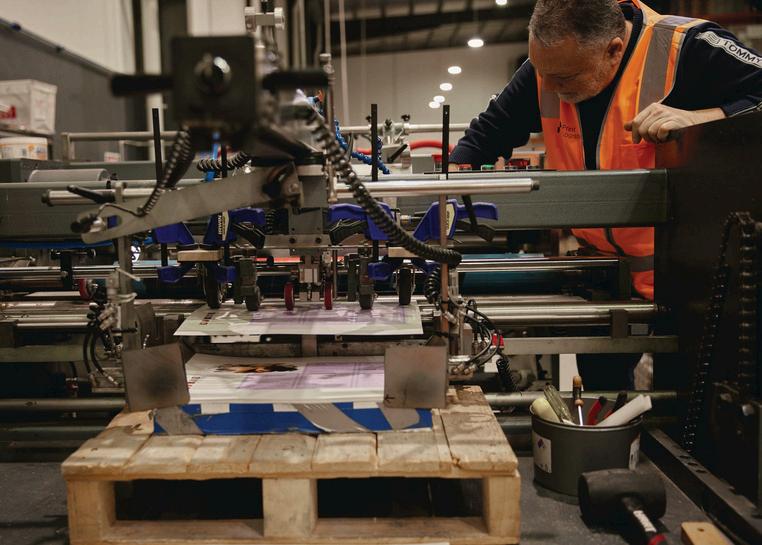
Our headquarters are based in Melbourne but our service is widespread, delivered internationally and responsive to a versatile list of requests — because if you need it we can print it.


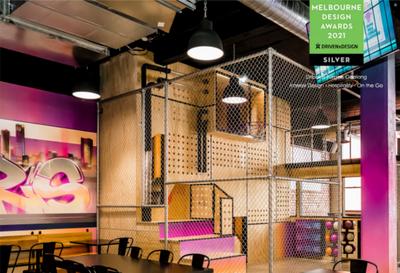
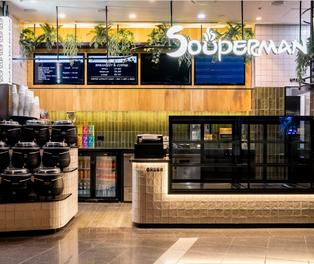
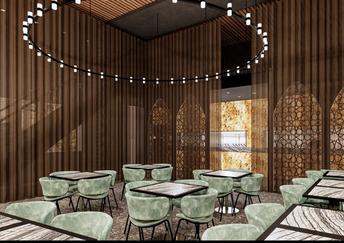
At Aydnco we specialise in and are passionate in the design of retail, office and hospitality spaces for our clients. Our passion drives us to exciting experiences, enhancing and developing amazing realities in and out of space.
At Aydnco design isn’t our job, It’s our passion