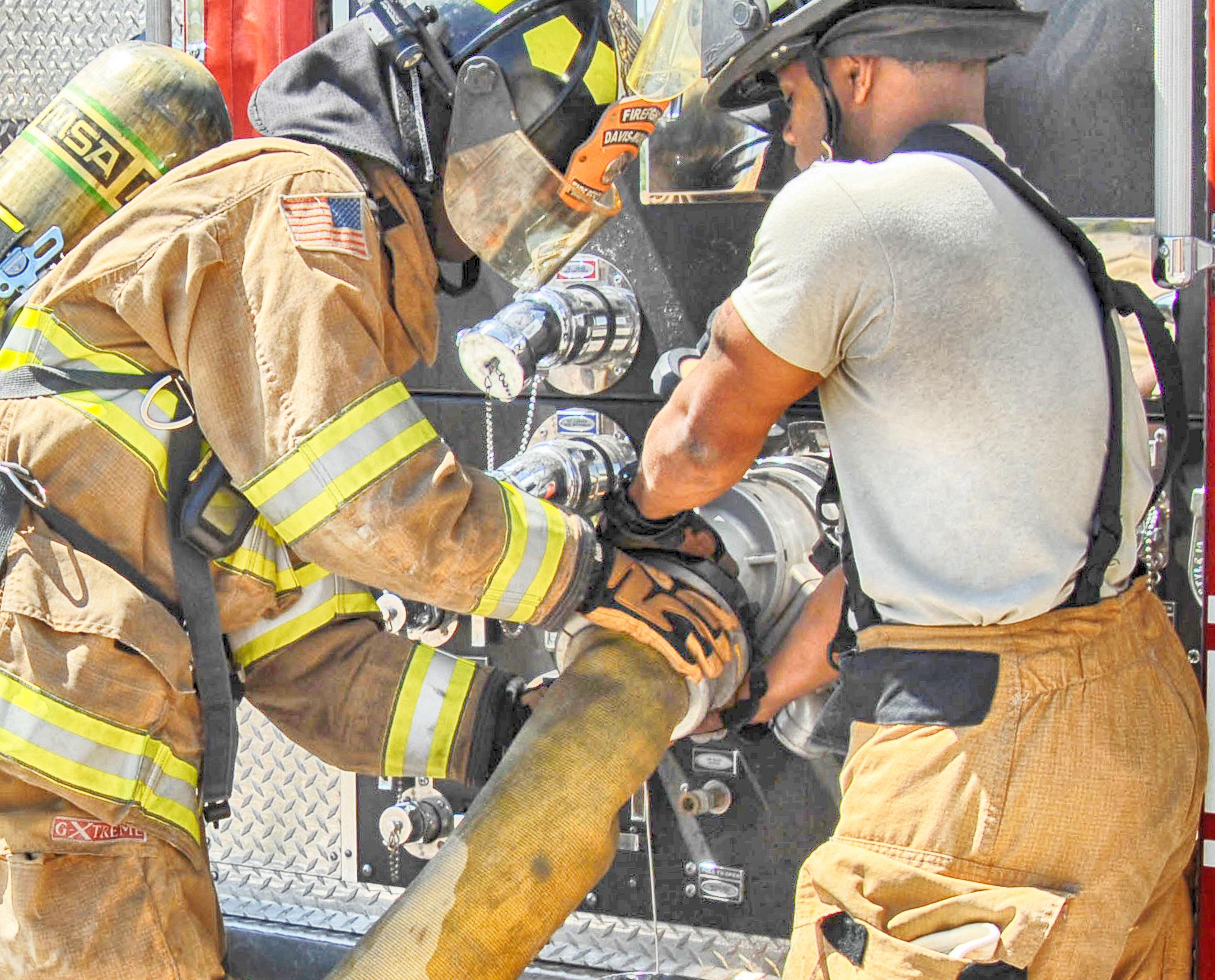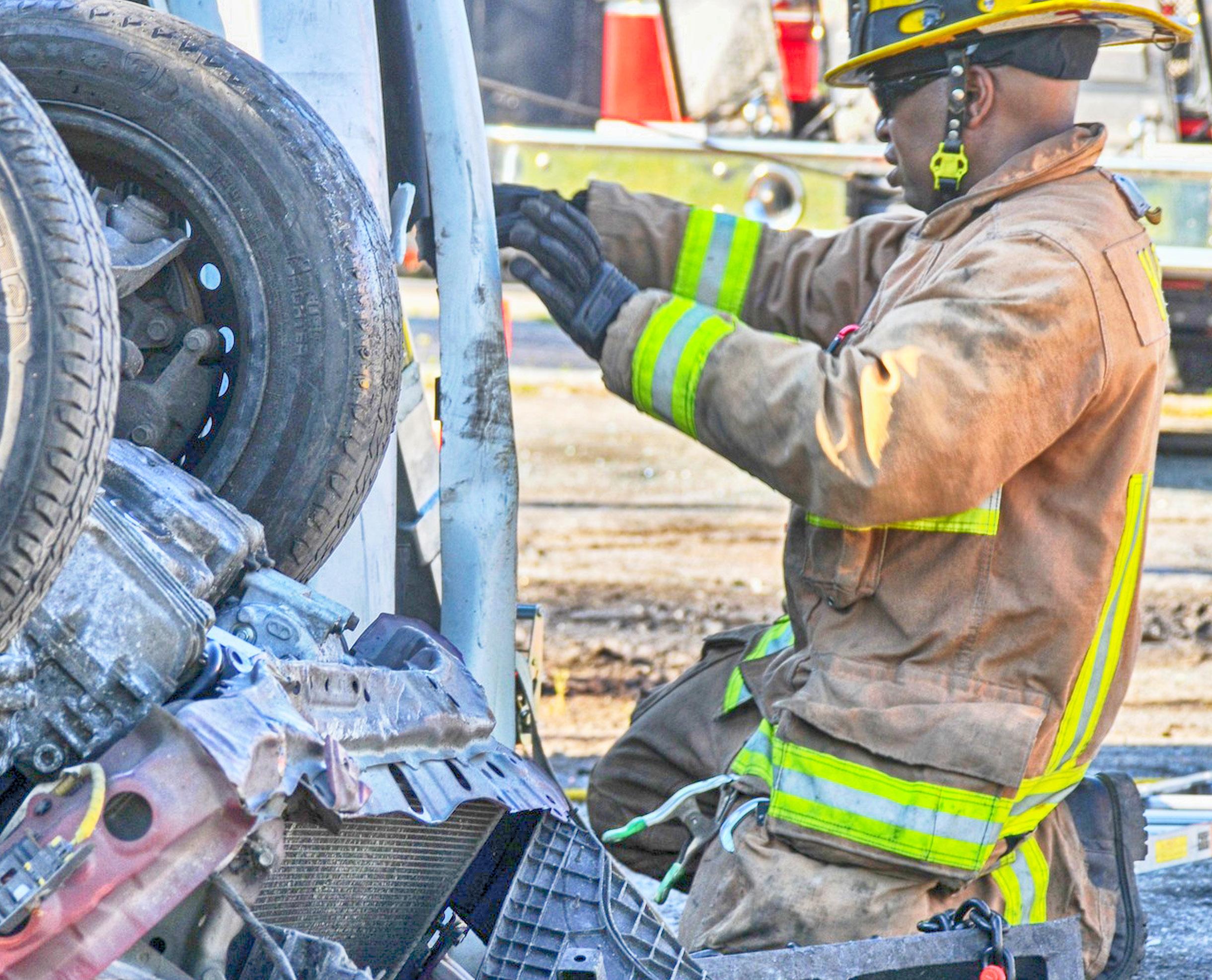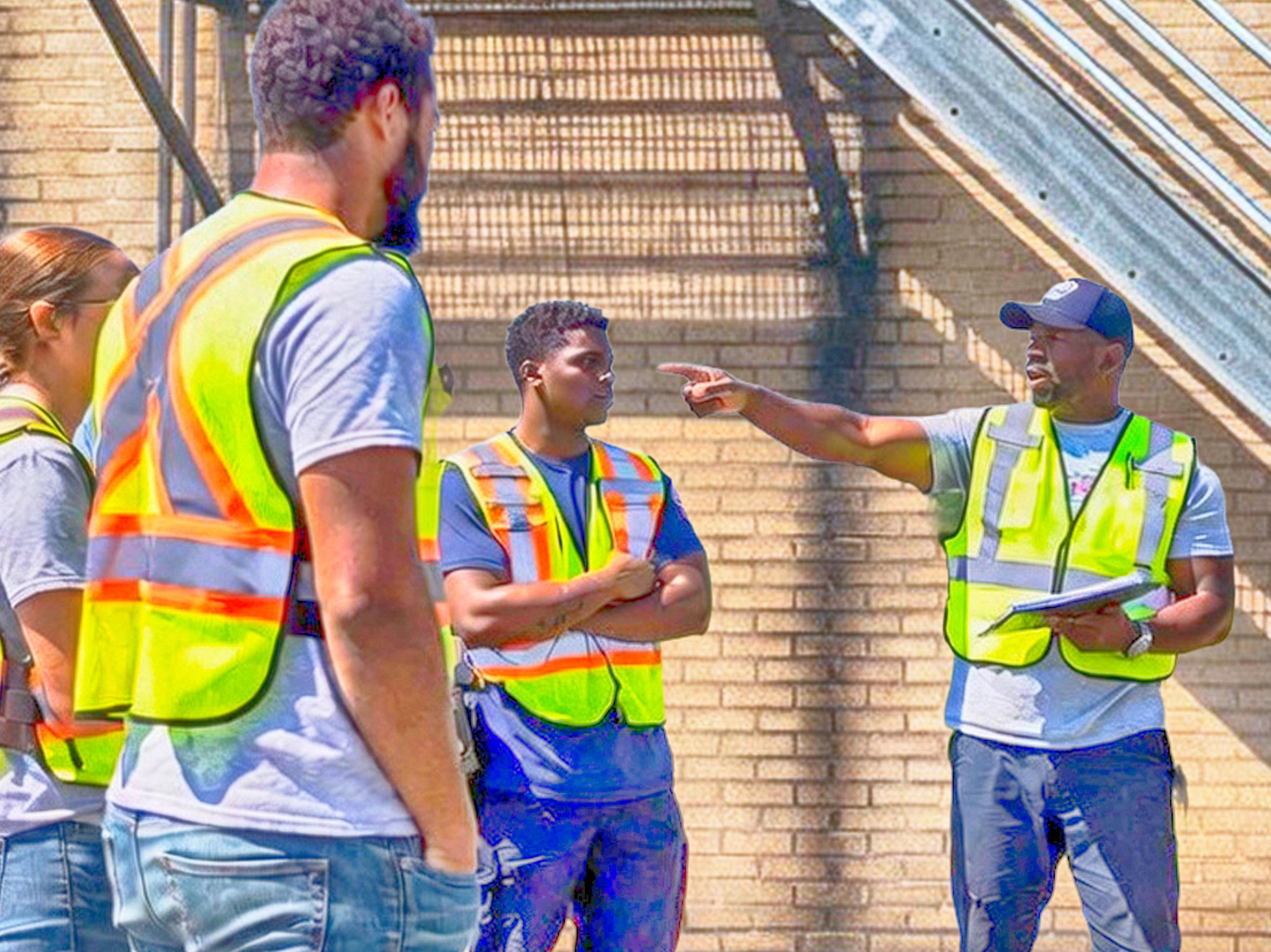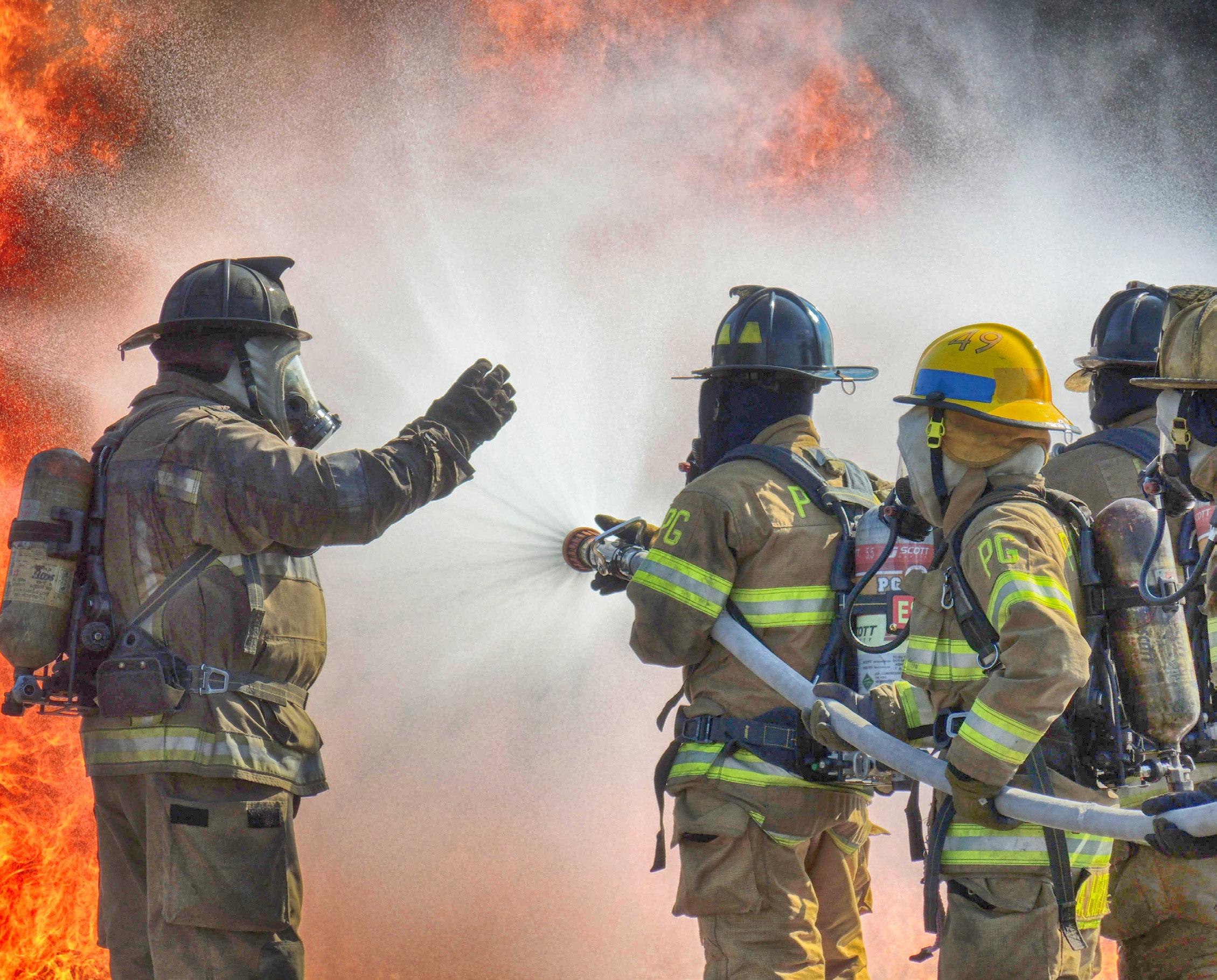

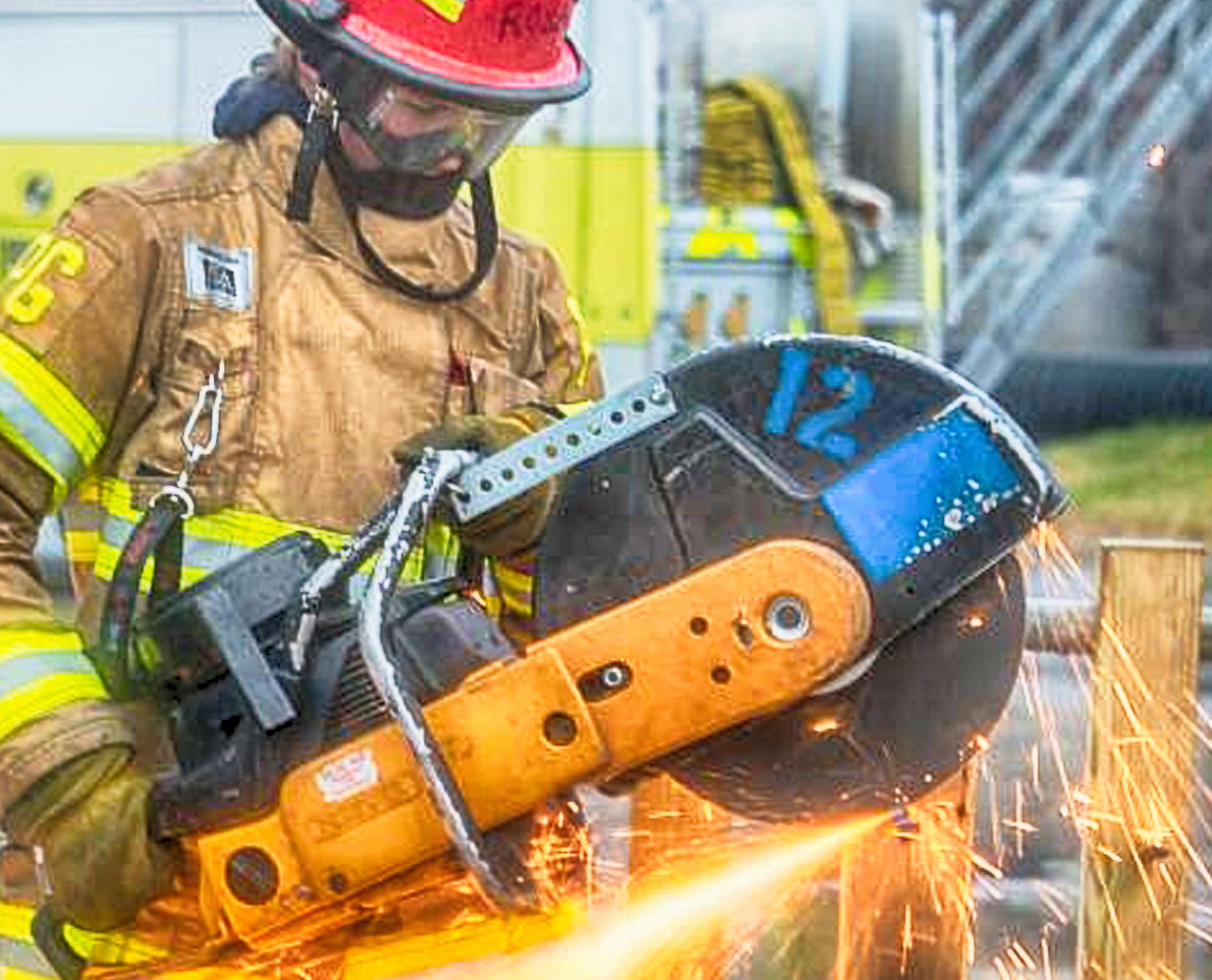
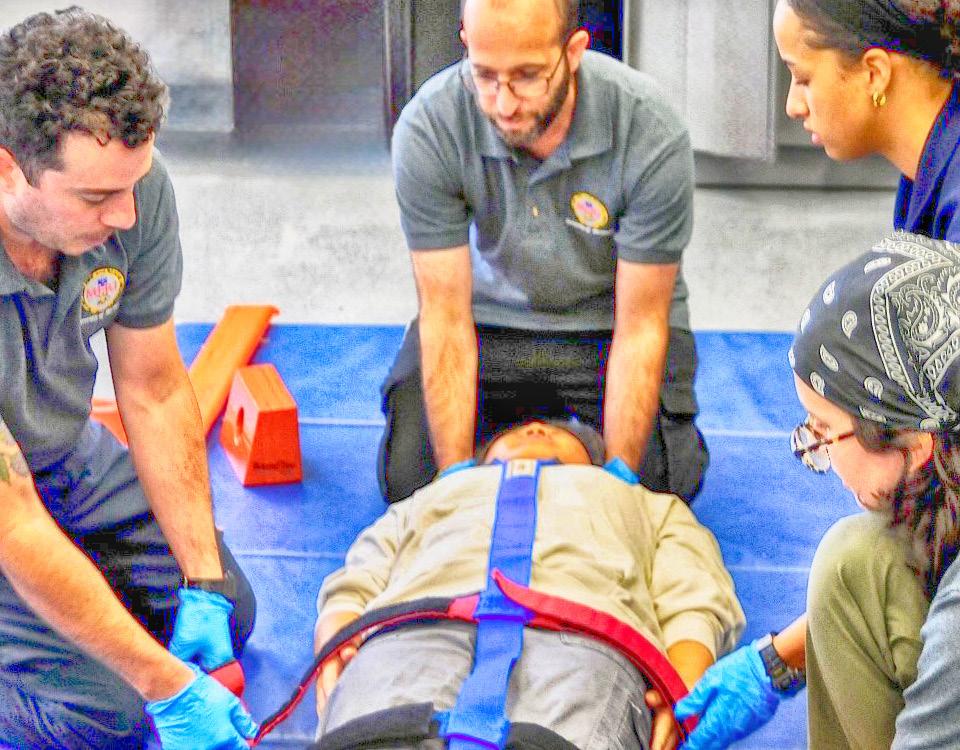
The Maryland Fire and Rescue Institute (MFRI) at the University of Maryland develops and delivers comprehensive emergency services training and education programs for firefighters, emergency medical technicians (EMTs), rescue personnel, and additional emergency responders.
Founded in 1930 as a fire college with just 49 volunteer firefighters, today MFRI delivers instruction and training to 25,000-35,000 first responders annually.
Training is conducted at MFRI headquarters in College Park, at our six regional training centers, and at twelve municipal and county training facilities across Maryland. MFRI also delivers on-site training nationally and internationally.
We offer training in emergency medical services, fire, rescue, hazardous materials, industrial safety, and leadership and management.
MFRI delivers instruction through more than 500 state-certified instructors with support from 65 fulltime faculty and staff dedicated to operational excellence, innovation, and student success.
As emergency services response continues to evolve, MFRI remains committed to adapting training delivery, leveraging technology, strengthening partnerships, and ensuring Maryland’s responders are prepared to meet increasingly complex operational challenges.




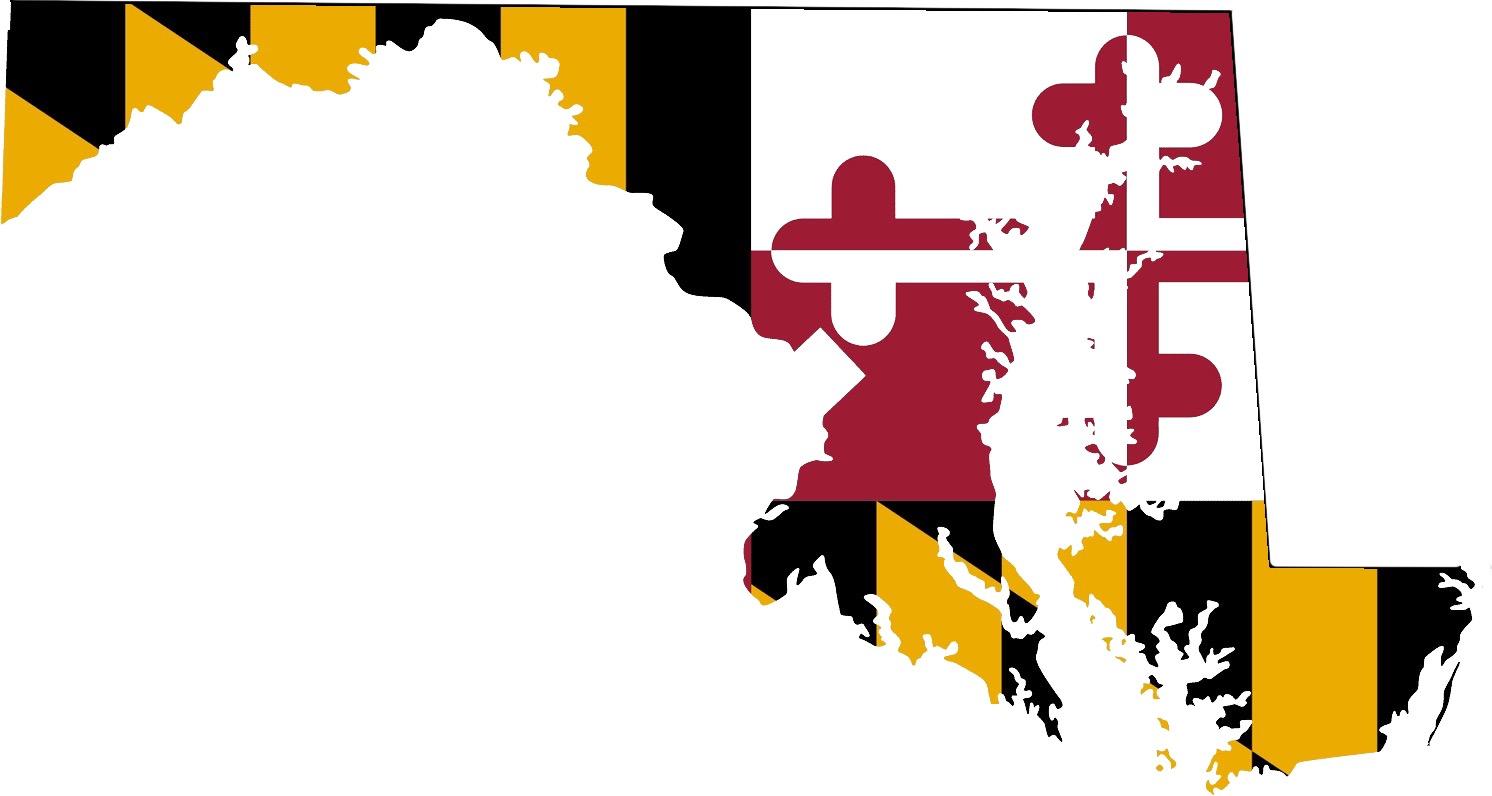



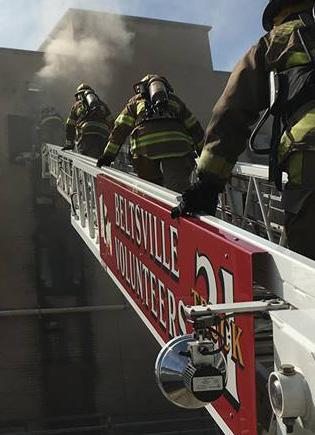
founded 1930


25,000-30,000 Students Trained Annually Headquarters College Park, MD


Six Regional Training Centers in Maryland 500+ Part-Time Instructors 65+ Full-Time Faculty & Staff

3,755 Course Offerings


859,226 Student Hours in 2025
MFRI’s FY2027–2031 Strategic Plan aligns with the University of Maryland’s strategic commitments reinforcing a shared dedication to innovation, excellence, collaboration, and public service.
Through this alignment, MFRI strengthens its role as a nationally recognized leader in emergency services education, training, and applied research. The plan supports the University’s mission by advancing workforce development, fostering community partnerships, and promoting student success across Maryland and beyond.
These efforts position MFRI to meet the evolving needs of the emergency services community while contributing to the broader impact and vision of the University of Maryland.
WE REIMAGINE LEARNING FEARLESSLY FORWARD WE INVEST IN PEOPLE AND COMMNNITIES WE PARTNER TO ADVANCE THE PUBLIC GOOD WE TAKE ON HUMANITY’S GRAND CHALLENGES
MFRI continuously updates programs to meet real-world emergency response and safety needs. Focusing on practical skills development and ongoing improvement, MFRI aims to innovate education and training to better prepare first responders for their essential life-saving roles. Through quality assurance and continuous improvement efforts, MFRI ensures that all-hazards training is relevant and effective.


Emergency services training is fundamental to community resilience. MFRI prepares first responders to reduce loss of life, strengthen disaster response, and mitigate the impacts of natural and humanmade emergencies.
MFRI training strengthens emergency response, improves public outcomes, and helps build safer communities statewide and beyond.
For more than 95 years, MFRI has strengthened Maryland’s emergency response and public safety by training generations of first responders in technical, leadership, and operational skills used across Maryland, nationally, and globally.
Since it founding, MFRI has invested in the people who serve our communities. Through innovative training, federal partnerships, and specialized incident training, MFRI prepares the people who are committed to protecting life, property, and the environment.
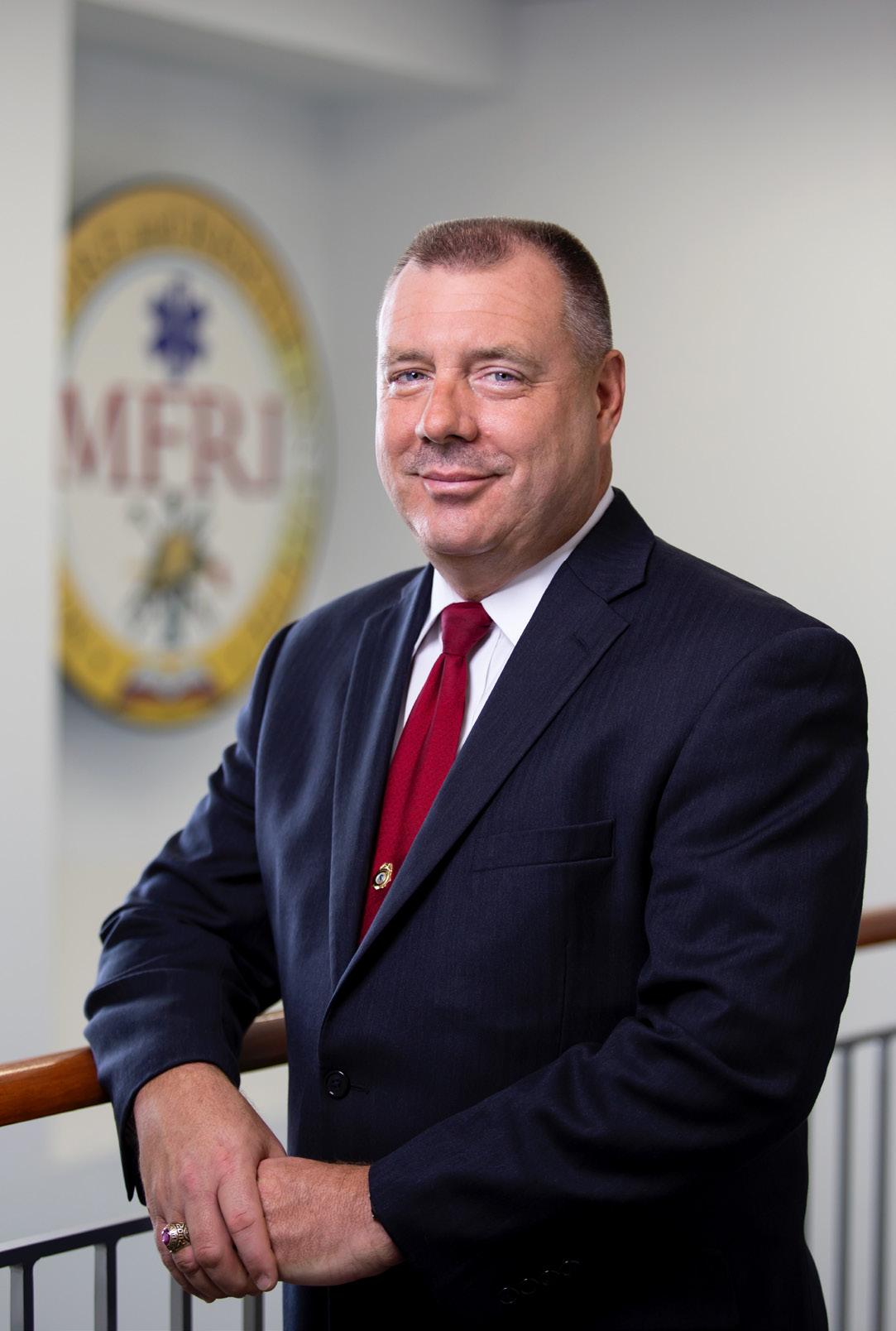
In December 2025, Executive Director Michael Cox appointed a steering committee comprised of staff and stakeholders to embark on a strategic planning process to guide Maryland Fire and Rescue Institute (MFRI) at the University of Maryland through 2031.
Executive Director Cox and institute leadership designed the planning process to ensure broad stakeholder engagement and meaningful input from faculty, staff, instructors, students, partner organizations, and emergency services professionals.
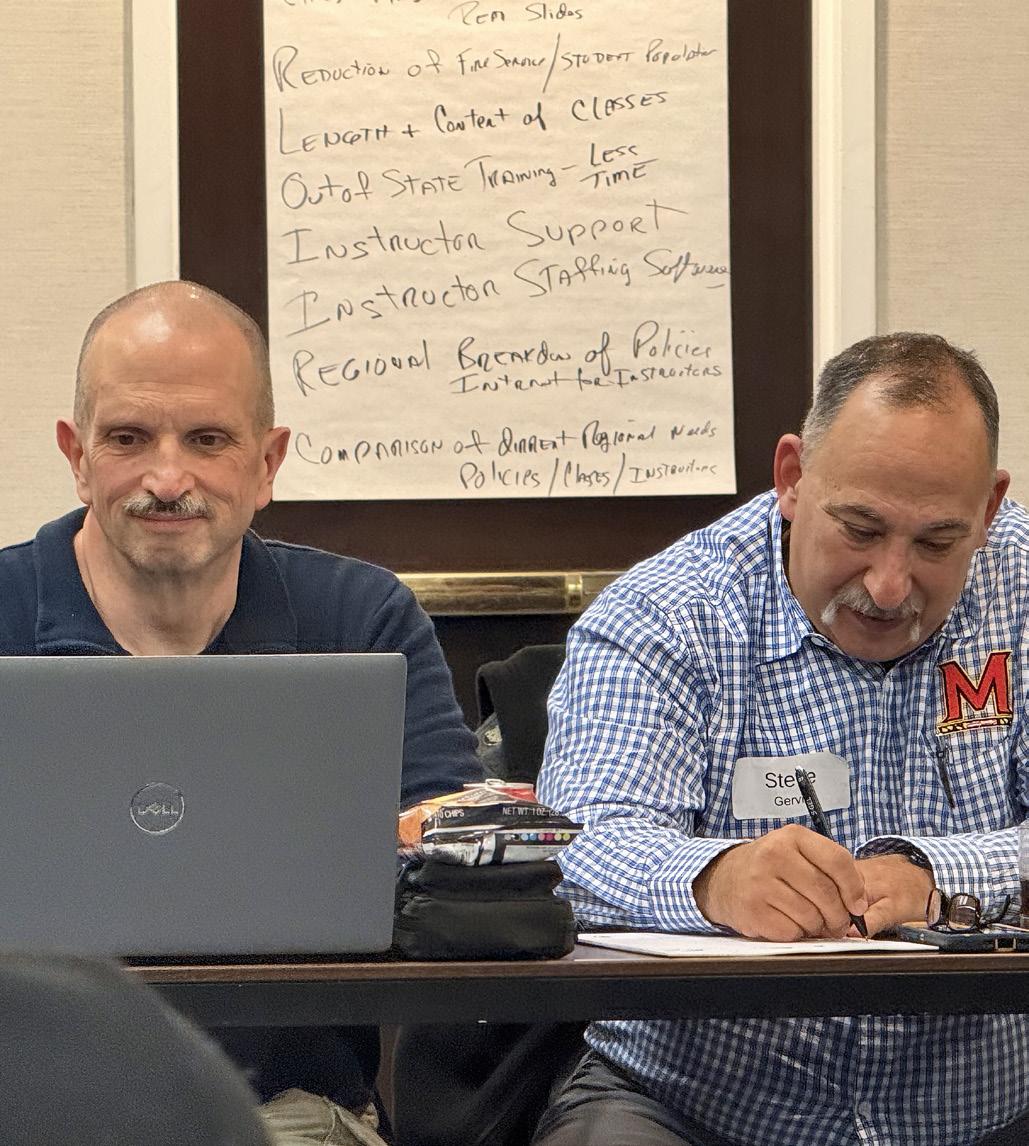
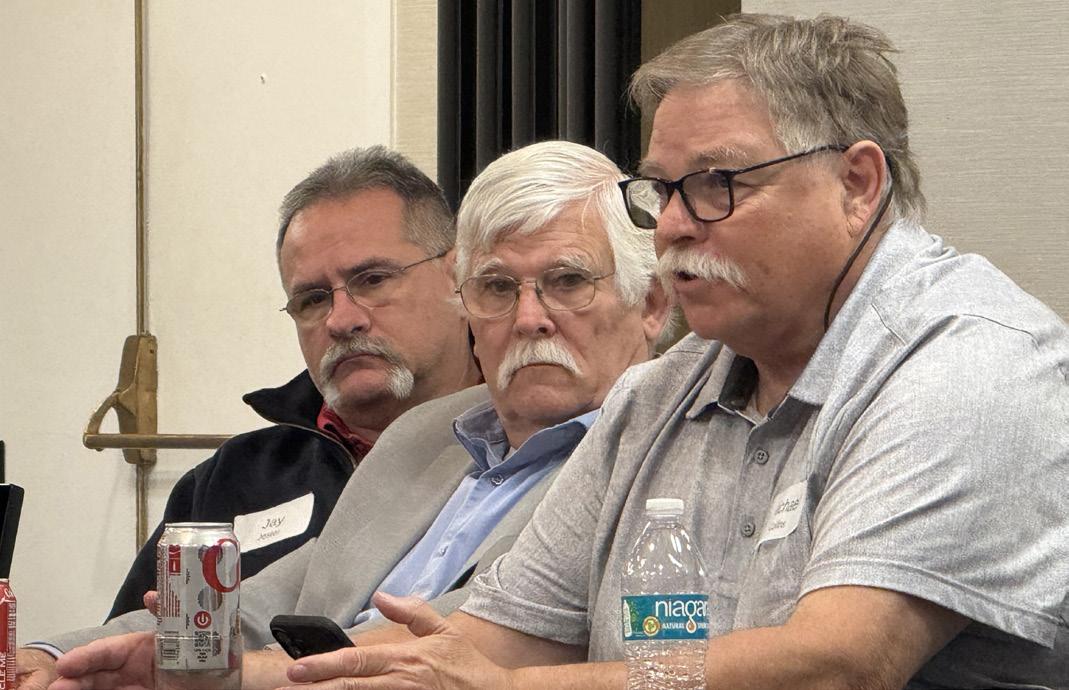
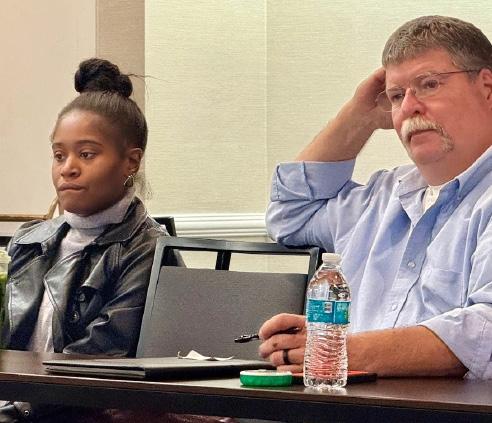
After compiling survey results from more than 1,000 students, from four of our partner organizations, and gathering feedback from instructors, the steering committee came together for a customer-centered strategic planning retreat to determine our organization’s goals for the next five years.
The institute thanks the members of the steering committee as well as the faculty, staff, instructors, students, and partners who participated in the development of this plan. The time, energy, candor, and cooperation that was exhibited during the process exemplifies their dedication and commitment to the Institute, our partner organizations, and the EMS, fire, and rescue services at large.
This strategic plan serves as a living document and a blueprint for identifying the critical challenges facing the organization presently and in the foreseeable future. This plan is about innovation, new ideas, processes, change, and efficiency. It grew out of the affirmation of MFRI’s mission and incorporates the values and vision of our dedicated stakeholders. Through this process, MFRI has benchmarked itself against internationally accepted standards, while gathering valuable input from our faculty, staff, instructors, students, and partner groups.

Executive Director
The Maryland Fire and Rescue Institute (MFRI) at the University of Maryland is the state’s comprehensive training and education delivery system for all-hazard responses. The institute plans, researches, develops, and delivers quality programs to prepare agencies and individuals to protect life, property, and the environment.
The Maryland Fire and Rescue Institute is committed to providing premier emergency services training and education for first responders. MFRI will continuously evolve to address developing trends and needs in emergency services training.
Core values serve as the foundation of our organization, defining our purpose, supporting the mission, guiding decision-making, shaping the culture, and reflecting what is important to the Institute.
1. Safety: Maintain the highest standards for the well-being of all learners and personnel.
2. Student Success: Promote achievement, growth, and readiness through a student-centered environment.
3. Academic Excellence: Deliver highquality training and education.
4. Integrity: Uphold the highest ethical standards.
5. Professionalism: Foster professional conduct at all levels.
6. Equality: Ensure equitable access and treat all individuals with dignity and respect.
7. Responsibility: Remain accountable for the services provided.
The customer-centered strategic planning process aligns organizational goals, operations, and culture around stakeholder needs. As a statewide leader in emergency services training, MFRI recognizes the importance of continuously evaluating programs, services, and delivery methods to remain responsive to evolving needs of emergency responders and partner agencies.
Plan was developed to:
• Identify organizational priorities and operational challenges
• Improve training effectiveness and service delivery
• Align resources with mission-critical objectives
• Strengthen accountability and determine measurable outcomes
• Support innovation and adaptability
• Enhance stakeholder engagement and collaboration
To start the planning process, MFRI management completed the Center for Public Safety Excellence (CPSE) Self-Assessment Program using the ninth edition of the Fire and Emergency Services SelfAssessment Model. This nationally recognized accreditation framework evaluates organizational performance across 10 categories, 43 criteria areas, and nearly 1,500 performance indicators.
This framework is the recognized standard for assessing strengths and areas for improvement in emergency services organizations. The results of the assessment were then reviewed by the strategic planning steering workgroup during their retreat.
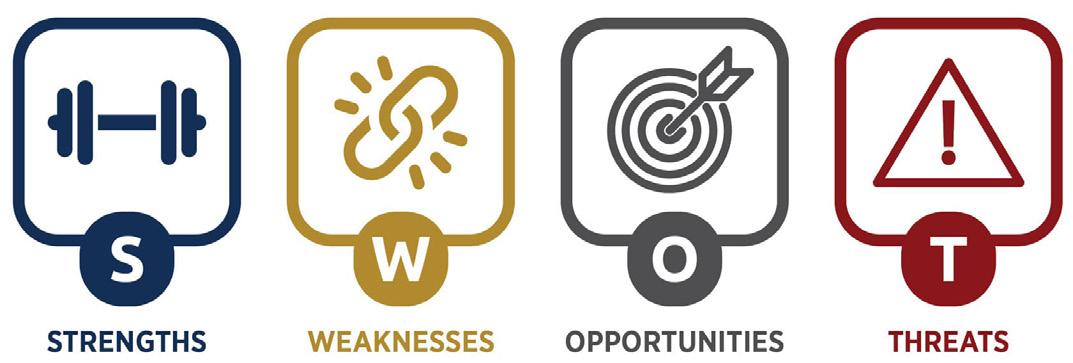
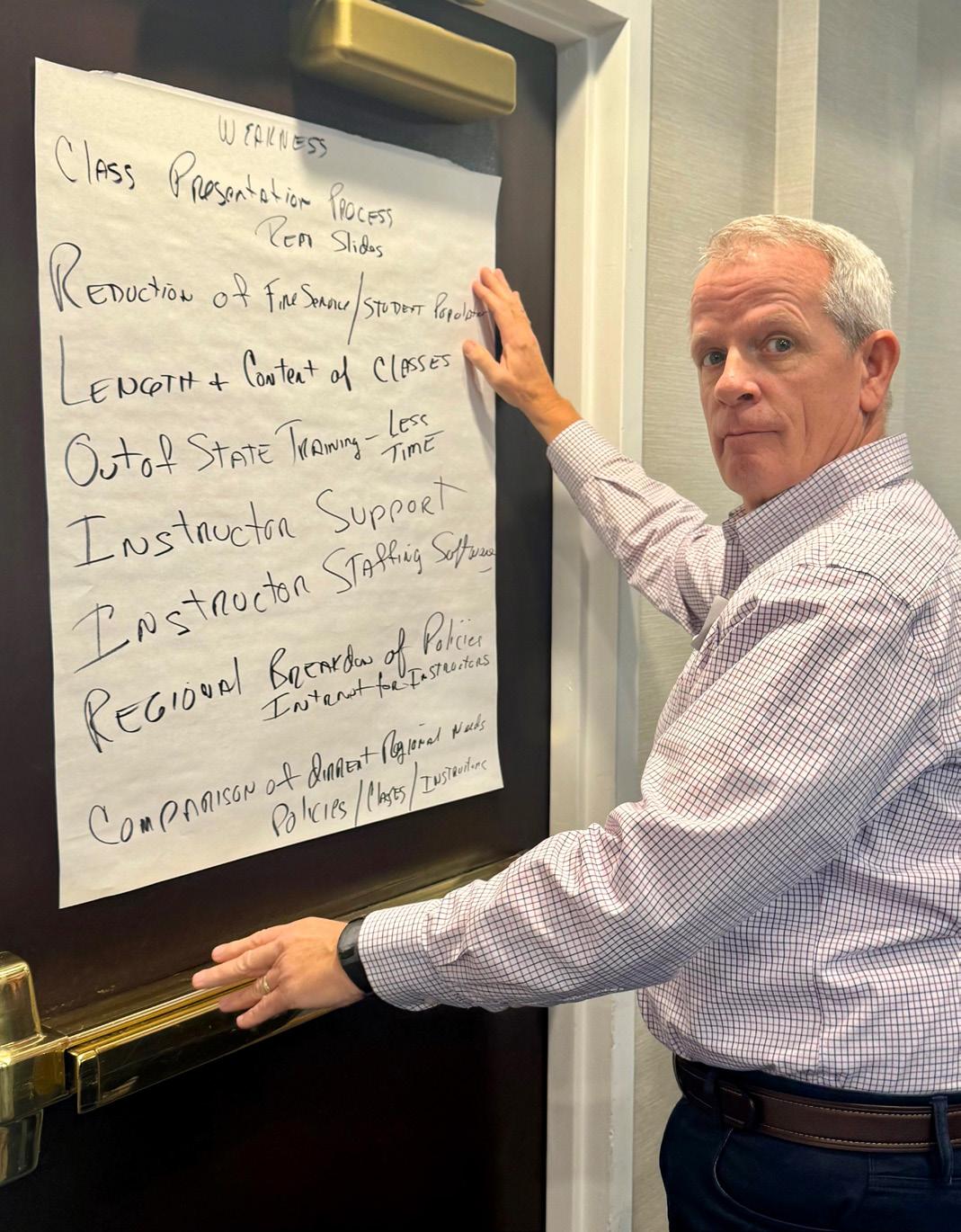
Before developing strategic goals, the steering committee conducted a SWOT analysis to assess MFRI’s current position and guide future planning. A second SWOT analysis was completed by MFRI management and staff during the December allfaculty and staff meeting.
The following strengths, weaknesses, opportunities, and threats were identified:

• Strong institutional reputation and nearly 100 years of operational experience
• Extensive statewide training infrastructure with regional accessibility
• Staff dedication and knowledge base
• Experienced, certified instructors
• Hands-on training with a strong safety reputation
• Legislative authorization through Maryland law & Code of Maryland Regulations (COMAR)

• Staffing is insufficient to meet organizational demands, changing policy standards, and future planning.
• Traditional classroom instruction delivery needs to be modernized
• Instructor support and communication needs to be strengthened
• Travel policies need to be updated
• Instructor paperwork filing inefficiencies and redundancies need to be addressed
• Internal communication inefficiencies
• Policies need to be more visible/accessible
• Improve transition as revised classes are launched to replace previous classes
• Policies and medical clearance procedures require more visibility.
• Response to certification standards
• Improve follow-up across the organization
• Declining numbers entering the fire service/ volunteering
• Length & content of classes should be reexamined
• Competing out-of-state training that requires reduced time commitments
• Instructor support
• Instructor staffing software
• Regional breakdown of policies
• Intranet for Instructors

• Incorporate more research into courses
• Leverage AI/online processes to improve efficiency
• Build relationships/partnerships with additional organizations and University of Maryland entities.
• Explore the expansion of Professional Development Institute (PDI) courses
• Create a platform to share instructor successes and study guides
• Explore additional simulation-learning options
• Implement blended learning
• Engage instructors in the evaluation of pilot courses
• Explore instant class feedback for instructors
• Engage Planning Department
• Explore opportunities to boost organizational morale

• ProQual and ProBoard requirements
• Delivery of programs
• Inadequate resources to run programs
• Increasing competition for student training programs
• Less opportunity for Special Programs with online training options
• Recruitment and retention in the fire service
• Budget shortfall in the state of Maryland and uncertain federal grant funding
• Regulatory changes are determined by Code of Maryland Regulations (COMAR)
• Student mindset
• Instructor and employee succession. Ensure that more than one person knows how to do a job
• Keeping pace with technology, upgrades, and updates
• Number of courses and the time required to continually update them
• Resource limitations affecting facilities, equipment, and program delivery
As a result of the SWOT analysis and stakeholder feedback, six target goals were formulated to drive our efforts during the FY2027-2031 fiscal years:
Ensure the Delivery of an Effective and Sustainable Emergency Services Training System
Purpose: Strengthen organizational sustainability through strategic funding, operational support, and long-term planning.
Focus Areas:
- Diversify and strengthen funding sources
- Expand grant research and external funding opportunities
- Explore and enhance revenue-generating programs and training
- Increase legislative engagement and advocacy
- Demonstrate organizational impact and return on investment
Modernize and Future-Proof Training Delivery and Curriculum
Purpose: Align training with evolving learner needs, technology, and industry standards.
Focus Areas:
- Expand hybrid and blended learning models
- Develop shorter, modular, and skills-focused courses
- Integrate simulation, AI-enabled learning tools, and research
- Maintain balance between certification and education quality
- Improve instructor class-presentation delivery
Optimize Resources, Logistics, and Infrastructure
Purpose: Improve efficiency and readiness of equipment, facilities, and support systems.
Focus Areas:
- Implement lifecycle planning for props, personal protective equipment (PPE), and technology
- Examine facility upgrade planning and capital budgeting

- Strengthen inventory and equipment tracking systems
- Ensure policies and procedures are up-to-date, clearly communicated, and readily accessible to promote compliance
Invest in Workforce Development and Succession Planning
Purpose: Recruit, support, and retain qualified instructors and staff.
Focus Areas:
- Implement succession-planning initiatives
- Grow the instructor pipeline faster than retirements.
- Review instructor qualification and evaluation processes
- Ensure competitive compensation and recognition
- Train instructors in hybrid/online teaching
- Reduce administrative burdens and paperwork inefficiencies
Advance Student-Centered and Inclusive Programs
Purpose: Ensure programs meet the needs of today’s diverse and evolving emergency services workforce.
Focus Areas:
- Promote equality throughout all levels of the organization
- Provide refresher and skills-enhancement pathways
- Expand public education and life-safety outreach
- Improve medical clearance and student-readiness policies
- Use annual stakeholder and student surveys for continuous improvement
Strengthen Partnerships, Advocacy, and External Relations
Purpose: Position MFRI as the premier emergency services training and education partner.
Focus Areas:
- Deepen partnerships with agencies and academies
- Maintain a strong alignment with ProBoard standards
- Engage partner organizations
- Monitor and respond to regulatory impacts from National Fire Protection Association standards and Maryland Code of Regulations
MFRI is designated by Maryland law as the state’s fire and emergency services training agency and is governed by Section 13-103 of the Maryland Education Article within the University of Maryland.
(a) Established – There is a Maryland Fire and Rescue Institute in the University of Maryland.
(b) Director
(1) The head of the Institute is the Executive Director.
(2) The Executive Director:
(i) Shall report directly to the President of the University of Maryland, College Park; and (ii) May adopt rules and regulations necessary to carry out this section.
(c) Duties of Institute – The Institute shall:
(1) Provide classroom education and training for career and volunteer fire and rescue personnel, both at the Institute and throughout this State;
(2) Cooperate with other agencies that provide training for fire and rescue personnel;
(3) Train instructors;
(4) Prepare or adopt materials for training fire and rescue personnel;
(5) Develop new fire and rescue training techniques;
(6) Develop and implement specialized courses in firefighting, including industrial firefighting;
(7) Maintain statistics and records on fire and rescue education, training, and related matters;
(8) Develop programs to inform the public about the tasks performed by fire and rescue personnel;
(9) Establish guidelines for instructional material to school systems in the State concerning fire and rescue education;
(10) Provide disaster training for fire and rescue personnel; and
(11) Cooperate with the Maryland Institute for Emergency Medical Services Systems to provide basic training for rescue personnel and emergency medical technicians.
(d) Funding. – The Institute shall have the funds provided in the State budget. (An. Code 1957, art. 77A 27AG27AL; 1978, ch. 22 2; ch. 607; 1988, ch. 246 2; 1989, ch.5, 1; 1996, ch.10, 16; 1997, ch. 114, 1).
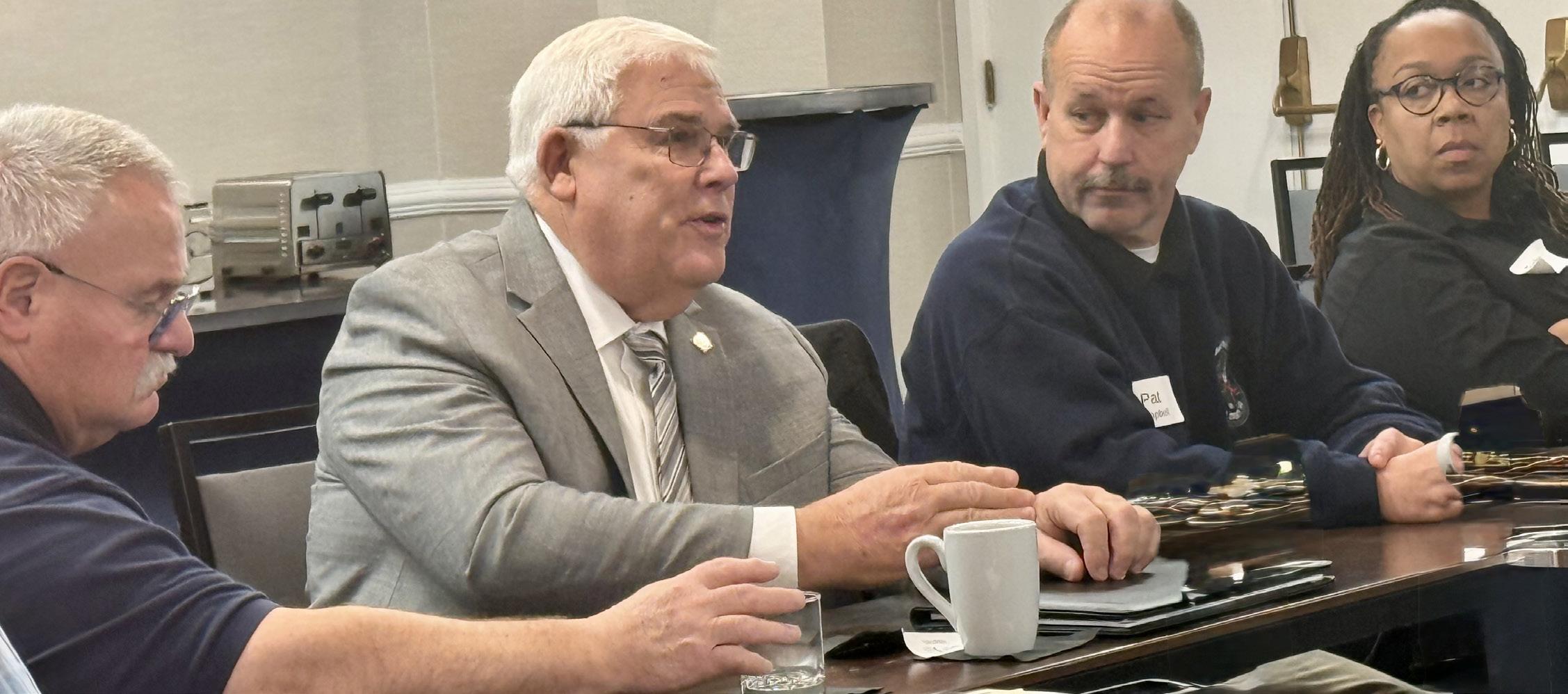
The following individuals contributed their expertise throughout the strategic planning process:
Michael Baker Logistics
Jack Beall Upper Eastern Shore Regional Training Center
Christopher Biggs Advanced Life Support
Derrick Bowser North East Regional Training Center
Megan Byrd Operations
Pat Campbell Metropolitan Fire Chiefs
Linda Carrillo Southern Maryland Regional Training Center
Nina Christ Upper Eastern Shore Regional Training Center
Michael Collins Lower Eastern Shore Regional Training Center
Stephan Cox Operations
Michael Crawford North Central Regional Training Center
Timothy Delahanty, MFCA/MSFA
Chaille DuBois Finance & Administration
Todd Dyche Western Maryland Regional Training Center
Aaron Edwards MIEMSS
Linda Ellington Planning
Bruce Fleming North Central Regional Training Center
Jeff Fleming State Programs Manager
Steve Gervis Special Programs
Kevin Gilmore Upper Eastern Shore Regional Training Center
Jennifer Ginn Communications
Jonathan Hart Special Programs
Daryl Hout Western Maryland Regional Training Center
Sydney Howard North East Regional Training Center
Teisha Jackson Special Programs
Jay Jester Lower Eastern Shore Regional Training Center
Erik Kornmeyer Logistics
Simone Lord-Attivor Information Technology
Phyliss Lowe Lower Eastern Shore Regional Training Center
Michael McAdams QA/QI
Bob Midkiff Planning
Michael Pfaltzgraff Council of Academies
Robert Phillips MFCA/MSFA
John Price Southern Maryland Regional Training Center
Edward Rachinskas Southern Maryland Regional Training Center
Thomas Ray Logistics
Katie Ryan Planning
Jason Shorter Advanced Life Support
Charles Simpson MSFA
Debbie Sklodowski WMRTO
Karen Snyder NCRTO
Keith Stumpf NERTC
Gary Warren Simulation Center
Derrick Wilcox Finance & Administration
Audrey Williams Finance & Administration
MFRI extends a special thanks to Chief Ronald Siarnicki for his leadership and expertise in facilitating the Strategic Planning Retreat.
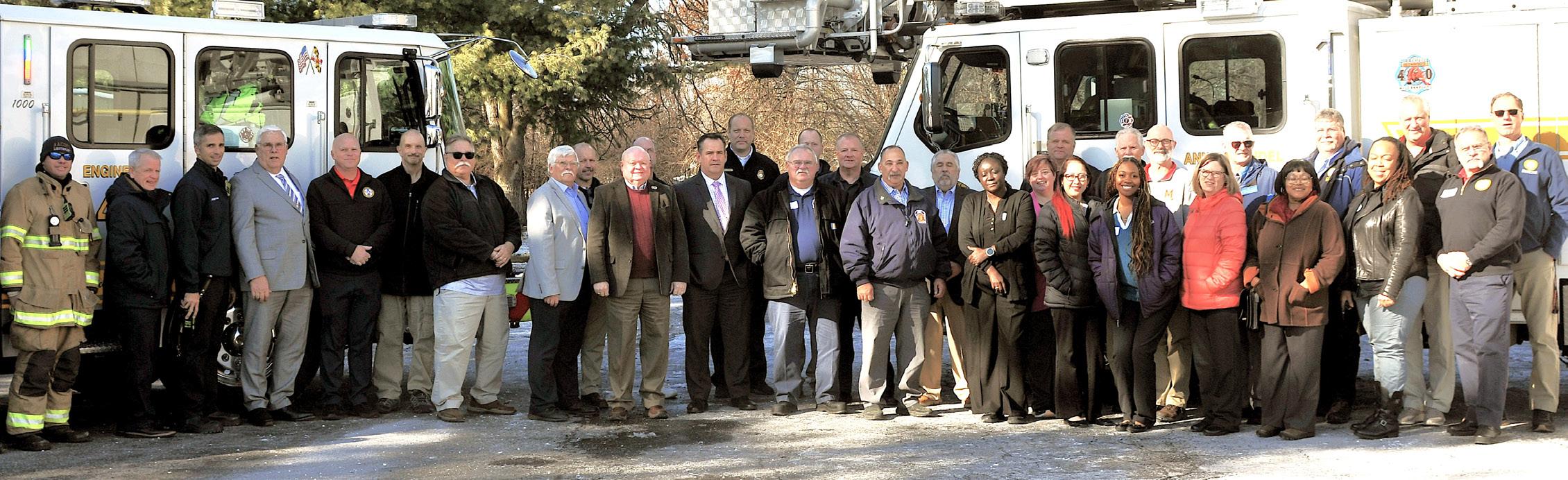
The FY2027–2031 Strategic Plan reflects the shared commitment of our faculty, staff, instructors, students, and stakeholders, providing a roadmap for continuous improvement, operational excellence, and studentcentered training.
Guided by our mission, vision, and values, MFRI remains committed to preparing the next generation of first responders to serve safely, effectively, and professionally.