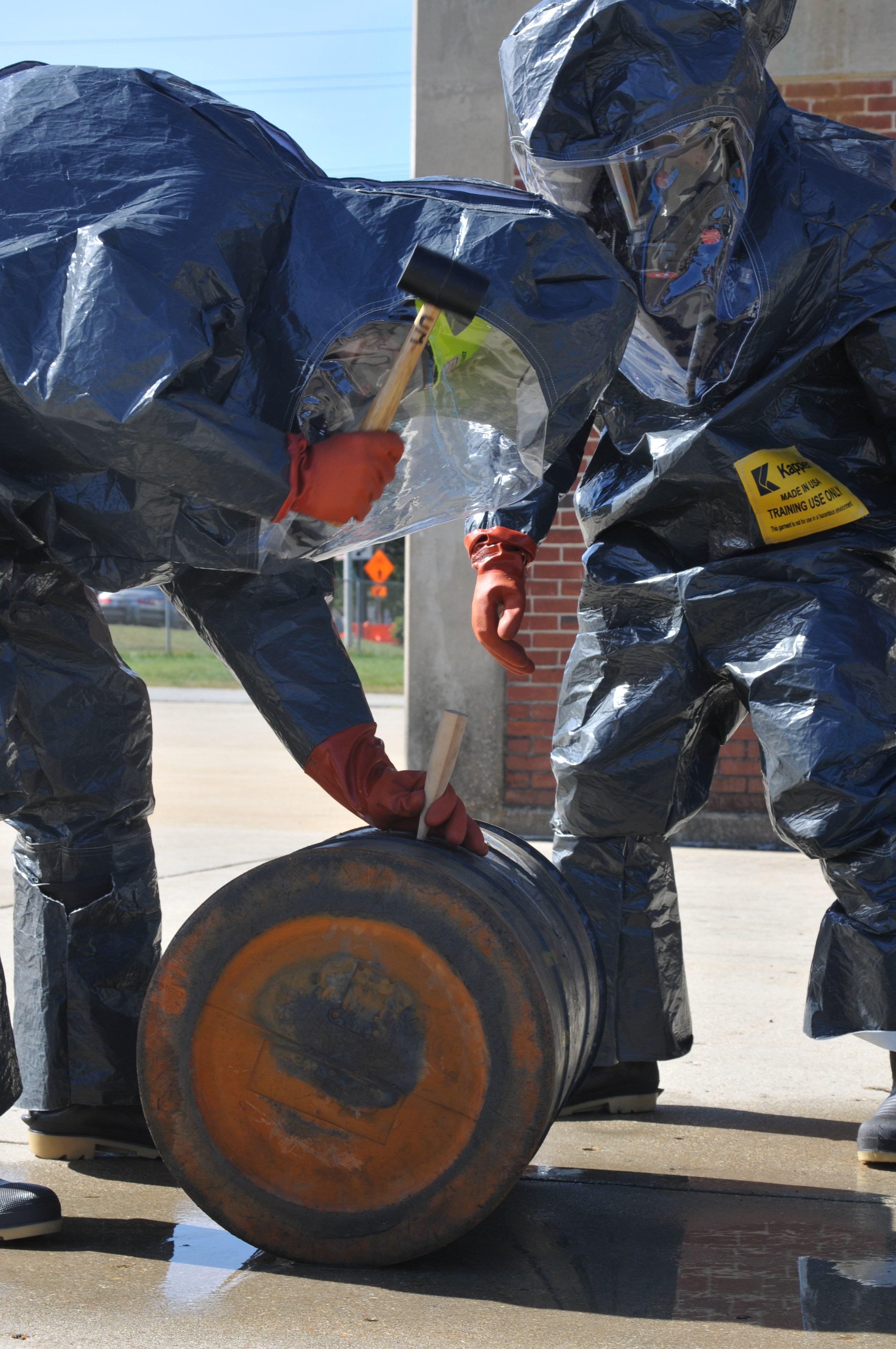
OSHA AND EMS TRAINING
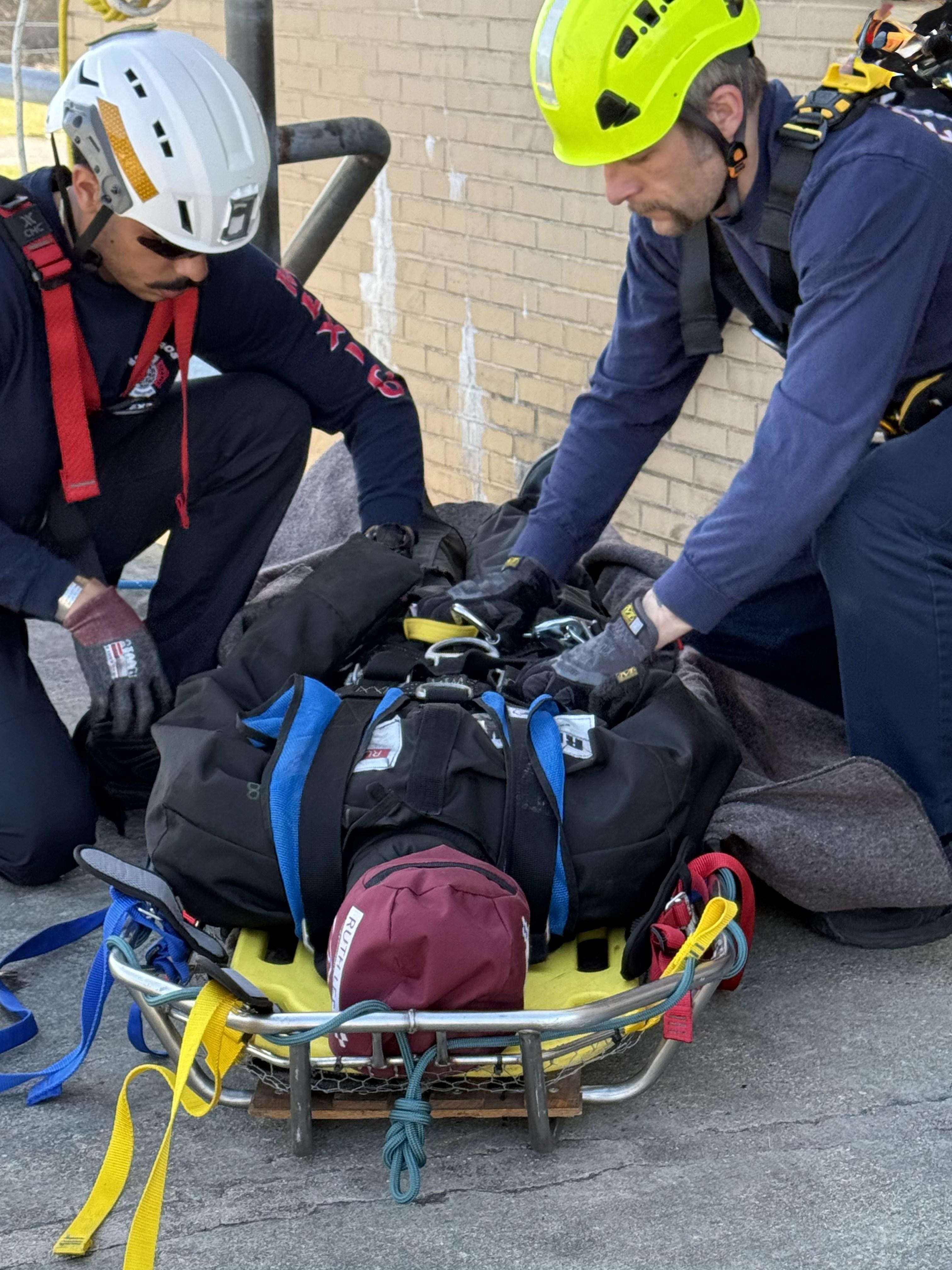
FIRE PROTECTION SERIES
Basic Overview of Fire Suppression Systems
Course Identifier: IND 163
This one-day program provides participants with the latest procedures for understanding the design, layout, and installation of fire suppression systems with a concentration on water-based sprinkler selection for the protection of certain occupancies based on hazard classification.
NFPA 25 Inspection, Testing, and Maintenance of Water-Based Extinguishing Systems
Course Identifier: IND 159
This one-day program is a must for communities adopting the NFPA 25 standard. The seminar reviews the need for inspection, testing, and maintenance, and addresses the top issues that surface when implementing the standard. This program also reviews the regulations for water-based extinguishing systems and describes the operations of various systems and their components in a workshop environment. This program is structured for student participation.
Special Agent Fire Extinguishing Systems
Course Identifier: IND 190
This one-day program is designed to acquaint participants with the application methods, types of agents, operations, and system components as well as inspection and testing requirements for special agent extinguishing systems. Types of extinguishing systems discussed will include dry-chemical, wet-chemical, clean-agent, carbon dioxide, foam, and portable fire extinguishers.
Fire Hazard Recognition - Special Occupancies
Course Identifier: IND 189
This one-day program is designed to identify unsafe behaviors and conditions that result in fires in special occupancies such as material storage facilities, and hazardous processes such as welding operations, finish flammable operations, or dust generation at industrial sites. Discussion also includes HVAC systems, cooking operations, and electrical hazards.
Fire Pumps for Fire Protection
Course Identifier: IND 157
This one-day program provides attendees with vital information about the design and installation of fire pumps. NFPA 20 serves as the primary reference for this program. The program will familiarize the attendee with the NFPA standards that govern the proper design and installation of fire pumps and increase participant knowledge of fire pumps in fire protection systems.
Fire Detection and Alarm Systems
Course Identifier: IND 191
This two-day program is designed to acquaint participants with the knowledge and the application, installation, location, performance, inspection, testing, and maintenance of fire detection and alarm systems. Discussions will include detection and alarm-system components, automatic and manual alarm-initiating devices, alarm-signaling systems, and inspection and testing requirements.
FIRE BRIGADE SERIES
Incipient Industrial Fire Brigade Member
Course Identifier: IND 220
This three-day program is designed for individuals involved in industrial fire brigades. The program is designed to give students the basic knowledge and skills required to be effective industrial fire brigade members at the incipient level. The objectives will be accomplished by classroom lectures and practical evolutions. Fire brigade members will be trained to safely combat fires in their normal work clothes while working in an upright position. They must be able to extinguish small fires effectively using portable fire extinguishers or small handlines. Fire brigade team members will receive instruction in organizational responsibilities, fire behavior, fire and detection devices, portable fire extinguishers, fire hose and related nozzles and appliances, fixed extinguishing systems, loss control, hazard recognition, and incident management.
Interior Structural Industrial Fire Brigade Member
Course Identifier: IND 222
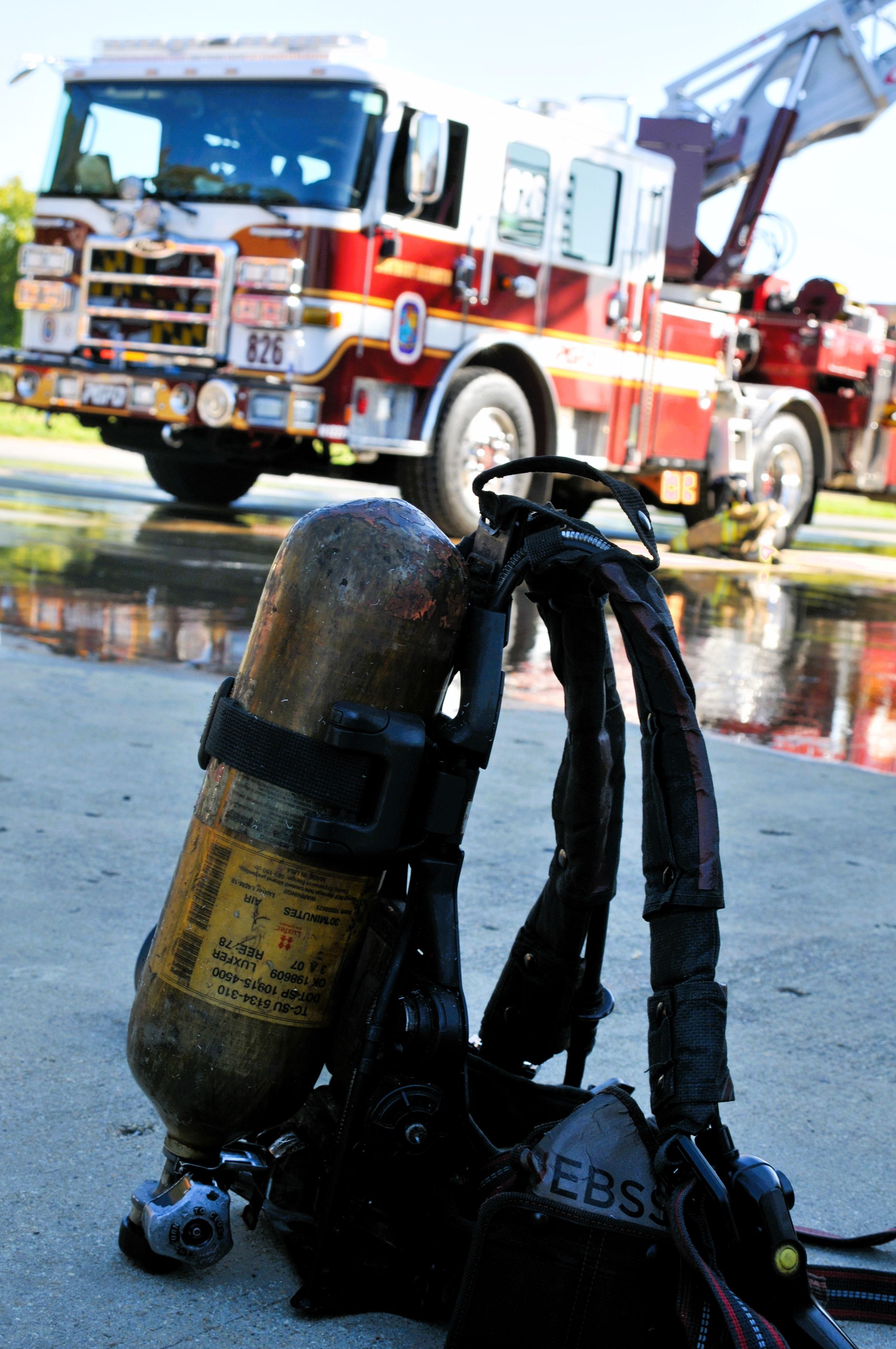
This five-day program is designed for individuals involved in industrial fire brigades. It will focus on the basic knowledge and skills required to be effective industrial fire brigade members at the interior structural level. Objectives will be accomplished by classroom lectures and practical evolutions. Fire brigade members will be trained to safely combat fires from within the incident hot zone of a structure utilizing self-contained breathing apparatus (SCBA) and personal protective equipment (PPE). They must be able to extinguish fires effectively using portable fire extinguishers, handlines, or other devices. Fire brigade team members will receive instruction in organizational responsibilities, PPE, fire behavior, portable fire extinguishers, detection devices, fixed extinguishing systems, forcible entry, water supply and low-volume handlines, respiratory protection, loss control, large diameter handlines and master streams, portable ladders, hazard recognition, ventilation, search and rescue, and incident management. Note: This program includes the Incipient Fire Brigade program (IND 220).
Fire Brigade Refresher
Course Identifier: IND 122
This one-day program is designed to meet the annual refresher requirements as specified in OSHA Regulation 29 CFR 1910.156. It is open to all industry personnel involved with, or responsible for emergency response services to industry. The subject matter in this program is client based.
Fire Extinguisher
Course Identifier: IND 153
This four-hour program covers the classes of fires, various methods of extinguishment for each class, and the proper selection and use of portable extinguishers. Other topics in this course include advantages and disadvantages of portable extinguishers, the limitations of portable fire extinguishers, and the actual hands-on use of various extinguishers.
CONFINED SPACE SERIES (OSHA)
Confined Space Awareness
Course Identifier: IND 115
This one-day program is designed to give participants an overview of confined space entry and rescue regulations. The program is directed at the individual who is responsible for the permit process and the assignment of employees or contractors who work in confined spaces. Training will assist the individual in designing and
Confined Space Awareness and Entry
Course Identifier: IND 116
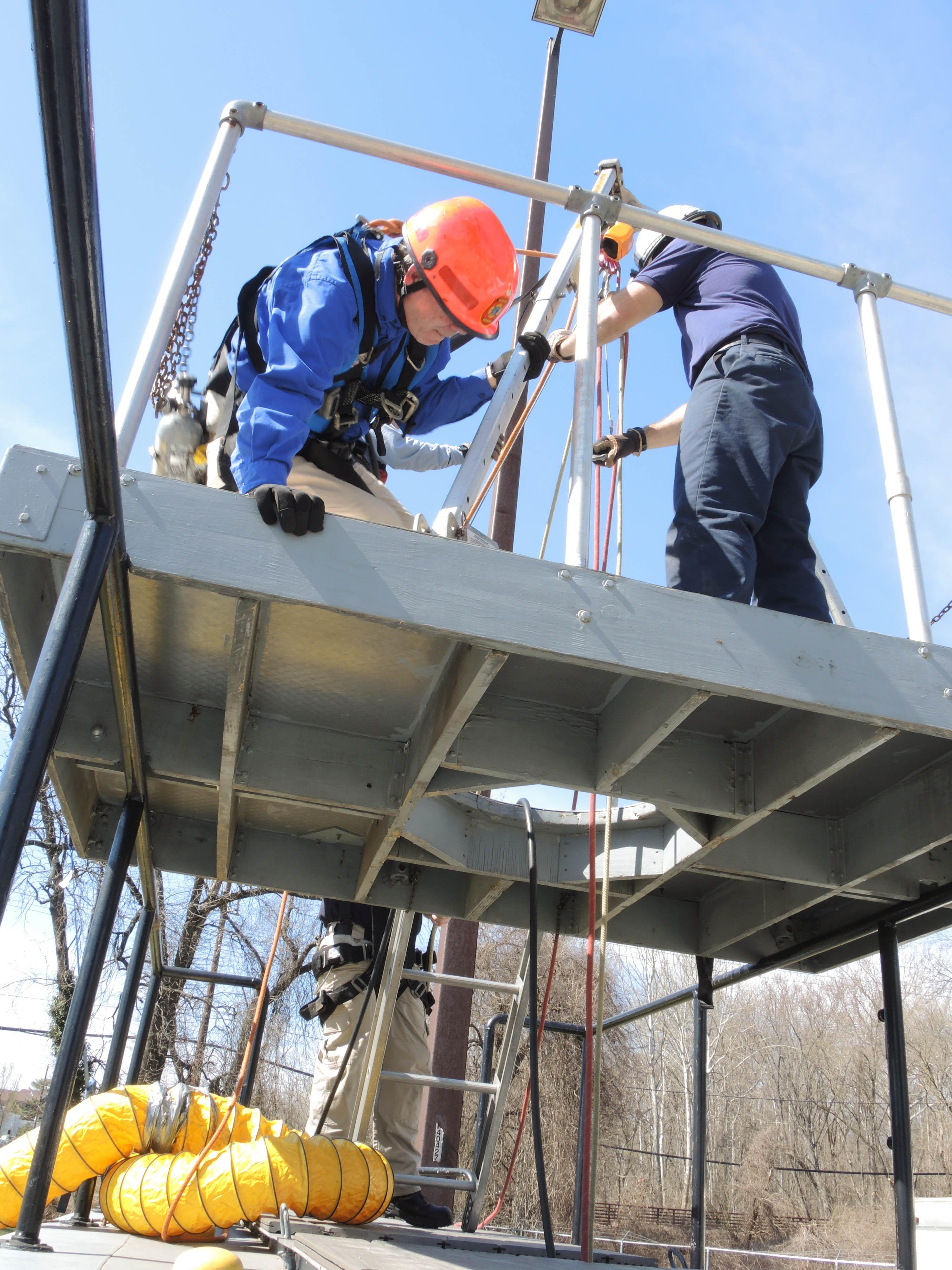
This two-day program is designed to give participants the knowledge and skills to prevent employee injury in the dangerous confined space environment. Each student will demonstrate the safety techniques and procedures necessary to identify and enter a confined space in accordance with OSHA regulations, utilizing the site -specific permit process. Training will meet or exceed the requirements of OSHA Regulation 29 CFR 1910.146 for Confined Space Entry. Each participant is expected to bring personal protective equipment including hard hat, coveralls, eye protection, gloves, and work shoes or boots.
Confined Space Entry and Rescue
Course Identifier: IND 215
This three-day program is designed to give students the knowledge and skills to prevent employee injury and teach procedures to safely enter confined spaces. Special attention will be given to rescue/safety techniques and the equipment necessary to perform in confined spaces. These objectives will be accomplished through classroom lecture and extensive practical evolutions that meet or exceed the requirements of OSHA 29 1910.146 for Confined Space Entry and Rescue. Participants are expected to bring personal protective equipment including coveralls, hard hat, eye protection, gloves, and work shoes or boots.
Confined Space Annual Refresher
Course Identifier: IND 117
This one-day program is designed to meet the annual refresher requirements as specified in the OSHA regulation 29 CFR 1910.146. Participants are expected to bring protective equipment including coveralls, hard hat, eye protection, gloves, and work shoes or boots.
HAZWOPER SERIES (OSHA)
Hazwoper Awareness
Course Identifier: IND 101
This one-day program is for those whose position may require them to identify and report a hazardous materials incident. Emphasis is placed on the identification of hazardous materials and effective reporting systems. The program is also designed to provide an overview of the regulations for supervisors responsible for employees or contractors who handle or may be exposed to hazardous materials. This program satisfies the training requirements of OSHA Regulation 29 CFR 1910.120.
Hazwoper Operations
Course Identifier: IND 102
This three-day program is for individuals who respond to releases (and potential releases) of hazardous substances. Emphasis is placed on the hands-on training to respond in a defensive fashion to contain or control a hazardous materials incident within the capacity of the resources and equipment available on site. This program satisfies the OSHA training requirements of 29 CFR 1910.120.
Hazwoper Technician
Course Identifier: IND 104
This five-day program is designed to develop knowledge and skills in handling and managing a hazardous materials incident. Emphasis is placed on the hands-on approach to training so that each student will perform the procedures required to confine, contain, or control a hazardous materials incident within the capacity of the resources and equipment available on site. This program satisfies the training requirements of OSHA Regulations 29 CFR 1910.120.
Hazwoper Annual Refresher
Course Identifier: IND 103
This one-day program is designed to meet the annual refresher requirements as specified in OSHA Regulation 29 CFR 1910.120. This program is open to all personnel involved with, or responsible for, emergency response services to industry.
Hazardous Materials Incident Commander for Industry
Course Identifier: IND 200
This four-day program is designed to provide students with the knowledge and skills to assume responsibility and make decisions relating to the management of a hazardous materials incident. Major topics include the hazardous materials management system, health and safety, incident management system, action plans, site management and control, problem identification, hazard and risk evaluation, personal protective equipment, information management and resource coordination, response objectives, decontamination management, and incident termination. This program satisfies OSHA training requirement HAZWOPER 29 CFR 1910.120(q).
Prequisites: HAZWOPER Operations (HM-102) or 11M-106.
CONSTRUCTION SERIES (OSHA)
Chainsaw Safety
Course Identifier: IND 150
This one-day program is designed for individuals involved in the use of chainsaws for felling, bucking, and limbing. The program is designed to give students the basic knowledge and skills required in the use of chainsaws. The objectives will be accomplished by classroom lectures and practical evolutions. Students will receive basic instruction in chainsaw operations, personal protective equipment required, fueling and starting the chainsaw, felling, bucking, and limbing trees, working with windblown trees and electrical hazards.
Fall Protection Awareness
Course Identifier: IND 155
This one-day program is based on the OSHA Safety Standard for Construction 29 CFR 1926.500, Subpart M Fall Protection and 29 CFR 1910 Subpart D Walking and Working Surfaces. This program is designed to provide participants with the knowledge and awareness needed to work around areas requiring fall protection and to identify dangers on walking and working surfaces.
Fall Protection Application
Course Identifier: IND 154
This two-day program is based on the OSHA Safety Standard for General Industry, 29 CFR 1910, Subpart D - Walking and Working Surfaces; and 29 CFR 1926, Subpart M - Safety Standard for Fall Protection in the Construction Industry. It is designed to provide participants with the knowledge and skills needed to prevent serious or fatal accidents from falls. Topics include the application and limitations of personal fall protection systems, safety for portable and fixed ladders, stairways, scaffolds, and restraining systems, and basic recovery techniques should a fall occur. Job Hazard Analysis and the duties of the Competent Person in Fall Protection will also be discussed. Through hands-on training, the student will apply lessons in actual scenarios using fall protection recovery equipment.
Fall Protection with Rescue
Course Identifier: IND 250
This three-day program is based on the OSHA Safety Standard for General Industry, 29 CFR 1910, Subpart D - Walking and Working Surfaces; and 29 CFR 1926, Subpart M- Safety Standard for Fall Protection in the Construction Industry. The program is designed to provide participants with the knowledge and skills needed to prevent serious or fatal accidents from falls. Topics include the application and limitations of personal fall protection systems, safety for portable and fixed ladders, stairways, scaffolds and restraining systems, and basic recovery techniques should a fall occur. Job Hazard Analysis and the duties of the Competent Person in Fall Protection will also be discussed. In the hands-on portion of the training the student will apply skills learned in actual scenarios using fall recovery equipment. The rescue portion of the course will discuss Hauling Systems and Mechanical Advantages. Hands-on scenarios with a Z-System practical exercise and a Figure 8 and Brake Bar practical exercise will be conducted.
Trench Excavation Safety Awareness
Course Identifier: IND 110
This one-day program is designed to provide participants with the knowledge and skills necessary to perform soil analysis, selection, and use of protective systems, and serve as the Competent Person as specified in the requirement of OSHA Regulation 29 CFR 1926, excavation standards, and MOSH requirements.
Trench Excavation and Safety Operations
Course Identifier: IND 210
This two-day program is designed to provide participants with the knowledge and skills necessary to perform soil analysis, selection, the use of protective systems, and serve as the Competent Person as specified in the requirements of the OSHA Regulation 29 CFR 1926, excavation standards, and MOSH requirements. The second day will involve actual hands-on experience with safe shoring techniques.
Trench Excavation Safety and Rescue Operations
Course Identifier: IND 211
This three-day program is designed to provide participants with the knowledge and skills necessary to perform soil analysis, selection, the use of protective systems, and serve as the “Competent Person” as specified in the requirements of the OSHA Regulation 29 CFR 1926, excavation standards, and MOSH requirements. The second day will involve hands-on training with safe shoring techniques and a simulated trench collapse rescue demonstration. The third day will feature trench rescue operations at a simulated collapse, in which participants will properly shore, enter, and remove endangered victims.
Lockout/Tagout OSHA 29CFR 1910.147
Course Identifier: IND 160
This four-hour program is designed to provide participants with the knowledge and skills necessary to perform Control of Energy during the service and maintenance of machines and equipment. Topics covered in this include lockout/tagout OSHA standards and development of lockout/tagout programs; devices insuring lockout and procedures for a tagout system. Other topics covered will include single and multiple energy sources.
EMERGENCY MEDICAL SERVICES
Emergency Medical Technician – 207 hours
Course Identifier: EMS 106
This program provides students with the necessary knowledge and skills to perform emergency medical care in a pre-hospital environment at the basic life support.
Major topics covered in the program are scene preparation (scene safety, quality improvement, personal health and safety, and medical legal issues), airway (opening, suctioning, ventilations, adjuncts, and oxygen delivery), patient assessment (scene size up/assessment, initial assessment, focused history and physical exam for significant and non-significant medical, and trauma situations), medical and behavioral situations (altered mental status, allergic reactions, and poisoning/overdose), trauma situations (shock management, wound management-open chest, abdominal, amputations, burns management of injuries to bones and joints and head and spine, rapid extrication), and emergency obstetrics, infants and children: childbirth (normal deliveries, abnormal deliveries), and infants and children (medical problems, trauma problems).
Methods of instruction include interactive and participatory activities including instructor review, discussions, demonstration of skills, supervision, and coaching of student skills practice, clinical time, observation of student skills based on an objective checklist with a 100 percent cut point required to pass, and a final written examination prepared by the National Registry of EMTs.
Emergency Medical Technician Refresher – 24 hours
Course Identifier: EMS 216
This four-day program prepares a certified Emergency Medical Technician (EMT) to demonstrate, through an examination process, the mastery of emergency medical basic skills and knowledge for the purpose of recertification.
Major topics covered in the program are Maryland medical protocols for EMS providers, scene preparation (scene safety, quality improvement, personal health and safety, and medical legal issues), airway (opening, suctioning, ventilations, adjuncts, and oxygen delivery), patient assessment (scene size-up/assessment, initial assessment, focused history and physical exam for significant and non-significant medical, and trauma situations), medical and behavioral situations (altered mental status, allergic reactions, and poisoning/overdose), trauma situations (shock management, wound management, open chest, abdominal, amputations, burnsmanagement of injuries to bones and joints and head and spine, rapid extrication), and emergency obstetrics, infants and children: childbirth (normal deliveries, abnormal deliveries), and infants and children (medical problems, trauma problems). Emphasis is placed on managing the elderly patient, communication, special needs patients and medical devices.
Methods of instruction include student interactive and participatory activities including: instructor review, discussions, demonstration of skills, supervision and coaching of student skills practice, observation of student skills based on an objective checklist with a 100 percent cut point required to pass, and a final written examination prepared by the Maryland Institute for Emergency Medical Systems (MIEMSS) on medical protocols for EMS providers is also required to be recertified.
Emergency Medical Responder for National Registry – 72 hours
Course Identifier: EMS 105
Major topics covered in the program are an introduction to the EMS system, legal aspects of care, equipment, tools and supplies, general anatomy, patient assessment, respiratory system, resuscitation, and CPR, aids to resuscitation and oxygen administration, management of bleeding, shock, and soft tissue injuries. Other topics include management of fractures and spinal injuries, environmental emergencies, care of burns, care of special patients including obstetric, pediatric, and elderly, and special incidents including triage, water accidents, and gaining access to and moving patients.
Methods of instruction include lecture, discussion, classroom exercises, audio/visual material, skills, written and practical examinations, and graded-skill evaluations.
This training program is designed to provide participants with the knowledge and skills to perform patient assessment, bleeding control and bandaging, fracture management, medical emergency management, CPR, automatic external defibrillator, and oxygen administration. It is intended for personnel who may respond to emergency medical incidents. Included in the program is a final examination, which upon successful completion certifies the participant as a National Registry Emergency Medical Responder and a Maryland Emergency Medical Responder for three years.
Emergency Medical Responder/American Safety and Health Institute (ASHI) – 48 hours
Course Identifier: EMS 107
Emergency Medical Responder-ASHI is designed to provide non-EMS responders including government, corporate, law enforcement, and corrections personnel with a level of training comparable to a professional Emergency Medical Responder. This 6-day course is consistent with national EMS curriculum requirements and educations standards. It is intended for individuals who are not EMS or healthcare providers but desire certification in Emergency Medical Response. The textbook for this course is Emergency Medical Responder: First on Scene, 10th edition, Pearson Publishers.
Successful completion requires: evaluation of knowledge and skill competence for certification in ASHI Emergency Medical Response. Students must complete the ASHI Emergency Medical Response for non-EMS Personnel exam and demonstrate the ability to work as a lead first responder in a scenario-based team setting, adequately directing initial assessment and care of a responsive and unresponsive medical and trauma patient.
Emergency Medical Responder/American Safety and Health Institute (ASHI) Refresher - 40 hours
Course Identifier: EMS 206
This 5-day program provides the skills necessary to begin assessment and care for injured or ill individuals at the emergency location. This program covers the continuing education required for Emergency Medical Responder recertification.
Major topics covered in the program include: review of legal aspects of care, patient assessment and vital signs, respiratory and circulatory systems, CPR and airway management techniques, oxygen delivery and adjuncts, bleeding control and shock, fractures, spinal injuries, medical and environmental emergencies, childbirth, special patients, crisis intervention, triage, gaining access to and moving patients. Methods of instruction include review by discussion, classroom exercise to practice skills through scenarios, practical exercises, graded practical exercises, and written examination.
Blood Borne Pathogens - 4 hours
Course Identifier: EMS 130
This four-hour program is designed to comply with Occupational Safety and Health Standards 1910.1030. This program discusses blood borne diseases such as AIDS, Hepatitis B Virus (HBV), and Hepatitis C (HCV) virus, exposure controls, how universal precautions should be applied during emergency situations, housekeeping, work practice controls, cleanup of an accident site, and waste disposal. The target audience for this program includes all emergency response personnel, laboratory workers, housekeeping or janitorial personnel, and all others who may come in contact with blood or other bodily fluids.
Stop the Bleed - 4 hours
Course Identifier: EMS 132
This four-hour hour course teaches participants the basic life-saving medical interventions, including bleeding control with a tourniquet, bleeding control with gauze packs or topical hemostatic agents, and opening an airway to allow a casualty to breathe.
The course is designed for non-tactical law enforcement officers, firefighters, security personnel, teachers and other civilians requiring this basic training. For more information, visit: dhs.gov/stopthebleed
CPR AND FIRST AID
Basic Life Support for Healthcare Providers - 4 hours
Course Identifier: EMS 110
This four-hour program is intended for healthcare providers (EMS personnel, physician assistants, dentists, nurses, etc.). This course is designed to teach CPR skills for victims of all ages (adult/child/infant), for one and two-rescuer CPR, the use of an Automated External Defibrillator, and management of a choking victim. The program will also review the signs and symptoms of heart attack and stroke. There is a written exam, as well as a skills test at the end of the program. Two-year certification is awarded upon successful course completion.
Heartsaver CPR - 4 hours
Course Identifier: EMS 114
This four-hour program is intended for employee training at companies, corporations, and businesses. It is designed for the “non-healthcare provider” to learn adult and child CPR skills, as well as adult and child choking rescue. The program will also review the signs and symptoms of heart attack and stroke. There will be skills testing during this program. A two-year certification is awarded upon successful course completion.
Heartsaver First Aid - 4 hours
Course Identifier: EMS 113
This four-hour program is intended for employee training at companies, corporations, and businesses. This program is designed to review medical emergencies and injuries, as well as environmental emergencies. Some examples of emergencies reviewed in the course include: breathing problems, choking, allergies, diabetes, stroke, seizures, heart attack, fainting, shock, and musculoskeletal injuries. There will be skills testing during this course. A two-year certification is awarded upon successful course completion.
Heartsaver First Aid with CPR & AED
Course Identifier: EMS 121
This one-day program is intended for employee training at companies, corporations, and businesses. This program is designed to review medical emergencies, injuries, and environmental emergencies. Emergencies reviewed in the course include breathing problems, choking, allergies, diabetes, stroke, seizures, heart attack, fainting, shock, and musculoskeletal injuries. This program also includes adult and child CPR with a mask, and Automated External Defibrillator (AED). There will be skills testing during this course. A two-year certification is awarded upon successful course completion.
Heartsaver Pediatric First Aid with Adult and Pediatric CPR & AED
Course Identifier: EMS 123
This one-day program is intended for employee training at companies, corporations, and businesses. This program is designed to review medical emergencies and injuries, as well as an option to review environmental emergencies. Some examples of emergencies reviewed in the course include breathing problems, choking, allergies, diabetes, stroke, seizures, heart attack, fainting, shock, and musculoskeletal injuries. This program also includes adult, child, and infant CPR with a mask, and Automated External Defibrillator (AED). There will be skills testing during this course. A two-year certification is awarded upon successful course completion.
CODES AND INSPECTIONS
First Responder Fire Inspector (NFPA 1030) For Company Operations Personnel
Course Identifier: MGMT 228
This five-day comprehensive course is designed to meet the competencies outlined in NFPA 1030: Standard for Professional Qualifications for Fire Prevention Program Positions, Chapter 6 First Responder Inspector. The First Responder Fire Inspector course equips emergency responders with the foundational knowledge and skills to recognize and report basic fire and life safety hazards during routine emergency and non-emergency responses.
Participants will learn to identify common code violations, recognize hazardous conditions in structures and occupancies, and effectively communicate findings to the appropriate fire prevention authorities. Emphasis is placed on hazard recognition, documentation, scene safety, and the role of the first responder within the broader fire prevention framework. This class will require additional student work outside of normal class hours to include, but not limited to: take-home assignments, PTIs, study guides, and assigned readings from the textbook. This may also include coursework that must be completed prior to the first session.
Certification Prerequisites: Hazardous Materials Awareness (Pro Board or IFSAC).
Fire Inspector (NFPA 1030) For Code Enforcement Officials
Course Identifier: MGMT 306
This ten-day course is designed to meet the professional qualifications established in NFPA 1030, Chapter 7 Fire Inspector. It provides foundational knowledge and practical skills for individuals responsible for conducting fire inspections and enforcing fire and life safety codes. Participants will learn to perform fire and life safety inspections in a variety of occupancies, evaluate compliance with applicable codes and standards, and recognize hazards that could lead to fire incidents. The course emphasizes code interpretation, inspection procedures, hazard identification, documentation, and communication with building owners and occupants. This class will require additional student work outside of normal class hours to include, but not limited to: take -home assignments, PTIs, study guides, and assigned readings from the textbook. This may also include coursework that must be completed prior to the first session.
Certification Prerequisites: Hazardous Materials Awareness (Pro Board or IFSAC).
Fire Plans Examiner (NFPA 1030)
Course Identifier: MGMT 229
This five-day program provides instruction on the review of plans, preparation of correspondence and plan review reports, communications with fire inspectors and emergency response personnel, handling of complaints, maintenance of records, participation in legal proceedings, identification of when additional expertise is required, familiarization with procedures used by the jurisdiction, research, interpretation of codes, implementation of policy, and creation of forms and job aids for job performance requirements. This program provides participants with the skills required for Fire Plans Examiner.
Fire Investigator (NFPA
1033)
Course Identifier: FIRE 237
This ten-day program is intended for delivery to fire investigators, police officers, company level officers, and firefighters who are involved in the investigation process. Major topics covered in this course include determining the point of origin; burn patterns; evidence collection and analysis; interviewing techniques; and court procedures and testifying. This course includes team-focused practical exercises and a mock-trial exercise. This class requires additional student work outside of normal class hours to include, but not limited to; take-home assignments, PTIs, study guides, and assigned readings from the textbook. This may also include coursework that must be completed prior to the first session. This course fully satisfies the professional certification requirements for Fire Investigator.
Prerequisite(s): It is recommended that students be active members of a fire investigation unit.
Life Safety Code (NFPA 101)
Course Identifier: IND 192
This three-day program acquaints participants with the knowledge and purpose of the application of the Life Safety Code. Discussions will include components of egress, common path of travel, travel distance, occupancy load factors, and capacity of exits, stairway design, exit signage and illumination, and design of exits. Exercises will enhance understanding and application of the components of the Life Safety Code.
NATIONAL INCIDENT MANAGEMENT SYSTEM (NIMS)
Introduction to National Incident Management System (NIMS)
The National Incident Management System (NIMS) provides a consistent nationwide template enabling all government, private sector, and non-governmental organizations to work together during domestic incidents. Federal Homeland Security Presidential Directive 5 (HSPD-5) requires federal departments and agencies to make the adoption of NIMS by state, tribal, and local organizations a condition of eligibility for federal preparedness grants, contracts and other activities.
ICS-300: Intermediate Incident Command Systems (ICS) for Expanding Incidents
Course Identifier: NFA 212
This three-day program provides training on and resources for personnel who require advanced application of the Incident Command System (ICS). Upon completion of this course, participants will be able to: describe how the NIMS Command and Management component supports the management of expanding incidents; describe the incident management process for expanding incidents and supervisors as prescribed by the Incident Command System (ICS); implement the incident management process on a simulated Type 3 incident; and develop an Incident Action Plan for a simulated incident.
The program’s target audience includes individuals who are expected to perform supervisory or tactical level management roles at an incident. This includes individuals who may serve as Division or Group Supervisors, Branch Directors, Strike Team or Task Force Leaders, Unit Leaders, or multi-agency coordination system/ emergency operations center (EOC) staff.
This program expands upon information covered in ICS-100 and ICS-200 courses. These courses are prerequisites for ICS-300.
ICS-400: Advanced ICS for Command and General Staff, Complex Incidents, and Multi-Agency Coordination (MACS)
Course Identifier: NFA 302
This two-day program provides training for personnel who require advanced application of the Incident Command System (ICS). Upon completion of this program, participants will be able to: explain how major incidents pose special management challenges; describe the circumstances in which an area command is established; and describe the circumstances in which multi-agency coordination systems are established. The target audience for this program includes senior personnel who are expected to perform in management capacity at an incident or event. This includes individuals who may serve as Incident Commander or as members of the Command or General Staff, Area Command, or Multi-Agency Coordination entity (MAC)/ Emergency Operations Center (EOC) management.
This program expands upon information covered in the ICS-100, ICS-200 and ICS-300 courses. These courses are prerequisites for ICS-400.
EMERGENCY RESPONSE TRAINING FOR
LAW ENFORCEMENT
Emergency Response Training for Law Enforcement
Course Identifier: IND 139
This four-hour course is designed for individuals (primarily police, security or military personnel) responding to emergencies where fire or hazardous materials may be present and the necessity to engage in search and rescue is immediate and paramount to the mission. In addition, this course addresses methods, concepts (building designs) and devices available for the fire department and emergency responders to mitigate emergency situations. Topics of focus include fire extinguishers, building construction, fire suppression systems, evacuation routes and safe areas, search techniques and the practical application of the concepts taught.
MARYLAND FIRE AND RESCUE INSTITUTE
REGIONAL TRAINING CENTER LOCATIONS
In addition to our College Park headquarters, MFRI operates six regional training centers providing training and education programs at convenient locations throughout the state:
LOWER EASTERN SHORE REGIONAL TRAINING CENTER
Princess Anne, MD - Serving Wicomico, Worcester, Dorchester, and Somerset Counties
NORTH CENTRAL REGIONAL OFFICE
Mount Airy, MD - Serving Carroll, Frederick, Howard, and Montgomery Counties
NORTH EAST REGIONAL TRAINING CENTER
Edgewood, MD - Serving Harford, Cecil, and Baltimore Counties and Baltimore City
SOUTHERN MARYLAND REGIONAL TRAINING CENTER
La Plata, MD - Serving Calvert, Charles, St. Mary’s and Prince George’s Counties
UPPER EASTERN SHORE REGIONAL TRAINING CENTER
Centreville, MD - Serving Kent, Queen Anne’s, Caroline, Talbot, and Anne Arundel Counties
WESTERN MARYLAND REGIONAL TRAINING CENTER
Cresaptown, MD - Serving Allegany, Garrett, and Washington Counties
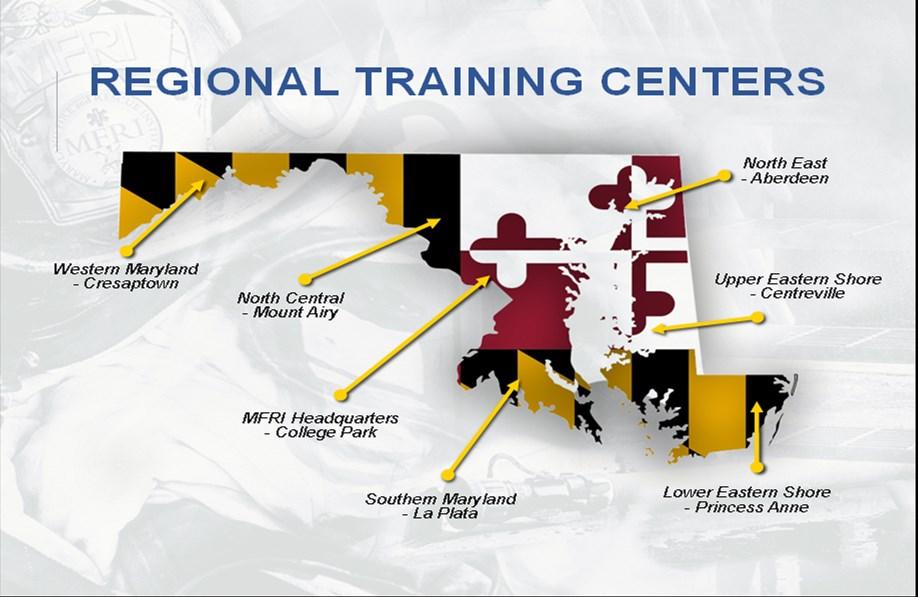
MFRI IN MARYLAND