EngineeringQuarterly
WelcometothefirstissueofVolume3ofthe EngineeringQuarterly, anewsletterpublished fourtimesayearby theUniversityofMary SchoolofEngineering.
Initwetrytoincludearticlesfromeachofthe fiveengineeringmajorsthatwecurrentlyoffer oncampus:ElectricalEngineering,MechanicalEngineering,CivilEngineering,Computer Science,andConstructionManagement.
Wereportonitemsandeventsofinterest toengineeringstudents,engineeringcompanies,andnowalumniofourengineeringprogram.Youwillreadaboutourserviceandoutreachactivitiesinthecommunity,thescholarshipsourstudentshavebeenawarded,descriptionsoftheinternshipsourstudentshave workedatoverthesummer,guestspeakers thathavecomeinandenlightenedus,and evenassignmentproblemsandprojectsthat ourstudentshavecompletedaspartoftheir coursework.Wehopethatyouwillenjoyrevisitingsomeoftheproblemsthatyouhadto solvebackwhenyouwerestudyingforyour ownengineeringdegree–oratleastyouwill enjoythefactthatyoudon’thavetosolve them!
TheintendedaudienceoftheEngineering Quarterlyisengineers,engineeringstudents, engineeringalumni,futureengineeringstudents,andpeopleworkinginfieldsclosely relatedtoengineeringsuchasscience,computing,andmathematics.Enjoy!
Dr.TerryPilling DeanofEngineering
ENGINEERING DAY(S) OF SERVICE ByANTHONYWALDENMAIER
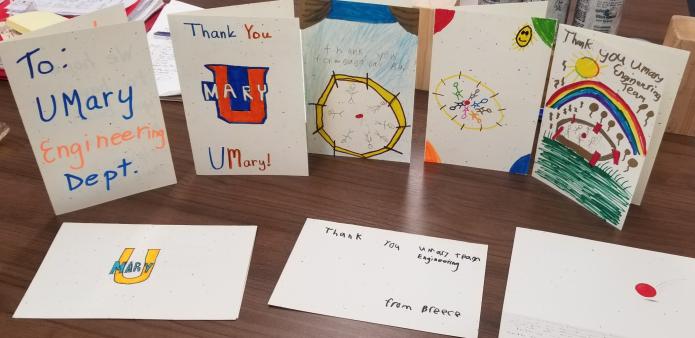
mostlyrestrictedtoon-campusactivities;assemblingschoolsupplypackages,writing thankyoucardsandassemblingcarepackages forfirstrespondersandveterans,andother projectsoncampus.
Everyfall,theUniversityofMaryholdsaDay ofService,wherethestudentbody,faculty, andstaffventureintotheBismarck/Mandan communityandperformactsofservice.
Traditionally,theseprojectsrangefromdoingyardworkorcleanupsatschools,readingstoriestoelementaryschoolstudents,art projects,andmanyotherthings.Dueto COVID-19concernsthisyear,projectswere
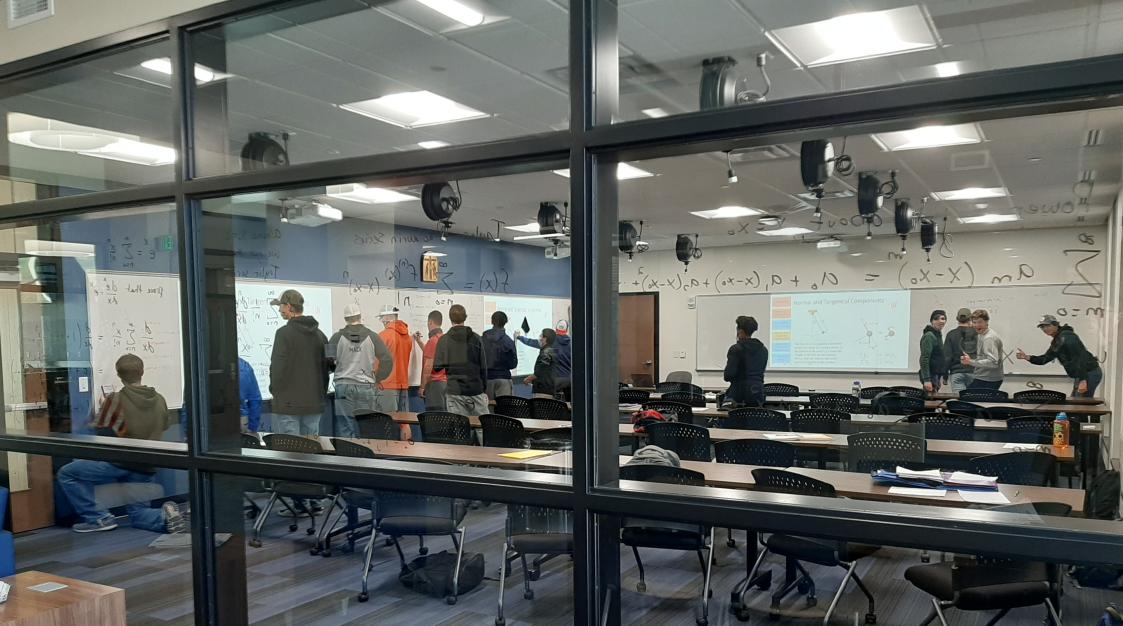
TheSchoolofEngineering(SOE)hasalways treatedtheDayofServiceasanopportunity tousetheengineeringskillsofourfacultyand studentsasanadvantage.
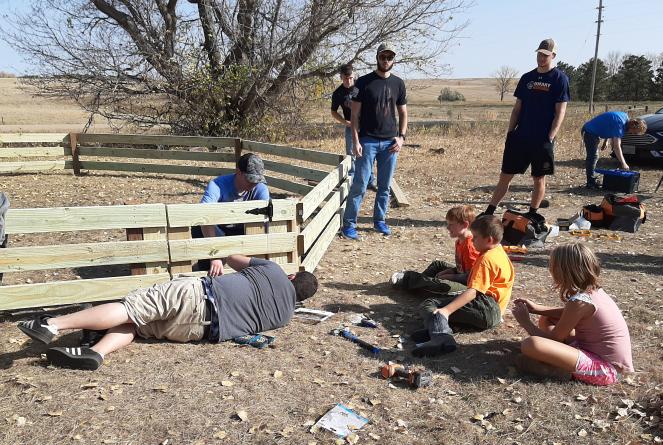
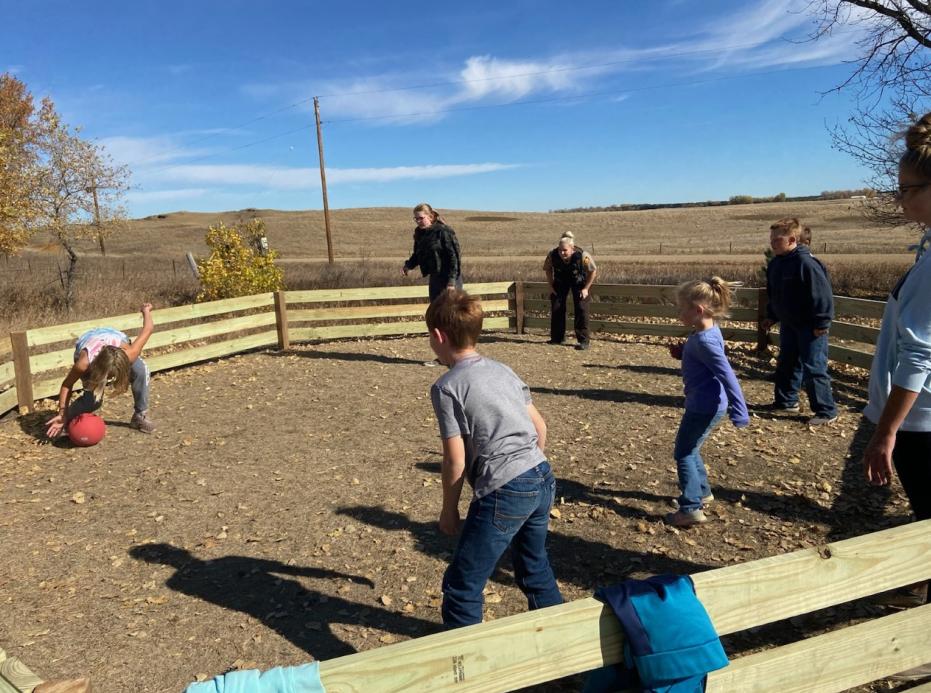
In2019,weconstructed6planterboxesfor AppleCreekElementarySchool.Theseboxes weremeantforeachgradeleveltoplant smallgardens/plantsandlearnaboutgardening,farming,andbiologyintheprocess.In 2018,webuiltaGagaBallpitforAppleCreek –aprojectwhichwasimmenselypopularwith thestudentsandtheenvyofotherlocalelementaryschools.GagaBallisasimplegame thatiscombineselementsofdodge-balland four-square,andrequiresanoctagonalenclosuretobeplayedproperly.Asaresultofthe popularityatAppleCreek,ManningSchool reachedouttotheSOEtoseeifwecould buildoneforthem.Wehappilyobliged!
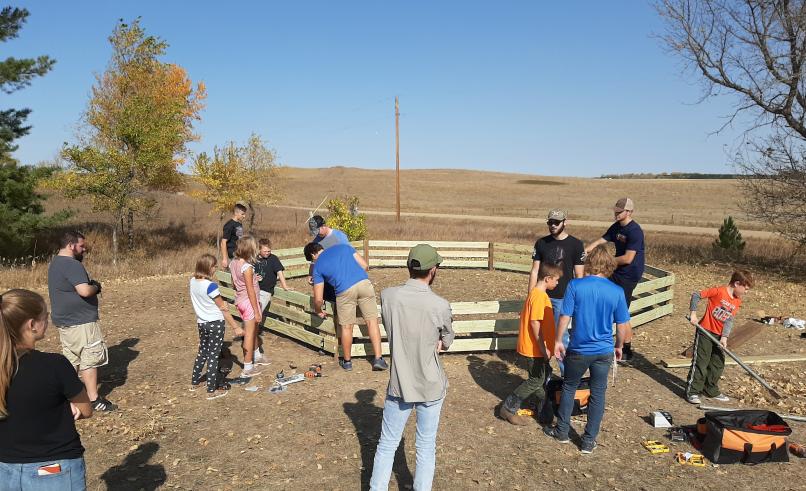
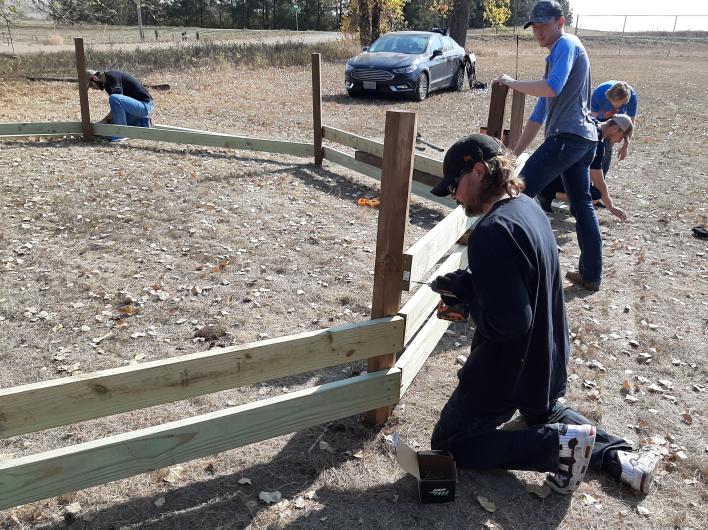
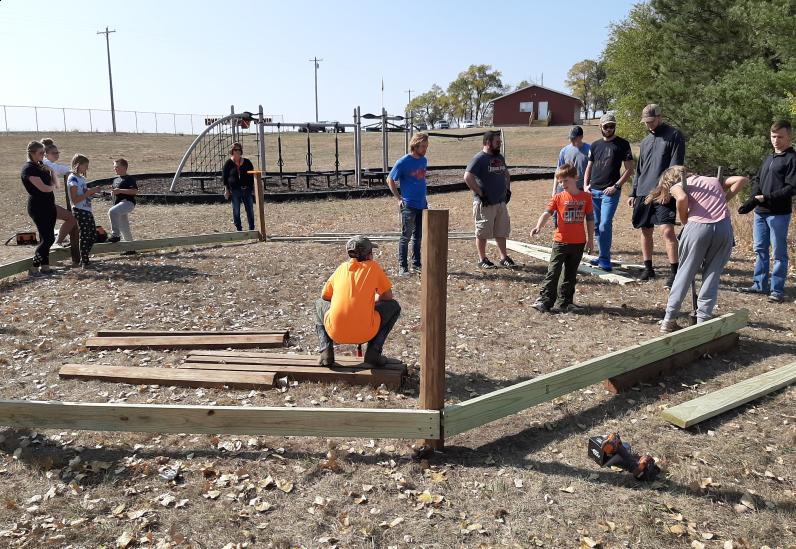
TheplanforWednesdaywastobeon-siteto beginconstructionby10:00am.Shortlybeforegettingreadytoleave,wewerenotified thatnotalloftheCall-Before-You-DigutilitiesrepresentativeshadvisitedtheSchoolyet. Wewereforcedtopostponeconstruction,but acoupleofthefacultystillwenttomakecuts tothelumberandpreparethesiteasmuchas possible.Wewerenotifiedinthelateafternoonthatallutilitiesweremarked,andwedecidedthattheconstructionwouldbemovedto Friday,10/9/20.
TheDayofServicewasscheduledfor Wednesday,October7th.However,SOE neededtobeginthisprojectthedaybefore duetoascheduledvisitfromamajordonorto theUniversityofMaryonWednesdaymorning.
ThreeoftheFacultywenttoMenardson Tuesdayeveningtobuyallthesupplies neededfortheGagaBallPitconstruction. Muchliketherestof2020,thisstoryisnot withoutanimpactfromCOVID-19...Unbeknownsttous,therewasanapparentlumbershortageatthetimeofsupplypurchasing,dueinparttoCOVID-19.Therewereno 1x6green-treatedboardsof10ftlength,there werenogreen-treated4x4s,andthesupplies in-stockwerescarce.However,wewereable tocometoasolutionwithin-stocklumberand wewereonourway.
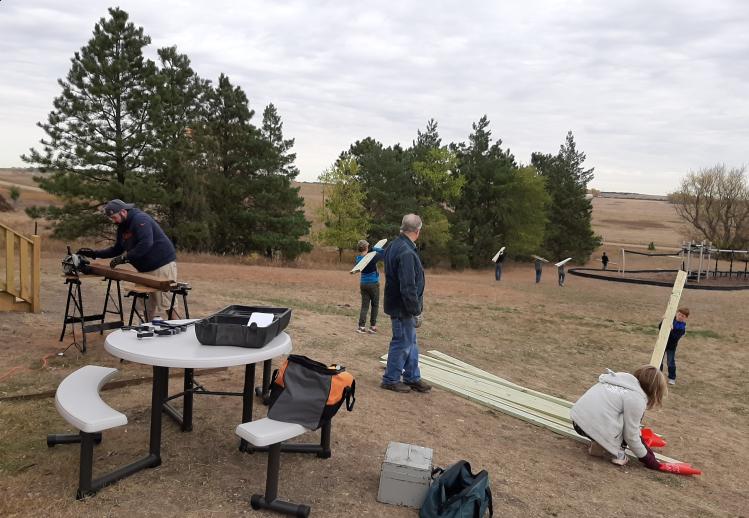
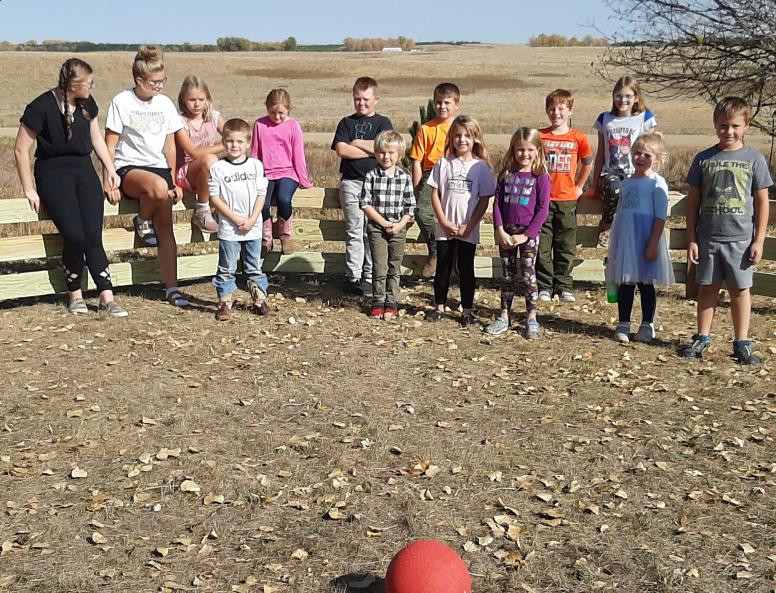
OnFriday,constructionproceededwithminimalproblems.Wewereblessedwithgorgeousweather,ampleengineeringstudent volunteers,andeventhehelpoftheManning Schoolstudents.
Constructionofthepitisbestdonebymoving fromposttopostaroundtheoctagon,allowingforminorchangesinelevationandensuringthepitenclosesalleightsides.Webegan withthefirstpost,allowingforasufficient spacefortheentirepit,asroughlymeasured usingbasicgeometry.
Afterthefirstholewasdugandthepostwas poundedintoplace,thelowerboardwasattachedtomeasuretothenextpostplacement. Theprocesscontinuesaroundtheoctagonuntilthefirstandlastpostareattachedandthe pitisclosed.Atthispoint,anadditionalhole isdugtoallowforapostwhichwillmakethe frameofagateforthepit.Whilestudents andfacultyaddedthesecondandthirdboards toeachside,thegatehingesandlatchwere
UniversityofMary
FREE
ELCOME
VOL.III...No.1 FALL2020
W
!
markedintoplace,thegatewascutfromthe pit,andre-attachedbythehinges.
tothepointwhereitwasjustsodeveloped andsoeasytonavigatecountiesandthings thattheydecidedtomakethewholehealth departmentwebsiterunoffoftwoPowerBI’s thatIbuilt.”
TheyaskedJoshtocontinuetoworkwith themthroughthesemesterandsoheisessentiallyworkingfulltimethereaswellas completinghisengineeringdegree.
Intheend,theGagaBallpitwasatremendoussuccess.Wehopethatcurrentandfuture studentsofManningSchoolenjoythepitfor manyyearstocome!
“NowIamcontinuingtomakeitmoreefficient.Theypollserversfromdifferenthospitalsfordataanditisfedtoacentralplace. NowIjustwakeupinthemorningandin15 minutesIgrabacoupleofdocuments,throw itin,pressupdate,anditdoeseverythingand publishestothewebsite.Therewasatime whenittookpeoplealldaytodothesame thing.”
TheywereveryimpressedwithJosh,hehas becomeverygoodfriendswiththestateEpidemiologistandtheyareallhopingthathe willcontinuetoworkthereintothefuture.
Manyofourengineeringstudentswhoare Sophomorelevelandabovehaveinternships eachsummerandtheyreturnwithmanygreat storiesofthefunandinterestingthingsthey didwhileworkingatcompaniesandfirms. ThisyearmanyoftheinternshipswerecanceledduetotheCOVID-19outbreak,however,therewereafewstudentswhodidcompleteinternships.Herearesomeoftheir stories.
JoshReiner isaSeniorElectricalEngineeringstudent,who workedasaDataAnalystfortheNorth DakotaDepartment ofEmergencyServicessincetheendofMay.Hehadapplied forseveralinternshipswithengineeringcompaniesandfoundthattheywereallbeing canceledduetotheCOVID-19outbreakand sohelookedaroundonlineforsomething hemightdotokeephimbusy.Hefound theopeninganddecidedtoapply.Acouple ofdayslatertheycalledhimandheendedup programmingwithagroupofepidemiologists attheNorthDakotaNationalGuard’sFraine BarracksinBismarck.Hiscoworkerswere Epidemiologistsaswellasgraduatestudents. “OneofthefunniestthingsIrememberis walkinginthereandtheygavemeacomputer.TheyhadhundredsofExcelsheets openandtheywerespendingtheirtimetypinginnumbers.Iimmediatelythoughtthat thisisaninefficientwaytodothings.They mentionedthattheyhadPowerBIandIcould usethatifIwanted.SoIspentmyevenings learninghowtocodeinPowerBIandIbuilta PowerBImodulewhichwouldautomatically pumpoutpowerpointsandreportswhich couldbesenttotheGovernor’soffice.Itgot

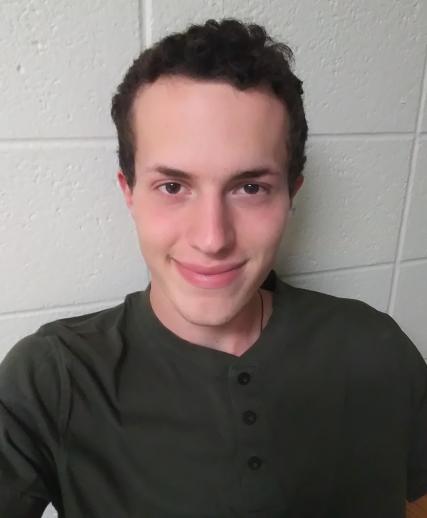
MarkSammons is aJuniorMechanical Engineeringstudent, whoworkedhissecondconsecutivesummeratFinleyEngineering,inBismarck. Markworkedasthe AssistantResidentEngineerfortheconstructionoffiberopticcommunicationsinMorton County.HeworkeddirectlywiththecontractingcompanyandtheResidentEngineer tooverseehisportionoftheproject.Heis continuingtoworkthisschoolyearatFinley Engineeringbringingthecompletedprojectto as-builtstatusalongwithworkingondesigns innortheasternMontana.“Markdidavery goodjobforus.Wefoundhimtobeconscientious,capable,andreadytolearnmoreall thetime.”
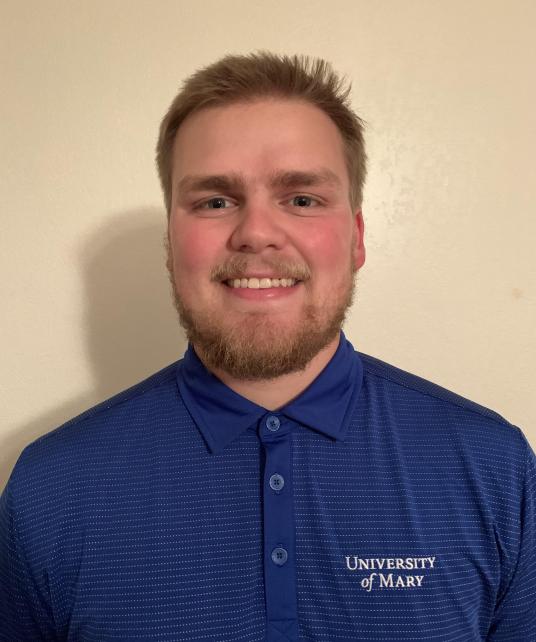

PeterCollart is aSeniorMechanicalEngineeringstudentwhoworkedfor DoosanBobcatas anengineeringprototypeinternherein Bismarck.“AtBobcatIspentmostof mytimeintheshop workingwiththeexcavatorNPDteamand testteam.Irepairedmachines,testedimprovementsandchangesbeforetheywere releasedtoproduction,gavefeedbacktothe engineersonqualityissues,andassistedwith thepilotbuildofBobcat’snewest8-tonmini excavator.”“Thisinternshipprovidedinvaluableexperienceworkingwithengineers,assemblers,andmechanics.Iwasprivilegedto assistwithalotofthehands-onworkwhich occursbehindthescenesinproduction.I learnedhowtobetterdesignforfunctionality, aswellaseaseofoperation,assembly,and maintenance.”“BothBobcatandmyadvisorworkedwithmetoextendmyinternship throughthisfall,allowingmetoworkparttimewhilestilltakingclasses.Overall,Ihave immenselyenjoyedmyjobatBobcat.My coworkers,theworkenvironment,andthe workitselfareallphenomenal.”
JoshSnyder isa SeniorMechanical Engineeringstudent whoworkedatMDU (Montana-Dakota Utilities)overthe summer.“Iworked intheCorrosionControlDepartmentat MDUdoingCathodicProtectiononsteelnaturalgaslinesintheBismarck-Mandanarea. ThroughoutthesummerIlearnedmanyvaluablelessonsfrommysupervisorAaronHelland,theleadcorrosiongasengineeratMDU. Ispentthesummerlearningtheinsandoutsof cathodicprotection,helpinginstallsixCPU’s (CathodicProtectionUnits)intheBismarckMandanarea,andfixingmanyshortslocated ongasservices.”“Mymaintaskasanintern wassurveyingtestpointsalongthesteelgas mainthatrunsalongmoststreetsinBismarck andMandanandthenanalyzingthesereads todetermineiftherewereissuesinthatarea oftown.Ifanyissuesarose,Iwouldgoand locatethegaslinewithacurrentmapperto determineiftherewereanyservicelinesthat weredirectlysuckingupcurrentthatshould nothavebeendoingso.”
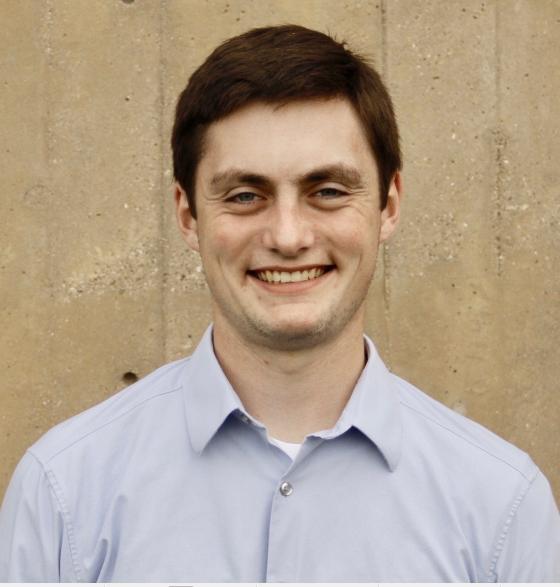
“Overall,Iwouldabsolutelyrecommendthe internshiptoanyUMarystudentslookingfor agreatengineeringexperiencethathelpsthem toexploreanareathattheymaynothavebeen thinkingofasafuturejobopportunity.EveryoneIhavemetduringmyinternshipMDU wasfriendlyanditreallyprovidedagreat overalljobexperience.MysupervisorAaron waseasytotalktoandwasalwaysthereto helpandanswermyquestionstherebymakingtheexperienceevenbetter.”
BlakeRubio isa JuniorCivilEngineeringmajorwho workedworkwith DepartmentofTransportationinIllinois outofDistrict2this summer.Hewas basedoutofDixion inLeeCounty.“Specifically,Iworkedwith theBridgeinspectionunitassistingthePE withvarioustaskssuchasinspectingmultiplestructuressuchasbridges,andallitems relatedtotheconstructionorintegrityofthe bridge.Completingformsandreportsbased onthoseinspectionandcompilingtheminto asystemknownasBIS(BridgeInspection System).”
ALUMNI EVENT
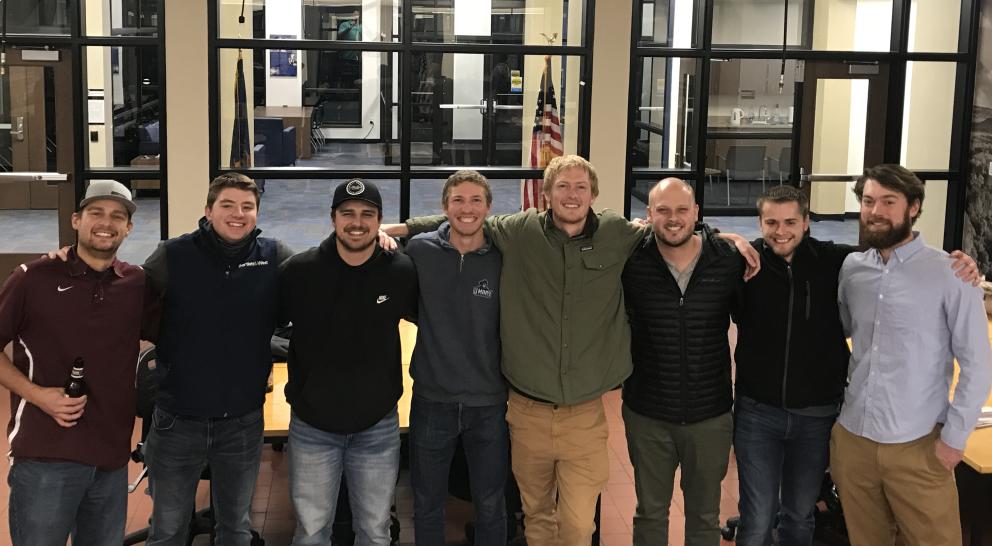
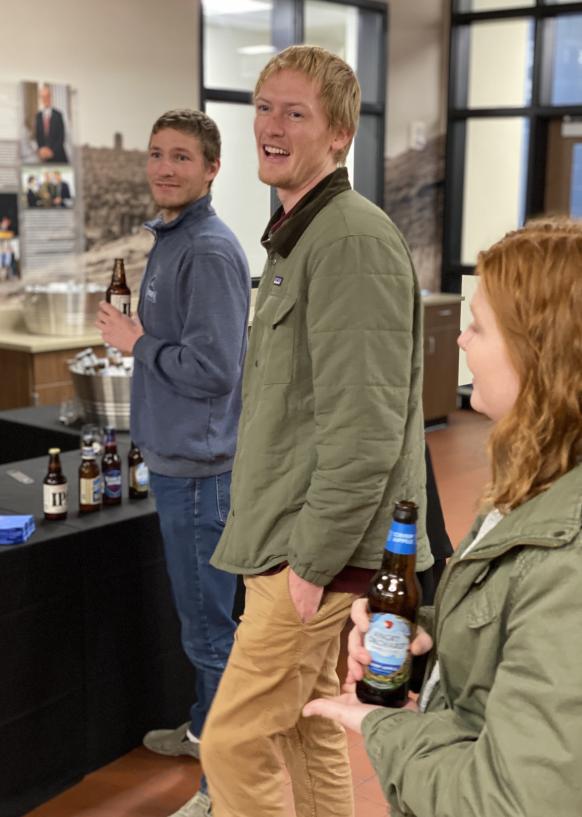
AttheendofNovembereveryyearwe hostanalumnieventoncampusatourEngineeringSchoolandweinviteallofourgraduatesfrompreviousyears.Thisyeartheevent washeldonNovember20thinourSenator KevinCramerSeniorDesignCenter.Wehad foodanddrinksandwegottoshowourgraduatesthenewengineeringbuildingaswell ascatchupwithwhattheyhavebeendoing sincetheygraduated.Wefindthatourgraduateshavecareersindiversecompaniesacross
VOL.III...No.1 EngineeringQuarterly FALL2020 2
SUMMER INTERNSHIPS
thecountry.Herewegiveabriefcommenton thosewhowereabletomakeittoouralumni eventthisyear.
NoahKrebs isaCivilEngineeringgraduatewhois nowaprojectengineerin thewaterresourcesdepartmentofBartlett&Westin Bismarck,ND.Heiscurrentlydesigningawaterdepotwheretrucks comeandgetwatertofrack.Heisdesigning thepipelineandthepumpfromthelake.
CalebWeisgarber is workingatApexEngineeringinBismarck,ND,doing transportationengineering. Recently,Calebdesigneda roundaboutforthemwhich isquiteironicsincebothhe andLeviClagettworkfor ApexandoneofLevi’sfavoriteundergraduateprojectswasdesigningaroundabout. InsteadLeviisdoingwaterresources.

JacksonPenner isaCivil Engineeringgraduatewho worksatMountainPlains outofWatfordCity,ND. Hedoespowerlinetransmissionwhere,atthemoment,hemostlydoessurveying.Hejuststartedthis positionandreallyenjoysitsofar.
JaradZittleman isa MechanicalEngineering graduatewhoisnowan MEPprojectengineerwith Bartlett&WestinBismarck,ND,doingproject designwork.Healso workswithNoah,hasbeentheresincehewas astudent,andreallyenjoysworkingthere.
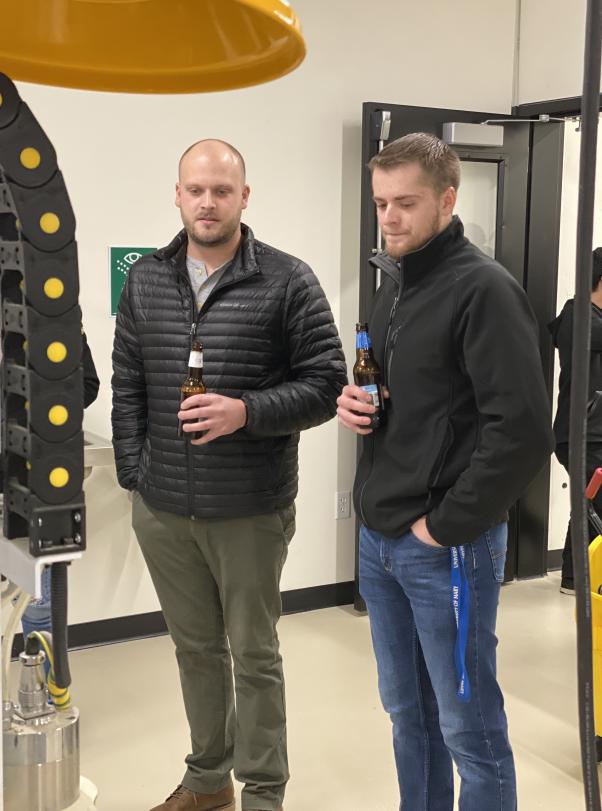
LeviClagett isaCivilEngineeringgraduatewhois nowwithApexEngineeringinBismarck,ND,doingwaterresourceswork. LeviworkedfortheCity ofBismarckthroughouthis undergraduatestudiesbutwasofferedapositionwithApexupongraduation.Wereally enjoyedcatchingupwithalloftheinteresting thingshehasbeenworkingonsincegraduating.
JosefSollmann isanElectricalEngineeringgraduatewhonowworksfor MontanaDakotaUtilities inBismarck,ND,atthe NERCComplianceEngineer.Hemakessurethat companiesareincompliancewithalloftheirsoftwaresecurity.Josef wasalsointhechoirandplayedtrumpetwhen
AaronBales isanElectricalEngineeringgraduate whonowworksasaCommunicationsEngineerfor MontanaDakotaUtilities inBismark,ND.HedoesC programmingforsubstationcontrolssothey canremotelycontroleverythingfromtheofficeinBismarck.Hejustcommissionedhis firstsubstationinMontanarecentlyforthe KeystoneXLPipeline.

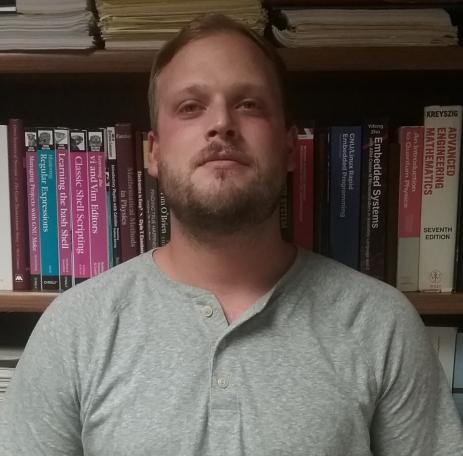


IsaacSaad isaCivilEngineeringgraduatewho nowworksatKLJinBismarck,ND.Hedidsurveyingprojectswiththemand nowheisworkingonthe Bismarckairportprojectwiththem.Isaac wasoneofthestarbaseballpitcherswiththe Marauder’sbaseballteamwhilehewascompletinghisdegree.
VOL.III...No.1 EngineeringQuarterly FALL2020 3
hewashereatUMary.
ELECTRONICS PROBLEM ByKHALIDOWEIS
AnswerthefollowingquestionswithTrue orFalse.
1. Ap-typesemiconductoriscreatedby addingimpurityatomsthatarepentavalentatoms.
2. Adepletionregionformsstartingatthe junctionbetweenpandnthatisdevoid ofanymajoritycarriers
3. Inapn-junction,theelectroncurrent takesplacewhenavoltageisapplied acrossthesemiconductor,thethermally producedfreeelectronsmovetoward thepositiveendandformthecurrent.
4. Valenceelectronshavethelowestenergyofallthoseintheatom.
5. PIV(peakinversevoltage)isthemaximumvoltageappearingacrossthediode inforwardbias.
6. ThebarrierpotentialofGermanium = 0 6 Vat 25◦
ADVANCED ENGINEERING MATH PROBLEM ByTERRYPILLING
Hermite’sEquationisthefollowingsecondorderdifferentialequation:
“Thereexists,ifIamnotmistaken,anentireworldwhich isthetotalityofmathematical truths,towhichwehaveaccess onlywithourmind,justasa worldofphysicalrealityexists, theoneliketheotherindependent ofourselves,bothofdivinecreation”–CharlesHermite
HINTS (youshouldmakesureyouunderstandhoweachofthesehintsworks,don’tjust usetheresults-understandthem):
• Firstyouwillfindthattheseriesseparatesintoaserieswithonlyoddpowers of x andonewithonlyevenpowersof x
• Thegeneralsolutionwillbealinearcombinationofthetwoseries above: y = C0y0 + C1y1
• Nowyouhavetonotethatwhen α is aninteger,eachoftheserieswilltruncate.Forexample,thefirstvanishingtermintheevenserieswillhappenwhen α =2k 2 andsothelast non-vanishingterminthatserieswillbe when k = α/2
• Similarly,thelastnon-vanishingtermin theoddserieswillhave k =(α 1)/2
• Now,traditionally,theHermitePolynomialsaredefinedbyfixingthearbitraryconstants C0 and C1 sothecoefficientofthe xα termintheexpansion is 2α.Forexample,intheevenseries thismeansthat
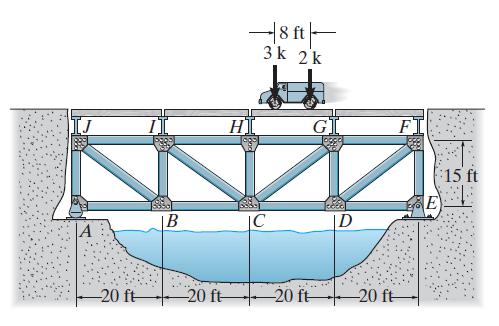
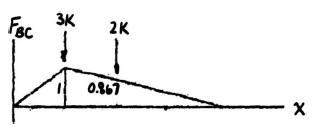
Drawtheinfluencelinefortheforcein memberICofthebridgetrussanddetermine themaximumforce(tensionorcompression) thatcanbedevelopedinthememberduetoa 5-ktruckhavingthewheelloadsshown.Assumethetruckcantravelineitherdirection alongthecenterofthedeck,sothathalfthe loadshownistransferredtoeachofthetwo sidetrusses.Alsoassumethemembersare pinconnectedatthegussetplates.
• Notethatinordertogettheaboveexpressionfor
where α isaninteger.Usethenormalpower seriesmethod(sincethecoefficientsareanalyticat x =0 youdonotneedFrobenius method)toshowthatthesolutionsarethe HermitePolynomialsgivenby:
• Whenyouhavethepolynomialseriesin termsof α write α =2n fortheeven and α =2n +1 fortheoddseriesto simplify.
• Alsonotethat:
(n 1) (n k +1)
= 2kn! (n k)!
makesureyouunderstandthis,don’t justusetheresult. Thisisnotadifficult problemitjusttakestimeandpatience aswellasdevelopingsomeskillinmanipulatingseriesexpressionstosimplify things.
Theaccelerationofaparticleisdefinedby therelation a = k√v,where k isaconstant. Knowingthat x =0 and v =169 m/sat t =0 andthat v =49 m/swhen x =16 m,determine (a) k,and (b) thetimerequiredfor theparticletocometorest.(Usethreedecimal accuracy)
UNDAMENTALSOF ENGINEERING EXAM ByNANCYKELLY
TakingandpassingtheFundamentalsofEngineering(FE)examisthefirststeptakenbyengineerswhoseultimategoalistoearntheProfessionalEngineercredential.TheFEexamis basedontopicsthataretypicallycoveredina Bachelor’sdegreeprograminEngineering,so itisadvantageoustotaketheexamtowards theendofcollegeorshortlyaftergraduation.
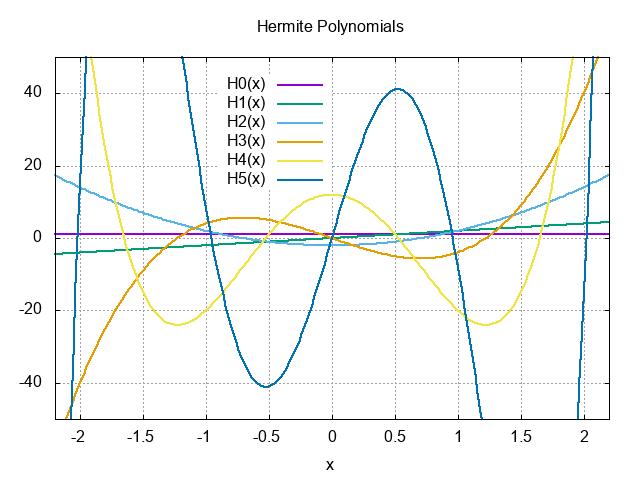
Inparticular,noticehoweachseriesactually truncatesatamaximumvaluenandsoisnot aninfiniteseriesbut,rather,apolynomial. Graphthefirst8ofthemusingGnuplot.Make surethefirst6looklikethegraphshown.
Considerthecircuitshownbelow.Find
TheSchoolofEngineeringencourages ourCivil,ElectricalandMechanicalEngineeringseniorstotaketheFEexam,regardlessoftheirimmediatepostgraduateplans.To assiststudentswiththeirpreparation,weofferENR498FEExamPrep.Thiscoursewas taughtforthefirsttimeinSpring2020,and willbeofferedagaininSpring2021.
ENR498meetstwiceaweekfortwo hoursatatime.Eachmeetingcorresponds toatopicfoundontheFEexam,exceptfor
VOL.III...No.1 EngineeringQuarterly FALL2020 4
d2y dx2 2x dy dx +2αy =0
H2n(x)= n k=0 ( 1)n+k(2n)! (n k)!(2k)! (2x)2k H2n+1(x)= n k=0 ( 1)n+k(2n +1)! (n k)!(2k +1)! (2x)2k+1
C0 = α! ( 1) α 2 α 2 !
C0 youneedtonoticethat 2 4 6 α 2 =2 α 2 α 2 !
2n(2n 2)(2n 4) (2n 2k +2) =2k n
CIRCUITS PROBLEM ByNANCYKELLY
x and i
+ + 10V 5 Ω + 5V 1 Ω 20 Ω 7 Ω + vx ix
v
x
STRUCTURAL MECHANICS PROBLEM ByERICGARCIA
DYNAMICS PROBLEM ByERICGARCIA
F
Mathematics,whichiscoveredovertwosessions.InSpring2020,SchoolofEngineeringfacultytaughtallclasses,duringwhich theyreviewedfundamentalprinciplesassociatedwiththevarioustopics.Additionally, timewasspentgoingoverrelevantproblems. Studentswereprovidedwithamplepractice materials,sampleexamproblemsandsolutions.Thecourselastsabouttenweeks,wrappingupinmid-March.
Studentfeedbackregardingthefirstofferingofthecoursewasoverwhelminglypositive.Severalstudentscommentedfavorably abouttheteam-taughtaspectofENR498, onestatingthat“itallowedalloftheprofessorstoteachtotheirstrengths.”Anotherstudentnotedthatthiswasnotaconventional course.Rather,instructors“talkeddirectly [about]how[theexam]relatestothetest ratherthantryingtore-teachallthematerial.”
AttheendoftheFEPrepcourse,allenrolledstudentsstatedthattheyintendedto taketheexamaroundthetimeofgraduationorshortlythereafter.Forexample,recentgraduateEvanAndersonshared“AsI havejoinedtheconsultingworld,mycompanyhasemphasizedtheimportanceoftakingthisexamforcareerdevelopment.”Evan iscurrentlypartoftheNetworksIntegration andAutomationteamatBurnsandMcDonnell’sPhoenix,Arizonaoffice.
Currently,themajorityofourgraduates havenotyettakentheFEexam,butofthose whohavereportedtakingit,6/7(85 7%) havepassed.Alltest-takersreportedsatisfactionwiththeirUniversityofMaryeducation.AlumnusJaradZittleman,whoisnowa ProjectEngineerwithBartlett&WestinBismarck,NorthDakota,statedthat“Idobelieve theMEprogrampreparedmefortheexam.”
USINGADARTBOARDTOESTIMATE π ByTERRYPILLING
Supposeweareinapubandweseeadart boardonthewallandtheonlypersonusing isaeithercompletelydrunkoraterribledart playersince,althoughhealwayshitsthewall, heonlyhitsthedartboardatrandom.Weare goingtousethedartplayerasaperfectopportunitytoestimatethedecimalvalueof π
First,wemeasurethedartboardanddiscoverthatithasaradiusof0.5feet(i.e.itis afootindiameter).Next,wetakeapieceof chalkandmarkoutasquaresothatthecirculardartboardfitsperfectlyinsidethesquare. Inotherwords,thechalksquareisexactlyone footoneachsidewiththecirculardartboard justtouchingthemiddleofeachsideofthe squarefromtheinside.Werecordallofthe dartsthatlandinthesquareandwekeeptrack ofhowmanyofthosethatalsohitthedart board.Aftermanydartshavebeenthrown, thefractionthathitthedartboardshouldbe thesameasthefractionofareacoveredbythe dartboard:
#incircle #insquare = AreaCircle AreaSquare (1)
Sincetheareaofthecircleis πr2 andthearea ofthesquareis (2r)2 wehave
#incircle #insquare = πr2 (2r)2 = π 4 (2)
andwearriveatthefollowingestimateof π:
π =4 #incircle #insquare (3)
Let’swriteacomputerprogramthatwill simulatethis.
random-pi.c
#include < stdio.h>
#include < stdlib.h>
#include <time.h>
int main( int argc, char ∗∗ argv) {
if (argc!=2) { fprintf(stderr,”Usage:%sn \ n ”, ∗ argv); fprintf(stderr,”wherenis thenumberofdarts. \ n”); return 1; }
longint i,n=atoi(argv[1]), circle=0; longdouble x coord=0, y coord=0,Pi;
srand(time(0));
if (n < 0) { fprintf(stderr,”nmustbe positive \ n”); return 1; }
for (i=0;i < n;i++) { x coord=( longdouble )(rand ()%10000000)/10000000; y coord=( longdouble )(rand ()%10000000)/10000000; if (((x coord) ∗ (x coord)+( y coord) ∗ (y coord)) <=1 )circle++; }
Pi=( longdouble )4∗ circle/n; printf(”%ld \ t%0.6Lf \ n”,n,Pi); return 0; }
Whenwerunthisprogramwith100darts weget3.12whichistoolowandwith200we get3.16whichistoohigh.
Itwouldbenicetoknowhowfastthe numberisconvergingtothecorrectvalueof π.Tovisualizethis,wewillwriteabash scriptwhichrunsourshootprogramformany differentnumbersofdartsandshows,viaa Gnuplotscriptthatitcreates,howtheresults trendsasthenumberofdartsincreases.
HereisaprogramthatrunsabunchoftrialsstartingwithonedartandusesourCprogramtogettheresultingvaluefor π andthen itcontinuesupbyabunchofdartseverytrial untilitreachesthemaximumnumberofdarts asspecifiedonthecommandline.Itstores theresultofeachtrialinadatafilecalled shoot.dat
random-pi.sh
#!/bin/bash
if [ erandom pi.dat]; then rm frandom pi.dat; fi if [$ # ne1];then
echo ”Usage:$0 < trials >”
exit fi if [! erandom pi]; then echo ”executablefile random pinotfound”
exit fi
dn=$( echo ”scale=0;$1/200” | bc l)
for ((i=$dn;i <$1;i=$i+$dn)) ; do ./random pi$i >> random pi .dat
done
echo ”settermx11” > random pi .gnuplot
echo ”settitle \ ”Convergence toPi \ ”” >> random pi.
gnuplot
echo ”setxlabel \ ”NumberData Points \ ”” >> random pi.
gnuplot
echo ”setformatx \ ”%.0te%S\ ”” >> random pi.gnuplot
echo ”plot \ ”random pi.dat \ ”u
1:2t \ ”Aprox \ ”wl, 3.1415927dt2” >> random pi.gnuplot
gnuplot prandom pi.gnuplot
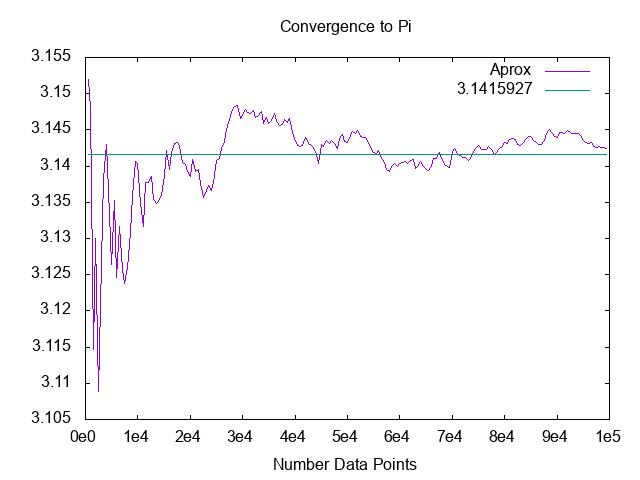
NotethattheBashscriptautomatically createstheGnuplotscriptandplotsitforus. Thefigureshowsthegraphwhichresultsfor trialsstartingat1dartandgoingupinstepsof 100000/200=500 allthewaytoamaximum trialwith100,000dartsthrown.
AquestionIasktheENR304:Computer AidedAnalysis studentsisthis:“Afteracertainpoint,youcancontinuetoincreasethe numberofdartsbuttheanswerdoesn’tget anycloserto π,whyisthat?”
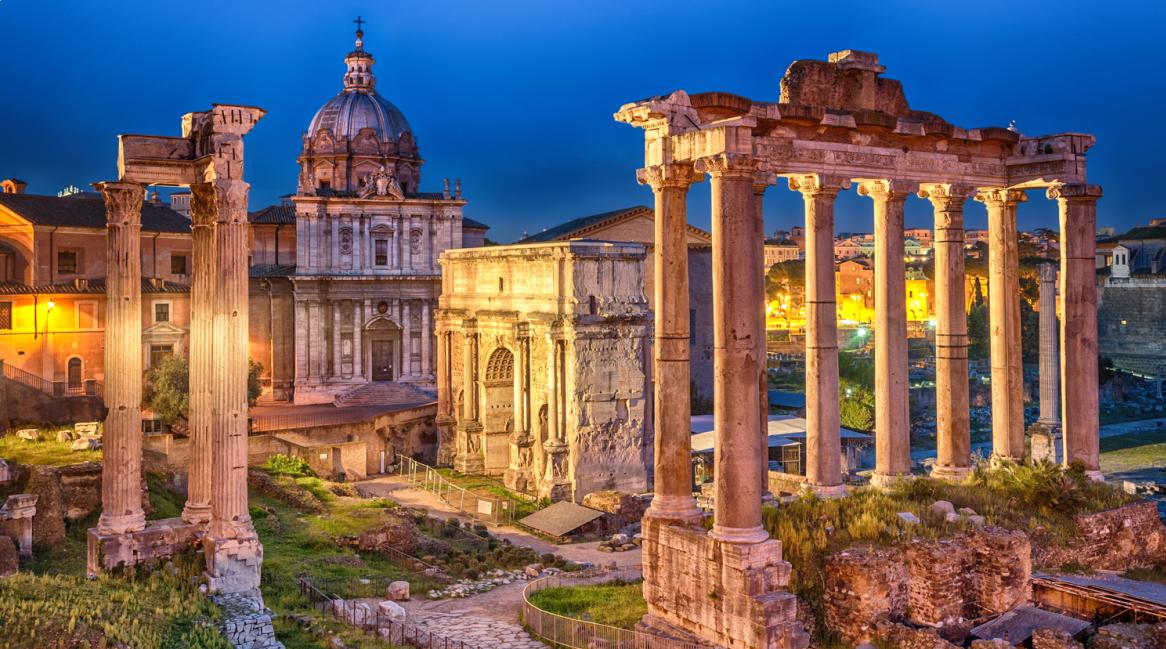
Oneofthemanyopportunitiesavailableto studentsattheUniversityofMaryistheabilitytogotoourRomecampusforasemester andtakecoursesonhistory,philosophy,and theologywhileatthesametimetouringthat ancientcityandsurroundingcitiesandlearningaboutothercultures.Wewouldlovefor
VOL.III...No.1 EngineeringQuarterly FALL2020 5
CO-OPS,COVID-19, AND ROME ByTERRYPILLING
ourengineeringstudentstobeabletakeadvantageofthisopportunitybutthereisaproblem.Ourengineeringcurriculumissofull andsosequencedthatifastudentwereto take,forexample,theirfallsemesterinRome theywouldhavetowaituntilthefollowing fallsemesterinordertogetbackintothesequence.Theresultisanadditionalyearrequiredtogettheirdegree.
Wehaveformulatedasolutiontothis.We havebeenpartneringwithcompanieswhooffer8monthlongco-opsduringeachsemester andincludingthesummer.Sothestudentcan workforthesummerandthefallsemester, ortheycanworkforthespringsemesterfollowedbythesummer.Thisisaverygood opportunityforthestudentsandgivesthem anexperiencethatisbeyondthatofanormal summerinternship.Thisalsogivesthemthe opportunitytotakeasemesterinRome!If theygotoRomeduringonesemester,anddo aco-opduringtheother,theywillreturnto classesexactlyinsequenceagain.
ingwhichdetailshislife,hismartyrdom,and hisbeatification.Whentheconstructionof ourbuildingwascompleted,thePresident oftheUniversityofMary,MonsignorJames Shea,sharedwithushow“eversincewebeganbuildingourSchoolofEngineering,I havebeenquietlyprayingtohimtohelpus bringallofthistopass.Especiallywhenthe fundraisinglookedlikeitwouldbeimpossible,Iturnedtohimforintercessionandassistance.”FatherRotherhasoftenbeencalled an“ordinarymartyr,”havingan“ordinary life,”andforgoodreason.Whilepriestand preacher,FatherRotherwasathomeinhis ministryalsowhileworkingwithhishands, handlingequipmentandimprovingmachineryandbuildingfacilities,roads,andirrigationsystemsforthepoorcommunityhe served.Hewasaholypriest,andhewasalso aholycraftsman,aholymechanic,andsomethingofaholyengineer.
Fiveyearsintohisministry,FatherRotherfeltacalltothediocesanmissioninSantiagoAtitl´an, Guatemala,inservicetoanimpoverishedfarmingcommunity. There,FatherRotherbecamefluentinSpanishandthedifficulty Tz’utujillanguage,eventranslatingtheBibleintoTz’utujil.His peoplelovedhim,naminghim “PadreA’Plas,”“FatherFrancis.”
InGuatemala,FatherRotherreturnedtohisboyhoodrhythmof faith,family,andfarming.While hewastheirpriest,PadreA’Plas alsoplowedandplantedandbuilt alongsidethem.Bruisesunder hisfingernailsandefficiencyon hismind,thosedaysspentworkingonthelawnoftheseminary andonthefamilytractorwere puttouse,asFatherRothertinkeredwithhisparishioners’farmingequipment,stretchedirrigationsystemsandaninfrastructure acrosstheirland,andbuiltthema radiostation.Herefusedtospare himselfintheirservice.
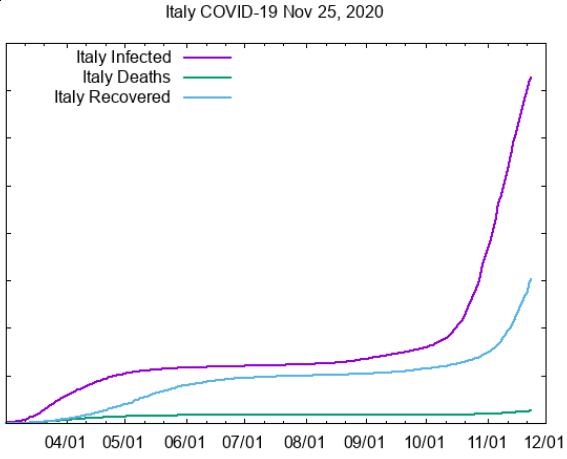
Unfortunately,ourRomeprogramthisyear hasbeentemporarilysuspendedduetheto COVID-19resurgencewhichishappening aroundtheworldthisfallastheweatheris changing.WewereforcedtoclosetheRome campusearlylastspring,whenthepandemic firstbegan,andbringthosestudentshome beforethebordersbetweencountrieswere closed.Thisyearthereisariskthatthesame thingwillhappenandsoitwasdecidedthat weshouldjustsuspendtheRomeprogramuntilthepandemichasrunitscourse.
Soonthingswillbebacktonormal,the Romecampuswillbeopen,andourengineeringstudentscanstarttoplanforaRome semestercombinedwithanengineeringco-op toaddtotheirresumeandgivetheirdegree attheUniversityofMaryamarveloussetof experiencesthatwouldbedifficulttofindanywhereelse.
WehavechosenBlessedStanleyRotheras thePatronandExemplarforMary’sSchool ofEngineering.Theplaqueonthewallgives thefollowingoutlineofhislife:
StanleyFrancisRotherwasborn in1935inOkarche,Oklahoma, asmallagriculturalcommunity outsideOklahomaCity.Thefirst offivechildren,Stanley’sfamily wasjustoneofmanywhosedays werespentinarhythmoffaith, family,andfarming.Stanleyand hissiblingswouldriseearlyto milkcows,returninghomefrom schooltojointheirfatherinthe alfalfafields,andfinishingthe daywithaRosaryafterdinner. Thoseearlydaysprovidedthe scaffoldingforStanley’scallto thepriesthood.Tohisfamily’s surprise,Stanleylefthomeat eighteenfortheseminary.There hestruggledwithLatin,finding hisplace,instead,intheseminarybindery,buildingashrineto theBlessedMother,inaconfusionoftoolsandequipment.Ifit wasbroken,Stanleyfixedit.Ifit neededdoing,hedidit.
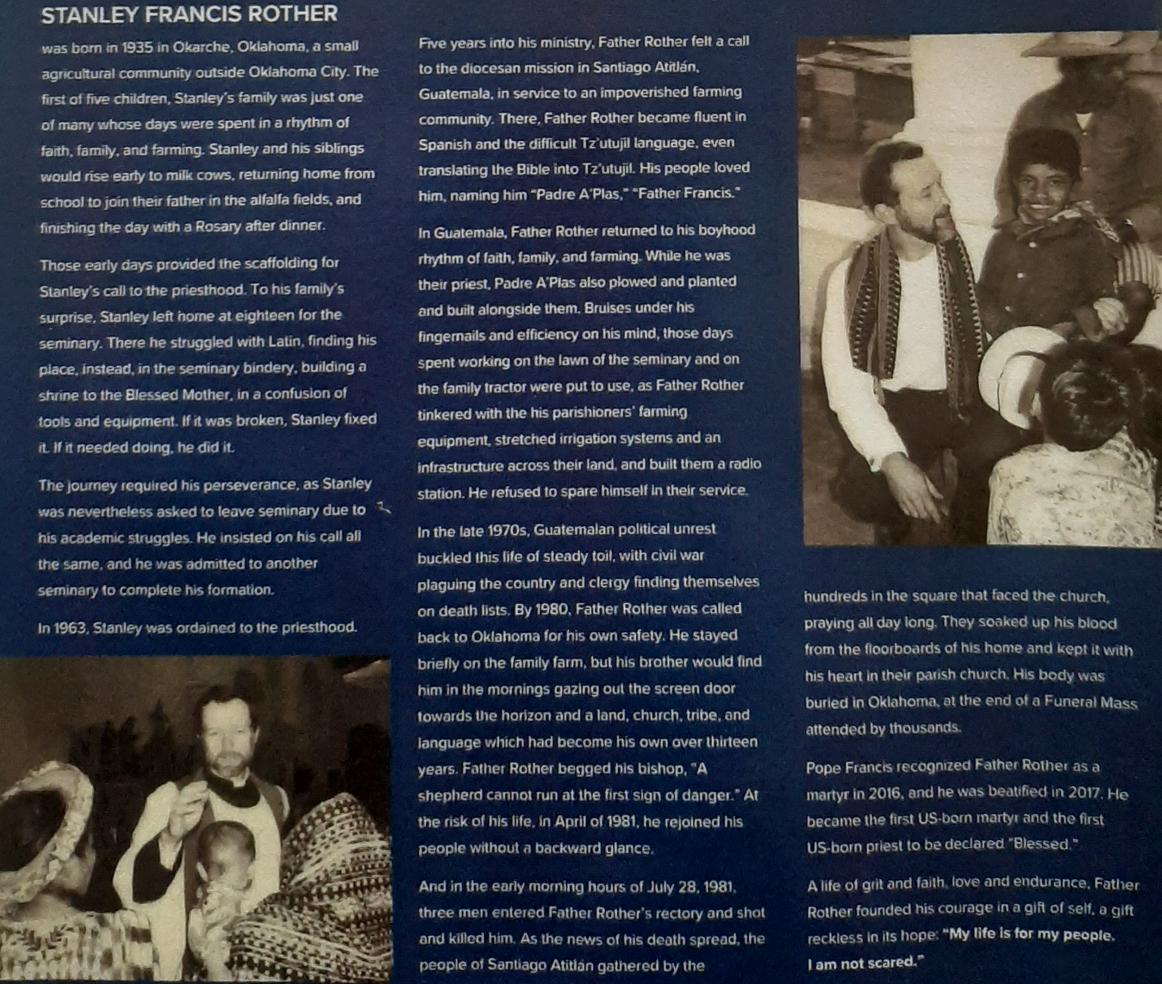
Thejourneyrequiredhisperseverance,asStanleywasneverthelessaskedtoleaveseminarydue tohisacademicstruggles.Heinsistedonhiscallallthesame,and hewasadmittedtoanotherseminarytocompletehisformation.
In1963,Stanleywasordainedto thepriesthood.

Inthelate1970’s,Guatemalan politicalunrestbuckledthislife ofsteadytoil,withcivilwar plaguingthecountryandclergy findingthemselvesondeathlists. By1980,FatherRotherwas calledbacktoOklahomaforhis ownsafety.Hestayedbrieflyon thefamilyfarm,buthisbrother wouldfindhiminthemornings gazingoutthescreendoortowardsthehorizonandaland, church,tribe,andlanguagewhich hadbecomehisownoverthirteen years.FatherRotherbeggedhis bishop,“Ashepherdcannotrunat thefirstsignofdanger.”Atthe riskofhislife,inAprilof1981, herejoinedhispeoplewithouta backwardglance.
Andintheearlymorninghours ofJuly28,1981,threemenenteredFatherRother’srectoryand shotandkilledhim.Asthenews ofhisdeathspread,thepeopleof SantiagoAtitlangatheredbythe hundredsinthesquarethatfaced thechurch,prayingalldaylong. theysoakeduphisbloodfromthe floorboardsofhishomeandkept itwithhisheartintheirparish church.Hisbodywasburiedin Oklahoma,attheendofaFuneral Massattendedbythousands.
PopeFrancisrecognizedFather Rotherasamartyrin2016,and hewasbeatifiedin2017.He becamethefirstUS-bornmartyr andthefirstUS-bornpriesttobe declared“Blessed.”
Alifeofgritandfaith,love andendurance,FatherRother foundedhiscourageinagiftof self,agiftrecklessinitshope:
VOL.III...No.1 EngineeringQuarterly FALL2020 6
BLESSED STANLEY ROTHER ByTERRYPILLING
ThereisapictureofStanleyFrancisRother inthefoyerofournewEngineeringBuild-
“Mylifeisformypeople.Iam notscared.”
AnOrdinaryMartyr:TheLifeandDeathof BlessedStanleyRother: https://youtu.be/hsOvNtoZVzc
SOLUTIONSTO PROBLEMS
• Electronicsproblem: FTTFFF
• EngineeringMathProblem:
Thesolutiontothisproblemwasgivenin thestatementoftheproblemabove.Inclass thestudentswouldhavetoprovidethefull mathematicalderivationincludingadescriptionofeachstepinwordssothereadercan easilyfollowthelogic.
• CircuitsProblem:
vx = 120Vand ix =20 A.
• StructuralMechanicsProblem:
ThereisaparableinthebiblespokenbyJesus whichcanbefoundinthreedifferentplaces: Matthew13:1-9,Mark4:1-9,andLuke8:4-8. Itisreferredtoas TheParableoftheSower andIthinkthatitisaptanalogyforourphilosophyasanEngineeringSchool.Hereisthe parableasgiveninthebookofMatthew:
AndHespokemanythingsto theminparables,saying,“Behold,thesowerwentouttosow; andashesowed,someseedsfell besidetheroad,andthebirds cameandatethemup.Others fellontherockyplaces,where theydidnothavemuchsoil;and immediatelytheysprangup,becausetheyhadnodepthofsoil. Butwhenthesunhadrisen,they werescorched;andbecausethey
hadnoroot,theywitheredaway. Othersfellamongthethorns,and thethornscameupandchoked themout.Andothersfellon thegoodsoilandyieldedacrop, someahundredfold,somesixty, andsomethirty.Hewhohasears, lethimhear.”
Thestudentsaretheseedsandthesoilis us–theprofessors,thefacilities,theuniversity,andthesurroundingcommunity.You willnoticethattheparablesaysnothingabout the“qualityoftheseeds”,theseedsareallthe same.Theyallbeginwiththesamepotential togrowandflourish. Thedeterminingfactor intheparableisthequalityofthesoil.
HereattheUniversityofMaryEngineeringSchoolouropinionisthatstudentsallhave equalpotentialwhentheyarriveoncampus andthatitisweprofessorswhomustprovide therichandfertileexperiencewhichallows themtogrow.Westrivetoshapeourteaching methodsinordertofittheindividualstudent. Thisissomethingthatispossibletodoina schoolofoursizewhichwouldbenearlyimpossibleinalargerschool.Additionally,our studentsarenotmerelypassiveseedswaiting forthingstohappentothem,instead,theyare activeparticipantsintheirowncultivationand theycontributetotheirownflourishing.
Theresultisthatourgraduatesemerge fromourprogramintellectuallystrong,sociallyhealthy,andconfidentleaderswhoare culturallypreparedtoentertheworkplaceand thebroadercommunity.Itisexcitingtosee thisgrowthinourstudentsoverthecourseof theiryearswithus–itiswhywechoseteachingcareers.
ContactInformation
FormoreinformationaboutourengineeringprogramattheUniversityof Maryemail:Engineering@umary.edu
Nextissue:February,2021
VOL.III...No.1 EngineeringQuarterly FALL2020 7
(FBC )max = 3(1)+2(0 867) 2 =2 37k(T )
DynamicsProblem: (a) v dv dx = a = k√v therefore: √vdv = kdx sowhen x =16 and v =49 m/s: 49 169 √vdv = 16 0 kdx 2 3 [493/2 1693/2]= k[16 0] 2 3 [343 2197]= k[16] andtherefore: k =77 25 m/s2 (b) dv dt = a = 77 25√v sowhen t =0 and v =169 m/s: 0 169 dv √v = t 0 77 25 dt 2[√0 √169]= 77 25t andtherefore: t =0 337s FERTILE SOIL
•
ByTERRYPILLING
VOL.III...No.1 EngineeringQuarterly FALL2020 8
