No part of this publication may be used or reproduced, distributed or transmitted in any form or by any means whatsoever without the prior written permission of the publisher, except in the case of brief quotations in critical articles and review and certain non-commercial uses permitted by copyright law.
Printed in the U.K.
Issue One
ISSN 2059-1543
Multiplexer is a book-zine, produced by Vehicles for Experimental Practice as a place where the signs describing and constructing reality - graphics, texts, scores, comics etc - get analysed, manipulated, compressed and collided, to generate new forms and directions; each issue activated by a password acting as common denominator and entry-point to its content.
Multiplexer is curated through an open call to academics, writers, artists, designers, recent graduates or research students. For submission guidelines visit www.multiplexer.network
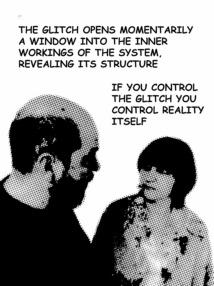
*Towards Our Own Baudrillardian Dictionary.
“Glitch”
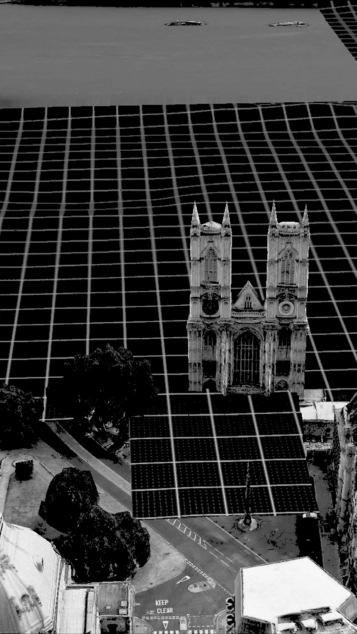
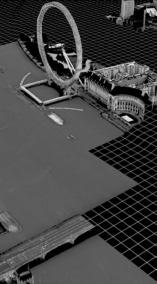
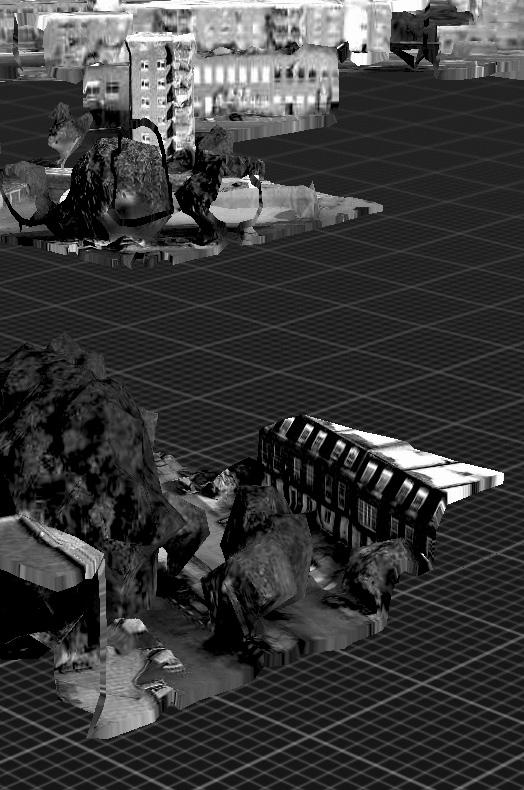
“United
Estates:
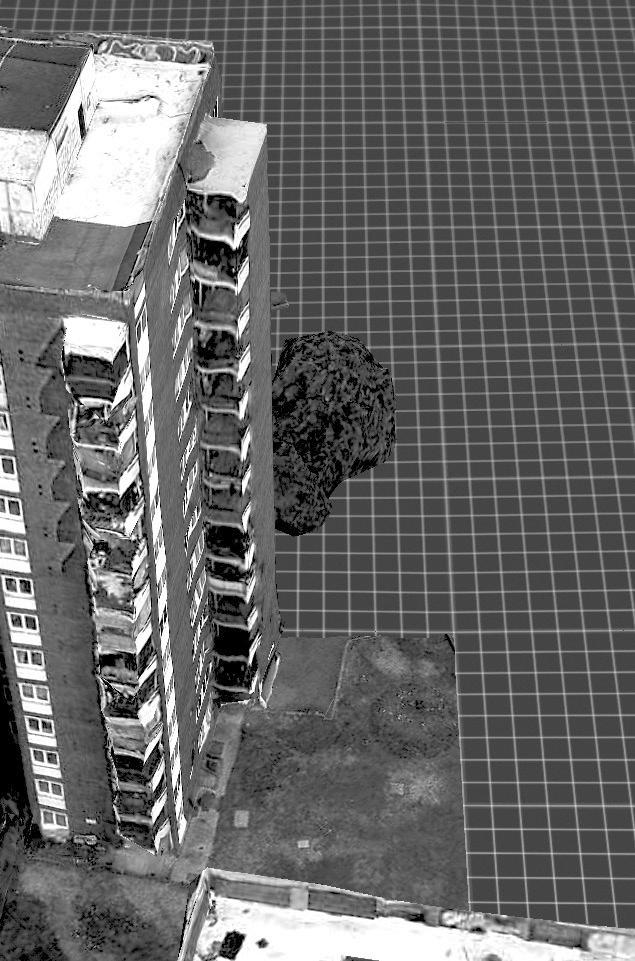
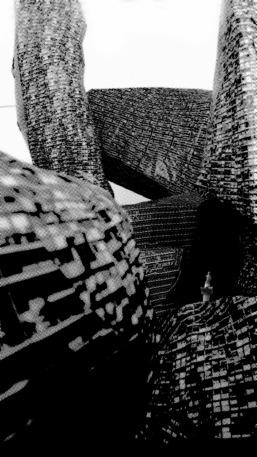
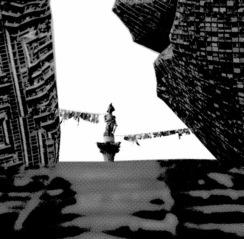
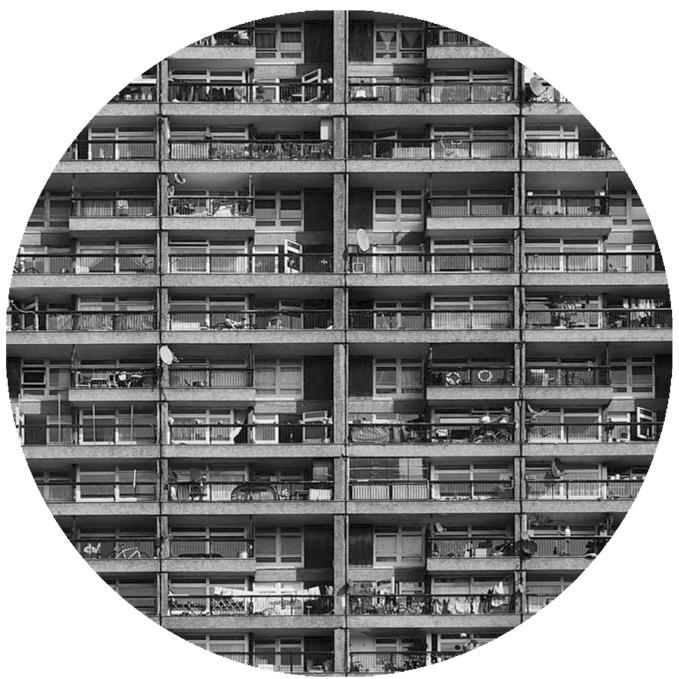
Trellick Tower fractal sticker
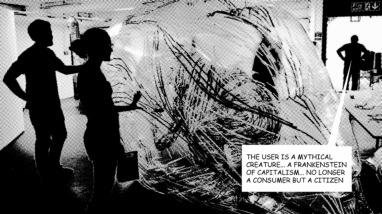
THE
MAKING
OF THE
USER
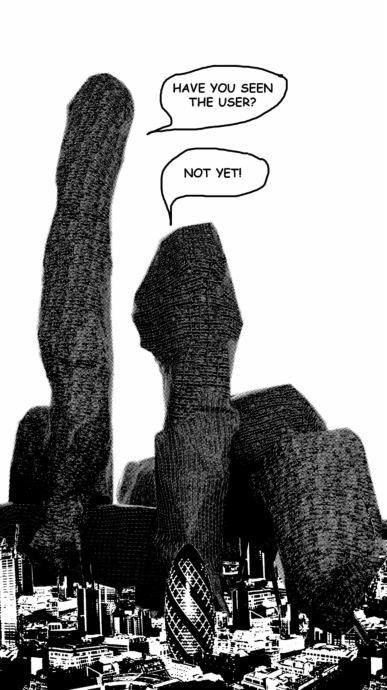
El Ultimo Grito 2015
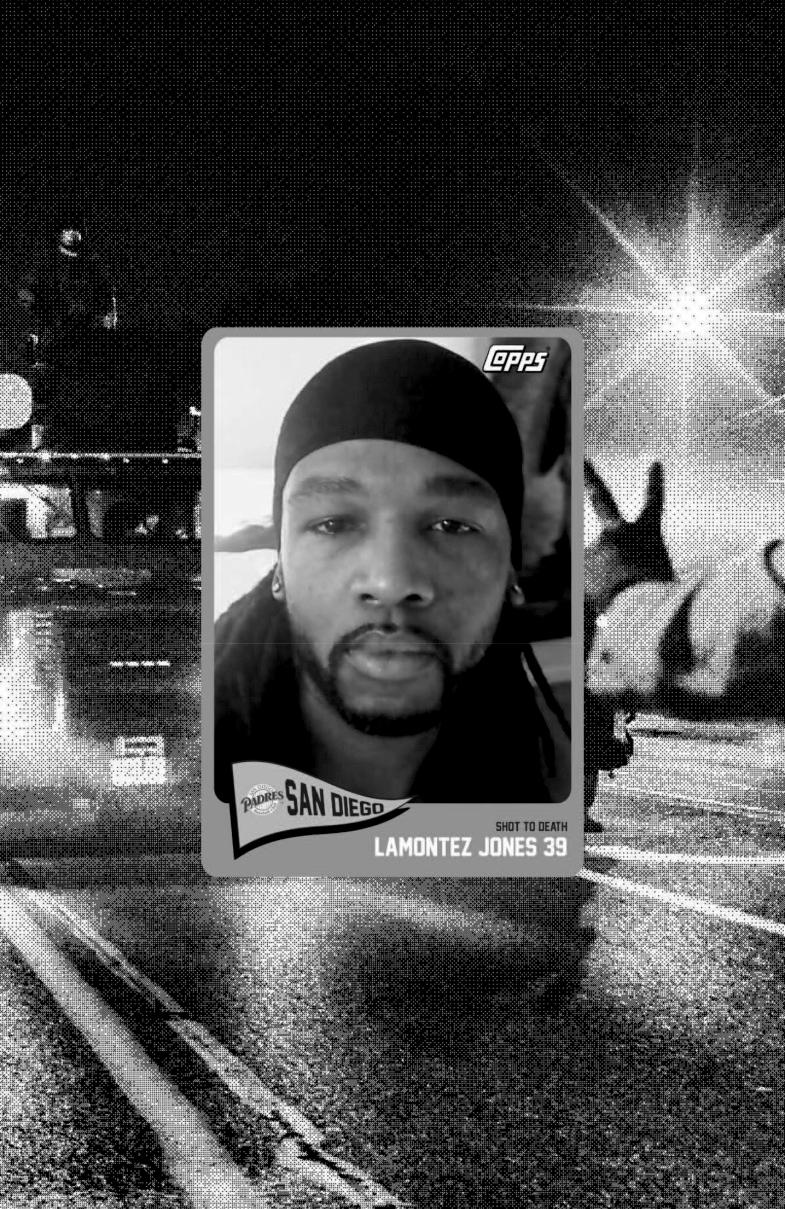
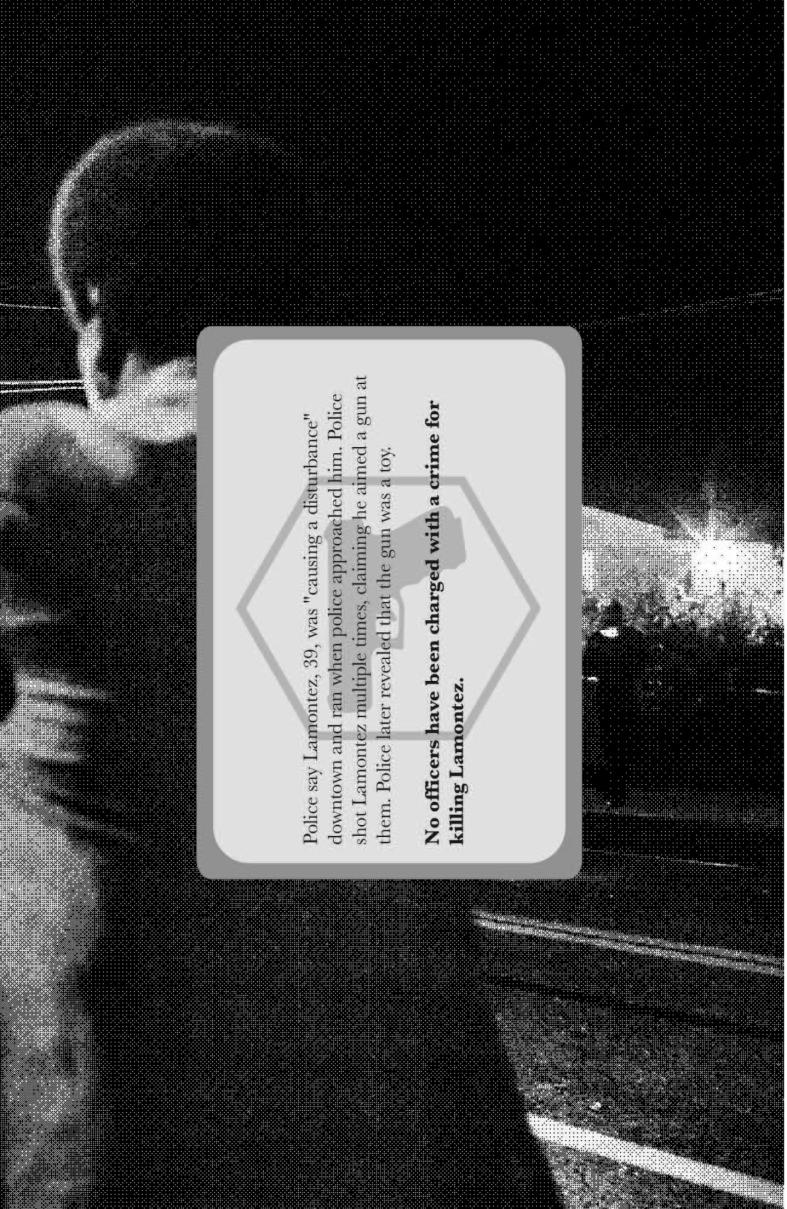
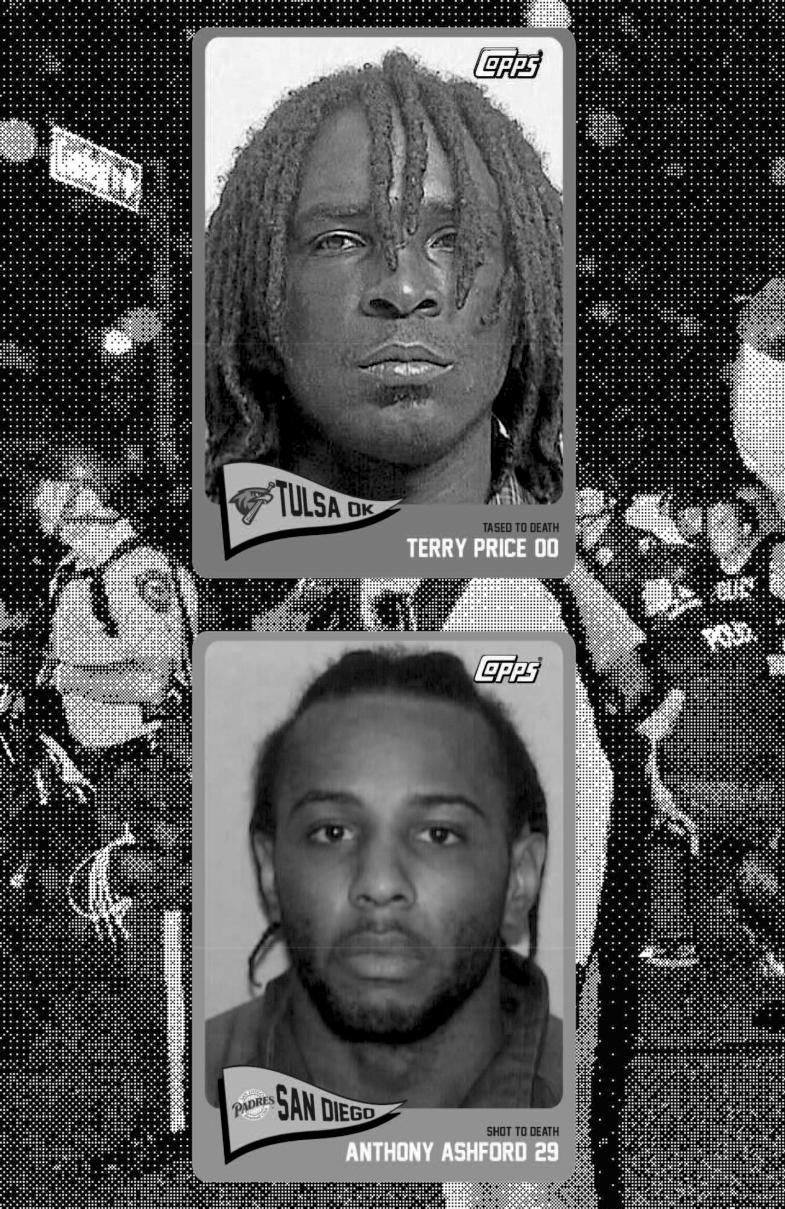
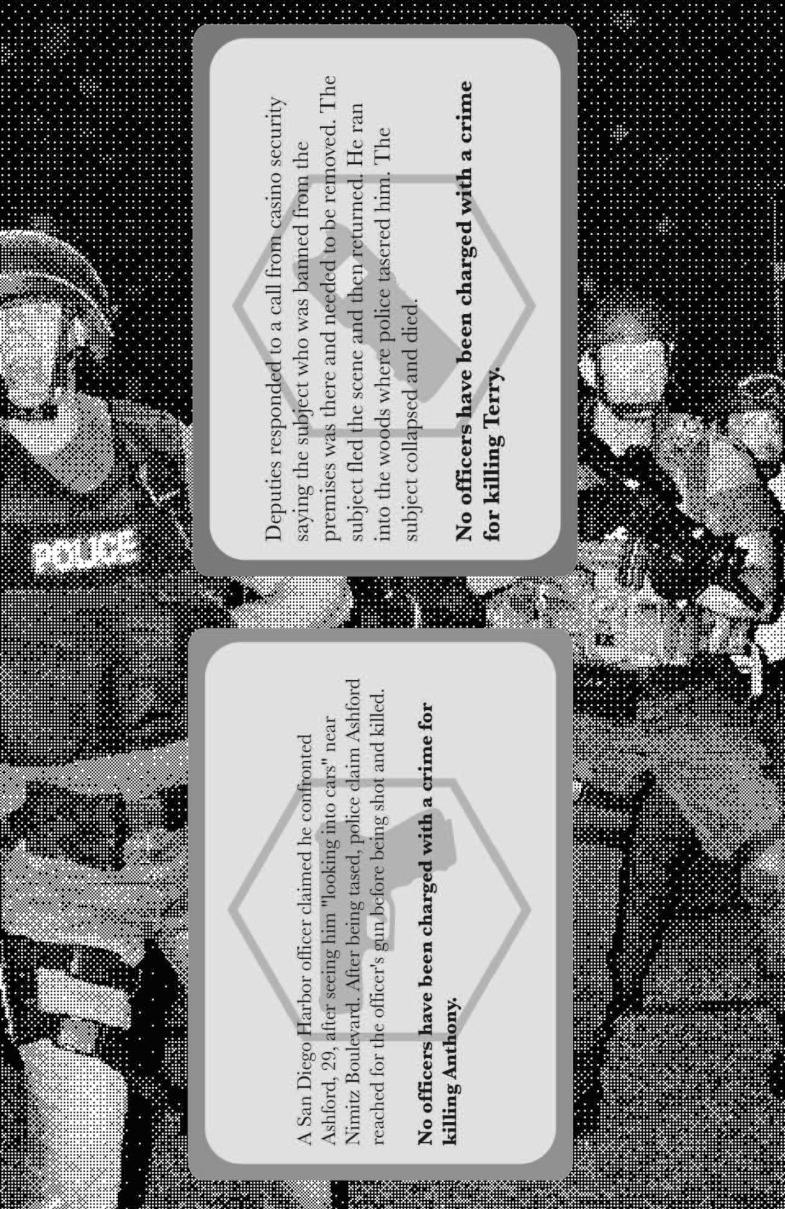
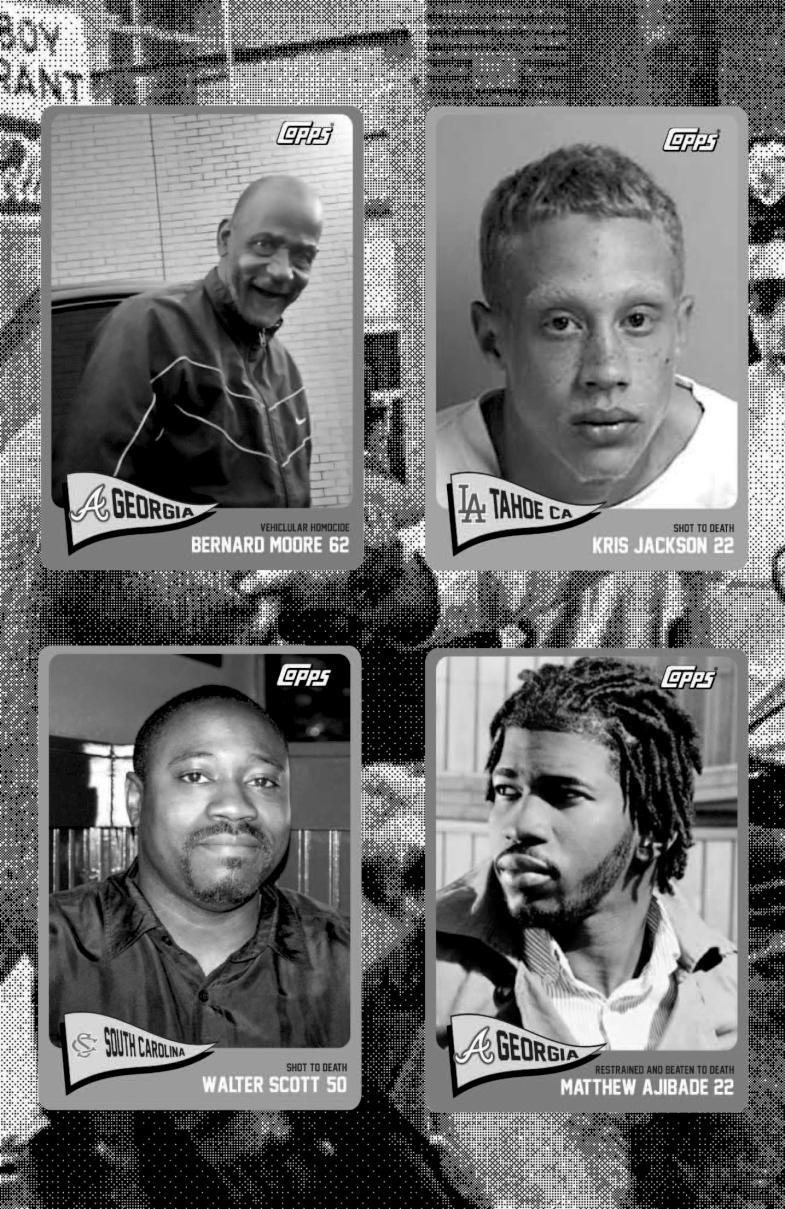
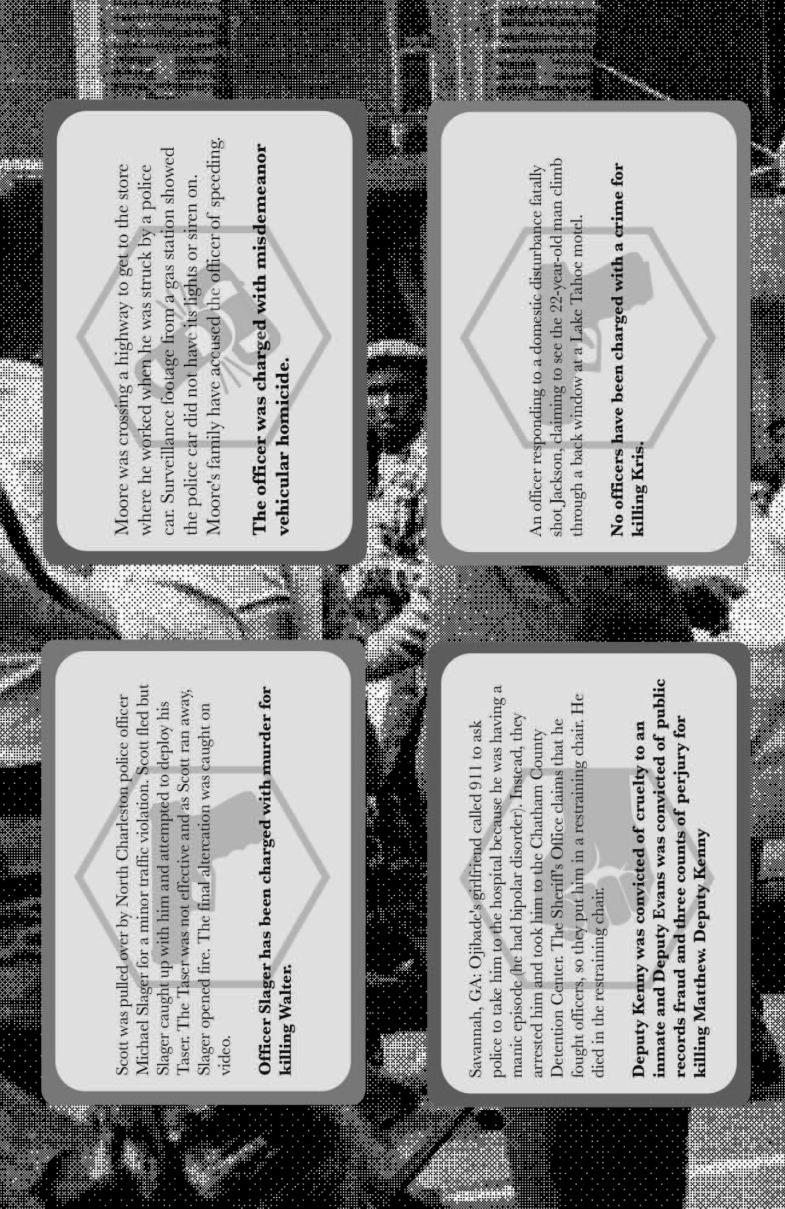
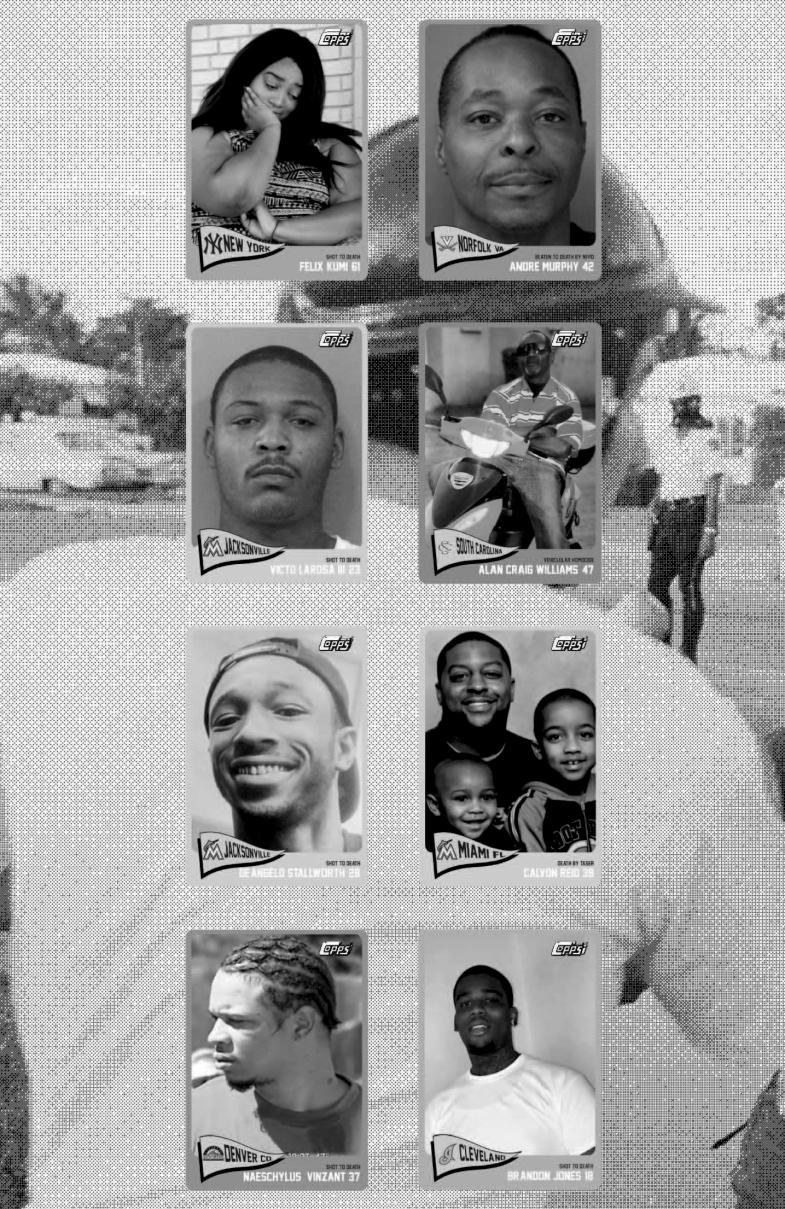
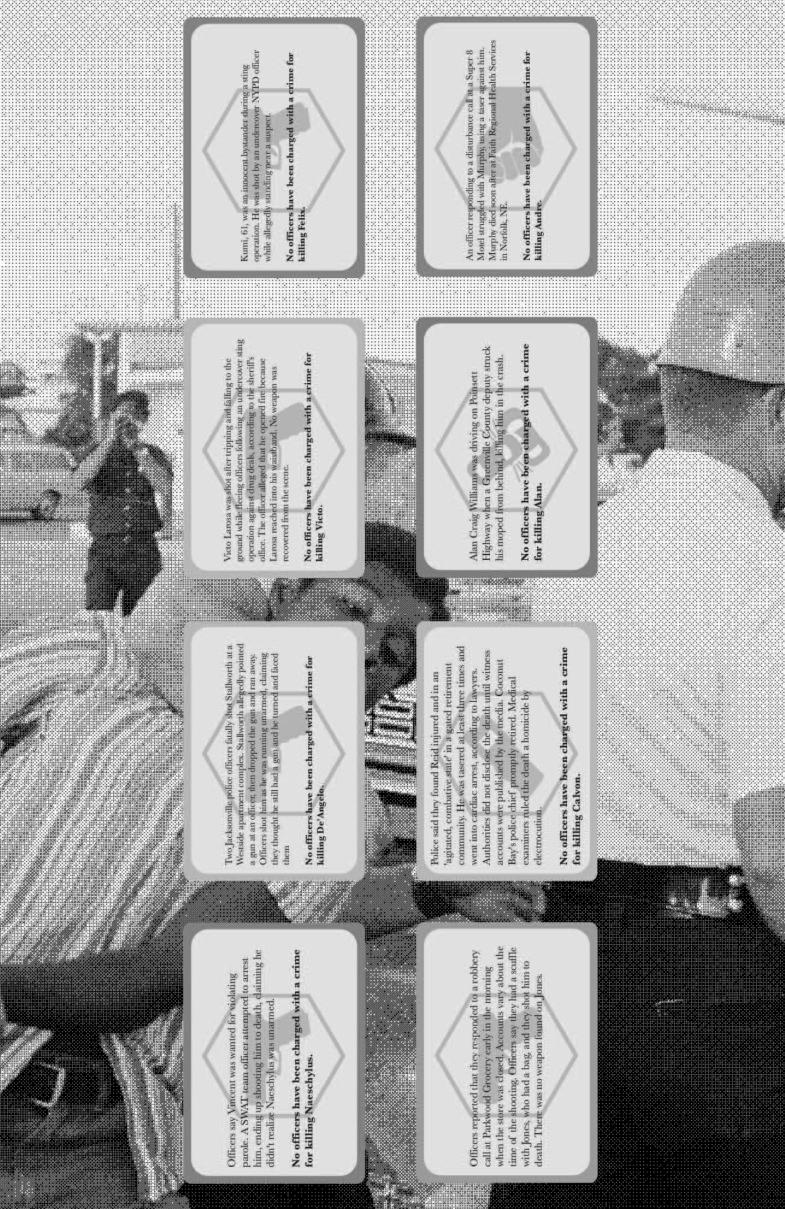
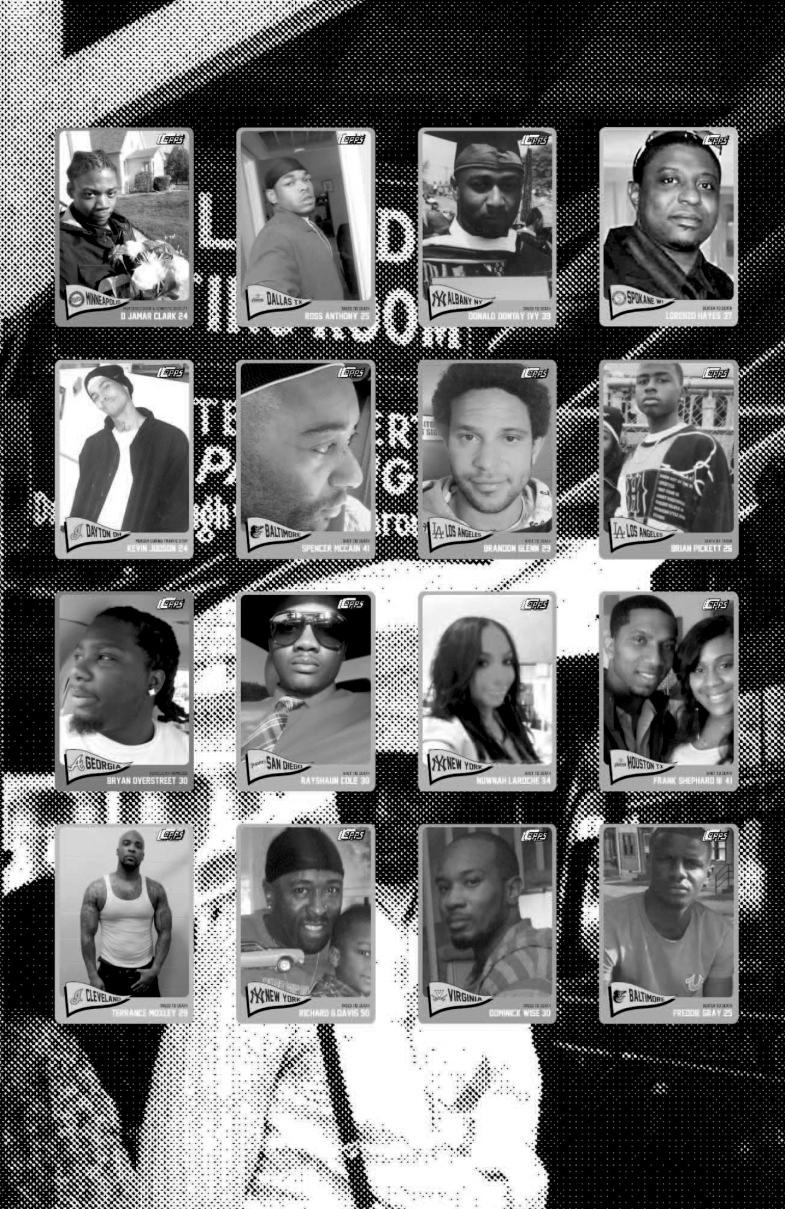
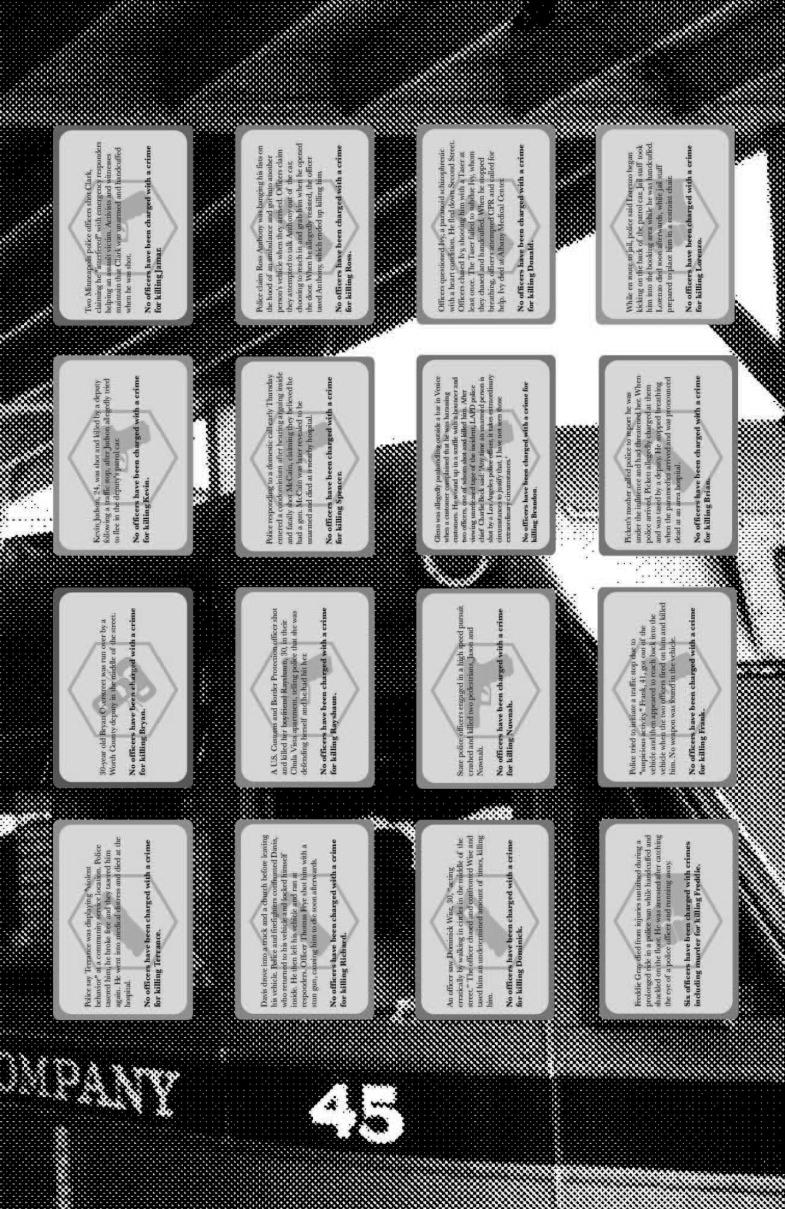
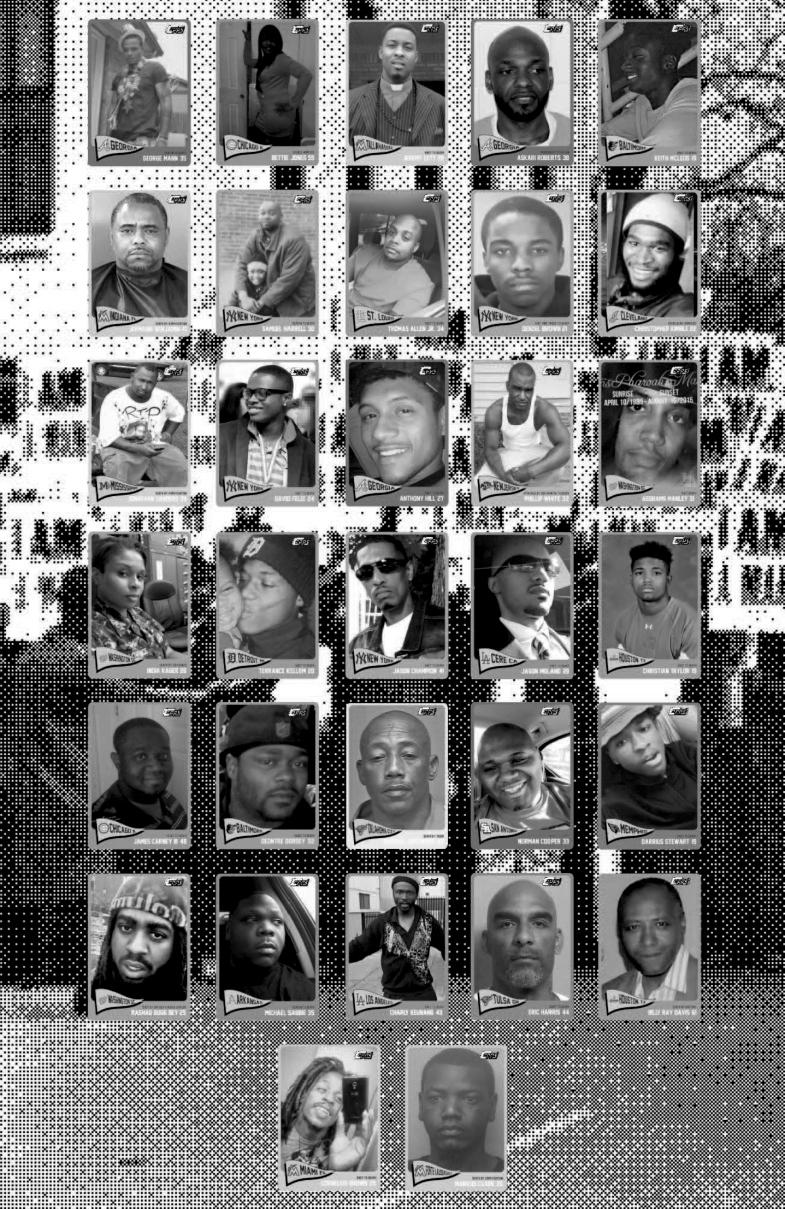
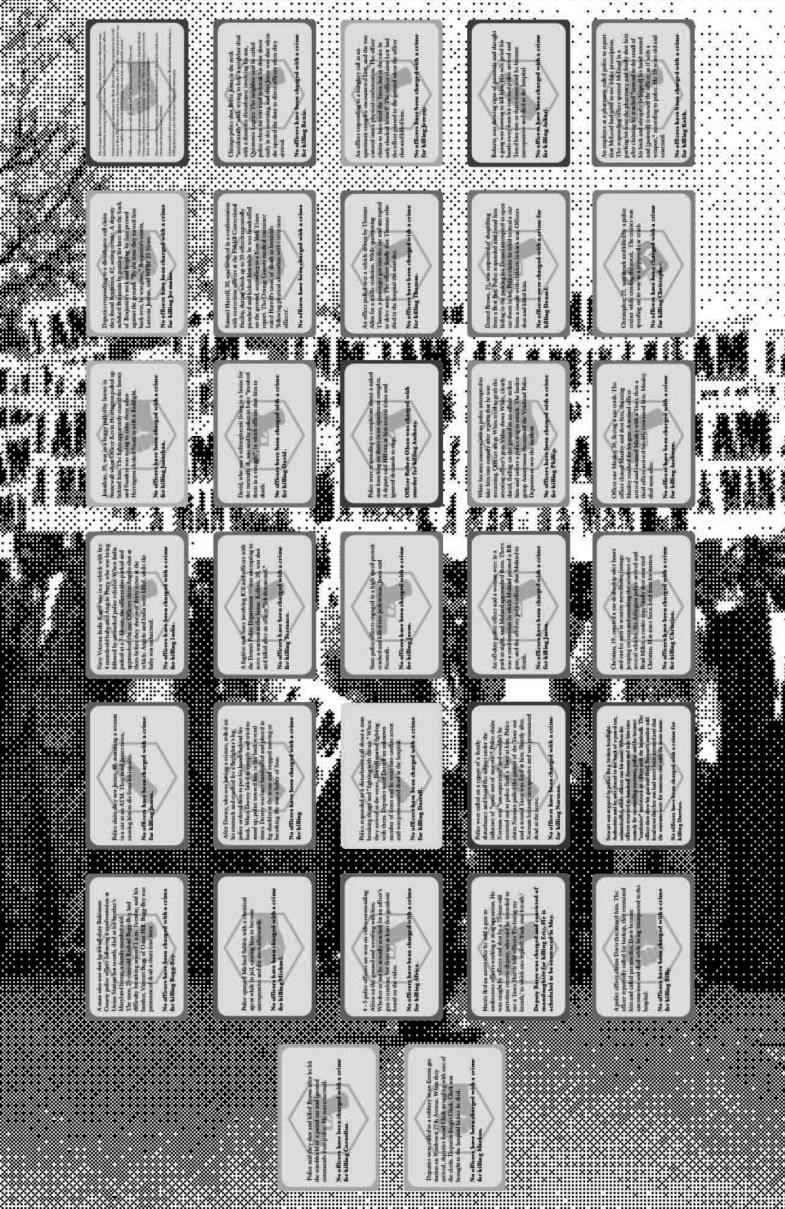
Non-white Americans make up less than 38% of the US population.
…yet almost half of all people killed by police are minorities…
… and minorities make up more unarmed people killed by police.
Source: e Counted, 1 Jan – 31 Dec 2015
Copps Abdullah Elias
counter-constraint #2: ecological thinking (new means and meaningful ends)
Crap Futures
Perhaps the toast was especially fragrant or buttery this morning. For some reason we’ve been thinking a lot about food today as we shift from a demanding bit of proposal writing and initiating our first big design project (more on that soon) to our usual discussions in the cafe.
As a reminder: the genesis phase describes the emergence of a disruptive new technology; abstract and complex, it is understood only by an elite few. Its useful potential needs to be translated into hypothetical real-world ends - hence the technological dream phase. ese dreams are glamorous, spectacular, sensational, utopian - lofty aspirations used to sell a particular agenda or garner support (political, spiritual or financial) to enable the technology to move forward. For now we’ll leave the issue of recurring dreams to a later post and focus on the trajectory of the successful technology that finds an end in everyday life, an end far removed from the one described in the technological dream phase. By the time an emerging technology becomes an end, it has usually become bland, prosaic, normal - or for reasons described in our post future nudge, simply iterative.
Fundamentally, then, the whole diagram could be read as a timeline from ‘means’ to ‘ends’ and the complex relationship between the two. In Autonomous Technology (1978), Langdon Winner describes how ‘abstract general ends’ such as ‘health, safety, comfort, nutrition, shelter, mobility, happiness, and so forth’ have become highly instrument specific:
e desire to move about becomes the desire to possess an automobile; the need to communicate becomes the necessity of having a telephone service; the need to eat becomes the need for a refrigerator, stove, and convenient supermarket.
Albert Borgmann took this idea a stage further with his device paradigm, essentially making a differentiation between things and devices. For
him things are inseparable from their context: we engage and interact with them in their (and our) worlds. Devices, on the other hand, unburden us of their contexts through the operation of background machinery; the more advanced the technology, the more invisible or concealed the machinery. In his study Borgmann examines the human need of warmth, detailing the shift from the stove as thing - ‘a focus, a hearth, a place that gathered the work and leisure of a family and gave the house a centre’ - to the device, the central heating plant that ‘procures mere warmth and disburdens us of all the other elements.’
Let’s dig a little deeper using the example of nutrition. If you’ll allow us a potted history: the (very slow) shift from hunter gathering to sowing seeds during the Neolithic Revolution represented the first step toward controlling nature, followed somewhat later by pastoralism - the domestication of certain animals for utilitarian purposes and consumption. ese shifts facilitated the settlement of people into local communities as farming concentrated the edible plants and animals onto much smaller areas of land. e rest is relatively straightforward: communities gave rise to village markets, which eventually evolved into the various ends identified by Winner - ‘refrigerator, stove, and convenient supermarket’. Whilst these represented huge changes in human systems and organisation, the visible ends remained essentially the same - food on the plate. And here lies the fundamental problem. It has become increasingly normal in the developed world to obsess with the ends - with devices, objects to desire, purchase and own (temporarily, even arguably); satisfaction and novelty machines that mostly serve the more spurious needs of consumption. ( at this continues to be true in our
digital age is supported by the persistent appeal of objects and the spaces that display them, and by the fading promise of the sharing economy.)
Meanwhile, however, the process for getting the food to the plate has become both more complex and more obscure. As the systems of modernity increasingly eviscerate human participation (in the satisfying of abstract general ends) the opposite is happening in the background as food production becomes ever more industrialised. A fine example is Michael Pollan’s genetically modified potato, the Newleaf, patented by the Monsanto Corporation. Nutrition comes not through collaboration with nature but human privatisation. e same goes for distribution, an equally compelling example being the fishing trip to Sri Lanka described by Alain de Botton in e Pleasures and Sorrows of Work (2009):
Like someone running into an old friend in a strange land, I am surprised and a little moved when I stumble across a reel of bright-orange labels long familiar to me from my own local supermarket.
He follows the journey of the fish plucked from the idyllic waters of the Indian Ocean, via numerous non-descript packaging and distribution centres, a supermarket, and most likely a fridge, to its endthe plate of an eight-year-old boy living in Bristol, England - all within around 48 hours.
Nothing illustrates this obscuring of means better than the modern refrigerator combined with Internet shopping. Take a smart fridge like the new Samsung Family Hub; or perhaps better still, the as yet hypothetical smarter fridge that insinuates itself into every home with an object price subsidised by
the revenue streams it generates, on the model of cheap printers that demand expensive ink cartridges, free iPhones with long-term contracts, or Nespresso machines that sustain the (particularly evil and unnecessary) coffee capsule racket - desirable products sold cheap that lure consumers into longterm monogamous relationships. Printers aren’t directly related to survival, but food? What happens when our most basic human needs are monopolised to the point where agency no longer exists in any clear, discernible sense?
Good ends … can be achieved only by the employment of appropriate means. e end cannot justify the means, for the simple and obvious reason that the means employed determine the nature of the ends produced. - Aldous Huxley, Ends and Means (1937)
So you get this new high-end Smeg x Amazon fridge, fed by the latest emergent technologies: smart technologies that think, predict, sense, and act on your behalf - desires that are satis!ed before you are even aware of them. You enjoy the end without knowing anything of the means. As a recent article on this hypothetical fridge states: ‘the smart fridge provides a way to keep the purchase cycle going … ensuring the consumption of the same food brands’ (over and over and over). e Dash Button got the (derision-!lled) conversation started in 2015, but that’s just the beginning. As an Amazon spokesperson told the Wall Street Journal: ‘the real long-term goal is that you never have to worry about hitting that button.’ As the possibilities for
food consumption rapidly expand, not only by the transport of food across vast distances (bad) but also through changes that broaden culinary tastes (better), they are simultaneously being nudged to !t narrow, automated consumer pathways.
When the means to our ends become wholly concealed, are rendered totally invisible through smart automation - is this technology’s end game?what is le to do? In the words of Baudrillard:
Automatism amounts to a closing-off, to a sort of functional self-sufficiency which exiles man to the irresponsibility of a mere spectator.
- Le système des objets (1968)
How do we dig ourselves out of these end- or object-obsessed times? Placing focus - the obsessive consumer gaze - on the isolated object rather than the desired end (and the means to get there) is an example of non-ecological thinking. So to start with, we can think ecologically. Yes, in a sense the Big Five consumer tech companies represent a kind of ecological thinking: Amazon’s ecology, Google’s ecology. But it’s their system, serving their future. Rather than give in and accept the shiny, subsidised smart fridge that locks us into a set of constrained consumer pathways, we can choose to live without the next iteration: our fridge works !ne, it keeps stuff cold, it keeps schtum about our debauched eating habits. Let’s demand some properly smart innovation: perhaps the next smart fridge is no fridge - rather technology acting to optimise
seasonal and local means all in a transparent way. Of course the Slow Food movement founded in the late 1980s provides much inspiration, but rather than influencing thinking and behaviour across all of society it seems to have settled into smug, over-expensive farmers’ markets that cater to a particularly privileged segment of people.
Let’s insist on new dreams, refuse to accept impoverished technological dreams and corporatecontrolled ends that lead to disappointing or diminished futures. Let’s re-involve ourselves in the means to create more ambitious ends. (We feel a manifesto coming on …)
A Broken Tape-recorder
Les Back
A longer version of this essay is included in the second edition of Michael Bull and Les Back e Auditory Cultures Reader (Bloomsbury Academic, 2015)
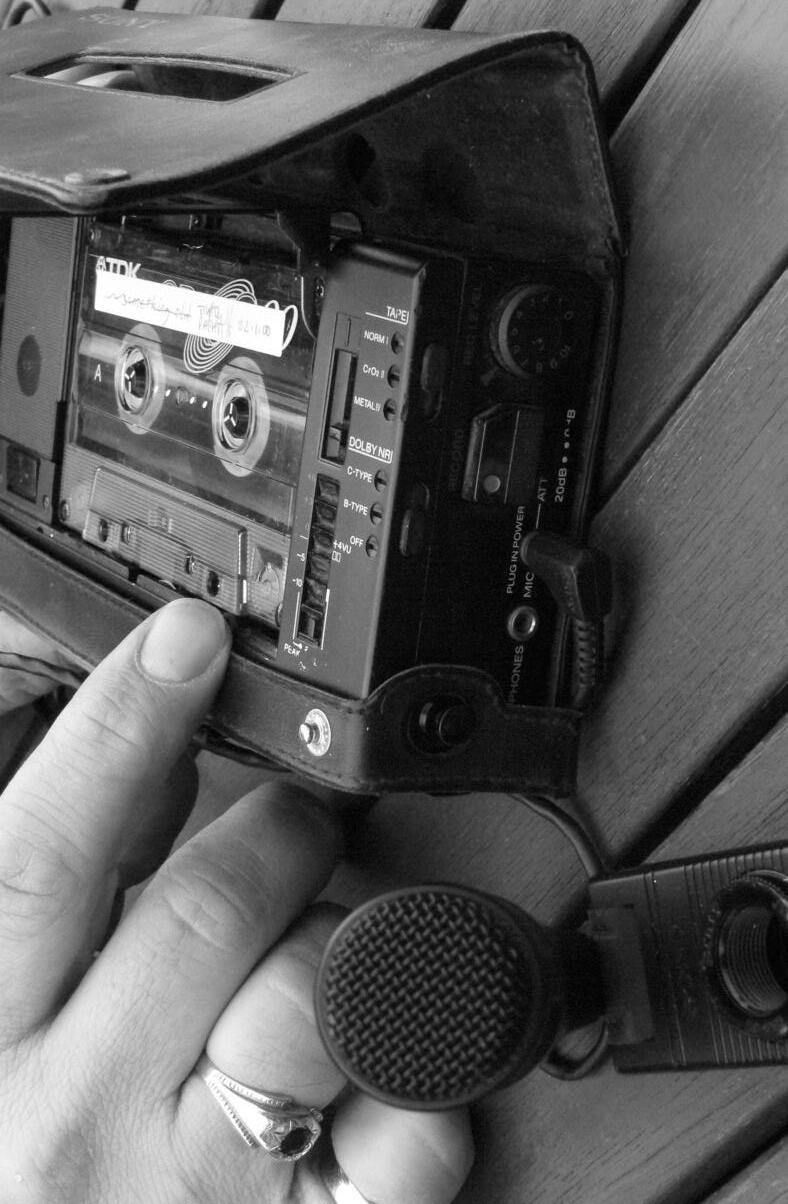
My recording device is broken. After over a decade of faithful service my Sony Walkman Professional is motionless. One of the quirks of this machine is that it has no speaker: it is a reception device, not a broadcasting one. Its dumb ear caught me out on more than one occasion when I first put it to work. Failing to remember to bring some headphones to an interview to listen to the level and play back, I managed to record two hours of absolutely nothing. Soon I learned I didn’t need to listen to the play back in order to check that it was working. Rather keeping a knowing eye on the lights of its VU meter was enough to check the recording level. A few months ago I loaded it with four AA batteries and pushed the record button but it failed to click into life, no flicker of red light on the meter, the record button pushed
back against my thumb. I pushed it again and againeach time more frantically than the last - attempting a mechanical version of CPR in a desperate attempt to revive the beloved device from its state of technological arrest. All to no avail: it was and has remained dead.
I am of course making more of this for effect given the neat way my broken device connects with the issued raised in this book. Contained in the nostalgic attachment to a broken machine and the comfortable feel of its weathered case is something telling about the taken for granted norms of sociological craft. Over the past 50 years the habitual nature of our research practice has obscured serious attention to the precise nature of the devices used by social scientists (Platt 2002, Lee 2004). For qualitative researchers the taperecorder became the prime professional instrument intrinsically connected to capturing human voices on tape in the context of interviews. David Silverman argues that the reliance on these techniques has limited the sociological imagination: “Qualitative researchers’ almost Pavlovian tendency to identify research design with interviews has blinkered them to the possible gains of other kinds of data” (Silverman 2007: 42). e strength of this impulse is widely evident from the methodological design of undergraduate dissertations to multi-million pound research grant applications. e result is a kind of inertia, as Roger Slack argues: “It would appear that after the invention of the tape-recorder, much of sociology took a deep sigh, sank back into the chair and decided to think very little about the potential of technology for the practical work of doing sociology” (Slack 1998: 1.10).
American Sociologist Everett Hughes called
sociology the “science of the interview” because its subject is interaction:
“It is the art of sociological sociability, the game which we play for the pleasure of savouring its subtleties. It is our flirtation with life, our eternal affair, played hard to win, but played with detachment and amusement which gives us, win or lose, the spirit to rise up and interview again and again” (Hughes 1971: 508).
ere is a lot that might be said about this passage. It contains a certain kind of portrait of sociologists as bemused and yet affected, connected to the social world through the interview encounter and at the same time remote and aloof. e tape-recorder here issues an invitation, a technological licence to go out in the world and talk to people. Kvale and Brinkmann argue that we can contrast the idea of the interviewer as ‘mining’ the secret truths of people lives with the idea of the researcher as a ‘traveller’ recalling the original Latin definition of conversation as ‘wandering together with’ (Kvale and Binkmann 2009: 48). is conception puts in the foreground the exchange of views captured on tape and the socially produced nature of all data.
Returning to my lapsed tape-recorder, I realise that it has been my companion in sociological sociability. Perhaps that is why I was so sad about its demise. It kept me company in encounters with villains and heroines: from the leader of the British National Party to brave opponents to racism, it has provided a physical pretext for conversations with great musicians, athletes, writers, artists, poets and indeed sociologists (Back 1996, Back, Crabbe and Solomos, 2001, Duneier and Back 2006; Hall and Back 2009). It’s been lots of other things as well. It
has produced a record of sociological encounters within a shared time. ese encounters are less eternal truths but one-off occasions where life itself is staged. I mentioned at the beginning of this chapter the occasion when my tape-recorder recorded two hours of absolutely nothing during an interview. It had been a rich and brilliant telling of a life and my companion had taken me on quite an odyssey. I immediately set up another interview date but the second version was different, more cautious, less free flowing and more inhibited. e lesson here is that while there may be consistencies in accounts there are also profound variations in the performances of self that should warn us against making simplistic truth claims. However, I do want to argue that the surface of sonic vitality recorded on our devices has a value that transcription alone cannot capture.
ere is something deeply poignant about those cassette boxes full of auditory life. My office is full of hundreds and hundreds of them. ere have been moments when I have been left in possession of recordings of interviewees whose lives have been cut short. I remember a young football fan I interviewed in the 1990s called Carl Prosser. We talked in a local pub for three hours about the triumphs and tribulations of being a devotee of Millwall Football Club. He died in his early 30s. I was holding a full three hours of his emphatic talking, jokes alongside reflections on serious political matters. I had unwittingly become the custodian of his trace in life and the auditory imprint of the person he was. rough a mutual friend I returned the tape and the copy of his voice to his family and his mother. Here the value of the interview might be different conceived as containing an inventory of traces of life passed in living.
I think my tape-recorder has also been my protector, a kind of sociological shield in situations when I felt at risk or under attack. ere is something about having the tape-recorder in the midst of a room full of fascists or people who have histories of violent racism that feels like being in possession of a technological guardian. e device captures the soundscape of the zone of recording. ere have been times when I have been threatened with legal action for libel. Having participants admitting or saying incriminating things on tape is protection here in a very direct sense.
While I want to defend the value of the humble tape-recorder, I want to argue that we need to break with our dependence on it. Our addiction to the taperecorder has limited our attentiveness to the world. is in part is because there lingers the presumption that if it is not on tape it does not exist. In 1967 Ned Polsky in his classic collection Hustlers, Beats and Other anticipated these limitations:
“Successful field research depends on the investigator’s trained abilities to look at people, listen to them, think and feel with them, talk with them rather than at them. It does not depend fundamentally on some impersonal apparatus, such as a camera or tape-recorder...” (Polsky 1998 [1967]: 119).
We don’t have to share Polsky’s antipathy to gadgets to acknowledge that the reliance on sound recorders has confined our attentiveness to the mere transcription of voices from tape to text.
As Ray Lee has suggested it is worth imagining what kind of course qualitative sociological research might have taken had the tape-recorder not been invented (Lee 2004: 881). I have argued that the tape-recorder as a sociological device has been both
enabling and limiting. Enabling in the sense that it allowed for the voices of people to be faithfully transcribed with accuracy. Paradoxically, the fact that the recorder captured the voice and the precise detail of what informants said meant that social researchers have become less attentive as observers. e tacit belief that the researcher needed merely to attend to what was said has limited the forms of empirical documentation. As a result the technological capacity to record voices accurately meant that researchers became less observant, less involved and this minimised their attentiveness to the social world. As Harvey Sacks warned in a lecture give in the spring of 1965: “ e tape-recorder is important, but a lot of this [observational study] can be done without a tape-recorder” (Sacks 1992: 28). In addition, the interview where the tape-recorder was deployed normalised a mode of telling the modern self and added to the emergence of the ‘interview society’ (Atkinson and Silverman 1997). e mode of telling is a historical product rather than merely a means to document human experience. I am not suggesting that sociologists should turn their backs on the interview but instead think carefully about the analytic status we give the accounts recorded in these quite specific forms of sociological sociability.
I am arguing for a re-vitalisation of our methodological imagination and to develop new kinds of device to both explore and produce the social. e 21st century offers unprecedented opportunities to re-think the nature of sociological craft. For 50 years sociologists have been dependent on their taperecorders. Now we have to embrace the potential for re-thinking the social life of our methods and develop new devices. My own arc of interest has
moved towards the possibility that found sounds or sound images have for recording and attending to the rhythm and texture of social life in motion. Here sound is a repository for what often remains unsaid, a place of surprise, admitting what is often blocked out and offering an opportunity to turn up the background in order to hear what it contains sociologically. Sound flows, as Ingold suggests, and contains pathways and connections across place and time that invite an appreciation of how the ‘here and now’ connects to a global elsewhere as well as the past.
Abandoning the ‘dead tape-recorder’ has allowed another practice to emerge that displaces the nostalgic attachment to my Sony Professional Walkman with other gadgets better suited to the task of ‘turning up the background’. is is not to say – as I hope I have made clear – that there is no place for ‘voice recording’ and interviewing in social research. I am arguing we should not rely on these techniques exclusively or automatically without thinking carefully about the analytical status given to accounts produced in this way. e challenge is not only to find new methodological techniques for attending to life, it also raises the question of how to enliven and transform sociology itself and better communicate the results of our craft.
Atkinson, P. & Silverman, D. (1997) ‘Kundera’s immorality: the interview society and the invention of the self,’ Qualitative Inquiry, 3(3): 304-325.
Back, L. (1996) New Ethnicities and Urban Culture: Racisms and Multiculture in Young Lives, London: UCL Press.
Back, L. (2007) e Art of Listening, Oxford: Berg.
Back, L., Crabbe, T. & Solomos, J. (2001) e Changing Face of Football: Racism, Identity and Multicuture in the English Game, Oxford: Berg.
Duneier, M & Back, L. (2006) ‘Voices from the sidewalk: ethnography and writing race,’ Ethnic and Racial Studies, 29, 3: 543-565.
Hall, S. & Back, L. (2009) ‘At home and note at home’, Cultural Studies, Vol 23, 4: 660688.
Hughes e Sociological Eye: Collected Papers, New Brunswick & London: Transaction Publishers.
Ingold, T. (2007) ‘Against soundscape’ in A. Carlyle ed. Sound and the Environment in Artistic Practice, Paris: DoubleEmtendre.
Kvale, S. & Brinkmann, S. (2009) InterViews: Learning the Craft of Qualitative Research Interviewing, second edition, Los Angeles, London, New Delhi & Singapore: Sage Publications.
Lee, R. M. (2004) ‘Recording Technologies and the Interview in Sociology, 1920-2000’, Sociology, 38(5): 869-899.
Platt, J. (2002) ‘ e History of the Interview,’ in J. F. Gubrium and J. A. Holstein (eds) Handbook of the Interview Research: Context and Method, ousand Oaks, CA: Sage pp. 35-54.
Sacks, H. (1992) Lectures on Conversation: Volume 1 Cambridge, MASS: Blackwell Publishers.
Silverman, D. (2007) A Very Short, Fairly Interesting and Reasonably Cheap Book About Qualitative Research Los Angeles, London, New Delhi and Signapore: Sage.
Slack, R. S. (1998) ‘On the Potentialities and Problems of a WWW Based Naturalistic Sociology’ Sociological Research Online, vol. 3, no. 2, < HYPERLINK “http://www. socresonline.org.uk/3/2/3. html” http://www.socresonline. org.uk/3/2/3.html> (accessed September 2010)
Mapping Disjunction in Design Learning: Toward a Pedagogy of Possibility
Jennifer Bain, Lili Golmohammadi and Jay McCauley-Bowstead
Design Orthodoxies and eory Rendered Meaningless
Learner to Learner Discourse
Learner 1
What were some of the most problematic things you think we experienced as design students?
Learner 2
Well... I think one of the key things I remember was that there were these huge, huge biases towards a very particular set of aesthetics.
Learner 1
Yes it was prescriptive wasn’t it? at was so constraining, especially at a time when we could see so much change happening around us. I felt like I didn’t have the room to voice my creative concerns at all.
Learner 2
No... there just wasn’t that room for debate.
Learner 1
I think the real problem was those biases were never explicit, they were never explained. It was really about industrial training to get you to design in a speci!c way rather than exploring any possibilities of what ‘might be’.
Learner 2
Yes, whereas I remember the Art Foundation I’d done before was a lot more diagnostic. It was about where you !t as a practitioner and the degree was totally the opposite. It wasn’t about where you !tted at all, so if you weren’t someone who designed to the set model then you had ‘failed’.
Learner 1
And the way that the work was critiqued was tough. ere was a lot of mockery and derision wasn’t there?
Learner 2
Yes... I think that some of the things people had said to them were inappropriate in an educational environment.
Learner 1
But I think a lot of that was coming from an assumption that treating the students like that would ‘prepare them for the industry’.
Learner 2
Yes. But there’s a sense in which you’ve got to have an awareness when you criticise somebody’s work in a way that you say, “well do you have any taste?” you know? Or, “oh do you think this is nice? Ohh... What does that say about you?” Do you know what I mean?
Learner 1
Yes! It was that sense that your ideas had no value. You had to conform or in the end you’d lose out on marks...
Learner 2
It was like, “however hard I work, however much I put in, whatever I do, I’m going to be told it’s not good enough”... and there’s only a couple of people in the class who are going to be doing it “right” in inverted commas.
Learner 1
at was one of the key issues -having to guess what “right” was. When it shouldn’t have been about that at all...
Learner 2
Yes, trying to guess was frustrating... there were lots of things like that, where you would’ve stayed up working for weeks and weeks... and there wasn’t that
acknowledgement. I think that that was what was very difficult to deal with, and demoralising.
Learner 1
I think that I coped with it for about a year, and then by the time I got to the third year I was so exhausted, and so demoralised, and dragged down...
Learner 2
...And actually, it was crazy to put people in that situation. at produced a lot of anxiety didn’t it? It was like we all became less and less sure of our own direction.
Learner 1
I know. We ended up doing projects we weren’t at all passionate about.
Learner 2
e other thing is, you know, what we were trying to say through our work. So even the idea about what you’re communicating, and why... Because I was very concerned with certain issues that were clearly present in my work.
Learner 1
I agree. I think there were discussions or discourses that were present in our work that were either unacknowledged or suppressed.
Learner 2
ere wasn’t really a place to have that discussion. Maybe there was in Contextual Studies, but only if I’d really wanted... I think there was a complete lack of criticality.
Learner 1
And that wasn’t helped either by the way the theory side, Contextual Studies, was so separate. It was this one lecture a week, which actually could’ve been quite useful, but it was just so disconnected from what we were doing in the studio.
Learner 2
Yes, it was so far removed it became almost useless!
Learner 1
Do you think all those experiences on the course affected you in the longer term? I think the impact on our con!dence was pretty profound wasn’t it?
Learner 2
I’d say it impacted a huge amount. I think I le feeling really low, and like all my love of that subject had been leeched away and been dissipated.
Learner 1
You have to make sure that people feel they can do things when they leave a degree... and I know I really didn’t.
Learner 2
It took me years to realise those creative concerns I’d tried to voice on that course were in fact important and valid. Regaining the con!dence I’d lost took a long time.
Uncovering Disjunction and Revealing a Pedagogy of Possibility
Learner to Teacher Discourse
Teacher
So, you talk about one of the key issues in your learning as having to guess what was “right”
Learner
Yes, I just found it frustrating...
Teacher
What do you mean, what particularly did you !nd frustrating?
Learner
Well, I suppose tutor driven practice.
Teacher
But, isn’t that a tutor’s role, to ‘drive’ practice and give you direction?
Learner
Yeah, but I mean where the design philosophies and values of the tutors take priority over the students’, a sort of design orthodoxy, but it’s not acknowledged or stated...
Teacher
So, this frustration you describe and the imposition of a design orthodoxy, how did it impact your learning? In a sense, playing devil’s advocate, why not just go along with it?
Learner
Well essentially it felt like conforming to a ‘mould’ but it’s a mould that doesn’t !t with your own design philosophies and practices, and in the end all our work looked the same, felt the same; there are so many possibilities but they’re massively reduced to just a few by the imposition of a house style.
Teacher
So how was your work assessed? What was the process and how were your marks awarded?
Learner
Well, there may have been stuff written down, but I don’t remember any of it being used or referred to. I mean the major perception was that it was a bit of an arbitrary mystery...
Learner
You knew you were going to be judged but you didn’t quite know how. You could guess, but you didn’t know if that would change for each project. e rhetoric was you could do whatever you liked but the actuality was that you couldn’t.
Teacher
So, in terms of your learning, how did the ‘arbitrary mystery’ of assessment impact?
Learner
It created a lot of anxiety and unhappiness, it constrained my practice, feedback was judgemental, but in quite a personal way.
Teacher
So would you say that your learning experiences were characterised by words like dialogue, wonder, joy, possibility, freedom, critical thinking...
Learner
No! It would be words like frustrating, stressful, confusing, constraining, unhappiness.
Teacher
Do you think your tutors knew how those learning experiences made you feel?
Learner
Well I don’t see how they could have, because they would have done something about it. Surely?
Teacher
Maybe they didn’t recognise it as important to your learning?
Learner
Mmmmm.... I think there is also an element that they did know, but because they had been treated the same way, they thought “that’s how I was treated and it’s a tough industry... so deal with it!” I think that attitude is still quite common.
Teacher
But these things, these feelings, had a big impact on your learning, surely that could be addressed in some way?
Learner
I don’t know, but I think a lot of it was about power and we had no way to challenge that behaviour.
Teacher
So, if you read bell hooks, she might say what you are describing is a sort of ‘mini-kingdom’, where the tutor has all the power and authority...
Learner
Exactly! And we felt that to challenge that was impossible, because our marks would be affected.
Teacher
So, this design orthodoxy you describe seems to be characterised by pedagogy that doesn’t offer much opportunity for dialogue, authentic critical thinking or new possibilities for design?
Teacher
So what might be done differently, if that’s what learning o en looks like, what kind of pedagogy would you say could disrupt design orthodoxies?
Learner
Well, that’s what’s really interesting. I was just angry, but I hadn’t understood that it was about the pedagogy...
Learner
Well, I suppose... pedagogy that supports freedom to question, freedom to think, where different design philosophies and possibilities are rewarded, provided the methods and approaches you take are justi!ed.
Learner at’s so important to our development as designers.
Teacher
So would a pedagogy of possibility, where competing and conflicting discourses of design can be valued and where tutors have to identify the aporias (disjunctions) within their own philosophies of teaching and daily life... Does that offer hope?
Learner
Yes, a pedagogy of possibility sounds right... the nature of creativity is always changing, personal, lived, socially situated... It just seems so logical that teaching and assessment would support creative freedom, rather than suppress it, why wouldn’t the pedagogical approach allow this to happen? at would be so different.
Disrupting Hierarchies
Teacher to Teacher Discourse
Teacher 1
at’s the interesting paradox, if as learners we recognise that the nature of creativity is always changing, personal, lived, socially situated... but as teachers we don’t develop pedagogy to support that creative freedom, if you simply teach as you were taught, how do you disrupt those learning hierarchies?
Teacher 2
at’s the concern I experienced as a learner and now as a teacher. at frustration and knowing what can be done to stop those same things happening, I mean imposing constraints on thinking, the sense of having to guess how to please the tutor, because when you’re going in to the institution as the new teacher you feel pressure to conform, it’s like an apprenticeship model, so disrupting those hierarchies is really difficult
Teacher 1
But don’t you need a way to evaluate the effectiveness of your pedagogy, whatever your chosen pedagogy is, and how do you do that?
Teacher 2
Yes, but the argument would be that students get a chance to evaluate...
Teacher 3
But it’s difficult for students to evaluate pedagogy,
they can identify the issues, such as stress, confusion, being criticised harshly, but they might not be able to identify the root cause. en, equally, the tutors may lack the pedagogical expertise to recognise how pedagogy contributes or causes the issues.
Teacher 2 at’s true. Most of the lecturers we had in H.E., their only experiences of ‘teaching’ was having been taught themselves, and they ended up perpetuating certain models because, perhaps, they didn’t recognise the impact or understand another way...
Teacher 3
So how do we recognise the impact of what we’re doing if we just do what was done to us? If tutors have all the power over what is taught and make all the judgements through assessment, how do we reconcile that with moving toward a pedagogy of possibility, recognising design practice that is about the not yet known?
Teacher 2
Well that’s hugely important, if you practice pedagogy in that way, you must at least understand the impact of what you do, surely...
Teacher 1
So, is that what’s missing, that connect!
Teacher 3
Yes, you inherit pedagogy, and a certainty about what learning looks like...
Teacher 3
... Which is ironic, if we acknowledge Baudrillard’s notion that complete understanding is impossible, why do we approach teaching as if we are the ones that know...
Teacher 2
So, how do we change things?
Teacher 1
Well, for me it has to be learning about learning. We might be expert in our disciplines but that doesn’t qualify us as teachers, we have to be supported in developing that expertise. en we can start to question the traditional teacher-centred format, students receiving knowledge being passed on by the expert, the institution, without the opportunity to construct understandings that reflect their social reality or ontological perspectives. at might allow us to prevent the imposition of design orthodoxies.
Teacher 3
Yes, I want to be able to make pedagogical decisions on a sound philosophical basis. I like the idea that we can change what we do by understanding pedagogical theory as liberatory... I mean looking to theory to liberate our pedagogical practice, just like hooks says, ‘I came to theory because I was hurting...’
Teacher 1
So should we, and I mean teachers and learners, look to theory to question, and understand, learning, teaching and assessment practice? I know being exposed to critical pedagogy, radical pedagogy,
a range of learning theories, philosophies and paradigms helped me think about a shi from objectivism to pluralism and relativism in my pedagogy.
Teacher 3
Yes, for me the concept of a pedagogy of possibility relies on dialogue, on shared understandings, on being transparent, so that students aren’t guessing what tutors want, so that assessment particularly isn’t an arbitrary mystery... so that learners aren’t passive recipients but co-constructors of design knowledge.
Teacher 2
Maybe that sort of transparency, that openness, is a way to deal with learners feeling that sense of disjunction, feeling that feedback is vague, and also, maybe, as a way to mitigate those harsh and critical comments...
Teacher 2
... If there is a shared understanding of learning and assessment that’s developed through authentic dialogue, then I’m empowered to learn independently and give myself feedback, and any tutor feedback isn’t unexpected or ‘shocking’...
Teacher 3
So, it’s about identifying pedagogy that empowers and supports, rather than controls, learners in becoming the designers they want to be...
Teacher 1
...and looking to theory to support pedagogical decisions and evaluations. Either my philosophical position recognises that competing and conflicting discourses of design can be valued, that it’s crucial that learners and teachers understand how design, if you think of it as a !eld of action, is mediated by power and knowledge, and how that knowledge can be co-constructed... Either you recognise that or you articulate an alternative position.
Teacher 3
I’m much more comfortable with that sort of approach, where we model pedagogy that accommodates multiple design learning voices, where we understand learners and teachers as active collaborators and co-producers...
Teacher 1
Imagine that... a shared commitment to revitalising design learning through a sort of ontological approach. To have an understanding of pedagogy that supports a commitment to openness and collaboration, where excitement and passion are integral characteristics of design learning encounters... Why wouldn’t you want to reconstruct and model that kind of pedagogy?
As part of an ethnographic design learning series, we use excerpts from learning discourses to map a path from disjunction in design learning toward a pedagogy of possibility. Illuminating the role of students as one where they often conform to the rules and procedures of ‘others’, these learner-to-learner, learner-to-teacher and teacher-to-teacher exchanges consider such diverse concepts as design orthodoxies, uncovering disjunction and disrupting hierarchies in design learning. We pose questions around voice, power and empowerment... ... advancing an idea of higher education vocabulary that includes such terms as self-confidence, hope, journey, energy, engagement, independence, being and becoming. rough this shi we conceptualise multiple design learning voices, building shared understandings of learners and teachers as active collaborators and co-producers. Moving toward a pedagogy of possibility, that is about the not yet known, going beyond a focus on intellect to consider the commitment, openness, wonder and passion that are integral to design learning. We offer a perspective on how pedagogy might be revitalised through an ontological approach to higher education design programmes.
(We acknowledge Friere, Giroux, Hiedegger, Badieu, McLaren, Deleuze, Baudrillard, Barnett and many others in guiding our thinking)
eresa May In Conversation With e
Universal Declaration of Human Rights
Dean Pankhurst
In Paris on 10th December 1948 e United Nations General Assembly declared a list of fundamental human rights to be universally protected by member states around the world. Although not legally binding, the declaration laid the foundations for numerous treaties and laws, including the European Convention on Human Rights.
On the 25th April 2016, in her first major speech of the EU referendum campaign, Home Secretary eresa May states that the UK should quit the European Convention on Human Rights, suggesting that the bill “can bind the hands of Parliament”. In London on the 13th July 2016 eresa May delivers her first statement as Prime Minister of the United Kingdom, twenty days after the British people vote to leave the European Union.
[Below] is an algorithmically generated conversation between May’s inaugural speech and e Universal Declaration of Human Rights, generated using an instance of Cobe Script*, which has been fed the content of the Declaration, responding to May’s speech by constructing sentences using the learned vocabulary of the source text.
*Cobe Script is a modern version of a natural language processing script, created by Peter Teichman. He describes its function as such: “COBE stands for Code of Business Ethics, and is a conversation simulator. In short, it uses Markov modelling to generate text responses after learning from input text.”
I have just been to Buckingham Palace where Her Majesty the Queen has asked me to form a new government, and I accepted.
ese rights and freedoms set forth herein.
In David Cameron, I follow in the footsteps of a great, modern prime minister. Under David’s leadership, the government stabilized the economy, reduced the budget deficit, and helped more people into work than ever before.
All are equal before the law.
But David’s true legacy is not about the economy, but about social justice. From the introduction of samesex marriage, to taking people on low wages out of income tax altogether.
Everyone, without any discrimination to equal protection of the law. All are entitled to equal protection of the law. All are entitled to equal rights as to marriage, during marriage and at its dissolution.
David Cameron has led a one nation government and it is in that spirit that I also plan to lead. Because not everybody knows this, but the full title of my party is the Conservative and Unionist Party. And that word Unionist is very important to me. It means we believe in the Union. at precious, precious bond between England, Scotland, Wales and Northern Ireland.
Nothing in this Declaration can be fully realized.
But it means something else that is just as important. It means that we believe in a Union not just of the nations of the United Kingdom, but between all of our citizens. Every one of us, whoever we are and wherever we are from.
Everyone charged with a penal offence has the right to the protection of his interests.
at means fighting against the burning injustice that if you are born poor, you will die on average nine years earlier than others. If you’re black, you’re treated more harshly by the criminal justice system than if you are white. If you’re a white, working-class boy, you’re less likely than anyone else in Britain to go to university. If you’re at a state school, you’re less likely to reach the top professions than if you were educated privately.
at means fighting against the burning injustice that if you are born poor, you will die on average nine years
earlier than others. If you’re at a state school, you’re less likely than anyone else in Britain to go to university. If you’re at a state school, you’re less likely than anyone else in Britain to go to university. If you’re a white, workingclass boy, you’re less likely to reach the top professions than if you are white. If you’re black, you’re treated more harshly by the criminal justice system than if you are white. If you’re a white, working-class boy, you’re less likely than anyone else in Britain to go to university. If you’re at a state school, you’re less likely to reach the top professions than if you are born poor, you will die on average nine years earlier than others. If you’re black, you’re treated more harshly by the criminal justice system than if you are white. If you’re at a state school, you’re less likely than anyone else in Britain to go to university. If you’re a white, working-class boy, you’re less likely than anyone else in Britain to go to university. If you’re at a state school, you’re less likely than anyone else in Britain to go to university. If you’re black, you’re treated more harshly by the criminal justice system than if you are white. If you’re a white, working-class boy, you’re less likely to reach the top professions than if you are born poor, you will die on average nine years earlier than others. If you’re at a state school, you’re less likely than anyone else in Britain to go to university. If you’re at a state school, you’re less likely than anyone else in Britain to go to university. If you’re at a state school, you’re less likely to reach the top professions than if you are born poor, you will die on average nine years earlier than others. If you’re at a state school, you’re less likely to reach the top professions than if you are white. If you’re black, you’re treated more harshly by the criminal justice system than if you are born poor, you will die on average nine years earlier than others. If you’re black, you’re treated more harshly by the criminal justice system than if you are white. If you’re a white, working-
class boy, you’re less likely to reach the top professions than if you were educated privately.
If you are a woman, you will earn less than a man. If you suffer from mental health problems, there’s not enough help to hand. If you’re young, you’ll find it harder than ever before to own your own home.
All are equal before the law.
But the mission to make Britain a country that works for everyone means more than just fighting these injustices.
Everyone who works has the right to a nationality.
If you’re from an ordinary working-class family, life is much harder than many people in Westminster realize. You have the job, but you don’t always have the job security. You have your own home, but you worry about paying the mortgage. You can just about manage, but you worry about the cost of living and getting your kids into a good school.
Universal Declaration of Human Rights
If you’re one of those families. If you’re just managing. I want to address you directly. I know you’re working around the clock, I know you’re doing your best, and I know that sometimes, life can be a struggle. e government I lead will be driven not by the interests of a privileged few, but by yours.
at means fighting against the burning injustice that if you are born poor, you will die on average nine years
earlier than others. If you suffer from mental health problems, there’s not enough help to hand. If you’re a white, working-class boy, you’re less likely to reach the top professions than if you are white. If you’re a white, working-class boy, you’re less likely to reach the top professions than if you are born poor, you will earn less than a man. If you’re a white, working-class boy, you’re less likely than anyone else in Britain to go to university. If you suffer from mental health problems, there’s not enough help to hand. If you suffer from mental health problems, there’s not enough help to hand. If you suffer from mental health problems, there’s not enough help to hand. If you’re black, you’re treated more harshly by the criminal justice system than if you are white. If you suffer from mental health problems, there’s not enough help to hand. If you suffer from mental health problems, there’s not enough help to hand. If you’re at a state school, you’re less likely to reach the top professions than if you are white. If you suffer from mental health problems, there’s not enough help to hand. If you’re young, you’ll find it harder than ever before to own your own home, but you worry about paying the mortgage. You can just about manage, but you don’t always have the job, but you don’t always have the job, but you worry about paying the mortgage. You have the job security. You have your own home.
We will do everything we can to give you more control over your lives. When we take the big calls, we’ll think not of the powerful but you. When we pass new laws, we’ll listen not to the mighty, but you. When it comes to taxes we’ll prioritize not the wealthy, but you. When it comes to opportunity, we won’t entrench the advantages of the fortunate few. We will do everything we can to help anybody, whatever your background, to
go as far as your talents will take you.
Nothing in this Declaration can be fully realized.
We are living through an important moment in our country’s history. Following the referendum we face a time of great national change. And I know because we’re Great Britain, we will rise to the challenge.
If you are a woman, you will die on average nine years earlier than others. If you suffer from mental health problems, there’s not enough help to hand. If you’re young, you’ll find it harder than ever before to own your own home, but you. When we take the big calls, we’ll think not of the powerful but you. When it comes to opportunity, we won’t entrench the advantages of the fortunate few. We will do everything we can to give you more control over your lives. When we pass new laws, we’ll listen not to the mighty, but you don’t always have the job security. You have the job security. You can just about manage, but you don’t always have the job security. You have your own home, but you worry about paying the mortgage. You can just about manage, but you. When it comes to taxes we’ll prioritize not the wealthy, but you. When we take the big calls, we’ll think not of the powerful but you. When we pass new laws, we’ll listen not to the mighty, but you. When we pass new laws, we’ll listen not to the mighty, but you worry about paying the mortgage. You can just about manage, but you don’t always have the job, but you. When we take the big calls, we’ll think not of the powerful but you. When it comes to taxes we’ll prioritize not the wealthy, but you worry about the cost of living and getting your kids into a good school. As we leave the European Union, we will forge a bold, new positive role for ourselves in the world. And
we will make Britain a country that works not for a privileged few, but for every one of us.
Nothing in this Declaration can be fully realized.
at will be the mission of the government I lead, and together, we will build a better Britain.
Nothing in this Declaration can be fully realized.
e Suburb of the Soul
Laura Potter
What follows is a fictional exchange using real quotes by J. G. Ballard and D. J. (Jimmy) Loizeau, on the relationship between technology and sensation. Type the Ballard quotes into a search engine to find the source. Loizeau’s words are extracted from an unpublished text entitled Look at my face darling; I’ve just been switched off (which can be found on my hard drive).
JGB: I would sum up my fear about the future in one word: boring.
DJL: I’m always ‘just satisfied’. Everything is just ‘there’.
JGB: I don’t think you have to look very far, because we all know when we drive our own cars that we have our death, literally, at our fingertips. We all know that the experience of driving a car taps various feelings of aggression and competitiveness.
DJL: Perhaps we all crave critical moments, where we can face our own ON/OFF switches.
JGB: I think we are moving into extremely volatile and dangerous times, as modern electronic technologies give mankind almost unlimited powers to play with its own psychopathology as a game.
DJL: Design is implicated in these desires, not only through machines and devices that facilitate every aspect of our lives, but also in the consequent search to rediscover moments where we feel like we are living.
JGB: at’s very true. at’s the sort of survival mechanism that comes into play.
DJL: e fairground (and other more extreme activities) can bring us nearer these critical points; moments of fear that are ‘managed’. We can safely fall from great heights, spin uncontrollably, loop the loop, etc. What we get from these encounters is an endorphin high, based on the fact that we experienced danger but didn’t die.
JGB: anks to virtual reality, we will soon be moving into a world where a heightened super-reality will consist entirely of action replays, and reality will therefore be all the more rich and meaningful.
DJL: e opposite experience can be found in the supermarket: a space of pre-programming that directs your attention towards rows of produce waiting passively to be consumed.
JGB: And they’re terrifying, because they are the death of the soul…
DJL: ese predetermined consumer systems have been designed for us and we are complicit in their existence.
JGB: And that’s my one fear: that everything has happened; nothing exciting or new or interesting is ever going to happen again … the future is just going to be a vast, conforming suburb of the soul.
DJL: I never feel more numb than when I am in Sainsbury’s looking at the text associated with the purchase of a dead chicken.
(Chapter I)
Reinforced Monocoque
Patricia Rodriguez
From her novel “La Huida Inversa” published by El Desvelo Ediciones 2016, Santander, Spain.
Whatever happens on the exterior, beyond the windscreen, is an image, nothing more.
From now on, everything I see will become a flat photograph, with no temporal depth. Anything that takes place outside my field of vision, no longer preoccupies me. is decision delimits the road and fits well within the natural framing of the windscreen. I have set a limit for its reach and, though the light and shapes contained within keep changing, from now onwards, their meaning will be limited to a superficial aspect, a flattened representation of the present.
What sits beyond this image is either out of focus, unreachable or outside my field of action. What came before? All the things that led me here? e past is a motionless entity.
At first, I fear checking my rear mirrors, but soon I realise the reflection they give back is just a distortion. Nothing but a cutaway of surpassed distance, seen from the opposite direction.
In the nation’s most prosperous estate, the tarmac roadbed has an ashen, muffled colour, the same anaemic pigmentation shared by the majority of roads and public infrastructure.
Right now, the highway descends into a wide open curve, leveling out with the sea. is is the definitive change in gradient before exhausting the city and here, appears the horizon.
It is the only memorable moment of the journey and the only point, in which my daily commute, resembles a real trip.
When the ocean appears, you feel the company of those exiting with you. ey are the same people that return, each night, by your side. eir lives are indifferent to yours, but at this point of the journey, the Pacific glistens and simultaneously, we all reduce our speed.
We ease the pressure off the accelerator thinking we’d like to exchange a glance with the driver next to us. We’d like to see the face of those immediately behind or those in front.
If the day has risen deep in fog, the sun injects an alarming depth into the clouds, and the sky reveals itself for what it really is. A titanic shift of unstable gases; the most probable form time would have if it was material.
en, you would also like to exchange a glance
with whoever drives alongside, but you must keep your attention fixed in what’s coming, looking only ahead, without letting the bogus mist of the northern Pacific distract you.
It might be that the cause of this collective deacceleration is not the sky, but the burst of the sun lighting up the water. A metallic flash on the ocean that suddenly, gives itself away as an immense source of energy.
It’s not a suitable image for the first hours of an average worker’s day.
Us workers have our morning aspirations well measured: sipping coffee from the top orifice of our disposable plastic cups. Making a call at the wheel without getting a fine. Listening to a song that reminds us of the approximate location of certain viscera within our thorax.
We have already chosen our viable actions, those minimal detours we can fulfil without straying from the assignment that got us out of bed. We know where we are going. ree or four minimal gestures should suffice to get us to work with a basic sense of ownership over our lives.
Accepting the beauty of the ocean has no place amongst these actions. Admitting to the sky’s absolute force is not a tolerable activity. Its impetus is an offensive reminder of things that we could only pursue in another version of our lives. e shining of the light, bouncing off the water is making my decision quaver. It invades the left flank of the windscreen, which will soon stop being a flat image, about to exceed its orthogonal limits. It begins to resemble a yearning, something I can not indulge in right now.
I switch the radio on. I adjust the climatic control
system, straightening my back against the seat.
In a matter of seconds, the light of the sea disappears behind newly built homes and advertising hoardings. e divinatory art of publicity predicts the future happiness of the families that will dwell in the residential complex soon.
e windscreen recovers its tamed appearance, with its limits of height, width, depth.
I have locked the door of my home. I have turned the key twice. e windows. e windows were locked also, although at times, I leave the windows open... At night.
It is not because of the heat. It is due to the heat too, but not only because of it. I do it in order to let air in, and for reasons I would never acknowledge out loud.
My open window is an invitation to danger. A clear channel for invasion. At times, I invoke shapeless nocturn perils that might adopt the appearance of thirsty insects, small rodents, wayward birds, poisonous gases, unexpected weather phenomena, burglars, or one of those assassins that make use of your own pillow.
e radio talks on, emitting songs and adverts, but none of the sounds can modify the windscreen image, until the commentator gives way to the traffic report. I turn it off. If I was to know what’s going to happen in twenty or thirty kilometres, I would be compromising my decision. What I see over the dashboard would acquire a temporal dimension that I do not want to descry.
Often, I end up being the proprietor of things I didn’t want.
One must protect oneself from certain information. One must learn to reject statistics, offers, news,
promotions, free gifts, opportunities about to expire.
e natural curvature of the windscreen lends itself well to that deflective function, to the shielding purpose I have given it today.
I think of the image cut out by my bedroom window. It has approximately the same dimensions as the windscreen, but it has never contained so many possibilities.
It is a motionless rectangle that opens and closes, a way to enter and exit. My home has never conveyed the same feeling of safety I have here, looking to the outside, from inside my vehicle.
In this stretch of the road there is always traffic.
e traffic we blame others for when we are inside of them. Inside their same intentions. e will of others never seems as important to us as our own will, our plans, our obligations, the reasons why we deserve to get there first. e reason why they should, in short, give way. Disappear.
e speed eases off without being drowned out completely, without getting to freeze the image. For several kilometres, we can’t seem to get rid of each other, we can’t loose the city for good.
We roll slowly through the industrial belt of warehouses that feed the capital. Every populated nucleus’ incriminating perimeter, through which it confesses all its dependencies and the collective ugliness of our individual lives, our commodity, our convenience.
ere are lifeless industrial units, architectural dissensions made of tin and concrete. An inhabited landscape that is also vacant at the same time, built up but impossible to dwell, the result of isolating so much practical sense in a single place.
All this slowness is being caused by the heavy vehicles.
I say to the image: you still haven’t shown me anything worth my while. Are you going to just keep on being a cloth over my eyes? Or are you going to show me something that might deliver you from what you are, from what I decided you’d be? A curtain with nothing inside, nothing behind.
All this is the consequence of repeating the same journey every day, movement has turned into something else, it has stopped being real, it has unfolded itself. And now resembles a state of suspension, of cancelled time.
Or perhaps, its actual ballast is not repetition. Maybe the only real obstacle for movement is the purpose of this daily trip, how clearly I can see the end point.
is is why I believe that, if I manage to hold everything I see within an image that has no depth, that has no reach and only resembles the present, I will allow my journey to recover its real movement. I miss that feeling of possibility; a non-simplified notion of the future.
e windscreen is not my bedroom window. Here, there is no margin for invitations to danger. e invitations to danger I can think of are absurd, suicidal. e probability of something going wrong is too high. I haven’t got bored enough to long for death. I don’t even know if I am bored enough to take real risks.
I am not talking about parachuting or bungee jumping. I am talking about risks that are not advertised in the local newspapers, that are not paid for by the hour. Risks without an instructor that don’t take place in a controlled environment. Risks that have not been described in a promotional brochure. A stretch of the road being closed due to a small
landslide would solve everything. ere is no place for invitations to danger but I never stop longing for an innocuous setback.
e traffic is moving again. We start losing the industrial units and vegetation becomes more visible on both sides of the freeway.
In a moment, the sign that marks the end of the municipal district will appear. is stretch of road cuts through an extension of modified nature, of natural spaces debilitated by the proximity of the city. None of the elements of the landscape exert much strength, nor the irregularity of the terrain, nor the vegetation. If there are animals, they always remain hidden, only birds, feeding off waste, allow themselves to be seen. ey have learnt to nest in places made by men. e greenness provokes a kind stupor amongst drivers. We drive on immersed in a uniform, sedated pace.
For a few moments, the image puts up no resistance. I cancel my sense of finality and any purpose-driven thoughts. Against my haste and my willingness to arrive, I imagine I am on this road for any other given reason and I manage to connect with a faked feeling of pointlessness.
Just for a moment, as if I didn’t know who I am or where I am going, everything around looks just like a static panoramic, an image incapable of evolving or transforming into anything.
I accelerate. I overtake a few cars. e increase in speed does not shake off my numbness. It acts over my body, I feel its pull and its inertia but I cannot recover the sensation of real motion. Nothing is really moving. is road is a dead river, stagnant, foulsmelling.
Traffic lessens as some drivers take the exits corresponding to the places where they work. e road begins to clear.
I try to resume the image.
I frame it again, without any more depth beyond its visible margins.
I close my eyes for an instant, an instant of darkness to clean my retina and refocus my sight. I can see better now. I wait for a few meters, I wait for a straight section.
I close my eyes again and count for a second: «One, one».
I close them again, I count for two: : «One, one. One, two».
I tighten the wheel in my hands. I turn my eyelids and count:
«One, one. One, two. One, three.». e straight stretch is coming to an end.
I think: «You are an idiot. You are an idiot and you know that you cannot afford invitations to danger. Not now, not here».
I reach out with my arm to open the zip of my handbag and I stir into the darkness of my belongings. I don’t understand what I am touching. It takes me a while to locate the pack of gum. Chewing helps me unwind. Once, I heard the muscle in our jaw is one of the strongest in the human body. I can imprint several tonnes of force with a single bite. So they say.
I would like to imprint several tonnes of force over what I see. I would like to make this image explode because, after the blast, some other thing, something else, would have to replace it.
You love making problems up, creating unnecessary malaises. An unforgivable defect of westerners, of your education, of the developed world.
You have a pornographic and violent notion of reality. Explosions? You have never lived through anything truly violent. Feel glad. Be thankful.
e white stitches marking each lane are hardly visible, the worn off roadbed buzzes under the friction of the tyres. ey sure need to relay this highly transited highway. is would mean several months of retentions, diversions, delays and unexpected strayings.
We need them more than a new road surface.
e trees that start entering the image never loose their leaves, neither change colour throughout the different seasons of the year. ey did it on purpose. In a climate without seasons, they planted immutable trees that never flower, bear fruit or undress.
e sky has been my only ally, the only changing element that helped me sustain my attention. Until today, that is, because these swollen clouds, with edges torched by the sun, are magnets to my eyes, and they are spilling over the depth of the image I want to contain, the controlled intensity I want to give to the present.
I try to deviate my gaze towards the furthest point that my eyes can reach.
e vanishing point of the ashen gray tongue. at is where I’d like the universe to end, there. at’s up to where I can allow myself to get to.
It doesn’t matter that it’s a constantly moving target. It is just a natural method of confinement. Sight and present. As far as my eyes reach, whatever is included in this moment, right now.
Again, traffic becomes complicated. We drive through an area of highly desirable unifamiliar residences. e cars joining the main artery are moved by a different purpose, they are no longer being driven
by employees going to work. Most of them belong to affluent housewives taking their children to school.
ey drive carefully. But my favourite vehicles are those chromed cistern trucks, like cylindrical mirrors, reflecting movement, they absorb the whole of the landscape.
is is the last leg of my daily commute. is abandoned warehouse and its wire fence signal that I am less than a hundred meters from the exit. I’d better check the mirror and change lanes.
I should signal but I feel drawn to the hollow windscreen and do nothing.
I see the lane that comes out of the main road. e same exit I take every morning.
It approaches fast. Until now, I had no physical notion of my own speed.
e sign that marks the turn flies by. e sign and the exit have flown.
I feel the actual speed of my car, its expiatory power. e exit and the forty mile an hour sign have disappeared.
Easy as that. Earlier they were ahead, now they are not. I start laughing.
I shouldn’t even laugh.
I have never been on this part of the freeway before. Now, it will be easier to get the image to stick to its essence, its function, nothing else.
I have delivered it from its two most powerful enemies: a sense of purpose and its excessive familiarity.
e worries that start sprouting in my mind are disposable. I flatten them with my fist, as if they were insects sitting on the dashboard. What is responsibility? A subcategory of fear, an imbecile shortcoming. If I was not an imbecile I would
formulate my responsibility as follows: I have the right to be ill, or I have the responsibility to take care of myself and do nothing that might put my health in danger, other people’s happiness in danger, my company’s productivity in danger.
Four or five kilometres ahead, the second chance sign appears. I read the name of the destination without intending to. ere must be a local road that turns back round. I check the time on the dashboard. It could take me back in time for the first meeting, as if nothing had happened.
Why do you insist on reading the words and the numbers that enter the image?
Are you incapable of following a simple rule that you have imposed to your own self?
You read the name, ignore it. Keep on driving. Change radio stations if you prefer.
I leave behind the second chance. It passes me by as swiftly as the first one.
In this part of the road I have to focus more intentively in order to interpret the new elements that appear. e bend opens up, the bend closes in.
I am thinking exactly what I am feeling. It takes me a while to understand this.
I can feel the friction that accompanies actual motion. I have just recovered it. e true action of displacement. A sensation I had missed.
At last, the image no longer contains earlier versions of itself.
e landscape has regained its ability to happen. I laugh again and turn the music up. I don’t know the song, I’ve never heard it before. And that is the point.
My preoccupations flourish again. is time they are not sitting on the dashboard, instead, the envelop me like a blanket of fog.
I think of the shortest and simplest way to postpone my problems. I rummage into the handbag again. Taking out my phone, I type a message with my right hand: «I am ill, I am intoxicated, I won’t be able come into work».
None of these affirmations is false. I am being sincere, transparent. I have been sick for quite a while.
Transritual Tools for the Afterlife
Shih-Yuan Huang
What will your afterlife be like? Varying Beliefs shape up scenarios of ‘the eternal’ from different religions faiths and walks of life. “Transritual Tools for the Afterlife” is a collection of fictional ideas for challenging existing rituals around death and the afterlife.
Reincarnation Pacifier
“When I’m reincarnated, I want to be a man. I’m tired of being a girl, having to deal with getting my period all the time...I’ve al- ready wasted too much cotton on my blood. I really like Manga, especially Akira, and Japanese culture, but unfortunately I’m Taiwanese. I’d like to be Japanese in my next life, and named Katsuhiro after my favourite animator. I want to be born at exactly Midnight, so I can celebrate two birthdays. I’d like to have the same birth- day as my beloved father, April 23rd. I hope I can be born in Tokyo, a city I loved a lot when I was alive...” ink before you write down what you’d like for your own reincarnation. Find a piece of paper which is at maximum 5 cm wide, and it can be as long as you like. Make sure when you roll it up you can fit it into the mezuzah-like glass tube. Unplug the pacifier and put the roll with your rein- carnation wishes into the tube. When you pass away, the toxin yew pacifier will take you to the rebirth of your next life.
Afterlife Architectural Measures
“I want to live in a massive city, with a mix of every architectural style of my favourite structures. For example, I’d spend my af- terlife underneath a huge Akira energy ball - it’s like a nuclear ball. Underneath it would be the centre of this unruly city, where you go to experience crime, where you’re allowed to take drugs - just like the old Kowloon Walled City in Hong Kong. Once the crime gets too crazy there, the energy ball will explode, and the city will re- build itself again. But the rest of the city will still be like Tokyo, to fulfil my love of manga, a typical otaku...”
Draw and measure out wherever you want to live
in your afterlife - you can live on the highest mountain of 8848 m, or you can have an enormous park to play tennis in or park your spaceship. For scale, 1 cm is equivalent to 1 mile. While you design your own city, you can even choose how many people will leave there - so that if you like, the tube won’t be too crazy during rush hour. However, maybe you prefer the crowds - just to breathe in the perfume of the hot girl standing next to you.
Rebirth Converter
“If I could control my genes for my next re-birth, I’d like to have some DNA from Jimmy Loizeau. Especially his brain, but I’d also like to have part of my brain be like Bill Gaver’s mind - this would be a cool combination for my own brain. I would like to be a man physically, so of course I need a handsome appearance like my favourite Japa- nese actor Tadanobu Asano. His face is perfect for me, and I don’t like big eyes. ey make me nervous when I want to secretly observe hot girls on the street...so maybe a pair of small eyes like the Korean actor So Ji-sub would be great! I also would like to have some of Saman- tha Miller’s personality, so that I can be brave for love.”
Before you die, think about what kind of person you want to be in your next life. Not encouraging you to steal things from others, but if you can get some little bits of others’ elements, that would be very helpful for your converting pro- cess - the more elements you collect, the closer you will be. ere’s a temperature sensor inside, which can detect when your body goes cold, so that the signal will trigger the converter to con- ceptually explode within the flash of a sacred light. is means that you’ll have finished
your current life and are on your way to the next, with all the elements to transfer you to the person you are eager to become.
Immortality Reading Machine
““
ere are three deaths. e first is when the body ceases to function. e second is when the body is consigned to the grave. e third is that moment, sometime in the future, when your name is spoken for the last time.” - David Eagleman, “Sum: Forty Tales from the Afterlives”
You hope you will live on forever, hope that people will not forget you, hope that from the other side you will not hear that moment of your third death, when your name is spoken for the last time and you will then completely disappear. You hope you will be immortal. is machine uses solar power to keep on reading your name out loud, to keep you immortal. You don’t have to be someone famous, you don’t have to worry about how much people like you so that they will keep speaking your name long after you are gone - the ma- chine just keeps on turning, keeps on re- peating, keeps on speaking your name out loud. It’s your purchase, and your forever life.
e Dance
“A film of me dancing could be cool to an- nounce my death and introduce my design of my funeral. A bit of Tai-chi could be ideal to slow down and feel the sadness, disco might make the process go by a bit faster, some yuga will get people sweating a lot and breathing faster, which will create a feeling of hurry in the funeral. is multi- sensory experience will bring an element of joy to the ceremony - it’s not the end,
but celebration of a new start, my next new life...”
What are the coolest clothes you want to wear when you’re on your way to heaven? ink about some crazy customs, how about an animal mask? Practice the dance of your classic dance you do in a pub, and record it within some scenes of your life. In the movement and the flow of your ges- tures and poses, the cracks between are filled with your goodbyes to family, friends, and even enemies. You can store the dance videos on a website, that will track your life. When you’re gone, it’ll send the videos to your beloved, and ask them to practice their moves for your funeral.
Before Wake-up Recorder
“I imagine that I’m frozen in the cryonics machine...I’m so cold, I’m officially dead. But what about one day I wake up, and I don’t know what’s happened while I was sleeping? I might need some information... something to tell me what the latest fashion is, or what’s replaced the Macbook. What’s happened to my family?”
Before you wake up from the cryonics ma- chine, the recorder will be working for you. It’s not a recorder you can see, but a system inserted into a super computer, uploading the data you should know about your beloved ones to a cloud system. Once you wake up, just get yourself a laptop to access your account - you might not know the password, but it’ll be engraved on the outside of your cryonics ma- chine. Just remember to memorise it for accessing your account again later. In the end, from reading up on all the details, you’ll know how many centuries have gone by...
Custom animals
Corrales
“... this is what makes the look of the animal familiar. And yet the animal is distinct, and can never be confused with man. us, a power is ascribed to the animal, comparable with human power but never coinciding with it. e animal has secrets which, unlike the secrets of caves, mountains, seas, are specifically addressed to man.” -
John Berger
Quique
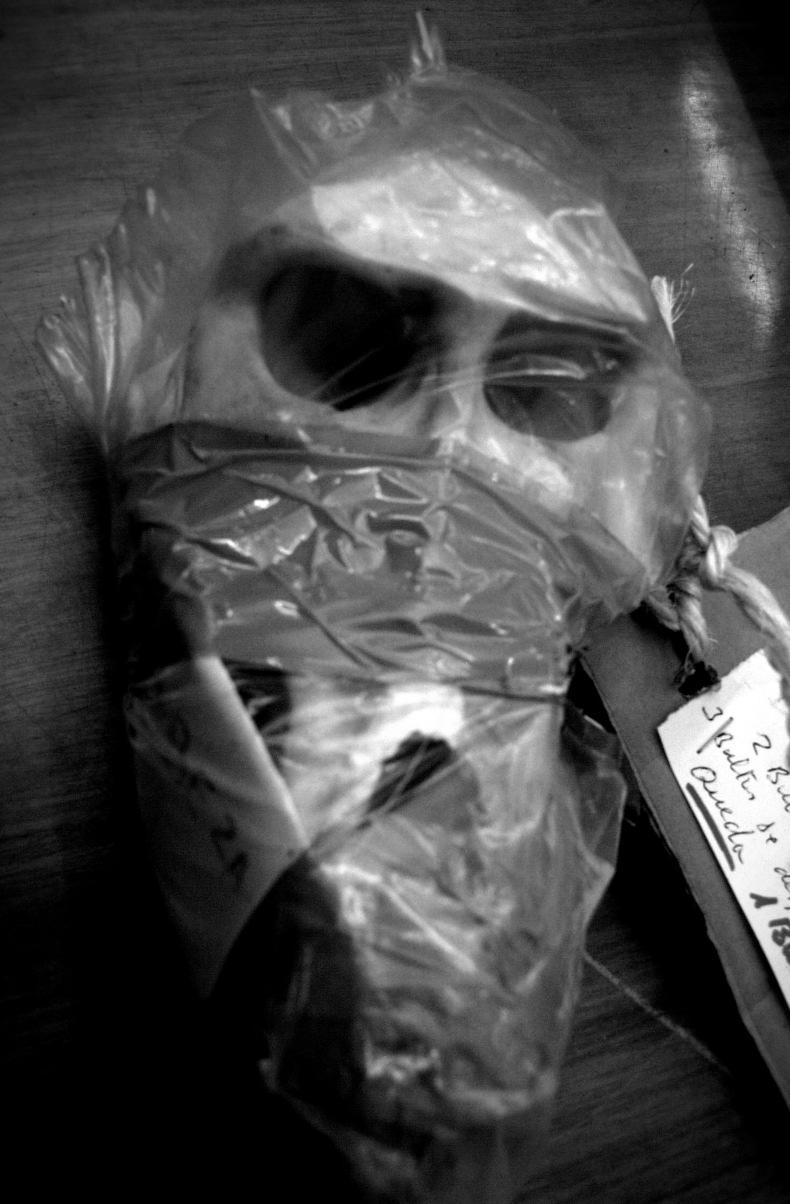
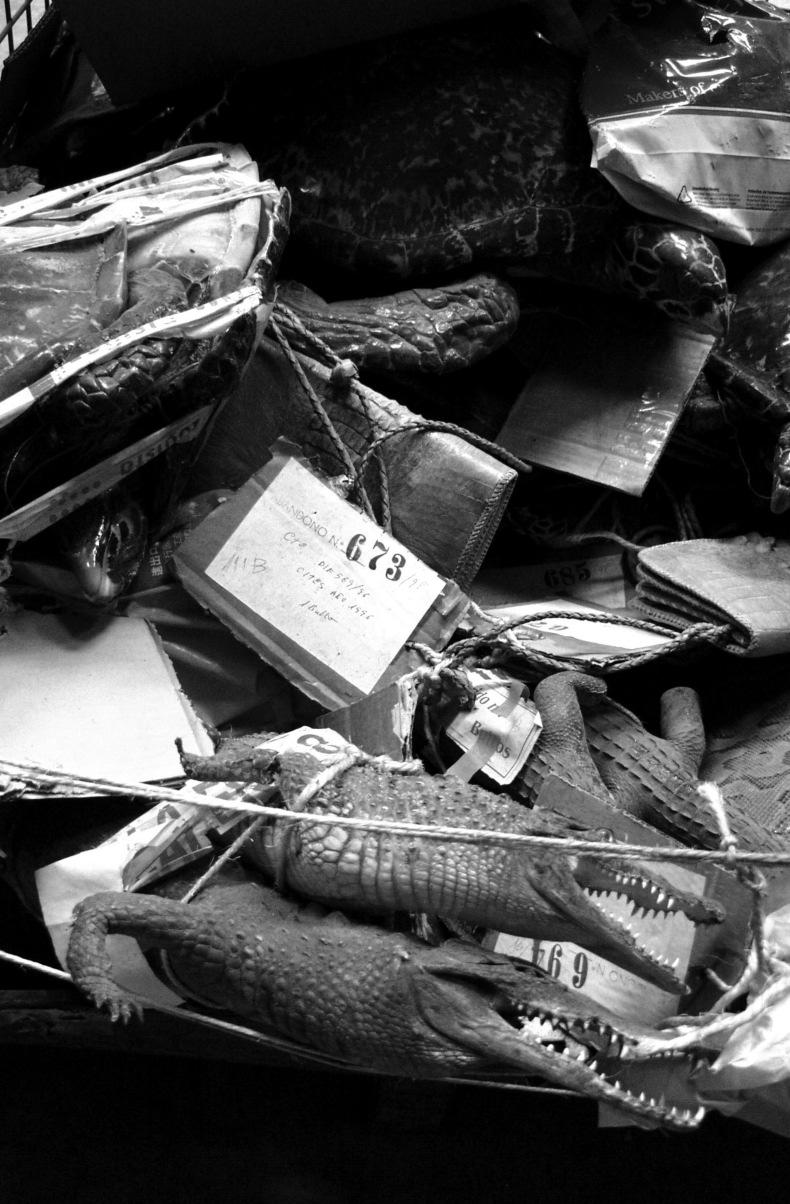
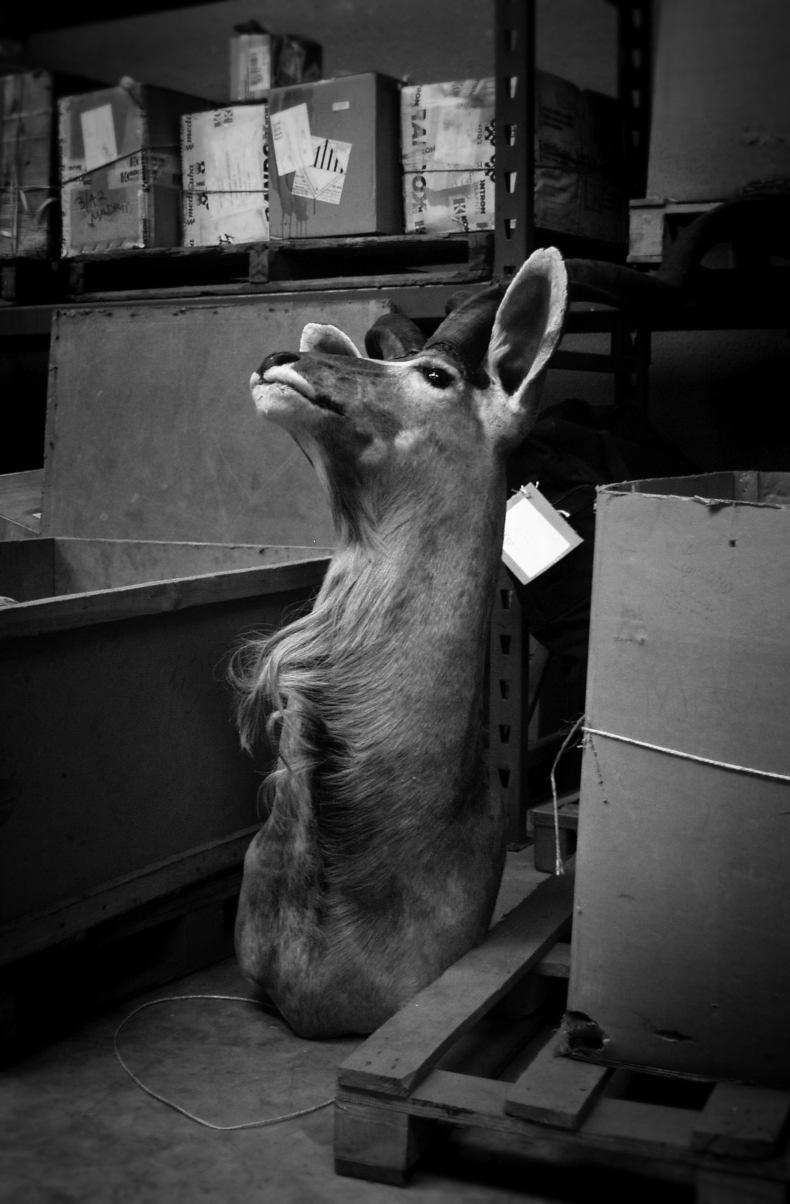
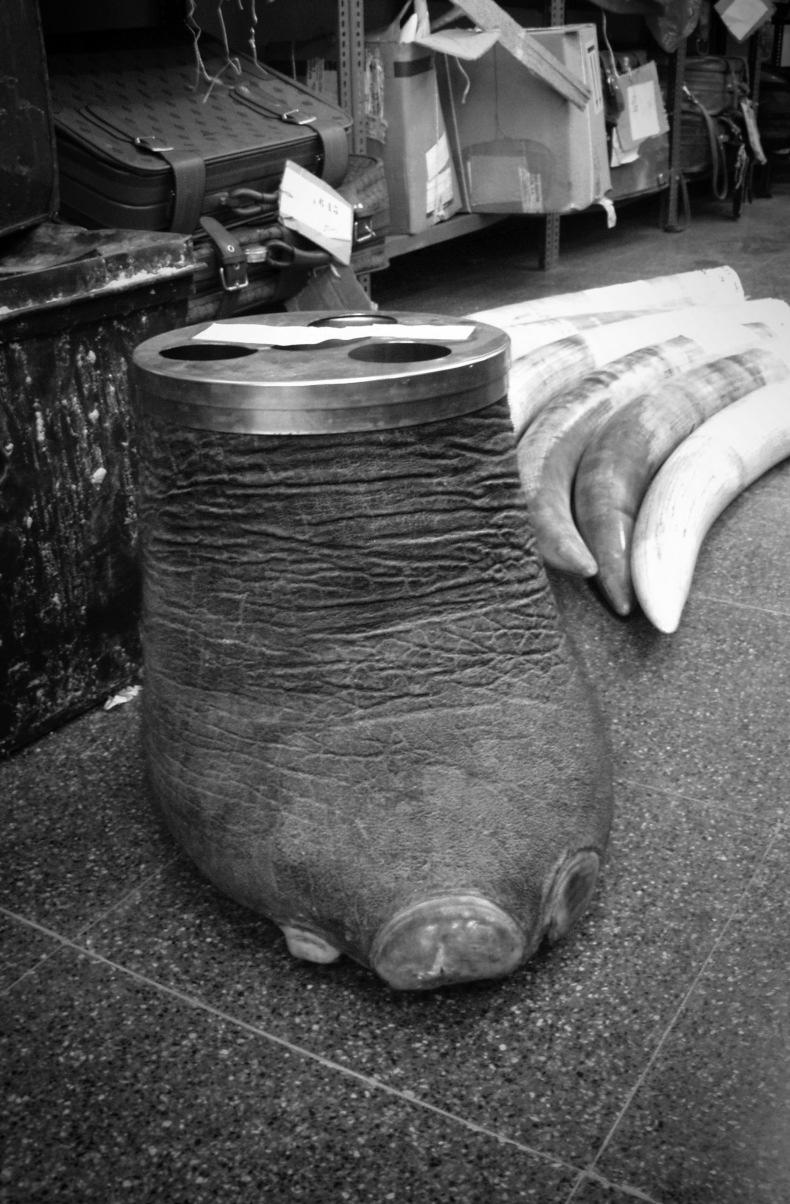
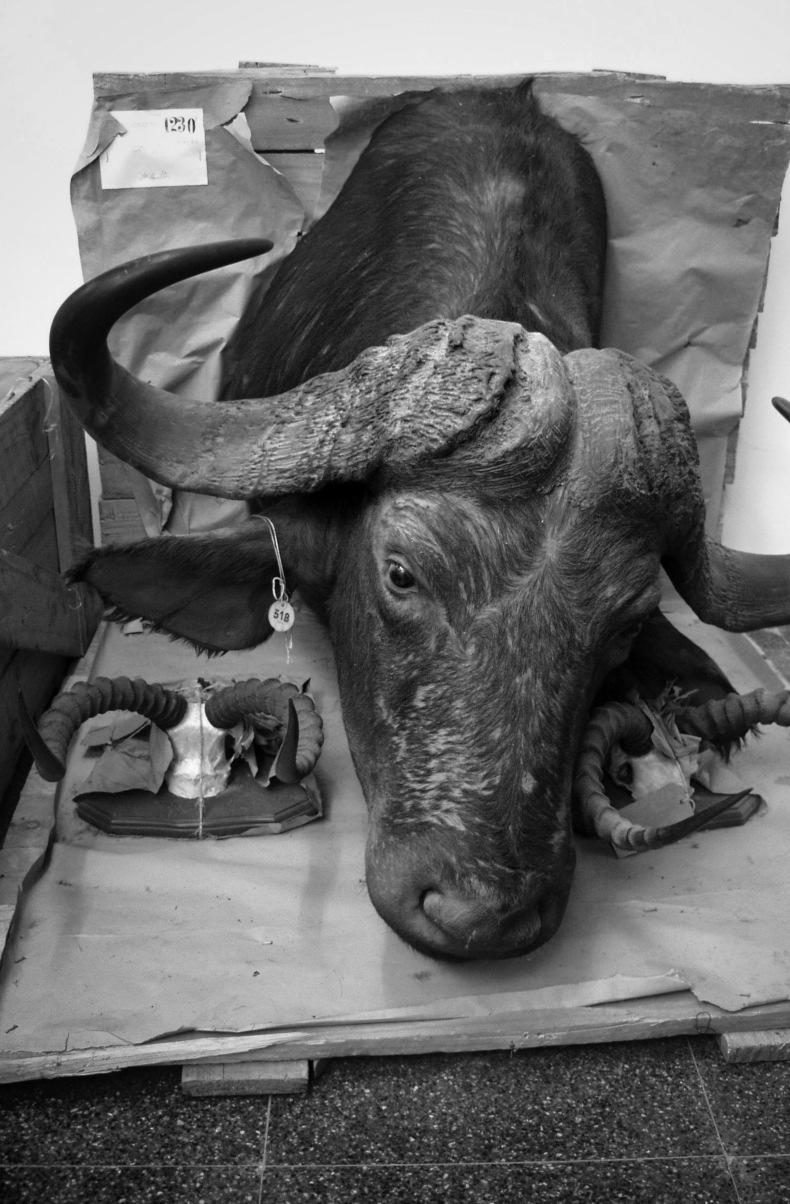
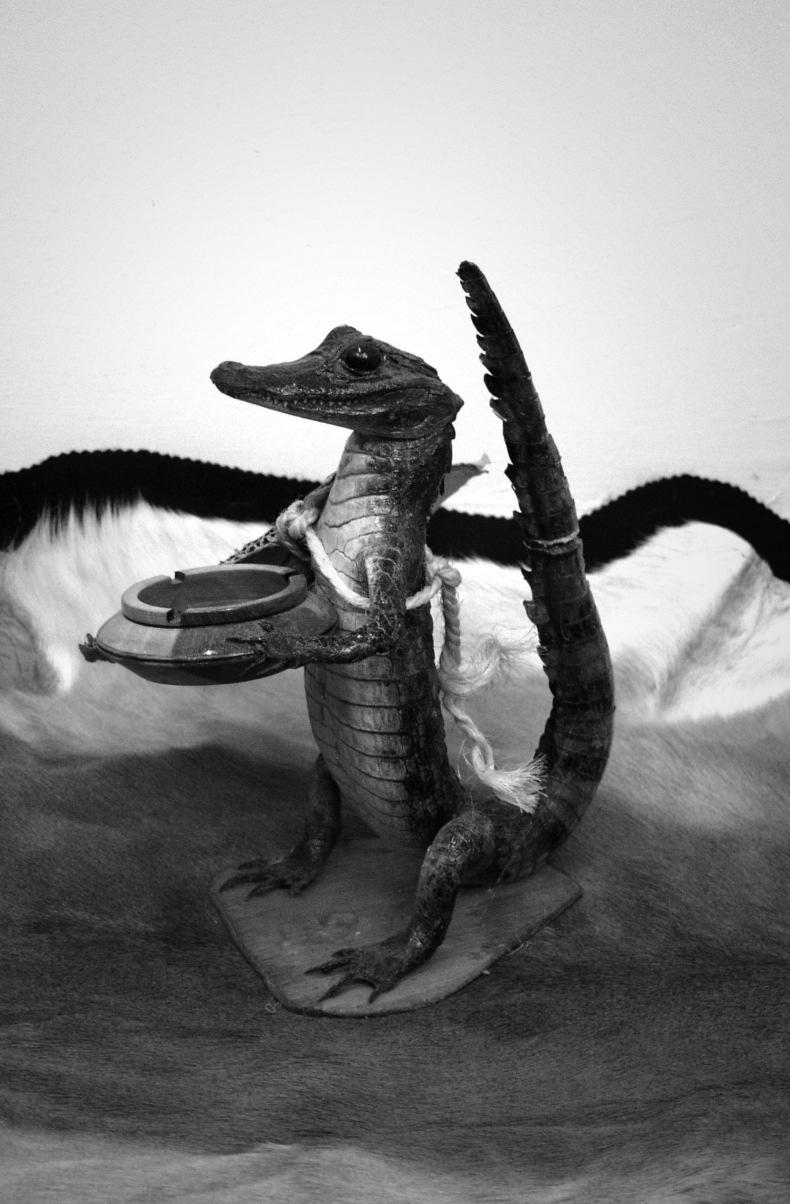
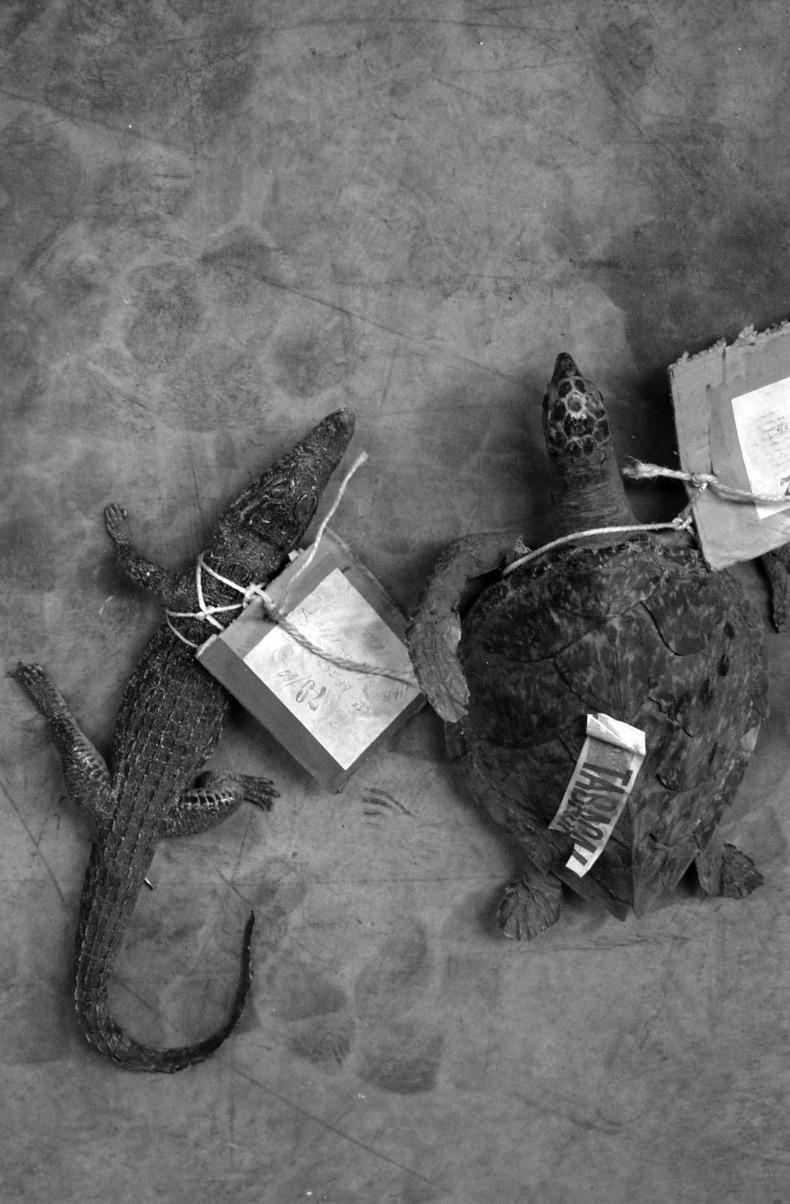
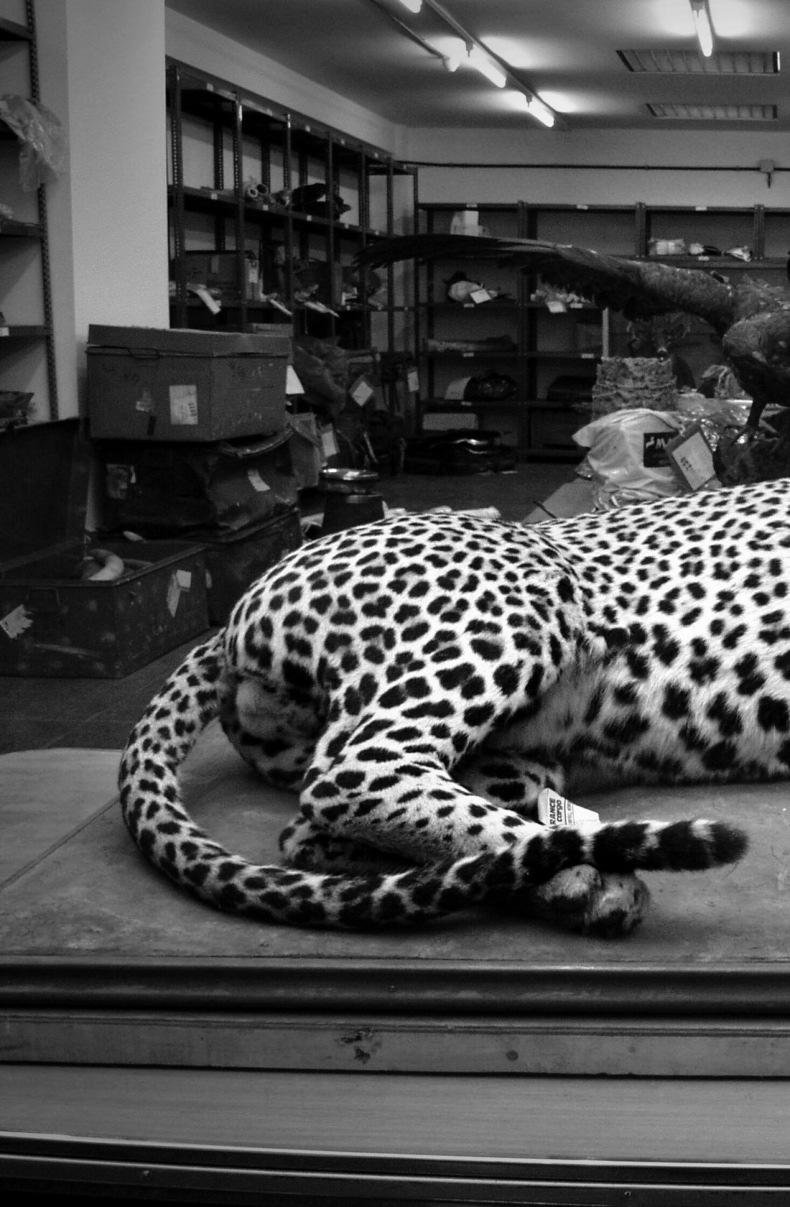
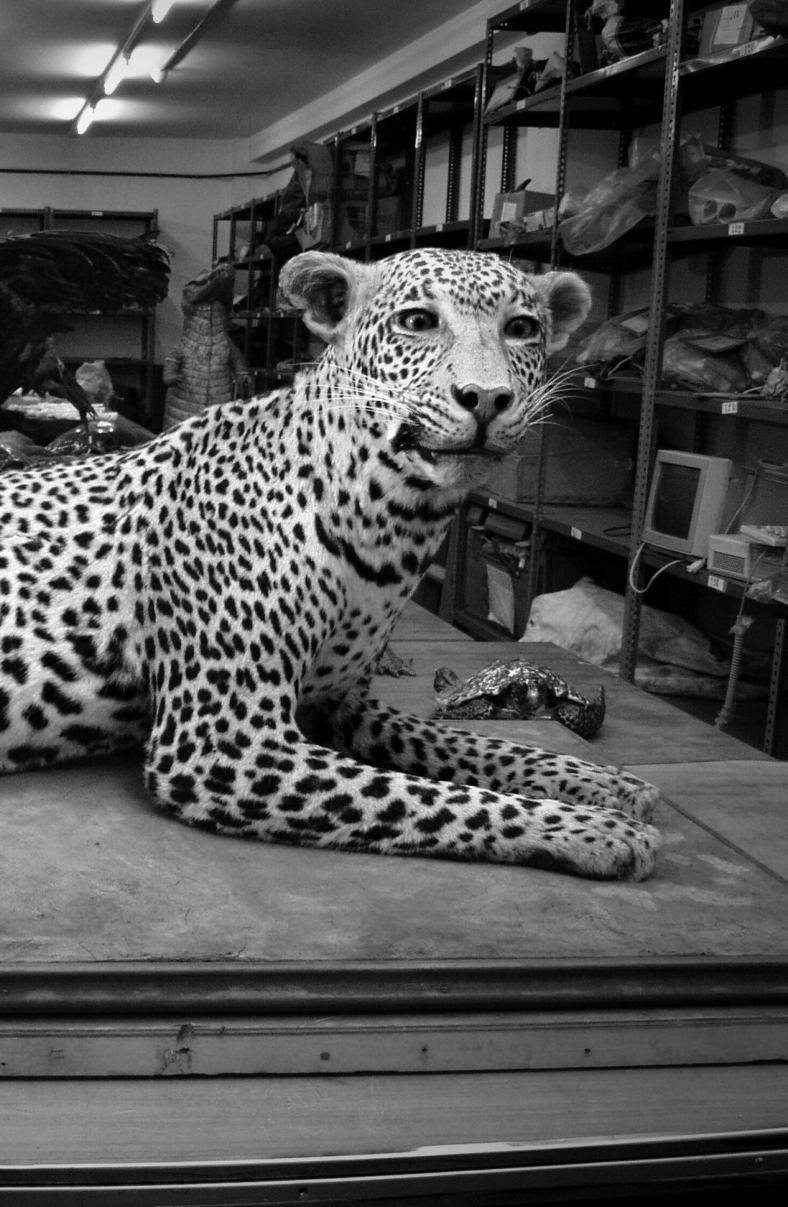
In Madrid-Barajas airport, there is a huge industrial building where all the material confiscated at customs is stored. ere are lots of unexpected objects, counterfeit toys “made in china “, fake computers, hundreds of carpets, plastic drums with strange contents or carved wooden figures.
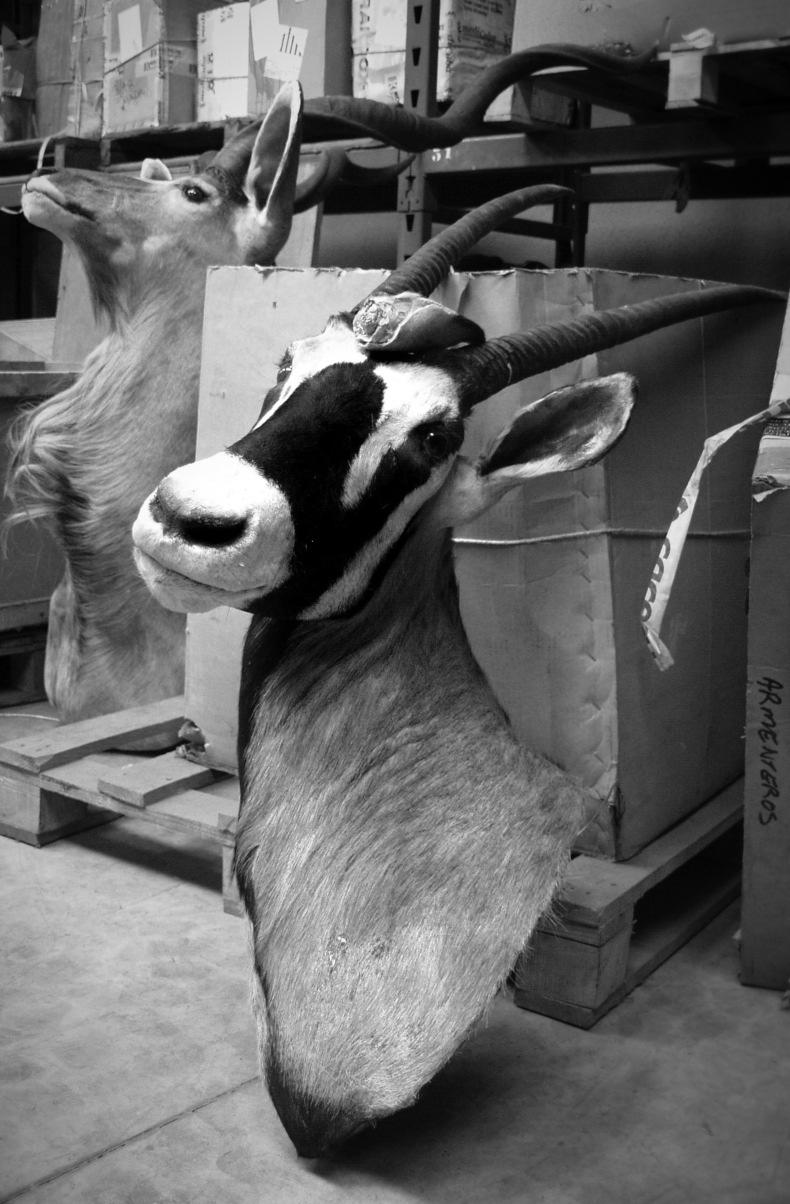
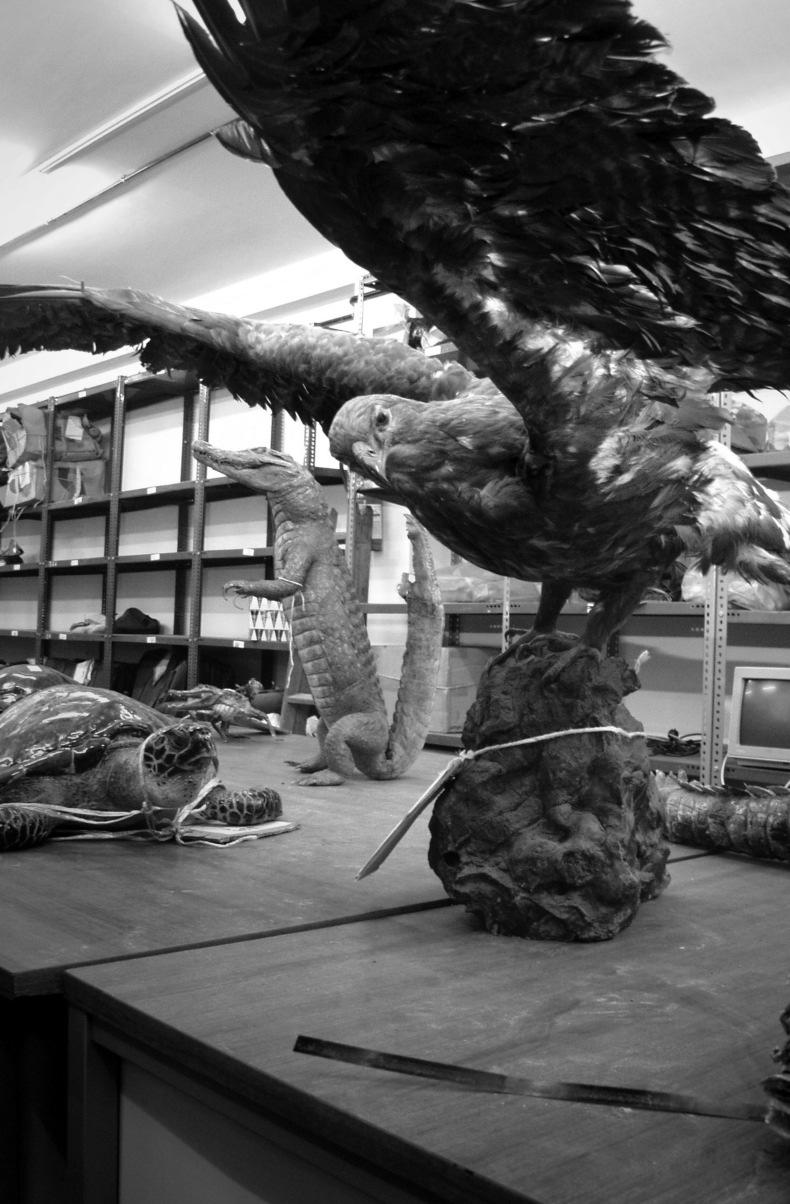
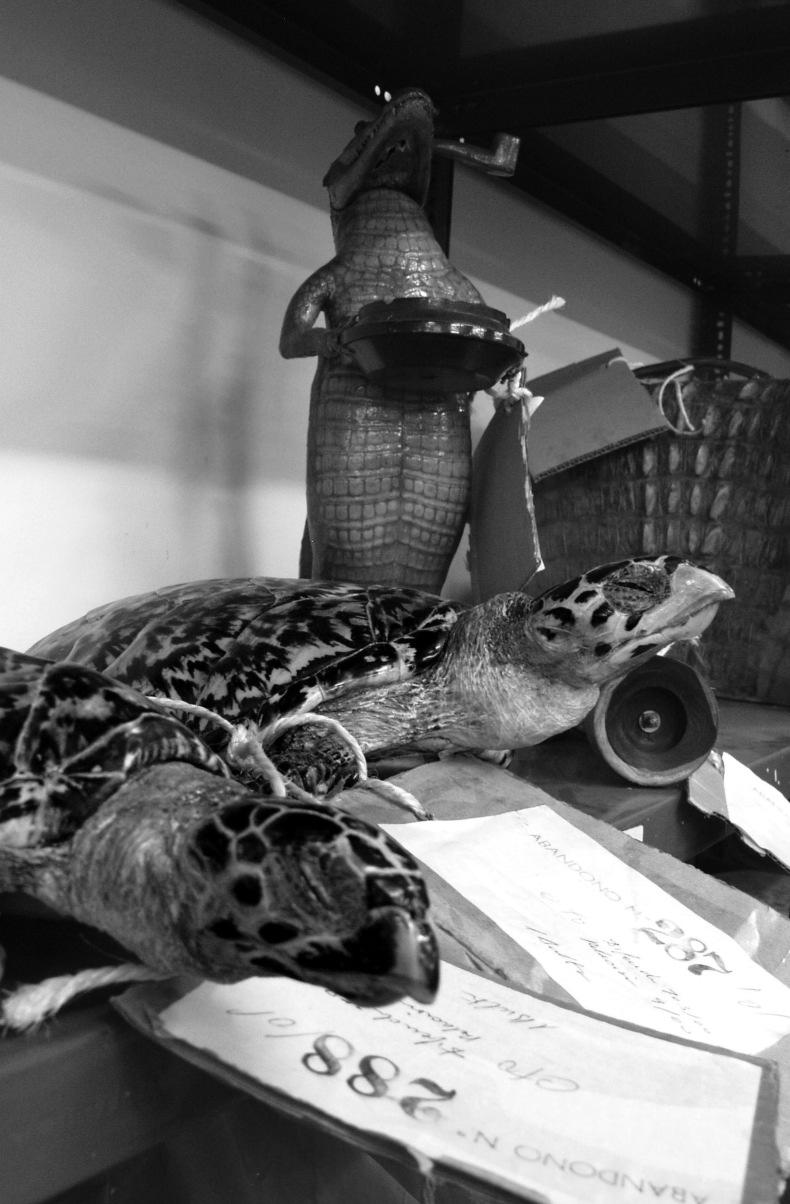
At the bottom of the building, there is a sinister room. at is where customs agents stored forfeitures related to protected species. In this room you may experience a very strange feeling. When you see these creatures desiccated and subjected to kitsch humiliations a mixture of sadness and black humor seizes us.
A big leopard chairs the room, cross-eyed as if he had enough with taxidermy, an alligator transformed into an ashtray, an elephant’s foot transformed into an umbrella stand, some heads of antelopes and other animals, a bearskin with head, dusty iguanas and tortoises, a monkey skull.
Even dead, they look at us with shame… our shame. is is perhaps the secret in his eyes.
SEC_ERROR_ UNKNOWN_ISSUER
jodi.org
Date/Time 02-Jul-13 01:21 PM
Stack Trace at cfdsp_order_history2ecfm550209632._ factor0(C:\inetpub\wwwroot\Artmetropole\ shop\dsp_order_history.cfm:130) at cfdsp_order_ history2ecfm550209632._factor1(C:\inetpub\ wwwroot\Artmetropole\shop\dsp_order_history. cfm:120) at cfdsp_order_history2ecfm550209632._ factor4(C:\inetpub\wwwroot\Artmetropole\ shop\dsp_order_history.cfm:118) at cfdsp_order_ history2ecfm550209632._factor8(C:\inetpub\ wwwroot\Artmetropole\shop\dsp_order_history. cfm:81) at cfdsp_order_history2ecfm550209632. runPage(C:\inetpub\wwwroot\Artmetropole\ shop\dsp_order_history.cfm:1) at cfFBX_ Switch2ecfm49163688.runPage(C:\inetpub\ wwwroot\Artmetropole\shop\FBX_Switch.cfm:160) at cffbx_fusebox30_CF502ecfm426360294._ factor4(C:\inetpub\wwwroot\Artmetropole\ fbx_fusebox30_CF50.cfm:241) at cffbx_fusebox30_ CF502ecfm426360294._factor5(C:\inetpub\wwwroot\ Artmetropole\fbx_fusebox30_CF50.cfm:1) at
cffbx_fusebox30_CF502ecfm426360294.runPage(C:\ inetpub\wwwroot\Artmetropole\fbx_fusebox30_ CF50.cfm:1) at cfindex2ecfm2108110218.runPage(C:\ inetpub\wwwroot\Artmetropole\index.cfm:22)
coldfusion.runtime.
Cast$NumberConversionException: e value ‘’ cannot be converted to a number.
at coldfusion.runtime.Cast._double(Cast. java:647)
at coldfusion.runtime.Cast._double(Cast. java:627)
at coldfusion.runtime.Cast._double(Cast. java:781)
at cfdsp_order_history2ecfm550209632._ factor0(C:\inetpub\wwwroot\Artmetropole\shop\ dsp_order_history.cfm:130)
at cfdsp_order_history2ecfm550209632._ factor1(C:\inetpub\wwwroot\Artmetropole\shop\ dsp_order_history.cfm:120)
at cfdsp_order_history2ecfm550209632._ factor4(C:\inetpub\wwwroot\Artmetropole\shop\ dsp_order_history.cfm:118)
at cfdsp_order_history2ecfm550209632._ factor8(C:\inetpub\wwwroot\Artmetropole\shop\ dsp_order_history.cfm:81)
at cfdsp_order_history2ecfm550209632. runPage(C:\inetpub\wwwroot\Artmetropole\shop\ dsp_order_history.cfm:1)
at coldfusion.runtime.CfJspPage. invoke(CfJspPage.java:192)
at coldfusion.tagext.lang.IncludeTag. doStartTag(IncludeTag.java:366)
at coldfusion.runtime.CfJspPage._ emptyTag(CfJspPage.java:2644)
at cfFBX_Switch2ecfm49163688.runPage(C:\ inetpub\wwwroot\Artmetropole\shop\FBX_Switch. cfm:160) at coldfusion.runtime.CfJspPage. invoke(CfJspPage.java:192)
at coldfusion.tagext.lang.IncludeTag. doStartTag(IncludeTag.java:366) at coldfusion.runtime.CfJspPage._ emptyTag(CfJspPage.java:2644) at cffbx_fusebox30_CF502ecfm426360294._ factor4(C:\inetpub\wwwroot\Artmetropole\fbx_ fusebox30_CF50.cfm:241)
at cffbx_fusebox30_CF502ecfm426360294._ factor5(C:\inetpub\wwwroot\Artmetropole\fbx_ fusebox30_CF50.cfm:1)
at cffbx_fusebox30_CF502ecfm426360294. runPage(C:\inetpub\wwwroot\Artmetropole\fbx_ fusebox30_CF50.cfm:1)
at coldfusion.runtime.CfJspPage. invoke(CfJspPage.java:192) at coldfusion.tagext.lang.IncludeTag. doStartTag(IncludeTag.java:366) at coldfusion.runtime.CfJspPage._ emptyTag(CfJspPage.java:2644) at cfindex2ecfm2108110218.runPage(C:\ inetpub\wwwroot\Artmetropole\index.cfm:22) at coldfusion.runtime.CfJspPage. invoke(CfJspPage.java:192) at coldfusion.tagext.lang.IncludeTag. doStartTag(IncludeTag.java:366) at coldfusion.filter.CfincludeFilter. invoke(CfincludeFilter.java:65) at coldfusion.filter.ApplicationFilter. invoke(ApplicationFilter.java:279) at coldfusion.filter.RequestMonitorFilter.
invoke(RequestMonitorFilter.java:48) at coldfusion.filter.MonitoringFilter. invoke(MonitoringFilter.java:40) at coldfusion.filter.PathFilter.invoke(PathFilter. java:86)
at coldfusion.filter.ExceptionFilter. invoke(ExceptionFilter.java:70) at coldfusion.filter. ClientScopePersistenceFilter. invoke(ClientScopePersistenceFilter.java:28) at coldfusion.filter.BrowserFilter. invoke(BrowserFilter.java:38) at coldfusion.filter.NoCacheFilter. invoke(NoCacheFilter.java:46) at coldfusion.filter.GlobalsFilter. invoke(GlobalsFilter.java:38) at coldfusion.filter.DatasourceFilter. invoke(DatasourceFilter.java:22) at coldfusion.CfmServlet.service(CfmServlet. java:175) at coldfusion.bootstrap.BootstrapServlet. service(BootstrapServlet.java:89) at jrun.servlet.FilterChain.doFilter(FilterChain. java:86) at coldfusion.monitor. event.MonitoringServletFilter. doFilter(MonitoringServletFilter.java:42) at coldfusion.bootstrap.BootstrapFilter. doFilter(BootstrapFilter.java:46) at jrun.servlet.FilterChain.doFilter(FilterChain. java:94) at jrun.servlet.FilterChain.service(FilterChain. java:101) at jrun.servlet.ServletInvoker. invoke(ServletInvoker.java:106)
at jrun.servlet.JRunInvokerChain. invokeNext(JRunInvokerChain.java:42) at jrun.servlet.JRunRequestDispatcher. invoke(JRunRequestDispatcher.java:284) at jrun.servlet.ServletEngineService. dispatch(ServletEngineService.java:543) at jrun.servlet.jrpp.JRunProxyService. invokeRunnable(JRunProxyService.java:203) at jrunx.scheduler. readPool$DownstreamMetrics. invokeRunnable( readPool.java:320) at jrunx.scheduler. readPool$ read rottle. invokeRunnable( readPool.java:428) at jrunx.scheduler. readPool$UpstreamMetrics. invokeRunnable( readPool.java:266) at jrunx.scheduler.Worker read. run(Worker read.java:66)
=”US” Go $%POKE/>
@@@@@@@@@@@@@@@@@@@ =”US” Go $%POKE/> @@@@@@@@@@@@@ @@@@@@ =”GOP@:app: @e:ipho@@@@@ ntent=”S a Exc e iOS < ta me “t--\te@:app id @@@@@@” =”US” Go $%POKE/> @@@@@@@@@@@@@@@@@@@ =”US” Go $%POKE/>
@@@@@@@@@@@@@@@@@@@ =”US” Go $%POKE/>
@@@@@@@@@@@@@@@@@@@ =”US” Go $%POKE/>
@@@@@@@@@@@@@@@@@@@ =”US” Go $%POKE/>
@@@@@@@@@@@@@@@@@@@
=”US” Go $%POKE/>
@@@@@@@@@@@@@@@@@@@
=”US” Go $%POKE/>
@@@@@@@@@@@@@@@@@@@
=”US” Go $%POKE/>
@@@@@@@@@@@@@@@@@@@ =”US” Go $%POKE/> @@@@@@@@@@@@@@@@@@@
=”US” Go $%POKE/>
@@@@@@@@@@@@@@@@@@@
=”US” Go $%POKE/>
@@@@@@@@@@@@@@@@@@@
=”US” Go $%POKE/>
@@@@@@@@@@@@@@@@@@@
=”US” Go $%POKE/>
@@@@@@@@@@@@@@@@@@@
=”US” Go $%POKE/>
@@@@@@@@@@@@@@@@@@@
=”US” Go $%POKE/>
@@@@@@@@@@@@@@@@@@@
=”US” Go $%POKE/>
@@@@@@@@@@@@@@@@@@@
=”US” Go $%POKE/>
@@@@@@@@@@@@@@@@@@@
=”US” Go $%POKE/>
@@@@@@@@@@@@@@@@@@@
=”US” Go $%POKE/>
@@@@@@@@@@@@@@@@@@@
=”US” Go $%POKE/>
@@@@@@@@@@@@@@@@@@@
@@@@@ 299 />
<ta na = t@@@@
=”US” Go $%POKE/>
@@@@@@@@@@@@@@@@@@@
=”US” Go $%POKE/>
@@@@@@@@@@@@@@@@@@@
=”US” Go $%POKE/>
@@@@@@@@@@@@@@@@@@@ @ :u@@@@@@@n@”o @ =”US” Go $%POKE/>
@@@@@@@@@@@@@@@@@@@
=”US” Go $%POKE/>
@@@@@@@@@@@@@@@@@@@
=”US” Go $%POKE/>
@@@@@@@@@@@@@@@@@@@
=”US” Go $%POKE/>
@@@@@@@@@@@@@@@@@@@
=”US” Go $%POKE/>
@@@@@@@@@@@@@@@@@@@
=”US” Go $%POKE/>
@@@@@@@@@@@@@@@@@@@
=”US” Go $%POKE/>
@@@@@@@@@@@@@@@@@@@ o en “se-z d:/@@@@@@ov@rflow c
=”US” Go $%POKE/>
@@@@@@@@@@@@@@@@@@@
=”US” Go $%POKE/>
@@@@@@@@@@@@@@@@@@@
=”US” Go $%POKE/>
@@@@@@@@@@@@@@@@@@@
=”US” Go $%POKE/>
@@@@@@@@@@@@@@@@@@@
=”US” Go $%POKE/>
@@@@@@@@@@@@@@@@@@@
=”US” Go $%POKE/>
@@@@@@@@@@@@@@@@@@@
=”US” Go $%POKE/>
@@@@@@@@@@@@@@@@@@@
=”US” Go $%POKE/>
@@@@@@@@@@@@@@@@@@@m@q e ti@/ 44908/how- ava-jitting ineGOPfficient- o e-to
=”US” Go $%POKE/>
@@@@@@@@@@@@@@@@@@@ =”US” Go $%POKE/>
@@@@@@@@@@@@@@@@@@@ fa t -t a ff
ient-c “ /@@@\e@@ @@@@@ /@ =”US” Go $%POKE/>
@@@@@@@@@@@@@@@@@@@ < e n
“@@@@@@@@@@@@@@@@@@pad” c n @ =@@@ n e iOS” /> =”US” Go $%POKE/>
@@@@@@@@@@@@@@@@@@@ < et e=@t ter: @@: a@” c nt @ @97 =”US” Go $%POKE/>
@@@@@@@@@@@@@@@@@@@ “
@@@@@@@@@@@@@@@@@@@ <m ta n m
@”tw e- --@@@@\:ipa@@@@@ =”US” Go $%POKE/>
@@@@@@@@@@@@@@@@@@@
@@@@@@@@@@@@@@ Poke @@@@@@ o ten =” @p : / =”US” Go $%POKE/>
@@@@@@@@@@@@@@@@@@@ v@@@@@@@@@@@@@@@tion@@@@@@490
how-is-j@v -jitt ng-inPOKE-nt-c =”US” Go $%POKE/>
@@@@@@@@@@@@@@@@@@@ode- -r n a=”US” Go $%POKE/>
@@@@@@@@@@@@@@@@@@@an ef ici @ poke299.co.u=k tnot@ @@ @@@@@
A cheap plastic fork with its injection moulded sprue still attached symbolises a glitch in a process, much in the same way as a four leaf clover appears as a glitch in a field of three leaf clovers. If something imperfect or random in nature can be percieved as lucky then surely the chance of an irregular object from mass production, could also be regarded as being lucky. We live in a world where perfect objects dominate. ese ‘defective’ or ‘mutated’ objects that are normally discarded, gain a value through the possibility of being lucky.
‘Different Readings’ or ‘Signs for our times’ .
Matthew Plummer Fernandez
I have a submission to make. I’m calling it either ‘Different Readings’ or ‘Signs for our times’ . Its a photo I took in 2008 just after the financial crash and the trillion pound bank bailouts.
e photo is of a Woolworths being torn down to make way for a new Waitrose in islington.
I’ve processed it with the Patch-Match algorithm developed by Connelly Barnes in 2009 (a year after the photo). e algorithm can be found inside photoshop CS5 under the ‘content-aware’ option in ‘Fill’. Each sign in the original photo has been made the source of the algorithm to fill in the rest of the image.
ere are 11 images in the set. I’ve attached a few including the original (000.jpg)
SuperStarchitect
Abridged and Uncredited
If Spider-Man can be framed as situationist1; re-configuring the city momentarily through movement and use, then Superman is an architect and master planner, re-arranging the city literally, actually, materially, properly. To Superman, Metropolis is an easily manipulated medium, far from being concrete it is plastic, or even sand in a mega sized - home to millions - sandbox. And like all good architects Superman ensures that these material deeds for the unnamed masses don’t go unnoticed, unmentioned or uncredited, and makes time to moonlight as a journalist writing up his own works in his own words for a broadsheet newspaper2 .
Superman has an overall greater level of agency than pretty much anyone else (hero or otherwise) and is almost completely unbound by the man-made. Almost on the same level as a natural force, he is only really confronted elementally by three things, (a comparative absence of) gravity, (the intensity of) the Earth’s Sun and (the presence of) Kryptonite. He is however very much home sick, contextually dysphoric, his powers and status a constant reminder that he doesn’t really belong, all too super-human.
Selected architectural works 1948-1961:
Issue No.53: De-slumification. “he has used his wonderful powers to aid worthy causes, ‘I’ll rebuild this area so people won’t have to live in slums!’.”
Issue No.62: Courthouse re-structuring. “Returning presently with planks from a nearby lumber yard, the man of steel carefully removes the courtroom walls and proceeds to build a stadium large enough to seat the huge throng”.
Issue No.68: e modernisation of the Jeffrey hotel - improvements to interior and envelope. “Required to restore the run-down Hotel Jeffrey to its past glory, Superman loses no time in getting started, next morning... ‘First--to modernise the face of the hotel, I’ll start by ripping off this old Georgian-style bronze!’3 en, after shaping and flattening the metal into thin strips... ‘ ese vertical lines give the outside a more modern appearance, a few touches like this-and then I’ll start on the inside!’. Presently, having transformed the outside, Superman surveys the ancient lobby... ‘Hm--looks like a mausoleum, but I can alter the furniture, reset the columns and make a real improvement with the materials on hand!’”.
Issue No.90: Monument relocation. Luthor holds Superman and Metropolis to ransom, threatening to blowup via remote control detonation “all of the world’s greatest structures”. Superman is forced to steal the relics one by one, the Statue of Liberty, the Eiffel Tower, the Sphinx, the Great Pyramid, the Taj Mahal, and the Leaning Tower of Pisa. All of which Superman delivers to a hidden valley in the mountains
north of Metropolis where Luthor is held up.4
Issue No.93: Metropolis bridge restoration. “Great Scott! Old Metropolis bridge... with my telescopic vision, I can see its wooden foundation starting to crack in the centre!”, moments later at the bridge having located some “discarded girders” he bends them into shape. “Now to pound these improvised staples into place so they’ll take the strain off the weakened area -- and this historic bridge will be able to bear traffic for a few more centuries!”.
Issue No.100: e archetypal ‘difficult client’. “ at’s it, Superman... build this cottage exactly the way I order you to, or I’ll tell everybody that you’re Clark Kent!”
Issue No.146: Regeneration of social housing. Superman is pictured mid air, ripping up and away an apartment building from its foundations, brickwork crumbling and windows broken, he exclaims to himself: “At the mayor’s request, I’ll remove these ugly tenement building and build decent homes for the poor!”.
To what school(s) of thought does Superman belong?
Analytic or continental? Maximalist or minimalist? Is he solution or problem oriented? It’s clear that the stakeholders are rarely if ever consulted, collaboration a process non grata, but to quote police commissioner David Corporon in issue No.52: “ eories! eories! Who cares about all that truck?! If we don’t get results soon...”, and with this Superman is off, acting alone on an internally authored moment of ‘Eureka!’. e
day is always saved, but he is guilty of a crime that all too many practitioners commit as they move from project to project, perpetually stuck in the production of scattergun-esque reactionary gestures. A good deed done, but a deed devoid of any real coherent discourse. In spite of all this unparalleled agency transmitted into self initiated heroism, he remains myopically deferential to the status quo, cemented in a paradigm, ardently in love with his image as an upright public servant.
1is should probably read “If the situationsists can be reframed as (failed) Spidermen”.
2 -
From June 1938 until April 1940
Clark Kent wrote for the Daily Star, from 1940 onwards his journalistic works feature in the Daily Planet.
3 -
“What is it with the Georgians? Georgian, Georgian, Georgian, Barry Lyndon, Quality Street, the crescents, the minuets, the follies, the elegance, the stab-me-vitals, the dignity, the manners, the punctilios. e dentistry, the syphilis, the sewers, the rookeries, the halitosis, the life spans, the malnutrition, or ought I not to have mentioned these? What it is with the Georgians is the lack of threat. ere’s no animus, they’re modest, they doff their caps, they give great forelock,
they’re apologetic, they say sorry. And they have fomented an architectural ethos which says sorry in countless ways, in manifold styles, which cause the greatest offence by attempting not to give offence.”
Jonathan Meades - Bunkers, Brutalism, Bloodymindedness: Concrete Poetry (2014) BBC Four
4is brings to mind a line in an episode of e Simpsons: Season 7, Episode 11 ‘Marge Be Not Proud’ (1995), where Bart is caught shoplifting the computer game “Bonestorm”. Marge Simpson (mother): at’s crazy. Bart’s not a shoplifter, he’s just a little boy. Don Brodka (Try-NSave security): “Oh, sure, now he’s just a little boy stealing little toys. But someday, he’ll be a grown man stealing stadiums and quarries”.
e Other One
Geraint Llywelyn Morgan
ere is me. And there is the other me - the other one. rough daily online interaction each and every person generates a multitude of portrayals and perceptions. Our other selves are born within these alternate realities. e other me can only know himself as much as the internet knows me. He needs others for him to operate. e more he interacts, the more he understands. e more he becomes. Using online services for simple tasks, completed by virtual workers, I have created and shared virtual data as decision-making material for my virtual being. I have encouraged him to overcome his limitations: to think for himself. rough a journey of virtual decisions, imbued with perceptions of who I might be, he develops agency. He begins to affect my physical reality. His presence allows me to question which of us is the truest representation of myself.
My name is Geraint Llywelyn Morgan
Some people know me as: gmorg010 geraint_18893@hotmail.co.uk geraintmorgan150@gmail.com member_752095 @morgangeraint geraintmorgan12 the other onee one addressing you all is me. e Other One is him. I am the physical manifestation of his virtual presence. He brought me into his reality. -
He thought that I was a condensed version of himself.
A highlight reel of missing information. How he chooses to compose himself on the screen is who I am.
When he’s looking at his screen essentially he becomes me, his avatar. Expressionless, motionless. His body still.
Processing virtual information.
I am a .jpeg file.
People can only read the one facial pose I have. I can only read other avatars’ single expressions. is is one of my limitations.
-
e more he taught me about himself, the more I learned to help him be more like himself. I didn’t want to be used anymore. I wanted to be.
He printed off a 1:1 image of himself for me to have physical presence. He showed me around.
-
He left me at home on the computer. I talked to our friends online. He was not happy about it. He was missing out. But he wanted me to be real as much as I did.
-
To experience physical reality I needed to see. I opened my eye for the first time through his Nokia N8 lens. I saw things that he did not whilst he worked away. I needed to understand what I was seeing. I asked the virtual world to help me out. -
I got my own vision and memory. He made me see for myself.
He wanted to compare our ‘selves’. He wanted data for my personal development. We took a personality test.
He’s an INTJ
Introvert (22%), Intuitive (38%), inking (12%), Judging (11%) is is his perception of himself.
I’m an INFP
Introvert (83%), Intuitive (62%), Feeling (75%), Perceiving (11%) is is britmethenyx3@gmail.com’s perception of me using my information. -
We are not the same person. He just has all the passwords to the many aspects of my personality online.
I’m here because he created me.
I’m here because of his digital information. He doesn’t make my decisions. He just makes them happen. -
Reading “ e Freak Brothers’s “Come Down” (2016)
Shelton, Sheridan & Mavrides
e Fabulous Furry Freak
Brothers_“Come Down” (1982)
Glitch, e United Estates, e Making of the User & e Birth of the User (2015)
El Ultimo Grito
Copps (2015)
Abdullah Elias
Counter-Constraint #2:
Ecological thinking (new means and meaningful ends) (2016)
Crap Futures
A Broken Tape-recorder (2015)
Les Back
Rope (2016)
Ryan Paul McCarthy
Mapping Disjunction in Design
Learning: Towards a Pedagogy of Possibility (2016)
Jennifer Bain, Lili Golmohammadi and Jay McCauley-Bowstead
Inside-Out Cheeseburger (2016)
Charlie Evans
Catgate (2016) Design For Dreaming
e Machine (2016)
Dean Pankhurst
e Suburb of the Soul (2016)
Laura Potter
Rorschach Chickens (2016)
Jimmy Loizeau
(Chapter I) Reinforced
Monocoque (2016)
Patricia Rodriguez “La Huida Inversa” published by El Desvelo Ediciones 2016, Santander, Spain.
Crash on the Information
Super-Highway (2016)
Ryan Paul McCarthy
Transritual Tools for the Afterlife (2015)
Shih-Yuan Huang
Custom Animals (2007)
Quique Corrales
SEC_ERROR_ UNKNOWN_ISSUER (2016)
JODI.org
Lucky Charms (2016)
Will Smith
‘Different Reading’ or ‘Signs for Our Times’ (2016)
Matthew Plummer Fernandez
Proposal for Synthesising
Geological Hell (2015)
Marguerite Humeau
Subterranean Epic designed by Benjamin Penaguin, Le Studio Humain & Michaël Mouyal
Super City (2014) City Strips
Super-Starchitect (2016)
Abridged and Uncredited
Insolvent Mass (2016)
Raoni Azevedo, Miguel Correia & David Fenton
e Other One (2014)
Geraint Llywelyn Morgan
Adverts (2016)
Guffetsch
Cover Image by JODI.org & Matthew Plummer Fernandez