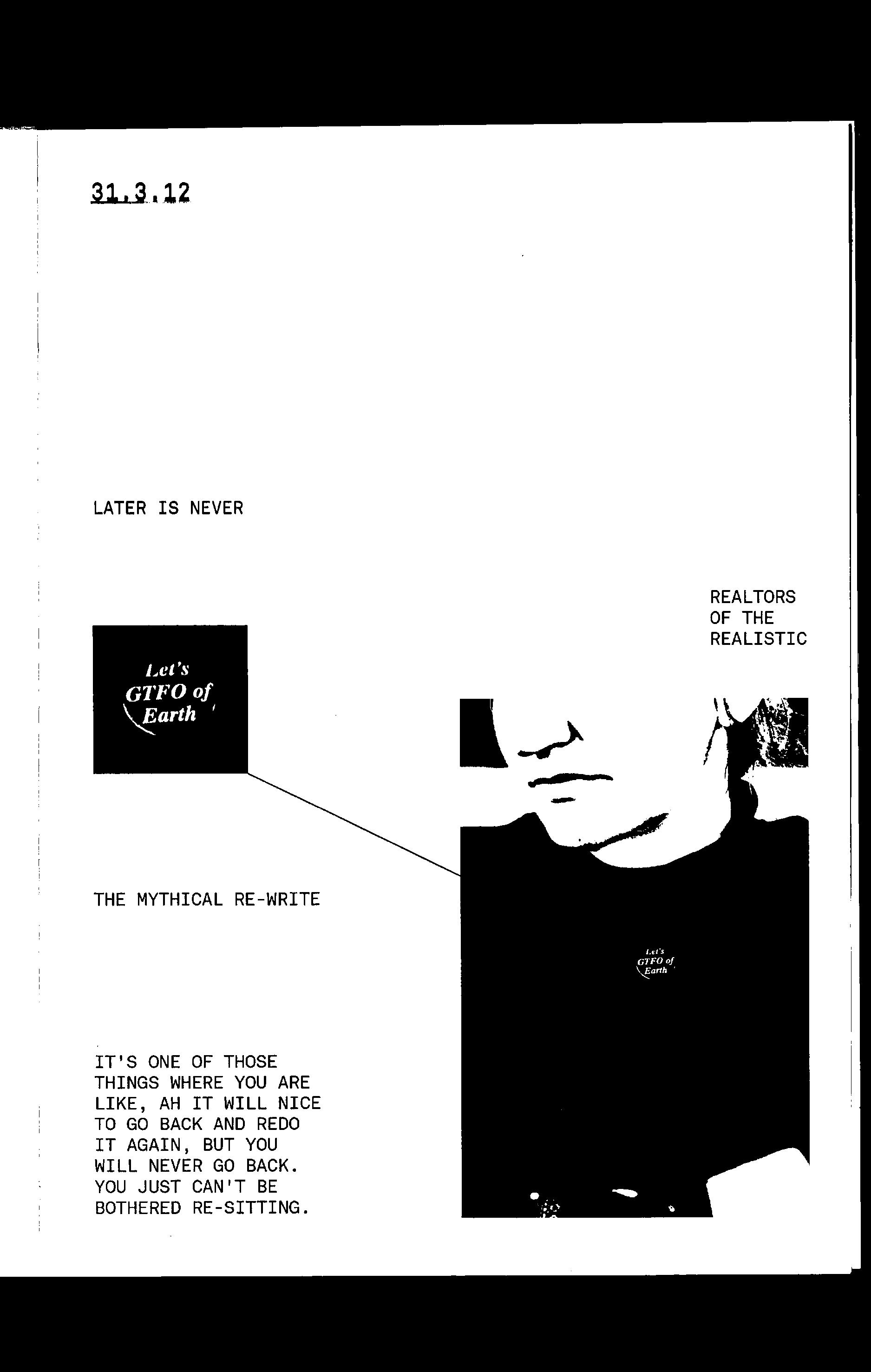
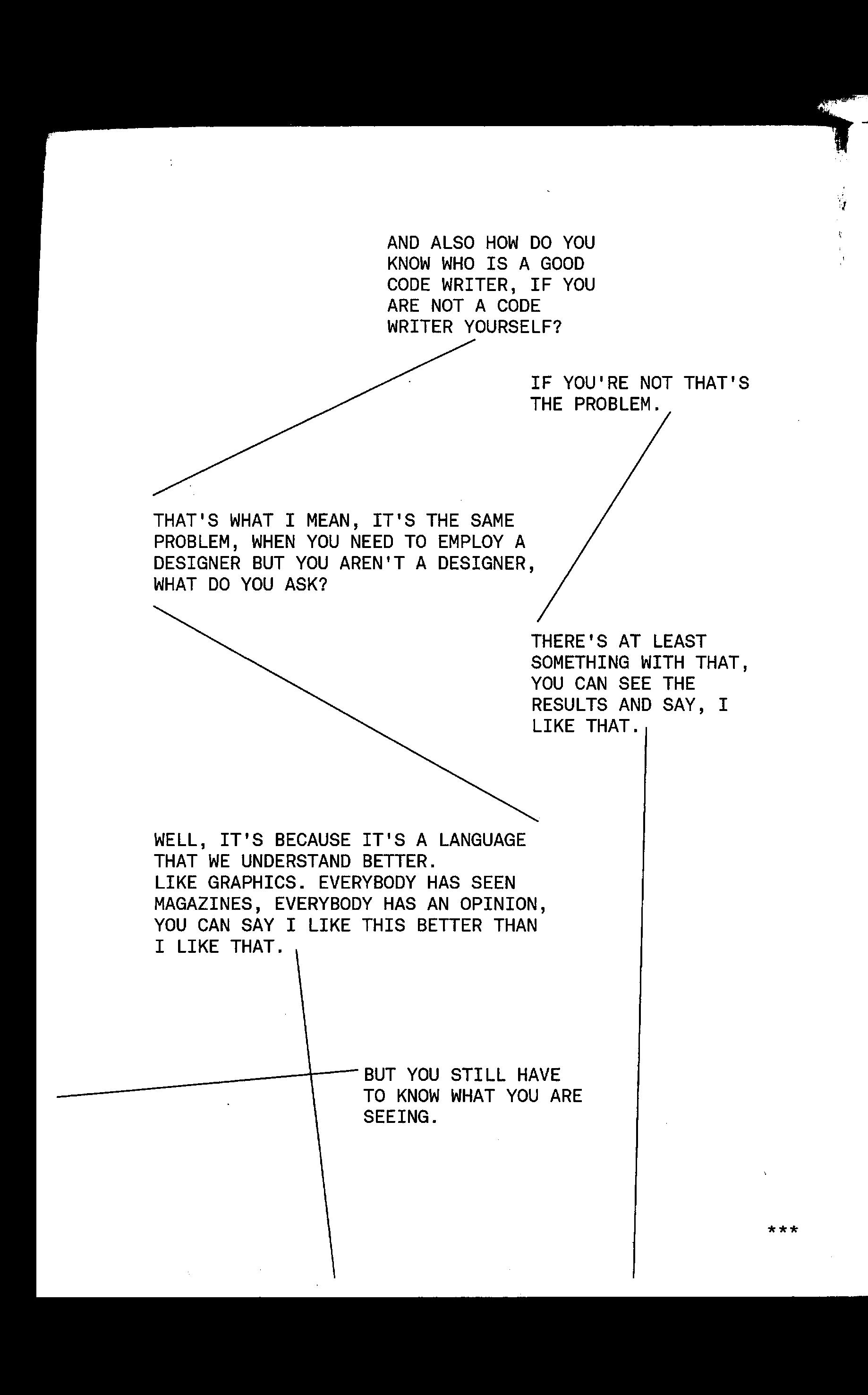
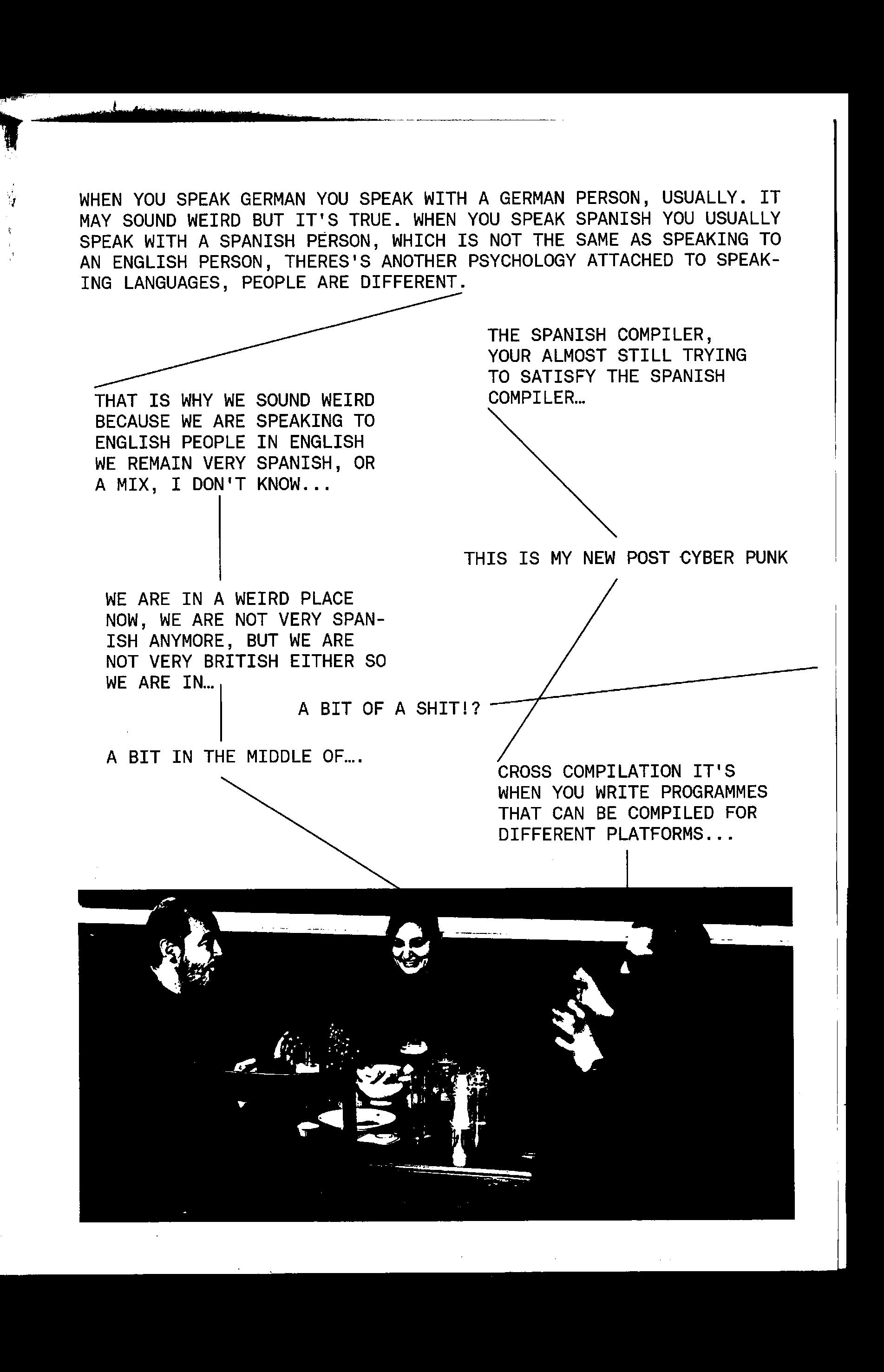
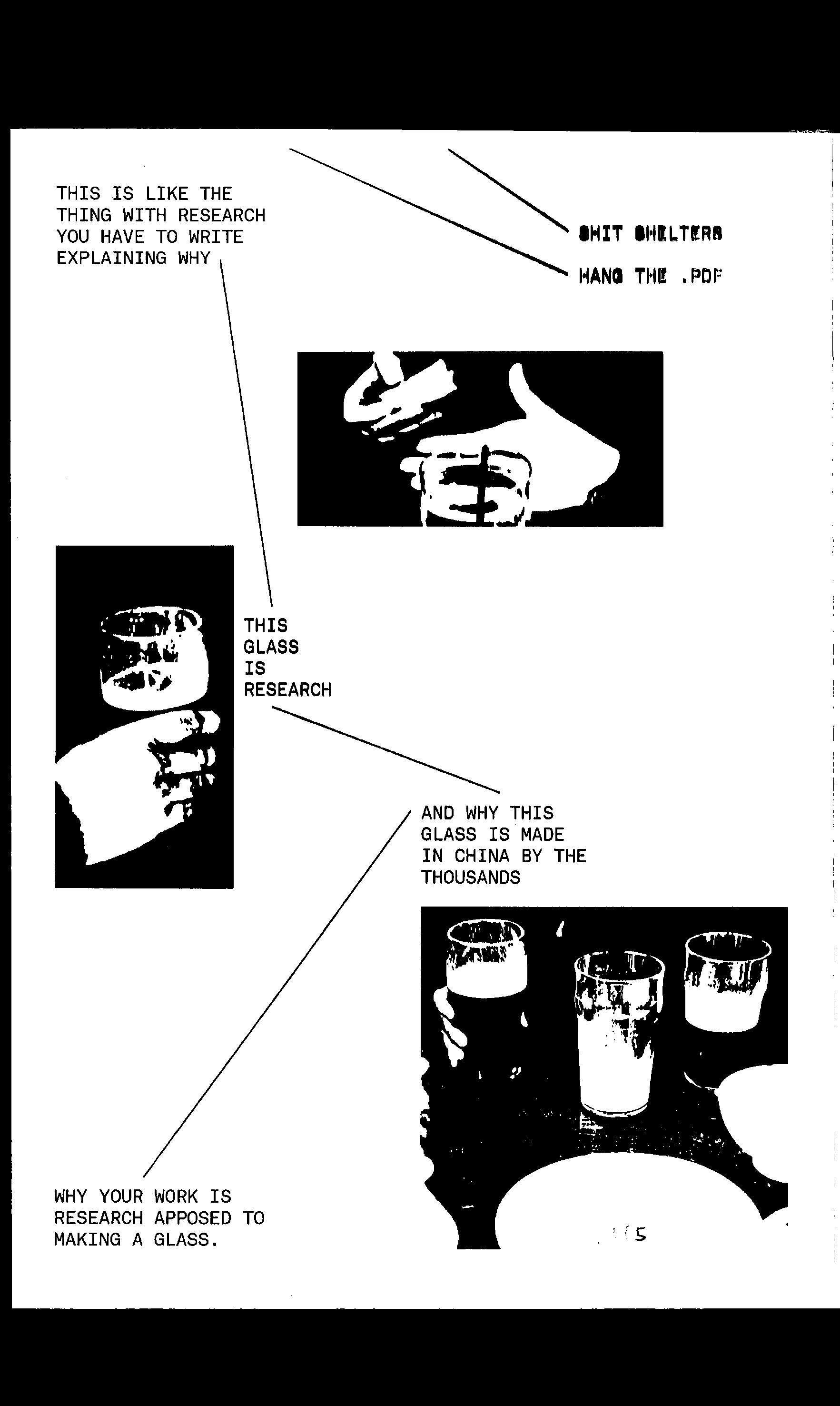
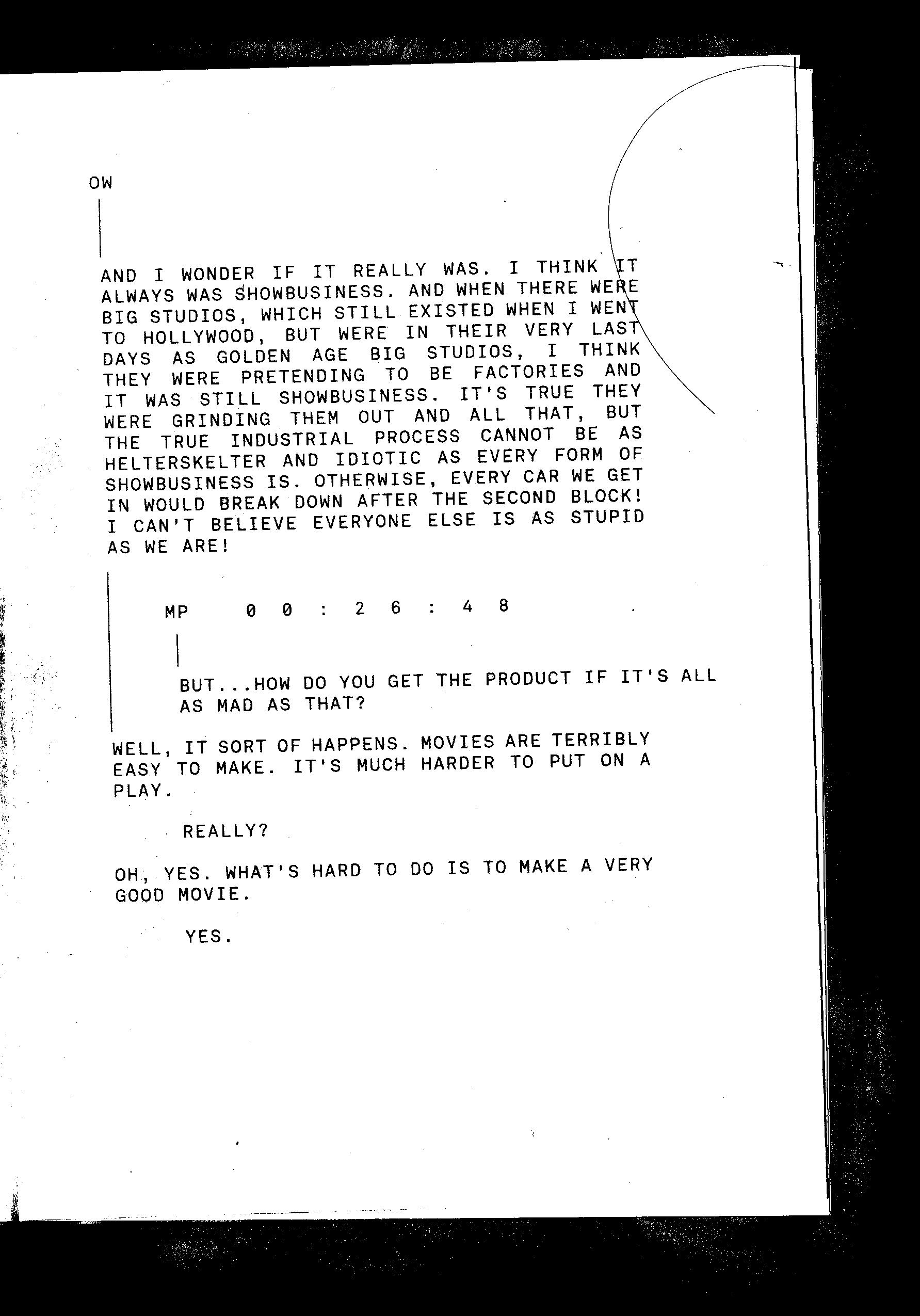
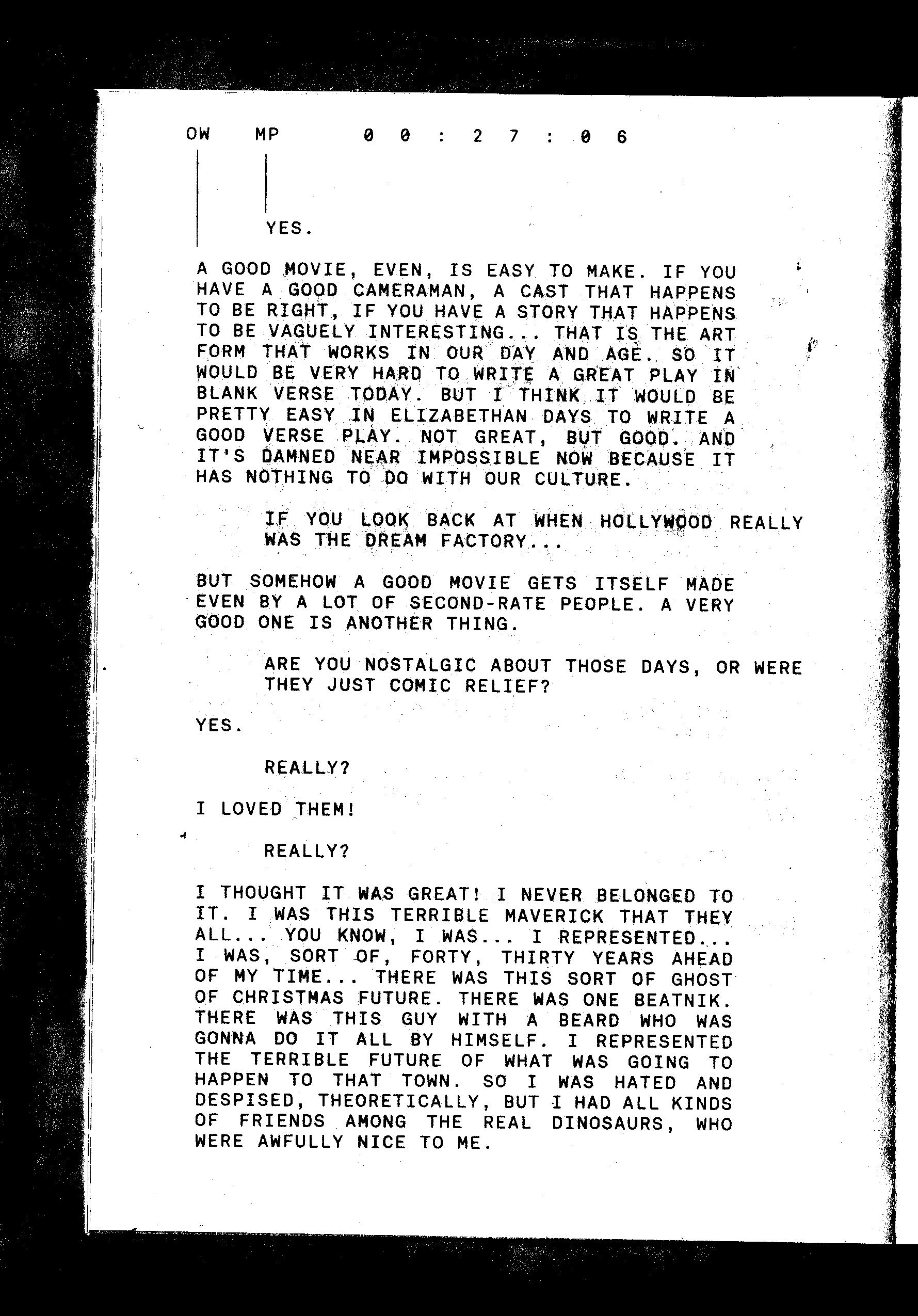
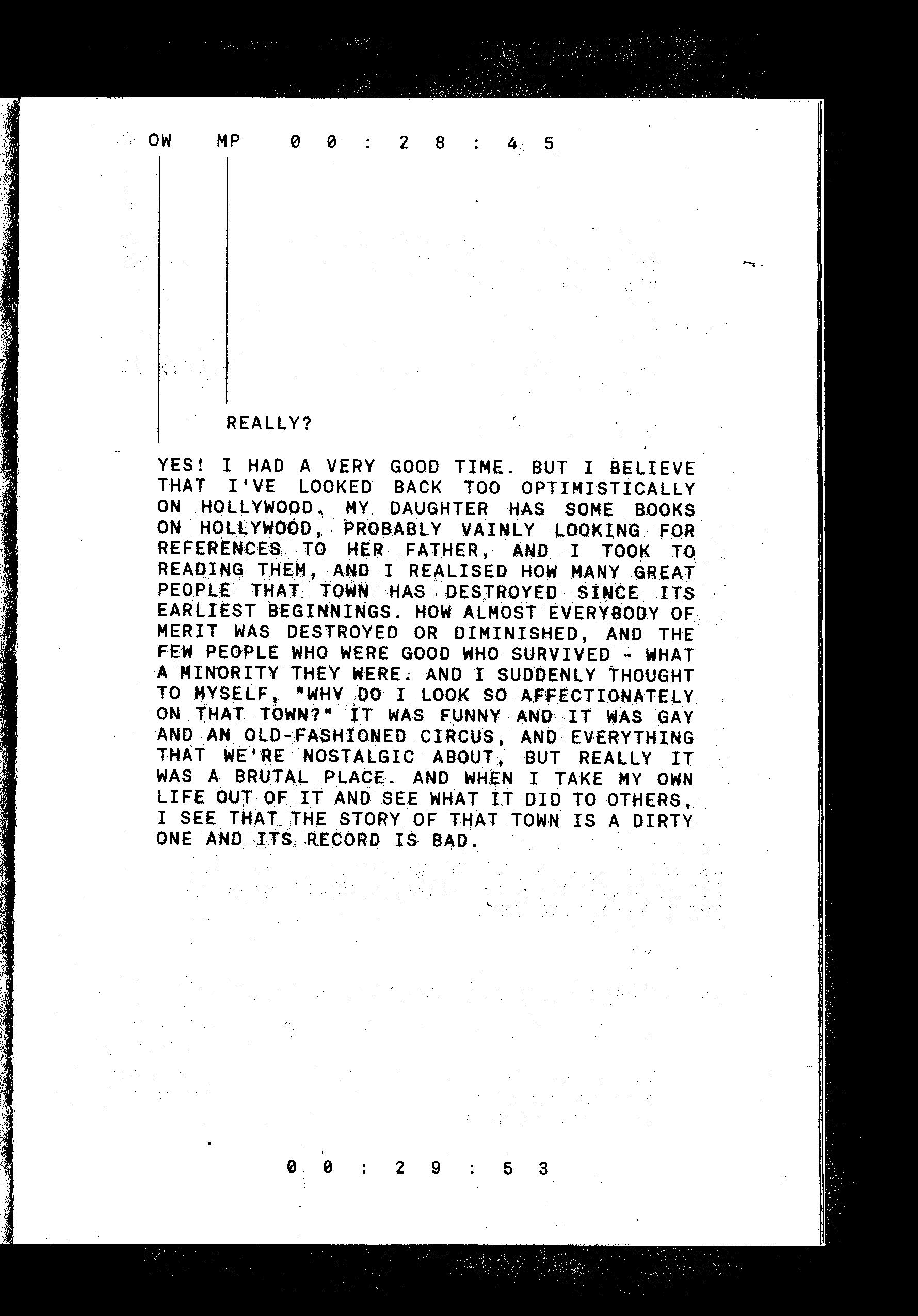
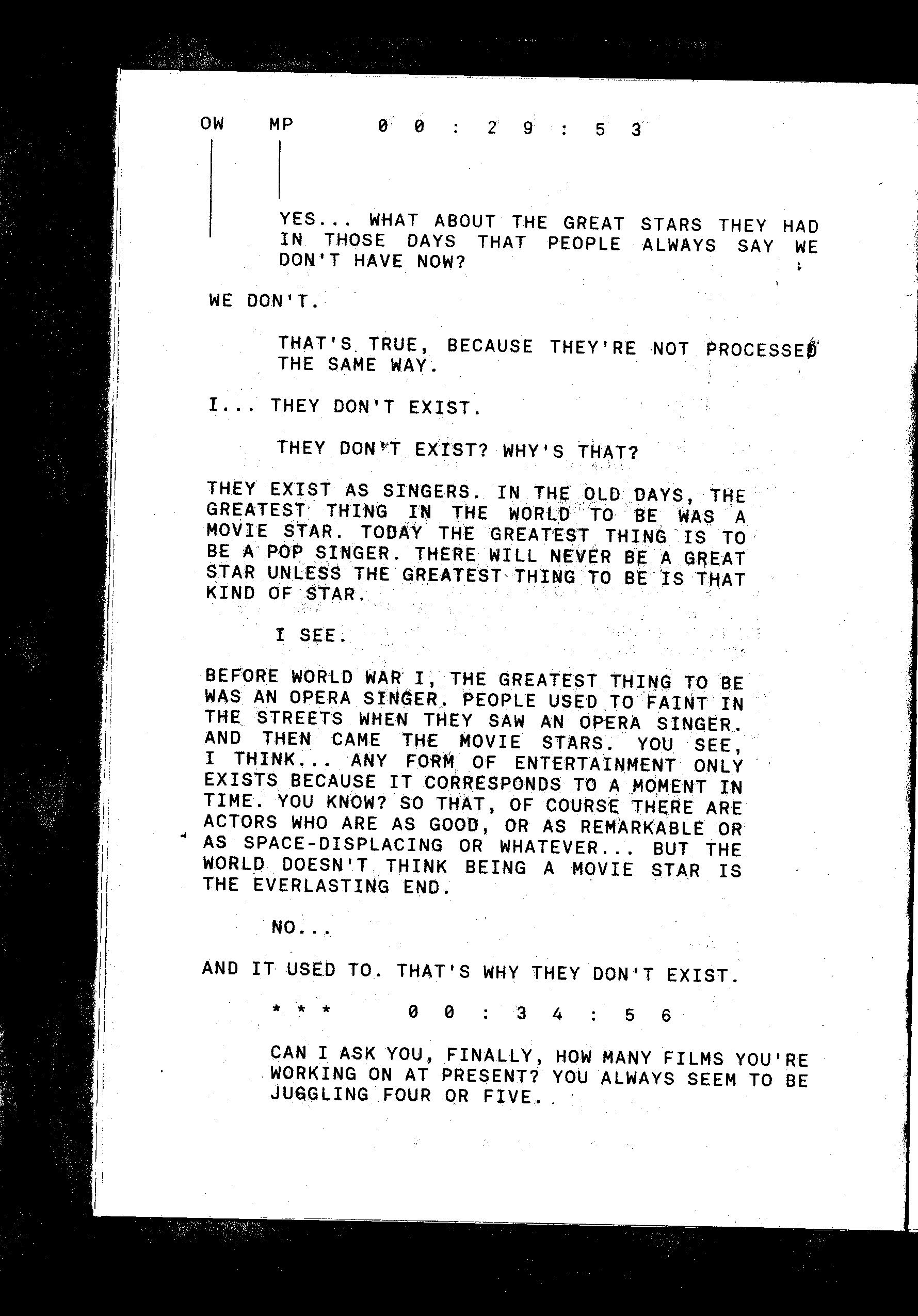
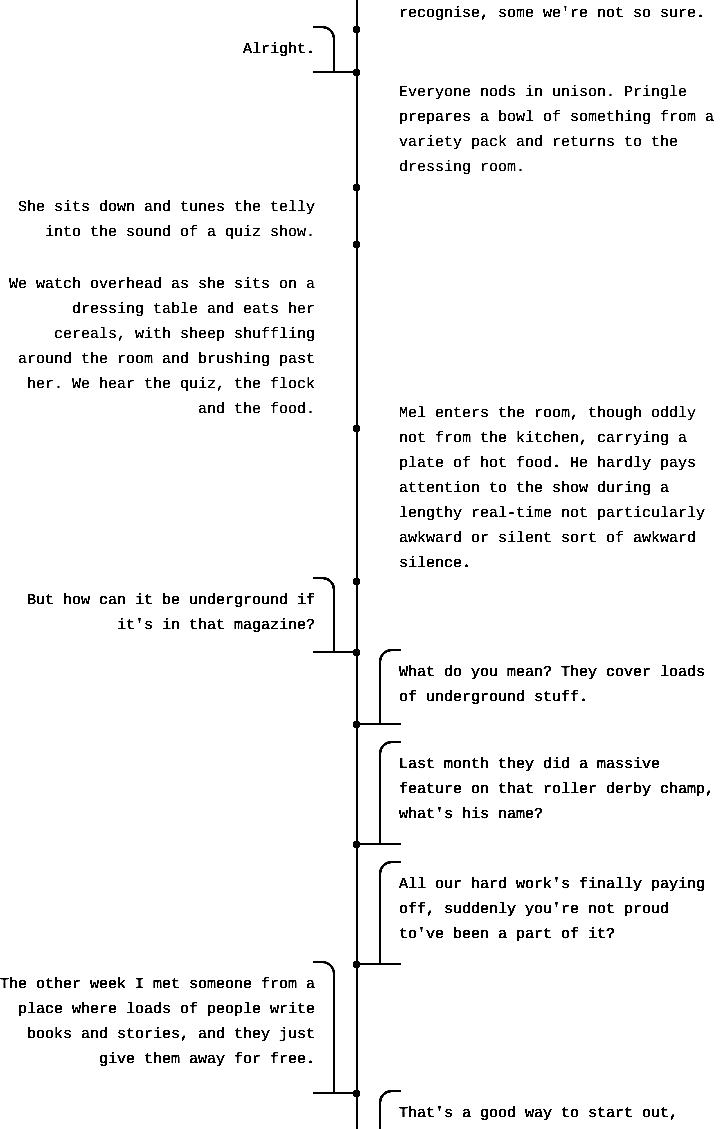
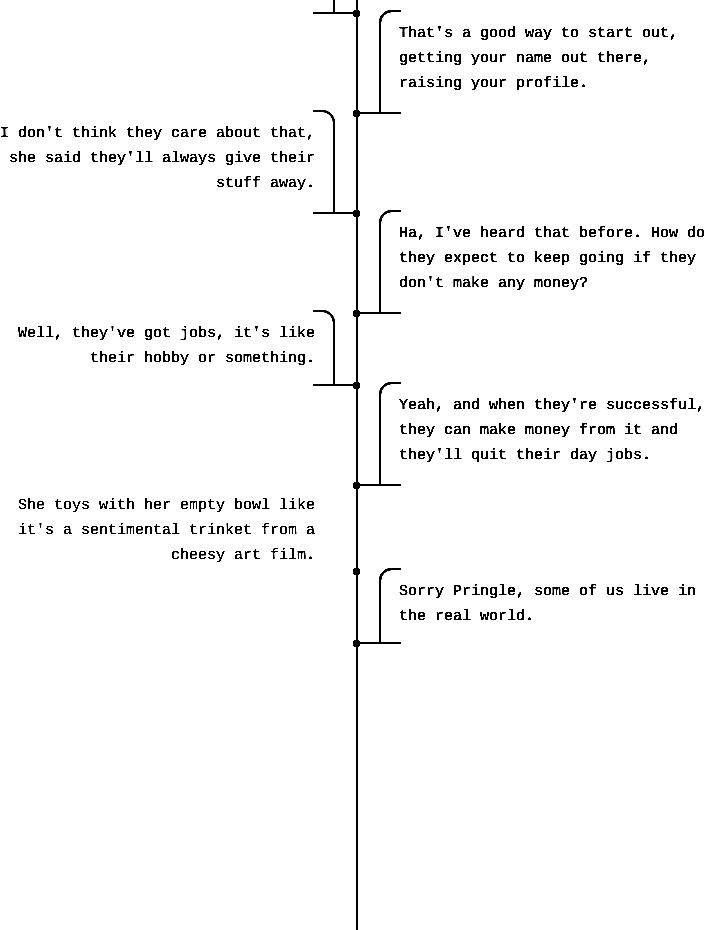
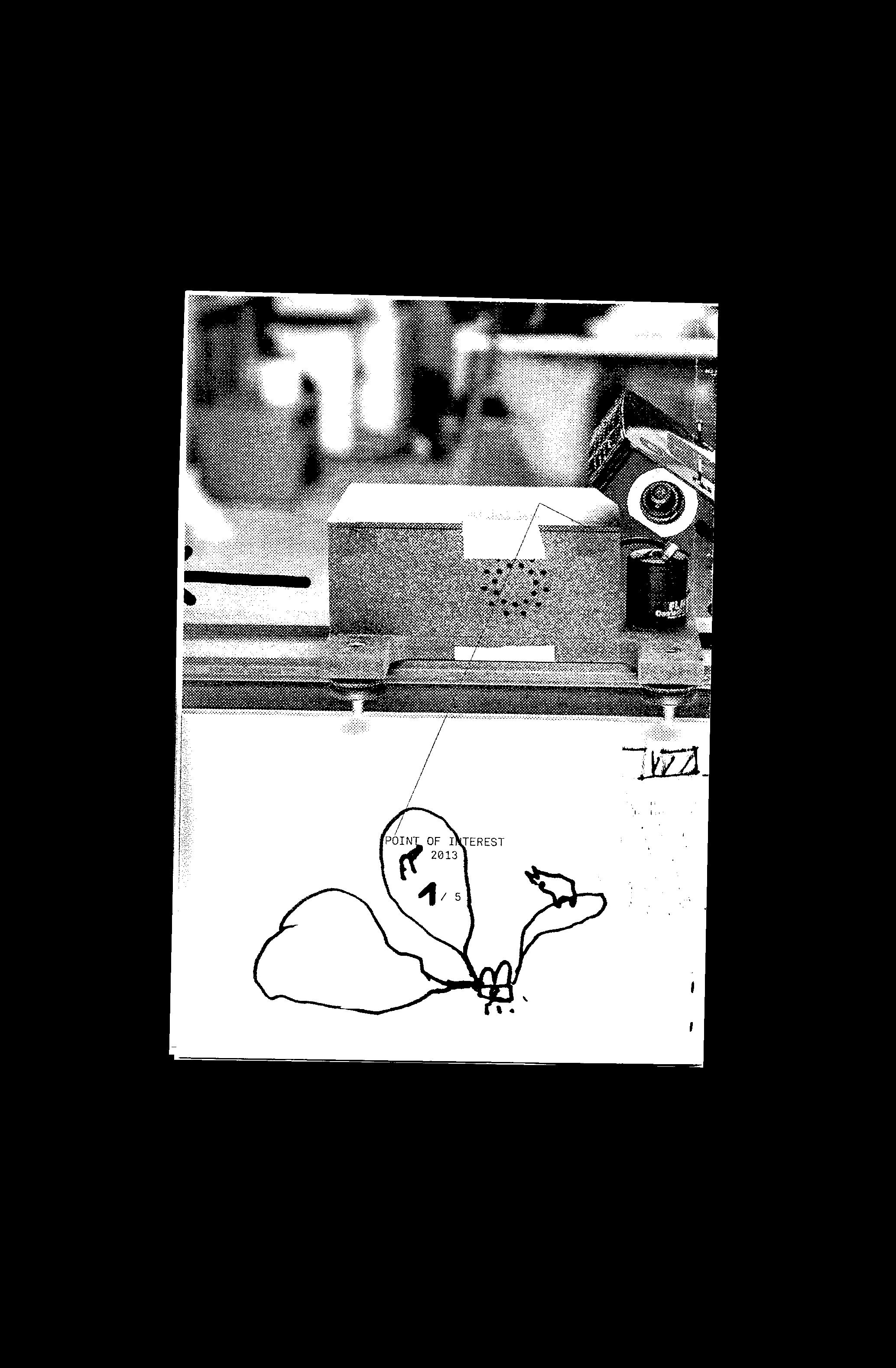
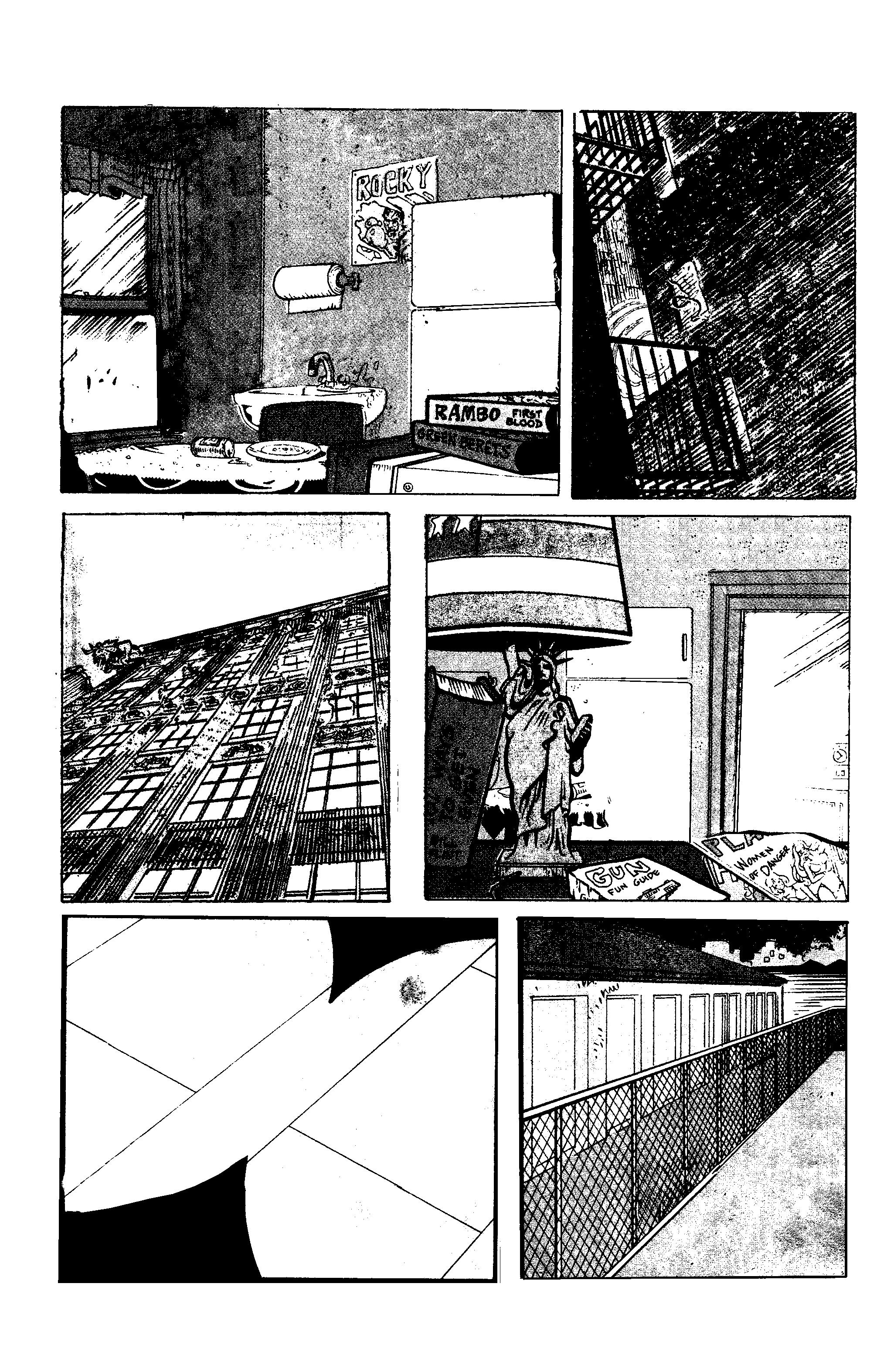
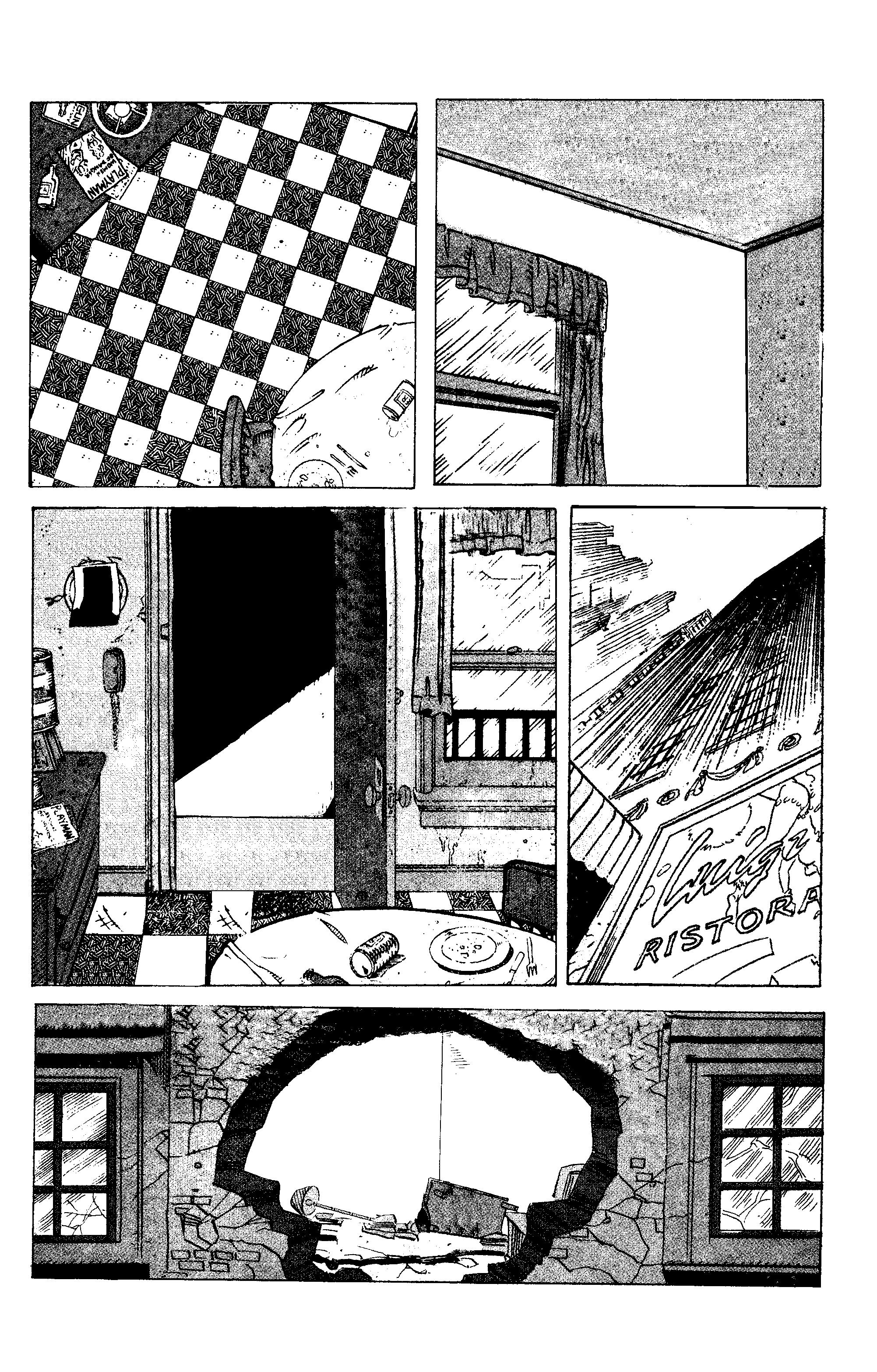
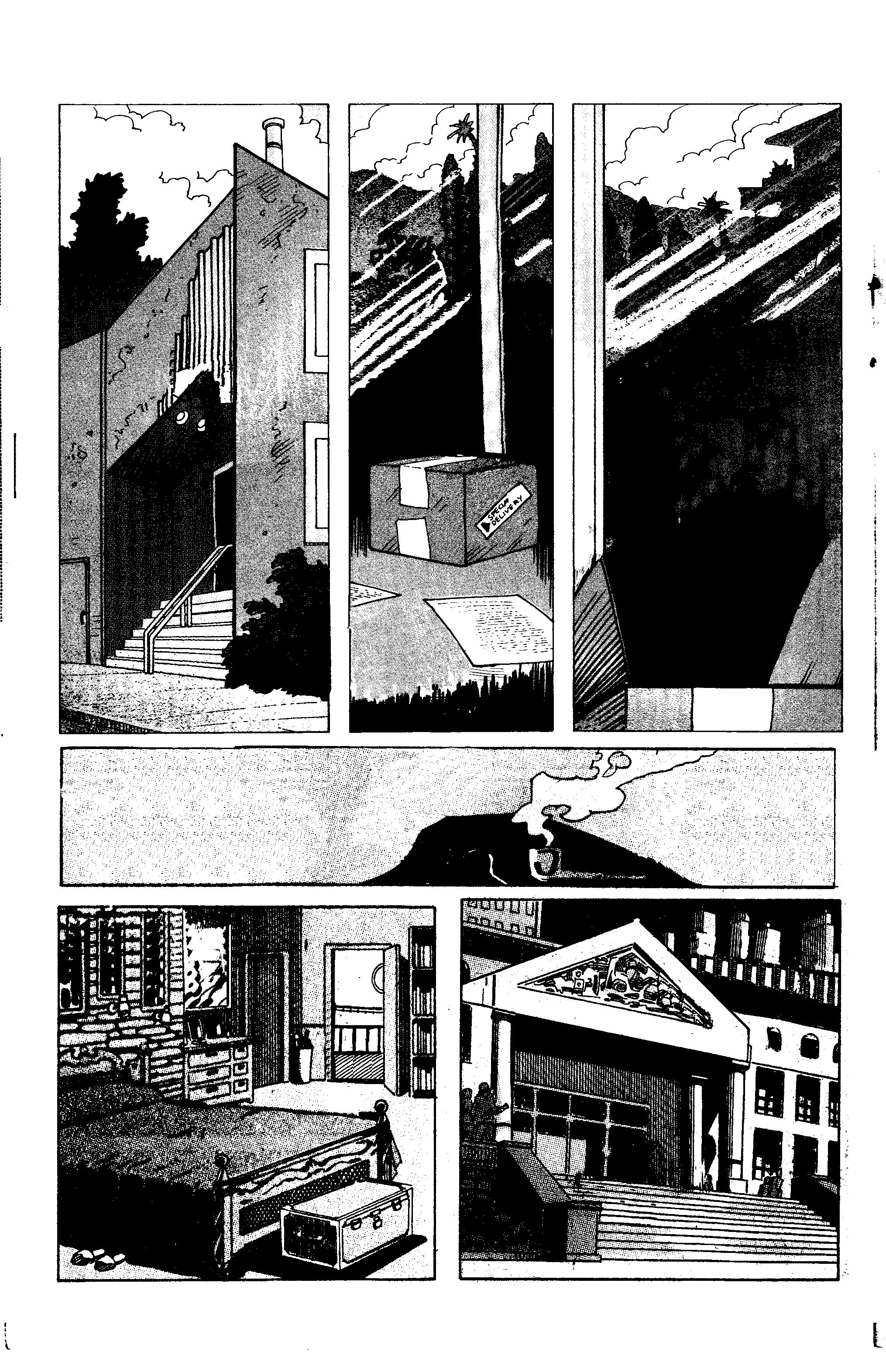
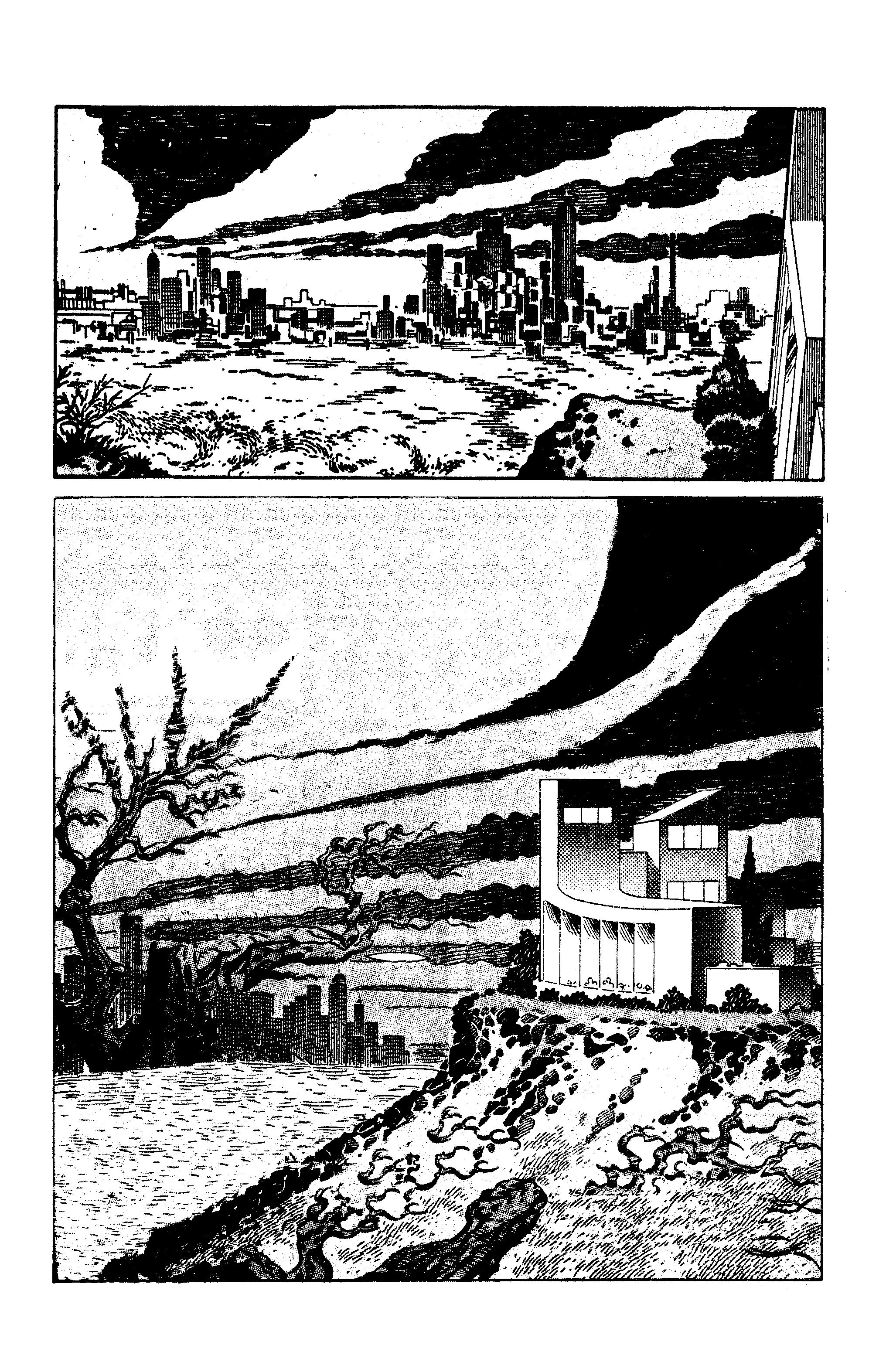
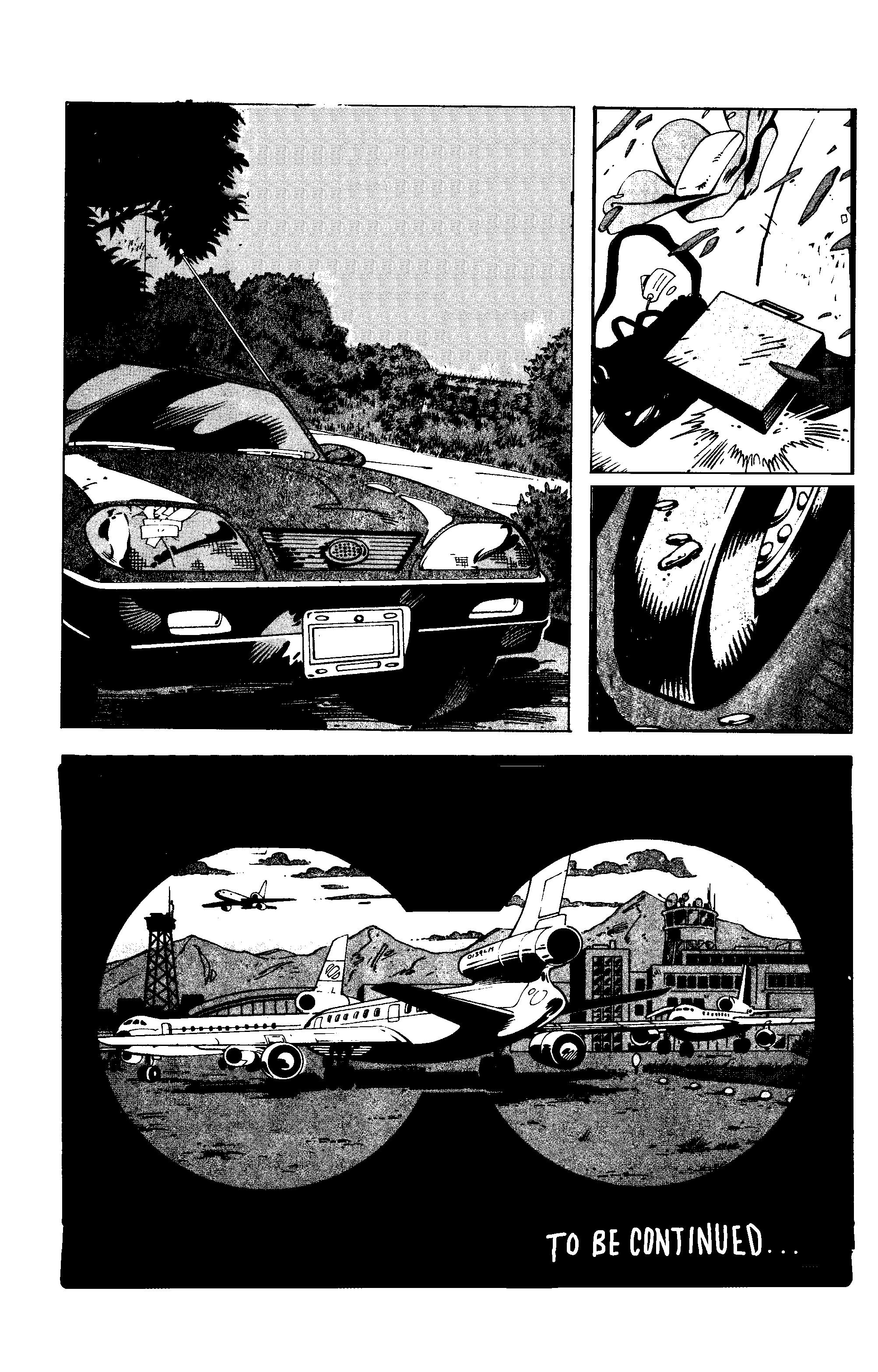
RESEARCH APPOSED TO INDUSTRIAL PRODUCTION / Why this mass produced pint glass is research? / First POI depicted dialogue / ref. The Fabulous Furry Freak Brothers's issue 7. 'Come Down' 1982 by Shelton, Sheridan and Mavrides
COLLAPSCAPES
‘Collapscapes’ describes a man made geography resulting from artificially compressing time and space for production purposes. We derived this concept from the observation of early industrial models, and their move towards vertical integration, which brought together ‘under one roof’ all the previously, autonomous, auxiliary processes. This collapsing of a geography resonated as a massive collage that forcefully removed resources, people and jobs, production facilities, businesses, etc. and rearranged them in a structural geography generating a new reality that responded to a different sense of space and time visually close to the tectonic movements that brought about the world’s geography we know today.
‘Collapscaping’ could then be described as a technical approach to the facilitation of production by means of artificially altering the relationship of time and space. When collapscapes or collapscaping is thought about as a process or technique, we can see that it describes an approach to shaping the world into a man-made environment. We could reinterpret the transition from a hunter-gatherer community into a farming one as consequence of this early attempt at collapscaping their world into an easier, less time consuming, comfortable and reliable environment than the existing one. The farm probably represents the first collapscape, where man willed crops and animals into a one location and, in doing so, transforming the way he thought and experienced time and space.
What is interesting for us when designing a new concept, it is not only its ability to aid our understanding of a situation, but also it’s potential as a creative medium. For us, the scrutiny of the idea and its extrapolation to diverse contexts is essential to create a non sequential examination of the subject. When generating new ideas, it is important that these are open, suggestive and even contradictory, this only makes its examination more enjoyable and the research outcomes more interesting.
COLLAPSCAPES AND INDUSTRY
Maybe there is no other industry that graphically represents the idea of collapscape better than the Ford River Rouge Complex in Michigan. It started construction in 1917 and completion came about eleven years later, in 1928. The Rouge complex was the largest integrated factory in the world. It measured 2.4 km wide by 1.6 km long, containing 93 buildings totalling 1.5 km ! of factory floor space, it’s own docks and over a 100km of interior railroads. It had its own electricity plant and iron ore production, being capable of producing a vehicle from raw materials within the complex. Employing more than100.000 workers in the 1930’s. 1
It is interesting how the simple idea of trying to control all the processes involved in the production of a product, in reality an idea that is almost nostalgic of simpler times, would have such impact not only socially and technologically but geographically too. It is the systematization of production taken to its final consequences. In the same way that the machine, and the industry represent a logic of organic systems, these large factories of the golden age of mass production do the same in an architectural and geographical way.
1. In 1930 the 93rd largest city in the USA was Lowell, Massachusetts, it had a population of 100,000 http://www.census.gov/population/www/documentation/ twps0027/tab16.txt
TECTONIC MOVEMENTS
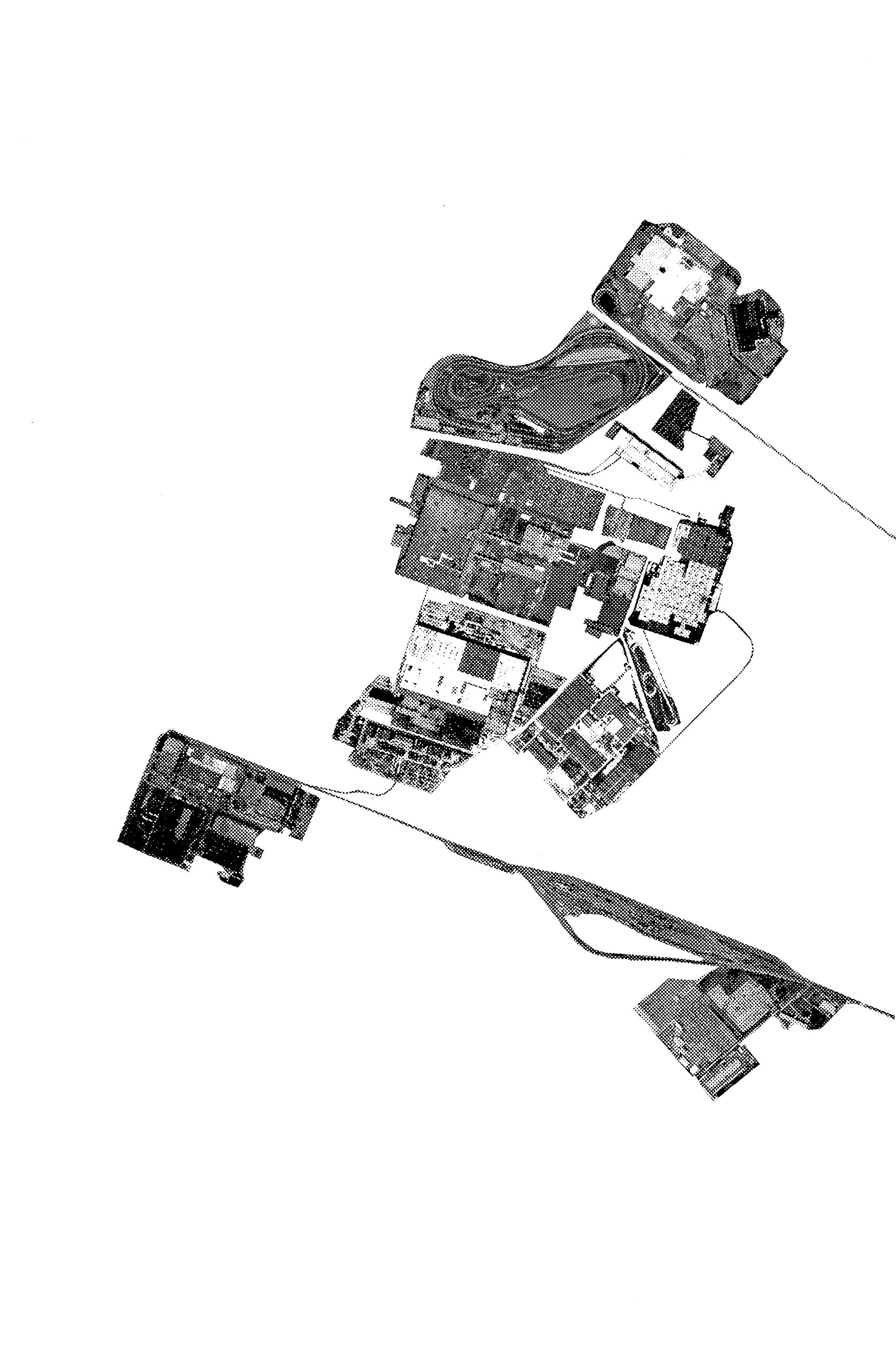
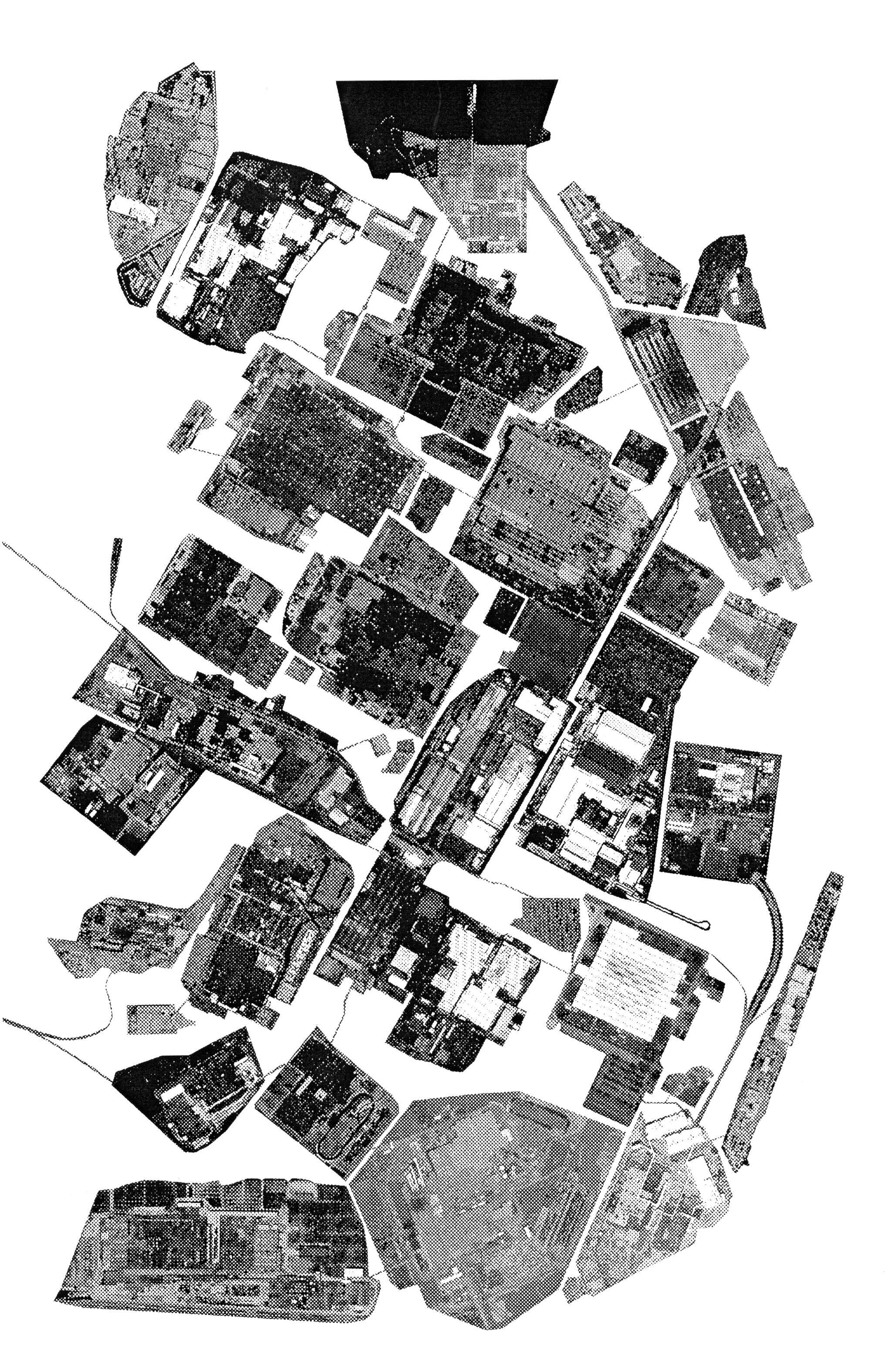
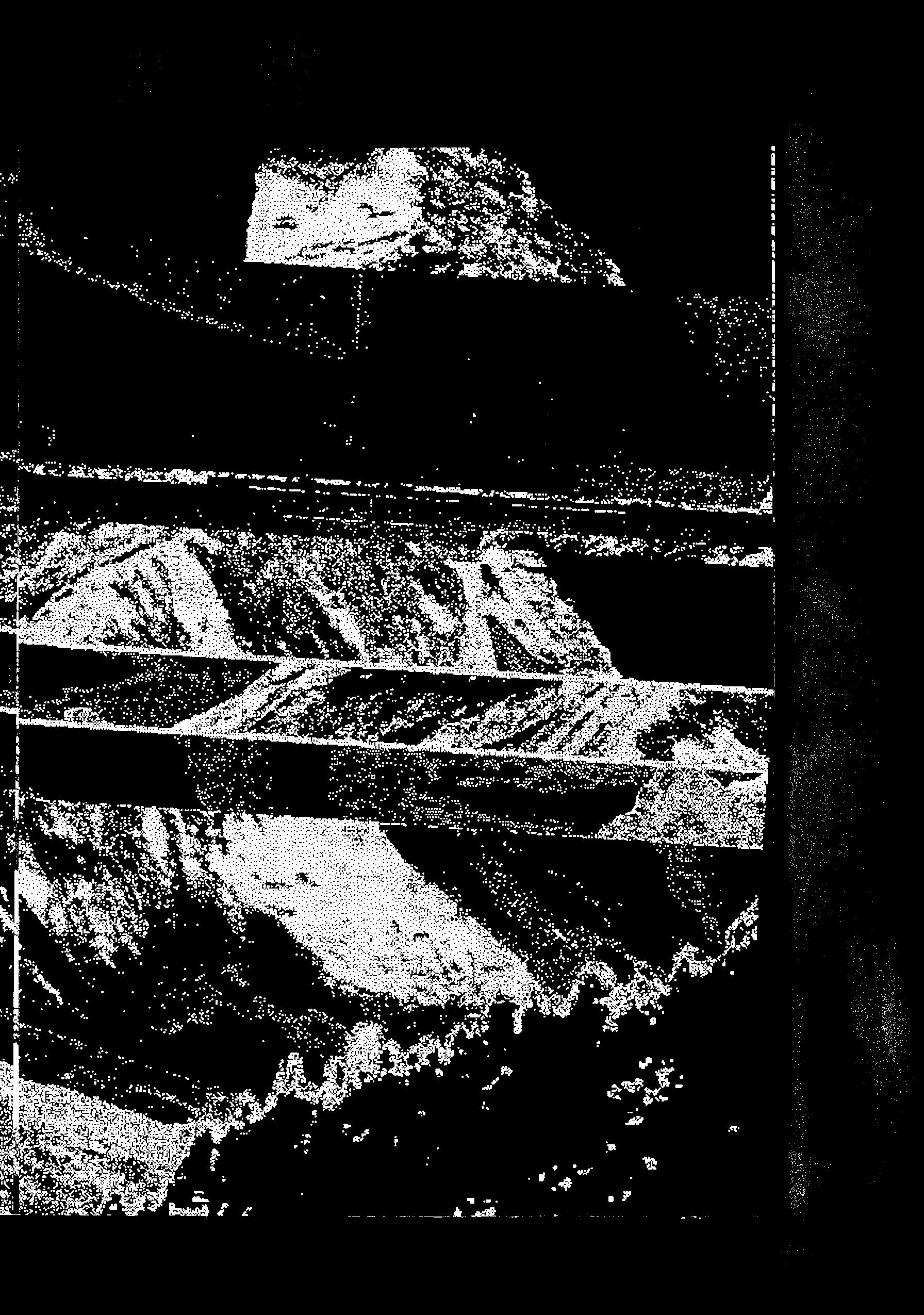
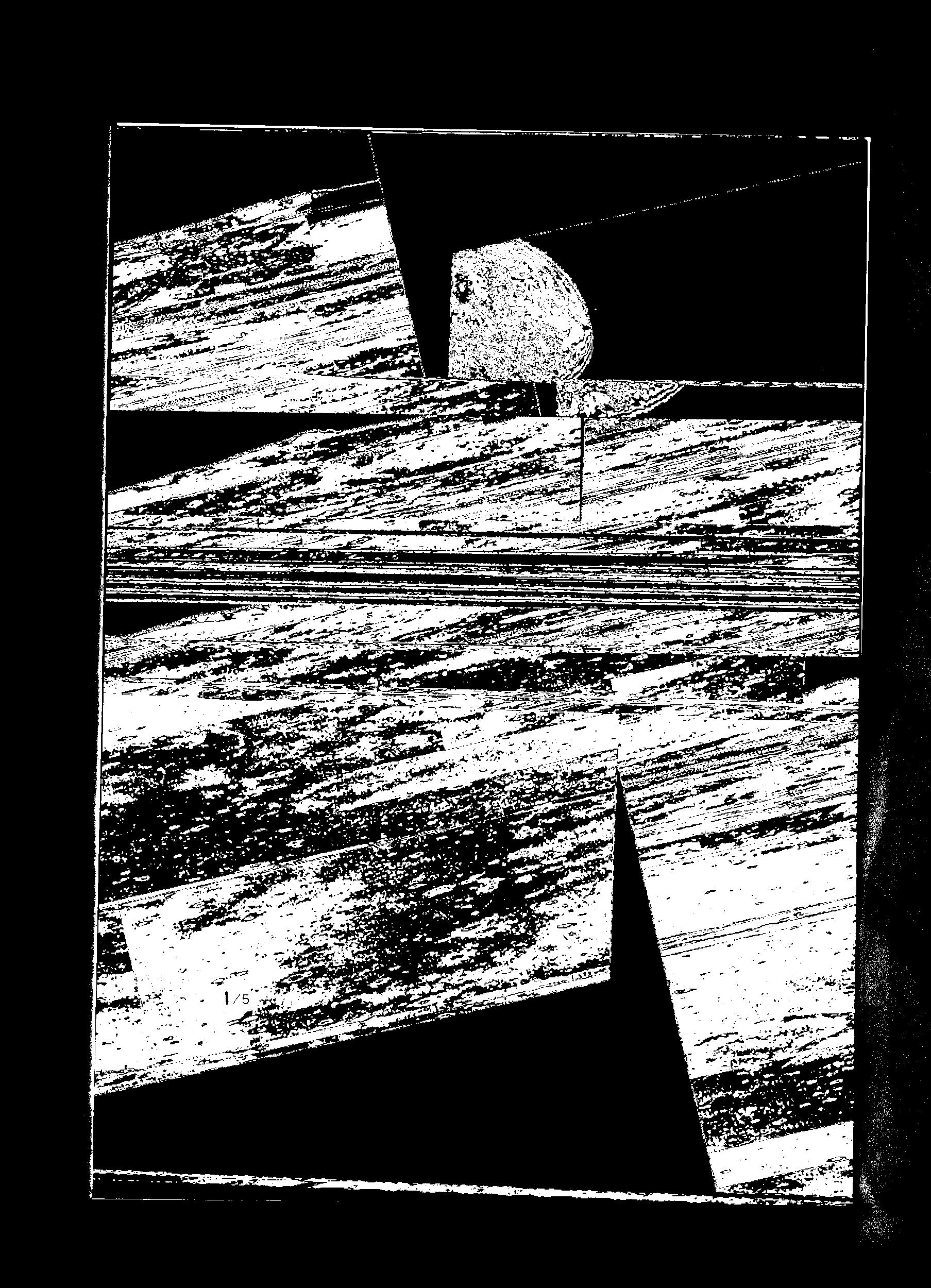
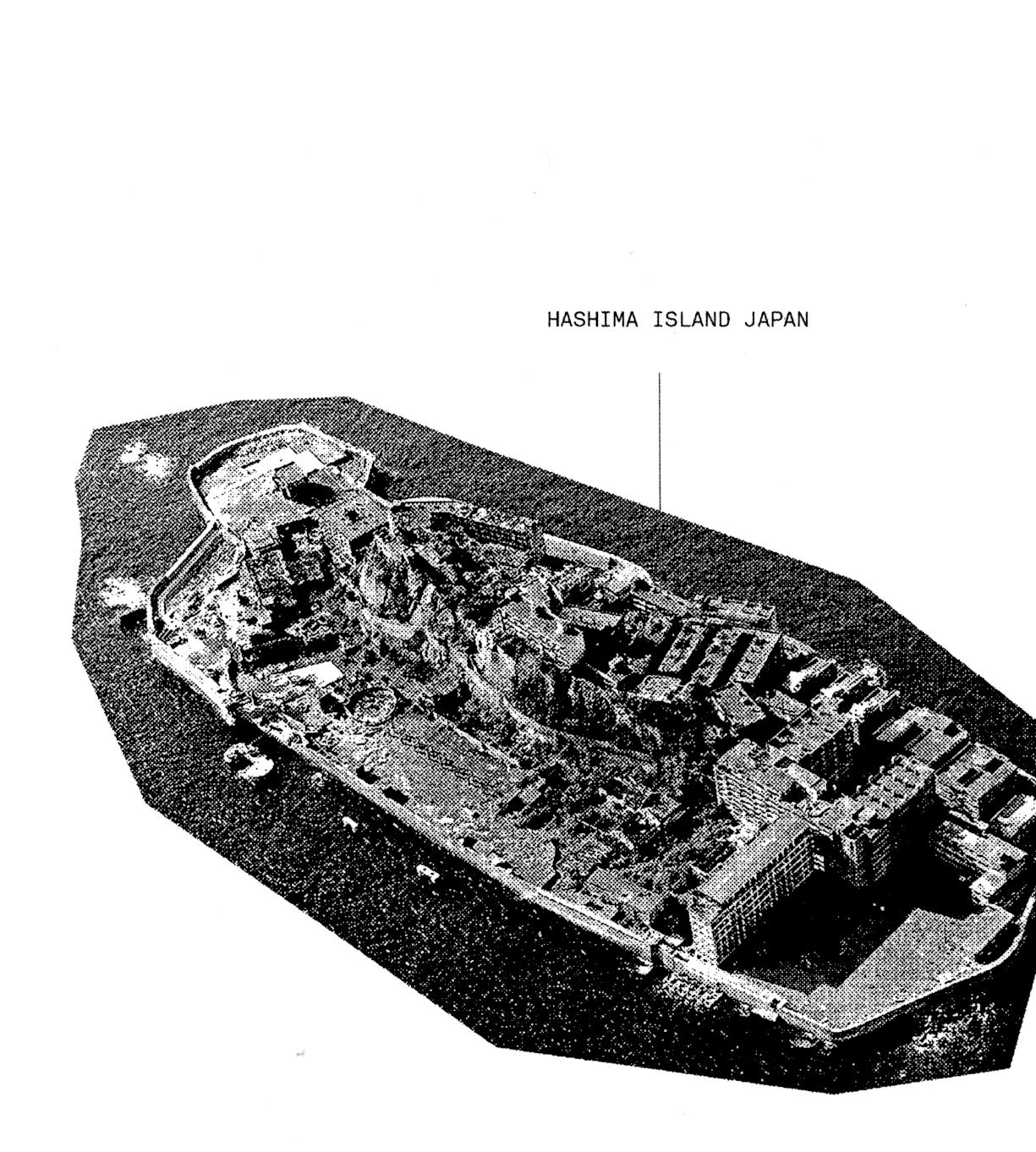
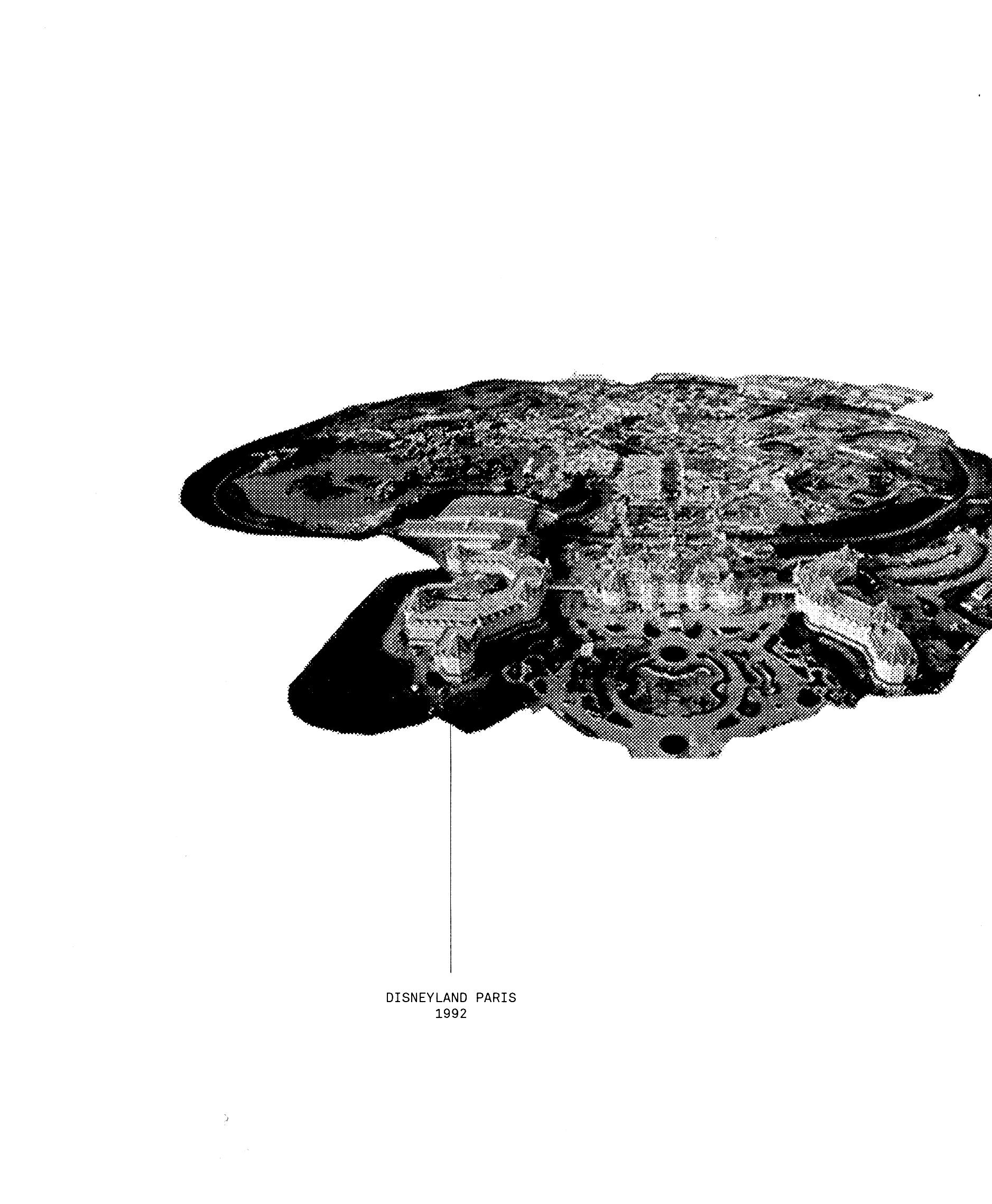
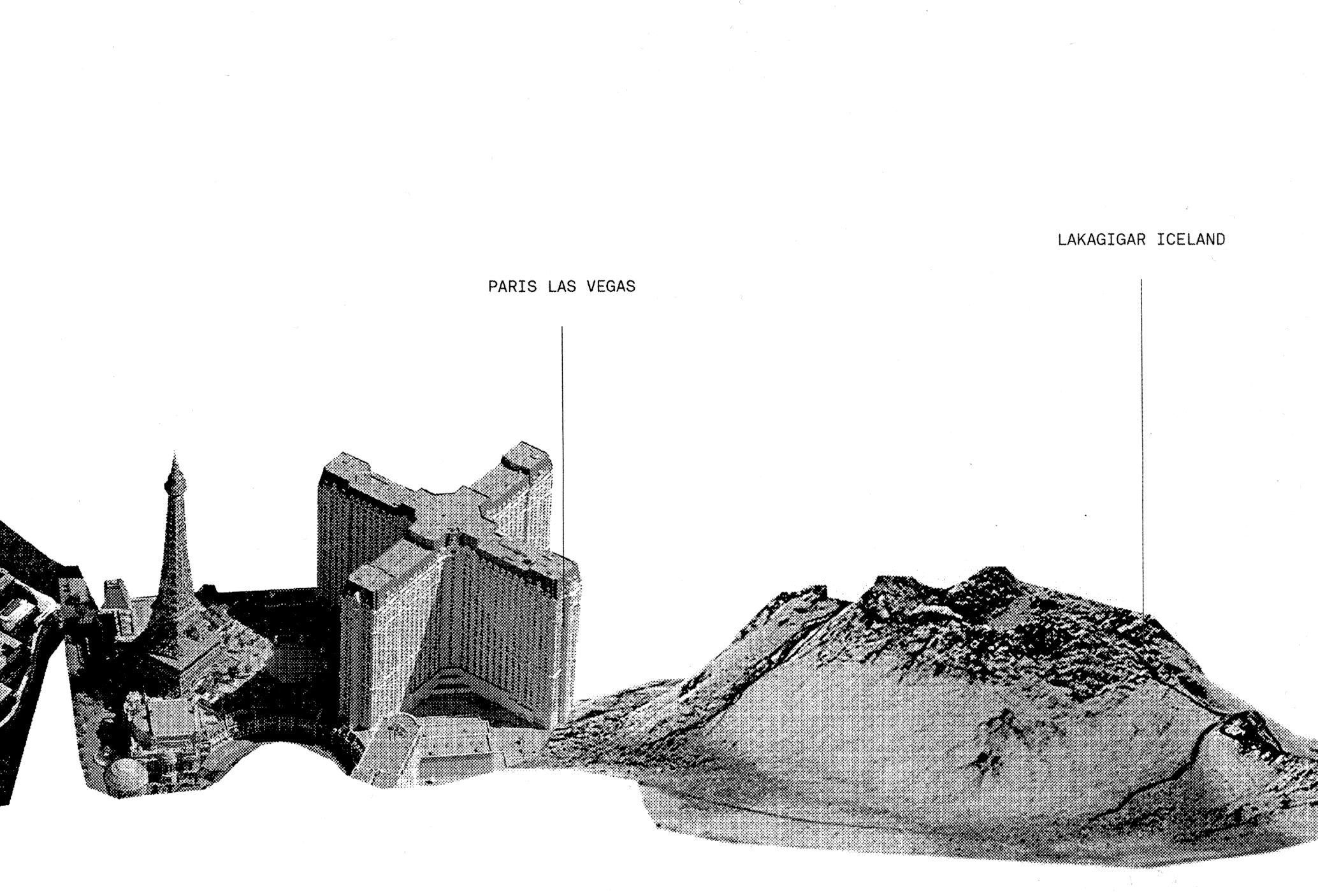
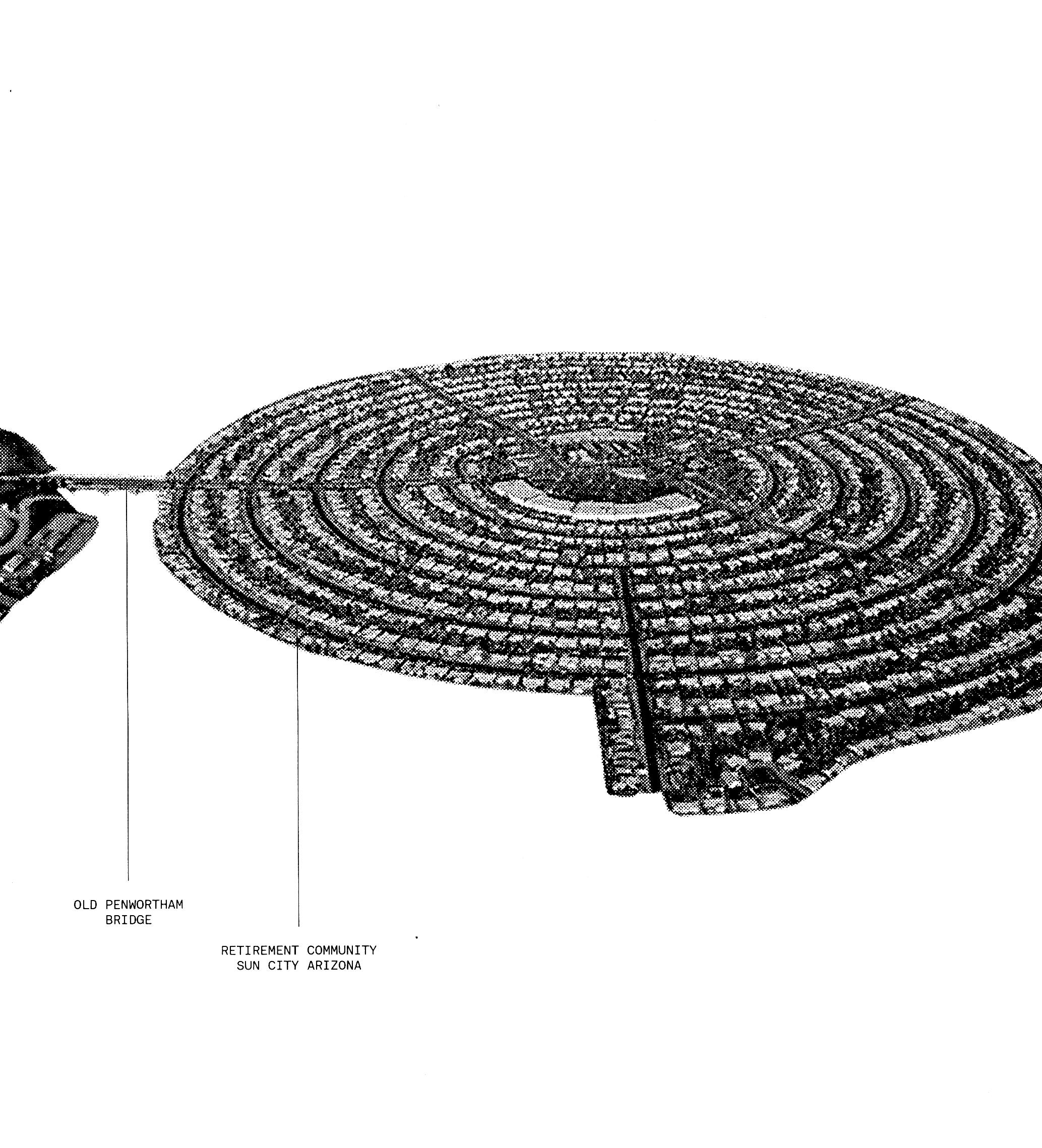
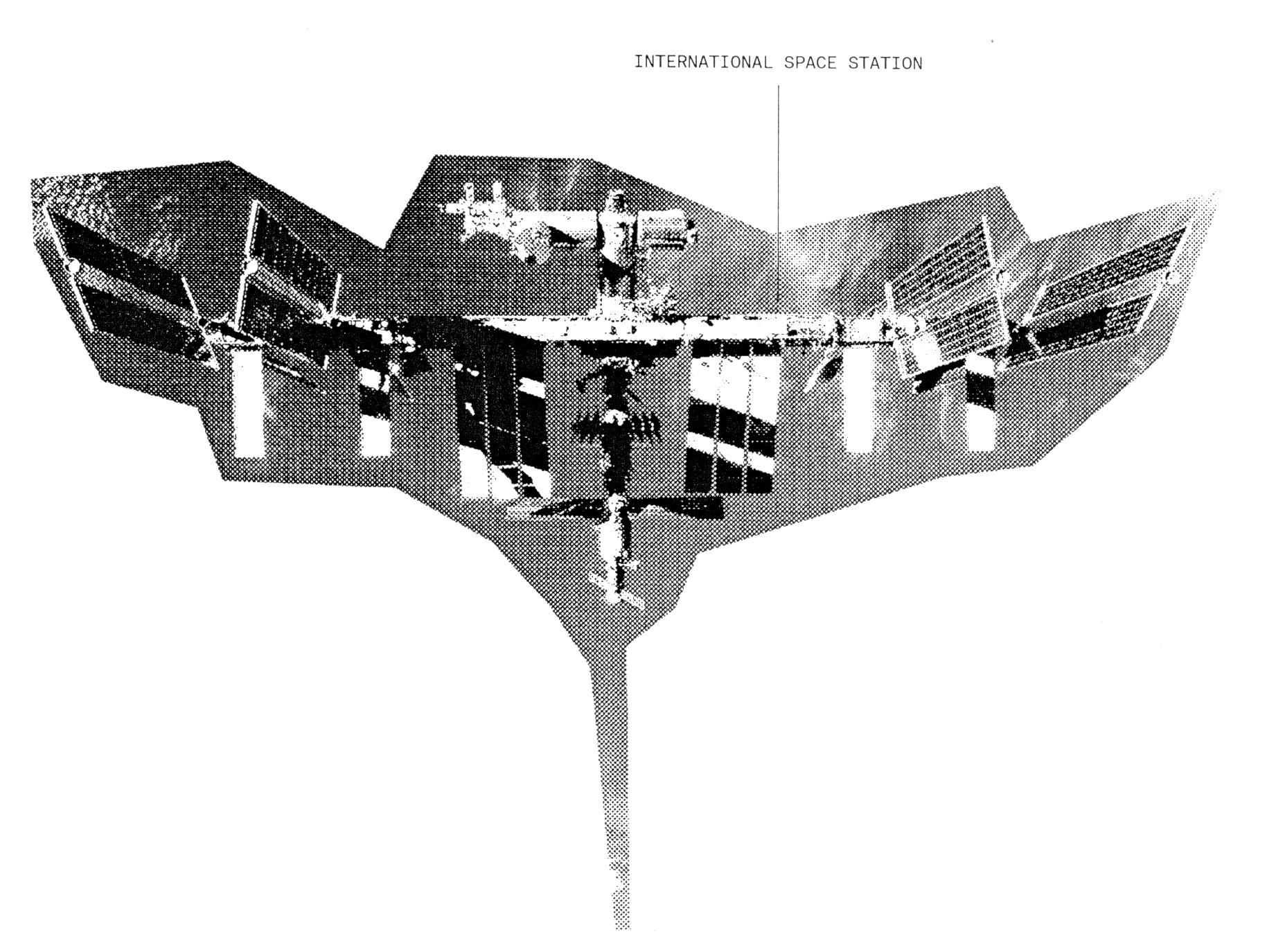
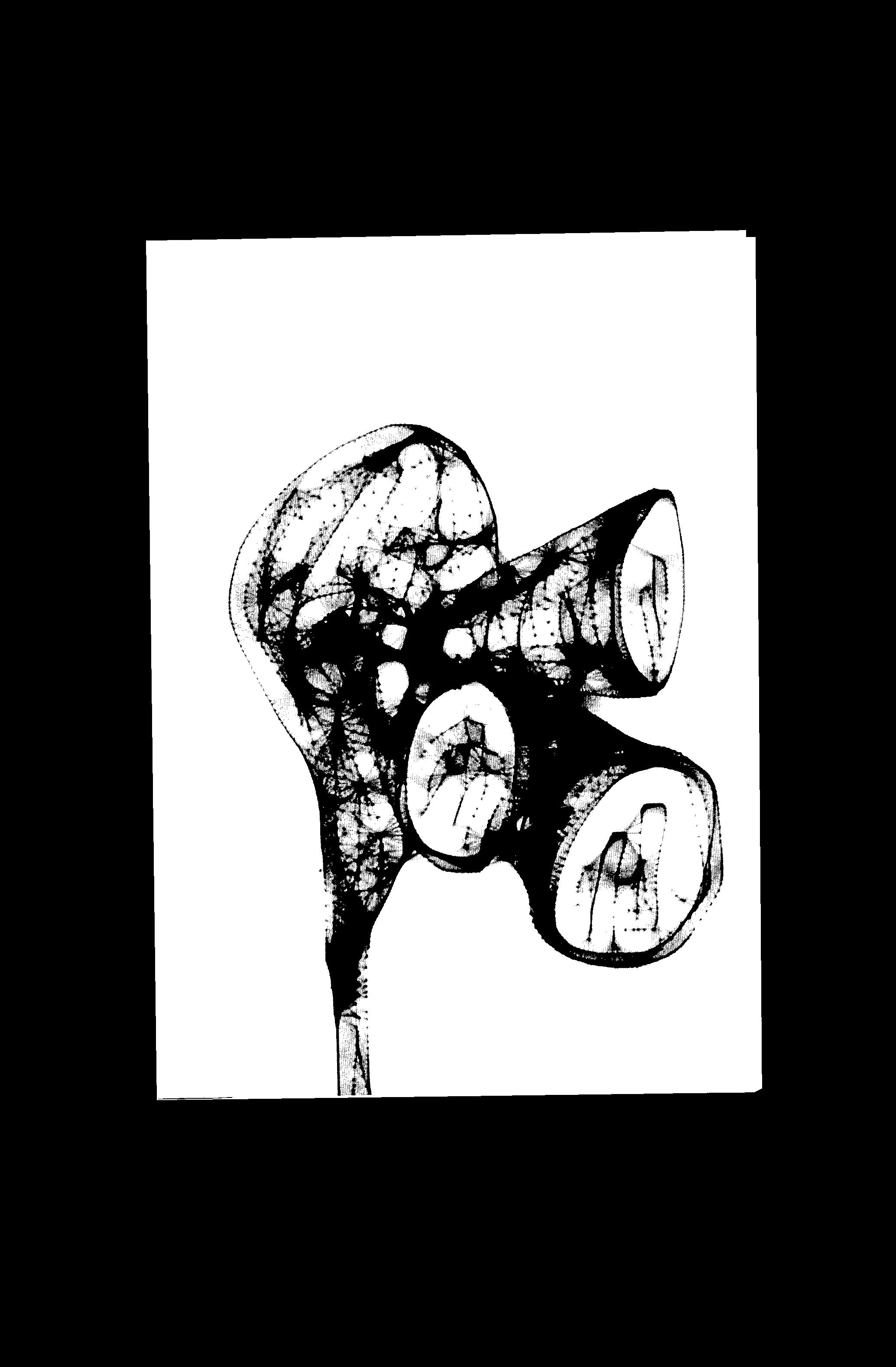
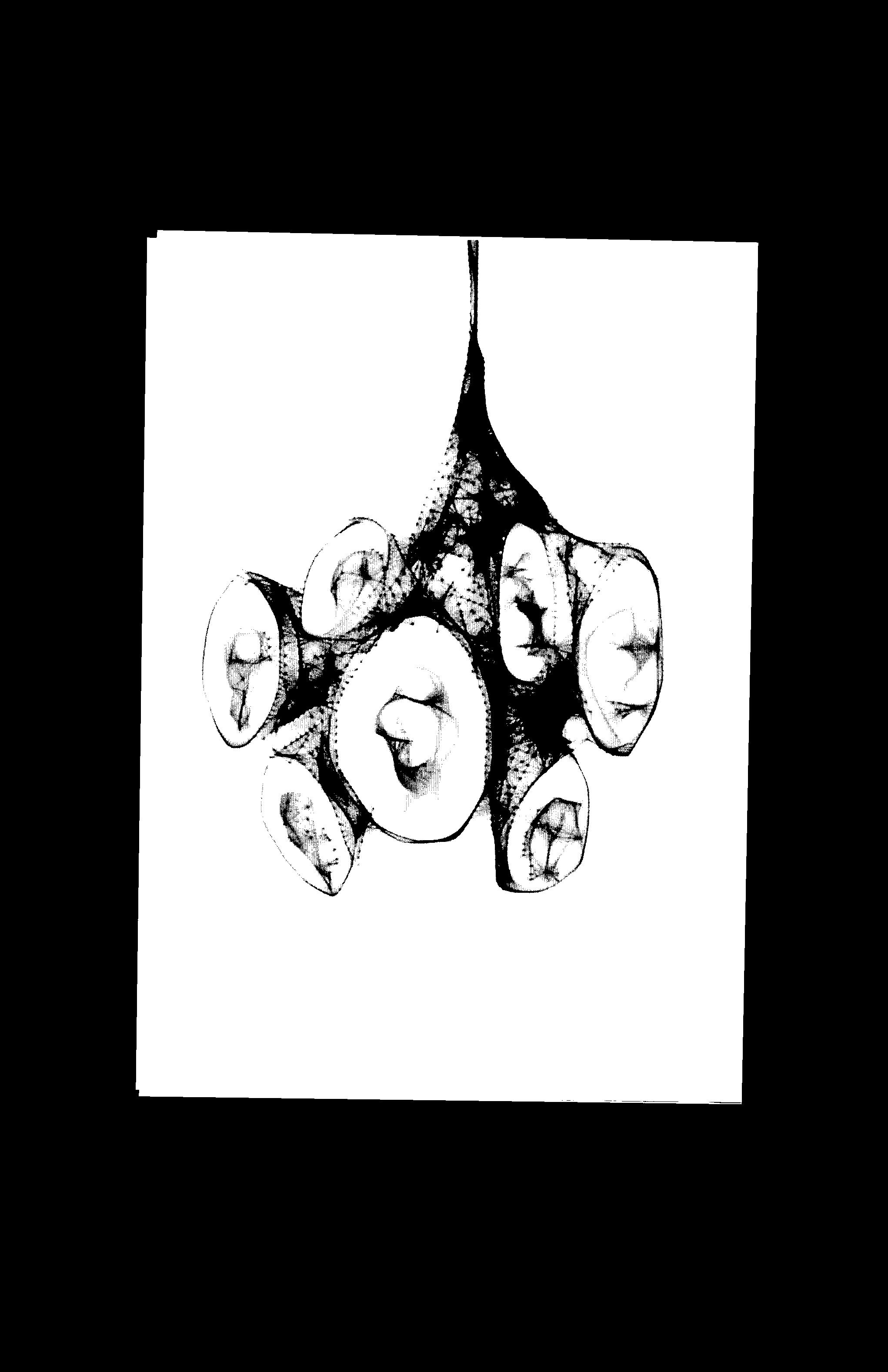
A graphic interpretation of industry's effort to amalgamate whole production systems spread around the globe into efficient compounds. Paper Industries - grossly oversimplified depictions of late 20th / early 21st century industrial infrastructures LAMA Legendary American Multinational Automaker / PFCO Profitable Fried Chicken Outlet / WRCE World Renowned Consumer Electronics Company / PBVHC Pharmaceutical, Biologics, Vaccines & Healthcare Co.
1/4 LAMA Legendary American Multinational Automaker – Steel Works Wales, Tool & Die Engine Plant England, Aluminium Smelter Iceland, Assembly Plant USA, Dealership Usa, Stamping Plant USA, Rubber Plantation Brazil
2/4 PFCO Profitable Fried Chicken Outlet – Management USA, Restaurant USA, Processing Plant USA, Distribution Center USA, Hatcheries & Broilers USA, Feed Crops Brazil
3/4 WRCEC World Renowned Consumer Electronics Company – Electronics Manufacturing China, Distribution Center Ireland, Megastore Holland, Head Quarters USA, Mining Operation Democratic Republic of The Congo
4/4 PBVHC Pharmaceutical, Biologics, Vaccines & Healthcare Co – Animal Testing Laboratory UK, Head Quarters UK, Drugs Manufacturing Plant UK, Research & Development Centre UK, Health Care Institution UK
COLLAPSCAPES AND FOOD
The advent of commerce provided the opportunity of creating dishes with impossible flavour combinations. These, although have now been normalised, do not respond to a geographic reality but to a collapscaped one. Tea, coffee, curry, pepper, cumin, etc..
Soon after moving to London we received the visit of a friend from
tea or coffee?’ Our friend very politely requested to try some typical Indian tea, to which the waiter answered ‘Sir… all the tea in Britain is Indian’ It was no anger in his voice just resignation, but was a mood killer... we asked for the bill and left.
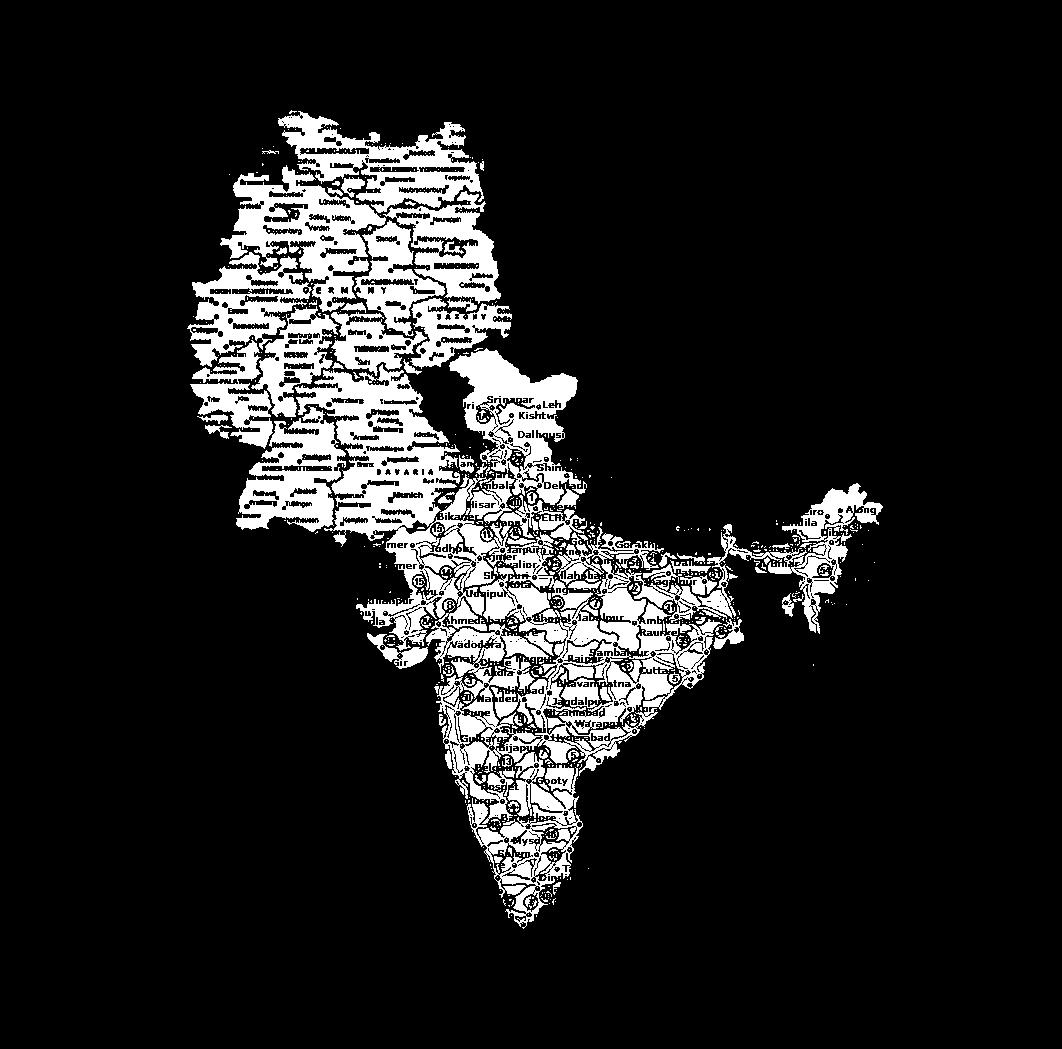
Another classic, this one, from our time in Berlin: the famous Currywurst. It is surprising how ‘German’ a currywurst is... for Germans, that is. It feels very different to the visitor.
Madrid. During his stay we went to an Indian restaurant, somewhere in Bayswater, that someone had recommended him. After the meal, the waiter comes and posses the standard question ‘would you like any dessert,
‘It is proper collapscape’. If we were to bring together geographically the wurst and the curry we would obtain “currywurstland” uber alles (above all currywurst).
Currywurst Image by thefabweb.com/author/monika/: "One of the most delicious thing I bought under 3 euros". A Culinary Collapscape of Germany and India.
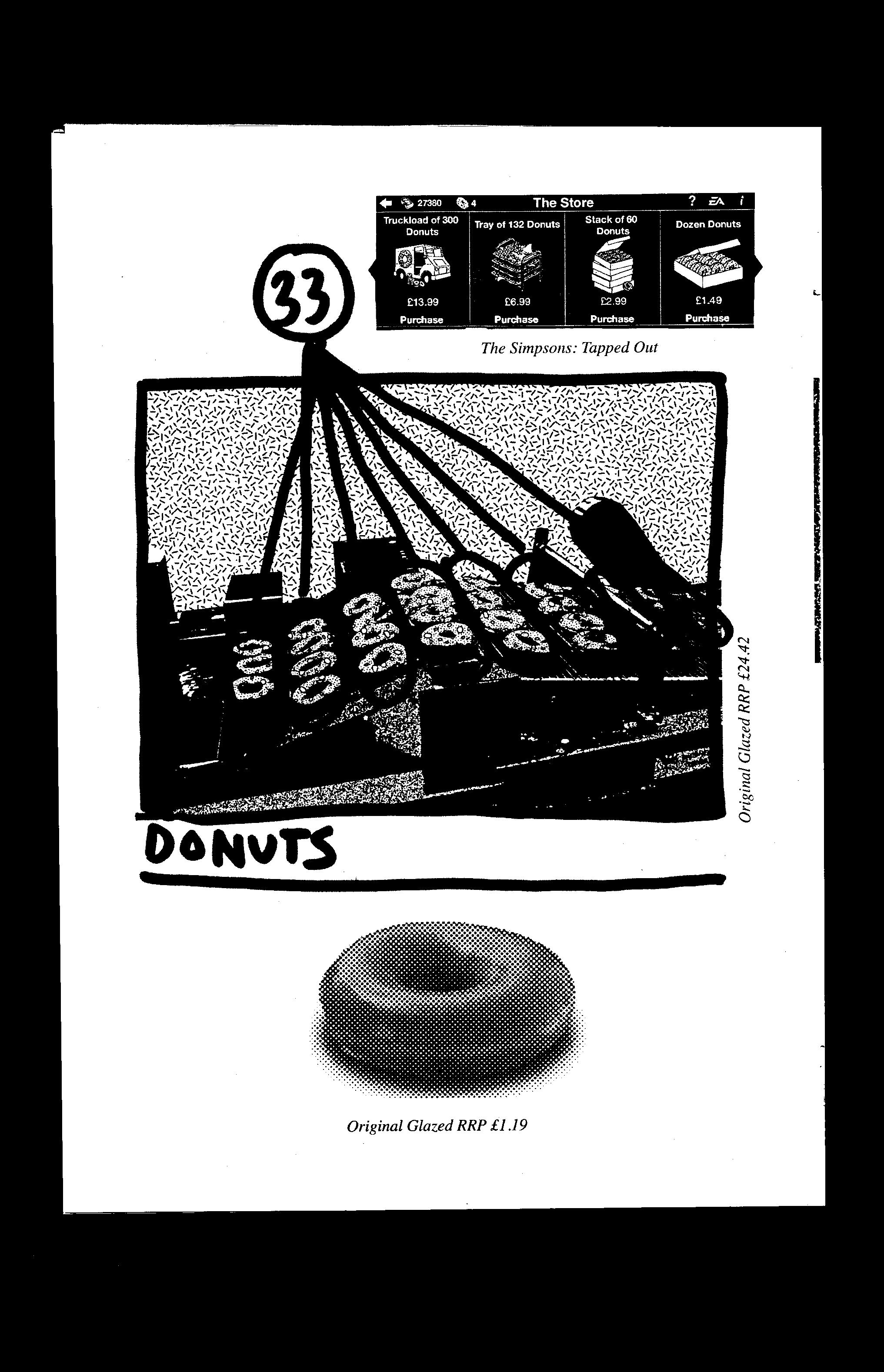
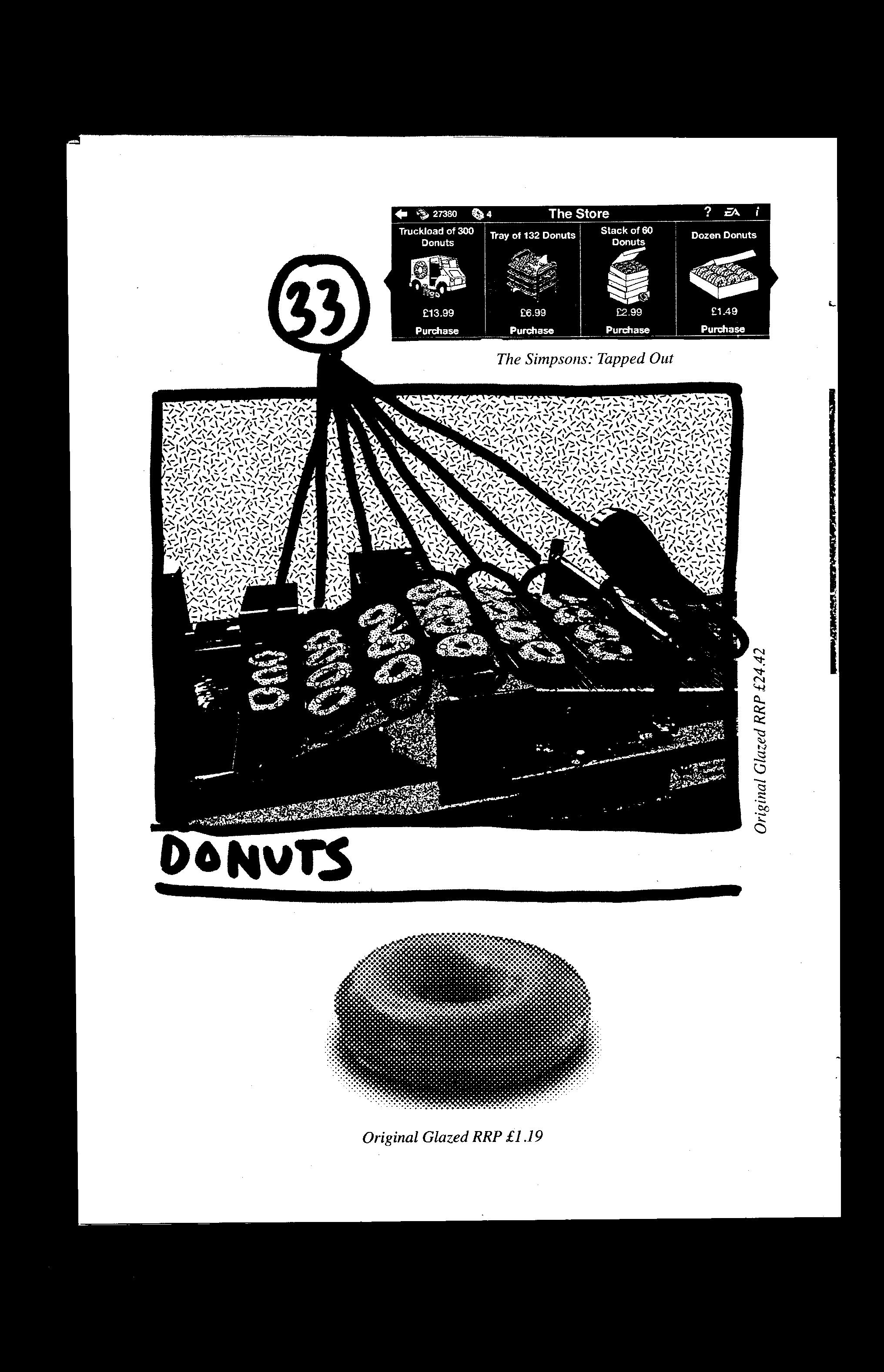
Zine 15.12.12 Donut as product AFK (Away From Keyboard) and as a currency within the confines of a (popular) freemium smartphone game.
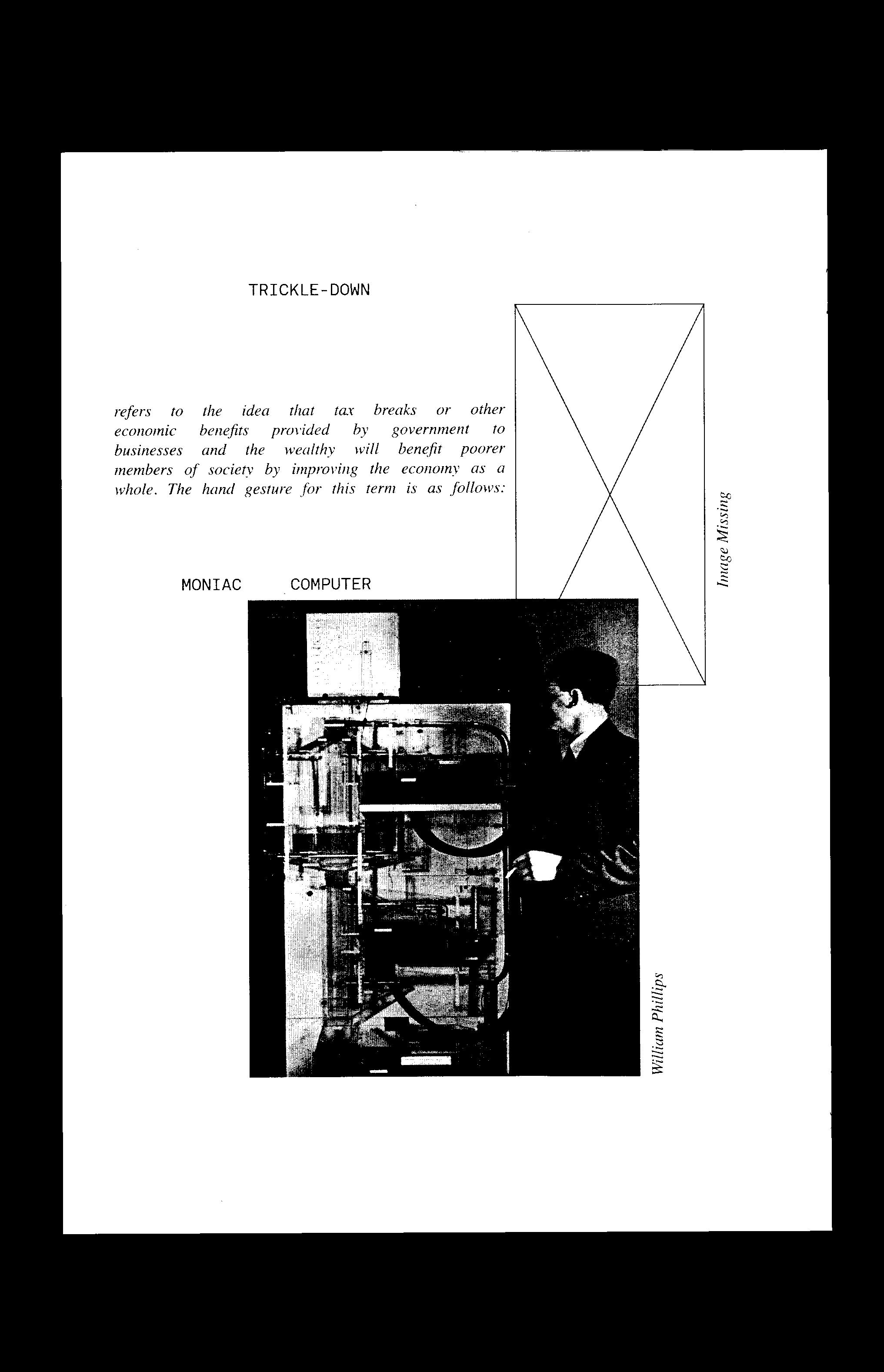
Zine 15.12.12 Trickle-down economics and handgesture.
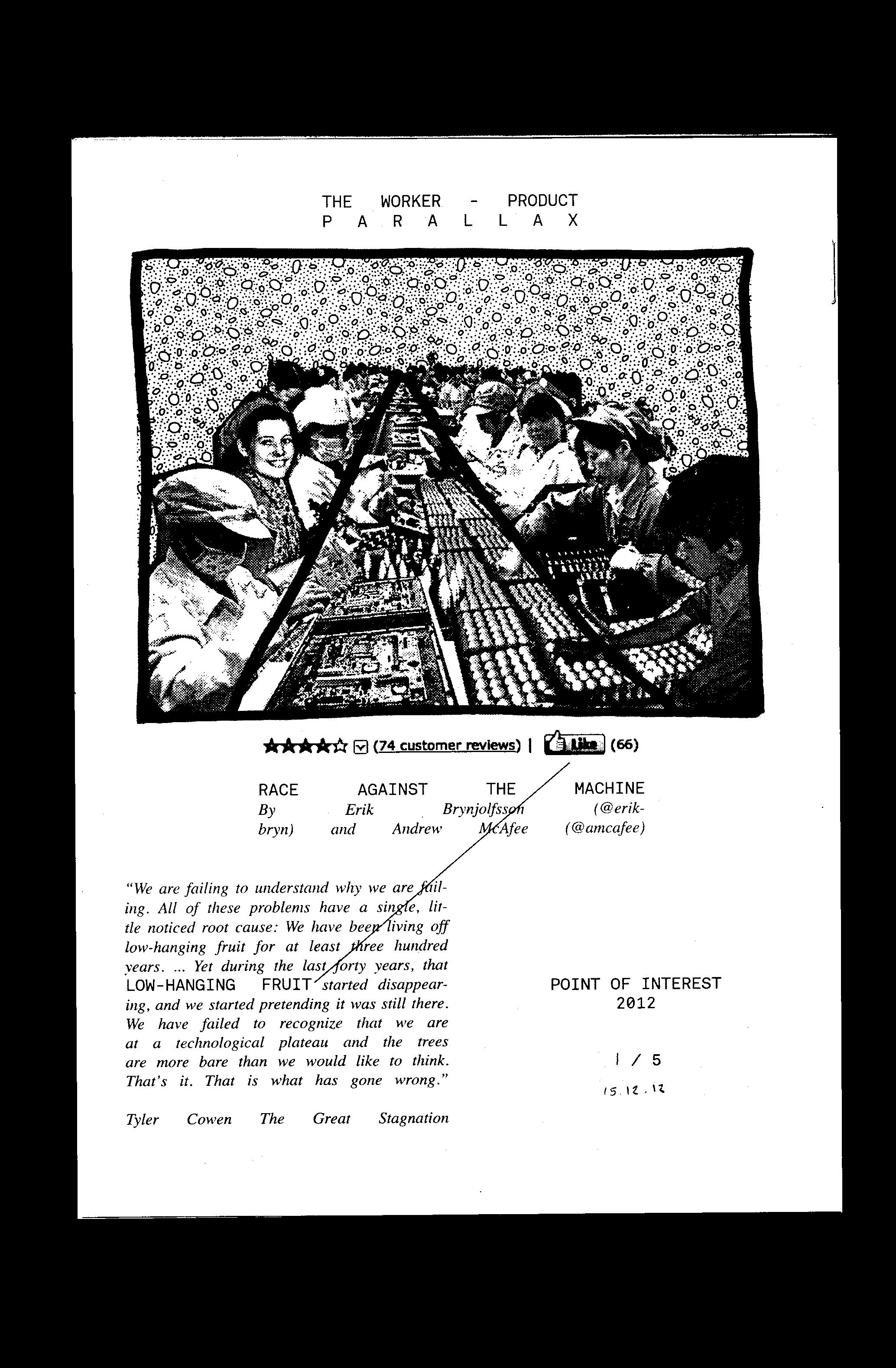
Zine 15.12.12 'Human & Machine' vs 'Human vs Machine'.
BACKPACK WITHOUT A LOGO
We're all, and by that I mean 'I' and some people I know, too familiar (circa right now, but mostly last year) with the images of rusting remains and gutted cadavers; .jpg after .jpeg of neglect, uninhabited utopias, the musty remanence of the overly ambitious modernist project 1 . I've nothing intelligent to say about that, about the unthinking pixel snatchers that hunt, snipe and mount. About the imitation filters and distorted colour pallets, about the nostalgia 2 . I've nothing to write worth your while to read. About the lazy journalists or reportedly dying news outlets, the ones with desperately desperate blogs, junky data feeds written by interns and PRs. I've nothing worthwhile, but I've got some prejudice. Because… some of that stuff is me. I'm involved in that. And the level of selfloathing and inevitable regret that is generated by being caught up with that scene is, for now, manageable.
I'm a white guy with an expensive and bulky SLR camera that I lug around in a £8.89 plain black logo-less backpack (it's probably the best backpack I've ever owned, it's the backpack of my dreams). I tape over the logos on the camera's lens cap and elsewhere with matt black tape. I wear it with a long black guitar strap, which is actually a seatbelt, or at least looks a bit what a seatbelt looks like. I dérive 3 around London with my lens, I stick it in the faces of the objects and vistas that peak my interest. I used to hang, tag and share the pixels I snatched up on a site called Flickr. I did so because I saw other people doing it. I jumped on a scene. It was a scene that made me want to invest time and money, made me want to take photos, made me want to learn about cameras.
I don't know how to do it with eloquence and, or better still, brutal efficiency, but what I'd like to do is splice together the current state of, say, an abandoned Japanese theme park 4 or some oversized soviet craft 5 / architecture 6 with a depiction of an image-sharing platform gone awry. It's with the same sense of regret but also perverse delight that I sample both ruins. It's with the same sense of regret but also perverse delight that I watch (and document) a community being destroyed. It's with the same sense of
regret but also perverse delight that I watch a community of lenses being buried alive, suffocating under the weight of trillions of bad pixels, pixels imbued with disregard and disinterest. F*ck you F*ickr. F*ck you Y*hoo.
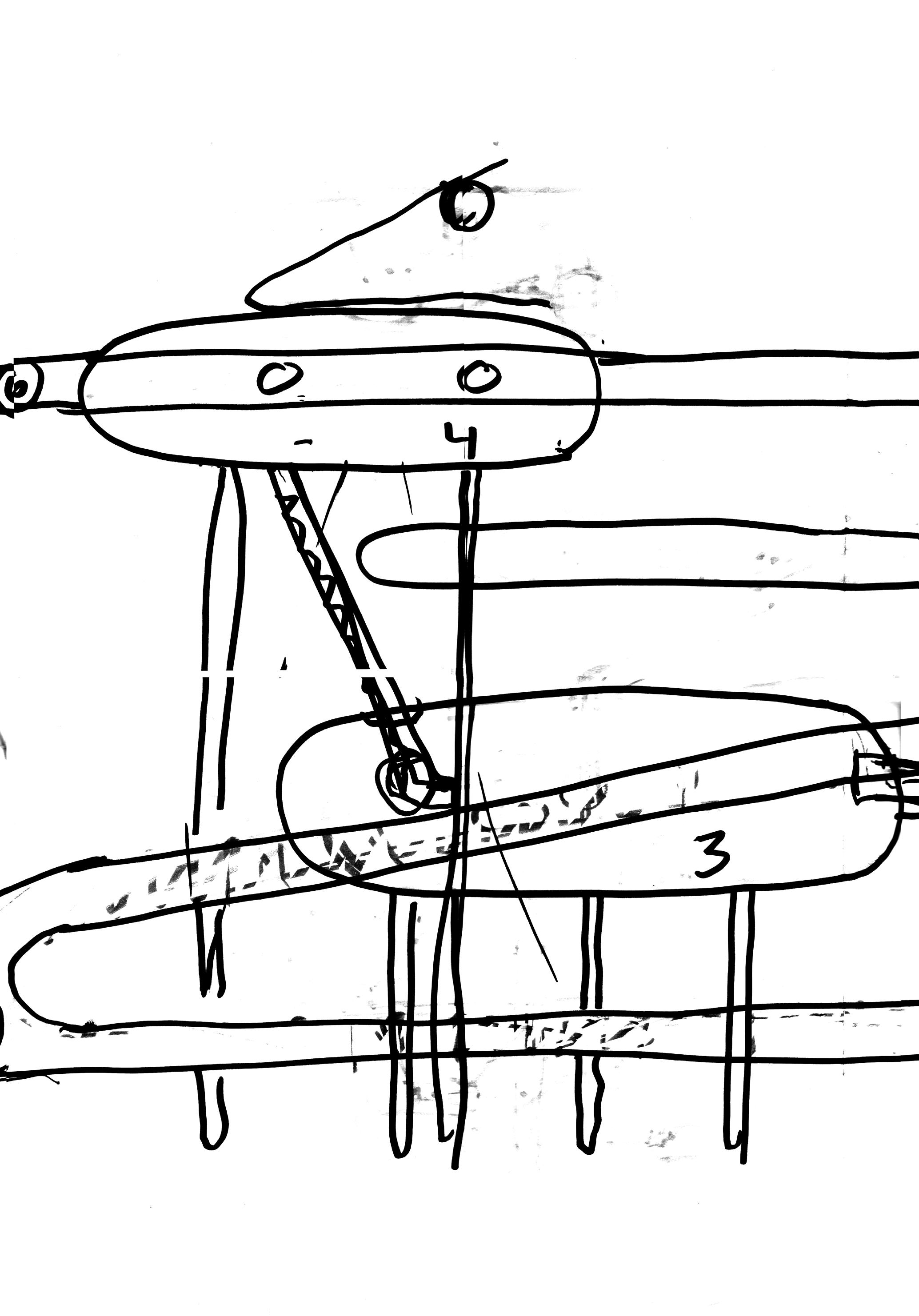
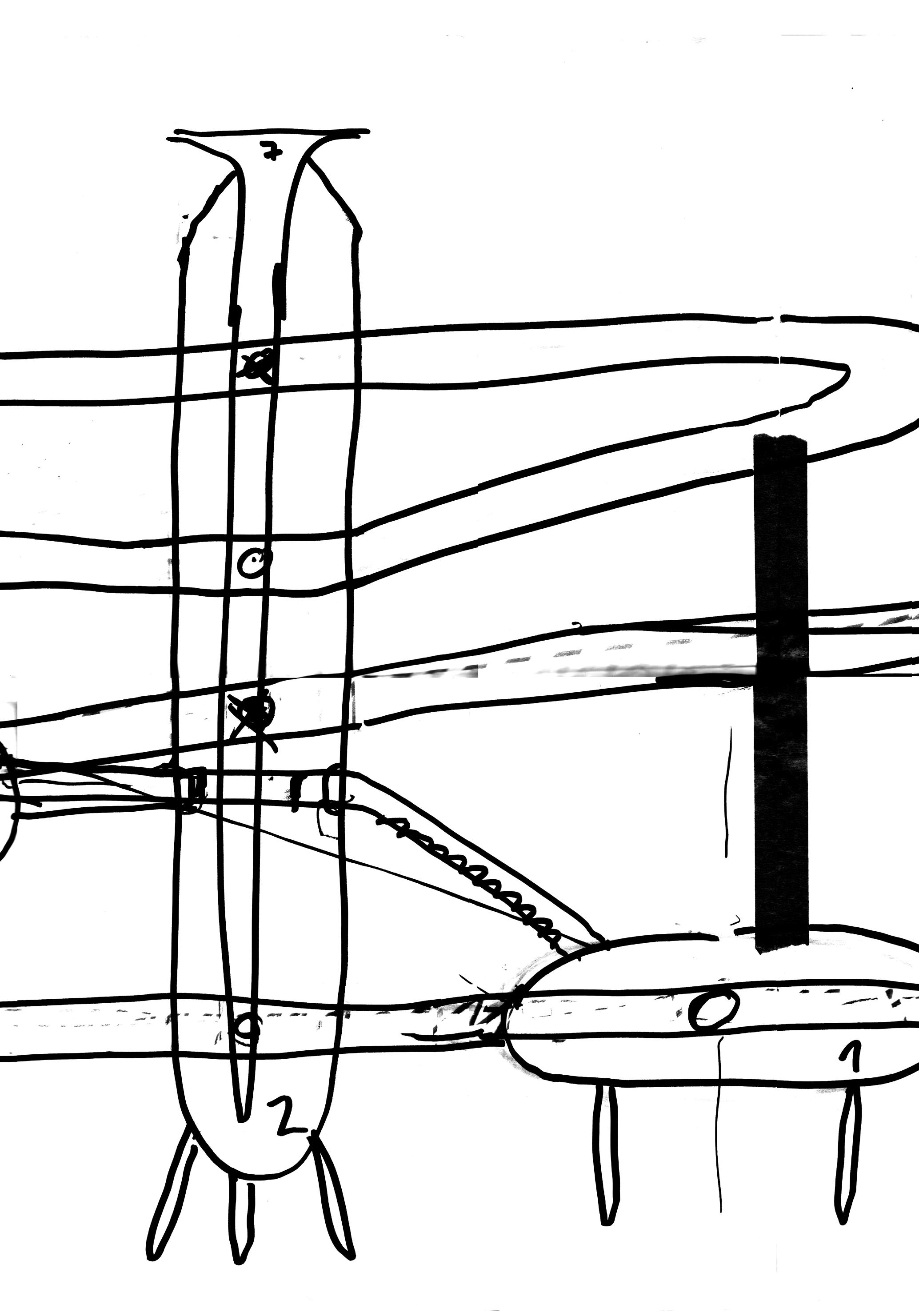
A collection of works in glass exploring the language of systems associated with industrial production. The beauty of the perceived logic of a system is that you can figure out what is happening without really understanding what is going on. You can see tubes going into a container and you assume that some sort of material will travel from A to B, the only reason to go from A to B is that something will be added or transformed there and from B will go to C and so on and so forth till you find the exit points, one for whatever is being produced and the other for the waste. Very much like a digestive system. Ultimately, in any production system, different elements are forced into new realities.
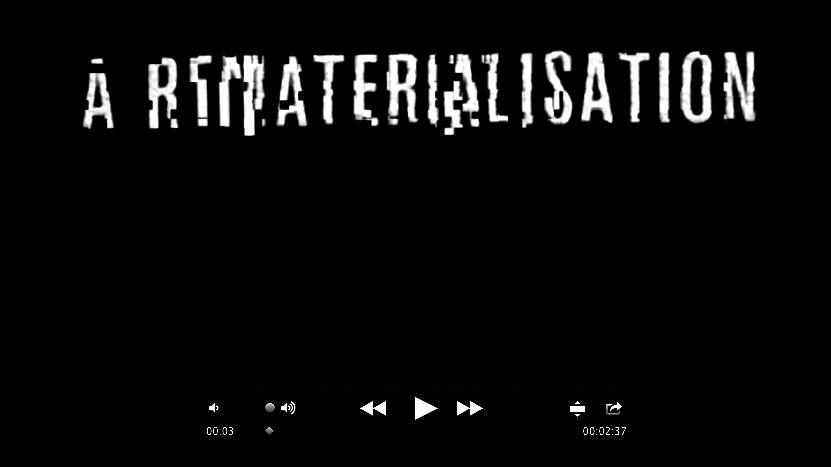
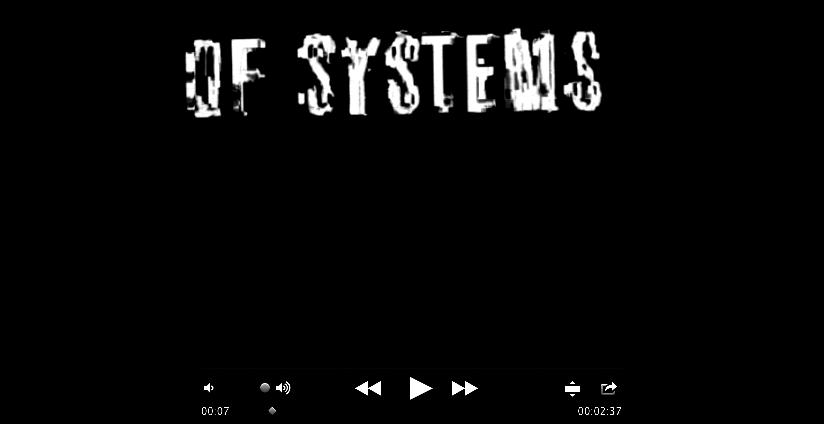
AROS - 2:38 Film Notes – Motion: A recreation of the vista as one circumnavigates an industrial landscape, movement produced via a pull sting operated turntable. Soundtrack: Analogue Ribbon Synthesizer. Titles: A warping transition from one title to the next, a compressed artifact distortion (Datamoshing).
Length: 80cm
Width: 44cm
Height: 47cm
Length: 70cm Width: 50cm
Height: 35cm
Length: 100cm
Width: 85cm
Height: 40cm
Length: 100cm Width: 65cm Height: 57cm
7 pieces
1:1 drawings (not depicted here to scale), used in the making of 'A Rematerialisation of Systems'. June 2013.
I'm punching terms into the search form of my find engine of choice (DuckDuckGo) with unsatisfactory results. I'm looking for an extremely niche term, a derogatory one, something pertaining to a certain type of soundtrack. A phrase to describe the kind of soundtrack you sometimes find on short design films, noises that accompany well lit product-fictions, tasteful teasers, San Francisco speculations etc. It's like an indie soft pop sound, all xylophones 'n' keyboards with mildly distorted guitars. I think it should be called something like 'plinky plonky', and so all my searches are variations on that. I didn't get very far. Having put 'plinky plonky music' into youtube I found Robert Bronowicki 1 and am now working my way through 700+ uploads.
It's exactly the kind of thing I wasn't looking for.
I don't know enough to know what R. Bronowicki is about but I can't get enough of it: loose and looping post-punk numbers like 'Sad Shit' (4 views) or ‘Ryzlene Is Rocking Hot’ (26 views); twelve minutes of underlined title case italics in vivid cyan (#00dbf9) on violet (#431b85); the monotonous and joyfully obnoxious 'TRACK 9 - Music From Outer Space - tribute to new order and joy division' (43 views) 2 and 'Track 16 God Save The Queen' (1,142 views); monologues 'Video 24' (4 views), 'Video 25' (6 views), 'Comedy as the highest art form ----------' (15 views), and so on. I feel like it's 2006 again. I put some ‘Death Grips’ on and I go make a sugary black tea (with a pyramid bag 3 ).
Looking for Death Grips merch, t-shirts etc. I find a picture of Stefan "MC Ride" Burnett ,the band’s vocalist wearing a Revenge T-Shirt 4 . Revenge is a black metal band from Canada. I youtube 'Infiltration. Downfall. Death' - this is the title of Revenge's 4th album from 2008, it's this record's graphic that is printed on MC Ride's shirt. I click and start listening to a track called 'Cleansing Siege (Take Them Down)' 5 , I scroll down to read some comments. "I know, all of us who found Revenge through MC Ride should feel bad, am I right?" says maxdclxvi, "Hipster c_nts,
f_ck off." replies TheSuperfuzzyfish. I decide that I don't want any band t-shirts today.
Instead, I buy and instantly download 'Stewart Lee - 90s Comedian' from ‘go faster stripe’ for £5. I open and play it in VLC. I duckduckgo Stewart Lee, I find a picture of him wearing a white 25mm (1 Inch) button badge. It's pinned onto his left suit jacket lapel, in off centre black serif capitals; the badge reads 'FAUST' 6 . I'm usually not such a fan of all capped serifs but this looks just right, crisp but careless. Due to the resolution I can't guarantee what face it is, but 14pt Times Regular looks and feels about right. I read the Wiki entry for Faust: “Faust is the protagonist of a classic German legend; a highly successful scholar but one dissatisfied with his life who therefore makes a pact with the Devil, exchanging his soul for unlimited knowledge and worldly pleasures.” I lay out, print, cut and punch a copy of Steward Lee’s ‘FAUST’ badge. I flick back to 'SL-1.jpeg (JPEG Image, 1083 x 812 pixels') then switch tabs to Wikipedia. “A highly successful scholar but one dissatisfied with his life who therefore makes a pact with the Devil, exchanging his soul for unlimited knowledge and worldly pleasures.” I download a reading of Johann Wolfgang von Goethe's Faust from audible.co.uk. “I see my discourse leaves you cold; Dear kids, I do not take offence; Recall: the Devil, he is old, Grow old yourselves, and he'll make sense!" 7 I'm supposed to be, and am, editing a short film clip 8 , but due to the usual modifications and compressions the footage is taking a really long time to process. The clip needs a soundtrack, something a little Lynchian, distorted and industrial, but a shade or two lighter, perhaps? With glitchy sci-fi undertones? YES.
I find and buy a Korg MONOTRON-DELAY Analog Ribbon Synth with Delay Effect and Built-in Speaker. YES.
7. Faust. Der Tragödie erster Teil 1806 8. A Rematerialisation of Systems
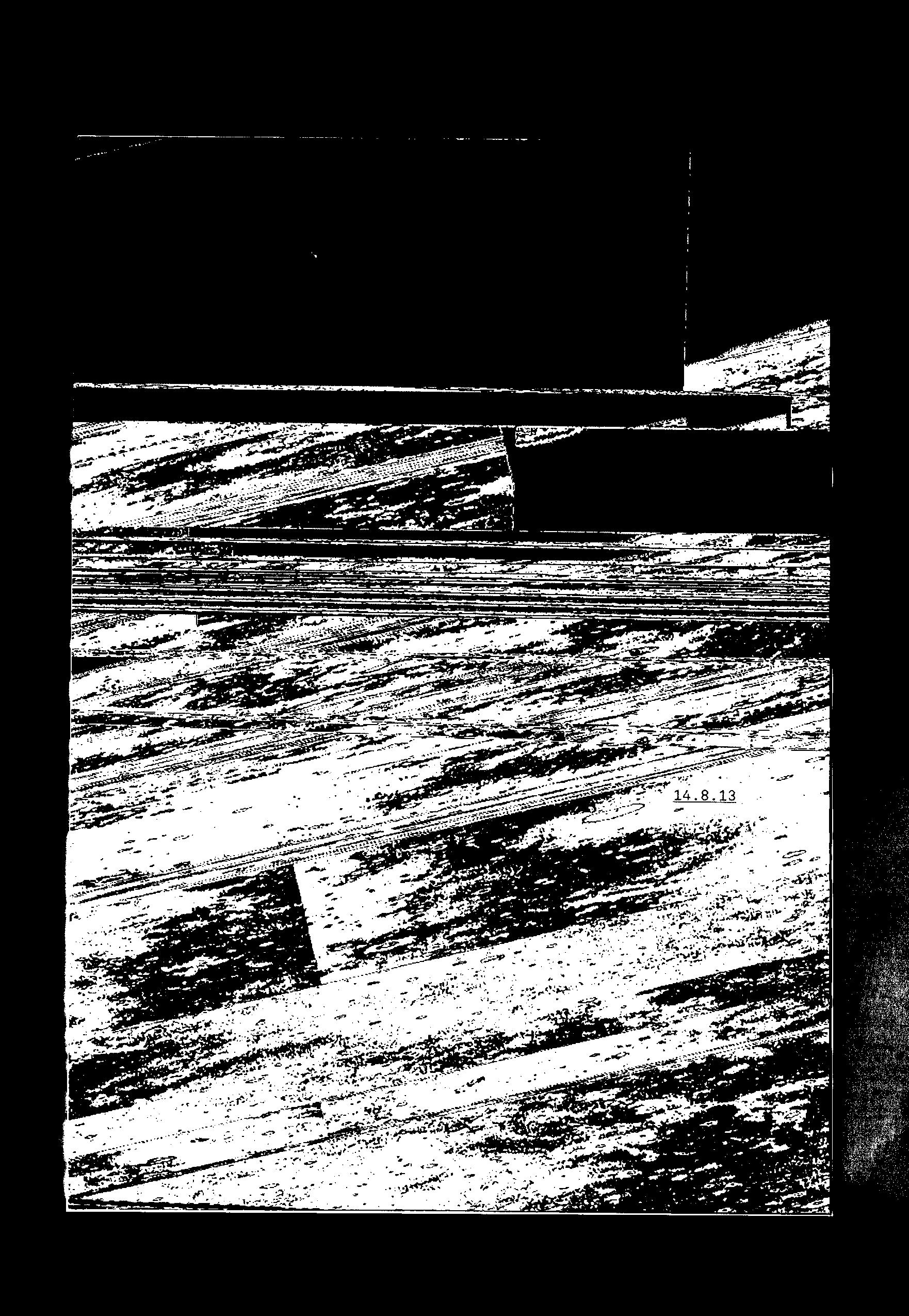
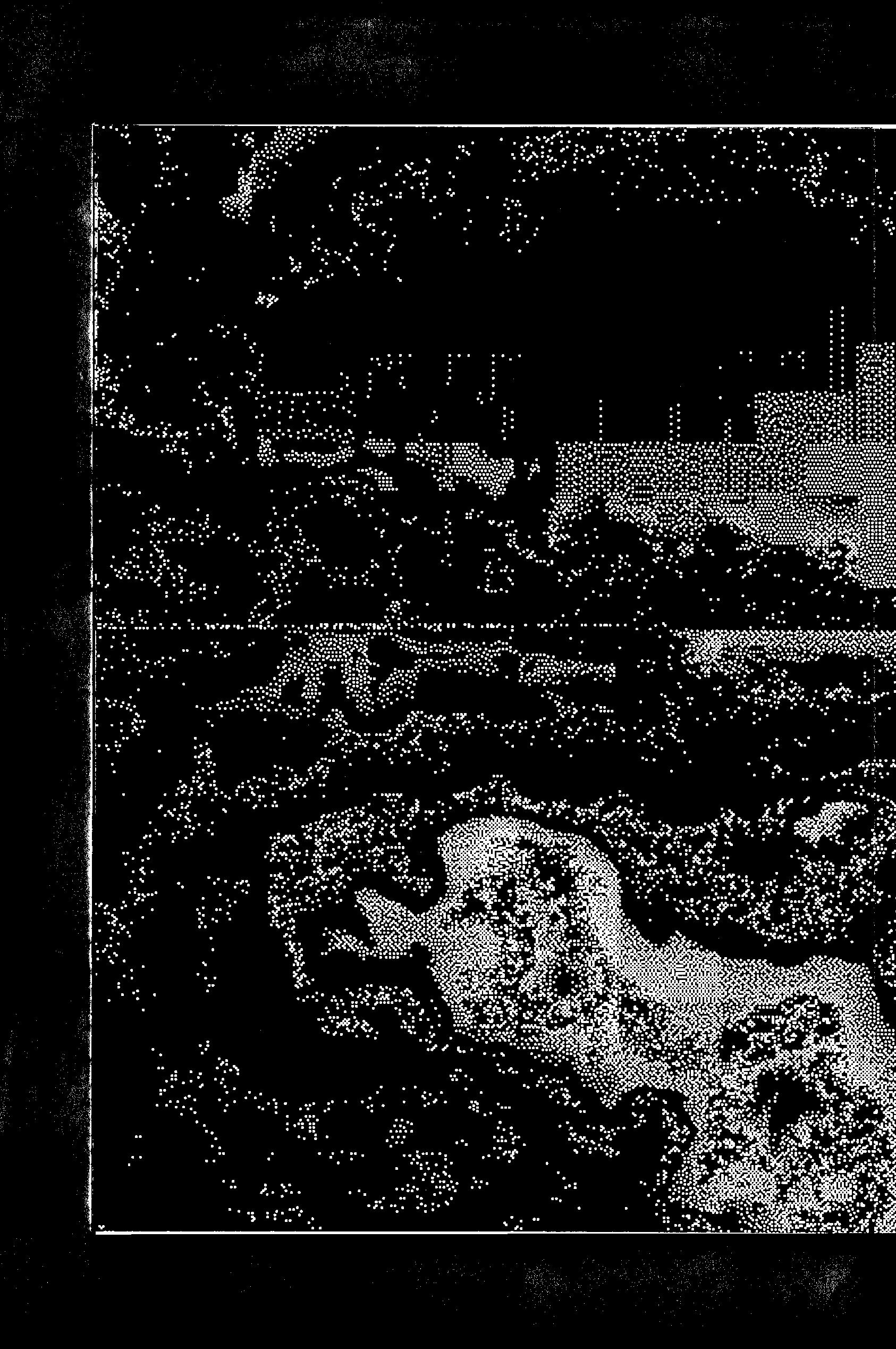
Zine: 14.8.13
Databent images of: an earth rise, topographical weather map, factory smoke stacks and a mountain range.
COLLAPSCAPES AND CINEMA
The idea of a collapscape is probably nowhere more visible than in cinema production. We have all wondered and realised how, in many of our favourite movies, there are inconsistencies in terms of space and time.
Juanico is a friend of us from Almeria. This region of Spain is famous for its desertic landscape, its blazing sun and, these days, for its vast polytunnel fields which blur the landscape in the intense summer heat (another collapscape on its own right). In the 60’s and 70’s was also known because it provided the backdrop for all those Sergio Leonne spaghetti westerns. A location which was, close enough in feeling, but few thousand kilometres closer to the Italian director than those in California, Arizona or New Mexico. The illusion was completed by flying over a Lee van Cleef or a Clint Eastwood to lead the story through these frontier locations, to the sound of Morricone’s scores. Here, the shorter and dark haired Spanish and Italian secondary actors and extras would not seem out of place. For Juanico, watching this westerns was not fun. Not because he did not enjoyed the stories or because he did not like westerns or Lee van Cleef but because, for him, the illusion of the film was destroyed by the fact he was too familiar with all those locations. The fantasy of being a ‘western’ was destroyed by being able to continuously recognise the backdrop to that story. That collapscape did not work for him, but it did for millions of other cinema goers.
Cinema, like its predecessor theatre, plays to a still audience an action that often transcends the location in scene. In theatre, the context, the mise en scéne, it is always exterior to the action. As a viewer, you are transcended by the acting and the dialogue, the scenography just sets the context for the action. In films the mise en scéne is an integral part of the narrative, it is part of the physicality of the film, it is the reality it describes. Film, like photography, creates the illusion of reality. The film reproduces all that the lens sees and captures, there is a sense of reality that comes attached to anything you see on these mediums. The commercial need for films to tell a story in 90 minutes brings with it the need to collapse time and space, so the narrative can be delivered on a screen where subservient actions are cut and paste (or edited) into filmic linearity. In doing so, films create all types of fictitious geographies, and deliberately alter timescale without any regard for accuracy as far as it follows its narrative imperatives.
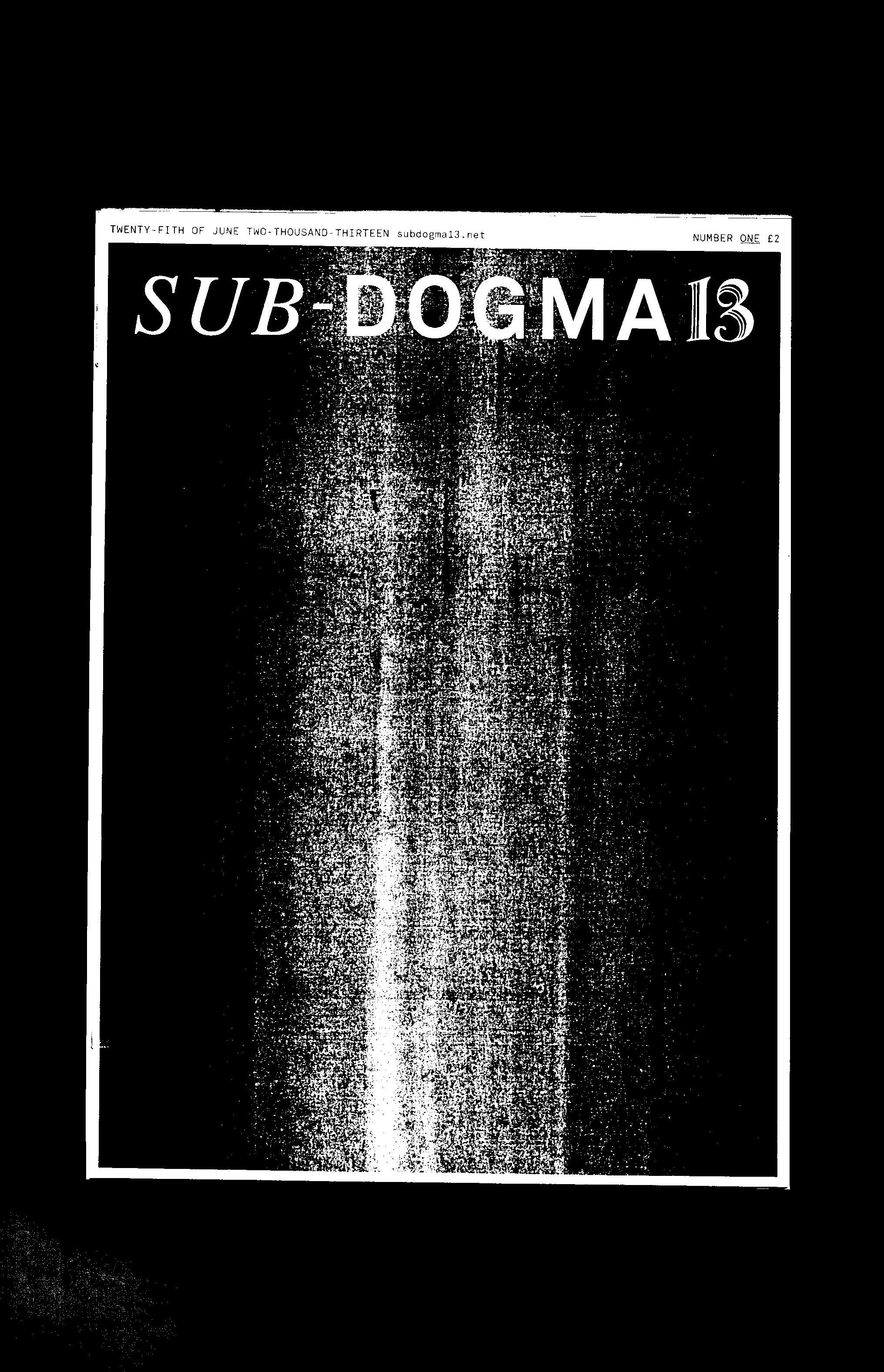
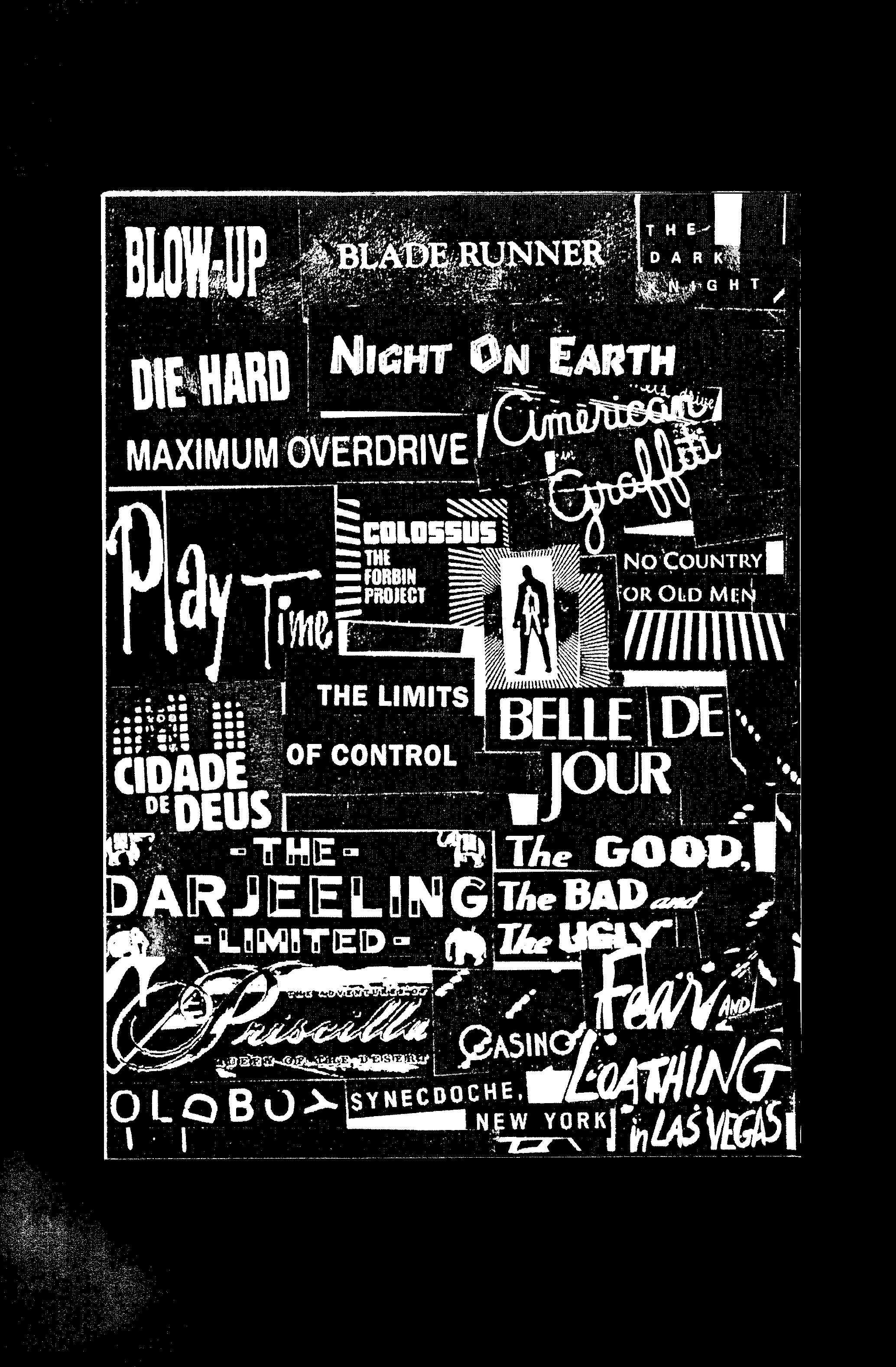
It was interesting to think about these parallel worlds, created with attention to detail to survive its unavoidable scrutiny against reality, their believability. But if we were to remove all the main action and all the main actors from a movie, we would be left with a very different narrative, a narrative constructed by the all that is created around a scene in order to make it believable. All those bits put together generate an abstract trailer of the film that exposes its construct, texture and colour rather than its plot. (Sub-Dogma 13)
The collapsing of time and space in cinema is not then a requirement of the medium, but a consequence of its industrialisation and of the standardisation of its consumption. The film studio was born out of this industrialisation. In the same way that Ford systemised his assembly line, the production of movies had to be efficiently systemised and providing these ‘real’ backdrops or contexts on a specific space was the answer. The architecture of the film studio provided the ultimate collapscape where was possible to travel from Mount Rushmore to the African jungle and from there to a romantic sunset in the Texan planes by stumbling across a few doors (or fake walls). Always loved that “Blazing Saddles” finale that sees the classic saloon brawl getting out of hand and breaking through the wall into the set of a musical, revealing the industry of cinema.
If how movies are constructed is a result of its industrialisation and its commercialisation as products, it seems reasonable to think that changes to the formers would also transform the way we construct film narratives, together with our demands on filming and projection devices. Rethinking the filmic collapscape led us to question where could the film industry go and what kind of films would be generated in a completely automated production. Consequently, we started imagining a system that could generate a different kind of movie. Automated tracks to record and reproduce action in the space. Interaction of characters as collapscaped moments where lives apposed. A software to write dialogue, dialogue that contained a sense of pace as a cue to a mechanical-turk actor who could live anywhere in the world.
STUDIOS
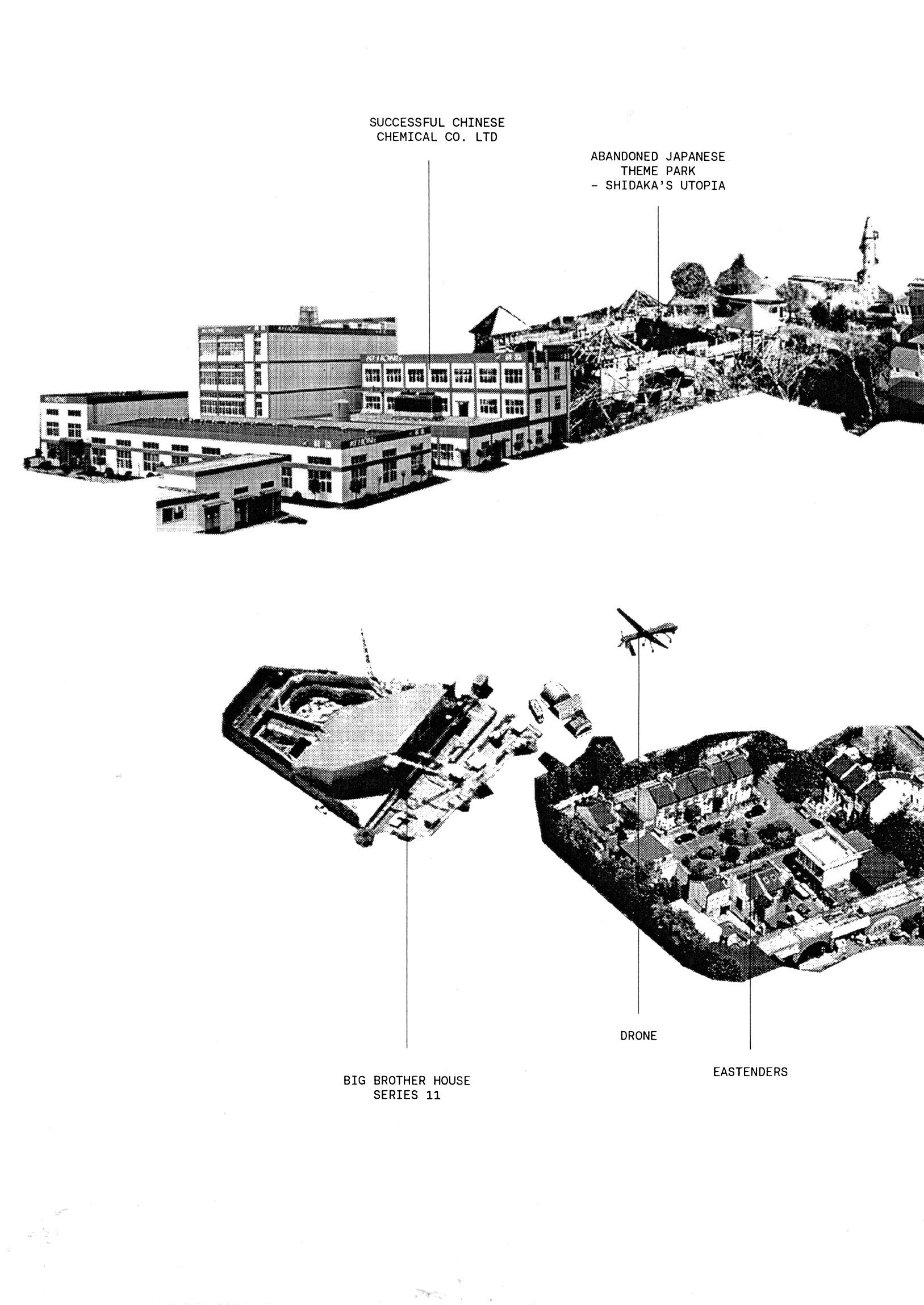
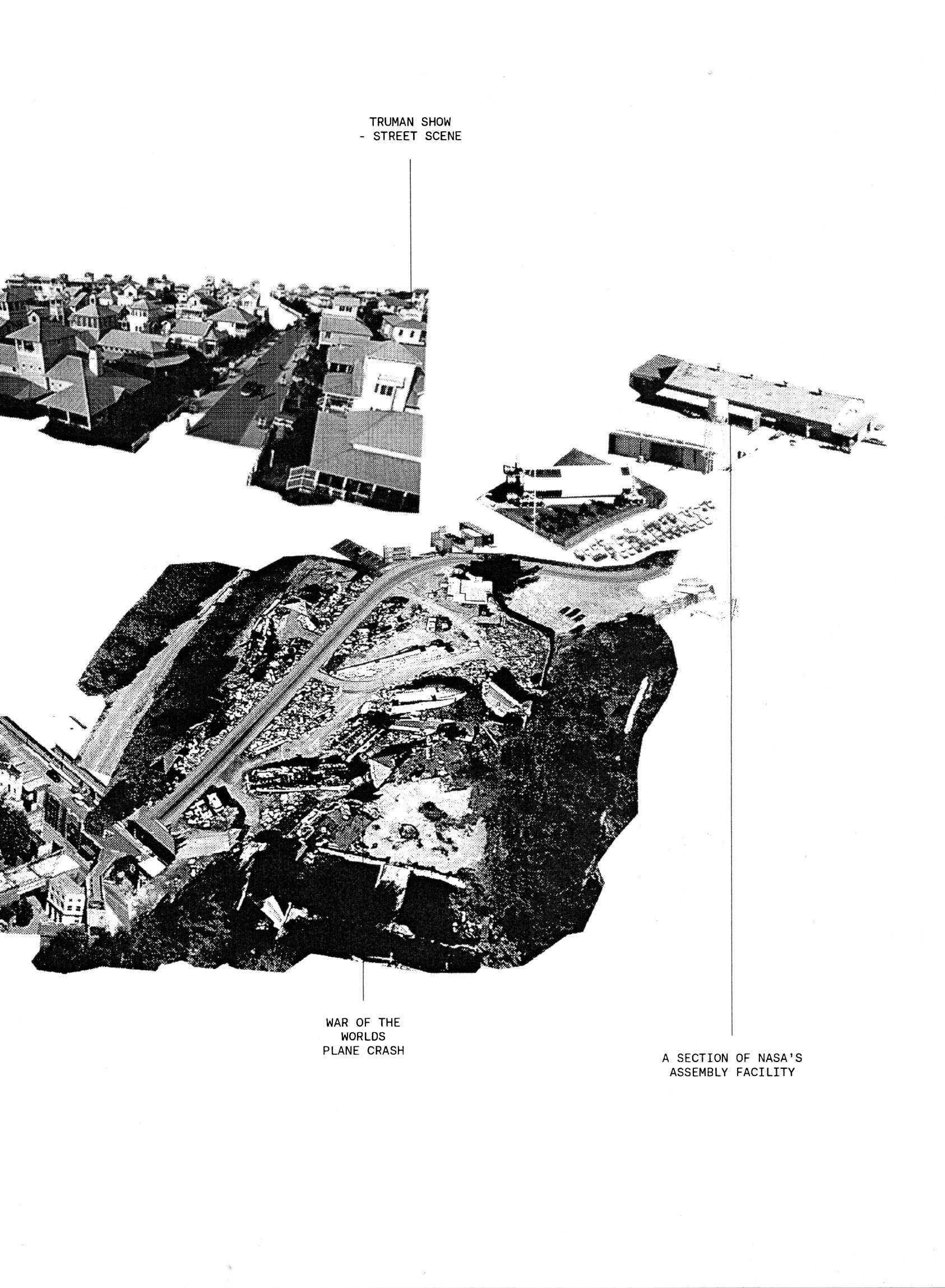
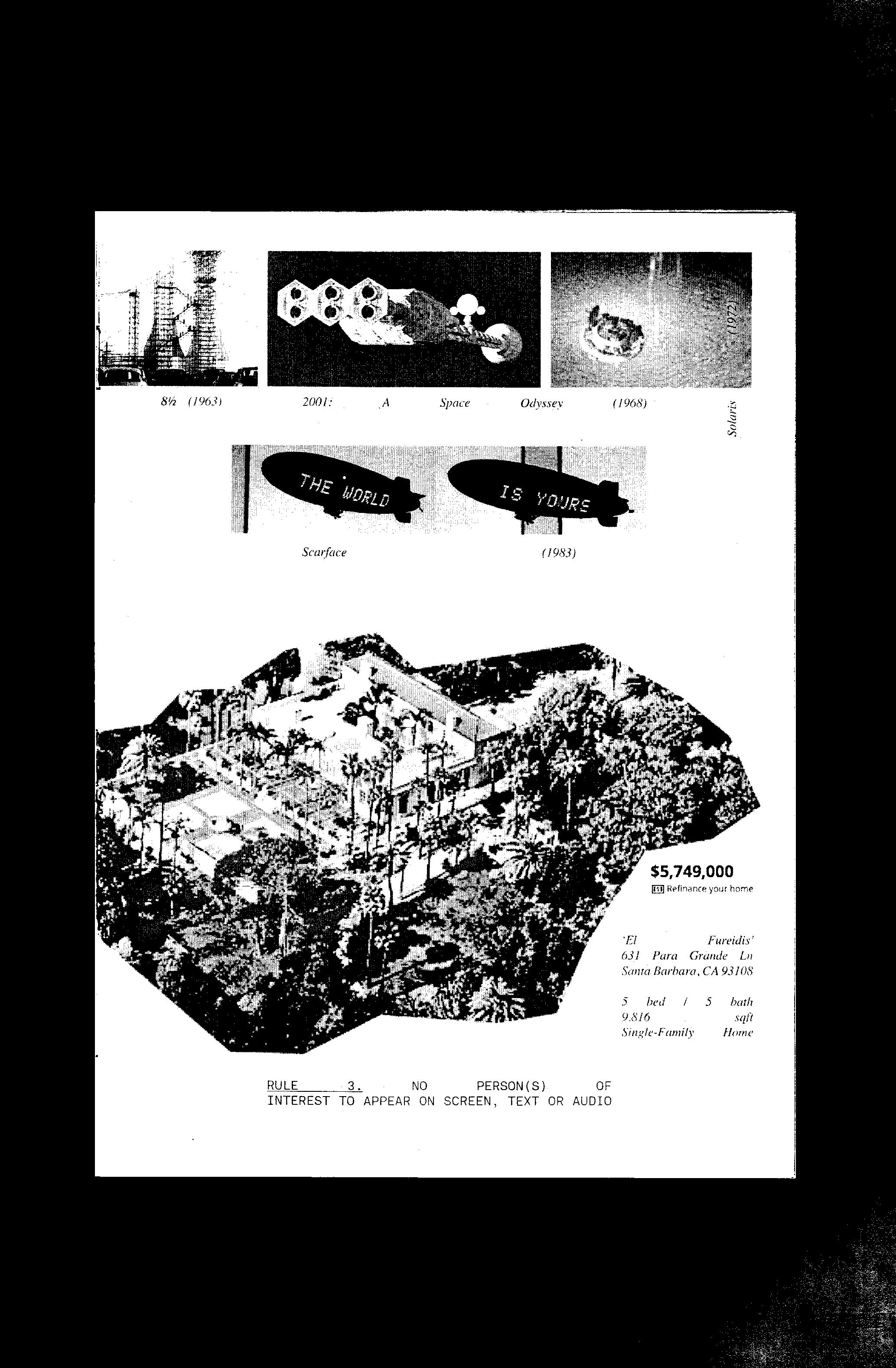
These composite images are a direct response to film/TV studio lots in which specific or generic 'streetscapes' are replicated in order to localise movie production.
These 'supersetscapes' or 'superstudios' can be read as a synopsis for a potential film(s) that incorporate some/ all or only these locations into the narrative. The studios are compiled from existing sets, theme parks and other 'genuine' locations.
Ref:
The Pinewood Project UK would have included the following "streetscapes": La high school campus, Amsterdam, British suburb, Venice, Lake Como, Roman Amphitheatre, Medieval Castle, Vienna/Prague, Chinatown Boston Chicago suburb, Downtown New York.
Atlas Studios Morocco "The Hollywood of North Africa" - "There's a mini Makkah less than a mile from a replica of Bethlehem."
Elstree Studios circa 2010 - Big Brother, Who Wants To Be A Millionaire?, Dancing on Ice, EastEnders - Albert Square.
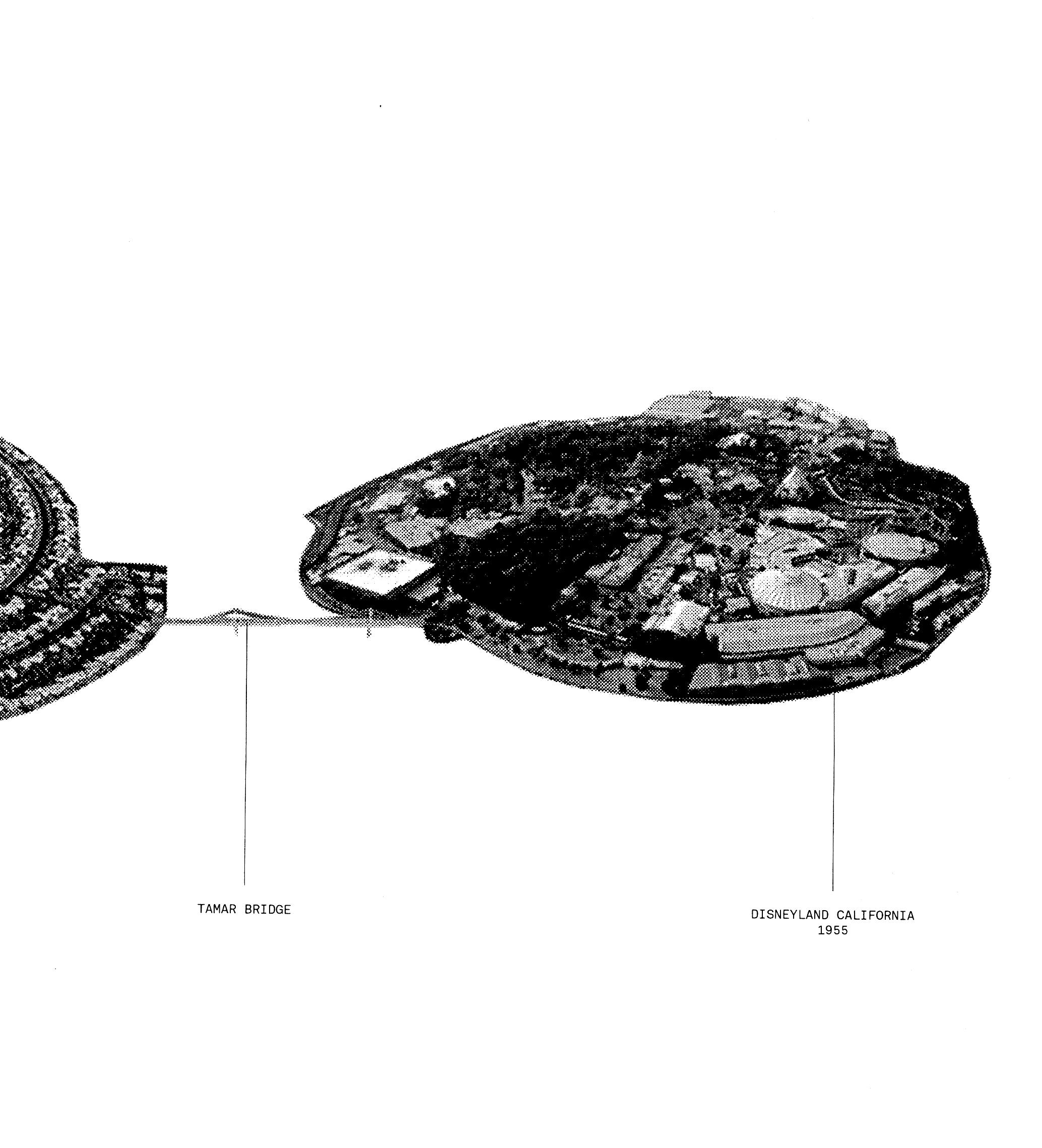
Epcot Center USA The World Showcase Lagoon accessed via the International Gateway, is surrounded by Mexico, Norway, China, Germany, Italy, The American Adventure, Japan, Morocco, France, United Kingdom and Canada.
"So for example you could say now, instead of going to a family reunion now we will just rent, you know, a Steve Martin Father of the Bride movie. It’s just as good and so on, and you meet the same kooky characters that you actually know; their behaviour is all simulatable. Another similar… this going to sound cynical but I don’t want it to."
"I mean, Baudrillard has visited our country and when he went to Disneyland at Epcot Centre and these various parks he said 'Well this is much better than Europe. The food’s better than Europe, it’s a short walk between France and Germany-land, you know, you don’t have to deal with all those nasty waiters, everyone is so polite.'" Rick Roderick, 308 Baudrillard: Fatal Strategies (1993)
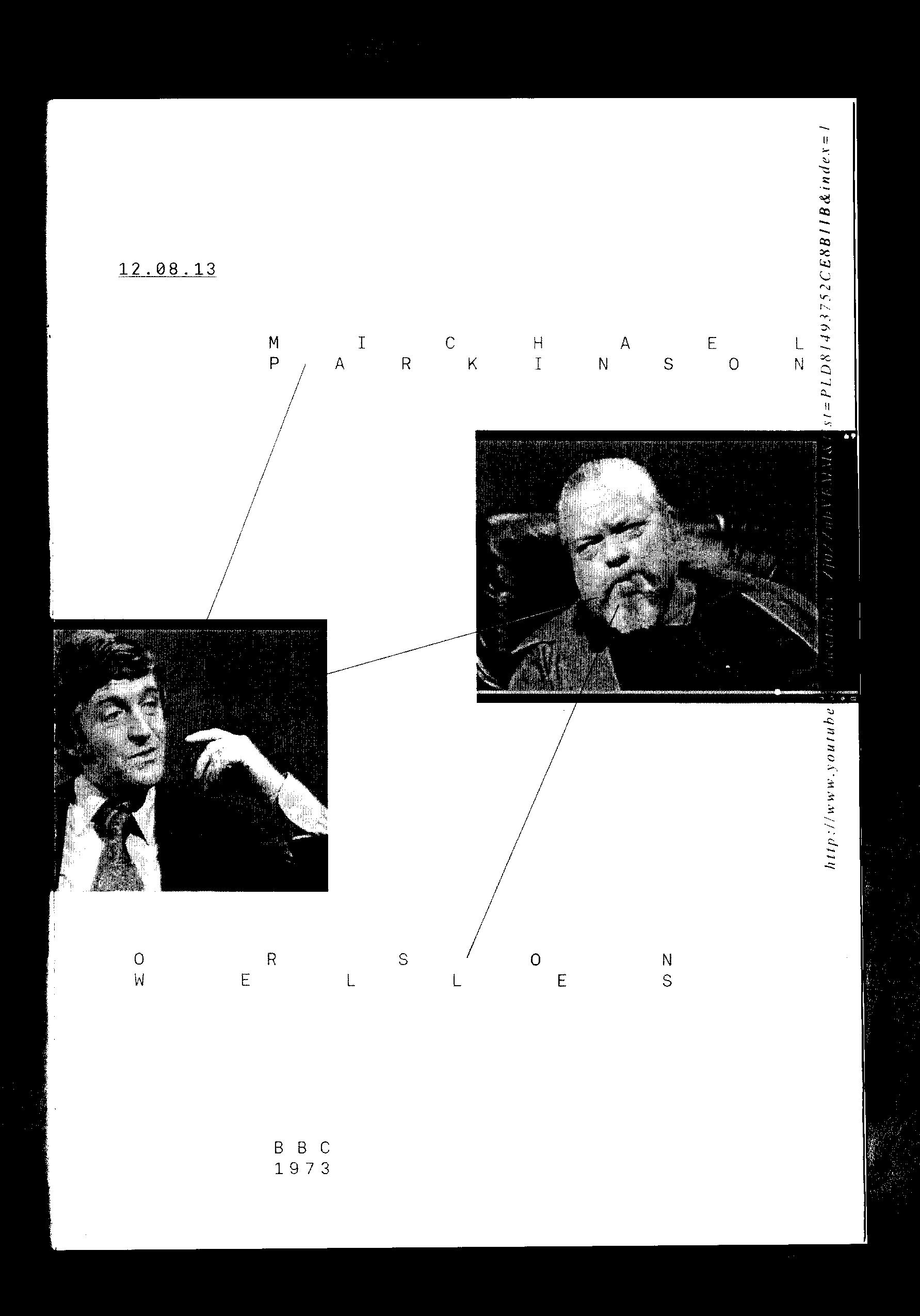
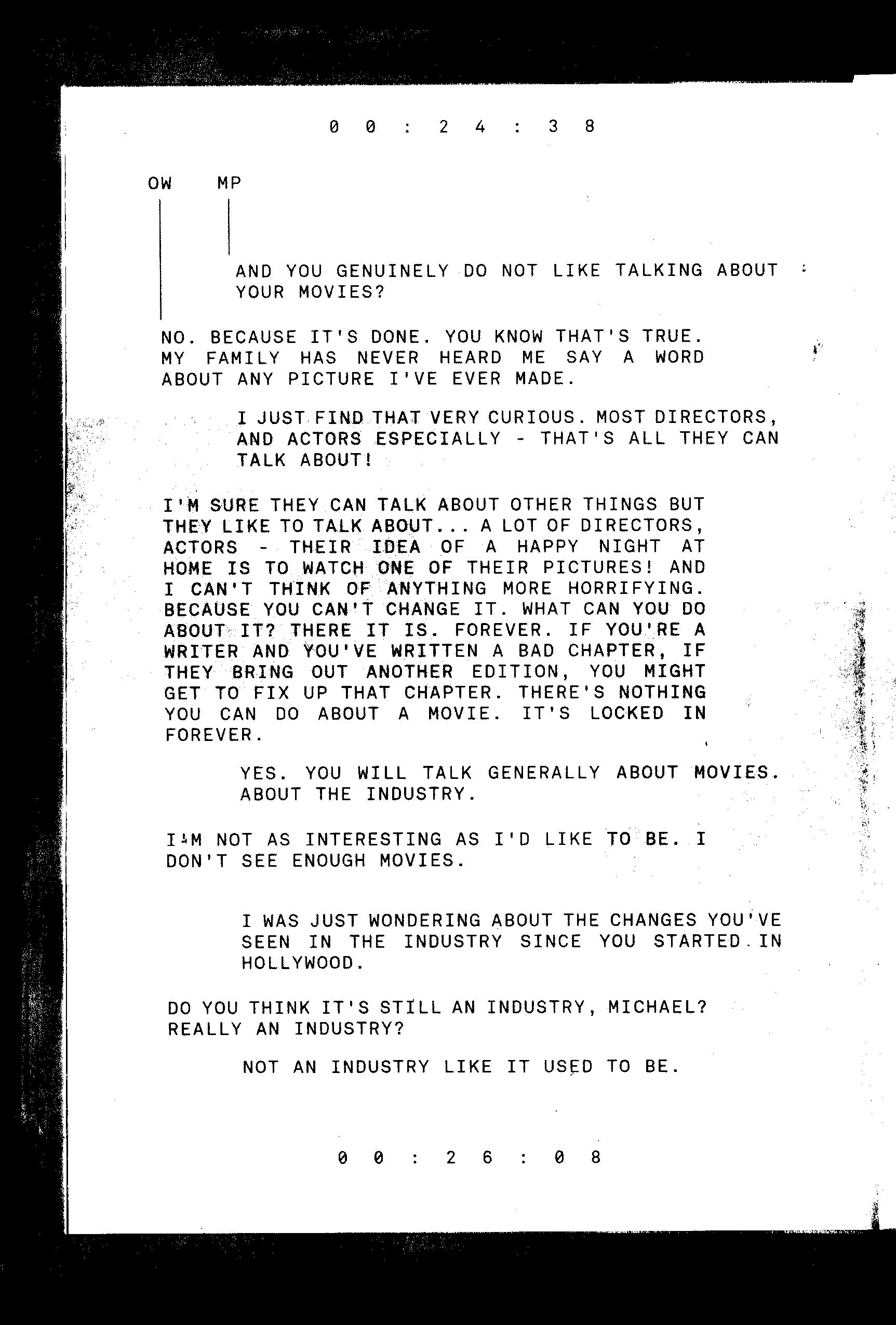
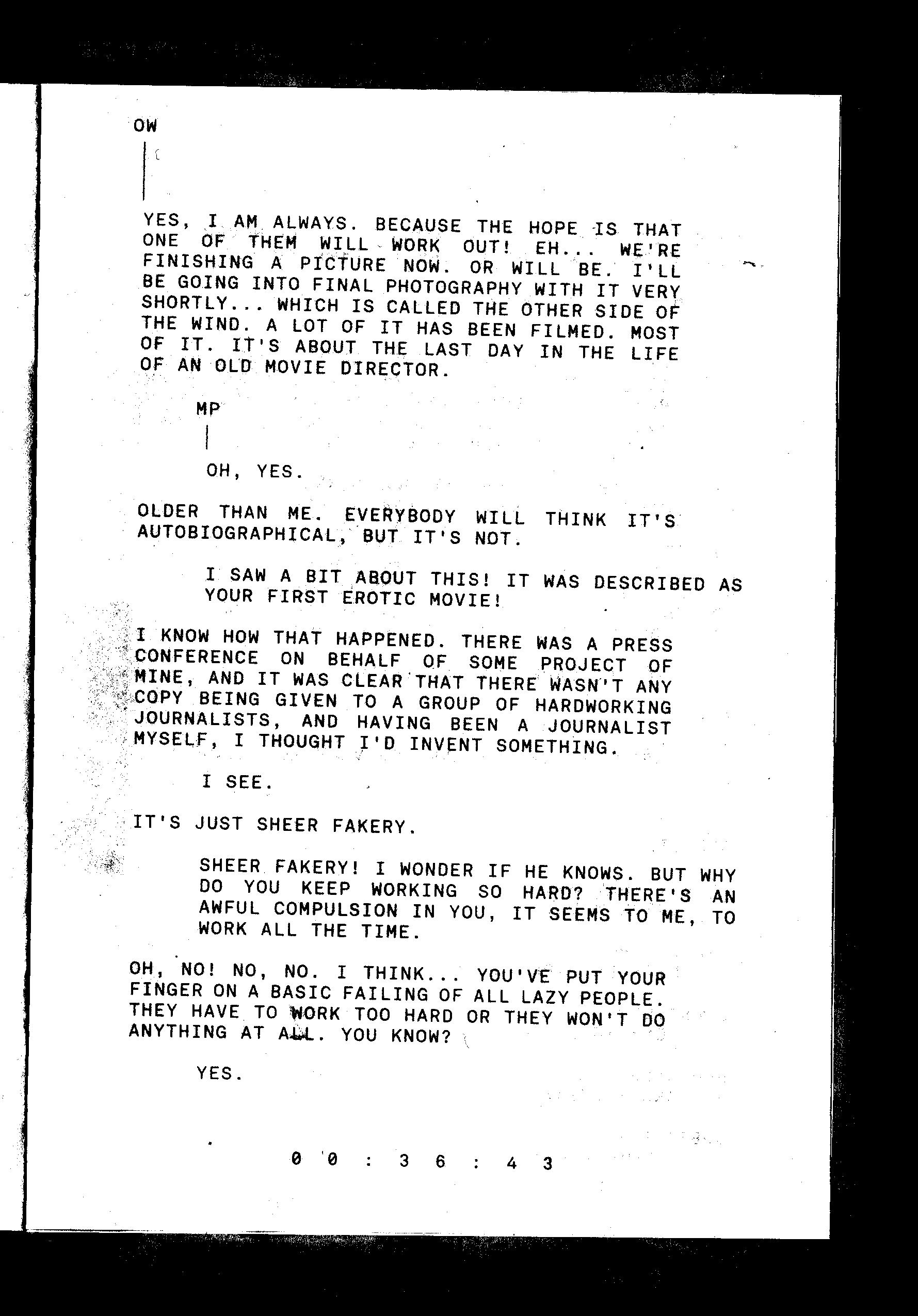
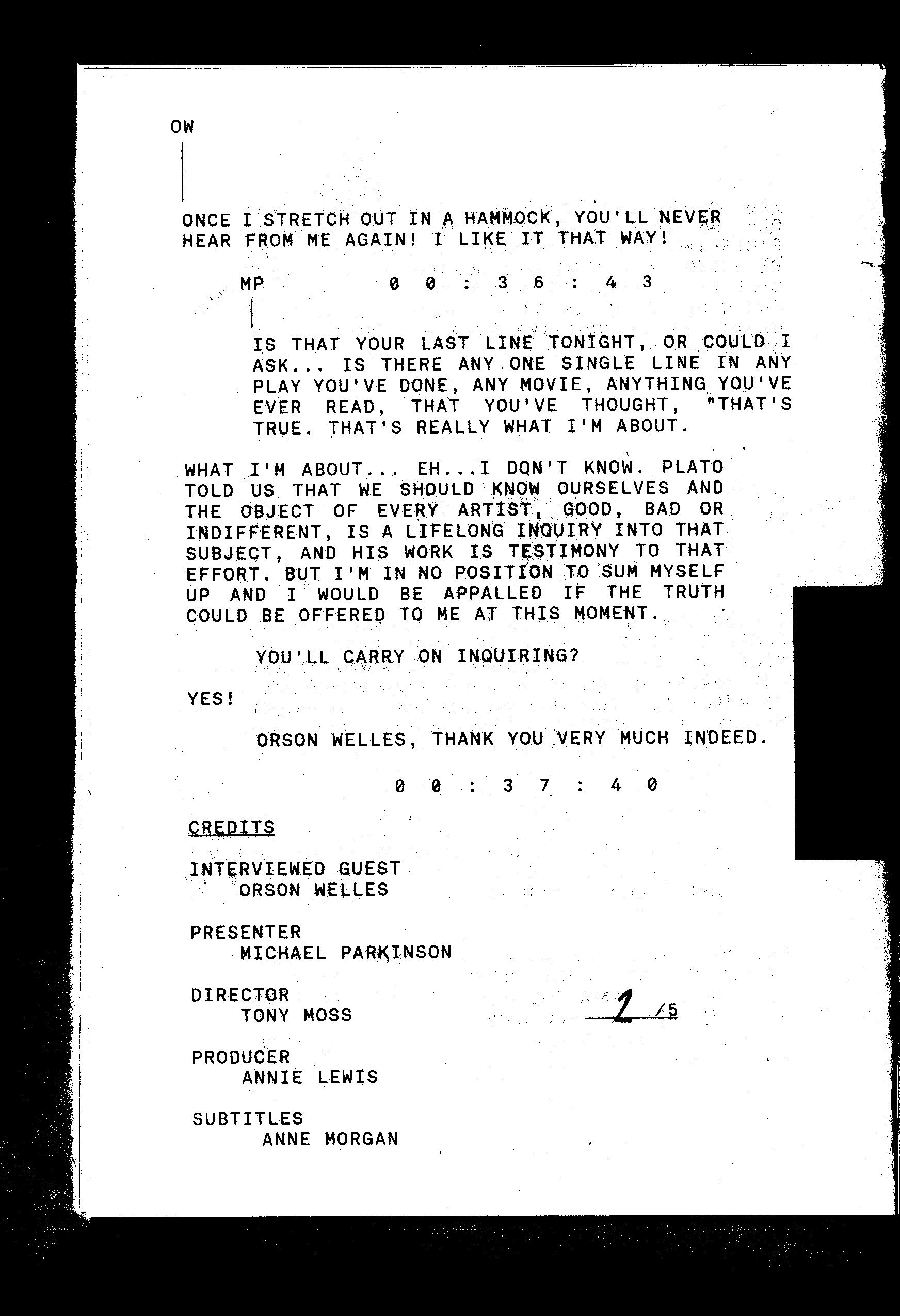
BBC 1973. Michael Parkinson interviews Orson Welles.
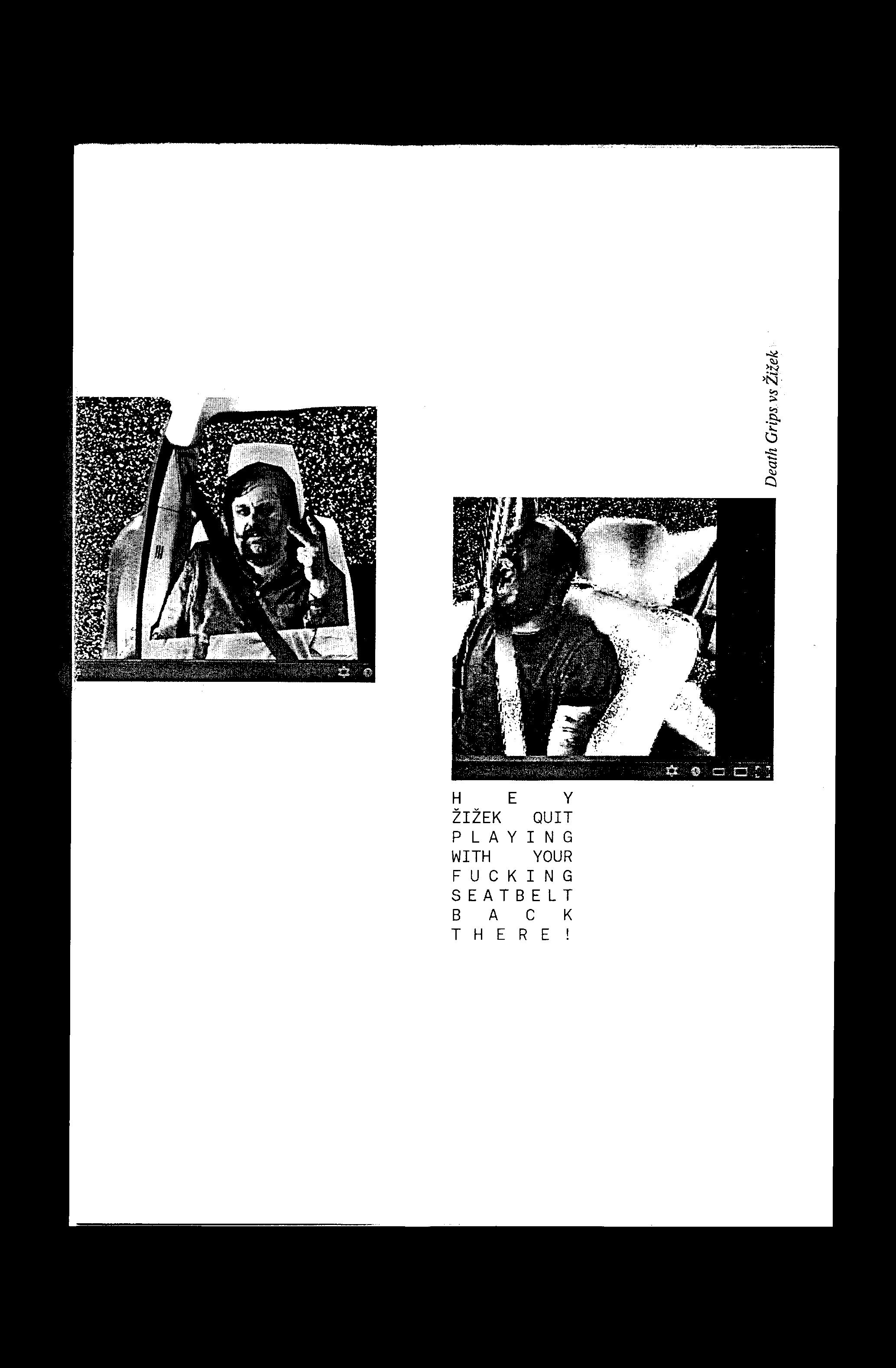
Zine Fictional encounter betwee Stefan "MC Ride" Burnett and Slavoj ! i " ek in Death Grips Guillotine (It goes Yah) 2011 video.
NAQOYQATSI [DVD] REVIEW
With one hand on his crotch the other swiping across his nose, Pete sniffs and says aggressively; "This is a big pile o' wank! It's so fucking easy, I mean, fuckin' hell, I could have made this whilst scratching my nuts, like, actually scratching my sack. I'd take my fucking camera, stick it at the end of my garden, point it straight up at the clouds, then just lay back in the sun for a few days with my finger firmly up my arse. Wanking."
It's 2004, I am 17, and we are watching Koyaanisqatsi in a lecture theatre/ cinema at South East Essex College. 300 faces turn around to look at Pete and, inadvertently, at me as he finishes saying "firmly up my arse". I am sat next to him. He is unapologetic, wildly unpredictable and at times mildly threatening. We get on all right. He is related to a very good friend on mine, Joby.
The thing is, Pete might have been right. He was really genuinely talented at most things, effortlessly so, at things he'd never done before. He probably could have shot and directed Koyannisquatsi if he'd had the funding and it hadn't already been made 22 years earlier. But mainly, I think, it was patience that he lacked. It's a film that definitely requires patience.
The viewing that day made quite a big impact on me. I remember watching the final scene; the Atlas rocket exploding, its components spiralling down in plumes of acrid grey smoke. In that moment I am semi-euphoric, but I also feel melancholic. "I wonder whether I will ever make anything as good as this?" I think to myself. "Probably not," I conclude on the train home. It is the ultimate film my 17-year-old self wishes to make: no dialogue, no characters, and an epic soundtrack by the 'seminal' Philip Glass.
Despite the profound impact the film makes on me, seconds upon leaving the theatre, I have forgotten what the film is called and am too embarrassed to ask anyone. For the next year or so, every now and then in quiet moments alone, I remember that I should probably, if I'd liked it so much, try and track it down, and just ask someone what it's called.
Two years later, one overly warm morning, I am incredibly hungover, lying on Joby's bedroom floor. I am thirsty. I am nauseous (not in a Sartreesque existential quagmire way, the other nauseous way). All of a sudden I get a flashback of buildings smashing,
clouds speeding and Pete gesturing violently with his genitals. I turn to face my friend Tara, who is also lying on the floor and ask "Hey, do you remember that film we watched that time in the big-red-bollock 1 , at college?" "What film?" she says with bleary eyes and dry throat. "It was, like, all time-lapse, with no characters, wild soundtrack etc." I say. "Koyaanisqatsi," she says. "I love that film, I stick it on late at night and just listen to it whilst I'm working. But I don't ever remember watching it at college, I guess I was someplace else."
I go out the very next day and buy it at HMV (a once popular data storage high street outlet). It's in a box set with the sequel Powaqqatsi. A girl at the cash register tells me that there is a third movie also, that it's a trilogy, but that they don't have the third of the films in stock at this time. I wonder why it's not in the box set, why they don't stock it at this time? She doesn't know.
A few weeks later, after excitedly ordering Naqoyqatsi off of Amazon for a bargain price I discover why, or at least, I generate an opinion as to why. I am massively disappointed. It finishes, I exclaim "That was absolute shit!" I vow there and then that I will remake and complete the trilogy as it might have been, as it should have been. "I could make a better film than this shit," I say to my girlfriend. "Yeah, probably," she says, "if you had the funding."
I haven't watched Naqoyqatsi since, nor have I gotten around to doing my remake. I don't have the patience for either right now...
4 out of 5 stars
exuq2005 08.13
* The Big-Red-Bollock is the name we gave the cinema/atrium due to it's form, texture and colour http://apps.southend.gov.uk/Gallery/insidesoutheastessexcollege. jpg
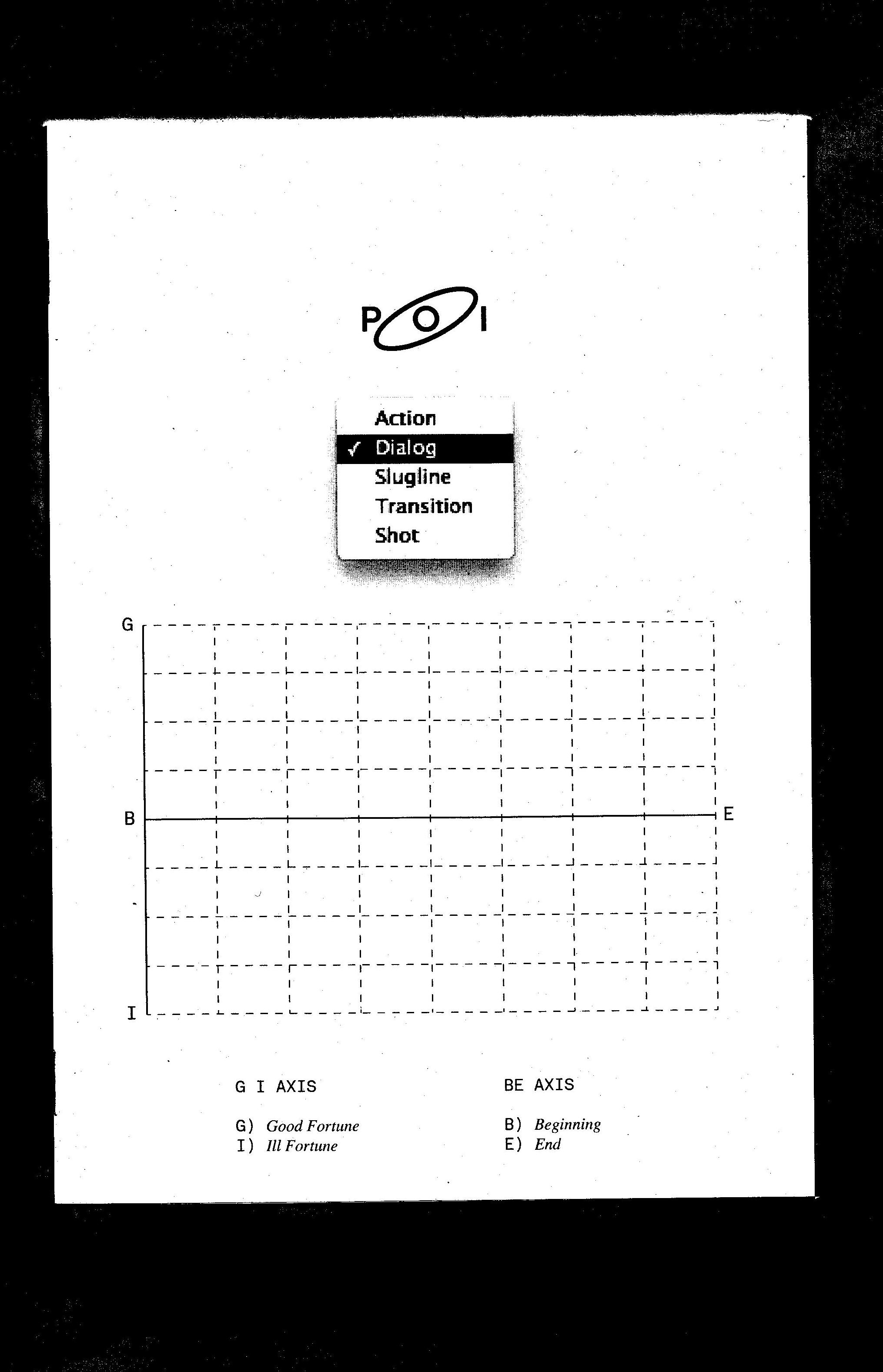
Zine 20.12.12 Kurt Vonnegut's "Shapes of Stories" diagram - plotting narrative curves into graphs http://www.youtube.com/watch?v=oP3c1h8v2ZQ
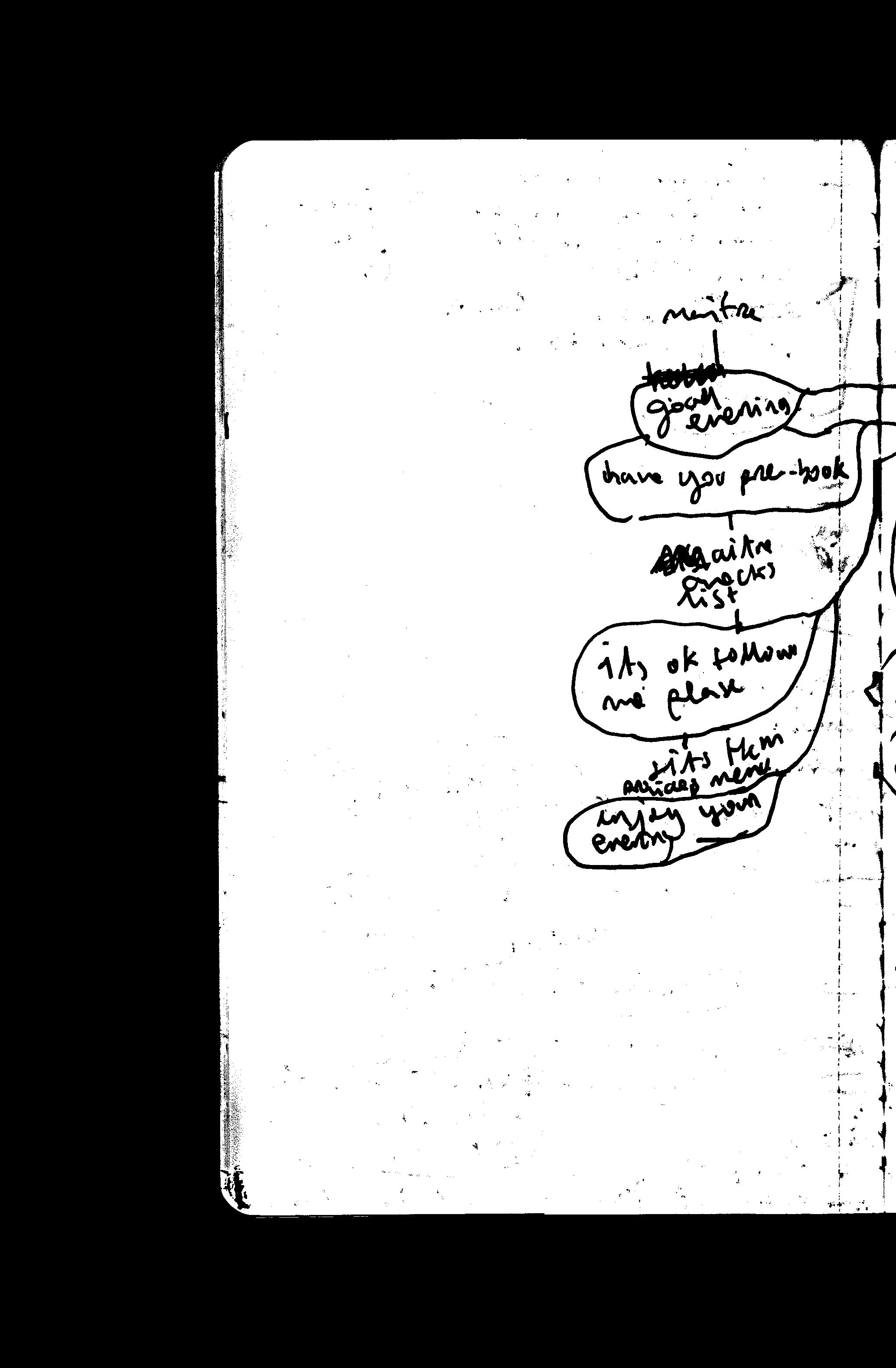
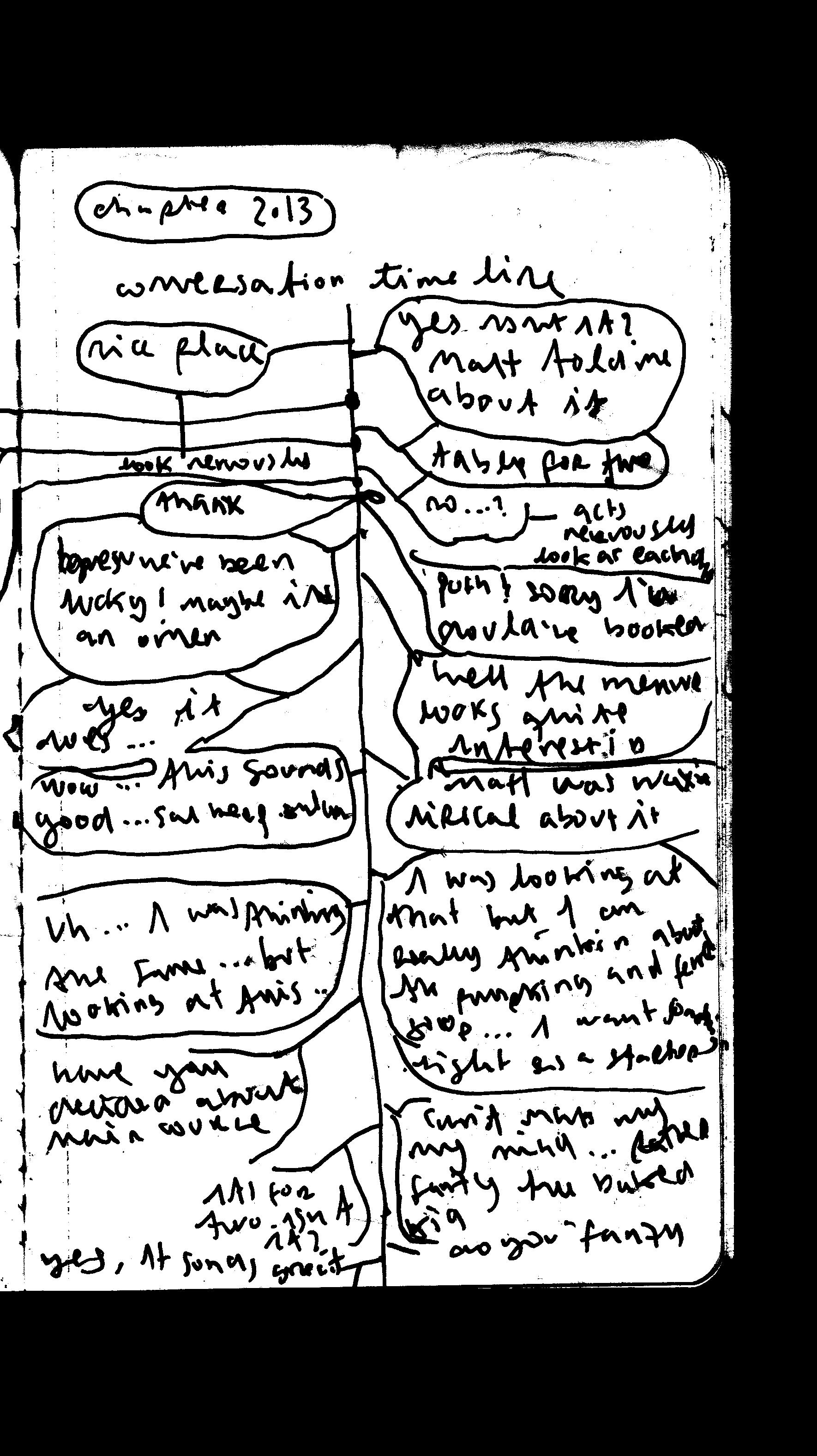
Dialogue. Graphic system developed during autumn 2012, a mix of original dialogue and over heard conversations in public spaces.
'Pre-Socratic'
'Pre-Socratic' Dialogue. Graphic system developed during autumn 2012, a mix of original dialogue and over heard conversations in public spaces.
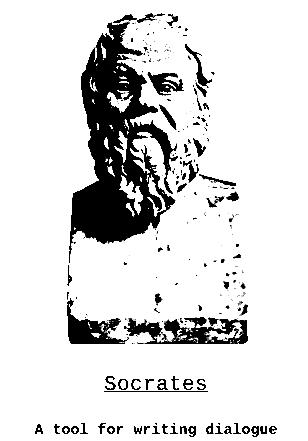
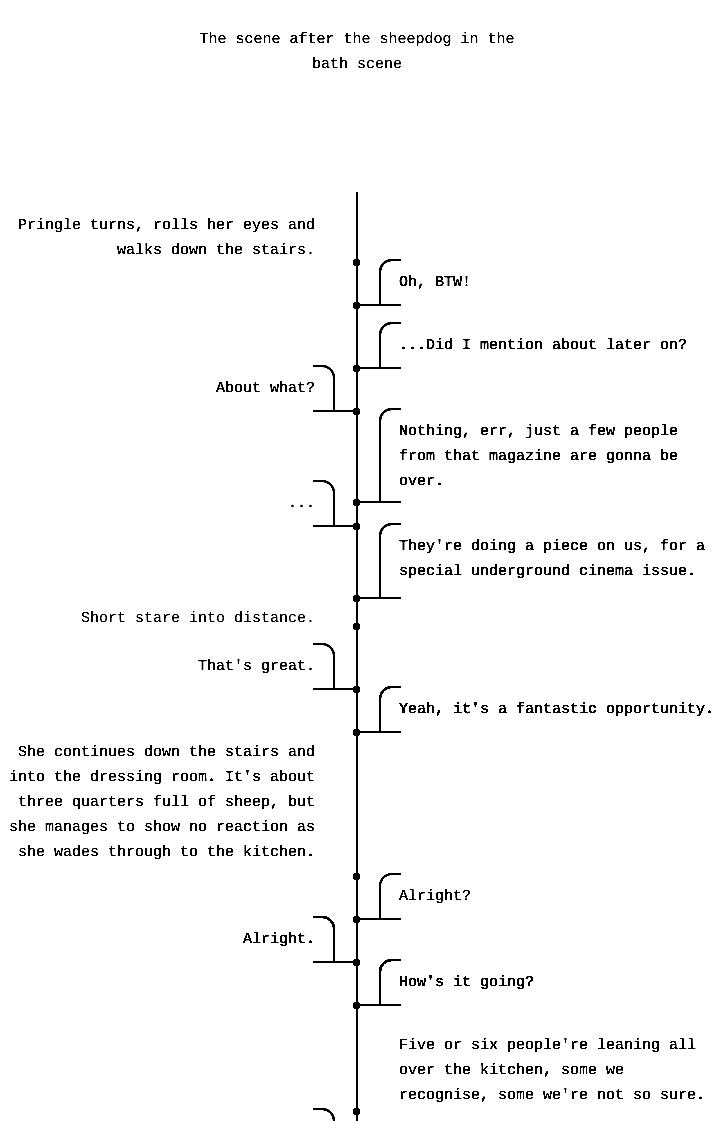
3.9.13 Screen shots of (Pre-Alpha) socratesfordialogue.com
Sample dialogue by Mike.
Socrates is currently in development and beta testing slots are available from October 2013 at socratesfordialogue.com
MOVING PICTURES
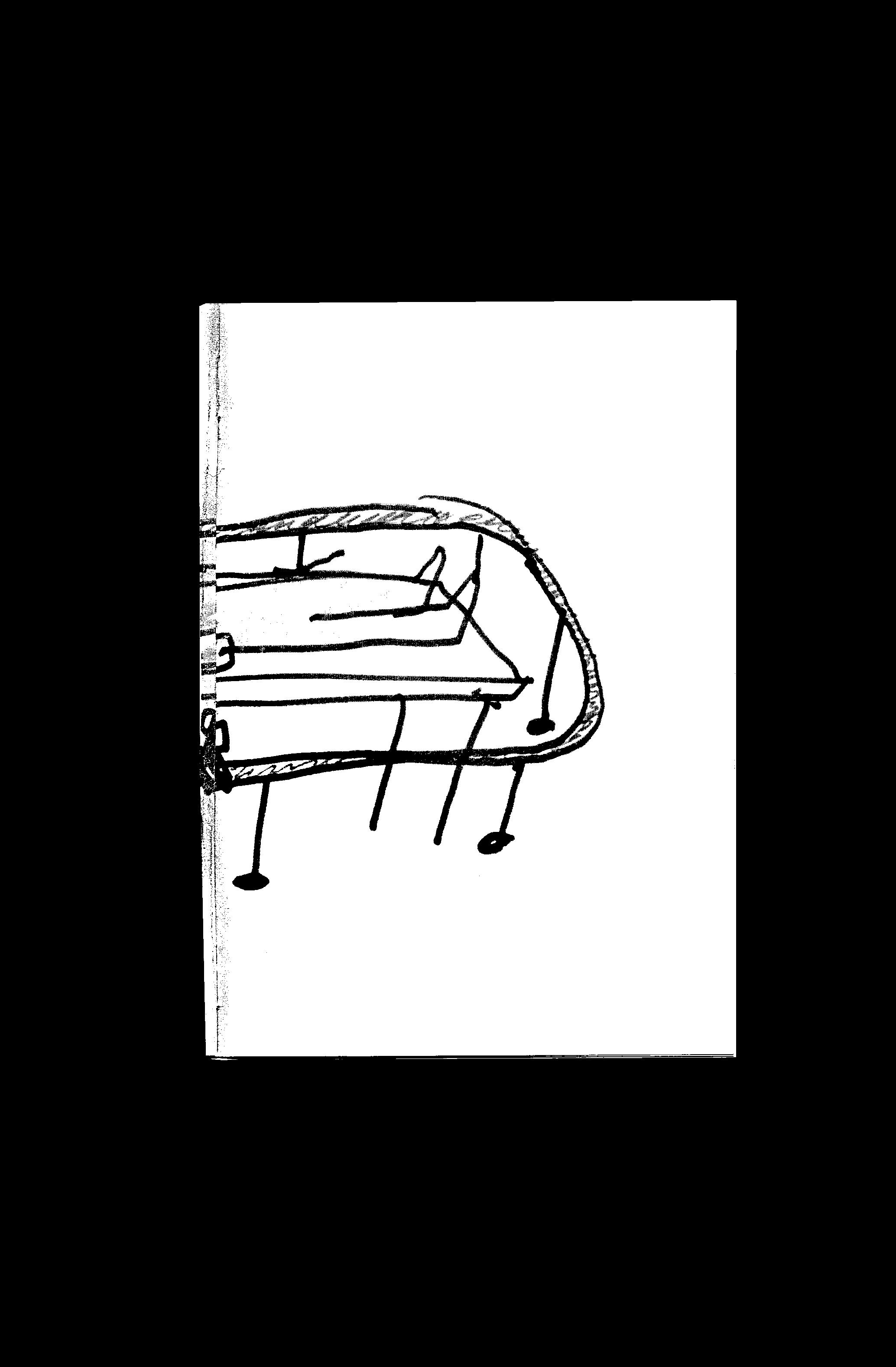
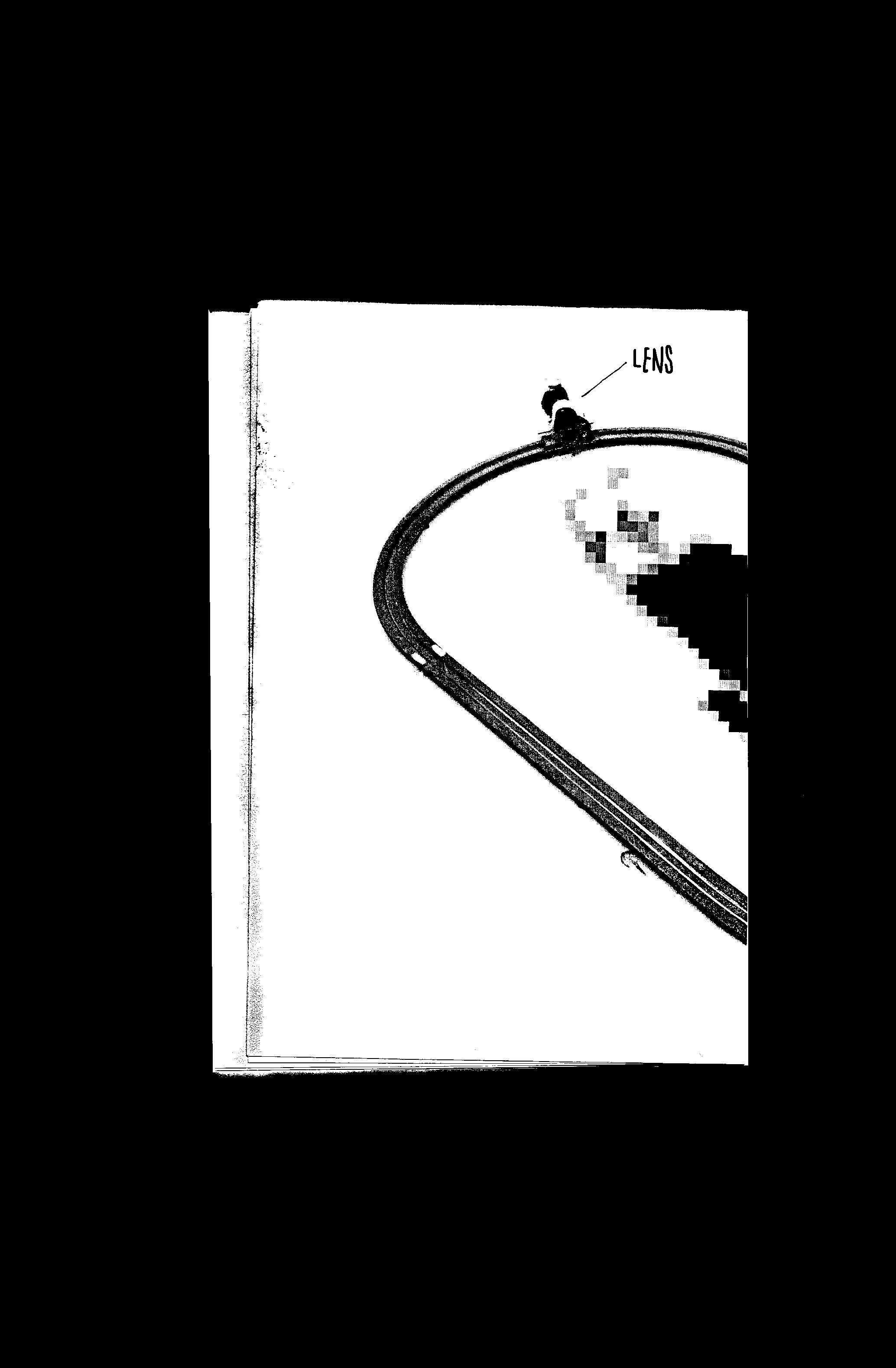
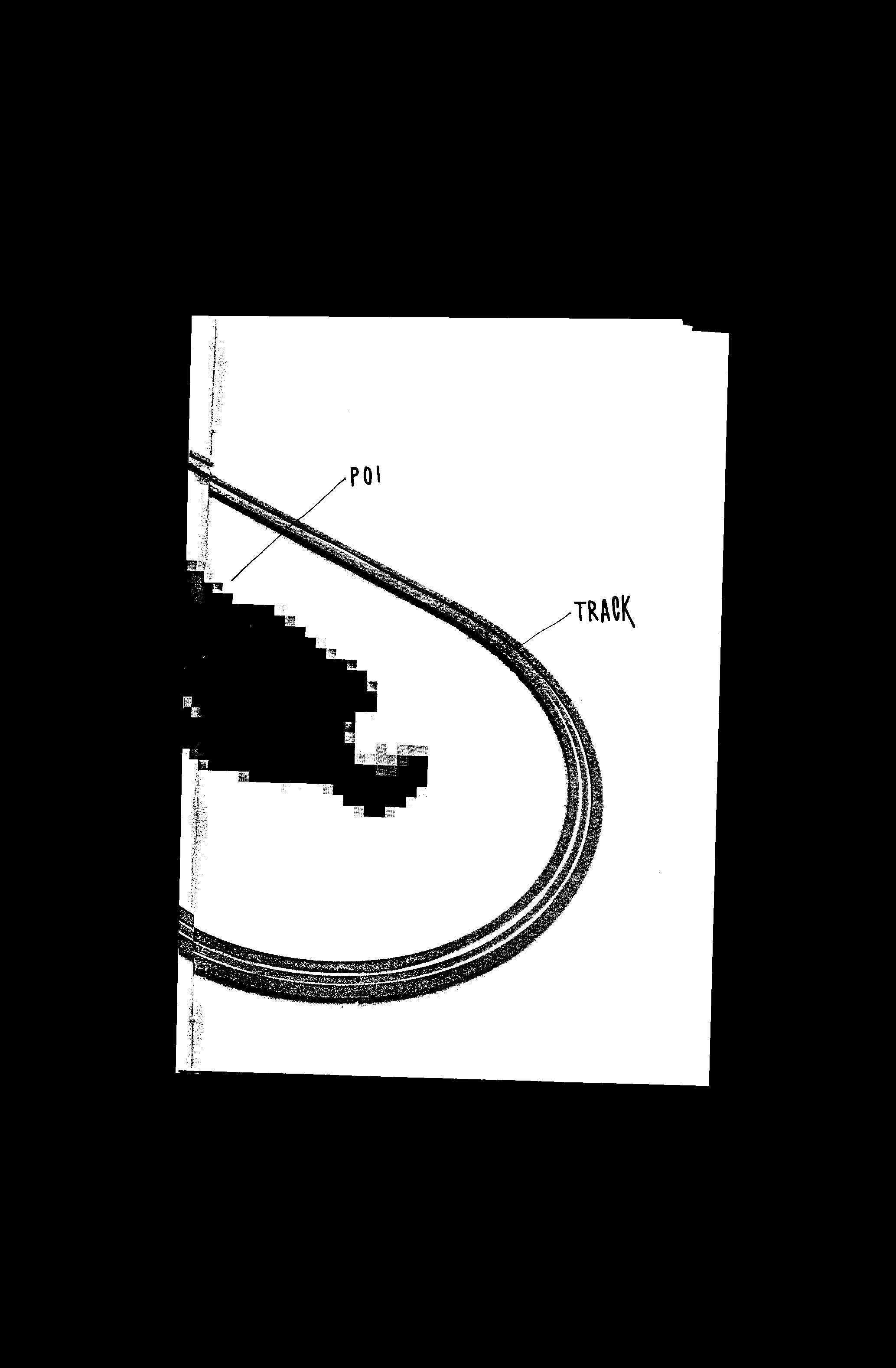
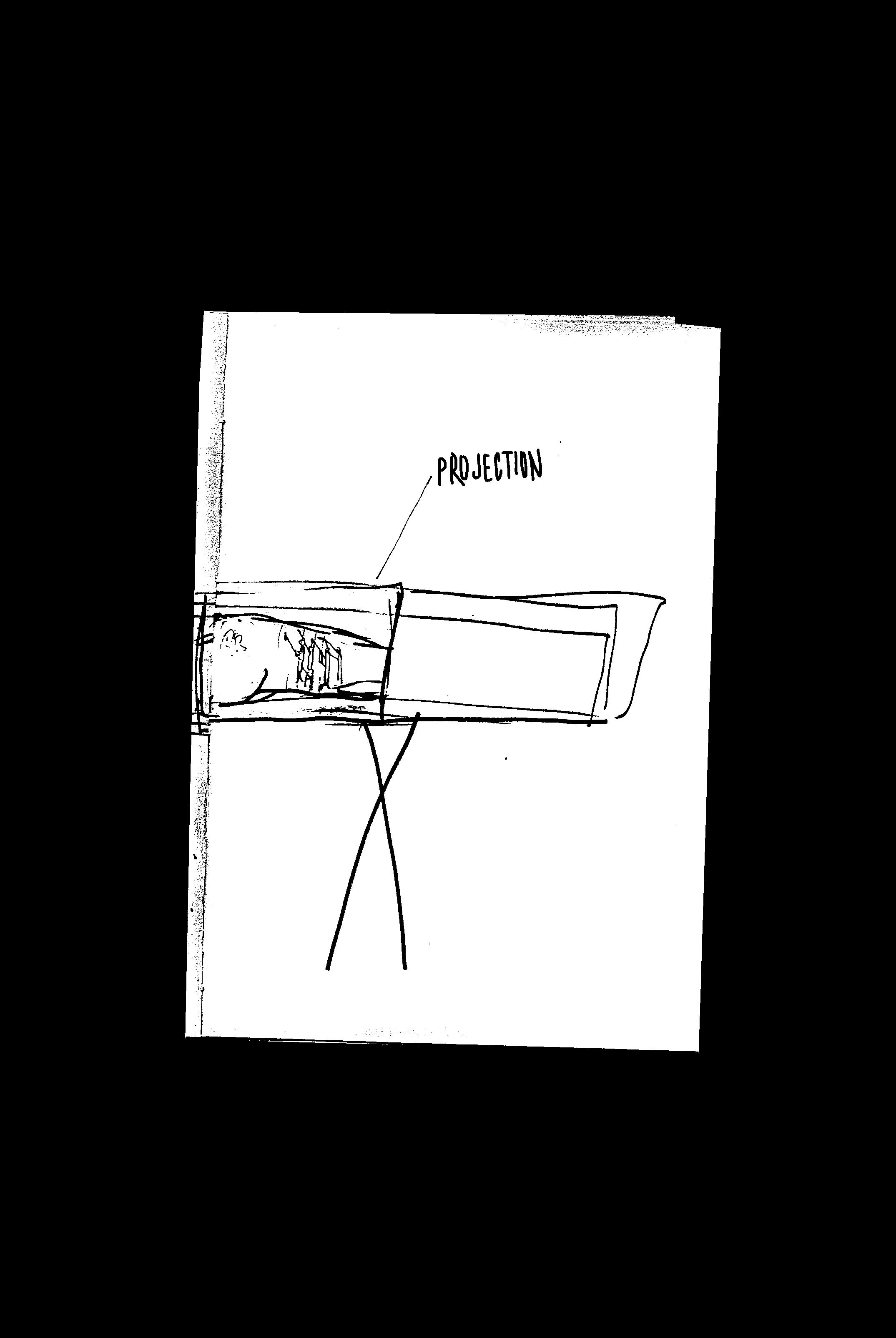
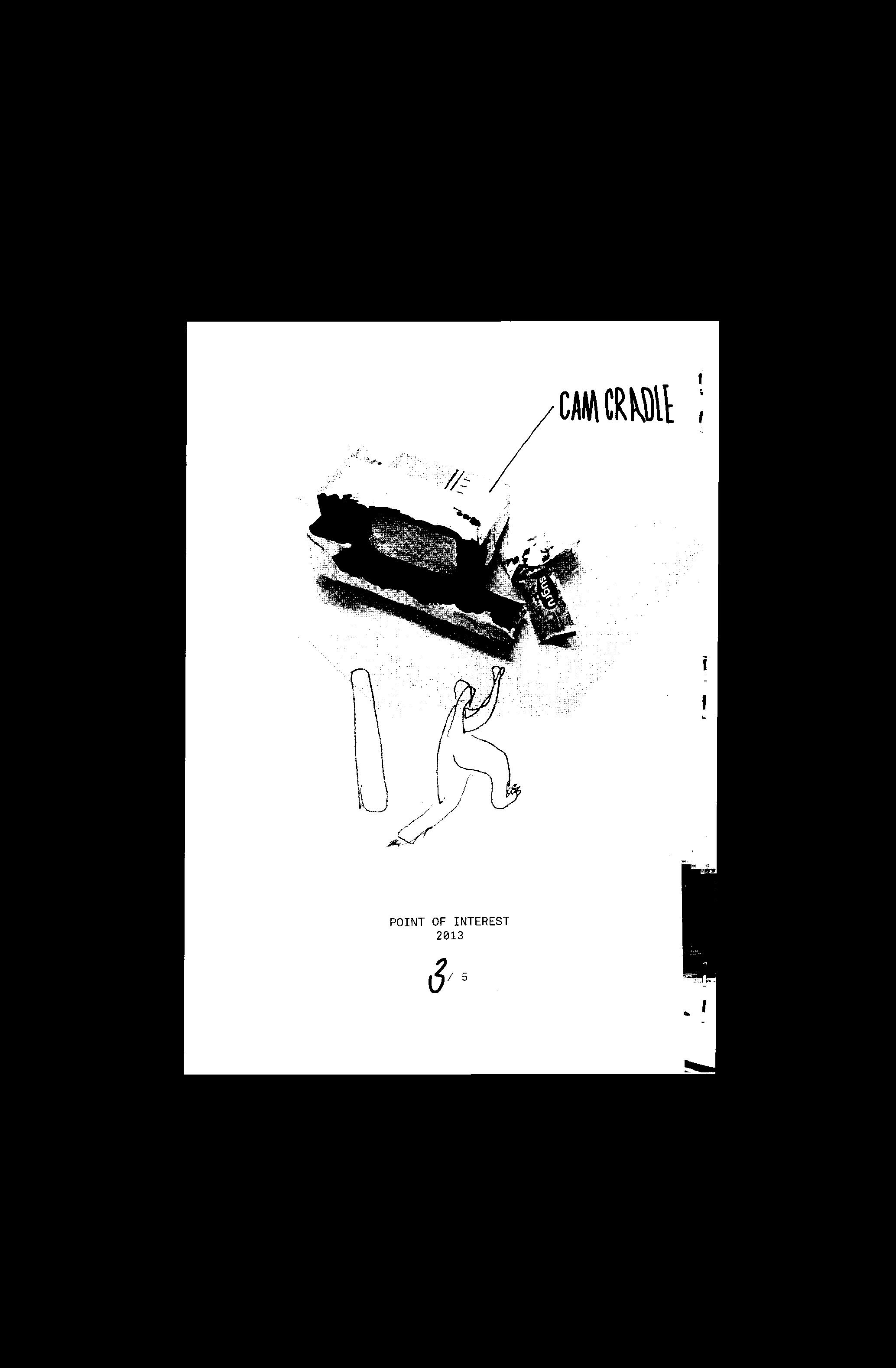
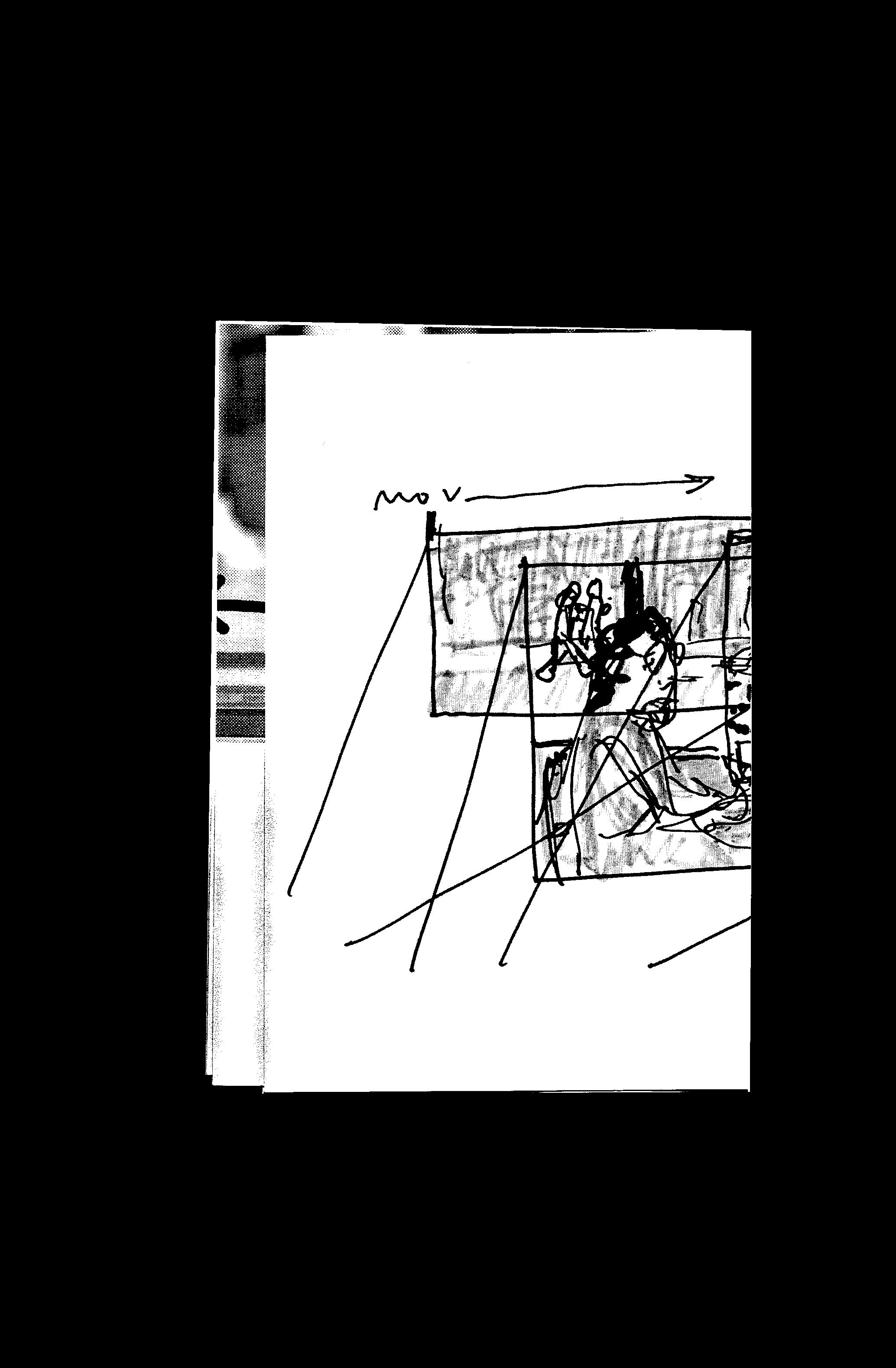
A series of automated devices and tracks for the recording and reproduction of film. These devices generate a series of projections that physically move in space, the action, therefore, has a spatial consequence, and, like in real life, the viewer needs to follow the subjects to engage with the action/narrative. Unavoidably, this generates different readings of a film.
The 'cam cradle' is made of approximately 80% (black) Sugru.
MOVING PICTURES
A series of works where the projector is no longer a static, hidden element but a choreographed system designed to generate the film in situ. These devices have been engineered in collaboration with Nick Williamson.
'CINEMA-OBSCURA'
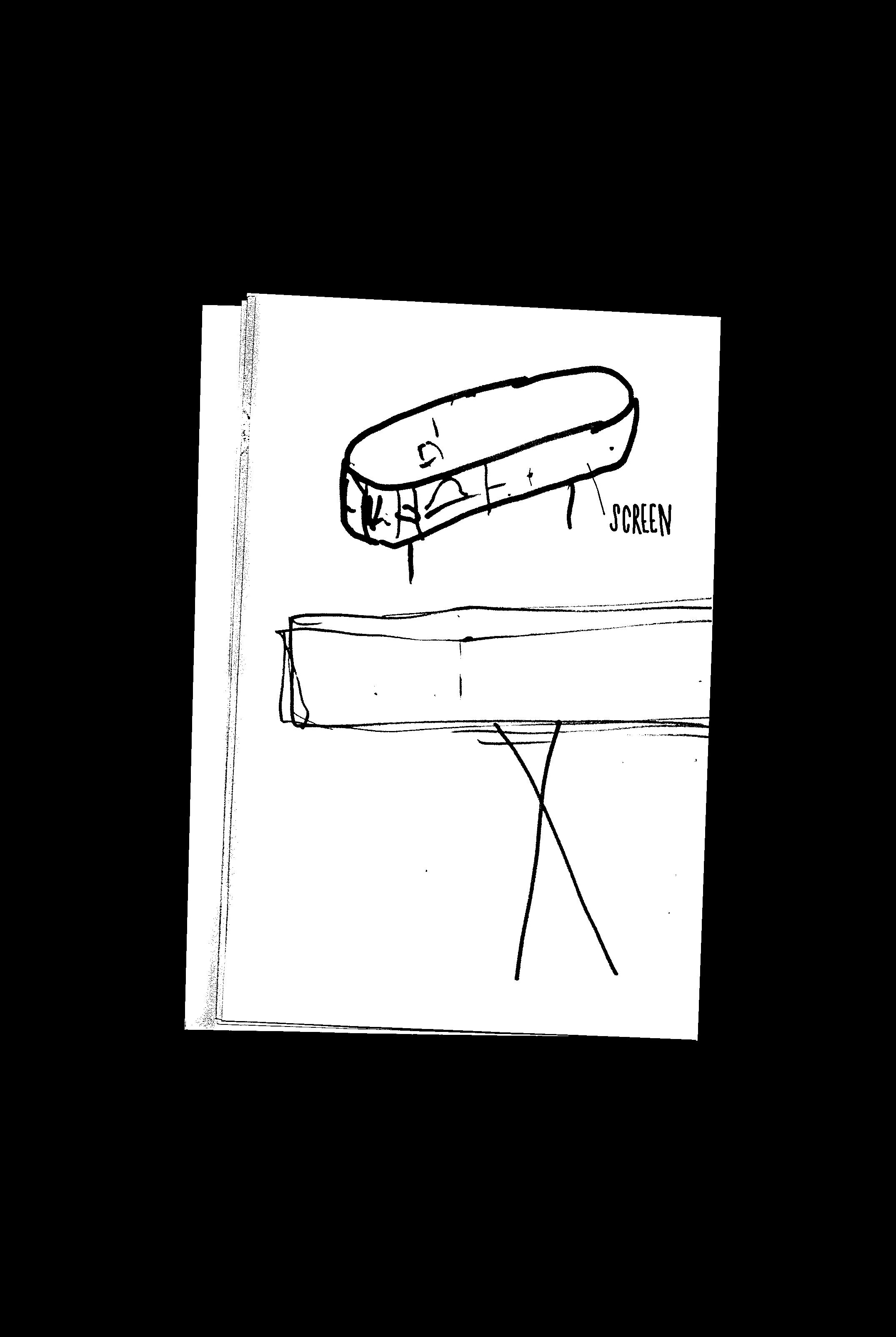
'Real Time Cinema'. Multi-screen projection apparatus exploring different points of view of the 'mise en scene' of a city contained within the object.
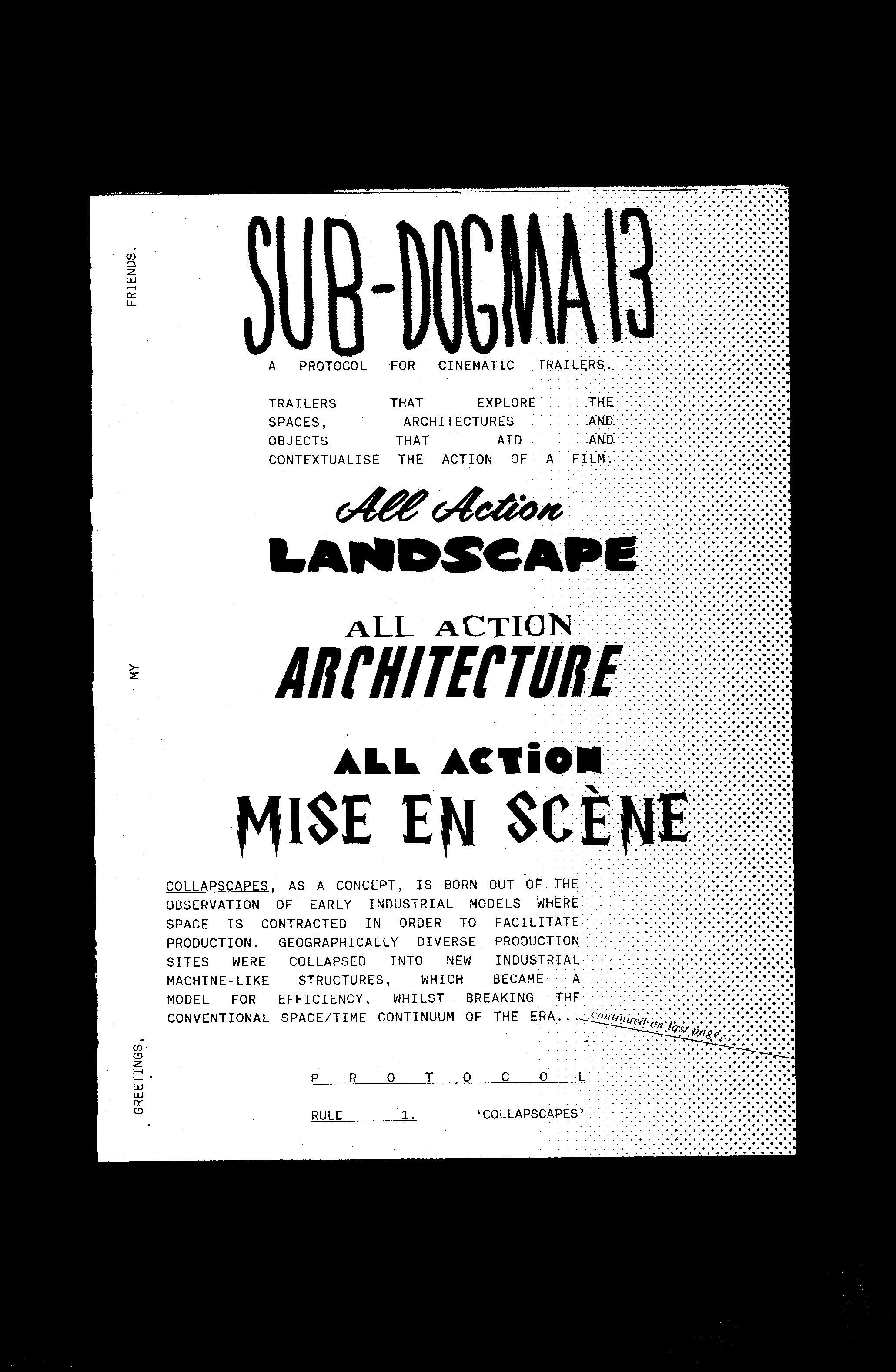
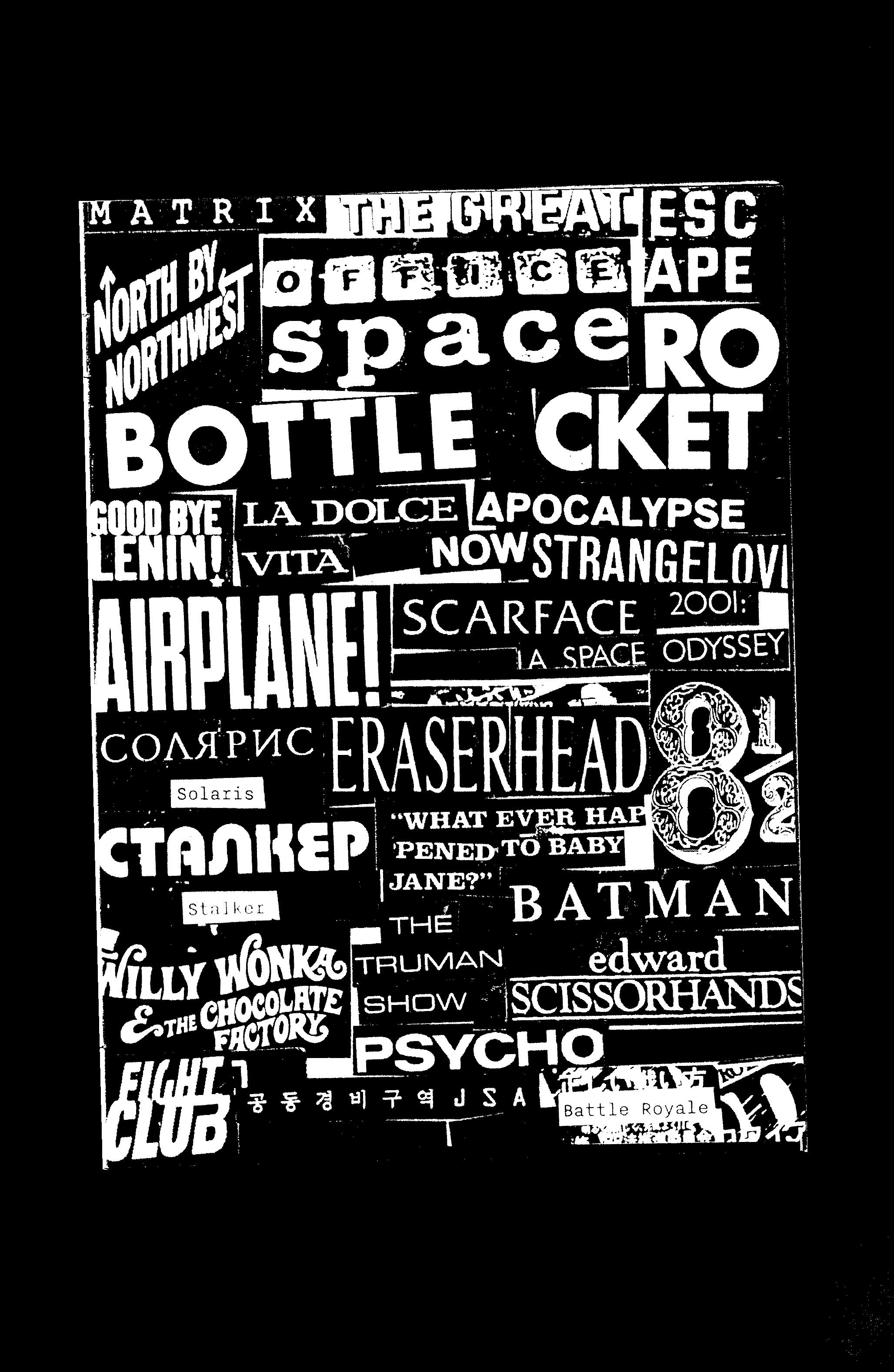
SUB-DOGMA 13
A protocol for cinematic trailers.
Trailers that explore the spaces, architectures and objects that aid and contextualise the action of a film.
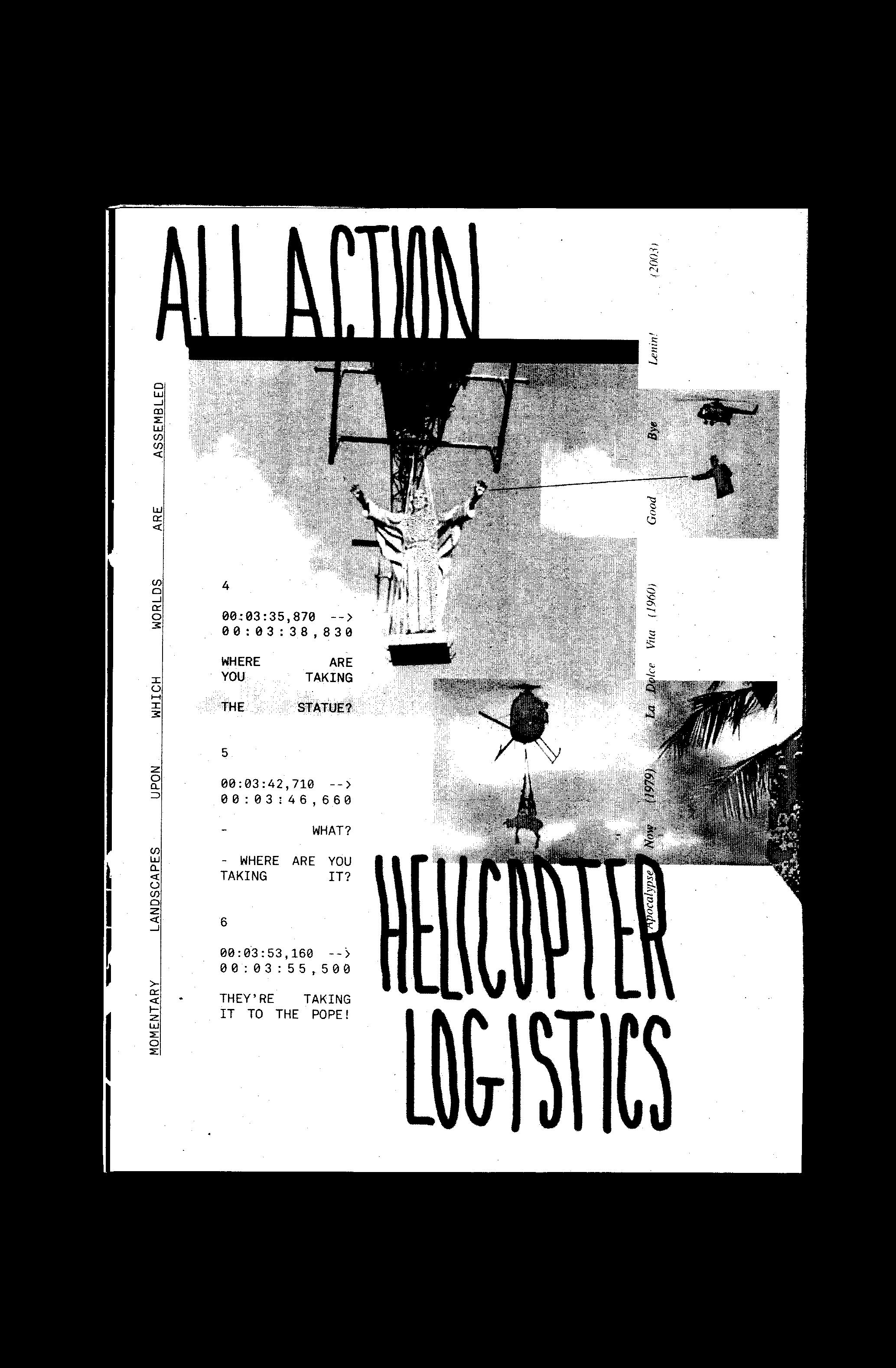
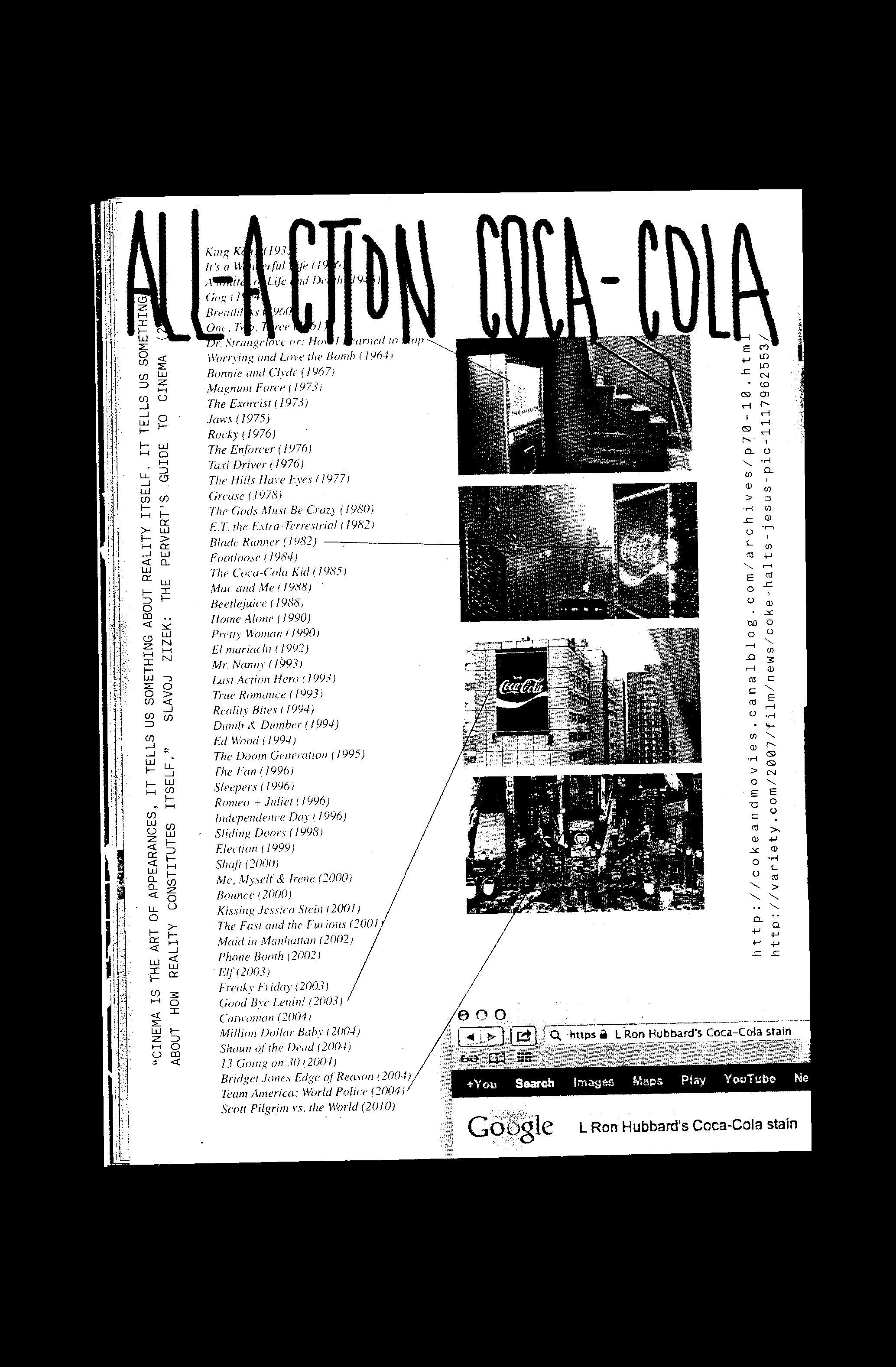
ALL ACTION LANDSCAPE
ALL ACTION ARCHITECTURE
ALL ACTION MISE EN SCÈNE
RULES
'collapscapes'
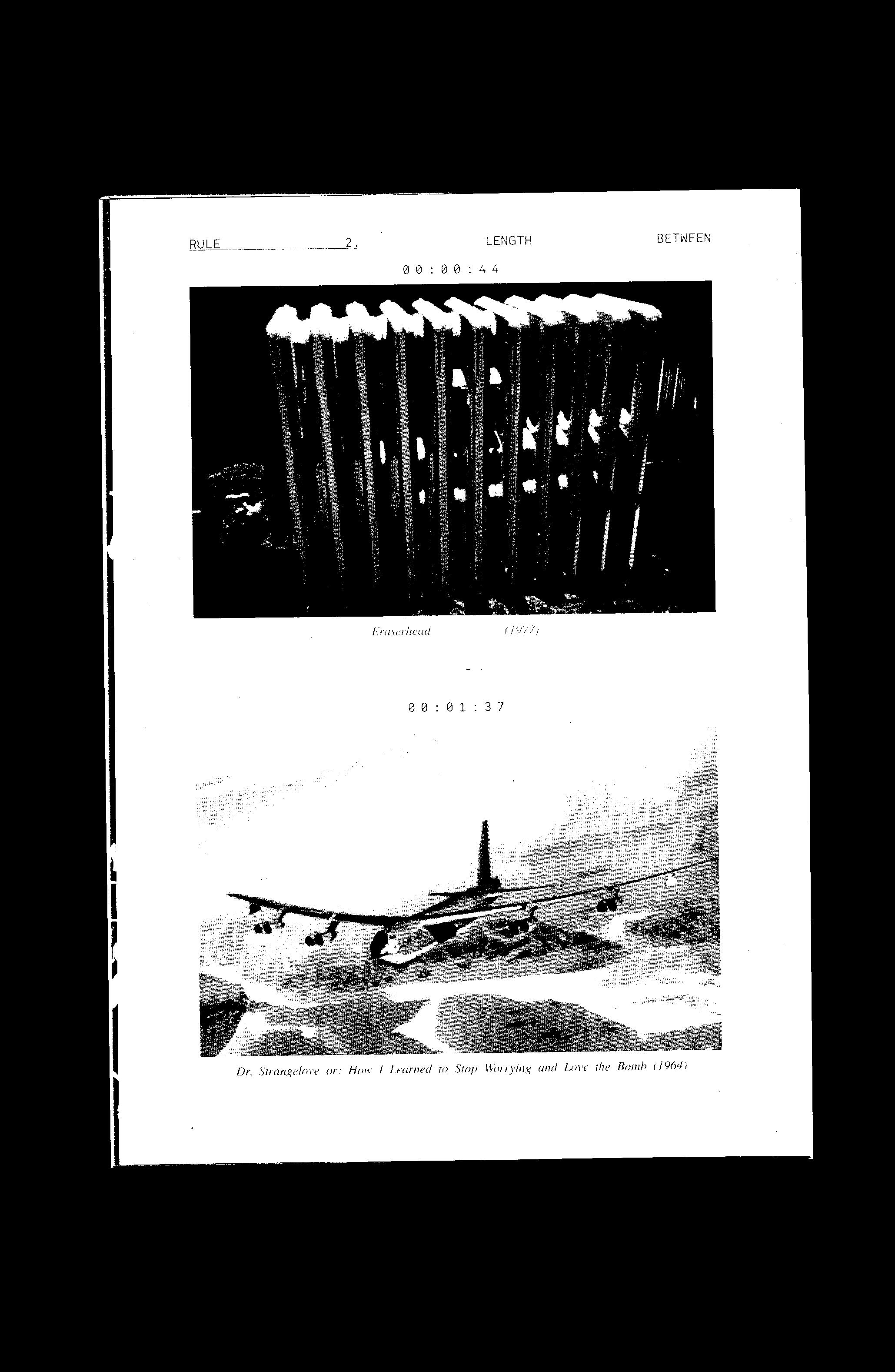
length between 00:00:44 - 00:01:37
no person(s) of interest to appear on screen, text or audio
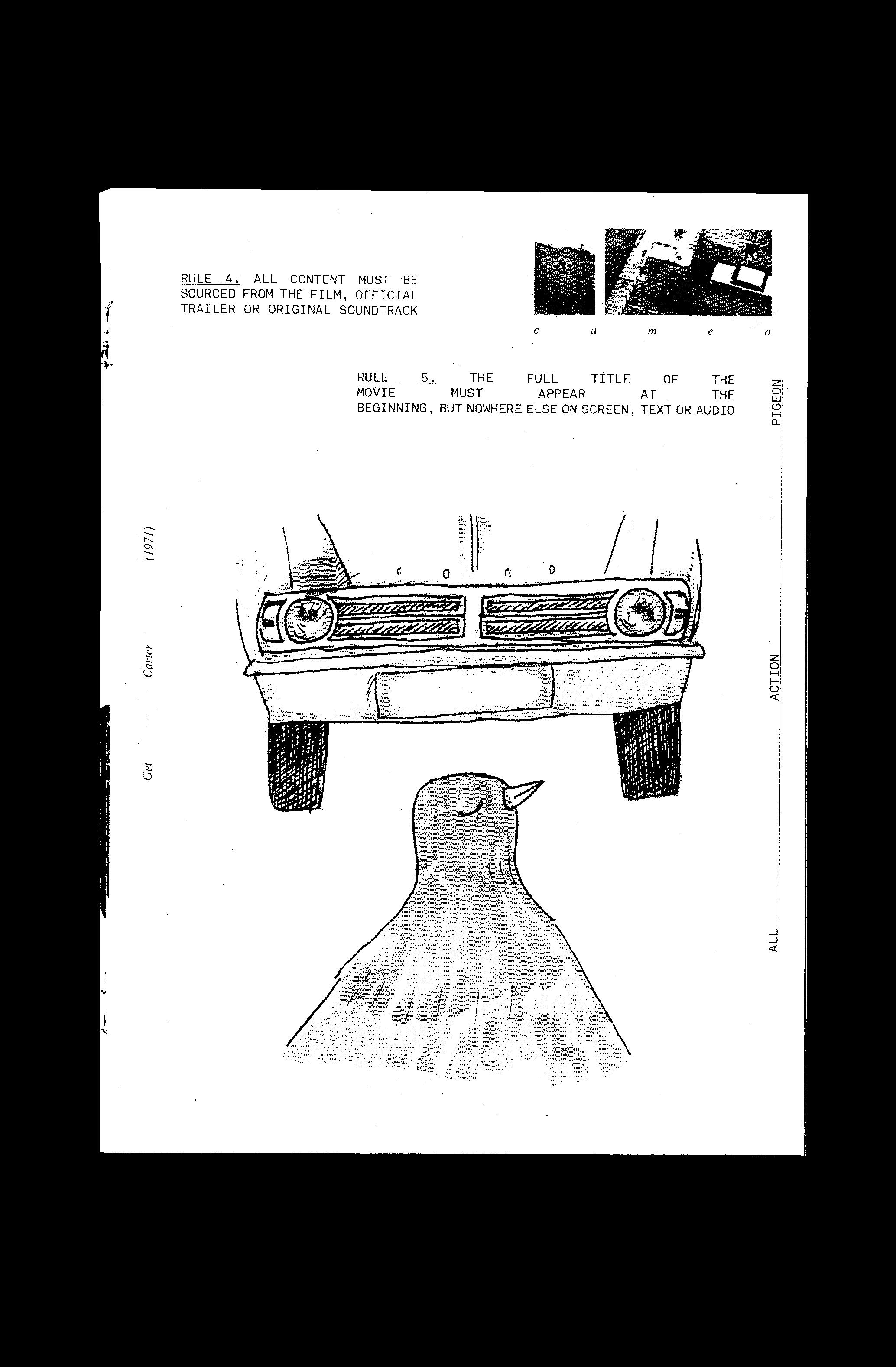
all content must be sourced from the film, official trailer or original soundtrack
the full title of the movie must appear at the beginning, but nowhere else on screen, text or audio
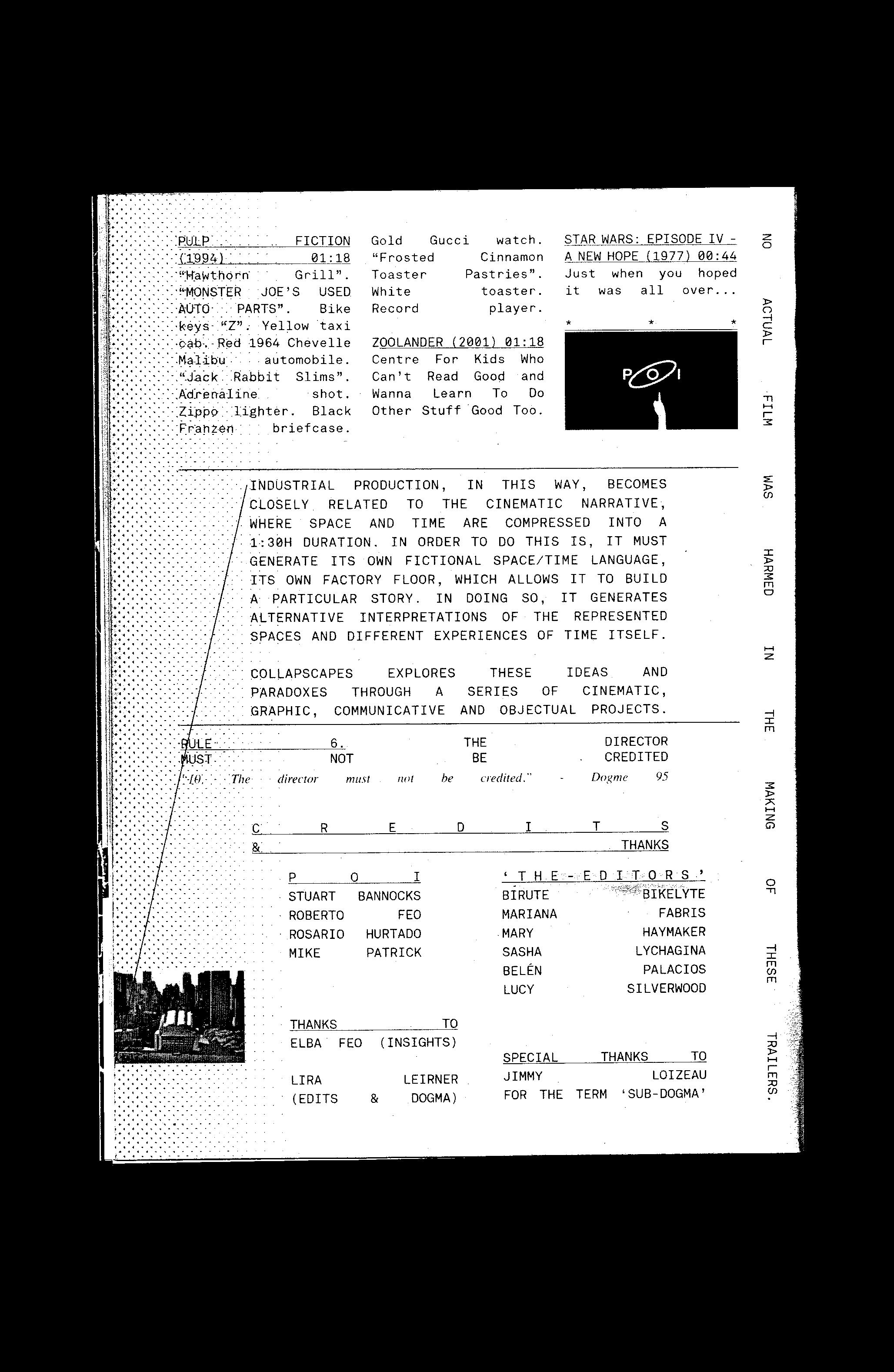
the director must not be credited
Zine 25.06.13 This zine was included in the price of admission (£2) at the first ever public screening of Sub-Dogma13 at the Whirled Cinema, London.
SEMI-CONTRADICTORY INTERPRETATION/ DEFINITION
NO. 2 SUB-DOGMA13
The GENERAL HAZARDS of watching film trailers include:
SEEING THE BIGGEST EXPLOSIONS
HEARING THE BEST LINES
LAUGHING AT THE FUNNIEST JOKES
JUDGING THE FAMILIAR FACES/ NAMES
KNOWING THE ENTIRE STORY
Sub-dogma13 is, in reality, unlikely to be the solution to the general state of the entire trailer industry, but it offers a genuine alternative to the current landscape of compressed renditions of feature length entertainment.
The sub-dogma13 rules attempt to eradicate the majority of the master narrative cues and generate a depiction of a film’s architecture(s). The goal is to re-construct a shell around a film's kernel, a 'battle suit', a casing or curtain comprised of peripherals, cutaways, transitions, ambiences and so on. It is then onto this flickering envelope that the viewers may project themselves.
The trailers are designed to work both pre and post your viewing of a film. The trailers might well jog your memory, or they might well… not. No spoon-feeding. No intravenous narrative drip. You are freer to project.
Projection is key to s-d13 trailers. A 'Medium of the mind.'
In the peripherals of a character's vision, either side of catchphrases, split seconds after the famous, moments before the infamous, beyond the memes, excluded from the clip-shows, omitted from the best bits… this is the collapscape.
Star, catchphrase, meme, etc.: Strip these away and what you are left with is an architecture, a scheme, a factory
floor, a momentary landscape upon which worlds are assembled.
Landscapes that threaten to divulge their secrets, spill their lungs, puke their guts, but never fully do so.
An endless striptease
A motionless plane crash
A pass the parcel with no prizes
A doughnut hole without its ring
A McDonald’s apple pie that never cools, on the plastic tray (windowsill) of your childhood.
With the s-d13 trailers this is what is brought to the forefront, this is what you get: The floor plan, never the meal; the recipe book, never the building; the building, never the inhabitants; the inhabitants, never the persons of interest.
1. What is meant by architecture(s) here is not simply buildings, although they do inevitably feature heavily in s-d13 trailers. Another word for these might be: setscapes or super-stages. 2. The City Is A Battlesuit For Surviving The Future. Matt Jones 9/20/09 1:00pm http://io9.com/5362912/the-city-is-a-battlesuit-forsurviving-the-future
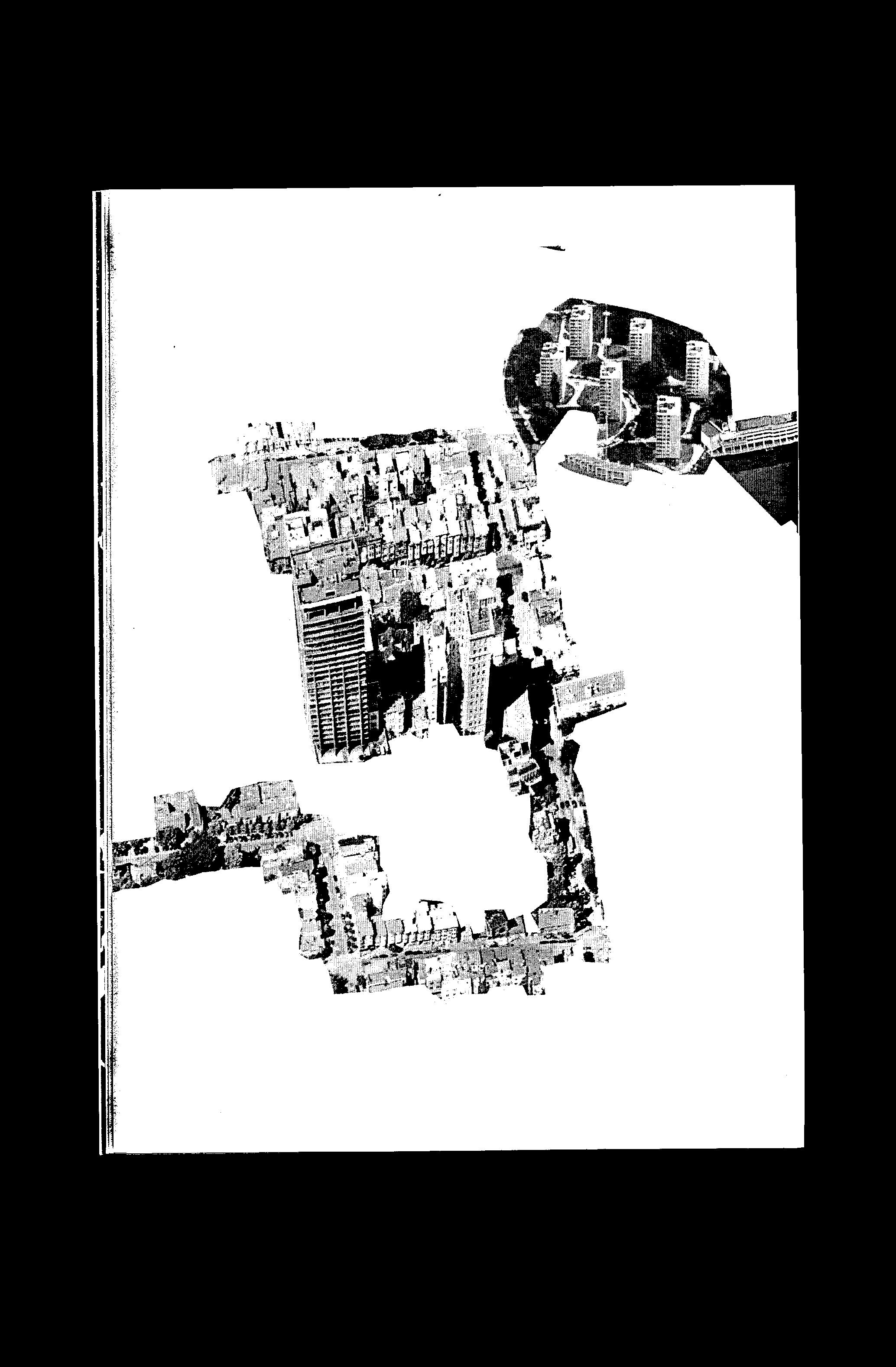
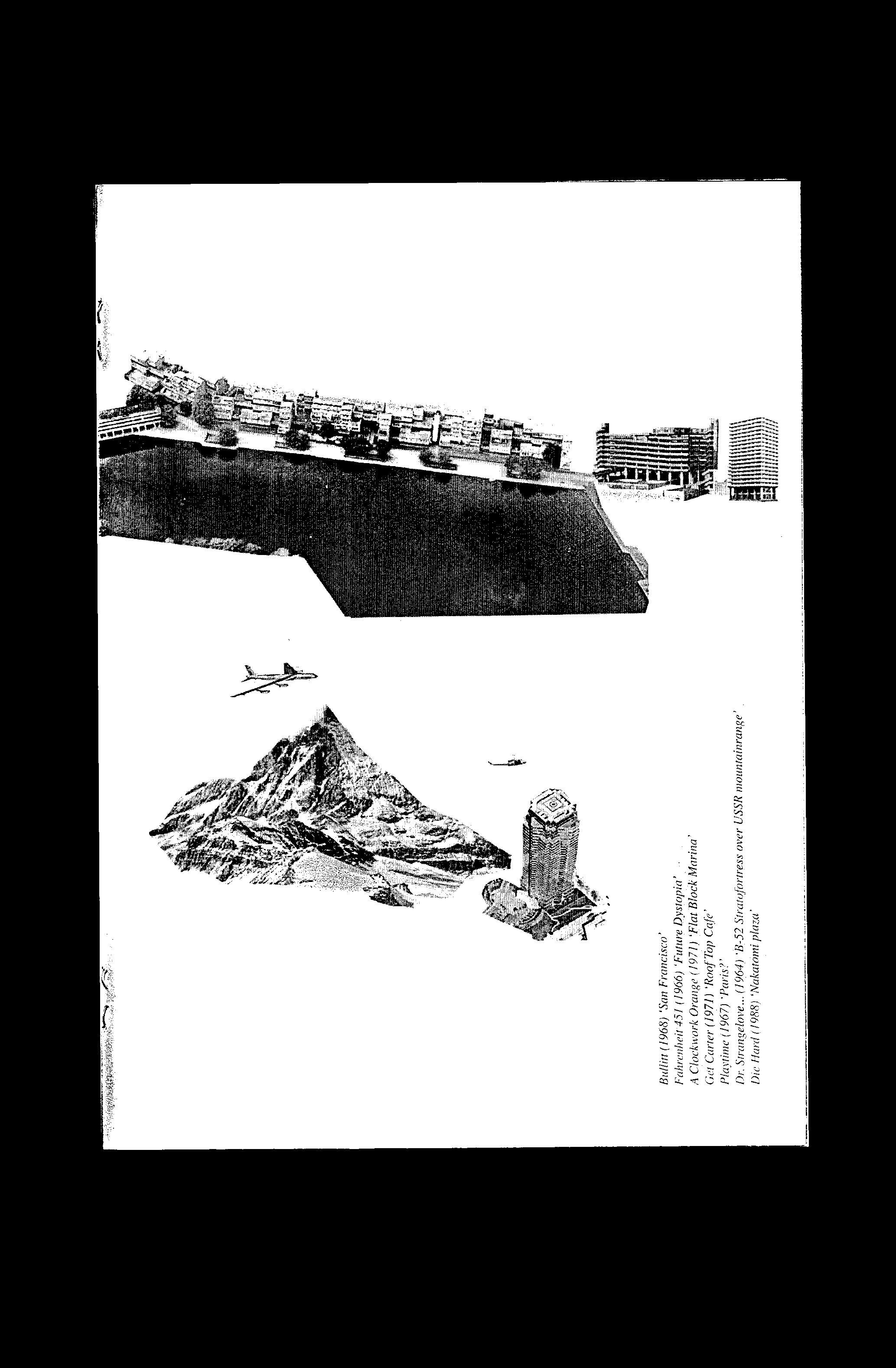
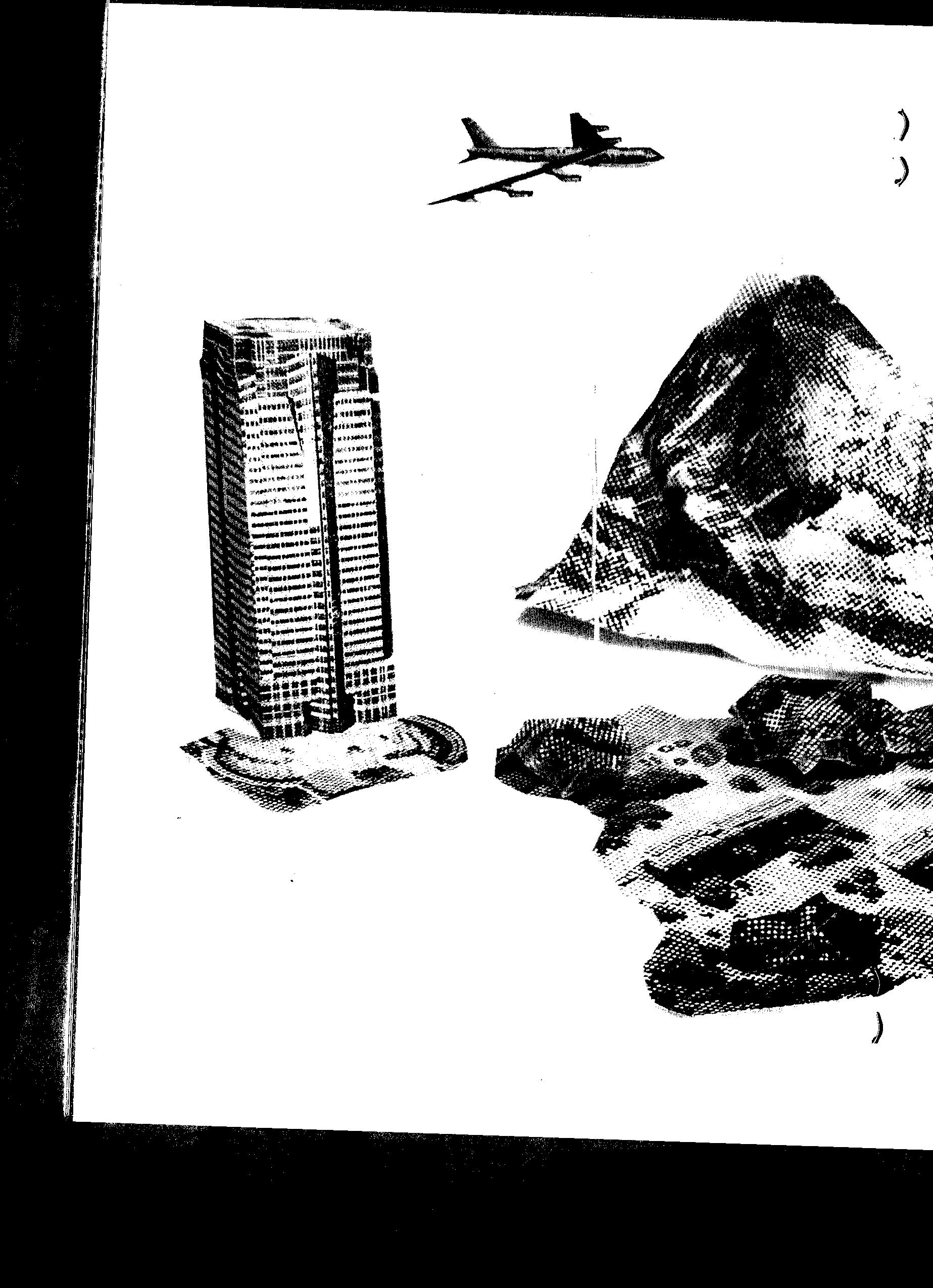
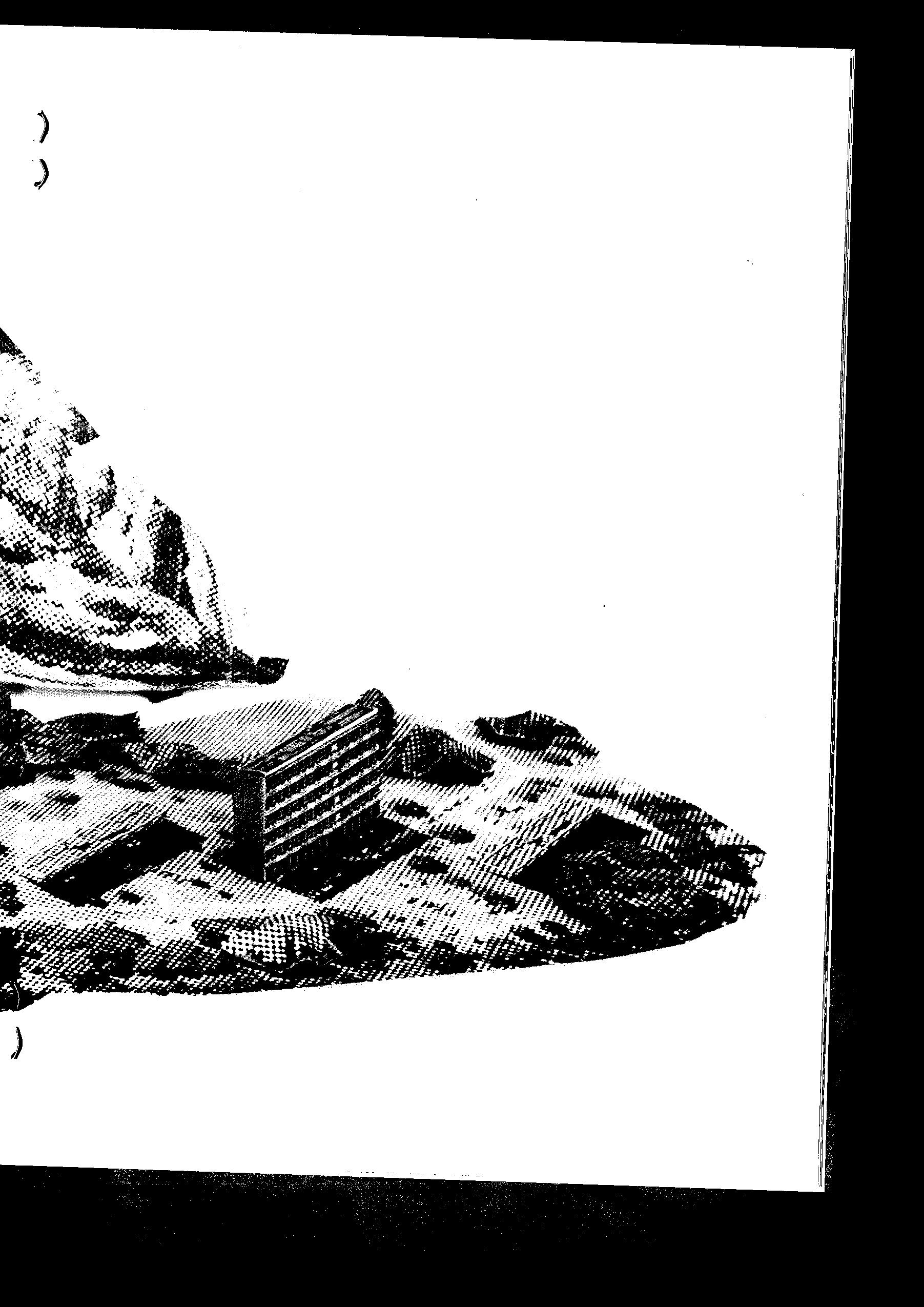
ZINE 5.07.13 Paper model of the filming locations of Fahrenheit 451 (1966) 'Future Dystopia', Die Hard (1988) 'Nakatomi Plaza', Dr. Strangelove or: How I Learned to Stop Worrying and Love the Bomb (1964) 'B-52 Stratofortress over USSR mountainrange'
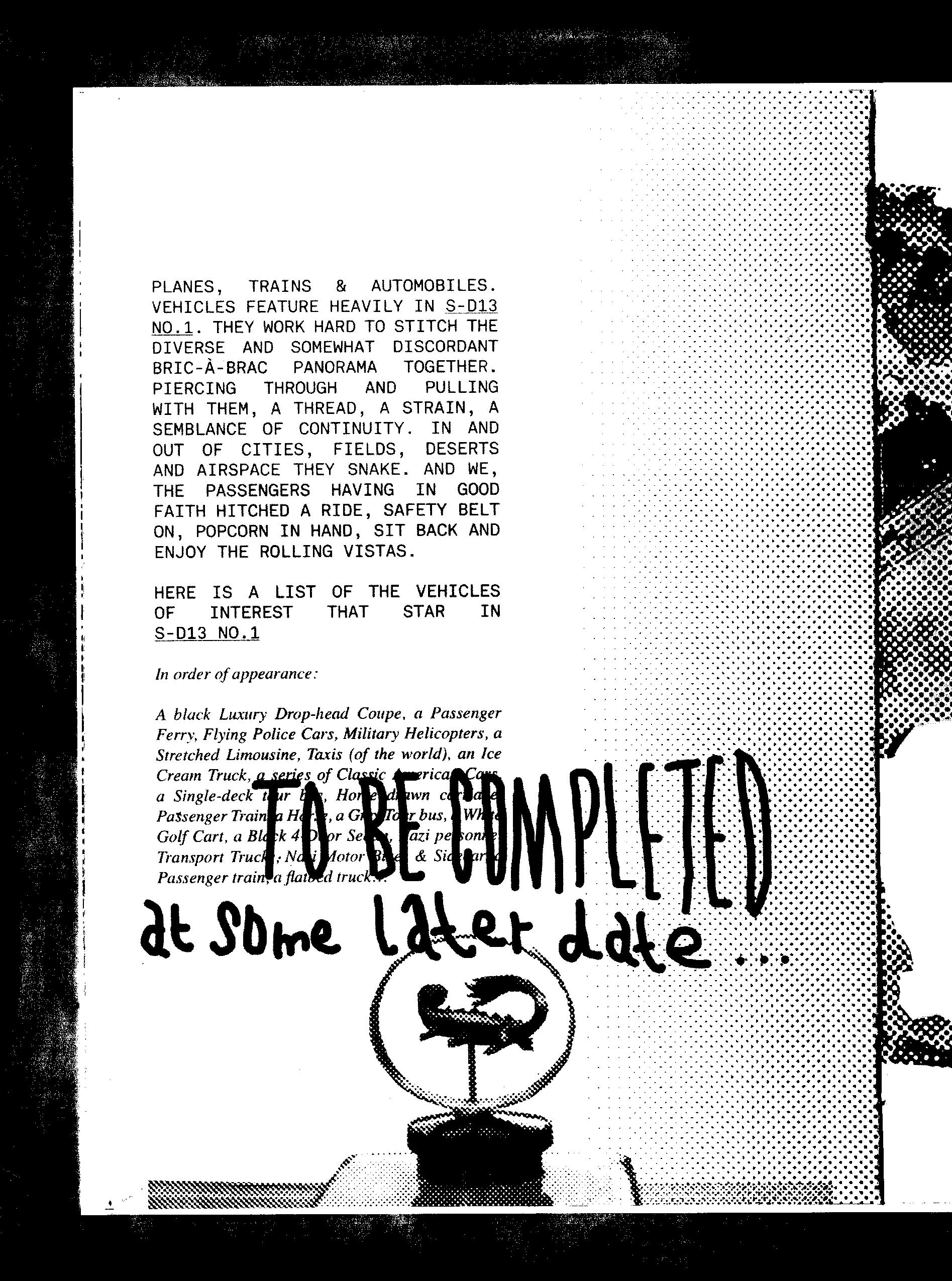
ZINE 5.07.13 SEMI-CONTRADICTORY INTERPRETATION/ DEFINITION NO.4 An incomplete list of the vehicles featured in sub-dogma13 Number 1.
SEMI-CONTRADICTORY
INTERPRETATION/ DEFINITION
NO. 5
Popcorn, fanzines, oversized soda cups, sticky floors and walkouts aka entertainment. These are just some of the motives for demanding that subdogma13 be exclusively consumed in a cinema.
The cinema as a membrane.
The cinema as a uniform.
The cinema as a heterotopia.
The cinema as a factory 1
The cinema as a distributor.
The cinema as a rendition, a gig a performance, a one-off, a 'better last time', as a
I saw them in the early days in an absolutely tiny venue with about 10 people and they were shit but it was fantastic.
I saw them in the early days in an absolutely tiny venue with about 10 people and they were shit but it was fantastic.
Oh, absolutely, but the audience didn't do them any favours.
Oh, absolutely, but the audience didn't do them any favours.
I guess, but people knew what they'd paid to see, their expectations preceded the vista. It caught up with them all nice, like, they need to play in more obscure venues.
Or "Start a new band". 2
I guess, but people knew what they'd paid to see, their expectations preceded the vista. It caught up with them all nice, like, they need to play in more obscure venues.
Yeah, I'm sure, but they were great tonight.
Yeah, I'm sure, but they were great tonight.
Come on, I don't know about that. I thought it was good; there was a definite tension in the room.
Come on, I don't know about that. I thought it was good; there was a definite tension in the room.
Other venues? What, like a gallery?
Like a stadium?
Other venues? What, like a gallery?
Like a stadium?
NO.3 It would be a real shame if all the things I liked, I loved, became 'sport'. A 'sport' with its prize money and trophies4, with its particular style of grids and rules, its fans and sponsors and their conflicting expectations. You know, it's
NO.3 It would be a real shame if all the
1. The Wretched of the Screen Hito Steyerl (2012) e-flux journal books. 2. "Start a new band" Anvil
NO.3 It would be a real shame if all the things I liked, I loved, became 'sport'. A 'sport' with its prize money and trophies4, with its particular style of grids and rules, its fans and sponsors and their conflicting expectations. You know, it's like when the Olympics were in town, when it was just in the town where I live, just down the road, a short walk, a quick bus ride...
Well, I caught literally 30 seconds of it on a TV in my local fish ‘n’ chip shop.
Yeah. Joking. Fuck stadiums.
How was it?
Place 'n' Chips, very nice, as usual. My opposition, my repulsion to the Olympicsthe games, was due to its financing, architecture, design, popularity, poli-cing, financing, gender politics, mascots, mainstreamness and the misplaced and unjustifiable sense of unity, triumph and the subsequent stirring of inevitable nationalistic sentiment.
And it's, like, if you enjoyed the Olympic, it won't hinder my ability to politely share a queue or a country with you, or even drink a half pint or two with you, but it will affect any long term prospects for much more than that.
Sure, sure.
Seems reasonable to me.
3. "Arena rock" (sometimes stadium rock, anthem rock, or corporate rock) 4. "The idea that you could attach any value to winning something... it's just not in my mindset" Stewart Lee
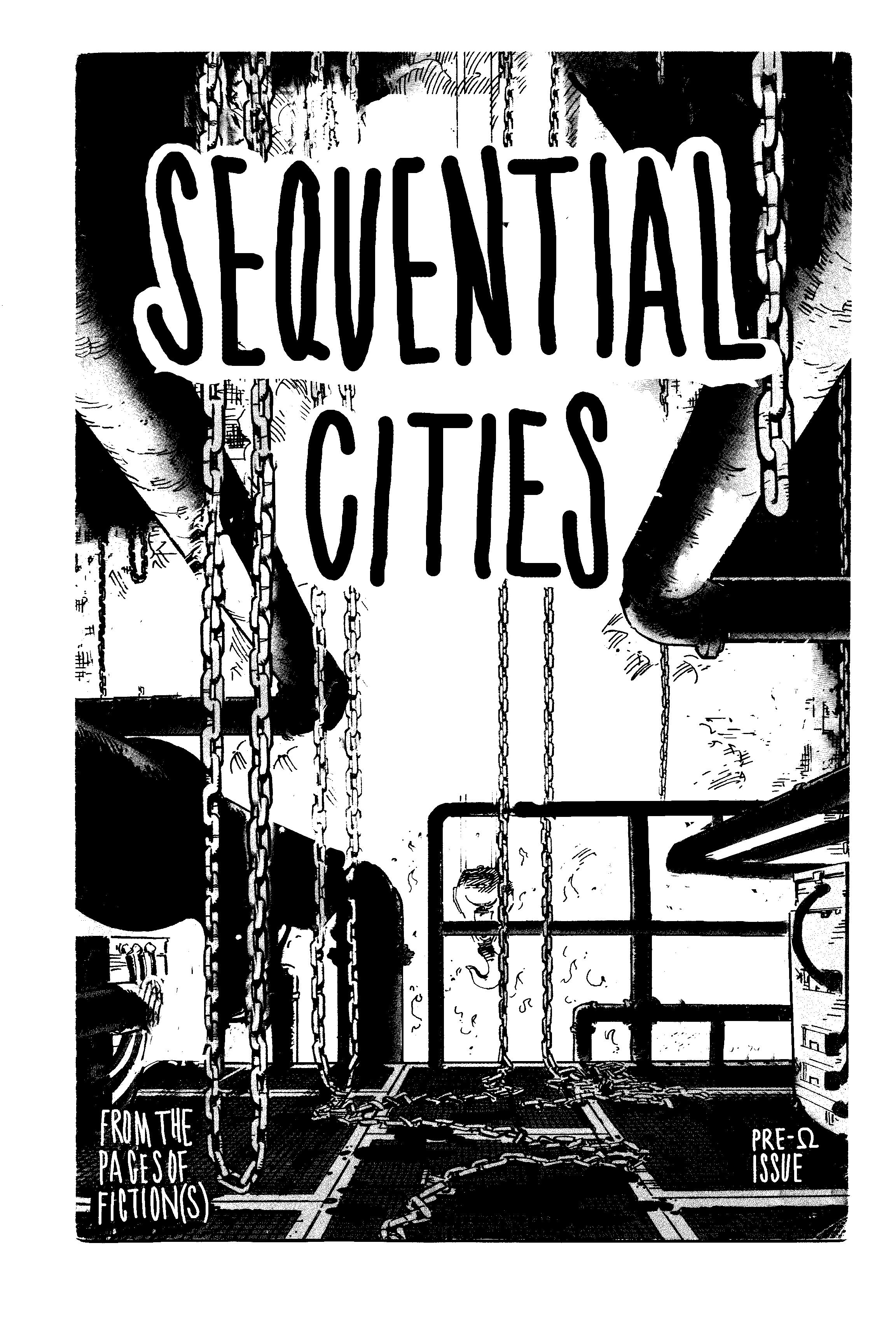
SEQUENTIAL CITIES
"The main character in Judge Dread is the City itself." Unknown.
The following panels were taken from a series of early 90's super hero comics. However, before we got a chance to compile a comprehensive set of footnotes (page numbers, panel numbers, publication dates etc.) these comics were stolen from our studio. We are at pains to point out that they didn't just break in to take some relatively worthless four-colour-pulp-literature, they had away with some genuine collectables also (electronics).
“Reality is the apparent absence of contradiction. The marvellous is the eruption of contradiction within the real.” Louis Aragon
These edited comics are to some extent in the same vein as that. Perhaps a semi-continuation for our own ends, which may or mayn't be in line with the situationists discourse (you'll have to locate and ask a living situationist for an official statement). If they spoke of the subversive scalpel we speak of the subversive clone tool (100% opacity55% flow).
This editing out of character, text and
The situationist spoke of the 'subversive scalpel' 2 in relation to the works they were producing with cut, mix, cutup, mix-up, cut-down: film, literature and sequential art (comics) etc.
dialogue is a re-materialisation of the sub-dogma13 rules and objectives. The following pages are just a sample, a pre-alpha edition of a planned series of 'trade press' comic size and style publications.
1. Poster reads: Did you theive some comix from round here recently? Well you could be in luck! We needed those comix for compiling footnotes for an obscure publication we're working on. So send scans or .txt file of inside cover details (date and issue number) to exuq2005@gmail.com and receive a juicy cash reward + bonus added value reward of a signed copy of said publication (.pdf or paperback). *To a paypal account of your choosing – same day transfer. 2. On Wielding the Subversive Scalpel Council For The Eruption Of The Marvelous May 1970 http://www.bopsecrets.org/PH/ scalpel.htm
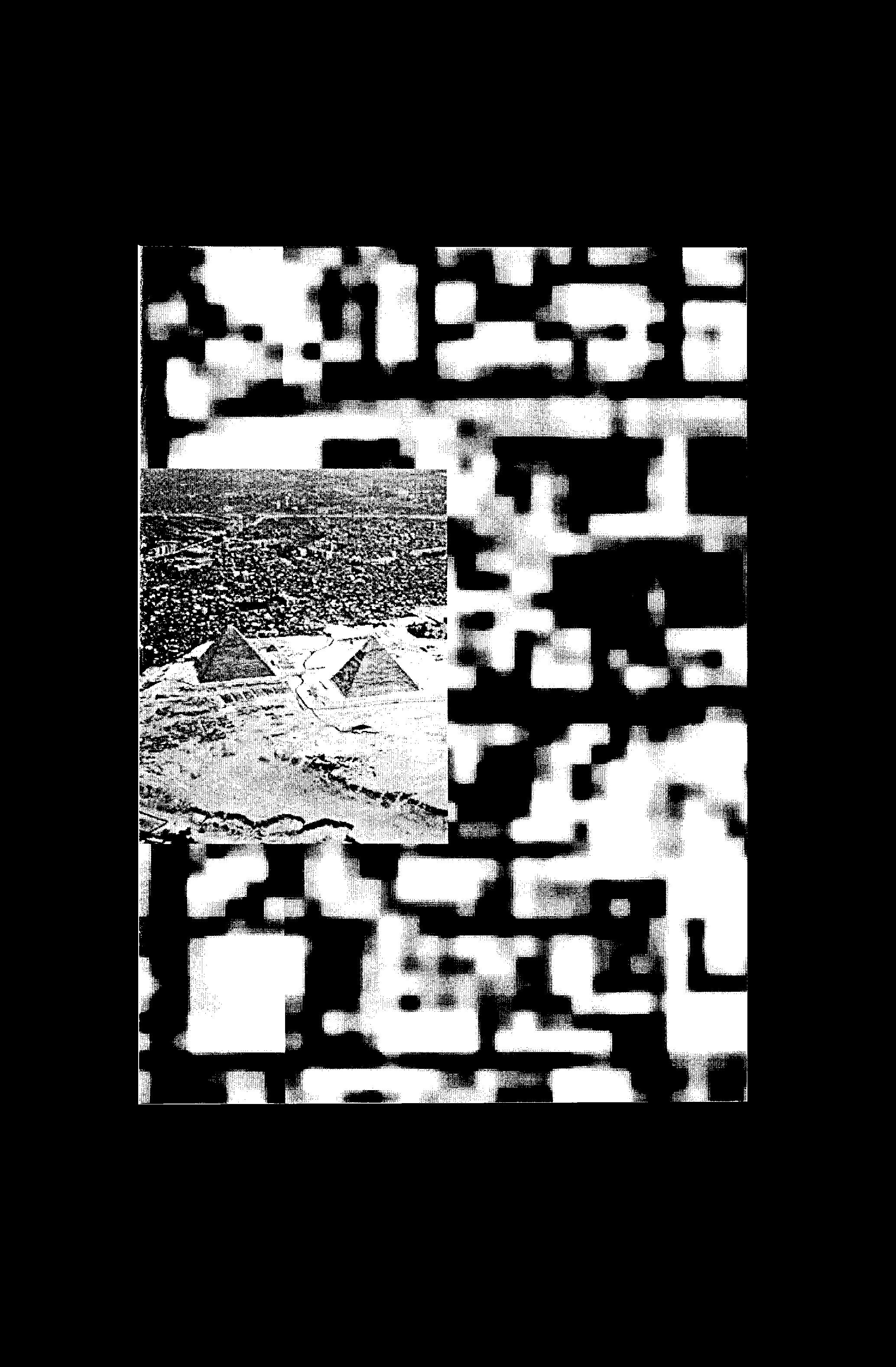
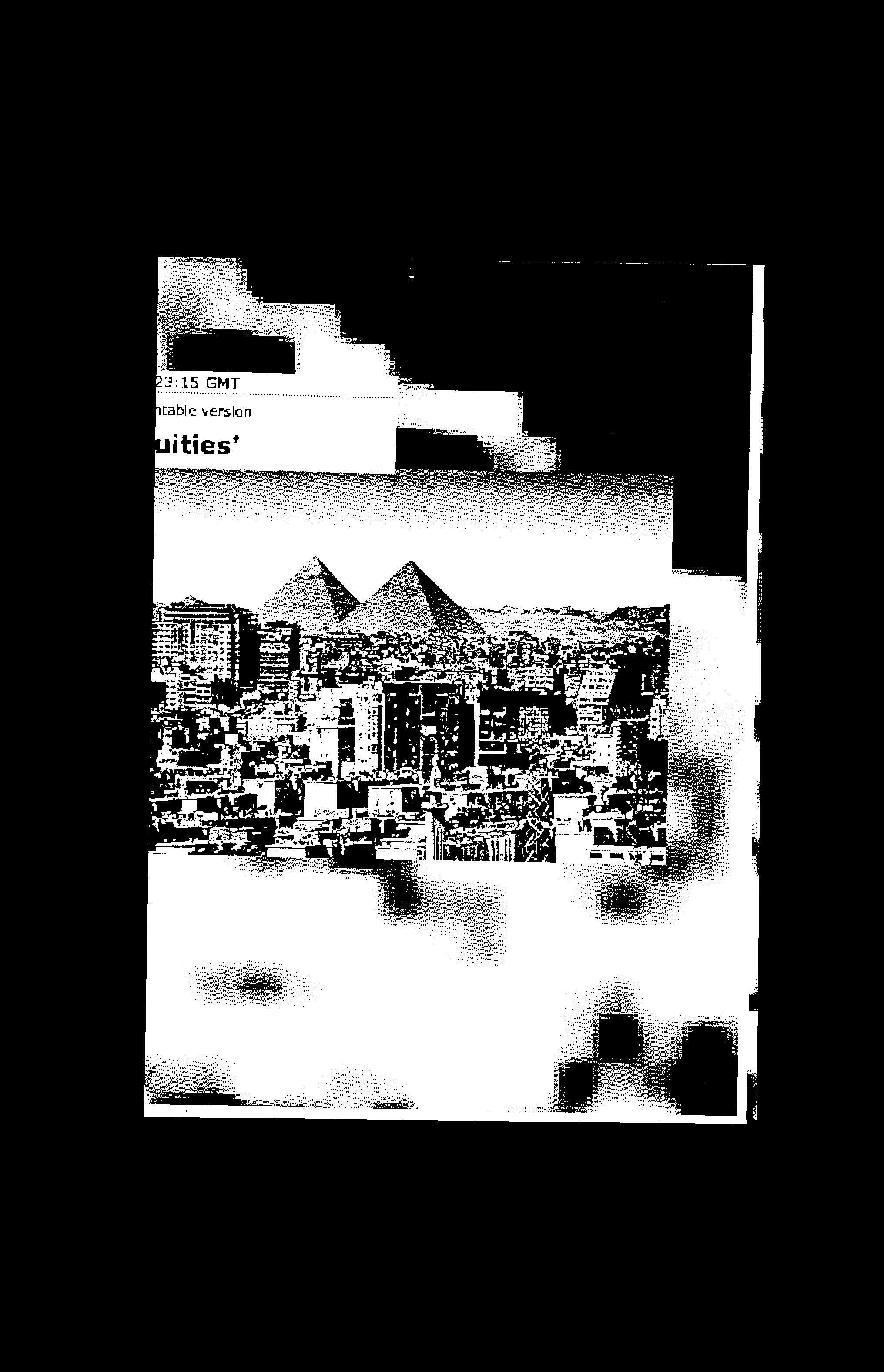
ZINE 3.9.13 Left: 'Pyramids' Luxor Las Vegas USA Right: 'Pyramids' Cairo Egypt.
COLLAPSCAPE EFFECT
We have all seen images of places that do not seem real, that it feels that it had to be photoshopped in. Almost as if they were projects, as if someone had given someone else ‘collapscapes’ as a brief. Sometimes the product of a collapscape that ceased to exist and what remains is just the historical debris. For example, the case of Cairo and the Guiza pyramids. There are very few images of the Pyramids depicting them in their geographical proximity to Cairo. The shots of the pyramids are always made with the background of the dessert feeding the perception that these are an isolated architectural feat in the middle of the desertic wasteland, while in reality they are a stone throw from Cairo in a kind of suburban afterlife retreat for Pharoes. It is shocking when you first see the view of the pyramids standing proud at the outskirts of Cairo, so much so that you could find yourself thinking that it is some kind of photographic trickery. On a second thought, you realise that things make much more sense this way. In almost the opposite side of the spectrum we could place Las Vegas. Showbiz reenactments of famous locations, Paris, Venice, Keops…so blatantly fake that almost posses a new kind of reality. Production purposes? Bringing in the punters! It feeds its own narrative, its own legend.. everything is possible in Vegas! And what happens in Vegas stays in Vegas, baby!
THANKS
Thierry 'the Belgian' Tilquin
Jean Pierre '.jpg' Greff
Alexandra 'the boss' Midal
Lira 'dogma' Leirner
Jimmy 'sub-dogma' Loizeau
Elba 'the POInter' Feo
Nick 'the works' Williamson
Andrew 'turntable' Hunt
Jane 'sugru' Ní Dhulchaointigh
Enrique 'is he your brother' Corrales
Julia 'ghost' Jarvis
Massimo 'esseri' Lunardon
Vicky 'the enigma' Smith
The Sub-Dogma13 Editors:
Birute Bikelyte
Mariana Fabris
Mary Haymaker
Sasha Lychagina
Belén Palacios
Lucy Silverwood
This publication was proofed by:
Lira Leirner
Julia Jarvis
Note: This publication contains an awful lot of black. This is partly to emphasise the grid, but mainly because there is no extra charge for percentage of ink coverage when printing.
Point Of Interest (POI) is an open and independent research platform generating practice based design theory.
Formed in 2011 by:
Stuart Bannocks
Roberto Feo
Rosario Hurtado
Mike
SHOPWORK
Our topics are many and potentially any. Topics that are ventured and therefore chosen during our regular and numerous dialogues. Some are/were of the moment belonging to the zeitgeists, but most are more enduring and consistent themes that we share and cannot resist to bring up at any given opportunity.
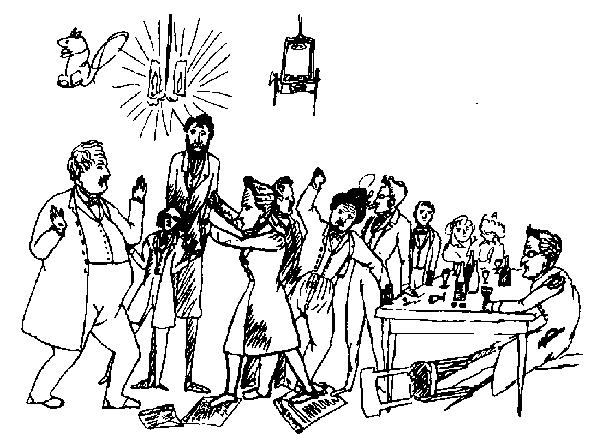
The Young Hegelians Circa 1840 "Engels' caricature of a meeting of the Young Hegelians" http://i-studies.com/gallery/bio-gallery/index.html