PILOT











Thank you for the positive feedback I received from the success of Issue 338. Once again, I personally thank those have taken time to write various articles for the pilot magazine since I took over as editor. I fully understand article writing is not easy and is time consuming in our busy everyday lives.
Whilst the magazine entered final drafting stages, I was informed of a pilot fatality in the United States. It is with great sadness to all involved in the pilot community of the passing of Captain Brady of Panama City, Florida whilst undertaking his work. Our thoughts are with Captain Brady family & colleagues during this time.
At a similar time, the long awaited MAIB Finnhawk & Humber Saturn fatality report was published. As a former ABP Humber Pilot who worked with pilot Francesco Galia, it is also with great sadness to be reading a report into my former colleague's death. Our thoughts are with his family and my former Humber colleagues during this time
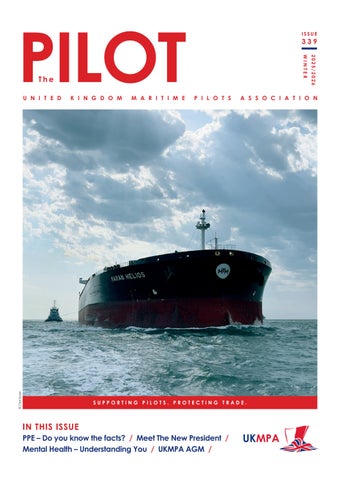
This edition is focused on safety and moves on to the theme of personal protective equipment (PPE). Every time a pilot boards a vessel, we wear PPE and think nothing of the importance of such equipment until it comes into use. This edition explores the new developments in the PPE industry for equipment that pilots use daily. The importance of pilots wearing the correct PPE is demonstrated in an article by Martin Phipps, who sadly had his foot crushed while disembarking a vessel.
I would like to welcome Lord Hendy KC as the new UKMPA president. We are very grateful to have your knowledge and expertise as our president. The executive board and
I would like to thank past president Lord Berkeley for his commitment to the UKMPA; we are once again very grateful for your support during your time as president.
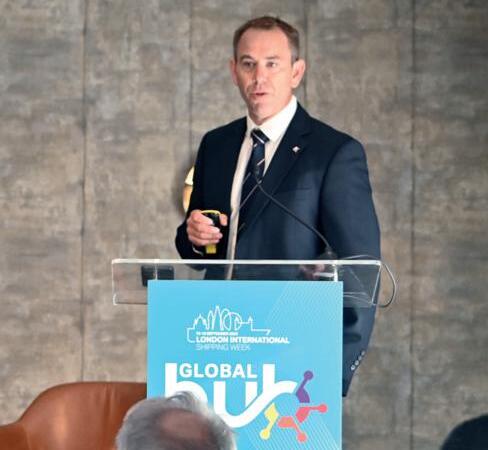
Since the previous edition, the UKMPA had its annual AGM event in London in November. The UKMPA executive board is very grateful for all those who attended. The UKMPA would also like to thank those who volunteer their time to UKMPA business. This edition highlights the considerable work UKMPA members undertake. Alan Stroud and Jason Wiltshire attended London Shipping Week in September, as guest speakers, to speak on the matter of salvage and the important roles pilots play in such an event.
Peter Lightfoot tells of EMPA developments in his annual update and UKMPA AGM report. John Slater, chairman of UKMPA’s Technical & Training Committee (T&TC), explains the latest T&T developments over the past year plus giving a history of T&TC 2025 marking the 100th committee meeting. T&TC were heavily involved in the new pilot ladder poster and the latest changes to the boarding and landing code. John, as T&TC chairman, has overseen many developments over the past year and all members of T&TC express our thanks for this continuous hard work and leadership. Three new members have joined the committee and have already made a considerable difference to the knowledge profile.
The new pilot ladder poster is now published and has received positive feedback. The new poster also appears in this edition for those who have not sighted it.
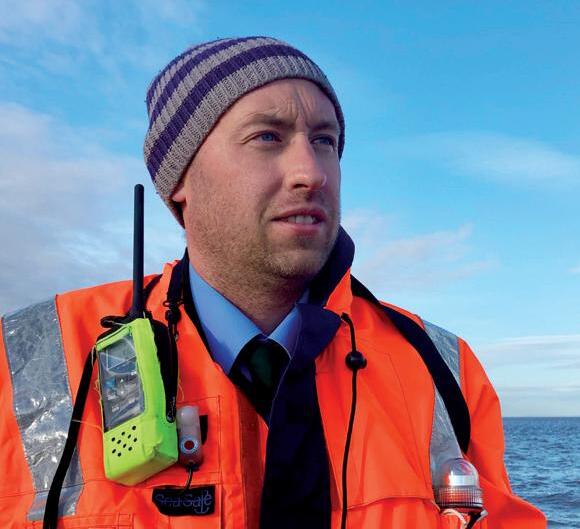
As your editor, I always try to include health, whether that be mental or physical. I welcome on board Keith McGregor to inform us of the importance of maintaining good mental health. Keith was outstanding at the Australian Pilots Conference (hosted by AMPI) and has kindly agreed to write for this magazine.
The Pilot Magazine is of course available for UKMPA members to write in with your views. This is demonstrated in this edition by member Kevin Vallance. Kevin has written numerous times over the years for this magazine and appears twice in this edition: first, to conclude the pilot ladder theme and the use of pilot ladder magnets, and second to give a very personal article aimed at male pilots of the importance of noticing the early signs of prostate cancer. There is no doubt this is a very serious and sensitive issue, but one that needs to be broached head-on at the earliest opportunity. If in doubt, get checked! The annual port reports are included at the back of this edition. I would like to say a personal thank you for all those pilots and harbour masters who have taken time to write the reports. It is pleasing to see numerous small ports writing in highlighting the important roles they play in the UK economy and pilotage industry.
I hope you enjoy this edition and thank you for all those who
Matthew Finn / Editor UKMPA
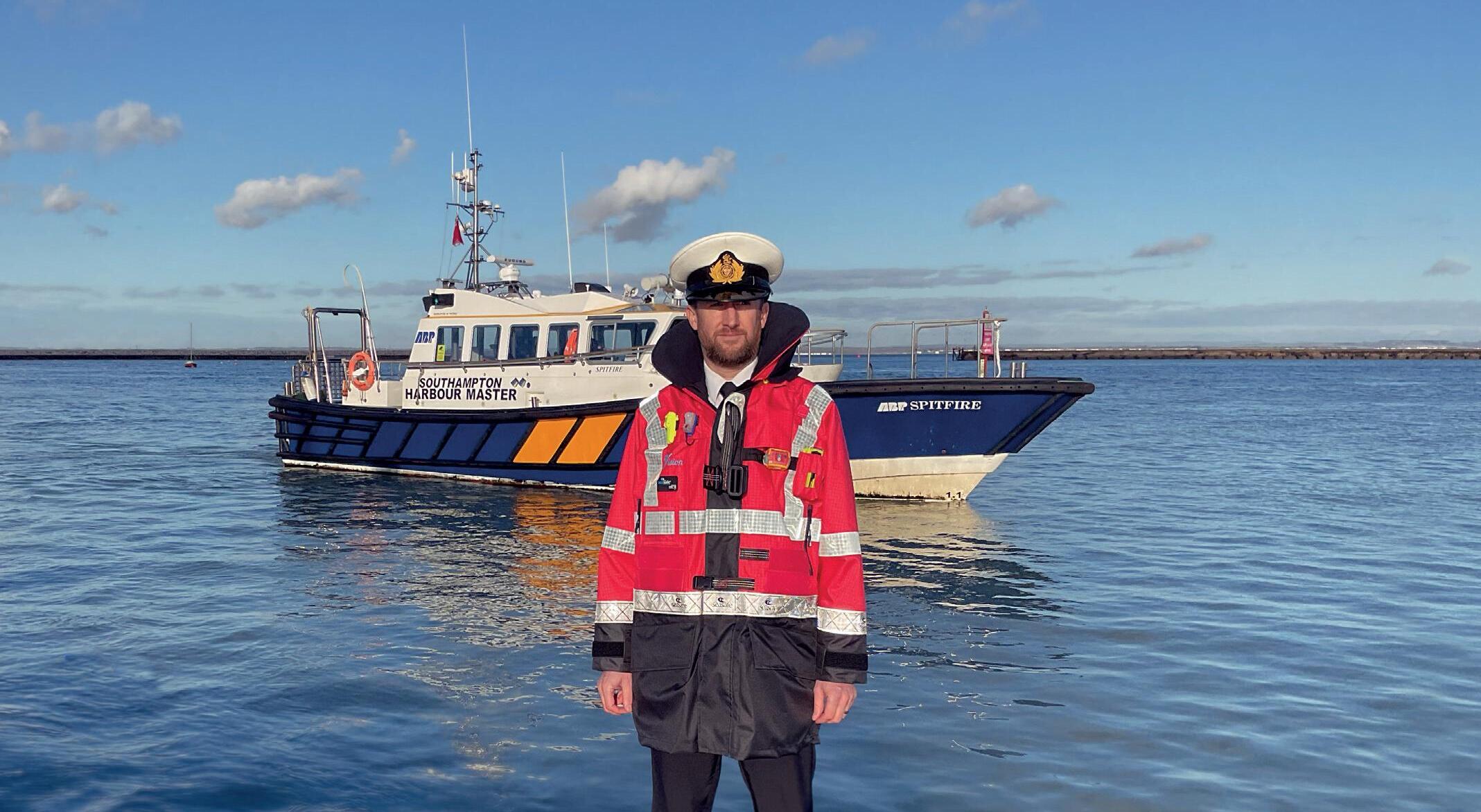
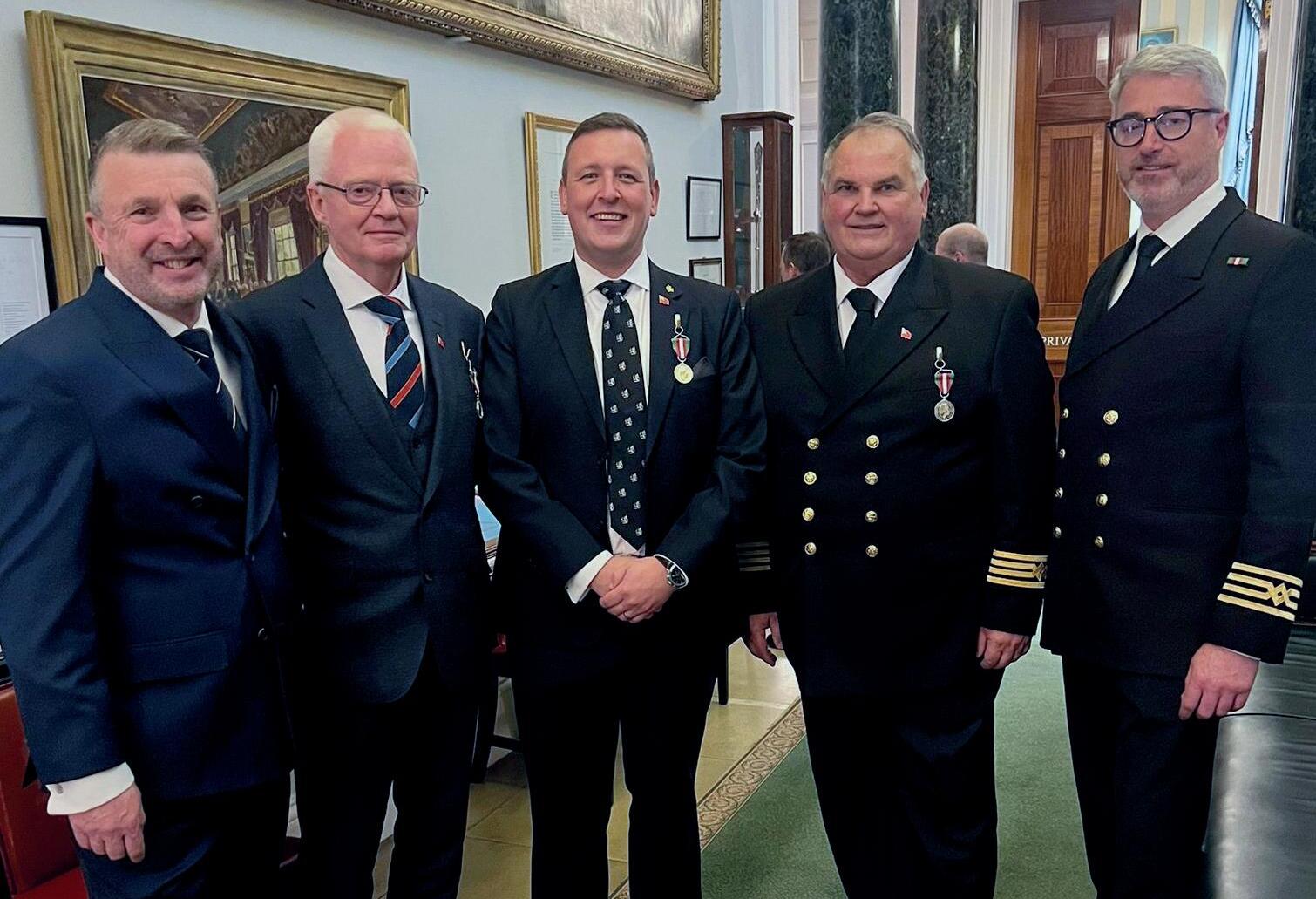
The UKMPA would like to congratulate UKMPA members Ian Love, James Charles and Hywel Pugh on receiving the Merchant Navy Medal award in 2025. This high profile award was rewarded for services to education & training and safety & welfare.
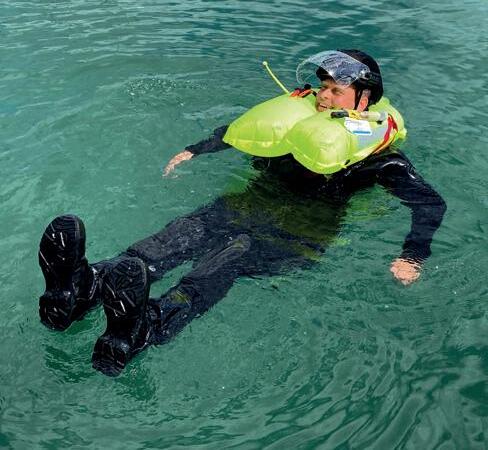
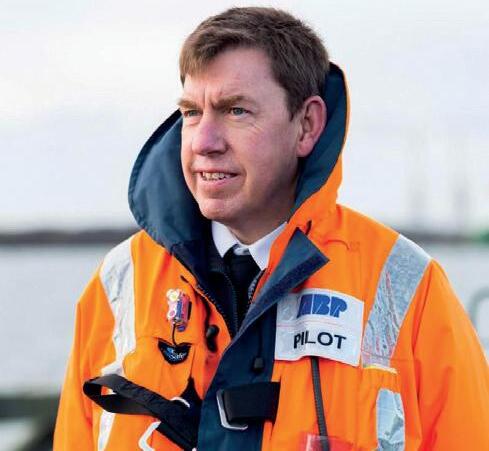
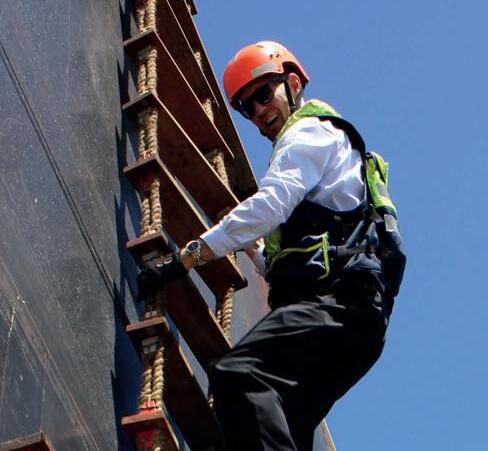
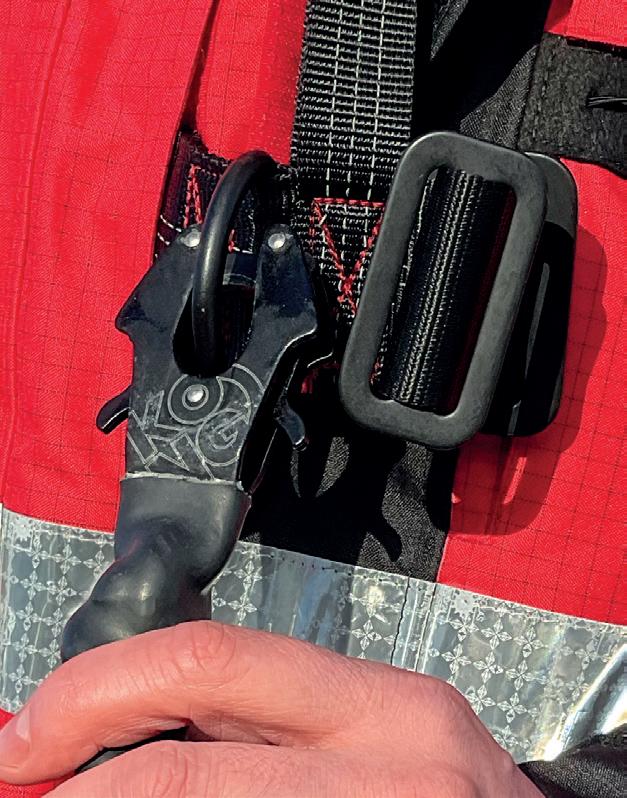
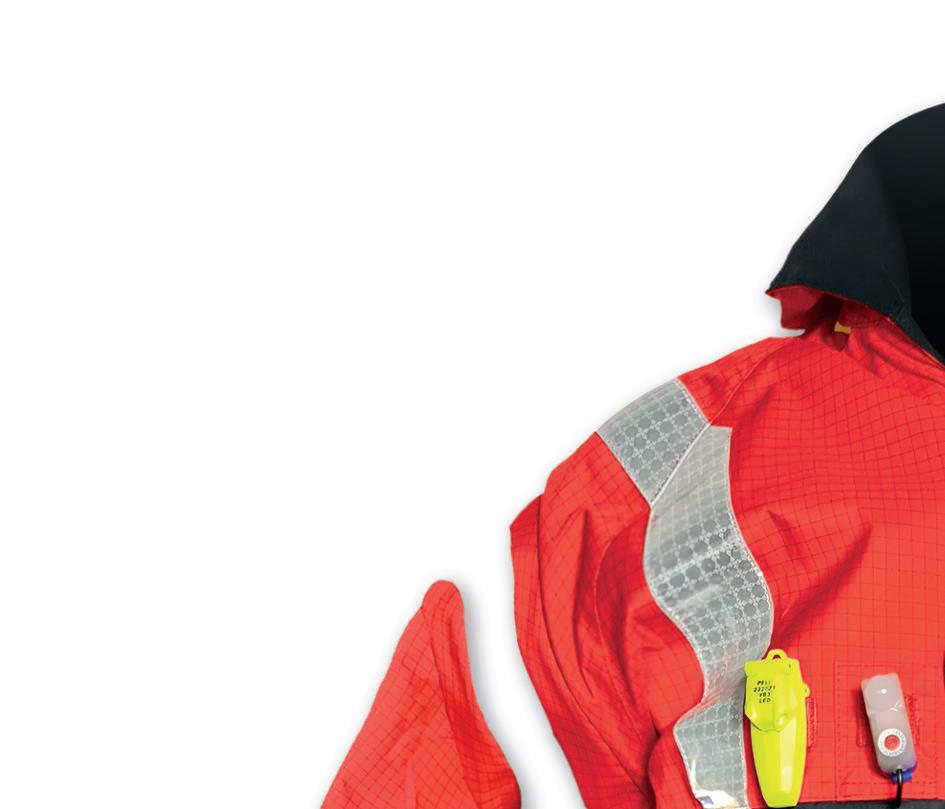
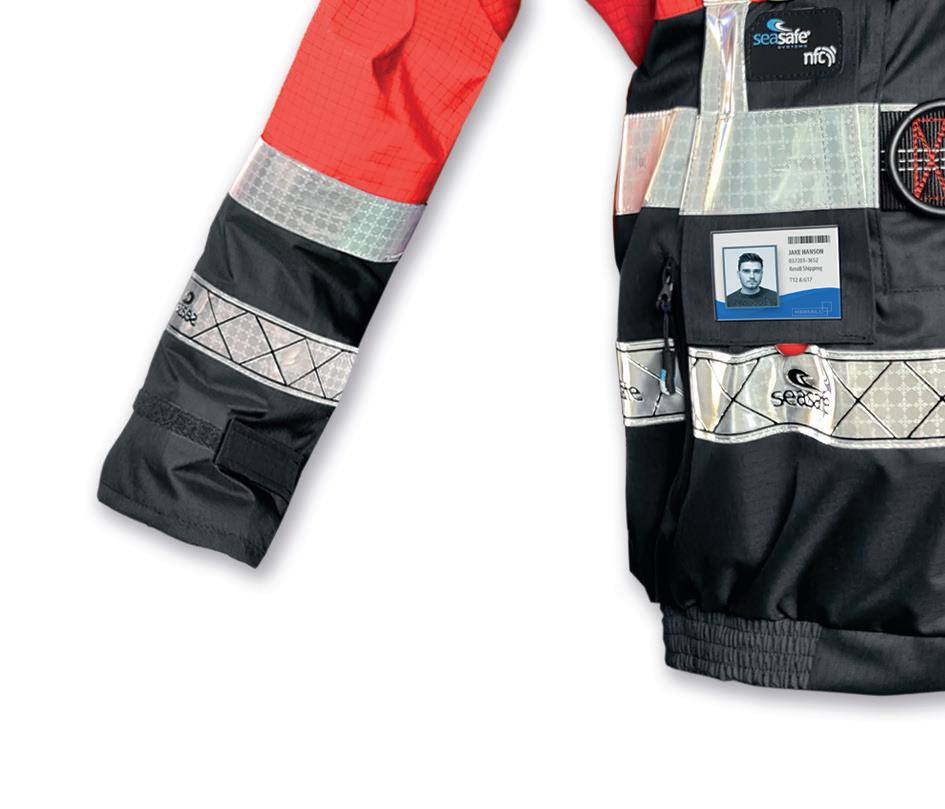
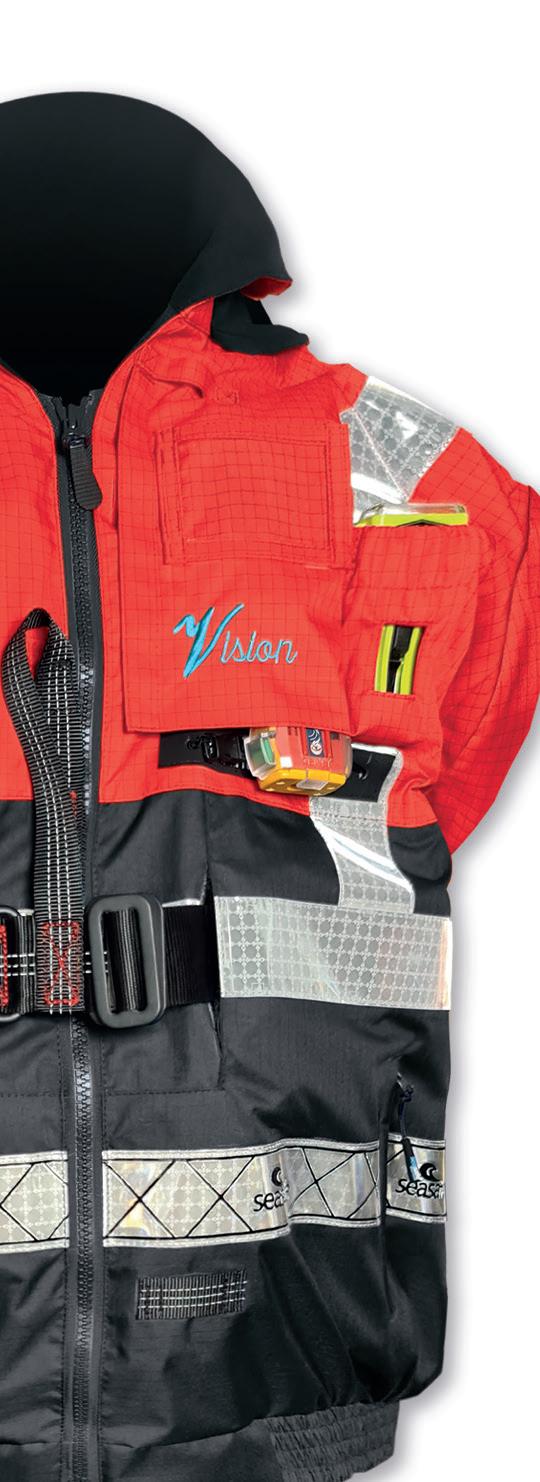
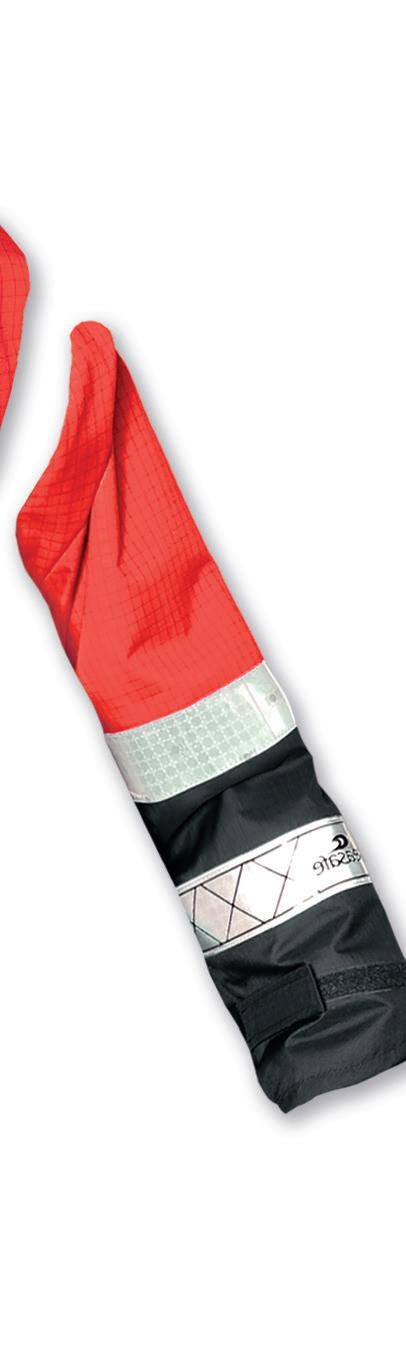
Outperforms 275N Lifejacket requirements giving excellent Freeboard, Face Plane and Body Angle
Self-Inflating and Self-Righting in less than 5 seconds of entering the water
Choice of six colour combinations





“On behalf of the United Kingdom Maritime Pilots Association, I wish to extend our sincere and heartfelt condolences on the recent loss of our United States colleague, St. Andrew’s Bay Pilot Captain Brady of Panama City, Florida. His passing is a solemn reminder of the risks faced by maritime pilots in the course of their daily duties. Our thoughts are with Captain Brady’s family, friends, and colleagues during this very difficult time. Please accept our deepest sympathies.”
It is with profound sadness that I open this magazine offering my condolences to Francesco Gali’s family friends and colleagues on the River Humber.
I recently visited the UNESCO site of Itsukushima Shrine on Miyajima Island,
Japan. The shrine is dedicated to the Munakata Sanjoshin (宗像三女神), three goddesses traditionally revered as protectors of seafarers and maritime safety. This coincided with the longawaited release of the MAIB Finnhawk & Humber Saturn report, it is by no coincidence that this edition focuses on the protection of pilots.
Pilots occupy one of the most critical yet least understood roles in the maritime chain. At a recent pilot conference, a Port CEO captured this perfectly. He noted that if port executives fall ill, operations continue. If the Harbour Master and their team are unavailable, ships still arrive and depart. But if pilots cannot operate, the nation slows within days. Production stops. Supply chains stall. Shops empty. Few professions carry such immediate national consequence.
The Cavendish ruling confirmed that a Competent Harbour Authority owes only a statutory duty to provide a properly authorised pilot and that the pilot - though sometimes employed by the CHA - acts as an independent professional and decision-maker, deemed the servant of the shipowner.
As independent professionals, pilots are accountable for their own decisions. But they are also the end users of choices made by others particularly when it comes to PPE, equipment, and operational standards. This is why the UKMPA places such value on its relationships across the industry. Constructive dialogue allows real-time operational experience to inform better decisions. Without it, the unintended consequences of poor choices can become costly, and more importantly, dangerous.
Our responsibility as pilots is clear: to safeguard the nation’s maritime heartbeat by ensuring we ourselves are protected, equipped, and ready. A pilot who is injured cannot function for their family, their colleagues, or the country they help keep moving. Resilience begins with us, with the right equipment, the right conversations, and the right commitment to our own safety and professionalism.
Maritime safety relies on resilient, well-equipped pilots whose decisions quietly protect communities, supply chains, and national stability.
Christopher F Hoyle / UKMPA Chairman
MY THANKS TO ALL THAT HAVE CONTRIBUTED TO ANOTHER FANTASTIC EDITION OF THE PILOT. I WISH YOU ALL A SAFE AND SUCCESSFUL 2026.
Chairman Christopher Hoyle chairman@ukmpa.org
Vice Chairman Jason Wiltshire vice.chairman@ukmpa.org
Area 1 Executive Alan Stroud area1@ukmpa.org
Area 2 Executive Chris Grundy area2@ukmpa.org
Area 3 Executive Peter Lightfoot area3@ukmpa.org
Area 4 Executive Kurtis Rogers area4@ukmpa.org
Area 5 Executive Neville Dring area5@ukmpa.org
Area 6 Executive James Musgrove area6@ukmpa.org
Treasurer Alan Stroud treasurer@ukmpa.org
Secretary James Musgrove secretary@ukmpa.org
Membership Chris Grundy membership@ukmpa.org
Technical & Training Chair John Slater technical@ukmpa.org
Web Captain James Musgrove webcaptain@ukmpa.org
Area 1 Deputy Simon Lockwood deputy1@ukmpa.org
Area 2 Deputy Mike Robarts deputy2@ukmpa.org
Area 3 Deputy Alan Jameson deputy3@ukmpa.org
Area 4 Deputy Ross McCauley deputy4@ukmpa.org
Area 5 Deputy Paul Schoneveld deputy5@ukmpa.org
Area 6 Deputy Matthew Finn deputy6@ukmpa.org
Circle Insurance Ian Storm Ian.storm@circleinsurance.co.uk M: 07920 194970
Insurance Queries Claire Johnstone claire.johnstone@circleinsurance.co.uk
Incident Reports Via UKMPA app insurance@ukmpa.org
UNITE Maria Ball maria.ball@unitetheunion.org
Web Captain James Musgrove webcaptain@ukmpa.org
Editor Matthew Finn photos@ukmpa.org
Mental Health James Musgrove area6@ukmpa.org
IMPA VP Paul Schoneveld paul.schoneveld@ukmpa.org
Minor incident 0141 249 9914 insurance@ukmpa.org
Major incident 0800 6446 999 insurance@ukmpa.org
Incident Reports insurance@ukmpa.org
Mental Health Support
Safe
0800 433 2163 Visit www.ukmpa.org for further details
Paul Brown Teignmouth
Luke McGill Tees
Ashley Dadd Medway
Liam Whelan Lerwick
Steven Leake Poole
Euan Benyon Harwich
Matthew Mungal Humber
Byron Whalley Heysham
Daniel Thompson London
Gavin Trotter London
Carmelo Giannone London
Robert Hoyland London
Fraser Matthew London
David Shaw London
Rory Jackson Southampton
John Benson South Wales
Phillip Pook Heysham
Andrew Robinson Tees
Mark Murrison Harwich
Will Mitchell Fowey
Andy Mason Tyne
James Charles South Wales
Alexander Stephen Peterhead

By Roger Darkins / Circle Insurance Branch Director
First and foremost, in the highrisk environment of maritime operations, Personal Protective Equipment (PPE) serves as a critical safeguard for seafarers. Additionally, PPE is also a strategic risk mitigation tool for marine insurers. From the pilot launch to the assigned vessel, the consistent and correct use of PPE not only protects lives but also significantly reduces the frequency and severity of insurance claims. This article explores how PPE compliance lowers risk exposure for marine insurers, outlines the relevant UK legislation and clarifies the responsibilities of employers and shipowners.
The role of PPE in risk reduction Marine operations expose workers to a wide array of hazards, such as slips, falls, machinery accidents, chemical exposure and drowning. PPE acts as a final barrier when other safety measures fail. Items such as helmets, lifejackets and immersion suits are designed to prevent or minimise injury or prevent loss of life in hazardous conditions.
According to the Maritime Mutual Risk Bulletin, improper or inconsistent use of PPE is a common factor in increased insurance claims. When PPE is used correctly, it reduces the likelihood of personal injury, which is one of the most frequent and costly types of marine insurance claim. For insurers, this translates into fewer pay-outs for medical expenses, repatriation, legal defence and compensation.
Marine insurers, particularly those offering Protection and Indemnity (P&I) coverage, are directly affected by the safety culture onboard vessels. P&I insurance covers Third Party liabilities such as crew injuries, pollution and cargo damage. Regulatory compliance, including PPE usage, influences underwriting decisions, policy terms and premium rates.
A 2023 report by the International Union of Marine Insurance (IUMI) revealed that personal injury claims – often found
to be preventable through proper PPE use – are among the top contributors to insurance losses. Insurers increasingly view PPE compliance as a proactive lossprevention strategy. Vessels with strong safety records and well documented PPE protocols may benefit from lower premiums and broader coverage options.
Legislative Framework in the UK
In the UK, the use of PPE in the maritime sector is governed by several key regulations:
Merchant Shipping and Fishing Vessels (Personal Protective Equipment) Regulations 1999 (SI 1999/2205)
These regulations require shipowners and employers to provide suitable PPE to seafarers and other workers engaged in hazardous activities. PPE must be supplied free of charge, be properly maintained and compatible with other equipment.
Maritime Labour Convention (MLC), Regulation 4.3
Reinforces the obligation to ensure occupational health protection and a safe working environment onboard ships.
UK Maritime and Coastguard Agency (MCA) Guidance
The Code of Safe Working Practices for Seamen (COSWP) outlines detailed PPE standards and usage protocols. Chapter 8 of COSWP is widely regarded as the global benchmark for seafarer safety.
Health and Safety at Work Act 1974
Applies to maritime employers and mandates that risks must be controlled “so far as is reasonably practicable”, including through the use of PPE when other controls are insufficient.
Due to this established legislative framework, insurers will not specify any particular brand or design of PPE. The guidance provided under these frameworks gives the insurer an expectation that best practice shall be followed.
Employer and shipowner responsibilities
Under UK law, employers and shipowners have a duty to:
• Provide PPE free of charge: PPE must be supplied at no cost to the worker unless it is used outside the workplace.
• Ensure Suitability and Compatibility.
• Ensure equipment is appropriate for the task and risks involved, fit correctly and be compatible with other gear.
• Maintain and Inspect PPE: Regular inspections must be conducted and defective equipment must be replaced. Respiratory gear, in particular, must be checked before and after each use.
• Train Workers: Seafarers must receive training on the risks PPE is designed to mitigate, how to use it properly and how to maintain it.
• Enforce Usage: Employers must ensure PPE is worn as instructed. Failure to comply may result in disciplinary action and could affect compensation eligibility in case of injury.
Beyond legislative compliance, fostering a safety-first culture is essential
Leadership must model correct PPE usage and reinforce its importance through training, signage and regular audits. A colleague who neglects PPE not only endangers themselves but also increases liability for the shipowner and insurer.
Marine Mutual recommends integrating PPE protocols into the vessel’s Safety Management System (SMS), aligning with the ISM Code’s emphasis on continuous improvement.
Wearing PPE is more than a regulatory requirement – it is a strategic imperative for reducing risk in the marine industry. For insurers, PPE compliance translates into fewer claims, lower pay-outs and more predictable risk profiles. For pilots, employers and shipowners, it means safer crews, legal compliance and potentially reduced insurance costs. As maritime operations grow in complexity, the role of PPE in safeguarding lives and assets becomes increasingly vital. By embedding PPE into daily routines and safety systems, the industry can protect its workforce and its financial future.
It all started in 1997 when Lord Clinton Davis approached me and asked me whether I could take on the Honourable Presidency of the UKMPA, as he had been appointed a minister in Tony Blair’s government and could no longer take on outside interests.
I felt honoured and surprised, since my work in the House of Lords had generally been confined to transport and railways, although I had spent 15 years building the Channel Tunnel in times past. Then, I had made it my business to understand the shipping movements above and the safety issues at a time when we were fighting a campaign to build the tunnel against the view of the ports and shipping lines that we would be the longest crematorium in the world. Then the Herald of Free Enterprise accident enabled us to ask the question –‘would you rather burn or drown?’
I had, however, got to know a little about how the maritime sector worked as I live in Polruan opposite Fowey in Cornwall and had got to know Sam Guy, one of the Fowey pilots. Sam gave me a few lessons on what was involved in being a pilot, responsibilities and knowledge, and occasionally took me with him up the ladder to see the enormous range of ships needing pilots and the competence or otherwise of the skippers. The most important lesson for me and others of course is that the nature of the work requires a total selfsufficiency, as there is rarely a colleague at hand to offer a second opinion.
So, Stanley introduced me to the current Section Committee whose chair was Norman, and I was encouraged to learn about the wide range of interests that pilots had on so many things maritime.
Having been involved in several
all-party groups in the Lords over the years and seen what their sponsorship involved, I was pleasantly surprised to find the UKMPA Section Committee with their good relations with ports, shipping lines and other groups, was generally well organised and able to deal with most of the pilotage issues that came up. It was clearly hard work to do the job properly alongside being a pilot, especially when dealing with groups and meetings outside their area or on the continent, but it is a great credit to all the members of the Section Committee that I met over the years that they generally did a fantastic job, although occasionally putting too much stress on their family.
It is good that more recently our Section Committee has found ways of dealing with the growing mountain of paperwork and meetings while retaining sanity. When I joined, the pilotage Act 1987 was being enacted and had resulted in many changes to relationships with other bodies and responsibilities. Some treated pilots with respect as being highly skilled professionals who are needed to enable safe operation of ports and approaches; others found it easier to treat pilots as glorified dock hands – but soon changed their opinions. Since then, there have been a number of smaller changes made following our departure from the European Union, but otherwise it has largely been a need to follow other government legislation and plans to check on their effect, if any, on pilotage.
Of course, this included employment and maritime law and other consequential changes, and the need to represent both employed and self-employed pilots, and the differing needs at major ports with large numbers of pilots and the smaller ones with one
or two pilots who may also be harbour masters as well. Always a challenge.
One interesting issue that was tangential to pilotage but of significant interest to shipping was the need to make the Irish government responsible for maintaining lights around their republic, which, till recently, were undertaken by the UK general lighthouse authorities and charged as light dues to ships entering UK ports. This always seemed wrong to me – that ships entering UK ports should have to fund the maintenance of lights, not only around the UK, but also in the Republic of Ireland, which had gained independence some 100 years before. UK ministers struggled to engage with their Irish counterparts but eventually, after several years of stone-walling, the Republic’s government relented and now it is sorted.
So I hope I have fulfilled the role of Honorary President with interest and where necessary action – be it with ministers, officials or the many other bodies that populate the maritime world. It has been an honour and privilege to work with so many professionals who keep this small but important section of the maritime world safe and reliable.
I shall follow the fortunes of UKMPA with interest and no doubt hear from my successor, Lord Hendy, who has unrivalled knowledge and experience of the employment world, and I hope you will take him up the occasional ladder – an issue that has rightly worried UMPA for many years.
Thanks again to all UKMPA members who have given me so much support and welcome and, I hope, continued my maritime education.
Lord Tony Berkeley / UKMPA
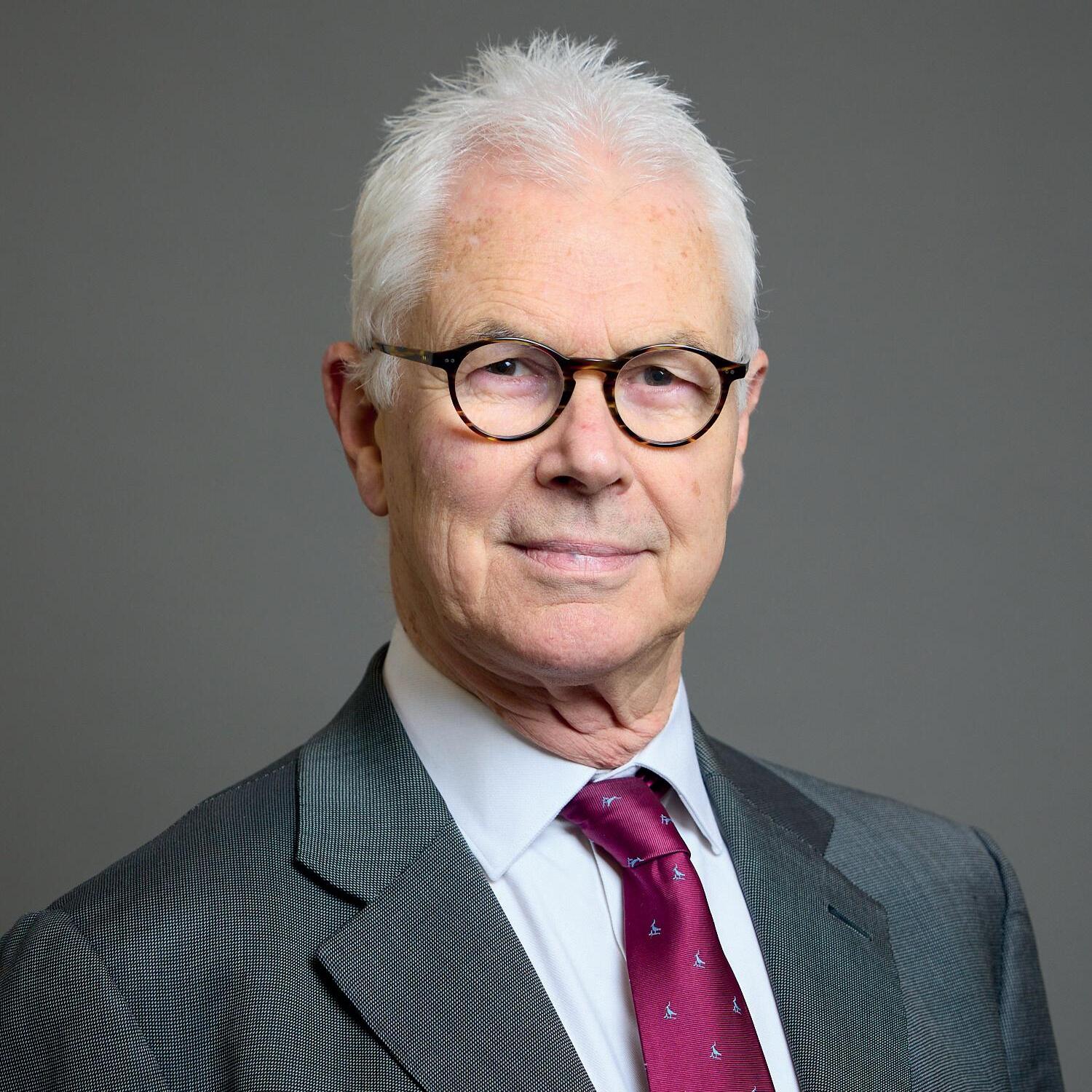
Iwas honoured when it was suggested that I might be made the next president of the UKMPA after Lord Tony Berkeley. I ought to say something about myself and my relevant interests.
I have just this year retired as a barrister after 48 years in practice, 38 of which were as a QC (now KC). I mainly specialised in trade union and industrial relations cases and was for many years Standing Counsel to the Transport and General Workers Union (TGWU or T&G), now UNITE. I was also Standing Counsel to several other unions.
Looking back over the years, I have represented unions in most of the leading industrial action cases in the past half century, including the Miners’ Strike of 1984-5. I have worked in other fields as well, in particular health and safety, where I have represented thousands of workers in industrial accident and disease cases, two of which reached the Supreme Court, and one of which began with ten and escalated to 300,000 claimants (mineworkers who sustained hand or arm vibration syndrome from hand-held vibrating drills, etc).
I know health and safety at work is an area of great concern to UKMPA members. I represented the bereaved
and injured in a number of public inquiries into tragic train crash cases (Southall, Ladbroke Grove and Potters Bar) and at the inquest into the fatal fire in Lakanal House, which pre-dated the Grenfell tragedy (in which I advised the Fire Brigades Union). Abroad, I have appeared in the European Court of Human Rights, the Court of Justice of the European Union and labour courts in Ireland and Australia.
My father’s family came from Penzance in Cornwall and two uncles had luggers (one steam-powered until the 1920s and the other until the 1940s) and an aunt had a fish shop in St Ives. Boats naturally featured large in my youth and in time I became the owner of a 27-foot gaffrigged ketch (with a 15-foot bowsprit) and, subsequently, a 20-metre Dutch Luxemotor (rivetted steel built in 1927) with which we toured the waterways of Europe.
So having some experience of manoeuvring smallish vessels in tight harbours constrained by draught, tides, currents, wind, sea lanes, other shipping and so on, I am in total awe of UKMPA members who work huge and often unfamiliar vessels into and out of UK ports and deal with a multitude of factors well beyond the experience (and probably the imagination) of the casual leisure sailor. The work of UKMPA members is, of course, crucial to the UK economy. Government statistics reveal that 95% of all goods entering and leaving Britain are moved by sea and the maritime sector directly contributed £18.7 billion in gross value added to the UK economy in 2019 (the last figure reported by government). Practically all of this tonnage (worth £511 billion in 2014) requires a pilot. I am interested in the fact that the UKMPA serves in maintaining and improving pilotage standards with external bodies, but also in seeking to enhance the education and training of pilots. It is with real enthusiasm that I look forward to working with UKMPA members in the future.
Lord Hendy KC / UKMPA
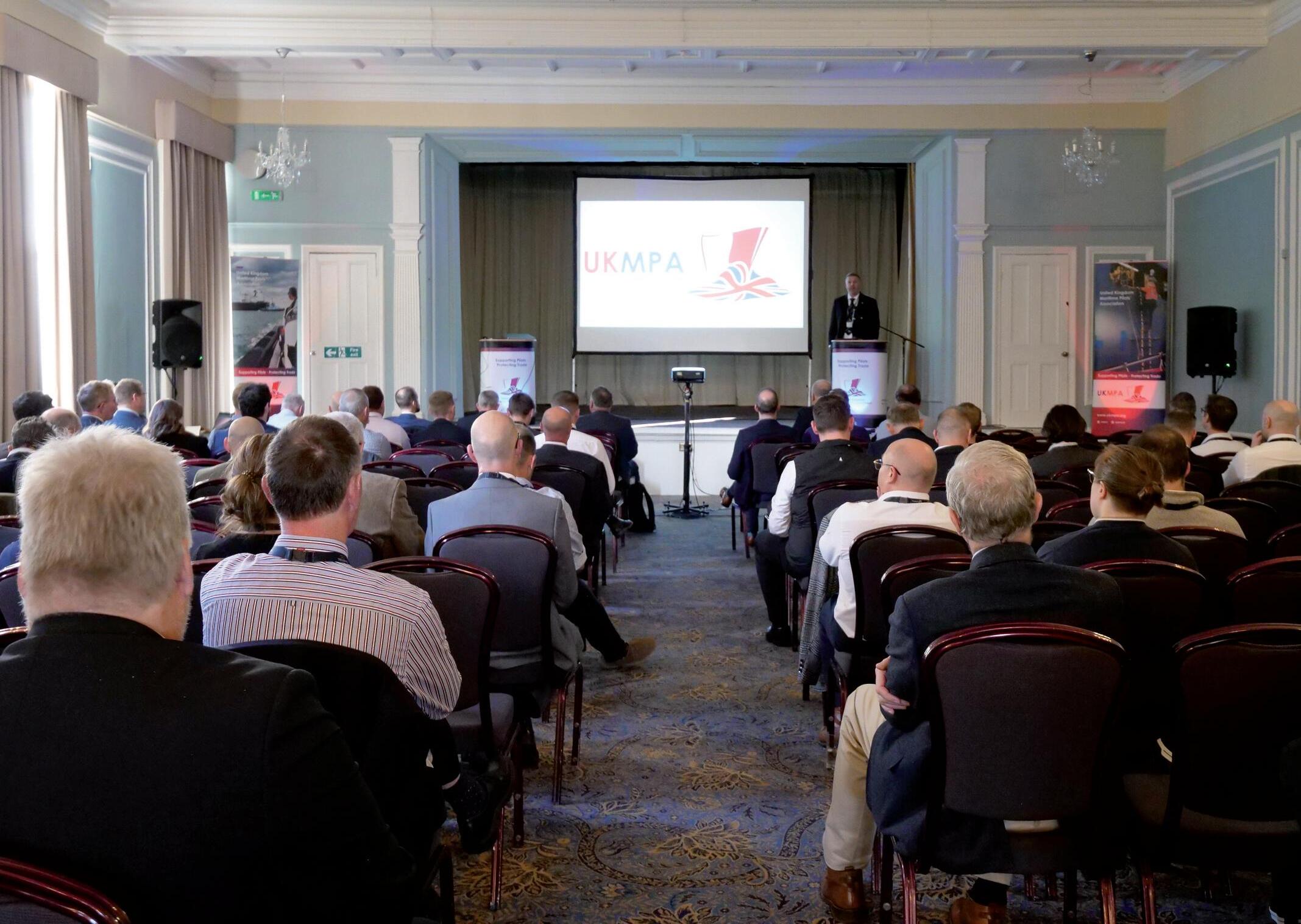
The UK Maritime Pilots’ Association gathered for its 2025 Annual General Meeting, marking a year defined by professional progress, renewed leadership, and strengthened partnerships across the maritime sector.
A fond farewell and a warm welcome
Chairman Chris Hoyle opened the AGM by praising the Association’s achievements and expressing heartfelt thanks to outgoing President Lord Tony Berkeley OBE, who steps down after an extraordinary 27 years of service. Lord Berkeley was awarded Honorary Membership in recognition of his dedication.
Reflecting on his tenure, Lord Berkeley emphasised the ongoing need to educate policymakers about pilotage, prepare for emerging challenges, such as AI and autonomous shipping, and inspire the next generation of pilots. He introduced Lord John Hendy KC as his successor, offering full confidence in his leadership.
Strengthening advocacy and industry relationships
Vice Chairman Jason Wiltshire reaffirmed the Association’s core mission: safeguarding the professional status, working conditions and legislative interests of UK pilots. He highlighted the value of building strong industry relationships and keeping communication channels open, noting ongoing initiatives such as operational updates, consultations and policy work that reinforce the Association’s influence.
Committee changes and membership stability
Outgoing Secretary Peter Lightfoot confirmed his decision to step down, welcoming James Musgrove as the new Secretary. He reported on recent committee elections, including Kurtis Rogers joining as Area 4 Executive Member following the departure of Robert Keir, whom he thanked for his long-standing service.
Membership Secretary Robert Keir provided a reassuring update: membership remains steady at 500, with 100% insurance and Unite membership compliance. He noted the successful migration to Unite’s new CRM system and thanked Chris Grundy and Unite’s Jane Jeffery for their support.
A strong financial outlook
Treasurer Alan Stroud confirmed the Association’s finances remain solid. Annual subscriptions will stay at current levels, with efficiencies and partner support helping to absorb wider inflationary pressures. He also highlighted the cost benefits delivered through the new Unite CRM system.
Technical & Training: raising standards and enhancing safety
Technical & Training Chair John Slater, supported by Vice Chair Jon Smith, delivered a comprehensive update covering key activities, including:
• Completion of the three-year review of the Boarding & Landing Code
• MASS consultation work with the MCA
• Enhanced collaboration with CHIRP, PSS, BTA and other industry groups
• Updated safety circulars on SOLAS V/23, GNSS jamming, and towage
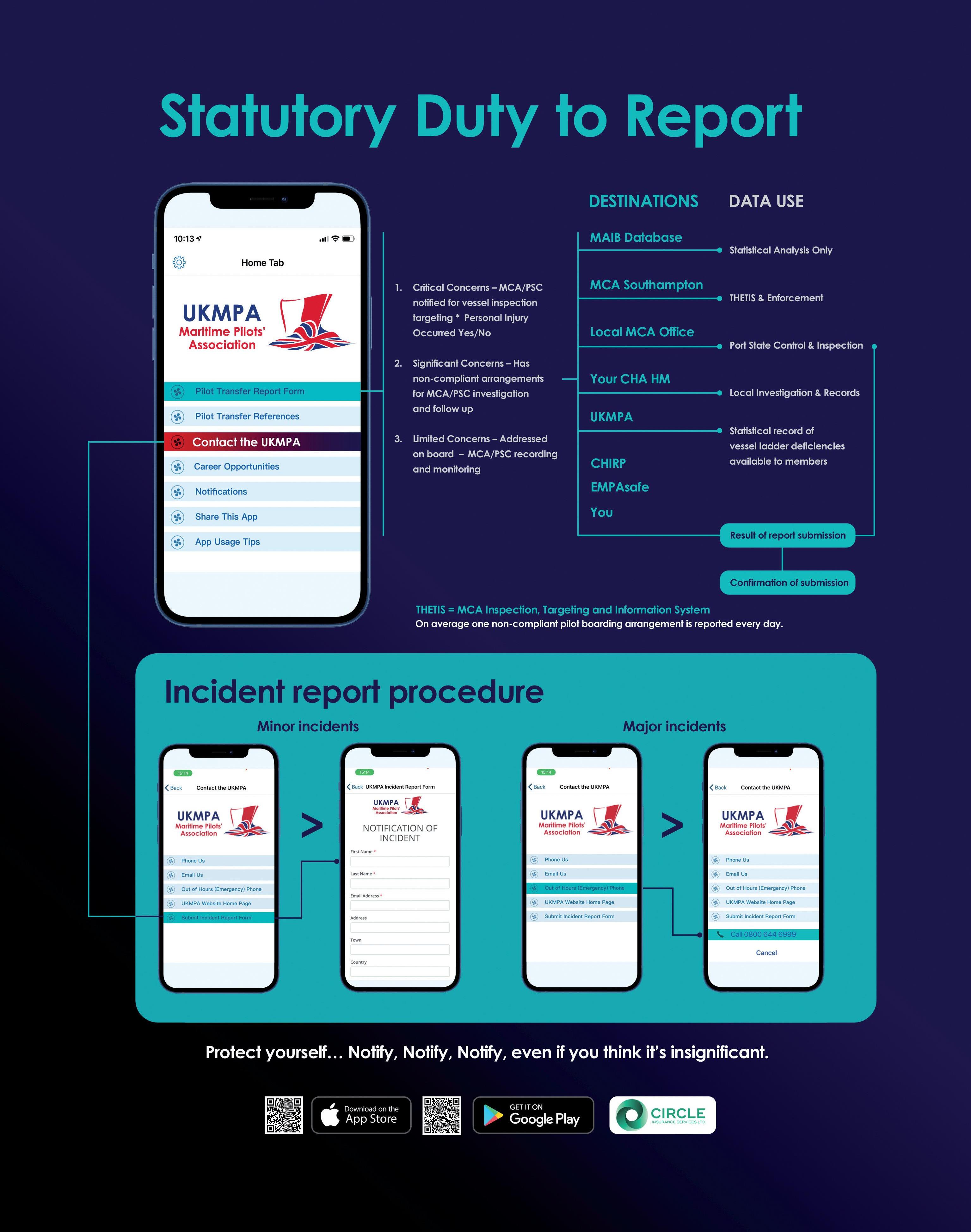
• Relaunch of the UKMPA ladder app with improved reporting and analytics
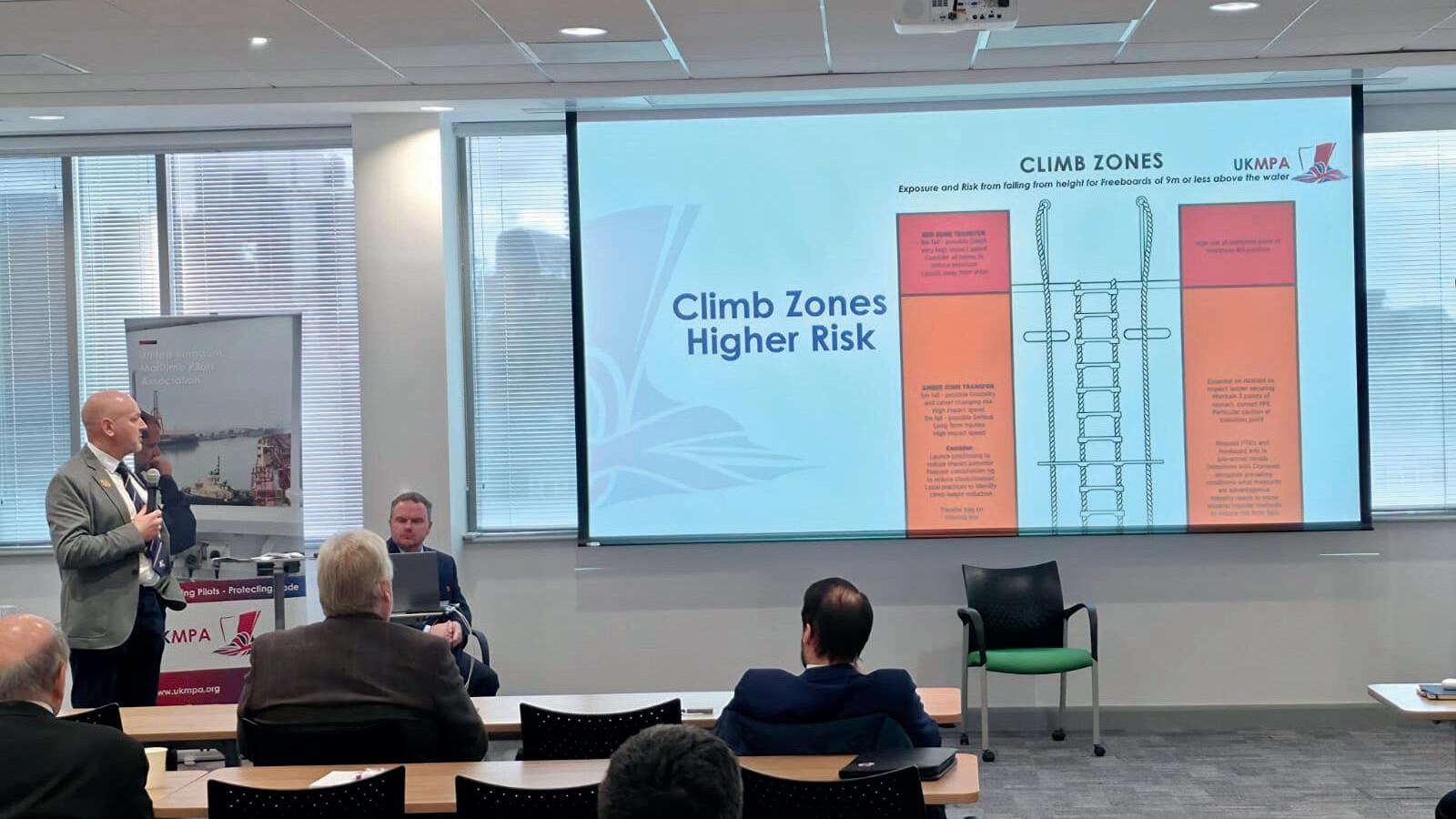
John Slater showcased the new Climb Zone Mindset risk model, while Jon Smith encouraged members to continue reporting non-compliant arrangements to help drive safety improvements.
Unite and international representation
Unite’s Jane Jeffery emphasised the union’s close co-operation with UKMPA and ongoing work across medical standards, pay negotiations and workplace cases. She highlighted the invaluable support provided by volunteers within Section Committee.
In his role as EMPA Senior Vice President, Peter Lightfoot updated members on European collaboration and upcoming events, including EMPA’s 60th AGM in Ghent in 2026.
IMPA representative Paul Schoneveld stressed the importance of global advocacy on issues such as remote pilotage, IMO engagement and the development of the IMPA Foundation.
Safe haven & digital developments
James Musgrove reported significant uptake of the Safe Haven support programme, with nearly 10% of members having used the service since its launch. A new wellness coaching initiative is now being introduced to assist pilots returning to work after incidents.
Website upgrades include a more accessible pilot library, an expanded digital magazine archive and the forthcoming Membership Benefits Booklet, due in early 2026.
Engagement, governance and forward momentum
A member-led Q&A session highlighted the committee’s call for increased engagement, especially from newer pilots, and the value of conferences in supporting professional development.
Members voted unanimously in favour of proposed rule changes, bringing UKMPA regulations closer in line with Unite’s.
A thought-provoking keynote
Guest speaker Dr Jim Price (BMT) delivered an engaging session on behavioural analysis and nudge theory, showcasing how positive reinforcement can improve safety culture and decision-making.
Chairman Chris Hoyle closed the AGM by thanking all volunteers, committees and members for their ongoing commitment to upholding the highest standards of maritime pilotage. The Association moves forward with renewed purpose, strengthened leadership and a clear focus on supporting its members across the UK.
By Capt Alan Stroud – UKMPA Treasurer
With more than 350 events covering the broadest range of maritime topics, London International Shipping Week 2025 (LISW) once again proved to be a major highlight on the UK’s maritime calendar. For the UK Maritime Pilots Association, it remains an essential event; a platform to engage, influence and represent our profession and gain a deeper understanding of the pressures faced by shipowners, charterers, insurers, P&I and other vital parts of the maritime ecosystem.
Our event at County Hall
This year, the UKMPA, in partnership with Maritime London, hosted a
seminar at the Global Hub in County Hall on London’s South Bank. The event attracted well over a hundred attendees, keen to explore how maritime pilots play an indispensable role within the UK’s salvage and casualty response framework.
It was a privilege to be part of the panel chaired by Maritime London director and chair of the Admiralty solicitors group Mark Lloyd, alongside Stephan Hennig, the Secretary of State’s Representative for Maritime Salvage and Intervention (SOSREP), and Ashley Nicholson, Chief Business Officer at the Port of Tyne, all of whom brought valuable insight from their respective perspectives.
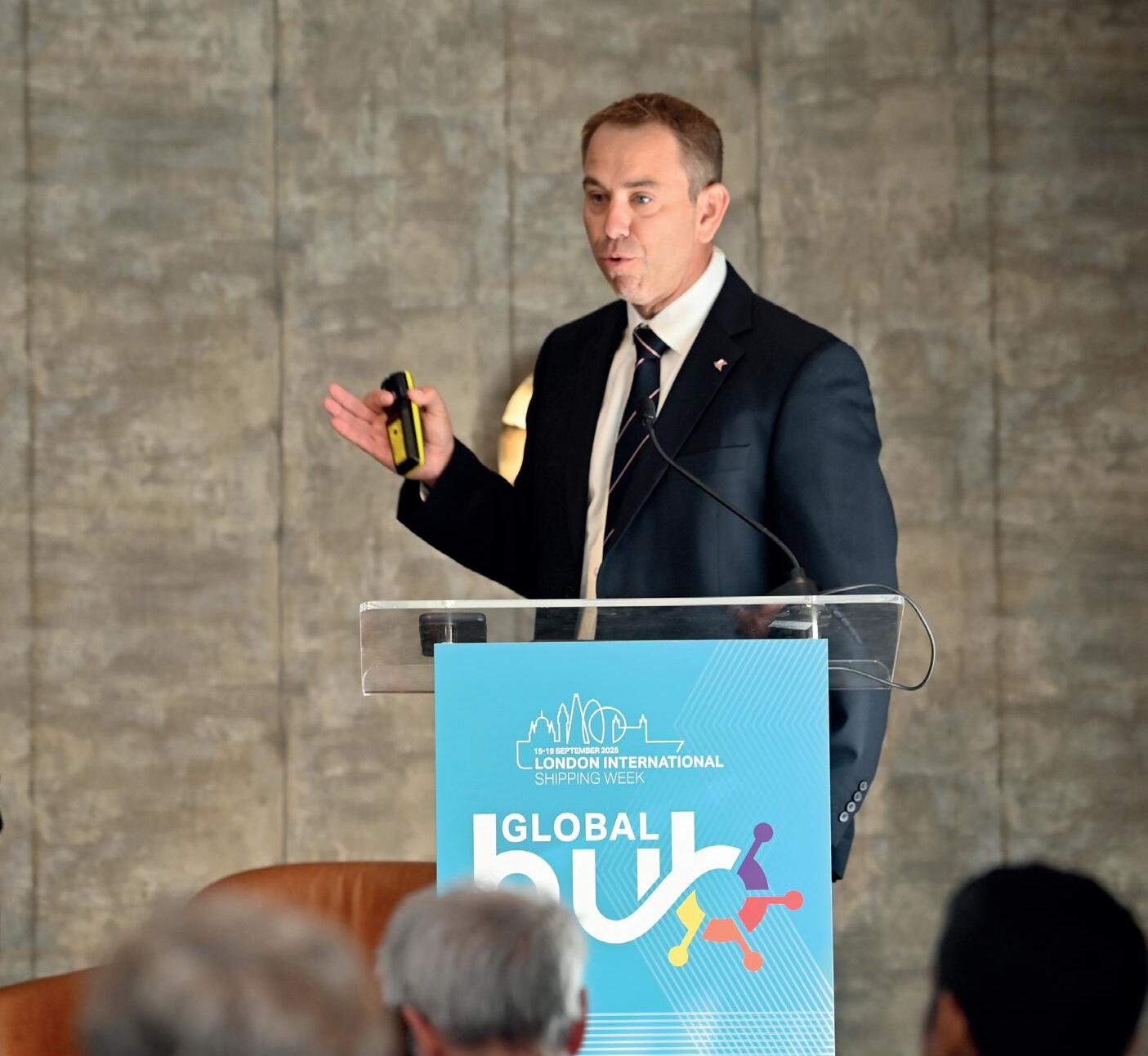
To set the scene, I gave a stepby-step account of how a pilot
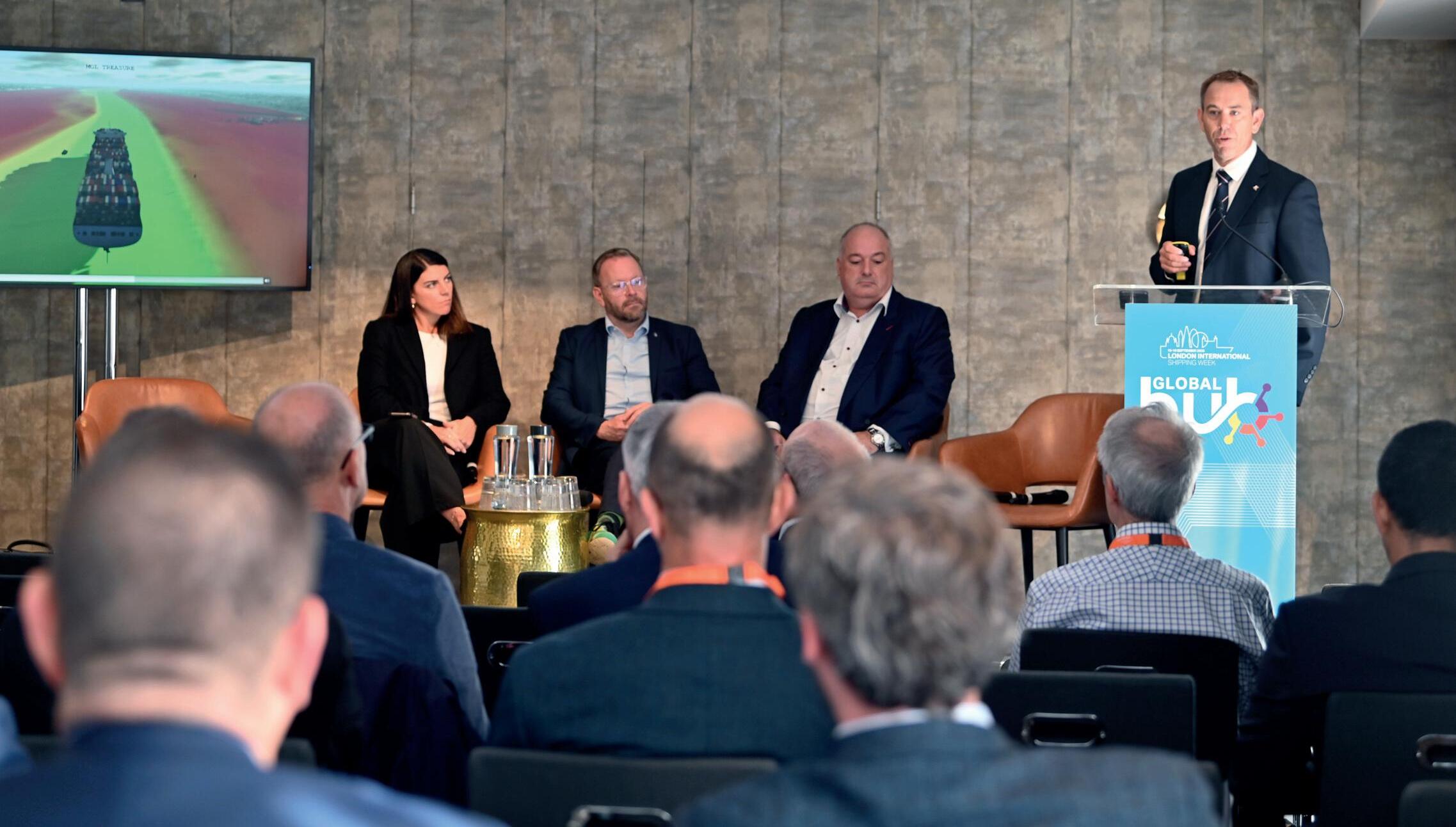
might react to an emerging salvage scenario complemented with a simulation replay from BMT Rembrandt simulators – explaining how early intervention and clear communication are critical in determining whether a vessel’s technical problem becomes an incident or is then resolved safely with the support of a casualty response scenario. The session highlighted the decisive role of pilots as first responders in casualty situations.
From the pilot’s perspective, the priority is always to stabilise an emerging situation as quickly as possible.
It is critical to stabilise a vessel as an early intervention to prevent an issue becoming a major salvage case. In an emergency, the pilot is the crisis manager on the front line, taking immediate action to mitigate risks. Having expert local knowledge of area and assets means we can rapidly stabilise a distressed ship, preventing escalation and avoiding business interruption or pollution.
Effective communication is key. When a situation begins to unfold, a pilot must immediately engage with the harbour master, vessel traffic services and nearby vessels to co-ordinate support.
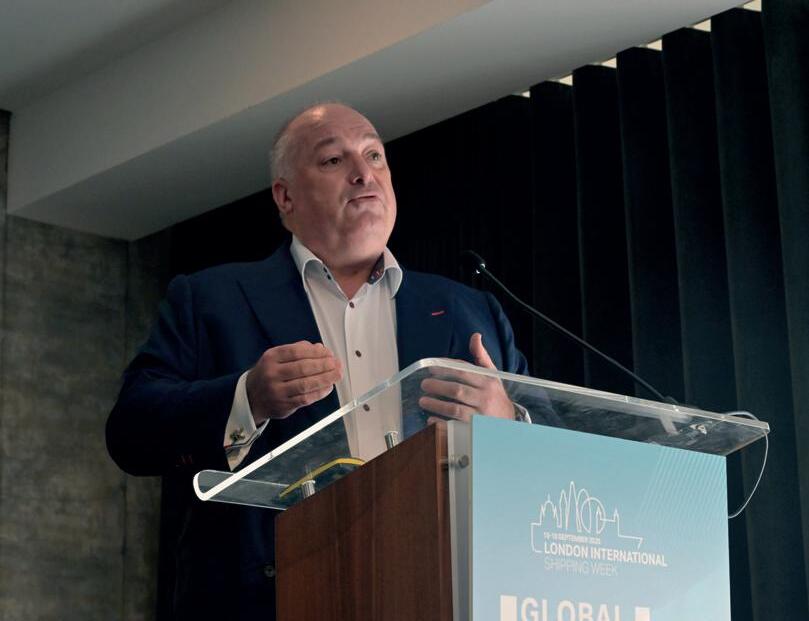
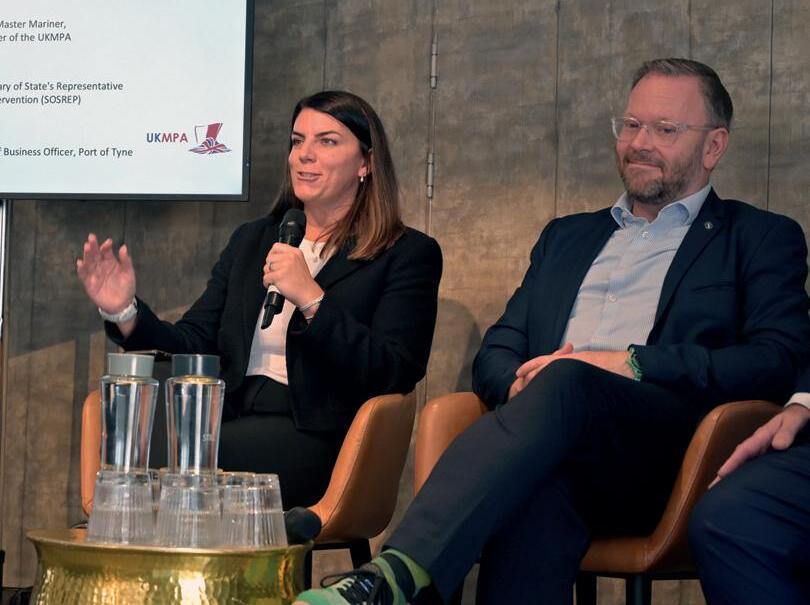
Ashley Nicholson described this partnership perfectly during the session: “Pilots are one of the biggest control measures to mitigate the risk in ports,” she said. “Pilots are safety partners for harbours. They are our eyes and ears on board and first responders in shipping emergencies.”
Her words captured exactly how the relationship between pilot and harbour master functions when the unexpected occurs; it is a partnership built on trust, communication and decisive action.
Gaining control amid chaos
SOSREP Stephan Hennig reinforced the same point from a national perspective. He spoke of the need for co-operation, co-ordination and composure in the face of uncertainty and free from commercial pressures:
“It is a co-operative effort to fix issues and incidents in what is a dynamic environment and to regain a measure of control in an emergency situation,” he said. There is “a need to get control quickly as no one can work with chaos.”
Distressed ships can quickly block ports, ground on rocks or mud banks, list, capsize and sink or collide with other ships, terminals and jetties if they are
not controlled, leading to salvage or lengthy wreck removal operations.
“It is best to not have an incident in the first place, but if that happens, we need to find the least worst outcome,” said Hennig. “We cannot get ahead of the situation as we will be reacting and responding to resolve the scenario. At sea, nothing gets better if left unattended, so a quick response means less damage and fewer losses.”
The discussion underscored that pilots are not only operational actors but also strategic contributors to maritime resilience. For the UK, maintaining and supporting these capabilities is essential to preserving both safety and commercial continuity.
London International Shipping Week is a key date on the worldwide maritime calendar and we would like to extend our thanks to Maritime London and BMT Rembrandt for helping us make a pilot’s contribution more visible in this context.
The 59th Annual Conference of the European Maritime Pilots’ Association (EMPA) brought the pilotage community to the historic city of Kraków, Poland –a place celebrated for its architectural beauty, academic heritage and vibrant cultural scene.
Although the event had originally been scheduled for Batumi, Georgia, unforeseen circumstances required a change of venue. Delegates paid warm tribute to the Georgian organising team, whose two years of preparation were acknowledged with gratitude and respect, expressing hope that the association will gather there in the future. For Poland, the conference marked a meaningful return. Two decades after the coastal cities of Gdynia, Gdańsk, and Sopot hosted the 39th EMPA Conference, the country once again welcomed Europe’s maritime pilots –
By Peter Lightfoot / EMPA Senior Vice President
this time in the atmospheric heart of Kraków. Participants enjoyed the city’s timeless Old Town, the legendary Wieliczka Salt Mine and a culinary landscape rich in global flavours.
A crucial forum in a changing maritime landscape
In his opening address, EMPA President Erik Dalege emphasised the significance of the annual gathering, calling it one of the most important events in the maritime pilotage calendar. It is here, he noted, that industry leaders, technical experts and front-line practitioners meet to discuss the evolving challenges shaping the future of marine navigation.
“In an increasingly complex maritime environment; the insights and dialogue shared here are essential to defining our collective path forward,” Dalege said. His message was echoed by Jerzy
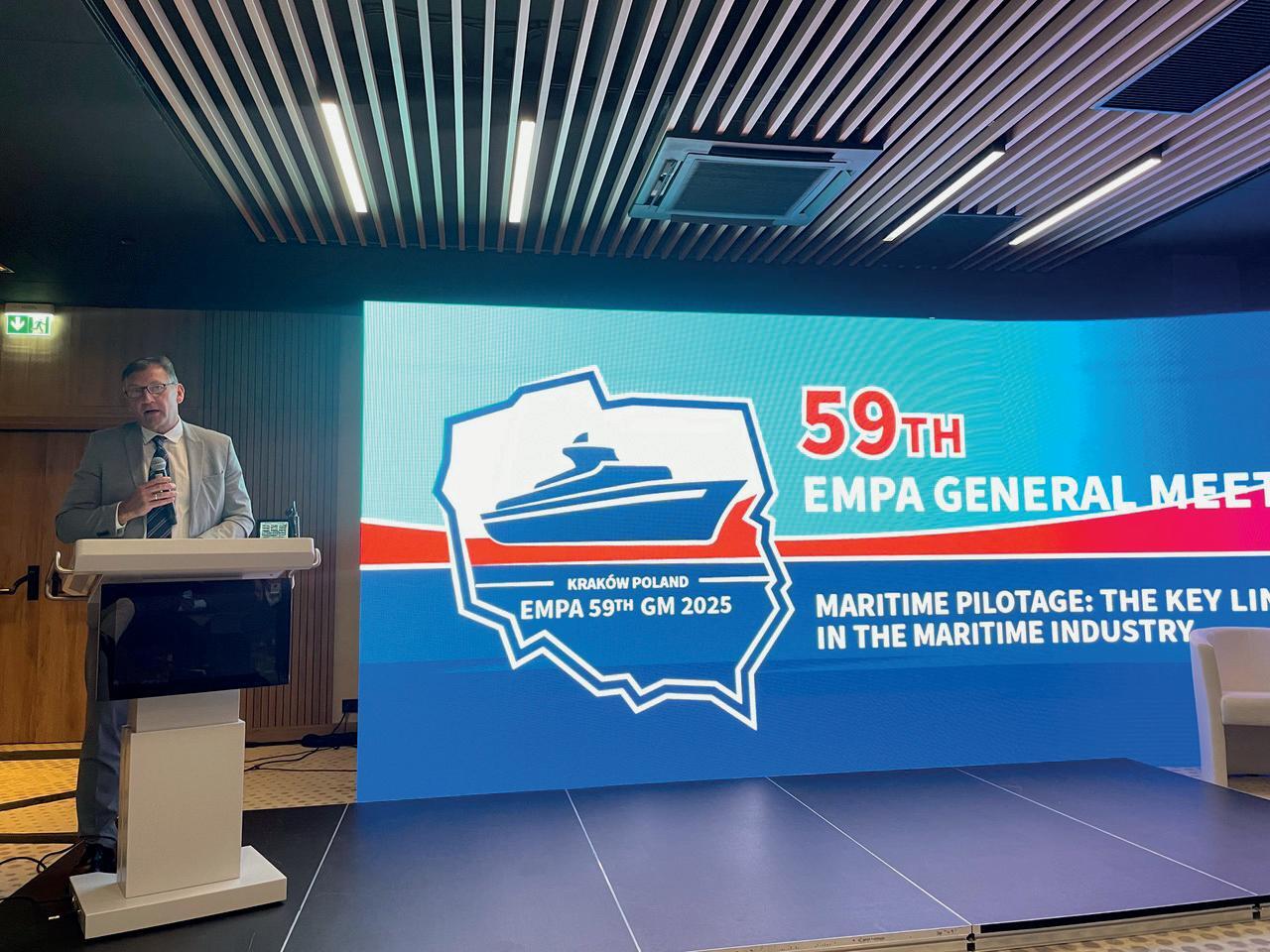
Kaczmarek, chairman of the organising committee, who highlighted the importance of unity, professional exchange and strong representation at a time when maritime safety and resilience face mounting pressure.
High-level representatives from the European Maritime Safety Agency and national authorities joined delegates, reinforcing the strategic importance of this year’s discussions.
Spotlight on artificial intelligence and autonomous navigation
The first day of the conference focused on a topic at the forefront of maritime innovation and regulatory debate:
Artificial intelligence
Chaired by Henry Caubriere and Erik Dalege, the session examined AI as both a transformative tool and a potential operational risk.
Expert presentations included:
• What is Artificial Intelligence?
Prof Wojciech Chmiel
• Threat of Data Manipulation in AI
Prof Joanna Jaworek-Korjakowska
• The Imitation Game
Patrick Galvin
• E-navigation vs Autonomous Navigation: A Challenge for Pilots
Prof Adam Weintrit
• Can a Ship Be Its Own Captain?
Dr Barbara Stępień
The debate underscored that whileAI continues to enhance decision-making and operational efficiency, the risks of misinformation, system manipulation and over-reliance on digital tools mean that experienced human pilots remain irreplaceable.
Cpt Erik Dalege and Cpt Grzegorz Mazur further explored how pilots are integrating modern technologies, ensuring that innovation complements –rather than compromises – safety.
Growing concerns over navigation system interference
A strong theme emerging throughout the conference was the escalating disruption to navigation systems across European waters. Pilots expressed deep concern about interference affecting GNSS, radar and AIS – both intentional and unintentional.
Cpt Kaj Hahtonen and Dr Wojciech Tycholiz presented detailed accounts of recent geopolitical incidents, particularly in the Baltic Sea and the Dover–Cherbourg corridor. Their analysis highlighted vulnerabilities in navigation infrastructure and the urgent need for redundancy, robust monitoring and human expertise.
In a joint statement, EMPA reaffirmed that the presence of a trained pilot on board remains critical, particularly as digital threats and geopolitical tensions continue to rise.
Safety, security and education in maritime operations
An additional session focused on operational resilience, environmental responsibility and professional standards. Speakers included:
• Greenport Alliance – Patrick Galvin
• The Role of IMPA in Promoting Pilots’ Safety – Matthew Williams, Secretary General, IMPA
• Geopolitical Incidents in the Baltic Sea – Cpt Kaj Hahtonen
• Disturbance of GPS Signals and the Impact on Safe Pilotage –Dr Wojciech Tycholiz
These discussions reinforced the interconnected nature of maritime safety, training and geopolitical awareness – an essential trio for modern pilotage.
A new board for EMPA
During the closed session, EMPA members elected a new president and four vice presidents.
Outgoing board members
President:
• Erik Dalege –German Pilots’ Association Vice Presidents:
• Henry Caubriere –French Pilots (Treasurer)
• Patrick Galvin – Ireland
• Kaj Hahtonen – Finland (stood for re-election)
• Miguel Castro – Portugal
Candidates for president
• Johannes Sivertsen – Norwegian Pilots’ Association (not elected)
• Miguel Vieira de Castro –Portuguese Pilots’ Association (elected)
Vice presidents elected (4 seats)
• Kaj Hahtonen – Finnish Pilots’ Association
• Gerhard Janssen – German Pilots’ Association
• Salvatore Mecca – Italian Federation of Port Pilots
• Stéphane Pousset – French Pilots’ Association
Not elected
• Nildeniz Sütçü Şen – Turkish Marine Pilots’ Association
The newly elected leadership will guide EMPA through a period of technological evolution, regulatory change and geopolitical uncertainty.
Kraków’s atmosphere inspires connection While the conference itself delivered dense technical sessions and strategic debate, delegates also embraced the cultural richness of Kraków. From its worldclass museums and cobblestone medieval streets to the legendary Wawel Dragon – whose fiery breath delighted many visitors – the city provided a memorable setting.
One of the standout social events was the Gala Dinner at the Niepołomice royal castle, offering participants a taste of royal Polish history and hospitality in a magnificent setting.
Organisers expressed confidence that Kraków’s welcoming atmosphere contributed not just to productive discussions but also to long-lasting connections and memorable moments for all participants.
Deep-sea pilots strengthen cross-border co-operation
On 6 November, Capt Kaj Hakonen attended the Northern European Deep Sea Pilots (NEDSPA) meeting held in Hull (UK), where deep-sea pilot representatives from across Europe gathered to address shared issues.
Discussions focused on:
• Improving co-operation and data exchange
• Advancing unified standards for licence validation
• Managing navigation safety risks linked to GNSS interference
• Enhancing participation in international pilotage working groups
The meeting reaffirmed the commitment of deep-sea pilots to professional excellence and co-ordinated international operations.
Europe moves towards a ‘Military Schengen’
On 19 November 2025, the European Commission and the High Representative introduced the Military Mobility Package, designed to enable swift movement of military assets across EU territory by 2027.
Several articles within the proposal directly reference pilots and pilotage, mandating:
• Priority access for military transports in areas under pilotage during activation of the European Military Mobility Enhanced Response System.
• Protection of strategic dual-use infrastructure, ensuring uninterrupted operation by safeguarding critical personnel and port services –including pilots.
Delegates emphasised that these provisions show how integral pilotage is to Europe’s wider security and logistical framework.
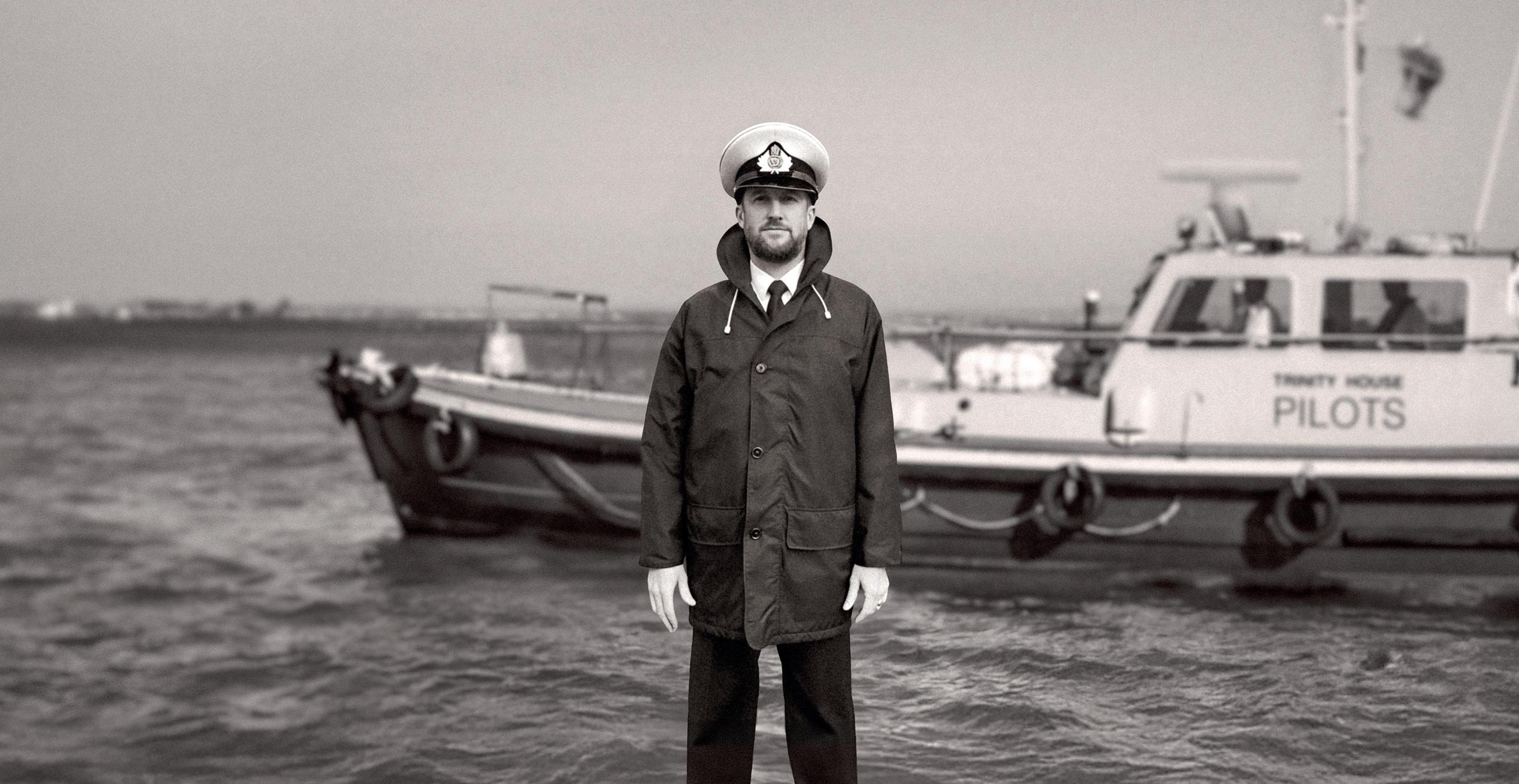


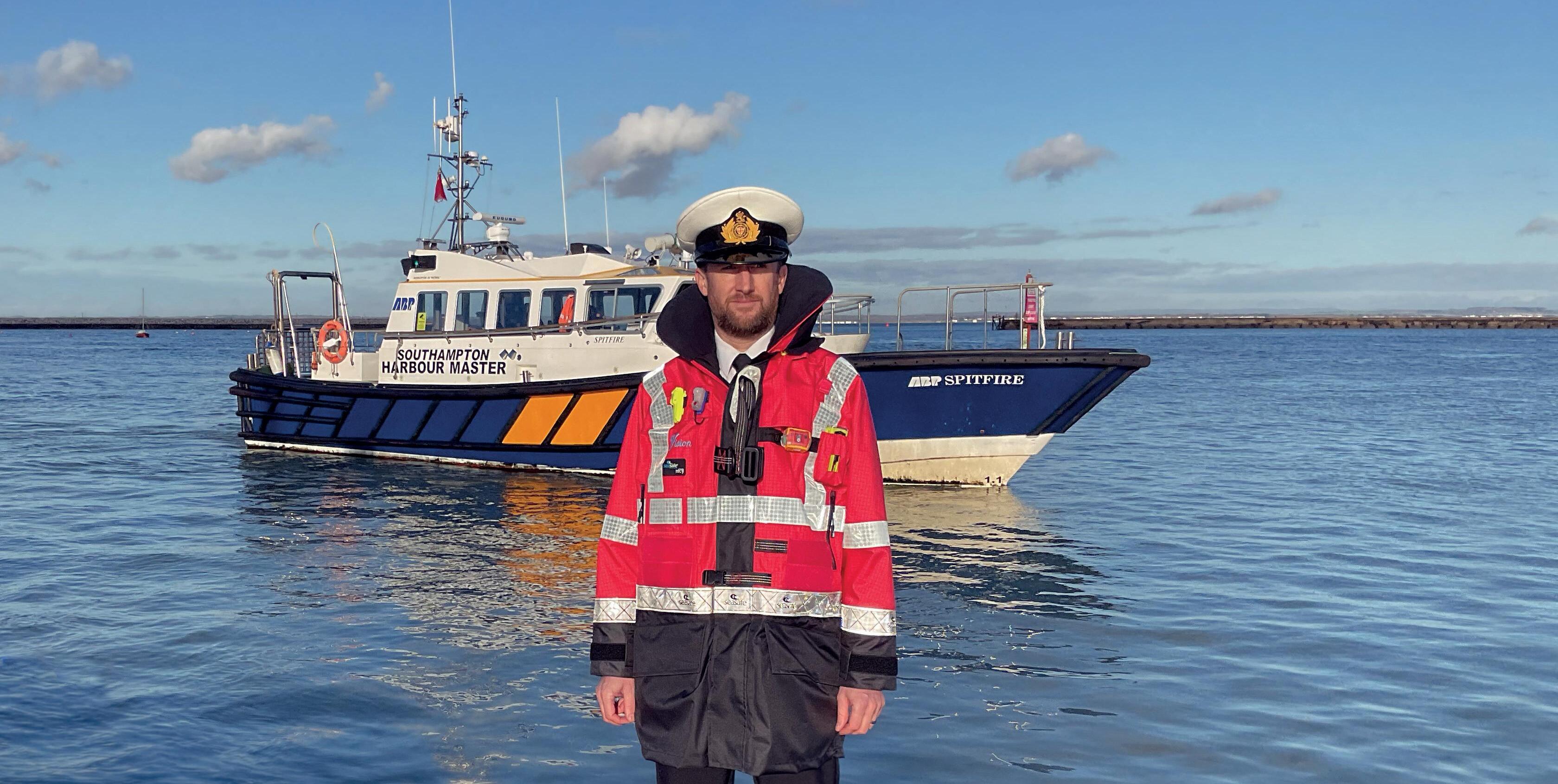
ABoth would shape 60 years of pilot safety.
Coincidently in 1955, the year I was born. That same year, Peter Thornycroft founded Keith Nelson & Company Ltd and TT Boat Designs – a move that would soon revolutionise the way pilots were ferried to and from ships. By the early 1960s, their Nelson 40s were replacing traditional cutters, allowing safe transfers in all weathers.
At the time, Trinity House had around 500 licensed pilots, with 350 in the London District alone, handling 60% of the UK’s piloted tonnage. It was a period of rapid change – not just in boat design but in pilot standards and safety gear.
In 1966, drawing on his experience as a Medway pilot, Captain Stanley Coe launched the first SeaSafe Mariner Coat in black – designed to meet the realworld demands of the job. Prior to this, in 1964, United Moulders produced the UML Mk3 automatic inflation system, which SeaSafe incorporated in 1968

Pilot safety advanced again in 1982 with the introduction of the Hadrian’s Rail system, which significantly improved pilot security while moving forward on deck in heavy weather. This innovation marked a crucial advance in reducing slips and falls, complementing the safety provided by improved pilot coats and life-saving gear.
As the industry modernised, the Pilotage Act of 1987 transformed the pilot profession. SeaSafe adapted its coats to meet new requirements for different ports, manufacturing the new coats in brighter colours, ensuring all garments complied with evolving safety requirements. In 1999, the ABP safety officer insisted that a SeaSafe coat had to have the equivalent of Class 2 high visibility, making sure that all aspects of the coat could be seen by port operatives. One of the important
This standard was adopted by most ports and became the benchmark for others to follow. SeaSafe coats not only had to conform to Hi-Viz requirements but had to meet various standards over the years –first under British Standards (BSI), later CE, and now ISO certification. Each transition required the entire range to undergo rigorous retesting, reflecting SeaSafe’s long- standing commitment to compliance and innovation.
For many years, the SeaSafe coat was the sole product – until the early 1990s, when I joined the company. Around that time, Bristol Pilots asked for a lighter, shorter coat, leading to the creation of the Sea Explorer blouson. A few years later, the Hawaiian Pilots requested a sleeveless, lightweight version, inspiring the Sea Trekker gilet. More recently, European pilots wanted a blouson jacket with zip-out sleeves – and once again, a new product was designed. Each innovation was born from direct pilot feedback, and every model underwent full certification testing.

In the 1980s, SeaSafe also introduced Personal Locator Beacons (PLBs) to further enhance pilot safety, starting with the Sea Marshall systems. Over the past 15 years, the range of PLBs has expanded dramatically, from AIS-based systems to fully integrated GPS distress transmitters.
SeaSafe’s coat designs have evolved to accommodate these new technologies and now offer a wide range of PLB’s that can be transferred from coat to coat. With modular pockets and a universal fitting system, the PLBs can be easily swapped between
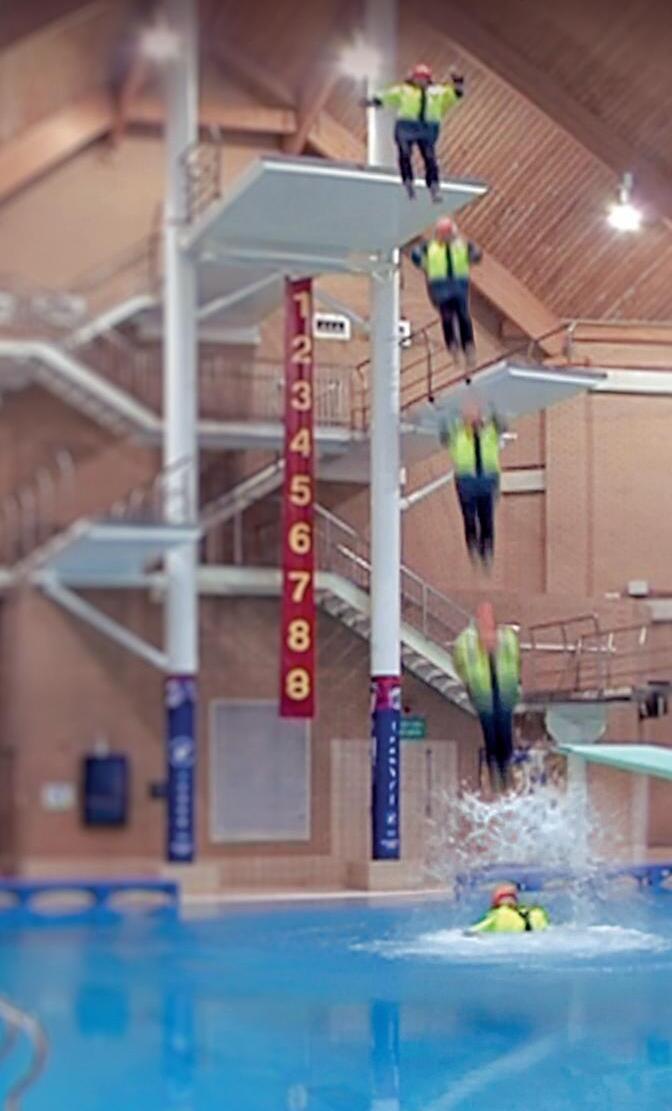
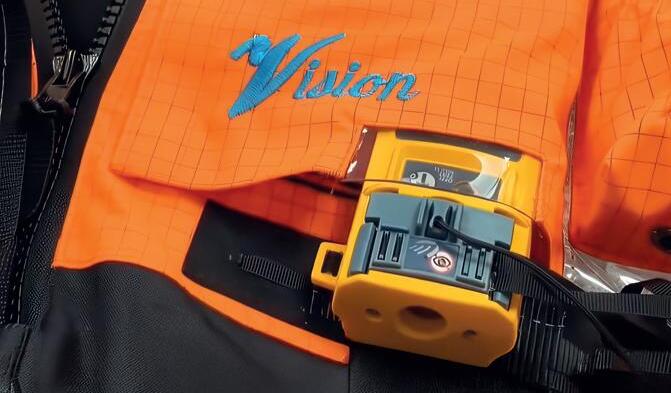
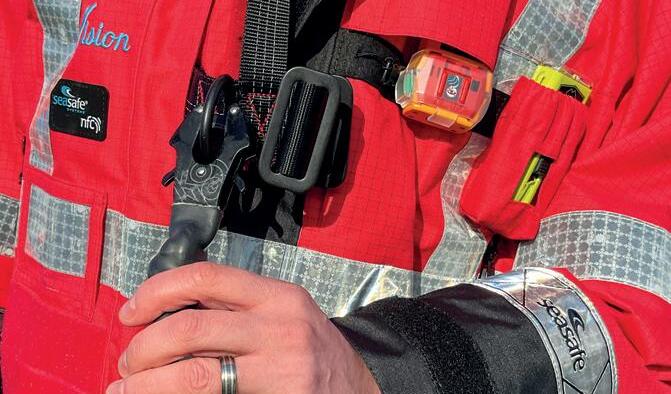
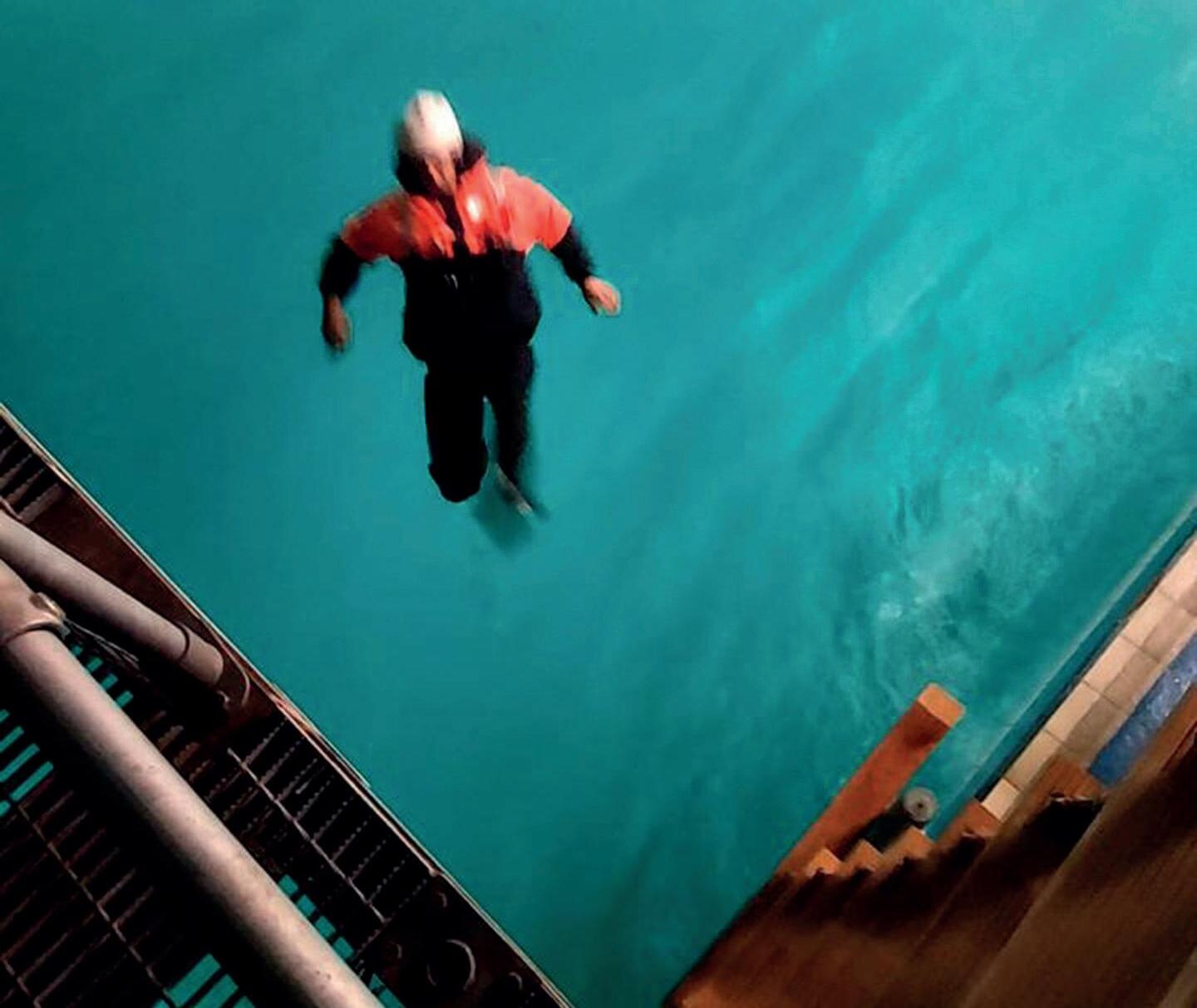
garments – a practical innovation for pilots who move from their SeaSafe winter Mariner Coats to the summertime lightweight SeaSafe Sea Trekker Gilets. Safety doesn’t stop at technology – it also relies on compatibility and comfort. SeaSafe carried out extensive testing to ensure that its garments worked safely alongside other protective equipment, particularly helmets. In one series of trials, using an Olympic-sized swimming pool, a team member jumped from a 10-metre diving board wearing a SeaSafe Mariner coat and helmet to test for buoyancy, balance, and comfort. The results were clear – the combination is fully compatible, offering unrestricted movement and reliable performance in the water.
It’s also important to note that a SeaSafe garment with an integrated 180N inflation system consistently outperforms both 150N and 275N standard lifejackets. The integration ensures the buoyancy is positioned correctly and inflates
faster, while the coat’s design provides insulation, protection from exposure and freedom of movement – vital factors for pilots working in harsh conditions. The majority of SeaSafe garments come with an approved harness and D-ring system, giving the pilot added security if conditions dictate clipping onto the Hadrian’s Rail.
After six decades, SeaSafe continues to adapt to the evolving world of pilotageembracing sustainability, digital tracking and next-generation fabrics. Yet the principles remain the same: listening to pilots, innovating with purpose and ensuring safety never stands still.
Jeremy Dale has worked in the marine industry for over 50 years. He was made an Honorary Fellow of the Nautical Institute in 2016, an Honorary Lifetime Achievement Member of the UKMPA in the same year and was awarded an OBE for Services to Maritime Safety in the Queen’s Birthday Honours of 2021.
www.seasafe.co.uk
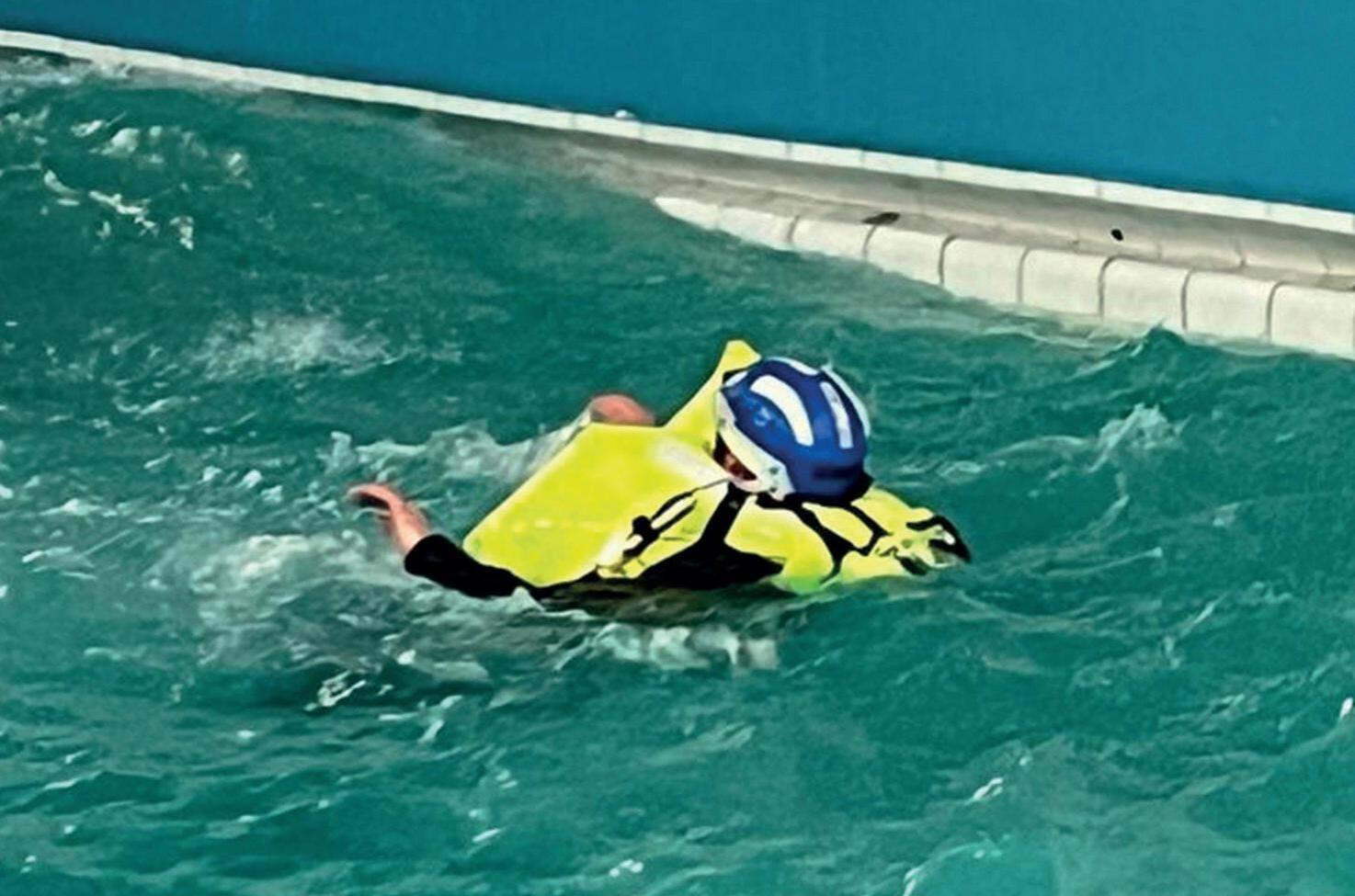
The conformity of a Personal Flotation Device (PFD) or any other item of PPE to any part of an ISO standard does not imply that it is suitable for all circumstances. It standardises the testing, which is both repeatable and scientific. The standards and tests are designed to assess the relevant aspects of performance in real-life use. They can give guidance and assistance in what specific outcomes can be expected in the defined test scenarios – real-world
use is, however, far more complex. All requirements need to be met to reach the ‘standard’. It is routine therefore that, for example, actual tested buoyancy exceeds the certified standard; while buoyancy does keep you afloat, more importantly, buoyancy affects freeboard, turning time, in-water stability and head-torso position.
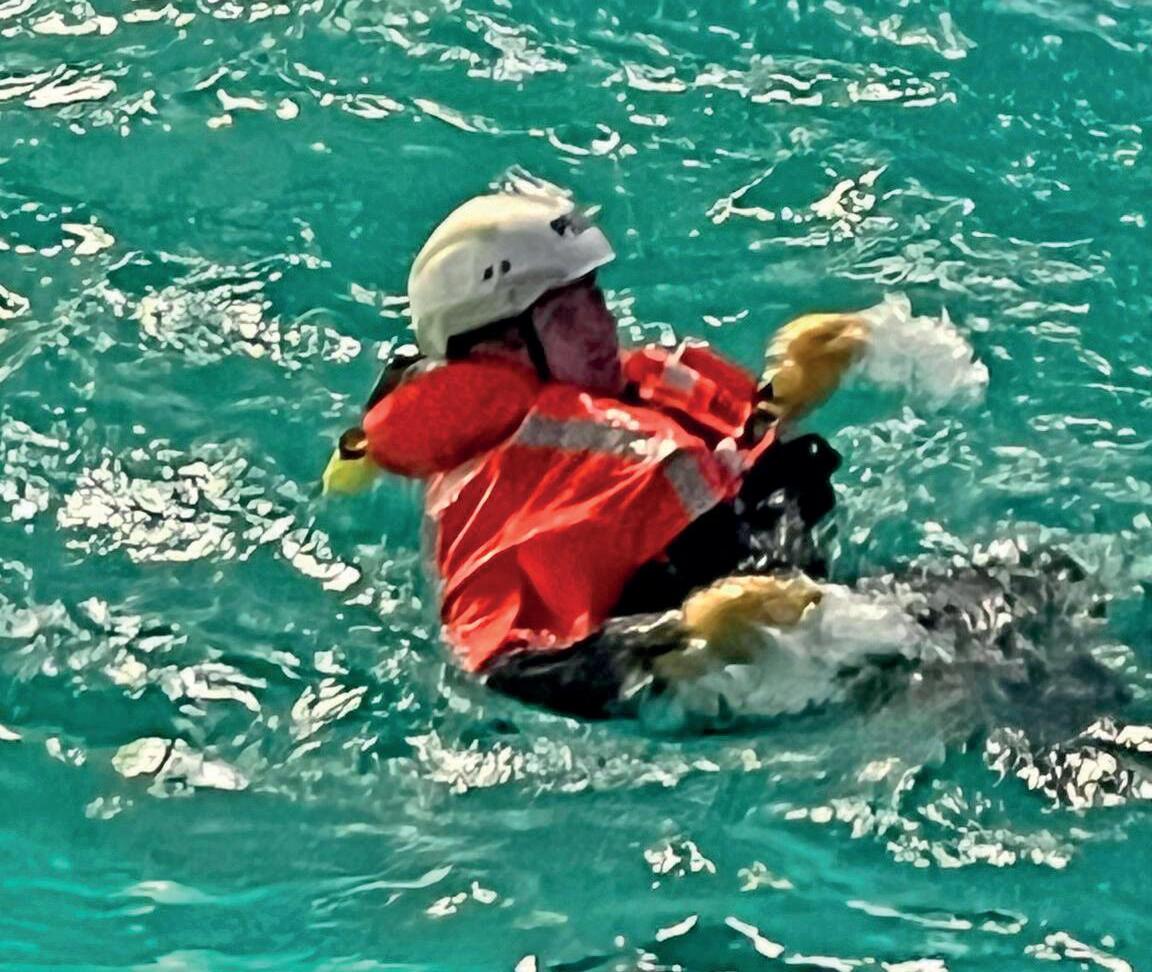
Despite the rigorous testing criteria, there will always be variables to contend with. For example, a PFD may pass the self-righting test in swimming attire and
in a swimming pool, but this does not guarantee the device will self-right an unconscious user wearing waterproof clothing in any type of sea.
Another example is that a PFD cannot guarantee the unconscious person’s airway can be completely protected in rough weather.
The maximum height required for testing is 3.5m and feet first. Of course, pilots are climbing heights up to 9m, so where possible – if safe and practical to do so – try to reduce transfer height.
Location
• Conducted in a freshwater swimming pool
• Swimming attire only
Water tests
The measurement of freeboard, the vertical difference/clearance between the water surface and the lowest corner of the mouth measured in mm.
• Boarding test. This test aims to prove and limit the encumbrance of a PFD on the ability of the wearer to climb out of the water in adverse conditions. It requires a 25m swim followed by boarding a SOLAS-approved liferaft or rigid platform.
• Donning test. A simple test to ensure that the PFD is easy to put on correctly.
• Water entry test. This test evaluates the ability of the PFD to stay on the subject and ensure it remains in a usable position when falling or jumping into the water. The test involves the user stepping or falling into the water initially with arms held vertically over the head, feet-first, from 1.0 to 1.5m. Water entry in other orientations such as a dive or a feet-first step with arms at each side are performed if they are likely to produce more adverse results. The feet-first entry is repeated from a height of 3.0 to 3.5m.
• Self-righting test and stability test. This test is to determine that the PFD provides adequate face-up stability and associated resistance to being turned face-down by waves or other forces. It also looks to ensure the device can bring the user faceup in the unlikely event that the user either enters the water facedown unconscious or becomes unconscious in the water.
• In-water stability test. This test is to assess the ability of the PFD to safely support the user. The subject is inclined both clockwise and anticlockwise along the longitudinal axis to 55 +/5 degrees and released. The user is then observed to see if they return to a stable face-up position.
• Ergonomics. An assessment of the comfort and interference when using the PFD. This test will determine whether the PFD is fit for the intended emergency use. Test factors include head and limb movement, discomfort, interference with vision, hearing and breathing. These factors are tested in the following conditions: in water, out of water, uninflated and inflated.
• Encumbrance. This assessment measures the ease of movement and elicits comment while carrying out several activities. These activities
include sitting in a liferaft, climbing up and down a 2.5m vertical ladder, drinking from a cup, touching toes, accessing and using any additional items provided on or with such a whistle, buddy line, tightening and loosening of essential adjustments. Also considered are comfort and encumbrance during and after donning, during the water entry and swimming tests and during the boarding test.
Is it important that selection of personal protective equipment looks beyond just the minimum standards. Companies and individual users should risk-assess equipment and, where possible, conduct trials to determine which class and performance levels are most appropriate for their operations. Factors considered include conditions of use, allowing for higher-risk circumstances, unplanned immersion and unexpected consequences in such emergencies.
There is a variety of support levels, buoyancy types, activation methods for inflatable devices and auxiliary items such as location aids, of all which will affect the user’s probability of survival.
Most importantly, give your PFD the best chance of saving your life. This can only happen if the PFD is correctly adjusted and donned every time.
By
Dave cooper / Harwich Pilot & Member of UKMPA T&TC
By Doug Vincett, Industrial and Technical sales at Spinlock
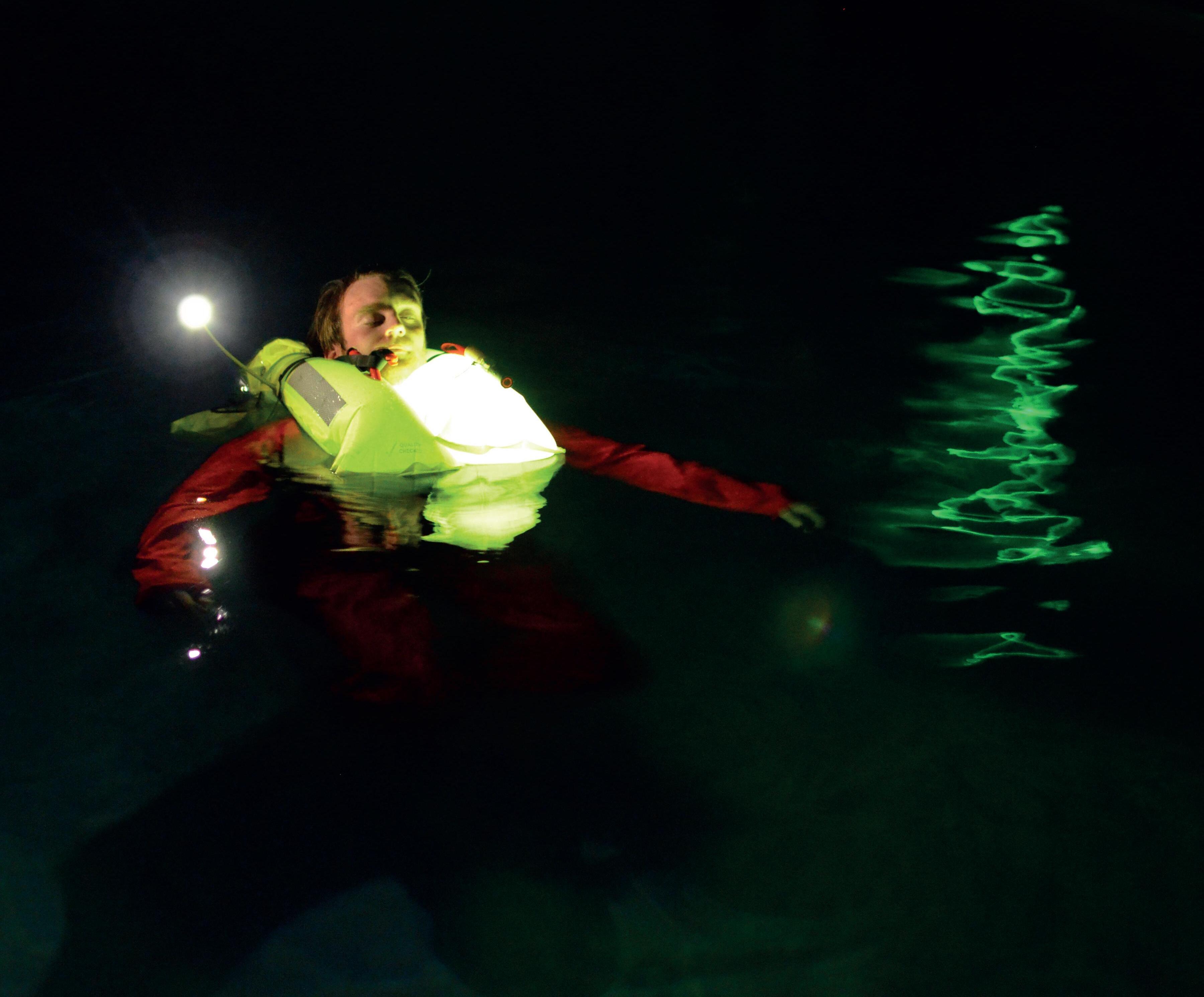
Myths, half-truths and assumptions surround lifejackets. Most users only put them on at the start of the day and take them off at the end. Few stop to think about how they work, what the standards mean or how critical correct donning is to survival. This article takes you through the essentials of a modern inflatable lifejacket –what inflates, what deflates, the standards behind them and how design affects performance.
Standards: ISO and SOLAS Globally, there are two main standards that matter: ISO and SOLAS/MED. (There are others, but for most pilots and commercial users, these are the benchmarks.)
• SOLAS/MED lifejackets are designed as abandonment jackets. An inflatable SOLAS must have dual chambers and is built to minimum international requirements.
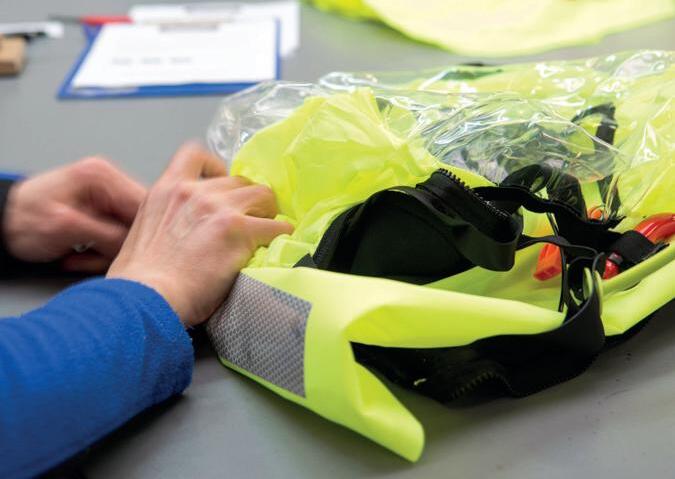
Because they include two manifolds, two cylinders, two firing heads and two oral inflation tubes, inflatable SOLAS jackets are typically heavier and bulkier than single-chamber ISO models.*
• ISO 12402 lifejackets are classed as constant-wear products. They do not require dual chambers. The standard continues to evolve to improve comfort, fit and performance. *(most modern SOLAS products are also approved to the ISO standard)
For many marine pilots, an ISOapproved lifejacket is the most practical choice – lighter, better fitting, more comfortable for long periods and generally more cost-effective. However, some organisations still specify SOLAS for operational or policy reasons.


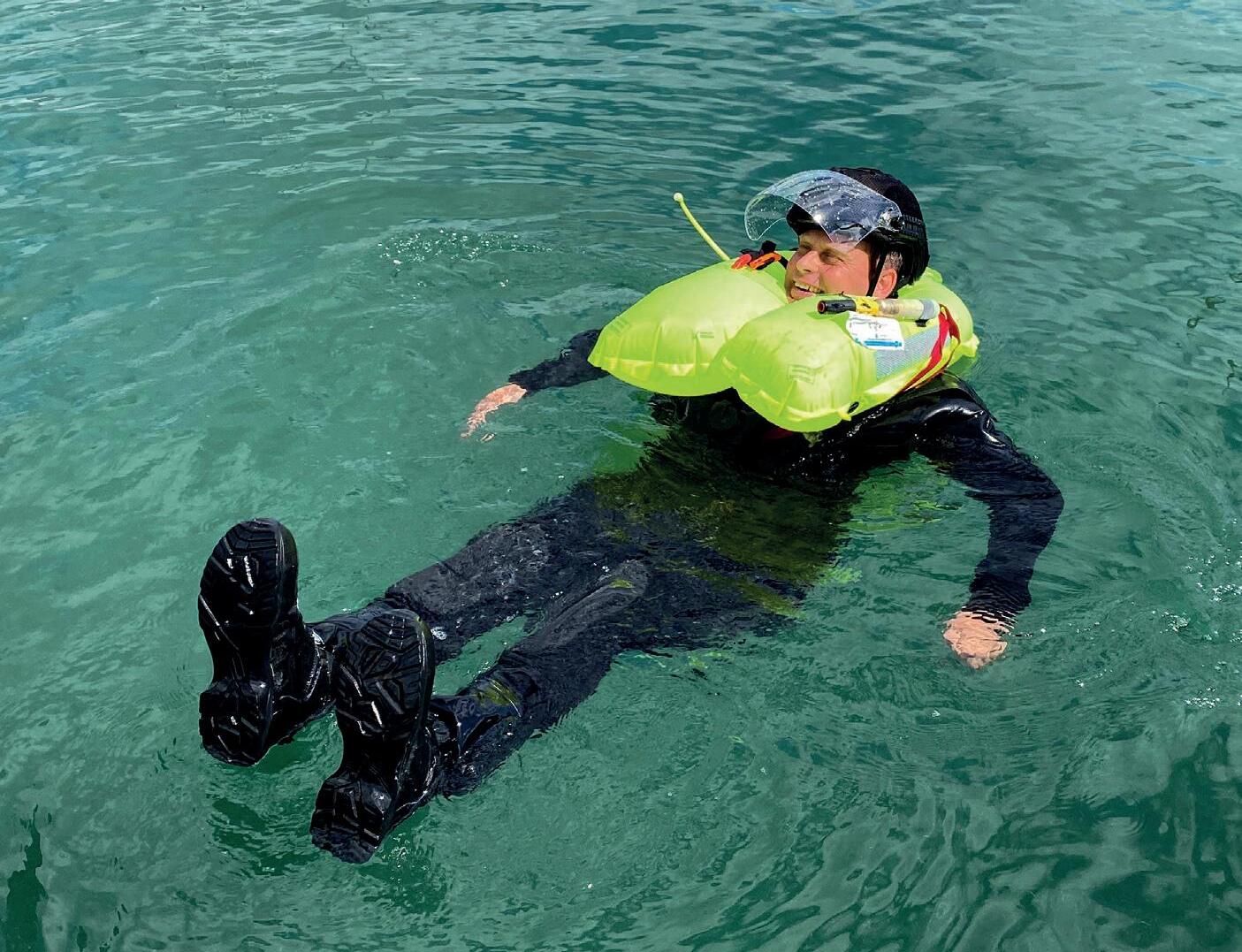
The ISO standard provides for two main buoyancy levels: 150N and 275N. The choice of buoyancy depends on the area of operation, the type of clothing or PPE worn and the nature of the work being carried out.
For marine pilots, Spinlock would generally recommend 275N buoyancy. Given the often-dramatic nature of a man overboard incident and the turbulent water alongside or astern of a ship, the higher buoyancy level offers greater righting force and freeboard, making it the safer option.
The trade-off, of course, is that a 275N jacket is physically larger and can make self-recovery – for example, climbing a ladder from the water – more challenging. However, the bladder can be partially deflated in a controlled way to assist recovery if needed, without compromising safety.
Regardless of standard, inflatable lifejackets must achieve the same fundamental goals:
• Turn an unconscious casualty onto their back.
• Hold the face at least 10 cm clear of the water, typically at a 45° angle.
Modern jackets no longer resemble the old ‘balloon around the neck’. Advances in design and bladder construction place buoyancy exactly where it is most effective. Bladders are
now formed using ultrasonic welding, which fuses materials at a molecular level, allowing for higher inflation pressures and more complex 3D shapes that deliver faster rotation and improved floatation.
Activation systems
Activation heads have evolved far beyond the original dissolvable tablet designs.
• Water-activated mechanisms now use a paper element wound around a clasp holding a powerful spring. This paper is highly moisture-resistant and only releases when in direct contact with water, allowing the spring to puncture the CO₂ cylinder for fast automatic inflation.
• Hydrostatic (pressure-activated) systems are also available and are best suited to consistently wet environments. These require submersion to around 10-15 cm before triggering.
Additional safety features
Sprayhoods are now a common feature. When donned in the water, they protect against inhalation of spray and spume, extending survival time and reducing the risk of secondary drowning after recovery.
Lifejacket lights –mandatory on SOLAS-approved models – are typically
white flashing lights that activate on contact with water to assist in locating casualties. Optional upgrades include strobe lights or the Spinlock Lume-On lights, which illuminate the inflated bladder to improve visibility at night.
Beacons and personal location devices (PLDs) are also becoming standard within the pilot community. For pilots, an AIS PLD is the preferred choice – automatically activated in most cases and directly linked to nearby vessels. This allows the pilot vessel to receive an immediate MOB (Man Overboard) position, enabling rapid recovery.
In such scenarios, the pilot boat can raise a Mayday on Channel 16 straight away, removing the need for a 406 MHz PLB device. It’s worth emphasising whatever the conditions, standard operating procedures should ensure a Mayday is transmitted as soon as possible. Search and Rescue authorities would rather be stood down than called too late – early response is always the better option.
Even the best-designed lifejacket can only perform if worn correctly. A loose or poorly adjusted jacket can compromise turning speed and airway protection. A well-fitted, tailored design not only improves comfort on deck but also reduces restriction when climbing or boarding, and ensures faster, more reliable performance in the water.
Lifejackets should not be a mystery to their users. They are finely engineered pieces of personal protective equipment designed for one purpose: to give you the best chance of survival, location and recovery in an emergency.
As pilots and maritime professionals, we should make it a priority to understand how they work, maintain them properly and ensure they are donned correctly – because in the end, that knowledge could drastically affect the outcome.
By Captain Martin Phipps MBE / former Southampton Pilot & Harbour Master
The 31st October 2003 at 21:45 is a date and time that I will never forget, as it is when I could have lost my left foot. The story begins when I boarded my third job of the day and sailed a small, 140m chemical carrier from Fawley Marine Terminal in Southampton Water. The passage was uneventful and conducted in a South Westerly wind of about 25-30 knots. Early contact was made with the pilot launch that was to disembark me and they requested that I have a ladder rigged on the port side.
They also asked us to slow down as they had to first put a pilot on another vessel. Meeting up with the pilot launch, we swung to make a lee and the launch then confirmed that the ladder was correctly rigged and the heading good for disembarking.
Only a short ladder was necessary with just one step between deck level and the spreader bar. Being a chemical carrier, the main deck was covered in framing and longitudinals from the cargo tanks. On reaching the ladder, the pilot launch was already alongside and confirmed all okay to disembark.
Watching the movement of the launch for a few minutes, I stepped forward to put a foot on the ladder when the vessel rolled heavily and I was suddenly looking up at the pilot launch, which took the ladder up with it. As the pilot launch descended, the ladder
came back down and brought the spreader bar to land inboard on the vessel and on top of my left foot. The launch continued to descend, causing the full weight of the vessel and launch to press down, placing more weight on my foot. At the time I thought “ouch, that hurts a bit” but still managed to disembark onto the launch, clip on to the Hadrian’s Rail and get into the cabin. It soon became apparent that I had done some serious damage to my foot and an ambulance was requested via VTS to meet us at the Gosport Pilot Station. My foot started to give me serious pain and closer inspection by the launch crew showed a lot of blood in the safety shoe, so after wrapping my foot in a bandage, it was placed inside a black bin liner to avoid dripping all over the deck of a new pilot launch!
On arrival at Gosport, we were met by paramedics from South Central Ambulance Service, who immediately put me on pain relief and tried to stretcher me ashore. Unfortunately, the stretcher was too large to fit the gangway ashore, so we returned to the launch, which transferred across to Haslar Marina from where I was ‘bluelighted’ to Queen Alexandra Hospital at Portsmouth. There followed a week in QA to have broken bones repaired before being transferred to Haslar Royal Naval Hospital to have tissue replacement before a skin graft.
Rehabilitation included three months of non-weight-bearing on crutches before starting physiotherapy. I attended over a hundred physio sessions and I was back piloting again a year later, thanks to the excellent treatment and care from the NHS. Twenty years later, my foot gives me no issues and I am able to walk long distances and still climb Lake District fells.
However, this could have all been completely different if I had not been wearing the correct safety gear, and especially safety shoes, which complied with BS ISO 20345.
On my left shoe the steel toe protector had been crushed and compressed to about half its original height and the leather on the side of the shoe ripped apart. Had I been wearing normal footwear, the damage to my left foot would have been considerably worse and I may even have lost it altogether.
Accidents are often not foreseen and happen in an instant, so it is vital that we all wear the correct PPE and make use of any safety features installed on launches or given to help protect us.
“HAD I BEEN WEARING NORMAL FOOTWEAR, THE DAMAGE TO MY LEFT FOOT WOULD HAVE BEEN CONSIDERABLY WORSE.”












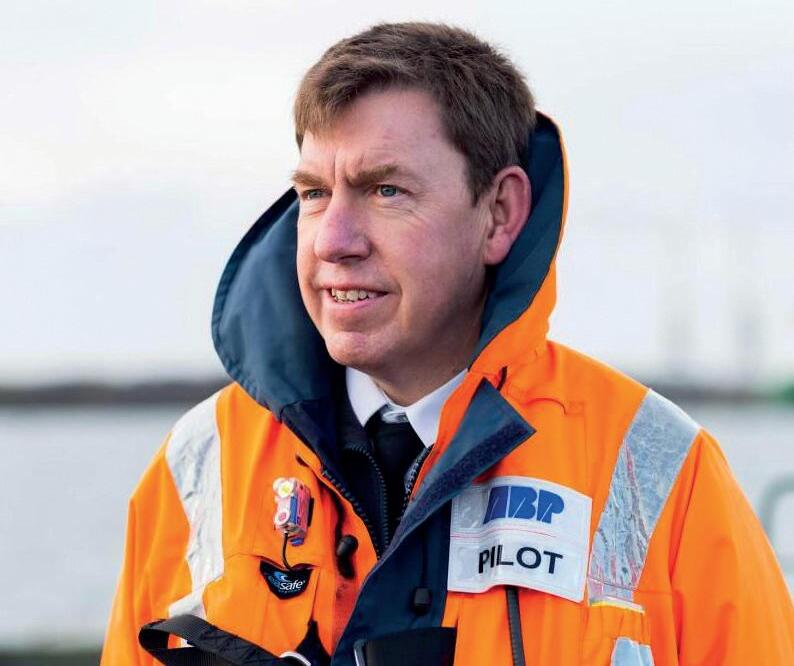
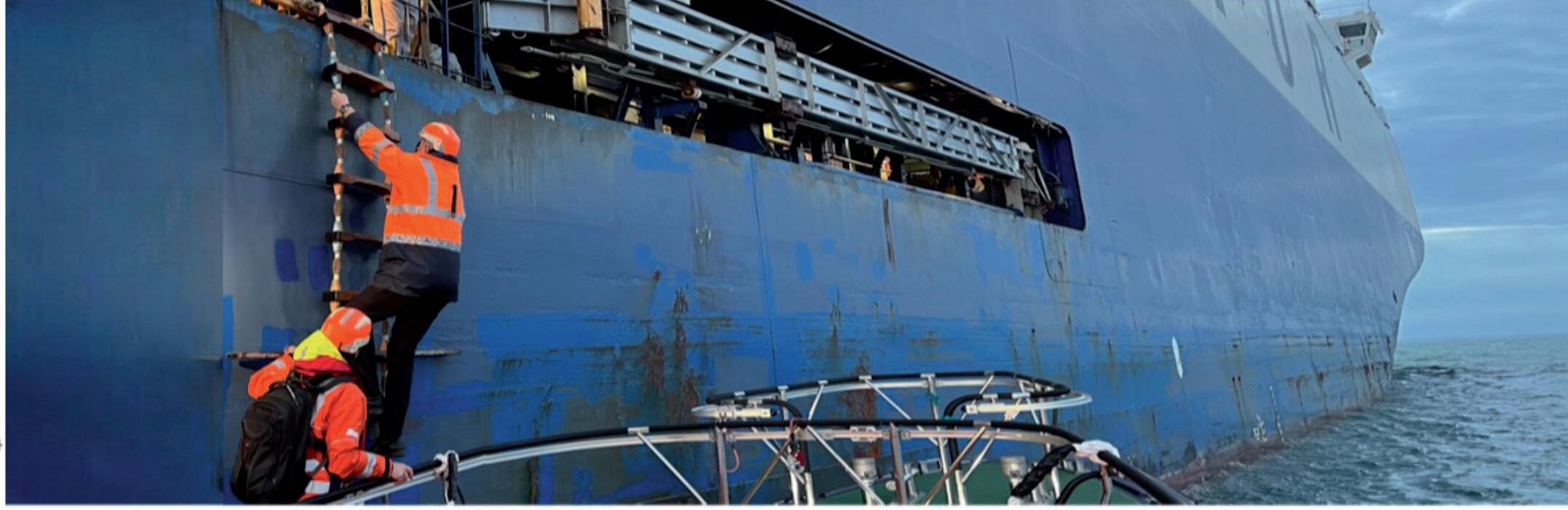
Aroutine ladder transfer can escalate into a serious incident in a split second. Two recent cases, one in Southampton and one in the Panama Canal, show how high-specification safety helmets are preventing life-changing injuries.
In the pre-dawn twilight of a routine September morning, Southampton pilot Captain Noel Becket prepared for a transfer to the P&O Britannia, a 330-metre cruise ship with a two-metre ladder. It was a transfer he had done more than 60 times before.
The pilot launch – Mary Rose – held steady alongside as Noel clipped on to the Hadrian rail and moved to begin the
transfer. The sea state, although lively with a swell between 1.8 and 2.5 metres, was far from unusual. With 25 years of experience as a First-Class pilot, Noel had no particular concerns.
This transfer unfolded differently. After he unclipped and stepped onto the ladder, the Mary Rose dropped sharply into a 2.5 metre trough and Noel’s footing went with it. With no time to recover, he was pitched backwards onto the deck of the launch and the back of his head struck a metal anchor with full force.
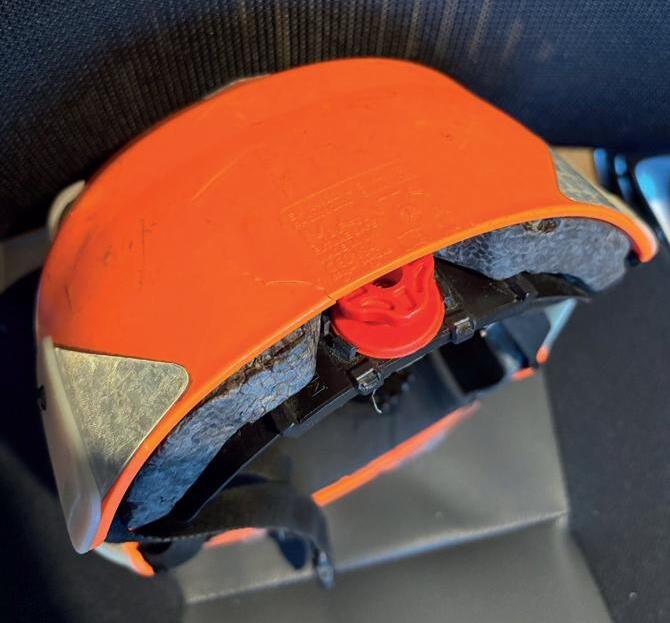
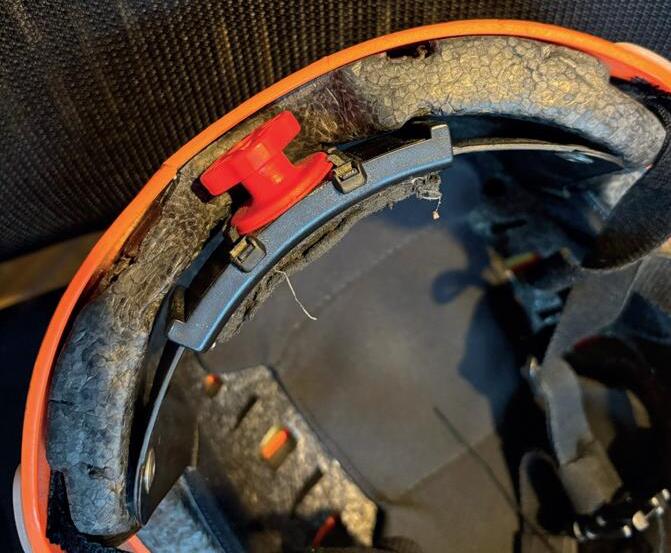
It was an impact that could have been catastrophic. Instead, the blow was taken by the helmet strapped onto Noel’s head. Its shell flexed and
absorbed the force, leaving him stunned and shaken but alive. A precautionary hospital visit revealed no head injury, and a week later Noel boarded the same vessel, in the same place, with the same crew. All understood how different the previous week’s outcome could have been.
Pilotage is one of the few professions in which highly trained specialists step between moving platforms in a live sea environment. Yet for much of the profession’s history, pilots did so without any form of head protection. Broad adoption of helmets is relatively recent, prompted by the persistent pattern of ladder failures and recognition that serious injuries and fatalities could be prevented with the right protective equipment.
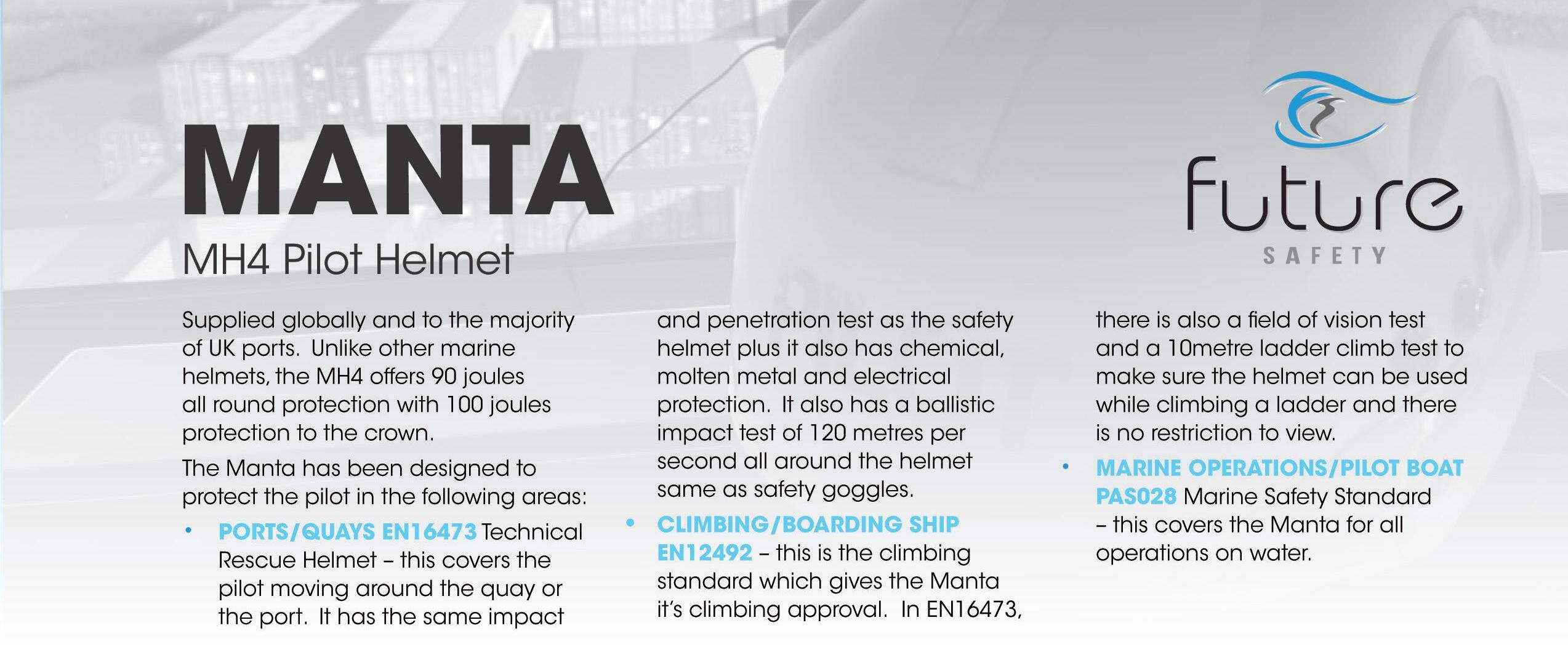
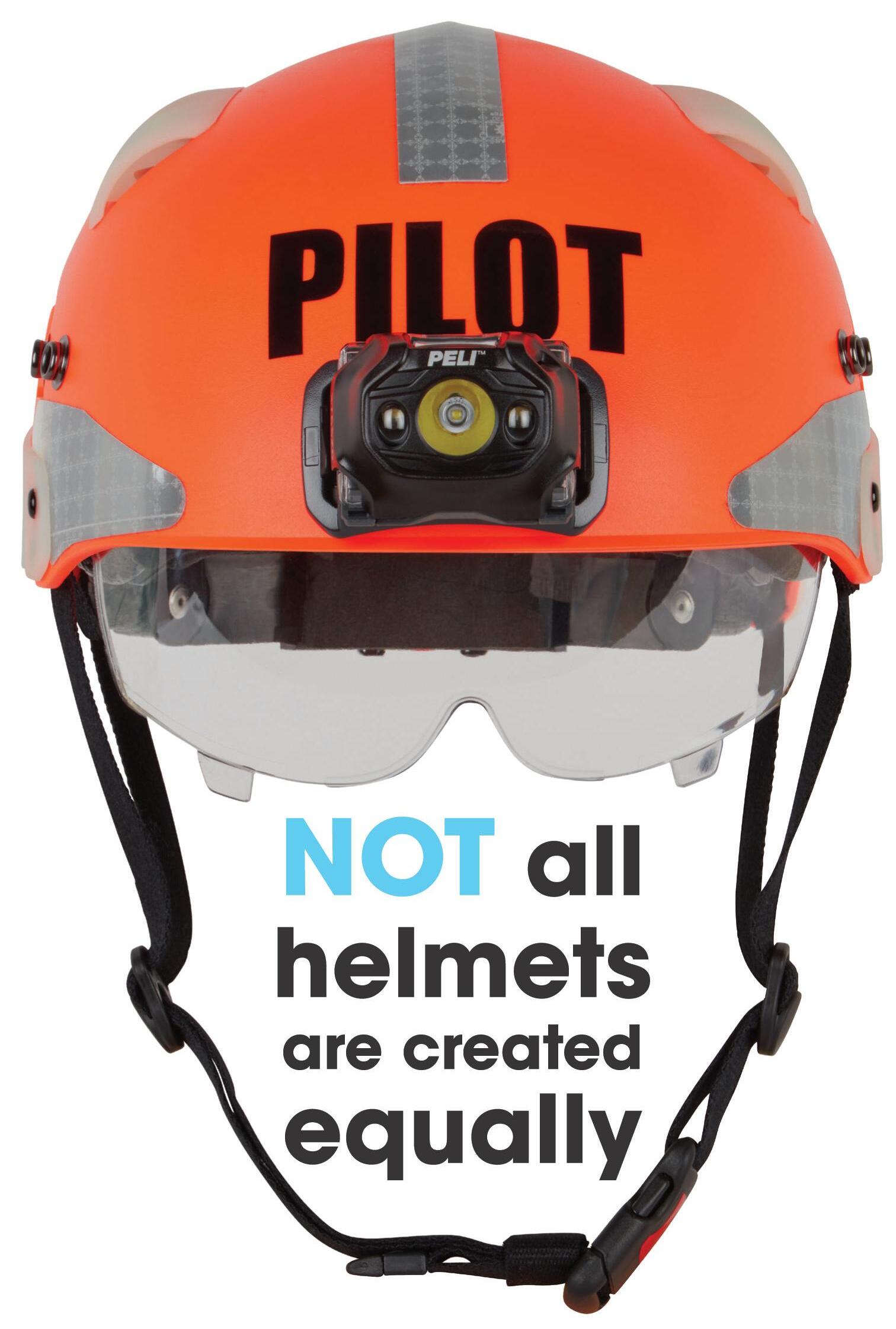
The helmet that protected Noel is not standard issue for maritime pilots, but it is rapidly becoming the preferred choice. The Manta 4 is a high-specification helmet originally developed for industrial and water rescue environments. It is designed and manufactured by Future Safety in Greater Manchester and every aspect of its engineering is purposeful and precise.
The outer shell is made from acrylonitrile butadiene styrene (ABS), a polymer chosen for its ability to deform in a controlled way when struck. Unlike older hard-shell helmets, which can transmit impact forces directly to the skull, ABS is designed to absorb and disperse energy for the crown, sides and back of the head. The helmet’s rounded profile helps it roll rather than catch on metalwork, reducing the twisting forces responsible for many neck injuries during transfer accidents.
Inside, the layout is deliberately simple. Saltwater, spray and diesel contamination can quickly degrade complex padding systems, so the Manta 4 uses a modular design that can be cleaned, dried and reassembled without specialist tools. The harness can be replaced easily if contaminated or worn, supporting a ten-year service life.
The Manta 4 also incorporates features designed specifically for water. Its design avoids bucketing, the effect in which a helmet can fill with water and force the wearer’s head below the surface. Drainage channels and a low drag profile help the helmet clear water quickly if a pilot enters the sea. The chin strap is designed to release under an appropriate level of force, preventing entrapment or neck injury in turbulent water or between hulls.
A pattern seen across the world
Pilot ladder transfers are routine tasks in commercial shipping, the vast majority completed safely and without incident. However, despite decades of regulation, ladder defects, poor practices and insufficient PPE continue to contribute to serious injuries and fatalities every year.
In the Panama Canal, an incident similar to Noel’s experience occurred in late 2020. Captain Martín Carrera of the Panama Canal Pilots Association stepped onto a combination ladder that detached without warning. The ladder struck his head before he fell into the water. Fortunately, the impact landed on his Manta 4 helmet, not his skull. “I felt a powerful blow,” he recalled, “but it did not result in any significant head injury.” His lifejacket inflated automatically, bringing him to the surface, although he swallowed a lot of seawater in the turbulence. He suffered a broken bone and facial cuts, but no serious injury. “There is no doubt,” he said, “that both the helmet and the lifejacket were crucial in ensuring my survival.”
The evolution of the Manta Launched by managing director Colin Holmes in 1992, Future Safety initially supplied helmets for mining and forestry. It later worked with the UK Health and Safety Executive to produce a lightweight, full-protection helmet for quad-bike operations, which formed the basis of the terrain helmet and later the Manta series.
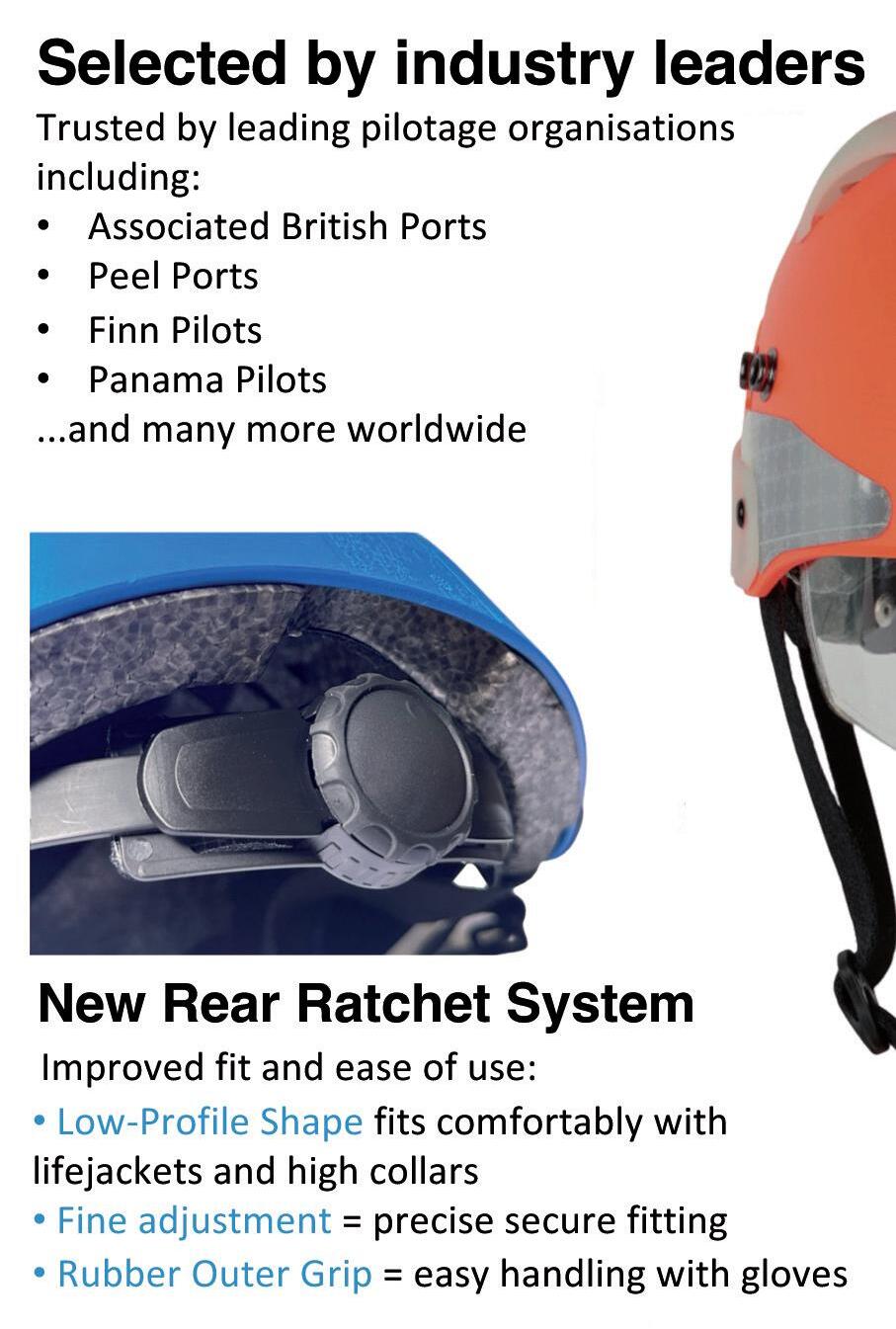
A collaboration with Merseyside Fire and Rescue Service brought the design into swift water and boat operations. Eight years ago, the UK Maritime Pilots’ Association began working with the company to adapt the design for pilotage. Feedback from trials of the Manta 3, originally intended for climbing
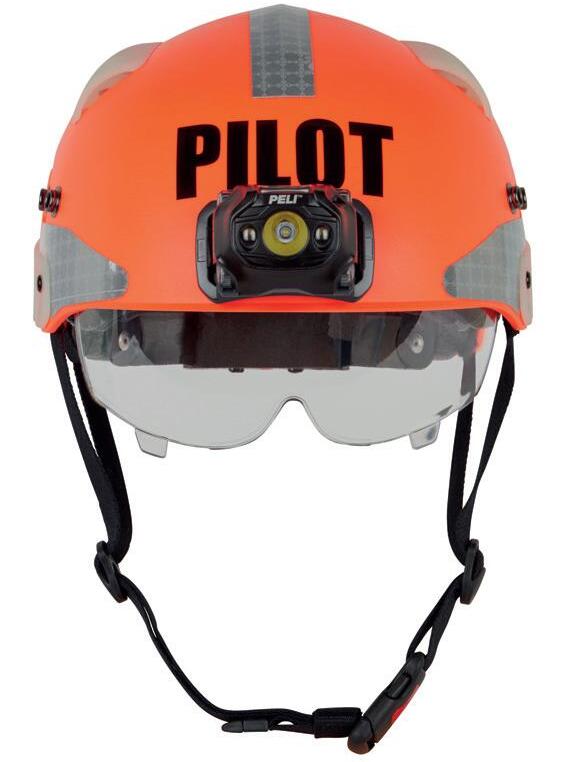
and rescue, led to refinements including greater side impact protection, improved compatibility with lifejackets and a redesigned rear ratchet system to suit high-collared pilot jackets. The result was the Manta 4, now used by multiple pilotage districts in the UK and abroad.
Maritime pilots are a relatively small but important segment of Future Safety’s business. “We export around 80 per cent of our helmets to coast guards, fire brigades and civil defence agencies around the world,” says managing director Colin Holmes. “The Manta 4 has a lifespan of around ten years, so our work with UK pilots isn’t driven by a desire for sales volumes – it’s motivated
by a wider commitment to developing equipment that reduces real-world risk rather than simply meeting minimum standards.”
A helmet designed to be worn – not carried
Every pilot knows that a helmet which does not distract or cause fatigue is more likely to be worn consistently. With this in mind, the UKMPA Technical and Training Committee conducted a comprehensive assessment of a range of specialist helmets. After careful review, the Committee concluded that the Manta 4 offered the optimal combination of protection, practicality and comfort for the operational and post operational environment, making it well suited to daily use in all conditions. Their findings were accepted by the ABP Group, which now supplies the Manta 4 helmet to all pilots employed by the Group.
Reflecting on his experience, Noel agrees that ease of wear is essential. “If a helmet is uncomfortable or gets in the way of hearing or vision, pilots simply will not wear it, or they will clip it to their bag where it is no use to anyone. The Manta is the first helmet I have worn that I genuinely forget I am wearing, and that makes all the difference.”
Future Safety sees the next generation of helmets becoming even lighter, more compact and more integrated with other equipment. Advances in materials and padding systems will continue to reduce weight and improve overall wearability. The aim is similar to the progression seen in Formula 1 motor racing, where small improvements accumulate to transform levels of protection.
For pilots like Noel and Martín, the case is already clear. When a routine transfer can change in a moment, highspecification head protection is not optional. It is practical, proven and, at times, the line between walking away from an incident and not walking away at all.
Louise McWatt & Jones / PR & Marketing
• Impact and penetration testing for pilots moving in and around ports
• No restrictions to view when climbing a ladder
• Covered for all operations in water
• Impact : Crown – 100 joules / Sides – 90 joules /
• Weight : 670g
• Size : Std / 53 – 62cm / XL / 63 – 65cm / Extra padding available for smaller heads
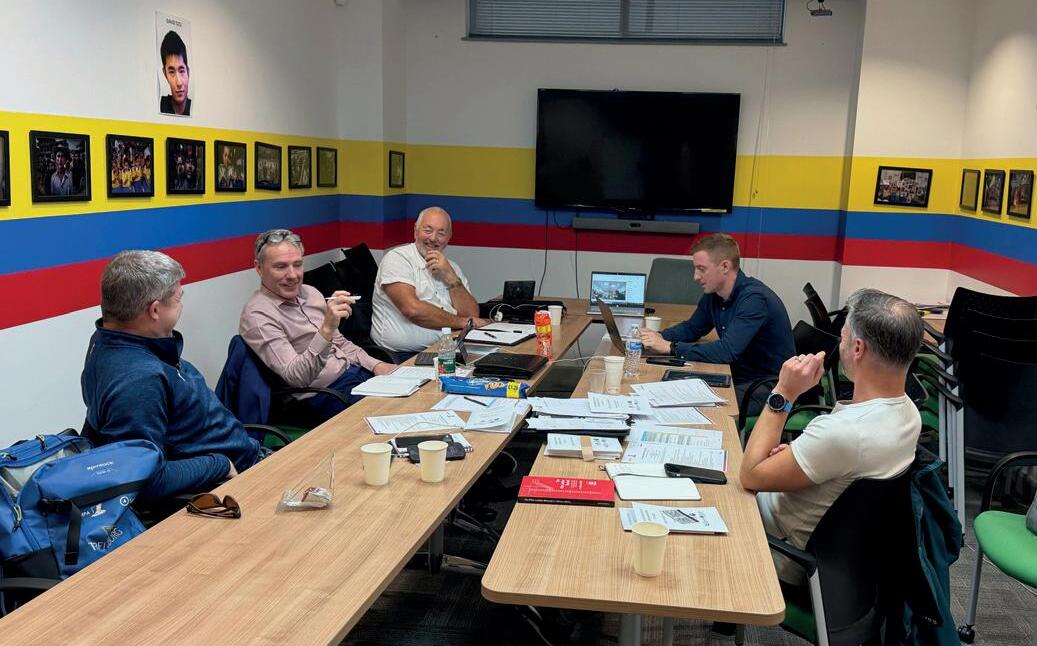
Closing out 2025, we’re able to reflect on another year of our committee’s volunteers delivering for pilots. This culminated prior to the AGM in London, were we marked the 100th meeting of the committee.
Reaching this landmark is a testament to our evolution since the committee's inception in 1970, when meetings were conducted annually. Today, we convene on a quarterly basis and engage nearly daily with the pressing challenges facing pilots and reports on transfer safety issues.
Among this year’s notable achievements is the revitalised reporting structure within the UKMPA app. This initiative, which followed two years of extensive stakeholder engagement, was designed to harmonise further with the UK's Port State Control reporting requirements while also addressing data protection concerns. Additionally, the launch of the Interactive Pilot Ladder Poster marks a significant enhancement, as it is now integrated into the extensively reviewed and republished 2025 B&L Code.
Whilst at the helm, it has been my aim to ensure our work helps keep our association ‘best in class’. To do this, we have a strong blend of experience from around the UK to ensure all views and practices are represented to ensure that our position on issues represents the needs for all. We can only do this with individuals with the passion to keep pilots’ needs and views on the agenda.
Throughout our history, the committee has consistently aimed to deliver for our members. A relatively recent highlight is the Immediate Emergency Care Course, developed collaboratively by Nick Lee, Gareth Wilson and Paul Savage. However, from further back our impact extends beyond training, leaving an indelible mark on safety standards in pilotage.
In response to the tragic loss of pilot Lawrence Mitchell in an accident off Falmouth in 1974 and the subsequent failure of a court case against the ship owner, the Executive Committee sought solutions for improved safety ideas when a transfer exceeded nine metres. The innovative ‘Pilot Mark’ concept, introduced by the Tees Pilots, was successfully progressed
by T&T member Mike Ingram to the International Maritime Organization (IMO). By 1981, this concept had been adopted for use on the sides of vessels following the recommendations of the International Maritime Pilots’ Association (IMPA) and later enshrined in SOLAS regulations.
Furthermore, the B&L Code emerged in response to another tragic incident in the late 1980s when a UK surveyor highlighted the need for a code of best practices. This initiative, championed by T&T member Peter Russell, gradually gathered the support of various stakeholders, establishing it as a gold standard for best practice and frequently cited in international reports. Our history reveals that while our capacity for innovation is world-leading, it often arises from a necessity born of tragedy. Hopefully now, the introduction of the Interactive Pilot Ladder Poster proactively aims to promote best practices for pilot safety, paving the way to educate all stakeholders on the implementation of the revised SOLAS V/23 regulations.
Looking forward, it is crucial that we continue to innovate and explore new ideas that prioritise the safety of pilots and optimise our working practices. We always welcome new ideas and encourage contributions to our future initiatives. Consider joining us in steering the direction of our organisation as we navigate the challenges ahead.
By John Slater / T&TC Chair
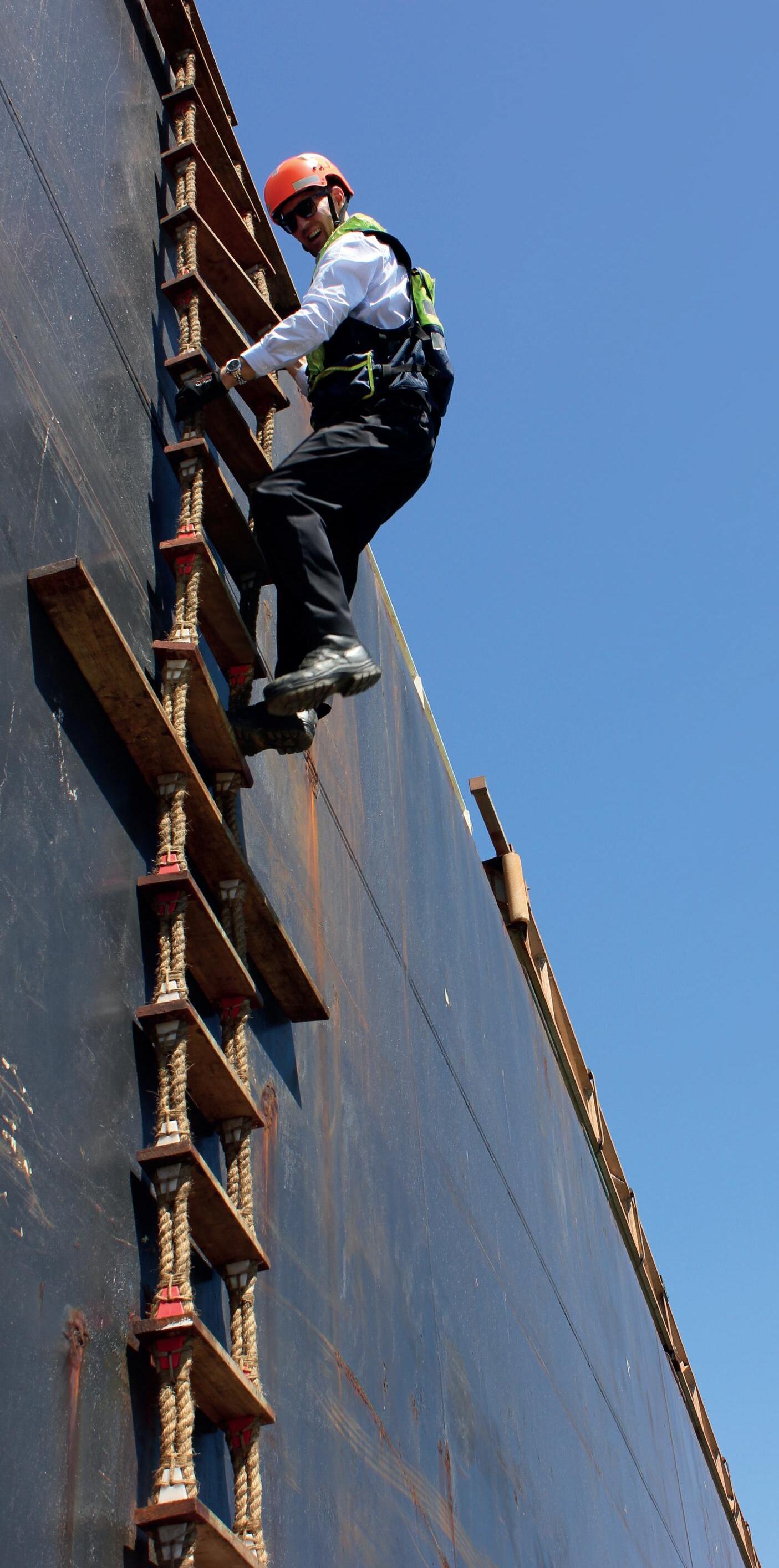
Pilot transfer remains one of the most vulnerable moments in any voyage, yet many of the risks can be avoided.
Recent years have seen genuine improvements: clearer guidance posters, improved digital reporting tools and stronger cooperation between pilots, crews and shore teams. Still, defects continue to occur. The mixed picture shows progress, but there is still a long way to go.
Progress: posters, tools, and shared learning
The new industry-designed pilot ladder poster (p32) is now a standard on board. Its clear visuals help crews verify arrangements swiftly and minimise confusion where it is most important.
By Dave Watkins / CHIRP Deputy Director (Maritime)
Digital reporting has grown at pace.
The UKMPA app and CHIRP Maritime submissions enable pilots to share concerns immediately, providing a clearer view of day-to-day issues and helping authorities understand where their support is needed.
the reports
Many reports highlight familiar problems, ladders secured to fittings never designed for the job, uncertainty during supervision, steps weakened by wear or contamination and combination arrangements that don’t match the conditions. Retrieval lines continue to cause difficulties and some declarations still fail to reflect the ladder's actual condition.
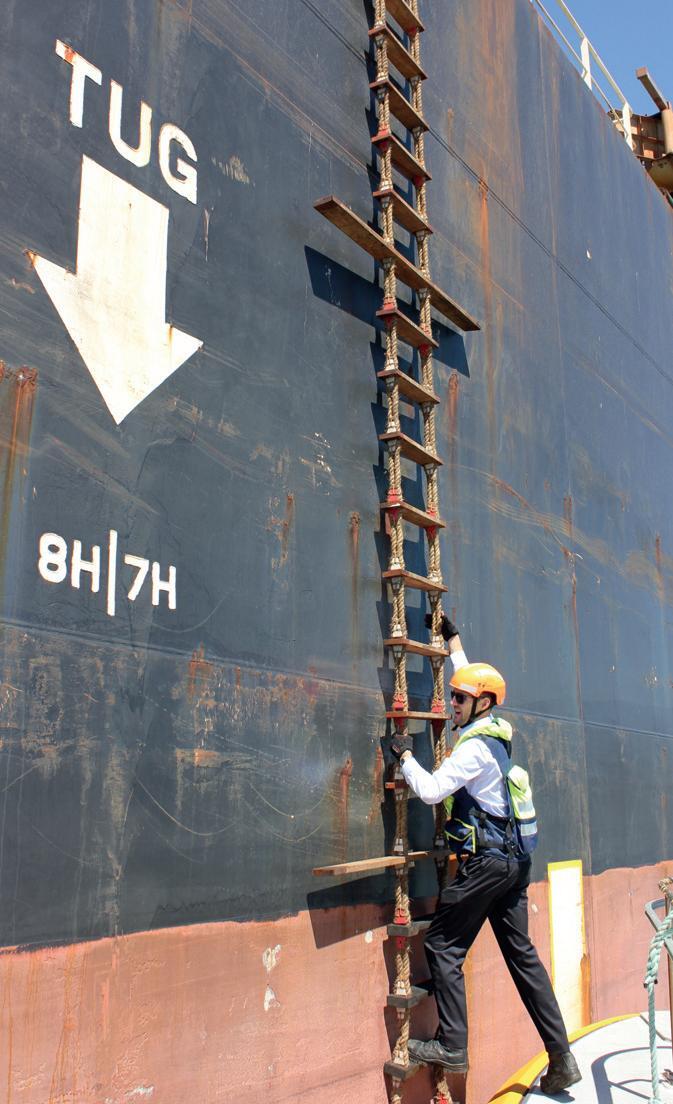
These issues rarely result from deliberate shortcuts. Crews typically deal with tight schedules, limited equipment, poorly designed boarding areas or uncertainty regarding the latest standards.
Human factors: often the deciding factor
CHIRP Maritime’s feedback consistently highlights common pressures: limited time, varying levels of training between rotations, difficult communication at the ladder and inconsistent follow-up from authorities. Recognising these factors helps focus on solutions rather than assigning blame.
Despite clear international standards, non-compliant arrangements still occur. Ladders can degrade quickly due to poor materials, improper stowage, harsh marine conditions or insufficient maintenance. Too often, ladders are seen as a nuisance rather than vital
equipment that safely brings a marine pilot on board: a crucial link in the global supply chain. Declarations sometimes miss obvious defects because inspections are hurried, checklists are misunderstood or responsibility is unclear. Occasionally, arrangements conflict with a vessel’s SMS when procedures are not regularly communicated, reviewed or updated.
Each report, whether sent to IMPA, UKMPA, CHIRP Maritime or national schemes, helps identify the gap between expectation and practice, supporting targeted improvements and fostering a stronger safety culture.
Stronger standards: the new SOLAS V/23
In June 2025, the IMO adopted updated performance standards for Pilot Transfer Arrangements (MSC 110). A key point is clear: if an arrangement is non-compliant, it must be reported and not used until rectified. This significantly helps align the written rules with pilots’ real-world experience.
The Maritime Labour Convention also now states that, as far as reasonably practicable, internet access should be available on board. This helps crews easily access updated guidance, including the new UKMPA interactive poster.
Compliance timeline:
• 1 January 2028: Newbuilds
• 1 January 2029: First survey for existing SOLAS ships
• 1 January 2030: Non-SOLAS ships
This gives owners time to plan while ensuring older arrangements are steadily replaced.
Good pilot transfer safety begins well before a ladder is set up. New ship designs increasingly feature dedicated securing points, reinforced structures, appropriate landing areas for combined arrangements, clear deck spaces and improved lighting and communication aids. These features minimise future retrofitting and enable safer transfers from the first day.
The ISM Code underpins procedures, training and verification, while ISO 799 sets the technical standards for ladders themselves. Together, they form the backbone of compliant pilot transfer practice. The new SOLAS V/23 is now a call to scrutinise company SMS pilot transfer arrangements so that standards and procedures align.
Even small steps help build consistency: using the new poster during each pretransfer check, keeping reliable ladder records, encouraging immediate reporting, taking a moment for a pilot–crew exchange and supporting timely follow-up when concerns are raised.
The formal compliance dates may be in 2028, but there's little reason to delay. Pilots continue boarding ships daily using arrangements that range from excellent to barely acceptable. Moving early is a simple way for owners and managers to show they appreciate those who depend on this equipment. Upgrading now is not only courteous but also demonstrates a real commitment to safer transfers across the industry.
Safe transfer depends on confidence: in the ladder, in how it is secured, in the crew handling it and in the accuracy of the paperwork supporting it. Recent improvements demonstrate what can be achieved when everyone works together, while recurring faults highlight why vigilance and curiosity remain vital.
By challenging weak practice, reporting what we encounter and adopting the new standards ahead of schedule, we strengthen safety not only for pilots but for every mariner who trusts a simple ladder to do their job.






Ove p
T 4 5 y guided el or the pilot to be saf e f ng use ead ety equipment in place and r t saf er ing of th g ig k compliant r see / Chec er
Coode Th es f re ro management Compan All procedur The ISM C rout to/f 6 es that the re re afe condu r the s fo h i whhic a e have shall ies v t system w e requir e e via idg om the br r g es com re ro raansf ct of pil udes ship-spec incl saf rooved a n ppr ot tr ese procedur a clear illuminate yg
guidance fr
DSIDEDOORD y o ry ri m ma rnna mendations, reegulatio pterCha q Vr inter rine industr SFER ARRANG E AN GRAMSC DIA FOR T R orgganizations. rdds ational standa m rm n 23 and confo p r r r MENTS
y ly
m





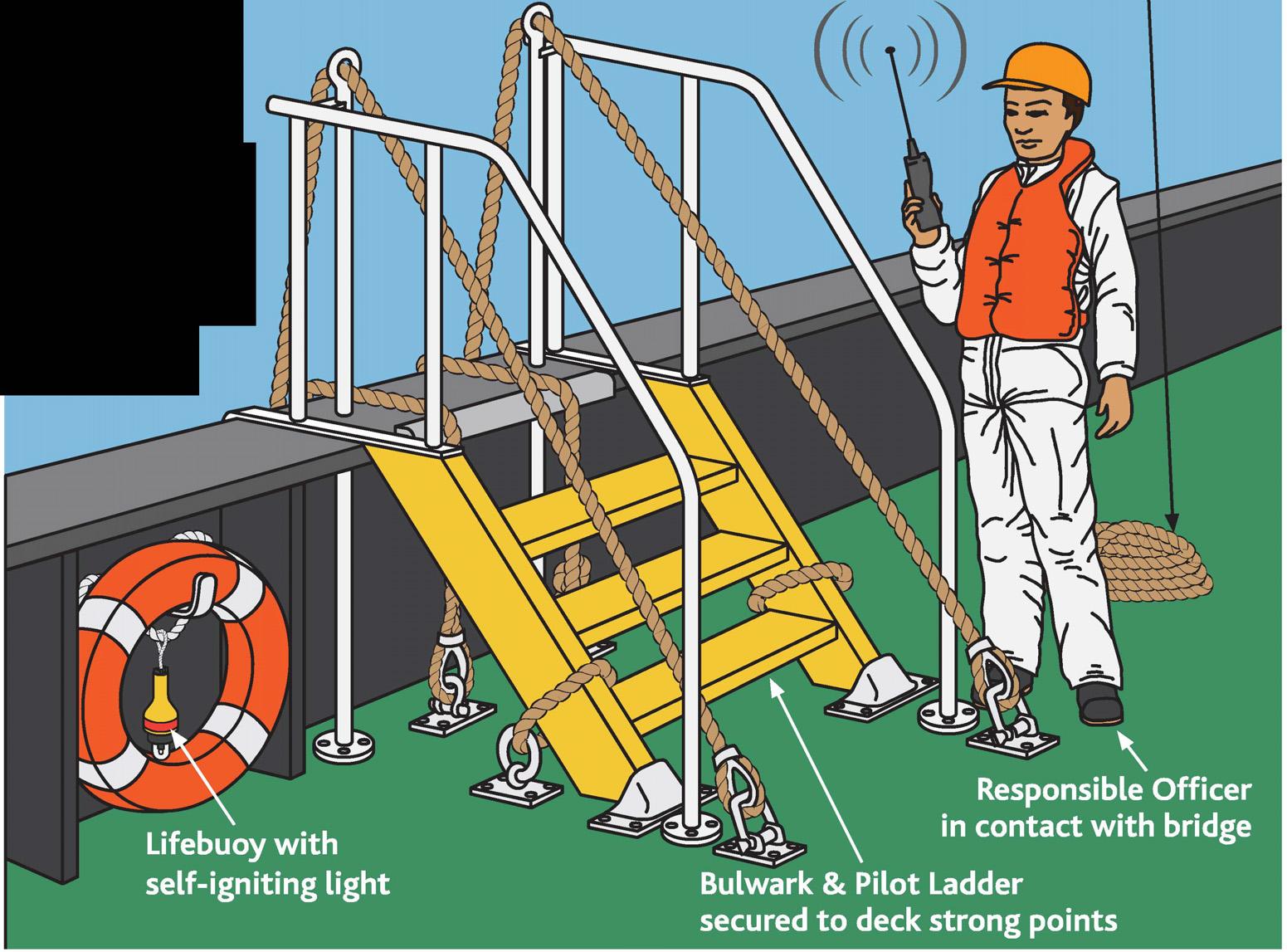
Securing the accommodation ladder in a SOLAS –compliant combination ladder pilot transfer arrangement.
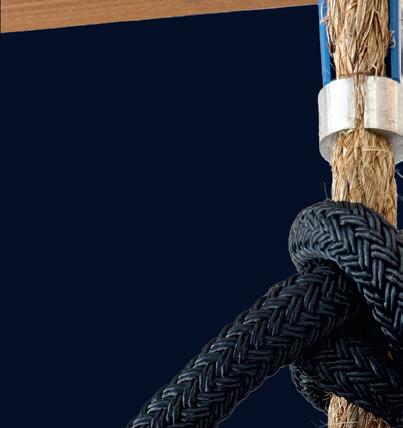
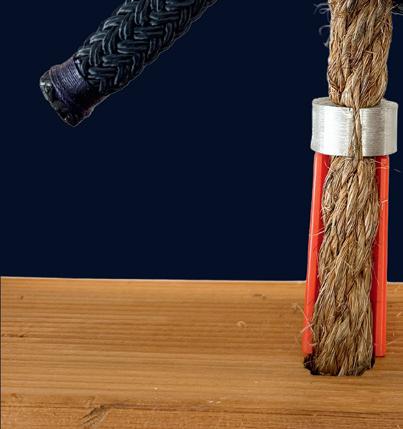
In Seaways, June 2017, I wrote an article about combination ladder arrangements. This new article is only concerned with their securing – and, in particular, with the proper use of magnets, which should only be used to secure side ropes.
Combination ladder arrangements, (a pilot ladder and an accommodation ladder) are required where the point of pilot access is nine metres or more above water level.
To properly appreciate and understand the mandatory requirement for securing accommodation ladders which form part of a combination ladder to the ship’s side, it may be advantageous to look at the historical development of SOLAS Regulation 23. A number of differing requirements developed for combination ladder arrangements, which have led to today’s regulations.
Pilot transfer arrangements were initially included within SOLAS V Regulation 17, which was renumbered Regulation 23, coming into force on 1 July 2002. At this point, the requirement for rigging a combination ladder arrangement, including an accommodation ladder, was:
‘The accommodation ladder shall be sited leading aft. When in use, the lower end of the accommodation ladder shall rest firmly against the ship’s side within the parallel body length of the ship...’
A number of pilot ladder accidents, including fatalities, led to calls for an improvement to the regulation to make pilot transfers safer. The amended version which came into use for arrangements installed after 1 July 2012, was:
‘The accommodation ladder shall be sited leading aft. When in use, means shall be provided to secure the lower platform of the accommodation to the ship’s side, so as to ensure that the lower end of the accommodation ladder and the lower platform are held firmly against the ship’s side within the parallel body length of the ship.’ [Emphasis added]
In short, the mandatory requirement changed from requiring the accommodation ladder to rest firmly against the ship’s side, to requiring it to be secured so that it was held firmly against the ship’s side throughout the pilot transfer.
There were no instructions within SOLAS or the associated IMO Resolution A.1045 on how the platform should be secured. In the period leading up to the adoption of these changes, objections were raised by shipowners and their
The original version of this article was written for the Nautical Institutes Seaway’s magazine in response to Marine Accident Report (MARS) 202536 which appeared in their September 2025 edition. In the report it noted that magnets were used to secure the pilot ladder but they had released from the hull when the vessel was rolling heavily. The magnets were re-attached to the vessel but again dislodged due to heavy rolling.
Kevin Vallance / Retired deep sea pilot / Member of UKMPA T&TC
representative associations questioning how this should be achieved.
It had been acknowledged that vessels with high freeboard might require more than one rigging position. One way to secure accommodation ladders in a combination arrangement was by use of insets into the ship’s hull, as shown in Figure 1.
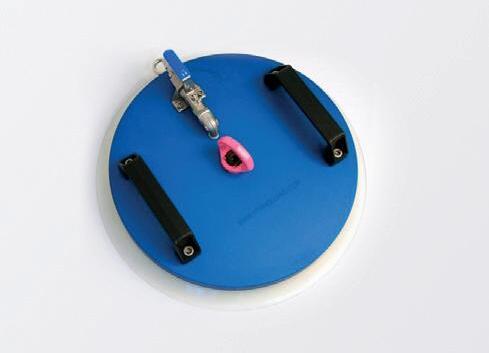
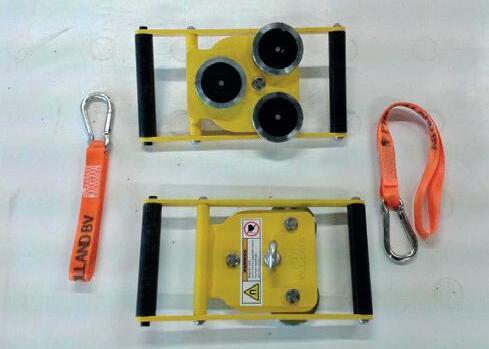
Within the lessons learned section of the report some very good comments were noted, but there was no acknowledgement that ‘yellow magnets’ are not suitable for securing the accommodation ladder bottom platform in a combination ladder arrangement, this was confirmed to myself by PTR Holland a manufacturer of these products.
After my article was submitted the ISO Standard 16681:2025 Ships and marine technology — Pilot transfer arrangements — Ship hull securing equipment was released.

With this set‐up, the accommodation ladder is intended to be secured by a rope lashing to the bottom of the three securing insets. The pilot ladder side ropes are secured to the two upper inset securing points.
An alternative method of securing the accommodation ladder in a combination ladder arrangement is by use of a ‘blue box suction pad’, shown in Figure 2. Here, the suction pad is lowered to the correct height using a removable heaving line. The air supply is connected before opening the valve to provide the suction. A securing lanyard is then attached to the pink eyelet shown in the figure.
During the revision of the IMO/IMPA Required Pilot Transfer Arrangements, the working group designed the poster taking these securing methods and their common coloration into consideration and showed them as such.
A widely seen method of securing the pilot ladder side ropes to the ship’s side is by use of a product called generically ‘yellow mags’, shown in Figure 3. These magnets are normally sold in pairs, and they are solely intended to be used, in pairs, for securing the pilot ladder side ropes. They are not suitable for securing the accommodation ladder in a combination ladder arrangement.
The content of this standard is, as usual behind a paywall but having had access to it I was concerned to read that the holding test force for both the securing of the side ropes and the securing of the lower platform are identical, this would appear to contradict the advice given by the manufacturer.
So, we have the unfortunate situation where a safety product is being used for a purpose it is not designed or recommended for but this information is not readily available to the end users.







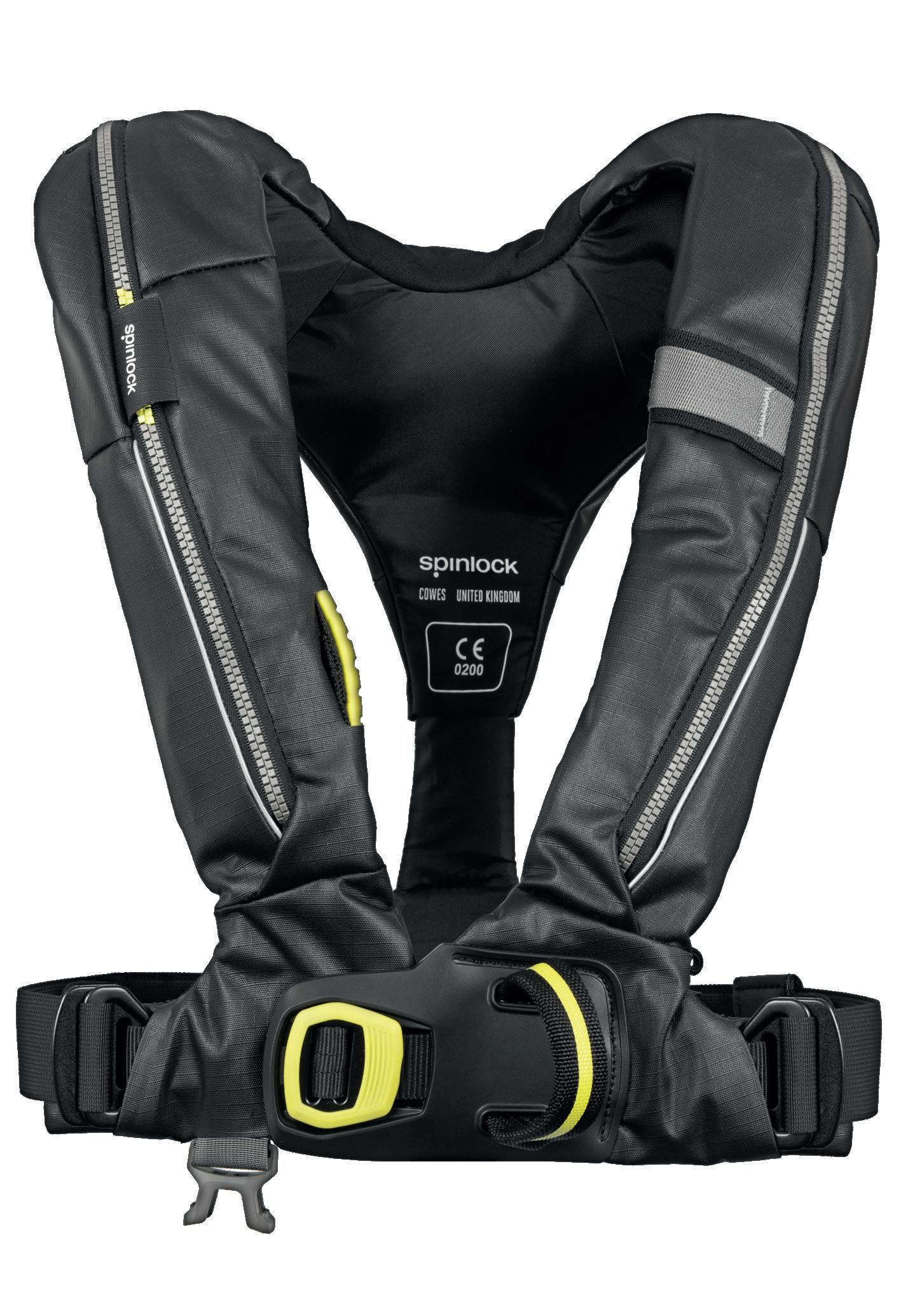


For pilots around the world, having a piece of safety equipment that can be quickly deployed into the water, inflate automatically and provide a stable platform for the casualty to climb into and ultimately be rescued is a critical requirement of any MOB procedure.
The equipment on board needs to provide three key elements that will dramatically improve the chances of a successful recovery in an MOB situation:
• Greater visibility and an enhanced target.
• A more secure platform for the casualty to wait for recovery.
• A means of recovery back on board the rescuing vessel.
Embarkation and disembarkation for any pilot is the most dangerous part of the job and, should the worst happen and the pilot end up in the water, being able to provide any piece of equipment that can increase survivability and improve the chances of a safe recovery, over and above a lifejacket, is vital to a successful outcome.
The Jon Buoy Recovery Module has been synonymous within the marine yachting fraternity for over 25 years and has been the go-to piece of MOB equipment on the pushpits of many of the world’s greatest yachts from 25ft to 200ft as the ultimate piece of equipment to help in a man overboard situation.
The Recovery Module quickly provides a platform that allows the person in the water to be mostly out of the water: an integrated 2m inflatable Danbuoy pole with automatic light for increased visibility, a water-filled keel and large, automatically deployed drogue,
increasing stability and reducing drift. In addition, the advent of personal AIS & PLB technology also allows an optional Ocean Signal PLB3 unit to be fitted, which will activate on inflation, giving a vessel and surrounding vessels on scene the ability to identify where the Jon Buoy is on chart plotters. Built into the recovery module is a unique webbing harness, which can be used if a suitable lifting facility is on board. This allows the casualty to be recovered while still lying in the Jon Buoy; alternatively, the recovery module can be recovered onto an aft recovery platform without the casualty having to move.
In 2024, the addition of the bulkhead, valise-mounted version of the Jon Buoy Recovery Module has now allowed the product to be used across a much wider range of vessel types, including pilot boats, workboats, fishing boats and other vessels that do not have the classic aft pushpit rail configuration. The same Mk6 Jon Buoy inflatable carcase is now packed inside a vacuum bag and inside a white or orange vinyl valise. The valise is mounted onto a ‘backplate’ that is fixed to a vertical surface. This can be anywhere that gives quick and easy access to all deck crew if required.
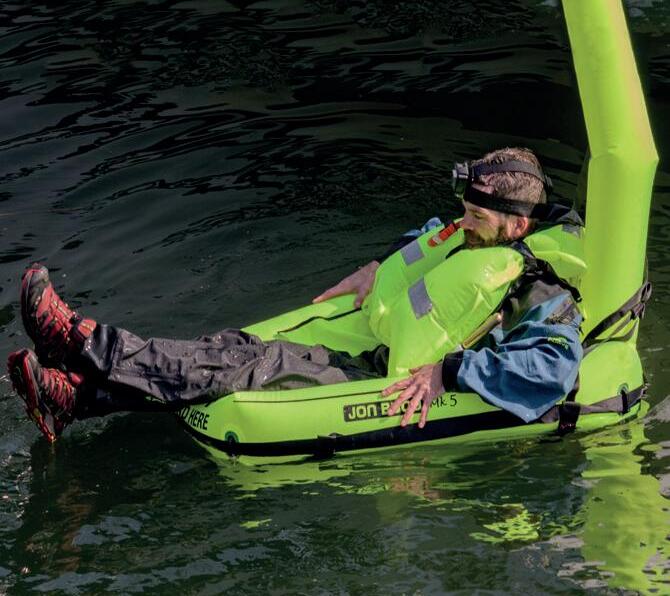
The valise can be easily removed and stowed securely when not at sea and the unique method of attaching the valise to the backplate allows the Jon Buoy to be put back into an ‘armed’ state very quickly. Due to the vacuum packing, the unit only requires servicing every three years.
An MOB involving a pilot creates its own unique needs. The rescuing vessel is most likely going to be the pilot boat, which tends to be highly manoeuvrable and powerful, so returning to the casualty should be easier than for a larger merchant ship. Recovery of the person back on board remains one of the most important and hazardous elements of any MOB situation.
The Jon Buoy protects the casualty from the vessel because they are ‘inside’ the inflatable tube. This gives time for the recovery crew to organise the most effective way to get the pilot back onboard. Securing the Jon Buoy to the pilot boat can easily be done using the integral Quoit & Throwing Line, which allows ‘contact’ to be made with the casualty without the boat and the module having to make contact. Lifting the Jon Buoy and the casualty is the most efficient method, but if a lifting capability is not available then the ability to pull the Recovery Module onto a stern platform is equally as effective – all the time allowing the casualty to remain securely ‘inside’ the Jon Buoy in a horizontal position.
Any Man Overboard situation should rapidly turn into a management exercise. Ensuring that both the casualty and the rescuing vessels have the best possible equipment available to them is of paramount importance. Once the equipment is in place, the need to understand what it is, how & when to use it and also what the implications of using the equipment are for both the casualty and the rescuing vessel become an integral part of this management exercise.
The valise version of the Jon Buoy Recovery Module fulfils many of the requirements to achieve a successful MOB recovery and its use in the workboat environment is now a reality, giving those working professionally in the sector the ability to benefit from all the advantages of having a tried and tested piece of equipment available to them.
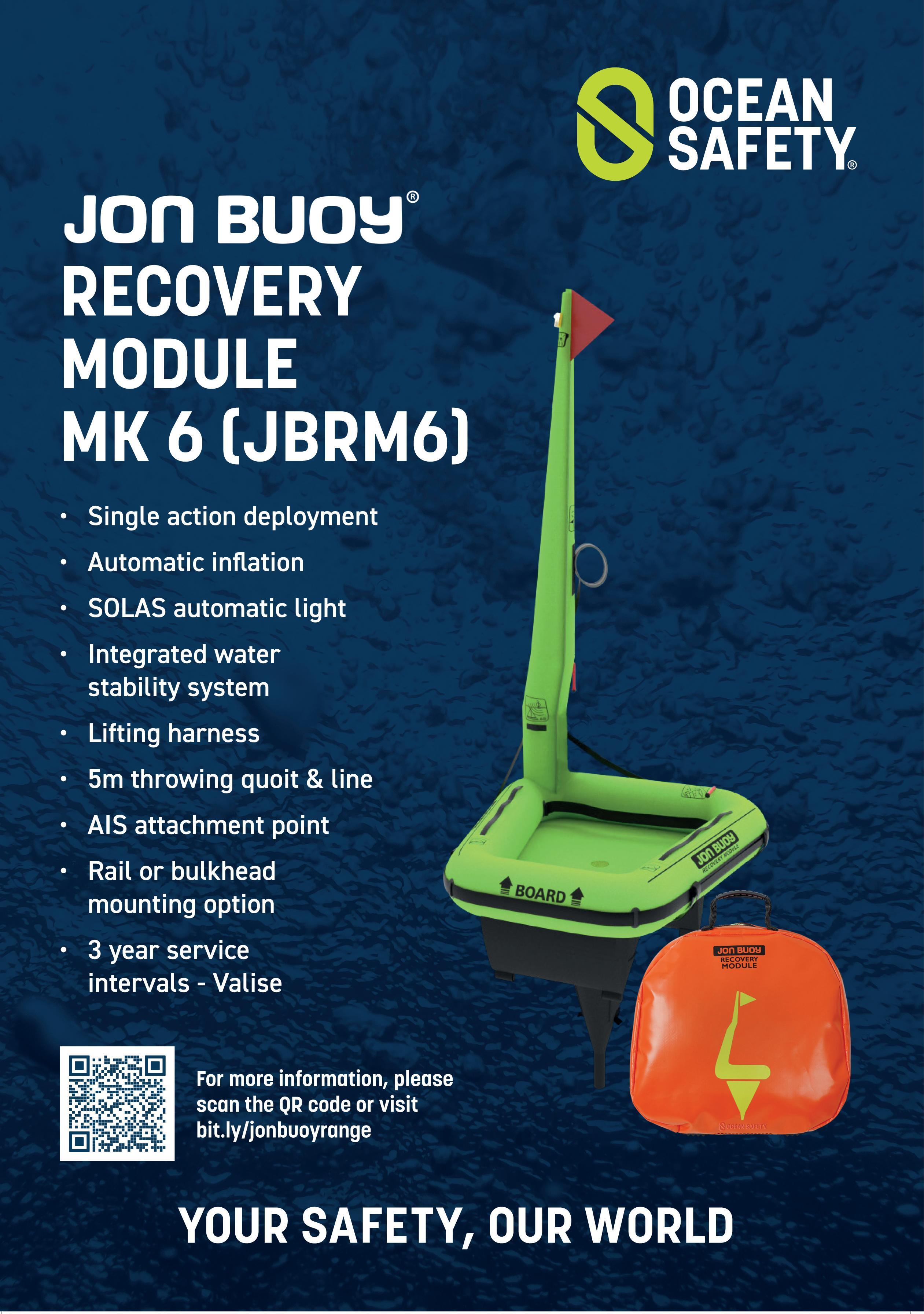
By Peter Flanagan / London Pilot / UKMPA T&TC member
The 82km-long Panama Canal connects the Pacific Ocean with the Caribbean Sea.
Opened in 1914, it remains one of the most strategically important waterways in the world. It maintains a depth of 16.75m for a maximum draught of 15m, with locks at either end raising or lowering the ships 26m between sea level and Gatun Lake. The original locks are 33.5m wide and 320m long, allowing a maximum ship length of 305m. Ships are guided through these locks using electric locomotives known as mules that centre and control a vessel as it moves along. Around 36 ships transit the canal daily supported by a team of around 300 pilots.
Work on the new larger locks began in 2007 and was completed in 2016. These Neopanamax locks measure 427m long, 55m wide and 18m deep. Determining the final design size involved significant consideration of structural strength, hydrodynamics and lock
operations. The lock walls are up to 17m thick at their bases. The largest ship to date measures 370m x 51m, although there is a consultation on permitting ships up to 53m beam. Unlike with the original locks, locomotives are not practical; instead, tugs need to assist.
To support this new mode of operation, the Panama Canal Authority (ACP) decided that Real- Time Kinematic (RTK)-enabled Portable Pilot Units (PPUs) were essential.
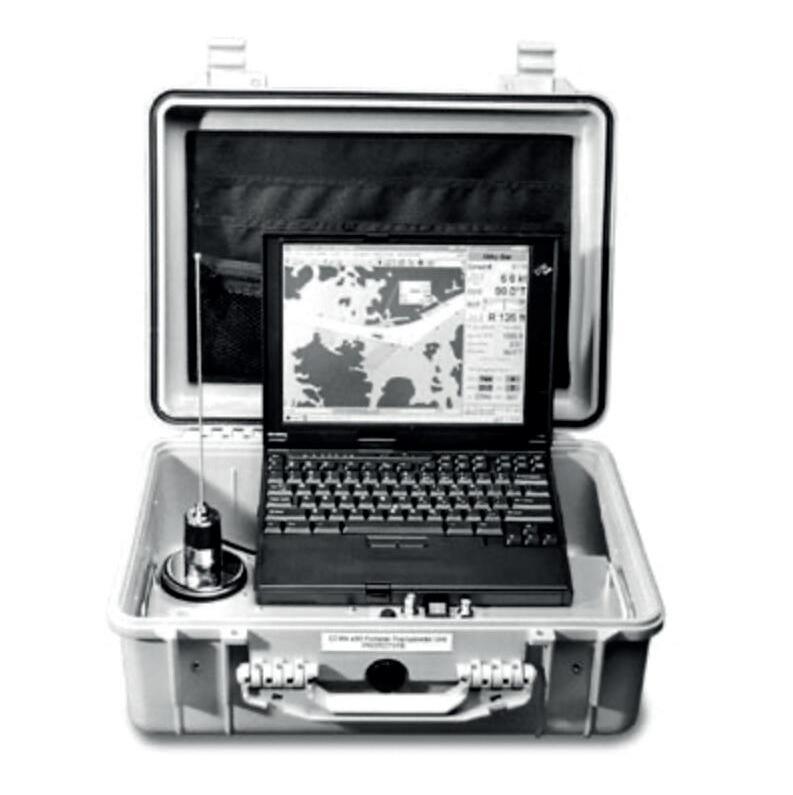
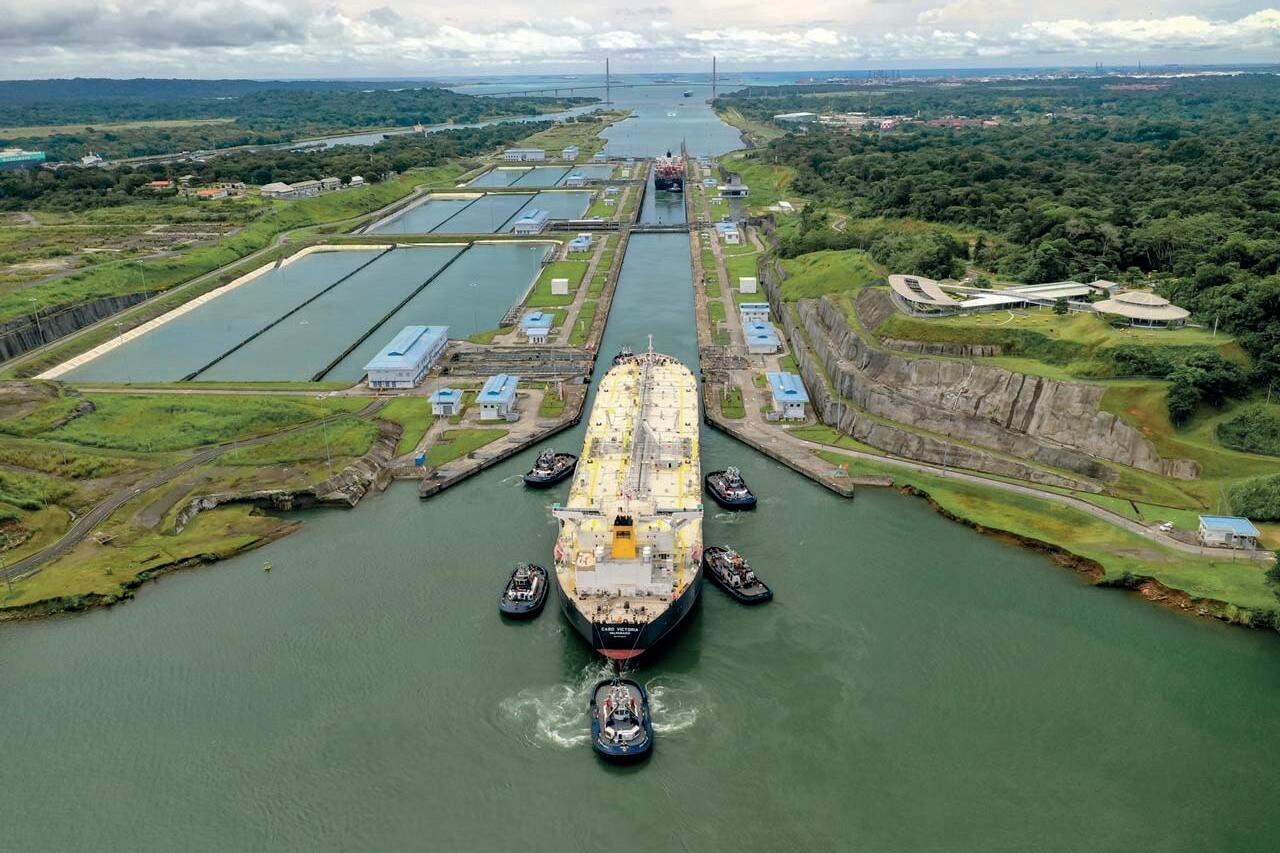
PPUs have actually been in use in the canal since 1998, beginning with the CTAN (Communication Tracking and Navigation) system. It was developed by the Volpe Center of the US Dept of Transportation, which had had already developed a similar navigation system for the St Lawrence Seaway.
The project for Panama was considerably larger, deploying 120 mobile units, all using Differential GPS (DGPS) – a scale of operation never before attempted. Each unit independently calculated its position, transmitting data to a central coordinating centre. Pilots found the increased situational awareness invaluable, especially given the blind bends, narrow channels and frequent torrential rain. www.volpe.dot.gov/news/panamacanal-new-course-canal
By 2013, in preparation for the new locks, it was time to look at a replacement for CTAN – one capable of providing the centimetre-level precision and precise dynamic output required for manoeuvring larger vessels. After extensive global research, particularly at ports using RTK systems for lock operations, a competitive PPU tender process resulted in a contract being awarded to Marimatech, now a part of Trelleborg.
The project team liked that their equipment was self-contained in one unit and how it integrated with the SafePilot software and the iPad. It was a bold move because the iPad was not the proven work platform that it is now. Trelleborg supplied 32 RTK Cat 3 systems and 91 AIS-based Cat XT systems, all running SafePilot software.
Ten existing UHF RTK base stations meant RTK positioning throughout the area. The first units entered service in 2015 with full implementation a year later. All Neopanamax vessels were required to use the Cat3. In about 2020, the Cat3s were upgraded to Cat Max’s and the AIS-based systems were upgraded to twin CAT XTs.
PPUs were a big success; however, the independent systems were not without their problems. Equipment spent sometimes 12 hours or more onboard usually in hot and humid conditions, and a bridge-wing power supply was required to recharge the batteries. Torrential rain is common, and it was not always possible to install a portable unit optimally. Units had to be shut down and moved from one side to the other depending on the specific lock and the optimal conning requirement.
It was decided to mandate that ships themselves should install fixed units. This is advantageous in several ways: high-end anti-jamming and spoofing antennae can be pole- mounted optimally on the monkey island. Hardwiring of communications makes message transmission completely robust. Power is vessel mains, and battery backup is only required for emergencies. Size and weight of components is not an issue and vessel operators are accountable for procurement, installation and maintenance. Thus it was mandated that from 1 October 2023, all vessels over 109ft beam (33.2m) are required to have a fixed (nonportable) piloting unit with RTK. FAQ-Advisory-to-Shipping-No.-A-32-2022New-Positioning-SystemRev1.pdf
Trelleborg installed the first test units on three Maersk ships regularly visiting Panama in 2022. Testing took a couple of years. The base stations were all upgraded to accommodate all required GNSS constellations and for NTRIP/RTK corrections. The required specification was laid down and was fundamentally based on the Trelleborg trial. Non-portable-piloting-unit-for-vesselsSpecifications-e-002.pdf
Other companies were allowed to tender equipment for approval based on this specification. There are now eight approved suppliers: Trelleborg, Navicom Dynamics, Caim, Sal Navigation, Trimble, S3C, Saab and JRC Europe. https://pancanal.com/en/maritimeservices/non-portable-piloting-unit/
Peter Flanagan
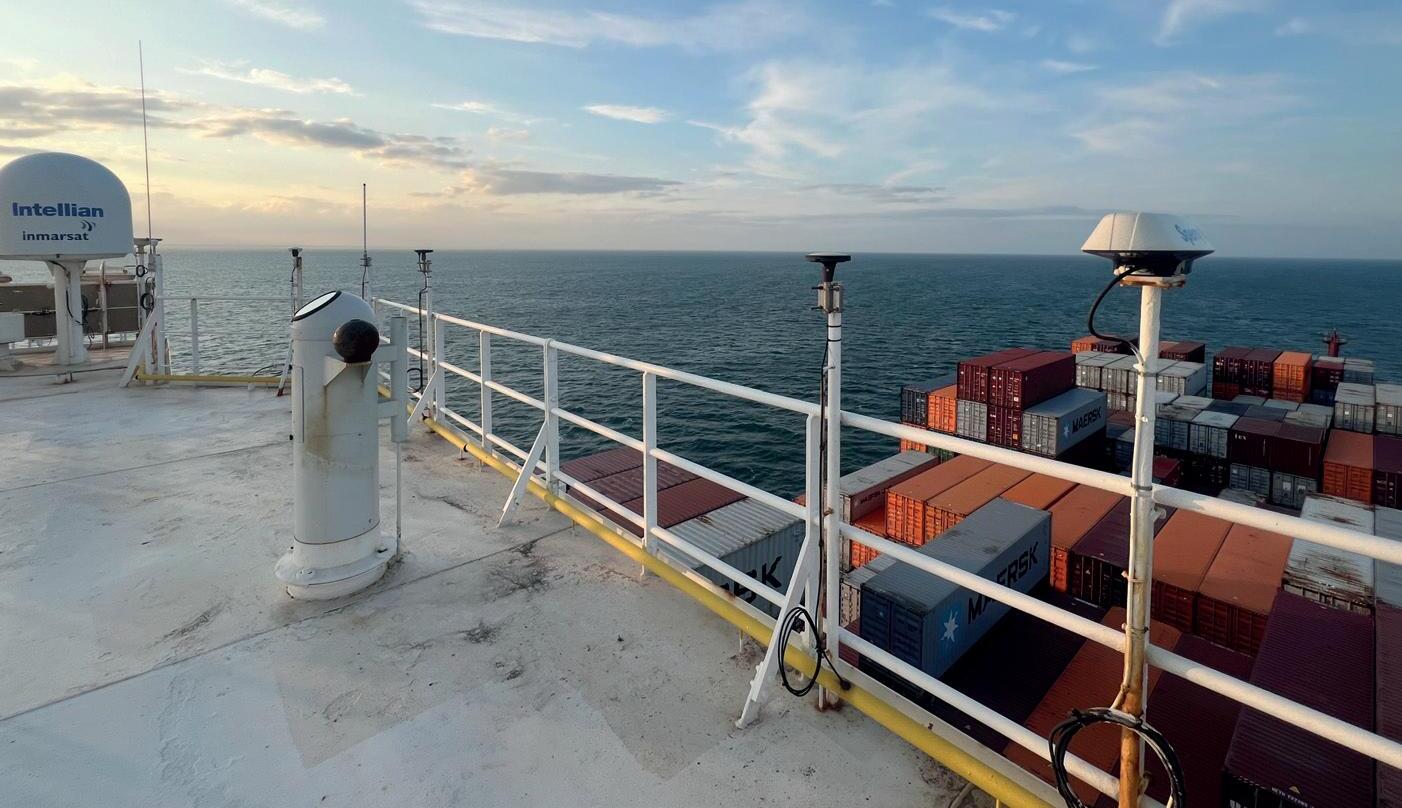
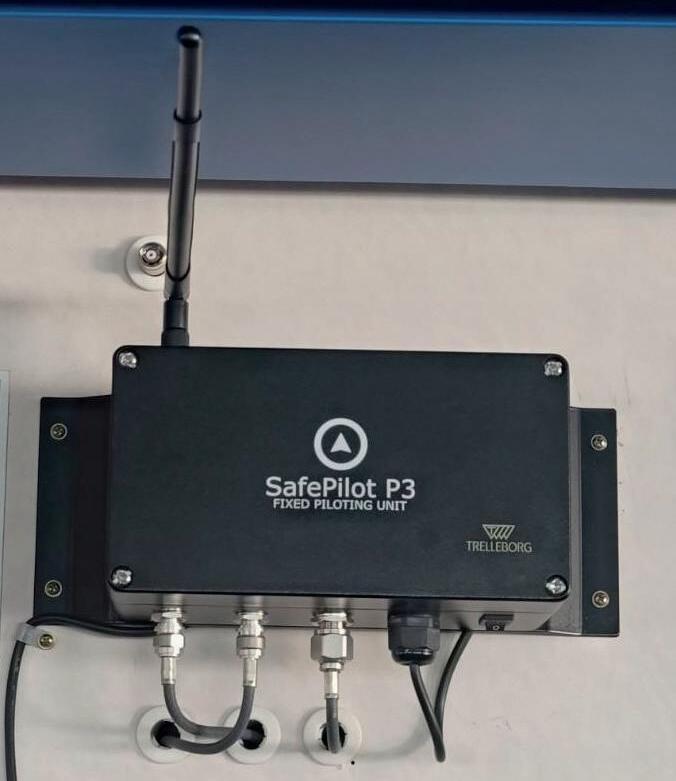
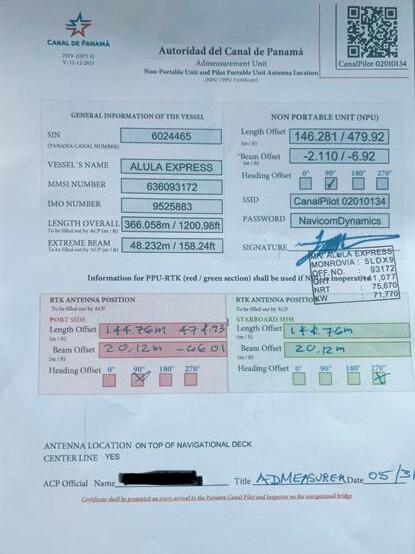
Different shipping companies have their preferred suppliers. Maersk tends to use Trelleborg while MSC often uses Caim. Vessels arriving without an approved system will be provided with a portable one at a penalty cost. This increases for repeat offenders.
Approval for new systems follows a rigorous, multi-stage process. Equipment is first tested ashore, then installed on a transit vessel for evaluation. If its performance meets ACP standards, the equipment can be permanently installed on a customer ship.
The installer declares offsets, heading orientation and wifi details against ships’ general details. When a ship arrives at the canal the boarding team will verify the system setup. All the details on the certificate are crosschecked and performance is assessed.
It is not uncommon for ships to initially fail this final process. Positions of antennae are sometimes sub-optimal and offsets can be inaccurate. If this is the case portable units are used and markers are located as appropriate.
Photographs show an installation certificate and monkey island set up. Position and heading GNSS antennae are either side of the compass binnacle and the UHF antenna is outboard to port.
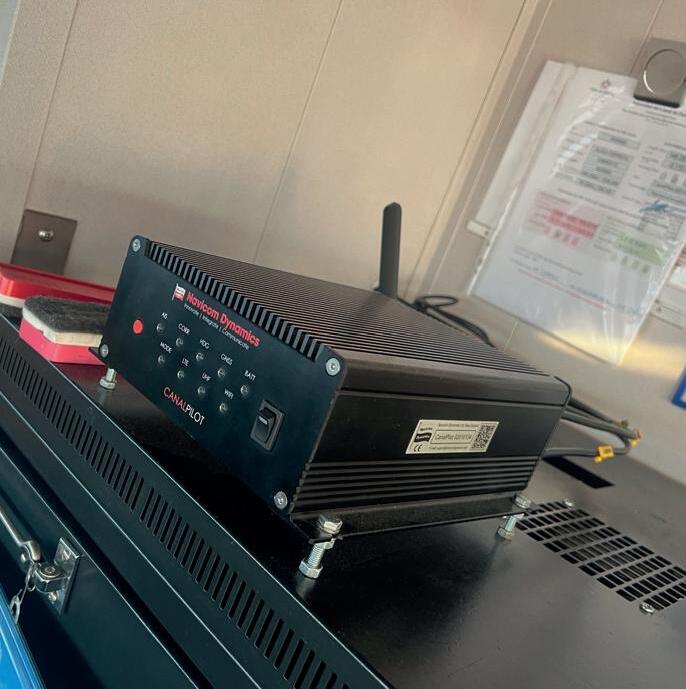
has a QR code. Scanning it enters the wifi settings into the iPad and connects. Offsets must be entered manually into the SafePilot software, but the next stage of development will see this done automatically. Position and heading markers for the backup PPU are fixed by the installer on either wing and distances are entered on the certificate.
More than 3,000 ships have now been fitted with the fixed units. New ships are generally fitted out in the shipyard, including some that have no immediate plans to use the canal and some of subNeopanamax size. Some shipyards have an agreement with specific suppliers: for example, Trelleborg SafePilot P3s are generally fitted on ships built in South Korea.
A Trelleborg SafePilot P3 installation comes with an iPad for the Bridge team with a year’s Safe Captain navigational software subscription. It is interesting that we are seeing more Captains using tablets when manoeuvring. However, Ecdis ENC licences generally do not extend to an extra device. Also, at present, a ship will not generally have access to the port charts and bathymetric overlays that a pilot will have.
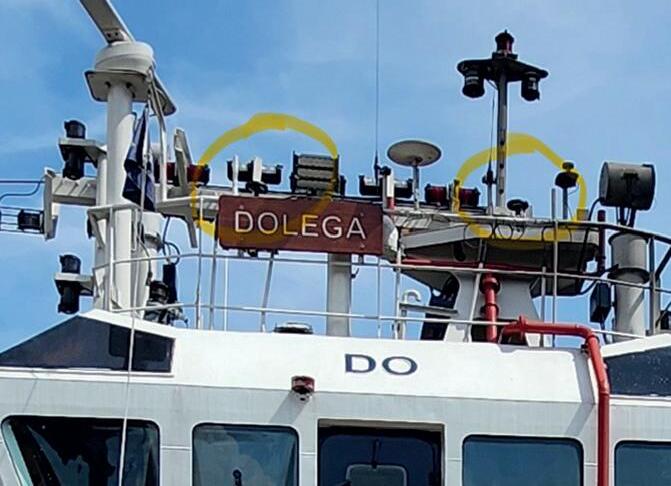
The latest development is the installation of fixed pilot units on tugs. Tugs transmit position by AIS, often with incorrect antenna position, poor heading and high latency. Pilots want exact information. Navicom Dynamics was recently awarded the contract to supply units for tugs of a similar spec to those for ships. These are termed NPUT (NonPortable Unit for Tug). Exact position, heading and dynamics are shared.
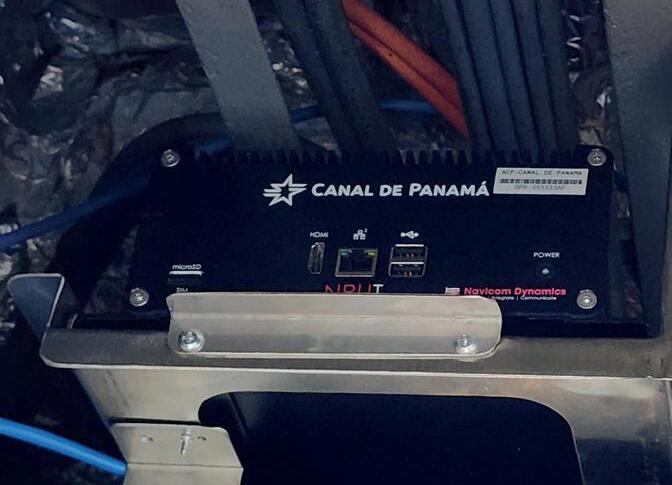
Tugs will have a SafeTug software display, which enables seamless exchange of information – ‘sharing of the common picture’. Line strain and tug power are in the process of being made available.
Pilots in Panama are very pleased with developments. The only real downsides from their point of view are the checks and corrections required for new installations.
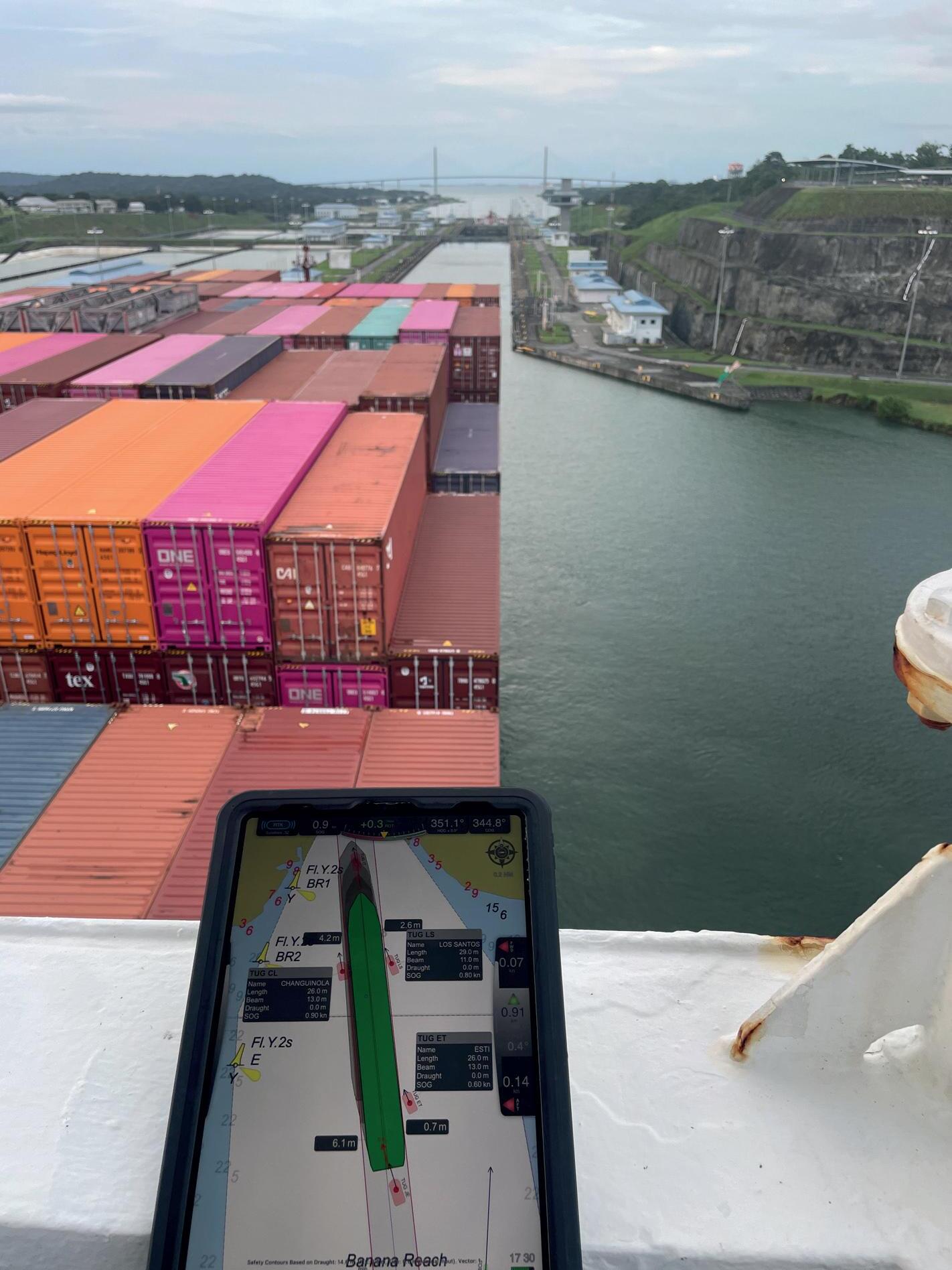
But what impact does the NPU have for other ports? With more and more ships having the units, will pilots of other ports want to use them?
Technically, any pilot navigation software can connect and the system is controlled and certified, unlike the pilot plug. SBAS positioning is achievable, but if greater accuracy and RTK is required then it is not straightforward.
Panama uses UHF for its RTK and on frequencies that are not universally available for that purpose. UHF also has limited range. Panama does, however, use NTRIP as a backup via the GSM in the tablet. In the testing stage, corrections were considered via Starlink but there was a resistance in some quarters to uncontrolled data reception.
Large ports may prefer to use their own systems that they know, trust, understand and can validate. Another point is that a controlled specification and certification guarantees a standard, but it also locks that standard in time. How will these systems evolve? Will there be a warning if an antenna is moved. Trelleborg is looking to incorporate one.
The Panama Canal’s move from portable to fixed RTK systems is a major step, with interesting implications globally. It will certainly put focus on ships to provide more precise position and dynamic data for port areas and the provision for live corrections. Live feeds might also tie in with the live updates that might be required in S100 Ecdis.
Might the latest developments in satellite communications and hardware mean individual receivers for specific pieces of equipment? It is an interesting time.
THANKS TO :






Supporting professional development for pilots, tugmasters and bridge teams operating together in complex conditions. Delivering immersive, bridge-team scenarios with realistic hydrodynamics, communications, and emergency drills to build proficiency.







Find out more www.bmt.org/REMBRANDT



By Keith McGregor / Director of Personnel Psychology NZ Ltd
In 2024 I was invited by the Australasian Marine Pilots Institute to take up the support role for the AMPI Peer Assistance Network volunteers. I am a registered psychologist based in Wellington, New Zealand. My background includes 12 years as an air force officer and psychologist followed by over 30 years in private practice. My enthusiasm for peer support dates back to 1983 when I liaised with the Los Angeles Police Department to learn about the programme they had set up to support police officers and I am currently a support psychologist for the New Zealand aviation peer assistance network.
At the Cairns conference in March this year I presented a talk on a topic of great concern to me – the seeming epidemic of anxiety and depression. The theme of my talk was on an alternative way to view these conditions.
According to the Australian Institute of Health and Welfare, “In any year in Australia, an estimated 1 in 5 people aged 16–85 will experience a mental disorder.” And from the Australian Bureau of Statistics: more than 1 in 6 Australians had an anxiety disorder and 1 in 12 had some form of depression in the previous 12 months. Those of us who grew up in the 1950s and 60s are left wondering how have we come to this.
But what if anxiety and depression were not actually disorders? What if there was a different way to understand them? To illustrate this possibility I present two case studies of individuals I have been privileged to help.
Psychologist: So, David, what’s the problem?
David: I suffer from anxiety and panic attacks
Psychologist: Yes, your doctor told me that but what is the problem?
David: I just told you, I suffer from anxiety and panic attacks
Psychologist: Yes, you mentioned that but what is the problem?
David: I don’t like it!
Psychologist: I’m sorry, but why don’t you like it?
David: That’s stupid, why would I like it?
Psychologist: Because people pay good money for it. Sky diving, bungee jumping, sports competitions, horror movies. You are getting the same adrenalin rush for nothing. How good is that!
David: Wait, are you saying there is nothing wrong with me?
Psychologist: Well you are just triggering the fight-flight stress response unnecessarily but otherwise you are fine.
David: But why does it happen?
Psychologist: It is just a habit you have got into and now you are constantly waiting for it. The moment you feel tense you try to shut it down and then it just spirals out of control.
David: But what if I get a panic attack?
Psychologist: That’s where your wife comes in. Margaret, the next time you see David heading for a panic attack I want you tell him that he must keep the panic attack going for 30 minutes.
At this point David roared with laughter at the idea of having to try to keep his panic attack going for half an hour. A three-year follow-up with David revealed no more panic attacks. When he did occasionally feel anxious he would sit back and enjoy the adrenaline although he did complain that it wasn’t as exciting as it used to be.
The second example was Mike, a university science lecturer. In late October he had set time aside to write the questions for the end-of-year exams. Instead, he spent three days huddled up on the couch profoundly depressed, unable to even put two thoughts together. Mike had experienced previous bouts of depression. All he could think was that he was a complete failure and was going to have to quit his job.
I asked Mike two questions: How trapped do you feel? How often do feel like curling up in a warm, dark place and only coming out when the sun comes out?
It turned out there had been a change of management and Mike was struggling to cope with the new dean. He felt totally trapped – he couldn’t fight or escape. And he was definitely having trouble crawling out of bed to go to work.
I shared with Mike the theory that depression is a form of hibernation that enables mammals to conserve energy when trapped or when resources are scarce. As a scientist, the idea that his body was just doing what it was programmed to do appealed to him. I suggested a two-pronged solution. The first was to test the hibernation theory by spending the coming week curled up in bed forcing himself to remain depressed. The second was to learn techniques to manage the new dean.
The week in bed didn’t work. By midday on the first day he was so bored he flagged it away, got up and sorted out the exam questions. He also switched from seeing the dean as “frustrating” to seeing him as “fascinating”, which completely changed the way he felt and acted. Anxiety and depression should never be taken lightly.
For David and Mike, the symptoms robbed them of enjoyment, adversely impacted their work, distressed their families and destroyed their self-esteem. Anxiety and depression can lead to alcohol and drug abuse, persistent health problems, relationship failures and self-harm. But are they illnesses or successful survival adaptations?
Fear has enabled us to survive as a species. It causes us to remain vigilant to protect us from danger. The opposite to vigilance is complacency. For people working in high-risk environments, such as marine pilots, vigilance can help to avoid situations that have the potential to kill or maim.
But fear has to be managed. Under high levels of stress, the hormone cortisol can damage parts of the brain that control its release. This can lead to emotional over-reaction to minor frustrations and to shutting down the logical ‘analyse and solve’ parts of the brain.
Depression, on the other hand, helps to conserve resources and can provide insights into those aspects of our lives that are causing us to feel trapped. We don’t go to a bear that is hibernating and tell it to get out of the cave and start foraging. And yet, as humans, this is what we try to do. Instead of slowing down, adjusting our workload and treating ‘hibernation’ as valuable mental ‘time-out’ we keep battling on, beating ourselves up, feeling stressed, anxious and miserable.
Anxiety and depression come to be seen as mental health problems because of two words: should and shouldn’t. “I should be able to cope”; “I shouldn’t be depressed”; “I shouldn’t get so uptight”; “I should be more motivated”. Inevitably, we begin to feel there is something wrong with us and we need help to fix it. The should and shouldn’t mental conversations are important as they become the ‘software’ that our subconscious mind attempts to make happen.
So, what do we do about it?
Some of the strategies that David and Mike found helpful were:
1. Understanding that there was nothing wrong with them; their bodies were just trying to protect them from the perceived threats created by the way they talked to themselves.
2. Understanding what was happening at a biological level and why it was happening.
3. Experimenting with the feelings of anxiety or depression by trying to keep them going for a specified period of time. Not only did they find this difficult but they no longer feared the feelings and regained a sense of control in their lives. Trying to stop the feelings had just made them worse.
4. Developing clear mental pictures of where they wanted to get to –what they saw happening in their lives if they were feeling relaxed, focused and energised.
5. Understanding that, just as athletes train in order to change the structure of their bodies, by changing the way they talked to themselves David and Mike could change the structure of their brain to eliminate negative thinking habits.
6. Reframing anxiety as vigilance and depression as hibernation. Initially they struggled with this but it quickly became empowering and felt much better than viewing them as disorders.
The techniques outlined in this talk are not new, they date back to ancient Greek times. They work by recognising that anxiety and depression are normal human behaviours rather than illnesses. With the right guidance and support, anxiety and depression can be managed to relieve the symptoms, address the underlying causes and allow us to lead fulfilling work, family and personal lives.
By Kevin Vallance / Retired deep
During the past 15 years I have written a number of articles and a couple of books related to safety at sea. This article is the most personal I have ever submitted and hopefully one that everyone reading will take notice of.
In September 2021, at the tail end of the Covid pandemic, I visited my local GP surgery to discuss a small hernia, which had started to become uncomfortable. After the consultation, the female GP who was accompanied by a young trainee asked if I had considered having a PSA blood test to ascertain the risk of prostate cancer. I replied that I hadn’t had the test but was quite willing to have it done. After the blood test, the GP then asked if she could do a prostate examination. Again, I agreed to have this carried out.
What I didn’t realise at the time was that the GP was not supposed to ask if I wanted the test done: since I was not showing any symptoms. Although tests are available to all men over the age of 50, it is supposed to be at the request of the patient.
After a short time, the results of the PSA (prostate specific antigen) test returned an inconclusive test and I was asked to repeat it. At this time, I started to get concerned and started investigating more about the subject.
pilot / Member of UKMPA T&TC
When the results of this second test were returned, they showed that my PSA level was higher than normal, although it is important to note that a raised level does not automatically mean you have cancer.
During my investigations I discovered that prostate cancer:
• Is most common in men over the age of 50
• Can be successfully treated if it is diagnosed at an early stage
• Does not usually have any signs or symptoms at first
During the next few months, I was referred to a specialist and visited the hospital for an MRI scan and a biopsy. In December, I was asked to make a telephone appointment to discuss the results. This appointment was set for 24th December at 14:00, which upset my Christmas Eve plans somewhat. Finally, the oncologist rang me at 16:45 and, to cut a long story short, told me that yes, I did have prostate cancer. Having not shown, and to this day three years later not shown any symptoms, this came as something of a shock and not the Christmas message I was hoping for.
Once the presence of cancer was confirmed, luckily for me, it was also confirmed that it had not spread and the two non-invasive options were:
• having regular check-ups and blood tests at your GP surgery (called watchful waiting)
• having regular tests and scans in hospital (called active surveillance)
For myself, the specialist recommended active surveillance, which in theory involves quarterly blood tests at my local GP followed up with an appointment with the specialist. However, my results have been such that my blood tests and appointments have been less frequent.
Two figures are commonly quoted for prostate cancer:
• 1 in 8 males will develop prostate cancer
• Most males who reach the age of 80 will have developed prostate cancer
Another comment often made is that more males will die with prostate cancer than from it.
If prostate cancer is detected at an early stage and it is contained within the prostate, then then it is reported that there is a near 100% five-year survival rate. Having said that, in the unfortunate situation that the cancer does develop, then the treatment options include surgery, radiotherapy and hormone therapy. If the cancer has spread, then chemotherapy may be needed.
In the period 2017-2019 for the UK, there were 55,300 cases new cases recorded each year. In the same period, 12,039 deaths were recorded.
From my own experience, I would strongly urge everyone with a prostate to have a PSA check done at the earliest opportunity to give yourself the best possible chance of treatment and survival if you are unfortunate enough to develop prostate cancer.
18-20 NOVEMBER 2026, BRISTOL, UK
The UK Maritime Pilots’ Association (UKMPA) is pleased to announce the themes for its 138th Annual Conference, focusing on: “Salvage: Lessons, Leadership and Collaboration”and “Maintaining Best Practice in a Changing Maritime Landscape” CALL FOR PAPERS
Examples of “Salvage: Lessons, Leadership and Collaboration” may include:
• Pilot involvement and decision-making during salvage operations
• Lessons learned from realworld incidents and near misses
• The legal relationship of Pilotage and salvage
• Coordination between pilots, salvors, and port authorities
• Evolving challenges in casualty response and emergency towage
• How shared experience and training enhance salvage readiness
Examples of “Maintaining Best Practice in a Changing Maritime Landscape” may include:
• Evolving pilotage practices and adapting to and embracing new technologies
• The human element: professional standards, safety, and accountability, check pilotage
• Training and mentorship to sustain professional excellence
• Sharing best practice between ports, pilotage organisations and similar industries
• Safeguarding reputation and maintaining public confidence in pilotage
Abstract submissions are now invited. We welcome papers that are noncommercial and that offer genuine professional insight, reflection, or innovation. Submissions should include:
• The broad theme of your paper and how it relates to the conference topics
• A short statement on why your subject will engage attendees
• A brief biography of the author, including background and affiliations
• All submissions must be written in English
Please submit your abstract to events@ukmpa.org by 30th April 2026. Abstracts will be reviewed by the UKMPA Executive Committee and authors will be notified of the outcome in due course. Successful authors will receive detailed guidance on paper format, presentation style and timelines.
United Kingdom Maritime Pilots' Association Supporting Pilots - Protecting Trade
By Barbara Charlton / Southampton Pilot / UKMPA T&TC member
Another year has passed since the International Maritime Organsation set up the gender equality programme – Women in Maritime. This programme is divided into associations in the Pacific, Africa, Asia, Caribbean and Latin American areas. The Women's International Shipping & Trading Association (WISTA) is a partner added to the IMO programme in 2018. I had the pleasure of attending this year’s symposium titled “An Ocean of Opportunities for Women”. After listening to all the speakers, I wanted to know more about what Women in Maritime does.
I started my seafaring career in 2003. Like so many other females in maritime, I got my fair share or unfair treatment. During my first job as a deck hand, I heard “You can’t do this job because you are a female” from my fellow deck crew. I was not allowed to study for a degree in Maritime Science as my university was not admitting women, so I had to go for a diploma instead. When I went to pick up my pride and joy freshly printed OOW (Officer Of the Watch) ticket from the marine office in Poland, I heard “Girl, what do you think you are doing? You should be home raising children.”
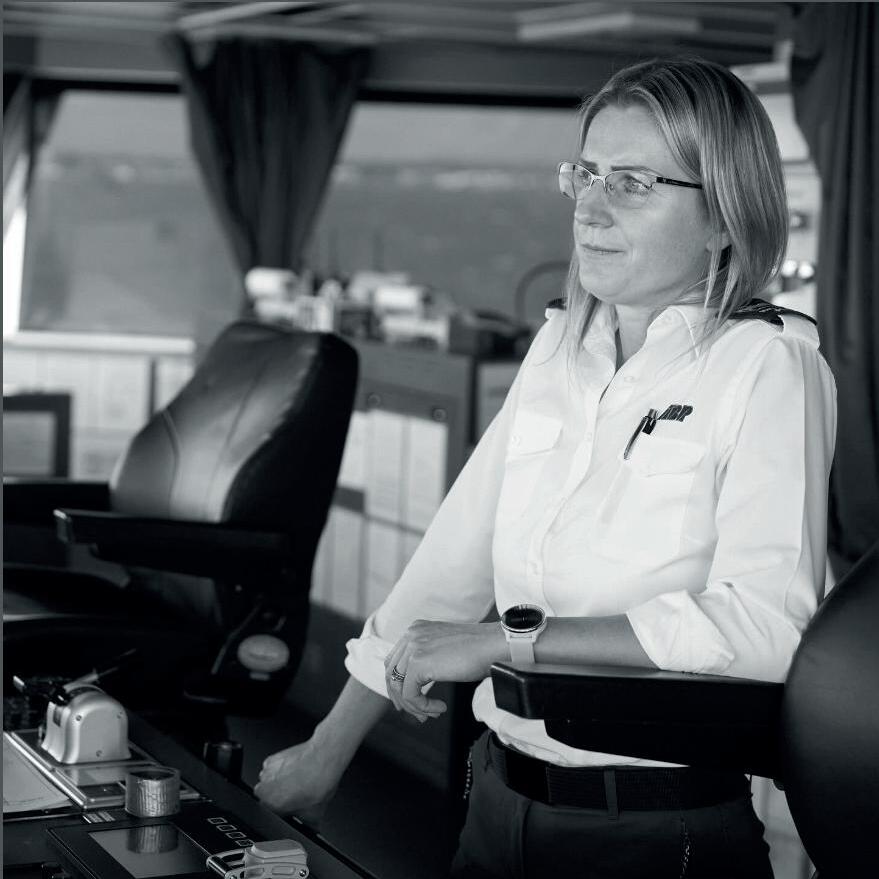
That is my sample of sob stories and in my early 20s those remarks really did hurt. I persisted and here I am, still in the maritime sector – by now with thick skin, wide shoulders and head held high. With time, things changed in my work environment. In fact, they changed so much that I got another unfair treatment: I believe I was given more opportunities because I am a female. And as much as I am an opportunist and I am thankful for them, I want to be employed because of my skillset. I am not alone with this attitude. Speaking to many women in industry, they want to do the job because they are good at it.
Right now, I can feel an ever-present sense of confusion. As females appeared in this male-dominated sector, language, policies and simple adjustments to work-life on board have not been made. As I pilot a ship, 8 out of 10 times I will be called “Sir” by the bridge team (to which I jokingly reply “thank you Ma’am”). Most bridge toilets will not have a sanitary bin, and I feel uncomfortable calling a female helm person “a helmsman”. That’s just on the ships. In the grand scheme of things, most shipping companies do not have a maternity or gender equality policy.
On the contrary, where do we stop? If it is not OK to say “Man Overboard”, should we rename our species “huwomans”? I do not have a definite answer.
Let’s look at numbers:
In 2024, WISTA conducted a survey based on participation of 88 member states and 608 private-sector organisations. For both seafarers and the maritime shore sector, there are 19% of females on average, with the lowest of 13% in Arab states and the Mediterranean region and the highest of 26% in Pacific region.
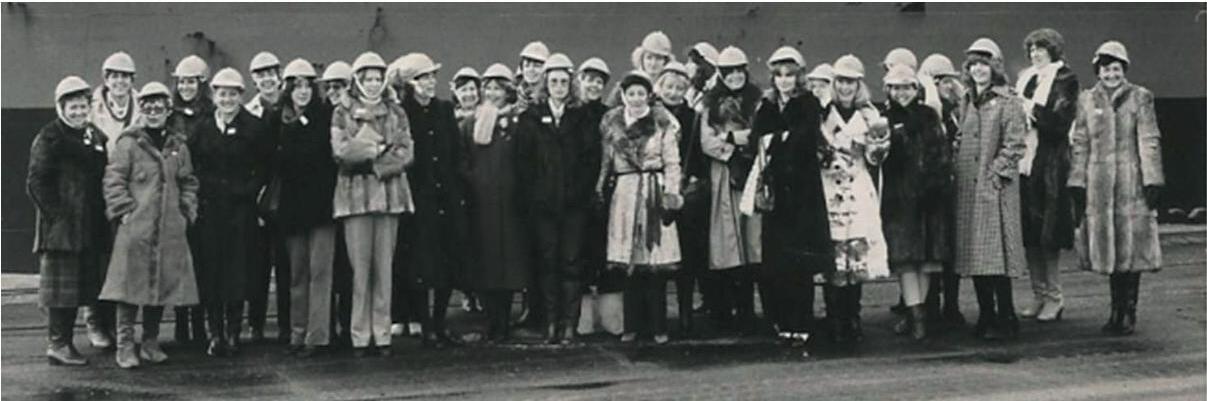
Out of the 19% above, governmentowned ports and terminals had 25% female employees; the education sector 15%. Note that 19% is a decrease from 26% in the 2021 survey. This, however, could be a result of different data sets as there were more participants in 2024 than in 2021.
For seafarers only, it is still a damming 1%, or 2,223 out of 211,750 with the highest percentage coming from the Philippines, then Greece and Argentina. Most female seafarers hold non-officer positions, followed by second officer, then cadet positions. Surprisingly to me (since I come from passenger vessels), by ship type, oil tankers top the chart followed by cruise and bulk carriers.
How can we have more women choosing a seagoing career?
According to the 2024 WISTA survey, females account for only 5% of students in the maritime sector. It is therefore difficult for companies to employ more women due to the low numbers in the job market to start with. I know the male classroom feeling very well, having myself been teaching in Maritime Educational centres. And that was on the deck side of the building. You can imagine the engineering side.
Looking back at my recruitment encounters, in most private sector companies I had to declare my biological sex, nationality, ethnicity, religion and so many other aspects of information completely unrelated to my work that I felt were intrusive. I would prefer that government agencies focus on skillset by having anonymous job applications. As a member, I am glad to find that the UK Maritime Pilotage Association has a similar view.
My most interesting job application, which was accepted, was back in 2003 when a company kept sending me emails addressed “Dear Sir” as I was awaiting flight details to join the ship. Once they found I am a woman, they explained that the captain would simply not let me board the ship. Perhaps they should have asked for my biological sex to start with after all.
According to the 2024 Employability in Maritime report by All Aboard Alliance Global Maritime Forum, 29% of females cite gender discrimination as the main obstacle to secure employment, compared with 0.4% by men. Among female cadets, that number is a frightening 69%.
Listening to speakers and reading the data, I see that a few issues stood out: pay gap, parental leave, bias and career prospects. There is also very little training provided by companies to overcome the stigma. That is in both sectors – afloat and ashore.
An Intertanko 2023 seafarer survey report states that just over half of females think there are opportunities on board, compared with 70% of males. The remaining 46% of females said “few” or “none” to the opportunities question.
According to the All Aboard Alliance, almost 40% of females who want to move from ship to shore say that their application was rejected because of their gender.
It was interesting to listen to Prof Richard Thomson from the University of Plymouth. He also believes in fair, ability-based recruitment. The University has no problem with the initial recruitment of scientists for marine conservation, with two out of three being females. They outperform male counterparts in exams. The issue was with the retention.
When a couple is planning a family, the woman will have to go on parental leave, during which time their career is paused. It is also the case that women are more likely than men to stay on parental leave after the baby is born. Unfortunately, in the meantime, the world moves temporally & technologically forwards. As this has a significant impact on the affected career, companies should do more to recognise this.
Junior scientists are offered contractual work, which does not provide maternity cover. It is not until later in their career that they have permanent contracts giving them stability to start a family. From the seafaring perspective, it is all about
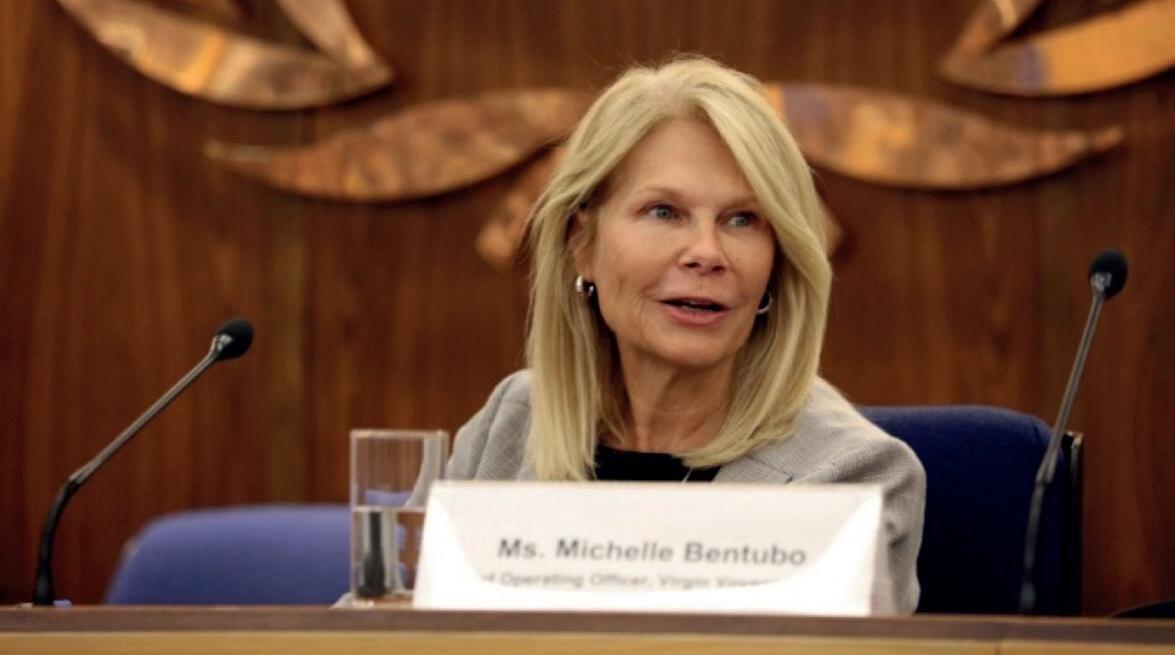
contractual work and, on top of that, being out of the house for its duration. Shipping companies simply do not offer career stability for those who want to have a family (well, all but one that I know of).
This brings me to write about another speaker – Ms Michelle Bentubo, chief operating officer at Virgin Voyages. She has recognised that success to retention is an inclusive environment on board. And we are no longer talking about access to internet, PPE that fits or sanitary napkins and bins in the toilets. It is providing network and community. It is scary for a young male or female to board a ship for the first time. It is even more scary if you are in a minority. Virgin also provided training for onboard leaders on how to achieve a fair and inclusive environment. Here is an example you probably never thought of: You, the reader, are most likely a man working as a pilot. If you are a man, have you ever received a compliment like “your hair looks nice today” while on the ship? You did not. So, do you think it will be OK to make such compliment to female pilot? It is those nuisances that Virgin Voyages is paying attention to, to make the right atmosphere for females and males at work.
But what I really praise Virgin Voyages for is their parental policy for both parents.
Finding a female pilot is even more of a challenge, as to become one you most likely need to have a Master Mariner Licence as well as experience of sailing as a Master, or at least a Senior Officer. So, if we are starting with 5% cadets, followed by 1% of seafarers –I am sure you can imagine the outcome. The truth is there is no statistical data to tell. As I mentioned, the UK Maritime Pilots Association does not track the gender of their members. It is done on a skillset and profession alone.
Maritime SheEo is a movement to promote diversity and inclusivity. As a member I have never had such an honest and integral network of people. Most of them I have never even met in person; yet they are there to listen, support and help in any way they can. There is a lot to learn from this group and it gives me faith that, despite living in this capitalist world focused on profit, there are still people whose moral compass is centred on empathy, generosity, selflessness, humility and dependability. Perhaps because
these are predominantly female traits.
“ Our vision is to cultivate a maritime industry where diversity thrives, women lead with confidence, and inclusivity becomes the cornerstone of progress” Maritime SheEo
When I joined Maritime SheEo three years ago; there were about 40 female pilot members worldwide. For comparison, there are 500 members in the UKMPA alone. Now, in SheEo, we stand just over 100 strong worldwide. That’s it. As disappointingly low as this number is, that is how much more there is still to do in the maritime sector.
You have heard my story: bias is real. I have experienced it both ways: it worked against me and it promoted me. I am now very happy that my employer, work colleagues, professional organisation, and the educational environments with which I interact treat me as equal. I am where I am because of what I can do.
I urge companies and individuals to keep on working to create an inclusive environment where there are no barriers to females working and living maritime careers.
By Malcolm Watts
Eleven pilots from four ports gathered at the Kinross Golf Club for the annual golf games. There were six trophies to play for. Graeme Hutchison won both the Hawkstone Cup and the Milford Cup (for the best gross). The Pilots Cup was won by Tim Gendle and the Winslow Cup was won by the team of Ray Smith and Steve Swannick. Dave Holgate won the Jim Purvis Shield.
The sixth trophy for nearest the pin was not won as no one managed to get on the green! This should indicate that those who attend are not low-
handicap golfers: our handicaps range from high teens to low 30s.
Any piloting golfer either working or retired is more than welcome to join in on either of the two matches we play each year: the two-day matches in May or the three-day matches in September. The only thing we ask is that you stay at the golf course hotel. The matches can be anywhere from Dalmahoy to St Mary’s Glamorgan; from the east coast to the west coast.
Contact Chris Hardings, golf organiser, T : 01437 890961 / M : 07495 249470 or email: pilot06@btinternet.com
Dear fellow pilots,
Whole Body Vibration is an issue which affects all pilots during travel to / from ships off-shore. James Glover of Maritime Systems www.maritimesys.com specialises in vibration monitoring systems for high-speed craft including pilot boats with particular emphasis on the health and safety aspects of WBV.
James is undertaking research into the long-term effects of chronic WBV related injuries and would like to make contact with any pilot who may have suffered a chronic injury attributed to Whole Body Vibration.
Best Regards, Don Cockrill MBE
D: +44 (0)2380 231 991 M: +44 (0)7966 169 432
jamesglover@maritimesys.com
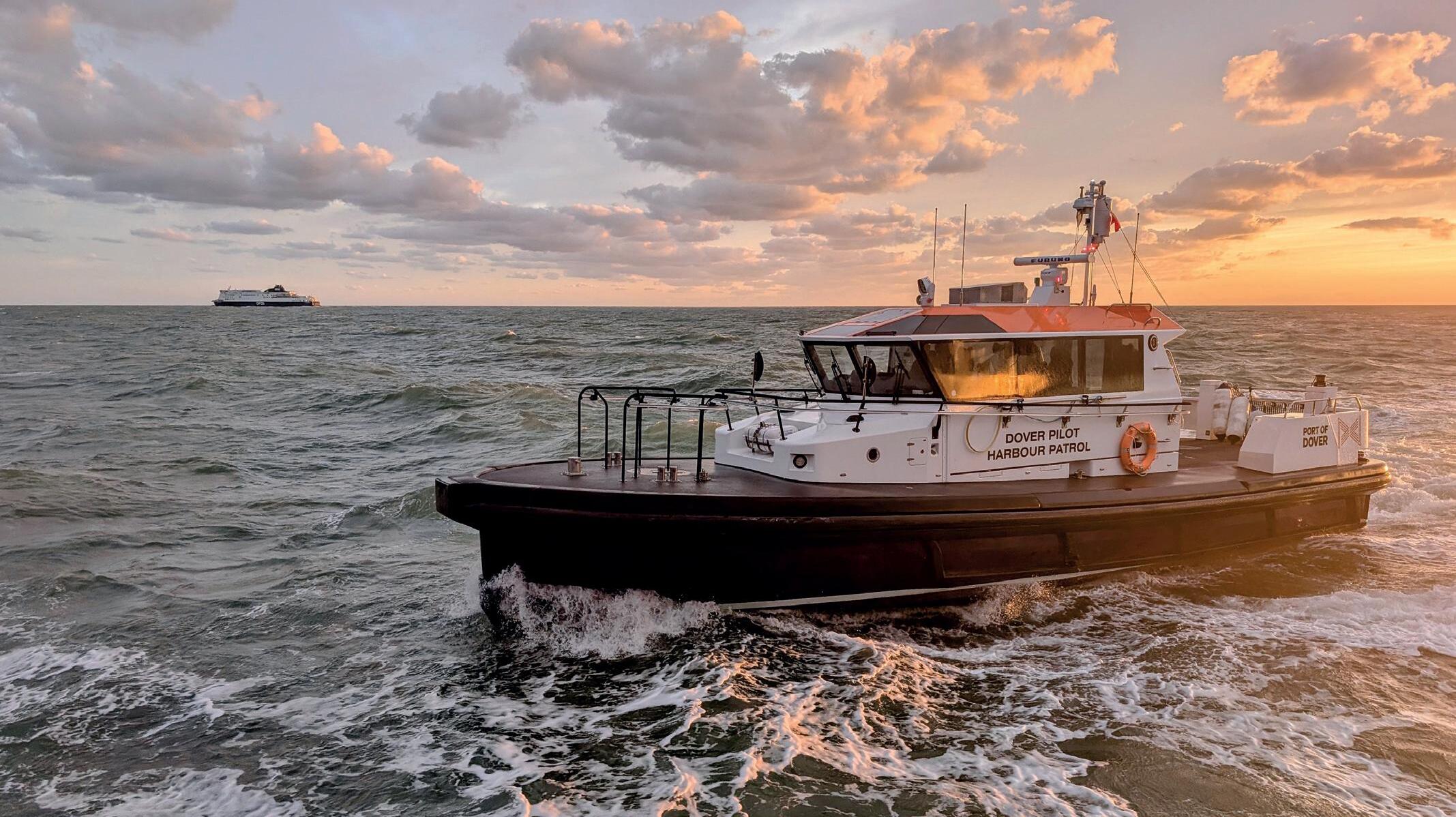
We have had another amazing year in Dover and, so far, have seen a 10% increase in the number of pilotage acts compared with 2024.
We have continued with the same six pilots: five on shift and one officebased; who have all now completed a pilot ladder training course at the nearby Viking MSA Whitfield along with one of our senior pilot boat coxswains. This was a useful refresher on the relevant legislation coupled with a practical pool-based exercise where we all got to jump off a ladder into the pool and test our Seasafe jackets and Manta
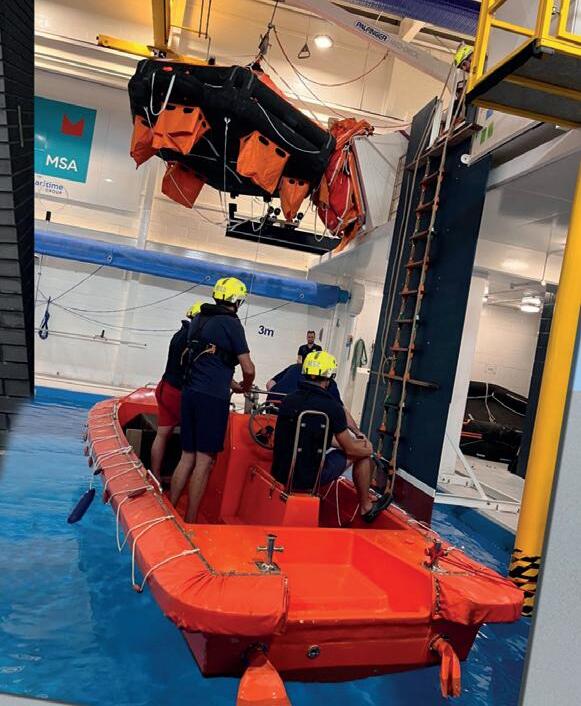
pilot helmets in a safe environment. The course will be of most benefit for any future new joiners for the Dover team and we hope to also put our pilot boat crew through the training shortly.
We are also getting used to our pilot boat DHB Diligent, which joined us in 2024. Experience in all weathers over the past 12 months has required us to add two tonnes of ballast and change the way we use the trim tabs in adverse weathers, and we are about to modify the fender system to improve the way it sticks to customer vessels.
Other new equipment this year includes swapping out our AU10 PLBs for newer Class-M-approved Ocean Signal RescueMe MOB2 units. These are smaller units and better suited to being part of
our Seasafe gilets and jackets. They are also easy to test using a mobile phone app once a month.
Our collaboration with Carnival Cruises and its CSmart training facility in Holland continued and four of our pilots enjoyed a few days away in January training with the ships’ crews who would be using Dover as a home port for the coming summer. This is such a useful exercise and we hope to repeat it again in 2026.
Socially, we still try to get together as much as shift work, domestic duties, travel, field sports and swiping right allows. We are lucky to have such a great marine team here in Dover.
Guy, Frances, Kirk, Chris and Tom x 2
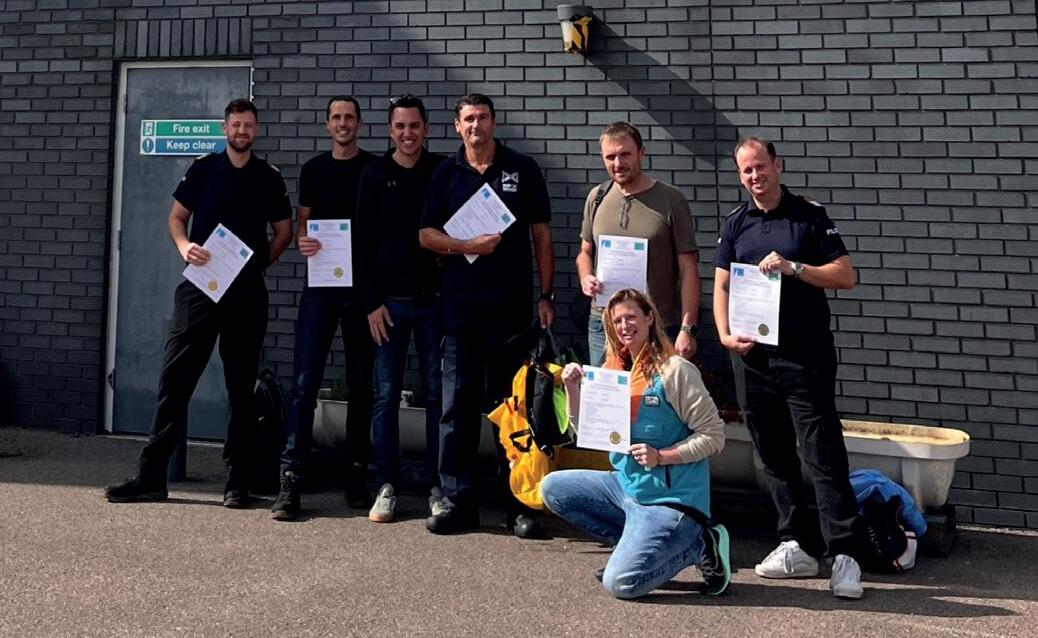
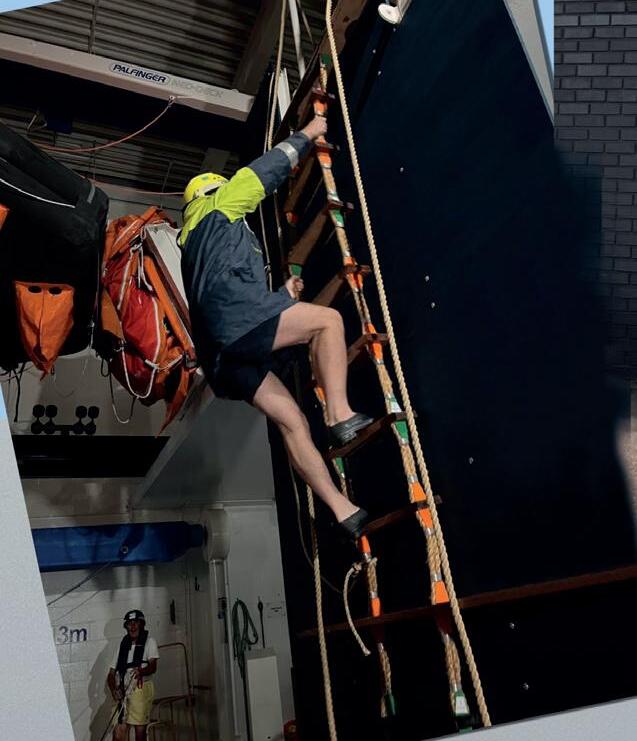
It has been a challenging 12 months on the Clyde with both national and international policies affecting our shipping numbers. On the international front, the global market in container trade slowed when the US government announced its worldwide tariff policies. On the Clyde, we immediately noticed that these tariffs were hitting the whisky export market hard. This caused a large downturn in container trade out of Greenock. On the import side for containers, we are still to see the shipping numbers bounce back to pre-tariff levels. The geopolitical Red Sea issues haven’t helped here.
Nationally, last year’s decision to close Grangemouth oil refinery on the River Forth had severe implications for the Clyde. Our main crude oil import and refined product export terminal in Finnart was connected to and was part of the Grangemouth site. The closure of Grangemouth refinery meant that Finnart would also close. Finnart provided about 20% of all of our shipping traffic. Another negative knock-on effect of this was that our main towage provider decided to reduce its fleet of tugs on the river from four to three due to decreasing tanker traffic.
Throughout the cruise season, our numbers remained steady with 90-plus cruise calls for Greenock. Peel Ports
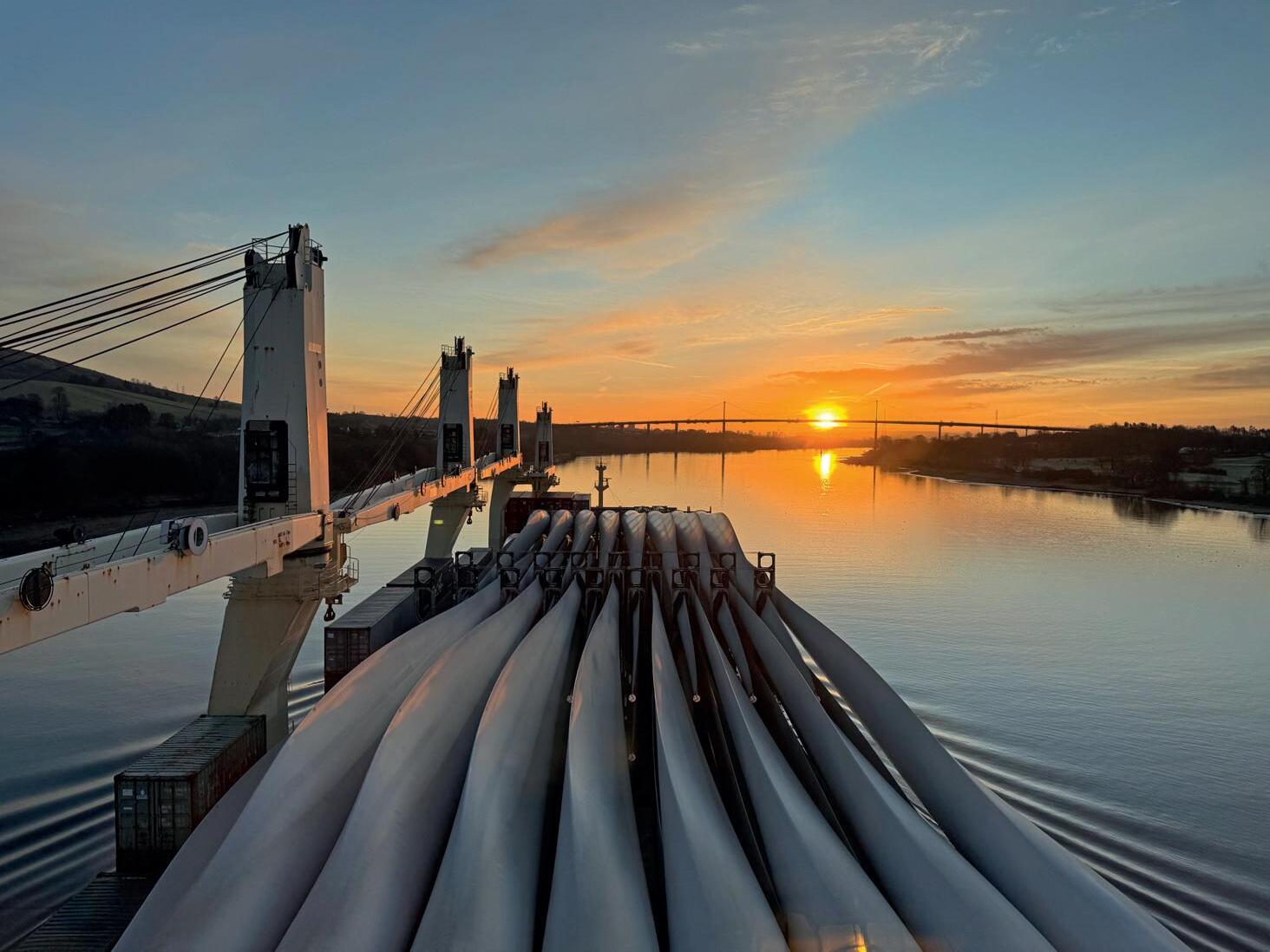
Btransferred the management of our dedicated cruise berth to Global Port Holdings (GPH) towards the start of the season. This not really had any effect on us this year. However, for the 2026 season, GPH has talked about bringing in 120 or more cruise vessels. This has been welcomed by the pilots.
Traffic to the rest of the pilotage district has remained steady. Peel Ports is continuing to build and develop Hunterston. The former deep-water coal berth is being repurposed into a green energy hub with the potential to house a range of innovative renewable
rightlingsea, located centrally on the north shore of the Thames Estuary, continues to accommodate vessels up to a maximum length of 100 metres or up to 120 metres subject to additional measures. The harbour is situated within a designated nature conservation area and is managed by a dedicated team of staff employed by the Harbour Commissioners.
The port can handle vessels with a maximum draught of approximately five metres, operating typically within one hour either side of high water. Current cargo operations primarily involve the import of cement and the export of scrap metal.
Over the past 12 months, we have recorded 62 acts of pilotage and we are optimistic that this number will increase.
projects. Once completed, Hunterston is expected to generate over £3.5 billion and create over 5,000 jobs. Projects are nearing completion in KGV for an increase in bulk cargo imports. This will bring more Panamax vessels to the port. With this year’s drop-off in shipping, the pilots persuaded the port authority to keep the number of pilots steady at ten. Looking to the future development for the Clyde, the pilots’ knowledge and experience are invaluable for the port’s planned growth.
Best wishes / Clyde Pilots
A notable operational change over the past year has been the transition of pilotage services. Brightlingsea Harbour has partnered with Harwich Haven Authority, which now provides pilots. This arrangement has delivered comprehensive pilot availability.
While Brightlingsea is primarily known as a yacht haven, it takes great pride in supporting commercial maritime activities. In addition to cargo vessels – mainly arriving from Spain and Portugal – the harbour also regularly hosts windfarm support vessels and fishing boats.
Brightlingsea has also featured prominently in the media. In 2016, the creek was transformed into the Zambezi River for a feature film. More recently, we welcomed celebrity chef Tom Kerridge for a TV production filmed in the area.
Chris Grundy / Brightlingsea Pilots
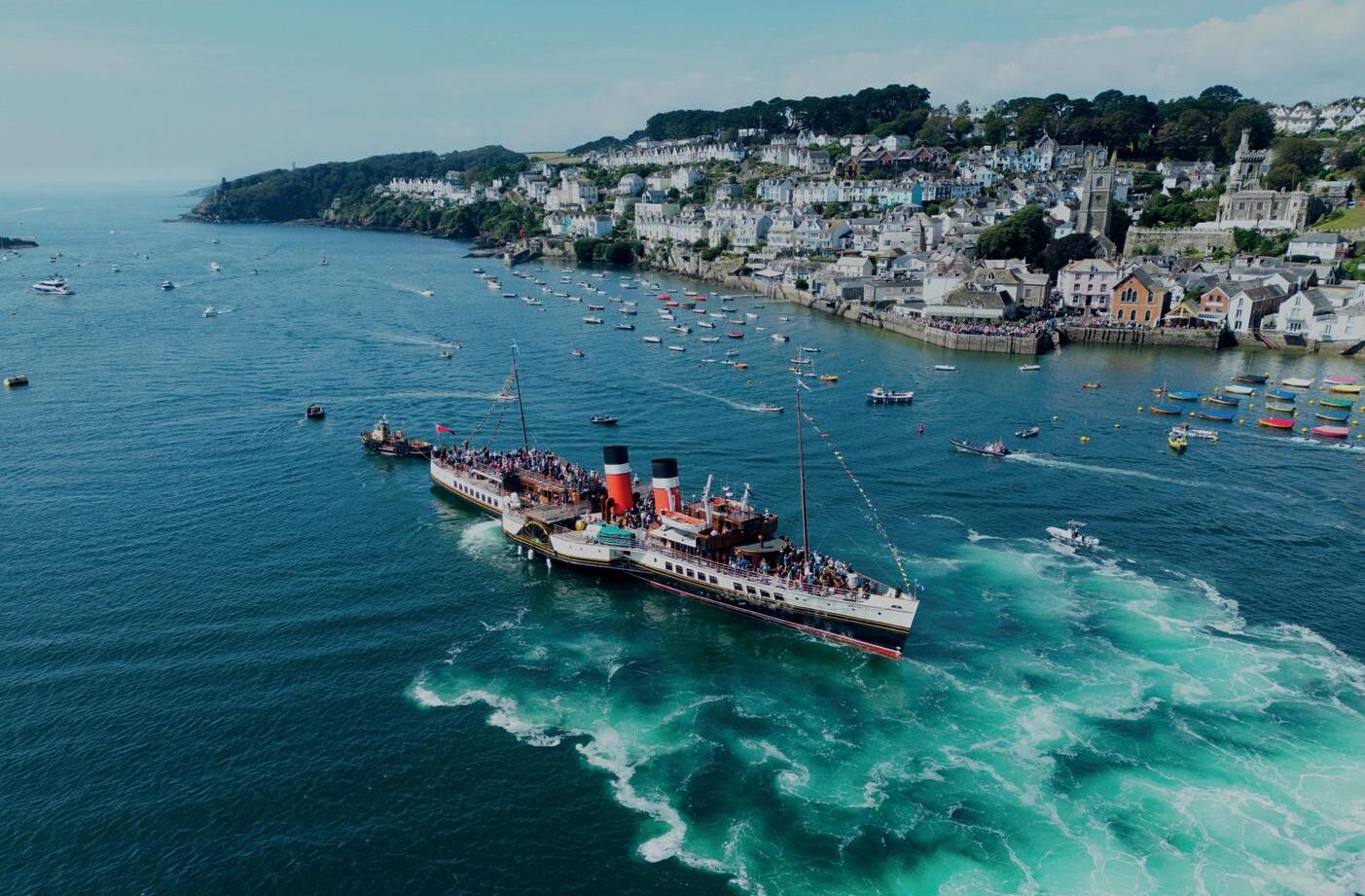
Another steady year for Fowey Harbour with 200 or more pilotage acts for the year. After winning Destination of the Year at the 2024 Seatrade Cruise awards, we have seen a lot of interest in our offerings in terms of cruise visits for the future, with planning by pilots and the Harbour
OAuthority well underway to welcome these visits.
Our bulk import/export terminal has been providing a steady flow of vessels with an increase in the number of modern diesel-electric vessels that require a different approach to traditional gearbox or CPP vessels with regard to power management during manoeuvring.
verall, 2025 has proved to be a successful trade year for Gloucester Pilots. Commercial trade has delivered higher monthly tonnages on a more regular basis than previous years. This is largely due to new customers placing business at the port throughout the year and stabilised trade from existing clients. The new customers’ cargoes have increased the vessel sizes to the port, anywhere between 5,000 and 7,300 dwt at the time of writing. In 2025, the new scrap metal exporter broke the record for the largest single export cargo from Sharpness.
The port operations at Sharpness are by Sharpness Dock Ltd, part of the Victoria ports group. The regular cargoes of cement and fertilisers from the port’s long-term, loyal customers have been steady. Our leisure pilotage has seen mixed monthly demand, this has been due to various lock stoppages in Bristol and at Gloucester Dock.
Pilots have been involved regularly with various stakeholder meetings, discussing future port operations and developments. The pilot service is made up for four Class 1 pilots forming the LLP (three full-time and one part-time).
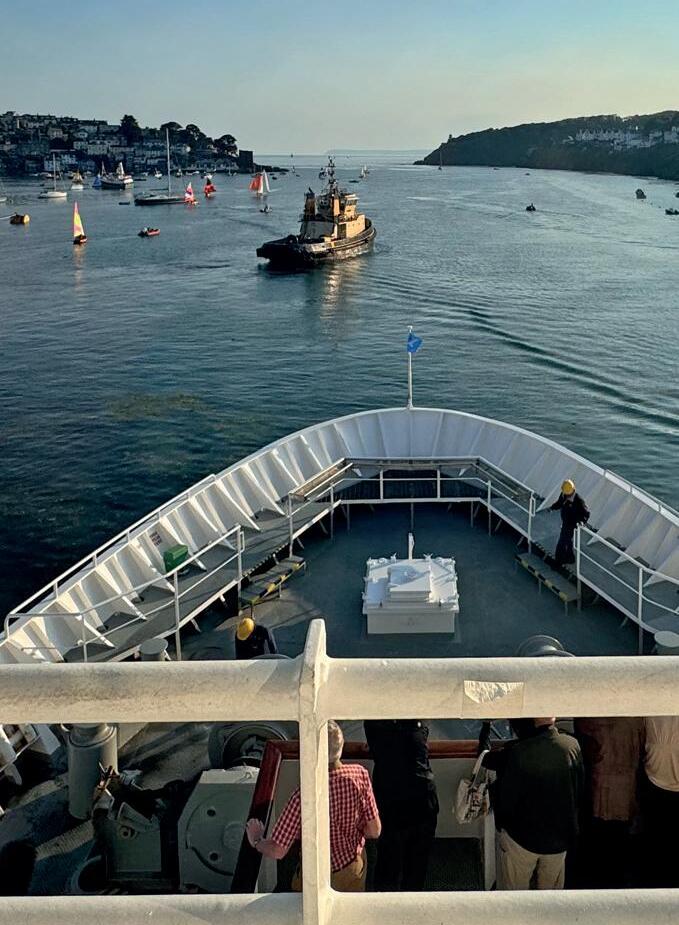
We have enjoyed some variety this year with layby stops from Greenpeace, tall ships, CEFAS Endeavour and a few super yachts. We were, however, disappointed not to experience the ever-entertaining Waverley again due to poor weather at the end of the summer holidays.
Yours Aye / Fowey Pilots
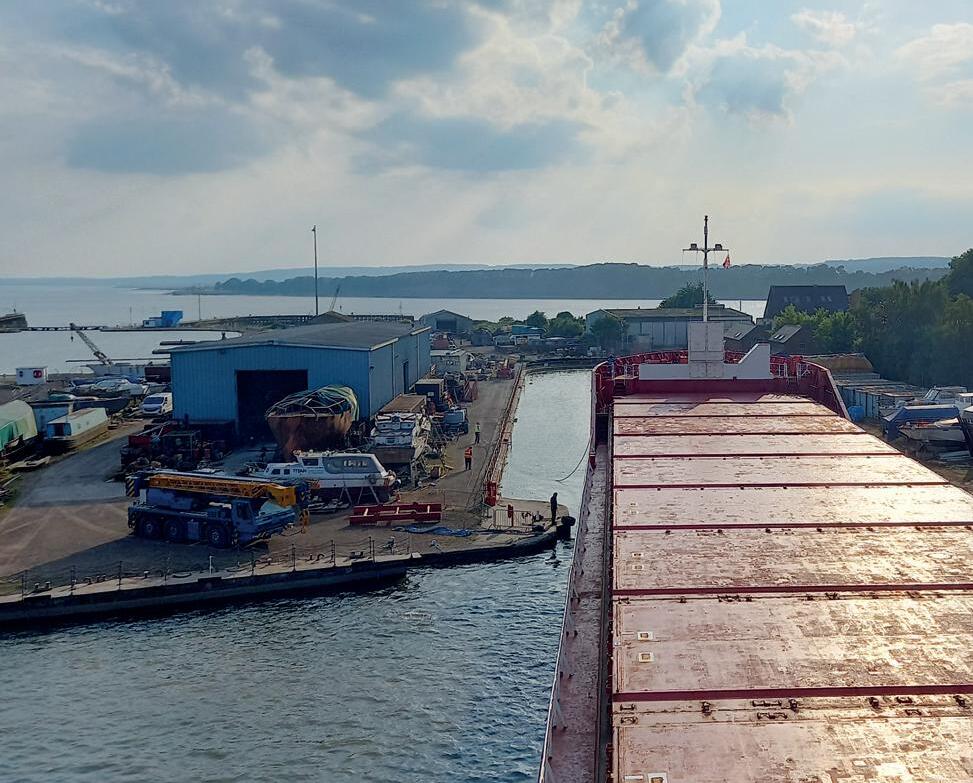
In 2026, we are recruiting in readiness for the first retirement in January 2027. An expression of interest is on our website, along with an open invitation for those who would like to visit the district, including tripping.
Safe piloting / Matthew Finn / Gloucester Pilots
With a vessel capacity up to 100m and a maximum draught of 6.0m, Teignmouth is open for business.
The Teignmouth Harbour Commission provides the SHA and CHA status from a radius of 2nm from Ness Point. The SHA reaches as far back as Newton Abbot (yes, you can reach the supermarket by punt if needed: handy when you need some milk). This, coupled with the Port of Teignmouth SHA, Associated British Ports, is a partnership that is going from strength to strength.
The entrance has always been seen as challenging as it experiences the natural creation of a sand bar that forms across the entrance throughout the year, caused by the longshore drift from the south mixed with suspended waterborne material washed out of the freshwater estuary the Teign.
As everywhere else, the Port and Harbour Commission have seen a substantial downturn in commercial traffic, which has had an impact on all.
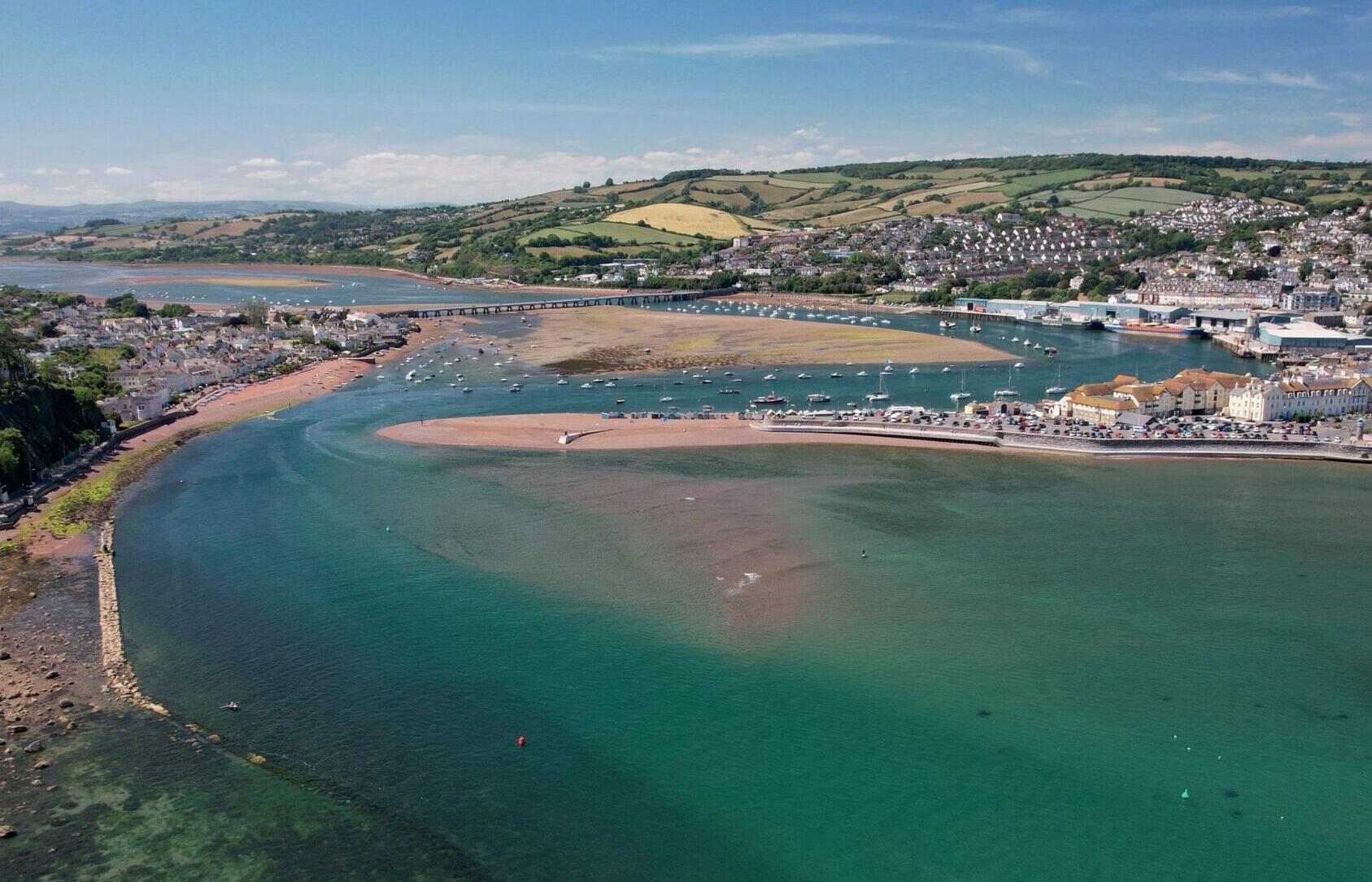
THowever, recent changes in personnel and the authorisation of two new pilots are set to take this operation into 2026 and beyond.
Handling cargoes such as salt, clay, animal feed and aggregate, Teignmouth has seen a modest uplift in tonnage in 2025 (314,000 tonnes at
he year has continued at a steady pace for the Medway Pilots. Our team has grown with the addition of a new trainee who has now successfully achieved authorisation, bringing our total complement to 25 pilots, including four serving on a part-time basis.
Operationally, several key developments have taken place across the district. At Sheerness, the completion of an additional car berth during the summer has expanded capacity, enabling the port to have multiple Pure Car Carriers alongside at the same time. Meanwhile, Chatham has reopened following essential repairs to the North Lock, with cement, timber and steel cargoes once again making use of the facility.
At the BP Isle of Grain terminal, the aviation fuel berth has been upgraded to handle LR2-class tankers, with the first call expected towards the end of 2025. In addition, Grain LNG transitioned to new ownership under Centrica earlier this year; a move that may bring changes to the pattern and volume of LNG traffic through the port.
The Medway district continues to evolve, with infrastructure investment and steady pilotage activity.
Medway Pilots
the time of typing) and is hopeful with the modal shifts that we are seeing on the movement of UK and European trade that short-sea ports such as Teignmouth will thrive.
Rob Parsons / Teignmouth Harbour Master
At the end of August this year John Benson, a long-standing and very well-respected pilot within South Wales (and well known outside the region), retired after 28 years with the company. His guidance, tutorage and mentoring will be greatly missed. A brief message from John follows at the end of this update.
John’s leaving has reduced pilot numbers for the South Wales region from 17 to 16; a level at which it will now stay. Coincidently, this aligns well with a new working rota starting on 1 January 2026.
Newport remains the busiest port where we have seen an increase in maximum-sized ship numbers recently. As ever, the other ports are maintaining their usual trade levels.The Floating Offshore Wind (FLOW) industry remains a hope for the Port Talbot Harbour area where fingers are crossed for future developments.
I enjoyed 28 years of happy piloting, knowing that I had the backing of the UKMPA if and when required. I would like to thank the UKMPA for their continued support throughout this time and would like to wish all its Committee and members fair winds and manoeuvrable ships for the future. Wishing a Happy New Year from all pilots in South Wales.
Philip Hartwell / ABP South Wales Pilot
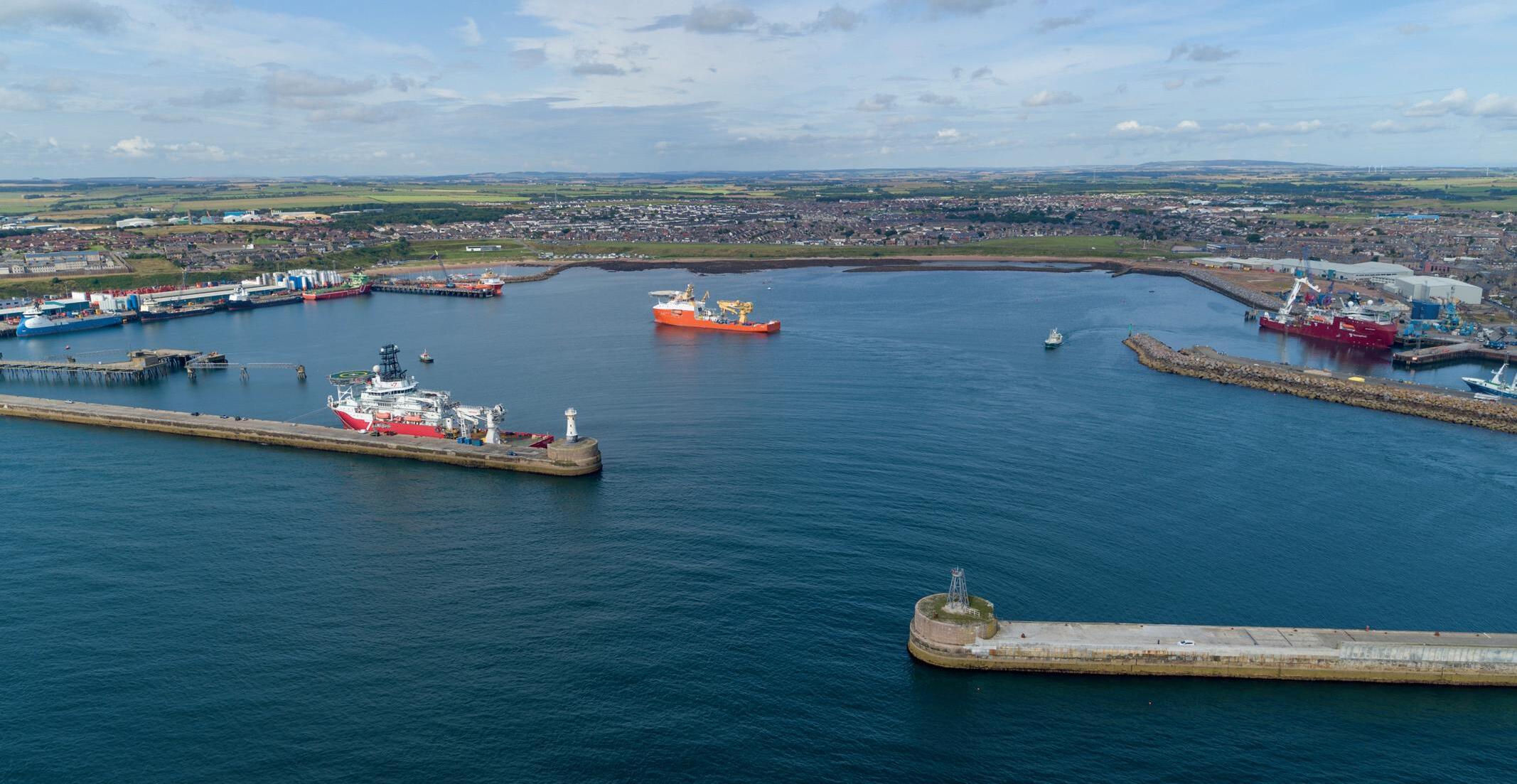
The port experienced a notably busy summer period, driven largely by subsea vessel mobilisations operating out of Smith Quay. These activities have created a steady demand for pilotage over the past few months.
Outside the subsea campaigns, the core of our pilotage work has continued to centre on platform supply vessels, which remain the most frequent vessel type calling at the port.
AWe have also handled several general cargo vessels in recent months, with cargoes ranging from coal to frozen fish.
With the launch of the revised Code of Safe Practice for the Embarkation and Disembarkation of Pilots, we reviewed the document and reviewed our own internal procedures to update as necessary. The input from the pilots was integral in this process.
We currently have 26 Pilotage Exemption Certificates (PECs) in force, supporting the safe and efficient movement of vessels; the vast majority of these exemptions are on PSVs.
nother successful year for Liverpool Pilots as the Port of Liverpool looks to head towards a period of development within the port. Last year’s significant investment in our simulation facilities has borne fruit allowing us to support the CHA in developing plans for new terminals and terminal expansions within the port. Liverpool Pilots were proud to support the visit of the Peruvian Navy’s BAP Union to the Cruise Terminal in August as part of her world cruising diplomatic mission. More recently, Liverpool Pilots co-ordinated the launch of a new Mersey Ferry at Cammell Laird and we continue to support the yard’s work with the Royal Fleet Auxiliary and Royal Navy.
In addition, we are out to tender for a new pilot cutter. Our existing vessel, the Blue Toon, was built in 1993 and, after more than three decades of reliable service, it is now the right time to replace her.
Overall, the pilotage service has maintained strong operational continuity over the past few months but as always will likely quieten down in over the winter period.
Ewan Rattray / Peterhead Harbour Master
We waved goodbye to two of our number this year: Gavin Hoe-Richardson and Chris Thomas were honoured at our annual Hot Pot in the Royal Liver Building. The service has welcomed new faces to the team with Andrew Bradbury recently completing his training after a move from the port of Heysham. Mark Rowlands has commenced his Class 4 training this month and in the new year we will welcome a further new trainee. With our previous trainee intakes now beginning to come through to Class 1 Authorisation, the service is well placed to service the needs of the port and the increased tonnage we have seen in the past 18 months.
In all, a successful year at Liverpool Pilots which has seen us continue to build on the success of recent years.
Sam
McDougall / Liverpool Pilots Secretary
Well, it has been quite a year here at the port of Great Yarmouth. Although pilotage acts are still running at approximately 3,000, overall vessel visits are up by 6%.
The port is getting heavily involved in the Sizewell ‘C’ nuclear power station project just down the coast so it will get much busier. As such, we have two aggregate suppliers to the port, with one of them (Stema) discharging more that one million tonnes this year alone, looking at two million next year.
Our new O&M windfarm base nears completion and is set to open in summer 2026. There are also massive redevelopment plans announced for our outer harbour. Our owners have also just rebranded the port commercially as the ‘Port of East Anglia’.
We have also just created a new pilot boarding point eight miles north of the port (Cockle buoy pilot station) due to our other main channel (Holm)
shoaling up and preventing our 10m-draught vessels from safely navigating at low water.
Shortly after compiling last year’s report, the port was in the headlines as it received a visit from MV Ruby seeking refuge. The vessel was transporting its cargo from Russia to the Canary Islands when it suffered damage. It was anchored off the coast of Kent while the owners negotiated a safe place to dock. The Ruby had originally loaded its 20,000tonne ammonium nitrate cargo from Russia’s northern town of Kandalaksha in late August and was heading to Las Palmas when it suffered damage.
We played host to Ruby and the transhipment vessel Zimrida until December when Ruby went to drydock on the Tyne and Zimrida proceeded with the onward cargo to Africa.
Just as everybody was getting back to normal, the Stena Immaculate/Solong incident occurred. The container ship
Tonnage on the River Thames in 2024-25 has risen significantly within the container sector, with all other sectors experiencing more modest increases. Recruitment and training continue at pace. In 2024-25, 14 trainee pilots achieved their first pilotage qualifications and 12 trainee pilot positions are now being advertised for 2026. After factoring in retirements and leavers, we currently have 112 full-time sea pilots – an increase of ten compared with the same time last year.
A notable retirement this year is that of our colleague Steve Elias, who stepped down on 6 September 2025 at the age of 72, after an outstanding 33 years of service as a Thames pilot. We wish Steve a very happy and wellearned retirement.
Our simulator pilots, working with our external training provider, have developed an in-house MPX course,
which has now been delivered to more than 100 of our pilots. DP World has completed construction of Berth 4 at London Gateway, with work on Berth 5 now well underway. Simulations are planned for Berth 6 in the early part of next year. Up-river developments have been led by the news of a potential industry-leading carbon capture and storage (CCS) project at Riverside Energy. Once captured, the carbon dioxide will be liquefied and transported via ship for permanent storage under the North Sea.
London VTS has settled into its new home, Alex House, located next door to the construction site of its former base. Refurbishment of the old building is progressing well and, once complete, will house the latest state-of-the-art VTS equipment. Finally, a special mention for the Grandad of Pilotage, Hywel Pugh, who has been awarded the Merchant Navy Medal for his exceptional contribution to pilot training and support on the Thames, as well as his tireless
Solong collided with the Stena Immaculate, anchored off the Humber Estuary, on 10 March. The Portugueseflagged Solong was navigating under foggy conditions. Stena Immaculate was transporting jet fuel for the US military and had been travelling to Hull from Greece when it was struck by Solong, resulting in one fatality.
The tanker was taken to Great Yarmouth’s Outer Harbour in April for assessment by insurance loss adjusters. While in Great Yarmouth, food from Stena Immaculate’s galley was donated to a local food bank.
The Immaculate stayed with us until September, when it sailed for a drydock in Turkey for repair.
Great Yarmouth has always been a tourist destination, and both of these port visitors certainly drew the crowds and attention. Meanwhile, us as pilots try and stay out of the headlines or politics and ensure vessels can safely navigate from point A to B.
Best Wishes from Great Yarmouth Harbour Pilots.
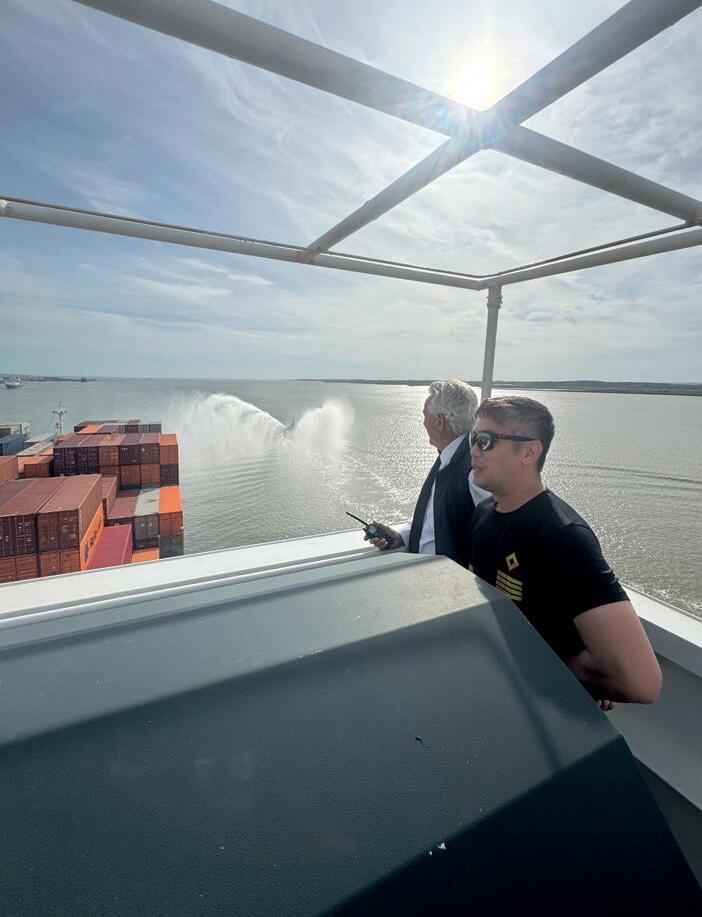
efforts across the industry to improve safety standards, particularly those relating to pilot ladders.
Nick Brown / Chairman, LPC
The second half of 2025 saw trade on the Forth continue to follow much the same pattern as in the other post-Covid years, but with the addition of interesting and challenging project work.
Container traffic remains strong, with Grangemouth retaining its position as Scotland’s main container port. On the hydrocarbon front, crude oil exports remained steady from Hound Point,
as do LPG exports from Braefoot Bay. Tanker traffic at Grangemouth has remained steady, despite the closure of the refinery there. Oil product imports from Europe have increased as a result of the refinery closure.
The summer cruise season saw a record number of cruise vessels visiting Leith, Rosyth and the anchorages at South Queensferry and Newhaven.
Project work has featured strongly in 2025. June saw the arrival of the aircraft carrier HMS Queen Elizabeth in Rosyth for drydocking and major refit.
AnoThe service continues to evolve, bidding fond farewell to numerous long-term colleagues in recent times, with yet more retirements anticipated in the coming 12 to 24 months.
This has led to a significant recruitment drive over the past couple of years, which has, in turn, brought an influx of younger pilots.
The service has benefited from the attendant new ideas and enthusiasm, along with the capacity to help update our processes (and arguably outlook!) as the stock of older pilots diminishes.
UKMPA football scouts located in the North East also express excitement as to the possibility of refreshing the squad with a significant injection of new talent from
June brought the float-off operation of the first Type 31 frigate, HMS Venturer. These vessels are constructed in modular fashion at Rosyth, moved to Leith by semi-submersible barge, floated off and returned to Rosyth for completion.
Both the aircraft carrier and frigate projects have small teams of pilots assigned to each project to ensure continuity and consistency.
Shipments of XXL monopile foundations for Inch Cape Offshore Wind Farm started arriving in Leith in October, using the recently completed Outer Berth. The Inch Cape project will deliver 18 months of pilotage work involving heavy lift and installation ships. When complete, the Inch Cape project will deliver enough power for half the homes in Scotland.
Pilot numbers are steady at 23, including five junior pilots and one parttime. Throughout the period, Forth Pilots have continued to provide members to the ISPO Board, UKMPA Executive and the PNPF Trustees.
Looking ahead, the Forth continues to benefit from a mix of trades. Hydrocarbons will no doubt feature for many years to come and the increase in cruise traffic and renewable-energyrelated traffic looks set to continue.
Yours Aye / Forth Pilots

the North Yorkshire Academy, looking forward to next year’s EMPA tournament.
The service remains in close consultation with the port with regard to trade outlook in order to plan future recruitment.
TBPL continues to maintain a five-watch system to ensure our round the clock service, yet provide enough flexibility to cover any project work. A balance of senior and junior pilots progressing remains.
Trade evolves, with numerous new streams mooted, both in traditional sectors and those such as renewables. Oil and gas, ro-ro and containerisation remaining steady at the core. Arguably, a trend towards larger vessels continues.
Wishing you a successful 2026 / Tees Bay Pilots