May/June 2026 Equine Science Review: highlighting research & outreach efforts at UK
EQUIN SCI NCE R VIEW
MAY/JUNE 2026
ISSUE #0027
EQUINE.MGCAFE.UKY.EDU @UKAGEQUINE ON FACEBOOK/X
STUDY ANALYZES BUYERS’ ASSUMPTIONS ABOUT CARPAL CHIPS IN THOROUGHBRED YEARLINGS , 3
Results paint a more nuanced picture than the industry’s default response of writing off a horse with a chip.
WHEN RESEARCH UNCOVERS WIDESPREAD GRATITUDE , 4
What started as research focused on demand for equine vets turned into an outpouring of love for those vets.
UK EQUINE RESEARCHERS SECURE MORE THAN $1.8 MILLION USDA FUNDING FOR HORSE HEALTH STUDIES, 5
Research to address some of most pressing equine health challenges.
EQUINE STUDENT PARTICIPATES IN IMPORTANT
TICK RESEARCH DURING TRAVEL TO VIEQUES, PUERTO RICO,6
Opportunity to build on undergrad research, gain hands-on field experience.
WRITER, EDITOR AND LAYOUT
Holly Wiemers, MA, APR communications and managing director, UK Ag Equine Programs
WRITER AND EDITOR
Jordan Strickler, agriculture communication specialist, Martin-Gatton College of Agriculture, Food and Environement
DESIGN
Julie Magruder, Design Love
Equine Science Review is a bi-monthly Martin-Gatton College of Agriculture, Food and Environment newsletter that highlights important equine work happening at the University of Kentucky.
Material published in the ESR is not subject to copyright. Permission is therefore granted to reproduce articles, although acknowledgment of the source and author is requested.
STUDY ANALYZES BUYERS’ ASSUMPTIONS ABOUT CARPAL CHIPS IN THOROUGHBRED YEARLINGS
See the vet reports during any yearling sale and you’ll hear it — a ripple of concern when a veterinarian flags a bone chip on a radiograph of the horse’s leg. Buyers often step away. Prices drop. The horse, in the minds of many, is already compromised.
However, findings from a study out of the University of Kentucky Maxwell H. Gluck Equine Research Center are challenging that assumption, which for sellers and consignors carry real financial weight.
The research, published in the Equine Veterinary Journal, is the first study to directly compare sales and racing outcomes in Thoroughbred yearlings with carpal osteochondral fragments (COF) — more commonly known as knee chips — against a control population of radiographically clean horses. The results paint a more nuanced picture than the industry’s default response of writing off a horse with a chip.
“The idea came from seeing a
large number of these cases get significantly marked down in price, just because people assume a chip means the horse won’t perform,” said Bruno Menarim, a Gluck Center researcher and one of the study’s senior authors. “That was possibly true in the ’80s and part of the ’90s, but not with current arthroscopic surgery approaches.”
Using clinical records from Hagyard Equine Medical Institute spanning 2015 to 2018, the team identified 46 Thoroughbred yearlings with dorsal osteochondral fragments of the radial or intermediate carpal bones. Twenty-six of those horses underwent arthroscopic surgery to remove the fragment before going to sale; 20 were managed conservatively. The team then assembled a control group of 138 sire- and year-matched siblings — horses from the same bloodlines and sale years that showed no radiographic abnormalities.
Racing records were then tracked through June 2023, giving researchers a near-complete picture
of each horse’s competitive career. The team measured a range of outcomes: sales price, total career earnings, average earnings per start, number of starts, number of seasons raced, best speed figure achieved and the highest class of race each horse reached.
When horses that had surgery were compared with the control group, their sale prices showed no statistically significant difference. The same held for total earnings. But horses that went to the sale with their chips untreated (the No-SX group) told a different story: They were highly penalized at auction and earned significantly less across their racing careers.
“The number of horses with carpal fragments in this study was small when you think of the nature of this sport and the odds of spotting a big runner that could translate into major differences between horses that had surgery and those that didn’t,” Menarim said. “While the dollar difference for both sales and total winnings between surgery
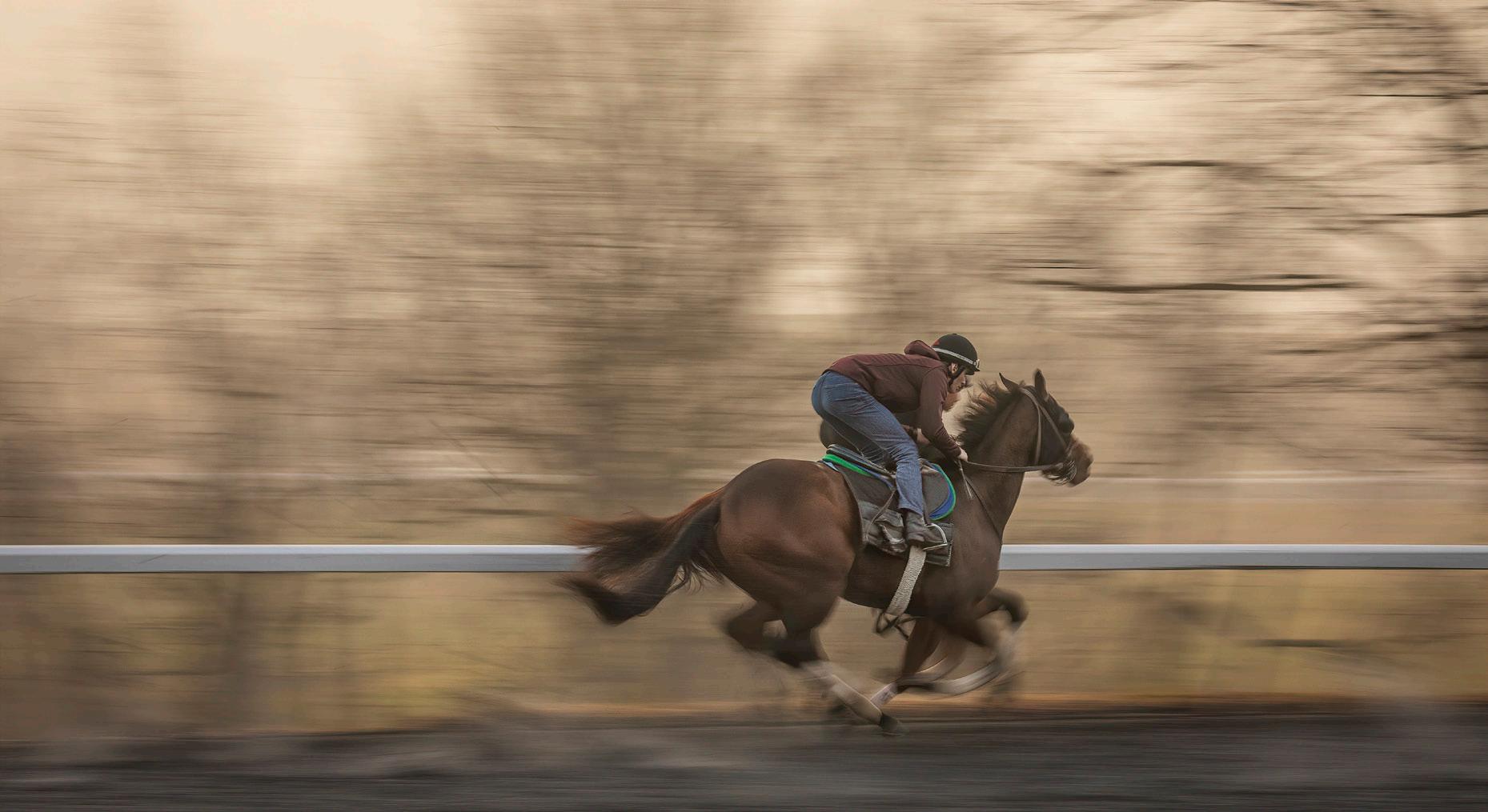
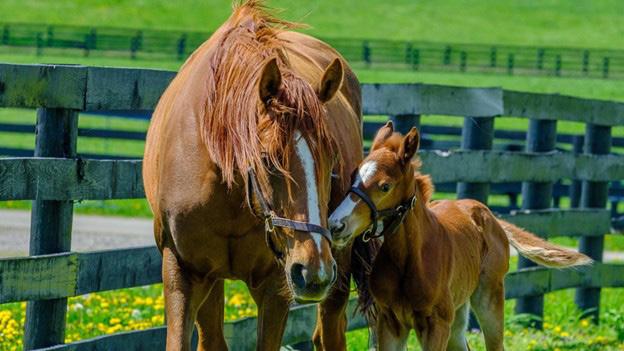
PHOTO BY MARK PEARSON.
and no-surgery groups was not striking, it was palpable, and untreated horses were significantly different when compared to clean horses. If you don’t have surgery, you are significantly affected. That doesn’t hold for the horses that went through with the procedure.”
In other words, the gap between a surgically treated horse and a clean horse was not statistically significant. The gap between an untreated horse and a clean horse was.
THE ECONOMICS OF A DECISION
“The purpose of removing a fragment at yearling age is to preserve joint health, prevent
lameness down the road and increase the odds of that horse having a successful racing career,” Menarim said. “You’re trying to avoid the need for therapeutic intervention when the horse is already in training.”
The study shows that the history of COF is enough to affect sales appeal, but surgery meaningfully shifts the odds for a racing career. The study identified that when treated and untreated horses were compared in isolation from the control population, horses treated conservatively earned significantly less than horses that had the procedure.
The study also found that the average sales price difference between surgically treated and un-
treated horses was close to $2,000 — just over the cost of the surgery itself.
“That difference is almost the cost of removing the fragment,” Menarim said. “So go ahead and do the surgery, and you’re increasing the likelihood that this horse is going to have sales appeal — and a better chance of a meaningful racing career.”
| Jordan Strickler is an agricultural communications specialist within UK’s MartinGatton College of Agriculture, Food and Environnment.
When research uncovers widespread gratitude
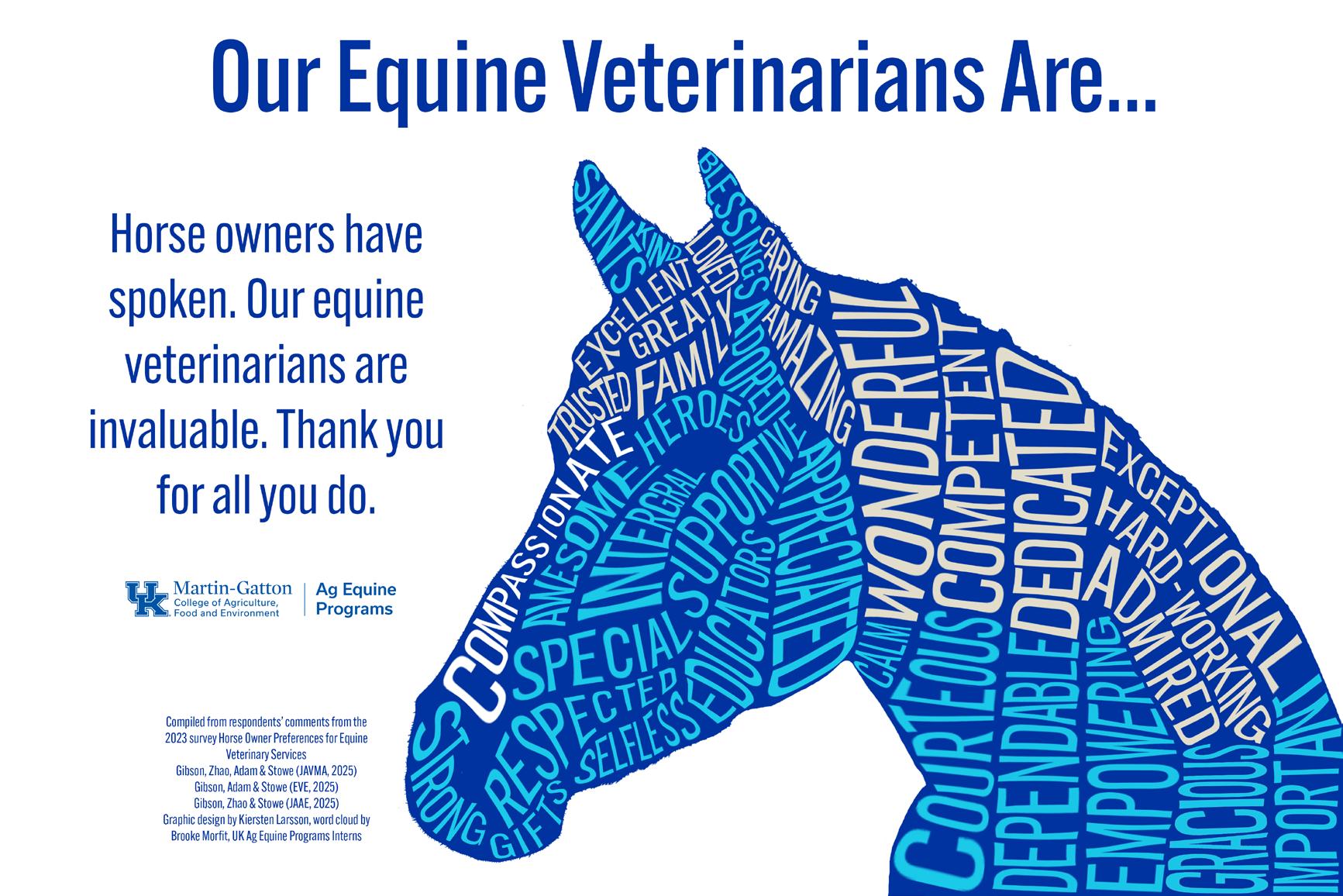
What started as a research project focused on demand for equine veterinary services by the University of Kentucky’s Department of Agricultural Economics professor Jill Stowe, PhD, turned into something with a more emotional effect.
Although the research produced three peer-reviewed publications, perhaps the most impactful – and unexpected for the researchers, according to Stowe – was that a question in the survey resulted in an outpouring of unsolicited gratitude that thousands of U.S. horse owners voiced. Two talented UK Ag Equine Programs interns used these comments to create a word cloud of sorts to capture the sentiments of horse owners and share them with the people who should hear them most, our equine veterinarians.
With a large undergraduate degree program, part of UK’s Martin-Gatton College of Agriculture, Food and Environment’s mission includes preparing the next generation of equine veterinary students through a rigorous curriculum, exposure to career paths for equine veterinarians and access to a dedicated Pre-Veterinary Mentoring team and experiential workshops like pre-vet experience days. We welcome the support and collaboration of equine veterinarians.
Full-size (16x20) copies of this word cloud image are available and suitable for framing and display – just let us know if you want one by emailing equine@uky.edu.
| Holly Wiemers,MA, APR, is communications and managing director for UK Ag Equine Programs.
UK EQUINE RESEARCHERS SECURE MORE THAN $1.8M
IN USDA FUNDING FOR HORSE HEALTH STUDIES
University of Kentucky Martin-Gatton College of Agriculture, Food and Environment researchers have received awards from the U.S. Department of Agriculture’s National Institute of Food and Agriculture, totaling more than $1.8 million to address some of the most pressing health challenges facing horses and the equine industry.
The projects, led by Department of Veterinary Science faculty working across infectious disease, immunology, reproduction and musculoskeletal health, reflect UK’s broad role in equine research and its connection to Kentucky’s signature industry.
The funded studies include work on non-antibiotic treatments for Rhodococcus equi pneumonia in foals, the genetic diversity of equine rotaviruses, the possible effect of joint corticosteroid injections on vaccine protection, the relationship between anti-inflammatory drug use and chronic musculoskeletal inflammation, and a long-sought biological signal tied to early pregnancy maintenance in mares.
“The number and variety of research topics funded within a single grant cycle is highly unusual and reflects the scope and expected world-wide impact of the research conducted in the Department of Veterinary Sciences,” said Associate Dean for Research James Matthews.
PROJECTS AT A GLANCE
Foal health is central to a $650,000 project led by Feng Li, PhD, virologist and William Robert Mills Chair in Equine Infectious Disease at UK’s Gluck Equine Research Center, will study antigenic and genetic diversity in equine rotaviruses. Equine rotavirus A is a major cause of severe diarrhea in foals under six months old and can become rapidly fatal
if left untreated. Annual outbreaks during foaling season create health and economic concerns for breeding farms.
Li’s project will develop genetic tools to isolate and study equine rotaviruses, examine how the viruses change over time and determine how those changes affect the immune system’s ability to recognize and fight infection. The work could help guide next-generation vaccine strategies for equine rotavirus and related diseases in other agricultural animals.
In that same vein, Yosra Helmy, PhD and associate professor at the Gluck Center, is the principal investigator of a $300,000 project. She will study alternatives to classical antibiotics for treating subclinical R. equi pneumonia in foals. The bacterial disease can cause serious illness and losses on horse farms, and treatment has become more difficult as some strains respond poorly to current antibiotics. With few vaccines available, Helmy’s team will test small molecules that stopped R. equi growth in early laboratory work and study how well they prevent the bacteria from infecting equine lung immune cells.
The goal is to identify safer, more effective treatment candidates
while reducing reliance on traditional antibiotics.
Allen Page, DVM, PhD and assistant professor at the Gluck Center, will lead a $300,000 study examining whether intra-articular corticosteroid injections affect horses’ response to vaccination. Corticosteroids are commonly used in joints to treat pain and inflammation, but these drugs can affect immune function. Page’s team will test whether administering a joint corticosteroid injection at the same time as a booster vaccine reduces vaccine protection and increases susceptibility to illness after influenza exposure. The findings could help veterinarians better time treatments and vaccines for horses that travel, compete or breed — situations where infectious disease outbreaks can be costly and disruptive.
Another $300,000 award, led by Bruno Menarim, DVM, PhD, a Gluck Center researcher, will examine the hidden link between anti-inflammatory drugs and chronic musculoskeletal inflammation in horses. Musculoskeletal conditions are among the leading causes of loss in the horse industry and carry ma-
PHOTO BY MATT BARTON, UK AGRICULTURAL COMMUNICATIONS
jor welfare and financial costs. Menarim’s project will focus on phenylbutazone, a commonly used non-steroidal anti-inflammatory drug, and whether it interferes with the inflammatory processes horses need for exercise adaptation and recovery.
The study will use horses exposed to increasing exercise and experimental joint inflammation to measure how phenylbutazone affects the body’s ability to adapt to training and resolve inflammation.
Hossam Elsayed, DVM, PhD, Diplomate ACT and associate professor at the Gluck Center, will lead a $300,000 project focused on one of equine reproduction’s long-standing unanswered questions: how the early horse embryo
signals pregnancy to the mare. Successful pregnancy depends on maternal recognition of pregnancy, a process in which the embryo sends a biochemical message that helps the mare maintain the corpus luteum, a temporary ovarian structure that produces progesterone.
Elsayed’s project will test whether a hormone, known as CG-beta, may be that signal in horses. Since early pregnancy loss is a major concern in the horse breeding industry, identifying this signal could lead to better pregnancy tests and future treatments to reduce losses.
“Together, the five projects represent a wide look at horse health, from the first weeks of a foal’s life to reproductive success, disease prevention and athletic soundness and illustrates the comprehensive
equine research capacity possessed by the faculty and facilities of the Department of Veterinary Sciences,” Matthews said.
This material is based upon work that is supported by the National Institute of Food and Agriculture, U.S. Department of Agriculture under award numbers 2025-67016-44998, 2026-67016-46035, 2026-67016-45719, 202667016-45794 and 2026-67016-45712. Any opinions, findings, conclusions or recommendations expressed in this publication are those of the author(s) and do not necessarily reflect the view of the U.S. Department of Agriculture.
| Jordan Strickler is an agricultural communications specialist within UK’s MartinGatton College of Agriculture, Food and Environnment.
UK EQUINE STUDENT PARTICIPATES IN TICK RESEARCH DURING VIEQUES, PUERTO RICO TRAVEL
Vieques, Puerto Rico hosts an estimated 2,500 to 7,000 equids over 135 km2. Limited resources and high poverty rates on the island pose challenges for equine welfare and management. A large challenge is the dense island vegetation of Vieques, which provides a favorable habitat for ticks, a vector for equine piroplasmosis (EP). EP is a blood-borne disease that can be deadly to horses and is considered endemic in Puerto Rico.
In May 2025, I was granted the opportunity to travel to Vieques to build on my undergraduate research skills and gain hands-on field experience. I assisted Hannah Tiffin, PhD, entomology assistant professor, and Camie Heleski, PhD, senior lecturer, both faculty members within the University of Kentucky Martin-Gatton College of Agriculture, Food and Environment, in evaluating tick burden on horses and the prevalence of EP parasites in ticks collected. Our small research team from
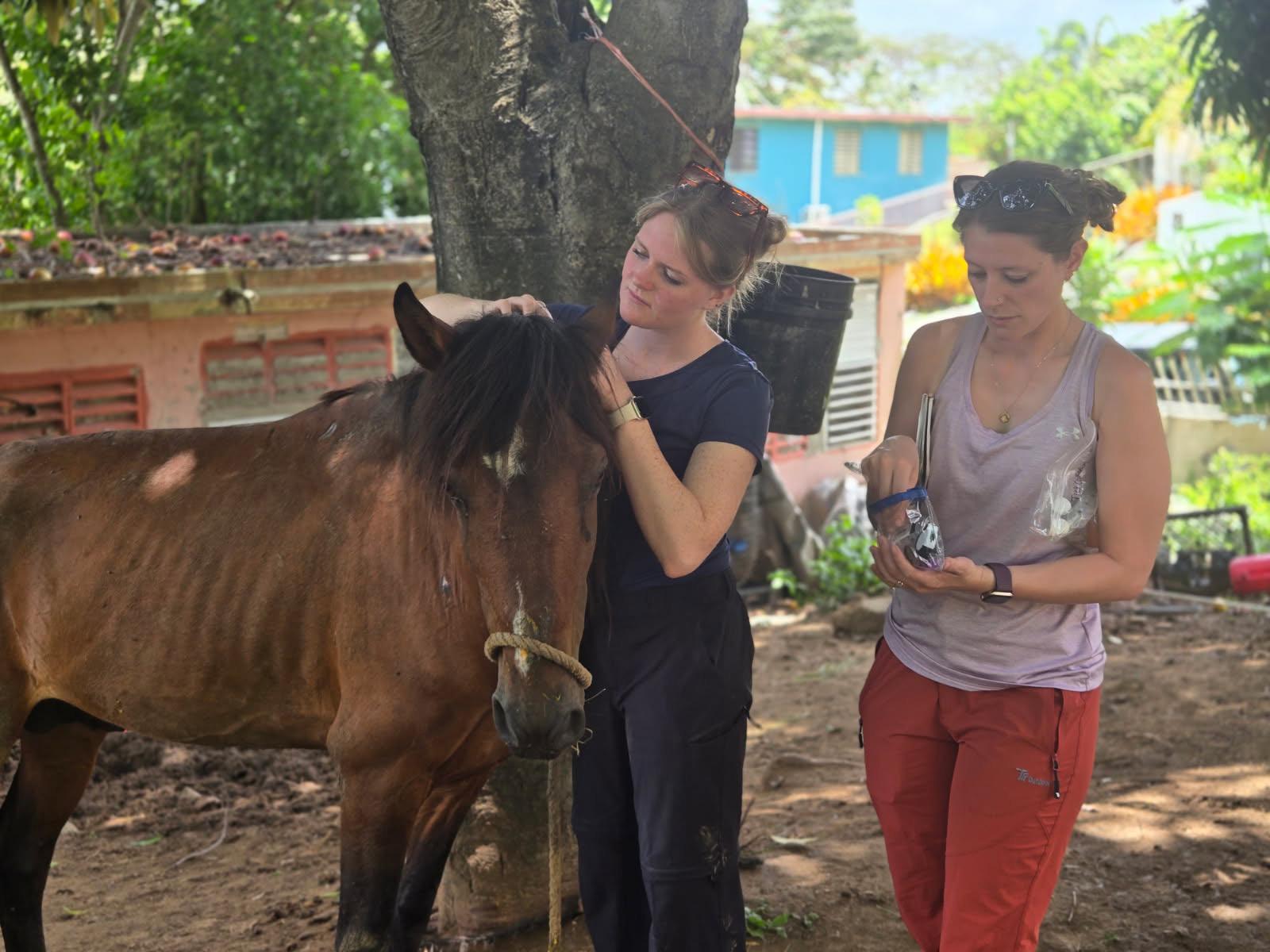
CHLOE YOUNG, LEFT, AND DR. HANNAH TIFFIN, RIGHT. PHOTO COURTESY CHLOE YOUNG. UK collaborated with island veterinarian Samantha Shone. Shone assisted in tick collection and equine assessments across the island. We used body condition scores to indicate animal health, as high tick burden may negatively affect overall condition.
Additionally, different equine management strategies were documented and categorized into one of three groups: managed, free-roam-
ing or mixed-managed. Equids deemed as “managed” were those confined to a single property for much of the year. The “free roaming” population, while all privately owned, are equids allowed to roam the island and are scarcely confined. The third, “mixed-managed” group was for all equids intermittently confined or used in seasons of increased tourism.
The connection built between our group and Shone allowed us to integrate into the community and build rapport. At one point, we were getting calls throughout the day from locals wanting us to collect ticks from their horses. Conversations with horse owners were very constructive, and I recall many being intrigued by our work and open to sharing details about their horses.
Due to the general structure of a pilot study, both time and sample size were limited, particularly because private ownership required signed consent for horse participation. Despite these limitations,
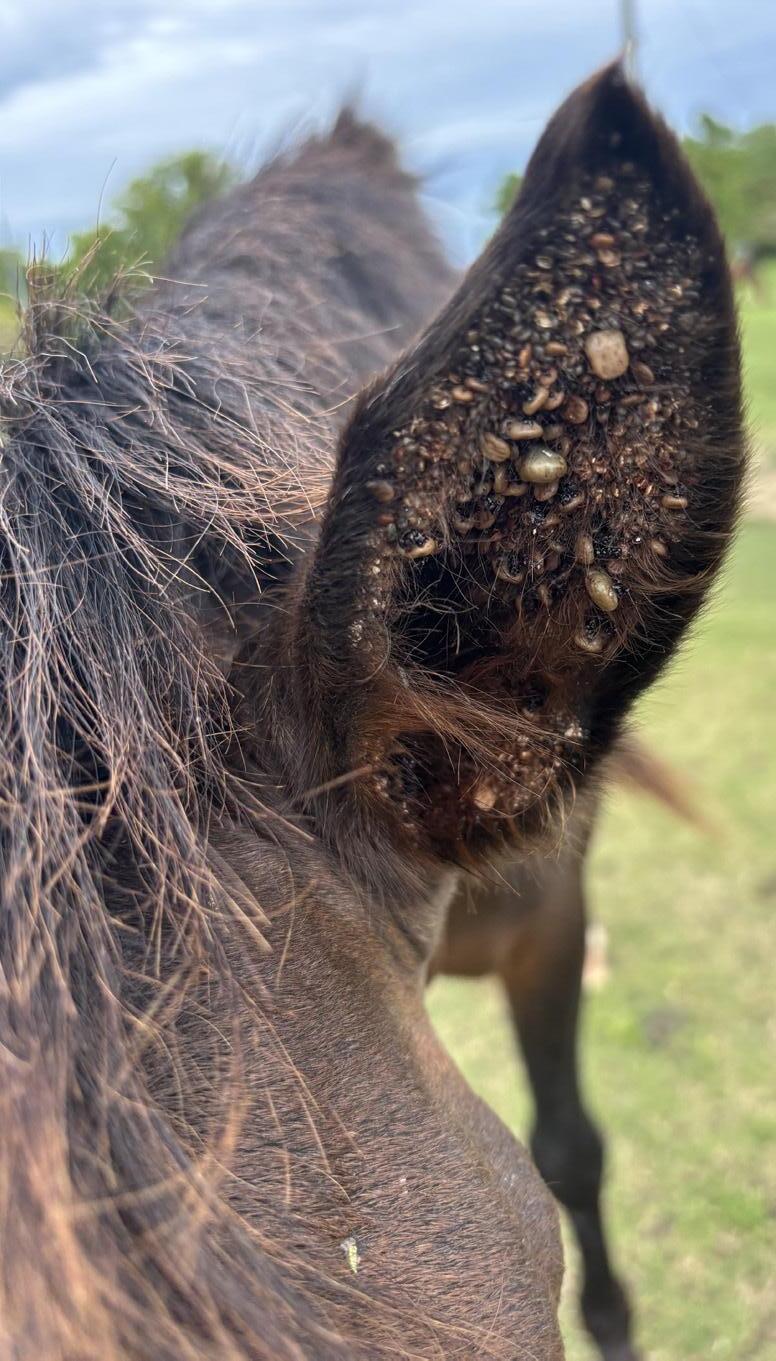
a total of 583 ticks from 34 horses across all management styles were collected in a four-day period, exceeding our expectations. As we collected ticks, we had to adopt new methods of collection for efficiency, which translates to hand scraping ticks out in masses.
We used an adapted body condition score for working equids to determine the average body condition of the horses, which was a 2.3 out of 5. Tick burden averaged 8.3 ticks per horse, with the predominant tick species being Dermacentor nitens, a tropical horse tick reported to be a vector for EP. Since the current prevalence for EP is unknown on the island, ongoing screening of the ticks collected from horses will hopefully provide a greater idea on the number of affected individuals.
Besides the experimental objectives, our team had an educational objective as well, which was made possible through collaborations with Hilda Rodriguez, extension agent at the University of Puerto Rico Cooperative Extension, and Angela Varnum, veterinarian and education specialist with the Equitarian Initiative. Generous funding from the Equitarian Initiative and well-rounded equine education modules created by Varnum were incorporated into a 4-H youth program. Rodriguez was able to lead and facilitate discussions with support from our team.
We delivered community-based youth education modules on topics in equine behavior, management and tick control. A total of three sessions with a group of students occurred, with the final session being an escape-room challenge demonstrating what the students had cumulatively learned. Completion of the sessions and challenge resulted in 4-H equine curriculum
certificates being awarded. As a previous member of 4-H myself, I was amazed at the ingenuity of the delivery of the content and the youth participants’ positivity across sessions. Many commented on their excitement to educate their friends and appeared hopeful for similar content in the future.
Our team viewed this opportunity and pilot study as a major success; not only in the data that was collected, but also from the engaging conversations we had with horse owners and youth, the generosity the locals showed by granting us their time and the interest the community expressed in the research. Acceptance and continued support from the community is what I believe will increase our ability to return and resume data collection.
Having had this experience, taking on much of the tick collection and identification and revealing a large variation in tick burden severity, I am hopeful about the progression of this work and plan to continue contributions to future research targeting equine health on Vieques.
Tiffin and Heleski have since worked extensively on extending the future of this research and collaborative efforts with the community members through grant submissions. Although not presently having been selected for funding, the proposal has received positive feedback and the planning process has fostered continued collaboration with Shone and Rodriguez, building upon community relationships.
| Chloe Young is a recent graduate of UK’s Equine Science and Management undergraduate degree program within the MartinGatton College of Agriculture, Food and Environnment.
PHOTO COURTESY CHLOE YOUNG.
UK STUDY FINDS AIRBORNE TESTING COULD HELP SPOT EQUINE HERPESVIRUS AT MAJOR EVENTS
Researchers in the University of Kentucky Martin-Gatton College of Agriculture, Food and Environment have found that air sampling at major equestrian events could offer a new way to monitor for equine herpesviruses.
Published in Equine Veterinary Journal, the study examined temporary stabling facilities at eight international equestrian events in Spain and the United States. Researchers collected 37 air samples and 205 surface samples over 10 months to test for equine herpesvirus (EHV)-1 and EHV-4, two viruses that can spread among horses at competitions and when returning home.
“EHV-1 remains a major concern across the horse industry,” said study author Lutz Goehring, PhD, professor at the UK Gluck Equine Research Center and holder of the Warren Wright, Sr. – Lucille Wright Markey Professorship. “The virus can cause respiratory disease, abortion and equine herpesvirus-associated myeloencephalopathy, a neurologic condition that can leave horses unable to stand.”
Recent outbreaks at major events, including the 2021 outbreak in Valencia, Spain, prompted the International Equestrian Federation to fund the study which would seek to find earlier ways to detect viral activity during competitions.
“Our goal was to find out whether there are other options besides daily nasal swab sampling,” Goehring said. “Air sampling gives you a way to look at a group environment without going horse to horse.”
Air samples were collected over a period of six hours. The team found EHV-1 in 20 of 28 air samples collected in Spain,
three of three air samples in Florida and three of six air samples collected in Kentucky.
EHV-4 also appeared in air samples, but its pattern varied by location and potentially by season. Researchers found no EHV-4 in Florida’s three air samples, while in Spain detected it in 12 of 28 and recorded it in five of six Kentucky samples.
Researchers found no significant difference between air samples collected during higher-activity afternoon hours and those collected overnight, suggesting that the timing of sampling may not have had much effect under the conditions studied.
The work does not show how far the virus can travel through a barn or which horse may have contributed to a positive air sample. The study relied on molecular detection of viral DNA rather than virus isolation, so they were not able to determine infectivity or measure direct transmission risk.
Still, Goehring said the findings matter because they show viral material may be present in shared event spaces even when no horses are showing obvious warning signs.
“We were surprised by the outcome,” Goehring said. “Herpesvi-
ruses can reactivate from a sleeper state, similar to the reappearance of a ‘cold sore’ in people. We thought reactivation in horses would be rare. We were surprised by the frequency of detection. We did not detect the numbers we typically see with induced, experimental infections. Our results suggest a fairly small plume present at event centers or barn areas, even without reported clinical problems at the time.”
Traditional surveillance often depends on repeated nasal sampling, which takes time, adds labor and can test the patience of both horses and handlers. Air sampling draws on public-health work used in shared indoor spaces during COVID-19.
“It could offer a practical, noninvasive way to monitor group settings such as a barn aisle, rather than relying only on repeated individual horse testing; however, sampling equipment is currently too pricey to be implemented on a large scale,” Goehring said.
The findings do not mean horse owners should raise their anxiety level attending horse events, Goehring said. Instead, he sees the results as a reminder that good biosecurity still matters during and after shows.
“There’s no reason to panic, but
PHOTO BY MATT BARTON, UK AGRICULTURAL COMMUNICATIONS.
we need to take this information and find better ways to make sure horses are safe at these events,” Goehring said. “That can mean clearer do’s and don’ts for horse people, better biosecurity and more thought about how to reduce spread in shared spaces.”
Goehring suggested owners can lower risk by keeping vaccinations
current, limiting direct contact between unfamiliar horses and avoiding shared equipment, especially at large gatherings where horses travel in from many different places.
Research reported in this publication was supported by the International Equestrian Federation. The opinions, findings, and conclusions or recommendations
expressed are those of the author(s) and do not necessarily reflect the views of the International Equestrian Federation.
| Jordan Strickler is an agricultural communications specialist within UK’s MartinGatton College of Agriculture, Food and Environnment.
UK STUDY FINDINGS MAY PROVIDE SAFER CARE FOR HORSES AT RISK OF LAMINITIS
Joint injections that contain corticosteroids, such as triamcinolone acetonide, are a common anti-inflammatory in a veterinarian’s toolbox to treat pain and swelling from conditions like arthritis. However, even though the drug goes into a joint, some of it can have an effect outside of the joint. When that occurs, a horse’s blood sugar and insulin can be elevated for days. Now researchers from the Martin-Gatton College of Agriculture, Food and Environment are working on a solution.
That matters because insulin is tied to laminitis, a painful hoof condition that can cause long-term damage or result in euthanasia. While horses that already struggle with insulin control are the ones veterinarians typically worry about most, laminitis is a concern for any horse receiving a corticosteroid injection.
“Corticosteroids injections are an important option for managing joint pain and inflammation, but we also have to realize that they may have effects beyond the joint,” said Allen Page, DVM, assistant professor of equine health and inflammation. “Treatment of only a single joint can affect blood sugar and insulin concentrations, and that’s where laminitis risk becomes part of the conversation.”
An Equine Veterinary Journal study by researchers at the Maxwell H. Gluck Equine Research Center looked at whether a drug
called ertugliflozin could decrease the insulin spike after corticosteroid joint injections. Ertugliflozin is in a drug group called SGLT2 inhibitors, which are commonly used in humans with Type II diabetes. These drugs help the body get rid of extra sugar through urine, lowering blood sugar and, in turn, decreasing insulin production.
Led by Page, a team conducted their study using eight, mixed-breed geldings (aged 6–11) from the Department of Veterinary Science herd. The work, which took place between June and July 2025, ensured that each horse went through the same two rounds of treatment: One where horses received only corticosteroid injections, and another where the horses also received ertugliflozin by mouth once a day for a week before the joint injections and a week after.
For the injections, every horse got a dose that matches real clinical use: 9 mg of triamcinolone acetonide injected into each front fetlock joint (18 mg total per horse). Afterward, the researchers tracked resting blood sugar and insulin, in addition to an oral sugar test as a controlled way to see how each horse’s insulin changed.
STUDY RESULTS
The major finding was when the horses were on ertugliflozin, their blood sugar and insulin did not rise as much after the injections. Resting blood sugar was lower for two days following the joint injections while resting insulin was significantly lower for three days.
Additionally, ertugliflozin treat ment moderated increases
PHOTO BY MATT BARTON, UK AGRICULTURAL COMMUNICATIONS.
in insulin typically seen with the oral sugar test two days after the joint injection. Importantly, the researchers also reported no obvious side effects based on exams of the horses and the lab work they monitored.
“Our results suggest ertugliflozin can blunt the temporary glucose and insulin changes we see after a joint injection with triamcinolone,” Page said. “This study was in healthy horses, but it gives us a starting point
to explore whether this approach could help horses that are at higher risk for laminitis.”
The next step is the one that really matters for owners: testing this approach in insulin-dysregulated horses to see whether ertugliflozin can reduce post-steroid insulin increases in animals needing that protection most.
“Going into this study, we were not sure what we were going to find,” Page said. “It’s clear that we need to expand this research into
horses with elevated insulin and see if ertugliflozin may decrease the risk for laminitis in this important portion of the equine population.”
| Jordan Strickler is an agricultural communications specialist within UK’s MartinGatton College of Agriculture, Food and Environnment.
DISASTER PREPAREDNESS FOR HORSE FARMS
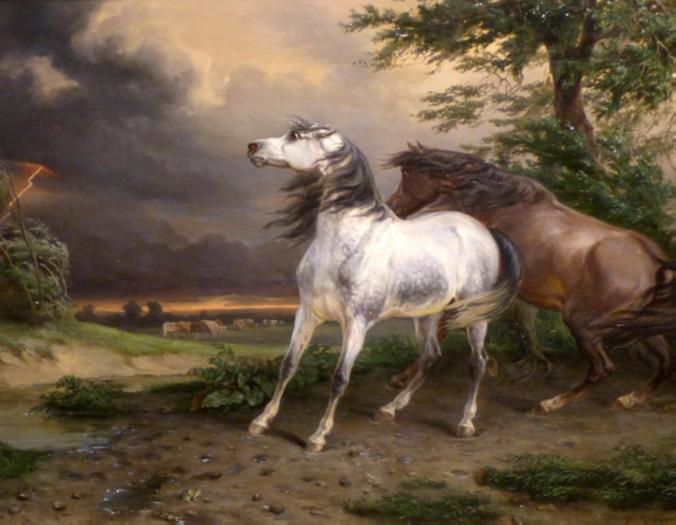
Since I was man, Such sheets of fire, such bursts of horrid thunder, Such groans of roaring wind and rain I never Remember to have heard. – King Lear, 3.2.47
Long before the sheets of fire and bursts of horrid thunder appear on the horizon, the savvy horse owner and farm manager can do much to protect lives and property. Damage wrought to the horse farm by disasters range from mild inconvenience to devastation. They may be slow and insidious (droughts, excessive rain); they may come with some advance warning (hurricanes, floods); or they may arise suddenly and move terrifyingly fast (wildfires, tornadoes). Everyone who owns or manages horses is aware of the need to prepare, but some of us may benefit from a seasonal reminder, and maybe a fresh approach, to prepare for what may come.
No single article can possibly address every scenario for every size farm and location, so this piece will focus on general principles. It is up to the reader to identify the greatest risks to their horses and businesses and prepare accordingly, starting TODAY!
INFRASTRUCTURE
Basic changes in infrastruc-
ture can radically affect the susceptibility of a facility to a disaster. These take significant time and investment, but even small changes implemented over months to years are worthwhile. A few examples include:
• Fire amelioration: Maintain fire breaks, use fire-resistant materials in construction, clear brush and maintain access to water sources for fire fighters.
• Flooding: Identify and prepare high ground where animals can be temporarily enclosed and fed, improve drainage and divert water away from critical
sites.
• Storms: Reinforce barns and shelters to be more wind-resistant, have a safe place for workers to shelter, remove trees that may damage structures and install and maintaini back-up power sources.
• Drought, excessive rainfall or other potential disruptions in availability of feed and/or water: Construction of adequate feed storage for buying in bulk when feed is available and identify alternative water sources (digging wells, trucked-in water, water storage).
WIKIART.
TRAINING
Do you or your staff know safe equine rescue techniques and how to care for traumatic injuries? These skills need to be developed well ahead of any need. For large operations in particular, running a mock disaster is highly illuminating of the holes in your disaster plan, which should include details like which responsibilities are assigned to specific people (e.g., who is evacuating horses from Barn A; who is clearing roads; and who is delivering feed/water, etc.), and where the resources are coming from (e.g., feed, trucks, fuel, etc.). As a bonus, mock drills help build trust and communication within the farm team.
SUPPLY CHAIN
in the availability of essentials to the horse farm are common sequels to disasters, particularly if the event affects an entire region. Identifying reliable sources of feed, bedding, medication, fencing, etc. in and outside the immediate region before a crisis is one less thing to manage in the moment. Create a current list of suppliers with redundancies built in and keep it up to date.
INSURANCE
When the premium payment comes due, review the policy with an agent to ensure nothing has inadvertently (or advertently) been dropped, and that changes in the farm (increased or decreased size or value, for example) are reflected in the coverage.
RELATIONSHIPS
By far the most important component of disaster preparedness is establishing relationships with the people who will help your horses and your farm survive, and to whom you can in turn provide help. For example:
• Neighbors: Particularly for small farms or backyard horse owners who may not have access to trailers, heavy equipment or plain old human-power, it is critical to develop a local network of people who you can call (or text) at a mo-
ment’s notice. (Maybe host a Derby party or a trail ride!)
• Local emergency responders: Invite the local fire department to familiarize themselves with your layout and operation and solicit their input on how to improve.
• Suppliers: You’ve already identified your suppliers and potential back-ups, but occasionally also utilizing reliable purveyors of feed and equipment in and outside of your immediate region will improve the odds your needs will be a higher priority.
• Veterinarian: This should go without saying, but don’t wait until a disaster – natural, medical or freak-accident – to have a working relationship with a veterinarian and their team. Incidence of diseases that may increase following disasters can be prevented with routine vaccinations – Botulinum, Tetanus and mosquito-borne viruses (West Nile, Eastern Encephalitis, etc.) Evacuation and the potential for co-mingling with horses from other farms pose many challenges to biosecurity, so keeping horses up to date on communicable disease vaccinations (e.g., EHV-1, Equine influenza) and having a current Coggins/EIA test are also warranted,
Put your plan into writing. No one will hold you to it, but the act of committing the time and effort of documenting your strategy and resources will go a long way toward protecting your horses, your farm and the people who work there.
DISASTER PLANNING RESOURCES FOR HORSE OWNERS AND FARM MANAGERS
• American Veterinary Medical Association: https://www. avma.org/resources-tools/ pet-owners/emergency-care/ large-animals-and-livestock-disasters
• American Association of Equine Practitioners: https:// aaep.org/resource/disaster-preparedness/
• Tips for conducting a disaster drill: https:// titanhst.com/wp-content/ uploads/2023/01/Tips-ForConducting-a-DisasterDrill.pdf
| Lynne M. Cassone, DVM, DACVP, is a veterinary pathologist at the University of Kentucky Veterinary Diagnostic Laboratory
Published in the Equine Disease Quarterly, April 2026, https://gluck.mgcafe.uky.edu/ pubs
UK TEAM BUILDS A ‘GENETIC TOOLBOX’ TO STAY AHEAD OF EQUINE ROTAVIRUS A
Every foaling season, a familiar concern can surface on breeding farms: A young foal that was alert at breakfast is suddenly lethargic, refusing to nurse and passing watery diarrhea. One of the most common causes is equine rotavirus A (ERVA), a highly contagious virus that primarily affects foals younger than six months and can become serious quickly without treatment. This is where the Martin-Gatton College of Agriculture, Food and Environment steps in.
Feng Li, PhD, virologist and William Robert Mills Chair in Equine Infectious Disease at the University of Kentucky’s Gluck Equine Research Center. says the long-running challenge is that ERVA is not a fixed target.
“It’s an old virus, but it keeps changing,” Li said. “Those changes can add up in ways that matter on farms: Vaccines and mare antibodies can lower risk, yet infections still break through in some settings, especially as foals age and protection fades.”
LOOKING INSIDE THE “GENETIC TOOLBOX”
Li is taking a step that has long been missing in equine rotavirus research: Building a genetic toolbox that allows scientists to study ERVA in a controlled, repeatable way and connect what they see in the lab to what happens in barns. Rotaviruses carry their genetic instructions in 11 separate segments, a structure that allows them to change in ways that are difficult to track. Over time, ERVA can accumulate genetic variation and produce multiple variants in the field. That matters because immune protection is not simply “on” or “off.” Vaccinated mares pass antibodies to her foal through colostrum. This can reduce severe disease in very young foals — a strategy many farms still rely on.
Even so, ERVA-associated diarrhea continues to appear, including in older foals.
Li compares the problem to lessons learned during COVID-19: Vaccines can provide strong protection, but shifting viruses can still pose challenges.
“You can have a vaccine and still see breakthrough infection,” Li said. “The question is why, and which viral changes are linked to that slip.”
The project centers on three connected efforts.
First, Li’s team plans to collect ERVA from diarrheic foals and map their full genomes to show which versions are circulating.
Next, the lab aims to build a research system that produces standard reference forms of ERVA for study. This will allow them to work with defined virus versions rather than a constantly changing mix. With that foundation, the team can compare strains side-by-side and ask focused questions about which natural changes matter.
The final step links genetics with functional antibody testing — cell culture studies measuring how well antibodies neutralize different ERVA strains. This step is key, Li said, because it links “what
changed” to “does it change protection.”
The goal is to identify the genetic changes that help ERVA evade immunity and identify antibody levels most associated with protection — information that can guide future countermeasures.
WHY ROTAVIRUS A GETS THE FOCUS
ERVA is widespread globally and remains the virus most horse operations plan around each year. A system addressing the problem at the genetic level, rather than relying solely on vaccines, would benefit the entire industry.
“Right now, we don’t have good lab tools to study how rotavirus A mutates and how those mutations affect immunity. That’s what we’re building here at the University of Kentucky,” Li said. “This toolbox will let us isolate different rotavirus A strains, read their full genome sequences and see how each mutation affects virus behavior. We’re creating a system where we can introduce changes we see from naturally occurring field isolates into the virus one at a time and ask: Does this make it escape antibodies or vaccine-mediated protection?”
ERVA outbreaks pose major challenges for Kentucky’s $6.5 bil-
PHOTO BY MATT BARTON, UK AGRICULTURAL COMMUNICATIONS.
lion equine industry. Infections can strain staff time, increase medical costs and force farms into intensive isolation and sanitation protocols.
At the same time, the basic biology of rotavirus makes control difficult. Li notes that vast numbers of virus particles can be shed in diarrhea and that only a small dose may be needed for fecal oral transmission. ERVA can also spread through contaminated hands, boots and equipment if biosecurity slips
Li emphasized research takes time, and farms still need practical steps now. Veterinary groups commonly recommend vaccinating pregnant mares against ERVA and prioritizing colostrum management and hygiene in foaling barns. The American Association of Equine Practitioners recommends a threedose vaccination series for pregnant mares at eight, nine and 10 months of gestation, paired with strong biosecurity and prompt veterinary care for sick foals.
“This toolbox we are working on will let us isolate different rotavirus A strains, read their full genome sequences, and see how each mutation affects antibody protection,” Li said.
This work is supported by the National Institute of Food and Agriculture (NIFA), project award no. 2025-67016-44998 from the U.S. Department of Agriculture’s National Institute of Food and Agriculture. Any opinions, findings, conclusions, or recommendations expressed in this publication are those of the author(s) and should not be construed to represent any official USDA or U.S. Government determination or policy.
| Jordan Strickler is an agricultural communications specialist within UK’s MartinGatton College of Agriculture, Food and Environnment.