CENTER FOR DISABILITIES AND DEVELOPMENT

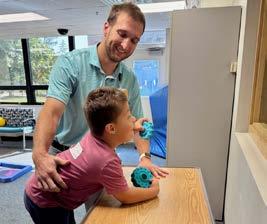
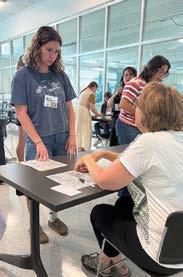
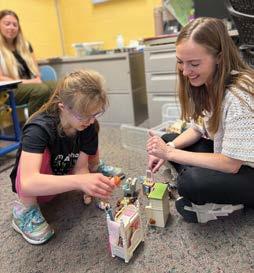
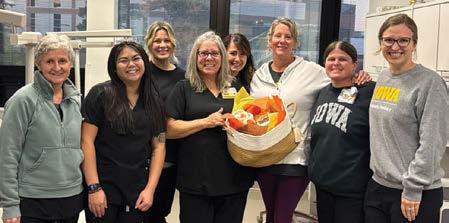
In 2024, the Center for Disabilities and Development (CDD) celebrated 75 years of providing the highest quality services and support to people with disabilities throughout Iowa and the surrounding region.
In 2025, CDD continued our mission of evidence-based clinical care, education and training, research, and community enhancement projects. We are proud to share these accomplishments throughout this annual report.
As we look toward our future, the CDD team will lean on its core values and strategic vision to optimize our current services and to develop new programs that holistically serve our families and community partners.
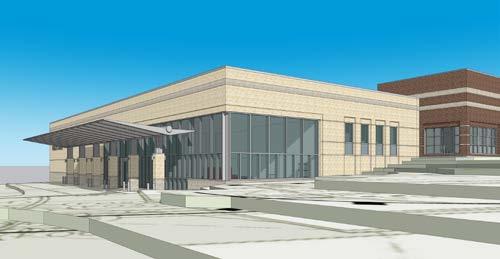
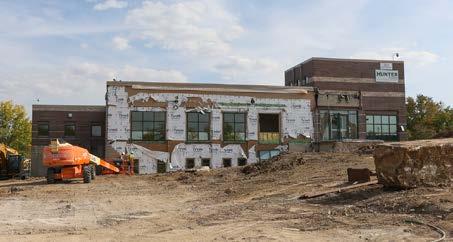
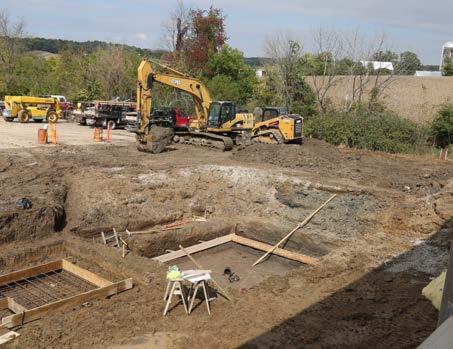
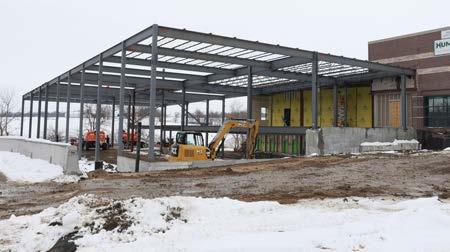
In 2026, we will prepare for the early 2027 relocation to our state-of-the-art facility at the Northgate Campus. This new building will allow us to advance and expand our services in a meaningful way by creating an environment designed to better support patients, families, learners, and staff. Thank you for continuing to trust CDD on this journey!
–Ashlee Rowles, MHA, Director, Clinical Services
Last year, CDD launched its first unified website, which featured the four pillars of the work we do: our comprehensive clinical services; Iowa’s University Center for Excellence in Developmental Disabilities (UCEDD); the Hawk-IDDRC, Iowa’s research center for intellectual and developmental disabilities; and our Leadership in Neurodevelopmental and Related Disabilities program, Iowa LEND. Since then, we have continued to enhance the website, updating and adding new information to support CDD’s vision and mission.
As we work toward increased collaboration among our CDD departments and partners, we invite you to visit our website throughout the year as we present new and updated information and resources: https://cdd.center.uiowa.edu/
$10,901,696 Total funding, active grants/ contracts
12 Number of active grants/contracts
FY25 Trainings: 193 Number of Events
26,675 Number of Participants
This year, Iowa’s UCEDD was awarded a grant from the Iowa Department of Health and Human Services to serve as the Technical Assistance and Call Center for the state’s new Aging and Disability Resource Center (ADRC) Network. The ADRC Network, which launched July 1, 2025, now serves as Iowa’s first “No Wrong Door” system. The network leverages Iowa Compass, the state’s long-standing disability information and referral service based at the UCEDD, as the primary resource for ADRC network navigators.
Iowa Aging and Disability Resource Center (ADRC) –The Commons: https://iowa-adrc.training-source.org/
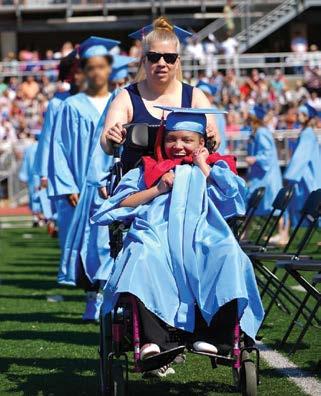
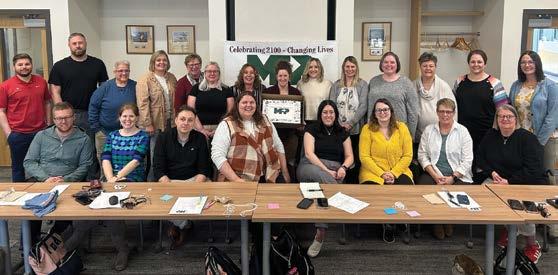
After transitioning to community living with help from Iowa’s Money Follows the Person (MFP) program, Chyna Jenkins, a vibrant and determined young woman who uses assistive technology to express herself, now enjoys greater freedom and control over her daily life.
Her story is featured in the Possibilities in Education and Training newsletter, published with support from the Conner Training Connection grant. This grant also provides funding to help individuals with expenses during their MFP Demonstration Year, when they complete 365 days of services and then transition to either the ID or BI Waiver.
By the end of 2025, 1,150 people had made the transition to community living across the lifetime of the MFP program.
In FY25, 96% of the people who transitioned are still in the community at the end of their Demonstration Year.
Read Chyna Jenkins’s success story in Possibilities: https://www.disabilitytraining.org/wp-content/ uploads/2025/06/Possibilities_Summer25.pdf
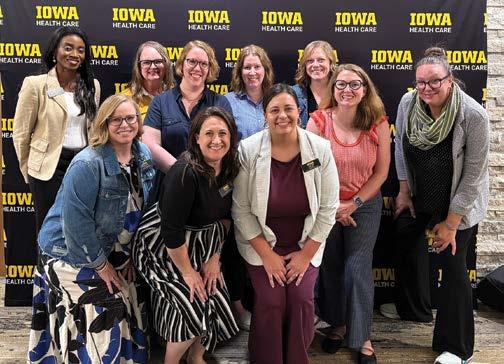
Funded by the Iowa Department of Health and Human Services, Iowa’s CEBH is now in its fourth year of operation. CEBH promotes best practices and centralized standards to support Iowa’s behavioral health workforce through training, technical assistance, and fidelity monitoring. This year, CEBH expanded its focus to include behavioral health prevention, inclusive of alcohol, substance use, gambling, mental health, and suicide, and first-episode psychosis (FEP). In 2025, CEBH hosted 20 trainings for 2,171 participants, including the hosting a virtual Evidence Based Practices in Behavioral Health Summit in June and an in-person Youth Suicide Prevention Summit in September.
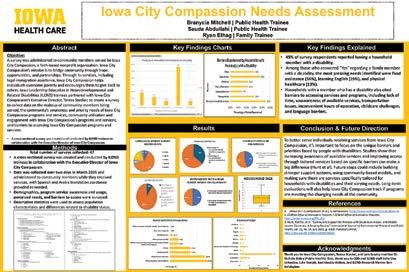
During the 2024-2025 academic year, 30 trainees from 13 different disciplines participated in Iowa’s Leadership Education in Neurodevelopmental and Related Disorders program. Trainees participated in weekly seminars throughout the year, and developed research projects which they presented at the culminating event of their training year, the LEND Research Poster Symposium.
2025 LEND Research Posters: https://cdd.center.uiowa.edu/ iowa-lend/research-posters
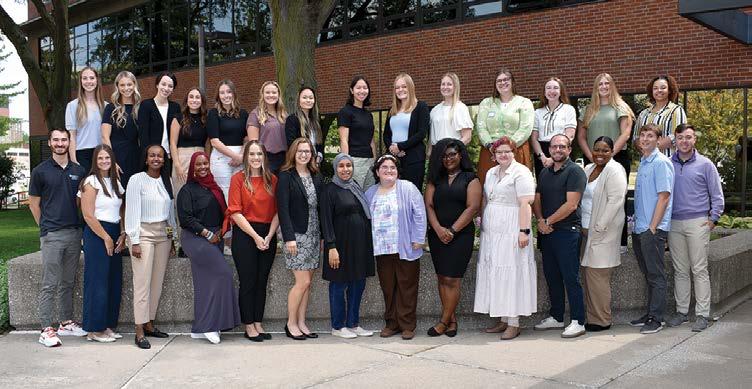
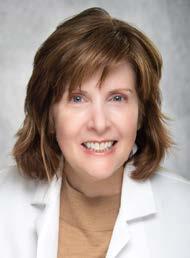
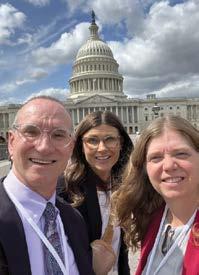
For years, Iowa’s LEND program has played an important role in training pre-service professionals to provide care and services to Iowans with disabilities. The Center for Disabilities and Development continues to benefit, both from Iowa LEND and the national network of LEND programs. How many current or former LEND trainees are working at CDD? Twenty-four! This includes staff within CDD clinics, the UCEDD, Pediatric Psychology, and Child Health Specialty Clinics. Former LEND trainees serving in a leadership capacity at CDD include UCEDD director, Caitlin Owens, rehabilitation services manager, Laura Fisher, and medical director Dianne McBrien, MD, (pictured above).
Iowa LEND Faculty & Staff: https://cdd.center.uiowa.edu/iowa-lend/faculty-staff
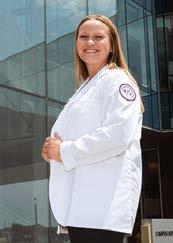
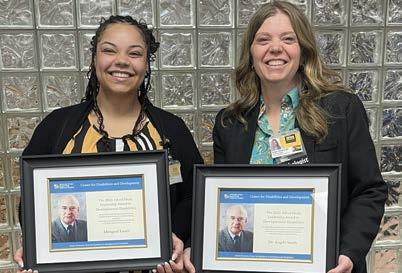
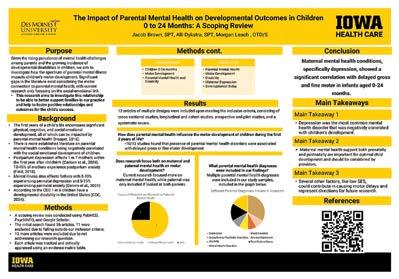
This past year, through a new partnership, the Iowa LEND program welcomed the first student from the Doctor of Occupational Therapy program at Des Moines University as LEND trainee. Morgan Leach, a second-year student in DMU’s O.T.D. program, learned about LEND as an undergraduate at the University of Iowa. As part of the 2024-2025 LEND trainee cohort, she researched “The Impact of Parental Mental Health on Developmental Outcomes in Children 0 to 24 Months: A Scoping Review.”
DMU Partners with Iowa LEND: https://www.dmu.edu/blog/2024/08/des-moinesuniversity-and-iowa-lend-program-partner-to-improvehealth-for-people-with-disabilities/
Established in 2021, the Hawk Intellectual and Developmental Disabilities Research Center (HawkIDDRC) is completing its first 5-year funding cycle from the National Institutes of Health. It is one of only 15 IDDRCs in the country. Adding the Hawk IDDRC to our UCEDD and LEND program gave Iowa the distinction of having all 3 federally funded AUCD programs administered under one roof at CDD.
Currently, the Hawk-IDDRC is preparing to submit their application for a second round of funding. Their proposed research project, which focuses on translational research that builds collaborations between clinicians and research scientists, will serve as the cornerstone for the research center’s work. Each year the center funds innovative pilot projects that could be the next Hawk-IDDRC Research Project. In 2025 pilot grant winners are Arlene Drack, MD, Professor of Ophthalmology and Visual Sciences, and Aislinn Williams, MD, PhD, Associate Professor of Psychiatry. Drack is collecting information about the social, behavioral, and other cognitive traits of individuals with Bardet-Biedl Syndrome across the lifespan. Williams is identifying promising peripheral biomarkers for advancement of therapeutic studies for SCN2A-related neurodevelopmental disabilities. Hawk-IDDRC Pilot Grant Winners: https://iddrc.uiowa.edu/Grant_Opportunities
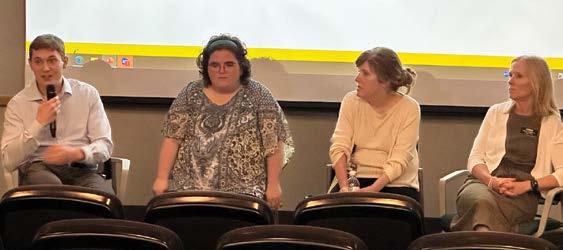
For the first time, the Hawk IDDRC Annual Retreat featured a LEND project presentation and panel discussion, hosted by former LEND trainee Ben Kelvington. His LEND research partner, former LEND trainee, Casey Wilkerson, joined him on the panel. Kelvington continues to pursue his PhD in the UI Pharmacology graduate program. Wilkerson, a selfadvocate, is a member of Iowa’s DD Council, where she serves on the Executive Committee. They were joined on the panel by Iowa LEND director, Dianne McBrien, MD, and Megan Foley-Nicpon, Director of the Belin Blank Center for Gifted Education and Talent Development. Kelvington and Wilkerson co-presented their research at the 2025 Iowa LEND Research Poster Symposium. “Piloting an Outreach Program to Address Barriers to Neurodivergence in STEM”: https://cdd.center. uiowa.edu/sites/cdd.center.uiowa.edu/files/2025-05/ Wilkinson%20Kelvington%20poster.pdf
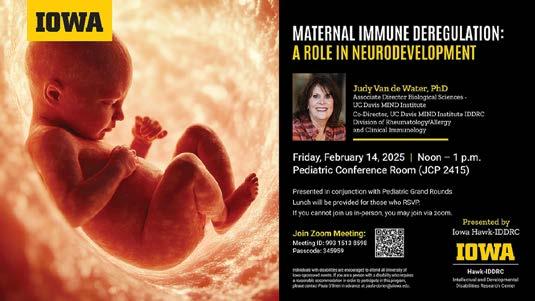
This year, the Hawk IDDRC hosted 6 presentations by distinguished researchers from around the country.

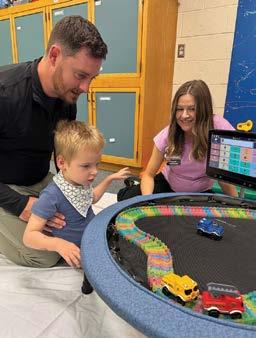
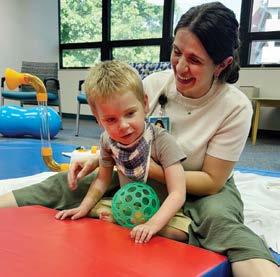
At CDD, our rehabilitation services team includes speech language pathologists (SLP), physical therapists (PT) and occupational therapists (OT). The team works together to help our patients reach their goals. They team up with the Neuromotor Clinic, CDD Medicine and Psychology, Pediatric Psychology for feeding therapy, and Miracles in Motion for hippotherapy.
CDD’s Autism Center enhanced support for children and families seeking autism assessment last year using data-driven strategies for triage, expanding clinic capacity to meet growing referral needs, and broadening our reach within University of Iowa Health Care. We improved the specificity of our screening and established clear guidelines for triaging patients into the appropriate provider or team, which allowed us to integrate research screening and scheduling within our clinical workflow. Our teams:
Diagnosed 346 children with autism in 2025, an increase from 215 autism diagnoses in 2024.
Cut the wait time for children 36 months and younger decreased to 3-4 months.
Increased available assessment slots from 392 in 2024 to 533 in 2025.
In partnership with Child and Adolescent Psychiatry, we established autism diagnostic teams for children ages 6-11, which increased available assessment slots from 392 in 2024 to 533.
Developed the Autism Center website, which provides resources across the continuum of care—from initial assessment to postdiagnosis navigation.
Conducted 576 pre-assessment calls to families. Visit the CDD Autism Center: https://cdd.center.uiowa.edu/autism-center
At CDD, the multidisciplinary Neurodevelopmental Evaluation (NDE) Clinic brings together a team of providers to care for patients from birth to three years of age. The team includes physical and occupational therapists, speech-language pathologists, a dietician, an audiologist, a psychologist, and developmental pediatricians who work together to evaluate patients, with genetic syndromes, such as Down syndrome, Mowat-Wilson, Prader-Willi, DiGeorge as well as other genetic conditions. The NDE clinic also cares for patients with cerebral palsy, spina bifida, global developmental delays, hypotonia, and for patients who have unknown causes for their developmental delays.
These young patients and their families may see several providers in a single clinic session. They discuss findings and develop a plan for ongoing care, such as imaging studies, genetic and metabolic testing, referrals to early intervention or private therapy centers, and other needed services. This communication happens the day of the visit, so that patients and families leave CDD with a clear plan for follow-up and care.
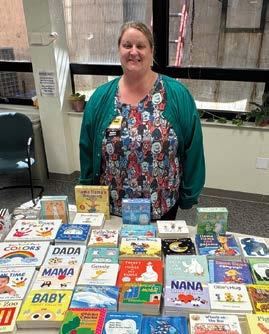
This past year, CDD initiated two high impact changes to enhance care for NDE Clinic patients. First, medical assistant Lisa Egan, was assigned to the NDE Clinic to help with clinic flow, before and during the visits, and to establish a therapeutic relationship with our patients. She applied for, and was awarded, a $4,000-grant from the UI Stead Family Children’s Hospital Aaron & Chloe Castle Fund to purchase books for patients seen in the NDE clinic. Each NDE patient can choose a free book to take home at the end of the visit to promote literacy, and ongoing learning and skill development.
The second high-impact change was the addition of a second medical provider to expand the number of patients that can be seen and reduce wait times for patients. In 2025, we were able to see 73 new and 96 returning patients. With the addition of staff and clinic schedule changes, we anticipate these numbers will be at least 50% higher.
CDD saw patients from 20 STATES including Alaska and Florida!
12,924
CDD Patient Ages (in Years) FY25 (July 1, 2024June 30, 2025)
VISION People with disabilities living healthy and independent lives
At the Center for Disabilities and Development, we work together with individuals with disabilities and their families through evidencebased clinical care, state-of-the-art research, community engagement, and interdisciplinary training to ensure an inclusive and accessible society.
For additional information, contact: University of Iowa Stead Family Children’s Hospital Center for Disabilities and Development 100 Hawkins Drive, Iowa City, IA 52242 877-686-0031 (toll-free); 319-353-6900 (local) cdd.center.uiowa.edu/