
SMALL-SCALE CONTINUOUS CASTING DEMO
THE TEAM: KADE FORBES, TRISTAN DENNING, TIM STEVENS, WYATT KNICKERBOCKER, BRENNEN COULSON
OBJECTIVE
Demonstrate the feasibility of using continuous casting as a manufacturing technique for production of nuclear reactor fuel pins.







BACKGROUND
Current production method relies on single use molds. Roughly 840 kg/year of quartz is used to cast enough fuel pins to keep one small reactor running. The irradiated quartz is nuclear waste that must be dealt with accordingly (sealed and buried).
CONTINUOUS CASTING
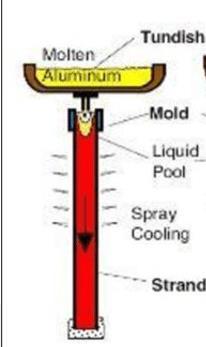
CC is an efficient production method of long strands of metal from a melt. Molten metal is poured into a mold where it solidifies and is drawn out the bottom (right). It is used in large scale aluminum and steel production.


VALUE PROPOSITION
Continuous casting would eliminate the need for single use quartz molds and drastically reduce waste and recycle streams in the production of nuclear fuel pins. This would make nuclear power a cleaner and more efficient energy source
KEY REQUIREMENTS
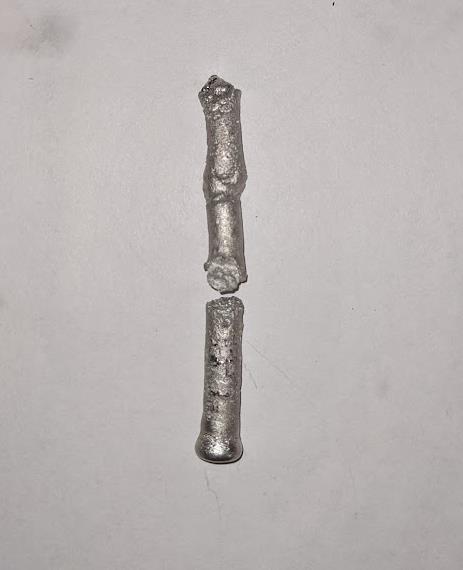
Cast rods 6mm in diameter and ~30cm long
Use non-toxic, low melting point alloy
Minimize human interaction within the casting process
Acknowledgements:
FINAL DESIGN
Solenoid Actuated Plug and Crucible
Thermocouple

Crucible Surrounded by Insulation
Mold and Casting Temp Control Block
Dummy Block
Modified Ender 3 Pro 3D Printer
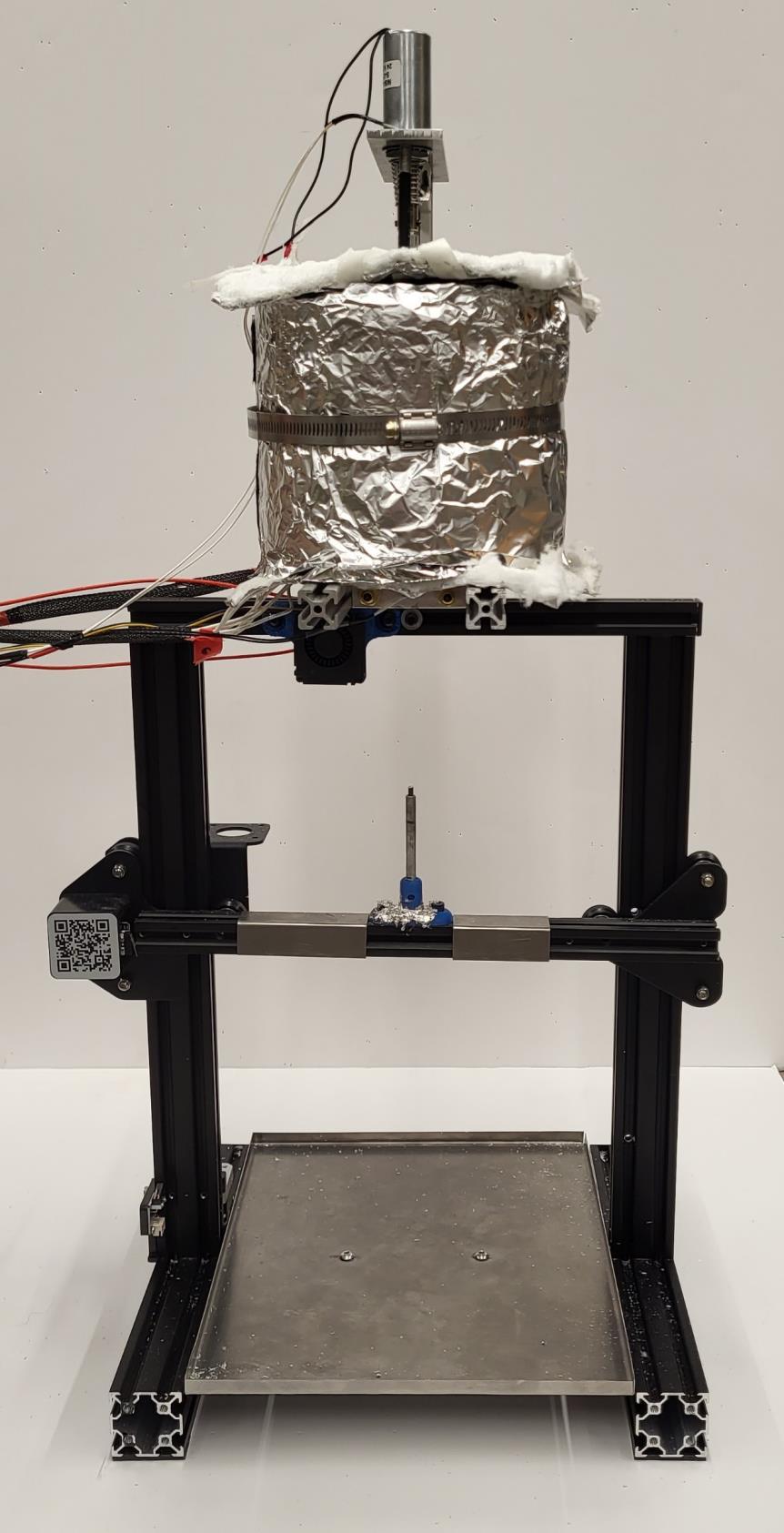
Catch Pan
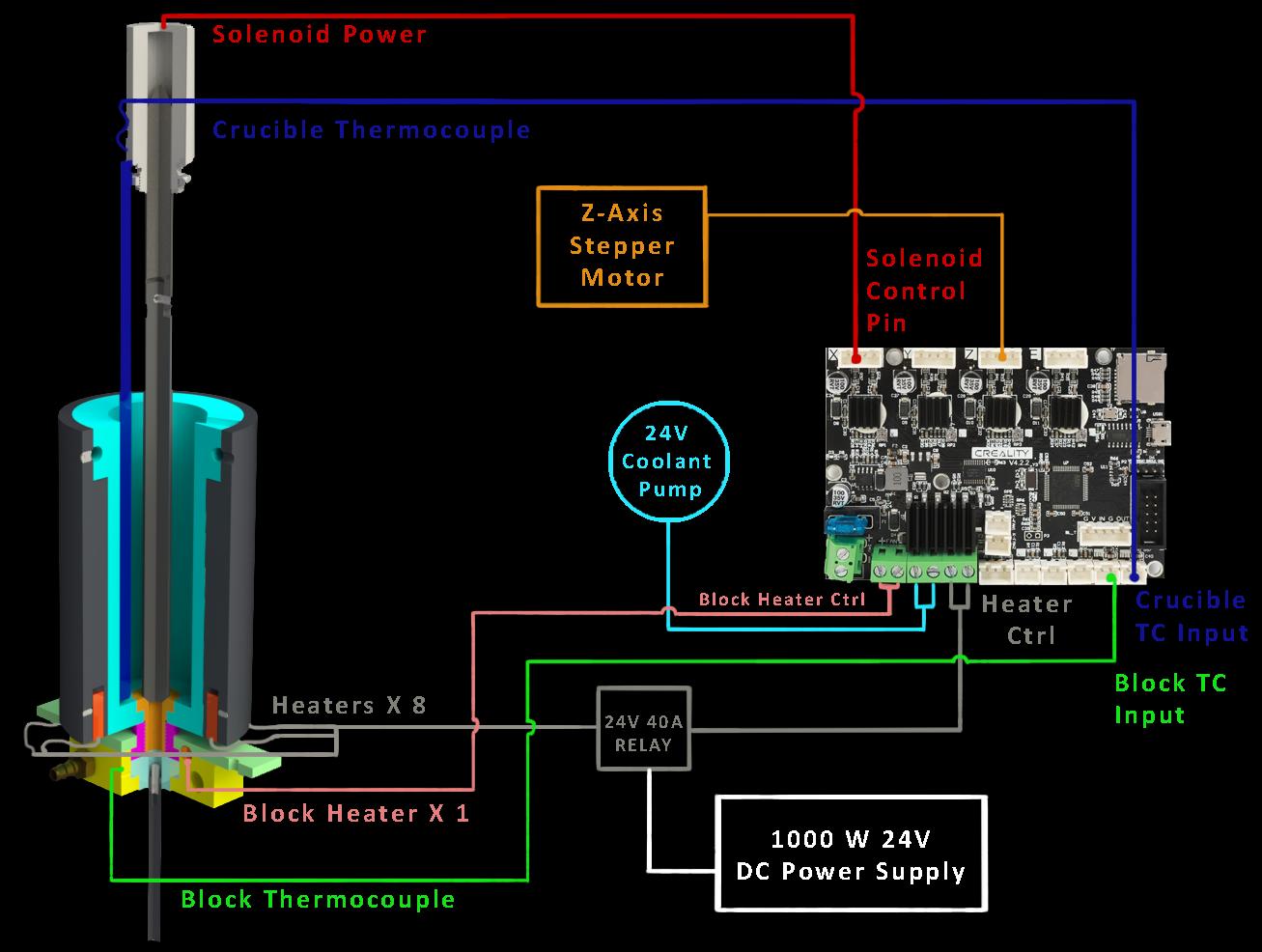
SYSTEMS AND WIRING
CASTING ALLOY
60/40 Bismuth Tin Alloy
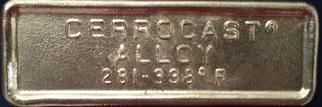
Melting Range: 138-170°C
AUTOMATION
Utilizing Marlin firmware, we allow the operator to control the casting process either through a user interface or run a casting sequence automatically via the industry-standard CNC programming language “G-Code”

RESULTS
Client: Randall Fielding | Instructor: Dr. Michael Maughan | Grad Mentor: Dan Revard | Shop Mentors: Brian Petty, Charles Cornwall
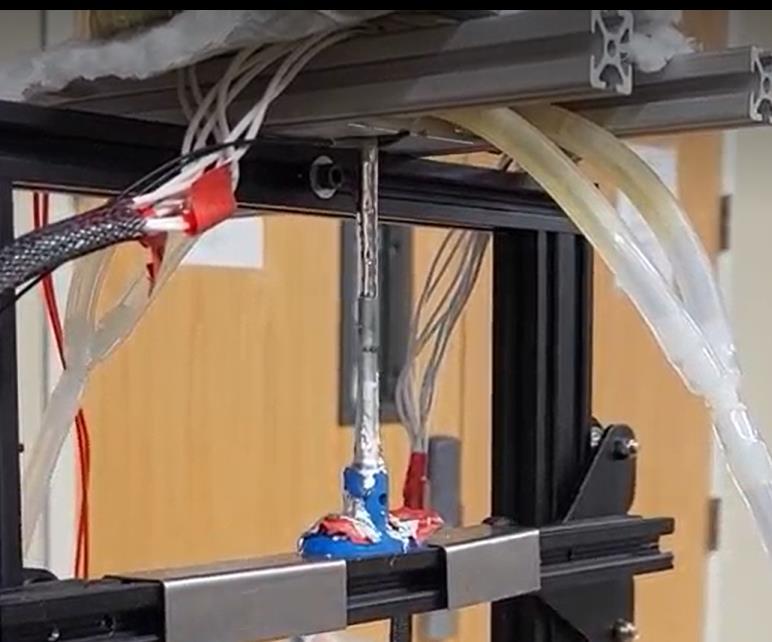
Casting in Action
FUTURE WORK
Casting Sample
All parts alloy contacts should be made of Graphite
More precise thermal control of system
Annular mold design