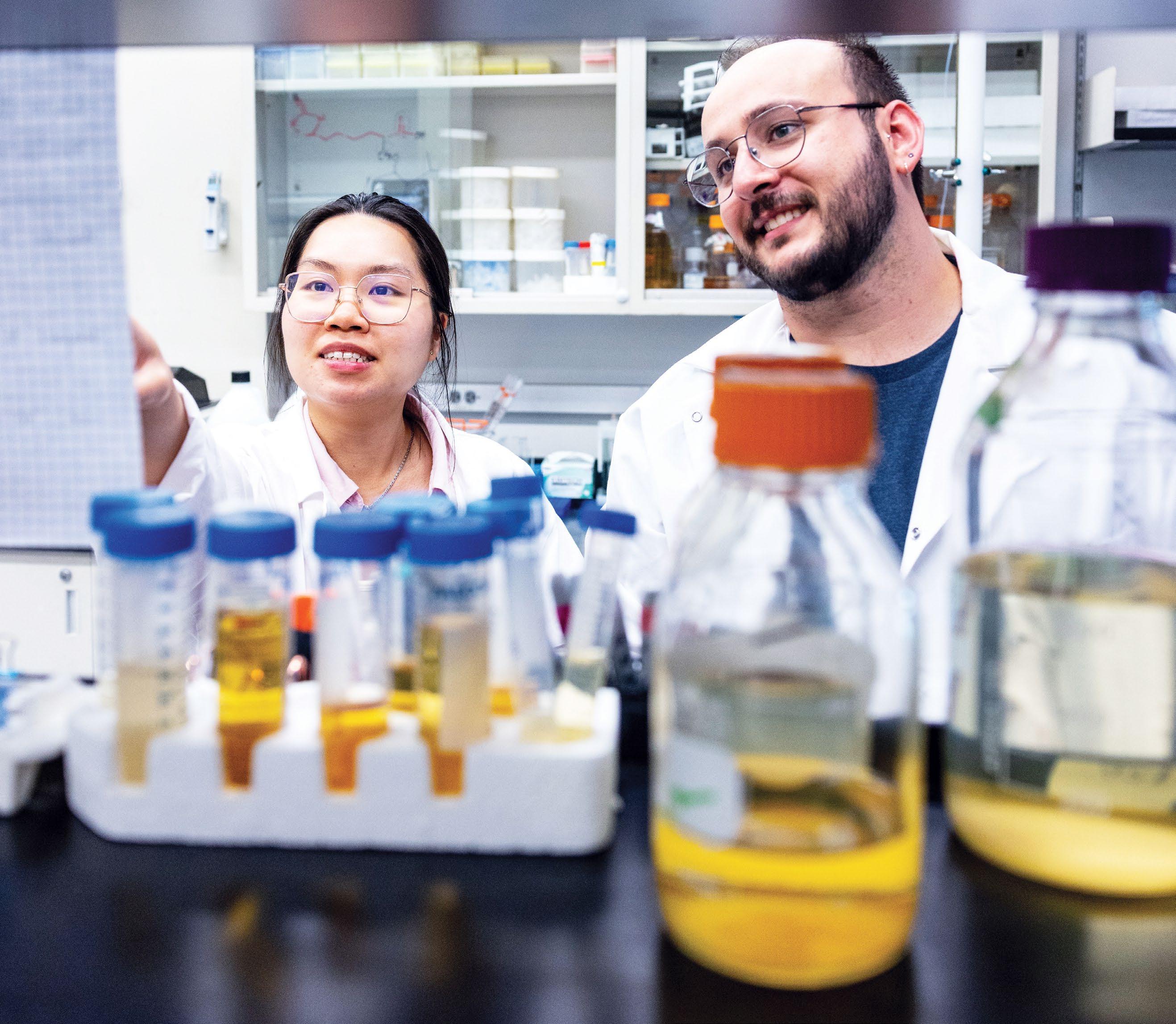
SCIENCE, SIDE BY SIDE / 16
THE MAGAZINE OF THE UNIVERSITY OF ILLINOIS CHICAGO HERBERT M. AND CAROL H. RETZKY COLLEGE OF PHARMACY

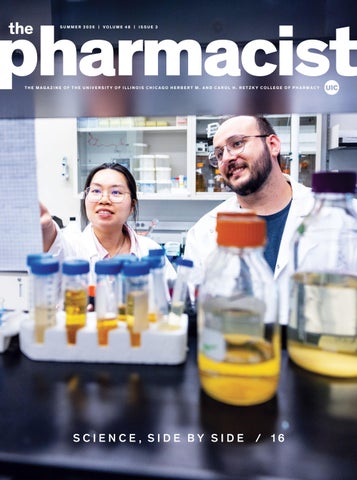
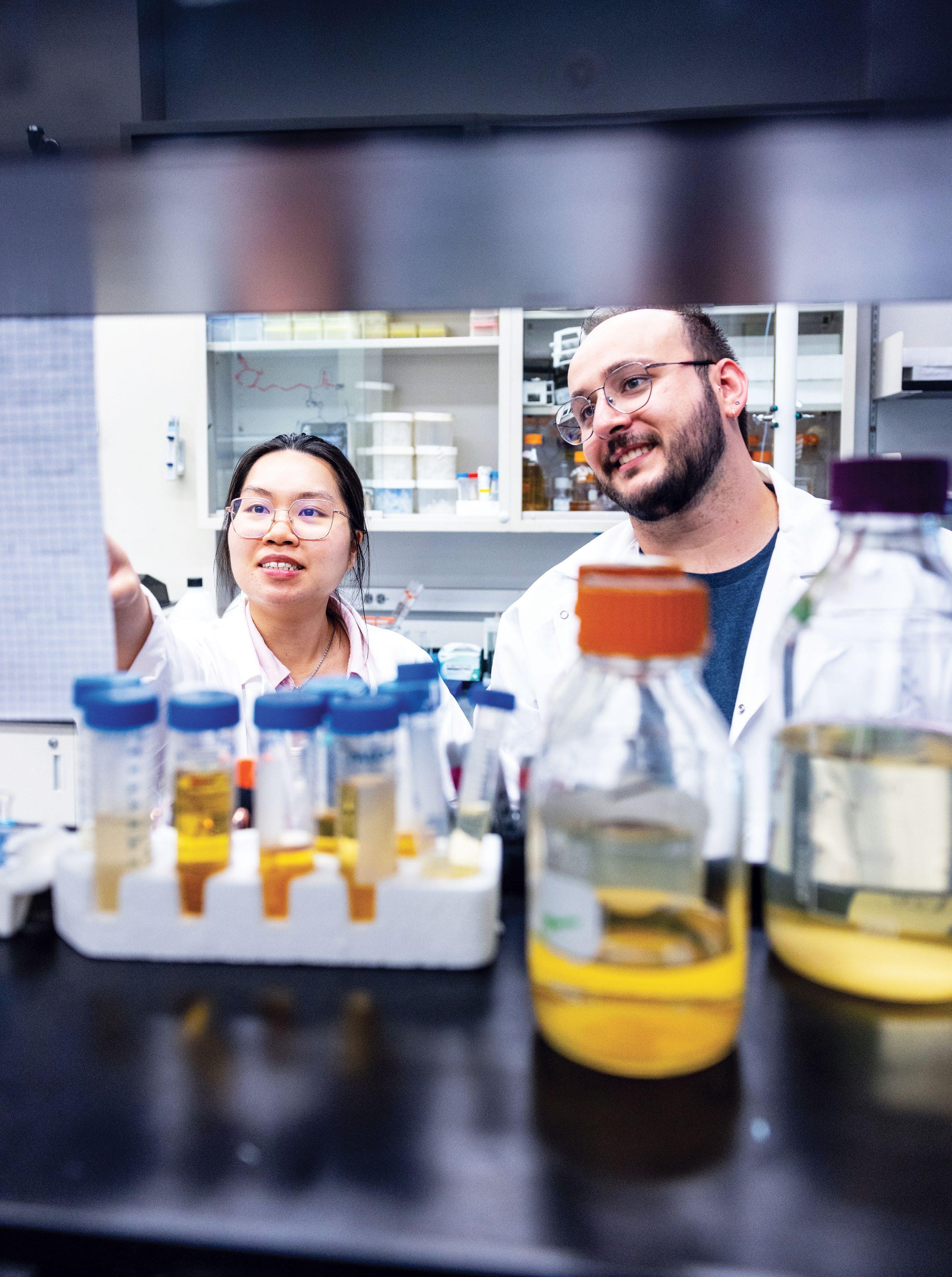
SCIENCE, SIDE BY SIDE / 16
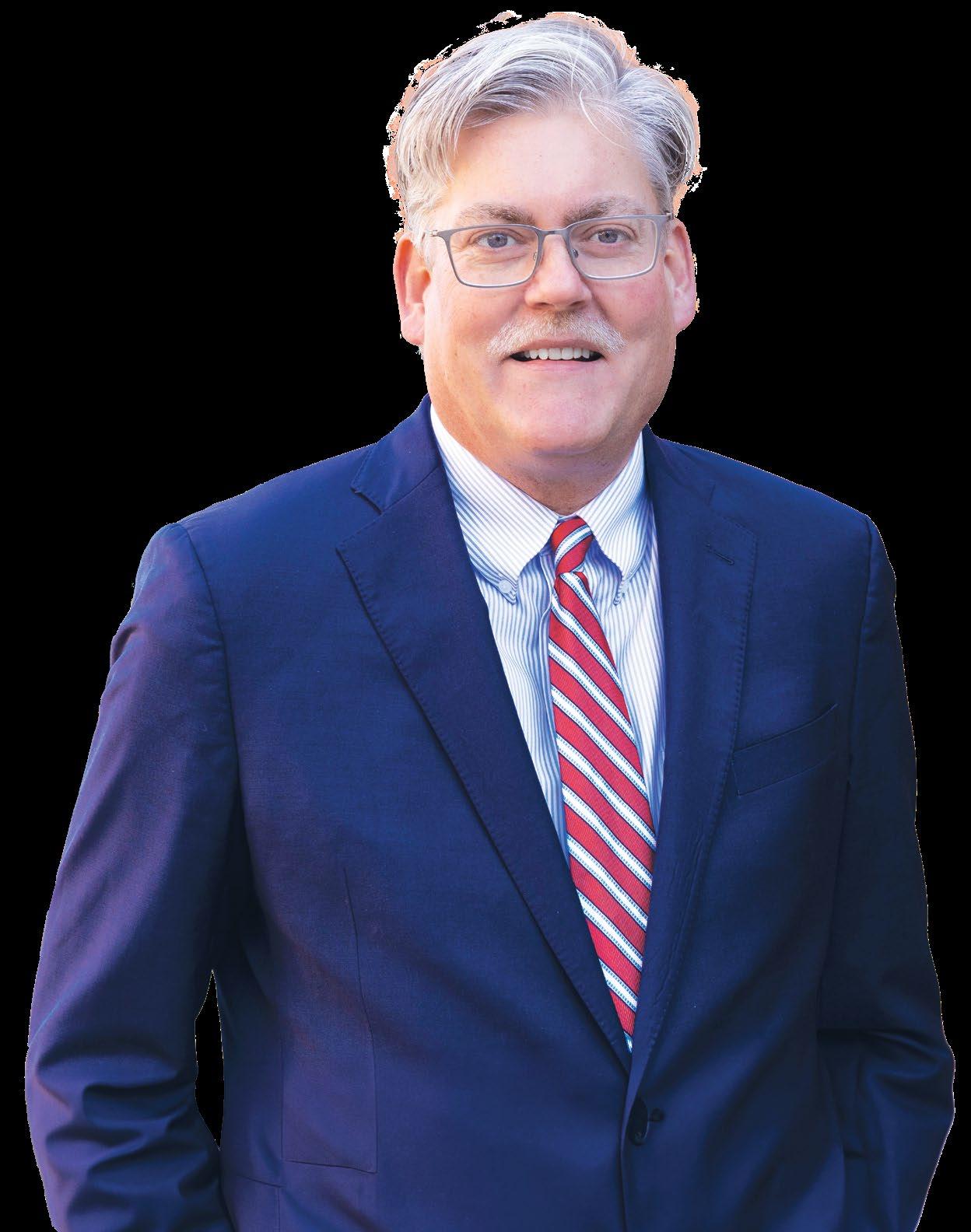
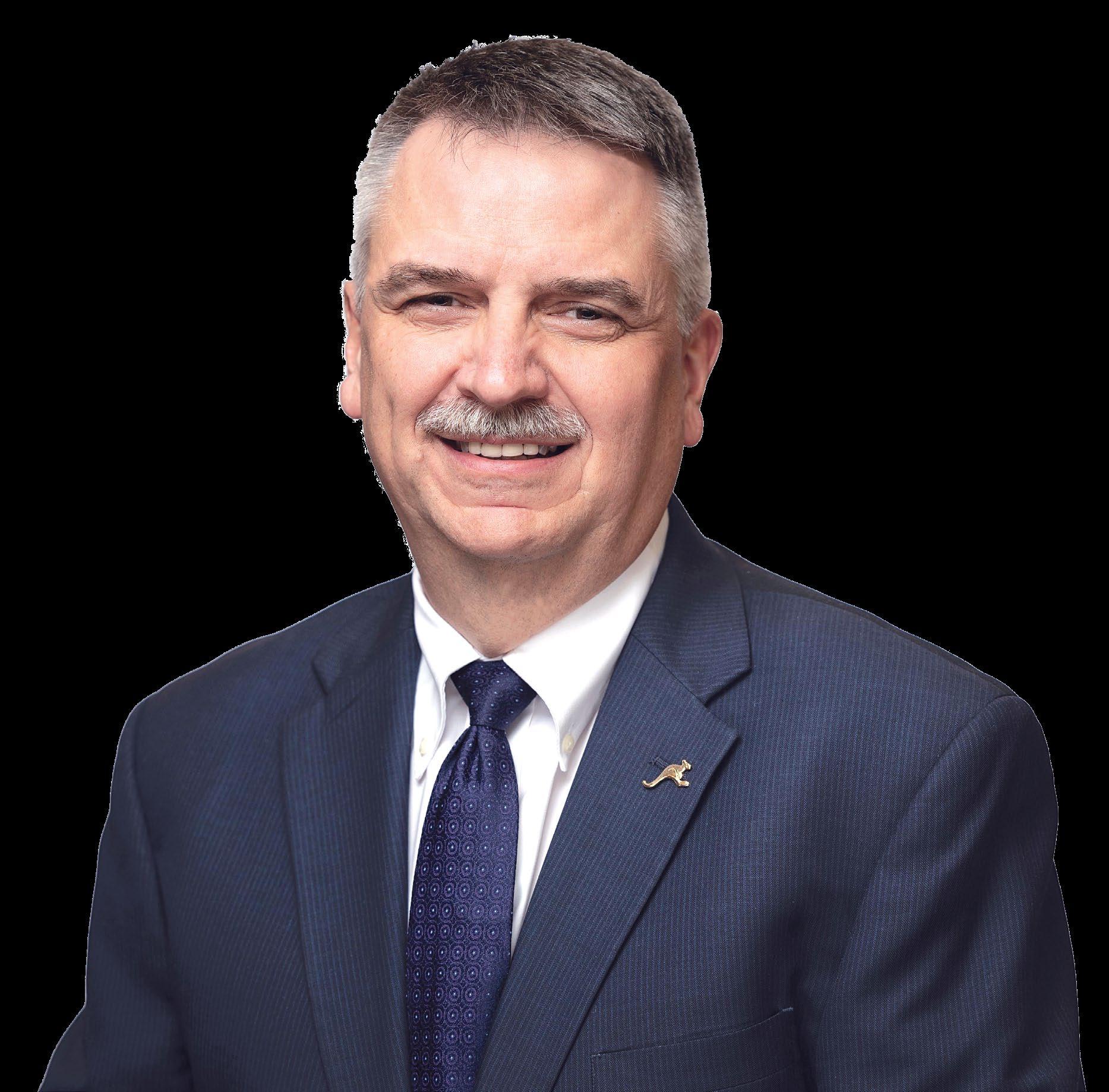
BY DEAN GLEN SCHUMOCK
Welcome to the latest issue of The Pharmacist. In this, and every issue, you will find stories about how the Retzky College of Pharmacy community fulfills UIC’s mission to provide the broadest access to the highest levels of educational, research, and clinical excellence. It is not just our faculty and staff that live this mission every day. It is also our alumni and donors, partner organizations, collaborators, and other supporters. We are proud to describe how our community does this in the pages that follow.
The lead article in this issue is titled, “Science, Side by Side.” It highlights the great drug discovery research happening at the Retzky College of Pharmacy. The article focuses on how different labs and researchers within the college collaborate to make scientific breakthroughs that would not happen otherwise. The work described is truly inspiring, as are the outcomes.
The fruit of such teamwork is illustrated in a separate story about the discovery
of a never-before-seen mechanism of action of a new antibiotic. Likely to lead to a new class of antibiotics, it is this type of ground-breaking collaborative science that will be supercharged in the new Drug Discovery and Cancer Research Pavilion (DDCRP). The DDCRP will bring together scientists from the colleges of Pharmacy, Liberal Arts and Sciences (LAS), and the UI Cancer Center to work together on drug discovery and cancer research. An update on the construction timeline for that building is also in this issue.
The DDCRP will be a hub not just for collaborative science but also for research training—providing opportunities for professional and graduate students at UIC to learn by participating directly in the scientific process. Access to the same type of unique opportunities is also being provided in the clinical arena. In this issue we describe new cuttingedge clinical pharmacy programs—in addiction care and cardiovascular disease —that are both saving lives and laying the groundwork for
Online
pharmacy.uic.edu
go.uic.edu/PharmFBChicago go.uic.edu/PharmFBRockford
go.uic.edu/PharmTwitter
go.uic.edu/PharmLinkedIn
go.uic.edu/PharmInstagram
go.uic.edu/PharmYouTube
Change jobs? Get a promotion? Publish a paper? Publish a book? Get married? Have a baby? We want to hear about it all! Submit your updates at go.uic.edu/retzky
dissemination by training future practitioners. Core to each of these model services is collaboration—among our faculty, and within UI Health.
In this issue of The Pharmacist you will also hear directly from students (now alumni) from the Class of 2026. Whether continuing for additional training in residencies or fellowships, or embarking directly into their careers, their enthusiasm and optimism for the future is palpable. So too is their appreciation of the generosity of the alumni and donors that helped make their journey at UIC possible—through scholarships and other support. And in this issue, we highlight that support by reporting on the 2026 Honors Convocation —where scholarships and awards to students were recognized. You will also read about some new funds that support students—the Dean Rosalie Sagraves Student Travel Fund, and the Paul O. Gubbins Legacy Matching Scholars Fund.
The new generation of leaders in pharmacy and pharmaceutical sciences, the next new life-saving antibiotic, advances in clinical care that change pharmacy practice—it all happens at the UIC Retzky College of Pharmacy. It happens because we are a community that works together to make our future even stronger than our past. Through this community, and because of our collaboration, the UIC Retzky College of Pharmacy is providing access to the highest levels of educational, research, and clinical excellence. Our Digital Edition issuu.com/uicpharmacy
University of Illinois Chicago Retzky College of Pharmacy Office of Continuing Education and Meeting Services (OCEMS) offers continuing education courses for pharmacists, pharmacy technicians and pharmaceutical representatives. See our website for more information: ce.pharmacy.uic.edu/ce/
If you have questions or suggestions for future programs, please contact us at pharmce@uic.edu
Atkins Medicinal Plant Garden Walk
August 20, 2026
White Coat Ceremony, Class of 2030
August 21, 2026
Alumni Reunion
October 10, 2026
Research Day
October 29, 2026
See all our events at pharmacy.uic.edu/pharm-events
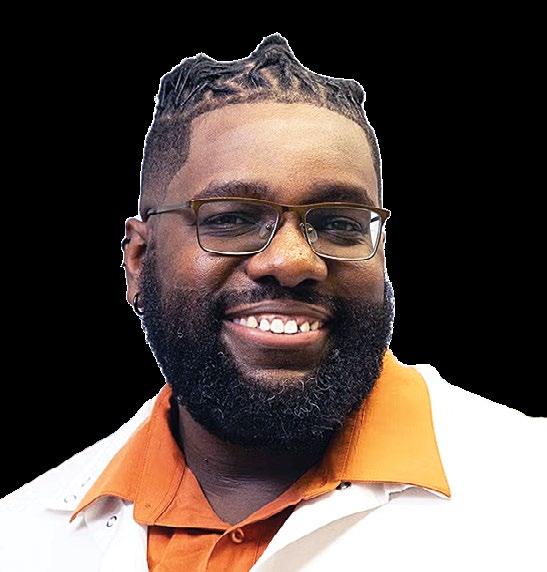
Postdoctoral researcher A’Lester Allen is among the seven postdocs to receive fellowships from the Office of Postdoctoral Affairs. Allen was also named UIC’s Postdoc of the Year.
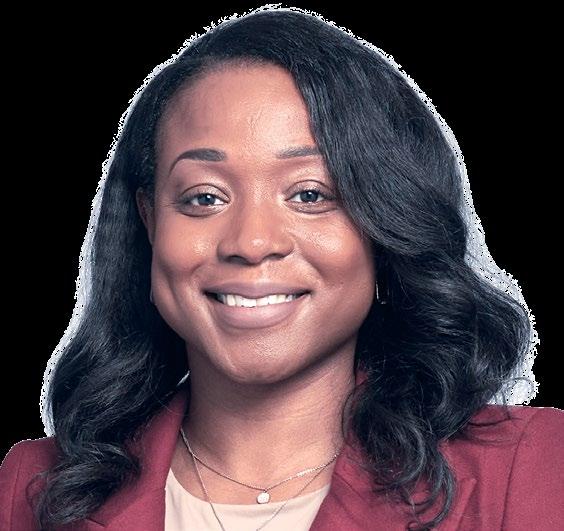
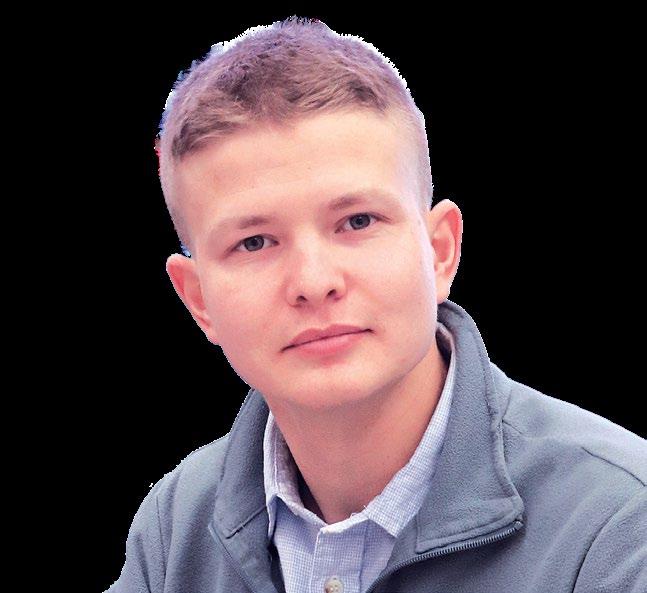
The College announced the awardees of the Vahlteich Award,
which supports research by earlycareer faculty members. Tristesse Burton was selected for her project titled, “Development and Early Feasibility Testing of MADE for DASH Food-is-Medicine Components for Pregnant Patients at UI Health.” Dmitrii Travin was selected for his project titled “New Trojan-horse inhibitors of aminoacyl-tRNA synthetases.”
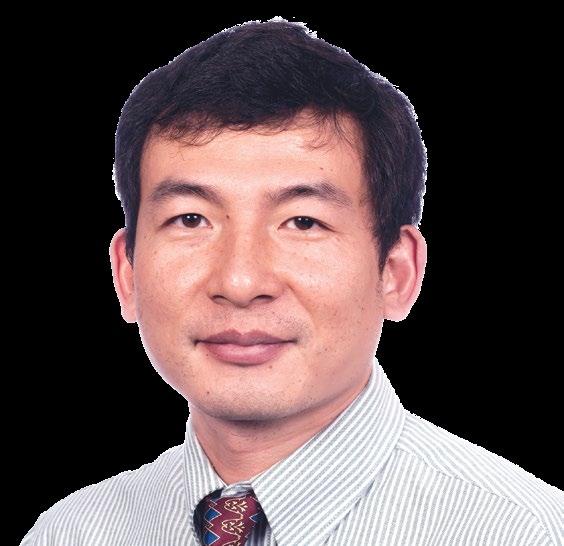
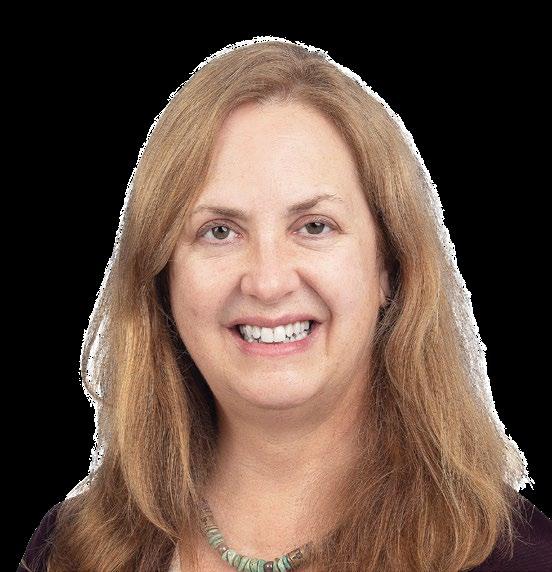
Drs. Jim Wang and Nancy Freitag have been named fellows of the American Association for the Advancement of Science, one of the most distinguished recognitions in the scientific community.
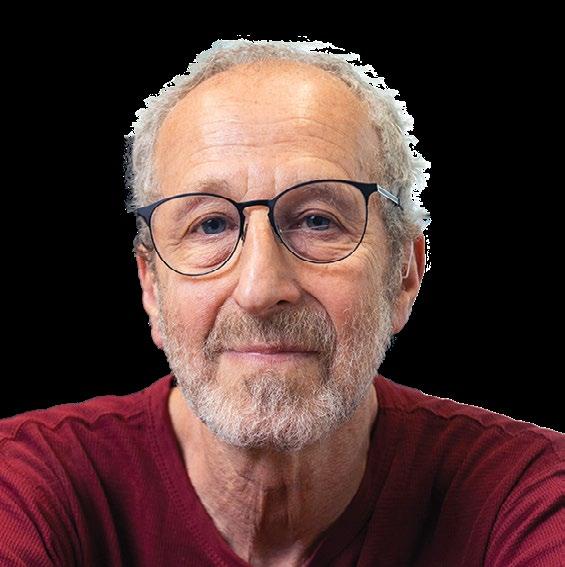
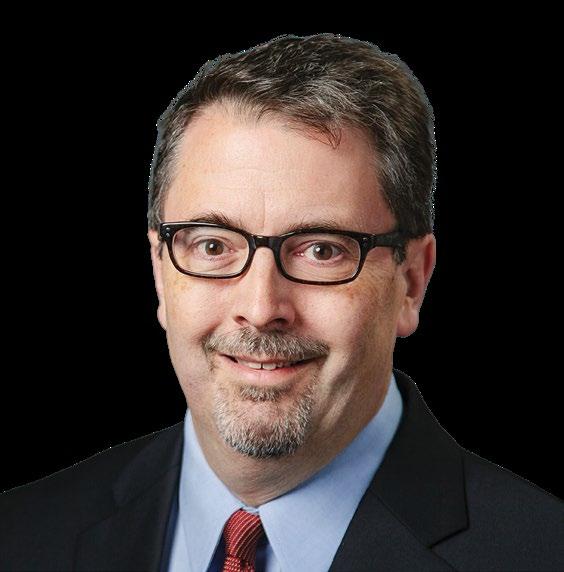
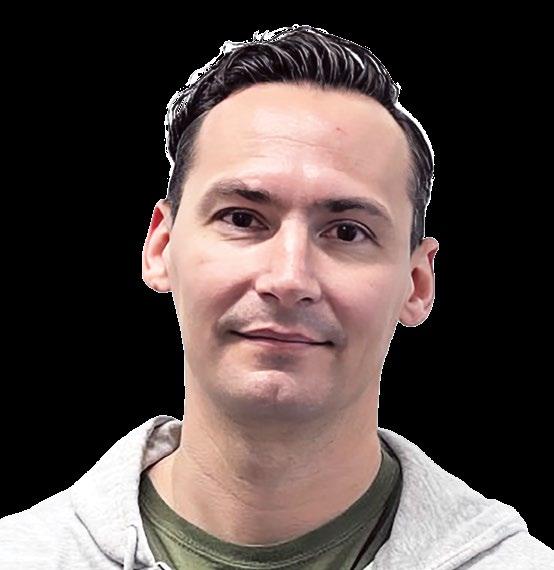
Primary investigators Drs. Shura Mankin, Paul Carlier, and Max Svetlov were awarded $440,908 in grant funding from the NIH/NIAID. Their research is titled, “Identifying Inhibitors of the Bacterial PeptidyltRNA hydrolase.”
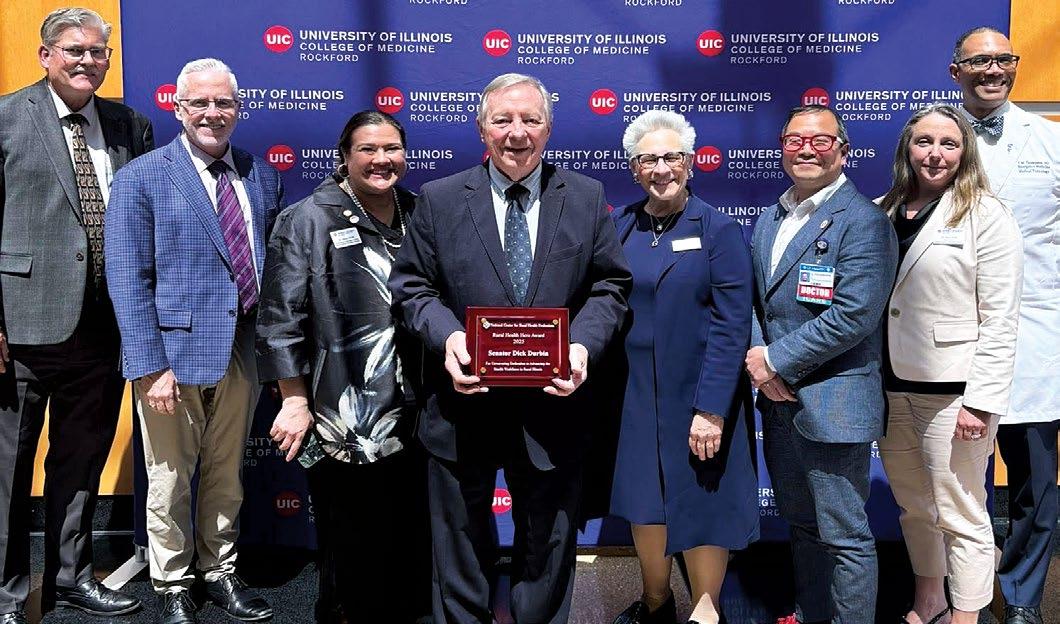
Dean Glen Schumock and Vice Dean Kevin Rynn were on hand to recognize Illinois U.S. Senator Dick Durbin as he received the Rural Health Hero Award from the National Center for Rural Health Professions in Rockford. Senator Durbin has been an outspoken advocate for high-quality, affordable, rural health care across Illinois during his time in both the US House and Senate.
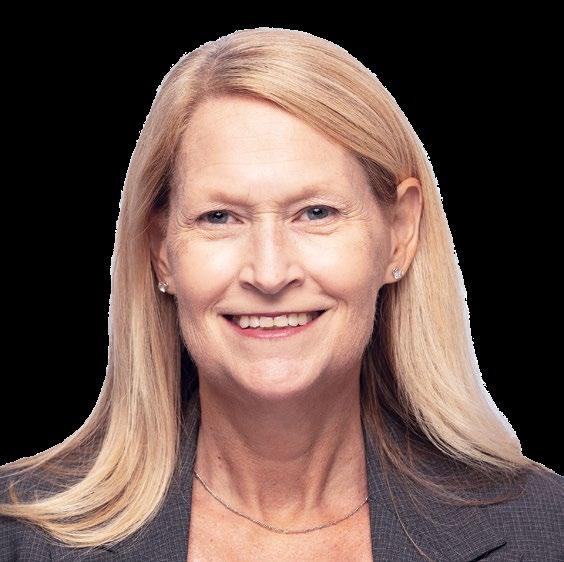
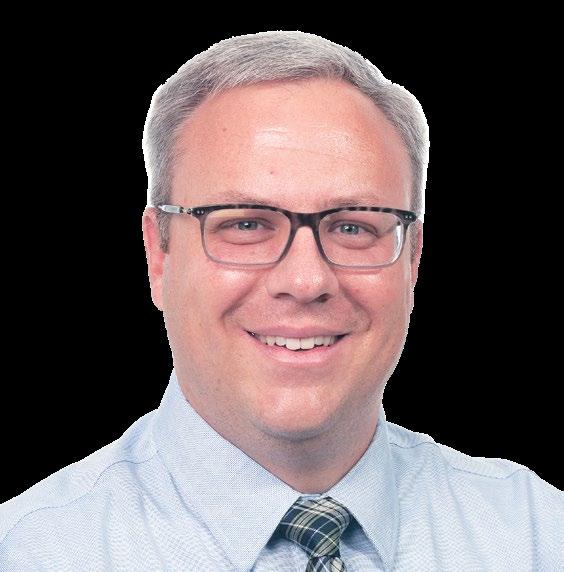
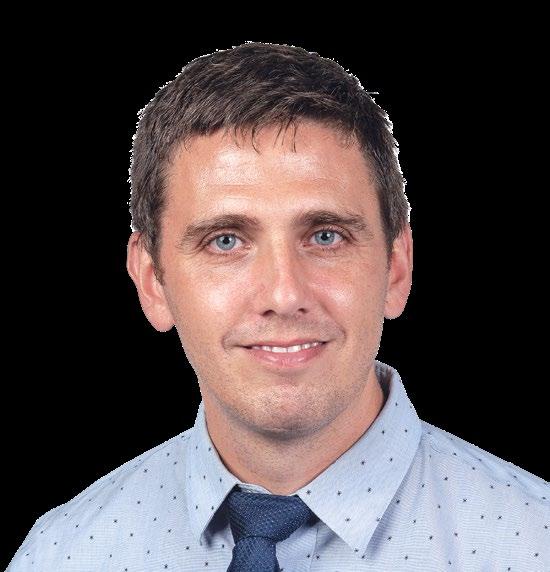
Drs. Kristen Goliak, Jeffrey Mucksavage, and Ben Shultz received the Award for Excellence in Assessment from the American Association of Colleges of Pharmacy. The award is designed to “recognize...a novel or innovative approach to improving curricula.”
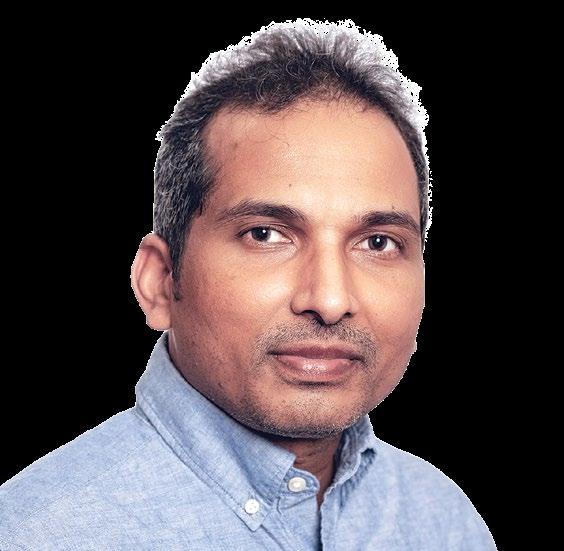
Dr. Bharath Chelluboina received the prestigious Bridge Innovative Project Award from the American Heart Association. The $100,000
grant will fuel his research on “Microbiota Extracellular Vesicles as Modulators of Antihypertensive Drug Efficacy and Neuroprotection in Ischemic Stroke.”
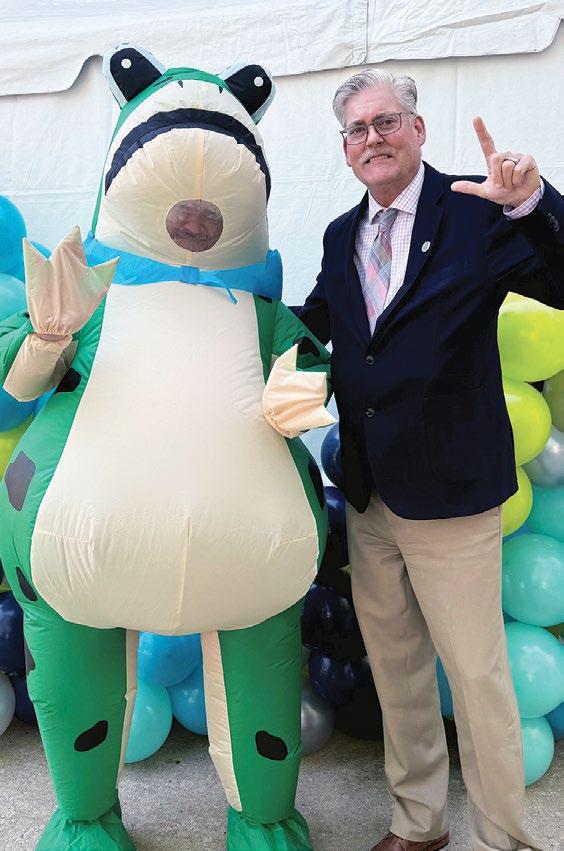
Our clinical partners at UI Health earned an “A” in hospital safety from The Leapfrog Group.
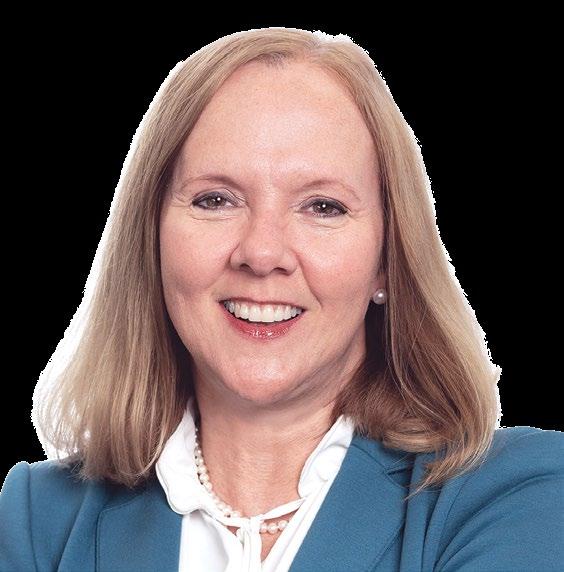
Nancy Shapiro is the newly elected President-Elect of the American College of Clinical Pharmacy (ACCP). Her leadership begins after the 2026 ACCP Annual Meeting.
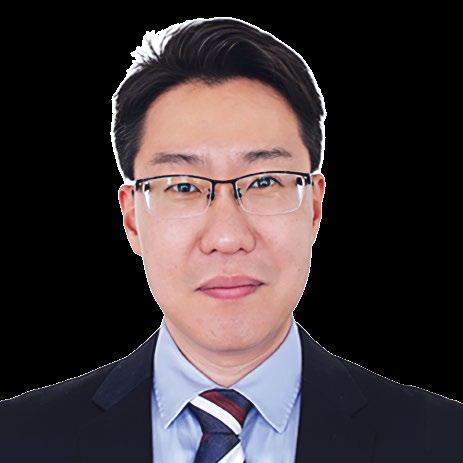
Dr. Steve Lee received a $30,000 grant from UIC Center for Clinical and Translational Science
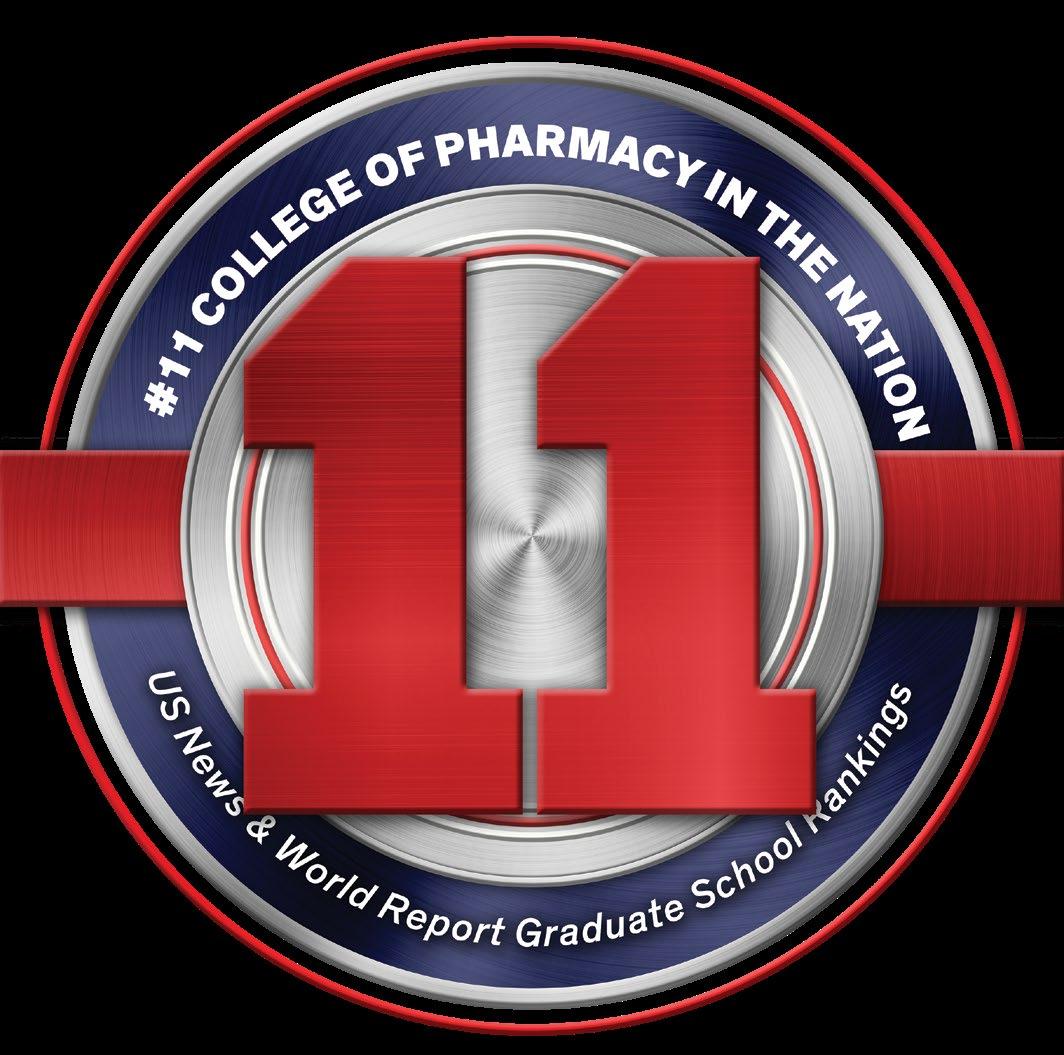
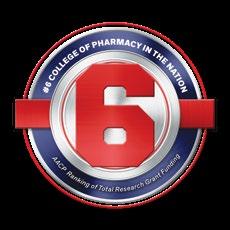
The recently released U.S. NEWS & WORLD REPORT RANKINGS NAMED THE RETZKY COLLEGE OF PHARMACY THE NO. 11 COLLEGE OF PHARMACY IN THE COUNTRY, out of 141 colleges. The college remains the top-ranked college of pharmacy in Illinois. Thanks to all of the wonderful faculty and staff who make the Retzky College of Pharmacy such an amazing educational facility!
(CCTS) for his research titled, “An Engineered CD40 Antibody Platform for Personalized Cancer and Universal Influenza Vaccines.”
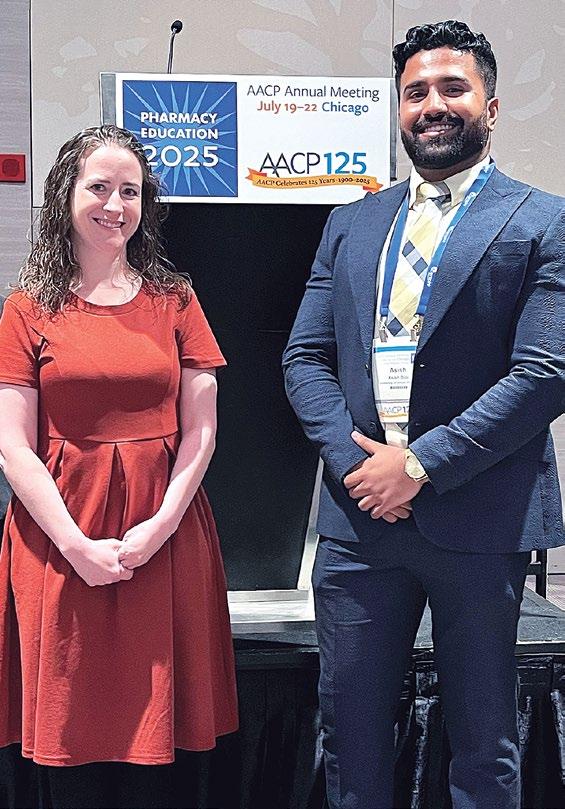
Drs. Kathryn Sawyer and Asish Biju received the Frederick P. Siegel
Innovative Teaching Award from the College for their project titled, “From Worksheets to Real-World Scenarios: Using Survey Technology to Engage Pharmacy Students.”
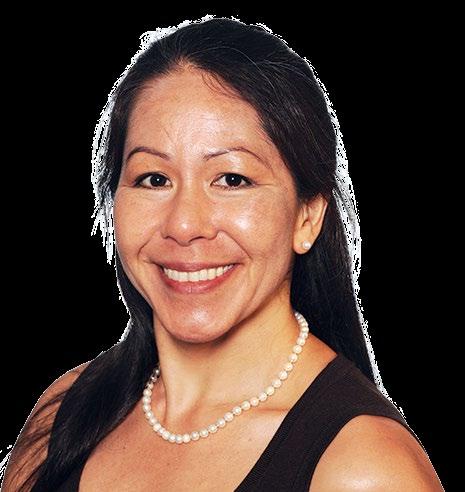
Dr. Les Hanakahi received a grant from Western Michigan University for creating a cellular model for PKD1 genetic mutation.
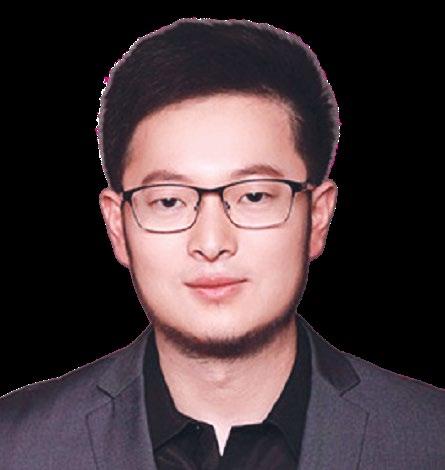
Dr. Zongmin Zhao received funding from UChicago Medicine Comprehensive Cancer Center / UICC Cancer Research Training and Education Coordination (CRTEC) Office for ResearcHStart High School Scholar.
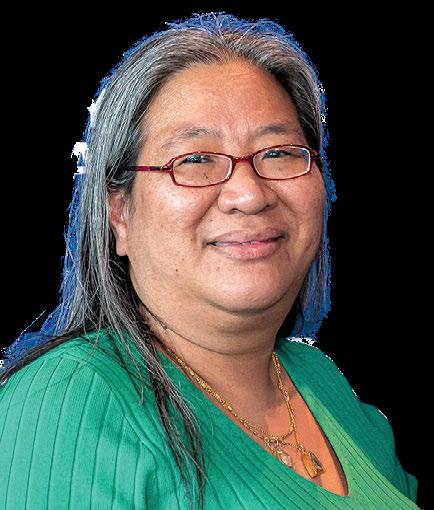
Students have voted on the year-end teaching awards for outstanding faculty. Congratulations to all our award recipients!

In past issues of The Pharmacist we have highlighted plans for a new research building— the “Drug Discovery and Cancer Research Pavilion.” The 190,000 square foot stateof-the-art research facility is on track for ground-breaking by January 2027, and is currently in the state-required bidding process for contractors. With a 2.5 year build time, earliest occupancy is Fall 2029.
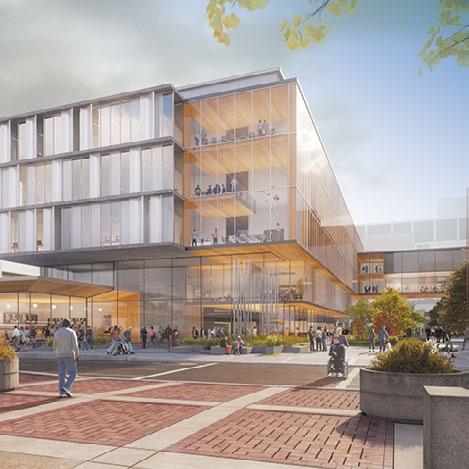
The new building will be located on the Chicago campus behind the main building at 833 S. Wood Street, with a two-story enclosed bridge connecting the structures. With 5 floors and a basement, the DDRCP will house drug discovery researchers from the Retzky College of Pharmacy, Department of Chemistry (College of Liberal Arts and Sciences), and from the University of Illinois Cancer Center.
This transformative facility will extend the already strong research programs of the UIC Retzky College of Pharmacy in the areas of cancer drug discovery, antimicrobial resistance and new antibiotics, and women’s health. Consistent with UIC’s mission, the goal of the DDCRP in part, is to solve health inequities by focusing on understudied diseases and populations. It is expected to expedite the success that UIC has already had in taking drugs from bench to market—with real impact for patients and communities.
Funded from a variety of sources, the building has already received strong support from RCOP alumni. There are still plenty of opportunities for alumni/donors to contribute to the building and its mission. If you are interested in supporting the Drug Discovery and Cancer Research Pavilion, please contact Pharmacy Advancement at pharmacy-advancement@uic.edu.


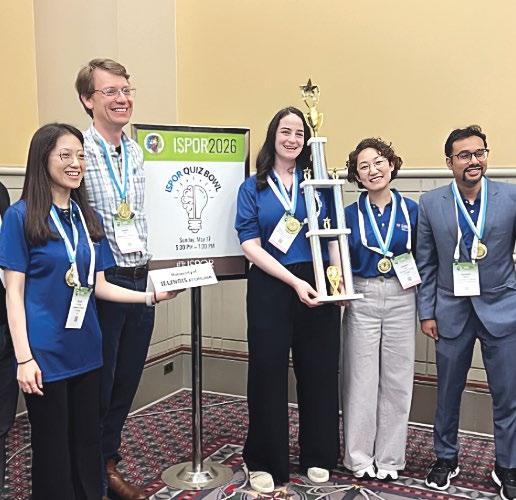
The graduate student team from the Department of Pharmacy Systems, Outcomes and Policy won the student research competition for the second year in a row at the 2026 International Society for Pharmacoeconomics and Outcomes Research (ISPOR) 2026 Conference. The team included PhD students Taylor Huang, Lilah Khoja, Lauren Lee, and Ibrahim Warsi
The UIC Retzky College of Pharmacy ISPOR Student Chapter was also honored with the Outstanding Chapter Collaboration Award at the conference.
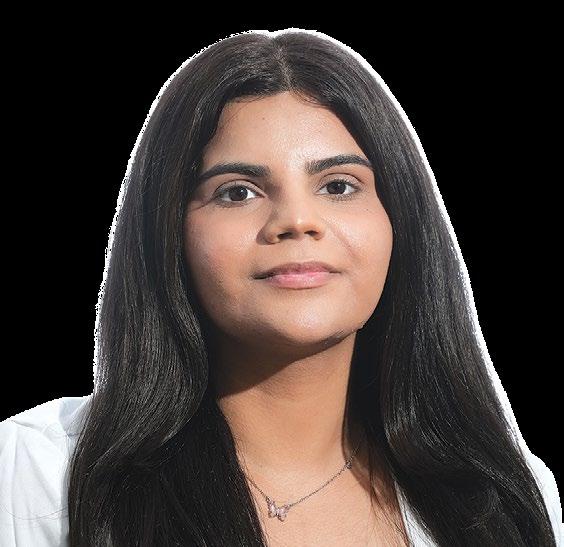
Student pharmacist Maryam Amin was selected for a National Albert Schweitzer Fellowship. Only 26 fellows were selected for this highly competitive, 13-month program, where they implement projects to improve the health and well-being of underserved Chicago communities.
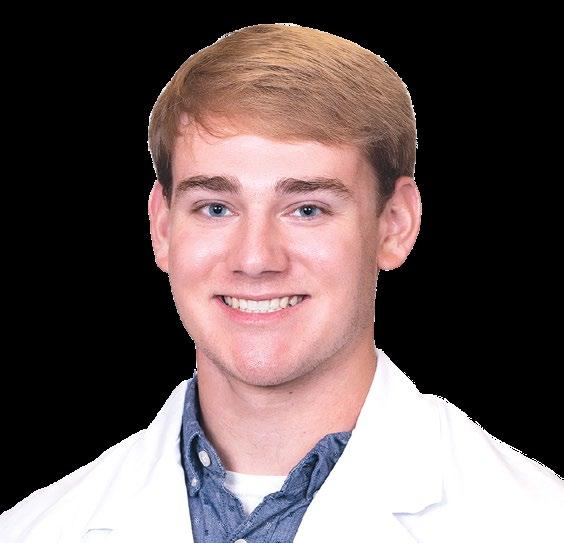
Student pharmacist Austin Flemming received the National Center for Rural Health Professions poster award for Encouraging Excellence in Rural Health.
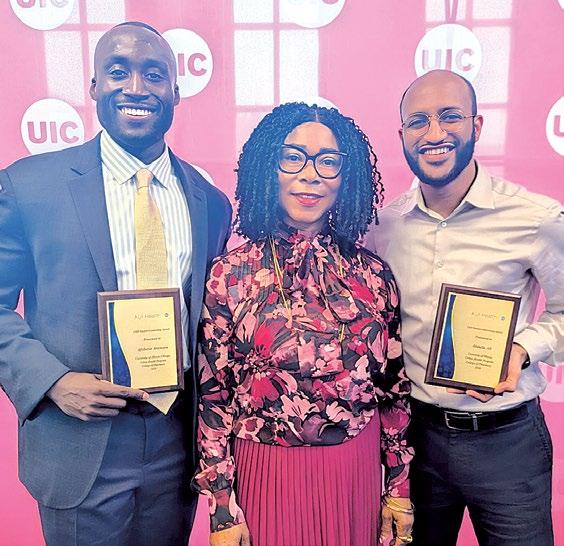
UIC's Urban Health Program recognized student pharmacists Ricardo Sanabria, Fola Arowora, and Tam Dong, who received the Leadership Award; as well as Janelle Ekstrom and Abdalla Ali, who received the Achievement Award.
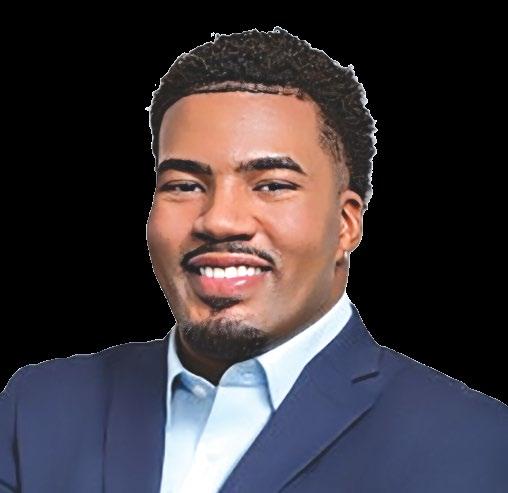
Jay Teamer from Dr. Gemeinhart's Lab was selected for a fellowship with Portal Innovations. He joins the Portal team for six months to support scientific due diligence and evaluate biotech and biopharmaceutical companies.
Sixty-nine student pharmacists received awards at the Annual Chancellor’s Student Service and Leadership Awards (CSSLA). The CSSLA, created in 1973, was designed to recognize student leaders who maintain high academic achievement and “demonstrate a commitment to the UIC community” through student organizations.
UIC student pharmacists participated in the annual match day, where they secured many prestigious residency positions. Congratulations to all! Here's a breakdown of the overall residency statistics after phase one and phase two:
NATIONALLY FOR PGY1 RESIDENCY MATCHES
82 matches at 88% match rate
NATIONALLY FOR PGY2 RESIDENCY MATCHES
23 matches at 92% match rate
105
TOTAL PGY1 AND PGY2 MATCHES in 20 states
BY TESS JOOSSE
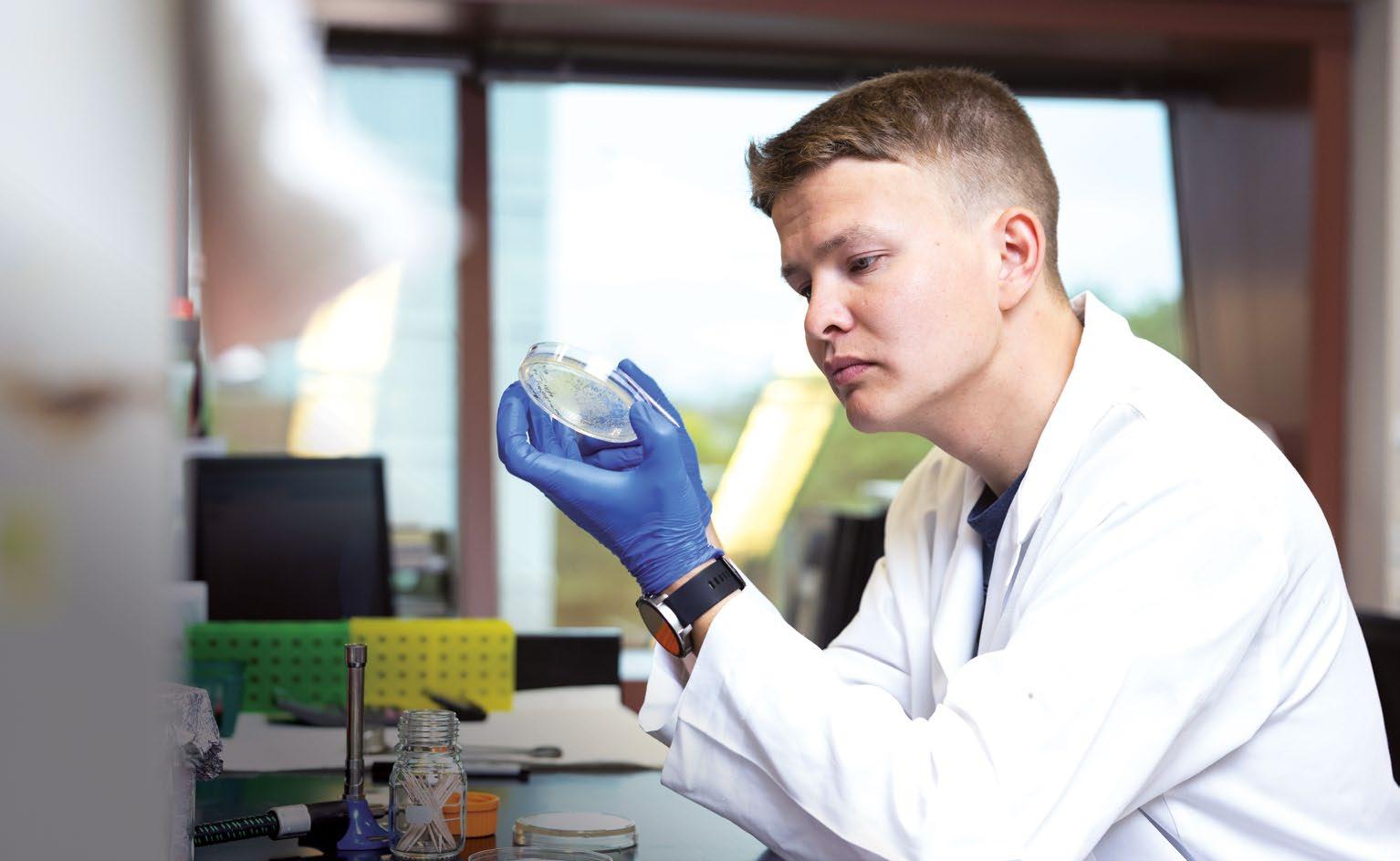
Scientists at the University of Illinois Chicago have discovered a new antibiotic that may be a bulwark in the fight against drug-resistant superbugs, according to new research published in Nature.
The study introduces an antibiotic called manikomycin that is naturally made by bacteria found in soil.
Manikomycin acts by binding to the bacteria’s ribosome, the molecular machine that makes all the proteins of a cell. This is a common way antibiotics function, said Dmitrii Travin, assistant professor of pharmaceutical sciences in the Retzky College of Pharmacy and a first author of the paper.
“The ribosome is the target of about one third of all antibiotics prescribed currently,” he said.
But manikomycin acts on the ribosome in a totally new way.
“This new antibiotic is amazing because it targets a site of the ribosome that has never been targeted by any other molecule before,” Travin said.
By attacking the ribosome in a new way, manikomycin can evade the existing mechanisms pathogens have developed to resist antibiotics.
That means “bacteria need to jump through hoops to find resistance,” said Alexander Mankin, distinguished professor in the Retzky College of Pharmacy. The paper was coauthored by Mankin and includes UIC co-authors Dorota Klepacki and Nora Vázquez-Laslop.
Manikomycin is a peptide that is produced naturally by a bacterium called streptomyces rimosus. Because this bacterium lives in soil, it has to compete with many other microbes in its environment. It produces antibiotic compounds like manikomycin as a survival strategy to compete with other bacteria.
Streptomyces rimosus has been known of for decades. It’s already the source of other antibiotics, including the widely used oxytetracycline. But Travin and Mankin’s colleagues at McMaster University in Canada used clever screening methods to look for possible other antibiotics also produced by streptomyces rimosus.
That allowed the researchers to find valuable compounds the bacteria made in small amounts but which were overshadowed by more abundant ones.
“It’s like this analogy: You serve a dinner, and everyone knows there’s this wonderful steak on the plate,” said Mankin. “But there is also black caviar, a small quantity in a small dish, which was ignored before because everyone was running after the steak.”
When it binds the ribosome, manikomycin interferes with the process of protein production and blocks an important molecule from exiting the ribosome. That halts protein synthesis entirely.
Still, manikomycin is not yet ready to be used as a medicine.
“This antibiotic does not hang around long enough in the bloodstream to efficiently kill bacteria in animals or humans, so there are several things about this antibiotic that need to be improved before it can become a clinically used medicine,” Mankin said.
“But what’s important is we know the chemical structure of the antibiotic, and we know exactly how it binds to the ribosome.” The team’s collaborators at the University of Hamburg in Germany obtained a high-resolution structure of manikomycin bound with the ribosome.
The researchers have also determined how manikomycin

enters bacterial cells. They found that it uses multiple transport pathways—another factor that may make it harder for resistance to develop.
They also examined how the bacteria that produce manikomycin protect themselves from its effects.
By understanding that self-protection mechanism, researchers can modify the antibiotic so it can overcome similar resistance strategies.
“If you are producing a weapon, you need to protect yourself against it,” Travin said.
laboratory research and clinical insight to strengthen the fight against cardiovascular disease.
BY DANIEL P. SMITH
Dr. Faisal Darbar, PharmD ’23, can always say he was the first.
In October, Darbar became the first fellow of the fellowship’s new era in the Cardiovascular Pharmacotherapy Fellowship at the UIC Retzky College of Pharmacy. Housed in the Department of Pharmacy Practice, the fellowship joins existing departmental fellowships in academia/family medicine pharmacy and infectious disease pharmacy.
The fellowship builds upon the legacy of the original Cardiovascular Pharmacotherapy Fellowship established many years ago by former faculty member and Dean Emeritus Dr. Jerry Bauman. Widely recognized as a pioneer in cardiovascular pharmacotherapy, Dr. Bauman’s vision helped train generations of clinical pharmacists and advance the field. The relaunch of the fellowship honors that enduring legacy while reimagining the program to prepare the next generation of clinician-scientists to address today's evolving challenges in cardiovascular care.
The fellowship was revitalized through the leadership of associate professor Dr. Robert DiDomenico and assistant professor Dr. Paola Rosas. The two-year program focuses on the development and delivery of therapeutics to combat cardiovascular disease, which remains the globe's leading cause of death.
“It’s an honor to be the first fellow of this new chapter and an opportunity I’m beyond grateful to have,” Darbar says.
The fellowship leverages Rosas’s experience in basic scientific research, including investigating therapeutic options for heart failure, as well as DiDomenico’s clinical expertise around optimizing the use of therapeutics, particularly to combat cardiovascular disease.
“We wanted something that would provide fellows a broad range of experiences—not just research, not just clinical but both—so they would be positioned to have greater impact,” DiDomenico says.
In fact, Darbar applied for the fellowship eager to expand his involvement in research while advancing his clinical skills.
Since starting last fall, Darbar has gained foundational experience with basic science research techniques, including working with mouse models, helped develop two clinical studies, and submitted a manuscript alongside Drs. DiDomenico and Rosas to the American Journal of Physiology discussing the pre-existing evidence connecting nutritional interventions to heart failure.
Darbar has also completed a course in grant writing and is slated to take courses in epidemiology and biostatistics this fall.
“I love that I’m gaining a deeper understanding of how to conduct research while collaborating with other professionals to address gaps in clinical care and knowledge,” says Darbar, who hopes the fellowship leads to a clinical faculty position in which he can provide direct patient care and conduct basic scientific and clinical research. “Ideally, I want to care for patients and address the systemic reasons behind cardiovascular disease.”
According to DiDomenico, the Cardiovascular Pharmacotherapy Fellowship is launching a new chapter at a notable time in the battle against cardiovascular disease.
Innovation continues to flood the field, including new therapies, new ways to use existing therapies, and a broadening of the role pharmacists can play in the fight against strokes, heart attacks, and other life-altering cardiovascular conditions.
“Our sincere hope is that Faisal and every subsequent fellow gain the foundational skills to develop their own research line and contribute to the momentum in this important area of healthcare research,” DiDomenico says.
BY DANIEL P. SMITH
As the Academia and Family Medicine Pharmacy Research Fellow at the UIC Retzky College of Pharmacy from 2021-2022, Dr. Eden Keller frequently navigated Chicago’s West Side in a mobile unit providing care and guidance to individuals battling opioid use disorder.
The experience opened Keller’s eyes to the depths of the opioid overdose crisis ravaging America, delivering insights into addiction and the vulnerability of those battling substance use issues. The frontline experience also brought Keller into the specialized world of addiction medicine, a niche area requiring its own knowledge and skills to craft medical plans rooted in evidence-based care and reducing harm.
Today, Keller calls upon that formative experience often as the first-ever addiction clinical pharmacist at the University of Illinois Hospital. As part of an interdisciplinary team in the hospital’s new addiction consult service, Keller is helping to transform care for those with substance use disorders and drive recovery.
“I’ve had so many positive interactions with patients, which helps me see how we’re impacting individuals and the community at large,” says Keller, a clinical assistant professor in the Department of Pharmacy Practice.
Keller’s new position at the hospital and the interdisciplinary consult service is four years in the making.
In 2022, Dr. Jennie Jarrett, then an assistant professor in the Department of Pharmacy Practice, noted inconsistent approaches to care and use of medications for opioid use disorder at a time in which fentanyl was flooding the city’s street drug supply and opioid overdose rates surged. She also identified incomplete and fragmented training for health professionals across campus, particularly with the prevailing disconnect of inpatient services and linkage to outpatient care. Approaches to patients with substance use and substance use disorder, Jarrett says, appeared more makeshift than evidence-based and coordinated.
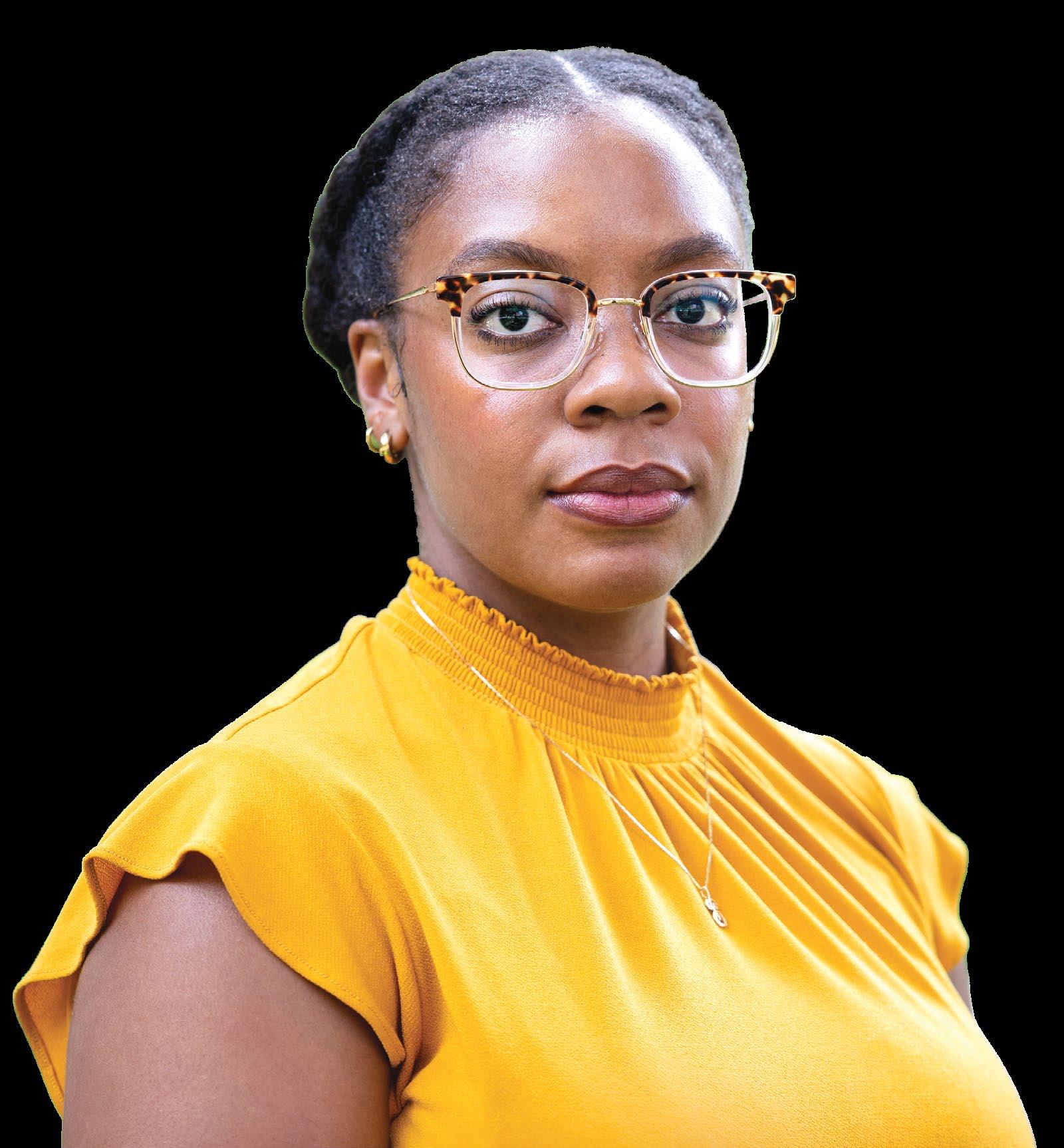
“It was pretty clear to me a specialty-type, interdisciplinary service was needed in the inpatient realm, including peer support and pharmacy services to best support patients when they were in the hospital,” says Jarrett, who submitted a grant to the Illinois Department of Healthcare and Family Services’ Division of Substance Use, Prevention, and Recovery (SUPR) to introduce a pharmacist-led addiction consult service at the University of Illinois Hospital.
SUPR’s subsequent approval of a three-year grant enabled a pharmacist to see patients and provide support to physicians and other professionals involved in addiction medicine at the hospital. Keller, then Jarrett’s fellow, was tasked to lead the effort—charged to manage her own patient list, coordinate care plans, and offer referrals to outpatient resources in the new role.
Quickly, however, the program shifted from an addiction consult service—its original intent—into
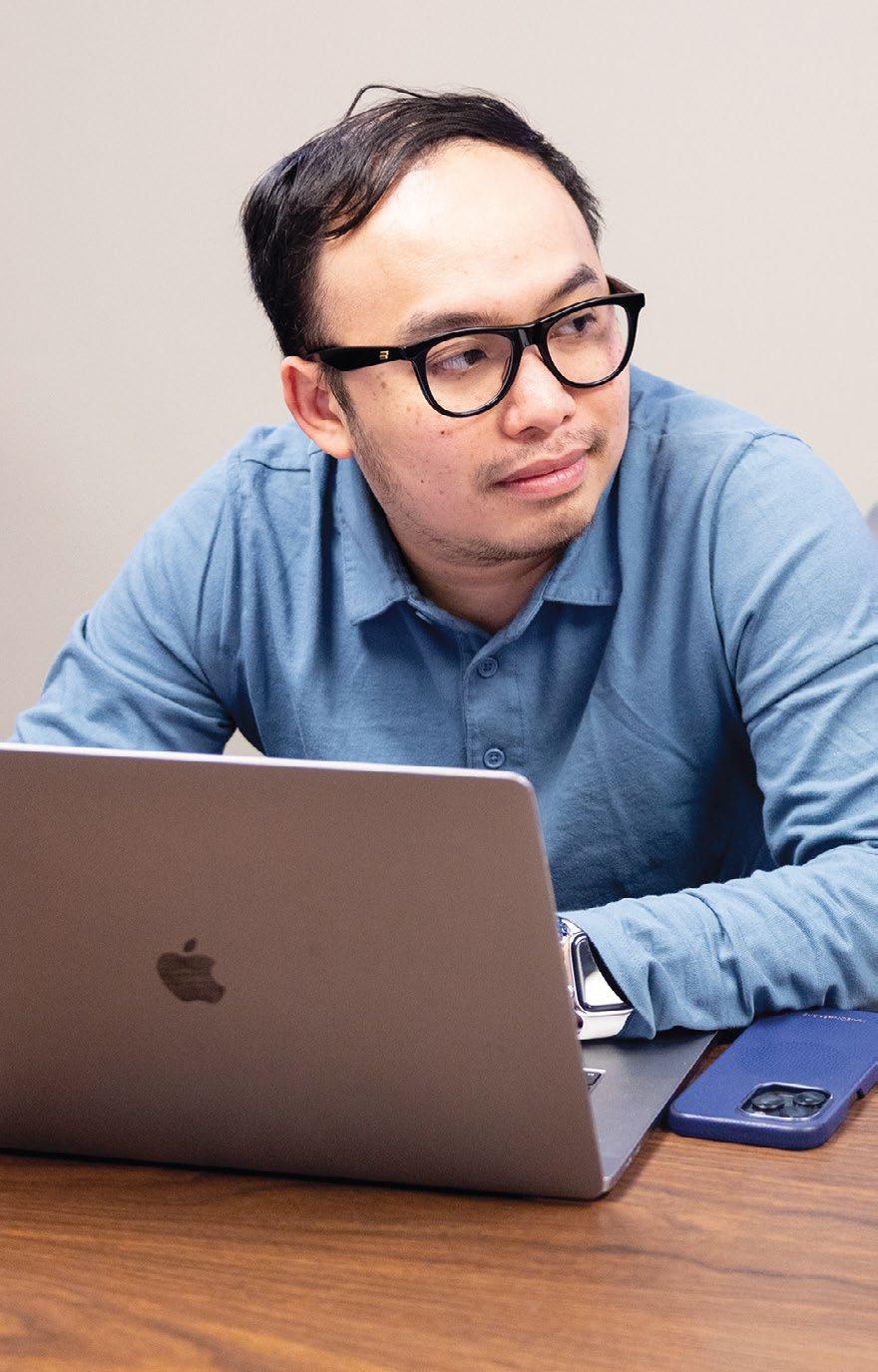
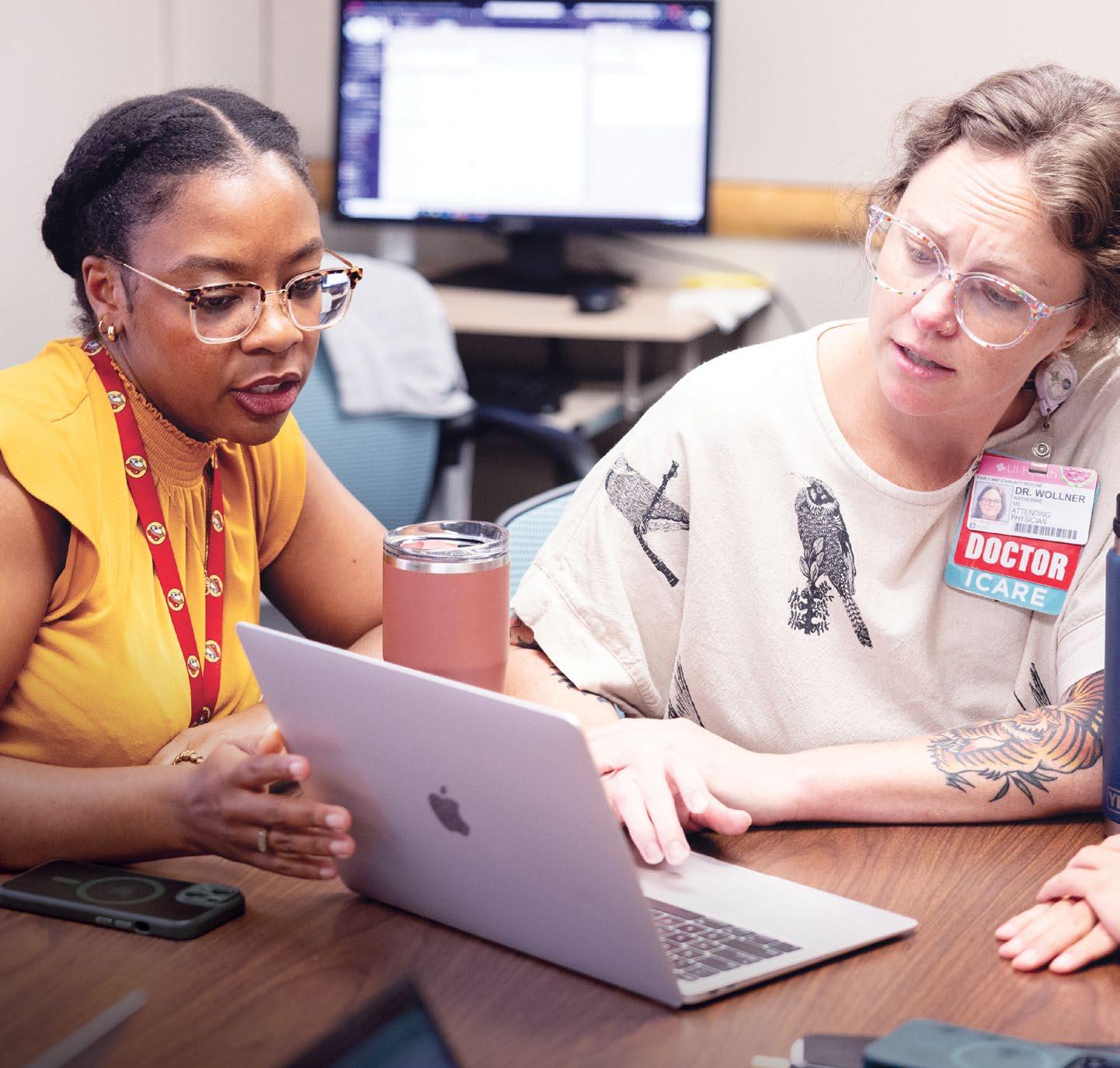
When [substance use disorder patients] interact with our team, they’re talking with someone who cares, someone who’s present to address their symptoms and withdrawals and provide personal treatment.
a more narrowly focused opioid use disorder consult service, largely a byproduct of the innovative nature of the inpatient, pharmacist-led service and rising opioid addiction numbers in the Chicago area. Dr. Paul Stranges, clinical associate professor and assistant director of opioid stewardship and drug diversion at UI Health, helped support evaluation and implementation of the service. Over the service’s first three years, Stranges found the service facilitated an exponential increase in the prescription of methadone and suboxone to treat opioid addiction, which helped prevent deaths while ushering in a new standard of care.
Despite the service veering from Jarrett’s original plan, its successful implementation nevertheless underscored the value of strengthening addiction medicine in the 451-bed hospital.
“The service was filling a need and addressing a necessary gap,” says Jarrett, who departed UIC in 2024 to serve as director of science and drug policy at the American Medical Association.
With the three-year grant about to expire in mid2025, leaders of various hospital departments pushed to create a full addiction service based on Keller’s work with the opioid use disorder service. The plan called for something more robust, more encompassing, and more interdisciplinary, featuring a clinically diverse medical team as well as rotations for UIC’s medical residents. UI Health leadership approved the plan last fall and installed Keller as the hospital’s inaugural addiction clinical pharmacist.
Keller’s days now embrace a familiar routine, even if individual cases are far from routine. She identifies new patients in need of addiction consultation as well as those who require follow-up. She attends rounds
with a team of clinical colleagues, teaches pharmacy and medical residents in real time through patient cases, and dispenses medications to patients.
Through her previous three-year run in the hospital’s opioid use disorder service, Keller developed relationships with community resources, including methadone clinics. This enables her to direct individuals to appropriate outpatient services and facilitate more coordinated care. Keller’s enterprising spirit also sparked the introduction of a take-home methadone program to bridge the gap between hospital discharge and the methadone clinic visit. The novel program has helped to reduce hospital stays and improve outcomes.
Though the medical establishment widely recognizes substance use disorders as chronic, treatable diseases, negative biases and stigma remain prevalent in the healthcare world, which frequently leads to delayed care and undertreated pain. Patients often get pushed through a hospital system. Care is rushed, disjointed, even deficient.
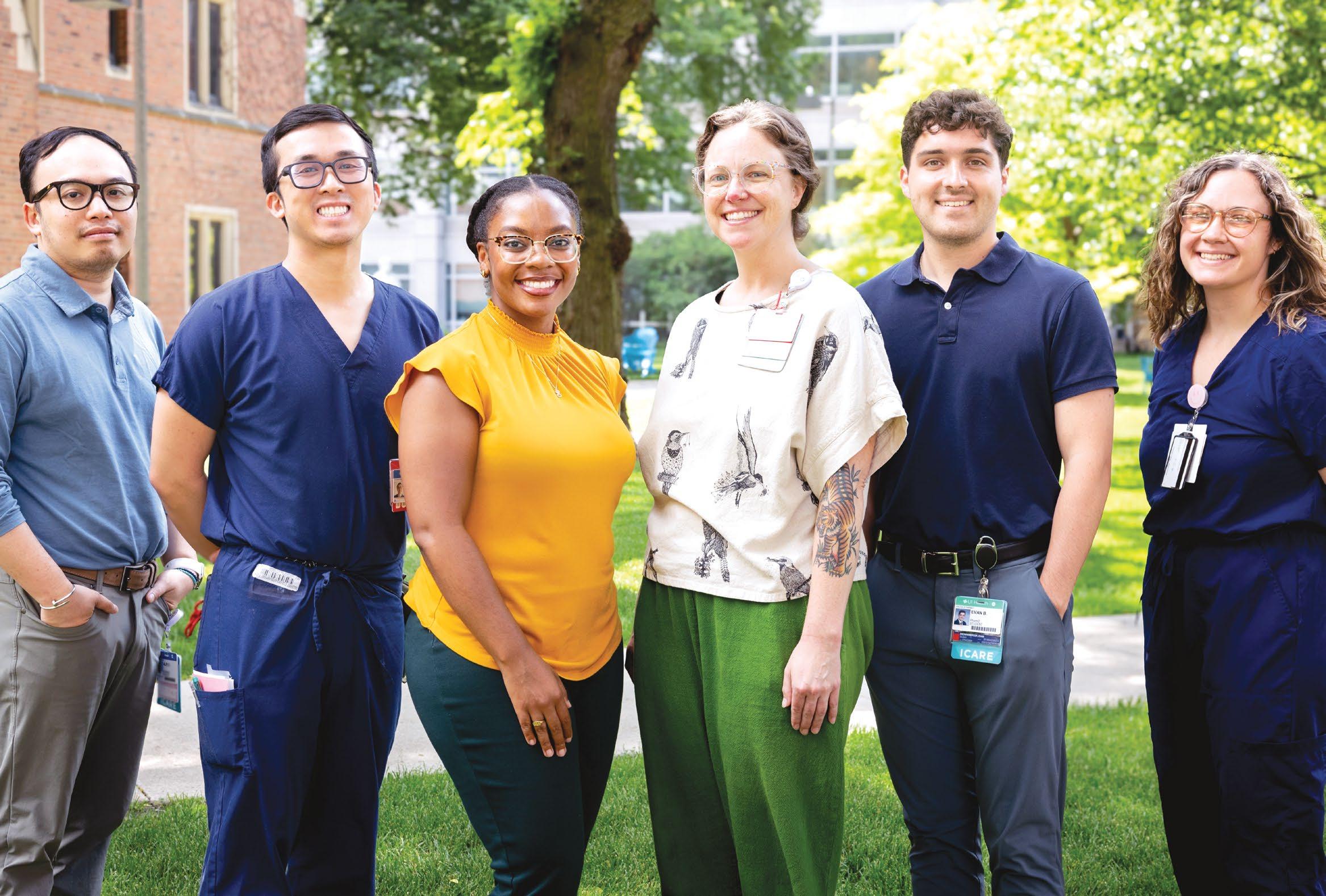
Keller and her teammates on the hospital’s addiction consult service, however, are reshaping that narrative and providing patients more responsive and compassionate care.
“When they interact with our team, they’re talking with someone who cares, someone who’s present to address their symptoms and withdrawals and provide personal treatment,” Keller says.
Though Jarrett is two years removed from her UIC faculty days, she is proud of Keller and thrilled to see the addiction clinical pharmacist role with the multidisciplinary consult service take root at the University of Illinois Hospital. She says the increased integration of these services at hospitals plays a vital role in increasing access to treatment and combatting substance use disorders in communities across the U.S.
“Ultimately, it’s about meeting patients where they are and systemizing access to these life-saving medications,” Jarrett says.


FOLLOW US ON SOCIAL MEDIA
Be the first to know about all of the college’s events, news, and opportunities to get involved.
Continue receiving our alumni The Pharmacist
Update your contact information go.uic.edu/AlumniUpdate
Whether you’re in Chicago, Rockford, across the country, or around the world, WITNESS WHERE THE SPARK WAS FIRST IGNITED—YOUR ALMA MATER, #UICPHARM. go.uic.edu/PharmFBChicago go.uic.edu/PharmFBRockford go.uic.edu/PharmTwitter go.uic.edu/PharmInstagram go.uic.edu/PharmLinkedIn
BY DANIEL P. SMITH
UIC Retzky College of Pharmacy researchers are combining expertise, tools, and curiosity to propel discovery, advance science, and improve human health.
As much as the world lionizes scientific innovators like Thomas Edison and Jonas Salk and society celebrates enterprising individuals who push the boundaries of science, progress is rarely a solo act. Collaboration remains vital to propelling discovery.
In fact, by pooling complementary expertise and gathering diverse perspectives and skill sets on investigative projects, researchers accelerate innovation. Collaboration opens doors to key resources, including funding, and leverages the talents of others. It maximizes access to highly specialized knowledge and minimizes blind spots. It positions researchers to tackle complex problems and spurs higher-quality, more insightful results.
Salk, for instance, developed his vaccine against the polio virus over seven years with energetic help from a team of researchers at his University of Pittsburgh-based Virus Research Laboratory. He then relied on his mentor, Dr. Thomas Francis, to oversee a national trial of nearly two million children to examine the effectiveness of his vaccine. Without earnest collaboration, one of the most impactful medical advancements of modern times might have stalled in the lab.
In science, it really does take a village.
Collaboration is a cornerstone of scientific efforts at the UIC Retzky College of Pharmacy—encouraged by leadership, practiced by faculty across departments, and actively pursued. Researchers are working together to solve some of healthcare’s thorniest issues, from cancer drugs to antibiotic resistance to more efficient testing of novel therapeutics. Their work, rooted in lively cooperation, industriousness, and mutual respect, is driving discovery and advancing science toward solutions.
During a long bus ride to a scientific conference in 2022, Tom Gao turned to his Department of Pharmaceutical Sciences colleague Joanna Burdette with a simple question.
“Are there any systems you need to study regarding how cells change over time?” Gao asked Burdette, who has long investigated the causes and development of ovarian cancer.
Burdette responded with her own request of Gao, whose lab develops novel chemical and computational tools.
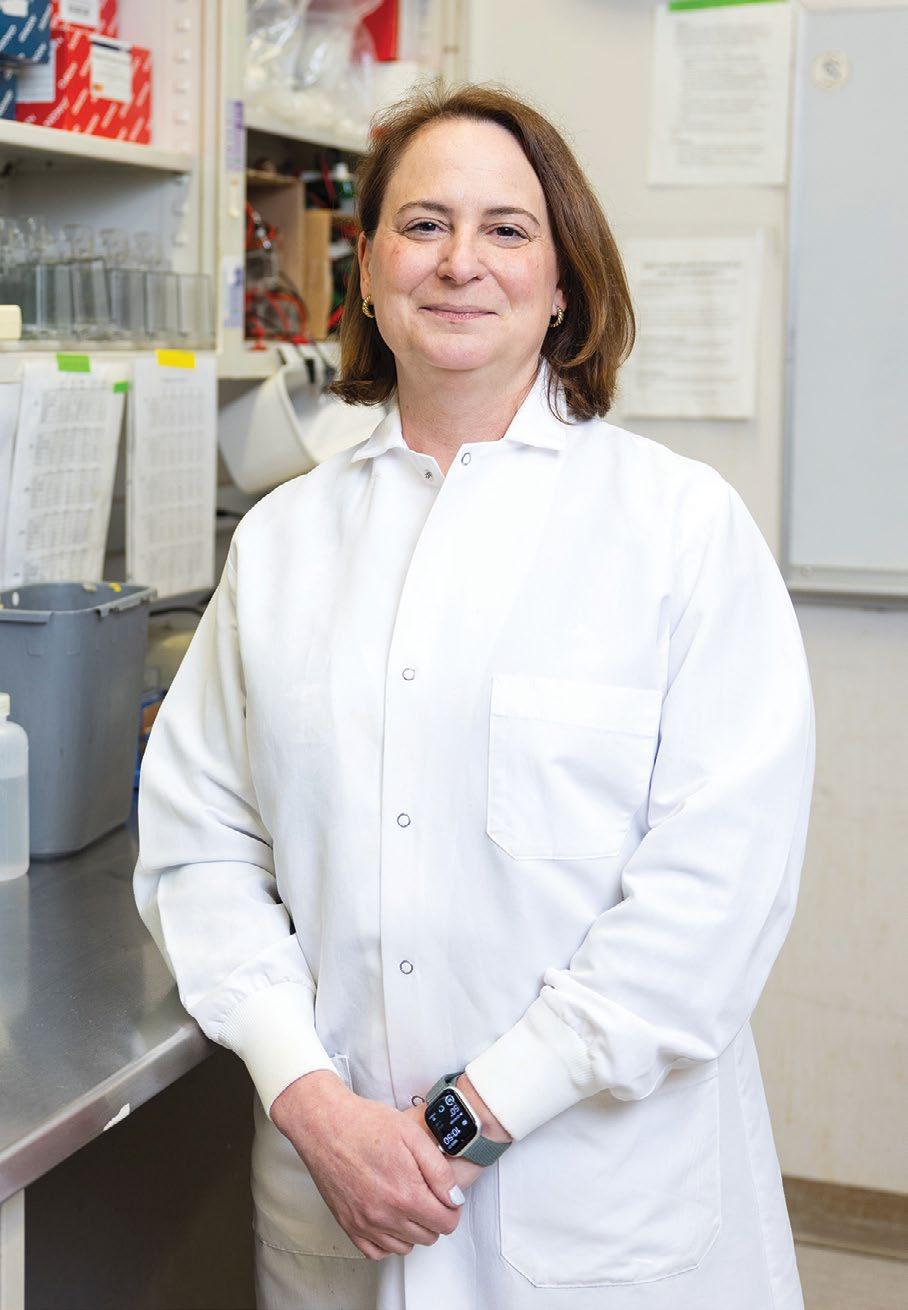
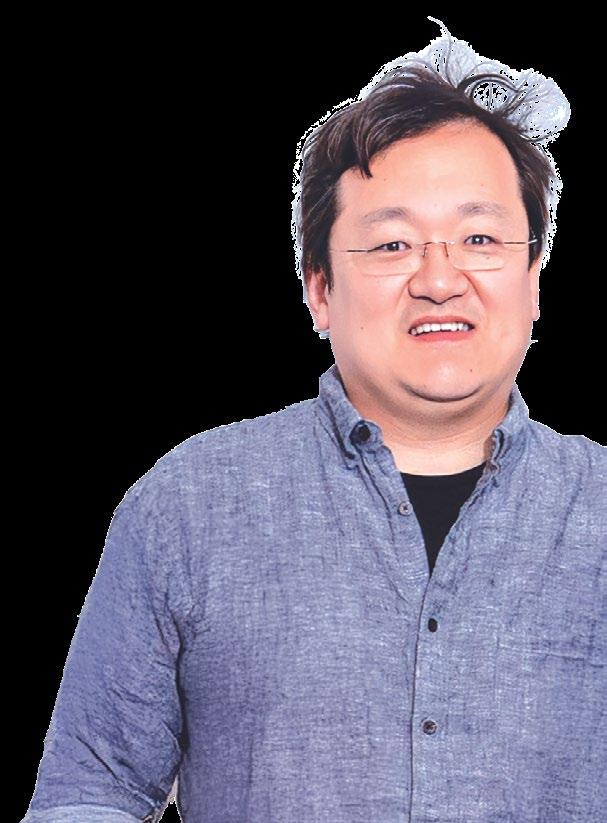
“Do you have any methods to help me identify targets for natural products?” Burdette asked Gao.
That early exchange of questions coupled with the encouragement of a shared graduate student prompted Burdette and Gao to join forces. Their combined expertise in cell biology and bioinformatics is propelling advancements in the search for new anti-cancer agents and immunotherapies for ovarian cancer and, potentially, other cancers.
Over the last four years, the two UIC researchers have discovered one molecule (wheldone) that hits a target and prevents cell division and also published two papers together—one in the Journal of Natural Products and another in Molecular & Cellular Proteomics. More recently, they applied for a National Institutes of Health grant to develop a high-throughput screening platform to identify effective new compounds.
A shared scientific curiosity and enterprising spirit fuel the ongoing Burdette-Gao collaboration. Burdette says she appreciates Gao’s creativity and willingness to test innovative technologies and methods.

“It’s exciting because you don’t know what will happen,” says Burdette, the Edward and Josephine Mika Professor in the Department of Pharmaceutical Sciences.
Gao, meanwhile, values Burdette’s responsiveness as well as her fearless ambition to attack massive health problems like ovarian cancer.
“Joanna’s willing to think bravely and pursue projects that can have a major impact on human health,” he says.
THE COLLABORATORS ›››
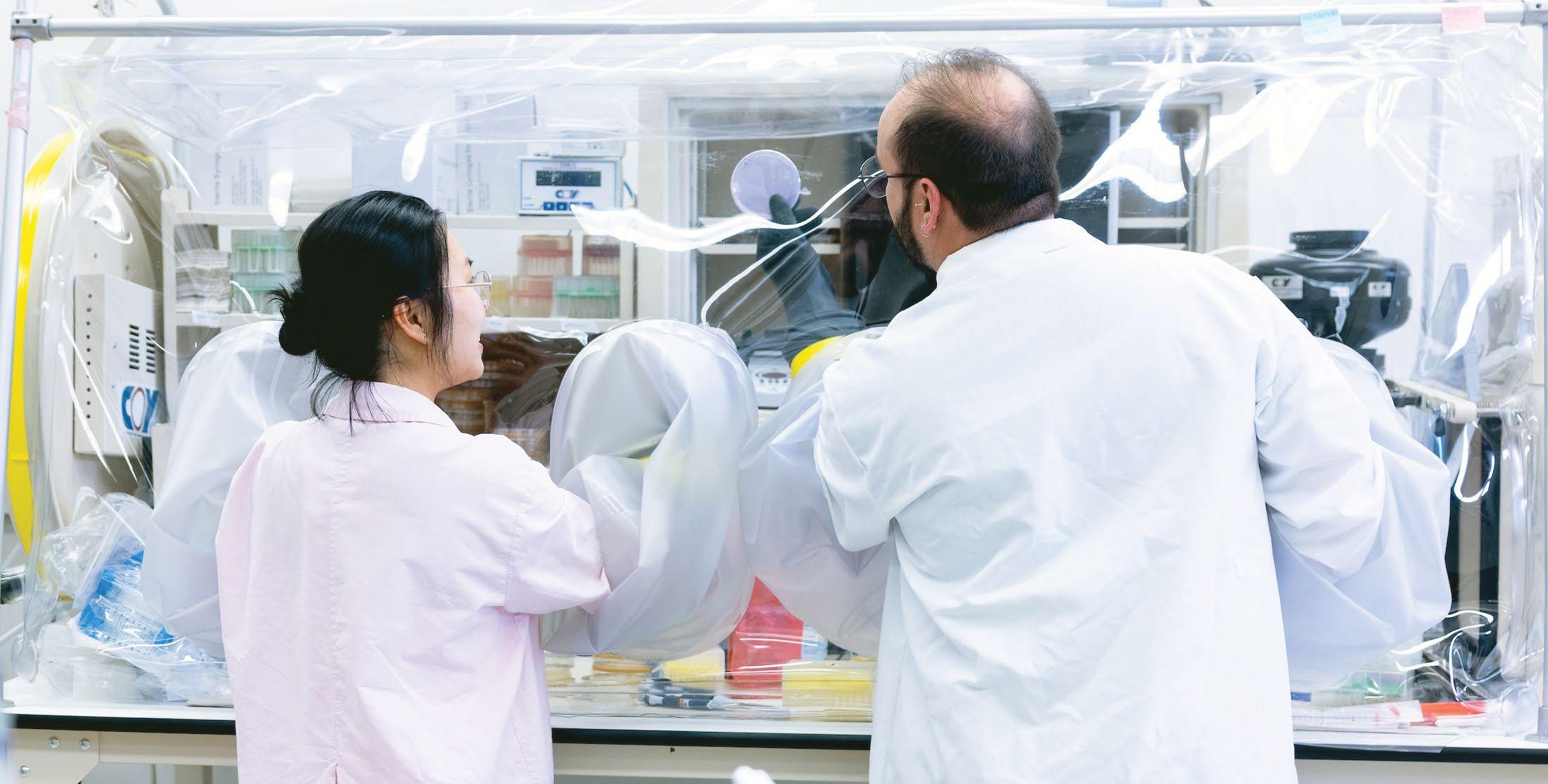
While broad-spectrum antibiotics have proven effective against many disease-causing bacteria, their scattergun approach arrives with various drawbacks. In particular, broad-spectrum antibiotics can disrupt the microbiome, eliminating both the “good” and “bad” bacteria living in humans. This reality continues fueling interest in alternative solutions.
When Alessandra Eustaquio, an associate professor in the Department of Pharmaceutical Sciences, came across a marine sponge-associated product with unusual activity, she wondered if it might limit the undesirable effects of antibiotics on the gut microbiome.
To answer that question, Eustaquio, a UIC faculty member since 2015, traveled about 30 feet down the hall and knocked on the office door of new Pharmaceutical Sciences colleague Matthew Henke. A trained chemist who investigates the human gut, Henke was immediately intrigued by Eustaquio’s pitch.
“It’s such an interesting idea: using one molecule to blunt the negative effects of antibiotics,” says Henke, an assistant professor who joined UIC’s faculty ranks in 2022.
In 2023, the researchers landed a grant to begin collecting additional samples of the marine product and then launched a project investigating the product’s viability as a selective antidote to a commercial broadspectrum antibiotic.
Their initial data with marine sponges was published in ISME Communications last January. They are now investigating the translational potential of the antidote to human health after finding the antidote protected a prevalent bacterial species in the gut against a commercial broad-spectrum antibiotic. Their work provides a framework for additional exploration of natural antidotes for targeted microbiota protection.
“When you’re pushing innovation, there’s so much to understand, so additional expertise allows you to ask different questions, talk through problems, and tackle challenges,” says Eustaquio, who continues submitting grant applications with Henke to continue their investigation.
THE COLLABORATORS
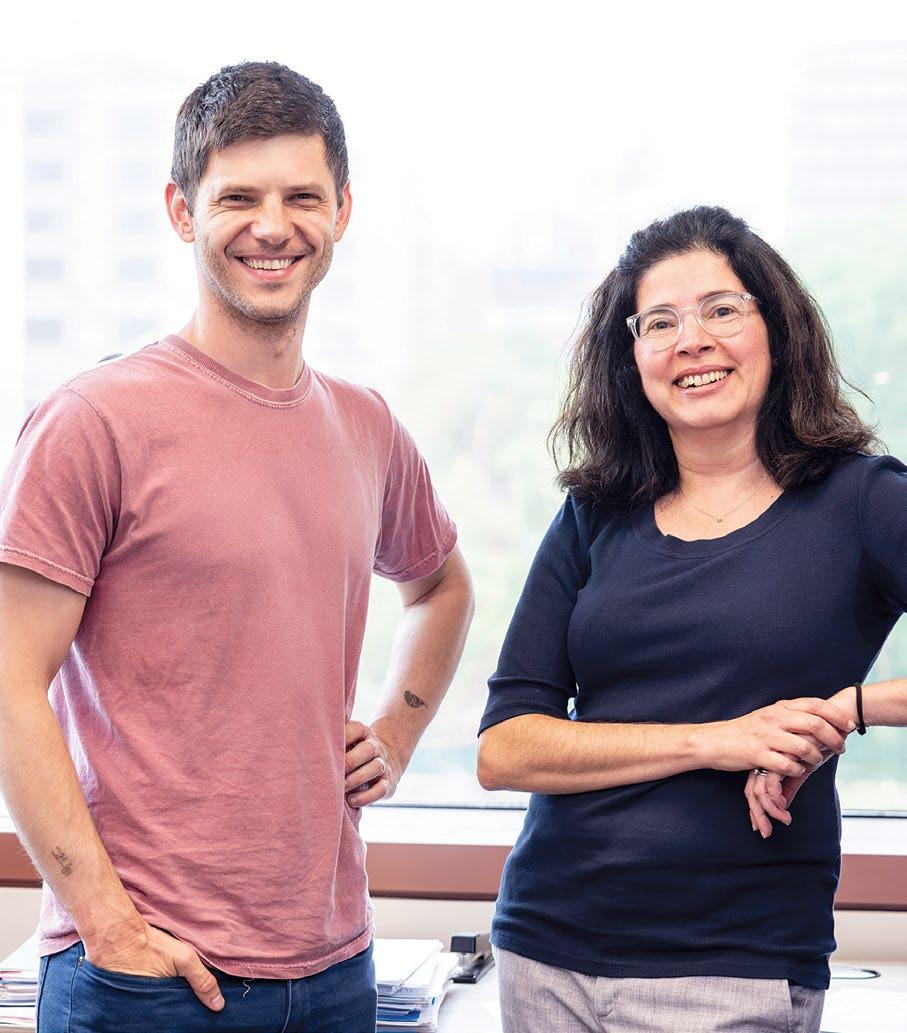
Though Department of Pharmaceutical Sciences faculty members Steve Seung-Young Lee and Zongmin Zhao inhabited offices across the hall from one another, it took the researchers more than a year to discover their complementary pursuits.
Once the two connected in 2023, however, a prolific and mutually beneficial collaboration took hold resulting in three published papers – and a fourth currently under review—as well as two National Institutes of Healthfunded grants.
Lee and Zhao first learned about each other’s respective efforts through department seminars and student projects. Lee’s lab had developed a microscopic imaging method and was actively looking for a model to observe the distribution of cells in tissue and test the imaging technique’s validity. Zhao, meanwhile, had a therapeutic model but needed a tool to assess its behavior.
The steady collaboration has benefited both, expediting and enhancing each researcher’s scientific output. Lee’s imaging techniques are sharper, while Zhao’s inched closer to a cell therapy for treating cancer.
“Steve’s help accelerated our research and is bringing cell therapies closer to the patient,” Zhao says.
The synergistic partnership has ignited additional collaborations at the college, too. Following Zhao’s work with Lee, UIC Pharmacy researchers Joanna Burdette and Thomas Gao are similarly using Lee’s imaging method to advance their own research into cancer models and proteins, respectively.
“Eventually, we want to apply for more grant applications, pursue more publications together and push therapeutics forward to help people,” Lee says of his collaboration with Zhao.
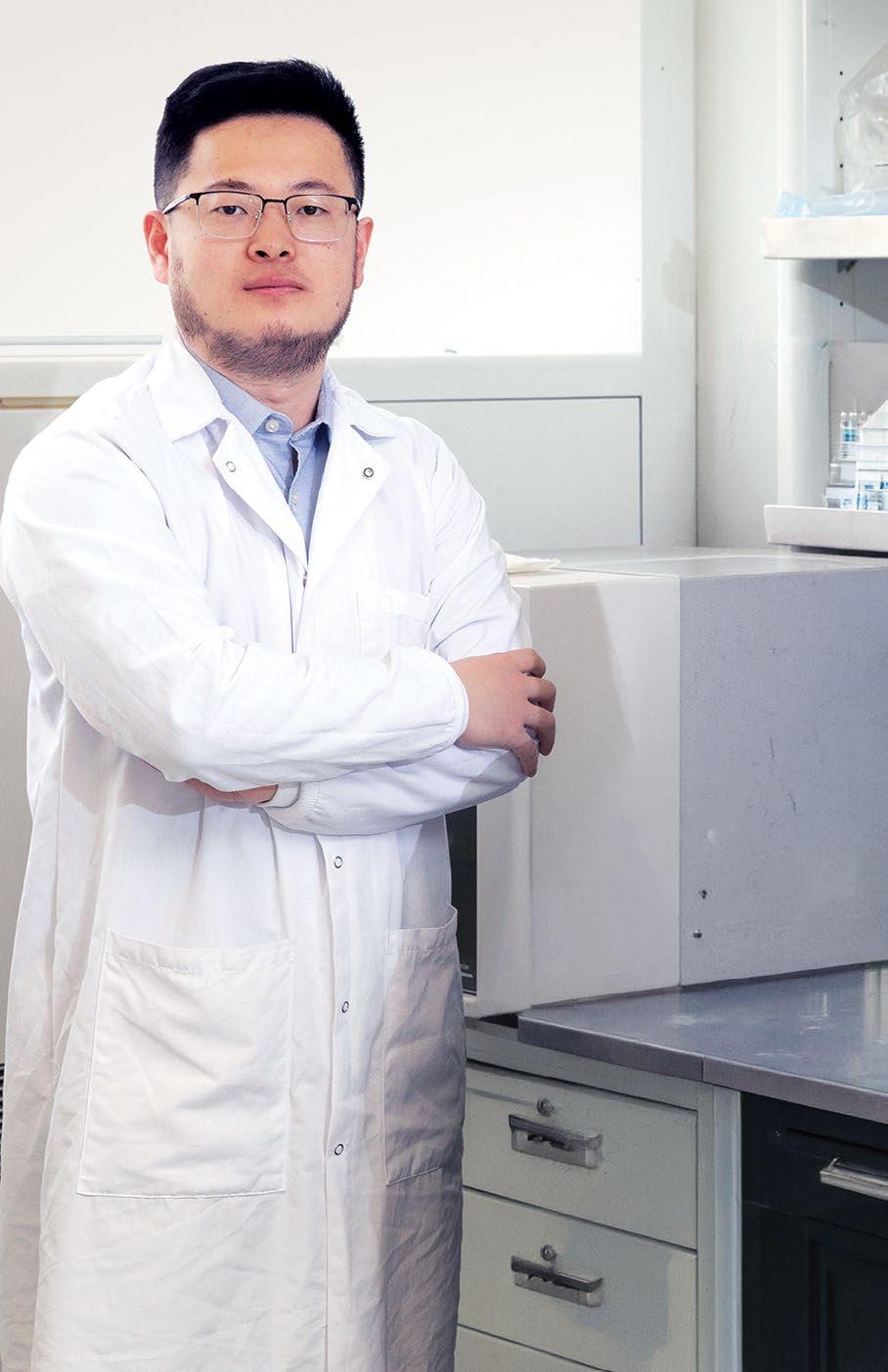
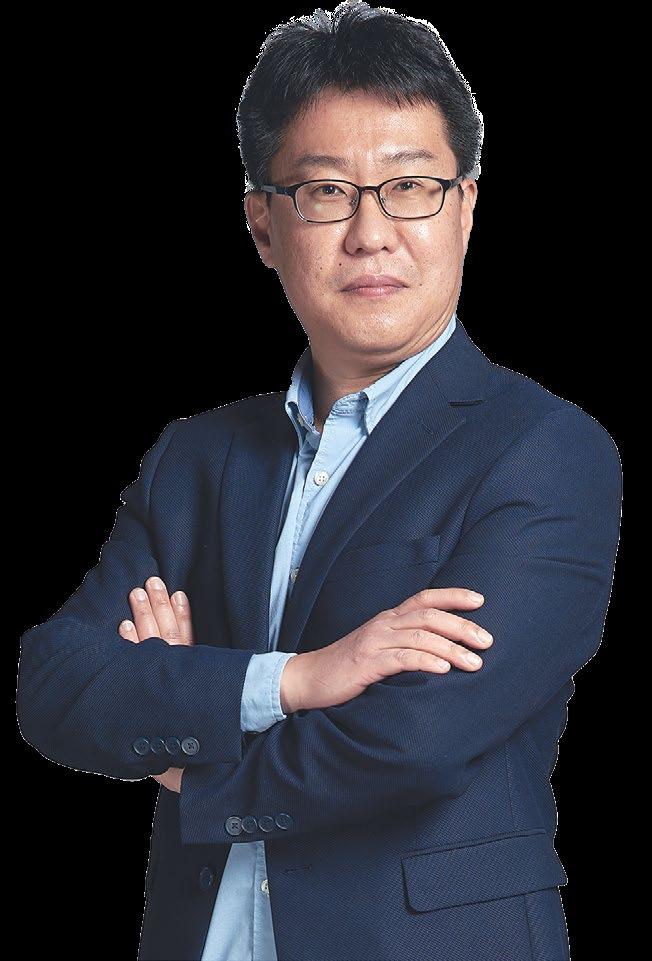
Endowed scholarships are especially valuable because they provide a reliable annual source of student financial support. The UIC Retzky College of Pharmacy’s Legacy Scholarship Program offers generous matching opportunities to donors:
• Gifts between $50,000 and $99,999 receive a 50% match
• Gifts between $100,000 and $1 million receive a 100% match
• Donors may pledge gifts over time, with matching funds applied upon full pledge fulfillment
An endowed fund’s principal is invested, and the fund’s earnings are used to support students. Funds can be named by their donors and are established in perpetuity.
PLEASE CONTACT US AT PHARMACY-ADVANCEMENT@UIC.EDU
BY LAURA HAYES
Participants exchanged ideas on education, research, and patient care, laying the groundwork for future partnerships.
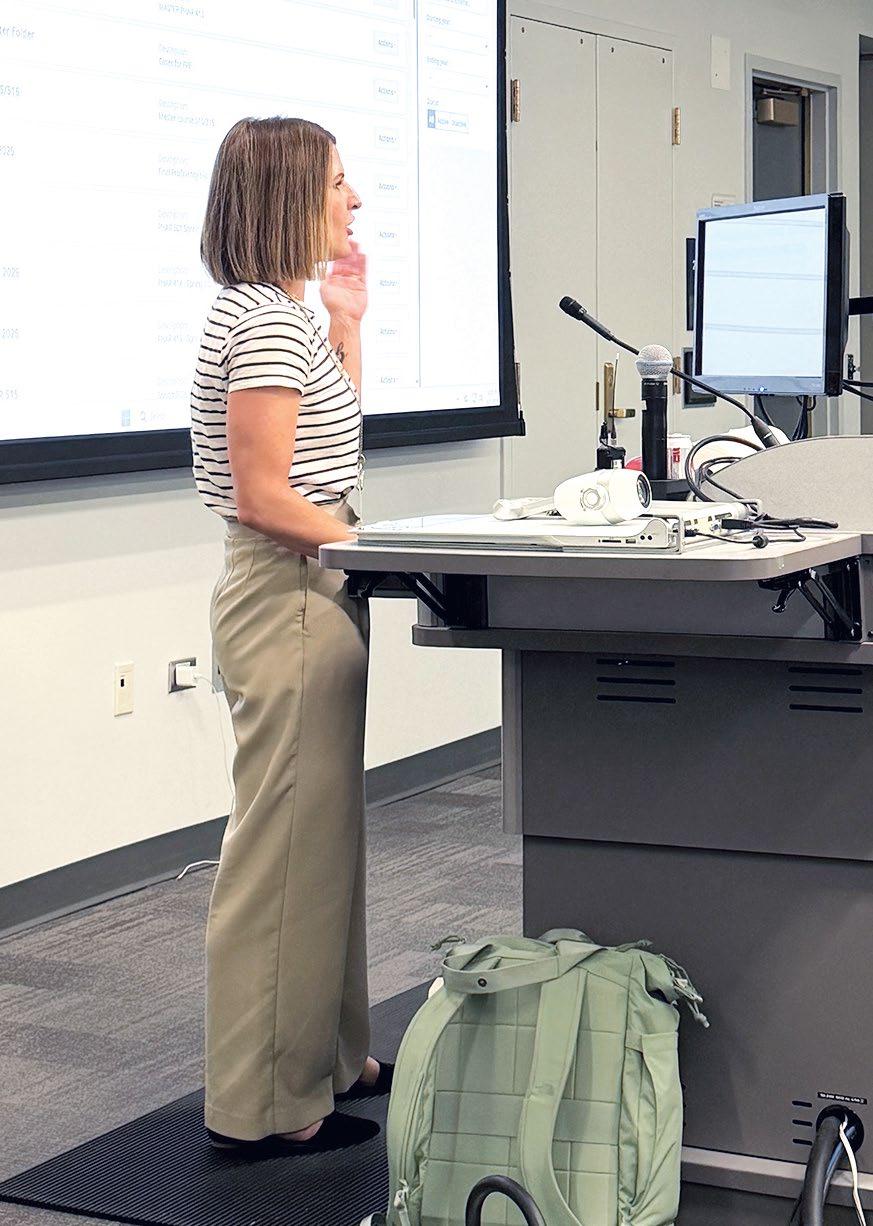
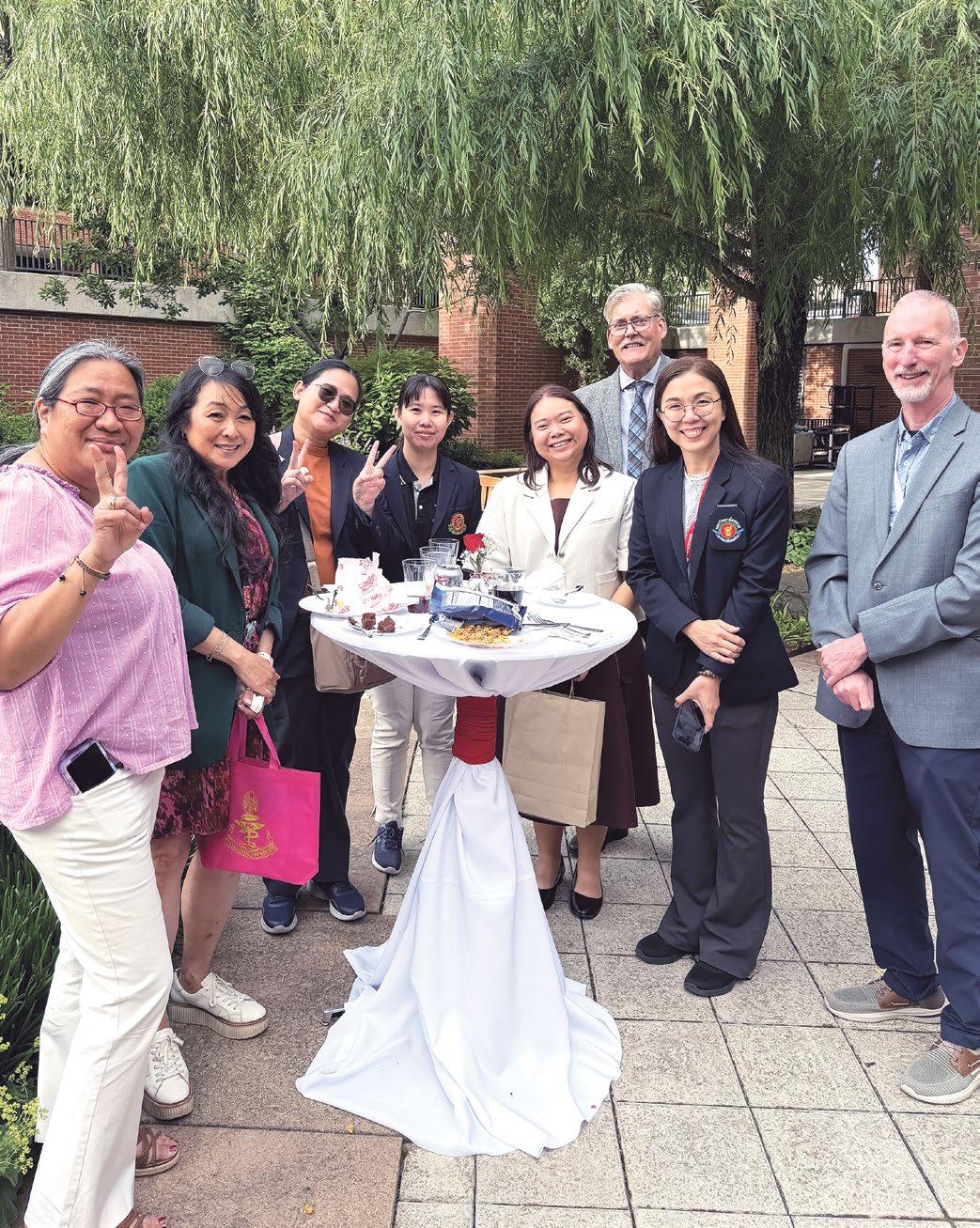
On June 1, 2026, the day before the annual US-Thai/ US-ASEAN Pharmacy Consortia Meeting, the UIC Retzky College of Pharmacy hosted a distinguished group of almost 50 academic leaders and educators in pharmacy from Southeast Asia. The gathering was a celebration of three decades of collaboration with various pharmacy schools and hospitals across the region.
Visitors met with faculty from each of the college’s academic departments, explored innovative teaching and learning technologies, and learned about advances in clinical pharmacy practice and research.
Dr. Nguyen Thi Thu Phuong, dean of the Faculty of Pharmacy at Hai Phong University of Medicine and Pharmacy in Vietnam said the visit “was both inspiring and insightful. We were deeply impressed by the strong integration of pharmacy education, clinical practice, and research within the UIC healthcare system. The experience provided valuable perspectives for advancing
pharmacy education, clinical pharmacy services, and clinical research in Vietnam.”
Dr. Renukha Sellappans, associate professor and Head of the School of Pharmacy at Taylor’s University in Malaysia, said, “Overall, the experience encouraged me to reflect on areas where we can further strengthen our curriculum at Taylor’s University and explore future collaborations in clinical training, experiential education, and academic exchange. I was particularly inspired by the breadth and impact of the clinical pharmacy services showcased during the visit, which demonstrated how pharmacists can play a pivotal role in specialized patient care.”
As conversations continued throughout the day, participants exchanged ideas on education, research, and patient care, laying the groundwork for future partnerships. After a full schedule of meetings, presentations, and tours, guests gathered in the Atkins Medicinal Plant Garden to enjoy local favorites from Lou Malnati’s and Portillo’s.
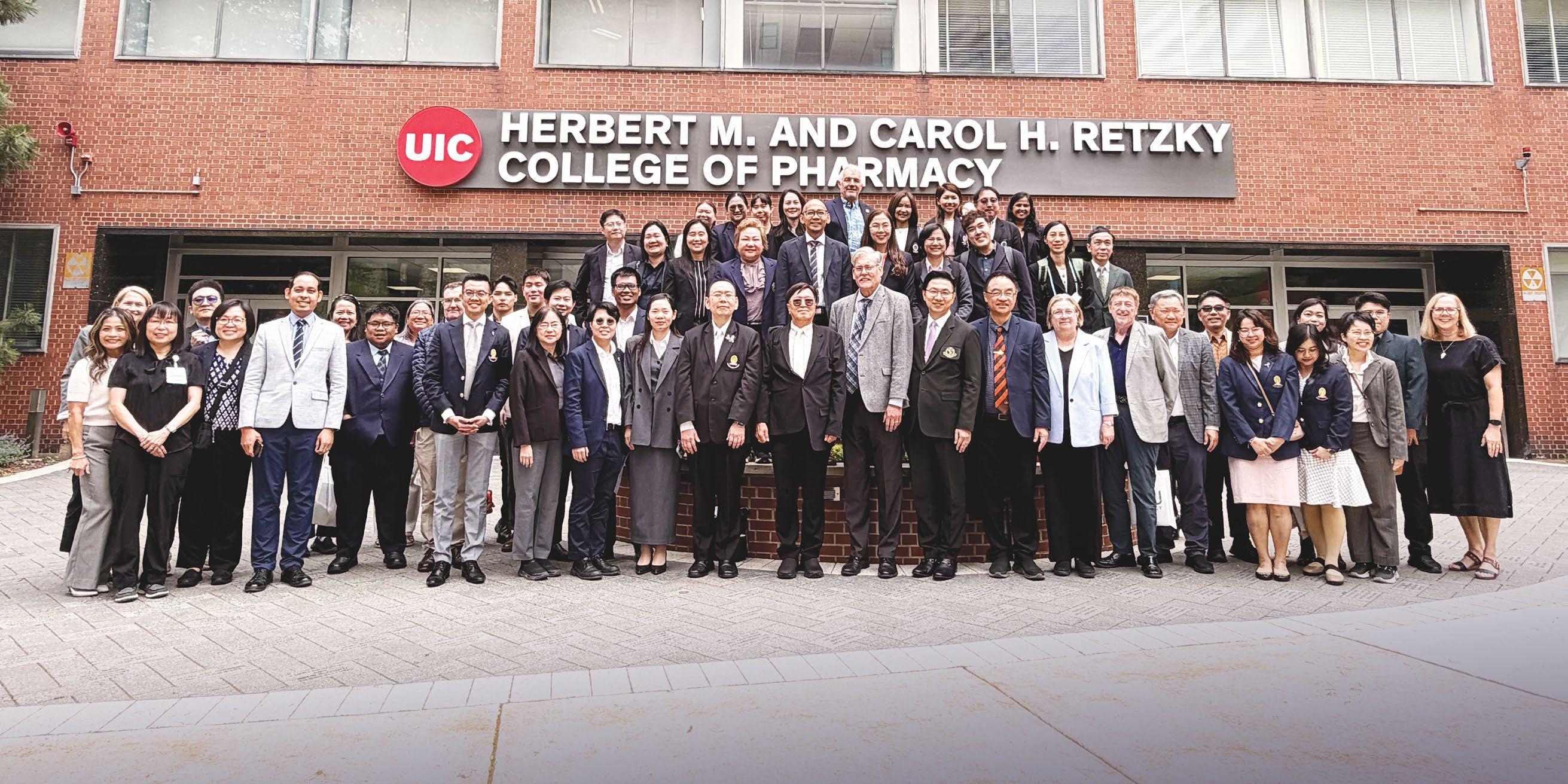
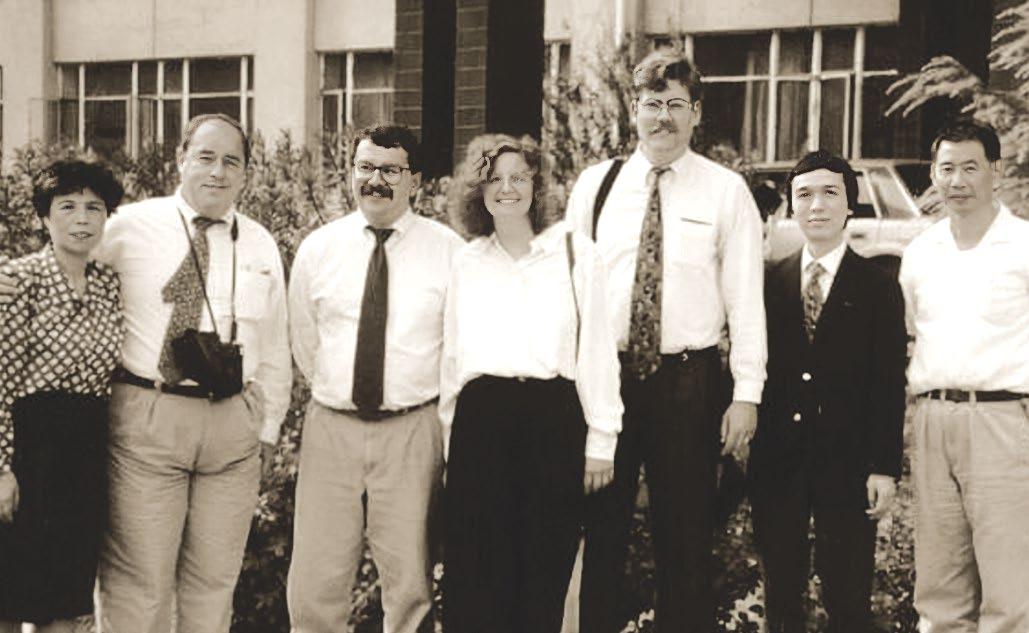
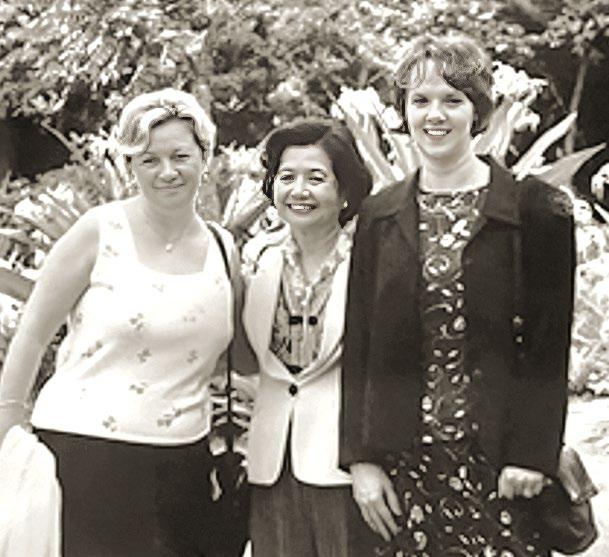
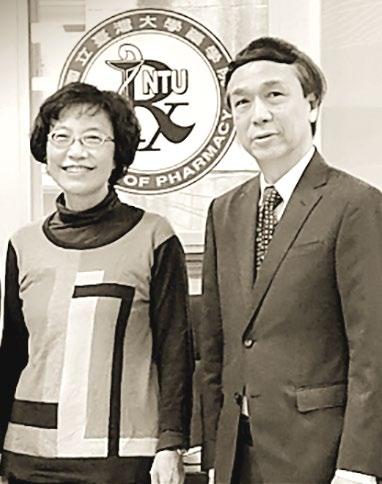
The Thai/ASEAN partnerships reflect the college’s longstanding effort to build meaningful relationships with pharmacists, educators, and academic leaders across Asia. These collaborations have helped strengthen pharmacy curricula, foster knowledge exchange, and expand international learning opportunities for students at UIC and partner institutions. A recent example of this ongoing
engagement took place in April, when Dean Schumock and Professor Emeritus Alan Lau traveled to Vietnam to meet with faculty and students and deliver presentations at several schools of pharmacy. Regular visits and in-person engagement like these over the past 30+ years have played an important role in strengthening relationships and creating new opportunities for collaboration.
BY JENNIFER FLYNN
[Travel] experiences can be a turning point for students . . . [they] can help open a student’s eyes to different career paths within pharmacy.
When she was 10, Rosalie Sagraves decided she wanted to play the trombone. “I wanted to pick out an instrument that girls typically didn't play. I always had this vision of doing things that were not quite in line with what people expected,” she recalls.
Sagraves continued to defy expectations when she decided to become a pharmacist in the 1960s. “It was a time when women were primarily either going to be teachers or nurses. I wanted to do something different,” she says.
That renegade spirit eventually led Sagraves to become the first female dean of what is now the Retzky College of Pharmacy at UIC. She served as dean from 1995 to 2006, professor of pharmacy practice from 1995 to 2008, and co-director of the Department of Health and Human Services Center of Excellence in Women's Health from 1998 to 2007.
"Dr. Sagraves was a pioneer. She was the first—and so far, the only— woman to serve as dean of pharmacy at UIC,” says the college’s current dean, Glen Schumock. “She was just the sixth woman to serve as dean at any school of pharmacy in the U.S., and the first at a major school.”
Despite her groundbreaking role, Sagraves says she didn’t feel extra pressure when she arrived on campus. She says UIC had several women in leadership positions, so it seemed normal. “UIC was a forerunner,” she says.
Before arriving in Chicago, Sagraves was on faculty at the University of Oklahoma College of Pharmacy. From
1985 to 1995, her various roles there included professor, assistant dean, associate department head and associate professor, and clinical pharmacist at the Oklahoma Children’s Hospital. From 1978 to 1985, Sagraves was an associate professor and assistant professor at the University of Texas at Austin College of Pharmacy and a clinical pharmacist in pediatrics at Brackenridge Hospital, a university-affiliated hospital that has since closed. Prior to that, she worked for several years as a clinical pharmacist at The Ohio State University (OSU) Hospitals and was a clinical instructor at the OSU College of Pharmacy. She earned her BS in Pharmacy at OSU and later her PharmD at the Philadelphia College of Pharmacy and Sciences, now the Philadelphia College of Pharmacy at St. Joseph’s University.
Sagraves says her success was partially due to a terrific support system, including her husband of 33 years, Arthur “Art” Kameshka, who died in 2018. A hospital and community pharmacist, Kameshka encouraged Sagraves to pursue professional opportunities, even when that meant moving to a new state. “I couldn’t have done it without him,” she
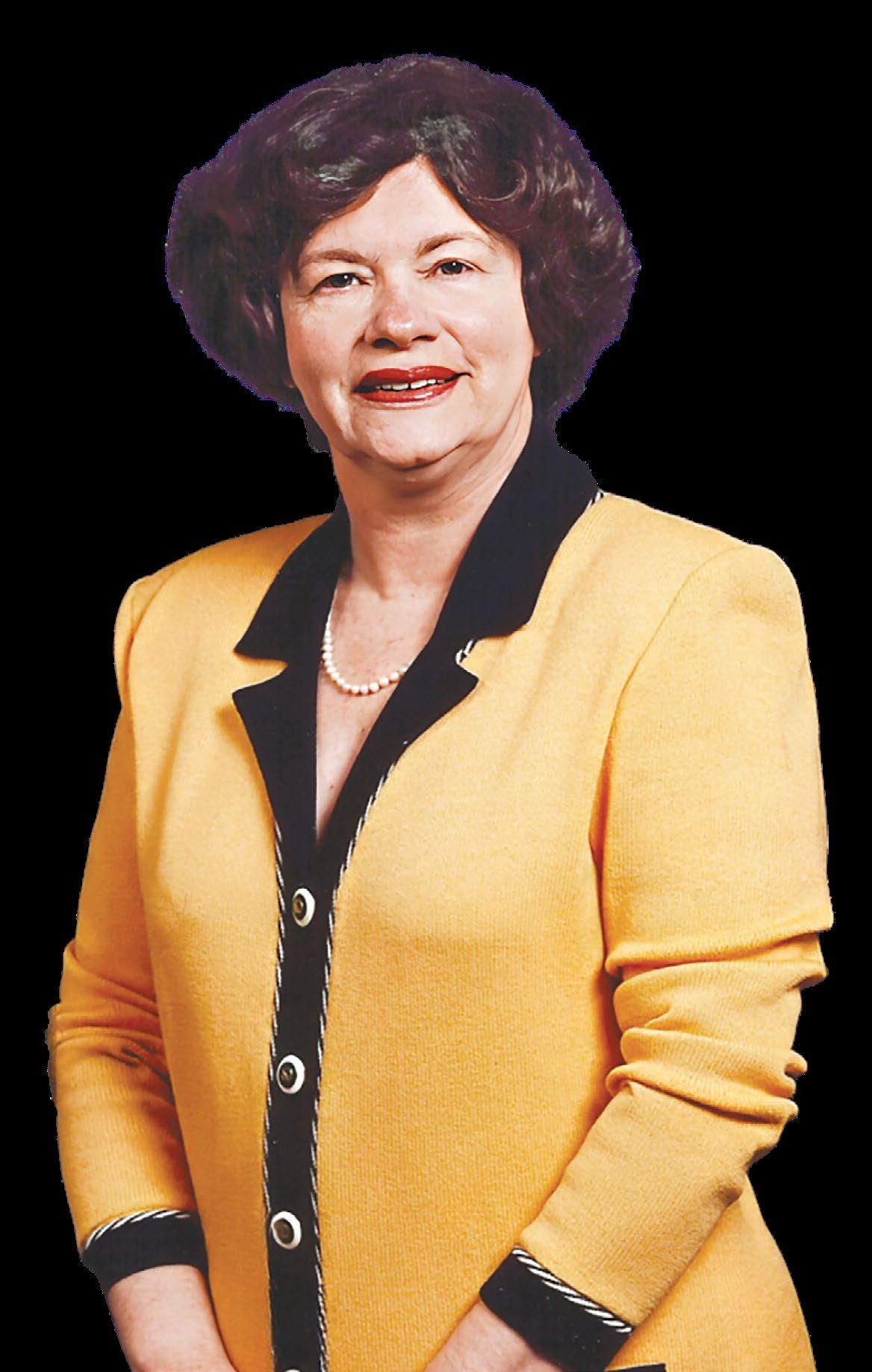
To support UIC’s PharmD students in their pursuit of success, Sagraves has made annual gifts and donated $25,000 to endow the Dean Rosalie Sagraves Student Travel Fund. She is donating another $25,000 to bring the fund’s total to $50,000. Beginning in the 2026-27 academic year, annual distributions from the endowed fund will be awarded to PharmD students to help pay for attendance and travel to professional conferences, meetings, and other career development opportunities.
Sagraves says such experiences can be a turning point for students.
“Making a poster presentation at a national meeting or hearing an internationally recognized lecturer can have a significant impact on a student’s trajectory,” she says. “Those experiences can help open a student’s eyes to different career paths within pharmacy, and they are the type of out-of-the-ordinary events a student is most likely to remember years after graduation.”
Sagraves’ fund adds to a broader effort at Retzky College to support students who want to attend professional development events. During the 202526 school year, the college awarded $27,872 in travel grants from various funds to 49 students. Most award recipients were P4 students who traveled to professional conferences to present research or explore and interview for residency and fellowship programs. One student represented UIC at a meeting of a national pharmacy student organization.
“These experiences empower students to expand their knowledge beyond the classroom, start building meaningful professional networks, strengthen communication skills, and gain the confidence needed for long-term career success,” says Deb Fox, director of Career Services and Student Engagement for UIC Student Affairs.
Sagraves remembers attending her first American Pharmacists Association (APhA) annual meeting in San Francisco when she was a clinical pharmacist with OSU Hospitals. “It was great to interact with pharmacists from across the U.S. I even got to meet international pharmacists. It was wonderful to hear about new innovations in hospital pharmacy, the beginnings of clinical pharmacy, leadership, and new medications,” she says.
These days, Sagraves travels for fun and to maintain connections. She takes annual trips, one with high school friends and another with women who retired after serving as deans of pharmacy. “We started off as just three retired deans, taking a few extra days after a national meeting to explore Chicago. We had such a good time that we did it the next year, too. As more women deans retired, we added them. Now we’re up to 10—there are more, but we had to cap it because of travel logistics!”
It’s a good problem to have, and a sign that women leading pharmacy schools and colleges is now becoming the norm. Schumock credits Sagraves for being part of that change: “Her example, and subsequent efforts to promote women in leadership positions, helped pave the way for a whole generation.”
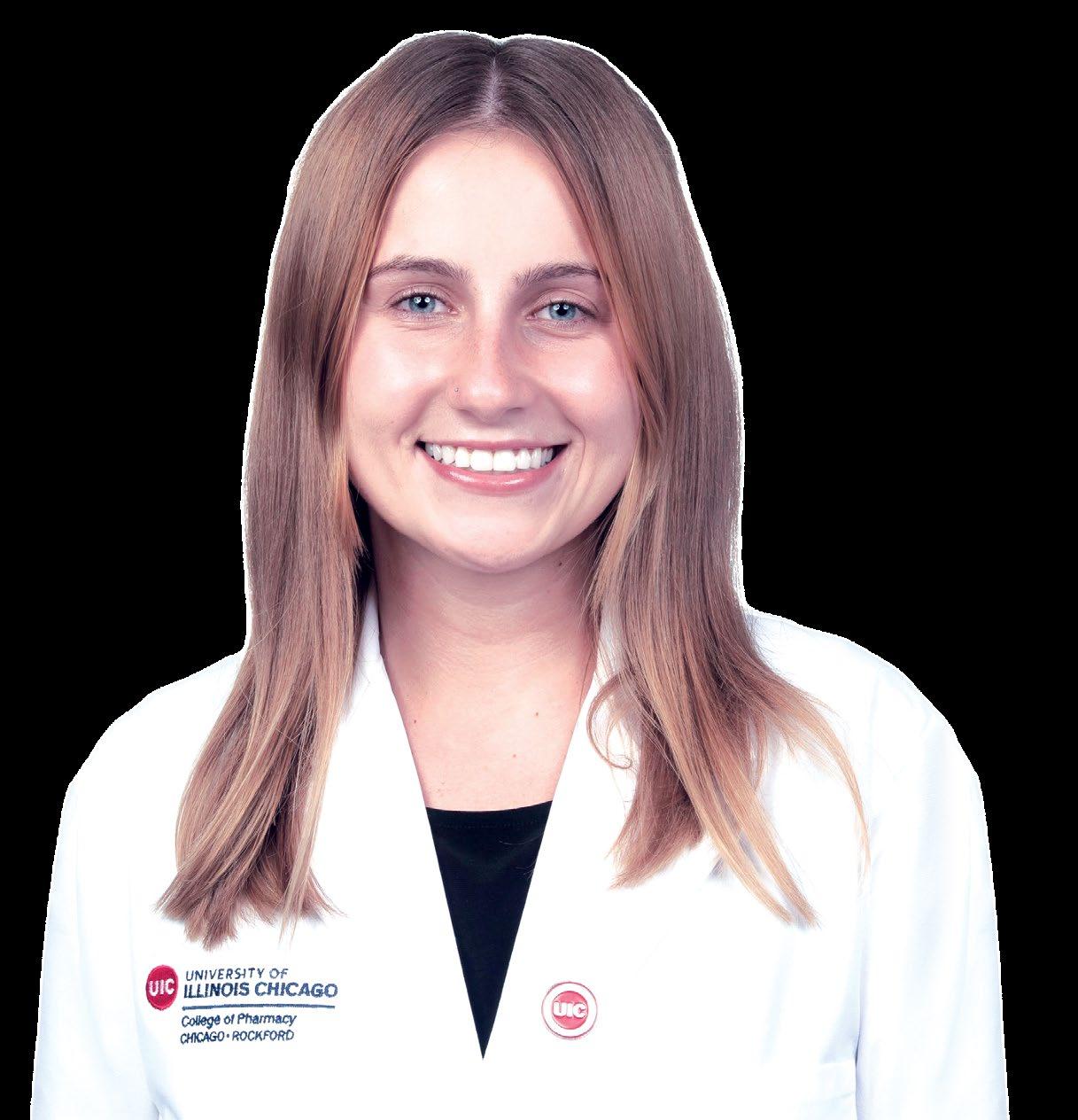
Student travel grants and scholarships open doors to transformative professional experiences that shape future careers. By helping offset the cost of attending important educational and networking events, this funding ensures that all students can build networks, explore career pathways, and represent the college on a national stage regardless of their financial situation.
For Class of 2026 PharmD graduate Jessica Opalka, a travel grant made it possible to attend the ASHP Midyear Clinical Meeting, which she says was an extremely valuable experience for both her professional and personal growth.
“The travel grant helped ease the financial burden of attending and gave me the opportunity to connect in person with program leaders, fellows, and industry professionals I had previously only met virtually,” says Opalka. “Those conversations gave me a better understanding of the different opportunities within the pharmaceutical industry and played a big role in helping me pursue and accept a fellowship position with AbbVie in Chicago. I’m very grateful for the college’s support and the opportunities this experience provided me.”
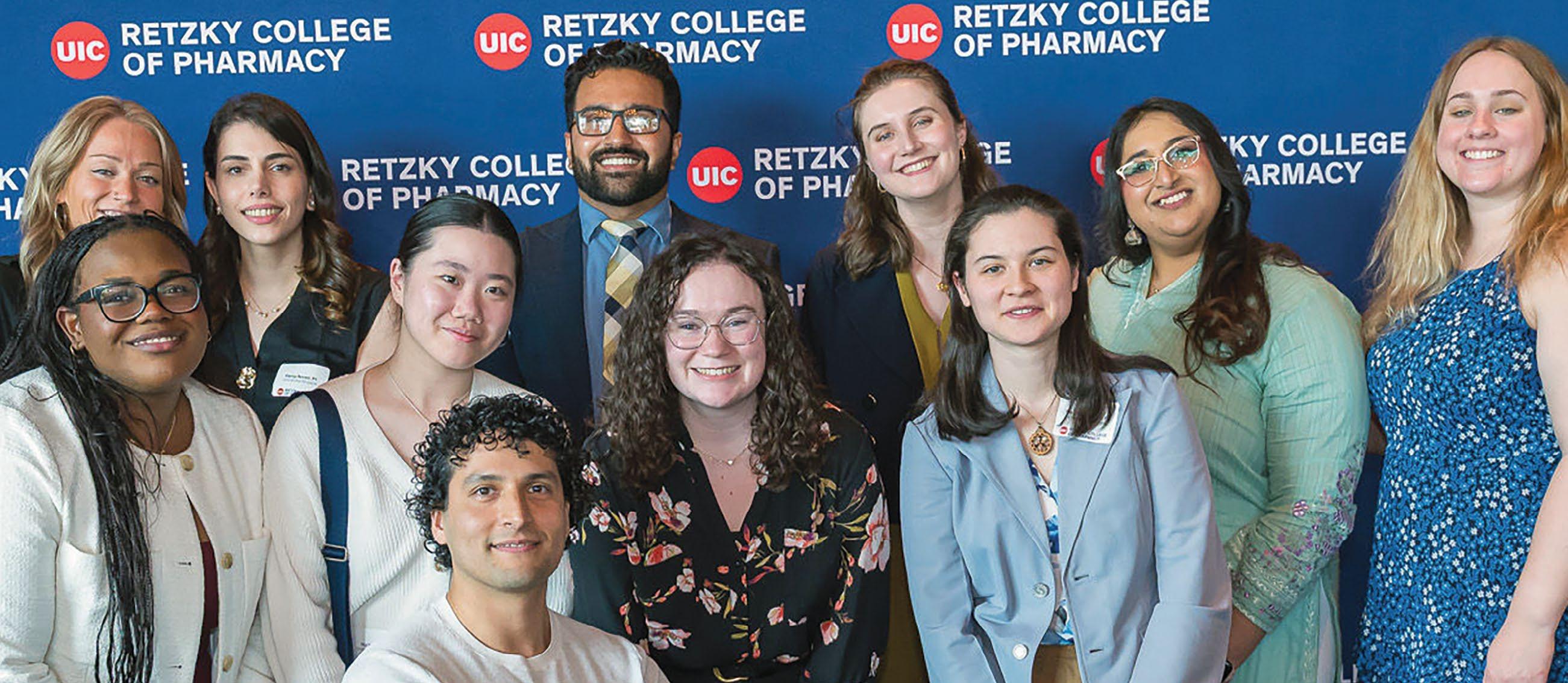
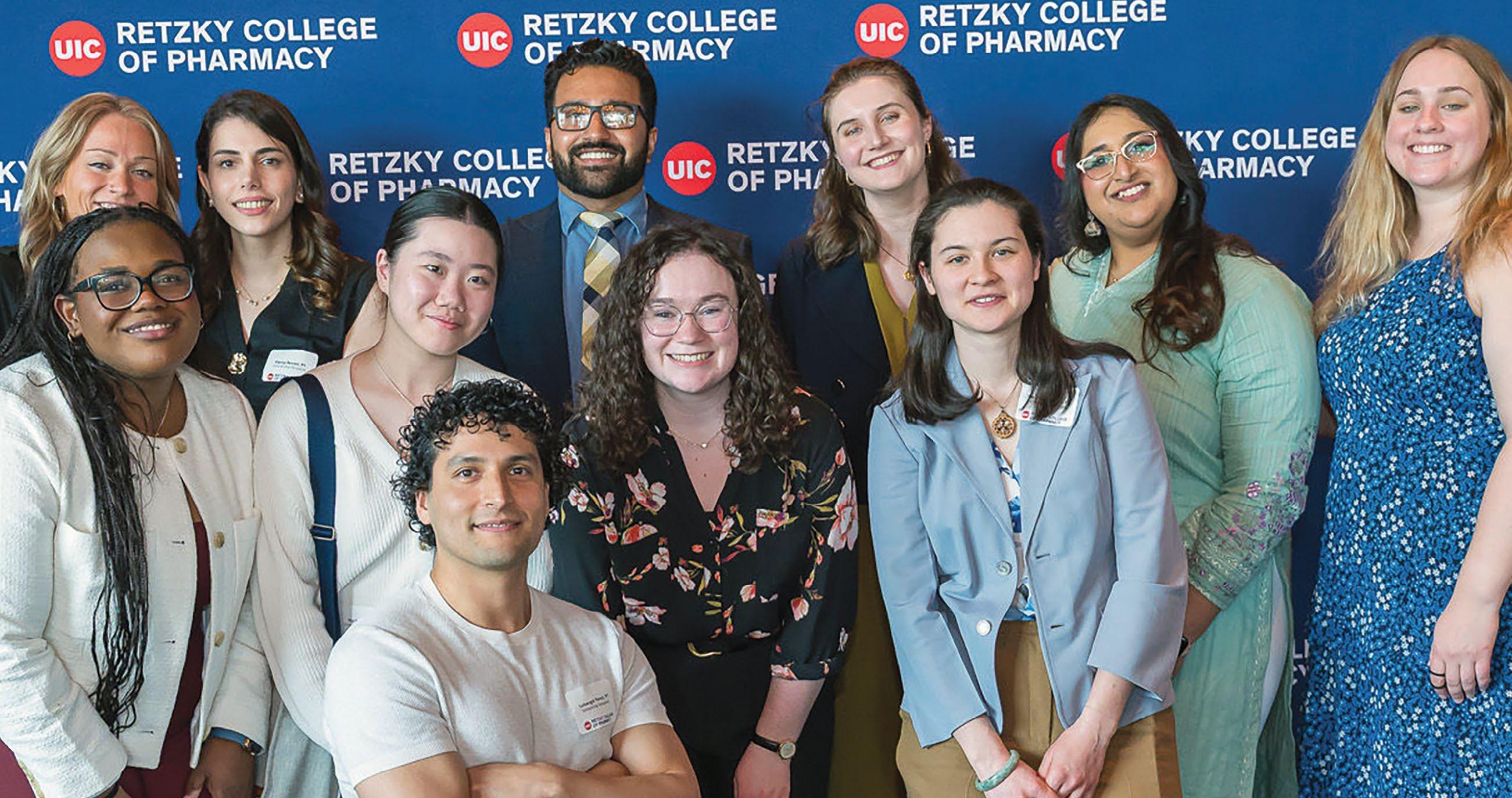
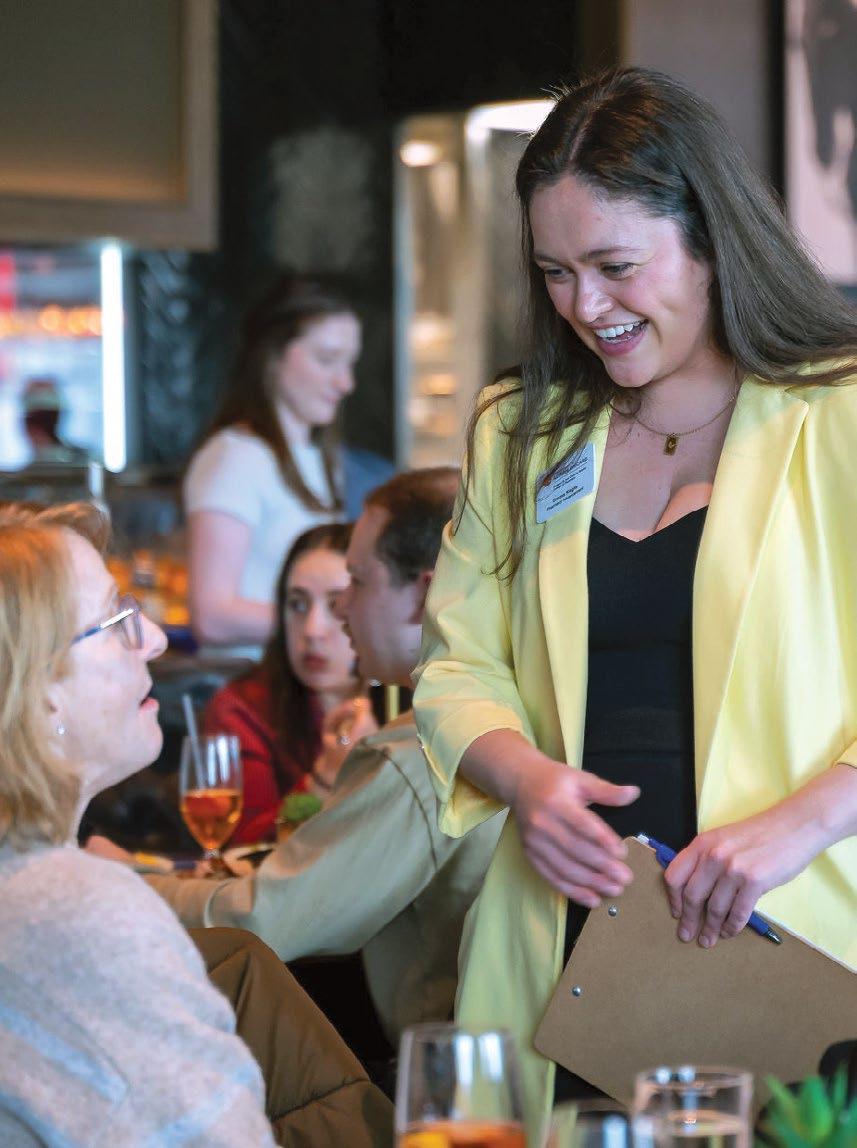
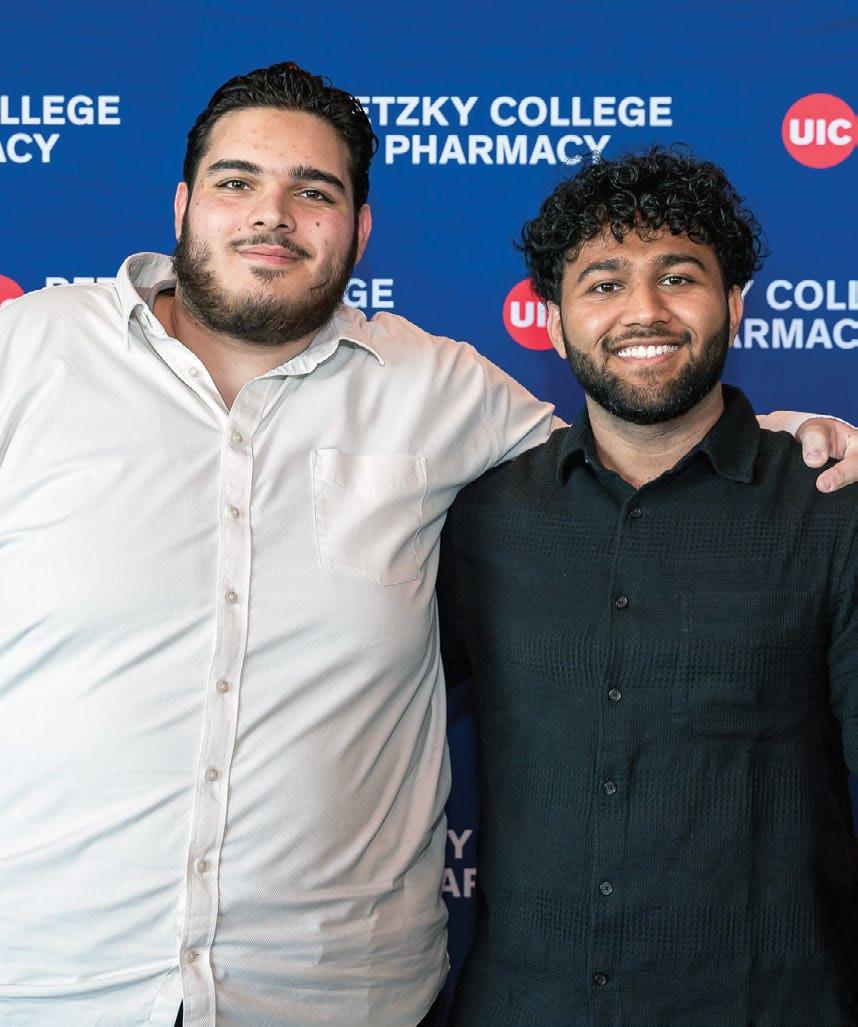
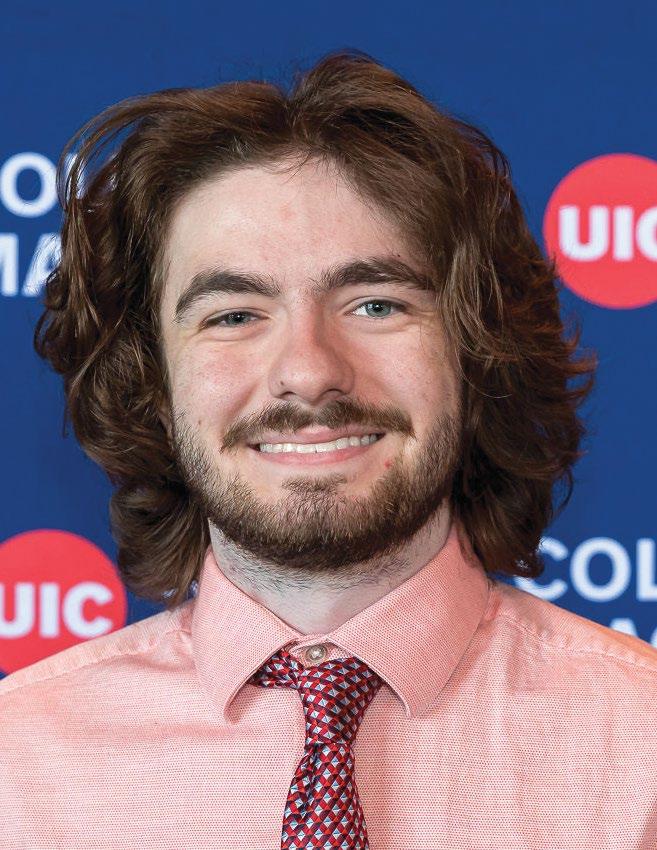
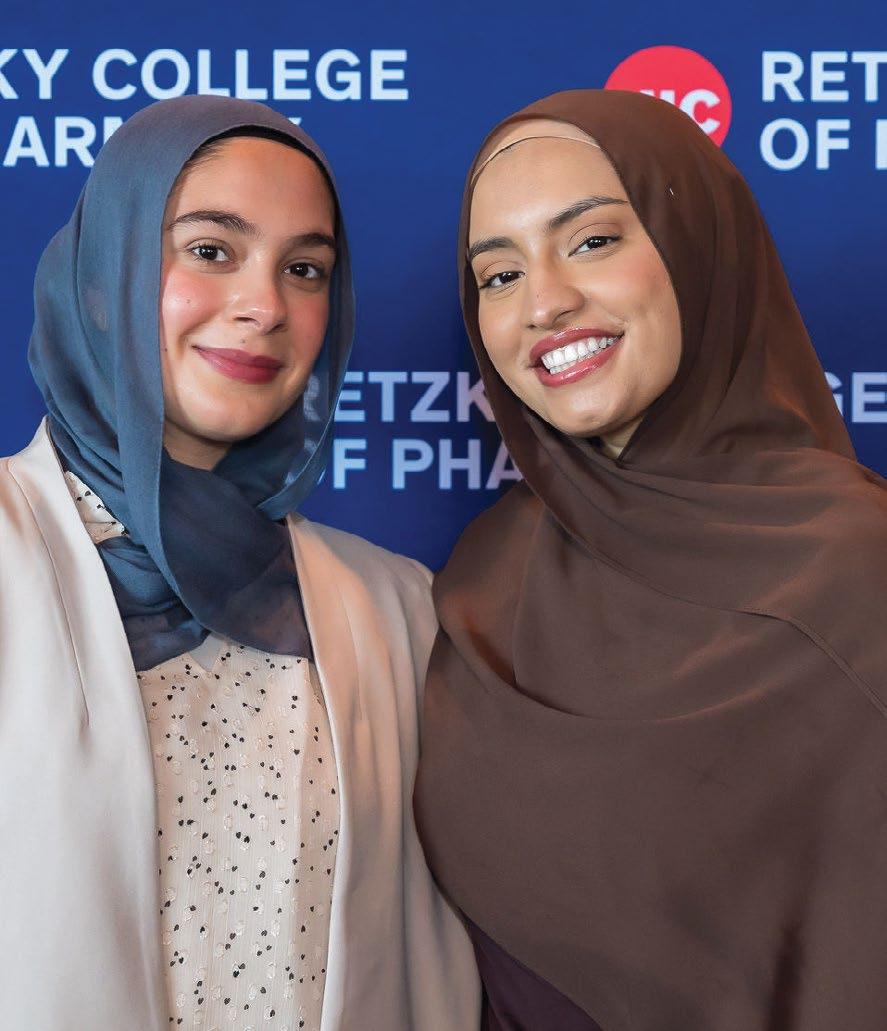
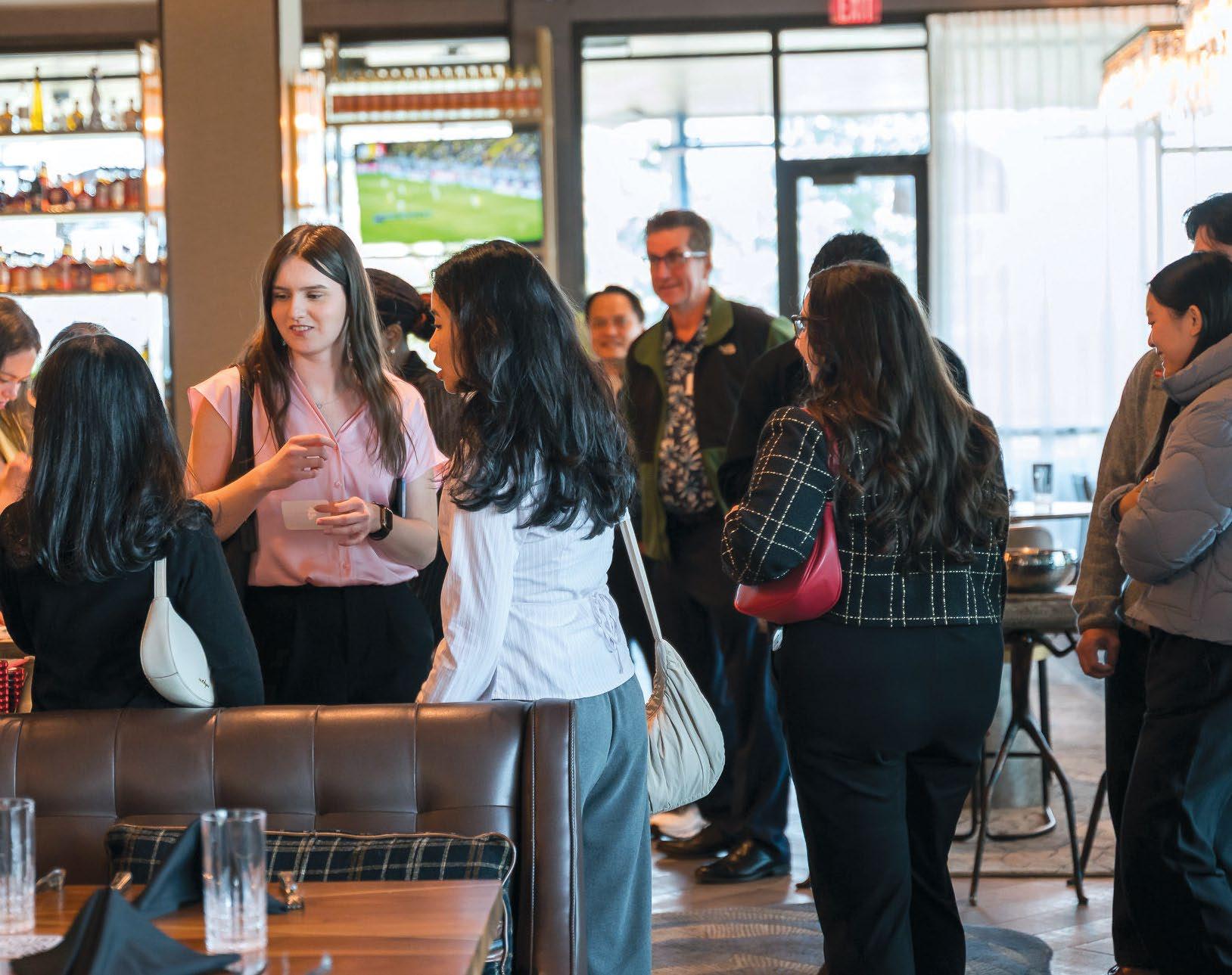
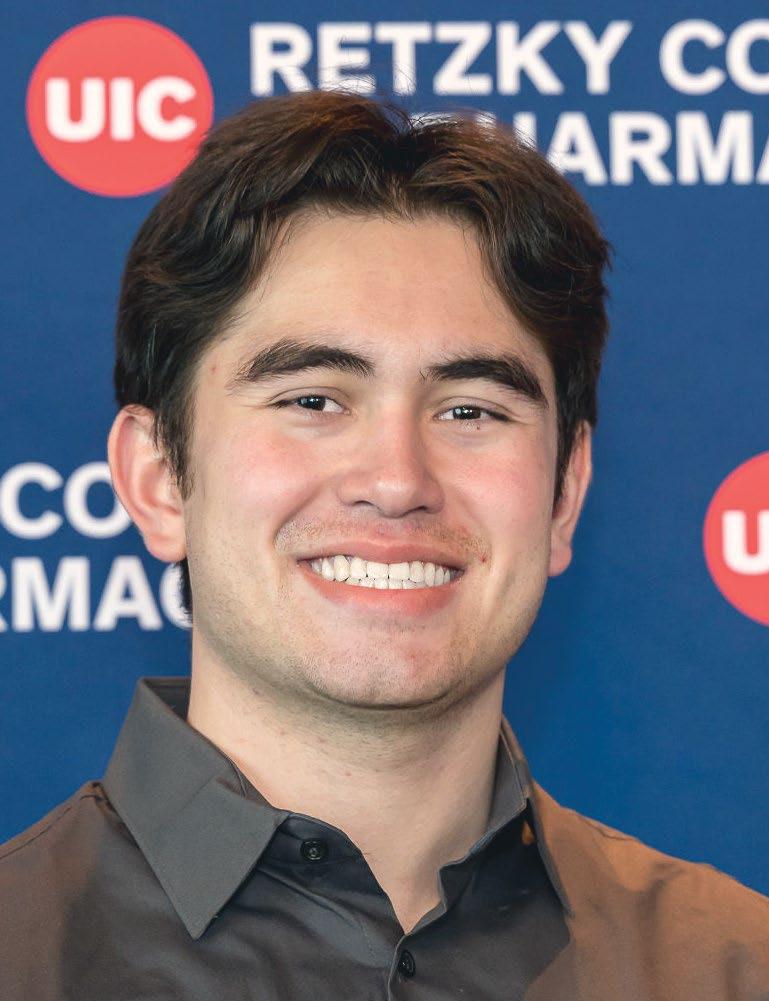
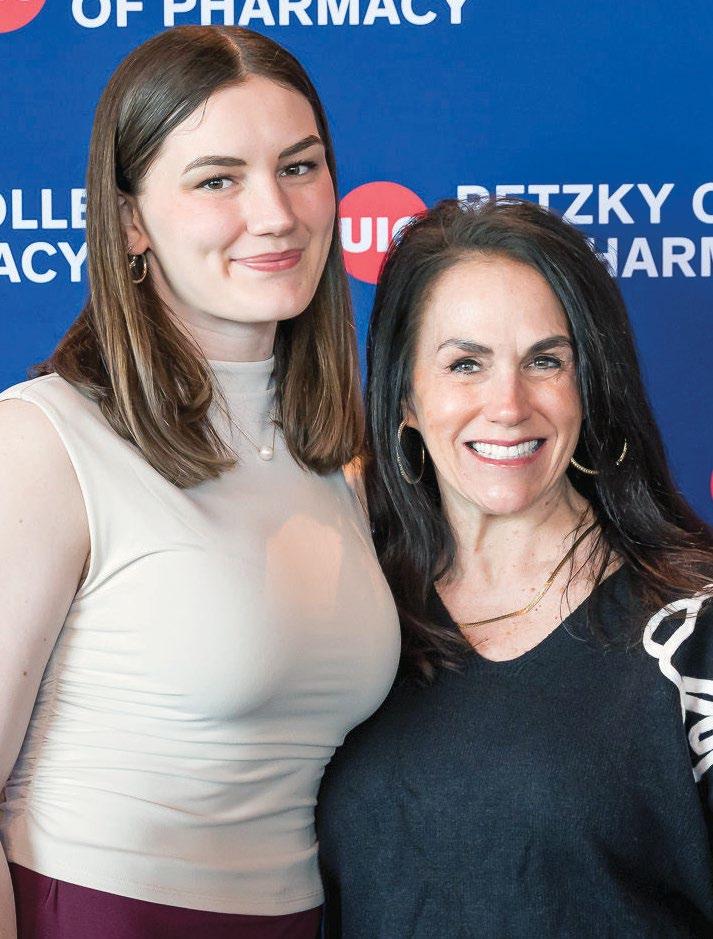
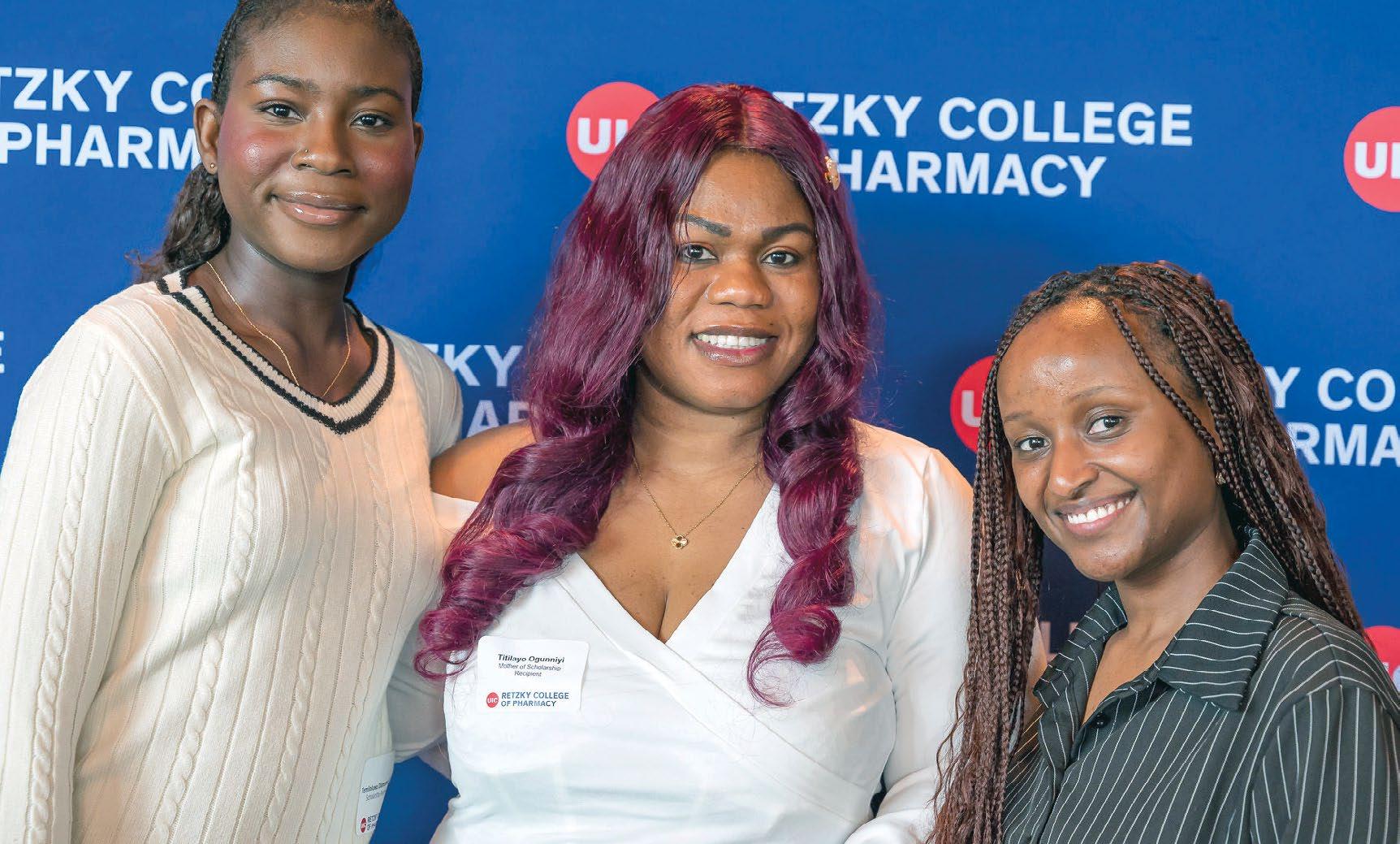
On April 11, the UIC Retzky College of Pharmacy welcomed nearly 200 students, scholarship donors, faculty, alumni, and friends of the college for its 76th Annual Honors Convocation. Thanks to generous donors, students were awarded more than $2 million in student scholarships.
Among the many scholarships recognized was the newly endowed Bauman and Bartels Family Scholarship. Created by Dean Emeritus Jerry Bauman and his wife, Judy, together with Dr. David Bartels and his wife, Carol, the scholarship will support pharmacy students at the Rockford campus, with preference given to those interested in rural pharmacy practice. Bauman and Bartels have both played key roles in establishing and sustaining the Rockford campus and its commitment to rural pharmacy.
“As Vice Dean at Rockford, I am obviously very grateful to the Bauman and Bartels families for creating this fund and supporting our students,” said Dr. Kevin Rynn.
Speaking on behalf of both families, Jerry Bauman reflected on the scholarship’s purpose. “We are honored to be able to fund this endowed student scholarship supporting rural pharmacy practice in Illinois,” he said. “Our families are uniformly dedicated to the incredible importance of education in people’s lives.”
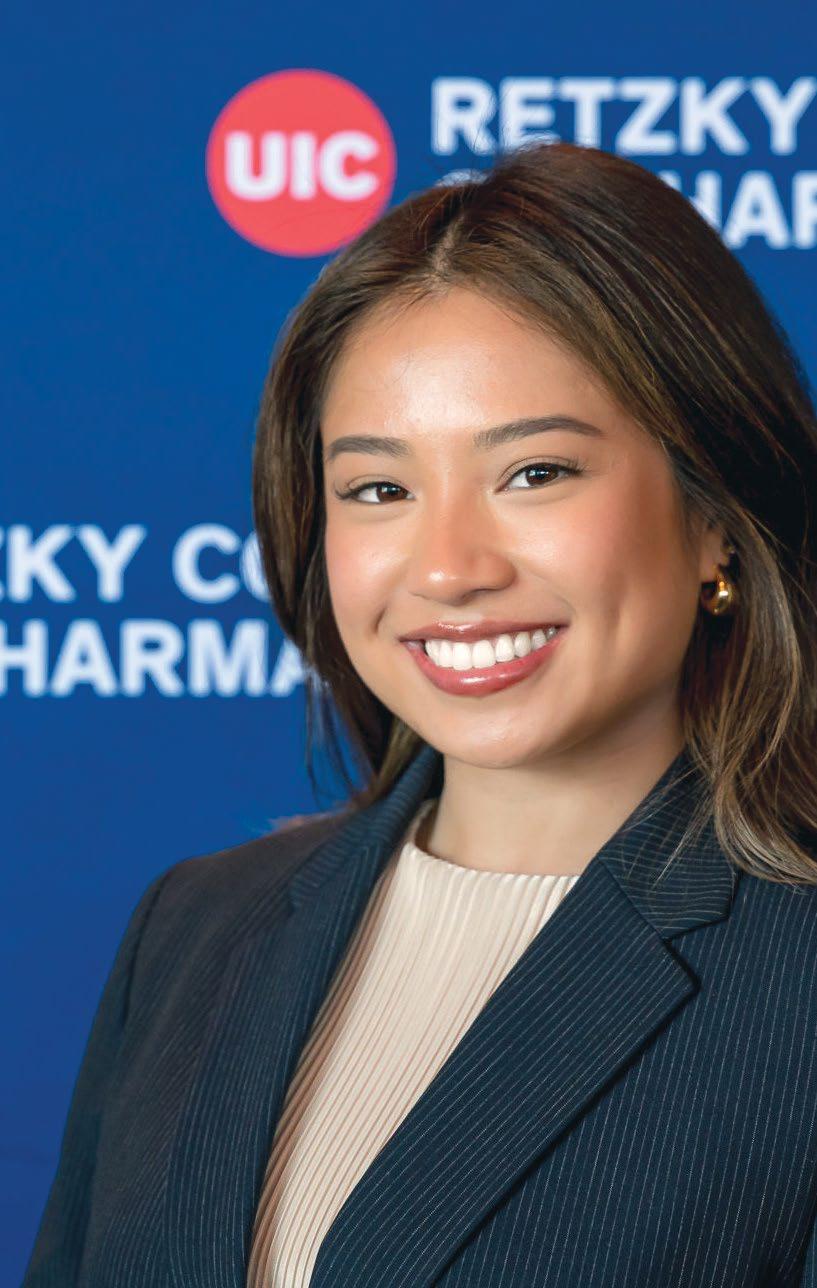
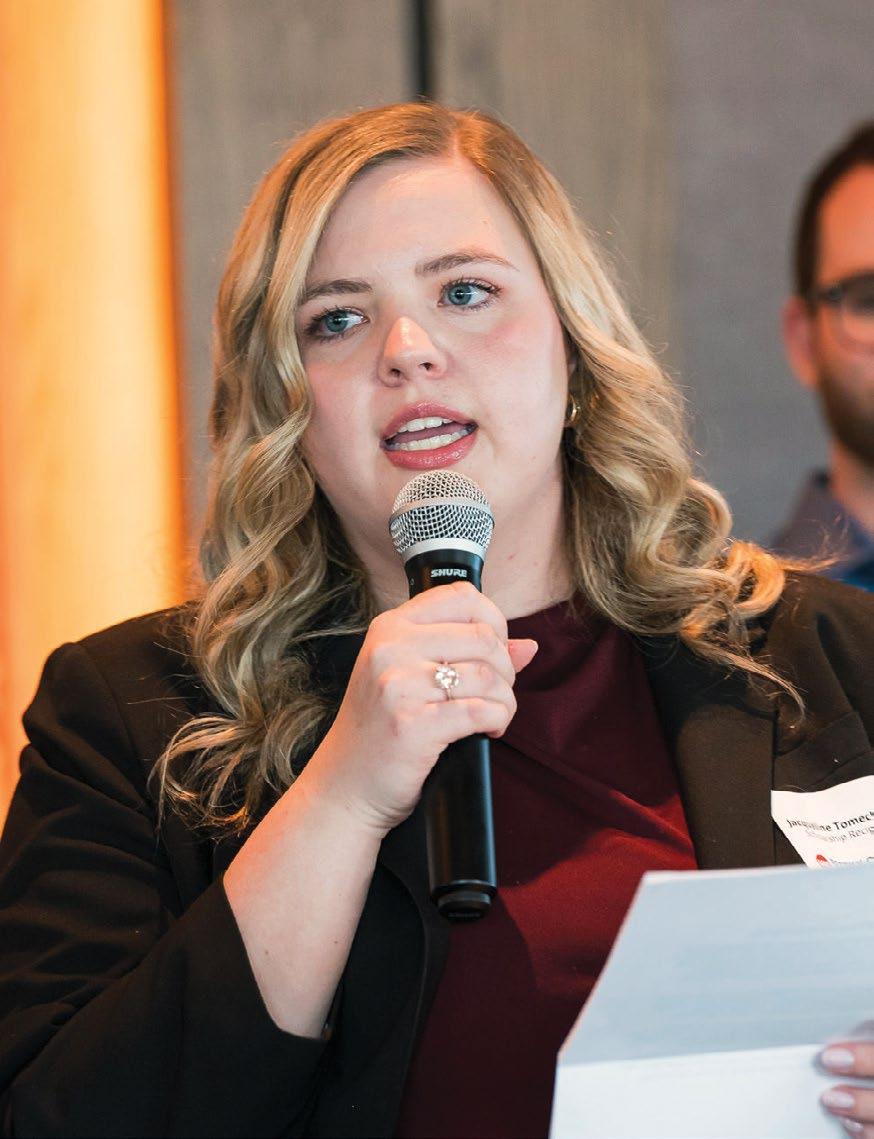
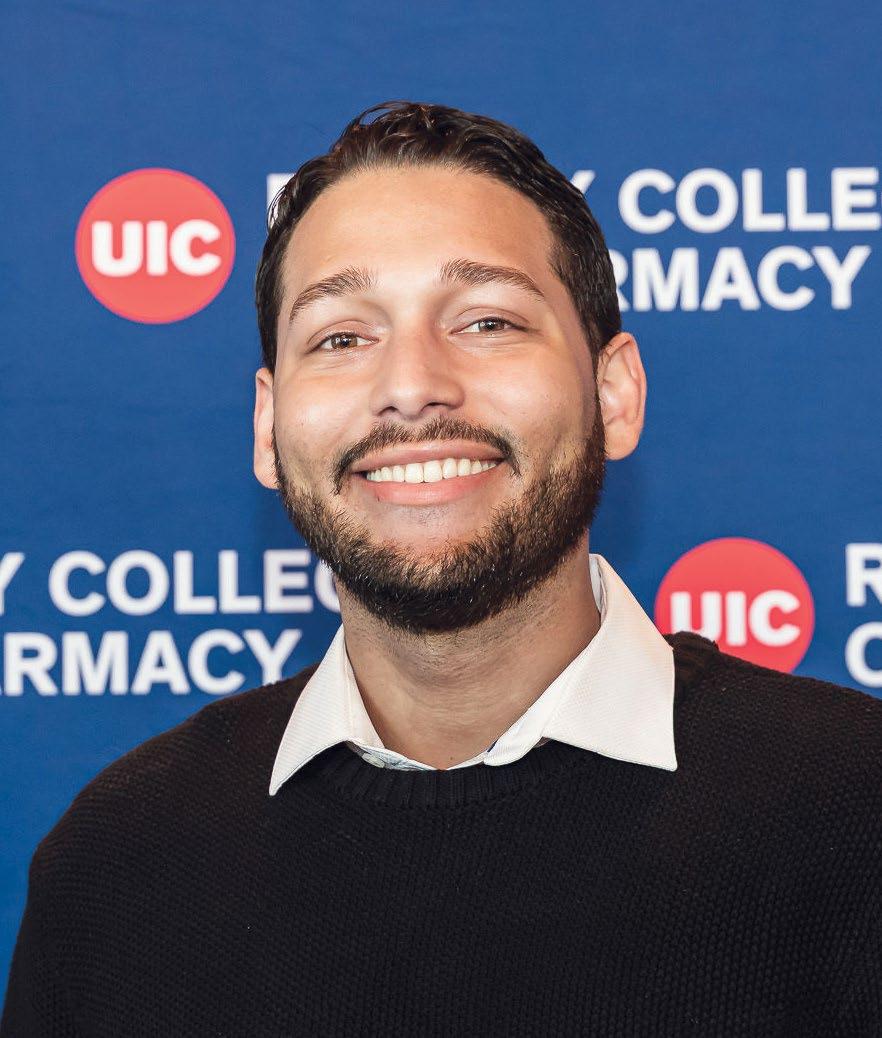
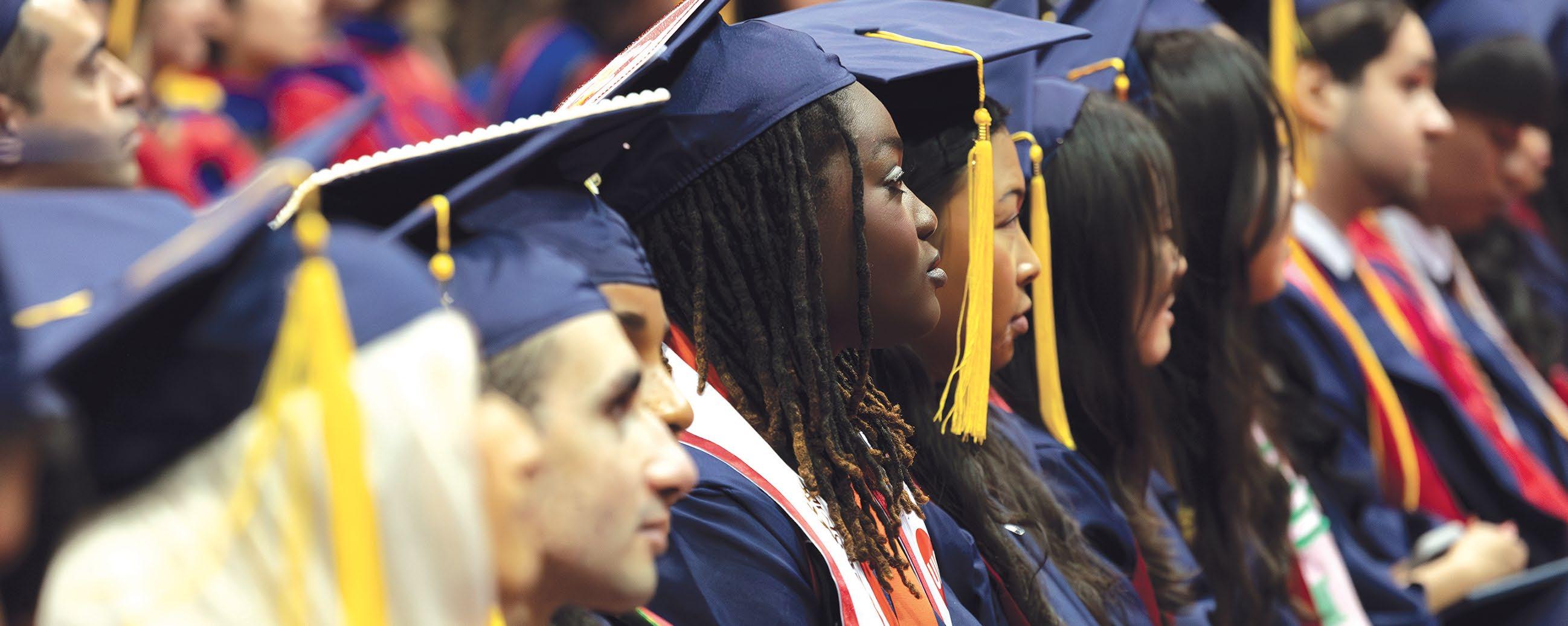
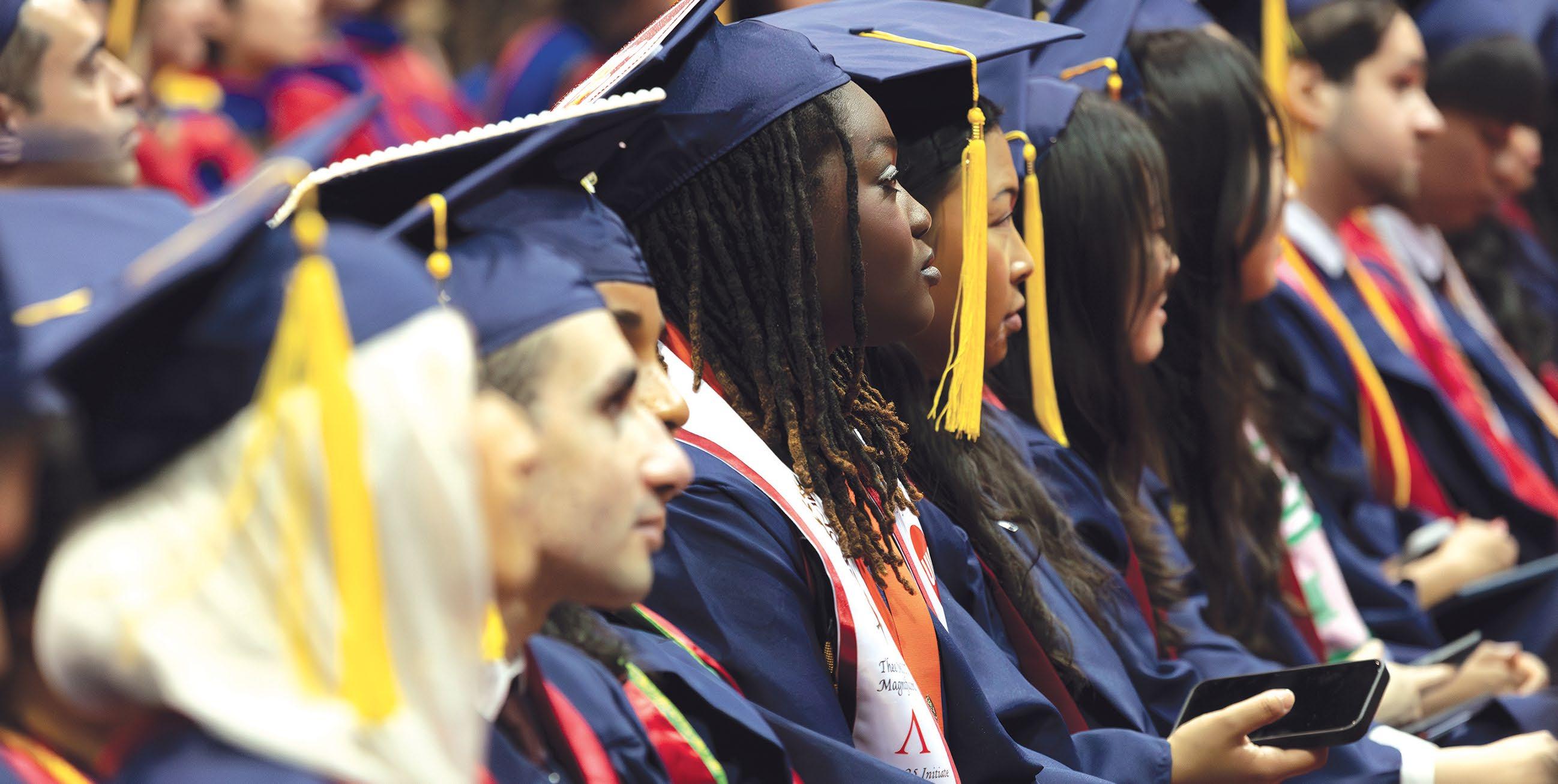
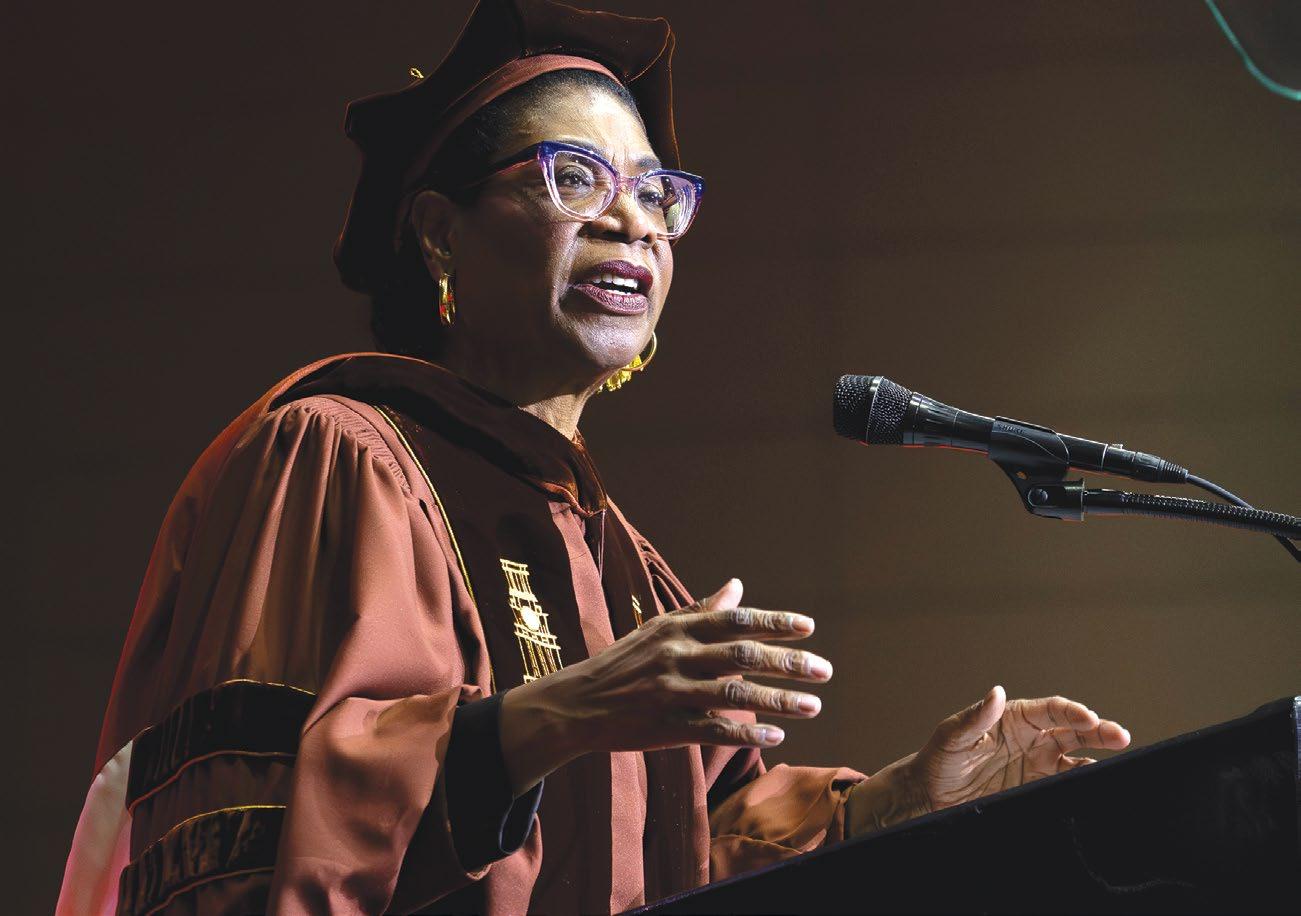
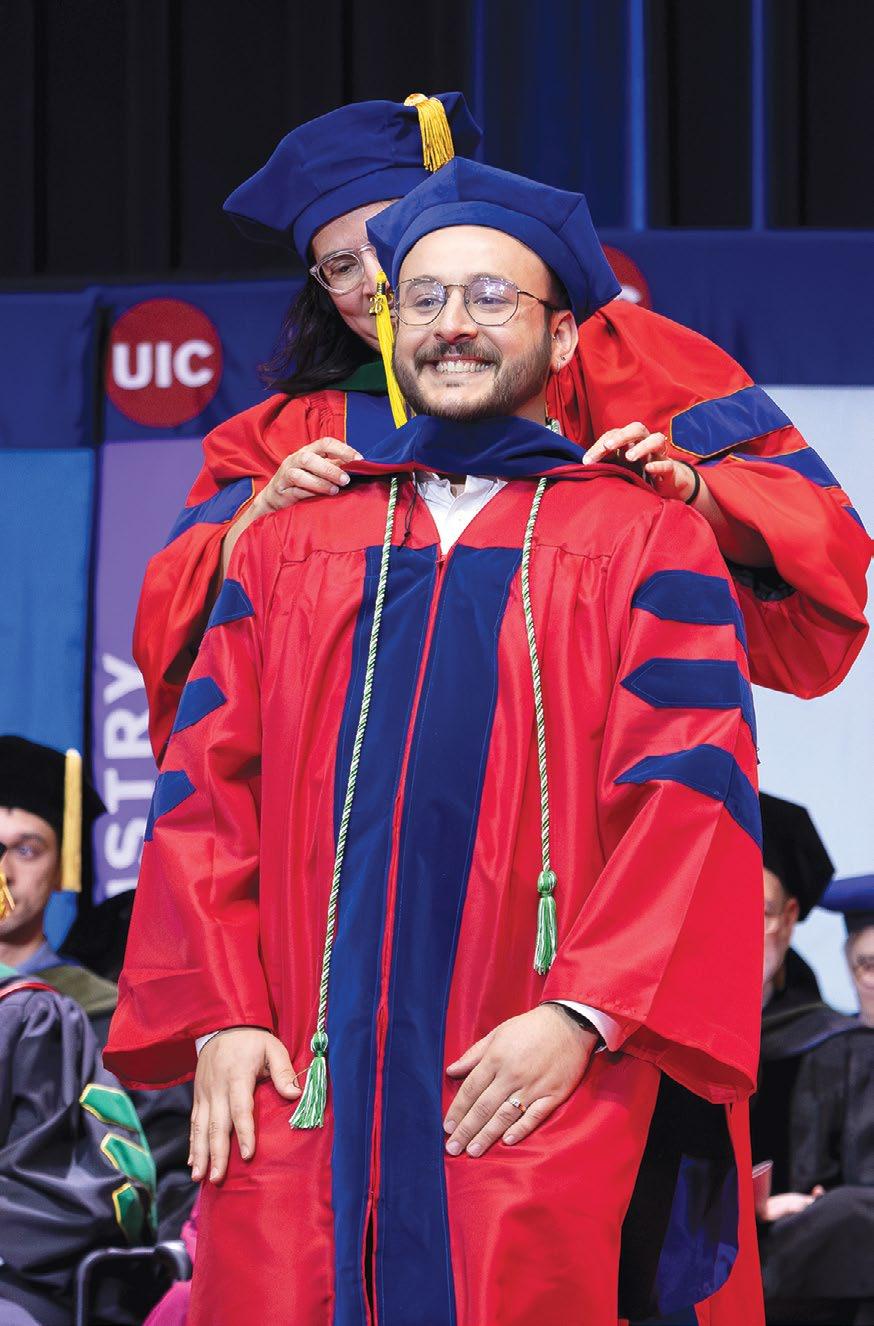
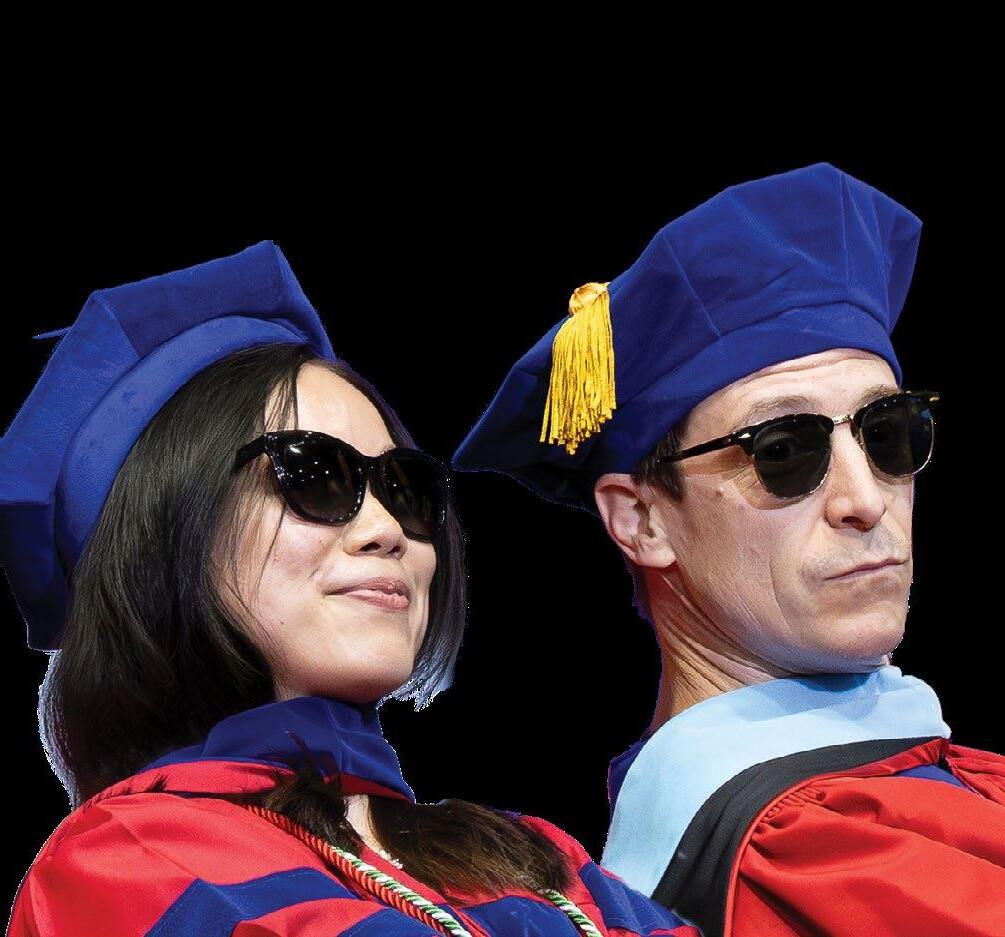
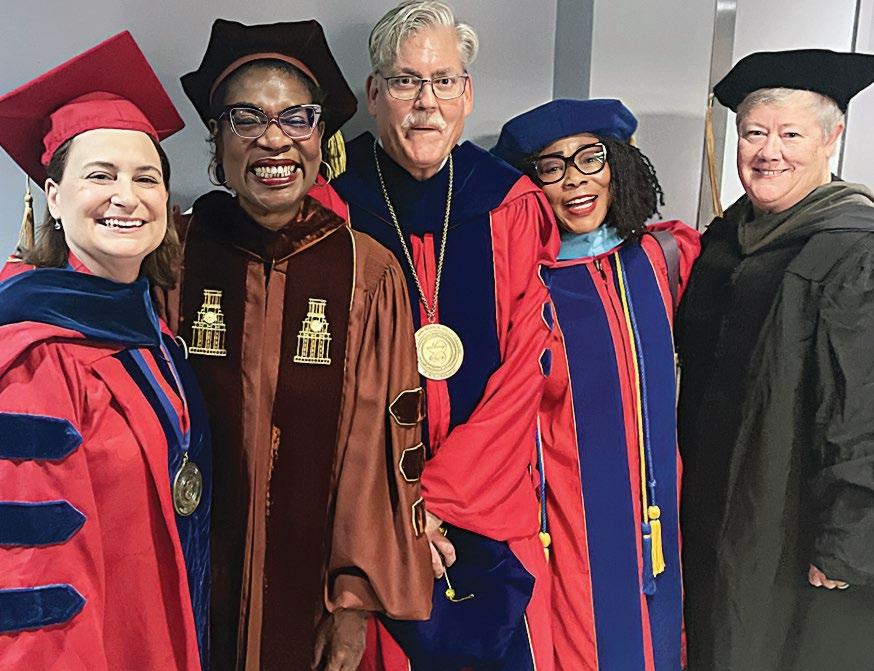
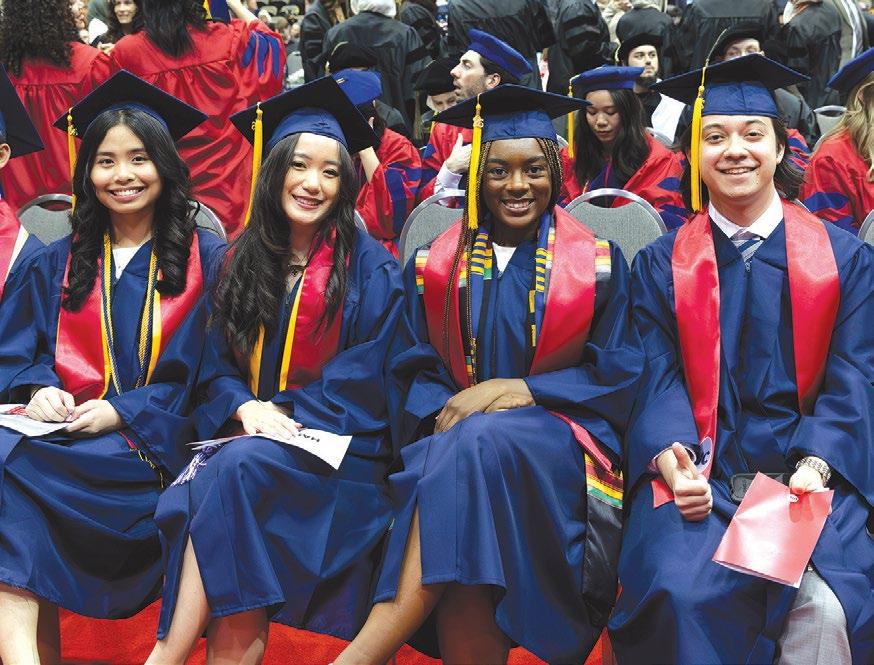
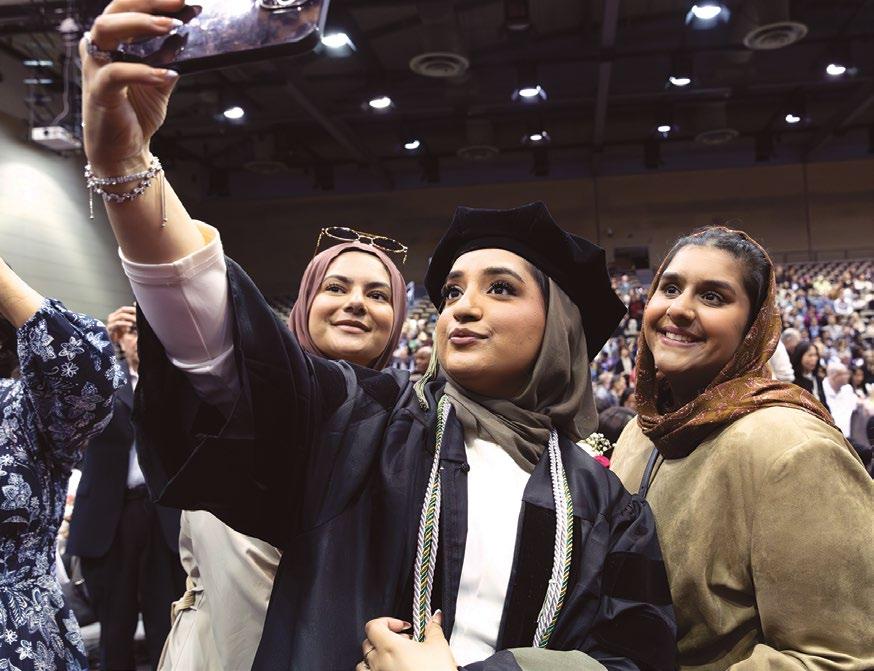
The Retzky College of Pharmacy proudly celebrated the achievements of its Class of 2026 during its Spring Commencement ceremony on May 7, 2026, at the UIC Dorin Forum in Chicago. Graduates, faculty, staff, families, and friends gathered to honor a new generation of pharmacists and pharmaceutical scientists prepared to advance healthcare and improve patient outcomes. Congratulations to all the graduates!
A highlight of the event was the commencement address delivered by Dr. Stephanie Crawford, professor emerita and former Executive Associate Dean of Faculty Affairs.
If you missed the ceremony, you can watch it at go.uic.edu/pharmacy26 or use the QR code.
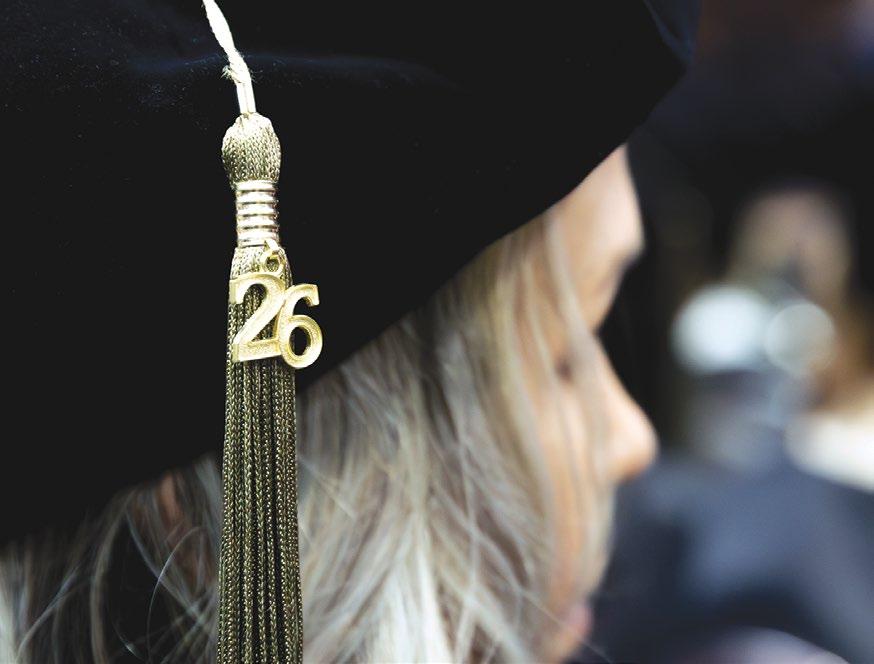
PharmD
• Joshua Adisumarta
• Hannah Arvis
• Noor Bsul
• Austin Flemming
• Jessica Helwig
• Miki Jamerson
• Mahyan Khalili
• Jordan Montgomery
• Humberto Rodriguez
• Cameron Smith
• Aryan Tavassoli
• Alden Williams
Bachelor of Science in Pharmaceutical Sciences
• Yu Jun Chow
• Lily Zhang
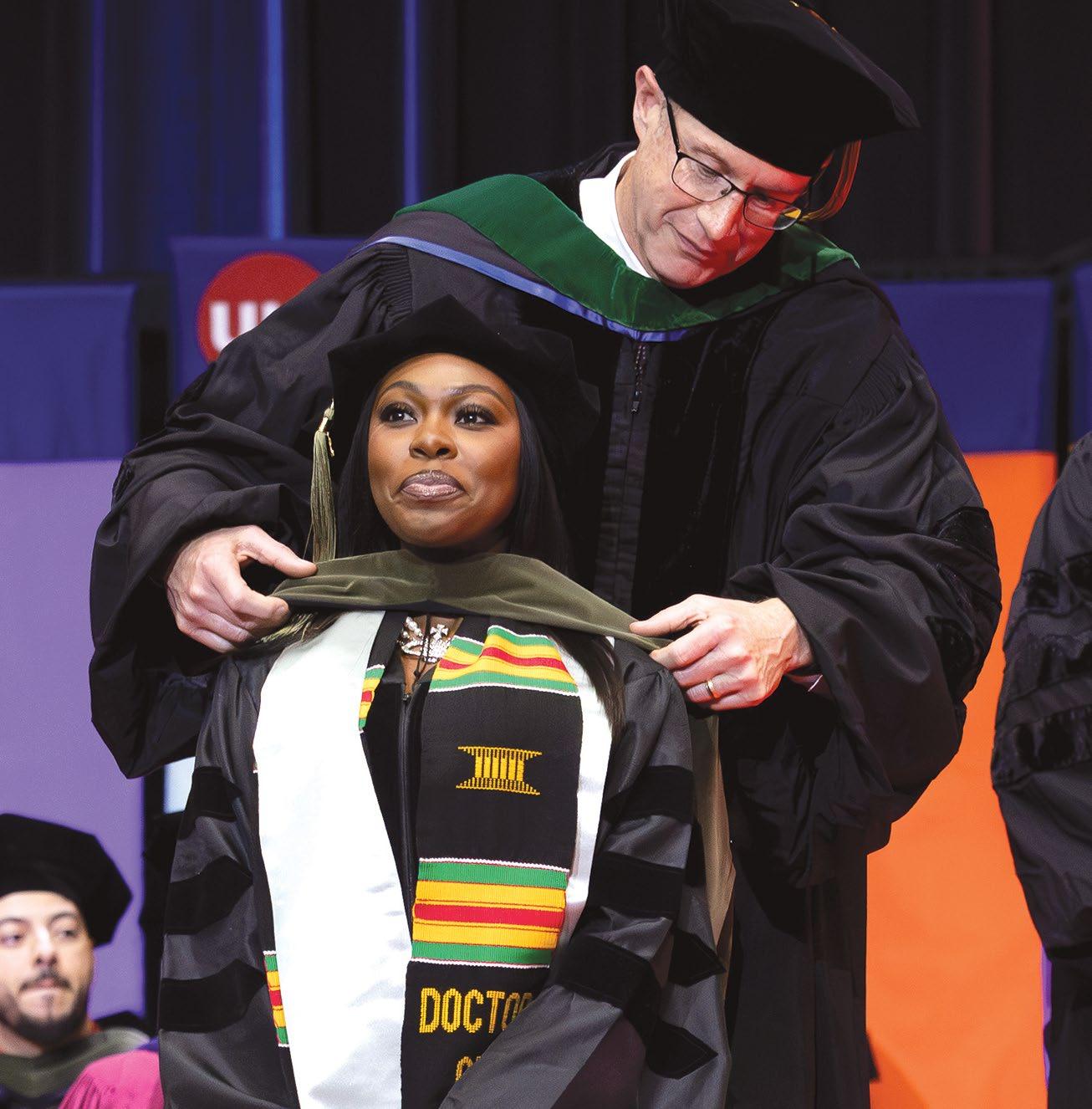
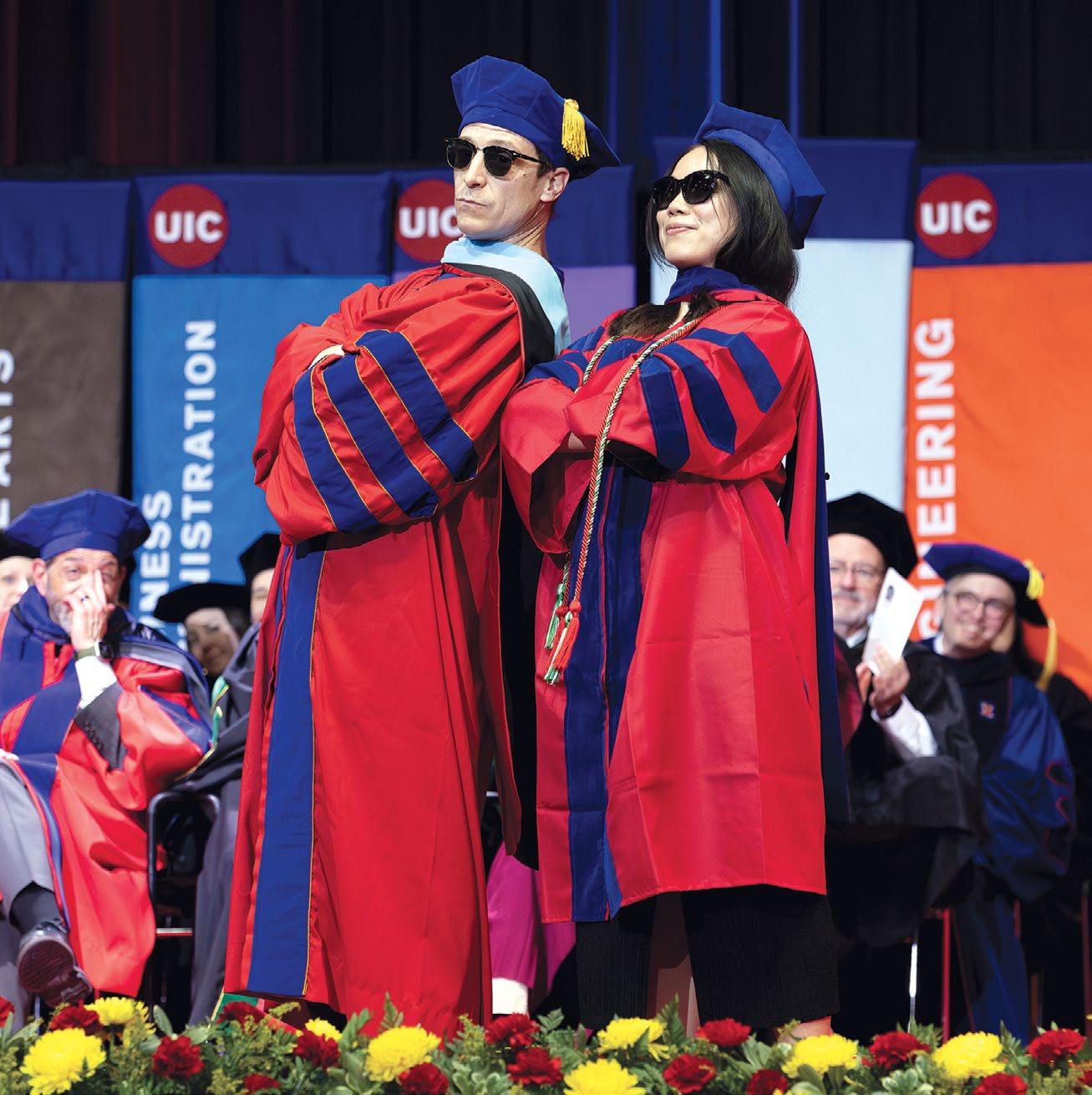
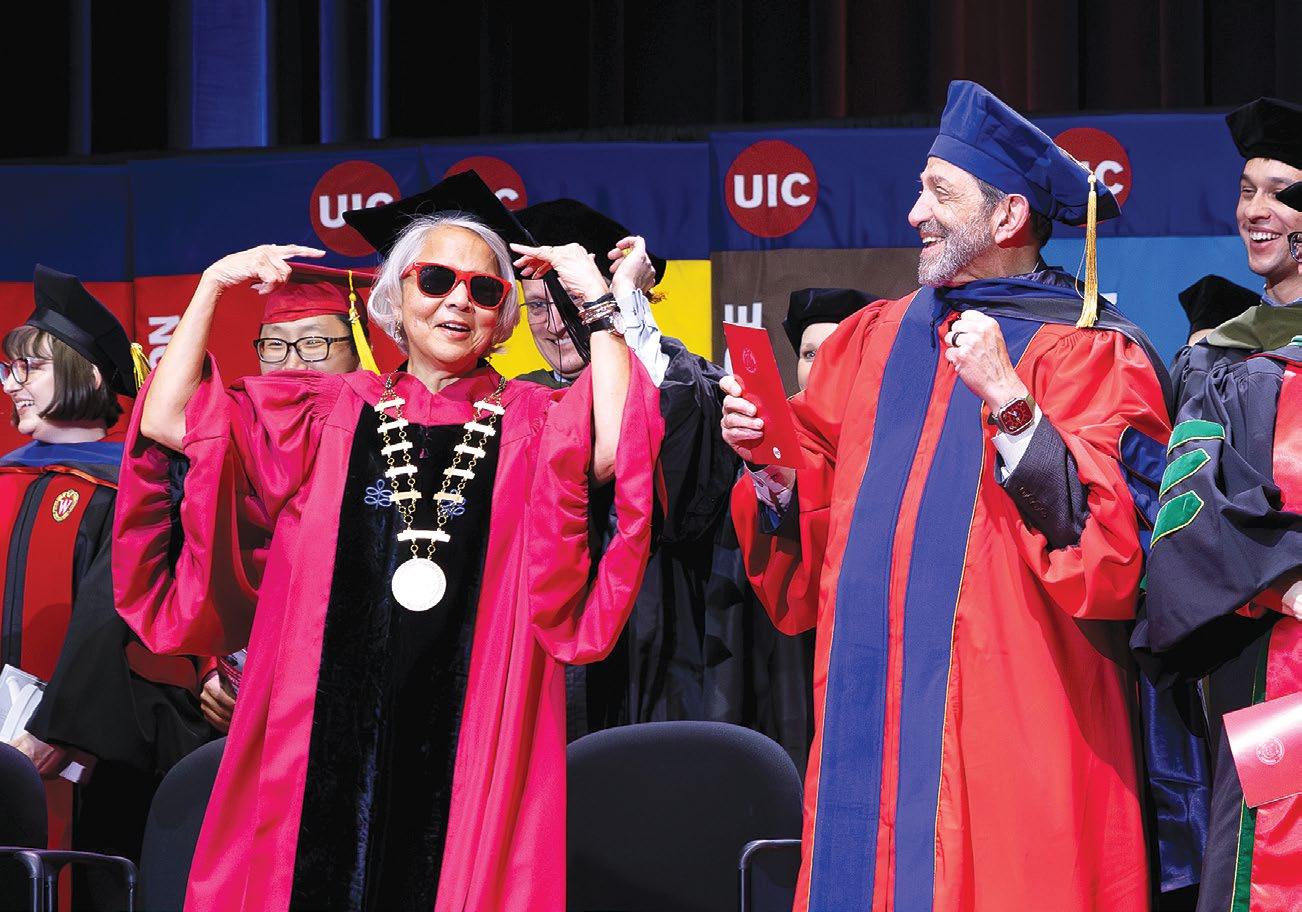
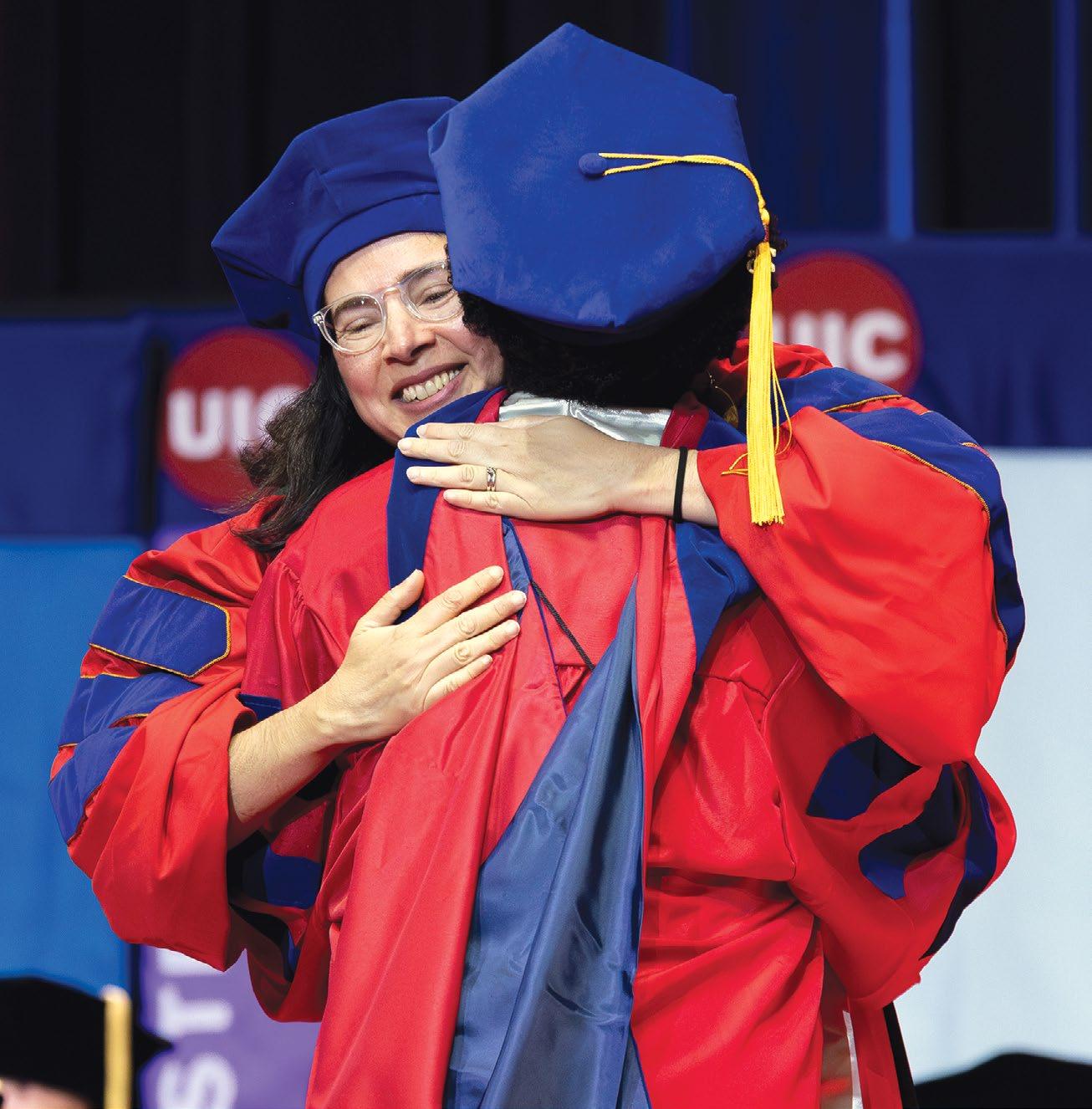
We asked several of our graduating Doctor of Pharmacy (PharmD) student leaders from the Class of 2026 to reflect on their time at the College and offer their advice for future UIC student pharmacists. Congratulations to all our graduates!
Fola Arowora
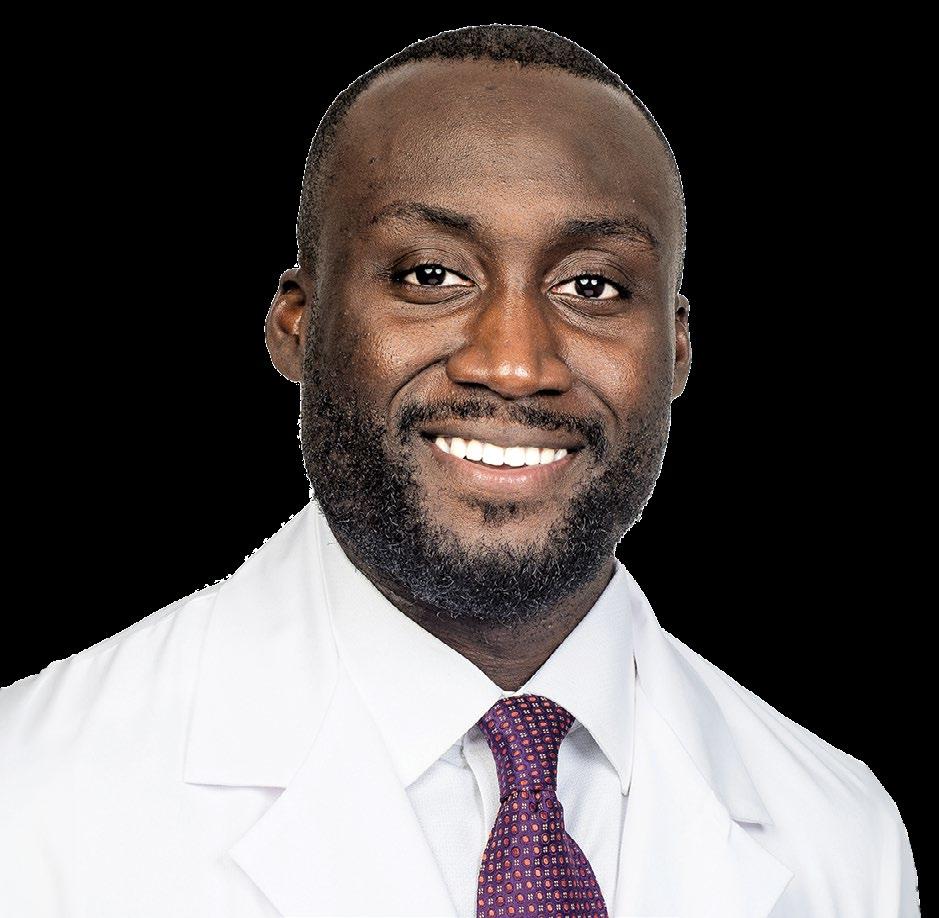
Fola recently joined Eli Lilly and Company as a Manager in the Clinical Design, Delivery, and Analytics (CDDA) organization.
What will you miss most about UIC?
What I’ll miss most about UIC is the people I met along this journey who helped shape me into my most authentic self. From mentors and classmates to patients I was fortunate to learn from, each person contributed
something meaningful to my growth, and I’ll carry those lessons with me throughout my career. UIC created an environment that challenged me while keeping me grounded in purpose. That sense of community is something I’ll deeply miss.
What is a favorite memory of your time here?
Serving as Pharmacy Student Council President showed me the impact of using my voice to advocate for others. Whether I was working with Dean Schumock and faculty to improve the student experience or representing my peers in important conversations, those moments reminded me that leadership in pharmacy goes beyond clinical knowledge. It is also about service, responsibility, and leaving things better than you found them.
How have you grown since your P1 year?
Over the past four years, I’ve grown into someone who no longer allows imposter syndrome to define me. I’ve put in the work to become not only clinically competent, but also intentional about the kind of impact I want to have in healthcare. One of the most meaningful parts of that growth was completing my IPPEs and APPEs in the underserved communities in Chicago. As a Black man, being present in those spaces meant everything to me, and I hope to continue to find ways to be present no matter where my career takes me.
Did you experience challenges during your PharmD program? How did you overcome it?
During pharmacy school, I faced several personal challenges that tested me in ways I never expected.
In my first year, my mother was going through chemo and radiation while I was balancing a full pharmacy schedule and a double master’s curriculum. Later, I also experienced a deeply personal family loss at the end of my third year. What helped me move through those moments was leaning on my support system, staying grounded in my purpose, and giving myself grace to process while still moving forward. I will always be grateful for the family God blessed me with, who never let me get too low or too high.
What advice do you have for future graduates of UIC’s PharmD program?
My advice to future graduates is to be intentional with your time and your journey. Pharmacy school goes by quickly, and it’s easy to get caught up in simply checking boxes. Instead, take ownership of your path, seek out experiences that align with your purpose, build meaningful relationships, and don’t be afraid to pursue opportunities that aren’t traditional. I promise it will be worth it. Also, invest in your ability to communicate your “why,” because that will open more doors than your resume or CV alone ever could. And finally, stay consistent. Small, disciplined efforts every day add up to opportunities you may not even imagine yet. Trust your faith, keep praying, and remember that your path has already been written.
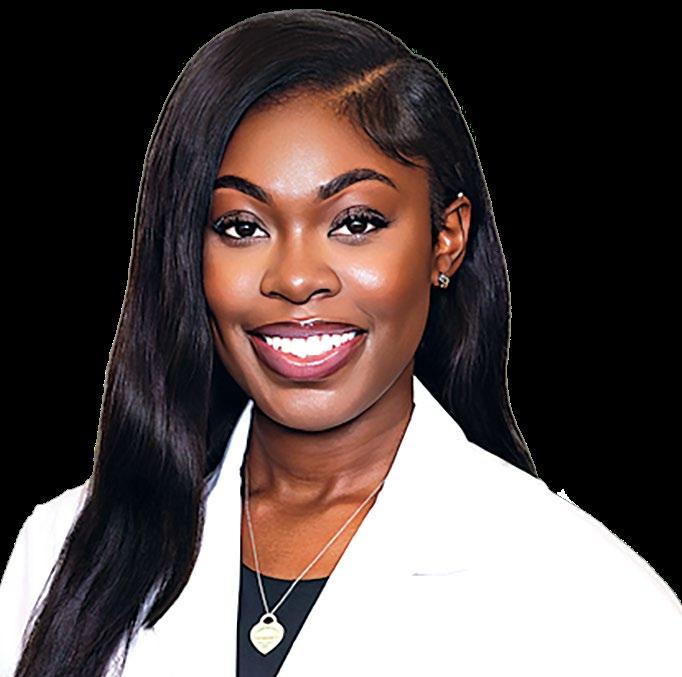
Nana is now a pharmacist for Meijer pharmacy, and will continue building her clinical knowledge and skills in a patient-centered setting.
What will you miss most about UIC? I will miss the sense of community the most. I love the small class sizes on the Rockford campus, I was always surrounded by classmates, faculty, and preceptors who were all working toward the same goal. The support system, collaborative environment, and shared experiences made even the most challenging moments manageable.
What is a favorite memory of your time here? Some of my favorite memories have been during APPE’s. I met other students and preceptors who inspired me and helped me apply what I learned in class to real patient care. My favorite APPE rotation was at Jewel Osco, I had an amazing preceptor who I learned a lot from.
How have you grown since your P1 year? Over the past years, I’ve grown significantly in both confidence and resilience. I’ve become more comfortable making clinical decisions, communicating with other healthcare providers, and adapting to new challenges. I’ve also developed stronger time management skills, which is extremely important in pharmacy.
Did you experience challenges during your PharmD program? How did you overcome it? One of the biggest challenges I faced was balancing the academic rigor of pharmacy school with personal responsibilities. There were times when the workload felt overwhelming, but I learned to prioritize, stay organized, and ask for help when needed. Leaning on my support system and staying consistent with my goals helped me push through and succeed.
What advice do you have for future graduates of UIC’s PharmD program?
My advice is to stay consistent and don’t fall behind, it’s much harder to catch up than to keep up. Take advantage of every rotation and use them as learning experiences, even if it’s not your ideal setting. Also, build relationships with your peers and mentors, they will support you throughout school and even after!
OF
/ CHICAGO CAMPUS
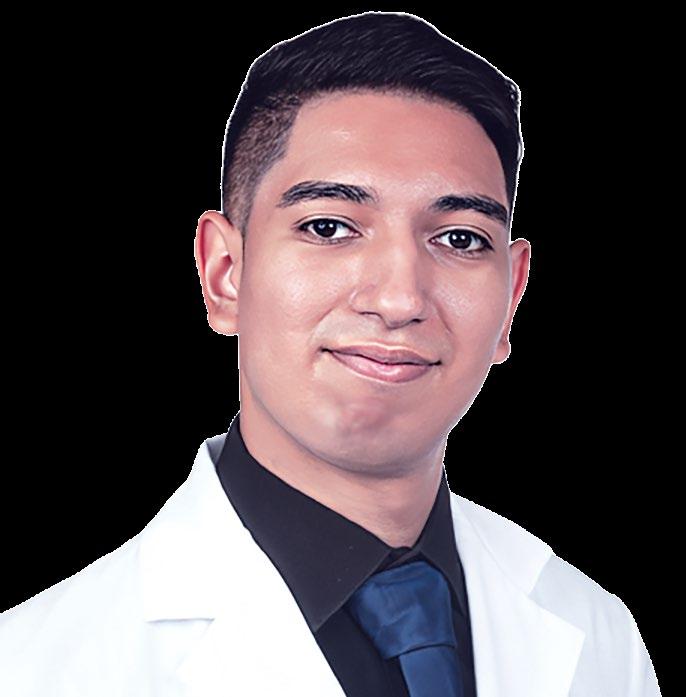
Jonathan joined Endeavor Health Swedish Hospital as a PGY1 Resident.
What will you miss most about UIC?
What I will miss most about UIC is seeing my mentors and other staff. It was nice to stop by their office and tell them about what is going on in your life, whether it was academic-related or not. They always have the best advice.
What is a favorite memory of your time here?
My favorite memory of my time as a pharmacy student would be studying for midterms and finals with friends. We would be in the RCOP building from morning to night, but it wasn’t a bad time because you had snacks with friends, just bouncing ideas and notes off of each other.
How have you grown since your P1 year?
Reflecting on my time, I have developed a more professional and empathic approach when it comes to patient care. I always want to make sure the patients I interact with know that I am listening with care and answering their questions in a format that makes them trust what I am saying.
Did you experience challenges during your PharmD program? How did you overcome it?
During my second year of pharmacy school, I unfortunately could not pass a therapeutic class, which resulted in taking an extra year. During that extra year, I was able to pursue student-led research, run a student organization, and have extra volunteer time. I would not change anything, as I always say, “Everything happens for a reason.”
What advice do you have for future graduates of UIC’s PharmD program?
My advice to future graduates is that time goes by fast, and before you know it, you’re on rotations, realizing how much knowledge you gained over the years. It is okay to not know “everything” at this moment because you will at your own pace.
OF 2026 / CHICAGO CAMPUS

Piper joined Endeavor Health NorthShore Hospitals as a Community-Based PGY-1 Resident. She plans to pursue a career in ambulatory care with a focus on oncology.
What will you miss most about UIC?
I will miss the abundance of resources that UIC has to offer. There was never a lack of information or mentors to seek out.
What is a favorite memory of your time here?
My favorite memory as a student pharmacist is when I was on my nuclear pharmacy APPE rotation and I was able
to participate in the sterile compounding of radioactive drugs. It was such a fun experience to learn about an area of pharmacy that we do not get exposure to in classes!
Did you experience challenges during your PharmD program? How did you overcome it? The first semester of pharmacy school was challenging because we were coming out of the pandemic. I graduated high school in 2020, so the majority of my undergraduate classes were a remote/hybrid format. Luckily, I was pretty quick to get back into the swing of in-person classes and the rigorous curriculum.
What advice do you have for future graduates of UIC’s PharmD program?
My advice to future graduates is always keep your options open. I told myself for three years that I did not want to do a residency program, but I decided during my APPE year that I fit best in clinical pharmacy settings.
CLASS OF 2026 / CHICAGO CAMPUS
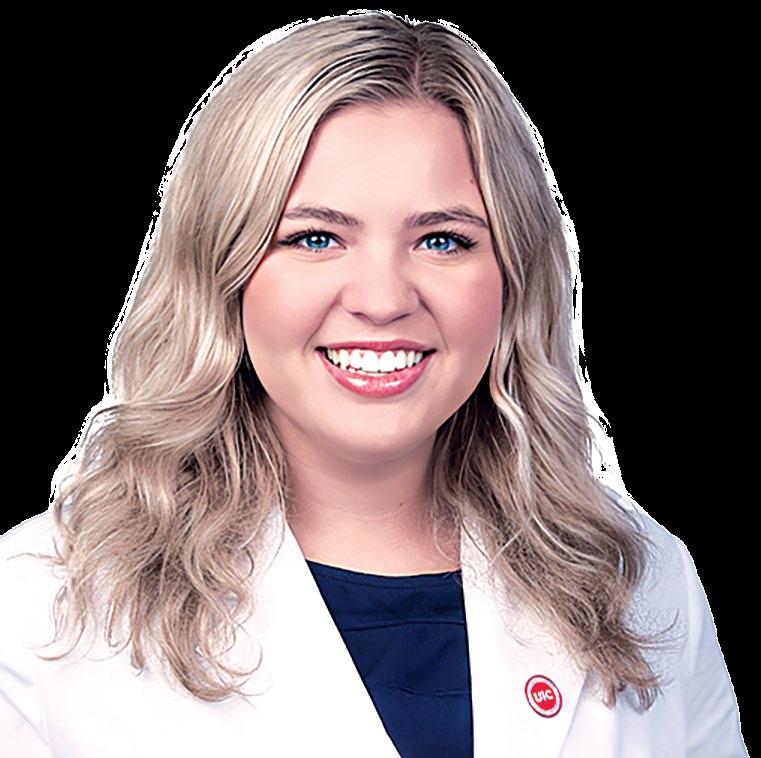
Jacqueline is pursuing a PGY1 Acute Care Pharmacy Residency at AdventHealth Orlando.
What will you miss most about UIC?
I’ll miss the strong sense of community at UIC Retzky College of Pharmacy, especially my classmates who made even the most stressful days manageable. The
support from faculty, staff, and mentors truly shaped my growth and confidence as a student pharmacist. Their guidance and encouragement made a lasting impact, and it’s something I’ll carry with me into my career.
What is a favorite memory of your time here?
My favorite memory has been celebrating small wins after exams with my classmates and getting involved in organizations like the Polish American Pharmacists Association (PAPA). Being part of PAPA allowed me to connect with others, give back to the community, and grow both personally and professionally. Those moments of balance between hard work and meaningful involvement made my time as a student pharmacist truly memorable.
How have you grown since your P1 year?
Over the past four years of pharmacy school, I’ve grown the most in my confidence. I’ve gone from secondguessing myself to trusting my clinical knowledge and decision-making, especially when interacting with patients and healthcare teams. Through rotations, patient care experiences, and mentorship, I’ve become more comfortable speaking up, advocating for patients, and stepping into my role as a future pharmacist.
Did you experience challenges during your PharmD program? How did you overcome it?
One of the biggest challenges I faced was overcoming testing anxiety and a lack of confidence, especially early on in the program. I often second-guessed myself despite putting in the work. Over time, I improved by developing better study strategies, leaning on my support system, and learning to trust my preparation.
What advice do you have for future graduates of UIC’s PharmD program?
My advice for future graduating classes at UIC Pharmacy is to get as much work experience as you can early on because it helps build your confidence, clinical skills, and understanding of patient care. At the same time, make sure you take time for yourself. Pharmacy school can be intense, and finding balance is important to avoid burnout and stay motivated throughout your journey.
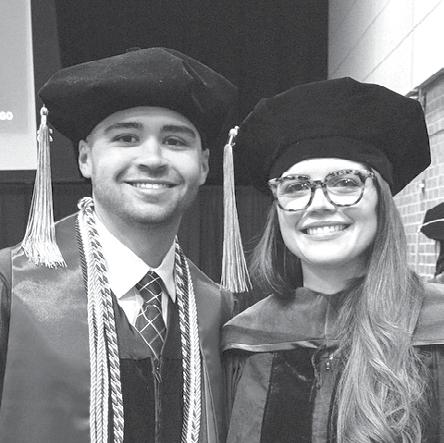
At this year's commencement ceremony, one particularly meaningful moment captured the lasting impact of the College community: a new PharmD graduate received his doctoral hood from his wife, a fellow alumna and PGY1 resident. Their story is a reminder that the connections formed at the College extend far beyond the classroom. Inspired by that moment, we reached out to several alumni couples who can trace their relationship origins to their time at UIC. Their stories reflect the friendships, partnerships, and lifelong bonds that continue to grow long after graduation day.
PharmD 2026
and —
RAQUEL ORTIZ MERCE
PharmD 2025 · PGY1 2026
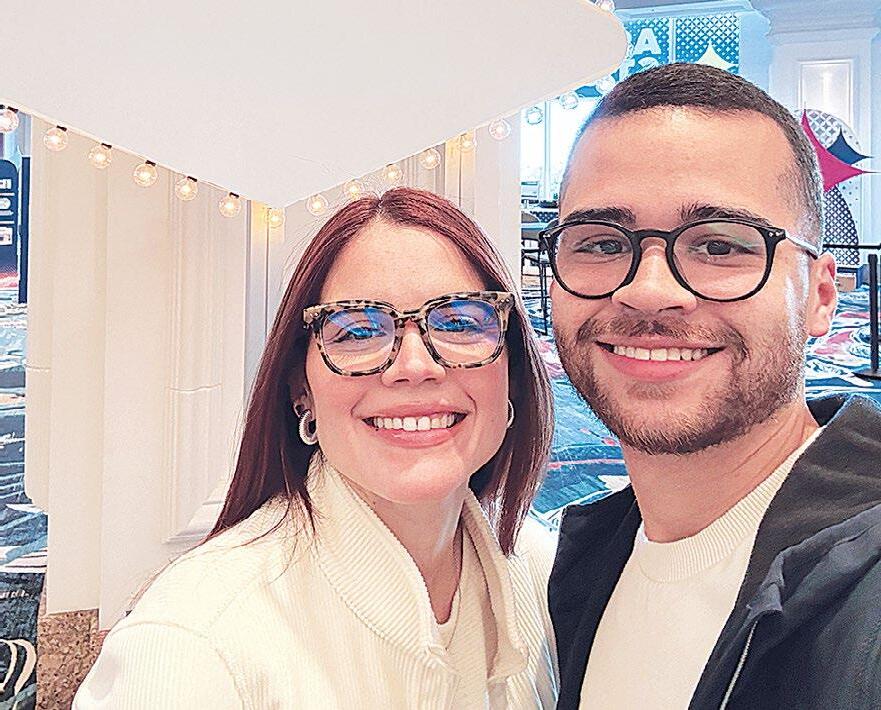
Ricardo and Raquel are both originally from Puerto Rico. They met during their undergraduate studies at the University of Puerto Rico Mayagüez. They grew up as neighbors and even attended the same high school, yet never spoke to each other. It wasn't until they both moved to the other side of the island for their undergraduate studies when they crossed paths again, and the rest is history.
Before either of them started pharmacy school, they chose UIC together. Raquel began her P1 year in 2021 while Ricardo finished his bachelor's degree, which meant spending that entire first year apart, all while planning a wedding, navigating a long-distance relationship, and preparing to move together to a new
state with a completely different climate. It was a highrisk, high-reward leap of faith. When Raquel hooded Ricardo at 2026 graduation, it felt like crossing the finish line together, a confirmation that every challenge, sacrifice, and distance was worth it, because they did it as a team.
Raquel always envisioned herself in a profession with direct patient impact, but didn't discover the "how" until midway through her undergraduate studies, when she fell in love with pharmacy. Every year of pharmacy school deepened that calling, which was solidified when she matched with UIC for her PGY1 residency, which she completed successfully this year. Now, Raquel is returning to Puerto Rico to practice as a clinical pharmacist, with plans to specialize in cardiology and contribute to strengthening the island's healthcare system.
Ricardo's path has been rooted in the pharmaceutical industry since his first internship with AbbVie in 2018, where he started in manufacturing operations before expanding into commercial, R&D, and patient safety roles. Pursuing his PharmD alongside his engineering background allowed him to bridge both worlds, understanding not just how drugs are made, but the clinical impact they have on the patients who depend on them. Post graduation, Ricardo is returning to Puerto Rico to join AbbVie as a Senior Engineer, focusing on the introduction of new drugs to this specific site within manufacturing operations.
Together, they share a long-term vision of becoming leaders; Raquel within the clinical and hospital setting, Ricardo within the pharmaceutical industry, united by a commitment to building a better healthcare system in Puerto Rico.
SCOTT SIEGERT
PharmD 2009 · PharmD 2006 — and —
SHERRY SIEGERT
PharmD 2009
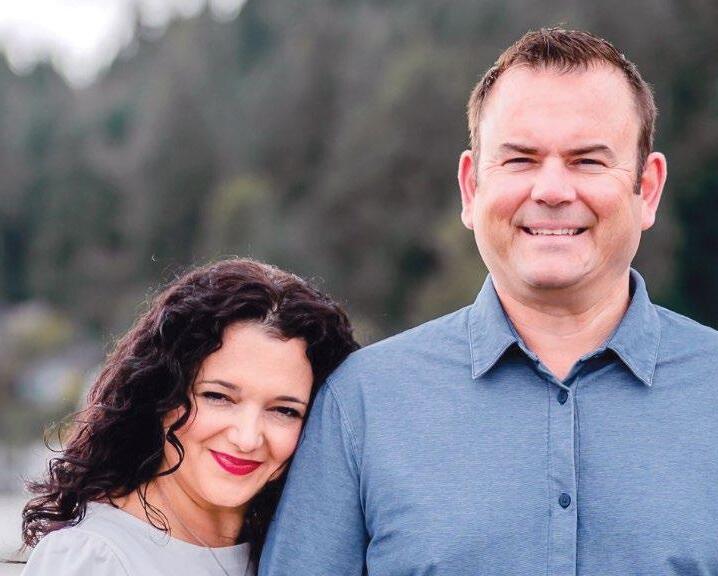
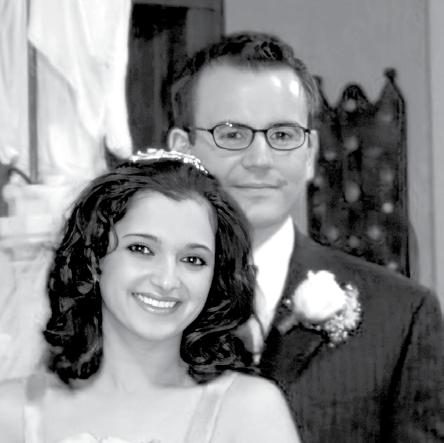
Sherry and Scott met at UIC Pharmacy, she as a newly minted P1 and he as a 'seasoned' P4. They married shortly after completion of Sherry's P3 year and their first child was born before she started her residency in Specialty Pharmacy. Scott now has a couple decades and many drug launches under his belt as a leader in both Medical and Clinical Affairs and Sherry continues to thrive in her role as a Medical Affairs leader and embraces the opportunities afforded by such a dynamic environment. The Siegerts recently celebrated their 18th wedding anniversary and are (happily) very busy raising their two daughters, two sons, and one fur baby.
PAUL BLAHUNKA
BS 1981 · PharmD 1991 — and —
KATHY BLAHUNKA
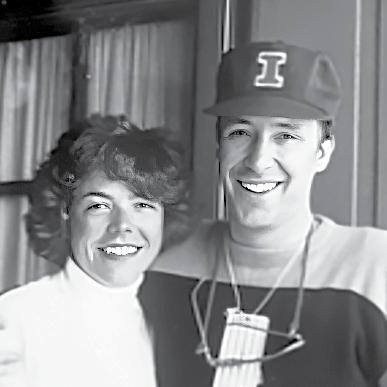
BS 1983 · PharmD 1987
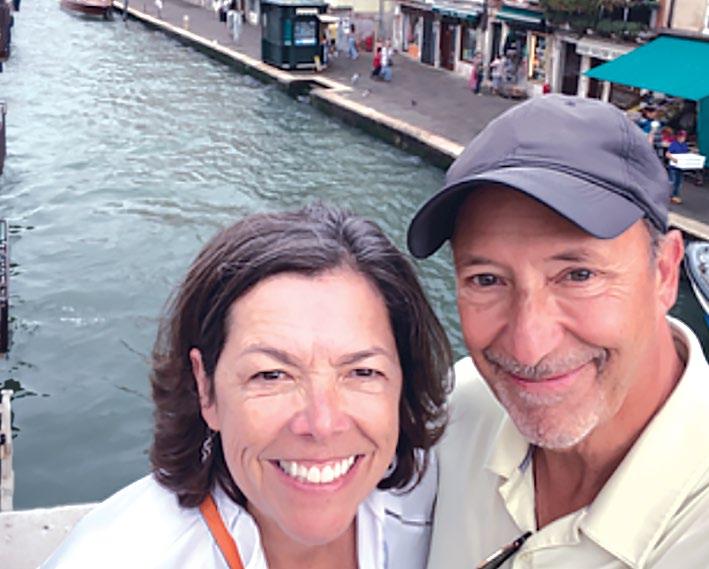
As a newly minted pharmacist working in the main pharmacy of the UIC Hospital in 1981, Paul initially
noticed Kathy (a P3) working in the IV Room. They ran with the same group of pharmacist friends during the 80s, enjoying everything from Cubs and Illini games to Western ski trips, to Chicago new wave dance clubs. During one fateful ski trip out to Keystone, CO in 1988, they realized they were becoming “more than just friends” and 13 months later they were engaged and then wed in November of 1989.
While they both practiced hospital pharmacy early on in their careers, each of them eventually gravitated to industry jobs after returning to the College for PharmD degrees. They retired in 2020. They have two grown daughters and currently stay very active in several volunteer organizations while enjoying travel, golf, cycling, Pilates, and tennis. They continue to get into “good trouble” with many of those same UIC COP pals from the 80s!
BRUCE GRIDER
BS 1974 — and —
LINDA GRIDER
BS 1975
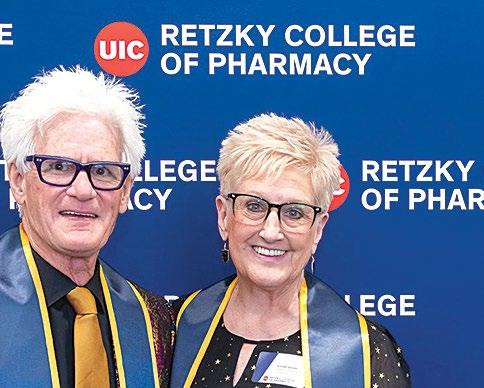
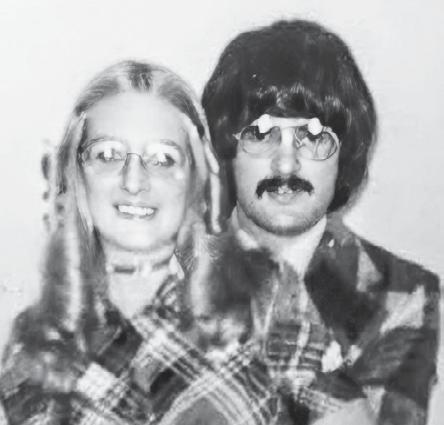
“How we met is an unusual story,” says Linda. She was engaged at the time, and her fiancée introduced them. A change of plans followed, and Linda and Bruce got married while Linda was in her last year of pharmacy school. After a career as a community pharmacist, Bruce now owns Vallie View Farm, an equine boarding facility that produced a World Champion Racehorse. For her part, Linda worked as a hospital pharmacist and assistant director for many years at UI Health before becoming a clinical assistant professor at the Retzky College of Pharmacy. They've been married for 51 years, and have three children and three grandchildren.
Gubbins is establishing an endowed scholarship with a commitment to donate $50,000 over the next five years.
BY JENNIFER FLYNN
Growing up, Paul Gubbins, PharmD, ’88, often felt like he was playing catch-up. “I was the youngest of four boys, and I was young for my grade, so I always felt like I was underachieving or falling behind. It motivated me to work hard,” he explains.
Hard work shaped Gubbins’ academic and professional trajectory. Today, he serves as associate dean for the University of Missouri-Kansas City (UMKC) School of Pharmacy at Missouri State University (MSU), and vice chair and professor in the UMKC Division of Pharmacy Practice and Administration.
Gubbins launched his successful career at UIC. He was part of the first class of students to enroll in the university’s entry-level Doctor of Pharmacy program. That inaugural class had just half the number of students compared to nearly 200 per class today.
At least one of Gubbins’ former instructors remembers him well. “We called him Gubby. He was a good student, with lots of friends and a great sense of humor,” says Larry Danziger, UIC Distinguished Professor in Pharmacy Practice. Danziger also serves as executive
“I hired Paul because I knew that he had a terrific work ethic, and I knew we’d get along. That was important, because I had to share an office with him!” says Danziger, who tracks his former fellows’ careers. He’s especially proud of Gubbins. “He’s accomplished so much. He has exceeded my expectations.”
When his fellowship at UIC ended, Gubbins landed a tenure-track professorship at the University of Arkansas for Medical Sciences (UAMS) College of Pharmacy. His anxiety about securing his place in academia drove him to work long hours in the lab.
“One weekend, my mom came to visit me. I took her out to dinner, and after she went to bed, I went back to the lab and worked until 2 a.m.,” he says. “I got home, got up at 6 a.m., had breakfast with her and went off and worked a full day again.”
His efforts paid off. Gubbins became a respected expert in pharmacokinetics and drug interactions associated with antifungal agents. To date, he has authored more than 70 peer-reviewed publications and 21 book chapters and co-edited a textbook, Drug Interactions in Infectious Diseases, 4th edition
looking outward, at what I could do
He took on his role as professor and associate dean at UMKC in 2014. He oversees the school’s satellite pharmacy practice program and focuses on helping PharmD students flourish. He believes scholarships are essential for student recruitment and retention—and he's backing up that belief with his own money.
Gubbins is establishing an endowed scholarship with a commitment to donate $50,000 over the next five years. His gift will be matched with $25,000 from the Retzky College of Pharmacy Legacy Scholarship Fund, bringing the endowed fund’s total to $75,000.
"We are very happy to have Dr. Gubbins’ scholarship partially matched by the Retzky College of Pharmacy Legacy Scholarship Fund, which increases the total endowment and amount that is available for student
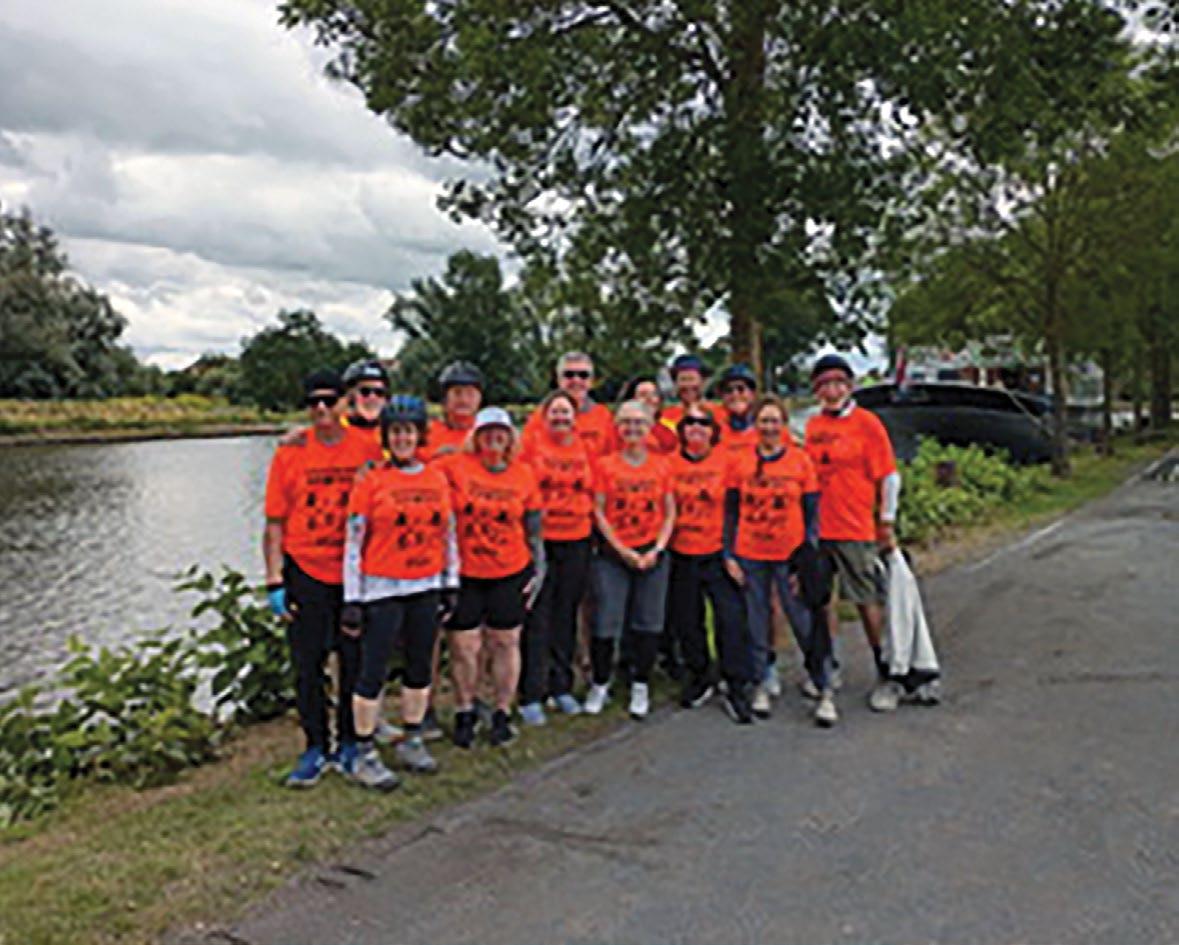
The cogs were turning for several UIC Pharmacy alumni on a recent cycling trip through Western Europe. What started as a brief conversation back in 2024 at an annual Christmastime meal blossomed into a wonderful European late May/early June cycling vacation. Nine UIC Pharmacy alumni and some spouses got together for a boating and cycling trip through the Netherlands and Belgium. The group included Jim Cichowski (BS 1981, PharmD 1988), Paul Blahunka (BS 1981, PharmD 1991), Kathy (Schnobrich) Blahunka (BS 1983, PharmD 1987), Anne (Farrell) Anderson (BS 1982), Mary Jo Pritza (BS 1982), Tom Bailey (BS 1982), Jim Dixon (BS 1982), LJ Hoke (BS 1982), and Rita (Rortvedt) Hoke (BS 1984).
support each year. Today, more than ever, our students need this type of help," says Retzky College of Pharmacy Dean Glen Schumock.
Distributions from the endowed fund, called the Paul Gubbins Legacy Matching Scholars Fund, will provide a scholarship of approximately $3,000 to a PharmD student each year.
In addition to financial relief, Gubbins hopes recipients of his scholarship feel supported. “I hope they’re aware that people believe in them. It can be a real haul to get through a professional program. Students can face a lot of competing interests and stresses. I want to give them every opportunity to succeed. Everybody who donates to scholarships does.”

WHAT HAS CHANGED IN YOUR LIFE?
PLEASE LET US KNOW AT GO.UIC.EDU/ ALUMNIUPDATE
RACHEL GOLDBERG , PharmD ’22, started a new position as Associate Scientific Director in US Medical Affairs Rheumatology at AbbVie, Inc.
ANNEMARIE HOCKING , PharmD ’94, was selected as NHIA Fellow for the Class of 2026 by the National Home Infusion Association.
MICHAEL M c SHAN , PharmD ’24, started a new position as Manager of Regulatory Strategy at Vertex Pharmaceuticals.
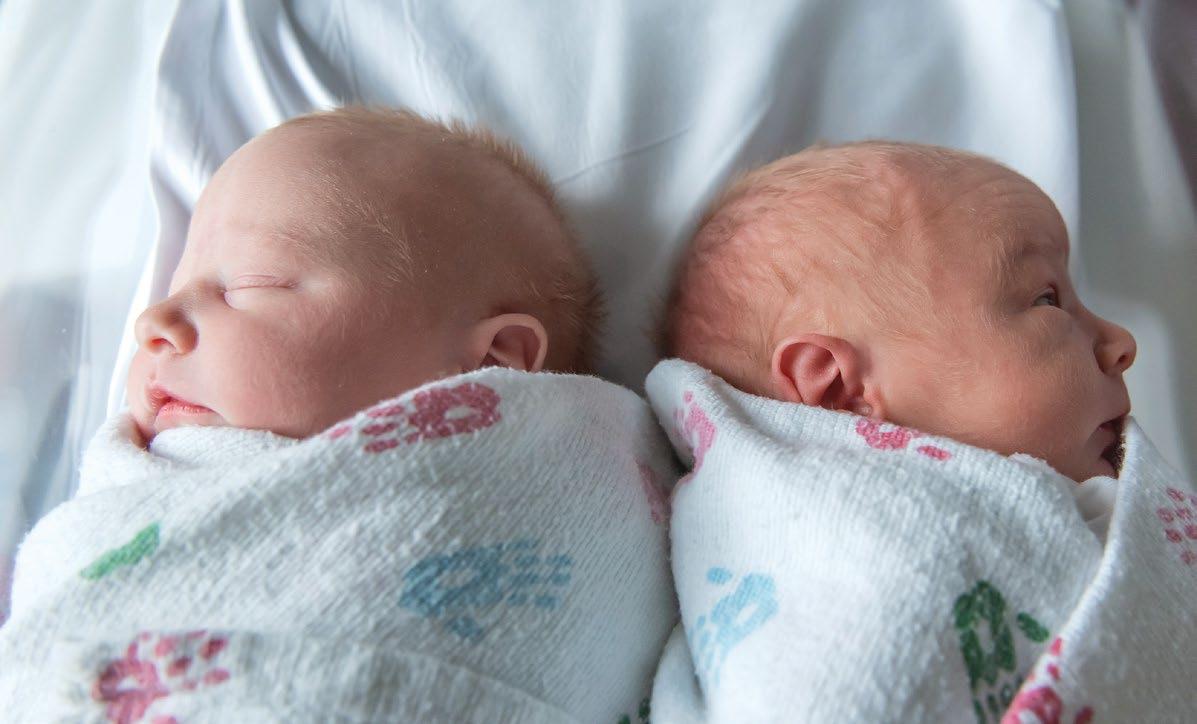
RENEE JONES , PharmD ’15, and Bradley Jones welcomed Lainey and Logan Jones on May 20, 2025.
MARY MEHRABIAN , PharmD ’98, was promoted to Director of Medical Content and Medical Review at Eversana Life Science Services.
RONALD MILLER , PharmD ’90, started a new position as Executive Director of Field Medical Affairs at Apellis Pharmaceuticals.
PAUL MINER , PharmD ’97, started a new position as Head of Field HEOR at Ascendis Pharma.
TAMMY MORRO , PharmD ’99, started a new position as Senior Manager of Trade Strategy at CVS Health.
JUDY SOMMERS HANSON , PharmD ’95, was awarded with the APhA Community Pharmacy Residency Excellence in Precepting Award at APha 2026.
KERSTEN WEBER TATARELIS , PharmD ’07, was promoted to Vice President of Pharmacy Spend Management at Vizient, Inc.
SCOTT WIRTH , PharmD ’07, started a new position as Global Medical Strategy Lead at RayzeBio, Inc.
ANTONETT MADRIAGA , MS ’13, welcomed Florence Jean Madriaga Bruno on November 17, 2025.
KATI SMITH , PharmD ’16, and MATTHEW SMITH , PharmD ’15, welcomed Elliot Smith on January
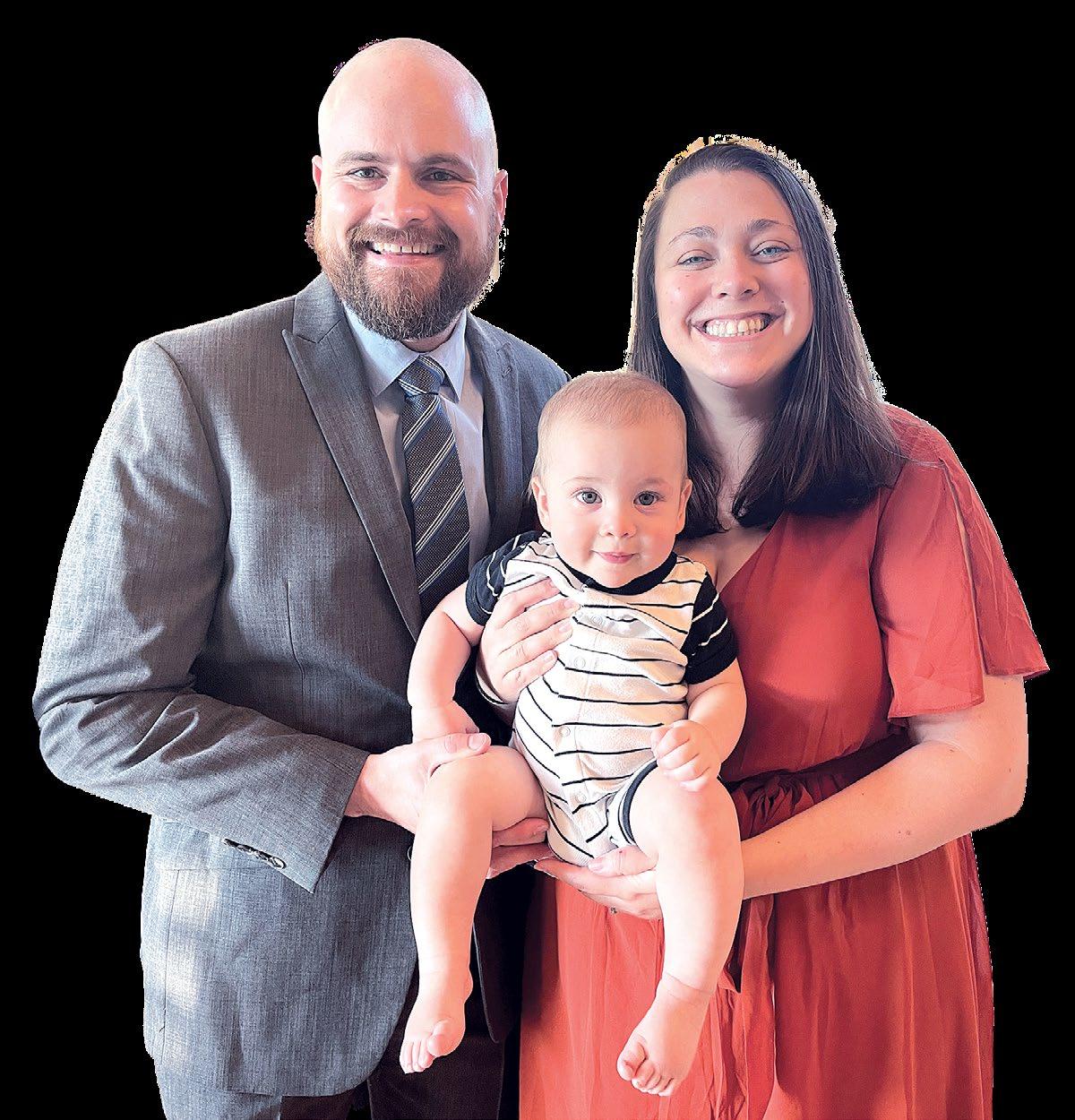
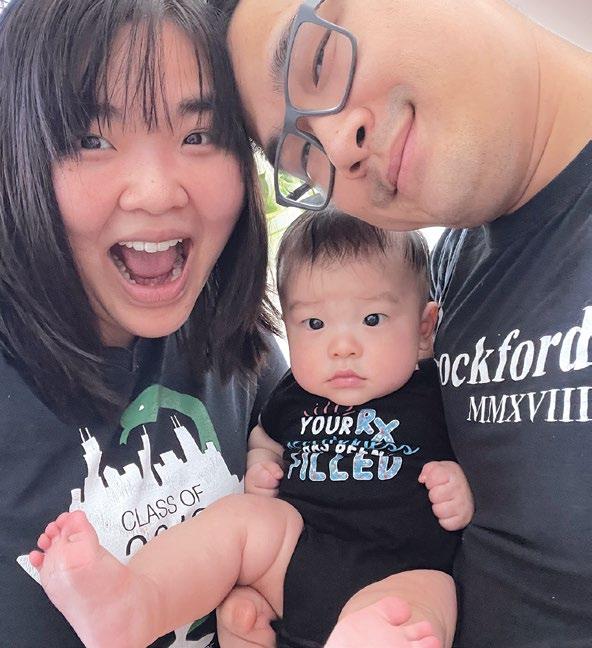
DARINA ZHANG , PharmD ’18, welcomed Skyler Zhang on September 21, 2024.

When NATASHA BARROW , PharmD ’20, married Perry Holen in March 2026, their love story had already captured national attention. Barrow, who now works at Eli Lilly and Company as a lead designer of neuroscience clinical trials, also gained unexpected social media fame before the wedding. A TikTok video expressing uncertainty about her wedding dress drew more than a million views and sparked conversations among brides about wedding-day expectations and selfconfidence. Her viral videos about her wedding dress led to a story in People Magazine in 2025 and was later discussed in her wedding announcement in the New York Times in March 2026.
The couple celebrated their wedding on March 21, 2026 in
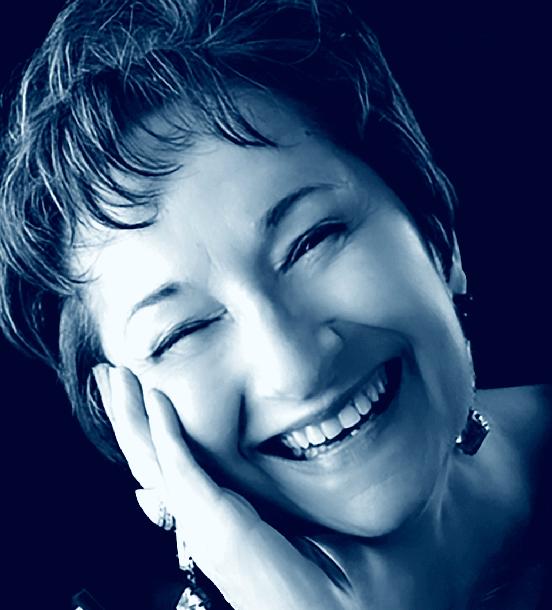
ANN M. KUCHTA , BS'77, Pharm'D97, former faculty, passed away on May 26, 2026. Dr. Kuchta was 73 years of age and a resident of Countryside, Illinois.
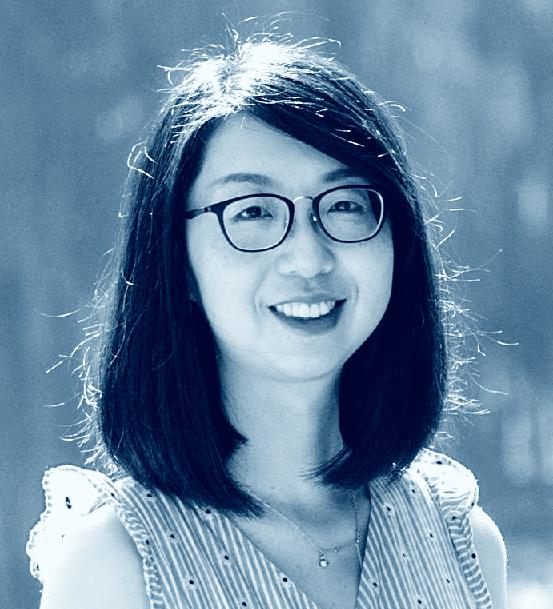
WAN-JU LEE , PhD'16, passed away on May 10, 2026. Lee was 40 years of age and a resident of Buffalo Grove, Illinois.
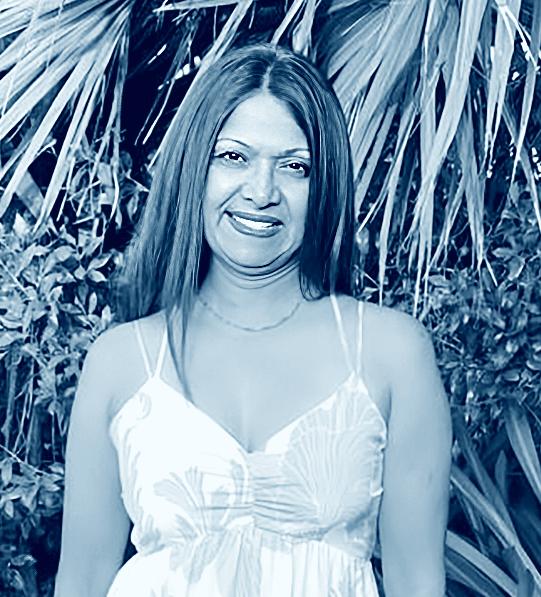
SUSHILA A. PATEL , PharmD'98, passed away on February 9, 2026. Patel was 51 years of age and a resident of Mokena, Illinois.
Ketchum, Idaho, where Barrow ultimately wore the much-discussed Vivienne Westwood gown. “Even if it’s not everyone’s cup of tea,” she told The New York Times, “it was perfect for me.”
JELISSA CRUZ , PharmD ’26, and her partner, Isabella Rinella, were engaged on March 30, 2024 in Chicago, Illinois.


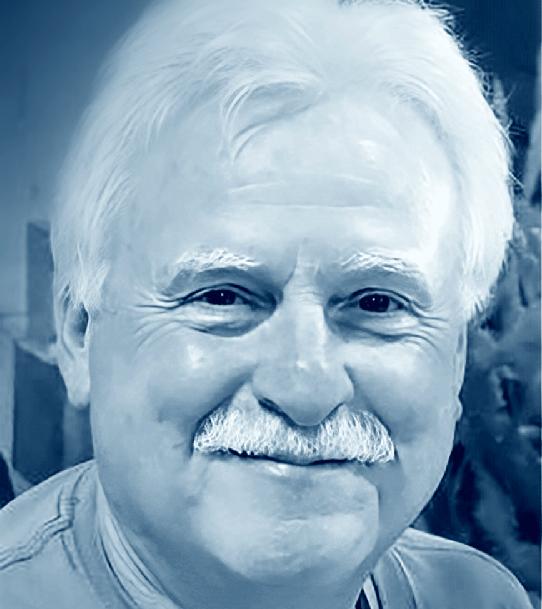
PHILIP R. TORF, BS'76, passed away on May 17, 2026. Torf was 73 years of age and a resident of Northbrook, Illinois.
833
WE ARE CONTINUALLY ENCOURAGED by the generosity of our dedicated alumni and friends. As you reflect upon your goals and consider your legacy, we hope you will include a deferred gift for UIC Pharmacy as part of your estate plan.
KEY QUESTIONS TO ASK as you consider your deferred gift:
• How do you want to provide for yourself and your family?
• What impact would you like to make at the college?
• What tax advantages can you expect as you consult with your financial advisor and/or attorney?
TAKE THE NEXT STEP
DEFERRED GIFTS are a simple, easy, and popular method that allow you to have an enduring legacy in the college. They include naming the University of Illinois Foundation (Tax ID 37-6006007), for the benefit of the UIC Retzky College of Pharmacy, as a beneficiary through instruments like:
• Wills/living trusts and annuities
• Retirement plans
• Payable-on-death (POD)/transfer-on-death (TOD) provisions on brokerage or bank accounts
• Gifts of real estate, stocks, and other securities
To learn more about ways to make a deferred gift to the College of Pharmacy or to share your intentions, contact UIC Pharmacy Advancement at pharmacy-advancement@uic.edu | 312.996.3376 | uif.giftplans.org