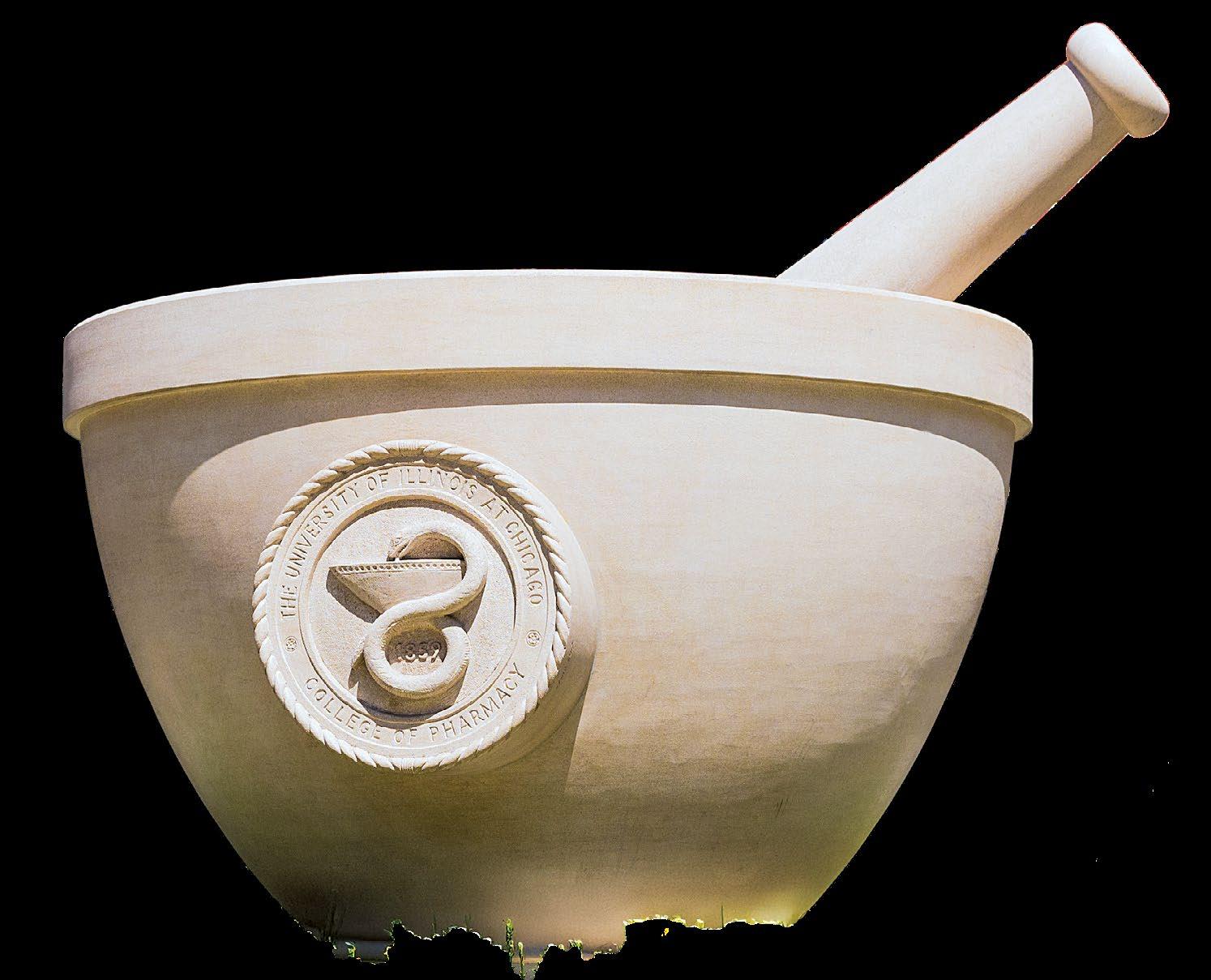
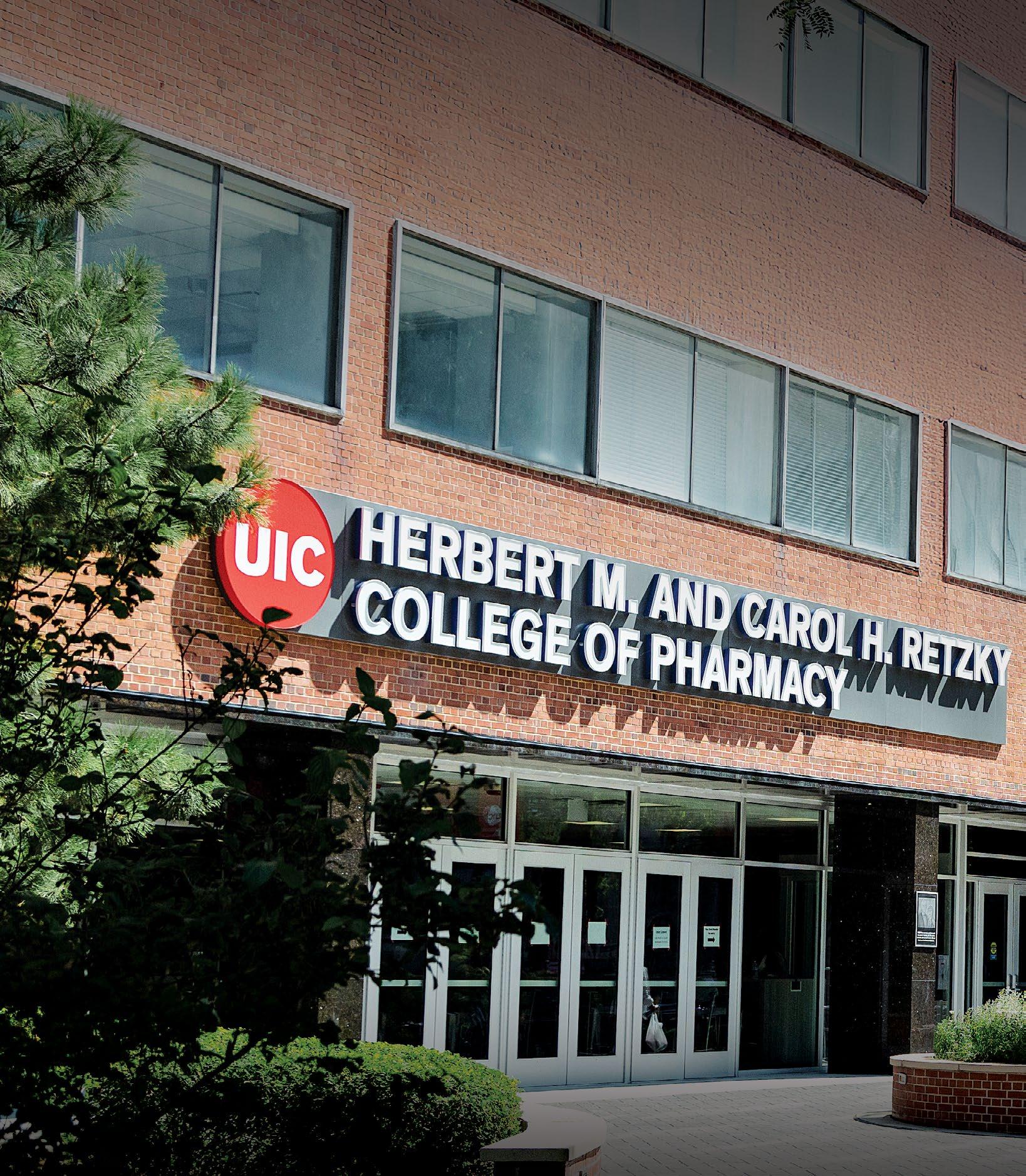

THE MAGAZINE OF THE UNIVERSITY OF ILLINOIS CHICAGO HERBERT M. AND CAROL H. RETZKY COLLEGE OF PHARMACY




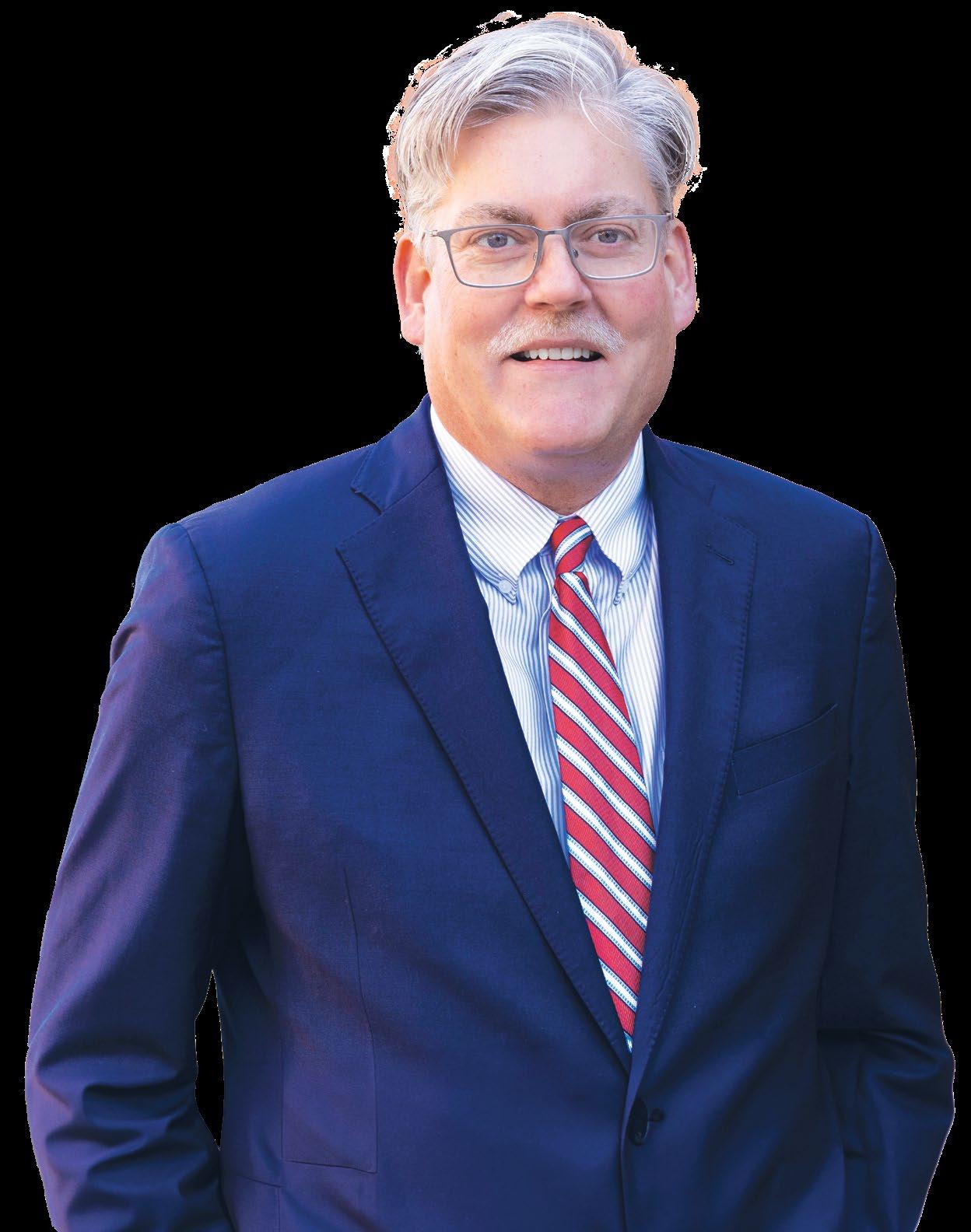
BY DEAN GLEN SCHUMOCK
Welcome to the Spring 2026 issue of The Pharmacist! In this edition of the UIC Retzky College of Pharmacy magazine we celebrate the impact of our alumni and partners on our ability to achieve UIC’s mission to provide the broadest access to the highest levels of educational, research, and clinical excellence.
Research is a core part of that mission and is an area where we excel. We are currently ranked #6 among pharmacy schools in research, with $31.6 million in annual funding. More importantly, the discoveries made here have had profound impact on the health of people in Illinois, across the country, and around the world. The tuberculosis vaccine—Tice BCG—which was discovered here, is the top non-surgical treatment to prevent non-invasive bladder cancer and has saved countless lives. Drug discovery is a major focus at UIC, and in this issue of The Pharmacist you will read about the UICenter, UIC’s campus-wide drug discovery program. The center, headed by Dr. Paul Carlier,
is helping UIC researchers find the next Tice BCG, Prezista, Shingrix, or Phexxi—all discovered at UIC.
Research conducted at the UIC Retzky College of Pharmacy is often facilitated by alumni and other donors through research professorships, support for facilities or equipment, and by funds to support specific types of investigation. Drs. Maung Tin-Wa and Anna Spielvogel are examples of the latter. As described within, the couple has provided research funds that have allowed faculty to pursue science that might otherwise
While donors like Maung Tin-Wa and Anna Spielvogel make our continued legacy of discovery possible, others focus their sponsorship on the next generation of pharmacists or pharmaceutical scientists through scholarships and support for student travel. A great example of that is the class of 1975 and their recently endowed scholarship, also Online
pharmacy.uic.edu
go.uic.edu/PharmFBChicago
go.uic.edu/PharmFBRockford
go.uic.edu/PharmTwitter
go.uic.edu/PharmLinkedIn
go.uic.edu/PharmInstagram
go.uic.edu/PharmYouTube
Change jobs? Get a promotion? Publish a paper? Publish a book? Get married? Have a baby? We want to hear about it all! Submit your updates at go.uic.edu/retzky
described in this issue. Ed Cohen (BS 1975), former president of the UIC Alumni Association was the lead donor on this gift, which is partially being matched by the college as part of the Legacy Scholars. Learn how you can participate in this program on page 27.
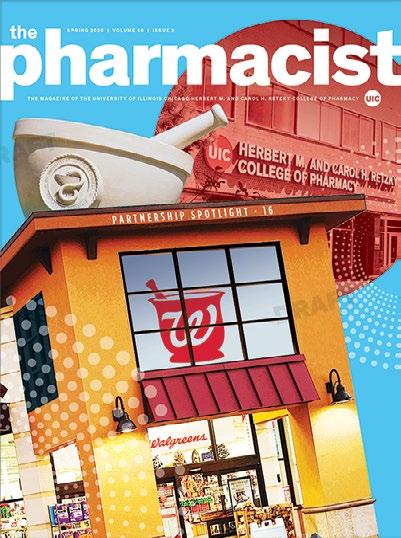
The UIC Retzky College of Pharmacy is also indebted to the corporate partners that support our students, faculty, and program—and we have featured a number of those previously in The Pharmacist. In this issue we celebrate one of the longest-standing of those—with Walgreens. We share not just history and birthplace with Walgreens, but a commitment to excellence in patient care and the profession of pharmacy. Our interwoven relationship is manifested daily in the thousands of UIC alumni working at all levels within the Walgreens company, and in the current UIC students gaining practice experience in Walgreens pharmacies, headquarters, and other sites.
You, our alumni, donors and partners, through your financial support, volunteerism, and engagement, make it possible for us to provide the broadest access to the highest levels of educational, research, and clinical excellence. Your impact is felt daily by our students, faculty, and staff. Thank you!
University of Illinois Chicago Retzky College of Pharmacy Office of Continuing Education and Meeting Services (OCEMS) offers continuing education courses for pharmacists, pharmacy technicians and pharmaceutical representatives. See our website for more information: ce.pharmacy.uic.edu/ce/
If you have questions or suggestions for future programs, please contact us at pharmce@uic.edu
Honors Convocation
Saturday, April 11, 2026 Schaumburg, Illinois
Commencement
Thursday, May 7, 2026 Chicago, Illinois
Alumni Reunion
Saturday, October 10, 2026 Naperville , Illinois
Research Day
Thursday, October 29, 2026 Chicago, Illinois
See all our events at pharmacy.uic.edu/pharm-events
issuu.com/uicpharmacy
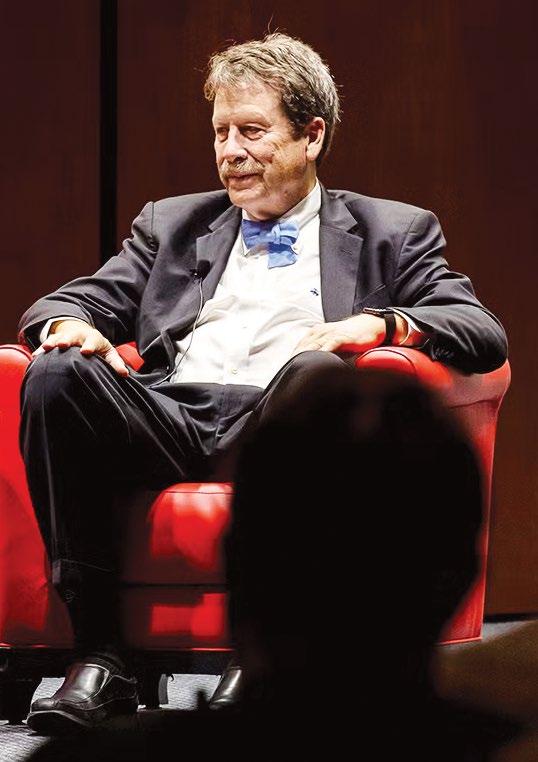
The Retzky College of Pharmacy hosted the Chancellor’s Chair Chats with Dr. Robert M. Califf on November 7, 2025. Dr. Califf has been a national leader in health research and policy, including two stints as commissioner of the Food and Drug Administration, top positions at Duke University and roles at Google Health and Verily.
Dr. Mike Federle is one of the 2025-2026 University Scholar Award Recipients. The award recognizes faculty that have, “demonstrated superior performance in scholarly activities in both research and teaching and who show great promise for future achievements.”
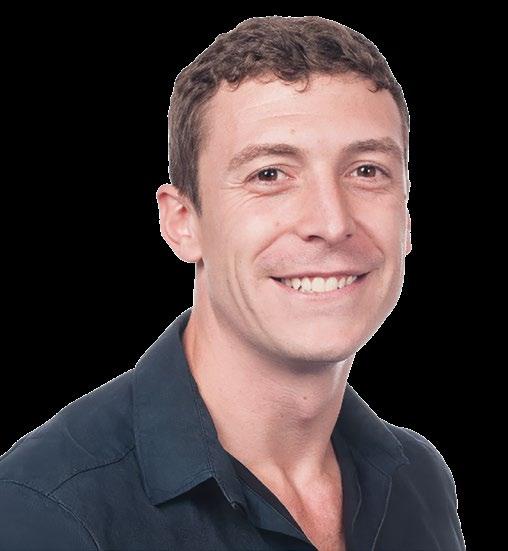
Dr. Brian Murphy was interviewed by UIC Today for a podcast on how relationships shape your path. Murphy shared how service became central to his scientific work leading the Murphy Lab in the search for new antibiotics.
Dr. Colleen Piersen received the Fall 2025 Professional Development Award from the Academic Professional Advisory Committee (APAC) to support her participation in the Academic Drug Discovery Consortium Conference.
Dr. Bernie Santarsiero was chosen as a recipient of UIC’s Diversity, Equity, and Inclusion Faculty Award for 2025.
Dr. Chris Schriever and student pharmacist Chance Hansen appeared on WIFR TV to discuss how the Retzky College of Pharmacy is addressing pharmacy staffing.
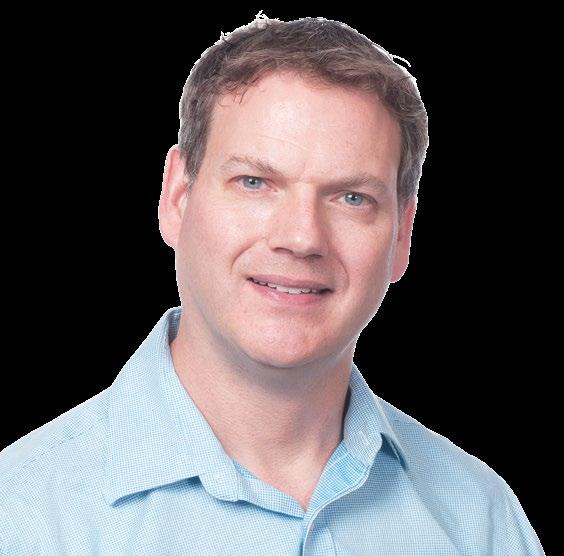
Dr. Doug Thomas was elected as a fellow of the Society for Redox Biology.
Dr. Taylor Watterson interviewed student pharmacist Grace Fick about pharmacy technicians on her podcast for Drug Topics. The podcast, called Amplifying Technicians, focuses on technicians, “stepping into new roles that go far beyond traditional tasks.”
Dr. Xiomarie AlejandroNavarreto received an ASM Career Development Grant for Postdoctoral Scholars that supported her attendance at the ASM Conference for Undergraduate Educators (ASMCUE) in San Antonio, Texas.
Drs. Paul Carlier and Kiira Ratia received $74,921 from the Illinois Science and Technology
Coalition/Biagon Inc. for a project titled, “Designing Selective β3 Adrenoreceptor Agonists to Treat Obesity.”
Dr. Scott Franzblau was awarded $255,716 over four years by the DoD / The Global Alliance for TB Drug Discovery for the project titled, “Host-directed approaches to target granuloma pathways for treatment shortening in tuberculosis.”
Dr. Brian Murphy received $26,169 from NIH/NCCIH/ Evoquant LLC for a project titled, “Leveraging Large Scale Bioinformatics and AI for Natural Product Drug Discovery and Target.”
Dr. Pasha Petukhov received $55,000 from Falk Medical Research Trust / Loyola University of Chicago for a project titled, “Preclinical evaluation of firstin-class thioredoxin reductase inhibitors for triple negative breast cancer therapy.”
Drs. Andrew Riley and Jim Wang were awarded $2,470,390 over five years by the NIH/NINDS for the project titled, “α9α10 Nicotinic Acetylcholine Receptors in Neuropathic Pain.”
Angela Russo received $10,000 from Tell Every Amazing Lady About Ovarian Cancer Louisa M McGregor Ovarian Cancer Foundation (TEAL) on a project titled, “Role of ovulatory secretions on fallopian tube epithelium-derived ovarian cancer.”
Dr. Doug Thomas was awarded $898,936 over two years by the NIH/NIGMS for the project titled, “Nitric oxide inhibits Iron(II)2-Oxogluterate dependent demethylases to regulate DNA and mRNA methylation.”
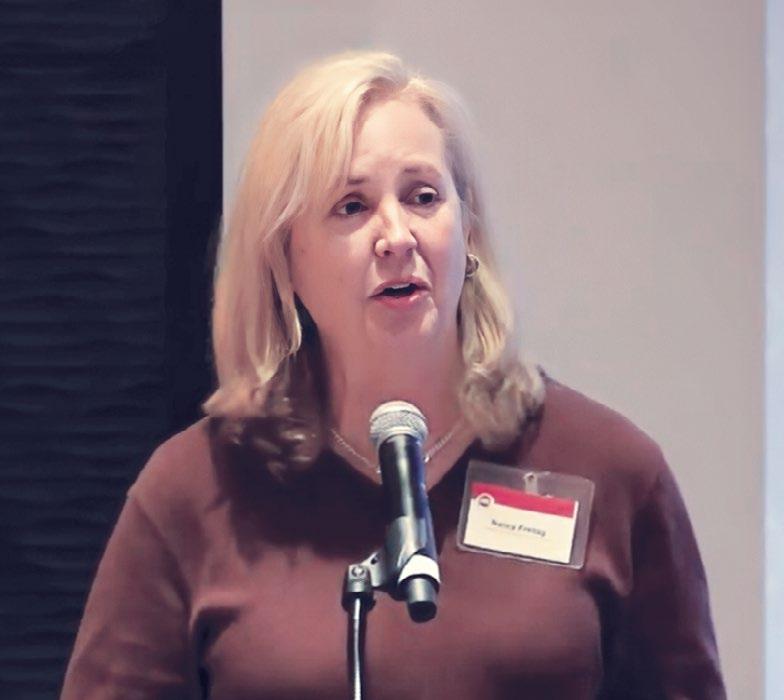
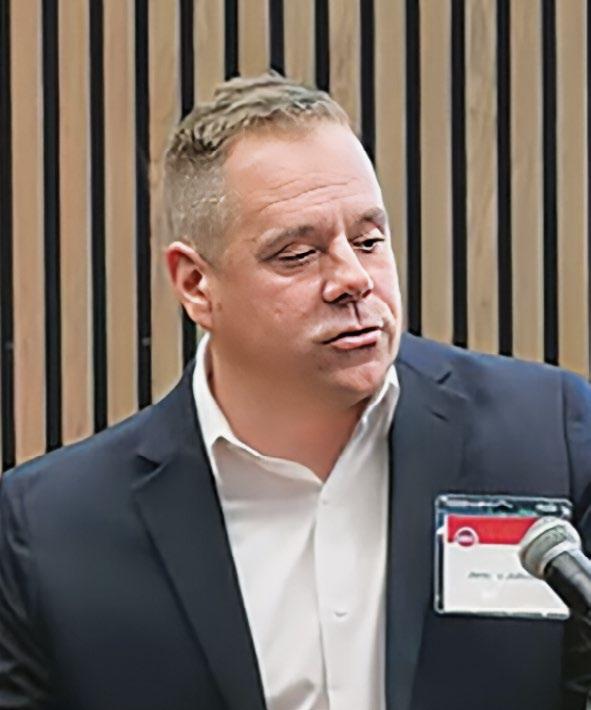
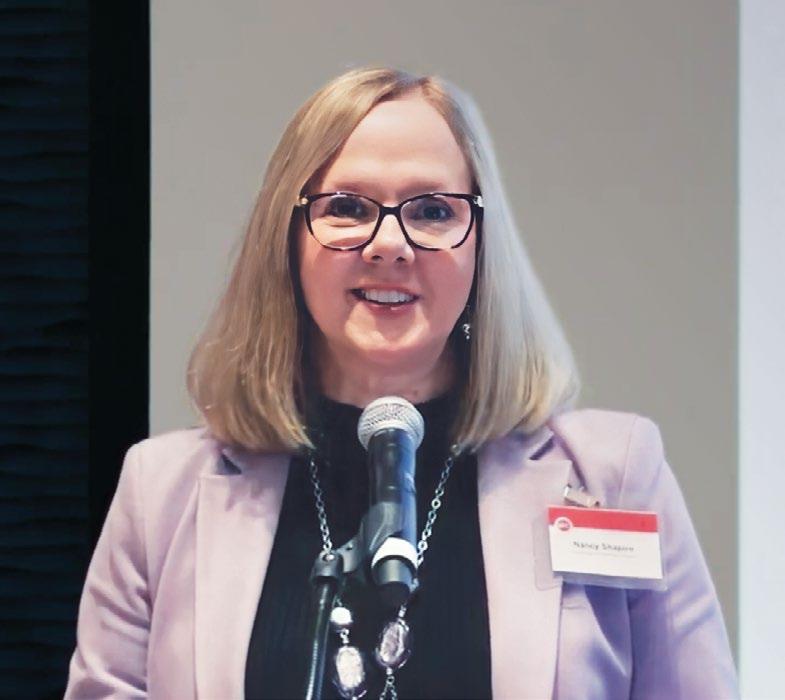
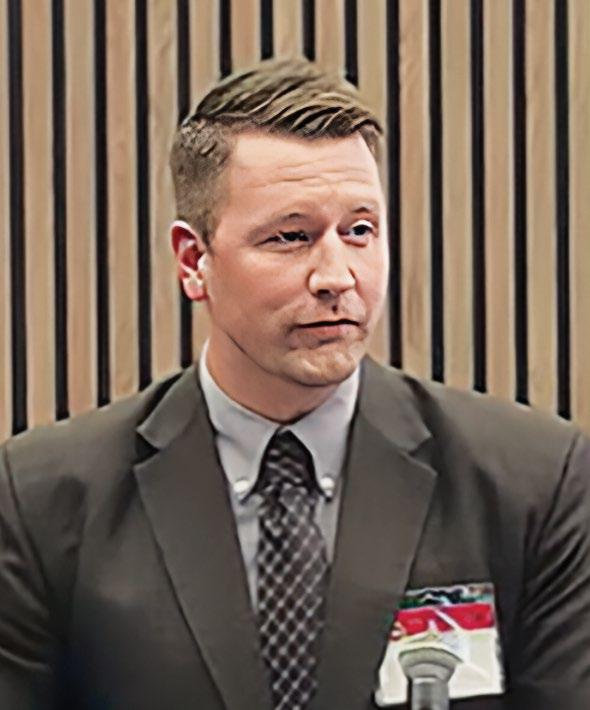
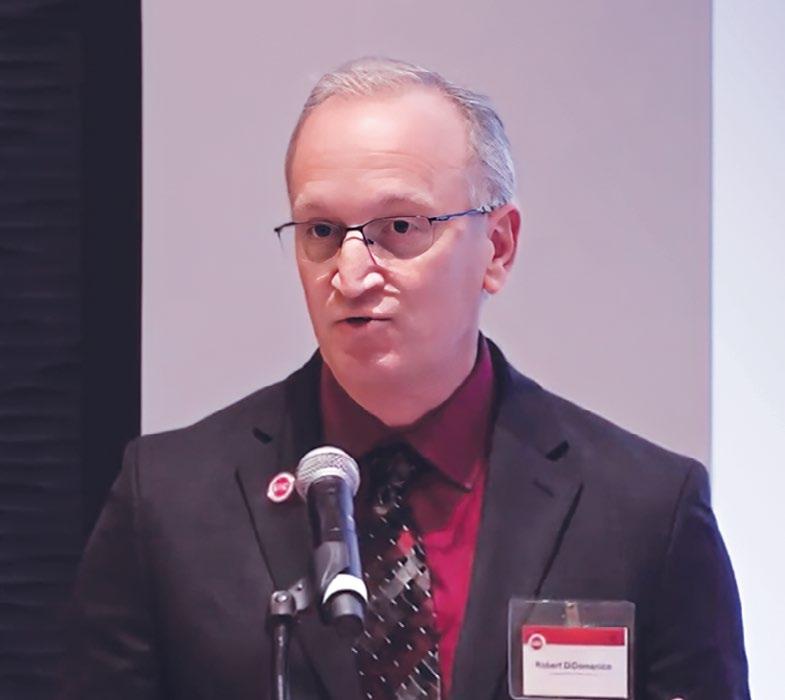
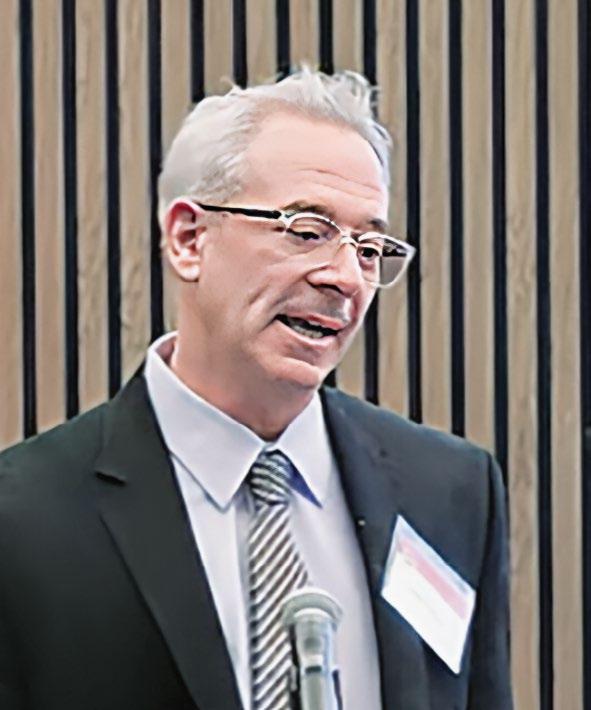
Faculty from our College have presented their research at the University’s Spark Talks. Spark Talks are a series of three-minute presentations on research topics meant to “provide an opportunity for faculty, leaders, and others across campus to learn about the exciting activity happening in every corner of UIC.” Over the
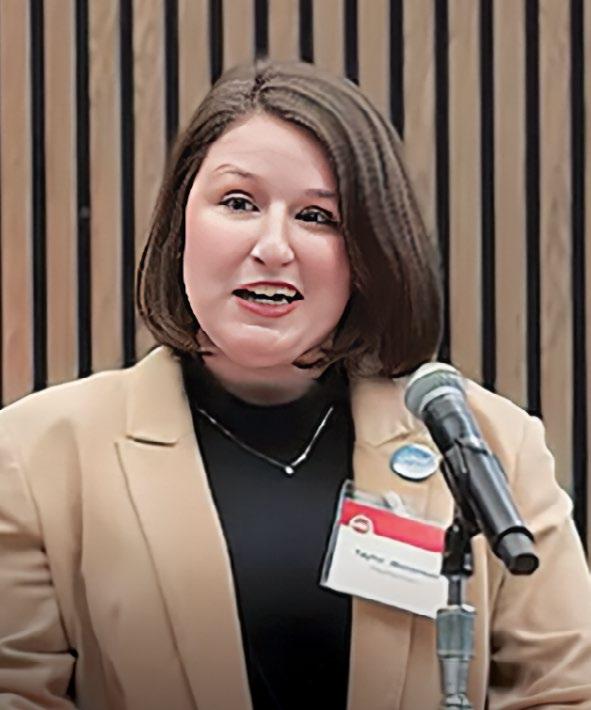
course of two separate Spark Talks our faculty were featured seven times. The November SparkTalks featured Drs. Rob DiDomenico, Nancy Freitag, and Nancy Shapiro. The January event featured Drs. Jeremy Johnson, Scott Benken, Mike Federle, and Taylor Watterson
Watch all the 20252026 Spark Talks from UIC Pharmacy faculty at go.uic.edu/spark25
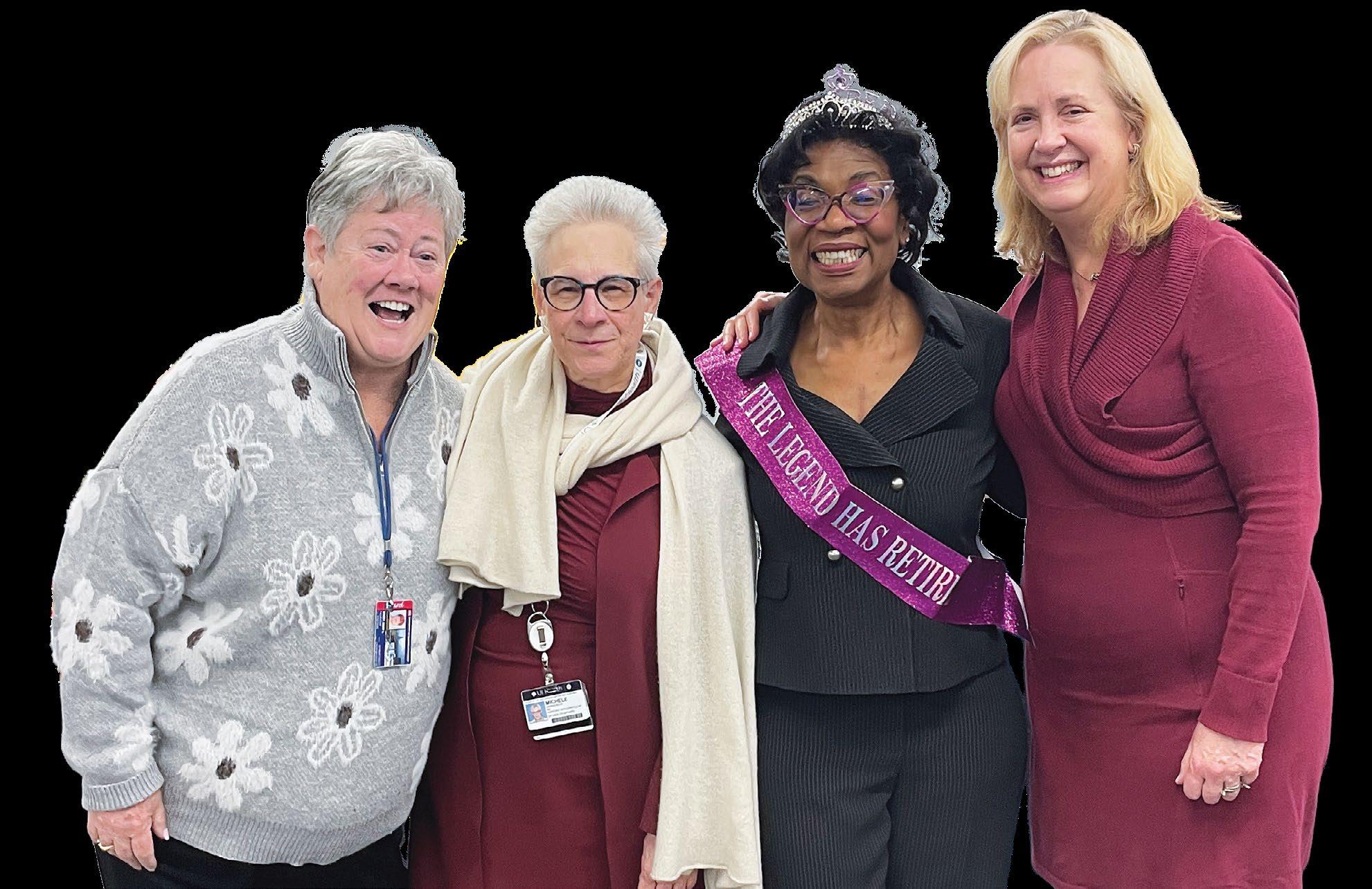
On December 4, 2025 we celebrated the retirement of Dr. STEPHANIE CRAWFORD and her 33+ years of service at UIC Pharmacy. Congratulations, Dr. Crawford.
BY JENNA KURTZWEIL
About 1 million people in the U.S. live with multiple sclerosis, a chronic autoimmune disease that inflames the nervous system and scrambles communication between the brain and body. MS, for which there is no single cause or cure, affects people of all demographics with symptoms like fatigue, memory difficulties, vision impairment and mobility loss.
UIC researchers have developed a new way to deliver anti-inflammatory drugs to the central nervous system. Their method, which deploys immune-regulating cells wearing anti-inflammatory “nanopacks,” promises to alleviate the symptoms of MS and other incurable autoimmune diseases. Their work appears in the journal Science Advances.
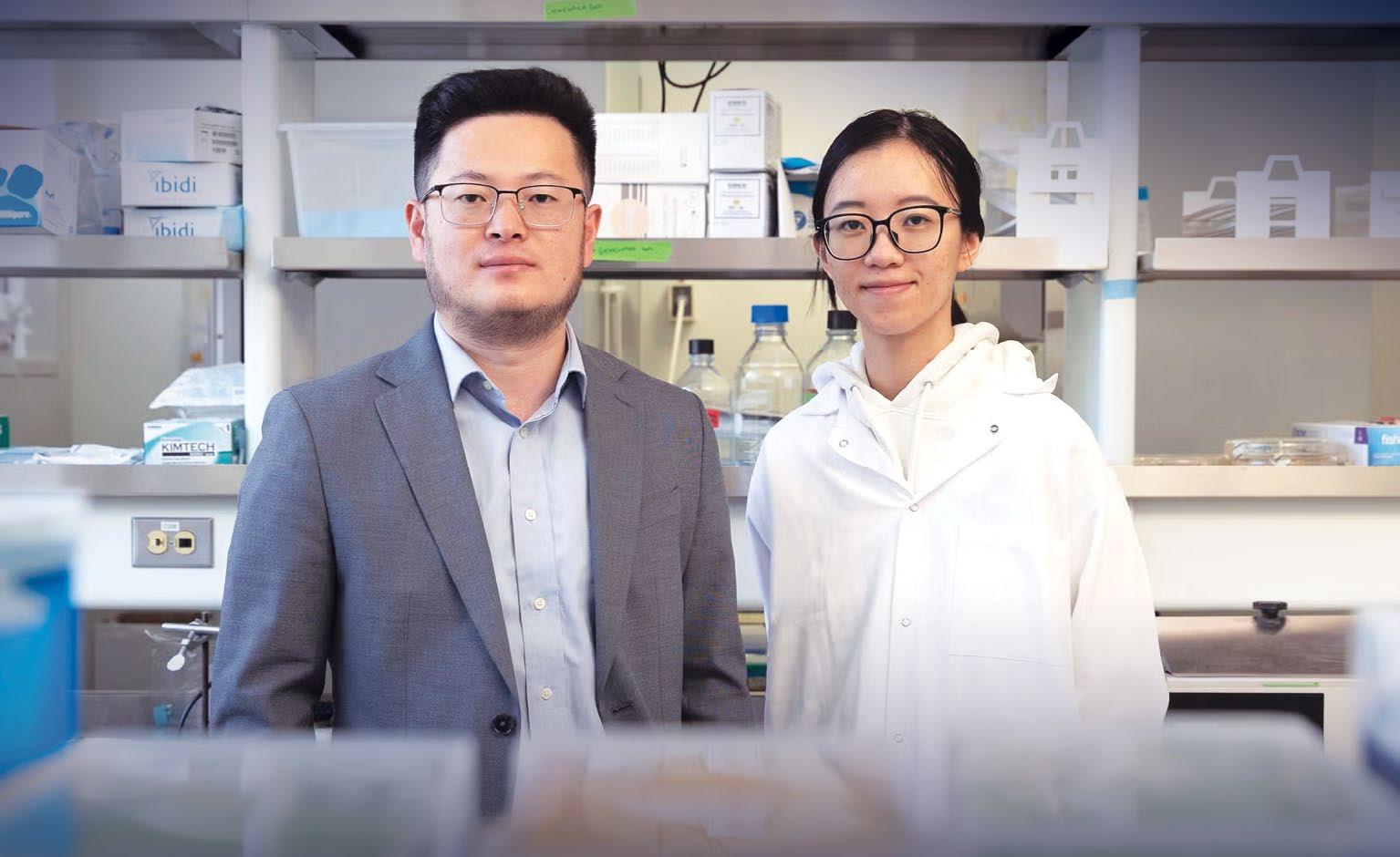
“Autoimmune diseases like multiple sclerosis have no cure. Developing reliable therapeutic options is critical,” said lead investigator Zongmin Zhao, an assistant professor in the Retzky College of Pharmacy and a University of Illinois Cancer Center affiliate.
Inflammation and MS go hand in hand. Current therapeutics often involve delivering anti-inflammatory drugs to the central nervous system through its highest point, the brain. But Zhao said the blood-brain barrier blocks many drugs from entering the brain at all.
“If drugs can get through, they do alleviate some symptoms but are usually not strong enough to provide a complete cure,” he said.
Zhao’s lab specializes in creating therapeutic cells for delivery to various parts of the body—including difficultto-access organs like the brain. They’ve spent the last three years focused on MS.
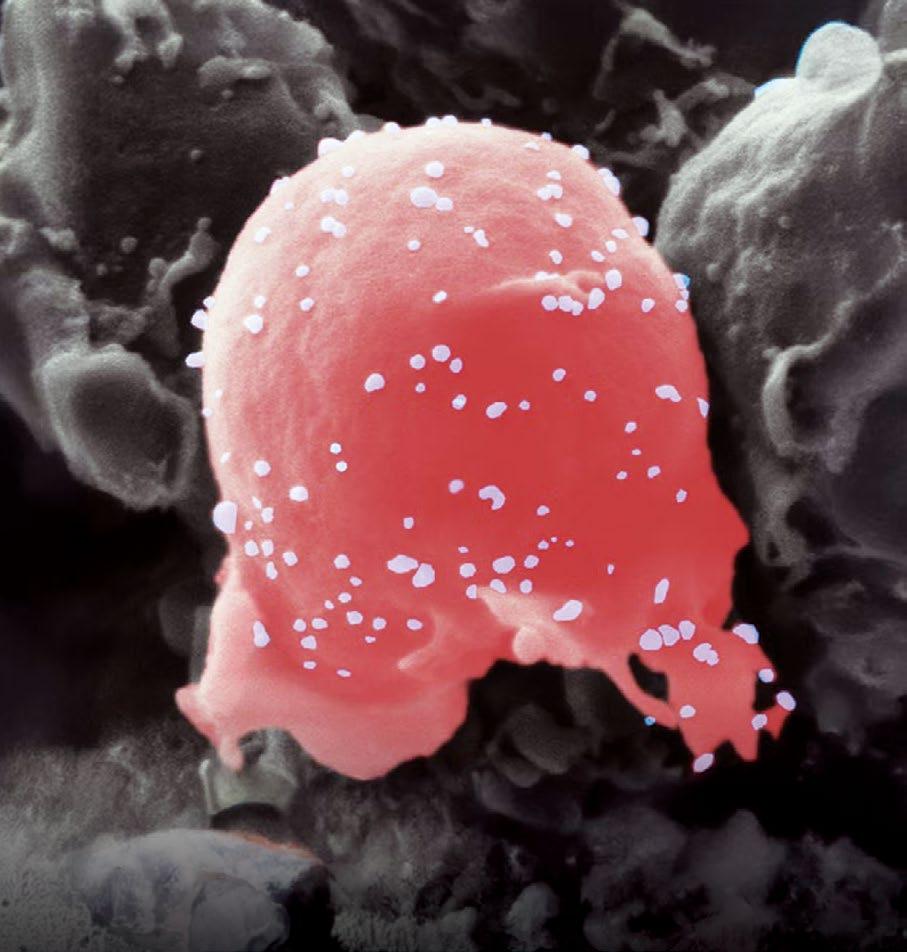
The cells they’ve developed for MS are like travelers hiking through the central nervous system and toting packs of supplies. The hikers are myeloid-derived suppressor cells, immune cells that find and suppress inflammation. Atop the cells are nano-sized packs filled with rapamycin, an anti-inflammatory drug. The nanopack boosts the hiker cell, sharpening its ability to find inflamed areas and amplifying its anti-inflammatory abilities. Together, the duo can breach the blood-brain barrier and siphon rapamycin into the nervous system.
This therapy works by reprogramming the nervous system’s immune response. In mice, it reduced disease progression and improved motor function.
“The potential of this work extends well beyond multiple sclerosis,” said coauthor Luyu Zhang, a PhD student in Zhao’s lab. “This method may be a promising strategy for targeted immunotherapy in MS and other autoimmune disorders.”
Future applications may include heart disease or arthritis, which are similarly difficult to treat.
The researchers named this method CNS Immune Targeting Enabled by MDSCs, or CITED.

FOLLOW US ON SOCIAL MEDIA
Be the first to know about all of the college’s events, news, and opportunities to get involved.
Continue receiving our alumni magazine, The Pharmacist
Update your contact information at go.uic.edu/AlumniUpdate
Whether you’re in Chicago, Rockford, across the country, or around the world, WITNESS WHERE THE SPARK WAS FIRST IGNITED—YOUR ALMA MATER, #UICPHARM.

go.uic.edu/PharmFBChicago
go.uic.edu/PharmFBRockford
go.uic.edu/PharmTwitter
go.uic.edu/PharmInstagram go.uic.edu/PharmLinkedIn
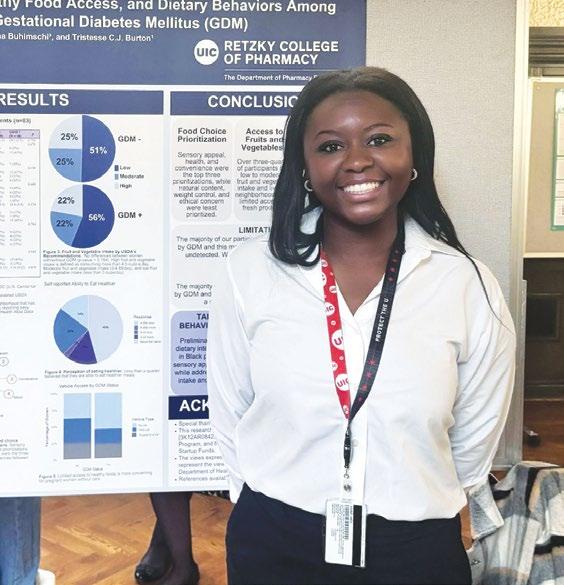
Postdoctoral researcher Ange Asanz presented a poster at the UIC Diabetes and Obesity Research Day. Her poster was selected as one of the Top 10 Best Posters at the event.
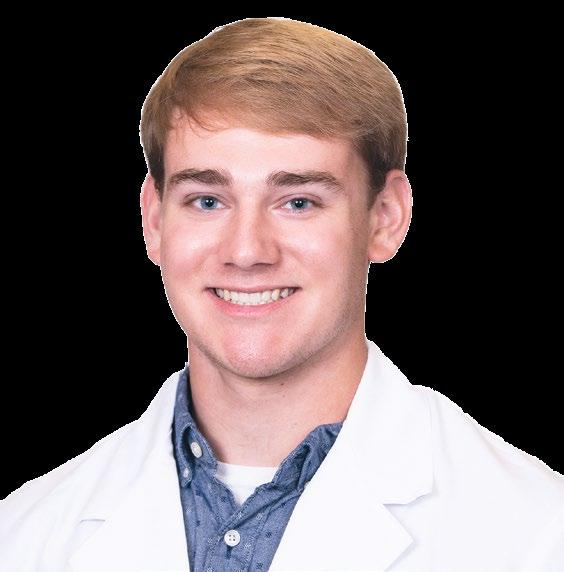
Student pharmacist Austin Fleming has been awarded a Rural Health Workforce Development Scholarship from the Illinois Rural Health Association The scholarships reward students who, “plan to practice in a medically underserved rural setting of Illinois.”
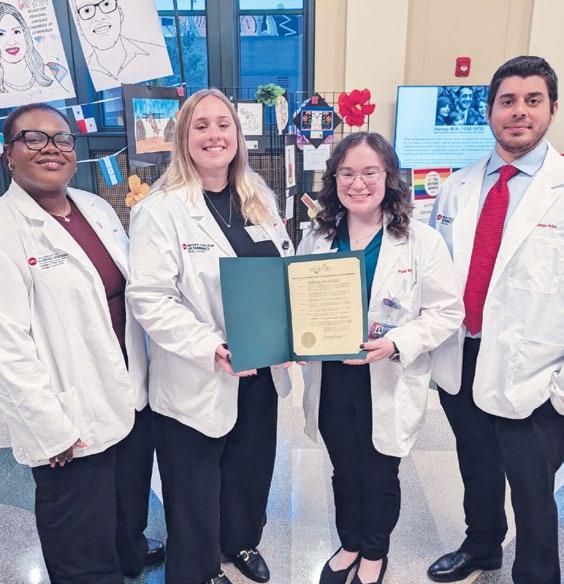
Rockford student pharmacists were on hand to witness Rockford Mayor Tom McNamara declare October 2025 American Pharmacists Month!
Rockford student pharmacists administered flu shots at the height of flu season.
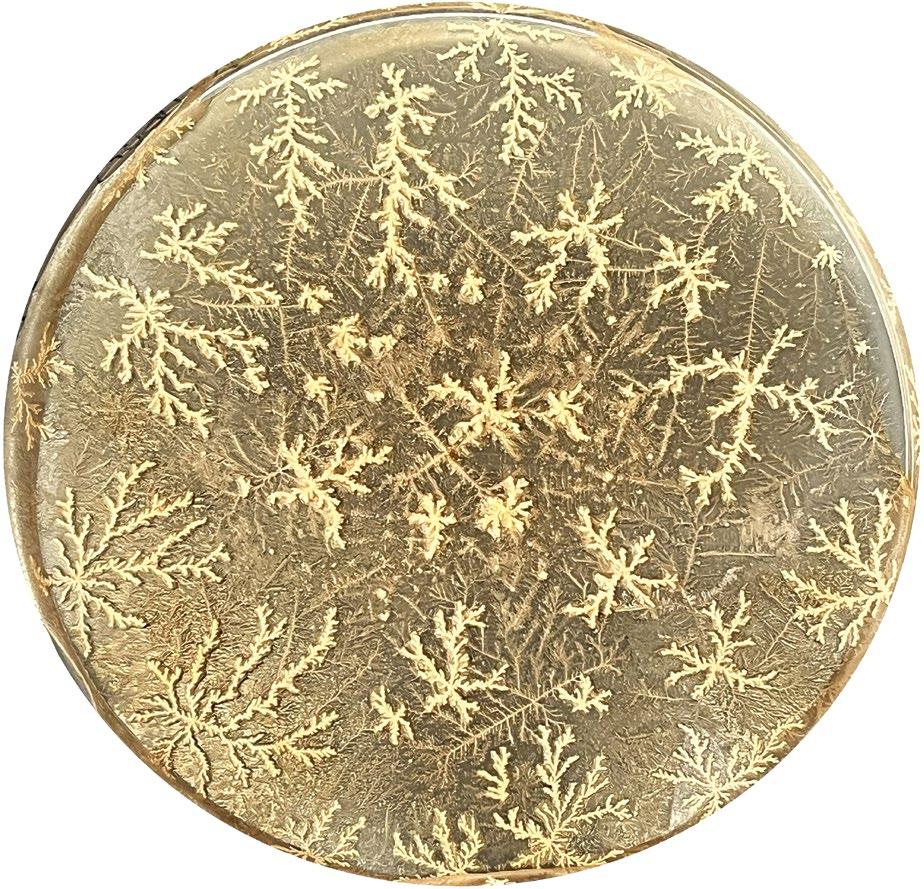
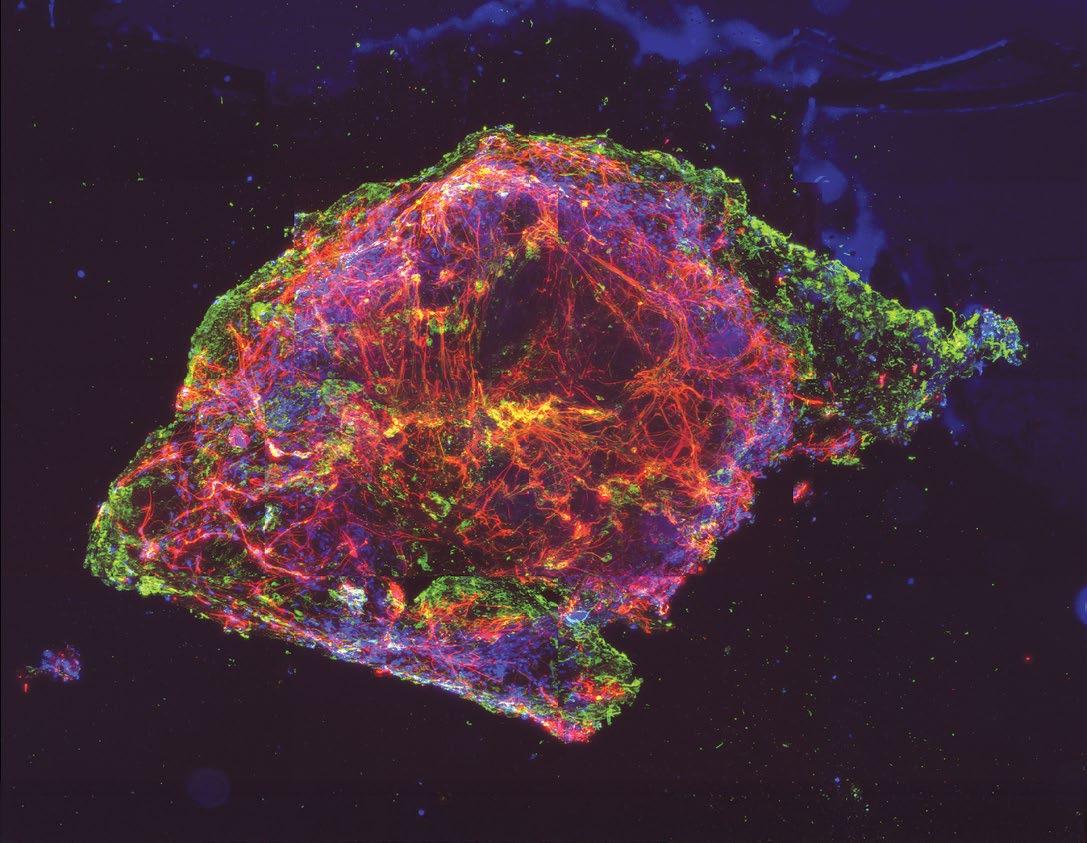
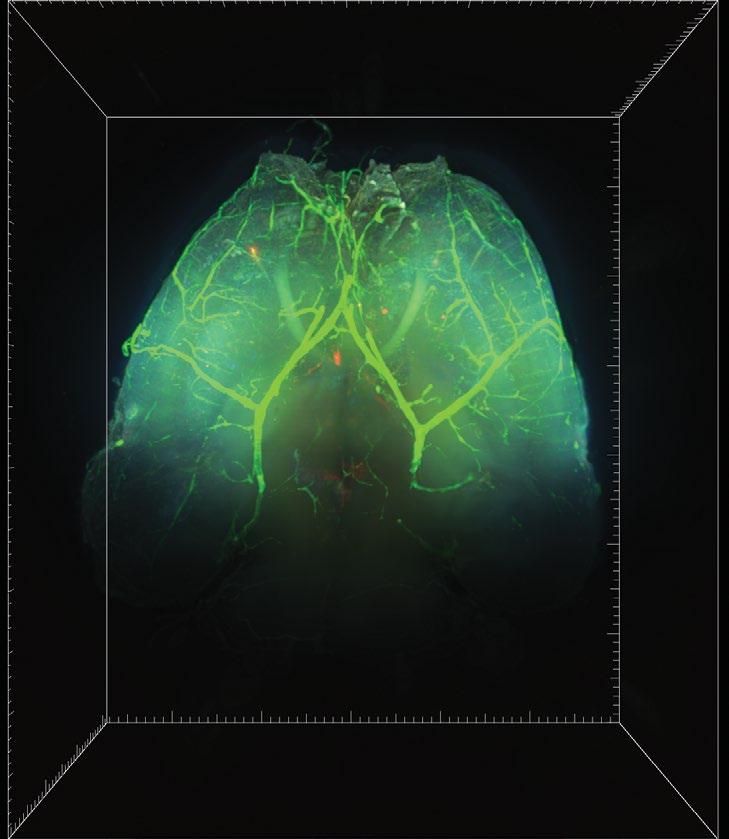
The 2025 Images of Research have been announced. In third place is “Neon Highway Map of a Brain” by Xiaoying Cai from the Department of Pharmaceutical Sciences. Second place goes to “Grey Matter, Dark Matter or Super Nova Neural Network” by Eron Mendenhall from the Department of Pharmaceutical Sciences. First place was awarded to “Picture of a Dry Agar Plate” by Elodie Kadjo from the Department of Pharmaceutical Sciences. Congratulations to all our winners.
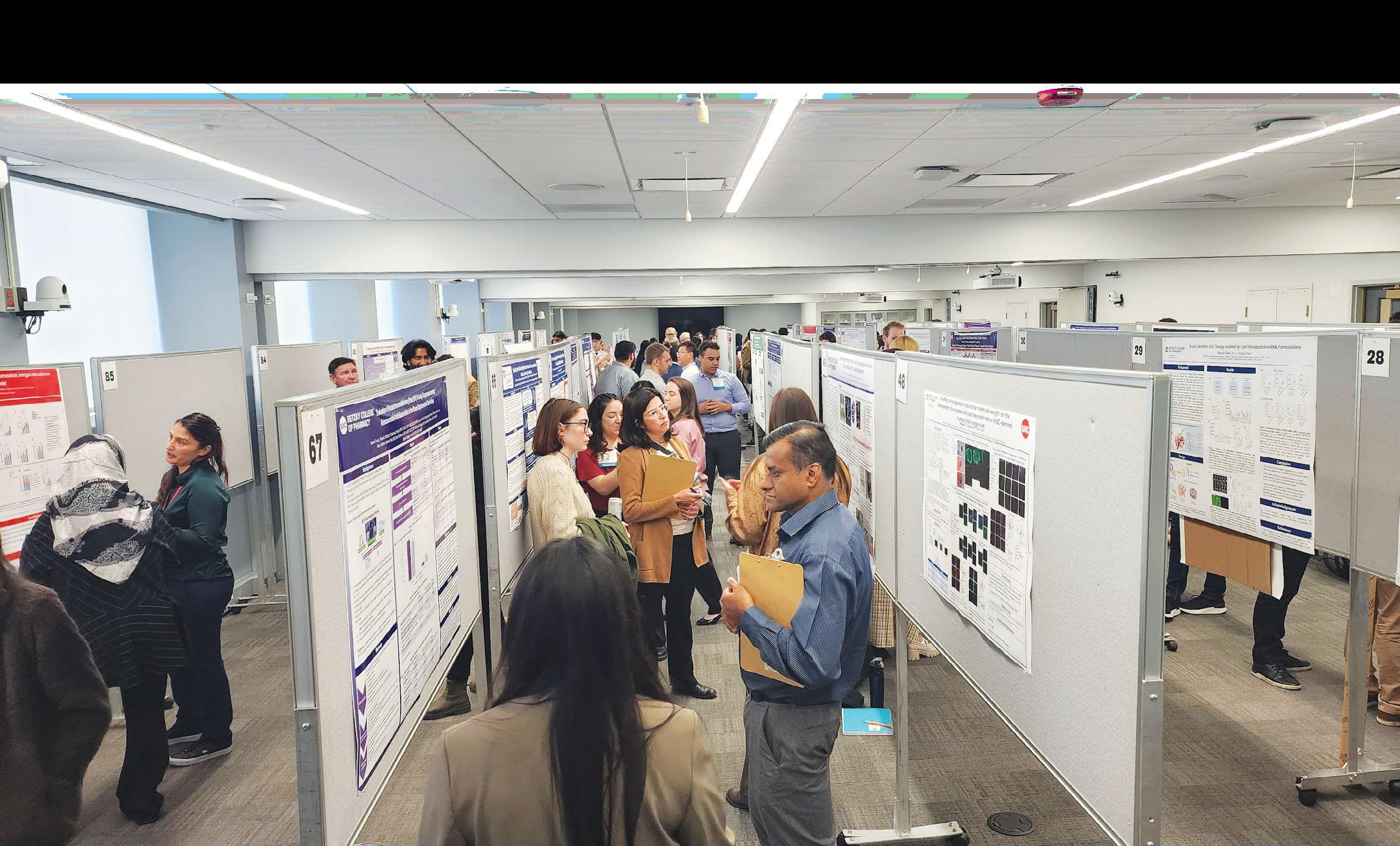
Research Day is the event that brings together our trainees, alumni, faculty members, and staff, as well as industry and academic colleagues. This year's event featured keynote speaker Dr. Michael N. Dudley, and a host of awards for poster presenters and graduate students. Congratulations to all who participated!
UIC RETZKY COLLEGE OF PHARMACY AWARD FOR EXCELLENCE IN RESEARCH
Biology
• Andrea Ochoa-Raya
• Angela Nguyen
• Joohyun Im
Chemistry
• Bo Zhou
• Shan He
• Sonia Alavi
Clinical
• Ibrahim Warsi
• Jennifer Flores
Innovate@UIC Innovation Award
• Du’A AlSmadi
• An Lu
UI Cancer Center Cancer Science Prize
• Monica Haughan
• Chih-Jia Cha
UIC STUDENT CHAPTER AWARD FOR EXCELLENCE IN RESEARCH
ISPOR Student Choice
• Mohammad Alnuman
ISPE Student Choice
• Lilah Khoja
AAPS Student Choice
• Edidiong Udofa
PSCI GSA Student Choice
• Edward Huang
GRADUATE STUDENT AWARDS
Professor Ludwig Bauer Scholarship
• Ana Lopez-Hernandez
• John Sloan
• Al R. Langerman Memorial Scholarship HSC
• Bo Zhou
Charles L. Bell Award
• Megan Jurek
Dr. George Aynilian Family Fund for PhD Students in Pharmacognosy
• Du’A AlSmadi
• Gabrielle Mingolelli
• Jin Yi Tan
Oscar Robert Oldberg Prize in Pharmaceutical Chemistry
• Ruoci Hu
• Monica Haughan
Fleming Endowed Scholarship
• Sodam Kim
• Angela Nguyen
Edward Benes Scholarship
• Sobita Pathak
• Nivida Shete
Dean’s Fund for Excellence Scholarship
• Philana Phan
• Kanya Shah

RESEARCH & INNOVATION new invention disclosure
14 U.S. patent application
12 U.S. patents issued
3 ranked sixth nationally in research among pharmacy schools FY24 at $31.6M · FY25 not yet released
628 PharmD students
127 graduate students (PhD & MS)
27 bachelor’s students (BSPS)
57% are in-state residents (Illinois)
30+ student organizations
(a multitude of professional, social and leadership opportunities)
PHARMD STUDENTS
36% are first-generation college students
23% are from underrepresented minority (URM) groups
43% are multilingual, with over 55 languages spoken
ETHNICITY BREAKDOWN
37% White / 31% Asian / 13% Latino
9% Black / 3% multi-racial
0% Indigenous American
7% international
68% are female
6,000+ hours of community service performed each year
40%+ earn a residency or fellowship after graduation
RESIDENCY
In 2025, 103 PGY1 & PGY2 residents matched in 20 states
#5 in the nation for number of students matched
Thanks to the generosity of Herb and Carol Retzky, 50 incoming P1 students received full-tuition scholarships for their first year of pharmacy school in 2025. These Retzky Merit Scholarships are awarded based on academic achievement, leadership, service, and other achievements or qualities that demonstrate academic excellence.
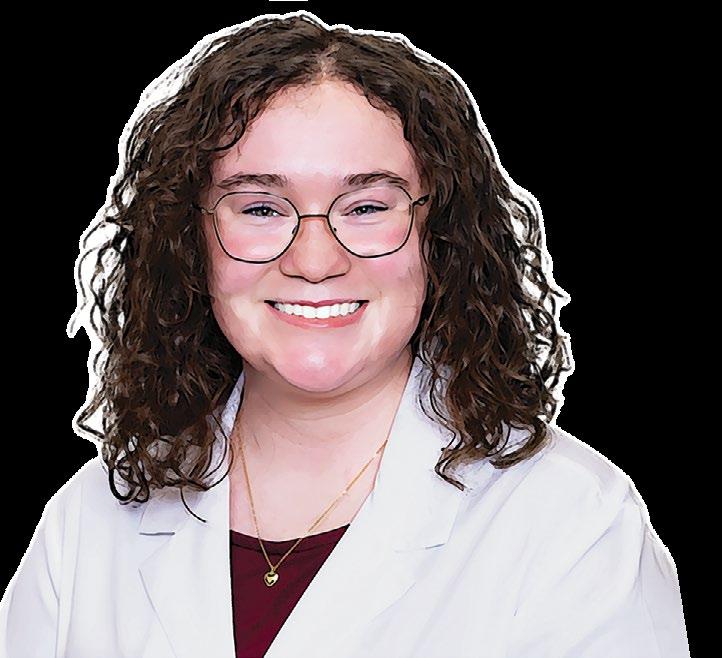
“I am so grateful that the Retzky College of Pharmacy has given me the Retzky Merit Scholarship. This honor has truly lightened some of the financial burden I face, like so many of my peers, by undertaking higher education at this level. The stress we face as PharmD students is overwhelming at times, especially in our first year, but it’s donations like the Retzky family’s that allow us to have one less stressor. I am beyond honored to be one of the inaugural Retzky scholars.”
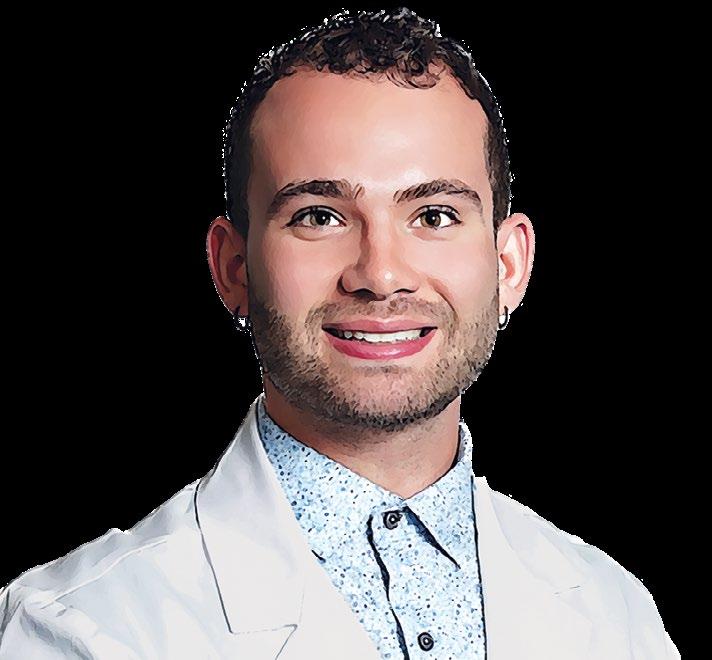
“Receiving the Retzky Scholarship has had a meaningful impact on my experience during my first year in pharmacy school. It has helped ease the financial burden of Pharmacy School, which allowed me to devote more time to my education, professional development, and involvement within the college. I am deeply grateful for the support and encouragement it represents, and it continues to motivate my growth both academically and professionally.”
TOTAL DONORS 277
total
SCHOLARSHIPS & AID scholarships awarded $ 516,870
2,191,903
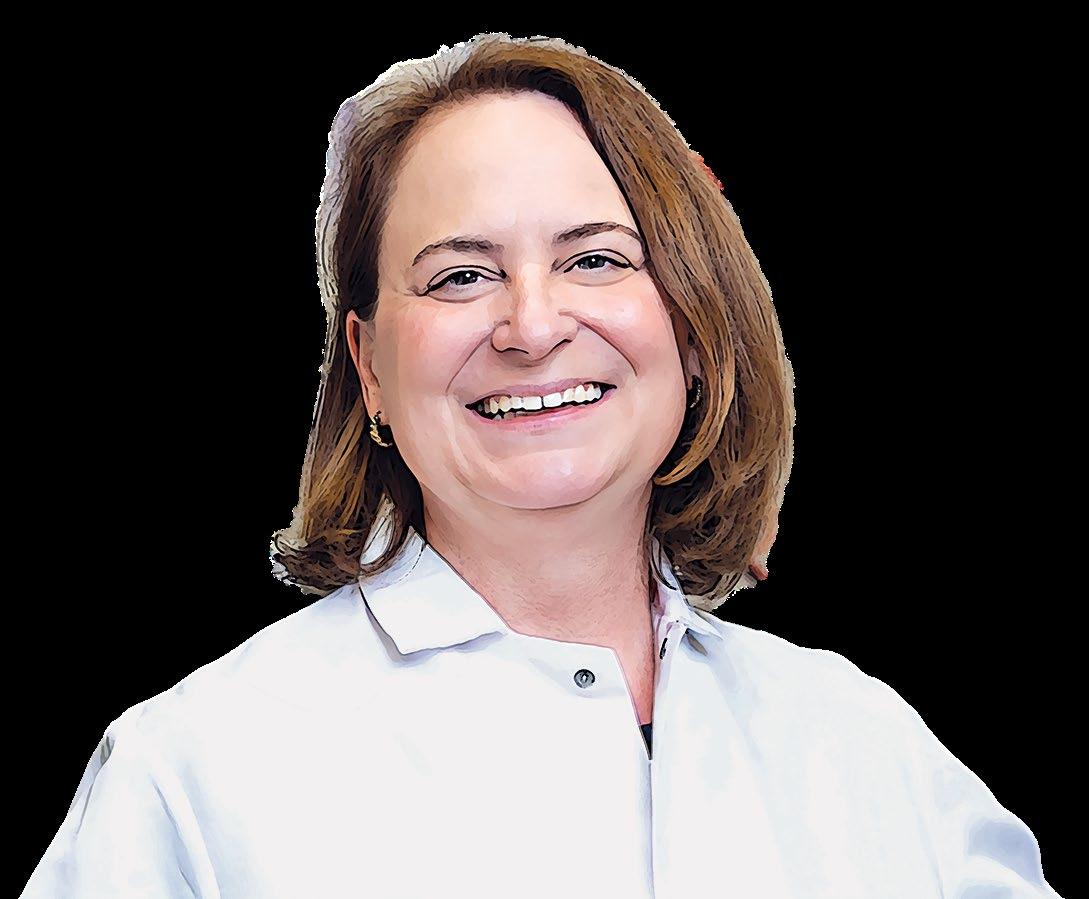
“JOANNA BURDETTE
PHD
Dr. Edward S. Mika and Josephine E. Mika Professor in Pharmacognosy and Medicinal Chemistry, Associate Dean for Research
Donors make an incredible and long-lasting impact on research done in the Retzky COP. They provide important funds that allow investigators to do creative new experiments that ultimately produce new larger projects, support training for the next generation, and enhance the discovery of edge technology for drug discovery.”
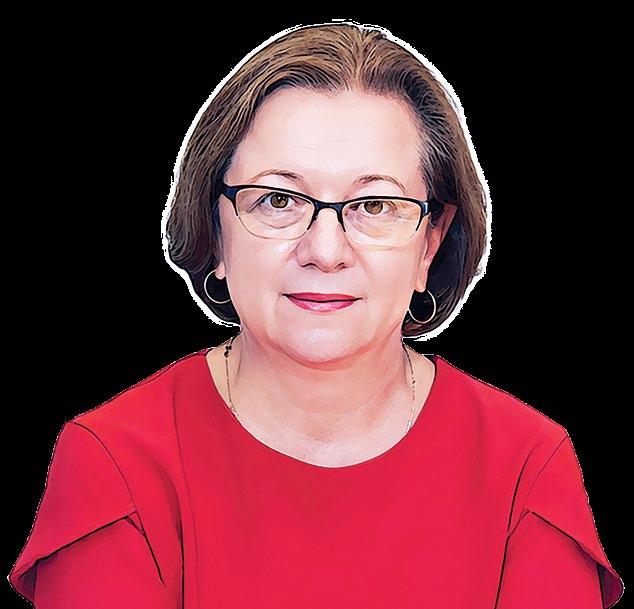
“EDITH A. NUTESCU
PHARMD, MS CTS, FCCP
Michael Reese Endowed Professor of Cardiovascular Pharmacotherapy Head, Department of Pharmacy Practice
The impact of donor support on faculty excellence at the Retzky College of Pharmacy is both profound and enduring. Investments such as named professorships empower faculty to focus on meaningful research, innovative teaching, and mentorship that shape the next generation of pharmacy leaders. This level of support strengthens the College’s ability to advance healthcare and serve its mission with distinction.”
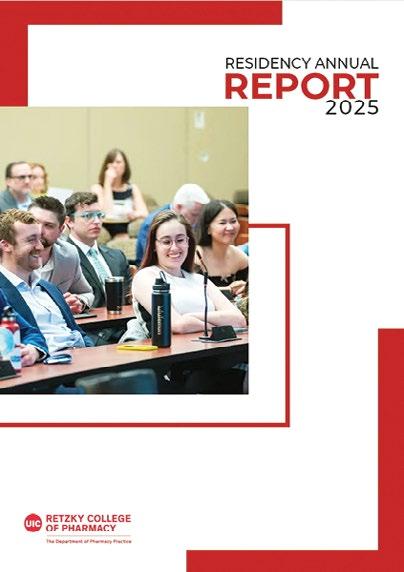
The Department of Pharmacy Practice had another outstanding year, and recently published two annual reports to highlight the success of the department as well as its residency programs.
Over the past year, the department’s grant-funded research increased to over $7.5 million, with 38 active grants and over 120 active IRB protocols. Faculty and trainees published 691 journal articles and presented their research at regional, national, and international meetings.
These reports show how our faculty, staff and trainees continue to contribute to our college’s mission of education, research, and service. Visit go.uic.edu/pmpr-report or use the QR code to take a closer look!
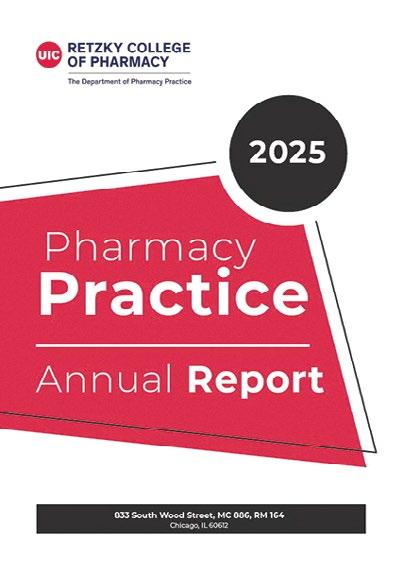
70 faculty, staff, post-doctoral residents, and trainees joined our department this past year. We celebrated 55 years since the inception of our first residency program and recognized over 1,000 residents and fellows who graduated from our programs to date. We launched the ‘UIC Residency Village’ (go.uic.edu/ResidencyVillage), an engagement program that offers opportunities for our alumni to engage with us and our current residents and fellows.
While these reports aren’t a comprehensive list of every accomplishment, they give a glimpse into the productivity and success of the department’s faculty, staff, and trainees. We look forward to continuing this work to further advance the educational, research, service, and entrepreneurship mission of the Department.
BY JENNIFER FLYNN
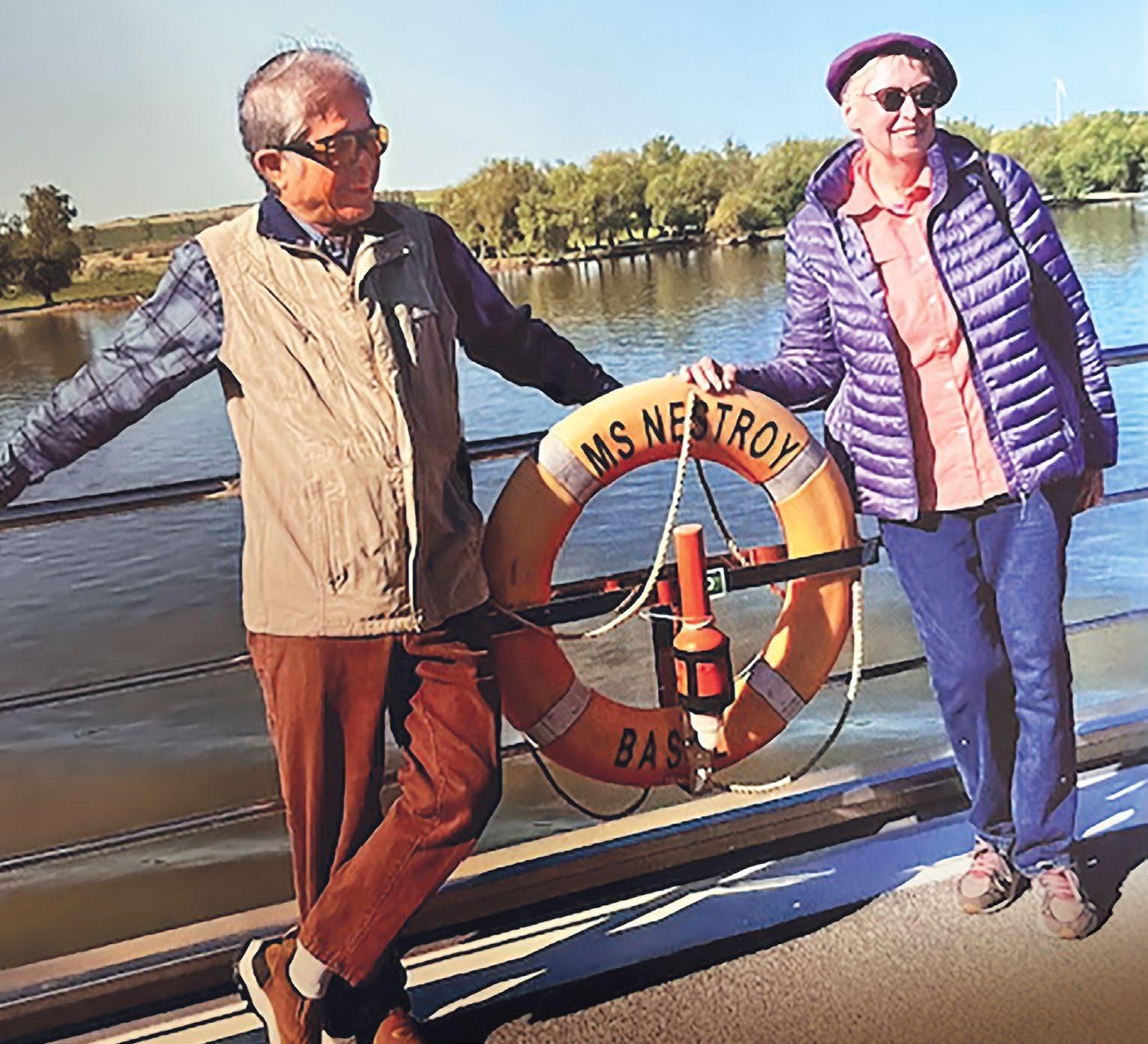
In 1970, as a post-doctoral fellow in California, Maung Tin-Wa was being recruited by pharmaceutical science laboratories in the UK, Norway, France, and Germany. He turned them all down to come to UIC.
“My Ph.D. advisor, Norman Farnsworth [1930-2011], was an expert in pharmacognosy, the discovery of new medicines from plants and other natural sources. He had just been recruited to UIC from the University of Pittsburgh, and he wanted me to set up his new laboratories from scratch,” says Tin-Wa.
For five years, Tin-Wa worked as an assistant professor and lead investigator under Farnsworth’s leadership. During that time, he helped lay the groundwork for what would become the Retzky College of Pharmacy’s Pharmacognosy Institute and the NAPRALERT Database, a comprehensive search platform for global scientific data on medicinal plants. As a result of that
early work, UIC was named the only WHO Collaborating Centre for Herbal Medicines in the US in 1981.
To support UIC’s continued leadership in pharmacognosy research and drug discovery, Tin-Wa and his wife, Anna Spielvogel, recently committed $250,000 to the College. This gift will add to their previous donations, bringing their giving total to more than $400,000.
“We are extremely grateful to Tin-Wa and Anna for being part of our past, present, and future. Generous gifts like theirs are what has made UIC so successful in pharmacognosy and drug discovery and allow us to continue to find new drugs that will benefit humanity in the future,” says Dean Glen Schumock.
Chun-Tao Che, the Harry H.S. Fong Professor of Pharmacognosy, says supporting pharmacognosy research remains crucial to public health. “Natural products constituted the earliest medicines known to man - and many are in use today. Plants and natural sources will continue to be an important reservoir for new drug discovery in the future.”
Paul Carlier, the Hans W. Vahlteich Chair in Medicinal Chemistry and Director of UICentre – UIC’s drug discovery enterprise, elaborates, saying that “Newly discovered natural products provide inspiration to drug designers, who transform their chemical structures into medicines with improved efficacy and reduced side effects compared to the natural substance. Thus, imparting even greater benefits.”
Che’s lab has used Tin-Wa and Spielvogel’s previous donations to support several research projects on the discovery of bioactive substances from African and Asian medicinal plants.
Che adds that Drs. Tin-Wa and Spielvogel’s generosity goes far beyond financial contributions. “It reflects a sincere belief in the value of pharmacognosy and the study of traditional medicines. Their encouragement has helped sustain me and my team through many years of research and exploration.”
Growing up in Myanmar (then called Burma), Tin-Wa’s path to becoming a distinguished scientist was far from predetermined.
“I am the fourth of five brothers, and I’m the least serious one,” he says, noting that when he was a student at the University of Rangoon, his mother became concerned. “She wanted all her boys to be engineers and scientists, and I was the joker. I dropped out of my honors chemistry program because I wanted to do extracurricular activities like boxing, rowing, and racquet sports such as badminton.”
His mother convinced him to take his academics more seriously and pursue advanced degrees overseas, something she had wanted to do herself but couldn’t. “I said, ‘I promise I’ll earn one graduate degree in the US.’ I thought I’d earn a master’s degree and go back to Myanmar.’”
Tin-Wa and his wife, Anna Spielvogel, recently committed $250,000 to the College. This gift will add to their previous donations, bringing their giving total to more than $400,000.
But a few factors kept Tin-Wa in the US. He had found his niche as a pharmaceutical researcher, and the political situation in Myanmar made a career there unlikely. He had also fallen in love with Spielvogel.
“We met when I was doing my post-doc and she was earning her Ph.D. in biochemistry at the University of California, Riverside. When I took the job at UIC, she decided to join me in Chicago. She found a job doing research at Northwestern,” says Tin-Wa.
An accomplished physician and scientist in her own right, Spielvogel has fond memories of Chicago.
“We made lifelong friends with other scientists at UIC, who we could talk with about our research and big ideas,” she says.
One of those friends was UIC Emeritus Professor of Pharmaceutical Sciences Geoffrey Cordell, who arrived from MIT to work on Farnsworth’s team in the early 1970s. He went on to have many roles at UIC, eventually becoming Assistant Vice Chancellor for Research. Cordell and Tin-Wa traveled to Myanmar in 2013.
“Tin arranged for the two of us to go to Myanmar to deliver some lectures and conduct a workshop on the quality control of medicinal
plants at various locations. It was a life highlight and a very memorable experience indeed!” says Cordell.
These days, Cordell attends monthly roundtable discussions hosted by Tin-Wa. Other attendees include Prof. Che and Guido Pauli, the Norman R. Farnsworth Chair of Pharmacognosy. The group talks about current and future pharmacognosy research, with a special focus on plants from Madagascar.
“There are 12,000 plants indigenous to Madagascar, and the climate crisis is causing species of animals and plants to disappear at a very rapid rate. Tin feels it is particularly important to do what we can to identify plants that have been used traditionally in certain cultures but are not well studied,” says Spielvogel.
Medicinal plants have even influenced Tin-Wa’s hobbies. He enjoys watercolor painting, and one of his favorite subjects is the Madagascar periwinkle (Catharanthus roseus), the source of anti-cancer drugs vinblastine (VLB) and vincristine (VCR).
Tin-Wa and Spielvogel also enjoy traveling around the world. The pair have taken many trips to different areas of Myanmar and to Spielvogel’s native country, Austria, including Vienna, where she earned a master’s degree in pharmacy.
It’s clear Tin-Wa has embraced retirement and relishes his role as a philanthropist. “I’m outdated now! I can’t work in a lab and contribute to the science directly. But I can support researchers in other ways. I want to support the new blood.”




BY DANIEL P. SMITH
The UIC Retzky College of Pharmacy and Walgreens benefit from a longstanding relationship rooted in a shared commitment to the profession and patient care.
As the clock touches noon on Thursday, December 11, Dr. Rina Shah, PharmD ’05, answers her cell phone with a gleeful hello. Within minutes, she’s spinning tales, enthusiastically sharing her journey as well as rich insights on the longstanding ties between her alma mater—the University of Illinois Chicago Retzky College of Pharmacy—and Walgreens, her only employer since first entering the workforce as a precocious teen in 1998.
During her final year at UIC, Shah remembers completing a rotation at a Walgreens store with a shared faculty member. The veteran pharmacist, who was piloting immunizations and medication therapy management consulting at a time when both were rare in the community pharmacy setting, told Shah Walgreens would “change community pharmacy and was the place to be.” The hypothesis inspired Shah, a secondgeneration pharmacist attracted to novel ways pharmacy could evolve in the future and enhance care.
UIC
WALGREENS
MORE THAN WINDY CITY TIES AND A CENTURY-OLD HERITAGE— THEY SHARE A COMMON GOAL TO ADVANCE, ELEVATE, AND SUPPORT HUMAN HEALTH AND THE PHARMACY PROFESSION.
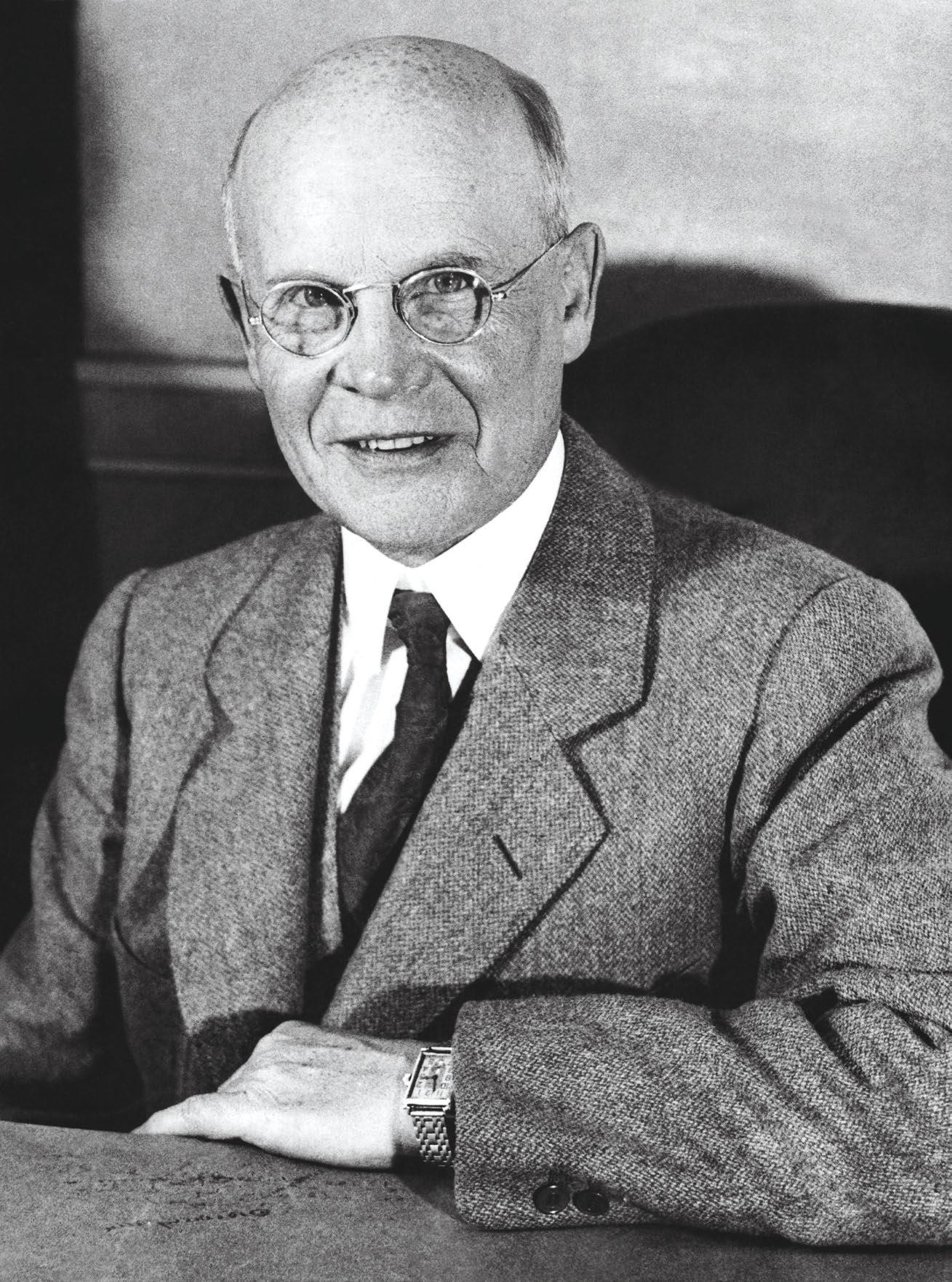
During her final year at UIC, Shah remembers completing a rotation at a Walgreens store with a shared faculty member. The veteran pharmacist, who was piloting immunizations and medication therapy management consulting at a time when both were rare in the community pharmacy setting, told Shah Walgreens would “change community pharmacy and was the place to be.” The hypothesis inspired Shah, a second-generation pharmacist attracted to novel ways pharmacy could evolve in the future and enhance care.
Shah has spent the last two decades rising the ranks at Walgreens, devoting her most recent years to imagining the pharmacy of the future and, in her current role as senior vice president of enterprise specialty pharmacy, delivering care to patients with complex conditions like cancer, HIV, and infertility. And often, she finds herself interacting with a familiar ally.
“UIC is the first to raise their hand about engaging in new and different ways and identifying things we might do together to move the profession and patient care forward,” says Shah, who was named the College of Pharmacy’s 2025 Alumna of the Year at its Alumni Reunion last October. “It’s a special relationship for sure.”
For the last 125 years, the UIC Retzky College of Pharmacy and Walgreens have stood side by side in Chicago.
After purchasing the Chicago drug store where he worked as a pharmacist in 1901, Charles S. Walgreen Sr. opened a second store and formed Walgreen Co. in 1908. Today, Walgreens, which is headquartered in north suburban Deerfield, operates about 8,000 stores across the U.S. and serves about 9 million customers and patients each day.
Yet, UIC and Walgreens share more than Windy City ties and a century-old heritage. In fact, they share a common goal to advance, elevate, and support human health and the pharmacy profession.
UIC, one of the nation’s premier pharmacy schools, has been a consistent source of talent for Walgreens and a willing collaborator on everything from a community pharmacy residency to programming for high school students interested in the profession. Walgreens, meanwhile, frequently hosts UIC students on rotations, presents opportunities for UIC students to gain realworld experience with paid positions, and opens students’ eyes to the realities of community practice.
UIC Retzky College of Pharmacy Dean Dr. Glen Schumock celebrates the college’s established relationship with Walgreens, one rooted in similar values and mission—to educate, to serve, and to improve health outcomes.
“We’re fortunate to have Walgreens in our backyard and a long, shared history we can draw upon as leaders in the pharmacy profession,” Schumock says.
He adds that an earnest association with Walgreens, one of the nation’s largest employers of pharmacists, is essential to ensuring UIC remains connected to practice, especially since three out of four Americans live within five miles of a Walgreens store.
“With its size and reach, Walgreens influences pharmacy practice as well as how the public sees pharmacists, which only heightens the importance of our relationship with the company,” Schumock says.
As UIC PharmD students progress through their studies, many interact with Walgreens in one way or another.
“Walgreens is one of the larger community partners we have,” confirms Dr. Sheila Allen, PharmD ’03, senior director of experiential education at the Retzky College of Pharmacy.
Each year, for instance, numerous students from UIC’s Chicago and Rockford campuses complete introductory pharmacy practice experiences (IPPEs) and advanced pharmacy practice experiences (APPEs) at Walgreens locations, where they receive firsthand experience in community practice, chronic disease state management, immunizations, regulatory issues, and pharmacy management.
“These rotations are so valuable in that they allow students to immediately apply skills they’re learning in the classroom,” Shah says. “Students might learn about inhalers and then walk into one of our pharmacies and deal with an inhaler issue right then and there.”
Even more, Schumock adds, IPPEs and APPEs provide students a preliminary understanding of where community pharmacy is, where it might go, and how students can be impactful professionals advancing patient care.
“From how they interact with and counsel patients to how they work with providers to diagnose and prescribe drugs and administer vaccines, Walgreens has invested a lot of thought into reimagining how pharmacy is practiced at the community level, including how pharmacists can practice at the top of their license,” Schumock says. “That’s invaluable for our students to see up close.”
Sheila Allen also helps coordinate experiential learning opportunities in Walgreens’ specialty pharmacy environments, where pharmacists address diseases like hepatitis C and HIV, as well as elective opportunities in which students might work in the Walgreens corporate office or alongside pharmacy supervisors in the
Walgreens system. In addition, Sheila Allen says some UIC students serve as interns at Walgreens locations or work part-time at the company’s community pharmacies outside of their school-related activities.
As a result, UIC has become a significant pipeline of pharmacy talent for Walgreens, which regularly hires UIC alumni to work in its stores and sees many rise the company’s ranks and fill important roles across the enterprise. (Notably, this includes pharmacists from historically underrepresented backgrounds. UIC is both a federally designated Minority-Serving Institution and a Hispanic-Serving Institution invested in helping Hispanic students attain degrees in STEM fields like pharmacy. The latter commitment helps to cultivate Spanish-speaking pharmacists, which is an area of particular need in the U.S.)
“Given our strong ties to UIC, there are so many students who graduate as experts on Walgreens. They understand the Walgreens system, our model, our workflow, and our culture,” Shah says. “Because of that familiarity and the sound academic training we know they received at UIC, we can get them into leadership roles quickly.”
Walgreens’ relationship with UIC also helps the company understand what aspiring pharmacists desire in the profession with respect to patient care, clinical outcomes, and innovation. Walgreens, of course, boasts of storied history of innovation that includes being the first national pharmacy chain to put its prescriptions into child-resistant containers and offer prescription labels in multiple languages systemwide.
“Our consistent involvement with UIC provides us access to individuals who are helping us innovate and drive different models of community pharmacy care in real time and stay at the forefront of where pharmacy can go,” Shah adds.
To be certain, UIC alumni are driving innovation and patient care across the Walgreens enterprise. They are directing pharmacies, streamlining operations to support patient care and pharmacists’ work, leading novel clinical care initiatives, and guiding high-performing business units.
For example, Dr. Cheryl Creek, PharmD ’90, works to optimize pharmacy operations at Walgreens locations. As a pharmacy systems and operations director since 2019, Creek leverages technology, the evolving skills of pharmacists, and partnerships to fuel patient care at the company’s pharmacies.
As a senior director of product development and brand management for owned brand healthcare at Walgreens, Dr. Andrea Collaro, PharmD ’97, spearheads the strategy, commercialization, and product development of various healthcare products found in Walgreens stores.
THROUGH MENTORSHIP AND GUIDANCE, BOTH UIC AND WALGREENS SHOW A COMMITMENT TO SEEING PHARMACISTS SUCCEED AND DEVELOP THROUGHOUT THEIR CAREERS. IT’S ONE REASON BOTH HAVE PLAYED A ROLE IN SHAPING HOW PHARMACY IS PRACTICED IN THE U.S.
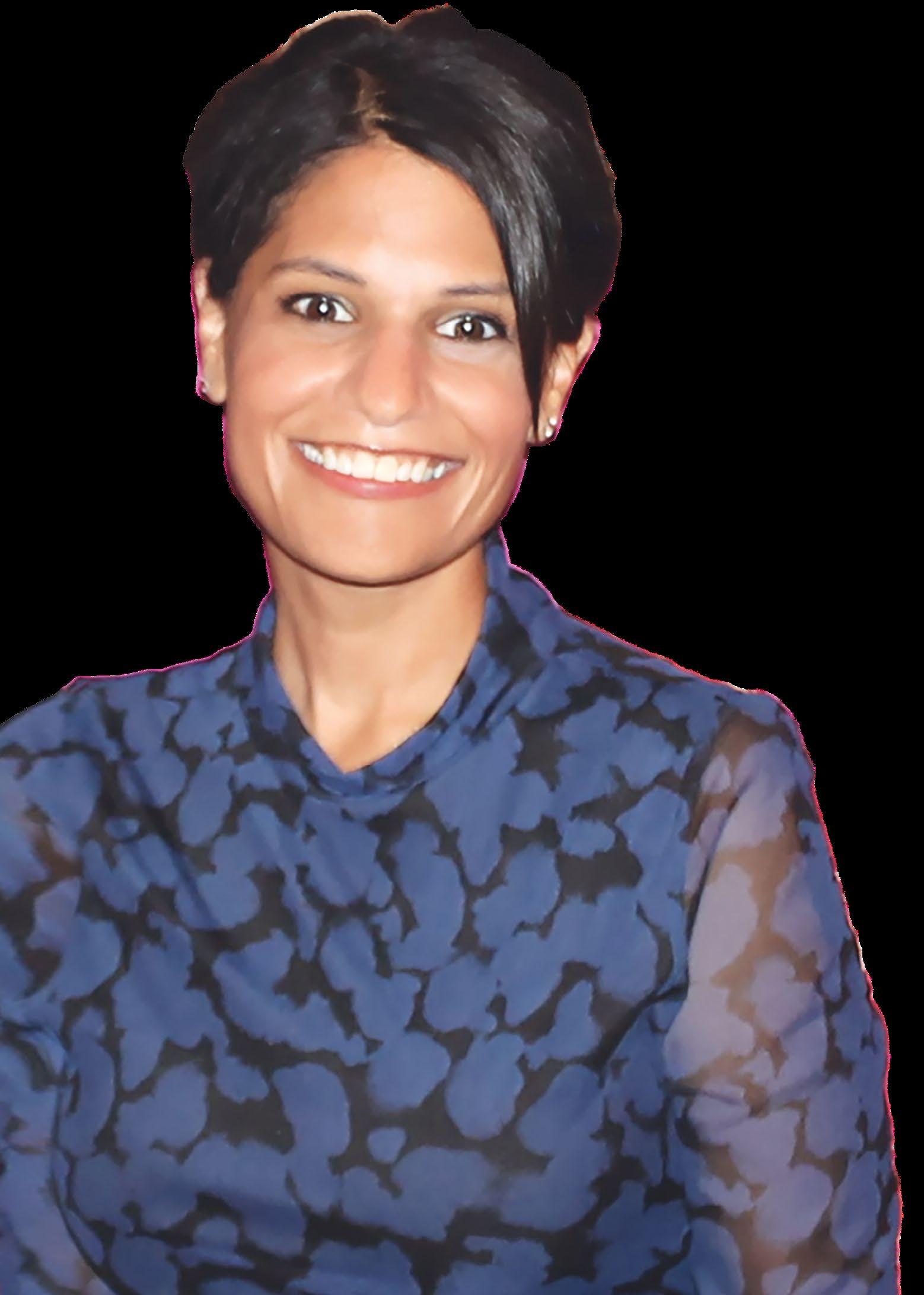
And Dr. Rachel O’Koren, PharmD ’02, senior director of Walgreens’ Office of Clinical Integrity, leads an interdisciplinary healthcare team providing evidencebased clinical guidance to stakeholders across the Walgreens enterprise.
Many other alumni play integral roles in Walgreens’ retail stores and directly impact the experience and care of customers.
Dr. Patrick Allen, PharmD ’95, joined Walgreens as a full-time pharmacist in 1995 after years of working as a Walgreens pharmacy tech throughout his college years. He managed various individual pharmacies in the Chicago area before company leadership appointed him a pharmacy supervisor charged to oversee multiple stores. Now a healthcare supervisor at Walgreens, he directs all pharmacy operations across approximately 50 stores scattered around Chicago’s South Side and south suburbs.
Like Patrick Allen, Dr. Ben Beshalske, PharmD ’07, worked as a pharmacy tech at Walgreens stores before joining the company full-time after completing his PharmD studies at UIC. Within a year, Beshalske was managing his own retail pharmacy. He later moved into specialty pharmacy and now runs the Walgreens Specialty Pharmacy location inside Northwestern Memorial Hospital, an active position that includes coordinating all transplant discharges at the hospital, overseeing oral oncology agents, and working with specialty medications.
Patrick Allen, who hired Beshalske as a pharmacy tech back in 2002, says UIC has proven to be a great asset to Walgreens, particularly when it comes to providing capable and forward-thinking professionals.
“UIC develops and graduates excellent future pharmacists who have had a great impact on Walgreens, whether it’s as community pharmacists, specialty pharmacists, field managers, or leaders in our corporate office,” he says.
Beshalske, meanwhile, is never surprised to cross paths with a fellow UIC Pharmacy alum at Walgreens, especially someone who has climbed the corporate ranks and now holds an influential role.
“Through mentorship and guidance, both UIC and Walgreens show a commitment to seeing pharmacists succeed and develop throughout their careers,” he says. “It’s one reason both have played a role in shaping how pharmacy is practiced in the U.S.”
Beyond the talent pipeline, however, UIC and Walgreens have collaborated on various initiatives to strengthen and advance the pharmacy profession.
UIC Pharmacy’s Urban Pathway Program (UPP), for instance, is a lively summer program designed for highperforming Chicago area high school students interested in a pharmacy career. Over eight weeks, students shadow faculty, visit clinics, and serve as pharmacy technicians at retail locations, including Walgreens stores.
Patrick Allen says the novel program led by the college’s associate dean for diversity, equity, and inclusion Dr. Clara Awé highlights the vital role pharmacists play in the healthcare arena and has successfully motivated young students to pursue the field. In fact, data shows a majority of UPP alumni have enrolled in pharmacy programs. Allen is hopeful UIC and Walgreens can continue to expand the program together and “put an even brighter spotlight on pharmacy as a profession.”
Schumock, meanwhile, is a member of the Walgreens Deans Advisory Council, a group of 17 pharmacy school deans who work with corporate leadership to enhance the pharmacy profession and better support pharmacists. Launched in early 2024, Schumock and his colleagues have already fueled a number of tangible solutions, including one-of-a-kind programs like the Community Practice Shared Faculty Program and PharmStart.
With the shared faculty program, something UIC and Walgreens had previously run together, Dr. Sarah Kwasigroch Glavan, clinical manager at Walgreens and a 2012 alumna of the UIC-Walgreens Community Pharmacy PGY1 Residency, spends regular time on campus and works as an affiliate faculty at the college. Dr. Sheila Allen says the shared faculty program exposes UIC students to varied career paths in community pharmacy and ways they can practice at the top of their license.
PharmStart, meanwhile, is a first-of-its-kind, fully funded online education program that helps eligible Walgreens team members meet the prerequisite requirements for pharmacy schools like UIC. Schumock and his fellow deans urged Walgreens to expand the program after a successful pilot run.
“The different touchpoints we have with UIC allow us to better connect with students, increase the talent pipeline coming into the profession, and strategically invest in initiatives that push pharmacy forward,” Shah says. “That’s why it’s a relationship we value and want to continue developing.”
When Walgreens was looking to grow community-based residency programs, Dr. Judy Sommers Hanson, PharmD ’95, knew just where to turn: UIC. In 2010, Walgreens and UIC introduced the UIC-Walgreens Community Pharmacy Residency Program, a novel postgraduate opportunity designed to showcase advanced community practice.
“I knew UIC would be a great partner for us,” says Hanson, who oversees residencies and fellowships at the Deerfield, Illinoisbased company.
Much like other PGY1 residencies, the community pharmacy residency program aims to develop practitioners with knowledge, skills, and abilities to thrive in diverse patient care, practice management, leadership, and education.
Residents work out of three community-based specialty pharmacy locations in Chicago, each of which offers a variety of innovative clinical pharmacy services for patients prescribed

complex therapies for conditions like HIV and cancer. Practicing in these environments, Hanson says, provides the residents with rich insights into the implementation of patient care services in the community pharmacy setting. In addition, residents actively participate in teaching and precepting experiences at UIC as well.
Today, the PGY1 community pharmacy residency remains a staple of UIC’s residency roster and a shining example of UIC and Walgreens’ mutual desire to strengthen community practice.
“Both UIC and Walgreens have a long history of supporting care for our patients in our communities, which is why our relationship has been so productive,” Hanson says.
BY JENNIFER FLYNN
BY JENNIFER FLYNN
“Drug discovery takes more than world-class researchers,” says Paul Carlier, director of UICentre. “Outstanding scientists can still run into roadblocks.”
Carlier arrived at UIC in August 2022 from Virginia Tech to lead UICentre, UIC’s campus-wide drug discovery initiative. As director, it’s his job to help researchers anticipate and remove as many roadblocks as possible.
“The drug discovery process is complicated and can take decades. Navigating it requires specialized expertise and infrastructure,” says Carlier.
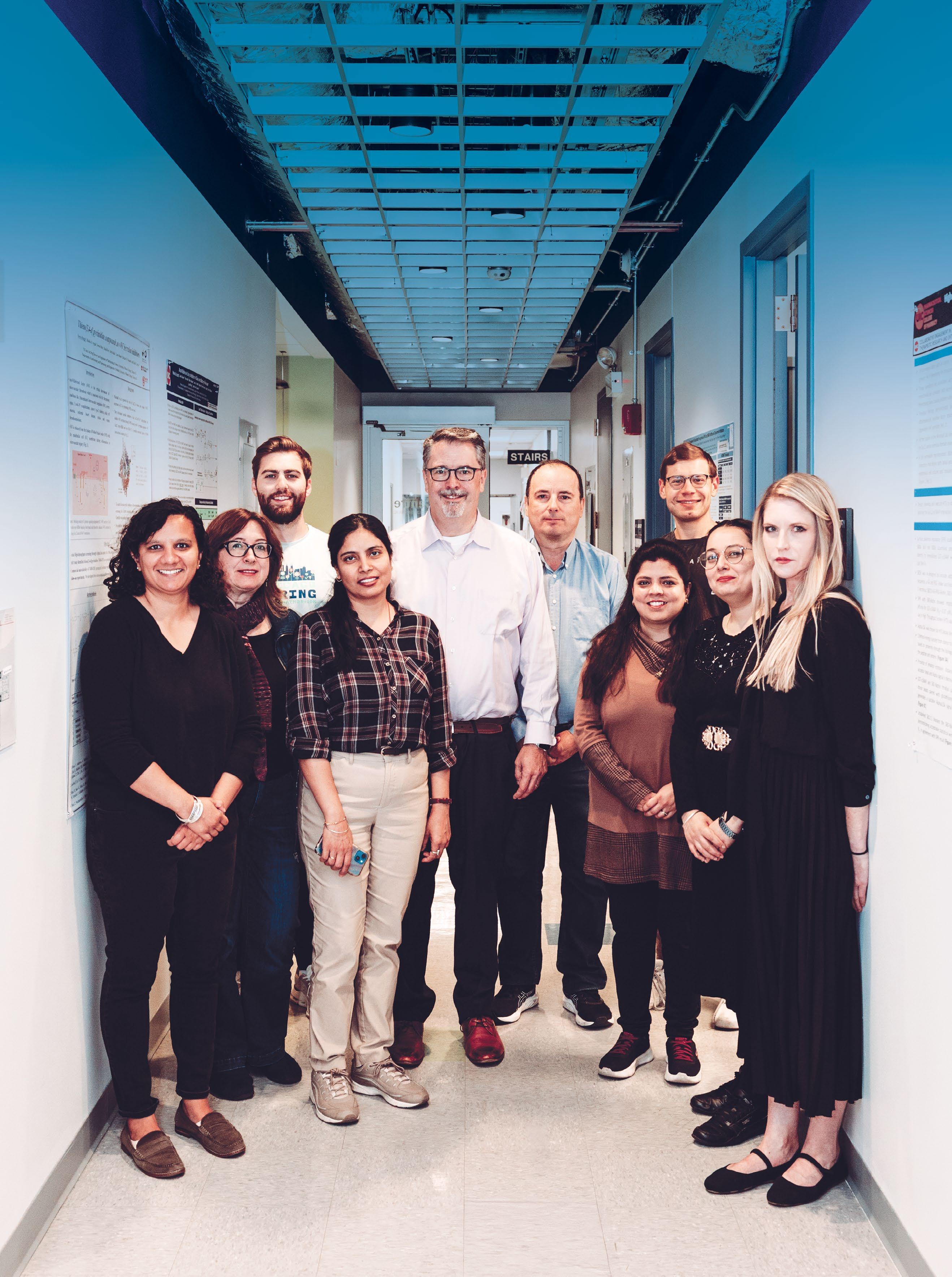
UICentre employs 8.5 full-time scientists, including Carlier, whose wide-ranging expertise spans high-throughput screening, bioassay development, target validation, medicinal chemistry, and bioanalytical chemistry.
“We partner with researchers to share our expertise, provide access to specialized equipment, help them get funding, and identify collaborators within UIC and the UI Health System,” says Carlier. “We can also advise them about administrative issues, like how to work with the UIC Office of Technology Management to file for patents.”
Trained in synthetic organic chemistry, Carlier holds the Hans W. Vahlteich Chair in Medicinal Chemistry in the Retzky College of Pharmacy, where he is a professor of pharmaceutical sciences. He is also a professor of chemistry in the College of Liberal Arts and Sciences.
Carlier says he is grateful to his predecessors—former UIC Professor Greg Thatcher, who founded UICentre in 2013, and Research Professor Mike Flavin, who served as interim director from 2020 to 2022. “I am especially thankful to Mike for stewarding UICentre so ably during the challenging pandemic years,” Carlier says. “He put us in a great position to succeed over the last three and a half years.”
Since coming aboard, Carlier has put a premium on strengthening relationships with UICentre’s stakeholders and building connections to academic researchers across UIC as well as other universities in Chicago. This strong network helps ensure that the most promising drug discovery projects have both the talent and financial support they need for success.
“Paul has been phenomenal about promoting UICentre across campus and being transparent about how to take advantage of UICentre services and seed grants,” says Andrew Riley, associate professor of pharmaceutical sciences, whose lab investigates therapies for pain and addiction. “So if you have a project in mind, you know how UICentre can help.”
One of the most common ways UICentre helps researchers is through seed grants. The grants range from $20,000 to $65,000 and may be used to pay for equipment, supplies, and graduate student researchers.
“If you need some money, and your project fits UICentre’s criteria, you can apply for a seed grant to help get things started,” says Riley, who won a seed grant to investigate treatments for neuropathic pain in 2022.
Under Carlier’s leadership, two new seed grant programs have launched. The first, called U2D2 (UI Cancer CenterUICentre Drug Discovery), supports cancer drug discovery in partnership with the University of Illinois Cancer Center. The second, Launch, is for drug discovery in all other areas. Launch is administered in partnership with the UIC Center for Clinical and Translational Science.
Kiira Ratia, a research associate professor of pharmaceutical sciences who became UICentre’s associate director in 2024, is part of the committee that reviews seed grant applications. She describes what makes a promising research proposal.
“ The drug discovery process is complicated and can take decades. Navigating it requires specialized expertise and infrastructure
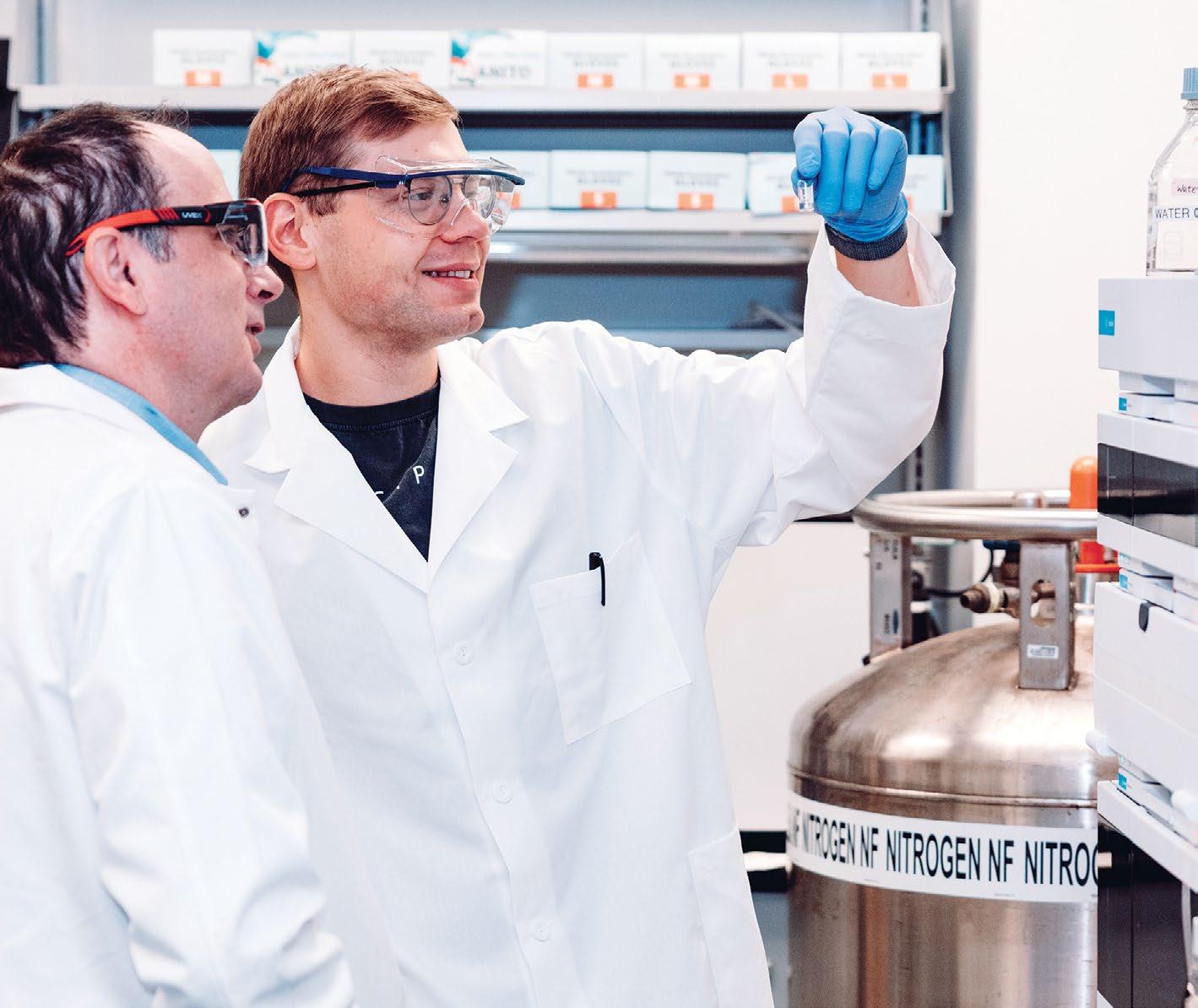
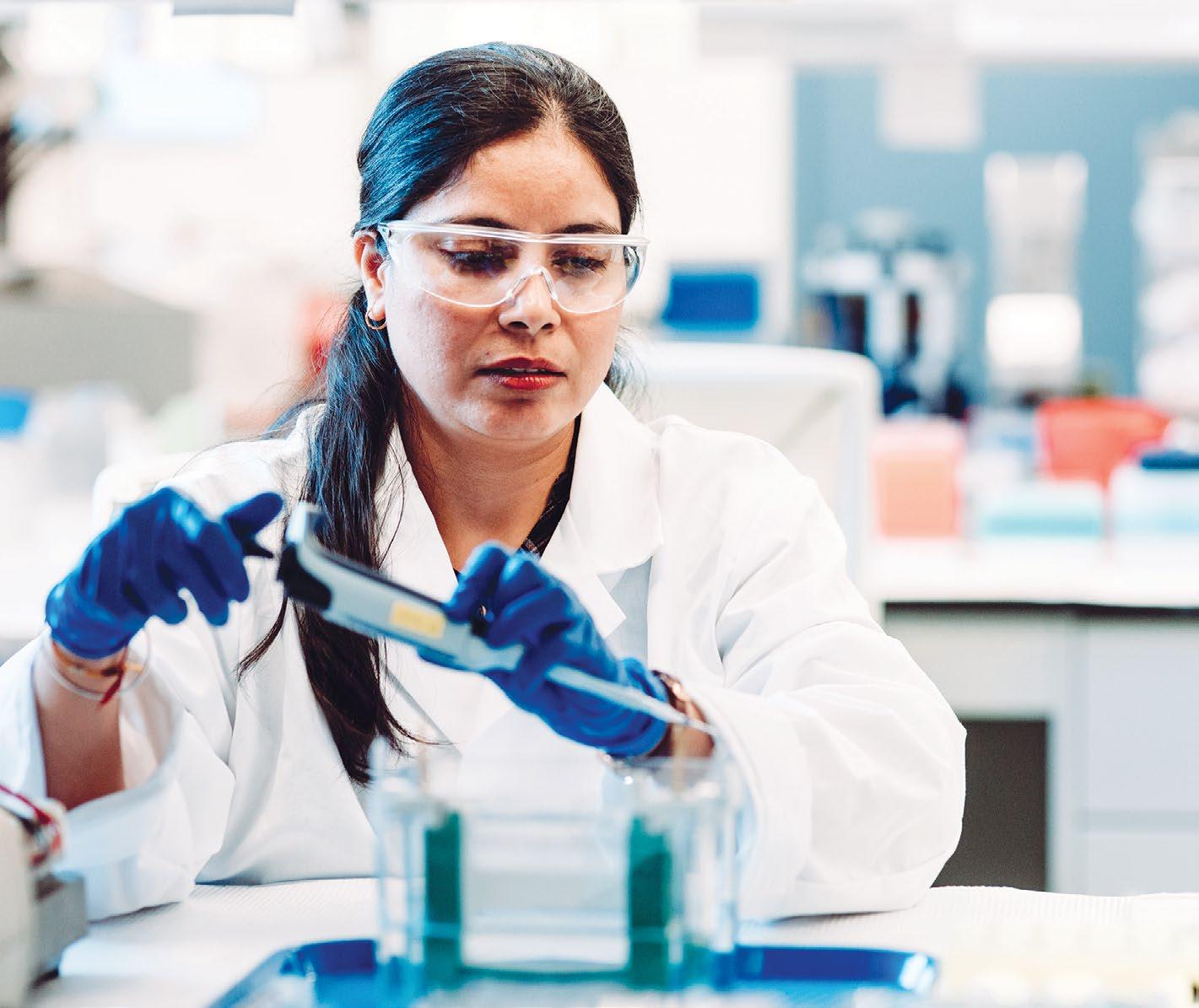
“First, we look to see how well validated the intended drug target is. Is there strong research to suggest that modulating that target—usually a protein receptor involved in the disease process—will produce the desired effect?” Another primary consideration is whether the target is suitable for high-throughput screening (HTS). A cornerstone of UICentre’s capabilities, HTS is a process that allows scientists to quickly test thousands of molecules against a target for therapeutic potential. Molecules that react positively with the target are classified as “hits.”
Ratia has overseen UIC’s High Throughput Screening (HTS) Core since 2012—a year before it became part of UICentre—and brings valuable insights to the seed grant committee. She explains that after HTS, a target must go through another set of tests, called secondary assays. Secondary assays are more complex and timeconsuming to run, but necessary.
“High throughput screening can yield false positives, so there needs to be additional testing on hits to find real leads,” says Ratia. “The most promising grant applications show that a target can undergo HTS as well as secondary assays.”
Carlier appreciates Ratia’s expertise. “As a biochemist and structural biologist, Kiira brings a keen scientific mind and experimental fearlessness to UICentre. I am grateful for her many contributions over the years.”
Carlier adds that grant application committee members must also consider whether similar research is ongoing at UIC or other institutions. “If we know 20 other labs are working on the same target, we might not want to spend time and money trying to solve the same problem.”
That’s because seed grants help principal investigators gather key preliminary data that can be used to apply for federal and foundation grants. “The more competition there is out there, the less likely we are to earn a return on investment,” says Carlier.
Over the years, seed grant recipients have brought in nearly $50 million in external funding. Carlier says that means the center brings in $5.20 for every $1 it spends in seed grants and other costs.
Riley’s lab contributes to that impressive figure. He used his UICentre seed funding to conduct HTS and identify potential drug therapies to treat neuropathic pain. In 2024, Riley and his team were awarded a 5-year, $2.5 million grant from the National Institutes of Health to continue their research.
“The results from the seed grant proved instrumental to securing our NIH grant,” says Riley. “Several reviewers said that the identification of these hit compounds represented a significant strength of our application.”
Riley is not the only high-profile researcher whose work is helped by UICentre. Alexander Mankin, distinguished professor of pharmaceutical sciences, and his team have partnered with UICentre to find new ways to fight drug-resistant bacteria. Terry Vanden Hoek, professor and head of physiology and biophysics, and professor of pharmacology and regenerative medicine, has used UICentre’s HTS capabilities to identify a potential new treatment for atrial fibrillation, a common heart disorder that can lead to stroke and heart failure.
Lijun Rong, professor of microbiology and immunology, collaborates with UICentre to develop novel antiviral drugs that target human pathogens with pandemic
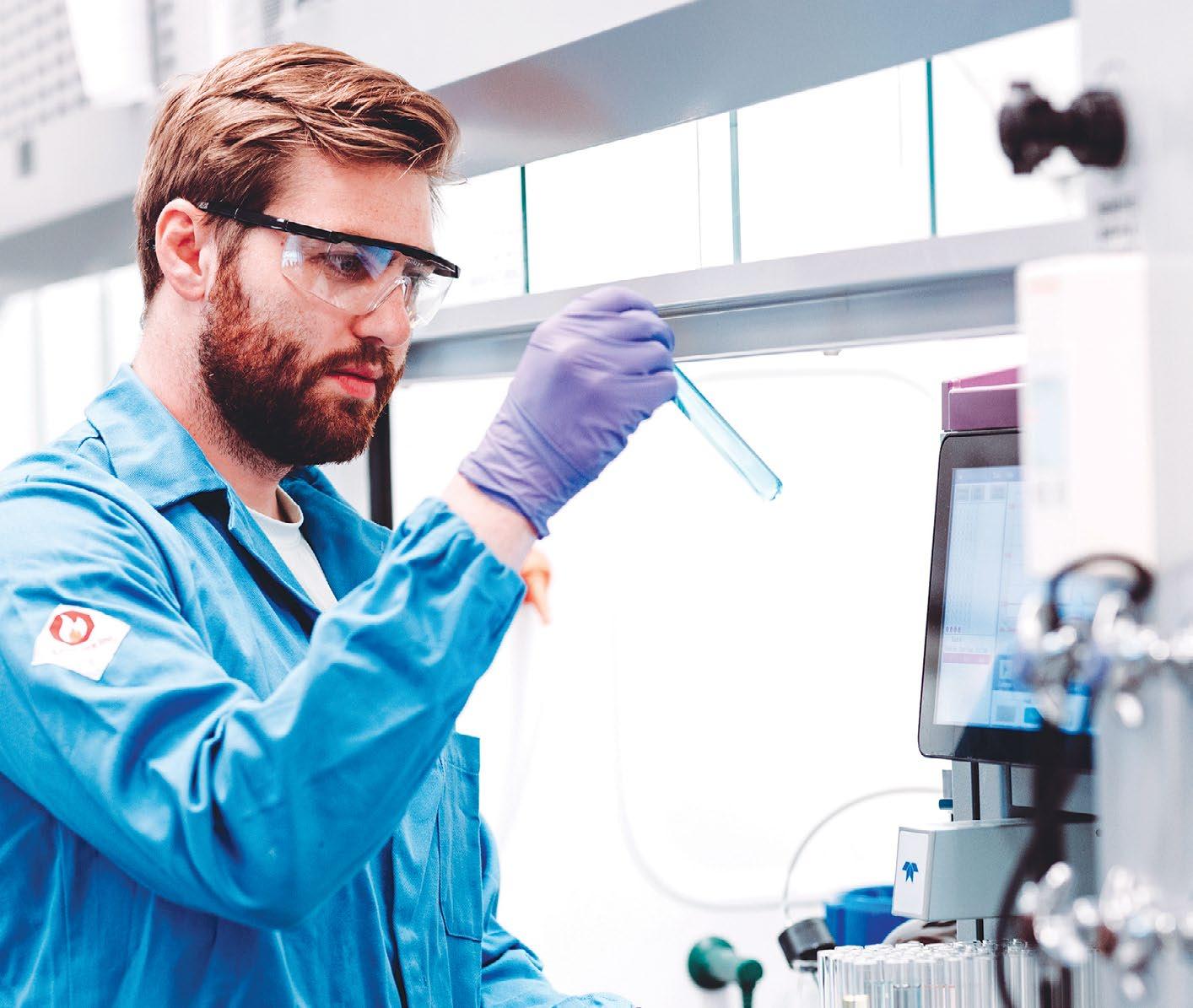
potential, such as SARS-CoV-2, influenza, and Ebola. Rong and his research team look for small molecules that target viruses and interrupt their reproduction and ability to spread. He says UICentre provides crucial support, offering his team both facilities and technical help.
“We work closely with UICentre to develop highthroughput screening (HTS) platforms and perform cell-based HTS,” he says. “Together with Irina Gaisina of UICentre, and Terry Moore of Pharmaceutical Sciences, we have published numerous high-profile papers and received more than $10 million in funding from the NIH and the Gates Foundation.”
Rong’s lab and UICentre are currently focused on potential new therapies for flu and other viruses that could boost the efficacy of existing treatments.
Carlier is excited about these current projects, but he knows that drug discovery breakthroughs are few and far between. “It’s a numbers game, and we have to take the long view. We will keep offering our expertise and resources to the projects with the most potential, and we’ll keep making connections that catalyze progress.”
Ratia admires Carlier’s vision and leadership. “Paul is an incredibly effective mix of scientific curiosity, professionalism, and kindness. He drives projects forward with enthusiasm but ultimately lets the science lead the way. And his work ethic is truly remarkable.”
In spring 2025, the HTS Core moved from its original location in the Molecular Biology Research Building to the College of Pharmacy. The HTS Core is one of many core units across campus that make up the UIC Research Resources Center (RRC).
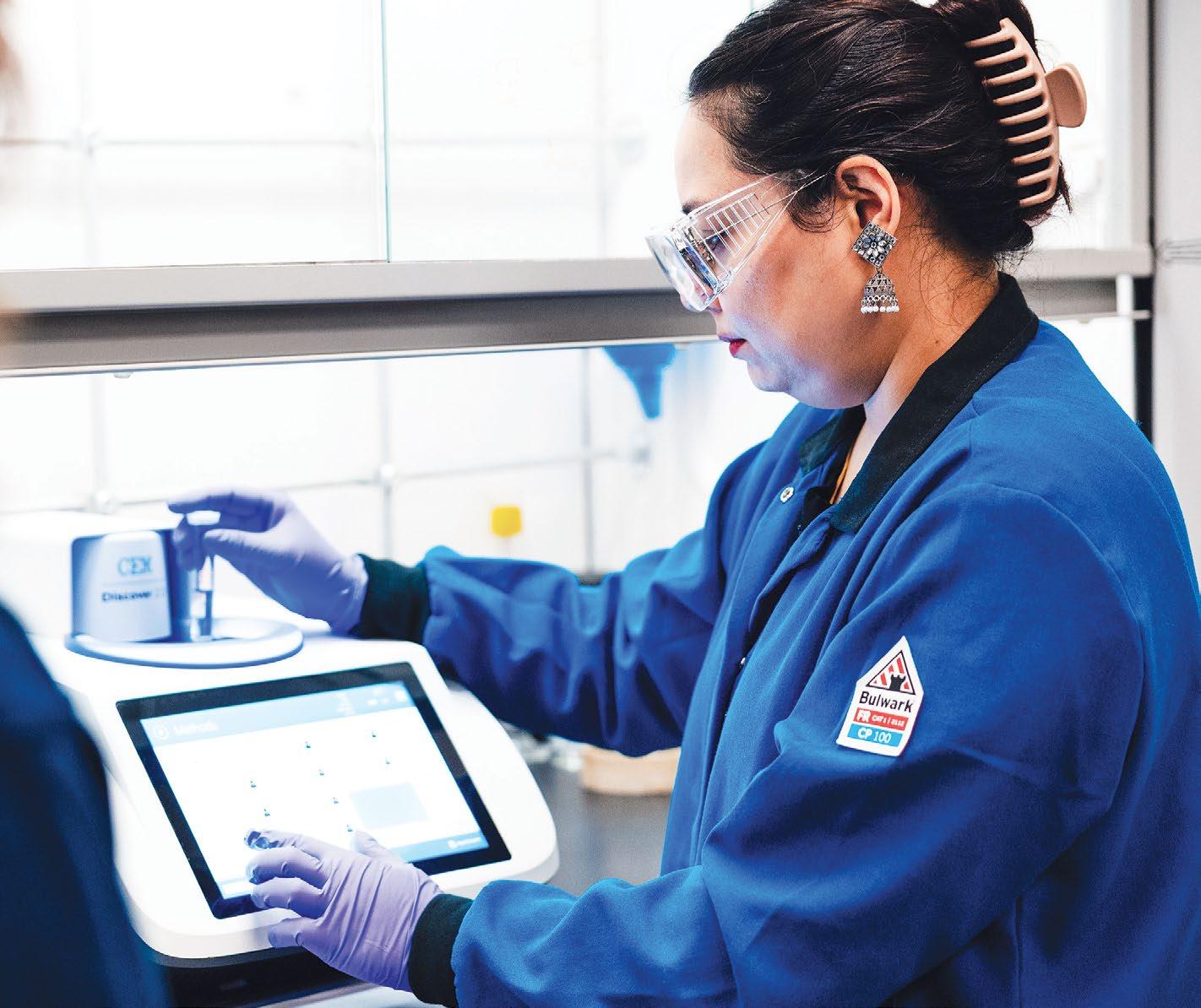
“Inclusion of the HTS Core in UICentre strengthens its collaborations with researchers and ensures the core’s most frequent users have easy access to the tools they need to conduct world-class research,” says Vice Chancellor for Research Joanna Groden, who oversees the RRC. “The Research Resources Center’s shared services accelerate discovery across campus. So, I’m very pleased to see that work continue within the College of Pharmacy and UICentre.”
“We are grateful to Dr. Groden for supporting this move,” says Carlier. “Faculty and staff from UICentre and the Institute for Tuberculosis Research—which are both housed in the College of Pharmacy—are the biggest users of the HTS Core. This move gives those people easier access.” The new location also allows for more cross-training opportunities for UICentre scientists and provides one-stop shopping for those interested in beginning new drug discovery projects.
Looking ahead, UICentre will have a new home in the Drug Discovery and Cancer Research Pavillion (DDCRP). The building will also house researchers from the College of Pharmacy, the UI Cancer Center, and the College of Liberal Arts and Sciences’ Chemistry Department. Funds from the units and the state will cover a significant amount of the construction costs. Fundraising is underway to cover the remainder of building costs, with opportunities for major donors to name spaces, labs, and equipment.
Carlier says he hopes to see the DDCRP ready for occupancy by 2030. “The new building will make collaborations much easier by bringing faculty, staff and student researchers together under one roof—and those synergies are key to drug discovery.”
“ We partner with researchers to share our expertise, provide access to specialized equipment, help them get funding, and identify
collaborators within UIC and the UI Health System.
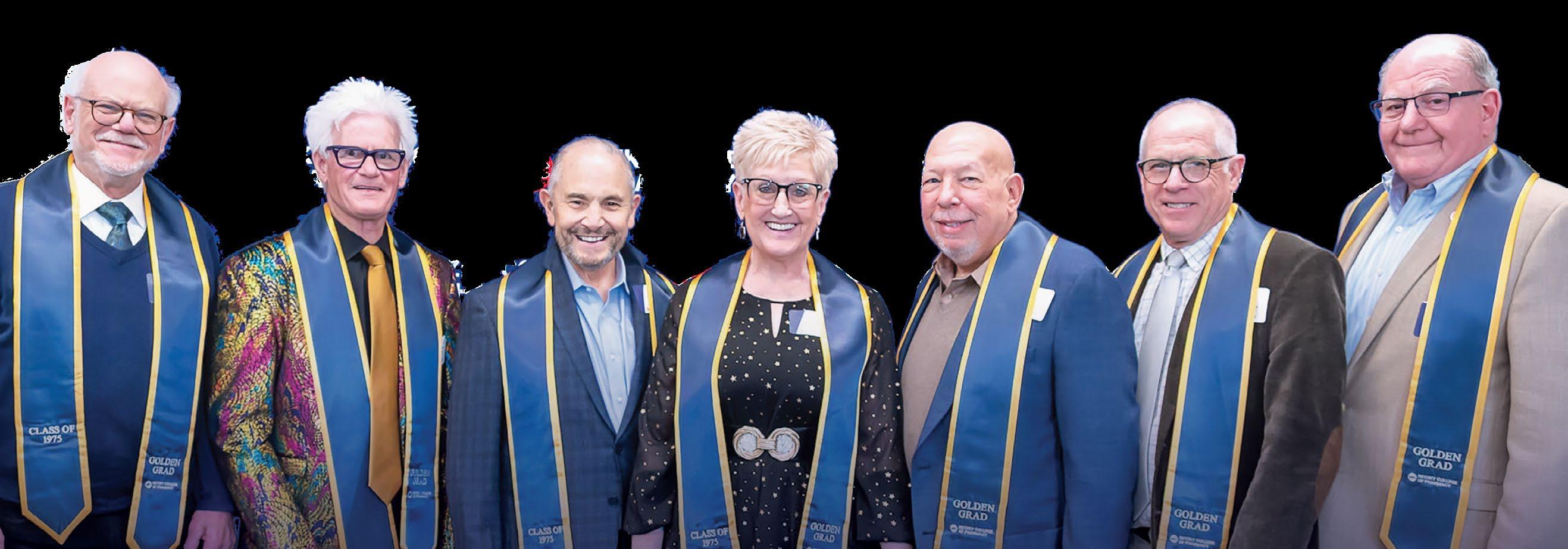
It’s a privilege to reach a milestone like this and I saw the legacy scholarship as a great way to celebrate the fact that myself and my fellow classmates from 1975 have been healthcare professionals and pharmacists for 50 years.
— ED COHEN
50 years of making a difference in healthcare while unlocking opportunity for the next generation of pharmacists.
BY DANIEL P. SMITH
Taking advantage of a novel scholarship program at the University of Illinois Chicago, the Retzky College of Pharmacy’s Class of 1975 has made a first-of-itskind gift to amplify its impact and drive UIC’s spirited efforts to educate pharmacists and pharmaceutical scientists, generate cutting-edge research, and deliver innovative patient care.
To mark the college’s historic 165th anniversary and strengthen its ability to recruit the most promising students entering the field, college leadership announced the UIC Retzky College of Pharmacy Legacy Scholarship Program in 2024. With the enterprising initiative, the college promised to match gifts earmarked for merit or need-based recruitment scholarships.
The Class of 1975 Legacy Scholarship represents the first time a group of individuals has come together to take advantage of the unique matching gift program. If the Class of 1975 Legacy Scholarship tops its initial $50,000 target, it will spur a 50 percent match from the college. If the fund reaches its stretch goal of $100,000, however, it will trigger a 100 percent match of the total gift amount.
Ed Cohen, BS ’75, made the lead gift in the Class of 1975 Legacy Scholarship. Cohen, who spent much of his 50-year career in the pharmacy field focused on community practice, first as a retail store owner and later in an administrative role at Walgreens as well as healthcare communications, called contributing to the Class of 1975 Legacy Scholarship a fitting opportunity to both commemorate the golden anniversary of the Class of 1975’s graduation as well as 50 years of 1975 alumni impacting the field of pharmacy.
“It’s a privilege to reach a milestone like this and I saw the legacy scholarship as a great way to celebrate the fact that myself and my fellow classmates from 1975 have been healthcare professionals and pharmacists for 50 years,” Cohen says. “You’re only going to hit the golden graduate milestone once, and I was excited to make this a banner year and take my commitment to the next level.”
In addition to contributing the lead gift, Cohen also took an active role in promoting the scholarship among his former classmates through phone calls and emails as well as suggestions to college advancement personnel.
“I wanted to make this a priority and, selfishly, this leaves a little lasting legacy as well,” Cohen says.
Even more, Cohen, a former president of the UIC College of Pharmacy Alumni Association and former Alumnus of the Year award winner at the college, hopes the Class of 1975 Legacy Scholarship begins a tradition of other golden graduate classes endowing scholarships. In fact, Cohen, a former UIC Alumni Association president, also pushed that organization to create a university-wide philanthropic effort for golden graduates.
“If you hit your 50-year anniversary, that’s special and you can count yourself fortunate,” he says.
“This is a way to commemorate a significant milestone in your life as well as what UIC and the College of Pharmacy has afforded you to do over the last 50 years,” Cohen continues. “You’re giving back to UIC, of course, but also honoring all you've accomplished by affording others the same opportunity to pursue their own ambitions and
Endowed scholarships are especially valuable because they provide a reliable annual source of student financial support. The UIC Retzky College of Pharmacy’s Legacy Scholarship Program offers generous matching opportunities to donors:
Gifts between $50,000 and $99,999 receive a 50% match
Gifts between $100,000 and $1 million receive a 100% match
Donors may pledge gifts over time, with matching funds applied upon full pledge fulfillment
An endowed fund’s principal is invested, and the fund’s earnings are used to support students. Funds can be named by their donors and are established in perpetuity.
PLEASE CONTACT US AT PHARMACY-ADVANCEMENT@UIC.EDU
What has changed in your life?
PLEASE LET US KNOW AT GO.UIC.EDU/ ALUMNIUPDATE
SEAN BEIRNE , PharmD ’18, started a new position as the Associate Director in Oncology Regulatory Affairs at Astellas Pharma Inc.
JASMINA BJEGOVIC , PharmD ’12, started a new position as Chief Officer of Examination Services at National Association of Boards of Pharmacy.
ANNA R. DAZY, PharmD ’24, started a new position as the Medical Science Liaison in Gastroenterology/ Immunology with AbbVie Inc.
KENDALL E. DUNLAP, PharmD ’16, started a new position as the District Sales Manager of Dermatology at AbbVie Inc.
DANIELLE GILLIAM , PharmD ’96, started a new position as a Diversity and Inclusion Board of Directors Member at VIDA Fitness.
MATTHEW C. HOLDERLY, PharmD ’17, started a new position as the Assistant Director of Continuing Education at Accreditation Council for Pharmacy Education.
MARIANA IVANYLO , PharmD ’04, started a new position as the Chief Clinical Advisor on Medication Access & Affordability at MJI MedAccess Consulting.
MADIHA KHAN , PharmD ’19, was promoted to Senior Scientific Director at Lockwood.
MOGBOLUWAGA A. OGINNI , PharmD ’21, was awarded the Chiesi
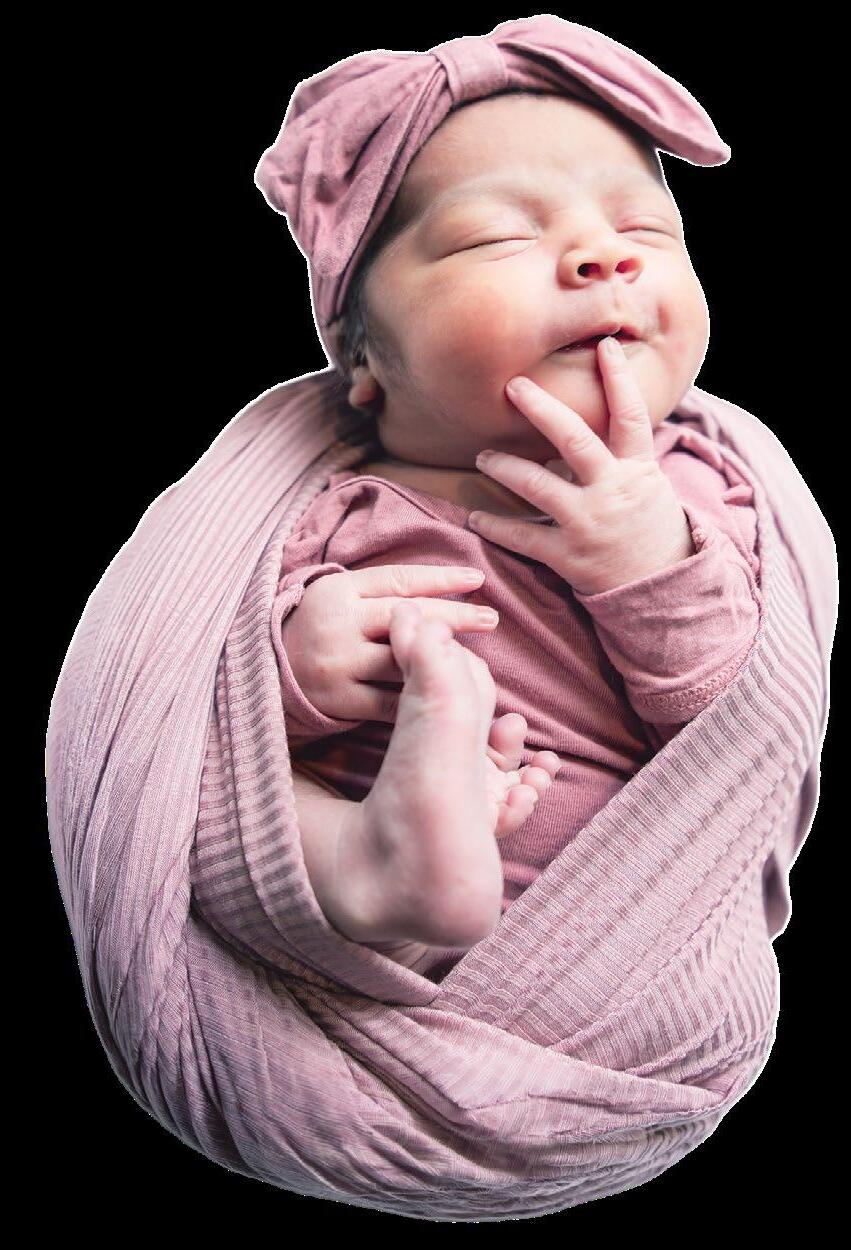
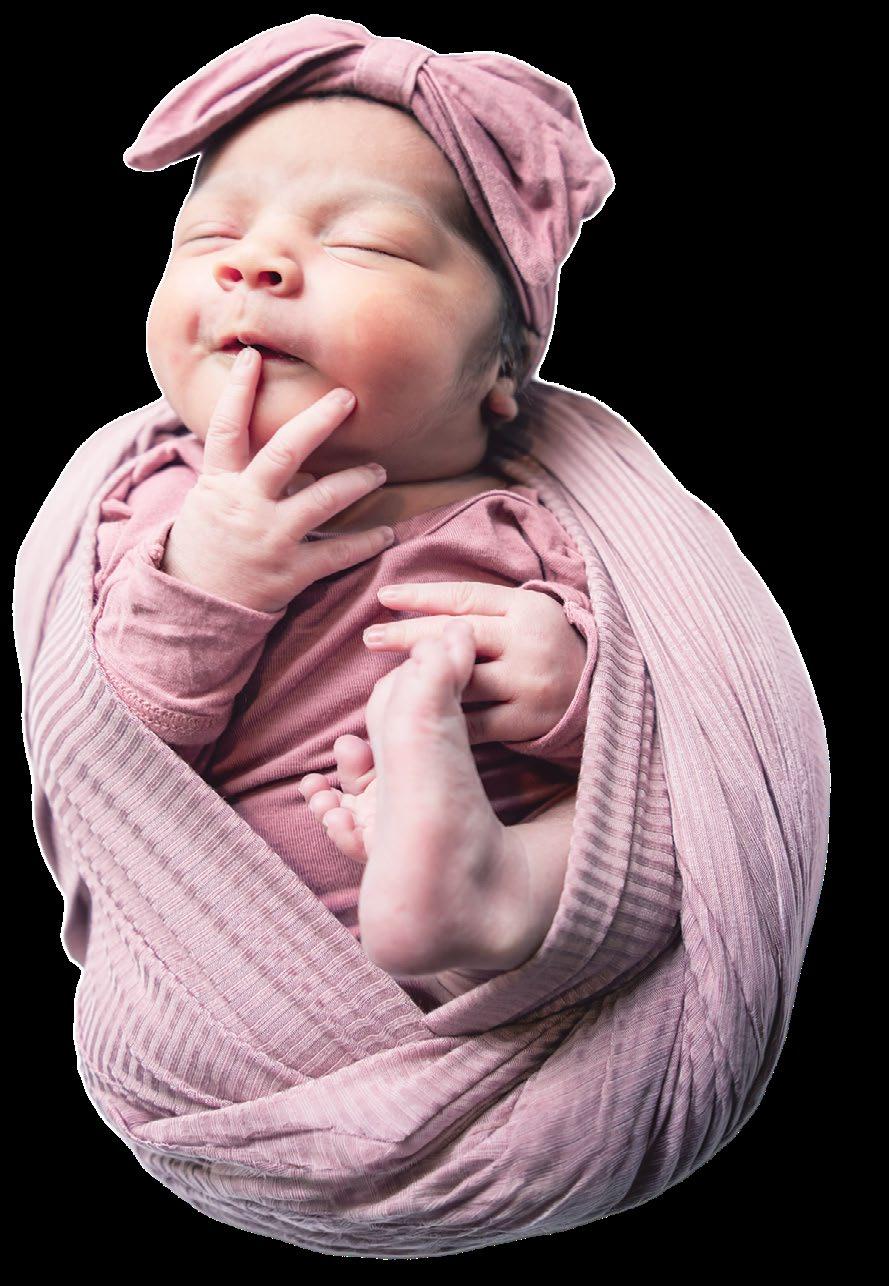
Georgia Awe, granddaughter of Associate Dean and Clinical Professor CLARA OKORIE-AWE , was born Nov. 8, 2026.
Georgia Awe
2024 Top of the Tops Award, granted to its top performers.
CAROLINE PARK , PharmD ’05, started a new position as Head of Immunology Medical Affairs, Europe at AbbVie Inc.
RENE A. RABAZA , PharmD ’17, was promoted to Director of US Regulatory Affairs Advertising and Promotion at AbbVie Inc.
NIKITA STACHNIK , PharmD ’15, started a new position as Director of Pharmacy at Pentec Health.
STEVEN R. WINDBERG , PharmD ’15, started a new position as Fulfillment Manager/Pharmacist in Charge at Medication Management Partners.
JULIA LUCACI (URSAN), PharmD ’13, and husband, Cosmin Lucaci welcomed John Nicholas Lucaci on October 10, 2025.
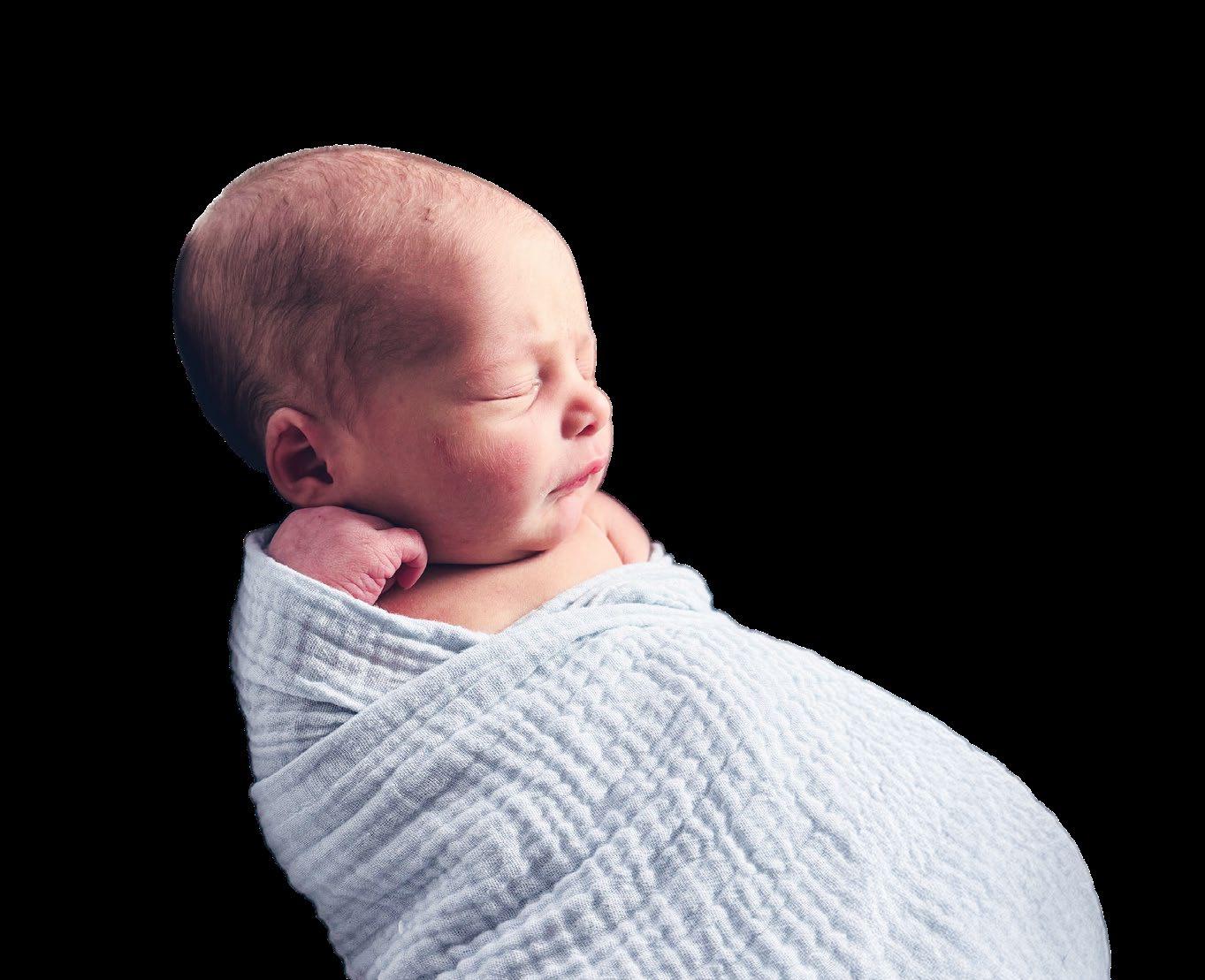
ALEXANDRA TERRY, PharmD ’16, and ADAM HOOD, PharmD ’16, welcomed Benjamin Ronald Hood, on October 22, 2025.

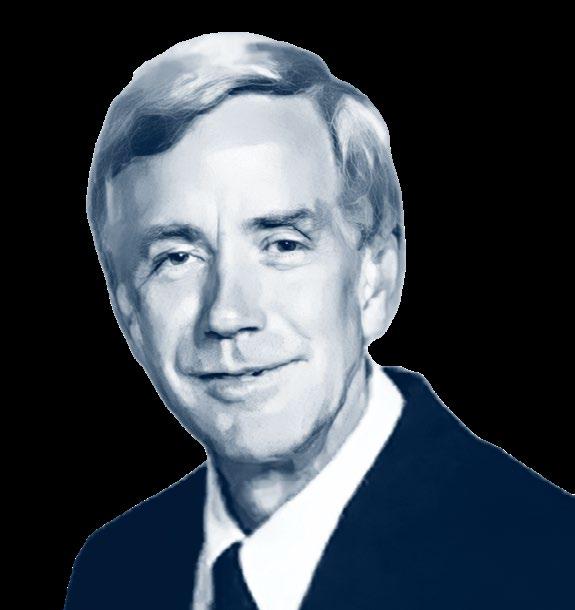
BRUCE C. CARLSTEDT, Class of 1966, passed on October 20, 2025. Carlstedt was 82 years of age and a resident of Indianapolis, Indiana.
ALYCE A. FATH , Class of 1949, passed on August 24, 2025. Fath was 97 years of age and a resident of Belvidere, Illinois.
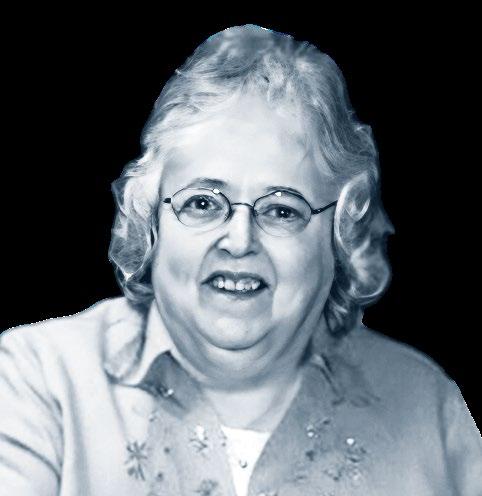
NINA S. GRUBAUGH , Class of 1969, passed on October 27, 2025. Grubaugh was 79 years of age and a resident of Saint Elmo, Illinois.
DOUGLAS K. HOSSELTON , Class of 1975, passed away on April 25, 2025. Hosselton was 72 years of age and a resident of Olney, Illinois.
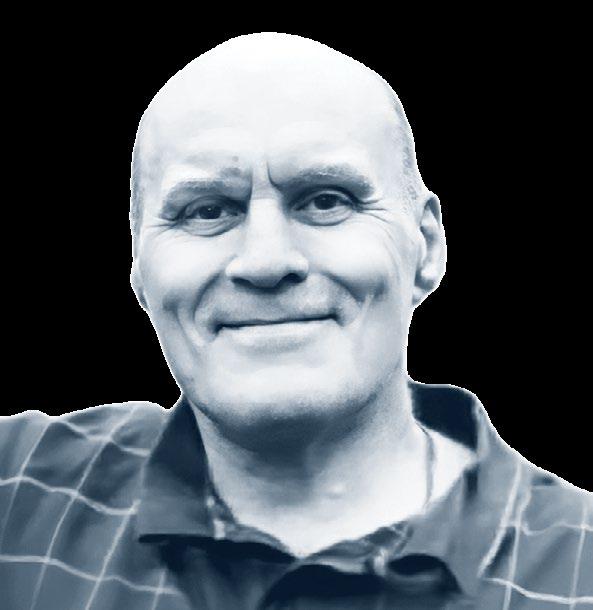
JOHN M. MOUNTZURIS , Class of 1999, passed on October 3, 2025. Mountzuris was 71 years of age and a resident of Worcester, Massachusetts.
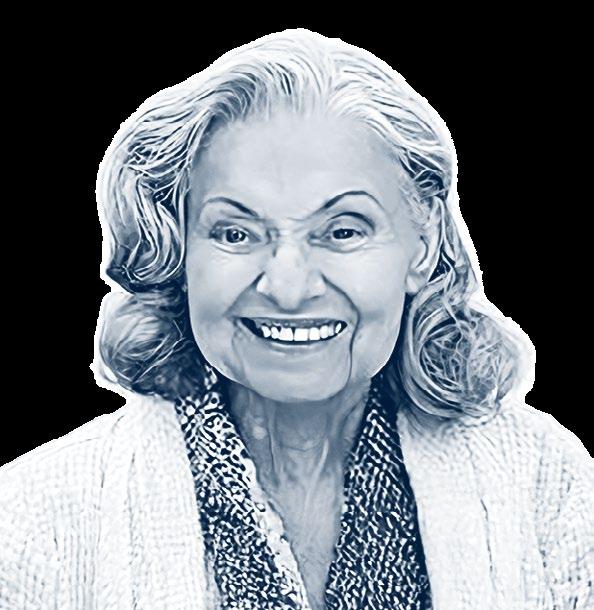

JEANETTE C. SIKORASEROWIECKI , Class of 1959, passed on October 9, 2025. Serowiecki was 88 years of age and a resident of Northville, Michigan.

833
THE UIC RETZKY COLLEGE OF PHARMACY TODAY
We are continually encouraged by the generosity of our dedicated alumni and friends. As you reflect upon your goals and consider your legacy, we hope you will include a deferred gift for UIC Pharmacy as part of your estate plan.
KEY QUESTIONS TO ASK as you consider your deferred gift:
• How do you want to provide for yourself and your family?
• What impact would you like to make at the college?
• What tax advantages can you expect as you consult with your financial advisor and/or attorney?
DEFERRED GIFTS are a simple, easy, and popular method that allow you to have an enduring legacy in the college. They include naming the University of Illinois Foundation (Tax ID 37-6006007), for the benefit of the UIC Retzky College of Pharmacy, as a beneficiary through instruments like:
• Wills/living trusts and annuities
• Retirement plans
• Payable-on-death (POD)/transfer-on-death (TOD) provisions on brokerage or bank accounts
• Gifts of real estate, stocks, and other securities
TAKE THE NEXT STEP To learn more about ways to make a deferred gift to the College of Pharmacy or to share your intentions, contact UIC Pharmacy Advancement at pharmacy-advancement@uic.edu | 312.996.3376 | uif.giftplans.org