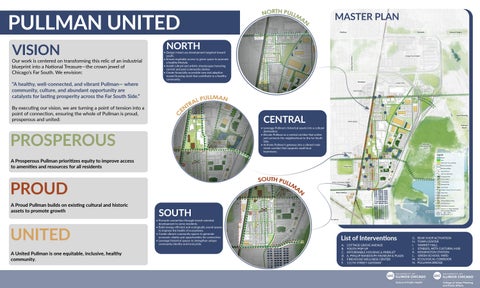
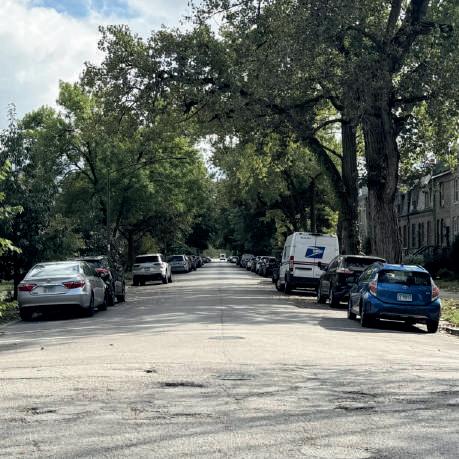
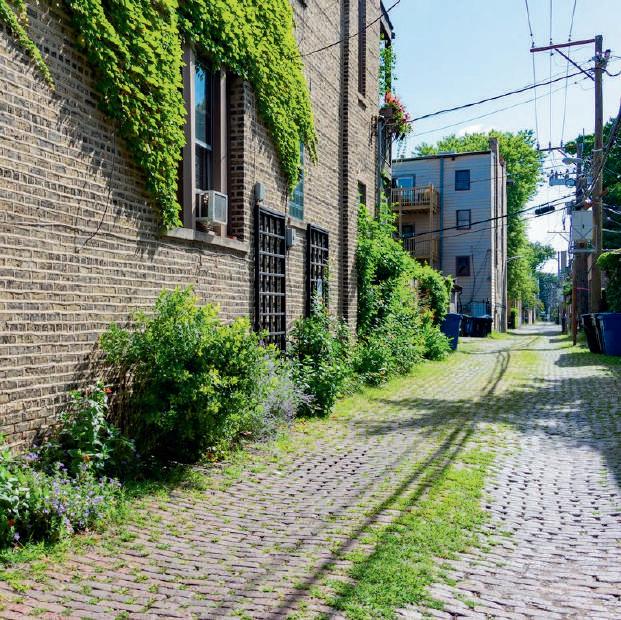
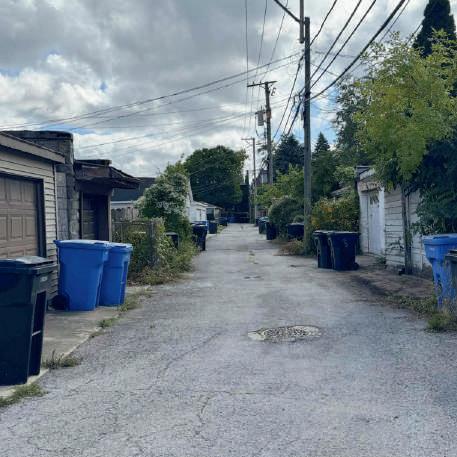
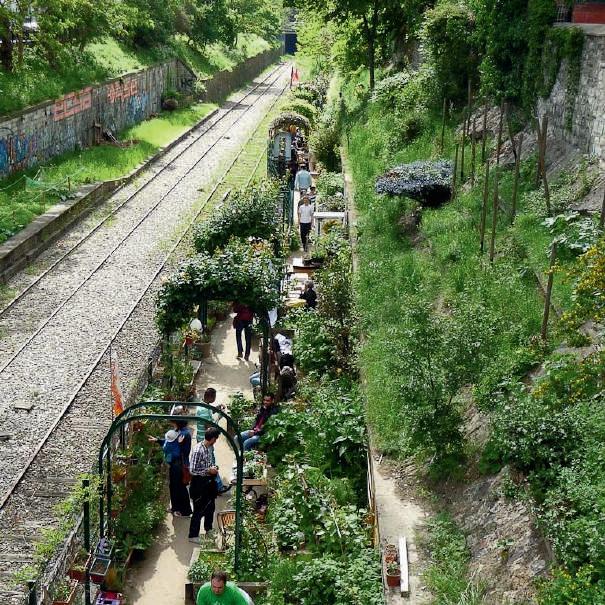
Our work is centered on transforming this relic of an industrial blueprint into a National Treasure—the crown jewel of Chicago’s Far South. We envision:
“A healthy, well-connected, and vibrant Pullman— where community, culture, and abundant opportunity are catalysts for lasting prosperity across the Far South Side.”
By executing our vision, we are turning a point of tension into a point of connection, ensuring the whole of Pullman is proud, prosperous and united:
SOUTH
CENTRAL
PRINCIPLES & CHALLENGES PRINCIPLES
The 5 principles have been adapted from the Calumet Off the Grid plan for Pullman and provide a framework for guiding environmental recovery, rebuilding social ties, fostering creative placemaking, and ensuring that natural systems and human communities can thrive together.
CLEAN CULTIVATE CONNECT CREATE
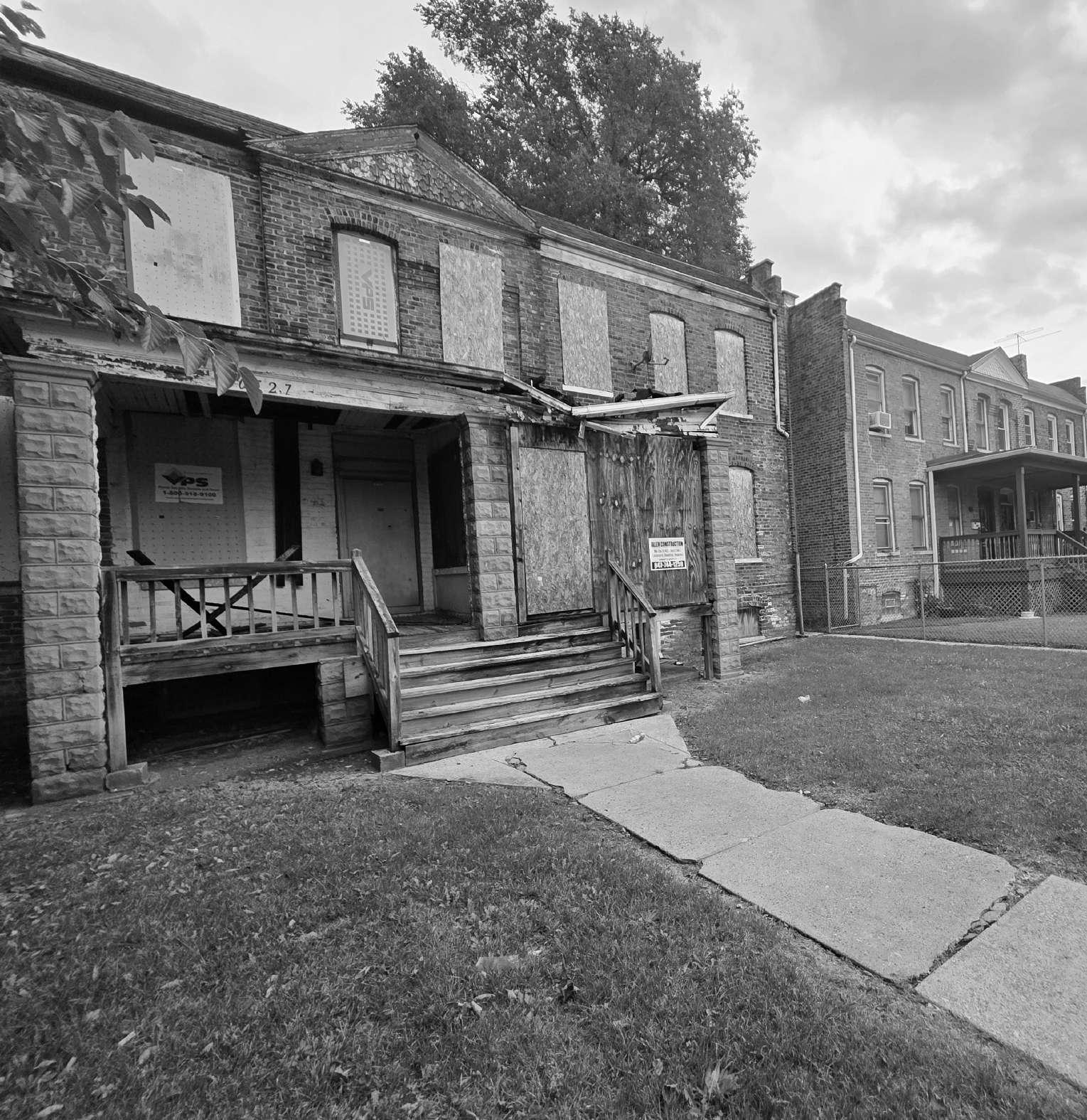
POVERTY: 20% of residents in Pullman are experiencing poverty compared to 17% in Chicago. This is more acute in North Pullman.
and adaptive re-use of it’s historic buildings.
JOB/LOCATION MISMATCH:
Majority of Far South residents work outside of Chicago. 45.7% of Pullman residents do not work in Chicago.
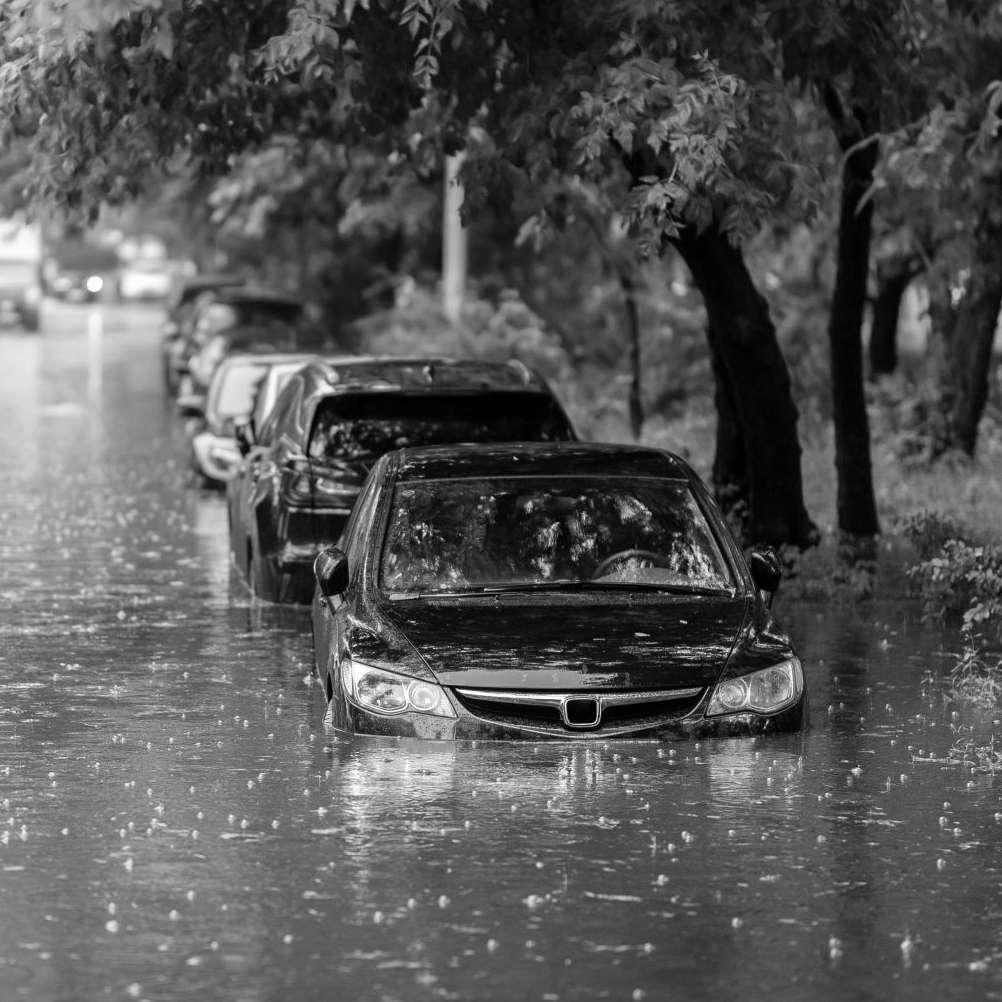
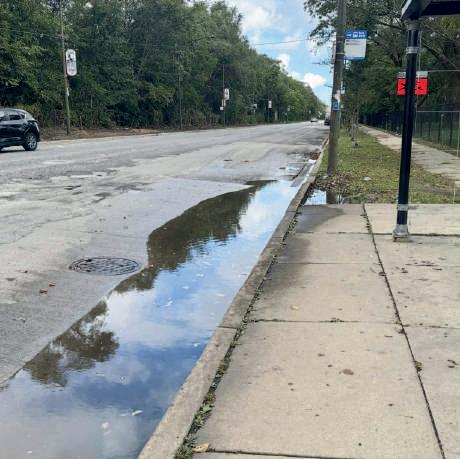
FLOODING: Flooding remains a concern for Pullman residents with 22.4% of residents reporting issues of flooding. West Pullman is greatly impacted.
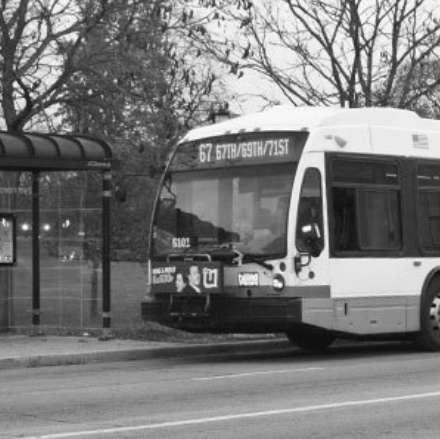
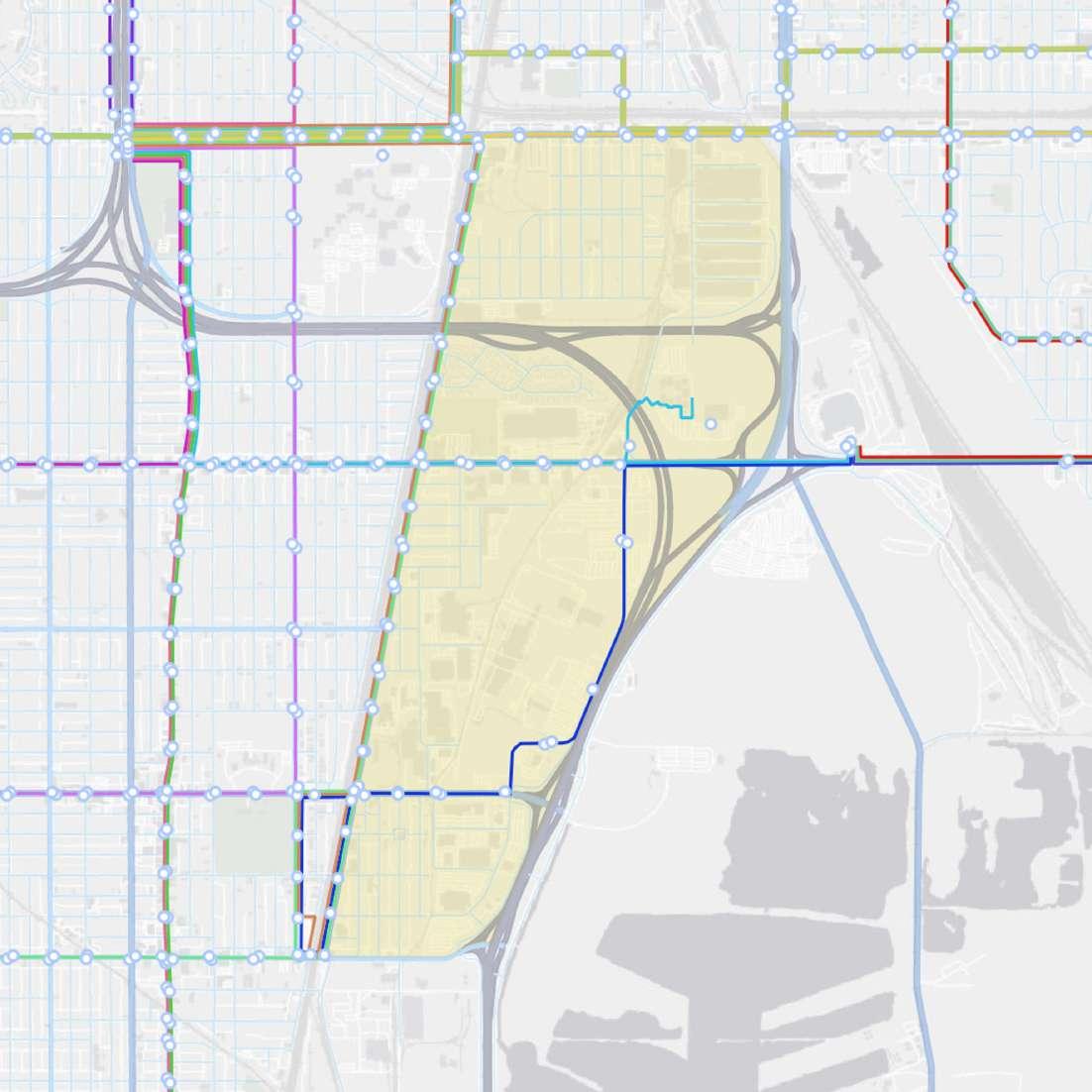
TRANSIT GAP
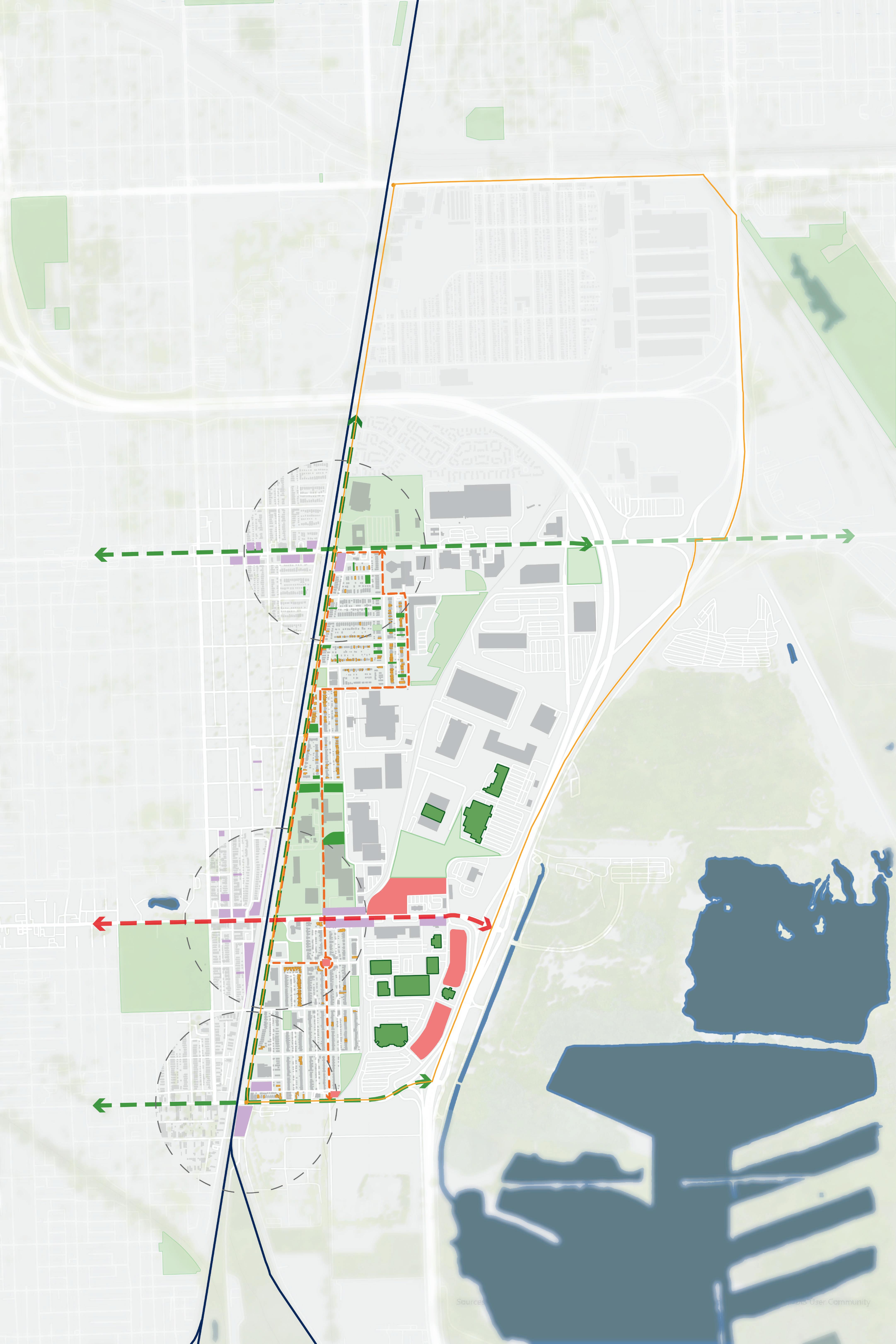
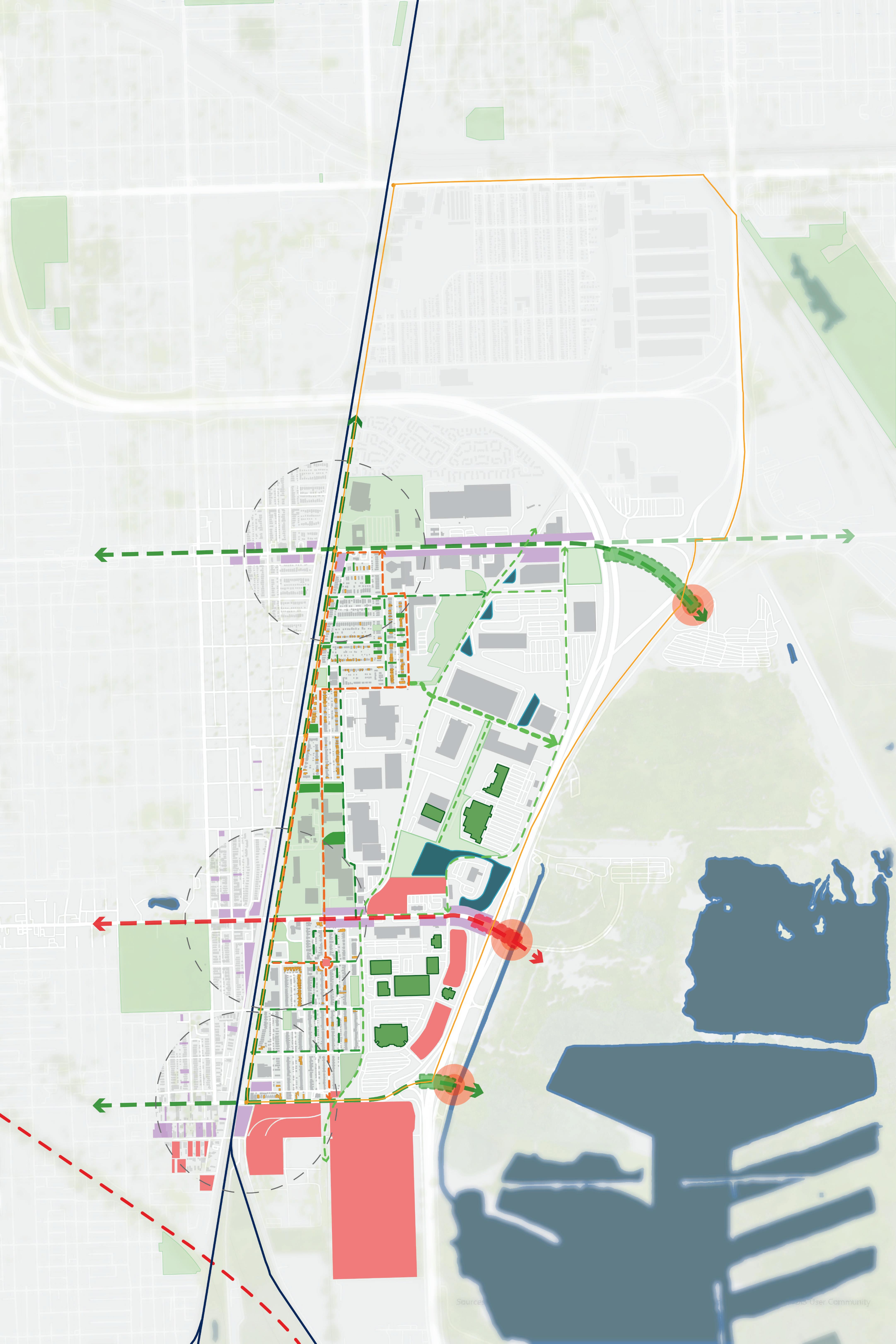
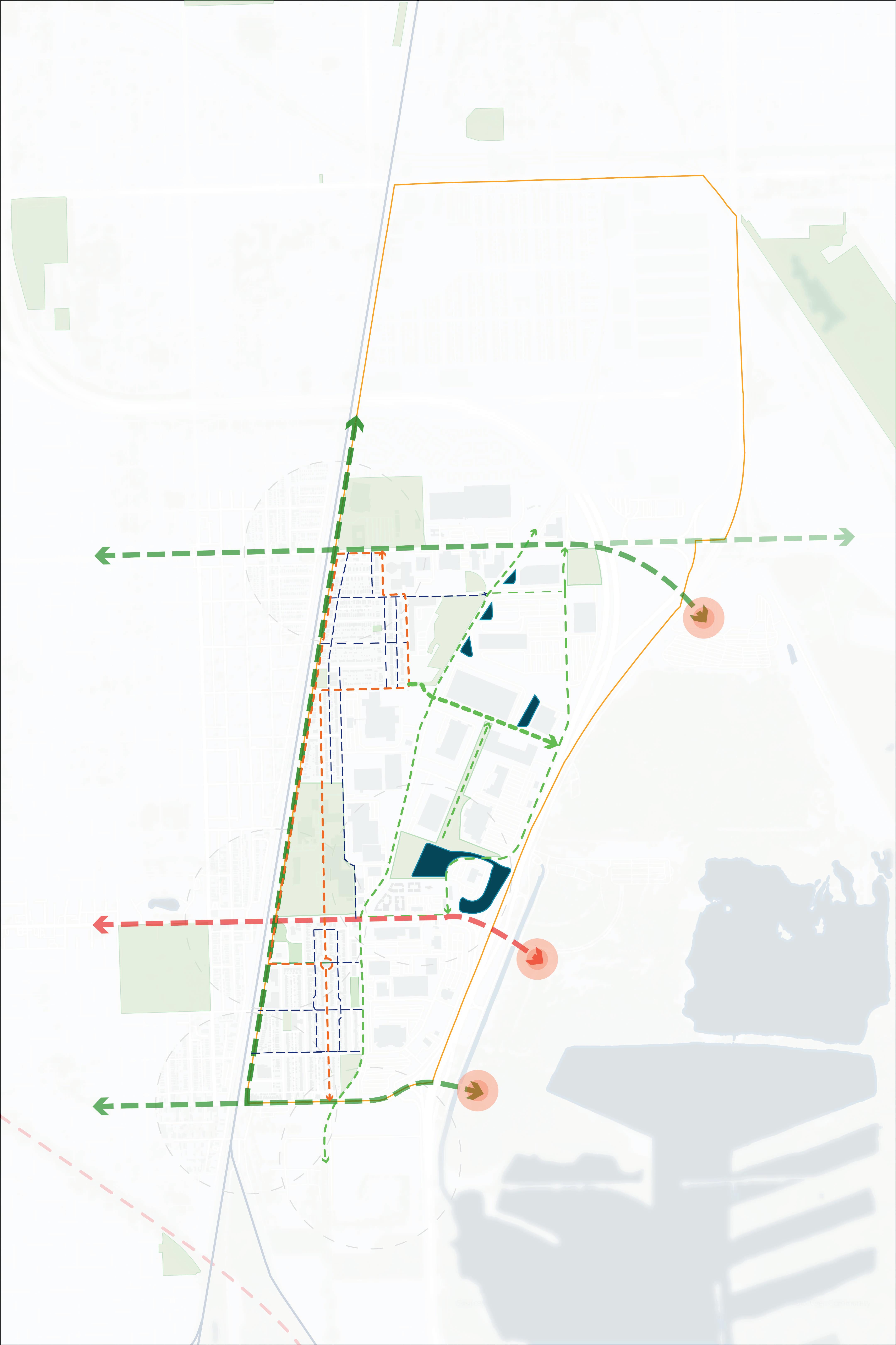
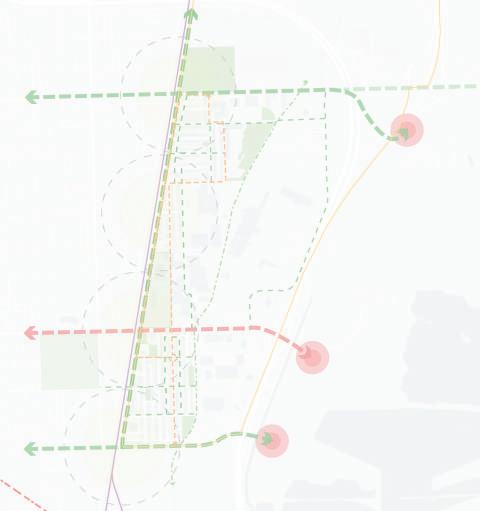
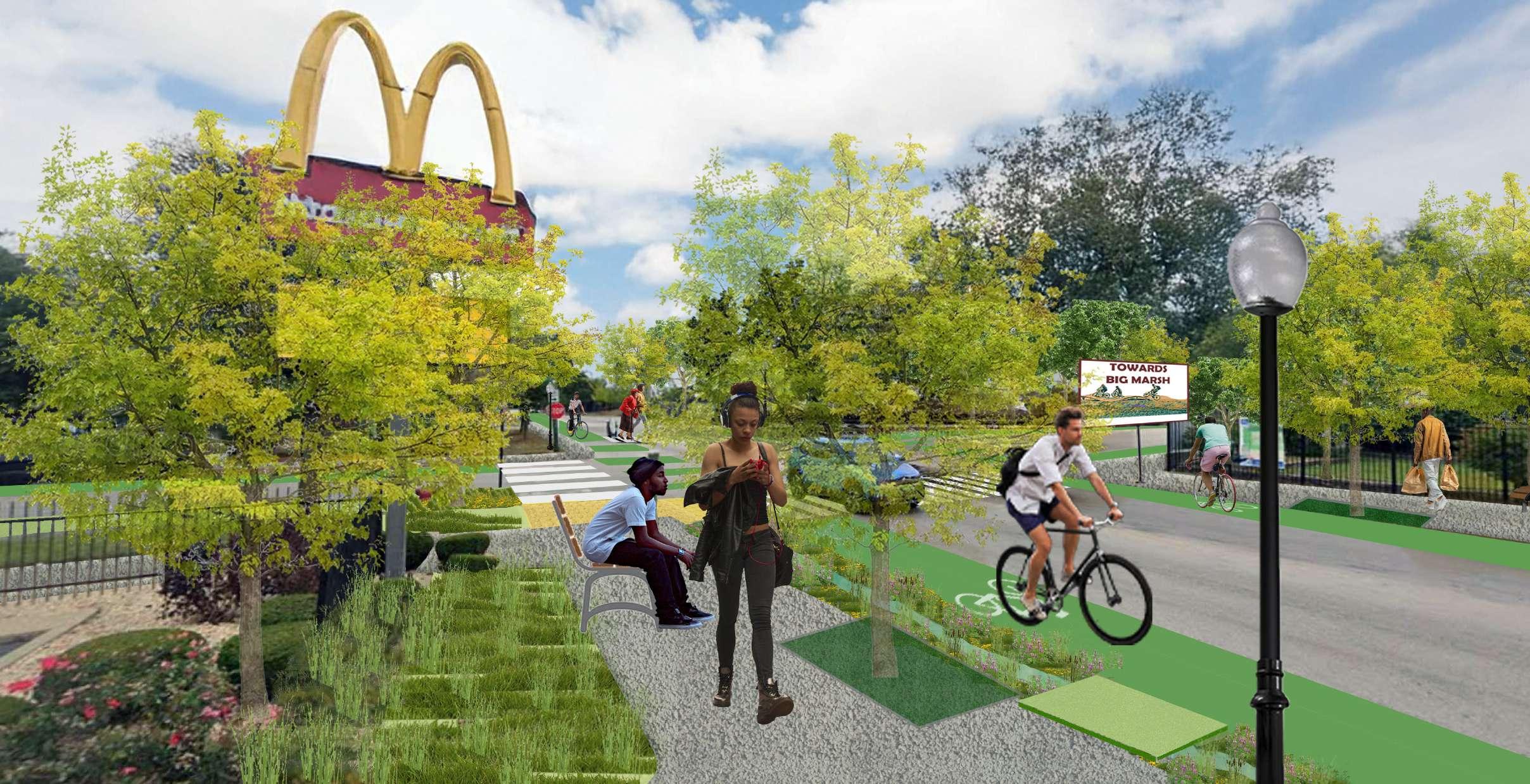
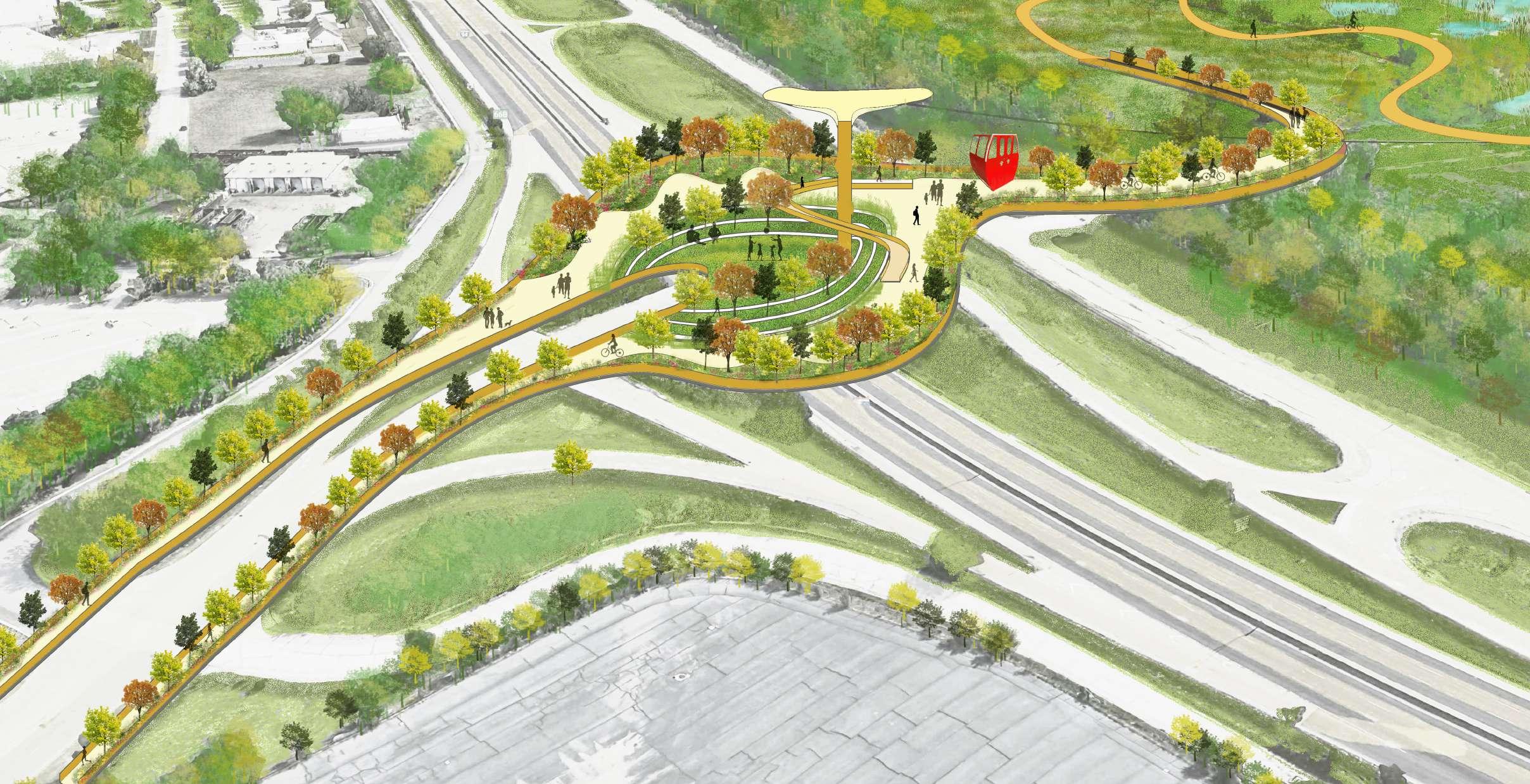
No direct pedestrian, bike, or shuttle access to Big Marsh via bridge connections at 103rd, 111th or 115th Streets.
ENERGY BURDEN
Majority of Pullman residents have a high energy burden paying 6% higher than Chicagoans.
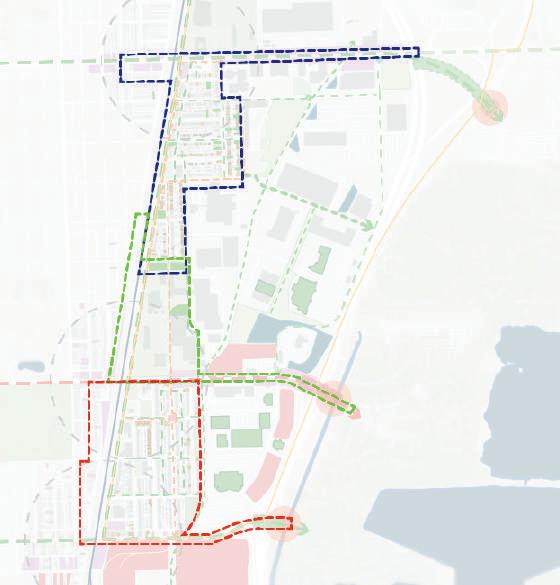
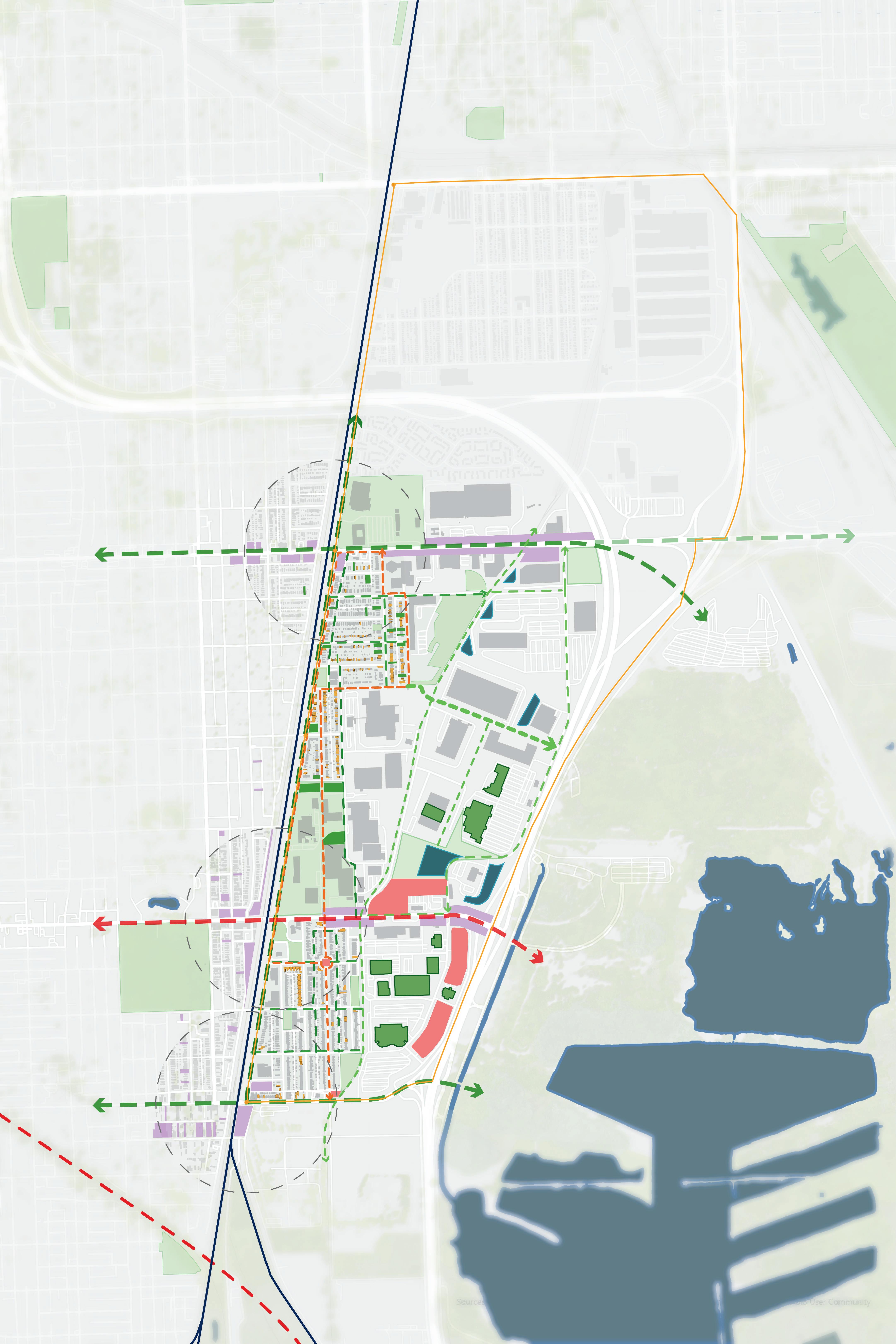
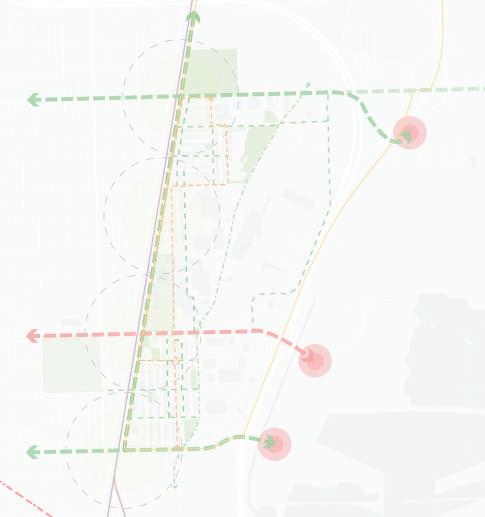
FRAMEWORK PLAN SHORT-TERM
FRAMEWORK PLAN LONG-TERM
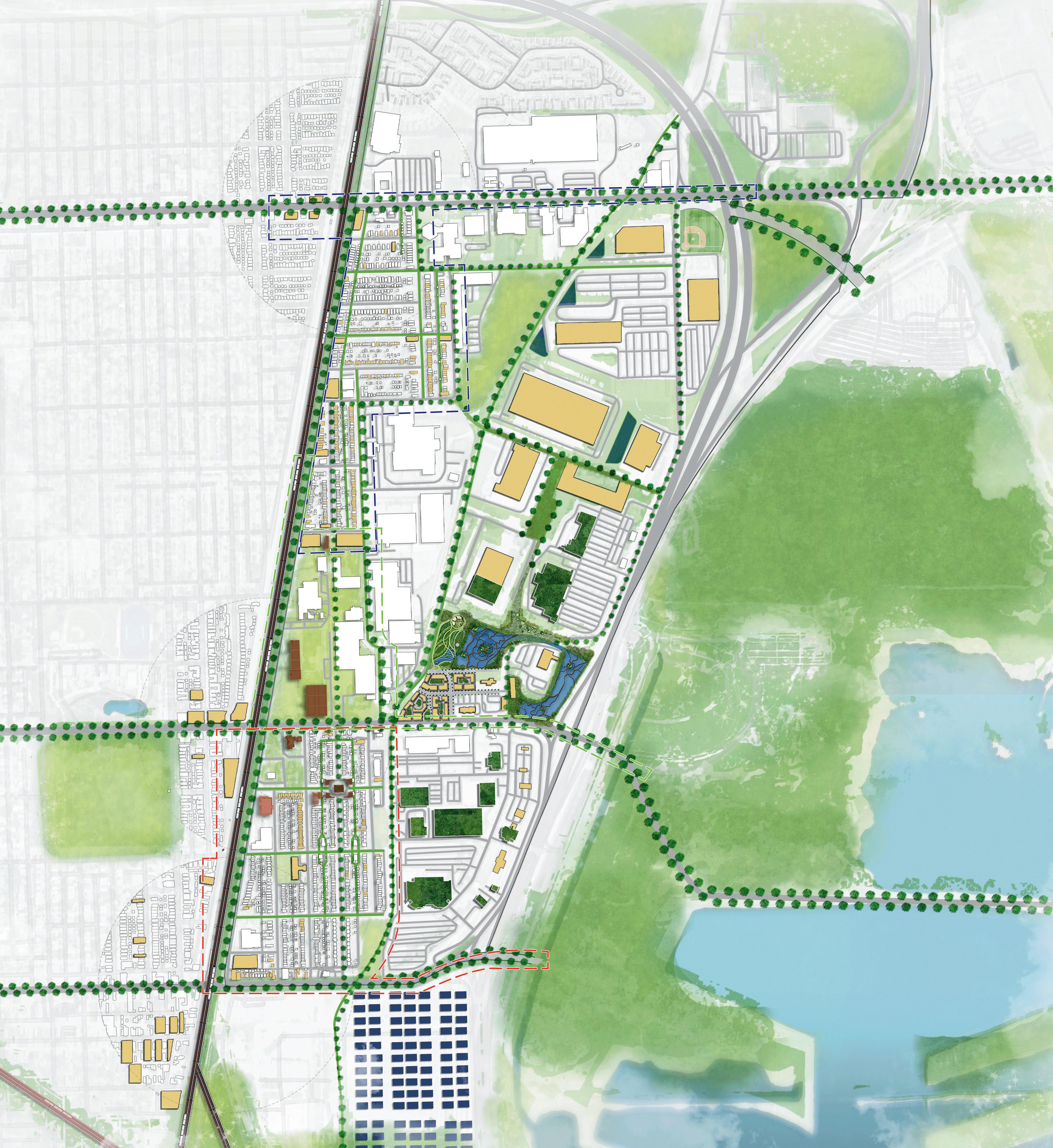
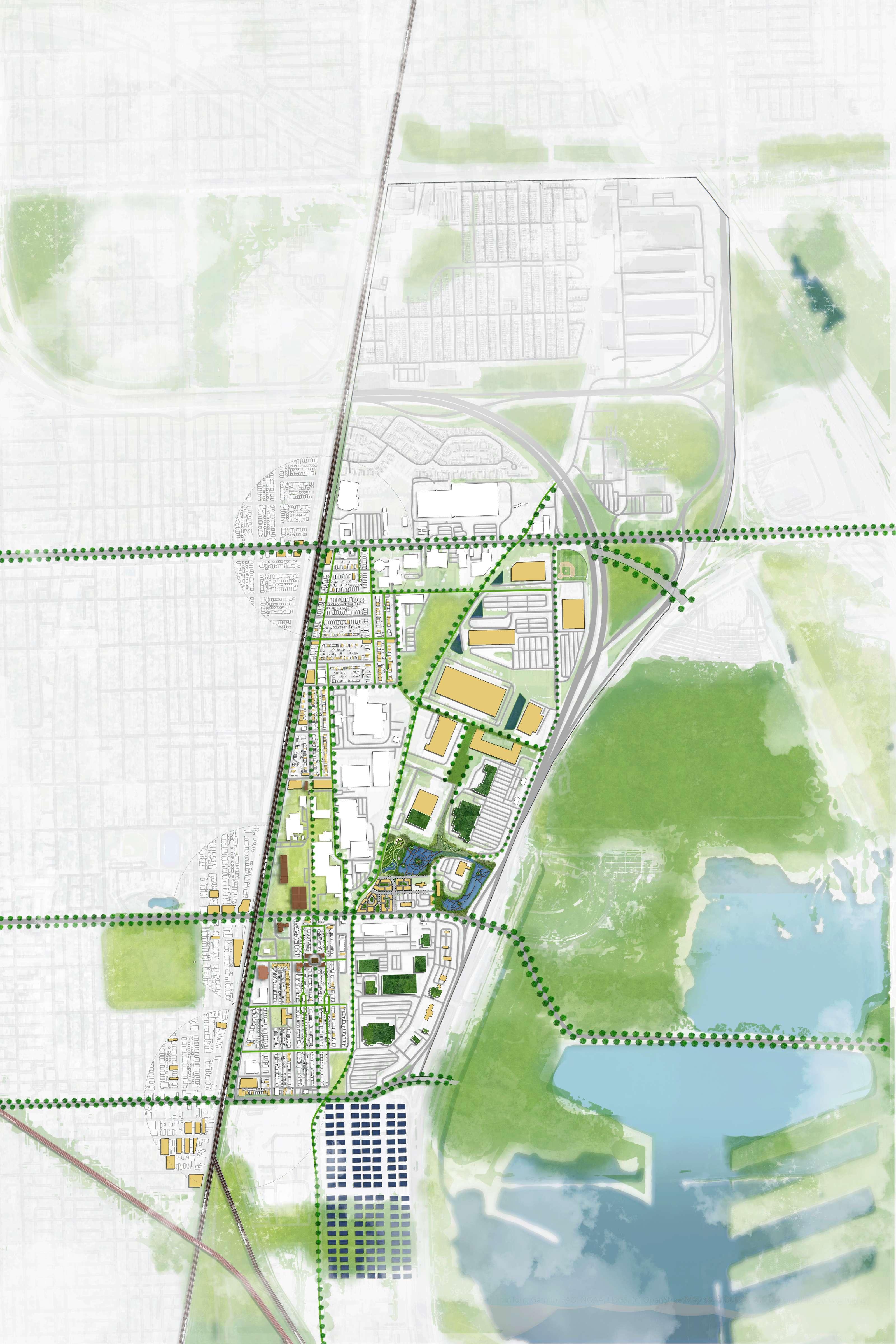
MASTER PLAN
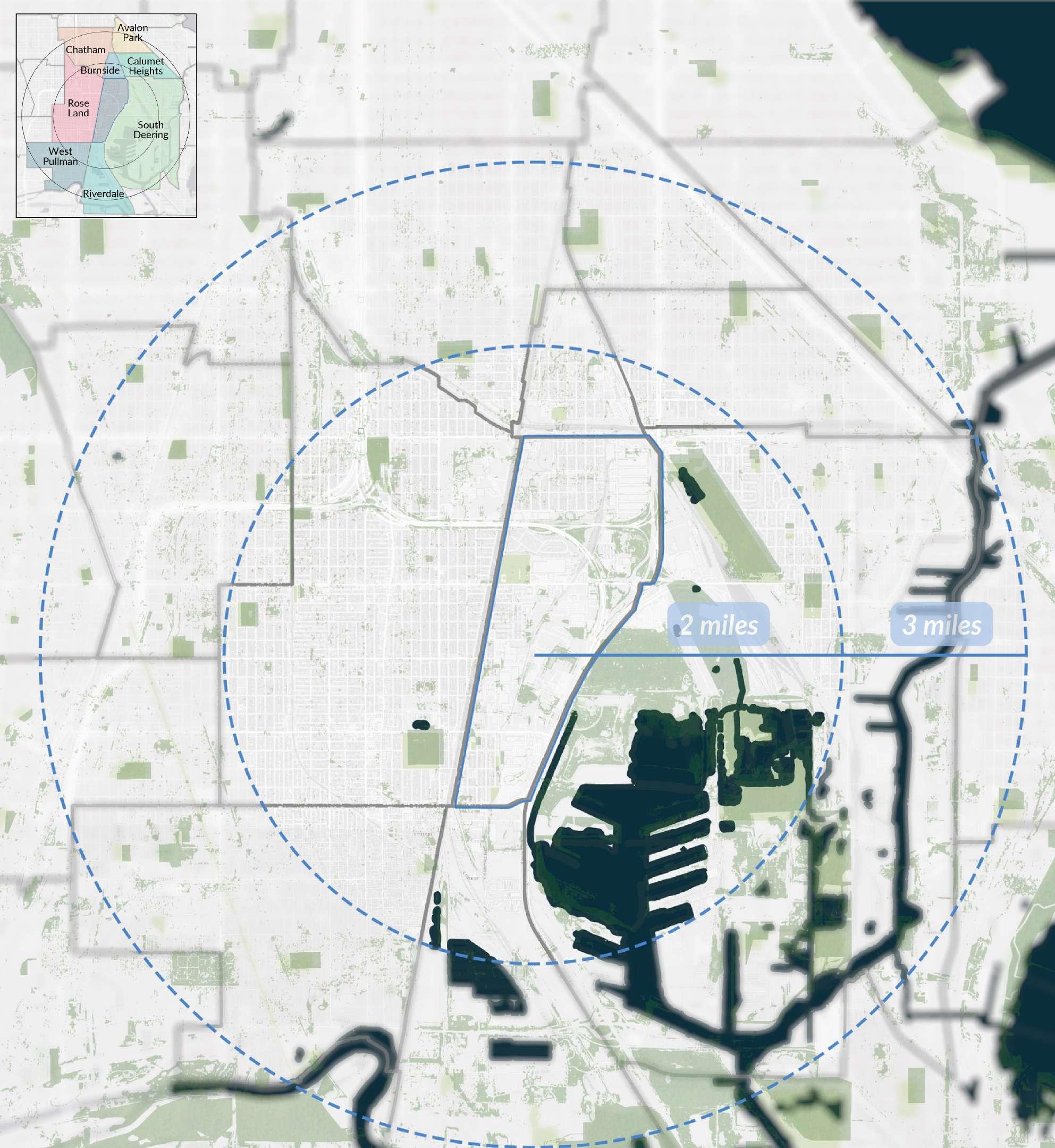
South
Calumet Heights
Burnside
Chatham
London Town
Cottage Grove Heights
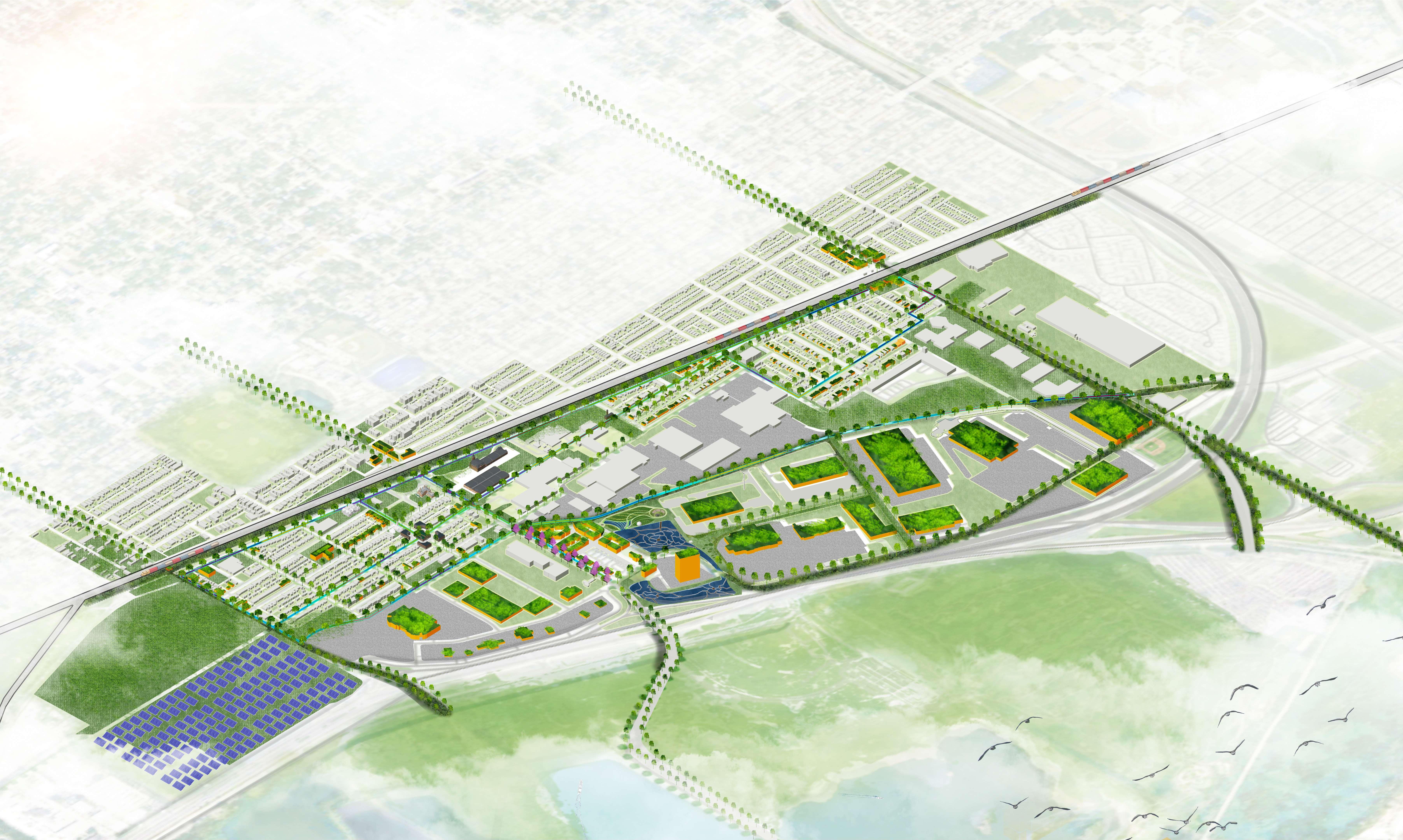
PULLMAN MASTER PLAN
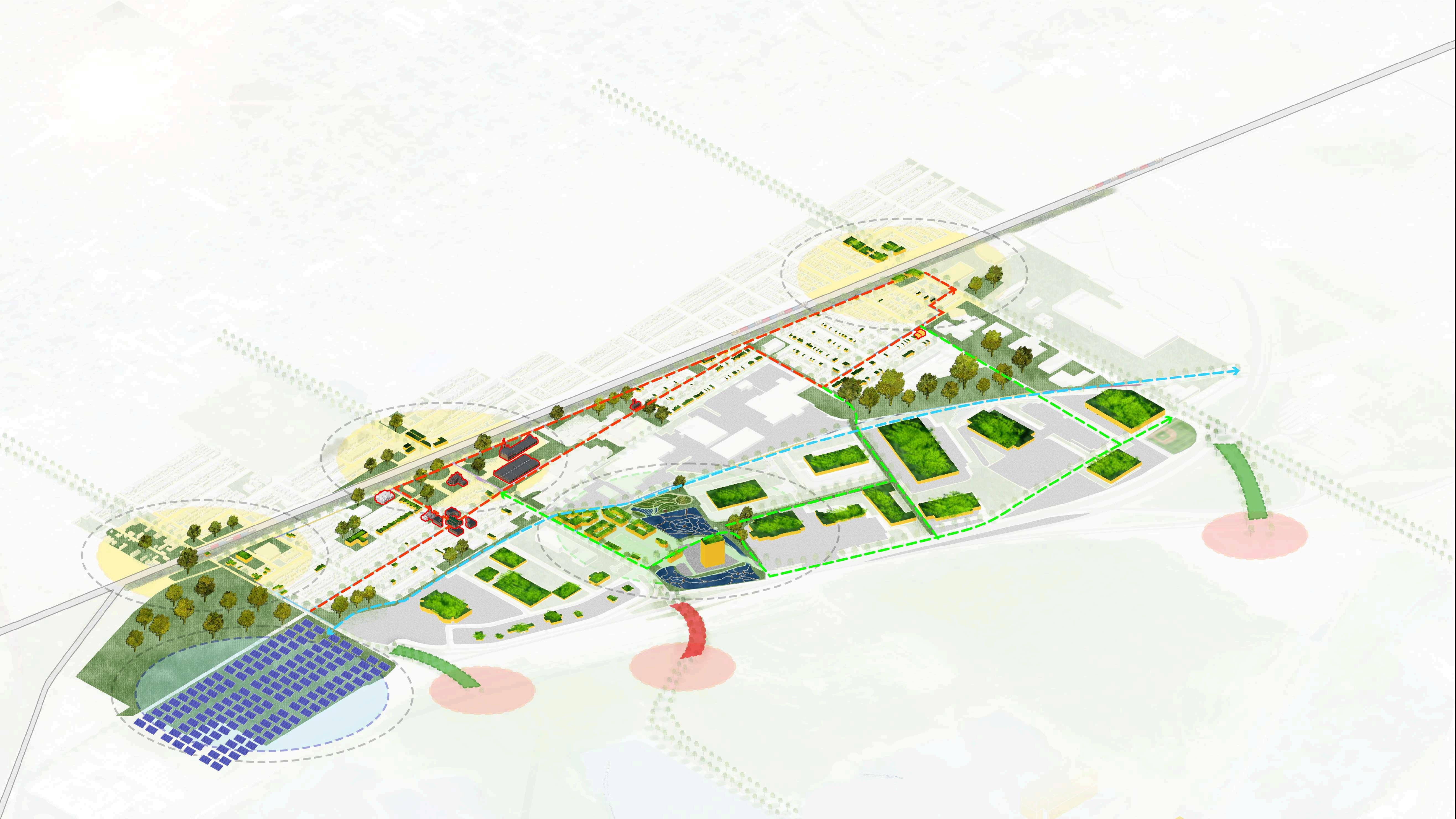
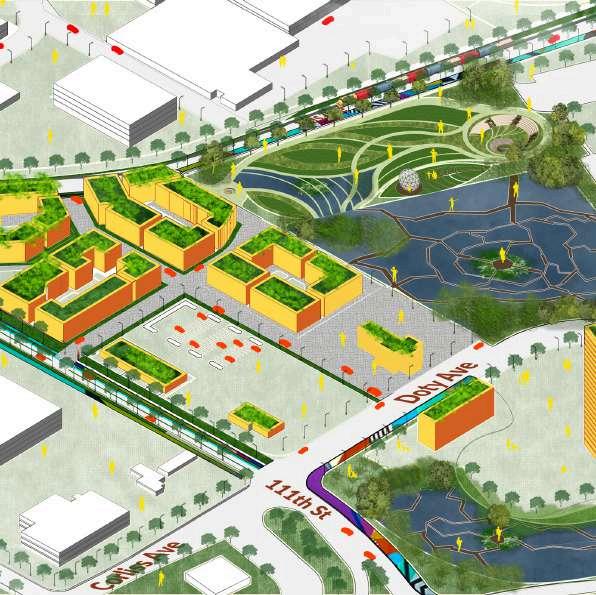
Birds Eye View
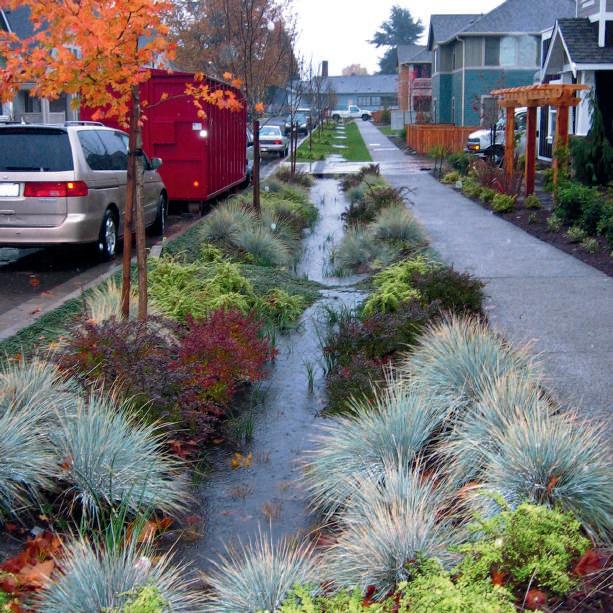
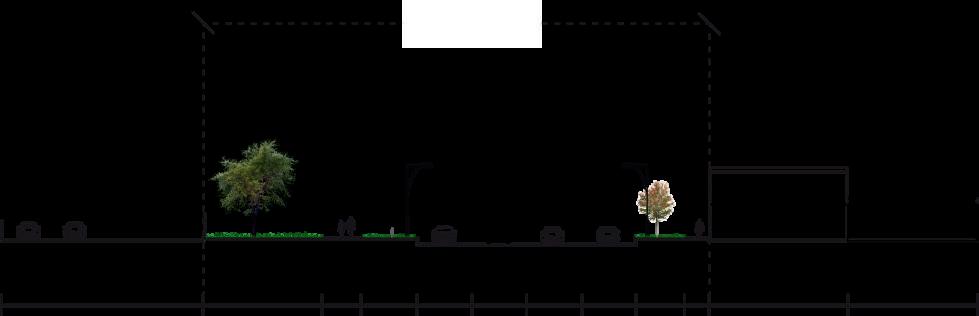
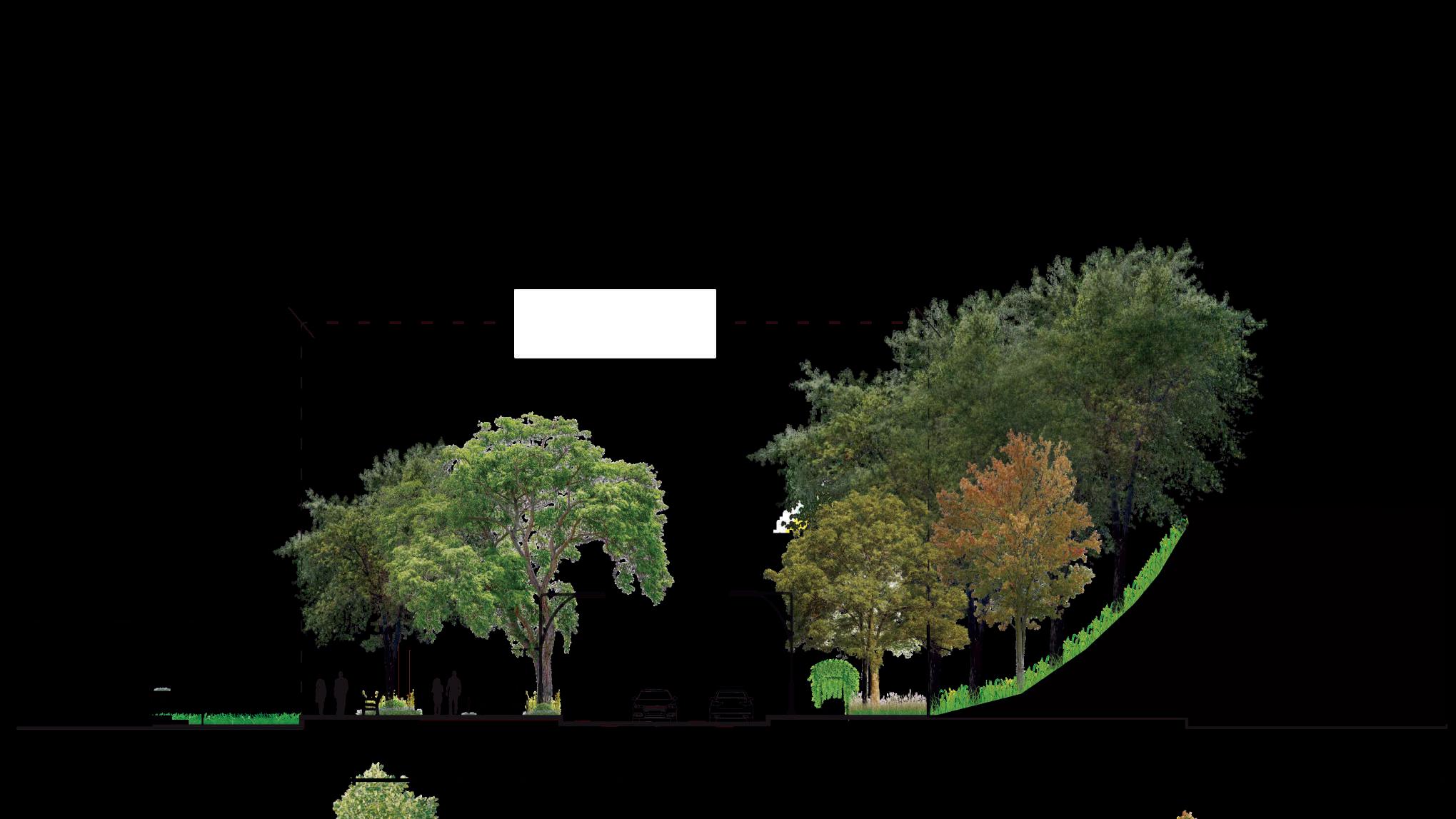
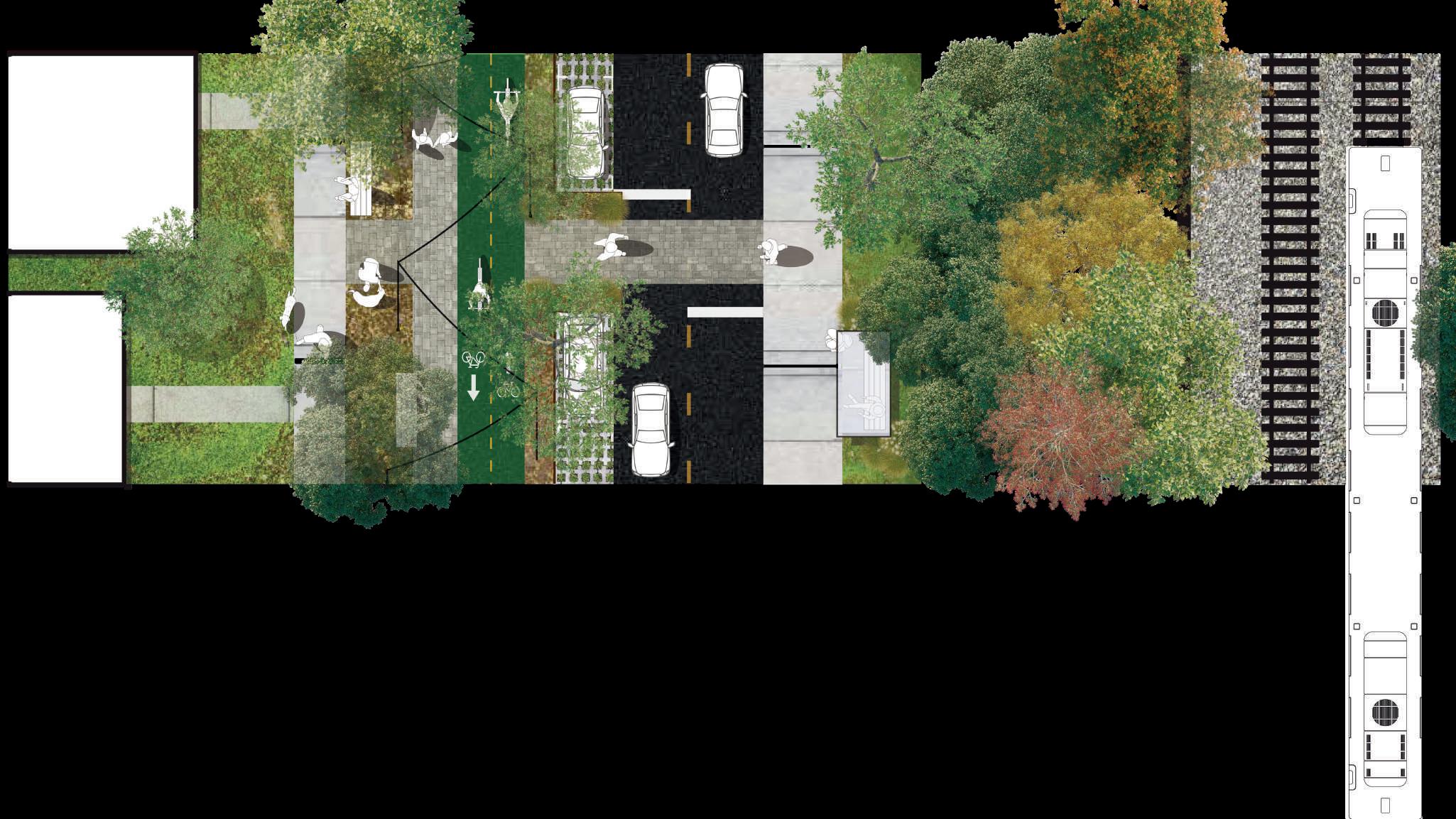
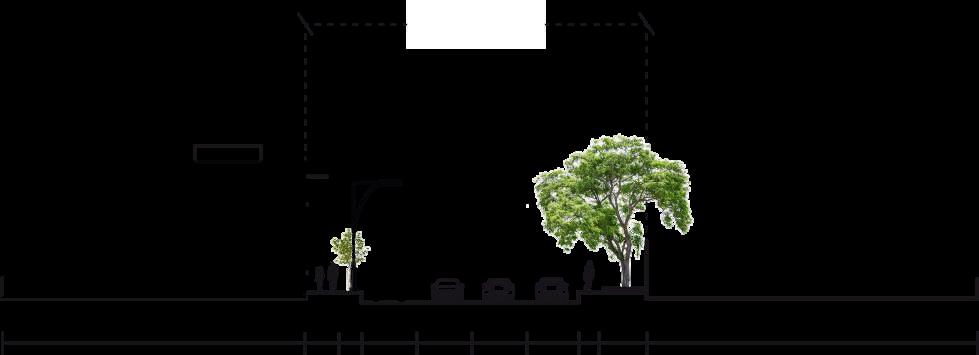
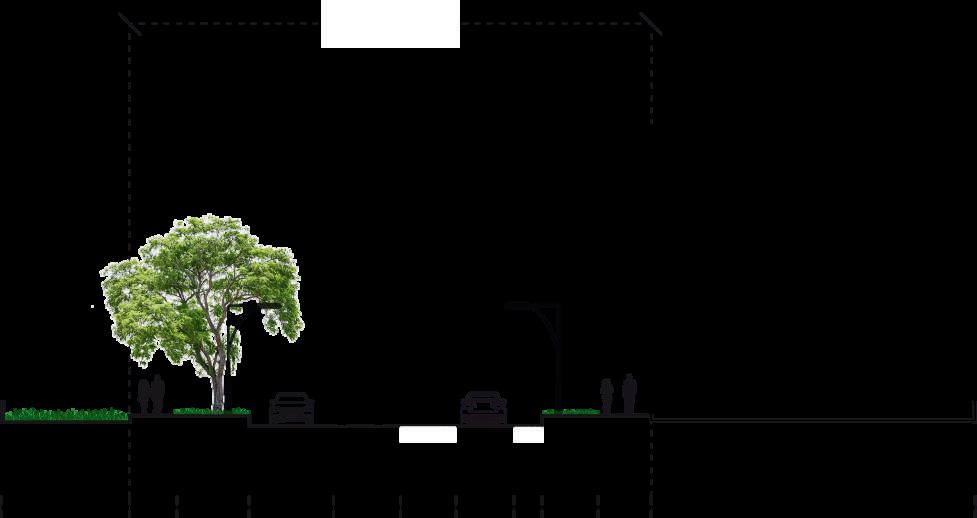
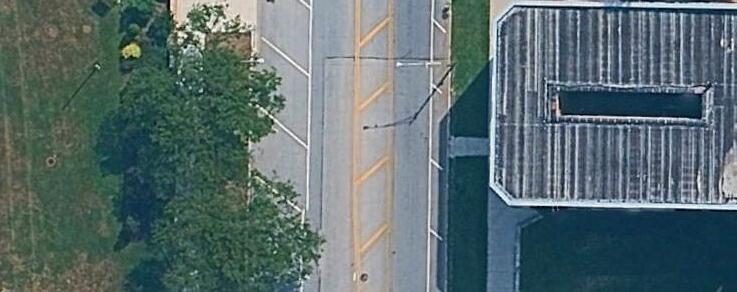
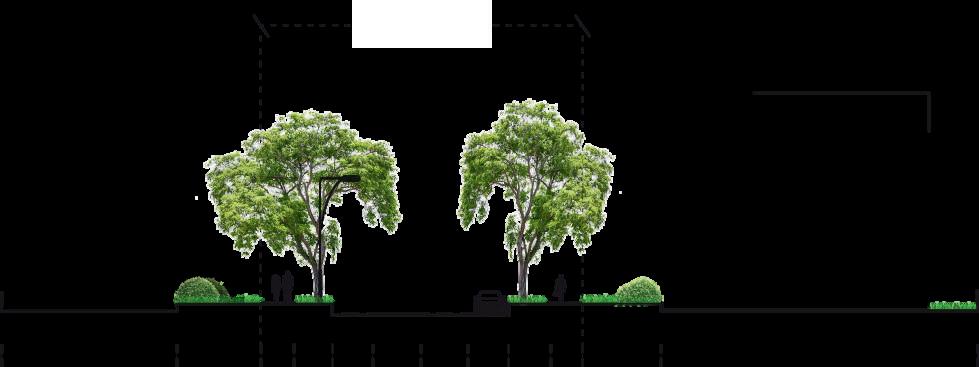
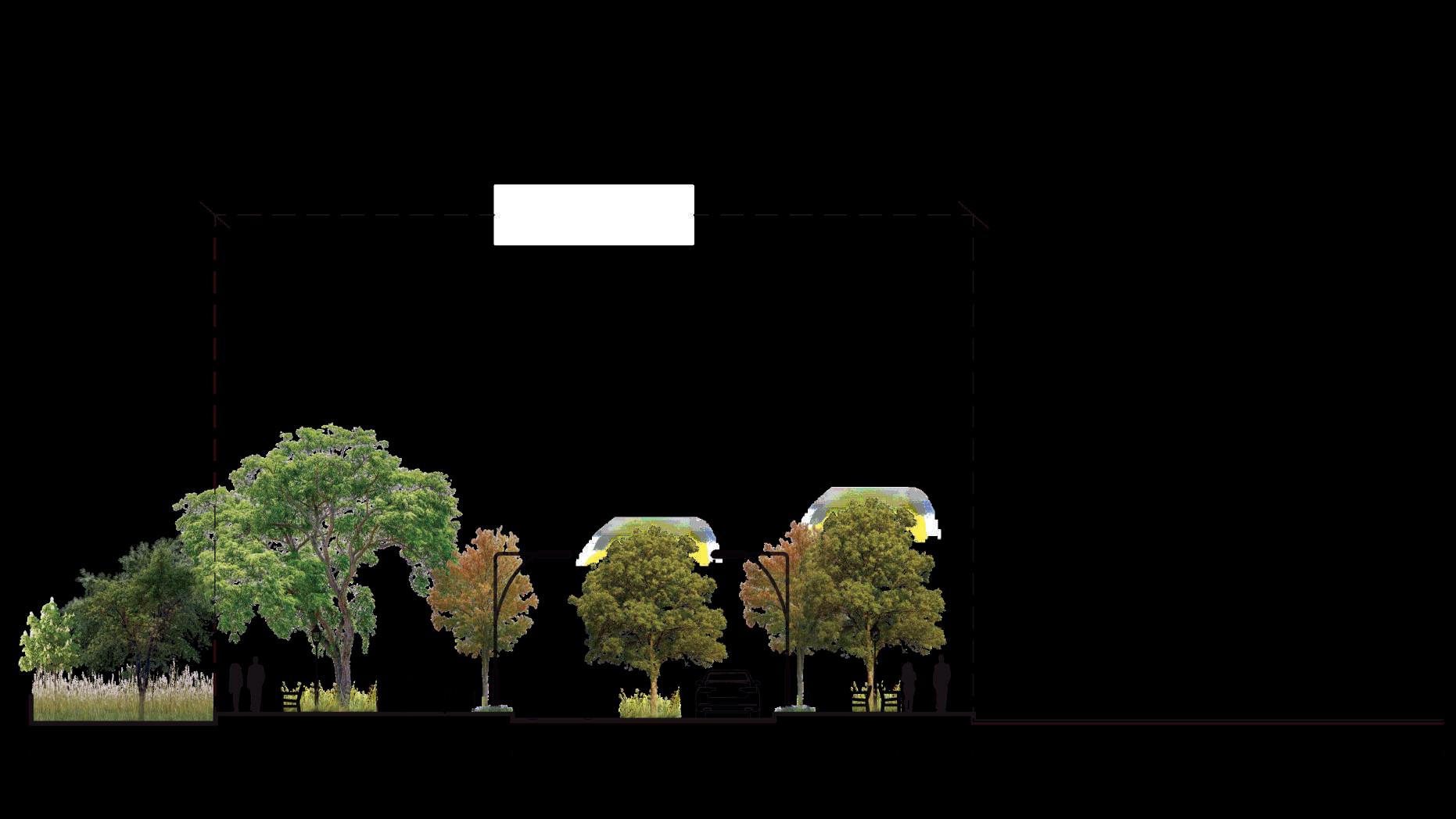
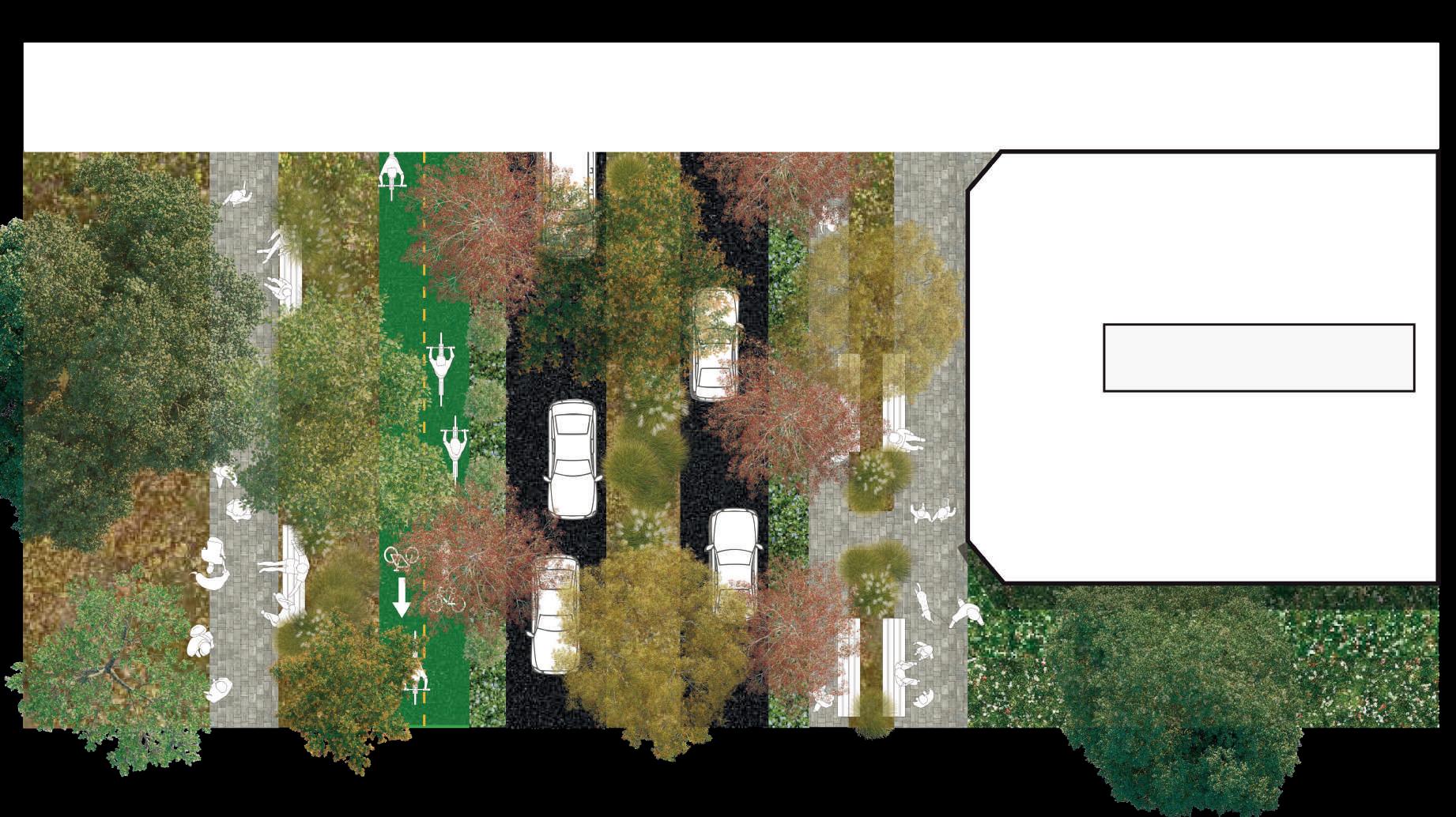
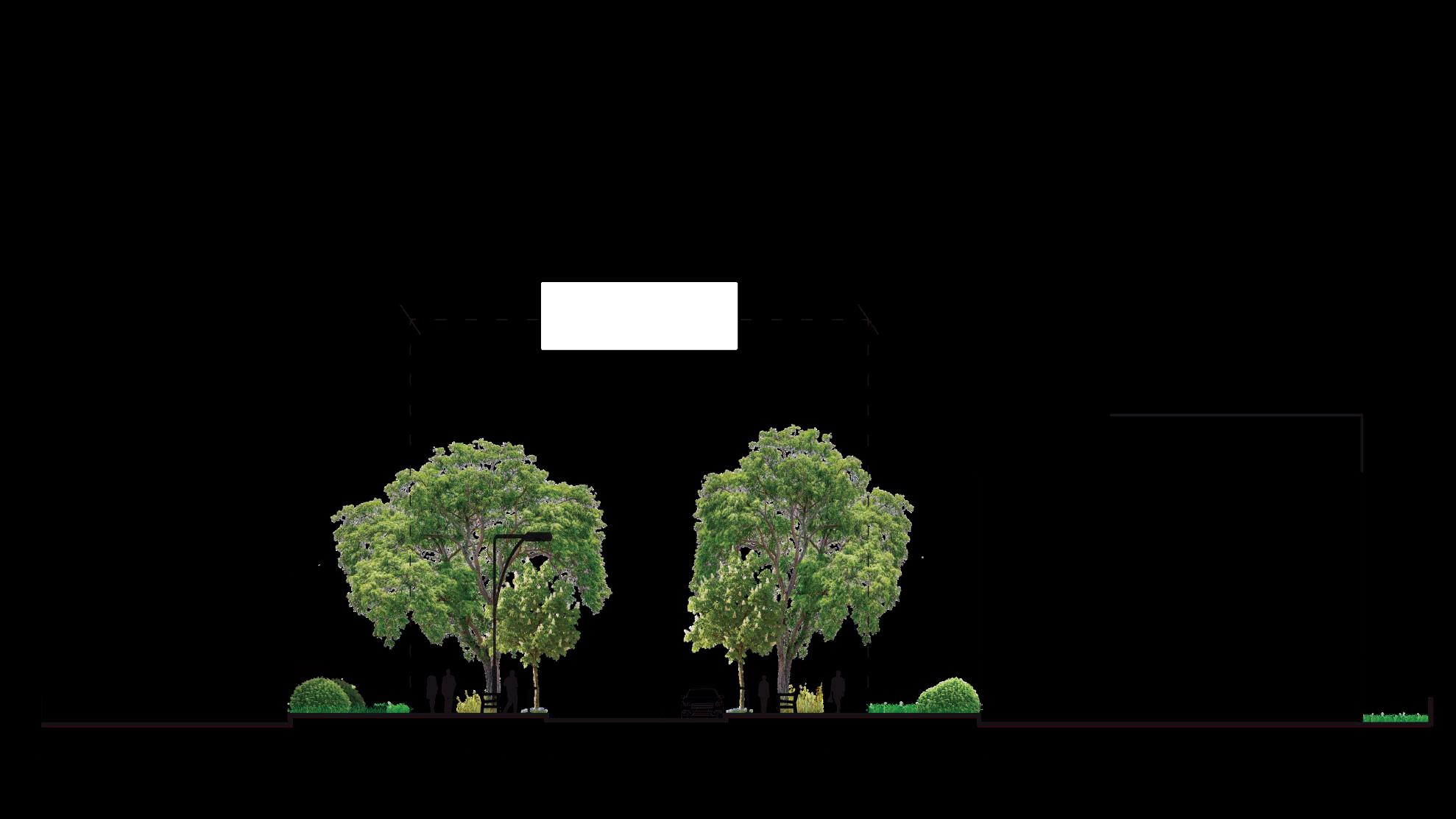
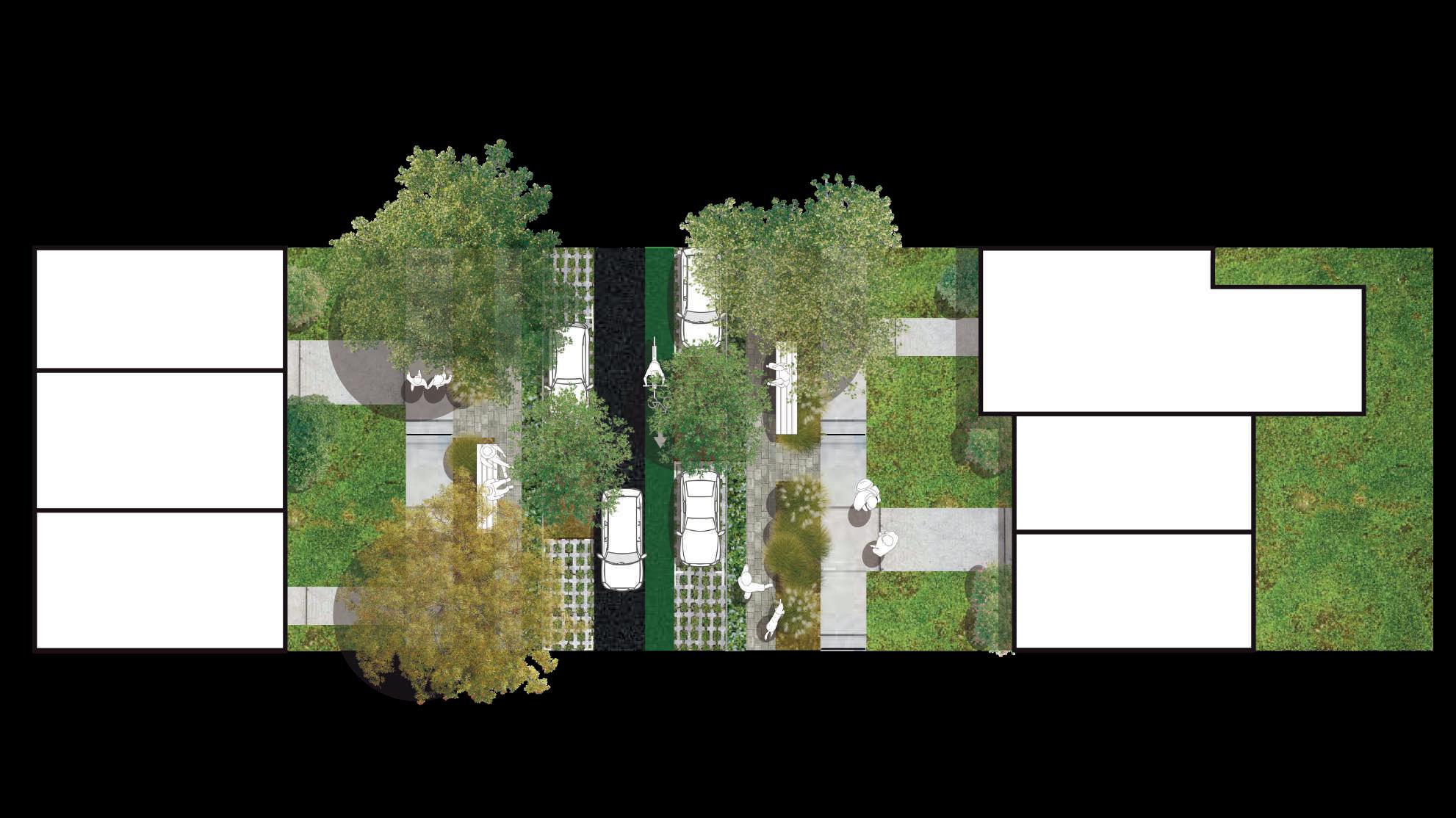
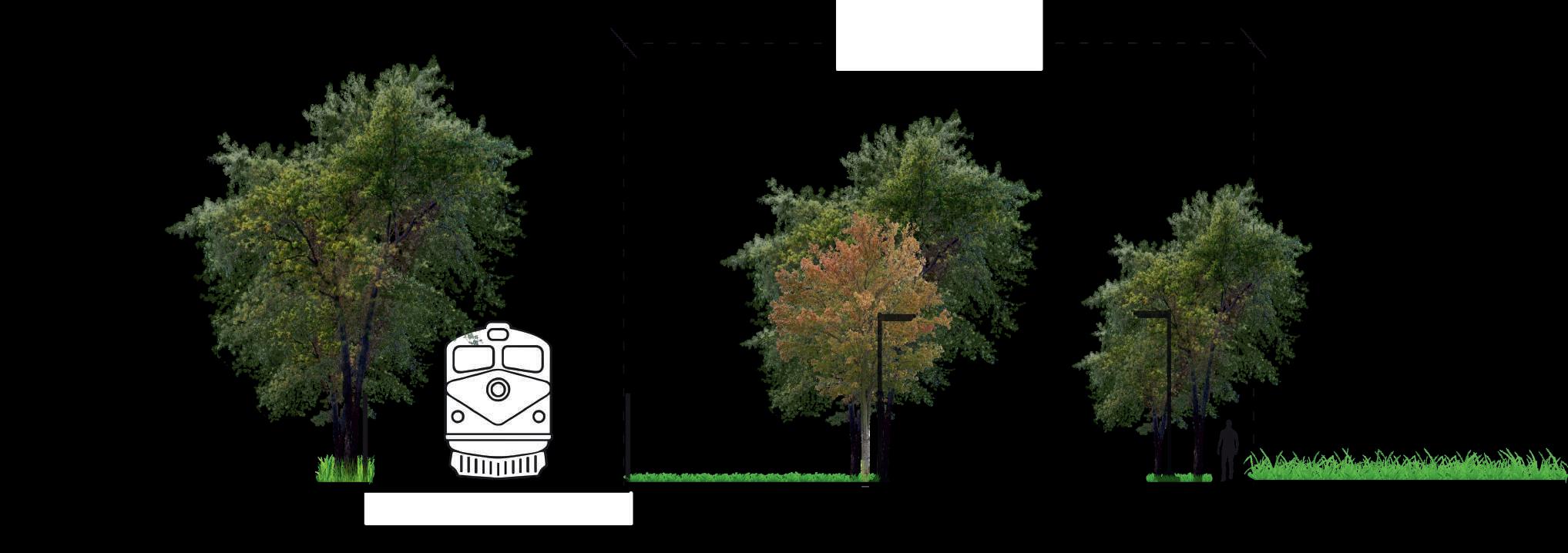
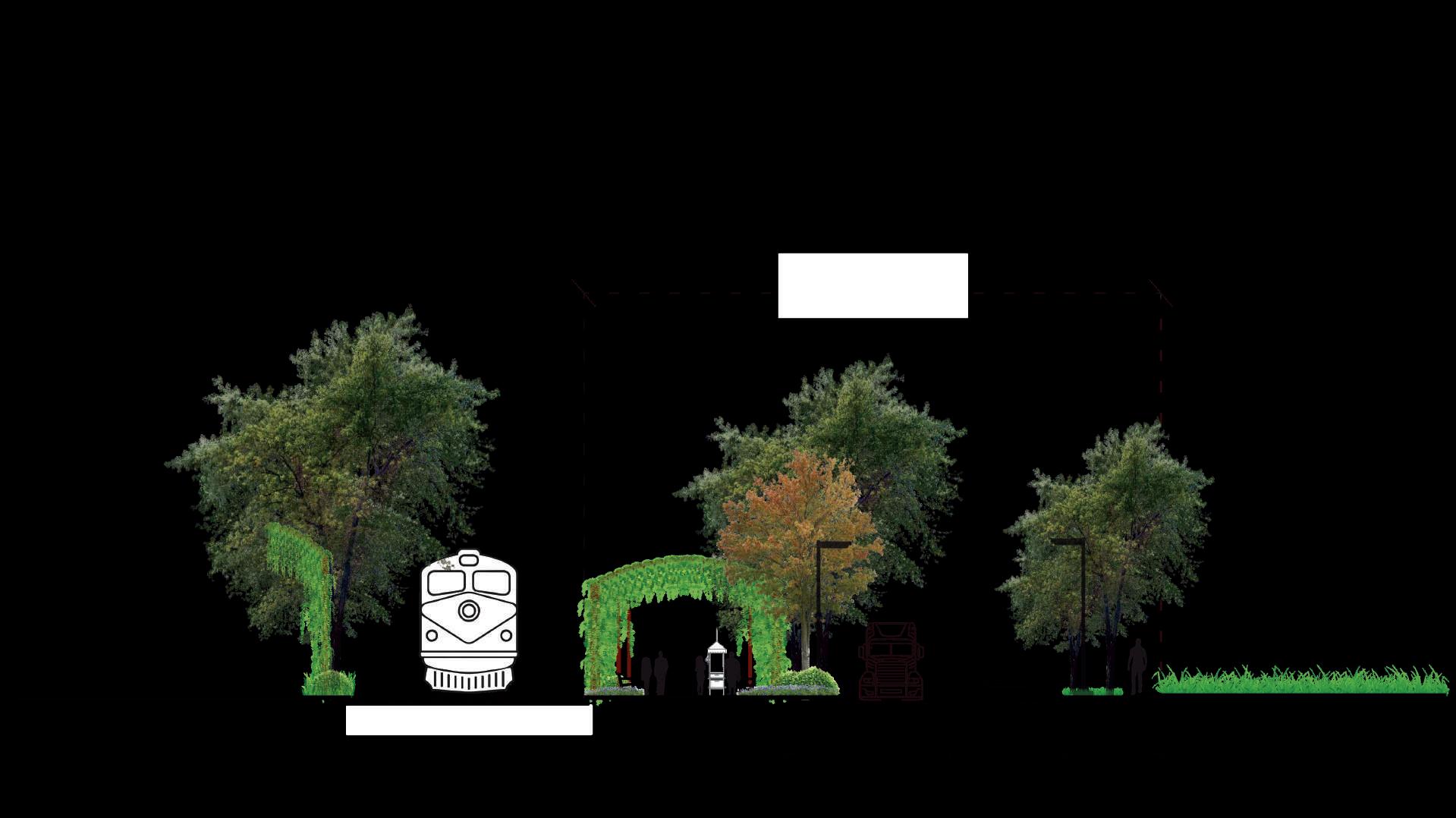
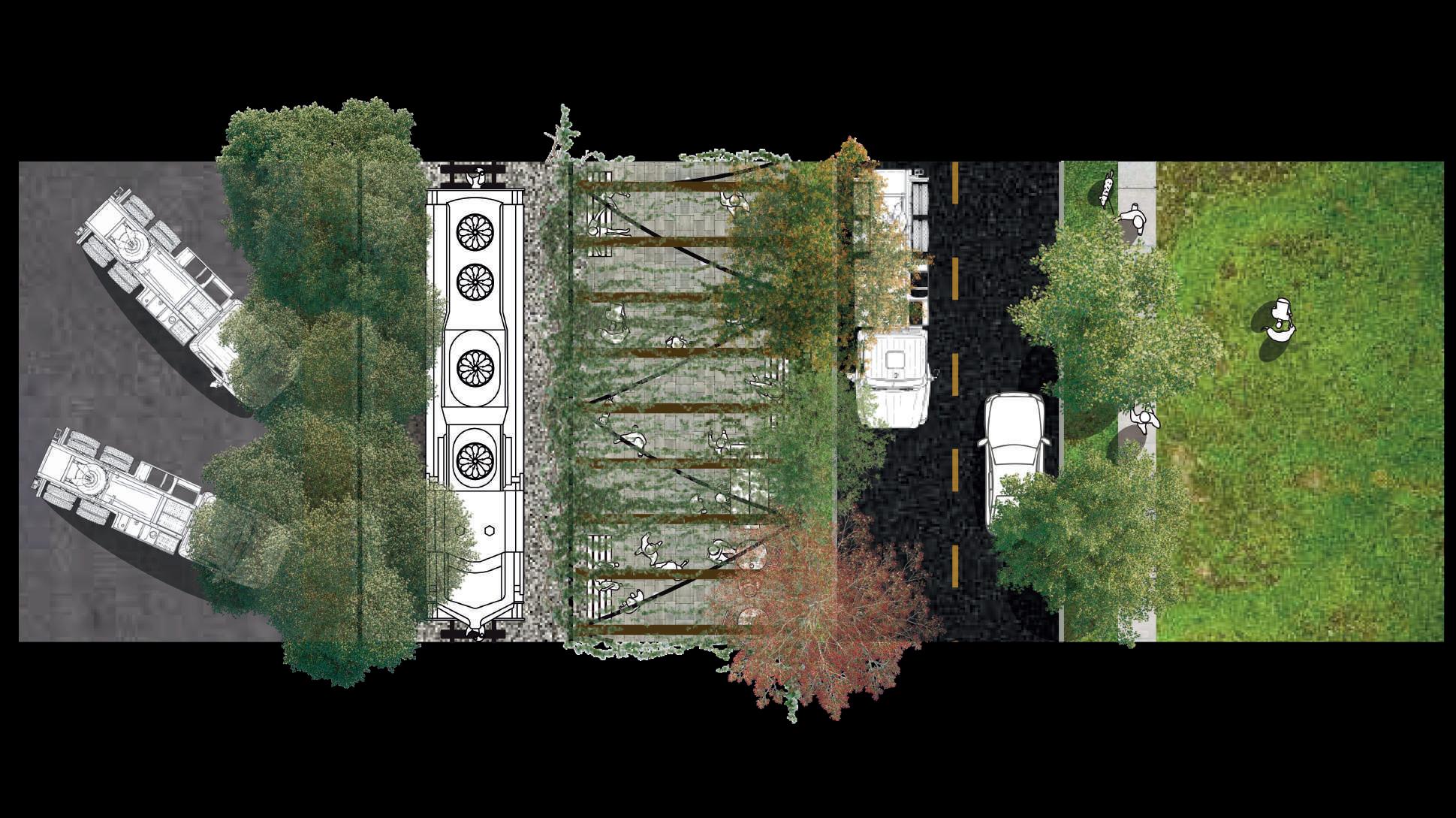
STREET SECTIONS
2025 MCD URBAN EDGE STUDIO 111thStreet Intersection
PULLMAN CULTURAL TOUR MAP
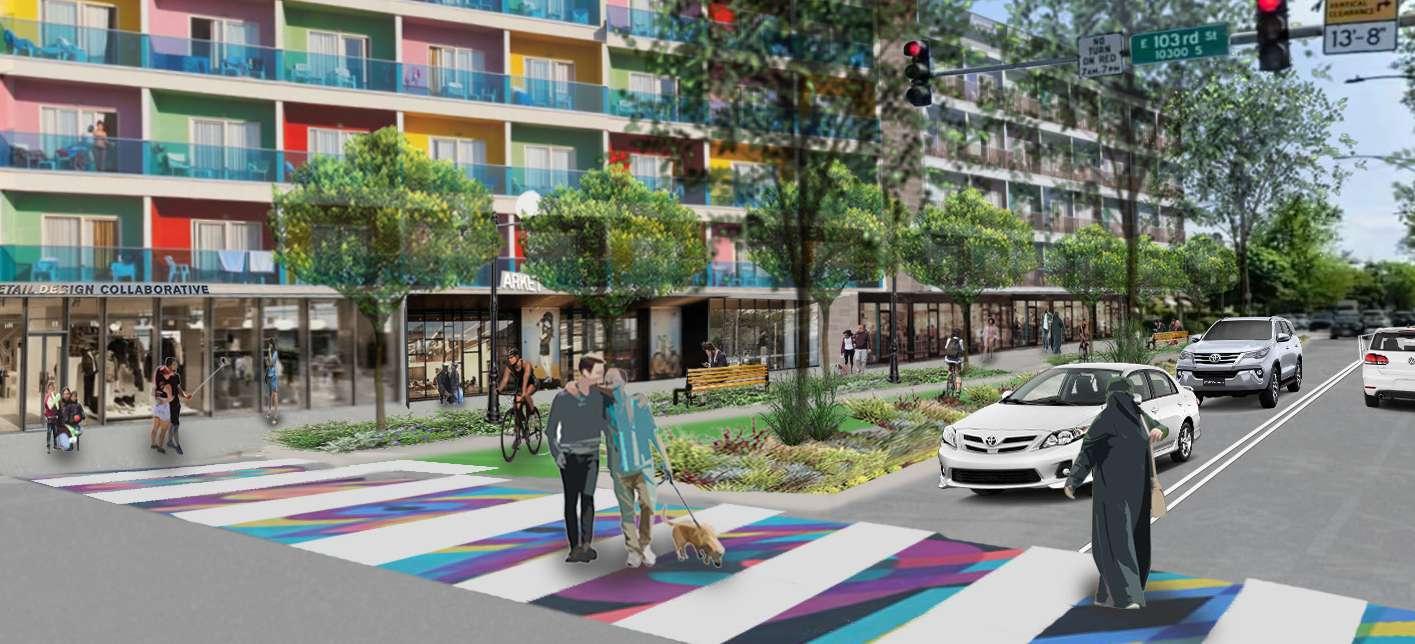
103rdStreet Intersection
NORTH PULLMAN
VISION
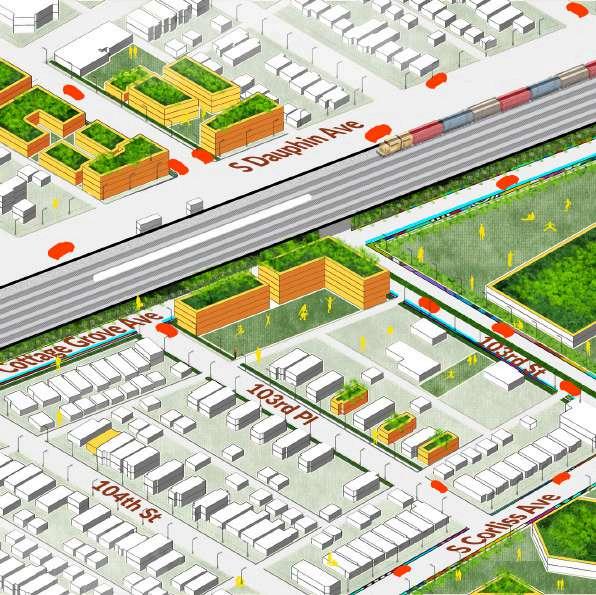
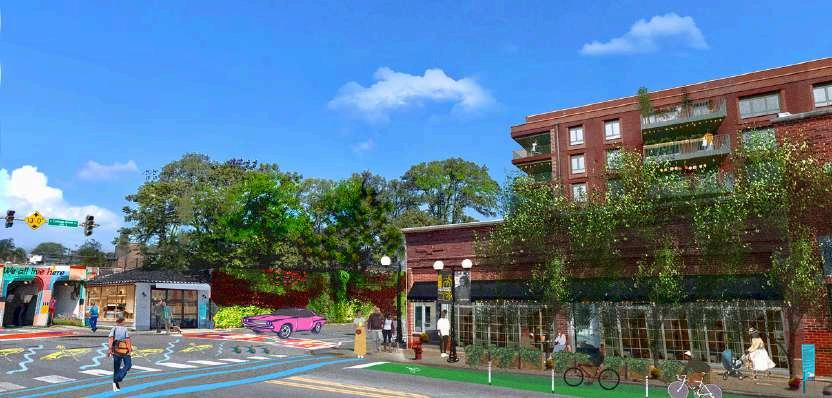
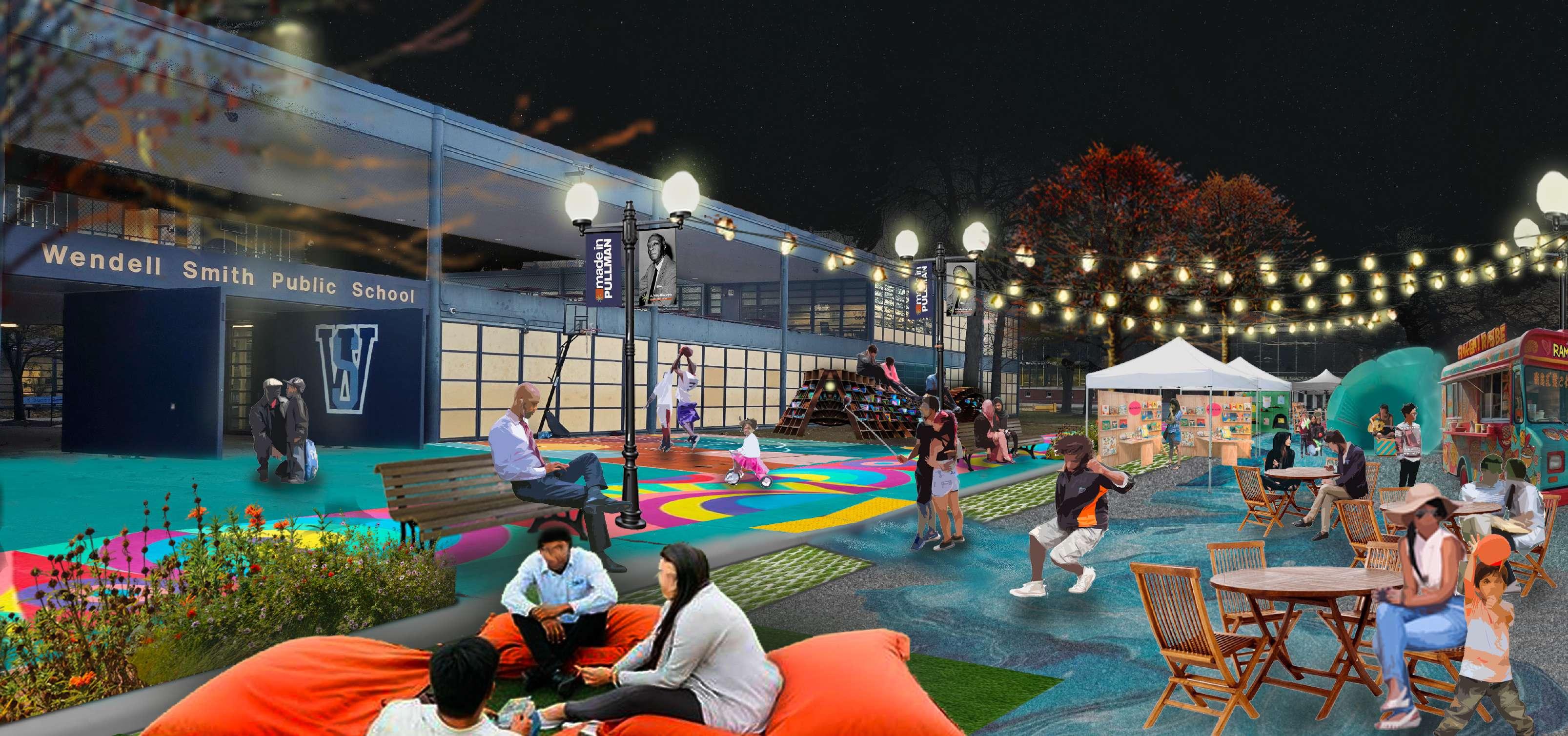
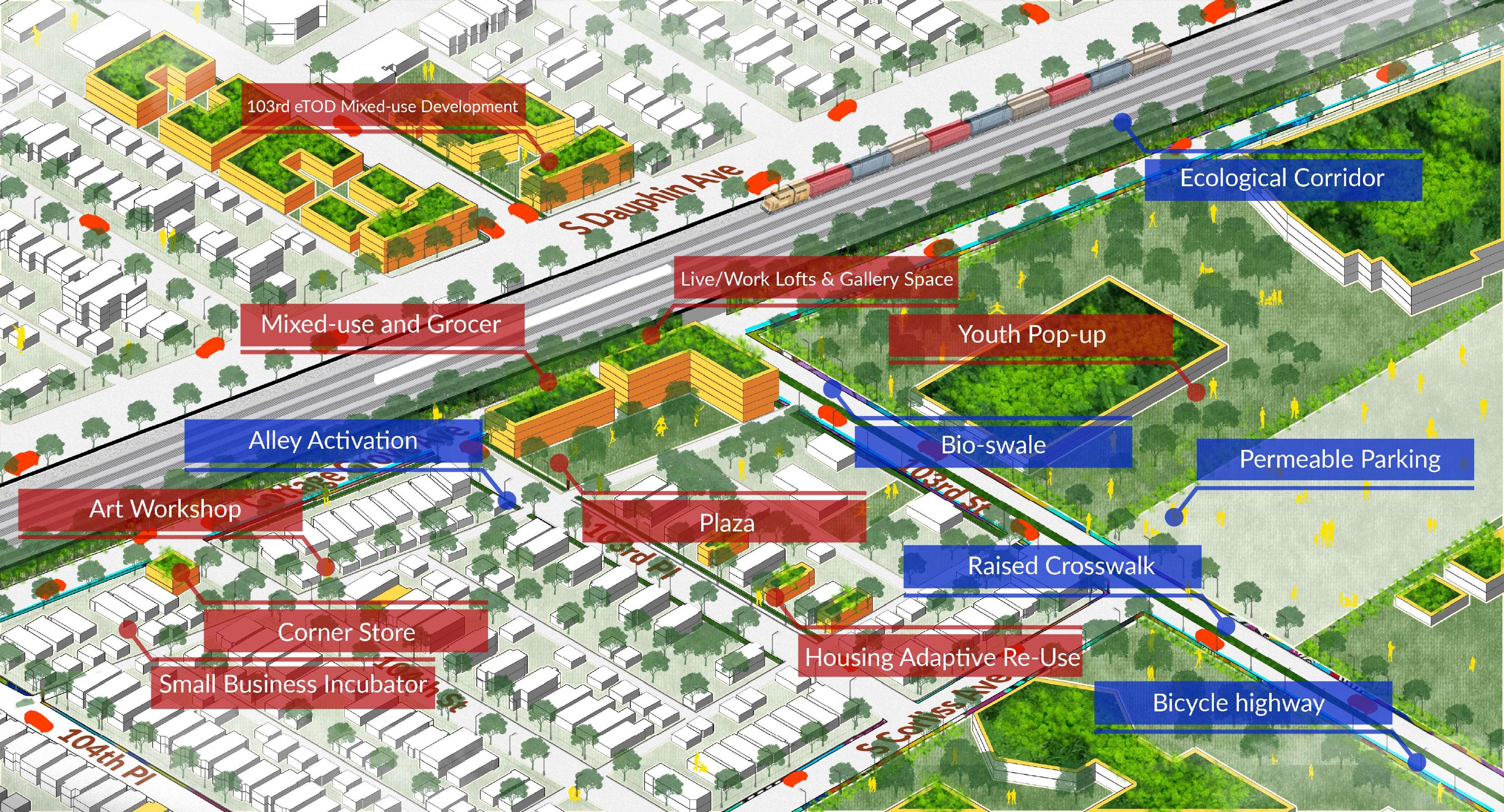
North Pullman will be the center of the area’s retail, arts and culture scene. The eTOD at 103rd Street will be a gateway to North Pullman with artisan live/work lofts and gallery spaces on the ground floor. Arts and culture will also be supported through an informal economy of activated alleyways where residents can sell goods out of their garages. Throughout North Pullman existing housing will also be adaptively reused to meet energy efficient and sustainability standards. All together these efforts will support a thriving local cottage industry for artists, residents, and visitors.
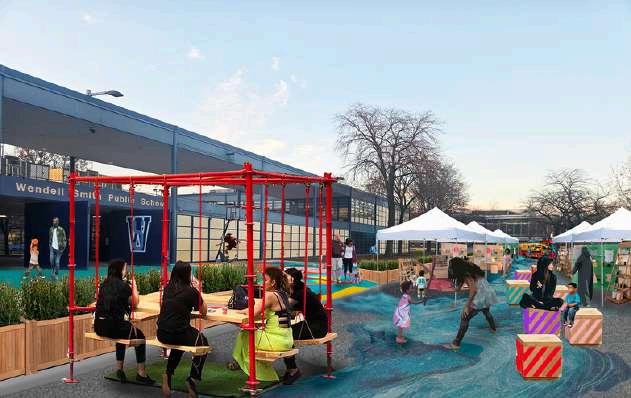
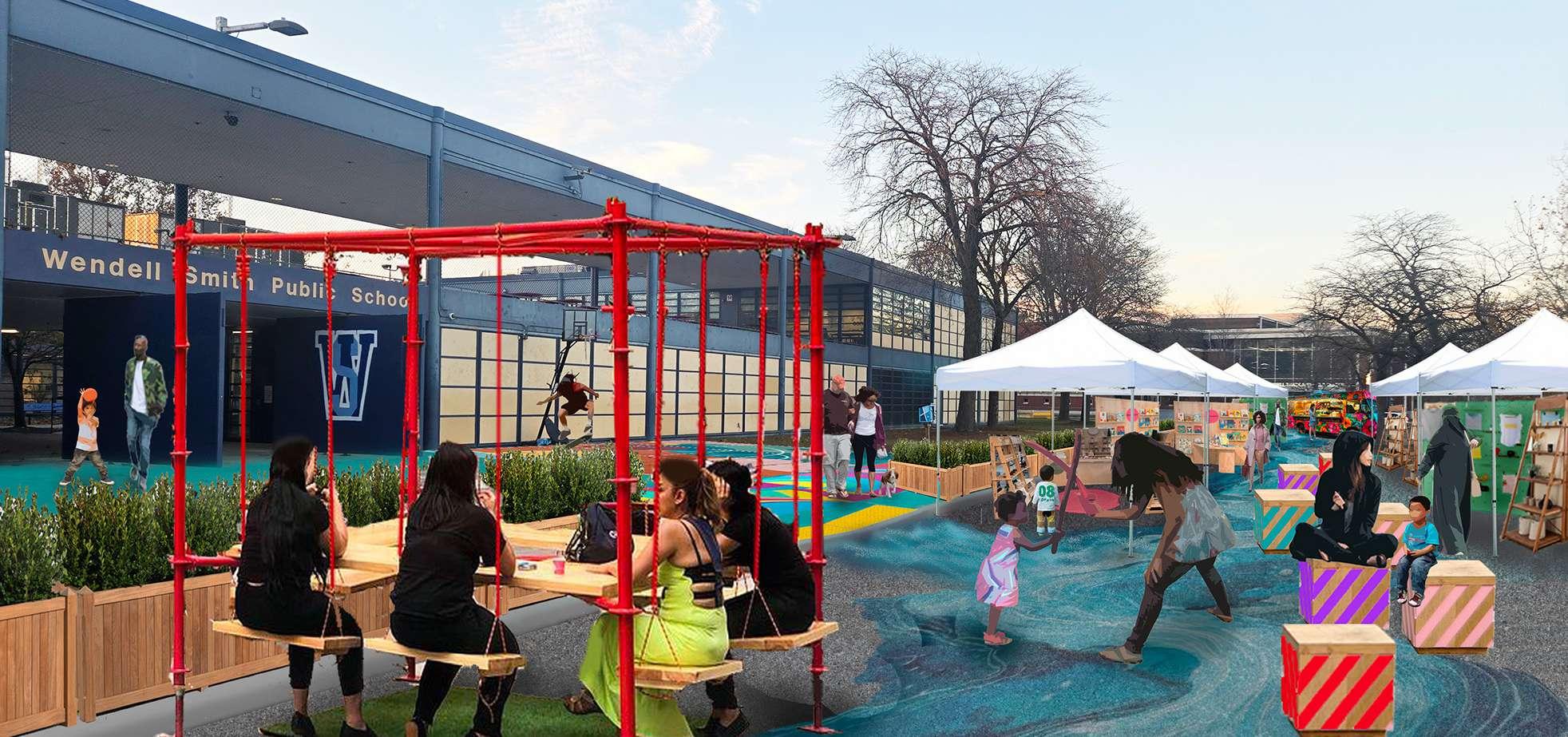
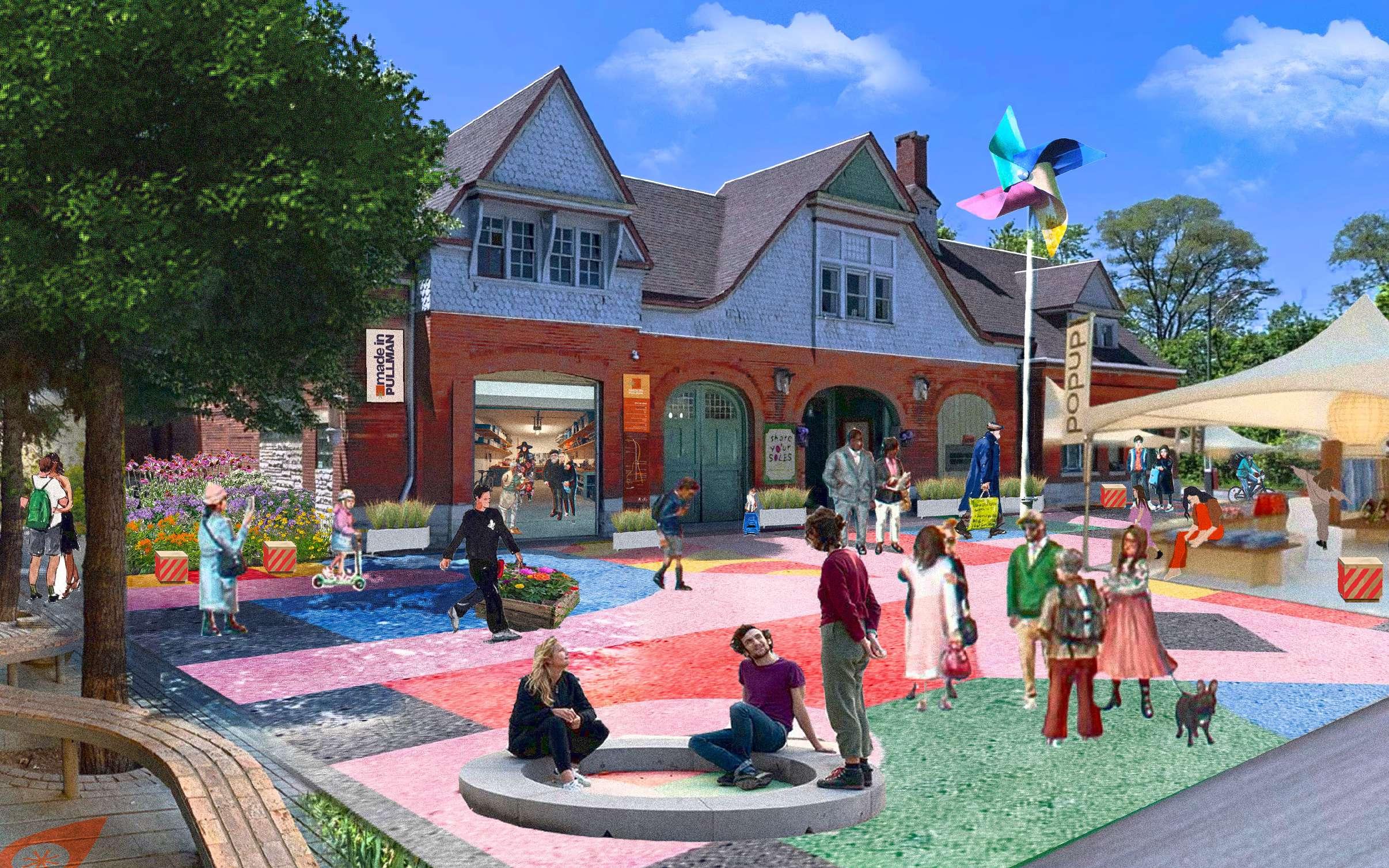
The youth pop up will be a two phased approach, one short term and one long term, where the initial phase is a tactical space with temporary structures, and the second phase a more permanent structure and an event held with more frequency.
NORTH PULLMAN
VISION
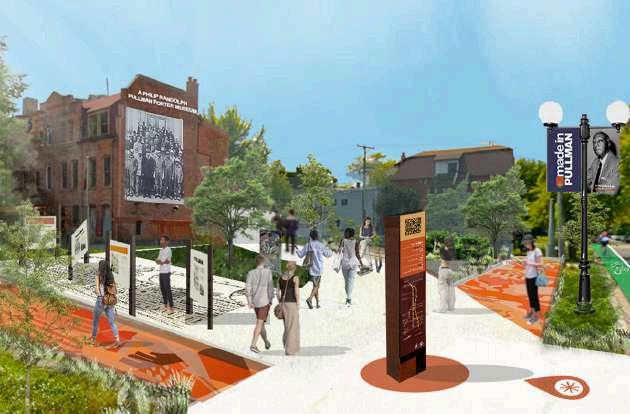
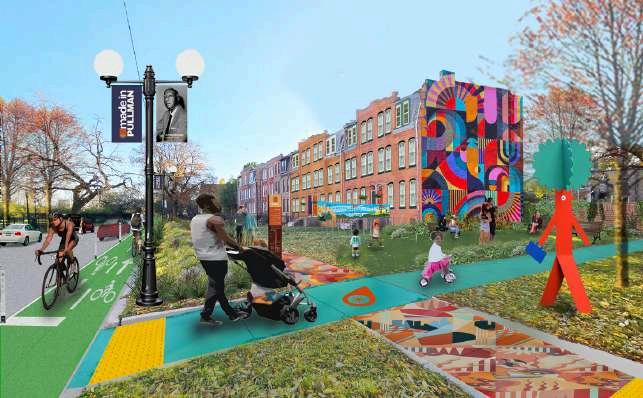
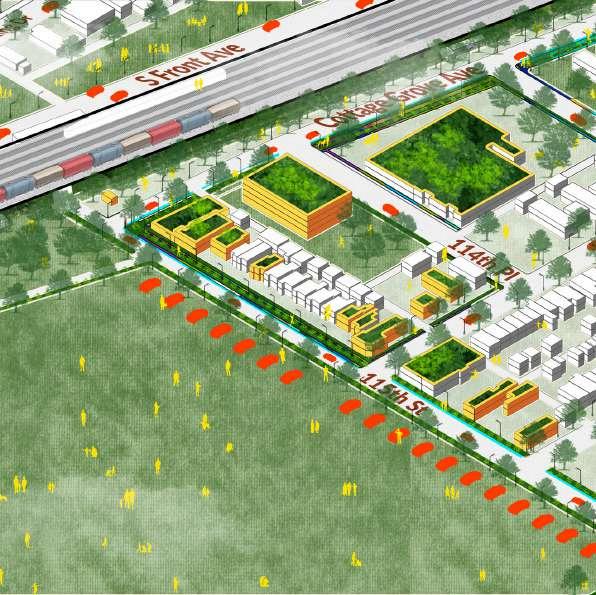
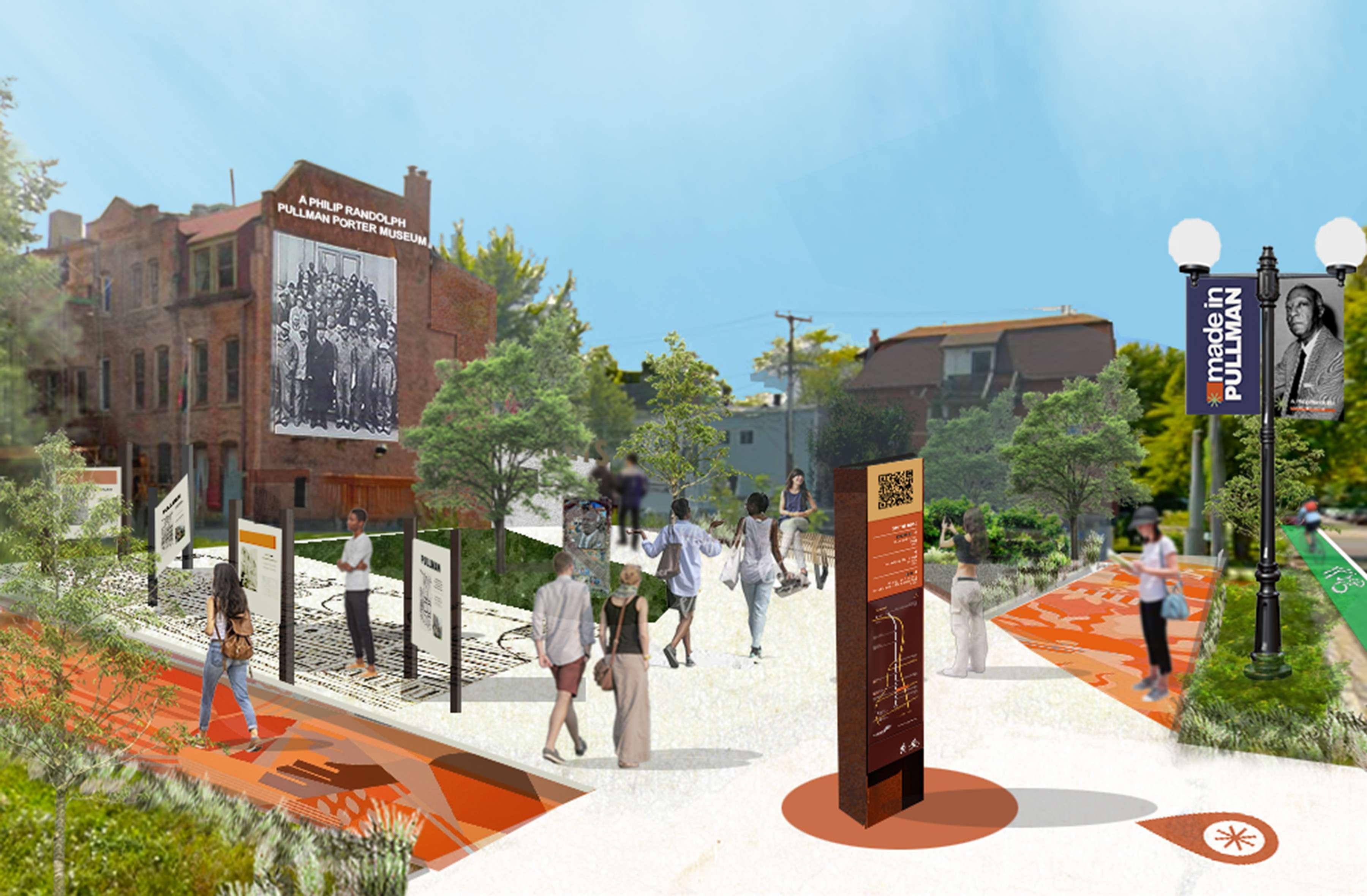
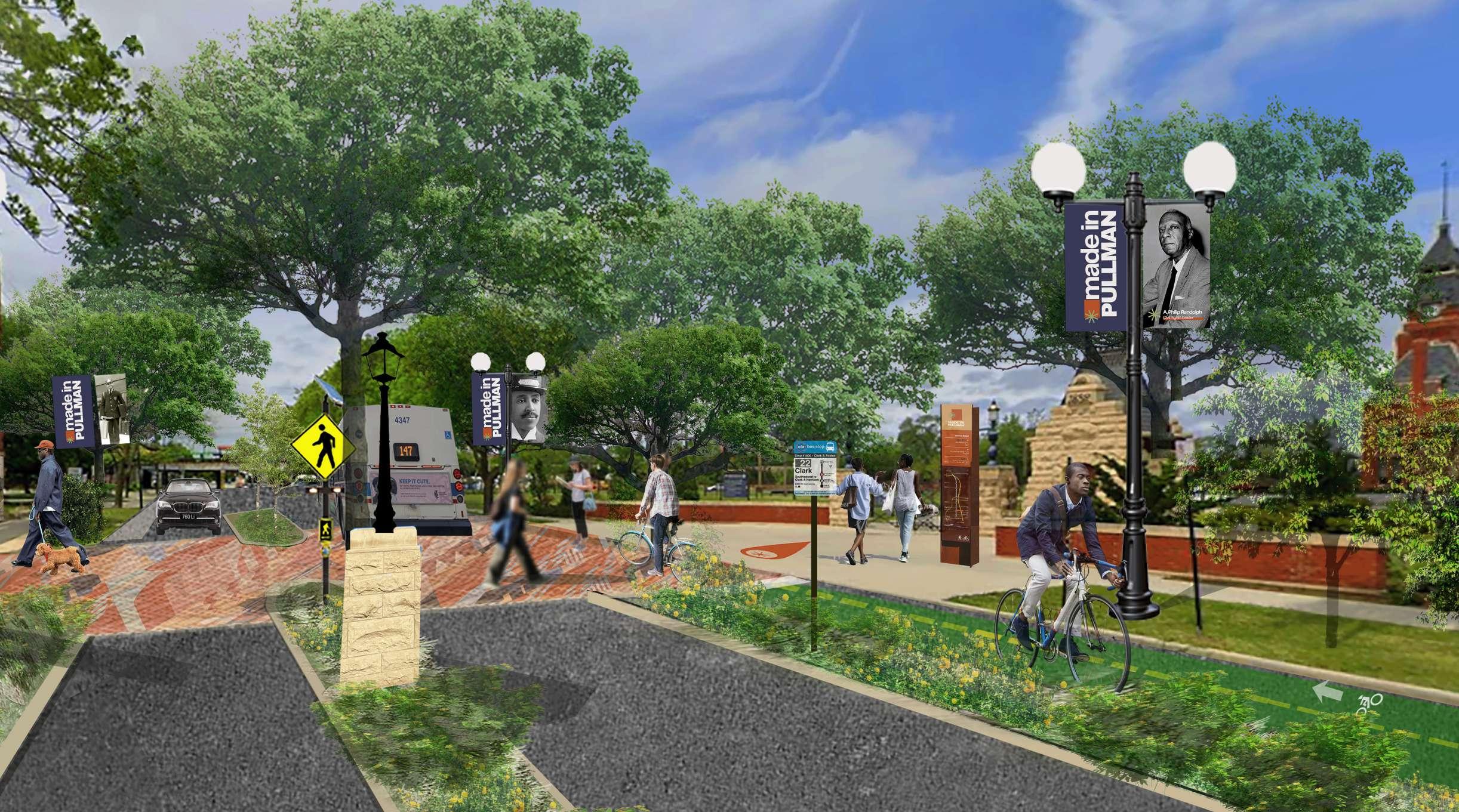
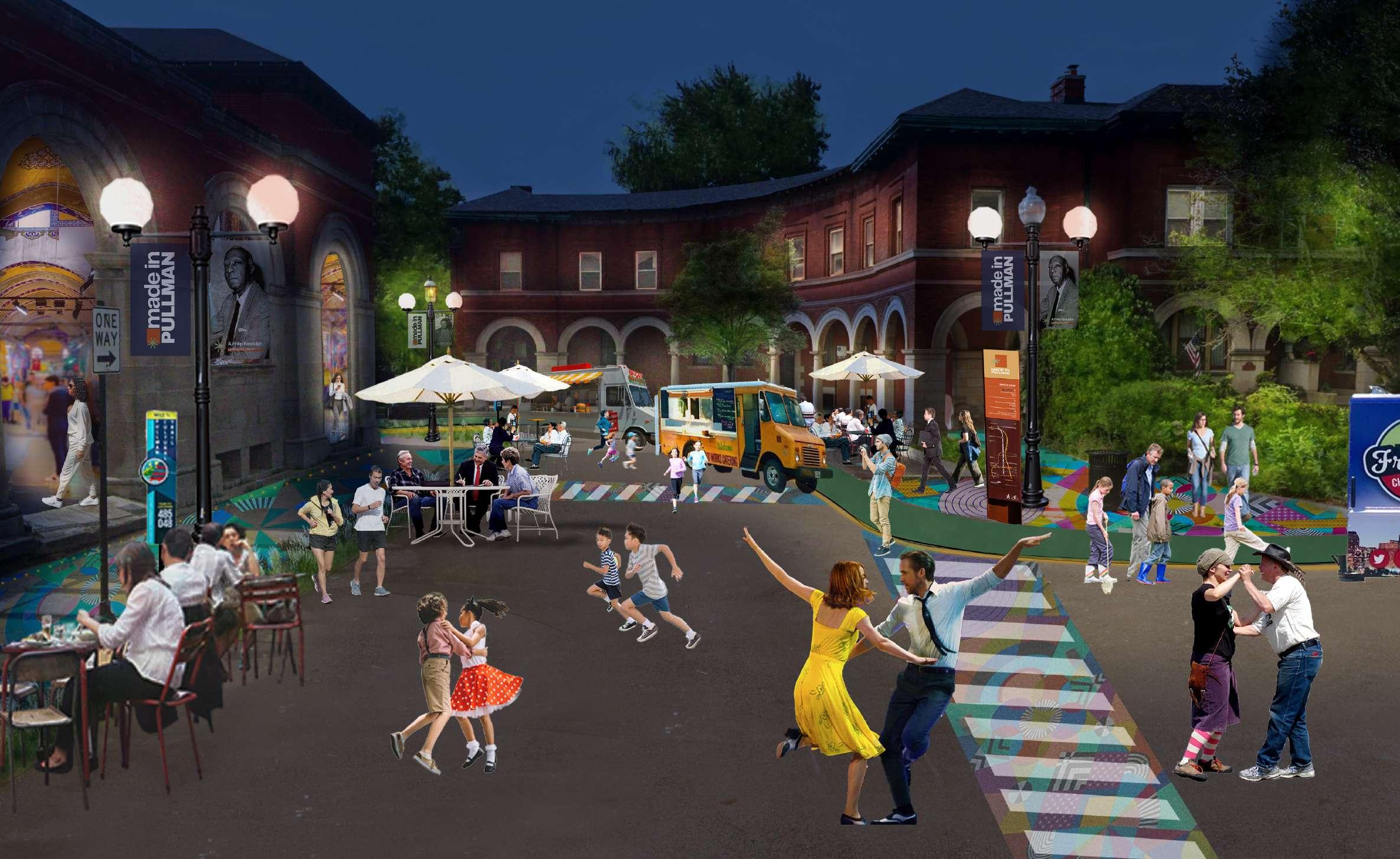
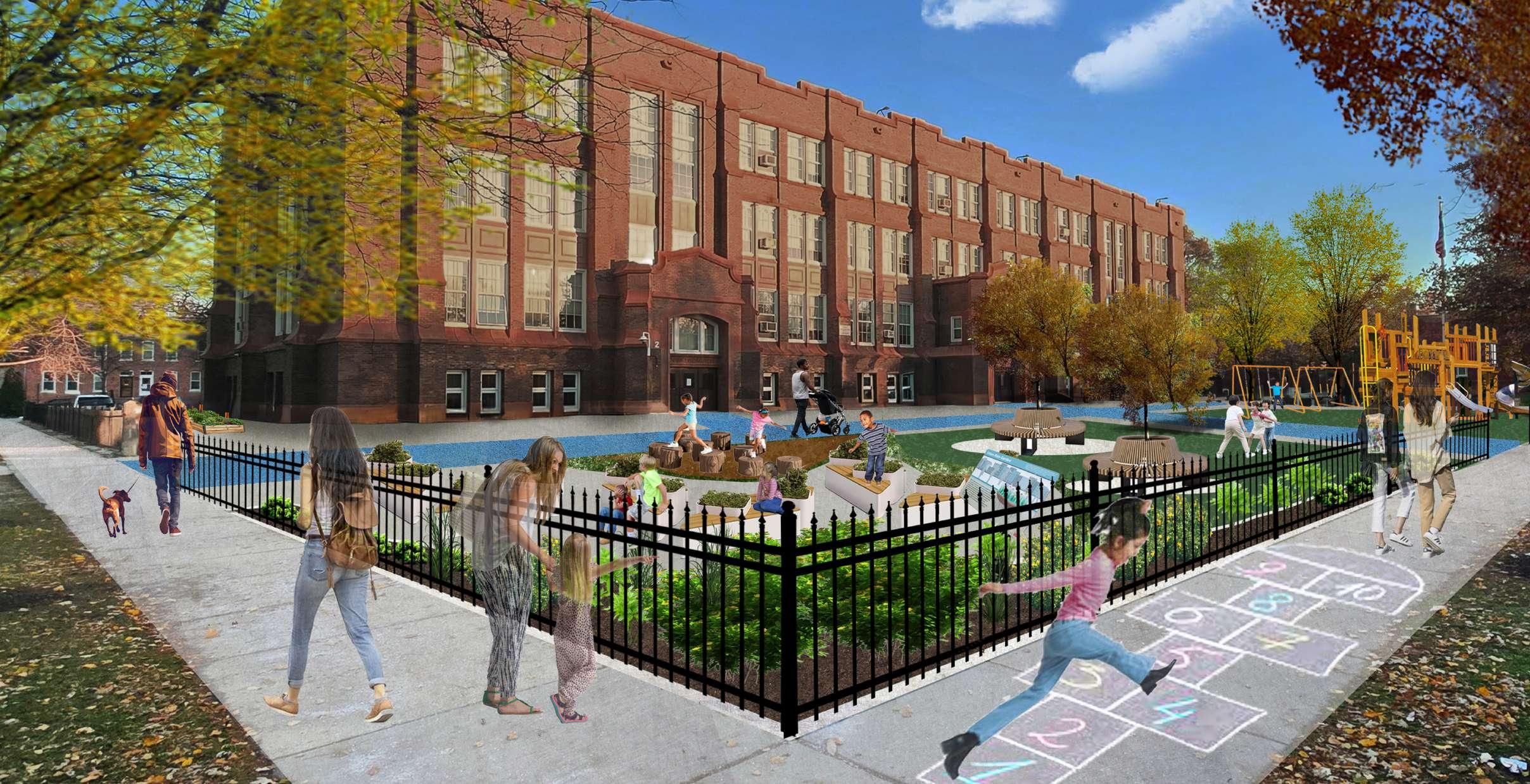
Cultural institutions like the A Philip Randolph Museum are prized assets of the community and are leveraged in our design through the cultural trail which will link the museum to other key cultural assets to the south. Affordable housing will be implemented via adaptive reuse at 106th Street and Maryland Avenue and the site will include a small park and connection to the cultural trail.
MASTER PLAN
AFFORDABLE HOUSING & PARKLET
BIRDS EYE VIEW
A. PHILLIP RANDOLPH MUSEUM & PLAZA
CENTRAL PULLMAN VISION
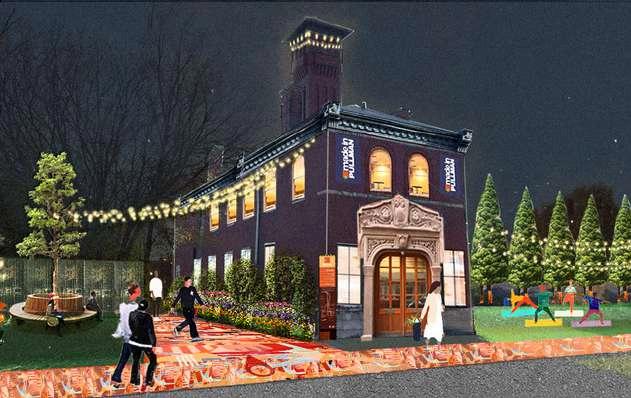
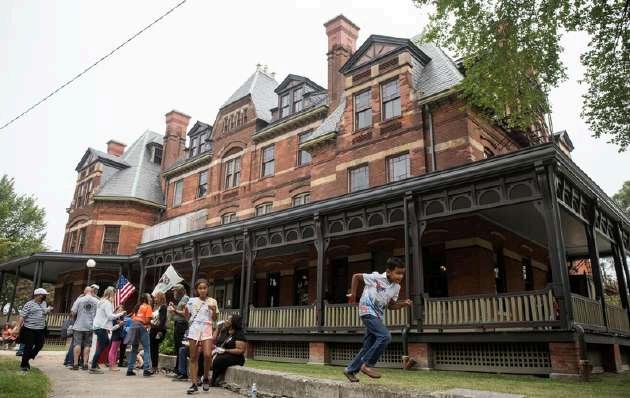
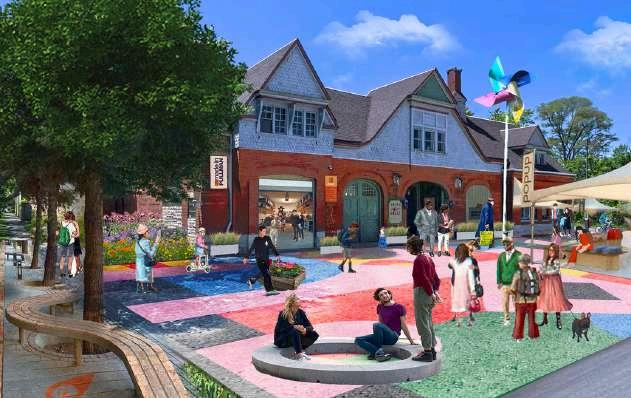
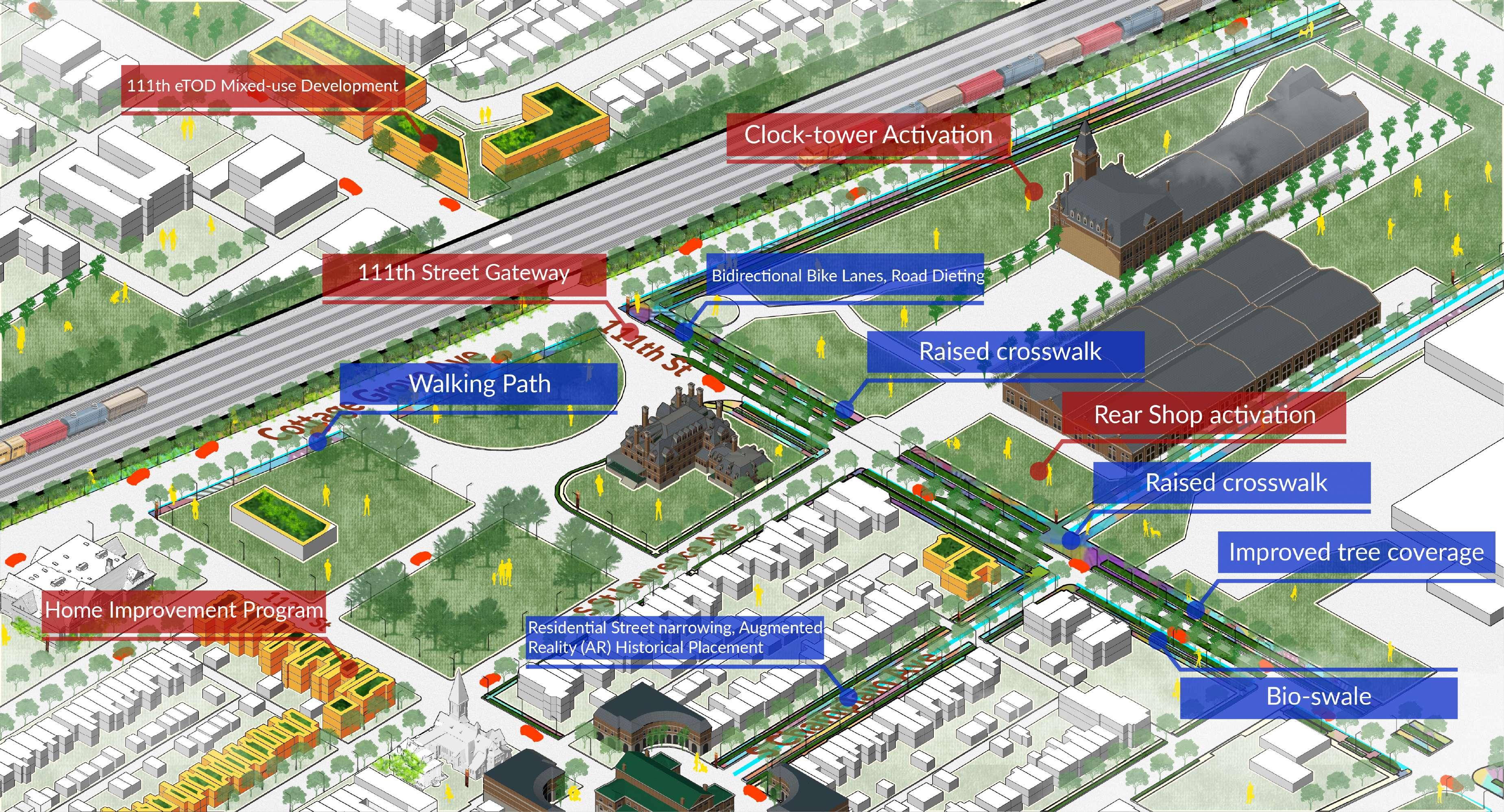
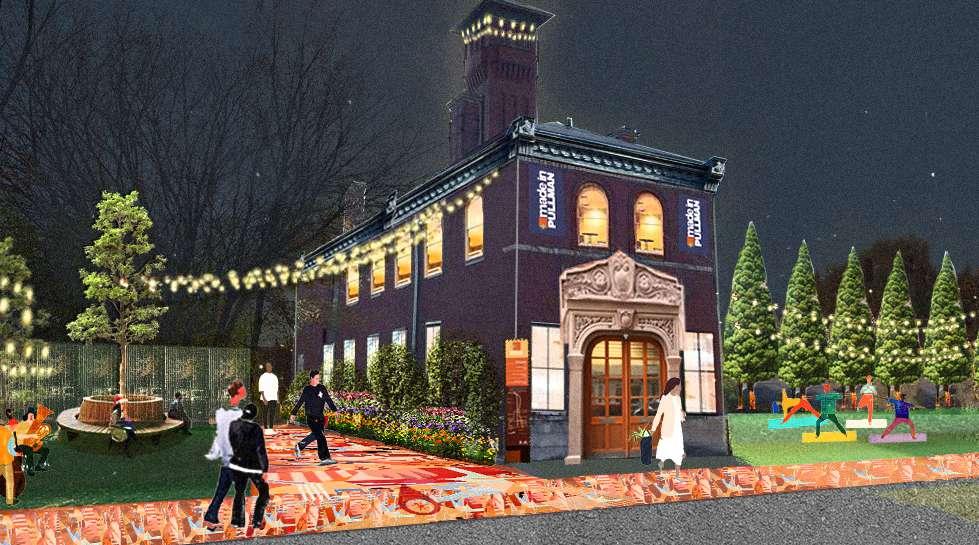
The Firehouse will be transformed into a wellness center with flexible programming, creating a source of unique cultural charm and activation on the Cultural Trail.
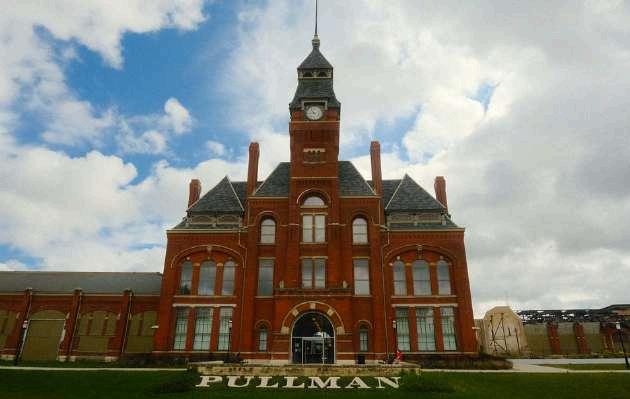
Central Pullman is the vital core that elevates the proud, prosperous parts of the neighborhood, leveraging its unique historical assets for economic growth, finally bridging the industrial division to anchor the neighborhood as the Crowned Jewel of the Far South Side.
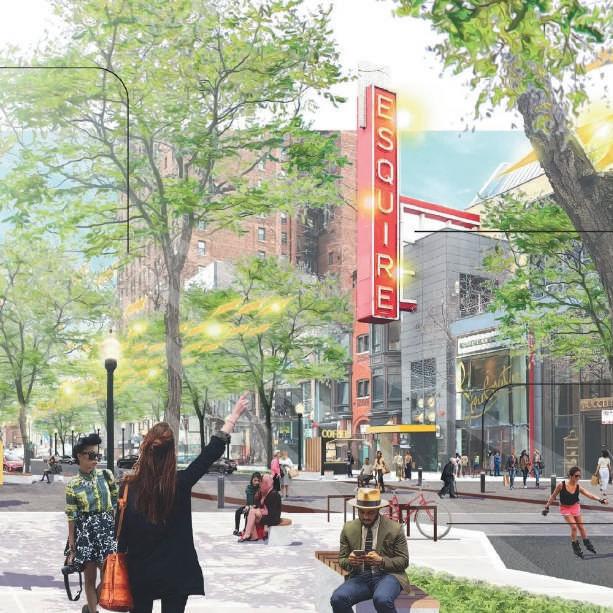
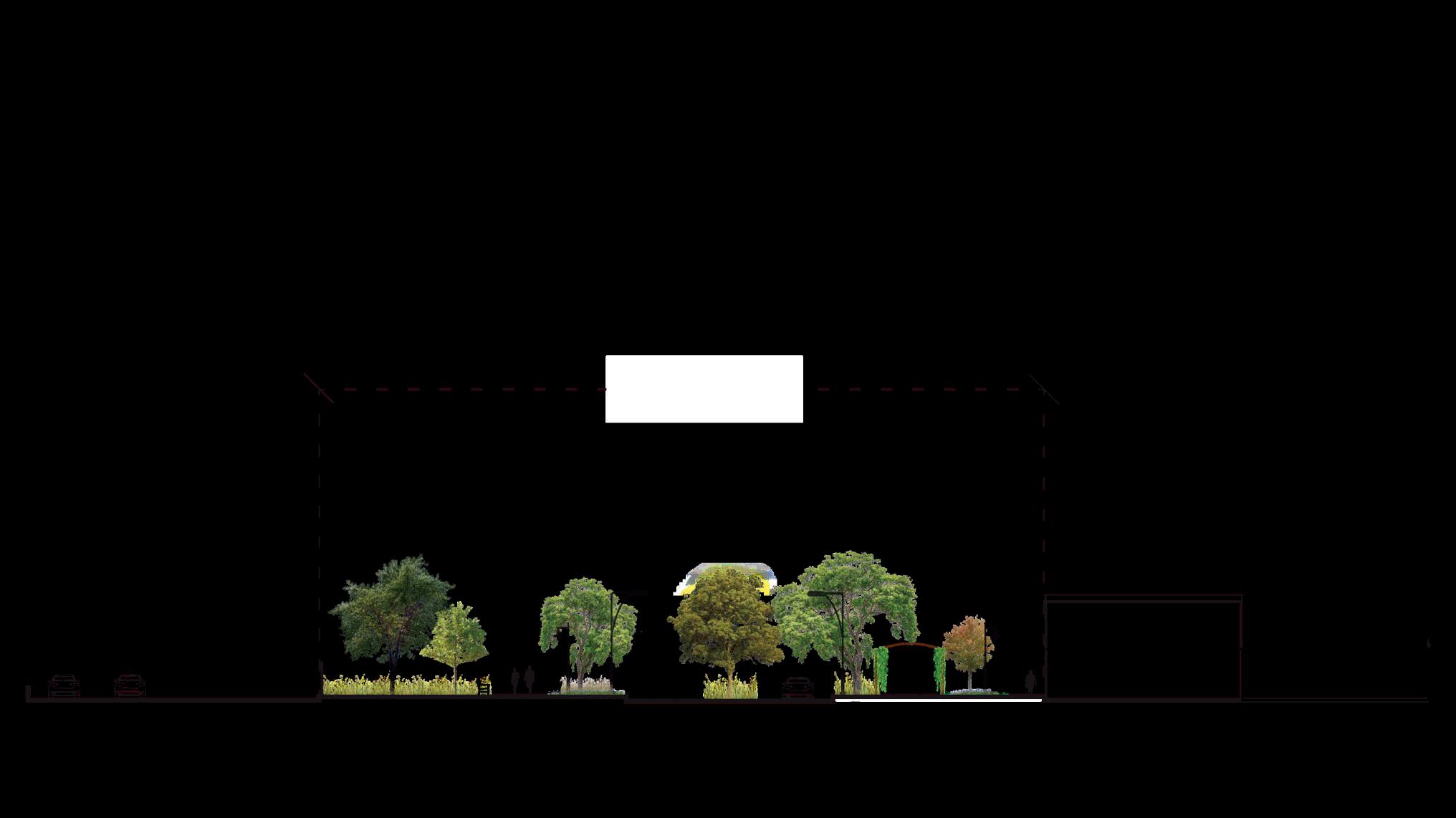
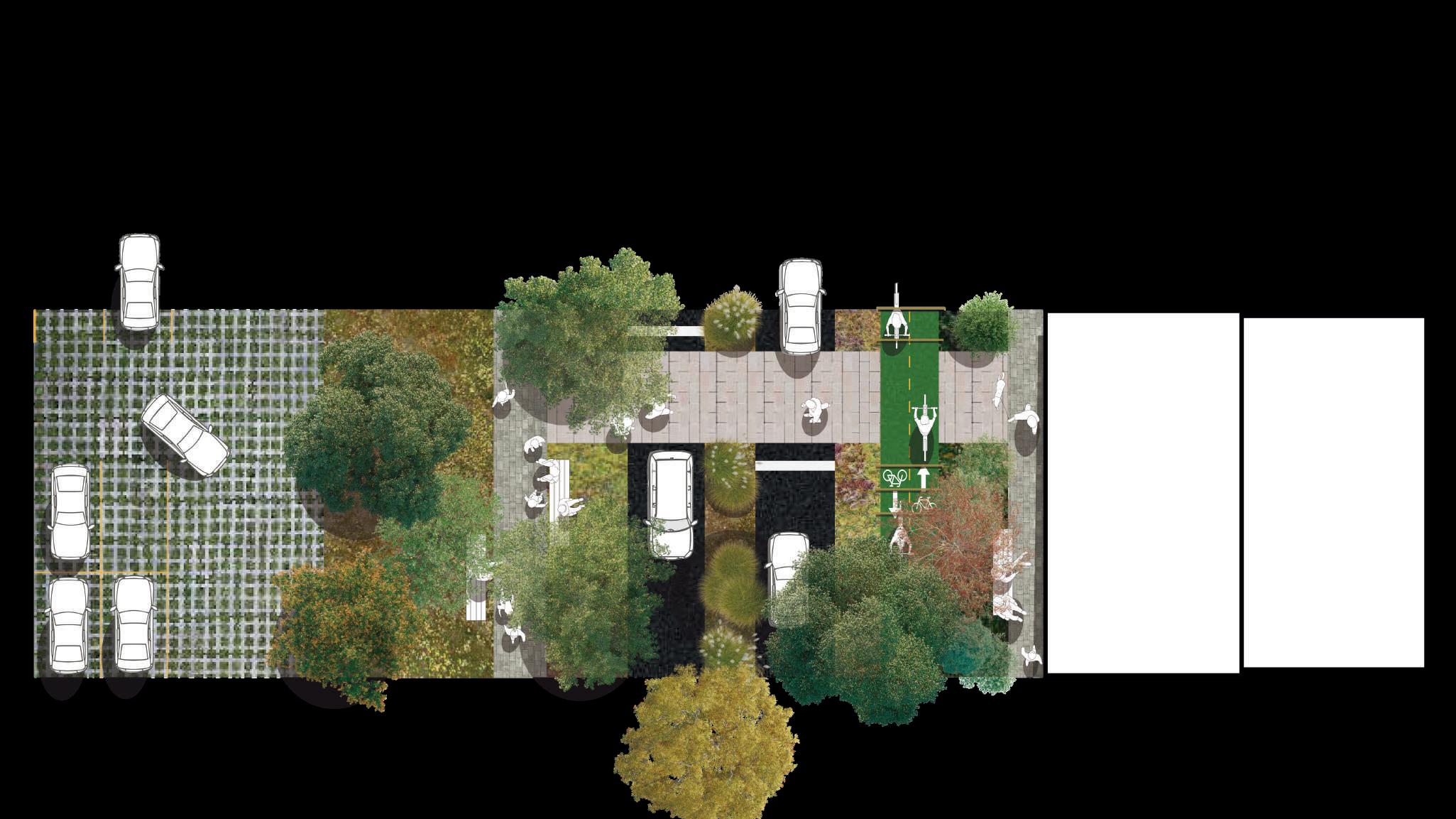
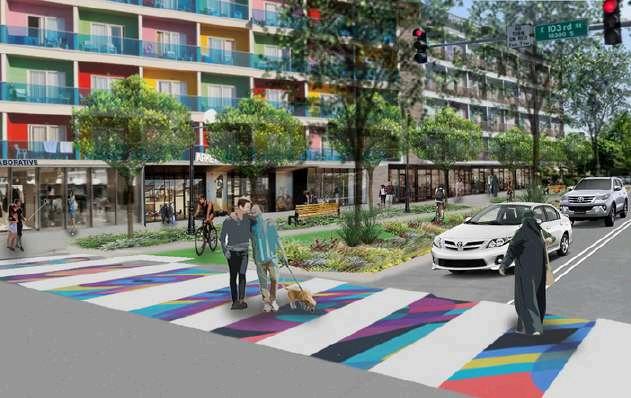
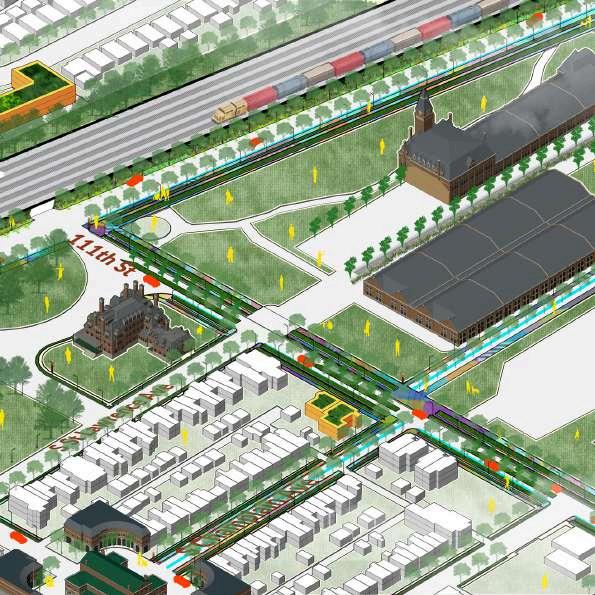
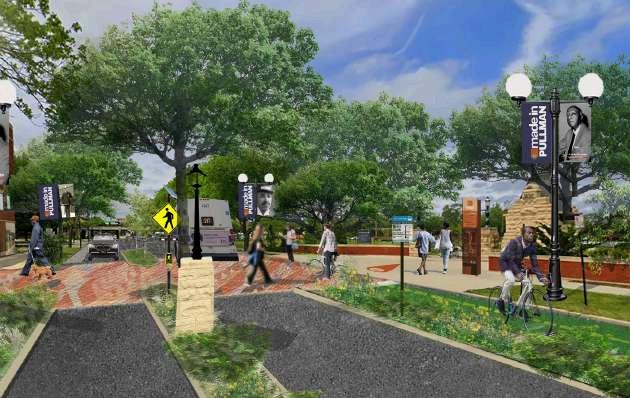
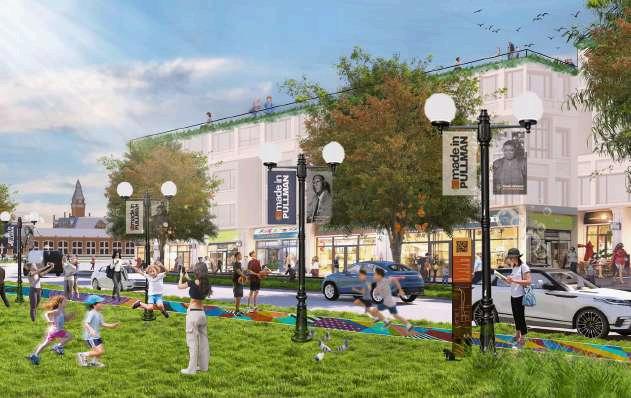
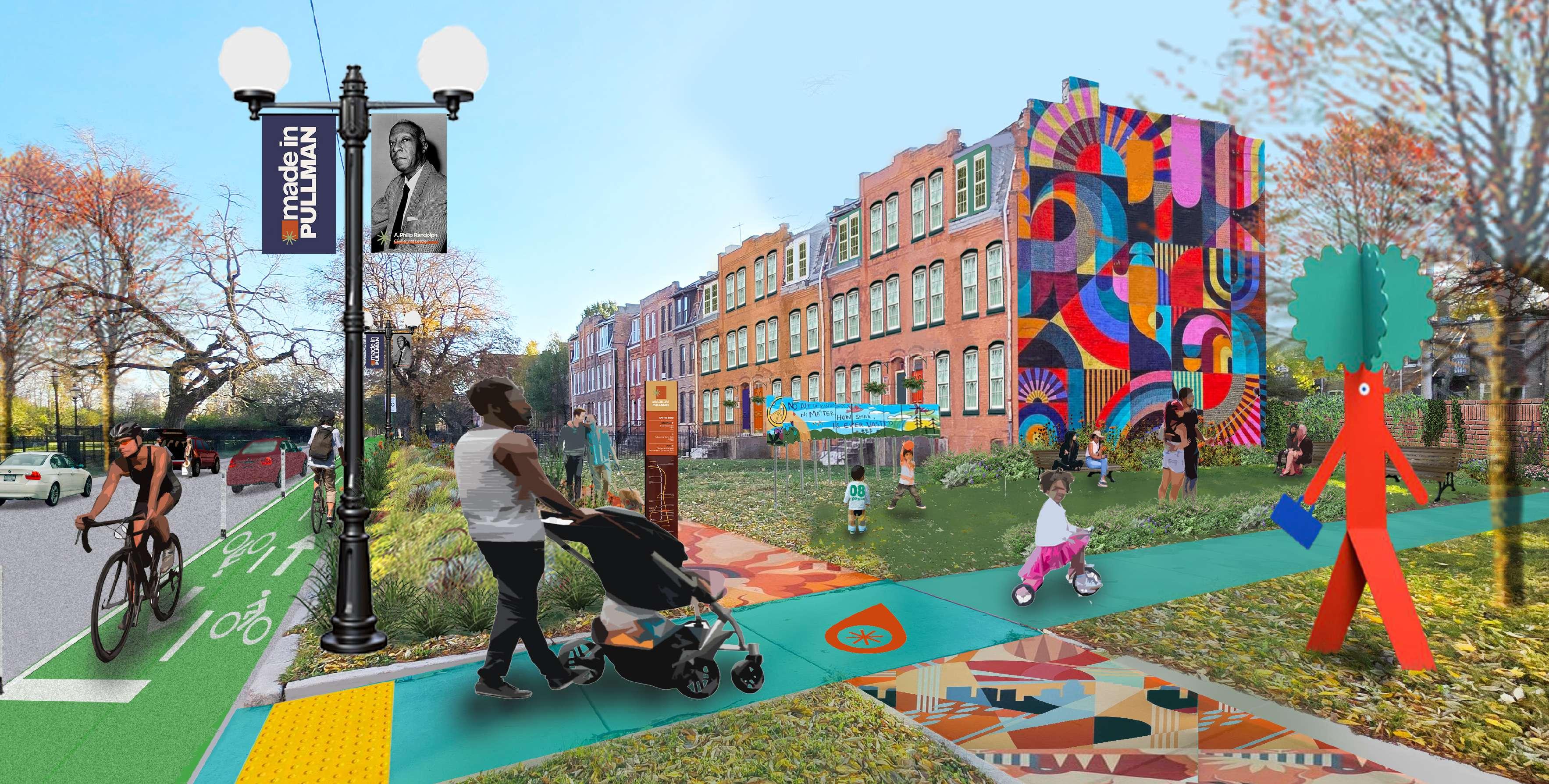
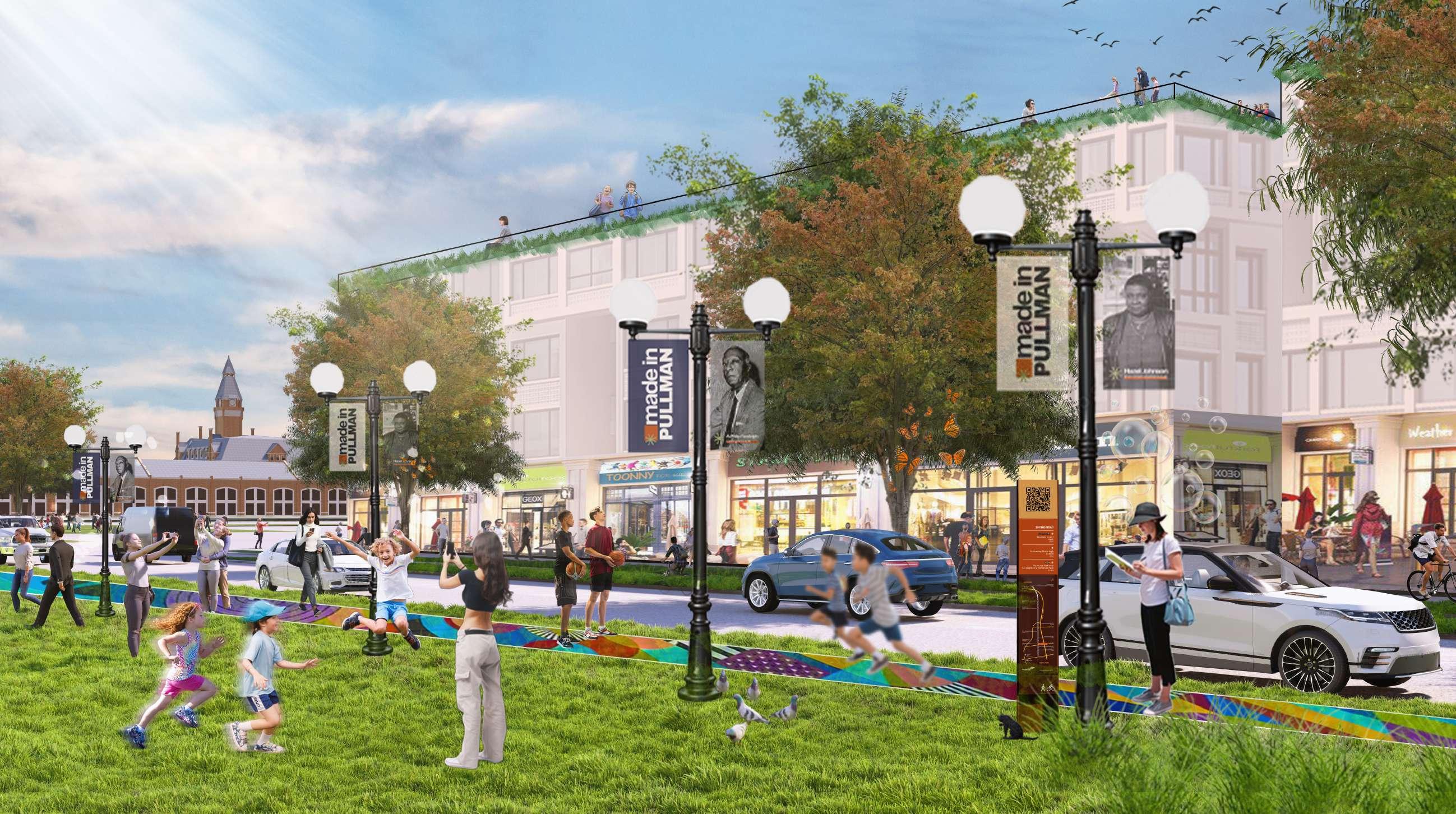
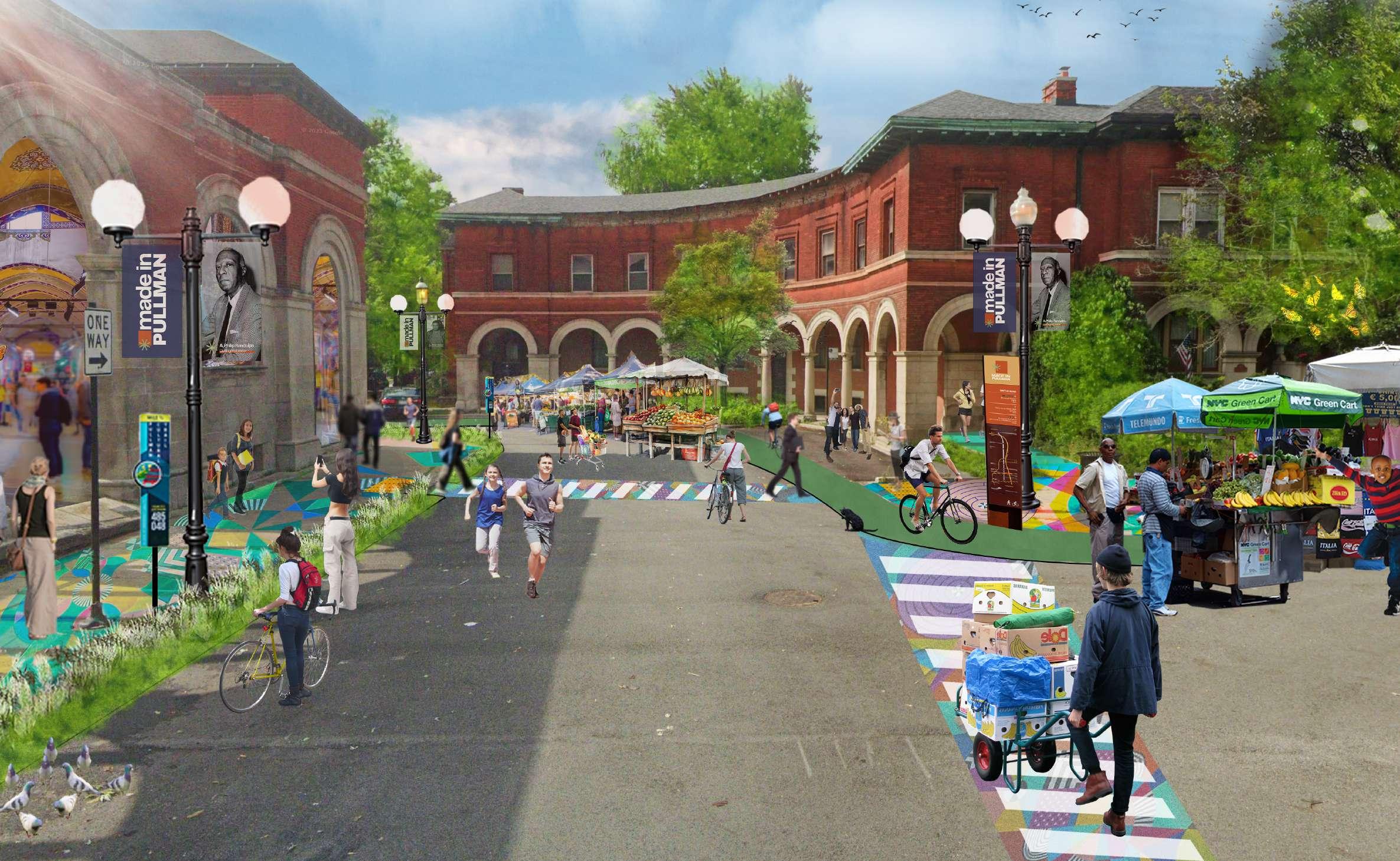
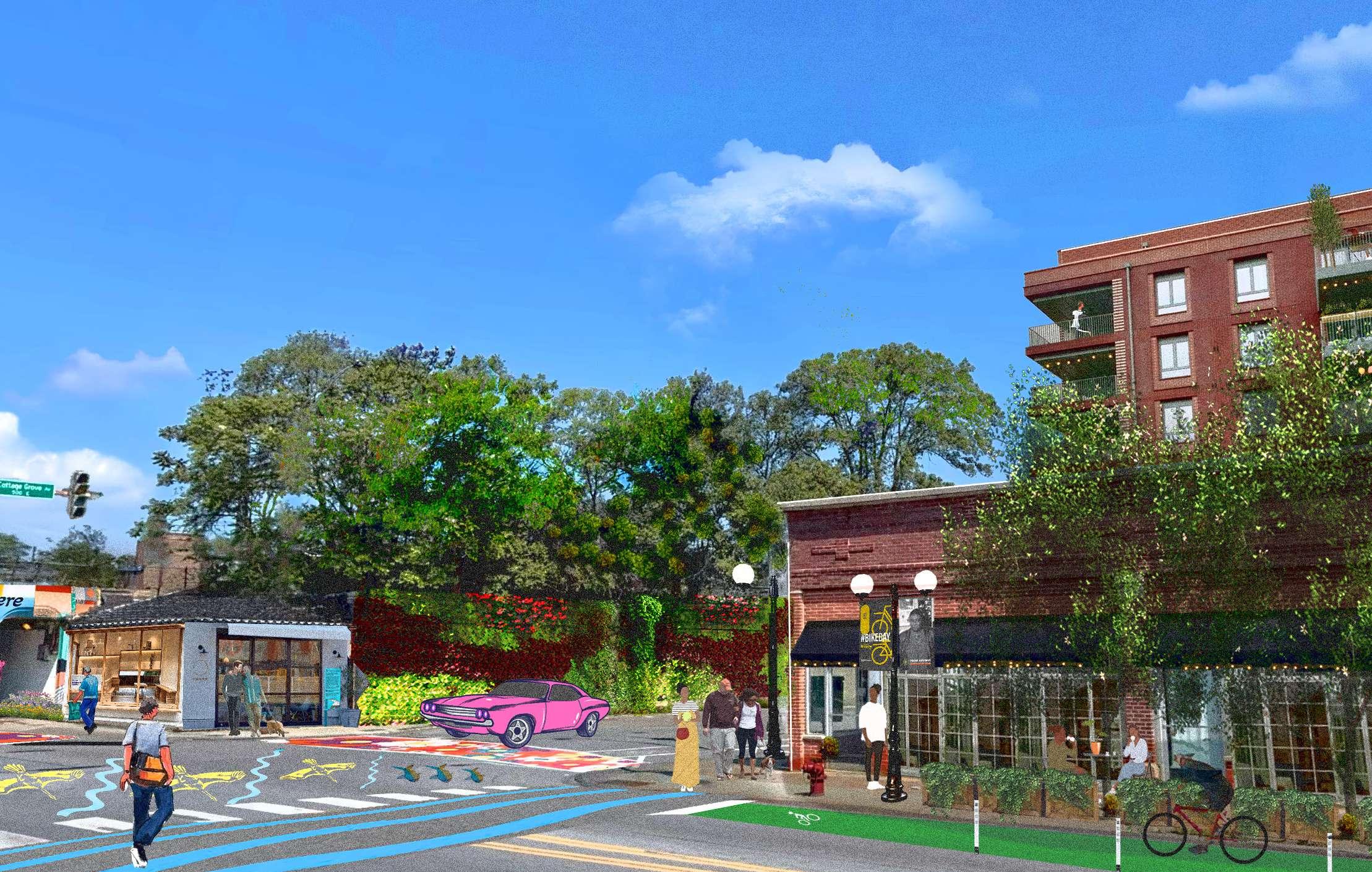
The 111th St. Gateway will be a buzzing world-class main street corridor that supports small local businesses, ensuring residents benefit through improved walkability and connectivity.
The Rear Shop Activation will be a living history center featuring modern artisans, showcasing Pullman's design legacy through their industrial craftsmanship.
CENTRAL PULLMAN
VISION
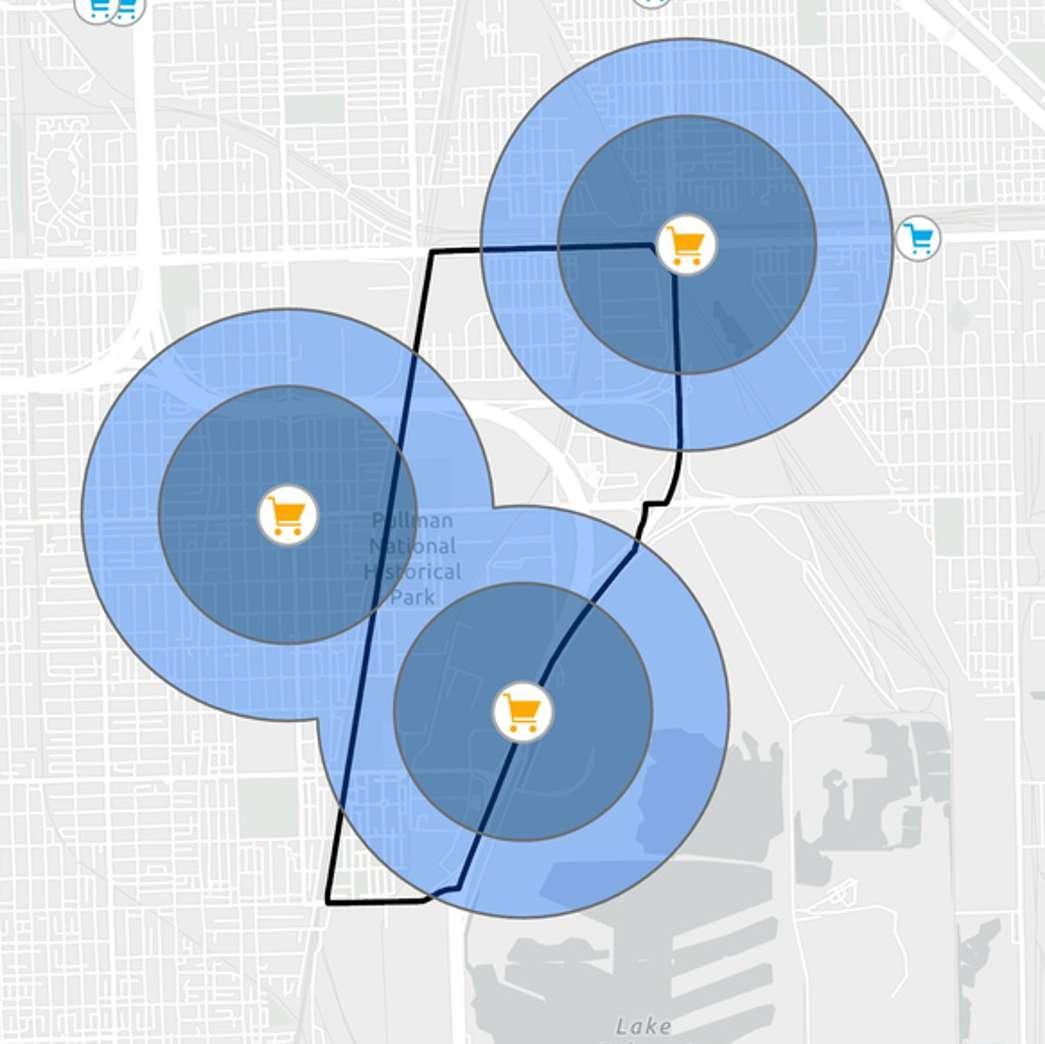
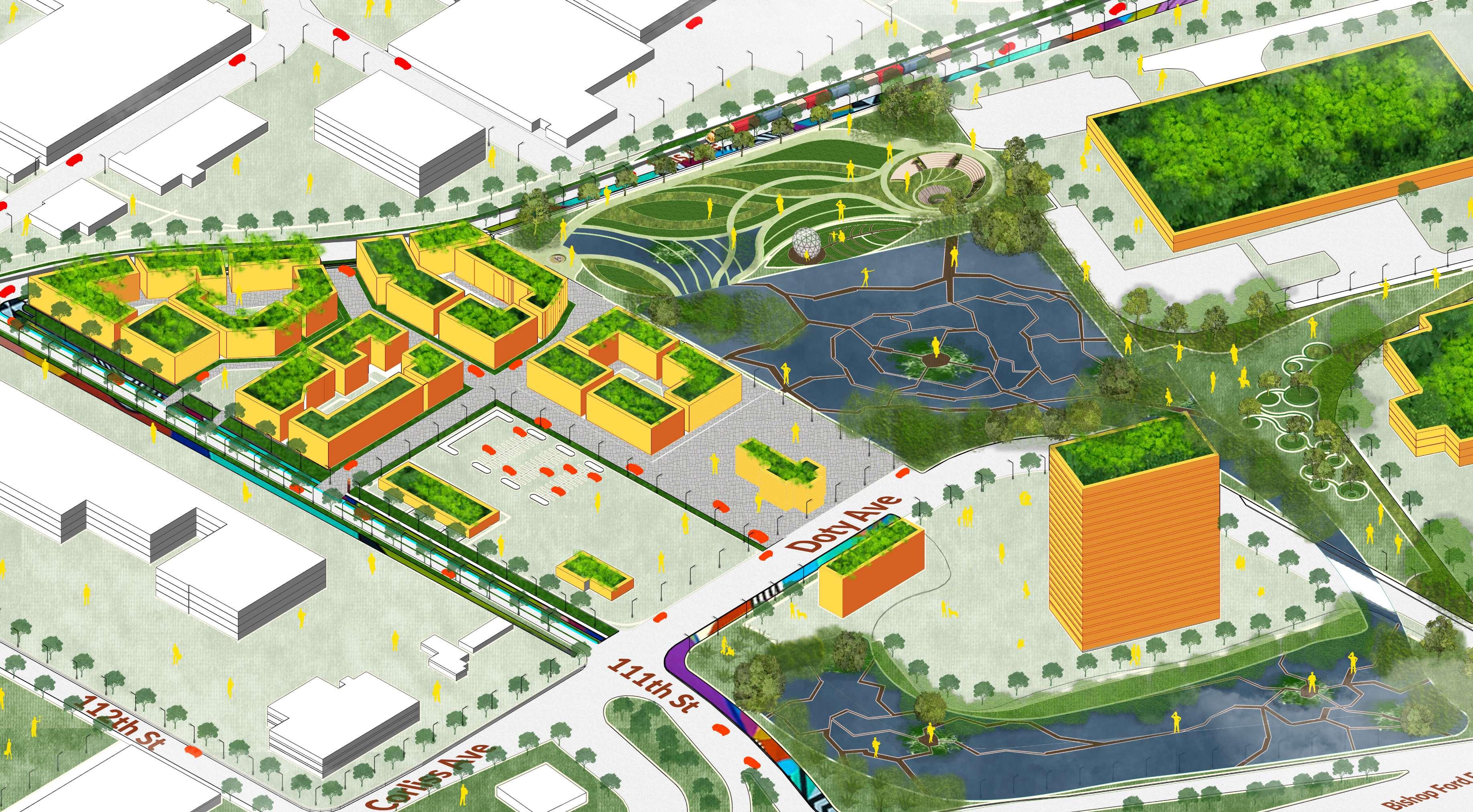
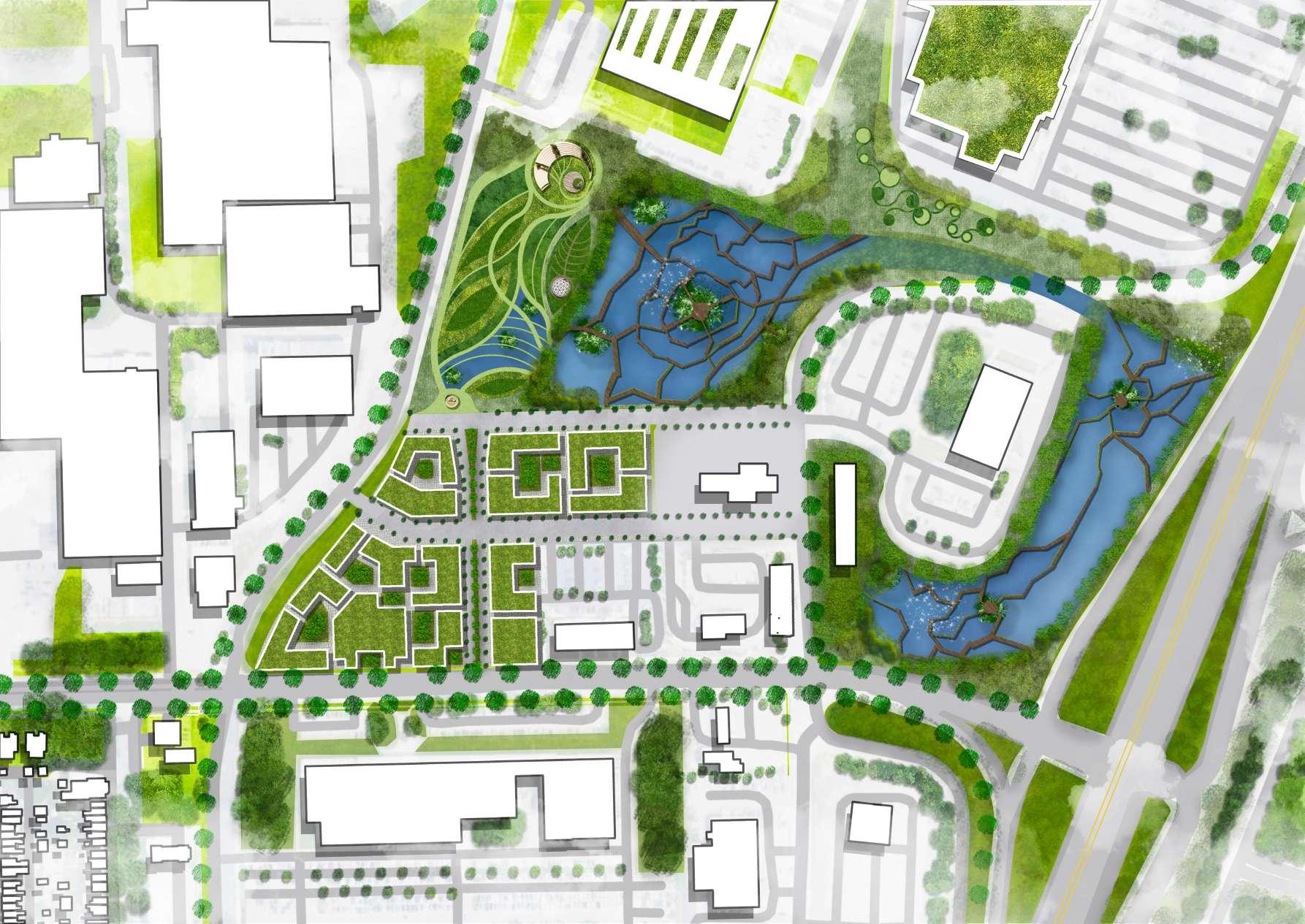
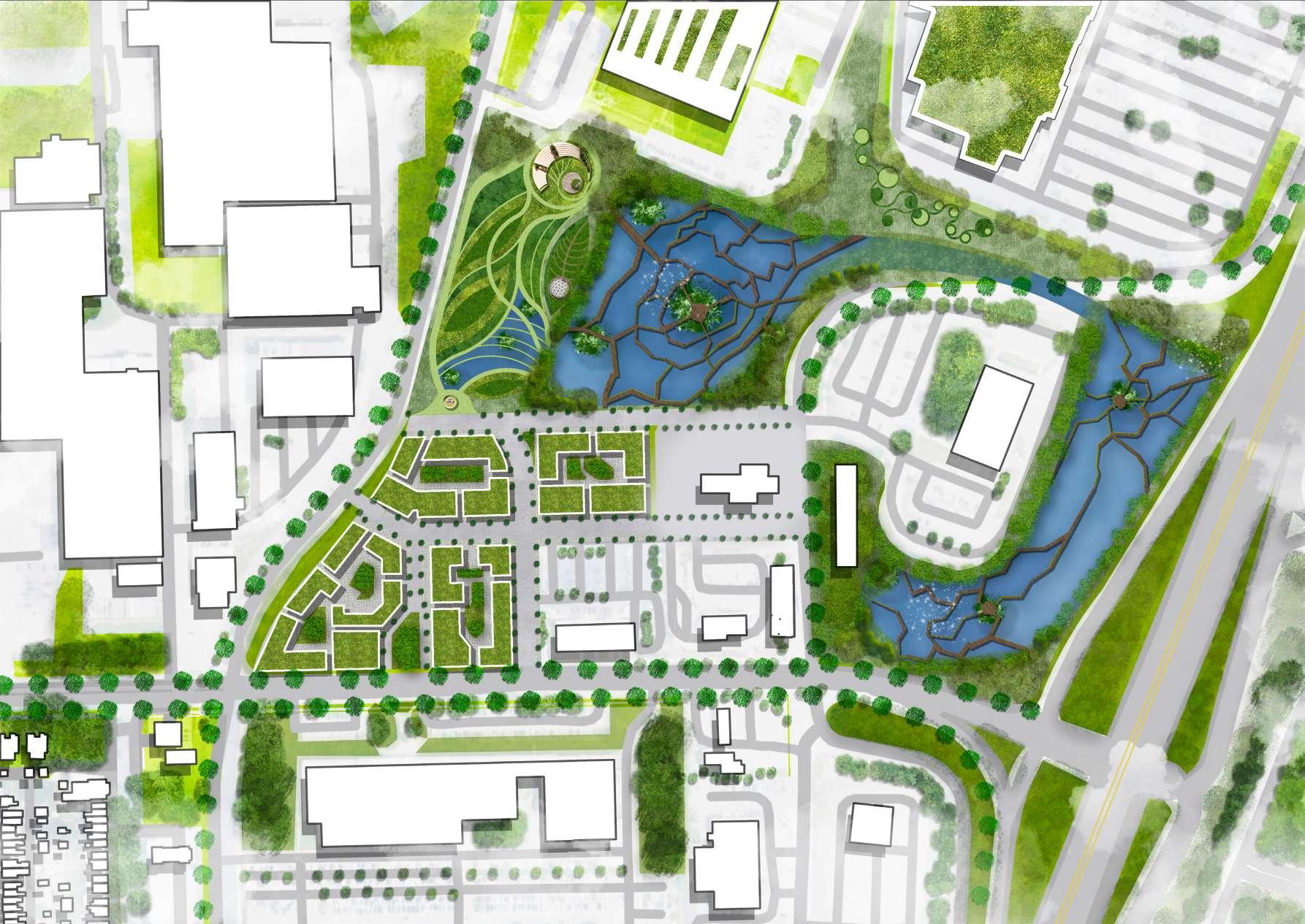
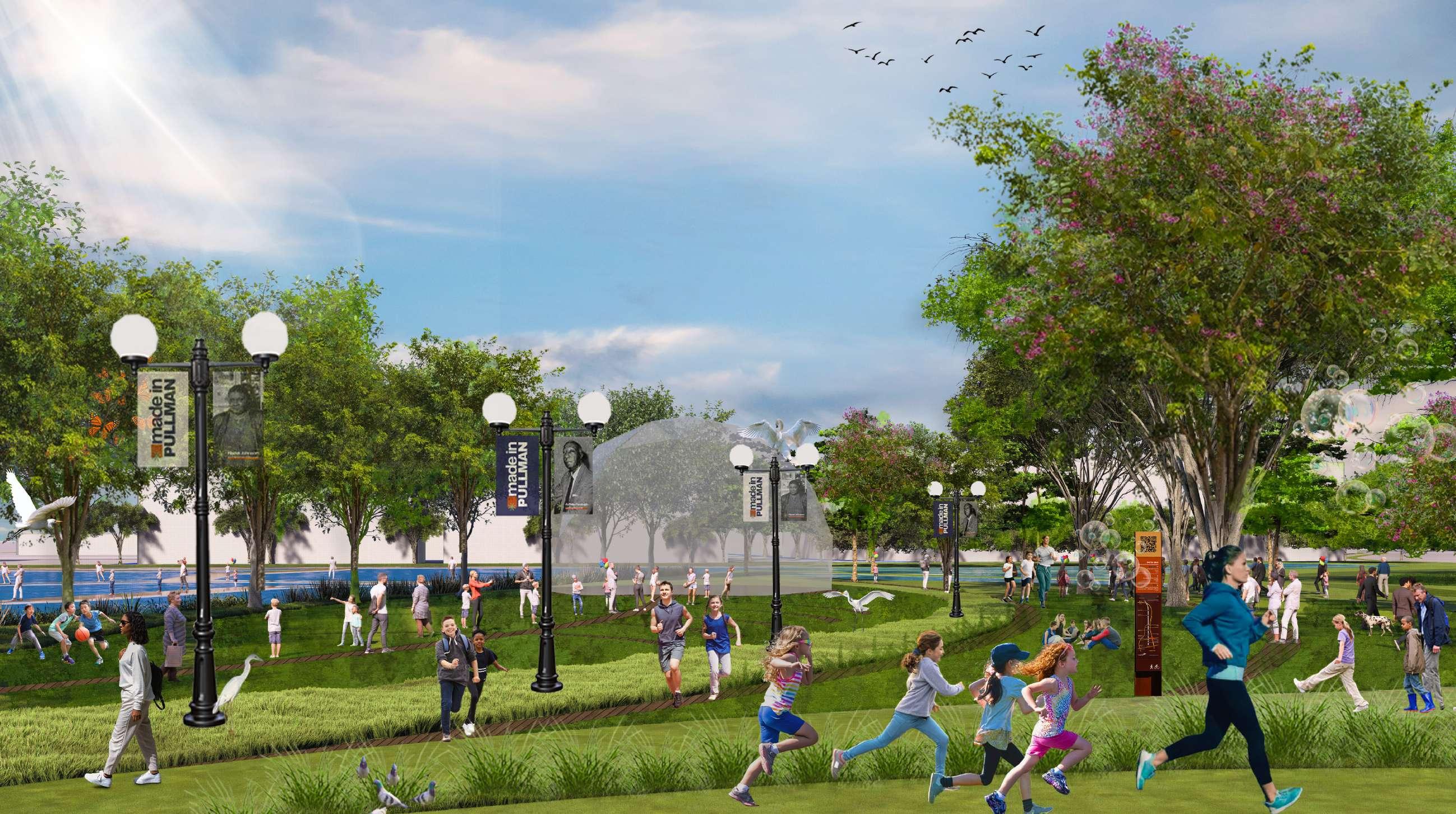
The absence of a centralized “Main Street” in Pullman is a core component, which leads to Pullman residents leaving the community for shopping opportunities and entertainment. The Town Center is a large, dense mixed-use development that provides a Main Street that Pullman is currently missing. It is a pedestrian friendly, vibrant place for residents and visitors to shop, eat, relax, and play. The Town Center includes ground floor retail space for local businesses with a variety of resdidential units above to attract singles and families to Pullman. The grounds also include public courtyards with sprawling green spaces, a detention pond for stormwater retention, and trails and walking paths for relaxation. Lastly, the entire development will be built under the Phius building standard, a passive net-zero carbon building standard.
TOWN
TOWN CENTER PLAN
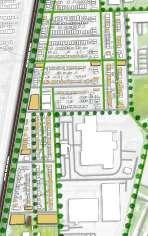
Our Town Center plan offers two site plan options with different development patterns, however both adhere to the historical Pullman street grid and neighborhood character. The Town Center is comprised of mixed-use development with ground floor retail and two stories of residential above. Residential units are a mixture of one, two, and three bedroom apartments to support a range of potential residents and promote social diversity. Site Plan
Option 1 includes 197 residential units, 125,000 sq.ft. of retail space, and .65 acres of new green space. Site Plan Option 2 includes 206 residential units, 126,000 sq. ft. of retail space, and .56 acreas of new green space.
SOUTH PULLMAN
OVERVIEW
is
to a wealth of
MARKET HALL MARKET HALL
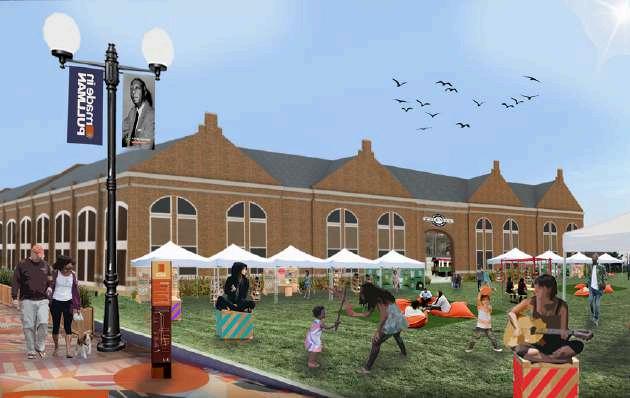
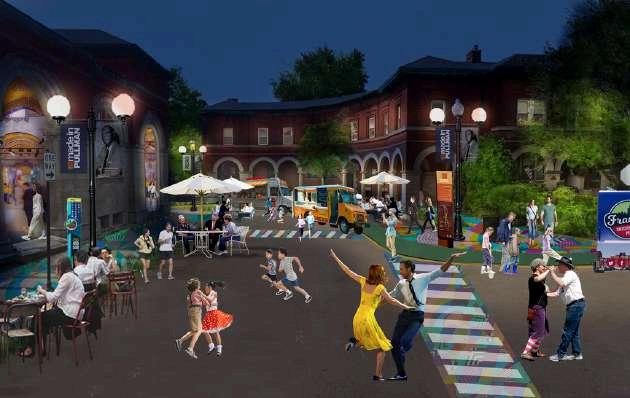
At night, the Market Hall can host cultural events for residents of all ages to eat, reconnect, and ultimately contribute to overall community vitality.
The Market Hall is a pedestrian friendly indoor-outdoor farmer’s market for local vendors to sell produce and other small goods.
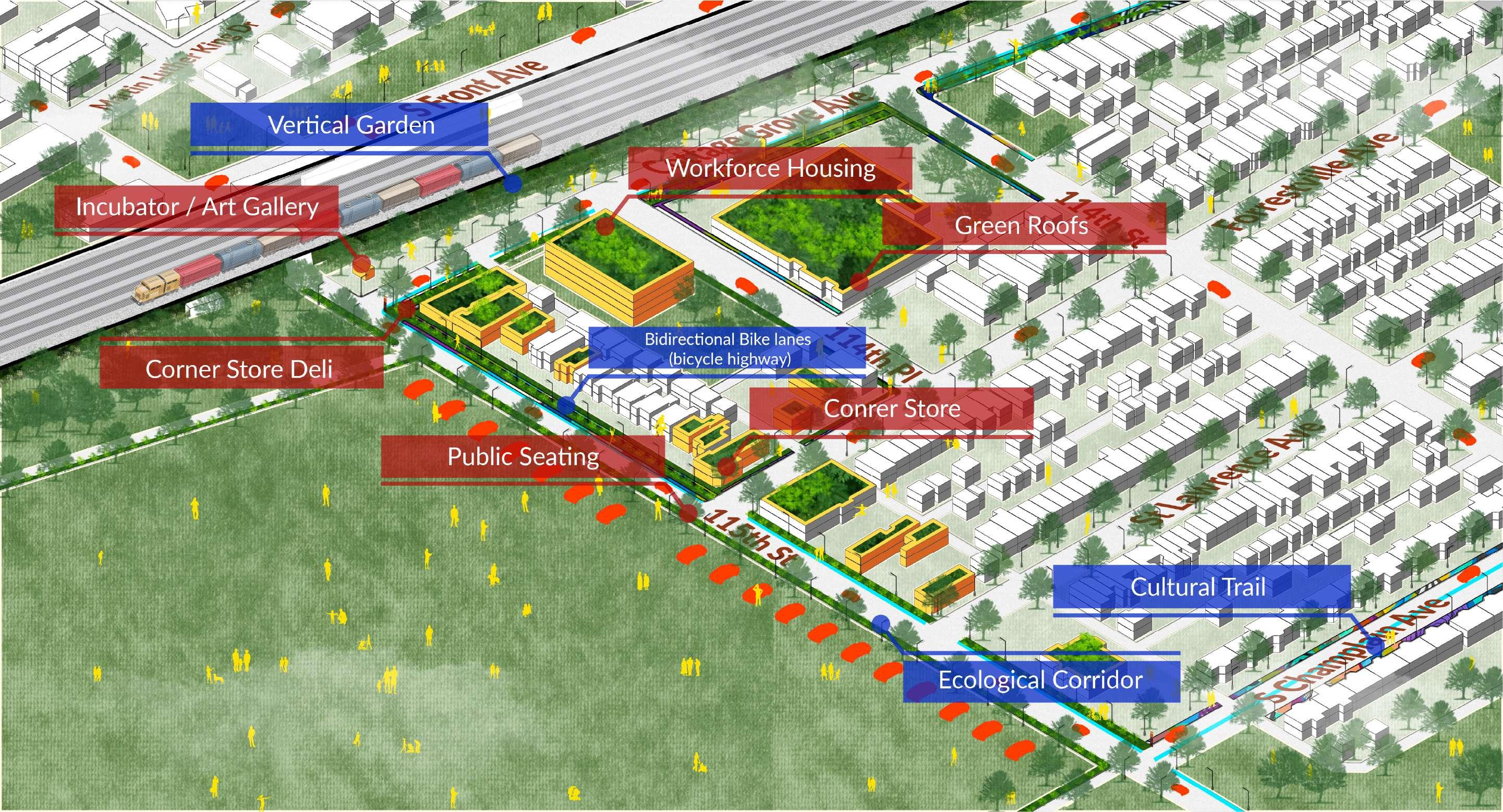
The stables is converted into a cultural arts hub for local artisans to showcase their work alongside Kensington Station, which now hosts incubator space, deli-co-op market, and workforce housing. These new cultural amenities will support a thriving local business economy in Pullman.
STABLES, ARTS CULTURAL HUB
KENSINGTON STATION
BIRDS EYE VIEW
South Pullman
home
cultural assets, public parks and farmer’s markets, and the Kensington Metra station and eventual CTA Red Line connections.
SOUTH PULLMAN
VISION
SHERWIN WILLIAMS
Our vision for South Pullman employs the EcoDistrict framework to link buildings, infrastructure, and community assets to improve the quality of life for residents in the short term and set the community up for a future of success that repairs environmental justice burdens they have faced for the past 100 years. These proposed interventions connect residents to healthy and vibrant spaces, generate restorative environments, drive green economy, and honor the work that has already been done to revitalize historic Pullman’s cultural spaces.
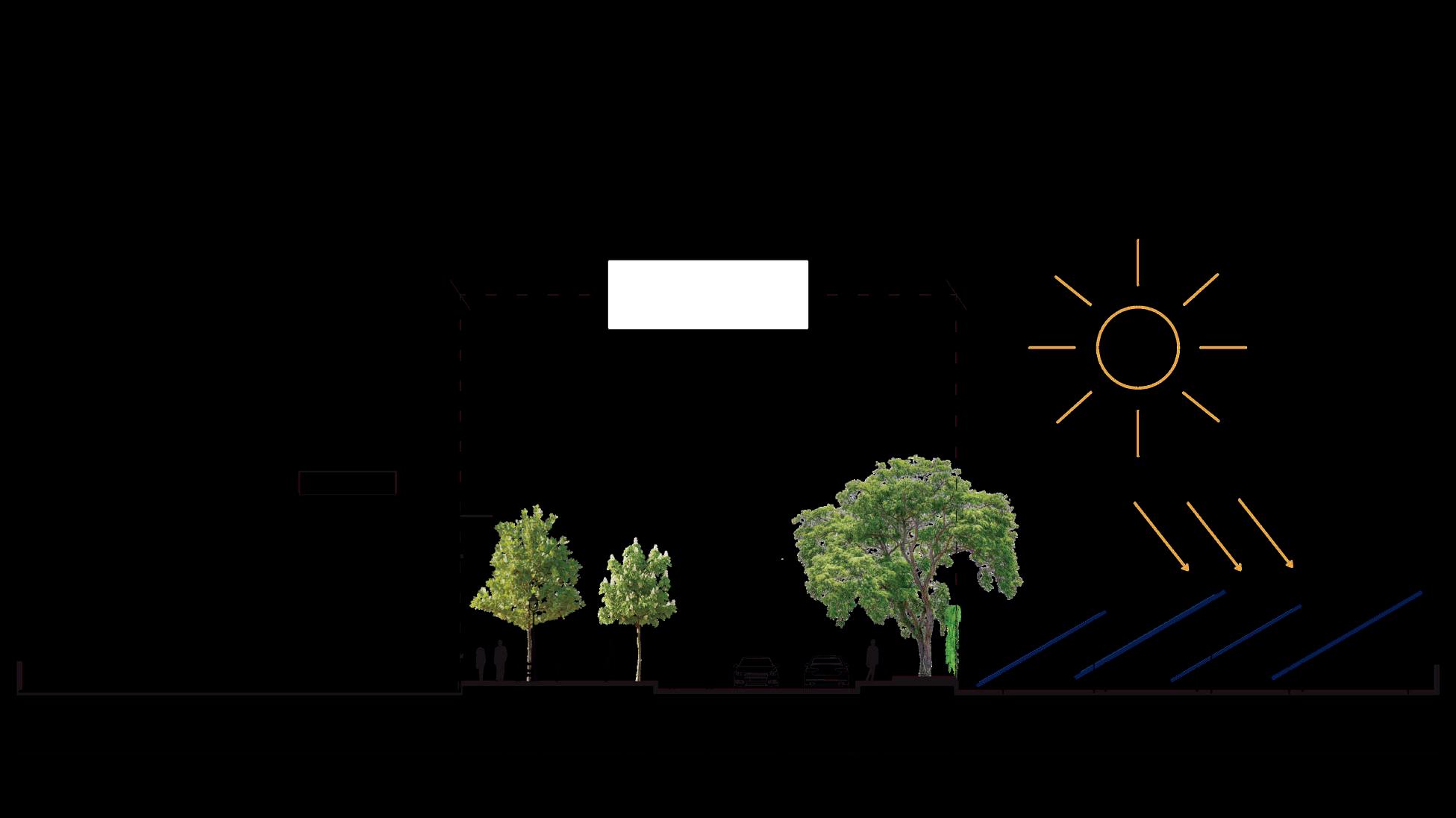
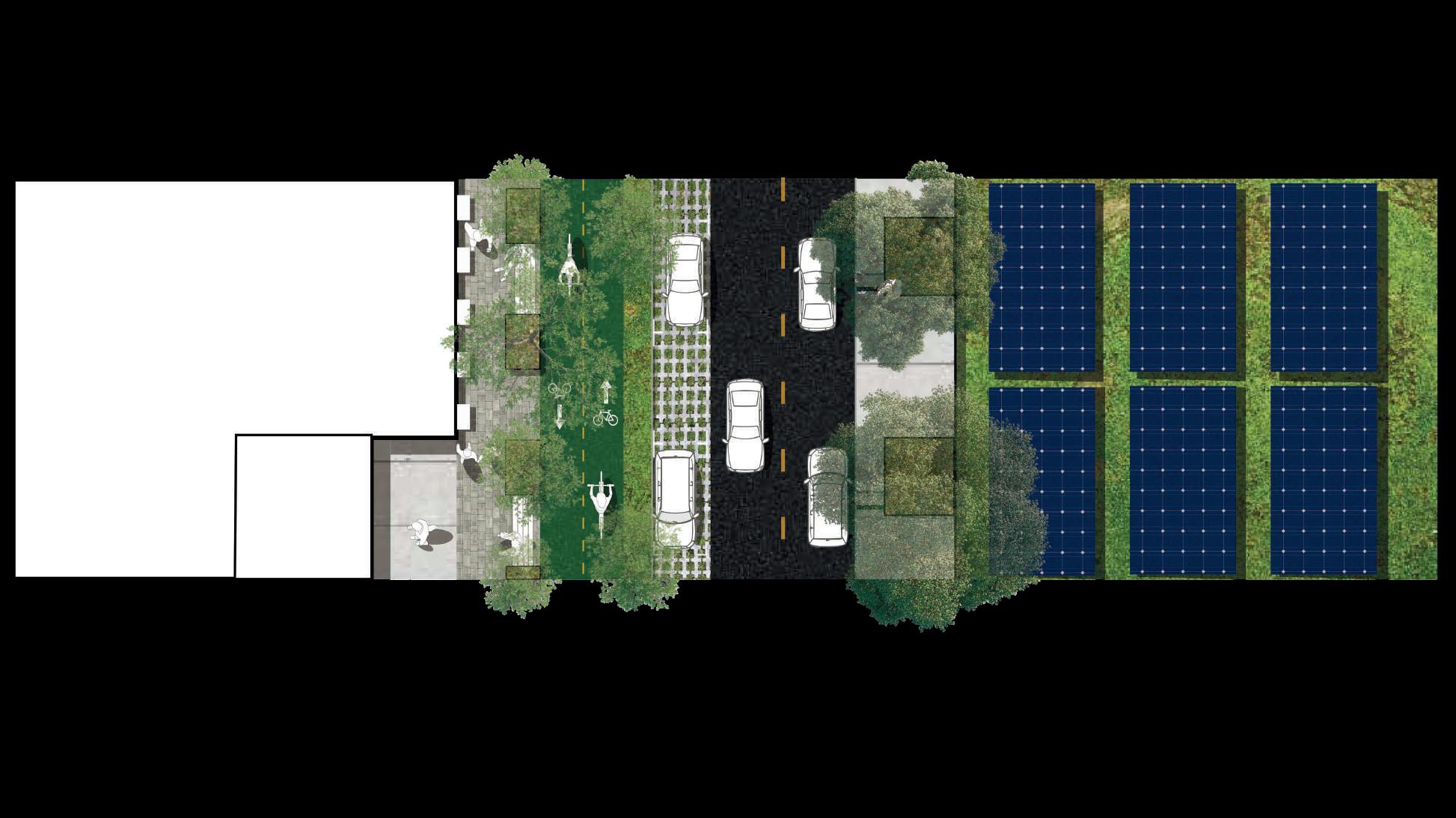
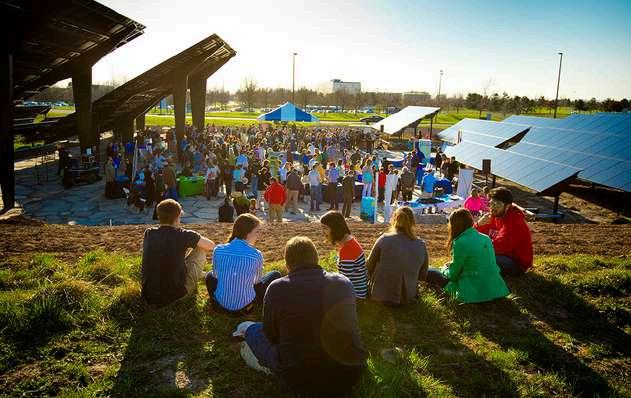
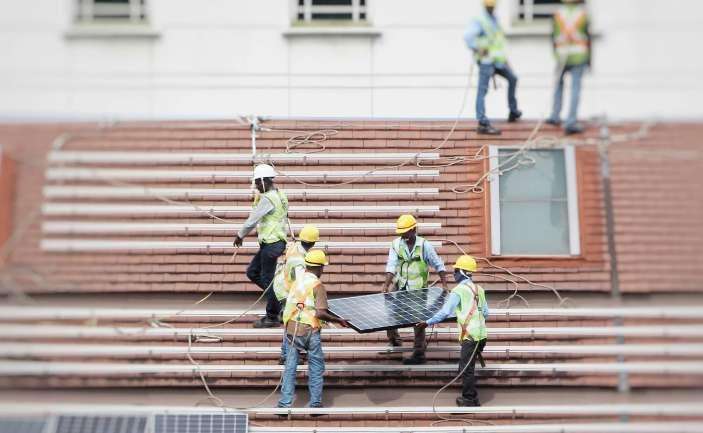
We aim to transform this largely vacant formerly industrial site into a community asset to deliver economic and environmental benefits to the Pullman community. The Solar Park will bring clean energy to Pullman residents that directly addresses the energy burden faced by residents.
MAYWOOD SOLAR FARM
SOLAR STRAND
Completed in 2014, Maywood Solar Farm is an 11-Megawatt system that sits on 43 acres of a previously contaminated EPA Superfund site and now powers 1,800 homes per year. The project achieved minimal soil disturbance after remediation completed and is the result of a successful partnership between the solar developer, utility company, EPA, and a dedicated team of environmental engineers.
GREEN ENERGY JUSTICE COOPERATIVE
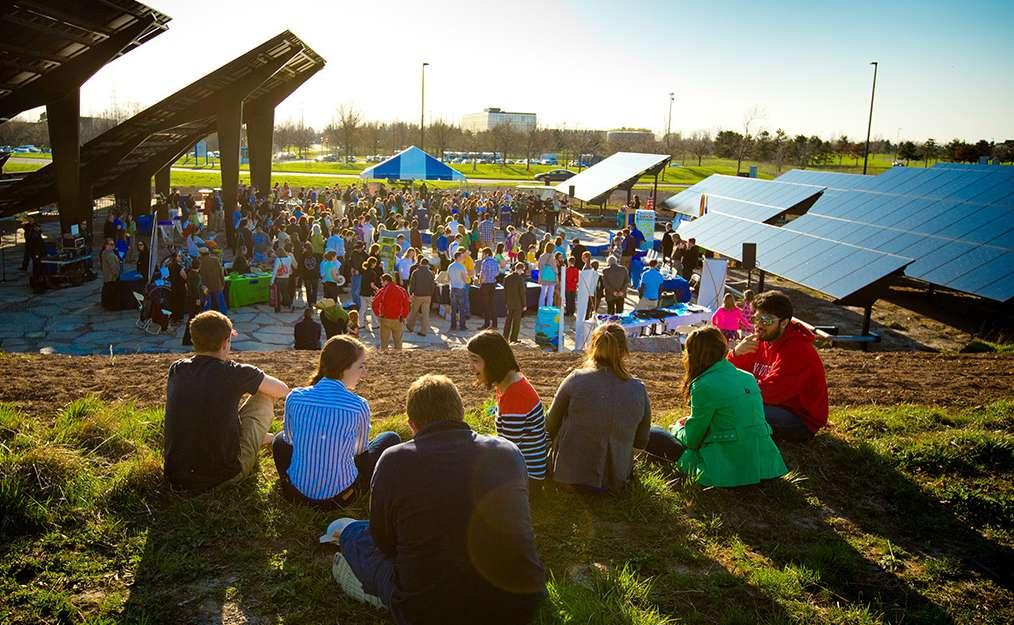
The University at Buffalo’s 3-acre Solar Strand project proves that solar farms can be more than just infrastructure projects; they can also be hubs for biodiversity and accommodate learning opportunities for students and residents by integrating outdoor classroom areas and educational signage for visitors.
As of 2022, Blacks in Green’s Green Energy Justice Cooperative (GEJC) has accelerated subscription-based community solar programming to promote clean energy sovereignty and lower the energy burden of Black, Brown and other low-and-moderate income residents. Programming benefits for subscribers additionally includes profit sharing, involvement in solar cooperative, and related workforce training.